Classes

Changing the metaphor

2

news@sfbg.com

With my partner-in-crime Keith Chandler at the wheel, we’re driving through San Francisco on our way to Stanford University Law School for the Three Strikes Summit, a deeply personal topic to both of us. Three Strikes is partly why I served 15 years in prison, and Stanford’s Three Strikes Project is a big reason why I was released earlier this year.

Chandler is a renowned activist, ex-lifer, and my comrade in the struggle to reintegrate inmates back into life in the outside world. I have become a fanatic on a mission, and this May 2 event will feature many of the top criminal justice players responsible for last year’s Three Strikes reform measure, from Attorney General Kamala Harris to San Francisco District Attorney George Gascon.

So the path we carve through the City takes us deep into the heart of the reform movement that changed my life. Change is in the air, and I’m following the scent back to its roots.

POSTER CHILD

Three Strikes as a metaphor made perfect sense. In the 1980s, the justice system was a revolving door. Relatively short sentences for serious and/or violent crimes were the norm, sentences often cut in half by parole. Lengthy records of arrests and convictions fueled a movement to get tough on crime.

As per usual, bad things happened. In 1993, sexual predator Richard Allen Davis killed Polly Klaas, a 12-year-old girl from Petaluma. A general consensus formed that repeat offenders needed to be punished to the fullest. So prison industrialists came up with a catchy solution: three strikes and you’re out. Commit three violent crimes, the authors sold to the public in 1994, and you’ll serve 25 years to life.

However, the fine print expanded the concept to any third felony — even crimes that would be misdemeanors to non-parolees — and California’s prisons swelled.

In many ways, I was a Three Strikes poster child. As a wild youngster in Sacramento, I was a menace. At 18 in 1984, I began a four-year spree of crimes that included armed robbery, assault with a deadly weapon, and residential burglary. For those transgressions, among others, I received a 12-year sentence in 1988.

I embraced sobriety, college, and writing as I served six discipline-free years. Back then, we had a right to participate in rehabilitative endeavors. Effective programs like cognitive restructuring and life-skills classes might have been foreign concepts, but I benefitted from college, weight training, and family visiting.

But I was still trapped by my criminal thinking — plagued by my nefarious associations. Though I hid it well, I was all fucked up.

In 1994, I was paroled into a whole new ball game: the era of three strikes. As soon as the law passed, the horror stories began to amass. Guys were being struck out for stealing from stores or possessing small amounts of drugs. California became the republic of the intolerant. Mired by myriad imperfections, I stepped up to the plate and swung for the fences.

A 28-year-old undergraduate with a range of goals, I started a construction company and contemplated graduate school. And instead of taking my construction company seriously, or even finishing my undergraduate education, I started using and selling meth — partying like there was no tomorrow.

In my broken way of thinking, I convinced myself that supplementing my income made perfect sense. In reality, it was an excuse to get high for free and it all fell apart. Two parole violations for drug cases seamlessly lead to a felony drug case in 1999. I went from baller to squalor, and hit a line drive right to the catcher. I struck out and faced a lifetime behind bars.

When my life came to an end, I chose to change the rules of my game. I found purpose by advocating for my demographic. As the system began to shift towards smart-on-crime principles in the mid-’00s, I managed to shift with it. My two-pronged litigious and literary activism — a lifestyle that regularly put me at odds with my captors — morphed into rehabilitative advocacy.

As a result of voters approving Prop 36 last fall, my life sentence was lifted on March 22. The merits of my rehabilitative record coalesced with a successful one-time review. As I walked out of prison a week later and jumped into the arms of my childhood sweetheart, I told Charlotte, “Let’s get the hell out of here before they change their minds.”

ROAD TO REFORM

After all the craziness of 15 years of incarceration, I have been decompressing in a transitional housing program. With a bachelor’s degree and multiple drug counseling certifications, I’m establishing myself as rehabilitative consultant. Moreover, I received the ultimate welcome home gift when The Sacramento Bee covered my reentry.

As we arrived on the Stanford campus, I thought of the friends and foes I left behind in prison. To me, this is serious business, a personal progression of nonstop advocacy. Keith’s gig as a criminal justice consultant now includes a new task — delivering me into the apex of reform.

Stanford Law School started the Three Strikes Project in 2006. The human lessons learned from securing the release of 26 three strikers motivated project director and law professor Mike Romano to shift tactics. He decided to take a bigger swing at a very bad law. By avoiding the mistakes from a catastrophic 2004 reform initiative, Romano could secure the release of thousands rather than dozens.

The project decided a narrowly drafted initiative would have the best chance for success. To qualify for a reduced sentence, minor third strikers without murder or sex offenses in their backgrounds would be vetted by the courts to determine whether they currently posed an unreasonable risk to public safety. He took down one of the nation’s toughest laws with 69 percent of the vote.

Of the 9,000 three strikers in California prisons, Prop. 36 made nearly 3,000 eligible for review. On the day of the summit, a prison official reported 460 had already been released — a number that will climb daily. While most counties have over 100 candidates — and some hotly contested cases are on the horizon — Los Angeles has a staggering 1,325 cases. San Francisco, by contrast, only has two, the result of SF’s sober, compassionate approach to charging three strikes cases.

Hearing the statewide cries from their landmark measure, Stanford invited all relevant parties to discuss how to move forward. Harris, the keynote speaker, wrapped her entire speech around a unique prosecutorial career that began in San Francisco.

As the author of Smart on Crime: A Career Prosecutor’s Plan To Make Us Safer, Harris models cutting-edge thinking as the state’s top cop. She pursued data-driven policies as she learned to look at “other issues through the lens of public safety.” By doing so, Harris avoided the sensationalism mentality that leads to hyper-incarceration.

Her successor, Gascon, followed her approach. Research showed Gascon that “higher levels of incarceration don’t translate into increased public safety.” So he teamed up with Stanford, the NAACP, and other like-minded officials as early supporters of the Three Strikes Reform Act of 2012.

Overall, the summit included a range of panelists who discussed a number of relevant topics. But how to adjudicate all these cases was juxtaposed by the need to find resources for reentry services. Stanford professor Joan Petersilia has been instrumental in every recent criminal justice policy change in California, and she warned of the need for more reentry programs.

“What goes down can easily go up,” Petersilia said, warning the crowd about prison populations and crime rates. “Roughly $1 million is being spent on the average three striker, and zero is being spend on their reentry.”

FREEDOM

Most of us are being released without any supervision or any type of state or county funds associated with probation or parole. Since we have far exceeded our sentences, the average three striker is leaving prison with little to no resources, let alone being able to tap into existing programs. I’m paying for my program out of my own pocket.

While it took decades to create the worst justice and prison system in the country, it’s definitely going to take years to correct. I advocated for more than a decade while buried under draconian measures buttressed by dreadful prison policies. Thus, I am excited groundbreaking issues are being discussed by people like this.

For those officials still trapped in their broken thinking, I also know how hard it is to abandon criminal thinking. However, like Gascon said, “Prop 36 is changing the metaphor.”

Seated in Keith’s sports car with the top down, we are making our way up 280 towards the city. Heading back home to Sacramento, I felt like a passenger on the Titanic with an alternate ending. While I am still in the honeymoon stage of my reentry — and reluctant to let this feeling go — I am at the beginning of a new era. We all have work to do.

My life of crime and activism has been an open book — and so is my reentry. After spending the day with journalists and actors in the field of justice, now I feel an even greater obligation to repay my debts. For the first time the light at the end of the tunnel is no longer blurred by the cold hard steel of the penitentiary, or maintained by tone-deaf policy-makers.

I still can’t believe it — I am free.

Girls-only hackerspace teaches critical thinking through crafts

7

Get out your glue sticks girls, it’s time to get crafty. Turns out, all that glitters really is gold for summer campers who will wind up at the girls-only craft camps that Curious Jane is hosting in Marin County this summer. Young women aged six to 12 will glean a wealth of knowledge from DIY-centered classes aimed towards not just inspiring creativity, but cultivating critical thinking skills through projects — costume design, storyboarding graphic novels, toy design, and more.

The Brooklyn-based company, which employs all female camp counselors, is bringing its contribution to girl power to the West Coast for the first time this summer. Curious Jane founder and mother of two Samantha Razook Murphy wanted to provide her daughters with a space to create collaboratively in an high-energy, girl-powered environment — so she made it herself. 

Curious Jane is celebrating its cross-coastal arrival with what it’s calling a hackerspace for girls on May 19, followed by a three-week summer camp session at the San Domenico School in San Anselmo starting July 29. That camp will include the workshops, and a place for girls to engage in hands-on, project based classes exploring basics in design, building, and science, fostering a sense of individual empowerment in a group setting.

The camp’s marketing director Melisa Coburn was eager to hype the arts ‘n’ crafts-a-rama. “My daughter attends the programs and I can tell you from the “mom’ perspective that girls LOVE the programs”, she tells the Guardian in email.

Keep your daughters off the couch this summer — this camp looks great, and the May 19 event would be a great chance to give it a test run. 

Make It/Take It hackerspace for girls

May 19, 12:30pm – 4pm, $20 or $15 if you bring a friend

Marin Art and Garden Center

30 Sir Francis Drake Blvd., Ross

www.curiousjanecamp.com

Behind the attacks on City College

17

OPINION Last year the Accrediting Commission for Community and Junior Colleges harshly sanctioned City College of San Francisco and gave us just nine months to shape up or face the consequences. This was pushed on the community even though the quality of education provided at City College was never in question.

Since then, CCSF has changed student assessment metrics and addressed the governance, institutional planning, and enrollment management issues cited. We have done so even as we have also documented disquieting information about the ACCJC’s damaging role at CCSF and at community colleges throughout California.

Our research into ACCJC found that the commission failed to respect the law and public policy of the state and violated federal common-law due process and California common-law fair procedure. Further, at CCSF and in districts around the state, the ACCJC often acts arbitrarily, capriciously, unfairly, and inconsistently in evaluating colleges, thereby harming the schools and their communities.

San Francisco has shown valiant support for City College despite the drumbeat of negative publicity around our accreditation status.

Recently, the San Francisco Board of Supervisors voted unanimously in support of preserving the quality and diversity of education at City College of San Francisco, of tackling the achievement gap and ensuring equitable opportunities for students, and of utilizing Proposition A funds as intended.

In the age of the 24-7 corporate news cycle, educators and unions are too often portrayed as the opposition in attempts to push austerity, undermine the public sector, and efface the important educational work we do for students. We will not apologize for resisting the downsizing of our students’ educations, for saving jobs, and for protecting educational programs that benefit our students—particularly our most vulnerable students. We will not apologize for attempting to sustain employees’ health, working conditions, and well-being.

When San Franciscans passed Proposition A overwhelmingly last November, it was a ray of light for those of us who have devoted our lives to City College and its students. Providing $15.2 million, the tax was designed to reverse the cuts to classes and employees in our starved public educational system, helping sustain our college for San Franciscans. Now the administration is diverting millions of these dollars and pumping additional money into consultants, lawyers, computers, and maintenance. Under the administration plan, next year less than a third of that money will go toward the educational purposes voters were promised.

Meanwhile, the race to downsize continues. At the negotiating table and in the press, the administration uses the need to retain the college’s accreditation—something all of us agree is crucial—as reason, excuse, and threat. It has shirked its duties at the bargaining table, imposing pay cuts and implementing premature and damaging layoffs of staff and faculty.

We face a host of other dramatic changes that cut into our ability to serve student needs, including a reorganization that pushes faculty expertise and voices further into the background and a shocking lack of substantive dialogue or transparent processes. Our trustees now preside over meetings that squelch public speech, restricting access to a too-small meeting room with the windows literally papered over so that no one can see in or out.

Thankfully, we are not alone in this fight. In Chicago, in Seattle, and in communities around the country afflicted with disingenuous “reforms” and diminished access, we are gathering strength and allies and standing up for the principles that inform our work as educators, responsible for defending and improving quality, accessible public education for the public good.

To join the fight to save our City College, email aft@aft2121.org

Alisa Messer is an English instructor at City College of San Francisco and president of AFT Local 2121, which represents instructors, counselors, and librarians at the college.


T-Third passengers unhappy about train service disruptions

Around 20 residents from San Francisco’s Bayview neighborhood lined up at the San Francisco Municipal Transportation Agency board meeting May 7 to voice complaints that all too often, the T-Third light rail transit vehicles leave passengers stranded on train platforms, taking rail cars out of service before the end of the line and leaving riders to wait for the next arrival.

Organized by People Organized to Win Employment Rights, an organization better known as POWER that has campaigned around Muni issues before, the riders asked the SFMTA board to address the T train turnarounds, and called on the transit agency to run all trains through to the end of the line in the city’s Southeast neighborhoods.

Muni service disruptions along the T-Third occur most frequently at 23rd and Third, Armstrong and Third, and Williams and Third, based on SFMTA data. The passengers expressed frustration that even though the T-Third technically runs all the way to Sunnydale, a Visitation Valley housing complex, it often stops short of the final destination and causes delays on an already lengthy commute. The topic of Muni “switchbacks” picked up momentum earlier this year after District 4 Sup. Katy Tang vowed to take up the issue of train turnarounds, which also impact transit passengers in the Sunset. 

Jackie Wysinger, who walks with a cane and resides at a senior center nearby Armstrong and Third streets, told SFMTA board members that she’s no longer able to drive and depends upon the T train to get around.

“We need better transportation,” Wysinger said. “The T train turns around right there, and they do it regularly,” leaving passengers with no choice but to walk or wait in discomfort. “It’s just bad on the senior citizens.”

Claudia Bustamante, a member of POWER who spoke in Spanish through a translator, related a story of traveling back to the Bayview on the T-third on Monday night. “We were on the T-train and there was a person in a wheelchair, and another woman crying,” she said. “But the driver said, ‘sorry, this is the last stop. Everybody has to get off.’ … They kicked us off. This happens not just to me, but to the members of the African American community in Bayview. And this needs to stop.”

Jim Hill, who told SFMTA board members that he’s lived in the Bayview for 51 years, said he’s experienced train service disruption at 23rd Street on a regular basis. “I don’t understand why a man would turn a train around that’s full of people,” he said. “I have experienced 45 minutes to an hour before another train comes.”

Hill added, “I don’t think a person should have to work all day, and have to stand up from the time they get off work, until they get home.”

Gloria Dean, a Bayview resident who penned an editorial in the San Francisco BayView newspaper in March, characterized the frequent disruptions to service in Bayview Hunters Point as “shameful racism” in her opinion piece. She recounted one evening when her commute from Oakland to Third and LaSalle took from 6:45pm until 9:08pm. Since her husband is battling health problems, “it’s important for me to get home” following her evening classes at Mills College in Oakland, Dean wrote.

Juana Teresa Tello, an organizer with POWER, stressed that while switchbacks are known to occur on other lines, Bayview residents tend to have fewer transportation options. “It’s the highest concentration of people in public housing,” Tello pointed out. “It’s people who need the transit system the most.”

There was no SFMTA agenda item on the topic of turnarounds on the T-Third line, so residents aired their grievances about the issue during public comment. Once they had all finished speaking, SFMTA board chair Tom Nolan indicated that the item should be added to the board meeting agenda “sometime in the near future.”

In response to a query submitted several weeks ago, SFMTA spokesperson Paul Rose sent the Bay Guardian a detailed response to questions about train turnarounds at the 23rd and Third stop.

“Trains going to 23rd Street on the T-Third are typically going to our maintenance yard located near 25th Street and Illinois at the end of their shift,” Rose explained in an email. “These trains are J, K, L, M, and N trains that travel in service as T-Third trains to the yard and accept passengers all the way to the last stop before the yard – 23rd Street. The alternative is to have the trains travel ‘not in service’ to the yard from the subway and accept no passengers.

“The vehicles returning to the yard and traveling from the subway only to 23rd Street add additional frequency between the subway and 23rd Street but are not scheduled full trips to Sunnydale,” Rose acknowledged.

The 23rd Street stop marks the end of a stretch of recently installed condominium complexes in San Francisco’s Dogpatch neighborhood, an increasingly popular residential area for Silicon Valley commuters who have easy access to the highway to travel south to tech campuses.

Finally, Rose stressed that “We minimize unscheduled train turnarounds as much as possible … Supervision is also told to only perform these turnarounds when there is another train within five minutes or less,” he added, “to minimize passenger inconvenience.”

Debt peons, unite!

49

rebecca@sfbg.com

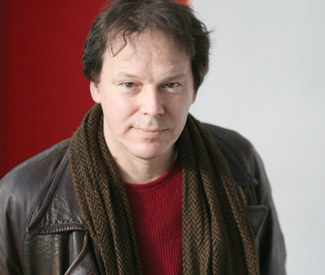
David Graeber is renowned among occupiers and idealists as an intellectual founder, or anti-leader as it were, of the Occupy Wall Street encampment that sprung up in Zucotti Park in the fall of 2011. He’s an organizer, an anarchist, a professor of anthropology and sociology at Goldsmiths University of London, a former instructor at Yale, and the author of several books, including Debt: The First 5,000 Years, a tome tracing the concept of debt back to the roots of Western civilization.

His latest book, The Democracy Project: A History, a Crisis, a Movement (Spiegel & Grau, 2013), chronicles the rise of Occupy, a leaderless economic justice movement Graeber unapologetically characterizes as a success. In honor of International Workers Day, May 1, the Bay Guardian caught up with him over coffee to talk about economic pressures facing today’s workers, particularly the young and marginalized.

Turns out, it’s not a pretty picture out there — but at least Graeber, who has a propensity to collapse into giggles between full throttle ruminations on the absurdity of global economic policy, has a sense of humor about it.

Below are some excerpts.

San Francisco Bay Guardian: Looking at the Occupy movement, the mainstream narrative seems to be that it was a short-lived, failed experiment and now it’s over. But in your book, you ask the question ‘why did it work?’

David Graeber: Let’s put it this way. When was the last time that the issue of social class was put at the center of American politics? Probably the 1930s. Social movements have been desperately trying to do this for 50, 60, 70 years and gotten nowhere. We managed to do it in three months. Um, that’s pretty impressive. … And I’m pretty sure that if it weren’t for us, we’d have a President Romney right now. That whole 47 percent thing? It would not have resonated had it not been for the 99 percent thing.

SFBG: Why do you think the idea of wealth inequality, of all issues, resonated so much?

DG: I think because there’s a basic change in the way capitalism works in America. It’s been going for some time, but it just became unmistakably apparent after 2008. People talk about the “financialization” of capitalism, and it sounds very abstract. Casino capitalism, speculation, they’re playing these games, they’re making money appear out of thin air, which is not entirely untrue. … It’s based on getting everybody into debt. The profits of Wall Street are — they now say a very small percentage is actually based on commerce — it’s now based on finance. But what does ‘based on finance’ actually mean? It means they go into your bank account and take your money.

I’ve been trying to figure out just what percentage of the average American’s income is simply extracted every month by the finance sector. …You count mortgages, you count credit card debt, loan debt, all the fees and penalties that you don’t notice… all that stuff put together comes to about 20 percent at least, and probably higher. For example, families that are in their early 30s, it’s often 40 percent. … I saw a poll the other day that said, for the first time since they’ve been taking statistics, a majority of Americans don’t consider themselves middle class. … And I think the reason for this is because it really never was an economic category. It has to do with how you feel you relate to basic institutions. What middle class first and foremost means is, if you see a policeman, do you feel safer, or do you feel less safe? … Then there’s more going on. For the first time, we found that there is incredible solidarity between students and workers, which have traditionally not been friends — go back to the 60s and it’s hard-hats beating up hippies. Now, the transit workers in New York are suing the police over taking their buses to arrest us [occupiers].

SFBG: How would you reflect on the economic condition that workers are facing, compared with how things were historically over the last several decades?

DG: It’s atrocious. One thing that’s happened is there’s been this disconnect between productivity and wages. This is kind of the deal they struck at the end of World War II in most of the North Atlantic countries: It used to be that you work harder, you produce more, you get a share of the profits. And that was worked out through mass unionization, it was worked out through negotiations, and it was tacit somewhat, but you know, it was understood.

Since the ’70s, that deal is off. So, productivity goes up, wages stay flat. So that’s why they say all profits have now gone to one percent of the population. So workers are working harder and harder, more and more hours, under more and more stress. …It’s all the more difficult because of education, because now it’s gotten to the point where if you don’t have a college degree, your chance of having any benefits at work is basically nil. If you want to have health care, you need to go to college. At the same time, if you want to go to college, you need to pay student loans. So you’re double damned. … You have all these people who are sort of trapped: I’d like to finish, I’m still going, I’ll take night classes — for five or ten years, while you have a working class job. So the line between the students and the proletariat blurs, and this is one of the reasons why the student loan issue actually spoke to people in unions.

And there’s also a shift in the type of work. Did you ever see the “We are the 99 percent” tumblr page? It was all these people talking about their jobs… their debts and difficult medical problems…. One of the things that fascinated me about that was that like 80 percent of the people on that page were women. …They were all doing something where the work was clearly to the benefit of someone else. And I think that those are the people who are the most screwed right now, ironically. The more obviously your work benefits other human beings, the less you’re paid.

SFBG: Going back to this idea of debt — your book [Debt: The First 5,000 Years] looks at debt through the ages of human history. I’m curious to hear your thoughts on debt as it relates to personal freedom.

DG: That’s one of the most pernicious things about the current debt regime in America. Being young is supposed to be a place where you can let your imagination run free and explore your sense of possibility. That’s what college used to be. In a sense, those students who are just out of college, I always call them post-students, they’re the kind of people who are activists, the kind of people who are thinking okay I’ll start a band, maybe I’ll be an artist. That’s where everything comes out of in a generation, where everything new and exciting emerges. What could be more stupid than taking all those people and turning them into debt peons? … I think of it like horror movies — what is it that’s so scary about monsters? It’s that they turn you into them, right? Vampires, werewolves. But you don’t get to be like the really cool super count vampire, you get to be a pathetic minion vampire, where you’re in debt for the rest of eternity, as a flunkie. In a way, that’s what’s scary about debt. It forces you to think like a capitalist, you have to think about money and profit all the time. But it’s even worse, because you’re a capitalist with no capital. It like totally destroys your ability to think of anything but money, and you don’t even have any money.

SFBG: Another thing we’re seeing increasingly is austerity measures and public sector spending cuts. What’s the root cause of these rollbacks, and what do you see as the most appropriate response from economic justice activists?

DG: I am in the peculiar situation at the moment that some members of the ruling class actually talk to me and even ask for my advice. Which, you know they’re in trouble if they’re talking to me, right? Part of the reason for that is that these guys are on a completely self-destructive course. I live in the UK most of the time. They’re going into a triple debt recession because of these austerity programs. Now what are you going to make of it? It has nothing to do with economics.

SFBG: So why is it happening?

DG: It’s moral. It’s political, and moral. Neoliberalism is not basically an economic ideology. It’s about politics … Always prioritize the political advantage over the economic advantage. Breaking unions, getting rid of job security, making people work more and more hours — that’s not economically efficient … So what does it do? Well, it’s the best thing you could possibly do if you want to depoliticize workers … The classic justifications for capitalism are harder and harder to maintain. … So what excuse do they have left? They can say, well, it’s the only thing that’s possible. Basically all they can do is hammer away at our imagination. The only alternative is this, or North Korea. And the amazing thing is that the only war they’ve won, is the war against the imagination.


On the Cheap listings

0

Submit items for the listings at listings@sfbg.com. For further information on how to submit items for listings, see Picks.

WEDNESDAY 24

LGBT Career Fair SF LGBT Center, 1800 Market, SF. lgbtcareerfair2013.eventbrite.com. Noon, free. RSVP online. Head over to the LGBT Center today to check out some leading Bay Area employers dedicated to diversity and inclusion in the workplace. The fair provides the LGBT community and allied job seekers the opportunity to network and discover new careers.

THURSDAY 25

Green fashion show and discussion SkunkFunk, 1475 Waight, SF www.efactor.com/greenclothessf. 7-9pm, free. Check out a fashion show with a focus on sustainable, eco-friendly clothing. After you’re wooed by all the green style Oceana Lott, a human resource manager, magazine editor, and teacher will speak about how to create a lifestyle that is both fulfilling and economically minded.

The Bone Room Presents The Bone Room, 1573 Solano, SF. www.boneroompresents.com. 7pm, free. Head to the Bone Room this evening to uncover the mysteries behind the human nose. Neuroscientist Leslie Vosshall will give an in-depth presentation on the biology and possibility of genetic basis for the human sense of smell.

“How to Move a Mountain” Southern Exposure, 3030 20th St., SF. www.soex.org. 7-9pm, free. At this eclectic three-pack of presentations on the power of collaborations you’ll be able to learn about the sexual life of slime mold, robots that can improvise music, and how to draw collectively.

FRIDAY 26

Body image workshop AHP Services Center, 1930 Market, SF. www.ucsf-ahp.org. 6:30-9:30pm, free. Call (415) 476-6448 x1 to register. Join tonight’s discussion about the way gay and bisexual men see their bodies. The evening will cover ways to improve body image and how it can affect your relationships and sex life.

Natural Poetry Month book party Pegasus Downtown, 2349 Shattuck, Berk. www.omnidawn.com. 7pm, free. Celebrate National Poetry Month with Omnidawn Publishing. Writers George Albon, Norma Cole, Alice Jones, and more will give brief readings from their own Omnidawn books. Hors d’oeuvres, desserts, wine, and fizzy water will be provided to sip and snack on.

SATURDAY 27

Public Square: Future soul edition YBCA Forum and Galleries, 701 Mission, SF. www.ybca.org. 11am-1am. Check website for specific event prices. Join the YBCA for a full day of classes, performances, and exhibits. Some events on the schedule include the 50 Cent Tabernacle, which — for a mere 50 cents — will give you access to up to six of the offered dance and movement classes. Hang out at an event put on by art group Field of Inquiry afterward, which answers the question “What will soul look like in the year 2038?” The group will respond with performances, food, design, murals, and technology. Check the site for a full schedule of events for the day.

Same-Sex Ballroom Competition Just Dance Ballroom, 2500 Embarcadero, Oakl. www.aprilfollies.com. 10am-11pm, $15 for daytime events only, $25 for evening events only, $35 for entire day. Now in its 11th year, the annual and longest running same-sex dance competition will include international Latin, American smooth, and American rhythm divisions. New to the competition this year are tango and country western dances. The day includes dance lessons for beginners, A-level finals, performances by top rated couples in the evening, and an open social dance for all.

9th Annual Golden Gate Sacred Harp Singing Potrero Hill Neighborhood House, 953 De Haro, SF. www.bayareasacredharp.org. 9am-3:30pm, free. Experience the raw power and moving poetry of the sacred harp in an authentic singing ritual — a centuries-old tradition of singing early American hymns in shape note style. A dinner will be held at noon on the grounds, so bring a dish to share.

SUNDAY 28

People’s Park Anniversary People’s Park, 2556 Haste, Berk. www.peoplepark.org. Noon-6pm, free. The politically driven, community-run park is celebrating its 44th anniversary today. The day will consist of live performances by The Fvah Squad Band, Junior Toots, and more. There will be tables for community organizations, workshops, free vegan meals from Food not Bombs, and a drum circle.

Pinhole Photograph Day RayKo, 428 Third St., SF. www.raykophoto.com. Noon-5pm, free. In honor of worldwide Pinhole Photography Day, RayKo is hosting a special exhibition of this throwback, analogue art. Pinhole artist Jo Babcok will be exhibiting his images and cameras made from everything from a suitcase to coffee pots to a bowling ball case. Babcock will also be teaching pinhole amateurs how to make their own camera from supplies provided by RayKo. Check the website to enroll in this quick-and-easy seminar.

How Weird Street Faire Howard and New Montgomery, SF. www.howweird.org. Noon-8pm, $10 donation requested. The 14th annual street faire is back with the theme “Weirdi Gras.” The fair will include marching bands, parades, art, performances, 10 stages of world-class electronic music, and vendors from around the world. Expect to see costumes, and dancing reminiscent of New Orlean’s Mardi Gras style. Even more exciting, five New Orleans marching bands will roam the fair grounds this year, in accordance with the theme.

Festival of Mandolins Croatian American Cultural Center, 60 Onondage, SF. www.croationamericanweb.org. 11am-5pm, $10 advance, $15 door, children free. The 13th annual San Francisco Festival of the Mandolins will include five diverse performances ranging from bluegrass to classical. Before the show mandolin workshops will be held. Ethnic Bulgarian food will also be available.


River phoenix

0

arts@sfbg.com

THEATER Many who have followed the remarkable career of Campo Santo, the longtime resident theater company at Intersection for the Arts, will recognize the real-life figure inspiring the character of “Luis Jaguar” in Campo Santo’s new production, The River, penned for the company by Richard Montoya of famed Chicano theater trio Culture Clash. Luis Saguar (who died too young in 2009) was a unique and mighty presence on Bay Area stages for years, not least in the many exceptional productions with the company he helped found (with Margo Hall, Sean San José, and Michael Torres) in 1996.

The River is finally about more than Saguar. Montoya’s play — the first to be produced under the umbrella of a four-play initiative of Intersection for the Arts and California Shakespeare Theatre’s Triangle Lab called Califas, exploring California stories — embraces the nameless, heterogeneous, polyglot lives that make up this roiling culture. (Next up in the Califas series, incidentally, is another Montoya play, the local premiere in late May of American Night: The Ballad of Juan José, out at Cal Shakes’ Orinda amphitheater.)

Nevertheless, Saguar is the spirit, “the heart,” animating The River‘s central story of memory and the concessions exacted on life’s course. It’s the tale of a Mexican laborer named Luis (a warm, stoic Brian Rivera) who has died on the American side of the desert border, leaving behind his adored wife, Esme (Anna Maria Luera). His burial site, and corpse, affects the lives of two trespassing E-addled Mission District hipsters — the arty, loquacious, and oh-so-arch queer couple of Javier (Lakin Valdez) and Lance (Christopher Ward White) — like an act of possession, causing them to question many things about themselves and their worldview. Meanwhile, a circle of disparate characters gradually gathers around the couple, further blurring lines of identity: a self-consciously ineffectual Indian named Crow (Michael Torres), a fastidious and grudgingly sympathetic park ranger (an amusingly nerdy Nora el Samahy), and two life-scarred bar flies at a nearby tavern (Donald E. Lacy Jr. and Randall Nakano).

Between them all, a cacophonous bout of patter, argot, revelry, ethnocentric posturing, and micro-political mapping ensues, interrupted by gently romantic, wistful moments between Luis and Esme — who meet on an epistolary and imaginary common ground that describes a river that is part metaphor, part myth, and part real-world physical divide.

Tanya Orellana’s appealing scenic design, with its alluvial pattern-work on the floor and vertical cascade of shale steps, adds a choice set of elements to the intimate performance space at the A.C.T. Costume Shop. Live accompaniment by guitarist Steve Boss (channeling Charlie Gurke’s score in Day of the Dead face paint) and subtle video projections by Joan Osato (cast on the floor and depicting running buffalo and other scenes) add further moody, ghostly dimension to the room.

Montoya’s rapid-fire cultural dog-pile has a flow of its own that, while erratic, contains some wonderful rapids and poignant coves. Still, the story’s mystery never quite manifests the wonder or suspense it should, and the tensions present in the text are imperfectly realized across uneven performances in the production directed by Campo Santo’s Sean San José. As fans of Culture Clash might expect, the play’s often-barbed humor comes well grounded in local culture, including its array of niche and broad stereotypes, and these provide much of the fuel for the show’s limited fire.

There’s a tendency to take the loopy humor in the play’s looping narrative a little too broadly at times, but there’s both laughs and a kind of half-bitter, half-defiant recognition in the satirical zigzags, as when Lance (played with spoiled but knowing charm by White) announces his desire to have a baby “and prenatal Bikram yoga classes,” — much to the horror of his partner, unemployed Salvadoran Cal Arts grad Javier (played with a cutting, randy intensity by Valdez) — only to be gripped a moment later by a bad trip that throws all his assumptions into turmoil: “Everything I learned is wrong!” he freaks incredulously. “I got my PhD in hip-hop culture?”

If the production proves inconsistent in its navigation of The River’s demanding dialogue and snaking emotional shifts, however, the top of the second act briefly turns it all around with the introduction of Donald Lacy’s character, Brother Ballard. Lacy, a veteran of some leading Campo Santo’s productions, beautifully delivers a monologue of days-gone-by with an inspired precision and verve that recall precisely the muscular theatrical vitality, the street-wise insouciant wit and effortless cool of so many Campo Santo shows past. The confluence of present and past are never more acutely felt, and the impact is bracing. 

THE RIVER

Through May 4

Thu-Sun, 8pm, $30

A.C.T. Costume Shop

1117 Market, SF

theriver2013.eventbrite.com


The Performant: Burning down the haus

0

The Arsonists at Aurora Theatre crackles and sears
 
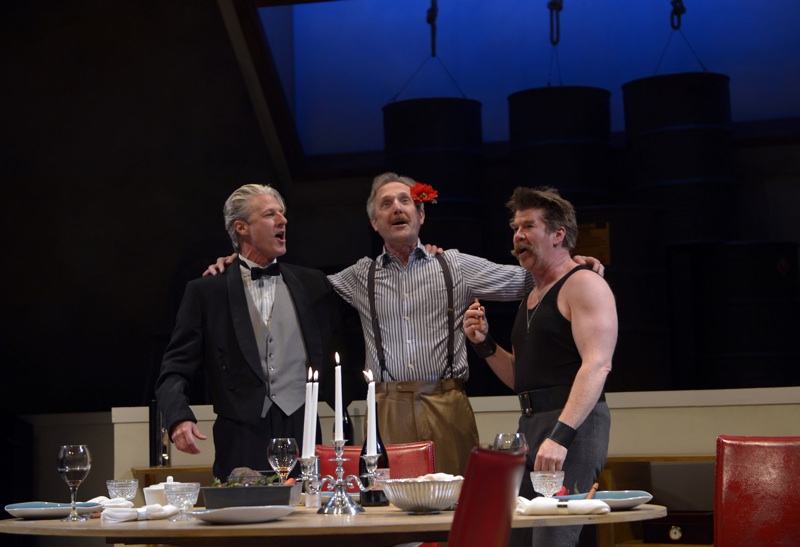
If there was ever a time to revive a play best known for its condemnation of the silent complicity of the comfortable classes in times of civil unrest and encroaching disaster, this might well be one of the best. And Max Frisch’s 60 year-old classic Herr Biedemann und die Brandstifter, newly translated (in 2007) by Alistair Beaton as The Arsonists, might prove to be one of the timeliest of cautionary tales to revive. Currently playing at the Aurora Theatre, two years after its bang-up American premiere at the Odyssey Theatre in LA, this Mark Jackson-directed farce might play on the surface as a cheerfully absurdist comedy of manners, but the pointed cultural critique that underlies it is deadly serious.

“It’s hard just lighting a cigar,” observes Biedermann (Dan Hiatt) plaintively at the top of the show, as a trio of uninvited firefighters (Kevin Clarke, Tristan Cunningham, Micheal Uy Kelly) menaces him into putting said cigar and lighter away, before introducing themselves as the “guardians of the city,” and its unacknowledged conscience.

The brilliance of Biedermann, whose very name can be alternately defined as “upright,” “honest,” or “conservative,” is how well his character skewers expectations of his supposed role as the play’s protagonist, even when it becomes clear that he is also its biggest dupe. His classist hypocrisies and dogged belief in keeping up appearances paves the road to his undoing, as surely as if he had set a noose around his own neck. Flanked by his appropriately haughty Hausfrau, Babette (Gwen Leob) and his harried serving-girl, Anna (Dina Percia), and bolstered by his inflated sense of personal worth, even as he is gradually revealed to be an amoral bounder, Biedermann manages to encompass the most troubling elements of both the belligerent right and the ineffectual left, defending, above all else, his right to “not think anything at all,” under his own roof.

By far the most fun characters to watch on the stage are the titular Arsonists, played respectively by Michael Ray Wisely and Tim Kniffin. Wisely’s Schmitz, the very picture of a gone-to-seed wrestler with his softening bulk encased in an immodest tank top and a spiky Sonic-the-Hedgehog hairdo, appeals to Biedermann’s vanity by praising his humanity and acting the role of a borderline mentally-incapacitated buffoon, even as he deftly manipulates the hassled homeowner into letting him stay in the drafty attic—and fills it with drums of gasoline. Meanwhile Kniffin’s Eisenring at turns obsequious and shrewdly blunt, subtly flatters Biedermann by pretending more than a passing familiarity with Beidermann’s social ranking, even as he gleefully maneuvers him into physically assisting in his own destruction.
 
The insistent rumble of Matt Stines’ sound design at times overwhelms the fragile human element onstage, but the action is well-served by the incomparable Nina Ball’s graciously appointed set, and Mia Baxter’s perfectly-detailed props. And while the humor in the script does provoke its share of laughter, much of it is the kind of horrified laughter emitted by an oddience that reluctantly recognizes its own complicity in its perhaps inevitable downfall. But there is hope too, lodged within this “moral play without a moral,” as right from the beginning the firefighters remark that “not every fire is determined by fate,” meaning preventable, so long as inaction and passivity do not carry the day. Think on it. And see the play.

Through May 12

Aurora Theatre

2081 Addison, Berkeley

$32-$50

(510) 843-4822

www.auroratheatre.org


Food for thought: 18 Reasons’ class series encourages the slow chew

0

Hippocrates said, “let food be thy medicine and medicine be thy food”. The axiom certainly sounds nice rolling off the tongue, but curative qualities aside, you’ll never stick to healthy if it doesn’t taste good. Luckily here in the Bay Area we have Carley Hauck of Intuitive Wellness, who proves in her “Mindful Eating and Cooking” series at community food hub 18 Reasons that comestibles can indeed be medicinal, and that medicine can taste amazing.

Health nuts and epicureans alike can revel in Hauck’s multi-layered, multi-course classes, in which students learn a comprehensive approach to mindful eating and cooking. This means all hands on deck — as well as all eyes, noses, mouths and minds — everyone in Hauck’s seminars are required to take a participatory role in this adventure for the taste buds. 

“In graduate school, I was teaching a weight-loss class and realized there was something missing,” Hauck told the Guardian in an email interview. When not teaching at 18 Reasons, she’s the president of Intuitive Wellness, where she works as a integrative life coach and wellness consultant in San Francisco and Berkeley.  

“I added the mindfulness component and saw that it really was the missing link,” she continued. “It’s not so much about looking outside of ourselves — adding up calories and exercising — but really about tuning in and understanding physical hunger but also emotional hunger.” Hauck is part of a research group at UCSF’s Osher Center for Integrative Medicine that is pioneering research, and looking at the long-term benefits of mindful eating in relation to stress reduction and weight loss. She also works with with corporate organizations like Pixar and LinkedIn, teaching mindfulness classes to corporate eaters.

“That’s the type of work that I do,” she wrote. “But the piece of work that I love is teaching classes which integrate these same practices into the broader community.”

You don’t have to be a downward-dog yogi to approach the dinner table with a sense of mindfulness. In the most pragmatic sense, Hauck defines mindful eating as the simple process of slowing the mind to pause the mouth from our oft-unconscious snack-shoveling. It’s about bringing intention to the processes of cooking and consuming, cultivating an appreciation for each ingredient’s unique feel, flavor, and smell. From morsel to mouthful, being mindful is about slowing down and savoring, rather than inhaling. 

The first class in Hauck’s 18 Reasons series was held on April 2, but if you missed it not to worry. There are two more on the way, and according to Hauck, each session “is created to be a stand-alone class which builds on techniques in mindfulness.”

Session two, “Food as Medicine”,  takes place on Saturday, and is focused on the healing properties of super foods. The antioxidant-charged menu, which Hauk was putting together right before our phone conversation, is geared to re-invigorate the body and stimulate the mind.

The goal is to “create really healing food varieties and also bring an intention into the process of cooking.” said Hauck. “It’s very experiential. We’re doing guided meditations, having great discussion, and we’re saying ‘Hey! Pick your knives and chop!’”

Hauk’s series opener “Intro to India” turned up the heat, focusing on Southern Indian cuisine while tackling the kitchen-borne insecurities of the average chef. “I hear from people that they are very intimidated by cooking” said Hauk, a fact she intends to put on ice. “This is a cooking class where we’re really teaching them about mindful eating and mindful cooking, but were also teaching them to be good cooks. I want to get people comfortable with something that they may think is hard.”

This love has brought her into the community at 18 Reasons and in a sense, full circle. Her lifework is not only corporate, but it is also deeply rooted in community. The common thread here of course is food — mindfully approaching food as a medicine and taking pleasure in all its gastronomical variations — and you shouldn’t need more than 18 reasons to eat amazing food that is good for the body, mind and soul.

The Mindful Eating Cooking Series: Food as Medicine

May 21, 6:30 pm, $50

18 Reasons

3674 18th St., SF

www.18reasons.org

Selector: April 17-23, 2013

0

WEDNESDAY 17

Night Beats

Seattle’s Night Beats has all of the fixings of a good psych-garage act; the lo-fi recordings, the raspy vocals with punctuated yelps, and the noisily manipulated guitar. But the band, which takes its name from Sam Cooke’s best record, has a direct link to the more soulful breeds of music the title suggests, such as R&B. “Dial 666” is simple, 12-bar blues, “High Noon Blues” borrows sentiment and structure from that genre, and “Puppet on a String” seems to call for some old-fashioned dance moves. With the combination of vigorous rock and sensuous roll, Night Beats’ show at Brick and Mortar promises to be satisfying. (Laura Kerry)

With Cool Ghouls, Primitive Hearts, Big Drag

9pm, $10

Brick and Mortar Music Hall

1710 Mission, SF

(415) 800-8782

www.brickandmortarmusic.com


Bad Religion

Mixing aggressive guitar riffs with politically-savvy lyrics and harmony-laden vocals — which the band refers to as “oozin’ aahs” in its liner notes — Southern California’s Bad Religion has been going strong for more than three decades. It just released latest album, True North on founding member Brett Gurewitz’ iconic independent label Epitaph Records last January. And the punk rock stalwarts continue to be driven by singer-author-professor Greg Graffin’s powerful songwriting, which touches on everything from global politics and religion to more personal experiences and emotions that just about anyone can relate to and share in a sense of powerful catharsis. (Sean McCourt)

With the Bronx, Polar Bear Club

8pm, $27.50–$30

Regency Ballroom

1300 Van Ness, SF

www.theregencyballroom.com


The 2 Bears

I don’t need caffeine. My computer just starts playing “Work” by the 2 Bears at 7am, complete with rising organ, a pulsing groove, and motivational chorus: “We’ve got to work harder, for the future, my love we got to work.” It might not even be the best song on Be Strong from the 2 Bears (Hot Chips’s Joe Goddard and the Raf Daddy), as it faces stiff competition from hilarious, cuddly club anthem “Bear Hug” and the uplifting, romantic space dub on “Church.” But, it does the job of getting me moving, and by the time the disco queen vocals kick in I’m likely showered and downstairs having breakfast. (Ryan Prendiville)

With Sleazemore, Richie Panic (Lights Down Low)

10pm, $15 presale

1015 Folsom, SF

www.1015.com


THURSDAY 18

“Touching Art: Tribute to Judith Scott”

Skin, the largest organ, keeps our insides safe from the perils of the outside, but it is also the membrane through which we experience the world. In its tribute to Judith Scott, swissnex will explore this, looking at touch’s role in the creation of art. Scott, who could neither speak nor hear and therefore relied heavily on her sense of touch, made beautiful cocoon structures at Oakland’s Creative Growth Art Center for 20 years. Swissnex, in conjunction with Switzerland’s L’Art Brut, will screen a film about the artist, showcase some of her work, and host a talk by Dr. Sandra Weiss on the connection between touch and emotion. The night promises be a touching intersection of art and science. (Kerry)

6pm, $10

swissnex

730 Montgomery, SF

(415) 912-5901

www.swissnexsanfrancisco.org


FRIDAY 19

An evening with Manlio Argueta

While a hard punishment, exile can also be the place where great works of art are born. “I left with a closed fist and came back with an open hand,” said Rafael Alberti returning to Spain after 38 years of exile. Ostracized in Mexico, Pablo Neruda finished one of his masterpieces Canto General. Exiled in Costa Rica, acclaimed Salvadorean poet Manlio Argueta wrote his most celebrated novel, One Day of Life (Vintage Book, 1983). In line with his mentor, poet Roque Dalton, Argueta vividly writes about the 12-year civil war through a peasant family’s eyes. The book, available in 15 languages, was named one of the best 10 novels in Spanish of the 20th century by NY’s Modern Library. (Fernando Andres Torres)

7pm $10

ANSWER

2969 Mission, SF

(415) 902-4754

www.manlioargueta.com


“We Are Winning, Don’t Forget: Short works by Jean-Gabriel Périot”

Jean-Gabriel Périot developed a painstaking approach to making films. By carefully stitching together archival images, both still and moving, he creates political narratives that are poignant despite (or because of) their brevity. As a part of a US tour that begins at New York’s Museum of Modern Art, the filmmaker comes to the Bay with nine short films, with subjects ranging from Hiroshima to “politics and tomatoes.” The evening at Artist’s Television Access presents a great opportunity to see these stunning films and the man behind the camera. (Kerry)

8pm, $10

Artist’s Television Access

992 Valenica, SF

(415) 824-3890

www.atasite.org


Sheetal Ghandi: Bahu Beti Biwis

Deconstructing cultural artifacts is just about today’s lingua franca. Sometimes you might wish that artists left well enough alone. Yet, at its best it shows creative minds at work that are willing to take the risks inherent in changing lenses. Sheetal Ghandi is one of them. Even though her performance practices are already exceptionally broad —Kathak, modern and West African dance, plus Broadway as well as Cirque du Soleil — she took a lot of imaginative leaps for her solo show Bahu Beti Biwis (Daughter-in-law, daughter, wife), a series of both humorous and poignant portraits of women and the roles traditionally assigned to them. It’s a piece that has been described as empathizing with “Indian women across time and space.” (Rita Felciano)

Fri/19-Sat/20, 8pm; Sun/21, 7pm, $20–$25

ODC Theater

3153 17th St., SF

(415) 863-9834

odctheater.org/buytickets.php


SATURDAY 20

Mishap Psychic Fair

Nothing will make sense on 420 anyway (unless you snagged tickets for Snoop Lion at the Fillmore, in which case: jealous), so you may as well go to the goofiest damn event you can find. Surely the Mishap Psychic Fair is in the running for the honorific — the (is it?) satirical set-up will feature tongue-in-cheek booths where you can align your crystals via rock opera, attune to your inner “sexy anger,” and temper it all with cocktails if you’re not too bleary-eyed from the traditional mode of celebration on this international holiday. Buy tix to the fair in advance and you’ll snag a complimentary photo of your aura, a so-called magic elixir, or henna tattoo. Heal thyself, hippie. (Caitlin Donohue)

Sat/20, 8pm, $10

Geoffrey’s Inner Circle

410 14th St., Oakl.

www.mishapproductions.com


The Last Unicorn screening and birthday celebration

And now for something completely magical: Peter S. Beagle, author of beloved 1968 fantasy novel The Last Unicorn (among dozens of other works), turns 74 today, and he’ll journey from his home in Oakland for a pair of birthday- and unicorn-themed San Francisco events. (Hooves up if you ever had a unicorn-themed birthday party! I know I did … maybe more than once.) First is a screening of the 1982 animated film adapted from the book, with voices by Mia Farrow, Jeff Bridges, and Alan Arkin; Beagle will be on hand to answer questions and sign books. Diehards can continue the festivities at the Cartoon Art Museum, which hosts a reading and further signings by the author, plus an auction of some mighty nifty original artwork to benefit the museum and Beagle’s imminent multi-city tour. Costumes are encouraged, obvi. (Cheryl Eddy)

Screening, noon-3pm, $8.50

Castro Theatre

429 Castro, SF

VIP reception, 6-8pm, $25

Cartoon Art Museum

655 Mission, SF

www.cartoonart.org


“Bill Frisell presents Hunter S. Thompson’s The Kentucky Derby

Jazz guitarist Bill Frisell has tackled many an avant-garde project in his 40-plus year career, and his latest foray beckons fans of music, stage, and literature. Bringing life to Hunter S. Thompson’s memorable “The Kentucky Derby is Decadent and Depraved” this weekend, Frisell will be joined by narrator Tim Robbins in a multimedia production featuring set design by the iconic writer’s longtime collaborator Ralph Steadman. Considered the first of Thompson’s pieces to truly reflect his “Gonzo” style of journalism, the story and production will no doubt envelop audience members in an aural and visual way never before experienced. Buy the ticket, take the ride. (McCourt)

Sat/20, 7:30pm; Sun/21, 4 and 7:30pm, $35–$80

SF Jazz Center

201 Franklin, SF

www.sfjazz.org


Maria Minerva

Minerva was the Roman goddess of wisdom. That’s what I’ve found out on Wikipedia. What I’ve found out about Estonian lo-fi electronic chanteuse Maria Minerva is that she’s an art school graduate/critic/glossolalia expert/comedy student. But, all I really know is that her Bless EP on 100% Silk is excellent. “Soulsearchin’,” focuses on the anxiety of options, built around George Carlin’s “Modern Man,” but it’s the laid-back guitar, slightly off-kilter percussion, and circling vocals on “Symbol of My Pleasure” that stay with me. (Prendiville)

With Butterclock (live), Marco De La Vega, and more

9pm, $10 presale

Public Works

161 Erie, SF

(415) 932-0955

www.publicsf.com


MONDAY 22

Oakland Veg Week

Perhaps you are deluged by the information regarding sustainable eating available today. This is completely understandable — at times, we feel as though we will surely perish under the mountainous weight of fair trade quinoa foisted upon us by Bay Area foodie culture. Luckily, Oakland Veg Week is going on, with its host of events meant to dispel myths about what to eat. Go on a farm field trip, take vegan cheese-making classes (both April 27), attend a talk by Paul Shapiro of the Humane Society on why eating animals is bad for the earth (April 25), snack your way through a delicious grand finale at the Lake Merritt Sailboat House (April 28), or check out the host of other, veg-friendly events this week. (Donohue)

Through April 28

Various Oakland locations

www.oaklandveg.com


The Guardian listings deadline is two weeks prior to our Wednesday publication date. To submit an item for consideration, please include the title of the event, a brief description of the event, date and time, venue name, street address (listing cross streets only isn’t sufficient), city, telephone number readers can call for more information, telephone number for media, and admission costs. Send information to Listings, the Guardian, 225 Bush, 17th Flr., SF, CA 94105; or e-mail (paste press release into e-mail body — no attachments, please) to listings@sfbg.com. Digital photos may be submitted in jpeg format; the image must be at least 240 dpi and four inches by six inches in size. We regret we cannot accept listings over the phone.

Main Street’s sex club: Eros celebrates 21 years in business

40

A few things that you may not know about Eros, the 21-year old sex club with the unassuming, rainbow-flagged façade that stands across the street from the Castro Safeway strip mall. One: it is hosting an art show on Thu/11 open to all to attend (perfect for female-identified folks interested in checking out the space, or at least the front room). Two, boundary-breaking trans-cis male porn is made there.

“Transmen were not being reached out to with the safe sex message,” says Eros’ owner Ken Rowe, a snuggly looking bear sitting on a leather couch in the club’s comfy front room. T-Wood Pictures, the club’s in-house porn company, now shoots new content once or twice a month with varying combinations of trans and cis men.

New elliptical machine!

Another point of fact: “The original founders wanted this to be a community center sex club,” he says. Co-founder Buzz Bense wanted a “Main Street sex club,” says Rowe. “Not with neon lights going ‘LIVE BOYS.’ They wanted it to look respectable, shame-free. Now we’re much more like a spa — we’re a traditional bathhouse. It’s not dark and dirty, poppers wafting through the air.”

Eros opens at noon seven days a week, and the first few hours of the day management promotes it as more of a “sex-positive day spa,” says Rowe.

>>LEARN MORE ABOUT EROS’ TRANS PROGRAMMING IN KELLY LOVEMONSTER’S SFBG INTERVIEW WITH EROS STAFF MEMBER (AND RECENTLY NAMED TRANS 100 HONOREE) NIKO KOWELL

Today, male-identified customers can take yoga and tai chi classes before hitting the club’s sauna, showers, and steam room. Elliptical machines sit nearby us, the club’s newest attractions. Community groups like Homobiles hold business meetings in the space. Potted plants sit happily on a cute little smoking deck on the other side of glass sliding doors.

A licensed massage therapist provides much-needed muscle work to customers, which was especially important back in the early days of the club, when the Police Department was in charge of licensing massage therapists in sex clubs (that duty has since been transferred to the Department of Public Health, though SFPD still must approve licenses.) Eros is the only sex club with a licensed massage therapist, to the best of Rowe’s knowledge, in Northern California.

“They wanted the club to be about more than just sex, they wanted a space where you could learn about safer sex in a non-threatening manner. You know, without being jumped on,” Rowe tells me.


One of Loren Bruton’s “Bathhouse Men”

Loren Bruton’s drawings line one side of the common room, aggregations of the Eros clientele that he sees every day as the club’s general manager. Eros hosts a yearly staff art show, an event that reflects the overlapping communities of artists and sex workers in the hyper-expensive Bay Area. This week, a reception will be held to celebrate Bruton’s collection that doubles as a birthday party for Eros’ decades of community involvement.

“I like that I can be myself here,” Bruton says. “It’s nice to have a sense of community someplace that is sex-positive. I wanted to represent that this is a diverse group in terms of age, race, sexual identity.” For a club that’s spent years reworking our vision of what a Main Street business can be, the renderings make for perfect poster children.

“Bathhouse Men” Eros birthday celebration

Thu/11, 7-10pm, free

Eros

2051 Market, SF

www.erossf.com

CAREERS AND ED: 5 fun classes

0

culture@sfbg.com

QUILTMAKING

Develop or improve your skills in sewing, patchwork, and quilting at this non-credit class at City College of San Francisco that students are welcome to join at any point in the semester, regardless of skill level. Beginning students will construct a sampler quilt, intermediate or advanced students will work on individually designed projects. Non-credit CCSF classes are tuition-free, but students are expected to bring the required materials, so email the instructor in advance to come prepared.

Saturdays, 9-11:50am, free. City College of San Francisco downtown campus, 88 Fourth St., SF. www.ccsf.edu

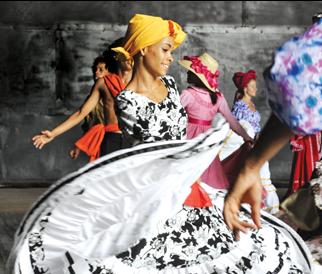
MEXICAN FOLK DANCE

Tradition is the name of the game at the Mission Cultural Center for Latino Art’s folkloric dance class taught by Zenon Barron, founder of Ballet Folklórico of San Francisco. Reflecting Hispanic customs, beliefs, and legends, Barron’s instruction serves up festive new moves with a historical twist.

Saturdays, 2-3:30pm, $10. 2868 Mission, Studio: E, SF. www.missionculturalcenter.org

MOSAIC 101

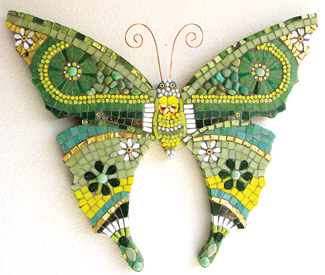
Is there a surface in your house that needs … something, and your Bedazzler gun is triggering untoward 1980s flashbacks? Try a medium that is slightly less time-sensitive. Oakland’s Institute of Mosaic Art has a host of courses in the tiled arts, and this weekend’s primer course is begging to jumpstart your grout-and-ceramic phase. Instructors teach you where to find your supplies in the real world, the basic physical properties of materials involved, and will instruct you in making your very own creation to take home.

Sat/6, 10am-4pm; Sun/7 10am-1pm (three-day option: April 10, 10am-1pm), $165. Institute of Mosaic Art, 3001 Chapman, Oakl. www.instituteofmosaicart.com

HATHA YOGA AT THE ASIAN ART MUSEUM

Grab a mat and bring the whole family to the Asian Art Museum for a free Hatha yoga class. Local yogi, Lorna Reed, will lead today’s practice, which teaches basic poses focusing on balance, flexibility, and strength. Reed adds a special artsy element to today’s class by incorporating positions inspired by sculptures in the museum. Your momma always called you statuesque — prove her right by inhaling deeply in this unique yoga primer.

Sun/7, 2-3pm, free. 200 Larkin, Samsung Hall, SF. www.asianart.org

FRENCH CINEMA SCREENING AND DISCUSSION

What better way to get to know the language of love than with free wine, popcorn, and a film? Designed to help non-French speakers discover the country’s cinema, the Alliance Française of San Francisco offers a weekly film screening followed by discussion. The theme for April is “Women Behind the Lens,” and the April 23 film pick 17 Filles follows a group of 17 high school girls who, after one of their number is impregnated, make a pact to follow suit.

Every Tuesday, 6:45pm, $5. Alliance Française, 1345 Bush, SF. alliance-francaise-sf.weebly.com.

CAREERS AND ED: Learn to eat

0

caitlin@sfbg.com

CAREERS AND ED Don’t tell me you’ve been eating your whole life and you don’t need any lessons on food. Hardy har har, how’s your waist line? Energy level? Food budget? You can always learn more about how to make your diet healthier, cheaper, and above all, more sustainable. The Bay Area has to be one of the best places in the world to learn about how to eat well, and the institutions that put on each of these course offerings are phenomenal places to start dabbling in the area. No more plastic-wrapped sandwiches, ill-informed beer purchases, or factory farm chicken for you, boo boo.

“GROW YOUR OWN FOOD”

No excuses: you can garden in San Francisco year-round, and that doesn’t matter anyway because we’re in the rosy pink of spring, when even your uncle up in Minneapolis is turning his thoughts to sprouts and soil. Garden for the Environment has a host of classes dedicated to greening that fat lil’ digit of yours, but today’s offering is particularly salient for snackers. Organic gardening instructor Carey Craddock will take charge among the rows today, teaching you what plants are perfect for April, and how to get your space ready to raise edible flora.

April 13, 10am-2pm, $25. Garden for the Environment, Lawton and Seventh Ave., SF. www.gardenfortheenvironment.org

“BUILD A CHICKEN COOP”

At the end of the day in this urban chickenry class, you’ll have not only witnessed but aided in the construction of a “Garden Ark” portable chicken coop. Carpenter Joan Weir has designed this one-off course to be of maximum service to the community — you’ll learn coop-building skills, and Rosa Parks Elementary School will score a brand-new home for its feathered flock.

April 14, 10am-5pm, $50. Rosa Parks Elementary School, 920 Allston, Berk. www.biofueloasis.com

“DEBUNKING THE MYTHS OF VEGANISM”

The talk is actually part of Oakland Veg Week (April 22-28), which includes tons of free veg and vegan cooking classes, lectures on sustainable eating, a screening of the plant-based diet booster Forks Over Knives (April 25), bus trip to a Grass Valley animal sanctuary (April 27), and grand finale buffet at the Lake Merritt Sailboat House (April 28). But start here, with Colleen “The Compassionate Cook” Patrick-Goudreau’s presentation that addresses all the excuses that fly about for not going veg. No time to be meat-free? Not enough protein in greens? She’ll set you straight.

April 23, 6:30pm, free. Oakland Library, Temescal branch, 5205 Telegraph, Oakl. www.oaklandveg.com

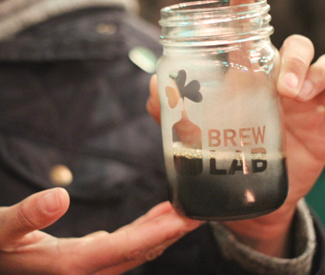
“BREW LAB: HOMEBREW AND BEYOND”

Brew and bottle two batches of your very own suds in this three-class seminar, billed as the most comprehensive homebrew 101 in town that doesn’t require any investment in equipment, for all you newbies to the brew scene. Mission Gastroclub (www.missiongastroclub.org) founder Eric Denman is the instructor, which means you can expect delicious bites at each session, happily crucial in your quest to understand the flavors of your beer.

April 23, 30, and May 14, 7-9pm, $160. 18 Reasons, 1874 18th St., SF. www.18reasons.org

“COTTAGE LAW 101”

Huzzah for the California Homemade Food Act! Recently signed into law, it allows small producers to make low-risk foods like candy, empanadas, baked goods, and dried teas in their home, without renting a spendy commercial kitchen space. If the news has you itching to start a homemade chocolate stand, stop off at ForageSF’s class first. It’s a primer on the law’s ins and outs, perfect for those looking to join the ranks of Forage’s lauded Underground Market artisans. Bring a plate to share with 20 people and get a discount on your tuition.

April 27, $30 if you bring a dish to share, $50 without. SomArts Cultural Center, 934 Brannan, SF. www.somarts.org

Boooooooooooks: 2 spots to buy ’em cheap

0

Since you might be having a hard time finding the funds for your 1. your ticket to Phu Quoc and 2. the Opening Ceremony-Spring Breakers mall trash collection you’ll need for those white sand beaches, you should at least let us help you out with the third essential component of your hypothetical spring escape: books!

You’ll need them for those hypothetically long hours in the sun, and lucky you, two epic sales are going on shortly so you can save your ducats for neon logo cropped tees and duty-free Toblerones. You might also hit up Adobe Books, which has been served its final eviction notice in the face of incoming yuppie muck *sad face*

Friends of the San Francisco Library book fair

What: 250,000 specimens of all kinds of media, the sale of which will not only augment your lit-loving vacay, but also go towards supporting the good old SF Public Library, YAY. If you’re a Friend of the public library with a capital “F,” you can hit up the space on Tuesday night for a special preview, which we hope goes down like those videos from the ’80s of crazed parents trying to bumrush Toys ‘R’ Us for the best Cabbage Patch Doll.

Cop: There’s gonna be hardcover books for $3, and $1 DVDs and CDs since no one knows what those things are anymore — but for the purposes of your Vietnam getaway, immerse in the $2 paperback section. (Please, not The Beach.)

Fri/3-Sun/7, 10am-6pm, free. Fort Mason Center Pavilion, SF. www.friendssfpl.org

Chronicle Books “Back to School” warehouse sale

What: James Franco specifically told us that spring break was forever, but apparently Chronicle Books didn’t get the memo — it’s celebrating the childrens’ return to classes with this storewide sale — selected titles are 65 percent off. 

Cop: You can get the discounted price on all of Chronicle’s titles in travel, literature, food and drink, etc. We are particularly intrigued by the new NPR book, though the book of Andy Warhol fashion sketches may be better suited to your hypothetical vacay.

April 11-12, 9am-7pm; April 13, 10am-3pm, free. Chronicle Books warehouse, 680 Second St., SF. www.chroniclebooks.com

Yoga, church, and radical acceptance: An interview with the Grace Cathedral yoga team

1

Every Tuesday evening, hundreds of people flock to the Grace Cathedral Labyrinth to practice yoga with local teacher Darren Main. With Easter around the corner, SFBG talked to Main and the Rev. Jude Harmon, who manages the program, about how this unlikely class came to be, and why it works so well in San Francisco.

SFBG: Darren, how did you wind up teaching the class at Grace Cathedral?

Darren Main: My friend Jamie Lindsay, a yoga teacher who had been attending Grace Cathedral for years, started the class there. When he moved to New York in 2009, he asked me if I would take the class. I had long admired Grace Cathedral for both its architectural wonder as well as how it has been on the cutting edge of social justice and spiritual equality. Right from the start I could feel something magical happening. What started off as a small group of students has now grown to over 300 people each week.

SFBG: How does yoga fit in at the church?

Rev. Jude Harmon: Grace Cathedral, like the National Cathedral, was established with the founding vision “to be a house of prayer for all people.” We have hosted a wide variety of cultural events that span the spectrum of nearly every kind of diversity imaginable. We were at the forefront of civil rights, welcoming Martin Luther King Jr. to preach here, and we paved the way forward for the embrace of LGBT people in the sacramental life of the Church long before it became the norm at a national level. This yoga class is just a natural extension of our commitment to welcome all people, from every walk of life, and to support them in their spiritual growth.

SFBG: What’s it like to teach yoga at Grace?

DM: Teaching in a church, especially one the size of Grace Cathedral, is an amazing experience. You can’t help but feel something sacred by simply walking through the door. And there is something about being in such an iconic space. It’s like teaching in the Taj Mahal or the Great Pyramid. People come from all over the world just to see this building, walk its labyrinth, and admire the architecture and artwork. I am moved to tears sometimes when I think of how much this cathedral — and specifically doing yoga in this cathedral — represents the magic of San Francisco.

SFBG: Do you have to be a churchgoer to attend?

DM: Not at all. Yoga is a science, not a religion and so it requires no belief to be effective as a practice for quieting the mind, opening the heart, and balancing the body. In fact, many atheists find yoga extremely rewarding. Non-Christians attend the class for the community, the practice, and the beauty of the cathedral.

SFBG: Can yoga enhance one’s spiritual practice?

DM: Yes, because it helps us to more easily access the divine when we have a quiet mind, a balanced body and an open heart. Yoga can also be a way of exploring the same universal questions that religion explores, like Why are we here? and Who are we?

SFBG: Does the practice of yoga connect in any way to the practice of Christianity?

JH: Yes. Early Christians—known as monastics—went to live alone in the desert to train their bodies to perceive the Word of God that is spoken in nature. The ascetic practices they developed to help them are very similar to those employed by yogis. And like great yogis, these early Christian pioneers were sought after for their deep wisdom.

I remember the first time I saw the yoga students ascending Grace Cathedral’s Great Steps in droves on the dusk of a July evening. They seemed like angelic visitors from some Hyperion realm. But they weren’t carrying BCPs in their hands, or hymnals or even bibles—they were carrying yoga mats! While most of them wouldn’t dream of setting foot in a church for a traditional Eucharist, I felt my heart bond with them. At some very profound level, yogis and Episcopalians have this in common: an intuitive yearning for deep communion and real presence. At the heart of a yogic practice, just as at the heart of our Eucharistic practice, is the possibility of a self-integration that opens out our consciousness toward the world in compassion.

SFBG: Has the yoga class helped bring lapsed Christians back to church?

JH: I’ve heard a lot of people say that they’re surprised and delighted to see a priest [myself] practicing yoga with them, and that maybe religion, and Christianity in particular, isn’t ‘all bad after all’! The extent to which that translates into people coming to Sunday services is another question. I did issue an invitation to the yoga community to participate in Ash Wednesday services and I saw several of them there. I believe that we must continue to build relationship, and also to build content that is familiar and comfortable, meaningful and simple, and that appeals to both the congregation and the yoga community across contexts.

DM: Over the years, hundreds of students have told me that their experience at Yoga on the Labyrinth helped them let go of past religion-based trauma, and even recognize the beauty in Jesus’ message of compassion and forgiveness. While the yoga class may have brought them into the church, they eventually came to see that Grace Cathedral was not like traditional churches. It welcomes people of all stripes and backgrounds, and only wants people to find spiritual wellbeing on their own terms. Like yoga, Grace is about radical self-acceptance. This radical acceptance can be profoundly healing.

SFBG: What is the yoga class like?

DM: Given that the class is so diverse in terms of age, physical ability, and level of yoga practice, I focus on the more gentle and meditative side of yoga. The cathedral itself invites a more inward and contemplative experience as well, so it is really a perfect fit. Every week, I invite Bay Area musicians who have a transcendent quality to play at class. Artists include Sam Jackson (singing bowls), Kendra Faye (harp), Timothy Das (Native American flute and didgeridoo), and Amber Field, Christopher Love, and Mirabai (Indian chanting).

SFBG: Why do you think a class like this became so popular in San Francisco?

DM: San Francisco has always been known for being open-mined, and that quality makes people open to the unique experience of doing yoga in a church. That said, I would not be at all surprised if we see this idea spreading beyond the Bay Area over the next ten years or so.

SFBG: It’s Easter time. Will your classes this month connect at all with the holiday?

DM: I try to theme my classes around seasons, holidays, and current events and Easter is one of my favorite holidays. While the story of Jesus’ death and resurrection is unique to the Christian tradition, the underlying theme — which is about the endurance of hardship and the opportunity for transcendence and rebirth through that experience—is as universal and inevitable as the sunrise.

Karen Macklin is a writer and yoga teacher in San Francisco — her On the Om Front column appears biweekly here on sfbg.com

YOGA AND SPIRITUALITY LISTINGS

By Joanne Greenstein

Spring Equinox Celebration with Katherine Otis

Capture the spirit of the season of revitalization, rebirth, and renewal. Usher in spring with this

workshop designed to help you welcome new beginnings and set new intentions.

Sat/23, 2-4:30pm, $30-35. Bernal Yoga, 908 Cortland, SF. www.bernalyoga.com

Introduction to Yogic Philosophy with Karen Macklin

Wondering what your teachers are talking about in yoga class when they mention all of those obscure Sanskrit terms and philosophies? This exciting workshop with your On the Om Front columnist will cover many of the most popular philosophical concepts encountered in the yoga room today, and help you gain a better understanding of the roots and heart of this practice.

Sat/23, 1:30-4pm, $35. Yoga Garden, 286 Divisadero, SF. www.yogagardensf.com

Healing Sound Concert with WAH!

Searching for healing and balance? Lay back, relax, and listen as Wah’s voice and music bring you to a meditative space. Special effects and “blisslights” enhance the experience.

Sat/23, 8-10pm, $35-40. Urban Flow, 1543 Mission, SF. www.urbanflowyoga.com

Yoga and Hiking with Wesleigh Roeca

Take your yoga outside! Explore the city and your practice in an adventure integrating urban hiking with yoga, and break out of the confines of the studio walls.

Sun/24, 11:00am-1:15pm, $30-35. Aha Yoga, 1892 Union, SFwww.ahayogasf.com

Stillness & Silence: Renewing Our Spiritual Vision with Swami Ramananda & Integral

Let the power of silence at this ocean side setting provide the space for an inward journey. This three-day Yoga Institute retreat in Bolinas consists of hatha yoga, workshops, meditations, and a variety of evening programs.

April 4-7, $400 – $475. Commonweal Retreat Center, 451 Mesa Road, Bolinas. www.integralyogasf.org


Home for brews

1

culture@sfbg.com

BEER My cab pulled up to an unassuming house on a quiet street in the Mission. An etched sign on the front porch bearing the words “Brewlab San Francisco” was my first greeting to the space. I entered, and after checking me in, a man in a green vintage Adidas tracksuit handed me a customized Mason jar and said, “Enjoy.” It was time for a tasting at Brewlab (www.brewlabsf.com).

This wasn’t my first time at the quickly growing hackerspace for homebrewers. What brings me back is not the brew found at its invite-only tasting events, but the community that produces those pints. It’s a community that is thriving with Brewlab as its hub.

The mission behind Brewlab is very simple: to create a space for home beer makers to gather together, share their creations, and get feedback from each other and beer enthusiasts. Brewlab will soon offer classes, and currently provides equipment-sharing opportunities for aspiring home brewers. It hosts tasting events and competitions where ale makers gain feedback on their work from their community.

“There wasn’t an organization supporting homebrewers at the time, so I decided to start one with my friend Emily Ford,” Sam Gilbert says via email. As Brewlab’s co-founder, he operates the organization with Matt Smith, who joined up when Ford left the group early on in its existence.

“At the time, I was really inspired by what ForageSF was doing for people making food at home, and so [I] wanted to try to do the same thing for home brewers,” Gilbert explains.

In a move that sprang from his interest in cooking, Gilbert started brewing about five years ago while living in Boston. Enticed by the complexities of hops and fermentation, he hasn’t looked back since: “There’s a lot of biology and chemistry to learn about, as well as equipment to build and maintain.” He came to San Francisco to work in the tech industry and started Brewlab soon after, in the spring of 2011.

“I quickly started craving that feeling of community you get from making stuff with like-minded people,” he says. “Home-brewing tends to attract people who are really passionate about the craft, but who also like to have fun. Drinking is built right into the hobby, after all.”

To say that Gilbert’s project has become a presence in the brewing community would be an understatement. Every time I’ve set foot in the Brewlab headquarters, I’ve been bowled over by the sense of friendliness and camaraderie — not to mention by the plain ol’ good times to be had there. People know my face, they know my name, they remember our last conversations — and I don’t even make beer. “There’s nothing like being in the middle of a growing community,” Gilbert writes, and surely he’s in a good position to judge.

“It’s been the most thrilling, exhausting, nerve-wracking, inspiring thing I’ve ever done,” he continues. “Brewlab sits at the intersection of what are probably San Francisco’s three favorite things: beer, tech, and local craftsmanship. So from a very early stage it felt like we had hit a nerve.”

Now in its second year of operation, Brewlab is working on ways to serve the homebrew community. From what I can see, the future is very exciting. At its last tasting event, sensors were placed at the bottom of each taster’s glass. They recorded how many times each beer was ordered. iPad stations in Brewlab’s garage allowed visitors to submit detailed feedback on the flavor profiles of the various pours.

In addition to its tasting events (which are now invite-only to deal with the unexpectedly high level of demand for these rad happenings) Brewlab is currently collaborating with nearly a dozen brewers to make a Belgian tripel that will age for six months in a wine barrel.

Perhaps most exciting of all, the group will be offering basic classes for people like me: wannabes who observe and admire the homebrewing craft but have no idea how to start making their own beer. The classes will be free to the public. No experience is necessary, and Brewlab’s equipment sharing program can help ease you into brewerdom on the cheap.

Throughout my conversations with Gilbert and Smith, it seemed clear that while they’re excited about expanding the Brewlab community and continuing to expand its programming, their primary goal is to nurture a small and strong community that stays true to the craft.

“So many awesome people have come through our doors, tasted our beers, and worked hard to support the organization at this point,” Gilbert writes. Thanks to Brewlab, it’s a good time to be a little guy in the brewing game in San Francisco.

Spring’s best fairs and festivals

0

caitlin@sfbg.com

Corn Dog Day (March 23, free entry with RSVP. SoMa StrEat Food Park, SF) Observe this very important holiday with savory dogs from SoMa’s superb outdoor food truck court and catch the game while you’re at it — the first weekend of March Madness will be showing on several screens around this gourmand parking lot. Sponsored by that online encyclopedia of awesome, FunCheapSF. sf.funcheap.com/corn-dog-day-funcheap

International Chocolate Salon (March 24, $25-30. Fort Mason, SF) With over 40 purveyors of dark, milk, white, bitter, etc., you will most likely be a mess of sugar high halfway through your tour of this expo’s floor. Take a break to inhale artisan perfume in the connected fragrance salon, or check out an expert talk by food critics and chocolatiers. www.sfchocolatesalon.com

Whiskies of the World (April 6, $120. Hornblower Yacht, Pier 3, SF) Thank goodness for the world’s heaviest buffet (steak and potatoes like whoa) at this world-class whiskey expo. You’ll need that tummy padding to tackle the hundreds of rare and delicious scotches, bourbons, etc. This year it’s on a boat, so you can blame your swerve on faulty sea legs. www.whiskiesoftheworld.com

DogFest (April 13, free. Duboce Park, SF) McKinley Elementary scored big when it thought up this daylong parkside dog-a-thon fundraiser for its kiddos. Daniel Handler, author of the Lemony Snicket series, hosts contests for the pup with the best tail, trick, bark, lookalike, and other superlatives. Bouncy castle and other activities to boot! www.mckinleyschool.org/dogfest

Northern California Cherry Blossom Festival (April 13-14, 20-21) Check out Japantown’s premier celebration of neighborhood culture. You can watch this year’s Cherry Blossom Queen crowned on April 13 and on April 21, the fest’s grand parade. Drop by the Sanrio kid’s corner with your little guy for sand painting and kawaii games. www.sfcherryblossom.org

Earth Day (April 20, free. Civic Center Plaza, SF) A “trashion” show by Truckee High School students, a sustainable cooking showcase, and mass yoga classes will be highlights of this year’s city celebrations for Mother Earth’s big day. www.earthdaysf.org

Maker Faire (May 18-19, early bird prices: $25 one-day, $45 weekend pass. San Mateo Event Center) DIY heads of all stripes will swoon for this mega-collection of self-made projects. Last year featured weird food, wacky wiring art, sports mania, and more. www.makerfaire.com

Bay to Breakers (May 19, race registration $58. See website for route) You need to mark this costumed wackadoo of a footrace on your calendar for one of two reasons: to prep your liver for definitely not drinking on the parade route or so you can set up cyclone fencing to prevent errant streams of urine from over-hydrated toga partiers and people in gold bodypaint. www.baytobreakers.com

North Beach Festival (June 15-16, free. North Beach neighborhood, SF) Tell us that all the neighborhood street fairs are essentially the same amalgamation of elephant ears, “quirky” accessory vendors, and pleasant live music. Untrue — North Beach’s massive edition of the tradition includes a church dispensing blessings for animals, so bring your bush python through! www.sresproductions.com


On the Om Front: Guys Wanted in the Yoga Room

4

I teach a weekly employee yoga class at a hospital where my students are all women. Every week, a young man peers curiously into the classroom. I asked him once if he’d like to join us, and he said, “Yes, but what would my friends say? Yoga is for girls.”

This odd societal notion that yoga is an emasculating, status-reducing activity is bad enough. But to make matters worse, people like William J. Broad, the so-called New York Times science writer, have publically espoused that yoga is actually harmful to men. Why? Because, he says, men have a tendency to push themselves too hard, and their bigger muscles are more injury prone.

Wait … what?

Here’s the truth: The majority of the yoga poses that we do in the studio today were developed by men, not women. In fact, women had to fight for the right to take part in this practice in the first place. And I could spend days discussing the fallacies of Broad’s arguments (which are based on poor science and don’t at all credit men with the ability to take care of themselves), but we all have better things to do. The point is: When did yoga get deemed wussifying or, worse, a threat to one’s health?

I don’t live in a man’s body, but I do teach yoga to a lot of strong, masculine, and intelligent men, and I can tell you from what I see that yoga is every bit as beneficial to men as it is to women. It does not seem to have negatively affected anyone’s testosterone levels, nor do my male students get injured any more than my female students — if they practice intelligently. (If one practices unintelligently, regardless of gender, one will get injured.) In fact, despite the obvious anatomical disparities, I see very little difference between the male and female practitioners I know in terms of commitment to practice, injury rate, and advancement. The largest challenge for men is the message in Western society that yoga was not made for them.

As a response to the dearth of dudes in yoga class, an interesting movement to promote male-only yoga classes has come about. The national Broga program is one example of this trend, though it hasn’t yet caught on locally. While I love that this movement is encouraging more men into the classroom, the segregation aspect feels weird to me. This is yoga, not football. I’d prefer to see all of us — men, women, and trans folk — practicing in the same room, side by side. Together.

As a society, both men and women have suffered from countless years of gender segregation. The yoga room can be a place for us to be in community together. Sure, we have different bodies, but we’re all there for the same reason: to improve ourselves and develop a deeper sense of inner intelligence. I understand that there’s a comfort in being around people who look like you, and avoiding environments where the other gender dominates. But if women had let that fear deter us, we wouldn’t have gained the right to attend college, vote, or have our own bank accounts. Besides, yoga is actually about moving out of your comfort zone, and confronting the fears and insecurities that imprison you. What better place to push your boundaries?

I’m a fan of anything that gets more guys, straight or gay, into the yoga room — even boys-only yoga. But the beautiful thing about bringing the genders together in general, and particularly in the yoga room, is that we balance one another energetically. We can learn from, support, and better understand one another. I think the time is ripe now for us to come together in mindful community — in fact, I think our evolution as a species depends on it.

And a little secret for those men who’ve yet to take a yoga class because they think the women don’t want them there: We do.

Karen Macklin is a writer and yoga teacher in San Francisco — her On the Om Front column appears biweekly here on sfbg.com.

___________________________________________________

Yoga and Spirituality Listings

By Joanne Greenstein

Restorative Yoga with Live Singing Bowls with Kevin Hibbit and Sam Jackson
Combining crystal bowl music, healing touch, poetry, and restorative yoga, this workshop will help attendees to slow down, relax and look within.
Sat/9, 6:30-9:30pm, $35, Mindful Body, 2876 California, SF

Naked Men’s Yoga
Check out these weekly classes for men that are aimed at offering community and more freedom for expression and movement. Clothing is not optional. Days and times and locations vary.

Therapeutics Workshop with John Friend
After a long hiatus from the yoga world, the founder of Anusara yoga is back in town. In this workshop, he will focus on common issues and injuries in the body, and how to overcome them using therapeutic postures based on principles of alignment.
Sat/9, 6:30-8:30pm, $50, Urban Flow Yoga, 1543 Mission, SF

Yoga Grad School
Laughing Lotus is offering several weekend workshops between now and the end of June on topics ranging from teaching yoga to at-risk youth to hands-on assisting. The workshops are appropriate for dedicated practitioners looking to deepen their practice as well as for those interested in earning credit toward advanced teacher certification. Price varies based on number of workshops taken.
Next up:
Lotus Fly: Advanced Asana and Sequencing with Sheri Celentano
March 16-17, 1-6pm, $199
Laughing Lotus, 3271 16th Street, SF

Healing the Heart – A Daylong Immersion in Bhakti Yoga with Jai Uttal, Nubia Teixeira, and Swami Ramananda
Immerse yourself in a day of devotional exploration. This daylong workshop integrates meditation, ceremony, breathing exercises, devotional dance, and chanting.
March 16, 10am-5pm, $100 ($90 by Mon/11); includes a vegetarian lunch
Integral Yoga Institute, 770 Dolores, SF

Yoga and Dance with Wendy Faith
Link two forms of movement in one in this workshop combining yoga and dance. Dance forms visited include Afro-Brazilian, salsa, tribal bellydance, Bhangra, West African and hip-hop.
March 17, 1-3:30pm, $35
Aha Yoga, 1892 Union, SF