Bay Guardian Archives

Music Listigs, November 27-December 3, 2013

0

WEDNESDAY 27

ROCK

Bottom of the Hill: 1233 17th St., San Francisco. BFF.fm Launch Party, w/ The Happy Hollows, Deep Dimension, Kitten Grenade, DJ Jackson Sandland, 9 p.m., $10.

Brick & Mortar Music Hall: 1710 Mission, San Francisco. Solwave, Vanaprasta, Coo Coo Birds, 9 p.m., $10-$12.

Hotel Utah: 500 Fourth St., San Francisco. The Straight Ups, The Real Deal, 9 p.m., $6.

The Independent: 628 Divisadero, San Francisco. The Limousines, Mona, Dresses, 8 p.m., $15.

The Knockout: 3223 Mission, San Francisco. Unruly Things, Not Sure. Not Yet, Oceanography, 9:30 p.m., $6.

Slim’s: 333 11th St., San Francisco. Morbid Angel (playing Covenant), Rude, Blasphemous Creation, 9 p.m., $28.

Sub-Mission Art Space (Balazo 18 Gallery): 2183 Mission, San Francisco. Don’t Be a Hero, Parkside, The Truth Is …, The Temps, The Fourth & King, 8 p.m., $5-$8.

DANCE

Audio Discotech: 316 11th St., San Francisco. “Trancegiving,” w/ Kristina Sky, Mitka, SNR, Ryan Mendoza, 9:30 p.m., $10 advance.

BeatBox: 314 11th St., San Francisco. “Bassgiving,” w/ Dulce Vita, Simple Greene, Influence, Dr. Whiskers, Skywise, 9 p.m., $5-$10.

Bruno’s: 2389 Mission, San Francisco. “Black Wednesday: Pre-Thanksgiving Bash,” w/ DJs Miles Medina, Yo Yolie, Charly Fusion, Marv, and EMT, 9 p.m., $10 (free with RSVP).

Cafe Du Nord: 2170 Market, San Francisco. “Dark Sparkle,” w/ DJ Sage & Miz Margo, 10 p.m., $5.

The Cafe: 2369 Market, San Francisco. “Sugar: Thanksgiving Eve,” 9 p.m.

Cat Club: 1190 Folsom, San Francisco. “Bondage A Go Go,” w/ DJs Damon, Tomas Diablo, & guests, 9:30 p.m., $5-$10.

Club X: 715 Harrison, San Francisco. “Electro Pop Rocks,” 18+ dance night with Vaski & Schoolboy, 9 p.m., $10-$20.

Edinburgh Castle: 950 Geary, San Francisco. “1964,” w/ DJ Matt B & guests, Second and Fourth Wednesday of every month, 10 p.m., $2.

Elbo Room: 647 Valencia, San Francisco. “Bodyshock,” w/ Lust for Youth, Hive Mind, plus DJs Justin, Crackwhore, and Blk Rainbow, 9 p.m., $7.

The EndUp: 401 Sixth St., San Francisco. “Tainted Techno Trance,” 10 p.m.

F8: 1192 Folsom St., San Francisco. “Housepitality: Pre-Turkey Day Special,” w/ Tyree Cooper, Matrixxman, Vin Sol, Bai-ee, J.P. Soul, 9 p.m., $5-$10.

Harlot: 46 Minna, San Francisco. “Qoöl,” 5 p.m.

Infusion Lounge: 124 Ellis, San Francisco. “Indulgence,” 10 p.m.

Lookout: 3600 16th St., San Francisco. “What?,” w/ resident DJ Tisdale and guests, 7 p.m., free.

Madrone Art Bar: 500 Divisadero, San Francisco. “Rock the Spot,” 9 p.m., free.

MatrixFillmore: 3138 Fillmore, San Francisco. “Reload,” w/ DJ Big Bad Bruce, 10 p.m., free.

Mezzanine: 444 Jessie, San Francisco. “Lights Down Low,” w/ Azari & III (DJ set), Myles Cooper, Split, Richie Panic, Sleazemore, 9 p.m., $17.

Monarch: 101 6th St., San Francisco. “Fullyloaded: A Pre-Thanksgiving Get Down,” w/ Ardalan, Galen, Solar, DJ M3, DJ Omar, Mozhgan, Cole, 9 p.m., $5-$10.

Public Works: 161 Erie, San Francisco. 4 All Tour, w/ Nadastrom, Salva, Sinden, Deejay Theory (in the main room), 9 p.m., $12-$15.

Q Bar: 456 Castro, San Francisco. “Booty Call,” w/ Juanita More, Joshua J, guests, 9 p.m., $3.

Ruby Skye: 420 Mason, San Francisco. Cosmic Gate, 9 p.m., $25-$35 advance.

Supperclub San Francisco: 657 Harrison, San Francisco. “Foam for the Holidays,” w/ DJs Chris White & Jimmy Bell, 10 p.m., $15-$20.

HIP-HOP

Manor West: 750 Harrison, San Francisco. “Black Wednesday: Pre-Thanksgiving Event,” w/ DJs J. Espinosa, J-Trip, and Acme, 10 p.m.

Skylark Bar: 3089 16th St., San Francisco. “Mixtape Wednesday,” w/ resident DJs Strategy, Junot, Herb Digs, & guests, 9 p.m., $5.

Slate Bar: 2925 16th St., San Francisco. “Special Blend,” w/ DJs Max Kane, Roman Nunez, LazyBoy, and Mr. Murdock, 9 p.m., free.

ACOUSTIC

Bazaar Cafe: 5927 California, San Francisco. Bryce Wilson, 7 p.m.

Cafe Divine: 1600 Stockton, San Francisco. Craig Ventresco & Meredith Axelrod, 7 p.m., free.

Club Deluxe: 1511 Haight, San Francisco. Happy Hour Bluegrass, 6:30 p.m., free.

Johnny Foley’s Irish House: 243 O’Farrell St., San Francisco. Terry Savastano, Every other Wednesday, 9 p.m., free.

Milk Bar: 1840 Haight, San Francisco. KnightressM1, Rabbit Quinn, Yonat Mayer, 8:30 p.m., $7.

Plough & Stars: 116 Clement, San Francisco. The Toast Inspectors, Last Wednesday of every month, 9 p.m.

JAZZ

Amnesia: 853 Valencia, San Francisco. Gaucho, Eric Garland’s Jazz Session, The Amnesiacs, 7 p.m., free.

Burritt Room: 417 Stockton St., San Francisco. Terry Disley’s Rocking Jazz Trio, 6 p.m., free.

Jazz Bistro at Les Joulins: 44 Ellis, San Francisco. Charles Unger Experience, 7:30 p.m., free.

Le Colonial: 20 Cosmo, San Francisco. The Cosmo Alleycats featuring Ms. Emily Wade Adams, 7 p.m., free.

Martuni’s: 4 Valencia, San Francisco. Tom Shaw Trio, Last Wednesday of every month, 7 p.m., $7.

Savanna Jazz Club: 2937 Mission, San Francisco. “Cat’s Corner,” 9 p.m., $10.

Sheba Piano Lounge: 1419 Fillmore, San Francisco. Steve Snelling, 8 p.m.

Top of the Mark: One Nob Hill, 999 California, San Francisco. Ricardo Scales, Wednesdays, 6:30-11:30 p.m., $5.

Zingari: 501 Post, San Francisco. Anya Malkiel, 7:30 p.m., free.

INTERNATIONAL

Bissap Baobab: 3372 19th St., San Francisco. Timba Dance Party, w/ DJ WaltDigz, 10 p.m., $5.

Cafe Cocomo: 650 Indiana, San Francisco. “Bachatalicious,” w/ DJs Good Sho & Rodney, 7 p.m., $5-$10; Fifth Annual Pre-Thanksgiving Party, w/ Julio Bravo y Su Orquesta Salsabor, plus DJs Super Chino, MGD, Flako, and Mambo, 9 p.m.

Make-Out Room: 3225 22nd St., San Francisco. “International Freakout A Go-Go,” w/ DJs Ben Bracken, Moon Bowl, and Bobby Ganush, 10 p.m., free.

The Rite Spot Cafe: 2099 Folsom, San Francisco. Redwood Tango Ensemble, 8:30 p.m., free.

Yoshi’s San Francisco: 1330 Fillmore, San Francisco. International String Trio, 8 p.m., $17-$21.

BLUES

Biscuits and Blues: 401 Mason, San Francisco. HowellDevine, 7:30 & 9:30 p.m., $15.

The Saloon: 1232 Grant, San Francisco. Craig Horton, 9:30 p.m.

SOUL

The Royal Cuckoo: 3202 Mission, San Francisco. Freddie Hughes & Chris Burns, 7:30 p.m., free.


THURSDAY 28

DANCE

Aunt Charlie’s Lounge: 133 Turk, San Francisco. “Tubesteak Connection,” w/ DJ Bus Station John, 9 p.m., $5-$7.

The Cafe: 2369 Market, San Francisco. “¡Pan Dulce!,” 9 p.m., $5.

Cat Club: 1190 Folsom, San Francisco. “Throwback Thursdays,” ‘80s night with DJs Damon, Steve Washington, Dangerous Dan, and guests, 9 p.m., $6 (free before 9:30 p.m.).

The Cellar: 685 Sutter, San Francisco. “XO,” w/ DJs Astro & Rose, 10 p.m., $5.

Elbo Room: 647 Valencia, San Francisco. “Afrolicious,” w/ DJs Pleasuremaker, Señor Oz, and live guests, 9:30 p.m., $5-$8.

Madrone Art Bar: 500 Divisadero, San Francisco. “Night Fever,” 9 p.m., $5 after 10 p.m.

Q Bar: 456 Castro, San Francisco. “Throwback Thursday,” w/ DJ Jay-R, 9 p.m., free.

Raven: 1151 Folsom St., San Francisco. “1999,” w/ VJ Mark Andrus, 8 p.m., free.

Ruby Skye: 420 Mason, San Francisco. Morgan Page, Beltek, Topher Jones, 9 p.m.

Underground SF: 424 Haight, San Francisco. “Bubble,” 10 p.m., free.

HIP-HOP

Eastside West: 3154 Fillmore, San Francisco. “Throwback Thursdays,” w/ DJ Madison, 9 p.m., free.

The EndUp: 401 Sixth St., San Francisco. “Cypher,” w/ resident DJ Big Von, 10 p.m., $5-$10.

John Colins: 138 Minna, San Francisco. “#Quattro,” w/ DJ Dino, Fourth Thursday of every month, 9 p.m.

Mezzanine: 444 Jessie, San Francisco. “Cream of Beat: Reunion Party 2013, Part 2,” w/ Masta Ace, Spice 1, Mind Motion, DJ Ivan, Rolo 1-3, Dark Money, DJ Apollo, DJ Fuze, Big Von, Scotty Foxx, 9 p.m., $20-$60.

Skylark Bar: 3089 16th St., San Francisco. “Peaches,” w/lady DJs DeeAndroid, Lady Fingaz, That Girl, Umami, Inkfat, and Andre, 10 p.m., free.

JAZZ

Bottle Cap: 1707 Powell, San Francisco. The North Beach Sound with Ned Boynton, Jordan Samuels, and Tom Vickers, 7 p.m., free.

The Royal Cuckoo: 3202 Mission, San Francisco. Charlie Siebert & Chris Siebert, 7:30 p.m., free.

Savanna Jazz Club: 2937 Mission, San Francisco. Savanna Jazz Jam with Eddy Ramirez, 7:30 p.m., $5.

Top of the Mark: One Nob Hill, 999 California, San Francisco. Thanksgiving Brunch & Dinner Buffet with Michael Athans & Ricardo Scales, 11 a.m.-8 p.m., $59-$109.

Zingari: 501 Post, San Francisco. Brenda Reed, 7:30 p.m., free.

BLUES

The Saloon: 1232 Grant, San Francisco. T-Wrex & The Primitive Rhythm, 4 p.m.; Chris Cobb, 9:30 p.m.

COUNTRY

The Parlor: 2801 Leavenworth, San Francisco. “Twang Honky Tonk & Country Jamboree,” w/ DJ Little Red Rodeo, 7 p.m., free.


FRIDAY 29

ROCK

50 Mason Social House: 50 Mason, San Francisco. The Ever After, Bellygunner, Felsen, State to State, The Palace Ballroom, 8 p.m., $10.

Bottom of the Hill: 1233 17th St., San Francisco. Ancient Mariner, Crüella, Mexican Steel, 9:30 p.m., $10.

The Chapel: 777 Valencia St., San Francisco. I Need You Bad: The Live Show, w/ Little Wings, Chris Cohen, The Memories, Fronds, DJ Sonny Smith, 8 p.m., $12-$15.

Hemlock Tavern: 1131 Polk, San Francisco. Life Stinks, Quaaludes, Dancer, 9:30 p.m., $5.

Hotel Utah: 500 Fourth St., San Francisco. Ocelot, Skinny Guns, Mr. Turkey, RDR, 9 p.m., $8.

Slim’s: 333 11th St., San Francisco. Less Than Jake, Anti-Flag, Masked Intruder, Get Dead, 7:30 p.m., $26.

DANCE

1015 Folsom: 1015 Folsom St., San Francisco. Official Pretty Lights After-Party featuring Cut Chemist, Eliot Lipp, N.A.S.A., Marvel Years, Beni Haze, Bogl vs. Dials, Little John, Balance, 10 p.m., $20-$25.

Audio Discotech: 316 11th St., San Francisco. “The Pilgrim Party: Post-Thanksgiving Bash,” w/ Jessie Andrews, 10 p.m., $10 advance.

BeatBox: 314 11th St., San Francisco. “Hummer,” w/ DJs Mark Loque & Robert Jeffrey, 9 p.m., $7-$10.

Cafe Flore: 2298 Market, San Francisco. “Kinky Beats,” w/ DJ Sergio, 10 p.m., free.

The Cafe: 2369 Market, San Francisco. “Boy Bar,” w/ DJ Matt Consola, 9 p.m., $5.

Cat Club: 1190 Folsom, San Francisco. “Dancing Ghosts: 4AD vs. Mute Records,” w/ DJs Xander, Miz Margo, Orko, and Sage, 9:30 p.m., $7 ($3 before 10 p.m.).

The Cellar: 685 Sutter, San Francisco. “F.T.S.: For the Story,” 10 p.m.

DNA Lounge: 375 11th St., San Francisco. “Trap & Bass,” 18+ dance party with Butch Clancy, UltraViolet, Napsty, 9 p.m., $10-$20.

The EndUp: 401 Sixth St., San Francisco. “Fever,” 10 p.m., free before midnight.

The Grand Nightclub: 520 4th St., San Francisco. “We Rock Fridays,” 9:30 p.m.

The Independent: 628 Divisadero, San Francisco. Jon Hopkins, Clark, Nathan Fake, 9 p.m., $18-$20.

Infusion Lounge: 124 Ellis, San Francisco. “Escape Fridays,” 10 p.m., $20.

John Colins: 138 Minna, San Francisco. “Funky Friday,” w/ DJs Teeko & Julicio, 10 p.m., $5.

Lookout: 3600 16th St., San Francisco. “HYSL,” 9 p.m., $3.

Madrone Art Bar: 500 Divisadero, San Francisco. Groove Merchant Records Night, w/ DJs Cool Chris, Jerry Nice, Vinnie Esparza, and Jon Blunk, 9:30 p.m., $5.

Manor West: 750 Harrison, San Francisco. “Fortune Fridays,” 10 p.m., free before 11 p.m. with RSVP.

MatrixFillmore: 3138 Fillmore, San Francisco. “F-Style Fridays,” w/ DJ Jared-F, 9 p.m.

Mezzanine: 444 Jessie, San Francisco. Nightmares on Wax, 9 p.m., $20.

Mighty: 119 Utah, San Francisco. “Tribal Funk: 20-Year Family Reunion,” w/ Donald Glaude, Stacey Pullen, John Howard, Jenö, Tony, Rooz, Sharon Buck, Seven, Sean Murray, Dan Suda, George Didescu, 9 p.m., $15-$25.

Monarch: 101 6th St., San Francisco. “Lazy Days,” w/ Fred Everything, Paolo Rocco, Joey Alaniz, 9:30 p.m., $12-$15.

OMG: 43 6th St., San Francisco. “Release,” 9 p.m., free before 11 p.m.

Public Works: 161 Erie, San Francisco. “Mixologi Presents: Remember the Soundtrack,” w/ DJs Mackswell, Timoteo Gigante, and Wonway Posibul, 10 p.m., $10-$20.

Q Bar: 456 Castro, San Francisco. “Pump: Worq It Out Fridays,” w/ resident DJ Christopher B, 9 p.m., $3.

Ruby Skye: 420 Mason, San Francisco. Shogun, 9 p.m., $20 advance.

Supperclub San Francisco: 657 Harrison, San Francisco. “Black (Out) Friday,” w/ DJs Tall Sasha, Taj, Vodka Soda, and Volkan, 10 p.m.

Temple: 540 Howard, San Francisco. Ronn Carroll, Ben Tom, DJ Midnight SF, Monika Santucci, Philip Adrian, Goldroy, Mikey Tan, Kepik, DJ Caprise, 10 p.m., $15.

Underground SF: 424 Haight, San Francisco. “Bionic,” 10 p.m., $5.

Vessel: 85 Campton, San Francisco. Sound It Out, Tigran, Key Method, 10 p.m., $10-$30.

Wish: 1539 Folsom, San Francisco. “Bridge the Gap,” w/ resident DJ Don Kainoa, Fridays, 6-10 p.m., free.

HIP-HOP

Elbo Room: 647 Valencia, San Francisco. Brand Nubian, Pep Love, BPos, L*Roneous, 9 p.m., $20-$25.

EZ5: 682 Commercial, San Francisco. “Decompression,” Fridays, 5-9 p.m.

ACOUSTIC

Cafe Du Nord: 2170 Market, San Francisco. Turkey Trot 2013: 39th Annual Americana Music Feast, w/ Coffin Hunter, James Nash & The Nomads, The Highway Poets, Secret Town, 8:30 p.m., $13-$15.

Milk Bar: 1840 Haight, San Francisco. Thee Hobo Gobbelins, 5 Cent Coffee, Vagabondage, Victoria & The Vaudevillians, 8 p.m., $10.

Plough & Stars: 116 Clement, San Francisco. Benjamin Brown, 9 p.m.

The Sports Basement: 610 Old Mason, San Francisco. “Breakfast with Enzo,” w/ Enzo Garcia, 10 a.m., $5.

JAZZ

Beach Chalet Brewery & Restaurant: 1000 Great Highway, San Francisco. Johnny Smith, 8 p.m., free.

Biscuits and Blues: 401 Mason, San Francisco. Lavay Smith & Her Red Hot Skillet Lickers, 7:30 & 10 p.m., $20.

Cafe Claude: 7 Claude, San Francisco. Vijay Anderson Quartet, 7:30 p.m., free.

Cliff House: 1090 Point Lobos, San Francisco. David Costa, 7 p.m.

Jazz Bistro at Les Joulins: 44 Ellis, San Francisco. Charles Unger Experience, 7:30 p.m., free.

The Palace Hotel: 2 New Montgomery, San Francisco. The Klipptones, 8 p.m., free.

Pier 23 Cafe: Pier 23, San Francisco. Jack Dorsey & Shan Kenner, 8 p.m., free.

Sheba Piano Lounge: 1419 Fillmore, San Francisco. David Jeffrey Jazz Fourtet, 9 p.m.

Top of the Mark: One Nob Hill, 999 California, San Francisco. Black Market Jazz Orchestra, 9 p.m., $10.

Zingari: 501 Post, San Francisco. Joyce Grant, 8 p.m., free.

INTERNATIONAL

Bissap Baobab: 3372 19th St., San Francisco. “Paris-Dakar African Mix Coupe Decale,” 10 p.m., $5.

Cafe Cocomo: 650 Indiana, San Francisco. Taste Fridays, featuring local cuisine tastings, salsa bands, dance lessons, and more, 7:30 p.m., $15 (free entry to patio).

Cigar Bar & Grill: 850 Montgomery, San Francisco. Montuno Swing, 8 p.m.

Pachamama Restaurant: 1630 Powell, San Francisco. Cuban Night with Fito Reinoso, 7:30 & 9:15 p.m., $15-$18.

Red Poppy Art House: 2698 Folsom, San Francisco. Poppy Benefit Dance Party with DJs Boludo y Gurilla, 7 p.m., $5-$20.

Roccapulco Supper Club: 3140 Mission, San Francisco. Leo Dan, Raul Acosta y Oro Solido, 8 p.m., $55 advance.

REGGAE

Gestalt Haus: 3159 16th St., San Francisco. “Music Like Dirt,” 7:30 p.m., free.

Neck of the Woods: 406 Clement St., San Francisco. “Let’s Do It Again: Give Thanks Edition,” w/ Bayonics, Da Mainland, Arden Park Roots, Flex, DJs D Locc1 & Irie Hustle (on the upstairs stage), 9 p.m., $10-$12.

BLUES

Brava Theater Center: 2781 24th St., San Francisco. Second Annual Native American Day “Red ‘n’ Blues” Concert, Benefit for AIM-West featuring Dr. T & The Blues Criminals, Twice as Good, The Bobby Young Project, and Daniel Rodriguez, 6:30 p.m., $12.

Lou’s Fish Shack: 300 Jefferson St., San Francisco. Willie G, 7:30 p.m.

The Saloon: 1232 Grant, San Francisco. Jan Fanucchi, Last Friday of every month, 4 p.m.; Mari Mack & Livin’ Like Kings, 9:30 p.m.

FUNK

Boom Boom Room: 1601 Fillmore, San Francisco. Katdelic, Sal’s Greenhouse, DJ Be Smiley, 9:30 p.m., $12-$15.

Brick & Mortar Music Hall: 1710 Mission, San Francisco. Second Annual Black Fridye Fashion Show, w/ music by Papa Mali, Bobby Vega, Matt Hubbard, Robbie Kidd, and Trees of Mystery, 7:30 p.m., $30.

Make-Out Room: 3225 22nd St., San Francisco. “Loose Joints,” w/ DJs Centipede, Damon Bell, & Tom Thump, 10 p.m., $5.

SOUL

Balancoire: 2565 Mission St., San Francisco. “Soul Circuit,” Cosmic Entertainment networking mixer with Danny A. Thomas, DJ Therd Mic, Uncle Jess, more, 8 p.m., $8-$12.

DNA Lounge: 375 11th St., San Francisco. “Cosmic Love,” w/ Guthrie Galileo, Cloudship, The Beggars Who Give, Drii, Soul Spectrum, DJ Booda, Brsmsn, Illamayne, Bläp Dëli, Lifted Aquatic, 9 p.m., $10-$12.

Edinburgh Castle: 950 Geary, San Francisco. “Soul Crush,” w/ DJ Serious Leisure, 10 p.m., free.

The Royal Cuckoo: 3202 Mission, San Francisco. Freddie Hughes & Chris Burns, 7:30 p.m., free.


SATURDAY 30

ROCK

Bender’s: 806 S. Van Ness, San Francisco. Swamphammer, 10 p.m., $5.

Brick & Mortar Music Hall: 1710 Mission, San Francisco. Down Dirty Shake, Down & Outlaws, The Electric Magpie, DJs Joel Gion & Darragh Skelton, 9 p.m., $8.

Hemlock Tavern: 1131 Polk, San Francisco. Mammatus, The Broads, 9:30 p.m., $8.

The Independent: 628 Divisadero, San Francisco. Tea Leaf Green, Loyal Scam, 9 p.m., $20-$50.

Slim’s: 333 11th St., San Francisco. Red Fang, The Shrine, Indian Handcrafts, 8:30 p.m., $16.

Thee Parkside: 1600 17th St., San Francisco. Church of Misery, Saviours, Wizard Rifle, Disastroid, 9 p.m., $17.

DANCE

Audio Discotech: 316 11th St., San Francisco. “Modular,” w/ Agoria, Christian Mora, Pedro Arbulu, MFYRS, 9:30 p.m., $10 advance.

BeatBox: 314 11th St., San Francisco. “Industry,” w/ DJ Morabito, 10 p.m., $20.

Cafe Du Nord: 2170 Market, San Francisco. “Dark Room 2.0,” w/ DJ Jimmy Swear, San Cha, Vain Hein, Lady Bear, DJ Le Perv, more, 9:30 p.m., $9.

Cafe Flore: 2298 Market, San Francisco. “Bistrotheque,” w/ DJ Ken Vulsion, 8 p.m., free.

Cat Club: 1190 Folsom, San Francisco. “Right?!?!: The ‘90s Video Dance Party – Biggie vs. Tupac,” w/ Miles the DJ, Marco De La Vega, Porter, Tomas Diablo, Devon, Mr. Washington, Myster C, 9:30 p.m., $7-$10.

The Center S.F.: 546 Fillmore, San Francisco. “LoveTech: Integration,” w/ The Flashbulb, Moldover, Bartel, Hopscotch, Rich DDT, Janaka Selekta, Biomigrant, Colfax, Sabotage, more, 7 p.m., $12-$15 advance.

DNA Lounge: 375 11th St., San Francisco. “Bootie S.F.,” w/ Entyme, MyKill, Kendell & Clee, Brass Tax DJs, 9 p.m., $10-$15.

S.F. Eagle: 398 12th St., San Francisco. “Love Fur,” w/ DJ Gordon John, 9 p.m., $8.

Elbo Room: 647 Valencia, San Francisco. “Sweater Funk,” w/ XL Middleton & Moniquea, resident DJs, 10 p.m., $5-$10.

F8: 1192 Folsom St., San Francisco. “Icee Hot,” w/ Ben UFO, Avalon Emerson, Austin Cesear, Shawn Reynaldo, Ghosts on Tape, Rollie Fingers, 10 p.m., $5 before 11 p.m.

Harlot: 46 Minna, San Francisco. “Konnekted,” w/ Nick Warren, J. Remy, Zita Molnar, Rafael Vanoni, 9 p.m., $10-$25 advance.

Lookout: 3600 16th St., San Francisco. “Bounce!,” 9 p.m., $3.

Madrone Art Bar: 500 Divisadero, San Francisco. “The No Theme Super Dance Jam,” w/ DJs Sonny Phono, Facemelter, and Precious Cargo, 9 p.m., $5 after 10 p.m.

Mezzanine: 444 Jessie, San Francisco. Official Pretty Lights After-Party featuring Break Science, Tech Minds, Matt Haze, 10 p.m., $15.

Monarch: 101 6th St., San Francisco. “Funksgiving,” w/ Fort Knox 5, Pumpkin, Motion Potion, 10 p.m., $10-$15.

Public Works: 161 Erie, San Francisco. Seth Troxler, Felix Dickinson, Galen, Solar, Anthony Mansfield, Rich Korach, Dax Lee, 9 p.m., $18 advance.

Rickshaw Stop: 155 Fell, San Francisco. Planet Booty, NVO, 8th Grader, 9 p.m., $10.

Ruby Skye: 420 Mason, San Francisco. Manufactured Superstars, 9 p.m., $20-$30 advance.

Temple: 540 Howard, San Francisco. Festiva, Kid Alien, DJ Oons, Lel_Lion, Leon Gotham, Michael Milano, Mackwell, 10 p.m., $20.

Vessel: 85 Campton, San Francisco. Sex Panther, 10 p.m., $10-$30.

HIP-HOP

John Colins: 138 Minna, San Francisco. “Jungle Boogie,” w/ DJ Zita & Ill Equipt, 10 p.m., free.

The Knockout: 3223 Mission, San Francisco. “Basstown,” 10 p.m.

Project One: 251 Rhode Island, San Francisco. Native Tongues Appreciation Night, w/ DJs Platurn, J-Boogie, Cutso, and King Most, 9 p.m., $10.

Yoshi’s San Francisco: 1330 Fillmore, San Francisco. “The Ol’ Skool House Party,” w/ Naughty by Nature, plus DJs Pos Red, Supreme, and C.J. Flash (in Yoshi’s lounge), 10:30 p.m., $20-$30.

ACOUSTIC

Atlas Cafe: 3049 20th St., San Francisco. Craig Ventresco & Meredith Axelrod, Saturdays, 4-6 p.m., free.

Bazaar Cafe: 5927 California, San Francisco. Shannon Bryant, 7 p.m.

The Chapel: 777 Valencia St., San Francisco. Kacey Johansing, Sera Cahoone, 9 p.m., $12-$15.

Exit Theatre: 156 Eddy, San Francisco. “Songwriter Saturdays,” hosted by Melissa Lyn, Last Saturday of every month, 8:30 p.m., free/donation.

Hotel Utah: 500 Fourth St., San Francisco. Jonny Kaplan & The Lazy Stars, Broken Rodeo, Dear County, 9 p.m., $8-$10.

The Riptide: 3639 Taraval, San Francisco. The Parmesans, 9:30 p.m., free.

JAZZ

Cafe Claude: 7 Claude, San Francisco. Alex Conde Trio, 7:30 p.m., free.

Jazz Bistro at Les Joulins: 44 Ellis, San Francisco. Bill “Doc” Webster & Jazz Nostalgia, 7:30 p.m., free.

The Rite Spot Cafe: 2099 Folsom, San Francisco. Mr. Lucky & The Cocktail Party, 9 p.m., free.

The Royal Cuckoo: 3202 Mission, San Francisco. Jules Broussard, Danny Armstrong, and Chris Siebert, 7:30 p.m., free.

Savanna Jazz Club: 2937 Mission, San Francisco. Bryan Girard/Wayne Fettig Quartet, 7:30 p.m., $10.

Sheba Piano Lounge: 1419 Fillmore, San Francisco. The Robert Stewart Experience, 9 p.m.

St. Cyprian’s Episcopal Church: 2097 Turk, San Francisco. Spider Saloff: “The Memory of All That: Celebrating 115 Years of George Gershwin,” 8 p.m., $20-$23.

Zingari: 501 Post, San Francisco. Anne O’Brien, Last Saturday of every month, 8 p.m., free.

INTERNATIONAL

1015 Folsom: 1015 Folsom St., San Francisco. “Pura,” 9 p.m., $20.

Amnesia: 853 Valencia, San Francisco. Eva Salina, Zina Bozzay, Heather Domhoff, The Glasses, 6 p.m., $8-$10.

Bissap Baobab: 3372 19th St., San Francisco. “Paris-Dakar African Mix Coupe Decale,” 10 p.m., $5.

Cafe Cocomo: 650 Indiana, San Francisco. Mazacote, DJ EMV, 8 p.m., $15.

Cigar Bar & Grill: 850 Montgomery, San Francisco. Danilo y Universal, 8 p.m.

Make-Out Room: 3225 22nd St., San Francisco. “El SuperRitmo,” w/ DJs Roger Mas & El Kool Kyle, 10 p.m., $5.

Mighty: 119 Utah, San Francisco. Yas, Dirtyhertz, Mehrbod, Dadmehr, Dr. T, 10 p.m., $30 advance.

Pachamama Restaurant: 1630 Powell, San Francisco. Peña Eddy Navia & Pachamama Band, 8 p.m., free.

Roccapulco Supper Club: 3140 Mission, San Francisco. The Latin Kings All Stars, 9:30 p.m., $35-$40.

REGGAE

Pier 23 Cafe: Pier 23, San Francisco. Native Elements, Last Saturday of every month, 10 p.m., $10-$15.

BLUES

Biscuits and Blues: 401 Mason, San Francisco. Earl Thomas & The Blues Ambassadors, Last Saturday of every month, 7:30 & 10 p.m., $24.

Lou’s Fish Shack: 300 Jefferson St., San Francisco. Eldon Brown, 7:30 p.m.

Plough & Stars: 116 Clement, San Francisco. The Rattlecans, 9 p.m.

The Saloon: 1232 Grant, San Francisco. Kathy Tejcka, 4 p.m.; Nancy Wright, 9:30 p.m.

FUNK

Boom Boom Room: 1601 Fillmore, San Francisco. Tie Dye Panty Party with Papa Mali & The AllStar Band, 9:30 p.m., $15 advance.

SOUL

Yoshi’s San Francisco: 1330 Fillmore, San Francisco. Bobby V, 8 & 10 p.m., $22-$46.


SUNDAY 1

DANCE

The Cellar: 685 Sutter, San Francisco. “Replay Sundays,” 9 p.m., free.

The Edge: 4149 18th St., San Francisco. “’80s at 8,” w/ DJ MC2, 8 p.m.

Elbo Room: 647 Valencia, San Francisco. “Dub Mission,” w/ DJ Sep & Deejay Theory, 9 p.m., $6 (free before 9:30 p.m.).

The EndUp: 401 Sixth St., San Francisco. “T.Dance,” 6 a.m.-6 p.m.; “Sunday Sessions,” 8 p.m.; “BoomBox,” First Sunday of every month, 8 p.m.

F8: 1192 Folsom St., San Francisco. “Stamina Sundays,” w/ DJs Lukeino, Jamal, and guests, 10 p.m., free.

The Knockout: 3223 Mission, San Francisco. “Sweater Funk,” 10 p.m., free.

Lookout: 3600 16th St., San Francisco. “Jock,” Sundays, 3-8 p.m., $2.

MatrixFillmore: 3138 Fillmore, San Francisco. “Bounce,” w/ DJ Just, 10 p.m.

Otis: 25 Maiden, San Francisco. “What’s the Werd?,” w/ resident DJs Nick Williams, Kevin Knapp, Maxwell Dub, and guests, 9 p.m., $5 (free before 11 p.m.).

The Parlor: 2801 Leavenworth, San Francisco. DJ Marc deVasconcelos, 10 p.m., free.

Q Bar: 456 Castro, San Francisco. “Gigante,” 8 p.m., free.

The Stud: 399 Ninth St., San Francisco. “No Parking on the Dancefloor,” w/ resident DJs Dutchboy & Gehno Aviance, 11 p.m., $5.

HIP-HOP

Boom Boom Room: 1601 Fillmore, San Francisco. “Return of the Cypher,” 9:30 p.m., free.

El Rio: 3158 Mission, San Francisco. “Swagger Like Us,” First Sunday of every month, 3 p.m.; OneWerd, Task1ne, Joe Mousepad, 8 p.m., $5.

Mezzanine: 444 Jessie, San Francisco. Pusha T, Rico Dolla, DJs Ruby Red-I & Ant One, 8 p.m., $22.50.

Skylark Bar: 3089 16th St., San Francisco. “Shooz,” w/ DJ Raymundo & guests, First Sunday of every month, 10 p.m., free.

ACOUSTIC

Bazaar Cafe: 5927 California, San Francisco. Fourth Annual Mary Elizabeth Beckman Memorial Concert, 7 p.m.

The Independent: 628 Divisadero, San Francisco. Trevor Hall, Nahko, Dustin Thomas, 8 p.m., $20.

The Lucky Horseshoe: 453 Cortland, San Francisco. Sunday Bluegrass Jam, 4 p.m., free; Foggy Window String Band, 8 p.m.

Madrone Art Bar: 500 Divisadero, San Francisco. “Spike’s Mic Night,” Sundays, 4-8 p.m., free.

Neck of the Woods: 406 Clement St., San Francisco. “iPlay,” open mic with featured weekly artists, 6:30 p.m., free.

St. Luke’s Episcopal Church: 1755 Clay, San Francisco. “Sunday Night Mic,” w/ Roem Baur, 5 p.m., free.

JAZZ

Amnesia: 853 Valencia, San Francisco. Kally Price Old Blues & Jazz Band, First Sunday of every month, 9 p.m., $7-$10.

Biscuits and Blues: 401 Mason, San Francisco. Lloyd Gregory, 7 & 9:30 p.m., $15.

The Chapel: 777 Valencia St., San Francisco. Share the Music, Benefit for Bread & Roses with Marco Benevento & Friends, Megan Slankard with the Novelists, and vinyl DJ selections by Folk Yeah’s Britt Govea., 8 p.m., $20-$100.

Hotel Utah: 500 Fourth St., San Francisco. E. Doctor Smith, Flotation Device, Ian Robertson, 8 p.m., $12.

Jazz Bistro at Les Joulins: 44 Ellis, San Francisco. Bill “Doc” Webster & Jazz Nostalgia, 7:30 p.m., free.

Madrone Art Bar: 500 Divisadero, San Francisco. “Sunday Sessions,” 10 p.m., free.

Revolution Cafe: 3248 22nd St., San Francisco. Jazz Revolution, 4 p.m., free/donation.

The Royal Cuckoo: 3202 Mission, San Francisco. Lavay Smith & Chris Siebert, 7:30 p.m., free.

Zingari: 501 Post, San Francisco. Brenda Reed, 7:30 p.m., free.

INTERNATIONAL

Atmosphere: 447 Broadway, San Francisco. “Hot Bachata Nights,” w/ DJ El Guapo, 5:30 p.m., $10 ($18-$25 with dance lessons).

Balancoire: 2565 Mission St., San Francisco. “Tardeadas Tropicales,” 3 p.m.

Bissap Baobab: 3372 19th St., San Francisco. “Brazil & Beyond,” 6:30 p.m., free.

Salle Pianos & Events: 1632 Market St., San Francisco. Klezmer Brunch with Kugelplex, Hanukkah celebration with a menu including latkes, bagels, matzoh ball soup, and more., 1-3 p.m., $10-$20.

Thirsty Bear Brewing Company: 661 Howard, San Francisco. “The Flamenco Room,” 7:30 & 8:30 p.m.

BLUES

Revolution Cafe: 3248 22nd St., San Francisco. HowellDevine, 8:30 p.m., free/donation.

The Saloon: 1232 Grant, San Francisco. Blues Power, 4 p.m.

Sheba Piano Lounge: 1419 Fillmore, San Francisco. Bohemian Knuckleboogie, 8 p.m., free.

Swig: 571 Geary, San Francisco. Sunday Blues Jam with Ed Ivey, 9 p.m.

COUNTRY

The Riptide: 3639 Taraval, San Francisco. “The Hootenanny West Side Revue,” First Sunday of every month, 7:30 p.m., free.

SOUL

Delirium Cocktails: 3139 16th St., San Francisco. “Heart & Soul,” w/ DJ Lovely Lesage, 10 p.m., free.

Yoshi’s San Francisco: 1330 Fillmore, San Francisco. Ray Charles Project Christmas Show, 7 p.m., $19.


MONDAY 2

ROCK

Elbo Room: 647 Valencia, San Francisco. Billy Cramer & Share the Land, Red Light Radical, Letters from Readers, 9 p.m., $5.

Rickshaw Stop: 155 Fell, San Francisco. Waxahatchee, Swearin’, Joyride, Crabapple, 8 p.m., $10-$12.

DANCE

DNA Lounge: 375 11th St., San Francisco. “Death Guild,” 18+ dance party with DJs Decay, Joe Radio, Melting Girl, & guests, 9:30 p.m., $3-$5.

Q Bar: 456 Castro, San Francisco. “Wanted,” w/ DJs Key&Kite and Richie Panic, 9 p.m., free.

Underground SF: 424 Haight, San Francisco. “Vienetta Discotheque,” w/ DJs Stanley Frank and Robert Jeffrey, 10 p.m., free.

ACOUSTIC

Amnesia: 853 Valencia, San Francisco. Front Country, The Blackberry Bushes, 9 p.m., free.

The Chieftain: 198 Fifth St., San Francisco. The Wrenboys, 7 p.m., free.

Fiddler’s Green: 1333 Columbus, San Francisco. Terry Savastano, 9:30 p.m., free/donation.

Hotel Utah: 500 Fourth St., San Francisco. Open mic with Brendan Getzell, 8 p.m., free.

Osteria: 3277 Sacramento, San Francisco. “Acoustic Bistro,” 7 p.m., free.

The Saloon: 1232 Grant, San Francisco. Peter Lindman, 4 p.m.

JAZZ

Cafe Divine: 1600 Stockton, San Francisco. Rob Reich, First and Third Monday of every month, 7 p.m.

Jazz Bistro at Les Joulins: 44 Ellis, San Francisco. Eugene Pliner Quartet with Tod Dickow, 7:30 p.m., free.

Le Colonial: 20 Cosmo, San Francisco. Le Jazz Hot, 7 p.m., free.

Make-Out Room: 3225 22nd St., San Francisco. “The Monday Makeout,” 8 p.m., free.

Sheba Piano Lounge: 1419 Fillmore, San Francisco. City Jazz Instrumental Jam Session, 8 p.m.

The Union Room at Biscuits and Blues: 401 Mason, San Francisco. The Session: A Monday Night Jazz Series, pro jazz jam with Mike Olmos, 7:30 p.m., $12.

Zingari: 501 Post, San Francisco. Nora Maki, 7:30 p.m., free.

REGGAE

Skylark Bar: 3089 16th St., San Francisco. “Skylarking,” w/ I&I Vibration, 10 p.m., free.

BLUES

The Saloon: 1232 Grant, San Francisco. The Bachelors, 9:30 p.m.

SOUL

Madrone Art Bar: 500 Divisadero, San Francisco. “M.O.M. (Motown on Mondays),” w/ DJ Gordo Cabeza & Timoteo Gigante, 8 p.m., free.


TUESDAY 3

ROCK

Bottom of the Hill: 1233 17th St., San Francisco. Jail Weddings, The Dandy Lions, Bones of a Feather, 9 p.m., $8.

Brick & Mortar Music Hall: 1710 Mission, San Francisco. “Wood Shoppe,” w/ The She’s, Dream Boys, Wiles, 9 p.m., free.

El Rio: 3158 Mission, San Francisco. Happy Fangs, GoldBoot, Faux Canada, 7 p.m., $5.

Hotel Utah: 500 Fourth St., San Francisco. Leonhardt, The Vans, Sweetwater Black, Machine, 8 p.m., $7.

The Knockout: 3223 Mission, San Francisco. The Secret Secretaries, The Rinds, Pogo Ono, DJ Chad Stab, 9:30 p.m., $6.

Rickshaw Stop: 155 Fell, San Francisco. Cate Le Bon, Kevin Morby, 8 p.m., $10.

DANCE

Aunt Charlie’s Lounge: 133 Turk, San Francisco. “High Fantasy,” w/ DJ Viv, Myles Cooper, & guests, 10 p.m., $2.

Laszlo: 2532 Mission, San Francisco. “Beards of a Feather,” Enjoy classy house records, obscuro disco, and laid-back late-’80s jams with DJ Ash Williams and guests, First Tuesday of every month, 9 p.m., free.

Monarch: 101 6th St., San Francisco. “Soundpieces,” 10 p.m., free-$10.

Q Bar: 456 Castro, San Francisco. “Switch,” w/ DJs Jenna Riot & Andre, 9 p.m., $3.

Underground SF: 424 Haight, San Francisco. “Shelter,” 10 p.m., free.

Wish: 1539 Folsom, San Francisco. “Tight,” w/ resident DJs Michael May & Lito, 8 p.m., free.

ACOUSTIC

Bazaar Cafe: 5927 California, San Francisco. Songwriter in Residence: Kate Kilbane, 7 p.m. Starts . continues through 1.

JAZZ

Beach Chalet Brewery & Restaurant: 1000 Great Highway, San Francisco. Gerry Grosz Jazz Jam, 7 p.m.

Blush! Wine Bar: 476 Castro, San Francisco. Kally Price & Rob Reich, 7 p.m., free.

Burritt Room: 417 Stockton St., San Francisco. Terry Disley’s Rocking Jazz Trio, 6 p.m., free.

Cafe Divine: 1600 Stockton, San Francisco. Chris Amberger, 7 p.m.

Jazz Bistro at Les Joulins: 44 Ellis, San Francisco. Clifford Lamb, Mel Butts, and Friends, 7:30 p.m., free.

Le Colonial: 20 Cosmo, San Francisco. Lavay Smith & Her Red Hot Skillet Lickers, 7 p.m.

Revolution Cafe: 3248 22nd St., San Francisco. West Side Jazz Club, 5 p.m., free; Conscious Contact, First Tuesday of every month, 8 p.m., free.

Verdi Club: 2424 Mariposa, San Francisco. “Tuesday Night Jump,” w/ Stompy Jones, 9 p.m., $10-$12.

Yoshi’s San Francisco: 1330 Fillmore, San Francisco. Tommy Igoe Big Band, 8 p.m., $22.

Zingari: 501 Post, San Francisco. Linda Kosut, 7:30 p.m., free.

INTERNATIONAL

Cafe Cocomo: 650 Indiana, San Francisco. “Descarga S.F.,” w/ DJs Hong & Good Sho, 8 p.m., $12.

The Cosmo Bar & Lounge: 440 Broadway, San Francisco. “Conga Tuesdays,” 8 p.m., $7-$10.

F8: 1192 Folsom St., San Francisco. “Underground Nomads,” w/ rotating resident DJs Amar, Sep, and Dulce Vita, plus guests, 9 p.m., $5 (free before 9:30 p.m.).

REGGAE

The Independent: 628 Divisadero, San Francisco. Groundation, Pure Roots, 9 p.m., $25.

Milk Bar: 1840 Haight, San Francisco. “Bless Up,” w/ Jah Warrior Shelter Hi-Fi, 10 p.m.

BLUES

The Saloon: 1232 Grant, San Francisco. Lisa Kindred, First Tuesday of every month, 9:30 p.m., free.

FUNK

Biscuits and Blues: 401 Mason, San Francisco. Fat Tuesday Band, 7:30 & 9:30 p.m., $15.

Madrone Art Bar: 500 Divisadero, San Francisco. “Boogaloo Tuesday,” w/ Oscar Myers & Steppin’, 9:30 p.m., free.

SOUL

Boom Boom Room: 1601 Fillmore, San Francisco. The JRo Project, First Tuesday of every month, 9:30 p.m., $5.

Make-Out Room: 3225 22nd St., San Francisco. “Lost & Found,” w/ DJs Primo, Lucky, and guests, 9:30 p.m., free. 2
City College Trustee resigns, protesting state takeover

28

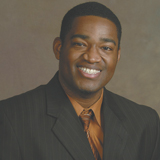
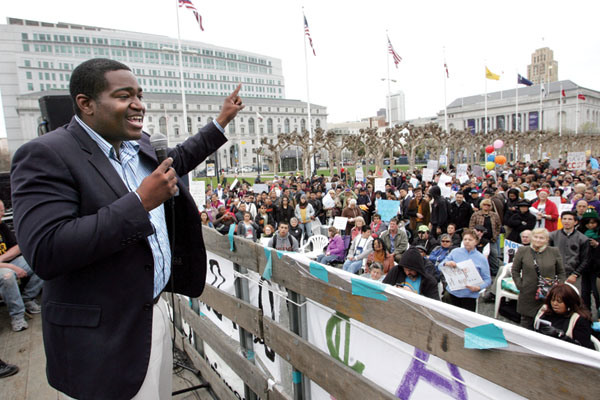
Democracy is a thing of the past at City College of San Francisco, and now one member of its elected board has had enough. City College Trustee Chris Jackson announced today that he is resigning from the college board to protest the state takeover of the school, and he explains his reasoning in an op-ed in this week’s Guardian.

“I came to City College to do good work,” Jackson told the Guardian. “At this point it’s impossible to do that work I set out to do. That’s why I’m leaving.”

Jackson was first elected to City College’s board in 2008, but in 2013 he was a trustee in name only. The day City College was told it would lose its accreditation was also the day it lost its Board of Trustees. Those democratically elected by San Francisco voters to lead City College were pushed aside by California Community College Chancellor Brice Harris.

It was a state takeover, and the board was rendered powerless.

The seven-member board holds no more meetings, drafts no more legislation, casts no more votes. The public cannot hold elected officials accountable when things go wrong — because the man in charge is no longer someone San Francisco elected.

Robert Agrella is the “super” trustee, appointed by the state chancellor to make unilateral decisions regarding City College’s future, something they say is necessary to save the school. Agrella holds no public comment sessions, and told the Guardian previously that personal emails to him would suffice. Agrella hardly ever answers his phone, we’ve found.

Paul Feist, a spokesperson for the California community college state chancellor’s office, said that the takeover was necessary to make the hard decisions needed to save City College quickly.

Tremendous progress has been made since July, with key positions having been filled, collective bargains agreements reached and fiscal controls implemented,” Feist told the Guardian. 

To Jackson, it’s a mockery of democracy.

“If my resignation can bring a light to this public policy issue, I hope it does,” he said.

In the last month a vote by the California Community College Board of Governors made Agrella’s stay indefinite. Legally, he won’t leave until the state tells him he has to.

There is not a formal timeline for returning governance of CCSF to local trustees, but it is hoped that this happens soon after the college demonstrates it has addressed the deficiencies identified by [its accreditors],” Feist said. “The state has no interest in running City College indefinitely under a special trustee arrangement.” 

To those who wonder what this all means, and to understand Jackson’s grievance, one look only as far as two of Agrella’s latest unilateral decisions.

A performing arts center long planned to be built by City College was canned by the super trustee, citing funding concerns.

“Clearly, the college is in no position to make this commitment at this time,” Agrella told the San Francisco Chronicle when he cancelled the project. It was $6 million shy of its estimated $95 million cost.

The school’s only performance venue is the Diego Rivera Theater. It is the lone theater serving a school of 85,000 students (and sometimes more) but it seats only hundreds, and is dilapidated and crumbling.

That was the first of Agrella’s motions to overturn decisions by the Board of Trustees, but his next decision was directly challenged by Trustee Chris Jackson.

Just last month the super trustee overturned a decision by the board to drop Wells Fargo as its bank. Last year, the board voted to find a more ethical bank to do business with, instead of one that foreclosed San Francisco homes and held questionable ties to the student loan industry.

An investigation by the San Francisco Examiner found that after Wells Fargo exerted pressure on Agrella and promised the school at least $500,000 in grants, the super trustee repealed the decision to shop for a new bank.

The unilateral decisions of Agrella make Jackson furious, but it’s not as if he didn’t see it coming.

In a September 2012 meeting, the Board of Trustees faced a decision: Does it ask the state for a special trustee? It was quickly communicated to the trustees that if they didn’t ask for one, one would be imposed anyway.

It was a false choice. A public relations move designed to make the board look like they sought help when newspapers and TV stations asked them about the super trustee. In the end, no matter what decision they made the state would take control of the school.

“This special trustee, while not ideal, I don’t personally like, I think it’s appropriate for right now. But we need to understand how long they’ll be there, and what position need to be in for them to leave,” Jackson said.

“I hope this board doesn’t just cede power to the special trustee,” he said.

That was a year ago. Now five months without the board, City College has lost the vision a local politician can bring.

“I’ve certainly called him the conscience of the board,” Alisa Messer, the faculty union president at the college, said of Jackson.

“Chris made himself accessible to those who felt besieged. He’s for the underdog, regardless of being black or brown,” former student trustee William Walker told us.

“I’m just really sad to see Chris go,” said the current student trustee, Shanell Williams, who first met Jackson while on San Francisco’s youth commission.

All of them mentioned Jackson’s work to secure childcare for the two City College campuses in the Bayview. When City College’s accreditors tasked them with scaling down its mission of who to serve, Jackson championed the college’s GED program and won. He also worked closely with the group Students Making a Change, which endeavors to close the achievement gap for students of color at City College.

Jackson’s departure leaves a seat open on the board which Mayor Ed Lee can make an appointment to fill. But the legality of an appointment while the board is effectively out of power is an open question. The Guardian contacted the mayor’s office to find an answer, but did not hear back from them before press time.

“I think the thing San Franciscans ought to be asking is: Do we even have a board, and when are we going to?” Messer said.

As for Jackson, he’s looking forward to concentrating on his family and his career. He currently works at a nonprofit which helps people in Africa and India find new jobs in tech.

“I’ll have more time to spend with my daughter,” he said.  “I’ll have more time to focus on my own professional career, and am looking to go to law school.”

The 30 year old Jackson said he wants to be an attorney to help young men like D’Paris Williams, who was stopped for a traffic citation at Valencia Gardens in a case of alleged racial profiling. Jackson, who lives in the Bayview, wants to defend the people in his community.

“I want to be a part of that,” he said.

Update: Commenters and sources that called the Guardian rightly asked what Chris Jackson’s Ethics Commission fines had to do with his stepping down. Jackson was late filing his campaign reports and was fined about $3,000 by the commission. When the Guardian spoke to them a few months ago about this, they told us it was a routine matter and that Jackson was complying with their requests for payment. Jackson had already reached a payment agreement well before his resignation, which does not affect the fine, he said. 

On the veg

1

arts@sfbg.com

LIT The first thing you need to know about Isa Chandra Moskowitz is that she’s a punky legend in the global vegan community. She started the DIY Post Punk Kitchen public access show in Brooklyn and (perhaps more importantly) created the vegan hub website of the same name exactly 10 years ago. While maintaining PPK she has authored or co-authored eight popular cookbooks, right up to this fall’s unfussy workday vegan cookbook, Isa Does It: Amazingly Easy, Wildly Delicious Vegan Recipes for Every Day of the Week (Little Brown, 320 pp., $30).

The second thing you need to know is that many people mispronounce her name (it’s “EE-sah” not “EYE -sah”), though it doesn’t seem to bother her much. I find myself profusely apologizing for flubbing her name when she picks up the phone — especially since I’ve been following her work, and making her delicious dishes, for the better part of a decade. I should know better.

From a hotel room in Minneapolis while on her book tour, the soft-spoken Omaha-based chef shrugs off the faux pas and we quickly get to work pinpointing her favorite recipes from Isa Does It: anything that’s creamy cashew cheese-based like the alfredo and the mac’n’cheese, along with a kale-lentil-quinoa stew, which she describes as the “classic vegan recipe” that she makes herself more than once a week, mixing up the spices as she goes.

She spouts an important note about preparation, something which is thoroughly dissected in the early sections of Isa Does It, with tofu butchery, and handy pantry tips for making cooking after work more streamlined: “I always have kale in the fridge; I always have lentils and quinoa in the pantry.”

There are also the recipes from Isa Does It that are featured in her newest video series, Make It Vegan, which has Moskowitz whipping up the Meaty Bean Chili and Cornbread, and the Nirvana Enchilada Casserole (“I like a lot of onions in this, and a lot of jalapeno; a lot of everything, really”) to the tune of “Salt” by Kelley Deal. The casserole is part of the “Sunday Night Supper” section of the book — a few more ambitious recipes, like many from her previous cookbooks such as Veganomicon (a must-have for any vegan), Appetite for Reduction, or Vegan Brunch.

That enchilada casserole is next on my list of Isa Does It dishes to tackle. I’ve so far tried the flavorful Tempeh Giardino, Kale Salad with Butternut Squash and Lentils, and the Cast Iron Stir-Fry With Avocado, Basil & Peanuts, which is a light yet super filling weekday stir fry. The avocado really gives it a fresh kick. I’m also now officially obsessed with cashew cheese, and have cashews soaking at all times, just like the author.

Moskowitz has been working on this particular cookbook for the past two years, concocting recipes in her Omaha home — the Brooklyn native moved there three years ago, mainly because she wanted a garden but also thanks to the local music scene. Her inspirations come from her pantry — “I have Brussels sprouts and sweet potatoes, what can I make with that? — and sometimes she’s inspired to veganize something she saw on the Food Network. “Like, there might be some secret Guy Fieri recipes in there that I veganized.”

Like her previous cookbooks, each of the recipes went through rigorous testing. “I have like, 30 testers. One of the biggest things for people was ‘would you make this on a week night?'” Moskowitz explains. She asks each tester to make the meal and answers a series of questions. For this particular book, she wanted everything to be accessible as possible, so another important question was: Were any of the ingredients hard to find?

“I live in Omaha now — I’m in the middle of the country — and that really changed my views on what people have access to. So I just wanted it to be really accessible ingredients,” she says. “Another reason I wanted to write this book is because I was cooking more than ever because there were not that many places to go out to eat.”

It’s another world away from Brooklyn, where meat-free restaurants and offerings dot the streets, and markets have aisles full of items clearly marked “vegan.”

While there are meat-and-dairy free offerings at local sushi spots and coffee shops (and Whole Foods Markets) there’s no dedicated vegan restaurant in Omaha — yet.

When we spoke, Moskowitz had recently been handed the keys to her first restaurant, which will open in spring 2014. Attached to a bar owned by the members of Saddle Creek band Cursive, Moskowitz’s spot will serve a revolving menu of vegan comfort foods, all made from scratch. “All the mayo is from scratch, I’m going to make my own cheese, [there will] even be house-made sodas, and kombucha on tap.”

Although there have been some rumblings about Moskowitz’s restaurant for some time, she gives the Guardian an exclusive: The name of her new restaurant will be Modern Love. 

www.theppk.com


This stuff’ll kill ya

0

cheryl@sfbg.com

FILM Clad only in a dingy T-shirt and tighty-whities, with an overgrown beard and a hollow look of defeat in his eyes, shut-in Ian (Adrian DiGiovanni) spends his days channel-surfing and plotting ways to commit suicide. When his beloved vintage TV (“His name was Kent,” he tells the camera, in the first of many direct addresses) fizzles, smokes, and goes dark, he finally takes action.

But after he’s lurched off the couch and dumped enough household chemicals into his bathtub to kill several hundred depressed agoraphobics, he falls and hits his head. When he wakes up some time later, groggy and bleeding from the mouth, he realizes his grimy bathroom has a new inhabitant: a talking pile of mold that immediately starts spouting Tony Robbins-like encouragement at our sad-sack hero.

A lot happens in the opening act of first-time feature director Don Thacker’s Motivational Growth. Delightfully, and sometimes gruesomely, the rest of the film keeps pace, even though we never leave Ian’s apartment. Unwelcome visitors (a wacked-out TV repairman; a snarky delivery girl; Ian’s angry landlord) and a series of surreal hallucinations, in which Ian imagines he’s appearing in the shows he used to watch on Kent’s screen (the best one: an alien buddy-cop drama that looks straight outta Troma), are troubling — though the pretty neighbor he glimpses through his apartment peephole offers brief moments of relief.

But Ian’s main focus, of course, is Motivational Growth‘s title character (voiced with purring bravado by the great Jeffrey Combs). The mold — it insists on referring to itself in the third person — looks like a Krofft Superstar Hour prop that fell into a sewage tank; it has barely-discernable features beyond an expressive mouth that never stops talking (and “when the mold talks, you listen,” it says, sternly). Though the mold encourages Ian — who hasn’t left his apartment in over a year, to tidy up and set a course for “Successville” — there’s also something undeniably sinister about Ian’s increasingly bossy new buddy.

With its pleasingly retro vibe, including a bleep-blorp video game-y soundtrack, Motivational Growth is quirky without getting in your face about it — though it may inspire you to rush home and scrub every inch of your bathroom. It’s a high point in the 10th annual Another Hole in the Head Film Festival, produced by SF IndieFest and stuffed tighter than a turducken with indie horror, sci-fi, and fantasy flicks.

The fest offers a sprinkling of classics (for all you Room 237 obsessives out there, it features screenings of both 1980’s The Shining and projection-booth stunt “The Shining Forwards and Backwards” — talk about a labyrinth). But mostly, it’s a showcase of new films that might be having their only local theatrical screenings, including several intriguing imports.

Billed as the Philippines’ first-ever indie zombie movie, T.A. Aderto’s The Grave Bandits has a few major flaws, including an overload of bodily-function jokes and some of the worst mad-scientist acting ever captured on film. But its young leads — particularly Marti Sandino San Juan as the slingshot-wielding Peewee — and some gushing gore effects mitigate most of The Grave Bandits‘ more unfortunate elements.

The premise: Two scrappy ragamuffins (Peewee and his slightly older buddy, played by Ronald Pacifico) make their living robbing corpses, a survival strategy that makes them unpopular enough to be chased by angry mobs. They’re able to steal a small boat and escape to one of the country’s tiny islands — unluckily, it happens to be the same place a gang of pirates acted the wrong way around a giant gemstone tainted by “an alien virus, dormant for over 100 years.” Ergo, a new angry mob to evade — one made up of flesh-ripping zombies.

Elsewhere among the international selections is French Canadian filmmaker Renaud Gauthier’s Discopath. The writer-director is clearly a fan of cult-horror nasties — 1980’s Maniac and 1979’s Don’t Go in the House, and to a lesser extent 1977’s Suspiria, seem to have influenced this stylish, self-assured creepfest. After witnessing a terrible tragedy as a child, shy loner Duane (Jeremie Earp) can’t stand music, particularly that newfangled genre called disco. For whatever reason, he agrees to go to a dance club with a girl he’s just met — with disastrously bloody results. Fast-forward a few years, and he’s fled New York City for Montreal. Living under a fake name, he’s working as a handyman at a Catholic girl’s school and wearing hearing aids that mute out the dreaded sound of music (insert your own “Disco sucks!” joke here).

But once a psychopath, always a psychopath, and heads soon start rolling (and spinning on turntables, in fact). If Discopath‘s plot is familiar to the point of homage, its synth-scored commitment to detail reaches exceptional heights: period-perfect clothes, cars, tabloid newspapers, décor (including a giant remote control that Motivational Growth‘s Ian would covet), and carefully-calibrated amounts of garbage scattered on NYC’s Me Decade sidewalks. *

ANOTHER HOLE IN THE HEAD FILM FESTIVAL

Nov 29-Dec 12, $12

Balboa Theater, 3630 Balboa, SF

New People Cinema, 1746 Post, SF

www.sfindie.com


La ho-hum vita

1

arts@sfbg.com

FILM Paolo Sorrentino has only been directing features for 12 years, so perhaps it’s premature to expect a masterpiece from him — although he probably doesn’t think so. Amid generally tepid post-millennium Italian cinema, he’s been consistently ambitious and bold, from 2001’s One Man Up onward. That facility has won a lot of acclaim (most notably for 2008’s Il Divo), but also attracted a certain amount of skepticism: Is he more style than substance? What does he have to say?

The Great Beauty, aka La Grande Bellezza, arrives as a high-profile contender for the Best Foreign Language Film Oscar, already anointed a masterpiece in some quarters, and duly announcing itself as such in nearly every grandiose, aesthetically engorged moment. Yes, it seems to say, you are in the presence of this auteur’s masterpiece. But it’s somebody else’s, too. The problem isn’t just that Fellini got there first, but that there’s room for doubt whether Sorrentino’s homage actually builds on or simply imitates its model.

La Dolce Vita (1960) and 8 1/2 (1963) are themselves swaying, jerry-built monuments, exhilaratingly messy and debatably profound rather than “perfect” works of art. But nothing quite like them had been seen before, and they did define a time of cultural upheaval — when traditional ways of life were being plowed under by a loud, moneyed, heedless modernity that for a while chose Rome as its global capital. The mood there was giddy and alienating, magnetizing celebrities (especially as the Italian film industry found itself hosting myriad international productions), virtually creating “paparazzi” — a term introduced in 1960 by Fellini to describe the ambushing photographers buzzing like flies around movie stars and pop idols.

The films were so striking and influential that even (or most of all) Fellini himself couldn’t escape them. For the most part his later works were increasingly pale imitations, risking self-parody even as other artists waxed “Fellini-esque” on their own terms.

Sorrentino announces his intention to out-Fellini Fellini in an opening sequence so strenuously flamboyant it’s like a never-ending pirouette performed by a prima dancer with a hernia. There’s statuary, a women’s choral ensemble, an on-screen audience applauding the director’s baffled muse Toni Servillo, standing in for Marcello Mastroianni — all this and more in manic tracking shots and frantic intercutting, as if sheer speed alone could supply contemporary relevancy. Eventually The Great Beauty calms down a bit, but still its reason for being remains vague behind the heavy curtain of “style.”

Servillo’s dapper Jep Gambardella is turning 65, a never-married playboy who once wrote a well-regarded novel, then ever since has done nothing but interview other famous people and stay at the center of the Eternal City’s uppermost social whirl. Somehow he’s remained rich and famous himself, bearing the bored-with-it-all air that precludes discussion of what (if anything) he ever did to become either. He’s still invited everywhere, still occasionally beds the requisite younger women attracted by power. But it’s all getting old — not that Jep seems like someone to whom it was ever new, or who’d be able to find fulfillment elsewhere now that he’s drunk his fill of privileged excess.

As if to externalize the emptiness he feels, Beauty‘s Rome is all exquisitely framed but (aside from several lavish-party set pieces) underpopulated elegant rooms and grand exteriors. Has he simply forgotten the city’s teeming everyday life, or has Sorrentino? The supporting cast of available (albeit troubled) women, backbiting colleagues, and miscellaneous grotesques are right out of the Fellini handbook of “fabulous” faces. Yet when Jep (let alone the director) was coming of age, the “dolce vita” had already ended, degenerating into the political chaos of the 1970s, the tacky coke binges of the ’80s, then the crass, tawdry conspicuous consumption of Berlusconi and company — a decadence no longer divine but merely depressing. So why does this hangdog-faced protagonist’s world seem so little changed from the ones Mastroianni inhabited half a century ago?

Even the “shocking” novelties Jep is unimpressed by feel old-hat: a child artist whose violent tantrums create Pollock-like action paintings; a Marina Abramovic-type performance artist who solemnly bangs her head against a pillar for suitably worshipful patrons. We grok his superiority to such nonsense, but just what does he have to offer that’s any better? In a notably cruel sequence, Jep demolishes the pride of a prolific, idealistic female writer, calling her a fraud in both private life (she’s married to a closeted homosexual) and artistic endeavors (she’s acclaimed only by fellow Communist Party sympathizers). His smug satisfaction in doing so seems to be shared by the film itself. Yet when the film finally gets around to offering up what Jep can grasp as a core redemptive truth, it’s ye olden mother/whore equation: a sequence cutting between a 104-year-old Mother Teresa-like “modern saint” crawling up a staircase to a Madonna painting, and a flashback to the moment when his first love exposed her boobs to Young Jep. Seriously, 142 minutes of pretentious bravado leads to that?

Servillo is a chameleon, far more than Mastroianni was, but the latter had a soulfulness both contemporary actor and film sorely lack. (Admittedly, some of the latter’s layers may be inaccessible for foreign viewers, just as the equally over-amped but more focused Il Divo required familiarity with the never-ending scandalousness of Italy’s political circus to be fully grasped.) As for Sorrentino, he’s such a natural filmmaker on the surface that at times even the most skeptical will be seduced into The Great Beauty‘s sweeping gestures. But for all their panache, it’s reasonable to worry the movie’s “statement” may be no more than (to quote Jep’s favorite all-purpose dismissal) “Blah, blah, blah.” *


THE GREAT BEAUTY opens Fri/29 in Bay Area theaters.

Meat is murder

1

arts@sfbg.com

TOFU AND WHISKEY Of course Morrissey would name his long-awaited memoir Autobiography (Putnam Adult, 464 pp., $30). The legendarily morose British pop singer and former Smiths leader has always seemed a bit larger than life.

The book already came out in the UK (and France) in October and was a huge sensation, topping best-seller lists, but US audiences have been forced to wait for the precious tome, twiddling their thumbs for its arrival, much like the infrequent uncancelled Morrissey live performance. The hardcover finally arrives stateside Dec. 3.

That said, the book on the life of the “Meat is Murder” singer-activist is worth the twiddling, if only for morbid curiosity. It’s lengthy, uncanny, and packed with daggering insults toward other musicians (Johnny Marr), ex-presidents and royals (George W., Sarah Ferguson), and himself, along with drawn-out sections on his favorite poets, court cases, and desire to die. It covers his life from birth to present day.

People go crazy over Morrissey — there’s even a Mozipedia book, published in 2010, so clearly the desire to hear it all in his own voice is there. I’ll claim to be a Morrissey novice, comparatively. At least, I’ve never worn a bedazzled jean jacket to a fever-pitched Moz convention, so some revelations in the book were still eye-opening, though needing to be extracted from verbose prose.

The long-time vegetarian, proudly outspoken against the meat industry, writes instead mostly about his suicidal depressive past and his dreary youth — and he finally speaks to those rumors of his sexuality. Yup, he loved a man named Jake Owen Walters. Though he later released this statement about those sections of the book: “Unfortunately, I am not homosexual. In technical fact, I am humansexual. I am attracted to humans. But, of course … not many.”

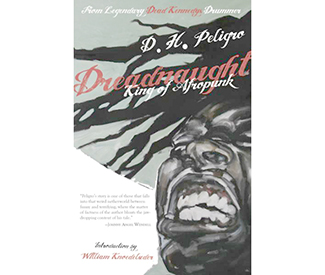
So Steven Patrick Morrissey, as he was known at birth, recounts a dark and uncomfortable childhood in Manchester, much of which was spun into early Smiths songs. But if we’re comparing horrific childhoods, another recent memoir might outweigh every aspect of Morrissey’s sad complaints: that of D.H. Peligro, whose own bio, Dreadnaught: King of Afropunk (Rare Bird Books, 280 pp., $13) came out in October.

Peligro — the complex, wild-man drummer of SF’s Dead Kennedys, as well as (briefly) Red Hot Chili Peppers, and guitarist in his own band, Peligro — grew up “dirt poor” in St. Louis, Mo., where he was born in 1959. (He literally eats dirt as a punishment in one section.) Like Moz, he now eats a veg-heavy diet. “All that food we had growing up in the ghetto was poison, drained of any nutritional value. Being forced to eat that food was one of the reasons that later in life, even when I was strung out on heroin, I remained a fanatic vegan,” he writes.

While the book opens with an extremely upsetting and grotesque strung-out hospital stay in a room with “puke green walls,” one of many incidents for the drug-addicted musician, it quickly falls backward in time to his beginnings as a “Satan’s Child,” the name by which he was known as around town. He never met his father, was mercilessly beat by his oft-drunk stepfather, and lived in a hotbed of violence and racial segregation in his early years.

And yet, despite all this, growing up in St. Louis also greatly influenced Peligro’s interest in music, and fostered a space in which to learn rhythm and blues. His beloved Uncle Sam Carr, who introduced him to musical instruments, was the son of blues guitarist Robert Nighthawk (who supposedly was the first to play slide guitar). Peligro recalls playing Carr some Dead Kennedys music years later and Carr “really listening” and nodding his head along to the noisy, Jello Biafra-led punk band.

Written in a poetic and reflective yet conversational style, Peligro’s tale stands out above most fast-living memoirs. The stories are vivid and disturbing, and the experiences run the gamut from the epicenters of Southern blues, to the influential early SF punk scene, to the costumed LA rock ‘n’ roll lifestyle. And yet, Dreadnaught still follows much of the standard course for the musician’s book tale: grew up poor, found shining beacon influencer, rose above, partied too hard, came down, and reflected.

And while there have been countless rocker memoirs in the past, only a small handful are worth your time — and there’s no time like now: It’s Thanksgiving week, and you’re likely itching for some quiet downtime, away from TVs filled with screeching sportscasters and your aunt asking you (if you’re in line with Moz and Peligro’s dietary habits) one more time: “Just how do you get protein?”

The top of any list should be Patti Smith‘s 2010 Just Kids. It’s eloquent and nonetheless gritty, with sinuous stories tumbling from her recollections and minute details beautifully recounted. The end made me ugly-cry crocodile tears while on Muni.

Like Smith, some musicians take the more introspective approach to their writing, revealing inner strength through the written word. For more of that nature, see Ronnie Spector‘s 1990 memoir, Be My Baby: How I Survived Mascara, Miniskirts, and Madness; or Bob Dylan‘s 2004 Bob Dylan: Chronicles, Volume One.

And then there’s Pamela Des Barres‘ groupie classic I’m With the Band. Oh, the torrid, gushy love tales within that book, of Ms. Pamela’s exploits with famous rock ‘n’ rollers from the 1960s right on up through the decades. Many years ago, over breakfast at a diner in Haight-Ashbury, Des Barres told me: “As far as wanting to meet the guys, I just couldn’t sit in my room and get all horny over Mick Jagger … it was just inside me to see where all that amazing stuff was coming from, that music.” If you’re in the mood for more scandalous tales of sex, drugs, and rock ‘n’ roll, these memoirs come highly recommended as well: Slash‘s Slash or Keith RichardsLife.

If you’re looking for an ironic, jokey, or food-based story, there’s Ian SvenoniusSupernatural Strategies for Making a Rock ‘N’ Roll Group, which I reviewed in an earlier column — noting that the book holds séances with dead rock stars to glean important information for the reader — and Cookin’ with Coolio: 5 Star Meals at a 1 Star Price, which includes a section called “How Coolio Became the King of Kitchen Pimps.” (Hint: his mom.)

Or there’s this year’s insta-classic “cookbook” — which really came as a download with the B.O.A.T.S 2 #Metime albumCooking With Two Chainz. It includes cooking tips like, “Put on your Versace apron.”


LIFE STINKS

Here’s all I know about Life Stinks: The band has a great name, was described as “brutal and mysterious” after SXSW last year; and makes throwback snotty punk songs. It also just released a self-titled debut LP on S.S. records. Listen to “Cemeteries” off said album for more reasons to see the live show. That’s all you need to know. This album release gig is the Friday after Thanksgiving; you’ll be stuffed, sick of family, and most definitely ready to shake along. Plus, one of the openers is messy and awesome high-pitched SF band Quaaludes — they sound like ’77 punk on helium meets ’92 riot grrrl, which is perfect. With Dancer. Fri/29, 9:30pm, $5. Hemlock Tavern, 1131 Polk, SF; www.hemlocktavern.com.


BREAD & ROSES BENEFIT

I was discussing the upcoming Kathleen Hanna doc The Punk Singer with a musician pal, and we got on the topic of the very real healing power of music. While Hanna is certainly not playing this event (sorry), that power translates broadly. Bread & Roses is a Northern California-based organization that knows this well, producing hundreds of free shows a year at hospitals, nursing homes, shelters, and treatment centers. This benefit is full-circle, benefiting the org so it can put on more shows, and offering up live local talent for you: sparkly piano rocker Marco Benevento (of Tea Leaf Green), acoustic folk singer-songwriter Megan Slankard, along with her band, the Novelists, and (((folkYEAH!))) Presents DJ Britt Govea. Sun/1, 8pm, $20–<\d>$50, Chapel, 777 Valencia, SF. www.breadandroses.org. *

From the ground up

0

arts@sfbg.com

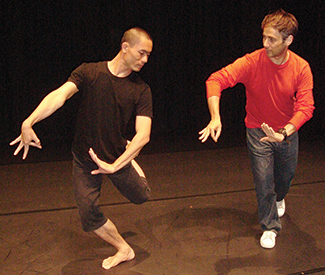
DANCE Conceptual French choreographer Jérôme Bel thrives on conversation. Sometimes, he participates directly, as he did in Pichet Klunchun and Myself, in which he and Thai dancer Klunchun talked on stage. Performed at Yerba Buena Center for the Arts in 2009, the piece enchanted me with its daring theatricality and enraged me with its faux naïveté. Pichet was both sturdy like a rock and evanescent like a passing thought.

Bel has made it his task to ask questions and shake up concepts around performance. It’s the lingua franca in today’s academia, but Bel is an artist. After stripping away the hoopla around art making, what are we left with? What do we as an audience expect? What is a performer, both from our and his or her perspective? Is there room for virtuosity, or is that something to hide behind? Marcel Duchamp asked similar questions in the visual art realm 100 years ago; choreographer Pina Bausch engaged with them for most of her career.

Two performances during Stanford University’s current Festival Jérôme Bel opened a perspective on the way Bel deals with his dissecting knife — with utter skill, and yet also with a smile and an easy mind. Bel may not like creating steps for his performers because he wants to see the moving body stripped down to its laconic essence. Yet he is one hell of a choreographer.

As a backbone and a trajectory for his The Show Must Go On (presented at Stanford’s Memorial Auditorium Nov. 13), Bel — actually, his assistants — chose 20 non-dancers, plus a few professionals to spice up the mix. They gave them a series of Bel-chosen popular music selections on which to develop movement material; the songs often skirted that tenuous line between sentiment and sentimental.

The dancers carried themselves anonymously, looking as they would if you were to encounter them on the street. But at the musical cue, they jumped into action with individualized physical responses. Yet the parameters were as tightly set as anything you might want to see on a ballet stage. These performers may have appeared untrained, but they had 55 hours of rehearsal to look as ordinary as they did.

Much of Show’s appeal arose from its simple, even simpleminded sense of humor of acting out song lyrics — normally, an absolute taboo in dance. For “Let the Sunshine In,” the stage lights came up; for “La Vie en Rose,” the audience was bathed in rose hues; during “Private Dancer,” the DJ jumped into the limelight. You could feel the audience gradually relax into the setup. (I fully expected some to join in on “Macarena.“) But they needed more time. When the volume of “The Sound of Silence” repeatedly dropped off, the audience’s humming filled in the gap; they had entered the performance. Toward the end, each dancer expressed a piece of individually chosen music, heard over a headset. In the back, a group belted out “We Are the World,” while downstage, French-born Muriel Maffre croaked out a hoarse “Born in the USA” and Jesselito Bie moaned “Oops … I Did It Again.” Perhaps most surprising was that for all its easy viewing and entertainment values, The Show Must Go On rode on an undercurrent of wistfulness and melancholy.

On Nov. 18, the festival moved to the beautifully appointed Bing Concert Hall. It was not a good decision. Sitting toward the front center, I had to strain to hear former Merce Cunningham dancer Cédric Andrieux’s contemplation on both the man and the dancer called Cédric Andrieux. After the performance, I spoke with other audience members and learned that they’d also had difficulty following the dancer. Cédric Andrieux is an intimate show; it belonged into a more supportive environment.

Performances exist in time, and Andrieux (with Bel?) controlled every last second of his: the way he made eye contact with us and paced his narration; the time he took to change clothes or reenact a painful modeling gig. His life, loves, and professional stories became part of him, whether he danced excerpts from Cunningham or contrasting ones by Trisha Brown. He complained about the tediousness of a Cunningham class, yet he looked gorgeous in the exercise. His regret about “not ever getting it right” — which eventually he admitted to having figured out — was contradicted by what he showed. Awkwardness and difficulties are as part of art as they are of life. I think most artists know that; Andrieux showed it. *

PICHET KLUNCHUN AND MYSELF (A FILM)

Mon/2, 7:30pm, $10-20

Bing Concert Hall

Stanford University, Palo Alto

live.standford.edu

THE THINGS I HAVE DONE WITH DANCE: A CONVERSATION WITH JÉRÔME BEL

Tue/3, 11am, free

Pigott Theatre, Memorial Hall

Stanford University, Palo Alto

events.stanford.edu


Brawl fallout

4

D’Paris “DJ” Williams spent his day the same way many San Franciscans did Nov. 15, watching young Miles Scott, aka Batkid, rescue a damsel in distress to the cheers of thousands.

Williams, 20, then biked from downtown to visit relatives in the Valencia Gardens housing project in the Mission District. It was there, as the nation continued cooing over the caped crusader, that two plainclothes police officers pulled Williams onto the ground. Police said they initially pursued Williams into the housing complex because he was coasting his bike on the sidewalk, a traffic violation.

That’s when all hell broke loose.

Neighbors quickly came to Williams’ defense, fists at the ready. The ensuing brawl was recorded on video and quickly went viral nationally. Fast forward two weeks and two protests later, and Williams’ family has joined with prominent attorney John Burris to sue the SFPD, for allegedly using excessive force and violating Williams’ civil rights.

“The violence is the grave matter of the entire thing, and the illegal detention and subsequent arrests,” Burris told the Guardian. He has not yet filed suit.

As the video went viral, allegations of improper police conduct abounded. Police are now crying foul, too. SFPD Chief Greg Suhr called for wearable cameras for police officers, saying he’s confident that it would clear police of wrongdoing.

The question that haunts the community around Valencia Gardens, though, is not only about the use of force. Residents wonder if the police profiled Williams because he’s black.

Was he really stopped because of a traffic violation? Or was that just legal justification for the police to search him on suspicion that he was carrying a firearm or controlled substance, which would amount to profiling?


TWO SIDES OF THE STORY


D’Paris’ stepfather, Frank Williams, told the Guardian that his son was in disbelief immediately following the ordeal.

The elder Williams related the story DJ told him.

While walking to his grandma’s house in Valencia Gardens, DJ walked with his bike for a bit, then sat on it and scooted it with his feet. Some people he didn’t recognize got out of a car nearby, calling “hey come here, come here.” As Williams stood in the doorway, “They grabbed him by his jeans and pulled him out,” the elder Williams said. “They kept pulling on him, and he’s saying ‘What did I do? What did I do?’ as they started punching him on the side of the face, and dragged him out.”

The police shared a different version of the story with reporters.

The plainclothes officers, who remain unnamed, identified themselves as police and displayed their badges, according to the SFPD account. When Williams “failed to comply” with their orders to stop, they caught up to him and attempted to detain him.

“He became combative, resisted arrest, and multiple subjects came out of that residence and formed a hostile crowd around the officers,” said Officer Gordon Shyy, a SFPD spokesperson.

When the Guardian asked him to explain the officers’ actions in more detail, Shyy said he didn’t have that information. The SFPD did not make the incident report public, but Shyy had a copy.

The reason the brawl broke out remains under dispute, but what happened next was captured on video and posted to the Internet.

As the plainclothes officers tried to subdue Williams, a neighbor took a swing with a cane that nearly hit an officer. A policeman threw haymaker punches at a neighbor as bystanders shouted them down. In the end, Williams and three of his cousin’s neighbors were taken into custody.

Williams’ sister was there, too, watching them fight as she held her newborn.

Video shows the four men who were detained scraped and bloodied, and Williams was bleeding and bruised as the officers took him in. All were taken to San Francisco General Hospital.

Williams was charged with felony assault with a deadly weapon, which Shyy said was for biting an officer. He was then discharged pending further investigation, the District Attorney’s Office told the Guardian. Public Defender Jeff Adachi said the city doesn’t usually pursue such cases.

“The reason you discharge cases is, you can’t prove them,” Adachi explained.

While Shyy maintained that the officers pulled him aside because he was riding his bicycle on a sidewalk, those officers were outside Valencia Gardens for a particular reason. Part of a SFPD squad called the Violence Reduction Team, their unit is tasked with pulling guns off the streets.

“What were these guys doing stopping DJ for a traffic violation?” wondered Travis Jensen, a friend of Williams who publicized the incident on Instagram. It’s a fair question: The Violence Reduction Team isn’t exactly known for pulling over bicyclists.


GUN HUNTERS

AK47s, .45 handguns, semi-automatics, guns hidden in waistbands. That’s what the Violence Reduction Team seeks to do away with when they hit the streets.

SFPD spokesperson Gordon Shyy credits the team with a drop in citywide homicides. It has certainly been busy.

The Violence Reduction Team arrested 20 suspects during last year’s Fleet Week, a press release from the SFPD announced, touting the unit’s success. That Halloween, they nabbed six more guns. Just last month they made 10 arrests, pulling even more firearms off the street, Shyy said.

“The VRT officers were on their regular patrol for their shift, it had nothing to do with the Batkid event,” Shyy told the Guardian. “VRT is tasked to patrol high crime areas and conduct pro-active policing to prevent violent crimes from occurring.”

When asked directly if the officers stopped Williams because they suspected he had a gun, Shyy repeated that they lawfully detained him because he illegally rode his bicycle on the sidewalk. “If officers lawfully detain a person, and can articulate a cursory pat search of that person, they may do so,” he said.

When officers took Williams to the ground they did search him for weapons.

The Guardian contacted former Tiburon Police Chief Peter Herley, who previously served as president of the California Police Chief’s Association, to ask if plainclothes officers responsible for seizing guns would take the time to cite a bicyclist for a traffic violation.

“Generally they don’t do it, because it may blow their cover,” he said. “If the violation was grievous enough, maybe. Usually a plain clothes unit wouldn’t do it.”

Adachi put it another way. When a person is stopped for an infraction, “the expectation is there’s a ticket drawn up and a person is sent on their way.”

Based on what Shyy read to us from the police report, the officers at the scene seemed to enter the situation believing Williams could be armed. “Williams continued to resist by pushing his upper body against the sidewalk and tried to get to his feet. Williams was unhandcuffed and unsearched at this point. From my knowledge and experience I know this is a high crime area and people in this area often carry weapons. I believed if Williams were able to free himself from us, he may attempt to access a weapon.”

Ultimately the officers only found two things on D’Paris Williams: juice and a cupcake.


SHAKEN, BUT NOT DETERRED

Williams’ cousin Dave lives in Valencia Gardens. Dave, who refused to provide his last name because he feared retaliation, says Williams rode his bike to a Goodwill store that day to apply for a job. Dave, 36, invites some of his younger distant cousins, including Williams, over for what he calls a “positive hype.”

“They’re over here like every day. We have a big family, we’re very lovable,” he said.

Williams’ sixth grade science teacher, Norm Mattox, told the Guardian DJ was in school at City College, known as a young man with prospects.

“He’s someone we think can get out of the neighborhood, get out of the projects,” he said.

That’s why D’Paris was in disbelief too, his stepfather told us. “I did question my son about it. Why would they follow you? Explain this to me,” the elder Williams told the Guardian. He fears his son was targeted for being the wrong color, in the wrong place, at the wrong time.

That’s why Burris took the case. “The young people need to know there is a place to go, that you don’t have to accept this level of brutality by an officer,” he said. “The legal issues themselves, are an illegal detention, illegal arrest, and use of excessive force. [These are] federal civil rights violations.”

D’Paris took that to heart. The younger Williams told his father something had to change, that he was determined that something good had to come from this.

“He kept repeating it. ‘This has got to stop. Got to stop. Got to stop,'” the elder Williams said.

“It makes a dad proud to hear that.”

Heavy-duty problems

2

rebecca@sfbg.com

As a kid, Turcilo Caldera would climb into his father’s big rig and accompany him on runs to the Port of Oakland. “He would sit me on his lap and show me how to drive,” he remembered.

Originally from Nicaragua, Caldera came to California at age 5 and grew up in San Francisco’s Excelsior District. Now 30, he too is a trucker.

Speaking by phone around 8:30pm on a recent Friday, on his way to Stockton to drop off a shipment, he recounted how he’d arrived at the port at 5am and waited in line until 8:30am, only to move to a different line to pick up a load. “I ended up leaving the terminal around 10,” he said. That’s when he started getting paid.

Companies pay by the load, regardless of the time it takes to wait in line. Caldera works 12 to 13 hours a day.

He recently became a member of the Port of Oakland Truckers Association. It’s not a union, since truckers are classified as owner-operators rather than employees of the companies that hire them. Nevertheless POTA, which represents several hundred owner-operators, reflects the truckers’ attempt to ban together for better working conditions.

Truckers never know what they’re hauling, but it’s safe to assume that major retailers — Walmart, IKEA — are expecting shipments in advance of a holiday shopping blitz. While some companies anticipate a bump in profits, POTA and hundreds of other port truckers are facing potential job loss come New Year’s Day.

At a Nov. 22 meeting, POTA membership voted unanimously to begin a work stoppage at the port, starting Wednesday (11/27). “We don’t want to stop working, we need to make a living,” said Roberto Ruiz, a POTA member. “But this is the only thing they respond to.”

On Jan. 1, 2014, when new clean air regulations go into effect, hundreds of independent truck drivers will lose work as their vehicles fall out of compliance. They can’t afford to pay out of pocket for trucks that are compliant with new emission control regulations. Many face a tough time getting loans, and those who have dodged the bullet by securing a loan now find themselves in a worse financial crunch than before.

Many could be forced out of jobs completely. By the Port’s estimates, around 80 percent of the roughly 6,000 registered to service the Port are set to be in compliance. POTA estimates 800 truckers could be impacted.

POTA’s vote to stop work followed a series of meetings with Oakland Mayor Jean Quan and Deputy Mayor Sandré Swanson, as well as representatives from the Port and the California Air Resources Board (CARB) to try and hash out a solution.

In meetings, POTA asked city officials and CARB to identify funding to help those in danger of job loss retrofit their vehicles to comply with the clean-air regulations. They also proposed some solutions: They want fees billed to shipping customers for the time truckers must spend waiting in line for the loads they haul, to help offset the cost of buying and maintaining compliant trucks.

The Jan. 1 ban on older trucks is part of a broader effort to alleviate air pollution in surrounding West Oakland, where cancer and asthma rates are abnormally high. The Port’s system of loading cargo shipments results in long lines idling for hours, leading to a chronic congestion problem that has fouled the air. Before the problem was addressed, “Ports were where old trucks went to die,” explained Isaac Kos-Read, a Port of Oakland spokesperson. “Old trucks were the worst polluters on the road.”

West Oakland, known for its iconic shipping cranes, has traditionally been a majority African American neighborhood with lower income levels than the surrounding Bay Area. The demographic is beginning to change as comparatively well-heeled newcomers settle in, but it was an economically disadvantaged community of color who disproportionately bore the brunt of harmful air pollution for decades. Switching to low-sulfur fuel for shipping vessels has helped the port make drastic reductions in air pollution, but harmful emissions linked to asthma are still emanating from truck tailpipes.

The rule change will lead to what is indisputably an environmental improvement. But that benefit doesn’t have to come with the tradeoff of job loss. State funding was made available in 2011 to help financially strapped truckers afford new rigs or retrofits — but the funding has now vanished, and truckers who are late in pursuing compliance are finding doors shut all the way around.

In December of 2011, the California Air Resources Board made $58 million available to the owners of 2,100 trucks across California “to replace their retrofitted trucks with newer trucks,” Karen Caesar, a CARB spokesperson, explained in an email. About 1,700 of those could legally service the Port of Oakland.

The funding came from a $4.5 billion set-aside created by Proposition 1B, a transportation bond approved by voters in 2006. The $58 million was available for truckers who had installed filters to comply with an earlier regulation limiting diesel particulates.

In theory, the funding was enough to award all 2,100 trucks more than $25,000 apiece. That’s an amount that Frank Adams, an organizer with POTA, told the Guardian would be adequate for affected truckers to get compliant without going underwater.

But that’s not what happened. “Applications for 970 trucks were received,” Caesar explained, bringing the total funding request to $24 million. But in the end, CARB awarded grants to just 359 trucks, disbursing $10 million. The rest of the money was reallocated to other air-quality improvement programs, Caesar said.

And since the remaining funding is now gone, neither the city of Oakland nor CARB has come up with any other answers for the truckers. “We’ve been meeting with them on a regular basis to see if there are other funding sources,” Kos-Read said. “We want to help all the truckers.” But the meetings clearly haven’t been productive, since POTA’s staging a work stoppage during the busiest shopping week of the year.

CARB officials emphasize that truckers can still take road work even after they’re banned from ports, but Caldera says it’s not that simple. “If my dad were to decide to run up and down California, he wouldn’t be home like he is now,” he said. Road work means being away from home for possibly long stretches, and it’s unclear whether enough of those jobs exist to make up for the port jobs that will be lost.

The truckers represent a predominantly immigrant workforce, with many native speakers of Chinese, Punjabi, and Spanish. “Most of the truckers don’t speak English, let alone write good English,” Adams said. He guesses that’s why some didn’t apply for CARB funding.

Yet CARB officials say they sent out materials in various languages and held outreach events. As for those now trying to stave off job loss, “It’s not as if this blindsided anybody,” Caesar said.

Caldera’s truck is compliant, but only because he borrowed $50,000 from a relative to purchase the $72,000 rig, which replaced a 2006 truck purchased on loan. Today, “I’m still paying that loan, which is $680 a month,” he explained. “But it’s not as much as I’m paying for my new truck.”

Truckers’ financial problems go deeper. Caldera estimates that fuel costs eat up around 40 percent of his earnings. There are insurance payments, registration fees, maintenance and other associated costs, all borne by the truckers and not the companies that hire them.

As it turns out, selling cheap Chinese goods to American consumers is rather lucrative. Delivering said goods by truck is not, even though it’s integral to the business.

Then there’s the restroom problem. A Port a Potty was recently installed near the Port entrance, Caldera said, but it’s only a partial solution. Truckers aren’t supposed to exit their vehicles while they’re waiting. “If you decide to go to the bathroom you have to leave your spot in line,” but that just means more unpaid time sitting in line. “So we have to carry bottles in here,” he said. “These are awful conditions. This is something that I imagine in a third world country where people have no rights.”

Now, with a work stoppage looming, the truckers could also wind up entangled in legal problems since they have no union and no authority to strike. “It’s a complicated and unclear legal situation that they’re in,” said attorney Dan Siegel, who is advising POTA. “Because they’re ‘owners,’ they’re not considered workers under labor laws … they are subject to punishment for anti-trust violations.”

“They cannot illegally block streets,” said Kos-Read, the port spokesperson. “Our goal is to respect the trucker’s free speech rights and keep commerce flowing.”

On Nov. 21, POTA members visited the International Longshore and Warehouse Union seeking support. Clarence Thomas, speaking as a rank-and-filer of the ILWU Local 10, said union or no, the truckers deserve to be treated fairly.

“For many years, trade unionists have looked at those workers as having a sweatshop on wheels,” Thomas said. “We don’t want to see anyone at the Port being exploited.”


BART standoff continues as board modifies contract

1

The BART Board of Directors voted 8-1 on Nov. 21, with conservative young Director Zakhary Mallett in dissent, to approve a hard-won contract with its unions, after removing Section 4.8, the paid family leave section that the district says was inserted by mistake.

The motion also directed management to negotiate a settlement over that issue with its unions, which have already approved the contract and now must decide whether they are willing to do so again without that provision or whether the possibility of another BART strike is once again looming.

The next day, BART’s largest unions, SEIU Local 1021 and ATU Local 1555, issued a joint statement: “We consider the Board’s actions to be unprecedented and illegitimate, and we’re considering our next steps, including possible legal action. The BART Board of Directors has disregarded the vote of more than 2,000 BART workers and has chosen to subvert the collective bargaining process, and we take their actions seriously.”

After meeting in closed session for about two hours, Vice President Joel Keller began the open session with a motion to remove Section 4.8 from the contract, approve the rest, and direct management to negotiate with the unions.

Mallett, the 25-year-old newbie who lives in unincorporated West Contra Costa County but whose District 7 includes part of San Francisco, spoke first: “Even before this hiccup, I was not in the position to support this contract. I find it too costly.”

But he was the only one to take that stance, with the rest of the directors calling the underlying contract a fair compromise, even if all said they couldn’t support the paid family leave provision that would add anywhere between $4 million and $44 million to a contract that was already going to cost the district an additional $67 million.

Director Gail Murray noted that the unions had given up raises for years when BART had budget deficits, and now that the district is running surpluses, it’s reasonable to give workers raises that amount to about 2 percent per year for four years.

“Our employees kept the system going…They’re the reason why we keep 40-year-old cars still running,” Murray said, later adding, “To say this contract is not a good contract is wrong.”

The rest of the board agreed, even while acknowledging it is more than they hoped to pay given the district’s capital needs and aggressive expansion plans.

“We’re probably paying more for this than we anticipated we would pay, and labor is probably giving up more than they want to, but that’s the nature of collective bargaining,” Keller said, who also began what turned into a chorus of criticism for how district negotiators signed off on a provision the board never agreed to.

“We ended on a sloppy note and that’s regrettable,” Keller said, pledging that if he’s elected president next month — an ascension that is customary for the vice president — he plans to launch a full investigation into what happened.

“I’m pained that we put ourselves in such adversarial positions with each other and that we lost the lives of two employees,” Director John McPartland said of the protracted labor negotiations and the fatalities that occurred while the unions were on strike Oct. 19. He called the contract “more than fair and equitable.”

Director James Fang, who represents western San Francisco, sounded the strongest criticisms of BART management and negotiators. “Yes, it was a mistake, but nobody has come forward and said ‘there was a mistake and I’m responsible,” Fang said, later adding, “The ones who signed this must be held to account.”

Fang then went further, albeit without specifics, when he said, “Every bit of management advice we’ve received has not worked out to the district’s best interests.”

Director Robert Raburn echoed Fang’s calls for accountability: “I’m still not clear on how that [contract provision] arrived and it hasn’t been accounted for by anyone at the district who said ‘I am responsible.'”

But he also said that the provision was clearly an error and not something arrived at through the negotiations: “Both parties agreed on a $67 million package and we should keep that intact because it’s fair.”

Reached by the Guardian while union leadership was conferring to plan next steps, SEIU Local 1021 Political Director Chris Daly told us, “We are about as up in the air as we’ve ever been.”

He called it “unlikely” that union leadership would simply submit the board-revised contract to an up-or-down vote by union membership, saying that he doesn’t think it would be approved.

And Daly echoed the concerns expressed by several BART directors about how this mistake happened and why nobody has taken responsibility or been held accountable: “If I were on that board, I’d have the general manager’s head, there’s no two ways about it.” (Steven T. Jones)

SF General reduces psych care

A 22-bed psychiatric unit at San Francisco General Hospital will be taken out of service, and reopened only if the facility experiences a high caseload of patients exhibiting the worst signs of psychiatric crisis.

As of Nov. 19, five patients were receiving care in that unit, 7B, according to spokesperson Rachael Kagan. None had symptoms that rose to the level of requiring acute care. Instead, they were classified as sub-acute patients, a distinction that essentially means they didn’t present an immediate threat to themselves or others.

But under a new policy that will take effect after they have been released, all 22 beds in 7B will be closed — unless they are needed for acute patients who do reach that critical threshold. The unit will be staffed only if patients can’t be accommodated in the hospital’s other acute psych unit, which has 21 beds.

The decision was made in response to a changing financial picture under federal health care reform, Kagan explained.

“There is a big push … to ensure hospitals are only providing acute care,” Kagan said, and this trend is driving efforts to reduce sub-acute patients. “It fiscally makes more sense,” she added, because insurers pay higher rates for acute care than for lower levels of treatment.

Yet some hospital staff members are nervous about the implications of this shift, because it means fewer patients will be able to access psychiatric care at SF General unless they represent a danger to themselves and/or the general public — at a time when demand for these services is on the rise.

“To us, it’s a matter of priority for the city,” said Brenda Barros, an employee at SF General who is active with hospital union SEIU 1021. “Do you want to take care of these people, or don’t you?”

Some staff members are doubtful that 7B will reopen. An internal SF General memo issued Nov. 18 informed the 7B staff: “Our census will be gradually reduced until we won’t have any more patients. Then 7B will be closed.” The memo added, “this came from [SF General CEO] Sue Currin due to budgetary constraints.”

However, a second internal memo went out the following day, to “clarify” the first one. In that message, Nursing Director Kathy Ballou wrote: “We are not closing psych beds or any beds.” Instead, beds in 7B would be closed unless “we get acute patients needing that level of care,” she wrote. “As in other hospitals, we are accountable to our operating budget.”

Further complicating matters, said Barros, is that patients can fluctuate rapidly between needing acute care and a lower level of attention. “They absolutely can swing back and forth.” She added that patients initially requiring a lower level of care could experience worsening conditions if they’re unable to secure an appointment in time to get help, and delays are very common.

Kagan emphasized that the unit wasn’t being closed down, but did confirm that sub-acute patients would no longer be able to receive treatment in 7B. Instead, those patients will be placed with various service providers throughout the city, she said. “The goal is to move the patients to their appropriate placement.”

Meanwhile, this shift coincides with an overall rise in citywide demand for psychiatric services. According to a report delivered to the Police Commission earlier this year, SF General had 6,293 patient admissions for psychiatric holds in 2012, a sharp increase from 5,837 in 2009.

While there were deep cuts to the city’s Department of Public Health during the economic downturn, Mayor Ed Lee has recently trumpeted a boost to city coffers thanks to growing economic activity. But if the city’s financial health has improved, it seems odd that its safety-net hospital would be put into the position of reducing psych care due to budgetary pressures when that kind of care is sorely needed.

For Barros, it’s a matter of whether or not city officials will decide to allocate more funding for mental health services. “If they don’t have enough money in Public Health,” she said, “then they need to put more into Public Health.” (Rebecca Bowe)

We give thanks

0

EDITORIAL We offer a lot of criticism here on the Guardian’s editorial page, which is probably inescapable given the obvious failures of our political and economic systems to address the needs of the people and the planet and to uphold the progressive values that the Guardian and much of the Bay Area supports. We have so much potential, and it’s sometimes maddening when we fall short of realizing it.

So, this week, in the spirit of Thanksgiving, we’re going to put a positive spin on the civic scene and talk about some of the things that we’re thankful for.

We’re thankful to live in such a beautiful, vibrant place. San Francisco is one of the greatest cities in the world, both physically and culturally. And we’re thrice blessed to have Marin County and the East Bay — particularly the progressive and diverse cities of Oakland and Berkeley — just a short bridge ride away. Layer on top of that the nearby Sierras, Sonoma County, and the coastline from Point Reyes down to Santa Cruz and this is perhaps the best region on the planet.

We’re thankful to have a functional, modern transportation system that offers plenty of good alternatives to the automobile. While there’s certainly room for improvement, BART is an amazing transit system that closes the gap among the Bay Area’s many diverse communities, while Muni does a good job at ferrying huge numbers of people around this bustling city. Caltrain is a great link down the peninsula and we’re super excited to see it electrified and that transportation officials are working hard to connect downtown San Francisco to downtown Los Angeles with a long overdue high speed rail line. And we love how San Franciscans have embraced bicycles as an important everyday transportation option.

We’re thankful that so many smart, interesting, creative people have been drawn to San Francisco and its environs. This is home to recognized global leaders in pursuits ranging from technological innovation to progressive and environmental organizing and advocacy. We’re proud of the political initiatives hatched here in the Bay Area, from marriage equality to criminal justice reform. We have a cornucopia of artists and musicians tucked into every little nook of the city, from the stage of Slim’s to the studios of surreal Hunters Point Shipyard. And the locals here cook up some of the world’s best culinary offerings, from a plethora of fancy restaurants to quickie taquerias to surprisingly bountiful food trucks.

And we’re really thankful for you, the person reading these words. The Guardian has been around since 1966 because of the support of our readers, our advertisers, and our community, and we’re grateful that you’ve all given us the opportunity to offer the news, views, and reviews that are helping to shape this wonderful place. Happy Thanksgiving.


Alerts: November 27 – December 3, 2013

0

WEDNESDAY 27

Harvey Milk and George Moscone Memorial Harvey Milk Plaza, Castro and Market, SF. tinyurl.com/MilkMoscone. 7pm, free. A candlelight vigil and march will be held in remembrance of the 35th anniversary of the murders of San Francisco Supervisor Harvey Milk and Mayor George Moscone. The event is meant to honor their memories and bring people together. It is being co-sponsored by a broad coalition, including the Harvey Milk LGBT Democratic Club.


FRIDAY 29


Black Friday Roller Disco Party San Francisco Women’s Building, 3543 18th St, SF. (415) 820-3907. 8pm-12am, free. SF Indiefest and Black Rock Roller Disco present a Black Friday roller disco party inside the Women’s Building auditorium. Disco costumes encouraged! Skate rentals will be provided, or bring your own.


SATURDAY 30


Citizen Journalism Symposium East Bay Media Center, 1949 Addison, Berk. 3pm, free. Live streamers, bloggers and social media mavens will converge for a series of conversations on citizen journalism, featuring those who helped capture Occupy Wall Street protests and a discussion led by host Clark Sullivan on ethics in citizen journalism. Bring your smartphone, laptop, curiosity, and enthusiasm.


MONDAY 2

World AIDS Day forum San Francisco LGBT Community Center, 1800 Market, SF. 6:30-8:30pm, free. This year’s forum, titled “Getting to Zero in San Francisco: How Close Are We?” offers attendees the latest news on San Francisco’s progress in fighting HIV/AIDS from experts in the field. They will also be informed about programs that are helping the city get closer to its goal of zero new HIV infections. The interactive town hall forum structure of the event enables it to be as informative as possible, and ensures audience engagement with the topic. TUESDAY 3 #GivingTuesday: Project Homeless Connect 3200 California, SF. (415) 292-1286 or sstickel@jccsf.org. 10am-8pm, free. People ages 12 and up are asked to come help put together personal hygiene kits for homeless people in San Francisco. Participants may come anytime during either of two shifts, which run 10am-1pm and 3-4:30pm. Afterward, everyone is invited to a Hanukkah Candle Lighting, which will begin at 4:30pm. The kits will be distributed by volunteers the following week at Bill Graham Civic Center Auditorium. This event is part of #GivingTuesday, which is a national day dedicated to charitable activities.

Why I’m resigning from the City College board

15

By Chris Jackson

When I worked for the state legislature, a member once told an overly ambitious guy that there are those who get into politics to be someone and those who get into politics to do something, and we have enough of the first type.

Serving on the City College of San Francisco Board of Trustees was always a means for me to work to connect underserved communities to education and eventually economic empowerment.

One of the first measures that I passed while on the board was to expand City College’s Community/Outreach Ambassador to the Mission and the Southeast campuses. Through this program, City College was better able to do outreach to underserved communities.

Be it by protecting CCSF’s GED program or child care sites, working with community leaders to continue to make the Mission campus an educational jewel to its residents, or working with Bayview advocates to ensure the Southeast campus’ survival and eventual growth, I came to the CCSF Board of Trustees on a mission to help ensure that our most vulnerable populations are given access to education as a means of equity.

Although I’ve had amazing success and even made a few mistakes along the way, I don’t want anyone to doubt my continued passion and commitment to the communities that CCSF serves. It is this passion to do something and not simply be a figurehead that has led me to the difficult decision to resign from the CCSF Board of Trustees.

The Accrediting Commission of Community and Junior Colleges, an unelected and publicly unaccountable organization, seeks to change the values and charge of City College from an inclusive, community-based and student-focused college to a simple junior college that serves the few and shares the values of the corporate education reform movement.

Even more disappointing has been our state Community College Board of Governors. Instead of performing its public-policy duties, the state Board of Governors, led by State Chancellor Brice Harris, has continued to allow itself to be bullied by the ACCJC to the point where there is a serious question of who really sets public policy for the 112 colleges in our statewide system: our publicly appointed Board of Governors or the unelected, unaccountable private ACCJC.

It pains me to see the scope of our class offerings pared back, our community-based campus continually threatened with closure, much-needed academic counselors laid off, and our Second Chance program for ex-offenders with an over 900-student waiting list. It pains me even more to be sidelined by Harris and our public Board of Governors and watch them shrink and cower to the power of Barbara Beno and her private ACCJC.

But in the face of this challenge to our public education, I see hope. Students like Trustee Shannell Williams, Student President Oscar Pena and former Trustee William Walker rallying students to stand up for their public education give me hope. The American Federation of Teachers Local 2121 and the Save CCSF coalition have become rallying points not just for the immediate CCSF community, but for the larger SF community. Their bravery in the face of the withering attacks on public higher education should be commended and be a model that others should follow. At this moment, there exists the base for a long-lasting coalition of students, educators, and community fighting for the high-quality, affordable education.

Thank you for the opportunity to do something to make an impact in people’s lives. Thank you for allowing me the opportunity to serve on the City College of San Francisco Board of Trustees.

Chris Jackson was elected to the CCSF Board of Trustees in 2008.


City and teachers seek injunction against City College closure

16

The plan to save City College of San Francisco took a proactive turn yesterday (Mon/25) as two separate-but-similar preliminary injunctions were being sought against the Accrediting Commission for Community and Junior Colleges (ACCJC). 

The injunctions, filed for yesterday by City Attorney Dennis Herrera and the California Federation of Teachers (CFT), would seek to keep the embattled school open for at least the duration of the impending litigation. A judge will consider the requests next month. 

The two sought-after injunctions come in the context of the civil lawsuits filed by both groups back in August, and would prevent the ACCJC from stripping CCSF’s accreditation on July 31, 2014, in addition to keeping the school both accredited and open while the civil lawsuits are heard and legislative challenges play out. ACCJC representatives didn’t return our calls for comment. 

Both the City Attorney’s Office and the CFT lawsuits hinge on the August findings of the US Department of Education. The determination made then said that the ACCJC violated two separate provisions of federal law: Failing to maintain effective controls against conflicts of interest and failing to have reasonable academic representation amongst the evaluation teams tasked to evaluate the school. 

If those two violations are upheld in federal court, then the City Attorney’s Office will simply need to prove that the “balance of harm” is negatively swinging toward the students of CCSF. And that unjust balance isn’t an under-the-rug number: 80,000 students go to CCSF, while 19 board members work at the ACCJC, something they do whether or not CCSF is open. Conversely, it’s not like those 80,000 students have 80,000 places to go. 

Both the CFT and the City Attorney’s Office are confident that the injunction will be granted by a San Francisco Superior Court judge, an arena of equitable governing both groups say hasn’t been seen from the ACCJC.

“We were trying to figure out our options. How do we defend the college?” said Alisa Messer, AFT Local 2121 president and English teacher at CCSF. “So how do you get a fair hearing? How do you get due process? Unfortunately the courts are the only way to do that under this scenario.”

If either interim injunction is granted by the courts, the school wouldn’t be stripped of its accreditation on July 31 — the ACCJC-appointed Doomsday for an educational institution that contributes nearly $300 million a year to the local economy, among other things — pending conclusions of the underlying court cases, which could take years. That would allow CCSF to offer at least a fall course-load. The injunction would also put the recently-maligned accrediting agency’s authority on hold.

And while an injunction simply delays the final determination and extends the school’s accredited status, both the city’s and the CFT’s plan to hold up the final determination elegantly mirrors the strategy most assume the ACCJC is employing.  

“What we’ve seen is the ACCJC essentially engaging in delay tactics,” said Therese Stewart, chief deputy of the City Attorney’s Office. “This [injunction] isn’t to resolve the whole thing, but rather to freeze the situation so it doesn’t get worse.”

According to a press release from Herrera’s office, the injunction would also, “prevent the Novato, Calif.-based ACCJC from taking similarly adverse actions against other California colleges until its policies and practices fully comply with state and federal law.”

But even if they can implore the ACCJC to reinstate CCSF’s accreditation, Messer says that the injunction the CFT filed on Monday is about much more than “stop gap measures.”

“Actually, I see it as much more than that. It’s not just about getting an injunction for what happens on [July 31, 2014],” said Messer. “This about getting an injunction now, to stop the actions toward closing the college and toward taking our accreditation. Now. Not for July, for right now. Because what we’re seeing is harm being done to the college even as we speak.”

The harm Messer is referring to isn’t just accreditation-related. She says that the reputation of a school is as important as anything, and right now students are unsure of the status of CCSF.

“It’s not about sitting on our hands and waiting and hoping that some of these things will right themselves,” said Messer. “It’s about saying that right now, because of the harm being done to the college, that we need San Francisco to know, and we need everybody to know that this college will not be closing.”


Serial evictors named in mapping project

The San Francisco Anti-Eviction Mapping Project – the same tenant advocates who produced this time-lapse of Ellis Act evictions – have published a new interactive data visualization, displaying locations of properties where seniors and disabled tenants were ousted by no fault of their own.

Showing data over the last three years, the map plots locations of where tenants were evicted under the Ellis Act, and displays the identities of the responsible landlords for each affected unit.

“Waiting lists for public senior housing take years. Often senior and/or disabled tenants are forced to leave San Francisco altogether, or end up on the street homeless,” Anti-Eviction Mapping Project organizers wrote in a statement accompanying the interactive map. “If dispossessed from the city, they often lose access to vital city-subsidized healthcare and community support that they had been reliant upon.”

At today’s (Tue/26) Board of Supervisor’s Meeting, legislation seeking to assist seniors affected by Ellis Act evictions won preliminary approval by the full board. Called the Ellis Act Displaced Emergency Assistance Ordinance, it prioritizes evicted seniors when they seek to access affordable housing programs administered by the city.

“We need this measure to keep residents who have no other means of permanent housing from becoming homeless,” said Board President David Chiu, who cosponsored the legislation along with Sups. David Campos, Jane Kim, Eric Mar and London Breed.

The Anti-Eviction Mapping Project also released a time-lapse plotting the total number of no-fault evictions from 1997 to 2013. A counter that starts when you hit the play button breaks down the number of units where evictions were carried out under the Ellis Act, via owner move-in evictions, and through demolition.

The grand total for that timeframe is 11,766 no-fault evictions. That’s counting units, not individual tenants. Owner move-in evictions made up the lion’s share, with 6,952 units affected. Watch the visualization here.

Meanwhile, tenant advocates who are developing these data-driven presentations are also conducting a survey to gather information for another mapping project in the works.

More than a memorial

16

When Mayor George Moscone and Sup. Harvey Milk were assassinated in their City Hall offices on Nov. 27, 1978, San Francisco changed in innumerable ways. Among those ways is the city lost two of the leading progressive advocates for renters and affordable housing ever elected here.

Today, as San Franciscans mark this tragedy with their annual memorial march, organizers and activists have broadened and elevated the event by enlisting the support of 20 community organizations now doing work to combat the eviction, gentrification, and affordable housing crises that are gripping the city.

“We wanted to make this even more than just a candlelight vigil,” David Waggoner, one of the organizers of the event, told the Guardian. “We want to use this time to remember Harvey and George’s legacy in really fighting for the underdog.”

He noted that attendance at the march has waxed and waned from year to year, but the coalition putting this one together promises to have a strong turnout this year because of the surging progressive activism around housing issues and the need to organize the community to save the soul of the city.

“There is very little to stop what’s happening with the rapid gentrification,” Waggoner said, but he also noted, “By building coalitions, the same way Harvey and George did, we can fight.”

“We’re not only honoring the history of Harvey Milk and George Moscone, but we’re honoring their legacy by making them relevant today,” Brian Basinger, head of the AIDS Housing Alliance/SF, told us. “The Milk March is going to be very exciting. We have over 20 community groups invited and helping us put it together.”

Basinger said the progressive activism will continue through the 25th annual World AIDS Day on Dec. 1, and that participants in both events will be asked to present their demands to the city for dealing with the AIDS and housing crises. That list will be presented at City Hall during a noon rally on Dec. 2.

He said that affordable housing issues are LGBT issues given that nearly 30 percent of the city’s homeless population identifies as LGBT, while that identification makes up just 15 percent of the overall city population.

“Those of us who are lucky enough to talk to the folks who knew Harvey remind us that it’s about coalition-building,” Basinger said, noting that many of Milk’s contemporaries are now being forced to leave the city by evictions or economic displacement.

One voice from that era who is still around and active is gay activist Cleve Jones, who was an intern in Milk’s office at the time of the assassination and wrote a poignant guest editorial in the Nov. 21 issue of the Bay Area Reporter about what Milk and Moscone advocated.

“They fought for renters, honored labor, and built coalitions to connect, not divide, us from each other,” Jones wrote. “They would, I’m sure, be pleased by the progress that has been achieved on some of the issues they cared about. But they would be alarmed by the growing chasm between rich and poor, they would be angered by the evictions of the elderly, disabled, and people with AIDS. They would be fighting to keep City College open and they would be outraged by the violence and despair experienced by so many in our city’s neighborhoods.”

Organizers of the event say they think this is just the kind of memorial that Milk and Moscone would have wanted.

“We want the housing crisis to be front and center,” Waggoner said. “We want this to be a time for people to connect with the legacy of Milk and Moscone in a very direct way.”

The march begins at 7pm in Milk Plaza, Castro and Market streets, and continues with a rally outside City Hall.


The Performant: Dead man’s party

1

Despite the supposed onset of winter, it’s another sunny day as I pedal up to the San Francisco Columbarium, a stately domed edifice perched at the end of a discreet cul de sac off Geary and Arguello. Currently operated by the secular Neptune Society, the Columbarium is one of the last remaining repositories for the dead within San Francisco city limits, the majority of San Francisco’s deceased having been relocated to Colma from the turn of the 20th century on. A group of about 30 curiosity seekers have gathered at the gates. We’ve all come for an Obscura Society “field trip,” in this instance a tour of the iconic structure, led by the man who has been credited with almost single-handedly presiding over the Columbarium’s resurrection from decades of neglect, Emmitt Watson.

The Obscura Society is an offshoot of four year-old online encyclopedia of wonder, Atlas Obscura, and other local excursions have included ones to Suisun Bay, the Albany Bulb, the San Francisco Motorcycle Club clubhouse, an abandoned train station in Oakland, the Zymoglyphic Museum of San Mateo, and an after-dark tour of the Woodlawn cemetery in Colma. Like a darker, more relentless version of Nerd Nite with stronger drinks and more historians, its Tuesday night salons at the DNA Lounge are equally expansive, covering a whole gamut of hidden histories on topics such as vigilantes, rum-runners, the Donner Party, rail transportation, and absinthe.

Atlas Obscura senior editor Annetta Black eagerly explains the society’s zeal for local exploration. “Originally we [Atlas Obscura] were focused on the idea of far away exotic places, but then we realized that we were falling prey to the idea that the world is only interesting if it’s far away. Once I discovered that I could travel in my hometown with the same sense of curiosity I would apply to Angkor or Paris, it opened up a world of infinite possibilities.”
 
But back to the Columbarium. Once part of the Odd Fellows cemetery that was relocated in 1929, the Columbarium spent the next few decades rotting from neglect — preserved on paper as a historic landmark, but lacking a caretaker. The loquacious Watson lists its former defects including “cobwebs, fungus, slime, pigeons, and raccoons,” in such quantities that it took him awhile to realize the building wasn’t an empty shell, but a mausoleum for hundreds of cremains, each interred in the walls in a honeycomb series of niches, which he playfully refers to as “apartments.”

Now the Columbarium gleams in the late morning sun, the glass-paneled niches catching the mellow light streaming in the intricate stained glass windows. The baroque trim has been painstakingly hand-painted rose and sky-blue by Watson, who calls them colors of life. Small mementos decorate the later niches, like a series of found-object still lifes: martini shakers, whiskey bottles, baseballs, teddy bears, glass slippers, lottery tickets, love letters, mardi gras beads, hundreds of photographs. 

It’s impossible at times to not get separated from the main group, so if Watson mentions one of what I consider to be the most striking characteristic of the Columbarium’s more recent dead I don’t hear him. But as a secular sanctuary, the Columbarium is perhaps the only place I’ve visited where gay couples are buried together in the manner of heterosexual husbands and wives in conventional cemeteries. That there are so many casualties of the AIDS crisis or, as with a memorial built for Harvey Milk (whose ashes were scattered elsewhere), by acts of violence, is an unhappy reality, but at least they have been laid to rest in a place where their equality is never questioned, and the full sum of their lives and loves cause for celebration. Better yet, with a new wing, the Columbarium is open to newcomers and, in death at least, all are welcome.

Activists organize, and some journalists chronicle, a progressive resurgence in SF

131

While Mayor Ed Lee jets around the world, still too focused on fueling the economic fire that is gentrifying San Francisco and displacing its diverse population — and as the San Francisco Chronicle and other downtown boosters niggle on the margins of the city’s biggest issue — local activists and some media outlets are paying attention and pushing back.

The New York Times ran an excellent Sunday piece about the growing populist backlash here against Mayor Lee’s economic policies and his friends and benefactors in the tech industry, a story that the Santa Rosa Press Democrat also put on its front page, but which the Chronicle only briefly mentioned today on its business page in a short story wrapping all the high-end housing now coming online. Instead, on Sunday the Chron ran this pro-landlord garbage

Meanwhile, as we report in tomorrow’s edition of the Guardian, more than 20 local organizations have combined forces this year to organize and promote tomorrow’s (Wed/27) annual memorial march marking the 1978 assassinations of Mayor George Moscone and Sup. Harvey Milk in City Hall, which will this year focus on their legacy of advocating for renters and keeping this city affordable by and welcoming of the working class and outsiders of all types.

We’ve said it before and we’ll say it again: this is a struggle for the very soul of San Francisco, and it’s a struggle that we at the Guardian renew our commitment to with every issue we print. See you all on the streets tomorrow night starting at 7pm in Milk Plaza and Castro and Market.    

A fan reacts: ‘The Day of the Doctor’ at Comic Outpost

1

No power in the universe was going to stop local Whovians from enjoying the Doctor Who 50th anniversary special, The Day of the Doctor, at Comic Outpost (“home of the largest Doctor Who section in the Bay Area“) this past weekend.

Despite recent financial troubles, which Comic Outpost has managed to bounce back from thanks to big sales and community support, the comic shop hosted the screening party that had been promised way back when the 50th anniversary special had been announced.

http://www.youtube.com/watch?v=Mkq8pnvsnQg

A full house of Whovians was ready to go well before 11:50 am, the time when the simulcast premiere was scheduled to start in our time zone, but an audio problem held the show up for over an hour before store-owner Gary Buechler came to the rescue with speakers to hook up. And thanks to free food, fan-made cupcakes, big raffle prizes, and good old-fashioned nerd enthusiasm, most, if not the entire crowd, stuck around to see the show.

As for the big episode itself? Admittedly, I belong to the rather large chunk of Whovians who are not happy with what showrunner Steven Moffat has been doing with Doctor Who. When we learned that the episode would deal with the Time War, and that John Hurt would be playing a regeneration of the Doctor that supposedly came between regenerations eight (Paul McGann) and nine (Christopher Eccleston), it felt like, as usual, Moffat was taking liberties he hadn’t earned the right to take, and tackling major plot points he didn’t have the finesse to handle.

But basically, it could have been worse. (Spoilers ahead!)

While it felt like we were stumbling our way through the plot for most of the episode, that’s really how the show has come to feel over the last couple of seasons, so it was business as usual. Nods to past characters, particularly the use of Captain Jack Harkness’s vortex manipulator, had viewers, including myself, squealing in excitement, but it still felt a bit like a cop out. Okay, I don’t know where Jack would have factored into this episode, but don’t tell me seeing John Barrowman back in the RAF coat wouldn’t have blown your mind.

The best callback to an old character (not counting David Tennant returning as the Tenth Doctor) was probably the return of UNIT’s Kate Stewart, daughter of Brigadier Lethbridge-Stewart, whose first appearance on Doctor Who was back in 1968. Even Billie Piper’s return to the show wasn’t as exciting as I’d hoped, if only because I’d been so stoked to see her in the preview, it hadn’t occurred to me that she might be playing something in the form of Rose Tyler, rather than Rose Tyler herself.

Though I had been skeptical of the insertion of another Doctor into a more-or-less established timeline, John Hurt was actually a riot. Hurt plays the War Doctor, the one who is supposed to have destroyed Gallifrey, and therefore is never acknowledged by the Doctor himself. But we meet him before he makes the big decision, and he hasn’t lost his humor. He takes jabs at his future regenerations, asking “Am I having a midlife crisis?!” when he sees how young they look, and asking if they must speak like children, in response to the now incredibly overused “timey-wimey” catchphrase.

In the end, even though a major plot point of the series was entirely rewritten and loose ends were tied with oversimplifications, I was cheering right along with everyone else when the big fix that saved rather than destroyed Gallifrey involved archive footage of all the Doctors, from William Hartnell right up to Christopher Eccleston. And of course, there was a stunning cameo by our next Doctor Peter Capaldi(’s eyes and forehead), which drew ecstatic screams from an already emotionally compromised crowd.

The final, final big surprise was an actual cameo by Fourth Doctor Tom Baker, who explains to our current Doctor (Matt Smith) that the painting depicting war-torn Gallifrey was not titled “No More” or “Gallifrey Falls,” but a combination of the two: “Gallifrey Falls No More.” Which leaves the Doctor, at last free of his guilt, to set off in search of his home that he managed to save in the end.

Yesterday, fans got a chance to watch The Day of the Doctor again in movie theaters, which, judging by the photos on Tumblr, was a total blast for Whovians. And though I didn’t feel compelled to spend money to go see the episode again, I might rewatch it at some point, which is saying a lot since I’ve generally been apathetic about the direction of the show for the past two seasons.

Like I said, it could’ve been worse.

Obama speech interrupted by Bay Area immigration activists

21

Ju Hong just wants to see his family for Thanksgiving, and that may be why he shouted down the president of the United States.  

Hong interrupted President Barack Obama’s nationally televised speech in Chinatown today, shouting for justice at the tail end of the president’s call for immigration reform. 

San Franciscans and politicos gathered in the Betty Ong Recreation Center to hear the president call on congress to pass new laws regulating immigration, something sorely needed, as Obama is widely known for deporting record numbers of immigrants. The Pew Research Center shows he’s deported more per year than George Bush ever did, with over 392,000 deported in 2011 alone, 80,000 more than Bush’s highest year. 

Obama called for a greater focus on the plight of Asian immigrants, as most of the country’s discussion around deportations focuses on the southern border. 

“It’s fitting we’re here in Chinatown just a few miles away from Angel Island,” Obama said. “In the early `1900’s about 300,000 people, maybe some of your ancestors, passed through on their way to a new life in America. For many it represented the end of a long and arduous journey.”

“Maybe I started out washing dishes, but my son can become mayor of San Francisco,” Obama said, to laughter. “If we stay true to this history, if we can cross that finish line, and go ahead and do what needs to be done, were going to grow that economy,” Obama said, and then was interrupted by Hong, shouting across the room. 

“My family is separated for Thanksgiving. Our families are separated,” Hong shouted. “I need your help. There are thousands of deported immigrants. Mr. President please use your executive order to halt deportations for all 11.5 undocumented immigrants in this country right now. When you have the power to stop deportations for all.”  

Obama turned around and replied, “Actually I don’t.”

“Stop deportations!” Hong and his friends started to chant. 

Likely to the Secret Service, Obama said “No no, don’t worry about it guys. These guys don’t need to go.” Then he spoke to Hong. “Let me finish. You can stay there. It won’t be as easy as just shouting, it requires lobbying and getting it done,” he said.

Outside the rec center, Hong said he felt that Obama’s speech had lots of flash but no substance. 

juhong

Ju Hong interviewed by reporters outside of the Betty Ong Recreation Center.

“Families are still being torn apart,” he said. “I’m not satisfied at all. He said he didn’t want to violate the law, but he has the power to stop deportations.” 

Hong, 24, is an Alameda resident from Korea who came to the United States when he was 11 years old. When his grandfather died back home, he was unable to pay his final respects. Now he wants to fly back to South Korea to see his family, but can’t risk not being able to return.

The fear of deportation has touched him in many ways. In 2010 his home was burglarized, he said, but his mother said not to call the police. She feared they would discover they were undocumented.

“I was a strong support of Obama in 2008,” he said. But now, he’s lost hope. 

Hong was one of the students protesting Janet Napolitano’s appointment to head the University of California system, which we covered a few weeks ago (Undocumented and Unafraid, 11/12).