• No categories

Pixel Vision

Just when you thought it was safe to go back in the theater: new movies!

0

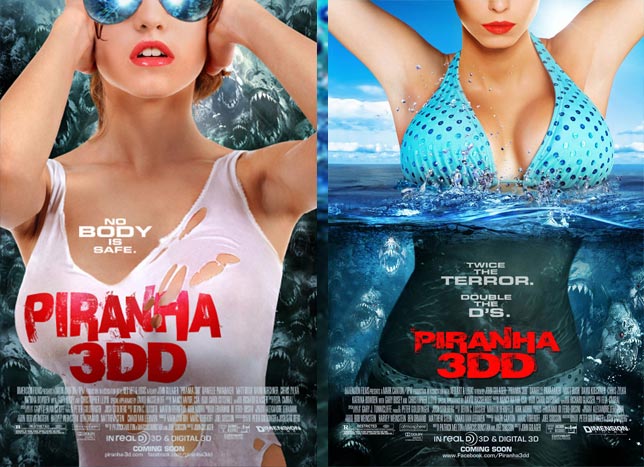
Admit it: you’ve already searched showtimes for Piranha 3DD (I totally did). It wasn’t screened for critics (duh). There’s plenty more to report on in the world o’cinema, however, including buzzed-about indie The Color Wheel at the Roxie and Smith Rafael (check out Ryan Lattanzio’s review/interview here) and the latest from Wes Anderson, Moonrise Kingdom (Michelle Devereaux has mixed feelings here).

By dint of its cast (which includes an Oscar winner, a vampire baby mama, a superhero, and a cocksucker), Snow White and the Huntsman will probably rake in the most of any new movie. But is it worth seeing?

Snow White and the Huntsman It’s unclear why the zeitgeist has blessed us this year with two warring iterations of the Snow White fairy tale, one broadly comedic (April’s Mirror Mirror), one starkly emo. But it was only natural that Kristen Stewart would land in the latter rendering, breaking open the hearts of swamp beasts and swordsmen alike with the chaste glory of her mien. As Snow White flees the henchmen and hired killers dispatched by her seriously evil stepmother, Queen Ravenna (Charlize Theron), and traverses a blasted, virulent forest populated with hallucinogenic vapors and other life-threatening obstacles, Stewart need not act so much as radiate a dazzling benignity, weeping the tears of a martyr rather than a frightened young girl. (Unfortunately, when required to deliver a rallying declaration of war, she sounds as if she’s speaking in tongues after a heavy hit on the crack pipe.) It’s slightly uncomfortable to be asked, alongside a grieving, drunken huntsman (The Avengers‘ Chris Hemsworth), a handful of dwarfs (including Ian McShane and Toby Jones), and the kingdom’s other suffering citizenry, to fall worshipfully in line behind such a creature. But first-time director Rupert Sanders’s film keeps pace with its lovely heroine visually, constructing a gorgeous world in which armies of black glass shatter on battlefields, white stags dissolve into hosts of butterflies, and a fairy sanctuary within the blighted kingdom is an eye-popping fantasia verging on the hysterical. Theron’s Ravenna, equipped in modernist fashion with a backstory for her sociopathic tendencies, is credible and captivating as an unhinged slayer of men, thief of youth, destroyer of kingdoms, and consumer of the hearts of tiny birds. (2:07) (Lynn Rapoport)

Also among this week’s top offerings: an Oscar-nominated animated film, a touching coming-out story, and the latest fractured-childhood tale from Japanese director Hirokazu Kore-eda.

A Cat in Paris This year’s Best Animated Film nominees: big-budget entries Kung Fu Panda 2, Puss in Boots, and eventual winner Rango, plus Chico and Rita, which opened just before Oscar night, and French mega-dark-horse A Cat in Paris. Sure, Jean-Loup Felicioli and Alain Gagnol’s film failed to cash in on 2011’s Paris craze, but it’s still a charming if featherweight noir caper, being released stateside in an English version that features the voices of Marcia Gay Harden and Anjelica Huston. A streetwise kitty named Dino spends his days hanging with Zoey, a little girl who’s gone mute since the death of her father — a cop killed in the line of duty. Zoey’s mother (Harden), also a cop, is hellbent on catching the murderer, a notorious crook named Costa who runs his criminal empire with Reservoir Dogs-style imprecision. At night, Dino sneaks out and accompanies an affable burglar on his prowlings. When Zoey falls into Costa’s clutches, her mom, the thief, and (natch) the feisty feline join forces to rescue her, in a series of rooftop chase scenes that climax atop Notre Dame. At just over an hour, A Cat in Paris is sweetly old-fashioned and suitable for audiences of all ages, though staunch dog lovers may raise an objection or two. (1:07) (Cheryl Eddy)

http://www.youtube.com/watch?v=j-v4K8pRQ74

Chely Wright: Wish Me Away Grab a jumbo-sized box of tissues for this doc, which follows country singer Chely Wright as she counts down the days until her very public coming-out — via full-court-press media blitz. In candid interviews (which feel more like therapy sessions) and some extremely emotional, self-shot home video footage, a fragile Wright recounts the reasons why she stayed closeted for so long: her troubled upbringing in small-town Kansas, a steely determination to make it in a biz not known for open-mindedness, and her own deeply-held religious beliefs. Hiding who she was led to years of personal agony, even as her career took off (her biggest hit: 1999 number-one “Single White Female”). With this level of honest, raw build-up, Wright’s decision to come out feels like a full-scale personal revolution. It’s an inspiring tale. (1:36) Elmwood. (Eddy)

I Wish It’s tempting to hold Hirokazu Kore-eda’s I Wish up to that other kids adventure story in the theaters, Wes Anderson’s Moonrise Kingdom, but that’s a disservice to Anderson: his arch look back at an age of innocence comes off as loftily contrived in contrast to this gently empathetic, ground-level view of children’s dreams and desires, one that falls well short of preciousness, thanks to Kore-eda’s acute eye for a changing Japan. Brothers Koichi and Ryunosuke (real-life sibs Koki and Ohshiro Maeda) are living apart like their two parents: the former bunks with his mother (Nene Otsuka) and grandparents in Kagoshima, where he plots to get his parents together again and frets over the ash-spewing still-active volcano; the latter is busy enabling his laid-back guitar-playing father (Jo Odagiri of 2003’s Bright Future) on the other side of the island, where he grows fava beans, eats takeout, and hangs out with pals like budding actress Megumi (Kara Uchida). These offspring of Peter Pan-like parents, who have had a tough time growing up and fulfilling their own dreams, have been forced to grow up fast — but Koichi is pinning his hopes on something faster: the new bullet train line that will link his town with his brother’s. He gets it in his mind that if a wish is made when the first trains pass each other, a miracle, like his bickering parents’ reunion, will occur. The kids conspire to grab to that magical moment, by hook or crook, and a little help from an elderly couple that might have stepped out of an older, more gracious Japan, as rhapsodized by Yasujiro Ozu. And as with his devastating portrait of abandoned kids eking out a living on their own, Nobody Knows (2004), Kore-eda effortlessly coaxes great performances out of his child actors. Like Nobody Knows’s Akira, Koichi and Ryunosuke are determined to persevere, post-familial meltdown, through all personal Armageddons, be they triggered by volcano, tsunami, or heartbreak. (2:08)(Kimberly Chun)

Top 10 movies you need to see before the zombie apocalypse

0

Attention! THIS IS NOT A DRILL! We are at zombie threat level red (as in oozing, dripping, blood red … don’t deny it, you clicked the photo link just like I did). So, what’s a proactive citizen to do? Bar your doors, board up the windows, start rationing the Cheetos, and immediately overload your brrrraaaaaaaaiiiinnnn with these shambling, flesh-eating highlights (and lowlights) of undead cinema. And this is by no means a complete list. Use it as a jumping-off point to enrich your ongoing zombie education. WHAT YOU LEARN MAY SAVE YOUR LIFE.

10) Hell of the Living Dead (1980). Nobody does trashy zombies like the Italians. “Sorry boys, I’m not on the menu after all!”

9) The Living Dead at the Manchester Morgue (1974). Also known as Let Sleeping Corpses Lie. And don’t let the title fool you; Spanish director…Italian producer.

8) The Return of the Living Dead (1985). Dan O’ Bannon’s punk-rock comedy that reinterprets the word of High Commander of Zombie Affairs, George A. Romero (“You mean the movie lied?”) and may be the only z-film to date to ask this all-important question: “Do you wanna par-tay?”

7) Day of the Dead (1985). Speaking of Romero, this oft-overlooked installment in his classic trilogy suggests that, yes, zombies have feelings too.

http://www.youtube.com/watch?v=eVPJU5XrF_I

6) Nightmare City (1980), also known as City of the Walking Dead. Directed by Umberto Lenzi, who would go on to achieve even greater notoriety with 1981’s Cannibal Ferox (a.k.a. Make Them Die Slowly). Oh, you thought Zombieland (2009) was the first zombie movie to feature a thrilling roller coaster scene? Nope.

5) Dead Snow (2009). The subtitled version is better than the dubbed version, but all versions of this Norwegian import contain zombies. Nazi fuckin’ zombies.

http://www.youtube.com/watch?v=ap4TiNIKQJ8

4) Shock Waves (1977). While we’re on the subject of Nazi zombies, that is.

3) Lucio Fulci smorgasbord: Zombie (1979), with immortal tag line “We are going to eat you!” seen at the top of this post; City of the Living Dead (1980), featuring maybe, probably the most repulsive vomit scene in a movie ever; and his dripping-with-maggoty-bayou-sludge masterpiece: The Beyond (1981).

2) Sugar Hill (1974). Blaxploitation heroine Sugar Hill has a posse … of zombies.

1) Shaun of the Dead (2004). Sorry Danny Boyle, but Shaun is the best British zombie movie of all time. See you at the Winchester!


‘Wanted Man’: resurrecting Johnny Cash’s San Quentin concert

1

What did it mean for Johnny Cash to “Walk the Line”? At First Person Singular‘s one night only (May 28) performance of Wanted Man: Johnny Cash at San Quentin at Berkeley’s Ashby Stage, star Josh Pollock argued that we can all relate to the fine line that Cash walked his entire life.
 
He was never jailed for his drinking or drug problems, but as he performed at San Quentin prison — recorded for his now-classic 1969 album At San Quentin, the follow-up to 1968’s At Folsom Prison — he is said to have looked out at the inmates and thought how close he had been, so many days and nights, to tipping over a precarious edge. June Carter, God, and his guitar kept him on the right side of the law (rock ‘n’ roll fun fact: he was arrested, once, for picking flowers).

Pollock and backing band the East Bay Three did an amazing job capturing the spirit of Cash’s material. Before the show Pollock told me that he was proud to consider this reinterpretation sacrilege, though the audience certainly took nothing but raw pleasure in the performance.

Although the seats were mostly filled with older Cash aficionados, it was a still fairly diverse crowd, and boy did they join in when foot-stomping and hand clapping was encouraged. It was the kind of musical experience where you felt yourself completely enveloped with a feeling of community, and the passion of the music made you forget any trivial problems that had preoccupied your mind earlier that day.
 
Pollock’s theatrical idiosyncrasies, including some creative hand gestures when he did not have his guitar occupying his arms, were quite entertaining — he was sure giving it his all. The same can also be said for the East Bay Three, comprised of musicians well-known for their other projects.
 
Violinist Anton Patzner is an Oakland native, and his musical skills have brought him on world tours with the likes of no less than Bright Eyes, including a Late Show with David Letterman performance. His band Judgement Day (with his brother Lewis Patzner) is a “string metal” trio, accompanied by drums.

The Cash show gave Patzner the chance to utilize his violin skills, but he also played such offbeat instruments as a barrel drum (literally a barrel, upright). Watching Patzner bang the hell out of that barrel encapsulated a little taste of the level of fervor I imagine Cash faced, playing before those San Quentin fans over four decades ago.
 
Laura Weinbach of Foxtails Brigade offered a spitfire interpretation of June Carter, duetting with Pollock on “Jackson”. Weinbach’s inflection and guitar playing were both quite enjoyable. Joe Lewis on upright bass was also fascinating to watch; he played with pluck and great timing. An added treat was that Weinbach’s younger twin brothers made an appearance on trumpet and saxophone — and even had a whistling musical break. Their hand-snapping and dance moves were certainly among the most charming moments of the show.
 
During his rendition of “Starkville City Jail” — written about that infamous flower-picking incident — Pollock paused to ruminate on how much Cash’s shoes (“I started pacin’ back and forth and now and then, I’d yell/ And kick my forty dollar shoes against the steel door of my cell”) would cost now with inflation (he guessed $200).


Next up for First Person Singular — according to host Joe Christiano, “a performance series that draws from a variety of media to showcase the American voice” — is an all-duets installment of its “Hoot!” open mic night, Sun/10 at St. Alban’s Episcopal Church in Albany. 

The Performant: Street people

0

Midnight Mystery Ride and Marshall Weber take it to the streets

It’s quarter to midnight, Saturday night in the Tenderloin, and out front a well-known, Geary Street watering hole, a cluster of cyclists is quietly gathering. It’s the May edition of the monthly Midnight Mystery Ride, and comers are mellow, enthusiastic. Lacking the Testosterone Brigade of Critical Mass, or the themed costumery of the San Francisco Bike Party, the distinguishing factor of the MMR is definitely the “mystery” aspect. The address of the meeting location is published the day of the ride only, no route maps or pre-planned itineraries are available, and the ride leaders and locations change each month, keeping everyone on their toes, or at least their pedals.

What’s not a mystery is the departure time. “At midnight, we ride” promises the original MMR website (whose members are based in Portland, Oreg.), and at exactly 12 am we roll out en freewheel, up the Polk Street corridor which is packed with weekend revelers, who react to the sudden appearance of a spontaneous bike parade with whoops and squeals.

A pass through the Broadway tunnel and down North Beach’s strip club row, up the Embarcadero, down SOMA, and finally up to the hilltop pocket park McKinley Square in Portrero, our route, devised and led by MMR regular “Ms. Jocelyn” winds desultorily through the neon-punctuated corridors of the San Francisco night much like the sort of ride you might take on your own on a nice night when you can’t sleep and the music of the streets is serenading you.

Best of all, upon leaving the park, we all have to bomb down the terrific twists of Vermont Street (“it’s the ‘bring your own big wheel’
 hill,” exclaims one of the riders excitedly), providing us with the adrenaline rush we need to pedal back to our respective homes in the wee hours of the morning.

“After about 36 hours is when the hallucinations start,” laughs Marshall Weber of Booklyn Artists’ Alliance of his previous public “endurance” readings. A decade of 24-hour plus readings to get through James Joyce’s Ulysses, 46 hours to read “The Illiad” and “The Odyssey,” 72 hours to get through the bible, has left Weber with a pretty good idea of how to prepare for his Streetopia-connected performance piece, a 72 hour-long marathon poetry reading on the streets of San Francisco (read more about Streetopia, here). Equipped with a doghouse-sized “covered wagon” full of poetry (and sweaters for the cold), Weber’s plan to wander the streets spouting poetry like a mad visionary is contextually different from some of his previous performances.

“Poetry is a little more open-ended, less structured,” he points out. “And San Francisco is an unstructured, free-form place. (This piece) is not so much about the endurance, but about the geography…as much about the place as of the literature.” Encountered streetside out front the Tenderloin National Forest, at one of his handful of scheduled stops, Weber reads Bob Kaufman, Allen Ginsberg.

The rhythm of the jazz-inflected poetry combined with the crowd’s excited discovery of eclipse-enhanced, crescent-shaped sunbeams shining through the leaves of nearby trees and off the mirrors of nearby cars, infuses Ellis Street with a sense of wonder and camaraderie that one hopes will linger long after the poetry, and the Streetopia project, are finished.

Vibrators! Aliens! Cops on the edge! New movies are here!

0

As we all breathlessly count the days — nay, milliseconds — until the June 1 release of Piranha 3DD, there’s still plenty to gnaw on this Memorial Day weekend. Chernobyl Diaries screens tonight (i.e., the night before it opens) which is usually not a great sign, but it’s likely critic-proof anyway (even for me, someone who’s not entirely opposed to the idea of a new genre: nuclear-meltdown-sploitation! Sit down, 1979’s China Syndrome. This one’s got screaming teens and spooky spooks!) Er, anyway … check back tomorrow for my review of that one.

Meanwhile, apply your brain and/or sense of social justice while watching Michael Glawogger’s final entry in his “globalization trilogy,” Whores’ Glory (Dennis Harvey’s review here), or adjust your popcorn levels accordingly for these other recommends:

http://www.youtube.com/watch?v=gkEw3mWs86g

Hysteria Tanya Wexler’s period romantic comedy gleefully depicts the genesis of the world’s most popular sex toy out of the inchoate murk of Victorian quackishness. In this dulcet version of events, real-life vibrator inventor Mortimer Granville (Hugh Dancy) is a handsome young London doctor with such progressive convictions as a belief in the existence of germs. He is, however, a man of his times and thus swallows unblinking the umbrella diagnosis of women with symptoms like anxiety, frustration, and restlessness as victims of a plague-like uterine disorder known as hysteria. Landing a job in the high-end practice of Dr. Robert Dalrymple (Jonathan Pryce), whose clientele consists entirely of dissatisfied housewives seeking treatments of “medicinal massage” and subsequent “parosysm,” Granville becomes acquainted with Dalrymple’s two daughters, the decorous Emily (Felicity Jones) and the first-wave feminist Charlotte (Maggie Gyllenhaal). A subsequent bout of RSI offers empirical evidence for the adage about necessity being the mother of invention, with the ever-underused Rupert Everett playing Edmund St. John-Smythe, Granville’s aristocratic friend and partner in electrical engineering. (1:35) Embarcadero, Shattuck, Sundance Kabuki. (Lynn Rapoport)

http://www.youtube.com/watch?v=IyaFEBI_L24

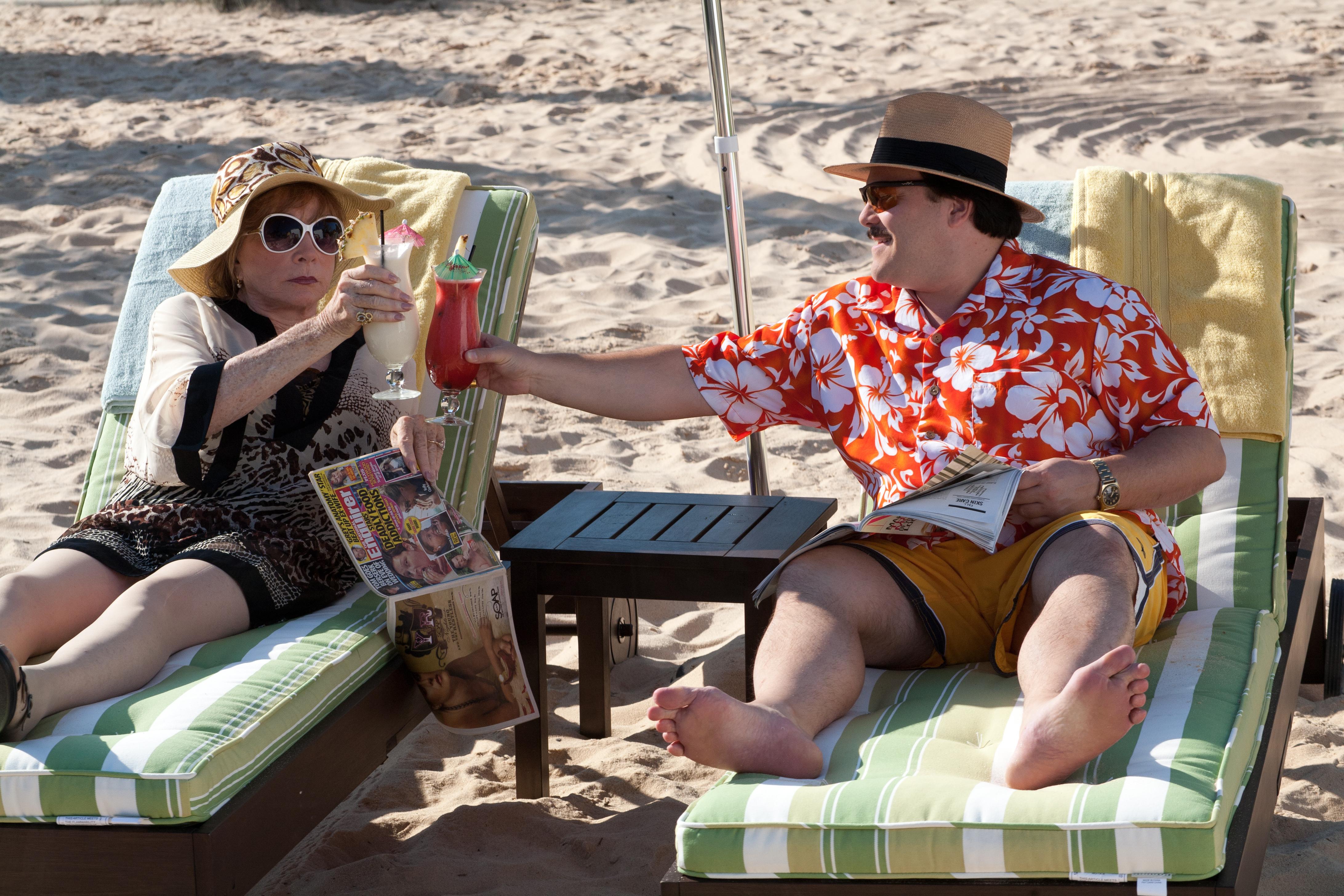
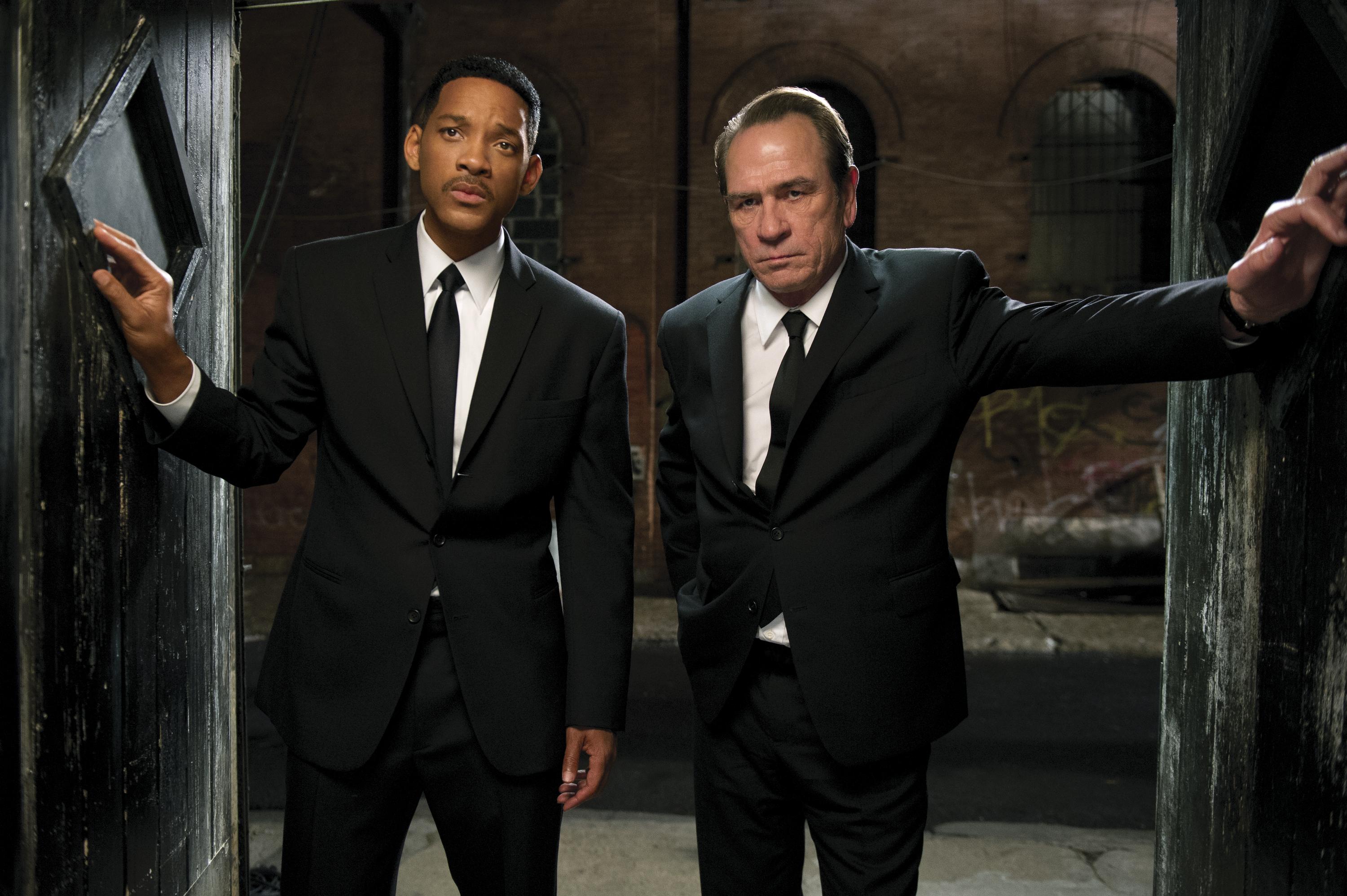
Men in Black III Why not? It’s been ten years since Men in Black II (the one where Lara Flynn Boyle and Johnny Knoxville — remember them? — played the villains), Will Smith has barely aged, and he hasn’t made a full-on comedy since, what, 2005’s Hitch? Here, he does a variation on his always-agreeable exasperated-guy routine, clashing with his grim, gimlet-eyed partner Agent K (Tommy Lee Jones, and in a younger incarnation, a spot-on Josh Brolin) in a plot that involves a vicious alien named Boris (Flight of the Conchords’ Jermaine Clement), time travel, Andy Warhol, the moon (as both space-exploration destination and modern-day space-jail location), and lines that only Smith’s delivery can make funny (“This looks like it comes from planet damn.”) It’s cheerful (save a bit of melodrama at the end), crisply paced, and is neither a must-see masterpiece nor something you should mindfully sleep through if it pops up among your in-flight selections. Oh, and it’s in 3D. Well, why not? (1:42) Everywhere. (Cheryl Eddy)

Polisse Comparisons to The Wire are not to be tossed around lightly, but when the Hollywood Reporter likened Polisse to an entire season of the masterpiece cop show packed into a single film, it was onto something. Director, co-writer, and star Maïwenn (the object of desire in 2003’s High Tension) hung out with real officers serving in Paris’ Child Protection Unit, drawing inspiration from their dealings with pedophiles, young rape victims, negligent mothers, pint-sized pickpockets, and the like (another TV show worth mentioning in comparison: Law & Order: SVU). But Polisse (the title is deliberately misspelled, as if by a child) is no simple procedural; it plunges the viewer directly into the day-to-day lives of its boisterous characters, who are juggling not just stressful careers but also plenty of after-hours troubles, particularly relationship issues. Between heart wrenching moments on the job (and off), the unit indulges in massive cut-loose episodes of what amounts to group therapy: charades, dance parties, and room-clearing arguments, most of which involve huge quantities of booze. Watching Polisse is a messy, emotional, rewarding experience; no wonder it picked up the Jury Prize at the 2011 Cannes Film Festival. (2:07) Embarcadero, Shattuck. (Eddy)

Hej, creativity! 4 bonkers Stockholm art projects

0

What creative forms would you expect at the near-ends of the earth? My recent trip to Stockholm, Sweden was weird in the way that travel usually is, more just-like-home moments than alien fears realized of winding up cold and frozen because I forget to transcribe the 17th letter in the name of the street I was staying on.

Honestly, I went for the close-to-the-North-Pole party (did you know you can swim just about anywhere in Stockholm? Sunrise after-afterparty dips abound), but surprise! I ran into artistic inspiration. That’s really having your herring burger and eating it too. Here’s four people and projects that really did it for me, Swedishly speaking.

Sweden has epic, resplendent design history that Ikea has made so common with its bastardized, disposable bedframes (I have a personal vendetta against a certain bedframe, pardon my vehemence.) Every time I walked into someone’s Stockholm apartment I felt like I’d happened onto what taste was like before the Martha Stewart magazine happened – colorful, but with the acknowledgment that life is better amid function and simple form. Things make sense here. Men and women get 16 months of paid leave from work when they have a baby. 

In contrast, the artists that most impressed me were all pretty bonkers. Call me contrary? 

THE SCANDAL 

I’ve been down this road before, but there was no way I would miss checking in with the now-infamous Makode Linde, baker of Racist Cakegate 2012, worldwide Internet meme, and Stockholm club kid forever, when I was in his hometown. (He also directs rad videos, like this one for ex-Lykke Li chorist and current hit single maker Zhala.)

I first ran into real-life Linde one blurry Sunday afternoon in Berlin at Berghain’s Panorama bar (the best place in the world for techno church hipster zombies.) In a sea of glassy eyes and black T-shirts, Linde had on a yellow plaid suit and a smile, which in my flair-adore book makes him artist enough to begin with. “Makode just gives it to you,” as a friend of mine put it regarding his penchant for exuberant party dress.

Linde invited me to his retrospective at Galleri Kleerup‘s new showroom just around the corner from the opera in old town Stockholm and I acquiesed, only to wind up there with all my luggage in tow en route to the flight that would take me away from Sweden. The only thing there to greet me was a sign saying “TILLBAKA 16:30.” I waited until 17:00 and no one was tillbaka and I had a flight to catch. So thank god for massive plate windows and Swedish acceptance of creepers smashing their nose to them, because otherwise I wouldn’t have been able to see the show. 

The Linde retrospective puts his howling cake performance in perspective. His famous cake-head (himself, actually poking his face through a hole in the cake-table) blackface makes since when, after viewing his body of work, you realize that he’s created an world that’s entirely blackface. Giraffes, Betty Boop, bunny rabbits, Jesus on the cross, a Chinese good luck cat, a taxidermied crow. On a stack of shipping pallets in the middle of the room sat a small, ready-to-offend army of these talismans, all from his “Afromantics” series. 

What are they warding off? Complacency, perhaps. In a country where the GDP continues to grow despite economic mushiness in other EU countries, it’s still totally cool among even young alternative types to refer to any illegal after-party venue in Stockholm as a “black club.” Stockholm’s not the whitest city I’ve ever been in (shout-out to my nonetheless beloved Portland!), but it’s pretty close — and casual racism still comes in a pretty raw form. 

Linde’s had some pretty heavy – and not at all misguided – accusations thrown at him. But standing in that pretty little cobblestone plaza in Stockholm, next to the Danish embassy in whose plate glass windows were displayed an immalculate and modest light pink ballerina gown from years past, I grokked him and his Rorschach test splotches of black faces with big red lips and wide white eyes.

I could understand how he was surprised when people said he couldn’t claim the African experience, because in some superficial ways he has to rep for it in this town.

THE INDIE ACTION-ADVENTURE-PRISON-BIKER-HAIR BAND QUEER FILM

There was only one room devoted to screening a single movie trailer, over and over again, at Konstfack, Sweden’s “second-best” (in the words of a friend) arts and design school. A few chairs sat complacently in front of a screen constantly counting down the seconds til the next screening of Dyke Hard

Could this film have been shot in San Francisco? Yes, and if director Bitte Andersen succeeds in getting her entry into the Frameline Film Festival it most certainly it will find a audience here. A wacky tale of dyke band gone wild, taking on the forces of evil in a world where Lycra makes some, if not all injustices better? It’s an SF no-brainer. Andersen, along with production team Alexi Carpentieri and Martin Borell, started the project as a series of trailers – a sci-fi movie, a prison movie, a biker flick, and a horror.

“I guess watching a very large amount of genre film for many years and being a queer woman inspired me to make some genre film that wouldn’t be alienating for myself and other queers and/or women,” Andersen told me. Eventually, she and her team decided to combine all the trailers into a single film, Dyke Hard.

Shooting is taking about a year (I narrowly missed being cast in a seminal scene in which the mayor – played by a prominent Stockholm queer club promoter – announces a venue conflict between a battle of the bands and a martial arts tournament. Sports fans and music fans attack each other, only to be reprimanded eloquently by a bighearted member of the protagonist band.) The Kickstarter for the project swings into gear next week, so holler at them if you want to ensure that we are indeed, dyked hard. 

DARK GLAMAZON

This is what public art looks like in Sweden: an emaciated giant propped up against (or propping up) the foyer of a luxury shopping mall. She’s got on platform lace-up Timberlands, a studded leather jacket, and of course: no pants. 

Her name is “Pretty Vacant,” and her name is Cajsa Von Zeipel, the artist that is. In person, Von Zeipel somehow succeeds in being more glamorous than her drugged-out fashion waifs. She moonlights in boyfriend Tobias Bernstrup‘s Italo disco act, standing behind a keyboard and a wind machine in a patent leather bustier, silky kimono, ass-length blonde hair, and vertiginous high heels that she pretty much never doesn’t wear.

The artist is from a tiny town of 3,000 in Sweden, where she told me for fun she tried out icecream as a beauty product (facials) and generally felt like the weirdest one in school. But if that was the case, then we’re talking a serious ugly duckling-swan situation.

Von Zeipel and Bernstrup’s shared studio feels like an ode to feminine beauty. He’s been known to perform in triple-breasted lingerie armor and is partial to equally dangerous heel heights.

And early awkwardness might also give a clue into Von Zeipel’s art. There are no creatures more high fashion than her sculptures, but at the same time there is a bite to them. Their faces are twisted, their height disorienting. Pretty beautiful, yes — but also pretty freaky.

FEMINIST BLING

Of late, much has been made of craftivism, a reaction to the diminution of women’s work and general aesthetic scorn for things that grandmas get up to around big round tables with their friends. The belittling depiction of craft has been addressed in a feminist takeback that’s seen the rise of knit graffiti, the resurfacing of Gee’s Bend quilts in fine art museums, and more. 

In Stockholm, queer feminist radio and TV host-DJ Kakan Hermansson is taking these lessons straight to the nail salon. Her graduate school exhibition at Konstfack is half video installation, half baroque still life – two-foot tall ceramic statues of fingers, capped with nail art erupting with My Little Ponys, Destiny’s Child collage, gems, sparkles, “GIRLS” spelled out in gold script. 

If you view the installation as I did through the fog of a mid-afternoon hangover and a bag of popcorn, Hermansson’s accompanying video is more than engaging — it’s important. Her mama bear voice soothes as hands (hers) confidently remove polish from, re-paint, and glitterize the paws of volunteers who spill personal trauma throughout their treatment. Sexual violence, drug dealing mishap, partnerships gone awry. This is a safe space, a place where women can go to recharge and strengthen bonds with each other. The ceramic statues call attention to the lushness that is art contained on the tips of our fingers, while the videos emphasize that not everything that goes on in beauty salons is superficial. 

Brews and Boontling: Beer fest shots from Anderson Valley

1

Photographer Allen David sent us these snaps from the May 12 Boonville Beer Festival, good old-fashioned weekend porn if ere we’ve some. Check them (and his prose below) out to kickstart your next mission outside city limits, using our 2012 Summer Fairs and Festival guide for additional inspiration.  

A scenic drive north takes me to the festival at which the suds spread and the language are both unique. Boontling, an Anderson Valley regional dialect with words from the British Empire, the Pomo Californian indigenous people, and Spain can be heard between the festival’s many taps: “The ballets steinbok horning’, chiggrul groin’ tiddrick in the heelch of the Boont Region!”

For four hours I am able to sample the finest beers that the West has to offer. From golden pale ales to dark oatmeal stouts to Double IPAs with more hops than I thought possible. Two hours into the festival, everyone’s feeling hoppy themselves. Those sudden yells of joy you only find at beer festivals spread across the crowd, as smiles stretch further and further across faces.

Beer bellies be damned, when the end of the festival approaches everyone finishes their last glass and heads to the fair campground to continue the party, with DJs and dancing ’til the moon is high above. Great festival. See you next year, Boontling.

Party like it’s 1986: “Big Fun in the Big Town”

0

Toward the end of Big Fun in the Big Town (released today and available here), Dutch filmmaker Bram Van Splunteren’s love letter to the birth of hip-hop in NYC, we’re treated to an interview with a young LL Cool J at his Grandma’s house in Queens. The newly released documentary, compiled from footage that’s been collecting dust in a European warehouse since 1986, is full of these revelatory moments, painting a vivid picture of an art form in the process of defining and justifying itself.

http://www.youtube.com/watch?v=iqnyQ5vhH7o

It’s endearing and revealing to witness younger versions of superstars like Run-DMC, Grandmaster Flash, and Russell Simmons discussing their artistic philosophy early on in their careers, hungry for the success and celebrity we now know they achieved. Van Splunteren effortlessly conveys his passion for hip-hop, and talent for filmmaking, without upstaging the musicians at the film’s center. Edited with a deft hand, Big Fun in the Big Town breezes through its 40-minute running time, offering a fresh take on one of the great paradigm shifts in American music history.

“Charitable beer circus”? Is this a miracle?

0

Come one, come all (unless you’re under 21) to Petaluma this Sat/20, and witness death-defying displays — with a twist. A screw-top twist, that is (sorry). Attendees of the Lagunitas Beer Circus can “ooh” and “aah” at aerialist acts, laugh at outrageously face-painted clowns, watch a lithesome figure breathe fire or swallow swords, and gape at the magnificence of exotic burlesque dancers, all the while drinking the fine beers and sweet ales of Lagunitas. It’ll be three rings of tastiness! And it’s charitable.

A $40 entry fee to the splendor of the Lagunitas Beer Circus benefits the Petaluma Music Festival and Music In Schools. Entertainment features acts from B.A.D. roller girls to the Vau de Vire Society and music from The Ferocious Few to the Sour Mash Hug Band (along with a marching band or two). Plus: cotton candy, paella, pizza, bangers, and barbecued oysters.

Yes, beer is in the event title, but even your sober driver (who’ll be necessary for lack of public transportation, and whose $25 reduced-price ticket you should spot because they’ve agreed to cart you all the way out to Petaluma), will have plenty to delight their eyes, ears, and taste buds. So step (or sway) right up, ladies, gentlemeen, and others. Check out our slideshow of acts above.

LAGUNITAS BEER FESTIVAL
Sat/20, 1pm-6pm, $40.
Lagunitas Brewing Company
1280 N. McDowell, Petaluma
(707) 769-4495.
www.lagunitas.com/beercircus

Battles without honor and humanity: this week’s new movies

0

While all the cool kids are at Cannes, us losers are stuck stateside to contemplate the two big Hollywood movies opening this week: Battleship, which stars Liam Neeson, the guy still smarting from his titular role in the reigning biggest flop of all time, and aliens (and has no chance of being the best movie based on a board game); and The Dictator (review below). Your choice is clear.

You could also feed your Jack Black obsession (already running red-hot with the new Tenacious D album, natch) with Richard Linklater’s new comedy, Bernie (review here). You could expand your cinematic horizons at the San Francisco Cinematheque’s third annual “Crossroads” festival. Or, while weeping over blogs detailing Cannes flicks you won’t get to see until 2013, you could organize your summer movie plan of attack.

And, of course, feed your Sno-Cap habit with The Dictator and other top picks from the rest of this week’s opening slate:

The Dictator As expected, The Dictator is, yet again, Sacha Baron Cohen doing his bumbling-foreigner shtick. Said character (here, a ruthless, spoiled North African dictator) travels to America and learns a heaping teaspoon of valuable lessons, which are then flung upon the audience — an audience which, by film’s end, has spent 80 minutes squealing at a no-holds-barred mix of disgusting gags, tasteless jokes, and schadenfreude. If you can’t forgive Cohen for carbon-copying his Borat (2006) formula, at least you can muster admiration for his ability to be an equal-opportunity offender (dinged: Arabs, Jews, Asians, African Americans, white Americans, women of all ethnicities, and green activists) — and for that last-act zinger of a speech. If The Dictator doesn’t quite reach Borat‘s hilarious heights, it’s still proudly repulsive, smart in spite of itself, and guaranteed to get a rise out of anyone who watches it. (1:23) Balboa, Presidio. (Cheryl Eddy)

Indie Game: The Movie Much like the film business, the video-game biz is mostly controlled by a few huge companies with thousands of employees, hell-bent on ensnaring as many of the billions of dollars spent on games annually as possible. And then, as James Swirsky and Lisanne Pajot’s documentary explores, there are the little guys, who are “not trying to be professional” or produce glossy content for the masses. Instead, these individuals (or pairs) take advantage of the miracle of digital distribution to follow their own visions and create their own games. The best-case scenarios — illustrated by San Francisco indie developer Jonathan Blow and his hugely successful Braid — can reap enormous creative and financial rewards, but getting there — as the struggles facing the creators of Super Meat Boy and Fez plainly attest — can be a mentally and physically draining process, filled with frustration and self-doubt, exacerbated by the taunts of haters online. A thoughtful, artfully-shot peek at one tiny corner of a behemoth industry, Indie Game also offers a surprisingly tense, raw look at some very bright minds struggling to triumph on their own terms. (1:36) Roxie. (Eddy)

http://www.youtube.com/watch?v=eDDzjcAoiwo

Payback Jumping off Margaret Atwood’s Payback: Debt and the Shadow Side of Wealth, her 2008 meditation on borrowing and lending and the way those acts reverberate through culture, documentarian Jennifer Baichwal finds a thought-provoking, graceful, seemingly free-form way into the writer’s ideas. The film dips into the dynamics between a handful of unlikely debtors and creditors scattered around the globe: two families in Northern Albania tied by a blood feud over disputed land and dishonor; organizing migrant workers and their employers in Florida; and the BP oil spill and an unsuspecting environment. Baichwal, like Atwood, uncovers few easy answers — especially when it comes to handling disasters on the scale of the BP spill — all the while treating her material with elegantly considered imagery and handling her subjects with a cool intelligence. That approach might leave some yearning for an uptick in emotional connection, or simply some connect-the-dots storytelling and, dare we say, drama. Meanwhile fans of the director’s Manufactured Landscapes (2006) will see Payback as its writerly relation, a tone poem about the crimes we’ve manufactured and muddled. (1:26) Lumiere, Shattuck. (Kimberly Chun)

Where Do We Go Now? With very real, deadly sectarian conflict on their doorstep, a group of Lebanese village women are making it up as they go along in this absurdist, ultimately inspiring dramedy with a dash of musical. Once sheltered by its isolation and the cheek-to-jowl intimacy of its denizens, the uneasy peace between Muslims and Christians in this small town threatens to shatter when the outside world begins to filter in, first through town-square TV broadcasts then tit-for-tat jabs that appear ready to escalate into violence. So the village’s women conspire to preserve harmony any way they can, even if that means importing a motley cadre of Ukrainian “exotic” dancers. What results is a post debauchery climax that almost one-ups 2009’s The Hangover — and a film that injects ground-level merriment and humanity into the headlines, thanks to director, co-writer, and star Nadine Labaki (2007’s Caramel), who has a gimlet eye and a generous spirit. (1:40) Embarcadero. (Chun)

The Performant: Traveler’s tales

0

The WE Players’ courageous Odyssey on Angel Island

It’s an overcast morning, typical San Francisco springtime, but upon disembarking from the Angel Island ferry at Ayala Cove, we are transported imaginatively to the island kingdom of Ithaca, where a merry band of brash suitors vie for the attentions of the fair Penelope (Libby Kelly) outside her palace, which might have otherwise been mistaken for the Angel Island visitor’s center.

A bevy of serving girls approach each disoriented oddience member to offer sustenance and mysterious smiles, as the suitors challenge a stalwart few to join in the contests for Penelope’s hand — tug-of-war, footraces, pushing competitions. So begins the WE Players newest production “The Odyssey on Angel Island,” an all-day performance combining the elements of a hero’s quest with a day hike around Angel Island State Park — one of the Bay Area’s loveliest natural treasures.


It takes a while for the real action to begin, and the suitors’ rambunctious ardor begins to seem wearisome, but finally Telemachus (James Udom), Odysseus’ son makes the scene, the catalyst behind what will become our mutual quest. Although “The Odyssey” is best remembered as being the tale of the protracted homecoming of Odysseus, Telemachus’ own journey and coming-of-age story is an important piece of the epic tale, therefore it’s his footsteps that we wind up following in around the island, as he searches for news of his long-lost father, who hasn’t bee seen in Ithaca for nineteen long years.

Two distinguishing characteristics of the WE Players stand out in this ambitious performance project. One is their truly ingenious use of space, including both the natural and the man-made features of the island. A breeze-buffeted meadow outside the historic Camp Reynolds stands in for the land of Aeolus, “warden of wind” (Nathaniel Justiniano), a dramatic ridge along the perimeter road serves as Mount Olympus, and the dank and crumbling Batteries Wallace and Drew become the hypnotically creepy Land of the Lotos-Eaters and the cave of the Cyclops, respectively. The brooding ruined barracks of the East Garrison serve double duty as the palace of Circe (Julie Douglas) and the underworld home of the prophet Tiresias (Michael Moerman), while the soft, sugary sands of Quarry Beach beckon the weary traveler to bask in Calypso’s (Caroline Parsons) treacherous thrall.

The second distinctive WE Players characteristic on display is the intersection of slapstick physical comedy and elegant ritual. While humorously exaggerated characters such as Justiniano’s dim-witted, corporate executive Zeus and Ross Travis’ vain and petulant Hermes elicit more laughter than fealty from their mortal subjects, the beguiling dance of a drifting siren (Libby Kelly), the soporific sacrifice of the Lotos-Eaters, and a protection ceremony enacted by a cluster of nymphs on sacred ground (a former military chapel) create a meditative bond between performers and participants.

However, as the day progresses, it becomes apparent that the overall experience could use less ritualized downtime during each performed segment, and a more non-programmed downtime in between scenes for more self-direction (and, honestly, snack breaks). It would make the languid pace of the quieter scenes seem more deliberately introspective than as ways to fill time until the last ferry, and allow Telemachus’ “stalwart crew” more opportunities to connect independently to the themes of travel, duty, heroism, and homecoming presented by the players (along with bread and cheese) on a silver platter.

But you won’t see a play this summer with better views or loftier ambitions, guaranteed, and when the sky finally clears, and Helios shows his face at last, you do get the feeling that the gods are watching over the long journey home.

“The Odyssey on Angel Island,”
Through July 1
Angel Island State Park
$40-$75
(415) 547-0189
www.weplayers.org

Live Shots: Livening up Mendell Plaza

7

Every Saturday, as part of a 12-week free concert series, the Bayview Opera House transforms Mendell Plaza into a music-filled oasis. (I visited on May 12 and fell in love with the sounds and sights of this Bayview spot.)


While listening to soulful live tunes, you can join in on a game of dominoes, stroll through the organic community garden to check out some vivacious kale fronds, or head over to the 100% College Prep Club  table.

The Club is an inspiring organization that offers youth in the Bayview-Hunters Point after-school tutoring, with the ultimate goal of getting them into college. The Club also takes its students on college tours to help motivate them and explore learning opportunities outside of San Francisco. These kids are an amazing and multi-talented bunch! All the musicians who performed were either former graduates of the program or soon off to college. Pretty impressive.

Thanks to the beautiful weather, there was a large turnout from the Bayview-Hunters Point community. Even the pup guarding the bbq stand gave a howl of appreciation for such a fun and vibrant event.

Live Shots: ‘Uncertain Weather’ at ODC

0

The ODC Youth and Teen Program staged its first full performance in a fantastic collection of dances inspired by the seasons on Fri/11.  Dancers twirled through the “rain” with colorful umbrellas, an ice cream hawker tapped on a sunny beach, and sweaty passengers swayed in a sardine-packed Mission bus ride.

Each piece was unique and imaginative. A shoe-free tap dance number was done in miniature sand boxes, creating a pleasing and rhythmic sound under quick moving feet. Four adorable munchkins called “The Quartet” (they were the youngest dancers in the performance) added their own spunky moves and sunglass-clad cool looks to many of the routines.

But best of all was the eerie fan dance, in which three dancers, with long, luscious locks leaned over industrial fans and danced with the wind. It was beautiful and creepy, and one of the most sophisticated and mature dance pieces I’ve seen performed by such a young group of dancers. Kudos for pushing the envelope on that piece and for all the great young talents that danced their hearts out this weekend.
 
http://www.youtube.com/watch?v=cnw2id6_Zuo

Appetite: 2 new Bay cheap eats spots

0

In the spirit of my recent “new SF cheap eats” article, here are two noteworthy new cheap eats joints East and South: Berkeley and Palo Alto.

ASIAN BOX

Asian Box is a newer take-out shop (with one narrow communal table inside and a couple tables outside) in a mobbed Palo Alto strip mall. What could be just another casual Asian food joint has two key things going for it. One is two former San Francisco chefs behind it: executive chef Grace Nguyen, of Out The Door’s Bush Street location, and Chad Newton, who many of us followed at Fish and Farm (where he created one incredible burger).

The other is that Asian Box’s affordable food ($6.95-$8.25) is ultra-fresh and satisfying.

It’s an assemble-your-own meal, starting with short or long grain rice, Asian vegetable salad or rice noodles. Choose a protein — I like juicy garlic soy glazed beef or creamy coconut curry tofu, and finish with add-ons like jalapeno, bean sprouts, carrots, peanuts, mint, basil, pickled vegetables, lime – all at no additional charge (except for a .95 caramel egg).

In terms of sauces, creamy peanut sauce with lime and coconut stands out, while there are also Sriracha and a no oil fish sauce. Vietnamese iced coffee and tart lemon lime marmalade ($2.95 – both winners) flow from juice dispensers, while, much as I wanted to try it, house Jungle jerky ($2.75) was sold out on my recent visit.

Though SF residents needn’t trek from the city, if you’re in the area, it’s easily one of the best cheap meals in Palo Alto and would be a lunch hit in SF if they had a Financial District location.

855 El Camino Real, Palo Alto. (650) 391-9305, www.asianboxpaloalto.com

BRASA

In the space were eVe used to be (which I included in the Guardian’s 2010 Best of the Bay), husband-and-wife owners Veronica and Chris Laramie, reopened the place as Brasa, a casual Peruvian eatery with lime green and neutral walls, and idyllic back deck. While they hope to revisit the eVe concept in a bigger space eventually, Veronica tells me the current goal is to open another Brasa.

The menu is simple, heartwarming Peruvian fare, if not solely worth heading across the bridge for, yet worthwhile if in the area. Classic Peruvian favorites like Lomo Saltado here become a sandwich ($8.25) packed with hangar steak, red onion, tomato, soy sauce, and French fries.

The house specialty is rotisserie chicken (quarter to whole chicken with 1-2 sides: $8.75-$21.75), crispy skin dotted with herbs. We have quality rotisserie in SF, but dipping sauces are a plus here, featuring common Peruvian peppers, aji amarillo and rocoto, my favorite being a green hucatay, sometimes referred to as Peruvian black mint, though it is actually an herb related to marigold and tarragon. The sauce is spicy, herbaceous and creamy.

Sip a refreshing chicha morada ($2), a sweet, purple corn Peruvian juice laden with clove and cinnamon, and finish with house alfajores ($3.50), dulce de leche sandwich cookies (though my favorite alfajores are from Sabores del Sur in SF) or Straus soft serve ice cream (cone $3, pint $6) infused with coffee caramel.

1960 University Ave., Berk. (510) 868-0735, www.brasajoint.com

Subscribe to Virgina’s twice-monthly newsletter, The Perfect Spot, www.theperfectspotsf.com

Live Shots: Avital tours Mission District food hotspots

0

Photos by: Bowerbird Photography

It was 11:30am on a Saturday morning, and we were tipping back salty oysters and chasing them down with sweet pink rhubarb cocktail, and then, just because pig meat tastes so good, ate some wonderfully cured, sliced Southern ham. The day was off to a great start and just kept getting tastier as our little posse made its way through the Mission, led by our knowledgeable and ebullient guide, Avital of Avital Tours.

She described her name as sounding like “Advil” and “Tylenol” mixed together, perhaps also hinting of the hangover and pharmaceutical cure we might need unless we paced ourselves on the drinks. Avital organizes food and wine tours in San Francisco, and specializes in discovering special local eateries that may be off an SF local’s radar.

There was a little of everything on the tour: local cuisine, history, talks by the chefs or restaurant owners, and even a little hands-on cooking stuffing mini meat pastries. Avital is an expert at pairing foods and balancing the tasting options. A super-energizing coffee sampling came at a perfect time, providing a needed lift after the morning cocktail and a delicious beer and cheese adventure.

As we meandered through the streets, Avital narrated our journey with interesting anecdotes about the history of the neighborhoods and murals that decorate the Mission, giving even me, a native San Franciscan, some insight into the neighborhood. The tour ended with ice cream sandwiches on the steps of Mission High, looking out over the Cinco de Mayo celebrations in Dolores Park.

We climbed to the top of those steps after our three-hour culinary adventure, and felt a sense of accomplishment not unlike how hikers feel after reaching the summit of a mountain. Eating and drinking ourselves silly takes work, and we felt perfectly contented to just sit there, loosen our belts, and soak in the sunbeams. What a nommy day!


Open Walls Baltimore: What the murals said, how the streets responded

1

Most of you will know the neighborhood I was walking that early evening in from The Wire. In fact, the school where season four was shot was a few blocks away. That TV show is an eternal point of reference for Baltimore’s Greenmount West neighborhood, which Open Walls, the town’s first street art festival which I was in the hood to cover, was hoping to combat. The festival, going since March, will conclude with a closing party on May 25.

“Hey! I have a question for you!” Sometimes when you’re walking through half-vacant blocks at dusk you don’t turn around when people yell at you from across the street (you know white people), but this time the Argentines and I turned. A woman was walking towards us and pointing up at Jetsonorama’s massive, half-finished wheatpaste of a man’s face hovering in the dark above our heads.

>>RELATED READ: CAITLIN DONOHUE’S INTERVIEW WITH GAIA, THE 23-YEAR OLD STREET ARTIST-ORGANIZER OF OPEN WALLS

“What are you guys doing with that wall? Is that Mr. Tony?”

It should be noted that I have little to nothing to do with Open Walls, though I managed to secure a spot sleeping on a half-inflated mattress in 23-year street artist and festival organizer Gaia‘s cavernous live-work space for a week to watch the haphazard business of trucking half-cans of paint and open containers of paste across town in various station wagons by underpaid, incredibily dedicated staff and volunteers.

But even though – alongside season four’s Primary School No. 42 – hundreds of young artists lived in a massive ex-cork factory just a few blocks from where we had our exchange, it struck me the woman that evening saw us (some white and Latino scruffy-types) as a big enough anomaly on her block that she knew we had to be associated with the steet art festival.  

“You know Mr. Tony?” I asked. “Yeah,” she replied, with something that sounded like worry in her voice. “Why is he up on the wall?” “You’ll have to ask the artist,” I said. “Do you like it?” “Oh yeah, it’s really nice,” she told us, walking away, back into the night.

Around the corner in an alleyway, I’d seen Jetsonorama’s mirror-image pasting on either side of the narrow corrdor; a black kid on his bike. It seemed like he was reflecting the neighborhood back at itself, in stark contrast with the neon triangles and backwards wording of Baltimore artist Josh Van Horn’ previously-completed building-sized piece or even Argentine Jaz‘s corner park, which he’d lined with regal, painterly drawings of big cats. 

So that night, back at Gaia’s paint-covered live-work circus, Jetsonorama and I found a quiet place to talk about street art. Of course, I set my Android up wrong and none of the video footage of our epic, enlightening interview recorded, so I’ll steal his quotes from an epic and enlightening blog post he later wrote on his trip to Bmore. 

Jetsonorama, a.k.a. 50-something family physician Chip Thomas, lives on a northeastern Arizona Navajo reservation. He initially came for a four-year engagement to pay back his medical school loans, but, he tells me, “I loved the land, loved the people. So I decided to stay on.” His street art career began in 2009 on a trip to Brazil where he was struck by the sense of community that had arisen among the street artists he met there. 

And so upon his return to the rez, he began printing and posting images from photos he’d taken of people and animals there in the community. Jetsonorama saw them as an expression of the hip-hop culture he’d grown up in, love letters to the beleagured reservation he adored. He called the series Big. His next project was the Painted Desert Project, started with a friend. The work started earning props from those omnipresent street art blogs, and Jetsonorama began an online correspondence with Gaia, another artist who does “site-specific” (often a code word for “something the neighborhood will like”) wheatpastes.

The decision of what to paint is a defining aspect of street artists. Many of the artists at Open Walls like Rome’s Sten and Lex, Argentina’s Jaz, and Capetown’s Freddy Sam, create works that follow a specific artistic canon — like gallery painters, their inspiration can be culled from all over. Others, like Gaia, Jetsonorama, Chris Stain — even the New York artist LNY who dropped through Baltimore for a night to put up his wheatpaste of a boy astride a halo-ed horse — will often choose themes that reflect the geographic location of their work. This approach can often lead to a sense that a piece was created for neighborhood residents, avoiding the fate of pieces like Swoon’s Open Walls wheatpaste of an ancient woman (an Aborigine elder she met in Australia, though that fact was apparent in the finished piece.) The neighborhood, it was said around among the street artists, didn’t really get that piece, found it “creepy.”

Freddy Sam comments on his wall’s reception in Baltimore

To date, Jetsonorama is the only African American artist that is part of the Open Walls, which made his exchanges with neighborhood residents particularly meaningful. 

Indeed, they shaped his time in Baltimore. When Jetsonorama’s first attempt at pasting up Mr. Tony — a neighborhood legend, by the way, known for raising pigeons and wearing quarters in the stretched holes in his earlobes, which Tony will tell you is his change for the payphone — failed on an unprepped wall, he tried again. As he and street artist-festival organizer Nanook worked into the wee hours of the morning on the first draft, the block turned out to support them, telling them how much they liked the piece. So when the wheatpaste refused to stick to the wall, Jetsonorama extended his eight-day trip, eventually staying for two weeks and turning out a second version of Tony and a few other pieces. 

Open Walls Baltimore was all about balancing art and neighborhood – an apt reflection of the city’s plan for those blocks, given that Greenmount West and adjoining Charles North are both parts of the planned Station North arts district. In addition to the half-vacant blocks, Greenmount West is marked by old factories that have been filled with hundreds of working artists. Artists plus low-income renters: an age-old recipe for gentrification.

Those involved with Open Walls are well aware that their project may be a harbinger of higher rents in the neighborhood. “There’s a latent fear of this being one aspect of a changing neighborhood,” festival organizer and 23-year old wheatpaste artist Gaia told me when I interviewed him in his live-work studio space, the chaotic center of Open Walls. 

“Not all developers are totally evil, despite what people may say,” says Ben Stone, executive director of Station North, the area’s arts advocacy organization that is playing a large role in the implementation of Open Walls. Our interview took place at a sidewalk cafe in front of Cafe Bohemian on Charles Street, the bustling center of the North Charles neighborhood that was once the commercial center of the city in addition to being its geographic hub (the bus and train station is a few blocks away.) Stone told me that neighborhood associations envision a future for the area that includes the same number of low income units – but no more. That means that all the infill of those abandoned buildings can be more expensive housing, even “30-story buildings,” Stone says.

Stone tells me that the aim behind Open Walls is to attract real estate developers to the area so more of the empty properties can be turned into housing and other businesses. It also looks to make visible the art scene that is going on in Greenmount West behind the doors like those of the famous Copy Cat, an ex-factory megalith of artist housing. Doing murals out on the street inspires conversation between the street artists and the other residents of Greenmount West. 

Jetsonorama certainly found that to be true. He tells me a handful of stories of neighbors taking pride in the fact that a black man was participating in an endeavor that was seen as being controlled by forces outside the neighborhood. He recounts an exchange that happened while putting up a piece for Open Walls in the Station Village area. A woman stopped at a light, rolled down her car window, and yelled at him the following: 

“That’s nice! I like that. Thank you for sharing your art with us. Be sure to put your name on it when you’re done because if you don’t, the white man will come along and say he did it.”  

Claymation! Fashion! Digital Sound! An afterschool arts revival

0

If you believe the children are our future, then you may soon agree — contrary to rumors of its ongoing extiction — that the future arts scene of San Francisco is actually looking bright.

While arts classes fall off the curriculum in public schools nationwide, a collaboration between the San Francisco Recreation and Parks Department’s (SFRPD) Cultural Arts Division and its Community Services Division (which runs afterschool programs citywide) keeps the creative spark alive via the ongoing Arts Afterschool program.

Just a year and a half old, the Arts Afterschool program will host its first-ever live showcase, the Arts Afterschool Spring Gala at the Harvey Milk Center for the Arts on Sat/12. The gala will feature the artwork of 400 kids from virtually every neighborhood in San Francisco. The event showcases work from the program’s fall, winter and spring sessions.


Arts Afterschool is the brainchild of Jenny Rodgers, supervisor for the Cultural Arts Department of SFRPD.

“Jenny did it because it’s an opportunity for us to bring really, really quality instructors to the entire city, and reach kids that wont actually come into contact with that kind of work in their own schools right now, because there are so many cuts going on with arts programs in schools,” says Clove Galilee, program coordinator for the Cultural Arts Division of Recreation and Parks.

Lively paintings dapple the walls of the Harvey Milk Center and stretch up the stairwell. Sculptures of many shapes and colors dot the building. Downstairs in the gallery sit two computers, one with a looping slideshow of kids’s works.

“The other part of this, which is really exciting, is a whole series of interviews,” says Galilee. “We actually went to each site and interviewed instructors teaching arts classes there, talked to the kids, and did these little three-minute videos of what kids were doing. And those are amazing. Amazing.”

If kids attending the event are inspired by the exhibitions, they can make artwork of their own at arts and crafts tables, as you (the adult you) peruse the room and munch on provided refreshments.
The late afternoon treats gala visitors to live performances in the ballroom, as dancers, musicians, thespians, filmmakers, fashionistas, hip-hoppers, and digital sound virtuosos take the stage.
   
As part of the live performance section, one-of-a-kind kid-designed fashions will strut across the runway and hip-hop dance groups from Ocean View and Ingleside will perform a choreographed routine. And youngsters from Bay View’s Joseph Lee Playground will perform African drumming and dance, which Galilee says is “pretty amazing.” “They created a whole little performance and it’s awfully cute,” she says. “We really try to be up with what kids really want to learn.”

While the main age group in the program is 7 to 12 years, teenaged participants designed digital sound performances.  “We’re excited to listen to their digital sound stuff,” says Galilee. “And kids from all over the city compiled claymation videos. They actually make the clay figures, and then they create the story. They narrate the story, they film it all, and they learn to edit it.”

How do these talented tykes come to master so many mediums? Professional instructors from across the arts were recruited and paid for by a three-year grant through the Department of Children, Youth and Families. “What’s unique about our program is [SFRPD] already has a thriving afterschool program that really helps parents and is very affordable,” says Galilee. “These kids go to these programs everyday after school and they get homework help, they learn how to cook, get to play games and spend time with highly qualified recreation leaders.”
Then, on Tuesdays and Thursdays the art specialists arrive.

“They expose the kids to all sorts of those things they may not come in contact with otherwise,” says Galilee. “And [Arts Afterschool] is actually free because the kids have already paid to be part of the regular afterschool program.”

Arts Afterschool Spring Gala
Sat/12, 1pm-4:30pm, free
Performances begin at 3pm
Harvey Milk Center for the Arts
50 Scott, SF
(415) 554-8742

Sketching Sixth Street: In new show, Joel Phillips renders the unseen

0

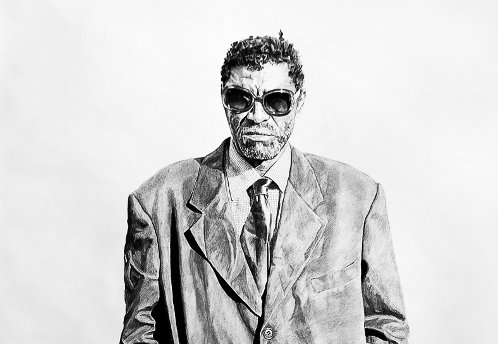
“I’m really interested in the idea of anonymity within a dense urban environment and how the denser an urban population is, the easier it is to be overlooked,” Joel Phillips says over a glass of red wine on a far too windy night in the Mission. His show, “No Regrets in Life,” opens tonight at Satellite66 and will feature seven charcoal and graphite drawings of men and women he’s met on the corner of Sixth St. and Mission.
 
Phillips, a few months shy of 23, has spent significant chunks of time in Seattle, Santa Barbara, San Francisco, and New York. While he was living in New York, he started thinking more about the social dynamics of cities and how some people tend to get lost in the mix. “In New York no one really looks you in the eye, everyone brushes past you and moves past you,” Phillips says.

In an effort to counter this surplus of vacuous interactions, Phillips started asking one in every ten people he met on the streets of Manhattan if he could take their photo. “The response [was] overwhelmingly negative,” Phillips recalls. “Probably 85 percent of the people said ‘Fuck off, leave me alone, get out of my way, what the hell do you want my picture for?’”

But the ones who willingly posed in front of Phillips lens “were a very particular subset of the population — people who had time and were looking for interactions.” Phillips recalls conversing with Richard, a homeless man who became the subject of his first life size drawing, for three hours before taking his photo. “He had the most amazing story. He had been everything from a horserace photographer to a foot soldier in WWII in General Patton’s division.”

After graduating with an art degree from Westmont College, Phillips moved to San Francisco for a graphic design position; and for the city’s rich imagery and artistic potential. “Part of the reason I fell in love with San Francisco was its amazing diversity of people and how you can look at all these people on the street and really see stories, particularly in their eyes and the lines on their faces.”

Phillips fortuitously fell into an artist homeshare-studio space on the corner of Sixth and Mission — a massive building with high ceilings, large windows, and not much insulation. “I hadn’t really done my research on the corner,” Phillips says. “There’s a lot of homelessness and drug dealing, [and] I didn’t know until I moved there that it was one of the most crime-ridden corners in the city. But it’s a very communal corner in a strange way.”

Since moving to Sixth and Mission less than a year ago, Phillips has rapped with, photographed, and drawn a number of people on his corner.

Phillips says Spaceman OT, a man he approached and decided to draw, was “one of the most lively people I’ve ever met.” Spaceman “wears a life vest at all times in case of a flood, a bicycle helmet, and snowboard goggles. He bargained me into buying him lunch in exchange for a picture, so we hung out and he was just the most fun person — he was dancing around on the sidewalk, sweeping up things, he has these lightsaber battles with his broom — he pretends he’s Darth Vader.”

I’m really interested in “taking people we don’t know how to interact with on a day-to-day basis, particularly people who may be homeless, they might not be homeless, but don’t seem like they’re easy to approach, whether they’re talking to themselves or whether their coat has a hole in it, . . . out of that dark unlit area they’ve fallen into socially and bring[ing] them into a spotlight by obsessively rendering them.”

Phillips’ passion for people comes through within the span of a short (or in our case very long) conversation. “I’m not necessarily trying to make a statement about homelessness in general. I’m really just trying to take my own artistic process and apply it to these kind of people I find really interesting and amazing,” he says.

No Regrets in Life
Opening reception 5/11, 7-11pm
Through June 4
Satellite66 Gallery
66 Sixth St., SF.
www.satellite66.org
www.joeldanielphillips.com

The Performant: Tender is the ‘Loin

0

Cutting Ball Theater’s “Tenderloin” hits a sensitive zone.

Against a towering backdrop of junked furniture, which looks as if someone had collapsed the “Defenestration” building on itself and dragged it into the EXIT on Taylor, Michael Uy Kelly as Captain Gary Jimenez extols the virtues of an oft-maligned district. “The Tenderloin is the best part of the gut,” he grabs his own to demonstrate, “and it’s the best part of the city. It could be.”

Jimenez was one of 40-plus neighborhood fixtures to have been interviewed by a group of actors involved in The Cutting Ball Theater’s latest work, a documentary-style play called “Tenderloin,” and like most of the voices who made it into the play, his is sympathetic to his surroundings. Kelly, who also plays a trans bartender, an elderly gentleman named “Nappy Chin,” and a former Vietnamese “boat person,” is similarly sympathetic to his subjects, imbuing each with a quiet dignity and an almost stoic streak of optimism.

Located as it is in the tenderest parts of the ‘loin, an expedition to the EXIT Theatre on Eddy Street, and its sister outpost on Taylor, where resides The Cutting Ball, can be somewhat disconcerting for those unaccustomed to San Francisco’s meanest streets. But though the district is home to a large percentage of the city’s theatres, it’s the theatre verite featuring its other residents that most characterizes the neighborhood. Or, as resident amateur historian and self-taught documentary photographer Mark Ellinger puts it in his interview (performed by actor David Sinaiko), there’s “a lot of human drama that has taken place in these buildings.”

>>Read SFBG theater critic Robert Avila’s take on “Tenderloin” here.

Said buildings, an imposing bank of Beaux Arts architecture, somewhat camouflaged from public admiration by a veneer of city grime, house the densest population in the city, and one of the most diverse, a diversity reflected in the characters performed by an ensemble cast of six, each with a compelling story — and a different perspective on what it means to be in, and of, the Tenderloin.

“I wouldn’t live anywhere else,” says Kelly as barmaid Collette Ashton.

“I’m trying…to get the F@#% out,” growls Tristan Cunningham as street cleaner (and ex-con) Shomari Kenyatta.

All told, “Tenderloin” (which plays through June 3), is an ambitious amalgam of oral history, social commentary, and reality check. In certain ways, it hearkens to Marcus Gardley’s “Love is a Dream House in Lorin,” commissioned by the Shotgun Players as an ode to the working-class neighborhood where they’ve been located since 2004. But while Gardley’s lushly sprawling storyline compressed hundreds of years of history into its community-based theatrical tribute using interview material as a jumping off point rather than as the entire script, “Tenderloin” is more tightly focused on the present day and on word-for-word enactment of the interview material. Documentary rather than docudrama.

The other major difference between the two productions lies in the sensitive zone of community engagement. While Shotgun was able to utilize members of their community as cast and crew and filled the theatre seats with their families, Cutting Ball limits its acting pool to a cadre of (very!) capable professionals, none of whom actually hail from the Tenderloin, and while they’re offering a limited number of pay-what-you-can “neighborhood tickets” to Tenderloin residents, the crowd on the day I attended appeared to be mostly comprised of Cutting Ball subscribers (to be fair, it was a Saturday matinee). Despite this layer of missed opportunity, however, “Tenderloin” is a multi-faceted, mostly unsentimental snapshot of one of San Francisco’s most unique terrains, and is well worth the visit, not just as a play, but as a home.

“Tenderloin”
Through June 3
EXIT on Taylor
277 Taylor, SF
$10-$50
(415) 525-1205
www.cuttingball.com

SFIFF 2012: gone but not forgotten

1

It’s been a week since the San Francisco International Film Festival ended, but after 15 days largely spent sitting in the dark at the Kabuki, submerged in a flood of cinematic storytelling, the afterimages are still taking up considerable space in my brain.

And questions remain, like: Why didn’t anyone from Lauren Greenfield’s crew on the documentary The Queen of Versailles report time-share mogul David Siegel or his wife, Jackie, to the Orlando-area SPCA for casually sitting down to brunch and letting their family’s pet python roam unchaperoned through a house filled with fluffy white purse dogs?

And what was going through moderator Audrey Chang’s head when a post-screening Q&A for Maria Demopoulos and Jodi Wille’s cult doc The Source devolved into a noisy, chaotic processing session for an audience filled with former cult members? And did other audience members exit the theater after watching Jessica Yu’s Last Call at the Oasis feeling paralyzingly hyperaware of their gigantic, sloshing waterprint, knowing that any one action they might be about to take — be it using the Sundance Kabuki Cinemas restroom, riding the 22 Fillmore home, or going out for a much-needed cocktail to take the edge off incipient doom — likely represented dozens of gallons’ worth of heedless water use?
 
And a last pressing question: Will anyone see to it that Mosquita y Mari, written and directed by Aurora Guerrero, reaches more-disparate theater screens after it finishes its festival circuit? (In the wake of its January Sundance screening, it did get picked up for DVD and VOD distribution by Wolfe Releasing.)

First-time feature director Guerrero has set her sweet and sorrowful, semiautobiographical coming-of-age film in LA’s Huntington Park neighborhood, where Latina teenagers Yolanda (aka Mosquita; played by Fenessa Pineda) and Mari (Venecia Troncoso) form an unlikely friendship that drifts silently and slowly toward a more ambiguous state. Beautifully shot and scripted, using young local nonprofessionals for much of the cast, Mosquita y Mari tells a small, poignant tale exceedingly well, carefully weaving its tenuous love story into the larger settings of neighborhood and school and two immigrant households whose younger generations find themselves struggling to navigate the track laid down by their parents.

Like many of its cohorts in this year’s SFIFF program, the film demonstrates the benefits of living amid the Bay Area’s small galaxy of annual festivals — and richly deserves to travel farther afield.

Upcoming movies: noir and more (moir?)

0

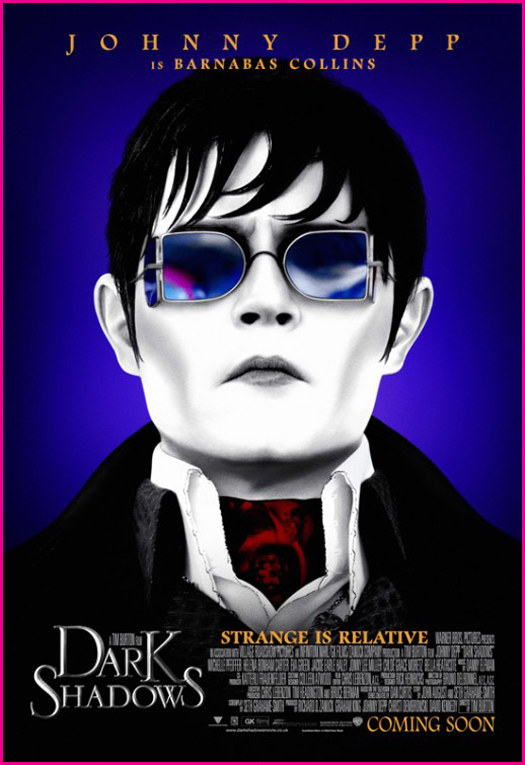
What to watch? Johnny Depp going goth (agaaaain) for director Tim Burton? Indeed, the camp-stalgia Dark Shadows is the big-ticket opening this week (i.e., has the most billboards around town). But, as always, rich rewards await those moviegoers willing to dig just a li’l below the surface.

Hit the Roxie for another edition of noir series “I Wake Up Dreaming” (and read Max Goldberg’s take on the programming here); and the Yerba Buena Center for the Arts for week two of Andrzej Zulawski insanity (read Dennis Harvey’s take here).

But wait. There’s more! To start, docs about tiny dancers and the world’s impending water crisis:

http://www.youtube.com/watch?v=g74maS8Wfjs&feature=player_embedded

First Position Bess Kargman’s documentary follows a handful of exceptional young ballet dancers, ranging in age from 10 to 17, over the course of a year as they prepare for the Youth America Grand Prix, the world’s largest ballet scholarship competition. Those who make it from the semifinals (in which some 5,000 dancers aged 9 to 19 perform in 15 cities around the world) to the finals (which bring some 300 contestants to New York City) compete for scholarships to prestigious ballet schools, dance-company contracts, and general notice by both the judges and the company directors in the audience. The film’s subjects come from varied backgrounds — 16-year-old Joan Sebastian lives and studies in NYC, far from his family in Colombia; 14-year-old Michaela was born in civil war-torn Sierra Leone and adopted from an orphanage by an American couple in Philadelphia; 11-year-old Aran, an American, lives in Italy with his mother while his father serves in Kuwait. The common threads in their stories are the daily sacrifices made by them as well as their families, whose energies and other resources are largely poured into these children’s single-minded pursuit. We get a vague sense of the difficult world they are driving themselves, in nearly every waking hour, to enter. But the film largely keeps its focus on the challenges of preparing for the competition, offering us many magnificent shots of the dancers pushing their bodies to mesmerizing physical extremes both on- and offstage. (1:34) Embarcadero, Piedmont, Shattuck, Smith Rafael. (Lynn Rapoport)

http://www.youtube.com/watch?v=4EtVA8b-lzw&feature=player_embedded

Last Call at the Oasis  If you like drinking water, or eating food, or using mass-produced physical objects, and you also enjoy not being poisoned by virulent chemicals such as hexavalent chromium and atrazine, you probably want to see — but most likely won’t much enjoy — Jessica Yu’s latest documentary, about the impending global water crisis. Or rather, the crisis, the film makes clear, that has already arrived in many parts of the world and — in the sense that it’s about a shortage of safe drinking water — in many parts of the United States. The Academy Award-winning Yu, whose previous films include the 2004 Henry Darger documentary In the Realms of the Unreal, invites various experts to lay out the alarming facts for us, as we sit in the theater clutching our bottles of Dasani. Last Call’s talking heads include UC Irvine professor Jay Famiglietti, the Pacific Institute’s Peter Gleick (who, regardless of February’s firestorm over an ethical lapse, speaks eloquently here), journalist Alex Prud’homme, whose book The Ripple Effect the documentary is based on, and Erin Brockovich. An unexpected appearance by Jack Black in the role of potential future spokesperson for potable recycled water (one name under consideration: Porcelain Springs) adds levity to a film that is short on silver linings, as well as solutions. The title conveys the sort of gallows humor occasionally displayed by Yu’s subjects — one of whom ponders for a moment the situation he’s just described and then offers this succinct summary: “We’re screwed.” (1:45) Embarcadero, Shattuck. (Rapoport)

And for weirder, stranger tastes, the latest from Police Academy alumni-turned-filmmaker Bobcat Goldthwait, and a mega-creepy import from Austria, land of schnitzel and Fritzl.

http://www.youtube.com/watch?v=yruArw21EGA

God Bless America Middle-aged office drone Frank (Joel Murray) is not having a good day-week-month-year-life. His ex-wife is about to happily remarry; his only child is a world-class brat who finds father-daughter time “boring;” his neighbors are a young couple who only get more loudly obnoxious when politely asked to keep the noise down. When that and insistent migraines keep Frank awake night after night, the parade of pundit and reality stupidities on TV only turn his insomnia into wide awake fury. Then he’s fired from his job for unjust reasons — on the same day he gets a diagnosis of brain cancer. Mad as hell, not-gonna-take-it-anymore, he impulsively decides to make a “statement” by assassinating a viral-video poster child for “entitlement.” This attracts admiring attention from extremely pushy, snarky teen Roxy (Tara Lynne Barr), who appoints herself Bonnie to his reluctant Clyde. They drive around the country bestowing “big dirt naps” on other exemplars of what’s wrong with America today, including religious hate mongers, rude moviegoers, and the purveyors of American Idol-type idiotainment. Comedian Bobcat Goldthwait’s latest feature as writer-director has its head in the right place, and so many good ideas, that it’s a pity this gonzo satire-rant runs out of steam so quickly. Aiming splattering paintball gun at the broadest possible targets, it covers them with disdainful goo but not as much wit as one would like. Plus, Barr’s hyper precocious smart mouth is yet another annoying Juno (2007) knockoff — never mind that she counts Diablo Cody among her (many) pet peeves. If God Bless winds up closer to Uwe Boll’s Postal (2007) than, say, Network (1976) in scattershot impact, it nonetheless almost makes it on sheer outré audacity and will alone. A movie that hates everything you hate should not be sneezed at; if only it hated them with more parodic snap, thematic depth and narrative structure. (1:44) Bridge, Shattuck. (Dennis Harvey)

http://www.youtube.com/watch?v=sXe35bV8Owg

Michael Michael follows a few months in the lives of a pedophile (Michael Fulth) and his captive (David Rauchenberger). It is no surprise that Austrian director Markus Schleinzer previously worked for Michael Haneke: the film’s cold, inanimate aesthetic is the means for psychological torture, on the part of both Michael’s prisoner, and the audience. Michael, a sociopath who works in an office by day, keeps the boy, a pensive 10-year-old named Wolfgang, in a basement behind a bolted door. He visits him nightly, and allows the boy to dine with him. As master and slave go about their mundane routine their level of comfort with one another is just as unsettling as the off-screen sex. Equally disturbing is how Michael manages to maintain such a normal life on the surface. After the older man tries to bring a new victim home and fails, Wolfgang starts to find ways to push his captor’s buttons. In spite of the loud subject, rarely has such formal reticence registered as this horrifying. (1:36) SF Film Society Cinema. (Ryan Lattanzio)

We had a big fashion party at the museum, and it rocked

0

Last month, our “Beautiful Rebels” Jean Paul Gaultier fashion show-party with Peaches Christ at the de Young Museum rivaled the Gaultier opening gala itself. Check out these beautiful rebel shots by Robbie Sweeny.

Bucky lives! More from SFIFF 2012

1

Read Sam Stander’s earlier San Francisco International Film Festival report here.

Sam Green’s The Love Song of R. Buckminster Fuller, which he performed twice on Tuesday, May 1, with live accompaniment from Yo La Tengo, is technically a documentary. But it’s a sort of gonzo documentary, a piece of performance art that emphasizes Green’s enthusiasm for his subject, the bespectacled architect-prophet Bucky Fuller.

On Tue/1, Green stood at the bottom left of the screen with a microphone; the three-piece band was opposite him. This format, which Green developed for his previous “live documentary” Utopia in Four Movements, allows for him to interact in the moment with his audience as well as his footage. In one particularly fun moment, while introducing a filmed interview segment, Green timed his commentary so that the onscreen figure’s face seemed to respond to his words, drawing big laughs.

Yo La Tengo’s score was often unobtrusive, rolling beneath the surface of the recorded sound of video clips to add atmosphere. But at key moments it burst into action, as with the clip of Fuller’s demonstration of his Dymaxion Car, where percussive rumbles highlighted the explosive potential of the invention while also foreshadowing its equally drastic end (the car would crash, killing its test-driver, at a later demonstration). In a Q&A following the performance, the band indicated that Green’s temporary score for the work featured a lot of its recorded music, giving it a sense for what sounds to use in the final live version.

One of the most exciting aspects of the “live documentary” format is the focus it places on Green as storyteller and explorer. He’s infectiously enamored of Fuller’s utopian ideas – something that came across abundantly in my interview with him before the San Francisco International Film Festival, but which might get lost in a static documentary striving to convey objective facts. With Green on the stage, emoting and expressing his thoughts, the inherent subjectivity of any documentary effort is liberated, allowing him to be the voice of Fuller’s ideas in an inspiring twist on the medium.

Bay Area local Green has expressed a desire to continue developing and performing the piece, so catch it if you can.

Killers, brothers, and the just plain weird: SFIFF recap!

0

The 2012 San Francisco International Film Festival wrapped up last week, but we’re still basking in the glow of cinema overload. Festival correspondent Jesse Hawthorne Ficks chimes in with part one of his fest impressions. (And if you’re feeling post-SFIFF withdrawal, fear not: Frameline is just around the corner!)

Alps (Yorgos Lanthimos, Greece, 2011) This follow-up to 2010’s beyond-disturbing Dogtooth falls right in line with director Yorgos Lanthimos’ motifs: young teens following the demands of off-kilter adults, resulting in utterly confusing and deeply disturbing scenarios. Some audience members left feeling mystified (“That’s it?! That movie was a complete waste of time. I hate this festival!”) but oddly enough, I was hypnotized by every left-of-center shot, each non-sequitur cut, and all of the character’s desperate decisions. This world is a dark and troubling place, and I can’t wait for Lanthimos’ next film.

Bernie (Richard Linklater, US, 2012) “This is my Jack Black black-comedy!”  So sayeth Texas-based indie pioneer Richard Linklater in his introduction, and indeed, this deceptively disturbing true story showcases some of Black’s most impressive work to date, playing the nicest, most accommodating mortician in all of East Texas. Linklater layers his Black cake with some of the most genuine fast-talking, small-town Texans ever put to celluloid; just as John Waters has represented Baltimore with his own twisted point of view (or Gus Van Sant has for Portland, Ore.), Linklater continues to find love in all the right corners of the Lone Star State. While Bernie is small in scale, it’s an American film that’s not to be missed. Plus, Black yet again delivers some truly memorable songs. This time it’s hymns! Note: Bernie comes out theatrically in the Bay Area May 18.

http://www.youtube.com/watch?v=F7VSAFvPq7c

The Do-Deca-Pentathalon (Jay Duplass and Mark Duplass, US, 2012) Following up their surprise existential classic Jeff, Who Lives at Home (2011), the Duplass Brothers are doing what they do best … writing what they know. Like Cyrus (2010), Baghead (2008), and The Puffy Chair (2005), these mumblecore creators find beauty in our modern era’s simplicities. This time, it’s two brothers’ life-long competition, which has led them to a mid-thirty something standstill. This film — most definitely the BFF of Adam McKay’s Step Brothers (2006) — enables these two schlemiels to tackle not only each other but some pretty serious subject matter. Future generations will point to the Duplass Brothers’ morality tales as this decade’s most neo-realist entries.

The Exchange (Eran Kolirin, Israel/Germany, 2011) It is not often that a movie can evoke the response, “That film changed the way I saw the world for days after.” But Eran Kolirin’s The Exchange is that rare kind of film that if you stick with it (a handful of people walked out during a 9:15pm Sunday screening) the astoundingly visionary concept will truly reinvent how you see the world, and perhaps give you new direction on how to live your life. And as many brought up in the surprisingly aggressive post-film Q&A, these might not be pleasant realizations! Minimalist, abstract, hilarious, and revolutionary all at the same time, Kolirin has crafted a transcendental film that will be a genuine cult classic. Keep your eyes open for any post-fest opportunity to see it on a big screen: it’s the stuff movie theaters were made for.