• No categories

Pixel Vision

In case you have time between Frameline screenings: new movies!

1

This week: Frameline, Frameline, Frameline! Our coverage here. Ticket and schedule info here.

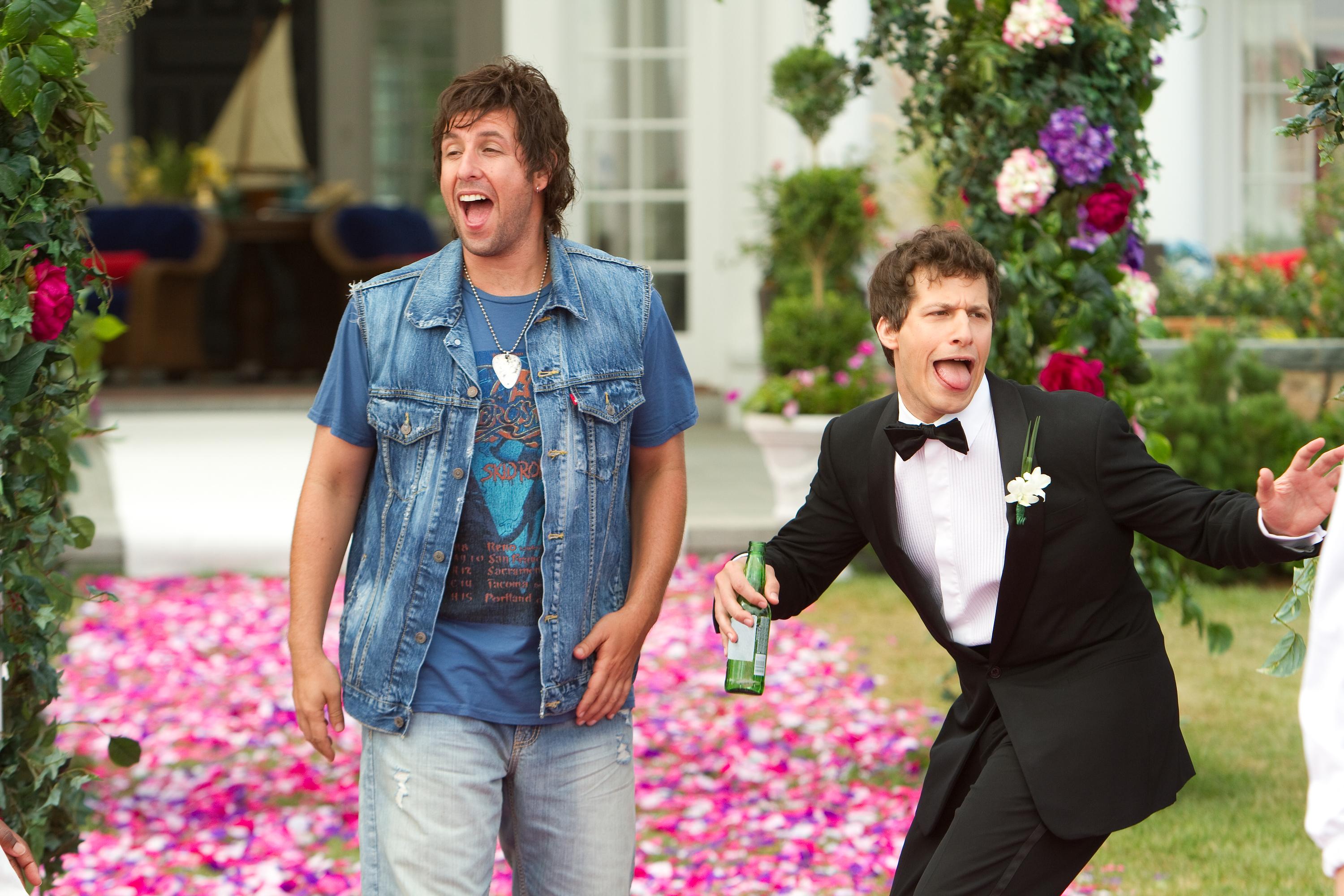
Hollywood’s two big releases are the Adam Sandler-Andy Samberg arrested-development yukfest That’s My Boy, and the Tom Cruise hair metal musical Rock of Ages. If you’re excited about either, you probably aren’t the type of person who gives two shits what movie critics say. Just a guess. So, enjoy. As you were.

Also of note for movie fans: the San Francisco Museum and Historical Society opens “The Stuff That Dreams Are Made Of: San Francisco and the Movies” this weekend. It features work by Madeleine Ellster herself, Kim Novak, plus:

“The exhibition paints a picture of the amazing breadth of the Bay Area’s film history and filmmaking community, using educational text panels, photographs, posters, vintage cameras, movie props and other objects. Slide shows, lectures, book signings, oral history recordings, screenings, and multimedia will also be part of the exhibition.”

(I can’t confirm there will be a Harry Callahan street shootin’ simulator, but that would be pretty awesome, no?)

But back to the movie theater:

This weekend, it’s a Duplass-a-thon, as Dennis Harvey reviews mumblecore’s first sex symbol in Safety Not Guaranteed and Your Sister’s Sister. Below, you’ll find our takes on another mumblecore overachiever, Greta Gerwig, who less success with the wee-bit-twee Lola Versus; handcuffed-together-at-a-music-festival (don’t ya hate when that happens?) rom-rom Tonight You’re Mine, featuring Natalie Tena (Osha for all my fellow Game of Thrones devotees also going through withdrawals); delightful coming-of-age Norwegian import Turn Me On, Dammit!; and The Woman in the Fifth, the latest movie to remind us that yes, Kristin Scott Thomas can totally speak French! And maybe the first to let us know that Ethan Hawke can, too.

http://www.youtube.com/watch?v=b5hYBMZft9w

Lola Versus Greta Gerwig’s embattled late-twentysomething, the titular Lola, apologetically invokes the Saturn return to explain the chaos that enters her life when her emotionally underdeveloped boyfriend proposes, panics, and dumps her. Workaday elements of the industry-standard romantic comedy surface, lightly revised: a crass, loopy BFF (co-writer Zoe Lister Jones) who can’t find true love and says things like “I have to go wash my vagina”; a vaguely soulful male friend (Hamish Linklater, 2011’s The Future) who’s secretly harboring nonplatonic feelings (or maybe just an opportunistic streak); wacky yet vaguely successful Age of Aquarius parents (a somewhat toneless Debra Winger and a nicely gone-to-seed Bill Pullman). One can see why it would be tempting to blame a planet’s galactic travels for the solipsistic meandering that Lola engages in, bemusedly lurching, often under chemical influences, from one bout of poor decision-making to the next. She claims to be searching for a path out of the chaos into some calmer place (fittingly, she’s a comp lit Ph.D. candidate who’s writing her dissertation on silence), but as the movie transports us mercilessly from one scene of turmoil to the next, we have little reason to believe her. The script has funny moments, and Gerwig sometimes succeeds in making Lola feel like a charming disaster, but her personal discoveries, while certainly valuable, feel false and forced. (1:26) (Lynn Rapoport)

Tonight You’re Mine Ah, the old chained-together gimmick, so effective in creating conflict in movies like 1973 women-in-prison classic Black Mama, White Mama. Alas, Tonight You’re Mine contains zero escaped cons, and is instead a pretty contrived love story about two rockers who’re inexplicably handcuffed together, mid-argument, by a mysterious man prowling the grounds at Scotland’s massive T in the Park music festival. Whether or not Adam (Luke Treadaway, last seen getting very stoned mid-alien invasion in 2011’s Attack the Block) and Morello (Game of Thrones‘ Natalie Tena) will ditch their clearly-wrong-for-them partners and fall for each other is hardly up for debate. What saves Tonight You’re Mine is its authentic rock-festival atmosphere; director David Mackenzie filmed amid the actual chaos of the 2010 T in the Park fest, so there’s plenty of mud, inebriated extras, and background music swirling around the budding romance. Also, though her character is underdeveloped here, Tena has a punky appeal that suggests a star on the rise. (1:20) (Cheryl Eddy)

http://www.youtube.com/watch?v=eySFZRVcHYM

Turn Me On, Dammit! The 15-year-old heroine of writer-director Jannicke Systad Jacobsen’s Turn Me On, Dammit! is first heard in voice-over, flatly cataloging the over familiar elements of the small town in rural Norway where she lives — and first seen lying on the kitchen floor of her house sharing an intimate moment with a phone sex operator named Stig (Per Kjerstad). Largely ruled by her hormones and longing to get it on with someone other than herself and the disembodied Stig, Alma (Helene Bergsholm) spends large segments of her life unspooling sexual fantasies starring Artur (Matias Myren), the boy she has a crush on, and Sebjorn (Jon Bleiklie Devik), who runs the grocery store where she works and is the father of her two closest friends: burgeoning political activist Sara (Malin Bjorhovde) and full-fledged mean girl Ingrid (Beate Stofring). Back in real life, a strange and awkward physical interaction with Artur leads Alma, excited and confused, to describe the experience to her friends, a mistake that precipitously leads to total social ostracism among her peers. With the possible exception of some unnecessary dog reaction shots during the aforementioned opening scene, documentary maker Jacobsen’s first narrative feature film is an engaging and impressive debut, presenting a sympathetic and uncoy depiction of a young girl’s sexuality and exploiting the rich contrast between Alma’s gauzier fantasies and the realities of her waking world to poignantly comic effect. (1:16) (Rapoport)

The Woman in the Fifth A rumpled American writer with a hinted-at dark past (Ethan Hawke) shows up in Paris, to the horror of his French ex-wife and confused delight of his six-year-old daughter. An ill-advised nap on public transportation results in all of his bags being stolen; broke and out of sorts, he takes a grimy room above a café and a gig monitoring the surveillance-cam feed at what’s obviously some kind of illegal enterprise. During the day he stalks his daughter and romances both sophisticated Margit (Kristen Scott Thomas) and nubile Ania (Joanna Kulig); he also dodges his hostile neighbor (Mamadou Minte) and shady boss (Samir Guesmi). Based on Douglas Kennedy’s novel, the latest from Pawel Pawlikowski (2004’s My Summer of Love), offers some third-act twists (gory, distressing ones) that suggest Hawke’s character (and, by extension, the viewer) may not be perceiving reality with 100 percent accuracy. Moody, melancholy, not-entirely-satisfying stuff. (1:23) SF Film Society Cinema. (Eddy)
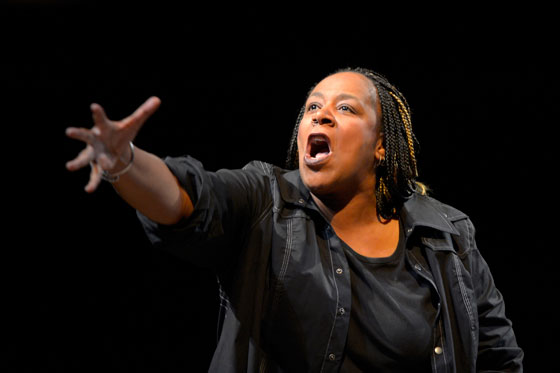

Compassion and fervor in Berkeley Rep’s ‘Black n Blue Boys/Broken Men’

0

“I want them to look at me, to look me in the eyes,” states Dael Orlandersmith, using a British accent to portray one of at least ten different characters she plays in her tour de force solo show Black n Blue Boys/Broken Men, at Berkeley Rep through June 23.
 
After 90 minutes, the audience was definitely squirming in its seats. Orlandersmith tackles a barrage of characters, each of whom related in some degree to the subjects of mental, physical, and sexual abuse of boys and men. But despite the challenging material, I do not think many viewers would have wanted the play to be any shorter. (“There was hope in it,” I heard an audience member say as we walked out of the theater.)

Orlandersmith, a Pulitzer finalist for her 2002 Yellowman, embodies a variety of people tied to the many facets of violence: onlookers, perpetrators, victims — and those who are perpetrators and victims. She represents a range of ages and ethnicities: children, a Latino father and mother, an African American hustler (aged 13), Irish parents. Her elocution is impeccable.

 Dressed in plain clothing, she remains onstage for the duration, signaling scene changes by turning and walking from the back to the front of the stage — where she resumes with completely different mannerisms. The stage looks a bit like a large ship plank or the abandoned foundation of a small apartment, very broken around the edges.
 
Huge, industrial-looking lights evoke the prisons, foster homes, crack dens, and seedy spots for sex solicitation that background her stories; they raise and lower for different monologues. Character names are projected along the wall after the first few appear, to help the audience keep track when they are revisited.

One character — a boy taunted in the school yard for being a “trick-baby,” a child of a prostitute  — escapes his abusive family life and becomes a writer (a character that Orlandersmith may have been able to draw most from her own experience as a writer who works to give voice to those who are oppressed by violent circumstances). As an adult, the writer works in foster homes, trying to break the cycle of violence and help children in a way he was never assisted in his darkest days.

But even though he understands why these children act out so badly, they still test his patience and he finds out one of the many corruptions in the foster care system — he does not get in trouble for hitting the child because they are allowed to spank children “who are bad.” When he learns about this rule, the character realizes his mistake; his awareness of his own actions and his need to challenge the system and make positive change inspires hope.

In the playbill, Berkeley Rep artistic director Tony Taccone speaks about Orlandersmith’s grace and understanding in approaching such a dark and seemingly impossible subject. He explains she shows us hope amid desperation and brutality. Although certain characters were much harder to handle than others, each one certainly gave the audience much to consider. Orlandersmith shows us how abuse is cyclical, it is a vicious cycle that is hard to break. Hard, but certainly possible.
 
Black n Blue Boys/Broken Men also addresses bureaucratic problems  — compounded by stereotypes and ignorance — that stand in the way of breaking this cycle of violence. A Latino boy growing up in the Brooklyn projects with his mentally ill, sexually abusive mother and in-denial father meets with a social worker, who tells him “It says here in your case file that you were molested by your mother. But you must be mistaken. Men molest men, women, girls, and boys. Women are mothers, mothers do not molest children — women do not molest their sons.”
 
With this example, Orlandersmith shows we still have some fundamental archetypes that need to be broken down, and double standards between the sexes is one of them. Both men and women can be aggressors. Although her play points out this harsh reality (and the frequent denial of it in our society), she also explores how characters break from their abusive pasts.

Thankfully, Orlandersmith provides enough balance in the play to keep the material from getting too uncomfortable and depressing. My personal favorite character was the “unofficial mayor of Central Park,” whose New York accent and physicality was hilarious and completely likeable.
 
I applaud Orlandersmith for her bravery in tackling this subject, and for her ability to explore her characters so deeply. Black n Blue Boys doesn’t engage in finger-pointing; instead, it presents each character openly. Although she knew certain details might cause revulsion, anger, and shock, this talented writer-performer encourages viewers to draw their own conclusions in the end. It is a truthful, compassionate look at a challenging topic, which, in the words of her final character, “doesn’t have to be all black and blue.”

Black n Blue Boys/Broken Men
Through June 23, $14.50-73
Berkeley Repertory Theatre
Thrust Stage, 2025 Addison, Berk.
www.berkeleyrep.org

Too dope to be free

0

But it is! No ticket price required, but you might want to show up early for the wildly popular Queeriosity. 

It’s Youth Speaks’ annual queer poetry slam. The mostly high school age poets who will lay their stunningly well-worded wisdom upon you will be having fun tomorrow night, but they are not messing around. 

Neither is Youth Speaks. The national San Francisco-based organization works with 30,000 Bay Area youth per year, from school assembly performances to free after school poetry workshops to slams. Veteran Youth Speaks poet Milani Pelley will be co-hosting this year’s Queeriostiy show. Although a raging fire prevented me from meeting up with Pelley in Berkeley today, she told me over the phone about life, art, politics, and the aweomeness that Queeriosity attendees can expect. 

Pelley wrote her first poem at age 12.

“Actually a young lady who also was with Youth Speaks, she got me into writing,” Pelley told me. “In the 7th grade we were kind of tom boys, we were hanging out on the basketball courts and she said hey, want to hear a poem?  And she was little, like five feet,” Pelley laughed. 

“And everyone stopped what they were doing and listened. And after that, I went home and wrote a poem.  Because I said, this is how you get people to listen to you? I want to try it!”

She never stopped. Pelley went to Youth Speaks workshops at age 15, and later served on their Youth Board. She now makes it as an artist, working for Youth Speaks as a Poet Mentor and making jewelry on the side.

Pelley said that poetry sustained her through difficult times. “Once I was able to write down everything that I was going through and work out my pain and sadness I was able to see the bigger picture and really find a solution of how I was going to heal” she told me.

“It was basically me being my own therapist. Because you know how they take notes on you? I was taking notes on myself.”

I asked if Pelley sees her poetry as political.

“I talk about race, or I talk about sexuality, I talk about police brutality. These are regular things in my life,” said Pelley. “But people think it’s political or controversial. And some people think I should be considered pro-woman. People think it’s political because it’s a feminist perspective but I think Its just women being powerful as they should be.”

For one example of the personal-is-political-is-ridiculously-awesome Queeriosity experience, here’s a take on SF Pride from Yosimar Reyes at the 2010 Queeriosity slam. http://www.youtube.com/watch?v=XdZpRiOsdS8

If that doesn’t convince you, let Pelley: “I definitely think this is going to be an amazing show. It’s free, its way too dope to be free. Personally I think, they should be paying these youths because they’re very courageous, they’re very talented and what is going to be shown tomorrow shouldn’t be missed.”

15th Annual Queeriosity

Fri/15, 7pm

LGBT Center

1800 Market, SF

www.youthspeaks.org

Local jazz, blues behind bars, and backing-band memories: new music docs

0

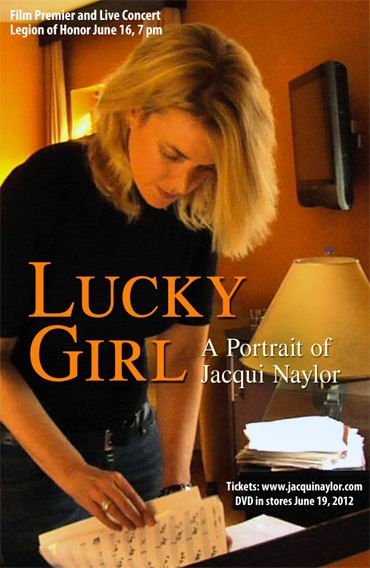
Jazz singer Jacqui Naylor — Buddhist, Hayes Valley resident, mash-up innovator — premieres her new doc, Lucky Girl: A Portrait of Jacqui Naylor, with a live concert at the Palace of Fine Arts Sat/16 (the DVD will be available in stores Tue/19).

The film, produced by the Bay Area’s ARTiDOCs, is about as far from Behind the Music-style tell-all as you could get; Naylor seems blissfully happy with her life, being completely creatively and personally fulfilled (see also: the film’s title, named for her 2011 CD). No scandals or dark secrets revealed here; this is a straightforward look at a working artist, briefly touching on her career beginnings (at the suggestion of teachers at American Conservatory Theater, she chose music over acting) and including mini-profiles on the artists she collaborates with, including husband Art Khu.

http://www.youtube.com/watch?v=DiBY1U4b8oI&feature=player_embedded

Fans (whom she prizes highly — and takes their suggestions seriously) will enjoy the film’s many musical interludes, which showcase snippets and entire songs of Naylor performing and rehearsing in the Bay Area, Seattle, and Istanbul. Her repertoire includes original songs, pop and jazz standards, and standards freshened up with her signature “acoustic smashing” — singing the lyrics to “My Funny Valentine” over the instrumentation for AC/DC’s “Back in Black,” for example. Will this versatile performer dust off more heavy-metal flair for Saturday’s show? It could totally happen. She’s taking requests: jacqui@jacquinaylor.com.

Lucky Girl: A Portrait of Jacqui Naylor (with reception and concert)
Sat/16, 7pm, $35
Florence Gould Theater
Legion of Honor
100 34th Ave., SF
www.jacquinaylor.com

**

Coming to the Kabuki and Smith Rafael this weekend is Music from the Big House, a soulful doc from filmmaker Bruce McDonald (2008’s Pontypool) about fellow Canadian Rita Chiarelli‘s experiences working with musician-inmates at Louisiana’s Angola Prison.

Angola Prison — earlier the subject of an acclaimed short documentary about its famous rodeo — has a well-known, rich musical history; in the 30s, John and Alan Lomax recorded Leadbelly while he was serving time there. Chiarelli, a blues superstar in her native country, says she initially traveled to the American South a decade ago to “visit the birthplace of the blues” — a journey that included a stop at America’s largest maximum security prison (5,000 inmates), where she discovered a thriving musical culture. Inspired (“the trueness totally moved me”), a planned concert for the prisoners became a concert with the men, including groups playing good ol’ boy country, gospel, Stevie Wonder jams, and Chiarelli’s own brand of raw, rootsy blues.

Gorgeously filmed in black and white, and crisply edited, McDonald’s film emphasizes the joy and feelings of freedom the men have achieved through their musical pursuits. But it also acknowledges its inescapable setting, filming the dorm-style cell blocks, a visiting day filled with seldom-seen wives and children, the barbed wire encircling the years. “When you’re playing music it’s easy to forget where you are,” the husky-voiced Chiarelli reflects. “But they’re still in prison and that’s rough.”

Though most of the featured men don’t directly address their crimes (their various offenses, including rape and murder, are addressed in the film’s sobering end credits), themes of deep regret and redemption run throughout the film. Kind of like the blues.

Music From the Big House
June 15-21, 2:15, 4:10, 7, and 9:20pm (with live performance by Rita Chiarelli Sat/16, 7pm)
Sundance Kabuki Cinema
1881 Post, SF
www.sundancecinemas.com

Also Sun/17, 7pm, $12 (with live performance by Chiarelli)
Christopher B. Smith Rafael Film Center
1118 Fourth St., San Rafael
(415) 454-1222
www.cafilm.org

**

And next weekend, get a sneak peek at an as-yet-unreleased (and not on DVD) documentary about acclaimed session musicians the Wrecking Crew, presented by the San Francisco Chapter of the Audio Engineering Society.

http://www.youtube.com/watch?v=-xs2kJn6PBE&feature=plcp

The film sounds kind of similar to the excellent 2002 doc Standing in the Shadows of Motown, about Motown’s legendary Funk Brothers: the Wrecking Crew was hugely active in 1960s Los Angeles, adding their musicianship to hits by the Beach Boys, Frank and Nancy Sinatra, the Monkees, the Mamas and the Papas, and more. (The film contains so many songs that its release has been held up over music-rights issues).

Producer-director Danny Tedesco — son of Wrecking Crew guitarist Tommy Tedesco — will be on hand to discuss the film, which he’s been working on for over 15 years, after each screening.

The Wrecking Crew
June 23, 2:30 and 7pm, $20
Auctions By the Bay Theater
2700 Saratoga, Alameda
www.brownpapertickets.com

The Performant: Interpreting Iraq

0

Aftermath at Stagewerx attempts to humanize recent refugee experience.

An austere set greets the assembled theater-goers in the black box arena of Stagewerx: a projection of a shop-lined street in the Middle East, a few chairs, an aerial photograph of Iraq perched on an easel, an incongruous television, and a pair of shoes.

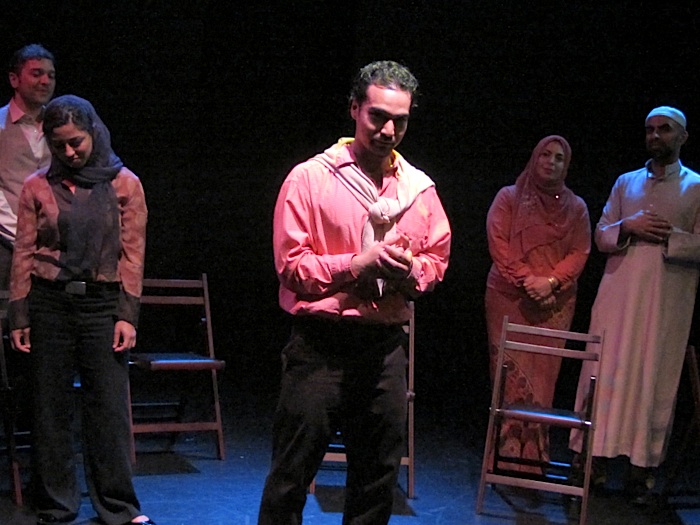
A lone figure in a headscarf and wide trousers, Rafidain (Yara Badday), approaches the centerstage and begins to speak in Arabic, offering chai, looking anxiously over her shoulder for her interpreter, Shahid (Mohamed Chakmahchi). In Theatre Period’s ongoing production of Aftermath, the year is 2008, the location is Jordan, and all of the characters are Iraqi refugees, their stories gleaned from a series of interviews conducted by Jessica Blank and Erik Jensen on the subject of the 2003 US invasion and occupation of Iraq, and its ongoing repercussions. 

Throughout the course of the play, the individual character traits of the interviewees reveal themselves through text and minimal movement. The independent fierceness of Rafidian, a pharmacist; the brash materialism of action-film aficionado and dermatologist Yassar (Shoresh Alaudini); the righteous anger of Imam Abdul-Aliyy (Munaf Alsafi); the only partially-subdued optimism of a pair of exiled theater artists played by Andrea Ali and Hassan Alnawar.

Facing reality: a scene from Aftermath. Guardian photo by Nicole Gluckstern

A familiar ritual accompanies each introduction, as each character offers tea, coffee, baklava, a peek at the family photo album or a proud pair of diplomas — acts of culturally-ingrained hospitality reminiscent of similar scenes in Joe Sacco’s documentary graphic novel, Palestine.  

Since most of the text is in English, the role of the “interpreter,” a composite character created by Blank and Jensen, spends much of his stage time interpreting not language, but rather the timeline and the historical role of tribalism in Iraq for audience edification.

As for the other characters, their discourse is scripted directly from interview material: a Christian woman, Basmina (Jasmin Kimberley Ali) describing the sound of falling bombs, a young couple (Dolfakar Mardan and Susu Attar) struggling with painful nostalgia for the home they built themselves and then had to leave behind, the dignified Abdul-Aliyy elucidating the tortures he survived during his unwarranted incarceration at Abu Ghraib. The play focuses not so much on creating a linear narrative, but on creating awareness that each character is not mere statistical data to collect — they are full-fledged, multifaceted members of the human race. 

The production is not without its awkwardness. The material is intense, often discomfiting, and unadorned, mirrored by the minimal staging, stark lighting, and the stilted bearing of a few of the actors, (some of whom have never performed in a play before).

The scenes play out mostly like a televised eyewitness documentary, populated primarily by static talking heads, any intricacies of decor (save the television) left to the audience to visualize on their own. But ultimately with a play like this, the less that detracts from the simple honesty of the stories being told the better. There’s simply no need to dress this production up with stagecraft, the stories are compelling enough on their own.

Aftermath

Through June 30, $25

Stagewerx

446 Valencia, SF

www.stagewerx.org

www.theatreperiod.com


Street Threads: Look of the Day

0

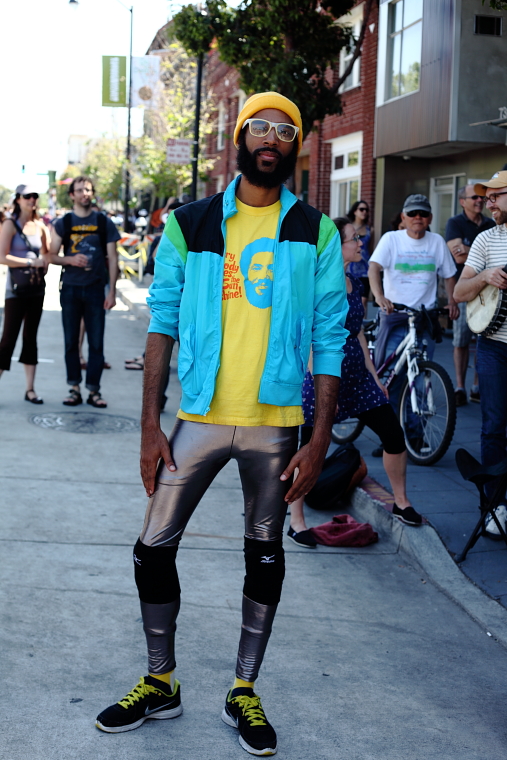
Today’s look: Zea, Mission Sunday Streets

Tell us about your look: “My fashion is inspired by the people of Santa Cruz.”

‘Block Reportin’ 101′ and more at the San Francisco Black Film Festival

0

Frameline is hitting screens tomorrow (our coverage here, here, and here), but this weekend also unspools another local festival worth your filmgoing time: the San Francisco Black Film Festival, which kicks off Fri/15 with Robert Townsend’s latest, based-on-a-true-story drama In the Hive. It’s about a group of at-risk teens struggling to continue their educations (with the help of tough-love administrators played by Loretta Devine and Michael Clarke Duncan).

http://www.youtube.com/watch?v=sFARWl3Q92A

The rest of the fest includes a “Focus on Fathers Family Day” featuring a new short doc by Kevin Epps; a games and animation-focused program topped off by a panel with Leo Sullivan (Fat Albert) and Morrie Turner (Wee Pals); and, of course, a huge slate of features and shorts, on a wide-cast net of subjects: pick-up basketball, hip-hop in Ghana, “good hair,” and more. Don’t miss mockumentary Thugs, The Musical — SF comedian Kevin Avery’s show biz satire in the vein of Townsend’s 1987 Hollywood Shuffle.

Of particular local interest is the Sat/16 screening of Block Reportin’ 101, S. “C-ya” Samura’s documentary about community activist and journalist J.R. Valray, “People’s Minister of Information,” and his work at the Bay Area’s own Block Report Radio. Check out the trailer below, and Valray’s own radio report on the SFBFF here.

Fri/15-Sun/17, $5-$50
Various venues, SF
www.sfbff.org

The perfect pre-Pride toast: Bayview vino at El Rio

3

It’s best (they say) to treat Pride as the proverbial marathon in place of sprint — despite the fact that there is about one thousand openings-parties-dog walks happening this year that you’ll no doubt be careening between. May we recommend a darling divey wine happy hour as your own personal kick-off for this year of queer festivities? El Rio‘s semi-weekly Mugsy Wine Bar on Fri/15 would fit the bill nicely — and will give you the chance to try local pours made by local queers, people of color, and families that will be perfect for your larder as you traipse ever-closer to Gay Christmas.

“El Rio is a lot more gay-friendly than cabernet-friendly,” Granate Sosnoff, Mugsy’s organizer, told me over the phone yesterday. Sosnoff, whose girlfriend works behind the bar at the Outer Mission dive, was sick of El Rio’s wine selection being somewhat of an afterthought (let’s be real, order the margarita.) But the space had potential — you’d be hard-pressed to find a better spot for a casual glass. Picture the scene: El Rio’s standard Friday afternoon batch of free oysters (deployed on the tranquil patio at 5:30pm, swoop them while they last), La Piada Randagia serving Italian piadina, or flatbread sandwiches, and of course, the well-curated wines. 

This Friday, Mugsy will feature pours from Gratta Wines, Barbara Gratta’s mini-winery that the queer vintner started in her Bayview basement. Gratta’s 2010 Dry Creek cabernet — of which only a barrel was made — will be on offer, as will the entrepreneur herself, for queries and comments on the fruits of her fermentation.  

Looking for something from farther afield? Mugsy will also be offering a pinot noir from Stomping Girl Wines, a multi-generational endeavor out of Russian River and Sonoma that first started pressing in a Berkeley basement. Not to mention wine from African American family-owned Brown Estate

“High and low is the best, right?” said Sosnoff. “Especially in these troubling times.” D’accord. Cheers! 

Mugsy Wine Bar pop-up happy hour

Fri/15 5-8pm, $5-$10 per glass of wine

El Rio

3158 Mission, SF

(415) 282-3325

mugsywinebar.tumblr.com

www.elriosf.com

Street Threads: Look of the Day

0


Ariel Soto-Suver was strolling Sunday Streets in the Mission — its home every first Sunday this summer, did you hear? — when she happened across some perfect examples of SF summer weekend chic.

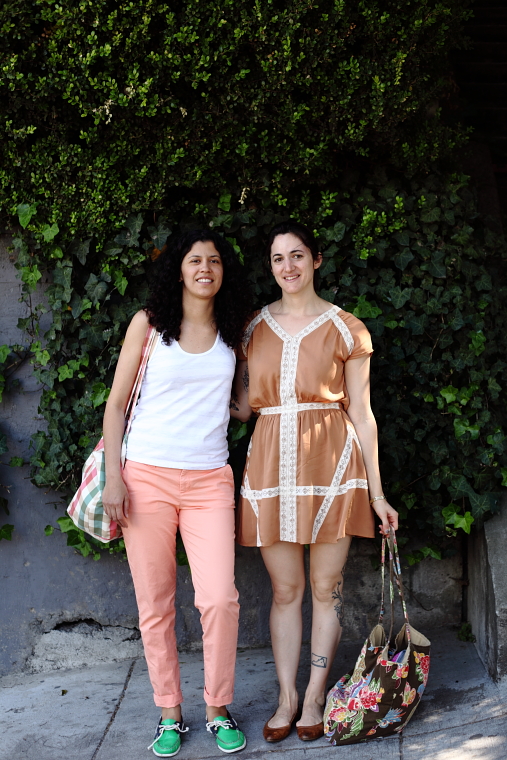
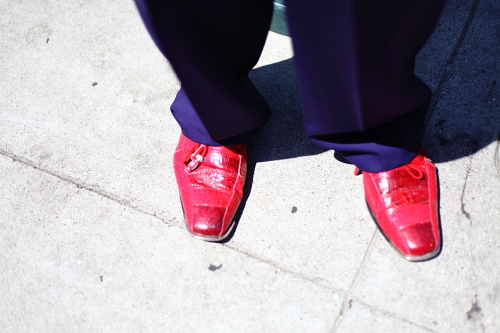
Today’s look: Crystal and Libby, 24th Street and Dolores

Tell us about your look: Says Crystal, “I like color, preppy and simple.” Libby followed with: “My style is unique, artistic and locally made.”

Appetite: Whiskies of the World tastes and gin tales

1

A better than ever year aboard the SF Belle at Whiskies of the World last month meant some fine, global pours of whisk(e)y from Scotland to Australia. Here were some highlights:

On the fun and interesting tip, Lark Distillery distills single malt whisky in Tasmania, an Australian island – and it’s surprisingly solid. Distilled in copper pot stills, it’s smooth with a modicum of peat, aged five years, yet with a bit of complexity. I appreciated returning to 10-year-old old Masterson’s Straight Rye Whiskey. Aged in charred white oak barrels, this Canadian rye evokes whispers of pepper, vanilla, spice, and a soft sweetness.

Count me smitten with Glenmorangie’s new Artein ($79.50), an elegant whisky of stone fruit, mint, even chocolate and lemon zest, matured in Super Tuscan wine casks. It’s sexy, evening wear without being sweet or dessert-y. Speaking of Glenmorangie, Chef Tyler Stone brought a memorable touch to the evening making boozy, liquid nitrogen bowl after bowl of Glenmorangie’s Nectar D’Or whisky served in a mini-glass with egg white lime foam on top. Brilliant.

Funny enough, my favorite taste of the night, the one I couldn’t get out of my mind (and wanted to linger on my taste buds) was not even a whisk(e)y. It’s a a rare brandy (only 220 bottles out there) of Germain-Robin Small Blend No. 1, blended from a 1990 Austin Ranch Pinot (south of Ukiah), ’94 custom Clos du Val Pinot, ’83 Hildreth Ranch Colombard, and small amount of ’87 Colombard brandy. If you can get your hands on it, it’s a stunner.

GIN TALES

Every time I turn around there’s a new gin. Though not on par with some of the best American gins already out there (Junipero, Death’s Door, St. George’s gins, 209, etc…), these new gins offer yet another gin route for those wanting sweeter gins or to try something new from small producers who care. Here’s two new American gins, and a rare Dutch gin that sells for more than almost any gin in the world.

Greenhook Ginsmiths ($31.99) – As one myself, I value stories of career-changers – Steven DeAngelo left a finance career to launch his own gin, just out in February. Dubbed “ginsmith”, his master distiller is Ed Tiedge who uses very low temperatures, nearly 40 degrees below typical gin distillation temps (approx. 132ºF ) for intense and solidified flavors. It’s non-traditional, with heavy floral, chamomile, coriander, elderflower, orange blossom and ginger notes – a little too sweet for me, but bold and  bright. They’re releasing the first of its kind, a Beach Plum Gin Liqueur http://greenhookgin.com/plum.html soon, a variation of an English sloe gin with plums sourced locally from a beachfront Hamptons’ farm.

Small’s American Dry Gin plays a little more like a London Dry with American roots, made from an 1850’s recipe. Created by the Local Wine & Spirits http://www.localwineandspirits.com/ crew in Oregon who produced Ransom Old Tom Gin and Whipper Snapper Oregon Whiskey, this “American Dry” uses US-grown grains, a mid-19th century recipe and pot-distilled methods. It’s juniper-heavy, a little sweet as well but also sharply herbaceous, with elegant, Colonial-spirited label and convenient screwcap.

NOLET’S Silver Gin is unique gin with botanicals including Turkish rose, peach, raspberry… they recently hosted a private dinner with Carl H.J. Nolet, Jr., who owns the distillery with his father, Carolus and brother, Bob. We dined at one of San Francisco’s best new restaurants in SF, AQ, complete with cocktails from AQ’s stellar bartending crew, like the Contemporarian, mixing NOLET, chamomile peach tea, citric acid and simple syrup.

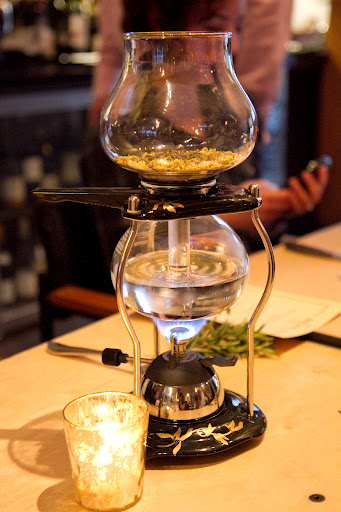
In a nod to The Aviary in Chicago, they set up a boiler emitting chamomile into the air, rounding out our experience with intense aromas.

A floral Heirloom Rose cocktail (NOLET, simple syrup, lime, rose water) elevated the interplay of botanicals with food alongside Mark Liberman’s gorgeous white tuna cured in beets, hibiscus, and juniper. Best of all, we finished with Carolus Nolet, Sr.’s (a 10th generation distiller who launched Ketel One in the 1980’s) NOLET’S Reserve Dry Gin. Typically selling for over $600 a bottle (K&L has it for $550), this extremely allocated, small production gin is a complex, spicy, verbena-laden imbibement that lingered with me long after dinner was through.

Subscribe to Virgina’s twice-monthly newsletter, The Perfect Spot, www.theperfectspotsf.com

Street Threads: Look of the Day

0

Ariel Soto-Suver was strolling Sunday Streets in the Mission — its home every first Sunday this summer, did you hear? — when she happened across some perfect examples of SF summer weekend chic.

Today’s look: Ed, Mission Sunday Streets

Tell us about your look: “This is my costume for a flash mob I did this morning with my yoga studio.”

Street Threads: Look of the Day

0

Ariel Soto-Suver was strolling Sunday Streets in the Mission — its home every first Sunday this summer, did you hear? — when she happened across some perfect examples of SF summer weekend chic.

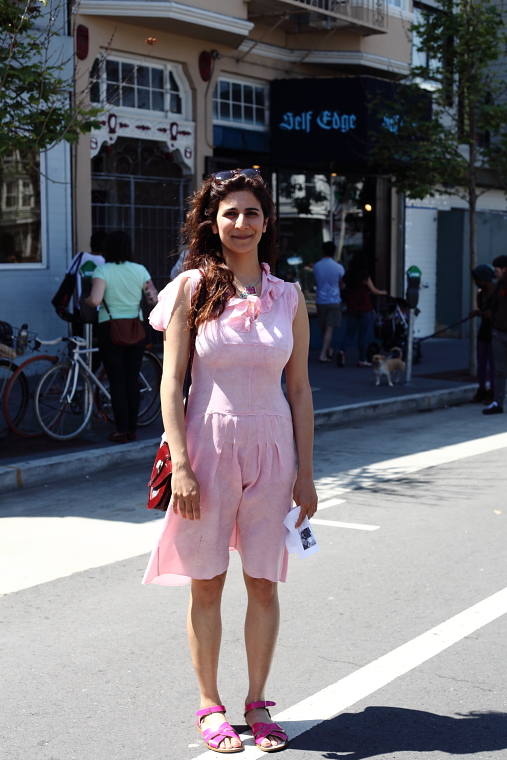
Today’s look: Farnoosh, Mission Sunday Streets

Tell us about your look: “I got this dress in NYC with a gift certificate from my boyfriend’s mom.”

Street Threads, doggie style at The Whole Enchihuahua

0

As a street fashion photographer responsible for capturing the Bay’s best looks in the Guardian’s Street Threads feature (and photo book), I’m always on the lookout for well-dressed San Franciscans. Imagine my delight when Sam Love and I stopped by the SFSPCA’s Whole Enchihuahua at Dolores Park on June 2 and encountered a mega-litter of fashion-forward pooches. It was Street Threads, doggie style!

There was flair from Paris, tie-dyed hippie outfits, a pup in a piñata, and even some quirky balloon ensembles. Although the event was dubbed a chihuahua affair in true SF spirit all variety of dogs, from poodles to bulldogs, were included. In turn, all the canines seemed equally accommodating, patiently putting up with their owners’ ridiculous costume fetishes. For what it’s worth, they looked adorable, converting this cat lover into a dog fanatic (for the day.)

Zombies are so last week. This week: ALIENS RULE!

0

Prometheus, fuck yeah! Finally, after way too many spoiler-y trailers, Ridley Scott’s new sci-fi epic reaches theaters. My review below, along with a few others this week worth seeing, if aliens and such don’t float your boat. (But seriously, Prometheus! Worth seeing, even if aliens don’t float your boat.)

Also worth checking out: the Pacific Film Archive’s series highlighting local experimental talent Nathaniel Dorsky (Max Goldberg’s write-up here) and the Yerba Buena Center for the Arts’ exciting “New Filipino Cinema” programming (Dennis Harvey reports here, with a bonus midnight-movie DVD recommendation here).

Elena The opening, almost still image of breaking dawn amid bare trees — the twigs in the foreground almost imperceptibly developing definition and the sky gradually growing ever lighter and pinker in the corners of the frame — beautifully exemplifies the crux of this well-wrought, refined noir, which spins slowly on the streams of dog-eat-dog survival that rush beneath even the most moneyed echelons of Moscow. Sixtyish former nurse Elena (Nadezhda Markina) is still little more than a live-in caretaker for Vladimir (Andrey Smirnov), her affluent husband of almost 10 years. She sleeps in a separate bed in their modernist-chic condo and dutifully funnels money to her beloved layabout son and his family. Vladimir has less of a relationship with his rebellious bad-seed daughter (Yelena Lyadova), who may be too smart and hedonistic for her own good. When a certain unlikely reunion threatens Elena’s survival — and what she perceives as the survival of her own spawn — a kind of deadly dawn breaks over the seemingly obedient hausfrau, and she’s driven to desperate ends. Bathing his scenes in chilled blue light and velvety dark shadows, filmmaker Andrey Zvyagintsev (2003’s The Return) keeps a detached but close eye on the proceedings while displaying an uncanny talent for plucking the telling detail out of the wash of daily routine and coaxing magnetic performances from his performers. (1:49) (Kimberly Chun)

Peace, Love and Misunderstanding How is that even as a bona fide senior, Jane Fonda continues to embody this country’s ambivalence toward women? I suspect it’s a testament to her actorly prowess and sheer charisma that she’s played such a part in defining several eras’ archetypes — from sex kitten to counterculture-heavy Hanoi Jane to dressed-for-success feminist icon to aerobics queen to trophy wife. Here, among the talents in Bruce Beresford’s intergenerational chick-flick-gone-indie as a loud, proud, and larger-than-life hippie earth mama, she threatens to eclipse her paler, less colorful offspring, women like Catherine Keener and Elizabeth Olsen, who ordinarily shine brighter than those that surround them. It’s ostensibly the tale of high-powered lawyer Diane (Keener): her husband (Kyle MacLachlan) has asked for a divorce, so in a not-quite-explicable tailspin, she packs her kids, Zoe (Olsen) and Jake (Nat Wolff), into the car and heads to Woodstock to see her artist mom Grace (Fonda) for the first time in two decades. Grace is beyond overjoyed — dying to introduce the grandchildren to her protests, outdoor concerts, and own personal growhouse — while urbanite Diane and her kids find attractive, natch, diversions in the country, in the form of Jude (Jeffrey Dean Morgan), Cole (Chace Crawford), and Tara (Marissa O’Donnell). Yet there’s a lot of troubled water for the mother and daughter to cross, in order to truly come together. Despite some strong characterization and dialogue, Peace doesn’t quite fly — or make much sense at its close — due to the some patchy storytelling: the schematic rom-com arch fails to provide adequate scaffolding to support the required leaps of faith. But that’s not to deny the charm of the highly identifiable, generous-spirited Grace, a familiar Bay Area archetype if there ever was one, who Fonda charges with the joy and sadness of fallible parent who was making up the rules as she went along. (1:36) (Chun)

[No trailer on purpose. Spoilers, y’all.]

Prometheus Ridley Scott’s return to outer space — after an extended stay in Russell Crowe-landia — is most welcome. Some may complain Prometheus too closely resembles Scott’s Alien (1979), for which it serves as a prequel of sorts. Prometheus also resembles, among others, The Thing (1982), 2001: A Space Odyssey (1968), and Event Horizon (1997). But I love those movies (yes, even Event Horizon), and I am totally fine with the guy who made Alien borrowing from all of them and making the classiest, most gorgeous sci-fi B-movie in years. Sure, some of the science is wonky, and the themes of faith and creation can get a bit woo-woo, but Prometheus is deep-space discombobulation at its finest, with only a miscast Logan Marshall-Green (apparently, cocky dude-bros are still in effect at the turn of the next millennium) marring an otherwise killer cast: Noomi Rapace as a dreamy (yet awesomely tough) scientist; Idris Elba as Prometheus‘ wisecracking captain; Charlize Theron as the Weyland Corportation’s icy overseer; and Michael Fassbender, giving his finest performance to date as the ship’s Lawrence of Arabia-obsessed android. (2:03) (Cheryl Eddy)

Sure cure for election burnout? Watch this video of activist kids summer camp

12

So what if the most popular adjective to describe this week’s election was “adorable”? By all accounts, we have a generation on the up with the vigor and verve to right all the atrocities ours has committed in regards to social justice, sustainable food systems, fossil fuel dependence, etc. At least, such is the impression given by the promo video sent to us by Youth Empowered Action Camps, a project started by activist Nora Kramer in the hopes of providing a safe, fun place for kids to find their cause. Wanna see hope, encapsulated? Keep going for the video and more info on raddest summer camp ever.

Last year, we interviewed Kramer about her motivation for starting the YEA camps, which will take place this summer in Portland, Northern California and — new for 2012! — New Jersey. Said Kramer:

Sometimes kids who care or speak up about environmental or other issues are made fun of or criticized and get discouraged. I feel like our world is facing so many challenges, and we need to bring youth together with like-minded peers and adults to support them in taking action so they can bring about the world they want to see. If there can be successful summer camps for kids who like volleyball or theater or play the violin, why not for youth who want to make the world a better place?

YEA kids get to hang out with other conscientious young ones (ages 12 to 17), snack on delicious vegan foods, and develop action plans to take into the school year. What kind of action plans, you ask? Past campers have created anti-bullying and recycling programs in their schools, held birthday fundraisers for Planned Parenthood — even started a bakery that sells animal product-free wedding cakes

Scholarships are available for low-income youth. Spaces are still open for summer 2012, so grab the nearest rad teenager and sign them up.

Youth Empowered Action Camp (Northern California)

July 21-28, $950

Venture Retreat Center

Pescadero, Calif.

www.yeacamp.org

Street Threads: Look of the Day

0

Guardian street fashion photog Ariel Soto-Suver was on the scene at Bayview Opera House’s Saturday summer concert series. The al fresco community fete was packed with rows of organic kale and college prep tutors — but also fashion. Read on for braided Renee’s style philosophy — and check out Soto-Suver’s shots of Elwood from earlier this week. 

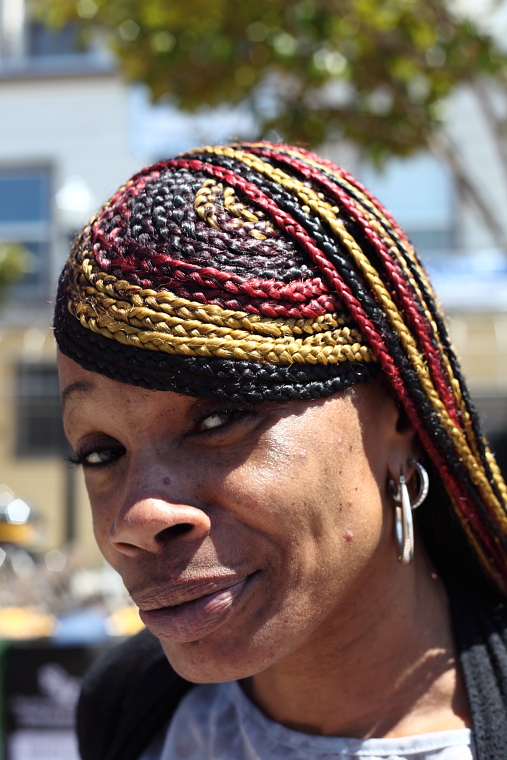
Today’s look: Renee, Third Street and Palou

Tell us about your look: “I love to dress and I love designer clothes.”

The Performant: Border crossings

0

Los Jaichackers take SFMOMA on a magical mystery tour of Pan-American culture

What first strikes the eye about the ongoing “Photography in Mexico” exhibit at the SFMOMA (through July 8th) is the variety. With photos dating as far back as the 1800s, and as recently as last year, the exhibit doesn’t focus on any one aspect of Mexico or any one era, but rather its timeless complexities. Elegantly barren landscapes collide with jostling humanscapes, desert isolation contrasts with urban density, photojournalism and surrealism join forces, capturing the espíritu of time and place over a period of about 150 years.

Underscoring the depth and diversity one might expect from a thoroughly modern land with a population well over 100 million people, Thursday’s “Double Grooves and Dirty Menudo” Now Playing event, whimsically curated by art duo Los Jaichackers, focused on artistic mashups inspired stylistically by both sides of the border, for an evening that defied easy stereotyping of either.

Los Jaichackers are Eamon Ore-Giron and Julio Cesar Morales, both with deep roots in the SF arts community. Their own piece of the evening was a 24-minute remix of Juan Ibez’ 1980s crime drama A Fuego Lento and an electronic exploration of music by Cuban bandleader Dámaso Pérez Prado, “King of the Mambo.” The result was something weirder than even a Alejandro Jodorowsky flick — a psychedelic swirl of images culminating in violence, the deconstructed mambo melodies punctuated by Prado’s distinctive, James Brown-esque, “huh”’s and an array of heavy electro beats.

In the Haas Atrium beneath an installation of lights and moving images by Jim Campbell (“Exploded Views”), Oakland-based “conscious disco” duo ChuCha Santamaria, live-recorded a series of cover tunes, refurbished and reworked into Spanish. Kicking off with a Pet Shop Boys tune (“El Baile del Domino”), bandmates Sofía Córdova and Matt Kirkland powered through several retakes, just as if they were in any recording studio, albeit a recording studio that could hold a hundred or so spectators, (and if they recorded all of their songs wearing dramatic facepaint and surrounded by lit candles). The tracks are slated to appear on their album in progress, so keep an ear out.

But when it comes to reimagining English-language pop songs into anthems for Spanish-speaking youth, it would seem that Los Master Plus, a “cumbiatrónica “ duo from Guadalajara have got a real lock on the technique. Their tongue-in-cheek, nu-cumbia-flavored reinterpretations of Daft Punk, No Doubt, Radiohead, Kings of Leon, and The Bee Gees were “mami”-centric and eminently danceable, and they exuded a certain goofy charm that transcended all language barriers. 

www.youtube.com/watch?v=rWdNjfJtKbw

Hipster haters take note, “hipster” fashion is now officially a cross-cultural phenomenon, as the skinny jean-wearing, handlebar-mustached El Comanche and Larry Mon as well as enthusiastically costumed fanboys Adrian Manzo and Mario Mejia easily proved, and The Bee Gees “Stayin’ Alive” will forever be the kickoff melody for a good dance party, igual the context.

Demand and ye shall receive: Wolfe enters the realm of VOD

0

Good news for fans of the watch-movies-at-home lifestyle (stay tuned for tomorrow’s post aimed at new-movies-in-the-theater junkies): just in time for Pride season (and just a week ahead of Frameline 36, the San Francisco International LGBT Film Festival), Wolfe — “the largest exclusive distributor of gay and lesbian films” — launched a worldwide video-on-demand service.

Zip on over to Wolfeondemand.com to check out the 30 titles available for instant streaming (kind of like Netflix, you “rent” the film for viewing via home computer, iPad, iPhone, or even iPodTouch). The company plans to have its entire library of features and docs available eventually, but for now, check out films like Tomboy, which spent just a brief time in Bay Area theaters last year but was among Guardian critic Lynn Rapoport’s top three of 2011 (read her review here).

http://www.youtube.com/watch?v=Jb-Oys-IcWE

In her blog on the Huffington Post, Wolfe founder Kathy Wolfe (speaking of Frameline, she and her groundbreaking company won the Frameline Award in 2010; check out my interview with her here), explained her motivation for starting the VOD service:

“Our goal all along has been to provide LGBT audiences with access to films that reflect their lives, but in reality, that’s not as simple as it sounds. There are certain territorial and language barriers that can complicate matters. As online distribution options have evolved, we’ve made it a priority to find ways Wolfe could provide our audiences unprecedented, timely access to our films, while at the same time discouraging the illegal ‘sharing’ of our films.”

Also among the current selections at Wolfe On Demand: critically acclaimed 2010 Peruvian import Undertow; read Dennis Harvey’s review here.

Free Berlin: 3 city summer destinations for when you’re broke and German

0

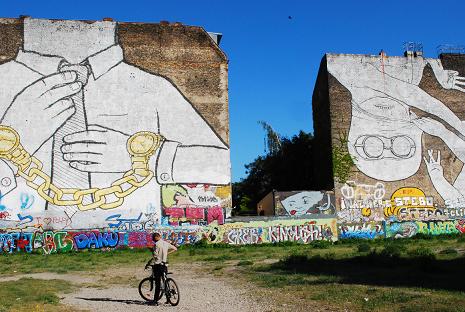
It was 2pm by the time I stumbled out of Berghain and rode my bike home along the Spree-side still-standing section of the Berlin Wall, veering between the tourists snapping away at its murals. Hopefully they got a good shot of the bleary-eyed girl in the see-through dress. (Tag me!) Luckily, once you’ve steered clear of the hordes there is plenty of fun to be had in Berlin that had nothing to do with techno church and tawdry dark rooms. Here’s four of my favorite free spots in the city to check out when the clubs close, from naked lakes to repurposed airport tarmacs and abandoned Ferris wheels.

TARMAC TIME

Close by Berlin’s Schöneberg neighborhood (where one can stride amidst blocks of leather stores and spendy gay bars — it’s the Castro’s sister swisher), a venerable European airport wades into a new era. Tempelhof Airport is one forboding arc of concrete, so feel free to lose yourself in its defunct fascist embrace and bizarro history. But then turn around, because the tarmac now serves as park land. It’s vast grassy fields are perfect for getting lost, its runways are currently being used by bicyclists and breakneck windsurfers, and over a dozen public art projects are being developed in various corners. These include an incredible DIY community garden where one can sit placidly atop a hammered-together lifeguard’s chair, surrounded by sprouting greens. The sun can get a little intense at times, but to the side under a few leafy trees stands a perfectly German beer garden where you can take a load off. 

NAKED LAKES

“This is where all the Grimm Brothers fairytales took place.” Quite an introduction to the forest that will soon see your naked ass — it’s lake time! Lake Teufelsee, that is, which you can easily reach with a nice walk from the metro stop. Teufelsee is one of the shady dells in which Berliners take advantage of Freikörperkultur, or the area’s longstanding tradition of free body culture. On our recent visit to Teufelsee, we posted up next to a multi-generational family of nakeds — grandpa, kids, parents, tossing a ball around and generally feeling good about not having tanlines. No one wears clothes. Bonus: looming over the Grunewald Forest surrounding the lake are the Epcot Center-like remains of an abandoned Soviet spy tower. Follow your nose up the hill to them for good old-fashioned Berlin pastime of exploring falling-down beautiful structures. 

CRIME SPREE

… Speaking of, how about an abandoned amusement park? Amid whirling rumors of cocaine trafficking and out-of-control debt, Spreepark closed in 2001, leaving such tantalizing treasurs as a brackish moat-encircled Ferris wheel, Viking ships, and tunnels shaped like roaring rainbow lion’s mouths. It is easy as pie to hop over the fence (walk to Spreepark from the Treptower Park metro stop), and when we visited any fears of being apprehended by the guard that is supposed to be patrolling the area were quickly alleviated by the shrieking Germans attempting to sway the rickety Ferris wheel. If beheaded dinosaur statues and belligerant graffiti (“Who cares? Be poor”) is your thing, you need to come check out this ruin-kitsch wonder. Americans recently bought the property to start up a multidisciplinary community art project — so go quickly while it’s still deviant. If you’re on your way out there, you might want to swing by the revisionist history explosion that is the stately Soviet War Memorial. A 39-foot tall statue of a blonde Soviet soldier cradling a lost German child and crushing a swatiska beneath his feet presides over the complex. 

O, queso! Delectable slices of Spain and Portugal

0

“Don’t. Eat. The. Cheese.”

I kept telling myself this as I stared down at my plate during the Cheeses of Spain and Portugal Class at the Cheese School on May 23. Nine slices of sweating, salty, pungent wonderfulness looked back at me, taunting. Thankfully, there were endless glasses of delicious white wine to drink before the class started.

Juliana Uruburu (imagine this name pronounced with a beautiful Spanish accent) was our teacher for the evening, guiding us through the diverse and tremendous flavors of Spanish cheese. “Cheese chose me,” exclaimed Uruburu, who has been working in cheese for decades and is an obvious fanatic from the way she talks about it. How can you not be a fanatic when you spend your days doting over wheels of cheese like majon — a sheep cheese with cajones! — and visiting Paris every year for the Salon du Fromage, the equivalent of the World’s Fair of cheeses.

Eventually we were able to eat the cheese… but first we had to smell it first, then break it in half, before tasting the creamy subtle center and slowly sampling outwards to the funky rind. Uruburu explained that Spain is one of the most innovative and exciting places when it comes to food. This year at the Salon in Paris, Spain presented over 50 new varieties of cheese. Así que mucha innovación! So much innovation!

Uruburu taught us a bunch of geeky tidbits about cheese-making and tasting. For example, those little crunchy crystals in some cheeses like Manchego aren’t made from salt, but a protein called tyrosine that develops in certain curds. Another fact for gluten-conscious eaters: blue cheese may contain wheat gluten because the culture is often made with moldy bread. Who knew? After devouring a large plate of cheese (and several glasses of wine), there was one queso that stood out the most to me. Cadi urgelia. Soft but stinky.

Four couples in the room had trips planned to Spain, thinking it would be a fun idea to get a little cheese primer first. For me, I was able to satisfy some of my travel lust through this class by letting my palate transport me back to Spain, with their countless tapas bars, colorful flamenco music, and beautiful mid-day siestas.

The Cheese School hosts a variety of fun cheese classes and events, including cheese-making classes with the SF Milk Maid.

Street Threads: Look of the Day

3

SFBG street fashion photog Ariel Soto-Suver was on the scene at Bayview Opera House’s Saturday summer concert series. The al fresco community fete was packed with rows of organic kale and college prep tutors — but also fashion. Read on for fresh ‘fits.

Look of the day: Elwood, Third Street and Palou

Tell us about your look: “I’m 62. I dress like this everyday.”

The Performant: All you can eat

0

Wild Food Walks and Bal Littéraire satisfy imaginative appetites.

“First, the bad news,” says our guide and frequent forager Kevin Feinstein. “Foraging in the Bay Area is illegal.”

Well, swell, I guess it’s a good thing that I packed snacks. “If the land is private, and you have permission from the owners, you can forage,” Feinstein amends, which still doesn’t help me in planning my lunch, but good to know for future reference. I’m attending one of ForageSF’s “Wild Food Walks,” along with about 15 others, hoping to graze upon that freest of foodstuffs, the weeds in our backyards — and yours.

The tour kicks off on the perimeter of Golden Gate Park, and without even taking a step, we’re summarily introduced to common mallow, miner’s lettuce, and stinging nettles. After another reminder about the illegality of *picking* the plants in the park, Feinstein exhaustively details each plant’s properties — their nutritional content, the edible parts of each, identification and preparation tips. Mallow is mucilaginous and anti-inflammatory, and the seed pods or “cheese wheels” can be eaten as well as the leaves, stalks, and everything else. Miner’s lettuce, which looks a bit like a land-locked lily-pad, is native to California, high in Omega-3s, and never gets bitter, even when older. Nettles do sting (which one curious child found out the hard way), but not when crushed or cooked. Extremely high in various minerals and vitamins, nettles are also easily cultivated, making them a good bet for amateur urban farmers as well as foragers.

“One five-gallon nursery pot grows more nettle than one person can handle,” promises Feinstein as visions of pestos and cream soups begin to creep into our collective consciousness.

Two hours and a dozen plants later, we’re all a little overwhelmed, but there’s excitement in it, like people are going to go home immediately and weed the garden, not for the usual reasons, but to make a salad. It almost makes one want to trade one’s wallet for a foraging basket, until reminded that urban foraging has its share of downsides — legal issues, contaminated soil, plant misidentification. Even so, I’m betting that hardly anyone in that group will be able to pass by a big clump of hilltop-dwelling nasturtiums or wild radish without checking for their crunchy, spicy seed pods, or slipping a few leaves in their bag for later.

Another new taste I was introduced to over the weekend was San Francisco’s first ever “Bal Littéraire,” a Parisian concept imported over as part of the French-American translation exchange, the Des Voix Festival. Though I’d been given an idea of the concept ahead of time — an ephemeral, collaborative work created by six playwrights, using pop songs to tie the scenes together and turning the floor into a giant dance party — nothing could have prepared me for the high-spirited spectacle it became.

Seeing a “typical” Bay Area theatre crowd getting down and dirty to hyphy hit “Fast (Like a Nascar)” in the middle of a French-accented, surrealistic serial romantic comedy featuring Liz Duffy Adams as a tough-talking, Jackie-of-all-trades stalking a middle-aged French divorcee, and Marcus Gardley as an octogenarian in drag, was a taste of contemporary France mixed with a Bay Area spice that titillated a cosmic palate, and won’t soon be forgotten. Here’s hoping that either Playwrights Foundation or the Consulate General of France find a way to keep this new theatrical tradition going in SF for years to come.

Save Adobe Books?

2

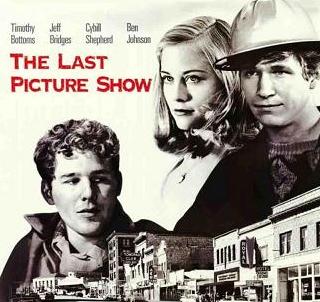
Adobe Books owner Andrew McKinley didn’t have to think long when I asked him the corniest question of our interview, occasioned by the announcement that his store was in serious danger of having to close. Question: if you had to choose one book to describe your situation, what would it be? “It reminds me of The Last Picture Show by Larry McMurty,” McKinley gamely responded. “It’s about a movie theater in a small Texas town that’s dying out.”

But! ask Mission District bibliophiles. Can Adobe Books be saved? The answer, according to McKinley, lies in whether you have a buddy with $60,000 to save the future of SF books — or better yet, $3 million.

McKinley has owned the store for the past 24 years, originally with a business partner. “I always dreamed of having a store filled with artists, poets, and writers,” he told me. “Meeting people who want to be artists has been the best part.” For decades, that’s what he did — he even opened a gallery space in the back that hosted near-monthly art openings. But times, they are a’changin’ — and rising real estate costs in the area have made it impossible for the bookstore to continue to exist in its prime location astride Valencia and 16th Streets. Granted, this isn’t the first time the alarm has been sounded, but McKinley forsees having to close his doors for good at some point over the next few months. 

Unless… and on this point he’s almost reluctant to give us hope. Unless some “angel” descends from heaven (or the hills south of Dolores Park perhaps) to pluck Adobe from its doom. With $60,000, McKinley reckons he could keep the shop open for three more years — that amount is approximately a year’s rent on the space. With $3 million, said “golden angel” could buy the building and ensure that the inner Mission continues to have a place to buy dog-eared paperbacks and browse well-curated banks of sweet, sweet literature. 

But. “I don’t want to be a charity,” says McKinley. “I feel that closure might be the best solution if no one can step into save it.” The bookshopkeep allows that he hasn’t exactly bent over backwards to adjust our times of Amazon.com and 140-character attention spans. He could have added a cafe to augment the business, he posits. Maybe started selling new and remaindered volumes. 

But. There it is, he didn’t, and now we’re faced with losing yet another Mission bookstore to the march of time. (Granted, it’s not all bad news for bookworms — Modern Times Bookstore Collective was able to relocate to a gorgeous new location on 24th Street and the Dog-Eared Books family recently had a new baby not too far away in the form of Phoenix Books.) 

Unless. McKinley says the notion of re-starting Adobe as a member-based collective has been thrown around by some of the shop’s super fans. But that could be just the well-wishing of the community members he’s held so dear over the years. 

Just remember. “The knowledge in books is not as important to get by in this modern world,” says McKinley. “People don’t put together large collections of books as much. It is funny, more books have been created in the last few decades and more people can read than ever before.” We read you, sir.

P.S., massive sale going on right now at Adobe Books. 

Adobe Books

3166 16th St., SF

(415) 864-3936

adobebooksbackroomgallery.blogspot.com

Oaxacan surrealism hits the SF Mexican consulate

2

Approximately 500 people pass through SoMa’s Mexican consulate building each day, processing visas and civil registration, generally making it possible for themselves to live in the United States legally. The consulate’s cultural affairs attache Marimar Suárez Peñalva sees these moments of bureaucracy as an opportunity. She wants expats to connect to their nationality not only through signatures and stamps, but by reacquainting themselves with its brushstrokes and creative underpinnings.

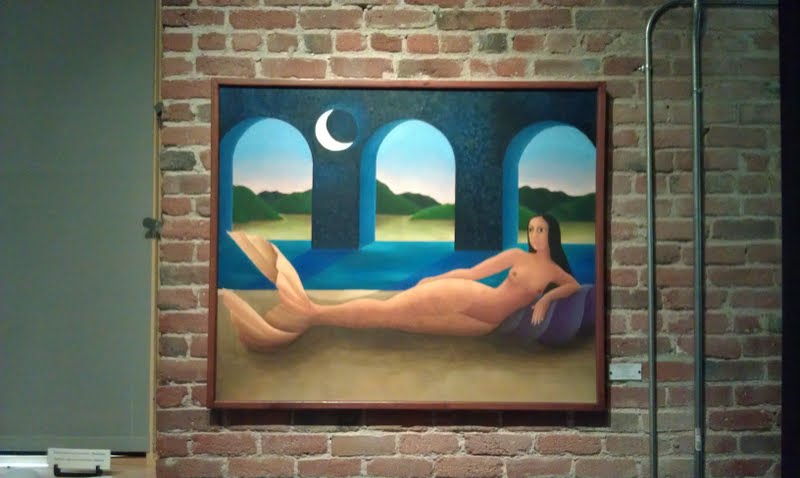
Hence, this art lesson. “The Zapotec origin is really relevant in surrealism,” Peñalva tells me on the Friday afternoon that I visit her carefully-curated gallery, located on the second floor of the Folsom Street consulate.We’re surrounded by canvases of floating watermelon, a reclining woman with a fish tail, vividly colored fish, and a bright red woman’s skirt. Peñalva explains that the current exhibit is based around two seminal artists from the Mexican state of Oaxaca: Rufino Tamayo and Francisco Toledo.

Francisco Toledo’s aquatint etching “Self Portrait” 

The two pioneered the art of mixography, a style of painting that uses molded paper and mixed media to create a textural appearance. Peñalva points to the artists’ ceremonial use of animals as one sign of their pre-Colombian heritage. The Zapotec identity, she says, is one of the unifiers of the exhibit, which contains the works of not only Tamayo and Toledo but also artists who were inspired by their work like Justina Fuentes Zárate, she of the reclining mermaid and arresting red dress. Perhaps the works don’t look similar, but they represent the diversity and breadth of the work to come out of the surrealist Zapotec tradition in Oaxaca.

Last year Peñalva filled this space with the work of contemporary Latina artists. Though “Numina Feminina” was critically acclaimed — a gallery patron who perused while we chatted interrupted us to tell Peñalva how compelling he’d found the show — she says that the Oaxacan surrealism exhibit has done a better job of enthralling the Mexicans who come to process paperwork one floor down. Since the show’s opening on Thursday, she says there’s been a constant stream of visitors coming upstairs to check out the gallery.

“Birth of Spring” by Jorge Lopez Garan

Maybe this work is more immediately identifiable as Mexican than that of the modern female show. But whatever the reason, she’s glad that it resonates. That’s the reason why the gallery is up here, after all.

“We want to make art available and show people what’s happening in Mexico. Art people, they always come to shows like this, but our daily public is harder to get upstairs.” The surrealist works were donated by Bay Area collecters Gina Bray and Russell Herrman.

Do you feel the magic? The consulate is screening El Informe Toledo July 26, a documentary made by Diego Luna and Gael Garcia Bernal’s production companay based on the life of the mixography master. 

 “The Magic Surrealists of Oaxaca”

Through Aug. 9, free

Gallery open Mon.-Fri. 10am-6pm; Sat.-Sun., 10am-3pm


El Informe Toledo screening 

July 26 6pm-8pm, free

Consulate General of Mexico

532 Folsom, SF

www.mexicoinsf.com