Tech

Lawsuit alleges Uber unfairly withholds tips from drivers

A class action lawsuit filed against Uber, a tech-based service that connects riders to drivers and has filled San Francisco streets with sleek black town cars, alleges that the company is cheating its drivers out of tips.

The suit also charges that drivers have been misclassified as independent contractors under California law.

Uber’s website tells customers there is “no need to tip,” and drivers are prohibited from accepting any extra cash. The complaint alleges that “drivers do not receive the tips that are customary in the car service industry and that they would otherwise receive were it not for Uber’s communication to customers that they do not need to tip.”

The lawsuit was filed in San Francisco’s Northern District on Aug. 16. Attorney Shannon Liss-Riordan, of the Boston-based firm Lichten & Liss-Riordan, believes that by withholding tips “Uber is artificially trying to make the total price look lower – and in doing so, they’re hurting the drivers.”

Douglas O’Connor, who is named as a plaintiff in the lawsuit, said that when he started working as an Uber driver in San Francisco about 10 months ago, he was told not to accept tips because they were included in the service fees automatically charged to customers’ credit cards. But there’s nothing in his paycheck to indicate whether he has received a gratuity or for what amount, O’Connor said.

“For some of the drivers there has been a line item, but that line item that’s called the gratuity has not gone to the drivers,” Liss-Riordan explained. In those cases, it appears Uber takes half, she said. And in cases like O’Connor’s, “There is no separate gratuity that’s going to the drivers,” Liss-Riordan said, so the representation that any tip was included in the first place is “a lie.”

Liss-Riordan noted that Uber has even been known to send out “secret shoppers” who are directed to take Uber, offer cash tips, and report whether the drivers accepted the tips or declined with the explanation that the tips are included in the service fee, as they are instructed to.

Meanwhile, Uber recently required drivers to agree to revised contract terms, which is mandatory in order to continue their relationship with the ridesharing company. Buried in the fine print is an arbitration clause with a class action waiver. By agreeing to these terms – something Uber not only requires but makes exceptionally easy with the tap of a button on a smartphone – drivers are essentially giving up their rights to join a class action suit against the company. O’Connor noted that the contracts were sent out in English only, but English is not the first language of many Uber drivers.

“In order to opt out of this class action they have to send a hand-delivered letter to the general counsel of Uber in San Francisco,” Liss-Riordan pointed out. “We’re also trying to get the word out to Uber drivers that if they want to participate in this class action case and potentially recover their tips, they actually have to opt out of this arbitration clause.”

O’Connor said he drives between 30 and 70 hours a week, and would like to continue doing so in the long run. But without the additional income he feels he could be earning in tips, “I’m not going to be able to do it. It’s just so expensive to live in the San Francisco Bay Area.” He described what happened when a businessman he’d ferried to the airport offered to add an additional $10 to $15 onto his company credit card for exceptional customer service. He couldn’t, because Uber does not provide a mechanism for attaching an additional driver bonus onto the service fee. 

Asked if there was an estimate as to how much drivers could be losing in tips, Liss-Riordan said, “It adds up to a lot – for someone working there for over a year, you could be talking in the hundreds if not thousands of dollars.” And for the entire class of Uber drivers, who are estimated to number in the thousands across major U.S. cities, she noted that the total damages sought could end up being in the millions.

In addition to charging that Uber is “unjustly enriching” itself by collecting fees that are owed to drivers, the suit also claims that Uber drivers should be classified as employees under California law.  

“Under California law, there’s a multi-factor test to determine whether someone is an employee or an independent contractor and the test looks at things like … whether the workers’ services form the core part of what the business does,” Liss-Riordan explained. In this case, they do, she added: “If there were no drivers, there would be no Uber.”

As independent contractors, Uber drivers must pay for their own gas expenses and vehicle maintenance. They are not eligible for workers compensation or unemployment benefits in the event that they are terminated. Nor is Uber required to make any contributions toward its San Francisco drivers’ health care costs, since its drivers aren’t considered employees. The San Francisco Health Care Security Ordinance mandates that employers contribute toward healthcare for any employee working eight hours or more.

Liss-Riordan specializes in representing tipped employees. She prevailed in a lawsuit against American Airlines on behalf of skycaps who were prevented from receiving tips because the airline created a $2 fee for curbside check-in that led passengers to believe that gratuity was included.

Reached via email, Uber spokesperson Andrew Noyes declined to answer questions about the allegations raised in the complaint, nor would he explain why Uber required its drivers to agree to an arbitration clause waiving their rights to join a class action suit. Noyes declined to comment, saying the complaint had not yet been formally served.

O’Connor, meanwhile, said he agreed to be named as a plaintiff in the case “in order to improve working conditions for myself and my colleagues.” Asked if he was concerned whether this decision would affect his standing as an Uber driver, O’Connor shrugged it off. “I’m probably not going to get the employee driver of the month award,” he joked.

Never enough hours in the weekend to see all these NEW MOVIES

0

Quite a few openings this week, although it seems like 10-plus new movies is becoming the norm these days. (At least there’s no big film festival to distract you from the regular ol’ cinema at the moment.) In the spirit of efficiency I did a combo-platter review of sci-fi chiller Europa Report; Johnnie To’s latest, Drug War; Tenebre, a 1982 Dario Argento giallo that’s screening at the Roxie tonight; and doc Adjust Your Tracking: The Untold Story of the VHS Collector, which plays the Balboa. Also at length, Dennis Harvey takes a look at Shirley Clarke’s freshly restored 1967 doc Portrait of Jason, also screening at the Roxie.

Ain’t enough for you? Read on for Kick-Ass 2, Jobs, and more on the week’s fresh crop of flicks.

http://www.youtube.com/watch?v=X7MdQjqRjyw

The Artist and the Model The horror of the blank page, the raw sensuality of marble, and the fresh-meat attraction of a new model — just a few of the starting points for this thoughtful narrative about an elderly sculptor finding and shaping his possibly finest and final muse. Bedraggled and homeless beauty Mercè (Aida Folch) washes up in a small French town in the waning days of World War II and is taken in by a kindly woman (Claudia Cardinale), who seems intent on pleasantly pimping her out as a nude model to her artist husband (Jean Rochefort). As his former model, she knows Mercè has the type of body he likes — and that she’s capable of restoring his powers, in more ways than one, if you know what I mean. Yet this film by Fernando Trueba (1992’s Belle Époque) isn’t that kind of movie, with those kinds of models, especially when Mercè turns out to have more on her mind than mere pleasure. Done up in a lustrous, sunlit black and white that recalls 1957’s Wild Strawberries, The Artist and the Model instead offers a steady, respectful, and loving peek into a process, and unique relationship, with just a touch of poetry. (1:41) (Kimberly Chun)

http://www.youtube.com/watch?v=0O7b4nTRy2A

Blue Exorcist: The Movie Though it’s spawned from Kazue Kato’s manga-turned-TV-series, familiarity with the source material is not necessary to enjoy Blue Exorcist: The Movie‘s supernatural charms. Set in True Cross Academy Town — named for the Hogwarts-ish school of exorcism at its center — the film opens with a folk tale about an adorable demon that wrecked an entire town by turning all of its inhabitants into lazy slackers. The creature was eventually captured, but nobody knows where it’s been hiding — until boyish exorcist-in-training Rin, half-demon himself, encounters a suspiciously adorable critter while chasing yet another demon, this one huge and prone to damaging city blocks (and cracking open things that should remain sealed in the process). Trouble ahead! Blue Exorcist does contain some yep-this-is-anime moments (there’s a powerful female exorcist … who wears a tiny bikini top that barely contains her enormous bazongas), but it’s mostly fun fantasy, with a sly sense of humor (“Let’s put a beatdown on these Tokyo demons!”) and some endearingly flawed heroes. (1:28) Four Star. (Cheryl Eddy)

http://www.youtube.com/watch?v=BpFNTvA93iY

In a World… Lake Bell (Childrens Hospital, How to Make It in America) writes, directs, and stars in this comedy about a women who sets her sights on a career in movie-trailer voiceovers. (1:33)

http://www.youtube.com/watch?v=3tDHH1eXKmA

Jobs With the upcoming Aaron Sorkin adaptation of Walter Isaacson’s biography nipping at its heels, Jobs feels like a quickie — true to Silicon Valley form, someone realized that the first to ship can end up defining the market. But as this independent biopic goes for each easy cliché and facile cinematic device, you can practically hear Steve Jobs himself spinning in the ether somewhere. Ashton Kutcher as Jobs lectures us over and over again about the virtues of quality product, but little seemed to have penetrated director Joshua Michael Stern as he distracts with a schmaltzy score (he should have stuck to Bob Dylan, Joe Walsh, and era-defining AOR), and relies on corny slow-motion to dramatize the passing of a circuit board. The fact that Kutcher might be the best thing here — he clearly throws himself into impersonating the Apple icon, from his intense, upward-glancing glare to his hand gestures — says a bit about the film itself, as it coasts on its self-made man-captain of enterprise narrative arc. Dispensing with much about the man Jobs became outside of Apple, apart from a few nods to his unsavory neglect of friends and offspring, and simply never acknowledging his work at, say, Pixar, Jobs, in the end, comes off as a lengthy infomercial for the Cupertino heavyweight. (2:02) (Kimberly Chun)

Kick-Ass 2 Even an ass-kicking subversive take on superherodom runs the risk of getting its rump tested, toasted, roasted — and found wanting. Too bad the exhilaratingly smarty-pants, somewhat mean-spirited Kick-Ass (2010), the brighter spot in a year of superhero-questioning flicks (see also: Super), has gotten sucker-punched in all the most predictable ways in its latest incarnation. Dave, aka Kick-Ass (Aaron Taylor-Johnson), and Mindy, otherwise known as Hit-Girl (Chloë Grace Moretz), are only half-heartedly attempting to live normal lives: they’re training on the sly, mostly because Mindy’s new guardian, Detective Marcus Williams (Morris Chestnut), is determined to restore her childhood. Little does he realize that Mindy only comes alive when she pretends she’s battling ninjas at cheerleader tryouts — or is giving her skills a workout by unhanding, literally and gleefully, a robber. Kick-Ass is a little unnerved by her semi-psychotic enthusiasm for crushing bad guys, but he’s crushing, too, on Mindy, until Marcus catches her in the Hit-Girl act and grounds her in real life, where she has to deal with some really nasty characters: the most popular girls in school. So Kick-Ass hooks up with a motley team of would-be heroes inspired by his example, led Colonel Stars and Stripes (an almost unrecognizable Jim Carrey), while old frenemy Chris, aka Red Mist (Christopher Mintz-Plasse) begins to find his real calling — as a supervillain he dubs the Motherfucker — and starts to assemble his own gang of baddies. Unlike the first movie, which passed the whip-smart wisecracks around equally, Mintz-Plasse and enabler-bodyguard Javier (John Leguizamo) get most of the choice lines here. Otherwise, the vigilante action gets pretty grimly routine, in a roof-battling, punch-’em-up kind of way. A romance seems to be budding between our two young superfriends, but let’s skip part three — I’d rather read about it in the funny pages. (1:43) (Kimberly Chun)

http://www.youtube.com/watch?v=9uBXH_DLxsU

Lee Daniels’ The Butler Forest Whitaker stars as the White House’s longtime butler in this based-on-a-true-story tale, with the added bonus of some creative POTUS casting (John Cusack as Richard Nixon; Alan Rickman as Ronald Reagan; Robin Williams as Dwight Eisenhower). (1:53)

http://www.youtube.com/watch?v=3-mO5AMZDMo

Paranoia A young go-getter (Liam Hemsworth) gets drawn into the world of corporate espionage thanks to a feud between evil tech billionaires (Harrison Ford and Gary Oldman). (1:46)

West Oakland hyper gentrification in the WSJ

Two stories on the theme of gentrification and displacement – a topic we at the Guardian have expended plenty of ink on – ran in major news outlets recently, showing how intense the Bay Area housing market pressure has become as it continues to be fueled by a rapid growth in high-salaried jobs in big tech.

Zeroing in on San Francisco, the LA Times turned an eye toward Mission District gentrification, illustrating the growing divide with a succinct comment overheard on a Muni bus: “I don’t know why old people ride Muni. If I were old, I’d just take Uber.”

And a Wall Street Journal article provides an eye-opening account of how REO Homes LLC is literally seeking to accelerate the gentrification process by “beautifying” West Oakland, an historic Black neighborhood that is home to predominantly low-income and working-class residents. (Note: The article may be behind a paywall.)

Minutes from downtown San Francisco via BART, West Oakland is dotted with Victorians and was hit with a wave of foreclosure during the economic crash, destabilizing the lives of many families who lost their homes.

REO is an investment firm helped along by San Francisco billionaire Tom Steyer, a well-connected venture capitalist (he even hosted a Democratic Party fundraiser with President Barack Obama at his Pacific Heights mansion earlier this year).

As the Journal’s Robbie Whelan reports, REO has been shelling out top dollar to spruce up not just its holdings, but residences nearby its West Oakland properties. In a rarely seen form of hyper-gentrification, the company has been planting trees, sprucing up homes (for free) of neighbors who aren’t in the market to sell or rent, mending fences, and making other improvements – all in an effort to lure higher-income residents to the neighborhood.

Since 2008, the height of the real-estate market crash, REO has acquired more than 200 homes in Oakland, Whelan reports, mostly in West Oakland. “Most houses cost around $200,000,” he writes, “and [founder Neill Sullivan] said he invests as much $100,000 to fix each one up.”

Real-estate agents have been marketing the neighborhood – which is no stranger to violent crime – to house-hunters as an affordable, nearby alternative to astronomically expensive San Francisco. Now that many people who weren’t able to keep up with mortgage payments have been forced out by foreclosure (see: robocalls, bungled loan modifications, foreclosure abuses), things are changing swiftly, as if by magic. Armed with cash, bankers are chasing away the blight and rolling out the welcome mat for up-and-comers who can’t swing it for that $3,000 one-bedroom in the city.

All of which will likely result in further displacement of Oakland residents who are barely holding on as it is. As Oakland councilwoman Desley Brooks told the Journal: “I’m not interested in finding housing for San Franciscans who can no longer afford San Francisco. I’m interested in helping people here in Oakland.”

The Selector: August 14 – 20, 2013

0


WEDNESDAY 14

SPF6

Long before SF became hospitable to starts-up and high tech biz, it fostered dance innovation. No one in the city boasts this continued support more so than the Garage, the place with the red door that welcomes all-comers. Some of those choreographers, however, have outgrown the Garage’s limited studio space. Hence, the yearly Summer Performance Festival (SPF), which throws the spotlight on those ready for the bigger world. Last year SPF moved to ODC Theater, which was a great decision. ODC offers a superb, professional, yet still intimate environment. The eight 2013 choreographers — selected from 120 — are BodiGram, Jenni Bregman, Aura Fischbeck, Gretchen Garnett, Angela Mazziota, Milissa Payne, Nine Shards, and VinnicombeWinkler. Their pieces range from solos to a dozen or more dancers; from 15 to 45 minutes; inspired by, among others, kids drawings and hot air balloons. (Rita Felciano)

Through Fri/16, 7pm and 9pm, (Sat/17, also 4pm; Sun/18, 2pm, 4pm, 7pm), $10–$20

3153 17th St, SF

(415) 863-9834

www.odcdance.org


Ivan & Alyosha

Seattle band Ivan & Alyosha creates a beautifully feel-good take on folk and indie rock. However, the group’s songs are more than just catchy tunes. The band, which was formed by Tim Wilson and Ryan Carbary, delves into darker patterns and themes on songs like “Don’t Wanna Die Anymore,” an indignant and resolute track with soft melodies that speaks of repentance and death. This balance of fast-paced, catchy, foot-stomping rhythms with earnest, ballad-like vocals gives listeners a wide variety of moods to choose from. One of its most buzz-worthy songs seems to say it all — the band is “Easy to Love.” And this summer, Ivan & Alyosha has been hitting the venues hard, touring on the latest, highly acclaimed album All the Times We’ve Had, with a stop in SF tonight. Come and see just how easy it is to love the rising band. (Hillary Smith)

With the Record Company 8pm, $15

Independent

628 Divisadero, SF

(415) 771-1421

www.theindependentsf.com


THURSDAY 15

Divisadero Art Walk

For better or worse (depends who you ask), Divisadero Street, between Geary and Haight, is undergoing a transformation. Some long-standing businesses (Blue Jay Café, Little Chihuahua, Fly Bar, the Page, NOPA) remain, while others have recently settled in that Alamo Square-ian, Panhandle-adjacent nook (Bi-Rite, Rare Device, the Mill, San Franpsycho). And yet, they all exist in basic brick-and-mortar harmony along Divis, and will showcase such familial spirits at the annual Divisadero Art Walk tonight. Journey down Divis to take in the basics: art shows, store discounts, food and drink, live music. Some offerings of note: Vinyl’s got Pizza Hacker craft pizza, the Page will have an extended happy hour till 9pm, and Madrone Art Bar hosts Fred Windisch’s surf photography from the 1960s, New Orleans piano music, and a free Night Fever Disco Party. Plus, the New Liberation Community Garden at 1100 Divisadero, a project of Neighbors Developing Divisadero and the New Liberation Church, will host SF Skate Club’s skate jam, a variety show, and jazz-inspired artwork. (Emily Savage)

5pm, free

Divisadero between Geary and Haight, SF

nddivis.org

Facebook: Divisadero Art Walk


“Neon Slime Double Feature!”

Everyone knows there’s beef between Los Angeles and San Francisco — and not just where baseball is concerned. But rivalries that run as deep as fault lines be damned: SoCal’s Cinefamily and our very own Roxie are making a star-spangled case for harmony — through movies! Trashy movies, no less! Cinefamily zips into town tonight carrying precious cargo: 35mm prints of 1984’s Angel (“honor student by day, Hollywood hooker by night!”) and 1982’s Vice Squad (two words: killer pimp), to be screened before San Francisco eyeballs hungry for garish, sleazy exploitation rarities. Together we can! (Cheryl Eddy)

Angel, 9:15pm; Vice Squad, 11pm, $12

Roxie Theater

3117 16th St, SF

www.roxie.com


Useless Children

Useless Children, a noisy hardcore act hailing from Australia, has made its way from down under to play with Seattle-based noise rock band Dream Decay, and North Bay stoner-garage act, the Vibrating Antennas. With its second album — 2012’s Post Ending // Pre-Completion — in tow, this will be Useless Children’s first time venturing into the US. The band, known for its chaotic sound, takes an artsy, more experimental approach to modern hardcore. And those supporters also pack a punch, both known for being rowdy and playing powerful live shows. If you like your music feedback-laden with murky distortion pedals, then this may be the show for you. Get ready for a night of violent noise rock in a bar. (Erin Dage)

8:30pm, $7

Hemlock Tavern

1131 Polk, SF

(415) 923-0923

www.hemlocktavern.com


Matatu Film Festival

The traveling Matatu Film Festival — named for a Swahili term that refers to ride-share taxis in Kenya and other East African countries — visits Oakland’s New Parkway Theater with films depicting “global journeys of humility, pride, resistance, and faith.” The fest opens tonight with Patricia Benoit’s story of Haitian immigrants in New York, Stones in the Sun (2012). It closes Sat/17 with Senegalese director Alain Gomis’ Tey (2012), about a man drifting through the last day of his life. (Both films are followed by tie-in music events at the nearby New Parish.) Among the other screenings: powerful docs God Loves Uganda and Stolen Seas (2012), well worth catching if you’ve missed them at previous local fests. (Eddy)

Through Sat/17

New Parkway Theater

474 24th St, Oakl

matatu.eventbrite.com


Best Coast

Under “biography” on Best Coast’s website, there is a single phrase: “Inspired by life and love and everything else.” Brief as it is, this little credo is really all one needs to know about Best Coast’s beach-bleached garage jangle. Frontperson Bethany Cosentino’s attention is sometimes attributed to her rock star boyfriend (Nathan Williams of Wavves) or her Internet-famous cat (the almighty Snacks) but after two successful albums — not to mention an unflaggingly devoted fan base —Best Coast’s catalog speaks for itself. The LA outfit’s simple, sunny pop songs are not particularly challenging, adventurous, or intellectual, but sometimes a hyper-listenable little slice of SoCal bliss is just what you need on a gray San Francisco day. (Haley Zaremba)

With Bleached

8pm, $25

Fillmore

1805 Geary, SF

(415) 346-6000

www.thefillmore.com


FRIDAY 16

Deadfest

Have you ever worried that you just didn’t have enough grindcore in your boring, monotonous life? For those who have had that terrifying thought, Oakland’s third annual Deadfest is the perfect remedy. Boasting headliners such as ’90s grindcore heroes Dropdead and sludge bands Noothgrush and Brainoil, this will be a weekend of hardcore not soon forgotten. In true grindcore tradition, there will be over a dozen bands in a short period of time each night on two stages. Get ready for an aural assault that will have your ears ringing for days. As the youngsters these days say: “See you in the pit!” Just a reminder: It’s best not to be 30 minutes late to this event, because you run the risk of missing two to three bands. (Dage)

Through Sat/17, 8pm, $15 per night

Oakland Metro Opera House

630 Third St, Oakl.

(510) 763-1146

www.oaklandmetro.org


SATURDAY 17

SF Street Food Fest

La Cocina’s annual San Francisco Food Street Festival gives locals the chance to sample cuisines from all over the world. Food trucks and booths line the streets at the festival in a pulsing, crowded mix of aromas and flavorful dishes like the Penang peanut tacos from Azalina’s, Peruvian ceviche from Cholo Soy, or beef pho rolls from Rice Paper Scissors. The Mozzeria stand can satisfy your cheese craving with the Margherita pizza — fresh mozzarella, pomodoro sauce, and basil. And if you desire a sweet and refreshing beverage, visit the Curry Up Now truck and try the Rose Lassi. The festival has an infinite amount of combinations, and it’s fun to try as many of them as your stomach, and wallet, will allow. Donations made at the festival support La Cocina’s business incubator program which aids early-stage entrepreneurs growing healthy, sustainable food businesses. (Smith)

11am-7pm, free

Folsom from 20th to 26th, SF

www.sfstreetfoodfest.com


“Eat a Bug! An Interactive Bug Cooking Workshop”

Oh sure, you call yourself a foodie. But would you dare snack on a scorpion or gnaw on a hairy tarantula leg? Test the limits of your taste buds (and earn some sweet bragging rights) with author David George Gordon, aka “The Bug Chef,” whose wholly unique Eat-a-Bug Cookbook contains such recipes as “Sheesh! Kabobs,” featuring “12 frozen katydids, locusts, or other suitably sized Orthoptera, thawed.” Gordon’s cooking demo is aimed at adventurous chefs of all ages — Fear Factor fans and planners of daring dinner parties alike. (Eddy)

1-3pm, $10-$20

San Francisco Botanical Garden

Golden Gate Park (near the corner of Ninth Ave and Lincoln), SF

www.sfbotanicalgardensociety.org


SUNDAY 18

San Francisco Mixtape Society: Camp

Bug juice and swimming holes, acoustic guitar strumming by the crackling fire and hand-braided friendship bracelets around your wrists, those sticky-sweet summer breezes whistling through the trees. Yes, the thought of summer camp tends to bring back warm and itchy memories for the lot of us who experienced such seasonal traditions in our youth (even for those who accidently went to Christian horse camp, but that’s another story). Put those nostalgic feelings to tape, or CD, or flash drive, then share them with that bright and bubbly SF Mixtape Society crowd tonight, at this newest installment of its quarterly gathering, centered around the theme of “Camp.” Maybe I’ll even make an accidently-religious-pony-camp mix to trade. Although, as the Mixtape Society smartly likes to keep its themes broad, the “Camp” distinction could lend itself to something else entirely, say, a campy Judy Garland track? As always, the meetup is open to all and free of charge, but you can only take a mix home if you bring your own to trade. Didn’t you ever learn the joy of sharing? (Savage)

4-6pm, free

Make-Out Room

3225 22nd St., SF

www.sfmixtapesociety.com


TUESDAY 20

The She’s

If you walked anywhere in the downtown area during July, you’re probably already familiar with the She’s. The band was featured by the Converse Represent campaign, and its image, pushing a drum kit up one of SF’s trademarked hills, has been boldly splashed around the city. Converse chose well. The She’s embody all the youth, DIY attitude, and vintage pop that San Francisco loves. Their debut album, appropriately titled Then It Starts To Feel Like Summer, retrofits dreamy ’60s pop with a crackling teenage energy (these ladies are still in high school) and they’re finishing up a much-anticipated EP, tentatively titled We’re not Best Coast (But They’re Cool Too). The band, which has credited much of its success to the open and supportive SF music scene, is giving back tonight at Bottom of the Hill, where it’s headlining this Save KUSF Benefit. (Zaremba)

With the Yes Go’s, False Priest

$10, 9pm

Bottom of the Hill

1233 17th St, SF

(415) 626-4455

www.bottomofthehill.com

Film Listings: August 14 – 20, 2013

0

Film listings are edited by Cheryl Eddy. Reviewers are Kimberly Chun, Dennis Harvey, Lynn Rapoport, and Sara Maria Vizcarrondo. For rep house showtimes, see Rep Clock.

OPENING

Adjust Your Tracking: The Untold Story of the VHS Collector See “Midsummer Mayhem.” (1:24) Balboa.

The Artist and the Model The horror of the blank page, the raw sensuality of marble, and the fresh-meat attraction of a new model — just a few of the starting points for this thoughtful narrative about an elderly sculptor finding and shaping his possibly finest and final muse. Bedraggled and homeless beauty Mercè (Aida Folch) washes up in a small French town in the waning days of World War II and is taken in by a kindly woman (Claudia Cardinale), who seems intent on pleasantly pimping her out as a nude model to her artist husband (Jean Rochefort). As his former model, she knows Mercè has the type of body he likes — and that she’s capable of restoring his powers, in more ways than one, if you know what I mean. Yet this film by Fernando Trueba (1992’s Belle Époque) isn’t that kind of movie, with those kinds of models, especially when Mercè turns out to have more on her mind than mere pleasure. Done up in a lustrous, sunlit black and white that recalls 1957’s Wild Strawberries, The Artist and the Model instead offers a steady, respectful, and loving peek into a process, and unique relationship, with just a touch of poetry. (1:41) Opera Plaza. (Chun)

Blue Exorcist: The Movie Though it’s spawned from Kazue Kato’s manga-turned-TV-series, familiarity with the source material is not necessary to enjoy Blue Exorcist: The Movie‘s supernatural charms. Set in True Cross Academy Town — named for the Hogwarts-ish school of exorcism at its center — the film opens with a folk tale about an adorable demon that wrecked an entire town by turning all of its inhabitants into lazy slackers. The creature was eventually captured, but nobody knows where it’s been hiding — until boyish exorcist-in-training Rin, half-demon himself, encounters a suspiciously adorable critter while chasing yet another demon, this one huge and prone to damaging city blocks (and cracking open things that should remain sealed in the process). Trouble ahead! Blue Exorcist does contain some yep-this-is-anime moments (there’s a powerful female exorcist … who wears a tiny bikini top that barely contains her enormous bazongas), but it’s mostly fun fantasy, with a sly sense of humor (“Let’s put a beatdown on these Tokyo demons!”) and some endearingly flawed heroes. (1:28) Four Star. (Eddy)

Drug War See “Midsummer Mayhem.” (1:45) Four Star, Metreon.

Europa Report See “Midsummer Mayhem.” (1:30) Opera Plaza, Shattuck.

In a World… Lake Bell (Childrens Hospital, How to Make It in America) writes, directs, and stars in this comedy about a women who sets her sights on a career in movie-trailer voiceovers. (1:33) Shattuck.

Jobs Yep, it’s that biopic, in which Ashton Kutcher portrays Apple CEO Steve Jobs. (2:02) Presidio.

Kick-Ass 2 Hit-Girl (Chloë Grace Moritz) and company return in this sequel to the 2010 superhero hit. (1:43) California.

Lee Daniels’ The Butler Forest Whitaker stars as the White House’s longtime butler in this based-on-a-true-story tale, with the added bonus of some creative POTUS casting (John Cusack as Richard Nixon; Alan Rickman as Ronald Reagan; Robin Williams as Dwight Eisenhower). (1:53) Balboa, Marina, Piedmont.

Paranoia A young go-getter (Liam Hemsworth) gets drawn into the world of corporate espionage thanks to a feud between evil tech billionaires (Harrison Ford and Gary Oldman). (1:46)

Portrait of Jason See “Real to Reel.” (1:47) Roxie.

ONGOING

The Act of Killing What does Anwar Congo — a man who has brutally strangled hundreds of people with piano wire — dream about? As Joshua Oppenheimer’s Indonesia-set documentary The Act of Killing discovers, there’s a thin line between a guilty conscience and a haunted psyche, especially for an admitted killer who’s never been held accountable for anything. In fact, Congo has lived as a hero in North Sumatra for decades — along with scores of others who participated in the country’s ruthless anti-communist purge in the mid-1960s. In order to capture this surreal state of affairs, Oppenheimer zeroes in on a few subjects — like the cheerful Congo, fond of flashy clothes, and the theatrical Herman Koto — and a method, spelled out by The Act of Killing‘s title card: “The killers proudly told us stories about what they did. To understand why, we asked them to create scenes in whatever ways they wished.” Because Congo and company are huge movie buffs, they chose to recreate their crimes with silver-screen flourish. There are costumes and gory make-up. There are props: a stuffed tiger, a dummy torso with a detachable head. There are dancing girls. Most importantly, however, there are mental consequences, primarily for Congo, whose emotional fragility escalates as the filming continues — resulting in an unforgettable, at-times mind-blowing viewing experience. (1:55) Opera Plaza, Shattuck, Smith Rafael. (Eddy)

The Attack After an explosion in Tel Aviv kills 17, respected surgeon Amin Jaafari (Ali Suliman of 2005’s Paradise Now) — an Palestinian with Israeli citizenship, who deflects moments like a bleeding man on his operating table gasping, “I want another doctor!” with a certain amount of practiced detachment — is called to ID a body nestled in the morgue of his hospital. It’s his wife, Siham (Reymonde Amsellem, seen in flashbacks) — the apparent suicide bomber. Amin can’t believe it, but Israeli officers sure do, and the doctor is interrogated for hours about his wife’s alleged terrorist leanings and her suspicious behavior in the days leading up to the attack. When Siham’s involvement in the bombing is confirmed, Amin visits family in the West Bank, intent on discovering more about her secret fundamentalism and answering one simple question: “Why?” Emotions and tension run high as he digs into a world that’s been carefully constructed to keep unsympathetic parties from obtaining access. Lebanese-born director Ziad Doueiri, directing from a script he co-wrote from the 2008 novel by Yasmina Khadra (former Algerian army major Mohammed Moulessehoul, who wrote under his wife’s name to evade military censorship), delivers a suspenseful tale that offers new perspective on the Palestine-Israel divide. (1:42) Shattuck. (Eddy)

Blackfish The 911 call placed from SeaWorld Orlando on February 24, 2010 imparted a uniquely horrific emergency: “A whale has eaten one of the trainers.” That revelation opens Gabriela Cowperthwaite’s Blackfish, a powerful doc that offers a compelling argument against keeping orcas in captivity, much less making them do choreographed tricks in front of tourists at Shamu Stadium. Whale experts, former SeaWorld employees, and civilian eyewitnesses step forward to illuminate an industry that seemingly places a higher value on profits than it does on safety — skewed priorities that made headlines after veteran trainer Dawn Brancheau was killed by Tilikum, a massive bull who’d been involved in two prior deaths. Though SeaWorld refused to speak with Cowperthwaite on camera, they recently released a statement calling Blackfish “shamefully dishonest, deliberately misleading, and scientifically inaccurate” — read the filmmaker’s response to SeaWorld’s criticisms at film blog Indiewire, or better yet, see this important, eye-opening film yourself and draw your own conclusions. (1:30) SF Center, Shattuck. (Eddy)

Blue Jasmine The good news about Blue Jasmine isn’t that it’s set in San Francisco, but that it’s Woody Allen’s best movie in years. Although some familiar characteristics are duly present, it’s not quite like anything he’s done before, and carries its essentially dramatic weight more effectively than he’s managed in at least a couple decades. Not long ago Jasmine (a fearless Cate Blanchett) was the quintessential Manhattan hostess, but that glittering bubble has burst — exactly how revealed in flashbacks that spring surprises up to the script’s end. She crawls to the West Coast to “start over” in the sole place available where she won’t be mortified by the pity of erstwhile society friends. That would be the SF apartment of Ginger (Sally Hawkins), a fellow adoptive sister who was always looked down on by comparison to pretty, clever Jasmine. Theirs is an uneasy alliance — but Ginger’s too big-hearted to say no. It’s somewhat disappointing that Blue Jasmine doesn’t really do much with San Francisco. Really, the film could take place anywhere — although setting it in a non-picture-postcard SF does bolster the film’s unsettled, unpredictable air. Without being an outright villain, Jasmine is one of the least likable characters to carry a major US film since Noah Baumbach’s underrated Margot at the Wedding (2007); the general plot shell, moreover, is strongly redolent of A Streetcar Named Desire. But whatever inspiration Allen took from prior works, Blue Jasmine is still distinctively his own invention. It’s frequently funny in throwaway performance bits, yet disturbing, even devastating in cumulative impact. (1:38) Albany, Clay, Metreon, Piedmont. (Harvey)

The Canyons Now that “train wreck” is an official celebrity category popular media ignore at their peril, certain people and projects are deemed doomed automatically. Lindsay Lohan can’t redeem herself — she’d lose her entertainment value by regaining any respect. Ergo, The Canyons was earmarked as a disaster from the outset. How could it be otherwise, with the former Disney luminary co-starring opposite porn superstar James Deen in an envelope-pushing screenplay from literary bad boy Bret Eaton Ellis (Less Than Zero, American Psycho)? Lohan’s widely reported difficulty on set only heightened a sense that The Canyons would be a pretentious, full-frontal crapfest. But The Canyons isn’t exactly bad. Instead, it’s a middling exercise in upscale erotic-thrillerdom, beautifully crafted (on a Kickstarter dime), clever yet superficial in terms of psychological depth. Ellis trades on his usual themes of corrosive privilege, sex, and violence to deliver a rather simplistic if sardonic lesson in Hollywood amorality that director Paul Schrader angles toward credibility, turning the film into a stern, chilly, minimalist exercise in psychological suspense. A little underwhelming at first (in part because Lohan’s performance is little wobbly, Deen’s a tad one-note), it actually improves with repeat viewings. (1:40) Roxie. (Harvey)

The Conjuring Irony can be so overrated. Paying tribute to those dead-serious ’70s-era accounts of demonic possession — like 1973’s The Exorcist, which seemed all the scarier because it were based on supposedly real-life events — the sober Conjuring runs the risk of coming off as just more Catholic propaganda, as so many exorcism-is-the-cure creepers can be. But from the sound of the long-coming development of this project — producer Tony DeRosa-Grund had apparently been wanting to make the movie for more than a dozen years — 2004’s Saw and 2010’s Insidious director James Wan was merely applying the same careful dedication to this story’s unfolding as those that came before him, down to setting it in those groovy VW van-borne ’70s that saw more families torn apart by politics and cultural change than those ever-symbolic demonic forces. This time, the narrative framework is built around the paranormal investigators, clairvoyant Lorraine Warren (Vera Farmiga) and demonologist Ed Warren (Patrick Wilson), rather than the victims: the sprawling Perron family, which includes five daughters all ripe for possession or haunting, it seems. The tale of two families opens with the Warrens hard at work on looking into creepy dolls and violent possessions, as Carolyn (Lili Taylor) and Roger Perron (Ron Livingston) move into a freezing old Victorian farmhouse. A very eerie basement is revealed, and hide-and-seek games become increasingly creepy, as Carolyn finds unexplained bruises on her body, one girl is tugged by the foot in the night, and another takes on a new invisible pal. The slow, scary build is the achievement here, with Wan admirably handling the flow of the scares, which go from no-budg effects and implied presences that rely on the viewer’s imagination, to turns of the screws that will have audiences jumping in their seats. Even better are the performances by The Conjuring‘s dueling mothers, in the trenches of a genre that so often flirts with misogyny: each battling the specter of maternal filicide, Farmiga and Taylor infuse their parts with an empathetic warmth and wrenching intensity, turning this bewitched horror throwback into a kind of women’s story. (1:52) 1000 Van Ness, SF Center. (Chun)

Despicable Me 2 The laughs come quick and sweet now that Gru (Steve Carell) has abandoned his super-villainy to become a dad and “legitimate businessman” — though he still applies world-class gravitas to everyday events. (His daughter’s overproduced birthday party is a riot of medieval festoonage.) But like all the best reformed baddies, the Feds, or in this case the Anti-Villain League, recruit him to uncover the next international arch-nemesis. Now a spy, he gets a goofy but highly competent partner (Kristen Wiig) and a cupcake shop at the mall to facilitate sniffing out the criminal. This sequel surpasses the original in charm, cleverness, and general lovability, and it’s not just because they upped the number of minion-related gags, or because Wiig joined the cast; she ultimately gets the short end of the stick as the latecomer love-interest (her spy gadgets are also just so-so). However, Carell kills it as Gru 2 — his faux-Russian accent and awkward timing are more lived-in. Maybe the jokes are about more familiar stuff (like the niggling disappointments of family life) but they’re also sharper and more surprising. And though the minions seemed like one-trick ponies in the first film, those gibberish-talking jellybeans outdo themselves in the sequel’s climax. (1:38) 1000 Van Ness, SF Center, Shattuck. (Vizcarrondo)

Elysium By the year 2154, the one percent will all have left Earth’s polluted surface for Elysium, a luxurious space station where everyone has access to high-tech machines that can heal any wound or illness in a matter of seconds. Among the grimy masses in burned-out Los Angeles, where everyone speaks a mixture of Spanish and English, factory worker Max (Matt Damon) is trying to put his car-thief past behind him — and maybe pursue something with the childhood sweetheart (Alice Braga) he’s recently reconnected with. Meanwhile, up on Elysium, icy Secretary of Defense Delacourt (Jodie Foster, speaking in French and Old Hollywood-accented English) rages against immigration, even planning a government takeover to prevent any more “illegals” from slipping aboard. Naturally, the fates of Max and Delacourt will soon intertwine, with “brain to brain data transfers,” bionic exo-skeletons, futuristic guns, life-or-death needs for Elysium’s medical miracles, and some colorful interference by a sword-wielding creeper of a sleeper agent (Sharlto Copley) along the way. In his first feature since 2009’s apartheid-themed District 9, South African writer-director Neill Blomkamp once again turns to obvious allegory to guide his plot. If Elysium‘s message is a bit heavy-handed, it’s well-intentioned, and doesn’t take away from impressive visuals (mercifully rendered in 2D) or Damon’s committed performance. (2:00) Balboa, Marina, Metreon, 1000 Van Ness, Sundance Kabuki. (Eddy)

Fruitvale Station By now you’ve heard of Fruitvale Station, the debut feature from Oakland-born filmmaker Ryan Coogler. With a cast that includes Academy Award winner Octavia Spencer and rising star Michael B. Jordan (The Wire, Friday Night Lights), the film premiered at the 2013 Sundance Film Festival, winning both the Audience Award and the Grand Jury Prize en route to being scooped up for distribition by the Weinstein Company. A few months later, Coogler, a USC film school grad who just turned 27, won Best First Film at Cannes. Accolades are nice, especially when paired with a massive PR push from a studio known for bringing home little gold men. But particularly in the Bay Area, the true story behind Fruitvale Station eclipses even the most glowing pre-release hype. The film opens with real footage captured by cell phones the night 22-year-old Oscar Grant was shot in the back by BART police, a tragedy that inspired multiple protests and grabbed national headlines. With its grim ending already revealed, Fruitvale Station backtracks to chart Oscar’s final hours, with a deeper flashback or two fleshing out the troubled past he was trying to overcome. Mostly, though, Fruitvale Station is very much a day in the life, with Oscar (Jordan, in a nuanced performance) dropping off his girlfriend at work, picking up supplies for a birthday party, texting friends about New Year’s Eve plans, and deciding not to follow through on a drug sale. Inevitably, much of what transpires is weighted with extra meaning — Oscar’s mother (Spencer) advising him to “just take the train” to San Francisco that night; Oscar’s tender interactions with his young daughter; the death of a friendly stray dog, hit by a car as BART thunders overhead. It’s a powerful, stripped-down portrait that belies Coogler’s rookie-filmmaker status. (1:24) California, Metreon, 1000 Van Ness, Presidio, Sundance Kabuki. (Eddy)

Hannah Arendt New German Cinema’s Margarethe von Trotta (1975’s The Lost Honor of Katharina Blum, 1986’s Rosa Luxemburg) delivers this surprisingly dull biopic about the great German-Jewish political theorist and the heated controversy around her New Yorker article (and subsequent book) about Israel’s 1961 trial of Nazi Adolph Eichmann. Played with dignified, slightly vulnerable countenance by the inimitable Barbara Sukowa, Arendt travels from her teaching job and cozy expat circles in New York to Jerusalem for the trial. There she comes face to face with the “banality of evil” in Eichmann, the petty careerist of the Holocaust, forcing her to “try and reconcile the shocking mediocrity of the man with his staggering deeds.” This led her to further insights into the nature of modern society, and triggered a storm of outrage and vitriol — in particular from the Commentary crowd of future neocons — all of which is clearly of relevance today, and the impetus for von Trotta’s revisiting this famous episode. But the film is too mannered, too slick, too formulaic —burdened by a television-friendly combination of posture and didacticism, and bon mots from famous and about famous figures in intellectual and literary history to avoid being leaden and tedious. A mainstream film, in other words, for a very unconventional personality and dissident intellectual. While not exactly evil, there’s something dispiriting in so much banality. (1:49) Opera Plaza, Shattuck, Smith Rafael. (Robert Avila)

The Heat First things first: I hated Bridesmaids (2011). Even the BFF love fest between Maya Rudolph and Kristen Wiig couldn’t wash away the bad taste of another wolf pack in girl’s clothing. Dragging and dropping women into dude-ly storylines is at best wonky and at worst degrading, but The Heat finds an alternate route. Its women are unlikable; you don’t root for them, and you’re not hoping they become princesses because such horrifying awkwardness can only be redeemed by a prince. In Bridesmaids and Heat director Paul Feig’s universe, friendship saves the day. Sandra Bullock is Murtaugh to Melissa McCarthy’s Riggs, with tidy Bullock angling for a promotion and McCarthy driving a busted hoopty through Boston like she’s in Grand Theft Auto. Circumstances conspire to bring them together on a case, in one of many elements lifted from traditional buddy-cop storylines. But! The jokes are constant, pelting, and whiz by like so much gunfire. In one running gag, a low-rung villain’s worst insult is telling the women they look old — but neither character is bothered by it. It’s refreshing to see embarrassment humor, so beloved by chick flicks, get taken down a peg by female leads who don’t particularly care what anyone thinks of them. (1:57) SF Center. (Vizcarrondo)

The Hunt Mads Mikkelsen has the kind of face that is at once strikingly handsome and unconventional enough to get him typecast in villain roles. Like so many great foreign-accented actors, he got his big international break playing a bad guy in a James Bond film — as groin-torturing gambler Le Chiffre in 2006 franchise reviver Casino Royale. Currently, he’s creeping TV viewers out as a young Dr. Lecter on Hannibal. His ability to evoke both sympathy and a suspicion of otherness are particularly well deployed in Thomas Vinterberg’s very Danish The Hunt, which won Mikkelsen the Best Actor prize at Cannes last year. He plays Lucas, a lifelong small-town resident recently divorced from his son’s mother, and who currently works at the local kindergarten. One day one of his charges says something to the principal that suggests Lucas has exposed himself to her. Once the child’s misguided “confession” is made, Lucas’ boss immediately assumes the worst. She announces her assumptions at a parent-teachers meeting even before police can begin their investigation. By the time they have, the viral paranoia and suggestive “questioning” of other potential victims has created a full-on, massive pederasty scandal with no basis in truth whatsoever. The Hunt is a valuable depiction of child-abuse panic, in which there’s a collective jumping to drastic conclusions about one subject where everyone is judged guilty before being proven innocent. Its emotional engine is Lucas’ horror at the speed and extremity with which he’s ostracized by his own community — and its willingness to believe the worst about him on anecdotal evidence. Engrossing, nuanced, and twisty right up to the fade-out, The Hunt deftly questions one of our era’s defining public hysterias. (1:45) Smith Rafael. (Harvey)

Kid-Thing At last year’s Sundance Festival, Beasts of the Southern Wild rode its deserved attention all the way to the Oscars. Yet another, in some ways eerily similar Southern-wild-child tale — this latest by the Zellner Brothers, two things that are actually good about today’s Texas — was almost completely ignored. A pity, because it, too, is rather bizarre and inspired. Ten-year-old Annie (Sydney Aguirre) is a little terror running amok in the backwoods with scant-to-zero supervision by an airhead father (Nathan Zellner) much more interested in hanging with his equally dim sometime-demolition-derby-driver pal Caleb (David Zellner). Furious at a neglect she probably can’t even pinpoint as such, Annie acts out in all kinds of ways — from minor vandalism and crank calls to scaring local kids who don’t want to play with her anyway. Her clashing desire for company and resistance toward any authority reach a crisis when one day she hears a voice crying for help in the woods — an elderly woman (voiced by Susan Tyrell) has apparently fallen in a deep hole can’t get herself out of. The latter’s increasingly desperate pleas that Annie get outside assistance trigger mixed emotions in a child who’s at once sympathetic yet suspicious, because nothing in her own experience has taught her to trust adults making demands. This could have been played for grim tragic realism, but the Zellners still inject a large strain of absurdist humor even as they make Annie’s troubled psychology disturbingly vivid — greatly assisted by one helluva performance from wee Miss Aguirre (who could no doubt bring the wrath of God if circumstances necessitated). Though no one seems to be paying attention in commercial terms, these filmmakers are true originals who keep growing artistically in intriguing ways. Kid-Thing‘s belated week-long booking is one of those times when you just have to thank Zoroaster for a venue like the Roxie that’s willing to go out on a limb because a movie is just so damn interesting without necessarily being pleasant. (1:22) Roxie. (Harvey)

Lovelace We first meet Linda Boreman (Amanda Seyfried) in 1970 as a slightly prudish 21-year-old living under the thumb of her strict Catholic parents (Robert Patrick, Sharon Stone) in suburban Florida. Then she meets Chuck Traynor (Peter Sarsgaard), a titty-bar owner and all-around swinging dude who turns her on to all kinds of stuff —including the how-not-to-gag-while-giving-a-b.j. trick that would rocket her to fame two years later. The vehicle for that was Deep Throat, a crudely made XXX feature that arrived at just the right time to ignite the “porn chic” vogue and break down censorship laws. (It grossed as much as $600 million, all of which disappeared into the pockets of mob financiers.) Halfway through Rob Epstein and Jeffrey Friedman’s film, “Linda Lovelace” is basking in the glow of celebrity at a private screening orchestrated by Hugh Hefner (James Franco). At that point, however, the movie rewinds to present the dark underside of the Traynors’ marriage, in which (according to Linda several years later) she was regularly beaten, pimped, and kept a virtual prisoner. This second narrative feature from the Oscar-winning local documentarians is a much more straightforward biopic than 2010’s Howl. Andy Bellin’s script pretty much hews to the version of events put forward by the subject’s 1980 book Ordeal — an account still disputed in parts by some former associates. After a first section that’s a savvy, lively recreation of the Me Decade’s dawn (with particular attention to the era’s garish fashions and décor), film’s latter half turns into a somewhat one-note, familiar saga of domestic abuse, escape and recovery, albeit with a few very powerful scenes. The directors have assembled a great cast, with Juno Temple, Chris Noth, Hank Azaria, Wes Bentley, Eric Roberts, Bobby Cannavale, and Chloe Sevigny all turning up (sometimes unrecognizably) in supporting roles. For a different, fully contextualized take on a watershed moment in American cultural (and sexual) history, check out Fenton Bailey and Randy Barbato’s excellent 2005 documentary Inside Deep Throat. (1:32) Metreon. (Harvey)

Monsters University Seven-year-old Mike Wazowski is even more adorable than grown-up, Billy-Crystal-voiced Mike Wazowski. It’s a pity, then, that one of the big lessons Monsters University teaches is that the essence of monster-identity is how scary one is. What Mike loses in frightfulness he forcefully recovers in spunk, and after a trip to the scare floor that briskly reminds us the premise of 2001’s Monsters, Inc., mini-Mike becomes the first ever career-driven Pixar character. (For this, I love him.) We all know he eventually becomes a superstar in this scare-powered retro-verse, but first he has to overcome frat boy-inflicted embarrassment and flunk out of school. The most noteworthy thing about Pixar’s first prequel is how very massively its characters fail — it’s a lovely tilt that suggest the greatness of tomorrow begins when you overcome the failures of today. The administrators of Monsters University (in particular Helen Mirren’s dragon-lady Dean) require formal perfection in the scares they grade, but in the world of actual scarers, oddness and difference actually become advantages. It’s all theory but no rulebook. And doesn’t that sound like a good lesson from the studio that once proudly said “story is king,” yet now scrambles to meet Disney’s once-a-year feature demands? Such rigidity comes at a price. (1:50) SF Center. (Vizcarrondo)

Pacific Rim The fine print insists this film’s title is actually Warner Bros. Pictures and Legendary Pictures Pacific Rim (no apostrophe, guys?), but that fussy studio demand flies in the face of Pacific Rim‘s pursuit of pure, dumb fun. One is tempted to picture director/co-writer Guillermo del Toro plotting out the battle scenes using action figures — Godzillas vs. Transformers is more or less what’s at play here, and play is the operative word. Sure, the end of the world seems certain, thanks to an invading race of giant “Kaiju” who’ve started to adapt to Earth’s decades-long countermeasures (giant robot suits, piloted by duos whose minds are psychically linked), but there’s far too much goofy glee here for any real panic to accumulate. Charlie Hunnam is agreeable as the wounded hunk who’s humankind’s best hope for salvation, partnered with a rookie (Rinko Kikuchi) who’s eager, for her own reasons, to kick monster butt. Unoriginal yet key supporting roles are filled by Idris Elba (solemn, ass-kicking commander); Charlie Day (goofy science type); and Ron Perlman (flashy-dressing, black-market-dealing Kaiju expert). Pacific Rim may not transcend action-movie clichés or break much new ground (drinking game idea: gulp every time there’s an obvious reference or homage, be it to Toho or Bruckheimer), but damn if it doesn’t pair perfectly with popcorn. (2:11) Metreon, 1000 Van Ness. (Eddy)

Percy Jackson: Sea of Monsters (1:46) 1000 Van Ness, SF Center.

Planes Dane Cook voices a crop duster determined to prove he can do more than he was built for in Planes, the first Disney spin-off from a Pixar property. (Prior to the film’s title we see “From The World of Cars,” an indicator the film is an extension of a known universe — but also not quite from it.) And indeed, Planes resembles one of Pixar’s straight-to-DVD releases as it struggles for liftoff. Dreaming of speed, Dusty Crophopper (Cook) trains for the Wings Around the World race with his fuel-truck friend, Chug (Brad Garrett). A legacy playing Brewster McCloud and Wilbur Wright makes Stacy Keach a pitchy choice for Skipper, Dusty’s reluctant ex-military mentor. Charming cast choices buoy Planes somewhat, but those actors are feathers in a cap that hardly supports them — you watch the film fully aware of its toy potential: the race is a geography game; the planes are hobby sets; the cars will wind up. The story, about overcoming limitations, is in step with high-value parables Pixar proffers, though it feels shallower than usual. Perhaps toys are all Disney wants — although when Ishani (a sultry Priyanka Chopra) regrets an integrity-compromising choice she made in the race, and her pink cockpit lowers its eyes, you can feel Pixar leaning in. (1:32) Metreon, 1000 Van Ness, Shattuck. (Vizcarrondo)

Prince Avalanche It has been somewhat hard to connect the dots between David Gordon Green the abstract-narrative indie poet (2000’s George Washington, 2003’s All the Real Girls) and DGG the mainstream Hollywood comedy director (2008’s Pineapple Express, yay; 2011’s Your Highness and The Sitter, nay nay nay). But here he brings those seemingly irreconcilable personas together, and they make very sweet music indeed. Paul Rudd and Emile Hirsch play two men — one a fussy, married grown-up, another a short-attention-spanned manchild — spending the summer in near-total isolation, painting yellow divider lines on recently fire-damaged Texas roads. Their very different personalities clash, and at first the tone seems more conventionally broad than that of the 2011 Icelandic minimalist-comedy (Either Way) this revamp is derived from. But Green has a great deal up his sleeve — gorgeous widescreen imagery, some inspired wordless montages, and a well-earned eventual warmth — that makes the very rare US remake that improves upon its European predecessor. (1:34) Shattuck. (Harvey)

Red 2 Are blockbusters entitled to senior moments? Even the best can fail the test — and coast along on past glories on their way to picking up their checks — as Red 2 makes the fatal error of skimping on the grunt work of basic storytelling to simply take up where the first installment on these “retired, extremely dangerous” ex-black ops killers left off. Master hitman Frank (Bruce Willis) and his girlfriend Sarah (Mary-Louise Parker) are semi-contentedly nesting in suburbia when acid-damaged cohort Marvin (John Malkovich) warns them that they’re about to get dragged back into the life. Turns out the cold war isn’t quite as iced out as we all thought, and a portable nuclear device, the brainchild of a physicist (Anthony Hopkins) once in Frank and Marvin’s care, just might be in Moscow. Good-old-days-style high jinks ensue, along with the arrival of old chums like Victoria (Helen Mirren), former flames such as Katja (Catherine Zeta-Jones), and new-gen assassins like Han (Byung-hun Lee). Plus, jet-setting, and the deaths of many, many nameless soldiers, goons, and Iranian embassy staffers (almost all played for laughs, as cued by the comic book-y intertitles). A pity that the thrown-together-ish, throwback story line — somewhat reminiscent of those trashy, starry ’60s clusters, like the original 1960 Ocean’s Eleven — lazily relies on the assumption that we care a jot about the Frank and Sarah romance (the latter now an stereotypically whiny quasi-spouse) and that Frank can essentially talk any killer into joining him out of, er, professional courtesy or basic human decency. Wasting the thoroughbred cast on hand, particularly in the form of Mirren and Hopkins, one wishes the makers had only had the professional courtesy not to phone this effort in. (1:56) Metreon. (Chun)

The Smurfs 2 (1:45) Metreon, 1000 Van Ness, Shattuck.

The Spectacular Now The title suggests a dreamy, fireworks-inflected celebration of life lived in the present tense, but in this depiction of a stalled-out high school senior’s last months of school, director James Ponsoldt (2012’s Smashed) opts for a more guarded, uneasy treatment. Charming, likable, underachieving, and bright enough to frustrate the adults in his corner, Sutter (Miles Teller, 2012’s Project X) has long since managed to turn aimlessness into a philosophical practice, having chosen the path of least resistance and alcohol-fueled unaccountability. His mother (Jennifer Jason Leigh), raising him solo since the departure of a father (Kyle Chandler) whose memories have acquired — for Sutter, at least — a blurry halo effect, describes him as full of both love and possible greatness, but he settles for the blessings of social fluidity and being an adept at the acquisition of beer for fellow underage drinkers. When he meets and becomes romantically involved with Aimee (Shailene Woodley), a sweet, unpolished classmate at the far reaches of his school’s social spectrum, it’s unclear whether the impact of their relationship will push him, or her, or both into a new trajectory, and the film tracks their progress with a watchful, solicitous eye. Adapted for the screen by Scott Neustadter and Michael H. Weber (2009’s 500 Days of Summer) from a novel by Tim Tharp, The Spectacular Now gives the quirky pop cuteness of Summer a wide berth, steering straight into the heart of awkward adolescent striving and mishap. (1:35) SF Center, Shattuck, Sundance Kabuki. (Rapoport)

Star Trek Into Darkness Do you remember 1982? There are more than a few echoes of Star Trek II: The Wrath of Khan in J. J. Abrams’ second film retooling the classic sci-fi property’s characters and adventures. Darkness retains the 2009 cast, including standouts Zachary Quinto as Spock and Simon Pegg as comic-relief Scotty, and brings in Benedict “Sherlock” Cumberbatch to play the villain (I think you can guess which one). The plot mostly pinballs between revenge and preventing/circumventing the destruction of the USS Enterprise, with added post-9/11, post-Dark Knight (2008) terrorism connotations that are de rigueur for all superhero or fantasy-type blockbusters these days. But Darkness isn’t totally, uh, dark: there’s quite a bit of fan service at work here (speak Klingon? You’re in luck). Abrams knows what audiences want, and he’s more than happy to give it to ’em, sometimes opening up massive plot holes in the process — but never veering from his own Prime Directive: providing an enjoyable ride. (2:07) Metreon. (Eddy)

This Is the End It’s a typical day in Los Angeles for Seth Rogen as This Is the End begins. Playing a version of himself, the comedian picks up pal and frequent co-star Jay Baruchel at the airport. Since Jay hates LA, Seth welcomes him with weed and candy, but all good vibes fizzle when Rogen suggests hitting up a party at James Franco’s new mansion. Wait, ugh, Franco? And Jonah Hill will be there? Nooo! Jay ain’t happy, but the revelry — chockablock with every Judd Apatow-blessed star in Hollywood, plus a few random inclusions (Rihanna?) — is great fun for the audience. And likewise for the actors: world, meet Michael Cera, naughty coke fiend. But stranger things are afoot in This Is the End. First, there’s a giant earthquake and a strange blue light that sucks passers-by into the sky. Then a fiery pit yawns in front of Casa Franco, gobbling up just about everyone in the cast who isn’t on the poster. Dudes! Is this the worst party ever — or the apocalypse? The film — co-written and directed by Rogen and longtime collaborator Evan Goldberg — relies heavily on Christian imagery to illustrate the endtimes; the fact that both men and much of their cast is Jewish, and therefore marked as doomed by Bible-thumpers, is part of the joke. But of course, This Is the End has a lot more to it than religious commentary; there’s also copious drug use, masturbation gags, urine-drinking, bromance, insult comedy, and all of the uber-meta in-jokes fans of its stars will appreciate. (1:46) 1000 Van Ness, Shattuck. (Eddy)

Turbo It’s unclear whether the irony of coupling racing — long the purview of white southern NASCAR lovers — with an animated leap into “urban” South Central LA is lost on the makers of Turbo, but even if it is, they’re probably too busy dreaming of getting caught in the drift of Fast and Furious box office success to care much. After all, director David Soren, who came up with the original idea, digs into the main challenge — how does one make a snail’s life, before and after a certain magical makeover, at all visually compelling? — with a gusto that presumes that he’s fully aware of the delicious conundrums he’s set up for himself. Here, Theo (voiced by Ryan Reynolds) is your ordinary garden snail with big, big dreams — he wants to be a race car driver like ace Guy Gagne (Bill Hader). Those reveries threaten to distract him dangerously from his work at the plant, otherwise known as the tomato plant, in the garden where he and brother Chet (Paul Giamatti) live and toil. One day, however, Theo makes his way out of the garden and falls into the guts of a souped-up vehicle in the midst of a street race, gobbles a dose of nitrous oxide, and becomes a miraculous mini version of a high-powered race car. It takes a meeting with another dreamer, taco truck driver Tito (Michael Pena), for Theo, a.k.a. Turbo, to meet up with a crew of streetwise racing snails who overcome their physical limitations to get where they want to go (Samuel L. Jackson, Snoop Dogg, Maya Rudolph, Michael Bell). One viral video, several Snoop tracks, and one “Eye of the Tiger” remix later, the Indianapolis 500 is, amazingly, in Turbo’s headlights — though will Chet ever overcome his doubts and fears to get behind his bro? The hip-hop soundtrack, scrappy strip-mall setting, and voice cast go a long way to revving up and selling this Cinderella tall/small tale about the bottommost feeder in the food chain who dared to go big, and fast; chances are Turbo will cross over in more ways than one. (1:36) 1000 Van Ness, SF Center. (Chun)

20 Feet From Stardom Singing the praises of those otherwise neglected backup vocalists who put the soul into that Wall of Sound, brought heft to “Young Americans,” and lent real fury to “Gimme Shelter,” 20 Feet From Stardom is doing the rock ‘n’ roll true believer’s good work. Director Morgan Neville follows a handful of mainly female, mostly African American backing vocal legends, charts their skewed career trajectories as they rake in major credits and keep working long after one-hit wonders are forgotten (the Waters family) but fail to make their name known to the public (Merry Clayton), grasp Grammy approval yet somehow fail to follow through (Lisa Fischer), and keep narrowly missing the prize (Judith Hill) as label recording budgets shrivel and the tastes, technology, and the industry shift. Neville gives these industry pros and soulful survivors in a rocked-out, sample-heavy, DIY world their due on many levels, covering the low-coverage minis, Concert for Bangladesh high points, gossipy rumors, and sheer love for the blend that those intertwined voices achieve. One wishes the director had done more than simply touch in the backup successes out there, like Luther Vandross, and dug deeper to break down the reasons Fischer succumbed to the sophomore slump. But one can’t deny the passion in the voices he’s chosen to follow — and the righteous belief the Neville clearly has in his subjects, especially when, like Hill, they are ready to pick themselves up and carry on after being told they’re not “the Voice.” (1:30) Shattuck, Smith Rafael, Sundance Kabuki. (Chun)

2 Guns Rob a bank of cartel cash, invade a naval base, and then throw down against government heavies — you gotta expect to find a few bullet-hole-sized gaps in the play-by-play of 2 Guns. The action flick is riddled with fun-sized pleasures — usually centered on the playful banter and effortless chemistry between stars Denzel Washington and Mark Wahlberg — and the clever knot of a narrative throws a twist or two in, before director Baltasar Kormákur (last year’s Wahlberg vehicle Contraband) simply surrenders to the tidal pull of action. After visiting Mexican mafia kingpin Papi (Edward James Olmos) and finding the head of their contact in a bag, Bobby (Washington) and Stig (Wahlberg) decide to hit Papi where he’ll feel it: the small border bank where his men have been making drops to safe deposit boxes. Much like Bobby and Stig’s breakfast-time diner gab fest, which seems to pick up where Vincent and Jules left off in Pulp Fiction (1994), as they trade barbs, truisms, and tells, there’s more going on than simply bank robbery foreplay. Both are involved for different reasons: Bobby is an undercover DEA agent, and Stig is a masquerading navy officer. When the payout is 10 times the expected size, not only do Papi, Bobby’s contact Deb (Paula Patton), and Stig’s superior Quince (James Marsden) come calling, but so does mystery man Earl (Bill Paxton), who seems to be obsessed with following the money. We know, sort of, what’s in it for Bobby — all fully identifiable charm, as befits Washington, who makes it rain charisma with the lightest of touches. But Stig? The others? The lure of a major payday is supposed to sweep away all other loyalties, except a little bromantic bonding between two rogue sharp shooters, saddled, unfortunately, with not the sharpest of story lines. (1:49) Metreon, 1000 Van Ness, Sundance Kabuki. (Chun)

The Way, Way Back Duncan (Liam James) is 14, and if you remember being that age you remember the awkwardness, the ambivalence, and the confusion that went along with it. Duncan’s mother (Toni Collette) takes him along for an “important summer” with her jerky boyfriend, Trent (Steve Carell) — and despite being the least important guy at the summer cottage, Duncan’s only marginally sympathetic. Most every actor surrounding him plays against type (Rob Corddry is an unfunny, whipped husband; Allison Janney is a drunk, desperate divorcee), and since the cast is a cattle call for anyone with indie cred, you’ll wonder why they’re grouped for such a dull movie. Writer-directors Nat Faxon and Jim Rash previously wrote the Oscar-winning screenplay for 2011’s The Descendants, but The Way, Way Back doesn’t match that film’s caliber of intelligent, dry wit. Cast members take turns resuscitating the movie, but only Sam Rockwell saves the day, at least during the scenes he’s in. Playing another lovable loser, Rockwell’s Owen dropped out of life and into a pattern of house painting and water-park management in the fashion of a conscientious objector. Owen is antithetical to Trent’s crappy example of manhood, and raises his water wing to let Duncan in. The short stint Duncan has working at Water Wizz is a blossoming that leads to a minor romance (with AnnaSophia Robb) and a major confrontation with Trent, some of which is affecting, but none of which will help you remember the movie after credits roll. (1:42) California, Metreon, Presidio, Sundance Kabuki. (Vizcarrondo)

We’re the Millers After weekly doses on the flat-screen of Family Guy, Modern Family, and the like, it’s about time movieland’s family comedies got a little shot of subversion — the aim, it seems, of We’re the Millers. Scruffy dealer David (Jason Sudeikis) is shambling along — just a little wistful that he didn’t grow up and climb into the Suburban with the wife, two kids, and the steady 9-to-5 because he’s a bit lonely, much like the latchkey nerd Kenny (Will Poulter) who lives in his apartment building, and neighboring stripper Rose (Jennifer Aniston), who bites his head off at the mailbox. When David tries to be upstanding and help out crust punk runaway Casey (Emma Roberts), who’s getting roughed up for her iPhone, he instead falls prey to the robbers and sinks into a world of deep doo-doo with former college bud, and supplier of bud, Brad (Ed Helms). The only solution: play drug mule and transport a “smidge and a half” of weed across the Mexican-US border. David’s supposed cover: do the smuggling in an RV with a hired crew of randoms: Kenny, Casey, and Rose&sdquo; all posing as an ordinary family unit, the Millers. Yes, it’s that much of a stretch, but the smart-ass script is good for a few chortles, and the cast is game to go there with the incest, blow job, and wife-swapping jokes. Of course, no one ever states the obvious fact, all too apparent for Bay Area denizens, undermining the premise of We’re the Millers: who says dealers and strippers can’t be parents, decent or otherwise? We may not be the Millers, but we all know families aren’t what they used to be, if they ever really managed to hit those Leave It to Beaver standards. Fingers crossed for the cineplex — maybe movies are finally catching on. (1:49) California, Four Star, Metreon, 1000 Van Ness, Presidio, Sundance Kabuki. (Chun)

The Wolverine James Mangold’s contribution to the X-Men film franchise sidesteps the dizzy ambition of 2009’s X-Men Origins: Wolverine and 2011’s X-Men: First Class, opting instead for a sleek, mostly smart genre piece. This movie takes its basics from the 1982 Wolverine series by Chris Claremont and Frank Miller, a stark dramatic comic, but can’t avoid the convoluted, bad sci-fi plot devices endemic to the X-Men films. The titular mutant with the healing factor and adamantium-laced skeleton travels to Tokyo, to say farewell to a dying man who he rescued at the bombing of Nagasaki. But the dying man’s sinister oncologist has other plans, sapping Wolverine of his healing powers as he faces off against ruthless yakuza and scads of ninjas. The movie’s finest moments come when Mangold pays attention to context, taking superhero or Western movie clichés and revamping them for the modern Tokyo setting, such as a thrilling duel on top of a speeding bullet train. Another highlight: Rila Fukushima’s refreshing turn as badass bodyguard Yukio. Oh, and stay for the credits. (2:06) Metreon, 1000 Van Ness, Sundance Kabuki. (Sam Stander)

World War Z Or, Brad Pitt saves the world from undead beings with rotted brains but super-sharp hearing. Somehow, Max Brooks’ innovative multi-character book — written in the form of interviews with survivors of a recent zombie outbreak — becomes by-the-numbers action horror in the hands of director Marc Forster (2008’s Quantum of Solace, a.k.a. that Bond movie nobody remembers), complete with credit sequence filled with real news reports of environmental disasters, global unrest, and even a little shout-out to that guy who ate another guy’s face off last year in Florida. No bath-salt jokes here, though; instead, we have Pitt playing a verrrry serious former UN investigator — former, because he quit to spend more time with his family, a promise he actually considers keeping even when the survival of the world hinges, apparently, on his very specific expertise. He jets around the world (South Korea! Israel! Wales?) in search of a cure, but it’s obvious from the beginning — when he escapes immediate death in the initial rampage with his picture-perfect wife (Mireille Enos) and two daughters — that he’ll eventually suss out a planet-saving solution. (Sorry, but if that’s a spoiler you’ve never seen a movie before.) A few nifty setpieces can’t save World War Z from more or less embodying the descriptor “meh,” with its undynamic 3D, uninspiring CG, and cobbled-together script, complete with reassuring final voice-over. And one more thing: for the love of flesh-ripping gore, can we please make this the last PG-13 zombie movie? (1:56) 1000 Van Ness, Sundance Kabuki. (Eddy) *


Shareable, smearable

25

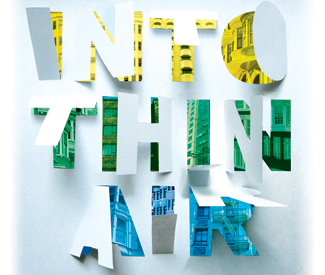
After writing critically about problems in the business models of so-called “shareable economy” companies in last week’s issue — including our cover story on Airbnb and other companies that facilitate short-term home rentals (“Into thin air“) and a story on the rideshare company Lyft (“Driven to take risks“) — the topic continued to dominate the sfbg.com Politics blog, with fresh posts and lots of reader comments:

AIRBNB PILE-ON

The excellent bilingual newspaper El Tecolote covered some of the same ground we did in its Aug. 1 cover story, “Unregulated Rental Business Takes Over Housing,” focused on how Airbnb is contributing to gentrification and displacement in the Mission District.

Reporter Jackson Ly found a couple that turned a rent-controlled apartment on 24th St. into a $249 per month de facto hotel room, booking it for 24 nights in August and making $5,976 in just one month, on top of the $3,069 they’re making in August renting out the guest room in the apartment where they actually live for $99 per night.

“It’s cheating the people that pay taxes,” Maria, who lives in the unit below this couple’s investment apartment and is tired of the rotating stream of tourists in her building, told the newspaper.

I got ahold of El Tecolote Managing Editor Iñaki Fdez. de Retana, who said that housing issues like this one are extremely important to the Latino community that lives in the Mission, and he’s been surprised that Mayor Ed Lee has been unwilling to address the impacts of Airbnb and other tech community contributors to the problem.

“It is very important,” he told us, noting that visiting European tourists are changing the character of the neighborhood. “In particular on 24th Street, which was once seen as the heart of the Mission, it’s changing overnight and [Airbnb and other housing rental websites] is a big part of that.” (Steven T. Jones)


UBER UGLY CRASH

Uber’s policy on insuring its drivers will soon be taken for a test drive, as the company that runs the mobile app-based ride requesting service and a driver were served with a court summons last week from a woman severely injured after a crash near a San Francisco intersection.

Those insurance policies were said to meet brand new regulatory requirements on rideshare services introduced by the California Public Utilities Commission on July 30, which was meant to solve the longtime regulatory battle between rideshare services and local governments.

The plaintiff in the suit, Claire Farhbach, was a bystander, not a customer, and that unique twist in the injury suit has experts from the taxi industry waiting to see if Uber will step up to the plate to pay for Farhbach’s injuries, or if Uber will leave driver Djamol Gafurov on the hook for the bill.

Fahrbach was walking up Divisadero street near Hayes at quarter of midnight March 12 when Gafurov’s black town car, operating as a private taxi, collided with another car on Divisadero while turning left. One of the cars then collided with a fire hydrant, and in the words of the civil suit, “this impact caused the fire hydrant to be violently sheared from its base and propelled through the air a number of feet northbound…when the fire hydrant struck (Farhbach) with a tremendous amount of force.”

Gafurov’s private taxi was operating as a “partner” of Uber, which is how the company defines its relationship to the network of drivers on its website. No private taxis or drivers are considered to be employees of Uber, as the company has repeatedly maintained, claiming that the drivers, and their actions, are not its responsibility.

Uber spokesperson Andrew Noyes told us repeatedly that drivers are not employees of the rideshare company: “Our legal team took a look at the files you sent. This is not an ‘Uber’ driver, they’re not employed by us. They’re employed by their licensed and insured limousine company.” (Joe Fitzgerald)


MAKING CABS BETTER

For all the (justified) grumbling about the business models of ridesharing services like Lyft and Uber, the so-called ridesharing revolution may prove to be a catalyst for a taxi industry overhaul.

“We’re adding hundreds more taxis, and our board has approved regulations for each vehicle to provide real-time locational information,” San Francisco Municipal Transportation Agency spokesperson Paul Rose told us.

“One of our goals is to move forward with making the data available to our customers to hail a cab with an app,” Rose added, referencing a plan unveiled by the transit agency several weeks ago. Faced with stiff competition from random vehicles adorned with garish pink mustaches, the taxi industry is taking a stab at evolution, or at least imitation.

To be a cab driver right now, paying off the pricey medallion they must purchase in order to operate while oblivious new transplants rake in the cash without following the same set of rules, must be infuriating.

At the same time, let’s be honest here: There’s a reason people are ditching conventional cabs and climbing into cars with random strangers who may be beckoned with the tap of a smartphone. And it has nothing to do with passengers’ sentiments about government regulation or newly minted tech millionaires.

The taxi industry lags far behind the lightning-speed reality many Bay Area residents have come to inhabit, but if it weren’t for the competition, they might not have any incentive to change.

Rideshare services might be your quintessential rogue tech companies backed by nauseating sums of venture capital, but at the end of the day, people also want taxi service that does not suck. (Rebecca Bowe)

Boxes in space

38

rebecca@sfbg.com

On a recent weeknight, a group of volunteers met up at a warehouse space in SoMa to hash out plans for The Learning Shelter, a project that has attracted hefty donations and enthusiastic volunteers but lacks a permanent home base. The brainchild of Marc Roth, a maker-movement enthusiast, the idea is to give homeless people a boost toward a brighter future by teaching them how to make things with 3D printers, and other useful skills.

Eight large shipping containers, on loan from supportive organizations, are currently sitting in a gated lot adjacent to the 14,000-square-foot warehouse, which housed a community-based project called [freespace] in June and July.

Roth and his core group of volunteers have plans to retrofit each container to be a “shop in a box” — a mobile classroom, outfitted with whiteboards and enough juice to power the Cubes (a brand name for 3-D printers), CNC routers, laser cutters, and other maker toys. The vision is to use those retrofitted shipping containers to lead three-month intensives in technical skill instruction for up to 30 adult students without homes at a time.

Roth is currently working at a laser company startup, but it wasn’t long ago that he was among his project’s target population. He moved to San Francisco from Las Vegas in September of 2011 and slept in his car (which was “part of the plan,” he explained) while struggling to piece together a new life in the Bay Area.

After one job opportunity fell through, he landed a gig cooking pizzas on Treasure Island. But the long shifts kept him on his feet all day, and aggravated a health condition that causes nerve damage. With few options and a disability sending his health into a downward spiral, it was only a matter of months before he hit rock bottom and checked into a homeless shelter run by the St. Vincent de Paul Society.

It was near 5th and Bryant streets in SoMa. Just a few blocks away, Roth discovered TechShop, a do-it-yourself community workshop that describes itself as being “on a mission to democratize access to the tools of innovation.” An atypical member of the homeless population, Roth had worked as a programmer in the past, and had an itch to learn laser cutting. So he shelled out some of his last dollars for a TechShop membership.

At first, he was grateful just to have found a place where he could tinker for about 10 hours a day while sitting down, since his health problems were still sapping his energy. “I’d never heard of any of these machines,” Roth said. But soon, he was voraciously teaching himself to use them. “When they showed me what a water jet was and what it could do, the hair on the back of my neck stood up,” he said of the device that uses high-pressure water for cutting. “This was Disneyland, multiplied.”

Today, Roth is housed (for now, but he’s still seeking a permanent place to rent) and teaches multiple workshops at TechShop. Yet he’s acutely aware that there are others who were under the roof of St. Vincent with him who still wake up every day to a harsh and destitute life on the streets.

During his time there, he said he befriended several people and got a sense of their innate curiosity and creativity. “I was dragging people with me to the TechShop,” Roth recalled. “In my little group of five to six people, we had a couple ideas for inventions.” With the skills that could be mastered at the community workshop, “they could actually go out and get a part-time job.”


DIY BOOTSTRAPS

Of course, there are obvious barriers preventing the vast majority of San Francisco’s homeless population from following Roth’s example of just going out there and doing-it-yourself.

People who lack income generally cannot afford training programs to learn new skills. Nor is shelter ever a sure bet: Homeless advocates have reported that it can take eight hours of waiting around in line just to reserve a shelter bed through the lottery system, making it difficult even for would-be job hunters to devote time to much else — let alone the challenges presented by addiction, behavioral health problems, or a lack of access to nutritious food or bathing facilities.

Roth’s vision is to combine temporary housing with a 90-day training program, so that up to 30 individuals can participate in intensive trainings in how to use maker tools. His plan is to partner with homeless service providers who already offer basic computer-training courses, and enlist their help in screening for candidates who’ve demonstrated an interest in technical skills and stand to benefit the most.

To date, Roth has collected several Cubes donated by 3D Systems, eight shipping containers loaned by ReAllocate and Ekology, and struck a partnership with a similar project that seeks to convert retired Muni buses to bathing facilities for the homeless.

But things are still coming together, and the looming question (“the elephant in the room,” as one meeting participant put it) is location. The use of shipping containers as the basis for classroom design is intentional and a key element of the plan, Roth said, because the only surefire guarantee for viability in astronomically pricey San Francisco is to build something that can be taken apart and transported somewhere else if necessary. When economic barriers prevent cash-poor idealists from carving out a physical space, they find ways to adapt.

High on Roth’s wish list is finding a church to partner with, since he believes religious establishments can more easily gain residential permitting. And it almost goes without saying that there is a crowd-funding video pitch in his future.

“When I moved into the homeless shelter,” Roth said, “I thought it would be my secret until I died.”

Now, in a city where the idea of harnessing a powerful narrative to fuel crowd-funding campaigns is practically a way of life in some circles, he’s relating that experience to anyone willing to listen. Venture Beat, a magazine that chronicles tech culture, profiled Roth in an article that ran earlier this year (“Homeless to Hacker,” May 16, 2013).

Ilana Lipsett, an organizer who helped launch [freespace], read about Roth’s project and sent the article around to her co-conspirators, saying it seemed to complement their endeavor perfectly. Soon Roth was dubbed a “[freespace] fellow,” his shipping containers had found a home in the lot next door, and one of [freespace]’s final acts before its lease ran out at the end of July was to host a hackathon for The Learning Shelter.


BIG TECH, LITTLE TECH

The buzzy word hackathon is sometimes used to refer to different things; in this case, it was an extended brainstorming session organized over the Internet. Some 40 volunteers attended that event one July weekend, and wound up forming committees dedicated to tasks like promotion, workshop instruction, or soliciting donations.

The foundational reason for [freespace]’s existence was to host a series of hackathons under the umbrella theme “civic hacking,” to inspire a kind of extended collaboration-fest that would produce projects to benefit civic life in some way.

Its doors were open to all, “and you had people who had lived on the street interacting with people who worked in tech companies,” Lipsett recalled of some events hosted at the 14,000-square-foot warehouse space.

Can something with staying power emerge from this short-lived experiment? The concept behind [freespace] was to show what could be accomplished if a dedicated space was provided, and permission granted, for the civic hackers to run wild with their ideas. Emerging from the 60-day experiment was a community garden, a bike-sharing project, a plethora of visual art and a core of volunteers committed to making The Learning Shelter a reality.

[Freespace] came about when the landlords who own the spacious warehouse, a former sewing factory, agreed to rent it to the core group of volunteers for $1 during the month of June. (For the month of July, the tenants crowd-funded $24,000 and used $10,000 of it to pay the rent.) But now, [freespace] is technically homeless, because the space isn’t really free. In fact, the 14,000-square-foot SoMa warehouse is downright unaffordable to the group of makers and idealists who fervently believe they can better the lives of homeless people by teaching them skills that are in demand in the Bay Area’s changing economy. Lipsett says [freespace] will continue in some form, and Roth is still looking for collaborators to help elevate The Learning Shelter, but it’s struggle in a city where the economic forces unleashed by big tech is making things harder for little tech.

Taxis reinvent themselves to be more like Lyft

For all the (justified) grumbling about the business models of ridesharing services like Lyft and Uber, the so-called ridesharing revolution may prove to be a catalyst for a taxi industry overhaul.

“We’re adding hundreds more taxis, and our board has approved regulations for each vehicle to provide real-time locational information,” San Francisco Municipal Transportation Agency spokesperson Paul Rose told me in an interview yesterday.

“One of our goals is to move forward with making the data available to our customers to hail a cab with an app,” Rose added, referencing a plan unveiled by the transit agency several weeks ago. Faced with stiff competition from random vehicles adorned with garish pink mustaches, the taxi industry is taking a stab at evolution, or at least imitation.

This week’s issue of the Guardian includes a story by journalist and part-time Lyft driver Josh Wolf, exposing a catch-22 facing Lyft drivers seeking full-coverage auto insurance. On our Politics Blog, reporter Joe Fitzgerald highlights a similar question that surfaced around ridesharing after an Uber driver’s involvement in a terrible accident.

The question of who foots the bill after someone gets crippled in a rideshare wreck is one of many accompanying the rise of unregulated app-connected cabs. Customers hailing a car with Uber have nowhere to turn in the event of a bad encounter, in contrast with the SFMTA’s complaint system for monitoring registered cabbies.

The SFMTA receives 100 to 120 cab-related complaints each month, and requires the city’s 311 information hotline info to be posted in every registered vehicle. “We follow up with every incident,” Rose said. “Results range from addressing or notifying the driver, to the very extreme – a revocation of a permit.”

To be a cab driver right now, paying off the pricey medallion they must purchase in order to operate while oblivious new transplants rake in the cash without following the same set of rules, must be infuriating.

At the same time, let’s be honest here. There’s a reason people are ditching conventional cabs and climbing into cars with random strangers who may be beckoned with the tap of a smartphone. And it has nothing to do with passengers’ sentiments about government regulation or newly minted tech millionaires.

Head over to Yelp (sorry, but it’s instructive) and read the comments yourself: Services like Lyft, Uber, and Sidecar are garnering rave reviews (Homobiles actually seems to have won the most ardent fans of all), while Yelpers use the online forum for virtual venting sessions to describe their frustrating taxi experiences. Maybe it’s a skewed sample, but there seem to be lot of people out there who were left languishing while waiting for a cab, and they’re pissed. No wonder Silicon Valley investors think it’s a good idea to dump $60 million into some faux-taxi scheme lacking clarity on even the basic question of insurance.

Wolf wrote about his experience as a Lyft driver; here’s my personal anecdote as a taxi patron. I called for a cab on a recent weekday and it never showed. When I phoned again to ask where it was, a robotic voice intoned, “an error has occurred,” and then the line went dead. Twice. When I dialed a second company, the dispatcher told me flat out that there were no cars close by. He suggested I just call someplace else, because he couldn’t help. 

Fail.

The taxi industry lags far behind the lightning-speed reality many Bay Area residents have come to inhabit, but if it weren’t for the competition, they might not have any incentive to change.

Rideshare services might be your quintessential rogue tech companies backed by nauseating sums of venture capital, but at the end of the day, people also want taxi service that does not suck. The Lyft drivers I’ve met tend to be people like Wolf – young, idealistic, bent on pursuing a creative passion despite the city’s high cost of living, and grateful for flexible work hours that make it possible to follow that dream and still make rent.

With that, here’s a sappy breakup letter composed to Yellow Cab by one Cori D., a Yelper. “I just don’t love you anymore,” she writes. “You’ve left me waiting on the curb one too many times now without a word. No ‘I’ll be a little late’ or ‘sorry you’re late for work now.’ … So I’m leaving you. In fact, I’ll confess that I’ve been cheating on you. Uber is just so handsome and reliable. … You might even say he bends over backward for me.”

True story? Or just some clever guerilla marketing orchestrated to plug Uber? Like most things pertaining to San Francisco’s information-age gold rush, it’s impossible to know for sure.

Lawsuit over injury from airborne fire hydrant tests Uber’s insurance practices

103

Uber’s policy on insuring its drivers will soon be taken for a test drive, as the company that runs the mobile app-based ride requesting service and a driver were served with a court summons last week from a woman severely injured after a crash near a San Francisco intersection.

Those insurances policies were said to meet brand new regulatory requirements on rideshare services introduced by the California Public Utilities Commission on July 30, which was meant to solve the longtime regulatory battle between rideshare services and local governments.

The plaintiff in the suit, Claire Farhbach, was a bystander, not a customer, and that unique twist in the injury suit has experts from the taxi industry waiting to see if Uber will step up to the plate to pay for Farhbach’s injuries, or if Uber will leave driver Djamol Gafurov on the hook for the bill.

Fahrbach was walking up Divisadero street near Hayes at quarter of midnight March 12 when Gafurov’s black town car, operating as a private taxi, collided with another car on Divisadero while turning left. One of the cars then collided with a fire hydrant, and in the words of the civil suit, “this impact caused the fire hydrant to be violently sheared from its base and propelled through the air a number of feet northbound…when the fire hydrant struck (Farhbach) with a tremendous amount of force.”

The hydrant flew 81 feet from its original position, according to the police report.

The suit notes that Fahrbach sustained lacerations to her body, a fracture in her lower leg, and multiple herniated discs that “more likely than not will require surgical intervention in her future.”

Gafurov’s private taxi was operating as a “partner” of Uber, which is how the company defines its relationship to the network of drivers on its website. No private taxis or drivers are considered to be employees of Uber, as the company has repeatedly maintained. Uber provides software that lets passengers connect with drivers, like a digital dispatch, and the ridesharing service then takes a cut of the fare.

The image above is a modified police report from the fire hydrant incident, with numbers added: 1) site of the initial collision 2) where the vehicle hit the fire hydrant 3) where the hydrant hit Farhbach.

Yet that distinction has made their insurance liabilities nebulous, and local officials have taken notice. Officials at SFO last week started arresting rideshare operators in and around the airport, and the SFMTA, which regulates taxis, also considers them a problem.

The San Francisco Airport Commission and the SFMTA submitted concerns to the California Public Utilities Commission, charging that a “lack of adequate liability insurance, criminal background checks, driver training and regular vehicle inspections all decrease public safety, and although some [transportation network companies] represent that they do all of the above, the Airport Commission is asking for regulatory verification.” according to a CPUC report. “The SFMTA asserts that TNCs have a negative effect on public safety because of a lack of regulatory oversight.”

Cab drivers have long been regulated by the state, and these agencies contend that not only are rideshare companies like Uber dangerous, but the lack of insurance can be financially ruinous to pedestrians and drivers alike.

“Because it’s a pedestrian suing, that opens up a whole can of worms, and Uber may try to put the liability on the driver,” said Trevor Johnson, director of the San Francisco Cab Driver’s Association. A former cabbie himself, he’s been on both sides of that sort of litigation, as well as in legal actions with tech companies like Uber.

Johnson is not confident the driver will be covered by his own insurance plan, because in its current pseudo-taxi company state, many insurers consider you not quite a taxi but not a private driver, putting these tech-cabbies in an awkward limbo.

“He may be left with a big judgment, and his insurance may opt to not cover him because he’s with Uber,” he said.

This is backed up in our current issue of the Guardian, where Lyft driver Josh Wolf wrote from personal experience that it is difficult for Lyft drivers to obtain full insurance coverage for their vehicles.

A rideshare driver criticized Uber in a letter he wrote to the Guardian after reading that article. “I work for a limo company, I’m fully insured, the car is fully insured, but Uber takes absolutely no responsibility for its drivers,” the driver, who wanted to be identified as “Zark,” told us. He said he feared joining the ranks of self-employed cabbies, who often are under-insured. “[Uber] holds their customers in really high regard, but they don’t hold their drivers in any regard.”

Uber maintains that the drivers, and their actions, are not their responsibility.

In response to a query about the lawsuit, Uber spokesperson Andrew Noyes stated repeatedly that drivers are not employees of the rideshare company.

“Our legal team took a look at the files you sent. This is not an ‘Uber’ driver, they’re not employed by us. They’re employed by their licensed and insured limousine company,” he said. “The important thing is that theres no characterization of a driver as a driver at Uber.”

But Gafurov, the driver named in the accident, isn’t actually employed by a limo company.

Gafurov declined to speak to the Guardian, but after some digging, a disgruntled bystander, angry with Gafurov, found that he is self-employed and registered with the CPUC as the “Limo Car Service Corporation.”

Gafurov was driving with liability insurance, his CPUC registration shows — but he not did not have excess liability insurance, which would be needed to cover extraordinary damage caused by the flying fire hydrant. The gaping hole left by the hydrant spilled water out onto all the surrounding businesses, causing intense damage, and everyone affected is seeking compensation.

Fahrbach’s lawyer, Doug Atkinson, told us the cost of the accident will be enormous.

Notably, few independent drivers have excess liability insurance.

“A lot of carriers don’t have it, because it’s expensive,” Johnson told us. “This is a case for the excess insurance, as it stands right now with that much damage and that many people after him, unless Uber steps in and helps him save the day this driver is going to be in the hole for the next 20 years.” He added, “This guy’s life is over.”

Atkinson is hopeful that getting Uber to pay that insurance won’t be a hard sell. “I’m not looking for some protracted legal battle, I want to see a company that will do the right thing, who’s saying ‘I’m revolutionizing cab driving.’”

In order to persuade the CPUC of its viability during the regulatory proceeding, Uber told them it has the very excess liability insurance that Gafurov needs, in excess of $5 million, according to CPUC documentation from an April workshop.

But having that insurance in place is different from using it to cover damages when needed. According to Uber’s partner agreement with its drivers, “Uber and/or its licensors shall not be liable for any loss, damage or injury which may be incurred” by a driver.

Asked if Uber will help Farhbach pay her medical bill, Noyes responded, “You’re writing about a specific case and I don’t think I can say much more. A professionally licensed driver is protected by their company, it’s not really my issue to weigh in on.”

Meanwhile, Fahrbach isn’t doing very well at all, she wrote in an email. Her injuries forced her to leave her two jobs in San Francisco, one at a farmer’s market and another at a cafe, and she moved back in with her family in North Carolina to recover.

“My recovery has been a slow steady process laced with many ups and downs,” she said. “Having been immobile for the better part of three months has had an everlasting effect on my physical state. I will most likely be dealing with spinal problems for the rest of my life, but have tried to remain positive and grateful for the progress I have made.”

Fahrbach said she doesn’t have the money to cover her medical bills out-of-pocket, and this frightens her. “Frankly, if there is insufficient insurance to cover my injuries and losses, my financial future will be dismal.”

Community-based journalists also raising Airbnb’s issues in SF

111

Mainstream media outlets in San Francisco may be slow to pick up on how Airbnb and other online home rental companies are violating local laws and dodging local taxes — the subject of our cover story this week — but both international and community-based journalists are paying attention to this growing problem.

The excellent bilingual newspaper El Tecolote covered some of the same ground we did in its cover story this week, “Unregulated Rental Business Takes Over Housing,” focused on how Airbnb is contributing to gentrification and displacement in the Mission District.

Reporter Jackson Ly found a couple that turned a rent-controlled apartment on 24th St. into a $249 per month de facto hotel room, booking it for 24 nights in August and making $5,976 in just one month, on top of the $3,069 they’re making in August renting out the guest room in the apartment where they actually live for $99 per night.

“It’s cheating the people that pay taxes,” Maria, who lives in the unit below this couple’s investment apartment and is tired of the rotating stream of tourists in her building, told the newspaper.

I got ahold of El Tecolote Managing Editor Iñaki Fdez. de Retana, who told me, “it seems like we’re on the same page,” noting the Guardian has also recently written about the prison hunger strike and some other issues that his paper has covered.

He said that housing issues like this one are extremely important to the Latino community that lives in the Mission, and he’s been surprised that Mayor Ed Lee has been unwilling to address the impacts of Airbnb and other tech community contributors to the problem.

“It is very important,” he told us, noting that visiting European tourists are changing the character of the neighborhood. “In particular on 24th Street, which was once seen as the heart of the Mission, it’s changing overnight and [Airbnb and other housing rental websites] is a big part of that.

Meanwhile, we’re still waiting for a substantive response from Airbnb to the issues that we and a handful of other journalists are raising. CEO Brian Chesky, who was an amateur competitive bodybuilder before founding Airbnb in 2008, would apparently rather flex his muscles than deal directly with the community where his company is based.

Tenant defenders, hate-free billboards and budget hackers

Tech sector startups aren’t the only folks “disrupting” things in the Bay Area as of late. Social justice activists are mounting their own creative, grassroots responses to unjust practices – and while they don’t often have deep pockets, they’ve got the collective momentum of people who give a damn propelling them onward. Below, a few examples of what’s percolating on this front.

Landing at the landlord’s

Earlier this year, we told you about Jeremy Mykaels, a tenant and disabled senior living with AIDS who has rented his apartment in the Castro for more than four decades, and is now battling eviction. Here’s his story, posted to a website he created where he also lists other properties where seniors have been targeted with evictions.

Eviction Free Summer, a group of tenant activists who made a splash at the San Francisco Pride Parade this past June with a faux-Google bus, has started rallying people together to show up outside the homes and offices of landlords after they issue eviction notices. On Sat/10, they’re planning to caravan to Union City, where they’ll stage a protest outside the homes of the property owners who are evicting Mykaels. More information can be found here.

Disruptive enough for you?

Hate is lame

In response to a series of anti-Muslim ads that appeared on San Francisco transit vehicles, a group of online activists seeks to drown out the hate speech by taking things to a whole new level. Yes, they’re posting their anti-hate message onto a billboard.

From Aug. 5 until Sept. 1, a billboard at 10th and Howard streets will proclaim: “Hate Has No Place in Our City: San Francisco Embraces Diversity and Acceptance, Not Hate and Bigotry.”

The effort was crowd-funded through Louder, a platform for crowd promotion, through about $3,000 in donations from 100 individuals from throughout the country. It was spearheaded by San Francisco resident Christie George, who teamed up with New Yorker Ateqah Khaki to get the project off the ground.

 “When I read about the ads in other cities, I was horrified by how hateful they were. But when I learned that they were coming to San Francisco, I felt like I couldn’t be silent, and was compelled to do something to celebrate how much this city embraces diversity,” George said.

Next Thursday, Aug. 15, the “No Place For Hate” team will host a meet-up for contributors and supporters, featuring talks from the campaign organizers and some comments by Louder founder Colin Mutchler.

Budget for direct democracy

Meanwhile, in Oakland, the effort to hack Oakland’s budget with a ballot measure that would put discretionary spending in the hands of ordinary people is starting to pick up speed.

As Community Democracy Project co-director Sonya Rifkin explained in this interview with Shareable: “We care about a wide range of issues and lot of problems come back to questions of power – access to resources and self-determination and being engaged in decisions that affect our lives. Problems arise in politics from the right people not being invited to the table. The strength of this process is people getting connecting and understanding each others’ perspectives and empowering communities, which can have far reaching potential for enabling people to solve their own problems.”

Bonus: Sounds of badass señoras

Lastly, the Pacifica Radio Archives has received a $128,000 matching grant from the National Archives – the largest-ever grant for a public radio project, according to spokesperson Stephenie Hendricks — to restore historic recordings of powerful women. Once completed, the recordings will be made available – for free! – to colleges and universities through the archive’s “Campus Campaign.” Pacifica doesn’t accept corporate funding, and it’s hoping to fundraise a matching amount from its listeners.

The recordings were made between 1963 and 1987, and we even have a sample for you. This is the voice of Bella Abzug, a member of the House of Representatives and leader of the women’s movement, recorded in 1981.

Music Listings: August 7-13, 2013

0

WEDNESDAY 7

ROCK

Bottom of the Hill: 1233 17th St., San Francisco. Nothington, Masked Intruder, Elway, Sam Russo, 9 p.m., $10-$12.

DNA Lounge: 375 11th St., San Francisco. White Wizzard, Hysteria, Midnight Chaser, 8 p.m., $10-$13.

El Rio: 3158 Mission, San Francisco. Andalusia Rose, Magic Fight, Zigtbera, 8th Grader, 8 p.m., $5.

Hotel Utah: 500 Fourth St., San Francisco. International Pop Overthrow – Day 1, w/ Chris von Sneidern, Northern Son, Lannie Flowers, The Last Out, Hot Nun, Blake Jones & The Trike Shop, 7:30 p.m., $10.

The Knockout: 3223 Mission, San Francisco. The Mystery Men?, RocketShip RocketShip, Buzzy Frets, 9:30 p.m., $7.

Rickshaw Stop: 155 Fell, San Francisco. White Fence, Jessica Pratt, Jonathan Rado, 8 p.m., $12.

DANCE

The Cafe: 2369 Market, San Francisco. “Sticky Wednesdays,” w/ DJ Mark Andrus, 8 p.m., free.

Cat Club: 1190 Folsom, San Francisco. “Bondage A Go Go,” w/ DJs Damon, Tomas Diablo, & guests, 9:30 p.m., $5-$10.

The Cellar: 685 Sutter, San Francisco. “Eye Candy Wednesdays,” 9 p.m., free.

Club X: 715 Harrison, San Francisco. “Electro Pop Rocks,” 18+ dance party with Eptic, Jays One, Sound It Out, Tywrex, SwitchBlade, Brandon Lee Marble, Shane Fontane, Chris Gonzalez, Juan Beatz, Vyruz, Liquid Abyss, Robo7food, 9 p.m., $15-$20.

F8: 1192 Folsom St., San Francisco. “Housepitality,” w/ Claude Young, Tyrel Williams, Kawa, Bai-ee, 9 p.m., $5-$10.

Harlot: 46 Minna, San Francisco. “Qoöl,” 5 p.m.

Infusion Lounge: 124 Ellis, San Francisco. “Indulgence,” 10 p.m.

Lookout: 3600 16th St., San Francisco. “What?,” 7 p.m.

MatrixFillmore: 3138 Fillmore, San Francisco. “Innov8,” 8 p.m.

Monarch: 101 6th St., San Francisco. “Soul Phunktion,” w/ resident DJs Kimmy Le Funk, Primo, and M3, 9 p.m.

Q Bar: 456 Castro, San Francisco. “Booty Call,” w/ Juanita More, Joshua J, guests, 9 p.m., $3.

HIP-HOP

Double Dutch: 3192 16th St., San Francisco. “Cash IV Gold,” w/ DJs Kool Karlo, Roost Uno, and Sean G, 10 p.m., free.

John Colins: 138 Minna, San Francisco. BPos, Dublin, Melina Jones, Orukusaki, Gigio, 9 p.m., $10.

Skylark Bar: 3089 16th St., San Francisco. “Mixtape Wednesday,” w/ resident DJs Strategy, Junot, Herb Digs, & guests, 9 p.m., $5.

ACOUSTIC

Brick & Mortar Music Hall: 1710 Mission, San Francisco. Mountain Standard Time, 6 p.m., free.

Cafe Divine: 1600 Stockton, San Francisco. Craig Ventresco & Meredith Axelrod, 7 p.m., free.

Johnny Foley’s Irish House: 243 O’Farrell St., San Francisco. Terry Savastano, Every other Wednesday, 9 p.m., free.

Plough & Stars: 116 Clement, San Francisco. Jeanie & Chuck’s Bluegrass Country Jam, First Wednesday of every month, 9 p.m., free.

Union Square Park: 333 Post, San Francisco. The Easy Leaves, 12:30 p.m., free.

Yoshi’s San Francisco: 1330 Fillmore, San Francisco. Don Ross, 8 p.m., $21-$25.

JAZZ

Amnesia: 853 Valencia, San Francisco. Gaucho, Eric Garland’s Jazz Session, The Amnesiacs, 7 p.m., free.

Burritt Room: 417 Stockton St., San Francisco. Terry Disley’s Rocking Jazz Trio, 6 p.m., free.

Club Deluxe: 1511 Haight, San Francisco. Patrick Wolff, Every other Wednesday, 8:30 p.m., free.

Jazz Bistro At Les Joulins: 44 Ellis, San Francisco. Charles Unger Experience, 7:30 p.m., free.

Le Colonial: 20 Cosmo, San Francisco. The Cosmo Alleycats featuring Ms. Emily Wade Adams, 7 p.m., free.

Oz Lounge: 260 Kearny, San Francisco. Hard Bop Collective, 6 p.m., free.

Rasselas Ethiopian Cuisine & Jazz Club: 1534 Fillmore, San Francisco. M.B. Hanif & The Sound Voyagers, 8 p.m.

Savanna Jazz Club: 2937 Mission, San Francisco. “Cat’s Corner,” 9 p.m., $10.

Top of the Mark: One Nob Hill, 999 California, San Francisco. Ricardo Scales, Wednesdays, 6:30-11:30 p.m., $5.

Zingari: 501 Post, San Francisco. Brenda Reed, 7:30 p.m., free.

INTERNATIONAL

Bissap Baobab: 3372 19th St., San Francisco. Timba Dance Party, w/ DJ WaltDigz, 10 p.m., $5.

Boom Boom Room: 1601 Fillmore, San Francisco. Cha-Ching, First Wednesday of every month, 9 p.m., $5.

Brick & Mortar Music Hall: 1710 Mission, San Francisco. The Garifuna Collective with Danny Michel, Razteria, DJ Juan Data, 9 p.m., $15-$18.

Cafe Cocomo: 650 Indiana, San Francisco. “Bachatalicious,” w/ DJs Good Sho & Rodney, 7 p.m., $5-$10.

Cigar Bar & Grill: 850 Montgomery, San Francisco. Bamba 5, 8 p.m.

Pachamama Restaurant: 1630 Powell, San Francisco. “Cafe LatinoAmericano,” 8 p.m., $5.

Union Square Park: 333 Post, San Francisco. LaTiDo, 6 p.m., free.

BLUES

Biscuits and Blues: 401 Mason, San Francisco. Samuel James & Kevin So, 8 & 10 p.m., $15.

SOUL

The Cellar: 685 Sutter, San Francisco. “Color Me Badd,” w/ DJ Matt Haze, Wednesdays, 5-9 p.m.

Lexington Club: 3464 19th St., San Francisco. “Secret Lovers,” w/ DJs Ponyboy, Lil MC, Katie Duck, and Durt, First Wednesday of every month, 9 p.m., free.

The Royal Cuckoo: 3202 Mission, San Francisco. Freddie Hughes & Chris Burns, 7:30 p.m., free.

THURSDAY 8

ROCK

Brick & Mortar Music Hall: 1710 Mission, San Francisco. Outside Lands Night Show: Smith Westerns, Wampire, Social Studies, 8 p.m., $20 (Outside Lands festival ticket required).

California Academy of Sciences: 55 Music Concourse, San Francisco. Outside Lands NightLife: Outside Lands Night Show with The Growlers, Houndmouth, DJ Andy Cabic, 6 p.m., $12 (Outside Lands festival ticket not required).

S.F. Eagle: 398 12th St., San Francisco. Thursday Nite Live: Icky Boyfriends, Wet Illustrated, Violent Change, 9 p.m., $8.

Hotel Utah: 500 Fourth St., San Francisco. International Pop Overthrow – Day 2, w/ French Boutik, Preoccupied Pipers, Hope Chest, The Corner Laughers, The Clarences, Sea Dramas, 7:30 p.m., $10.

The Knockout: 3223 Mission, San Francisco. Glitter Wizard, Creepers, Wild Honey, 10 p.m., $7.

Monarch: 101 6th St., San Francisco. Inferno of Joy, My New Vice, Flexx Bronco, Bite, 8 p.m.

Rickshaw Stop: 155 Fell, San Francisco. “Popscene,” w/ Smallpools, Savoir Adore, Cloud Control, 9 p.m., $12-$14.

DANCE

Abbey Tavern: 4100 Geary, San Francisco. DJ Schrobi-Girl, 10 p.m., free.

Amoeba Music: 1855 Haight, San Francisco. Pretty Lights (DJ set), 4 p.m., free.

Aunt Charlie’s Lounge: 133 Turk, San Francisco. “Tubesteak Connection,” w/ DJ Bus Station John, 9 p.m., $5-$7.

The Cafe: 2369 Market, San Francisco. “¡Pan Dulce!,” 9 p.m., $5.

Cat Club: 1190 Folsom, San Francisco. “All ‘80s Thursdays,” w/ DJs Damon, Steve Washington, Dangerous Dan, and guests, 9 p.m., $6 (free before 9:30 p.m.).

The Cellar: 685 Sutter, San Francisco. “XO,” w/ DJs Astro & Rose, 10 p.m., $5.

Club X: 715 Harrison, San Francisco. “The Crib,” 9:30 p.m., $10, 18+.

Danzhaus: 1275 Connecticut, San Francisco. “Alt.Dance,” Second Thursday of every month, 7 p.m., $7, 18+.

DNA Lounge: 375 11th St., San Francisco. “8bitSF,” w/ Space Town Savior, Slime Girls, 1000 Needles, Adonisaurus, DJ La Facé, 9 p.m., $8-$11.

Elbo Room: 647 Valencia, San Francisco. “Afrolicious,” w/ DJs Pleasuremaker, Señor Oz, and live guests, 9:30 p.m., $5-$7.

The EndUp: 401 Sixth St., San Francisco. EDMSF Thursdays, 10 p.m., $10 (free before midnight).

F8: 1192 Folsom St., San Francisco. “Black Rock Big Bottom: A Burning Man Fundraiser for the Janky Barge,” w/ NVO, Matt Haze, Shouts!, Absurge, Ma Yeah, Gordo Cabeza, Phleck, Spank Bank, Lobo, $5-$10.

Infusion Lounge: 124 Ellis, San Francisco. “I Love Thursdays,” 10 p.m., $10.

Madrone Art Bar: 500 Divisadero, San Francisco. “Night Fever,” 9 p.m., $5 after 10 p.m.

MatrixFillmore: 3138 Fillmore, San Francisco. “Fusion,” w/ DJ Big Bad Bruce, 9 p.m., $5.

Mezzanine: 444 Jessie, San Francisco. “Fools in the Night,” w/ Lifelike, The Aston Shuffle, The Schmidt, 9 p.m., $10-$15.

Q Bar: 456 Castro, San Francisco. “Throwback Thursday,” w/ DJ Jay-R, 9 p.m., free.

Raven: 1151 Folsom St., San Francisco. “1999,” w/ VJ Mark Andrus, 8 p.m., free.

Ruby Skye: 420 Mason, San Francisco. “Awakening,” w/ Project 46, KhoMha, 9 p.m., $15-$20 advance.

The Tunnel Top: 601 Bush, San Francisco. “Tunneltop,” DJs Avalon and Derek ease you into the weekend with a cool and relaxed selection of tunes spun on vinyl, 10 p.m., free.

Underground SF: 424 Haight, San Francisco. “Bubble,” 10 p.m., free.

Vessel: 85 Campton, San Francisco. “Base,” w/ Fur Coat, 10 p.m., $5-$10.

HIP-HOP

Eastside West: 3154 Fillmore, San Francisco. “Throwback Thursdays,” w/ DJ Madison, 9 p.m., free.

John Colins: 138 Minna, San Francisco. “Party with Friends,” w/ resident DJs IllEfect, GeektotheBeat, Merrick, and Delrokz, Second Thursday of every month, 9 p.m., free.

Neck of the Woods: 406 Clement St., San Francisco. “Skratchpad,” Second Thursday of every month, 10 p.m., free.

Park 77 Sports Bar: 77 Cambon, San Francisco. “Slap N Tite,” w/ resident Cali King Crab DJs Sabotage Beats & Jason Awesome, free.

The Parlor: 2801 Leavenworth, San Francisco. “Locals Night Out,” w/ DJ Illy D, 9 p.m., free.

Skylark Bar: 3089 16th St., San Francisco. “Peaches,” w/lady DJs DeeAndroid, Lady Fingaz, That Girl, Umami, Inkfat, and Andre, 10 p.m., free.

ACOUSTIC

Atlas Cafe: 3049 20th St., San Francisco. The Kentucky Twisters, 8 p.m., free.

Boom Boom Room: 1601 Fillmore, San Francisco. Antoine Dufour, Craig D’Andrea, Adrian Bellue, 9:30 p.m., $10.

Cafe Du Nord: 2170 Market, San Francisco. Goodnight, Texas; Fox & Woman; Vandella, 8 p.m., $10.

Plough & Stars: 116 Clement, San Francisco. Emperor Norton Céilí Band, 9 p.m.

Thee Parkside: 1600 17th St., San Francisco. Chris Shiflett & The Dead Peasants, Rod Melancon, Misisipi Mike Wolf, 9 p.m., $10.

JAZZ

Blush! Wine Bar: 476 Castro, San Francisco. Doug Martin’s Avatar Ensemble, 7:30 p.m., free.

Bottle Cap: 1707 Powell, San Francisco. The North Beach Sound with Ned Boynton, Jordan Samuels, and Tom Vickers, 7 p.m., free.

The Chapel: 777 Valencia St., San Francisco. Ralph Carney’s Serious Jass Project, 8:30 p.m., free.

Cigar Bar & Grill: 850 Montgomery, San Francisco. Jimmy Grant Quartet, 7 p.m., free.

Club Deluxe: 1511 Haight, San Francisco. Michael Parsons, 8:30 p.m., free.

Feinstein’s at the Nikko: 222 Mason St., San Francisco. Ariana Savalas, 8 p.m.

Le Colonial: 20 Cosmo, San Francisco. Steve Lucky & The Rhumba Bums, 7:30 p.m.

Pier 23 Cafe: Pier 23, San Francisco. Primavera, 7 p.m., free.

The Royal Cuckoo: 3202 Mission, San Francisco. Chris Siebert, 7:30 p.m., free.

Savanna Jazz Club: 2937 Mission, San Francisco. Savanna Jazz Jam with Eddy Ramirez, 7:30 p.m., $5.

Top of the Mark: One Nob Hill, 999 California, San Francisco. Stompy Jones, 7:30 p.m., $10.

Yerba Buena Gardens: Fourth St. & Mission, San Francisco. Kally Price Old Blues & Jazz Band, 12:30 p.m., free.

Zingari: 501 Post, San Francisco. Anya Malkiel, 7:30 p.m., free.

INTERNATIONAL

Bissap Baobab: 3372 19th St., San Francisco. “Pa’Lante!,” w/ Juan G, El Kool Kyle, Mr. Lucky, 10 p.m., $5.

Pachamama Restaurant: 1630 Powell, San Francisco. “Jueves Flamencos,” 8 p.m., free.

Rasselas Ethiopian Cuisine & Jazz Club: 1534 Fillmore, San Francisco. Latin Breeze, 8 p.m.

Verdi Club: 2424 Mariposa, San Francisco. The Verdi Club Milonga, w/ Christy Coté, DJ Emilio Flores, guests, 9 p.m., $10-$15.

Yoshi’s San Francisco: 1330 Fillmore, San Francisco. The Gypsy Allstars, 8 p.m., $26-$30.

REGGAE

50 Mason Social House: 50 Mason, San Francisco. The Steady 45s, 9 p.m., free.

Make-Out Room: 3225 22nd St., San Francisco. “Festival ‘68,” w/ Revival Sound System, Second Thursday of every month, 9:30 p.m., free.

Pissed Off Pete’s: 4528 Mission St., San Francisco. Reggae Thursdays, w/ resident DJ Jah Yzer, 9 p.m., free.

BLUES

50 Mason Social House: 50 Mason, San Francisco. Bill Phillippe, 5:30 p.m., free.

Biscuits and Blues: 401 Mason, San Francisco. Dave Keller & Kevin So, Aug. 8-9, 7:45 & 10 p.m., $20.

Jazz Bistro At Les Joulins: 44 Ellis, San Francisco. Bohemian Knuckleboogie, 7:30 p.m., free.

COUNTRY

Bottom of the Hill: 1233 17th St., San Francisco. The Goddamn Gallows, The Calamity Cubes, Kountry Kittens, 9 p.m., $10-$12.

EXPERIMENTAL

Hemlock Tavern: 1131 Polk, San Francisco. Headboggle, Marielle Jakobsons, Good Willsmith, Black Hat, 8 p.m., $7.

The Luggage Store: 1007 Market, San Francisco. Jim Kaiser, Matt Davignon, Toaster, 8 p.m., $6-$10.

FRIDAY 9

ROCK

50 Mason Social House: 50 Mason, San Francisco. Black Crystal Wolf Kids, Electric Sheep, Thrillouette, 9 p.m., $10.

America’s Cup Pavilion: 27 Pier, San Francisco. The Trims, 3:30 p.m., free.

Bottom of the Hill: 1233 17th St., San Francisco. Daikon, Worth Taking, Upstairs Downstairs, 9:30 p.m., $10.

Brick & Mortar Music Hall: 1710 Mission, San Francisco. North American Scum; Tall Fires; Devon McClive & Sons; Gamble, Gamble, Die; Ben Davila & The Spectacles, 8 p.m., $10.

Hemlock Tavern: 1131 Polk, San Francisco. Burnt Ones, The Hussy, POW!, 9:30 p.m., $7.

Hotel Utah: 500 Fourth St., San Francisco. International Pop Overthrow – Day 3, w/ Stormy Strong, The Relatives, Agony Aunts, The Bobbleheads, Butch Berry, Sean O’Brien & His Dirty Hands, Sarah Petrella, 7:30 p.m., $10.

Milk Bar: 1840 Haight, San Francisco. Dirty Ghosts, The Tambo Rays, DJ Russell Quan, 8 p.m., $5.

Neck of the Woods: 406 Clement St., San Francisco. Body Parts, Maston, on the downstairs stage, 9 p.m., $5.

Rickshaw Stop: 155 Fell, San Francisco. Outside Lands Night Show: Milo Greene, Wild Belle, 10 p.m., $16 (Outside Lands festival ticket required).

Sub-Mission Art Space (Balazo 18 Gallery): 2183 Mission, San Francisco. Free Marissa Alexander: A Benefit Show & Call for Action, Fundraiser for the Marissa Alexander Legal Defense Fund with music by Heart of Orion, Betaray, and Allana Muhammad, plus art by Malik and Marissa Arterberry., 6-11 p.m., $10.

DANCE

1015 Folsom: 1015 Folsom St., San Francisco. Alice Glass, Jupiter Keyes, Sango, Marco de la Vega, DJ Dials, DJ Primo, Chauncey CC, 10 p.m., $17.50 advance.

Amnesia: 853 Valencia, San Francisco. “Indie Slash,” w/ resident DJs Danny White & Rance, 10 p.m., $5.

BeatBox: 314 11th St., San Francisco. “Bears in the Dark,” w/ DJ John LePage, 9 p.m., $5-$10.

Cafe Flore: 2298 Market, San Francisco. “Kinky Beats,” w/ DJ Sergio, 10 p.m., free.

The Cafe: 2369 Market, San Francisco. “Boy Bar,” w/ DJ Matt Consola, 9 p.m., $5.

Cat Club: 1190 Folsom, San Francisco. “Dark Shadows: Immortal,” w/ DJs Daniel Skellington, Panic, Melting Girl, and Tomas Diablo, 9:30 p.m., $7 ($3 before 10 p.m.).

The Cellar: 685 Sutter, San Francisco. “F.T.S.: For the Story,” 10 p.m.

Elbo Room: 647 Valencia, San Francisco. “Last Nite: A 2000s Indie Dance Party,” w/ DJs EmDee & Jamie Jams, Second Friday of every month, 10 p.m., $5-$10.

The EndUp: 401 Sixth St., San Francisco. “Fever,” 10 p.m., free before midnight.

F8: 1192 Folsom St., San Francisco. “Vintage,” w/ DJ Toph One & guests, 5 p.m., free.

The Grand Nightclub: 520 4th St., San Francisco. “We Rock Fridays,” 9:30 p.m.

Infusion Lounge: 124 Ellis, San Francisco. “Escape Fridays,” 10 p.m., $20.

Lone Star Saloon: 1354 Harrison, San Francisco. “Cubcake,” w/ DJ Medic, Second Friday of every month, 9 p.m.

Lookout: 3600 16th St., San Francisco. “HYSL,” 9 p.m., $3.

MatrixFillmore: 3138 Fillmore, San Francisco. “F-Style Fridays,” w/ DJ Jared-F, 9 p.m.

Mezzanine: 444 Jessie, San Francisco. Glass Candy, DJ Omar, Stanley Frank, Bus Station John, 9 p.m., $20.

Mighty: 119 Utah, San Francisco. “As You Like It + No Way Back,” w/ Metro Area, Christina Chatfield, Conor, Solar, Mossmoss, Carlos Souffront, Sassmouth, Rich Korach, Tyrel Williams, 9 p.m., $10-$20.

Monarch: 101 6th St., San Francisco. Stanton Warriors, All Good Funk Alliance, Gene Hunt, Sharon Buck, 9 p.m., $10.

Neck of the Woods: 406 Clement St., San Francisco. Viceroy, Plastic Plates, Bit Funk, on the upstairs stage, 9 p.m., $10-$12.

Public Works: 161 Erie, San Francisco. “Heart Deco: Ignite – Final Pre-Burn Heart Phoenix Fundraiser,” w/ Troy Pierce, Lazaro Casanova, Dax Lee, Atish, Josh Vincent, Derek Hena, Jen Woolfe, Vitamindevo, Jaybee, Jive, more, 9 p.m., $10-$20.

Q Bar: 456 Castro, San Francisco. “Pump: Worq It Out Fridays,” w/ resident DJ Christopher B, 9 p.m., $3.

Ruby Skye: 420 Mason, San Francisco. Eddie Halliwell, 9 p.m., $20-$25 advance.

Showdown: 10 Sixth St., San Francisco. “Electric WKND,” w/ The Certain People Crew, Second Friday of every month, 10 p.m., free.

Slide: 430 Mason, San Francisco. “E2F,” Second Friday of every month, 9 p.m.

Supperclub San Francisco: 657 Harrison, San Francisco. “Beach Party,” w/ DJs Playdoughboy, Pollux, Taj, Kyoto, and Telshak, 10 p.m., free if wearing flippers.

Temple: 540 Howard, San Francisco. “Trap City: Summer Gold,” w/ Gents & Jawns, Clicks & Whistles, Djunya, UltraViolet, Napsty, Ben Seagren, Dean Samaras, Matt Kramer, Darren Grayson, DJ Tone, DJ Von, 10 p.m., $15-$25.

Vessel: 85 Campton, San Francisco. Bart B More, KonMan, 10 p.m., $10-$30.

Wish: 1539 Folsom, San Francisco. “Bridge the Gap,” w/ resident DJ Don Kainoa, Fridays, 6-10 p.m., free.

HIP-HOP

EZ5: 682 Commercial, San Francisco. “Decompression,” Fridays, 5-9 p.m.

John Colins: 138 Minna, San Francisco. “Heartbeat,” w/ resident DJ Strategy, Second Friday of every month, 9 p.m., $5 (free before 11 p.m).

Slate Bar: 2925 16th St., San Francisco. “The Hustle,” w/ DJs Sake One & Sean G, Second Friday of every month, 9 p.m.

Yoshi’s San Francisco: 1330 Fillmore, San Francisco. Ras Kass, 10:30 p.m., $23-$26.

ACOUSTIC

Bazaar Cafe: 5927 California, San Francisco. “Sing Out of Darkness,” American Foundation for Suicide Prevention benefit featuring Obstacle Course, David Whitaker, Michael Vincent, Johnny Lawrie, and host Julie Mayhew, 6:30 p.m.

Plough & Stars: 116 Clement, San Francisco. The GoldDiggers, Josephine Johnson, 9 p.m.

Slim’s: 333 11th St., San Francisco. The Big Ass Hillbilly Show, w/ The Trespassers, Emily Bonn & The Vivants, The Muddy Roses, Shani Chabansky, 9 p.m., $15.

The Sports Basement: 610 Old Mason, San Francisco. “Breakfast with Enzo,” w/ Enzo Garcia, 10 a.m., $5.

Thee Parkside: 1600 17th St., San Francisco. Whiskey Shivers, Wild Child, Grow & Twine, 9 p.m., $10.

Velo Rouge Cafe: 798 Arguello, San Francisco. Hannah & Maggie, 7 p.m., free.

JAZZ

Beach Chalet Brewery & Restaurant: 1000 Great Highway, San Francisco. Johnny Smith, 8 p.m., free.

Bird & Beckett: 653 Chenery, San Francisco. Jimmy Ryan Quintet, Second Friday of every month, 5:30 p.m., free.

Cafe Royale: 800 Post, San Francisco. The Glasses, 9 p.m.

Center for New Music: 55 Taylor St., San Francisco. Glass Brick Boulevard, 7:30 p.m., $10-$15.

The Emerald Tablet: 80 Fresno St., San Francisco. Glen Pearson, 8 p.m., $5-$10.

Jazz Bistro At Les Joulins: 44 Ellis, San Francisco. Charles Unger Experience, 7:30 p.m., free.

Pier 23 Cafe: Pier 23, San Francisco. Legends & Friends, 8 p.m., free.

The Royal Cuckoo: 3202 Mission, San Francisco. Jules Broussard, Danny Armstrong, and Chris Siebert, 7:30 p.m., free.

Savanna Jazz Club: 2937 Mission, San Francisco. Jim Butler Quartet, Aug. 9-10, 7:30 p.m., $8.

Top of the Mark: One Nob Hill, 999 California, San Francisco. Black Market Jazz Orchestra, 9 p.m., $10.

Yerba Buena Gardens: Fourth St. & Mission, San Francisco. Chelle! & Friends, 11 a.m. & 12:15 p.m., free.

Zingari: 501 Post, San Francisco. Joyce Grant, 8 p.m., free.

INTERNATIONAL

Bissap Baobab: 3372 19th St., San Francisco. “Makossa West,” w/ The Latin Soul Brothers (Wonway Posibul & Joe Quixx), Second Friday of every month, 10 p.m., $5.

Cafe Cocomo: 650 Indiana, San Francisco. Taste Fridays, featuring local cuisine tastings, salsa bands, dance lessons, and more, 7:30 p.m., $15 (free entry to patio).

Cigar Bar & Grill: 850 Montgomery, San Francisco. Montuno Swing, 8 p.m.

Little Baobab: 3388 19th St., San Francisco. “Paris-Dakar African Mix Coupe Decale,” 10 p.m.

Pachamama Restaurant: 1630 Powell, San Francisco. Cuban Night with Fito Reinoso, 7:30 & 9:15 p.m., $15-$18.

REGGAE

Gestalt Haus: 3159 16th St., San Francisco. “Music Like Dirt,” 7:30 p.m., free.

Yoshi’s San Francisco: 1330 Fillmore, San Francisco. Mystic Roots, 8 p.m., $16-$19.

BLUES

Biscuits and Blues: 401 Mason, San Francisco. Dave Keller & Kevin So, Aug. 8-9, 7:45 & 10 p.m., $20.

Boom Boom Room: 1601 Fillmore, San Francisco. Bill Phillippe, 6 p.m., free.

Lou’s Fish Shack: 300 Jefferson St., San Francisco. Nat Bolden, 8:30 p.m.

FUNK

Boom Boom Room: 1601 Fillmore, San Francisco. Katdelic with Angelo Moore, Keno Mapp, and Eric McFadden, 9:30 p.m., $15 advance.

Make-Out Room: 3225 22nd St., San Francisco. “Loose Joints,” w/ DJs Centipede, Damon Bell, & Tom Thump, 10 p.m., $5.

SOUL

Cafe Du Nord: 2170 Market, San Francisco. The Inciters, French Boutik, The Slippery Slope, 9:30 p.m., $10.

Edinburgh Castle: 950 Geary, San Francisco. “Soul Crush,” w/ DJ Serious Leisure, 10 p.m., free.

El Rio: 3158 Mission, San Francisco. Friday Live: Queer Oldies Soul Review, 10 p.m., free.

The Knockout: 3223 Mission, San Francisco. “Nightbeat,” w/ DJs Primo, Lucky, and Dr. Scott, Second Friday of every month, 10 p.m., $4.

Madrone Art Bar: 500 Divisadero, San Francisco. “Yo Momma: M.O.M. Weekend Edition,” w/ DJ Gordo Cabeza, Second Friday of every month, 9 p.m., $5 (free before 10 p.m.).

The Ramp: 855 Terry Francois, San Francisco. “Soul Soirée,” w/ Myxx Elements Band, 6 p.m.

SATURDAY 10

ROCK

Bender’s: 806 S. Van Ness, San Francisco. Rum Rebellion, Absinthe Rose, The Pot House Shindies, 10 p.m., $5.

Bottom of the Hill: 1233 17th St., San Francisco. Tomihira, Space Waves, In Letter Form, 9:30 p.m., $10.

Brick & Mortar Music Hall: 1710 Mission, San Francisco. Outside Lands Night Show: King Tuff, The Men, Twin Peaks, 10 p.m., $20 (Outside Lands festival ticket required).

Cafe Du Nord: 2170 Market, San Francisco. Igor & Red Elvises, The Custom Kicks, 9:30 p.m., $20.

The Chapel: 777 Valencia St., San Francisco. MarchFourth Marching Band, DJ Shotnez, 9 p.m., $20-$25.

El Rio: 3158 Mission, San Francisco. Burn River Burn, Chris James & The Showdowns, The Messiah Complex, Eric Friedmann & The Lucky Rubes, 3 p.m., $10.

Hemlock Tavern: 1131 Polk, San Francisco. Rotfest IV, w/ 3 Stoned Men, Icky Boyfriends, Cameltoe, UKE Band, Junior Executives, Pineapple Princess, We Could Be Friends, The Peddlers, 5 p.m., $10.

Hotel Utah: 500 Fourth St., San Francisco. International Pop Overthrow – Day 4, w/ Talk Tonight, Eric Friedmann & The Lucky Rubes, The Connies, The Bottle Kids, Zero Pop, The Whitehalls, David Brookings, 7:30 p.m., $10.

The Lab: 2948 16th St., San Francisco. “Replicant: Part III,” w/ Grayceon, Wreck & Reference, Botanist, Red Light, 9 p.m., $5-$8.

Live Worms Gallery: 1345 Grant, San Francisco. Sad Tires, Sweet Water, Kiwi Time, DJ Nasty Nettles, 7 p.m., $8.

Milk Bar: 1840 Haight, San Francisco. Zodiac Death Valley, Cannons & Clouds, DJ Vin Sol, 8:30 p.m., $5.

Slim’s: 333 11th St., San Francisco. Evolution, Powerage, 9 p.m., $15.

DANCE

Amnesia: 853 Valencia, San Francisco. “2 Men Will Move You,” w/ DJs Primo & Jordan, Second Saturday of every month, 9 p.m.

BeatBox: 314 11th St., San Francisco. “Chaos,” w/ DJ Guy Scheiman, 10 p.m., $20 ($5 before 11 p.m.).

Cafe Flore: 2298 Market, San Francisco. “Bistrotheque,” w/ DJ Ken Vulsion, 8 p.m., free.

Cat Club: 1190 Folsom, San Francisco. “Club Gossip: Madonna vs. Tears for Fears,” w/ DJs Damon, Shon, Low-Life, Melting Girl, and Daniel Skellington, 9 p.m., $5-$8 (free before 9:30 p.m.).

DNA Lounge: 375 11th St., San Francisco. “Bootie S.F.,” w/ More Cowbell, DJ MyKill, DJ Entyme, Spencer4hire, Mr. Washington, Myster C, more, 9 p.m., $10-$15.

S.F. Eagle: 398 12th St., San Francisco. “Dark Days,” w/ Lady Bear, DJ Le Perv, guests, Second Saturday of every month, 3 p.m.; “Sadistic Saturdays,” Second Saturday of every month, 10 p.m., free.

The EndUp: 401 Sixth St., San Francisco. “Eclectricity,” Second Saturday of every month, 10 p.m.

Harlot: 46 Minna, San Francisco. DJ Pierre, Gene Farris, DJ Rooz, Brother Board, 9 p.m., $10 advance.

The Hot Spot: 1414 Market, San Francisco. “Love Will Fix It,” w/ DJ Bus Station John, Second Saturday of every month, 10 p.m., $5.

Infusion Lounge: 124 Ellis, San Francisco. “One Way Ticket Saturdays,” w/ Eric D-Lux, Second Saturday of every month, 10 p.m., $20.

The Knockout: 3223 Mission, San Francisco. “Galaxy Radio,” w/ DJs Lel Ephant, Smac, Emils, PlaZa, and Holly B, 9 p.m., free.

Lookout: 3600 16th St., San Francisco. “Bounce!,” 9 p.m., $3.

Madrone Art Bar: 500 Divisadero, San Francisco. “Music Video Night,” w/ DJs Satva & 4AM, Second Saturday of every month, 10 p.m., $5.

Mighty: 119 Utah, San Francisco. “Salted,” w/ Danny Krivit, Miguel Migs, Julius Papp, DJ Gray, 10 p.m., $10 advance.

Monarch: 101 6th St., San Francisco. “Lights Down Low,” w/ Baio, Twin Shadow (DJ set), DJ M3, Richie Panic, Sleazemore, 10 p.m., $10-$15.

Public Works: 161 Erie, San Francisco. Plump DJs, Krafty Kuts, Motion Potion, Syd Gris, Mancub, Murphstar, Ding Dong, 10 p.m., $17.50-$20.

Rickshaw Stop: 155 Fell, San Francisco. “Cockblock,” w/ DJ Natalie Nuxx & guests, Second Saturday of every month, 10 p.m., $5-$10.

Ruby Skye: 420 Mason, San Francisco. “Summer Love: The 10-Year Anniversary Celebration,” w/ DJ Donovan, Dimitris Mykonos, Frenchy Le Freak, DJ Nile, Hector Garza, 9 p.m., $20-$30 advance.

Slate Bar: 2925 16th St., San Francisco. “The KissGroove S.F.,” w/ DJ Vinroc & The Whooligan, Second Saturday of every month, 10 p.m., free.

Slide: 430 Mason, San Francisco. “Lemonade,” w/ Mike Attack, Trevor Simpson, 9 p.m.

The Stud: 399 Ninth St., San Francisco. “Frolic: A Celebration of Costume & Dance,” w/ resident DJ NeonBunny, Second Saturday of every month, 8 p.m., $8 ($4 in costume).

Vessel: 85 Campton, San Francisco. Tristan Garner, Tech Minds, Kid Alien, 10 p.m., $10-$30.

Wish: 1539 Folsom, San Francisco. “All Styles & Smiles,” w/ DJ Tom Thump, Second Saturday of every month, 10 p.m., free.

HIP-HOP

111 Minna Gallery: 111 Minna St., San Francisco. “Back to the ‘90s,” Second Saturday of every month, 9:30 p.m., $10.

Double Dutch: 3192 16th St., San Francisco. “Cash IV Gold,” w/ DJs Kool Karlo, Roost Uno, and Sean G, Second Saturday of every month, 10 p.m., free.

John Colins: 138 Minna, San Francisco. “Second Saturdays,” w/ resident DJ Matt Cali, Second Saturday of every month, 10 p.m., free.

ACOUSTIC

Atlas Cafe: 3049 20th St., San Francisco. Craig Ventresco & Meredith Axelrod, Saturdays, 4-6 p.m., free.

Plough & Stars: 116 Clement, San Francisco. Max’s Midnight Kitchen, 9 p.m.

The Riptide: 3639 Taraval, San Francisco. Trainwreck Riders, 9 p.m., free.

JAZZ

Biscuits and Blues: 401 Mason, San Francisco. Lavay Smith & Her Red Hot Skillet Lickers, 7:30 & 10 p.m., $20.

Cafe Royale: 800 Post, San Francisco. Noel Jewkes Band, 9 p.m.

Cigar Bar & Grill: 850 Montgomery, San Francisco. Josh Jones Latin Jazz Ensemble, 8 p.m.

Club Deluxe: 1511 Haight, San Francisco. Saturday Afternoon Jazz, w/ Danny Brown, Danny Grewen, Eugene Warren, & Beth Goodfellow, 4:30 p.m., free.

Jazz Bistro At Les Joulins: 44 Ellis, San Francisco. Bill “Doc” Webster & Jazz Nostalgia, 7:30 p.m., free.

Rasselas Ethiopian Cuisine & Jazz Club: 1534 Fillmore, San Francisco. The Robert Stewart Experience, 9 p.m., $7.

The Royal Cuckoo: 3202 Mission, San Francisco. Steve Lucky & Carmen Getit, 7:30 p.m., free.

Savanna Jazz Club: 2937 Mission, San Francisco. Jim Butler Quartet, Aug. 9-10, 7:30 p.m., $8.

Zingari: 501 Post, San Francisco. Amanda King, 8 p.m., free.

INTERNATIONAL

1015 Folsom: 1015 Folsom St., San Francisco. “Pura,” 9 p.m., $20.

Bissap Baobab: 3372 19th St., San Francisco. Misión Flamenca, Monthly live music and dance performances., Second Saturday of every month, 7:30 p.m.

Center for New Music: 55 Taylor St., San Francisco. Zoco Ensemble, 7:30 p.m., $10-$15.

Elbo Room: 647 Valencia, San Francisco. “Tormenta Tropical,” w/ El G, Benzona, Michele Maturo, Oro11, DJ Theory, 10 p.m., $5-$10.

Little Baobab: 3388 19th St., San Francisco. “Paris-Dakar African Mix Coupe Decale,” 10 p.m.

Make-Out Room: 3225 22nd St., San Francisco. “El SuperRitmo,” Latin dance party with DJs Roger Mas & El Kool Kyle, 10 p.m., $5.

Pachamama Restaurant: 1630 Powell, San Francisco. Peña Eddy Navia & Pachamama Band, 8 p.m., free.

Public Works: 161 Erie, San Francisco. “Non Stop Bhangra,” w/ resident DJ Jimmy Love, Dholrhythms dance troupe, more (in the main room), Second Saturday of every month, 9 p.m., $10-$15.

The Ramp: 855 Terry Francois, San Francisco. N’Rumba, 5:30 p.m.

Yoshi’s San Francisco: 1330 Fillmore, San Francisco. Wil Campa y Su Gran Union, 8 & 10 p.m., $21-$25.

BLUES

Lou’s Fish Shack: 300 Jefferson St., San Francisco. Robert “Hollywood” Jenkins, 8:30 p.m.

The Saloon: 1232 Grant, San Francisco. Dave Workman, Second Saturday of every month, 4 p.m.

FUNK

Boom Boom Room: 1601 Fillmore, San Francisco. Eddie Roberts’ West Coast Sounds with Ivan Neville, Eric McFadden, Tony Hall, and Nikki Glaspie, 9:30 p.m., $20-$25.

SOUL

Yoshi’s San Francisco: 1330 Fillmore, San Francisco. Lyfe Jennings, in Yoshi’s lounge, 10:30 p.m., $30-$45.

SUNDAY 11

ROCK

Cafe Du Nord: 2170 Market, San Francisco. Elliot Schneider, Silke Berlinn & The Addictions, 7:30 p.m., $12.

Hemlock Tavern: 1131 Polk, San Francisco. Moses, Bottom Feeder, Ladybird, Uzala, 4 p.m., $8.

DANCE

Cafe Cocomo: 650 Indiana, San Francisco. “2nd Sunday,” w/ DJ Dan, Gene Hunt, DJ Mes, Kevin Kind, Bryan Boogie, DJ Rooz, Roger Moorehouse, Sean B, Bardia F, ThuyVu, Hector Garza, noon, $15 advance.

The Cellar: 685 Sutter, San Francisco. “Replay Sundays,” 9 p.m., free.

The Edge: 4149 18th St., San Francisco. “’80s at 8,” w/ DJ MC2, 8 p.m.

Elbo Room: 647 Valencia, San Francisco. “Dub Mission,” w/ DJ Sep & J-Boogie, 9 p.m., $6 (free before 9:30 p.m.).

The EndUp: 401 Sixth St., San Francisco. “T.Dance,” 6 a.m.-6 p.m.; “Sunday Sessions,” 8 p.m.; “The Rhythm Room,” Second Sunday of every month, 8 p.m.

F8: 1192 Folsom St., San Francisco. “Stamina Sundays,” w/ Total Science, Lukeino, Jamal, 10 p.m., free.

Holy Cow: 1535 Folsom, San Francisco. “Honey Sundays,” w/ Honey Soundsystem & guests, 9 p.m., $5.

The Knockout: 3223 Mission, San Francisco. “Sweater Funk,” 10 p.m., free.

Lookout: 3600 16th St., San Francisco. “Jock,” Sundays, 3-8 p.m., $2.

Otis: 25 Maiden, San Francisco. “What’s the Werd?,” w/ resident DJs Nick Williams, Kevin Knapp, Maxwell Dub, and g

The Parlor: 2801 Leavenworth, San Francisco. DJ Marc deVasconcelos, 10 p.m., free.

Q Bar: 456 Castro, San Francisco. “Gigante,” 8 p.m., free.

Temple: 540 Howard, San Francisco. “Sunset Arcade,” 18+ dance party with bar games and video arcade, 7 p.m., $5.

ACOUSTIC

Bazaar Cafe: 5927 California, San Francisco. Cello Bazaar, hosted by Sam Bass, 8 p.m.

Club Deluxe: 1511 Haight, San Francisco. Musical Mayhem with the Dimestore Dandy, 5:30 p.m., free.

Hotel Utah: 500 Fourth St., San Francisco. Adam Zwig, Adam Marsland, Leisure McCorkle, 8 p.m., $8-$10.

The Lucky Horseshoe: 453 Cortland, San Francisco. Sunday Bluegrass Jam, 4 p.m., free.

Madrone Art Bar: 500 Divisadero, San Francisco. “Spike’s Mic Night,” Sundays, 4-8 p.m., free.

Neck of the Woods: 406 Clement St., San Francisco. “iPlay,” open mic with featured weekly artists, 6:30 p.m., free.

Plough & Stars: 116 Clement, San Francisco. Seisiún with Darcy Noonan, Richard Mandel, and Jack Gilder, 9 p.m.

St. Luke’s Episcopal Church: 1755 Clay, San Francisco. “Sunday Night Mic,” w/ Roem Baur, 5 p.m., free.

JAZZ

Amnesia: 853 Valencia, San Francisco. Slim Jenkins, Second Sunday of every month, 9 p.m., $7-$10.

Club Deluxe: 1511 Haight, San Francisco. Jay Johnson, 9 p.m., free.

Jazz Bistro At Les Joulins: 44 Ellis, San Francisco. Bill “Doc” Webster & Jazz Nostalgia, 7:30 p.m., free.

Madrone Art Bar: 500 Divisadero, San Francisco. “Sunday Sessions,” 10 p.m., free.

Martuni’s: 4 Valencia, San Francisco. Madame Jo Trio, second Sunday of every month, 4-6 p.m., free.

Revolution Cafe: 3248 22nd St., San Francisco. Jazz Revolution, 4 p.m., free/donation.

The Royal Cuckoo: 3202 Mission, San Francisco. Lavay Smith & Chris Siebert, 7:30 p.m., free.

Savanna Jazz Club: 2937 Mission, San Francisco. Vocal Jam with Benn Bacot, 7 p.m., $5.

Yoshi’s San Francisco: 1330 Fillmore, San Francisco. Rondi Charleston & Her All-Star Band, 7 p.m., $20.

Zingari: 501 Post, San Francisco. Lisa Lindsley, 7:30 p.m., free.

INTERNATIONAL

Atmosphere: 447 Broadway, San Francisco. “Hot Bachata Nights,” w/ DJ El Guapo, 5:30 p.m., $10 ($15-$20 with dance lessons).

Bissap Baobab: 3372 19th St., San Francisco. “Brazil & Beyond,” 6:30 p.m., free.

El Rio: 3158 Mission, San Francisco. “Salsa Sundays,” Second and Fourth Sunday of every month, 3 p.m., $8-$10.

Oasis Bar & Grill: 401 California Ave., San Francisco. “El Vacilón,” 4 p.m., $10.

The Ramp: 855 Terry Francois, San Francisco. BrazilVox, 5:30 p.m.

Thirsty Bear Brewing Company: 661 Howard, San Francisco. “The Flamenco Room,” 7:30 & 8:30 p.m.

BLUES

Biscuits and Blues: 401 Mason, San Francisco. Eddie Neon, 7 & 9 p.m., $15.

Lou’s Fish Shack: 300 Jefferson St., San Francisco. Jo Jo Diamond, 4 p.m.

Revolution Cafe: 3248 22nd St., San Francisco. HowellDevine, 8:30 p.m., free/donation.

The Saloon: 1232 Grant, San Francisco. Blues Power, 4 p.m.

Sheba Piano Lounge: 1419 Fillmore, San Francisco. Bohemian Knuckleboogie, 9 p.m., free.

COUNTRY

The Riptide: 3639 Taraval, San Francisco. Joe Goldmark & The Seducers, Second Sunday of every month, 7 p.m., free.

Tupelo: 1337 Green St., San Francisco. “Twang Sunday,” 4 p.m., free.

FUNK

The Independent: 628 Divisadero, San Francisco. Outside Lands Night Show: Superjam, Featuring Ivan Neville’s Dumpstaphunk with Jon Cleary and John Oates. 100 percent of ticket sales benefit San Francisco Recreation and Parks., 10 p.m., $40 (Outside Lands festival ticket required).

SOUL

Boom Boom Room: 1601 Fillmore, San Francisco. “Deep Fried Soul,” w/ DJs Boombostic & Soul Sauce, 9:30 p.m., $5.

Delirium Cocktails: 3139 16th St., San Francisco. “Heart & Soul,” w/ DJ Lovely Lesage, 10 p.m., free.

MONDAY 12

ROCK

DNA Lounge: 375 11th St., San Francisco. Davey Suicide, The Bunny The Bear, The Defiled, 7 p.m., $10-$13.

Elbo Room: 647 Valencia, San Francisco. Black Irish Texas, Tiger Honey Pot, Sweetwater Black, 9 p.m., $7.

Hemlock Tavern: 1131 Polk, San Francisco. Hornss, Wounded Giant, The Pilgrim, 6 p.m., $6.

Make-Out Room: 3225 22nd St., San Francisco. Jonathan Richman with Tommy Larkins, Aug. 12-15, 7 p.m., $15.

Monarch: 101 6th St., San Francisco. Fake Your Own Death, I Am Animal, The Fashion Slaves, 9 p.m., $8.

Slim’s: 333 11th St., San Francisco. San Cisco, Smallpools, 8 p.m., $15.

DANCE

DNA Lounge: 375 11th St., San Francisco. “Death Guild,” 18+ dance party with DJs Decay, Joe Radio, Melting Girl, & guests, 9:30 p.m., $3-$5.

Q Bar: 456 Castro, San Francisco. “Wanted,” w/ DJs Key&Kite and Richie Panic, 9 p.m., free.

Underground SF: 424 Haight, San Francisco. “Vienetta Discotheque,” w/ DJs Stanley Frank and Robert Jeffrey, 10 p.m., free.

ACOUSTIC

Amnesia: 853 Valencia, San Francisco. The Pick Bluegrass Jam, Second Monday of every month, 6 p.m., free; Toshio Hirano, Second Monday of every month, 9 p.m., free.

The Chieftain: 198 Fifth St., San Francisco. The Wrenboys, 7 p.m., free.

Fiddler’s Green: 1333 Columbus, San Francisco. Terry Savastano, 9:30 p.m., free/donation.

Hotel Utah: 500 Fourth St., San Francisco. Open mic with Brendan Getzell, 8 p.m., free.

Osteria: 3277 Sacramento, San Francisco. “Acoustic Bistro,” 7 p.m., free.

JAZZ

Le Colonial: 20 Cosmo, San Francisco. Le Jazz Hot, 7 p.m., free.

Rasselas Ethiopian Cuisine & Jazz Club: 1534 Fillmore, San Francisco. Open Mic Jazz Jam with Tod Dickow, 8 p.m.

The Union Room at Biscuits and Blues: 401 Mason, San Francisco. “The Session: A Monday Night Jazz Series,” pro jazz jam with Mike Olmos, 7:30 p.m., $12.

Zingari: 501 Post, San Francisco. Nora Maki, 7:30 p.m., free.

REGGAE

Skylark Bar: 3089 16th St., San Francisco. “Skylarking,” w/ I&I Vibration, 10 p.m., free.

BLUES

Jazz Bistro At Les Joulins: 44 Ellis, San Francisco. Bohemian Knuckleboogie, 7:30 p.m., free.

The Saloon: 1232 Grant, San Francisco. The Bachelors, 9:30 p.m.

SOUL

Madrone Art Bar: 500 Divisadero, San Francisco. “M.O.M. (Motown on Mondays),” w/ DJ Gordo Cabeza & Timoteo Gigante, 8 p.m., free.

TUESDAY 13

ROCK

Bottom of the Hill: 1233 17th St., San Francisco. Sean Bonnette, Jeff Rosenstock, Hard Girls, Dog Party, 9 p.m., $10.

Cafe Du Nord: 2170 Market, San Francisco. Jamie N Commons, Sasha Dobson with Joel Hamilton, 8 p.m., $12.

El Rio: 3158 Mission, San Francisco. Love Axe, Little Heart, Haesemeyer, 7 p.m., $3-$10.

Hemlock Tavern: 1131 Polk, San Francisco. Zebroids, Dirty Few, 8:30 p.m., $6.

Hotel Utah: 500 Fourth St., San Francisco. Mansion, Threads, Bitter Loa, 8 p.m., $6.

The Knockout: 3223 Mission, San Francisco. Buffalo Tooth, Obliterations, Wild Eyes, DJ Denim Yeti, 9:30 p.m., $7.

Make-Out Room: 3225 22nd St., San Francisco. Jonathan Richman with Tommy Larkins, Aug. 12-15, 7 p.m., $15.

DANCE

Aunt Charlie’s Lounge: 133 Turk, San Francisco. “High Fantasy,” w/ DJ Viv, Myles Cooper, & guests, 10 p.m., $2.

MatrixFillmore: 3138 Fillmore, San Francisco. “TRL,” w/ DJ Big Bad Bruce, 10 p.m.

Monarch: 101 6th St., San Francisco. “Soundpieces,” 10 p.m., free-$10.

Q Bar: 456 Castro, San Francisco. “Switch,” w/ DJs Jenna Riot & Andre, 9 p.m., $3.

Underground SF: 424 Haight, San Francisco. “Shelter,” 10 p.m., free.

Wish: 1539 Folsom, San Francisco. “Tight,” w/ resident DJs Michael May & Lito, 8 p.m., free.

HIP-HOP

Double Dutch: 3192 16th St., San Francisco. “Takin’ It Back Tuesdays,” w/ DJs Mr. Murdock and Roman Nunez, Second Tuesday of every month, 10 p.m., free.

John Colins: 138 Minna, San Francisco. John Colins 8-Year Anniversary Party, w/ Bayonics, The Whooligan, 9 p.m., free.

Skylark Bar: 3089 16th St., San Francisco. “True Skool Tuesdays,” w/ DJ Ren the Vinyl Archaeologist, 10 p.m., free.

ACOUSTIC

Amnesia: 853 Valencia, San Francisco. Split Screens, Sandy’s, Assateague, 9:15 p.m., $7.

Bazaar Cafe: 5927 California, San Francisco. Songwriter-in-Residence: Wilson Wong, 7 p.m. continues through Aug. 27.

Cafe Royale: 800 Post, San Francisco. Hunters, 9 p.m.

Plough & Stars: 116 Clement, San Francisco. Seisiún with Barry O’Connell & Vinnie Cronin, 9 p.m.

JAZZ

Beach Chalet Brewery & Restaurant: 1000 Great Highway, San Francisco. Gerry Grosz Jazz Jam, 7 p.m.

Blush! Wine Bar: 476 Castro, San Francisco. Kally Price & Rob Reich, 7 p.m., free.

Burritt Room: 417 Stockton St., San Francisco. Terry Disley’s Rocking Jazz Trio, 6 p.m., free.

Cafe Divine: 1600 Stockton, San Francisco. Chris Amberger, 7 p.m.

Club Deluxe: 1511 Haight, San Francisco. Eugene Warren Trio, 8:30 p.m., free.

Jazz Bistro At Les Joulins: 44 Ellis, San Francisco. M.B. Hanif & The Sound Voyagers, 7:30 p.m., free.

Oz Lounge: 260 Kearny, San Francisco. Emily Hayes & Mark Holzinger, 6 p.m., free.

Revolution Cafe: 3248 22nd St., San Francisco. West Side Jazz Club, 5 p.m., free.

Verdi Club: 2424 Mariposa, San Francisco. “Tuesday Night Jump,” w/ Stompy Jones, 9 p.m., $10-$12.

Yoshi’s San Francisco: 1330 Fillmore, San Francisco. Tommy Igoe Big Band, 8 p.m., $22.

Zingari: 501 Post, San Francisco. Sherri Roberts, 7:30 p.m., free.

INTERNATIONAL

The Cosmo Bar & Lounge: 440 Broadway, San Francisco. “Conga Tuesdays,” 8 p.m., $7-$10.

F8: 1192 Folsom St., San Francisco. “Underground Nomads,” w/ rotating resident DJs Cheb i Sabbah, Amar, Sep, and Dulce Vita, plus guests, 9 p.m., $5 (free before 9:30 p.m.).

REGGAE

Milk Bar: 1840 Haight, San Francisco. “Bless Up,” w/ Jah Warrior Shelter Hi-Fi, 10 p.m.

BLUES

Biscuits and Blues: 401 Mason, San Francisco. Alvon Johnson, 8 & 10 p.m., $15.

Rasselas Ethiopian Cuisine & Jazz Club: 1534 Fillmore, San Francisco. Bohemian Knuckleboogie, 8 p.m., free.

EXPERIMENTAL

Center for New Music: 55 Taylor St., San Francisco. sfSoundSalonSeries, w/ Séverine Ballon, Dan Joseph, Andrea Williams, 7:49 p.m., $7-$10.

FUNK

Madrone Art Bar: 500 Divisadero, San Francisco. “Boogaloo Tuesday,” w/ Oscar Myers & Steppin’, 9:30 p.m., free.

SOUL

Brick & Mortar Music Hall: 1710 Mission, San Francisco. Derrick Hodge, The Congress, DJ HeyLove, 9 p.m., $17-$20.

Make-Out Room: 3225 22nd St., San Francisco. “Lost & Found,” w/ DJs Primo, Lucky, and guests, 9:30 p.m., free.


 

Film Listings: August 7 – 13, 2013

0

Film listings are edited by Cheryl Eddy. Reviewers are Kimberly Chun, Dennis Harvey, Lynn Rapoport, and Sara Maria Vizcarrondo. For rep house showtimes, see Rep Clock. For complete film listings, visit www.sfbg.com.

OPENING

The Act of Killing See “The Killer Inside Me.” (1:55) Opera Plaza, Shattuck.

The Attack After an explosion in Tel Aviv kills 17, respected surgeon Amin Jaafari (Ali Suliman of 2005’s Paradise Now) — an Palestinian with Israeli citizenship, who deflects moments like a bleeding man on his operating table gasping, “I want another doctor!” with a certain amount of practiced detachment — is called to ID a body nestled in the morgue of his hospital. It’s his wife, Siham (Reymonde Amsellem, seen in flashbacks) — the apparent suicide bomber. Amin can’t believe it, but Israeli officers sure do, and the doctor is interrogated for hours about his wife’s alleged terrorist leanings and her suspicious behavior in the days leading up to the attack. When Siham’s involvement in the bombing is confirmed, Amin visits family in the West Bank, intent on discovering more about her secret fundamentalism and answering one simple question: “Why?” Emotions and tension run high as he digs into a world that’s been carefully constructed to keep unsympathetic parties from obtaining access. Lebanese-born director Ziad Doueiri, directing from a script he co-wrote from the 2008 novel by Yasmina Khadra (former Algerian army major Mohammed Moulessehoul, who wrote under his wife’s name to evade military censorship), delivers a suspenseful tale that offers new perspective on the Palestine-Israel divide. (1:42) Shattuck. (Eddy)

The Canyons See “Catch a Falling Star.” (1:40) Roxie.

Elysium By the year 2154, the one percent will all have left Earth’s polluted surface for Elysium, a luxurious space station where everyone has access to high-tech machines that can heal any wound or illness in a matter of seconds. Among the grimy masses in burned-out Los Angeles, where everyone speaks a mixture of Spanish and English, factory worker Max (Matt Damon) is trying to put his car-thief past behind him — and maybe pursue something with the childhood sweetheart (Alice Braga) he’s recently reconnected with. Meanwhile, up on Elysium, icy Secretary of Defense Delacourt (Jodie Foster, speaking in French and Old Hollywood-accented English) rages against immigration, even planning a government takeover to prevent any more “illegals” from slipping aboard. Naturally, the fates of Max and Delacourt will soon intertwine, with “brain to brain data transfers,” bionic exo-skeletons, futuristic guns, life-or-death needs for Elysium’s medical miracles, and some colorful interference by a sword-wielding creeper of a sleeper agent (Sharlto Copley) along the way. In his first feature since 2009’s apartheid-themed District 9, South African writer-director Neill Blomkamp once again turns to obvious allegory to guide his plot. If Elysium‘s message is a bit heavy-handed, it’s well-intentioned, and doesn’t take away from impressive visuals (mercifully rendered in 2D) or Damon’s committed performance. (2:00) Balboa, Marina. (Eddy)

Kid-Thing At last year’s Sundance Festival, Beasts of the Southern Wild rode its deserved attention all the way to the Oscars. Yet another, in some ways eerily similar Southern-wild-child tale — this latest by the Zellner Brothers, two things that are actually good about today’s Texas — was almost completely ignored. A pity, because it, too, is rather bizarre and inspired. Ten-year-old Annie (Sydney Aguirre) is a little terror running amok in the backwoods with scant-to-zero supervision by an airhead father (Nathan Zellner) much more interested in hanging with his equally dim sometime-demolition-derby-driver pal Caleb (David Zellner). Furious at a neglect she probably can’t even pinpoint as such, Annie acts out in all kinds of ways — from minor vandalism and crank calls to scaring local kids who don’t want to play with her anyway. Her clashing desire for company and resistance toward any authority reach a crisis when one day she hears a voice crying for help in the woods — an elderly woman (voiced by Susan Tyrell) has apparently fallen in a deep hole can’t get herself out of. The latter’s increasingly desperate pleas that Annie get outside assistance trigger mixed emotions in a child who’s at once sympathetic yet suspicious, because nothing in her own experience has taught her to trust adults making demands. This could have been played for grim tragic realism, but the Zellners still inject a large strain of absurdist humor even as they make Annie’s troubled psychology disturbingly vivid — greatly assisted by one helluva performance from wee Miss Aguirre (who could no doubt bring the wrath of God if circumstances necessitated). Though no one seems to be paying attention in commercial terms, these filmmakers are true originals who keep growing artistically in intriguing ways. Kid-Thing‘s belated week-long booking is one of those times when you just have to thank Zoroaster for a venue like the Roxie that’s willing to go out on a limb because a movie is just so damn interesting without necessarily being pleasant. (1:22) Roxie. (Harvey)

Lovelace We first meet Linda Boreman (Amanda Seyfried) in 1970 as a slightly prudish 21-year-old living under the thumb of her strict Catholic parents (Robert Patrick, Sharon Stone) in suburban Florida. Then she meets Chuck Traynor (Peter Sarsgaard), a titty-bar owner and all-around swinging dude who turns her on to all kinds of stuff —including the how-not-to-gag-while-giving-a-b.j. trick that would rocket her to fame two years later. The vehicle for that was Deep Throat, a crudely made XXX feature that arrived at just the right time to ignite the “porn chic” vogue and break down censorship laws. (It grossed as much as $600 million, all of which disappeared into the pockets of mob financiers.) Halfway through Rob Epstein and Jeffrey Friedman’s film, “Linda Lovelace” is basking in the glow of celebrity at a private screening orchestrated by Hugh Hefner (James Franco). At that point, however, the movie rewinds to present the dark underside of the Traynors’ marriage, in which (according to Linda several years later) she was regularly beaten, pimped, and kept a virtual prisoner. This second narrative feature from the Oscar-winning local documentarians is a much more straightforward biopic than 2010’s Howl. Andy Bellin’s script pretty much hews to the version of events put forward by the subject’s 1980 book Ordeal — an account still disputed in parts by some former associates. After a first section that’s a savvy, lively recreation of the Me Decade’s dawn (with particular attention to the era’s garish fashions and décor), film’s latter half turns into a somewhat one-note, familiar saga of domestic abuse, escape and recovery, albeit with a few very powerful scenes. The directors have assembled a great cast, with Juno Temple, Chris Noth, Hank Azaria, Wes Bentley, Eric Roberts, Bobby Cannavale, and Chloe Sevigny all turning up (sometimes unrecognizably) in supporting roles. For a different, fully contextualized take on a watershed moment in American cultural (and sexual) history, check out Fenton Bailey and Randy Barbato’s excellent 2005 documentary Inside Deep Throat. (1:32) Elmwood. (Harvey)

Percy Jackson: Sea of Monsters In this sequel to 2010’s Percy Jackson & the Olympians: The Lightning Thief, the titular teen son of Poseidon (Logan Lerman) searches for the legendary Golden Fleece. (1:46) Elmwood.

Planes Yet more animated, anthropomorphized modes of transport for the kiddies; this one’s from Disney (it’s a Cars series spin-off) and features the lead vocals of dubious comedian Dane Cook. (1:32) Shattuck.

Prince Avalanche It has been somewhat hard to connect the dots between David Gordon Green the abstract-narrative indie poet (2000’s George Washington, 2003’s All the Real Girls) and DGG the mainstream Hollywood comedy director (2008’s Pineapple Express, yay; 2011’s Your Highness and The Sitter, nay nay nay). But here he brings those seemingly irreconcilable personas together, and they make very sweet music indeed. Paul Rudd and Emile Hirsch play two men — one a fussy, married grown-up, another a short-attention-spanned manchild — spending the summer in near-total isolation, painting yellow divider lines on recently fire-damaged Texas roads. Their very different personalities clash, and at first the tone seems more conventionally broad than that of the 2011 Icelandic minimalist-comedy (Either Way) this revamp is derived from. But Green has a great deal up his sleeve — gorgeous widescreen imagery, some inspired wordless montages, and a well-earned eventual warmth — that makes the very rare US remake that improves upon its European predecessor. (1:34) Opera Plaza, Shattuck. (Harvey)

The Spectacular Now The title suggests a dreamy, fireworks-inflected celebration of life lived in the present tense, but in this depiction of a stalled-out high school senior’s last months of school, director James Ponsoldt (2012’s Smashed) opts for a more guarded, uneasy treatment. Charming, likable, underachieving, and bright enough to frustrate the adults in his corner, Sutter (Miles Teller, 2012’s Project X) has long since managed to turn aimlessness into a philosophical practice, having chosen the path of least resistance and alcohol-fueled unaccountability. His mother (Jennifer Jason Leigh), raising him solo since the departure of a father (Kyle Chandler) whose memories have acquired — for Sutter, at least — a blurry halo effect, describes him as full of both love and possible greatness, but he settles for the blessings of social fluidity and being an adept at the acquisition of beer for fellow underage drinkers. When he meets and becomes romantically involved with Aimee (Shailene Woodley), a sweet, unpolished classmate at the far reaches of his school’s social spectrum, it’s unclear whether the impact of their relationship will push him, or her, or both into a new trajectory, and the film tracks their progress with a watchful, solicitous eye. Adapted for the screen by Scott Neustadter and Michael H. Weber (2009’s 500 Days of Summer) from a novel by Tim Tharp, The Spectacular Now gives the quirky pop cuteness of Summer a wide berth, steering straight into the heart of awkward adolescent striving and mishap. (1:35) (Rapoport)

We’re the Millers After weekly doses on the flat-screen of Family Guy, Modern Family, and the like, it’s about time movieland’s family comedies got a little shot of subversion — the aim, it seems, of We’re the Millers. Scruffy dealer David (Jason Sudeikis) is shambling along — just a little wistful that he didn’t grow up and climb into the Suburban with the wife, two kids, and the steady 9-to-5 because he’s a bit lonely, much like the latchkey nerd Kenny (Will Poulter) who lives in his apartment building, and neighboring stripper Rose (Jennifer Aniston), who bites his head off at the mailbox. When David tries to be upstanding and help out crust punk runaway Casey (Emma Roberts), who’s getting roughed up for her iPhone, he instead falls prey to the robbers and sinks into a world of deep doo-doo with former college bud, and supplier of bud, Brad (Ed Helms). The only solution: play drug mule and transport a “smidge and a half” of weed across the Mexican-US border. David’s supposed cover: do the smuggling in an RV with a hired crew of randoms: Kenny, Casey, and Rose&sdquo; all posing as an ordinary family unit, the Millers. Yes, it’s that much of a stretch, but the smart-ass script is good for a few chortles, and the cast is game to go there with the incest, blow job, and wife-swapping jokes. Of course, no one ever states the obvious fact, all too apparent for Bay Area denizens, undermining the premise of We’re the Millers: who says dealers and strippers can’t be parents, decent or otherwise? We may not be the Millers, but we all know families aren’t what they used to be, if they ever really managed to hit those Leave It to Beaver standards. Fingers crossed for the cineplex — maybe movies are finally catching on. (1:49) California, Four Star, Presidio. (Chun) *


Get tough with defiant disrupters

8

EDITORIAL It may sometimes seem like we at the Bay Guardian don’t like the technology industry, but nothing could be further from the truth. We tweet, click, post, and share, playing with all the hot new tech toys that spring from the innovative minds of Bay Area residents. This is an important sector of the local economy, one that often empowers people who were just getting by to remain in expensive San Francisco.

Yes, we do regularly criticize tech (and some of its biggest neoliberal cheerleaders in City Hall), as we do to Airbnb, Lyft, and other so-called “shareable economy” companies in this issue. But that’s only because we strongly believe in open and transparent discussions about public policy and the needs of city residents.

And frankly, that’s not happening these days.

Instead of engaging directly and honestly with the people and our elected representatives, Airbnb has chosen to duck its obligations to the city of its birth and dodge attempts to create a public dialogue about its dangerously flawed business model. Same thing with Lyft, another company that acts as if it’s entitled to undermine civic institutions without so much as a public conversation first.

Yes, these companies have come up with cool ideas that have become popular with Bay Area residents. In a city where it was tough to find a cab on Saturday nights, Lyft made it easier to find rides and allowed people to make some extra cash off their cars. Airbnb was also a great idea that makes travel cheaper and more personal.

The beauty of these ideas is their simplicity — but that is also their main flaw, because San Francisco isn’t a simple city. It’s a complex, dynamic city with difficult landlord-tenant dynamics, and a congested city that tries to achieve the right balance of cabs on the roadways, both systems that are the products of decades-long struggles that have spawned reams of regulations.

These tech-savvy fortune hunters, who don’t understand or appreciate that history, think it’s enough to have a good idea and some rich venture capitalists willing to back it. They espouse vaguely libertarian ideas about “disruptive” technologies empowering people, but then they wait for government officials to solve the problems with their business models, raking in millions of dollars in profits in the meantime and delaying their day of public reckoning as long as possible.

For example, in a May interview on KQED’s Forum, Airbnb’s David Hantman was asked why the company was defying a city ruling that it must pay the transient occupancy tax, he said they were waiting for the city to adopt a new regulatory structure first.

That’s not an acceptable or defensible position, and it is only continuing because Mayor Ed Lee has publicly supported the company’s defiance of city law and rulings. Mr. Mayor, if these are the types of “jobs” you’re creating — part time jobs with no benefits in an underground economy that cannibalizes other industries, breaks city laws, and won’t pay local taxes — then this city is in real trouble.

We’re happy to see Board President David Chiu trying to solve Airbnb’s problems, but he needs the support of other top city officials who are willing to put pressure on the company to bargain in good faith. And yes, we’re talking to Mayor Lee, Tax Collector Jose Cisneros, and City Attorney Dennis Herrera, among others.

If you make the city appear impotent to enforce its own laws or too willing to go easy on wealthy corporations, it will only embolden more young opportunists to disrupt the city’s regulatory authority and its social fabric. You work for us, not the venture capitalists, and it’s time to show some spine.


Yahoo and other tech companies are squeezing the Chronicle’s newsroom

17

With high demand for office space in San Francisco these days — thanks largely to the latest technology bubble, Mayor Ed Lee’s economic development focus, and its amplification by the San Francisco Chronicle — Hearst Corp., which owns both the paper and the Chronicle Building, seems to be more focused on property management than journalism these days.

Following up on blogs that broke the story, Chronicle Technology Columnist James Temple today reported that Yahoo is negotiating with Hearst to move its headquarters into the Chronicle Building at 5th and Mission streets. What Temple didn’t say — and what sources at the Chronicle confirmed to the Guardian, despite the fact that it hasn’t yet been announced to Chronicle staff — is that the third floor newsroom will soon be relocated while the space undergoes a renovation.

It’s not clear whether the two pieces of news are related, and we’re still waiting for a response to our questions on the subject from Chronicle Editor Ward Bushee. But it certainly seems true that Hearst and the Chronicle are doing everything they can to profit from the commercial real estate market that they have helped to heat up while operating a newspaper that has struggled to become profitable in recent years.

Valued at more than $30 million and covering nearly a full city block in the heart of the city, the Chronicle Building has been steadily taken over by outside companies in recent years, many of them technology corporations such as Square, the online payment company. The newsroom that used to occupy the second and third floors has already been squeezed onto the third, and now even that space is getting an overhaul.

Meanwhile, Hearst has been working with Forest City and Strada Investment Group on a plan to redevelop the property, reportedly replacing the old Hearst headquarters and other buildings that share the block with an office and residential tower and trying to win historic landmark status for the Chronicle Building itself.

Chronicle staffers tell the Guardian that they were surprised to hear about the newsroom relocation last week and they don’t have many details, except that they will remain in the building. And given how valuable it has become, they say they’re just happy to not be totally squeezed out by the tech boom.

Pedaling slowly

0

news@sfbg.com

With San Francisco bicycle rental companies such as Blazing Saddles and Bay City Bicycle Rentals and Tours having bike fleets numbering in the thousands, why does the new San Francisco bike share program only have 350 bikes? And can that really be effective?

In August, San Francisco and a handful of other Bay Area cities will join the ranks of the dozens of cities in the country that have bicycle share programs, although most are more robust than ours. For example, New York City’s bike share program offer 6,000 bikes.

Sponsored by the Bay Area Air Quality Management District and bankrolled by the Metropolitan Transportation Commission with more than $7 million, the program will bring 700 bikes to the region — half of which will make their way to San Francisco.

In the following months, San Francisco could be allotted 500 total bikes. For the initial launch, 35 bike share stations will be spread throughout the city, and when the bicycle count rises, the number of stations will jump to 50.

MTC spokesperson Sean Co told us that most of the money for the program goes to the cost of the bikes themselves. Each bike costs $5,000, is outfitted with tracking technology, and is expected to last 10 years. In addition to being high-tech, all bike share bikes are unique to Alta Bike Share Systems, and require special tools to be taken apart, another factor in the high price tag.

The rest of money goes toward the stations and fees for a consultant that helps run the program. Co believes that the membership fees alone will make up for the over $7 million spent on the program. But that’s assuming the program isn’t a flop, which some fear it could be given the anemic number of bikes being offered.


WHY SO FEW?

New York City’s bike share, Citi Bike — financed completely by Citigroup Inc. with no public funds — launched in May with 6,000 bikes and 300 stations. That program is already approaching a million total rides. Chicago’s Divvy bike share system started off with 750 bikes at the beginning of July and will increase to 3,000 at the end of August.

Kit Hodge, deputy director of the San Francisco Bicycle Coalition, is one of the people who says that 350 bikes just isn’t enough for San Francisco. “The city and SFMTA have estimated that it would take 3,000 bikes to have an effective bicycle share,” Hodge told us. “We definitely are pushing for more bikes.”

But San Francisco’s bicycle share may get the thousands of bikes that some believe it needs. The Board of Supervisors recently passed a resolution that calls on the San Francisco Municipal Transportation Agency and Department of Public Works to have a much larger system by 2014.

“Five hundred bikes isn’t enough for a citywide bike share,” Sup. Scott Wiener, who sponsored the resolution, told us. “If you look at other cities with a large population and a lot of people biking, bicycle share stations have to be heavily concentrated in many different areas. With the 500 bikes, other areas of the city will be excluded.”

But critics like Wiener and Hodge may not have taken into account that this program is only a trial run, with enough funding to last a year, according to BAAQMD representatives.

BAAQMD Director of Strategic Incentives Damian Breen told us the program is just the right size: “We feel the pilot is appropriately sized. I don’t think we’ve limited ourselves at all. This is to test the waters and see what it can grow into.”

Breen also thinks that mainly focusing on San Francisco for the Bay Area-wide bicycle sharing program would be unfair to other cities. Unlike other bicycle sharing programs, such as New York City and Chicago, San Francisco’s bicycle sharing system is just one part of a regional program that includes Redwood City, Palo Alto, Mountain View, and San Jose.

“This stage of the program is to see what works and what doesn’t,” Breen said. “Maybe the bicycle share might be used more in the suburbs than in San Francisco. When you do something regionally you have to take all cities and all outcomes into account.”

When asked if the bicycle sharing program would have increased the number of bikes in San Francisco if there was additional funding, he said no.

“I think obviously all partners would have liked the program to be bigger in certain areas,” Breen said. “Whether or not it would have been bigger in places like San Francisco, if there was more funding, I cannot say.”

Breen says BAAQMD will consider corporate sponsorship for the bike share once the initial money from the pilot runs out.


THE LAST MILE

The possibility of more stations and bike share rides in the city isn’t appealing to Blazing Saddles bicycle rental company owner Jeff Sears.

“If stations are placed in areas like the Fisherman’s Wharf, or North Beach, people may be tempted to use bike share instead,” Sears said. “But, we’ve been assured by the BAAQMD that that’s not going to happen.”

Breen says the service is directed at residents who commute, and may need the bike for that “last mile” of their trek.

“This is different than bicycle rentals, which are usually meant for a day of riding,” Breen said. “They are designed for 30 minute use — the main audience is folks who are looking for that last mile after they get off of Caltrain or BART.”

Breen went on to say that areas with bicycle sharing programs also saw bicycle renting programs go up as a whole. But Jeanne Orellana of Bay City Bicycle Rentals and Tours believes otherwise.

“We absolutely feel that it would affect business,” Orellana said. “We wish that it would coexist with our business, but other cities with bicycle sharing programs have seen bicycle rental shops close down due to the competition.” A scenario similar to what Orellana imagined played out in Miami Beach, Fla. Unlike the program in store for the Bay Area, Miami Beach’s DecoBike offers pricing plans for residents and tourists, and many of the tourists find themselves choosing the bike share over rental shops in the area, causing business in bicycle rental shops to reportedly drop 40 to 50 percent. Wiener acknowledges the reservations that Orellana and Sears hold about bike share, but he said that both options can coexist in the same city. “They’re two completely different markets,” Wiener said. “I understand the concerns that they have but comparing bike sharing and bicycle rental is like comparing apples to oranges.” And the BAAQMD, SFBC, SFMTA, and Wiener all agree on one thing: Tourists choosing bike share over bicycle rental companies just doesn’t make sense economically. Renting a bicycle for a day at Bay City Bicycle Rentals and Tours is $32. Taking a bicycle out for the day at the bike share comes at a heftier price. For $9, customers can get a 24-hour subscription with unlimited 30 minute rides from station to station. But after those 30 minutes are up, fees get added. A 31- to 60-minute ride costs $4, and each 30-minute increment after that costs $7, which can build up to over $150 in a day if the bicycle is not returned to a station. In the meantime, Orellana hopes that consumers will make the right decision for themselves. “I trust and hope that many people will do the math and find that bike share isn’t cheaper for exploring the city,” Orellana said. Co said that more than 300 people purchased memberships for the Bay Area bicycle share 24 hours after memberships were up for grabs a couple weeks ago. BAAQMD is pleased with the results, and viewed it as a good turnout. The official launch date has not been released, but its infrastructure is now being put into place with its imminent launch.

Jello sounds off

0

When setting up an interview with Jello Biafra, I got this light-hearted warning: “There is no such thing as a short interview with Jello.” It’s true, the legendary punk showman/spoken word enthusiast is full of political ideas, historical references, and elder-punk-dude tales. How can he be expected to keep it brief?

Below, we spend an intense half hour discussing the media, corruption, spoken word, Jello Biafra and the Guantanamo School of Medicine, Jello Biafra and the New Orleans Raunch and Soul All-Stars, and the future of underground rock’n’roll. (For the feature on Jello Biafra and the Guantanamo School of Medicine, see this week’s paper):

San Francisco Bay Guardian
Where do you gather your news? What are your sources for political commentary in your songs?

Jello Biafra Why, the Bay Guardian, of course! Where would a local voter be without your fine rag? I just hope the new ownership and staff goes pedal to the metal to keep up the standard of muckraking and ethics. There’s so much corruption to dig up in this area.

I think the real renaissance was before the Weekly was sold to New Times/VVM, when the Guardian and the Weekly were both muckraking papers concentrating on local issues and were trying to out-scoop each other. That’s what I’d like to see continue and come back.

But basically I’d read a lot of periodicals. Locally, we have you folks, among others. And then you know Nation, Progressive, Mother Jones, interesting things people send me in the mail, digitally or otherwise, talking to people, putting two and two together — trying to write songs about stuff that no one else has! Or at least not in the same way.

SFBG Why is that? Why choose to write songs about something no one else has?

JB It’s just filling in the gaps with what’s interesting. I’m proud that no two of my music albums sound alike. Not even the Lard albums sound alike. From Dead Kennedys onward my mission as the main lyricist and composer of the damn tunes, I kind of stick to my punk core — whether I intend to or not, it’s just who and what I am — and but kind of widen the base of the pyramid to what you can do with that energy.

http://www.youtube.com/watch?v=NQpPvFPegdE

SFBG What are some the topics you focused on when writing White People and the Damage Done?

JB I guess it was a little more focused as a semi-concept album, than anything since Frankenchrist. It’s basically about grand theft austerity, and how unnecessary it is, what a scam it is. People have asked me when we go to play different cities or countries, what I think is the biggest problem in the world today and they expect me to say something like “climate change” which I prefer to call “climate collapse” because that’s what it is, or inequality, or war, or whatever, and I say you know, there’s a worse one, it’s corruption. Because that is what’s blocking anything constructive being done about all the other problems. There’s a thread through White People and the Damage Done about that. 

The title track is not so much about race specifically, but about this attitude of the higher ups in the United States, the EU, and others, is that other countries, especially ones run by people of color, where we call them “Third World” or whatever, are somehow unfit to govern themselves and need us to pull the strings, plant the puppets, and tell everyone what to do. And it’s often for the purposes of looting their resources and exploiting their people. And what kind of unintended consequences that can have.

For example, we talk about why we need more democracy in Iran, and we don’t have the big bad Soviet Empire to freak out everyone anymore so we have Iran and North Korea instead. Wait a minute, you want democracy in the Middle East? Well Iran was a democracy in the early 1950s, guess who decided to overthrow the democratically-elected leader Mohammad Mosaddegh, and put the most hated person in the country, the Shah, back into power? But he was our policeman for the gulf basically, and he got overthrown anyway. And now it’s a theocratic regime. Where would be today if we had just left that region alone in the 1950s?

Same for Afghanistan. I nearly went through the roof when I found out about an interview with Jimmy Carter’s old national security advisor, Zbigniew Brzezinski’s, whose daughter is on one of the morning cartoon pundit shows, bragged on an interview with French media about what a great thing we did by arming, training, and financing the guerrillas in Afghanistan before the Soviet Union invaded, and how we cracked apart the evil empire, hooray for us, we win.

But look what we created for crying out loud. We were even helping back a young hothead with a trust fund named Osama Bin Laden. And then once the Soviets were out, we didn’t lift a finger to help rebuild the country, let alone take back the guns and rocket-launchers. And now look where we are. That’s another example of white people and the damage done.

[Pause] hold on my juice machine, now I have to turn it off, it’s bouncing all over the counter.

SFBG What kind of juice are you making?

JB Oh, just a mixture of stuff. Spinach, apples, other things.

SFBG Can you tell me about forming Guantanamo School of Medicine?

JB Here we go again. I wanted to have another band ever since Dead Kennedys, it just never quite happened. Either people weren’t available, or I was off doing spoken word or other adventures, but of course I never stopped making albums, there was Lard, two with the Melvins, one with DOA, Mojo Nixon, NoMeansNo.

I kept the music out there, I just didn’t have a performing vehicle. And then when I was down at the Warfield seeing the Stooges on Iggy’s 60th birthday, it occurred to me, “oh shit, I turn 50 next year. I better do something or I may never get another chance.” If it’s half as good as the Stooges, I’ll declare victory.

SFBG Do you have any other projects coming up?

JB I started getting back into spoken word. I did a tour in Australia after the band’s tour was done. And at some point, something that will probably see the light of day: some of the New Orleans guys from Cowboy Mouse and Dash Rip Rock dared me to come down there during the jazz fest a few years ago and do a whole set of New Orleans soul and rhythm and blues songs, which I did with some badly needed garage rock added in and we got Mojo Nixon’s keyboard wizard with all the Jerry Lee Lewis moves, and quite the cacophonous horn section, as well as [Cowboy Mouth’s] Fred LeBlanc, and [Dash Rip Rock’s] Bill Davis.

The multitrack recording was a trainwreck, but then Ben Mumphrey who works with Frank Black and the Pixies and many others, called me up and said he could rescue this recording. Slowly but surely he has been rescuing it. So Jello Biafra and the New Orleans Raunch and Soul All-Stars will see the light of day somehow. We haven’t been able to pull it together to play a show though. 

http://www.youtube.com/watch?v=as8Y2HWzUwI

SFBG I was wondering your opinion of this new, kind of second tech bubble taking over in areas like the Mission?

JB Again, I refer you to one of my songs. It came out on the EP of the rest of the recording session when we recorded The Audacity of Hype with Billy Gould. The song is called “Dot Com Monte Carlo.” And sure enough there was a little mini firestorm on the Internet of course. A lot of people writing in were too chicken-shit to sign their own names, but they said ‘oh that’s such an old topic, it doesn’t matter anymore.’

Well I had this funny feeling we weren’t done with the Dot Com Holocaust. Sure enough, now it’s more aggressive and obnoxious than ever. Dot Com Monte Carlo — that’s kind of what Willie Brown’s puppets are trying to turn this city into, yet again.

It has been really sad for me to see so many cool people and artists and service-workers and people of color just bull-dozed out of this town to make room for more mini little yuppies who treat San Francisco as a suburb of Silly-clone Valley.

And now you don’t see people like me when I was 19, just moving out to San Francisco chasing a dream. There was a time when the vitality of the underground was maintained by entire bands moving here as a unit. Everybody from MDC and the Dicks to DRI and later, Zen Guerilla, the only one I can think of in recent years, who dare tried to relocate to San Francisco were I believe No Doctors and Sixteen Bitch Pile-Up, and I’m not sure either one of them exist at this point. Maybe they all packed up and left. A lot of that underground fire, and that’s not just confined to rock of course, but a lot is going on in Oakland now.

SFBG Yeah, I’ve had a lot of bands telling me they can’t afford San Francisco anymore, so they’ve been moving to the East Bay or beyond…

JB I mean, I’d hate to see San Francisco turn any further into a giant Aspen, Colorado, or even Boulder, Colorado, which is where I fled from in order to come here [in ’78.]

SFBG Are there current East Bay or San Francisco bands that you feel like are doing good things?

JB Of course I always brain-fart on this question. Well, of course I’m going to support my label bands, I love Pins of Light.

SFBG How involved are you with Alternative Tentacles? Are you going out and finding bands?

JB Well I’m still the absentee-thought-lord, the buck stops with me. Someone deeply suspicious of capitalism has wound up owning a business by default, whether I should or not. Luckily there’s still money to pay a shrinking staff and to make sure we can keep putting out cool things. But it’s becoming harder and harder because of the combination of a crashed economy, rents going through the ceiling all over country, and file-sharing on the other hand. Of course, one feeds the other when people don’t have any money.

That doesn’t mean I support these misguided efforts, these major label RIAA scams to blackmail people and sue them for file-sharing. They’ve raked in over a hundred million dollars doing that and no artist has seen a penny. That’s not the way to solve this.

On the other hand, when I see one of the best bands we’ve seen in years like the Phantom Limbs break up way too soon, I can’t help but wonder whether file-sharing might be a part of the problem, with so many people going crazy over them and going to their shows all over the place, and then hardly anybody buys the album.

When you’ve got people in the age of high housing and transportation cost trying to keep themselves fed or also sustain a family, that hurts. I wonder how many people save up money from their shitty jobs for years in order to make some really cool piece of music only to find that nobody actually gives anything back; they’re that much more likely to quit making anything.

Maybe the solution is, for people who want to get their friends into really cool music, don’t just send them the whole album, pick some favorites and send them a little teaser package, a little file to inspire them to check out them more.

Not to mention, be conscious of whose file you’re sharing. Major labels go so far out of their way to rip off their artists anyways, with an army of lawyers to back them up. But when it’s an underground artist or label, that’s different. I never would have thought that GSL would’ve stopped, for example. Or that Touch and Go would draw mainly into reissues and back catalogue. It’s not just the economy and music industry crashed that’s to blame, it’s also people who don’t think artists should get any of their support.

SFBG Do you still love performing in front of a crowd? Do you have any recent performances with this band that you’ll take with you?

JB I’m not sure I’d be doing it if there wasn’t this inner need to do it. I’m really greatful that at my age anybody even cares about what I have to say, or new stuff I’ve been making.

We’ve been able to play a lot of places Dead Kennedys weren’t, because countries hadn’t opened up yet and they were still under the boot of Communist dictators or Latin American military or whatever. And we get to play for people in those places now. I don’t have the kind money where I can go jet-setting around to these places, I have to play my way to places like Buenos Aires or Slovenia, or I’ll never get there.

Bringing these musical riffs in my head to life and to have them actually work and getting to play them for people, that’s always pretty cool.

Some of the stranger moments were last time we were in Geneva we had a stage-diver in a wheelchair. The crowd was very gentle with him, passing him around, and making sure he was reunited with the chair, which was floating somewhere else in the crowd. Three or four songs later, he’d be back again! That was good.

Also, being able to scrape together just enough of my high school Spanish to be able to talk to people in Buenos Aires from the stage about some songs that were written with them in mind. I mean, “Bleed for Me,” the old Dead Kennedys song, was written about the Dirty Wars. And this was the first time I could actually dedicate “Bleed for Me” to the Desaparecidos in Argentina and explain it a little bit.

Jello Biafra and the Guantanamo School of Medicine
With D.I., the Divvys, Girl-illa Biscuits
Fri/26, 9pm, $15
Uptown
1928 Telegraph, Oakl.
www.uptownnightclub.com

Kiwis score points as Oracle regroups

0

After a week of one-boat “races,” an argument over rules, and an angry sponsor making waves in international media, it would be easy to write off the America’s Cup as the lamest party in town (so lame, in fact, that the organizers have ceased broadcasting the one-boat shows on YouTube).

But, it was a week of wins for Emirates Team New Zealand, most obviously the solid drubbing they delivered to Luna Rossa on Saturday (7/13) during the first race at which two boats actually showed. A smart “hook” by ETNZ blocked Luna Rossa from the start line and gave the Kiwis a five second advantage that stretched to over five minutes during the seven legs of the race. Unfortunately, that was the peak of the action as the gap between the boats grew so great and Luna Rossa officially earned a “did not finish” result for exceeding the five minutes allowed to cross the finish line after ETNZ. Overall, the match was almost as boring to watch as the single-boat snoozefests of earlier in the week, however it did show off the capabilities of the Kiwi crew, who are clearly mastering foiling while jibing, a key move for maintaining high speeds downwind. Which brings us to the other big win for the New Zealanders this week. On Thursday, the international jury ruled in favor of ETNZ and Luna Rossa, who protested a new rule requiring larger, symmetrical rudder elevators as a matter of safety. The jury decided that allowing the larger rudder elevators — which Oracle have been using on their boat since they relaunched in April after a pitch-pole in October destroyed their wing sail — would violate the AC72 Class Rule that governs the design specifications of the boats.

They said regatta director Iain Murray couldn’t change this rule without buy-in from all the competitors and that voluntary compliance of the other safety rules would appease the Coast Guard, which permitted the event based on the additional safety measures made after Andrew Simpson died. The rudder elevators help stabilize the lightweight boats while foiling, or lifting off the surface of the water to hit speeds of over 40 knots — ETNZ saw 42.3 on the speedometer on Saturday while Luna Rossa maxed out at 39.9 knots. The crew that masters this move and can maintain it over the course of a race will likely come out ahead. ETNZ is doing it now and will likely get better and better at it over the coming weeks as they continue to race the course through the multiple round robins of the Louis Vuitton Cup.

Meanwhile, Oracle will have to return to the drawing board and Ellison’s crew will need to get out on the water and re-learn how to handle their boat with a new rudder that complies with the Class Rule. Oracle has been tight-lipped on the subject, with just a brief statement from general manager Grant Simmer on the jury’s decision. “We continue to support the Regatta Director and we believe all teams have benefited from his review. We don’t have an issue complying with the Class Rule, and we will be ready to race under the rules affirmed by the Jury.” However, they may have an issue playing catch-up to the Kiwis, who have a lot on the line. If they aren’t able to wrest the Auld Mug from Larry Ellison’s hands, it’s likely the New Zealand government won’t chip in for a future campaign — especially if high-tech, billion-dollar boats remain the name of the game. The Kiwis have already chalked up four points and will need to win just one more of the next three bouts with Italy to advance to the Louis Vuitton Cup semifinals, during which the Swedish team, Artemis, should be back on the water. Spectators won’t see Oracle on the course until September 7, when the America’s Cup final matches commence, however there should be plenty of opportunities to observe their practice sessions with a newly rule-compliant boat. To that end, it’s worth noting that situating the race close to land for the first time in the Cup’s history, and with a short course completed in multiple laps, was supposed to draw crowds to the shoreline and the television screen. Now that I’ve seen the boats live and on television, I have to admit that so far it’s still a pretty boring sport to watch. Standing near the start line at Marina Green or the finish line at Piers 27/29 may get you flashes of action and watching it on television is like watching a video game.

The best of both worlds is to park as near as possible to the water and get your hands on a portable marine VHF radio tuned to channel 20, which transmits the official America’s Cup broadcast. Then you can hear details on speed and tactics while actually seeing the most unforgettable part of this race — the boats jibing downwind, hitting freeway speeds while foiling with spray flying and crewmembers bouncing from one hull to the other.

That’s still drawing gasps and cheers from the crowd.

Beginning on broke

1

news@sfbg.com

Despite signs of economic recovery, many young people still face hard times due to high unemployment, low wages, and a lack of job opportunities. San Francisco Mayor Ed Lee recently sought to tackle this issue locally with the rollout of Summer Jobs + 2013, a public-private partnership with an ambitious goal of providing 6,000 jobs and paid internships for San Francisco’s young adults. It was the most ambitious goal ever pursued in a city jobs initiative, with particular emphasis on low-income youth.

“I’m calling on all San Francisco companies to take on this challenge to support the youth of San Francisco,” Mayor Lee said at a press conference in April, when he joined House Democratic Leader Nancy Pelosi in unveiling the program, the local manifestation of an Obama Administration jobs initiative. “Creating meaningful employment opportunities for our young people today will set them up for success now and in the future.”

But Summer Jobs + is falling far short of its goal, resulting in the creation of only 3,200 summer jobs. The Mayor’s Office is still holding out for a possible influx of hires next month that could bring it closer to the goal before summer’s end, Gloria Chan with the San Francisco Office of Economic and Workforce Development told us.

Last summer, the Mayor’s Office launched a similar initiative aimed at providing 5,000 youth jobs and internships, and ultimately exceeded the goal by 200 positions. Roughly 32 percent of those jobs were in the private sector, predominantly tech. At the end of the day, only about 14 percent of the program’s participants locked down private-sector jobs, with employers ranging from Starbucks to Bank of America to Twilio.

Despite some success in helping young San Franciscans find work, the efforts so far amount to a kind of Band-Aid solution to a problem that goes much deeper and cannot be solved by simply teaching young people to draft polished resumes. Youth unemployment, particularly among low-income and marginalized groups, has worsened over time and is linked to a broader trend of economic inequality.

The Urban Institute, a nonpartisan think tank, recently turned an eye toward economic pressures facing young people with the release of a study titled, “Lost Generations? Wealth Building among Young Americans.” (see “Wealth vs. work,” May 1).

The institute found that among young people, “Average wealth in 2010 was 7 percent below that of those in their 20s and 30s in 1983. Even before the Great Recession, young Americans were on a strikingly different trajectory. Now, stagnant wages, diminishing job opportunities, and lost home values may be merging to paint a vastly different future for Gen X and Gen Y. Despite their relative youth, they may not be able to make up the lost ground.”

In the aftermath of the Great Recession triggered by the economic crash of 2009, millennials ages 16 to 24 have faced dramatically lower employment and income rates in comparison with their elders, according to Bureau of Labor Statistics data.

In California, where unemployment stands at 10.5 percent, the millennial unemployment rate is 20.2 percent. Additionally, the median income of employed young adults in California fell from about $35,000 to $32,000 from 2005 to 2011, while other age groups recovered on average. In San Francisco, the unemployment rate for young people aged 16 to 24 was just shy of 14 percent in 2011, double that of individuals spanning ages 18 to 34.

“We know that there’s been a lot of reporting out there that the recession was particularly hard for young adults, but it’s also important to note that they are in a much bigger hole than everyone else,” Rory O’Sullivan, a policy director for Young Invincibles, told the Guardian.

Young Invincibles is a national organization that works to expand opportunities for young adults in education and employment, and to bring attention to the oft-ignored economic plight of young adults seeking a foothold in the job market.

Young Invincibles found the Great Recession hit young adults harder than any previous recession in recent history. A quarter of job loss experienced by millennials occurred after the recession ended, while the unemployment rate for 18 to 34 year olds has consistently been double that of those 35 and up.

“Young people usually take a big hit in a recession,” said O’Sullivan. “Since they’re often the first fired, last hired in a seniority system. You’re going to let go of recent hires and not the more experienced folks.”

It’s a problem that can potentially have broader effects in the long run. “There are huge consequences for the economy down the road if we have a whole generation out of work,” explained O’Sullivan. “Lack of internships and first jobs can really hurt a young person’s wages. If a young person graduates in a recession, their wages will take a hit for decades afterwards — and that could have huge consequences. We’re still a long way behind.”

There’s no easy fix for the myriad economic pressures surrounding young adults, but O’Sullivan points to public-private partnerships as a way to get young people back in the market, even though that doesn’t seem to be working in San Francisco. O’Sullivan said Young Invincibles would like to see more public service jobs created for young people. “There’s a huge demand,” O’Sullivan said. “Rebuilding after national disasters, building houses, tutoring. We have to do a better job of connecting young people to this workforce.”