Parks

Show trial

0

arts@sfbg.com

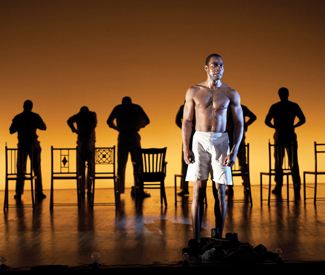
THEATER The set (by Beowulf Boritt) is almost unassuming in its simplicity: just a trio of receding frames arching over the stage, each progressively more askew, and beneath them a jumble of aluminum chairs piled to one side. Still, such simplicity also hints at, and soon delivers, rich complexity.

The chairs become many things over the course of the evening but first of all a bus stop, where an African American woman (C. Kelly Wright) in 1950s dress waits and remembers. This mute opening scene then gives way to a reverie and nightmare — a memory and history that take the form of a highly fraught “entertainment” — as a man in a white suit and a black string bow tie (Hal Linden), invariably recalling the Old South if only via the emblem of a certain fast-food chicken franchise, comes onto the stage and pronounces the start of the show.

That would be a minstrel show, a notorious artifact of 19th and 20th century American popular culture, which returns with subversive vengeance in The Scottsboro Boys — the iridescent 2010 Broadway musical by the famed song-making team of John Kander and the late Fred Ebb, in collaboration with equally-no-slouch associates David Thompson (book) and Susan Stroman (director and choreographer). Making an impressive Bay Area debut at American Conservatory Theater, The Scottsboro Boys revisits the trials and the international cause célèbre sparked by the false accusation of rape leveled by two white women at nine freight-train–hopping African American youths (all teenagers ranging in age from 13 to 19) in Depression-era Alabama.

If this seems a heavy subject for a musical, that hardly prevents The Scottsboro Boys from being exquisitely well wrought and enthralling, thanks to an excellent score (channeled wonderfully by Eric Ebbenga’s pit orchestra), Stroman’s devilishly potent staging and choreography, and a strikingly multifaceted, charismatic cast that includes a memorable Clifton Duncan as Haywood Patterson, upon whose memoir, Scottsboro Boy, the narrative partly draws (David Bazemore, Cornelius Bethea, Nile Bullock, Christopher James Culberson, Eric Jackson, Jared Joseph, James T. Lane, JC Montgomery, Clifton Oliver, and Clinton Roane make up the rest of the outstanding ensemble).

At the same time, it’s precisely the mesh-clash of form and content —recalling similar canny deployments of popular theatrical forms Kander and Ebb’s Cabaret and Chicago — that makes Scottsboro a vigorous, if sometimes simplified excavation of the case, as well as this country’s ongoing convolutions over race, sex, ethnicity, and class. A productive tension arises between the show’s exquisite spectacle and the often uncomfortable, even macabre content of the storyline. In just one example, a winning tap number erupts in the young men’s shared jail cell, inspired by the terrifying proximity of the electric chair. So charged a number generates as much thought as emotion, as the audience shifts uneasily in a place where popular entertainment mingles pleasure and complicity, truth and artifice.

The subversive appropriation of minstrelsy is not unique to Scottsboro —there’s the San Francisco Mime Troupe’s 1965 production of Minstrel Show, Or Civil Rights in a Cracker Barrel, Suzan-Lori Parks’ use of minstrel tropes in Topdog/Underdog and The America Play, and Spike Lee’s 2000 film Bamboozled, for instance — but the musical deploys it with its own intent, humanizing the young men whose lives were permanently altered by their arrest and the subsequent trials, which became international news when the Communist-led International Labor Defense got involved, sending in celebrated New York attorney Samuel Liebowitz as the new defense counsel. That the trials were themselves the lesser evil in a white Southern regime of lynching and mob justice (waiting, essentially, just outside the walls of the jailhouse) is never lost on the audience either.

Thompson’s admirable book, meanwhile, in the figure of the woman at the bus stop (an unnamed Rosa Parks) bearing witness to the events of the past, draws a line from the Scottsboro case to the later Civil Rights Movement. But, ironically, the use of Rosa Parks obscures as much as it reveals if we think of her as a lone actor who sparks a revolt against an unjust system. She too was a member of a movement culture, one that had built on the activism of the 1930s that first brought the Scottsboro case to light. *

THE SCOTTSBORO BOYS

Extended through July 22, $20-$95

American Conservatory Theater

415 Geary, SF

www.act-sf.org

Artificial turf project appealed as opponents decry use of kids as lobbyists

14

As opponents of a controversial plan to install artificial turf soccer fields in Golden Gate Park appealed the project’s approval to the Board of Supervisors – with a hearing set for July 10 – they criticized how a soccer coach inappropriately used children to lobby for the project and raised hopes that a new alternative plan would be supported by supervisors.

Responding to the recently approved plan threatening to pave over seven acres of natural grass playing fields in Golden Gate Park, the main organizing opposition, SF Ocean’s Edge, and its attorney, Richard Drury, submitted the 300-page appeal to the board on June 12. The appeal challenges the environmental impact report, citing many of its inadequacies, including the renovation’s aesthetic and environmental inconsistencies with that of the Golden Gate Master Plan and its failure to consider other possibly better alternatives.

The Beach Chalet Athletic Fields Renovation was approved by the Planning Commission and Parks and Recreation on May 24 after a joint hearing that lasted more than six hours. During the hearing, opponents criticized many of the project’s features, but an especially outrageous concern came weeks afterward when a letter from an upset parent began circulating. In the letter, an angry father accuses a Vikings League soccer coach of using his unknowing son as a political pawn to support the renovation project.

“I was shocked and angered to learn that our eleven-year-old son was taken by his soccer coach, without our knowledge or consent, to attend the joint committee meeting in support of converting the Beach Chalet soccer fields to artificial turf.  He was one of the dozens of kids in team uniforms,” said the letter.

The parent said his son was picked up from school and was already dressed in uniform ready for practice but instead was taken to City Hall.

“It is really an outrage,” said Katherine Howard, SF Ocean’s Edge organizer, “to use children to further one’s own agenda instead of having an open and honest discussion.”

Renovation supporters argue that replacing the fields with artificial turf and bright lighting will allow children greater access and contribute to a growing need for more athletic fields throughout the City.

The letter accused the Vikings League of appointing itself speaker for San Francisco’s youth when not every parent or child agrees. And in this case, the boy was said to be in tears after the hearing.

“If my children were brought before a hearing for political purposes,” said Drury, “I would be livid.”

Drury and others maintained the park should be kept as a retreat from the pressures of urban life. Contained in the appeal is an alternative hybrid project that opponents are calling a “win-win solution.”

They propose renovating the playing fields at West Sunset Playgrounds with artificial turf and adequate lighting while keeping the Golden Gate Park fields natural with maintenance that includes adequate drainage and gopher control.

“It’s a very simple and very reasonable alternative,” Drury said, adding that the hybrid plan meets all the objectives of the city’s current proposal and wouldn’t increase the costs.

Although Parks and Recreation were uncooperative and refused to consider the hybrid plan, Drury and Howard feel optimistic about the appeal and think they will have better luck dealing with the Board of Supervisors.

Philip Glass and Joanna Newsom’s one-off concert to save the Henry Miller Memorial Library

0

He’s worked with the likes of Ravi Shankar, Leonard Cohen, Woody Allen, and Allen Ginsberg. Next week, one of the most influential living composers, Philip Glass, will add singer-songwriter-celebrated harpist Joanna Newsom to his list of collaborators.

On Monday, they will take the Warfield stage, along with violinist Tim Fain, in a one-off performance to benefit Big Sur’s Henry Miller Memorial Library.

A fixture of Northern California’s artistic heritage, the library will face closure this fall unless it manages to raise $150,000 to upgrade its water system to existing code. Glass and Newsom, both proponents of the library, have joined forces to secure its future.

Dedicated to the acclaimed author of Tropic of Cancer, who moved to Big Sur in 1944, the Henry Miller Memorial Library isn’t a library in the conventional sense.

The small wooden cabin, serving as a bookstore and community center, is nestled in a redwood grove on the Big Sur coastline, right beside a grassy area where concerts are held. The stage has drawn performers as varied as Laurie Anderson and Fleet Foxes, all of whom have found something special in its intimate, picturesque setting.

According to executive director Magnus Toren, the library “ties into what Big Sur represents for many people, which is… getting out of the hustle-bustle of regular life, oftentimes urban life. It’s a little bit of a sanctuary… As soon as you enter through the gate, you feel transported into a different kind of world.”

http://www.youtube.com/watch?v=Xbkp6wd5s0k

Glass, a Manhattanite, was inspired by the library’s setting when he gave his first concert there in 2008, describing it as, “a very, very idyllic place to perform.”

Yet, his attachment to California didn’t stop there. In 2011, Glass established the Days & Nights Festival, a two-week multimedia arts showcase held in Carmel Valley, which will present the upcoming benefit at the Warfield, along with folkYEAH!.

Given their respective backgrounds, the thought of a collaboration between Glass and Newsom has raised some eyebrows.

Credited alongside Steve Reich and Terry Riley for radically altering the direction of 20th century classical music, Glass is celebrated for his early minimalist works (Einstein on the Beach; Music in Twelve Parts) his film scores (Koyaanisqatsi), an immense collection of symphonies, operas, and ballets, and of course, his many collaborative projects.

Glass’ symphonic renditions of David Bowie’s Low and Heroes are a testament to his “maverick” status in the world of composition.

Newsom too has an individualist appeal. The native Californian has garnered a large following over the past decade for her innovative, highly percussive approach to the harp.

Noted for her eccentric, high-pitched voice (she can recall a young girl and an elderly woman in the same breath) and genre-bending songwriting methods, Newsom is esteemed as any singer-songwriter of her generation. “She has a command of the whole range of the [harp], and can adapt her voice to it very well,” Glass explained during a phone call last week.

On her most acclaimed album, Ys, (co-written with revered pop-collagist Van Dyke Parks) Newsom filtered extensive “songs” through a flowing set of dynamics, more befitting of a classical composition than an indie-folk record.

“Artistically, and musically, [the collaboration is] just so interesting,” Toren says. “They’re both iconoclastic. They’re both on the outer edge of certain areas in music. And so, I felt… there could be some synchronicity, some kind of chemistry. And, I think that’s what’s happening.”

Based on the success of several rehearsals in New York, Glass speaks enthusiastically about the collaboration, and the new places it has taken him as an artist. “[Although] I’ve used the harp a lot in orchestral music, I’ve never been in such an intimate relationship with it… It brings out a texture in the music I write… which I’m hearing, almost for the first time.”

Next Monday, the audience should expect solo material from Newsom, Glass, and Fain, in addition to collaborative renditions of Newsom’s songs and Glass’ trios.

When asked if he accepts the title of “classical composer”, Glass was quick to identify himself as a collaborator, above all.

“Part of my agenda,” he explained, “was to get out of the new-music ghetto, into a bigger musical world, where I could work with David Bowie, or Emmylou Harris, or Joanna Newsom… and it wouldn’t be a surprise. No one’s going to say ‘what is he doing now?’ because I’ve done it so much that it’s more like, ‘there he goes again!'”

A Benefit for Big Sur’s Henry Miller Memorial Library
Philip Glass and Joanna Newsom with Tim Fain
Mon/25, $62.50-$140
Warfield
982 Market, SF
(415) 345-0900
www.thewarfieldtheatre.com

After an adorable election, free drinks at El Rio

2

The mood was relaxed at El Rio tonight as the League of Young Voters held their post-elections party. There wasn’t much to today’s ballot- as the League put it in the intro to their Pissed Off Voter Guide, “Aw, what a cute little election!”

The League endorsed a yes vote on Propositions 28, 29 and B, and a no vote on Prop A, and it seems the results all went with these endorsements. 

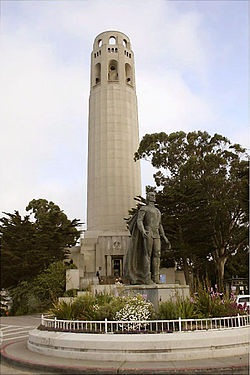
Jeremy Pollock, a member of the steering committee of the League of Pissed Off Voters’ San Francisco chapter, said that he was especially pleased about Prop B’s passing. The measure will prioritize money for upkeep of Coit Tower and the surrounding Pioneer Park and limit private events in the iconic tower.

For Pollock, the fight over Prop B was like “David and Goliath,” especially when tens of thousands of dollars got poured into the anti-Prop B campaign at the last minute.

“It’s a statement against the privatization of Rec and Parks,” said Pollock.

Pollock was also pleased to see Wendy Aragon and Peter Laterbourn doing well in the DCCC assembly District 19 race.

But mostly, the attendants at the party were pleased to get a free drink for showing their “I voted” sticker. If you paid for a drink in San Francisco today, then you’re not a true lover of democracy.


Reading Ed Lee’s mind

15

Political reporters love to believe we can read politician’s minds; it makes us feel important. (And Lord knows, these days we need something to make us feel important.) So let me go way out on a limb here and tell you what Mayor Lee is thinking right now:

1. Gotta minimize Prop. B. It was an aberration, a bunch of rich Nimbys from Telegraph Hill, nothing more to see here. Certainly not a public referendum on my Rec-Park director, Phil Ginsburg, and his efforts to make money by renting out city parks for private events. No no no, just ignore it and maybe it will go away.

2. We won back the Democratic Party. Good move to take a page from Aaron Peskin’s book and run a bunch of elected officials and former elected officials with high name recognition in a low-turnout election. Bevan Dufty, who happens to work for me, would make an excellent chair; should be easy to make that happen.

3. What if we look at the DCCC race in the 17th District as a first-pass primary for the 2014 Assembly seat when Tom Ammiano — who’s just way too independent and won’t get with my program — is termed out? Hmmm … David Chiu, who I can mostly deal with, is in first place — but John Avalos and David Campos are more popular than my pal Scott Wiener. And if the progressives get behind Campos, he’ll be tough to beat. Hmmm….

4. That oddball Michael Breyer ran for Assembly pretending he was me. He even put out a mailer with my mustache on the front suggesting that he’ll be just like I am (except that he’s white and has no experience and no credible program and isn’t going to win). But he got a lot of votes with the Ed Lee card and I could totally control him. Can’t support him over Phil Ting, of course, but maybe I can get him some help behind the scenes.

5. This was an unusual election with radically low turnout. I know I can’t read too much into it. If the DCCC were on the ballot in November, or if there were a real presidential primary to bring people out to vote, the results would be very different. But still: All that new housing for rich people that my mentor Willie Brown and my friend Gavin Newsom got started seems to be having an impact. The city’s getting more conservative. Let’s just keep that one going and I’m home free.

6. What’s up with Lincecum? Damn those Padres.

Nah — the mayor’s too nice a guy to be thinking like that. Right?


Dream not deferred

0

yael@sfbg.com

On Monday, June 4, students at the Meadows-Livingstone School rehearsed for their annual end-of-the-year performance. It was bleak and rainy out, but the small, essentially one-room schoolhouse that houses the private elementary school was bursting with energy.

Twenty kids, first through sixth graders, were practicing: they sang Wade in the Water and a welcoming song in Swahili. During The Greatest Love of All, a seven-year old crooned her solo: “People need someone to look up to, I never found anyone who fulfilled my needs.” But then the kids broke out into the Neville Brothers’ Sister Rosa, (“Thank you Miss Rosa, you are the spark! You started our freedom movement!”) and then a rap about Malcolm X.

At this school, located at Potrero and 25th streets, those needs are fulfilled.

This end-of-the-year performance will showcase what the children have learned all year in an elementary school education built around lessons on African and African American history and culture. As Gail Meadows, the school’s founder and principal, puts it: “We have an Afro-centric school. We have a classical African Civilization class, and have books, videos, games, focused on African Americans. The kids learn African songs, they learn African American field songs.”

Meadows says is offers more than the cursory black history that is usually taught: “At most schools, you’ll learn about Rosa Parks and Martin Luther King, and that’s it.”

All of the children at Meadows-Livingstone are of African descent. “We’re not nationalists,” Meadows says. “The kids understand the world is of many colors, and you can’t live in this world by yourself.”

But spending some crucial elementary school time specifically for African Americans, Meadows believes, does wonders for her students’ abilities to navigate that world.

As Meadows tells it, she’s motivated partly because she didn’t get the same experience as a child. “I lived in a small campus town and went to an all-white school. My mother used to say that she had to undo everything that was done.”

Her education included books shaped by her parents to include black children (“They would search tirelessly for children’s books representing people of color, or they would just change the stories”) and distrust of television (“My father would say, why watch something that doesn’t validate you as a child?”). At her school, she recalls being in “a play that included a line, ‘Don’t drink coffee. It will make you black, and that’s bad.'”

For children in San Francisco today, Meadows says this feeling of belonging is as important as ever. “There’s an exodus of people of color out of San Francisco,” she says. “That means children of color are in classrooms with people who are not educated about African American culture. And they’re educated by a media that gives them a skewed view of who they are.”

This lack of education can often lead to racist bullying. a large reason why many students transfer to Meadows’ school.

“There are students that transfer into my school after having bad experiences, and they don’t know how to confront the person who said something offensive to them,” says Meadows. “In my school they learn to confront. An angry confrontation isn’t productive. It should be direct, they should be able to explain, here’s the real story about that stereotype.”

This education helps when kids leave the Meadows-Livingstone school for middle schools across the city.

“People ask them questions like, are you in a gang? Do you have a house? All these stereotypes they’ve read about, all of a sudden they’re right there,” Meadows says. “If you know who you are, you can live through that. Its easier.”

At a recent visit to the school, some students described their own experiences.

“Sometimes, when I was at my old school, they talked about blacks badly,” said one student. “They said they were stupid and dumb. And I still didn’t believe it, but now I learned about my heritage and I learned that we’re stronger and we have more spirit.”

Or, as he said, “Black power makes me feel strong.”

A 12-year-old who would be leaving the school soon told me a story of how the school influenced. “One of the kids in my neighborhood, he said, ‘We’re all niggers,'” he explained. “I said, ‘No we’re not. We’re regular black kids.'”

As another child put it, “Black power means that you have strength and nobody can push you around, like, like you’re just a little duck and everyone else is a coyote.”

From a long line of teachers, Meadows’ life work has been dedicated to educating and empowering young people. She taught her first class at age 10, before studying education at Kansas State University. She was teaching at Montessori schools when she decided to start her own.

Meadows-Livingstone school came out of a wave of alternative education informed by 1960s liberation movements. The Black Panther party, a part of the history that the children Meadows-Livingstone learn, had a 10-point platform laying out the ways that racism intersects with inequality in education, along with housing, treatment by the justice system, and other facets of society.

Point five says, “We believe in an educational system that will give to our people a knowledge of the self. If you do not have knowledge of yourself and your position in the society and in the world, then you will have little chance to know anything else.”

Meadows-Livingstone continues this part of the Panther legacy, and not just ideologically.

“At one point in our school we had maybe 15 kids whose relatives had been Panthers,” says Meadows.

“We have a grandfather who brings fruit every week,” she says, continuing the spirit of the Free Breakfast Program. “And he was a Panther.”

The children also learn about prominent Panthers. “They play a Panther tag game, and they would cry if they couldn’t be Angela Davis or Huey P. Newton,” she said.

On Fridays, the children read poetry. “They really like to recite poems written by African Americans, it gives them hope. They’re stuck on Langston Hughes, they like Gwendolyn Brooks too.”

The school costs $700 a month, but many of the students are subsidized by The Basic Fund, a private foundation.

Meadows also uses partnerships with city institutions to enhance the curriculum. The children spend time every week swimming at Garfield public pool on Treat Street, and playing tennis, and partnering with Acrosports for tumbling lessons. The swimming lessons hold a particularly strong symbolism, as generations of African Americans in Jim Crow states were denied opportunities to swim.

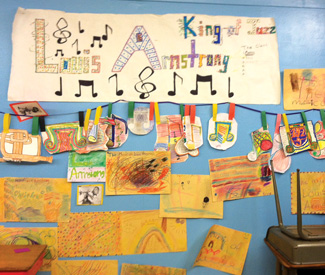
Tributes to Black historical figures decorate the school’s walls. Children’s art on “Black Inventors” and “Louis Armstrong, the king of jazz” are displayed, along with a large version of the iconic photograph of John Carlos and Tommie Smith doing the Black Power salute at the 1968 Olympics.

When asked about Malcolm X, 20 hands shot up to talk about a figure important to their studies.

As one child explained it: “Malcolm X, he said if somebody’s hits you or hurts your family, he’s not going to turn the other cheek. He’s going to fight back. He’s like, you hurt my family, I’ll hurt yours. Martin Luther King, he said if a white person hits you, don’t fight back, make peace.”

“That’s nonviolence” another chimed in.

When listing their personal heroes, many kids included King and Malcolm. “Muhammad Ali, Yele, and you, Gail!” one exclaimed, the middle hero referring to the school’s drumming and African Civilization teacher, Akinyele Sadiq.

In the summer, most of the students go off to Camp Winnarainbow, the hippie-circus camp that Meadows calls “almost like an extension of our school.” Many of the children have parents who attended the school, and when I ask if they’re excited to graduate, all the kids frown and one says, “I don’t want to leave!” Others are more calm at the question. The school provides a safe haven for bullied kids and a source of ethnic pride. One 12-year-old tells me that when he goes to middle school next year, he’ll make new friends but, “I won’t follow them if they do something bad.” He sighs when I ask if he will be sad to leave. “Yeah,” he says, “But we all have to move on.”

The funny money against Prop. B

19

Credit where it’s due: My competitor and sometimes journalistic adversary Joe Eskenazi has a nice little piece on the weird money behind the campaign against Prop. B, a policy statement about the privatization of Coit Tower. He points out that such varied groups as the California Dental Association and the San Manuel Band of Mission Indians have coughed up money to protect the right of San Francisco officials to close Coit Tower to the public and rent it out for fancy corporate parties.

And how exactly did that happen?

Well, Eskenazi manages to tie Willie Brown into it. (He also calls this “Nimby against the Swells,” which isn’t quite fair — I don’t think the supporters of Prop. B are trying to keep anything out of their back yards. If anything, they want more noisy tourists and fewer quiet, subdued rich-people events. And I don’t think the “swells” are against it as much as the mayor, his Rec-Park director and big businesses that generally back the privatization of public resources.)

But there’s another interesting twist: I’m not sure the folks who gave to the Golden State Leadership Fund Political Action Committee, which is running a No on B independent expenditure, had any clue where their money was going.

Sure, the Chamber of Commerce and BOMA know what’s up, and it’s pretty clear why they like the idea of raising money for the parks by holding exclusive private events instead of by raising taxes. But the Indians? And the dentists? By what possible stretch do they care about a San Francisco ballot measure that has nothing to do with Native American rights or oral health?

Eskenazi may be right — maybe Brown called the Indians and asked, and they threw the money his way to help his buddy the mayor (while keeping the mayor’s fingers out of this particular political pie). But the Golden State Leadership PAC, through which all this money flowed, has been around for years and gives money to candidates all over the state. (It’s definately something of a slush fund for local races — files in the Secretary of State’s office show that in 2008, money from Pacific Gas and Electric Co. flowed in and out of the PAC as it ran a campaign against the San Francisco public-power measure, Prop. H. PAC money went to David Chiu, Phil Ting and Ed Lee for mayor.) It’s based in West Hollywood and the treasurer is a guy named William Molina.

I called the San Manuel Band of Mission Indians and the California Dental Association and asked them why there were helping fund a campaign against Prop. B in San Francisco. The press person at the dental group apparently had no idea what I was talking about and asked for more details about the contribution. I gave her the date and the PAC and I haven’t heard back.

The Indians didn’t seem to clear on Prop. B, either. Kenneth Shoji, a spokesperson for the group, told me by email:

The San Manuel Band of Mission Indians made a contribution of $25,000 to the Golden State Leadership Fund PAC with the expectation of helping to support candidate(s) for public office in the 2012 elections.  We do not control where or how the PAC might extend its support beyond that.

In other words: This Coit tower thing is news to us.

UPDATE: I got essentially the same message from the dentists. Alicia Malaby at the CDA writes:

 When an organization such as CalDPAC contributes to an independent expenditure committee, that committee may spend money on races and issues that CalDPAC supports, but may also spend money on other campaigns. CalDPAC does not control how those committees spend money, and in this case, CalDPAC has no interest in and no position on Proposition B.

UPDATE TWO: Ron Cottingham at PORAC just called me and said his group has no position on or interest in Prop. B. The money that went to the PAC was earmarked to support Rob Bonta for Assembly in the East Bay. Presumably the PAC folks keep track of such things.

Maybe not. Maybe Willie or someone else made a call. It happens all the time.  I mean, somebody clearly was raising money for this PAC, which right now isn’t doing a hell of a lot besides No on B in San Francisco. (Oh, I called Brown, too. He hasn’t called back. He never does. I still always try.)

Either way, it’s a classic San Francisco political story — and it reflects how muddy and corrupt local politics can still be, even in an era of electronic disclosure and ethics laws. Why, if the dentists and Indians don’t like Prop. B, didn’t they (or any of the others in the PAC) create a No on B committee, disclose who was behind it and let the voters know a little more about the real money trail? Why funnel all this cash through a little-known Southern California PAC?

And for that matter, why is there a sudden influx of late money in this race? Has the mayor and the Chamber types suddenly discovered that Prop. B might pass — and might set a precedent against future privatization efforts?

June 5 is Election Day. Vote early and often.


Housing and highrise offices

0

EDITORIAL It's something of a civic shame that the only way San Francisco can build a new transit terminal is to sell a private developer the rights to stick a 1,070-foot highrise office tower on public land. In fact, it's a sad statement on the city, state, and local government: Once upon a time — and it wasn't the long ago — tax dollars collected through a progressive system paid for major infrastructure projects.

But there's no easy way to raise $4 billion in tax money for the Transbay Terminal — even though it ought to be seen as part of the high-speed rail project, and the federal and state government ought to be picking up the tab. So San Francisco ambles forward, selling land and lease rights to the highest bidder.

In this case, Gerald Hines of Houston won the right to build the largest highrise west of the Mississippi on property owned by the Transbay Joint Powers Authority. There are all sorts of drawbacks to the deal — among other things, it will cast shadows on a number of city parks, all the way to Portsmouth Square in Chinatown. Like any massive office complex, it will put pressure on Muni, on city streets, on police and fire and other city services — and no commercial office building ever pays its fair share of that burden. And since in this case the major recipient of the money from the project will be the TJPA, the city's General Fund will suffer.

Oh, and the building is ugly.

Meanwhile, city planners want to increase height limits all around the Transbay Terminal and allow hundreds of units of new (luxury) housing and more commercial office space. It's going to be a new highrise neighborhood, complete with a rooftop park and a few little patches of ground-level open space, which won't get a whole lot of sun, particularly in the morning and evening.

And at this point, there's been very little focus on what ought to be the defining issue of this and the other major developments on the city's planning horizon, and that's affordable housing.

This city has a terrible jobs-housing mix. The vast majority of the people who currently work in San Francisco can't afford to buy a house here, and many of them can only rent if they pay for more than the federal standard of one-third of their income for housing. So people who work in hotels and restaurants and city, state and federal offices and hospitals and even financial district companies wind up living far from the city and commuting. Nobody thinks that's a sound environmental policy.

And this kind of full-scale rezoning and development will only make it worse. According to the City Planning Department, the Hines project will pay about $27 million into the city's affordable housing fund, enough to pay for maybe 60 or 70 housing units. That won't even begin to cover the need created by the thousands of employees who will fill that tower. The market-rate housing on the site will almost certainly be beyond the reach of most San Franciscans, and probably many of the office workers who fill the Hines building. And only 35 percent of the new housing — at maximum — will be affordable.

San Francisco has to get a grip. The city can't keep allowing more high-end housing and highrise office space without a plan to meet its housing needs. We're glad to see the mayor talking about a $50 million a year fund, but that will barely meet existing needs; it can't possible keep pace with new development.

So before the supervisors rush ahead to approve this ambitious new downtown district, they need to ask Hines, and the TJPA, and any other developer who comes along, how it intends to meet the demonstrated need for affordable housing that these projects will create — and demand a much higher level of payment that what's currently on the city's books.

Reduce, re-use, replace

1

yael@sfbg.com

Greg Gaar knows the names, characteristics, and birds and butterflies attracted by every plant in the native plant nursery that he tends. Last week, he proudly toured me through the garden, pointing out plants like Yarrow ("great for bees and butterflies") and the beautiful flowers of the Crimson Columbine, of which Gaar believes there are "only two others left in San Francisco."

Gaar has been working at 780 Frederick St., where he now tends the garden, for decades. His mother went to high school on the same block, the old site of Polytechnic High. Before Gaar became the gardener, he ran the recycling center that Haight Ashbury Neighborhood Council (HANC) operates next to the garden. Now, the pioneering green operation he helped build may shut down.

At the center, people can recycle their bottles, cans, paper products, and even used vegetable oil, and make some cash along the way. Those who use the center say it's a green and dignified way to make some money.

But residents in the surrounding area have complained for years that the center is loud and attracts homeless people. They also say that, due to their proximity to the recycling center, the chance that their trash will get rifled through at night is greater than in other parts of the city.

Citing these concerns, the center's landlord, the San Francisco Recreation and Parks Department (RPD), has spent the past few years trying to evict the HANC recycling center. The center got an eviction notice in December 2010. HANC's lawyer, Robert DeVries, successfully challenged the eviction. RPD sued for eviction again in June 2011, and that matter may finally come to a close June 6 when it will be heard by a three-judge panel in SF Superior Court.

DELIVERING THE GARDEN


RPD officials cite neighbor concerns, claims that the recycling center's services are outdated and obsolete, and the idea of planting a community garden in its place. In fact, the Planning Commission approved a community garden in the place of the recycling center last year.

Since then, HANC staff got to work building its own community garden. In just a year, they erected 50 beds from recycled wood, and according to Gaar, about 100 neighbors have plots that they currently tend.

As the recycling center's director, Ed Dunn, tells it, the infrastructure already in place at the recycling center made building the garden come naturally. HANC was able to fund it with income from the recycling operation, and plant it with seeds from the native plant nursery.

Dunn emphasizes that no city money was used to build the current community garden. The city had laid out a $250,000 budget for the garden after it was approved and designed in 2010.

A bundle of documents containing arguments against HANC, provided by RPD, includes details of the Golden Gate Park Master Plan, surveys indicating a great need for community gardens in San Francisco, and letters and statements from neighbors complaining about the recycling center.

A 2004 survey discussed in the documents found that community gardens are among the top "recreation facilities most important to respondent households." Community gardens came in fifth in importance, after walking and biking trails, pools, fitness facilities, and running and walking tracks. The documents include a detailed map of the "Golden Gate Park community garden preliminary plan," imagined at HANC's current site.

The map was drawn up in November 2010, the same month that a meeting of the Recreation and Parks Commission laid out the reasons that HANC had to go. Minutes from the meeting include the city's need for community gardens as well as some neighbors' disdain for the recycling center in that site. It argues that the needs of recyclers can be well met with other recycling centers in the city.

Seventeen other recycling centers operate in San Francisco. Most are located in neighborhoods on the city's edges, with a few in the Outer Sunset and Excelsior, although most are located in Bayview-Hunters Point.

But the commission doesn't seem concerned with potential nuisance to neighbors in directing more traffic to these other recycling centers, or with the difficulty poor recyclers have in getting out there. "The San Francisco Department of the Environment is confident that recyclers that use the facility will take their material to another existing site for proper handling," according to the meeting's minutes.

The commission is, however, concerned about a nuisance that the recycling center creates for Haight-Ashbury neighbors, according to the minutes. The notes cite "neighborhood noise, truck traffic, litter, and public safety concerns as negative impacts related to continuing operations at the site."

AGAINST THE POOR?


But is this really just another case of resentment against people who are poor and homeless?

HANC's Dunn argues that, in fact, much of the material that those who use the center bring in isn't taken from residential waste bins. Besides, it's not technically "HANC's CRV redemption program" that encourages recycling as a revenue source for the less fortunate. State law requires that consumers be able to redeem bottles and cans for cash.

The meeting minutes argue that the recycling center "enables illegal camping and illicit and unhealthy behavior in Golden Gate Parks' eastern end and in neighborhoods in close proximity to the site."

Supposed evidence for the position cites letters to the editor published in the San Francisco Chronicle, a frequent outlet for anger at the homeless. One concerned resident, Karen Growney, asserts that the center "provides no benefit to people living in Haight/Cole Valley."

HANC disputes this, saying that many neighbors use the center. They have beneficial relationships with many nearby businesses, including New Ganges restaurant just across the street. Its website, kezargardens.com, shows many smiling neighbors who use the center to recycle.

Notable among them is actor/activist Danny Glover, a Haight resident since 1957. In a video on the website, Glover — interviewed while in his car dropping off recycling at the center — says, "I would be dismayed and not happy if we close this wonderful recycling center down…It would be a tragedy, and a great loss to this city and this community."

In her letter, Growney also laments that her family "had to pay a considerable amount to build a wrought-iron, locked gate to keep people out of our trash." Another letter, written by neighborhood resident Curtis Lee, asks that the city "eliminate the Haight Ashbury Recycling Center," saying that, "It is a blight on the neighborhood and an attraction to rodents and homeless carts."

Of course, those carts come with people. HANC takes issue with the assertion that their services "enable" or "encourage" homelessness, as well as the assumption that the recycling center only serves the homeless.

Dunn says that many of the recycling center' clientele are elderly immigrants, often housed, who contribute to their family income with cash from recyclables. He also insists that "most of the people that use the recycling center don't camp in the park."

Homeless people certainly do use the center, but it's not clear whether its presence truly "enables illegal camping and illicit and unhealthy activity." Dunn finds it laughable to say that "the center creates homelessness." It's a lot of work to cart around recyclables all day, he says, and the dedicated recyclers are generally not the same people that ask tourists on Haight Street for spare change.

THE RECYCLERS


There is a great diversity in how homeless San Franciscans spend their days, and recycling is in many ways a specialized, committed way of life. In her 2010 ethnography of homeless San Franciscans, Hobos, Hustlers and Backsliders, Teresa Gowan focuses on the "recyclers," the segment of the homeless population who have made a habit of collecting bottles and cans as a way of getting by.

"The phenomenon that captured my interest was the steady stream of shopping carts loaded high with glass, cans, cardboard, and scrap metal rolling past my door," she wrote.

Some of her interview subjects show disdain for the recyclers, who work hard all day and don't get much cash out of it. Dealing drugs, stealing, or panhandling can be more lucrative and less backbreaking. One subject, a man named Del who, according to Gowan, mostly stayed in the Tenderloin, thought the "20, 25 bucks on a big load" that recyclers usually made was pathetic. "'And that's for heaving around a big old rattling buggy all day,' Del said pityingly. 'I can make 15 bucks inside'a two minutes.'"

But many of her interview subjects prefer to recycle anyway. Gowan describes another subject, Sam, as "a champion recycler, muscular and persistent, who often put in nine, ten hours on the trot." She quotes Sam saying, "Without this, I'd kill myself. Couple a days, I'd do myself in…. You get some guys, seems like they can deal with homelessness. I'm not one of them."

The book argues that "pro recyclers" included a "large core group who had created an intense web of meaning around their work as a kind of blue-collar trade."

PIONEERING HANC


Recycling for cash may not be a respected or taxed job "blue collar" job. But it's certainly green.

Since the center began operating in the 1970s, mainstream attitudes towards environmentalism and sustainability have shifted dramatically. The HANC recycling center was a product of the environmental movement, and helped usher in the widespread support for recycling.

Now, with curbside recycling fully functional in San Francisco, many call the recycling center's work obsolete. But HANC argues that the city needs all the help it can get if it is to reach its goal for zero waste in 2020. It also employs 10 people, and Dunn argues that it would be foolish of the city to eliminate those stable green jobs.

HANC has also helped move along the trend towards community gardens that RPD is now embracing so thoroughly that, ironically, it could lead to the recycling center's demise. HANC helped underwrite the Garden for the Environment project as well as the Victory Garden planted outside City Hall in 2008. Dunn says that the staff enjoyed the challenge of building the garden, and would be interested in helping the city by creating more gardens without city money.

Gaar says he's committed to continuing to work for a healthier planet, regardless of what happens to the center. He and the other HANC staff have come to see the eviction process as symbolic of a direction in which the city's heading, that also includes last year's Sit-Lie Ordinance: decisions designed to shuffle homeless people out of wealthy neighborhoods.
The arguments for the community garden, however, seem to indicate a strong desire for a greener city. It's not easy balancing environmental initiatives with NIMBY woes — especially when your backyard is Golden Gate Park.

City weighs artificial turf fields in Golden Gate Park

81

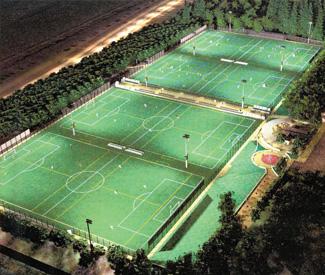
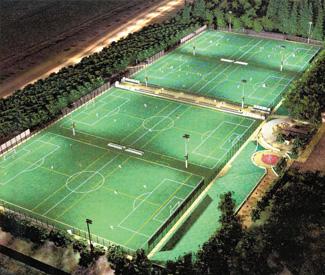
[[UPDATE 5/25: The project was approved]] The San Francisco Planning and Recreation & Park commissions will hold a special joint hearing tomorrow (Thurs/24) afternoon to consider approving the Beach Chalet Athletic Fields Renovation, a controversial city proposal to replace the natural grass fields on the west end of Golden Gate Park with artificial turf.

The $48 million project – years in development by Recreation & Park officials and championed by department head Phil Ginsburg, who has aggressively tried to monetize the city’s parks – has inflamed the passions of both supporters and opponents, who are expected to jam into the 3 pm hearing in City Hall’s Room 400 to deliver hours’ of testimony. [Correction: Patrick Hannan with City Fields Foundation says this is a $14 million project, part of its overall $48 million artificial turf program for the city.]

Supporters say there aren’t enough fields in the city for young soccer players and the existing fields there are in bad shape and without adequate lighting. In addition to the artificial turf, which the City Fields Foundation (created and funded by the Fisher family, founders of The Gap) has been helping to install in parks throughout the city, the project would include 150,000-watt lighting 60 feet in the air to illuminate the fields until 10 pm, year-round.

Opponents of the project, which include primarily environmentalists and park neighbors, cite a litany of problems with the project, saying it violates city plans that call for the park to remain a natural area open to all park users. They say it will disturb wildlife, increase traffic (much of it from out-of-towners who rent the fields), and create potentially toxic runoff in a sensitive habitat.

“Golden Gate Park is a unique, magnificent, and world-famous San Francisco treasure. It was conceived to serve as an open space preserve in the midst of San Francisco – a cultivated pastoral and sylvan landscape. It was designed to afford opportunities for all to experience beauty and tranquility. Plastic fields that are brightly lighted until 10 pm every night of the year are entirely out of place in this setting. The western end of Golden Gate Park should remain a part of the cohesive naturalistic environment envisioned by the Park’s creators,” Katherine Howard of SF Ocean Edge, which organized in opposition to the project, wrote in a May 22 letter to the two commissions.

While it will be a joint hearing, the Planning Commission is charged with approving the project’s environmental impact report and the RPC will consider approval of the project itself. But judging from the long list of angry comments to our last story on the subject by people on both sides of the debate, this divisive project will likely be the subject of appeals and lawsuits for months or years to come.

To Yelp at City Hall

1

By Anne Stuhldreher

OPINION If you attended any of the oodles of mayoral debates during last fall’s election, you surely heard every candidate say two things: One, that they’d make city government more accountable to San Franciscans — and two, that they’d harness technology to make city services better.

Now that Mayor Ed Lee is settled into office, there’s an easy and affordable way he can make good on this promise. It would give a megaphone to San Franciscans fed up (or delighted) with city services, letting them tell City Hall — and each other — what is and isn’t working with their tax dollars. It would amplify consumer power, increasing the responsiveness the public sector the way it has the private one.

San Francisco should be the first city to list all municipal services on one of the existing user-review websites that thousands of San Franciscans already rely on to critique restaurants, drycleaners, and auto repair shops. City Hall leaders would encourage all San Franciscans to get online and post reviews, to tell them what happens when they apply for a business license or send their kids to a city camp. Yelp and Citysearch are two user review sites that San Franciscans use right now.

This wouldn’t have a big price tag. Lee would simply mandate that every city service include a prominent icon on its web site asking users to “rate them” on the site. At every window and desk where public servants serve San Franciscans, there’d be a sign encouraging the public to share their experience on the site. Reviews on user review sites aren’t a feedback form sent to nowhere. People’s comments are seen by everyone.

Such open feedback has spurred thousands of businesses—from restaurants and retailers to doctors and dentists — to be more customer-focused and make better decisions with scarce resources.

Public servants and elected politicians are extremely keyed into public sentiment. They just often lack ways to gauge it. Feedback from public reviews would give them a clear picture of what successes they can tout and what problems they need to fix so they can benefit the most people and voters.

Imagine if you could look at online reviews before you went to apply for this permit or pay that fee. People would have written about good and bad times of day to go. They would have written about how much time it takes. They also would have written about which staff were friendly and which were rude.

I know I’d use it. I’d want to see what parks people think are good for toddlers and which ones are better for bigger kids. And what other parents think of different schools, camps, and pools. I’d also use it let the City know when I’ve called 311 three times to get an obscenity painted over in Dolores Park (that my kids walk by every day) but nothing has happened.

For inspiration, city leaders could look to the Family Independence Initiative, a coalition of working-class families in the Bay Area who grew frustrated after bad experiences with local programs. Nothing changed when the parents approached program leaders. So they set up an online rating system so parents could compare notes on services like childcare, job training, or after school-programs.

As decisions are made to dice up the shrinking budget pie to best serve San Franciscans, City Hall needs to hear from San Franciscans. Most city residents don’t have a lobbyist at city hall, but they have a lot to say.

Anne Stuhldreher is a Senior Policy Fellow at the New America Foundation

June 6 hearing may spell the end of HANC recycling center

12

It’s just a triangle of land on Frederick Street, right next to Kezar Stadium. But the Haight Ashbury Neighborhood Council (HANC) recycling center has been the subject of years of political battles- and depending on the results of a June 6 hearing, they may get shut down for good.

HANC got an eviction notice in December 2010. HANC’s lawyer, Robert DeVries, successfully challenged the eviction. The Recreation & Parks department sued for eviction again in in June 2011, and that matter may finally come to a close June 6. The Guardian is awaiting comment from Rec & Parks.

In December, the Planning Commission approved a plan to turn the site into a community garden. They meant a garden run by Rec & Parks, not HANC. But HANC got to work building one, and Executive Director Ed Dunn is proud to say that they did so “without a cent of taxpayer money.”

Dunn emphasizes that “over the course of the past year or so the operation has been completely transformed.” The new community garden has 50 beds, which resident gardener Greg Gaar says are divided into about 100 plots, are are planted with mostly native plants that are currently in full bloom.

“We could build one community garden like this per month at no cost to the city,” said Dunn, referencing a recent SPUR report that talked about the benefits and challenges of urban agriculture.

Said Dunn, “we can help fill in some of those challenges.”

The center has a history of working on the cutting edge of environmentally friendly trends. The site at 780 Frederick was established as a recycling center in 1974, a decade before San Francisco implemented curbside recycling. The curbside program became fully operational in the early ‘90s. But 18 recycling centers remain in the city- and state Bottle Bill laws require the existence of recycling centers in “convenience zones.” Dunn says the HANC recycling center fulfills the legal requirement to be nearby a recycling center for several supermarkets.

Now, many San Francisco residents rely on curbside recycling, rather than trucking their bottles, cans, and paper products to a recycling center. But a large population uses recycling centers- for excess amounts of recyclables that don’t fit in the bins, other material that doesn’t fit like large cardboard, or to generate income. Those who benefit from money traded for recyclables include housed people looking to supplement income, often immigrants and the elderly, and people living on the streets. But the center’s opponents have painted the population it serves as mostly or all homeless, and the city has argued for its eviction on the grounds that the recycling center attracts homeless people to the area.

“[Gavin Newsom] thought the eviction was one way they could ward off camping in Golden Gate Park,” said Dunn.

Some neighbors have raised concerns about the noisy garbage-picking in the nightime, and questioned the need for recycling centers with curbside in place. If the center is shut down, though, it won’t signal the end of recycling centers or those who benefit from them. It will likeley change where people go to cash in on recyclables; HANC’s recycling center is centrally located, while the majority of  San Francisco’s recycling centers are in neighborhoods on the city’s borders, including several in Bayview-Hunters Point.

Regardless of the centers effects on the community, HANC’s landlord, Rec & Parks, doesn’t legally need a reason to evict them- they just need to give notice. HANC has fought the eviction, but after almost two years of successful stalling, Rec & Parks may finally succeed.

2012 Summer Fairs and Festivals

0


Through May 20

San Francisco International Arts Festival Various venues. (415) 399-9554,www.sfiaf.org. Check website for prices and times. Celebrate the arts, both local and international, at this multimedia extravaganza.


May 19

Asian Heritage Street Celebration Larkin and McAllister, SF. www.asianfairsf.com. 11am-6pm, free. Featuring a Muay Thai kickboxing ring, DJs, and the latest in Asian pop culture, as well as great festival food.

Uncorked! San Francisco Wine Festival Ghirardelli Square, 900 North Point, SF. (415) 775-5500,www.ghirardellisq.com. 1-6pm, $50 for tastings; proceeds benefit Save the Bay. A bit of Napa in the city, with tastings, cooking demonstrations, and a wine 101 class for the philistines among us.

May 19-20

Maker Faire San Mateo Event Center, San Mateo, www.makerfaire.com. $8–$40. Make Magazine’s annual showcase of all things DIY is a tribute to human craftiness. This is where the making minds meet.

Castroville Artichoke Festival Castroville. (831) 633-2465 www.artichoke-festival.com. 10am-5pm, $10. Pay homage to the only vegetable with a heart. This fest does just that, with music, parades, and camping.


May 20

Bay to Breakers Begins at the Embarcadero, ends at Ocean Beach, SF, www.zazzlebaytobreakers.com 7am-noon, free to watch, $57 to participate. This wacky San Francisco tradition is officially the largest footrace in the world, with a costume contest that awards $1,000 for first place. Just remember, Port-A-Potties are your friends.


May 21

Freestone Fermentation Festival Salmon Creek School, 1935 Bohemian Hwy, Sonoma. (707) 479-3557, www.freestonefermentationfestival.com. Noon-5pm, $12. Answer all the questions you were afraid to ask about kombucha, kefir, sauerkraut, yogurt, and beer. This funky fest is awash in hands-on demonstrations, tastings, and exhibits.


May 26-27

San Francisco Carnaval Harrison and 23rd St., SF. www.sfcarnaval.org. 10am-6pm, free. Parade on May 27, 9:30am, starting from 24th St. and Bryant. The theme of this year’s showcase of Latin and Caribbean culture is “Spanning Borders: Bridging Cultures.” Fans of sequins, rejoice.


June 2-3

Union Street Eco-Urban Festival Union Street between Gough and Steiner, SF. (800) 310-6563, www.unionstreetfestival.com. 10am-6pm, free. See arts and crafts created with recycled and sustainable materials and eco-friendly exhibits, along with two stages of live entertainment and bistro-style cafes.


June 9-17

San Mateo County Fair San Mateo County Fairgrounds, 2495 S. Delaware, San Mateo, www.sanmateocountyfair.com. 11am-10pm, $6–$30. Competitive exhibits from farmers, foodies, and even technological developers, deep-fried snacks, games — but most important, there will be pig races.


June 8-10

Queer Women of Color Film Festival Yerba Buena Center for the Arts, 701 Mission, SF. (415) 752-0868,www.qwocmap.org. Times vary, free. Three days of screenings from up-and-coming filmmakers with unique stories to tell.


June 10

Haight Ashbury Street Fair Haight between Stanyan and Ashbury, SF, www.haightashburystreetfair.org. 11am-5:30pm, free. Celebrating the cultural history and diversity of one of San Francisco’s most internationally celebrated neighborhoods, the annual street fair features arts and crafts, food booths, three musical stages, and a children’s zone.

June 10-12

Harmony Festival, Sonoma County Fairgrounds, 1350 Bennett Valley, Santa Rosa, www.harmonyfestival.com. One of the Bay Area’s best camping music festivals and a celebration of progressive lifestyle, with its usual strong and eclectic lineup of talent.


June 16-17

North Beach Festival, Washington Square Park, SF. (415) 989-2220, www.northbeachchamber.com. free. This year will feature more than 150 art, crafts, and gourmet food booths, three stages, Italian street painting, beverage gardens and the blessing of the animals.

Marin Art Festival, Marin Civic Center, 3501 Civic Center Drive, San Rafael. (415) 388-0151, www.marinartfestival.com. 10am-6pm, $10, kids under 14 free. Over 250 fine artists in the spectacular Marin Civic Center, designed by Frank Lloyd Wright. Enjoy the Great Marin Oyster Feast while you’re there.


June 22-24

Sierra Nevada World Music Festival, Mendocino County Fairgrounds Booneville. (916) 777-5550, www.snwmf.com. $160. A reggae music Mecca, with Jimmy Cliff, Luciano, and Israel Vibration (among others) spreading a message of peace, love, and understanding.


June 23-24

Gay Pride Weekend Civic Center Plaza, SF; Parade starts at Market and Beale. (415) 864-FREE, www.sfpride.org. Parade starts at 10:30am, free. Everyone in San Francisco waits all year for this fierce celebration of diversity, love, and being fabulous.

Summer SAILstice, Encinal Yacht Club, 1251 Pacific Marina, Alameda. 415-412-6961, www.summersailstice.com. 8am-8pm, free. A global holiday celebrating sailing on the weekend closest to the summer solstice, these are the longest sailing days of the year. Celebrate it in the Bay Area with boat building, sailboat rides, sailing seminars and music.


June 24-August 26

Stern Grove Festival, Stern Grove, 19th Ave. and Sloat, SF. (415) 252-6252,www.sterngrove.org, free. This will be the 75th season of this admission-free music, dance, and theater performance series.

July 4

4th of July on the Waterfront, Pier 39, Beach and Embarcadero, SF.www.pier39.com 12pm-9pm, free. Fireworks and festivities, live music — in other words fun for the whole, red-white-and-blue family.

July 5-8

High Sierra Music Festival, Plumas-Sierra Fairgrounds, Lee and Mill Creek, Quincy. www.highsierramusic.com. Gates open 8am on the 5th, $185 for a four-day pass. Set in the pristine mountain town of Quincy, this year’s fest features Ben Harper, Built To Spill, Papodosio, and more.


July 7

Oakland A’s Beer Festival and BBQ Championship, (510) 563-2336, oakland.athletics.mlb.com. 7pm, game tickets $12–$200. A baseball-themed celebration of all that makes a good tailgate party: grilled meat and fermented hops.


July 7-8

Fillmore Street Jazz Festival, Fillmore between Jackson and Eddy, SF. (800) 310-6563, www.fillmorejazzfestival.com.10am-6pm, free. The largest free jazz festival on the Left Coast, this celebration tends to draw enormous crowds to listen to innovative Latin and fusion performers on multiple stages.

July 19-29

Midsummer Mozart Festival, Herbst Theater, 401 Van Ness, SF (also other venues in the Bay Area). (415) 627-9141,www.midsummermozart.org. $50. A Bay Area institution since 1974, this remains the only music festival in North America dedicated exclusively to Mozart.


July 21-22

Renegade Craft Fair, Fort Mason Center, Buchanan and Marina, SF. (415) 561-4323, www.renegadecraft.com. Free. Twee handmade dandies of all kinds will be for sale at this DIY and indie-crafting hullabaloo. Like Etsy in the flesh!


July 21-22

Connoisseur’s Marketplace, Santa Cruz and El Camino Real, Menlo Park. Free. This huge outdoor event expects to see 65,000 people, who will come for the art, live food demos, an antique car show, and booths of every kind.

July 23-August 28

The San Francisco Shakespeare Festival, Various locations, SF. (415) 558-0888, www.sfshakes.org. Free. Shakespeare takes over San Francisco’s public parks in this annual highbrow event. Grab your gang and pack a picnic for fine, cultured fun.

July 27-29

Gilroy Garlic Festival, Christmas Hill Park, Miller and Uvas, Gilroy. (408) 842-1625,www.gilroygarlicfestival.com. $17 per day, children under six free. Known as the “Ultimate Summer Food Fair,” this tasty celebration of the potent bulb lasts all weekend.


July 28-29

27th Annual Berkeley Kite Festival & West Coast Kite Championship, Cesar E. Chavez Park at the Berkeley Marina, Berk. (510) 235-5483, www.highlinekites.com. 10am-5pm, free. Fancy, elaborate kite-flying for grown-ups takes center stage at this celebration of aerial grace. Free kite-making and a candy drop for the kiddies, too.

July 29

Up Your Alley Fair, Dore between Howard and Folsom, SF. (415) 777-3247,www.folsomstreetfair.org., 11am-6pm, free with suggested donation of $7. A leather and fetish fair with vendors, dancing, and thousands of people decked out in their kinkiest regalia, this is the local’s version of the fall’s Folsom Street Fair mega-event.


July 30-August 5

SF Chefs Food and Wine Festival, Union Square, SF. (415) 781-5348, www.sfchefsfoodwine.com. Various times and prices. Taste buds have ADD too. Let them spiral deliciously out of control during this culinary fair representing over 200 restaurants, bars, distilleries, and breweries.


August 4-5

Aloha Festival, San Mateo Event Center, 1346 Saratoga, San Mateo. (415) 281-0221, www.pica-org.org. 10am-5pm, free. You may not be going to Hawaii this summer, but this two-day festival of crafts, island cuisine, Polynesian dance workshops, and music performances might just do the trick.

Art and Soul Oakland, Frank Ogawa Plaza, 14th and Broadway, Oakl. www.artandsouloakland.com. $10 adv.; $15 at door. Sample delectable treats, joyfully scream through a carnival ride, get a purple unicorn painted on your forehead — all while rocking out to live jazz, R&B, acoustic, and gospel performances.

Nihonmachi Street Fair, Post between Laguna and Fillmore, SF. www.nihonmachistreetfair.org. 10am-6pm, free. Community outreach infuses every aspect of this Japantown tradition — meaning those perfect garlic fries, handmade earrings, and live performances you enjoy will also be benefitting a number of great nonprofit organizations.


August 5

Jerry Day 2012, Jerry Garcia Amphitheater, 40 John F. Shelley, SF. (415) 272-2012, www.jerryday.org. 11am, free; donate to reserve seats. Founded in 2002 when a dilapidated playground in the Excelsior was being transformed to what is now Jerry Garcia Amphitheater, Jerry Day continues as an art and music event brimming with local San Franciscan roots.


August 10-12

Outside Lands Music Festival Golden Gate Park, SF. www.sfoutsidelands.com. $225 regular 3-day ticket. Musical demi-gods like Stevie Wonder and Neil Young are headlining this year, and the rest of the jaw-dropping lineup makes us wish it were 2035 already so we can clone ourselves and be at opposite sides of the park at once.


August 11

Festa Coloniale Italiana, Stockton between Union and Filbert, SF. (415) 440-0800, www.sfiacfesta.com. 11am-6pm, free. When the moon hits your eye, like a big pizza pie, that’s amore. When you dance down North Beach, visiting every food truck you encounter, you’re in love.


August 18

Russian River Beer Revival and BBQ Cookoff, Stumptown Brewery, 15045 River, Guerneville. (707) 869-0705, www.stumptown.com. Noon-6pm, $55. You can’t really go wrong attending a festival with a name like this one. Entry fee includes live music, beer, cider, BBQ tastings, and your resurrection.

San Francisco Street Food Festival, Folsom from 20th to 26th St.; 25th St. from Treat to Shotwell, SF. (415) 824-2729, www.sfstreetfoodfest.com. 11am-7pm, free. You may think there is nothing quite as good your own mother’s cooking, but the vendors at La Cocina’s food fair are up for the challenge.


August 25

The Farm Series: Late Summer Harvest, Oak Hill Farm, 15101 California 12, Glen Ellen. (415) 568-2710, www.18reasons.org. 9am-5pm, $50. Head to Sonoma with Bi-Rite’s head farmer and produce buyer to check out Family Farm and Oak Hill Farm. Lunch is included in the ticket price and carpool drivers will be reimbursed for gas.


August 25-26

Bodega Seafood Art and Wine Festival, 16855 Bodega, Bodega. (707) 824-8717, www.winecountryfestivals.com. $12 advance, $15 at gate. The seaweed is usually greener on somebody else’s lake — but not this weekend. Have your crab cake and eat it too during this crustaceous celebration of food, wine, beer, and art.


September 8-9

Ghirardelli Chocolate Festival, Ghiradelli Square, 900 North Point, SF. (800) 877-9338, www.ghiradelli.com. Noon-5pm, $20. It’s finally time to put your at-home ice cream noshing skills to the test. For two-days only, chocolate lovers unite to celebrate all that is good in life — and by that we mean eating contests, chef demonstrations, and local dessert samplings.


September 9

EcoFair Marin 2012, Marin County Fairgrounds and Lagoon Park, Civic Center, San Rafael. (415) 499-6800, www.ecofairmarin.org. 10am-6pm, $5. This sustainability event brings together speaker presentations, exhibitions by energy reducing and conserving business leaders, and tasty raw and vegan food vendors, as a community effort to help bring about a healthier planet.


September 14-16

Ceramics Annual of America: Exhibition and Art Fair, Festival Hall, Fort Mason, Buchanan at Marina, SF. (877) 459-9222, www.ceramicsannual.org. $10. Contemporary ceramics from Korea, China, Mexico, Australia, and Italy, as well as top American artists’ works, will be showcased in this one-of-a-kind art show. Tours and discussions regarding the clay medium will be provided as a way to foster knowledge regarding the clay medium.


September 16

Comedy Day, Sharon Meadow, Golden Gate Park, SF. (415) 820-1570, www.comedyday.com. Noon-5pm, free. There are two secret cures for depression: sunlight and laughter. Comedy Day brings the two antidotes together for a cheery day of priceless (literally, it’s free) entertainment.


September 21-23

Eat Real Festival, Jack London Square, Oakl. (510) 250-7811, www.eatrealfest.com. Free. Processed foods really do have a bunch of weird named ingredients that trigger horrific thoughts in one’s imagination. At Eat Real, suspicion is taken out of the eating experience, as everything is handmade, fresh, and local — so you can just eat.


September 22

Superhero Street Fair, Islais Creek Promenade, Caesar Chavez at Indiana, SF. www.superherosf.com. 2pm-midnight, $10-20 suggested donation. Fantasy and reality merge through live music performances, a climbing wall, sideshows, interactive games, and a cobblestone walkway of art. The festival hopes to set the World Record for the largest number of superheroes in one location — or at least put Nick Fury to shame.


September 23

Folsom Street Fair, Folsom between Seventh and 12th Streets, SF. (415) 777-3247, www.folsomstreetfair.com. 11am-6pm, free. Time to get out that spiked collar and latex gloves once again. Don’t forget your nipple clamps or the vibrating magic wand, either! Might as well bring out the leather whip and chains too — not that you’ve been anticipating this huge fetish extravaganza all year or anything.


September 29-30

Polk Street Blues Festival, Polk between Jackson and California, SF. (800) 310-6563, www.polkstreetbluesfestival.com. 10am-6pm, free. The blues festival will feature two stages, a marketplace of crafts and food booths, and enough saxophones and harmonicas to get you rollin’ and tumblin’.


September 30

Petaluma’s Fall Antique Faire, Fourth Street and Kentucky from B Street to Washington, Petaluma. (707) 762-9348, www.petalumadowntown.com. 8am-4pm, free. Watch as downtown Petaluma transforms in to an antique marketplace of estate jewelry, furniture, art, and collectables from over 180 dealers.


October 4-14

Mill Valley Film Festival, California Film Institute, 1001 Lootens, San Rafael. (415) 383-5256, www.mvff.com. $13.50 per screening. The 11-day festival presents international features, documentaries, shorts, and children’s films, as well as workshops and seminars dedicated to the art of film-making.


October 5-7

Hardly Strictly Bluegrass, Golden Gate Park, John F. Kennedy at Marx Meadow, SF. www.strictlybluegrass.com. Free. Warren Hellman has left us in February, but the bluegrass music festival he gifted to San Francisco goes on in memory of its esteemed founder.


October 6

Steampunk Oktoberfest Ball, Masonic Lodge of San Mateo, 100 North Ellsworth, San Mateo. (650) 348-9725, www.peers.org/steampunk.html. 8pm, $15 adv.; $20 at door. Steampunk is a combination of modern technology and Victorian fashion tastes. Think steam-powered airships and breathable corsets. Nineteenth century waltzes, mazurkas, and polkas set the soundtrack to this year’s revelry of costumes, dancing, and anachronistic inventions.


October 7

Castro Street Fair, Castro at Market, SF. (415) 841-1824, www.castrostreetfair.org. 11am-6pm, donations collected at entry. Founded by Harvey Milk in 1974, this community street festival joins hundreds of craft vendors, various stages of live entertainment, and an impressive array of outfits and wigs as a celebration of the Castro’s ever-growing diversity.


October 13-14

Treasure Island Music Festival, Treasure Island, SF. www.treasureislandfestival.com. $69.50 for single day tickets; $125 for regular 2-day tickets. For those who are normally discouraged by large music festivals because of the usual mobs of people, this is the event for you. The festival always sports a great bill of performers, all of which you can enjoy while having a relaxing a picnic on the grass, watching the sunset fall over the Golden Gate Bridge. The lineup will be revealed later this summer.


October 15

Noe Valley Harvest Festival, 24th St. between Church and Sanchez, SF. (415) 519-0093, www.noevalleyharvestfestival.com. 10am-5pm, free. Fall into autumn’s welcoming leaves — there will be circus performers, dog costume contests, jack-o-lantern decorating booths, and a pumpkin patch to make you forget all about your fleeting summer crush.


October 26-28

International Vintage Poster Fair, Fort Mason Center, SF. (800) 856-8069, www.posterfair.com. $15. This is the only show in the world that offers over 15,000 original vintage posters. Throw out your duplicate copy, and run here now.


Claymation! Fashion! Digital Sound! An afterschool arts revival

0

If you believe the children are our future, then you may soon agree — contrary to rumors of its ongoing extiction — that the future arts scene of San Francisco is actually looking bright.

While arts classes fall off the curriculum in public schools nationwide, a collaboration between the San Francisco Recreation and Parks Department’s (SFRPD) Cultural Arts Division and its Community Services Division (which runs afterschool programs citywide) keeps the creative spark alive via the ongoing Arts Afterschool program.

Just a year and a half old, the Arts Afterschool program will host its first-ever live showcase, the Arts Afterschool Spring Gala at the Harvey Milk Center for the Arts on Sat/12. The gala will feature the artwork of 400 kids from virtually every neighborhood in San Francisco. The event showcases work from the program’s fall, winter and spring sessions.


Arts Afterschool is the brainchild of Jenny Rodgers, supervisor for the Cultural Arts Department of SFRPD.

“Jenny did it because it’s an opportunity for us to bring really, really quality instructors to the entire city, and reach kids that wont actually come into contact with that kind of work in their own schools right now, because there are so many cuts going on with arts programs in schools,” says Clove Galilee, program coordinator for the Cultural Arts Division of Recreation and Parks.

Lively paintings dapple the walls of the Harvey Milk Center and stretch up the stairwell. Sculptures of many shapes and colors dot the building. Downstairs in the gallery sit two computers, one with a looping slideshow of kids’s works.

“The other part of this, which is really exciting, is a whole series of interviews,” says Galilee. “We actually went to each site and interviewed instructors teaching arts classes there, talked to the kids, and did these little three-minute videos of what kids were doing. And those are amazing. Amazing.”

If kids attending the event are inspired by the exhibitions, they can make artwork of their own at arts and crafts tables, as you (the adult you) peruse the room and munch on provided refreshments.
The late afternoon treats gala visitors to live performances in the ballroom, as dancers, musicians, thespians, filmmakers, fashionistas, hip-hoppers, and digital sound virtuosos take the stage.
   
As part of the live performance section, one-of-a-kind kid-designed fashions will strut across the runway and hip-hop dance groups from Ocean View and Ingleside will perform a choreographed routine. And youngsters from Bay View’s Joseph Lee Playground will perform African drumming and dance, which Galilee says is “pretty amazing.” “They created a whole little performance and it’s awfully cute,” she says. “We really try to be up with what kids really want to learn.”

While the main age group in the program is 7 to 12 years, teenaged participants designed digital sound performances.  “We’re excited to listen to their digital sound stuff,” says Galilee. “And kids from all over the city compiled claymation videos. They actually make the clay figures, and then they create the story. They narrate the story, they film it all, and they learn to edit it.”

How do these talented tykes come to master so many mediums? Professional instructors from across the arts were recruited and paid for by a three-year grant through the Department of Children, Youth and Families. “What’s unique about our program is [SFRPD] already has a thriving afterschool program that really helps parents and is very affordable,” says Galilee. “These kids go to these programs everyday after school and they get homework help, they learn how to cook, get to play games and spend time with highly qualified recreation leaders.”
Then, on Tuesdays and Thursdays the art specialists arrive.

“They expose the kids to all sorts of those things they may not come in contact with otherwise,” says Galilee. “And [Arts Afterschool] is actually free because the kids have already paid to be part of the regular afterschool program.”

Arts Afterschool Spring Gala
Sat/12, 1pm-4:30pm, free
Performances begin at 3pm
Harvey Milk Center for the Arts
50 Scott, SF
(415) 554-8742

Wiener goes after historic preservation

40


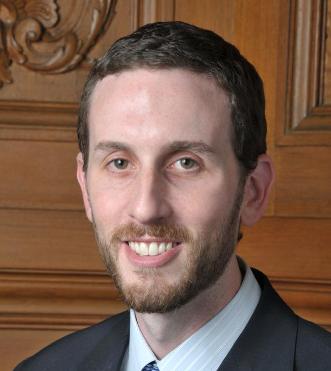
Sup. Scott Wiener is pushing a bill that would make it more difficult to create historic districts in San Francisco, and it’s already cleared the Land Use and Economic Development Committee.

UPDATE: Milk Club calls on Sup. Olague to drop her support for the bill.

The measure hasn’t received a lot of news media attention, but it could have a far-reaching effect on development in San Francisco.

In essence, the Wiener bill amends two parts of the city planning code to tighten the requirements for designating a part of the city as a protected historic area — a designation that makes it harder to demolish or substantially alter buildings.
Developers and some property owners dislike the historic designation. Perservationists see it as a way to prevent the destruction of buildings and neigbhorhoods that are a part of the city’s heritage.

Classic example: In the 1980s, members of the Residential Builders Association were tearing down vintage Victorians in the Richmond district and replacing them with boxy, multi-unit apartments that were worth more money than a single-family home. The builders made a lot of quick cash; the city lost some elegant old houses that can never be replaced.

They couldn’t do that as easily in Alamo Square, which is a historic district.

On the other hand, the owners of those stately well-protected houses in these special districts have to go through increased Planning Department scrutiny any time they want to make any substantial alteration in the structure.

Context: Less than 1 percent of the developed part of San Francisco is currently in a historic district. It’s not a huge deal, and most people don’t pay any attention to this stuff.

But it’s important, and here’s why: One, this city doesn’t care enough about its past — but more important, preservation is a tool that can be used to prevent very bad things from happening.

If we’d had good historic preservation laws in the 1970s, the International Hotel could have been designated an historic structure and wouldn’t have been demolished. Same, possibly, for the Goodman Building. Preservation laws could have been used to fight some of the horrors of redevelopment, which mowed down African American and Filipino neighborhoods in the 1960s and 1970s.

Some of Wiener’s suggestions are relatively benign. He wants to exempt affordable housing units from the laws that apply to historic districts, and Sup. Christina Olague, his co-sponsor, wants an economic hardship exemption so that the owners of buildings, particularly in communities of color, can avoid expensive battles over minor repairs and alterations.

I’m fine with all of that. I’m all for it. Good idea. Although it’s not fair to say that this process was driven by a concern for affordable housing; I spoke to Peter Cohen, at the Council of Community Housing Organizations, and he told me that the idea didn’t come from his crew. Not one affordable housing activist showed up at the Land Use hearing to support the Wiener bill.

But the measure also adds more burdens to the process of designating an historic district. It mandates a written survey of all property owners and occupants in an area proposed for historic designation — an expensive and cumbersome thing that isn’t required for commercial development, demolitions, zoning changes, massive market-rate housing projects, full-on gentrification, or anything else that screws up neighborhoods.
It requires the Planning Commission to consider whether historic preservation conflicts with “the provision of housing to meet the city’s regional housing needs allocation,” which is odd because the commission didn’t consider that when it approved 8 Washington, which directly conflicts with the city’s housing needs allocation, or when it’s allowed 20,000 units of mostly high-end housing over the past decade without any provision for the proper corresponding amount of affordable housing.

In short, it gives opponents of historic preservation more ways to stop new protections. That’s going to make developers very happy.

I asked Wiener why he decided to do this, what the problem was that this law is meant to solve. His answer: There are lots of potential new historic districts (including where he lives, in the Duboce Park and Dolores Street areas) and he wants to be sure that there’s a “robust community process.” Excuse me, Supervisor: There’s a robust community process every time anyone does anything in this town, and designating a historic district is no different.

Also: “A lot of people believe that in some situations, historic preservation can be taken to the extremes. This is a real hot topic for the city.”

Now here’s where it gets interesting (and even more complicated). There’s a neighborhood group called the Mission Dolores Neighborhood Association that’s been trying for almost seven years to get the area between Market and 20, Valencia and Sanchez designated a historic district. Peter Lewis, a musician who has been leading the battle, told me that he got involved because developers were tearing down some important old buildings (a Willis Polk building on Dolores and 15th came down a few years ago) and he wanted to halt it.
The group’s got sophistication and resources — MDNA has raised $80,000 for the necessary studies and has been working the the Planning Department and the Historic Preservation Commission.

Wiener is opposed to the idea — particularly the concept of including the Dolores Street median (designed by John Mclaren, he of Golden Gate Park fame) and Dolores Park in the district. The median’s already a state landmark.

“He’s been very polite to us, but he’s made it clear he doesn’t want to see streets or parks included in any historic designation,” Lewis told me.
Why? Well, for one thing, the Planning Department is talking about building bulb-outs on Dolores as a traffic-calming measure. Historic designation for the median might make that more difficult. And Lewis opposes the bulb-outs for all the wrong reasons: “They just want to get people out of their cars,” he said, dismissively.

But really: Is this all worth pushing a measure that could undermine preservation and encourage demolitions and bad development all over the city? Is the current system really all that bad? Didn’t a measure to strengthen historic preservation (placed on the ballot with an 11-0 vote on the Board of Supervisors) just pass overwhelmingly two years ago?

Because it seems to me that this is a solution in search of a problem.


Appetite: More Upper highs and Valley loves

0

In this week’s Appetite column in the paper, I ran down my picks for the best spots to eat a quality meal (without the expense of other areas) in the Upper Haight and Cole Valley region. Below are more of my favorites from my home ‘hood, including picks for coffee, brunch, and cocktails — including delicious sangria, a cheese gem, and a woeful tale of a hot dog scramble to avoid.

COFFEE: Coffee has long been rough in the Haight. Until Haight Street Market opened a Blue Bottle kiosk in their store, one couldn’t get a proper cup. While appealing cafes like Reverie boast a welcome back patio, and the La Boulange chain on Cole serves substantial pastries, none offers a cappuccino or espresso to satisfy coffee snobs. But just in the last week or so, there’s a quiet coffee revolution afoot with two new cafes. Flywheel Coffee Roasters looks like a hipster Mission coffee spot with a handful of laptops and industrial-stark interior. Though they aren’t going the foam art/microfoam route at this point and they have not begun roasting their own beans in-house as they plan to, initial cups are promising. The other new spot is Stanza in the Coco Luxe space. They’ll be doing coffee cuppings on the first Thursday of each month (7pm) and have their coffee roasted by Augies in Southern California. They DO have foam art and proper cappuccinos. A welcome neighborhood addition.

BRUNCH: I’ve never gotten Zazie‘s endless brunch waits. Sure, it’s a charming, little Parisian space, though I’ve had better luck with non-brunch meals. But for 1-2 hour waits (they do have a nice system now that alerts you when your table is ready), it’s amazingly mediocre. Personally, I wouldn’t wait any amount of time for mediocre. There are so many delicious brunches in the city, I am flummoxed as to why, after all these years, this remains many locals’ favorite. The original Pork Store Cafe likewise has waits (though not as painful as Zazie’s) which I likewise don’t find worth it. I once had a “sausage” scramble here that was hot dog slices. What it does have is quirky, old school diner charm and clientele. My brunch recommend in the ‘hood, though, is always Magnolia. Arriving before noon, I’ve never had a wait and the food is quality (plus there’s Blue Bottle coffee and beers).

FOOD: Kezar Bar (the one on Cole, not the pub on Stanyan) can occasionally surprise with above-average bar food, like giant potato pancakes with Andouille sausage, applesauce, sour cream – in a cozy, pub atmosphere. Despite the crowds and its faded glory, there’s still something appealing about the original Cha Cha Cha. Maybe it’s Mother Mary presiding over the bar, plants surrounding tables for that tropical effect, the festive atmosphere, plantains and black beans, or that damn tasty sangria. Citrus Club‘s food is pretty hit and miss – downright average, really (who has time for that in this city?) – but many adore it because it’s cheap and easy Asian “fusion” (they mix and match Asian cuisines with abandon).

For burgers, if you’re not eating Magnolia’s fab burger, local chain Burgermeister is the best bet as Burger Urge just doesn’t cut it. Since the ’70s, Say Cheese is a tiny Cole Valley gem of a market. Their small selection of cheeses, meats, wines, chocolates, is well curated, the staff are responsive and they make worthy deli sandwiches (like Cajun turkey, creole mustard, pepperoncini, pepper havarti), ideal to take to nearby parks.

DRINK: Us spirits and cocktail lovers have a soft spot for Aub Zam Zam. This is not cutting edge cocktails. It’s a slice of SF history, with a strong spirits selection and older, seasoned bartenders who are knowledgeable and sweet (since lovably cantankerous Bruno passed away, God rest his soul, there’s no kicking people out on a whim anymore). They make a mean gin martini, boozy and bright. The space evokes the Art Deco era with an exotic, Moroccan slant. Divey and dingy, it’s a classic I hope we’ll never lose.

Subscribe to Virgina’s twice-monthly newsletter, The Perfect Spot, www.theperfectspotsf.com

Kids, dogs, and naked people in Dolores Park

5

The interwebs are all buzzy over the notion that some parents might want a fence around the playground in Dolores Park. Uptown Almanac denounces the Dolores Park Brats. Sfist says it’s all a plot to undermine gay beach

Well: I have two kids and a dog, and all of us in some groupings or manifestations use Dolores Park, including the playground, the grass and the dog area, and I hate to see any nudity or semi-nudity go away because then I wouldn’t get to gawk at all the hot young people who otherwise would have no interest in being naked around an old man like me.

And really, it works just fine.

I’ve been going to DP for a couple of decades, first just with a dog then just with a kid and now with the whole pack, and I’ve never seen any problems. Yeah, a dog will wander into the playground every once in a while, but the dogs that get that far away from the (overwhelmingly responsible) owners tend to be friendly and harmless. If a toddler gets knocked over by a dog, that’s sad, but it’s really not all that sad; the playground surface is designed for kids to fall on it and kids get knocked over by other kids all the time. This is a big, crowded city; we coexist in the parks, and I’m amazed at how well the active park users normally get along.

But if you want to talk about fences (and I’m against fences in parks in general, tho the one at Civic Center makes sense) the thing to remember is that you should fence in kids, not fence out dogs.

I know that sounds awful, and I’m not advocating putting children on leashes (tho at the airport I’ve though about it a few times). But little kids need to be contained — that is, parents need to know where they are. If they’re at the DP playground, somebody needs to keep an eye on them because if they’re like my kids, they’ll get into someone’s picnic, the garbage, knock over someone’s wine bottle, step on a sleeping person’s face … you know, the things kids do. And unlike dogs, they rarely come when they’re called.

Once they’re a little older it gets a little better (and then it gets much, much worse), but at the young playground age, I worry less about dogs running in than kids running out.


Obama and state’s rights

8

So how many angry pot smokers (and how many of my libertarian-leaning blog trolls) are going to love this? The governors of four western states want to take control of federal land inside their borders, and they’re organizing to do it. Mostly a political stunt — the governors want to allow more mining, ranching, and drilling on public lands, and the feds are taking it a bit more slowly. And nothing new — we’ve had these western range wars for decades, and for decades Utah governors have insisted that the state ought to be making the decisions around the 66 percent of the total Utah land mass that’s owned by Washington.

There’s no doubt in my mind that the administration is doing the right thing by resisting — you can’t just take national parks and national forests and Bureau of Land Management land and turn it over to development-oriented states. Much of that was federal land before there were states. And it’s not as if the Interior Department is all pristine about it — there’s already far too much resource development on public property, and the public doesn’t get anywhere near enough money for it. Sometimes it’s so bad it’s nutty.

But Obama’s got a problem, and it’s called medical marijuana — and he’s doing the same dumb thing that presidents before him have done, and all it does is create allies for the far right. Hell, after the U.S. attorney started attacking dispensaries I was ready to seceed. Let’s take California and walk; we’re already the ninth largest economy in the world, and we pay far more in federal tax money than we get in federal benefits. The Sierra makes a pretty defensible permiter; who needs Washington?

Of course, I’m quite happy that Obama doesn’t want to let the nuts in Arizona and Alabama get away with their racist and oppressive anti-immigrant laws and I’m happy to argue (in those cases) that immigration is a federal issues and that states shouldn’t try to mess around with it.

Except that San Francisco is a sanctuary city, and we have our own policy, which is excellent and the feds should leave us alone. And when this city did same-sex marriage, in defiance of state law, that was one of the coolest things ever.

You see where I’m going here.

Both sides can raise this Constitutional stuff and argue state’s rights and a long list of other things, and any good law school professor can spend years talking and writing about the historical and legal issues. There are some things that should be left to the states, and some things that the federal government should do, and that is always evolving.

But really, a lot of this is about policy. Legal pot is a good thing. So is same-sex marraige. Crackdowns on immigration are bad. Drilling and mining on public land are a problem, whether it’s state land or federal land. Politics isn’t perfect, and I’m willing to take our victories where we can get them.

But when the president is inconsistent (he’s cracking down on medical marijuana in CA but not Colorado; he’s against the Arizona/Alabama laws but still his ICE trying to mess with SF’s Sanctuary City) and does things that make his allies and supporters (that’s us potheads) mad at him, then it’s easier for the governor of Utah to say the feds are on his land and should leave him alone. Just like the pot farms.


Guardian endorsements for June 5 election

34

>>OUR ONE-PAGE “CLEAN SLATE” PRINTOUT GUIDE IS HERE. 

As usual, California is irrelevant to the presidential primaries, except as a cash machine. The Republican Party has long since chosen its nominee; the Democratic outcome was never in doubt. So the state holds a June 5 primary that, on a national level, matters to nobody.

It’s no surprise that pundits expect turnout will be abysmally low. Except in the few Congressional districts where a high-profile primary is underway, there’s almost no news media coverage of the election.

But that doesn’t mean there aren’t some important races and issues (including the future of San Francisco’s Democratic Party) — and the lower the turnout, the more likely the outcome will lean conservative. The ballot isn’t long; it only takes a few minutes to vote. Don’t stay home June 5.

Our recommendations follow.

PRESIDENT

BARACK OBAMA

Sigh. Remember the hope? Remember the joy? Remember the dancing in the streets of the Mission as a happy city realized that the era of George Bush and The Gang was over? Remember the end of the war, and health-care reform, and fair economic policies?

Yeah, we remember, too. And we remember coming back to our senses when we realized that the first people at the table for the health-policy talks were the insurance industry lobbyists. And when more and more drones killed more and more civilian in Afghanistan, and the wars didn’t end and the country got deeper and deeper into debt.

Oh, and when Obama bailed out Wall Street — and refused to spend enough money to help the rest of us. And when his U.S. attorney decided to crack down on medical marijuana.

We could go on.

There’s no question: The first term of President Barack Obama has been a deep disappointment. And while we wish that his new pledge to tax the millionaires represented a change in outlook, the reality is that it’s most likely an election-year response to the popularity of the Occupy movement.

Last fall, when a few of the most progressive Democrats began talking about the need to challenge Obama in a primary, we had the same quick emotional reaction as many San Franciscans: Time to hold the guy accountable. Some prominent left types have vowed not to give money to the Obama campaign.

But let’s get back to reality. The last time a liberal group challenged an incumbent in a Democratic presidential primary, Senator Ted Kennedy wounded President Jimmy Carter enough to ensure the election of Ronald Reagan — and the begin of the horrible decline in the economy of the United States. We’re mad at Obama, too — but we’re realists enough to know that there is a difference between moderate and terrible, and that’s the choice we’re facing today.

The Republican Party is now entirely the party of the far right, so out of touch with reality that even Reagan would be shunned as too liberal. Mitt Romney, once the relatively centrist governor of Massachusetts, has been driven by Newt Gingrich and Rick Santorum so deeply into crazyland that he’s never coming back. We appreciate Ron Paul’s attacks on military spending and the war on drugs, but he also opposes Medicare and Social Security and says that people who don’t have private health insurance should be allowed to die for lack of medical care.

No, this one’s easy. Obama has no opposition in the Democratic Primary, but for all our concerns about his policies, we have to start supporting his re-election now.

U.S. SENATE

DIANNE FEINSTEIN

The Republicans in Washington didn’t even bother to field a serious candidate against the immensely well-funded Feinstein, who is seeking a fourth term. She’s a moderate Democrat, at best, was weak-to-terrible on the war, is hawkish on Pentagon spending (particularly Star Wars and the B-1 bomber), has supported more North Coast logging, and attempts to meddle in local politics with ridiculous ideas like promoting unknown Michael Breyer for District Five supervisor. She supported the Obama health-care bill but isn’t a fan of single-payer, referring to supporters of Medicare for all as “the far left.”

But she’s strong on choice and is embarrassing the GOP with her push for reauthorization of an expanded Violence Against Women Act. She’ll win handily against two token Republicans.

U.S. CONGRESS, DISTRICT 2

NORMAN SOLOMON

The Second District is a sprawling region stretching from the Oregon border to the Golden Gate Bridge, from the coast in as far as Trinity County. It’s home to the Marin suburbs, Sonoma and Mendocino wine country, the rough and rural Del Norte and the emerald triangle. There’s little doubt that a Democrat will represent the overwhelmingly liberal area that was for almost three decades the province of Lynn Woolsey, one of the most progressive members in Congress. The top two contenders are Norman Solomon, an author, columnist and media advocate, and Jared Huffman, a moderate member of the state Assembly from Marin.

Solomon’s not just a decent candidate — he represents a new approach to politics. He’s an antiwar crusader, journalist, and outsider who has never held elective office — but knows more about the (often corrupt) workings of Washington and the policy issues facing the nation than many Beltway experts. He’s talking about taxing Wall Street to create jobs on Main Street, about downsizing the Pentagon and promoting universal health care. He’s a worthy successor to Woolsey, and he deserves the support of every independent and progressive voter in the district.

U.S. CONGRESS, DISTRICT 12

NANCY PELOSI

Nancy Pelosi long ago stopped representing San Francisco (see: same-sex marriage) and began representing the national Democratic party and her colleagues in the House. She will never live down the privatization of the Presidio or her early support for the Iraq war, but she’s become a decent ally for Obama and if the Democrats retake the House, she’ll be setting the agenda for his second term. If the GOP stays in control, this may well be her last term.

Green Party member Barry Hermanson is challenging her, and in the old system, he’d be on the November ballot as the Green candidate. With open primaries (which are a bad idea for a lot of reasons) Hermanson needs support to finish second and keep Pelosi on her toes as we head into the fall.

U.S. CONGRESS, DISTRICT 12

BARBARA LEE

This Berkeley and Oakland district is among the most left-leaning in the country, and its representative, Barbara Lee, is well suited to the job. Unlike Pelosi, Lee speaks for the voters of her district; she was the lone voice against the Middle East wars in the early days, and remains a staunch critic of these costly, bloody, open-ended foreign military entanglements. We’re happy to endorse her for another term.

U.S. CONGRESS, DISTRICT 13

JACKIE SPEIER

Speier’s more of a Peninsula moderate than a San Francisco progressive, but she’s been strong on consumer privacy and veterans issues and has taken the lead on tightening federal rules on gas pipelines after Pacific Gas and Electric Company killed eight of her constituents. She has no credible opposition.

STATE SENATE, DISTRICT 11

MARK LENO

Mark Leno started his political career as a moderate member of the Board of Supervisors from 1998 to 2002. His high-profile legislative races — against Harry Britt for the Assembly in 2002 and against Carole Migden for the Senate in 2008 — were some of the most bitterly contested in recent history. And we often disagree with his election time endorsements, which tend toward more downtown-friendly candidates.

But Leno has won us over, time and again, with his bold progressive leadership in Sacramento and with his trailblazing approach to public policy. He is an inspiring leader who has consistently made us proud during his time in the Legislature. Leno was an early leader on the same-sex marriage issue, twice getting the Legislature to legalize same-sex unions (vetoed both times by former Gov. Arnold Schwarzenegger). He has consistently supported a single-payer health care system and laid important groundwork that could eventually break the grip that insurance companies have on our health care system. And he has been a staunch defender of the medical marijuana patients and has repeatedly pushed to overturn the ban on industrial hemp production, work that could lead to an important new industry and further relaxation of this country wasteful war on drugs. We’re happy to endorse him for another term.

STATE ASSEMBLY, DISTRICT 17

TOM AMMIANO

Ammiano is a legendary San Francisco politician with solid progressive values, unmatched courage and integrity, and a history of diligently and diplomatically working through tough issues to create ground-breaking legislation. We not only offer him our most enthusiastic endorsement — we wish that we could clone him and run him for a variety of public offices. Since his early days as an ally of Harvey Milk on gay rights issues to his creation of San Francisco’s universal health care system as a supervisor to his latest efforts to defend the rights of medical marijuana users, prison inmates, and undocumented immigrants, Ammiano has been a tireless advocate for those who lack political and economic power. As chair of Assembly Public Safety Committee, Ammiano has blocked many of the most reactionary tough-on-crime measures that have pushed our prison system to the breaking point, creating a more enlightened approach to criminal justice issues. We’re happy to have Ammiano expressing San Francisco’s values in the Capitol.

STATE ASSEMBLY, DISTRICT 19

PHIL TING

Once it became abundantly clear that Assessor-Recorder Phil Ting wasn’t going to get elected mayor, he started to set his eyes on the state Assembly. It’s an unusual choice in some ways — Ting makes a nice salary in a job that he’s doing well and that’s essentially his for life. Why would he want to make half as much money up in Sacramento in a job that he’ll be forced by term limits to leave after six years?

Ting’s answer: he’s ready for something new. We fear that a vacancy in his office would allow Mayor Ed Lee to appoint someone with less interest in tax equity (prior to Ting, the city suffered mightily under a string of political appointees in the Assessor’s Office), but we’re pleased to endorse him for the District 19 slot.

Ting has gone beyond the traditional bureaucratic, make-no-waves approach of some of his predecessors. He’s aggressively sought to collect property taxes from big institutions that are trying to escape paying (the Catholic Church, for example) and has taken a lead role in fighting foreclosures. He commissioned, on his own initiative, a report showing that a large percentage of the foreclosures in San Francisco involved some degree of fraud or improper paperwork, and while the district attorney is so far sitting on his hands, other city officials are moving to address the issue.

His big issue is tax reform, and he’s been one the very few assessors in the state to talk openly about the need to replace Prop. 13 with a split-role system that prevents the owners of commercial property from paying an ever-declining share of the tax burden. He wants to change the way the Legislature interprets Prop. 13 to close some of the egregious loopholes. It’s one of the most important issues facing the state, and Ting will arrive in Sacramento already an expert.

Ting’s only (mildly) serious opponent is Michael Breyer, son of Supreme Court Justice Breyer and a newcomer to local politics. Breyer’s only visible support is from the Building Owners and Managers Association, which dislikes Ting’s position on Prop. 13. Vote for Ting.

DEMOCRATIC COUNTY CENTRAL COMMITTEE

You can say a lot of things about Aaron Peskin, the former supervisor and retiring chair of the city’s Democratic Party, but the guy was an organizer. Four years ago, he put together a slate of candidates that wrenched control of the local party from the folks who call themselves “moderates” but who, on critical economic issues, are really better defined as conservative. Since then, the County Central Committee, which sets policy for the local party, has given its powerful endorsement mostly to progressive candidates and has taken progressive stands on almost all the ballot issues.

But the conservatives are fighting back — and with Peskin not seeking another term and a strong slate put together by the mayor’s allies seeking revenge, it’s entirely possible that the left will lose the party this year.

But there’s hope — in part because, as his parting gift, Peskin helped change state law to make the committee better reflect the Democratic voting population of the city. This year, 14 candidates will be elected from the East side of town, and 10 from the West.

We’ve chosen to endorse a full slate in each Assembly district. Although there are some candidates on the slate who aren’t as reliable as we might like, 24 will be elected, and we’re picking the 24 best.

DISTRICT 17 (EAST SIDE)

John Avalos

David Campos

David Chiu

Petra DeJesus

Matt Dorsey

Chris Gembinsky

Gabriel Robert Haaland

Leslie Katz

Rafael Mandelman

Carole Migden

Justin Morgan

Leah Pimentel

Alix Rosenthal

Jamie Rafaela Wolfe


DISTRICT 19 (WEST SIDE)

Mike Alonso

Wendy Aragon

Kevin Bard

Chuck Chan

Kelly Dwyer

Peter Lauterborn

Hene Kelly

Eric Mar

Trevor McNeil

Arlo Hale Smith

State ballot measures

PROPOSITION 28

YES

LEGISLATIVE TERM LIMITS

Let us begin with a stipulation: We have always opposed legislative term limits, at every level of government. Term limits shift power to the executive branch, and, more insidiously, the lobbyists, who know the issues and the processes better than inexperienced legislators. The current system of term limits is a joke — a member of the state Assembly can serve only six years, which is barely enough time to learn the job, much less to handle the immense complexity of the state budget. Short-termers are more likely to seek quick fixes than structural reform. It’s one reason the state Legislatures is such a mess.

Prop. 28 won’t solve the problem entirely, but it’s a reasonable step. The measure would allow a legislator to serve a total of 12 years in office — in either the Assembly, the Senate, or a combination. So an Assembly member could serve six terms, a state Senator three terms. No more serving a stint in one house and then jumping to the other, since the term limits are cumulative, which is imperfect: A lot of members of the Assembly have gone on to notable Senate careers, and that shouldn’t be cut off.

Still, 12 years in the Assembly is enough time to become a professional at the job — and that’s a good thing. We don’t seek part-time brain surgeons and inexperienced airline pilots. Running California is complicated, and there’s nothing wrong with having people around who aren’t constantly learning on the job. Besides, these legislators still have to face elections; the voters can impose their own term limits, at any time.

Most of the good-government groups are supporting Prop. 28. Vote yes.

PROPOSITION 29

YES

CIGARETTE TAX FOR CANCER RESEARCH

Seriously: Can you walk into the ballot box and oppose higher taxes on cigarettes to fund cancer research? Of course not. All of the leading medical groups, cancer-research groups, cancer-treatment groups and smoking-cessation groups in the state support Prop. 29, which was written by the American Cancer Society and the American Heart Association.

We support it, too.

Yes, it’s a regressive tax — most smokers are in the lower-income brackets. Yes, it’s going to create a huge state fund making grants for research, and it will be hard to administer without some issues. But the barrage of ads opposing this are entirely funded by tobacco companies, which are worried about losing customers, particularly kids. A buck a pack may not dissuade adults who really want to smoke, but it’s enough to price a few more teens out of the market — and that’s only good news.

Don’t believe the big-tobacco hype. Vote yes on 29.

San Francisco ballot measures

PROPOSITION A

YES

GARBAGE CONTRACT

A tough one: Recology’s monopoly control over all aspects of San Francisco’s waste disposal system should have been put out to competitive bid a long time ago. That’s the only way for the city to ensure customers are getting the best possible rates and that the company is paying a fair franchise fee to the city. But the solution before us, Proposition A, is badly flawed public policy.

The measure would amend the 1932 ordinance that gave Recology’s predecessor companies — which were bought up and consolidated into a single behemoth corporation — indefinite control over the city’s $220 million waste stream. Residential rates are set by a Rate Board controlled mostly by the mayor, commercial rates are unregulated, and the company doesn’t even have a contract with the city.

Last year, when Recology won the city’s landfill contract — which was put out to bid as the current contract with Waste Management Inc. and its Altamont landfill was expiring — Recology completed its local monopoly. At the time, Budget Analyst Harvey Rose, Sup. David Campos, and other officials and activists called for updating the ordinance and putting the various contracts out to competitive bid.

That effort was stalled and nearly scuttled, at least in part because of the teams of lobbyists Recology hired to put pressure on City Hall, leading activists Tony Kelley and retired Judge Quentin Kopp to write this measure. They deserve credit for taking on the issue when nobody else would and for forcing everyone in the city to wake up and take notice of a scandalous 70-year-old deal.

We freely admit that the measure has some significant flaws that could hurt the city’s trash collection and recycling efforts. It would split waste collection up into five contracts, an inefficient approach that could put more garbage trucks on the roads. No single company could control all five contracts. Each of those contracts would be for just five years, which makes the complicated bidding process far too frequent, costing city resources and hindering the companies’ ability to make long-term infrastructure investments.

It would require Recology to sell its transfer station, potentially moving the waste-sorting facility to Port property along the Bay. Putting the transfer station in public hands makes sense; moving it to the waterfront might not.

On the scale of corrupt monopolies, Recology isn’t Pacific Gas and Electric Co. It’s a worker-owned company and has been willing to work in partnership with the city to create one of the best recycling and waste diversion programs in the country. For better or worse, Recology controls a well-developed waste management infrastructure that this city relies on, functioning almost like a city department.

Still, it’s unacceptable to have a single outfit, however laudatory, control such a massive part of the city’s infrastructure without a competitive bid, a franchise fee, or so much as a contract. In theory, the company could simply stop collecting trash in some parts of the city, and San Francisco could do nothing about it.

As a matter of public policy, Prop. A could have been better written and certainly could, and should, have been discussed with a much-wider group, including labor. As a matter of real politics, it’s a messy proposal that at least raises the critical question: Should Recology have a no-bid, no contract monopoly? The answer to that is no.

Prop. A will almost certainly go down to defeat; Kopp and Kelly are all alone, have no real campaign or committee and just about everyone else in town opposes it. Our endorsement is a matter of principle, a signal that this longtime garbage deal has to end. If Recology will work with the city to come up with a contract and a bid process, then Prop. A will have done its job. If not, something better will be on the ballot in the future.

For now, vote yes on A.

PROPOSITION B

YES

COIT TOWER POLICY

In theory, city department heads ought to be given fair leeway to allocate resources and run their operations. In practice, San Francisco’s Department of Recreation and Parks has been on a privatization spree, looking for ways to sell or rent public open space and facilities as a way to balance an admittedly tight budget. Prop. B seeks to slow that down a bit, by establishing as city policy the premise that Coit Tower shouldn’t be used as a cash cow to host private parties.

The tower is one of the city’s most important landmarks and a link to its radical history — murals painted during the Depression, under the Works Progress Administration, depict local labor struggles. They’re in a bit of disrepair –but that hasn’t stopped Rec-Park from trying to bring in money by renting out the place for high-end events. In fact, the tower has been closed down to the public in the past year to allow wealthy patrons to host private parties. And the city has more of that in mind.

If the mayor and his department heads were acting in good faith to preserve the city’s public spaces — by raising taxes on big business and wealthy individuals to pay for the commons, instead of raising fees on the rest of us to use what our tax dollars have already paid for — this sort of ballot measure wouldn’t be necessary.

As it is, Prop. B is a policy statement, not an ordinance or Charter amendment. It’s written fairly broadly and won’t prevent the occasional private party at Coit Tower or prevent Rec-Park from managing its budget. Vote yes.


In city workers’ shoes

6

We both work under City Hall’s iconic dome as civil servants. While I often work late into the evening hours as a supervisor, Robert’s back-breaking work as a janitor is often done past the midnight hour, five nights a week.

I had the opportunity to meet Robert last week, as part of the “Walk A Day In Our Shoes” program of Service Employees International Union, Local 1021.

Robert is 52 years old. He’s worked for the city since 1999. Before that, he worked for San Francisco Unified School District. He sweeps and mops the floors and stairs of the famous rotunda and cleans 150 cubicles.

Last week, Robert had me take off my jacket and tie, roll up my sleeves and do his job for a while. I swept the marble floors, which are truly unending. I mopped the grand marble staircase behind happy couples exchanging wedding vows. He let me attempt to push a gigantic whirring machine that felt more like a Zamboni than a vacuum.

When I was younger, I had a summer job as a janitor at a public high school, so I know how truly strenuous Robert’s job is.

Robert injured his spine as a result of pushing that heavy vacuum for years. When he was in the hospital treating his spinal injury, the doctors discovered cancer. While in chemotherapy, he didn’t miss a day of work. He lives cancer-free today.

Robert is also a green pioneer at City Hall — he started a recycling program here before it was popular to do so. After that, the rest of the city caught on. He has photos of himself and the past four mayors in his home. He offers directions to visitors. He has a son, and they both live in his sister’s home. He speaks lovingly of his wife, who he lost to diabetes several years ago.

As our economy evolves, we can’t leave people like Robert — those who support our world-class city —behind. While we court businesses who create new jobs in our city, we also need to reinvest in the people who do the important work that often goes unnoticed.

Hospital workers are up at 4am, preparing meals for patients. Library technicians provide bilingual translation for our children. Others, like Robert, are up until 1am, making sure we have a clean and safe environment to work every day.

After years of concessions to balance deep budget deficits, city workers experienced ongoing cuts to their wages and benefits. In current contract negotiations, they are being asked to give hundreds more each month in healthcare costs to insure their children.

We appreciate all they have done to help our city in times of need. As our city recovers economically, it’s time to thank them, to ask others to help shoulder the costs for affordable housing, parks and recreation facilities and schools, and to reform our local business tax — which is paid by only 10% of our city’s companies.

Last week, I got to know a fellow civil servant whose work we need to remember to value. Which is why I will stand alongside Robert, labor unions, nonprofits, community members and neighbors on Wednesday, April 18, in front of City Hall from 4pm to 7pm. Please join us in supporting the workforce that supports us all, 24 hours a day. 

David Chiu is president of the Board of Supervisors.Thousands of community allies, elected officials, and SEIU 1021 members will rally on Wednesday, April 18 to close tax loopholes on mega banks and corporations from 4pm to 7pm at City Hall.

Dick Meister: The temples of baseball

1

By Dick Meister

Dick Meister is a San Francisco-based columnist and former semi-professional baseball player. You can contact him through his website, www.dickmeister.com.

Baseball season again. Time to re-enter the temples of baseball. Temples? Yes, temples.

To most people, baseball is merely a game. But to some others, it’s virtually a religion, a game played in temples – the temples of baseball, be they Major League stadiums or any other baseball park at any level from the Major Leagues to the little parks at much lower levels where I played in hopes of making it big as a professional. But that’s another story.

Of course baseball is a game. But it is indeed a game that is played in temples. Baseball parks are places of myth, superstition and legend, no less than the temples where the great myths, superstitions and legends of religion hold sway. Even the most casual fan is likely to know the myths and legends that make up baseball’s storied history – Babe Ruth’s called-shot home run in the 1932 World Series, for example. His whole career, in fact.

Temples are places of tradition and veneration, and ritual and order, of wisdom being passed from generation to generation, in baseball’s temples from older players and managers to younger players.

Temples are also places in which to pay reverence to beauty. And what’s more beautiful than the graceful motion and timing of baseball, its unique rhythm, the exquisite ebb and flow of action and anticipation, action and thought.

A ballpark also is very much like a temple in that it’s a place to demonstrate faith – faith that your team can win, that there’s always a chance of winning, whatever the odds. No Major League team, anyway, has ever lost all of the games it has played. Nor have many teams at baseball’s lower levels, though I’ve played on some teams that came close.

So, those entering the temples of baseball know there’s always a chance for their team to win. They can legitimately believe t it could happen. Fans know that the games are not over until the very last out of the very last inning, that the innings and the game can go on for as long as the players perform well.

The commandments in baseball’s rule book promise that. There are no clocks measuring off quarters and halves, no point during a game when there is not enough time left to win, no rule saying how long it should take to make three outs and complete an inning, or how long it should take to win or lose a game.

Certainly life outside the temples of baseball may not offer quite so much hope. But if it did, who’d need religion? Who’d need baseball?

Dick Meister is a San Francisco-based columnist and former semi-professional baseball player. You can contact him through his website, www.dickmeister.com.


Parks and leaks

0

THE GREEN ISSUE It happens suddenly, unexpectedly: you turn a corner or hike up a street and notice, almost out of the blue, a well-kept spot of green, a surreal bit of nature sliced out of all the housing and concrete. According to a list provided to us by San Francisco Recreation and Parks (www.sfrecpark.org), there are 46 designated mini-parks, or pocket parks, nestled in various SF neighborhoods: publicly maintained, accessible areas usually no bigger than the size of a single vacant lot. We set off to discover five perhaps lesser known ones, described in the map below.

Then, in a nod to one of our all-time favorite cartographic-experimental books, Infinite City by Rebecca Solnit (UC Press, 2010, www.rebeccasolnit.com) we decided to overlay a map of locations of leaking underground storage tank (“LUST”) cleanup sites, found at geotracker.waterboards.ca.gov. LUSTs are buried tanks of toxic material, usually containing petroleum but sometimes solvents or other hazardous waste, that threaten groundwater, soil, and air and must be cleaned up — often with the help of state and federal funds — before the land they’re beneath can be built on or repurposed. We’ve plotted 85 LUST sites, many of them former or current gas station locations, whose statuses are under assessment or being monitored or remediated.

There is no direct connection between mini-parks and LUST cleanup sites; we think, though, that there is the suggestion of an environmental tale, a hidden history maybe, in the visual juxtaposition of the two.

>>CLICK HERE TO SEE THE MAP (PDF)