Oakland

The return of Pyno Man

1

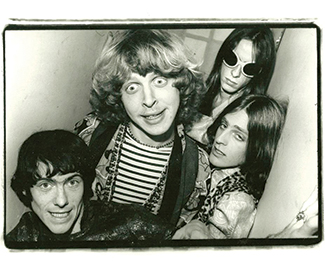
LEFT OF THE DIAL As legend has it, there was a time when you couldn’t walk the streets of Berkeley without running into him. He accosted you from posters adorning bar bathroom doors; he lurked around corners, plastered to telephone poles. He was mischievous, sometimes foul-mouthed, usually up to no good, but he always meant well. He wanted you to rock out. He was Pyno Man, and he was everywhere.

“Pyno Man was basically just the dream anybody has of being great, but instead of working a regular job and having fantasies about doing crazy rockstar things, he’s actually trying it all the time and failing. So he’s out there on the street acting like a rockstar, but everyone just thinks he’s crazy,” explains John Seabury, artist, creator of Pyno Man, and bass player for the relatively short-lived but locally legendary East Bay garage-punk outfit Psycotic Pineapple, for which the wild-eyed, mohawked, anthropomorphized pineapple served as mascot. “To me, that was logical.”

A staple of the East Bay punk club scene of the late ’70s, Psycotic Pineapple held court at the Keystone in Berkeley, sometimes playing SF’s fabled Mabuhay Gardens with friend bands, like the (underrated) power-pop maestros the Rubinoos. PP songs were about youth and drugs and sex, and you could count on them for an insane live show. But something in the band’s demeanor set them apart from the prevailing punk attitudes of the time: There wasn’t much they took seriously — least of all themselves.

“We didn’t really call them punks at that time, because that just wasn’t what we would call people who played music like them. They were just outlaws in a way, because they brought this sort of pop aesthetic to punk music. They were thumbing their nose at it and wrapping their arms around it at the same time,” says John Cuniberti, a producer, mastering engineer, and longtime friend of the band who helped the guys finally re-issue Psycotic Pineapple’s sole album, Where’s the Party?, on CD in 2012 — something that led to the band playing its first live show in more than two decades, which inspired Cuniberti to make a documentary about the band in the process.

There was something determinedly fun about Psycotic Pineapple, says Cuniberti. “I was working with the Dead Kennedys at the same time [’70s], and it was political, straight-up social commentary, songs about death and war and all these things. These guys played pop songs about relationships — really well-written pop songs, the songwriting was always very compelling to me — but they were rowdy, and they did it with an ‘I don’t care if you like us or not’ kind of attitude. There was an outrageousness to it.”

The band put out its lone record 1980, packed with 11 gleefully irreverent tracks that ran just over 25 minutes altogether. In 1981, something happened that no one could have predicted: Guitar player Henricus Holtman suffered a brain aneurysm, hindering his dexterity on his right side. The band stopped playing live. While most members remained involved in the local music scene — Seabury’s art adorns posters and t-shirts for a ton of other bands — Psycotic Pineapple mostly became the stuff of Bay Area folklore. But the fans were still out there. More than 30 years after PP disbanded, about a year after the band’s official reunion show at Bottom of the Hill, the music somehow doesn’t sound dated at all. They’ll headline the Gilman this week for the first time, with Pinole’s own Bobby Joe Ebola and the Children MacNuggits (whom could be said to follow in PP’s footsteps in terms of ethos, if not sound) opening.

“I don’t think the music feels old, but I’ve always thought that,” says Seabury, whose art fills a booklet that accompanies the re-issue CD. “By the time we broke up a lot of bands were starting to imitate that kind of attitude — Camper Van Beethoven, some others. I think we would have fit right into the alternative rock scene. We were kind of like these New Wave clowns making fun of punkers&ldots;which, as far as bands we gigged with go, their fans didn’t really like it. I remember opening for 999 and the Dickies, and both of their fans just hated us. They were booing us already, so we decided to close the set with ‘We’re an American Band,’ and that’s when the bottles started flying.”

They haven’t gotten to play together too often since the official reunion — for one, keyboard player Alexi Karlinski lives in Eastern Europe for most of the year. But while he’s back in the Bay for this stint, the guys plan to record a few new songs.

Maybe don’t call it a comeback just yet, says Cuniberti. But “I think they’re worth listening to, and there’s a lot of music being made that I can’t say that about. The songwriting is so good, and it’s timely, it still sounds fresh. You can hear in this record that they really love what they’re doing.”

While we’re immersed in the warm glow of East Bay punk history: 1-2-3-4 Go! Records, the independent record store, label, and all-ages venue housed in a deceptively small couple of rooms on 40th Street in Oakland, is expanding into the recently vacated space next door. From their crowdfunding campaign:

“A few weeks ago we were told our next door neighbors would be leaving and we could take a section of their space for an expansion. The catch is that we need to take the space by February 1st or it would go to someone else. As a small business with employees to take care of and regular bills to pay we don’t tend to have a lot of extra expansion capital on hand, especially on short notice. So we come to you, the good people who have supported us all these years and ask for you to join us in bringing the store to this next level and to continue to offer the great music and art we have been in our venue space.

In order to complete this expansion we need to do the following;

Knock out the adjoining wall.

Paint the interior and exterior to match our existing space

All new lighting that will stretch the length of both spaces.

Build additional custom fixtures; record bins, shelving etc.

Purchase new product; Records, books, supplies, turntables etc.

Purchase new Mic’s, Cords and Stands for the venue.

Close the store for 7 to 14 days (oof!)

Our plan is to have our Grand Re-Opening on March 15th to coincide with our 6th anniversary. We will have a sale during the day and a private event from 7pm to 10pm with food, drinks and music for supporters who come in at the $50 and above level who RSVP.”

As of this writing they have just under a week to go and still need to raise about $7,000. Want your as-of-yet unborn kids to know what actual record stores are? You know what to do: 1234gorecords.com.

Back here on this side of the Bay, A Million Billion Dying Suns — the psych-rock project of busy guitar virtuoso Nate Mercereau, who tours with Sheila E., among others (last week he was backing Dave Chappelle at the SFJazz Center) — have embarked on a mini-residency of sorts at the Knockout, starting with a Feb. 11 show. They recently had a song featured in a GoPro commercial, accompanying Shaun White as he blasts through snow-covered hills, but the band’s had my attention for about a year now, especially since the arrival last November’s Strawberry EP, with its slow-building, expertly crafted wall of spaced-out guitar fuzz, particularly on “Strawberry Letter 23,” a cover/homage to Shuggie Otis.

“I record a lot of stuff by myself, and Shuggie Otis has been a huge inspiration in that respect,” says Mercereau, who recently moved to LA, though he finds himself back in SF “every two weeks or so” — the band’s studio is still here. “Though it was also for our friend [manager and friend to many an SF musician] Steve Brodsky, who passed away last year. He really loved that song, and it felt like a way to do something for him.”

The Knockout feels a little small for the seriously powerful five-piece, Mercereau will acknowledge, but he wanted a residency at “a place our friends can walk to, a down-home punk rock spot that’s in the neighborhood.” If all goes well, he says, AMBDS will have another few shows here shortly, regardless of his new home base. “It’s easier than you might think,” he says. “We just live on Highway 5.”

PSYCOTIC PINEAPPLE
With Rock N’ Roll Adventure Kids, Bobby Joe Ebola and the Children MacNuggits, and the Gregors
Friday, Feb. 7, 7:30pm, $10
924 Gilman Street
924 Gilman, Berkeley
www.924gilman.org

A MILLION BILLION DYING SUNS
With What Fun Life Was and Lemme Adams
Tuesday, Feb. 11, 8:30pm, $6
Knockout
3223 Mission, SF
www.theknockout.com

Strings of life

0

marke@sfbg.com

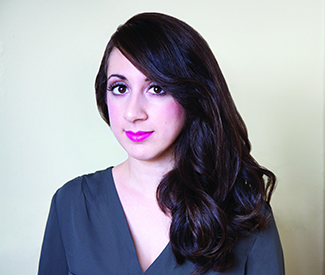
SUPER EGO Every year or so the plucky Kronos Quartet — our audacious yet user-friendly 40-year-old vanguard of the musical avant-garde — pops back on the scene to wow us. Last time I saw them, they opened for electronic pioneer Amon Tobin’s spectacular 3-D projection ISAM tour at the Greek Theatre, and if you don’t think a string quartet can garner deafening cheers at a giant rave, you need to hear Kronos. Before that, the foursome was at YBCA, bowing electrified fences and simulating multiple water wheels. This week the string quartet will be launching the fifth installment of its composers-under-30 showcase with an intense work by Bay Area native Mary Kouyoumdjian called Bombs of Beirut (Feb 6-9, 8pm, $20–$25. Z Space, 450 Florida, SF. www.zspace.org).

“I want to create a feeling of chaos and nostalgia,” Armenian American wiz Kouyoumdjian says of her piece, which attempts to reflect the day-to-day situation of life during the 1980s Lebanese Civil War, and which includes haunting ambient recordings taken from a balcony during the conflict. (Kouyoumdjian’s family lived through it.) She also wants to put a complex human face on ongoing Middle East conflicts — and hey, possibly remind us of that whole endless war thing still perpetuating. Maybe we want to try to stop that soon?


ONEOHTRIX POINT NEVER

Stop everything; look up this ambitious, electro-drone-based Brooklynite’s video for “Boring Angel.” Then watch cerebral local opener Holly Herndon’s astounding vid for her new “Chorus” track. Yeah, that kind of incredible “life on a parallel Internet planet” stuff.

Thu/6, 10pm-3am, $17.50–$20. 1015 Folsom, SF. www.1015.com


SCUBA + DJ HELL

Brilliant producer Scuba swings from drowned-flute downtempo to punishing dub techno (although his often-confusing sexual politics turn some people off). The real news for me, though, at this Lights Down Low party is DJ Hell, who’s been slaying dance floors for three decades with his edgy, driving beats — and always has interesting hair.

Thu/6, 9pm, $18. Mezzanine, 444 Jessie, SF. www.mezzaninesf.com


HOUSE SHOES

Detroit’s phenomenal Michael Buchanan, a.k.a. House Shoes, heads up a big tribute to J. Dilla — the quintessential hypnotic-soulful beats producer whose influence can be heard in pretty much every dope hip-hop track to drop in the past decade. (Dilla died in 2006 at 32.) Also on tap: Shortkut, Mr. E and Haylow, Fran Boogie.

Fri/7, 9pm, free before midnight with RSVP at www.mighty119.com. Mighty, 119 Utah, SF.


REBOLLEDO

I love the off-kilter sense of humor this Pachanga Boy from Mexico gives off — he’ll take us on a trip to the outer reaches with a wink and smile. With catchy NYC duo Blondes and cute “screw house” dude Axel Borman at the As You Like It party.

Fri/7, 9pm-4am, $15 advance. Public Works, 161 Erie, SF. www.publicsf.com


NONSTOP BHANGRA

The incredible chnagra club celebrates 100 colorful salutes to banging underground Indian dance music with a special appearance by London’s revered Punjabi MC — oh, and the dholrhythms dance troupe, live drumming and painting, the Curry Up Now truck, and DJ Jimmy Love on decks.

Sat/8, 9pm, $15 advance. Public Works, 161 Erie, SF. www.publicsf.com


SKIN

An amazing-sounding new monthly from Oakland heroes Candi and DJ Cecil featuring music and rhythms of the Latin and African diasporas, kicking off with live drumming from the awesome Sistahs of the Drum, Cuban salsa lessons, and one of my absolute favorite deep house DJs Carlos Mena.

Sat/8, 8pm, $5–$10. Venue Oakland, 420 14th St, Oakl. skintones.eventbrite.com


ANGELS OF BASS

Hometown lowdown hero Ana Sia returns to shake the walls, in her initimable minimal-meets-hardcore style, with the Angels of Bass crew Jess, Tamo, Viajay, and LMCG.

Sat/8, 9pm, $15–$20. Monarch, 101 Sixth St., SF. www.monarchsf.com


KELE OKEREKE

The indie god Bloc Party frontman has been heavily invested in electronic sounds for ages. Now you can hear his selections on deck at the Isis party, one of the true success stories of the past year in terms of wicked good times and a too-cute crowd.

Sat/8, 9:30pm-3:30am, $12–$15 advance. Public Works, 161 Erie, SF. www.publicsf.com


POOLSIDE

So happy for this SF-LA duo’s continued success bringing gorgeous, sun-drenched house tunes to the masses. Jeffrey Paradise and Filip Nikolic hit town again in big style, all night at Mezzanine. Bring your inflatables.

Sat/8, 9pm, $18.50. Mezzanine, 444 Jessie, SF. www.mezaninesf.com


Momentum moment

1

arts@sfbg.com

DANCE For its 10th anniversary, the Black Choreographers Festival: Here & Now won’t start with its customary lineup of performances, but with a ritual so ingrained that many dancers continue it even after they have retired from the stage. Dancers are obsessed with taking classes. Classes are why they scrape money together. If you’re part of a company, classes are a part of your daily routine. If you aren’t, you’re on your own — and at around $10 or $15 a session, that can quickly add up to a serious amount of cash.

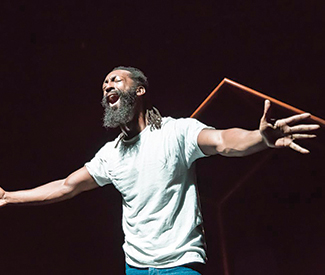
So how about 10 cents a class? At this year’s BCF, you can pay 50 cents for an all-day pass, good for up to five classes at Yerba Buena Center for the Arts’ Forum, taught by Robert Moses, Nora Chipaumire, Marc Bamuthi Joseph, and Rashad Pridgen. A showcase by the next generation of dancers — Dimensions Extensions Performance Ensemble, Destiny Arts, and the Village Dancers — is included in this bargain price.

BCF arose from the ashes of the renowned but collapsing festival known as Black Choreographers Moving Toward the 21st Century. At the festival’s final concert in 1995, financial constraints prevented it from inviting out-of-town artists, so it was an all-Bay Area show. That’s where the seed for BCF was planted. Laura Elaine Ellis, who had just started to choreograph, danced that night.

“I was so honored to be included,” she recalls. “After the performance, all of us realized that this was the first time ever that we all had shared a stage together. It felt so good.”

Kendra Barnes didn’t perform that evening — she was still a San Francisco State student — but “I had attended every concert, and I had just started my own company.” The two women realized that they, and many of their colleagues, would have to self-produce. The African and African American Performing Arts Coalition was a first, short-lived attempt.

But it was when Ellis and Barnes had one of those “what if we…” moments that BCF was born. “We wanted to create a community where we could come together and see each others’ work,” Barnes says.

From the beginning BCF turned a wide-angle lens on African American choreography. It aimed to showcase the whole range of ages and experiences, with beginning and experienced choreographers, plus youth dancers. The emphasis has always been on the “here and now” of its name, although that doesn’t mean, Ellis explains, “that folks who are rooted in traditional forms and rethink them are excluded.” The festival developed a format of showing one weekend in the East Bay (at Laney College) and in San Francisco (at Dance Mission Theater) with both established artists and what the BCF calls “Next Wave Choreographers.”

A lesser-known yet important part of the festival offers training opportunities for a handful of pre- and post-college students who are interested in theater management, tech, and other backstage responsibilities. Several of them, says Ellis, have been able to enter those fields professionally after completing the program.

For this anniversary season, BCF created its most ambitious schedule yet: four weekends of performances by an impressively diverse group of African American dance artists. A partnership with YBCA enabled the organizers to bring Zimbabwe-born Nora Chipaumire for the Bay Area premiere (Feb. 13-15 at YBCA) of Miriam, a work inspired by singer Miriam Makeba and the Virgin Mary, among others. “Nora has gone on to an international career, yet she started in the Bay Area,” Ellis points out.

On the penultimate weekend (Feb. 28-March 1 at Laney College), former Lines Ballet dancer-choreographer Gregory Dawson has created birdseye view, a sextet set to an original jazz score performed live by the Richard Howell Quintet. Zaccho Dance Theatre will present the Oakland premiere of Joanna Haigood’s haunting Dying While Black and Brown; it looks at the effect of incarceration on the human spirit. Joining the lineup will be a work in progress by Barnes (Feb. 28 only), Haitian Dancer Portsha Jefferson, and spoken-word artist Joseph.

Financial constraints prevented the programming of an accompanying film component this year, though the bitter pill was sweetened by a last-minute arrival: UPAJ, Hoku Uchiyama’s film about the partnership between Kathak artist Chitresh Das and tap dancer Jason Samuels Smith, will screen Feb. 28 at 6:30pm before that evening’s performance.

Looking back, Ellis figures that over the last decade they have presented almost 80 choreographers. So for this year’s special “Next Wave” program (Feb. 21-23 at Dance Mission), they sent out a call to “alumni.” It’s a homecoming for the 21 artists who accepted, and it should be heady mix, running (alphabetically) from Ramón Ramos Alayo to Jamie Wright.

For the ODC Theater finale (March 6-8), Robert Moses has curated an intriguing and somewhat mysterious evening, which includes a premiere of his own, Bliss Kohlmeyer and Dawson choreographing on his company, and Moses acting as a “host” to various choreographers. So far Raissa Simpson, Byb Chanel Bibene, and Antoine Hunter are confirmed, with more to come. *

BLACK CHOREOGRAPHERS FESTIVAL: HERE AND NOW

Feb 9-March 8, 50 cents-$35

Various venues, SF and Oakl.

www.bcfhereandnow.com


In the dark

5

A battle for transparency that has dragged on for years is nearing a milestone, as Bay Area civil liberties advocates await a judge’s ruling on whether the federal government will be forced to hand over memos outlining its legal justification for overseas drone strikes targeting US citizens.

The First Amendment Coalition, an Oakland-based civil liberties organization, submitted a Freedom of Information Act request in October 2011 seeking a legal memo prepared by the Office of Legal Counsel to the US Department of Justice.

Initially referenced in the New York Times and the Washington Post, the memo reportedly justifies the legal arguments underpinning the DOJ’s decision to track down and execute Anwar al-Awlaki, an American-born Al Qaeda operative who was killed by a US drone strike in Yemen in September 2011.

In its request, FAC noted that it was not interested in factual information about intelligence sources, but rather “discussion of the legal issues posed by prospective military action against a dangerous terrorist who also happens to be a US citizen.”

It’s hard to see how releasing a legal memo would constitute a threat to national security, an exemption that allows government to classify much of its information about military operations, but nevertheless federal authorities refused to honor FAC’s request.

In fact, the DOJ took its denial a step further, stating that it “neither confirms nor denies the existence of the document described in your request … because the very existence or nonexistence of such a document is in fact classified.”

After filing an appeal and getting nowhere, the civil liberties organization filed suit in Feb. 2012, demanding the release of the memo. Attorney Tom Burke, of Davis Wright Tremaine LLP, is representing FAC.

“We are not interested in how the US government found Al-Awlaki,” he explained. “Our suit is to release that memo with all intelligence information redacted.”

In Oakland on Jan. 23, US District Judge Claudia Wilken heard arguments from Burke and DOJ lawyers in motions for summary judgment, seeking a pretrial decision to settle the matter. By press time, Wilken still had not issued her ruling.

“It’s hard to know the ruling,” Burke said in a phone interview a week after the hearing. “The judge was being very short and blunt.” He added, “We’ve been fighting for this for years. If the ruling doesn’t go our way, I look forward to taking this to the Ninth Circuit [Court of Appeals].”

Meanwhile, the US District Court for the Southern District of New York heard two similar cases, brought against the DOJ by the New York Times and a New York chapter of the American Civil Liberties Union. In January of 2013, that court decided in favor of the DOJ, albeit with grave reservations.

“I find myself stuck in a paradoxical situation in which I cannot solve a problem because of contradictory restraints and rules — a veritable Catch-22,” Judge Colleen McMahon wrote in her opinion. “I can find no way around the thicket of laws and precedents that effectively allow the Executive Branch of our Government to proclaim as perfectly lawful certain actions that seem on their face incompatible with our Constitution and laws, while keeping the reasons for their conclusion a secret.”

The New York Times and ACLU appealed the decision, and are currently awaiting further ruling from the Court of Appeals for the Second Circuit.

The American citizens at the heart of these convoluted proceedings are al-Awlaki, his teenage son, Abdulrahman al-Awlaki, and Samir Khan. Al-Awlaki and his son — who was 16 at the time of his death — were both born in the United States, while Khan was a naturalized citizen of Pakistani origin.

Although all three were killed in strikes associated with counter terrorism operations, the elder al-Awlaki was the only one specifically targeted, according to a letter Attorney General Eric Holder wrote to members of Congress last May.

While the US government’s use of drone strikes has always been politically contentious because of stray civilian deaths, the use of this tactic to target American citizens has been particularly controversial. How is it that the US government — a global beacon for democracy and due process — can find guilty and execute its own citizens without a modicum of a trial?

“Judge McMahon expressed serious concerns that what the government was doing was unconstitutional,” said Brett Kaufman, an ACLU attorney who is handling the cases concerning drone strikes. “But on the merits of [the Freedom of Information Act], which was the issue before her, she had to agree with the DOJ.”

Francisco Alvarado contributed to this report.

This Week’s Picks: January 29 – February 4, 2014

0

WEDNESDAY 29

Yuck

The year 2013 was a tumultuous one for this London indie outfit. It recorded and released its sophomore album within a matter of months, simultaneously announcing the record and frontman Daniel Blumberg’s departure from the band. This was a surprising turn of events for a band that should have been basking in the afterglow of the critical success of its 2011 debut, not to mention universal adoration by both music journalists and the blogosphere. Instead of disbanding or recruiting a new vocalist, guitarist Max Bloom has stepped up to the mic and taken a turn from its shoegaze-tinged debut to embrace other forms of alternative rock, but don’t worry — it still sounds like it emerged from a time capsule buried in 1997. (Haley Zaremba)

With GRMLN, The She’s

8pm, $15

The Independent

628 Divisadero, SF

(415) 771-1421

www.theindependentsf.com


THURSDAY 30

Performance Research Experiment #2

It sounds deceptively dry, but “Performance Research Experiment #2” is a fairly accurate description of what Jess Curtis and his partners will show this weekend: It’s simultaneously a show and a scientific inquiry of what a performance does to a viewer — like it or not. Some of it will be sheer fun, some of it puzzling, and some of it difficult to watch. Curtis admits that the experience can be “intense.” The work — about a dozen two-minute episodes performed by Curtis and his partner on stage Joerg Mueller with media artist Yoann Trellu — raises fascinating questions about our bodies’ involuntary responses to what comes at them. This performance shows that science and art, contrary to common assumptions, can in fact inhabit the same universe. (Rita Felciano)

Jan. 30-Feb.1, 8pm, $15-20

Joe Goode Annex

499, Alabamba St. SF

http://www.brownpapertickets.com/event/537659


“Melt: The Art of Macaroni and Cheese”

Oakland food writer and chef Stephanie Stiavetti has gone and done something we were all waiting for: made our near-constant urge to eat only macaroni and cheese for dinner seem like a reasonable, adult thing to do. Her new cookbook marries the sophistication of handcrafted artisan cheeses from around the world with the simple joy produced only by the smell of perfectly browned, parmesan-covered pasta filling your kitchen. There are classic recipes, to be sure; there’s also an entire roasted pumpkin stuffed with Italian sausage, pasta and Fontina. She’ll talk all things mac-and-cheesy at this reading, and of course — don’t forget your Lactaid — she’ll be bringing samples. (Emma Silvers)

6:30pm, free

Omnivore Books on Food

3885a Cezar Chavez, SF

(415) 282-4712

www.omnivorebooksonfood.com


FRIDAY 31

Jean-Luc Godard: Expect Everything from Cinema

We know him best for his 1959 black-and-white debut Breathless, a genre-changing film that came to epitomize the French New Wave with its philosophical angst, tender tragedies, and haphazard American-Western heroism — all set in Paris of the ’60s, with recklessness, heavy eyeliner, and a rejection of the traditional love story. Yet Jean-Luc Godard produced a number of works, and when viewed together they form an inventive collection, to say the least. Beginning Jan. 31, BAM/PFA will screen Godard’s shorts and features in the film series “Expect Everything From Cinema,” allowing Godard die-hards and New Wave newbies the chance to see his films on the big screen, and begin to recognize characteristics of his work on a continuum, from subversive political messages to his ambiguous-realism style. (Kaylen Baker)

Times vary per week, visit BAMPFA website for details, $9.50

Pacific Film Archive Theater

2575 Bancroft Way, Berkeley

(510) 642-1124

bampfa.berkeley.edu


Dirty Harry

Of all of Clint Eastwood’s many iconic film roles, that of rogue San Francisco Police Detective Harry Callahan in 1971’s Dirty Harry is perhaps the most indelible. Shot on location throughout the city and Marin County, the film mixed the traditional cop drama with a harsh and gritty approach, incorporating then-recent events such as the Zodiac into the script about a serial killer terrorizing the populace. Here’s your chance to cheer on one of the most famous — but misquoted — lines in film history: “You’ve got to ask yourself one question: ‘Do I feel lucky?’ Well, do ya, punk?!” Feature preceded by cartoons, newsreels, games, and more. (Sean McCourt)

8pm, $5

Paramount Theatre

2025 Broadway, Oakland

(510) 465-6400

www.paramounttheatre.com


SATURDAY 1

Reggie and the Full Effect

For a guy who played with classic emo outfits like the Get Up Kids and My Chemical Romance, Kansas City’s James Dewees sure seems like a happy guy. His solo act, Reggie and the Full Effect, is the polar opposite of Dewees’ other musical endeavors. This bizarre and completely hilarious side project bounces back and forth between genres as varied as hardcore, emo pop, and bluegrass, sporting song titles like “Happy Chickens” and “Revenge is a Dish Best Served at Park Chan-Wook’s.” Though Dewees hit the road for a farewell tour in 2008, he’s back this year with a new album (thanks, Kickstarter) and his first solo tour in half a decade. The only thing to expect from this show is the unexpected. And trust us, the unexpected is very, very entertaining. (Zaremba)

With Dads, Pentimento

8:30pm, $16

Bottom of the Hill

1233 17th St, SF

(415) 626-4455

www.bottomofthehill.com


Millennium Film Journal: 35th Anniversary Celebration

Sprung from the still-vital Millennium Film Workshop, which had its edgy beginnings in New York City’s fertile 1960s Lower East Side scene, the bi-annual Millennium Film Journal has been studying and celebrating avant-garde film since 1978 (and has since expanded to include video and works in other mediums, too). This San Francisco Cinematheque presentation welcomes current editor Grahame Weinbren to celebrate the publication’s 58th issue with a program of film and video by Stella Brennan, Catherine Elwes, and others, as well as a slideshow that looks back through its long and varied history on the printed page. (Cheryl Eddy)

7:30pm, $6-$10

Yerba Buena Center for the Arts

701 Mission, SF

www.sfcinematheque.org


SUNDAY 2

The Fourth Annual Super Bowl: Men In Tights

If you’d rather do your taxes than watch three hours of football this weekend, join SF Indiefest at the Roxie for the Fourth Annual Super Bowl: Men in Tights comedy show — “Come for the comedy, stay for the commercials.” Indiefest’s SportsSweater comedians will provide hysterical (and most likely incorrect) play-by-play commentary, raunchy sketches, and general debauchery while the game plays on Roxie’s big screen. Ad junkies rejoice, as the only untouched part of the Superbowl comes every 15 minutes. Watch America’s top-notch commercials uninterrupted by the horde of jokesters. And what Sunday football viewing is complete without beer, wine, bloodies, and snacks? Tickets benefit the Roxie Theater and IndieFest. (Laura Childs)

3pm, $10

The Roxie

3117 16th, SF

www.roxie.com


The Toasters

Everything has changed since 1981. The Soviet Union has fallen, the Internet has taken over the world, smartphones have taken over our brains, and no one listens to Kim Carnes. One thing, however, has stayed completely, unflaggingly consistent: New York’s checker-caped crusaders of third-wave ska. Thirty-three years, nine albums, and 40 lineup changes later, the Toasters are still skanking. Though they haven’t released a new record since 2007, these ska kings have been touring nearly constantly for three decades. If you’re looking for up-and-coming, hip, or new and different, this is not the show for you. But if you’re looking for an absolute blast with some well-practiced dudes who know how to put on a show better than just about anyone, you definitely want to be at the Gilman tonight. (Haley Zaremba)

With Monkey, Jokes for Feelings, The Skunkadelics, Skank Bank

5pm, $10

924 Gilman, Berkeley

(510) 524-8180

www.924gilman.org


Groundhog Day

If you’re among the grouchy, local Niners fans looking for something else to do this Sunday, why not enjoy the uniquely brilliant 1993 comedy Groundhog Day screening on the holiday itself? The cult classic stars Bill Murray as a cantankerous TV reporter who is grudgingly sent to cover the annual proceedings in Punxsutawney, Pa., only to be trapped in a mysterious time loop where he is forced to repeat the same day, over and over again. Following his journey, going from annoyed and suicidal to finally embracing life and love, this funny and touching film was added to the National Film Registry in 2006. (Sean McCourt)

2pm, $8-$8.50

CineArts @ Empire Theater

85 West Portal, SF

(415) 661-2539

www.cinemark.com


MONDAY 3

Burroughs at 100: The Films of William S. Burroughs

William S. Burroughs is best known for his powers with the written word. Specifically, his tendency to do terrible, wonderful, innovative, influential, shocking and heroin-laced things with it over the course of 18 novels, six collections of short stories, and four collections of essays. His work in films, however — the result of collaboration with artist Brion Gysin and filmmaker Anthony Balch at the Beat Hotel in Paris — showcases an entirely new side to the writer, who was interested in the ways visual art could adapt his “cut-up” method and other themes in his writing. Part of City Lights’ celebration of Burrough’s 100th birthday, the films Towers Open Fire, The Cut-Ups, and Bill and Tony will be screened with commentary by Burrough’s friend, filmmaker, and film historian Mindaugis Bagdon. (Emma Silvers)

8pm, free

City Lights Bookstore

261 Columbus, SF

www.citylights.com


TUESDAY 4

From Russia Without Love: The 2014 Winter Olympics and Human Rights in Russia

Two good things, at least, that have come from the worldwide outrage at the horrifying persecution of homosexuals going on right now in Russia: a wake-up call that, despite many encouraging gains, us LGBTs are far from out of the woods yet. (The other good thing? Tons of hilarious memes of Putin in drag. Oh, and also we discovered which vodkas were actually Russian, so we could boycott them.) This discussion with educators and advocates will discuss the treatment of Russian homosexuals and queer athletes and spectators in the shadow of the upcoming Winter Olympic Games in Sochi. The panel includes Dr. Krista Hanson, SFSU professor of Russian culture, and Helen Carroll, sports project director at the National Center for Lesbian Rights. (Marke B.)

5:30pm, $8-$20

Commonwealth Club

595 Market, SF

www.commonwealthclub.org

Expose yourself to art

0

arts@sfbg.com

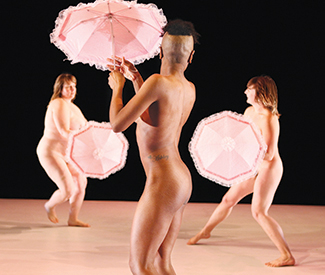
THEATER It takes a playwright of particular boldness to forgo text entirely in deference to movement and music. But in addition to the formal choices made in her Untitled Feminist Show, eminent New York downtown theater maker Young Jean Lee also pursues a theme (flagged by her “un-title”) that stubbornly remains as controversial as ever: the politics and pleasures of female empowerment. This theme plays out starkly, without clothes and without shame, over the course of an hour-long romp that will make its Bay Area premiere this weekend at Yerba Buena Center for the Arts.

Conceived and directed by Lee, with choreography by Faye Driscoll (another prominent New York artist whose You’re Me ran at CounterPULSE last March), Untitled Feminist Show is just one of the latest of Lee’s willfully provocative, consistently witty pieces. She and her Young Jean Lee’s Theater Company have made a national reputation by reaching for the most uncomfortable subjects, producing a set of humorous, audacious, experimental plays about race, sex, family, religion — great taboo regions normally shrouded in prickly mythology, limited by official debate, or otherwise smothered by good intentions.

Her works include Straight White Men, an exploration of success in contemporary American society; The Shipment, her “black-identity politics show”; Church, investigating American-brand Christianity through the structure of a church service; and the fierce, zany, and dis-Orienting Songs of the Dragons Flying to Heaven (produced locally by Crowded Fire in 2011) in which, drawing on her own Korean American roots, the fractured perspectives and sacrosanct traditions of an American minority serve a master narrative about a young white couple’s banal relationship.

YBCA’s presentation of Untitled Feminist Show comes, not coincidentally, as the organization transitions under its new leadership. Deborah Cullinan, who succeeded Ken Foster as YBCA’s executive director in September, was the longtime executive director of Intersection for the Arts. She has a well-deserved reputation for turning that esteemed arts organization around from hard times after she took over in 1996. YBCA’s director of performing arts, Marc Bamuthi Joseph, was a successful Oakland-based artist and activist when he took over from Angela Mattox (now running PICA in Portland) in 2012.

As longtime associates in the local arts scene, both of whom have been exceptionally community-oriented advocates for the arts, Cullinan and Joseph together promise a bold redrawing of the lines at YBCA. They recently sat down to speak with me about the vision they share for a 21st century arts organization — including the development of something they call the creative ecosystem — and where the work of an artist like Young Jean Lee fits into it.


SF Bay Guardian How are you settling in, after a couple of months and a couple of years now, respectively? And what are these creative ecosystems?

Deborah Cullinan Where I’m at: I’m still listening, learning—frankly a little astonished. I was, what, three blocks away? And my predecessor Ken Foster was one of my closest work friends; Bamuthi another one. I had no idea how much goes on here. It’s just abundant. The creative ecosystem is something Marc dreamed up, and certainly wooed me with. It’s something the two of us, and everybody here, considers to be a way we can think about a contemporary arts center in this century.

Marc Bamuthi Joseph The day that this feature runs will be my second anniversary. My last work [red, black & GREEN: a blues] was commissioned here, and premiered here. I interviewed for this position three days after the premiere. That last work was built around an integrated, documentary process of asking public intellectuals, doers, activists of all stripes—and by activists I don’t mean by vocation but in the purest sense of the word—to contemplate a question and create a physical response. The result, in terms of making art but also in terms of my personal relationships (the way that community might interact with an artistic process), was something that I essentially adapted and created here.

Our community engagement program is a curatorial department. It doesn’t function as a traditional department in that it’s not supplementary. They are agitators; they are intentional. They make space, as opposed to supplementing work. Their gig is not to cue up the Q&A after a play. [It’s] ultimately about the cultivation of relationships.

So that’s what the creative ecosystem is. It’s an adjunct to my own artistic process; it’s a scheme and structure that works within the infrastructure that we have at Yerba Buena Center. What we do is we curate small groups, somewhere between 30 and 50, around key questions that artists are driving. We bring these folks together in salon spaces to watch work together. So, for Young Jean Lee, the questions are: “What is on the other side of your body’s joy?” and “What is on the other side of your body’s shame?” The group has been together for about a year. And when we present the work, they’ll create in our theater lobby physical responses — performative, immersive, antagonistic, and also very vulnerable responses to those questions of joy and shame in the body.

Having piloted a group already (which was contemplating futurity and soul), and now working with body politics, we’re going to add a layer of the onion every year, so that in the coming years we’ll have hundreds if not thousands of folks operating on our campus not just as audience members but as agents within artistic inquiry, so that while we’re here it’s a place of thinking and doing and not just watching.

SFBG Who makes up this group?

MBJ They come from all over the educational spectrum, and all over the vocational spectrum. That too is by design. We wanted at least 10 different practices in each of these groups. These groups aren’t made up of artists exclusively, and ideally artists are in the minority. What we’re creating is a platform by which an arts space might be a hub for diverse intellectual activity. It’s art-framed, but it’s not necessarily art-centered.

DC I’m excited to see us pursue not an either/or definition of what an arts center is — or what art is — but a both/and. What we’re trying to suggest here is that the more we consider what the art is doing, who’s gathering around it or who’s making it, the more valuable that art itself is. The community engagement structure Marc talked about suggests that if you don’t have an active curatorial arm asking, “Who’s not here still?” and “What don’t we know yet?” then the curatorial structure is static. I think putting things together in this way means it’s much more of a circle, and it’s much more inclusive.

SFBG Where does Young Jean Lee’s Untitled Feminist Show come in?

MBJ There’s an arc around relationship to the body—in a way that’s not so much about identity; I think it’s more about empathy and vulnerability. These broad themes of joy and shame are more visceral than intellectual. The alchemy of transformation, the movement of molecules in a room, that’s currency to me. An artistic experience is more valuable if I feel my chemistry changing. So I look for art and artists that demonstrate a similar value system. Myra Melford’s work; Dohee Lee’s work; all of the artists in our New Frequencies music festival — these are artists who demonstrate that same sensibility: the attack of inquiry with brilliant intellectual design, but also a fierceness and unflinching-ness around personal transformation.

The work I subscribe to is work where I feel an artist being transformed, with a magic or sorcery around the ability to have personal transformation be a conduit for collective transformation. I think that’s at work [in Untitled Feminist Show]. And in terms of an intentional community design, this is what we foreground. *

“UNTITLED FEMINIST SHOW”

Thu/30-Sat/1, 8pm, $30-$35

Yerba Buena Center for the Arts

Lam Research Theater

700 Howard, SF

www.ybca.org

Theater Listings: January 29 – February 4, 2014

0

Stage listings are compiled by Guardian staff. Performance times may change; call venues to confirm. Reviewers are Robert Avila, Rita Felciano, and Nicole Gluckstern. Submit items for the listings at listings@sfbg.com.

THEATER

OPENING

Hir Magic Theatre, Fort Mason Center, Bldg D, Third Flr, SF; www.magictheatre.org. $20-60. Previews Wed/29-Sat/1, 8pm; Sun/2, 2:30pm; Mon/3, 7pm. Opens Tue/4, 8pm. Runs Wed-Sat, 8pm (no show Feb 5; additional show Feb 19, 2:30pm); Sun, 2:30pm (also Feb 9, 7pm); Feb 11, 7pm. Through Feb 23. Magic Theatre presents the world premiere of Taylor Mac’s comedic drama about a woman determined to help her two wayward children succeed, while stretching the boundaries of her own gender identity

The Scion Marsh San Francisco, 1062 Valencia, SF; www.themarsh.org. $15-60. Previews Thu/30-Fri/31, 8pm. Opens Sat/1, 5pm. Runs Thu-Fri, 8pm; Sat, 5pm. Through March 1. Brian Copeland’s fourth solo show takes on “privilege, murder, and sausage.”

BAY AREA

Gideon’s Knot Aurora Theatre, 2081 Addison, Berk; www.auroratheatre.org. $32-60. Previews Fri/31-Sat/1 and Feb 5, 8pm; Sun/2, 2pm; Tue/4, 7pm. Opens Feb 6, 8pm. Runs Tue, 7pm; Wed-Sat, 8pm; Sun, 2 and 7pm. Through March 2. Aurora Theatre Company performs Johnna Adams’ drama set within the tense atmosphere of a parent-teacher conference.

The House That Will Not Stand Berkeley Repertory Theatre, Thrust Stage, 2025 Addison, Berk; www.berkeleyrep.org. $29-59. Previews Fri/31-Sat/1 and Tue/4, 8pm; Sun/2, 7pm. Opens Feb 5, 8pm. Runs Tue and Thu-Sat, 8pm (also Sat, Feb 13, and March 13, 2pm; no Sat matinee Feb 15); Wed, 7pm; Sun, 2 and 7pm. Through March 16. Berkeley Rep performs the world premiere of Marcus Gardley’s tale of free women of color in 1936 New Orleans.

ONGOING

Foodies! The Musical Shelton Theater, 533 Sutter, SF; www.foodiesthemusical.com. $32-34. Fri-Sat, 8pm. Open-ended. AWAT Productions presents Morris Bobrow’s musical comedy revue all about food.

Hemorrhage: An Ablution of Hope and Despair Dance Mission Theater, 3316 24th St, SF; www.dancemission.com. $20-25. Thu-Sat, 8pm (Feb 8, shows at 4 and 7pm); Sun, 6pm. Through Feb 8. Dance Brigade presents this “dance installation at the intersection of the new San Francisco and world politics.”

Jerusalem San Francisco Playhouse, 450 Post, SF; www.sfplayhouse.org. $20-100. Tue-Thu, 7pm; Fri-Sat, 8pm (also Sat, 3pm); Sun/2, Feb 9, and 16, 2pm. Through March 8. SF Playhouse performs the West Coast premiere of Jez Butterworth’s Tony- and Olivier-wining epic.

Lovebirds Marsh San Francisco Studio, 1062 Valencia, SF; www.themarsh.org. $15-50. Thu-Fri, 8pm; Sat, 8:30pm. Through March 15. Theater artist and comedian Marga Gomez presents the world premiere of her 10th solo show, described as “a rollicking tale of incurable romantics.”

Major Barbara ACT’s Geary Theater, 415 Geary, SF; www.act-sf.org. $20-140. Wed/29-Sat/1, 8pm (also Wed/29, 2pm); Sun/2, 2pm. American Conservatory Theater performs a new production of George Bernard Shaw’s political comedy.

Noises Off Shelton Theater, 533 Sutter, SF; www.sheltontheater.org. $38. Thu-Sat, 8pm. Through Feb 8. Shelton Theater presents Michael Frayn’s outrageous backstage comedy.

The Oy of Sex Marsh San Francisco, 1062 Valencia, SF; www.themarsh.org. $20-100. Sat, 5pm. Extended through Feb 22. Comedian Alicia Dattner performs her solo show, based on her stories from her own life and love addiction.

Pardon My Invasion Phoenix Theatre, 414 Mason, SF; pardonmyinvasion.brownpapertickets.com. $15-30. Thu-Sat, 8pm; Sun/2, 2pm. Through Feb 8. A pulp fiction writer’s characters come to life in this dark comedy by Joy Cutler.

The Paris Letter New Conservatory Theater Center, 25 Van Ness, SF; www.nctcsf.org. $25-45. Wed-Sat, 8pm; Sun, 2pm. Through Feb 23. New Conservatory Theatre Center performs Jon Robin Baitz’s tale of a Wall Street powerhouse desperately trying to keep his sexual identity a secret.

The Pornographer’s Daughter Z Below, 470 Florida, SF; www.zspace.org. $32. Thu-Sat, 8pm (also Sat, 10:30pm); Sun, 5pm. Through Feb 16. Liberty Bradford Mitchell was a good kid growing up, and a pretty innocent one — probably more than you would expect given her proximity to the family business, the veritable empire of porn founded and run by her father and uncle, San Francisco legends Artie and Jim Mitchell. Now in her 40s and a mother of her own, Mitchell proves a likeably earthy presence if a less-then-compelling actor-playwright in her new one-woman show, directed by Michael T. Weiss, a firsthand account of growing up in San Francisco’s first family of raunch. Inseparable brothers Artie and Jim were the 1970s porn pioneers who founded the O’Farrell Theatre and road high in the industry, weathering court battles and substance abuse and divorce, but succumbing ultimately to their own lethal fallout — Jim Mitchell shot and killed Liberty’s father Artie in 1991. The material here is rich to say the least, and together with generous and explicit excerpts from archival footage and classic porn (including the Mitchells’ own era-defining Behind the Green Door, from 1972), it makes a fascinating bed for Liberty Mitchell’s reminiscences. Musical accompaniment by three-person SF band the Fluffers, meanwhile, punctuates the chronology with blasts of period rock, though often just a few bars worth, and backs up Liberty on the a single, rather awkward musical number. Moreover, despite the keen interest the basic historical facts and family anecdotes can generate, Mitchell’s filial narrative lens is only intermittently effective, being finally too pat, poorly drawn, and predictably sentimentalized to fully reverberate with the larger, almost archetypical or classical themes hovering nearby. (Avila)

“SF Sketchfest: The San Francisco Sketch Comedy Festival” Various venues, SF; www.sfsketchfest.com. Prices vary. Through Feb 9. This year’s 13th Sketchfest features over 200 shows in more than 20 venues, featuring both big-name talents (Alan Arkin, Tenacious D, Laura Dern and the cast of Enlightened, Maya Rudolph, etc.) and up-and-comers, plus tributes to films, theatrical and musical events, improv showcases, and more. Much, much, much more.

Shit & Champagne Rebel, 1772 Market, SF; shitandchampagne.eventbrite.com. $25. Fri-Sat, 8pm. Through Feb 8. D’Arcy Drollinger is Champagne White, bodacious blonde innocent with a wicked left hook in this cross-dressing ’70s-style white-sploitation flick, played out live on Rebel’s intimate but action-packed barroom stage. Written by Drollinger and co-directed with Laurie Bushman (with high-flying choreography by John Paolillo, Drollinger, and Matthew Martin), this high-octane camp sendup of a favored formula comes dependably stocked with stock characters and delightfully protracted by a convoluted plot (involving, among other things, a certain street drug that’s triggered an epidemic of poopy pants) — all of it played to the hilt by an excellent cast that includes Martin as Dixie Stampede, an evil corporate dominatrix at the head of some sinister front for world domination called Mal*Wart; Alex Brown as Detective Jack Hammer, rough-hewn cop on the case and ambivalent love interest; Rotimi Agbabiaka as Sergio, gay Puerto Rican impresario and confidante; Steven Lemay as Brandy, high-end calf model and Champagne’s (much) beloved roommate; and Nancy French as Rod, Champagne’s doomed fiancé. Sprawling often literally across two buxom acts, the show maintains admirable consistency: the energy never flags and the brow stays decidedly low. (Avila)

The Speakeasy Undisclosed location (ticket buyers receive a text with directions), SF; www.thespeakeasysf.com. $60-90 (add-ons: casino chips, $5; dance lessons, $10). Thu-Sat, 7:40, 7:50, and 8pm admittance times. Through March 15. Boxcar Theatre presents Nick A. Olivero’s re-creation of a Prohibition-era saloon, resulting in an “immersive theatrical experience involving more than 35 actors, singers, and musicians.”

Too Much Light Makes the Baby Go Blind Boxcar Playhouse, 505 Natoma, SF; www.sfneofuturists.com. $11-16. Fri/31, 9pm. Thirty plays in 60 minutes, with a show that varies each night, as performed by the Neo-Futurists.

Ubu Roi Exit on Taylor, 277 Taylor, SF; www.cuttingball.com. $10-50. Opens Thu/30, 7:30pm (gala opening Fri/31, 8pm). Runs Thu, 7:30pm; Fri-Sat, 8pm (also Sat, 2pm); Sun, 5pm. Through Feb 23. Cutting Ball Theater performs Alfred Jarry’s avant-garde parody of Shakespeare’s Macbeth, presented in a new translation by Cutting Ball artistic director Rob Melrose.

The World’s Funniest Bubble Show Marsh San Francisco, 1062 Valencia, SF; www.themarsh.org. $8-11. Sun, 11am. Through March 9. The popular, kid-friendly show by Louis Pearl (aka “The Amazing Bubble Man”) returns to the Marsh.

BAY AREA

Can You Dig It? Back Down East 14th — the 60s and Beyond Marsh Berkeley, 2120 Allston, Berk; www.themarsh.org. $20-35. Sat/1, 8:30pm; Sun/2, 7pm. Don Reed’s new show offers more stories from his colorful upbringing in East Oakland in the 1960s and ’70s. More hilarious and heartfelt depictions of his exceptional parents, independent siblings, and his mostly African American but ethnically mixed working-class community — punctuated with period pop, Motown, and funk classics, to which Reed shimmies and spins with effortless grace. And of course there’s more too of the expert physical comedy and charm that made long-running hits of Reed’s last two solo shows, East 14th and The Kipling Hotel (both launched, like this newest, at the Marsh). Can You Dig It? reaches, for the most part, into the “early” early years, Reed’s grammar-school days, before the events depicted in East 14th or Kipling Hotel came to pass. But in nearly two hours of material, not all of it of equal value or impact, there’s inevitably some overlap and indeed some recycling. Note: review from an earlier run of the show. (Avila)

Geezer Marsh Berkeley, 2120 Allston, Berk; www.themarsh.org. $25-50. Thu, 8pm; Sat, 5pm. Through March 1. Geoff Hoyle moves his hit comedy about aging to the East Bay.

The Grapes of Wrath Hillbarn Theatre, 1285 E. Hillsdale, Foster City; www.hillbartheatre.org. $23-38. Fri-Sat, 8pm; Sun, 2pm. Through Feb 9. Hillbarn Theatre continues its 73rd season with Frank Galati’s adaptation of John Steinbeck’s classic American novel.

Man in a Case Berkeley Repertory Theatre, 2015 Addison, Berk; www.berkeleyrep.org. $45-125. Tue and Thu-Sat, 8pm; Wed, 7pm; Sun, 2pm. Through Feb 16. Mikhail Baryshnikov returns to Berkeley Rep to star in a play based on a pair of Anton Chekhov’s short stories, “Man in a Case” and “About Love.” Obie-winning Big Dance Theater stages the high-tech adaptation.

Silent Sky TheatreWorks, Mountain View Center for the Performing Arts, 500 Castro, Mtn View; www.theatreworks.org. $19-73. Tue-Wed, 7:30pm; Thu-Sat, 8pm (also Sat, 2pm); Sun 2 and 7pm. Through Feb 9. Lauren Gunderson’s drama explores the life of groundbreaking early 20th century astronomer Henrietta Leavitt.

PERFORMANCE/DANCE

Caroline Lugo and Carolé Acuña’s Ballet Flamenco Peña Pachamama, 1630 Powell, SF; www.carolinalugo.com. Sat/1, Feb 8, 14, 16, 22, 6:15pm. $15-19. Flamenco performance by the mother-daughter dance company, featuring live musicians.

“Dance and Diaspora” ODC Theater, 3153 17th St, SF; www.odcdance.org. Sat/1-Sun/2, 8pm. $25-35. Works by Persian artists Farima Berenji and Shahrzad Khorsandi.

“Does This Joke Make Me Look Fat?” Mutiny Radio, 2781 21st St, SF; www.mutinyradio.org. Fri/31, 8pm. $10. Also Sat/1, 5pm, $10, Purple Onion at Kells, 530 Jackson, SF; www.purpleonionatkells.com. Pam Benjamin performs her solo comedy show at two different venues. Aaron Barrett and Christopher Conatser open.

Feinstein’s at the Nikko Hotel Nikko, 222 Mason, SF; www.feinsteinssf.com. This week: Anita Gillette in “After All,” Thu/30, 8pm, $30-40; Leslie Jordan in “Fruit Fly,” Fri/31, 8pm, $25-35; Terry White, Sat/1, 7pm, $25-30.

“Gang Bang Comedy Show” Playland, 1351 Polk, SF; www.playlandbar.com. Wed/29, 8pm. $10. Hella gay Comedy presents queer and queer-friendly stand-up with Charlie Ballard, Carrie Avritt, Jesus Fuentes, Yuri Kagen, and Sampson McCormick.

Jess Curtis/Gravity Joe Goode Annex, 401 Alabama, SF; www.joegoode.org. Thu/30-Sat/1, 8pm. $15-20. The company performs Performance Research Experiment #2.2.

“Live Yiddish Radio Show” Contemporary Jewish Museum, 736 Mission, SF; www.thecjm.org. Sun/2, 1-3pm. $20 (includes museum admission). Musicians, comedians, and actors combine their talents to re-create a Yiddish radio show as it might have sounded in the 1930s.

“Magic at the Rex” Hotel Rex, 562 Sutter, SF; www.magicattherex.com. Sat, 8pm. Ongoing. $30. Magic and mystery with Adam Sachs and mentalist Sebastian Boswell III.

“Point Break Live!” DNA Lounge, 373 11th St, SF; www.dnalounge.com. Feb 7, March 7, and April 4, 7:30 and 11pm. $25-50. Dude, Point Break Live! is like dropping into a monster wave, or holding up a bank, like, just a pure adrenaline rush, man. Ahem. Sorry, but I really can’t help but channel Keanu Reeves and his Johnny Utah character when thinking about the awesomely bad 1991 movie Point Break or its equally yummily cheesy stage adaptation. And if you do an even better Keanu impression than me — the trick is in the vacant stare and stoner drawl — then you can play his starring role amid a cast of solid actors, reading from cue cards from a hilarious production assistant in order to more closely approximate Keanu’s acting ability. This play is just so much fun, even better now at DNA Lounge than it was a couple years ago at CELLspace. But definitely buy the poncho pack and wear it, because the blood, spit, and surf spray really do make this a fully immersive experience. (Steven T. Jones)

“The Romane Event Comedy Show” Make-Out Room, 3225 22nd St, SF; www.pacoromane.com. Wed/29, 8pm. $10. With Paco Romane, Jules Posner, Matt Gubser, Rajeev Dhar, Cameron Vaninni, Joey Devine, and host Nicole Calasich.

“This Boy is Just So Strange” Eric Quezada Center, 518 Valencia, SF; www.518valencia.org. Sat/1, 8pm; Sun/2, 3pm. Free. Original songs and monologues with Tommi Avicolli Mecca, Joel Mark, and Diana Hartman.

“Untitled Feminist Show” Yerba Buena Center for the Arts, Lam Research Theater, 700 Howard, SF; www.ybca.org. Thu/30-Sat/1, 8pm. $30-35. Playwright and director Young Jean Lee’s latest work “shakes up gender norms through movement and music.”

BAY AREA

Company C Contemporary Ballet Lesher Center for the Arts, 1601 Civic, Walnut Creek; www.companycballet.org. Thu/30-Sat/1, 8pm (also Sat/1, 3pm). Also Feb 13-14, 8pm; Feb 15, 6pm (benefit gala); Feb 16, 3pm. $25-48. Yerba Buena Center for the Arts, Lam Research Theater, 701 Mission, SF; www.companycballet.org. The company’s winter program includes premieres by Susan Jaffe and Charles Anderson.

Diablo Ballet Shadelands Arts Center, 111 N. Wiget Lane, Walnut Creek; www.diabloballet.org. Fri/31-Sat/1, 8pm (also Sat/1, 2pm). $29-34. The company’s 20th anniversary season continues with its Emotions Into Movement program.

“Die Fledermaus” Napa Valley Performing Arts Center, Yountville; www.lincolntheater.com. Sat/1, 8pm; Sun/2, 2pm. $15-59. Lamplighters Music Theatre (noted for its Gilbert and Sullivan productions) performs Johann Strauss’ “bubbly tale of revenge and temptation.” Continues at Bay Area theaters through Feb 23; visit www.lamplighters.org for future dates.

“MarshJam Improv Comedy Show” Marsh Berkeley, 2120 Allston, Berk; www.themarsh.org. Fri, 8pm. Ongoing. $10. Improv comedy with local legends and drop-in guests.

Martha Graham Dance Company Zellerbach Hall, Bancroft at Telegraph, UC Berkeley, Berk; www.calperformances.org. Fri/31-Sat/1, 8pm. $30-92. Performing Appalachian Spring (1944), Cave of the Heart (1946), and Maple Leaf Rag (1990). *


Young at heart

0

LEFT OF THE DIAL “Why are some songs so perfect in a way that never happens again in our lives? What is it about music and being older than 12 but younger than 20?”

Those are the lines of narration capping the final panel of one of my favorite Lynda Barry comic strips, an autobiographical story in her collection One Hundred Demons. In it, our teenage protagonist is lying in bed, staring at the ceiling, listening to the radio in a manner immediately recognizable to anyone who has ever been a teenager. The mood is: I am surely feeling feelings and thinking thoughts no one ever has before. As I recall, this is what being a teenager is. Every emotion, positive or negative, however fleeting, is all-consuming, and often you have no choice but to lie in your room, crushed by the weight of it, headphones drowning out the world. The idea that “this too shall pass” is impossible to understand, because you can’t even see past the econ test you’re surely going to flunk tomorrow, or that guy in biology who barely knows your name. This is why teenagers always seem so sluggish: That shit’s exhausting.

Ask any teenager what helps them get through it — and here I realize I’m starting to sound like adolescence is an inevitable six-year-long disease of sorts, or perhaps a heroin detox you just have to sweat through, but whatever, it kind of is — and near the top of the list, I bet you’ll find music.

“I would have ended up as a drug dealer, no question,” says John Vanderslice, the musician-producer-owner of SF’s storied Tiny Telephone studios, of what he might have become without music as a young person. “I would currently be residing in prison.”

Lucky for him, “My mother forced me by gunpoint to take piano lessons,” he says. “And this was the dirty South. I was in public schools, where the arts meant, you know, coloring. But I got really interested in music, and that became a huge open door for me. I think it would have been a lot tougher to do what I do now if I hadn’t had that music theory kind of shoved in to my brain when I was seven, eight, nine years old, even if I didn’t know it was happening at the time.”

Vanderslice is just one in a who’s who of Bay Area artists who were invited to think about what music meant to them when they were young — how and when and which music shaped their formative years — in preparation for a Friday, Jan. 31 show celebrating the 5th anniversary of the Magik*Magik Orchestra at the Fox Theater in Oakland. The orchestra, a group of more than 50 musicians who have provided “made-to-order” support on records and tours with Death Cab for Cutie, Zola Jesus, How to Dress Well, and Nick Cave, to name a few, is raising money for Magik For Kids, their nonprofit arm that throws hands-on music education events for school-aged kids in the Bay Area.

“When We Were Young,” presented by Noise Pop, will showcase bands — Nicki Bluhm and the Gramblers, the Dodos, Geographer, and a dozen others — collaborating with a 30-piece orchestra and the 30-piece Pacific Boychoir on songs that the artists themselves selected. The prompt: Pick a tune from your childhood that’s close to your heart.

“It was really interesting to see what people chose — I was expecting more ’80s given the age range, but you realize you’re not always listening to what’s new when you’re little,” says arranger, conductor and Magik*Magik founder Minna Choi, a Berkeley-born, classically trained 32-year-old colleagues refer to as a dynamo. (Vanderslice — who will be performing a Simon and Garfunkel song — agreed to Magik*Magik becoming the house band at Tiny Telephone after Choi cold-emailed him five years ago: “Minna’s the kind of person who can and will do absolutely anything she wants to do.”) Choi will conduct most of the show, with Michael Morgan, conductor of the Oakland East Bay Symphony, appearing on a couple pieces.

In designing music programming for children, says Choi, “We’re trying to create ways to expose younger kids not only to music, but to a music career and what that looks like.” The orchestra has organized instrument “petting zoos,” taught kids to build their own string instruments, and run a summer camp where children learn to conduct.

Many players in the orchestra also teach private music lessons, and some had to cancel a few lessons in order to rehearse for the show. “But the point of this show is music education,” says Choi. “So we came up with a kind of ‘Bring your student to Magik work’ day and had them reach back out to parents saying ‘I can’t do a traditional violin lesson Tuesday, but you’re welcome to bring your son or daughter to the studio, we’ll have it set up for them’…there’s so much to learn there, whether it’s rehearsal technique, or just how to communicate when you’re working with 40 other people.”

Diana Gameros, a staple of the Mission’s indie-folk scene — she’s been called “the Latin Feist” — chose an original song from her most recent album, a song she wrote for her hometown of Juárez, Mexico.

“I grew up listening to very traditional Mexican songs, because my grandparents lived on a little farm and that was what there was,” she recalls. “And I didn’t like it when I was young. I wanted to be hip, I wanted to be cool. I liked really poppy songs, which you could hear on the radio because we were so close to the border. What was that band that sang ‘I Saw the Sign’? That’s what I wanted.”

She moved to the States as a teenager, and began writing songs as a young adult. And that’s when she realized that the traditional Mexican music she’d disliked as a child “was embedded in me…it’s in my blood.” She chose “En Juárez” for this show in part because it’s written from a mother’s perspective: “If I had children, this is a song for them — explaining the realities of Juárez, the violence, but also talking to them about what’s possible, about dreams and the hope we should have regardless of problems,” she says.

“I was just honored to be asked to be part of this show, honestly. It’s going to be a magical night.”

A handful of scattered thoughts, while we’re on the topic of music that helped when you needed to lie on your bed blasting music through a Walkman:

  • Green Day’s Dookie was released Feb. 1, 1994 — 20 years ago this Saturday.
  • I’ve listened to that album from start to finish more recently and more frequently as an adult than I should probably admit. If “When I Come Around” starts on the radio when I’m driving, I will turn it all the way up.
  • Miley Cyrus. Skrillex.
  • My grandfather, in the last stages of Alzheimer’s at age 95 and unable to keep family members’ names straight, would sing along if you brought him tapes of Big Band songs from the 1930s.
  • Sherman Alexie: “Your generation’s music isn’t better than any others. It’s just inextricably linked to your youth.”


When We Were Young
With Nicki Bluhm and The Gramblers, The Dodos, Diana Gameros, Geographer, How To Dress Well, Zoe Keating, The Lonely Forest, Maestro Michael Morgan, The Pacific Boychoir, Rogue Wave, Two Gallants, and John Vanderslice

Fri/31, 8pm, $29.50 – $45
The Fox Theater
1807 Telegraph, Oakland
www.thefoxoakland.com


Drought

41

steve@sfbg.com

I remember the dead lawns, 90-second timed showers, empty fountains and pools, and water cops issuing tickets for washing one’s dirty car. “If it’s yellow let it mellow, if it’s brown flush it down,” went the toilet edict they taught us in school. Water was too precious to just wantonly flush away.

I was 8 years old in 1976-77 during California’s last severe drought, but I retain vivid, visceral memories of that time. Water was an ever-present concern. I learned how dependent we are on the natural world and the role that individual responsibility plays in collective action, particularly in times of turmoil.

Everyone’s yards were brown; nobody’s cars were clean. We were in it together.

But even deeply implanted memories and learned behaviors fade. I may still feel subtle emotional pangs when I watch the water running down the drain when I shave or wash the dishes, yet I’d content myself with the knowledge that water is a renewable resource and we were no longer in a severe drought.

Or at least I was able to do that until this season. California experienced its driest year in recorded history in 2013, and it’s still not raining as we go to press. Yes, there are welcome predictions of finally getting some rain this week, but not the sustained precipitation we need to make a difference.

If current long-range weather forecasts hold true, this winter could be even drier than last winter, causing by far the most severe drought in state history, worse than ’76-’77, even worse than 1923-24, the driest winter ever and the beginning of a seven-year drought.

“We’re facing the worst drought California has ever seen,” Gov. Jerry Brown told reporters on Jan. 17 as he proclaimed a state of emergency, invoking powers to redirect water resources and asking Californians to reduce their consumption by 20 percent.

Yet as dire as this situation may be — and we’ll have a better idea by the end of March, when more stringent water restrictions will be enacted if we don’t get some serious rainfall by then — one of the scariest aspects to this drought is that it may be just a preview of things to come.

This could be the new normal by the end the century. Most reputable climate change models predict California’s average temperature will increase 3-8 degrees by 2100. That’s enough to radically change our climate, causing shorter winters with less precipitation, and more of it coming in the form of rain than snow, undermining the elegant system of storing water within the Sierra snowpack.

That also translates into more extreme conditions, from more flooding in the winter and spring to more dangerous heat waves and wildfires in the summer and fall — and more frequent and severe droughts.

“People should reflect on how dependent we are on rain, nature, and other another,” Brown said at the end of his news conference. “This is Mother Nature. At some point we have to decide to live with nature and get on nature’s side and not abuse the resources we have.”

That theme of interdependence was one he returned to several times during that 14-minute event. Brown was governor during that last big drought in ’76-’77, and when a reporter asked what lessons he took from that experience, he said, “We’re dependent on rain, we’re dependent on one another.”

He expressed confidence that Californians will find their way through even the most severe drought, although he acknowledged it will exacerbate existing conflicts between cities and rural areas, farmers and environmentalists, and Northern and Southern California as each fights for its interests.

“This takes a coming together of all the people of California to deal with this serious and prolonged event of nature,” Brown said. “This is going to take a lot of support and a lot of collaboration on the part of everybody.”


STATE OF DENIAL

California is on a collision course with reality. Whether or not it’s this drought that wakes us up, at some point we’ll awaken to the fact that a growing population can’t survive on dwindling water resources without a major shift in how we operate.

“California does not today live within its means. We want more water than nature is naturally providing, even in normal years,” said Dr. Peter Gleick, president of the Oakland-based Pacific Institute and a world-renowned expert on water issues whose research has fueled United Nations studies as well as his own books. “Some of the most serious impacts of climate change are going to be on water.”

That’s particularly true for California, whose large population and huge agricultural and other water-dependent industries belie a Mediterranean climate that is actually quite fragile and susceptible to droughts and the impacts of climate change.

“You’ve got 30 million people perched on the edge of a physical impossibility, unless we act with huge speed,” said Bill McKibben, an author and researcher who founded 350.org, one of the leading advocacy organizations for addressing climate change.

Gleick and McKibben are leading voices on the related issues of water policy and climate change, respectively, and they both told the Guardian that this drought should finally get people serious about conservation, efficiency, reducing our carbon output, and generally living in greater harmony with the natural world.

“The current drought ought to be a wake-up call to tell us we have to start thinking about our water resources differently,” Gleick told us, calling for far greater efficiency in how we use water, particularly in cities and the agriculture industry. “California has made great progress over the last several decades, but we’re nowhere near where we could be or should be.”

From low-flow toilets and shower heads to smarter irrigation techniques and recycled wastewater, California has made tremendous advances in its water efficiency since the last big drought. But Gleick and McKibben both say California needs a seismic shift in its thinking to grapple how a growing population can function within a changing climate.

“The assumption has always been that as we get larger populations, we’ll figure out their resource needs,” Gleick said, pointing out that climate change challenges that assumption and calls for more proactive thinking. “We need to do a better job at planning for future resource needs.”

Times of crisis can trigger that kind of shift in thinking. Gleick said Australia’s “Millennium drought” from 1995 to 2009 began with basic conservation measures and eventually led to a complete overhaul of water rights, “policies that we haven’t even contemplated” in California.

But Californians may soon be forced into such contemplations.

“It’s physics in action. This is what happens when you start to change the way the world has worked throughout human history,” McKibben told us. “Some people will be empowered to act, and some will have to go into denial. A truly interesting test will be Jerry Brown — he ‘gets it’ on climate, but he’d love to frack as well apparently. He’s like a Rorschach for the state.”

Brown’s call to work with nature and one another is encouraging, but neither Gleick nor McKibben were willing to wager that Brown is ready to lead the big discussion Californians need to have about our long-term needs.

Yet Gleick says something will have to start that conversation before too long: “It’s either going to take a more severe drought or better political leadership.”


FIRES IN JANUARY

California is a tinderbox right now, with a high risk of wildfires that could get unimaginably worse by this summer.

“We’re experiencing conditions in California that we typically see in August,” CalFire spokesperson Daniel Berlant told us. “We never really moved out of fire season in Southern California.”

And that will only get worse as global warming changes California’s climate.

“As summers get longer, it extends the window for fires,” Berlant said. “It’s a clear sign that this generation is seeing more and bigger fires.”

Farmers are also worried, facing the prospect of fields going fallow.

“There is considerable anxiety on farms and ranches throughout California,” Dave Kranz, spokesperson for the California Farm Bureau, told the Guardian. “We know it’s going to be bad, we just don’t know how bad.”

He described ranchers selling their animals before they reach market weight and farmers considering whether to plant field crops and how to keep trees and vines alive if things get bad.

“You have people irrigating crops in January, which is a very unusual occurrence,” Kranz said. And if the rains don’t come this winter, “hundreds of thousands of acres of land would be left unplanted.”

Kranz said that “farmers have become significantly more efficient in their water use,” citing stats that crop production doubled in California between 1967 and 2005 while the water used by the industry dropped 13 percent. “We talk about more crop per drop.”

But Gleick also said the fact that agriculture accounts for 80 percent of water use in California must be addressed, something that Kranz acknowledges. For example, he said Central Valley fields that once grew cotton, which takes a lot of water, have mostly switched to almonds. Pistachios are also big now, partially because they can be grown with saltier water.

“Farmers adapt, that’s what they’ve done historically in response to weather trends and market demands,” he said.

“There’s only so much water and much of it is spoken for for the environment,” Kranz said, acknowledging species needs but also complaining about much of the last big rains, in November and December of 2012, were released to protect the Delta smelt. “We should have saved some of that water.”

While the 1927-28 winter was the driest on record in the state, dropping just 17.1 inches of rain, this winter already looks worse, with just 3.5 inches falling so far as of Jan. 27. That could change quickly — indeed, a chance of rain was finally in the forecast for Jan. 30 and Feb. 2 — but it doesn’t seem likely that we’ll get enough to end this drought.

“Right now, we are saying the odds do not indicate a Miracle March, which is not good,” a meteorologist with the National Weather Service’s Climate Prediction Center told the San Jose Mercury News on Jan. 16 following release of its three-month forecast.

The worse it gets, the more heated the political battles will become over how to address it.

“You’re going to hear a lot of talk about additional water storage,” Kranz said. “We’re paying now for not creating more storage 10-15 years ago. Droughts happen in California.”

But even Kranz and his generally conservative constituency is talking about tweaks to existing reservoirs — such as increasing Shasta Lake’s capacity and expanding the Sykes Reservoir in Colusa County — rather than big new dam projects.

Gleick agrees that the era of building big dams in California is over. “You can’t build a new dam in California, with their enormous political, economic, and environmental costs.”

And that makes the challenges this state faces all the more vexing.


PAST AND FUTURE

California has dealt with drought many times before, including several that lasted for a few years. The last sustained drought was in 1987-1992, but it wasn’t nearly as dry as earlier droughts, such the 1928-1934 drought, the worst one on record.

Officials try to learn from each drought, studying what happened and trying to develop long-term solutions, such as the water banking and distribution systems established during the 1976-77 drought. Yet a study by the Department of Water Resources in 1978 also concluded that we’re essentially at the mercy of nature.

“The 1976-77 drought has again shown that finite nature of our resources and our limited ability to control nature,” read the introduction to the report “The 1976-77 California Drought: A Review.”

DWR’s then-Director Ronald Robie warned at the time that there was no way to predict when or how severe the next drought might be. “We can be assured, however, that drought will return,” he wrote, “and, considering the greater needs of that future time, its impact, unless prepared for, will be much greater.”

Those words could carry a special resonance now, but it’s even scarier given long-range climate change forecasts that Robie wasn’t taking into account when he wrote those words. California estimates it will add more than 15 million people between 2010 and 2060, crossing the 50 million people mark in 2049.

“California could lead the nation into renewable energy. You’ve got the sun. But it would take a 21st century statesman. I guess we’ll find out whether Brown’s that guy — he could be, freed from the need for political popularity after this next election,” McKibben said, calling Brown “a true visionary in many ways, but also a politician. What a fascinating gut check!”

Gleick said that he sometimes gets asked whether climate change is causing the current California drought or other specific weather incidents, and he said that question misses the crucial point: “All of our weather today is influenced by climate change.”

As the climate changes and the world warms, that becomes the new normal for California and other regions, affecting all of its weather patterns. “As goes our climate,” Gleick said, “so goes our water, and we’re not ready.”

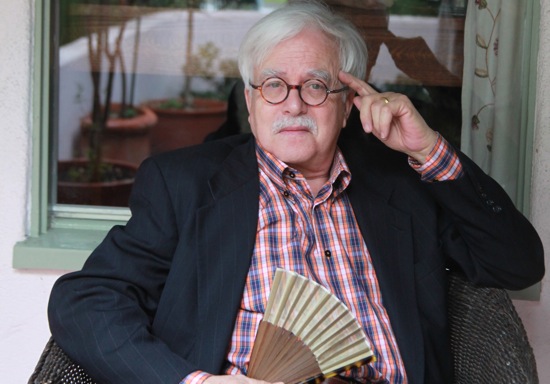
The worst music beats the best bomb: A conversation with legendary composer Van Dyke Parks

1

“Yours falsely!” Van Dyke Parks chimes, as he picks up the phone at home in Pasadena, where the weather is “room temperature.” He adds, “all we have is the attorneys. Get rid of them, and we can have another perfect day.”

Right away, the veteran composer’s way with words resembles his musical sensibility: whimsical, scattered with detail, and liable to make left turns at a moment’s notice. From his lyrics for Brian Wilson’s legendary SMiLE project, to his orchestral arrangements that have served generations of artists (Ry Cooder, Harry Nilsson, Little Feat, Medicine, Joanna Newsom, and Skrillex, to name a few), to his quietly revolutionary solo records that balance Americana and cosmopolitanism, with panoramic scope and whiplash dynamics, Parks’ nonlinear, all-embracing approach to sound has extended pop and rock’s self-imposed limitations as facelessly, yet unmistakably, as that of any American musician alive.

With the release of last year’s wonderful Songs Cycled (his first LP of new material since 1989’s Tokyo Rose) Parks is as focused and driven as ever before, even at age 71. This Sunday, Parks will add to his ever-growing list of collaborators, with a one-off performance at Oakland’s Malonga Casquelord Center featuring LA musician-composer Matt Montgomery, and the Bay Area’s joyfully independent Awesöme Orchestra.

Montgomery, a young musician, whose first exposure to Parks’ arrangements came in the form of Silverchair’s Diorama (2002), has also taken a multifaceted approach to his career, supplying vocals and guitar for the pop punk-tinged three-piece Versus Them, arranging and composing scores for television and film, and developing software (most recently Rocksmith 2014 by Ubisoft) centered around guitar instruction. This weekend’s show will celebrate the release of Montgomery’s debut EP, Petty Troubles: a set of McCartney-esque pop songs recorded in a single day with 30 Bay Area musicians, and accompanied by a documentary film chronicling the zippy creative process.

“I’m really excited to have a package to hand someone, and say, ‘this is me,’” Montgomery tells the Bay Guardian from his parents’ home in San Rafael, where he’s staying during a week of rehearsals leading up to Sunday’s concert, describing the rapidly produced EP as “homemade, but slick at the same time.”

Similarly homemade/slick, casually organized, yet seriously proficient, the Awesöme Orchestra’s approach fits intuitively with those of Montgomery and Parks. A volunteer ensemble with monthly rehearsals, and a repertoire ranging from Mozart, to Terry Riley, to Daft Punk, the group has crossed genre boundaries consistently since its formation last spring, challenging orchestral music’s inherent elitism at every juncture. Sunday’s show will begin with a set from Parks, with Montgomery on guitar, followed by a performance of Montgomery’s Petty Troubles in its entirety. The Awesöme Orchestra will back both musicians, in a lineup that can be expected to deliver maximalist results. “Big is back!” Parks declares. “This is not going to be a ‘think small’ concert. It’s gonna be ‘think big.’”

How did Parks, a living legend among composers, come to join forces with a relatively low-key figure like Montgomery, and a joyfully unorthodox ensemble like the Awesöme Orchestra? I spoke at length with Parks earlier this week about this project’s inception, his return to solo work on Songs Cycled, 50 years of arrangements for pop’s finest, and why he doesn’t like to hear guitar solos while traveling in Czechoslovakia.

SFBG What’s your role in this upcoming performance?

VDP I’m trying to blow some wind in the sails of a youth symphony. That’s a euphemism I use. I’m 71, so anything is youthful. [Laughs.] I will be the oldest thing in the room, I promise you. But, the idea is to bring attention to [the Awesöme Orchestra]. I love the way they spelled… you know the way they spell their name?

SFBG Yeah! With the umlaut over the “ö”, there.

VDP Yeah! The conductor is Dave Möschler. I’m not sure there will be a mosh pit, but at any rate, I’m very impressed with their umlaut.

SFBG What’s your experience with the Awesöme Orchestra, as well as [Montgomery], and how did this collaboration get off the ground?

VDP Well, I’ll tell you something. I met Matt Montgomery at my daughter’s wedding reception in Berkeley. This is maybe five years ago. I know his dad, who’s a celebrated Bay Area musician. So, I was already sold on him. But, I was impressed with the fact that he… reaches out to this acoustic world of instruments that I like to celebrate, in the rock arena, or with pop music. He referred me to [Möschler], and pointed out that its a hard-scrabble thing for musicians. These people, they get together once a month, to just celebrate the fact that they can all play their asses off. Everything from Beethoven, to John Williams… I know they do the overture to Candide, which is one of my favorite pieces.

So he said, “Hey man, let’s get together. What do you need?” I said, I don’t know. I could use a stand-up bassist, five french horns, four trombones. And then he says, “no, how many musicians would you like?” I say, “what do you want? I’ve got the music.” And so, we’re going for, “big”. Big is back. [Laughs.] This is not going to be a “think small” concert. It’s gonna be “think big.” And yeah, I’m delighted. I’m excited. I get to bring a lot of music out of my trunk, bring it up there, and they can blow their brains out. Man, this’ll be great. I don’t know what this set will be… 40 minutes or so, I guess. I have all the music in the world. I have some charts I’ve done for orchestras in Europe, and most recently Australia for a much larger group. But, the point is, I have the charts. Most of them come from the charts that I have in my musical library. Most of it comes from the opportunities I’ve had in film scoring, or in doing albums. And that’s when there was such a thing called “patronage.” There is no patronage now. But, a lot of it, I have simply done for performances, and reconfiguring things that I have recorded, or want to. It’ll be ear candy. It’ll be a fine show.

SFBG Have you had much experience in the past, working with ensembles that are a bit more loosely organized, or less traditional in their approach, like the Awesöme Orchestra? How do you feel ensembles like that facilitate your compositions differently?

VDP That’s an incisive question, because it’s true: most orchestras, let’s call them “legit” orchestras, when they do stuff with pop, or popular musicians, usually it’s wallpaper. Orchestral wallpaper. It’s very ho-hum. But there are some groups that I’ve worked with (the Metropole Orkest in Holland, the Britten Sinfonia in London, I just worked with the Adelaide Symphony) that have a much more inquiring, loose-knit approach, and I like that a lot. I like the idea that they’re trying to bring real interest, and with no fear of what we think of as lowbrow. I think that’s an important ingredient.

I just worked in a Beck concert. I had heightened expectations, and I don’t know for sure that I was any happier about it than the L.A. Philharmonic, who was playing the work. It’s a hit-or-miss thing, but I sense with this group, because of what they’ve tackled, they have a real appetite for real music that matters, and there’s no elitism about it. It’s not elite. And so, to me, they’re like quality folk, and I want to go that way. Matt told me, it’s pro-bono, and I thought, you know, maybe I’ll get a chance to meet Cher, even if her husband isn’t there. [Laughs.] I was making a joke, but it turns out Sonny will not be there, but it is pro-bono. Anyway, I’m very happy about it.

https://www.youtube.com/watch?v=sPOcjHuHWdA

SFBG What about [Montgomery’s] approach to music, or his compositions, really caught your attention initially?

VDP To me, he’s somebody who has the ability to keep reinventing himself. I think this is his first invention, but I suspect that he will make many more. So, you know, I have great respect for him. And, he’s modest. That’s a very desirable rarity. [Also], it’s what he has done with the song form. I feel like I’m in flight formation with him. We both approach that same chamber music sensibility. He likes all kinds of instruments, and I think that shows. And there’s no big taboo about eclecticism. He’s got a big sense of adventure, and I think there are a lot of people that have that now, that I respect.

Yesterday, Rufus Wainwright was over here. I’ve met a young kid, much younger, called Gabriel Kahane, who’s also done a lot of exploration. [I’ve worked] for Joanna Newsom… and a guy by the name of Sondre Lerche: I did an arrangement for him last month. And then, Efterklang, a group you can’t pronounce over here, but they’re very fine. So I kind of gravitate toward people of a new generation, who really aren’t afraid of acoustics, and to mash them up with electronica sometimes. You know, I think it just shows a great deal of inquiry and freethinking, and I like that.

SFBG Your music has an omnivorous quality to it, eating up everything in its path, appropriating the highbrow, the lowbrow, and a lot in between. Are there some people you’ve heard recently who you admire for having a similar perspective?

VDP I think every artist has a primary obligation, and that is to be true to the self. Anything of artistic merit is self-revelatory. It reveals the self; that’s what it does. I’ve heard a whole bunch of stuff. I didn’t just grow up listening to music post-Elvis Presley. I’ve listened to music from the ages, and that’s reflected in who I am. But, the work I’ve done as a recording artist has been a training ground for me, and it has trained me how to serve others, and I’m happy in both those worlds.

Right now, I’m writing an arrangement for Kimbra. She’s 23, and one of the smartest musicians I’ve ever met. That music, it must be seamless, and serve her, and my role in that must be invisible, and yet somehow very pivotal to how she sounds. It’s decidedly an arena that I don’t appear in, myself, in my own works. It’s… techno. Super laptop info comes out of that woman, and I’m so happy with it. I love it all. I love every bit of it. My favorite songwriter is entirely different from me. His name is Paolo Conte. He is, to me, the greatest songwriter of my time, and he’s Italian. I don’t speak a word of Italian, but somehow, I get it.


SFBG
You mentioned the collaborative aspect with Kimbra. When it comes to arranging or producing music for other people, do you ever experience tension between accentuating someone’s work, and imposing a certain brand on it? Do you try to approach your collaborations with a consistent balance between those two?

VDP I don’t come to the conclusion that I’ve imprinted, or put my brand, on anyone else. I think, at best, I’ve magnified who they were, or perhaps sharpened the image they were trying to present. I think that’s the job of an arranger. It’s a matter of immersion in the work. I don’t like to call it collaboration. I think that arranging frames a work, if anything. At best, it brings a proscenium to the work, without imposing any further brand. I like that idea, of recognizing each artist as a maverick, somehow unbranded, and maintaining that. That’s a hard job.

It’s like working for a director who says, “this picture needs a lot of music,” rather than a director who says, “it’s about the flutes in bar 43.” It’s almost like being given complete freedom, and suffering the burden that puts on you. I mean, to be given liberty to arrange is, like, somebody’s handing you a hand in a birthing process, almost. It’s like, “here’s my baby.” So that’s the way I feel about it. Some people think they know when I’ve been in the room with a songwriter. But, I don’t think that’s because I have a brand. I think that’s because there’s very little work being done in arranging, anymore. And, the reason for that is that there aren’t that many people that can afford a few strings. I think that’s the truth.

SFBG Are there any arrangements you’ve done for musicians in the past, where you really saw your sensibility gelling with theirs, and something really nice resulting from that?

VDP Well, I loved working for Ry Cooder on his first record. That was pioneering work, you know, to put a mandolin (that’s a very soft instrument) in a room full of brass and strings, and so forth, and to have it heard. That was when we were just learning those possibilities in recording existed. So, I’m real happy with that. I’m happy that I worked for five weeks on arranging an album for Inara George [An Invitation, 2008], and it took us nine hours to record it. And then, once again, she gave me a voice and a guitar, and then when I did the orchestra, she threw the guitar away.

One person, I think a dear heart from the San Francisco Chronicle, thought it was a very confusing… he said, listening to a Van Dyke Parks arrangement is like being, oh, tossed out to sea. Because, it was highly syncopated. I forget who insulted me, [Aidin Vaziri, for the record] but he forgot to pay attention to the artist, Inara. So, win some, lose some. Make some up in double-headers. You know, to me, it’s the most glorious way I could spend a life, and I have no complaints. I’ve been very fortunate. I know so many people, far more talented than I am, who haven’t had the opportunity to hear what they write, and, my heart… I can’t express my gratitude for this, and for the opportunity to end up someplace like with the Awesöme Orchestra.

There’s a group in Holland. Actually, it’s a nation filled with small groups like this: volunteer, young groups from teens to 30s, and really able players. It’s called the Ricciotti Ensemble, and they’ve done several of my arrangements, and they are totally off the wall, out of the park, inventive. And, you know, to be among the people they have played… they’ve played Zappa, they’ve played Stravinsky, and they’ve played me. Just to say, you know, I could never go back and recover or change a note that I’ve written, that is splayed publicly, but you know, it just makes me feel more like moving forward, and pursuing this thing called arranging.

https://www.youtube.com/watch?v=AFxdAkfjeVg

SFBG You were just in Australia. Are you familiar with an outfit called the Avalanches, by chance?

VDP Oh, yes! I love them. Darren Seltmann: I’ve had some good social time with him down there. Very bright, wonderful people. Why did you bring them up?

SFBG I’ve always noticed a little parallel between your work and theirs. There’s a panoramic way that their music moves, and the way it shifts between music you’d classify as highbrow and lowbrow… this really democratic approach to different forms of music. I think electronic, sample-based music in general has a way of facilitating the impulse to use everything, but on the other hand, you have a focus on rapid production, and doing things quickly, and maybe not arranging things as meticulously…

VDP I’m very honored that you would even make that comparison, as I think a lot of them. But, I’ll tell you: there’s a case in point. Two great arrangements that I’ve done that I’m really happy with, and somehow, in spite of myself, I just sailed right through them: one was a trio for Sam Phillips, called “Wasting My Time.” Three cellos… I added three cellos to her basic track. Then, she threw out the basic track, and all you can hear is three cellos. Never done a better job. Another one, for a fellow by the name of Peter Case… He did a song once, called “Small Town Spree,” a quartet. Somehow or another, hot as a whore’s dream, this thing really sailed.

I can’t say that about all the work I’ve done. There’ve been some pieces of smaller consequence to me, that’ve been giant orchestrations. But, somehow or another, if you weigh an arrangement as if, instead of thinking of it as simple or complex, but if you think of an arrangement as an instrument to bring out some truth, and also to somehow add plausibility to the emotional content in the song, that, to me, that’s something of value. Don’t put it in terms of, complexity as just to be able to use every instrument as economically as possible, to get to the target, which is, of course, the heart of some casual observer.

SFBG Is there anyone you dream of arranging for, or think you’d work especially well with?

VDP There’s nobody that I’d exclude. I did enjoy the Skrillex situation. I enjoy the improbabilities. There’s some Brazilian artists that I would like to work for. I just… they called me the curator of a record called Bamboula by Tom McDermott (2013), and I introduced him to Jules Selwan. He’s really my favorite New Orleans pianist, and I’d like to adorn his work orchestrally. But there are many directions to go in, and a lot of things in discussion, and among them, theater. I have an unfulfilled fascination with musical theater. Not like any theater that I’ve heard, really, but I’m pursuing that. Hey, the rent’s paid this month. What could be wrong?

SFBG About Songs Cycled, and some of your newer material: I was reading an interview you did after working on Ys (2006), by Joanna Newsom. Back then you maybe seemed surprised that she’d have pursued you based on a real fascination with Song Cycle in particular. Now, in 2014, your debut album enjoys its best reputation maybe ever; you have two new issues of SMiLE by Brian Wilson and the Beach Boys; and now there’s this new record: your first of new material since the late ’80s, being discussed as a companion piece to your debut. Would you say you might have more confidence in your early material, or its reception, than you did 10 years ago?

VDP Well, no. I don’t think I have any more confidence. I think I’m more decidedly deer-in-the-headlights than ever before. I’m 71 years old, and I think a lot of reporters would ask…it’s the nature of their event in journalism…“What’s new?” they say. Well, I like what’s old, too, and nobody asks what’s old. But, I’m here to tell you: what’s old begins with me. [Laughs.]

There is an element in what I do…I’m trying to prove to myself that I can do everything I could do, with the athleticism of my youth. For me to move my fingers… and I do move my fingers, unlike a lot of pianists who are famous. I actually move my fingers. It is athletic. This year, I had hand surgery for trigger finger. I was on a table for two hours, in San Francisco. I came up to San Francisco to find the best doctor, and I got him. And I want to tell you something: it was a major event in my life, and so just going out and playing what’s old is obviously very novel, very frightening, and very confirming, too. As far as the record is concerned, the album I just put out last year… to me, a lot of that invention was born of things which have appeared post-9/11. These songs are darker, and I’m not so obsessed with keeping it light, but to admitting what is dark. I made every effort to make it beautiful, but this is not the world I wanted to come out of the ‘60s. I wanted a better world.

If King had lived, if Kennedy had lived, I really feel we would be in a less materialistic, less racially polarized, and economically polarized country. So, there is a tremendous obligation to move forward, and to get pushy with lyrics, and to shake people up, and I attempt to do that. I don’t think it should be obtuse. I still try to maintain a little bit of decorum, you know. I don’t want to get anybody mad But, I like to think we are moving forward, and that my work helps illuminate.

SFBG Would you say you feel a similar disillusionment with the state of affairs now, culturally and politically, to what you might have back then?

VDP Well, there’s an admission of dashed expectations. I have come to learn that people are born to disappoint, and so often meet that expectation. For example, I did a song, and I was criticized for it, for revisiting a song called “The All Golden,” I did on my first record. I stripped it down on this album. But, I think an underpinning consideration to this recent work is, the more things change, the more they stay the same. And I think in many ways, certainly sociopolitically, we have descended.

I think that we’re still a democracy, but we’re a wounded democracy in the face of the plutocracy: the incredible wealth that is centralized among so few. It’s funny, my answers to any question you might have seem tremendously, maybe, mannered or arrogant in a way. You have to accept that I believe that the song form is that important, and that is job one: to make songs that matter. One time, I wrote a song called “Out of Love.” It was an affectionate salute to my wife. She said, “when are you gonna write a love song?” [Laughs.] So, I have come as close as I could to love songs… but now, you see, there’s something else that I have to prioritize, because time is my only enemy. There’s only so much time.

SFBG You mentioned the importance of the song form. Do you feel like there are lots of missed opportunities to aspire to something bigger in modern music artistically, politically, etc.?

VDP I’ll tell you something. I like all kinds of songs. They don’t have to meet my expectations. I try to keep an open heart about what I hear. Honestly, I listen to a lot of music that cannot be branded first-world-pop-culture. I don’t really pay too much attention to folks who theorize from positions of privilege. I don’t listen to a lot of rock ’n’ roll. When I’m in Czechoslovakia, the last thing I want to do is hear a guitar solo by a man who maybe loves Mick Jagger. This is not the world I inhabit, musically. But the worst music, to me, beats the best bomb. The dumbest music is better than the smartest bomb. And, when I start to feel critical of some musician, I try to remind myself: “At least these people are not in munition. They’re not making bombs.” And I try to be merciful. I have a great respect for all kinds of music, as long as it’s well designed.

SFBG Is there any advice you’d like to offer to young people making music right now?

VDP Yeah, I would. Always remember, your best work is ahead of you. It must be. Don’t seek immediate praise. Don’t be crippled by condemnation. It may teach something. So basically, the fundamentals apply: be true to yourself. That’s been enough for me. It hasn’t made me a corporate wonder, but it’s satisfied our family, and it’s easier than the alternative, as telling the truth is easier than trying to remember which lie you told. I’m very happy with the result so far. I’m just petrified about what mayhem could take place on Sunday. To me, live performance is very much like that. The stakes are high. It is, to me, like aerial ballet, without a net, and it’s not safe. There’s nothing safe about it. But, I’m a tough old bird; I can take it.

Sun/26: Van Dyke Parks with Matt Montgomery and Awesome Orchestra
4pm, $15-45
Malonga Casquelord Center
1428 Alice, Oak.
(510) 238-7526
www.mccatheater.com


Theater Listings: January 22 – 28, 2014

0

Stage listings are compiled by Guardian staff. Performance times may change; call venues to confirm. Reviewers are Robert Avila, Rita Felciano, and Nicole Gluckstern. Submit items for the listings at listings@sfbg.com.

THEATER

OPENING

Hemorrhage: An Ablution of Hope and Despair Dance Mission Theater, 3316 24th St, SF; www.dancemission.com. $20-25. Opens Fri/24, 8pm. Runs Thu-Sat, 8pm (Feb 8, shows at 4 and 7pm); Sun, 6pm. Through Feb 8. Dance Brigade presents this “dance installation at the intersection of the new San Francisco and world politics.”

Lovebirds Marsh San Francisco Studio, 1062 Valencia, SF; www.themarsh.org. $15-50. Previews Thu/23-Fri/24, 8pm. Opens Sat/25, 8:30pm. Runs Thu-Fri, 8pm; Sat, 8:30pm. Through March 15. Theater artist and comedian Marga Gomez presents the world premiere of her 10th solo show, described as “a rollicking tale of incurable romantics.”

“SF Sketchfest: The San Francisco Sketch Comedy Festival” Various venues, SF; www.sfsketchfest.com. Prices vary. Jan 23-Feb 9. This year’s 13th Sketchfest features over 200 shows in more than 20 venues, featuring both big-name talents (Alan Arkin, Tenacious D, Laura Dern and the cast of Enlightened, Maya Rudolph, etc.) and up-and-comers, plus tributes to films, theatrical and musical events, improv showcases, and more. Much, much, much more.

Ubu Roi Exit on Taylor, 277 Taylor, SF; www.cuttingball.com. $10-50. Previews Fri/24-Sat/25, 8pm; Sun/26, 5pm. Opens Jan 30, 7:30pm (gala opening Jan 31, 8pm). Runs Thu, 7:30pm; Fri-Sat, 8pm (also Sat, 2pm); Sun, 5pm. Through Feb 23. Cutting Ball Theater performs Alfred Jarry’s avant-garde parody of Shakespeare’s Macbeth, presented in a new translation by Cutting Ball artistic director Rob Melrose.

BAY AREA

Geezer Marsh Berkeley, 2120 Allston, Berk; www.themarsh.org. $25-50. Opens Thu/23, 8pm. Runs Thu, 8pm; Sat, 5pm. Through March 1. Geoff Hoyle moves his hit comedy about aging to the East Bay.

The Grapes of Wrath Hillbarn Theatre, 1285 E. Hillsdale, Foster City; www.hillbartheatre.org. $23-38. Opens Fri/24, 8pm. Runs Fri-Sat, 8pm; Sun, 2pm. Through Feb 9. Hillbarn Theatre continues its 73rd season with Frank Galati’s adaptation of John Steinbeck’s classic American novel.

Man in a Case Berkeley Repertory Theatre, 2015 Addison, Berk; www.berkeleyrep.org. $45-125. Previews Sat/25, 8pm. Opens Sun/26, 7pm. Runs Tue and Thu-Sat, 8pm; Wed, 7pm; Sun, 2pm. Through Feb 16. Mikhail Baryshnikov returns to Berkeley Rep to star in a play based on a pair of Anton Chekhov’s short stories, “Man in a Case” and “About Love.” Obie-winning Big Dance Theater stages the high-tech adaptation.

ONGOING

Foodies! The Musical Shelton Theater, 533 Sutter, SF; www.foodiesthemusical.com. $32-34. Fri-Sat, 8pm. Open-ended. AWAT Productions presents Morris Bobrow’s musical comedy revue all about food.

Jerusalem San Francisco Playhouse, 450 Post, SF; www.sfplayhouse.org. $20-100. Previews Wed/22/-Thu/23, 7pm; Fri/24, 8pm. Opens Sat/25, 8pm. Runs Tue-Thu, 7pm; Fri-Sat, 8pm (also Sat, 3pm); Feb 2, 9, 16, 2pm. Through March 8. SF Playhouse performs the West Coast premiere of Jez Butterworth’s Tony- and Olivier-wining epic.

Major Barbara ACT’s Geary Theater, 415 Geary, SF; www.act-sf.org. $20-140. Tue-Sat, 8pm (also Wed/22 and Jan 29, 2pm); Sun, 2pm. Through Feb 2. American Conservatory Theater performs a new production of George Bernard Shaw’s political comedy.

Noises Off Shelton Theater, 533 Sutter, SF; www.sheltontheater.org. $38. Thu-Sat, 8pm. Through Feb 8. Shelton Theater presents Michael Frayn’s outrageous backstage comedy.

Pardon My Invasion Phoenix Theatre, 414 Mason, SF; pardonmyinvasion.brownpapertickets.com. $15-30. Thu-Sat, 8pm; Sun/26 and Feb 2, 2pm. Through Feb 8. A pulp fiction writer’s characters come to life in this dark comedy by Joy Cutler.

The Paris Letter New Conservatory Theater Center, 25 Van Ness, SF; www.nctcsf.org. $25-45. Wed-Sat, 8pm; Sun, 2pm. Through Feb 23. New Conservatory Theatre Center performs Jon Robin Baitz’s tale of a Wall Street powerhouse desperately trying to keep his sexual identity a secret.

The Pornographer’s Daughter Z Below, 470 Florida, SF; www.zspace.org. $32. Opens Wed/22, 8pm. Runs Thu-Sat, 8pm (also Sat, 10:30pm); Sun, 5pm. Through Feb 16. Liberty Bradford Mitchell, daughter of Artie Mitchell (half of porn’s infamous Mitchell Brothers, he was shot and killed by brother Jim in 1991), performs her solo show about “growing up on the fringes of an X-rated world.”

Shit & Champagne Rebel, 1772 Market, SF; shitandchampagne.eventbrite.com. $25. Fri-Sat, 8pm. Through Feb 8. D’Arcy Drollinger (Sex and the City Live) performs “a whitesploitation comedy with dance.”

The Speakeasy Undisclosed location (ticket buyers receive a text with directions), SF; www.thespeakeasysf.com. $60-90 (add-ons: casino chips, $5; dance lessons, $10). Thu-Sat, 7:40, 7:50, and 8pm admittance times. Through March 15. Boxcar Theatre presents Nick A. Olivero’s re-creation of a Prohibition-era saloon, resulting in an “immersive theatrical experience involving more than 35 actors, singers, and musicians.”

Too Much Light Makes the Baby Go Blind Boxcar Playhouse, 505 Natoma, SF; www.sfneofuturists.com. $11-16. Fri-Sat, 9pm. Through Jan 31. Thirty plays in 60 minutes, with a show that varies each night, as performed by the Neo-Futurists.

The World’s Funniest Bubble Show Marsh San Francisco, 1062 Valencia, SF; www.themarsh.org. $8-11. Sun, 11am. Through March 9. The popular, kid-friendly show by Louis Pearl (aka “The Amazing Bubble Man”) returns to the Marsh.

BAY AREA

Can You Dig It? Back Down East 14th — the 60s and Beyond Marsh Berkeley, 2120 Allston, Berk; www.themarsh.org. $20-35. Sat, 8:30pm; Sun, 7pm. Through Feb 2. Don Reed’s new show offers more stories from his colorful upbringing in East Oakland in the 1960s and ’70s. More hilarious and heartfelt depictions of his exceptional parents, independent siblings, and his mostly African American but ethnically mixed working-class community — punctuated with period pop, Motown, and funk classics, to which Reed shimmies and spins with effortless grace. And of course there’s more too of the expert physical comedy and charm that made long-running hits of Reed’s last two solo shows, East 14th and The Kipling Hotel (both launched, like this newest, at the Marsh). Can You Dig It? reaches, for the most part, into the “early” early years, Reed’s grammar-school days, before the events depicted in East 14th or Kipling Hotel came to pass. But in nearly two hours of material, not all of it of equal value or impact, there’s inevitably some overlap and indeed some recycling. Note: review from an earlier run of the show. (Avila)

Sherlock Holmes: The Broken Mirror Berkeley City Club, 2315 Durant, Berk; www.brownpapertickets.com. $20-28. Thu-Sat, 8pm; Sun, 3pm. Through Jan 26. Jeff Garrett portrays all the characters (Sherlock, Watson, Mrs. Hudson, Moriarty…) in this adaptation of William Gillette’s Holmes play.

Silent Sky TheatreWorks, Mountain View Center for the Performing Arts, 500 Castro, Mtn View; www.theatreworks.org. $19-73. Tue-Wed, 7:30pm; Thu-Sat, 8pm (also Sat, 2pm); Sun 2 and 7pm. Through Feb 9. Lauren Gunderson’s drama explores the life of groundbreaking early 20th century astronomer Henrietta Leavitt.

Tristan & Yseult Berkeley Rep’s Roda Theatre, 2025 Addison, Berk; www.berkeleyrep.org. $17.50-81. Wed/15, 7pm; Thu/16-Sat/18, 8pm (also Thu/16, 2pm). Kneehigh presents an innovative take on the ancient love-triangle tale.

PERFORMANCE/DANCE

BATS Improv Bayfront Theater, B350 Fort Mason Center, SF; www.improv.org. $20. “Theatresports,” Fri, 8pm; “Improvised Downton Abbey,” Sat, 8pm.

“The Buddy Club Children’s Shows” Randall Museum Theater, 199 Museum Way, SF; www.thebuddyclub.com. Sun/26, 11am-noon. $8. With comedy magician Robert Strong.

Caroline Lugo and Carolé Acuña’s Ballet Flamenco Peña Pachamama, 1630 Powell, SF; www.carolinalugo.com. Sat/25, Feb 1, 8, 14, 16, 22, 6:15pm. $15-19. Flamenco performance by the mother-daughter dance company, featuring live musicians.

The Day of the Locust Revisited” Mechanics’ Institute, 57 Post, SF; www.milibrary.org. Wed/22, 6pm. $20. Dramatic reading (with accompanying photography) by filmmaker Lucy Gray, putting a new spin on Nathanael West’s Depression-era Hollywood tale.

“Dream Queens Revue” Aunt Charlie’s Lounge, 133 Turk, SF; www.dreamqueensrevue.com. Wed/22, 9:30-11:30pm. Free. Drag spectacular with Colette LeGrande, Ruby Slippers, Sophilya Leggz, and more.

Feinstein’s at the Nikko Hotel Nikko, 222 Mason, SF; www.feinsteinssf.com. This week: “An Evening With Joan Ryan,” Thu, 8pm, $30-40; “Sam Harris: Ham: Slices of a Life,” Fri/24, 8pm; Sat/25, 7pm, $25-35.

“KaMau: Traveling in Black Colors” Red Poppy Art House, 2698 Folsom, SF; www.redpoppyarthouse.org. Thu/23, 7:30pm. $10-15. The multidisciplinary artist (also known as Pitch Black Gold) performs.

“Magic at the Rex” Hotel Rex, 562 Sutter, SF; www.magicattherex.com. Sat, 8pm. Ongoing. $30. Magic and mystery with Adam Sachs and mentalist Sebastian Boswell III.

“Point Break Live!” DNA Lounge, 373 11th St, SF; www.dnalounge.com. Feb 7, March 7, and April 4, 7:30 and 11pm. $25-50. Dude, Point Break Live! is like dropping into a monster wave, or holding up a bank, like, just a pure adrenaline rush, man. Ahem. Sorry, but I really can’t help but channel Keanu Reeves and his Johnny Utah character when thinking about the awesomely bad 1991 movie Point Break or its equally yummily cheesy stage adaptation. And if you do an even better Keanu impression than me — the trick is in the vacant stare and stoner drawl — then you can play his starring role amid a cast of solid actors, reading from cue cards from a hilarious production assistant in order to more closely approximate Keanu’s acting ability. This play is just so much fun, even better now at DNA Lounge than it was a couple years ago at CELLspace. But definitely buy the poncho pack and wear it, because the blood, spit, and surf spray really do make this a fully immersive experience. (Steven T. Jones)

“Rise” Yerba Buena Center for the Arts, Lam Research Theater, 701 Howard, SF; ybca.org/robert-moses-kin. Thu/23-Sun/26, 8pm. $24-45. Robert Moses’ Kin Dance Company presents an evening of choreography by Robert Moses, including two world premieres.

“Word Performances” Lost Church, 65 Capp, SF; www.wordperformances.com. Wed/22, 8pm. $15. Poetry, prose, fiction, memoir, comedy, and more all pop up in this reading series; featured performers include Nato Green, Sylvie Simmons, Zahra Noorbakhsh, Tim Toaster Henderson, and others.

BAY AREA

“Egghead Comedy Showcase” Pacific Pinball Museum, 1510 Webster, Alameda; www.pacificpinball.org. Sat/25, 8pm-midnight. $15 (adults only). Comedy to support the Pacific Pinball Museum with Natasha Muse, Jonathan Ott, Duat Mai, and Ethan Orloff.

“Die Fledermaus” Lesher Center for the Arts, Hoffmann Theatre, 1601 Civic, Walnut Creek; www.lesherartscenter.org. Fri/24-Sat/25, 8pm (also Sat/25, 2pm); Sun/26, 2pm. $15-59. Lamplighters Music Theatre (noted for its Gilbert and Sullivan productions) performs Johann Strauss’ “bubbly tale of revenge and temptation.” Continues at Bay Area theaters through Feb 23; visit www.lamplighters.org for future dates.

“Hand to Mouth/Words Spoken Out #63” Rebound Bookstore, 1611 Fourth St, San Rafael; reboundbookstore@aol.com. Sat/25, 4-6pm. Free (donations requested). With Roy Marsh (launching his new book, Buyer’s Remorse), Connie Post, and Susan Zerner.

“Julius Caesar” Berkeley Public Library, 2090 Kittredge, Berk; www.berkeleylibraryfriends.org. Sun/26, 2pm. Free. San Francisco Shakespeare Company presents its touring company’s presentation of the Bard’s ancient-Rome drama.

“MarshJam Improv Comedy Show” Marsh Berkeley, 2120 Allston, Berk; www.themarsh.org. Fri, 8pm. Ongoing. $10. Improv comedy with local legends and drop-in guests.

“reveries and elegies” Milkbar, Sunshine Biscuit Factory, 851 81st St, Oakl; www.maryarmentroutdancetheater.com. Sat/25-Sun/26, 4:45pm. $20. Mary Armentrout’s new site-specific project is timed to coincide with sundown on each performance day.

“Winter Concert 2014: Shall We Dance?” Lesher Center for the Arts, Margaret Lesher Theatre, 1601 Civic, Walnut Creek; www.lesherartscenter.org. Sat/25, 7:30pm. $12. Winds Across the Bay presents “music written with feet in mind,” including works by Benny Goodman and from Fiddler on the Roof. *


The good witches of music tech

3

esilvers@sfbg.com

LEFT OF THE DIAL When MTV debuted “Video Killed the Radio Star” at 12:01am on Aug. 1, 1981 — the first music video to air on the brand-new, much-buzzed-about network — producers knew exactly what they were doing. Amid all the excitement about the possibilities video technology presented to the music industry, there was an ambivalence, tinged with apprehension from musicians, about what the sea change would mean for artists. The song perfectly captured the current climate, a combination of brave-new-world optimism and flat-out fear of the future.

Two decades later, a scrappy little Redwood City-based file-sharing startup called Napster would be ordered shut down in federal court. ”It’s time for Napster to stand down and build their business the old-fashioned way — they must get permission first,” said Hilary Rosen, president of the Recording Industry Association of America, told the New York Times, speaking on behalf of five major record labels that sued the company. And, as everyone knows, that sealed it: Music was never obtained for free on the Internet ever again, all artists were paid fairly for their work, and everyone lived happily ever after.

Funny thing about technological advancement — it only goes one way. The collapse of the record industry over the past decade has given way to a sort of Wild West atmosphere when it comes to the ways musicians, fans, producers, etc. can interact, make art, and do commerce. It has been something of an economic equalizer: Anyone with a Wi-fi connection can throw his latest dubstep/witchhouse cover of “Under the Sea” up on Soundcloud one night, and wake up to a bevy of fans. But most musicians I know would agree that the availability of free or very cheap streaming and downloading services has made it difficult, if not impossible, to make a living from their work the way they might have 30 years ago.

And yet: There are those who would argue that the tech world has more to offer musicians than it might initially seem. In the spirit of our “good tech” issue, I reached out to some local techies who aren’t using their powers for evil.

On the vast playing field of websites and apps that promise to help musicians get their work out into the world — without, ideally, anyone going bankrupt — Bandcamp may have built the most trust among artists, using a straightforward revenue-share model: The company takes 15 percent of sales on digital purchases; 10 percent on merch. Of course, it didn’t hurt when Amanda Palmer decided to forego the traditional album-release route in 2010, releasing her ukulele Radiohead covers album solely on Bandcamp, bringing in $15,000 inside three minutes.

When founder Ethan Diamond launched the site in 2007 — after trying to buy a favorite band’s digital album directly from its website and having “every single technical problem that could go wrong, go wrong” — people were saying “music sales are dead,” recalls the SF resident, a programmer who previously co-founded the webmail service that would become Yahoo! mail. “Within a year or two of the business, you could see that wasn’t true: Even in the digital era, fans actually want to support the artists they love. Right now fans are giving artists $2.8 million every month [through Bandcamp]. We have 50,000 unique artists communicating and marketing directly to their fans…our entire goal is to help artists be successful. That’s really it.”

And no, he doesn’t want to name the band whose technical difficulties inspired the company a few years back — the band members don’t know who they are. And they’re not on Bandcamp yet.

At Zoo Labs, a less-than-year-old nonprofit based out of a recording studio in West Oakland, a handful of heavy hitters from the tech and design worlds asked the question: What happens when you apply a business incubator model — like the well-founded training grounds that typically nurture Silicon Valley startups — to a band? The Zoo Labs Residency, a two-week, all-expenses-paid program for musicians, offers practical skill-building workshops, marketing training, mentorship, and studio time to bands who have a vision but haven’t yet achieved a widespread reach.

“We started talking to musicians about their experiences and how they were managing their careers and accomplishing their projects, and it was really interesting to find that a lot of musicians and producers working in music are having very similar experiences to entrepreneurs in the startup world,” says Anna Acquistapace, a designer who founded the program with Vinitha Watson, an ex-Googler (she opened Google’s first satellite office in India) after the two met in California College of the Arts’ Design Strategy MBA program. Music producer Dan Lawrence (whom — full disclosure — I’ve known since elementary school, at which time he wanted to be a music producer) brought his working knowledge of the local music industry to the team.

“With all of these changes in the [music] industry over the last 10 years, musicians have been forced to take way more control over their marketing channels,” says Acquistapace. “They need to get their own fans, they need to bootstrap their own products in a similar to way to what startups do, whether that means funding albums or demos to pitch to a record label, reaching out to the media…they have to become entrepreneurs, out of necessity. From that, the idea of this artists’ residency-meets-business-incubator or accelerator was born.”

Thus far only one band, an Americana/roots four-piece called the Boston Boys, has completed the residency, participating in a series of workshops and recording sessions tailored specifically to their needs: They took a “sonic branding” class from Oakland producer Jumbo (whose credits include work with Blackalicious, Lyrics Born, and others), learned about music law, met with design professionals and leadership coaches. Meanwhile, recording engineer/producer Damien Lewis recorded the band live in the studio most days in sessions that ran from 2 in the afternoon until 2 in the morning; the two-week period culminates in a live show at the studio.

In total, the program costs about $20,000 per session to run, with much of it underwritten by private investors from Silicon Valley who are simply interested in developing new models for the music industry. “If there’s one thing that people are passionate across the board, it’s music,” says Acquistapace.'”I haven’t really seen any other art form that crosses groups the same way.”

(The application period for its March residency just closed, but look for new programming to launch in February; the Beat Lab, which will open next month, aims to be a combination recording studio/coworking space for musicians of all kinds: www.zoolabs.org)

And in, er, music/tech news of a much lower-tech variety: Tom Temprano, co-owner of Virgil’s Sea Room in the Mission, announced this week that the bar, which occupies the space Nap’s III left behind (both physically and in our hearts), will be bringing back the grand Nap’s tradition of sloppy, gleeful karaoke around the glow of a two-tone screen. Starting Jan. 23, every Thursday night at 9pm will find Nap himself back at home base, MCing the action, with songbooks and harmonicas in tow. Because technology will march forward — video may have killed the radio star — but drunken renditions of Salt ‘n’ Pepa’s “Shoop”? Karaoke, my friends, is forever.

Alerts: January 22 – 28, 2014

0

WEDNESDAY 22

Housing forum at an historic location I-Hotel Manilatown Center, 868 Kearny, SF. 630pm, free. Join Sup. David Campos and others for a community forum on the housing affordability crisis in San Francisco at the Manilatown Center, the site of the historic International Hotel housing battle. Other panelists will include Gen Fujioka of the Chinatown Community Development Center; Lisa Gray Garcia aka Tiny, POOR Magazine and Angelica Cabande of the South of Market Community Action Network. The evening will also mark the debut of the “I-Hotel Anti-eviction, anti-gentrification Hit Squad” spoken word group.

Community forum on surveillance in Oakland Oakland Metropolitan Chamber of Commerce boardroom, 475 14th St., Oakl. www.lwvoakland.org. 6pm-7:30pm, free. The League of Women Voters of Oakland plans to host this discussion about Oakland surveillance. How does a city like Oakland respond to residents’ demands for more effective crime prevention and reduction while protecting everyone’s civil liberties? How will the Domain Awareness Center impact Oakland? How much surveillance is enough — or too much — to enhance our law enforcement capabilities? Bring your ideas and a friend to discuss these important issues with knowledgeable resource people and fellow Oaklanders.


TUESDAY 28


Economic Strategies for Japantown’s Cultural Preservation SPUR Urban Center, 654 Mission, SF. www.spur.org/events.12:30pm, $10 non-member fee. This meeting is intended to help promote new strategies in improving and preserving the economic and cultural heritage of Japantown. The event will include speakers Bob Hamaguchi and Karen Kai of the Organizing Committee, Diana Ponce de Leon of the Office of Economic and Workforce Development, as well as Shelley Caltagirone and Steve Werthelm from the San Francisco Planning Department. Show your support and help guide the future of this historic neighborhood, while remembering its past.


WEDNESDAY 29

Spaghetti Dinner and a Fight for Global Justice and Anti Capitalism Unitarian Universalist Center, 1187 Franklin, SF. www.sf99percent.org. 6-9pm, $20 requested donation. The San Francisco 99% dinner will feature a hearty meal plus a program featuring Jerry Mander, author of The Capitalist Papers: Fatal Flaws of an Obsolete System, political satirist Will Durst, poetry from Revolutionary Poets Brigade, and recognition of local activists. No one turned away for lack of funds. Sponsored by the Unitarian Universalists for Peace-San Francisco.

A first glance at ‘Looking’

20

Imagine a place where all the gay men are masculine, well-built, physically unselfconscious, and fashionably tousled; where young male artists and young male people of color mingle with young white male techies (yet are still happily banished to Oakland or work the door at Esta Noche); where having a “lazy eye” or being “slightly portly” renders you disqualified for relationships; where HIV, addiction, and politics barely exist; and where everyone is drenched in soft-spoken sophistication, vague existential ennui, and puppy-eyed cuteness.

This isn’t quite San Francisco (yet), but it is the San Francisco of gorgeously produced, play-it-safe-so-far gay-themed HBO series Looking (it begins airing Jan. 19) — at least the first two episodes, which previewed tonight at the Castro Theater. It’s too early of course to pass any kind of judgment on the entire series, which in many ways may be an accurate reflection of current gay culture, and I maintain very high hopes, especially with such good actors, writers, and attention to detail involved.

But let me tell you: I have never wished more for a stereotypically sassy drag queen to stomp onscreen and break some shit in my life.

The dramatic comedy series so far is so polite, well-crafted, and unassuming that even though you gotta applaud the desire to produce a mainstream gay program whose mission is to avoid gay stereotypes — no flaming creatures here — the end result seems to be a warm apple pie with no teen dick stuck in it, let alone a Cockette. And while Looking is more representative when it comes to ethnicity than initially feared (two Latinos!), it doesn’t seem too keen on taking any risks when it comes to social issues or body types. There is nothing remotely “queer” about Looking so far. Sad trombone!

Hopefully, Looking isn’t shooting itself in the expensive workboots with its own good intentions: to present gay men as basically “normal.” Trouble is, normal gay men at this point on our yellow brick road toward complete assimilation are basically just straight people with an extra hot dog between them. It’s simply not enough anymore to have gay men do normal things — like experience typical relationship problems or worry about getting older — and consider it interesting just because they’re gay. There have to actually be interesting things. And so far the most interesting thing here, besides the yummy SF-centric particulars, might be the characters’ varying degrees of facial hair. (Is contemporary gay exceptionalism hiding behind its own beard?)

http://www.youtube.com/watch?v=wnGwmP8qg2c

Here are the dilemmas the three hunks we’re following on Looking face so far: the young, cute videogame designer keeps flubbing dates by saying the not-quite-right thing; the beautiful artist and his beautiful boyfriend just moved in together and one’s worried they’re not going out enough; and the smokin’ hot late-30ish career waiter is having mild symptoms of a midlife crisis and ambient ex-in-the-picture anxieties. Except for the primly presented three-way, a fumbling public hand job, and a brief Grindr hookup, we might as well be inside a Cathy cartoon. Seriously: one of the characters even ends up guiltily diving into a late-night bowl of naughty starch to eat his problems away. ACK.    

To be sure: this show is also in many ways a scruffy dream date, all scrubbed up for dinner at farmerbrown. Hot Chip and Hercules and Love Affair replace Britney and Rihanna at Castro bars. Characters who surely have never seen a real backroom before wave around coffee mugs from The Cock in NYC and other super-insidery gay culture totems. There has been no gym scene. And some of the lines are pretty funny, especially from the requisite saucy gal pal. San Francisco looks absolutely perfect, and well-wrought local details abound. The Brit director is Andrew Haigh, whose dreamy, oh-so-indie “gay boys on fixies” romance Weekend (2011) was like a cool, refreshing splash of the Smiths — or more like the Sundays, or, for the young’uns, James Blake — onto an overheated gay film scene that seemed skewed more towards Katy Perry.  

But transplanted to TV mode, the yearning hipster mumblecore aesthetic isn’t casting quite the same spell yet. 

Maybe I’m jaded/spoiled, but I remember the feeling of the top of my head being ripped off during the first episodes of the British Queer as Folk (still the high water mark of guilty-pleasure gay television) and parts of The L Word and Six Feet Under — that wondrous sense of audacity that fully dimensional queer people with epic faults, uncanny similarities, and infuriating differences were being flaunted in plain sight. Even the severely problematic American Queer As Folk and Will and Grace, with their flaming stereotypes and frustrating pop culture naivety, at least gave us some fascinating characters. I hated the fact that Middle America probably thought all gay men were like Jack, but I really couldn’t wait to hear what outrageous zinger would come flying out of his mouth next. 

There isn’t much of that so far on Looking, although it’s still holding my curiosity. (An after-screening Q&A with writer Michael Lannan indicated that there would be lesbian and trans characters as the series progressed, as well as some actual male nudity finally — come on, HBO). I realize that the show owes as much verisimilitude to the actual San Francisco gay scene as Queer as Folk USA owed to Pittsburgh. But for goddess’s sake, someone protest a condo eviction, somebody get blocked on Grindr for being too fem, someone eat a whole burrito drunk on a unicycle, somebody be nude or pagan or Asian, hopefully all three!

Again, this is just the start of a show whose initial demographic may quite possibly be a swath of gay men hoping for nothing more than to look hip and fit in. But if fitting in means blanding out, we might want to start Looking for something different.        

The secret life of Sylvia Fein

1

arts@sfbg.com

VISUAL ART In 2012, I ran down to the Los Angeles County Museum of Art for “In Wonderland,” a massive exhibition of women surrealist artists working in the US and Mexico from the 1930s through the ’60s. Among the artists — from big names like Frida Kahlo and Leonora Carrington to obscure figures like Bridget Tichenor and Julia Thecla — there were only two living participants: Yayoi Kusama and Sylvia Fein. I was familiar with Kusama’s polka dots and happenings, but Sylvia Fein was altogether something else, a figurative painter whose gleaming egg-tempera-on-gesso works from the ’40s and ’50s suggested at once the allegorical portraiture of the Renaissance and the alchemical surrealism of Remedios Varo.

As it happens, Fein lives out near Martinez, and I soon found myself making pilgrimages to her house. Nor was I the only one, and among the people to have sought her out in the wake of “In Wonderland” are curator Travis Wilson and Jasmine Moorhead, owner of Oakland’s Krowswork Gallery. Together Wilson and Moorhead have mounted an ambitious retrospective, “Surreal Nature,” spanning the whole of Fein’s career but particularly emphasizing her output of the last decade, which has never been publicly shown.

Still using egg tempera on gesso, the spry 94-year-old painter continues to create her most astonishing works today, paintings that defy the usual division between abstract and representational; an eye, for example, might float in the middle of an otherwise wholly abstract cosmos, as in Crucial Eye (2011) or Marble Galaxy (2010). And while the catalog to “Surreal Nature” indicates she has rejected such labels as “surrealist” since her mid-20s, Fein has softened her stance somewhat over the ensuing years.

“I really don’t think that’s the word even though we use it all the time,” Fein says. “I think most paintings are surreal because they’re in another dimension. Sur-real, but in the right sense. Because it is above the ordinary.”


EARLY SPELLS

Certainly Fein’s career has been anything but ordinary; while studying painting as an undergraduate at the University of Wisconsin, Madison, in the early ’40s, Fein became part of a six-person group of “magic realists” led by Marshall Glasier and including fellow “In Wonderland” artist Gertrude Abercrombie. Along with group member John Wilde, Fein earned a show at the university’s gallery in 1941, a rare honor for undergrads. World War II brought a period of intense anxiety over the fate of her enlisted husband, Bill Scheuber, expressed in such works as The Lady with the White Knight (1942-43), but it was during a stay in Mexico (1944-46) that her art fully flowered.

“I lived in a place where there was no running water and no flushing toilets,” she laughs, relating such elemental conditions to her artistic maturation. “God, that really fit my personality. And here I grew up in Milwaukee!”

In 1947, after her husband’s return from the war, the couple moved to the Bay Area, where Fein would receive an MFA from the University of California, Berkeley, participating in a pre-Beat bohemia that included the likes of dancer Anna Halprin and composer Harry Partch. But her real education, she maintains, was at the hands of art theorist Henry Schaefer-Simmern.

“He’d been brought to teach at Cal and his ideas were so revolutionary that technically they threw him out and he started his own art institute,” Fein recalls. “I was one of his first students, and he was teaching that there was an evolutionary artistic intelligence, that most art begins with scribbles, then it starts to get formation, it evolves into circles and out of circles children make other lines. Not only that, but if you look at the history of the world and primitive societies, you see the same evolutionary things, whether in caves or rocks, scribbles on hides.

“I worked with him for 20 years. He was writing books; I did research for him, and then I did drawings for his books, in ink, of historical subject matter, so it was like I was studying the history of the world all over again then delineating it for him. That’s like a secret part of my life nobody has ever mentioned.”


LATE MAGIC

At the same time, Fein managed a successful career as a painter. By the mid-’50s, when monumental abstraction was in, she was working nearly in miniature, painting tiny landscapes and seascapes. Nothing could have been less fashionable, but she still sold well on both coasts. Yet in the early ’70s, she began a 30-year hiatus from painting, as she wrote and self-published two books inspired by her work with Schaefer-Simmern, Heidi’s Horse (1976), an analysis of her daughter’s drawings of horses between the ages of 2 and 16, and First Drawings: Genesis of Visual Thinking (1993), a related account exploring the development of visual logic in children, primitive societies, and other artists. Only in the early 2000s did she return to painting, in time for rediscovery by curator Robert Cozzolino, who staged a show of the ’40s magic realist group, “With Friends,” at the University of Wisconsin in 2005. This show led directly to her inclusion in the 2012 LACMA exhibition.

While both “With Friends” and “In Wonderland” focused on the ’40s and ’50s, “Surreal Nature” is the first opportunity to see Fein’s present work, even as the curators have done an excellent job of contextualizing it in terms of her overall development. One need only juxtapose The Lady with the White Knight with her most recent series of memorial “trees” for her husband Bill — who died in 2013 after some 70 years of marriage — to see how her own version of surrealism has transformed from an image-based style to a more directly experiential art of brushwork and materials.

“It sure is flowering in my late age,” Fein remarks. “I’m so lucky that’s happening. You can’t make yourself do this.” *

SURREAL NATURE

Jan. 18-Feb. 22

Thu-Sat, noon-6pm and by appt.

Krowswork

480 23rd St (side entrance), Oakl.

www.krowswork.com


This Week’s Picks: January 15 – 21, 2014

0

Word spears to pierce the stoniest of hearts

THURSDAY 1/16


“Ravishing, Radical, and Restored: The Films of Jack Smith”

Legendary underground filmmaker Jack Smith gets the Technicolor-red carpet treatment in this series co-presented with the San Francisco Cinematheque, which screens sparkling 16mm restorations of his films, plus two Smith-centric documentaries. First up is his best-known work, Flaming Creatures (1962-63), a film so “obscene” and “orgiastic” it was, of course, banned upon release. Upcoming programs include Jack Smith and the Destruction of Atlantis (2006), Mary Jordan’s excellent doc, and unfinished extravaganza Normal Love (1963-65), which just may convert you to the church of Maria Montez — Smith icon and star of 1944’s lavishly camp Cobra Woman. (Cheryl Eddy)

Through Jan. 30

Flaming Creatures tonight, 7:30pm, $8-$10

Yerba Buena Center for the Arts

701 Mission, SF

www.ybca.org


Reflecting China in a California Vision

Tired of hearing the same old techno-dystopian nay-saying about San Francisco’s growth? Get thee to our dear city’s urban planning think tank, SPUR, for some solutions-oriented and original thoughts about how we might skim some brilliant urbanization ideas for another booming place — China. For anyone who’s keeping score on high-speed rails: China, more than 6,000 miles of active tracks; California, zero, but maybe 520 miles in 2029 if we’re lucky? With our state’s population projected to grow about 30 percent by 2050, it’s time we start taking notes. (Rebecca Huval)

6pm, $10 for non-members/free for members

SPUR Urban Center

654 Mission, SF

www.spur.org


Fresh and Freaky Fiction

George Saunders sits on a make-believe throne as the king of the short story of our time. His writing often takes us into a futuristic, dystopian Midwestern America, where completely average and unusual events converge in dry, hilarious, and sometimes disturbing ways. Karen Russell dances ahead of the Pied Piper to the lyrical composition of her own prose, which flows and sings and rushes like water. Her writing lures readers into her wild imagination, be it the marshes of the deep South or the thorny forest behind Madame Bovary’s backyard. Together, these authors create dynamite, discussing their out-of-bounds genres, surreal realities, and literary inspirations. (Kaylen Baker)

7pm, $25-45

JCCSF Kanbar Hall

3200 California, SF

www.jccsf.org


FRIDAY 1/17


YBCA presents Wayne McGregor

I can’t think of a choreographer, besides Mark Morris, who so easily moves between Ballet — SFB will reprise his Borderlands on Feb. 18 which is influenced by Josef Albers’ color studies—and Modern Dance—he has his own Random Dance Company—as Wayne McGregor. His work is conceptually so far out that your brain begins to vibrate; his dancers are out of this world and yet so very human. It’s a fascinating approach to what the human body—the complete dancer—can do. For its second SF appearance, Random will present the West Coast premiere of Far, based on McGregor’s reading of a historical analysis of the Enlightenment. No need to get out your history books, just stay tuned. (Rita Felciano)

Jan.17/18, 7:30pm, $30-60

Jan. 19, 2pm

Lam Research Theater, YBCA

700 Howard, SF

www.sfperformances.org


Bad News

Replicant Presents’ electronic and experimental noise reaches into Oakland again with a dose of “weird core,” industrial and straight-up sounds out of a horror-film soundtrack. BR-OOKS will have the home-court advantage and push the boundaries of any genre, then the more palpable Names will bring a dancier, more rhythmic approach, while maintaining roots in the realm of noise. But the true industrial strength will be heard when Bad News takes over. This commanding SF/LA guitar and synth duo, composed of Sarah Bernat and Alex Lukas, should whip you into shape with sounds of precision and perfection. But before they totally slay you, you’ll reflect on any angst past or present and why it feels so right. Look for their new material in 2014! (Andre Torrez)

With Names and BR-OOKS

9pm, $7

The Night Light

311 Broadway, Oakland

www.thenightlightoakland.com


Big Trouble in Little China

Once upon a time, a big-mouthed big-rig driver named Jack Burton (Kurt Russell) barreled into San Francisco’s Chinatown on the Pork Chop Express — and blundered into a strange world controlled by Lo Pan (James Hong): crusty old businessman by day, evil magician by night. And thus begins Big Trouble in Little China, John Carpenter’s wacky, Western-comedy-martial arts extravaganza, which was way too high-concept (or just too insane) for audiences in 1986 but achieved immortality thanks to the wonders of home video and late-night cable. Fittingly, it has a three-night stand in the Clay’s midnight series, so you’ll have plenty of time to prep your favorite quotes. “The check is in the mail!” (Eddy)

Through Sun/19, midnight, $10

Clay Theatre

2261 Fillmore, SF

www.landmarktheatres.com


SATURDAY 1/18


Edwardian Ball

Legendary illustrator Edward Gorey created a delightfully ominous world full of creepy curiosities out of pen and ink, inspiring and entertaining generations of fans. Celebrating and honoring his work, the 14th Annual Edwardian Ball & World’s Faire offers revelers the chance to travel back in time. Partygoers dress in fantastic Edwardian period fashion, gothic attire, and steam punk costumes that look like they could have stepped from the pages of Gorey’s books. Expect a wide variety of live entertainment, including music, dancing, games, circus performances, and even a stage show re-creation of one of his stories at this truly one-of-a-kind event. (Sean McCourt)

8pm, $40-$95

The Regency Ballroom

1300 Van Ness, SF

www.theregencyballroom.com

www.edwardianball.com


An Evening with Big Tree, Idea the Artist, and The Parmesans

They may hail from Brooklyn, but Big Tree members have taken root in the Bay Area if the latest single off of their EP My, How You’ve Grown is anything to go by. With the song recorded at Tiny Telephone and the music video shot and edited by local media group Three Thirds Visual, “Like a Fool” is the product of an inspiring setting, as well as the inspiring emotion of frustration. The band is releasing the track for the low price of free, and what better way to say thank you than to join them for a night of some of the best indie music the Bay Area has to offer? With Idea the Artist’s tremulous, heartfelt melodies, and The Parmesans’ harmonious, bluesy folk on strings, listeners are in for an evening of moving tunes. (Kirstie Haruta)

8pm, $7-10

Brick & Mortar Music Hall

1710 Mission, SF

www.brickandmortarmusic.com


SUNDAY 1/19


“In the Name of Love”

Music played a key role in Dr. Martin Luther King Jr.’s teachings, and today, amid his legacy of nonviolent protest and charismatic speechmaking, songs like “We Shall Overcome” remain an important part of his civil rights message. Appropriately, much joyful noise will ensue at Living Jazz’s 12th annual tribute to the humanitarian. Talents on tonight’s bill: “rebel soul” singer-songwriter Martin Luther McCoy; the acclaimed Marcus Shelby Jazz Orchestra with guest vocalist Faye Carol; the 55-member Oakland Interfaith Gospel Choir; the 300-member Oakland Children’s Community Choir; and the Oaktown Jazz Workshops. (Eddy)

7pm, $8-$23

Oakland Scottish Rite Center

1547 Lakeside, Oakl.

www.mlktribute.com


Queer/Trans* Night

Celebrate being queer in the New Year with Gilman’s first Queer/Trans* Night of 2014, when MC Per Sia hosts a night of hard-hitting punk from some of the coolest queers in Bay Area music. The show features masked trio Moira Scar, San Cha, DADDIE$ PLA$TIC, Oakland punks Didisdead, post-punk duo Bestfriend Grrlfriend, and Alice Cunt all the way from LA. Show goers can also look forward to DJ Johnny Rose and a video booth by Lovewarz. This is a safe and sober show, so leave the booze and drugs at home, as well as any racism, misogyny, transphobia, or homophobia. (Kirstie Haruta)

5pm, $5 + $2 membership

924 Gilman St.

924 Gilman, Berkeley

www.924gilman.org


MONDAY 1/20


Winter Fancy Food Show

Three Twins sea salt caramel ice cream. Fava Life hummus. Bacon Hot Sauce. Camembert from Caseificio Dell’Alta Langa. Moon Dance biscotti. Amella caramels. Drooling yet? We’ve only just begun — these food items represent just a handful of the 13,000 producers coming from all over the globe to display their edible wares at the 39th annual Winter Fancy Food Show. This year, 360 food artisans represent California, showing off everything from luscious micro-greens to rainbow-colored, homemade kombucha. Whether you’re a home cook or a Michelin-starred-restaurant buyer, this market is great for stocking up on strange, rare, and quality food items, discovering in-state artisans, and creating new ideas for your next cooking adventure. (Kaylen Baker)

10am-5pm Sun-Mon, 10am-4pm Tues, free entrance

Moscone Center 747 Howard, SF www.specialtyfood.com Bringing the Noise for Dr. Martin Luther King Jr. If you want to feel the power of King’s legacy on MLK Day, look no further than the fierce spoken word from literary organization Youth Speaks. These teens spin rhymes that will make you bristle at the sorry state of the world and might even inspire you to start a protest. They’ll also have you wanting to smack your younger self around for playing video games instead of forging word spears sharp enough to pierce the stoniest of hearts. See the future of activism for yourself at this annual celebration. (Rebecca Huval) 7-9pm, $5 youth/$10 adults Nourse Theater 275 Hayes, SF www.youthspeaks.org TUESDAY 1/21 Armistead Maupin “Mary Ann Singleton was twenty-five years old when she saw San Francisco for the first time.” So begins the famed Tales of the City series by Armistead Maupin, originally a serialized fiction project for The San Francisco Chronicle, depicting the impressions and day-to-day discoveries of a fresh young newcomer to San Francisco in the ’70s. Amassing fans through its humor, quick chapters (the perfect Muni bus-stop read), and on-point depictions of diverse, vibrant characters in three decades and eight novels, Maupin has finally drawn the story to a close, in the recently published The Days of Anna Madrigal. Find out how 92-year-old transgender landlady Anna Madrigal has been keeping busy by coming down to Book Passage, and get a copy signed by Maupin himself. (Kaylen Baker) 12:30pm, free Book Passage 1 Ferry Building, SF www.bookpassage.com

Events: January 15 – 21, 2014

0

WEDNESDAY 15

“Lyrics and Dirges: A Monthly Reading Series” Pegasus Books Downtown, 2349 Shattuck, Berk; www.pegasusbookstore.com. 7:30pm, free. With authors Brian Ang, Carmella Fleming, Judy Juanita, Hugh Behm Steinberg, and Harold Terezón.

Peace Corps recruiting event San Francisco Public Library, Mary Louise Strong Conference Room, 100 Larkin, SF; www.peacecorps.gov. 6-7:30pm, free. Learn about opportunities from returned Peace Corps volunteer Jazmian Allen.

THURSDAY 16

Sam Wasson Booksmith, 1644 Haight, SF; www.booksmith.com. 7:30pm, free. The author discusses Fosse, his biography of the legendary and influential choreographer.

Michael Shorb poetry reading Books Inc., 3515 California, SF; www.booksinc.net. 7pm, free. Toast the late, award-winning poet with a reading from his collection Whale Walker’s Morning.

FRIDAY 17

“An Afternoon in Conversation with David Broza” Osher Marin JCC, 200 N. San Pedro, San Rafael; www.marinjcc.org. 3:30-5pm, free (pre-register at marinjcc.org/broza). Israeli superstar and activist David Broza sings, signs CDs, and discusses his life and career.

“Literary Foolery Finale Show” Booksmith, 1644 Haight, SF; www.booksmith.com. 8pm, $10. Literary Clown Foolery closes out its series at Booksmith with a performance and interview with the store’s owner, Christin Evans.

“Sea Lion 24th Anniversary: Opening Day” Pier 39, SF; www.pier39.com. Tours at noon, 1, 2, 3, and 4pm, free. Through Mon/20. Gather at the Sea Lion Statue for a free, 20-minute stroll with Aquarium of the Bay naturalists around sea lion central to celebrate the blubbery beasts’ spontaneous arrival at Pier 39. The tour includes a stop at the aquarium’s brand-new, educational Sea Lion Center.

SATURDAY 18

“BAASICS.4: Watershed” ODC Theater, 3153 17th St, SF; baasics.com/baasics-4-watershed/. 9pm, free/sliding scale (seating is limited, so reserve tickets in advance). A diverse group of artists and scientists — including Megan Prelinger, Derek Hitchcock, and Jay Lund — gather to discuss the Bay Area watershed.

“Good Food Awards Marketplace” Ferry Building, 1 Sausalito, SF; www.goodfoodawards.org. 9am-2pm, $5. This year’s Good Food Award winners — in categories that include charcuterie, cheese, and chocolate — showcase blue-ribbon fare at this special marketplace, with tasty treats available for sampling and purchasing.

SUNDAY 19

“Pedestrian Press: A.D. Winans and John Domini” Emerald Tablet, 80 Fresno, SF; www.emtab.org. 7pm, $5. The Pedestrian Press authors read from their works.

“Zeitgeist Press Release Party for Joie Cook Collections” Readers Café and Bookstore, Bldg C, Rm 165, Fort Mason Center, Marina at Laguna, SF; friendssfpl.org/?Readers_FM. 2-4pm, free. The late poet is celebrated with two new collections, read by local literary luminaries including Jack Hirschman, Julia Vinograd, Q.R. Hand, Kathleen Wood, and others.

MONDAY 20

Free square dance lessons St. Paul’s Church Hall, 1399 43rd Ave, SF; www.sfsquaredancing.com. 7-9:30pm, free. Also Jan 27. Caper Cutters, the oldest square dancing club in SF, hosts two free introductory classes for aspiring do-si-do-ers. Wear soft-soled shoes.

“Martin Luther King, Jr. Celebration” Piedmont Community Center, 711 Highland, Piedmont; piedmontdiversity.wordpress.com/about/. 1-4pm, free. The Piedmont Appreciating Diversity Committee hosts the city’s annual MLK Day celebration, with speakers and performances from Piedmont Choirs’ Ensemble Choir, Oakland School for the Art’s One Voice Choir, and others.

“MLK Day with Uhuru Furniture” World Ground Café, 3726 Macarthur, Oakl; uhurufurniture.blogspot.com. 10am-3pm, free. Uhuru Furniture and the African People’s Education and Defense Fund present a one-hour program of historical clips of Martin Luther King, Jr. and the civil rights movement. Volunteers (email apedf.volunteer@yahoo.com) are needed for a community outreach service project that follows. *


Left turn?

27

rebecca@sfbg.com

Dan Siegel, an Oakland civil rights attorney and activist with a long history of working with radical leftist political movements, joined a group of more than 150 supporters in front of Oakland City Hall on Jan. 9 to announce his candidacy for mayor.

With this development, the mayor’s race in Oakland is sure to be closely watched by Bay Area progressives. Siegel’s bid represents a fresh challenge from the left against Mayor Jean Quan at a time when concerns about policing, intensifying gentrification, and economic inequality are on the rise.

Siegel is the latest in a growing list of challengers that includes Joe Tuman, a political science professor who finished fourth in the 2010 mayor’s race; Oakland City Councilmember Libby Schaaf; and Port Commissioner Bryan Parker.

In a campaign kickoff speech emphasizing the ideals of social and economic justice, Siegel laid out a platform designed “to make Oakland a safe city.” But he brought an unusual spin to this oft-touted goal, saying, “We need people to be safe from the despair and hopelessness that comes from poverty and long-term unemployment. We need safety for our tenants from unjust evictions and … gentrification.”

Siegel voiced support for raising the city’s minimum wage to $15 an hour. He also called for shuttering Oakland’s recently approved Domain Awareness Center, a controversial surveillance hub that integrates closed circuit cameras, license plate recognition software, and other technological law enforcement tools funded by a $10.9 million grant from the federal Department of Homeland Security.

He spoke about pushing for improvements in public education “to level the playing field between children from affluent backgrounds and children from poor backgrounds,” and described his vision for reorganizing the Oakland Police Department to foster deeper community engagement.

Among Siegel’s supporters are East Bay organizers with a deep history of involvement in social justice campaigns. His campaign co-chair is Walter Reilly, a prominent Oakland National Lawyers Guild attorney who said he’s been involved with civil rights movements for years. “This is a continuation of that struggle,” Reilly told the Bay Guardian, adding that leadership affiliated with “a progressive and class-conscious movement” is sorely needed in Oakland.

Left Coast Communications was tapped as Siegel’s campaign consultant. Siegel’s communications director is Cat Brooks, an instrumental figure in Occupy Oakland and the grassroots movement that arose in response to the fatal BART police shooting of Oscar Grant, whose Onyx Organizing Committee is focused on racial justice issues.

Olga Miranda, an organizer with San Francisco janitors union, SEIU Local 87, also spoke on Siegel’s behalf during the kickoff event. “San Francisco has become for the rich, and we understand that,” she said. “But at the same time, Oakland isn’t even taking care of its own.”

Referencing a recent surge in Oakland housing prices due in part to an influx of renters priced out of San Francisco, she added, “Dan understands that if you live in Oakland, you should be able to stay in Oakland.”

Siegel’s decision to challenge Quan for the Mayor’s Office has attracted particular interest since he previously served as her legal advisor, but their relationship soured after a public disagreement.

In the fall of 2011, when the Occupy Oakland encampment materialized overnight in front of Oakland City Hall, Siegel resigned from his post as Quan’s adviser over a difference in opinion about her handling of the protest movement. Police crackdowns on Occupy, which resulted in violence and the serious injury of veteran Scott Olsen and others, made national headlines that year.

“I thought that the Occupy movement was a great opportunity for this country to really start to understand the issues of inequality in terms of wealth and power,” Siegel told the Bay Guardian when queried about that. “And I thought the mayor should embrace that movement, and become part of it and even become a leader of it. And obviously, that’s not what happened.”

Since then, his relationship with Quan has been “Cool. As in temperature, not like in hip,” he said during an interview. “I don’t want to make this personal. But we have a difference about policy and leadership.”

With Oakland’s second mayoral election under ranked-choice voting, the race could prove fascinating for Bay Area politicos. Also called instant runoff voting, the system allows voters to select their first, second, and third choice candidates. If nobody wins more than 50 percent of the vote, the last-place candidates are eliminated in subsequent rounds and their vote redistributed until one candidate crosses the majority threshold.

Quan, who ran on a progressive platform in 2010, was elected despite winning fewer first-place votes than her centrist opponent, former State Senate President Don Perata. She managed to eke out an electoral victory with a slim margin (51 percent versus Perata’s 49), after voting tallies buoyed her to the top with the momentum of second- and third-place votes, many gleaned from ballots naming Councilmember Rebecca Kaplan as first choice.

Early polling conducted by David Binder Research showed Quan to be in the lead with the ability to garner 32 percent of the vote, as compared with 22 percent for Tuman, who placed second. That’s despite Quan’s incredibly low approval ratings — 54 percent of respondents said they disapproved of her performance in office.

When Schaaf announced her candidacy in November, Robert Gammon of the East Bay Express opined, “Schaaf’s candidacy … likely will make it much more difficult for Quan to win, particularly if no true progressive candidate emerges in the months ahead.” But Siegel’s entry into the race means there is now a clear progressive challenger.

The Guardian endorsed Kaplan as first choice in 2010, and gave Quan a second-place endorsement. While there has been some speculation as to whether Kaplan would run this time around — the David Binder Research poll suggested she would be a formidable opponent to Quan — Kaplan, who is Oakland’s councilmember-at-large, hasn’t filed.

Siegel, meanwhile, cast his decision to run as part of a broader trend. “I feel that not only in Oakland, but across the country, things are really ripe for change,” he told the Guardian.

Indeed, one of the biggest recent national political stories has been the election of Kshama Sawana, a socialist who rose to prominence during the Occupy Wall Street movement, to the Seattle City Council.

“When you have a city like Oakland where so many people are in poverty or on the edge of poverty, or don’t have jobs or face evictions,” Siegel told us, “it’s no wonder that the social contract falls apart. It seems to me that what government should do is elevate the circumstances of all people, and particularly people who are poor and disadvantaged.”

FCC chair gets an earful in Oakland

0

On Jan. 9, the newly appointed chair of the Federal Communications Commission, Tom Wheeler, visited Oakland’s Preservation Park for a town hall meeting.

It was the first time in more than five years that the head of the FCC engaged in this kind of face-to-face community dialogue in Oakland, Chancellar Williams of Free Press said at the start of the meeting. The event was hosted by the Free Press, the Center for Media Justice, the National Hispanic Media Coalition, and the Voices for Internet Freedom Coalition.

Social justice advocates from Oakland and San Francisco greeted Wheeler with a wide variety of concerns, asking him to help close the digital divide and improve access to basic phone and Internet service for low-income people.

Some spoke out about media consolidation, which Williams said has given rise to cost barriers resulting in abysmally low representation of broadcast station ownership by people of color. Others asked Wheeler to address the high cost of telephone calls in immigration detention.

Before people started lining up to share their thoughts with Wheeler, Malkia Cyril, founder and executive director of the Center for Media Justice, captured everyone’s attention by delivering an impassioned speech on issues of media ownership, democracy, and racial inequality.

“Just as our physical bodies serve to preserve our nervous systems,” she began, “the people right here stand beautifully strong in defense of an affordable, accountable, and accessible media.”

Gimme 5: Must-see shows this week

1

Happy Monday, kids! If you’re feeling the comedown from a solid week of shows celebrating the Rickshaw Stop’s 10th anniversary (read our feature on it here), quit yer whining. Here are a handful of rad upcoming shows to get you out of the house. It’s winter, you’re pale, you need to. 

Tues/14
Black Cobra Vipers

Black Cobra Vipers are an SF-based art-rock trio in which two of three members were jazz majors (bassist Julian Borrego and drummer Rob Mills), a fact which announces itself both through the band’s technical abilities, and through its (mostly) controlled chaos. There are slowed-down funk numbers here; there are nods to ’70s psyche masters; there’s hard-driving, danceable rock and roll, with singer/guitarist Gregory DeMartino’s howls at the helm. Weird enough to keep you guessing, but just poppy enough to get their riffs stuck in  your head, the guys are a quarter of the way through a monthlong residency at the Chapel, so you have three more chances to become a fan.
With French Cassettes, The Netherfriends
The Chapel
777 Valencia, SF
www.thechapelsf.com

http://www.youtube.com/watch?v=3ZTGhgtaW2U

Wed/15

Connan Mockasin
Listening to Connan Mockasin’s “Forever Dolphin Love” (in particular the post-climax/comedown attuned “Rework” by Erol Alkan) for the first time gave me a strange sense of primed nostalgia: it wasn’t that I’d heard the song a hundred times in the past, but the instant recognition that I would be listening to it for the inevitable future. A couple of years later I certainly have, along with the album it came off of and Mockasin’s latest platter of psych pop, Caramel, a Moebius strip of a concept album (based around the concept of what an album entitled “Caramel” would sound like.) But the New Zealand weirdo musician/Ariel Pink doppelganger is only now popping up on a US tour, seemingly having been on an extended European engagement supporting Charlotte Gainsbourg following his underrated guitar work on her Stage Whisper album.   (Ryan Prendiville)
With Disappearing People, Faux Canada
9pm, $10-12
Bottom of the Hill
1233 17th St, SF
www.bottomofthehill.com

Thurs/16

Parquet Courts
Though the band may reside in NYC, the lyric “there’s billionaire buses on my unlit street” should hit close enough to home (if not right on the nose) to remind that Brooklyn isn’t that far away. Full of riffs both frenetically punk and spaciously melodic, Parquet Courts’s Light Up Gold is one of last year’s best. A deceptively effortless mix of slacked out rock songs, it’s a witty blend, with thankfully enough cleverness to know when to be dumb (while doing the inevitable references to Messrs. Reed, Richman, and Malkmus justice.) “Stoned and Starving” has got all the necessary hooks to deliver on a subject that needs no further explanation, but it’s “N. Dakota,” a probably unnecessary but totally enjoyable state-wide diss (with lines like “in Manitoba they call it boring / at night we hum to Canada snoring”) that’s still on replay. (Ryan Prendiville)
With White Fence (co-headliner), CCR Headcleaner
8pm, $16
Great American Music Hall
859 O’Farrell, SF
www.slimspresents.com

http://www.youtube.com/watch?v=iWAdh4YIpd8

Fri/17
Bad News
Replicant Presents’ electronic and experimental noise reaches into Oakland again with a dose of “weird core,” industrial and straight-up sounds out of a horror-film soundtrack. BR-OOKS will have the home-court advantage and push the boundaries of any genre, then the more palpable Names will bring a dancier, more rhythmic approach, while maintaining roots in the realm of noise. But the true industrial strength will be heard when Bad News takes over. This commanding SF/LA guitar and synth duo, comprised of Sarah Bernat and Alex Lukas, should whip you into shape with sounds of precision and perfection. But before they totally slay you, you’ll reflect on any angst past or present and why it feels so right. Look for their new material in 2014! (Andre Torrez)
With Names and BR-OOKS
9pm, $7
The Night Light
311 Broadway, Oakland
www.thenightlightoakland.com
Sun/19
Queer/Trans* Night
Celebrate being queer in the New Year with Gilman’s first Queer/Trans* Night of 2014, when MC Per Sia hosts a night of hard-hitting punk from some of the coolest queers in Bay Area music. The show features masked trio Moira Scar, San Cha, DADDIE$ PLA$TIC, Oakland punks Didisdead, post-punk duo Bestfriend Grrlfriend, and Alice Cunt all the way from LA. Show goers can also look forward to DJ Johnny Rose and a video booth by Lovewarz. This is a safe and sober show, so leave the booze and drugs at home, as well as any racism, misogyny, transphobia, or homophobia. (Kirstie Haruta)
5pm, $5 + $2 membership
924 Gilman St.
924 Gilman, Berkeley
www.924gilman.org


Here’s what the new FCC chairman heard when he came to Oakland

Last night (Thu/9), the newly appointed chairman of the Federal Communications Commission, Tom Wheeler, visited Oakland’s Preservation Park for a town hall meeting.

It was the first time in more than five years that the head of the FCC engaged in this kind of face-to-face community dialogue in Oakland, Chancellar Williams of Free Press said at the start of the meeting. The event was hosted by the Free Press, the Center for Media Justice, the National Hispanic Media Coalition and the Voices for Internet Freedom Coalition.

Social justice advocates from Oakland and San Francisco greeted Wheeler with a wide variety of concerns, asking him to help close the digital divide and improve access to basic phone and Internet service for low income people.

Some spoke out about media consolidation, which Williams said has given rise to cost barriers resulting in abysmally low representation of broadcast station ownership by people of color. Others asked Wheeler to address the high cost of telephone calls in immigration detention.

Before people started lining up to share their thoughts with Wheeler, Malkia Cyril, founder and executive director of the Center for Media Justice, captured everyone’s attention by delivering an impassioned speech on issues of media ownership, democracy, and racial inequality. Here’s a sample of what she said:

Dan Siegel announces candidacy for Oakland mayor

Oakland attorney Dan Siegel, known for a long history of involvement in Bay Area social justice movements, joined a group of more than 150 supporters in front of Oakland City Hall this morning to announce his candidacy for mayor.

In a speech emphasizing his campaign ideals of social and economic justice, Siegel called for shutting down Oakland’s recently approved Domain Awareness Center, raising the city’s minimum wage to $15 an hour, making improvements in public education “to level the playing field between children from affluent backgrounds and children from poor backgrounds,” and shifting the city’s approach to policing by reorganizing the police department to foster deeper community engagement. We caught a few moments from his speech here:

Guardian video by Rebecca Bowe

Siegel’s campaign co-chair is Walter Reilly, a prominent attorney affiliated with the National Lawyers Guild who said he has a long history of involvement with civil rights and social justice movements. “This is a continuation of that struggle,” he said, adding that Siegel’s affiliation with “a progressive and class-conscious movement” is sorely needed in Oakland.

Left Coast Communications was tapped as Siegel’s campaign consultant. Siegel’s communications director is Cat Brooks, who was previously an organizer and sometimes spokesperson for Occupy Oakland.

In 2011, when the Occupy Oakland encampment sprung up in front of Oakland City Hall, Siegel resigned as a legal advisor to Mayor Jean Quan over a difference in opinion about her handling of the protest movement. Police crackdowns on Occupy, which resulted in violence and the serious injury of veteran Scott Olsen, made national headlines that year. 

Olga Miranda, an organizer with San Francisco janitors union, SEIU Local 87, also spoke on Siegel’s behalf. “San Francisco has become for the rich, and we understand that,” she said. “But at the same time, Oakland isn’t even taking care of its own.” Referencing gentrification, a term that seemed to be everyone’s lips, she added, “Dan understands that if you live in Oakland, you should be able to stay in Oakland.”

Asked why he’d decided to run, Siegel told the Bay Guardian, “I feel that not only in Oakland but across the country, things are really ripe for change. When you have a city like Oakland where so many people are in poverty or on the edge of poverty, or don’t have jobs or face evictions … it’s no wonder that the social contract falls apart. It seems to me that what government should do is elevate the circumstances of all people, and particularly people who are poor and disadvantaged.”

Jack of All Trades Oakland

0

Shop local, shop unique at Jack of All Trades Market at Jack London Square this Saturday!

Over 100+ local craft and antique vendors, underground food startups, mobile fashion trucks and more. Plus: live music, craft beer, and food trucks!

Click here to win a $100 shopping spree! See more at JackofAllTradesOakland.com.

Saturday, January 11 from 11am-5pm @ Jack London Square, Oakland