History

Crooked cops

2

steve@sfbg.com

It’s a bombshell police scandal befitting San Francisco’s restive mood, dropping at a time when simmering class tensions have been making national news, and one more example of how the poor are getting trammeled by those with power.

As politicians and tech titans were trying to make the gritty central city more welcoming to corporations and their workers three years ago, a half-dozen plain-clothed police officers were allegedly abusing poor people, illegally busting into their rooms, stealing anything that had value, forcing criminals to sell stolen drugs for them, and repeatedly telling lies in police reports.

When the targets of these abuses complained to the authorities, they were dismissed or ignored. Only when Public Defender Jeff Adachi and his investigators found and publicly revealed damning video surveillance from the targeted single-room occupancy hotels did federal authorities launch an investigation.

Adachi held press conferences in March and May of 2011 showing officers brutalizing SRO residents and leaving their rooms with laptops and other valuables that were never booked as evidence. When Greg Suhr was sworn in as police chief in April 2011, he put the officers on administrative duties, forced some to give up their weapons, changed department policies to deter cops from barging into people’s rooms without warrants or probable cause, and cooperated with the Federal Bureau of Investigation on the case.

That investigation resulted in federal grand jury indictments that were unsealed on Feb. 27, charging six SFPD cops with a variety of serious charges, including civil rights violations and conspiracies, theft, extortion, drug conspiracies, and falsification of records.

They are Officers Arshad Razzak, Richard Yick, and Raul Eric Elias, who worked in Southern Station, dealing with residents of SoMa SROs; and Sgt. Ian Furminger, Officer Edmond Robles, and Reynaldo Vargas (who Suhr says was dismissed from SFPD for unrelated reasons as the investigation got underway), who worked in Mission Station, where the drug conspiracy allegedly took place, on top of shakedowns in Mission District SROs.

All defendants are facing more than 20 years in prison (except Elias, who faces 10 years for civil rights conspiracy and one year for deprivation of rights under color of law). The Southern Station defendants are also facing $250,000 in fines. The Mission Station defendants face $1 million in fines on the drug conspiracy charges, which allegedly involved having informants sell a few pounds worth of marijuana seized by police.

Attorney Michael Rains, who represents Razzak and has been designated by the San Francisco Police Officers Association as a spokesperson for the others, told the Guardian that all the defendants had difficult undercover jobs in the murky world of informants and drug dealers.

“There was sloppiness in the reporting [in officials police reports], but sloppiness doesn’t rise to the level of criminal activity,” Rains told us, questioning the credibility of witnesses who have criminal records and the reliability and context of the video evidence.

But Suhr strongly condemned the behavior outlined in the criminal complaints, telling reporters that other SFPD officers connected to the case may still face disciplinary action and that, “My officers know I will not have dishonest cops among us.”

He called the indictments a serious blow to the SFPD, appearing to choke up with emotion.

“Our department is shaken,” Suhr, who has been with the SFPD more than 30 years, told reporters. “This is as serious a matter as I’ve ever encountered in the Police Department.”

Yet Suhr also distanced himself from scandal, telling reporters, “This conduct occurred before my time as chief.”

Most of the alleged crimes happened under former Police Chief and current District Attorney George Gascón shortly before he made that transition, one in which critics at the time raised concerns about whether he could be an effective watchdog of SFPD misconduct. That conflict of interest was what sent this case to the feds.

“It is extremely disappointing that the officers violated the trust of the community and tarnished the reputation of all the hard working men and women in uniform,” Gascón said in a press release.

During a brief press conference that afternoon, Gascón denied responsibility for the misconduct: “Anytime you have a large organization, you are going to have people who operate outside the boundaries of what is acceptable.”

Asked by the Guardian when he became aware of allegations that his officers were abusing SRO residents, he said, “We became aware at the same time everyone else did, when the videos came out.”

Gascón’s Press Secretary Alex Bastian cut the press availability off after 10 minutes so Gascón could prepare for his State of Public Safety speech that afternoon, but Bastian told the Guardian he would get answers to our questions about the office’s police accountability record.

“When appropriate, we ensure the integrity of the system is not compromised by referring cases to other prosecuting agencies. In the abundance of caution, when this case was brought to my attention, I referred the case to the federal authorities to safeguard a thorough investigation and guarantee maximum consequences,” Gascón said in a prepared response, while Bastian ignored our requests for more responsive answers to our questions.

But Adachi says these indictments are just the tip of the police misconduct iceberg, charging that police officers routinely lie in police reports and in court to justify illegal searches and other abuses of defendants who are poor or have drug problems, knowing that judges and juries tend to believe cops over criminals.

“The indictments today are a victory for ordinary San Franciscans,” Adachi told reporters, emphasizing that in addition to personally profiting from the shakedowns, these officers were also submitting false testimony in perhaps hundreds of cases, including about 100 that his office has gotten dismissed. “These allegations not only involve violations of the constitutional rights of our clients, but also lying on police records that were used to send individuals to prison based on the testimony of these officers.”

Residents and employees of the Henry Hotel, one of four SROs involved in this case, told the Guardian that the indictments are a rare repudiation of police mistreatment of SRO residents, which they say continues to the day.

“A lot of these people need help. They need guidance. They need a program. They need somebody to motivate them to go to their programs, not a fucking cop who keeps harassing them,” Jessie Demmings, a manager at the 132-room Henry Hotel on Sixth Street, told the Guardian. “They try to take that one step to go forward and then when you come outside you get greeted by a fucking cop having a bad day.”

Even though new SFPD policies prohibit officers from using passkeys to enter people’s rooms without a warrant, Demmings said it still happens. “The reason why we give the passkey is because they always threaten we’re gonna kick in the door, we gonna have a batting ram come and bust the door in,” he said.

Adachi cited his office’s long history of cases in which “officers were barging into rooms without warrants and they were lying about it in police reports.”

Cases of police abuse are handled by the city’s Office of Citizen Complaints, but its work is shrouded in secrecy, thanks to the California Peace Officers Bill of Rights, and officers rarely face serious consequences for their actions.

“We do have complaints with regard to the conduct within the SROs and we have made policy recommendations to the chief,” OCC Director Joyce Hicks told reporters at the SFPD press conference. She called the indictments “extra serious because it implicates the Fourth Amendment and people’s rights.”

Adachi said that after revealing the videos in 2011, he persuaded Mayor Ed Lee to fund two positions in his office investigating police misconduct, but the Mayor’s Office defunded those positions after a year and ignored Adachi’s calls to restore them (as well as Bay Guardian calls for comment on the issue).

“We felt like the public needs to know about this,” Adachi said of the behavior revealed by the federal investigation. “What happened today is significant, and I think it will have deterrent effect.”

Sabrina Rubakovic and Brian McMahon contributed to this report.

Alerts: March 5 – 11, 2014

0

WEDNESDAY 5

Debate: Supervisors Campos and Chiu Run for Assembly Potrero Hill Neighborhood House, 953 De Haro, SF. www.phdemclub.org. 7:30pm, free. Potrero Hill Democratic Club presents what promises to be a lively debate between two members of the Board of Supervisors running to succeed Tom Ammiano in the State Assembly, District 17: David Campos and David Chiu. The two Davids, both Harvard-educated attorneys, agree on a lot — but the debates are a forum where their differences can be brought into sharp focus. Which David do you want to represent you in Sacramento?


THURSDAY 6


Trans in the Tenderloin since the 1960s The GLBT Historical Society, 4127 18th St., SF. www.glbthistory.org. 7-9pm, $5 general admission, $3 for students. Hear about San Francisco’s transgender Tenderloin history, from the era when “screaming queens” acted up at the 1966 Compton’s Cafeteria Riot to today. Stories will be shared by four individuals with decades of firsthand experience in the neighborhood: a former sex worker, an ex-hair fairy and veteran transwoman activists. Moderated by GLBT History Museum curator Don Romesburg, this roundtable will feature Tamara Ching, Felicia Elizondo, Ronnie Lynn and Veronika Fimbres.


Where has all the water gone? Berkeley Fellowship of Unitarian Universalists’ Hall, 1924 Bonita, Berk. www.transitionberkeley.com. 7pm, $5-$10 suggested donation. Join Transition Berkeley will host this evening of film and conversation about water. Watch part of “Last Call at the Oasis,” and join in on a discussion about solutions. Speakers will include Matt Freiberg of the Berkeley Climate Action Coalition as well as experienced gardeners and homeowners who have mastered water conservation techniques.


SATURDAY 8

Protest Against The Nudity Ban Jane Warner Plaza, Market and Castro, SF. www.mynakedtruth.tv. 12pm, free. Please join us for another protest against the nudity ban on International Women’s Day. We will be focusing on women’s rights to body freedom and lack thereof. Please join us naked, dressed, or top-free. It is legal for women to be top-free in San Francisco.


TUESDAY 11

Day of Action: Third Anniversary of Fukushima Meltdowns Japanese Consulate, 50 Fremont, SF. nonukesaction.wordpress.com. 3-4:30pm, free. Three years ago, an earthquake and tsunami ravaged Japan. The after effects are still felt today, as radiation from the Fukushima nuclear plant continues to threaten lives. We are taking to the streets to demand action against the Tokyo Electric Power Company, which has been bungling the remediation efforts. Join for an assembly of short speeches and delivery of a letter to the Consul, then march to Union Square to rally in support of Japan.

Is Newsom on the wrong side of high-speed rail history?

38

As California struggles to reduce its greenhouse gas emissions and meet the long-term transportation needs of a growing population, officials from Gov. Jerry Brown to Mayor Ed Lee have steadfastly supported the embattled California High-Speed Rail Project, which Lt. Gov. Gavin Newsom recently withdrew his support from. California now has until July 1 to find funds to match the federal grants.

It’s not exactly surprised that this calculating and politically ambitious centrist would cave in to conservatives like this, particularly as Newsom tries to set himself up to succeed Brown in four years. But it’s a sharp contrast to more principled politicians like Brown, and to those trying to create the transportation system future generations will need, as President Barack Obama took a step toward doing today by announcing new federal transportation funding.

US Transportation Secretary Anthony Fox is also taking part in the three-day High Speed Rail Summit, sponsored by the United State High-Speed Rail Association, that began yesterday in Washington DC. Its theme is Full Speed Ahead.

“Secretary Foxx’s experience at the local level as mayor of Charlotte is extremely valuable for shaping national transportation policy. We look forward to working with the Secretary to advance high speed rail in America across party lines,” USHSRA President and CEO Andy Kunz said in a press release. 

While Newsom’s new tact may play well with myopic, penny-pinching, car-dependent moderate and conservative voters, many of his allies and constituents were furious with his about-face on a project that promises to get riders from downtown San Francisco to downtown Los Angeles in less than three hours. 

Among those unhappy is San Francisco resident Peter Nasatir, who forwarded the Guardian a well-written letter that he has sent to Newsom’s office:

Dear Lt. Gov. Newsom,

I am a long time San Francisco resident, and although I have criticized many of your policies, I’ve always respected your commitment to be at the forefront of controversial issues.  Even if the issue could have wrecked your political career, you still had the guts to take the lumps for a righteous cause.

That is why I’m so shocked you would publically decry the High-Speed Rail project.  Yes there are cost overruns.  Yes the public is sour to it today, but what would you propose as an alternative:  more freeways, more runways?  Every expert in the field has already signed off that runways and freeways have expanded as far as they can.  Are you not a leading voice in demanding technical innovation in all levels of government? 

In your book, Citizenville, did you not put forth the clarion call for citizens to embrace technological change?  Did you not say that San Francisco was behind the likes of Estonia and South Korea in terms of digital governance?  Is it not fair to say that California is behind Europe and Asia when it comes to high speed rail?

Could you have said something along the lines that the trajectory the project is going is troubling, but Californians for generations to come will benefit from it.  This project must be saved, because to do otherwise will send California back 60 years.

You are a political maverick who had put his career on the line many times with such controversial positions as same-sex marriage, and walking the picket line with hotel workers on Union Square.  High-speed rail is coming.  The economy demands it, the environment demands it, and Central Valley population growth demands it.  You may get some votes from moderates in the short run, but in the long run, you have positioned yourself as the most prominent person in the state to be on the wrong side of history.


Peter Nasatir


Alerts: February 26 – March 4, 2014

0

WEDNESDAY 26

Hoodies Up! A Day of Remembrance for Trayvon Martin Fruitvale BART Plaza, Oakl. www.stopmassincarceration.net. 4pm, free. On the two-year anniversary of Trayvon Martin’s death, join others in sending a message that we will not stand by in silence while youth of color are brutalized, locked up, and murdered. Now is the time for youth, professors and students, artists and writers, athletes, musicians and prominent voices of conscience to rise up in spirited resistance with the clear objective of stopping mass incarceration, criminalization, and the murder of our youth. Wear your hoodie and join the rally to commemorate Trayvon and the many others like him.


Protest the NSA Four Seasons Hotel, 757 Market, SF. codepink.nancy@gmail.com. 6:30-7:30pm, free. National Security Agency Deputy Director Chris Inglis stepped down from his post last month, but he continues to defend the work of the NSA and criticizes the important documents leaked by Edward Snowden. Documents leaked by Snowden show that the NSA created a formula for generating random numbers to create a “back door” in encryption products. RSA became a distributor of that formula by putting it into a software tool called Bsafe that is used on personal computers and other products. Inglis will be in San Francisco to attend the RSA Conference.


THURSDAY 27


Keep the Warriors off the Waterfront Unitarian Universalist Center, 1187 Franklin, SF. sanfranpda@aol.com. 7pm, free. Former San Francisco Mayor Art Agnos will be speaking against the proposed building by the Golden State Warriors which will include a 12-story basketball and entertainment complex, a 175 feet high residential tower, a hotel, a 500 space private parking garage, and a 90,000 feet shopping mall on the waterfront and on the Bay itself. Is this what we want for San Francisco’s future? Come hear Agnos challenge the corporate vision of our city.


FRIDAY 28

The Congo in Crisis 2969 Mission, SF. www.answercoalition.org/sf. 7pm, $5-10 suggested donation (no one turned away for lack of funds).More than 5 million people have been killed in the Democratic Republic of Congo (formerly Zaire) over the past 15 years. Why is this history rarely reported in the corporate media here? What is the role of the U.S. government and its allies in this ongoing crisis in the Congo and the region? Come listen to speakers Maurice Carney and Akbar Muhammad discuss this little known tragedy.


SATURDAY 1

March Against Corruption: San Francisco Justin Herman Plaza, Market and The Embarcadero, SF. tinyurl.com/marchcorruption. 12pm, free. The March Against Corruption is an international campaign to raise awareness about the corrupting influence of money in politics, to organize the public to speak out against and resist the power of special interests, and to work toward abolishing the corrupt relationship between private wealth and public policy. We welcome all individuals and groups to participate in this nonviolent struggle to create the mass movement we need to end the corruption of our corporate plutocratic state.

This Week’s Picks: February 26 – March 4, 2014

0

WEDNESDAY 26

Fresh and Onlys

Yeah, Ty Segall moved to LA and Thee Oh Sees are on an indefinite hiatus, but chin up! The Fresh and Onlys aren’t going anywhere. Keeping the SF garage rock scene alive, these hometown heroes are tireless, performing almost constantly around the city since their inception in 2008. Sure, you’ve seen ’em before and you’ll probably see ’em again, but this is prime: headlining the city’s greatest (and most fitting) down n’ dirty rock club as a part of Noise Pop, the city’s greatest (and most affordable!) arts festival. And if you haven’t seen ’em before, get on it! These dudes can write a catchy tune with just the right amount of melancholy like nobody’s business. (Haley Zaremba)

With Sandy’s

8pm, $14

Brick and Mortar Music Hall

1710 Mission, SF

(415) 800-8782

www.brickandmortarmusic.com


THURSDAY 27

Com Truise

It is only fitting that Com Truise embarks on a national tour at the same time the new RoboCop film is in movie theaters. Both the electronic funk producer and the futuristic peace officer are products of the ’80s, borrow heavily from the era, rely on shiny technological weaponry, and owe a shout-out to Michigan. Since 2010, Ann Arbor’s trendy Ghostly International label has championed Truise’s artistic exploits, including the shimmering Wave 1 EP released this year. Truise concocts muddled, vintage, bass-heavy synthwave, the type of emphatic sound that might arise if Joy Division or New Order were selected for RoboCop reprogramming. (Kevin Lee)

With Phantoms, Kauf, DJ Dials

9pm, $19

Mezzanine

444 Jessie, SF

(415) 625-8880

www.mezzaninesf.com


Jel

Forget the music, watching Jel repeatedly punch drum machine pads and twist sampler knobs on bulky, last-gen machinery would be worth the price of admission. The East Bay-based electronic hip-hop producer manages to keep his appendages intact while stabbing out a dizzying array of kick drums, snares and percussion in ever-shifting breakbeat arrangements and tempos. On his latest LP, Late Pass (Anticon), Jel balances bass with shoegaze melodies, hints of psychedelia, electric guitar chords and some of his own emceeing. In line with the political undertones throughout the album (“Don’t get comfortable,” the title track advises), this show marks the two-year anniversary of the San Francisco Patient and Resource Center, a medical cannabis nonprofit. (Lee)

With Maus Haus, Grown Kids Radio DJs

7pm-10 pm, free (RSVP required for non-Noise Pop badge holders)

Sparc

1256 Mission, SF

(415) 252-7727

www.sparcsf.org


FRIDAY 28

Bleached

It won’t surprise anyone to learn that Bleached’s Clavin sisters are longtime friends of Best Coast’s Bethany Cosentino. Bleached dishes out the same brand of blissed-out, beach-blonde pop morsels that has been pouring out of Southern California (San Fernando Valley, in the Clavins’ case) for the past few years. This isn’t to say that there’s nothing special about this sister act: The Clavins have an amazing aptitude for earworms and feel-good noises paired with feel-bad lyrics, and Bleached’s recent debut album establishes that the band is not to be dismissed as one of the crowd — the sisters have been sneaking into punk shows and honing their musical chops for years, and it shows. (Zaremba)

With Terry Malts, Mystic Braves, Tropical Popsicle

8:30pm, $15

Rickshaw Stop

155 Fell, SF

(415) 861-2011

www.rickshawstop.com


Other Minds Festival

What do jazz saxophone legend Roscoe Mitchell, experimental composer Joseph Byrd, and an African grey parrot have in common? They’re all sharing a bill at the 19th annual Other Minds Festival, a two-day celebration of avant-garde music, taking place for the first time at the SFJAZZ Center. This year’s festival also includes performances by award-winning pianist Myra Melford, the premiere of synthesizer superstar Donald Buchla’s Drop by Drop, and a specially commissioned performance of Roscoe Mitchell’s Nonaah for four bass saxophones — a rare instrument in its own right. The LA Times calls this the “West Coast’s premier festival of new music,” so if you’re not afraid to get a little out there, this is the place to be. (Emma Silvers)

8pm, Fri/28 – Sat/1, $25-$65

SFJAZZ Center

201 Franklin, SF

(866) 920-5299

www.otherminds.org


SATURDAY 1

James Bond

While most people are probably familiar with James Bond as a character from the film and literary worlds, the iconic spy has also had his danger- and damsel-filled missions and adventures featured in comics and newspaper strips around the globe. Suit up and join Alan J. Porter, author of the book James Bond: The History of the Illustrated 007, for a discussion and slideshow highlighting the secret agent’s other realm of action. Cartoon Art Museum chairman Ron Evans and artist Mike Capozzola will host this evening’s festivities, which will also include a look at vintage Bond memorabilia, prizes, an auction, and of course, martinis — shaken, not stirred, naturally. (Sean McCourt)

7:30-9:30pm, $7

Cartoon Art Museum

655 Mission St, SF

(415) CAR-TOON

www.cartoonart.org


Dale Earnhardt Jr. Jr.

Perhaps Dale Earnhardt Jr. Jr. should transition into full-time DJ work. On one track of their new (and free to download) mixtape Produce Vol. 1, indie rockers Joshua Epstein and Daniel Zott cheekily layer vocals from both the Notorious BIG and the Beach Boys over 16-bit video game beats, creating an unexpected and playful mashup. “Beach Blanket Biggie” epitomizes the irreverent approach and wide-ranging musical influences of the Detroit-based duo. Their sophomore LP The Speed of Things (Warner Bros. Records) collects bright vocals, moody folk, electronically shifted acoustic samples, and a splash of uptempo synth-pop, as evidenced by the recent single “If You Didn’t See Me [Then You Weren’t On The Dancefloor]”. (Lee)

With Chad Valley

9 pm, $20

The Fillmore

1805 Geary, SF

(415) 346-6000

www.thefillmore.com


Afrika Bambaataa

Without Afrika Bambaataa, hip-hop as we know it would not have existed; he is credited for coining the term “hip-hop” back in 1982, more than three decades ago. That same year, Bambaataa released his seminal single “Planet Rock,” a daring electrofunk track featuring vocoders and synthesizers that transformed rap and electronic music genres. Part of the hip-hop patriarch’s staying power can be attributed to the connections he fostered in the ’70s and ’80s, when he hosted gatherings to promote peace and social change, and shaped a generation of artists. Continuing to DJ and produce tracks that mix funk, breaks, fusion, and rock also helps to ensure fans that hip-hop’s godfather isn’t going anywhere. (Lee)

With DJ Jahi

10:30 pm, $26

Yoshi’s San Francisco

1330 Fillmore, SF

(415) 655-5600

www.yoshis.com/sanfrancisco


SUNDAY 2

SF History Expo

With the city by the Bay going through yet another period of transformation, now is the perfect time to look back on its incredible history and learn some of the stories that shaped the modern metropolis we know and love today. The 2014 San Francisco History Expo will feature more than 50 exhibitors creating special “mini-museums” and booths onsite, along with a variety of presentations, films, displays, and more — all taking place at the Old Mint, one of the few buildings to survive the earthquake and fire of 1906. (Sean McCourt)

$5, 11am-5pm Sat, 11am-4pm Sun

The Old Mint 88 5th St, SF

www.sfhistoryexpo.org


Isness Productions Presents First Sundays Yoga

Who’s trying to get downward dog tonight? For those who like to get down on the dance floor as well as on their yoga mats, head to the Regency for an evening of yoga, live music, organic food, eco-vending and holistic healing. Isness Productions’ Scott Franklin Manning has been using music as a healing power and a means to break down barriers since the ’90s, but this event marks the grand opening of his First Sundays gatherings. Practice yoga with two Yoga Tree instructors, Laura Burkhart and writer/spiritual man-about-town Mark Morford, with an electronic soundtrack by DJ Little John. Later on, DJ Garth will start the dance party, followed by an all-vinyl set by Wicked Sound System. The all-ages event will also feature a yoga class for kids and holistic activities from tarot reading to collective chair massages and an organic tea and raw chocolate lounge. As if it couldn’t get anymore wholesome, 100 percent of the proceeds fund school garden projects in San Francisco. (Laura B. Childs)

3pm – 9pm, $35

The Regency

1290 Sutter, SF

www.firstsundays.com


Murder in Pigalle launch party with Cara Black

French private investigator (and magnet for trouble) Aimée Leduc is back at it again in Murder in Pigalle. San Francisco Library Laureate and best-selling author Cara Black celebrates her latest installment in the French mystery series with a book reading and signing. Inspired by a true-crime story during the summer of 1998, Murder in Pigalle follows Aimée Leduc as she tries to slow down her hectic lifestyle — until a serial rapist wreaks havoc on Paris’ Pigalle neighborhood. When the criminal strikes too close to home, Aimée can’t help but become involved. The suspense will leave you au bout de souffle. (Childs)

3pm, free

Books Inc. at Laurel Village

3515 California, SF

www.booksinc.net


MONDAY 3

Marshall Elementary School Second Annual Best Tamales Contest

There are few Central American delicacies as exceptional as the tamale. Wrapped up like a present, the masa dish can be filled with gooey cheeses, spiced meats, or an assortment of veggies. But what makes a tamale the best tamale? Marshall Elementary School is a on a quest to find el major tamale de la Mission. After its immense success last year, the tamale contest will once again bring the community together to help raise money for the underfunded school. Parents of students and the school’s Mission neighbors will cook up a variety of homemade tamales based on their places of origin, ranging from the Yucatan to right here in San Francisco. Expect tastes from many other regions of Mexico and Latin America as well! (Childs)

6pm – 8pm, $30

Roosevelt Tamale Parlor

2817 24th St, SF


TUESDAY 4

Tosca

Tosca is the sound you hear in a dimly-lit lounge, resplendent with plush velvet seats and sensual wisps of scented candle smoke. Austrian downtempo luminaries Richard Dorfmeister and Rubert Hubert make a rare foray this side of the Atlantic with a six-stop trip through North America. Sophomore studio album Suzuki (!K7 Recordings) remains a gold standard in the lounge music genre, as refreshingly lush and catchy today as when it was released at the turn of the millennium. Their newest LP, Odeon, is a vocal-laden voyage that entices listeners through layered atmospherics and dramatic tones. This live performance will feature the longtime pair alternating between piano and electronics, accompanied by vocalists and visuals from Austria’s Ars Electronica Futurelab. (Lee)

With Cath Coffey and Robert Gallagher

8pm, $35

The Independent

628 Divisadero, SF (415) 771-1421

www.theindependentsf.com


The Guardian listings deadline is two weeks prior to our Wednesday publication date. To submit an item for consideration, please include the title of the event, a brief description of the event, date and time, venue name, street address (listing cross streets only isn’t sufficient), city, telephone number readers can call for more information, telephone number for media, and admission costs. Send information to Listings, the Guardian, 225 Bush, 17th Flr., SF, CA 94105; or email (paste press release into email body — no attachments, please) to listings@sfbg,com. Digital photos may be submitted in jpeg format; the image must be at least 240 dpi and four inches by six inches in size. We regret we cannot accept listings over the phone.

Theater Listings: February 26 – March 4, 2014

0

Stage listings are compiled by Guardian staff. Performance times may change; call venues to confirm. Reviewers are Robert Avila, Rita Felciano, and Nicole Gluckstern. Submit items for the listings at listings@sfbg.com.

THEATER

OPENING

Mommy Queerest Exit Studio, 156 Eddy, SF; www.divafest.info. $15-25. Opens Fri/28, 8pm. Runs Fri-Sat, 8pm. Through March 29. DIVAfest and Guerrilla Rep present Kat Evasco (who co-wrote with John Caldon) in an autobiographical solo comedy about the relationship between a lesbian daughter and her closeted lesbian mother.

“Risk Is This … The Cutting Ball New Experimental Plays Festival” Tides Theater, 533 Sutter, Second Flr; www.cuttingball.com. Free ($20 donation for reserved seating). Opens Fri/28, 8pm. Runs Fri-Sat, 8pm. (Starting March 14, venue changes to Exit on Taylor, 277 Taylor, SF). Through March 29. Five new works in staged readings, including two from Cutting Ball resident playwright Andrew Saito.

Tipped & Tipsy Marsh Studio Theater, 1062 Valencia, SF; www.themarsh.org. $15-50. Opens Sat/1, 5pm. Runs Sat, 5pm; Sun, 7pm. Through April 6. Solo performer Jill Vice performs her Fringe Festival hit.

ONGOING

The Altruists Shelton Theater, 533 Sutter, SF; www.shewolftheater.com. $19-34. Thu-Sat, 8pm. Through March 8. She Wolf Theater performs Nicky Silver’s “politically incorrect” play that exposes the real motivations behind altruistic behavior.

Children Are Forever (All Sales are Final!) Stage Werx Theatre, 446 Valencia, SF; www.brownpapertickets.com. $15. Fri-Sat, 8pm. Through March 22. W. Kamau Bell directs Julia Jackson in her solo show about adoption.

Feisty Old Jew Marsh San Francisco Main Stage, 1062 Valencia, SF; www.themarsh.org. $25-100. Sat, 8pm; Sun, 7pm (Sun/2, performance at 2pm; March 9, performance will be a reading of Charlie Varon’s Fish Sisters). Through March 16. Charlie Varon performs his latest solo show, a fictional comedy about “a 20th century man living in a 21st century city.”

Foodies! The Musical Shelton Theater, 533 Sutter, SF; www.foodiesthemusical.com. $32-34. Fri-Sat, 8pm. Open-ended. AWAT Productions presents Morris Bobrow’s musical comedy revue all about food.

Hundred Days Z Space, 450 Florida, SF; www.zspace.org. $10-100. Previews Wed/26, 7pm; Thu/27-Fri/28, 8pm. Opens Sat/1, 8pm. Runs Wed and Sun, 7pm; Thu-Sat, 8pm. Through April 6. Z Space presents the world premiere of a folk rock odyssey conceived and created by Abigail and Shaun Bengson.

An Indian Summer Exit Theatre, 156 Eddy, SF; www.wehavemet.org. $20-40. Thu/27-Sat/1, 8pm. Multi Ethnic Theater presents local playwright Charles Johnson’s parable of race relations in the Deep South of the 1980s. On a small stage split into two alternating scenes by a movable wall in director-designer Lewis Campbell’s set, two sets of working-class residents of rural Alabama, one white and one black, have their discrete worlds unexpectedly collide. Musician Charlie Ray (a less than convincing Kevin Wisney) is fresh from the pen and living with girlfriend Pearle (AJ Davenport). Plucking at his guitar, he dreams of getting some money to afford time in a recording studio. But his brother Bobby (Paul Rodriguez) has a way of talking him into sketchy schemes, which has Pearle worried, especially after a visit from the Sheriff (Richard Wenzel). For his part, Bobby is hoping to make some money to appease his pregnant wife, Sarah (Bree Swartwood), who wants Bobby to move her and their baby to Maine. Meanwhile, Junior (a forceful Bennie Lewis, alternating nights with Stuart Hall) is a feisty wheelchair bound African American man living in a small trailer. Junior’s friend Emmitt (Fabian Herd, alternating with Vernon Medearis) tries to convince him he should put his money in a bank rather than keeping it in his trailer — especially now that Junior is selling his land for a tidy sum — but Junior doesn’t trust banks. Next, Junior gets a letter from a lawyer claiming half the profit from the land sale on behalf of a long lost, half-white relative — the offspring of an illicit romance between Junior’s father and a white woman, related to Pearle. The situation, of course, spells trouble. But while we see it coming, there’s meant to be pathos in the tangled connections among these parallel stories. Unfortunately, the artificial nature of the plot makes it hard to credit, while the desultory pace and uneven acting make the going harder still. (Avila)

Jerusalem San Francisco Playhouse, 450 Post, SF; www.sfplayhouse.org. $20-100. Tue-Thu, 7pm; Fri-Sat, 8pm (also Sat, 3pm). Through March 8. SF Playhouse presents the West Coast premiere of English playwright Jez Butterworth’s West End and Broadway hit, a three-act revel led by a larger-than-life rebel, a stout boozed-up drug-dealer, habitual fabulist, and latter-day Digger of sorts named Johnny “Rooster” Byron (Brian Dykstra). The dominion of this Falstaffian giant is the English countryside outside his squalid trailer door, not far from Stonehenge, where he seems to incarnate a rather dissipated version of an ancient English independence, like one of the great mythical beings of rural lore. Aptly enough, it’s Saint George’s Day, the feast day of England’s national saint, but it’s not all a party this time around. Authorities have issued a final 24-hour eviction notice on Rooster’s tin door; there are luxury apartments in the works; and there’s concern in town about the underage teens who flock to Rooster like so many fledglings — one, in particular, has gone missing: Phaedra (Julia Belanoff), who we see at the very outset of the play donning a fairy costume and singing the title song, based on the Blake poem and England’s unofficial national anthem. The next 24 hours will be either the breaking point or the apotheosis for all Rooster has made himself out to be. In Butterworth’s big-eyed comedy, we are meant to feel a stake in this outcome whether we actually like Rooster or not — his independence, the scope of his life and vision, suggests the outer limit of possibility in an ever more disciplined and circumscribed world. Director Bill English (who also designed the impressive bucolic-trailer-park set) and his large cast (which includes a strong Ian Scott McGregor as longtime Rooster sidekick, Ginger) dive into the comedy with gusto. But somehow the drama, the larger stakes in the storyline, falls short. A certain requisite intensity and momentum are only fitfully achieved. Dykstra, as the expansive antihero, has the biggest burden here. And while he has an appealing swagger throughout, his wayward brogue and unconvincing bellicosity undercut the culmination of the play’s (admittedly somewhat overwrought) mythopoeic proportions. (Avila)

Lovebirds Marsh San Francisco Studio, 1062 Valencia, SF; www.themarsh.org. $15-50. Thu-Fri, 8pm; Sat, 8:30pm. Through March 15. Theater artist and comedian Marga Gomez presents the world premiere of her 10th solo show, described as “a rollicking tale of incurable romantics.”

Napoli! ACT’s Geary Theater, 415 Geary, SF; www.act-sf.org. $10-120. Wed-Sat, 8pm (also Sat, 2pm); Sun, 2pm; Tue, 7pm (Tue/4, show at 8pm). Through March 9. American Conservatory Theater offers Bay Area audiences a rare look at one of the Neapolitan plays by Italy’s famed writer Eduardo De Filippo (1900-1984). Set in a humble home in working-class Naples during and just after World War II, amid the transition from Fascism to the postwar order, the play’s broad comedy comes with a strong undercurrent of social drama, as well as unexpectedly poignant moments. Its hero is the head of the household, Gennaro (former ACT core company member Marco Barricelli in a boisterous and gently moving performance), whose upright nature proves increasingly out-of-step with the times and indeed his own family, as his wife, Amalia (a commanding Seana McKenna), begins a black-market trade in coffee beans that becomes an all-out family crime ring by war’s end. While this dynamic offers fodder for some rather hokey if not unenjoyable comedy, the play gathers itself into a serious and timely indictment of privilege and its corrosion of community, as well as the need for solidarity as the only viable, indeed the only satisfying way forward. If the message and the playwright-messenger (De Fillipo, also an actor, originated the part of Gennaro himself) come across today as somewhat heavy-handed, it remains hard to dismiss Napoli! as just a museum piece. That’s due in part to director Mark Rucker’s large and graceful cast, as well as a buoyant new translation by Linda Alper and ACT’s Beatrice Basso. But it’s also the prescience and appositeness for us, all these many years later and miles away, of the play’s fundamentally social and political concerns. (Avila)

The Scion Marsh San Francisco, 1062 Valencia, SF; www.themarsh.org. $15-60. Thu/27-Fri/28, 8pm; Sat/1, 5pm. Brian Copeland’s fourth solo show takes on “privilege, murder, and sausage.”

Shit & Champagne Rebel, 1772 Market, SF; shitandchampagne.eventbrite.com. $25. Fri/28-Sat/1, 8pm. D’Arcy Drollinger is Champagne White, bodacious blonde innocent with a wicked left hook in this cross-dressing ’70s-style white-sploitation flick, played out live on Rebel’s intimate but action-packed barroom stage. Written by Drollinger and co-directed with Laurie Bushman (with high-flying choreography by John Paolillo, Drollinger, and Matthew Martin), this high-octane camp send-up of a favored formula comes dependably stocked with stock characters and delightfully protracted by a convoluted plot (involving, among other things, a certain street drug that’s triggered an epidemic of poopy pants) — all of it played to the hilt by an excellent cast that includes Martin as Dixie Stampede, an evil corporate dominatrix at the head of some sinister front for world domination called Mal*Wart; Alex Brown as Detective Jack Hammer, rough-hewn cop on the case and ambivalent love interest; Rotimi Agbabiaka as Sergio, gay Puerto Rican impresario and confidante; Steven Lemay as Brandy, high-end calf model and Champagne’s (much) beloved roommate; and Nancy French as Rod, Champagne’s doomed fiancé. Sprawling often literally across two buxom acts, the show maintains admirable consistency: the energy never flags and the brow stays decidedly low. (Avila)

The Speakeasy Undisclosed location (ticket buyers receive a text with directions), SF; www.thespeakeasysf.com. $60-90 (add-ons: casino chips, $5; dance lessons, $10). Thu-Sat, 7:40, 7:50, and 8pm admittance times. Through March 15. Boxcar Theatre presents Nick A. Olivero’s re-creation of a Prohibition-era saloon, resulting in an “immersive theatrical experience involving more than 35 actors, singers, and musicians.”

Twelfth Night Intersection for the Arts, 925 Mission, SF; www.calshakes.org. $20. Thu/27-Sun/2, 8pm (also Sun/2, 2pm). California Shakespeare Theater kicks off its 40th anniversary season with a touring performance of Shakespeare’s classic romance, featuring an all-female cast.

Ubu Roi Exit on Taylor, 277 Taylor, SF; www.cuttingball.com. $10-50. Thu, 7:30pm; Fri-Sat, 8pm (also Sat, 2pm); Sun, 5pm. Through March 9. Cutting Ball Theater performs Alfred Jarry’s avant-garde parody of Shakespeare’s Macbeth, presented in a new translation by Cutting Ball artistic director Rob Melrose.

The World of Paradox Garage, 715 Bryant, SF; www.paradoxmagic.com. $12-15. Opens Mon/24, 8pm. Runs Mon, 8pm (no show March 10). Through April 7. Footloose presents David Facer in his solo show, a mix of magic and theater.

Yellow New Conservatory Theatre Center, 25 Van Ness, SF; www.nctcsf.org. $25-45. Wed-Sat, 8pm; Sun, 2pm. Through March 23. New Conservatory Theatre Center performs the Bay Area premiere of Del Shores’ Mississippi-set family drama.

The World’s Funniest Bubble Show Marsh San Francisco, 1062 Valencia, SF; www.themarsh.org. $8-11. Sun, 11am. Through March 9. The popular, kid-friendly show by Louis Pearl (aka “The Amazing Bubble Man”) returns to the Marsh.

BAY AREA

Can You Dig It? Back Down East 14th — the 60s and Beyond Marsh Berkeley, 2120 Allston, Berk; www.themarsh.org. $20-35. Fri/28, 8pm; Sat/1, 8:30pm. Don Reed’s new show offers more stories from his colorful upbringing in East Oakland in the 1960s and ’70s. More hilarious and heartfelt depictions of his exceptional parents, independent siblings, and his mostly African American but ethnically mixed working-class community — punctuated with period pop, Motown, and funk classics, to which Reed shimmies and spins with effortless grace. And of course there’s more too of the expert physical comedy and charm that made long-running hits of Reed’s last two solo shows, East 14th and The Kipling Hotel (both launched, like this newest, at the Marsh). Can You Dig It? reaches, for the most part, into the “early” early years, Reed’s grammar-school days, before the events depicted in East 14th or Kipling Hotel came to pass. But in nearly two hours of material, not all of it of equal value or impact, there’s inevitably some overlap and indeed some recycling. Note: review from an earlier run of the show. (Avila)

Escanabe in da Moonlight Live Oak Theatre, 1301 Shattuck, Berk; www.theatrefirst.com. $10-30. Thu-Sat, 8pm; Sun, 5pm. Through March 8. TheatreFIRST performs Jeff Daniels’ raucous comedy.

Geezer Marsh Berkeley, 2120 Allston, Berk; www.themarsh.org. $25-50. Thu/27, 8pm; Sat/1, 5pm. Geoff Hoyle moves his hit comedy about aging to the East Bay.

Gideon’s Knot Aurora Theatre, 2081 Addison, Berk; www.auroratheatre.org. $32-60. Wed-Sat, 8pm; Sun, 2 and 7pm. Through March 9. Aurora and director Jon Tracy’s Bay Area premiere of Johnna Adams’ two-hander features strong acting, strong enough almost to make us believe in its premise. A harried mother named Corryn (a terrific Jamie J. Jones) arrives at the empty middle-school classroom overseen by a distracted teacher, Heather (a subdued yet agitated Stacy Ross). Corryn, proud but somehow desperate, admits to having not slept. Heather initially doesn’t know why she’s there — until it becomes clear she’s the mother of a recent suicide, who has come to keep her appointment for a parent-teacher conference. The two women await the arrival of the absent principal, but Corryn presses for answers now to the circumstances surrounding her child’s final days, which included his suspension from school and a beating received at the hands of fellow students. Heather, who seems to be hiding some separate anxiety or grief of her own (and is, though what we don’t learn until nearly the end of the play), does her best to deflect any such conversation until the principal arrives but is soon embroiled in an argument with the headstrong and canny mother in front of her, a literature professor at a major university. Their dance centers on Corryn’s son’s last assignment, a short story, one his teacher sees as nothing but “hate-filled poisonous attacks,” but his mother calls “poetry.” In addition to the clash between a teacher’s authority and a mother’s regard, there’s a class component to these differing perspectives, we presume. Yet there is a real issue here, somewhere, about art and education and authority — or would be if it did not end up buried along with the young writer we never meet. Playwright Adams advances the dramatic tension by tacking this way and that around her subject, but loses sight of the shore meanwhile, as her characters debate whether or not the short story contains a virtuous accusation against an instance of child abuse, only to drop this crux a moment later in a hard-to-credit squeamishness on Corryn’s part over the potentially homoerotic longings of her deceased son. The final note lands in an even hokier key of mutual sorrow and understanding. (Avila)

The House That Will Not Stand Berkeley Repertory Theatre, Thrust Stage, 2025 Addison, Berk; www.berkeleyrep.org. $29-59. Tue and Thu-Sat, 8pm (also Sat and March 13, 2pm); Wed, 7pm; Sun, 2 and 7pm. Through March 16. July 4, 1836: As a white New Orleans patriarch (Ray Reinhardt) passes from the scene, under somewhat mysterious circumstances, his longtime mistress, Beartrice (an imposing, memorable Lizan Mitchell), and their daughters (the charmingly varied trio of Joniece Abbott-Pratt, Flor De Liz Perez, and Tiffany Rachelle Stewart) — all free women of color — vie for dominance while trying to secure their respective futures in Berkeley Rep’s sumptuous and beautifully acted world premiere. Nationally acclaimed playwright and Oakland native Marcus Gardley (And Jesus Moonwalked the Mississippi; This World in a Woman’s Hands) brews up a historically rich and revealing, as well as witty and fiery tale here, based on the practice of plaçage (common-law marriages between white men and black Creole women), grounding it in the large personalities of his predominately female characters — who include a nosy and angling intruder (played with subtlety by Petronia Paley) — and lacing it all with a delirious dose of magical realism via the voodoo charms of Beartrice’s slave, Makeda (Harriett D. Foy, who with Keith Townsend Obadike also contributes lush, atmospheric compositions to the proceedings). Gardley delves productively into the history overall, although he sometimes indulges it too much in awkward and ultimately unnecessary expository dialogue. When he allows his characters full scope for expression of their personalities and relationships, however, the dialogue sails by with brio and punch —something the powerhouse cast, shrewdly directed by Patricia McGregor, makes the most of throughout. (Avila)

An Ideal Husband Douglas Morrison Theatre, 22311 N. Third St, Hayward; www.dmtonline.org. $10-29. Thu/27-Sat/1, 8pm; Sun/2, 2pm. Douglas Morrison Theatre performs Scott Munson’s adaptation of the Oscar Wilde classic, reset in 1959 Washington, DC.

Lasso of Truth Marin Theatre Company, 397 Miller, Mill Valley; www.marintheatre.org. $37-58. Tue and Thu-Sat, 8pm (also Sat/1 and March 15, 2pm; March 6, 1pm); Wed, 7:30pm; Sun, 2 and 7pm. Through March 16. Marin Theatre Company performs Carson Kreitzer’s new play about the history of Wonder Woman.

The Lion and the Fox Berkeley City Club, 2315 Durant, Berk; www.centralworks.org. $15-28. Thu-Sat, 8pm; Sun, 5pm. Through March 30. Central Works performs a prequel to its 2009 hit, Machiavelli’s The Prince, which depicts a face-off between Niccolo Machiavelli and Cesare Borgia.

A Maze Ashby Stage, 1901 Ashby, Berk; www.justtheater.org. $20-25. Wed-Sat, 8pm; Sun, 5pm. Through March 9. Following a well-received run last summer at Live Oak Theater, Just Theater’s West Coast premiere of Pittsburgh-based playwright Rob Handel’s 2011 jigsaw drama gets a second life, courtesy of presenter Shotgun Players, in this remounting at Ashby Stage. Half the pleasure of a play like this is the unfolding of its serpentine plot, which becomes much more linear in the second half but initially seems to hover around three very disparate situations: 17-year-old Jessica (Frannie Morrison), recently escaped from eight years of captivity in the home and cellar of her kidnapper, prepares for an interview with a Barbara Walters-like TV journalist (Lauren Spencer); Oksana (Sarah Moser) and Paul (Harold Pierce), who head up their own highly successful rock band (suggestively titled the Pathetic Fallacy), are in the midst of a tough transition as Oksana checks Paul into rehab; and a fairytale King (Lasse Christiensen) responds to the Queen’s (Janis DeLucia) news that they are about to have an “heir” by beginning construction on a gigantic, seemingly endless maze emanating outward from their cozy den to the furthest reaches of the kingdom. Meanwhile, the director of the rehab clinic (Carl Holvick-Thomas) introduces Paul to another artist-resident, a fussy, eccentric author named Beeson (Clive Worsley) at work on a multi-volume graphic novel of maddening intricacy. As the three storylines begin to coalesce, the play asks us to consider questions about artistic liberty, authorship, responsibility, human connection — big themes like that. It does so in a mostly playful, only slightly eerie way, despite the grim central situation revolving around the bright and surprisingly outgoing Jessica. Employing almost the identical cast as last time, again under director Molly Aaronson-Gelb, the proceedings unfold with generally solid acting, if not always persuasive dialogue, at least where things are meant to be more or less realistic (to an extent, the fairytale segment comes across more compellingly for being strictly bound by the artificial nature of its narrative). There’s a quirky quality to the play, and the production, that amuses, even as the coy plotline bemuses. And much like an amusement park adventure, the play makes sure no one really gets lost. This is a play that is happy to tell you the various ways the central “maze” might be read metaphorically, for instance, so that everything is tidy and clear — like a fairytale, or a graphic novel — not so mysterious in the end, just tinged with a kind of comfortable melancholy. (Avila)

The Music Man Julia Morgan Theater, 2640 College, Berk; www.berkeleyplayhouse.org. $17-60. Fri and March 20, 7pm; Sat, 1 and 6pm; Sun, noon and 5pm. Through March 23. There’s trouble in River City! See it unfold amid all those trombones at Berkeley Playhouse.

PERFORMANCE/DANCE

“The Aftermath Affair” ODC Theater, 3153 17th St, SF; www.odcdance.org. Fri/28-Sun/2, 8pm. $20-35. Blind Tiger Society performs a world premiere by choreographer Bianca Cabrera.

Caroline Lugo and Carolé Acuña’s Ballet Flamenco Peña Pachamama, 1630 Powell, SF; www.carolinalugo.com. Sat/1, March 8, 16, 22, and 30, 6:15pm. $15-19. Flamenco performance by the mother-daughter dance company, featuring live musicians.

“Collected Stories” Cartwright Hotel, 524 Sutter, SF; www.collectedstoriessf.com. Thu/27-Sat/1, 8pm (also Sat/1, 2pm); Sun/2, 2pm. $21-28. Expression Productions performs a “pop-up theater” take on Donald Margulies’ drama about a university professor and her protégé.

“Dream Queens Revue” Aunt Charlie’s Lounge, 133 Turk, SF; www.dreamqueensrevue.com. Wed/26, 9:30pm. Free. Drag with Collette LeGrande, Ruby Slippers, Sophilya Leggz, Bobby Ashton, and more.

Feinstein’s at the Nikko Hotel Nikko, 222 Mason, SF; www.feinsteinssf.com. This week: Paula West, Thu/27-Fri/28, 8pm; Sat/1, 7 and 9:30pm, $35-50.

“Magic at the Rex” Hotel Rex, 562 Sutter, SF; www.magicattherex.com. Sat, 8pm. Ongoing. $25. Magic and mystery with Adam Sachs and mentalist Sebastian Boswell III.

“The Magic Flute” Center for New Music, 55 Taylor, SF; themagicflute.brownpapertickets.com. Thu/27 and March 7, 7pm; Sun/2, 2pm. $15-20. Waffle Opera performs a stripped-down version of Mozart’s classic, with new English dialogue.

“Partyiac Arrest: A Post-Valentine’s Hangover Cabaret” Mojo Theatre, 2940 16th St, #27, SF; www.mojotheatre.com. Fri/28-Sat/1, 8pm. $10-15. Raucous variety show (comedy, music, circus acts, short films, and more) with Mojo Theatre.

“Point Break Live!” DNA Lounge, 373 11th St, SF; www.dnalounge.com. March 7 and April 4, 7:30 and 11pm. $25-50. Dude, Point Break Live! is like dropping into a monster wave, or holding up a bank, like, just a pure adrenaline rush, man. Ahem. Sorry, but I really can’t help but channel Keanu Reeves and his Johnny Utah character when thinking about the awesomely bad 1991 movie Point Break or its equally yummily cheesy stage adaptation. And if you do an even better Keanu impression than me — the trick is in the vacant stare and stoner drawl — then you can play his starring role amid a cast of solid actors, reading from cue cards from a hilarious production assistant in order to more closely approximate Keanu’s acting ability. This play is just so much fun, even better now at DNA Lounge than it was a couple years ago at CELLspace. But definitely buy the poncho pack and wear it, because the blood, spit, and surf spray really do make this a fully immersive experience. (Steven T. Jones)

“The Romane Event Comedy Show” Make-Out Room, 3225 22nd St, SF; www.pacoromane.com. Wed/26, 8-10pm. $10. With Bay Area comedy all-stars Paco Romane, Will Durst, Karina Dobbins, and Nick Palm.

BAY AREA

“Black Choreographers Festival: Here & Now” This week: Laney College Theater, 900 Fallon, Oakl; www.bcfhereandnow.com. Fri/28-Sat/1, 8pm. $10-25.The festival, which runs through March 8, continues its 10th anniversary with “BCF Oakland,” featuring works by Joanna Haigood, Gregory Dawson, Marc Bamuthi Joseph, Portsha Jefferson, and Kendra Kimbrough Barnes.

“The Buddy Club Children’s Shows” JCC of the East Bay Theater, 1414 Walnut, Berk; www.thebuddyclub.com. Sun/2, 11am. $8. With acrobat and juggler Dana Smith. Also Sun/2, 11:30am, $8, Kanbar Center for the Performing Arts, 200 N. San Pedro, San Rafael; www.thebuddyclub.com. With magician Brian Scott.

“MarshJam Improv Comedy Show” Marsh Berkeley, 2120 Allston, Berk; www.themarsh.org. Fri, 8pm. Ongoing. $10. Improv comedy with local legends and drop-in guests.

“Poetry Express” Himalayan Flavors, 1585 University, Berk; poetryexpressberkeley.blogspot.com. Mon, 7pm. Free. Ongoing. This week: Zora Raab, plus open mic. *


Find some poetry

0

arts@sfbg.com

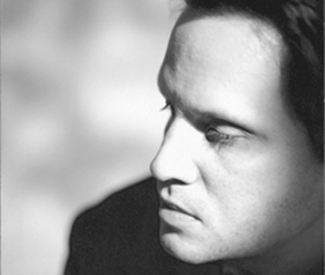
In a world populated by all too many singer-songwriters, where guitar ballads seem to have exhausted all their possibilities, Mark Kozelek continues to confound and disarm audiences. From his harmonically rich open-tunings, to his spacious, deeply resonant vocals, there’s a lush quality to Kozelek’s recorded output that’s rarely found in such unadorned, acoustically driven music. It’s no wonder, then, that his formative recordings with Red House Painters in the ’90s made room for a singer-songwriter’s approach on the 4AD label, defined by its densely-layered, heavily electronic atmospherics.

Kozelek’s subsequent recordings as Sun Kil Moon have gradually pared the layers down further. Ghosts of the Great Highway (2003) traded the dreamy, slowcore tendencies of the Red House Painters’ discography for a more physical, earthbound approach, reflected in its overarching theme of boxers throughout history. Its 14-minute opus, “Duk Koo Kim” remains Kozelek’s most full-bodied, musically vibrant work to date. April (2008) leaned more heavily on extended compositions, maintaining the luminous, shimmering quality of his previous work, despite its starker instrumentation. With the introduction of his own label, Caldo Verde Records, Kozelek — who’ll be performing at Noise Pop March 1 — was given the leeway to pursue other avenues, from full albums of AC/DC and Modest Mouse covers to a collection of live releases that continues to grow with jam band-worthy prolificacy.

The release of Admiral Fell Promises (2010) marked a significant turning point in Kozelek’s career, with a nylon-string acoustic guitar providing its sole instrumentation, while 2012’s Among the Leaves announced a jarring shift in his lyrical style, finding inspiration in an off-the-cuff, stream-of-consciousness approach, a focus on the mundane, and a tendency towards blunt honesty: most infamously, deriding his audience as a bunch of “guys in tennis shoes.” These past couple records have found Kozelek in a transitional period, grasping for something slightly beyond his reach and, as a result, they weren’t as deeply satisfying or rewarding as his best work.

With the release of this year’s Benji, however, all is forgiven. Here, the desolate instrumentation and frank lyricism of his recent output is instilled with a greater sense of purpose. It’s Kozelek’s most autobiographical work to date, as well as his saddest. Death looms over each song. Good people die in freak accidents before their time, while criminals die of old age. Despite his determination to “find some poetry to make some sense of this, and give some deeper meaning,” as stated on the record’s opening track “Carissa,” the banalities found on Among the Leaves continue to show themselves. Panera Bread is mentioned at least twice, while a trip to Berkeley’s Greek Theatre can’t be recounted without a reference to the back pain-inducing walk up that steep hill.

This thematic balance between tragedy, profundity, and the utterly mundane brings the listener into Kozelek’s thought process in the rawest, most unrefined way imaginable. His lyrical style here is jarringly straightforward, approaching character studies with blunt language, and little need for metaphor. Bruce Springsteen’s Nebraska is an obvious comparison, in its bleakly worded yet ultimately dignified portrayals of humanity at its messiest and most desperate.

“Richard Ramirez Died Today of Natural Causes” tells the story of the California serial killer dying on his own terms, while “Pray for Newtown” eulogizes shooting victims who met their ends too soon. “Dogs” explores the dark side of young love, in all its humiliation and emotional turmoil, with startling intimacy and brutal honesty. The boomer-rock of “I Love My Dad” mercifully, yet briefly, lightens the mood, while the record’s 10-minute centerpiece, “I Saw the Film the Song Remains the Same” strikes a gorgeous balance between the central themes of brooding meditations on death, and casual observations of life.

https://www.youtube.com/watch?v=UgaquGird4w

“The way this song drifts in and out of different realities and memories is a lot like the movies,” Kozelek wrote in a recent piece for the New York Times, “weaving documentary, imagination and memory throughout, always coming back to the music.”

“I loved the thunder of John Bonham’s drums,” Kozelek sings, describing his experience watching Led Zeppelin’s The Song Remains the Same at the theater as a teenager, “but even more I liked ‘No Quarter”s low Fender Rhodes hum.” In reflecting upon his preference for Zeppelin’s balladry over its rock pyrotechnics, he draws a connection to the melancholy that has defined his life from a young age. From the deaths of relatives and mere acquaintances that continue to haunt him, to his first record deal, with the similarly downcast 4AD label that helped reinforce his identity, Kozelek expands on one small anecdote to encompass the profundities of life, with a deftness of prose that his entire career has seemingly been working toward.

In spite of occasional contributions from singer-songwriter Will Oldham, former Sonic Youth drummer Steve Shelley, and Advance Base keyboardist Owen Ashworth, Kozelek’s nylon-string fingerpicking remains squarely at the heart of this record, along with the ever-increasing rasp of his voice. More than any album in Kozelek’s deep catalog, Benji lends itself intuitively to his solo live strategy, making this coming Saturday’s Noise Pop appearance at the Great American Music Hall absolutely essential to understanding the inspiration and motivation behind one of the Bay Area’s finest living songwriters.

Noise Pop: An Evening with Mark Kozelek of Sun Kil Moon & Red House Painters

Sat/1, 8pm, $28

Great American Music Hall

859 O’Farrell, SF

415-885-0750

www.slimspresents.com

Writing in the dark

1

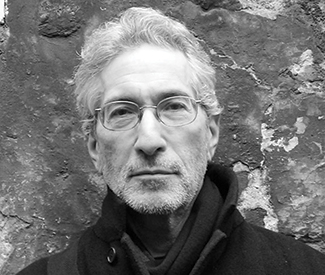
LIT True-crime fans will know the name Harold Schechter: the prolific author and Queens College professor has written books on such nefarious characters as H.H. Holmes, Albert Fish, and Ed Gein, as well as mystery novels centered around Edgar Allan Poe. His latest is The Mad Sculptor: The Maniac, The Model, and the Murder that Shook the Nation (Amazon Publishing/New Harvest, 386 pp., $24 hardcover, $9.99 eBook). It tells the disturbing story of Robert Irwin, a talented yet deeply troubled sculptor who slaughtered three people, including the mother and glamorous sister of a woman he was obsessed with, in 1937 New York City.

The killings — which took place in an upscale neighborhood that was, oddly, no stranger to violence — seized the public’s imagination, and the police investigation and Irwin’s trial were exhaustively covered by the tabloid media. Though the case has largely been forgotten today, the story still makes for undeniably compelling reading. I called up Schechter to learn more.

SF Bay Guardian How did you come across the story of Robert Irwin?

Harold Schechter For my last book — Psycho USA: Famous American Killers You Never Heard Of — I was looking at crimes that had generated a lot of publicity in their time, but had since faded from public memory. The Irwin case was one that I became fascinated with. I wrote an entry on it in that book, but the more I looked into it, the more substantial a subject it seemed.

Originally, [The Mad Sculptor] was just going to be about the Irwin case, but then I kept coming across references to these other tabloid-sensation crimes that had occurred in the same neighborhood, Beekman Place, in the span of 18 months. So that became the book.

maniacbook

SFBG What transforms a crime into a “tabloid-sensation” crime?

HS I just came across this really interesting quote from a well-known book that was published in the 1930s. The person said, referring to [1922’s highly publicized] Hall-Mills murder case, “The Hall-Mills case had all the elements needing to satisfy an exacting public taste for the sensational. It was grisly, it was dramatic, it involved wealth and respectability. It had just the right amount of sex interest, and in addition, it took place close to the great metropolitan nerve center of the American press.”

When I write my books, I look for crimes that have a certain kind of story to them. It’s not just the gruesomeness of the murder, or the number of murders. Some of the most famous crimes in American history, like the Leopold and Loeb case, just involved one single murder. But it had colorful characters involved, plus that combination of money, violence, and sex. In the case of Robert Irwin, the mere fact that the tabloids could call him “The Mad Sculptor” made it immediately gripping. It conjures up all of these horror-movie elements.

SFBG Other than newspapers, what were your research sources?

HS The psychiatrist who treated [Irwin], Fredric Wertham, was another thing that attracted me to the case. I’ve been interested in him for many years, partly because of his connection to the comic-book industry. [Wertham wrote 1954’s The Seduction of the Innocent, which accused comic books of contributing to juvenile delinquency.] Also, the second true-crime book I ever wrote was Deranged, about cannibal pedophile Albert Fish, and Wertham had been his psychiatrist, too.

When Wertham died [in 1981], his wife donated all of his papers to the Library of Congress with the stipulation that they not be made available to scholars for, I think, 25 years. But just when I started to work on the Irwin book, Wertham’s papers became available. There’s a tremendous amount of material in his archives, so that was a very important source. And then, you know, the New York Public Library, and different New York archives and historical societies.

SFBG One unusual aspect of the Irwin case was that victim Veronica Gedeon had modeled for true-crime magazines, like Inside Detective.

HS I was aware of those magazines, but I didn’t quite realize how many there were. There were dozens of these lurid pulp detective magazines and true crime magazines, and they always had very sensationalistic painted covers, generally of scantily clad women being threatened in various ways. But the articles themselves were often quite well-researched and skillfully written, and they were all lavishly illustrated, including some actual crime-scene photographs, and dramatizations of them.

Ronnie Gedeon had posed in a bunch of them, always wearing a negligee or whatever, about to be strangled or shot. And of course, all of the tabloids kept pointing out that there were all of these premonitions of her murder in those photographs. Again, you can’t beat that combination of sex, violence, the trendy neighborhood, this madman who was a sculptor, an artist. It was just, as I say in my book, a kind of perfect storm of prurience.

SFBG The Mad Sculptor is both true-crime book and history lesson. It really gives a good sense of what NYC life was like at the time.

HS I see my books really as social histories. I feel very strongly that you can learn as much about a cultural moment from the particular crimes that the public is obsessed with as you can from looking at what movies are popular, or what heroes are worshipped. The Manson case tells you as much about the 1960s as the Beatles do. The Leopold and Loeb case tells you a great deal about the underlying fears and anxieties of the 1920s.

SFBG Your books always have such great titles: Fiend, Deviant, Bestial. What’s the naming process like?

HS I started with Deviant, about Ed Gein. At the time, I chose it because I’d been doing a lot of thinking about horror fiction and horror movies. The narrative structure of so much horror has to do with somebody who’s kind of following the straight and narrow path, and then just takes the wrong turn, like in [the Gein-inspired] Psycho. Horror is often about deviating from your usual path and ending up in some nightmarish world. So Deviant was chosen for that reason.

Then, for some reason, I got it into my head that it would be cool to write a trilogy of books that begin with the letter “D.” Partly maybe because there were so many creepy “D” words. So I wrote Deranged, then Depraved. At that point I kind of ran out of “D” words, but I had already established this one-word thing, so I did Fiend and Bestial and Fatal.

At that point, I was starting to get away from just writing about serial killers. So when I wrote my book The Devil’s Gentleman, I kind of abandoned the one-word title. But I have to say, I’ve always been kind of proud of my ability to come up with cool titles! Of course, The Mad Sculptor — sometimes they name themselves. *

www.haroldschechter.com

Beautiful path to now

2

culture@sfbg.com

VISUAL ART/YOGA I attended my first yoga class in 2000, at the Mindful Body on California Street. I’d arrived by way of much prodding from a journalism colleague who thought yoga might help with an increasingly debilitating chronic pain condition I’d mysteriously developed. A Brooklyn-raised fiery gym rat in my early 20s, I had just moved to San Francisco and simply couldn’t fathom doing this New-Agey exercise routine. I’d also recently been to India (to see the country — not to learn yoga), and I’d resented the hippie Westerners who seemed to be eagerly consuming yoga study, but staying clear of the places where starvation and disease had riddled the practice’s homeland.

With all of this emotional baggage — and an additional few suitcases that I’ll leave unpacked for the moment — I put on a pair of old blue leggings and an oversized T-shirt, and dragged myself to yoga class. And then I went back again.

It was a good workout. But, more significantly, by the time each class was midway through, my pain would temporarily disappear. Plus, the practice made me feel a way no native New Yorker ever expects to feel: peaceful. I committed myself to yoga harder and faster than I had to anything in years. It was doing something to me, changing me in some way.

Now it’s 2014; I’ve become a yoga teacher. And tonight I’m at the opening party for the Asian Art Museum of San Francisco’s “Yoga: The Art of Transformation,” the first ever comprehensive art exhibit on yoga’s history. Upstairs, yoga teacher-rapper-celebrity-activist MC Yogi is performing his signature ditty “Ganesh is Fresh” to a crowd of fans, some dressed in colorful spandex yoga clothes, others in traditional Indian garb, and still others in contemporary SF duds. Downstairs, some people are engaged in high-level philosophical discussion about the winding path of yoga history, while others are learning AcroYoga maneuvers, drinking “all-natural, gluten-free” margaritas, or striking yoga poses for Instagram-able photos in the museum entranceway.

From an anthropological perspective, it’s quite the scene. And though I’m intimate with my own personal trajectory, there’s a bigger question at hand. How did we all get here?


UNEARTHING ROOTS

Though many of us have been taught (or have simply assumed) that ancient Indian sages were waking up at dawn to do sun salutations, we now know that this was likely not the case. Recent scholarly research tell us that the yoga we practice today in our heated, hard wood-floored, lavender-smelling classrooms is a new breed of practice, most of which was developed in the last century. So, what is the origin of this practice?

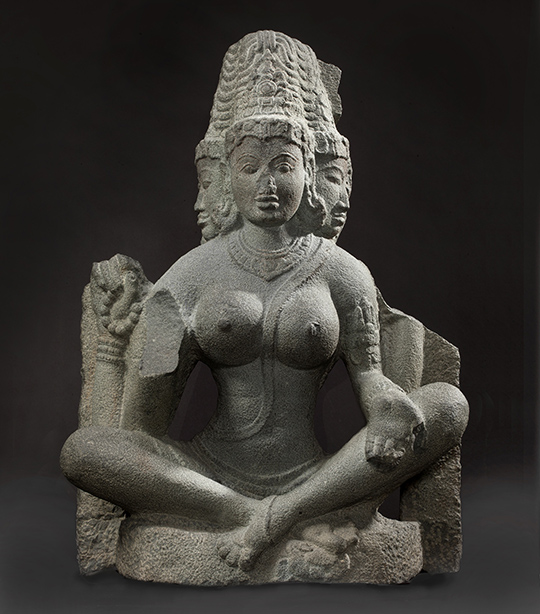
In town until May 25, this gorgeous 135-piece sprawling exhibit — which includes towering Tantric stone goddesses, colorful renderings of intricate yogic energy systems, and exciting film footage of 1930s yoga masters — offers some answers. Originally created by art historian Debra Diamond for the Sackler and Freer Galleries at the Smithsonian Institution in Washington, DC, the exhibit’s just arrived to town amid great enthusiasm. “San Francisco has such a long rich history with yoga,” says Qamar Adamjee, in a recent phone conversation, who, along with Jeff Durham, curated the local presentation of the exhibit. “It was a no-brainer to bring the exhibit here.”

Though yoga’s origin is typically thought to go back at least 2,500 years, the exhibit’s scope is from 100 CE to the 1940s; the museum, along with a board of local yoga advisers, also created supplemental content, like a California yoga timeline, and supplemental programming, including talks with local luminaries. “It’s important to have a sense of where you came from,” says senior yoga teacher Judith Hanson Lasater, founder of both the Iyengar Yoga Institute in San Francisco and Yoga Journal magazine, and one of the exhibit’s advisers, told me over the phone. “That helps us define who we are.”

The art here is laid out by topic, less than it is chronologically, because yoga’s history did not develop in a straight line; different aspects of the practice appeared in different places at different times. “When talking about the exhibit, I like to use the word histories instead of history,” says Adamjee. “While we associate yoga as primarily a Hindu practice, its history is actually shared by three main religious systems of ancient India: Buddhism, Jainism, and Hinduism.” She adds that connections to Islam and Sufism are also seen in the exhibit. “This multiplicity is what makes it so fascinating and rich.” It’s important to remember, too, that this is yoga’s history as depicted primarily by visual art, not by texts — and that the story could change (and likely will) as new findings surface. Yoga research is currently one of the fastest growing fields in South Asian studies.

But for now, our journey begins not where some might expect — say, with a serene yogi practicing Tree Pose by a river bank — but with practices of extreme austerity in the name of enlightenment.


ANCIENT RELEASE

In modern yoga culture, we use the practice to help heal the body — I know I did. But some of the earliest yogis had a different point of view. Well-preserved stone sculptures from the first millennium depict worshippers starving themselves in the hopes of being released from the cycle of reincarnation. (Mortal life here was viewed as pure suffering and these devotees were hoping not to come back again.) An emaciated, pre-enlightenment Buddha is depicted here, too, in an intricate ivory carving from 700-800 CE.

A thousand years later, the art becomes more sophisticated and more focused on deity worship, but practices of austerity and self-mortification remain. For instance, detailed paintings with tiny strokes show devotees of Shiva uncomfortably hanging themselves upside down from trees, or standing or sitting in one position for years. In the mid-late 1800s, photographs begin to appear showing Indian ascetics doing extreme things: lying on a bed of nails, wearing an irremovable contraption around one’s neck, even piercing one’s penis with a heavy metal object.

The images themselves are hard for our soft Western eyes to endure, but even less palatable is the story behind them. With the British invasion, the rights of wandering ascetics were restricted, so they moved from forests into cities, where they were forced financially to parade their devotional practices to local audiences for a quick rupee. Many of the photographs on display were shot by professional British photographers, and were then turned into postcards that the photographers sold for great profit throughout Europe. Non-yogi locals took note that money could be made from Europeans by staging tricks, and it soon became hard to tell who was a true ascetic, and who was a random yoga hack laying on a bed of nails for cash.


YOGA MAGIC

Though yoga was initially seen as a practice of bodily transcendence, some practitioners decided that, so long as they were in their bodies, it might be useful to score some superhuman psychic and physical abilities. During the Tantric era, these yogis are believed to have used practices like mantra, visualization, and goddess worship (sometimes occurring at cremation grounds) to channel these powers.

One of the exhibit highlights is a room filled with striking stone goddesses from this time. The slate-gray statues of worship, which date from 900-975 CE, show large-breasted, small-waisted female yogis (yoginis) complete with fangs and pet snakes, holding cups meant for liquor or blood. Today the word “yogini” is used when simply referring to female practitioners, but these original figures were fierce and to be feared. (They were also sculpted with perfect bods, offering an interesting parallel to the depictions of female practitioners in modern day yoga magazines.)

Later on, in 1830, Indian watercolor and gold paintings show the mystical use of yogic superpowers: to win battles by creating a flood where enemies are charging forth, and to magically fly through the sky. Of course, a hundred years later, the West chimes in, and starts making a mockery of yogic powers in the cinema and in profitable magic shows like “Koringa, the Female Yogi.”


MINING THE FLOW

Throughout the early years, we see all manners of meditators, perhaps practicing classical yoga (as handed down by Patanjali’s Yoga Sutras), often sitting with legs in a lotus-like position, gazing up or inward toward a third eye. But as the years pass, the physical body starts to take more prominence, in the Tantra and Hatha Yoga traditions, as a tool on the yogic path of self-realization. One treasure here is a 10-page excerpt from an early 1600s Muslim Sufi book called Bahr al-hayat (Ocean of Life), said to contain the earliest illustrated renderings of physical yoga poses. Most of the poses shown here are seats like lotus pose, but there is one drawing of a guy rocking a headstand.

Around the 1700-1800s, intricate Tantric renderings of the energetic yoga body, including the chakras (energy centers), appear. A total must-see: a watercolor scroll that contains detailed, gold-laced drawings of Ganesh and his two wives (at the root chakra), and Shiva and Shakti joined together (in the crown chakra).

In the final gallery, we come into the 20th century. Yoga made its big debut in the US when Swami Vivekananda, who practiced Raja Yoga, based on Hindu philosophy and meditation, made a speech about yoga at the first World’s Parliament of Religions in 1893. Seven years later, he set up the Vedanta Society in San Francisco to offer his teachings. (Many of his materials are displayed here.) The early 1900s is also where we begin to see evidence of the more athletic yoga practice most of us do today. This new form came about as prominent Indian yoga teachers began to blend ancient postures and energetic techniques with strength-training exercises that had been brought in by their British invaders.

A mesmerizing video shows T. Krishnamacharya (often considered the grandfather of modern day yoga) and his young disciple BKS Iyengar performing expertly executed postures in smooth, rhythmic flows — now things are really starting to look familiar. Displayed here are also numerous books promoting yoga as a way to improve one’s health, including a book by Indian bodybuilder Raja of Aundh called Surya Namaskars (The Ten-Point Way to Health). According to the exhibit, this text from the 1920s is where our beloved sun salutations were initially birthed.

While the new physical fitness-form of yoga may have looked different than its predecessors of seated meditation, goddess worship, and self-mortification, it required the same intense attention and dedication. It arrived to the US on the tails of Vivekananda’s yoga, so by the mid-1900s, West Coasters already had different practices from which to choose.

Yoga caught on quickly here in San Francisco. By 1955, Walt and Magana Baptiste (parents of famed modern-day yogi Baron Baptiste) had founded the Center for Physical Culture, one of SF’s first bona fide yoga studios. The 1970s saw the opening of Integral Yoga and the Iyengar Yoga Institute in San Francisco, as well as the birth of Yoga Journal magazine. Yoga soon became not only a practice, but a business and a lifestyle. Over the years, Americans here and throughout the country started blending various yoga teachings, shaping the practice to address our cultural, health, fitness, community, commercial, and varied spiritual (or anti-spiritual) needs and interests. Today, San Francisco is one of the world’s most booming yoga communities. Every offering one can imagine exists here: from contemplative retreats to sweaty flow classes to corporate yoga, ecstatic chanting, naked yoga, scholarly study, and yoga therapeutics.

IN THE NOW

The exhibit helps us get a sense of where the practice came from — but it still begs the question of what yoga actually is. Is yoga a practice of transcending the body in an effort to attain enlightenment? Is it a way of gaining supernatural powers so you can beat your opponents at war? Is it a seated meditation practice focused on stilling the mind, or a physical fitness routine designed to rid the body of impurities? Is it something you do on the weekends in your Lululemon leggings to feel good before going for mimosas at a hipster brunch spot?

“The exhibit forces some interesting self-reflection about our beliefs,” says Kaitlin Quistgaard, the former longtime editor of Yoga Journal magazine, in a phone conversation. “What do we actually know to be true about yoga?” Quistgaard was part of the advisory board that helped to create the exhibit’s supplementary content. “For me, the thing that ties it all together is self-awareness. Through any yoga practice, even one that would seem completely physical, there’s a process of coming to know yourself.” She adds that it’s the development of this deeper awareness that can enable us to lead more connected and fulfilling lives.

In the same vein, Adamjee reflects that one of the key aspects uniting all of the yoga paths over the years is the “radical insight that human beings possess the ability to transcend our own suffering.” Looking back at my own path, it’s easy to see the truth in this. Whether a yogi is engaged in intense physical or energetic practices, deep meditation, scholarly pursuit, or singing the names of Indian gods, the goal has always been — through devotion and attentive awareness — to find peace. To experience, if only briefly, that delicious taste of freedom.

As a writer and practitioner, I love the study of yogic history. But there is also a part of me that knows that the history is not as important as our actual practice — what we do each day, how we show up to our lives. As any yoga devotee will tell you, the past and the future don’t really exist; all we can ever really know is this very moment.

“Yoga will live on,” says Adamjee, somewhat wistfully. “But it will become something different. We are just another moment in that long timeline.”

YOGA: THE ART OF TRANSFORMATION

Through May 25

Asian Art Museum of San Francisco

200 Larkin, SF.

www.asianart.org

(See next page for more details)

HAS YOGA SOLD OUT?

Yoga started as a spiritual discipline. Now, it’s reportedly a $27 billion dollarindustry in the US with an estimated 15 million practitioners, not to mention high fashion clothing, expensive yoga vacations, and “yogalebrity” teachers. Some say that commercialization is just what the practice had to do to survive in a capitalist culture. Others, like Indian American graphic artist Chiraag Bhakta, find the face of modern day yoga disturbing. Bhakta’s art installation, #WhitePeopleDoingYoga, will be on view at the Asian Art Museum as a supplement to the larger yoga exhibit, March 26-May 25.

A 13-by-30-foot wall of Western yoga marketing materials (from the 1960s-80s), it includes book covers, advertisements, and album covers that depict white folks promoting yoga for all kinds of spiritual, dietary, and fitness purposes, wearing everything from canary yellow leotards to traditional Indian garb. The idea of putting all of this ephemera on one wall, he says, is to give the viewer a feeling of being suffocated — which is how the onslaught of these images have made him feel. “It’s fascinating to me that this ancient practice from my culture is being mined and then appropriated and commodified, while removing everyone that looks like me,” he adds. “The philosophy of yoga is the dissolution of one’s ego — and the irony is that there’s so much ego being attached to all of this.”

Bhakta’s exhibit is part of *Pardon My Hindi, a project he created to explore first generation Indian American identity using humor and serious social commentary. Bhakta admits that he himself practices yoga at studios in the Bay Area, and he’s not against the popularization of the practice. He simply questions the way in which it’s being done. “My goal is just to bring this discussion to the table,” he says.

GO DEEP

The museum is offering some amazing activities during the show’s run. Highlights include storytelling, dance, and yoga, as well as lectures by yoga luminaries. Among the scheduled speakers are Senior Iyengar teacher Manouso Manos, director of UCSF’s Osher Center for Integrative Medicine Dr. Margaret Chesney, curators Debra Diamond and Qamar Adamjee, AcroYoga co-founder Jenny Sauer-Klein, mindfulness educator Meena Srinivasan, Google’s Gopi Kallayil, graphic designer Chiraag Bhakta, and yoga historian Eric Shaw. For the full list of events, go to www.asianart.org/exhibitions_index/yoga-related-events.

Karen Macklin is a writer and yoga teacher living in San Francisco. Find out more about her at www.karenmacklin.com .

Activists, union challenge Google bus pilot program

73

San Francisco activists and labor filed an appeal of the controversial commuter shuttle (aka, the Google buses) pilot program to the Board of Supervisors today, alleging it was pushed through without a proper environmental review. 

The appeal was filed by a coalition of the Harvey Milk LGBT Democratic Club, SEIU 1021, The League of Pissed Off Voters, and Sara Shortt of the Housing Rights Committee. 

The shuttles, mostly to Silicon Valley tech firms, pick up passengers in Muni bus stops. The use of public bus stops would incur a $271 fine for private autos, and often do, but the shuttles have largely received a free pass from the city. Last month, the San Francisco Municipal Transportation Agency approved of a pilot plan hatched behind closed doors that allows use of 200 bus stops by the private shuttles, charging only $1 per stop, per day.

The appeal alleges that the program needed review under the California Environmental Quality Act, which asks for projects to be analyzed for, among other things, land use, housing, and public health impacts. 

“CEQA actually identifies displacement as an environmental impact,” attorney Richard Drury, who filed the appeal on behalf of the coalition, told us. “Almost no one knows that. Honestly I didn’t know that, until I started researching all of this.”

If the Board of Supervisors doesn’t back the appeal, there may be a court battle on the environmental impact of the shuttle stops, which increase rents and home prices nearby. 

Paul Rose, spokeserpson for the SFMTA, responded to the complaint in an email to the Guardian.

“We developed this pilot proposal to help ensure the most efficient transportation network possible by reducing Muni delays and further reducing congestion on our roadways,” Rose wrote. “We are confident that the CEQA clearance is appropriate and will be upheld.”

In the meantime, Drury told us, the coalition is performing environmental research of its own. It has experts from the US Environmental Protection Agency and other organizations analyzing diesel outputs from the shuttles, as well as the impact of shuttles on displacement. 

“CEQA review needs to have a review before they start the pilot, not after,” Drury said. “They’re basically doing it backwards: let’s have 200 stops and 35,000 people in the service, and figure out what happens.”

Some studies conducted already show that affluence rises wherever the shuttle stops are placed. One by Chris Walker, a 29 year old in Mumbai, India, shows rising property values in and around the Google bus stops from 2011 to 2013.

heatmap

This heatmap shows a rise in property values appreciated near shuttle stops.

“We see the Google Bus as a part of a larger effort to privatize public spaces and services, displacing both current residents and the public transportation system we rely on,” said Alysabeth Alexander, Vice President of SEIU Local 1021, in a statement. “San Francisco has a long history and tradition as a union town. With the tech takeover, San Francisco is becoming inhospitable to working class families. Our wages are stagnant, as the cost of everything is skyrocketing. This is a shame.”

Goldies 2014 Music: The Seshen

2

GOLDIES “What was the latest? Afro-futurism? Afro-futurism,” says Lalin St. Juste, songwriter and lead singer in the East Bay band The Seshen, of how the somewhat un-categorizable band has been categorized by critics most recently. “Which we’re kind of OK with. It makes me think of, like, a silver afro.”

“Or, you know, like we trade in afro futures,” says keyboardist Mahesh Rao, between bites of chips and salsa, eliciting a burst of laughter from his bandmates. “Electro-soul is OK too. We were calling ourselves electro-pop for a while, but then Paris Hilton came out with a record a while back that she was calling electro-pop, and I was like, Lalin, we gotta take that off our business cards.”

Call them what you will. The sounds this seven-piece band makes are captivating, layering the soulful, Erykah Badu-reminiscent vocals of St. Juste and the musical theater-trained Akasha Orr — whose smile you can hear in her voice — with precise electronic samples, dub sounds, R&B guitar grooves, bass lines that beg to be bumped out your car window at a stoplight, and percussion that seems to borrow from at least three continents.

It’s both sexy and a little nerdy: immersive, inviting, warmer than your weirdest Radiohead, but with a chilled-out, dreamy, late-night sensibility and spirituality. It’d be just at home on an indie-rock mix as, say, Beach House, but it’s hardly background music — there’s just too damn much going on. Live, the Seshen is committed to a specific blend of electronic elements and “humanity…I think we have something really human and warm, because of the vocals, live drums, other human elements,” says percussionist Mirza Kopelman. Regardless, the band’s setup is far from straightforward; St. Juste’s custom pedal board looks like it could power a small plane. “Sound guys hate us,” offers synchronizer-sampler Kumar Butler.

People often don’t quite know what to do with them, Seshen members are the first to admit. They’ve been labeled “world music” in the past simply because, as far as they can tell, they’re seven people representing a wide range of ethnicities. But especially following the release of last summer’s spaced-out, sped-up trip-hoppy, drum-and-keyboard-driven single “2000 Seasons,” which revealed a more upbeat sound than The Seshen’s self-titled 2012 debut, hip-shaking seems to be a common reaction.

seshen

Guardian photo by Saul Bromberger and Sandra Hoover

“Some songs are meant for sitting and relaxing,” says St. Juste, “but in general, we want people to dance.” Bigger crowds and stages have followed. Playing Oakland’s Hiero Day last year, band members were overwhelmed to hear that some of their local childhood hip-hop heroes were Seshen fans, too.

It’s a rehearsal evening, which means members are sprawled around their studio — the tricked-out den of an El Cerrito house that St. Juste, producer-bassist Aki Ehara, and Orr all share — with snacks and beers and their notes about the most recent mixes of their upcoming EP, due out this spring. There’s a dartboard in one corner; a campy poster featuring the winged angel version of Michael Jackson dominates another, while D’Angelo stares across the room from an LP cover.

Just past a tiny enclave marked by a photo of Ehara’s grandfather is the producer’s recording and mixing setup — the band does it all, quite literally and very meticulously, in-house. The value of Ehara’s determined focus on the subtleties of a mix cannot be overstated, say his bandmates. In honing the band’s sound, says Ehara, he’s influenced by delving into the history of electronic music, he says, going back to John Cage and early BBC radio electronica. “That, alone, opened a whole other door for me.”

“I’ve played in a lot of bands, and I’ve never been in one that pays this much attention to detail,” says drummer Chris Thalmann. “Everyone has a really high level of expectation for what we put out there.” That perfectionism is starting to get attention: In January, they inked a deal with Tru Thoughts, an independent label out of Brighton, UK. After the EP comes out, the big plan for 2014 is to tour more — pack themselves into a 15-passenger van and find out if they get along as well on the road, stinky socks and all, as they do at home.

“We do have to corral ourselves back into working sometimes,” says Orr. “It is pretty amazing that with this many people we all really get along, but we do. We have fun, and we love each other. That part’s organic.”

“I think that’s part of what sets us apart from some electronic acts,” says Kopelman. “We’re seven people making something together. Not, you know, a mustachioed hipster on a laptop.”

www.theseshen.com

https://www.youtube.com/watch?v=gOkubxzD4gY

This Week’s Picks: February 19 – 25, 2014

0

WEDNESDAY 19

Delivery (SFIndieFest)

Remember 1999, before reality TV exploded all over our pop culture consciousness? Before you found yourself wondering “Why do I know what Kim Kardashian ate for breakfast?” That year, The Blair Witch Project broke new ground by scaring our pants off using found footage; by the time the fifth installment of Paranormal Activity rolled around, it seemed there were several nails in that genre’s coffin. Not so fast: Delivery takes on our obsession with reality shows with a nod to Rosemary’s Baby (1968), following a young couple who, in trying to have their first child, get selected for a reality show. All’s well, until a series of events portrayed through “un-aired reality footage” leads mom to believe her unborn child is possessed by something angry. Bonus: If you’re not ready for kids, this film can serve as a great reminder to use protection. (Emma Silvers)

7pm, $12

New Parkway

474 24th St., Oakl.

www.sfindie.com

THURSDAY 20

The Thermals

Most artists shun pigeonholing and categorization of their work, but the Thermals are a self-described post-pop-punk band out of Portland (pre-Portlandia Portland, they’d like to note). Though the trio has existed for over 10 years, released six studio albums (the first of which was recorded for a whopping $60), and bounced around an amazing roster of highly respected indie labels (Sub Pop, Kill Rock Stars, and now Saddle Creek), the Thermals are still charmingly under-the-radar. Their disarming lo-fi sound, Northwestern flannel fuzz, and hooky sensibility are deserving of a larger audience, so there’s something very fortunate about getting to see them in such an intimate setting as the Chapel. (Haley Zaremba)

With Colleen Green

9pm, $17

Chapel

777 Valencia, SF

(415) 551-5157

www.thechapelsf.com


Manowar

New York metal pioneers Manowar have been blasting stages since 1980, making a name for themselves with over-the-top volume levels — the Guinness Book of World Records recognized the band for having the loudest live performance on record in the mid-1980s — and sweeping musical epics that feature lyrics with sword and sorcery themes. Adding to the grand scale and image of the band, it was among the first metal groups to record with an orchestra and choir, and has even had the occasional guest narrator tell tales over its music, including legendary actors Orson Welles and Christopher Lee. Mere mortals may want to bring their earplugs for these “Sons of Odin”! (Sean McCourt)

8 pm, $75-$100

Regency Ballroom

1300 Van Ness, SF

www.theregencyballroom.com


Bitchslap!

If you’re still laboring under the illusion that men are always funnier than women, get ready for a big slap in the face. Once a month, the city’s funniest ladies come together for a night of stand-up at the Mission holdout Esta Noche. Bay Area comics Eloisa Bravo and Kimberly Rose Wendt started Bitchslap! about a year ago, in protest of the stereotype that women aren’t funny. Since then, Bitchslap! has gained both male and female fans, creating a nonsexist environment for women performers. Bravo hosts the show and Rose Wendt performs alongside the all-female lineup. (Laura B. Childs)

8pm, free

Esta Noche Nightclub

3079 16th St, SF

www.thebitchslapcomedy.com


FRIDAY 21

Smuin Ballet’s XXperiments Choreography Showcase

In modern/postmodern companies the collaborative process has become pretty much the norm. That’s why, in the programs, choreographers often acknowledge that “the work was created in collaboration with the dancers.” Ballet companies, for the most part, are a different breed: The choreographer brings the material to the studio and the dancers learn it. Yet many ballet dancers also want to choreograph. How will they learn? At Smuin Ballet, they do. XXperiments Choreography Showcase offers an evening of premieres by Smuin dancers set to music, lighting design, and more by their colleagues. The company has 17 dancers; 10 of them will be part of this program: Darrin Anderson, Erica Chipp, Aidan DeYoung, Jonathan Dummar, Nicole Haskins, Weston Krukow, Ben Needham-Wood, Jane Rehm, Susan Roemer, and Christian Squires. (Rita Felciano)

7:30pm, $30

ODC Theater

3153 17th St., SF

415-863-9834

www.SmuinBallet.org


SF Bay Guardian’s 25th Annual Goldies Awards

Whoever first said that “all that glitters isn’t gold” clearly hadn’t been to a Bay Guardian party. We’re going big — and sparkly — for this awards ceremony, which celebrates our hometown movers and shakers in music, visual art, performance, and more (the gold in Goldies stands for Guardian Outstanding Local Discovery). And, much like the Vanity Fair party after the Oscars, the real fun begins after the last award has been awarded, with music from DJs Primo Pitino and Wam Bam Ashleyanne and all-you-can-drink Lagunitas beer — all in the name of raising money for the worthy arts organization CounterPULSE. Don’t forget to wear your glitteriest gold attire: Under the Golden Gate will be snapping photos on the (actual) red carpet. Our fashion critics are kinder than Joan Rivers, we promise. (Emma Silvers)

8pm, $10

Folsom Street Foundry

1425 Folsom, SF

www.folsomstreetfoundry.com


Public Intimacy: Art and Other Ordinary Acts in South Africa

If Nelson Mandela and mind-numbing Vuvuzelas are your only points of reference when it comes to South Africa, head over to the Yerba Buena Center of the Arts for a little education. The museum’s newest exhibit explores interpersonal relationships, encounters, and exchange in South Africa through the eyes of 25 contemporary artists. In collaboration with SFMOMA, YBCA presents an expansive collection of mixed-media projects, including photography, painting, sculpture, printmaking, graphic design, and performance. Coinciding with South Africa’s 20th anniversary of democracy, Public Intimacy promises to reveal an unexpected perspective of everyday life in the Rainbow Nation. (Childs)

Opening reception 8pm, $12

Through June 28

Yerba Buena Center for the Arts

701 Mission, SF

www.ybca.org


SATURDAY 22

We Were Promised Jetpacks

Scotland’s We Were Promised Jetpacks may have an impossibly cute backstory — their first concert was at their school’s battle of the bands — but the group’s music refuses to be taken lightly. Marked by cymbal crashes, epic builds, serious brogue, and some Ian Curtis-level melancholy, the band’s two records provide a visceral listening experience. We Were Promised Jetpacks has matured a bit since their powerful debut record, These Four Walls, which they recorded in just eight days. For their follow-up, the band traveled to Iceland to record in Sigur Rós’ studio, and the result is an accordingly aching and beautiful record. The catharsis of the band’s recorded material is not lost in its notoriously powerful live presence. (Zaremba)

With Honeyblood

9pm, $20

Bimbo’s 365

1025 Columbus, SF

(415) 474-0365

www.bimbos365club.com


Hidden Cities

Think you know everything about San Francisco? Think again. The newest exhibition at SOMArts will have you completely rethinking the urban space you call home. Hidden Cities features 26 interactive images and installations that unearth forgotten or unseen social, environmental, and racial justice issues in the city. Many projects focus on human waste, like Christian Cerrito’s animatronic, belching metal trashcans and Yulia Pinksevich’s LED light display made from salvaged materials from San Francisco’s Recology landfill. You won’t want to miss the exhibit’s opening reception for two reasons: 1) An energetic parkour demonstration, featuring practitioners interacting with the city’s architecture, and 2) a chocolate cake with printed locations of sewage plants designed by one of the activist-artists will be served. Yum, chocolate sewers! (Laura)

6pm, free

SOMArts

934 Brannan, SF

www.somarts.com


SUNDAY 23

Tom Mallon Memorial

Beginning in the mid-1970s, Tom Mallon had a huge influence and incredibly important impact on the independent San Francisco music scene, both as a performer — he played with American Music Club and Toiling Midgets, among others — and as a producer and engineer. Providing low-cost studio time and guidance, Mallon helped document the work of countless artists, ranging from Chris Isaak to Chuck Prophet. Unfortunately, Mallon passed away last month due to complications from a brain tumor. But his legacy lives on, and at this memorial a variety of people he worked with will come together to play a special show in tribute to him. (Sean McCourt)

4pm, free

Make Out Room

3225 22nd St, SF

(415) 647-2888

www.makeoutroom.com


MONDAY 24

Courtney Barnett

Somewhere in drunkenly rocking Dylan-esque narrative of “History Eraser” — among deserving references to the Stones, Ezra Pound, and (I think) Tenacious D — there’s a reminder “that nothing really ever is exactly as it seems.” That’s good advice coming from Melbourne’s Courtney Barnett, on her collection The Double EP: A Sea of Split Peas. The songwriter has a knack for recounting relatable situations and even mundane experiences as extraordinary songs. Take the psychedlic-guitar fueled “Avant Gardener,” in which an asthma attack has the gravity of a bad acid-cum-hospital trip, leaving the singer feeling like “Uma Thurman post over-dosing kick-start.” The result is an album that has all the playful wit of The Moldy Peaches with the earnestness of Sharon Van Etten. (Ryan Prendiville)

With Fever the Ghost, KINS, Rich Girls

8pm, $12

Rickshaw Stop

155 Fell, SF

(415) 861-2011

www.rickshawstop.com


TUESDAY/25

Noise Pop Opening Night Party

It just keeps on growin’. The Noise Pop music festival, now in its 21st year, is one of the Bay Area’s most beloved live music traditions, featuring a reliably excellent lineup of both local and national buzz-worthy bands. New this year: a festival headquarters — a physical center for all things Noise Poppy — and that’s where the week’s rocking will be kicked off, with “Punk Rock Fancy,” featuring DJ sets by local treasure, punk icon, and Noise Pop godfather Bob Mould, West Coast punk godfather Jello Biafra, and artist-activist Shepard Fairey. For a Tuesday show timed for happy hour, you could do a lot worse. And judging by the lines at last year’s parties, you’ll be in good (or at least very party-ready) company. (Silvers)

5:30pm, free

The NWBLK

1999 Bryant, SF

www.noisepop.com

Rep Clock: February 19 – 25, 2014

0

Schedules are for Wed/19-Tue/25 except where noted. Director and year are given when available. Double and triple features marked with a •. All times pm unless otherwise specified.

ARTISTS’ TELEVISION ACCESS 992 Valencia, SF; www.atasite.org. $5-10. San Francisco Cinematheque presents: “The Cinema of Narcisa Hirsch,” Wed, 7:30. Other Cinema presents collaged, remixed, and found films by Soda Jerk, Stacey Steer, Robert Todd, and others, Sat, 8:30.

BALBOA THEATRE 3630 Balboa, SF; cinemasf.com/balboa. $7.50-10. “Popcorn Palace:” Shrek 2 (Vernon and Asbury, 2004), Sat, 10am. Matinee for kids. “Balboa Theatre’s 88th Birthday Party:” The Strongman (Capra, 1926), plus live 1920s music, food, beer, wine, and prizes, Sun, 7.

CASTRO 429 Castro, SF; (415) 621-6120, www.castrotheatre.com. $8.50-11. •Miller’s Crossing (Coen and Coen, 1990), Wed, 7, and Barton Fink (Coen and Coen, 1991), Wed, 9:30. On the Waterfront (Kazan, 1954), Thu, 7, and The Night of the Following Day (Cornfield, 1968), Thu, 9. “Midnites for Maniacs: Kreative Killers Double Bill:” •Clue (Lynn, 1985), Fri, 7:20, and Crimes and Misdemeanors (Allen, 1989), Fri, 9:20. Mary Poppins (Stevenson, 1964), presented sing-along style, Sat-Sun, 2 (also Sat, 7). This event, $10-16; advance tickets at www.ticketweb.com. Saving Mr. Banks (Hancock, 2013), Sun, 6, 8:30. “Nitey Awards 2014,” Mon, 7. This event, $15-75; advance tickets at www.niteyawards.com. Her (Jonze, 2013), Tue, 2, 4:30, 7, 9:30.

CHRISTOPHER B. SMITH RAFAEL FILM CENTER 1118 Fourth St, San Rafael; (415) 454-1222, www.cafilm.org. $6.50-$10.75. times. “Oscar Nominated Short Films 2014,” call for dates and times. Gloria (Lelio, 2013), call for dates and times. “Mostly British Film Festival:” Love Me Till Monday (Hardy, 2013), Wed, 7; Life’s a Breeze (Daly, 2013), Thu, 7.

CLAY 2261 Fillmore, SF; www.landmarktheatres.com. $10. San Francisco Film Society presents: Magic Magic (2013), Thu, 7. With filmmaker Sebastián Silva in person; visit www.sffs.org for more info on Silva’s artist-in-residence events through Feb 28. “Midnight Movies:” The Rocky Horror Picture Show (Sharman, 1975), Sat, midnight. With the Bawdy Caste performing live.

EXPLORATORIUM Pier 15, SF; www.exploratorium.edu. Free with museum admission ($19-25). “Off the Screen: Caroline Martel’s ‘Wavemakers,'” Thu, 7. Filmmaker in person with post-screening Ondes Martenot demonstration.

MECHANICS’ INSTITUTE 57 Post, SF; milibrary.org/events. $10. “CinemaLit Film Series: Villains We Love:” The Stranger (Welles, 1946), Fri, 6.

NOURSE THEATER 275 Hayes, SF; www.cityarts.net. Free. “Remembering Philip Seymour Hoffman,” screenings of nine Hoffman films, Sat, 10am; Sun, noon. Check www.cityarts.net for complete schedule.

PACIFIC FILM ARCHIVE 2575 Bancroft, Berk; (510) 642-5249, bampfa.berkeley.edu. $5.50-9.50. “Film 50: History of Cinema:” Citizen Kane (Welles, 1941), with lecture by Emily Carpenter, Wed, 3:10. “Committed Cinema: Tony Buba:” Lightning Over Braddock: A Rustbowl Fantasy (Buba, 1988), Wed, 7; We Are Alive! The Fight to Save Braddock Hospital (Buba and Dubensky, 2013), Thu, 7. “Against the Law: The Crime Films of Anthony Mann:” He Walked By Night (1949), Fri, 7; Border Incident (1949), Fri, 8:40. “Funny Ha-Ha: The Genius of American Comedy, 1930-1959:” Some Like It Hot (Wilder, 1959), Sat, 6. “Jean-Luc Godard: Expect Everything from Cinema:” Band of Outsiders (1964), Sat, 8:20; “Godard’s Early Shorts,” Sun, 5. “The Brilliance of Satyajit Ray:” The Expedition (1962), Sun, 2. “Documentary Voices:” May They Rest in Revolt (George, 2010), Tue, 7.

ROXIE 3117 and 3125 16th St, SF; (415) 863-1087, www.roxie.com. $6.50-11. SF IndieFest, through Thu. For program info, visit www.sfindie.com. Love & Air Sex (Poyser, 2014), Feb 21-27, call for times. “Roxie’s Future Filmmakers Program: TILT,” Sat, noon. Short films by young filmmakers.

TANNERY 708 Gilman, Berk; berkeleyundergroundfilms.blogspot.com. Donations accepted. “Berkeley Underground Film Society:” “LOOP Presents:” “Old School, New Light:” •This is Marshall McLuhan: The Medium is the Message (1967), and At Home, 2001 (1967), Sat, 7:30; Annie Hall (Allen, 1977), Sun, 7:30.

VICTORIA THEATRE 2961 16th St, SF; www.wearebatman.com. $8.50-11. Legends of the Knight (Culp, 2014 ), Fri, 7:30.

VOGUE 3290 Sacramento, SF; www.mostlybritish.org. $12.50. “Mostly British Film Festival,” 25 classic and new films from the UK, Ireland, Australia, and India, through Thu. “SF Jewish Film Festival Winter Fest:” It Happened in St. Tropez (Thompson, 2013), Sun, noon; Cupcakes (Fox, 2013), Sun, 2:30; Bethlehem (Adler, 2013), Sun, 4:30; A Short History of Decay (Maren, 2013), Sun, 6:40; S#x Acts (Gurfinkel, 2013), Sun, 8:40. Passes ($30-40) and more info at www.sfjff.org. *


Events: February 19 – 25, 2014

0

Listings are compiled by Guardian staff. Submit items for the listings at listings@sfbg.com. For further information on how to submit items for the listings, see Selector.

WEDNESDAY 19

Anita Diamant Osher Marin JCC, 200 N. San Pedro, San Rafael; www.marinjcc.org. 7pm, $15. The best-selling author (The Red Tent) and essayist discusses marriage, parenthood, recovering from loss, and other topics.

Owen Egerton Booksmith, 1644 Haight, SF; www.booksmith.com. 7:30pm, free. The author reads from his collection of short fiction, How Best to Avoid Dying.

“Unwrapping the Visual Discovery of Spiral Nebulae” Randall Museum, 199 Museum Way, SF; www.randallmuseum.org. 7:30pm, free. Illustrated astronomy lecture by visual observer Steve Gottlieb.

THURSDAY 20

Mary Ellen Hannibal Northbrae Community Church, 941 the Alameda, Berkeley; www.northbrae.org. 7-9pm, $5. Golden Gate Audobon Society presents this talk by the author of “conservation biography” The Spine of the Continent.

“Happy Birthday Edward Gorey!” Cartoon Art Museum, 655 Mission, SF; thirdthursdaysf.wordpress.com. 5-8pm, free. Celebrate the late author and artist’s 89th birthday with dramatic readings, tea and cookies, and more. Costumes encouraged.

Michelle Richmond Book Passage, 1 Ferry Bldg, SF; www.bookpassage.com. 6pm, free. The novelist shares her latest work, Golden State.

“YBCA ConVerge” Yerba Buena Center for the Arts, 701 Mission, SF; www.ybca.org. 4-8pm, free. Artist Ilana Crispi shares her new project, “Tenderloin Dirt Harvest: Please be seated on the ground,” featuring drinking vessels made from Tenderloin soil, plus discussions and storytelling about the neighborhood.

FRIDAY 21

“Birding the Hill” Corona Heights Park, meet in front of Randall Museum, 199 Museum Way, SF; www.randallmuseum.org. 8am, free. Kids under 10 must be accompanied by an adult. Explore the park and check out its current bird population with Audobon experts.

Russian Festival of San Francisco Russian Center of San Francisco, 2460 Sutter, SF; www.russiancentersf.com. Today, 5pm-12:30am; Sat/22, 11am-10pm; Sun/23, 11am-7pm. $6-10. Performances by Russian dancers, musicians, and others, plus Russian cuisine, crafts, gifts, and more.

“Word/Play: Shenaniganery of the Highest Brow” Booksmith, 1644 Haight, SF; www.booksmith.com. 7pm, $10. Book and lit-themed game show starring Nate Waggoner, Melissa Manlove, Steven Westdahl, Casey Childers, Sarah Griffin, and Lara Starr.

SATURDAY 22

“Great San Francisco Crystal Fair” Fort Mason Center, Bldg A, Marina at Buchanan, SF; www.crystalfair.com. Today, 10am-6pm; Sun/23, 10am-4pm. $8. Featuring crystals, minerals, beads, psychic readings, and more.

“Hidden Cities: Experiments and Explorations” SOMArts Cultural Center, 934 Brannan, SF; www.somarts.org. Opening reception 6-9pm, free. Exhibit on view through March 22. Twenty-six moving and still images and interactive, site-specific installations that present alternative ways of exploring San Francisco.

“Lost Landscapes of Oakland” Oakland Museum of California, 1000 Oak, Oakl; www.museumca.org. 3-5pm, free with museum admission ($6-15; seating is limited and available on a first-come, first-served basis). Rick Prelinger brings his popular historical screening and discussion series, with audience participation encouraged, to Oakland for the first time.

“Who Are We? Exploring Black Identities” Center for History and Community, 2488 Coolidge, Oakl; www.peraltahacienda.org. 6-7:30pm, free (RSVP to info@peraltahacienda.org). Panel discussion about African American identity moderated by Rick Moss, chief curator of the African American Museum and Library at Oakland.

SUNDAY 23

Lemony Snicket and Lisa Brown Booksmith, 1644 Haight, SF; www.booksmith.com. 3pm, $5. The author and illustrator discuss 29 Myths on the Swinster Pharmacy. Buy a copy and get a free Melancholy Sour Phosphate from the Ice Cream Bar.

TUESDAY 25

“From Pillar to Post: The 100-Year Peregrinations of the Sutro Library” St. Philip’s Catholic Church, 725 Diamond, SF; www.sanfranciscohistory.org. 7:30pm, $5. The Sutro Library’s former head librarian discusses the long history of the unique rare book and manuscript collection.

Anna Leonard Booksmith, 1644 Haight, SF; www.booksmith.com. 7:30pm, free. The debut novelist discusses Moth and Spark.

“Now That You’re Gone … San Francisco Neighborhoods Without Us” SF City Hall, Ground Floor, 1 Dr. Carlton B. Goodlett Place, SF; www.sfgov.org. Opening reception 5:30-7:30pm, free. Exhibit on view through May 23. San Francisco Arts Commission Galleries’ Art at City Hall Program and PhotoAlliance presents this exhibit of works by NorCal emerging and established artists, showcasing SF urban landscapes and neighborhoods without any people in them.

“Whale Disentanglement in Northern California” Bay Model Visitor Center, 2100 Bridgeway, Sausalito; www.acs-sfbay.org. 7-9pm, $5. Kathy Koontz from the Whale Entanglement Team — working to rescue whales from entanglement in fishing gear and marine debris — discusses how the public can get involved in the group’s Northern California efforts. *


Goldies 2014 Music: DJ NEBAKANEZA

0

marke@sfbg.com

GOLDIES “I don’t care how much equipment you have, how many laptops you’ve got hooked together — if you’re just making a bunch of trendy electronic sounds, if you don’t know melody or dynamics or how to really play an instrument… you aren’t making any music.”

The masked man known as DJ Nebakaneza is notorious for his dazzling and unsettling outfits, gonzo energy, brain-scrambling bass, and rollicking social media presence. He isn’t afraid to court controversy or speak his mind about what’s going on in dance music, either. But dig a little beneath the flash and bombast and a portrait of an artist as a young bass maven emerges, one brimming with deep musical knowledge, canny intellectual vision, disarming charm, and inspiring faith in his hometown scene.

It’s almost impossible to talk about Neb without including the rest of his Irie Cartel DJ crew — JohnnyFive, Mr. Kitt, Miss Haze, and Danny Weird. Irie Cartel has had a profound effect on the San Francisco dance music scene. But to understand just how much of an effect, we’ll need to run down a little history of what didn’t happen in the San Francisco clubs.

In the early 2000s a deep and throbbing apocalyptic sound from the grimier neighborhoods of London called dubstep started shaking the bass bins of the underground. By 2007, it was seeping into club nights here like Grime City, Brap Dem, and Full Melt, drawing critical interest and providing a nice complement to the minimal techno and disco revivalism that was also happening at the time.

But then a funny thing happened: mainstream America, apparently looking for a new arena-style rockout, hijacked dubstep, gutting it of all but its deep bass and catchy name. Pop artists adopted the sound, twisting it into a series of bowel-rumbling bass drops (nothing wrong with those, really), and it became known more for its fist-pumping frat party reputation than a reflection of the more angsty corners of urbanity. A wave of bro-step began washing over US clubs, threatening to wash out more subtle party expressions with its macho aggression.

DJneb

Guardian photo by Saul Bromberger and Sandra Hoover

That onslaught was stopped at our borders, thanks to Irie Cartel, whose weekly Ritual dubstep nights kept the fun factor high (and the bass extremely low), but also made room for classic bass music sounds, experimental electronic showcases, and flights of melodic beauty. It still melted your face, but poetically. Irie also emphasized old school rave community spirit: At its height, in the basement of club Temple, the Ritual party included a community marketplace for people to sell their handmade wares and food. It was like a cosmic bass bazaar full of beautiful bass faces. “We’re all musically nerdy,” Neb says of his crew. “But we strip out all the ‘look at me’ ego that came with the mainstream dubstep scene.”

DJ Neb got into dubstep, in fact, as a fresh-faced youth who wandered into Grime City one night. “I spotted this flyer pasted to a wall and decided to check it out — it was at the old Anu club on Sixth Street at the time. And when I walked in, I was blown away by this wave of bass, these awesome sounds that seemed to be pulling me apart. I never looked back from there,” he told me over the phone, as he prepared to leave for a gig in Uruguay. “It seemed to pull together something that had been brewing in me somewhere. I’d always been into music. I started working at Rasputin Records as soon as I could, and would spend all my free time in there, too — just digging through bins and listening to music. My paycheck would go right back into those records. They used to pay me in music, essentially.

“As a kid, I played percussion. I went through a Janet Jackson and New Jack Swing phase, got really into hip-hop. I was deep into downtempo, trip hop, and rare groove when I started DJing. It was the whole ‘lounge era’ of nightlife, so I started getting a lot of gigs as a cocktail hour DJ. I even had a chillout show on KKSF, the smooth jazz radio station,” he laughed.

“But when the dubstep thing started blowing up for me, I realized it was time to create a new persona, and that’s when DJ Nebakaneza was born. I had to delete my previous existence. I made a ceremonial sacrifice of that guy.” Neb went on to host the Wobble Wednesdays show on Live 105 and rise to the forefront of forward-thinking yet accessible bass purveyors.

But now it’s 2014, dubstep has almost completely played itself out — bro-step wiz Skrillex’s latest shows have been billed as “playing the classics” — and Ritual is on hold. (“When dubstep became popular, Ritual suddenly had this massive influx of people who were drawn to the sound but had never been in a club before, didn’t know how to act,” Neb said. “They were spurned by a lot of our regulars, who closed ranks. But I was like, ‘We were all new at the party at one point, wouldn’t it be better to connect with these people?’ It was sad that our scene got so defensive. I wish we could have embraced the fear a little more. But we’re just giving everything a time out. Ritual will be back.”)

If dubstep is no longer an option, what’s a dubstep DJ to do?

Go back to the drawing board, of course. Last year, DJ Nebakaneza started releasing a series of exquisite mixes tapping into his vast knowledge banks. Each month he would take on a new, unexpected genre — yacht rock, rare disco, Dirty South hip-hop, instrumental funk, even emerging ones like half-time — and weave something magical from his roots. The Expansion Series is one of the most ambitious things I’ve heard a Bay Area DJ attempt, and it comes off pretty flawless.

“I was having an identity crisis,” Neb said. “Dubstep had kind of moved on, and I missed my crate-digging days. Playing those lounge sets — some of them were four or more hours long. That’s a lot of music. I missed being able to sneak all kinds of colors into it. I also missed playing the music that’s closest to my heart: Isley Brothers, James Brown, all that beautiful old funk and soul. I needed to break myself down a little to see how to move ahead.”

Currently, Neb is throwing a bass-oriented monthly party called Paradigm with fellow head Lud Dub. But he’s still planning his next sonic move. “I want something sexy, still with the bass, but a more ‘purple’ feel. Not the trap sound that’s been happening, but something deep and hot.”

Heavens, does that mean the edgy Nebakaneza persona will be tossed to the wind? “Don’t worry, Nebakaneza’s not going anywhere. And I’m still keeping the mask.”


Suspension reform isn’t so simple

6

OPINION I wish I could get behind the current campaign to limit public school suspensions (“Suspending judgment, 12/3/13).

The intent is honorable. Any additional attention to the plight of black kids within our schools is laudable. But I’ve always suspected that some would think they’d accomplished something if suspension rates were evened across races, although this would have no more impact on any underlying problems than mandating racially equal grade ratios would eliminate an educational achievement gap.

I’ve also never been confident that all involved understood that removing a disruptive student from a classroom is not done primarily for that student’s benefit, but to allow the rest of the class to carry on without disruption. Unfortunately, I’m now certain that this basic understanding is not shared on the highest levels of the San Francisco Unified School District.   Nationally, the Department of Education finds black students three times more likely to be suspended than whites. Why? An influential 2010 Southern Poverty Law Center publication, Suspended Education: Urban Middle Schools in Crisis, suggested “the possibility of conscious or unconscious racial and gender biases at the school level.”

That’s hardly surprising, given the long history of racial prejudice in this country. But is this what’s actually going on?   San Francisco, with a suspension rate mirroring the national, gave an African American 84 and 83 percent of its vote in the last two presidential elections. Comparable statistics are not available for the city’s teachers, but it seems likely they’re at least as liberal as the electorate as a whole. This, and years of experience as a substitute teacher in virtually every subject on every grade level, tells me it’s not teachers’ racial prejudice that’s the issue here, but something much larger — and harder to tackle.   Last December, the San Francisco Chronicle reported the city’s black infant mortality rate was six times that of whites (a figure not totally reliable due to the shrinkage of the city’s black population). Other markers of well-being show similar numbers. In short, the black community in San Francisco — and the nation — lives under considerable stress and, as anyone familiar with schools knows, kids don’t leave their problems at home.  But causes aside, I’ve hoped that the anti-suspension efforts might at least promote useful alternatives. After all, no one sends disruptive kids home because they think it makes them better students; they do it because few schools have the resources to do anything else. An “in-school suspension” would likely be a far better alternative in most cases, but it requires people and space available to deal with those students.  Unfortunately, while focusing on the vagueness of causes for suspensions such as “disrespect, excessive noise, threat, and loitering,” which the SPLC study called “behaviors that would seem to require more subjective judgment on the part of the referring agent,” the current effort seemingly ignores the need for a classroom free of things like “excessive noise” and “threat.” And it ignores the right of other students to learn in one — students likely from similar circumstances as the kids teachers feel they have to remove.  San Francisco School Board President Sandra Lee Fewer is amending a proposal to ban “willful defiance” suspensions with a mandate to reduce the use of referrals — removing a student from class, but not sending them home — calling them “invisible suspensions.” And SFUSD Superintendent Richard Carranza says, “We’re talking about culture change. A culture where it’s not okay for an adult to say ‘get out.'”

I think the people at the top might benefit from a little more real life classroom face time.

There is great hesitancy around this issue, probably because of fear that protesting too loudly might mark you as part of the problem — perhaps as a racist. But if we allow an ill-considered effort to become a juggernaut, in the end it will be the most vulnerable students who will suffer.

Tom Gallagher is a substitute teacher who has served on the executive board of the United Educators of San Francisco.

UPDATE: Rabblerousers drag Google down from astral plane

62

At one point protesting tech buses was new and shiny, but now it barely registers a shrug from San Franciscans. The newest eviction protest took a different turn.

On Saturday, protesters jumped up on stage to interrupt Googlers meditating at the annual Wisdom 2.0 conference. The Google corporateers sat on the stage, ready to share their secret to mindfulness “the Google way.” No one said “meditate on all the money you’re making,” but maybe it was implied. 

Meng Tan, who was identified on the Wisdom 2.0 website as “Google employee #107” (oh, inner circle!), is a corporate trainer who wrote the bestselling book Search Inside Yourself. He looked totally serene on stage, legs crossed. Next to him sat Bill Duane, a senior manager in charge of well-being, among other things. Hundreds were in the audience, watching. Duane began by trying to introduce Tan.

“I’ll start by introducing… not this person,” Duane said as the protesters unexpectedly strolled across the stage, carrying the now familiar banner championing an Eviction Free San Francisco, and the audience applauded.

“Wisdom means stop displacement, wisdom means stop surveillance, what do we want? Stop the evictions!” chanted Erin McElroy through a bullhorn, one of the lead organizers of the Anti-Eviction Mapping Project. She was at the forefront of the Google bus protests, as well as the TechCrunch protest, the Crappies.

The protesters were ushered off the stage, and security engaged in a tug of war with the protesters for their banner. 

The protest group, Heart of the City, noted in their press release that video from the protest was not available on the conference’s website (though the protesters had their own camera on hand). 

Was it intentional on Wisdom 2.0’s part to censor the protest?

“The only reason it’s not up is our AV guys cut the feed as soon as the protesters walked on stage,” Rita O’Connell, communications coordinator for Wisdom 2.0 told us. She said that other feeds were captured, and that it would be posted “as soon as humanly possible.”

“We are going to put it out,” she said. “We’re not intentionally trying to keep it from anyone’s view.”

We reached out to Google spokepeople, but our emails weren’t returned before press time. 

Many reading this no doubt will wonder about the point of interrupting a Google presentation  on meditation and spiritual well being to talk about evictions in San Francisco. What, if anything, do they have to do with one another?

The spiritual advocacy group The Bhuddist Peace Fellowship put it eloquently in its post “Why Google Protesters Were Right to Disrupt Wisdom 2.0”:

All the talk about kindness, happiness, and well being (with twin values of creativity, productivity, and profitability) focused on the users and innovators of technology. There was never any mention of the people who manufacture the gadgets that techies then outfit with meditation bell apps. What about the mindfulness, happiness, and well being of the people mining coltan in the DRC, or the people assembling iPhones at the infamous Foxconn sweatshops?

I mean, if we exclude them from the picture, then yes, we can calmly check in with our bodies. 

Things look very mindful and peaceful. Very reasonable, polite, and progressive.

But such deep exclusion invites deep delusion. Something important is missing. Entire groups of relevant people are cut out of the conversation altogether.

The fact is that waves of gentrification have pushed thousands of low-income, disproportionately (black and brown) residents out of San Francisco, and now the city is courting wealthy tech companies (like the ones at Wisdom 2.0) to move in.

Are we just going to ignore the people who are being displaced? Act like we don’t know about this history?

Are we going to pretend that there’s nothing we can do about it?

Hopefully, our friends with the banners won’t let us.”

After the protesters were ushered off the stage, the Google Senior Manager, Duane, then asked the audience to center themselves and consider their point of view. 

“Check in with your body and see what happens, and what it’s like to be around heartfelt people with ideas that may be different than what we’re thinking. Take a second and see what it’s like,” he instructed the audience. 

Meditating on other’s ills isn’t much, yet, but it’s a start. 

Update 2/19: The Wisdom 2.0 folks reached out to us to provide a correction, saying that the employee who engaged in a tug of war with the protesters for their banner was part of the Mariott A/V crew, and not security personnel. They also included this post on their blog:

We very much understand the concern about rent prices and evictions in San Francisco — we’re sure many Wisdom 2.0 conference attendees share the sentiment. There are many issues facing our culture that we try to address at Wisdom 2.0, and we freely admit that we do not always successfully cover every important topic that is worthy of public discussion. We do invite feedback about the topics we cover, and we also provide many opportunities for conference participants to engage in conversations with each other about topics that matter to them.  

In trying to communicate with the protesters after they left the stage, we were met with a great deal of aggression. The protesters chose to enter the conference using fabricated badges instead of reaching out to us to request that this conversation be included in conference programming. Rather than create more anger and division, we invite open dialogue in our community, and wish to support those who will engage with honesty and respect about the matters that are important to them.

That said: as part of Wisdom 2.0’s commitment to holding productive and inclusive conversations, we are currently designing a meetup that will focus on the creation and support of constructive dialogue around pressing social concerns like this one. If you are interested in participating, please email info@wisdom2conference.com to learn more.  

Trunk show: Anchor launches its new IPA

0

Read Sam Devine’s story on Anchor’s planned waterfront brewery in this week’s paper.

Last week, Anchor Brewing and Distilling launched an IPA to much fanfare at their Mariposa Street brewery. Initially, one may be surprised that Anchor has joined the frenzy of hoppy West Coast beers. But this is not the first IPA it has released. Originally brewed in 1975, its Liberty Ale was the first IPA to be brewed on the West Coast after Prohibition.

So Anchor is not just hopping on the bandwagon. It’s getting back on the wagon that they hopped in the first place — with Cascade hops, and while experimenting with dry-hopping methods.

The new Anchor IPA has a rich copper color and a sweet, hoppy aroma. Mildy bitter to taste, it has a good burst of hop flavor and a grainy, malty back end. It finishes crisp-to-dry and does not have the lingering grapefruit that many an IPA offers. All in all, it’s a well-balanced, easy to drink beverage.

The release party was quite a shindig, cramming a happy throng amidst the copper kettles and in the tap room. “Passport Stations” were set up along the way as a sort of parlor game, educating the crowd on the beer’s rich history and explaining the use of the elephant on the new beer label.

The first kiosk asked party-goers to devise which statement was false: a) IPA stands for India Pale Ale, b) IPAs became popular in the 18th century, c) Production of IPAs expanded with exportation to India.

The answer is b)! India Pale Ales became popular in the 19th century through shipments to that faraway place where elephants roamed.

The next station featured bowls of the of six varieties of hops used in the new beer: cascade, Apollo, Citra, Nelson Sauvin, Haas, and Experimental No. 431. “It smells like weed,” said one party-goer holding a handful of little green buds. And it really does.

Another way-point described the antiquated phrase “See the Elephant,” which was a 19th century term for heading toward adventure: “Tom, I’m off to ‘see the elephant.’ Wish me luck.” “You’re a fool, Jones.” “Go fly a kite, Tom!” The phrase was supposedly bandied about quite a bit during the Gold Rush, tying the elephant label neatly in with Anchor’s late 19th century roots.

Last but not least was a station for the Performing Animal Welfare Society. This non-profit advocates against the use of animals for entertainment and maintains wildlife sanctuaries for “rescued performers.” We learned that, sadly — no matter how well an elephant is treated in captivity — controlling and training an animal of that size requires some unpleasant techniques, leaving the animal with an unhappy childhood.

Doin’ all that-there learnin’ was made easier by confections and freely pouring taps. Boccalone, makers of fine cured meats, sliced up “delicious pig parts,” and Three Twins Ice Cream handed out two specially-made ice creams. One was the flavor of IPA and the other tasted of Bock beer. In addition to those treats, the evening’s caterers, Melon’s, had a surprise hit with their grilled-cheese-and-apple sandwiches.

Much of the staff, from CEO, to brewer, to tour guide were on hand. Alas, no show from Fritz Maytag, but he is officially retired now and immersed in his many hobbies — too occupied to bother donning silly hats in a photo booth while imbibing ales… perhaps wisely so.