Food and Drink

Finger waves

2

le.chicken.farmer@gmail.com

CHEAP EATS Oh, I have so many sporty things to tell you about! To my surprise I am playing baseball again, football season starts (for girls) on the same day it starts for the 49ers: next weekend! Meanwhile, the Giants and A’s are both very much “in it,” entering September. Steroid busts . . .

Next week I am going to hire a dedicated sports writer for Cheap Eats. Mine will be the very first cheap eats newspaper column with a sports section in it.

This makes sense, trust me, food and sports being intrinsically intertwined. As any old dog will tell you, chasing a ball makes you hungry. And as any old Hedgehog will tell you, watching people chase a ball makes you hungry too.

For hot dogs! For chicken wings! Pizza . . . What does intrinsically mean?

Well, whatever, this week is this special food issue thing, so I thought I would clue you into this great new brick oven pizza place where I ate with my pal Earl Butter one day while Hedgehog was out in the world. She’s been brought in to try and rescue a horrible horror movie, you see.

Popcorn . . .

Yes, in honor of the occasion, I will devote the rest of this column very very exclusively to this new, cool, quiet pizza place. Except, as I am also (as of this moment) going on my own private writer’s strike, you’re going to have to do most of the work.

Here’s how:

Stand in front of a mirror, please, and make a fist with your right hand, except for the pinky. Now, go on ahead and poke that there teacup-tipping pinky of yours into the palm of your other hand.

Got it? Did you do that? Do you feel kind of goofy? Do you know where I’m going with this?

Sorry: where you’re going.

I’m on strike.

You, my friend, are going to punch yourself in the throat, sort of. Not hard. Just touch that same teacup-pinkied fist to your neck, sidewise, so that your thumb and index finger encircle your Adam’s apple even as the side of your little finger touches your soul patch.

Nicely done, you hipster you!

Next we are going to . . . Next you are going to lose the fist and bring the palm of your hand to your heart, you pledge allegiance to the flag, and so forth. Don’t be afraid to love your country. This is important. We don’t have the best healthcare situation in the world, but we do have Bruce Willis.

So bend your left arm at the elbow and hold it to your stomach, palm up, if you will, as if cradling a baby. Or a watermelon or something. Now scoop your right hand, palm up, over your left hand and on up toward the opposite collarbone.

Do you ever wonder what is wrong with you? Well, start! I don’t recommend all-out hypochondria; just a healthy sense of wonder. Why, for example, are you a scab?

Don’t give me the finger! Give me the opposite of the finger. That is, bend your middle finger down and — all those other ones, even the thumb — give me those. Give me everything but the finger. OK?

Now tap that middle knuckle against your chin. That’s all I’m asking. Is that so much to ask?

And there is yet one more thing you can do for me, Ms. Picket Line Crosser. Cross your fingers for luck. Lord knows we can use it. There are elections coming up later this fall, as well as football seasons.

There are everyday dangers to be avoided, like crossing the street and riding your bike to work.

I’m saying, cross your fingers on your right hand and draw yourself a little Fu Manchu mustache, just the sides of it . . . Yeah, leave the upper lip alone. Just two straight lines, first down the right side of your jaw, then the left, with your fingers crossed. For luck.

Yeah. Like that. Okay.

Now. You know what you need to know.

MOZZERIA

Tue-Thu 5:30-10pm; Fri 5:30-11pm; Sat noon-11pm; Sun noon-10pm

3228 16th St., SF

www.mozzeria.com

AE,D,MC,V

Beer & wine


Mission sandwiched

0

virginia@sfbg.com

APPETITE Two unusual, new Mission sandwich options: one of the city’s best restaurants launches lunch with Scandinavian influence (part of the Nordic culinary wave finally reaching the West Coast that includes new restaurant Pläj) , and a low-key panini shop opens, refreshingly real with Middle Eastern touches.

SMØRREBRØD AND LANGOS AT BAR TARTINE

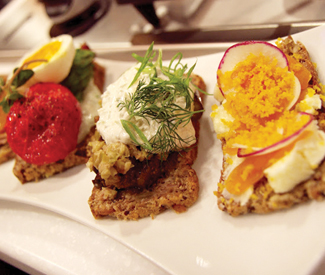
Nick Balla’s forward-thinking, Eastern European menu at Bar Tartine offers some of the most exciting food in the city right now, so new daytime hours (Wed-Sun, 10:30am-2:30pm) are a gain. Smørrebrød is Danish for “bread and butter”: these open-faced sandwiches (one for $6; three for $15) lead the way on the new menu, though heartier sandwiches are on offer, too, such as beef tongue ($12) generously laden with sauerkraut, onion, and that Hungarian staple, paprika. Or on the vegetarian side, slab bread filled with lentil croquettes, yogurt, cucumber, padron peppers.

On rustic rye bread, smørrebrød toppings evolve. I find two enough, three for those with a bigger appetite. My favorite is bacon, egg, avocado, dill and roasted tomato in a blue cheese sauce blessedly garlic-heavy. Creamy chicken liver pate is a gourmand’s option, although such a generous scoop of pate overwhelms accompanying apricot jam. Another toast is topped with smoked eggplant, white beans, olive, roasted tomato, while a sweeter side is expressed in hazelnut butter and rhubarb compote.

They’re calling it a sandwich counter and you can certainly take out, but Bar Tartine’s rustic tables and expanded space welcome: they’re ideal for lingering with Four Barrel coffee and that divine Hungarian fried bread, langos ($9), you’ve heard me talk about often — it’s on the lunch menu. Now it’s amped up with toppings like lamb, horseradish cream, summer squash, and tomato, or blackberries, peaches, and cream. Langos with fried egg, hollandaise and bacon is a breakfast dish of my dreams.

In the spirit of meggyleves, Balla’s Hungarian sour cherry soup that wowed me last summer, there’s chilled apricot soup ($9) — not as sweet as suspected — smoked almonds, and sour cream adding texture to the savory-fruity broth. Jars of pickled treats line the walls, available in the menu’s snacks section (pickled curried green beans!), refreshing contrasted with a kefir-ginger-strawberry shake ($5).

561 Valencia, SF. 415-487-1600, www.bartartine.com

ZA-ATAR AND HALLOUMI AT HOT PRESS

With a friendly Middle Eastern welcome, the guys at the new Hot Press welcome customers into their humble Mission shop for panini, Caffe Trieste coffee, and Three Twins ice cream by the scoop, waffle cone, or sundae. While American sandwiches like pastrami-loaded Staten Island ($7.75) with Emmentaler cheese, house Dijonaise, cabbage slaw, and sliced pickles are delicious, the Lebanese touches and vegetarian offerings that skew unusual. Dream Cream ($6.50) is soft-yet-crusty ciabatta bread slathered in light cream cheese, sauteed peppers, caramelized walnuts, and cucumbers, za’atar spices perking up the mild, comforting panini. On a French baguette, another vegetarian sandwich with Middle Eastern leanings is Ayia Napa ($6.99), likewise comforting with melted halloumi (a traditional Cypriot cheese from the island of Cyprus), mint leaves, tomatoes and a douse of olive oil. Pollo de la Mission ($7.75) is a neighborhood tribute of free range chicken on ciabatta in creamy chipotle sauce, pressed with peppers, grilled onions, Colby Jack cheese, and corn.

Sides ($2.25 half pint; $4.25 pint) range from coleslaw to a salad of spinach leaves, goat cheese and strawberries, while three bean salad — cannellini, kidney and garbanzo beans tossed with onion, parsley, lemon, olive oil — comes in mini-tasting cups with each sandwich. Local ingredients go beyond ice cream and coffee to sandwich bread from Bordenave’s in San Rafael, with neighborhood goodwill in the form of a kids menu and dessert sandwiches like Peanut Butter & Better ($4.99): creamy or crunchy PB, sliced bananas, lavender honey, or grape jelly.

The space is nondescript in a refreshing way, with sidewalk seating and Middle Eastern music videos playing on a flat screen. Thankfully, not every new opening in the Mission is a hipster, trendy affair.

2966 Mission, SF. (415) 814-3814, www.hotpresssf.com

Subscribe to Virgina’s twice-monthly newsletter, The Perfect Spot, www.theperfectspotsf.com


The Turntable Kitchen remixes dinnertime

0

emilysavage@sfbg.com

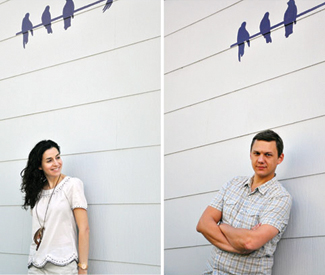
EAT BEAT I’d venture a guess that no one in this town knows the frosting tipped appeal of hand-mixing music and food more than the couple behind Turntable Kitchen. What started a year and a half ago as a simple (yet highly aesthetically pleasing) website mashing up recipes and records, has grown into a multi-headed creative output machine, with food and music news, giveaways, and physical pairings boxes — on top of the drool-inducing posts.

I caught up with the duo last winter and again this month to find out, among other queries, what ingredient you simply must always have on hand, and the records every collection should include:

San Francisco Bay Guardian For people who have never heard of Turntable Kitchen, can you give a brief rundown on how the concept came together?

Matthew Hickey Turntable Kitchen is a website combining food and music. We do that by pairing recipes Kasey creates in the kitchen with some of my favorite albums. I try to find albums that share the same characteristics as her recipes, pairing them together the way a sommelier would pair wine with food. The idea to start the site was Kasey’s, but we were pairing food and music in our own foggy Inner Sunset apartment long before we launched the site. I’ve always been obsessive about music and Kasey loves to cook. Part of our evening ritual involved her explaining the recipe we were going to make and me then hitting my record collection to find an album to compliment our meal.

SFBG How did you come up with the Pairings Box idea?

MH We liked the idea of sending goodies to our readers in the mail, but we weren’t sure what form that would take. Whatever we did, we wanted it to stay true to the theme of our site. Speaking to the music specific elements: they just made sense for me. I love vinyl records and have an ever-growing record collection. With the ease of digital distribution, though, some of my favorite new music isn’t yet available on vinyl. So the singles we release feature music that I wanted for my collection, but which didn’t already exist on vinyl. I’ve been making mixtapes for my friends for as long as I can remember, so the digital mixtape we include gives me yet another opportunity to share music I love with our supporters.

Kasey Fleisher I have always thought that a big barrier to cooking for many people is having a pantry. A lot of times, a recipe calls for a lot of expensive and/or hard to find ingredients and when you don’t cook often, it’s hard to think, “why not give this a try?” The concept of giving people three recipes and one to two premium dried ingredients gives them that nudge to experiment.

SFBG On the site, what have been the most popular pairing(s) so far?

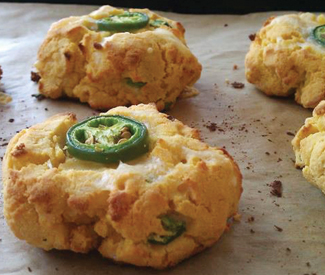
MH Some of our most popular pairings have been our Pop Overs with Jam paired with Frank Ocean’s channel ORANGE, and Quinoa Sushi paired with Peaking Lights’ new album.

SFBG What’s the most important ingredient to keep in your cupboard?

KF That is a tough question! But I’d probably have to say salt.

SFBG What’s the most important album to keep in your record collection?

MH That is a tough one. If you are going to listen to it by yourself then you’d want your favorite album — whatever that may be. If you want versatile music that sounds great and can be played on any occasion, I highly recommend owning a few Motown records. I don’t think I’ve ever met anyone — young or old — who hates the Four Tops, the Jackson 5, The Supremes, Al Green.

Rich appetites

2

emilysavage@sfbg.com

CHEAPER EATS “By the way, I have the best peanut sauce recipe ever. I would say it’s one of the top three things about me, my peanut sauce recipe.” Author-blogger-chef Gabi Moskowitz mentions over brunch at the Dolores Park Cafe in her Mission neighborhood.

“I develop crushes on peanut sauces and tinker until I get them just right. And — sidebar — peanut sauce, if you make a batch of it and keep it in your fridge, you’re like, 50 percent on your way to dinner.”

Moskowitz is full of helpful asides like this. She initially was discussing her Vietnamese spring rolls recipe, a popular dish she wrote about on her blog — BrokeAss Gourmet — and subsequently included in her first cookbook, The BrokeAss Gourmet Cookbook (Egg & Dart, 224pp, $16.95), released this spring. The book’s subtitle? “Recipes To Keep Your Taste Buds Happy and Your Wallet Thick.”

But the peanut sauce digression is probably the best representation of Moskowitz’s personality. The former kindergarten teacher is friendly and funny, obsessed with good food, and the consummate teacher, always looking for a way to make things better and cheaper. She just wants you to love her peanut sauce and much as she does.

And that’s why the formula for BrokeAss Gourmet dot com, and The Brokeass Gourmet Cookbook, works so well. It’s simple but creative dishes, made with inexpensive components (each ingredient is listed with a price), and explained in a relatable way. Moskowitz always dishes on how she came to these recipes, be it after a rude ex-boyfriend criticized another meal, or a when a close friend fell ill and needed something warm and appetizing in her belly.

The book includes pantry staples and recipes for meals such as lamb-feta burgers, sundried tomato ricotta gnocchi, and garlic-lemon-rosemary chicken (“Third Date Chicken”), which she deems the sluttier version of the legendary “Engagement Chicken.”

The blog, which began in 2009, saw near-instant success, after MSN Money covered it just two weeks after the launch. The morning of the article, Moskowitz says she awoke to see 30,000 hits over 24 hours. Just before the launch, she became aware of the other brokeass, Broke-Ass Stuart — who wrote a popular lifestyle book and runs his own site — and contacted him to let him know. He was fine with the name, as he didn’t plan to cook or include recipes on his own site, and Moskowitz says it was the start of a great friendship. The two support each other on their respective sites.

On the BrokeAss Gourmet site, the chedder-thyme knishes and brown butter pumpkin mac and cheese are the long-running top posts. When Moskowitz was featured in an iPad food app called Appetites, the New York Times wrote it up and included a mention of that creamy fall mac and cheese recipe.

When it came to choosing which posts to include in the cookbook, Moskowitz said she wanted it to be a “really excellent first cookbook for someone” and to show that it’s possible to eat well on a budget.

“I grew up in Sonoma County; I live in the Mission in San Francisco, where food is king. It’s not enough for me to just eat, I think it’s really important to eat well, and to eat fresh food. Even when I was making no money at all, I wasn’t willing to compromise my lifestyle in that way, I wanted to make it work.”

Now that the initial buzz of the cookbook has slowed down a bit, Moskowitz is still wildly busy, keeping up with the blog posts, working on some top-secret TV projects, and finishing the manuscript for her second book: The Brokeass Gourmet Pizza Dough Cookbook. That one is about the different meals you can make with pizza dough, besides the obvious (naan, cinnamon rolls, calzones, donuts, Italian stromboli appetizers).

As with much of her food writing, the concept came from a personal experience. She was invited to a potluck dinner party a few years back and the host asked her to bring a main course. “I had this huge batch of pizza dough and 15 minutes before I was supposed to leave, the host called to say the party was canceled. I was like, ‘ah man, I have all this stuff!’ and I’d basically spent my grocery budget on it, but I found that I could do a million and a half things with pizza dough.”

While she did make a great many dishes with that leftover dough, her weekly go-to meal staple is a bit different. She has a $15.94 Duc Loi Supermarket trip nailed (of course, did a post about it). And her personal comfort dish is built with it: soba or rice noodles with that crush-worthy peanut sauce, shredded vegetables, and shallow-fried cube sprouted tofu. Sometimes garnished with crushed peanuts or sprouts and chili paste.

“I’ll make a big batch of it and seal it in the fridge if I’m having a busy week, and then that’s just what I’ll eat at the end of the day.” Even as the conversation comes to an end, and the Dolores Park Cafe dishes are pushed aside, Moskowitz is still giving tips on low-cost eats.

The agri-chem industry’s secrets

3

OPINION This November, California voters will decide on a question that affects us all: Do we have the right to know what’s in the food we’re eating and feeding our families?

This high-stakes food fight has become the most expensive issue of the upcoming election. Pesticide and junk-food corporations have already poured $25 million into an effort to defeat Proposition 37, a simple labeling measure that would inform California consumers about whether our food has been genetically engineered.

What is it that these corporations don’t want us to know?

Right now, many foods on supermarket shelves, from baby formula to corn chips, contain genetically engineered ingredients that are hidden from consumers. Also called GMOs, these are crops that have been artificially altered in a lab with the DNA of other species in ways that cannot occur in nature.

Numerous studies link genetically engineered foods to allergies and other adverse health effects. But the U.S. government requires no safety studies of GMOs, no long-term health studies have been conducted, and no labeling is required to notify consumers so we can make our own choices about whether we want to eat these foods.

Genetically engineered foods are also linked to serious environmental concerns, including an overall increase in pesticide use, a rise in super weeds that are threatening farm land, and the unintentional contamination of organic crops.

These concerns have led 50 other countries to require GMO labeling. But here in the U.S., the agri-chemical companies have deployed their massive lobby power to stop the federal government and at least 19 U.S. states from passing simple labeling bills.

Now it’s up to the voters of California — and the heavy-artillery corporate lobbying campaign is heading our way.

The Yes on 37 Campaign is currently tracking far ahead in the polls. But the voters have not yet been subjected to the wave of deceptive television ads designed to convince us that GMO labeling is too scary or too expensive.

When you see these ads, consider the source. The largest funders of No on 37 are Monsanto and DuPont, two corporations that hardly have a track record of integrity when it comes to truth in advertising. These are the same companies that told us DDT and Agent Orange were safe.

Major funders of the No campaign also include junk-food companies that have a long history of opposing common-sense labels to give consumers information about their food. Look for these companies to spend tens of millions trying to convince voters that adding a few words to food labels will force them to raise the cost of groceries “hundreds of dollars a year.”

Over on the Yes on 37 side is a true people’s movement made up of millions of moms, dads, and consumers in California, and the many farmers and California businesses that are part of the state’s thriving natural and sustainable food industry.

Now is the time and this is our chance to make sure we have the right to know what’s in our food. Visit Yes on 37 at Carighttoknow.org to volunteer, donate and stay up to date with the latest news about this historic campaign.

Stacy Malkan is the media director for Yes on 37, the California Right to Know campaign to label genetically engineered foods.

Feeding a movement

0

yael@sfbg.com

Keith McHenry was in Tampa, feeding fed-up (and hungry) Republican National Convention protesters, when we spoke by phone. Next he’ll head to Charlotte to do the same for those protesting the Democrats, and then to New York for Occupy Wall Street’s anniversary on Sept. 17.

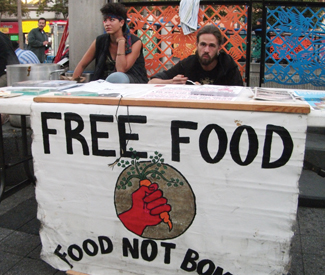
Everywhere he goes, he’ll feed the masses home-cooked vegetarian meals. But unlike the other protesters, McHenry helped invent the system that gets them fed. He helped to found Food Not Bombs, the organization that salvages food that would otherwise be thrown out, cooks it up, and serves free, tasty meals in public squares throughout the world.

McHenry served the first meal in Boston Common in 1980, then moved to San Francisco a few years later, bringing the movement with him. Now, there are 500 chapters in the United States and hundreds more throughout the world.

“We provided food for 100 days at the Orange Revolution in the Ukraine,” McHenry recalls. “We fed a two-year occupation in Sarajevo. We provided food at Camp Casey,” Cindy Sheehan’s anti-war stakeout at then-President George W. Bush’s ranch.

The FNB approach to hunger is pretty simple: There’s enough food to go around, it’s just not distributed right. So activists find ways to distribute food that would otherwise be thrown out. San Francisco FNB gets donations of extra, unsold food from places like Rainbow Grocery and Other Avenues food co-op.

It was started by anti-nuclear activists, thus the “Not Bombs” part. But there’s more to their analysis than a cry for peace. As the group states, “For over 30 years the movement has worked to end hunger and has supported actions to stop the globalization of the economy, restrictions to the movements of people, end exploitation and the destruction of the earth and its beings.”

A typical Food Not Bombs operation features a table with a vegetarian or vegan meal, maybe some produce, and anti-war and other leftist literature and banners. In 1988, this is what was on the table when the San Francisco Police Department cracked down on Food Not Bombs, arresting dozens for serving food at the entrance to Golden Gate Park at Haight and Stanyan.

“We had our sign such that when you walked in at the corner of Haight you would see the words Food Not Bombs for a block and a half,” McHenry recalls. “What was good about that was you had tourists, and local business people, and local workers, and you had the people in the Golden Gate Park, all coming together to eat at that place. It was really perfect.”

FNB still serves there on Saturdays, but that perfection was disrupted by a high profile series of arrests in 1988, then again a few weeks ago, when Parkwide, the Recreation and Parks Department’s new bike rental program, set up in their old spot.

Food Not Bombs still runs into conflicts with police and courts. Last year, McHenry was one of 24 arrested in Orlando, Florida, spending 19 days in jail after protesting an ordinance making it a crime to feed the homeless in the city’s downtown.

Last week, FNB held its world gathering at Occupy Tampa’s tent city, serving daily breakfast and dinner while planning the future of the movement. Occupy Tampa has only grown in recent weeks as it hosts people in town to protest the RNC. Sharing food and shelter, making art, and protesting politicians doing the bidding of greedy corporations is McHenry’s vision made reality — and one he got to see bloom last fall with the birth of Occupy.

As McHenry tells it, he and others from Food Not Bombs have been part of a decade-long buildup to the “occupy” tactics that erupted into the world in 2011. “I was promoting the idea of occupation ever since a meeting that was held in 2003 after Cancun,” he said. Protests at the World Trade Organization meeting in Cancun were part of a growing trend of disrupting international conventions in which political and business leaders make agreements that further exploitation and neo-liberalism. But McHenry says that more was needed.

“There was a group of us that got together and said these one-off events, like summits, were just becoming more disempowering rather than successful,” he said.

After years of calling for occupations, the notion clicked last fall. “We had seen the Arab Spring, so that made it that much easier to imagine the occupation concept. And the Spanish occupations were just then happening.”

“That’s a common thing,” McHenry said. “People try all these different ways of organizing and then all at the same time, the same thing will start to click. And there’s no real way to say, ‘oh, it started here, it started there, this person started it.'”

When Occupy encampments sprang up, Food Not Bombs was behind many of the kitchens and food sharing efforts — it even had a guide to building a tent city kitchen at foodnotbombs.net/occupy_supplies.

“In the beginning of some of the first occupations like Chicago, DC, Wall Street, we made peanut butter and jelly sandwiches, because we didn’t know if we would get busted,” McHenry said. “We ended up behind the scenes helping provide free meals to the occupations.”

McHenry said he hopes the spirit of occupying grows again. “It’s so important,” he said. “It would be great if we could regroup and retake public space.”


Portable pollution

11

news@sfbg.com

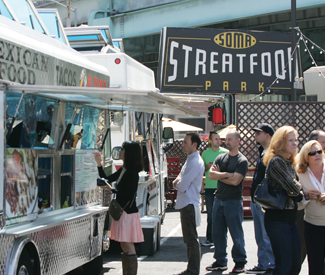
With its decidedly hip aesthetic and clientele, San Francisco’s food truck trend may be naturally assumed to be environmentally sound and health conscious. But the rapidly expanding craze may actually be creating air pollution and endangering the health of their employees in ways that aren’t yet being regulated.

Although the mobile eateries are held to a few of the same standards as their brick and mortar counterparts, such as food hygiene and sanitation, the gas-powered portable generators that provide needed energy to the trucks are a tricky beast to tame. The exhaust-heavy portable generators do not fall under the San Francisco Department of Public Health’s radar of regulation, according to its Food Safety Program Director Richard Lee.

“There are combustion products from the generators being generated while the truck is parked and operating,” he told the Guardian. “The generators are needed to power lights, fans, refrigerators, etcetera. SFDPH does not monitor or regulate the generators.”

The lack of monitoring on the generators may not be due to a lack of need for regulation, but rather the difficulty in doing so. Given that most of the generators are used to power relatively small vehicles, their small size inhibits them from meriting the attention of the California Air Resources Board (CARB) after their initial manufacture.

A CARB-compliant generator has met with the organization’s restrictions on various organic gases, nitrogen oxides, sulfuric oxides, carbon monoxide, carbon dioxide, and particulate matter. However, the generators are only monitored at the point of manufacture, with their in-use emissions going unregulated.

Furthermore, Bay Area Air Quality Management District spokesperson Aaron Richardson tells us that despite the BAAQMD’s 28 air monitor stations, the localization of the fad and the trucks themselves would make it difficult to see the effects of the generators as a regional issue.

“The concern would be they may not all operate in the same ways,” he said. “I think that if the trucks…are running back up generators, it’s going to emit some pollution. It’s something I think we will be doing more research on, but at this point it’s not looking like it’s a dramatic impact on air quality. CARB regulates all mobile sources, and lot of these trucks use individual generators. At this point, we only regulate back up diesel generators…of 50 horse power or above.”

So BAAQMD doesn’t regulate the generators because they’re gas-powered, and they don’t trigger CARB’s post-production attention, despite that agency’s current efforts to reduce the state’s carbon footprint.

CARB spokesperson John Swanton explained that given the small size and localization of the generators, it’s up to the individual communities to decide how to approach the situation.

“It’s up to the community to decide if they can bear the expense of a highly regulated community. In the terms of restaurants — which is what food trucks are — what are the community’s standards and regulations?” he said. “When we sell, say, a Honda generator, we have ideas of how that’s going to be used…We try to make it as clean as practically possible, but the idea is that it’s not gonna run 24/7 at the same location. If it’s going into a food truck and the food truck is going into a particular district, then it becomes the decision of the city and the air quality management [district].”

It seems, then, that no one is really regulating the exhaust emissions coming from the hordes of trucks that travel up Haight, down Market, into Fort Mason, and sit in clusters downtown, in SoMa, around City Hall, and other spots around town.

But at least they aren’t dirty diesel fuel, right? Perhaps the BAAQMD and the city of San Francisco have no need to regulate the teensy-eensy bit of gasoline generator exhaust.

Yet according to SFDPH spokesperson Imelda Rayes, there are now approximately 300 (registered) mobile food facilities in San Francisco. That means the number has nearly tripled since the mere 120 registered MFFs that were scouring the streets in 2009. What they lack in horse power, the generators may make up for in sheer multitude.

“In a period of three years, the number has increased almost 250 percent and [we’re] still getting more applications,” she said.

In addition to cumulative impacts, there are also questions about the health impacts on food truck employees.

Studies like such as the 2009 “Modeling the Effects of Outdoor Gasoline Powered Generator Use on Indoor Carbon Monoxide Exposures” by academics Liangzhu Wang and Steven Emmerich brings up a different concern: gasoline generators create emissions of poisonous carbon monoxide.

“The generators are always positioned outside of the vehicle. The workers are inside,” Lee said. “We would not expect that there is significant employee exposure to the generator exhaust to the employees.”

Yet the U.S. Centers for Disease Control and Prevention (CDC) reported that half of non-fatal carbon monoxide poisoning incidents in the 2004 and 2005 hurricane seasons were due to the gas-powered generators used to heat homes, even when placed outside the homes themselves.

Food truck generators, given their smaller size, are often placed much closer to the trucks and their workers than in the case of houses and their inhabitants. Furthermore, the trucks often idle for long periods to keep the food warm and utilities working.

“At this point, it’s enough of a new thing…We’re interested in finding out more about them, but at this point we are not receiving many complaints,” Richardson said. “A lot of variables are involved. It’s something I think we will be doing more research on.”

After the game of verbal hot potato that was research for this article — it seems every agency deferred to another in terms of exactly who is monitoring these things — Swanton assured us that the danger doesn’t seem imminent.

“In general, small engines [portable generators] are dirtier than an engine providing motor power to a vehicle,” he said. “But the sheer number of these cleaner engines dwarfs everything.”

True, but the food trucks that run for more than a few hours at one location are increasing in numbers at a rapid pace. With the high number of mobile food trucks in operation, most of which utilize some form of generator or another, it may be time to nail down those pesky variables involved and draw some conclusive evidence on the potential environmental and health effects of our city’s seemingly innocent snack time.

Jesus-free food

0

“For I was hungry and you gave me food, I was thirsty and you gave me drink, I was a stranger and you welcomed me,” Jesus supposedly said way back when. In San Francisco, there are a multitude of churches that offer free food to the hungry (find a handy list at www.freeprintshop.org).

But what follows is a list of secular organizations that share food — for the planet, for self-determination and providing for community outside of the system, for healthy food untainted by hormones, pesticides and GMOs, for food not grown by exploited workers, and for many other reasons, these groups bring food straight to the people.

FREE FARM STAND

Where: Parque Niños Unidos, 23rd St. and Treat. When: Sundays, 1-3pm. Numbers given out at around noon. The Free Farm Stand gives out food and flowers grown at the Free Farm on Eddy and Gough, where local volunteers grow and harvest produce. They also share local organic surplus produce left over from several farmer’s markets and produce brought in from neighbors and from locally gleaned fruit trees.

The philosophy of the Free Farm is food sovereignty. Why should anyone go hungry, or go broke, feeding themselves and their kids? Instead, they figure, they should get for free what the earth gives. They facilitate this by offering the farm’s harvest — as well free sprouts and plants, that people can use to grow food themselves.

“The solution to the problem of hunger is to share the abundance that’s out there and to encourage people to grow food and share some with those in need.” said a Free Farm Stand organizer. “We can set up neighborhood networks of people growing food and sharing their surplus.” The Free Farm Stand is a step towards that vision.

BETTER DAYS TO COME

Where: Tuesday, 16th and Mission, Thursday, Turk and Taylor. When: 6pm. Some of the folks at Better Days to Come have God in mind, but the organization’s founder, Leonard Fulgham, came from not the churches but the prisons. As its mission statement says, “Mr. Fulgham began mentoring many of the younger inmates, while having the unique opportunity to hear their stories. Many of their stories outlined how they landed in the prison community and why they continued to return. Being homeless upon release back into society is a commonly known contributing factor to these ex-offenders being hungry while being starved by the lack of job training and vocational skills.” Fulgham passed away March 24, 2012, and in his memory, the organization began serving two hot meals a week.

CURRY WITHOUT WORRY

Where: Civic Center Plaza at Hyde and Market. When: Tuesdays 5:45-7pm. Curry Without Worry serves vegetarian food, mostly Nepali and mostly with five courses, in San Francisco every week. It does the same at its other branch in Kathmandu. Shrawan Nepali once owned a restaurant, Taste of the Himalayas, but used the proceeds to start Curry Without Worry and eventually sold it when “I realized I was not a businessmen.” Instead, he’s a man who feeds people a vegan five-course meal, which includes a sauce made from timur, herbs that grow in his Himalayan hometown but are rare in the US. “Our mantra is healthy food for hungry souls,” says Nepali.

FOOD NOT BOMBS

Where and when: Monday, UN Plaza at 6:30pm and 16th and Mission at 7pm. Wednesday, UN Plaza at 6pm. Thursday: 16th and Mission at 7pm. Saturday: Haight and Stanyan at 5pm. After 30 years, Food Not Bombs still serves almost daily in San Francisco at a few locations throughout the city. Volunteers cook meals then bring them out to the people, bringing home the message that there’s enough to go around and you shouldn’t need money to feed yourself. The Saturday team still shares food at Haight and Stanyan, where Food Not Bombs first parked three decades ago.

FOOD BANK OF AMERICA

Where: In front of the Bank of America at 2701 Mission. When: Thursday, 5pm until food runs out. Occupy-related people, carrying on from the giant Food Bank of America action on Jan. 20, when the Bank of America at the Embarcadero locked its doors after activists set up a food table and hung two interactive banners where passers-by could write what fit under the category “person” and what fit under the category “corporation.” They hung a third banner saying Food Bank of America, hundreds ate a hot meal, and the concept caught on. Now, people who have been gathering food donations for Occupy and otherwise give away fresh produce and hand out information about credit unions weekly in front of the bank.

COMMUNITY FEED

Where: Mendell Plaza, at Third and Oakdale. When: Every third Sunday, 10-2. A few organizations, including the Black Star Riders Coalition and the Kenneth Harding Jr. Foundation, work together to put on this food giveaway every other week. It takes place in Mendell Plaza, the square that some have renamed Kenny’s Plaza after Harding, who was killed in the plaza at 19 years old after a dispute with SFPD officers over bus fare. “First, we definitely want to honor Kenny, that’s why we got there,” said Tracey Bell-Borden, one of the organizers of the Community Feed. “But there’s been a lot of activity in that area for a long time. So it’s really about healing the community,” she said. “We have to take care of our community.”

Eat to the beat

0

emilysavage@sfbg.com

EAT BEAT Good food was never the part of the concert plan. In high school, the punks and shredders ate giant Pixy Stix, filled to the plastic brim with unnaturally purple sugar dust — purchased from the all-ages venue snack counter — followed by late night Del Taco red burritos slathered in Del Scorcho and stuffed with crinkle fries. Flash forward a decade or so, and the vegan Malaysian nachos with spicy peanut sauce and pickled veggies from Azalina’s were all I could talk about after Outside Lands, save for the requisite “oh my god” Metallica utterance.

I wasn’t the only one. From every corner of that packed festival, people — and of course, bloggers — were raving about The Whole Beast (featuring pop-ups from the Michael Mina Group) tucked away by Choco Lands, Andalu’s fried mac and cheese, and Del Popolo’s massive, industrial-looking rustic pizza truck.

While the higher-end meal options have now been going strong at Outside Lands for a few years — and, granted, food has long been a part of the festival equation — the gourmet pop-up thing, and locally-sourced, quality food offerings are on the menu more and more in brick-and-mortar music venues in San Francisco. Last week, the Great American Music Hall hosted an event dubbed the Great American Pop-Up. Seems it’s more open to experimentation in the slower summer months.

The one-off (for now) event was a family affair for the Great American Music Hall. There were six pop-up food vendors set up in between the grand bronze pillars of the Tenderloin venue, chosen by security guard Drake Wertenberger, who stepped forward at a managers meeting to coordinate. Jessica DaSilva, who works in the box office at both GAMH and sister-venue Slim’s, was there selling imaginative sweet treats for Milk Money/Dora’s Donuts Shut Yer Hole Truck, including a strawberry cheesecake push-pop, and the chewy chocolate raspberry cookie I devoured. There was also local, sustainable sushi by Ricecrackersushi, some colorful Asian fusion dishes via Harro-Arigato & Ronin, and a whole lot of sausages sliced by the Butcher’s Daughter.

It felt nearly illicit to be in the venue without the anticipation of a live set, like we were sneaking in. And the warmer lighting opened up the intricacies of the architectural design. But this event was focused squarely on the food, with the tables pushed out onto the floor, and a flannel-clad DJ spinning inoffensive hip-hop while munching on something from a paper plate.

Last year, Slim’s created something similar, but broke it down to one chef at a time hosting rotating gourmet pop-ups once a week for the month of August. Those too were more about the unique food offerings, less about music. There were dinners served in the venue by Jetset Chef Alex Marsh and Cathead’s BBQ (which now occupies its own legitimate space down the street from the venue).

GAMH and Slim’s both already serve dinner nightly at live shows, but publicist Leah Matanky tells me there were no hard feelings from the in-house restaurant staff.

On regular show nights even, Matanky says she’s seen an increase of interest in gourmet food at the venues. “We have seen our kitchen sales numbers increase noticeably over the last couple of years. We’ve started running nightly food and drink specials that include things we don’t normally offer and people have really responded to that. We still offer the full array of bar food…but you can also get gourmet specialties like the baked polenta pizza with smoked mozzarella or the grilled tri-tip steak with garlic-herb potatoes.”

Mountain View’s infinitely larger Shoreline Amphitheater also recently got an in-house food upgrade. So the story goes, when the GM of Shoreline dined at Calafia in Palo Alto, Chef Charlie Ayers pointed out the stadium’s lackluster food, and was then summoned to create a tastier menu. Ayers now has a “Snack Shack” at Shoreline that generates $8,000 per show, selling vegan lentil bowls, pork bowls, and salad wraps with Dino kale and feta cheese.

At the bars-with-bands level, El Rio seems to also be upping its epicurean pop-ups. Along with the now-frequent Rocky’s Fry Bread (side note: Rocky is also in the band Sweat Lodge, which often plays El Rio) stand, there’s Piadina homemade Italian flat bread, and the occasional Mugsy pop-up wine bar, which offers bubbly and red wine varieties.

There was an entirely separate event that took place Aug. 4 in San Francisco, which combined all of this: the high-end food, the live music, the ubiquitous pop-ups. It was a food and music festival (Noisette) at a brick-and-mortar venue (Public Works, where it moved after switching venues from Speakeasy Brewery).

The event was put on by Noise Pop Industries. The production company, which does Noise Pop and the Treasure Island Festival, began dipping into independent food culture a few years back with the Covers dinners, pairing well-known chefs with corresponding cover songs for a relatively small group. Noise Pop’s Stacey Horne came up with the Noisette concept after talking with DJs Darren and Greg Bresnitz of New York promotion company Finger on the Pulse, who do an event out there called Backyard Barbecue, which also pairs live music and gourmet food.

From the beginning, the Dodos were the first choice of headliners at Noisette. Merrick Long is a “professed foodie,” has worked in the restaurant business, and was on a panel at SXSW talking about food and music. Horne says they chose chefs that do things a little differently, and are more attuned to the pop-up mentality.

“Something that struck me at Noisette that I loved was that we were eating such good food and then were able to wander over and hear amazing music. It wasn’t one or the other. It was nice to have that as an option,” Horne says. “The chefs we’re focusing on are kind of the indie version of that world, and that’s what Noise Pop has always been interested in, independent music, independent film and art. It just seems like a logical extension.”

Noise Pop is also again looking to do a variation on the Covers dinners with the upcoming Treasure Island Festival. Sound Bites is more of a passed appetizer event with little bites inspired by the bands playing at the festival.

So what does it all mean? Are we, as the generalized concert-going public, getting soft, both physically from all those readily available treats, and mentally because we’ve expanded beyond a minimalist punk rock lifestyle? Should we all go back to Pixy Stix and Del Scorcho hangovers?

“Look, the reality is that most nights that you go to hear a band in a club, there’s no food or if there is food, it’s not going to be anything great. So you can still have your punk rock experience, but something like Noisette and other events like ours that are popping up around the country are just offering another type of event, and people are interested in it, as we’re seeing,” Horne says.

I guess, if you want to see your life as a black and white cookie, you’ll see this change as against type. Or maybe if you’re in the teenage angst subset, you’re just getting in to the greasy post-concert routine. But perhaps this mashup is just another trend — participate if you will. It goes far beyond the music scene, to the way Americans eat now, looking for quality, locally sourced food, seeking creative options.

“Speaking for myself personally, I still love going to see shows,” Horne says, “but if I can have both things in one place, it’s win-win.”

www.slimspresents.com

www.noisepop.com

www.elrio.com

shoreline.amphitheatermtnview.com

Appetite: Outside Lands, as seen by a food writer

0

This year’s Outside Lands, the three-day extravaganza of some of the top musical acts in the world and quality food and drink (this is SF, after all) in the beauty of Golden Gate Park, felt more packed than ever. But despite throngs descending on SF from all over the country that turning Golden Gate Park into a sea of trash — thanks clean-up crews! — Outside Lands magic happened each day.

For example on Sunday, when performer Jack White popped up for an impromptu set, surprising fans who happened to be traversing the eucalyptus groves near Choco Lands. It was magic eating local foods in a festival setting, like dreamy Italian Del Popolo (although hour-plus lines and daily sell-outs were a drag) or everything from Ryan Farr’s two 4505 Meats stands sustaining us on those long walks between stages with the perfect “damn good cheeseburger” and “yum yum” fried chicken sandwich. You could feel the magic in the new-this-year Beer Lands, where one could sip craft beers while taking in the Foo Fighters, Regina Spektor, or Beck (Although the training given to those pouring beers was far from magic. One pourer for The Bruery on Saturday told me confidently that this incredible brewery from the O.C. was from San Diego.)

Magic occurred when Metallica, flames, lasers, and all, delivered the tightest, hardest-rocking set of the weekend. Not long after the noon hour, fun. swept up the entire Polo Field in their rousing anthems. Magic reigned at Stevie Wonder’s set on Sunday night. His voice sounded as tight and beautiful as ever, even at age 62. His joy and wisdom radiated from the moment he took the stage, streaming out to a field full of thousands basking in waves of pink, blue, and green lights, foggy Pacific Ocean air, and the voice of a legend.

Full captions: 

1.  Ryan Farr’s ridiculously good Chicken “yum yum” sandwich was one of the festival’s best eats. Watch for it at Ferry Plaza Farmers Market

2. 4505 Meats’ chicharrones bars were like rice krispie treats made with Ryan Farr’s unparalleled chicharrones, puffed rice, marshmallow, and Apple Jacks or Cocoa Puffs

3. Misty, dreamy lighting changes colors, illuminating Golden Gate Park trees at night

4. The hilarious, improvisational Reggie Watts rocked comedy and music Friday afternoon (and here, in the media tent following his set)

5. The Wine Lands tent impressed once again with 49 wineries. 2012 highlights included Villa Creek, Robert Sinskey, Qupe, Kermit Lynch, Palmina, The Scholium Project, and Wind Gap 

6. Beck keeps the crowd happy at the Land’s End stage on Friday

7. The new-this-year Beer Lands hosted 16 California breweries selected by brewmaster Dave McLean of Magnolia Pub. Highlights included the Bruery’s brilliantly bitter Humulus APA and Sierra Nevada’s Outside Lands saison 

8. Under faux Victorian facades, chef John Fink of The Whole Beast grilled eight to 10 whole lambs per day at Lamb Lands, an excellent 2012 addition to Outside Land’s food selection

9. Michael Mina’s RN74 and Bourbon Steak served whole roasted lamb gyros, lamb poutine, sweet corn in lamb sausage crumbs at Lamb Lands

10. Thousands swarm the Polo Fields

11. Saturday in the media tent, Magnolia and Alembic brewer Dave McLean (center) talks Beer Lands and The Whole Beast’s John Fink dishes on lamb

12. Choco Lands was an enchanted, Tim Burton-esque fantasy in the eucalyptus groves, with Day of the Dead accents and an array of chocolate carts and treats

13. Outside Lands ends with best set of all: Stevie Wonder exudes joy and life to thousands in the Polo Field, his voice in top form

Subscribe to Virgina’s twice-monthly newsletter, The Perfect Spot


Tradition

2

virginia@sfbg.com

APPETITE Despite its Future Bars group provenance, Tradition is not Bourbon and Branch part two. Although I continue to bring visitors and locals who’ve never been to the still-magical, speakeasy-like B and B, Tradition is a more relaxed entrant in the Future line-up, which also includes Wilson and Wilson, Rickhouse, Swig, and Local Edition.

I’ve been to Tradition multiple times since its June opening. Part of me misses the divey fun (and cheesy movie nights — Top Gun! Tony Scott, RIP) of the former Mr. Lew’s Win-Win Bar and Grand Sazerac Emporium. The location is unrecognizable from those days. Yet I’m a fan of the dramatically altered, high-ceilinged space with numerous areas to enjoy a drink: small upstairs bar overlooking the action (dedicated to house blends and barrel-aged spirits), giant, rectangular center bar where you can sit or stand, in a cozy back nook reminiscent of an English pub, or in one of eight “snugs,” which are essentially booths (reserve ahead). Each booth varies in size, seating two to eight, themed along with a visually striking artistic menu: New Orleans, Prohibition, Tiki, American dive bar, English, Irish, Scottish, and Grand Hotel. Themes are established with vintage ads, signs, and barware in each booth.

Impressively, owner Brian Sheehy and beverage director Ian Scalzo created an extensive house-blended and barrel-aged spirits program. They are storing and experimenting with countless barrels, grouped by spirits from gin to whiskey. Options imaginatively run the gamut, while menu tasting notes appeal to spirits geeks or help narrow down options served neat or on the rocks. One could sip Four Roses bourbon finished in Pinot Noir wine casks or Four Roses Single Barrel in apple brandy casks. Russell’s Rye in a Green Chartreuse cask thoroughly intrigued me though I didn’t get as much herbal emphasis as I was hoping for from the Chartreuse.

My beloved Redbreast 12-year Irish Whiskey (cask strength) is poured from a barrel washed with Guinness. Flor de Cana rum is finished in a sweet vermouth barrel, an “Autumn Blend” of bourbon and apple brandy in an Arabica coffee cask, Auchentoshan 12-year Scotch in a puer tea cask — combinations are fascinating. I have not seen the likes of this in any city… yet. There are likely to be many imitators forthcoming.

Each themed cocktail menu also includes a couple beers in keeping with categories from English to Irish, all of it generally unfussy. With so many cocktails and barrel-aged spirits, some fare better than others. Pitchers and volcano bowls are ideal for groups, although those craving more intricate sips might steer clear, as these either get watered down quickly or aren’t as nuanced as individual drinks.

After sampling more than 30 drinks in my visits, my barrel favorite is Espolon Reposado tequila finished in an arabica coffee cask. Coffee and tequila impart a chocolate-orange spirit with notes of cedar, slate, citrus — a fascinating tipple. On the cocktail side, I’m most smitten with Kona Kope ($9) in the exotic-Tiki category. Diplomatico Reserva Exclusiva and barrel-aged spiced rums intermingle with coffee syrup, a touch of coconut cream, and barrel-aged Angostura for a lively bit of elegance, bracing with coffee and whispers of the tropics.

Multiple Sazerac variations on the New Orleans or Speakeasy menus haven’t quite gripped me. I prefer the chicory coffee sour from the former (do you see a coffee theme developing?) or a classic Hanky Panky from the latter. On the Scottish menu, Hebrides Flip ($9) is a savory finish for those who like flips (i.e. whole egg): Black Bottle scotch, Dry Sack sherry, gomme syrup, whole egg, and a little Cynar for bitter roundness.

At Bourbon and Branch, patrons of the otherwise enchanting Library Bar in the back are limited to an abbreviated cocktail list (a downside, in my book), compared to a full menu in the front room. Similarly, walk-ins to the left side of the bar at Tradition are also offered a limited list, while those seated at the right or in snugs get the full book of options. It’s therefore a good idea to make reservations — although I haven’t had trouble securing a seat on weeknights without one.

Tradition adds to the excellent little cocktail district developing near Union Square, which includes Jasper’s Corner Tap, Bourbon and Branch, Wilson and Wilson, and Rye), and provides a convenient Tenderloin meet-up spot with a little something for everyone, from cocktail geek to British pub fan. despite many gems, it doesn’t serve the most exquisite cocktails in town — but its unique barrel program and relaxed vibe certainly make it a downtown destination.

TRADITION

441 Jones, SF.

(415) 474-2284

www.tradbar.com

Subscribe to Virgina’s twice-monthly newsletter, The Perfect Spot, www.theperfectspotsf.com


Dishing the dirt

0

le.chicken.farmer@gmail.com

CHEAP EATS I didn’t do justice to Curry Boyzz, my new favorite restaurant, in last week’s review; I realize that. I completely and utterly neglected to mention who I ate there with!

Well, Hedgehog.

Moving right along …

Wait, there was someone else at our table, I feel certain. But Hedgehog, who is the half of our family that remembers things, is at work. She is also the half of our family that works.

With headphones on! So I am going to have to figure this out for myself, think think think … It was somebody skinny, I’m thinking, and so probably a vegetarian. Super skinny. With dreadlocks, and wearing a kind of cardboard hat or scarf, or something. With a price tag on it.

Doh! It wasn’t a vegetarian so much as a mop. Our spanking new, microfiber, swivel-headed dust mop that we’d just picked up at Cliff’s Hardware. I remember now: we wedged the handle through a chair back and its green dreadlocked head kind of watched over our meal, kind of hungrily. In fact, while Hedgehog used the bathroom, it spoke to me.

“That Tikka Masala looked pretty good,” it said.

“Yeah, well,” I said.

And in other news, I did a thing I haven’t done since the ’90s: I ate three Mission burritos in a week, and — funny thing — this was the week we were chicken-sitting in Alameda. When we are stationed in the Mission, Hedgehog and me, and our mop, we don’t eat burritos.

But we were going to watch that movie in Dolores Park with some buds, so we went to Cancun first. And we were going to a baseball game in Oakland, but I was in SF for some reason, and stopped at El Toro on my way to BART.

And Papalote, on a different day, but now I’m mad at them. Hardly any meat on my carne asada burrito: for shame, considering its relative expensiveness! And it was rolled all wrong, so that, cross-sectionally, one side of the burrito was just pretty much rice, and the other side had a few fairly tasteless beans and occasional chunks of meat. Pfft.

Lucky for them, they’re still my favorite taqueria, the orange salsa’s so goddamn good. I’ll just never eat there again, is all.

Hedgehog’s idea is to buy jars of Papalote’s overpriced orange salsa to take home and put on Cancun burritos.

So you see? You see why I love that lesbian? Even though she’s gluten free and dairy free, and made me eat at Radish for lunch today just because they had gluten free po-boys.

But at least she eats meat. Unlike some mops that I know.

So it shouldn’t surprise longtime readers of this column that her new favorite restaurant, like mine (after all these years), is Cancun. Specifically, the one on Mission and 19th, where I gained 20-some pounds in my thirties.

But it’s a 20-year tradition of mine not to review Cancun. To dwell on it, but never to actually review it. Therefore, I give you my other new favorite restaurant, Radish, the thing that finally happened across the street from the Lexington Club. Where I don’t drink, ’cause I’m too old.

But on our way to Cancun, we have to walk past one or the other, and lately it’s been Radish, so’s Hedgehog can look at their menu. We tried to eat there on a weekend but the line was too long.

Today (a weekday), I got the fried oyster po-boy, and it reminded me of Papalote’s carne asada burrito in that there were only about four or five oysters in it. And they weren’t very well battered. They just kind of crumbled.

But the bread was good! It was slathered with what they call “Cajun dirt.” I’d hoped that this would be the same thing Cajuns call “dirty rice,” which is chopped up giblets and liver and stuff, but no. It was reminiscent of muffuletta spread, which is more Italian than Cajun: chopped olives, onions, and lemon.

Good. But the best thing about Radish, as far as we could make out, was the homemade root chips: potato, taro, and yuca — yum!

RADISH

Mon-Tue 5-10pm; Wed-Thu 10am-10pm; Fri 10am-11pm; Sat 9am-11pm; Sun 9am-5pm

3465 19th St., SF.

(415) 834-5441

www.radishsf.com

MC,V

Beer & wine


Farmville, for real

11

yael@sfbg.com

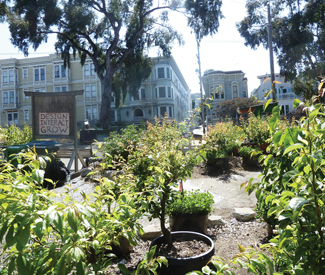
In the next few months, San Francisco will lose some of its most beloved urban farms.

The City Hall victory garden is now reduced to dirt. The grants that kept afloat Quesada Gardens Initiative, which creates community gardens in Bayview, were temporary and are now drying up. Kezar Gardens, funded by the Haight Asbury Neighborhood Council recycling center, is facing eviction by the city.

Time is up for Hayes Valley Farm, on the old freeway ramp, where developers are now ready to build condos.

St. Paulus Lutheran Church has also announced that it wants to sell the land that the Free Farm uses at Eddy and Gough.

“There’s the old joke about developers,” said Antonio Roman-Alcalá, co-founder of Alemany Farm and the San Francisco Urban Agriculture Alliance. “God must be a developer, because they always seem to get their way.”

At the same time, new urban agriculture projects have sprung up across San Francisco. Legislation authored by Sup. David Chiu will create a city Urban Agriculture Program, with the goal of coordinating efforts throughout the city.

So is the movement to grow food in the city progressing? It’s a tricky question that gets down to one of the oldest conflicts in San Francisco: The best use of scarce, expensive land.

THE VALUE OF FARMING

The San Francisco Planning and Urban Research Association lauds the value of community gardens. An April 2012 SPUR report notes that urban agriculture connects people “to the broader food system, offers open space and recreation, provides hands-on education, presents new and untested business opportunities, and builds community.”

According to the report, the city had “nearly 100 gardens and farms on both public and private land (not including school gardens),” two dozen of which started in the past four years.

But that’s nowhere near enough for the demand. “The last time waiting lists were surveyed, there were over 550 people waiting,” Eli Zigas, Food Systems and Urban Agriculture Program Manager at SPUR, told us. “That likely underrepresents demand because some people who are interested haven’t put their name down.”

Changes in zoning last year, and the recent ordinance to create the Urban Agriculture Program, show a measure of city support for urban farming and gardening.

“We have one of the most permissive zoning codes for urban agriculture that I know of in the country,” said Zigas.

One zoning change from 2011 makes it explicit that community gardens and farms less than one acre in size are welcome anywhere in the city, and that projects on larger plots of land are allowed in certain non-residential districts.

More recent legislation is meant to streamline the process of starting to grow food in the city. Applying to use empty public land for a garden can be an arduous process, and every public agency has a different approach. The hoops to jump through for land owned by the Police Department, for example, are entirely different than what the Public Utilities Commission requires. A new Urban Agriculture Program would coordinate efforts.

“The idea is to create a new program that will serve as the main point of entry. Whether it will be managed by existing agency or nonprofit is to be determined,” said Zigas.

If the timeline laid out in the ordinance is followed, the plan will be implemented by Jan.1, 2014.

By then, if all goes according to plan, no San Franciscan looking to garden will wait more than a year for access to a community garden plot.

NO NEW LAND

Roman-Alcalá said that efforts to clear the way for urban agriculture are much less controversial than for affordable housing and other tenets of anti-gentrification. But for all the good the latest legislation does, it doesn’t secure a single square foot of land for urban agriculture.

“If you look at the language, there’s nowhere in it that mandates or prioritizes urban agriculture on any site,” said Roman-Alcalá. “The closest thing is a call for an audit of city owned rooftops. That’s the closest it comes to changing land use.”

And it won’t be easy. “No matter how much support there is for urban agriculture, in the end, developers and their ability to make money is going to be prioritized,'” he said. “The only way to really challenge that right now is cultural. Social change is not an event but a process.”

Janelle Fitzpatrick, a member of the Hayes Valley Farm Resource Council and a neighborhood resident who has been volunteering at the farm since it started, is committed to that process.

“Hayes Valley Farm proves that when the city, developers, and communities come together, urban agriculture projects can be successful,” Fitzpatrick said. She and dozens of other volunteers created the farm, which is now lush with food crops, flowers, and trees. The farm has a bee colony, a seed library, and a green house. It offers yoga and urban permaculture classes.

Hayes Valley Farm started on land that used to be ramps to the Central Freeway before that section was damaged in the Loma Prieta earthquake. The land under the freeway was toxic, but volunteers spent six months layering mulch and cardboard and planting fava beans to create soil. It took less than a year to create a productive farm on a lot that had been vacant and overgrown for nearly two decades.

“We’re producing food, we’re producing community, we’re producing education,” said Zoey Kroll, another volunteer and resource council member.

When they vacate their land in the winter, many Hayes Valley Farm team members will already be knee deep in new urban agriculture projects. These include Bloom Justice, a flower farm in the Lower Haight that Kroll says will teach job skills like forestry and landscaping. The farm has also built a relationship with Hunters Point Family, working together to offer organic gardening and produce at Double Rock Community Garden at the Alice Griffith Housing Development and Adam Rogers Community Garden.

As for the loss of the current site, Kroll says, “It’s an exercise in detachment.” Change in landscapes and ownership is part of urban life, she said — “We’re a city of renters.”

We’re also a city of very limited land. “Securing permanent public land for urban agriculture would be challenging,” said Kevin Bayuk, an instructor at the Urban Permaculture Institute. “And securing long-term tenure on anything significant, an acre or more of land in San Francisco, if it were on private land, would be cost prohibitive.”

Of the city’s three largest farms, only Alemany Farm seems secure in its future. The farm is on Recreation and Parks Department land, and has been working with the department since 2005 to create a somewhat autonomous governance structure.

Community gardens on Rec-Park land are subject to a 60-page rulebook, and according to Roman-Alcalá, Alemany Farm’s operations were restricted by the rules.

Last week, the group’s plan to be reclassified as a farm instead of a garden was approved, eliminating some of the rules and creating an advisory council of community stakeholders that will exert decision making power over the farm, although Rec-Park still has ultimate authority.

“Now it’s more secure,” said Roman-Alcalá. “We’ve finally reached this point where the city acknowledges it as a food production site.”

“I think the urban agriculture movement is still growing and burgeoning in the grassroots sense,” said Bayuk. “And I think some of the grassroots growth is reflected in the policy and code changes. “I’m optimistic for the idea of people putting land into productive use to meet human needs and be a benefit of all life.”

This article has been corrected to reflect information about the location and ownership of the Free Farm.

Appetite: Highlights and bites from SF Chefs

0

Here are a few highlights in photos of another SF Chefs, San Francisco’s food, wine, spirits “classic” (aka week-long festival in tented Union Square), a whirlwind of excellent bites, drinks, wine, demos, and parties.

There are high points every year, but no party has yet been as memorable as this year’s Late Night Cocktail Adventure/Campari after party on Saturday, August 4. The Redwood Room at the Clift Hotel was as magical as it was meant to be outfitted for the South Seas by way of Milan with Afrolicious providing the addictive, live reggae-funk soundtrack of the evening we couldn’t stop dancing to. Drinks were high-caliber, including a brilliant rum and passion fruit punch by Steven Liles (Smuggler’s Cove), and rum, coconut milk, and kaffir lime beauty by Brooke Arthur (formerly of Wo Hing, now House Spirits’ Director of On Premise Outreach and Education).

All photos by Virginia Miller. Subscribe to her newsletter at www.theperfectspotsf.com.

Good evening, good eating: Shots from the Street Food Festival Night Market

0

Photos by Bowerbird Photography

It wasn’t too long ago that shopping locally meant hitting up your neighborhood Safeway. But seemingly overnight (in retrospect), farmers markets sprung up like healthy tomato plants. A weekend doesn’t go by during which I don’t see someone toting their re-usable canvas bag down the street to fill up with fresh produce from local growers.

This is just one sign of a big revolution that is happening in the food world. Having visited night markets across the globe, from Taiwan to Morocco, I’ve always wondered when the States would figure out their own version of these late-night-snack shindigs. Lo and behold, this weekend night markets hit our soil. The Street Food Festival hosted its first night market to eager eaters on Friday the 17th at the Alemany Farmers’ Market. The happily matched location housed live music, dancers, hot toddies (a useful weapon for battling the chilly evening fog) and of course, delicious street food. Night markets often highlight grilled meats and one-bite-wonders for foodies who want a little taste of it all. This night was no different, with a food-filled dream of delicious dumplings, tiny tacos, and pork sandwiches sprinkled with chicharones. The greasier, the better, thank you very much!


Appetite: Delicious new cuisine and cocktail reads

0

Fermentation and distillation, hot plats and sugar cones, sweet creams and brokeasses … These eight books were released this spring, and are among the best of what has landed on my desk this year:

TRADITIONAL DISTILLATION: ART AND PASSION
by Huber Germain-Robin

Anyone who knows US craft distilling knows Hubert Germain-Robin, one of the pioneers in the American craft distilling movement. He was making world class, French-style brandies (he is French, after all) since the early ’80s right here in Northern California at Germain-Robin, which he co-founded, an example to generations after him of what true, elegant brandies should be. As he states in the introduction, “When I came to California in 1981, I realized the unbelievable potential of the New World, with such diversity in grape varietals, microclimates, and less demanding restrictions than there are in France.”

He just released his first book, Traditional Distillation, and, as the inside cover states, it’s an ode to the “passion, art and poetry” behind distillation. I’ve seen a few (there’s really not many) technical distillation books that get into still types or cutting the “heads and tails” of a distillation batch. Germain-Robin’s book (the first in a series of books on brandy production) is a thoughtful essay, covering the technical but doing so in an artistic, poetic way. The book boasts an Old World, classic look, delving into the philosophy behind distillation as much as process. A romantic sensibility pervades this book and passion speaks from the pages – there is even poetry and classic art included, doing justice to the reason people like myself (one who rarely had a drink in younger years), fell in love with the artisan craft and history behind distillation. It’s a short, succinct book, but a unique one. Hubert captures the beauty of the craft, giving concrete advice for would-be distillers everywhere, ensuring that his incredible knowledge and legacy is shared with many more.

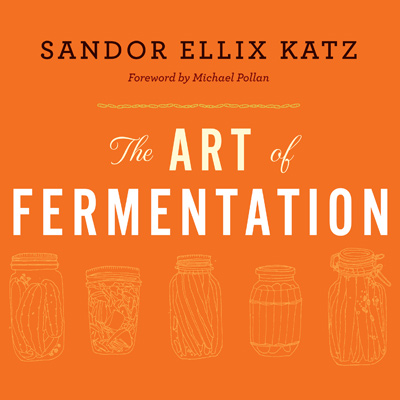
THE ART OF FERMENTATION by Sandor Ellix Katz

Just released June 12, The Art of Fermentation (with forward by none other than Michael Pollan) is sure to be the gold standard on fermentation. Katz published Wild Fermentation in 2003, at the time dubbed the “fermenting bible” by Newsweek. As the press release states for his new, elegantly understated book, he now has an additional decade of experimentation behind this one. The first book of its kind, it contains recipes, yes, but ultimately is a 400+ page textbook on all things fermentation, its history and processes, and DIY steps in a range of categories from meads, wines and ciders to meat, fish and eggs. There’s plenty of study material for food and drink folk alike, whether an extensive section on sour tonic beverages (from kombucha to kvass) or details on fermenting beans, seeds and nuts. Katz’ book makes me want to start fermenting my own potato beer immediately.

TAKE AWAY by Jean-Francois Mallet

Take Away is a lovely photo book. Released in the US in April (first released in France in 2009), this beauty of a book is a virtual escape around the world, immersing the reader in street foodscapes and dishes from Shanghai to the Ukraine. Be warned: perusing this book is difficult on an empty stomach. And for those of us who thrive on travel and exploring every nook and cranny of a city or region, Mallet’s approachable, street savvy photography also induces travel lust.

CINDY’S SUPPER CLUB: Meals from Around the World to Share with Family and Friends by Cindy Pawlcyn

Cindy Pawlcyn is one of California’s trailblazing chefs, aiding Napa in becoming a dining destination when opening Mustard’s Grill nearly 30 years ago along with subsequent restaurants, like Cindy’s Backstreet Kitchen. She’s written a few cookbooks, but I particularly enjoy her newest, out this May: Cindy’s Supper Club. A book based on favorite international recipes prepared in her supper clubs with friends, the recipes span the globe from Russia and Hungary to Lebanon, Peru, Korea. Cindy’s intros to each selected country and recipe feel comfortable, like a chef chatting about their travels and technique as you sit with them in their kitchen. Though recipes tend toward the heartwarming, soulful kind, many list more than ten ingredients and aren’t exactly simple. But for cooks ready to try something new yet not fussy, adventure lies within these pages, whether Flemish meatloaf in spicy tomato gravy or white gazpacho (made of white bread, milk, almonds, garlic, olive oil, sherry vinegar) with peeled white grapes.

PLATS DU JOUR: the girl and the fig’s Journey Through the Seasons in Wine Country by Sondra Bernstein

Just see if you don’t long to move to Sonoma after spending time with Plats du Jour, a large, photographic book capturing Sonoma’s vibrancy. With a range of recipes from Sondra Bernstein’s beloved girl and the fig duo and Italian restaurant, Estate, the book journeys well beyond recipes. Sectioned by seasons, there’s highlights on wine, cheese, and produce, pairing possibilities, origins of foods, cocktail hour menus, and seasonal menus to recreate at home. Interspersed throughout are drink recipes, such as the perennially popular lavender mojito from girl and the fig http://www.platsdujour.net/#!home/mainPage. Photos and stories of trailblazing Sonoma farmers keep the reader rooted to a sense of place. Though the variety of info might initially seem disparate, it weaves into an inspiring whole urging one to seek out ingredients from their own farmers markets and entertain or cook inspired by the invigorating spirit behind Bernstein’s book and the artisans of Sonoma.

SWEET CREAM AND SUGAR CONES
by Kris Hoogerhyde, Anne Walker, and Dabney Gough

Bi-Rite’s ice cream essentially needs no introduction. For those in San Francisco, it’s already an institution. For foodies nationally, the beloved market’s ice cream has been written up in most national food magazines, among the best ice creameries in the country. Thankfully this spring, founders Anne Walker and Kris Hoogerhyde, along with writer Dabney Gough, have released a book, Sweet Cream and Sugar Cones, sharing many of Bi-Rite’s lauded recipes (yes, their legendary salted caramel ice cream, which spawned dozens of imitations around the nation, is included), and many more besides, including sweets far beyond ice cream, from cookies to pie. The book is grouped in ingredient-themed sections like chocolate, coffee, vanilla, citrus or nuts. I take to the herbs and spices section with recipes like basil or peach leaf ice cream, picante galia melon pops, and my favorite Bi-Rite flavor of recent years, Ricanelas (cinnamon and Snickerdoodles). Having already tried a couple of the recipes, they are easy to follow, and, of course, delicious.

SUNSET EDIBLE GARDEN COOKBOOK

Sunset has cornered DIY gardening and cooking for decades in their magazine and cookbooks, with recipes and step-by-step gardening instructions. Their latest book, Edible Garden Cookbook, just out this spring, is another winner with accessible recipes, growing-harvesting-storage-cooking tips and varietal lists on a wealth of vegetables (from peas to cucumbers), herbs (mint to thyme), and fruits (melons to stone fruit). Creative recipe twists enliven everyday dishes like an icebox salad layered in a casserole dish or kabocha squash filled with Arabic lamb stew.

THE BROKEASS GOURMET COOKBOOK by Gabi Moskowitz
(Review by Andi Berlin)

Chasing the elusive paycheck is a tiresome routine, but at least it’ll taste good with the new BrokeAss Gourmet cookbook from San Franciscan Gabi Moskowitz (not to be confused with Broke-Ass Stuart.) The former kindergarten teacher-turned-caterer-turned-Internet-celebrity founded the website BrokeAss Gourmet after seeing friends laid off from tech jobs and eating junk. Taking a conversational, gal-pal tone, Gabi guides us through the essentials of running an eclectic kitchen – from stocking a full pantry to boosting cheap proteins with flavorful sauces. Recipes like vegetable lasagna with wonton wrappers demonstrate her craftiness. The book is high on kitsch: rather than photographs, illustrations of animals stand beside cheeky anecdotes (“Because bacon really does make everything better.”) Moskowitz paints a vivid Bay Area landscape, adapting several recipes from ethnic joints and buzzy spots like Bakesale Betty. And if she relies too heavily on sriracha sauce, forgive her. When you’ve got to shove off to work early morning after morning, it’s often the call of the rooster that gets you going.

Subscribe to Virgina’s twice-monthly newsletter, The Perfect Spot, www.theperfectspotsf.com

Is it Saturday yet? 5 (vegetarian-abled) Street Food Festival snacks we can’t wait for

0

The Bay’s press has been salivating ever since July 26, when La Cocina‘s Street Food Festival hosted a passel of media types at Fort Mason Center with tables upon tables of the snacks that we’ll all get to freak out over at the festival on Sat/18. Read on for some of our favorite snacks that we’re having a hard time holding off on until Saturday.

Bonus! If mornings aren’t your deal, you’ve got options this year. On Fri/17, you can jet down to the Alemany Farmer’s Market for the fest’s Night Market. 25 vendors will be selling sub-$10 treats, including American Masala Farm’s Suvir Saran serving up Indian food, Ryar Farr from 4505 Meats, and Tijuana’s Javier Plasencia of Mision 19. Plus, craft beer and cocktails.

>>CLICK HERE FOR THE COMPLETE STREET FOOD FESTIVAL MAP

Go early on Saturday. Lines for vendors, which range from La Cocina participants who have hardly sold commercially before to some of SF’s hautest eateries, tend to be pretty long by lunch time, and this is one fest that does not award the fashionably late. You’ll also be able to pick up a paper copy in the Guardian on newsstands today. Here’s some treats you’ll wanna queue up for as soon as you fall out of bed, veggie-friendly all. We dare you to do all five — tweet their photos to @sfbg if you do and we’ll figure out some kind of reward for gluttonous you. 

1. El Buen Comer esquites

Something about corn, cheese, and mayo soup sounds vaguely unsettling, but take it from an avowed mayonaise h8r, these are cups of pleasure and you want at least one. La Cocina graduate Isabel Caudillo makes them, bringing this Mexico City recipe straight to SF bellies. Perfect if Saturday gets chilly (please no.)

2. Chiefo’s Kitchen moi-moi

Chiefo Chukwudebe makes these West African firm cakes made of pureed black eyed peas, topped with tomatoes, onions, peppers, and carmelized onions. The deliciously chewy version that was being sampled at Fort Mason was topped with flakes of corned beef, but vegetarian versions were available. 

3. Hella Vegan Eats pad thai egg rolls

The plucky Tiffany and Sylvee Esquivel of this rad catering outfit didn’t give their Street Food Fest offering quite as catchy a moniker as some of their repetoire (“vegans are better lovers” lasagna comes to mind), but no matter — this Asian-inspired nuggets are the kind of stoner snack you normally only dream of. Noodles inside egg rolls? *Eyes roll back into head, Homer Simpson-scruff sprouts instantly* Much props to these ladies for the hundreds of free vegan cookies they baked for the Dyke March this year, by the way. 

4. Clairesquares‘ deep-fried caramel pop

One quibble about these devilish, gooey, troublesome-in-a-good-way dessert snacks — is that spear in the center really necessary? After all, the first time you crunch into one the thing is going to require two hands so that it doesn’t fall off the wooden skewer onto the — NOOOOOOOOO! — ground. That’s not what you want, so this is your official reminder to pay attention to sugar bomb of satiation. Clairesquares is the brainchild of Ireland’s Claire Keene, who re-interprets traditional recipes into decadent desserts that have popped up all over town in the last few years. 

5. Sweets Collection artisan Jello shots

I went on the record last year over how much I love these things. Nothing combines a love of pastels and a love of getting drunk more than Rosa Rodriguez’s mouthfuls of booze and condensed milk flower. They are magic, and you can find them at the Street Food Festival bars, waiting for you cheefully when you’re done eating the fest’s more nutritious options. 


Street Food Festival Night Market

Fri/17 6-9pm, $25 entry

Alemany Farmer’s Market (free shuttle leaves from 25th St. and Mission, SF)

100 Alemany, SF


Street Food Festival

Sat/18 11am-7pm, free entry

Mission District (Folsom from 20th to 26th St., 21st and 25th Sts. from Treat to Shotwell, Cesar Chavez Elementary School parking lot, Parque de los Ninos Unidos and Jose Coronada Playgrounds), SF

www.sfstreetfoodfest.com

Pläj

0

virginia@sfbg.com

APPETITE The world has become hooked on New Nordic cuisine in recent years, thanks to Copenhagen’s Noma, often referred to as the world’s best restaurant for three years straight, sparking a global interest in all things Scandinavian and a new generation of chefs.

Before this renaissance I dined at New York City’s Aquavit, back in the days when Marcus Samuelsson was still its chef. I reveled in Samuelsson’s clean dishes and shots of the restaurant’s eponymous liquor infused with horseradish or dill. As a fan of pickled herring, cured fish, and the like, I’ve long been drawn to Germanic and Eastern European cuisines. Perhaps my love for Scandinavian food was a forgone conclusion. I dream of taking a trip to the region to eat lutefisk (air-dried whitefish), and breathe in crisp air during long hours of summer daylight.

But then Pläj (pronounced “play”) opened in SF in June, tucked behind the Inn at the Opera and within sight of City Hall. I dined there during its opening week, and have returned multiple times since. Granted, what you’re about to read is an early take. The newborn restaurant needs time to come into its own.

Yes, Pläj is a hotel dining room, and off-putting smooth jazz and clubby Euro tunes often intrude, altering the mood of a meal. But bright orange accents and fireside seating warm up the blessedly peaceful space, and service is warmly welcoming, staff attentive and gracious.

Pläj isn’t so much New Nordic or Scandinavian-style minimalist. It’s more reminiscent of Aquavit: traditional dishes interpreted with a fresh regional spin, Scandinavia by way of Northern California. Chef-owner Roberth Sundell hails from Stockholm but has been in the Bay Area long enough to be well-acquainted with local ingredients, putting them to good use in Nordic-influenced dishes.

Working my way through every dish on the initial menu, I was happiest in the Fjord-seafood section that highlighted the best parts of Scandinavian cooking. A creative “taste of herring” trio ($12) brought fish served à la ginger-smoked soy, saffron tomato, and with coriander, chile, and lime on rye crackers. Rustic bread arrived at the table, artfully served in a paper bag.

Krondill (crown dill) poached lobster is the seafood of choice for Sundell’s skagen, which is typically toast topped with a mixture that often includes poached shrimp, mayo, caviar. Beautifully reinterpreted here, lobster swam in a foam akin to bisque that was also made of lobster, with horseradish, avocado, and a hint of chili, all of it accented by white fish caviar.

Norwegian salmon belly gravlax ($9) proved to be buttery, thin slices of cured salmon over lemon crème fraîche, spicy grain mustard, and dill purée. Only the Alaskan halibut ($21) felt closer to typical: the fish came seared in herbs and partnered with shaved asparagus in a chanterelle emulsion. In a similar, though more traditional vein of meat and veg entree was the tender, porter-braised ox cheek ($22) topped with a mountain of fried onions. Other than the vibrant red, whipped beetroot the ox rested atop, the dish was well-executed, if not particularly memorable. Next time I’d go for traditional, comforting Swedish meatballs ($15), which were juicy in their pan gravy and bed of mashed potatoes, served with lingonberries and pickled cucumber that added a much-desired contrast of sweet and vinegar.

On the Hagen (“pasture”) or vegetarian section of the menu, burrata ($12) was pleasant, but its presentation was similar to countless burrata plates everywhere — heirloom tomato and greens. At least it wasn’t beets, which are obvious, overdone burrata companions. Barely-there aquavit in the vinaigrette could have set it apart if it was kicked up a few intensity levels. I found a subtle smearing of beetroot under a salad ($14) piled with Jerusalem artichoke, watercress, hazelnuts, and thinly-shaved layers of Västerbotten cheese and black summer truffles more interesting. Equally intriguing were the potato dumpling kumla ($12), dense and doughy dumplings in brown butter sauce that were savory with onion ragout and, once again, lingonberries.

Desserts ($8) are certainly pleasing — particularly the rhubarb crumble pie — but none left a major impression. Cocktails ($11) thankfully utilize Scandinavian spirits like vodka and genever (Dutch gin, often aged in wood so as akin to whiskey as gin.) Spirit-cocktail aficionados may crave more depth in a menu that leans toward sweet, subtle, and light cocktails. The Midsommar is promising: Pernod absinthe that delivers herbaceous notes to a Flor de Cana light rum, lime, and dill simple syrup. It was garden-fresh, a fine companion to seafood.

An all-Scandinavian beer list is spot-on, with pours like HaandBryggeriet Norwegian harvest ale ($14) or cheaper, refreshing Einstock Icelandic white and pale ales ($6 each.)

Pläj is a welcome newcomer to the SF dining scene — one I hope thrives as it dares to bring what we lack. What a delight it would be to form a “best of” list of Scandinavian eateries here, as we can with so many cuisines.

PLÄJ

333 Fulton, SF

(415) 294-8925

Subscribe to Virgina’s twice-monthly newsletter, The Perfect Spot, www.theperfectspotsf.com


14 excellent establishments for Olympic watching

0

The Olympics might have originated as an an ancient Roman display of physical beauty and premier strength, but this is 2012, the point now is the eating, drinking, voyeurism, and generally being inactive that the Games give you an opportunity to enjoy. With the big show taking place in pub-happy London this year, you can pass off your bar tab as the price one pays for cultural authenticity. After all, it might take a pint at the Phoenix to fully appreciate rower Henrik Rummel’s well-endowed disaster. So cheers to the fact that while records are broken and teenagers’ dreams are being dashed in Olympic Park, we can chill with our buddies and crack up at professional divers’ faces. Party like an Olympian — need a drinking game to pass the time? — with this list of fine establishments that showing the games if you ask nicely, satisfying both your appetite and burning need to watch ridiculously fit people sweat in spandex.

Abbey Tavern 4100 Geary, SF. (415) 221-7767 

Bus Stop Bar prime time coverage M-F 8pm-midnight. 1901 Union, SF. (415) 567-6905 

Columbus Cafe 562 Green, SF. (415) 274-2599

Danny Coyle’s 668 Haight, SF. (415) 558-8375

Hard Knox Cafe and Soul Kitchen 6526 Third St., SF. (415) 648-3770

Kennedy’s Irish Pub and Indian Curry House 1040 Columbus, SF. (415) 441-8855

Kezar Pub 770 Stanyan, SF. (415) 386-9292 

King of Thai Noodle House 1268 Grant, SF. (415) 391-8219

Lefty O’Doul’s restaurant and cocktail lounge 333 Geary, SF. (415) 982-8900

The Mucky Duck 1315 Ninth Ave., SF. (415) 661-4340 

The Phoenix Irish Pub 811 Valencia, SF. (415) 695-9811

Portal’s Tavern 179 W. Portal, SF. (415) 731-1208 

The Royal Exchange sports bar and restaurant 301 Sacramento, SF. (415) 956-1710

The Taco Shop @ Underdogs 1824 Irving, SF. (415) 566-8700

Appetite: Under the stars in Guerneville

0

Amid towering redwoods, summer heat, and parties along the Russian River is the small town of Guerneville, one of Sonoma’s most unique towns, with its vibrant gay community, laid back river culture, and haunting redwood state park. On a recent idyllic summer weekend, barbecues and live, twanging bands added color to the bustling main street.

Foodies have a destination cafe-restaurant in Guerneville’s Big Bottom Market, which was opened last summer by co-owners Michael Volpatt and Crista Luedtke (the latter owns neighboring boon hotel + spa and boon eat + drink restaurant). Big Bottom draws crowds for breakfasts, lunch, and for anytime cups of my favorite Sonoma County coffee, Flying Goat‘s special blend for the cafe. The cafe’s breakfast biscuits ($3-9) are stuffed with a changing array of goodies like bananas, peanut butter, strawberries and white chocolate, or ham, Swiss, and dill pickle (loved the mustard in the latter but lamentably had to hunt for the ham.) Offerings change daily, but the day’s special is easily ascertained — each biscuit is adorned with a bit of its filling.

Big Bottom Cafe’s superlatively-stuffed biscuits. Guardian photo by Virginia Miller

My recent weekend in Guerneville coincided with the launch of Big Bottom’s dinner service (Thursdays-Saturdays only, 5-9pm). Executive chef Tricia Brown cooked at one of my all-time favorite restaurants, Gramercy Tavern in NYC, moving from Brooklyn to Sonoma for a lifestyle change. With that pedigree, it’s no surprise that she’s cooking an elevated style of cafe food. In the rustic, touch-of-farmhouse shop lined with wood floors and wine and gourmet food items for purchase, dinner means comfort food, like a Moroccan chicken tagine ($18), or apricot-studded couscous laden with Castelvetrano olives and toasted almonds, or green-chile-cheddar turkey meatloaf ($17) over chipotle mashed sweet potatoes.

Unexpectedly, sandwiches ruled: pinot pulled pork covered in spicy BBQ sauce ($16) and garlic aioli smeared on a toasted brioche, both with sides of bourbon-bacon baked beans and cilantro-lime coleslaw ($4 individually or 3 for $11.) There was also a sandwich special of wild salmon that was softly pink, almost medium-rare, topped with slaw on buttery brioche. Both were made with care, blessedly robust in flavors and texture. Chilled cucumber soup spiked with mint and yogurt ($6) was a refreshing summer starter. Only a large pile of dry crostini felt out of place on a mezze platter ($9) of roasted red pepper hummus, lentil walnut pate, cucumber red onion yogurt salad, and olives.

Small, local winemakers are featured on the wine menu, including a few of my go-tos like Thomas George Estates and Unti. It also features different winemakers like Sonoma’s Paul Mathew Vineyards, whose vintages are made by winemaker Mat Gustafson. I sampled all three of Gustafon’s featured wines, like a mineral 2010 Weeks Vineyard Chardonnay that held slight citrus notes from its stainless steel aging, rounded out by a hint of oak. I found the 2011 Knight’s Valley Valdigue most interesting (and the most affordable at $7 glass/$33 bottle.) It’s a chilled wine more akin to a Lambrusco or other chilled red with dry, strawberry notes, earthy yet bright.

Certainly when in Guerneville, one can enjoy the retreat-like (though dated) Applewood Inn, but Big Bottom Market hits at a lower price point, though its obviously more casual. For a sleepy small town in the redwoods, nestled between vineyards and ocean, the Market’s casual-gourmet approach feels appropriate.

End the night at Rio Nido Roadhouse dancing under the stars out back to live music (blues, classic rock, etc.) Were it not for the redwoods and that clean, crisp Sonoma air, the crusty older cowboys, families, and dive bar setting would be enough to convince you you’re in a small Texas town, embracing the warm summer night.

Big Bottom Market

16228 Main St., Guerneville

(707) 604-7295

Subscribe to Virgina’s twice-monthly newsletter, The Perfect Spot, www.theperfectspotsf.com


Liver or leave ‘er

0

le.chicken.farmer@gmail.com

CHEAP EATS Kayday came back down to town and for letting her stay in our bottom apartment, she treated Hedgehog and me to Chinese food, and just me to Japanese. The Japanese was at Izakaya Yuzuki, which I can see out my window right now cause it’s just across the street, kitty-corner-wise.

Small plates. Big bucks. Not the kind of place I would ever dare to go to if there weren’t at least a 67 percent chance of someone else picking up the check. In this case there was a 100 percent chance.

I’m not saying that this is a review of Izakaya Yuzuki, but this one dish . . . I never got its name, but it was squid marinated in its own liver and something really very salty.

I love liver, and that includes every kind of liver I have ever had, including squid liver, but the really remarkable thing about this dish was that the squid didn’t go away when you chewed it. It didn’t grind, crush, tear, or otherwise respond to mastication in any of the usual ways. You couldn’t even call it chewy. It just kind of immediately . . . shrunk. It retreated into itself and became a small, condensed blip in my mouth.

My first thought was, it’s alive.

But it wasn’t, of course.

This is a review of Salumeria, where once I shared a prosciutto-on-pretzel sandwich with Stringbean the Person, my beloved quarterback, because really if there’s one person in life a wide receiver needs to eat with, it’s her quarterback. Nothing says “throw me the ball” more than sharing a sandwich and pickle board at an outside table on a sunny Mission day.

She insisted on paying for her sandwich though, dadburn it.

“Throw me the ball,” I said, thrusting her wadded up ten back at her. She wouldn’t take it — maybe because of some quarterbacky code I don’t know about.

But, anyway … yeah: pickles. As in pickled things — maybe some of the same ones that were conspicuously missing from my beans a couple weeks ago in this column. Salumeria delivers. Salumeria comes through, on the pickle front. Okra. Green tomatoes. Beets …. Pickles!

And the sandwich came through too. It was prosciutto on pretzel, and it was dee-fucking-both-licious-and-lightful. I’d never had pretzel bread before. And I’m not sure I ever had that much prosciutto, either, on a sandwich. Fantastic!

The Person had to go to Rainbow Grocery after lunch, she said, to return things. “What are you returning?” I said. She told me she’d accidentally bought an overpriced foodie magazine for $11, and something else overpriced for $11 — I think she said vitamins. “I’m going to return them,” she said, “and buy $22 worth of sausage.”

Seldom in my life have I heard such sound economic theory laid out before me, like pickles on a board. I was touched.

I was moved.

I loved my quarterback right then, and felt proud to be one of only a handful of people in life who gets to catch her balls. I mean, 11 + 11 = 22, forever and always, but when you express this mathematical truth in terms of sausage attainment, it kind of sizzles and pops. Like poetry.

And when I first met Stringbean, bear in mind, she was a skinny vegetarian! Speaking of which, I did feel a little badly for my many skinny vegetarian friends down at Rainbow, because of course they don’t sell sausages. Which gave me an idea.

“Bean, wait right here,” I said, and I ran back into Salumeria to buy her a homemade salami. For (what? whoa!) 10 bucks. Ack! I couldn’t pull the trigger, even though I had a 10-dollar bill I didn’t really want. Which gave me an even better idea.

I ran back outside and handed the 10 to Stringbean. “I bought an overpriced salami for you,” I explained. “But then I returned it for cash to add to your sausage fund. Here.”

She looked at me like I was crazy and would not take the ten.

“Throw me the ball,” I said.

SALUMERIA

Daily 9am-7pm

3000 20th St., SF

(415) 471-2998

AE, D, MC, V

Beer and wine

www.salumeriasf.com


Live Shots: SF Street Food Festival 2012 preview

0

The SF Street Food Festival has become such a delight in the summertime. (This year’s takes place on Saturday, August 18.) A chance to sample wonderful treats from the around the world (many developed in the test kitchens of entrepeneurial incubator La Cocina), transporting your taste buds to the far reaches of yumminess. The festival can get crazy crowded, so to help you out, here’s a list of some fave vendors to make a beeline for:


Alicia’s Tamales Los Mayas
– It’s partially that you’ll fall in love with Alicia, who will call you “mi cariño,” but it’s also that her delectable homemade tamales are out of this world, stuffed with pork, chicken or cheese and slathered in fresh salsa verde. You can’t go wrong with this corny bundles of love.

Minnie Bells’ Soul Movement – Think fried chicken and mac and cheese. Really good soul food, simple and delicious. Never tasted such flavorful gumbo!

Chiefo’s Kitchen – Chiefo cooks wonderful West African cuisine, that’s spicy and filled with exotic flavors. Try her mini moi-moi, a savory cake made with blended black eyed peas and topped with a crispy piece of meat.

Global Soul – Here’s the deal. I was handed a piece of meat on a toothpick, dripping in fat and it was the best thing ever. You know you want that too.

Azalina’s – “I love deep frying things!” declared Azalina. And she’s not joking! But what I love about her snacks is that yes, they are perfectly fried and golden, but then layered with roasted meats, fresh veggies and topped with a hot pink raspberry. So unique and beautiful!

Neo Cocoa – Save room for dessert! Christine from Neo Cocoa will be serving up chocolate truffle brownies, layered with such decadent fillings as almond butter.

Appetite: Southern taste adventures in Louisville, KY

0

Kentucky: land of bourbon, the Derby and Mint Juleps. I’m ever delighted to return to the South, although I’m connected to some areas more than others (ah, New Orleans, my love). I recently spent a week in Louisville, on the judging panel for ADI’s (American Distilling Institute) annual awards. It was an honor to judge with key spirits and cocktail industry folk, spending days tasting (blind, of course) through the latest in a broad range of small US craft spirits – winners here.

In my off time, I roamed Louisville, from downtown to Bardstown Road. Louisville is a small city, not exactly visually beautiful or dense like other US cities, but its distinctly Kentuckian treasures do unfold. The historic Brown Hotel was my home base, its player piano welcoming me with strains of Gershwin and old world elegance in the beautiful lobby.

I’m an American whiskey girl at heart (although I love all spirits), being in bourbon and rye’s epicenter is invigorating, even if I can find the region’s most rare, small batch spirits in my own city. A unique preview came in an early peek at Distilled Spirits Epicenter, shortly before it opened, essentially a distillery “for rent,” where would-be distillers have their visions crafted, try out test batches, or take classes to learn more about distilling. It was founded by David Defoe of Flavorman, a scientific flavor lab that creates sodas, juices and beverage products for numerous companies. My favorite feature is the upstairs apartment which they offer to guests using their facilities as they create a product: it’s an open, brick-walled apartment upstairs in the Flavorman building.

Here are highlights from my travels in food, cocktails, whiskey and unexpectedly the most incredible beer collection I’ve ever seen.

SERGIO’s WORLD OF BEERS
If you can find Sergio’s World of Beers (no, it’s not the dive bar next door), you will walk into an unmarked space and could wait 10 minutes for someone to even come out. I was immediately impressed by the selection of beers lining the dingy front room packed with boxes and glasses. Beer aficionados will freak out over the options available on tap. Numerous rotating beers range from Italian sours to a bourbon barrel rarity made by a guy down the street.

Sergio Ribenboim himself is an avid beer collector (read Imbibe magazine’s article about him last year). With one of the most exhaustive collections in the world, he leads tours of breweries around the globe. After the joys of the front room are uncovered, one realizes they haven’t seen anything. Stocking the halls and back rooms (not to mention Sergio’s home) are over 1000 beers for purchase from every region of the globe, including first editions of cult favorites and rarities, such as a Belgian beer, Smisje Calva Reserva, aged in Calvados barrels.

The humble shop is a beer lovers paradise, every unassuming foot of it. The Renaissance Man – the avid beer fan in my home – and I planned to stop in for 30 minutes but ended up staying over 3 hours. We chatted with Sergio and obsessed beer lovers who dropped in from all over the country, those who, like us, will make Sergio’s a must-stop whenever we’re in Kentucky.

HARVEST
To date, Harvest is my favorite Louisville restaurant. It’s the usual farm-to-table concept, long the standard where I live and more common in recent years around the country. The walls are covered with large black and white photos of Kentucky farmers who supply Harvest’s ingredients.

Here the concept invigorates local classics like the Hot Brown (see Brown Hotel’s English Grill below) in a Hot Brown pizza ($14), a brilliant twist on a local classic. Or burgoo ($16), a Southern stew laden with rabbit, pork and chicken, fresh with snow pea sprouts. Its one flaw was being far too salty so that the heartwarming bowl started to feel “one note” after a few bites.

After a starter of a pretzel bun dipped in addictive amber ale beer cheese sauce ($7) and solid cocktails utilizing house bitters, syrups and tinctures, not to mention engaging service and a manager walking the floor ensuring all of us were satisfied, I found Harvest a “whole package” kind of dining destination. No wonder they were nominated for a James Beard award this year for Best New Restaurant.

BROWN HOTEL’S ENGLISH GRILL
The Hot Brown ($22) is one of Kentucky’s signature dishes, created in 1926 at the Brown Hotel’s English Grill by chef Fred Schmidt. When bored with traditional ham and eggs, he opted for roasted turkey breast over toast points topped with bacon and tomatoes, then slathered it all in Mornay sauce (butter, milk, Parmesan, egg, cream). If that weren’t enough, it’s baked golden brown in Parmesan cheese. Brilliant. Eaten in its home base, the old world elegance of the English Grill, it’s every bit as decadent, gooey, rich, meaty and fabulous as it sounds.

MEAT
Hands-down, the best bar of my visit to Louisville was Meat – and Jared was the best bartender. We lingered for hours, till 3am, watching thunderstorms pass, filling paper bags with their revolving turntable of free snacks, a genius addition of unending servings, including Trader Joe’s favorites from mustard pretzels to peanut butter stuffed pretzels.

Jared joked and flirted with customers from the oval bar at the center of a brick-walled space tucked away upstairs in the back of a building that once housed a butchery in the trendy Butchertown neighborhood. Butcher tools and meats hang in the entrance, while the dim, glowing room is a romantic space filled with couches and comfy nooks.

The menu states, “We love the Prohibition-era cocktail movement. We love Louisville.” Instead of exactly copying big city bars, their mission is to “serve authentic and inventive beverages with a distinctly Louisvillian sense of place.” They list recipes from favorite bartenders around the world alongside house creations (all $10), while Jared whips up some off-menu beauties, including an effervescent mix of Del Maguey mezcal with Moet Imperial champagne.

One of the most delightfully unique menu offerings is a Viking 75. The Nordic twist on a French 75 uses Taffel aquavit, Cynar, house sour mix, demarara syrup and lingonberry jam with Bott Geyl Cremant d’Alsace. Upscale tacky plays well in The Queen’s Tea: Pimm’s, Hendrick’s gin, Campari, Dewar’s Scotch, Chartreuse, lemon, and, yes, 7-Up.

Puerto Rican Wingman was another favorite: Ron Zacapa Solera and Bacardi rums blend with orange curacao and lime into a bright whole where house falernum adds nutty texture, coffee bitters an earthy kick, Abita root beer a punchy finish. Another winner? Hit the smoky side with The Smoke Monster: Ardbeg 10yr Scotch, Vya sweet vermouth, Grand Marnier, orange juice, grenadine, celery seed bitters.

Whatever you order, don’t miss Meat.

HILLBILLY TEA
Hillbilly Tea is a funky, hipster version of Appalachia circa turn-of-the-century. In a gorgeous restored building, two levels of brick walls, rustic wood floors, ’70s rocking chairs, 1800s sewing machines, picnic tables and quilts set a comfortable tone for rounds of tea served on slices of a tree trunk. We sipped aromatic, herbal, mint-inflected Snap green tea ($3.75) and Sweet Smokey Mountain chai boiled with milk and sugar ($4.75) – a little sweet for me (we’re in the South, after all, where “sweet tea” means sweet). I found Twig ($3.75) most soothing: a nutty, toasted green tea.

Brunch is a fun affair, whether a skillet pancake ($8) lathered in Smokey Mountain chai butter and sorghum syrup, or white bean and sage fritters ($5). I particularly enjoyed pork and pone ($8), a mound of BBQ pulled pork on corn pone with garlic mayo, red cabbage chow chow, and choice of side – I opted for healthy braised greens. They serve a tasty biscuit ($3), even better with local honey and a dreamy house-cured bacon ($5). In the locally sourced foods vein with young, hip servers, Hillbilly Tea delivers substance alongside style.

DOC CROW’S

Spacious, extensive Doc Crow’s is a historic, 1880′s downtown Louisville space, particularly charming in the cozy, middle booth section or open back room with wood floors and fireplaces. The menu is a fun range of some of my Southern favorites, heavy on BBQ and oysters, also offering Po Boys, fried green tomatoes, mac n’ cheese, fried catfish and gumbo. Not all of it is the best version possible, but cornmeal fried catfish with hush puppies ($9), for example is generously portioned and satisfying, as are slow-smoked, baby back ribs ($12 1/2 rib, $22 full rib).

Key Lime Pie ($6) is not as tart as my favorite renditions (still remembering Uncle Bubba’s outside Charleston), while seasoned pork rinds ($4) taste great with a boozy lemonade but aren’t comparable to SF’s own cult classic – the best chicharrones I’ve ever had from the South to Mexico – 4505 Meats‘ chicharrones. Overall, Doc Crow’s is a fine downtown choice for value, with large portions, heartwarming food, and a welcoming, all-day space.

GARAGE ON MARKET
The building alone draws one into Garage on Market: a restored gas station with two cars melded together on the front drive, and a picnic table area with astro turf-covered seating under strung white lights. Serving brick oven-cooked pizzas, like the Monte Cristo ($14 – smoked chicken, gouda, egg, sorghum, preserves) or on the sweet side, Nutella Pie ($12 – nutella, banana, cinnamon sugar, butter, syrup), the Garage offers a playful, casual menu and regional country hams.

Brunch is the likes of beignets, poached eggs and ham, with drinks like a Red Hot Bitter ($7): local Red Hot Roasters espresso, chocolate milk, Kahlua, Bailey’s, and chocolate bitters. The cocktail menu in general appeals to cocktail fans while keeping that same approachable, unfussy tone.

PROOF ON MAIN

When it comes to Louisville, the restaurant and bar that almost always comes up is Proof on Main. Inside the 21c Hotel one is immediately impressed by its modern art museum. The dining room makes a statement with dramatic artwork and upholstered seats. But despite how long I’ve heard raves, disappointment set in immediately at the bar with a diffident, seemingly bored bartender who stood off to the side of the bar mixing drinks, only talking to servers vs. interacting with customers – and this was at the mellow hour of 5:30pm with a half empty bar.

The bartender acted as if he was doing us a favor serving an ok round of cocktails from a menu that in the end felt typical. For those of us who travel the world in search of the best food and drink, cocktails should stand on their own, yes, but service sets apart a menu that reads well from a destination-worthy bar. Ordering whiskey pours was the best way to go (we opted for Woodford Reserve’s rye duo), but in terms of the hundreds of top notch bars I’ve visited around the world, I wouldn’t return to Proof.

Once we moved to the dining room, service was friendly and gratifying, redeeming the experience. The food menu is a stimulating mix of modern creativity with Southern ingredients, but at high prices (starters are $8-21, entrees $18-34) I was disappointed in more than one dish, starting with a dry charred octopus ($15) with bagna cauda and lime.

Striped mullet ($27) sounded like a fishy/meaty melange of mussels, fennel, country ham, rutabaga, almonds, and smoked grapefruit but ultimately felt disjointed. The beloved Proof bison burger ($17), which more than half the restaurant seemed to order, piled high with Tillamook cheddar, smoked bacon, Jezebel sauce (a wonderful Southern mix of pineapple preserves, apple jelly, horseradish, mustard, black pepper), was cooked more medium than my medium rare request. I couldn’t help but recall the countless delectable gourmet burgers (whether bison or beef) I’ve had for under $15.

A standout dish was Bison marrow bones ($12), fatty and delectable, smartly paired with apple butter and frisee on toast. For cost to value/taste ratio, I’d recommend visiting the hotel’s museum, then heading on to Harvest or another locale for dinner and drinks.

CELLAR DOOR CHOCOLATES

A local chocolatier, Cellar Door Chocolates, produces crave-worthy sea salt peanut butter dark chocolate cups available at shops like The Wine Market http://www.thewinemarket.net/ on Bardstown Road. Buying a four-pack to sample, I promptly finished each one.

RYE BAR

Rye had just opened in February when I was in Louisville on a hip stretch of Market Street. Young bartenders in a sleek space were looking up recipes in Jim Meehan’s PDT Cocktail Book, slowly crafting drinks requested by guests or on menu. At the time, they seemed not quote yet ready for “prime time”, but served decent standards like a Mezcal Mule or Dark & Stormy (with Ron Zacapa 23 rum), or tongue-in-cheek drinks like The Shit ($9): Plymouth gin, chile-lime syrup, Prosecco.

One of my drinking companions, a well-known distiller, requested a Whiskey Sour with egg white and Whistlepig 10 year Rye (which they pour at $19 a glass) – it was easily the best drink I had here, bright and refreshing. Just mentioned in Food & Wine, this bar should get progressively better as the staff gain a more seamless knowledge of the menu and what they want to offer to customers.

SEELBACH BAR
The Seelbach is a piece of Louisville history dating back nearly 100 years. A dated respite of a bar inside a hotel, it offers an impressive range of bourbons and ryes, including a couple you won’t find outside of Kentucky, like a special Seelbach bottling from 1983 of Rathskeller Rye: a true treat, vibrant and boozy at cask strength. 

JOCKEY SILKS
With over 120 whiskies, Jockey Silks is a hotel bar offering a quiet, dated bar (think lots of wood and red, circa 1970’s) in which to sip a range of bourbons, from “deluxe” pours at $10, premium at $9, or most glasses at $8. It’s affordable and relaxing, a classic Louisville bourbon respite.

THE WINE MARKET OF LOUISVILLE AND OLD TOWN WINE AND SPIRITS
The Wine Market is a small but well-curated selection of wines from Alsace to Bordeaux with friendly staff in a funky, cool building with appealing wording (“weird, independent, proud”) covering the exterior wall. It seems to be Bardstown Road’s finest wine shop. Stronger on the spirits and beer front with a badass drive-through window is Old Town Wine and Spirits – they offer an affordable, wide-ranging selection.

QUILLS COFFEE
I felt right back at home with third wave coffee, excellently roasted beans and proper foam on my cappuccino at Quills Coffee (with two Louisville locations), which appears to be Louisville’s best artisan coffee.

As has long been commonplace on the West Coast and only gained traction in recent years in NY and places East, this hipster coffee haven is full of artists and students on laptops, with chemex and locally roasted beans hailing from Africa to South America.

Subscribe to Virgina’s twice-monthly newsletter, The Perfect Spot, www.theperfectspotsf.com

Maverick

6

virginia@sfbg.com

APPETITE Opened on July 13 way back in 2005, Maverick is a longtimer by modern day restaurant standards. I’d posit that it’s better than ever with new executive chef Emmanual Eng, brought on last year by owners Scott Youkilis and Michael Pierce (who is also the general manager and wine director). In contrast to its more casual, younger sister Hog and Rocks, Maverick’s food has grown more sophisticated and focused over the years.

The menu delights and has evolved slightly at each visit, with whispers of Southern influence (and beyond) married to forward-thinking culinary vision. Traditional Southern ingredients and dishes are a springboard for cutting-edge “New Southern” cuisine, the likes of which I’ve seen in cities such as Charleston and Atlanta in recent years or at San Francisco newcomers like Dixie and St. Vincent.

Maverick hasn’t slowed down with age and, especially with talented young Chef Eng on board, to continue challenging itself. An artist and Portland native, Eng boldly walked into SF’s Indigo in 2000, offering to work for free to learn the ropes. He eventually became line cook at Aqua, Quince, and Foreign Cinema, then sous chef at Boulevard and Sons and Daughters. His experience at some of our top restaurants shows in his bold-yet-refined cooking.

Let’s get the obvious out of the way: the signature fried chicken ($24) is as fantastic as ever. Juicy inside, crispy outside, and not at all greasy, the batter is touched with cinnamon, cayenne, and white pepper. It was recently served with blackened patty-pan squash, succotash, pickled watermelon rind, and cornbread croutons — with ham hock and mustard gravy tying it all together, eliciting sighs of delight. It’s hard not to want to return to this one over and over again — and many diners do.

But you’d be remiss not to branch out. There’s nothing Southern about a squash blossom stuffed with brandade ($10), rosso bruno tomatoes, Calabrian chilis, and basil, but it’s delicious. Italian spirit is also present in burrata cheese, made nearby on 16th Street ($12), but rather than being leaving it as another burrata starter, Eng layers flavors with ashed rind from corn husks, baby leeks, arugula pisto, pickled fiddlehead ferns and zucchini. Just before the foie gras ban — which I am not happy about — a duck butcher plate ($16) impressed with foie, tasso-cured duck breast (there’s your Southern touch: fantastic tasso ham), strawberry mostarda, white peach, lime, and duck rillette croquette. Summery as it was rich, it’s the mostarda I craved more of.

Another inspired Southern reinterpretation is porcini mushroom and Anson Mills grits ($12.50). It’s not remotely a traditional grits dish, in fact, there’s only a smattering of creamy grits amid tender porcinis, pearl onion, snap peas and a smoked soft-poached egg running over ingredients when punctured. For a vegetarian dish, it’s almost meaty and soulful. Massachusetts Dayboat sea scallops ($13) are seared just right, but accents of compressed watermelon, pineapple mint, Padron peppers, dotted with lipstick pimento sauce and ancho chile-pumpkin seed pesto making it memorable. Lobster bread pudding draped in smoked cod ($26) is a brilliant twist on traditional New Brunswick stew — in this case, a creamy mussel chowder touched with jerky-like strips of linguica, clams, corn, and sea beans (seaweed). Dessert is no afterthought. In fact, a chocolate Samoa truffle ($9) feels like vacation, a chocolate mound spiked with chocolate bark in a pool of caramelized coconut accented by crumbled shortbread.

Pierce’s wine pairings and frank, engaging welcome are another key part of what makes Maverick special. (We share a New Jersey past, and you can still sense some of that state about him.) His love of wine has grown since his days at Sociale. The thoughful wine list is inclusive of some of California’s more interesting small labels like Wind Gap and Le P’Tit Paysan. A 2009 Cru Pinot from Monterey is perfection with the grits. The anise hyssop dotting tasso-cured duck “prosciutto” pops when paired with a floral, crisp 2011 Domaine de la Fouquette Grenache-Cinsault-Syrah-Rolle rose from Provence. Ask Pierce about his Junk Food Wine Pairing series — he’ll pair wines with the likes of Slim Jims and Doritos.

I appreciate that even sans hard liquor license, Maverick attempts creative cocktails ($9) using vermouth and sake in low alcohol aperitifs. Some work better than others, but the attentive use of local products like Sutton Cellars vermouth is something I wish more wine and beer only restaurants would do. The most consistent drink is a ginger lemon fizz, utilizing Sutton’s dry vermouth, bright with ginger, Meyer lemon, and dreamy honey foam.

At Maverick, attentive staff, intimate dining room, and unique explorations of a well-known regional cuisine exhibit what makes Southern cooking so beloved in the first place: heart.

MAVERICK

3316 17th St., SF

415-863-3061

www.sfmaverick.com

Subscribe to Virgina’s twice-monthly newsletter, The Perfect Spot, www.theperfectspotsf.com