Environment

Chevron spends big to fool voters

4

Bay Area-based oil giant Chevron is spending millions of dollars to influence this election and protect its financial interests, most notably by being the top contributor to the Prop. 26 campaign, which would make it almost impossible for Californians to impose fees that would help pay for environmental and public health programs.

Chevron, which reported a $5.4 billion record profit in the second quarter of this year, has given $3.75 million to the Yes on 26 campaign, according to campaign spending watchdog Maplight.org, beating the California Chamber of Commerce’s $3.5 million. Other big contributors include the American Beverage Association ($2 million) and Phillip Morris tobacco company ($1.75 million). The Yes on 26 campaign has raised about $16 million compared to the opposition raising less than $5 million from groups representing teachers, environmentalists and social justice advocates.

Prop. 26 would require a two-thirds super majority for the enactment of fees by the California Legislature or by the voters in cities, counties, or special districts, which has proven almost impossible to attain in the face of aggressive corporate-funded opposition campaigns. Such a high electoral bar would cripple the state’s ability to make big polluters and global warmers like Chevron – or the makers on alcohol or tobacco products – pay for their societal impacts.

But that payout isn’t even Chevron’s most audacious move of this election season. As the Bay Citizen reports, Chevron is almost spending $1 million on independent expenditures in support of their favored City Council candidates in Richmond, a city where Chevron has a big polluting oil refinery, in the hopes of buying a more friendly political environment.

Richmond officials have in recent years tried to get Chevron to mitigate its environmental impacts to the cash-strapped city and to pay a bit more in taxes, but Chevron responded with a lawsuit seeking a $26 million rebate on the property taxes that it paid to the city in past years, including 2007, when the company posted record profits of $18.7 billion.

It’s not easy being an arrogant know-it-all

0

arts@sfbg.com

WRITERS ISSUE Having to constantly suffer the company of the ignorant, it’s difficult to suppress my condescension. After all, I know about obscure music and books that few others know of and this makes me superior.

For that matter, I must also tolerate the naive with regard to politics and current events. It is a constant struggle to maintain a civil façade, to avoid an outburst. After all, the polite response to the uninformed is not to point out their glaring faults but to gently correct their errors in a subtle, guiding way. Maintaining patience is not easy.

I was talking the other day to an acquaintance (it’s hard for people to actually be friends with one as superior as me) and I was shocked to find he’d never heard of Sainkho Namtchylak. Come on, what rock do you have to be living under to not know of the Tuvan throat-singing virtuoso — a singer who makes Diamanda Galas sound like Whitney Houston — who collaborates with free-jazzers like saxophonist Evan Parker? I tried not to be too disdainful as I informed him of her numerous releases on the British record label, Leo. It’s just so difficult not to get sarcastic when faced with that sort of colossal ignorance and cultural complacency.

Do these people just take whatever is offered them on MTV, instead of digging deeper? I have to laugh at the people who think they’re hip just because they listen to something they consider obscure, like Borbetomagus. Come on, they’ve been around forever. Even some grunge-listening moron who hasn’t picked up a magazine since Forced Exposure turned into a mail-order company knows that.

How did I become as I am: namely, one of the most hip people on the planet, endowed with a broad cultural knowledge? Obscurantists are made, not born. To tell the wounding truth, my strength came from weakness. In high school, I was a geek, woefully ignorant of popular culture and rock music in particular. My reading was predominantly in the genre of science fiction. I listened to the folk and classical music my parents preferred and, for exoticism’s sake, enjoyed the synthesizer stylings of Wendy Carlos and Tomita. Children have no taste. We’re shaped (or should I say twisted?) by our environment.

Once I discovered punk rock, I shot up like a late bloomer whose delayed pubescence doesn’t preclude his growth to a height greater than six feet. I devoured the Trouser Press Record Guide, listened to lots of music from the collections of friends. I started reading obscure magazines that reviewed music none of my friends listened to and I was an early adopter of the Internet: I had email in college in 1984 and my Usenet newsgroup posts archived on Google Groups date back that far, before the 1987 Great Renaming, which reorganized online discussion forums. I was an invited member of a secret e-mail music list called “Music-flamers” in 1986.

Let’s face it, it’s too easy to put someone down for being a fan of Korn or Britney Spears (what’s the difference, really?). I prefer to insult people for being so obvious as to be fans of virtually mainstream 1970s British psyche-folk group Caravan instead of Everyone Involved or fill-in-the-blank with your favorite ultra-obscure, private pressing, un-reissued psyche-folk LP of the early ’70s.

Why should music be something that we have in common, something that might bring us together, when it can be a soapbox to stand on to put us above other people? Why settle for the pleasure of turning on someone to good music when you can use it to put them down? If you can tell me, I’ll let you listen to my copy of Jim French and Galas’ If Looks Could Kill or Orchid Spangiafora’s Flee Past’s Ape Elf

Excerpted from The International Homosexual Conspiracy (Manic D Press, 224 pages, $14.95).


Moving portraits

0

cheryl@sfbg.com

WRITERS ISSUE The Metreon is handy if you require 10 different Inception showtimes. But watching a movie there is not same as seeing one — even the same one — at a circa-1922 palace like the Castro Theatre, a space lovingly dedicated to the specific pleasure of Going To The Movies. Edited by Julie Lindow (a former Castro employee), the brand-new Left in the Dark: Portraits of San Francisco Movie Theatres (Charta Art Books, $39.95) compiles essays from Bay Area film advocates, paying homage to San Francisco’s dwindling population of theaters. The book is illustrated by photographer R.A. McBride’s colorful, often haunting images of spaces robust (the Roxie) and ravaged (the New Mission).

Cinephiles will recognize most of the contributors, including San Francisco International Asian American Film Festival director Chi-hui Yang (topic: Chinatown cinemas); Landmark Theatre cofounder and current Balboa Theatre proprietor Gary Meyer (a personal timeline of his life as an exhibitor); and Guardian writer D. Scot Miller (a look at theaters in the onetime “Harlem of the West,” the Fillmore), among others. There’s also an interview with author Rebecca Solnit, who points out that the shared-experience aspect of movie-going is lost in a multiplex environment. Buying a ticket in a theater inside a mall, she writes, “you don’t have that funny sudden spiritual bond that this person next to you in line, who looks so different, also wants to see cowboys.”

Even before they met, Lindow and McBride had a mutual interest in local theaters. “I had been thinking about doing a book to help the movie theaters. At a party that Melinda Stone [another of Left in the Dark‘s essayists] had, I met Rebecca [McBride] and she had started her series of [theater] photographs. So we thought, that might make a great book if we combine these two things together. And then she handled the photos, and I handled the text.” The collaborative spirit continued to the selection of contributors. Lindow says making a connection with one author would lead to her to another; she describes the writing process as a true community effort.

By contrast, McBride found that accessing every venue she wanted to document wasn’t easy (she was flatly denied access to Cow Hollow’s Metro shortly before it closed). She also made some surprising discoveries (a toilet in the projection booth at the Clay, for example).

“There were over 100 theaters at one point in the San Francisco Bay Area — and I’ve only photographed 19 of them,” McBride says, with a certain amount of wistfulness. “One my favorites was the Coronet, which is now gone.”

LEFT IN THE DARK: PORTRAITS OF SAN FRANCISCO MOVIE THEATRES

Wed/13, 5:30 p.m. reception;

7 p.m., slideshow with R.A. McBride

SF Camerawork

657 Mission, second floor, SF

www.sfcamerawork.org

More events at www.leftinthedark.info


Big Oil’s false choice

0

rebeccab@sfbg.com

Tapping into voters’ economic insecurities at a time of record high unemployment rates, out-of-state oil interests say addressing global warming will cost California more jobs. But a broad coalition that includes environmentalists and top business groups argue that just the opposite is true, saying the economy will suffer if we suddenly kill the incentives now driving the clean energy industry, one business sector that actually grew during the recession.

Proposition 23 would indefinitely suspend Assembly Bill 32, California’s Global Warming Solutions Act. Texas oil companies are bankrolling the initiative, spending millions of dollars to convince voters that they must choose between saving jobs and saving the environment. Since jobs are more important right now, they argue, the environment will have to wait.

But the other side — which includes groups such as the Chamber of Commerce, whose top priority is always job creation — is promoting the compelling idea that the path to economic recovery lies in rising to the challenge of climate change. They argue that addressing global warming now isn’t just about avoiding more out-of-control wildfires, diminishing crop yields, prolonged intense droughts, coastal flooding, and other calamities that climate scientists say global warming will bring to California. It’s also about creating jobs now and trying to lower California’s 12.4 percent unemployment rate, the third highest nationwide.

The push to defeat Prop. 23 has brought together prominent business people, public-health advocates like the American Lung Association, big green organizations such as the Sierra Club, and environmental-justice advocates who are pushing for green jobs as a way to fend off poverty and tackle air quality problems in disadvantaged neighborhoods. If the coalition of unlikely allies is successful, Big Oil’s comfortable lock on the energy market could be thrown off balance by California’s emerging green economy.

“Ultimately, we think it’s going to be a David vs. Goliath battle, because they have very deep pockets,” said No on 23 campaign spokesperson Steve Maviglio. “The proponents are playing to the fears of those most affected by the economy.”

When voters decide on this one, it will signify a choice to proceed down one of two paths at an important crossroads. A global climate summit in Copenhagen late last year failed to produce an effective response to climate change. A push for a federal cap-and-trade system to combat global warming yielded similarly disappointing results. AB32 presents a third chance to set a new standard, and a precedent, for curbing greenhouse gas emissions. But if Prop. 23 passes, environmentalists will have struck out.

A report issued in July by the National Academy of Sciences lays bare the far-reaching implications of policy decisions around climate change. “Emissions reductions choices made today matter in determining impacts experienced not just over the next few decades,” the report notes, “but in coming centuries and millennia.”


CLOSE RACE

In 2006, Gov. Arnold Schwarzenegger signed AB32, mandating a statewide reduction of greenhouse gases to 1990 levels by the year 2020. The law is slated to go into full effect in January 2012, when a cap-and-trade system will make it more costly and burdensome for major polluters to continue burning high quantities of fossil fuels, among other strategies.

The law helps alternative energy companies and creates incentives for large and small businesses to green their operations. Prop. 23, deceptively titled the “California Jobs Initiative,” would suspend AB32 until the state’s unemployment rate drops to 5.5 percent for four consecutive quarters. A decade could pass before such a market condition is in place — in the past 40 years, it’s occurred just three times.

Speaking at the Commonwealth Club in Santa Clara in September, Schwarzenegger blasted Texas-based oil companies Tesoro Corporation and Valero Energy Corporation, which have contributed a combined $5.6 million to the Prop. 23 campaign, for trying to deceive California voters. “They are creating a shell argument that this is about saving jobs,” Schwarzenegger said. “Does anybody really believe that these companies, out of the goodness of their black oil hearts, are spending millions and millions of dollars to protect jobs? It’s not about jobs at all, ladies and gentlemen. It is about their ability to pollute and thus protect their profits.”

Prop. 23 has been unpopular even among many traditional right-wing and business interests. Oil giants Chevron and BP have remained neutral on it. Republican gubernatorial candidate Meg Whitman also renounced it, but straddled the fence by vowing to suspend AB32 for a year anyway.

According to a breakdown of campaign spending issued by opponents, oil interests contributed 97 percent of the funding for Prop. 23, while out-of-state interests were responsible for 89 percent. Kansas-based Koch Industries, run by billionaire siblings David and Charles Koch, dropped $1 million into the effort. The Koch brothers have been singled out as the financial backbone of the Tea Party.

Yet despite bipartisan opposition in Sacramento, polls suggest Prop. 23 could be a close race. A recent Los Angeles Times poll showed a dead heat among California voters, with 40 percent in favor, 38 percent opposed, and about one-fifth of likely voters undecided. The television commercials advocating Yes on 23 drive home a simple yet misleading message: “Save jobs. Stop the energy tax.” A spokesperson from the Yes on 23 campaign did not return the Guardian’s calls seeking comment.

Ironically, jobs are also the cornerstone of the No on 23 campaign’s arguments. “We have very heavy hitters who see this as a job killer,” Maviglio said. The campaign is highlighting the fact that the only economic area that has experienced growth amid the recession is green tech.

Democratic gubernatorial candidate Jerry Brown referenced green jobs as a bright hope for economic recovery in a televised debate against Whitman, and the prospect of green job creation as a way to alleviate poverty is clearly articulated in The Green Collar Economy, a widely influential book by Green for All founder Van Jones. Green for All has joined the Greenlining Institute and a host of 80 organizations statewide in a united front against Prop. 23, called Communities United Against Prop. 23, which is part of the larger opposition campaign dubbed Communities United Against the Dirty Energy Prop.

Low-income communities and communities of color will be disproportionately affected if Prop. 23 wins, said Orson Aguilar, executive director of the Greenlining Institute. “The communities we represent are feeling a double impact,” Aguilar noted. “They’re suffering from pollution,” since power plants and polluting industries tend to be sited in low-income communities, “and they’re suffering from unemployment and the economic crisis. There definitely is a double-whammy.”


LOCAL MOMENTUM

At a recent green business symposium hosted by Urban Solutions, a nonprofit that aids small businesses and seeks to create job opportunities in low-income communities, a Castro District merchant explained her decision to enter green-business certification process. “I’m dedicated to going green because, No. 1, it’s the right thing to do,” said Elaine Jennings, who runs Small Potatoes Catering & Events. “No. 2, it’s the right thing to do. And No. 3, it’s the right thing to do.”

But the moderator of the panel, a business reporter, wasn’t as interested in the moral rationale — instead, she followed up by asking whether going green was a wise financial move. Anthony Tsai, green business program manager at Urban Solutions, made the case that it is. Water bills have gone up 40 percent since 2000, Tsai said. Electricity costs have gone up 60 percent and waste disposal fees have increased 250 percent. By conserving energy and water and reducing waste, small businesses can save money during tough economic times.

Aguilar sees energy-efficiency building retrofits as an opportunity to create jobs for disadvantaged populations. In order to comply with the climate regulations under AB32, energy-efficiency retrofits would have to be completed to hit conservation targets. “We have thousands, if not millions, of buildings in California that need to be retrofitted,” he said. “A lot of people who are out of work are in the construction industry. Latinos and African Americans were hit hard when construction fell.” With energy retrofits and solar-panel installations on the agenda, AB32 could be good news for electricians, too, Aguilar said.

There are signs that AB32 is already giving green business a lift. A manufacturer of electric delivery trucks, for example, relocated from Mexico to California’s Central Valley late last year. A wind-energy company recently relocated to San Diego from Spain. The solar industry is growing faster in California, particularly in the Bay Area, than anywhere else nationwide. And in the past five years, roughly $9 billion in venture capital investment has gone into clean tech industries, with more going to California than any other state.

“Prop. 23 would essentially pull the rug out from under this explosive growth, which we’re experiencing during a recession,” Maviglio noted.

Jeanine Cotter, CEO of Luminalt, an independently owned San Francisco solar and installation company, is active in the campaign to defeat Prop. 23. “There is an entire ecosystem that feeds off of good policy,” Cotter said. If Prop. 23 passes, “we will lose the spark that we have and we will go backward.”

Despite the economic downturn, Luminalt experienced its best year in 2009 in the six-year history of the company, and if AB32 goes into effect in 2012 as planned, the demand for new solar installations will only grow. But with less than a month to go before the election, Cotter said she was alarmed by the lack of awareness about Prop. 23, even among environmentalists.

“We were at West Coast Green with No on 23 literature,” she said, referencing a widely attended green-business conference, “and I was shocked at how many people didn’t know what it is.”


RISKING IT

Small business owners and conscience-driven activists aren’t the only ones touting this theory of a new energy economy. The San Francisco Chamber of Commerce, a fiscally conservative business association that is often at odds with environmentalists and progressives, is actively campaigning against Prop. 23 — and it’s not out of any sense of moral duty.

If Prop. 23 succeeds, explained Chamber spokesperson Rob Black, it will scare off the venture capitalists. “For them, water’s like money,” he explained. “It will flow to the easiest place to invest.” Regulation like AB32 guarantees a return on investment for climate-friendly technology, he added. But if that regulatory structure is thrown into question, investors may flee overseas because investing would be too risky. “If we walk away from clean tech, the next Microsoft will be a Chinese company,” Black said.

Donnie Fowler, a political consultant who has worked for Al Gore and other top Democrats, is a senior adviser to the Clean Economy Network and a leader in the effort to defeat Prop. 23. Oil companies “went to Washington and spent hundreds of millions” lobbying against climate change regulations, Fowler pointed out. “Now they’ve opened up a second front. If California goes backward, all of those senators and Congressional representatives will say, ‘No way … I’m surely not taking a political risk. If they went backward, there’s no reason we should go forward.'”

Fowler said that for environmentalists, voting No on 23 could be seen as an affirmation of statewide efforts to address climate change in a meaningful way. “This is a real opportunity,” he said, “for Californians to stand up and say we’ve had enough. We are going to take a stand — right now.”

www.stopdirtyenergyprop.com

www.communitiesagainstprop23.com

Psychic Dream Astrology

0

October 13-19

ARIES

March 21-April 19

It’s important that you tolerate your sadness enough to learn what it’s trying to teach you, Aries. Start executing changes, but first make sure they’re improvements. Know what’s wrong so you can make it right.

TAURUS

April 20-May 20

Instead of focusing on what isn’t stellar, take stock of what is. Don’t ignore or repress your troubles — but don’t overinflate them and block out the good, either. Be balanced in how you approach the work in front of you.

GEMINI

May 21-June 21

Don’t be cocky. You are human and subject to the highs and lows that befall us all. Don’t let your inner twins get schizophrenic. Stay humble through the good times and patient through the rough ones.

CANCER

June 22-July 22

Stop trying to control the people and things you love. It time to practice the old wisdom: If you love something, set it free; if it comes back to you, it’s yours; and if it doesn’t, it never was. Let go and see what sticks.

LEO

July 23-Aug. 22

Make a list of every good thing you’ve got going for you, Leo. This is the time to count your blessings not lament your losses. Resignation leads to hesitation, which leads to bad times. Think positive.

VIRGO

Aug. 23-Sept. 22

Pour energy into your emotional life, Virgo. Your instincts are on fire and if you practice noticing them instead of analyzing them, you’ll get exactly where you need to be — and on your own terms.

LIBRA

Sept. 23-Oct. 22

If you push your agenda hard, you’ll end up pushing others away instead of getting what you want. Fear and fervor can make your ego go rogue on you if you’re not careful. Channel your energy mindfully.

SCORPIO

Oct. 23-Nov. 21

Work hard to create the kind of love and joy you want for yourself this week. Internal impulses for good and evil are duking it out, and it ain’t pretty. Create foundations for a happy future, even if it means more work today.

SAGITTARIUS

Nov. 22-Dec. 21

Look for a learning opportunity in everything you do, even the crappiest stuff, Sag. The Universe wants you to be introspective, reflective, and make something new and wonderful from what you learn.

CAPRICORN

Dec. 22-Jan. 19

Strength and confidence are trying to emerge from deep in your gut. Make sure your ambition is not just to be excellent, but to feel excellent. You are being challenged to grow emotionally, so make it a priority, pal.

AQUARIUS

Jan. 20-Feb. 18

This is a terrible week to sit home and wait for your life to happen. Put yourself out there, start something new, and take some risks. Act like your love for life is bigger than your fear of it. Fake it till ya make it.

PISCES

Feb. 19-March 20

It’s a delicate balance between tending to the needs of your environment and pursuing what’s right for you. Love yourself enough to put yourself first without alienating others as you do. Direct communication is the key.

Jessica Lanyadoo has been a Psychic Dreamer for 16 years. Check out her website at www.lovelanyadoo.com or contact her for an astrology or intuitive reading at (415) 336-8354 or dreamyastrology@gmail.com.

Hotel plan revives old question: Can the Presidio Trust be trusted?

2

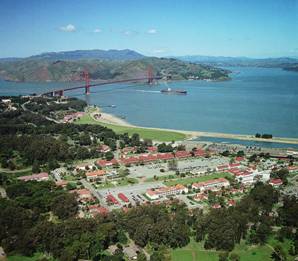
In San Francisco’s Presidio, one of the few national parks that is mandated to pay for its operations with the proceeds from development, historic preservation is often undermined by commercial concerns. And critics contend the proposal for a big new hotel at the Main Post is a prime example of that model’s shortcomings.

The Presidio Trust, a seven-member board that presides over the historically significant park, is considering a proposal by the Larkspur Hotel Group to build an 88,000-square-foot luxury hotel complex of 12 new buildings and another two current and historic buildings that would be remodeled as part of the project. Opponents say the project runs counter to the Trust’s mandate of protecting the historical and environmental character of the Presidio’s Main Post.

Originally, the Trust set out a management plan that allows for only minor construction projects at the Main Post, but the body is now seeking to amend the plan to include the massive new hotel development. When it announced its plans at a recent public meeting, it was met with overwhelming opposition from neighborhood and local preservation groups

Gary Widman, president of the Presidio Historical Association, sees the move to amend the plan as emblematic of the Trust’s refusal to work collaboratively with the community. “People are frustrated by what they see as the Trust trying to put this amendment into place in a ‘stealth’ move. The Trust is not holding hearings explicitly on its proposed amendments,” he said.

Widman was also concerned with the impact that the hotel and the changes to the Presidio would have on the environment, calling the changes “consumptive, anti-sustainable and not in line with them claiming to be a green organization.”

Another opponent of the plans for the hotel is Boyd de Larios, a representative of Descendants of the Anza and Portola Expeditions (DAPE), who expressed concerns about local heritage being lost forever if the trust went ahead with its plans.

“Presidio doesn’t need a hotel. People aren’t looking for another Coney Island,” he said. “They do some wonderful things but no one trusts the trust anymore.”

After the base closure in 1994, the Trust was set up to make the park self sustainable by 2013 through the use of real estate leasing and renovations to the post buildings to make the park more desirable for the private sector. Among the projects added to the park in recent years is the Walt Disney Family Museum.

Trust officials did not responded to repeated Guardian calls for comment on the issue and any additional future plans. Similarly, others have been unable to get the answers they are searching for from the trust. One community member, Richard Hanlin has been questioning the future of the Presidio for years but has still not found answers to his questions. Hanlon said he worries about the Presidio’s future.

“As it stands [the Trust] is in a very weak position,” Hanlin said, focusing on the ability of the trust to maintain and protect its valuable assets. Hanlin went on to predict the barracks buildings will be ensconced by fences and without any renovations by the end of 2013 when the federal subsidies of the Trust runs out. The lack of renovation and preservation of the old barracks buildings are particularly troubling to Hanlon, especially since they represent the roots of the Presidio as a strategically important military installation.

“History matters,” Hanlin said. “Lots of young men spent their last night there and never came back.”


The Governator: Fighting oil villains or making life easier for them?

Today’s San Francisco Chronicle contains an opinion piece by David Horsey commending Gov. Arnold Schwarzenegger, a Republican, for taking Texas oil companies Tesoro and Valero to task for attempting to subvert California’s landmark global warming legislation, AB 32.

Titled “The Governator battles villains with ‘black oil hearts,’” the piece casts Schwarzenegger as an environmental superhero facing off against a band of greedy cowboys. Tesoro and Valero have sunk millions into Proposition 23, the deceptively titled “California Jobs Initiative,” which would suspend implementation of the greenhouse-gas reduction law until unemployment drops to 5.5 percent for four consecutive quarters. Prospects are dim for such a market condition anytime soon.

“It is electrifying to hear a Republican politician expose the big corporations that relentlessly subvert public policy and the national interest,” Horsey notes. “Arnold Schwarzenegger might be leaving office with a mixed record of accomplishment, but when it comes to challenging these modern-day bandits of industry, he could be the boldest action hero we’ve got.”

Schwarzenegger deserves credit for taking a stand against oil-industry giants on this particular issue, but he’s no environmental action hero. On Sept. 30, The Governator vetoed legislation that would have improved the state’s capability to respond to oil spills.

AB 234, authored by Assembly Member Jared Huffman, would have required large vessels to deploy oil containment booms prior to fuel transfers. The Dubai Star oil spill occurred during a fuel transfer, and the precautionary measure could have lessened the impact.

Additionally, the bill would have increased existing oil fees to bolster funding for the state’s oil spill prevention and response efforts. And it would have required the State Lands Commission to report on safeguards for offshore oil drilling and response plans in the event of the failure of an oil rig’s blowout preventer. The BP oil spill demonstrated how dire the consequences can be if such a failure occurs.

“With his veto of AB 234, Governor Schwarzenegger failed miserably when it came to protecting California’s environment, public health, seabirds, and our coastal waters from oil spills,” said Marcie Keever, Oceans & Vessels Campaign Director at Friends of the Earth, which sponsored the bill along with Pacific Environment.  “Assembly Member Huffman and the Legislature worked extremely hard this year to craft AB 234 to protect the people and resources of the state of California — and with a few strokes of his pen the Governor struck a significant blow to public health and our environment.”

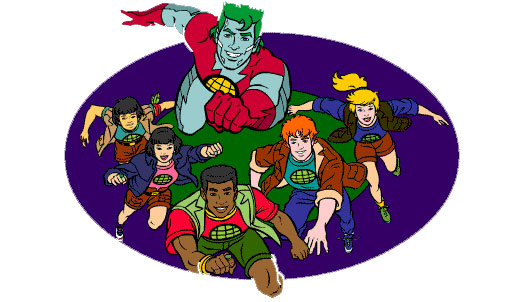
Schwarzenegger may have publicly reprimanded the Texas oil cowboys for bankrolling Prop. 23, but he’s no Captain Planet.

Our Weekly Picks: September 29-October 5, 2010

0

WEDNESDAY 29

MUSIC

Kylesa

The devil went down to Georgia, and sprinkled enough hoodoo in the water to cultivate quite a metal scene. But it ain’t just Mastodon and Baroness splitting ears in the town squares. Kylesa — you know, the band with the two drummers, the badass chick guitarist-vocalist (she’s one of two guitarists and one of three vocalists), and the coolest cover art in the biz — is about to drop its fifth full-length, Spiral Shadow. The title of lead track “Tired Climb” belies the album’s fierce riffs and heavy energy. But let’s stop pretending you weren’t going to this show anyway — local mighties High on Fire headlining the glorious Great American? With the added bonus of two ironclad openers? Can’t miss, hesher. (Cheryl Eddy)

With High On Fire and Torche

8 p.m., $20

Great American Music Hall

859 O’Farrell, SF

1-888-233-0449

www.gamhtickets.com


THURSDAY 30

DANCE

Mark Morris Dance Company

Just because his company has become a perennial audience favorite doesn’t mean we should ignore Mark Morris. After all, the acclaim is justified: there’s nobody else who — after 30 years of working — can still surprise and delight (and sometimes disappoint) us the way Morris can. This time he is bringing three West Coast premieres. If the buzz wafting in from the East Coast is any indication, the new Socrates set to Satie’s oratorio “Socrate” (piano and voice) should be outstanding. It will be performed with the stark Behemoth — Morris’ only no-music piece — and Looky, his bemused take on pretentious museum-going in which the inmates take over the show. (Rita Felciano)

Thurs/30–Sat/2, 8 p.m.;

Sun/3, 3 p.m., $34–$72

Zellerbach Hall

Bancroft at Telegraph, UC Berkeley, Berk.

(510) 642-9988

www.calperformances.org


DANCE

Lizz Roman and Dancers

San Francisco’s Gingerbread Danzhaus is the only venue in the city to provide dance studio space to professional companies while also serving as a nightclub in the after-hours. This weekend it will also be the seat of Lizz Roman and Dancers new site-specific work This Dance This Place, which aims to bring the architecture of Danzhaus to life through an interactive dance performance challenging viewers to really see the nooks and crannies of the space. With a live sound score, collaborative lighting and costume design, and dancers streaming from every danceable doorway, crevice, and ledge, this performance is sure to provoke thought on where and how dance is presented. (Emmaly Weiderholt)

Through Oct. 9

Thurs.–Sat., 8 p.m., $20

Danzhaus

1275 Connecticut, SF

www.lizzromananddancers.com


FRIDAY 1

DANCE

Nina Haft and Company

A few years ago, visitors to Zaccho Dance Theatre’s third-story performance space could look down onto San Francisco’s last working farm. The Bayside venue seems uniquely appropriate for Nina Haft’s site-specific Debris/Flows. Collaborating with German-born, Italian-trained Claudia Borna, the two women transformed this former warehouse space into a natural environment for 12 dancers to explore both outer and inner landscapes. In addition to watching the performance, audiences can contribute to Zaccho’s environment by planting seeds and eating food from local gardens. The dozen dancers will help you navigate the labyrinth. (Felciano)

Fri/1–Sat/2, 8 p.m. (also Sat/2, 6 p.m.);

Sun/3, 6 p.m., $12–>$18

Zaccho Dance Theatre

1777 Yosemite, Suite 330, SF

(510) 325-5646

www.brownpapertickets.com


MUSIC

Drums

A lot of the Drums’ music mines the sounds of the 1950s, smooshing it up with the more saccharine output of the Smiths and New Order, but there’s a lull halfway through the New York City band’s debut album where its intentions really become clear. A slower song than the rest of the album, “Down By The Water” mimics the believable earnestness of ’50s crooners completely without pretension. The Drums have been accused of lacking individualism, which is a fairly valid criticism considering you could drop some of their more upbeat tracks into a Smiths album and no one would bat an eye. But in latching onto eras where simplicity was something to be celebrated, the band succeeds by being sincere when tongue in cheek would have been way “cooler.” (Peter Galvin)

With the Young Friends

9 p.m., $15

Independent

628 Divisadero, SF

(415) 771-1421

www.theindependentsf.com


DANCE

SMUIN BALLET

Although the Smuin Ballet may be considered a relatively small ballet company, there’s nothing small about the renowned choreographers and kick-ass dancers Smuin attracts. Founded by Michael Smuin in 1994 and now under the artistic direction of Celia Fushille, the company presents classical ballet with a contemporary edge. It kicks off its 2010-11 home season with a fall program that includes the world premiere of Oh, Inverted World — set to the indie rock band the Shins and choreographed by the illustrious Trey McIntyre — as well as Michael Smuin’s twangy Bluegrass/Slyde and his more lyrical Brahms-Haydn Variations. (Katie Gaydos)

Through Oct. 9

8 p.m. (no show Mon/4);

Additional shows Sat/2–Sun/3, 2 p.m.), $20–$62

Palace of Fine Arts Theater

3301 Lyon, SF

(415) 978-2787

www.smuinballet.org


SATURDAY 2

FILM

The Incredible Shrinking Man

Ever get the feeling you’re being dwarfed by what’s going on around you in life? Well, that’s exactly what happens to the main character in the 1957 Jack Arnold sci-fi classic The Incredible Shrinking Man, in which a freak accident causes him to get smaller and smaller with every passing day. Featuring a host of inventive special effects and memorable scenes (among them his epic battle with a house spider), the movie screens tonight as part of the San Francisco Film Society’s annual “Film In The Fog” event. Let’s hope nature cooperates and offers up a little bit of a spooky mist to make for a cool and creepy early Halloween celebration. (Sean McCourt)

5 p.m. picnic, 7 p.m. film, free

Presidio, Moraga at Arguello, SF

www.sffs.org


MUSIC

The Sword

Austin, Texas, retro-metallers the Sword are in space. This summer, new album Warp Riders saw them rocket into full-fledged concept album territory, weaving a epic saga of interplanetary travel and mystical sci-fi warriors on a loom composed of Orange amplifiers. As fall descends, they’re taking the tunes and tales on the road, and their SF date marks the second stop on a grueling national run. Fans will be eager to bask in a bevy of new songs performed live, and the band’s adroit playing on the new record bodes extremely well for the experience. Prepare for blast-off! (Ben Richardson)

With Karma to Burn and Mount Carmel

8:30 p.m., $20

Regency Ballroom

1290 Sutter, SF

1-800-745-3000

www.theregencyballroom.com


FILM

American Splendor

Who is Cleveland’s most beloved figure? A few months ago the answer may have seemed obvious: superhuman baller LeBron James. At least until he got on the ESPN grandstand and announced he was going to Miami. Four days later Harvey Pekar died, and it put everything in perspective. A cranky file clerk who wrote wonderfully mundane comics about life’s pedestrian absurdities for more than 30 years, Pekar was an unlikely fit for the limelight (with legendary Letterman appearances to prove it). Fame found him nonetheless, culminating in this 2003 biopic featuring not only a suitable portrayal by the continually wincing Paul Giamatti, but also the inimitable figure himself. A fine entry into a persistent legacy. (Ryan Prendiville)

8:30 p.m., $5.50–$9.50

Pacific Film Archive

2575 Bancroft, Berk.

(510) 642-5249

www.bampfa.berkeley.edu


SUNDAY 3

EVENT

Estria Invitational Graffiti Battle

Graffiti’s outgrown furtive leaps over cyclone fencing and dark alley deployment. These days street art is a community builder, the old pros from the 1980s golden age having become teachers and respected figures in the art world. But that doesn’t mean it’s gotten stuffy. Case in point: Bay Area graff legend Estria Miyashiro’s free annual spray-off in the park. Names that are no strangers to the city’s bus stops, brick walls, and freight trains will be present to participate in and judge live painting: Nate1, Crayone TWS, and 2009’s champ Vogue TDK among them. Mix in stencil workshops, a youth sketchbook competition, and artist signings, and you’ve got a multi-generational homage to the art of aerosol. (Caitlin Donohue)

11 a.m.–5 p.m., free

DeFremery Park

1651 Adeline, Oakl.

(510) 895-5700

www.estriabattle.com


MONDAY 4

MUSIC

Guitar Wolf

In the future, anthropologists will study Guitar Wolf to calculate the speed of pop culture. The musical equivalent of Engrish, the trio channels Ramones-era punk rock (leather and all) to create Japanese “jet rock ‘n’ roll,” a louder, noisier, and enjoyably unintelligible hybrid. Tonight the band ends its first U.S. tour in five years, also the first since the death of bassist Billy. “However, it is not, not necessary to worry,” lead singer Seiji says on the band’s website. “New bassist player U.G.! U.G. is terrible! It is jet terrible! It fight! It fight rock! I will show Guitar Wolf is reborn to you!” (Prendiville)

With Hans Condor, Midnite Snaxxx, and DJ Classic Bar Music

9 p.m., $15

Bottom of the Hill

1233 17th St., SF

(415) 621-4455

www.bottomofthehill.com


TUESDAY 5

MUSIC

Guided By Voices

Ringleader Robert Pollard is rounding up the rest of indie rock giants Guided By Voices for a one-time reunion tour to commemorate Matador Records’ 21st anniversary. And this isn’t some half-ass reunion, either. This is the GBV lineup of the mid-1990s that spawned much-beloved albums such as Bee Thousand and Alien Lanes. Pollard’s been just as prolific on his own as he was before the group’s breakup in 2004, but there is just no comparing his solo work to GBV’s catalog. Don’t miss your chance to see one of the most influential indie rock bands of the past 20 years one last time. (Landon Moblad)

With Times New Viking

8 p.m., $24

Warfield

982 Market, SF

(415) 345-0900

www.thewarfieldtheatre.com 


The Guardian listings deadline is two weeks prior to our Wednesday publication date. To submit an item for consideration, please include the title of the event, a brief description of the event, date and time, venue name, street address (listing cross streets only isn’t sufficient), city, telephone number readers can call for more information, telephone number for media, and admission costs. Send information to Listings, the Guardian Building, 135 Mississippi St., SF, CA 94107; fax to (415) 487-2506; or e-mail (paste press release into e-mail body — no text attachments, please) to listings@sfbg.com. We cannot guarantee the return of photos, but enclosing an SASE helps. Digital photos may be submitted in jpeg format; the image must be at least 240 dpi and four inches by six inches in size. We regret we cannot accept listings over the phone.

The real Steve Moss

83

Some folks are so mad about D. 10 candidate Steve Moss that they have put together a website titled The Real Steve Moss that pulls together public records and poses a series of questions in an effort to make Moss provide concrete answers about his residency and his handling of tax-payer dollars before the November election rolls around.

“If Mr. Moss believes that he is such a great candidate, we suggest he answer critics instead of hiding out and just dodging the questions,” The Real Steve Moss website states. “Anyone who won’t answer direct questions while running, certainly won’t in office.”

The website challenges Moss to provide more details about his residency, including the exact date he moved back to D10, the identity and move-in date of the person(s) currently living in his Dolores Park home in D8, along with copies of his utility, internet, cable and telephone bills and records from his D8 Dolores Park home and the place he is currently renting in 18th Street to prove Moss’ residency claims.

“If your Dolores home wasn’t occupied till August 2010, did you maintain services such as Internet, cable and telephone, and if so why?” the website asks.

The Real Steve Moss also drills into questions about the $1.5 million that the Department of the Environment paid to Moss’ private company, M-Cubed.
Last week, the Department of Environment confirmed to the Guardian that a grant was awarded to M-Cubed sometime between 2000 and 2001. 
“The total amount of the agreement was $1.5 million and the purpose of the agreement was to set up an energy cooperative in Bayview Hunter’s Point,” the Department told us.

Yet, 990 forms filed by Moss’s SF Community Power Cooperative and his parallel SF Community Power non-profit in 2002 and 2003 do not reflect large infusions of tax payer dollars that the City reportedly paid to Moss’ private company M.Cubed to set up an energy cooperative.

As “The Real Steve Moss” notes, “information easily obtained from Mr.Moss’ for profit, non-profit, and campaign websites do not appear to match records obtained from the City, State or the IRS.”

And while the Guardian waits for the Department of the Environment to respond to our request for more information about this grant, The Real Steve Moss drills into other questions about Moss’ money flow.

“What exactly did you do with the $4m plus in mostly public and private funding that you stated was to create a newswire and help Bayview Hunters Point residents?” The Real Steve Moss  asks, presumably referring to, amongst other donations, a series of $50,000 grants that the Goldman Fund, where Moss’ wife works, paid to Moss’ SF Community Power.

“Exactly how many paid jobs did you create and for how long? Why is your non-profit paying such a lot of rent and for what? Why is your non-profit’s communications bills so high? How much money did you pay yourself from your non-profit and for profit companies funded in majority by taxpayer funds?”
Hopefully, Moss will respond to these and other questions posed at The Real Steve Moss with concrete evidence. And soon. So, stay tuned.

http://www.sfbg.com/politics/2010/09/21/plan-c-endorses-sweet-and-moss-d10

Walk SF goes pro as pedestrians get priority

2

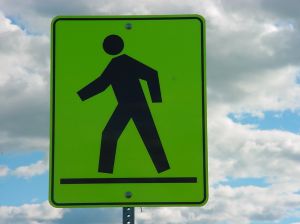
Walk San Francisco, a longtime pedestrian advocacy organization in San Francisco, wants us all on our feet and in the streets. This week, the organization welcomed Elizabeth Stampe to their nonprofit team as executive director — its first executive director in four years – just as the city of San Francisco has made it official policy to promote walking over other transportation options.

With the help of Stampe, who spent eight years as communications director for the Greenbelt Alliance, Walk SF plans to improve overall street safety and increase pedestrian activity throughout the City. However, with Stampe’s plans to make San Francisco “the most walkable city in America,” there also comes a fair share of speed bumps to take into consideration. For one thing, the desire to keep all pedestrians in a large metropolis safe is about as simple as keeping Tiger Woods celibate — the issue may never be completely resolved.

Walk SF, although welcomes Stampe with whole heartedness, will need to step up their game funding-wise now that they have officially gone pro. “We’re looking for all of the funding we can find right now,” Stampe said. “Especially right now funding is not a sure thing”

Getting San Franciscans walking instead of driving may be an arduous task, but it is a task Stampe is ready to take on. She said organizing and promoting street events is “a way of showing that we can use streets in a different way,” other than solely attempting to exterminate the notion of an unsafe road. “That’s something we really want to build here.”

Walk SF’s number one goal is to safeguard pedestrians and make walking fun again. However even though walking provides fabulous oxygen circulation as well as exercise, being a pedestrian can sometimes become a high risk activity. In a report released in 2009 by Transportation for America, studies showed that 27 percent of all traffic deaths in the San Francisco region —which includes Oakland and Fremont — were pedestrians.

The study also reported that there were 72 pedestrian fatalities in the SF region in 2008, which rose from 64 in 2007. Transportation for America also refers to potentially hazardous roads as “dangerous by design roadways,” which Stampe describes as any type of road that encourages fast driving.

“Pedestrians also have the right to speak up for safety,” Stampe said. “There are [dangerous by design roadways] in San Francisco, where there’s very little to influence cars to slow down.”

While San Francisco’s hilly streets make for a thrilling car ride, the amount of pedestrian-vehicle collisions that take place in this city alone are enough to shoot down any race car driver dreams of careening down Nob Hill.

Stampe mentioned well-known streets such as 19th Avenue, Masonic Avenue, and Monterey Boulevard as some of the most prominent dangerous by design roadways, listing several priorities in promoting pedestrianism.

“The first thing is for there to be more equity in how funding is distributed,” Stampe said. “Right now much more money goes towards funding for cars than sidewalks.” 

A way in which this may soon change can be found in Proposition AA, which is on the ballot for this November’s elections. Walk SF Board President Manish Champsee explained how Prop AA will help strengthen sidewalk safety and promote more walking.

“It is a vehicle registration fee, projected to bring about $5 million a year,” Champsee said. “It costs $10 every time you register your car.”

If passed, 50 percent of Prop AA funding will go to road resurfacing, 25 percent will go towards transit reliability improvements, and another 25 percent for pedestrian safety. Champsee tells us about what his organization calls “walkability,” which makes places inviting to walk through and deflects local street crime.

“There should be active ground floor uses,” Champsee said. “At street level,you should have retail, eyes on the street.”

After traveling the world, Stampe feels inspired by street culture abroad and hopes to bring that same environment to San Francisco. She explained that in places like India and other Asian countries, “what you realize is that people are paying much more attention there,” regardless of the J-walking cows and street vendors blocking the road.

Champsee’s street-life inspiration lies in bicycle communities like Amsterdam and sidewalk café culture in Paris. Community events such as Sunday Streets, in which San Francisco city streets are temporarily closed and completely open to pedestrians, are what members of Walk SF hope to see more of.

Walk SF’s own event, Peak to Peak, will take place Oct. 16, and hundreds of walkers will make the trek from one side of the city to the other. “There are 10 different peaks,” Chamsee said. “You see parts of the city that not many have seen before.”

From advocating the reduction of car use to asserting local speed limits, Walk SF clearly has a lot in store for our city. And when asked if we can expect anything like Bay to Breakers from Peak to Peak, Stampe replied, “Probably, but with fewer naked people.”


Trash war hits Chamber of Commerce lunch

3

The San Francisco Chamber of Commerce is hosting a lunch with Recology today in an apparent effort to push a garbage transportation/disposal contract that the Board of Supervisors hasn’t yet approved.

The Guardian wrote about this ongoing landfill disposal contract dispute between Recology and Waste Management earlier this year, and to date, the Board has not voted on the matter.

But judging from the tone of the following press release, the Chamber, whose incoming chair elect is Recology Vice President John Legnitto, has already made its decision:

“Please join us for a lunch with Recology to learn about the San Francisco’s garbage by Green Rail to Ostrom Road project,” the Chamber states, noting that until the city’s goal of zero waste is reached, “some material will still need to be sent to landfill.”
“A panel of city officials from San Francisco and Oakland chose Recology Ostrom Road Landfill to receive garbage from San Francisco after the city’s current landfill agreement ends in 2015,” the Chamber continues, without bothering to note that this plan involves hauling the city’s waste all the way to Yuba County, which is three times further away than San Francisco’s current waste disposal contract with Waste Management at the Altamont Landfill, near Livermore.

“Officials say the plan to ship San Francisco’s garbage by Green Rail to Ostrom Road is the most cost-effective and environmental option for transporting waste,” the Chamber continues.  “Rail haul is at least three times more efficient than trucking, takes trucks off the road, and cuts fuel consumption and air emissions.” And it encourages folks to learn more about the plan to ship the city’s garbage to Ostrom Road, by visiting Recology’s Ostrom Road site:

Not to be outdone, Waste Management, Inc.has put together a video clip that features on-the-street interviews in downtown San Francisco with local residents–including an amazing “Statue Man” in Justin Herman Plaza– about its competing plan to convert San Francisco’s garbage into liquid natural gas that would then fuels its garbage trucks.

Meanwhile, the Sierra Club has asked the Board of Supervisors to schedule a public hearing. In a September 17 email, sent to Board President David Chiu and the rest of the Board, Rebecca Evans, chair of the Sierra Club’s San Francisco Group, requested that the Board hold a public information hearing on the current status of the City’s contract for landfill operations, starting in 2015.  

“Some months ago, the Department of the Environment ‘selected’ Recology’s proposal to transport San Francisco’s waste to Yuba County,” Evans notes. “A contract was to be released in June 2010.  We understand the confidential nature of contract negotiations but it is September and no further information has been made public.”

“To be clear, the San Francisco Bay Chapter has no policy position on the plan to move landfill operations from the current Waste Management Alameda County Altamont site to Recology’s Ostrom Road destination,” Evans clarifies. “However our chapter and the Club’s Mother Lode Chapter have strong interests in the proposal and how it might be carried out. We ask you to hold a hearing in the near future so that the public can have a fuller understanding of this important issue.”


The Other kind of SF comedy makes a comeback

0

“The stage used to be right here.” Bob Ayres, founding partner of the classic Haight-Ashbury stand up comedy club, The Other Café, is sitting in his old yuckster stomping grounds, now a neighborhood crepery. He’s gesturing to the corner of the restaurant, roughly where we’re sitting, and where his small stage used to host everyone from Robin Williams to Jerry Seinfeld. Now in its place it’s just me and Bob and a guy eating a sandwich two tables down. Could a desire for resurrection be driving Ayres’ Other Café reunion show this weekend (Sat/25)?

Ayres, fresh back from living in Nevada City (“I missed my peeps”) is now rocking an impressive Jew ‘fro and a distinctive pendant under a partially unbuttoned shirt.  Over a bottle of mineral water and a cup of coffee we chat about just what San Francisco misses about the scene at The Other, which he opened with partner Steve Zamek in 1977. It was initially a place for bluegrass shows as well as the comedy it eventually chose to specialize in. 

Located in a neighborhood known for its progressive values – “the Haight was ground zero for that,” Ayres tells me — the club gained a reputation for comedians that avoided berating their audience and using swear words or “take my wife” jokes as a cheap crutch for laughs. Eschewing liquor sales and smoking inside the club doors (perhaps the first venue in California to do so), the team cultivated an environment that was less a meat market, bar-like ambience, and more a place where people came to hear consistently good jokes. 

A generation of comedians with sitcoms built around their act would come up from L.A. to play the cafe, agents sent up their big name clients to practice their material for the Tonight Show in front of an audience that could appreciate clean jokes. When the club first opened, the glut of comedy now available on cable was merely a glimmer in the distance, long before the 1990 merger of the Ha! Channel and Comedy Central that brought stand up into living rooms from San Francisco to San Antonio. Clubs like these were where comedy lovers came to see everyone who was new and hot. “It became the hottest thing around for three to four years,” says Ayres.

A young Jay Leno holds the mic to his chin at the Other, circa 1980

With an official crowd capacity of 49, the Other would regularly squeeze in 180 comedy fans for local favorites like Dana Carvey, who pioneered his “Church Lady” character right where I’m sipping my cup of soy milk and medium roast. “Our doorman was always on the lookout for the fire marshall,” Ayres tells me. So you could squeeze everyone out the back door real quick if he came? “We didn’t have a back door. That was another problem,” he laughs.

A community of sorts formed around the Other, whose staff was dedicated to promoting unique, non-repetitive shows that they themselves would watch. Some employees were more passionate about punchlines than others – Paula Poundstone washed dishes in the Other Café’s kitchen before she made the leap to the stage, knowing the neighborhood well enough to even time comments about the perennially empty 10 p.m. #37 Corbett Muni bus, which would thunder past the club each evening when the headliner was onstage. 

One such night, Poundstone stopped her set, strode out the door and boarded the bus, leaving club staff to cover the mid-set interruption. Slightly uncomfortable for those left behind, yes, but indicative of a place where comedians felt comfortable experimenting with their act. “That was a time when it was more funny to tell the story later,” Ayres tells me. That said, he relished those moments when the stars would go off script into moments of improv. “That’s usually when they were the best.”

I ask him what makes good comedy, and he answers with a story about his “hero,” Steve Martin. Before shows, Ayres says, Martin would stuff baloney into his shoes “so if he didn’t get laughs he could always think of the baloney.” The point being that if you can make yourself laugh, you stand a good chance of making your audience laugh as well. “I think that plays out in every part of life,” Ayres counsels me.

So what does he miss most about the days of fire code violations and impromptu sets? “Knowing there’s a great comedian in your club that night, and inviting all your friends and family. After you see a good comedy show you are happy.” Ayres remembers standing at the front door on Cole and Carl after such a night’s performance, watching smiling faces leave the club. “Then you’re high. You’re, like, doing something good for the people.”

But when I ask Ayres what young comedians he recommends for a night on the town like the ones he’s reminiscing about, he demurs to name a single one, telling me that he’s not well enough acquainted with the scene today. Look for that coyness to change: Ayres is setting up young comedian showcases in Boston, Chicago, and New York over the next year. He says he’ll be checking out possible acts for upcoming shows he’ll be putting together in the Bay Area. 

“It’s clear to me that we have a following: an older crowd who wants a more focused, comfortable setting,” he tells me with an air of a man who knows that he knows what he knows. Look to his reunion show this weekend, then, not just for a look at once was, but possibly what will be for San Francisco comedy.

The Other Café reunion show

Sat/25 7:30 p.m., $70

Palace of Fine Arts

3601 Lyon, SF

(415) 563-6504

www.theothercafe.com


For sale: Panhandle Bandshell

1

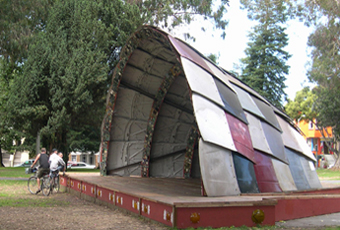
If you’re an environmentally minded lover of the arts who wants to start hosting cool gatherings on your property, have we got a centerpiece for you! Remember the Panhandle Bandshell? That was the temporary performance venue that a group of local artists built from old car hoods and other recycled materials back in 2007. And now, for the right price, it can be yours.

“It’s a classic bandshell and the ideal use is for community to gather and performers to do their things,” says Will Chase of Finch Mob, which collaborated on the project with Rebar and CMG Landscape Architecture. “If people are interested in recycling and reuse, this is a great example of that in action.”

After its initial (slightly controversial) run on the Panhandle in the summer of 2007, where it hosted regular performances, the bandshell has been more recently been on display at Fort Mason, from where it must be removed by Oct. 8.

Its artist-owners have the opportunity now to move it out to Treasure Island, either for storage or display, but first they wanted to see whether a private party would want to give it a more permanent home. They’re hoping to pull down around $30,000 for the piece, which they’ll pour into other projects, so make them an offer if you’re interested. Contact info and details on the piece can be found on their website.

Ships and whales don’t mix

3

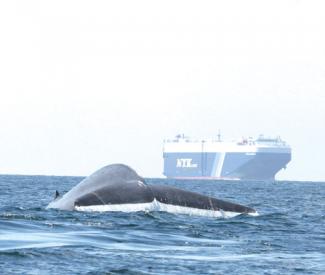
Earlier this year, the Guardian reported on ongoing efforts to address threats to whales posed by huge shipping vessels in and around the San Francisco Bay. In addition to fatally striking the marine mammals – many of which are already on the decline under strain from myriad environmental pressures – cargo ships may inhibit whales’ ability to locate food, mates, or their young by masking the sounds they rely upon for those behaviors.

So it was especially sad to read the news on Sept. 16 that a whale carcass was found on the bow of a container ship coming into the Port of Oakland, especially if biologists determine that it was indeed an endangered blue whale. According to a researcher from Scripps Institution of Oceanography who we interviewed for the story, there are so few blue whales left that if even two die from ship strikes every few years, the entire species could be imperiled.

We received this statement from Jackie Dragon, marine sanctuaries program director for Pacific Environment:

“Another dead whale on the bow of a ship is a reminder that ships and whales don’t mix. Yet with the ever increasing number of ships calling on the busy Port of Oakland, and the fact that all ships must drive through the vital whale-rich marine sanctuary waters just beyond the Golden Gate – we need to step up our efforts to find ways to keep whales and ships apart.”

Benefits: Sept 8-Sept 14

0

Ways to have fun while giving back this week


Thursday, Sept. 9

Coalition on Homelessness Auction
Attend this live and silent art auction featuring works by Bay Area artists, live music by Perranosperous, food by the California Culinary Academy, desserts from Kingdom Cake, and a raffle. Proceeds to benefit the Coalition on Homelessness.
5:30 p.m., $25
SOMArts
934 Brannan, SF
(415) 346-3740, ext. 307


Faubourg Tremé

Watch this documentary film about the history of the radical roots of one New Orleans community, where during slavery, Black people could earn their freedom and purchase a house. The film, fully titled Faubourg Tremé: The Untold Story of Black New Orleans, concludes with new challenges facing the Black community after the Katrina disaster.
7:30 p.m., $6 donation
ATA Theater
992 Valencia, SF
(415) 821-6545

Free Community Health Programs
Support two free community health programs at this benefit concert featuring Embers, Speed of Darkness, Somnolence, and Crucifixion. One of the programs, the Street Level Health Project, offers medical screenings, a lunch program, mental health support, herbal medicine and nutrition, and more services for urban immigrant communities in the Bay Area. The other program, Casa Besu, aims to bring alternative, holistic treatments to the people of the Navajo Nation in New Mexico.
8 p.m., $5-$10
El Rio
3158 Mission, SF
(510) 533-9906

Saturday, Sept. 11


A’s Firefighter Appreciation Night

Local firefighters from around the Bay Area and Northern California will be honored at the Oakland A’s vs. Red Socks game. A portion of the ticket proceeds will be donated to charitable organizations that support burn foundations, fire safety, educational programs, and other community organizations when you buy them through the webpage oaklandathletics.com/firefighters, passcode: HERO.
6:05pm
Oakland Coliseum
7000 Coliseum, Oakl.
(510) 563-2336
www.oaklandathletics.com/firefighters

Ghirardelli Square Chocolate Festival
Enjoy San Francisco’s signature chocolate delicacies, sip wine, and take part in family activities. Proceeds benefit Project Open Hand.
Sat. – Sun. Noon-5 p.m., $20 for 15 samples
Ghirardelli Square
900 North Point, SF
www.ghirardellisq.com


Sunday, Sept. 12


True Blood Party

Watch the Season 3 finale of HBO’s True Blood series and enjoy a night of entertainment with host comic Marcella Arguello, a live blues performance by I See Read, a lesbian firedancer show, live tattooing with SkinFiend, a look-a-like contest, Creole food, and more. Proceeds to benefit the Red Cross.
6 p.m., $25-$50
The New Parish
579 18th St., Oakl.
www.thenewparish.com

Wild Salmon BBQ
Enjoy a BBQ dinner featuring sustainably harvested wild Alaskan salmon, fine California wine, live music by the Bay, and a silent auction in celebration of the sustainable marine life of Pacific Rim and the work of Pacific Environment. Proceeds to support Pacific Environment. Vegetarian and vegan options available.
3 p.m., $60
Olympic Circle Sailing Club
1 Spinnaker, Berk.
(415) 388-8850, ext. 309

Blocking the bridge

1

sarah@sfbg.com

The Sierra Club and Golden Gate Audubon Society have sued to block the final environmental impact report on the Lennar Corp. redevelopment project, a move that could force reconsideration of a bridge over Yosemite Slough.

The suit against the city, Board of Supervisors, and Redevelopment Agency charges that the final EIR for Lennar’s Candlestick Point-Hunters Point Shipyard project was inadequate, in part because it didn’t consider all the impacts of the bridge or look properly at alternatives.

The move comes as no big surprise: these environmental groups vowed to file a suit within 30 days of the city’s August certification of the project EIR. But advocates hope it will lead to a change in the proposal.

Arthur Feinstein, a member of the Sierra Club’s San Francisco Bay Chapter, said the EIR didn’t comply with the California Environmental Quality Act, or CEQA.

The introduction to the Sierra Club suit notes that “the FEIR failed to identify or underestimated the significance of environmental impacts associated with the project; failed to address the alternative proposed by Arc Ecology, which provides for a bus rapid transit route around Yosemite Slough; and failed to provide adequate responses to comments on the draft EIR.”

Or as Feinstein puts it: “There’s a bridge, and it’s going through a nature area where they say the sound level from the buses will be the equivalent to standing 50 feet from a freeway.

“They say there is no impact and that you can’t have an undisturbed nature experience in an urban area, but you can,” Feinstein continued, pointing to the Presidio, Golden Gate Park, and Crissy Field as examples of places where you can have undisturbed experiences.

Feinstein noted that Candlestick Point State Recreation Area is the only large park on the city’s eastern shoreline, and the only park that people in the Bayview can access easily.

“The city boasts about how much it was improving the Bayview, but this park is the only major open space where you can get away from urban stress — and folks have a lot of stress in the Bayview,” Feinstein said. He added that building the bridge will involve sinking pilings in Yosemite Slough that will disturb wildlife and stir up PCBs and other known contaminants.

“Noise, light and glare all have impacts on wildlife, but the city’s EIR said these are insignificant because these critters are insignificant,” Feinstein said.

Feinstein noted that the city’s final environmental impact report did make a finding of overriding concern that the project will cause air pollution at levels that exceed Bay Area Air Quality Management District (BAAQMD) health standards.

“But [the city] decided that this was a regional problem, so they did not attempt any mitigations for the 25,000 new residents that this 700-acre redevelopment plan is supposed to bring into the Bayview — which already has the city’s highest asthma and cancer rate and the largest number of polluting sources,” Feinstein said. “But they could say that all buses going into the development need to be electrified, or they could limit the number of parking spaces the way they did at Octavia-Market and South of Market.”

Feinstein said the next step in this CEQA lawsuit in a pretrial negotiation session to see if a settlement can be reached. “We’re not looking for a long drawn out fight. We’re ready for one, but we’re also ready to negotiate because that’s how you achieve things.”

Feinstein also noted that the Sierra Club had to go to Los Angeles to hire a traffic consultant to work on its suit because Lennar has contracts with just about every shop in the Bay Area, thanks to its various projects at Hunters Point, Treasure Island, and Mare Island.

“The related problem is that the city is no longer looking at the project with a steely eye,” Feinstein said. “Instead, they have become the developer — except that they are working with Lennar and not reviewing Lennar’s plans with objectivity. By filing this lawsuit, we’re keeping the conversation about this project alive and reminding folks that you don’t have to take everything this mayor and his administration gives you.”

The Sierra Club/Audubon Society suit came four days after the San Francisco Chronicle reported that the California State Parks Foundation entered into an agreement with Lennar to help prepare conceptual designs that reportedly will be used as the basis for the actual bridge over the Yosemite Slough.

Some critics interpreted the timing of CSPF’s announcement, which the Chronicle reported under a confusing “Environmentalists to help design span” headline, as an attempt by Lennar’s well-oiled PR machine to undermine the Sierra Club/Audubon Society suit.

They also questioned CSPF’s independence from Lennar, and from the Mayor’s Office, because Guillermo Rodriguez Jr. from the Mayor’s Office of Economic and Workforce Development sits on CSPF’s board. So does Peter Weiner, a partner at Paul, Hastings, Janofsky & Walker, which has contracts with Lennar. Representatives from Southern California Edison, Toyota, the Walt Disney Company, Pacific Gas and Electric Co., and several other companies that either have contracts with Lennar or have given to Mayor Gavin Newsom’s campaign for lieutenant governor campaign also sit on the park foundation board.

CPSF’s President Elizabeth Goldstein told us that “as park supporters and defenders, we consider ourselves environmentalists.” CSPF originally planned to fight approval of the project’s final EIR when it came before the board in July. But unlike the Sierra Club, CSPF pulled its appeal at the last minute.

Goldstein told the Guardian that the foundation reversed its decision because it had initiated what she characterized as “a fruitful discussion with Lennar.”

“We wanted to play that out,” Goldstein said. “And now we’re glad we did, because the design criteria look quite good and hopefully will be compatible with the project.”

“What we’ve agreed with Lennar about is a set of design criteria to be applied to the bridge, she continued. “These criteria are intended to make sure the bridge fits aesthetically into the park as much as is possible. Lennar asked us, and we agreed, to develop the first set of conceptual plans — obviously in cooperation with them — to make sure that they are, from their first iteration, as sympathetic as possible to the park.”

Goldstein said that some of these design criteria are “quite global.”

“Some are big arcs of things that are very important to us, such as impact from light, glare and noise,” she said, noting that they don’t want to see the proposed bridge lighted at night, à la the Golden Gate Bridge.

“We want the environment at dusk to be as unimpacted as possible,” she said.

Other CSPF concerns are more situation specific.

“We want safe, attractive, easy-to-use signage,” Goldstein said, referring to need to help users and neighbors find their way around and across the bridge. “We also talk about minimizing piers in the water at the slough, and if possible, eliminating them altogether since they impact vehicles and kayaks.”

Goldstein agreed that the foundation’s roots are not in political advocacy. “We were founded as a philanthropic land acquisition partner to the Department of State Parks.” But she noted that the group was involved in blocking a proposed toll road through Orange County and is a leading supporter of Proposition 21, which seeks to raise nearly $500 million a year for state parks by tacking on an $18 vehicle registration fee that would give all vehicles registered in California free access to the majority of state parks.

As Feinstein observed, “The CSPF does great work, but they are not usually advocates for conservation and biodiversity. That is what the club and Audubon Society does.”

Stuart Flashman, attorney for the Sierra Club and the Golden Gate Audubon Society, said that in the long run the lawsuit won’t stop the project from going forward. “But in the short term, if the court finds that the EIR wasn’t adequate and that there are significant impacts from the bridge that could have been avoided, then the city has to go back and redo that part of the EIR, a process that could take two to four months. And if they conclude, yeah, the impacts from the bridge are unavoidable, then they’d have to redo it to go around the slough.”

Flashman says he hasn’t seen the proposal CPSF and Lennar are working on. “But as part of this suit, we are required to sit down with the city and see if we can settle — and we are hopeful we can do that.”

On the Cheap listings

0

On the Cheap listings are compiled by Paula Connelly. Submit items for the listings at listings@sfbg.com.

WEDNESDAY 8

California Nights California Historical Society Museum, 678 Mission, SF; (415) 357-1848. 5pm, free. Explore the history of California through the Historical Society’s collection of artwork and artifacts pertaining to the Gold Rush, California’s car culture, entertainment, nature, natural disasters, and agriculture. Open house to feature music and refreshments.

THURSDAY 9

Isabel Allende Fromm Hall, USF Main Campus, 330 Parker, SF; (415) 422-6828, reservations recommended. 5:45pm, free. Attend this book signing and interview with Chilean-American author Isabel Allende, one of the best known authors in Latin America whose books have been translated into 27 languages. Allende’s new book, Island Beneath the Sea, marks her return to historical fiction, with a nine year old heroine who is sold into slavery in eighteenth century Santo Domingo.

BAY AREA

Dreamgirls Jack London Square, 2 Webster, Oakl.; www.jacklondonsquare.com. 7:30pm, free. Channel your inner diva at this outdoor showing of Dreamgirls, the award winning musical about the history of Motown Records and The Supremes. There will also be a Motown karaoke contest with prizes.

FRIDAY 10

Ceramics Annual Herbst Pavilion, Fort Mason, Laguna at Beach, SF; www.ceramicsannual.org. Fri. and Sat. 10am-8pm, Sun. 10am-6pm; $10. Enjoy a comprehensive, current survey of ceramic art at this three day exhibition and fair featuring lectures, educational panels, tours, featured artwork by well-known artists, artistic childcare, and more. Kids under 18 get in for free.

Live Roleplaying Games Southern Exposure, 3030 20th St., SF; (415) 863-2141. 7:30pm, free. Since the birth of New Age sensibilities, people have sworn by the use of live role playing games to free oneself from the confines of social identity. Artist Brody Condon and Nordic live roleplaying game designers Bjarke Pedersen and Tobias Wrigstad will discuss the upcoming participatory performance on Sept. 16-18 called "LevelFive," talk about general character creation and preparation, and show examples of other live games from the past 10 years.

SATURDAY 11

Celebrate Larry Eigner Unitarian Center, 1187 Franklin, SF; www.sfsu.edu/~poetry. 7:30pm, $10. Attend this tribute to the life and work of Larry Eigner, a poet who overcame Cerebral palsy to become an influential figure in the Black Mountain school of poetry and also a major influence in the Language School of poetry, featuring readings by Richard Eigner, Robert Grenier, Norma Cole, Steve Dickison, Stephen Farmer, Jack and Adelle Foley, Kathleen Frumkin, and more.

Cooking Tomatoes and Peppers Ferry Plaza, 1 Ferry Building, Market at Embarcadero, SF; (415) 291-3276. 11am, free. Watch two seasonal cooking demonstrations using tomatoes and peppers, starting with Joyce Goldstein, author of Mediterranean Fresh, and followed by Sandra Keros, of Sandra Keros Inc. Pick up some tomatoes and peppers at the farmer’s market so you can go home and try out some of your new tricks.

Gesneriads San Francisco County Fair Building, 9th Ave. at Lincoln, SF; www.sfgesneriads.org. 10am, free. Start a collection or expand an existing one of these exotic and rare indoor plants which include African Violets, Flame Violets, Cape Primrose, Goldfish Plants, and many other varieties. Prices of cuttings range from $1-$3 and plants from $3-$8 or more for rare specimens. Experts will be on hand with tips and advice.

Power to the Peaceful Speedway Meadow, Golden Gate Park, SF; www.powertothepeacful.org. 9am-5pm, $5 suggested donation. Attend this unique music, arts, action, and yoga festival that aims to educate attendees on issues of social justice, non-violence, cultural coexistence, and environmental sustainability. The day starts with 1,000 yogis for peace, followed by an all-star line up of musical acts starting at 11am including Michael Franti and Spearhead, Rebelution, Rupa and the April Fishes, Sellassie, and more. Also featuring speakers, a DJ tent, exhibitors, food vendors, and more.

Solar Quest Meet at Koshland Park, Page at Buchanan, SF; www.sfbike.org. 9:45am, $5 donation. Take a tour of residential and commercial solar systems in San Francisco and learn how local efforts can help create a sustainable environment and economy, like how one San Franciscan organized her block to all go solar together. The two hour ride has an optional one and a half hour extension.

Writers with Drinks Make Out Room, 3225 22nd St., SF; www.writerswithdrinks.com. 7:30pm, $5-$10 sliding scale. This installment of the spoken word variety show featuring writers from different genres including novelist Brandon Sanderson, poet Shalija Patel, blogger Bonnie Burton, comedian Brian Malow, and fantasy writer Kristen Imani Kasai. Proceeds from the door to benefit StrangeHorizons, a science fiction webzine.

SUNDAY 12

Night Time Photowalk Meet at Fog City Diner, 1300 Batter, SF; www.trevorcarpenter.com. 7pm, free. Bring you camera and tripod for a night time photowalk along the Embarcadero, up past Coit Tower, to Fisherman’s Wharf, and ending in Fort Mason with experienced photowalker Trevor Carpenter. Photographers of all skill levels are welcome, even those with point-and-shoot cameras.

BAY AREA

Solano Stroll Solano between San Pablo and Alameda, SF; (510)527-5358. 10am-6pm, free. Catch the kickoff parade at 10am or a performance by one of 75 entertainers, or just enjoy the food booths, arts and crafts booths, games, art cars, and community non-profit and government organization booths. Bike parking, and free shuttle service from the North Berkeley BART station available.

Psychic Dream Astrology

0

Sept. 8–14

Mercury goes direct Sept. 12!

ARIES

March 21-April 19

Anxiety and uncertainty threaten to undermine your awesomeness this week. Be bold and direct without making too many promises, Aries — there is a bucket of variables that have yet to reveal themselves.

TAURUS

April 20-May 20

Don’t hesitate to pursue intimacy, Taurus. Trust your impulses and take some risks this week, especially in the realm of relationships. Whether you need to mend fences or jump them, the time is now.

GEMINI

May 21-June 21

You have to slow down so you can realign with the big picture, Twin Star. Major change is in the air, and you have to take care. You’re in the midst of a huge growth cycle. Make the best of it by paying attention.

CANCER

June 22-July 22

This week it’s all about how you get there, not just where you’re going. Make sure that if you think it’s grand to be nice that you act that way, and if you want to be healthier you actually exercise. Walk your talk or clam up.

LEO

July 23-Aug. 22

Feel a case of the sads? Take a good look at what’s getting you down and tend to it. If you’re not proactive, your self-esteem may get a real whopping. Bolster your sense of self at all costs this week.

VIRGO

Aug. 23-Sept. 22

Come the end of the week, communicate your ass off. Spend your time getting grounded and taking care of your foundations until the 12th. Make plans and speak your mind in celebration of Mercury going direct!

LIBRA

Sept. 23-Oct. 22

Saturn traipsing through your sign wants you to grow a pair already! That means taking responsibility for you. Get clear about your dos and don’ts, then tell it on the mountain. Let others know your needs and limits.

SCORPIO

Oct. 23-Nov. 21

People are likely to slow you down this week, and its best not to fight it. Take any stalls as an opportunity to tighten your game. Forge plans and tend to details you’ve been putting off. Create the environment for your successes.

SAGITTARIUS

Nov. 22-Dec. 21

You’re likely to encounter a loss or heartache this week that is a blessing in disguise. Its time for you to value yourself so highly that you stubbornly invest in the things that bring you sustainable joy.

CAPRICORN

Dec. 22-Jan. 19

This week may find you letting go in a big way of some thing, idea, or person that you’ve been hecka identified with. Be brave! If your motives are love and zest for life, it will all turn out awesomely. Go for gold.

AQUARIUS

Jan. 20-Feb. 18

The crappy thing about depressive feelings is that it robs you of the will to do what you gotta do to feel better. Decide to improve your lot. Invest in creative thinking, even if you need a time out to get there.

PISCES

Feb. 19-March 20

You need time to emotionally integrate what’s going on in your life. It’s time to shower yourself with a healthy dose of TLC. Move through emo terrain in a way that allows you to handle it gracefully.

Jessica Lanyadoo has been a Psychic Dreamer for 16 years. Check out her website at www.lovelanyadoo.com or contact her for an astrology or intuitive reading at (415) 336-8354 or dreamyastrology@gmail.com.

Desperately seeking 2011 bee calendars

0

Since writing about this summer’s squash bee hunt, I’ve received a number of enquiries about how to view the 2011 North American bee calendar that was referenced in my article. The answer is fairly simple: visit the website for Dr. Gretchen LeBuhn’s Great Sunflower Project or for the Xerces Society for Invertebrate Conservation.
According to native bee advocate Celeste Ets-Hokin, who produced the first ever North American Native bee calendar in 2010 in collaboration with Dr. Lebuhn, an environmental science professor at San Francisco State University, the bee calendars are a fundraising effort for Lebuhn’s Great Sunflower Project. 
“The Great Sunflower project currently boasts an online membership of roughly 80,000 citizen scientists from across the United States and Canada who have joined Dr. LeBuhn in the hunt for bees,” Ets-Hokin said.”Members plant sunflowers in their garden and time how long it takes bees to visit, allowing Dr. Lebuhn to collect data on the health of the bee community across the continent.”
Sales of the 2011 North American Bee Calendar will continue to support the research of The Great Sunflower Project, as well as the pollinator conservation efforts of the Xerces Society of Portland, Oregon.  Calendars may purchased here and here.  Hope that clears up the mystery! (Apparently, the calendars only went on sale today September 7.) And enjoy learning more about the amazing lifestyles of North American bees!

Desperately seeking squash bees

0

UPDATE! In the print version of this article, this reporter inadvertently described Anthidium maculosum as a territorial leafcutter bee. It is in fact a wool carder bee. My humble apologies to the bees and the experts who helped identify them.

Sarah@sfbg.com

GREEN This summer, I hunted squash bees. The hunt began on a sunny mid-July afternoon at the home of Celeste Ets-Hokin, an advocate for native bees who lives in Oakland and has just published a 2011 calendar on the importance of conserving bee habitats.

As Ets-Hokin explains in the forward of her calendar (available from the Xerces Society for Invertebrate Conservation), “Most of our fruit, vegetable, and seed crops depend on bees for pollination. For bees, success depends on habitat, habitat, habitat.”

Ets-Hokin has planted her own backyard, on a sunny ridge near Lake Merritt, with lavender, basil, and other bee-attracting plants. Although her yard was abuzz in midsummer with the sound of honey, bumble, carpenter, leafcutter, longhorn, and green metallic sweat bees, there was no sign of squash bees.

That’s because squash bees only visit the blossoms of squash plants and other members of the gourd family, which Ets-Hokin doesn’t grow in her yard.

So we decided to head for the trials garden next to Lake Merritt, which is funded by the University of California and the Alameda County master gardeners program.

Ets-Hokin spent the last 18 months creating a bee-attracting zone in this garden. And now she hoped to find squash bees in the garden’s vegetable patch, where squash and other vegetables are tested for suitability to the local environment.

Clad in just shorts and T-shirt, Ets-Hokin looked rather vulnerable, considering she was about to go bee hunting. But, as she explained, there was no imminent threat of stings: female bees only sting those who threaten their nest, and male bees have no stingers.

“Male squash bees live to drink (nectar) and have sex with female squash bees,” Ets-Hokin joked, as Rollin Coville, a lanky entomologist who has photographed insects for three decades, joined the squash bee hunt.

Dressed in a hat, slacks, and vest and hauling a state-of-the art camera, Coville was hoping to get shots of the elusive male squash bees, which emerge in late summer and can sometimes be found taking naps in the squash blossoms in the afternoon.

Last year Ets-Hokin produced a 2010 native bee calendar highlighting Coville’s kickass images and informative sidebars on how to attract these native pollinators to urban yards.

This year she focused on the importance of bee habitat on farms in face of proposed food safety regulations that could undermine existing federal bee conservation programs. And she hoped to use Coville’s squash bee photographs as her August 2011 pin-up shot.

But before we could escape Ets-Hokin’s yard, Coville quickly withdrew a clear vial from his vest pocket, popped it over a bee on a nearby flower, then corked the vial.

The bee began to buzz furiously.

“I think it’s a Anthidium maculosum,” Coville declared as he uncorked the vial and let what turned out to be a territorial wool carder bee go back to its business of guarding nectar in a nearby plant.

We eventually reached the trial gardens, where Coville showed me how to pry open the fleshy yellow squash flowers that lie half-hidden below the plant’s massive prickly leaves atop budding zucchini that threaten to grow as big as canoes if left unpicked.

The first dozen squash blossoms were vacant, save for a few ants and beetles, and Coville wondered aloud if late rains and a cold snap had decimated bee populations.

But then I found a squash bee sitting inside a flower like a king on a bright yellow throne. And at the next flower, six squash bees were gently napping inside.

As I tried to hold the fleshy flower petals open so Coville could photograph these sleepy males, one petal began to vibrate loudly. I let go and a male bee unwrapped itself from the petal and zoomed away into the undergrowth.

At the end of the afternoon when I thanked Ets-Hokin for inviting me on the bee hunt, she turned to Coville and laughed, “I told you she was easily entertained.”

For information about native bees, visit www.xerces.org/pollinator-resource-center.


Burners in flux

39

steve@sfbg.com

Temples are the spiritual centers and gathering places for the communities that build them, standing as testaments to their faith. In traditional culture, they are lasting monuments. At Burning Man, these complex, beautiful structures are destroyed at the end of the festival.

Building something that takes months to plan, design, and construct but lasts only a week takes an unusual attitude and a faith — not in some unknowable deity, but in one another and the value of collective artistic collaboration. In many ways, the Temple of Flux, this year’s spiritual centerpiece on the playa, represents the essence of an event that is redefining the American counterculture.

Burning Man has been experiencing a renaissance in recent years as it moves from a wild bohemian celebration on the open frontier into a permanent counterculture with well-developed urban values, vast social networks, and regional manifestations around the world.

The Temple of Flux crew toiled for months in West Oakland’s huge, burner-run American Steel workspace, designing, cutting, painting, and assembling the parts and pieces of what would become five massive wooden structures. And for the last few weeks, they camped and worked in the desert to create what looks like a stunning series of peaks and canyons, dotted with caves and niches that tens of thousands of visitors will explore this week.

Even with volunteer labor, this 21,600 square foot project cost $180,000. And on Sunday, Sept. 5th, it will be completely destroyed by a carefully orchestrated fire. Yet its real value will linger on in the spirit, skills, and community that created it. And that’s true of many of the projects that comprise Black Rock City and this year’s particularly timely art theme: Metropolis: The Life of Cities.

The city that nearly 50,000 citizens build for Burning Man each year is one of world’s great urban centers while it stands, with mind-blowing art and world-class entertainment offered free to all in a stunning visual environment. The $210–$360 ticket that people buy to attend the event only entitles them to help build the city.

But it doesn’t last — the city is dismantled entirely, and some of the most impressive art is destroyed. Why do people devote months of their lives to build art that will be burned in a week?

An ambitious undertaking like the Temple of Flux required five carefully packed semi trucks to move and a mind-boggling logistical effort to construct in the hostile world of the Nevada desert. Making it happen was like a full-time unpaid job for four months for many of the more than 200 diverse volunteers.

I spent four months embedded with the crew and helped build the Temple, seeking to understand what drove the artists and builders. The question is pronounced, the answers varied, but it comes down to one of the defining characteristics of Burning Man: the process, the work, the experience, the challenge, and the ability to bond with and learn from others was far more important than the final product.

The three project principals and designers — Rebecca Anders, Jessica Hobbs, and PK Kimelman — have been lauded within the Burning Man community, but they say they are humbled by the efforts of the team that supported them and their vision.

“I was under the impression that I’d have to call in a lot of favors, but people have been coming out of the woodwork,” PK, a veteran of the Space Cowboys sound collective who is new to making large-scale art, told me in the desert. “It’s a very diverse group of people in their personalities and backgrounds, but it’s amazing how it’s become just one cohesive group without any factions.”

Indeed, a steady in-flow of volunteers showed up, ranging from experienced builders and grizzled Burning Man veterans to first-time burners (and a few who weren’t even attending the event) with no relevant skills but a desire to help in any way they can. Almost all said they were honored to simply be a part of the project and were willing to devote themselves to it.

“I’ve been amazed by people’s dedication and devotion. That doesn’t necessarily happen in the real world,” PK said.

This was a project that required an immense commitment, from raising the $120,000 needed to supplement a $60,000 art grant from Burning Man organizers to the thousands of person-hours required to build and burn it. And there were many unexpected obstacles to overcome along the way, such as when PayPal froze the group’s finances just as they were leaving for the playa.


BEFORE METROPOLIS

The only set pieces at Burning Man each year are the Man and the Temple, which get burned on successive nights as the week ends. Only the base of the Man changes each year, but the Temple gets designed from scratch. This is the first year the Temple isn’t a traditional building, but rather a throwback to precivilization.

The temple’s structure resembles five dunes, named for notable ridges, canyons, and land forms — Antelope, Bryce, Cayuga, Dumont, and El Dorado — the latter the biggest at more than 80 feet tall. Together they form sheltering canyons and create a contrast to the event’s Metropolis art theme and the tower that the Man stands on this year.

“Before we even discussed it together, we all gravitated toward the idea of natural formations, and the more we talked about it, the more it made sense. We wanted to relate Metropolis back to where we came from,” said Jessica Hobbs, who has done several large-scale artworks at Burning Man, last year creating Fishbug with fellow Temple artist Rebecca Anders.

Rebecca and Jess are veterans of the fire arts collective Flaming Lotus Girls (see “Angels of the Apocalypse,” 8/17/05), whose members are playing key roles with the Temple project as the group takes a year off. Rebecca has known PK since college and they’ve long talked about doing a big project together. The opportunity presented itself this year when Burning Man officials approached Jess and Rebecca about doing the Temple.

An architect by training, PK said the design and theme aren’t as incongruous as they might initially seem. “If the city was going to be architectural, then the Temple should stand in counterpoint to that and go back to where our collective enterprise began. Man originally sought shelter and dwelling in the land, in caves, and in canyons, and it was only after existing in the cradle of the earth, literally, that man then started making and building structures that became more and more elaborate … and we relate to it in very much the same way we once related to the peaks and canyons,” PK said.

Yet if the temple design seems to buck the Metropolis theme, the massive collaboration that created it epitomizes the urban ideal that Black Rock City is all about these days, as the chaotic frontier of old becomes a vibrant city with a distinctive DIY culture. The Temple of Flux drew together people of all skill sets from a wide variety of camps to design, build, fundraise, support, and create the nonprofit Flux Foundation to continue the collaboration into the future.

From the first meeting in mid-May, the project was broken down into teams devoted to design and structural engineering, fundraising, construction, a legal team (to create the nonprofit Flux Foundation, among other things), infrastructure and logistics, documentation, and the burn team, each headed by capable, experienced leaders (most of them women) with the authority to make myriad decisions big and small along the way.

“Big projects are really tough if I try to think about the whole thing all at once,” Jess told me June 6 during the regular Monday evening meeting and work session at American Steel.

Even at that early stage, before the design was done and all the wood had been ordered, there were already many moving parts to the project. A demonstration wall had been built to develop the look for the exterior cladding; a cutting station for creating the plywood strips for the cladding and a painting station for whitewashing them; 10 A-frames from Dumont — the smallest dune, the only one that would fit in the workspace — reached up about 20 feet and created a slow twist; scale models of the whole project were built and refined; and the whiteboard was filled with fundraiser dates and other project details.

Over the coming weeks, Dumont would be cladded with plywood strips and shapes, then torn apart and recladded, several times over, as part of the learning and training process. Caves and benches were added and refined. “This is the only one we can build in the shop, so this is our petri dish,” Rebecca said.

Johnny Poynton, a British carpenter and psychedelic therapist who didn’t really know anyone with the project but joined after his own request to Burning Man for “a ridiculous amount of money” for a lighthouse project was rejected, quickly became an integral member of the team, and perhaps its most colorful.

He had been going to Burning Man for 10 years with his son, Max, who is now 26. They each have been involved with a variety of camps, together and separately, something that has drawn them closer together. “It’s something we’ve bonded over, to say the least,” said Max, who worked hard on the Temple.

That kind of connecting through a shared purpose is important to Johnny, who quickly developed affectionate relationships with those on the project. He said it is the project, the shared vision, that unites people more than casual social connections. “For me, it’s not about how people are interconnected. It’s about what they want to do,” Johnny said.

Catie Magee, another former Flaming Lotus Girl, took on the role of project den mother, seeing to its myriad details while the principals initially focused on design and wrangling needed expertise and supplies. She was also dealing with Burning Man brass, who knew the project was underfunded but promised to make up for it with logistical support, free tickets, and as many early arrival passes as they needed to finish this labor-intensive project.

“From what we gather,” Catie said at the June 6 meeting of the passes needed to facilitate a large crew on the playa starting Aug. 13, “we get as many as we need.”


THE NATURE OF ART

The Flaming Lotus Girls, who work in steel and fire, have always focused on teaching and spreading the skills and knowledge to as many people as they could. But that was even easier to do with an accessible medium like wood, and all the more essential on a project of this scale. They needed as many people as possible to understand the design and do the work.

“A lot of us come from groups where we encourage empowerment and teaching,” Jess told the group during one meeting. “If the opportunity is there, please take it [and teach skills to someone who needs them].”

It was something all the leads encouraged throughout the project. “The design is about horizontal learning,” PK told group, referring to how the knowledge gets spread, with one person teaching another, who then teaches another.

The cladding on Dumont was placed and removed several times with different teams to hone the design and facilitate learning, waiting until late July to finally break it down and get its frames and cladding ready for transport to Burning Man. While the team used computer programs to design the structure and faces, the artistry came in modifying Dumont and letting it inform how the other dunes would look.

To represent the varied texture of hillsides, the plywood received a light latex whitewash, the wood grain showing through. Solid plywood sections would represent veins of solid rock, surrounded by the layers of sediment and dirt that would be created using strips of plywood randomly thatched together at varying angles.

“The metaphor we’re working for is the rock face with the various strata and how it changed over time,” Rebecca said.

“It’s important that it’s not an artist’s sketch,” PK said, but a work of art in progress. So as they learned from Dumont, studied photos of their dunes’ namesakes, and thought more about their art, the leads would draw new lines on the cardboard model they created, refining the design.

“I’m trying to use geological rules to do this. It’s all conceptual geology,” Jess said one Saturday in late June as she drew on the model with a pencil, shop glasses on her head, earplugs hanging about her neck, wearing a Power Tool Drag Races T-shirt.

In addition to doing freelance graphic design, she helps run All-Power Labs with her boyfriend, longtime Burning Man artist Jim Mason. “Work gets in the way,” said Jess, who was working on the temple project full-time. She supplemented her hands-on Burning Man art experience by studying at the San Francisco Art Institute, earning her MFA in 2005. So she brought an artistic eye to her innate social skills that made her an unflappable connecter of key people.

During a meeting at American Steel, PK said the architectural term for the way shapes are created that only fit together a few different ways is a “kit of parts,” adding, “It’s like building a puzzle without the box.”

Later, on the playa, he conveyed the concept to the group in a way that seemed downright zen. “The pieces will tell you the way more than the guidelines,” PK said of the cladding shapes and thatches. He said shapes have an inherent nature, something they want to be, and “they will show you the way if you let them.”

But the process was always more important than the product, something that was conveyed regularly through the project. At the July 12 meeting and work night, Jess, Rebecca, and Catie said the need for progress shouldn’t compromise the central mission of teaching and learning.

They told the temple crew that one woman working on the project complained that some of the more skilled men weren’t taking the time to teach her, and they said that was simply unacceptable. Rebecca even invoked the original Temple builder, artist David Best, who built all the Temples until 2005.

“David Best said, ‘Never take a tool out of a woman’s hand. It’s insulting and not OK.’ But I’d like to expand that and say never take a tool out of anyone’s hand,” Rebecca said. “Hopefully we can take on that sexism and some of the other isms in the world.”


TEMPLE OF FLUFF

Heavy equipment has become essential to creating the large-scale art that has been popping up in Black Rock City in recent years, so Burning Man has an Art Support Services crew to operate a fleet of cranes, construction booms, scissor lifts, and other equipment that big projects need.

For months, the Temple of Flux crew built sturdy frames that were carefully broken down for transportation on five tractor-trailers, along with hundreds of cladding thatches stacked on pallets, boxes of decorated niches, a tool room built in a shipping container, all the pieces and parts needed to create a smooth build on the playa.

“Then I get to pop in and help them make it art,” Davis, a.k.a. The Stinky Pirate, said as he prepared to take Lou Bukiet (a Flaming Lotus Girl in her early 20s) and a stack of thatches up in the boom lift on Aug. 23 to staple the cladding to the windward side of Cayuga, with Jess and her artistic eye spotting from the ground.

Davis has helped build Black Rock City every year since 1999 when he joined Burning Man’s Department of Public Works. In recent years, he has operated heavy equipment for a variety of notable artworks, such as Big Rig Jig and the Steampunk Treehouse. He said the groups do all the prep work and “I get to come in and be a star player.”

I began my work day on the playa ripping off cladding that had been placed on wrong the night before, an exercise that was a regular occurrence as the artists sought to perfect their work.

It was a little frustrating to undo people’s hard work, and Davis even told Jess before going up into the lift with Lou, “My goal is no more redoes, whatever time we have to take for a do.” Yet it was a minor quibble with a group he said was the best on the playa.

“This is a killer group. It’s probably the best crew I’ve gotten to work with,” Davis said, explaining that it was because of their attitude and organization. “Art is more than just building the art. It’s about community, and this group is really good at taking care of each other.”

Taking care of each other was a core value with this group. Not only did the Temple team have a full kitchen crew serving three hot, yummy meals a day and massage therapists to work out sore muscles, it also had a team of “fluffers” who brought the workers snacks, water, sunscreen, cold wet bandanas, sprays from scented water bottles, and other treats, sometimes topless or in sexy outfits, always with a smile and personal connection.

Margaret Monroe, one of the head fluffers, instructed her team to always introduce themselves to workers they don’t know and to touch them on the arms or back to make a physical connection and help them feel cared for and supported.

PK said he initially bristled at the high kitchen expense and other things that seemed extraneous to the cash-strapped project. “People are eating better here than they eat back at home,” he said. But he came to realize the importance of good meals and attentive fluffers: “If you keep people happy, then it’s fun. And if it’s fun, then it’s not like work.”


BUILT TO BURN

Don Cain is the head of the burn team, the group charged with setting the temple on fire. They worked out of his workspace and home in Emeryville, known as the Department of Spontaneous Combustion, which is like a burner clubhouse complete with bar, rigging, classic video games, old art projects, and the equipment to make new ones.

Don grew up in Georgia working in his dad’s machine shop and did stints as a police officer — where he cross-trained with the fire department and developed a bit of pyromania — and in the Army. After that, he lived in Humboldt and then came to the Bay Area to study art photography at San Francisco State University.

He attended his first Burning Man in 2000 “and my very first night there was epic.” So he immersed himself in the culture, making massive taiko drums for the burner musical ensemble The Mutaytor, creating liquid fuel fire cannons and building massive fire-spewing tricycles.

“I’ve been doing the fire stuff for a while and I have all my fingers and toes and I haven’t set anyone on fire yet,” Don told me in his shop.

So he was the natural choice to lead the team that will “choreograph the burn” of the Temple, as Don put it, an experienced group that loves geeking out on the best ways to burn things. “We have a collection of very experienced people in the fire stuff,” Don told me. “About 50 years of experience.”

The most basic goal was to create hundreds of “burn packs” made of paraffin, sawdust, burlap, and other flammable materials to “add a lot of calories in one spot, which is what we’re after,” he said. The burn packs, stacks of kindling, and tubes of copper and chlorine shavings to create a blue-green color were placed strategically throughout the Temple as soon as the framing was done.

The idea is to break down the structure before the cladding burns away so the A-frames aren’t standing up the air. “I would like to get the structure to collapse relatively quickly,” Don said. “Then we’ll have a pile of fuel that will burn for a while.”

They also created 13 “sawdust cannons” using the finest, cleanest sawdust from the cutting of wood at American Steel, one of many creative reuses of the project’s byproducts. Tubes of the sawdust, so fine they called it “wood flour,” were placed over buried air compressors that will be silently fired off during the burn to create flammable plumes. “I’ve taken the opportunity to turn this burn into more than just setting a structure on fire,” Don said.

The Temple is where burners memorialize those who have died, something that took on personal significance with the Department of Spontaneous Combustion crew when member Randall Issac died suddenly of cancer earlier this year.

So they created the largest cave in the Temple of Flux as a memorial to him, only to have Burning Man brass threaten to close it down because of concerns about the potential fire hazard. On Aug. 25, Burning Man fire safety director Dave X (who founded the Flaming Lotus Girls in 2000) led a delegation to inspect the Temple, which includes Bettie June from the Artery, lawyer Lightning Clearwater, Tomas McCabe from Black Rocks Arts Foundation, and fire marshal Joseph P.

“The thing we’re concerned about is closed spaces, ingress and egress,” said Dave X, who assembled all the relevant department heads to consider it together.

After touring the site with PK and Jess, the group eventually agreed that the risk was manageable if the Temple Guardians who will work shifts monitoring the project during the week watch out for certain things. “Their mantra needs to be no smoking, no fire,” Dave said. Joseph also said the caves needed to be named and a protocol developed for evacuation in case of accidental fire.

“The important thing is that whoever is calling in can use the terminology we use in our dispatch center,” Joseph said.

The fire arts were largely developed in the Bay Area by burners, who have developed an expertise and understanding that exceeds most civil authorities. And even though the Temple crew was like family to him, Dave X warned them, “You guys are in the yellow zone here where you’re taking precautions.”


KEEPING THE PACE

On the playa, a sense of camaraderie and common purpose propelled the Temple crew to make rapid progress on the project, working all day, every day, and most of every night. Given the uncertain weather on the playa, they still felt time pressure and the need to crack the whip on the crew periodically, particularly guarding against letting the great social vibe turn into a party that steals the focus from the work at hand.

“Let this temple be your highest priority,” Rebecca also said the night of Tuesday, Aug. 24, asking for a show of hands of when people were committing to work on the project: that night, the next morning, during the heat of the next day. “Look at each other and know that you’re making a commitment to yourselves and each other.”

That sort of hard sell, used several times during the week, hardly seemed necessary most of the time. People really were there to work long hours on the project and seemed to take great pride in it — even if many also took car trips during the hottest part of the day to the nearby reservoir and the on-playa hot springs Frog Pond and Trego. This was a treat for the crew, since they are all closed during Burning Man.

By Wednesday, Aug. 25, word arrived that windy, rainy weather was on the way that weekend, which got the group even more focused on finishing. “We need to ask everybody for a really big push,” Rebecca said.

“We are so close, so we need everyone to get out there and kick ass,” Jess said that evening. “We’re going to finish this tonight, and then we’re going to have fun for the rest of the time.”

And that’s what happened, with a huge crew working until the wee hours of the morning, leaving mostly fine-tuning to go as the winds began to pick up the next day, growing to zero-visibility dust storms by evening. But they finished with time to spare before the event began on Aug. 30, despite a nasty storm rolling in on the final weekend, complicating the breakdown of the camp and touched frayed nerves.

Seeing this massive project through was particularly poignant for PK, who suffered a seizure at Burning Man in 2001, leaving the playa with Rebecca and ending up getting a golf ball-sized brain tumor removed, the first of two craniotomies that left him partially paralyzed on his left side.

“I should have been dead by now if you look at the averages. I should have been dead a long time ago. So you learn to appreciate life in a slightly new way,” PK told me as the project was just getting underway. “The minute you give up the lust for life is the minute your life is over.

“Most importantly,” he continued, “you learn to appreciate the community, the people around you, and your support system.”

Catie, who has her master’s in public health and does evaluations and qualitative research, said the project was transformative for many of its participants. “It’s the capacity that has been built in people and the skills they’ve discovered,” Catie said of this project’s real value. “Even in West Oakland, people were having profound experiences. At the shop, I tell people it’s like being in love.”

And that love is likely to only grow as a spectacular fire consumes the Temple of Flux.

City Editor Steven T. Jones, who also goes by the playa name Scribe, is the author of the upcoming book The Tribes of Burning Man: How an Experimental City in the Desert Is Shaping the New American Counterculture, which draws from articles he has written for the Guardian on Flaming Lotus Girls, Burners Without Borders, Opulent Temple, Indie Circus, Borg2, and other Burning Man tribes.


 

Psychic Dream Astrology

0

September 1–7

Mercury is still retrograde!

ARIES

March 21-April 19

There’s no good reason to avoid matters of the heart, ’cause they’re gonna getcha one way or another. Acknowledge the true state of affairs in your relationships, even if that means letting go. Sad is better than fake.

TAURUS

April 20-May 20

When you don’t know what you want, you’re still responsible for you.. Now is not the time to shirk accountability. Support the parts of your life you are sure of as you investigate the questions that plague you.

GEMINI

May 21-June 21

Beat Mercury retrograde with this strategy … don’t overthink and under-communicate. Minimize fearful expectations by focusing on the big picture and setting smaller goals that will bring you slowly closer to your aim.

CANCER

June 22-July 22

You are not in perfect control. You can only try your hardest to understand what’s going on in your life and handle it with the most open and pure intentions you can muster. Support instead of manage this week.

LEO

July 23-Aug. 22

Be willing to tear sh*t up and make some noise, Leo! Now is not the time to be a wallflower. Start shaking things up, because some radical changes are just what the doctor ordered.

VIRGO

Aug. 23-Sept. 22

In a strange twist of fate, this last week of Mercury retrograde that is moonwalking in your sign is a great one for you to step up and communicate your little heart out. Break down the truth, whatever the cost.

LIBRA

Sept. 23-Oct. 22

You have come to the end of a cycle, and there’s no way you can keep doing the same old thing without hitting the same old wall. Put your creative cap on and do something different, even if just an experiment.

SCORPIO

Oct. 23-Nov. 21

There’s a fine line between fighting for what’s yours and being a jerk. Whether your style is passive or aggro, this isn’t the time to mince words. Do what you need to do for you as sensitively and directly as you can.

SAGITTARIUS

Nov. 22-Dec. 21

The best way to stay focused this week is to go to a little place called me. Invest in some quality alone time with yourself so you can reconnect with your insides. It’ll allow you to support yourself on a deeper level.

CAPRICORN

Dec. 22-Jan. 19

This is a momentous time for giving the old heave-ho to crap your hella attached to. Be very patient and act in concert with your environment. Make sure your choices and investments still represent you.

AQUARIUS

Jan. 20-Feb. 18

Take it down a notch and notice where you are. Rushing toward or away from things all the time is tiring, and is burning you out. It may make you feel more vulnerable, but slow down and be here now.

PISCES

Feb. 19-March 20

It’s not exactly that you’re confused, it’s that you’re undecided about which things to focus on. Take time to realign with your priorities and your path will clear from there.

Jessica Lanyadoo has been a Psychic Dreamer for 16 years. Check out her website at www.lovelanyadoo.com or contact her for an astrology or intuitive reading at (415) 336-8354 or dreamyastrology@gmail.com.