Bay Guardian Archives

Spooked

0

rebecca@sfbg.com

The world’s largest computer security conference, RSA, got underway in the Moscone Convention Center on Feb. 24. It’s a huge deal: Speakers will include former Secretary of State Condoleezza Rice, and closing remarks will be given by comedian Stephen Colbert.

Started in 1991, the RSA Conference has grown exponentially. But this year, 13 digital security experts have canceled their scheduled talks in protest of recent revelations that RSA cooperated with the National Security Agency to use a flawed tool for safeguarding sensitive information.

Speakers who are boycotting include technology experts from Google and various security firms. They’re concerned about allegations that RSA, a pioneer in the security software industry, agreed to incorporate a flawed encryption formula into a widely used security product in accordance with a secret $10 million NSA contract.

“In my opinion, RSA has a serious trust issue,” said Jeffrey Carr, CEO of a security firm called Taia Global Inc. and one of the speakers who has decided to cancel his talk and boycott the conference. “I think they’ll just let it die down. There’s been little uproar, even among the security people,” he added.

Carr authored a blog post explaining his decision. He also organized a “town hall” debate, part of an event series called Suits and Spooks, to be held at the Ritz Carlton in San Francisco on Feb. 27, featuring commentary from security industry representatives as well as insiders from the national intelligence community.

RSA used the encryption algorithm as a default for its security products, meaning users would have had to actively switch to a different formula to avoid exposure to the security threat.

According to a Reuters article published in December, the NSA arranged the contract as part of a campaign to embed breakable encryption software into security products that are widely used to safeguard personal devices.

Previous reporting by The New York Times, based on documents leaked by former NSA contractor Edward Snowden, showed that the NSA had generated the weak encryption formula to create a “backdoor.”

EMC, the parent company that owns RSA, issued a response in December that didn’t specifically address the allegations. The company stated that in 2004, when it agreed to use the algorithm, “the NSA had a trusted role in the community-wide effort to strengthen, not weaken, encryption.”

But Carr said researchers within the security industry had suggested the algorithm might be flawed as early as 2006, and RSA did not abandon its use until after the Snowden leaks were publicized.

Other speakers who are boycotting have issued statements publicly condemning RSA. “Your company has issued a statement on the topic, but you have not denied this particular claim. Eventually, NSA’s random number generator was found to be flawed on purpose, in effect creating a back door. You had kept on using the generator for years despite widespread speculation that NSA had backdoored it,” wrote chief researcher Mikko Hypponen of the Finnish company F-Secure.

“As my reaction to this, I’m canceling my talk at the RSA Conference USA 2014 in San Francisco in February 2014,” Hypponen went on. “Aptly enough, the talk I won’t be delivering at RSA 2014 was titled ‘Governments as Malware Authors.'”

Meanwhile, Colbert is also taking some heat for agreeing to speak at the RSA conference.

“We know you, Stephen, and we know you love a good ‘backdoor’ joke as much as we do — but this kind of backdoor is no laughing matter,” activists from Fight for the Future wrote in a petition urging him to join the other speakers who are boycotting the RSA conference. “Companies need to know that they can’t betray our trust without repercussions. We want to hear your speech, but give it somewhere else!”

Muni fare shakedown

43

Update: Just a day after the release of this article, advocacy group POWER announced that Google pledged to pay for Free Muni For Youth for two years. “This validates both the success and necessity of the Free Muni for Youth program,”said Bob Allen, leader in the FreeMuni for Youth coalition, in a press release. “We need tech companies in San Francisco and throughout the region to work with the community to support more community-driven solutions to the displacement crisis.” 

The funding though is promised only for two years, and when that timeframe is up the question will still remain — will Muni’s operating budget pay for something Mayor Ed Lee could find funding for elsewhere? Additionally, Google hasn’t announced funding for free Muni for seniors or the disabled, another program up for consideration in the San Francisco Municipal Transportation Agency’s new budget. That may change if and when it is approved by the SFMTA for the next budget year. 

“I think it’s a positive step in the right direction,” Superivsor David Campos, the sponsor of Free Muni For Youth, told us. “But there are still questions about what it means in terms of the long term future of the program. It’s only a two year gift.” 

“We have asked for a meeting with Google and the mayor’s office and the coalition to talk about long term plans, to find out more information about what this means.” 

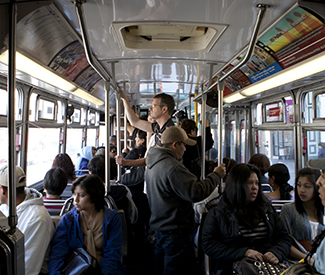
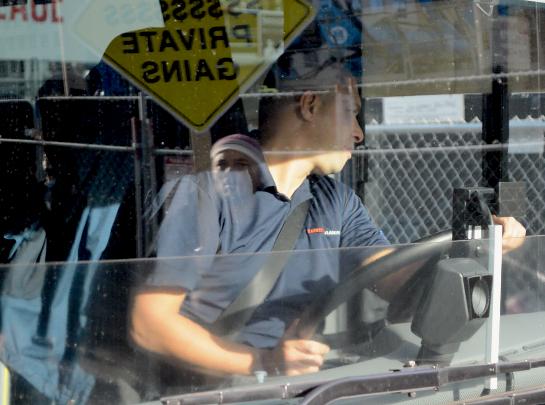
There’s a tie that binds all Muni riders. From the well-heeled Marina dwellers who ride the 45 Union to Bayview denizens who board the T-Third Sunnydale line, we’ve all heard the same words broadcast during sleepy morning commutes.

“Please pay your fare share.”

The play on words (also seen on Muni enforcement signage) would be cute if it didn’t perfectly represent how Muni riders may now be stiffed. A slew of new budget ideas hit the San Francisco Municipal Transportation Agency Board of Directors last week (Feb. 18), and who will pay for it all is an open question.

The first blow to riders is a proposed single-ride fare hike from the current $2 to $2.25.

Other proposals include expanding the Free Muni for Youth program, rolling out a new program offering free Muni for seniors and the disabled, and a fare hike to $6 for the historic F streetcar.

The odorous price jumps (and costly but promising giveaways) are moving forward against a backdrop of a Muni surplus of $22 million, which the board has until April to decide how to use, and a controversial decision by Mayor Ed Lee to make a U-turn on charging for parking on Sundays.

The meter decision would deprive Muni of millions of dollars.

“We’re not proposing anything here, just presenting what we can do,” SFMTA Director Ed Reiskin told the SFMTA board at City Hall last week.

There’s still time to change the SFMTA board’s mind on the proposals between now and final approval of the budget in April. But who will end up paying for a better Muni?


FARE HIKES NOT FOUGHT

In 2010, the SFMTA instituted a policy to raise Muni fares along with inflation and a number of other economic factors, essentially putting them on autopilot. The SFMTA board still has to approve the fee hikes, which may rise across the board.

fares One-time fares may jump to $2.25. Muni’s monthly passes would see an increase by $2 next year and more the following year. The “M” monthly pass will be $70 and the “A” pass (which allows Muni riders to ride BART inside San Francisco) will be $81.

Muni needs the money, Reiskin said.

“To not have (fares) escalate as fuel and health care costs increase, you can’t just leave one chunk of your revenues flat,” he told the Guardian. Muni’s operating budget will expand from $864 million this year to $958 million in 2016. “Salary and benefit growth is the biggest driver of that,” Reiskin said.

Mario Tanev, spokesperson for the San Francisco Transit Riders Union, said the hike was expected.

“We’re not necessarily against the inflation increase,” he said. “But though the parking fines SFMTA levies are inflation adjusted, other rates (against drivers) are not. There are many things in our society that disincentivize transit and incentivize driving.”

Drivers enjoy heavy subsidies to their lifestyle on the federal, state, and local levels, from parking lot construction, the cost of gasoline, and now it seems, renewed free Sunday parking meters. The new fare increases are hitting transit riders just as the mayor is poised to yank funding from Muni to put in the pockets of drivers.


PLAYING POLITICS

When the paid Sunday meter pilot began in early 2013, it was a rare flip in a city that often treats Muni like a piggy bank: money was floated from drivers and dropped onto the laps of transit.

A report from SFMTA issued December 2013 hailed it as a success for drivers as well: Finding parking spaces in commercial areas on Sundays became 15 percent easier, the study found, and the time an average driver spent circling for a space decreased by minutes.

Even some in the business community call it a success, since a higher parking turnover translates to more customers shopping.

Jim Lazarus, senior vice president of public policy at the Chamber of Commerce, is a supporter of the paid Sunday meters. “You can drive into merchant areas now where you couldn’t before,” he told us.

Eliminating Sunday meter fees would punch a $9.6 million hole in Muni’s budget next year, by SFMTA’s account.

The timing couldn’t be worse. On the flip side the Free Muni for Youth program, which targets low-income youth in San Francisco, may expand next year at an estimated cost of about $3.6 million, and a program to offer free Muni for the elderly and disabled would cost between $4 and $6 million — close to the same the same amount that would be lost by the meter giveback.


BOOSTING SAN FRANCISCO FAMILIES

“As an 18-year-old in high school it was a struggle to get to school, it was a struggle to find 75 cents or two dollars to get home,” Tina Sataraka, 19, told the SFMTA board last week. As a Balboa High School student, Sataraka had a 30-minute commute from the Bayview. She’s not alone.

A study by the San Francisco Budget & Legislative Analyst’s office found that 31,000 youth who faced similar financial hurdles had signed up for the Free Muni for Youth pilot program, a resounding success in a city where the youth population is dwindling. Authored by Sup. David Campos, the program may redefine “youth” to include 18-year-olds, who are often still in high school.

But initial grant funding for the program has dried up, so now Muni will foot the bill.

Not one to say “I told you so,” Sup. Scott Wiener said there were reasons for objecting to the program a year ago.

“My biggest, fundamental objection to the program was less that they were giving free fares to kids, and more that they were taking it out of Muni’s operating budget,” Wiener told us. “They need to find a way to pay for it, perhaps from the General Fund, and not just taking the easy and lazy way out.”

The Budget & Legislative Analyst recommended several options for alternative funding: special taxes on private shuttle buses (Google buses), or an increased vehicle license fee specially earmarked for the youth bus program. So far, Mayor Ed Lee hasn’t shown an interest.

“There haven’t been discussions of having the Board of Supervisors fund free Muni for youth,” Reiskin told us. The same goes for the mayor. And though Reiskin was cautious and political about the possibility of Sunday meters becoming free again, he didn’t sound happy about it.

“As for what’s behind [the mayor’s] call for free Sunday parking, that didn’t come from us,” Reiskin told us. “That came from him.”


NOVEMBER RISKS

Mayor Lee’s office didn’t answer our emails, but politicos, including Wiener and Chronicle bromance Matier and Ross, indicated the mayor may be reversing on Sunday parking meters to appease the driving voter electorate.

There are two measures up on the November ballot, and one is aimed right at drivers’ wallets.

The two measures, a $1 billion vehicle license fee hike, and a $500 million transportation bond, are both aimed at shoring up the SFMTA’s capital budget. An October poll paid for by the mayor showed 44 percent of San Franciscans in favor of a vehicle fee hike, and 50 percent against, according to the San Francisco Chronicle.

Reiskin said the loss of those two ballot measures would be crippling to Muni’s future.

“The improvements we’re trying to make to make Muni more reliable, more attractive, those won’t happen. This is our funding source for that,” he said.

The mayor is busy smoothing the potholes towards the bonds’ success in the November election, but it seems he’s willing to pile costs onto Muni and its riders to do it.

Correction 2/26: An editing error led to the erroneous calculation of Free Muni For Youth at near $9 million. Free Muni For Youth is only estimated to cost the SFMTA $3.6 million. It is the combination of Free Muni For Youth and free Muni for the disabled and elderly that equal about $9 million. 


Beautiful path to now

2

culture@sfbg.com

VISUAL ART/YOGA I attended my first yoga class in 2000, at the Mindful Body on California Street. I’d arrived by way of much prodding from a journalism colleague who thought yoga might help with an increasingly debilitating chronic pain condition I’d mysteriously developed. A Brooklyn-raised fiery gym rat in my early 20s, I had just moved to San Francisco and simply couldn’t fathom doing this New-Agey exercise routine. I’d also recently been to India (to see the country — not to learn yoga), and I’d resented the hippie Westerners who seemed to be eagerly consuming yoga study, but staying clear of the places where starvation and disease had riddled the practice’s homeland.

With all of this emotional baggage — and an additional few suitcases that I’ll leave unpacked for the moment — I put on a pair of old blue leggings and an oversized T-shirt, and dragged myself to yoga class. And then I went back again.

It was a good workout. But, more significantly, by the time each class was midway through, my pain would temporarily disappear. Plus, the practice made me feel a way no native New Yorker ever expects to feel: peaceful. I committed myself to yoga harder and faster than I had to anything in years. It was doing something to me, changing me in some way.

Now it’s 2014; I’ve become a yoga teacher. And tonight I’m at the opening party for the Asian Art Museum of San Francisco’s “Yoga: The Art of Transformation,” the first ever comprehensive art exhibit on yoga’s history. Upstairs, yoga teacher-rapper-celebrity-activist MC Yogi is performing his signature ditty “Ganesh is Fresh” to a crowd of fans, some dressed in colorful spandex yoga clothes, others in traditional Indian garb, and still others in contemporary SF duds. Downstairs, some people are engaged in high-level philosophical discussion about the winding path of yoga history, while others are learning AcroYoga maneuvers, drinking “all-natural, gluten-free” margaritas, or striking yoga poses for Instagram-able photos in the museum entranceway.

From an anthropological perspective, it’s quite the scene. And though I’m intimate with my own personal trajectory, there’s a bigger question at hand. How did we all get here?


UNEARTHING ROOTS

Though many of us have been taught (or have simply assumed) that ancient Indian sages were waking up at dawn to do sun salutations, we now know that this was likely not the case. Recent scholarly research tell us that the yoga we practice today in our heated, hard wood-floored, lavender-smelling classrooms is a new breed of practice, most of which was developed in the last century. So, what is the origin of this practice?

In town until May 25, this gorgeous 135-piece sprawling exhibit — which includes towering Tantric stone goddesses, colorful renderings of intricate yogic energy systems, and exciting film footage of 1930s yoga masters — offers some answers. Originally created by art historian Debra Diamond for the Sackler and Freer Galleries at the Smithsonian Institution in Washington, DC, the exhibit’s just arrived to town amid great enthusiasm. “San Francisco has such a long rich history with yoga,” says Qamar Adamjee, in a recent phone conversation, who, along with Jeff Durham, curated the local presentation of the exhibit. “It was a no-brainer to bring the exhibit here.”

Though yoga’s origin is typically thought to go back at least 2,500 years, the exhibit’s scope is from 100 CE to the 1940s; the museum, along with a board of local yoga advisers, also created supplemental content, like a California yoga timeline, and supplemental programming, including talks with local luminaries. “It’s important to have a sense of where you came from,” says senior yoga teacher Judith Hanson Lasater, founder of both the Iyengar Yoga Institute in San Francisco and Yoga Journal magazine, and one of the exhibit’s advisers, told me over the phone. “That helps us define who we are.”

The art here is laid out by topic, less than it is chronologically, because yoga’s history did not develop in a straight line; different aspects of the practice appeared in different places at different times. “When talking about the exhibit, I like to use the word histories instead of history,” says Adamjee. “While we associate yoga as primarily a Hindu practice, its history is actually shared by three main religious systems of ancient India: Buddhism, Jainism, and Hinduism.” She adds that connections to Islam and Sufism are also seen in the exhibit. “This multiplicity is what makes it so fascinating and rich.” It’s important to remember, too, that this is yoga’s history as depicted primarily by visual art, not by texts — and that the story could change (and likely will) as new findings surface. Yoga research is currently one of the fastest growing fields in South Asian studies.

But for now, our journey begins not where some might expect — say, with a serene yogi practicing Tree Pose by a river bank — but with practices of extreme austerity in the name of enlightenment.


ANCIENT RELEASE

In modern yoga culture, we use the practice to help heal the body — I know I did. But some of the earliest yogis had a different point of view. Well-preserved stone sculptures from the first millennium depict worshippers starving themselves in the hopes of being released from the cycle of reincarnation. (Mortal life here was viewed as pure suffering and these devotees were hoping not to come back again.) An emaciated, pre-enlightenment Buddha is depicted here, too, in an intricate ivory carving from 700-800 CE.

A thousand years later, the art becomes more sophisticated and more focused on deity worship, but practices of austerity and self-mortification remain. For instance, detailed paintings with tiny strokes show devotees of Shiva uncomfortably hanging themselves upside down from trees, or standing or sitting in one position for years. In the mid-late 1800s, photographs begin to appear showing Indian ascetics doing extreme things: lying on a bed of nails, wearing an irremovable contraption around one’s neck, even piercing one’s penis with a heavy metal object.

The images themselves are hard for our soft Western eyes to endure, but even less palatable is the story behind them. With the British invasion, the rights of wandering ascetics were restricted, so they moved from forests into cities, where they were forced financially to parade their devotional practices to local audiences for a quick rupee. Many of the photographs on display were shot by professional British photographers, and were then turned into postcards that the photographers sold for great profit throughout Europe. Non-yogi locals took note that money could be made from Europeans by staging tricks, and it soon became hard to tell who was a true ascetic, and who was a random yoga hack laying on a bed of nails for cash.


YOGA MAGIC

Though yoga was initially seen as a practice of bodily transcendence, some practitioners decided that, so long as they were in their bodies, it might be useful to score some superhuman psychic and physical abilities. During the Tantric era, these yogis are believed to have used practices like mantra, visualization, and goddess worship (sometimes occurring at cremation grounds) to channel these powers.

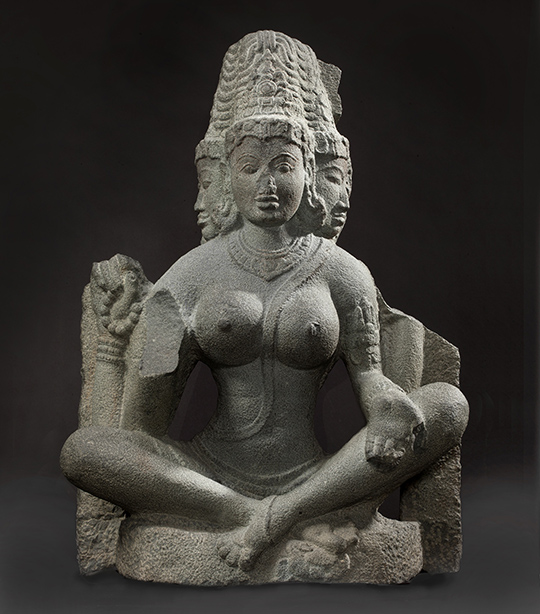
One of the exhibit highlights is a room filled with striking stone goddesses from this time. The slate-gray statues of worship, which date from 900-975 CE, show large-breasted, small-waisted female yogis (yoginis) complete with fangs and pet snakes, holding cups meant for liquor or blood. Today the word “yogini” is used when simply referring to female practitioners, but these original figures were fierce and to be feared. (They were also sculpted with perfect bods, offering an interesting parallel to the depictions of female practitioners in modern day yoga magazines.)

Later on, in 1830, Indian watercolor and gold paintings show the mystical use of yogic superpowers: to win battles by creating a flood where enemies are charging forth, and to magically fly through the sky. Of course, a hundred years later, the West chimes in, and starts making a mockery of yogic powers in the cinema and in profitable magic shows like “Koringa, the Female Yogi.”


MINING THE FLOW

Throughout the early years, we see all manners of meditators, perhaps practicing classical yoga (as handed down by Patanjali’s Yoga Sutras), often sitting with legs in a lotus-like position, gazing up or inward toward a third eye. But as the years pass, the physical body starts to take more prominence, in the Tantra and Hatha Yoga traditions, as a tool on the yogic path of self-realization. One treasure here is a 10-page excerpt from an early 1600s Muslim Sufi book called Bahr al-hayat (Ocean of Life), said to contain the earliest illustrated renderings of physical yoga poses. Most of the poses shown here are seats like lotus pose, but there is one drawing of a guy rocking a headstand.

Around the 1700-1800s, intricate Tantric renderings of the energetic yoga body, including the chakras (energy centers), appear. A total must-see: a watercolor scroll that contains detailed, gold-laced drawings of Ganesh and his two wives (at the root chakra), and Shiva and Shakti joined together (in the crown chakra).

In the final gallery, we come into the 20th century. Yoga made its big debut in the US when Swami Vivekananda, who practiced Raja Yoga, based on Hindu philosophy and meditation, made a speech about yoga at the first World’s Parliament of Religions in 1893. Seven years later, he set up the Vedanta Society in San Francisco to offer his teachings. (Many of his materials are displayed here.) The early 1900s is also where we begin to see evidence of the more athletic yoga practice most of us do today. This new form came about as prominent Indian yoga teachers began to blend ancient postures and energetic techniques with strength-training exercises that had been brought in by their British invaders.

A mesmerizing video shows T. Krishnamacharya (often considered the grandfather of modern day yoga) and his young disciple BKS Iyengar performing expertly executed postures in smooth, rhythmic flows — now things are really starting to look familiar. Displayed here are also numerous books promoting yoga as a way to improve one’s health, including a book by Indian bodybuilder Raja of Aundh called Surya Namaskars (The Ten-Point Way to Health). According to the exhibit, this text from the 1920s is where our beloved sun salutations were initially birthed.

While the new physical fitness-form of yoga may have looked different than its predecessors of seated meditation, goddess worship, and self-mortification, it required the same intense attention and dedication. It arrived to the US on the tails of Vivekananda’s yoga, so by the mid-1900s, West Coasters already had different practices from which to choose.

Yoga caught on quickly here in San Francisco. By 1955, Walt and Magana Baptiste (parents of famed modern-day yogi Baron Baptiste) had founded the Center for Physical Culture, one of SF’s first bona fide yoga studios. The 1970s saw the opening of Integral Yoga and the Iyengar Yoga Institute in San Francisco, as well as the birth of Yoga Journal magazine. Yoga soon became not only a practice, but a business and a lifestyle. Over the years, Americans here and throughout the country started blending various yoga teachings, shaping the practice to address our cultural, health, fitness, community, commercial, and varied spiritual (or anti-spiritual) needs and interests. Today, San Francisco is one of the world’s most booming yoga communities. Every offering one can imagine exists here: from contemplative retreats to sweaty flow classes to corporate yoga, ecstatic chanting, naked yoga, scholarly study, and yoga therapeutics.

IN THE NOW

The exhibit helps us get a sense of where the practice came from — but it still begs the question of what yoga actually is. Is yoga a practice of transcending the body in an effort to attain enlightenment? Is it a way of gaining supernatural powers so you can beat your opponents at war? Is it a seated meditation practice focused on stilling the mind, or a physical fitness routine designed to rid the body of impurities? Is it something you do on the weekends in your Lululemon leggings to feel good before going for mimosas at a hipster brunch spot?

“The exhibit forces some interesting self-reflection about our beliefs,” says Kaitlin Quistgaard, the former longtime editor of Yoga Journal magazine, in a phone conversation. “What do we actually know to be true about yoga?” Quistgaard was part of the advisory board that helped to create the exhibit’s supplementary content. “For me, the thing that ties it all together is self-awareness. Through any yoga practice, even one that would seem completely physical, there’s a process of coming to know yourself.” She adds that it’s the development of this deeper awareness that can enable us to lead more connected and fulfilling lives.

In the same vein, Adamjee reflects that one of the key aspects uniting all of the yoga paths over the years is the “radical insight that human beings possess the ability to transcend our own suffering.” Looking back at my own path, it’s easy to see the truth in this. Whether a yogi is engaged in intense physical or energetic practices, deep meditation, scholarly pursuit, or singing the names of Indian gods, the goal has always been — through devotion and attentive awareness — to find peace. To experience, if only briefly, that delicious taste of freedom.

As a writer and practitioner, I love the study of yogic history. But there is also a part of me that knows that the history is not as important as our actual practice — what we do each day, how we show up to our lives. As any yoga devotee will tell you, the past and the future don’t really exist; all we can ever really know is this very moment.

“Yoga will live on,” says Adamjee, somewhat wistfully. “But it will become something different. We are just another moment in that long timeline.”

YOGA: THE ART OF TRANSFORMATION

Through May 25

Asian Art Museum of San Francisco

200 Larkin, SF.

www.asianart.org

(See next page for more details)

HAS YOGA SOLD OUT?

Yoga started as a spiritual discipline. Now, it’s reportedly a $27 billion dollarindustry in the US with an estimated 15 million practitioners, not to mention high fashion clothing, expensive yoga vacations, and “yogalebrity” teachers. Some say that commercialization is just what the practice had to do to survive in a capitalist culture. Others, like Indian American graphic artist Chiraag Bhakta, find the face of modern day yoga disturbing. Bhakta’s art installation, #WhitePeopleDoingYoga, will be on view at the Asian Art Museum as a supplement to the larger yoga exhibit, March 26-May 25.

A 13-by-30-foot wall of Western yoga marketing materials (from the 1960s-80s), it includes book covers, advertisements, and album covers that depict white folks promoting yoga for all kinds of spiritual, dietary, and fitness purposes, wearing everything from canary yellow leotards to traditional Indian garb. The idea of putting all of this ephemera on one wall, he says, is to give the viewer a feeling of being suffocated — which is how the onslaught of these images have made him feel. “It’s fascinating to me that this ancient practice from my culture is being mined and then appropriated and commodified, while removing everyone that looks like me,” he adds. “The philosophy of yoga is the dissolution of one’s ego — and the irony is that there’s so much ego being attached to all of this.”

Bhakta’s exhibit is part of *Pardon My Hindi, a project he created to explore first generation Indian American identity using humor and serious social commentary. Bhakta admits that he himself practices yoga at studios in the Bay Area, and he’s not against the popularization of the practice. He simply questions the way in which it’s being done. “My goal is just to bring this discussion to the table,” he says.

GO DEEP

The museum is offering some amazing activities during the show’s run. Highlights include storytelling, dance, and yoga, as well as lectures by yoga luminaries. Among the scheduled speakers are Senior Iyengar teacher Manouso Manos, director of UCSF’s Osher Center for Integrative Medicine Dr. Margaret Chesney, curators Debra Diamond and Qamar Adamjee, AcroYoga co-founder Jenny Sauer-Klein, mindfulness educator Meena Srinivasan, Google’s Gopi Kallayil, graphic designer Chiraag Bhakta, and yoga historian Eric Shaw. For the full list of events, go to www.asianart.org/exhibitions_index/yoga-related-events.

Karen Macklin is a writer and yoga teacher living in San Francisco. Find out more about her at www.karenmacklin.com .

The spectacular docs of Sundance and Slamdance 2014

0

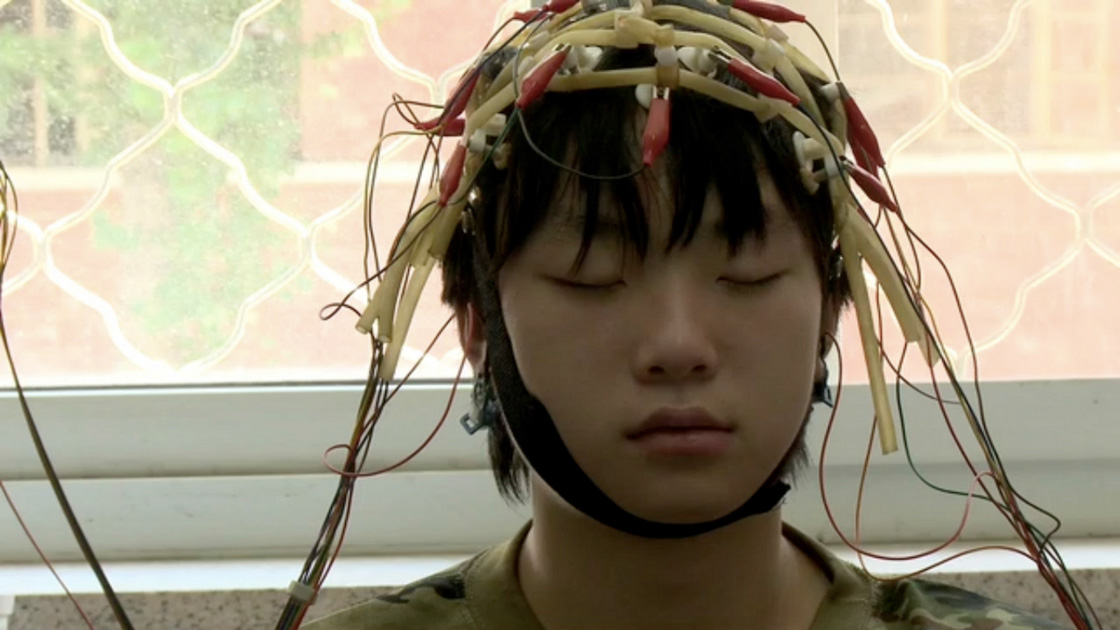
Hilla Medalia and Shosh Shlam’s Web Junkie (Israel-China-US) is an eye-opening investigation into China’s declared number-one threat against youth: internet addiction. The doc observes as kids are sent (often against their will) to video-game rehab — and the takeaway is that many generation-gapped parents are even more clueless about emotions than their sons.

http://www.youtube.com/watch?v=bOR77tWVxKc

On a similar note was Kate Logan’s Kidnapped For Christ (US/Dominican Republic), which screened at Slamdance. As the film shows, thousands of unmonitored rehabilitation schools have popped up over North America that are filled with kids who are sent (again, often against their will) by their parents. Logan, a young evangelical filmmaker, was granted unprecedented access inside one of these controversial “Christian behavior modification programs,” and finds that things are most definitely not what they are suppose to be. Haunting and extrememly upsetting, the film’s similarities to Heidi Ewing and Rachel Grady’s Jesus Camp (2006) are inevitable. But Logan’s own safety being put on the line adds a more urgent note of danger as events unfold. 

Back at Sundance, Göran Olsson’s Concerning Violence (Sweden/Finland/Denmark/US) was easily the standout from the World Cinema Documentary category this year. Similarly structured to his 2011 film The Black Power Mixtape 1967–1975, this jawdropping “fly on the wall” archival journey lets the viewer piece together the struggles of African liberation of the 1960s and 1970s. Psychologist-philosopher Frantz Fanon’s seminal anticolonial text, The Wretched of the Earth, is the only narration for this visual narrative (read by Lauryn Hill). Watch this at all costs. 

Don’t let Tony Gerber and Maxim Pozdorovkin’s The Notorious Mr. Bout (Russia/US) fall in between the cracks of festival mania this year. Bout follows the man who inspired one of Nicolas Cage’s best dramatic turns in Andrew Niccol’s Lord of War (2005), and it will send tingles down your spine. 

But nothing can prepare you for the winner of this year’s US Documentary Grand Jury Prize winner: Tracy Droz Tragos and Andrew Droz Palermo’s Rich Hill (US). Following three struggling youths in a Missouri small town, the filmmakers have created the perfect allegory for our “United” States of America. Broken-down homes and families are housing complex and confused young kids whose futures are terrifyingly bleak. The filmmakers’ unobtrusive, Wiseman-esque camerwork allow the quietest of moments to suddenly turn on a dime. And we the audience are forced to confront a dilemma that does not just get fixed by placing a website at the end of the credits.

Favorite Narratives of 2014 Park City

1. Memphis (US) – Tim Sutton

2. Boyhood (US) – Richard Linklater

3. Ida (Poland) – Paweł Pawlikowski

4. The Guest (US) – Adam Wingard/Simon Barrett

5. The One I Love (US) – Charlie McDowell

6. Nymphomaniac: Part One (Denmark/Germany/France) – Lars Von Trier

7. White Shadow (Italy/Germany/Tanzania) – Noaz Deshe

8. Love Is Strange (US) – Ira Sachs

9. The Better Angels (US) – A.J. Edwards/Terence Malick

10. The Trip to Italy (UK/Italy) – Michael Winterbottom

11. Kumiko, The Treasure Hunter (US/Japan) – The Zellner Brothers

12. Cold In July (US) – Jim Mickle

13. A Girl Walks Home Alone at Night (US) – Ana Lily Amirpour

14. Listen Up Phillip (US) – Alex Ross Perry

Wiener’s resolution to study waterfront initiative written by its opponents

Developers and activists are once again at odds over San Francisco’s waterfront, arguably the most valuable bit of land in one of America’s most expensive cities. Ahead of a June ballot initiative that would require voter approval for proposed waterfront buildings that exceed current height limits, development groups are already reaching out to politicians to tip the scales in their favor.

E-mail and text exchanges obtained by initiative proponent Jon Golinger via a public records request show that Gabriel Metcalf, executive director of SPUR; and Jack Bair, senior vice president and general counsel for the San Francisco Giants, urged Sup. Scott Wiener to use his authority to direct city agencies to report on the Waterfront initiative. Wiener introduced a resolution calling for this report, which will be considered at tomorrow’s [Tues/25] Board of Supervisors meeting.

City law normally prohibits the use of public resources for political activity that could sway the results of an election.

“There’s a law that once a petition qualifies for the ballot, there’s a very bright line that separates government resources from being used [to defend or oppose it],” explained Golinger, who is managing the campaign for the Waterfront initiative. “These emails demonstrate that there are more political maneuvers than genuine intent to inform the public.”

A representative from the City Attorney’s Office declined to comment, but a memo issued last September by that office clarified that municipal resources can be used to objectively investigate and evaluate the impact of a ballot measure, but not to take a position on it.

Wiener denied that there was anything improper about requesting a report in response to concerns raised by Bair and Metcalf. “[The proponents] have been very reckless in their accusations,” he said. “First they said it was illegal, but we pointed out that there’s a provision that allows this. They backed off, and now they’re making another frivolous accusation that although it is legal for me to introduce the resolution, it’s inappropriate for me to talk with anyone who has an opinion on it.”

But e-mail records show that the study was initially requested by Metcalf, and that the first draft of the resolution was written by SPUR. Wiener later presented that resolution to the Board of Supervisors, asking seven city agencies — including the Port of San Francisco, the Planning Department, and the Mayor’s Office of Housing — to produce reports on the impact the ballot initiative would have if passed.

The purpose of the reports, according to a press release issued by Wiener’s office, is to provide an “impartial analysis” so that the public can make an informed decision at the ballot box.

Activists doubt that impartiality, but Wiener says that their claims are “completely baseless.”

“First of all, the only thing this resolution does is direct city departments to provide an objective analysis on the possible impact of the ballot measure,” Wiener told the Guardian. “I find it bizarre that these folks are fighting so tooth and nail to fight more information for voters.”

Metcalf of SPUR, a research and advocacy group with a pro-development stance, also maintains that there is nothing dishonest about the exchanges. The job of lobbyists is to reach out to politicians, he says.

“Every group in the city that’s trying to influence public policy has to talk to supervisors just like this,” Metcalf said. “I’ve worked with this resolution to make the public debate more sophisticated, so people can think before making a decision.”

Metcalf told the Guardian that while the organization’s ballot analysis committee has already recommended a “no” vote on the measure, SPUR does not have an official position until the board of directors votes at its March meeting.

Bair of the Giants did not respond to a phone call from the Bay Guardian. The Giants have a vested interest in seeing the measure go down at the polls, given the massive development project that the team is proposing at Pier 48.

There are two problems with the resolution, said Golinger. First, he believes the advocacy by opponents means city resources would be used for a political campaign. The seven city departments in question would be taking time away from their normal duties to write a report catering to the campaign opposition, he said.

The second problem is that since the resolution was essentially written by SPUR — which is already leaning toward opposing the measure — it would frame the way that the reports would be written.

The resolution “was crafted by opponents to get a preordained result,” Golinger said. “It asks skewed instead of open-ended questions, and they are designed to push and shape the analyses in a frank way.”

Nevertheless, Wiener maintains that he has done nothing wrong.

“It’s perfectly okay for me as an elected official to work with whoever I choose to work with,” he said. “I work with all sorts of different people on all kinds of different topics. That’s what democracy is about. I don’t sit in a cloistered room, I’m out there getting ideas from people. It’s a sad state of affairs that in 2014 you can be attacked for having the gall to actually talk to people.”

Gimme 5: Must-see shows this week (Noise Pop edition)

0

Like sands through the hourglass, so are the festivals of San Francisco. Or something like that. SF Beer Week is over, dear readers, but fret not! It’s the end of February, which is undoubtedly the cruelest month, no matter what T.S. Eliot said, when the darkest days of winter (in places that have that season) are finally over, and the first blossoms of spring are testing their sea legs like so many trepidatious Bambis. In these parts, that means one thing: Noise Pop is upon us.

This the year NP turns 22, so the festival is definitely old enough to hang with the big kids. And there are indeed some big kids in this year’s lineup — Lord Huron, Real Estate, and Dr. Dog, to name a few. But our favorite part about this festival is what it means for up-and-coming Bay Area acts, for whom playing Noise Pop is something of a rite of passage. We’ll be highlighting a few of our favorites over the course of this week, but for now, here are some suggestions for places to show some local pride. As per usual, the tightly-packed schedule presents some tough choices — so yes, we know there are more than five options here. Life’s tough. T.S. Eliot got that one right.

Wed/26

Papercuts and Vetiver @ The Chapel
This is a dreamy package deal if I’ve ever seen one. Papercuts‘ Jason Robert Quever’s melodic, melancholy sighs have never sounded as subtlely polished as on his upcoming album, Life Among the Savages, his first for the brand-new LA-based label Easy Sound Recording Co. Labelmates and fellow San Franciscans Vetiver‘s breezy folk-pop is music for a spur-of-the-moment afternoon drive up the coast. Throw in San Diego opener The Donkeys and you’ve got yourself the sonic landscape of a California we’re in the habit of relegating to car commercials where someone in the passenger seat is grinning and sticking their hand out the window playfully, a California where everyone’s fresh-faced and it never rains. Noise Pop-goers, you can have it all! Especially that last part.
With EDJ, and Vinyl selections by Britt Govea
8pm, $18
The Chapel
777 Valencia, SF
www.thechapelsf.com

(Plan B: Strange Vine/French Cassettes at Bottom of the Hill, or CCR Headcleaner/Skate Laws at Benders)

Thu/27

Jel @ Sparc
Forget the music, watching Jel repeatedly punch drum machine pads and twist sampler knobs on bulky, last-gen machinery would be worth the price of admission. The East Bay-based electronic hip-hop producer manages to keep his appendages intact while stabbing out a dizzying array of kick drums, snares, and percussion in ever-shifting breakbeat arrangements and tempos. On his latest LP, Late Pass (Anticon), Jel balances bass with shoegaze melodies, hints of psychedelia, electric guitar chords and some of his own emceeing. In line with the political undertones throughout the album (“Don’t get comfortable,” the title track advises), this show marks the two-year anniversary of the San Francisco Patient and Resource Center, a medical cannabis nonprofit. — Kevin Lee
7pm, free (RSVP req. for non badge-holders)
Sparc
1256 Mission, SF
www.sparcsf.org

(Plan B: Social Studies, Aan, Farallons, Max and the Moon at the New Parish)

Fri/28

Painted Palms, Dirty Ghosts, Happy Fangs @ Slims
Sure, Cold Cave is technically the headliner, but calling these three local bands supporting acts just seems wrong. SF duo Painted Palms are the darlings du jour of the psych-rock world, for good reason — Forever, released just last month, is one of the most lush, layered debut albums we’ve heard in a while. Dirty Ghosts‘ Allyson Baker is a frontwoman and a half, drawing from punk, blues, experimental rock, and electronica, and the band has promised a new record in 2014, so we wouldn’t be surprised to hear some fresh material. And Happy Fangs, featuring boundless, rough-around-the-edges, sweet n’ salty energy from former members of My First Earthquake and King Loses Crown, will be playing their first show with a live drummer (check back here for a Q&A with them later this week).
7pm, $16
Slim’s
333 11th St, SF
www.slimspresents.com

(Plan B: Soft White Sixties/The She’s at the Chapel, Bleached/Terry Malts at the Rickshaw Stop)

Sat/1

Black Map, Free Salamander Exhibit, Lasher Keen, Happy Diving @ Bottom of the Hill
Yes, there’s a lot going on Saturday night. No, you shouldn’t go see that band you’ve seen a million times before. If you’re in the mood to get super-heavy and excellently weird, this is a solid lineup of newish Bay Area talent running the gamut from Black Map‘s epic, guitar-driven, smart-art-rock-meets-anthemic-metal sound to upstart Happy Diving‘s soft-grunge-leaning, head-bobbing power pop. Lasher Keen’s earthly psychedelia seems to be from another century, you just can’t tell if it’s the future or the past — we’re pretty sure they’d say that’s a good thing. And Free Salamander Exhibit is, of course, the new project from former members of the elaborately theatrical, cultishly loved experimental noise-rock outfit Sleepytime Gorilla Museum. Let’s just say you’re not going to be bored.
8pm, $15
Bottom of the Hill
1233 17th St, SF
www.bottomofthehill.com

(Plan B: Mikal Cronin at the Chapel, Mark Kozelek at Great American Music Hall — look for our feature on the latter in this week’s paper.)

Sun/2

Rogue Wave, Trails and Ways, Wymond Miles @ The Chapel

Oakland’s Rogue Wave set the tone for lo-fi, indie pop-rock way back in the mid-aughts, with an onset of popularity so sudden it seemed unsustainable. Not so — the lineup may change, but the band’s talent for crafting jangly earworms needs no further proving, as of last year’s Nightingale Floors. Trails and Ways, whose members met at Cal, make danceable, Bossa Nova-infused dream-pop that broadens and deepens with repeated listens, but doesn’t take itself overly seriously; oh yeah, they also sing in three languages. And Wymond Miles, still probably best known as the Fresh and Onlys’ guitarist, put out his second solo work late last year — a dense, thoughtfully arranged post-punk gem of a record. Note: This is an afternoon show and, with a bloody Mary on the side, would probably be an excellent hangover soother.
3pm, $20
The Chapel
777 Valencia, SF
www.thechapelsf.com

Ammiano and Leno seek to reform the Ellis Act and slow SF evictions [UPDATED]

110

State lawmakers from San Francisco are launching a two-pronged attack on the Ellis Act, which real estate speculators are increasingly using to evict tenants from rent-controlled apartments and cash in on a housing market that’s been heated up by demand from high-paid employees of the booming tech sector.

Assemblymember Tom Ammiano today introduced Assembly Bill 2405, which would allow the San Francisco voters or the Board of Supervisors to declare a mortorium on Ellis Act evictions when the city’s state-mandated affordable housing goals aren’t being met.

Sen. Mark Leno is also planning to introduce his own Ellis Act reforms by today’s legislative deadline for introducing new bills. He’s been working on a reform package with Mayor Ed Lee, but Leno is keeping the details under wraps under Monday at 9am when the pair will hold a press conference outside a Chinatown apartment building to announce their proposal.

Both proposals face an uphill battle in Sacramento given that San Francisco is one of only a couple jurisdictions in the state that have rent control, which Ellis Act was designed to undermine by allowing landlords to get out of the rental business and remove apartments for the market. And the real estate industry industry is expected to strongly oppose the reforms.

“It will, of course, be very difficult, but Mr. Ammiano has been talking about this for months and he’s committed to doing something,” his Press Secretary Carlos Alcala told the Guardian.   

UPDATE 2/24] Leno and Mayor Lee — flanked by other supporters of the legislation, including Sups. David Campos and David Chiu, rival candidates to succeed Ammiano — this morning announced the introduction of Senate Bill 1439. It would authorize San Francisco to prohibit those who buy rental properties to invoke the Ellis Act and evict tenants for at least five years, and only allow only one Ellis Act eviction for the life of each property. 

“The original spirit of California’s Ellis Act was to allow legitimate landlords a way out of the rental business, but in recent years, speculators have been buying up properties in San Francisco with no intention to become landlords but to instead use a loophole in the Ellis Act to evict long-time residents just to turn a profit,” Leno said.

Ammiano’s press release follows, followed by Leno’s:


Ammiano Introduces Bill to Stem Evictions from Affordable Housing


SACRAMENTO – Assemblymember Tom Ammiano today introduced AB 2405 to empower local jurisdictions to stop the erosion of affordable housing stock.


“San Francisco is seeing a terrible crisis,” Ammiano said. “The people who have made our city the diverse and creative place that it is are finding it harder and harder to stay in San Francisco. The rash of Ellis Act evictions has only made it worse.”

Ellis Act evictions are permitted under certain circumstances when a property owner is taking a rent-controlled unit out of the rental market. However, some owners have been abusing these provisions and improperly evicting tenants from rent-controlled units. The problem is not restricted to San Francisco, although the city is going through a particularly critical loss of affordable housing.

AB 2405 would allow local jurisdictions – by means of a Board of Supervisors or public vote – to enact a moratorium on Ellis Act evictions when the local housing element is not met. Also, the bill would hide no-fault evictions from tenant records or credit checks in unlawful detainer cases, and would place Ellis Act unlawful detainer cases on civil court calendars.

“Experience shows you can’t build your way out of an affordable housing crisis,” Ammiano said. “We have to do what we can to preserve what affordable housing we have. This is one piece of that effort.”

New Legislation Closes Ellis Act Loophole for San Francisco

Senator Mark Leno Joins Mayor Ed Lee, Tenant Advocates, Labor Groups and Business Leaders

to Stop Speculative Evictions in San Francisco


SAN FRANCISCO – Senator Mark Leno today joined San Francisco Mayor Ed Lee, other elected officials, tenant advocates, labor groups and business leaders to introduce legislation closing a loophole in the Ellis Act that allows speculators to buy rent-controlled buildings in San Francisco and immediately begin the process of evicting long-term renters. Aiming to mitigate the negative impacts of a recent surge in Ellis Act evictions in San Francisco, Senate Bill 1439 authorizes San Francisco to prohibit new property owners from invoking the Ellis Act to evict tenants for five years after the acquisition of a property, ensures that landlords can only activate their Ellis Act rights once, and creates penalties for violations of these new provisions.


“The original spirit of California’s Ellis Act was to allow legitimate landlords a way out of the rental business, but in recent years, speculators have been buying up properties in San Francisco with no intention to become landlords but to instead use a loophole in the Ellis Act to evict long-time residents just to turn a profit,” said Senator Leno, D-San Francisco. “Many of these renters are seniors, disabled people and low-income families with deep roots in their communities and no other local affordable housing options available to them. Our bill gives San Francisco an opportunity to stop the bleeding and save the unique fabric of our City.”


Ellis Act evictions in San Francisco have tripled in the last year as more than 300 properties were taken off the rental market. This spike in evictions has occurred simultaneously with huge increases in San Francisco property values and housing prices. About 50 percent of the city’s 2013 evictions were initiated by owners who had held a property for less than one year, and the majority of those happened during the first six months of ownership.


“We have some of the best tenant protections in the country, but unchecked real estate speculation threatens too many of our residents,” said Mayor Lee. “These speculators are turning a quick profit at the expense of long time tenants and do nothing to add needed housing in our City. These are not the landlords the Ellis Act was designed to help, and this legislation gives San Francisco additional tools needed to protect valuable housing and prevent further Ellis Act speculator evictions, which has already displaced working families and longtime San Franciscans. This carve out is a good policy for San Francisco, and I thank Senator Leno for being a champion on this issue. Together we have built a large coalition of renters, labor and business leaders to fight this battle in Sacramento to support middle income and working families here in our City.”


“Rents in San Francisco are at an all-time high. My former neighbors and I, working families and seniors, were displaced from the place we called home for several decades,” said Gum Gee Lee. “Those that have yet to receive an Ellis Act notice continue to live in fear, fear that they too will be evicted from their homes. For seniors such as myself who rely on public transportation and access to social and health services within our community, Ellis evictions cut our lifeline, our independence to thrive. For working class families such as my former neighbors from Jackson Street, they continue to struggle to survive in San Francisco. San Francisco is our home.”


Enacted as state law in 1985, the Ellis Act allows owners to evict tenants and quickly turn buildings into Tenancy In Common (TIC) units for resale on the market. In San Francisco, the units that are being cleared are often rent controlled and home to seniors, disabled Californians and working class families. When these affordable rental units are removed from the market, they never return.


Senate Bill 1439 will be heard in Senate policy committees this spring.

Happy Hour: The week in music

0

Dearest clock-watchers! If you hadn’t noticed, it’s almost the weekend. In the event that your excitement is currently tempered with social anxiety about which pop culture topics to discuss over happy hour beverages — a very sad and all-too-common affliction — here are a few gems from the music world that the Internet bestowed upon us this week.

— The 5th annual Burger Boogaloo, one of the spunkiest (and most affordable!) festivals in the Bay Area’s grand feast of summer festival offerings, announced its lineup yesterday, and it’s a good one. What says “summer” more than the legendary Ronnie Spector crooning “Be My Baby” as hipsters play drunken kickball around you in Mosswood Park?

— Oakland noir-pop rockers DRMS released this epically and mysteriously engaging 17-and-a-half-minute film set to some of the most experimental music we’ve heard from them yet. They’re at the Rickshaw Stop tomorrow night [Sat/22], if you wanna get good and dreamy.

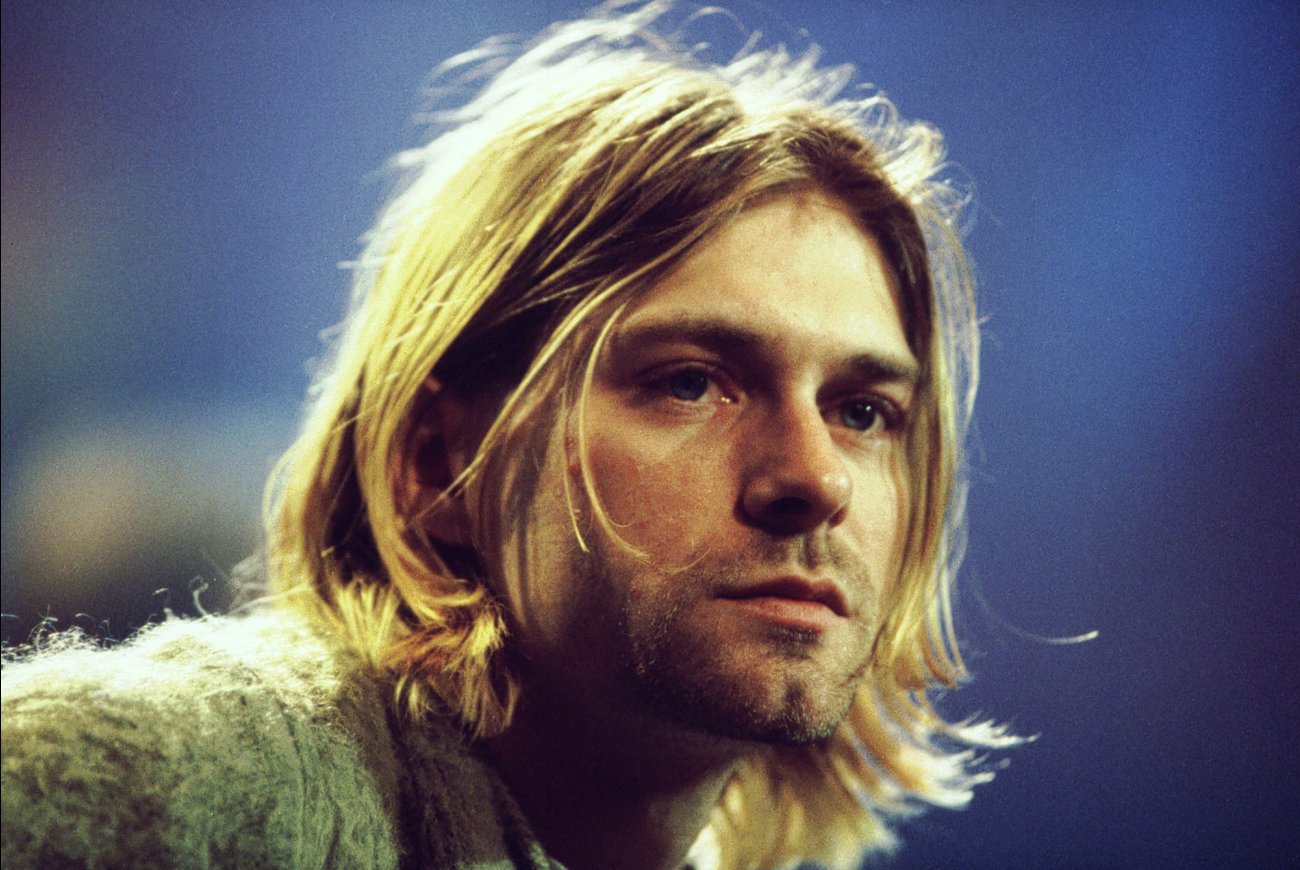
— The city of Abderdeen, Wash., home of one Kurt Cobain, celebrated its first annual “Kurt Cobain Day” yesterday, Feb. 20, on what would have been the rocker’s 47th birthday. With what, you ask? Why, a giant, weird, crying, Jesus-like Kurt Cobain statue, of course. Because that definitely seems like something he would have wanted.

— The SFJAZZ Center is a very precocious one-year-old. [SFGate]

Kelis will finally get to share her milkshake recipe with the world — or at least viewers of the Cooking Channel — thus eliminating the need for boys to even come to her yard at all.

Cranky dude at the Thermals show last night at The Chapel: You’re unhelpful. [via Mission Mission]

Go forth, my friends. Stay hydrated.

Speakers boycotting security conference to protest collaboration with NSA

On Feb. 24, the world’s largest computer security conference, RSA, will commence at San Francisco’s Moscone Center. It’s a huge deal: Speakers will include Former U.S. Secretary of State Condoleezza Rice, and closing remarks will be given by comedian Stephen Colbert.

Started in 1991, the RSA Conference has grown exponentially. But this year, 13 digital security experts have canceled their scheduled talks in protest of recent revelations that RSA cooperated with the National Security Agency to use a flawed tool for safeguarding sensitive information.

Speakers who are boycotting include technology experts from Google and various security firms. They’re concerned about allegations that RSA, a pioneer in the security software industry, agreed to incorporate a flawed encryption formula into a widely used security product in accordance with a secret $10 million NSA contract. 

“In my opinion, RSA has a serious trust issue,” said Jeffrey Carr, CEO of a security firm called Taia Global Inc. and one of the speakers who has decided to cancel his talk and boycott the conference. “I think they’ll just let it die down. There’s been little uproar, even among the security people,” he added.

Carr authored a blog post explaining his decision. He also organized a “town hall” debate, part of an event series called Suits and Spooks, to be held at the Ritz Carlton in San Francisco on Feb. 27 featuring commentary from security industry representatives as well as insiders from the national intelligence community.

RSA used the encryption algorithm as a default for its security products, meaning users would have had to actively switch to a different formula to avoid exposure to the security threat.

According to a Reuters article published in December, the NSA arranged the contract as part of a campaign to embed breakable encryption software into security products that are widely used to safeguard personal devices.

Previous reporting by the New York Times, based on documents leaked by former NSA contractor Edward Snowden, showed that the NSA had generated the weak encryption formula to create a “backdoor.”

EMC, the parent company that owns RSA, issued a response in December that didn’t specifically address the allegations. The company stated that in 2004, when it agreed to use the algorithm, “the NSA had a trusted role in the community-wide effort to strengthen, not weaken, encryption.”

But Carr said researchers within the security industry had suggested the algorithm might be flawed as early as 2006, and RSA did not abandon its use until after the Snowden leaks were publicized. 

Other speakers who are boycotting have issued statements publicly condemning RSA.

“Your company has issued a statement on the topic, but you have not denied this particular claim. Eventually, NSA’s random number generator was found to be flawed on purpose, in effect creating a back door. You had kept on using the generator for years despite widespread speculation that NSA had backdoored it,” wrote chief researcher Mikko Hypponen of the Finnish company F-Secure.

“As my reaction to this, I’m cancelling my talk at the RSA Conference USA 2014 in San Francisco in February 2014,” Hypponen went on. “Aptly enough, the talk I won’t be delivering at RSA 2014 was titled ‘Governments as Malware Authors.'”

Meanwhile, Colbert is also taking some heat for agreeing to speak at the RSA conference.

“We know you, Stephen, and we know you love a good ‘backdoor’ joke as much as we do—but this kind of backdoor is no laughing matter,” activists from Fight for the Future wrote in a petition urging him to join the other speakers who are boycotting the RSA conference. “Companies need to know that they can’t betray our trust without repercussions. We want to hear your speech, but give it somewhere else!”

Psychic Dream Astrology: Feb 19-25, 2014

0

Mercury retrograde can mean having to say you’re sorry. Avoid problems by double-checking plans and communications.

ARIES

March 21-April 19

Share your achievements with your family, Aries. It doesn’t have to be your Maw and Paw, whoever you love and are setting roots with will do nicely. There is so much going for you and to make the most of it you should include others and let them share in your joy this week.

­TAURUS

April 20-May 20

Pay attention to the difference between actual problems related to scarcity or failure, versus worry that those things will happen. Don’t create the things you fear by focusing all of your attention on them, Taurus. Practice positive reinforcements, even if you have to fake it till you make it.

GEMINI

May 21-June 21

Concentrate, Gemini! This is not the time to be running around like a chicken with it’s head cut off, worrying over all the things you could, should, or would be doing, if only you weren’t so overwhelmed. Focus on three goals. Only three! Execute with the wit and style that can only be yours.

CANCER

June 22-July 22

This is an excellent time for taking control of your life, but the rub is that you’ve gotta do it without being controlling. Take on bite sized pieces of your goals. You are capable of great things but if you take on too much you risk feeling like crap and undermining yourself. That’d be a waste!

LEO

July 23-Aug. 22

There’s no rushing time or the progress of others. You can’t know how everything is going to turn out. Be the change you wish to see in your world, Leo. While you shouldn’t rush others or push your agenda on them, that doesn’t mean you need to put off your progress while things develop.

VIRGO

Aug. 23-Sept. 22

Learn from your past, Virgo. Your relationships need you to show up, but you’ve got to be clear about how you’re doing it. Don’t alienate yourself in your efforts to give others what you need (or visa versa). You are never doing the right thing when you act out of fear, doll.

LIBRA

Sept. 23-Oct. 22

You are being called upon to act, but don’t get it twisted; you’re not meant to run yourself ragged and do it all at once. This is the time to dig deep inside yourself to find what you have to offer of your heart and soul. Life may not be easy right now, but you have to gifts to cope.

SCORPIO

Oct. 23-Nov. 21

In the words of the late, great, Harvey Milk, “you’ve gotta give them hope”! Look for the possibility and potential in all things, even if it’s a stretch. You’re poised to build on top of the foundations you’ve been nurturing over the past year. Focus on what you want and how to make it happen.

SAGITTARIUS

Nov. 22-Dec. 21

Find creative ways of handling fear. There is an infinitude of things that could go wrong at any time; the sky could fall, you could loose all your hair, your favorite restaurant could close. Stay present and deal with problems as they arise. Preemptive strikes are poorly starred for you this week.

CAPRICORN

Dec. 22-Jan. 19

You don’t have to do it all right away, Cap. In fact, you need a time out. There is no thing that you will do better when you’re rushing, and there’s no use in bringing bad vibes to things that you actually feel really good about. Take a step back, gather up your energy, and then knock ‘em dead.

AQUARIUS

Jan. 20-Feb. 18

How you deal with hardships is wicked important. You may be going through an emotional tailspin, but there is a reason why. You are meant to look at the big picture of your life and strive to understand how your participation brought you here. Change your part and you’ve changed the game.

PISCES

Feb. 19-March 20

Your creative process is essential to who you are. Whether you express it in the private realm of your oh-so fertile mind, in your work, or interpersonally, this is not the time to give up on your own process. Don’t confuse a speed bump with a roadblock. Shit happens; don’t let it get you down.

Want more in-depth, intuitive or astrological advice from Jessica? Schedule a one-one-one reading that can be done in person or by phone. Visit www.lovelanyadoo.com

Music Listings

0

WEDNESDAY 19
ROCK
Amoeba Music: 1855 Haight, San Francisco. Phantogram, 6 p.m., free.
The Chapel: 777 Valencia, San Francisco. Marissa Nadler, Donovan Quinn, 8 p.m., $12-$15.
Elbo Room: 647 Valencia, San Francisco. Peace Creep, Future Twin, Buffalo Tooth, George Chen, DJ Jello Biafra, 9 p.m., $5.
Hemlock Tavern: 1131 Polk, San Francisco. Bellyfruit, The Vans, Conspiracy of Venus, 8:30 p.m., $6.
Hotel Utah: 500 Fourth St., San Francisco. Animal Super Species, Cuban Cigar Crisis, 9 p.m., $7.
The Knockout: 3223 Mission, San Francisco. The Younger Lovers, Half Blast, No Bone, 9:30 p.m., $6.
Milk Bar: 1840 Haight, San Francisco. Graph Rabbit, The Desert Line, Builders, Crowding Out, 8 p.m., $5.
DANCE
Beaux: 2344 Market, San Francisco. “BroMance: A Night Out for the Fellas,” 9 p.m., free.
The Cafe: 2369 Market, San Francisco. “Sticky Wednesdays,” w/ DJ Mark Andrus, 8 p.m., free.
Cat Club: 1190 Folsom, San Francisco. “Bondage A Go Go,” w/ DJs Damon, Tomas Diablo, & guests, 9:30 p.m., $5-$10.
Club X: 715 Harrison, San Francisco. “Electro Pop Rocks: Mardi Gras,” 18+ dance night with B33son, Carlos Alfonzo, Krishna, Linx, Non Sequitur, D Menis, more, 9 p.m., $15-$20.
DNA Lounge: 375 11th St., San Francisco. God Module, The Witch Was Right, Mordacious, Product, DJs Decay & Unit 77, 9 p.m., $10-$15.
F8: 1192 Folsom, San Francisco. “Housepitality,” w/ Dr. Nojoke, Victor Vega, Miguel Solari, DJ Platurn, 9 p.m., $5-$10.
Infusion Lounge: 124 Ellis, San Francisco. “Indulgence,” 10 p.m.
Lexington Club: 3464 19th St., San Francisco. “Friends of Dorothy,” w/ DJ Sissyslap, 9 p.m., free.
Lookout: 3600 16th St., San Francisco. “What?,” w/ resident DJ Tisdale and guests, 7 p.m., free.
Madrone Art Bar: 500 Divisadero, San Francisco. “Rock the Spot,” 9 p.m., free.
Make-Out Room: 3225 22nd St., San Francisco. “Burn Down the Disco,” w/ DJs 2shy-shy & Melt w/U, Third Wednesday of every month, 9 p.m., free.
MatrixFillmore: 3138 Fillmore, San Francisco. “Reload,” w/ DJ Big Bad Bruce, 10 p.m., free.
Q Bar: 456 Castro, San Francisco. “Booty Call,” w/ Juanita More, Joshua J, guests, 9 p.m., $3.
Showdown: 10 Sixth St., San Francisco. “Nokturnal,” w/ DJs Coyle & Gonya, Third Wednesday of every month, 9 p.m., free.
HIP-HOP
Neck of the Woods: 406 Clement, San Francisco. “Over the Hump,” w/ Children of the Funk, 10 p.m., free.
Skylark Bar: 3089 16th St., San Francisco. “Mixtape Wednesday,” w/ resident DJs Strategy, Junot, Herb Digs, & guests, 9 p.m., $5.
Slate Bar: 2925 16th St., San Francisco. “Special Blend,” w/ resident DJs LazyBoy & Mr. Murdock, 9 p.m., free.
ACOUSTIC
Bottom of the Hill: 1233 17th St., San Francisco. Shareef Ali, Whiskerman, Sparkbox (Megan Keely & Kelly McFarling), 9 p.m., $8.
Brick & Mortar Music Hall: 1710 Mission, San Francisco. Lou Evans, Robin Applewood, Kenny Crowley, Melted State, 9 p.m., $5-$8.
Cafe Divine: 1600 Stockton, San Francisco. Craig Ventresco & Meredith Axelrod, 7 p.m., free.
El Rio: 3158 Mission, San Francisco. Redrick Sultan, The Liquorsmiths, Sister Exister, 8 p.m., $5-$10.
Plough & Stars: 116 Clement, San Francisco. Daniel Seidel, 9 p.m.
Yoshi’s San Francisco: 1330 Fillmore, San Francisco. Ane Brun, Linnea Olsson, 8 p.m., $24-$29.
JAZZ
Amnesia: 853 Valencia, San Francisco. Gaucho, Eric Garland’s Jazz Session, The Amnesiacs, 7 p.m., free.
Burritt Room: 417 Stockton St., San Francisco. Terry Disley’s Rocking Jazz Trio, 6 p.m., free.
Cigar Bar & Grill: 850 Montgomery, San Francisco. Sandor Moss Organ Quartet featuring Brian Ho, 8 p.m.
Hotel Rex: 562 Sutter, San Francisco. Ben Goldberg, 6:30 p.m., $20.
Jazz Bistro at Les Joulins: 44 Ellis, San Francisco. Charles Unger Experience, 7:30 p.m., free.
Le Colonial: 20 Cosmo, San Francisco. The Cosmo Alleycats featuring Ms. Emily Wade Adams, 7 p.m., free.
Pier 23 Cafe: Pier 23, San Francisco. Ned Boynton & Friends, 6 p.m., free.
Sheba Piano Lounge: 1419 Fillmore, San Francisco. Fran Sholly, 8 p.m.
Top of the Mark: One Nob Hill, 999 California, San Francisco. Ricardo Scales, Wednesdays, 6:30-11:30 p.m., $5.
Zingari: 501 Post, San Francisco. Carol Luckenbach, 7:30 p.m., free.
INTERNATIONAL
Bissap Baobab: 3372 19th St., San Francisco. “Baobab!,” timba dance party with DJ WaltDigz, 10 p.m., $5.
Cafe Cocomo: 650 Indiana, San Francisco. “Bachatalicious,” w/ DJs Good Sho & Rodney, 7 p.m., $5-$10.
Pachamama Restaurant: 1630 Powell, San Francisco. Cafe Latino Americano, 8 p.m., $12.
BLUES
Biscuits and Blues: 401 Mason, San Francisco. K.K. Martin, 7:30 & 9:30 p.m., $15.
The Saloon: 1232 Grant, San Francisco. Craig Horton, 9:30 p.m.
SOUL
Boom Boom Room: 1601 Fillmore, San Francisco. “Soul Train Revival,” w/ Ziek McCarter, Third Wednesday of every month, 9:30 p.m., $5.
The Royal Cuckoo: 3202 Mission, San Francisco. Freddie Hughes & Chris Burns, 7:30 p.m., free.

THURSDAY 20
ROCK
Boom Boom Room: 1601 Fillmore, San Francisco. Huntinanny, Lee Gallagher & The Hallelujah, Talk of Shamans, The Dedications, 9:30 p.m., $5-$7.
Bottom of the Hill: 1233 17th St., San Francisco. Night Riots, The Epilogues, Ghost Parade, Kiven, 9 p.m., $10-$12.
The Chapel: 777 Valencia, San Francisco. The Thermals, Colleen Green, 9 p.m., $15-$17.
DNA Lounge: 375 11th St., San Francisco. Dark Tranquillity, Omnium Gathering, Exmortus, Alterbeast, 7:30 p.m., $20-$25.
The Knockout: 3223 Mission, San Francisco. Dancer, The Rantouls, So What, Graaar, DJ Beth Amphetamine, 10 p.m., $5.
Milk Bar: 1840 Haight, San Francisco. Ale-Jhay; Lush Vibes; Not Sure. Not Yet; Hot Flash Heat Wave, 8 p.m., $5.
Rickshaw Stop: 155 Fell, San Francisco. “Popscene,” w/ Wildcat! Wildcat!, Seatraffic, Popscene DJs, 9:30 p.m., $12-$14.
Slim’s: 333 11th St., San Francisco. Public Service Broadcasting, Kiev, 8 p.m., $13.
DANCE
1015 Folsom: 1015 Folsom, San Francisco. “A Light in the Attic,” w/ Vaski, Buku, R/D, Psymbionic, Le Portal, Danny Weird, 10 p.m., $10 advance.
Abbey Tavern: 4100 Geary, San Francisco. DJ Schrobi-Girl, 10 p.m., free.
Aunt Charlie’s Lounge: 133 Turk, San Francisco. “Tubesteak Connection,” w/ DJ Bus Station John, 9 p.m., $5-$7.
Beaux: 2344 Market, San Francisco. “Men at Twerk,” 9 p.m., free.
The Cafe: 2369 Market, San Francisco. “¡Pan Dulce!,” 9 p.m., $5.
California Academy of Sciences: 55 Music Concourse, San Francisco. Noise Pop 2014: Universal Rhythm NightLife, w/ YACHT (DJ set), 6-10 p.m., $10-$12.
Cat Club: 1190 Folsom, San Francisco. “Throwback Thursdays,” ‘80s night with DJs Damon, Steve Washington, Dangerous Dan, and guests, 9 p.m., $6 (free before 9:30 p.m.).
The Cellar: 685 Sutter, San Francisco. “XO,” w/ DJs Astro & Rose, 10 p.m., $5.
Club X: 715 Harrison, San Francisco. “The Crib,” 9:30 p.m., $10, 18+.
DNA Lounge: 375 11th St., San Francisco. “8bitSF,” w/ Doctor Popular, Together We Are Robots, Cartoon Violence, 8 p.m., $8-$11.
Elbo Room: 647 Valencia, San Francisco. “Afrolicious,” w/ DJs Pleasuremaker, Señor Oz, and guests, 9:30 p.m., $5-$8.
F8: 1192 Folsom, San Francisco. “Beat Church,” w/ B.R.E.E.D, Dov, Da Moth, more, 9 p.m., $5-$10.
Infusion Lounge: 124 Ellis, San Francisco. “I Love Thursdays,” 10 p.m., $10.
John Colins: 138 Minna, San Francisco. “SoLuna,” w/ resident DJ Miquel Penn, Third Thursday of every month, 9 p.m., free.
Laszlo: 2532 Mission, San Francisco. “Werk It,” w/ DJ Kool Karlo, Third Thursday of every month, 9 p.m., free.
Madrone Art Bar: 500 Divisadero, San Francisco. “Night Fever,” 9 p.m., $5 after 10 p.m.
Mezzanine: 444 Jessie, San Francisco. “House of Mezzanine,” w/ Pat Mahoney, Museum of Love, Curses, Eug, Richie Panic, Kevin Meenan, 9 p.m., $10.
Monarch: 101 Sixth St., San Francisco. “Hey Young World,” w/ Tanner Ross & Nick Monaco, 9:30 p.m., $10 advance.
Q Bar: 456 Castro, San Francisco. “Throwback Thursday,” w/ DJ Jay-R, 9 p.m., free.
Raven: 1151 Folsom, San Francisco. “1999,” w/ VJ Mark Andrus, 8 p.m., free.
Ruby Skye: 420 Mason, San Francisco. “Awakening,” w/ Myon & Shane 54, Late Night Alumni, 9 p.m., $25 advance.
Slide: 430 Mason, San Francisco. “Euphony,” w/ Mikey Tan, Sebastian Concha, Mari Mar, Matth, 9 p.m.
Underground SF: 424 Haight, San Francisco. “Bubble,” 10 p.m., free.
Vessel: 85 Campton, San Francisco. “Base,” w/ Lee Foss, 10 p.m., $10 advance.
HIP-HOP
Eastside West: 3154 Fillmore, San Francisco. “Throwback Thursdays,” w/ DJ Madison, 9 p.m., free.
Showdown: 10 Sixth St., San Francisco. “Tougher Than Ice,” w/ DJs Vin Sol, Ruby Red I, and Jeremy Castillo, Third Thursday of every month, 10 p.m.
Skylark Bar: 3089 16th St., San Francisco. “Peaches,” w/ lady DJs DeeAndroid, Lady Fingaz, That Girl, Umami, Inkfat, and Andre, 10 p.m., free.
ACOUSTIC
Atlas Cafe: 3049 20th St., San Francisco. Nearly Beloved, 8 p.m., free.
Bazaar Cafe: 5927 California, San Francisco. Acoustic Open Mic, 7 p.m.
Hemlock Tavern: 1131 Polk, San Francisco. Idea the Artist, Terrible Buttons, City Tribe, 8:30 p.m., $6.
Hotel Utah: 500 Fourth St., San Francisco. The Liquorsmiths, Grover Anderson, Pete Ahonen, 9 p.m., $10.
Plough & Stars: 116 Clement, San Francisco. Crooked Road Ceili Band, 9 p.m.
JAZZ
Blush! Wine Bar: 476 Castro, San Francisco. Doug Martin’s Avatar Ensemble, 7:30 p.m., free.
Cafe Claude: 7 Claude, San Francisco. Marcus Shelby Trio, 7:30 p.m., free.
Cafe Royale: 800 Post, San Francisco. West Side Jazz Club, 9 p.m.
Cigar Bar & Grill: 850 Montgomery, San Francisco. Royal Jelly, 8 p.m.
Feinstein’s at the Nikko: 222 Mason, San Francisco. Paula West, 8 p.m., $35-$50.
Jazz Bistro at Les Joulins: 44 Ellis, San Francisco. Eugene Pliner Quartet with Tod Dickow, First and Third Thursday of every month, 7:30 p.m., free.
Le Colonial: 20 Cosmo, San Francisco. Steve Lucky & The Rhumba Bums, 7:30 p.m.
The Lucky Horseshoe: 453 Cortland, San Francisco. Ralph Carney’s Serious Jass Project, 9 p.m.
Pier 23 Cafe: Pier 23, San Francisco. Dick Fregulia Trio, 7 p.m., free.
The Royal Cuckoo: 3202 Mission, San Francisco. Charlie Siebert & Chris Siebert, 7:30 p.m., free.
Top of the Mark: One Nob Hill, 999 California, San Francisco. Stompy Jones, 7:30 p.m., $10.
Zingari: 501 Post, San Francisco. Barbara Ochoa, 7:30 p.m.
INTERNATIONAL
Bissap Baobab: 3372 19th St., San Francisco. “Pa’Lante!,” w/ Juan G, El Kool Kyle, Mr. Lucky, 10 p.m., $5.
Cafe Cocomo: 650 Indiana, San Francisco. Julio Bravo y Su Orquesta Salsabor, El DJ X, 8 p.m., $12.
Jewish Community Library: 1835 Ellis, San Francisco. Veretski Pass, 7 p.m., free.
Pachamama Restaurant: 1630 Powell, San Francisco. “Jueves Flamencos,” 8 p.m., free.
Red Poppy Art House: 2698 Folsom, San Francisco. Fishtank Ensemble, 6:30 p.m., $15-$20.
Sheba Piano Lounge: 1419 Fillmore, San Francisco. Gary Flores & Descarga Caliente, 8 p.m.
Verdi Club: 2424 Mariposa, San Francisco. The Verdi Club Milonga, w/ Christy Coté, DJ Emilio Flores, guests, 9 p.m., $10-$15.
REGGAE
Pissed Off Pete’s: 4528 Mission St., San Francisco. Reggae Thursdays, w/ resident DJ Jah Yzer, 9 p.m., free.
BLUES
50 Mason Social House: 50 Mason, San Francisco. Bill Phillippe, 5:30 p.m., free.
Biscuits and Blues: 401 Mason, San Francisco. Hunter & The Dirty Jacks, 7:30 & 9:30 p.m., $15.
The Saloon: 1232 Grant, San Francisco. Chris Ford, Third Thursday of every month, 4 p.m.; Wendy DeWitt, 9:30 p.m.
COUNTRY
Amnesia: 853 Valencia, San Francisco. Rose’s Pawn Shop, Miss Lonely Hearts, 9 p.m., $10.
The Parlor: 2801 Leavenworth, San Francisco. “Twang Honky Tonk & Country Jamboree,” w/ DJ Little Red Rodeo, 7 p.m., free.
EXPERIMENTAL
The Luggage Store: 1007 Market, San Francisco. zBug, A Tribute to John Tchicai with members of The Archetypes, 8 p.m., $6-$10.
FUNK
Brick & Mortar Music Hall: 1710 Mission, San Francisco. New Orleans Suspects, Breakestra, 8 p.m., $17-$20.

FRIDAY 21
ROCK
Bottom of the Hill: 1233 17th St., San Francisco. American Steel, The Criminals, Arliss Nancy, 9:30 p.m., $12.
Brick & Mortar Music Hall: 1710 Mission, San Francisco. King Lollipop, Santoros, Wyatt Blair, Levitation Room, DJ Al Lover, 9 p.m., $6-$8.
The Chapel: 777 Valencia, San Francisco. R. Stevie Moore, The Memories, Seventeen Evergreen, 9 p.m., $15-$18.
El Rio: 3158 Mission, San Francisco. Friday Live: Audrey Howard & The Special Guest Band, DJ Emotions, 10 p.m., free.
Hemlock Tavern: 1131 Polk, San Francisco. DSTVV, Snow Wite, Blood Sister, 9 p.m., $6.
Hotel Utah: 500 Fourth St., San Francisco. Ringo Deathstarr, Purple, Surf Club, 9 p.m., $8-$10.
Milk Bar: 1840 Haight, San Francisco. Modern Kicks, Dumbsaints, Lucabrazzi, The Basements xoxo, Banshee Boardwalk, 8 p.m., $5.
Neck of the Woods: 406 Clement, San Francisco. Van She, on the upstairs stage, 10 p.m., $15-$18.
Sub-Mission Art Space (Balazo 18 Gallery): 2183 Mission, San Francisco. Commissure, You May Die in the Desert, Wander, Dissolve, 7:30 p.m., $6.
Thee Parkside: 1600 17th St., San Francisco. Life Leone, Wild Wild Wets, Daikon, 9 p.m., $8.
Vacation: 651 Larkin, San Francisco. Male Gaze, Useless Eaters, Glitz, 9 p.m., free.
DANCE
1015 Folsom: 1015 Folsom, San Francisco. Red Bull Music Academy: Bass Camp San Francisco, w/ DJ Lo Down Loretta Brown (aka Erykah Badu), Thundercat, Cosmo Baker, Kid Smpl, more, 10 p.m., $10-$25.
111 Minna Gallery: 111 Minna, San Francisco. “Trap + Art 3: I Am Basquiat,” 10:30 p.m., $15 advance.
Audio Discotech: 316 11th St., San Francisco. The Knocks, Justin Milla, Split, 9 p.m., $10 advance.
BeatBox: 314 11th St., San Francisco. “U-Haul: 1-Year Anniversary Party,” w/ DJs Jenna Riot & China G, 9 p.m., $5-$10.
Beaux: 2344 Market, San Francisco. “Manimal,” 9 p.m.
Cafe Flore: 2298 Market, San Francisco. “Kinky Beats,” w/ DJ Sergio, 10 p.m., free.
The Cafe: 2369 Market, San Francisco. “Boy Bar,” w/ DJ Matt Consola, 9 p.m., $5.
The Cellar: 685 Sutter, San Francisco. “F.T.S.: For the Story,” 10 p.m.
DNA Lounge: 375 11th St., San Francisco. “Turbo Drive,” w/ D/A/D, Devon, MyKill, Netik, Fact.50, Mr. Smith, 9:30 p.m., $8 advance.
The EndUp: 401 Sixth St., San Francisco. “Trade,” 10 p.m., free before midnight.
F8: 1192 Folsom, San Francisco. “Freeform vs. Dubalicious: Reunited and It Feels So Good,” w/ Jonboy, Iyad, Floorcraft, more, 9 p.m., $5.
The Grand Nightclub: 520 Fourth St., San Francisco. “We Rock Fridays,” 9:30 p.m.
Infusion Lounge: 124 Ellis, San Francisco. “Flight Fridays,” 10 p.m., $20.
Lookout: 3600 16th St., San Francisco. “HYSL: Handle Your Shit Lady,” 9 p.m., $3.
Madrone Art Bar: 500 Divisadero, San Francisco. “That ‘80s Show,” w/ DJs Dave Paul & Jeff Harris, Third Friday of every month, 9 p.m., $5.
Manor West: 750 Harrison, San Francisco. “Top Shelf Friday,” w/ DJs Alie Layus & Marcus Lee, 10 p.m., $20.
MatrixFillmore: 3138 Fillmore, San Francisco. “F-Style Fridays,” w/ DJ Jared-F, 9 p.m.
Mighty: 119 Utah, San Francisco. “theLIFT S.F.: 4-Year Anniversary,” w/ Gilles Peterson, Jeremy Sole, Wiseacre, 10 p.m., $20 advance.
Monarch: 101 Sixth St., San Francisco. Marques Wyatt, Jayvi Velasco, Jimmy B, Dan Suda, 9 p.m., $10-$20.
Public Works: 161 Erie, San Francisco. Daniel Bortz, Bells & Whistles, Dax Lee, in the OddJob loft, 9:30 p.m., $10-$15.
Q Bar: 456 Castro, San Francisco. “Pump: Worq It Out Fridays,” w/ resident DJ Christopher B, 9 p.m., $3.
Ruby Skye: 420 Mason, San Francisco. Deniz Koyu, Danny Avila, Mikael Weermets, 9 p.m., $20 advance.
Slate Bar: 2925 16th St., San Francisco. “Darling Nikki,” w/ resident DJs Dr. Sleep, Justin Credible, and Durt, Third Friday of every month, 8 p.m., $5.
Temple: 540 Howard, San Francisco. “Resonance Friday,” w/ Giuseppe Ottoviani, Betsie Larkin, Reverse, DJ Tone, DJ Von, 10 p.m., $15.
Underground SF: 424 Haight, San Francisco. “Bionic,” 10 p.m., $5.
Vessel: 85 Campton, San Francisco. Hook N Sling, Enso, 10 p.m., $10-$30.
Wish: 1539 Folsom, San Francisco. “Bridge the Gap,” w/ resident DJ Don Kainoa, Fridays, 6-10 p.m., free; “Depth,” w/ resident DJs Sharon Buck & Greg Yuen, Third Friday of every month, 10 p.m., free.
HIP-HOP
Elbo Room: 647 Valencia, San Francisco. Sadat X, El Da Sensei, Qwel & Maker, 10 p.m., $10.
EZ5: 682 Commercial, San Francisco. “Decompression,” Fridays, 5-9 p.m.
John Colins: 138 Minna, San Francisco. “Juicy,” w/ DJ Ry Toast, Third Friday of every month, 10 p.m., $5 (free before 11 p.m.).
Mezzanine: 444 Jessie, San Francisco. DJ Don Cannon, DJ Orator, DJ Amen, 9 p.m., $10-$15.
Public Works: 161 Erie, San Francisco. Talib Kweli Gravitas Record Release Party, 9 p.m., $15-$20.
Showdown: 10 Sixth St., San Francisco. “Fresh to Def Fridays: A Tribute to Yo! MTV Raps,” w/ resident DJs Boom Bostic, Inkfat, and Hay Hay, Third Friday of every month, 10 p.m.
Slim’s: 333 11th St., San Francisco. T. Mills, Blackbear, Cody Brazil, The Wilde, 9 p.m., $16.
Yoshi’s San Francisco: 1330 Fillmore, San Francisco. Dead Prez, 10:30 p.m., $25-$30.
ACOUSTIC
Amnesia: 853 Valencia, San Francisco. Michael Musika & Eric Kuhn, Eric & Erica, Bob Thayer, 8 p.m., $8-$10.
Bazaar Cafe: 5927 California, San Francisco. Geoff Baker & Lesley Greer, 7 p.m.
BrainWash Cafe & Laundromat: 1122 Folsom, San Francisco. The Mercy Kit, The Scruttocks, Evan Raymond, 8 p.m., free.
Hotel Rex: 562 Sutter, San Francisco. Ukulenny, 6:30 p.m., free.
Mercury Cafe: 201 Octavia, San Francisco. Toshio Hirano, Third Friday of every month, 7:30 p.m., free, all ages.
Plough & Stars: 116 Clement, San Francisco. “Hillbilly Robot: An Urban Americana Music Event,” w/ The Earl Brothers, Left Coast Country, 9 p.m., $10-$15.
The Sports Basement: 610 Old Mason, San Francisco. “Breakfast with Enzo,” w/ Enzo Garcia, 10 a.m., $5.
JAZZ
Atlas Cafe: 3049 20th St., San Francisco. Jazz at the Atlas, 7:30 p.m., free.
Beach Chalet Brewery & Restaurant: 1000 Great Highway, San Francisco. Johnny Smith, 8 p.m., free.
Bird & Beckett: 653 Chenery, San Francisco. The Third Quartet, Third Friday of every month, 5:30 p.m., free.
Cafe Claude: 7 Claude, San Francisco. Jerry Oakley Trio, 7:30 p.m., free.
Cafe Royale: 800 Post, San Francisco. Cyril Guiraud Trio, 9 p.m.
Cliff House: 1090 Point Lobos, San Francisco. David Costa, 7 p.m.
Club Deluxe: 1511 Haight, San Francisco. Lavay Smith & Her Red Hot Skillet Lickers, 9:30 p.m.
Feinstein’s at the Nikko: 222 Mason, San Francisco. Paula West, 8 p.m., $35-$50.
Jazz Bistro at Les Joulins: 44 Ellis, San Francisco. Charles Unger Experience, 7:30 p.m., free.
The Palace Hotel: 2 New Montgomery, San Francisco. The Klipptones, 8 p.m., free.
Pier 23 Cafe: Pier 23, San Francisco. Maikel Garcia Quartet, 8 p.m., free.
Red Poppy Art House: 2698 Folsom, San Francisco. Tiffany Austin Quartet, 7:30 p.m., $15-$20.
Revolution Cafe: 3248 22nd St., San Francisco. Emily Anne’s Delights, Third Friday of every month, 8:45 p.m., free/donation.
The Royal Cuckoo: 3202 Mission, San Francisco. Wil Blades & Jack Tone Riordan, 7:30 p.m., free.
Savanna Jazz Club: 2937 Mission, San Francisco. Kendra McKinley & Camille Mai Trio, 7:30 p.m., $10.
Sheba Piano Lounge: 1419 Fillmore, San Francisco. Steve Snelling Quartet, 9 p.m.
Top of the Mark: One Nob Hill, 999 California, San Francisco. Black Market Jazz Orchestra, 9 p.m., $10.
Zingari: 501 Post, San Francisco. Joyce Grant, 8 p.m., free.
INTERNATIONAL
Asiento: 2730 21st St., San Francisco. “Kulcha Latino,” w/ resident selectors Stepwise, Ras Rican, and El Kool Kyle, Third Friday of every month, 9 p.m., free.
Bissap Baobab: 3372 19th St., San Francisco. Individúo, 6:30 p.m.; Qumbia Qrew, Third Friday of every month, 8 p.m.; “Paris-Dakar African Mix Coupe Decale,” 10 p.m., $5.
Cafe Cocomo: 650 Indiana, San Francisco. Taste Fridays, featuring local cuisine tastings, salsa bands, dance lessons, and more, 7:30 p.m., $15 (free entry to patio).
Cat Club: 1190 Folsom, San Francisco. “Gigante Temblor,” 10 p.m., $5.
Cigar Bar & Grill: 850 Montgomery, San Francisco. Alexis y la Original, 10 p.m.
Pachamama Restaurant: 1630 Powell, San Francisco. Cuban Night with Fito Reinoso, 7:30 & 9:15 p.m., $15-$18.
Roccapulco Supper Club: 3140 Mission, San Francisco. Los Hermanos Flores, Pastor Lopez, 8 p.m., $35 advance.
REGGAE
Gestalt Haus: 3159 16th St., San Francisco. “Music Like Dirt,” 7:30 p.m., free.
BLUES
Biscuits and Blues: 401 Mason, San Francisco. Shane Dwight, 7:30 & 10 p.m., $22.
Lou’s Fish Shack: 300 Jefferson, San Francisco. Little Wolf & The HellCats, 6 p.m.
The Saloon: 1232 Grant, San Francisco. Highwater Blues, 4 p.m.; Steve Freund, 9:30 p.m.
FUNK
Amnesia: 853 Valencia, San Francisco. “Hella Tight,” w/ resident DJs Vinnie Esparza, Jonny Deeper, & Asti Spumanti, Third Friday of every month, 10 p.m., $5.
Make-Out Room: 3225 22nd St., San Francisco. “Loose Joints,” w/ DJs Centipede, Damon Bell, and Tom Thump, 10 p.m., $5-$10.
SOUL
Edinburgh Castle: 950 Geary, San Francisco. “Soul Crush,” w/ DJ Serious Leisure, 10 p.m., free.
The Knockout: 3223 Mission, San Francisco. “Oldies Night,” W/ DJs Primo, Daniel, Lost Cat, and friends, Third Friday of every month, 10 p.m., $5.

SATURDAY 22
ROCK
Bender’s: 806 S. Van Ness, San Francisco. The Radishes, High & Tight, 10 p.m., $5.
The Chapel: 777 Valencia, San Francisco. Magic Trick, Kevin Morby, Joseph Childress, 9 p.m., $12-$14.
Hemlock Tavern: 1131 Polk, San Francisco. Synthetic ID, POW!, Airfix Kits, The Riflemen, 9 p.m., $6.
Hotel Utah: 500 Fourth St., San Francisco. Uncle Frank & The Co-Defendants, Good Luck Jimmy, Dudley Hughes, 9 p.m., $10.
Make-Out Room: 3225 22nd St., San Francisco. Carlton Melton, White Manna, 3 Leafs, 6:30 p.m., $8.
Milk Bar: 1840 Haight, San Francisco. Benefit for the Haight-Ashbury Street Fair with Sea Dramas, Dangermaker, Sweetwater Black, Margaret the King, 8 p.m., $5.
Rickshaw Stop: 155 Fell, San Francisco. DRMS, Con Brio, Systemritual, 8 p.m., $12-$15.
Slim’s: 333 11th St., San Francisco. “Hillbilly Robot: An Urban Americana Music Event,” w/ Stellar Corpses, The Quarter Mile Combo, Hopeless Jack & The Handsome Devil, RocketShip RocketShip, 8 p.m., $15.
Sub-Mission Art Space (Balazo 18 Gallery): 2183 Mission, San Francisco. Power, Lies, Volatile Substance, Worship, 7:30 p.m., $8.
Thee Parkside: 1600 17th St., San Francisco. Slick’s Bash #102: The Stitches, The Richmond Sluts, Modern Action, Lazerwolf, 9 p.m., $12.
DANCE
Audio Discotech: 316 11th St., San Francisco. Anthony Attalla, Teddy C, 9 p.m., $10 advance.
BeatBox: 314 11th St., San Francisco. “Chaos,” w/ DJs Guy Scheiman & Tristan Jaxx, 10 p.m., $20 ($5 before 11 p.m.).
Cafe Flore: 2298 Market, San Francisco. “Bistrotheque,” w/ DJ Ken Vulsion, 8 p.m., free.
Cat Club: 1190 Folsom, San Francisco. “Villainy: The Dance Club with a Dark Side,” w/ DJs Tomas Diablo, Donimo, Fact.50, Daniel Skellington, and Shindog, 9:30 p.m., $5-$8.
DNA Lounge: 375 11th St., San Francisco. “Bootie S.F.,” w/ The First Church of the Sacred Silversexual, A+D, Entyme, Keith Kraft, Lucio K, more, 9 p.m., $10-$15.
The EndUp: 401 Sixth St., San Francisco. Shangri-La, Asian queer dance party., Fourth Saturday of every month, 10 p.m., $15-$20 (free before 11 p.m.).
F8: 1192 Folsom, San Francisco. Lindsay Lowend, DJ Hoodboi, Lil Texas, The Pirate, Mack Blajik, Mr. Humphreeze, Boats, Obstac, 9 p.m., $5-$20.
Harlot: 46 Minna, San Francisco. “Gotta Dance Dirty,” 9 p.m.
Infusion Lounge: 124 Ellis, San Francisco. “Set,” Fourth Saturday of every month, 10 p.m., $20.
The Knockout: 3223 Mission, San Francisco. “Galaxy Radio,” w/ Plaza, 9:30 p.m.
Lookout: 3600 16th St., San Francisco. “Bounce!,” 9 p.m., $3.
Manor West: 750 Harrison, San Francisco. Tigran, St. John, Key Method, 10 p.m.
Mezzanine: 444 Jessie, San Francisco. The Twelves, 9 p.m., $15.
Mighty: 119 Utah, San Francisco. “Put on the Breaks,” w/ Kapt’n Kirk, Tamo, Shissla, Zach Moore, Nerd Nate, Melyss, 9 p.m., free before midnight with RSVP.
Monarch: 101 Sixth St., San Francisco. “Lights Down Low: 8-Year Anniversary,” w/ Kevin Saunderson, MPHD, Myles Cooper, Split, Richie Panic, Sleazemore, 9 p.m., $15-$20.
Public Works: 161 Erie, San Francisco. “Deep Blue,” w/ Carl Craig (DJ set), François K, Rooz, Bo, Ghosts on Tape, Austin Cesear, Suzanne Kraft, Avalon Emerson, Shawn Reynaldo, 9:30 p.m., $15-$20.
Ruby Skye: 420 Mason, San Francisco. MAKJ, Drezo, 9 p.m., $20 advance.
The Stud: 399 Ninth St., San Francisco. “Dark Room,” w/ Lady Bear and the Dark Drag Dolls, DJ Le Perv, more, 10 p.m., $8 before 11 p.m.
Temple: 540 Howard, San Francisco. “Life,” w/ Sound It Out, Linx, Kepik, Brian Cabalic, Carlos Tino, J Funk, more, 10 p.m., $20.
Vessel: 85 Campton, San Francisco. DJ Scotty Boy, Fyasko, 10 p.m., $10-$30.
HIP-HOP
John Colins: 138 Minna, San Francisco. “Nice,” w/ DJ Apollo, Fourth Saturday of every month, 10 p.m., $5.
Madrone Art Bar: 500 Divisadero, San Francisco. Dre Day 2014, w/ DJs Ma Yeah, Honeyknuckles, and Spank Bank, 10 p.m., $5.
ACOUSTIC
Atlas Cafe: 3049 20th St., San Francisco. Craig Ventresco and/or Meredith Axelrod, Saturdays, 4-6 p.m., free.
Bazaar Cafe: 5927 California, San Francisco. Rozanne Gewaar, 7 p.m.
Exit Theatre: 156 Eddy, San Francisco. Songwriter Saturdays, hosted by Melissa Lyn, Last Saturday of every month, 8:30 p.m., free/donation.
Plough & Stars: 116 Clement, San Francisco. The Fireflies, 9 p.m.
The Riptide: 3639 Taraval, San Francisco. Back40, 9:30 p.m., free.
JAZZ
Feinstein’s at the Nikko: 222 Mason, San Francisco. Paula West, 7 p.m., $35-$50.
Jazz Bistro at Les Joulins: 44 Ellis, San Francisco. Bill “Doc” Webster & Jazz Nostalgia, 7:30 p.m., free.
The Rite Spot Cafe: 2099 Folsom, San Francisco. Mr. Lucky & The Cocktail Party, 9 p.m., free.
The Royal Cuckoo: 3202 Mission, San Francisco. Steve Lucky & Carmen Getit, 7:30 p.m., free.
Savanna Jazz Club: 2937 Mission, San Francisco. Savanna Jazz Trio, 7 p.m., $8.
Sheba Piano Lounge: 1419 Fillmore, San Francisco. The Robert Stewart Experience, 9 p.m.
Zingari: 501 Post, San Francisco. Anne O’Brien, Last Saturday of every month, 8 p.m., free.
INTERNATIONAL
1015 Folsom: 1015 Folsom, San Francisco. “Pura,” 9 p.m., $20.
Bissap Baobab: 3372 19th St., San Francisco. “Paris-Dakar African Mix Coupe Decale,” 10 p.m., $5.
Cafe Claude: 7 Claude, San Francisco. Trio Garufa, 7:30 p.m., free.
Cafe Cocomo: 650 Indiana, San Francisco. N’Rumba, DJ Luis Medina, 8 p.m., $15.
Cigar Bar & Grill: 850 Montgomery, San Francisco. Mario Flores, 10 p.m.
El Rio: 3158 Mission, San Francisco. “Mango,” Fourth Saturday of every month, 3 p.m., $8-$10.
Make-Out Room: 3225 22nd St., San Francisco. “El SuperRitmo,” w/ DJs Roger Mas & El Kool Kyle, 10 p.m., $5 before 11 p.m.
OMG: 43 Sixth St., San Francisco. “Bollywood Blast,” Fourth Saturday of every month, 9 p.m., $5 (free before 10 p.m.).
Pachamama Restaurant: 1630 Powell, San Francisco. Eddy Navia & Pachamama Band, 8 p.m., free.
Red Poppy Art House: 2698 Folsom, San Francisco. Redwood Tango Ensemble, Trio Zincalo, 7:30 p.m., $10-$15.
Space 550: 550 Barneveld, San Francisco. “Club Fuego,” 9:30 p.m.
REGGAE
Pier 23 Cafe: Pier 23, San Francisco. Native Elements, Last Saturday of every month, 10 p.m., $10-$15.
BLUES
Biscuits and Blues: 401 Mason, San Francisco. Earl Thomas & The Rhumboogies, 7:30 & 10 p.m., $24.
Lou’s Fish Shack: 300 Jefferson, San Francisco. Willie G, 6 p.m.
The Saloon: 1232 Grant, San Francisco. Dave Workman, Fourth Saturday of every month, 4 p.m.; Ron Hacker, Last Saturday of every month, 9:30 p.m.
EXPERIMENTAL
Center for New Music: 55 Taylor, San Francisco. Hyejin Jun: Dots & Lines, 4 p.m., free.
Noisebridge: 2169 Mission, San Francisco. Godwaffle Noise Pancakes, noon.
FUNK
Boom Boom Room: 1601 Fillmore, San Francisco. Vinyl, Soul Mechanix, DJ K-Os, 9:30 p.m., $12-$15.
Brick & Mortar Music Hall: 1710 Mission, San Francisco. New Orleans Suspects, Breakestra, 8 p.m., $20-$25.
Yoshi’s San Francisco: 1330 Fillmore, San Francisco. Icons of Funk featuring Leo Nocentelli, Bernie Worrell, Bill “The Buddha” Dickens, and Adrian Harpham, 8 & 10 p.m., $22-$34.
SOUL
Edinburgh Castle: 950 Geary, San Francisco. “Nightbeat,” w/ DJs Primo, Lucky, and Dr. Scott, Fourth Saturday of every month, 9 p.m., $3.

SUNDAY 23
ROCK
El Rio: 3158 Mission, San Francisco. Panic Is Perfect, Brainstorm, Sweat Lodge, 8 p.m., $6.
Hemlock Tavern: 1131 Polk, San Francisco. Kowloon Walled City, Drunk Dad, Gaytheist, Hornss, 6:30 p.m., $8-$10.
The Independent: 628 Divisadero, San Francisco. The Independent 10th Anniversary Show: Two Gallants, 8 p.m., $25.
DANCE
440 Castro: 440 Castro, San Francisco. “Sunday Furry Sunday,” Last Sunday of every month, 4-10 p.m., $1.
Audio Discotech: 316 11th St., San Francisco. “London Calling (Chapter 2),” w/ Honey Dijon, Tedd Patterson, Nikita, Manny Ward, Keith Kraft, more, 2 p.m., $10 advance.
Beaux: 2344 Market, San Francisco. “Full of Grace: A Weekly House Music Playground,” 9 p.m., free.
The Cellar: 685 Sutter, San Francisco. “Replay Sundays,” 9 p.m., free.
DNA Lounge: 375 11th St., San Francisco. “Sunset Arcade,” w/ Camo & Krooked, B33son, Frank Nitty, Sonny Daze, Carlos Alfonzo, Sychosis, Infusion, more, 9 p.m., $15-$25.
The Edge: 4149 18th St., San Francisco. “’80s at 8,” w/ DJ MC2, 8 p.m.
Elbo Room: 647 Valencia, San Francisco. “Dub Mission,” w/ Daddy Spleece, DJ Sep, Maneesh the Twister, 9 p.m., $6 (free before 9:30 p.m.).
The EndUp: 401 Sixth St., San Francisco. “T.Dance,” 6 a.m.-6 p.m.
F8: 1192 Folsom, San Francisco. “Stamina,” w/ Sigma, Jamal, Lukeino, 10 p.m., free.
The Knockout: 3223 Mission, San Francisco. “Sweater Funk,” 10 p.m., free.
Lookout: 3600 16th St., San Francisco. “Jock,” Sundays, 3-8 p.m., $2.
MatrixFillmore: 3138 Fillmore, San Francisco. “Bounce,” w/ DJ Just, 10 p.m.
Otis: 25 Maiden, San Francisco. “What’s the Werd?,” w/ resident DJs Nick Williams, Kevin Knapp, Maxwell Dub, and guests, 9 p.m., $5 (free before 11 p.m.).
The Parlor: 2801 Leavenworth, San Francisco. “Sunday Sessions,” w/ DJ Marc deVasconcelos, 9 p.m., free.
Q Bar: 456 Castro, San Francisco. “Gigante,” 8 p.m., free.
S.F. Eagle: 398 12th St., San Francisco. “1982,” 7 p.m., $5.
The Stud: 399 Ninth St., San Francisco. “Cognitive Dissonance,” Fourth Sunday of every month, 6 p.m.
HIP-HOP
Boom Boom Room: 1601 Fillmore, San Francisco. “Return of the Cypher,” 9:30 p.m., free.
ACOUSTIC
Alley Cat Books: 3036 24th St., San Francisco. Babar Jug Band, 2 p.m., free.
Amnesia: 853 Valencia, San Francisco. Indianna Hale, Brianna Lea Pruett, Eight Belles, 8 p.m., $7.
Bazaar Cafe: 5927 California, San Francisco. Manjali Light, Jean Marc, Dinner with the Kids, Heather & Jessica, 6 p.m.
The Chapel: 777 Valencia, San Francisco. Griffin House, Clarence Bucaro, Jeff Campbell, 8 p.m., $18-$20.
Hotel Utah: 500 Fourth St., San Francisco. Aiden James, Dawn Thomas, 8 p.m., $10.
The Lucky Horseshoe: 453 Cortland, San Francisco. Bernal Mountain Bluegrass Jam, 4 p.m., free; Second Annual Stanley Sing & Birthday Party, 4 p.m.
Madrone Art Bar: 500 Divisadero, San Francisco. “Spike’s Mic Night,” Sundays, 4-8 p.m., free.
Plough & Stars: 116 Clement, San Francisco. Seisiún with John Sherry & Kyle Thayer, 9 p.m.
St. Luke’s Episcopal Church: 1755 Clay, San Francisco. “Sunday Night Mic,” w/ Roem Baur, 5 p.m., free.
JAZZ
Chez Hanny: 1300 Silver, San Francisco. Janis Mann & Kenny Werner, 4 p.m., $20 suggested donation.
Feinstein’s at the Nikko: 222 Mason, San Francisco. Paula West, 7 p.m., $35.
Jazz Bistro at Les Joulins: 44 Ellis, San Francisco. Bill “Doc” Webster & Jazz Nostalgia, 7:30 p.m., free.
Jazz Heritage Center: 1320 Fillmore, San Francisco. Conversations with Sonny, featuring Sonny Buxton & Frank Jackson, 4-6 p.m., $15.
Madrone Art Bar: 500 Divisadero, San Francisco. “Sunday Sessions,” 10 p.m., free.
Revolution Cafe: 3248 22nd St., San Francisco. Jazz Revolution, 4 p.m., free/donation.
The Royal Cuckoo: 3202 Mission, San Francisco. Lavay Smith & Chris Siebert, 7:30 p.m., free.
Yoshi’s San Francisco: 1330 Fillmore, San Francisco. Omer Avital Quintet, 7 & 9 p.m., $17-$22.
Zingari: 501 Post, San Francisco. Hubert Emerson, 7:30 p.m., free.
INTERNATIONAL
Atmosphere: 447 Broadway, San Francisco. “Hot Bachata Nights,” w/ DJ El Guapo, 5:30 p.m., $10 ($18-$25 with dance lessons).
Bissap Baobab: 3372 19th St., San Francisco. “Brazil & Beyond,” 6:30 p.m., free.
El Rio: 3158 Mission, San Francisco. Salsa Sundays, Second and Fourth Sunday of every month, 3 p.m., $8-$10.
Thirsty Bear Brewing Company: 661 Howard, San Francisco. “The Flamenco Room,” 7:30 & 8:30 p.m.
REGGAE
Il Pirata: 2007 16th St., San Francisco. “Ragga Ragga,” w/ DJs Vinny Ras, Kure All, & Theory, Last Sunday of every month, 7 p.m., free.
BLUES
Biscuits and Blues: 401 Mason, San Francisco. Kirk Fletcher, 7:30 & 9:30 p.m., $15.
Lou’s Fish Shack: 300 Jefferson, San Francisco. Jim Moore & Funktional Soul, 4 p.m.
Pier 23 Cafe: Pier 23, San Francisco. Mighty Mississippi, 5 p.m., free.
The Saloon: 1232 Grant, San Francisco. King Perkoff, 4 p.m.; The Door Slammers, Fourth Sunday of every month, 9:30 p.m.
Sheba Piano Lounge: 1419 Fillmore, San Francisco. Bohemian Knuckleboogie, 8 p.m., free.
Swig: 571 Geary, San Francisco. Sunday Blues Jam with Ed Ivey, 9 p.m.
SOUL
Delirium Cocktails: 3139 16th St., San Francisco. “Heart & Soul,” w/ DJ Lovely Lesage, 10 p.m., free.

MONDAY 24
ROCK
Brick & Mortar Music Hall: 1710 Mission, San Francisco. Waters, The Tambo Rays, James Supercave, 9 p.m., $6.
Milk Bar: 1840 Haight, San Francisco. Void Boys, Blackstone Rangers, Burnt Palms, 8:30 p.m., free.
Rickshaw Stop: 155 Fell, San Francisco. Noise Pop 2014: Pre-Party with Courtney Barnett, Fever the Ghost, Kins, Rich Girls, 8 p.m., $12-$14.
DANCE
DNA Lounge: 375 11th St., San Francisco. “Death Guild,” 18+ dance party with DJs Decay, Joe Radio, Melting Girl, & guests, 9:30 p.m., $3-$5.
Q Bar: 456 Castro, San Francisco. “Wanted,” w/ DJs Key&Kite and Richie Panic, 9 p.m., free.
Underground SF: 424 Haight, San Francisco. “Vienetta Discotheque,” w/ DJs Stanley Frank and Robert Jeffrey, 10 p.m., free.
ACOUSTIC
Amnesia: 853 Valencia, San Francisco. The Pick Bluegrass Jam, Fourth Monday of every month, 6 p.m., free; The Earl Brothers, Fourth Monday of every month, 9 p.m., free.
Bazaar Cafe: 5927 California, San Francisco. West Coast Songwriters Competition, 7 p.m.
The Chieftain: 198 Fifth St., San Francisco. The Wrenboys, 7 p.m., free.
Fiddler’s Green: 1333 Columbus, San Francisco. Terry Savastano, 9:30 p.m., free/donation.
Hotel Utah: 500 Fourth St., San Francisco. Open Mic with Brendan Getzell, 8 p.m., free.
Osteria: 3277 Sacramento, San Francisco. “Acoustic Bistro,” 7 p.m., free.
The Saloon: 1232 Grant, San Francisco. Peter Lindman, 4 p.m.
JAZZ
Jazz Bistro at Les Joulins: 44 Ellis, San Francisco. Eugene Pliner Quartet with Tod Dickow, 7:30 p.m., free.
Le Colonial: 20 Cosmo, San Francisco. Le Jazz Hot, 7 p.m., free.
Sheba Piano Lounge: 1419 Fillmore, San Francisco. City Jazz Instrumental Jam Session, 8 p.m.
Zingari: 501 Post, San Francisco. Nora Maki, 7:30 p.m., free.
REGGAE
Skylark Bar: 3089 16th St., San Francisco. “Skylarking,” w/ I&I Vibration, 10 p.m., free.
BLUES
The Saloon: 1232 Grant, San Francisco. The Bachelors, 9:30 p.m.
EXPERIMENTAL
Elbo Room: 647 Valencia, San Francisco. “Slowed/Throwed,” w/ Jim Haynes & Jon Porras, 8 p.m., free.
SOUL
Madrone Art Bar: 500 Divisadero, San Francisco. “M.O.M. (Motown on Mondays),” w/ DJ Gordo Cabeza & Timoteo Gigante, 8 p.m., free.

TUESDAY 25
ROCK
Amnesia: 853 Valencia, San Francisco. Bill Baird, Janina Angel Bath, Sama Dams, James Riotto, 9 p.m.
Bottom of the Hill: 1233 17th St., San Francisco. No Way North, Sunhaze, The Wearies, 9 p.m., $8.
DNA Lounge: 375 11th St., San Francisco. Pentagram, Radio Moscow, Kings Destroy, DJ Rob Metal, 7:30 p.m., $20-$25.
The Knockout: 3223 Mission, San Francisco. Bädr Vogu, Femacoffin, Tomes, DJ CZLA, benefit show for Bädr Vogu, 9:30 p.m., $6-$20 sliding scale.
Rickshaw Stop: 155 Fell, San Francisco. Ty Segall, Scraper, Chad & The Meatbodies, 8 p.m., sold out.
DANCE
Aunt Charlie’s Lounge: 133 Turk, San Francisco. “High Fantasy,” w/ DJ Viv, Myles Cooper, & guests, 10 p.m., $2.
El Rio: 3158 Mission, San Francisco. Hyenaz, Acreaturas, Believe, DJ Lovely Lesage, 7 p.m., $10.
Monarch: 101 Sixth St., San Francisco. “Soundpieces,” 10 p.m., free-$10.
Q Bar: 456 Castro, San Francisco. “Switch,” w/ DJs Jenna Riot & Andre, 9 p.m., $3.
Underground SF: 424 Haight, San Francisco. “Shelter,” 10 p.m., free.
Wish: 1539 Folsom, San Francisco. “Tight,” w/ resident DJs Michael May & Lito, 8 p.m., free.
HIP-HOP
Double Dutch: 3192 16th St., San Francisco. “Takin’ It Back Tuesdays,” w/ DJs Mr. Murdock & Roman Nunez, Fourth Tuesday of every month, 10 p.m., free.
Elbo Room: 647 Valencia, San Francisco. Local Celebrity, Stand-up comedy and hip-hop with Telli Prego, Gram, Brendan Lynch, Jules Posner, Christian Reyes, Nick Palm, Zach Chiappellone, DJ Iron Mike, and host Sergio Barajas, 8 p.m., $12.
ACOUSTIC
Bazaar Cafe: 5927 California, San Francisco. Songwriter in Residence: Paige Clem, continues through.
El Rio: 3158 Mission, San Francisco. Dillbilly, Genesis Fermin, in the front room, 7 p.m., free.
Hotel Utah: 500 Fourth St., San Francisco. The Goat Rodeo, Thee Hobo Gobbelins, Willy Tea Taylor, 8 p.m., $10.
Plough & Stars: 116 Clement, San Francisco. Song session with Cormac Gannon, Last Tuesday of every month, 9 p.m.
The Rite Spot Cafe: 2099 Folsom, San Francisco. Toshio Hirano, 8 p.m., free.
Yoshi’s San Francisco: 1330 Fillmore, San Francisco. Shannon Corr, 8 p.m., $25-$30.
JAZZ
Beach Chalet Brewery & Restaurant: 1000 Great Highway, San Francisco. Gerry Grosz Jazz Jam, 7 p.m.
Blush! Wine Bar: 476 Castro, San Francisco. Kally Price & Rob Reich, 7 p.m., free.
Burritt Room: 417 Stockton St., San Francisco. Terry Disley’s Rocking Jazz Trio, 6 p.m., free.
Cafe Divine: 1600 Stockton, San Francisco. Chris Amberger, 7 p.m.
Jazz Bistro at Les Joulins: 44 Ellis, San Francisco. Clifford Lamb, Mel Butts, and Friends, 7:30 p.m., free.
Le Colonial: 20 Cosmo, San Francisco. Lavay Smith & Her Red Hot Skillet Lickers, 7 p.m.
Revolution Cafe: 3248 22nd St., San Francisco. West Side Jazz Club, 5 p.m., free.
Sheba Piano Lounge: 1419 Fillmore, San Francisco. Michael Parsons, 8 p.m.
Tupelo: 1337 Green, San Francisco. Mal Sharpe’s Big Money in Jazz Band, 6 p.m.
Verdi Club: 2424 Mariposa, San Francisco. “Tuesday Night Jump,” w/ Stompy Jones, 9 p.m., $10-$12.
Wine Kitchen: 507 Divisadero St., San Francisco. Hot Club Pacific, 7:30 p.m.
Zingari: 501 Post, San Francisco. Brenda Reed, 7:30 p.m., free.
INTERNATIONAL
Cafe Cocomo: 650 Indiana, San Francisco. Salsa Tuesday, w/ DJs Good Sho & El de la Clave, 8:30 p.m., $10.
The Cosmo Bar & Lounge: 440 Broadway, San Francisco. Conga Tuesdays, 8 p.m., $7-$10.
F8: 1192 Folsom, San Francisco. “Underground Nomads,” w/ rotating resident DJs Amar, Sep, and Dulce Vita, plus guests, 9 p.m., $5 (free before 9:30 p.m.).
REGGAE
Milk Bar: 1840 Haight, San Francisco. “Bless Up,” w/ Jah Warrior Shelter Hi-Fi, 10 p.m.
BLUES
Biscuits and Blues: 401 Mason, San Francisco. The Hound Kings, 7:30 & 9:30 p.m., $15.
The Saloon: 1232 Grant, San Francisco. Powell Street Blues Band, 9:30 p.m.
SOUL
Make-Out Room: 3225 22nd St., San Francisco. “Lost & Found,” w/ DJs Primo, Lucky, and guests, 9:30 p.m., free. 2


Slamdance Film Festival 2014 report!

4

Twenty years ago, a few filmmakers — including Dan Mirvish, Peter Baxter, and Paul Rachman — rented out a room in a Prospector Square hotel, creating the first Slamdance Film Festival

Their motivation: “the other film festival in Park City” had perhaps lost some of its independent spirit. Over the years this “little festival that could” has continued to showcase emerging filmmakers. Some of those upstarts have achieved A-list status since their Slamdance debuts: Christopher Nolan (more on him below) and Marc Forster, for example. 

Nolan was given Slamdance’s inaugural Founder’s Award. The acclaimed director arrived with his entire family in tow to accept the award, including wife Emma Thomas, who has been his producing partner in crime since his 1998 debut, Following

“We’ve grown up together in every sense but particularly in filmmaking,” Nolan said. “We began making 16mm films together and that’s evolved into studio work. As a filmmaker the best thing you can possibly have is somebody close to you who can support you, but who also knows your weaknesses and your strengths and has no other agenda than to make the best film it can be and see you do the best work as a director. That’s what Emma’s been for me.” 

Nolan softly spoke about how this DIY film festival helped him and his ultra low-budget ($6,000) first feature. “What Slamdance teaches you is that while it’s wonderful to have a great community of filmmakers around you, you have to be prepared to do everything yourself. That’s something that never goes away. You have to be prepared to carry the flag for the film because if you’re not, nobody else is going to bother.”

This year’s Slamdance opener was Bill Plympton‘s Cheatin’ (US), which showcased 40,000 hand drawn pictures. Holding true to the imperfect beauty of his drawing style, Plympton used Kickstarter funds to create a genuinely surreal and delightful feature amongst a sea of VFX and CGI animated films that rule the cinematic schools these days. 

The nostalgic story of a couple’s relationship woes as they desperately groan and grumble through life’s complications has the possibility to be Plympton’s biggest crossover to date, particularly among Pixar-fan types who have recognized that cartoons aren’t just for kids. French audiences seem to already be celebrating Cheatin’ and you should do the same at your first opportunity.

Monja Art and Caroline Bobek’s Forever Not Alone (Austria) is an hypnotic ‘tween documentary that allows its subjects to speak for themselves. It throws the viewer into the thick of what it’s like to be a young girl today. While it explores the trials and tribulations of being young, fun, and hopelessly in love, it also captures youth’s melancholy side. The end result is not only a time capsule for its subjects, but also a haunting reminder of a time older audiences may have forgotten.

Slamdance’s Jury Prize Winner also screened at the recent SF IndieFest: Fernando Frias’ Rezeta (Mexico), a small, wonderful film. An Albanian (well, it’s complicated) woman named Rezeta finds herself in Mexico City, bouncing around from one modeling gig to the next. As she looks for love in all the wrong places she befriends metal dude Alex, who talks to her like a human being while sporting a Neurosis hoodie. The honest conversations, difficult egocentric dilemmas, and a memorably unsentimental structure make Frias’ debut feature a must-see.

But perhaps my favorite film at Slamdance this year was Paul Rachman’s six-minute Zoë Rising (US) which continues his exploration into the life and death of exploitation star Zoë Tamerlis Lund, this time interviewing her mother. Her claim to fame was starring in Abel Ferrara’s X-rated masterpiece Ms. 45 (1981) as well writing the original screenplay to his most critically acclaimed gem, the NC-17 Bad Lieutenant (1992). Rachman, who previously helmed the wonderful punk/no wave documentary American Hardcore (2005), has massive plans over the next couple of years to dive deeper into this character study, hoping to include interviews with Ferrara, Harvey Keitel, other of Lund’s close friends and family members. 

What’s so unique about both short films — the first film, Zoë XO (2006),  interviewed her ex-husband — is that Rachman allows the interviewees to be working on their own projects while they discuss Lund. It’s reminiscent of Penelope Spheeris’ interview technique in her Decline of Western Civilization films. He also experiments with sound and image, suggesting an aesthetic that feels like Richard Kern eating the montage pioneer Slavko Vorkapich. It is a rare kind of cinema and it has the possibility of blossoming into something truly special.

Speaking of short films, 2014’s “other film festival in Park City” is worth revisiting one last time for its true standouts. Sundance’s best short was Andre Hyland’s seven-minute screwball laugh-riot Funnel (US) which follows a guy on his cell phone. Bob Odenkirk has put his name on the film which will hopefully get Hyland an entire TV series, because I could watch this dude’s ramblings all day. 

Janicza Bravo’s Gregory Go Boom (US), starring a wheelchair-bound Michael Cera, rides a thin line towards a Todd Solondz/Harmony Korine-esque Americana, which may or may not hit the mark. Either way, this 17-minute trek most definitely is a great calling card for its young director. 

Todd Rohal’s Rat Pack Rat (US) won a Special Jury Prize at Sundance for its “unique vision.” Eddie Rouse delivers a memorable performance as a Sammy Davis Jr. impersonator — and let’s just say Eastbound and Down‘s scene-stealing Stevie (Steve Little) takes things to an oddly dark comedy zone. Like Gregory Go Boom, Rat Pack Rat may or may not hit the mark for some. But I have found myself thinking about this 18-minute short long after the festival.

Chiu and others get stung for support from speculators and evictors

88

Our colleagues down the hall at the San Francisco Examiner seem to have spoiled tonight’s [Thu/30] fundraiser for David Chiu’s Assembly race by reporting this hour that the host, attorney Steven MacDonald, is on a housing activists’ blacklist for representing landlords in controversial Ellis Act evictions.

Reporter Chris Roberts quotes Chiu campaign manager Nicole Derse pleading ignorance about “what type of law Steven practices” and pledging to return a $500 campaign contribution from him in October, but saying that the 6pm fundraiser at John’s Grill would go on nonetheless.

Derse told the Guardian that MacDonald represents a wide variety of clients, including many tenants who are fighting evictions, so the campaign decided to go ahead with the fundraiser but refused MacDonald’s direct financial support, consistent with a pledge not to take money from those involved in evictions.

“We won’t accept money from anyone who has been involved with evictions at all,” Derse told us, saying it was a mistake to accept money from MacDonald but acknowledging the challenge of the “scrutiny and vetting involved for a small campaign.”

“We’ll do everything we can to make sure this doesn’t happen again,” she told us.  

The controversy and the Chiu’s campaign’s quick decision to refuse the support from an early contributor show just how volatile and politically toxic the city’s eviction and affordable housing crisis have become, rapidly transforming the city’s political dynamics. It also shows how information being made public by housing activists, and their new confrontational tactics, are being used within that changed realm. 

Former Guardian Editor Tim Redmond had a story yesterday on his 48 Hills website focusing on the heat that Sup. Scott Wiener is taking over the political contributions that he’s received from real estate speculators and those involved in evictions, including Urban Green and speculator Ashok K. Gujral, who are among the Dirty Dozen serial evictors highlighted by the Anti-Eviction Mapping Project, whose work we been covering for months here at the Guardian.

Below is an infographic of Supervisor Wiener’s campaign contributions, created by the Anti-Eviction Mapping Project:

Video: Behind the scenes at Goldies photoshoots

5

Behind the scenes on two photoshoots for the SF Bay Guardian’s 25th annual Guardian Outstanding Local Discovery arts awards. Winners Malic Amalya (film) and Brontez Purnell (performance/music) are featured in the video, with photographers Saul Bromberger and Sandra Hoover, who have been photographing Goldies winners for the past 18 years.

Music is from Brontez’s band, The Younger Lovers. The featured song is “Get Up, Get Up.”


Activists, union challenge Google bus pilot program

73

San Francisco activists and labor filed an appeal of the controversial commuter shuttle (aka, the Google buses) pilot program to the Board of Supervisors today, alleging it was pushed through without a proper environmental review. 

The appeal was filed by a coalition of the Harvey Milk LGBT Democratic Club, SEIU 1021, The League of Pissed Off Voters, and Sara Shortt of the Housing Rights Committee. 

The shuttles, mostly to Silicon Valley tech firms, pick up passengers in Muni bus stops. The use of public bus stops would incur a $271 fine for private autos, and often do, but the shuttles have largely received a free pass from the city. Last month, the San Francisco Municipal Transportation Agency approved of a pilot plan hatched behind closed doors that allows use of 200 bus stops by the private shuttles, charging only $1 per stop, per day.

The appeal alleges that the program needed review under the California Environmental Quality Act, which asks for projects to be analyzed for, among other things, land use, housing, and public health impacts. 

“CEQA actually identifies displacement as an environmental impact,” attorney Richard Drury, who filed the appeal on behalf of the coalition, told us. “Almost no one knows that. Honestly I didn’t know that, until I started researching all of this.”

If the Board of Supervisors doesn’t back the appeal, there may be a court battle on the environmental impact of the shuttle stops, which increase rents and home prices nearby. 

Paul Rose, spokeserpson for the SFMTA, responded to the complaint in an email to the Guardian.

“We developed this pilot proposal to help ensure the most efficient transportation network possible by reducing Muni delays and further reducing congestion on our roadways,” Rose wrote. “We are confident that the CEQA clearance is appropriate and will be upheld.”

In the meantime, Drury told us, the coalition is performing environmental research of its own. It has experts from the US Environmental Protection Agency and other organizations analyzing diesel outputs from the shuttles, as well as the impact of shuttles on displacement. 

“CEQA review needs to have a review before they start the pilot, not after,” Drury said. “They’re basically doing it backwards: let’s have 200 stops and 35,000 people in the service, and figure out what happens.”

Some studies conducted already show that affluence rises wherever the shuttle stops are placed. One by Chris Walker, a 29 year old in Mumbai, India, shows rising property values in and around the Google bus stops from 2011 to 2013.

heatmap

This heatmap shows a rise in property values appreciated near shuttle stops.

“We see the Google Bus as a part of a larger effort to privatize public spaces and services, displacing both current residents and the public transportation system we rely on,” said Alysabeth Alexander, Vice President of SEIU Local 1021, in a statement. “San Francisco has a long history and tradition as a union town. With the tech takeover, San Francisco is becoming inhospitable to working class families. Our wages are stagnant, as the cost of everything is skyrocketing. This is a shame.”

Live Shots: Hether Fortune gets cathartic at the Night Light

0

Last Friday it was Valentine’s Day, but all I saw was tears. I’ve wondered before how some musicians can sing some of their more emotional songs during live performance without becoming visibly emotional themselves. Aren’t they attached to those lyrics (especially if they’ve written them)? Are they desensitized by the one-hundredth time they play that song about having their heart ripped out by the one who doesn’t even love them anymore? Or worse yet — the one who never did? It wasn’t full-on sobbing, but last Friday, Hether Fortune wouldn’t hold it in.

Peculiarly sandwiched on the bill at the most recent installment of the experimental/industrial-focused REPLICANT Presents series at Oakland’s Night Light, Fortune was scheduled in between opening and headlining acts to deliver an intimate solo set, sans Wax Idols. I had gone anticipating that it would be a rare treat.

hether fortune
Heather Fortune photos by Sadie Mellerio

You’re supposed to be with your lover on Valentine’s. You’re not supposed to be alone. That’s the worst-case scenario if you buy into the norms and expectations placed on yet another commercialized holiday. But imagine being alone, not only because you don’t have your bandmates (Wax Idols) to musically support you, but because you’re going through a divorce. Meanwhile, you’re up on stage about to perform in front of an audience. Certainly not one to hide or shy away from the spotlight, Fortune embraced her predicament. Instead, she announced that in fact, this is her situation.

After Vestals (armed with a guitar and gear that looped layers of complimentary noise) finished her opening set, DJs mixed acid techno with whatever tracks Barn Owl saw fit for spinning that night. But then the room seemed different. One could sense the changing of the atmosphere right down to the molecules because of Fortune’s poised, gothic and graceful presence.

hether fortune

Standing tall without a band or a man; her lanky, trademark androgynous figure appeared on an un-lit stage. Draped in a lacy, button-down blouse; our dually-wounded, heavy-hearted warrior had to face the harsh reality of her bandaged finger that had been crushed and ripped open by an amplifier in an accident a week earlier.

She carefully tuned her weapon of choice — a beautiful black-and-white Danelectro 12-string guitar. The instrument, combined with a hard-cover bound journal (perhaps containing a set list, lyrics, or maybe just her thoughts) that lay at her feet, conjured bohemian images of a hippie-freak, pre-T.Rextasy-era Bolan about to play Middle Earth or some coffee shop.

hether fortune

Stripped of arrangement and with not much more than her soul to bear, the vibe of her set was very much singer-songwriter with an emphasis on despair. While her vocal-style seemed to channel the aura of Bowie, it was her strumming of that jangling guitar, with its larger-than-life sound, that seemed like it could fill the universe with its unwavering, doleful tone.

In a genuinely honest moment and without any dramatic intonation, she quickly uttered “This is tough” into the microphone. Lyrics to a cover song were muddled in the sound system, and then we were treated to a new song, apparently never heard by anyone before. By that point, the words almost didn’t matter since we were already running high on emotion.

hether fortune

Towards the end, tears welled up, overflowing onto her thick eye-liner, mid-song. I was somewhat stunned by the display of emotion, but not at all alienated. The entire thing could have been awkward for both audience and performer, but in reality everyone seemed receptive to what she had to express that night. It was an opportunity to connect on a deeper level or however those who were subjected saw fit.

One could interpret it all as a damaged, agonizing wail and while that may hold some validity, it would trivialize the more noble qualities of a veteran, seasoned ahead of her time, demonstrating strength in sharing vulnerability while ultimately remaining in control. Numbness worn off, Fortune delivered something beautiful only the lonely might fully understand.

Sundance, fin: more from the Native Forum

1

Running into Chris Eyre was easily one of the most exciting moments of this year’s festival. Following his 1998 Audience Award-winning debut, Smoke Signals, Eyre premiered Skins at Sundance 2002, just a few months after 9/11 — and it still ranks as one of the most memorable cinematic experiences I’ve ever had. 

After the film, which offers a harrowing look at a sheriff on the Pine Ridge reservation (which is still to this day the poorest in the nation), Park City audiences were dumbfounded as to how to respond. Producer Jon Kilik, who also helped Spike Lee with his ensemble masterpieces Do the Right Thing (1989) and Clockers (1995) was on hand with director Eyre as they plowed through us progressive pit fallers at Sundance. “We are all responsible.” Eyre’s words are still stuck in my head. 

Other than directing a couple of Friday Night Lights episodes and a few TV movies, Eyre has since had difficulty getting features financed. Make sure to track down his stunning 40-minute A Thousand Roads (2005), created for the Smithsonian’s National Museum of the American Indian. It showcases a harrowing score by Dead Can Dance’s Lisa Gerrard. 

And so the baton seems to have been passed to 34-year-old Oklahoma-based Sterlin Harjo, who read a segment from Hal Ashby’s Bound To Glory (1976), an ode to folk pioneer Woody Guthrie, at the Native Forum anniversary celebration. It perfectly connected his regional stories to a larger context. 

Harjo’s third feature, documentary This May Be the Last Time (US) is a historian’s as well as musicologist’s dream, as Harjo attempts to uncover his grandfather’s disappearance in 1962. As he traces the origins of the Seminole songs that he grew up with, he learns that his tribe’s singing style is tied to traditions that originated in Scotland, Appalachia, and the experiences of enslaved African Americans.

With a film that plays out similarly to Malik Bendjelloul’s Searching For Sugar Man (2012), Harjo has constructed a deeply moving personal documentary that transcends the region, and can connect to anyone interested in our country’s complicated colonialism. 

I was able to track Sterlin Harjo down post-fest for a quick interview, and he’s as thoughtful and as passionate as his films suggest. Smoke Signals and Jim Jarmusch’s acid-western Dead Man (1995) both came out at the perfect time to open Harjo’s eyes to filmmaking as a possible career.

“Jarmusch did such a wonderful job with Dead Man, even better than some Native filmmakers. The language, the wardrobe, the regions, it was all so well researched. And the film isn’t about an Indian; it’s about a human who’s complicated, with a dark side and a lighter side,” he said. After graduating from the University of Oklahoma in 1998, Harjo found that he had to leave home to begin reflecting on his own part of the country. 

After completing the Sundance Lab and Native Forum through the Sundance Institute, Harjo made his debut feature, Four Sheets to the Wind (2007), a terrific hipster comedy about a twenty-something who takes a trip to visit his sister off the reservation. “The film is a reactionary Native film to the reactionary Native films that I grew up with. I wanted to contradict the newly formed stereotypes from within the community. No one was going to walk around talking about ‘being an Indian,’ because that didn’t happen in my world. There’s an integrated relationship with a white woman and no one was going to comment on it. Indians were going to drink beer and smoke pot and it wasn’t going to be an issue.”

Though star Tamara Podemski won an Independant Spirit Award nomination as well as a Special Jury Prize at Sundance for her “fully realized physical and emotional turn,” the film ran into categorical problems from distributors. “There were supposedly three-hour meetings about how the film was ‘too Indian’ as well as ‘not Native enough’,” he recalled. 

And here lies perhaps the biggest problem with second-generation Native/Indigenous cinema; Who wants to watch these films? Harjo’s follow-up, 2009’s Barking Water, which premiered at Sundance, spotlights a powerhouse performance by Richard Ray Whitman as a man dying of cancer trying to get back home. 

With shades of David Lynch’s The Straight Story (1999), this poignant piece engages the viewer thoroughly through the struggles of generation gaps in our contemporary culture. And all the while, it exposes Oklahoma’s quiet and even “magical” ambiance, according to Harjo. 

“It’s true, all of my films are centered around ‘Home’. That’s ‘Home’ with a capital H because growing up, displacement was a constant subject taught to us. The Trail of Tears seems to still be affecting us to this day. And so ‘Home’ is sacred and part of our mythology yet we are aware of it often feeling temporary. Funny enough, my next film Chief (which is a term used for homeless Natives) is centered around the loss of home when a man is forced to head to Tulsa, where he becomes homeless and finds himself in the middle of the city’s homeless population. You could call it a poetic thriller.” 

Harjo is exactly the type of filmmaker I hope to uncover at film festivals: his work is thought-provoking, passionate, and energized. It’s now up to us to seek out and watch his films so that we don’t read about him 30 years from now and ponder “it’s too bad those second-generation filmmakers didn’t make more cinema.”

Up next: SLAMDANCE!

Controversial housing proposal at 16th and Mission follows calls to “Clean up the Plaza”

89

El Tecolote had a great cover story last week about the coalition that has formed to oppose a large housing development proposed for the corner of 16th and Mission streets, with 351 new homes that would tower 10 stories above the BART plaza, which is a gathering place for the poor SRO residents who live in the area.

This could become the next great battleground over the gentrification and displacement struggles that are rapidly transforming the Mission, where commercial and residential evictions have been increasing as real estate speculators trying to cash in on the hot housing market.

The article covered a recent protest by the Plaza 16 Coalition, which includes Latino, social justice, and housing rights groups, as well as parents from nearby Marshall Elementary School, which would be left in the shadows of the development project.

The article mentioned but didn’t shed much light on the shadowy Clean up the Plaza campaign, which popped up in September, the month before Maximus Real Estate Partners introduced the lucrative project, which the San Francisco Business Times pegged at $175 million.

The Clean of the Plaza campaign started a website and covered the neighborhood with flyers decrying the “deplorable” conditions around 16th and Mission and painted a portrait of people risking violent assaults every time they use BART, employing more than a little hyperbole while declaring “Enough is enough.”

But the campaign didn’t return Guardian calls at the time or again this week, nor those from El Tecolote or others who have tried to ask questions about possible connections to the developers, who also didn’t return Guardian calls about the project.

“Everyone has assumed those are connected, but nobody has found the smoking gun,” activist Andy Blue told the Guardian.

The possible connection between the development project and a supposedly grassroots campaign seeking to “clean up” that corner did come during the Jan. 23 Assembly District 17 debate between Board President David Chiu and Sup. David Campos, who represents the Mission.

Chiu chided Campos for conditions in the area, claiming “crime has not been tackled” and citing the thousands of signatures on the Clean up the Plaza campaign claims to have gathered on its petition as evidence that Campos’ constituents aren’t happy with his leadership.

“It’s a way to get a luxury condo project,” Campos countered. “You would be supportive of that.”

Campos told the Guardian that he doesn’t have evidence of the connection and that he’s remaining neutral on the project, noting that it could eventually come before the Board of Supervisors. But Campos said he has worked with both police and social service providers to address concerns raised by the petitions and flyers.

“To the extent there were legitimate concerns by these people, I wanted to address them,” Campos said, noting that there have been more police officers patrolling the area and homeless outreach teams trying to get help to people who need it in recent months, a trend we’ve observed.

As to the fate of the project and efforts to promote it, stay tuned. 

Healthy San Francisco enrollees can stay – for now

Thousands of Healthy San Francisco enrollees will soon face a dilemma.

Federal health care reform will hold them to the “individual mandate,” a requirement to obtain health insurance – but Healthy San Francisco doesn’t count. Roughly 70 percent of uninsured San Franciscans currently rely upon the city-administered program, created by San Francisco’s Health Care Security Ordinance, to access medical care.

Anyone who doesn’t satisfy the individual mandate will be made to fork over $95 as a penalty – but that noncompliance fee will skyrocket to $625 in 2015.

Meanwhile, people who are eligible for subsidized health insurance under the Affordable Care Act will automatically become ineligible for Healthy San Francisco under current rules, according to San Francisco Department of Public Health Deputy Director of Health Colleen Chawla.

For many – especially those currently experiencing health problems – this change spells trouble.

The prospect of becoming suddenly ineligible for Healthy San Francisco will leave thousands of residents in the bind of being unable to rely on the system they now use to access care, while also being unable to afford the new insurance option  – and so far, city officials have found no clear resolution to this dilemma.

Assemblymember Tom Ammiano, who authored the legislation that created Healthy San Francisco as a member of the Board of Supervisors, admonished the Department of Public Health last week for turning away enrollees, conveying to program participants that only those who are undocumented would be eligible to remain in Healthy San Francisco.

“It’s really outrageous,” Ammiano told the San Francisco Chronicle.

Ammiano’s legislative aide, Carlos Alcala, said the Assemblymember was aghast at DPH’s approach, because “this is what Healthy San Francisco was intended for – the city agreed to be committed to helping people who can’t afford insurance.”

Alcala said that over the course of the last week, numerous conversations had taken place between Ammiano’s staff and DPH staff, including Director Barbara Garcia.

On Feb. 18, the San Francisco Health Commission approved a temporary solution, signing off on a resolution that creates a “transition period” allowing Healthy San Francisco enrollees to remain in the program until the end of the 2014.

“SFDPH is making every effort to help San Franciscans enroll in the best health insurance option available to them,” according to the resolution. “Still, navigating the various options can be confusing and SFDPH wants to be sure that no one is left without health care options particularly during this time of transition.”

For some, the change under ACA will mean migrating from Healthy San Francisco to subsidized health insurance under Covered California, the state-administered program created by the ACA. But for low-wage earners and others struggling to make ends meet in pricey San Francisco, the monthly Covered California premiums may be unaffordable; even the options with lower premiums come with $5,000 deductibles and high co-payments.

The transition period extends Healthy San Francisco eligibility through December for San Franciscans who qualify for Covered California but haven’t enrolled.

Prior to this stopgap measure – apparently largely a product of the discussions between DPH and Ammiano – many would have faced being cut off from Healthy San Francisco in March, when full ACA implementation kicks in.

“Healthy San Francisco eligibility has not changed,” Garcia confirmed at the Feb. 18 meeting. “But the world around it has changed.”

The Department of Public Health’s mantra since the start of ACA implementation, repeated by Garcia at the Health Commission meeting, is that “health insurance is better than Healthy San Francisco.”

But for those who cannot afford the new subsidized health insurance option, “better” may remain out of reach.

“When people come in for renewal … we will counsel them to make sure they know that health insurance is better, and counsel them on affordability,” Chawla noted at the meeting. She added that if participants wish to remain in Healthy San Francisco, they will be able to do so – for now.

To be eligible for Healthy San Francisco, enrollees must live on a combined family income at or below 500 percent of the federal poverty level ($57,450 per year); be a San Francisco resident; have been uninsured for at least 90 days; not be eligible for Medi-Cal, and be between the ages of 18 and 64.

Between now and December, when the transition period comes to an end, DPH and other city agencies will presumably try and hash out a solution for people who are threatened with a loss of access to medical services.

In 2013, San Francisco Mayor Ed Lee re-convened an ad-hoc body called the Universal Healthcare Council to address the looming problem of how ACA implementation would affect the city’s existing healthcare policies. However, the final report produced by that group did not offer much in the way of guidance.

Instead of drawing any solid conclusions, the various stakeholders drafted a set of recommendations – many of which stood in direct contradiction to one another.

That report is supposed to help city officials identify a solution going forward.

Deena Lahn, Director of Policy at the San Francisco Community Clinic Consortium, thanked the health commissioners for approving the transition period during the Feb. 18 meeting, saying nobody was sure what would happen in March, when thousands of Healthy San Francisco enrollees would have been suddenly unable to access services through the program.

“We had been especially concerned about people needing their medications,” she told them.

Goldies 2014 Music: The Seshen

2

GOLDIES “What was the latest? Afro-futurism? Afro-futurism,” says Lalin St. Juste, songwriter and lead singer in the East Bay band The Seshen, of how the somewhat un-categorizable band has been categorized by critics most recently. “Which we’re kind of OK with. It makes me think of, like, a silver afro.”

“Or, you know, like we trade in afro futures,” says keyboardist Mahesh Rao, between bites of chips and salsa, eliciting a burst of laughter from his bandmates. “Electro-soul is OK too. We were calling ourselves electro-pop for a while, but then Paris Hilton came out with a record a while back that she was calling electro-pop, and I was like, Lalin, we gotta take that off our business cards.”

Call them what you will. The sounds this seven-piece band makes are captivating, layering the soulful, Erykah Badu-reminiscent vocals of St. Juste and the musical theater-trained Akasha Orr — whose smile you can hear in her voice — with precise electronic samples, dub sounds, R&B guitar grooves, bass lines that beg to be bumped out your car window at a stoplight, and percussion that seems to borrow from at least three continents.

It’s both sexy and a little nerdy: immersive, inviting, warmer than your weirdest Radiohead, but with a chilled-out, dreamy, late-night sensibility and spirituality. It’d be just at home on an indie-rock mix as, say, Beach House, but it’s hardly background music — there’s just too damn much going on. Live, the Seshen is committed to a specific blend of electronic elements and “humanity…I think we have something really human and warm, because of the vocals, live drums, other human elements,” says percussionist Mirza Kopelman. Regardless, the band’s setup is far from straightforward; St. Juste’s custom pedal board looks like it could power a small plane. “Sound guys hate us,” offers synchronizer-sampler Kumar Butler.

People often don’t quite know what to do with them, Seshen members are the first to admit. They’ve been labeled “world music” in the past simply because, as far as they can tell, they’re seven people representing a wide range of ethnicities. But especially following the release of last summer’s spaced-out, sped-up trip-hoppy, drum-and-keyboard-driven single “2000 Seasons,” which revealed a more upbeat sound than The Seshen’s self-titled 2012 debut, hip-shaking seems to be a common reaction.

seshen

Guardian photo by Saul Bromberger and Sandra Hoover

“Some songs are meant for sitting and relaxing,” says St. Juste, “but in general, we want people to dance.” Bigger crowds and stages have followed. Playing Oakland’s Hiero Day last year, band members were overwhelmed to hear that some of their local childhood hip-hop heroes were Seshen fans, too.

It’s a rehearsal evening, which means members are sprawled around their studio — the tricked-out den of an El Cerrito house that St. Juste, producer-bassist Aki Ehara, and Orr all share — with snacks and beers and their notes about the most recent mixes of their upcoming EP, due out this spring. There’s a dartboard in one corner; a campy poster featuring the winged angel version of Michael Jackson dominates another, while D’Angelo stares across the room from an LP cover.

Just past a tiny enclave marked by a photo of Ehara’s grandfather is the producer’s recording and mixing setup — the band does it all, quite literally and very meticulously, in-house. The value of Ehara’s determined focus on the subtleties of a mix cannot be overstated, say his bandmates. In honing the band’s sound, says Ehara, he’s influenced by delving into the history of electronic music, he says, going back to John Cage and early BBC radio electronica. “That, alone, opened a whole other door for me.”

“I’ve played in a lot of bands, and I’ve never been in one that pays this much attention to detail,” says drummer Chris Thalmann. “Everyone has a really high level of expectation for what we put out there.” That perfectionism is starting to get attention: In January, they inked a deal with Tru Thoughts, an independent label out of Brighton, UK. After the EP comes out, the big plan for 2014 is to tour more — pack themselves into a 15-passenger van and find out if they get along as well on the road, stinky socks and all, as they do at home.

“We do have to corral ourselves back into working sometimes,” says Orr. “It is pretty amazing that with this many people we all really get along, but we do. We have fun, and we love each other. That part’s organic.”

“I think that’s part of what sets us apart from some electronic acts,” says Kopelman. “We’re seven people making something together. Not, you know, a mustachioed hipster on a laptop.”

www.theseshen.com

https://www.youtube.com/watch?v=gOkubxzD4gY