Marijuana

Herrera’s crackpipe crackdown

45

I lived at Hayes and Fillmore in the 1980s, at the height of the crack epidemic, and a spectacularly unsuccessful dealer hung out on my corner. He was so bad at selling the stuff (or else was smoking so much of it) that he was constantly broke and used to knock on my door late at night ask to borrow a buck to buy a can of beer.


At one point he owed me about $10, and offered to pay me back with “some hubba.” He proceded to open his fist and show me a couple of grimy rocks rolling around in his filthy, sweaty palm.


It looked so appealing. I politely declined.


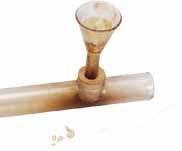
That was my one and only chance to smoke crack, and I passed it up. So when I heard that city attorney Dennis Herrera was going to sue a bunch of local stores for selling crack pipes, I must admit I was curious: What’s the definition of a “crack pipe?” How can you tell what a piece of smoking apparatus is going to be used for?


I asked Jack Song, a spokesperson for Herrera, and he told me it was pretty clear. “They’re glass, and they have certain characteristics,” he said.


Again: I’ve never actually smoked crack, so I have no personal experience with crack pipes. But I used to have a really nice glass pot pipe, which unfortunately was seized by the police in upstate New York many years ago. I went on Google images, the source for all truth, and checked out “crack pipes,” and some of them looked a little like the one I used to use for what we now consider a legal medical treatment.


According to the press reports, an undercover cop went into these stores and asked to buy a crack pipe. The store owners allegedly offered up a specific device, which would not have been terrible smart; when we used to buy bongs in Connecticut, where selling any sort of drug paraphernalia was illegal, the salespeople would talk loudly about how to load “the tobacco.”


In this case, Herrera’s even going a bit beyond crack pipes:


At all times relevant to this Complaint, up to and including the present, in addition to
the permitted tobacco products, Defendants have also displayed and sold smoking paraphernalia, including a large array of pipes and devices commonly referred to as “bongs.”


But Song told me marijuana devices wouldn’t be targeted.


At any rate, the legal case is now going to rest, I guess, on what defines a “crack pipe.” (Apparently there are “meth pipes,” too, which are a little different from crack pipes. I feel so old and uninformed.)


And while I understand the neighbors griping about the stores attracting a nasty element (my old pal on Hayes and Fillmore was harmless enough, but your typical crackhead isn’t great company), I wonder about the ultimate impact of this particular, uh, crackdown.


Herrera’s lawsuit notes:


By providing their customers with a way to ingest illegal and dangerous narcotics, Defendants are creating and contributing to conditions which are injurious to the health, safety and welfare of their customers, neighbors, and the community at large. Defendants’ conduct causes or contributes to offensive and annoying conditions, including, but not limited to: illegal and dangerous trafficking of controlled substances, illegal and dangerous use and abuse of controlled substances, public intoxication, and the crime and nuisance related thereto.


I get that the city attorney considers these stores a community nusiance, and he may well be right. But I don’t think this is going to do much about crack and meth use.


I mean, can’t you smoke crack out of a pot pipe? Can’t you pretty much smoke it out of anything? When I was in high school people stuck their pencils into apples and made holes to smoke pot out of; in college, I learned that, in a pinch, Tampax wrappers made perfectly adequate rolling papers.


Druggies (of the sort who use crack pipes, anyway) may be violent and otherwise fucked up, but they’re notoriously creative. They may stop hanging around these particular stores in these particular neighborhoods, but they’ll find someplace else.


It seems likely that the only ones who are going to suffer for this are the store owners; the crackheads will be just fine. In a manner of speaking.


Music Listings

0

WEDNESDAY 16

ROCK/BLUES/HIP-HOP

Cake Fillmore. 8pm, $36.50.

Dum Dum Girls, Minks, Dirty Beaches Bottom of the Hill. 9pm, $12.

Miguel Independent. 8pm, $20.

Newfangled Wasteland, Dead Winter Carpenters Café Du Nord. 9pm, $10.

Pryor Baird and the Deacons Biscuits and Blues. 8 and 10pm, $15.

Angie Stone Yoshi’s San Francisco. 8 and 10pm, $45.

Stymie and the Pimp Jones Love Orchestra, Selector DJ Kirk Elbo Room. 9pm, $8.

Sunbeam Rd., Spiro Agnew, Red Blue Yellow Hemlock Tavern. 9pm, $6.

JAZZ/NEW MUSIC

Cat’s Corner with Christine and Nathan Savanna Jazz. 7:30pm, $5.

Dink Dink Dink, Gaucho, Michael Abraham Amnesia. 7pm, free.

Ben Marcato and the Mondo Combo Top of the Mark. 7:30pm, $10.

Michael Parsons Revolution Café, 3248 22nd St, SF; (415) 642-0474. 8:30pm, free.

Paula West and George Mesterhazy Quartet Rrazz Room. 8pm, $35.

DANCE CLUBS

Booty Call Q-Bar, 456 Castro, SF; www.bootycallwednesdays.com. 9pm. Juanita Moore hosts this dance party, featuring DJ Robot Hustle.

Hands Down! Bar on Church. 9pm, free. With DJs Claksaarb, Mykill, and guests spinning indie, electro, house, and bangers.

Jam Fresh Wednesdays Vessel, 85 Campton, SF; (415) 433-8585. 9:30pm, free. With DJs Slick D, Chris Clouse, Rich Era, Don Lynch, and more spinning top40, mashups, hip hop, and remixes. Mary-Go-Round Lookout, 3600 16th St, SF; (415) 431-0306. 10pm, $5. A weekly drag show with hosts Cookie Dough, Pollo Del Mar, and Suppositori Spelling.

No Room For Squares Som., 2925 16th St, SF; (415) 558-8521. 6-10pm, free. DJ Afrodite Shake spins jazz for happy hour.

Respect Wednesdays End Up. 10pm, $5. Rotating DJs Daddy Rolo, Young Fyah, Irie Dole, I-Vier, Sake One, Serg, and more spinning reggae, dancehall, roots, lovers rock, and mash ups.

Synchronize Il Pirata, 2007 16th St, SF; (415) 626-2626. 10pm, free. Psychedelic dance music with DJs Helios, Gatto Matto, Psy Lotus, Intergalactoid, and guests.

THURSDAY 17

ROCK/BLUES/HIP-HOP

Cake Fillmore. 8pm, $36.50.

Dogpatch Retox Lounge. 9pm.

*Eluveitie, 3 Inches of Blood, Holy Grail, System Divide Slim’s. 7:30pm, $20.

Everest, Carl Broemel, Infantree Hotel Utah. 9pm, $10.

Gift of Gab, Lance Herbstrong Independent. 9pm, $17.

Manzanita, Sporting Life, Bleached Palms Red Devil Lounge. 8pm, $6.

Popa Chubby Biscuits and Blues. 8 and 10pm, $20.

Spandex Tiger, Disastroid, Fever Charm Bottom of the Hill. 9pm, $8.

Angie Stone Yoshi’s San Francisco. 8 and 10pm, $45.

21st Century, LadyCop, Yearling El Rio. 8pm, $3.

Twilight Singers Amoeba, 1855 Haight, SF; www.amoeba.com. 6pm.

JAZZ/NEW MUSIC

Derek Smith Latin Jazz Band and Andres Speight’s SFSU student bands Savanna Jazz. 7:30pm, $5.

Stompy Jones Top of the Mark. 7:30pm, $10.

Paula West and George Mesterhazy Quartet Rrazz Room. 8pm, $40.

FOLK/WORLD/COUNTRY

Shareef Ali and the Radical Folksonomy Grant and Green. 9pm, free.

Just Desserts Revolution Café, 3248 22nd St, SF; (415) 642-0474. 8:30pm, free.

Leif Karlstrom and Jordan Klein Atlas Café. 8pm, free.

Whisky Richards, Misisipi Rider, Lady A and Her Heel Draggers, West Nile Ramblers Café Du Nord. 8:30pm, $15. Part of the San Francisco Bluegrass and Old Time Festival.

DANCE CLUBS

Afrolicious Elbo Room. 9:30pm, $7. DJs Pleasuremaker and Señor Oz spin Afrobeat, tropicália, electro, samba, and funk and guests Afromassive and DJ Mr. Chatman.

Caribbean Connection Little Baobab, 3388 19th St, SF; (415) 643-3558. 10pm, $3. DJ Stevie B and guests spin reggae, soca, zouk, reggaetón, and more.

Club Jammies Edinburgh Castle. 10pm, free. DJs EBERrad and White Mice spinning reggae, punk, dub, and post punk.

Drop the Pressure Underground SF. 6-10pm, free. Electro, house, and datafunk highlight this weekly happy hour.

Guilty Pleasures Gestalt, 3159 16th St, SF; (415) 560-0137. 9:30pm, free. DJ TophZilla, Rob Metal, DJ Stef, and Disco-D spin punk, metal, electro-funk, and 80s.

Jivin’ Dirty Disco Butter, 354 11th St., SF; (415) 863-5964. 8pm, free. With DJs spinning disco, funk, and classics.

Mestiza Bollywood Café, 3376 19th St, SF; (415) 970-0362. 10pm, free. Showcasing progressive Latin and global beats with DJ Juan Data.

Nightvision Harlot, 46 Minna, SF; (415) 777-1077. 9:30pm, $10. DJs Danny Daze, Franky Boissy, and more spinning house, electro, hip hop, funk, and more.

1984 Mighty. 9pm, $2. The long-running New Wave and 80s party has a new venue, featuring video DJs Mark Andrus, Don Lynch, and celebrity guests.

Peaches Skylark, 10pm, free. With an all female DJ line up featuring Deeandroid, Lady Fingaz, That Girl, and Umami spinning hip hop.

Popscene Rickshaw Stop. 9pm, $10. Emerging artist showcase with Eulogies and Mother Mother, plus DJ Aaron Axelsen.

FRIDAY 18

ROCK/BLUES/HIP-HOP

Beach House Fillmore. 9pm, $22.50.

Estranged, Spectres, Young Offenders, Airfix Kits El Rio. 10pm, $7.

Rick Estrin and the Nightcats Biscuits and Blues. 8 and 10pm, $20.

Mark Growden, Seth Ford Young Brava Theater, 2781 24th St, SF; www.brava.org. 8pm, $20-50.

K-Ci and JoJo Yoshi’s San Francisco. 8 and 10pm, $35.

Lloyd’s Garage, Blackstone Heist, Whiskey Pills Fiasco Café Du Nord. 9:30pm, $10.

Monkey, Gogo 13, Chase Long Beach, Skank Agents, MC Tazy Phyllipz Bottom of the Hill. 8:30pm, $12.

Mustache Harbor, Sean Tabor Band, Oceanroyal Slim’s. 9pm, $13.

Real Nasty, Buxter Hoot’n, Steve Pile Band Hotel Utah. 9pm, $8.

Star Fucking Hipsters, Static Thought Thee Parkside. 9pm, $8.

Stockholm Syndrome Independent. 9pm, $22.

“Streep Tease: An Evening of Meryl Street Monologue and Song” Great American Music Hall. 8pm, $25. All-male cast including Shawn Ryan, Bruce Vilanch, and more.

Ana Tijoux, Yung Mars Project, DJ C-Funk Elbo Room. 10pm, $10.

Wild Thing, Culo, School Jerks Hemlock Tavern. 9:30pm, $6.

JAZZ/NEW MUSIC

Benn Bacot Savanna Jazz. 7:30pm, $8.

Black Market Jazz Orchestra Top of the Mark. 9pm, $10.

Emily Anne’s Delights Revolution Café, 3248 22nd St, SF; (415) 642-0474. 9pm, free.

Messenjah Selah, Woven Roots, Seed N Soil Blue Macaw, 2565 Mission, SF; www.thebluemacawsf.com. 9pm, $10-15.

Paula West and George Mesterhazy Quartet Rrazz Room. 8pm, $45.

FOLK/WORLD/COUNTRY

Boombox, Boctok-Zapad, DJ Stranger Café Cocomo. 8pm, $38.

Earl Brothers, Henhouse Prowlers, BrownChicken BrownCow Plough and Stars. 9pm, $10-15. Part of the San Francisco Bluegrass and Old Time Festival.

DANCE CLUBS

Afro Bao Little Baobab, 3388 19th St, SF; (415) 643-3558. 10pm, $5. Afro and world music with rotating DJs including Stepwise, Steve, Claude, Santero, and Elembe.

Bart B More, Nisus Rickshaw Stop. 9pm, $12.50.

Dirty Rotten Dance Party Madrone Art Bar. 9pm, $5. With DJs Morale, Kap10 Harris, and Shane King spinning electro, bootybass, crunk, swampy breaks, hyphy, rap, and party classics.

Exhale, Fridays Project One Gallery, 251 Rhode Island, SF; (415) 465-2129. 5pm, $5. Happy hour with art, fine food, and music with Vin Sol, King Most, DJ Centipede, and Shane King.

Fubar Fridays Butter, 354 11th St., SF; (415) 863-5964. 6pm, $5. With DJs spinning retro mashup remixes.

Good Life Fridays Apartment 24, 440 Broadway, SF; (415) 989-3434. 10pm, $10. With DJ Brian spinning hip hop, mashups, and top 40.

Hot Chocolate Milk. 9pm, $5. With DJs Big Fat Frog, Chardmo, DuseRock, and more spinning old and new school funk.

Radioactivity 222 Hyde, SF; (415) 440-0222. 6pm. Synth sounds of the cold war era.

Rockabilly Fridays Jay N Bee Club, 2736 20th St, SF; (415) 824-4190. 9pm, free. With DJs Rockin’ Raul, Oakie Oran, Sergio Iglesias, and Tanoa “Samoa Boy” spinning 50s and 60s Doo Wop, Rockabilly, Bop, Jive, and more.

Some Thing Stud. 10pm, $7. VivvyAnne Forevermore, Glamamore, and DJ Down-E give you fierce drag shows and afterhours dancing.

Trannyshack Stevie Nicks Tribute DNA Lounge. 9:30pm, $15. Heklina, Anna Conda, and more pay tribute to the Gold Dust Woman.

Vintage Orson, 508 Fourth St, SF; (415) 777-1508. 5:30-11pm, free. DJ TophOne and guest spin jazzy beats for cocktalians.

SATURDAY 19

ROCK/BLUES/HIP-HOP

Scott H. Biram, Ralph White, Shovelman Bottom of the Hill. 10pm, $12.

Clorox Girls, Midnite Snaxxx, Cigarette Burns, Mermaid Bones Hemlock Tavern. 9pm, $7.

Con Brio Revolution Café, 3248 22nd St, SF; (415) 642-0474. 9pm, free.

Gang of Four, Hollerado Fillmore. 9pm, $32.50.

Gliss, Here Come the Saviours, Spyrals El Rio. 9pm, $8.

Mark Growden, Seth Ford Young Brava Theater, 2781 24th St, SF; www.brava.org. 8pm, $20-50.

Jackie Payne Band Biscuits and Blues. 8 and 10pm, $20.

Keeping Score, Five Fingers of Death Thee Parkside. 2pm, free.

Todd Snider, Elizabeth Cook Great American Music Hall. 9pm, $21.

Stockholm Syndrome Independent. 9pm, $22.

JAZZ/NEW MUSIC

Robert Gastelum Amnesia. 7pm.

Gina Harris and Torbie Phillips Savanna Jazz. 7:30pm, $8.

Ronnie Laws Quartet Yoshi’s San Francisco. 8 and 10pm, $16-25.

Tom Shaw Trio with Sheelagh Murphy Martuni’s, Four Valencia, SF; www.dragatmartunis.com. 7pm.

Paula West and George Mesterhazy Quartet Rrazz Room. 8pm, $45.

FOLK/WORLD/COUNTRY

Foghorn Stringband, Knuckle Knockers Swedish American Hall (upstairs from Café Du Nord). 8pm, $15. Square dance extravaganza with caller Bill Martin. Part of the San Francisco Bluegrass and Old Time Festival.

Forro Brazuca Red Poppy Art House. 8pm, $10-15.

Whitney Nichole, Leftcoastspecial Cajun Band El Rio. 6pm, free.

Pine Box Boys, Old Man Markley, Kemo Sabe, Hang Jones Café Du Nord. 8:30pm, $15. Part of the San Francisco Bluegrass and Old Time Festival.

Craig Ventresco and Meredith Axelrod Atlas Café. 4pm, free.

DANCE CLUBS

Afro Bao Little Baobab, 3388 19th St, SF; (415) 643-3558. 10pm, $5. Afro and world music with rotating DJs including Stepwise, Steve, Claude, Santero, and Elembe.

Bar on Church 9pm. Rotating DJs Foxxee, Joseph Lee, Zhaldee, Mark Andrus, and Nuxx.

Blowoff Slim’s. 10pm, $15. With host-DJs Bob Mould and Rich Morel.

Bootie SF: The Evolution Control Committee DNA Lounge. 9pm, $6-12. Mash-ups.

Cock Fight Underground SF. 9pm, $7. Gay locker room antics galore with electro-spinning DJ Earworm, MyKill, and Dcnstrct.

Fringe Madrone Art Bar. 9pm, $5. Indie music video dance party with DJs Blondie and subOctave.

Full House Gravity, 3505 Scott, SF; (415) 776-1928. 9pm, $10. With DJs Roost Uno and Pony P spinning dirty hip hop.

Industry Factory, 525 Harrison, SF; www.industrysf.com. 10pm, $40. With Ralphi Rosario and Abel.

Non Stop Bhangra Rickshaw Stop. 9pm, $15. Bhangra beats with the Dholrhythms Dance Troupe.

Rock City Butter, 354 11th St., SF; (415) 863-5964. 6pm, $5 after 10pm. With DJs spinning party rock.

Saturday Night Soul Party Elbo Room. 10pm-2am, $5. DJs Lucky, Paul Paul, and Phengren Oswald spin butt-shakin’ ’60s soul on 45.

Spirit Fingers Sessions 330 Ritch. 9pm, free. With DJ Morse Code and live guest performances.

SUNDAY 20

ROCK/BLUES/HIP-HOP

Arboretum, Endless Boogie, Hiking Hemlock Tavern. 9pm, $8.

Brainbow, Passion Killers, Trip the Light Fantastic El Rio. 6pm, $5.

Trace Bundy Café Du Nord. 8pm, $18.

Frustrators, Phenomenauts, Kepi Ghouli Band, Bryan McPherson, Bobby Joe Ebola and the Children McNuggets Rickshaw Stop. 8pm, $12.

Richard Cheese and Lounge Against the Machine Bimbo’s 365 Club. 9pm, $39-60.

Marijuana Deathsquads, Skoal Kodiak, Slapping Purses Bottom of the Hill. 9pm, $12.

Tad Worku Yoshi’s San Francisco. 8:30pm, $20.

JAZZ/NEW MUSIC

Dan Berg Revolution Café, 3248 22nd St, SF; (415) 642-0474. 8pm, free.

Paula West and George Mesterhazy Quartet Rrazz Room. 7pm, $40.

Savanna Jazz Trio and jam session Savanna Jazz. 7:30pm, $5.

FOLK/WORLD/COUNTRY

Highway Robbers Thee Parkside. 2pm, free.

Peter Rowan Bluegrass Band Slim’s. 8pm, $18. Part of the San Francisco Bluegrass and Old Time Festival.

DANCE CLUBS

Call In Sick Skylark. 9pm, free. DJs Animal and I Will spin danceable hip-hop.

DiscoFunk Mashups Cat Club. 10pm, free. House and 70’s music.

Dub Mission Elbo Room. 9pm, $. Dub, roots, and classic dancehall with DJ Sep and guests Habitat Sound featuring Prince Zohar, David Hurley, and Selector Eddir Turbo.

Gloss Sundays Trigger, 2344 Market, SF; (415) 551-CLUB. 7pm. With DJ Hawthorne spinning house, funk, soul, retro, and disco.

Honey Soundsystem Paradise Lounge. 8pm-2am. “Dance floor for dancers – sound system for lovers.” Got that?

Kick It Bar on Church. 9pm. Hip-hop with DJ Zax.

La Pachanga Blue Macaw, 2565 Mission, SF; www.thebluemacawsf.com. 6pm, $10. Salsa dance party with live Afro-Cuban salsa bands.

Play T-Dance: Pajama Party DNA Lounge. 5pm, $35. With DJ Steve Sherwood and DJ Sean Mac.

Religion Bar on Church. 3pm. With DJ Nikita.

Swing Out Sundays Rock-It Room. 7pm, free (dance lessons $15). DJ BeBop Burnie spins 20s through 50s swing, jive, and more.

MONDAY 21

ROCK/BLUES/HIP-HOP

Big Sam’s Funky Nation Yoshi’s San Francisco. 8pm, $15.

*Man or Astro-Man? Independent. 9pm, $15.

DANCE CLUBS

Death Guild DNA Lounge. 9:30pm, $3-5. Gothic, industrial, and synthpop with Joe Radio, Decay, and Melting Girl.

Krazy Mondays Beauty Bar. 10pm, free. With DJs Ant-1, $ir-Tipp, Ruby Red I, Lo, and Gelo spinning hip hop.

M.O.M. Madrone Art Bar. 6pm, free. With DJ Gordo Cabeza and guests playing all Motown every Monday.

Manic Mondays Bar on Church. 9pm. Drink 80-cent cosmos with Djs Mark Andrus and Dangerous Dan.

Network Mondays Azul Lounge, One Tillman Pl, SF; www.inhousetalent.com. 9pm, $5. Hip-hop, R&B, and spoken word open mic, plus featured performers.

Sausage Party Rosamunde Sausage Grill, 2832 Mission, SF; (415) 970-9015. 6:30-9:30pm, free. DJ Dandy Dixon spins vintage rock, R&B, global beats, funk, and disco at this happy hour sausage-shack gig.

Skylarking Skylark. 10pm, free. With resident DJs I & I Vibration, Beatnok, and Mr. Lucky and weekly guest DJs.

TUESDAY 22

ROCK/BLUES/HIP-HOP

Awol One and Factor, Ceschi, Cars and Trains, Kirby Dominant, Megabusive Elbo Room. 9pm, $10.

Drift, CJ Boyd, High Wolf Hemlock Tavern. 9pm, $6.

Justin Townes Earle Great American Music Hall. 8pm, $17.

Brandon Leonard and the Nobodys, Palafox El Rio. 7pm, free.

Lydia Pense and Cold Blood Yoshi’s San Francisco. 8pm, $20.

Trampled Under Foot Biscuits and Blues. 8 and 10pm, $20. Rocky Votolato, Laura Gibson, Piss Pissedofferson Bottom of the Hill. 9pm, $14. JAZZ/NEW MUSIC Graham Connah Revolution Café, 3248 22nd St, SF; (415) 642-0474. 8:30pm, free. Ricardo Scales Top of the Mark. 6:30pm, $5. DANCE CLUBS Alcoholocaust Presents Argus Lounge. 9pm, free. “Stump the Wizard” interactive DJ game with DJ the Wizard and DJ What’s His Fuck. Eclectic Company Skylark, 9pm, free. DJs Tones and Jaybee spin old school hip hop, bass, dub, glitch, and electro. Extra Classic DJ Night Little Baobab, 3388 19th St, SF; www.bissapbaobab.com. 10pm. Dub, roots, rockers, and reggae from the 60s, 70s, and 80s. Share the Love Trigger, 2344 Market, SF; (415) 551-CLUB. 5pm, free. With DJ Pam Hubbuck spinning house. Womanizer Bar on Church. 9pm. With DJ Nuxx

Music listings are compiled by Cheryl Eddy. Since club life is unpredictable, it’s a good idea to call ahead to confirm bookings and hours. Prices are listed when provided to us. Submit items for the listings at listings@sfbg.com. For further information on how to submit items for the listings, see Picks.

Haute pot

9

steve@sfbg.com

CANNABIS Marijuana edibles have come a long way in a short time.

Just a few years ago, the norm was still brownies of uncertain dosage that tasted like eating weed, right down to the occasional stem or lump of leaf, served in a wax paper envelope. But now the foodies have gotten into the game, producing a huge variety of tasty treats that are incredibly delicious even before the munchies kick in.

San Francisco could be on the verge of a culinary revolution that would parallel those being experienced in the realms of boutique eateries, gourmet coffee, and high-end street food vendors — except for the fact that makers of cannabis edibles still reside in a legal limbo.

As long as they’re operating under the umbrella of a cannabis collective, getting marijuana from its growers and selling through its dispensaries, then the weed bakers are in compliance with state law. But they’re still illegal under federal law, and even California law doesn’t allow them to operate independently as wholesalers, making it difficult to scale up operations and do more than just break even financially.

Judging from the skittishness of some of San Francisco’s top edibles producers — who didn’t want to be identified by their real names and were wary of letting us know too much about their operations — they perform this labor of love under a cloud of understandable paranoia.

“Unfortunately, secrecy is a rule we have to live by, day in and day out,” said the founder of Auntie Dolores, who we’ll call Jay. She makes a line of popular, strong, and yummy products that include pretzels, chili lime peanuts, caramel corn, and cookies of all kinds.

Yet the legal threats haven’t stopped producers from professionalizing the edibles industry — in terms of quality control, packaging, consistency, and innovation — and drawing on foodie sensibilities and their own culinary training to develop creative new products that effectively mask or subtly incorporate that bitter cannabis taste.

“We’re all about masking the flavor of the cannabis because I really don’t like the flavor that much,” Jay said of products that are stronger than most but somehow without a hint of weed in them. “People here have a high standard. It’s their medicine and their food, and we have a lot of foodies who are really into our products.”

Choco-Potamus is an example of this new generation of edibles, combining gourmet chocolate-making with the finest strains of cannabis, using only the best buds rather than the leaves and other plant matter that have often gone into edibles. Mrs. Hippo, the pseudonym of the chief baker, has worked for a national company in the food industry for about a decade, mostly doing branding, and it shows in this eye-catching product.

“I’m kind of a foodie. We have friends who roast whole pigs and brew their own beer, that kind of thing,” she said. “Really good high-grade marijuana has some really great flavor qualities, particularly when combined with cocoa. I really want the patients to enjoy the flavor, not just the feeling.”


EAT YOUR MEDICINE

Steve DeAngelo, founder of Oakland’s Harborside Health Center, one of the Bay Area’s biggest dispensaries, said edibles have been increasingly popular, particularly among older users, patients with medical conditions that make smoking problematic, or those who prefer the longer body highs of eating it.

“Our sales of edibles has trended steadily upward since we opened,” DeAngelo said, noting that last year the club sold $1.2 million in edibles, about 5.5 percent of total sales, compared to $306,000 (3.2 percent) after they opened in 2006. “As an absolute amount, we’ve seen the amount of edibles quadruple in the last four and a half years. As percentage of sales, we’ve seen it double.”

He said the main difference between eating and smoking marijuana is duration and onset. Smoking it brings on the high within minutes and it usually last for less than two hours, whereas eating it takes about 45 minutes for the effects to kick in, but they can then last for six to eight hours.

“There are different forms for different symptoms,” he said, noting that edibles are perfect for someone with insomnia or other symptoms that disturb normal sleep patterns, while someone who needs marijuana in the morning can smoke or vaporize it and have the effects mostly gone by the time they go to work.

“When you eat it, it goes through your limbic system, so it hits your brain differently,” said Jay of Auntie Dolores, saying that she and many others prefer the subtle differences in the high they get from eating cannabis. Others who prefer edibles are those looking to just take the edge off without being too stoned. “A lot of the people who like the edibles are moms. They don’t want to smell like pot or be too high,” Mrs. Hippo said.

She noted that her chocolates are not as strong as many of the edibles out there, with each candy bar containing two doses. “It’s a personal preference for how I want the bars to taste,” she said, although she has been working on making a stronger version as well, which many dispensaries and their customers prefer.

But Mr. and Mrs. Hippo say they think taste is becoming as important as strength, calling it an emerging area of the market. “I have a dream that there could be just an edibles dispensary,” Mr. Hippo said, envisioning a pot club with the look and feel of a high-end bakery.

For now, demand for edibles is still driven by “potency and packaging,” says SPARC founder Erich Pearson. “I think people eat food to eat food and enjoy. They don’t eat to get high.” Yet as long as they’re getting high in this competitive marijuana marketplace, the edibles makers have been making better and better tasting products.

Jade Miller makes 12 flavors of cannabis-infused drinks under the Sweet Relief label, with spiced apple cider being her top seller. She draws other training at New York City’s Institute for Culinary Education to make some of the best-tasting drinks on the market.

“I got into it because I needed alternative pain relief when I had whooping cough and a torn shoulder muscle,” Miller told us.

She was injured while on a cooking job with Whole Foods Catering in September 2006. She hated the opiates that she was prescribed for her shoulder pain, preferring marijuana. But when she contracted whooping cough, she couldn’t smoke pot anymore without painful coughing, so she got into making edibles.

At the time, many of the pot-laced foods out there weren’t very good or professionally made. “Some edibles were inedible,” she said. “I became a one-woman campaign against brownies.”


QUALITY CONTROL

With a background in homeopathy and appreciation for marijuana, Jay started making edibles 10 years ago, informally helping two aunts battling cancer. But in the last couple of years she’s honed her recipes, improved her packaging, and transformed her Auntie Dolores snacks into some of the best on the market, available in several local dispensaries, such as Medithrive, SPARC, Bernal Heights Dispensary, and Shambhala.

“I just knew I could make stronger and better-tasting stuff,” she said. “The demand from the patients is really high for great products.”

Horror stories abound about users who overdosed on edibles and ended up being incapacitated all day or night, but that’s mostly been a problem of dosage, which modern technology has helped overcome. Choco-Potamus and other makers routinely send their batches to a lab for testing.

“The idea is we can be helping an edibles producer or a tincture maker quantify the cannabis in the product,” said Anna Ray Grabstein, CEO of Steep Hill Laboratory in Oakland, which tests cannabis and related products for strength and purity. “They’re able to use that information to create consistency in their recipes.”

It’s been difficult to meet the rising demand given the current legal framework.

“Yes, we would love to scale up. I’d love it if more people had access to our product. We’d love to sell it outside of California,” Jay said. “But it’s tricky because there’s so many gray areas,”

Larry Kessler is the program manager for the San Francisco Department of Public Health’s Medical Cannabis Dispensary Inspection Program, which reviews the procedures of edibles makers and requires those who work with one than one dispensary to get a certified food handler license from the state.

“We just want to make sure they know what they’re doing,” Kessler told us.

San Francisco has some unique rules, banning edibles that require refrigeration or other special handling, granting exceptions on a case-by-case basis. Unlike Oakland and some other jurisdictions, San Francisco also requires edibles to be in opaque packaging. “It was to get rid of the visual appeal to children,” he explains.

All the edible makers say they can live with those local rules, and they praise San Francisco as a model county for medical marijuana regulation. The problem is that state law doesn’t allow them to be independent businesses.

“It’s against state law. There’s no wholesaling allowed, and that’s a big issue around edibles,” Kessler said. “It’s a complicated issue.”

All the edibles makers in this story say they are barely getting by financially, and all have other jobs to support themselves. Jay says she’s thought about giving up many times, but she’s been motivated by stories they’re heard from customers about the almost miraculous curative properties of their products, particularly from patients with cancer and other serious illnesses.

“I get an e-mail like this and then it’s back to the kitchen,” Jay said, referring to a letter from a customer who credits her with saving his life. “There are so many positive properties it has. There’s really no other plant like it.”

State of the weed

22

steve@sfbg.com

CANNABIS When we did our first Cannabis Issue a year ago, the Bay Area’s medical marijuana industry was booming, and there was high anticipation that California would soon legalize weed for everyone.

Proposition 19 divided even those who fully support decriminalizing cannabis — partly because the existing system was working so well in San Francisco and many other cities, so people were wary of an uncertain future — and voters rejected the measure in November.

But only the most dogmatic anti-drug warrior would take that vote as a repudiation of the wonder weed, because California’s love affair with its top crop today is stronger than ever. And the burgeoning industry that grows, processes, and delivers marijuana continues to expand rapidly amid a stagnating larger economy.

Three new high-end cannabis dispensaries have opened in San Francisco in the last six months, bringing to 25 the number of licensed clubs, and the selection and quality of indoor and outdoor buds, concentrates, and edibles has never been greater. The industry’s many opportunities are starting to attract top talent from unrelated sectors of the economy, such as Mark Williams and Nic duTemps.

Williams recently quit his job at Apple to start CloudNine, which is developing a high-quality portable vaporizer called Firefly that will be assembled here in San Francisco and released this summer. Unlike current vaporizers made of plastic that use butane heaters to release the cannabanoids from the weed without burning it, Firefly is made of metal and glass with customizable wood inlays, uses advanced batteries in its heating element, and will retail for about $300.

“I decided now is the time,” Williams, 42, said of his decision to leave the corporate cubicle world after 20 years. “The market is maturing and the users’ ability to make a discerning choice about how they’re going to take marijuana is maturing.”

DuTemps worked in public relations for many years and she also jumped ship to do something she loves a few years ago: landscaping backyard gardens. “But then the bottom fell out of the economy,” she said, and people growing marijuana were the only ones who still wanted her expertise.

Yet the supply of cannabis products had grown faster than the number of dispensaries and delivery outlets in recent years. “The clubs were becoming incredibly flooded,” duTemps said. “People have found themselves with copious amounts of product and nowhere to sell it.”

So she decided to marry her PR expertise with her cannabis connections and last month started Sweeter Made, a medical marijuana cooperative and delivery service that uses an old meter maid vehicle for deliveries. DuTemps said she loves “the secret thrill of delivering medical cannabis, hash, and edibles in something that used to give people parking tickets.”

They’re just a couple of the countless Bay Area residents involved in the pot business, an expanding and evolving sector of the economy that even cash-strapped government agencies are getting involved in.

Oakland city officials recently stepped back from their ambitious plan to permit large-scale pot farms in industrial warehouses, mostly because of legal concerns, but that city and Berkeley last year moved forward with plans to legitimize and tax the industry at a higher rate. And the big next step — full legalization of weed for even recreational users — is still lingering on the horizon.

Oaksterdam University founder Richard Lee, who bankrolled placing Prop. 19 on the ballot, has announced that he’ll try again on the November 2012 ballot. He told the Guardian that he’s currently developing his battle plan, consulting his allies, and determining what the measure will look like.

“We’re still doing research on what went right and what went wrong,” Lee told us. “There were lots of people who were for legalization that didn’t like the details [of Prop. 19].”

For example, the measure allowed counties to set different legal standards, potentially creating a logistical nightmare for distributing the product. Lee said the new measure will probably include statewide standards and some degree of local control, but he’s still working with groups ranging from the Drug Policy Alliance to the NAACP to develop it. Meanwhile, CaNORML, the state chapter of the National Organization for the Reform of Marijuana Laws, will be gathering movement leaders together in Berkeley on Jan. 29 for a daylong conference titled “Marijuana Reform: Next Steps for California.”

While there are differing visions for where the movement is headed and over how hard and quickly to push for full legalization, it’s undeniable that the industry is thriving and here to stay.

Set the oven to blaze

0

caitlin@sfbg.com

CANNABIS Used to be when you wanted to eat your weed, you half-listened to that “more-stoner-than-you” friend, scrawled down a couple of vague butter-to-swag ratios, and got to messing up your kitchen with a box of store-bought Duncan Hines brownie mix and quarter bags. But here’s a news flash: stop doing that. You have no excuse for dorm-room shenanigans with the new crop of wholesome marijuana cookbooks, which will teach you the proper way to add buzz to your lemon bars, chicken wings, and Thanksgiving turkey.

Such are some sample offerings from a new cookbook by the Bay’s preeminent voice on weed cooking: Sandy Moriarty. Moriarty is a graduate of Oaksterdam University who felt that the school could benefit from her 20-plus years of experience in the kush kitchen. After doffing her cap and gown, she cooked up a batch of her high-potency weed treats for Oaksterdam staffers and was rewarded with her own cooking courses on the syllabus. “They said ‘wow! This lady’s got something going on,’ ” Moriarty recalled in a phone interview with the Guardian. She now hawks her much-lauded lemon bars in the school’s Blue Sky Cafe and recently released an anthology of her best-loved bud recipes, Aunt Sandy’s Medical Marijuana Cookbook (Quick American Publishing, 96 pages, $18.95).

The secret to pot cuisine, Moriarty says, is in the lipids. “My butter-making process is superior over all,” she told us. So enthusiastic was she on the subject of medicinal marijuana cooking that she launched from one kitchen triumph to the next — the Super Bowl party when she plied guests with THC-laced hot wings and hot sauce, the Thanksgiving when she treated a houseful of happy loved ones to bud-inflected stuffing and a turkey whose skin she had lubed with that fine butter of hers.

So why, when her Oaksterdam classes are regularly packed and her snacks fly off the cafe shelves quicker than you can say “tetrahydrocannabinol,” would Moriarty want to share the secrets of her skills with a wider, cookbook-reading audience? First of all, she’s not giving up the whole goat, or shall we say, gram. When it comes to her famous lemon bars, Moriarty tweaked the recipe in the final publication — the bars in the book won’t knock you on your ass quite as hard as the specimens you’ll find at Blue Sky.

But Aunt Sandy’s has enough of the doyenne’s secrets to get you started in the kitchen. For example: grade AA butter is a must-have and titrating, or eating your weed at intervals to avoid the dreaded edible pass-out (or freak-out), is a must for the budding pot chef. Which brings us to another reason that you’ll want to check out these cookbooks: screw up the flour or salt measurements on a standard apple pie, and you may have to trash it. Screw up your marijuana-laced apple pie, and you’ll just wind up trashed.

STONERS’ DELIGHT: SPACE CAKES, POT BROWNIES, AND OTHER TASTY CANNABIS CREATION

By Spruce, 64 pages, $9.99, Spruce Books

A lovely little guide to medicinal desserts, this book promises sweet satisfaction with a minimum of the kind of jokes only a stoner could delight in.

BAKED: 35 MARIJUANA MUNCHIES TO MAKE AND BAKE

By Chris Stone, 128 pages $12.99, Ten Speed Press

A silly-yet-instructive paperback that lets you take the easy way (e.g., store-bought puff pastry) or the hard way (make the dough your own damn self) with your THC treats.

Remembering John Ross

0

P>John Ross — poet, journalist, hell raiser, and iconic San Franciscan — died Jan. 16 of liver cancer, on the shores of Lake Patzcuaro in Mexico. He had been writing for the Guardian fairly consistently since 1982, for the last 25 years as our Mexico City correspondent.

I wrote a fairly lengthy obituary for him that’s posted on the politics blog at sfbg.com. There are so many stories to tell about John that it’s hard even to begin, but my favorite was his tale of the day he left Terminal Island, the federal prison near Los Angeles where he served more than two years for refusing the draft during the Vietnam War.

The warden saw him to the gates, he told me, and than shook his head and said, “Ross, you never learned how to be a prisoner.”

And that was pretty much the story of his life. He lived every day in the spirit of freedom and social justice. He was beaten by the police in the streets of San Francisco and lost an eye. He went to Baghdad to stand in the way of the bombs when George W. Bush invaded. He dodged Gen. Augusto Pinochet’s bullets in Chile. He was madly fearless and would go wherever the story was.

I wanted this page to be about his life, not his death, so I’m reprinting some of my favorite John Ross poems. They were all self-published, some in booklets photocopied and stapled together, some done at cut-rate printers, but none still available from anyone. They are all labeled “anti-copyright.” I just hope my copies aren’t the last ones on Earth.

There will be a memorial in San Francisco soon. I’ll publish the details when I have them. you can also e-mail obispa@gmail.com for updates.

P.S.: John, as I expected, left very specific instructions for his remains. I quote:

I ask that my body be rendered into ashes and the ashes distributed in the following locations: Trinidad, California, both flow from the bluffs and sprinkled atop the gravesite of my old comrade, E.B. Schnaubelt, a noted anarchist.

San Francisco, strewn along the Mission 14 route between 24th and 16th streets and deposited in the planter boxes outside the Café Bohème.

Mexico, some of my ashes can be dumped in the ashtrays outside the Hotel Isabel and on the sidewalk outside the Cafe la Blanca. A handful can be spread in the zócalo plaza. Other ashes can be spread at the Zapatista caracol in Oventik, on the shores of Lake Pátzcuaro, and in the boneyard at Santa Cruz Tanaco, where my first-born, Tristram, is buried, both in Michoacán.

New York City, my place of birth: I ask that my ashes be strewn in Washington Square Park and other pertinent venues in the East and West Village in addition to Union Square. The remainder of my ashes should be rolled into marijuana cigarettes and smoked by participants in these scatterings. *


THE VIEW FROM MISSION ROCK

The big gray ships

They move so powerful slow

It almost seems We are not getting There.

This gives one hope.

(From At The Daily Planet, 1981)


RONCO Y DULCE

Coming out of the underground On the BART escalator, The Mission sky Is washed by autumn, The old men and their garbage bags Are clustered in the battered plaza We once named for Cesar Augusto Sandino. Behind me down below in the throat of the earth A rough bracero sings Of his comings and goings In a voice as ronco y dulce As the mountains of Michoacan and Jalisco For the white zombies Careening downtown To the dot coms. They are trying to kick us Out of here Again They are trying to drain This neighborhood of color Of color Again. This time we are not moving on. We are going to stick to this barrio Like the posters so fiercely pasted To the walls of La Mision With iron glue That they will have to take them down Brick by brick To make us go away And even then our ghosts Will come home And turn those bricks Into weapons And take back our streets Brick by brick And song by song Ronco y dulce As Jalisco and Michaocan Managua, Manila, Ramallah Pine Ridge, Vietnam, and Africa. As my compa OR say We here now motherfuckers Tell the Klan and the Nazis And the Real Estate vampires To catch the next BART out of here For Hell.

(from Against Amnesia, 2002)


PINOCHET MEETS THE PRESS

If the eye

inside the camera

offends thee,

pluck it out,

pluck out the eye

pluck out the film,

smash the camera,

slash the images,

pour gasoline over those

who framed the images

then strike a match.

Make sure there are

no witnesses,

that those who look

for witnesses disappear.

Silence the people,

cut out the tongues

of those who would complain

about being silenced.

Swear on blazing bibles

that none of you

will ever tell anyone

what you have seen here.

Empty out the nation.

Bury those who insist on staying

in unmarked graves.

Pretend that no one

will ever know.

Turn off the lights.

Try to sleep.

(from Heading South, 1986)


11TH SUICIDE POEM IN NOVEMBER

The next child I won’t father we will name

Nomathamba. We will call her Thembi for short

She will be exactly like Pharaoh drew her. She

Will smile several hours each day. Her teeth

Will come on like white Christmas. She will crawl

Into bed with us to see if we

Are fucking. She will never be scared. She will

Speak Xhosa. I will buy her a dog named Mardi Gras

And she will learn what it is to lose something

You love. She will grow up.

(Unpublished, undated)

Cannabis Club Guide

8

CANNABIS CLUB GUIDE 2012 When we first created our detailed local Cannabis Club Guide two years ago — which you can find at www.sfbg.com/cannabisguide — it seemed as if the marijuana business had entered a golden age of openness and professionalism in San Francisco. But with a federal crackdown shuttering at least a half-dozen dispensaries in the Bay Area (Market Street Collective, Sanctuary, Mr. Nice Guy, Medithrive, Divinity Tree, Marin Alliance for Medical Marijuana) things have changed. Luckily for needy patients and stoners alike, San Francisco has always been a resourceful city, so those meddling feds have actually done very little to disrupt the free flow of the world’s best marijuana.

Even before the cannabis industry moved above ground and into brick-and-mortar storefronts, there were always pot delivery services here. Now they’re really proliferating, so we thought it was high time to add them to our guide. And once we delved into this realm, we found that it was every bit as civilized and professional as a visit to our friendly neighborhood dispensary — and perhaps even more convenient and cost-effective.

The process seems just as secure and legally compliant as it is at the clubs, with most reputable delivery services requiring that you become a member before accessing their products. That means sending them copies of your doctor’s recommendation and California ID, which can be even done from a photo on your smart phone. After the services verify you, you’re good to go.

We’re starting the guide with just a trio of the most high-profile delivery services, as well as a couple more dispensaries, but we’ll be adding to the online guide throughout the year, so check back frequently for more updates.

DELIVERIES

THE GREEN CROSS

This is one of San Francisco’s premier cannabis clubs, setting the standard for everyone else in terms of quality, professionalism, and advocacy for the industry. My sources had long been telling me that the Green Cross carries the best weed in the city — information validated by the long string of awards it accumulates at cannabis competitions. And founder Kevin Reed has been a passionate, high-profile leader in the community for years.

But I became even more impressed once I actually used the service. Its great website features the best descriptions of its nearly two dozen strains of lab-tested marijuana, including where and how it was grown, as well as products ranging from inexpensive pipes to eye drops. I settled on a $40 eighth of Blue Deliah, a sativa-dominant hybrid that looked both cheap and good.

Within about 30 minutes, the friendly delivery guy showed up at my apartment, handed me a white paper bag full of goodies, and charged me $35 with my new customer discount. Inside the bag, there was a grinder, a cool jar, rolling papers, a lighter and other Green Cross swag, a pot cookie, non-medicated munchies, an information packet, a receipt stuck to the inside of the bag — and a baggie of beautifully trimmed buds.

www.thegreencross.org

(415) 648-4420

Opened in 2004

Price: Low to average

Selection: Huge and high-quality

Delivery time: Super fast

Sketch factor: Very low

Access: Secure but easy to use


MEDITHRIVE

When Medithrive opened as a dispensary in my Mission District neighborhood, it became one of my favorite clubs, so I was disappointed to see it shut down by threats from the federal government late last year. But it immediately reinvented itself as a delivery-only club, and it still retains the friendly service and large selection that first endeared me to it.

“It’s definitely been a change for us, but if patients can handle the delivery thing, it ends up being better for everyone,” said the employee who took my order: the Apocalypse Medi-Mix, a mix of high-quality small buds (better for vaporizers) for $40 for four grams. And because I was a newbie to its delivery service, they threw in a free joint.

I called at 3 p.m. and was told to expect delivery between 4:15 p.m.-4:45 p.m. — and it actually showed up at 4 p.m. It wasn’t a problem because I was working at home all afternoon, but I can imagine such a long arrival window wouldn’t be ideal for some. And frankly, the buds were pretty dry, perhaps the result of not moving as much inventory as Medithrive is used to.

But on the whole, it’s still a solid dispensary and a very friendly staff that’s still worth using.

www.medithrive.com

(415) 562-MEDI

Opened in 2010

Price: Average with good deals

Selection: Large

Delivery time: Fast but uncertain

Sketch factor: Low

Access: Secure but easy to use


FOGGY DAZE DELIVERY

This place pops up prominently when people Google marijuana delivery services in San Francisco, but other parts of its operation don’t seem quite as tight as its search engine savvy. Even its readily available website, I learned while trying to order, has an outdated menu of available items. For what it actually offers, customers need to visit www.weedmaps.com, where the guy said the menu would quickly appear when I typed in “foggydaze,” but it didn’t.

Finally, I just asked him to recommend a good sativa strain, and he mentioned just two that they had in stock: Headband and Cheezle. Shooting in the dark, I went with an eighth of Cheezle for $45, and he offered me a new member gift of a joint or sample of equal or lesser priced weed. I opted for the joint because it just seemed easier at that point, particularly since my initial call went to voicemail and then I had to wait 45 minutes to get my information verified. An hour later (he said it would be 45 minutes), I had my weed.

Compared to the bad old days of ordering whatever my underground drug dealer had and jumping through whatever hoops he required, Foggy Daze is much better. But in the modern marijuana scene in this highly evolved city, Foggy Daze doesn’t quite measure up as is.

www.foggydazedelivery.com

(415) 200-7451

Price: Average

Selection: Small

Delivery time: OK, but slow on verification

Sketch factor: Medium

Access: Pretty good


DISPENSARIES

APOTHECARIUM

It was only a matter of time before someone had the idea to really emphasize excellent personal service with high-end products in an elegant environment — but the folks at Apothecarium have done it in a way that really sets them apart from the rest of the pack. This place is an experience more than just a place to score weed, much the same way adventurous bars like Alembic aren’t just about getting tipsy but appreciating just what a cocktail can become in the right hands.

Visitors to the Apothecarium are warmly greeted and seated in front of an extensive (and well-designed) menu, which an knowledgeable staffer patiently and enticingly walks you through, focusing exclusively on you and your needs. Once you finally find what you want, a large jar of your chosen buds emerge, and the employee uses long silver tweezers to place the prettiest ones on a display tray in front of you to inspect while he weighs out your choice of small or large buds with an air of showmanship.

2095 Market, SF

(415) 500-2620

www.apothecariumsf.com

Buds weighed on purchase

Opened in 2011

Price: High to low (“compassionately priced” strains available)

Selection: Large, extremely informative menu available

Ambiance: Looks like a fancy hair salon, hardwood floors and patterned wallpaper

Smoke on site: No

Sketch factor: Low

Access/security: Secure but easy access


1944 OCEAN COLLECTIVE

Despite a somewhat forbidding waiting room, this neighborhood dispensary on a mellow stretch of Ingleside’s Ocean Avenue has a real family feel once you step onto the salesfloor.

I was in the market for edibles when I went to 1944, and chatted with the jocular sales staff about which available edible wouldn’t give me couch lock or paranoia — a fully-functioning treat, as it were. My budtender pointed me towards a sativa-based peanut butter cookie with high potency, and then made me feel OK about our difficulty making a decision. “We’re all stoners here,” he laughed.

Once you make your selection among the edibles, flowers, and tinctures on offer, head to the back of the low-glitz, comfortably appointed room to give your money at the cash register. Head back to the bud counter to pick up your selection — if you’re lucky you can grab a brownie bite, cup of tea, or apple from the buffet to assuage your munchies. There’s even a sign that announces the dispensary’s job counseling and resume writing classes. A somewhat cold exterior sure, but it belies a warm heart. (Reviewed by Caitlin Donohue)

1944 Ocean, SF.

(415) 239-4766

Buds weighed on purchase

Opened in 2004

Price: From cheap to high

Selection: Large

Ambiance: Comfortable seating, jovial staff, family feel

Smoke on site: No

Sketch factor: Forbidding waiting room, friendly inside

Access/security: Tight 


2011 REVIEWS

SPARC

The San Francisco Patient and Resource Center, or SPARC (1256 Mission, SF) immediately set a new standard for dispensaries when it opened last August, combining a stunningly beautiful facility with deep connections to the medical marijuana community and a strong commitment to taking care of patients and moving the movement forward.

Even the casual observer can see what a unique place this is. A selection of almost three dozen bud varietals is presented in the style of a Chinese apothecary, each strain laboratory-tested for strength and purity and labeled with THC and CBD levels. The facility was lovingly designed from scratch with state-of-the-art humidors and security systems, creating an environment that is warm, friendly, and secure, with more employees per customer than other clubs.

Below the surface, SPARC is also setting a standard. Founder Erich Pearson and others involved with the club have been movement leaders for many years and they have deep connections with growers, patient groups, and the progressive political community. So they offer everything from free acupuncture and other services to generous compassionate giving programs to strong support for all aspects of the vertically-integrated collective.

But it is the experience of visiting that is most striking. Get expert advice on choosing from a huge range on indoor and outdoor strains and then settle into one of the tables, load a bowl into the high-end Volcano vaporizer, and taste the fruits of SPARC’s expertise.

There are always lots of great deals to choose from, from one-pound bags for baking for $300 to eighths of the finest outdoor weed for as low as $28.

SPARC is truly an industry leader, setting a high bar for what dispensaries can be.

Prepackaged buds

Opened in 2010

Price: Wide range

Selection: Huge!

Ambiance: Warm, comfortable, hip

Smoke on site: Vaporizing only

Sketch factor: Low

Access/security: Tight but welcoming

———–

IGZACTLY HEALTH CENTER

Opening in late 2010, Igzactly (527 Howard, SF) is the new kid of the block — but it’s already establishing itself as one of the best cannabis clubs around. With a rotating supply of almost 40 varieties of buds to choose from at a full range of prices, it has the biggest selection in town. I asked the bud tender how the club is able to offer such a wide array of high-quality buds, and he said it’s because they’re using a different model than most clubs. Rather than buying the buds from growers, Igzactly uses a consignment system, splitting the proceeds with the growers.

Complementing the huge stock of dried buds, Igzactly also has a large selection of cannabis-infused edibles, concentrates, tinctures, ointments, and just about anything you can get weed into. On top of that, Igzactly has a comfortable lounge and is one of just a handful of clubs that allows vaporizing on site, giving clients a choice of using the top-end Volcano or the Zephyr (my personal favorite) vaporizer models. They even offer complimentary teas and coffee.

The staff there is friendly and customer-oriented. For example, when the club opened, it offered prepackaged buds like most clubs, but it heeded customer input and quickly switched to displaying all their buds in huge jars and weighing them out on purchase, which many patients prefer. And he said the club plans to expand the lounge soon and to add on-site laboratory services by year’s end.

If Igzactly is a sign of where the industry’s headed, the future looks bright and verdant.

Buds weighed on purchase

Opened in 2010

Price: From cheap to average

Selection: Huge!

Ambiance: Green, friendly, inviting

Smoke on site: Vaporizing only

Sketch factor: Low

Access/security: Secure but easy access

———–

SHAMBHALA

I visited Shambhala (2441 Mission, SF) on its second day open, when the smell of paint was stronger than that of weed, so it’s hard to judge it fairly. Check-in for new patients was maddening slow to an almost comical degree, they weren’t yet taking credit cards and had no ATM on site, and they offered a bigger selection of rolling papers than bud varieties.

But I still liked this place, the only one in that stretch of Mission Street. The staff is very friendly and they seem to really know their products. Unlike many clubs that offer a few good deals, the only cheap weed here was Afgoo for $25 per eighth, less than half the price of most of the 13 varieties they offered. When I asked why it was so much cheaper, the bud tender explained that the buds weren’t as tight or well-trimmed as the dispensary expects, although it still proved to be plenty strong and tasty.

Beyond the buds, Shambhala is also part head shop, selling lots of nice glass bongs, a display case filled with pipes, and rolling papers of all shapes and flavors. And while its selection of edibles is small, they do feature all of Auntie Dolores’ yummy cookies and savory snacks, even displaying the pretzels, chili-lime peanuts, and caramel corn in large glass jars on the counter.

Once Shambhala finds its groove, it will be a solid addition to the city’s dispensary network.

Prepackaged buds

Open since 2011

Price: Moderate

Selection: Limited buds, lots of paraphernalia

Ambiance: Clean, open, friendly

Smoke on site: No

Sketch factor: Low

Access/security: Tight

———-

MARKET STREET COOPERATIVE

It’s easy to overlook this place (1884 Market, SF), as I did last year when I first began to compile this guide. Nestled into the back of a wide sidewalk courtyard where Market meets Laguna just up the street from the LGBT Center, Market Street Cooperative has low-key signage and doesn’t seem to do much advertising or outreach, particularly compared to marketing-savvy clubs such as the Vapor Room, Medithrive, and SPARC.

But the operators clearly know what they’re doing, offering a wide product selection in a quiet, clean, no-nonsense environment. They offer a choice of buds for every taste and use, from the best high-end buds at a good price down to eighths for a dirt-cheap $18 and three different grades of shake, which many vaporizer users prefer over the tight buds that they need to grind themselves.

Access is limited to members, and the club insists on being able to verify the recommendation of users in a phone call to their doctors, a stricter standard that most clubs use and one that can get users turned away if their visit is after normal business hours (as they unapologetically did to my friend, the first time a club had denied him entry).

But once you’re in, you’re in, and this long-running club will take good care of you. 

Prepackaged buds

Opened in 1999

Price: Moderate with lots of good deals

Selection: High

Ambiance: Low-key and business-like

Smoke on site: No

Sketch factor: Very low

Access/security: Tight 


RE-LEAF HERBAL CENTER

I wasn’t terribly impressed by ReLeaf (1284 Mission, SF) when I first reviewed the club in 2010, so at their owner’s request I returned recently to give them another look. They have definitely improved in both the feel of the club and its customer service, but it still suffers from some of the same shortcomings I noticed last year.

While they allow smoking on site, which is great, they don’t have any vaporizers or bongs on hand for patients to use, making it seem a little sketchy. The selection of buds is also fairly limited, with about a dozen varieties divided into two pricing tiers (although only a couple selections on each tier really looked and smelled great), and the clones they had on sale during my visit looked scraggly and sickly.

But the employees there are very nice and helpful, and the atmosphere in the club has become more inviting. There carry a large stock of edibles not available in other clubs, including smoothies and other refrigerated snacks that require a special permit from the city to sell. And the customer appreciation barbecue events they offer are a nice touch.

For a small storefront operation, Releaf does a fine job and it’s worth a visit. But with the way in which the bar has been raised for dispensaries in this city, I wouldn’t put Releaf in the top tier. Sorry guys, maybe next year.


Buds weighed on purchase

Open since 2007 ( with three years at previous SF location)

Price: Moderate

Selection: Limited

Ambiance: A loud head shop that also has some weed

Smoke On Site: Yes

Sketch factor: Low

Access/Security: Moderate

—————

2010 REVIEWS

DIVINITY TREE

While the reviews on Yelp rave about Divinity Tree (958 Geary St.), giving it five stars, I found it a little intimidating and transactional (although it was the first club I visited, so that might be a factor). But if you’re looking to just do your business in a no-frills environment and get out, this could be your place.

The staff and most of the clientele were young men, some a bit thuggish. One worker wore a “Stop Snitching” T-shirt and another had “Free the SF8.” But they behaved professionally and were knowledgeable and easy to talk to. When I asked for a strain that would ease my anxiety but still allow me enough focus to write, my guy (patients wait along a bench until called to the counter) seemed to thoughtfully ponder the question for a moment, then said I wanted a “sativa-dominant hybrid” and recommended Neville’s Haze.

I bought 1/16 for $25 and when I asked for a receipt, it seemed as though they don’t get that question very often. But without missing a beat he said, “Sure, I’ll give you a receipt,” and gave me a hand-written one for “Meds.”

Buds weighed on purchase

Open for: four years

Price: Fairly low

Selection: Moderate

Ambiance: A transactional hole in the wall

Smoke On Site: No

Sketch factor: Moderate

Access/Security: Easy. Membership available but not required

————-

GRASS ROOTS

Located at 1077 Post St. right next to Fire Station #3, Grass Roots has the feel of a busy saloon. Indeed, as a worker named Justin told me, many of the employees are former bartenders who know and value customer service. With music, great lighting, and nice décor, this place feels comfortable and totally legit. Whereas most clubs are cash-only, Grass Roots allows credit card transactions and has an ATM on site.

The steady stream of customers are asked to wait along the back wall, perusing the menus (one for buds and another with pictures for a huge selection of edibles) until called to the bar. When asked, my guy gave me a knowledgeable breakdown of the difference between sativa and indica, but then Justin came over to relieve him for a lunch break with the BBQ they had ordered in and ate in the back.

Justin answered my writing-while-high inquiry by recommending Blue Dream ($17 for a 1.2-gram), and when I asked about edibles, he said he really likes the indica instant hot chocolate ($6), advising me to use milk rather than water because it bonds better with the cannabinoids to improve the high. Then he gave me a free pot brownie because I was a new customer. I was tempted to tip him, but we just said a warm goodbye instead.

Buds weighed on purchase

Open for: six years

Price: Moderate

Selection: High

Ambiance: A warm and welcoming weed bar

Smoke On Site: No

Sketch factor: Low

Access/Security: Easy

————–

HOPENET

Hopenet (223 Ninth St.) is one of the few places in the city where you can smoke on site, in a comfortable, homey style, as if you’re visiting a friend’s apartment. In addition to the loveseat, two chairs, and large bong, there is a small patio area for smoking cigarettes or playing a guitar, as someone was doing during my visit.

Although the small staff is definitely knowledgeable, they all seemed stoned. And when I asked about the right weed for my writing problem, a gruff older woman impatiently dismissed any indica vs. sativa distinctions and walked away. But I learned a lot about how they made the wide variety of concentrates from the young, slow-talking guy who remained.

He weighed out a heavy gram of White Grapes for $15, the same price for Blue Dream, and $2 cheaper than I had just paid at Grass Roots. That was in the back room, the big middle area was for hanging out, and the front area was check-in and retail, with a case for pipes and wide variety of stoner T-shirts on the walls.

Buds weighed on purchase

Open for: eight years

Price: Low

Selection: Moderate

Ambiance: Like a converted home with retail up front

Smoke On Site: Yes!

Sketch factor: Low

Access/Security: Easy

————

VAPOR ROOM

Vapor Room (607A Haight, www.vaporroom.com) is San Francisco’s best pot club, at least in terms of feeling like an actual club and having strong connections to its community of patients. It’s a large room where customers can smoke on site, giving this collective a warm, communal vibe that facilitates social interaction and fosters a real sense of inclusiveness.

Each of the four large tables has a high-end Volcano vaporizer on it, there’s a big-screen TV, elegant décor, and large aquarium. There’s a nice mix of young heads and older patients, the latter seeming to know each other well. But, lest members feel a little too at home, a sign on the wall indicates a two-hour time limit for hanging out.

Its early days in the spot next door were a bit grungier, but the new place is bright and elegant. It has a low-key façade and professional feel, and it strongly caters to patients’ needs. Low-income patients are regularly offered free medicine, such as bags full of vapor prepared by staff. Mirkarimi said the Vapor Room is very involved in the Lower Haight community and called it a “model club.”

But they’re still all about the weed, and they have a huge selection that you can easily examine (with a handy magnifying glass) and smell, knowledgeable staff, lots of edibles and concentrates, a tea bar (medicated and regular), and fairly low standardized pot prices: $15 per gram, $25 per 1/16th, $50 per eighth. And once you got your stuff, grab a bong off the shelf and settle into a table — but don’t forget to give them your card at the front desk to check out a bowl for your bong. As the guy told me, “It’s like a library.”

Buds weighed on purchase

Open for: seven years

Price: Moderate

Selection: High

Ambiance: Warm, communal hangout

Smoke On Site: Yes!

Sketch factor: Low

Access/Security: Easy, but membership required

————-

MEDITHRIVE

The newest cannabis club in town, MediThrive (1933 Mission, www.medithrive.com) has a bright, fresh, artsy feel to it, with elegantly frosted windows and a welcoming reception area as you enter. This nonprofit coop takes your photo and requires free membership, and already had almost 3,000 members when I signed up a couple weeks ago. Tiana, the good-looking young receptionist, said the club recently won a reader’s choice Cannabis Cup award and noted that all the art on the walls was a rotating collection by local patients: “We’re all about supporting local art.”

The decorators seemed to have fun with the cannabis concept, with a frosted window with a pot leaf photo separating the reception area from the main room, while the walls alternated wood planks with bright green fake moss that looked like the whole place was bursting with marijuana. There’s a flat-screen TV on the wall, at low volume.

The large staff is very friendly and seemed fairly knowledgeable, and the huge selection of pot strains were arranged on a spectrum with the heaviest indica varieties on the left to the pure sativas on the right. Lots of edibles and drinkables, too. The cheapest bud was a cool steel tin with a gram of Mission Kush for $14 (new members get a free sample), while the high rollers could buy some super-concentrated OG Kush Gold Dust ($50) or Ear Wax ($45) to sprinkle over their bowls.

Prepackaged buds

Open for: one year

Price: Moderate

Selection: High

Ambiance: Professional, like an artsy doctor’s office

Smoke On Site: No

Sketch factor: Very low

Access/Security: Easy, but membership required

————

KETAMA COLLECTIVE

At 14 Valencia St., Ketama is a testament to how silly it is that clubs within 1,000 feet of schools aren’t permitted to allow smoking on site. This former café has a large, comfortable seating area and full kitchen, both of which have had little use since a school opened way down the street last year, causing city officials to ban smoking at Ketama.

Pity, because it seems like a great place to just hang out. Yet now it just seemed underutilized and slow. The staff is small (one door guy and a woman hired last summer doing sales), and we were the only customers during the 20 minutes I was there (except for the weird old guy drinking beer from a can in a bag who kept popping in and out).

But it still had jars of good green bud, several flavors of weed-laced drinks and edibles, and a pretty good selection of hash and kief at different prices, and the woman spoke knowledgeably about the different processes by which they were created. To counteract the slow business, Ketama has a neon sign out front that explicitly announces its business — another indication the industry has gone legit.

Buds weighed on purchase

Open for: six years

Price: Low

Selection: Limited

Ambiance: Hippie hangout, but with nobody there

Smoke On Site: No

Sketch factor: Low

Access/Security: Easy, but free membership required

————

MR. NICE GUY

Belying its name, Mr. Nice Guy (174 Valencia St.) thrilled and scared me, but not necessarily in a bad way. Located across the street from Zeitgeist, the thug factor here was high and so was the security, allowing no human interaction that wasn’t mediated by thick Plexiglass, presumably bulletproof.

After initially being told by a disembodied voice to come back in five minutes, I submitted my doctor’s recommendation and ID into the slot of a teller’s window, darkened to hide whoever I was dealing with. Quickly approved, I was buzzed into a small, strange room with three doors.

I paused, confused, until the disembodied voice again told me, “Keep going,” and I was buzzed through another door into a hallway that led to a large room, its walls completely covered in brilliant murals, expertly painted in hip-hop style. Along the front walls, a lighted menu broke down the prices of about 20 cannabis varieties.

Then finally, I saw people: two impossibly hot, young female employees, lounging nonchalantly in their weed box, like strippers waiting to start their routines. The only other customer, a young B-boy, chatted them up though the glass, seemingly more interested in these striking women than their products.

I finally decided to go with the special, an ounce of Fever, normally $17, for just $10. I opened a small door in the glass, set down my cash, and watched the tall, milk chocolate-skinned beauty trade my money for Fever, leaving me feeling flushed. It was the best dime-bag I ever bought.

Prepackaged buds

Price: Moderate, with cheap specials

Selection: High

Ambiance: Hip hop strip club

Smoke On Site: No

Sketch factor: High

Access/Security: High security but low scrutiny

————-

BERNAL HEIGHTS COLLECTIVE

Bernal Collective (33 29th St. at Mission) seemed both more casual and more strict than any of the other clubs in town — and it also turned out to be one of my favorites.

After refusing to buy pot for a guy out front who had just been turned away, I entered the club and faced more scrutiny than I had at any other club. It was the only club to ask for my doctor’s license number and my referral number, and when I tried to check an incoming text message, I was told cell phone use wasn’t allowed for “security reasons.” On the wall, they had a blown-up copy of their 2007 legal notice announcing their opening.

But beyond this by-the-book façade, this club proved warm and welcoming, like a comfortable clubhouse. People can smoke on site, and there’s even a daily happy hour from 4:20–5:20 p.m., with $1 off joints and edibles, both in abundant supply. Normal-sized prerolled joints are $5, but they also offer a massive bomber joint with a full eighth of weed for $50.

The staff of a half-dozen young men were knowledgeable about the 20 varieties they had on hand and offered excellent customer service, even washing down the bong with an alcohol-wipe before letting a customer take a rip from the XXX, a strong, sticky bud that was just $15 for a gram.

Buds weighed at purchase

Open for: six years

Price: Fairly low

Selection: High

Ambiance: A clubhouse for young stoners

Smoke On Site: Yes

Sketch factor: Low

Access/Security: Fairly tight

————-

LOVE SHACK

This longtime club (502 14th St.) has had its ups and downs, the downs coming mostly because of its location on a fairly residential block. After taking complaints from neighbors, the city required Love Shack to cap its membership, although that seems to be changing because the club let me in, albeit with a warning that next time I would need to have a state ID card. It was the only club I visited to have such a requirement.

Once inside this tiny club, I could see why people might have been backed up onto the street at times. But the staff was friendly and seemed to have a great rapport with the regulars, who seemed be everyone except me. The knowledgeable manager walked me through their 20-plus varieties, most costing the standard street price of $50 per eighth, or more for stronger stuff like Romulan.

On the more affordable end of the spectrum was the $10 special for Jack Herrer Hash, named for the longtime legalization advocate who wrote The Emperor Wears No Clothes, a classic book on the history of the movement.

Buds weighed at purchase

Open for: nine years

Price: Moderate

Selection: High

Ambiance: Small, like a converted apartment

Smoke On Site: No

Sketch factor: Moderate

Access/Security: Tight

————-

COFFEE SHOP BLUE SKY

Blue Sky (377 17th St., Oakland)is based on the Amsterdam model of combining marijuana dispensaries with coffee shops, although it suffers a bit from Oakland’s ban on smoking. Still, it’s a cool concept and one that Richard Lee sees as the future of marijuana-related businesses because of the synergy between smoking and grabbing a bite or some coffee.

Most of Blue Sky is a small coffee shop and smoothie bar, but there’s a little room in back for buying weed. “We’ve got the best prices around,” said the guy who checked my ID, and indeed, $44 eighths and $10 “puppy bags” were pretty cheap. Customers can also sign up to do volunteer political advocacy work for free weed.

The only downside is the limited selection, only four varieties when I was there, although the woman at the counter said the varieties rotate over the course of the day based on the club’s purchases from growers.

Prepackaged buds

Open for: 15 years

Price: Low

Selection: Very limited

Ambiance: A fragrant little room behind a coffee shop

Smoke On Site: No

Sketch factor: Low

Access/Security: Easy

————–

HARBORSIDE HEALTH CENTER

I have seen the future of legitimized medical marijuana businesses, and it’s Harborside (1840 Embarcadero, Oakland). With its motto of “Out of the shadows, into the light,” this place is like the Costco of pot — a huge, airy facility with a dizzying number of selections and even a “rewards card” program.

All new members are given a tour, starting with sign-up sheets for daily free services that include yoga, chiropractic, acupuncture, reiki, consultations with herbalists, and classes on growing. Then we moved to a section with the clones of dozens of pot plant varieties available for purchase (limit of 72 plants per visit), along with a potted marijuana plant the size of a tree.

Harborside is also blazing the trail on laboratory services, testing all of its pot for contaminants and THC content, labeling it on the packaging just like the alcohol industry does. Some of the smaller clubs don’t like how over-the-top Harborside is, and they complain that its prices are high. But those profits seem to be poured back into the services at this unique facility.

Prepackaged buds

Open for: four years

Price: High

Selection: Huge

Ambiance: A big, open shopping emporium

Smoke On Site: No

Sketch factor: Low

Access/Security: Tight

————-

SANCTUARY

The people who run Sanctuary (669 O’Farrell St.), the first club to fully comply with the new city regulations and get its permanent license, have been active in the political push for normalizing medical marijuana, as a wall full of awards and letters from politicians attests. Owner Michael Welch was commended for his work by the Harvey Milk LGBT Democratic Club, where Sanctuary employee Tim Durning has been an active longtime member and former elected officer.

Sanctuary has a generous compassionate giving program and caters to lots of poor residents of the Tenderloin neighborhood. While the club is prohibited from allowing smoking, they fudge the restriction with a Volcano vaporizer. “A lot of patients are on fixed income and live in the SROs, where they can’t smoke, so we let them vaporize here whether they buy from us or not,” Durning told us.

Those who do buy from them find a huge selection — including 20 different kinds of hash and 17 varieties of buds — at a wide price range. Staffers know their products well and take their business seriously, giving a regular spiel to new members about responsible use, which includes maintaining neighborhood relations by not smoking near the business.

Buds weighed on purchase

Open for: six years

Price: Low to moderate

Selection: High

Ambiance: Campaign headquarters for the marijuana movement

Smoke On Site: No, but vaporizing OK

Sketch factor: Low

Access/Security: Easy

————–

GREEN DOOR

If low prices or a huge selection of edibles are what you seek, Green Door (843 Howard St., www.greendoorsf.com) could be the club for you.

Eighths of good green buds start at a ridiculously low $25 and go up to just $50 (the cheapest price for eighths at many clubs and also the standard black market price). If that’s not low enough, super-broke users can buy a quarter-ounce bag of high-grade shake for $40.

If you didn’t already have the munchies going in, you’ll get them perusing the huge menu of edibles: from weed-laced knockoffs of Snickers bars and Reese’s Peanut Butter Cups for just $5 to cupcakes, ice cream, or Chex party mix. They have lots of hash and other concentrates as well.

Somehow, the club also manages to have a strong compassionate giving program and contibutes to local civic organizations that include the Black Rock Arts Foundation, Maitri AIDS Hospice, and Friends of the Urban Forest.

The club itself is a little sterile and transactional, with an institutional feel and employees stuck behind teller windows. But even though that and the steady flow of tough-looking young male customers raise its thug factor a bit, the employees all seemed friendly and helpful, giving free edibles to first-time customers.

Prepackage buds

Open for: nine years (five here, four in Oakland)

Price: Cheap

Selection: High for edibles, moderate for weed

Ambiance: Like a community bank of cheap weed

Smoke On Site: No

Sketch factor: Moderate

Access/Security: Easy access, high security

————–

 

John Ross dies at 72

21

When John Ross left Terminal Island, the federal prison in Los Angeles, after serving a couple of years for refusing the Vietnam draft, the warden shook his head and said: “Ross, you never learned how to be a prisoner.”


I’m not writing the epitaph for whatever gravestone he has or doesn’t have, wherever it might be in the world, but that’s what I’d put on it: “John Ross, 1938-2011. Never learned how to be a prisoner.”


John, who died over the weekend, was a poet, author, activist, agitator and uncontrollable shit disturber, utterly and sometimes insanely fearless, pure of heart and devoted to the cause of social justice so deeply that he could never let up, even for a minute. He was also my friend.


John was a tenant organizer in San Francisco in the 1960s. He ran for supervisor once on a platform of rent control and ending the war; he was kicked off the ballot on the basis that he was a convicted felon. He never got his filing fee back.


After a while, he headed north for Arcata, back to the land, so to speak, and became something of a farmer. He wrote poetry, self-published maybe half a dozen books, most of which I have, some of which are probably lost forever. He wrote freelance for the Guardian, but he had no phone; you’d call him at a bar in Arcata (he swore later that Thomas Pynchon was one of his barmates), leave a message and he’d check in when he got it.


Then in 1984, he showed up at our office in San Francisco, fleeing the Campaign Against Marijuana Planting, which had raided his plot, trashed his house, thrown his typewriter out the window and missed capturing him by a few minutes. He sold the last of the crop in the city, found a room and started writing for us regularly.


He was one of the single most talented writers I’ve ever met — and a reporter willing to go anywhere for a story. He was also an absolute pain in the ass to work with. Every John Ross story I ever edited was a nightmare. He hated editors, almost as a matter of religion; every single word was sacred, and anytime I tried to mess with what he’d created he’d threaten to quit. “Take my name off the masthead; I’m never working for you again” was almost a mantra with us. It got to the point where I had to say: No, John. You can’t quit. You’re part of this operation forever, like it or not. And he always came around.


But it’s not a surprise that he never held down a real job for long.


Sandy Close at Pacific News Service sent him to Mexico City after the big earthquake in 1985, and he wound up at the Hotel Isabel, where he lived for the next 25 years. He took on stories nobody else would do or could do; he’d go places nobody else would dare. “Tim,” he’d always tell me, “you have to go where the story is.”


When the Zapatistas began their rebellion, he hitched a ride south from Mexico City, then hiked into the hills in Chiapas with a bag of granola and a couple of bottles of water, found the rebels in a little hamlet, met Subcommander Marcos and got interviews and information that left the rest of the media in the dust. In the first story he sent me, he described seeing a couple of reporters from the San Francisco Chronicle zipping by in a fancy rented jeep, with about $1,000 worth of camera gear, totally befuddled. They were out of their league; John was right at home.


He called me once, late at night, to ask if I knew any doctors in town. Turns out he’d been beaten pretty badly by the Mexican authorities just before getting on a plane to SF. I asked him how it happened, and he told me that he’d decided, on his own, to stand in the Mexico City airport and make a speech denouncing the government. The cops didn’t respond kindly.


He went to Iraq before the war to serve as a human shield in Baghdad (his emails were all signed “John Ross, humanshield”), left after having some clashes (imagine that) with his Iraqi government minders, travelled all over the world writing and selling his books, sent me pieces from everywhere, lost his eye to an old injury from fighting with the SFPD (his email signature became “Juan Eye”), won and refused an award from the City of San Francisco, wrote a major investigative piece on the death of journalist Brad Will and kept writing until the very end. When he was diagnosed with terminal liver cancer, he started signing his emails “John Ross, not dead yet.”


The last message I got was on Nov. 4. After complaining some more about the cops, he wrote:


“it appears ive written my last articles for the bay guardian — the doctors have given me six months on the outside and then its goodbye this cruel world — we raised some hell when i was here.” It’s signed: “insolidarity johnross enroute.”


Yes, John: We raised some some hell when you were here. Good luck enroute. And I will miss you forever.


John Ross leaves a son, Dante A. Ross, a daughter, Carla Ross-Allen, and a granddaughter, Zoe Ross-Allen, as well as a stepdaughter, Dylan Melbourne and her daugther Honore, as well as a sister, Susan Gardner. Memorial info is pending; I’ll keep you posted.


You can read some of John’s recent articles here and here and a lot more here.

2011 Cannabis Club Guide

0

Welcome to our 2011 Cannabis Club Guide. We’ve added four new clubs to our updated guide, a continuation of last year’s.

As I created my list of the clubs I planned to review, I found abundant online resources such as San Francisco Cannabis Clubs and Weed Tracker. But an even better indicator of how mainstream this industry has become were the extensive listings and reviews on Yelp.com.

I combined that information with recommendations from a variety of sources I interviewed to develop my list, which is incomplete and entirely subjective, but nonetheless a good overview of the local industry and the differences among the clubs.

Also, like our restaurant reviewers, I didn’t identify myself as a journalist on my visits, preferring to see how the average customer is treated — and frankly, I was amazed at the high level of friendly, knowledgeable customer service at just about every club. To comply with city law, all the clubs are fully accessible by those with disabilities.

So, with that business out of the way, please join me on my tour of local cannabis clubs, in the (random) order that I visited them. 

2011 REVIEWS

SPARC

The San Francisco Patient and Resource Center, or SPARC (1256 Mission, SF) immediately set a new standard for dispensaries when it opened last August, combining a stunningly beautiful facility with deep connections to the medical marijuana community and a strong commitment to taking care of patients and moving the movement forward.

Even the casual observer can see what a unique place this is. A selection of almost three dozen bud varietals is presented in the style of a Chinese apothecary, each strain laboratory-tested for strength and purity and labeled with THC and CBD levels. The facility was lovingly designed from scratch with state-of-the-art humidors and security systems, creating an environment that is warm, friendly, and secure, with more employees per customer than other clubs.

Below the surface, SPARC is also setting a standard. Founder Erich Pearson and others involved with the club have been movement leaders for many years and they have deep connections with growers, patient groups, and the progressive political community. So they offer everything from free acupuncture and other services to generous compassionate giving programs to strong support for all aspects of the vertically-integrated collective.

But it is the experience of visiting that is most striking. Get expert advice on choosing from a huge range on indoor and outdoor strains and then settle into one of the tables, load a bowl into the high-end Volcano vaporizer, and taste the fruits of SPARC’s expertise.

There are always lots of great deals to choose from, from one-pound bags for baking for $300 to eighths of the finest outdoor weed for as low as $28.

SPARC is truly an industry leader, setting a high bar for what dispensaries can be.

Prepackaged buds

Opened in 2010

Price: Wide range

Selection: Huge!

Ambiance: Warm, comfortable, hip

Smoke on site: Vaporizing only

Thug factor: Low

Access/security: Tight but welcoming

———–

IGZACTLY HEALTH CENTER

Opening in late 2010, Igzactly (527 Howard, SF) is the new kid of the block — but it’s already establishing itself as one of the best cannabis clubs around. With a rotating supply of almost 40 varieties of buds to choose from at a full range of prices, it has the biggest selection in town. I asked the bud tender how the club is able to offer such a wide array of high-quality buds, and he said it’s because they’re using a different model than most clubs. Rather than buying the buds from growers, Igzactly uses a consignment system, splitting the proceeds with the growers.

Complementing the huge stock of dried buds, Igzactly also has a large selection of cannabis-infused edibles, concentrates, tinctures, ointments, and just about anything you can get weed into. On top of that, Igzactly has a comfortable lounge and is one of just a handful of clubs that allows vaporizing on site, giving clients a choice of using the top-end Volcano or the Zephyr (my personal favorite) vaporizer models. They even offer complimentary teas and coffee.

The staff there is friendly and customer-oriented. For example, when the club opened, it offered prepackaged buds like most clubs, but it heeded customer input and quickly switched to displaying all their buds in huge jars and weighing them out on purchase, which many patients prefer. And he said the club plans to expand the lounge soon and to add on-site laboratory services by year’s end.

If Igzactly is a sign of where the industry’s headed, the future looks bright and verdant.

Buds weighed on purchase

Opened in 2010

Price: From cheap to average

Selection: Huge!

Ambiance: Green, friendly, inviting

Smoke on site: Vaporizing only

Thug factor: Low

Access/security: Secure but easy access

———–

SHAMBHALA

I visited Shambhala (2441 Mission, SF) on its second day open, when the smell of paint was stronger than that of weed, so it’s hard to judge it fairly. Check-in for new patients was maddening slow to an almost comical degree, they weren’t yet taking credit cards and had no ATM on site, and they offered a bigger selection of rolling papers than bud varieties.

But I still liked this place, the only one in that stretch of Mission Street. The staff is very friendly and they seem to really know their products. Unlike many clubs that offer a few good deals, the only cheap weed here was Afgoo for $25 per eighth, less than half the price of most of the 13 varieties they offered. When I asked why it was so much cheaper, the bud tender explained that the buds weren’t as tight or well-trimmed as the dispensary expects, although it still proved to be plenty strong and tasty.

Beyond the buds, Shambhala is also part head shop, selling lots of nice glass bongs, a display case filled with pipes, and rolling papers of all shapes and flavors. And while its selection of edibles is small, they do feature all of Auntie Dolores’ yummy cookies and savory snacks, even displaying the pretzels, chili-lime peanuts, and caramel corn in large glass jars on the counter.

Once Shambhala finds its groove, it will be a solid addition to the city’s dispensary network.

Prepackaged buds

Open since 2011

Price: Moderate

Selection: Limited buds, lots of paraphernalia

Ambiance: Clean, open, friendly

Smoke on site: No

Thug factor: Low

Access/security: Tight

———-

MARKET STREET COOPERATIVE

It’s easy to overlook this place (1884 Market, SF), as I did last year when I first began to compile this guide. Nestled into the back of a wide sidewalk courtyard where Market meets Laguna just up the street from the LGBT Center, Market Street Cooperative has low-key signage and doesn’t seem to do much advertising or outreach, particularly compared to marketing-savvy clubs such as the Vapor Room, Medithrive, and SPARC.

But the operators clearly know what they’re doing, offering a wide product selection in a quiet, clean, no-nonsense environment. They offer a choice of buds for every taste and use, from the best high-end buds at a good price down to eighths for a dirt-cheap $18 and three different grades of shake, which many vaporizer users prefer over the tight buds that they need to grind themselves.

Access is limited to members, and the club insists on being able to verify the recommendation of users in a phone call to their doctors, a stricter standard that most clubs use and one that can get users turned away if their visit is after normal business hours (as they unapologetically did to my friend, the first time a club had denied him entry).

But once you’re in, you’re in, and this long-running club will take good care of you. 

Prepackaged buds

Opened in 1999

Price: Moderate with lots of good deals

Selection: High

Ambiance: Low-key and business-like

Smoke on site: No

Thug factor: Very low

Access/security: Tight 


RE-LEAF HERBAL CENTER

I wasn’t terribly impressed by ReLeaf (1284 Mission, SF) when I first reviewed the club in 2010, so at their owner’s request I returned recently to give them another look. They have definitely improved in both the feel of the club and its customer service, but it still suffers from some of the same shortcomings I noticed last year.

While they allow smoking on site, which is great, they don’t have any vaporizers or bongs on hand for patients to use, making it seem a little sketchy. The selection of buds is also fairly limited, with about a dozen varieties divided into two pricing tiers (although only a couple selections on each tier really looked and smelled great), and the clones they had on sale during my visit looked scraggly and sickly.

But the employees there are very nice and helpful, and the atmosphere in the club has become more inviting. There carry a large stock of edibles not available in other clubs, including smoothies and other refrigerated snacks that require a special permit from the city to sell. And the customer appreciation barbecue events they offer are a nice touch.

For a small storefront operation, Releaf does a fine job and it’s worth a visit. But with the way in which the bar has been raised for dispensaries in this city, I wouldn’t put Releaf in the top tier. Sorry guys, maybe next year.


Buds weighed on purchase

Open since 2007 ( with three years at previous SF location)

Price: Moderate

Selection: Limited

Ambiance: A loud head shop that also has some weed

Smoke On Site: Yes

Thug factor: Low

Access/Security: Moderate

—————

2010 REVIEWS

DIVINITY TREE

While the reviews on Yelp rave about Divinity Tree (958 Geary St.), giving it five stars, I found it a little intimidating and transactional (although it was the first club I visited, so that might be a factor). But if you’re looking to just do your business in a no-frills environment and get out, this could be your place.

The staff and most of the clientele were young men, some a bit thuggish. One worker wore a “Stop Snitching” T-shirt and another had “Free the SF8.” But they behaved professionally and were knowledgeable and easy to talk to. When I asked for a strain that would ease my anxiety but still allow me enough focus to write, my guy (patients wait along a bench until called to the counter) seemed to thoughtfully ponder the question for a moment, then said I wanted a “sativa-dominant hybrid” and recommended Neville’s Haze.

I bought 1/16 for $25 and when I asked for a receipt, it seemed as though they don’t get that question very often. But without missing a beat he said, “Sure, I’ll give you a receipt,” and gave me a hand-written one for “Meds.”

Buds weighed on purchase

Open for: four years

Price: Fairly low

Selection: Moderate

Ambiance: A transactional hole in the wall

Smoke On Site: No

Thug factor: Moderate

Access/Security: Easy. Membership available but not required

————-

GRASS ROOTS

Located at 1077 Post St. right next to Fire Station #3, Grass Roots has the feel of a busy saloon. Indeed, as a worker named Justin told me, many of the employees are former bartenders who know and value customer service. With music, great lighting, and nice décor, this place feels comfortable and totally legit. Whereas most clubs are cash-only, Grass Roots allows credit card transactions and has an ATM on site.

The steady stream of customers are asked to wait along the back wall, perusing the menus (one for buds and another with pictures for a huge selection of edibles) until called to the bar. When asked, my guy gave me a knowledgeable breakdown of the difference between sativa and indica, but then Justin came over to relieve him for a lunch break with the BBQ they had ordered in and ate in the back.

Justin answered my writing-while-high inquiry by recommending Blue Dream ($17 for a 1.2-gram), and when I asked about edibles, he said he really likes the indica instant hot chocolate ($6), advising me to use milk rather than water because it bonds better with the cannabinoids to improve the high. Then he gave me a free pot brownie because I was a new customer. I was tempted to tip him, but we just said a warm goodbye instead.

Buds weighed on purchase

Open for: six years

Price: Moderate

Selection: High

Ambiance: A warm and welcoming weed bar

Smoke On Site: No

Thug factor: Low

Access/Security: Easy

————–

HOPENET

Hopenet (223 Ninth St.) is one of the few places in the city where you can smoke on site, in a comfortable, homey style, as if you’re visiting a friend’s apartment. In addition to the loveseat, two chairs, and large bong, there is a small patio area for smoking cigarettes or playing a guitar, as someone was doing during my visit.

Although the small staff is definitely knowledgeable, they all seemed stoned. And when I asked about the right weed for my writing problem, a gruff older woman impatiently dismissed any indica vs. sativa distinctions and walked away. But I learned a lot about how they made the wide variety of concentrates from the young, slow-talking guy who remained.

He weighed out a heavy gram of White Grapes for $15, the same price for Blue Dream, and $2 cheaper than I had just paid at Grass Roots. That was in the back room, the big middle area was for hanging out, and the front area was check-in and retail, with a case for pipes and wide variety of stoner T-shirts on the walls.

Buds weighed on purchase

Open for: eight years

Price: Low

Selection: Moderate

Ambiance: Like a converted home with retail up front

Smoke On Site: Yes!

Thug factor: Low

Access/Security: Easy

————

VAPOR ROOM

Vapor Room (607A Haight, www.vaporroom.com) is San Francisco’s best pot club, at least in terms of feeling like an actual club and having strong connections to its community of patients. It’s a large room where customers can smoke on site, giving this collective a warm, communal vibe that facilitates social interaction and fosters a real sense of inclusiveness.

Each of the four large tables has a high-end Volcano vaporizer on it, there’s a big-screen TV, elegant décor, and large aquarium. There’s a nice mix of young heads and older patients, the latter seeming to know each other well. But, lest members feel a little too at home, a sign on the wall indicates a two-hour time limit for hanging out.

Its early days in the spot next door were a bit grungier, but the new place is bright and elegant. It has a low-key façade and professional feel, and it strongly caters to patients’ needs. Low-income patients are regularly offered free medicine, such as bags full of vapor prepared by staff. Mirkarimi said the Vapor Room is very involved in the Lower Haight community and called it a “model club.”

But they’re still all about the weed, and they have a huge selection that you can easily examine (with a handy magnifying glass) and smell, knowledgeable staff, lots of edibles and concentrates, a tea bar (medicated and regular), and fairly low standardized pot prices: $15 per gram, $25 per 1/16th, $50 per eighth. And once you got your stuff, grab a bong off the shelf and settle into a table — but don’t forget to give them your card at the front desk to check out a bowl for your bong. As the guy told me, “It’s like a library.”

Buds weighed on purchase

Open for: seven years

Price: Moderate

Selection: High

Ambiance: Warm, communal hangout

Smoke On Site: Yes!

Thug factor: Low

Access/Security: Easy, but membership required

————-

MEDITHRIVE

The newest cannabis club in town, MediThrive (1933 Mission, www.medithrive.com) has a bright, fresh, artsy feel to it, with elegantly frosted windows and a welcoming reception area as you enter. This nonprofit coop takes your photo and requires free membership, and already had almost 3,000 members when I signed up a couple weeks ago. Tiana, the good-looking young receptionist, said the club recently won a reader’s choice Cannabis Cup award and noted that all the art on the walls was a rotating collection by local patients: “We’re all about supporting local art.”

The decorators seemed to have fun with the cannabis concept, with a frosted window with a pot leaf photo separating the reception area from the main room, while the walls alternated wood planks with bright green fake moss that looked like the whole place was bursting with marijuana. There’s a flat-screen TV on the wall, at low volume.

The large staff is very friendly and seemed fairly knowledgeable, and the huge selection of pot strains were arranged on a spectrum with the heaviest indica varieties on the left to the pure sativas on the right. Lots of edibles and drinkables, too. The cheapest bud was a cool steel tin with a gram of Mission Kush for $14 (new members get a free sample), while the high rollers could buy some super-concentrated OG Kush Gold Dust ($50) or Ear Wax ($45) to sprinkle over their bowls.

Prepackaged buds

Open for: one year

Price: Moderate

Selection: High

Ambiance: Professional, like an artsy doctor’s office

Smoke On Site: No

Thug factor: Very low

Access/Security: Easy, but membership required

————

KETAMA COLLECTIVE

At 14 Valencia St., Ketama is a testament to how silly it is that clubs within 1,000 feet of schools aren’t permitted to allow smoking on site. This former café has a large, comfortable seating area and full kitchen, both of which have had little use since a school opened way down the street last year, causing city officials to ban smoking at Ketama.

Pity, because it seems like a great place to just hang out. Yet now it just seemed underutilized and slow. The staff is small (one door guy and a woman hired last summer doing sales), and we were the only customers during the 20 minutes I was there (except for the weird old guy drinking beer from a can in a bag who kept popping in and out).

But it still had jars of good green bud, several flavors of weed-laced drinks and edibles, and a pretty good selection of hash and kief at different prices, and the woman spoke knowledgeably about the different processes by which they were created. To counteract the slow business, Ketama has a neon sign out front that explicitly announces its business — another indication the industry has gone legit.

Buds weighed on purchase

Open for: six years

Price: Low

Selection: Limited

Ambiance: Hippie hangout, but with nobody there

Smoke On Site: No

Thug factor: Low

Access/Security: Easy, but free membership required

————

MR. NICE GUY

Belying its name, Mr. Nice Guy (174 Valencia St.) thrilled and scared me, but not necessarily in a bad way. Located across the street from Zeitgeist, the thug factor here was high and so was the security, allowing no human interaction that wasn’t mediated by thick Plexiglass, presumably bulletproof.

After initially being told by a disembodied voice to come back in five minutes, I submitted my doctor’s recommendation and ID into the slot of a teller’s window, darkened to hide whoever I was dealing with. Quickly approved, I was buzzed into a small, strange room with three doors.

I paused, confused, until the disembodied voice again told me, “Keep going,” and I was buzzed through another door into a hallway that led to a large room, its walls completely covered in brilliant murals, expertly painted in hip-hop style. Along the front walls, a lighted menu broke down the prices of about 20 cannabis varieties.

Then finally, I saw people: two impossibly hot, young female employees, lounging nonchalantly in their weed box, like strippers waiting to start their routines. The only other customer, a young B-boy, chatted them up though the glass, seemingly more interested in these striking women than their products.

I finally decided to go with the special, an ounce of Fever, normally $17, for just $10. I opened a small door in the glass, set down my cash, and watched the tall, milk chocolate-skinned beauty trade my money for Fever, leaving me feeling flushed. It was the best dime-bag I ever bought.

Prepackaged buds

Price: Moderate, with cheap specials

Selection: High

Ambiance: Hip hop strip club

Smoke On Site: No

Thug factor: High

Access/Security: High security but low scrutiny

————-

BERNAL HEIGHTS COLLECTIVE

Bernal Collective (33 29th St. at Mission) seemed both more casual and more strict than any of the other clubs in town — and it also turned out to be one of my favorites.

After refusing to buy pot for a guy out front who had just been turned away, I entered the club and faced more scrutiny than I had at any other club. It was the only club to ask for my doctor’s license number and my referral number, and when I tried to check an incoming text message, I was told cell phone use wasn’t allowed for “security reasons.” On the wall, they had a blown-up copy of their 2007 legal notice announcing their opening.

But beyond this by-the-book façade, this club proved warm and welcoming, like a comfortable clubhouse. People can smoke on site, and there’s even a daily happy hour from 4:20–5:20 p.m., with $1 off joints and edibles, both in abundant supply. Normal-sized prerolled joints are $5, but they also offer a massive bomber joint with a full eighth of weed for $50.

The staff of a half-dozen young men were knowledgeable about the 20 varieties they had on hand and offered excellent customer service, even washing down the bong with an alcohol-wipe before letting a customer take a rip from the XXX, a strong, sticky bud that was just $15 for a gram.

Buds weighed at purchase

Open for: six years

Price: Fairly low

Selection: High

Ambiance: A clubhouse for young stoners

Smoke On Site: Yes

Thug factor: Low

Access/Security: Fairly tight

————-

LOVE SHACK

This longtime club (502 14th St.) has had its ups and downs, the downs coming mostly because of its location on a fairly residential block. After taking complaints from neighbors, the city required Love Shack to cap its membership, although that seems to be changing because the club let me in, albeit with a warning that next time I would need to have a state ID card. It was the only club I visited to have such a requirement.

Once inside this tiny club, I could see why people might have been backed up onto the street at times. But the staff was friendly and seemed to have a great rapport with the regulars, who seemed be everyone except me. The knowledgeable manager walked me through their 20-plus varieties, most costing the standard street price of $50 per eighth, or more for stronger stuff like Romulan.

On the more affordable end of the spectrum was the $10 special for Jack Herrer Hash, named for the longtime legalization advocate who wrote The Emperor Wears No Clothes, a classic book on the history of the movement.

Buds weighed at purchase

Open for: nine years

Price: Moderate

Selection: High

Ambiance: Small, like a converted apartment

Smoke On Site: No

Thug factor: Moderate

Access/Security: Tight

————-

COFFEE SHOP BLUE SKY

Blue Sky (377 17th St., Oakland)is based on the Amsterdam model of combining marijuana dispensaries with coffee shops, although it suffers a bit from Oakland’s ban on smoking. Still, it’s a cool concept and one that Richard Lee sees as the future of marijuana-related businesses because of the synergy between smoking and grabbing a bite or some coffee.

Most of Blue Sky is a small coffee shop and smoothie bar, but there’s a little room in back for buying weed. “We’ve got the best prices around,” said the guy who checked my ID, and indeed, $44 eighths and $10 “puppy bags” were pretty cheap. Customers can also sign up to do volunteer political advocacy work for free weed.

The only downside is the limited selection, only four varieties when I was there, although the woman at the counter said the varieties rotate over the course of the day based on the club’s purchases from growers.

Prepackaged buds

Open for: 15 years

Price: Low

Selection: Very limited

Ambiance: A fragrant little room behind a coffee shop

Smoke On Site: No

Thug factor: Low

Access/Security: Easy

————–

HARBORSIDE HEALTH CENTER

I have seen the future of legitimized medical marijuana businesses, and it’s Harborside (1840 Embarcadero, Oakland). With its motto of “Out of the shadows, into the light,” this place is like the Costco of pot — a huge, airy facility with a dizzying number of selections and even a “rewards card” program.

All new members are given a tour, starting with sign-up sheets for daily free services that include yoga, chiropractic, acupuncture, reiki, consultations with herbalists, and classes on growing. Then we moved to a section with the clones of dozens of pot plant varieties available for purchase (limit of 72 plants per visit), along with a potted marijuana plant the size of a tree.

Harborside is also blazing the trail on laboratory services, testing all of its pot for contaminants and THC content, labeling it on the packaging just like the alcohol industry does. Some of the smaller clubs don’t like how over-the-top Harborside is, and they complain that its prices are high. But those profits seem to be poured back into the services at this unique facility.

Prepackaged buds

Open for: four years

Price: High

Selection: Huge

Ambiance: A big, open shopping emporium

Smoke On Site: No

Thug factor: Low

Access/Security: Tight

————-

SANCTUARY

The people who run Sanctuary (669 O’Farrell St.), the first club to fully comply with the new city regulations and get its permanent license, have been active in the political push for normalizing medical marijuana, as a wall full of awards and letters from politicians attests. Owner Michael Welch was commended for his work by the Harvey Milk LGBT Democratic Club, where Sanctuary employee Tim Durning has been an active longtime member and former elected officer.

Sanctuary has a generous compassionate giving program and caters to lots of poor residents of the Tenderloin neighborhood. While the club is prohibited from allowing smoking, they fudge the restriction with a Volcano vaporizer. “A lot of patients are on fixed income and live in the SROs, where they can’t smoke, so we let them vaporize here whether they buy from us or not,” Durning told us.

Those who do buy from them find a huge selection — including 20 different kinds of hash and 17 varieties of buds — at a wide price range. Staffers know their products well and take their business seriously, giving a regular spiel to new members about responsible use, which includes maintaining neighborhood relations by not smoking near the business.

Buds weighed on purchase

Open for: six years

Price: Low to moderate

Selection: High

Ambiance: Campaign headquarters for the marijuana movement

Smoke On Site: No, but vaporizing OK

Thug factor: Low

Access/Security: Easy

————–

GREEN DOOR

If low prices or a huge selection of edibles are what you seek, Green Door (843 Howard St., www.greendoorsf.com) could be the club for you.

Eighths of good green buds start at a ridiculously low $25 and go up to just $50 (the cheapest price for eighths at many clubs and also the standard black market price). If that’s not low enough, super-broke users can buy a quarter-ounce bag of high-grade shake for $40.

If you didn’t already have the munchies going in, you’ll get them perusing the huge menu of edibles: from weed-laced knockoffs of Snickers bars and Reese’s Peanut Butter Cups for just $5 to cupcakes, ice cream, or Chex party mix. They have lots of hash and other concentrates as well.

Somehow, the club also manages to have a strong compassionate giving program and contibutes to local civic organizations that include the Black Rock Arts Foundation, Maitri AIDS Hospice, and Friends of the Urban Forest.

The club itself is a little sterile and transactional, with an institutional feel and employees stuck behind teller windows. But even though that and the steady flow of tough-looking young male customers raise its thug factor a bit, the employees all seemed friendly and helpful, giving free edibles to first-time customers.

Prepackage buds

Open for: nine years (five here, four in Oakland)

Price: Cheap

Selection: High for edibles, moderate for weed

Ambiance: Like a community bank of cheap weed

Smoke On Site: No

Thug factor: Moderate

Access/Security: Easy access, high security

————–

 

2010 Offies!

0

tredmond@sfbg.com

When a major conservative political movement starts using a name that typically refers to the act of scrotal fellatio, you know it’s morning again in America. In 2010, the teabaggers came home. They nominated candidates who think masturbation is selfish and wonder why monkeys aren’t still evolving into humans. They held rallies urging the government to “get out of my Medicare,” which happens to be a government program. Their leaders praised dictators and urged women who had been raped to look at the bright side of things.

And those were just the headlines.

It’s hard to imagine a year that could be worse than 2010 — but it was a great vintage for the Offies.

Presenting the Off Guard awards for the silliest, most insane, and absolute worst of the year that was.

AND SHE FIGURES IF WE ARREST EVERYONE WITH BROWN SKIN, WE CAN FINALLY GET THIS SORT OF BEHAVIOR UNDER CONTROL

Arizona Governor Jan Brewer told reporters that illegal immigration resulted in beheadings in the desert.

BUT AS LONG AS YOU DON’T TOUCH YOURSELF WHEN YOU THINK OF THE DEVIL, IT’S GOING TO BE OKAY

Christine O’Donnell, the Republican candidate for Senate in Delaware who decried masturbation as a “selfish act,” said she only dabbled in witchcraft and had just one date on a satanic altar.

EXCEPT THAT WE ALREADY ARE, AND WE ALREADY ARE

Jerry Brown said he opposed the state’s marijuana legalization measure because “we can’t compete with China if we’re all stoned.”

LOOK BUSY

A Pew Research Center poll showed that 41 percent of Americans think Jesus will return in the next 40 years.

HEY, IF WE’D JUST CREATED THE WORST ENVIRONMENTAL DISASTER OF THE DECADE, WE’D WANT A LITTLE BREAK, TOO

A few days after the worst oil spill in U.S. history, BP Chief Executive Tony Hayward complained that he wanted his life back.

BUT HE SWEARS HE’LL STOP AT BEHEADINGS

Insurance Commissioner Steve Poizner said if he were governor he’d give the National Guard live ammunition to shoot at immigrants on the border.

AFTER ALL, IF THEY’RE NOT IN AN AIRPLANE, THEY CAN’T DO ANY DAMAGE

GOP Senate candidate Carly Fiorina said that people on the federal no-fly list should have the right to own guns.

OOH, WHEN YOU TALK TOUGH LIKE THAT YOU ALMOST SOUND LIKE SOMEONE WHO COULD STAND UP TO THE REPUBLICANS. OR MAYBE NOT

President Obama asked whose ass he should kick at BP.

IT’S OKAY, THOUGH, AS LONG AS THEY WEREN’T ENGAGING IN ANY SELFISH ACTS

Staffers at the Securities and Exchange Commission got caught spending as much as eight hours a day downloading porn at the office.

AND SOMETIMES GOP CANDIDATES ARE NITWITS

Nevada GOP Senate candidate Sharron Angle praised Chilean dictator Augusto Pinochet for his efforts to privatize that country’s retirement system, saying “sometimes dictators have good ideas.”

YEAH, COME ON, WHY CAN’T YOU LOOK AT THE BRIGHT SIDE OF THINGS?

Sharron Angle said that women who have become pregnant as the result of rape or incest should “turn lemons into lemonade.”

DAMN GUMMINT TRYING TO INTERFERE WITH PRIVATE BIDNESS

GOP Congressman Joe Barton of Texas apologized to BP for a White House “shakedown.”

YES, AS A MATTER OF FACT I DO OWN THE WHOLE GODDAM SCHOOL

Meg Whitman’s son threw softball equipment over a fence to kick a group of computer science and physics students off the Princeton rugby field.

NICE, SINCE THOSE GROUPS ALL GOT ALONG SO WELL

GOP Senate candidate Chuck DeVore compared Palestinian activists to Nazis, Fascists, and Communists.

AND OF COURSE, THAT WORKS SO WELL WITH MODERN MANAGED CARE

Nevada banned chicken costumes from the polls after Nevada Senate candidate Sue Lowden said that people should barter with doctors for health care the way “our grandparents would bring a chicken to the doctor.”

ANOTHER GREAT MOMENT IN THEOLOGY FROM THE MAN WHO BROUGHT YOU THE PEDOPHILE PRIEST COVER UP

Pope Benedict said it was okay for male prostitutes to wear condoms.

SO HE’S GOT THAT GOING FOR HIM. WHICH IS NICE

Formerly classified State Department cables revealed that the premier of Korea is still an excellent drinker.

ACTUALLY, THEY TOOK ONE LOOK AT THE TEA PARTY AND DECIDED THEY WERE BETTER OFF AS THEY ARE

Senate candidate Christine O’Donnell said that evolution was a myth; after all, she wondered, “why aren’t monkeys still evolving into humans?”

THE CHURCH HAS ALWAYS BEEN KNOWN FOR ITS SENSE OF PERSPECTIVE

The Vatican announced that the ordination of women and the abuse of children were both “grave crimes.”

THAT’S OKAY, IT WILL LOOK GOOD ON HIS RESUME

Gavin Newsom decided to run for lieutenant governor after saying he didn’t know what the job was.

YOUR TAX DOLLARS AT WORK, CIA EDITION

The United States held high-level negotiations with a supposedly senior Taliban operative who turned out to be a Pakistani shopkeeper.

BUT WAIT — HOW WILL WE KNOW IF WE’RE SUPPOSED TO WORRY OR NOT?

The Department of Homeland Security abandoned color-coded safety alerts.

THE INTELLIGENCE AND CULTURAL TASTE OF THE AMERICAN PEOPLE IS SIMPLY STAGGERING

Sarah Palin’s daughter, Bristol, made it to the final round of Dancing with the Stars.

WHICH MAKES HIM ENTIRELY QUALIFIED TO SERVE AS A REPUBLICAN POLITICIAN

Dan Quayle’s son ran for Congress in Arizona and admitted that he had been posting on “dirty Scottsdale” under the name of Brock Landers, a sidekick to porn star Dirk Diggler.

IS HE ONE OF THE NAZI FASCIST COMMUNISTS, TOO?

Rand Paul said Obama’s criticism of BP was “un-American.”

WAIT — WAS THAT A BROWN ALERT?

The California Highway Patrol shut down its South Lake Tahoe office after officers found an anal vibrator and thought it was a bomb.

HONESTY IS JUST PART OF THE PROCESS OF RECOVERY

Tiger Woods admitted that he sucked.

EXCEPT THAT IT MOSTLY BENEFITS THE INSURANCE INDUSTRY

Vice President Joe Biden called the health reform bill “a big fucking deal.”

IT’S THOSE CUTE WOODEN SHOES, YOU SEE

NATO Commander John Sheehan said Dutch soldiers were too gay.

DAMN, AND HE’S SUCH AN ATTRACTIVE MAN. I’M SURE THE TSA FOLKS WERE REALLY LOOKING FORWARD TO IT

John Tyner told Transportation Security Administration officials in San Diego that if “you touch my junk, I’ll have you arrested.”

AND HE WASN’T EVEN TALKING ABOUT HER

Sarah Palin demanded that Rahm Emanuel apologize for using the term “fucking retarded.”


SINCE WE ALL KNOW THOSE PEOPLE DON’T KNOW HOW TO SPEAK IN PUBLIC

MSNBC Host Chris Matthews was so excited by an Obama speech that he said he “forgot he was black.”

THE CUSTOMER IS ALWAYS RIGHT

Pacific Gas & Electric Co. spent $50 million on a ballot initiative to stop public power, and lost after getting soundly defeated in every county where the utility has customers.

YOU MAY BE PART OF THE FAMILY, BUT WHEN IT COMES TO MY POLITICAL CAREER, HONEY, YOU’RE OUT THE DOOR

Meg Whitman fired her housekeeper when she found out she was in the country illegally.

BUT THEY’RE ALIKE ANYWAY, RIGHT?

Sharron Angle defended a campaign ad depicting menacing-looking Hispanic men by telling members of the Hispanic Student Union at the University of Nevada, Las Vegas that many of the members looked Asian.

OF COURSE, SHE SKIPPED THE FIRST FEW AMENDMENTS — BOOORING!

Christine O’Donnell said she couldn’t find anything about the separation of church and state in the Constitution.

BECAUSE IN A FIREFIGHT, THE FIRST THING ANYONE WOULD BE THINKING ABOUT IS HIS SERGEANT’S CUTE ASS

Sen. John McCain said he opposed ending “don’t ask, don’t tell,” talked about all the soldiers and Marines who lost limbs, and said that “when your life is on the line, you don’t want anything distracting.”

SINCE WE ALL KNOW THAT HEALTH INSURANCE MAKES YOUR PEE SMELL FUNNY

Federal judge Henry Hudson asked Obama administration officials whether the new health care plan was similar to forcing all Americans to eat asparagus.

SO IT’S JUST AS WELL THOSE PEOPLE ON THE NO-FLY LIST HAVE THE RIGHT TO KEEP AND BEAR ARMS

Sharron Angle said that the Obama administration’s policies might require “Second Amendment solutions.”

IT’S PERFECTLY FINE FOR HOMOSEXUALS TO ATTEND MARRIAGE CEREMONIES, AS LONG AS THEY’RE JUST THE HIRED HELP

Sir Elton John played at Rush Limbaugh’s wedding.

SURE, GREAT FUN. JUST LIKE SHOOTING YOUR FRIENDS WITH A HUNTING RIFLE

Dick Cheney said he had been a “big supporter of water boarding.”

DAMN, SUPERVISOR, THE OFFIES WILL MISS YOU

Chris Daly vowed to say “fuck” at every single board meeting in 2010.

Alerts

0

news@sfbg.com

WEDNESDAY, DEC. 22

Floyd Westerman Retrospective

You may remember him for his role in “Dances with Wolves” as Chief Ten Bears and as a country western singer/songwriter. But Floyd Westerman, a.k.a. Red Crow, was also an outspoken activist for Native Americans and the environment. A new documentary by Steve Jacobson explores his later life and activism. Along with the film, there will also be a social hour at 6:30 and a discussion following the film.

7:30–9:30 p.m., $5 suggested donation

Humanist Hall

390 27th St., Oakl.

510-681-8699

Real Mercantile Holiday Bazaar

If you still have some holiday shopping to do and just can’t summon the will to hit the stores or feed the machine, you can get some great stuff while supporting the local arts community and underground economy at the Real Mercantile Holiday Bazaar. held at arts impresario Chicken John spacious home and performance space. Homemade gifts and food are all available in a festive and very San Francisco atmosphere.

5–9 p.m., free

Chez Poulet

3359 Cesar Chavez, SF

www.therealmerchantile.com

THURSDAY, DEC. 23

Festivus 2010

San Francisco’s legendary Sisters of Perpetual Indulgence and pot activist Ed Rosenthal’s Green Aid unite to present a night of fundraising for the Medical Marijuana Legal Defense and Education Fund. The bash features an airing of grievances, feats of strength, the annual meeting of Dessert First Club, and live music and entertainment including The Phat Fly Girls and burlesque. Creative dress and cross-dressing encouraged.

7:30–11:30 p.m., $50 presale, $60 at door

SomArts

925 Brannan, SF

415-515-7483

SUNDAY, DEC 26

Get Your Spawn On

Join Brent Plater on a stroll through Muir Woods National Monument to learn more about coho and steelhead salmon and how to help them survive. The walk also features a search for endangered salmon in Redwood Creek. Make sure to wear something warm and bring your hiking boots.

10–12 p.m., free with RSVP

Meet at the Dipsea Trail trailhead

Muir Woods National Monument, Mill Valley

www.wildequity.org/events/3166

TUESDAY, DEC 28

Castro Queer-in

Join concerned local resident ins protesting the recently passed sit/lie ordinance more formally known as Proposition L. Bring out any and all musical instruments, games, food to share, face-painting kits, and any items to barter. Everyone will gather outside of Harvey Milk’s former camera store.

Noon–2 p.m., Free

575 Castro

Mail items for Alerts to the Guardian Building, 135 Mississippi St., SF, CA 94107; fax to (415) 437-3658; or e-mail alert@sfbg.com. Please include a contact telephone number. Items must be received at least one week prior to the publication date.

Mayor? Ammiano says no thanks

4

Assemblymember Tom Ammiano made it official today, Dec. 7th — despite the efforts of Sup. Chris Daly and others to get him to serve as the city’s interim mayor, he’s declining. I just got the official statement:


I sincerely appreciate and understand the recent public efforts asking that I seek the nomination for interim mayor when Mayor Newsom steps down in January to become Lt. Governor but I must respectfully decline any nomination from the Board of Supervisors.


I was sworn in yesterday for my second term in the California State Assembly and I believe that the same strong progressive values that have inspired my twenty years as an elected official are needed now more than ever in the State Capitol.  One of the weaknesses of our current state government is a lack of true investment in the various elected offices due to the revolving door syndrome caused by term limits but I am committed to finishing the work that I have begun in Sacramento, including reforming our antiquated marijuana laws, closing the corporate loopholes in Proposition 13, ensuring adequate funding for the on-going battle against AIDS and continuing the struggle for equal rights for our LGBT community.


Since the board meets this afternoon to start the process of choosing a new mayor, Ammiano clearly wants to be sure that his name isn’t placed into nomination — a move that would force his many allies and supporters on the board either to vote against him (a potential show of disrespect for a man who many see as the father of the modern progressive movement in San Francisco) for vote for him (and push him toward a job he doesn’t want).


I don’t know if Daly will still nominate Ammiano; he was quoted today in the Bay Citizen saying that Ammiano “knows the gravity of the situation … I think if he has to opportunity to let that sink in a bit he might change his mind.” But I do know that Ammiano isn’t happy about being pushed by Daly, and would like to get his name out of the mix and move on.


So with all due respect to the many folks I know who want to encourage Tom (and I personally think he’d be a great mayor), he’s made his decision, and we have to respect that.

War on drugs rages on

0

By Pamela A. MacLean

news@sfbg.com

The two Norton brothers thought someone was breaking into their Oakland apartment to kill them one pre-dawn day in October 2007. Instead, a couple dozen well-armed and screaming federal drug agents stormed the place, rousted the pair, and dragged them around the apartment before arresting them.

Winslow and Abraham Norton operated one of the most successful medical marijuana dispensaries in the Bay Area, the Compassionate Patients’ Cooperative of California, in Hayward. In just the first six months of 2007, the operation grossed $26 million.

But if they thought facing a federal indictment on charges of conspiracy to possess and distribute more than 1,000 kilos of marijuana and money laundering was their worst nightmare, the Norton brothers just weren’t dreaming big enough.

The pair — with all-American good looks, close-cropped beards, and infectious smiles — finish each other’s sentences when they describe their run-in with the federal justice system.

“We were 11 and 14 when medical marijuana was legalized, and we grew up in Berkeley,” Abraham said “It may be naïve, but we didn’t understand the legality. Now we know federal law a lot better.”

Abraham, 26, and Winslow, 29, played by the rules in California’s fledgling medical marijuana law. In 2005 they got an Alameda County permit to operate from the former Sheriff Charles Plummer, a seller’s permit from the state, paid taxes, and had random inspections by local police.

They even hired security guards to patrol the place to make sure patients felt safe. After abandoning a couple of security companies as “no good,” they hired a tough bunch that had former Navy SEALS, Marines, and cops in their ranks, SEAL-Mar Security. They rotated a crew of 44 different guards who patrolled outside and carried Glocks, Smith & Wessons, Sig Sauers, and Rugers to make sure no one caused trouble.

“We are very proud we were squeaky clean and examined under a microscope,” Winslow said. “We never did a deal out the back door,” Abraham insisted. They sold so much marijuana to legitimate patients “it never made sense and it would have hurt the company” to do any illegal side deals, Winslow said.

But selling marijuana is still a federal crime, and in negotiations the prosecutor insisted the brothers accept five-year minimum prison terms. They refused, offering to plead guilty to conspiracy and let U.S. District Judge D. Lowell Jensen set the sentence. Assistant U.S. Attorney Steve Corrigan balked. Then, according to the Nortons and their lawyers, Corrigan upped the ante, threatening to indict their mother, who helped out in the co-op by opening up for the early shift.

“We had to tell her over a Thanksgiving,” Winslow said. “It was pretty miserable. We didn’t know what to do.”

Then, in February 2009, the government indicted their father instead, along with a coworker, and added a far more serious charge: aiding in the carrying of a firearm to further a drug crime. That charge alone carries up to life in prison, but no less than five years.

The Nortons had no guns. It was the gun-toting security team that was “aiding” in a drug conspiracy.

“It is plain and simple coercion, nothing less than that,” said Harold Rosenthal, Abraham’s attorney.

“When we heard the charge, we said ‘you must be kidding,'” says Doron Weinberg, the high-profile defense lawyer who defended record producer Phil Spector in his 2007 murder trial. “I have never before heard of a person charged with violation of a gun law because they hired a security guard.”

Although there is a new U.S. attorney, Melinda Haag, she isn’t talking. “It is an ongoing case so we have no comment,” said her spokesman Jack Gillund.

Sheriff Plummer, who retired in 2007 after 50 years in law enforcement, said of the weapons charges: “It’s bullshit.”

“While I don’t favor their type of business, it was legal. I wanted to make damn sure they were protected, people were protected, and the building was protected. I told them to hire a security crew,” he said.

Abraham says Plummer assured them during a county Board of Supervisors meeting that if they did everything he required, the feds would leave them alone. “I could have said that,” Plummer said when asked about that assurance.

Although the new charge is “aiding” use of weapons, the security crew was not charged with a crime. It had no effect on the guards or the company, according to Tom Turner, one of SEAL-Mar’s owners.

The indictment of their father, Michael, was no accident. Michael is a patient of the dispensary, but the brothers and his lawyer, Bill Osterhoudt, say Michael had no ownership interest in the co-op.

What Michael Norton does have is a criminal record. In the 1980s, he went to prison for two years in what was known as the Kona coffee caper. He bought low-cost Guatemalan coffee beans and sold them as pricey Hawaiian Kona coffee.

Piled on to the Norton brothers’ legal problems is a tax bill that went unpaid when the federal agents raided their apartment and the business. When the federal agents swept in three years ago, they seized the brothers’ two cars, a house they just bought, more than 300 pounds of marijuana, and an electronic deposit of nearly $340,000 in sales tax sent to the state Board of Equalization, according to Winslow.

“We thought the wire transfer cleared. We had confirmation, but the government still seized it,” Abraham said. “They stole the money,” Winslow said. That debt, with penalties and interest, is now close to $1 million, according to Abraham.

“The feds snatched the sales tax money and left the Nortons liable for it, and now they have liens against them for the money,” Rosenthal said.

The irony for the brothers is that they believe they were the first dispensary to voluntarily pay sales taxes. “We collected them for six months and took a check for $1 million to the BOE,” Abraham said. “They didn’t want to take money from medical marijuana sales and told us to call it something else,” Winslow said. “We refused. They wanted us to lie and say the bags cost $300 and the contents were free. But that would have screwed up our accounting.”

After accepting the initial payment, within a week the board issued letters to all the dispensaries in the state asking for sales tax, according to the brothers.

Judge Jensen rejected defense efforts to get the gun charges thrown out in September. But Jensen, a Republican former prosecutor, signaled he is not happy and ordered both sides to sit down Dec. 9 for formal talks before a magistrate to see if they can resolve the case.

“It’s not enough to say we want the case dropped,” Abraham said. “Our credit is destroyed. We can’t work.”

“Three years later we are still fighting it,” Winslow said. “We’ve been fighting this almost as long as the dispensary existed.”

As for the brothers’ chances to negotiate a resolution with the feds, Rosenthal said, “I’m somehow hoping the clouds are going to part and sanity is going to set in.”

Red-eyed and happy at the Cannabis Competition

9

All photos by Erik Anderson

Somewhere amidst the marijuana energy drinks and exuberantly filled bags of Volcano vapor at yesterday’s fourth annual Cannabis Competition, a young lady named Lacey was making a name for herself. 

“Sales have been excellent – we’ve cornered it! I think the best sellers have been the shortbread cookies. You can have them alone or we also make them into filled sandwiches,” said the fetching entrepreneur of Laced Cakes, who sat with her girl friends behind stacks of individually packaged marijuana edibles, all attired in vintage approximations of boho homemakers.

The trio joined proud purveyors of marijuana energy drinks, handmade color-changing coffee mugs, and raw organic hemp rolling papers — not to mention the more urban, less crunchy beats than Competitions past by Bayonics, Manicato, and Mystic Roots — in a celebration of gourmand greens. Set in Terra’s be-succulented patio and indoor space, the Competition was a happy, if slow moving refutation of the fact that pot heads can’t party.

Lesson of the day? There is life post-Prop 19. Even while plagued with last-minute venue kerfuffle and copyright blowback from the OG cannabis cuppers, High Times, the Cannabis Competition hit it big with SF indian summer weather to die for and an enthusiastic crowd. “It was an extremely successful event in terms of people having fun,” said Kevin Reed, CEO of the Green Cross, the pot delivery service that sponsored the event. 

“I think that [the venue change] probably did keep a lot of people home – anything that has to do with the police department will do that – but it did get us some mentions in the press,” Reed continued. He said that a few vendors also backed out at last minute for fear of conflict with the law. 

But the trepidation of the competition suited Lacey (real name: Courtney, she didn’t want her surname in the press) just fine. Laced Cakes has been around since 2007, but lack of consistency with her inventory – “you know how that happens,” she smiles – led to Lacey losing her regular selling gig at the Green Door, a SoMa dispensary. 

Six days before the Competition, the buyer at the Green Door mentioned there was an empty vendor booth still available – would Laced Cakes like an expo debut? Lacey sprung into action and baked up some product, even learning a recipe for caramel that looked like a success from where I was standing and admiring her cakes. Her other offerings? Zucchini bread, vegan butter, take and bake cookies with their own little tubs of frosting – all “medicated,” all preciously packaged and ready for action. 

Which was kind of a shame, because by the time I ran across her booth, I was in no shape to eat any more weed. In fact, by the end of the eight hours of Cannabis Comp, it was fair to say that not many were – particularly the judges of the Patient’s Choice contest itself. I spoke with one judge, who paid $250 for the privilege of weighing in on the Bay’s best buds. The Green Cross mails these brave arbiters 43 strains of weed (a gram of each), 17 kinds of weed edibles, and eight weed concentrates. 

Ahem, a mere 10 days before the competition. Clear your schedule! Reed says some patients – you have to have your medical marijuana card to participate – hosted tasting parties with their similarly-carded friends to help share the burden of the position. 

I got a chance to check out the tiny microscopes included in the judge’s package of fun (the Green Cross hands them out to all its patients who place orders with them). Equipped with a button to turn regular or black light on your bud of choice, the ‘scope revealed a tiny new land of purples and greens and complex crystal formations. The whole thing looked a lot like some dendrite-heavy sea creature. An pungent anemone, maybe. Or maybe I was just stoned.  

Makes you think differently about marijuana – the intent, surely, of a peaceful party packed with pot. Maybe the rest of the state’s not ready for legalizing the dro, but it would seem that for San Francisco, a lot of the victory would be a symbolic one. Symbols, man. 


2010 Cannabis Competition Patient’s Choice award winners (congrats!)

Best Edibles: First place – Scott Van Rixel’s Bang Dark Chocolate

Second place – (tie) Auntie Dolores’ chili-lime peanuts, The Green Door’s Buddies peanut butter pucks

Third place – Sean Polly’s Hash on the Mountaintop 


Best Concentrates: First place – (tie) The Green Cross’ Frosty Oil, The Vapor Room Co-operative’s Blue Moonrocks

Second place – The Green Door’s G18

Third place – The Green Cross’ Sour diesel keef 


Best Cannabis: First place – Boss’ OG Kush

Second place – (tie) Allen Wrench’s Island in the Sky, The Green Door’s Granddaddy, The Green Cross’ Kryptonite

Third place (tie) – Earth Green Cali Farm’s Jack Hare, Dutch Treat by San Francisco Medical Cannabis Garden


Pot competition survives SFPD crackdown

1

Prop. 19 may have been defeated last week, but marijuana is still the state’s top cash crop, and one where agricultural artisanship continues to flourish within the medical marijuana movement. The best of Northern California’s pot crop will be on display this weekend, Nov. 14, for the Fourth Annual Medical Marijuana Competition. The event features judging and awards in a variety of categories, from best bud to the best concentrates and edibles. The event, which will also feature information booths and entertainment, will be held at Terra Galley, 511 Harrison Street, SF. Tickets are $18.

But this was one party that almost wasn’t. Event organizers had to scramble for a new location after the San Francisco Police Department denied them a permit to hold event in the previous year’s location in Cafe Cocomo. According to David Goldman, a competition organizer and member of the Americans for Safe Access (ASA), the California department of Alcoholic Beverages Control even threatened to revoke Cafe Cocomo’s liquor license should they house the event. Café Cocomo has had recent problems, includng a shooting out front on Oct. 9, but club operators declined to comment on those incidents or the cops blocking their pot party.

Organizers say the ensuing scramble for a new location cost the event, which is a fundraiser for ASA, over $10,000. “It’s been a nightmare to throw this party,” Kevin Reed, co-chair of the event and president of the Green Cross, told us. But even with the cost of the move, Reed is hopeful about the new venue and the turnout. “Last year we had about 600 or 700 people and this year we anticipate 1,200 to 1,500.”

All of the proceeds of the upcoming competition will go to support ASA, a nonprofit group that holds weekly meetings at Bowzer’s Pizza that aim to educate patients on medical marijuana issues. “It’s amazing how pizza keeps it all together,” Reed said of the community that has formed up around these ASA meetings.

Is pot worse than death?

5

So let’s see if I have this American system of justice right:

You pull a gun and kill and unarmed man, under color of law, and you get two years in prison and wind up serving even less.

You grow a few pot plants and you get five years.

So marijuana is worse than murder. Hell of a system.

Why Prop. 19 went up in smoke

31

Hopes of legalizing marijuana may have gone up in smoke after Prop. 19’s defeat by a slim margin, but proponents are far from giving up. Groups such as Drug Policy Alliance, Just Say Now, and Bay Area proponents are already looking forward to 2012 to score more voters and support. But to win, they’re going to have to find solutions to the challenges they faced in this election.

While proponents are trying to rally people for 2012, others are scratching their heads and wondering what went wrong. Surprisingly, Prop. 19 failed to capture the vote in Humboldt, Mendocino and Trinity counties, one of the most pot friendly areas of California. According to Mother Jones, the initiative failed there because the growers in the so called Emerald Triangle fear the loss of their own pot heavy economy.

But our neighbors to the north aren’t the only reason why the initiative failed. Government opposition also turned away the vote along with the worry of the Fed, especially Attorney General Eric Holder fighting California on future marijuana issues. People are also speculating on a few other factors such as the small turnout of the younger generation of voters. Even though many are in favor, they did not turn out en masse to show their support and the vote went instead to the older generations.

And of course there was the vocal opposition of the proposition. In a recent post by Ryan Grim on the Huffington Post, the opposition ad campaign verged into paranoia. “A new Chamber of Commerce radio ad warns that in a dystopian, post-legalization world a Californian could be maimed in a car accident caused by a stoned driver and then treated in the hospital by nurses high off their gourds — all of it perfectly legal if the proposition passes, according to opponents,” wrote Grim.

Even with the loss, proponents are still hopeful for the future and see Prop. 19 as a stepping stone towards a future victory. According to Oaksterdam University Richard Lee, who funded the drive to create Prop. 19, the measure demonstrated a shift in opinions and a trend towards approving legalizing marijuana. “While we didn’t bring in enough votes tonight to pass Prop. 19, we know that we have achieved an enormous moral victory, and that there are millions of people across the country who are prepared to help finish the job they started here today when we come back to the polls stronger than ever in 2012,” Lee said in a statement following the defeat of the proposition.

Election 2010: Prop. 19 loses

4

Okay, I admit it: I thought Californians would come to their senses and vote in large numbers in favor of legalizing pot. And that’s how the polls looked — until Attorney General Eric Holder announced that he would continue to enforce federal law and bust Californians for marijuana offenses. At that point, the voters seemed to collectively sigh and say: Hell with it, if the feds are going to get us anyway, why bother? And that’s when the polls began to shift

The rest of the state props are a mixed bag — the proposal to get rid of the two-thirds vote on passing a budget went through, but so did the mandate that local fees get a two-thirds vote.

East Bay endorsements 2010

31

BART BOARD DISTRICT 4

ROBERT RABURN

Incumbent Carole Ward Allen has been a disappointment, part of the moribund BART establishment that wastes money on pointless extensions, ignores urban cores, and can’t control its own police force. Robert Raburn, a bicycle activist with a PhD in transportation and urban geography, would be a great replacement. If he’s elected, and Bert Hill wins in San Francisco, BART will have two more progressive transit activists to join Tom Radulovich. Vote for Raburn.


BERKELEY CITY AUDITOR

ANN-MARIE HOGAN

Hogan’s running unopposed and we see no reason not to support her for another term.


BERKELEY CITY COUNCIL

DISTRICT 1

LINDA MAIO

Maio in the past has had a decent progressive track record, but lately she’s been something of a call-up vote for Mayor Tom Bates. We’re not thrilled with her more recent positions years (against raising condo conversion fees and for new high-rises downtown), but she has no strong credible opponents. Green Party Jasper Kingeter has never run for elective office before and needs more seasoning.

DISTRICT 4

JESSE ARREGUIN

Arreguin and Kriss Worthington hold down the progressive wing on the City Council. He’s pushed the Berkeley police to stop impounding the cars of undocumented immigrants and is a foe of the development-at-all costs mentality of the mayor.

DISTRICT 7

KRISS WORTHINGTON

It’s disappointing that Mayor Tom Bates and his allies are trying to get rid of Worthington, who by our estimation is the best, hardest-working, and most progressive member of the City Council. He’s been willing to stand up to the mayor when he’s wrong — and has managed to force developers to build more affordable housing. He’s against the mayor’s downtown plan, but sees a way forward to a compromise that includes all the positive elements without big high-rises. Vote for Worthington.

DISTRICT 8

STEWART JONES

Gordon Wozniak, the incumbent, is the most conservative member of the City Council and has been a bad vote on almost everything. He’s going to be tough to beat in this district, but we’re giving the nod to Jones, a teacher, Green Party member, and neighborhood activist. He lacks experience, but almost anyone would be better than Wozniak.


BERKELEY RENT BOARD

ASA DODWORTH

LISA STEPHENS

JESSE TOWNLEY

PAM WEBSTER

DAVE BLAKE

KATHERINE HARR

There’s a six-person tenant slate running, with endorsements from Worthington, Arreguin, and other progressive leaders. The members couldn’t find an easy mnemonic, so they’ve used the last letters of their last names, which, in the right order, add up to SHERRY. We’ve listed them in the order they’ll appear on the ballot.


OAKLAND CITY AUDITOR

COURTNEY RUBY

Ruby’s moved the office forward a bit, and we don’t see any argument to replace her.


OAKLAND MAYOR

1. REBECCA KAPLAN

2. JEAN QUAN

The danger in this race is Don Perata, the former state Senate president, longtime power broker, and friend of developers who has, at the very least, a checkered ethical record that led at one point to a five-year federal corruption investigation (the investigation ended with no charges filed). Perata wants to use the mayor’s office to continue his role as a regional kingpin, and he has the support of Pacific Gas and Electric Co. and the big developers. No thanks.

Two strong progressive challengers are taking him on. Our first choice is Rebecca Kaplan, an at-large City Council member who is full of great, innovative ideas for Oakland. She wants to enforce an Oakland-first hiring law, work on transit-oriented development, and encourage small businesses that can attract some of the $2 billion a year Oakland loses in retail sales from local residents who shop out of town.

Kaplan told us she thinks that if Proposition 19 passes and local government has the right to regulate legal marijuana, Oakland is perfectly situated to take advantage of the new law. By combining pot sales and possibly on-site consumption with new restaurants, bike lanes, and street-level amenities, the city could revitalize neighborhoods and bring in significant new tax revenue.

She’s a big bicycle advocate, would consider a progressive city income tax, and is a strong supporter of public power. She also has a practical sense of how to solve problems.

Jean Quan has been active in Oakland politics for decades. She served 12 years on the school board, eight on the City Council, and has the experience, skills, and vision to run the city. She’s also almost tied in the polls with Perata, despite being outspent dramatically (and being the subject of some nasty, inaccurate Perata hit pieces). She told us she wants to be a cheerleader for the public schools, to work with local businesses, expand the high school internship program, and add city wrap-around services to public schools. She’s had a long, impressive record on environmental issues (she worked with San Francisco on a plastic bag ban and wrote Oakland’s Styrofoam ban). She recognizes that much of the city’s budget problem comes from the police department and police pensions. But she’s a little less aggressive than Kaplan about raising new revenue, and while she fully supports Prop. 19 and the Oakland plan for allowing commercial marijuana operations, she is, in her own words, “relatively conservative” on how far Oakland should go to allow sales and use in the city.

Kaplan’s got more of the cutting-edge progressive vision. Quan’s got more experience and a longer track record. They’re the two choices to beat Perata and save Oakland’s future, and we’re happy that ranked-choice voting allows us to endorse them both.


OAKLAND CITY COUNCIL

DISTRICT 2

JENNIFER PAE

Patricia Kernighan is among the most conservative votes on the council. She’s also representing a wealthy, conservative hills district and will be hard to beat. We’re endorsing Jennifer Pae, community outreach director for the East Bay Voter Education Consortium. She has the backing of progressives like Supervisor Keith Carson and Berkeley City Council Member Kriss Worthington (as well as the Alameda County Green Party). She’s a long shot, but better than the incumbent.

DISTRICT 4

DANIEL SWAFFORD

The front-runners in this race are probably Libby Schaaf, a former aide to Ignacio de la Fuente; Melanie Shelby, a small business owner; and Daniel Swafford, a business consultant. Schaaf is too close to her old boss. We liked Shelby, but she’s awfully vague on solutions to Oakland’s problems — and she voted for Prop. 8. She now says her position on same-sex marriage is “evolving,” and she supports equal rights for all couples. But that’s an awfully big issue to have taken an awfully wrong stand on just two years ago.

This leaves Swafford, a neighborhood activist who grew up in Oakland and was City Council Member Jean Quan’s appointee to the Neighborhood Crime Prevention Council and is a strong advocate of community policing. He gets the nod.

DISTRICT 6

JOSE DORADO

Conventional wisdom says Desley Brooks is almost certain to get reelected to this seat. Her only competition comes from Nancy Sidebotham, whose platform is all cops all the time, and Jose Dorado, a bookkeeper with little political experience. Brooks is a fierce advocate for her district and has been tough on banks and good on pushing local hiring, but has too many ethical problems to merit our endorsement. She has never denied that she kept her boyfriend’s daughter on as a $5,000-a-month aide while the young woman was a full-time student at Syracuse University in New York. When San Francisco Chronicle columnist Chip Johnson challenged some of her ethical lapses, she sued him for libel (the case was dismissed).

Dorado is a neighborhood activist who is running a grassroots campaign and, while he needs more experience, he’s raising good issues (like public financing of elections). And unlike Sidebotham, he’s supporting the revenue measures on the ballot.


East Bay Ballot Measures

BERKELEY MEASURE H

SCHOOL FACILITIES TAX

YES

The East Bay cities have done a much better job than San Francisco at using parcel taxes — a poor substitute for property taxes but still a relatively progressive form of revenue — to support schools and other public services. Measure H would continue an existing tax on residential and commercial buildings — 6.3 cents per square foot on residences and 9.4 cents on businesses — to pay for maintenance on public school buildings. Vote yes.


BERKELEY MEASURE I

SCHOOL BONDS

YES

Measure I is a $210 million bond act to expand and upgrade the public schools. Vote yes.


BERKELEY MEASURE T

CANNABIS PERMITS

YES

Measure T is on the ballot as part of Berkeley’s effort to implement Prop. 19, the statewide pot-legalization measure. Berkeley and Oakland are both ahead of San Francisco in planning for legal marijuana. Prop. T would allow six medical cannabis clinics with cultivation permits, but restrict future industrial pot uses to industrial districts. Vote yes.


OAKLAND MEASURE L

SCHOOL TAX

YES

Another parcel tax for schools, this one $195 a year for 10 years, essentially to offset state cuts. There’s an exemption for low-income taxpayers. Vote yes.


OAKLAND MEASURE V

CANNABIS TAXES

YES

If Oakland goes ahead with its plans to allow large-scale cultivation and passes this tax hike on pot sales (to $50 per $1,000 of gross revenue for medical pot and $100 per $1,000 for recreational pot) the city could take in as much as $30 million a year — almost enough to offset the budget deficit. Vote yes.


OAKLAND MEASURE W

PHONE LINE TAX

YES

Another creative — if imperfect — way to raise some revenue, Measure W puts a modest $1.99 a month tax on phone lines to raise money for the general fund. Vote yes.


OAKLAND MEASURE X

POLICE PARCEL TAX

NO

We typically support any reasonable tax on property to pay for public services, but we can’t back this one. Measure X would impose a fairly high ($360 a year) parcel tax on single-family homes — entirely to pay for cops. The police union has been intractable, refusing to give back any of its generous pension benefits to help solve the budget deficit. We can’t see raising taxes for that department alone when so much of Oakland is hurting for money.


OAKLAND MEASURE BB

POLICE FUNDING

YES

Measure BB would allow Oakland to continue collecting violence-prevention money under a previous ballot measure even if the police department falls below a mandated staffing level. It would give the City Council more flexibility in addressing public safety. Vote yes.


>>VIEW OUR COMPLETE ENDORSEMENTS FOR THE 2010 ELECTION

Waiting to inhale

0

news@sfbg.com

Much of the controversy around Proposition 19, which would legalize marijuana in California for even nonmedical uses, involves speculation about what comes next. Hash bars on Market Street? Packs of joints next to the cigarettes in Mission District bodegas? Bags of green buds available with the bongs for sale on Haight Street? They are questions that have yet to get serious consideration in the city where the medical marijuana movement was launched.

The measure would give local governments almost complete control over how to regulate recreational-use cannabis sales in much the same way that cities set their own standards for medical marijuana dispensaries, a realm in which San Francisco has shown real leadership and created a well-functioning, successful, and legitimate industry (see “Marijuana goes mainstream,” Jan. 27).

But San Franciscans have been slow to prepare for the post-Prop. 19 world, with some other Bay Area cities leaving it in the dust on these issues. Oakland City Council Member Rebecca Kaplan, who is now running for mayor, not only spearheaded that city’s ballot measures on taxing recreational pot sales and permitting large scale growing operations, she’s actively talking using the Amsterdam model to revitalize the city’s downtown business district.

“[Hash bars] absolutely potentially would be part of the mix,” Kaplan told us when we asked about the issue during her mayoral endorsement interview, seeing it as part of a multipronged economic development strategy.

When asked if Oakland should have places where people could go to blaze legally, something Oakland doesn’t allow in its medical marijuana dispensaries, Kaplan said, “Yes. Oh yeah, we’re definitely gonna have those. The only question is gonna be whether the consumption facilities are separate from [those for] sales,” or if they’re under the same roof.

Kaplan thinks this will be part of the winning strategy that takes cannabis use off street corners while acknowledging its appeal to visitors and “synergy with the restaurants. When I talk about wanting to replicate the Amsterdam model in Oakland … it doesn’t just mean that you have … a regulated cannabis facility. You also have restaurants, shops, pedestrian safety, nice lighting, patio dining, musicians, artists.”

She points out that although an Oakland-regulated cannabis industry may use current alcohol regulation as a template, the two substances would not be sold alongside each other. “Frankly, ABC [California Department of Alcoholic Beverage Control) will freak out.” That means, at least in Oakland, you won’t be able to purchase cannabis at bars, liquor, or grocery stores.

On this side of the bay, Sup. Ross Mirkarimi — who wrote the regulations on the city’s medical marijuana facilities — says it is “extremely premature” to contemplate Amsterdam-esque hash bars. “That would have to occur within a strong regulatory framework,” he said, one the Board of Supervisors has yet to envision. San Francisco attorney David Owen, who has helped advise some medical marijuana purveyors, said some dispensaries currently allow on-site medication, and San Francisco might legislate to extend the practice to bars.

Meanwhile other California cities such as Berkeley and Oakland are anticipating Prop. 19’s passage much more proactively. Berkeley’s Measure S would tax cannabis businesses, applying different rates to for profit med-use cannabis businesses, nonprofit med-use businesses, and rec-use businesses (which won’t exist unless Prop 19 passes). The measure would secure medical-use cannabis for low-income patients and tighten regulations on Berkeley’s current med-use dispensaries and cultivators regardless of how Prop. 19 fares. There’s also a Measure T on the ballot that would establish a new committee that, in the event that Prop. 19 passes, would advise city officials on how to implement it.

Berkeley City Council Member Kriss Worthington said planning for the post-Prop. 19 world is smart to “synchronize a forward movement on the state and local level” and to “hit the ground running,” a sentiment that Kaplan also voiced for Oakland and one shared by other cities.

Stockton’s Measure I would tax rec-use cannabis businesses at a higher rate than med-use businesses. Sacramento’s Measure C is similar, containing a provision for a rec-use tax range if Prop. 19 passes. Richmond’s Measure V would tax 5 percent of gross sales of cannabis, and could apply to rec-use businesses too. Oakland’s Measure V would add a 5 percent tax to other taxes already on med-use cannabis, and put a 10 percent sales tax on rec-use cannabis. Measure H, on Rancho Cordova’s ballot, would tax personal cultivation at a higher tax on any square footage beyond the 25 square feet that Prop 19 specifies. Long Beach’s Measure B would establish a business license tax on the city’s potential recreational cannabis businesses. Even Albany, which has no dispensaries, would tax for-profit and nonprofit dispensaries differently through its Measure Q.

But Mirkarimi said he would like to tax marijuana cultivation, and has even voiced support for med-use cannabis dispensaries working directly with SF General Hospital to provide to patients, “thereby segregating a special use” and keeping cannabis prices low or nonexistent based on patient needs.

So if Prop. 19 passes, where will San Franciscans be able to purchase rec-use cannabis? Current med-use dispensaries may be a logical choice. “We already have the infrastructure,” said SF dispensary Medithrive co-owner Daniel Bornstein.

Whereas alcohol purveyors are accustomed to providing one barrier to purchase (when they card the buyer), dispensaries such as Medithrive offer many. “We already card and only accept patronage from those with a valid doctor recommendation. We also require he/she become a member of the dispensary and limit to one visit per day.”

When he contemplates whether Medithrive might provide rec-use cannabis in the future, Bornstein says “If [the city adopts] a responsible statute that’s fair, we would welcome the opportunity to offer a broadened service to more people.”

That avenue troubles Mirkarimi. “I don’t know how that works,” he said. Rec-use cannabis purchase would require no doctor’s notes and could occur within a for-profit business model. How would dispensaries legally reconcile making money under their nonprofit status? “I don’t want to put that burden on them,” Mirkarimi said.

Prop. 19 offers other potential implementation conundrums. For example, the measure will only give local governments the option to legalize the limited cultivation/sale of cannabis. Legalization won’t be compulsory. Therefore, it is likely that a post-Prop. 19-approved California will become a patchwork of alternating “dry” and “wet” municipalities.

So let’s say you’re on a road trip and you pass through many cities that all treat cannabis differently. Bornstein and his Medithrive partner Misha Breyburg worry about such a “patchwork of legal complexity.” But Prop. 19 provides for the legal transport of cannabis through cities that prohibit its sale, and California Assemblymember Tom Ammiano has already proposed legislation to smooth out the rough spots in Prop. 19 and answer open questions.

So for now, everyone is just waiting to see what state voters do.


Legalization proponents appeal to Reason

0

The Bay Area’s medical marijuana community may be divided over the legalization measure Prop. 19, but Reason’s Brian Doherty has penned an excellent analysis of the current campaign, why it will probably succeed, and how that will likely lead to a nationwide normalization of pot use rather than the federal crackdown and general sky falling that many critics of the measure predict.

Endorsements 2010: State ballot measures

25

PROP. 19

LEGALIZE MARIJUANA

YES, YES, YES

The most surprising thing about Prop. 19 is how it has divided those who say they support the legalization of marijuana. Critics within the cannabis community say decriminalization should occur at the federal level or with uniform statewide standards rather that letting cities and counties set their own regulations, as the measure does. Sure, fully legalizing marijuana on a large scale and regulating its use like tobacco and alcohol would be better — but that’s just not going to happen anytime soon. As we learned with the legalization of marijuana for medical uses through Prop. 215 in 1996, there are still regional differences in the acceptance of marijuana, so cities and counties should be allowed to treat its use differently based on local values. Maybe San Francisco wants full-blown Amsterdam-style hash bars while Fresno would prefer far more limited distribution options — and that’s fine.

Other opponents from within marijuana movement are simply worried about losing market share or triggering federal scrutiny of a system that seems to be working well for many. But those are selfish reasons to oppose the long-overdue next step in legalizing adult use of cannabis, a step we need to take even if there is some uncertainty about what comes next. By continuing with prohibition Californians and their demand for pot are empowering the Mexican drug cartels and their violence and political corruption; perpetuating a drug war mentality that is ruining lives, wasting resources, and corrupting police agencies that share in the take from drug-related property seizures; and depriving state and local governments of tax revenue from the California’s number one cash crop.

Bottom line: if there are small problems with this measure, they can be corrected with state legislation that Assemblymember Tom Ammiano has already pledged to carry and that Prop. 19 explicitly allows. But this is the moment and the measure we need to seize to continue making progress in our approach to marijuana in California. Vote yes on Prop. 19.


PROP. 20

CONGRESSIONAL DISTRICT REAPPORTIONMENT

NO

Prop. 20 seeks to transfer the power to draw congressional districts from elected officials to the 14-member California Citizens Redistricting Commission, the state agency created in 2008 to draw boundary lines for California state legislative districts and Board of Equalization districts.

Supporters argue that Prop. 20, (which is backed by Charles Munger Jr., the heir to an investment fortune) would create more competitive elections and holds politicians accountable. And indeed, there’s been some funky gerrymandering going on the the state for decades.

But the commission is hardly a fair body — it has the same number of Republicans as Democrats in a state where there are far more Democrats than Republicans. And most states still draw lines the old-fashioned way, so Prop. 20 could give the GOP an advantage in a Democratic state. States like Texas and Florida, notorious for pro-Republican gerrymandering, aren’t planning to change how they do their districts.

That’s why former state Assemblymember John Laird (D-Santa Cruz), who lost his recent bid for the State Senate thanks to gerrymandering and an August special election, calls Prop. 20 “the unilateral disarmament of California.”

It could also create a political mess in San Francisco, Laird said. “An independent commission could end up dividing the city north/south, not east/west. Or it could throw Sen. Mark Leno and Leland Yee into the same district.” Vote no.


PROP. 21

VEHICLE LICENSE FEE FOR PARKS

YES

Part of the reason California is in the fiscal crisis it is now facing — underfunding schools, slashing services, and considering selling off state parks — is because Gov. Arnold Schwarzenegger ran for office on a pandering pledge to deeply cut the vehicle license fee, costing the state tens of billions of dollars since then. It was the opposite of what this state should have been doing if it was serious about addressing global warming and other environmental imperatives, not to mention encouraging car drivers to come closer to paying for their full societal impacts, which study after study shows they don’t now do. This measure doesn’t fully correct that mistake, but it’s a start.

Prop. 21 would charge an $18 annual fee on vehicle license registrations and reserve at least half of the $500 million it would generate for state park maintenance and wildlife conservation programs. As an added incentive, the measure would also give cars free entrance to the state parks, a $50 million perk. Of the remaining $450 million, $200 million could be used to back-fill state general fund revenue now going to these functions, which means most of this money would go to parks and wildlife.

We’d rather see funds derived from private car use go to mass transit and other alternatives to the automobile, but we’re not going to quibble with the details on this one. California desperately needs the money, and it’s time for drivers to start giving back some of the money they shouldn’t have been given in the first place.


PROP. 22

LOCAL REDEVELOPMENT FUNDS

NO

This one sounds good, on the surface: Prop. 22 would prevent the state from taking money from city redevelopment agencies to balance the budget in Sacramento. But it’s not so simple: Sometimes it actually makes sense to use redevelopment money to fund, say, education — and only the state can do that. Besides, this particular bill only protects cities, not counties — so San Francisco will take even more of a hit in tough times. Vote no.


PROP. 23

SUSPENDING AIR POLLUTION CONTROL LAWS

NO, NO, NO

Think of Prop. 23 as a band of right-wing extremists orchestrating a sneak attack on the one hope this country has for removing its head from the tarball-sticky sand and actually doing something, for real this time, about global warming. Assembly Bill 32, California’s Global Warming Solutions Act, imposes enforceable limits on greenhouse gas emissions by 2012 — and now, Big Oil is drilling deep into its pockets in an effort to blow up those limits.

Funded by Texas oil companies Tesoro Corporation and Valero Energy Corporation in conjunction with the Koch brothers, billionaires who have been called the financial backbone of the Tea Party, Prop. 23 would reverse a hard-fought victory by suspending AB32 until unemployment drops to 5.5 percent for four consecutive quarters — not likely to happen anytime soon. In truly sleazy fashion, proponents have dubbed Prop. 23 the “California jobs initiative.”

The environmental arguments for rejecting Prop. 23 are obvious, but this time there’s a twist — even the business community doesn’t like it. Take it from Rob Black of the San Francisco Chamber of Commerce, which is actively opposing Prop. 23. “There is a fear that clean energy policy is a communist plot,” Black explained. “We actually think it’s a good capitalist strategy.” To most business leaders, AB32 is like the goose that laid the golden egg — it encourages investment in green technology, which is probably California’s best future economic hope. Vote no on 23.


PROP. 24

BUSINESS TAXES

YES

Prop. 24 repeals some special-interest tax breaks that the Legislature had to accept as part of the latest budget deal. In essence, it restores about $1.7 billion worth of taxes on corporations, particularly larger ones that hide income among various affiliates. Vote yes.


PROP. 25

SIMPLE MAJORITY BUDGET PASSAGE

YES, YES, YES

Prop. 25 would be a step toward ending the budget madness that defines California politics every year. It would allow the state Legislature to pass a budget and budget-related legislation can be passed with a simple majority vote.

It’s not a full solution — a two-thirds vote would still be required to pass taxes. But at least it would allow the majority party to approve a blueprint for state spending and help end the gridlock caused by a small number of Republicans. Vote yes.


PROP. 26

TWO-THIRDS VOTE FOR FEES

NO, NO, NO.

Prop. 26 would require a two-thirds supermajority vote in the Legislature and at the ballot box in local communities to pass fees, levies, charges and tax revenue allocations that under existing rules can be enacted by a simple majority vote

It’s supported by the Chamber of Commerce, Chevron, Occidental Petroleum, the Wine Institute, and Aera Energy.

Opponents argue that Prop. 26 should be called the “Polluter Protection Act” because it would make it harder to impose fees on corporations that cause environmental or public health problems. For example, it would be harder to impose so-called “pollution fees” on corporations that discharge toxics into the air or water. It would also make it nearly impossible for San Francisco to impose revenue measures like the Alcohol Fee sponsored by Sup. John Avalos. It’s another in a long line of attempts at the state level to block local government from raising money. Vote no.


PROP. 27

ELIMINATING REDISTRICTING COMMISSION

YES

We opposed the 2008 ballot measure creating the redistricting commission, arguing that, while allowing the state Legislature to draw its own seats is a problem, the solution would make things worse. The panel isn’t at all representative of the state (it has an equal number of Republicans and Democrats) and could be insensitive to the political demographics of California cities (it makes sense, for example, to have Senate and Assembly lines in San Francisco divide the city into east and west sides because that’s how the politics of the city tend to break).

This measure abolishes that panel and would allow the Legislature to draw new lines for both state and federal offices after the 2010 census. We don’t love having the Legislature handle that task — but we like the existing, unaccountable, unrepresentative agency even less. Vote yes.


>>BACK TO ENDORSEMENTS 2010