

With over 40 feature films in the official selection, the 13th Annual San Francisco Documentary Film Festival (SF DocFest) once again showcases the best documentaries from around the globe and around the Bay.
Presented by SF IndieFest, the 13th Edition of the SF DocFest will include films, panels, and events. In addition to the Roxie and Brava Theatres in San Francisco, the festival will also include the Oakland School of the Arts’ Marion E. Greene Black Box Theater as their newest venue. For more information on films, parties and panels at the festival visit www.sfindie.com.
Enter to win a pair of tickets by emailing your FIRST and LAST name to rsvp@sfmediaco.com with the “DocFest” in the subject line.
Festival
13TH SAN FRANCISCO DOCUMENTARY FESTIVAL

Tropical impressions
cheryl@sfbg.com
FILM We’re neck-deep in local film festival season right now — which, yeah, is kind of 12 months out of the year around here, but the SF Silent Film and Green Film festivals just ended, DocFest is underway, and Frameline starts June 19 — but there are plenty of reasons to carve out time for Yerba Buena Center for the Arts’ outstanding New Filipino Cinema mini-fest this weekend.
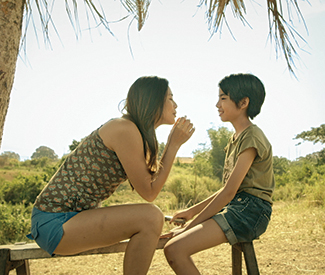
A big one is opening-night selection How to Disappear Completely; director Raya Martin, a bright light in the Philippines’ burgeoning indie film scene, will appear in person at the screening. This is a good thing, since Disappear is a bit of a head-scratcher, but in a commendable way — part coming-of-age drama, part dreamy puzzle, part old-school exploitation flick (I can’t be the only viewer who sees Martin’s shot of someone pawing through a pot full of intestines and immediately thinks of Herschell Gordon Lewis). Martin told the Philippine Star that Disappear was partially inspired by 1980s American horror filmmakers like Wes Craven, and there are fragments of 1984’s Nightmare on Elm Street lurking in this tale of a troubled tomboy (Ness Roque) whose vibrations of high-tension fear conjure a sinister spirit only she can see. This, on top of threats both natural — her island home is dark and lush, with nature’s stormy menace permeating every frame — and domestic: “You think the road home is safe? No one will hear you when you scream,” snarls her mother, who has a bit of Carrie White’s Bible-thumping mama in her.
Mom’s not even the biggest issue, though — that’d be the girl’s drunk, leering father (Noni Buencamino, one of the country’s most acclaimed actors — along with his wife, Shamaine Buencamino, who plays his wife in Disappear), who lurches around with a loaded shotgun and spends all his money betting on cockfights. Aside from its more experimental sequences, which are set to a buzzing electronic soundtrack (and thankfully, no Radiohead), Disappear‘s deliberately loose narrative pivots around strained dinner-table conversations among this dangerously dysfunctional family. Most of the longer passages of dialogue take the form of recitations: Bible stories (Lot and his daughters get a thematically appropriate shout out); folklore (a surprisingly funny tale involving a royal chicken); and a school recital on Filipino history, in which the young heroine plays a gun and her classmates, portraying vengeful villagers, warn the parent-filled audience: “We are going to hunt you down!”
Disappear‘s title card appears a full hour in, or nearly at the end of this 79-minute tale; it’s a blazing beacon in a film otherwise dominated by water imagery. Things only get bleaker, more surreal, and more shockingly violent from there. “If you’re wondering why we’re making such a fuss about new Filipino cinema, this is a great place to start,” explain series co-programmers Joel Shepard and Philbert Ortiz Dy in their program notes.
A far sunnier view of youth in the Philippines emerges in Sigrid Andrea P. Bernardo’s Anita’s Last Cha-Cha, also about a tomboy, whose coming-of-age through first love begs the question why this film isn’t called Anita’s First Cha-Cha instead. Anita is 12 and not ready to embrace puberty, despite her widowed mother’s best efforts to dress her up like a princess for the community’s annual fertility festival. This all changes when she catches sight of long-limbed lovely Pilar, the former town beauty who’s returned after a stint studying physical therapy abroad. As Pilar sets up a massage practice in her house (not surprisingly, the local men line up for appointments), Anita begins spending all of her time daydreaming about the older woman.
Of course, her fantasy girlfriend — who has a tortured romantic past with Anita’s age-appropriate male cousin — is just that, and the two become allies as the story takes a melodramatic turn. Writer-director Bernardo will attend the screening in person to discuss her feature debut.
Probably the most high-profile entry in the YBCA series is Sean Ellis’ urban thriller Metro Manila, which won an Audience Award at the 2013 Sundance Film Festival, as well as the top prize at that year’s British Independent Film Awards. Ellis is a Brit, but Metro Manila is acted (splendidly) by an all-Filipino cast. After a meager harvest, naïve farmer Oscar (Jake Macapagal) convinces his wife, Mai (Althea Vega), to move with their small children to the big city in search of work. But the grimy metropolis proves a dangerous place, and what’s essentially a predictable tale of country-bumpkin-learns-a-hard-lesson-on-the-mean-streets is elevated by a ruthlessly desperate tone and a killer performance by John Arcilla (as Oscar’s shifty new co-worker). Even better: a couple of clever last-act twists that shake up the story’s seemingly inevitable arc.
These three films are just a surface glimpse of what New Filipino Cinema has in store. Closing night’s screening of Brillante Mendoza’s Thy Womb, starring veteran superstar Nora Aunor, is already sold out, but fret not: The film, the much-praised latest from the director of 2009’s controversial Kinatay, returns to the YBCA for its own engagement June 26-29. Also screening post-fest is Lav Diaz’s acclaimed Norte, The End of History (June 19-20), a 250-minute epic inspired by Crime and Punishment. *
NEW FILIPINO CINEMA
Wed/11-Sun/15, $8-$10
Yerba Buena Center for the Arts
701 Mission, SF
Film Listings: June 11-17, 2014
Film listings are edited by Cheryl Eddy. Reviewers are Kimberly Chun, Dennis Harvey, Lynn Rapoport, and Sara Maria Vizcarrondo. For rep house showtimes, see Rep Clock.
DOCFEST
The 13th San Francisco Documentary Film Festival runs through June 19 at the Brava Theater, 2781 York, SF; Roxie Theater, 3117 16th St, SF; and Oakland School of the Arts Theater, 530 19th St, Oakl. For tickets (most shows $12) and complete schedule, visit www.sfindie.com.
OPENING
Alone Yet Not Alone Remember that Christian historical drama that was Oscar-nominated for Best Song but then got kicked out of the running because of the songwriter’s sketchy campaign tactics? No? Well, here ’tis. (1:43)
Gore Vidal: The United States of Amnesia Nicholas Wrathall’s highly entertaining documentary pays tribute to one of the 20th century’s most brilliant, original, and cranky thinkers, with extensive input from the man himself before his death in 2012 at age 86. The emphasis here is less on Vidal’s life as a literary lion and often glittering celebrity social life than on his parallel career as a harsh scold of US social injustices and political corruption. (Needless to say, recent history only sharpened his tongue in that department, with George W. Bush dismissed as “a goddamn fool,” and earlier statements such as “This is a country of the rich, for the rich and by the rich” seeming more apt than ever.) He’s a wellspring of wisdoms both blunt and witty, sometimes surprising, as in his hindsight doubts about the virtues of JFK (a personal friend) as a president. We get plenty of colorful archival clips in which he’s seen verbally jousting with such famous foes as William F. Buckley and Norman Mailer, invariably reducing them to stammering fury while remaining exasperatingly unruffled. His “out” homosexuality and outré views on sexuality in general (at odds with an increasingly assimilationist gay community) kept him controversial even among many liberals, while conservatives were further irked by his rock-solid family connections to the ruling elite. In our era of scripted political rhetoric and pandering anti-intellectualism, it’s a joy merely to spend an hour and half in the company of someone so brilliantly articulate on seemingly any topic — but particularly on the perpetually self-mythologizing, money-worshipping state of our Union. (1:29) Opera Plaza, Shattuck. (Harvey)
How to Train Your Dragon 2 Sequel to the 2010 animated hit about Vikings and their dragon buddies, with voices by Jay Baruchel, Cate Blanchett, Gerard Butler, Djimon Honsou, America Ferrera, Kit Harington, Jonah Hill, and others. (1:42) Four Star, Presidio.
Obvious Child We first encounter the protagonist of writer-director Gillian Robespierre’s funny, original film — a Brooklyn-dwelling twentysomething named Donna (Jenny Slate), who works at a lefty secondhand bookstore and makes regular (if unpaid) appearances at a local comedy night — onstage mining such underdiscussed topics as the effects of vaginal discharge on your garden-variety pair of underwear. This proves a natural segue to other hefty nuggets of embarrassment gold concerning her love life, to the dismay of boyfriend Ryan (Paul Briganti), auditing from the back of the club. He pretty much deserves it, however, for what he’s about to do, which is break up with her in a nasty, well-populated unisex bathroom, taking time to repeatedly glance at the texts coming through on his phone from Donna’s good friend, with whom he’s sleeping. So when Donna, mid-drowning of sorrows, meets a nice-looking fellow named Max (Jake Lacy) at the bar, his post-fraternity-presidency aesthetic seems unlikely to deter her from a one-night stand. The ensuing trashed make-out dance-off in Max’s apartment to the Paul Simon song of the title is both comic and adorable. The fractured recap of the evening’s condom-free horizontal events that occurs inside Donna’s brain three weeks later, as she hunkers down with her best friend, Nellie (Gaby Hoffmann), in the bookstore’s bathroom after peeing on a stick, is equally hilarious — and unwanted-pregnancy jokes aren’t that easy to pull off. Robespierre’s treatment of this extended windup and of Donna’s decision to have an abortion is a witty, warmhearted retort to 2007’s Knocked Up, a couple generations’ worth of Hollywood rom-com writers, and an entertainment industry that continues to perform its sweaty contortions of storytelling in the gutless cause of avoiding the A-word. (1:15) Embarcadero. (Rapoport)
The Signal Sharing its title with a 2007 film — also a thriller about a mysterious transmission that wreaks havoc in the lives of its protagonists — this offbeat feature from co-writer and director William Eubank belies its creator’s deep affection for, and knowledge of, the sci-fi genre. Number one thing The Signal is not is predictable, but its twists feel organic even as the story takes one hairpin turn after another. MIT buddies Nic (Brenton Thwaites) and Jonah (Beau Knapp) are driving Nic’s girlfriend, Haley (Olivia Cooke), cross-country to California. Complicating the drama of the young couple’s imminent separation is Nic’s deteriorating physical condition (it’s never explained, but the former runner apparently has MS or some other neurological disease). The road trip turns dark when the trio (who also happen to be hackers) realize an Internet troll they’ve tangled with in the past is stalking them. After a brief detour into found-footage horror — fooled ya, Eubank seems to be saying; this ain’t that kind of movie at all! — the kids find themselves embroiled in ever-more-terrifying realities. To give away more would ruin the fun of being shocked for yourself, but think Twilight Zone meets Area 51 meets a certain futuristic trilogy starring Laurence Fishburne, who turns up here to play a very important role in Nic and company’s waking nightmare. (1:37) California. (Eddy)
Supermensch: The Legend of Shep Gordon See “Puff Piece.” (1:24) Embarcadero.
22 Jump Street Comedy cops Jonah Hill and Channing Tatum return for more undercover sleuthing in a slightly more age-appropriate milieu: college. (1:45) Marina, Shattuck.
ONGOING
The Amazing Spider-Man 2 The best thing about The Amazing Spider-Man 2 — the sequel to the 2012 reboot that nobody really wanted in the first place — is the achingly cute chemistry between real-life couple Andrew Garfield (Peter Parker/Spider-Man) and Emma Stone (Gwen Stacy, whose fate is no spoiler to anyone who is familiar with the Spider-Man canon). Can’t deny it; those two are adorbs. But since Spider-Man is supposed to be an action movie, not a romantic comedy, it spends most of its time setting up foes for the webslinger (Jamie Foxx as a nerd zapped into the power-mad Electro; Dane DeHaan as bratty rich kid Harry Osborn), as well as rehashing the mysterious deaths of Peter’s parents, and underlining for approximately the zillionth time the disconnect between the media’s perception of Spider-Man (he’s a menace! He interferes with police work!) and the ecstatic love the people of New York have for the guy — understandable, since he’s in the business of saving their butts on a regular basis. This isn’t a crappy movie by any means; it’s entertaining enough, and the 3D swooping-between-skyscrapers FX have gotten quite dazzling. But there’s still a heavy air of “This again?” that hangs over the whole thing. Doesn’t Marvel have enough dough from the Avengers movies to let Spidey take an extended vacation? (2:20) Metreon. (Eddy)
Belle The child of a British naval officer and a Caribbean slave, Belle (Gugu Mbatha-Raw) is deposited on the doorstep — well, the estate grounds — of her father’s relatives in 1769 England after her mother dies. Soon she’s entirely orphaned, which makes her a wealthy heiress and aristocratic title holder at the same time that she is something less than human in the eyes of her adopted society. For Belle is black (or more properly, mixed-race), and thus a useless curiosity at best as a well-bred noblewoman of the “wrong” racial makeup. Based on a murky actual historical chapter, Amma Asante’s film is that rare sumptuous costume drama which actually has something on its mind beyond romance and royalty. Not least among its pleasures are a fine supporting cast including Tom Wilkinson, Miranda Richardson, Penelope Wilton, and Emily Watson. (1:45) Embarcadero, Piedmont, Shattuck. (Harvey)
Blended (1:57) SF Center.
Captain America: The Winter Soldier Marvel’s most wholesome hero returns in this latest film in the Avengers series, and while it doesn’t deviate from the expected formula (it’s not a spoiler to say that yes, the world is saved yet again), it manages to incorporate a surprisingly timely plot about the dangers of government surveillance. Steve Rogers (Chris Evans), hunkiest 95-year-old ever, is still figuring out his place in the 21st century after his post-World War II deep freeze. Nick Fury (Samuel L. Jackson) has him running random rescue missions with the help of Black Widow (Scarlett Johansson), but SHIELD is working on a top-secret project that will allow it to predict crimes before they occur. It isn’t long before Cap’s distrust of the weapon — he may be old-fashioned, but he ain’t stupid — uncovers a sinister plot led by a familiar enemy, with Steve’s former BFF Bucky doing its bidding as the science-experiment-turned-assassin Winter Soldier (Sebastian Stan). Anthony Mackie, Robert Redford, and series regular Cobie Smulders are fine in supporting roles, and Johansson finally gets more to do than punch and pose, but the likable Evans ably carries the movie — he may not have the charisma of Robert Downey Jr., but he brings wit and depth to a role that would otherwise be defined mainly by biceps and CG-heavy fights. Oh, and you know the drill by now: superfans will want to stick around for two additional scenes tucked into the end credits. (2:16) Metreon. (Eddy)
Chef Not to take anything away from the superhero crew, but Chef feels like the closest thing to a labor of love from writer, director, and star Jon Favreau in many a day. As a director, he may have been making doughnuts — fun-filled and teeming with CGI eye candy, but doughnuts nevertheless — when it came to effects-driven blockbusters like 2008’s Iron Man, but this well-meaning play for the heart, by way of the stomach, shows you where Favreau’s head is really at. Chef revolves around Carl Casper (Favreau), a onetime food star, now reduced to serving up predictable crowd-pleasers at the behest of his restaurant’s overbearing owner (Dustin Huffman). It takes the barbs of an influential critic (Oliver Platt) — and an ensuing Twitter war — to set Carl off and send him away on his own, at the coaxing of his glam ex Inez (Sofia Vergara). Hooked up with a dilapidated food truck and former kitchen staffer Martin (John Leguizamo), and aided by ably Tweeting son Percy (Emjay Anthony), Carl ties his dreams — and lost passion — to the classic Cuban sandwich. The ensuing road trip from Miami to LA, and Carl’s journey toward self and a renewed relationship with his son, is a fun (if, in the end, a bit too speedily sketched) vault through the joys of eating your way through America’s new culinary heartland. Amid the volley of sign-of-the-times social-media swinging and cameos by the uncostumed Robert Downey Jr., Scarlett Johansson, and the like, Favreau’s main dish is that a family that eats, cooks, and runs a business together, stays together — child labor laws or no. (1:55) 1000 Van Ness, Metreon, Presidio, Sundance Kabuki. (Chun)
The Dance of Reality His unique vision recently re-introduced to audiences by unmaking-of documentary Jodorowsky’s Dune, cinematic fabulist Alejandro Jodorowsky is back with his first film in a quarter-century. This autobiographical fantasia shows all initial signs of being a welcome yet somewhat redundant retread of his cult-famed early work (1970’s El Topo, 1973’s The Holy Mountain), as Santa Sangre was in 1989. It starts with the filmmaker himself fulminating wisdoms about the spiritual emptiness of a money-centric world, then appearing as guardian angel to his child self (Jeremias Herskovits). Little Alejandro is raised by a bullying, hyper macho father (Brontis Jodorowsky) and warm, indulgent mother (soprano Pamela Flores, singing every line of dialogue) who naturally clash at every turn. Jodorowsky’s stunning eye for bizarre imagery (abetted by DP Jean-Marie Dreujou’s handsome compositions) hasn’t faded, so there are delights to be had even in what fans might consider an over-familiar parade of dwarfs, amputees, anti clerical burlesques (like a dress-up dog beauty contest at church), Chaplinesque circus sentimentality, and other simple if surreal illustrations of society’s eternal victims and overlords. At a certain point, however, the misdeeds of father Jaime force his self-exile. The film’s consequent picaresque allegory of epic suffering toward redemption becomes cheerfully goofy, its symbol-strewn path increasingly funny and sweet rather than burdened by import. A large part of that appeal is due to junior Jodorowsky Brontis, who demonstrates considerable farcical esprit while flashing more full-frontal nudity than Michael Fassbender and Ewan McGregor combined ever dreamed of obliging. Shot in the family’s native Chile on a purported crowd funded budget of $3 million — could Hollywood provide so much original spectacle for 30 times that amount?—The Dance of Reality finds its 84-year-old maker as frisky as a pony, one that provides an endearingly unpredictable ride. (2:10) California, Opera Plaza. (Harvey)
Edge of Tomorrow Is it OK to root for Tom Cruise again? (The Oprah thing was almost a decade ago, after all.) The entertaining Edge of Tomorrow, crisply directed by Bourne series vet Doug Liman, takes what’s most irritating about Cruise’s persona (he’s so goddamn earnest) and uses it to great advantage, casting him as military PR guru Cage — repping our armed forces on talk shows amid battles with alien invaders dubbed “Mimics” — whose oiliness masks the fact that he’s terrified of actual combat. When he’s forced to fight by a no-nonsense superior (Brendan Gleeson), he’s gruesomely killed, along with nearly every other human soldier. But wait! Thanks to a particularly close encounter with outer-space pixie dust, he awakens, unharmed, to re-live the day, over and over again (yep, shades of a certain Bill Murray comedy classic). Each “reset” offers Cage a chance to work his way closer to changing the course of the war in humanity’s favor, with key help from a badass (Emily Blunt) whose heroics on the battlefield have earned her the nickname “Full Metal Bitch.” Nothing groundbreaking here — but Edge of Tomorrow manages to make its satisfying plot as important as its 3D explosions, which means it automatically rises above what passes for popcorn fun these days. (1:53) Four Star, Metreon, 1000 Van Ness, Presidio, Sundance Kabuki. (Eddy)
Fading Gigolo Ah, the charm of a well-aged, seasoned perv &ldots; nope, we don’t dare touch the Woody Allen/Dylan Farrow abuse allegations — though those recent headlines flit around the edges of this generally benevolent, almost strangely innocuous charmer, written by and directed John Turturro, who also stars as the curiously blank-faced tabula rasa of a title character. The delights of Mrs. Robinsons have been rhapsodized on film, through the lens of worshipful younger men — less so, their male counterparts, as viewed by other hetero men. The danger of bromance surging into the homoerotic is likely too dire for most, yet somehow bookstore boss Murray (Allen) sees the mysterious, submerged sex appeal in his loyal employee Fioravante (Turturro) and taps him to get involved in a ménage à trois with a society dermatologist (Sharon Stone). The soft-spoken Fioravante turns out to be a smash in the sack with the doc, transforming the opportunistic Murray into a wildly successful pimp as his employee takes on the audacious Selima (Sofia Vergara) and the prim Jewish Orthodox widow Avigal (Vanessa Paradis). The latter character seems to have come straight from another place and time — much like this film, which turns Brooklyn into a something resembling a leaf-strewn European village and recalls odes to revolutionary sexuality in the ’60s. The movie’s lightly absurd comedy is embedded in the fact that Turturro writes himself into the role of the seducer, the pleaser, while wrapped in the skin of pleasant if everyday-looking Joe, although Paradis, a revelation as a deeply repressed devout mother slowly awakening to her body, points to more serious pleasures, lingering below the surface of all of us. (1:30) Opera Plaza. (Chun)
The Fault in Our Stars I confess: I’m no card-carrying, vlog-flogging Nerdfighter in author John Green’s teen-geek army. But one can admire the passion — and teary romanticism — of the writer, readers, and the breakthrough novel that started it all. Much has been made over the cinematic tweaks to the best-selling YA book, but those seem like small beefs: OK, male romantic lead Gus’s (Ansel Elgort) perhaps-understandable brattiness seems to have been toned down a touch, but we’ll all get the somewhat-subversive push and pull of Green’s love story centered on two cancer-stricken innocents. Sixteen-year-old Hazel (a radiant Shailene Woodley) has been battling cancer almost all her life, fighting back from the brink, and now making her way every day with an oxygen tank and her devoted parents (Laura Dern, Sam Trammel) by her side. Her mordant wit, skeptical attitude, and smarts attract Gus, a handsome teen with a prosthetic leg, at a cancer support group, and the two embark on what seems like the most normal thing in the world — sweet, sweet love — albeit cut with the poignancy of almost-certain doom. Would the girl who calls herself a grenade dare to care for someone she will likely hurt? That’s the real question on her mind when the two reach out to the solitary author (Willem Dafoe) of their favorite book, An Imperial Affliction. The journey the two make leaves them both open to more hurt than either ever imagined, and though a good part of Fault‘s denouement boils down to a major puddle cuddle — with solid performances by all, but particularly Dern and Woodley — even a cynic is likely to get a bit misty as the kids endure all the stages of loss. And learning. (2:05) Marina, 1000 Van Ness, SF Center, Sundance Kabuki. (Chun)
Fed Up Katie Couric narrates, produces, and brings celebrity heft to Stephanie Soechtig’s well-crafted expose on the alarmingly powerful food industry — specifically, revealing how “nutritional standards” put forth by the government over the past 30 years have actually caused the nation’s current obesity epidemic. Fed Up‘s straightforward combination of simple facts (80 percent of food items have added sugar); talking-head experts (Bill Clinton, UCSF’s Dr. Robert Lustig); historical fact-finding (including a segment that convincingly compares today’s food industry to the tobacco industry of yore); and profiles of dangerously overweight teens (all of whom are trying, and failing, to lose weight) adds up to a film that is poised to have An Inconvenient Truth-style impact on viewers — and will hopefully
open enough eyes to make waves beyond movie theaters. (1:32) California, Embarcadero. (Eddy)
Godzilla Bearing the weight of a 1998 American debut so stinky that devotees of the Japanese original dubbed it “GINO” (for “Godzilla in Name Only”), the King of the Monsters returns for a do-over that smells more like generic summer entertainment than anything else. We begin in 1999, when a pair of scientists (Ken Watanabe and Sally Hawkins) discover a giant skeleton of sorts in the Philippines — just as a deadly accident (or was it?) devastates a Japanese nuclear power plant. Fifteen years later, the scientists are still on the trail of Whatever That Was, while guilty power-plant survivor Bryan Cranston has become a greasy-haired conspiracy theorist, much to the annoyance of his San Francisco-based Navy officer son (Aaron Taylor-Johnson). The humans in Gareth Edwards’ film don’t actually matter much; aside from Cranston and to a much lesser extent Watanabe, none of the characters are interesting or memorable, and the plot — which has Big G lumbering after a pair of “Massive Unidentified Terrestrial Organisms” who decide to incubate their eggs in downtown SF — is also a low-stakes affair. (If you believe for a second that Taylor-Johnson’s doe-eyed wife and son won’t survive the monster attack, I have a busted-up Golden Gate Bridge to sell you.) But the monster design is plenty satisfying, and really, it’s just fine that Godzilla — who wrinkles his snout in annoyance at those pesky MUTOs — is this film’s one and only charismatic presence; dude’s going on a 70-year career at this point. (2:03) Metreon, 1000 Van Ness, Sundance Kabuki. (Eddy)
The Grand Budapest Hotel Is this the first Wes Anderson movie to feature a shootout? It’s definitely the first Anderson flick to include a severed head. That’s not to say The Grand Budapest Hotel, “inspired by” the works of Austrian novelist Stefan Zweig, represents too much of a shift for the director — his intricate approach to art direction is still very much in place, as are the deadpan line deliveries and a cast stuffed with Anderson regulars. But there’s a slightly more serious vibe here, a welcome change from 2012’s tooth-achingly twee Moonrise Kingdom. Thank Ralph Fiennes’ performance as liberally perfumed concierge extraordinaire M. Gustave, which mixes a shot of melancholy into the whimsy, and newcomer Tony Revolori as Zero, his loyal lobby boy, who provides gravitas despite only being a teenager. (Being played by F. Murray Abraham as an older adult probably helps in that department.) Hotel‘s early 20th century Europe setting proves an ideal canvas for Anderson’s love of detail — the titular creation rivals Stanley Kubrick’s rendering of the Overlook Hotel — and his supporting cast, as always, looks to be enjoying the hell out of being a part of Anderson’s universe, with Willem Dafoe, Jeff Goldblum, and Adrien Brody having particularly oversized fun. Is this the best Wes Anderson movie since 2001’s The Royal Tenenbaums? Yes. (1:40) California, 1000 Van Ness, Piedmont, Sundance Kabuki. (Eddy)
The Grand Seduction Canadian actor-director Don McKellar (1998’s Last Night) remakes 2003 Quebecois comedy Seducing Doctor Lewis, about a depressed community searching for the town doctor they’ll need before a factory will agree to set up shop and bring much-needed jobs to the area. Canada is still the setting here, with the harbor’s name — Tickle Head — telegraphing with zero subtlety that whimsy lies ahead. A series of events involving a Tickle Head-based TSA agent, a bag of cocaine, and a harried young doctor (Taylor Kitsch) trying to avoid jail time signals hope for the hamlet, and de facto town leader Murray (Brendan Gleeson) snaps into action. The seduction of “Dr. Paul,” who agrees to one month of service not knowing the town is desperate to keep him, is part Northern Exposure culture clash, part Jenga-like stack of lies, as the townspeople pretend to love cricket (Paul’s a fanatic) and act like his favorite lamb dish is the specialty at the local café. The wonderfully wry Gleeson is the best thing about this deeply predictable tale, which errs too often on the side of cute (little old ladies at the switchboard listening in on Paul’s phone-sex with his girlfriend!) rather than clever, as when an unsightly structure in the center of town is explained away with a fake “World Heritage House” plaque. Still, the scenery is lovely, and “cute” doesn’t necessarily mean “not entertaining.” (1:52) Albany, Embarcadero. (Eddy)
Ida The bomb drops within the first ten minutes: after being gently forced to reconnect with her only living relative before taking her vows, novice nun Anna (Agata Trzebuchowska) learns that her name is actually Ida, and that she’s Jewish. Her mother’s sister, Wanda (Agneta Kulesza) — a Communist Party judge haunted by a turbulent past she copes with via heavy drinking, among other vices — also crisply relays that Ida’s parents were killed during the Nazi occupation, and after some hesitation agrees to accompany the sheltered young woman to find out how they died, and where their bodies were buried. Drawing great depth from understated storytelling and gorgeous, black-and-white cinematography, Pawel Pawilowski’s well-crafted drama offers a bleak if realistic (and never melodramatic) look at 1960s Poland, with two polar-opposite characters coming to form a bond as their layers of painful loss rise to the surface. (1:20) Albany, Clay, Piedmont. (Eddy)
The Immigrant Ewa (Marion Cotilliard) is an orphaned Polish émigré who’s separated from her sickly sister at Ellis Island in 1921, and scheduled for deportation as an alleged “woman of low morals.” She’s rescued from that by Bruno (Joaquin Phoenix), though he’s not quite the agent of charity he seems — in fact, Ewa doesn’t realize she’s actually been recruited for a prostitution racket he thinly veils as a theatrical troupe. Still, she stays, believing she has no other viable path to freeing her sister from quarantine, she allows her own degradation for money’s sake. This latest collaboration between Phoenix and director-coscenarist James Gray is a handsome period piece that’s done skillfully and tastefully enough to downplay — but not quite hide — the fact that its moral melodrama might as well have been written (as well as set) nearly a century ago. Cotilliard is fine in her best English-language role to date, and Phoenix is compelling as usual; Jeremy Renner is somewhat miscast as a distant-third lead. But whether you find The Immigrant poignant or forced will depend on your tolerance for a script whose every turn is all too predictable. (2:00) Metreon, Piedmont. (Harvey)
The Lunchbox Ila (Nimrat Kaur) is a self-possessed housewife and a great cook, whose husband confuses her for another piece of furniture. She tries to arouse his affections with elaborate lunches she makes and sends through the city’s lunchbox delivery service. Like marriage in India, lunchbox delivery has a failure rate of zero, which is what makes aberrations seem like magical occurrences. So when widow Saajan (Irrfan Khan) receives her adoring food, he humbly receives the magical lunches like a revival of the senses. Once Ila realizes her lunchbox is feeding the wrong man she writes a note and Saajan replies — tersely, like a man who hasn’t held a conversation in a decade — and the impossible circumstances lend their exchanges a romance that challenges her emotional fidelity and his retreat from society. She confides her husband is cheating. He confides his sympathy for men of lower castes. It’s a May/December affair if it’s an affair at all — but the chemistry we expect the actors to have in the same room is what fuels our urge to see it; that’s a rare and haunting dynamic. Newcomer Kaur is perfect as Ila, a beauty unmarked by her rigorous distaff; her soft features and exhausted expression lend a richness to the troubles she can’t share with her similarly stoic mother (Lillete Dubey). Everyone is sacrificing something and poverty seeps into every crack, every life, without exception — their inner lives are their richness. (1:44) Shattuck. (Vizcarrondo)
Maleficent Fairytale revisionism is all the rage these days, what with the unending power of Disney princesses to latch into little girls everywhere and bring parental units (and their wallets) to their knees. Yet princesses almost seem beside the point in this villain’s-side-of-the-story tale — Maleficent (Angelina Jolie), the queen of the fairies in the magical moors, wronged by Stefan (Sharlto Copley), who saws off her wings in order to win a crown. Accompanied by her shape-shifting minion, crow Diaval (Sam Riley), Maleficent attends the christening of King Stefan’s first-born daughter, Aurora, hot on the heels of three clownish good fairies (Lesley Manville, Imelda Staunton, Juno Temple), and delivers a curse that will have this future Sleeping Beauty (Elle Fanning) prick her finger on a spindle and sink into a deathlike coma until her true love’s kiss. Will that critical smooch be delivered by Prince Bieber, er, Phillip (Brenton Thwaites)? Considering the potential for Disney’s trademark, heart-tugging enchantment to get magically tangled up in girl power, it’s tough to suck up the disappointment in the ooey-gooey, gummy-faced troll-doll aesthetics of the art direction and animation, as well as first-time director Robert Stromberg’s choppy, dashed-through storytelling. Part of the problem is that there’s almost zero threat here, despite its antihero’s devilish presence — is there ever any doubt that a healthy resolution will win out, even at the expense of blood ties? Best to find dangerous pleasures where one can — namely in the vivid Jolie, cheekbones honed to a razor edge, who spits biting remarks at her accursed charge, beneath Joan Crawford-esque eyebrows and horns crying out for club-kid Halloween treatments. (1:37) Metreon, 1000 Van Ness, Presidio, Shattuck, Sundance Kabuki. (Chun)
Million Dollar Arm Jon Hamm has it bad — that dark-around-the-edges Mad Men afterglow can’t help but follow him everywhere, even into the arms of Disney in this solid Cinderella-story baseball tale (possibly the best headlining gig he’s had outside SCDP). Hamm’s J.B. Bernstein would certainly have something to hash over with Don Draper: both are down-on-their-luck charmers with the cracks in their facades clearly showing, yet nonetheless intent on doing it their way. J.B. is striking out when it comes to recruiting talent for his new, rapidly sinking sports agency, when he comes up with a genius idea while he and fellow agent Aash (Aasif Mandvi) are watching random sports at the latter’s home: Why not tap into one of the world’s greatest unexploited baseball markets by staging a talent search for an Indian cricket player with Major League pitching potential? Canvassing the country with the help of sleepy scout Ray (Alan Arkin) and baseball-enthusiast translator Amit (Pitobash), J.B. finds his arms ultimately attached to village truck driver Dinesh (Madhur Mittal) and contorting track-and-field thrower Rinku (Suraj Sharma of 2012’s Life of Pi). But how to turn raw talent into professional careers in just months? And moreover, how can the would-be golden boys overcome cultural barriers that a fly ball couldn’t surmount? It’s a tryout for all concerned — including an MLB that’s still striving to expand its reach in Asia, and Hamm, who can be so good as Draper that he’s in increasing danger of being typecast. In the Disney mold, at least, his character achieves fairly happy results. (2:00) Metreon, 1000 Van Ness, Shattuck. (Chun)
A Million Ways to Die in the West One can’t help but feel … mixed about Seth MacFarlane. The funnyman will go there. Few can deny that. But whether he should be starring as a leading man in his own passion projects — even Quentin Tarantino has the sense not to do that — is still in question, even in light of the oft-hilarious A Million Ways to Die in the West. On screen, MacFarlane looks a wee bit too waxily vanilla — like he’s had too much work done or he’s the every-guy counterpart to Johnny Depp’s CGI-swathed Willy Wonka. The director and co-writer’s choice to put himself in front of the camera, rather than an animated or claymated Seth or Ted, is one of few trip-ups in this otherwise generally good-natured and merrily violent outing, lightly reminiscent of Blazing Saddles (1974) in its happy embrace of bad taste, bloody pratfalls, politically incorrect jabs, and scatological yuks, and its mission to mildly demythologize the glory days of the Wild West. MacFarlane’s whiney, geeky sheep herder Albert is a fish out of water in the dicey frontier: It’s too hot, it’s too dangerous, decent hygiene is unavailable, and gunfights are way too frequent, as he grouses to girlfriend Louise (Amanda Seyfried), best friend Edward (Giovanni Ribisi), and hooker buddy Ruth (Sarah Silverman). Still, he doesn’t know how good he has it when mustachioed nemesis Foy (Neil Patrick Harris) sweeps Louise off her feet and a feisty, gun-slinging gal (Charlize Theron) comes to town. MacFarlane’s gross-out jokes will win over the boys, his sentimental heart will get the girls — he just won’t entirely enthrall this reviewer until he comes up with a more original way of disclaiming/explicating his movie’s racial jokes than with the now-obligatory “don’t be racist” call-out at the start. (1:56) 1000 Van Ness, SF Center, Sundance Kabuki. (Chun)
Neighbors It’s a mystery why Neighbor‘s marketing teams are intent on creating some kind of social media battle between this comedy’s family and frat: The college boys are clearly outclassed when it comes to uninhibited physical comedy daring, thanks to Seth Rogen and Rose Byrne. They play young parents Kelly and Mac, who are still basking in their new craftsman home and settled state, trying to figure out sex in front — or is it behind? — baby, and how to get to the rave before bedtime, when a frat, led by oft-shirtless hottie Teddy (Zac Efron) and pal Pete (Dave Franco), moves into the house next door. How do you ask them to “keep it down” yet still be cool? The pretzels Mac and Kelly wrap themselves into, in order to still hang with the kids, are about as hilarious as the inevitable battles that break out over the hearts and minds of college administrators (Lisa Kudrow), pals (the hilarious Ike Barinholtz), and wannabe brothers like the loyal Assjuice (Craig Roberts). Still, despite some memorable gags, Neighbors feels like a bit of a squandered opportunity as one fidgets through many of the frat house scenes. Part of the problem is, why would Kelly, Mac, or anyone want to be in good with such an uninteresting group of Greeks? (1:37) Metreon, 1000 Van Ness, Shattuck, Sundance Kabuki. (Chun)
Night Moves Not to be confused with Arthur Penn’s same-named 1975 Gene Hackman thriller, Kelly Reichardt’s latest film nonetheless is also a memorably quiet, unsettling tale of conspiracy and paranoia. It takes us some time to understand what makes temporary allies of jittery Josh (Jesse Eisenberg), Portland, Ore.-style alterna-chick Dena (Dakota Fanning) and genial rural recluse Harmon (Peter Sarsgaard), beyond it being a mission of considerable danger and secrecy. When things don’t go exactly as planned, however, the three react very differently to the resulting fallout, becoming possibly greater threats to one another than the police or FBI personnel pursuing them. While still spare by mainstream standard, this is easily Reichardt’s most accessible work, carrying the observational strengths of 2010’s Meek’s Cutoff, 2008’s Wendy and Lucy, and 2006’s Old Joy over to a genuinely tense story that actually goes somewhere. (1:52) Metreon. (Harvey)
The Other Woman Cameron Diaz gets top billing — and the title role — in The Other Woman, but Leslie Mann is the real stealth weapon here: the other comedian who bravely dares to go into unseemly crazy-bitch, scatological-Bridesmaids territory, with shrill histrionics, whining, and shrieks hitting registers that threaten to make most men’s heads explode. Coming on like Lucille Ball on crystal, Mann teeters out in the limb in kitten heels — and your enjoyment of The Other Woman depends on whether you love that balancing act or loathe it. Diaz and Mann’s reluctant-then-mutual girl crush is at the heart of this proudly chick flick directed by Nick Cassavetes, who tends to beat his own indie path apart from his involvement in one of the biggest lady draws of all time, The Notebook (2004). The chick magnet and cause for so much chaos is Mark (Nikolaj Coster-Waldau), a sketchy entrepreneur who skims wife Kate’s (Mann) business ideas and toys with power-bitch lawyer Carly (Diaz), as well as his other other woman, perfect-10 Amber (Kate Upton). Coster-Waldau throws himself into the hysteria, as if it were the sole lifeline out of dour King’s Landing, but this is the Mann and Diaz Show, with a smarter-than-average screenplay by Melissa Stack and revenge served up like a self-righteous side dish at a Real Housewives buffet line. And just to show you how far we haven’t come, like those benighted housewives, those assembled aren’t so feminist that they won’t stoop to deliver a bitchy joke at the expense of Upton’s character. (1:49) Metreon. (Chun)
Palo Alto Adapted from the 2010 short story collection by James Franco, first-time director Gia Coppola’s depressive, aimless tale of disaffected youth tracks the ennuis and misadventures of a handful of Palo Alto teenagers: shy, inexperienced April (Emma Roberts), teetering on the edge of an affair with her soccer coach (Franco); naively promiscuous Emily (Zoe Levin); budding head case Fred (Nat Wolff); and his friend Teddy (Jack Kilmer, son of Val, who plays April’s out-to-lunch stepfather), who ambivalently participates in Fred’s mayhem while pining after April. Adult supervision is nearly Peanuts-level sparse — in other Peninsula households, helicopter parents may be fine-tuning the lives of their children down to the last extracurricular; here, the stoned, distracted elders who occasionally wander in front of the camera are more like flaky, absentee roommates. Meanwhile, their young charges fill the empty hours with copious amounts of alcohol consumption, random property destruction, and a round or two of social crucifixion. The protagonists and their cohorts form a fairly distasteful tableau of privileged, floundering adolescence, eliciting an emotional response in which uneasy concern occasionally overcomes bemused disgust. But the individual stories are virtually weightless, and the characters’ lack of investment in anything, even their own problems, makes it difficult to care too much about their fates. (1:38) Opera Plaza. (Rapoport)
Rigor Mortis Spooky Chinese folklore (hopping vampires) meets J-horror (female ghouls with long black hair) in this film — directed by Juno Mak, and produced by Grudge series helmer Takashi Shimizu — inspired by Hong Kong’s long-running Mr. Vampire comedy-horror movie series. Homage takes the form of casting, with several of Vampire‘s key players in attendance, rather than tone, since the supernatural goings-on in Rigor Mortis are more somber than slapstick. Washed-up film star Chin Siu-ho (playing an exaggerated version of himself) moves into a gloomy apartment building stuffed with both living and undead tenants; his own living room was the scene of a horrific crime, and anguished spirits still linger. Neighbors include a frustrated former vampire hunter; a traumatized woman and her white-haired imp of a son; a kindly seamstress who goes full-tilt ruthless in her quest to bring her deceased husband back to life; and an ailing shaman whose spell-casting causes more harm than good. Shot in tones so monochromatic the film sometimes appears black-and-white (with splashes of blood red, natch), Rigor Mortis unfortunately favors CG theatrics over genuine scares. That said, its deadpan, world-weary tone can be amusing, as when one old ghost-chaser exclaims to another, “You’re still messing around with that black magic shit?” (1:45) Metreon. (Eddy)
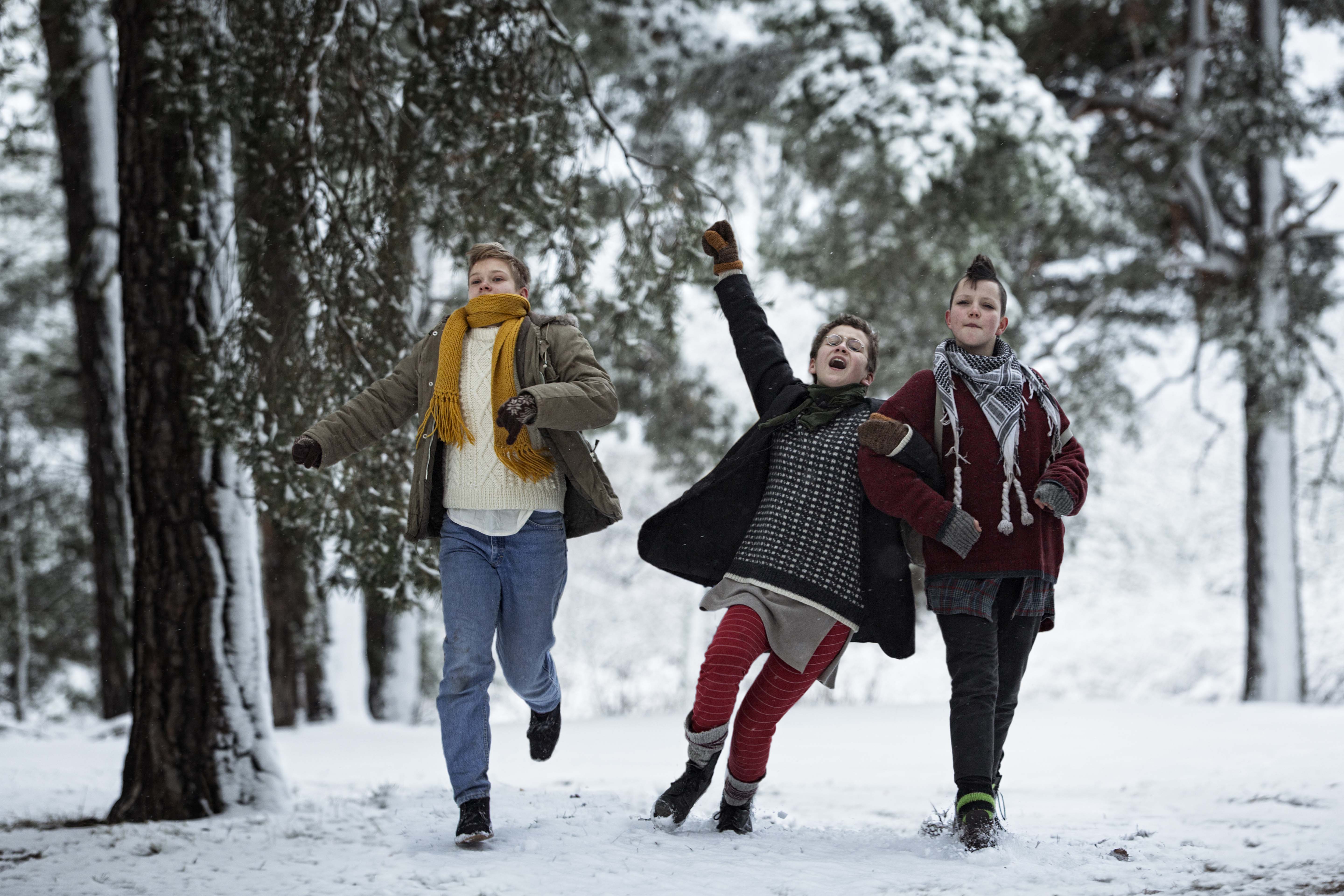
We Are the Best! Fifteen years after Show Me Love, Lukas Moodysson’s sweet tale of two girls in love in small-town Sweden, the writer-director returns to the subject of adorably poignant teen angst. Set in Stockholm in 1982, and adapted from a graphic novel by Moodysson’s wife, Coco Moodysson, We Are the Best! focuses on an even younger cohort: a trio of 13-year-old girls who form a punk band in the interest of fighting the power and irritating the crap out of their enemies. Best friends Bobo (Mira Barkhammar) and Klara (Mira Grosin) spend their time enduring the agonies of parental embarrassment and battling with schoolmates over personal aesthetics (blond and perky versus chopped and spiked), nukes, and whether punk’s dead or not. Wreaking vengeance on a group of churlish older boys by snaking their time slot in the local rec center’s practice space, they find themselves equipped with a wealth of fan enthusiasm, but no instruments of their own and scant functional knowledge of the ones available at the rec center. Undaunted, they recruit a reserved Christian classmate named Hedvig (Liv LeMoyne), whose objectionable belief system — which they vow to subvert for her own good — is offset by her prodigious musical talents. Anyone who was tormented by the indignities of high school PE class will appreciate the subject matter of the group’s first number (“Hate the Sport”). And while the film has a slightness to it and an unfinished quality, Moodysson’s heartfelt interest in the three girls’ triumphs and trials as both a band and a posse of friends suffuses the story with warmth and humor. (1:42) Shattuck, Smith Rafael. (Rapoport)
Words and Pictures Words and Pictures is about as bifurcated as its title, while spinning off a central beef that Hepburn and Tracey might have wrapped their madcap bickering ways around at one time. Which is more powerful: language or images, poetry or painting? The age-old debate starts to feel a little creaky by Words’ close, but you can see and hear why the conceit drew such acting thoroughbreds as Juliette Binoche and Clive Owen, playing two passionate, paint-hurling, bottle-foisting artistic types on either side of a divide overseen by Australian director Fred Schepisi (1987’s Roxanne). Owen’s Jack Marcus is an alcoholic, onetime lit-star of an English teacher whose creatively constipated bad boy routine is starting to wear thin when Binoche’s painter Dina Delsanto arrives at his prep school on the pretext of teaching an honors art class. In actuality, she’s taking time away from the NY art scene to figure out a new way to paint while grappling with rheumatoid arthritis. Sparks fly between the two hard-headed combatants, along with punches delivered by some smartly scripted sparring, as they get the students hot and bothered by their debate concerning words vs. pictures. The master-class lessons learned by watching Binoche work, jaw firmly set and intelligent eyes darting as she maps out her next composition, while Owen falls apart, Hemingway-style, are offset by a facile, cozy ending that feels test-audience driven. (1:51) Opera Plaza, Shattuck. (Chun)
X-Men: Days of Future Past Bryan Singer, director of the first two X-Men films (2000’s decent X-Men; 2002’s meh X2) returns to helm this latest franchise entry — the fourth sequel in a series that also includes two movies focusing on Hugh Jackman’s Wolverine. That fan-favorite character is front and center in both of Days of Future Past‘s time frames: the present, a bleak dystopia in which robot assassins have wiped out nearly every mutant (save Wolverine, Patrick Stewart’s Professor X, Ian McKellan’s Magneto, and a few others), and most humans along with them; and the past, a key moment in the polyester-laden 1970s in which mutant avenger Mystique (Jennifer Lawrence) inadvertently sets the disastrous future events in motion by killing robot designer Trask (Peter Dinklage). Wolverine time-travels to convince younger versions of the Professor (James McAvoy) and Magneto (Michael Fassbender) to put aside their Himalayan-sized differences to stop her. (Speaking of avengers, there’s a capital-A one here: Quicksilver, a character from both comic-book worlds; he’s portrayed here with giddy mischief by American Horror Story‘s Evan Peters, and is the film’s high point.) Yes, that’s a heady plot, and there are a zillion other characters, but Future Past manages, for the most part, to avoid feeling like an overloaded mess. It’s most entertaining in scenes that show off its characters’ superpowers — clearly, the CG artists had a blast working on this one — which are plentiful enough to make slogging through the ennui-laden moments of downtime worth it.(2:10) 1000 Van Ness, SF Center, Sundance Kabuki. (Eddy) *
The Selector June 11-17, 2014
WEDNESDAY 11
Luke Sweeney
“Miss Me?” Luke Sweeney asks in the lead track from his forthcoming album Adventure:Us, and in response I’d probably deny, avoid eye contact, but then demurely say, “Um…maybe a li’l bit.” Truth be told I’ve been quite won over by the album, maybe because of the apparent shared affectation for Mark Bolan’s swinging shuffle, George Harrison’s weepsy guitar, Jeff Tweedy’s pop twang, and a little bit of Question Mark and the Mysterians mysterious…something or other. Now Sweeney is returning to SF from a California tour with a homecoming show at Monarch (of all places.) Luke, please don’t leave us like that again. (Ryan Prendiville)
With Farallons, Tidelands
9pm, $5 – $8
Monarch
101 6th St, SF
(415) 284-9774
Guided By Voices
Guided By Voices’ Robert Pollard is one of the most insanely prolific songwriters in rock history. Since its inception in 1983 in Dayton, Ohio, Guided By Voices has released 22 studio albums, 17 EPs, and 39 singles. Each of these records contains around 20 songs, most hovering around the one-minute mark. Within these little vignettes of genius (read: insanity) Pollard explores surrealist narratives, charmingly compact and catchy melodies, and genuine emotional impact. 30 years into their career, GBV play hard, drink hard, and make much younger rockers look washed-up and tame. The band also rarely tours, so don’t miss tonight’s show. There’s no knowing what they’ll play, but it’s going to be a night to remember. (Haley Zaremba)
With Bobby Bare, Jr.
8pm, $38
Regency Ballroom
1300 Van Ness, SF
THURSDAY 12
San Francisco Black Film Festival
At a time when cultural landmarks like Marcus Books are being evicted from the historic Fillmore district, this festival, which celebrates African-American contributions to cinema, might strike a more poignant tone than ever before. Now in its 16th year, the three-day fest aims to present films that “reinforce positive images and dispel negative stereotypes” and connect Black filmmakers from around the Bay Area and beyond. This opening evening features the Life of King, starring Cuba Gooding Jr. as Eugene Brown, who turned his life around after 18 years in prison, funneling his passion for chess into a way to help inner-city youth in Washington, D.C. (Emma Silvers)
Through Sun/15
Prices and showtimes vary, see website for details
Jazz Heritage Center
1320 Fillmore, SF
FRIDAY 13
Alice Glass
Alice Glass is one of the most dynamic frontpeople in the music industry. Half of Toronto’s infamous electro-duo Crystal Castles, Glass’ clear, piercing voice and fiercely frenetic stage presence make her a stunning vocalist and onstage force of nature. Hard-partying and un-compromising, Glass is a born performer, commanding arenas and collecting a following of cult-like fans with ease. Since she ran away at 14 to join a punk squat, fronting an all-girl crust-punk band called Fetus Fatale, Glass has been making a name for herself as a skilled musician and magnetic personality. Combining punk and hardcore aesthetics with harshly catchy electronics, Glass’ music is a unique concoction that will make you dance your ass off. (Zaremba)
With Sad Andy, 28 Mansions, We Are Isis (side room)
10pm, $17.50
1015 Folsom, SF
(415) 431-1200
Hayes Carll & Bob Schneider
“The World’s Greatest Living Songwriters of All Time” is a pretty cocky name for a tour, but this team delivers. Both singer-songwriters from the state of Texas, Carll and Schneider are performing together for the first time in their careers. Carll, from just outside of Houston, has been lauded as a modern songwriting heavyweight among the likes of Townes Van Zandt, Guy Clark, and Ray Wylie Hubbard. Carl’s songs sound timeless, although his content speaks to a modern world. Bob Schneider has been making music in Austin for decades with various bands: Joe Rockhead, the Scabs, Ugly Americans. Schneider’s output reaches across pop, rock, folk, and country, while his uncensored songwriting has some labeling his music “adult alternative.” This is a show songwriters can’t miss.
8pm, $21
859 O’Farrell, SF
(415) 885-0750
#MyGreatCat Pop-Up Photo Gallery
You’d be lying if you said you’ve never been victim of the Internet black hole dedicated to cats. There’s no denying that the world wide web is the best thing to have happened to our pets. Take a look at the @Cats_of_Instagram account and you’ll find 1.4 million people who are just like you! From the silly to the cuddly to the serious, these fuzzy fellows have a wide range of adorable emotions, which is why @Cats_of_Instagram are hosting a pop-up photo gallery in the middle of Union Square for your viewing pleasure. “What’s so great about a cat” is the theme of the exhibition. Last month, Instagram users were encouraged to post photos and the hashtag #MyGreatCat for a chance to be part of the exhibit. Photos by teenage pet photographer Jessica Trinh will also be on display and the founders of @Cats_of_Instagram will be at the event too. Cat lovers unite for a heart-warming night that (you’ve been warned) may leave you melted into a pile of goo. (Laura B. Childs)
11am-7pm, free
Union Square, SF
SATURDAY 14
Queer Women of Color Film Festival
Now in its tenth year, the Queer Women of Color Film Festival kicks off Pride Month with 32 short films, all of which are captioned for the benefit of deaf and hearing-impaired audience members — a presentation choice that reflects the festival’s quest to empower (and entertain) its diverse community. Standout programs include the doc-heavy “Seeds of Resistance,” spotlighting themes of cultivation and community organizing; “Girl Power!,” with films celebrating the younger generation; and a panel discussion with queer cinema pioneers Cheryl Dunye and Madeleine Lim on “the art and transformative power of film.” (Cheryl Eddy)
Starts Fri/13, through Sun/15, free ($5-$10 suggested donation)
Brava Theater Center
2789 24th St, SF
Phuture
Commercially, the Roland TB-303 was discontinued in ’84. Should have been obsolete, but when a trio from Chicago got their hands on the bass synthesizer the next year, they discovered something else: the sound of the future. On Phuture’s seminal “Acid Tracks” the overdriven sound that gave birth to acid house is unmistakable. Perhaps feeling the impact of their legacy on music more than ever, original members DJ Pierre and Spanky (along with Lothario “Rio” Lee) are prepping a new album and performing together again, on a tour that brings them from a recent gig at the Sydney Opera House to Sunset’s annual picturesque bayside “electronic music picnic.” (Ryan Prendiville)
With Kyle Hall, Beautiful Swimmers, Awesome Tapes from Africa, J-Boogie, Galen, Solar, J-Bird
Noon-9:30pm, $20 – $30
Great Lawn, Treasure Island
SUNDAY 15
Buzz Osborne
Having earned a well-deserved reputation as one of the heaviest purveyors of down-tuned, sludgy rock as the leader of The Melvins, Buzz Osborne likely turned some heads when he announced he was putting out an acoustic album. That release, This Machine Kills Artists (Ipecac Recordings), which hit stores earlier this month, isn’t as much of a departure as one might think, however — songs like “Dark Brown Teeth” aren’t fluffy folk, they’re still vintage Osborne. When Nirvana thanked him at their Rock N Roll Hall of Fame induction, it was for good reason; he helped shape the sound that defined hard rock in the early ’90s, and he continues to do so today. (Sean McCourt)
8pm, $15
Great American Music Hall
859 O’Farrell, SF
(415) 885-0750
MONDAY 16
Tupac Birthday Celebration
Tupac Shakur lives on — in holograms, in our hearts, and tonight, at the Elbo Room. In honor of what would have been the late rapper’s 43rd birthday, the club is hosting a birthday party featuring the music of Tupac and other special guests, hosted by Bay Area rapper/activist/event producer Sellassie. Enjoy the moving and eloquent music Shakur left behind and celebrate the impact he still has on hip-hop and culture today. (Childs)
9pm, $5
Elbo Room
647 Valencia, SF
(415) 552-7788
TUESDAY 17
Yann Tiersen
Yann Tiersen wants you to know that he is more than just composer of film soundtracks. Perhaps best known for his musical score for the french film Amélie, the Breton musician’s passion lies in touring and recording studio albums. His music just happens to fit seamlessly into films. Though renowned in France for his studio albums, Tiersen remains mostly known as the guy who created the magical accordion and piano driven tunes that fuel Amélie’s imaginative adventures. However, tonight at the Regency Ballroom, Tiersen will play from his own albums, his most recent, “Ï” (aka Infinity) in particular. Those expecting a classical performance will be sorely disappointed. Heavily influenced by punk music, Tiersen’s minimalist tracks range from noisy to melancholic with his five-piece band. The musical influence of each of his nine album varies greatly, but his musical style simple and recognizable. With each album, he shows a new facet to his talent, proving that he is so much more than an orchestral composer. (Childs)
8pm, $25
Regency Ballroom
1290 Sutter, SF
(415) 673-5716
The Guardian listings deadline is two weeks prior to our Wednesday publication date. To submit an item for consideration, please include the title of the event, a brief description of the event, date and time, venue name, street address (listing cross streets only isn’t sufficient), city, telephone number readers can call for more information, telephone number for media, and admission costs. Send information to Listings, the Guardian, 225 Bush, 17th Flr., SF, CA 94105; or e-mail (paste press release into e-mail body — no attachments, please) to listings@sfbg.com. Digital photos may be submitted in jpeg format; the image must be at least 240 dpi and four inches by six inches in size. We regret we cannot accept listings over the phone.
Rep Clock June 11-17, 2014
Schedules are for Wed/11-Tue/17 except where noted. Director and year are given when available. Double and triple features marked with a •. All times pm unless otherwise specified.
ARTISTS’ TELEVISION ACCESS 992 Valencia, SF; www.atasite.org. $10-12. “Cine Mas:” Delusions of Grandeur (Almaraz and Ramos), Thu, 7:30.
BERKELEY FELLOWSHIP OF UNITARIAN UNIVERSALISTS 1924 Cedar, Berk; www.bfuu.org. $5-10. State of Siege (Costa-Gavras, 1972), Thu, 7.
BRAVA THEATER 2789 24th St, SF; www.qwocmap.org. Free ($5-10 suggested donation). Queer Women of Color Film Festival, four programs of short films (all screening with captions) under the theme “Re-Generation,” Fri-Sun.
CASTRO 429 Castro, SF; (415) 621-6120, www.castrotheatre.com. $8.50-11. The Wind Rises (Miyazaki, 2013), Wed, 7 (subtitled), 9:30 (dubbed). •Joe (Green, 2013), Thu, 7, and Red Rock West (Dahl, 1993), Thu, 9:15. “Midnites for Maniacs: Bloody Fangs Double Bill:” •Interview with the Vampire (Jordan, 1994), Fri, 7:20, and Vampire’s Kiss (Bierman, 1988), Fri, 9:45. This double bill, $12. Frozen (Buck and Lee, 2013), Sat-Sun, 1. Presented sing-along style; advance tickets ($10-16) at www.ticketweb.com. •Lost in America (Brooks, 1985), Sat, 7:15, and Something Wild (Demme, 1986), Sat, 5, 9. Othello (Welles, 1952), Sun, 5, 7, 9. •Under the Skin (Glazer, 2013), Tue, 7, and Trouble Every Day (Denis, 2001), Tue, 9:05.
CHRISTOPHER B. SMITH RAFAEL FILM CENTER 1118 Fourth St, San Rafael; (415) 454-1222, www.cafilm.org. $6.50-$10.75. We Are the Best! (Moodysson, 2013), Wed-Thu, call for times.
CLAY 2261 Fillmore, SF; www.landmarktheatres.com. $10. “Midnight Movies:” The Room (Wiseau, 2003), Sat, midnight.
COURTHOUSE SQUARE 2200 Broadway, Redwood City; www.redwoodcity.org. Free. Lee Daniels’ The Butler (Daniels, 2013), Thu, 8:45.
JACK LONDON FERRY LAWN Clay and Water, Oakl; www.jacklondonsquare.com. Free. “Waterfront Flicks:” Gravity (Cuaron, 2013), Thu, sundown.
PACIFIC FILM ARCHIVE 2575 Bancroft, Berk; (510) 642-5249, bampfa.berkeley.edu. $5.50-9.50. “A Theater Near You:” L’avventura (Antonioni, 1960), Fri, 7:30. “Martin Scorsese Presents Masterpieces of Polish Cinema:” Saragossa Manuscript (Has, 1964), Sat, 7; Ashes and Diamonds (Wajda, 1958), Sun, 6:30.
ROXIE 3117 and 3125 16th St, SF; (415) 863-1087, www.roxie.com. $6.50-11. San Francisco Documentary Film Festival, through June 19. Complete program details, including additional venues, and tickets (most shows $12) at www.sfindie.com.
“SAN FRANCISCO BLACK FILM FESTIVAL” Yoshi’s, 1330 Fillmore, SF; and Buriel Clay Theater, 762 Fulton, SF; www.sfbff.org. Check website for individual ticket prices; festival pass, $50. A celebration of African American cinema and the African cultural Diaspora, with a focus on both local and global filmmakers, Thu-Sat.
YERBA BUENA CENTER FOR THE ARTS 701 Mission, SF; www.ybca.org. $8-10. “New Filipino Cinema 2014:” How to Disappear Completely (Martin, 2013), Wed, 7:30 (reception, 6:30); Jungle Love (Sanchez, 2012), Thu, 4; Debosyon (Yapan, 2013), Thu, 6; Sana Dati (Tarog, 2013), Thu, 8; Iskalawags (Deligero, 2013), Fri, 2: Woman of the Ruins (Sicat, 2013), Fri, 2; The Bit Player (Jaturian, 2013), Fri, 7; Metro Manila (Ellis, 2013), Fri, 9:15; Oro, Plata, Mata: The Restored Version (Gallaga, 1982/2012), Sat, noon; “Basket Case: Short Films Over the Edge,” Sat, 4; Transit (Espia, 2013), Sat, 7; Anita’s Last Cha-Cha (Bernardo, 2013), Sat, 9:15; No End in Sight (Tabay, 2012), Sun, noon; Pascalina (Miras, 2012), Sun, 2; Rigodon (Matti, 2012), Sun, 4:30; Thy Womb (Mendoza, 2012), Sun, 7 (reception, 6). *
Get some: ‘This Is What I Want’ fest continues through June 21

This Is What I Want — the Bay Area’s fifth annual performance festival devoted to performing and investigating desire — seems to want it all this year, with no less than three weeks of far-flung programming. It all started last Sunday with TIWIW’s first-ever film festival, Left Eye/Right Eye, an evening of short subjects curated by San Francisco and Kansas artist Peter Max Lawrence. It continues this weekend with a performance installation and party at the Dollhouse (CounterPULSE’s new space at 80 Turk) for female-identified audience members (a category TIWIW organizers say they’re prepared to interpret liberally), followed by performances through the weekend for the all and sundry.
The impressive Dollhouse lineup of artists includes Mara Poliak and Maryanna Lachman (of the SALTA collective), Elizabeth Cooper, Minna Harri, Ronja Ver, Pearl Marill, Kat Yoas, Montreal’s VK Preston, and SF-based arts collective the Lost Season.
There are also workshops, symposia, and fringe events throughout the festival — including (for anyone in Bristol, England, this month) My Favorite Auntie by Bristol-based performance artist Tom Marshman. A bit closer to home is a community discussion and video-share investigating the relation between feminism and dance, hosted by Oakland’s SALTA collective at the Underground Yoga Parlour for Self Knowledge & Social Justice.
Find information on all TIWIW events here!
Cruise into the weekend (oh yes we did) with new flicks!
Dudes! The (lucky) 13th San Francisco Documentary Film Festival, aka DocFest to those in the know, is underway now, running through June 19 with all kinds of weird and wonderful docs. Check out Dennis Harvey’s recommendations here.
From the spangly tentacles of Hollywood, we’ve got Shailene “I Am Not the Poor Man’s Jennifer Lawrence” Woodley in a certified tearjerker, and Tom “Still a Big Enough Star to Avoid Being Cast in an Expendables Flick Just Yet” Cruise fighting aliens (and, surprisingly, his own ego). Plus: indie picks, including the latest from Kelly Reichardt and Lukas Moodysson. Read on for more.
Edge of Tomorrow Is it OK to root for Tom Cruise again? (The Oprah thing was almost a decade ago, after all.) The entertaining Edge of Tomorrow, crisply directed by Bourne series vet Doug Liman, takes what’s most irritating about Cruise’s persona (he’s so goddamn earnest) and uses it to great advantage, casting him as military PR guru Cage — repping our armed forces on talk shows amid battles with alien invaders dubbed “Mimics” — whose oiliness masks the fact that he’s terrified of actual combat. When he’s forced to fight by a no-nonsense superior (Brendan Gleeson), he’s gruesomely killed, along with nearly every other human soldier. But wait! Thanks to a particularly close encounter with outer-space pixie dust, he awakens, unharmed, to re-live the day, over and over again (yep, shades of a certain Bill Murray comedy classic). Each “reset” offers Cage a chance to work his way closer to changing the course of the war in humanity’s favor, with key help from a badass (Emily Blunt) whose heroics on the battlefield have earned her the nickname “Full Metal Bitch.” Nothing groundbreaking here — but Edge of Tomorrow manages to make its satisfying plot as important as its 3D explosions, which means it automatically rises above what passes for popcorn fun these days. (1:53) (Cheryl Eddy)
The Fault in Our Stars Shailene Woodley stars in this based-on-a-best-seller romance about two teens who meet at a cancer support group. (2:05)
Night Moves Not to be confused with Arthur Penn’s same-named 1975 Gene Hackman thriller, Kelly Reichardt’s latest film nonetheless is also a memorably quiet, unsettling tale of conspiracy and paranoia. It takes us some time to understand what makes temporary allies of jittery Josh (Jesse Eisenberg), Portland, Ore.-style alterna-chick Dena (Dakota Fanning) and genial rural recluse Harmon (Peter Sarsgaard), beyond it being a mission of considerable danger and secrecy. When things don’t go exactly as planned, however, the three react very differently to the resulting fallout, becoming possibly greater threats to one another than the police or FBI personnel pursuing them. While still spare by mainstream standard, this is easily Reichardt’s most accessible work, carrying the observational strengths of 2010’s Meek’s Cutoff, 2008’s Wendy and Lucy, and 2006’s Old Joy over to a genuinely tense story that actually goes somewhere. (1:52) (Dennis Harvey)
Rigor Mortis Spooky Chinese folklore (hopping vampires) meets J-horror (female ghouls with long black hair) in this film — directed by Juno Mak, and produced by Grudge series helmer Takashi Shimizu — inspired by Hong Kong’s long-running Mr. Vampire comedy-horror movie series. Homage takes the form of casting, with several of Vampire’s key players in attendance, rather than tone, since the supernatural goings-on in Rigor Mortis are more somber than slapstick. Washed-up film star Chin Siu-ho (playing an exaggerated version of himself) moves into a gloomy apartment building stuffed with both living and undead tenants; his own living room was the scene of a horrific crime, and anguished spirits still linger. Neighbors include a frustrated former vampire hunter; a traumatized woman and her white-haired imp of a son; a kindly seamstress who goes full-tilt ruthless in her quest to bring her deceased husband back to life; and an ailing shaman whose spell-casting causes more harm than good. Shot in tones so monochromatic the film sometimes appears black-and-white (with splashes of blood red, natch), Rigor Mortis unfortunately favors CG theatrics over genuine scares. That said, its deadpan, world-weary tone can be amusing, as when one old ghost-chaser exclaims to another, “You’re still messing around with that black magic shit?” (1:45) (Cheryl Eddy)
Test Writer-director Chris Mason Johnson sets his film at a particular moment in the early years of the AIDS epidemic — when the first HIV blood test became publicly available, in 1985 — within a milieu, the world of professional modern dance, that rarely makes an appearance in narrative films. Test’s protagonist, Frankie (Scott Marlowe), is a young understudy in a prestigious San Francisco company, and the camera follows him on daily rounds from a rodent-infested Castro apartment, where he lives with his closeted roommate, to the dance studio, where he marks the steps of the other performers and waits anxiously for an opportunity to get onstage. Larger anxieties are hovering, moving in. We get a rehearsal scene in which a female dancer recoils from her male partner’s embrace, lest his sweat contaminate her; conversations about the virus in changing rooms and at parties; a sexual encounter between Frankie and a stranger, after which he stares at the man as if he might be a mortal enemy; a later, aborted encounter in which the man sits up in bed, appalled and depressed, after Frankie hesitantly proffers a condom, remarking, “They say we should use these…” A neighbor watches Frankie examine himself for skin lesions. Rock Hudson dies. Frankie warily embarks on a friendship with a brash, handsome fellow dancer (Matthew Risch) who offers a counterpoint to his cerebral, watchful reserve. And throughout, the company rehearses and performs, in scenes that beautifully evoke the themes of the film, a quiet, thoughtful study of a person, and a community, trying to reorient and find footing amid a cataclysm. (1:29) Elmwood (director in person Sat/7, 7:15pm show), Presidio (director in person Fri/6, 8:30pm; Sat/7, 3:50pm; and Sun/8, 6:15pm shows). (Lynn Rapoport)
We Are the Best! Fifteen years after Show Me Love, Lukas Moodysson’s sweet tale of two girls in love in small-town Sweden, the writer-director returns to the subject of adorably poignant teen angst. Set in Stockholm in 1982, and adapted from a graphic novel by Moodysson’s wife, Coco Moodysson, We Are the Best! focuses on an even younger cohort: a trio of 13-year-old girls who form a punk band in the interest of fighting the power and irritating the crap out of their enemies. Best friends Bobo (Mira Barkhammar) and Klara (Mira Grosin) spend their time enduring the agonies of parental embarrassment and battling with schoolmates over personal aesthetics (blond and perky versus chopped and spiked), nukes, and whether punk’s dead or not. Wreaking vengeance on a group of churlish older boys by snaking their time slot in the local rec center’s practice space, they find themselves equipped with a wealth of fan enthusiasm, but no instruments of their own and scant functional knowledge of the ones available at the rec center. Undaunted, they recruit a reserved Christian classmate named Hedvig (Liv LeMoyne), whose objectionable belief system — which they vow to subvert for her own good — is offset by her prodigious musical talents. Anyone who was tormented by the indignities of high school PE class will appreciate the subject matter of the group’s first number (“Hate the Sport”). And while the film has a slightness to it and an unfinished quality, Moodysson’s heartfelt interest in the three girls’ triumphs and trials as both a band and a posse of friends suffuses the story with warmth and humor. (1:42) (Lynn Rapoport)
Enter to win two tickets to Phono del Sol
Phono del Sol, the Bay Bridged’s daylong party in Potrero del Sol Park July 12, has added punk veteran Tony Molina to the lineup for this year’s festival. Molina was featured as one of the Bay Guardian’s artists On the Rise, if you need a little refresher.
He joins Wye Oak, Thao and the Get Down Stay Down, White Fence, and others for a (hopefully sunny) day that promises to be an excellent excuse for day-drinking. And we’ve got your tickets right here: To enter, email your FIRST and LAST name to RSVP@sfmediaco.com with “Phono del Sol” in the subject line.
(Here’s some Molina to listen to while you email us.)
Find more information on the rest of the lineup at www.phondelsol.com.
The pedestrian pop of Sylvan Esso
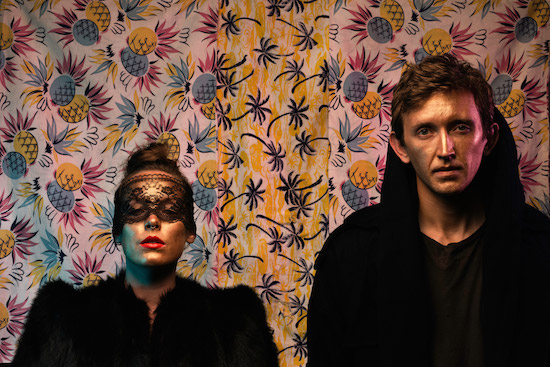
Upon first listen, Sylvan Esso kind of takes hold of you. Nick Sanborn’s melodic, layered, driving electronic beats pair perfectly with Amelia Meath’s blissful voice and artful lyrics. The way Sylvan Esso — the band’s self-titled debut album, which dropped May 13 — is wrapped together feels so intuitive, so ethereal, that it will likely bring you to your feet for an impromptu dance session.
“Hey Mami” will loop in your head; “Dress” will become your jam. And you’ll be in good company this Fri/6 at the Fillmore, when Sylvan Esso open for Oakland’s own tUnE-yArDs.
I had the pleasure of speaking with Meath from the Free Press Summer Festival in Houston on Sunday. She posted up in her trailer for our call after seeing Lauryn Hill’s performance – which, she assured me, was awesome.
So how did Sylvan Esso come to be? Well, for starters, lyricist Amelia Meath and electronic producer Nick Sanborn fortuitously found themselves playing on the same bill at the Cactus Club in Milwaukee one night. They became instant friends. When Meath needed a remix for “Play It Right” — a song she wrote and played with her indie folk trio, Mountain Man — she asked Sanborn to make it and was very pleased with the product.
After collaborating on “Play It Right,” Meath and Sanborn both felt like they should collaborate some more. And then, after some tweeting and planning, Sylvan Esso was born. “It almost feels like magic how good we are at working together,” Meath says.
When I first listened to Sylvan Esso, I felt hard-pressed to assign it a genre. Meath’s lyrics are deep and introspective, and Sanborn’s arrangements are incredibly inventive; but I think the undeniable catchiness of their songs makes Sylvan Esso, essentially, pop. Meath likes to call it “pedestrian pop”: pop music that illustrates universal human experiences and makes you “shake your butt” — and feel emotion — simultaneously.
Meath feels that electronic music has a marketed effect on people; she loves pairing her lyrics and melodies with Sanborn’s electronic arrangements. “I always wanted to make electronic music because I really like that electronic music shakes people; it actually vibrates people at the same rate at the same time,” Meath says.
The duo has many varied sound influences, such as They Might Be Giants, Aliyah, John Lurie/Marvin Pontiac, and Stina Nordenstam. Meath also looked to pop goddesses like Beyoncé and Rihanna while writing the lyrics to Sylvan Esso. “When you write a pop song, you’re trying to make something that’s going to sink into the brain of someone and stay with them after hearing it once,” Meath says.
The duo will be opening for tUnE-yArDs at the Fillmore on Friday, June 6. (They’re in the Bay Area for one night only.) Meath is no stranger to San Francisco, as she used to spend summers here during her teens while training with a Chinese contortionist. (Yes, Meath also happens to be a badass.)
“We have to be in Pasadena the next morning,” Meath says, “but if I were going to be in San Francisco for the weekend, I would walk up Russian Hill, and eat some really delicious food — that’s for sure! Oh, I also always really like to go to Tartine, and then I go to Bi-Rite and spend way too much money on groceries, and then sit in Dolores Park all day long!” She’s an honorary San Franciscan for sure.
When asked what she enjoys most about performing, Meath stressed the communal aspect of live music. “My favorite thing about performing is that you get to be the hinge for the whole room to become a small community,” Meath says.
Sylvan Esso opening for tUnE-yArDs on Fri/6
9 pm, $26
The Fillmore
1805 Geary, SF
www.thefillmore.com
The Damned on playing small venues, headgear that protects you from spit, and why they won’t stop ’til the Stones do
For nearly four decades now, legendary British rockers The Damned have been haunting stages around the world with their brand of gothic-inspired punk.
Since storming onto the London punk scene in 1976, the band has evolved and survived multiple line-up changes over the years, with the group now led by founding members Dave Vanian and Captain Sensible, who are keeping the original spirit of The Damned alive and well.
Today, Vanian’s punk-meets-rockabilly crooner vocals and Sensible’s wildly blistering guitar are backed up by the jackhammer rhythm section of drummer Pinch and bassist Stu West, along with keyboardist Monty Oxy Moron, who often looks like a possessed version of Beethoven, his hands flailing wildly about when not pounding the keys.
Bay Area fans are in for a treat this week as The Damned play two shows in Northern California ahead of their appearance at the Ink-N-Iron festival in Long Beach — and these are the only U.S. gigs on the books for the year.
“I love visiting San Francisco, it’s the most European city in North America and a vegetarian’s paradise. My home is in Brighton, the gay capital of the UK and a lot of the relaxed liberal attitude we have there is over here too,” says Captain Sensible, via email. “I like the way the Bay Area is a collection of villages all with their different vibe, but mainly it’s the smart, friendly people here that make a visit such fun.”
Looking back over almost 40 years of on and off history as a band, Sensible offers a candid assessment of what life has been like as a member of The Damned.
“I’m not one for regrets, we’ve had a splendid crack as a band. A lot of things that went pear shaped was our own stupid fault — and how we survived the mania of the 70s / 80s without anyone dropping dead I’ve no idea. But as you can imagine it was bloody good fun in a time when bands could pretty much do what ever they wanted in the studio without label types breathing down our necks; in fact, when they did turn up we always put on a little show for them, band splitting up, drummer climbing in a grand piano to add nonsensical avant-garde overdubs on a straightforward punk tune, food fights. They got the idea in the end and left us alone, and we actually made a few decent records despite all the chaos.”
The Damned were the first punk band from the UK to release a single — “New Rose” — and an album, Damned Damned Damned.
https://www.youtube.com/watch?v=rTfyUqVqX-0&feature=kp
They also broke ground as the first to cross the pond and tour the United States, a jaunt that saw them play the infamous Mabuhay Gardens in San Francisco back in 1977.
“It’s all a blur as you can imagine, but we met loads of young upstarts who told us they were getting their bands together. It was a great time, a clean slate if you like. And it felt good to give the jaded stadium rock stars of the time a kick up the arse.”
“I also remember American beer being universally appalling. In fact I would cram my suitcase with as much booze as possible, if you can believe that. Now, of course Californian craft beer is the cutting edge of brewing and we intend to visit a few breweries this trip.”
As for Sensible’s now-signature stage attire — a red beret and crazy sunglasses — it turns out it had nothing to do with trying to make a fashion statement: It was born from the environment that came to epitomize live shows in the early days of the punk movement.
“The truth is that at first I only wore a beret to stop the ‘gob’ (spit) getting in my hair. After Johnny Rotten and Rat Scabies had their famous spitting incident at a Pistols gig in ’76 it became part of the punk scene for a year or so. The problem was the hot stage lights baked the gob in your hair and it was almost impossible to remove the hard lumps afterwards, so I wore a beret and sunglasses to stop it getting into my eyes. That’s the true story, it wasn’t fashion — it was self preservation!”
Fans will be able to hear all sorts of first-hand accounts and behind the scenes stories in the near future when a documentary film about The Damned is released, made by Wes Orshoski, the filmmaker behind “Lemmy,” the award-winning portrait of the iconic Motorhead frontman.
“I took Wes to do an interview outside the former home of my parents — where I spent my school years — and no sooner was the camera rolling than a drug crazed mugger made a grab for it and a good old fashioned punch up ensued in which $50,000 worth of film equipment got completely trashed. Wes ended up being rushed to hospital. He probably needed a rabies antidote,” says Sensible.
“I should have mentioned to him that I was born and raised in the roughest part of South London — where one person’s posh movie gear is someone else’s years supply of crack cocaine.”
Despite difficulties such as that jarring incident, Sensible says that the rest of the project has been proceeding along well.
“He’s captured some very funny footage already as the Damned are quite a strange bunch these days. People think they know us, but I reckon there will be a few surprised faces when the film is released.”
One fact that casual fans of The Damned might not know is that Captain Sensible is a huge train buff — he’s driven steam engines in England, and even had a diesel locomotive named after him.
“There was a company that had a punk fan as boss and he named his locos after his heroes. John Peel, Joe Strummer — mine was originally going to be called Morrissey but it came to the guy’s attention that he made a point NEVER to travel by train. Whereas I do all the time, so I got it instead!”
Unfortunately, Cotswold Rail went out of business a few years ago, and when the engine was sold, a disgruntled employee that was owed money stole the nameplates.
“I’d maybe buy ‘em if he offered, gotta be worth a fiver, eh?” says Sensible.
While the Damned often perform at large music festivals around the world these days, Sensible still favors smaller shows, like the one the band will play at Slim’s on Wed/4.
“I prefer the club gigs, the closeness to the audience. And when I see bands, that’s also the environment I prefer. Festivals with screens and the musicians half a mile away on a distant stage is not great is it? The problem is that now we are a certain age, and there’s not likely to be another club tour as it’s a bit knackering.”
Although Sensible mentions that the members of The Damned aren’t exactly spring chickens anymore, he’s adamant that they have no intention of hanging it up anytime soon.
“The Damned ain’t going to quit while the Stones are still lurching on,” he says. “We’re not gonna be beat by a bunch of old Tories.”
https://www.youtube.com/watch?v=8m2JyiggwAU
The Damned, with Koffin Kats and Stellar Corpses
Wednesday, June 4
8pm, $30
Slim’s
333 11th St., SF
(415) 255-0333
www.slimspresents.com
Rep Clock: June 4 – 10, 2014
Schedules are for Wed/4-Tue/10 except where noted. Director and year are given when available. Double and triple features marked with a •. All times pm unless otherwise specified.
CASTRO 429 Castro, SF; (415) 621-6120, www.castrotheatre.com. $8.50-11. Check website for program information.
CHRISTOPHER B. SMITH RAFAEL FILM CENTER 1118 Fourth St, San Rafael; (415) 454-1222, www.cafilm.org. $6.50-$10.75. We Are the Best! (Moodysson, 2013), June 6-12, call for times.
CLAY 2261 Fillmore, SF; www.landmarktheatres.com. $10. “Midnight Movies:” Mean Girls (Waters, 2004), Fri-Sat, midnight.
NEW PARKWAY 474 24th St, Oakl; www.thenewparkway.com. Free. “First Friday Shorts,” works by Youth Radio’s young artists, Fri, 6.
ROXIE 3117 and 3125 16th St, SF; (415) 863-1087, www.roxie.com. $6.50-11. San Francisco Green Film Festival, environmental films, events, panels, and special guests, Wed. Complete program details and tickets (most shows $15) at www.sfgreenfilmfest.org. San Francisco Documentary Film Festival, June 5-19. Complete program details, including additional venues, and tickets (most shows $12) at www.sfindie.com.
TEMESCAL ART CENTER 511 48th St, Oakl; www.shapeshifterscinema.com. Free. Shapeshifters Cinema presents: “The Light Art of Dennis Keefe and Glenn McKay,” Sun, 8.
YERBA BUENA CENTER FOR THE ARTS 701 Mission, SF; www.ybca.org. $8-10. “Astonishing Animation: The Films of Hayao Miyazaki and Studio Ghibli:” Spirited Away (Miyazaki, 2002), Thu, 7:30 and Sat, 7; Princess Mononoke (Miyazaki, 1997), Fri-Sat, 7:30; Pom Poko (Takahata, 1994), Sat, 1; Ponyo (Miyazaki, 2009), Sun, 1: From Up on Poppy Hill (Miyazaki, 2011), Sun, 3:30; Castle in the Sky (Miyazaki, 1986), Sun, 5:30. *
To the desert and back
arts@sfbg.com
The early May Sunday afternoon when I meet up with Fresh and Onlys frontman and songwriter Tim Cohen, he’s has just reached a milestone in his career: His firstborn child has just seen his band play for the first time in her life. The day before, Cohen and co. played the Hipnic IV festival in Big Sur to a seated audience. The mainstays of San Francisco’s garage rock scene were able to catch the attention of the one-year-old for a bit before her interest evaporated into the air like pot fumes at a music festival. It’ll likely be years before the child knows she had a profound influence on her dad’s band’s newest album, House of Spirits, due out June 10 on the Mexican Summer label.
Our rendez-vous is set at Cafe Abir on ever-buzzing Divisadero Street, which of course is being consumed with another hot new opening. This time, it’s 4505 Meats, which is making a splash of a debut with its inviting smells wafting over from salacious BBQ concoctions. The unofficial fogline of San Francisco feels foreign to Cohen, who’s been a resident of the adjacent Alamo Square neighborhood for almost 13 years. That’s because he’s just spent 15 months in rural Arizona. When we reach the inevitable topic of San Francisco’s recent changes, Cohen remarks, “I was gone for 15 months and almost everything changed in that time. I can see six places that weren’t here when I left. It’s a culture shock.”
For those 15 months, Cohen decamped with his wife, newborn baby, guitar, Korg keyboard, and drum machine to a horse ranch 10 miles outside of Sedona, Arizona. Later on during his stay, he picked up an eight-track recorder from a kid on Craigslist to record his demos on. “It’s simple and gives me a lower-quality song; it’s my favorite device to record on.” says Cohen.
The storyline behind House of Spirits lends a feeling of concept album, thanks to the songwriting’s foreign backdrop. It’s still very much connected to the feel, themes, and sounds of earlier Fresh and Onlys productions, but the intrigue lies in how noticeable an effect the desert environs had on the record.
Cohen ventured to the desert of Northern Arizona expecting a new jolt of creative energy and a deviation in his songwriting, but underestimated the effect absolute desolation — amplified by its contrast to San Francisco’s bustle — would have on himself and the album. “I went there knowing I would have a lot of time to myself, [but] I didn’t know how much or how dire that solitude would become, which definitely fed into my creative process…If you’ve ever spent any time in the desert or anywhere that’s just your environment, there’s no people walking by, trains, cars, planes, it’s just where you’re at and you. I had no way to contest the silence and openness of it all. I just sat there and took it in. Finally after living there for a months, I figured how to manage my space in the environment, and just dug out my space,” says Cohen.
Part of the reason for Cohen’s retreat was the idea of not raising a baby in a big loud city. He does concede that, in addition to learning how to negotiate the vacuum of the Arizonan desert, the album was significantly influenced by his other major learning experience, that of understanding how to be both “a parent with someone and to someone.”
Like a friend coming back from a sweet vacation, Cohen highly recommends the rural experience for fellow artists. “It made me more of a prolific artist, because I came back with tons and tons of material. I worked. I say if you can afford it, give yourself that emptiness and blank agenda.”
But Cohen’s foray into the desert wasn’t all artistic introspection and exploration. The lack of constant and face-to-face communication with his bandmates exacerbated tensions already simmering in the band. That inevitable and familiar dilemma of young parents trading time with their lifelong friends for time with their nascent families provided another strain.
“People were being pulled in a lot of different directions. It began with me moving away. When your buddy has a kid and moves away, a lot of times you can feel a sense of abandonment. In a lot of ways we think of this band as our own baby,” he says. “It was almost like running off and having a baby with someone else.” Not to mention, other bandmates were dealing with evictions and layoffs.
Did the stress ever seriously threaten the album? “Absolutely, at almost every turn,” says Cohen. “We had a limited amount of recording days when I came back to SF, which created a sense of urgency and contributed to inflammation of the issues afflicting the band. These were my songs and demos. [Normally] I send the demos to guys way in advance, they think ‘How can I hear this and contribute to it?’ and that’s how it pretty much works. This time around it was a little less of that.”
For all his recounting of the hurdles and “external and internal issues,” Cohen presents a stoic demeanor, and seems confident that the band has escaped its stormy period.
“In the end we won the big victory,” he says. “This album is definitely a grower.”
Fresh and Onlys record release show
With Cold Beat, Devon Williams
July 5, 8pm, $15
The Chapel
777 Valencia, SF
www.thechapelsf.com
Theater Listings: June 4 – 10, 2014
Stage listings are compiled by Guardian staff. Performance times may change; call venues to confirm. Reviewers are Robert Avila, Rita Felciano, and Nicole Gluckstern. Submit items for the listings at listings@sfbg.com. For complete stage listings, see www.sfbg.com.
THEATER
OPENING
Brahmin/I: A One-Hijra Stand-Up Comedy Show Thick House, 1695 18th St, SF; www.crowdedfire.org. $15-35. Previews Thu/5-Sat/7, 8pm. Opens Mon/9, 8pm. Runs Wed-Sat, 8pm. Through June 28. Crowded Fire Theater presents Aditi Brennan Kapil’s “outrageous play masquerading as a stand-up comedy routine.”
God Fights the Plague Marsh San Francisco Studio Theater, 1062 Valencia, SF; www.themarsh.org. $15-100. Previews Sat/7 and June 14, 8:30pm; Sun/8 and June 15, 7pm. Opens June 21, 8:30pm. Runs Sat, 8:30pm; Sun, 7pm. Through Aug 10. The Marsh presents a solo show written by and starring 18-year-old theater phenom Dezi Gallegos.
In the Tree of Smoke Great Star Theater, 636 Jackson, SF; www.brownpapertickets.com. $25. Opens Thu/5, 8pm. Runs Thu-Sat, 8pm. Through June 28. Circus Automatic performs an new evening of immersive, experimental circus.
The Orphan of Zhao ACT’s Geary Theater, 415 Geary, SF; www.act-sf.org. $20-120. Previews Wed/4-Sat/7 and Tue/10, 8pm (also Sat/7, 2pm); Sun/8, 2pm. Opens June 11, 8pm. Runs Wed-Sat and June 24, 8pm (also Wed and Sat, 2pm); June 17, 7pm. Through June 29. Tony winner BD Wong stars in James Fenton’s acclaimed Chinese-legend adaptation at American Conservatory Theater.
“Sheherezade 14” Exit Theater, 156 Eddy, SF; www.playwrightscentersf.org. $25. Opens Fri/6, 8pm. Runs Thu-Sat, 8pm. Through June 21. The Playwrights’ Center of SF and Wily West Productions host this annual festival of fully-produced short plays.
BAY AREA
Dead Man’s Cell Phone Masquers Playhouse, 105 Park Place, Point Richmond; www.masquers.org. $22. Opens Fri/30, 8pm. Runs Fri-Sat, 8pm; Sun/8, 15, and 22, 2pm. Through June 28. Masquers Playhouse performs Sarah Ruhl’s imaginative comedy.
Failure: A Love Story Marin Theatre Company, 397 Miller, Mill Valley; www.marintheatre.org. $37-58. Previews Thu/5-Sat/7, 8pm; Sun/8, 7pm. Opens Tue/10, 8pm. Runs Tue and Thu-Sat, 8pm (also June 14 and 28, 2pm; June 19, 1pm); Wed, 7:30pm; Sun, 2 and 7pm. Through June 29. Marin Theatre Company performs Philip Dawkins’ play about love and loss, with puppets and live music.
Hershey Felder as Leonard Bernstein in Maestro Berkeley Repertory Theatre, Thrust Stage, 2025 Addison, Berk; www.berkeleyrep.org. $29-87. Previews Thu/5, 8pm. Opens Fri/6, 8pm. Runs Tue and Thu-Sat, 8pm (also Sat, 2pm); Wed and Sun, 7pm (also Sun, 2pm). Through June 22. Juno-winning actor and musician Hershey Felder (George Gershwin Alone) performs his latest solo show.
Marry Me A Little Mountain View Center for the Performing Arts, 500 Castro, Mtn View; www.theatreworks.org. $19-73. Previews Wed/4-Fri/6, 8pm. Opens Sat/7, 8pm. Runs Tue-Wed, 7:30pm; Thu-Sat, 8pm (also Sat, 8pm); Sun, 2 and 7pm. Through June 29. TheatreWorks performs Stephen Sondheim’s intimate musical.
ONGOING
The Crucible Gough Street Playhouse, 1620 Gough, SF; www.custommade.org. $10-35. Thu-Sat, 8pm; Sun, 7pm. Through June 15. Custom Made Theatre Co. performs Arthur Miller’s drama.
Devil Boys From Beyond New Conservatory Theatre Center, 25 Van Ness, SF; www.nctcsf.org. $25-45. Wed-Sat, 8pm; Sun, 2pm. Through June 28. New Conservatory Theatre Center performs Buddy Thomas and Kenneth Elliot’s campy sci-fi saga.
Each and Every Thing Marsh San Francisco Main Stage, 1062 Valencia, SF; www.themarsh.org. $20-50. Previews Thu/5-Fri/6 and June 12-13, 8pm; Sat/7, 8:30pm. Opens June 14, 8:30pm. Runs Thu-Fri, 8pm; Sat, 8:30pm. Through July 12. Dan Hoyle presents his latest solo show, about the search for real-world connections in a tech-crazed world.
Feisty Old Jew Marsh San Francisco Main Stage, 1062 Valencia, SF; www.themarsh.org. $25-100. Sat-Sun, 5pm. Extended through July 13. Charlie Varon performs his latest solo show, a fictional comedy about “a 20th century man living in a 21st century city.”
Homo File CounterPULSE, 1310 Mission, SF; www.counterpulse.org. $20-35. Fri-Sat, 8pm; Sun, 7pm. Through June 15. Eye Zen and CounterPULSE present Seth Eisen’s interdisciplinary performance about queer author and tattoo artist Sam Steward.
The Homosexuals New Conservatory Theatre Center, Decker Theatre, 25 Van Ness, SF; www.nctcsf.org. $25-45. Wed-Sat, 8pm; Sun, 2pm. Through June 28. New Conservatory Theatre Center performs Philip Dawkins’ play about a young man struggling with his identity amid a new group of friends.
Macbeth Fort Point (beneath the Golden Gate Bridge), SF; www.weplayers.org. $30-75. Thu-Sun, 7pm. Through June 29. We Players performs the Shakespeare classic at the historic fortress at Fort Point.
Pearls Over Shanghai Hypnodrome Theatre, 575 10th St, SF; www.thrillpeddlers.com. $30-35. Thu-Sat, 8pm. Extended through June 28. Five years ago, Thrillpeddlers breathed new life into a glitter-dusted piece of Sixties flotsam, beautifully reimagining the Cockettes’ raunchy mock-operetta Pearls Over Shanghai (in collaboration with several surviving members of San Francisco’s storied acid-drag troupe) and running it for a whopping 22 months. Written by Cockette Link Martin as a carefree interpretation of a 1926 Broadway play, the baldly stereotyped Shanghai Gesture, it was the perfectly lurid vehicle for irreverence in all directions. It’s back in this revival, once again helmed by artistic director Russell Blackwood with musical direction by Cockette and local favorite Scrumbly Koldewyn. But despite the frisson of featuring some original-original cast members — including “Sweet Pam” Tent (who with Koldewyn also contributes some new dialogue) and Rumi Missabu (regally reprising the role of Madam Gin Sling) — there’s less fire the second time around as the production straddles the line between carefully slick and appropriately sloppy. Nevertheless, there are some fine musical numbers and moments throughout. Among these, Zelda Koznofsky, Birdie-Bob Watt, and Jesse Cortez consistently hit high notes as the singing Andrews Sisters-like trio of Americans thrown into white slavery; Bonni Suval’s Lottie Wu is a fierce vixen; and Noah Haydon (as the sultry Petrushka) is a class act. Koldewyn’s musical direction and piano accompaniment, meanwhile, provide strong and sure momentum as well as exquisite atmosphere. (Avila)
Savage in Limbo Phoenix Theatre, 414 Mason, SF; www.brownpapertickets.com. $25. Wed/4-Fri/6, 8pm; Sun/7, 2pm. Rabbit Hole Theater Company performs John Patrick Shanley’s Bronx-set drama.
Seminar San Francisco Playhouse, 450 Post, Second Flr, SF; www.sfplayhouse.org. $20-100. Tue-Thu, 7pm; Fri-Sat, 8pm (also Sat, 3pm); Sun/8, 2pm. Through June 14. San Francisco Playhouse performs Theresa Rebeck’s biting comedy.
Shit & Champagne Rebel, 1772 Market, SF; shitandchampagne.eventbrite.com. $25. Fri-Sat, 8pm. Open-ended. D’Arcy Drollinger is Champagne White, bodacious blond innocent with a wicked left hook in this cross-dressing ’70s-style white-sploitation flick, played out live on Rebel’s intimate but action-packed barroom stage. Written by Drollinger and co-directed with Laurie Bushman, this high-octane camp send-up of a favored formula comes dependably stocked with stock characters and delightfully protracted by a convoluted plot — all of it played to the hilt by an excellent cast. (Avila)
The Speakeasy Undisclosed location (ticket buyers receive a text with directions), SF; www.thespeakeasysf.com. $65-100 (gambling chips, $7-10 extra; after-hours admission, $10). Wed-Sat, 7:30, 7:40, 7:50, 8pm, and 9pm admittance times. Extended through June 21. Boxcar Theater’s most ambitious project to date is also one of the more involved and impressively orchestrated theatrical experiences on any Bay Area stage just now. An immersive time-tripping environmental work, The Speakeasy takes place amid a period-specific cocktail lounge, cabaret, and gambling den inhabited by dozens of Prohibition-era characters and scenarios that unfold around an audience ultimately invited to wander around at will. At one level, this is an invitation to pure dress-up social entertainment. But there are artistic aims here too. Intentionally designed as a fractured super-narrative, there’s a way the piece becomes specifically and ever more subtly about time itself. (Avila)
36 Stories by Sam Shepard Z Below, 470 Florida, SF; www.36stories.org. $35-55. Wed-Thu, 7pm; Fri-Sat, 8pm; Sun, 3pm. Through June 22. Word for Word performs director Amy Kossow’s original adaptation of Shepard’s poetry and fiction.
Too Much Light Makes the Baby Go Blind Boxcar Theatre, 505 Natoma, SF; www.sfneofuturists.com. $11-16. Fri-Sat, 9pm. Ongoing. The Neo-Futurists perform Greg Allen’s spontaneous, ever-changing show that crams 30 plays into 60 minutes.
Triassic Parq Eureka Theater, 215 Jackson, SF; www.rayoflighttheatre.com. $25-36. Wed-Sat, 8pm (also June 21 and 28, 2pm). Through June 28. Ray of Light Theatre presents the Bay Area premiere of Marshall Pailet’s musical involving “dinosaurs, show tunes, and sex changes.”
Walk Like A Man Costume Shop, 1117 Market, SF; www.therhino.org. $15-35. Wed-Sat, 8pm; Sun, 3pm. Through June 15. Falling in love with your boss, surviving child abuse, losing a loved one in war, dealing with your straight daughter’s shame around her mom’s butch wardrobe — these are only a few of the circumstances encountered in a raucous and affecting evening of celebrating desire and being true to yourself, as Theatre Rhinoceros presents ten stories of love and sex among a diverse set of African American women. Culled from the titular collection of erotic fiction by Atlanta-based author Laurinda D. Brown, the evening unfolds with a pert and playful finesse thanks to director John Fisher and a strong, charismatic five-women ensemble (made up of Alexaendrai Bond, Kelli Crump, Nkechi Emeruwa, Daile Mitchum, and Desiree Rogers). Sexy and brazen, raunchy and wrenching, this series of vignettes, spread out over two acts, comes with nary a dull moment and plenty of climaxes. (Avila)
BAY AREA
The Crazed Berkeley City Club, 2315 Durant, Berk; www.centralworks.org. $15-28. Thu-Sat, 8pm; Sun, 5pm. Through June 23. Central Works performs Sally Dawidoff’s play, based on Ha Jin’s novel about coming of age in Communist China.
Daylighting: The Berkeley Stories Project Ashby Stage, 1901 Ashby, Berk; www.shotgunplayers.org. $20-35. Wed-Thu, 7pm; Fri-Sat, 8pm; Sun, 5pm (June 22, show at 2pm). Through June 22. Shotgun Players present Dan Wolf’s new play inspired by real-life tales from Berkeley residents past and present.
The Intelligent Homosexual’s Guide to Capitalism and Socialism with a Key to the Scriptures Berkeley Repertory Theatre, Roda Theatre, 2015 Addison, Berk; www.berkeleyrep.org. $14.50-89. Tue, Thu-Sat, 7:30pm (also Sat and June 26, 2pm); Wed and Sun, 7pm (also Sun, 2pm). Through June 29. Berkeley Rep performs the West Coast premiere of Tony Kushner’s latest play.
The Letters Harry’s UpStage, Aurora Theatre Company, 2081 Addison, Berk; www.auroratheatre.org. $28-32. Wed/4-Sat/7, 8pm; Sun/8, 2pm. American playwright John W. Lowell’s The Letters harkens back to Stalinist days and some unspecified ministry, where a dutiful staff goes about censoring the personal and openly homoerotic correspondence of an iconic Russian composer (Tchaikovsky). Directed by Mark Jackson for Aurora Theater’s new upstairs black box, the two-hander is cleverly crafted for the most part. Unfortunately, as a cat and mouse game the stakes, and the arc of the story, feel more fantastical then pressingly contemporary. (Avila)
Mutt: Let’s All Talk About Race La Val’s Subterranean, 1834 Euclid, Berk; www.impacttheatre.com. $10-20. Thu/5-Sat/7, 8pm; Sun/8, 7pm. Impact Theatre and Ferocious Lotus Theatre Company present the world premiere of Christopher Chen’s political satire.
Nantucket Marsh Berkeley MainStage, 2120 Allston, Berk; www.themarsh.org. $25-100 (all tickets include a picnic dinner). Thu and Sat, 7pm. Through June 14. Acclaimed solo performer Mark Kenward presents his “haunting yet hilarious” autobiographical show about growing up on Nantucket. *
Film Listings: June 4 – 10, 2014
Film listings are edited by Cheryl Eddy. Reviewers are Kimberly Chun, Dennis Harvey, Lynn Rapoport, and Sara Maria Vizcarrondo. For rep house showtimes, see Rep Clock.
DOCFEST
The 13th San Francisco Documentary Film Festival runs June 5-19 at the Brava Theater, 2781 York, SF; Roxie Theater, 3117 16th St, SF; and Oakland School of the Arts Theater, 530 19th St, Oakl. For tickets (most shows $12) and complete schedule, visit www.sfindie.com. For commentary, see “Peculiar Thrills.”
OPENING
Edge of Tomorrow Tom Cruise and Emily Blunt star in this sci-fi thriller about an alien war being fought by soldiers caught in a seemingly endless time loop. (1:53) Four Star, Presidio.
The Fault in Our Stars Shailene Woodley stars in this based-on-a-best-seller romance about two teens who meet at a cancer support group. (2:05) Marina.
Night Moves Not to be confused with Arthur Penn’s same-named 1975 Gene Hackman thriller, Kelly Reichardt’s latest film nonetheless is also a memorably quiet, unsettling tale of conspiracy and paranoia. It takes us some time to understand what makes temporary allies of jittery Josh (Jesse Eisenberg), Portland, Ore.-style alterna-chick Dena (Dakota Fanning) and genial rural recluse Harmon (Peter Sarsgaard), beyond it being a mission of considerable danger and secrecy. When things don’t go exactly as planned, however, the three react very differently to the resulting fallout, becoming possibly greater threats to one another than the police or FBI personnel pursuing them. While still spare by mainstream standard, this is easily Reichardt’s most accessible work, carrying the observational strengths of 2010’s Meek’s Cutoff, 2008’s Wendy and Lucy, and 2006’s Old Joy over to a genuinely tense story that actually goes somewhere. (1:52) Metreon. (Harvey)
Rigor Mortis Spooky Chinese folklore (hopping vampires) meets J-horror (female ghouls with long black hair) in this film — directed by Juno Mak, and produced by Grudge series helmer Takashi Shimizu — inspired by Hong Kong’s long-running Mr. Vampire comedy-horror movie series. Homage takes the form of casting, with several of Vampire‘s key players in attendance, rather than tone, since the supernatural goings-on in Rigor Mortis are more somber than slapstick. Washed-up film star Chin Siu-ho (playing an exaggerated version of himself) moves into a gloomy apartment building stuffed with both living and undead tenants; his own living room was the scene of a horrific crime, and anguished spirits still linger. Neighbors include a frustrated former vampire hunter; a traumatized woman and her white-haired imp of a son; a kindly seamstress who goes full-tilt ruthless in her quest to bring her deceased husband back to life; and an ailing shaman whose spell-casting causes more harm than good. Shot in tones so monochromatic the film sometimes appears black-and-white (with splashes of blood red, natch), Rigor Mortis unfortunately favors CG theatrics over genuine scares. That said, its deadpan, world-weary tone can be amusing, as when one old ghost-chaser exclaims to another, “You’re still messing around with that black magic shit?” (1:45) Metreon. (Eddy)
Test Writer-director Chris Mason Johnson sets his film at a particular moment in the early years of the AIDS epidemic — when the first HIV blood test became publicly available, in 1985 — within a milieu, the world of professional modern dance, that rarely makes an appearance in narrative films. Test‘s protagonist, Frankie (Scott Marlowe), is a young understudy in a prestigious San Francisco company, and the camera follows him on daily rounds from a rodent-infested Castro apartment, where he lives with his closeted roommate, to the dance studio, where he marks the steps of the other performers and waits anxiously for an opportunity to get onstage. Larger anxieties are hovering, moving in. We get a rehearsal scene in which a female dancer recoils from her male partner’s embrace, lest his sweat contaminate her; conversations about the virus in changing rooms and at parties; a sexual encounter between Frankie and a stranger, after which he stares at the man as if he might be a mortal enemy; a later, aborted encounter in which the man sits up in bed, appalled and depressed, after Frankie hesitantly proffers a condom, remarking, “They say we should use these&ldots;” A neighbor watches Frankie examine himself for skin lesions. Rock Hudson dies. Frankie warily embarks on a friendship with a brash, handsome fellow dancer (Matthew Risch) who offers a counterpoint to his cerebral, watchful reserve. And throughout, the company rehearses and performs, in scenes that beautifully evoke the themes of the film, a quiet, thoughtful study of a person, and a community, trying to reorient and find footing amid a cataclysm. (1:29) Elmwood (director in person Sat/7, 7:15pm show), Presidio (director in person Fri/6, 8:30pm; Sat/7, 3:50pm; and Sun/8, 6:15pm shows). (Rapoport)
We Are the Best! Fifteen years after Show Me Love, Lukas Moodysson’s sweet tale of two girls in love in small-town Sweden, the writer-director returns to the subject of adorably poignant teen angst. Set in Stockholm in 1982, and adapted from a graphic novel by Moodysson’s wife, Coco Moodysson, We Are the Best! focuses on an even younger cohort: a trio of 13-year-old girls who form a punk band in the interest of fighting the power and irritating the crap out of their enemies. Best friends Bobo (Mira Barkhammar) and Klara (Mira Grosin) spend their time enduring the agonies of parental embarrassment and battling with schoolmates over personal aesthetics (blond and perky versus chopped and spiked), nukes, and whether punk’s dead or not. Wreaking vengeance on a group of churlish older boys by snaking their time slot in the local rec center’s practice space, they find themselves equipped with a wealth of fan enthusiasm, but no instruments of their own and scant functional knowledge of the ones available at the rec center. Undaunted, they recruit a reserved Christian classmate named Hedvig (Liv LeMoyne), whose objectionable belief system — which they vow to subvert for her own good — is offset by her prodigious musical talents. Anyone who was tormented by the indignities of high school PE class will appreciate the subject matter of the group’s first number (“Hate the Sport”). And while the film has a slightness to it and an unfinished quality, Moodysson’s heartfelt interest in the three girls’ triumphs and trials as both a band and a posse of friends suffuses the story with warmth and humor. (1:42) Embarcadero, Shattuck, Smith Rafael. (Rapoport)
ONGOING
Cold in July Though he’s best-known for his cut-above indie horror flicks (2010’s Stake Land; 2013’s We Are What We Are), Jim Mickle’s most accomplished film to date explores new turf for the writer-director: small-town noir. Cold in July, a thriller ranging across East Texas, circa 1989, is adapted from the novel by Joe R. Lansdale, who — buckle up, cultists — also penned the short story which spawned 2002’s Bubba Ho-Tep. That said, there are no supernatural elements afoot here; all darkness springs entirely from the coal-black hearts beating in its characters. Well, some of its characters, anyway; though Cold in July begins with a killing, the trigger hand is attached to mild-mannered Richard Dane (Dexter‘s Michael C. Hall, rocking a splendid mullet). The masked man he shot was breaking into his home; Richard was just protecting his family, and the crime is breezed over by the police. Unlike Viggo Mortensen’s secret gangster in 2005’s A History of Violence, a film which begins with a similar premise, Richard has zero past aggression to draw on; dude’s got a history of mildness — with a heretoforth untapped curiosity about the wilder side of life awakened by a sudden bloody act. The good guy/bad guy dynamic is twisted, tested, and taken to extremes as the story progresses; it’s the sort of film best viewed without much knowledge of its plot twists, which are numerous and cleverly plotted. Throughout, the film expertly works its 1980s setting as both homage to and embodiment of the era’s gritty thrillers; its synth-heavy score and the casting of Wyatt Russell (son of Kurt) add to the feeling that Cold in July was crafted after much time spent in the church of St. John Carpenter. Amen to that. (1:49) Opera Plaza. (Eddy)
The Dance of Reality His unique vision recently re-introduced to audiences by unmaking-of documentary Jodorowsky’s Dune, cinematic fabulist Alejandro Jodorowsky is back with his first film in a quarter-century. This autobiographical fantasia shows all initial signs of being a welcome yet somewhat redundant retread of his cult-famed early work (1970’s El Topo, 1973’s The Holy Mountain), as Santa Sangre was in 1989. It starts with the filmmaker himself fulminating wisdoms about the spiritual emptiness of a money-centric world, then appearing as guardian angel to his child self (Jeremias Herskovits). Little Alejandro is raised by a bullying, hyper macho father (Brontis Jodorowsky) and warm, indulgent mother (soprano Pamela Flores, singing every line of dialogue) who naturally clash at every turn. Jodorowsky’s stunning eye for bizarre imagery (abetted by DP Jean-Marie Dreujou’s handsome compositions) hasn’t faded, so there are delights to be had even in what fans might consider an over-familiar parade of dwarfs, amputees, anti clerical burlesques (like a dress-up dog beauty contest at church), Chaplinesque circus sentimentality, and other simple if surreal illustrations of society’s eternal victims and overlords. At a certain point, however, the misdeeds of father Jaime force his self-exile. The film’s consequent picaresque allegory of epic suffering toward redemption becomes cheerfully goofy, its symbol-strewn path increasingly funny and sweet rather than burdened by import. A large part of that appeal is due to junior Jodorowsky Brontis, who demonstrates considerable farcical esprit while flashing more full-frontal nudity than Michael Fassbender and Ewan McGregor combined ever dreamed of obliging. Shot in the family’s native Chile on a purported crowd funded budget of $3 million — could Hollywood provide so much original spectacle for 30 times that amount?—The Dance of Reality finds its 84-year-old maker as frisky as a pony, one that provides an endearingly unpredictable ride. (2:10) Opera Plaza, Shattuck. (Harvey)
The Grand Seduction Canadian actor-director Don McKellar (1998’s Last Night) remakes 2003 Quebecois comedy Seducing Doctor Lewis, about a depressed community searching for the town doctor they’ll need before a factory will agree to set up shop and bring much-needed jobs to the area. Canada is still the setting here, with the harbor’s name — Tickle Head — telegraphing with zero subtlety that whimsy lies ahead. A series of events involving a Tickle Head-based TSA agent, a bag of cocaine, and a harried young doctor (Taylor Kitsch) trying to avoid jail time signals hope for the hamlet, and de facto town leader Murray (Brendan Gleeson) snaps into action. The seduction of “Dr. Paul,” who agrees to one month of service not knowing the town is desperate to keep him, is part Northern Exposure culture clash, part Jenga-like stack of lies, as the townspeople pretend to love cricket (Paul’s a fanatic) and act like his favorite lamb dish is the specialty at the local café. The wonderfully wry Gleeson is the best thing about this deeply predictable tale, which errs too often on the side of cute (little old ladies at the switchboard listening in on Paul’s phone-sex with his girlfriend!) rather than clever, as when an unsightly structure in the center of town is explained away with a fake “World Heritage House” plaque. Still, the scenery is lovely, and “cute” doesn’t necessarily mean “not entertaining.” (1:52) Embarcadero. (Eddy)
Ida The bomb drops within the first ten minutes: after being gently forced to reconnect with her only living relative before taking her vows, novice nun Anna (Agata Trzebuchowska) learns that her name is actually Ida, and that she’s Jewish. Her mother’s sister, Wanda (Agneta Kulesza) — a Communist Party judge haunted by a turbulent past she copes with via heavy drinking, among other vices — also crisply relays that Ida’s parents were killed during the Nazi occupation, and after some hesitation agrees to accompany the sheltered young woman to find out how they died, and where their bodies were buried. Drawing great depth from understated storytelling and gorgeous, black-and-white cinematography, Pawel Pawilowski’s well-crafted drama offers a bleak if realistic (and never melodramatic) look at 1960s Poland, with two polar-opposite characters coming to form a bond as their layers of painful loss rise to the surface. (1:20) Clay. (Eddy)
The Immigrant Ewa (Marion Cotilliard) is an orphaned Polish émigré who’s separated from her sickly sister at Ellis Island in 1921, and scheduled for deportation as an alleged “woman of low morals.” She’s rescued from that by Bruno (Joaquin Phoenix), though he’s not quite the agent of charity he seems — in fact, Ewa doesn’t realize she’s actually been recruited for a prostitution racket he thinly veils as a theatrical troupe. Still, she stays, believing she has no other viable path to freeing her sister from quarantine, she allows her own degradation for money’s sake. This latest collaboration between Phoenix and director-coscenarist James Gray is a handsome period piece that’s done skillfully and tastefully enough to downplay — but not quite hide — the fact that its moral melodrama might as well have been written (as well as set) nearly a century ago. Cotilliard is fine in her best English-language role to date, and Phoenix is compelling as usual; Jeremy Renner is somewhat miscast as a distant-third lead. But whether you find The Immigrant poignant or forced will depend on your tolerance for a script whose every turn is all too predictable. (2:00) Metreon. (Harvey)
Maleficent Fairytale revisionism is all the rage these days, what with the unending power of Disney princesses to latch into little girls everywhere and bring parental units (and their wallets) to their knees. Yet princesses almost seem beside the point in this villain’s-side-of-the-story tale — Maleficent (Angelina Jolie), the queen of the fairies in the magical moors, wronged by Stefan (Sharlto Copley), who saws off her wings in order to win a crown. Accompanied by her shape-shifting minion, crow Diaval (Sam Riley), Maleficent attends the christening of King Stefan’s first-born daughter, Aurora, hot on the heels of three clownish good fairies (Lesley Manville, Imelda Staunton, Juno Temple), and delivers a curse that will have this future Sleeping Beauty (Elle Fanning) prick her finger on a spindle and sink into a deathlike coma until her true love’s kiss. Will that critical smooch be delivered by Prince Bieber, er, Phillip (Brenton Thwaites)? Considering the potential for Disney’s trademark, heart-tugging enchantment to get magically tangled up in girl power, it’s tough to suck up the disappointment in the ooey-gooey, gummy-faced troll-doll aesthetics of the art direction and animation, as well as first-time director Robert Stromberg’s choppy, dashed-through storytelling. Part of the problem is that there’s almost zero threat here, despite its antihero’s devilish presence — is there ever any doubt that a healthy resolution will win out, even at the expense of blood ties? Best to find dangerous pleasures where one can — namely in the vivid Jolie, cheekbones honed to a razor edge, who spits biting remarks at her accursed charge, beneath Joan Crawford-esque eyebrows and horns crying out for club-kid Halloween treatments. (1:37) Marina, Metreon, 1000 Van Ness, Shattuck, Sundance Kabuki, Vogue. (Chun) *
Peculiar thrills

arts@sfbg.com
FILM Documentaries are often the best section of any given film festival. But even die-hard fans admit to occasional Social Issue Fatigue — that feeling you get when you’ve just seen too many all-too-convincing portraits of real life injustices, reasons why the planet is dying, etc. “It was great — I’ll just go kill myself now” is a reaction few want to experience, you know, three times in one day. Yet it’s a typical plaint heard on queue at events like Toronto’s Hot Docs, let alone the touring United Nations Association Film Festival (a virtual global wrist-slitting orgy).
You’d be hard-pressed to have such a hard time at our own SF DocFest, however. For 13 years it’s managed to emphasize the entertaining and eccentric over grim reportage. To be sure, the latest edition, opening Thu/5 (with programs primarily at the Roxie and Oakland School for the Arts) has its share of films on topically important subject themes. Centerpiece presentation The Internet’s Own Boy: The Story of Aaron Swartz poignantly recalls the short history of the brilliant young programmer-activist whose fate is especially chilling given the potential imminent death of net neutrality. Of Kites and Borders examines the harsh lives of children in the Tijuana area; Goodbye Gauley Mountain has Bay Area “eco-sexuals” Annie Sprinkle and Beth Stephens uniquely protesting the mountaintop removal industry in the Appalachians. But among 2014 SF DocFest’s 40 or so features, only Ivory Tower — about the increasingly high cost of higher U.S. education — offers straight-up journalistic overview of an urgent social issue.
More typical of DocFest’s sensibility are its numerous portraits of peculiar individuals and even more peculiar obsessions. In the jobs-make-the-man department, there’s An Honest Liar, whose magician subject The Amazing Randi has made it his personal mission to expose those who’d use his profession’s tricks to defraud the vulnerable; The Engineer, profiling the sole criminologist working in gang crime-ridden El Salvador; Bronx Obama, in which one man’s uncanny resemblance to the POTUS sets him on a lucrative but discomfiting career of impersonation for (mostly) audiences of hooting conservatives; and Vessel, whose protagonist Dr. Rebecca Gomperts sails the world trying to make abortions available to women whose countries ban the procedure.
There are no less than three features about people trying to succeed among the professionally tough: Fake It So Real (the South’s independent pro wrestling circuit), Bending Steel (a Coney Island performing strongman) and Glena (struggling mother hopes to hit paydirt as a cage fighter).
On the obsessive side, Wicker Kittens examines the world of competitive jigsaw puzzling. Jingle Bell Rocks! examines the netherworld of serious Christmas-music aficionados; Vannin’ observes the 1970s customized-van culture still alive today. Magical Universe is Jeremy Workman’s very first-person account of his friendship with an elderly Maine widower who turns out to have secretly created epic quantities of bizarre Barbie-related art. Hairy Who and the Imagists recalls the somewhat less “outsider”-ish achievements of Chicago’s ’60s avant-garde art scene, while Amos Poe’s 1976 The Blank Generation, DocFest 13’s sole archival feature, flashes back to punk’s birth throes at CBGB’s.
Another legendary moment is remembered in Led Zeppelin Played Here, about an extremely early, ill-received 1969 Zep show at a Maryland youth center that few attended, but many claim to have. Portraits of artists expanding their forms in the present tense include Trash Dance (a choreographer collaborates with truckers and their big rigs) and When My Sorrow Died (theremin!).
Exerting a somewhat wacked fascination is the cast of We Always Lie to Strangers, which is somewhat spotty and unfocused as an overall picture of tourist mecca Branson, Mo. — Vegas for people who don’t sin — but intriguing as a study of showboy/girl types stuck in a milieu where gays remain closeted and Broadway-style divas need to keep that bitching hole shut 24/7. Further insight into your entertainment options is provided by Doc of the Dead (on zombiemania) and self-explanatory Video Games: The Movie.
One pastime nearly everyone pursues — looking for love — gets sobering treatment in Love Me, one of several recent documentaries probing the boom in Internet “mail order brides” from former Soviet nations. Its various middle-aged sad sacks pursuing much younger Eastern bombshells mostly find themselves simply ripped off for their troubles. Those looking for quicker, cheaper gratification may identify with Back Issues: The Hustler Magazine Story.
Of particular local interest is the premiere of Rick Prelinger’s No More Road Trips, culled from his collection of nearly 10,000 vintage home movies. A preview screening of First Friday offers a first peek at this forthcoming documentary about tragic violence at the monthly arts festival in Oakland last year. True Son follows 22-year-old Michael Tubbs’ attempt to win a City Council seat and reverse the fortunes of his beleaguered native Stockton. The “Don’t Call It Frisco!” program encompasses shorts about the Bay Bridge troll, a Santa Rosa animal “retirement home,” and a salute to South Bay hardcore veterans Sad Boy Sinister.
DocFest ends June 19 with that rare thing, a documentary about downbeat, hard-to-encapsulate material that’s won considerable attention simply because it’s so beautifully crafted and affecting. Andrew Droz Palermo and Tracy Droz Tragos’ Rich Hill focuses on three kids in worse-than-average circumstances in a generally depressed Missouri town of 1,400 souls. Harley is an alarmingly temperamental teen housed on thin ice with his grandmother while his mother sits in prison for reasons that explain a great deal about him. Potty-mouthed Appachey is a little hellion perpetually setting off his exasperated, multi-job-juggling single mother, living in near-squalor.
Still, both are at least superficially better off than Andrew, an almost painfully resilient and hopeful boy constantly uprooted by an obscurely damaged mother and a father who can’t hold a job to save his life. “We’re not trash, we’re good people,” he tells us early on, later rationalizing his continuing dire straits with “God must be busy with everyone else.” He’s the heartbreaking face of a hardworking, religious, white American underclass that is being betrayed into desperation by the politicians who claim to share its values.
DOCFEST 13
June 5-19
Check website for venues, times, and prices
Stroll tide
arts@sfbg.com
DANCE The third Walking Distance Dance Festival — basically three programs of two pieces over two days — was modest in scale. Audience members may have traveled only half a block between venues for this fringe-style event, yet as curated by ODC Theater Director Christy Bolingbroke, these short trips became adventures.
Running through the festival was a simple question: What do we do with what we have? Dance works used to be considered moments in time that left behind only fading footprints. No longer. Dance historians have unearthed huge chunks of the past, and the Internet, with YouTube at its core, opens much of it at the click of a key. Besides, like it or not, the past is part of who we are. We can’t get away from it.
In the festival’s opener, the question for Lionel Popkin became how he, with an Indian mother, was supposed to look at Ruth St. Denis, the pioneering modern dancer who dabbled in what she saw as Indian dance. With the brilliant and sharp Ruth Doesn’t Live Here Anymore, Popkin attacked the complexities of these issues with humor, much of it self-effacing, and vigorous dancing for himself, Emily Beattie, and Carolyn Hall. They pushed along the floor and rolled over each other; they also dived into the unholy mess of St. Denis’ fixation on veils as they subverted her pedantic instructions for Nautch, her most famous work. Master accordionist Guy Klucevsek’s score, performed live, was superb.
The festival ended with Amy O’Neal’s cheekily titled solo The Most Innovative, Daring, and Original Piece of Dance/Performance You Will See this Decade. O’Neal is a stunningly captivating performer who slides in and out of hip-hop, club, modern, and even some balletic dancing. She may have been alone on stage, but with her are Dorothy’s red slippers and choreography from music videos by Ciara and Janet Jackson, freely adapted but still recognizable. An accompanying projected text addressed issues of influences (borrowed, stolen, honoring, or accidental) on the creative process. Make them your own, O’Neal asserted. She did.
So did Doug Elkins Choreography, Etc.’s high wire comedy act Hapless Bizarre, in which voguing and musical theater ran smack into vaudeville and physical clowning. The superb Mark Gindick played the clueless outsider who wormed his way into an haute monde — in every sense of that term since all but one of the other performers towered over him. Starting with an elaborate hat trick, the dancers marvelously picked up on voguing’s haughty and competitive struts and poses. As Hapless moved on to romance, the intensity of pratfalls, rejections, and increasingly hopeless entanglements become even more frantic. Glad to say that Gindick finally got the girl.
Three local groups also participated in this fine festival. Garrett + Moulton Productions reprised its A Show of Hands, which premiered last October in the Jewish Community Center of San Francisco’s airy lobby. Dan Becker’s excellent score, performed live, still sounded wonderful.
At ODC, Show, inspired by Charles Moulton’s drawing of hand gestures that were projected as a backdrop, looked tighter and more focused. Hand gestures — so often neglected in Western dancing — came into their own. They poked, touched, and reached. With the dancers stacked on pedestals, their fingers resembled trembling butterflies. But the hands also lifted and carried three of the musicians in a funeral procession, leaving an elegiac cellist behind.
Show offered marvelously full-bodied and fluid dancing with phrases that flew, sank, or simply disappeared into the wings. Nol Simonse injected a comedian’s touch into his duet with Dudley Flores. Newly blond Vivian Aragon, a fiercely balletic dancer, attacked every move as if it were her last. No wonder she could grab and lift Simonse like a puppet.
Show was paired with an excerpt of Bhakti: Women’s Liberation of Love by Kathak dancer Rachna Nivas, in which she attempted to portray Hindu mystic and poet Meerabai as a proto-feminist. An exquisite dancer with a refined sense of rhythmic acuity who is well-schooled in male-female roles, Nivas charmed as the girl devoted to Krishna, but her telling of other aspects of Meerabai’s life needed more complexity.
The festival’s most haunting dancing came from Headmistress dancers Amara Tabor-Smith and Sherwood Chen. Shame the Devil explored the process of what Tabor-Smith calls becoming a crone. Hopping in place and becoming very still, her intensity mesmerized as she called up several lifetimes’ worth of states of being. She should, however, ditch her auxiliary performers.
Mummified in layers and layers of clothing, Chen’s Mongrel channeled Dervish dancing — until he stripped down to acquire a more authentic but also more vulnerable identity. Though it’s a borrowed metaphor, Mongrel convinced because of the rigor and consistency that Chen imposed on his dance making. Replacing Moroccan with Brazilian music, however, seemed just a touch too simplistic. *
Good green: Lessons from the 4th annual SF Green Film Festival
I can count on my two hands the days it’s rained in San Francisco this year. You’d have to be living in a cave to not know that our city is having its worst drought in decades.
For that reason, the theme of the fourth annual San Francisco Green Film Festival is “Water in the West.” The festival, which began on Thu/29, is pushing us to reevaluate our relationship with water. As our state is faced with its worst drought since 1977, it is imminent that we answer the question on everyone’s minds: What is the future of water in California?
With over 60 films coming from 21 countries, the SFGFF is tackling our complicated relationship with water. Like a river flowing through the week-long festival, six feature films address this issue in varying ways: DamNation, Watermark, Come Hell or High Water: The Battle for Turkey Creek, The Great Flood, Lost Rivers, and Chinatown.
Yesterday’s centerpiece film at the Roxie Theater, Watermark, explores humans’ relationship with water, traveling to countries far beyond what most of us have experienced. The film, directed by Canadian documentary filmmaker Jennifer Baichwal and landscape photographer Edward Burtynsky, superimposes breathtaking aerial perspectives of water scenes from around the world. Watermark travels to the National Ice Laboratory in Greenland, the disturbing and daunting Xiluodu Dam in China, a heavily-polluted leather tannery in Bangladesh, a pilgrimage of 30 million people bathing in the Ganges river, and a parched, cracked desert in Mexico where the Colorado River used to run wild, among many other beautiful sites.
The film exposes the manifold layers of our water consumption and offers awe-inspiring cinematography but leaves something to be desired. With no narrator and minimal context, the documentary shows rather than tells. It excels visually, but flounders thematically. We see how the world consumes water for farming, for energy, for spiritual and recreational purposes and most importantly for survival but what does it all mean?
The Green Film Festival finds answers with a handful of other films. On Saturday night, Come Hell or High Water: The Battle for Turkey Creek was awarded the Green Tenacity Award for capturing the inspiring community fight for environmental justice in Mississippi. Over the weekend, the festival hosted two shorts showcases, several workshops, various panel discussions and nightly feature films, including a special 40th anniversary screening of Chinatown.
The event’s opening ceremony last Thursday night was fittingly held at the Aquarium of the Bay. It’s difficult to process the imminence of climate change with the majestical bay at fingertips length. But the opening night’s feature film DamNation drove the point home. The award winning documentary weaves together the ecological, political, economical and psychological implications of river dams. Focusing on the Pacific Northwest, the 87-minute film tracks the “era of dam removal.”
With nature-drenched cinematography and a candid narrator — co-director Ben Knight who admits in the first five minutes to his embarrassingly minimal knowledge on rivers dams when he signed onto the film — DamNation offers an excellent introduction to how the removal of river dams restore watershed ecosystems, revive fish migrations, improve water quality and the lives of adjacent communities and cultures. “The great beauty about wild fish is we don’t have to do a damned thing for them except leave them the hell alone,” says one of the activists in the film. At the end of the night, DamNation took home a 3-D printed award for Best Feature Film. The festival came full circle with Sunday night’s showing of The Great Flood, a film-music collaboration about the Mississippi River Flood of 1927, a catastrophe that prompted the “era of dams.”
The first leg of the Green Film Festival offered a wide array of perspectives about the green movement. Water is the world’s most precious resource and it affects all environmental issues from food security, healthy kids, and livable cities. The festival continues on with daily panel discussions and films promoting social change. Wednesday night’s Lost Rivers is the final installation of the six-part “Water in the West” theme. “Do you know what is hiding beneath our cities?” the film asks. Lost Rivers retraces history in search for disappeared rivers around the world. The film not only offers insight on how and why most rivers in major cities have disappeared today but also answers the question of whether we will see these rivers again.
Activism is rooted in community. For the fourth year, the Green Film Festival is engaging with the community through discussion and film. The community support in San Francisco is heartening. From the filled theaters to the community organizations who’ve partnered with this event: Earthjustice, American Rivers, Save the Bay, Restore the Delta and many others.
Water is invaluable to our daily lives but we treat water as an inexhaustible resource. The films showcased this week prove that this is not the case. Climate change is imminent and we are at the root of it. We can make a difference through education, engagement, activism, and our vote. And if you’re too lazy to do any of that, why not watch a film?
MONDAY JUNE 2
Seeds of Time + panel discussion with Sandy McLeod, director; Cary Fowler, agriculturalist; Greg Dalton, Climate One
6pm, Roxie Theater
A Will for the Woods
8:30pm, Roxie Theater
TUESDAY JUNE 3
Free Screening: Thin Ice: The Inside Story of Climate Science
12pm, SF Public Library
Angel Azul + panel discussion with Marcy Cravat, director
6pm, Roxie Theater
Uranium Drive-In
8:15pm, Roxie Theater
WEDNESDAY JUNE 4
Lost Rivers
6pm, Roxie Theater
Wrenched: The Legacy of the Monkey Wrench Gang + discussion with Ariana Garfinkel, archivist; David J. Cross, Earth First! photographer; Karen Pickett, activist; and other guest activists from the film.
8pm, Roxie Theater
Closing Night Wrap Party
10pm, Slate Bar
The 8 things that made BottleRock, well, BottleRock
I am surrounded by people with purple teeth, stained from too much red wine. These people are twisted beyond belief, screaming obscenities about forgotten 90s bands, while wine sloshes around in glasses suspended by those stupid-looking lanyard wine glass holders. I want to say to them, “Literally, handle your shit. Like, physically hold your glass of wine. You’re a grown up.” It’s like a bad summer picnic for rich winos…
Or at least that’s how I imagined BottleRock to be as we drove up from San Francisco blaring the Gin Blossoms. It was my first time at this particular festival and like everything, I imagined the weirdest possible outcome. While I was dead wrong about the particulars, it was right about something: this festival was strange as shit. Here are a few things that made Bottle Rock, well, Bottle Rock.
1. Cargo shorts – There were A LOT of cargo shorts. Especially the first day. My friend Lauryn was right, the time machine had worked. But instead of a My So-Called Life fashion parade, it was more like all the style trends of the past 40 years muddled together with large dollop of not really trying. Cargo shorts are the vanguard of not really trying. While I appreciate their utilitarianism, how many things do you really need to hold? I know I sound like a San Francisco snob, but really…cargo shorts.

2. Middling bands – There were some really stellar, world-class acts at BottleRock. Outkast, The Cure, Weezer, TV on the Radio; these are the groups whose music helps not only define the moments of your lifetime but also whose existence has influenced the way music is created. That said, a lot of the bands who played over the weekend were probably as surprised as you were that they were booked. I wonder how many of them first said to their booking agent, “Are you fucking with me?” While groups like Smash Mouth, Third Eye Blind, The Spin Doctors, and Cracker all have one or two solid hits, festival-goers spent most of their sets fidgeting anxiously while muttering, “Dude, play the one song already.” We didn’t even get to stay long enough to find out if the Gin Blossoms played “Hey Jealousy” because well, The Cure was about to start. BottleRock was held where the Napa Town and Country Fair is held, which makes sense considering how many of the bands now play the fair circuit.

Weezer
3. The crowd was really well-behaved – Honestly, what a nice group of 40,000 people. I remember saying at one point, “Nobody gets arrested at this festival.” Anyone who’s spent time in large groups of drunk people knows that feeling of menace being in the air. Like when you walk out of a sports game at the opponents home field after your team just won. It’s that feeling of, “things could get ugly real fast”. Well there was none of that at BottleRock. You could’ve headbutted somebody’s child and they would probably have apologized to you. Well done, Napa. You sure bring out nice folks. Case in point: At one point my lady friend Ashley lost her phone and some well-meaning person found it and brought it to a security guard. Ashley had it back in less than an hour.

The Cure. Photo by Lauryn McCarthy.
4. The crowd was also kinda weak – At two different times during their incredible set, Andre 3000 and Big Boi, the principle members of Outkast, asked the crowed “Are you still with us?” [Ed note: this is embarrassing.] Outkast didn’t even come out for an encore. Maybe it’s because after two days of watching bands like Third Eye Blind, where the festival goers only knew one out of every six songs, they just weren’t emotionally equipped to handle a set this good. At this point they so yearned for something familiar that anytime Outkast strayed from their megahits, the crowd lost interest. I’m sorry, Andre and Big Boi. I was there with you the whole time.
5. Matt and Kim make the world a better place – Seriously who knew that two people, a drum kit, and a synth could be so enthralling? Matt and Kim are the most fun band ever! I was never that into their recorded music, but after seeing them live, I want to start saving up now so I can afford to hire them to play my as-yet unborn child’s bar or bat mitzvah.

Matt and Kim
6. $20 glasses of wine – Yes, really. Glasses of wine were $20. Maybe that’s why everyone was so nice to each other, nobody could afford to get drunk.
7. No place to stay and terrible traffic – One of the things that makes Napa so nice to visit, besides the whole being buzzed on wine samples thing, is that it’s a quaint and lovely little town. The problem with that is that when you have 40,000 people come in for the weekend it makes it really had for people to find a place to stay. This makes people stay in the Bay Area and commute each night, which in turn potentially puts a lot more intoxicated people on the road. There isn’t even shuttle service offered from San Francisco, Oakland, Berkeley etc. Even though we stayed with friends for the weekend, everything was so impacted that it took an hour an a half to get an Uber. These are all things that the organizers should take into account for next year.
8. The strict 10pm curfew – Napa’s lovely quaintness also means that BottleRock has neighbors who hate everything about the festival. Somebody told me they saw a sign on a nearby house that basically said, “Hey Bottle Rock: Get the fuck out of here”. Thus there was a strict 10pm curfew that lead to both The Cure and Heart getting the plug pulled on them. I’m not saying anything instructive here about it, I’m just saying “bummer.”

If my snarkiness makes it seem like I hated the festival, I apologize. Overall BottleRock was a good time and has a lot of potential to get even better as the years progress. Until then, let’s all make an effort to rid the world of cargo shorts.
Elbow’s Craig Potter on iPads, tour fatigue, and hitting #1
By Andrew Blair
If you don’t know of Elbow by now, you should probably stop reading this and go spend some time under a tree, staring out into space, contemplating your existence up to this point. Unless, of course, you want to be brought up to speed and welcomed into a community of people who love the brooding baritone lyrical genius of lead singer Guy Garvey, sung over pulsing drums, spacey melodic piano, and topped off with anthemic triumphant sing-along choruses.
Manchster, England’s Elbow have quietly created an international following that stretches into the far corners of the globe (the band will be playing in Russia this week). Having recently released their sixth full-length album, The Take Off and Landing of Everything — which for the first time in their 20 year career debuted at #1 in their home territory of the UK — the band is now closing out a North American tour.
I had the pleasure of talking to keyboardist and arranger-producer Craig Potter before the band played a nearly sold out show at the Fox Theater, the second to last stop on a very successful North American Tour supporting their new LP.
San Francisco Bay Guardian How has the tour been thus far? Nearly every show has been sold out, and you just played the Sasquatch Festival. Any highlights?
Craig Potter The tour has been really great, a huge success. We’ve been really happy, and the audiences have been really brilliant. Like you said, a lot of the shows have been sold out. It was really fun to sing “New York Morning” in New York; that was a highlight for us, I think.
https://www.youtube.com/watch?v=cqnIbueM5fE
SFBG This is your first time playing the Fox Theater. How do you like the venue?
CP Oh wow, we just arrived actually. It is a beautiful room, big stage, really impressed with it so far.
SFBG So the new album debuted at #1 in the UK?
CP Yeah, we are very pleased about that. Our other albums have sold very well, but I don’t think we’ve ever got the #1 slot. We had a chance to [hit #1] with the last album, and it did really well in the first week, but it just so happened that Adele was selling millions every week so we kind of missed out. So this is our first one and we are very pleased.
SFBG Where did the majority of the songwriting happen for the album?
CP We are always writing a lot while we are on tour, and if we take big breaks it takes us awhile to get back into it. However, most of this album was written at home in Manchester. When we are home we all have different days off during the week. So what happened for this album was, we would get together with whoever was available, maybe one or two other band members, and work on the songs. Richard did a lot of the drums by himself, and we are all involved in the editing of the songs, but the lyrics are very much Guy’s lyrics.
SFBG There seems to be a travel or movement theme to a lot of the lyrics on this record, “New York Morning” being one of the pillars of that theme. Was there something that Guy was going through that influenced the lyrical content of the songs?
CP Guy had recently broken up with a long time girlfriend and he was traveling to New York rather frequently, but the travel side of it is about touring as well. “New York Morning” is about Guy’s experiences there.
SFBG The song “Colour Fields” was created using mostly an iPad. Is that a process the band uses a lot?
CP There are loads of amazing apps out there and we don’t limit ourselves as far as hardware or technology — if it sounds good, it sounds good. The drum track for “Colour Fields” was created using an iPad. There are lots of amazing things you can do with an iPad, so we definitely don’t shy away from it.
SFBG This being the second to last stop on this tour, are you all ready to go home, or being that it has been so successful, are you sad to see it end?
CP We try to keep these tours to about three weeks — by the time it gets to the end, it is nice to know you will be back home soon. Guy might give you a different answer, as he kind of is just getting going at this point and would like to see it continue a bit longer, but most of us have families now. I am certainly looking forward to going back.
Eternal beauty
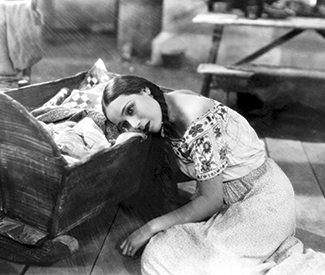
arts@sfbg.com
FILM Hollywood in the 1920s was shameless about inventing fictitious back stories for its stars, especially those “exotics” exploited for their allegedly foreign-bred mystery and sexual magnetism. The enormous success of Rudolph Valentino — whose 1921 breakthrough feature The Four Horsemen of the Apocalypse opens this year’s San Francisco Silent Film Festival — sparked a particular craze for “Latin lover” types whose true ethnicity was often disguised. (One such heartthrob, Ricardo Cortez, was in fact Jewish New Yorker Jacob Krantz — and when word got out that he was no Spaniard, the studio “confessed” that he was “really” Viennese.)
Yet the era’s leading Latina actress required little such invention, because her biography already sounded like a studio press release. Dolores del Rio was born Maria Dolores Asúnsolo y López Negrete to a wealthy, well-connected Mexico City family of Spanish ancestry. Convent-educated, she married at age 16 a patron of the arts over twice her age, with whom she honeymooned in Europe for two years. Upon returning home, she attended a wedding at which her beauty caught the eye of Edwin Carewe — a Hollywood producer, director, agent, and manager who in all those capacities soon began making her a star. Her first hit was as the main girl fought over by ever-sparring BFF Marines in World War I comedy-adventure What Price Glory?, a 1926 smash.
Her exquisite three-quarter-moon face, framed by long jet-black hair, then graced a series of romances in which she played Russian peasants, tropical maidens, hot-blooded gypsies, Carmen (of operatic fame), and Ramona (1928) — the latter a gorgeous half-caste in old Spanish California. She’s yearned over by the genteel master of the ranchero (Roland Drew), but prefers virile Indian shepherd Alessandro (Ohioan Warner Baxter, shirtless but wearing plenty of shiny bronzer). This third screen version of a hugely popular 1884 novel was boosted at the box office by an original title song recorded by many (including trilling soprano del Rio herself), and featured in the 1928 film’s synchronized-sound version (which offered sound effects and music but no dialogue).
Ramona was assumed lost for decades until a Czech-market print was discovered recently, its restoration premiering in Los Angeles just two months ago. The 2014 SF Silent Film Festival is full of movies that belie their age in one way or another — yet this hunk of overripe hooey feels a thousand years old. It’s surely the worst film in the festival, what with its mean-crone stepmother (“If you marry without my consent, the jewels will go to the church!”), teetering pileup of melodramatic crises, and particularly howl-worthy happy ending. Nor has del Rio’s heavily gestural performance aged well, with nary a genuine note to be found in an emotional gamut that galumphs from cow-eyed innocence to amnesiac shock. Still, she’s gorgeous. Whether cast as prole or grande dame, her looks were so striking it was natural for del Rio to become a beauty icon, promoting cosmetics and fashion as “the perfect feminine figure” — a title she won in leading movie mag Photoplay’s 1933 poll of industry glamour experts.
Del Rio was very conscious of her image — and of her responsibility representing Mexican culture to the world. Unlike rival Lupe Velez, she preferred projecting a more languorous, refined persona than the stereotypically comic, tantrum-throwing “hot mama” Latina. She disliked skimpy costumes and risqué scenes (though one of her biggest hits would be 1932’s Bird of Paradise, a charming bauble of pure eye-candy in which her island princess and Joel McCrea’s sailor pitch woo wearing as little as possible). She turned down the female lead in 1934’s Viva Villa!, suspecting that film’s take on recent Mexican history would be controversial at home. (Indeed, it was banned there.)
Her public character was invariably elegant and dignified — never mind that sometimes her affairs preceded her divorces. One high-profile lover was 10-years-younger Orson Welles. He took her to Citizen Kane‘s 1941 premiere and starred her in 1943’s spy intrigue Journey Into Fear. But when their relationship flamed out, and Hollywood’s affection too had cooled, del Rio at last returned to Mexico. There, she soon established herself as the local film industry’s leading female star — exclusively playing suffering, virtuous heroines — winning a total of four Ariels (Mexico’s Oscar) and very rarely returning to English-language features. When she did, it was no longer as the hothouse object of desire, but as a sacrificing mother, notably to Elvis in Flaming Star (1960) and to Sal Mineo in Cheyenne Autumn (1964), both times playing Native Americans à la the half-Indian Ramona. Such semi-color blind casting and “proud matriarch” roles provided a logical last act to a career that was honorable and iconic — if seldom quite so impressive in, y’know, the acting department.
Ramona may survive primarily as a somewhat campy cultural artifact, but nearly everything else in this year’s Silent Fest remains outstanding artistically, including 1928 German heartbreaker Under the Lantern, and the same year’s fine British working-class drama Underground. There’s also 1923’s The Sign of Four, an excellent Sherlock Holmes adventure, so long as you can overlook some very dated race and class attitudes; atypical early works by Ozu (1933 gangster saga Dragnet Girl) and Dreyer (sprightly 1920 The Parson’s Widow); a goofy Soviet science fiction (1936’s Cosmic Voyage); mountain climbing documentary The Epic of Everest (1924); plus vehicles for Douglas Fairbanks, Buster Keaton, and pioneering French comedian Max Linder (1921’s Seven Years Bad Luck). *
SAN FRANCISCO SILENT FILM FESTIVAL
Thu/29-Sun/1, most shows $15-20
Castro Theatre
429 Castro, SF
Event Listings: May 28-June 3, 2014
Listings are compiled by Guardian staff. Submit items for the listings at listings@sfbg.com. For further information on how to submit items for the listings, see Selector.
WEDNESDAY 28
Cassandra Dallett Pegasus Books Downtown, 2349 Shattuck, Berk; www.pegasusbookstore.com. 7:30pm, free. The author celebrates her poetic memoir, Wet Reckless.
Madison Young Booksmith, 1644 Haight, SF; www.booksmith.com. 7:30pm, free. The author and sex-positive activist reads from her memoir, Daddy.
THURSDAY 29
“BiConic Flashpoints: Four Decades of Bay Area Bisexual Politics” GBLT History Museum, 4127 18th St, SF; www.glbthistorymuseum.org. Opening reception 7-9pm, $3-5. A new multimedia exhibit explores the history of bisexual activism in the Bay Area since the 1970s.
“Chemical Reactions NightLife” California Academy of Sciences, 55 Music Concourse, Golden Gate Park, SF; www.calacademy.org. 6-10pm, $12. “Think before you drink” with author Adam Rogers (Proof:: The Science of Booze), get a close-up (like, microscopic) look at beer brewing, dance to disco with DJ BANG!, and more.
SATURDAY 31
“Babylon Salon” Cantina SF, 580 Sutter, SF; www.babylonsalon.com. 6:30pm, free. With readings by Kathryn Ma, Dave “Davey D” Cook, Porter Shreve, and Kirstin Chen, plus a musical performance by singer-songwriter Ying-sun Ho.
Chocolate and Chalk Art Festival Shattuck between Rose and Vine, Berk. www.anotherbullwinkelshow.com/chocolate-chalk-art. 10am-5pm, free. Chalk artists compete for prizes while turning the sidewalks into eye candy — and speaking of candy, sweet tooth-ers can pick up ticket packs ($20 for 20) to sample chocolate items galore, including exotic treats like picante habañero chocolate gelato.
“Ecology Center Farmers’ Markets Family Fun Festival” Civic Center Park, MLK at Center, Berk; www.ecologycenter.org. 10am-3pm, free. Petting zoos (baby goats!), bouncy houses, an obstacle course, puppet-making using recycled materials, a zine-making station, and more green fun.
Maddie’s Pet Adoption Days Pet Food Express, 3868 Piedmont, Oakl; www.mainecoonadoptions.com (check web site for additional locations). 9am-3pm, free. Also Sun/1, 10am-3pm. Nonprofit cat-rescue organization Maine Coon Adoptions offers free adoptions of cats and kittens in honor of Maddie’s Pet Adoption Days, the largest free pet adoption event in the country.
SUNDAY 1
“Poetry Unbound #13” Art House Gallery, 2905 Shattuck, Berk; berkeleyarthouse.wordpress.com. 5pm, $5. Reading with COPUS, Charles Curtis Blackwell, and Kayla Sussell, with a brief open mic hosted by Clive Matson and Richard Loranger.
MONDAY 2
“Invisible Hands: Voices from the Global Economy” David Brower Center, Goldman Theater, 2150 Allston, Berk; www.browercenter.org. 7pm, free. The Brower Center and Voice of Witness partner for this book launch (Invisible Hands) and panel discussion on the state of labor the global economy.
“13 Crime Stories from Latin America: McSweeney’s Quarterly Concern #46” Booksmith, 1644 Haight, SF; www.booksmith.com. 7:30pm, free. Editor Daniel Gumbiner and translators Katherine Silver and Joel Streiker discuss this new collection of work by contemporary writers from 10 different countries.
“Todd Trexler: A Solo Exhibition of His Legendary Portraits” Magnet, 4122 18th St, SF; www.magnetsf.org. Gallery hours: Mon-Tue and Sat, 11am-6pm; Wed-Fri, 11am-9pm. Opening reception June 6, 7-10pm. Free. Legendary poster artist Todd Trexler (the Cockettes, Sylvester, Divine) shows his work in the first exhibit of its kind in over 40 years.
TUESDAY 3
“Creating Children’s Books: An Immigrant’s Story” San Francisco Main Library, 100 Larkin, SF; www.sfpl.org. 6pm, free. Author Yuyi Morales (Niño Wrestles the World) delivers the SFPL’s 18th annual Effie Lee Morris Lecture, discussing the need for diversity in children’s literature.
James Fearnley Booksmith, 1644 Haight, SF; www.booksmith.com. 7:30pm, free. The music biographer discusses Here Comes Everybody: The Story of the Pogues. *