Books

On the Cheap Listings

0

Submit items for the listings at listings@sfbg.com. For further information on how to submit items for the listings, see Picks.

THURSDAY 8

Drag Queens on Ice Union Square Ice Rink, 333 Post, SF. www.unionsquareicerink.com. 8-9:30 p.m., $10. Mutha Chucka, Anna Conda, Lil’ Hot Mess and other dazzlingly-named lovelies gleefully speed and twirl through the Union Square ice skater crowd.

Archie Green: the Making of a Working-Class Hero talk Green Arcade, 1680 Market, SF. 7 p.m., free. Historian Sean Burns captured foundational labor activist Archie Green’s story over years of interviews and conversations. Now he shares how Green became a tireless and radical advocate for the preservation of American folklore.


FRIDAY 9

Winter Wunderkammer holiday art sale The Lab, 2948 16th St., SF. www.thelab.org. 6-11 p.m. Also Sat/10, 11 a.m.-4 p.m., free. For the 15th year, the Lab hosts a jewel of a holiday sale where it’s possible to spend anything from one buckaroo to 50. Up for grabs: small-format work by local artists.

OCCUPY! screening Artists’ Television Access, 992 Valencia, SF. www.atasite.org. 6:30 p.m., donation requested. ATA hosts a multimedia collage of the Occupy movement. Poetry, videos, history, aerial maps, and performance art relating to the massive protest are on the docket; all donations directly benefit Occupy San Francisco.

Luke Warm Water and Jim Barnard poetry reading Nefeli Caffe, 1854 Euclid, Berk. (510) 841-6374. 7 p.m., free. Stirring poets Luke Warm Water (a virtuoso of spoken word hailing from Rapid City, South Dakota) and Jim Barnard (cofounder of Berkeley’s Poetry Express readings) join forces for a colorful finger-snapper.


SATURDAY 10

End of Semester show Mission Cultural Center for Latino Arts, 2868 Mission, SF. www.missionculturalcenter.org. 2-5 p.m., $5. Mission Cultural Center showcases the multitudinous and fine community talents it has worked to cultivate this semester, from Afro-Peruvian dancers to Samba Jam Brazilian percussion artists.

Writers with Drinks Make Out Room, 3225 22nd St., SF. www.makeoutroom.com. 7:30-9:30 p.m., $5-10 sliding scale. Gail Carriger, Sean Baby, Mike Jung, and Diana Salier have between them a prestigious prize for young adult lit, a balls-out comic strip, MTV appearances, and a new poetry chapbook on heartache and Wikipedia. The Center for Sex and Culture reaps the proceeds from this all-star reading.

Vagabond Indie Craft Fair Urban Bazaar, 1371 9th Ave., SF. www.vagabondsf.wordpress.com. 12:30-6 p.m., free. Independent artisans and the SF Etsy street team unite amongst Urban Bazaar’s backyard succulents for a small-scale, high-quality local craft fair.

1901 Maritime Christmas Hyde Street Pier, SF. www.nps.gov/safr. 6-9 p.m., free with reservation to (415) 447-5000. If the idea of riding the waves circa 1900 brings to mind scurvy and mishaps with icebergs, you’ve got it wrong. The National Park Service trots out costumed actors and historic ships for a warm, watery Christmas performance by lamplight.

East Bay Alternative Press Book Fair Berkeley City College, 2050 Center, Berk. www.berkeleycitycollege.edu. 10 a.m.-4 p.m., free. Local independent writers, publishers, zinesters and craftspeople flood downtown Berkeley to showcase boundlessly-inventive bookworks.


SUNDAY 11

Christine Schmidt book signing Museum Store, SFMOMA, 151 Third St., SF. www.sfmoma.org. 2 p.m., free. Christine Schmidt, the artist behind Yellow Owl Workshop and those ubiquitous, beautifully-printed California poppy postcard sets, demonstrates a project and signs her recent how-to printmaking book meant for, she says, those with “low budgets and high ambition.”


MONDAY 12

Occupy Phoenix Books readings Phoenix Books, 3957 24th St., SF. www.dogearedbooks.com. 6:30 p.m., free. Young ‘uns from 826 Valencia join Denise Sullivan, author of Keep on Pushing: Black Power Music from Blues to Hip Hop for a night of Occupy-oriented readings. Accompanying the shindig is local Americana act McCabe and Mrs. Miller.

You grow, girl?

0

caitlin@sfbg.com

HERBWISE The average celebrity autobiography follows an arc of learning and growing. The earnestly-made mistake — whether in the form of childhood shenanigan or adult infidelity — and then the ensuing redemption. But rarely do book-sized treatises emerge from the decision to leave the celebrity fold for the greener fields of bud agriculture. Leave it to the girl from the Blair Witch Project to produce that one.

You know Heather Donahue’s snotface. Apparently too well, because as she writes in her new memoir Grow Girl: Once Upon a Time She Made The Blair Witch Project, Then She Went to Pot. Literally (Gotham Books, 286pp., paper, $26) — score nothing for succinct subtitles — too many people took the movie’s faux-reality premise seriously. Casting agents, it seems, couldn’t shake the feeling that this professional actress was merely a kid caught with a Camcorder when a malignant forest spirit got a bee in its bonnet.

But then she met a guy from Nuggettown (an actual place, renamed for anonymity). What ensued was a romance that left Donahue the proud renter of a secluded house in the wood and enough pot-growing equipment that she had to grow to stay afloat financially.

Such a pat story! Throughout Donahue’s at times overly flowery, but on the whole eminently readable narrative, the growth of her fellow (capital G) “Girls” mirrors her struggle against the confines of society — the larger, non-weed growing one but also more interestingly, the grower (capital C) Community of Nuggettown.

For not all is hunky-dory in the land of impressive tri-cone crystal formation. Women in Nuggettown are relegated to supporting roles — the kept “pot wife,” the “grow girl” that is often bossed about by her XY-chromosomed peers. On the cover of the book Donahue is clutching the top of a healthy bud plant to her naked breasts, a stereotypical male fantasy if there ever was one — but it’s ultimately all about empowerment. She blooms from a shattered ex-actress to a fuller human being, all under the Mondo Reflector she installs herself on the grow room ceiling.

One approach the medical marijuana movement might benefit from is humanizing its growers. Imagine a commercial like those for Florida oranges or California cheeses. A proud farmer fluffs up Mary Jane’s leafy bustle while a down-home voiceover plays in the background (“High CBD levels, if you want ’em. Donchaknow.”) Yes, your friendly medicine agriculturist is a person too, says Grow Girl. Possibly a person that reinforces gender stereotypes through a strict hippie code of conduct slash double standard, but a person with debts and passions and doubts nonetheless.

Donahue humanizes the cannabis industry. Some farmers, she writes, are making enough money to keep Nuggettown’s kayak store in business, but any conspicuous consumption masks the fact that it’s not really advisable for smalltown weed people to be saving their ducats in your run-of-the-mill local credit union. These are moms-and-pops, guys!

The book is slightly dated. The storyline ends in Nuggettown’s hope for a persecution-free Barack Obama presidency (Obama’s very promises rendered all the more poignant for today’s reader, informed of the President’s about-face on the issue of raiding state-legal growing facilities). For a brief moment, it seemed like cannabis would slough off the shackles of social stigma and claim to an honored position in our medical establishment.

That didn’t happen, of course — the feds raided Mendocino County’s Northstone Organics in October of this year, for chrissakes. But Mary Jane, still she rises, as does Donahue by book’s end, after agricultural disasters, horrendous break-ups, and shattered expectations.

So, Grow Girl is great if you like your marijuana stories imbued with a general sense of struggle. (And what other kind, really, exists these days?)

The message of 1968

4

By J.H. Tompkins

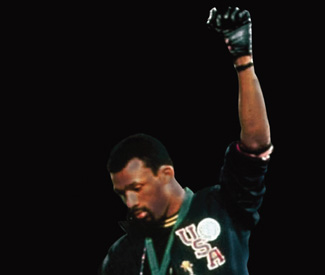
LIT On October 16, 1968, in Mexico City, American Olympic sprinters Tommie Smith and John Carlos electrified the world by accepting their medals with heads down and gloved fists thrust proudly in the air. Their defiance provided a fitting end for a year that began with Czechoslovakia’s Prague Spring and America’s military humiliation during the Tet Offensive in Vietnam, and saw the assassination of Dr. Martin Luther King Jr. and its explosive aftermath, the general strike in France, the riveting presence and influence of the Black Panther Party, mushrooming opposition to the draft, and rioting in Chicago during the Democratic Convention.

Like Mohammed Ali, who in 1967 went to prison rather than fight in Vietnam, Smith and Carlos wrote an important page in American history. Like Ali, they have remained true to the principles they embodied years ago. Now, 43 years down the road, it’s hard to find anyone to speak against what they did.

But at the time, precisely because their enemy was weakened by exposure and their supporters inspired, they faced a blistering backlash. They were banished from Olympic Village, and sent back to the United States. Their crime? Smith and Carlos were allegedly guilty of tarnishing the spirit of an Olympic games that were supposed to be above and beyond politics.

Author-columnist-cultural critic Dave Zirin, who with Carlos has just published “The John Carlos Story: The Sports Moment That Changed the World,” has more than a few things to say about the sanctity of sports and the way political context shapes athletes as well as the games they play. These days, a conversation with Zirin has a special quality: not only has he written a book that sheds new light on an important, long-ago event, the present moment is energized by political turmoil that brings to mind the 1960s.

“I was an absolute sports junkie in the ’90s, when I was in college,” Zirin told me in a recent interview. “I memorized stats, followed every sport, it was my oxygen. I didn’t follow politics, much less politics in sports, until something happened that stopped me cold: In 1996 [Denver Nuggets guard] Mahmoud Abdul Rauf made a decision not to stand during the National Anthem. He was asked whether he understood that the flag was a symbol of freedom and equality throughout the world, and he said it may be to some, but to others it’s a symbol of oppression and tyranny. This was before the spread of the Internet, and Rauf’s stand was only covered by the mainstream media. They crushed him.”

Zirin realized then that there was an aspect of sports history he hadn’t concerned himself with, “the place where social justice and sports intersect,” as he put it. It has shaped the work he’s done since.

Among many other things, Zirin writes a column, “Edge of Sports” for the Sports Illustrated Website, has a weekly radio show called “Edge of Sports Radio” on XM, and contributes regularly to The Nation and SLAM Magazine. Along with “The John Carlos Story,” he was written books including “What’s My Name, Fool? Sports and Resistance in the United States,” “Welcome to the Terrordome: The Pain, Politics, and Promise of Sports,” and “A People’s History of Sports in the United States.”

As Zirin and Carlos point out in the book, the futures of both runners were shaped by what they did in Mexico City. They struggled to find jobs, stability, and peace of mind. Still, Zirin writes “Unlike other 1960s iconography — Woodstock, Abbie Hoffman, Richard Nixon — the moment doesn’t feel musty. It still packs a wallop.”

It resonates because the injustices they protested are still rife in America, and because the arena in which they took their stand — sports — creates common ground for so many people.

“I don’t think there’s any place where the contradictions in American society are on such sharp display as in sports,” Zirin told me. “Think back to African American boxing champions Jack Johnson and Joe Louis. Neither made explicit political statements, but they had representative political power, representing power and pride in the context of racism and white supremacy. They weren’t just entertainers but in fact their presence, the inspiration they provided, was a threat to the established order of things.”

In sports today, there’s no doubt that athletes, in particular African American athletes, play a similar role. NBA hall of famer Charles Barkley once objected — perhaps with his tongue somewhat in his cheek — to the idea that he was a role model. Zirin laughed at the mention of this, saying, “Yeah, and the sky isn’t blue. You don’t chose to be a role model, you are one. It’s an objective thing. And if people are going to be role models, like it or not, then we all have to examine what they’re modeling. If you believe that the fact that a player can dunk makes him a great person, that says one thing. If having a sense of purpose in politics is important, then that says something very different.”

When Zirin and Carlos planned their book, both agreed that they weren’t interested in producing a sports memoir. “We didn’t want to say ‘look at me, genuflect at my athletic greatness.’ We wanted to say that not everyone can run at a world-class speed, but anyone can live a life dedicated to a sense of purpose.”

That approach runs head-on into a mainstream media that has made a point of emphasizing how “today’s pampered athletes,” as the media often put it, want nothing more than a fat pay check. There’s truth in this perspective — although it should be noted that both the NFL and NBA have experienced lockouts this year and that the same media outlets rarely describe the fabulously wealthy owners of professional franchises as pampered billionaires.

“I wrote an article,” he explained, called “‘NBA Players: Welcome to the 99%.’ Despite their money and privilege, they found themselves in a position where they were facing arrogant billionaires asking for a bailout because they made a lot of bad business decisions as NBA owners. It’s just like Wall Street bankers want American working people to cover all their bad bets. Will their proposed savings go back to fans? I don’t think so, they’ll just get a bigger slice of the pie.”

Besides, Zirin pointed out that there’s a lot more to the story that rarely reaches the public. Professional sports will publicly punish athletes who are caught crossing certain lines. But when it comes to speaking to the politics of injustice, the leagues try to deal with transgressions behind the scenes.

“There’s a ton of corporate and financial pressure on these athletes,” he says. “And these players talk to each other about guys like Craig Hodges [a guard on three Chicago Bulls championship teams], who in 1992 passed a note to Bush Sr. about Iraq War I when the Bulls visited the White House. He was drummed out of the league for that and these stories are passed down almost like scare stories. At the end of the day, we have to remember what Carlos and Smith did was in the context of global revolt and crisis. It was a symbol of the moment and a perfect merging of movements and moments. We can’t forget that.”

Although Zirin makes a point in his work to include athletes of all nationalities and sexual preferences, he has particular insights into the role African American athletes play in American culture.

“John Thompson says that Black athletes have the blessing of the burden of representation,” he noted. “It’s a burden because if one athlete does something, then it’s an issue for all Black athletes to deal with, for instance Michael Vick’s involvement with dog fighting. It’s not Peyton Manning’s problem that Chris Herron [a white one-time basketball standout from the mid-2000s] got on drugs. It works in a different way for Black athletes. The blessing part is the you’re part of a tradition, you stand on the shoulders of men and women like Jim Brown, Bill Russell, Wyomia Tyus, and Mohammed Ali, and you have an ownership of that tradition. It’s true that Steve Nash and all athletes are part of the tradition, but it runs more seamlessly through the African American community.”

These days, the sports world is talking about another scandal, this time the ugly situation at Penn State. Zirin discusses those problems in the context of a bankrupt culture, where the NCAA — the self-proclaimed moral arbiter of college sports — refuses to speak to hypocrisy that links all the problems in order to ensure its own survival.

Sooner or later, he said, the NCAA will either sink beneath its own corrupt weight, or athletes — who because of the professionalization of youth sports know each other in many cases from their early teens — band together and demand some compensation for the money that they generate. College presidents are the loudest complainers and the most important enablers.”

Zero-calorie pleasures: McSweeney’s children’s imprint takes over a gallery

0

There is no better guilty pleasure than children’s book art. Calorie-free, family-friendly, welcoming characters. Mixed with the verbaciousness (I made up that word for the occasion) of McSweeney’s, this is prime post-Thanksgiving eye candy. Y’know, when you’re too food-hungover to delve overmuch in character and plot. This is why we saved the above slideshow of images from McSweeney’s upcoming art opening (Dec. 3) at Electric Works for a sleepy Nov. 25 Friday morning, enjoy.

Among the gems of “McSweeney’s McMullens: Artwork from Children’s Books, plus 1,032 Illustrated Lunch Bags”: Jordan Crane’s Keep Our Secrets, a book that mimics everyone’s favorite T-shirt from the 1990s, the one that changed colors when you breathed on it. Hypercolor! 

Hypercolor is an apt word to describe the rest of the offerings: Amy Martin’s ecstatic illustrations for Symphony City, the ever-lovely Clare Rojas‘ reticent creatures that she’s appropriated for Shelia Heti’s We Need a Horse. Peruse the offerings above and know this — there will also be paper bag art. The images come from books already cobbled together by McSweeney’s children’s imprint McMullens, and some hail from tomes still in the cobbling process. Throughout the duration of the exhibit celebrity readings will be held, open to any hipster reader kids willing to sit and listen. And there will be a gift shop on premises. Think lots of books and the standard nonsensical McSweeney’s swag — banana slicers and fish-scrubbing gloves, I hear. 

Rounding out the exhibit, in the “deluxe reading room” supplied for the young’ns, are paper bags. These are creations by Robert Barnes, another example of prosaic items brought into greatness by a little doodle. There will be hundreds of them. 

So, not to bite on L.E. Leone overmuch but, new favorite art exhibit. 


“McSweeney’s McMullens: Artwork from Children’s Books, plus 1,032 Illustrated Lunch Bags”

Dec. 3 – Jan. 7

Opening reception: Dec. 3, 4-8 p.m., free

Electric Works 

130 Eighth St., SF

(415) 626-5496

www.sfelectricworks.com


Our Weekly Picks: November 23-29

0

WEDNESDAY 23

Immortal Technique

“So now that it’s proven, that a soldier of revolution/ Or head of an empire, disguised in a constitution/ Can not escape the retribution or manipulation/ Of the self-appointed rulers of the planet’s corporations.” So says Afro-Peruvian rapper Immortal Technique on new mixtape The Martyr (Viper Records). Born Felipe Coronel, Tech seizes every opportunity to eviscerate American class warfare and excoriate the United States government’s complicity. Tech’s angry sermons get a little lost in the first half of Martyr because of distracting riffs taken from the Beatles, Aerosmith, and The Goonies soundtrack, though there is a clever reworking of ABBA’s “Money, Money, Money” in reference to this generation’s “Rich Man’s World (1%).” Pure, undiluted Tech shines through on the mixtape’s second half. Swill with care. (Kevin Lee)

With Chino XL, Da Circle, DJ GI Joe

8 p.m., $32.50

Fillmore

1805 Geary, SF

(415) 346-6000

www.thefillmore.com


MOM’s Family Funk’tion

Before you indulge in caloric binges, first endear yourself to the soulful 1960s sound that has always sounded sweeter during the holidays: Motown. No one knows and appreciates this more than the masterminds behind MOM (Motown on Mondays) who bring originals, remixes, and “close relatives” of Motown label songs to venues and events across San Francisco, including Madrone Art Bar, Public Works, SF Funk Fest, even the Treasure Island Music Festival. The first MOM’s Family Funk’tion goes down the night before the turkey funeral that is Thanksgiving at Brick & Mortar, with DJs Gordo, Timo, Phleck, and Matteo spinning the tracks that get the tail-feathers shaking. The crew from MOM promises to provide “toasty soul and fresh funk jams.” (Emily Savage)

10 p.m., $5

Brick & Mortar Music Hall

1710 Mission, SF

(415) 800-8782

www.brickandmortarmusic.com


tUnE-YarDs

Before her set at Pitchfork Music Festival last summer, we were all given tubes of neon yellow warpaint so we could emulate tUnE-YarDs’ Merrill Garbus. Though we may have resembled her, it was no use. We would never be as badass as the woman on stage looping ukulele, smashing drums, and wailing something fierce. With help from additional saxophonists and drummers, the playful jams of Garbus’ quirky hit album w h o k i l l (4AD) burst forth into the calculated cacophony that is tUnE-YarDs. (Frances Capell)

With Pat Jordache

8 p.m., $23

Regency Ballroom

1300 Van Ness, SF

(415) 673-5716

www.theregencyballroom.com


FRIDAY 25

“Sing-A-Long Sound of Music”

Chances are “Sing-A-Long Sound of Music,” the classic musical from 1964 with lyric subtitles so the whole theater can burst into song, is your mother’s dream come true — unless I am the only one who has watched their mom caper around the house, singing “My Favorite Things” (a possibility). It’s fortunate that “Sing-A-Long Sound of Music” should show the weekend after Thanksgiving. If mom’s in town, it’s your best bet. Additionally, the theater hands out goody bags, holds a pre-film concert featuring organist David Hegarty, as well as a costume contest. Your mom can dress up as Maria, of course, and you can dress as one of the Von Trapp children. Come on, do it for family. (James H. Miller)

7 p.m., $15

Castro Theater

429 Castro, SF

(415) 621-6120

www.castrotheater.com


Nadastrom

Are there a lot of orphans in the DJ community? Why are they active the weekend after Thanksgiving, when touring bands are presumably in food comas? Thankfully, there’s still down and dirty shows like this to sweat the gravy out, featuring a big lineup of international and SF DJs including Nadastrom, the progenitors of the bastard toddler of Dutch house and reggaeton: moombahton. Put on by Soundpieces, Camp?, and Irie Cartel, the proceeds of the event will benefit DJs Bogl and Benjammin Taylor, who lost their home in the fire above the Haight and Fillmore Walgreens a couple months back.(Ryan Prendiville)

With Truth (NZ), Stylust Beats (CAN), Lorne B (CAN), Tuffist (SP), Dnae Beats and more

10 p.m., $15 advance

103 Harriet, SF

(415) 431-1200

www.1015.com


“Velveteen Rabbit”

There is a lovely tradition in English children’s books that dresses issues around growing up with imagination and a gentle but firm hold on reality. Winnie the Pooh and Wind in the Willows are two of them. Marjorie Williams’ 1922 The Velveteen Rabbit is another. ODC/Dance’s KT Nelson, a young mother at the time, choreographed it 24 years ago. Today, it’s as fresh and imaginative as ever, with wonderfully colorful costumes, Benjamin Britten’s splendid score and Geoff Hoyle’s intimate narration. The two-person high Nana has just a touch of Victorian strictness about cleaning up the nursery but her efficiency is more than held in check by the toys who have minds of their own. Opening performance is Grandparents’ (20 percent off) and photo day (Rita Felciano)

Through Dec. 11, times vary, $15–$45

Novellus Theater

Yerba Buena Center for the Arts

700 Howard, SF

(415) 978-2787

www.ybca.org


“Great Dickens Christmas Fair”

Do not discount the Dickens Fair’s potential for holiday weekend shenanigans. Opportunities for hijinx abound, and not just because the fair’s 800 performers — from dirty-overcoated “guvnah!” drunks to crinoline-encased ladies who tea — are encouraged to interact in character with passers-by (mess with them gently! They love it!) The fair fills the cavernous Cow Palace, and houses a corsetry with live models coordinated by local cinchers Dark Garden, an adventurer’s salon where you can share your rollicking tales of shot glass exploration with fantastically mustached gents — and yes, you can booze your face off. Four bars, people! Including an absinthery in an alley, where you can mix chemically-induced hallucinations in with your environment-induced ones. (Caitlin Donohue)

Through Dec. 18, $22–$25

Cow Palace

2600 Geneva, SF

1-800-510-1558

www.dickensfair.com


Boys Noize

Here’s a great way to shed those new extra turkey (or Tofurkey) pounds — waddle into the Mezzanine Saturday night in your most comfortable tight jeans and dance your ass off. Boys Noize throws down the kind of relentlessly squelchy music that might make pioneers of Detroit’s minimal techno scene wince. Noize, actually the moniker of German DJ Alex Ridha, has been busy as of late, pushing releases on his record label, BoysNoize Records and its digital offshoot BNR Trax. The label’s sounds range from acidy techno to sinister electro, with a sprinkle of wobbly dubstep and a dash of oddball, leftfield sounds — much like the label’s creator himself. (Lee)

10 p.m., $30

Mezzanine

444 Jessie, SF

415) 625-8880

www.mezzaninesf.com


SUNDAY 11/27

Jeffrey Luck Lucas and Nebulous Orchestra

The Mission District’s Episcopal Church of St. John the Evangelist is no ordinary church — sure, it holds regular worship services, but it is also highly progressive (vocally supportive of LGBT rights, for example), boasts a colorful mural on one of its exterior walls, and is staunchly community-oriented, welcoming the occasional secular event into its historic (circa 1910, after being rebuilt post-1906 quake) building. Tonight’s performance features Mission troubadour Jeffrey Luck Lucas, heading up an “orchestra” (pipe organ, oboes, clarinets, strings, and more) comprised of other local musicians. You can bet that the acoustics in the church — itself known for a strong music program — will render the experience even more amen-worthy. (Cheryl Eddy)

With Gloaming Boys

6 p.m., $8–$20 (no one turned away for lack of funds)

Episcopal Church of St. John the Evangelist

1661 15th St., SF

www.saintjohnsf.org


MONDAY 11/28

“You Are All Captains”

A beguiling and beautiful meta-fiction, You All Are Captains grew out of Oliver Laxe’s experience teaching film workshops to local kids in Tangiers. Everyone plays themselves in this reflexive movie, though Laxe casts himself as the fool — a presumptuous European director guiding students to his own ends. The disguise allows him to realize sly but substantive reflections upon the ontology and ethics of filming. It’s fitting that You All Are Captains is making its local premier in a classroom: a U.C. Berkeley student group flying under the banner of “Picturing Neo-Imperialism” has invited Laxe to present his debut in person more than a year after it won the FIPRESCI critics’ award at Cannes. (Max Goldberg)

7 p.m., free

UC Berkeley

Dwinelle B-4, Berk.

www.pnwg.wordpress.com/events


TUESDAY 11/29

Metal Mother

By some standards, Oakland’s Tara Tati came into music fairly late: she didn’t take up the piano seriously until she was 23. But you wouldn’t guess as much listening to her ethnic fusion project, Metal Mother. On the debut album Bonfire Diaries, the singer-songwriter builds up a bold and elemental sound. With its trudging percussion and distinctly dark temper, Metal Mother invokes ’80s goth rock, ethnic fusion bands like Dead Can Dance, and at times, world ambient soundscapes. And yet, at heart, Tati sounds like a pop artist in the same vein as Björk circa Homogenic, and that alone implies talent. (Miller)

With Horns of Happiness, Mortar and Pestle, Birdseye

8 p.m., $10

Cafe Du Nord

2170 Market, SF

(415) 861- 5061

www.cafedunord.com


Retox

Is the Locust a joke? With its speedy deliver, high vocals, beepy attack synth, and masked personas, I never could quite decide. And yet, who cares? The energy level was always high, the shows always masterful absurdist romps. Justin Pearson and Gabe Serbian from the screamy ’90s-born Three One G act have now formed Retox — like Locust 2.0. Masks now off, and sounds a bit filled in (but really, just a smidge — its new album clocks in at 13 minutes total), it’s shinier, thicker, less jokey. It’s helter-skelter rock’n’roll, minus the screeching buzz-saw, the painful intro to “Boredom is Counter-Revolutionary” notwithstanding. The band is matched well with frantic experimental Japanese noise-punk act Melt-Banana. Anticipate high-energy, non-medical spasms. (Savage)

With Melt-Banana, Peace Creep

9 p.m., $14

Bottom of the Hill

1233 17th St., SF

(415) 621-4455

www.bottomofthehill.com

On the Cheap Listings

0

Submit items for the listings at listings@sfbg.com. For further information on how to submit items for the listings, see Picks.

WEDNESDAY 23

Broken Circles reading and benefit Sacred Grounds Coffee House, 2095 Hayes, SF. www.joangelfand.com. 7:30 p.m., free. On the eve of the largest feast of the year, it may be prudent to remember that not everyone can celebrate Thanksgiving over heaping piles of food. Inspiring sister readings around the country, Broken Circles: A Gathering of Poems for Hunger has compiled the work of numerous poets writing on the ever-pressing subject of hunger. Canned food and monetary donations assist the San Francisco Food Bank.

THURSDAY 24

Thanksgiving Dinner Café Gratitude, 2400 Harrison, SF; 1730 Shattuck, Berk.; 2200 Fourth St., San Rafael. www.cafegratitude.com. Noon – 3 p.m., free. Meaty drumsticks may not be for everyone, but decadent mid-afternoon feasts sure are. Café Gratitude serves a free vegan version of the traditional smorgasbord, offering a butternut squash tamale, pecan and persimmon salad, cranberry salsa, and chocolate macaroons. Volunteers are needed to help officiate, see website to sign up.

FRIDAY 25

Parade of Lights and Winter Wonderland 4th and A St., San Rafael. 12 – 8 p.m.. Also Sat/26, 9 a.m. – 12 p.m., free. If it’s possible to one-up any of the admittedly great holiday fairs from the past few months, San Rafael’s winter-themed version does it this year with forty tons of snow dumped onto a downtown street for kids’ sledding. Got a little cousin you’ve been meaning to spend QT with? Ask Jimmy’s mom for a playdate with the little man.

Ways and Means Committee concert Yoshi’s, 1330 Fillmore, SF. 6 – 9 p.m., free. Yoshi’s tried-and-true sushi and jazz combo comes to the everyperson with a new (free) series spotlighting local musicians. This week: the six-member Ways and Means Committee.

SATURDAY 26

Christmas in San Francisco Crystal Fair Building A, Fort Mason Center, 99 Marina, SF. www.crystalfair.com. Also Sun/27. 10 a.m. – 6 p.m., $6. Whether you’re here because of an off-kilter aura, bad back, or for want of a nice necklace, thousands of gleaming rocks await at Fort Mason.

Berkeley Artisans Holiday Open Studio Various locations, Berk. www.berkeleyartisans.com. Also Sun/27 and December weekends. 11 a.m.-6 p.m., free. Hadley Williams, who creates exquisite pieces from (among other things) pasta and masking tape, and Lewis Suzuki, a 91-year-old landscape painter, are among the Berkeley artists opening their studios on weekends for the next month.

SUNDAY 27

Golden Gate Park Cyclocross Metson Lake, Middle Drive West, Golden Gate Park, SF. www.bayareacx.com.11 a.m. – 3 p.m., free. After years of slight tweaking, the course for today’s race is projected to provide serious challenges to even the most quadricep-blessed of riders. Running behind Metson Lake and through the trees of Golden Gate Park, the Cyclocross is open to last-minute entries as well as those ready to stand for hours watching the athletically gifted.

MONDAY 28

A Night with Peter Stamm, Chronicle Books, 680 2nd St., SF. www.catranslation.org. 6:00 p.m., free. Swiss author Peter Stamm must pen good drinking prose: a discussion of his well-received novels comes accompanied by an open bar funded by the Swiss Consulate.

TUESDAY 29

The Problem of the Color(blind) discussion University Press Books, 2430 Bancroft, Berk. www.universitypressbooks.com. 5:30 – 7:00 p.m., free. Brandi Catanese teaches in the theater and African American studies departments at Cal. The two disciplines inform her latest book on race neutrality within American popular culture. In it, she covers topics ranging from Ice Cube’s family movie star status to playwright August Wilson.

“History of Noe Valley” talk St. Philip’s Catholic Church, 725 Diamond, SF. www.friendsofnoevalley.com. 7:30 – 9 p.m., $5. Bill Yenne has illustrated for Rolling Stone. He’s written six books on the subject of beer. He’s authored works on Sitting Bull and Alexander the Great. He’s also an expert on a subject closer to home: Noe Valley, where he’s lived for thirty-seven years.

Journalism, Academia and Censorship talk Koret Auditorium, Main Library, 100 Larkin, SF. www.sfpl.org. 6 p.m., free. David Barsamian, founder of Alternative Radio and repeated interviewer of Noam Chomsky talks censorship. It’s a subject he knows well: Barsamian was deported on account of his opinions from India this past September.


Gifts with grace

1

culture@sfbg.com

HOLIDAY GUIDE 2011 It’s the gift-giving season, and each foil-wrapped bauble tells a tale. There’s the love-you-this-much of a parent’s infamous peach cobbler pie, the damn-I-just-took-your-breath-away of a winter getaway to the Bahamas. There is the who-are-you-again? of Aunt Shirley’s yearly package of black dress socks. But then there are the let’s-change-the-world gifts, the ones that are not just about the recipient but that nonetheless land in the giftee’s hands with a heft that speaks of their worth to the community. Toasty as a chestnut roasting on an open fire, no? Giving that warmth can be as simple as copping a T-shirt, book, or card from one of the do-gooder nonprofits and shops listed below. And remember, even if you’re not the thin sock-loafer type, you can always improve your own karma by snail-mailing a heartfelt thank you note to Shirley. 


NIROGA CENTER

Everyone seems to make the same tired New Year’s resolution: lose weight, live healthier, blah blah blah. At the Niroga Center, however, you can spring for a yoga package for that uncreative loved one that will not just help brighten their inner light, but will go to stoke the spark of others who are struggling to make ends meet. The center offers affordable, high-quality yoga instruction, and puts particular focus on at-risk and underserved individuals, teaching yoga to incarcerated youth, high school children, and cancer survivors. For the holidays, you can donate any amount of money to the center, which will fund their donation-based classes and classes that teach yoga to the underprivileged. You can also purchase yoga classes to start someone’s year anew for as low as $10.

1808 University, Berk. (510) 704-1330, www.nirogacenter.org


CASA BONAMPAK

With a salesfloor awash in papel picado and other crafts from Chiapas, Casa Bonampak believes in preserving Mexican traditions, and that reconnecting with culture can transform and heal. All in all, it’s a feel-good (and community-building) place to do your holiday shopping. The shop’s all-woman staff works directly with Mexican and Latin American artists to sell unique jewelry, luchador masks, and handmade cards, with most items ranging from $4 to $13. The store has also been dedicated to promoting local Latin artists in the Bay Area for 15 years. With so many gorgeous handicrafts crammed into the Valencia Street storefront, Casa Bonampark is a great place to support culture on either sides of the border.

1051 Valencia, SF. (415) 642-4079, www.casabonampak.com


GUARDSMEN CHRISTMAS TREE LOT

The Guardsmen, a group of Bay Area men who work together to help at-risk children and organize educational and outdoor activities for inner-city youth have organized this forest of fir every year since 1947. Now as way back then, the proceeds from the lot support the organization’s doing-good year-round. Post-Thanksgiving, a corner of Fort Mason is transformed into a winter wonderland with trees as tall as 15 feet decorated with ornaments and wreaths. The all-volunteer guardsmen staff can assist you in picking the perfect holiday tree with which to surprise your apartmentmates — you can even arrange to have one delivered to your home. Coupled with events like crab feeds, wine tastings, and opportunities to take photos with Santa, picking up some beautiful boughs for the family never felt so good.

Festival Pavilion, Fort Mason Center, 38 Fort Mason, SF. www.guardsmentreelot.com


LIBERATION INK

Do you have a friend who has been dying for a “Brown and Proud” T-shirt ($24)? Perhaps they’re jonesing for an organic tote with a picture of Assata Shakur ($16)? Liberation Ink, an all-volunteer, worker-owned apparel printing and design collective, believes in a sustainable movement for social justice that is funded from within. It prints revolutionary faces and sayings on shirts made organically and/or without the use of sweatshop labor. All profits go directly to support grassroots social justice organizations like the May 1st Alliance for Land, Work and Power, and the Deporten a la Migra Coalition. The brand’s comfy, stylin’ T-shirts will have your lucky giftee looking fly and spreading the word of social equality in one fell swoop.

www.liberationink.org


COMMUNITY THRIFT STORE

A nonprofit secondhand store, Community Thrift relies entirely upon donations of clothes, knick-knacks, kitchen supplies, and furniture to keep its doors open. And they stay open, too: the Mission District shop is open to browsing and donations from 10 a.m. to 5 p.m. daily. Shopping here — and if your boyfriend’s been searching for that perfect yet affordable leather bomber jacket or snazzy armchair, this should be your first stop — supports local non-profits like the San Francisco LGBT Center and the San Francisco Child Abuse Prevention Center, just two of almost 200 organizations that benefit from Community Thrift’s largess.

623 Valencia, SF. (415) 861-4910, www.communitythriftsf.org


SAN FRANCISCO ZOO

Has the kid you nanny been yapping about adopting a Magellanic penguin? Maybe your friend has always admired Chilean flamingos? You can sponsor their love of the wild by donating $50 in their name to the Adopt-an-Animal program at the San Francisco Zoo. The donation will help to provide veterinary care for the furred and feathered, not to mention support educational programs for tomorrow’s wildlife champions. Once you’ve dropped the dough your loved one will receive a certificate of adoption — very official! — as well as a fact sheet and photo of the critter they’re sponsoring. Feeling flush? Your other option is the zoo’s Guardian program, which for a minimum annual contribution of $1000 will help provide further support to the zoo. It supports high-quality animal care, and all kinds of incidentals that keep the family destination open to the public. Give the gift of Guardianship and your buddy will receive free admission, carousel rides, and free parking near their furry for an entire year.

San Francisco Zoo, 1 Zoo Road, SF. (415) 753-7080, www.sfzoo.org


THE BOOKMARK STORE

Sure, the money from your holiday purchase here will go to a good cause — but it’s also the perfect place to browse and spend your lunch hour while you shop down your holiday list. The Bookmark is a non-profit that’s run by the Friends of the Oakland Public Library. It houses everything from science fiction to cooking to non-fiction, an inexpensive place where you don’t have to scour shelves to find those hard-to-find, out-of-print books your favorite bibliophile will flip to receive. Plus, all proceeds from your sale will keep libraries in Oakland with their pages open to the public.

721 Washington, Oakl. (510) 444-0473, www.thebookmarkstore.org


Holiday gift guide

0

culture@sfbg.com

HOLIDAY GUIDE 2011 We know. Between the blasts of pepper gas you sustained at the last Cal protest and all those “support needed” texts you’ve been receiving from Occupy Everything, Everywhere, All the Time you’ve barely had a spare moment to think about your holiday shopping list. Easy now, no need to get your bandanna in a twist. We’ve been trekking around the city (and that hella occupied burg on the other end of the Bay Bridge) for the very best in affordable presents this holiday season — and we found them all at locally-owned businesses. So don’t break the bank — occupy its lobby instead, conquered shopping list in hand. 


DICK VIVIAN MIX CD, $10

ROOKY RICARDO’S

There is perhaps nothing more happy than a man with soul in his heart, as anyone who watches the YouTube video entitled “Dick Vivian cuttin’ the rug at Rooky’s!” can attest. Vivian is the owner and spiritual embodiment of the venerable Lower Haight record store, which he stocks with real-cheap 45s, vintage camera equipment, and a passel of witty lapel pins and magnets.

For real holiday majick, however, one must turn to Vivian’s lovingly-crafted mix CDs. There they sit, 10 bucks a pop with witty, retro-recreation packaging, a wonderland of ’60s soul, girl bands, and more. Many of the tracks, Vivian will attest, have never been captured in CD form before. Do you have a dad who still digs on the funky sounds of his youth? A buddy who is never more happy than when she’s doing the twist? You friend, have struck shopping list gold.

448 Haight, SF. (415) 864-7526, www.rookyricardos.com


WOMEN’S SHOES, $8

CLOTHES CONTACT

Half the battle of holiday shopping is remaining positive. You will find the perfect token of your affection for each and every coworker, friend, family member, and postal worker. The secret to undying enthusiasm this season is patronizing shops where retailing can make you happy — which is why a visit to Clothes Contact is essential. The Mission vintage shop is a carnival of colors and patterns, and sells most of its items by the pound ($10 per!)

Some of the shop’s most attractive items are the individually-priced accessories like its bowties and fedoras, which combine for a package that’ll make even the most sartorially uninspired chappie stoked for the office holiday party. The real steal, however, is in the shoe section, where you will find women’s kicks for a pittance. $8 gets you this pair of jewel-toned slippers, whose sexy-comfy flat heels have the power to traipse with you through much more than eight crazy nights.

473 Valencia, SF. (415) 621-3212


BLOOD ORANGE BITTERS, $5.50

BLACKWELL’S WINE AND SPIRITS

The average behind-the-bar adventurer knows bitters to be highly concentrated blends of herbs, spices, rinds, and roots sure to add zing to a standard cocktail. This non-alcoholic blood orange bottle lends a deep, pumpkin-y hue to your drinks — as well as a slightly sweet taste.

5620 Geary, SF. (415) 386-9463, www.blackwellswines.com


MY MISSION GUIDEBOOK, $7

MISSION LOC@L

Mission Loc@l’s guidebook lives up to the neighborhood news site’s name: their pocket-sized collection of various Missionites’ (from grade-schoolers to aging boho poets) favorite places in the ‘hood could open the eyes of the most seasoned South Van Ness dweller to hidden gems amidst the murals and taco shops.

Available in various SF locations. Order online at www.missionlocal.org (search term: guidebook)


VINTAGE BOWTIES, $10

PAUL’S HAT WORKS

Paul’s Hat Shop has been around since 1918 — and the same goes for many of its hat styles. Check out the silky old bowties that sit seductively on a countertop. They come in patterns that haven’t seen the light of day for decades, guaranteeing that vintage fans recipients will wear them with care.

6128 Geary, SF. (415) 221-5332, www.hatworksbypaul.com


CANDY NIPPLE TASSELS, $10

GOOD VIBRATIONS

Open the door to the best kind of trouble with these dangling pasties, made from the same chalky rainbow sweets as traditional candy necklaces. Swing by Good Vibe’s newest store at 899 Mission to check out the sex toy vanguard’s downtown flavor.

Various Bay Area locations. www.goodvibes.com


JAPANESE HOUSE SLIPPERS, $4.89

SAKURA DISCOUNT STORE

Unless your recipient’s feet fall outside the size four to thirteen range, they can rest easy in the soft silken threads of Sakura’s house slippers. A jam-packed and family-run Japanese discount store, this spot stocks hundreds of the kicks, which are perfect for padding around the house or slipping on for a last-minute car-moving operation since yes, street sweeping is this morning.

936 Irving Street, SF. (415) 665-5064, www.sakurasf.com


DIY HOLLOW BOOK, COST OF SUPPLIES

YOUR HOUSE (YOU’VE GOT OLD BOOKS, RIGHT?)

A sweet present for a secretive soul: choose a book from your shelves that you’re done with (hardcover tends to work best), glue the pages together with super glue or epoxy leaving one cover free, and use an Exacto knife to cut out a square in the middle of the pages, creating a nook worthy of a Sherlock Holmes novel. Stick in a note that declares your end-of-2011 love and give to the super sleuth you fancy the most.

For more DIY present ideas, check out www.instructables.com


ROSEWATER CANDIED CASHEWS, $8 FOR ¼ POUND BAG

LAURA’S NUTS

Slow Food adherent Laura Forst makes the perfect housewarming present for nutters: candied floral cashews that steer clear of holiday-heavy saccharine.

www.laurasnuts.com


1985 MR. POTATO HEAD WITH ACCESSORIES, $10

SF MISSION FINDS

An online Etsy toybox of vintage toys and kitschy coffee cups, SF Mission Finds clearly subscribes to that old Playskool truism: “Mr. Potato Head’s other parts might get mixed up, but his heart is always in the right place.” Cop the shop’s 1985 Mr. Potato Head for the beloved misfit toy on your list.

www.etsy.com/shop/SFMissionFinds


MYSTERIES OF THE UNKNOWN BOOK, $5

PAINTED BIRD

Could Time-Life Books have imagined that their series on the paranormal — which was published between 1987 and 1991 and broke sales records for the publishing house — would find new popularity on the shelves of a Mission District vintage clothing store? Surely not, but the occult fan in your life will certainly appreciate the resurrection of such titles as Cosmic Duality and Spirit Summonings.

1360 Valencia, SF. (415) 401-7027, www.paintedbird.org


FELTED CHRISTMAS TREE ORNAMENT, $8

KATE’S CLOSET

For the holidays, this cozy little shop in Potrero Hill is selling felted ornaments made by two women who live right in the neighborhood. No need to truck out to the Christmas superstore this year (sorry, Target)!

1331 18th St., Potrero Hill, SF. (415) 624-3736


VEGAN MAPLE PECAN PIE, COST OF SUPPLIES

YOUR KITCHEN

Of course, you can always give them something that will, without fail, ensure that sharp intake of breath that marks the happy receipt of a caloric holiday gift-bomb. This holiday sweet from Isa Chandra Moskowitz and Terry Hope Romero’s Vegan Pie in the Sky (DaCapo Press, 233pp, $17) should do just the trick — and will win the heart of gentle vegans and fierce omnivores alike.

Makes one nine-inch pie or one 11-inch pie

INGREDIENTS:

1 nine-inch pie crust

Filling:

½ cup sugar

½ cup brown sugar

½ cup pure maple sugar

¼ cup nonhydrogenated margarine

6 ounces extra-firm silken tofu

¼ cup cold unsweetened plain nondairy milk

2 tablespoons cornstarch

½ teaspoon salt

1 teaspoon pure vanilla extract

2 cups pecan halves

First, we’re going to make a caramel. In a two quart saucepan, mix together the sugars and the maple syrup. Heat over medium heat, stirring often with a whisk. Once small bubbles start rapidly forming, stir pretty constantly for about 10 minutes. The mixture should become thick and syrupy. It shouldn’t be boiling too fiercely; if big bubbles start climbing the walls of the pan then lower the heat a bit.

Add the margarine and stir to melt. Turn the heat off, transfer the mixture to a mixing bowl, and let it cool for a bit. In the meantime, prepare the rest of the filling.

Crumble the tofu into a blender or food processor, along with the milk, cornstarch, and salt. Puree until completely smooth, scraping down the sides of the blender to make sure you get everything.

Transfer the filling to the prepared pie crust and bake for 40 minutes. When done, the pie is going to be somewhat jiggly, but it should appear to be set. Let cool, slice, and serve! No cheating and pulling pecans off the pie.

Variation: Sprinkle ½ teaspoon coarse sea salt over the cooled pie.

For more vegan recipes from Isa Chandra Moskowitz, check out www.theppk.com


FRESH SPINACH FETTUCCINE, $3.98 PER POUND

LUCCA FOODS

There’s just something that works about Italian feasts over the holidays. Maybe it’s the decadence of the cuisine, or perhaps the vivid hues of marinara, eggplant, and basil — wherever the allure lies, you can get your buddy rolling on a meal to remember with this cheap but classy gift: a pound or two of Lucca Foods’ housemade spinach pasta.

1100 Valencia, SF. (415) 647-5581, www.luccaravioli.com


NEIGHBORHOOD BATH SALTS, $8

URBAN BAZAAR

Few might initially elect to smell like Union Square, but Roman Ruby’s handmade soaps ($10) and bath salts are redolent in the postcard-pleasure of San Francisco’s most beloved areas. Ocean Beach (coconut and sea salt), Golden Gate Park (grass and rose), Potrero Hill (goat milk and lemon verbena), and Bernal Heights (fig and brown sugar) are all represented.

1371 Ninth Ave., SF. (415) 664-4422, www.urbanbazaarsf.com


ICE CREAM CONE EARRINGS, $1-4

BOOBADEEBOO JEWELRY

This sweet Etsy page is run by a self-proclaimed misanthrope right here in the city, and stocks a passel of darling, uber-affordable earrings. Made of polymer clay, ice cream cone earrings can be ordered in a variety of “flavors” — the mint is a lovely light green and bubblegum is a pretty pink dotted with green and blue sprinkles.

www.etsy.com/shop/boobadeeboo


ONE POUND OF INCENSE, $10

BUDDHISM FENG SHUI SUPPLY

We all know the adage about quantity and quality, but what about when you can get a lot of something that also happens to be really good? Buddhism Feng Shui Supply’s incense is high quality (meant for use in shrines) and comes in a wide variety of scents. Unless your giftee is a real burner, it’s pretty much bound to last a lifetime.

907 Clement, SF. (415) 831-1987


DATE NIGHT AT THE MOVIES, $5 DONATION

LOST WEEKEND

How very adorable will it be when you take your baby to this well-loved local video store for one of its cheap-as-heck movie nights? Like, very very. Grab two of the seats near the front of the store and bring their fave candy for maximum points. Film buffs rejoice: Lost Weekend’s projection screen productions tend to involve flicks not available on Netflix (in fact, in September it hosted a film festival called just that).

1034 Valencia, SF. (415) 643-3375, www.lostweekendvideo.com


LUBE SHOOTER, $8.95

FEELMORE 510

One touch and you’ll be touching: this handy little number from Oak-Town’s hottest new feminist-queer sex shop promises that it “puts the lube between your cheeks, not on the sheets.” That means the only unwanted friction between you and your lover over the holidays will be about whose family is more bizarre.

1703 Telegraph, Oakl. (510) 891-0199, www.feelmore510.com


SECONDHAND T-SHIRT, $6

NEW JACK CITY

Along one wall of this super-fly supplier of 1990s and aught-era Starter jackets, ball caps, and occasional fanny packs is the $6 t-shirt rack. Browse its hangers for tees from your giftee’s alma mater, fave sports team, or artistic nemesis: a recent trip to the store uncovered a Takashi-Murakami-designed number from Kanye West’s “Glow in the Dark” tour.

299 Guerrero, SF. (415) 624-3751, newjackcity.blogspot.com


CHOCOLATE-COVERED MANGOS, $9.95

TCHO

Snag a treat from the city’s most educational chocolate factory for your holiday honey — if they’re really into the fine chocolate bathing these succulent pieces of fruit you can bring them back for one of TCHO’s Wonka-fied tours of its factory floor.

Pier 17, SF. (415) 981-0189, www.tcho.com


ORGANIC PLANT SIX PACK, $3.69

RAINBOW GROCERY

In our experience, all it takes to restore confidence in a would-be gardener with a track record of failed ferns is a salad green seedling. Rainbow’s got the goods in this department: stock up on a sixer of Asian mizuna greens, lemongrass, chives, and more for your budding grower.

1745 Folsom, SF. (415) 863-0620, www.rainbow.coop


FRANK LLOYD WRIGHT PLAYING CARDS, $8.50

ROOM 4

What started out as an interior design studio has since evolved into a great resource for handpicked vintage goods, but hints of Room 4’s roots are visible in its selection of playing cards, which features a deck printed with the Prairie School architectural school progenitor’s greatest hits. Your giftee’s Solitaire game has never been this well-constructed.

904 Valencia, SF (415) 647-2764, www.room4.com


BEESWAX SHEETS, $4.59; WICK, 29 CENTS PER YARD

THE HOBBY COMPANY OF SAN FRANCISCO

Candlemaking is a craft pretty much anyone can conquer — and a fragrant one at that. Hobby Co.’s beeswax comes in a variety of colors, including the standard yellow. With wicks retailing for less than fifty cents a yard, expect your giftee’s electric bill to significantly drop.

5150 Geary, SF. (415) 386-2802, www.hobbycosf.com


TERRARIUM, $10

MISSION STATEMENT

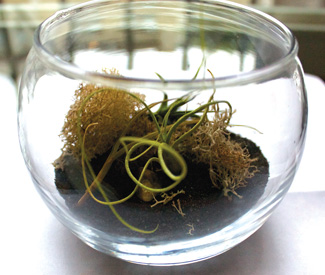
One of the three owners of this well-turned-out Mission boutique crafts these “air plants” in bulbous aquarium bowls. Rocks, sand, moss, and greenery coexist peacefully within the bowels of the terrariums – the perfect window sill companion for your buddy who longs for more nature in their life.

3458 18th St., SF (415) 244-7457, www.missionstatementsf.com


Dickens and drag queens and dreidels (oh my!)

0

culture@sfbg.com

HOLIDAY GUIDE 2011 You know what would be a good present to yourself this holiday season? Some ankle weights. Imagine all the almond cake and vegan eggnog you’ll have shoved into your belly by this time next month, you soon-to-be-less-svelte snowy sexpot. Not into approximating a house arrest prisoner? How about pledging to run about to as many as the Bay’s holiday hotspots as possible this year — you’ll be a Kwanzaa cutie in no time a’tall. And with such jingling gems — from costume fairs to drag queens in Union Square and free chamber orchestra performances — you’ll come out on the other side (2012) cut and cultured. 


Union Square iceskating rink Good news for nervous wall-grabbers and double axel spinners alike: the holiday ice rink is back at Union Square. Cue icicle lights, grand romantic gestures, and seizing onto strangers for suddenly-needed support.

Through Jan. 16. 10 a.m.-11:30 p.m. except for when closed for private parties, $10 for 90-minute session. Union Square, SF. www.unionsquareicerink.com


Great Dickens Fair Before Harry Potter and Kate Middleton transformed young Americans into full-blown Anglophiles, a whole different conception of Britain flourished stateside: the Dickensian version, replete with scones and hot toddies. Walk off your burgeoning middle with a jaunt through the Cow Palace’s temporary lamp-lit alleys.

Saturdays and Sundays through Dec. 18, 11 a.m.-7 p.m., $25. Cow Palace, 2600 Geneva, SF. www.dickensfair.com


“The Best Time of Year” SF Symphony Christmas special concert The San Francisco Symphony and Chorus exhale classical Christmas picks and carols to a fully-bedecked Davies Symphony Hall.

Nov.30-Dec.1, 8 p.m., $25–$68. Davies Symphony Hall, 201 Van Ness, SF. (451) 864-6000, www.sfsymphony.org


Working Solutions holiday gift fair Showcasing San Francisco businesses assisted by Working Solutions’ micro loan programs, this fair lets shoppers pick up everything from Bernal Heights-wrought knives to chunks of Mission-crafted chocolate.

Dec. 1, 5-8 p.m., free. 101 Second St., SF. (415) 655-5433, www.tmcworkingsolutions.org


The Golden Girls: The Christmas Episodes Trannyshack takes on the blue-haired wonder that was The Golden Girls in a glitzy, raucous yearly San Francisco tradition.

Thursdays, Fridays, and Saturdays Dec. 1-23, 8 p.m., $25–$30. Victoria Theater, 2961 16th St., SF. www.trannyshack.com


A Christmas Carol There’s no better way to get in the mistletoe mood than to watch old Ebenezer slowly thaw out his icy, pinched heart in the Deco glory of the ACT Theatre.

Dec. 1-24, 7 p.m., $20–$75. American Conservatory Theatre, 415 Geary, SF. (415) 749-2228, www.act-sf.org


Holiday tree-lighting ceremony Jack London Square becomes a Bay-side holiday crèche two hours with live reindeer, snow, wintry tunes, and a tree-lighting to launch the flurry of the holidays.

Dec. 2, 5-7 p.m., free. Jack London Square, Oakl. www.jacklondonsquare.com


Oakland-Alameda Estuary lighted yacht parade How can yachts parade, you ask? With style, we answer — East Bay boat owners trick out their vessels with festive lights visible from the shore.

Dec. 3, 5:30 p.m., free. Visible from Jack London Square, Oakl. www.lightedyachtparade.com


Fantasy of Lights celebration ‘Tis the season for brilliant night-time lights, and Union Street will not be an exception. Stately Victorians provide the glowing background for a holiday gathering featuring everything from a monkey to Santa and his elves.

Dec. 3, 3-7 p.m., free. Union between Van Ness and Steiner, Fillmore between Union and Lombard, SF. www.sresproductions.com


San Francisco Forest Choir Imagine yourself in a snowy Narnia glen, the Forbidden Forest, or roaming through the woods with Hansel and Gretel to the music of the San Francisco Forest Choir, an all-female group who sing in Japanese and English at the Western Addition library.

Dec. 3, 3-4 p.m., free. Western Addition branch library, 1550 Scott, SF. (415) 355-5727, www.sfpl.org.


Sharon Art Studio winter pottery and craft sale Thousands of gleaming pieces are up for sale by this staple of the Bay Area craft scene; lug your loot home and get your bicep curls out of the way for a week.

Dec. 4, 11 a.m., free. Sharon Art Studio, Children’s Playground, Golden Gate Park, SF. (415) 753-7005, www.sharonartstudio.org


SF Chamber Orchestra holiday family concert Circus Bella and the SF Chamber Orchestra team up for a strangely compelling holiday pairing: clownish acrobatics set to the strains of classical music.

Dec. 4, 3-4 p.m., free with RSVP. Bayview Opera House, 4705 Third St., SF. (415) 824-0386, www.bayviewoperahouse.org


Gourmet Ghetto’s snow day For those Bay citizens unfamiliar with the bliss of a true snow day, the Gourmet Ghetto’s version provides a superior version to the rest of the country’s admittedly frigid ones: real snow, yes, but also crafting, hot cocoa and cookies, a Snow Queen, and the warmth of community.

Dec. 5 10 a.m.-3 p.m., free. Andronico’s parking lot, 1550 Shattuck, Berk.; 1-4 p.m., free. M. Lowe and Co., 1519 Shattuck, Berk.; Noon-4 p.m., free. Twig and Fig, 2110 Vine, Berk. www.gourmetghetto.org


“Winter in the Wineries” Sixteen wineries will stamp your passport for a two-month period starting December 2, enabling you to enjoy unlimited tastings, tours, and meet-and-greets throughout Napa Valley.

Various locations and times, Calistoga. www.calistogavisitors.com. $50 for one passport ticket


Palestinian Craft Fair Straight from the hands of Palestinian artists and craftspeople: olive oil-based soap, embroidery, glassware, ceramics, books, honey, and Dead Sea products sold to benefit their makers an ocean away.

Dec. 4, 10 a.m.-4 p.m., free. Live Oak Park, 1301 Shattuck, Berk. (510) 548-0542, www.mecaforpeace.org


“Songs and Harps to Celebrate the Holiday Season” Harpists of the Bay, unite! The young pluckers of the Bay Area Youth Harp Ensemble join the Triskela Celtic Harp Trio to perform holiday pieces from around the world. Singing along is not only encouraged but expected.

Dec. 6, 6 p.m., free. Main Library, 100 Larkin, SF. (415) 557-4400, www.sfpl.org


“Drag Queens on Ice” Break out your very best glitz for a night spent skating next to legions of SF’s drag personalities. A 9:30 p.m. performance by the queens in question ends the evening.

Dec. 8, 8 p.m., $10 for 90-minute session. Union Square, SF. www.unionsquareicerink.com


“A Very Shut-Ins Xmas” The vanguard leaders of the “hulabilly” sound, the Shut-Ins return with a Christmas show to benefit San Francisco’s Legal Assistance to the Elderly.

Dec. 8, 5:30-8 p.m., $20. 50 Mason Social House, 50 Mason, SF. (415) 538-3333, www.laesf.org


Golden Gate Park tree lighting Golden Gate Park’s hundred-foot Monterey cypress (shouldn’t it have a name by now?) transforms into a light-bedecked behemoth for the 82 year.

Dec. 8, 5 p.m., free. McLaren Lodge, 501 Stanyan, SF.


La Cocina gift fair Its cryptic but tasty-sounding “tamale alley” should provide enough of a draw, but La Cocina’s gift fair also promises local vendors selling organic olive oils, handmade pasta, and mushrooms nourished by recycled coffee grounds. Pretty easy to stomach.

Dec. 9, 5-9 p.m., free. Mission Cultural Center for Latino Arts, 2868 Mission, SF. www.lacocinasf.org


Winter Wunderkammer holiday art sale The most you can spend here on one item is 50 bucks, the least a dollar. Accompanied by spiced wine and tunes, small-format works from local artists are on sale. Proceeds from this walk-in curio cabinet benefit The Lab and participating artists.

Opening party Dec. 9, 6-11 p.m., free. Also Dec. 10, 11 a.m.-4 p.m., free. The Lab, 2948 16th St., SF. (415) 864-885, www.thelab.org


California Revels Ah, the revels. This year, the interactive period presentation will sit you smack down at the Round Table. Dance and sing, young knight — no one’s mocking you at this costume-heavy conclave.

Dec. 9-11, 16-18; Fri. 8 p.m., Sat. and Sun. 1 p.m. and 5 p.m., $19-52. Scottish Rite Theater, 2850 19th Ave., SF. (510) 452-8800, www.californiarevels.org


SF Ballet’s Nutcracker Even with its lampoonable name, the Nutcracker remains a incomparable date choice for its lush costumes, fantastical storyline, and ability to trigger childhood flashbacks.

Dec. 9-25, various times, $25–$285. War Memorial Opera House, 301 Van Ness, SF. (415) 865-2000, www.sfballet.org


Misfit Toy Factory For one evening, artists cobble together sculptures, toys, and gifts under one roof to the beat of DJ Yukon Cornelius. Items are sold at the end of the evening for a fixed price of forty dollars.

Dec. 10, 7-10 p.m., free. Root Division, 3175 17th St., SF. (415) 863-7668, www.rootdivision.org


The Revolutionary Nutcracker Sweetie A radical alternative to the holiday classic, Dance Brigade’s version features Clara, an undocumented worker, a homeless Sugar Plum Fairy, and an angel of resistance.

Dec. 10, 2 p.m. and 6 p.m.; Dec. 11, 1 p.m. and 5 p.m., $15–$17. Brava Theater, 2781 24th St., SF. www.dancemission.com


Hanukah festival of light Geared towards the younger set and their handlers, the JCC East Bay’s festival of light features storytelling, menorah making, dreidel games, and a concert by Isaac Zones, a mainstay in the Bay’s Jewish music scene.

Dec. 11, 10 a.m-2 p.m., $5. JCC East Bay, 1414 Walnut, Berk. www.jcceastbay.org.


“Holidays: Christmas, Chanukah, and Other Festive Celebrations” lecture Library docents present an examination of paintings from around the world dealing with everyone’s favorite subject: the giving, feasting, and receiving endemic to the holiday season.

Dec. 14, 6:30-7:30 p.m., free. Glen Park branch library, 2825 Diamond, SF. (415) 355-2858, www.sfpl.org


Mechanics’ Institute holiday gift and poster sale The staggeringly lovely Mechanics’ Institute hosts a large sale of hard-cover and paperback books, gifts, and posters straight from its library.

Dec. 15, 4:30-6:30 p.m., free. Mechanics’ Institute, 57 Post, SF. (415) 393-0100, www.milibrary.org


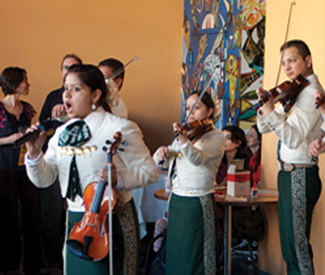
Holiday youth mariachi concert Three zestful youth mariachi bands perform traditional Mexican holiday music, providing an energizing segue into a sometimes exhausting season.

Dec. 16, 7:30 p.m., $10. Mission Cultural Center for Latino Arts, 2868 Mission, SF. (415) 643-2785, www.missionculturalcenter.org


Holiday Memories double feature Head back to the times of toboggans and candle-lit windows with two short films recounting rural winters of yesteryear. A Child’s Christmas in Wales visualizes Dylan Thomas’ Welsh childhood; The Sweater animatedly recounts Roch Carrier’s Quebecois, hockey-centered upbringing.

Dec. 17, 2 p.m., free with $15 museum admission. The Exploratorium, 3601 Lyon, SF. (415) 561-0360, www.exploratorium.edu


Renegade Craft Fair holiday market For the third year and showcasing more than 250 makers and craftspeople, the Renegade Craft Fair’s holiday happening can be a bit overwhelming. But it’s an undeniably great answer to gifting woes: pick up jewelry, body products, paper goods, clothing, and way, way more, all DIY enough to satisfy your most loca-ttired friend.

Dec. 17-18, 11 a.m.-6 p.m., free. Concourse Exhibition Center, 635 Eighth St., SF. www.renegadecraft.com


Reclaiming Yule ritual It may be chilly outside, but Sebastapol’s midwinter celebration (led by Starhawk, a leader in Bay Area earth-based spirituality) is indoors and full of warmth-inducing activities, namely dancing in honor of the Earth and Sun.

Dec. 18, 6:30 p.m., $7. Sebastopol Community Center, 390 Morris, Sebastapol. www.reclaiming.org


Solstice Eve celebration With a bonfire and roles doled out to participants (rocks, trees and mists), celebrating the longest night of the year on Ocean Beach is actually rather toasty. Bring items to release into the transformative fire — love letters are just the starting point.

Dec. 20, 3:30 p.m., free. Ocean Beach at Taraval, SF. www.reclaiming.org


Bill Graham menorah lighting The lighting itself takes place at 5 p.m., but the hours-long run-up is by no means lacking: traditional Jewish music, arts and crafts, and menorahs for every child fill Union Square starting at 3 p.m.

Dec. 20, 5 p.m., free. Union Square, SF. www.chabadsf.org


Kujichagulia celebration Kwanzaa’s day of personal definition and expression comes to City Hall, followed by a candle-lighting ceremony and dinner at Gussie’s, known for its fried tasties, red velvet cake, and Southern sweet tea.

Dec. 27, noon, City Hall, SF., 6 p.m., Gussies Chicken and Waffles, 1521 Eddy, SF. www.kwanzaasanfrancisco.com


Ujima celebration On Ujima, the third day of the week-long Kwanzaa holiday, community members gather to celebrate a collective spirit of responsibility and work.

Dec. 28, 3-6 p.m., free. Bayview Hunters Point YMCA, 1601 Lane, SF. www.sfpl.org


Keeping Score: Ives Holiday Symphony screening Unrecognized at the time of his death, experimentalist composer Charles Ives labored over his Holiday Symphony, which now gets fitting recognition by the San Francisco Symphony in a library concert that follows an hour-long documentary on the man.

Dec. 29, noon, free. Main Library, 100 Larkin, SF. (415) 557-4400, www.sfpl.org


Kuumba celebration Fittingly, the main San Francisco celebration of Kwanzaa’s Kuumba (day of creativity) occurs in the Jazz Heritage Center, a space shared by musical hotspot Yoshi’s. Celebrate the Fillmore’s manifold musical virtuosos on the last day of the year.

Dec. 31, 1-5 p.m., free. Jazz Heritage Center, 1330 Fillmore, SF. www.jazzheritagecenter.org

Alerts

0

alerts@sfbg.com


THURSDAY 24

“Indigenous Peoples Sunrise Ceremony”

Honor indigenous peoples for a sunrise ceremony on Alcatraz Island on Un-Thanksgiving Day. Held annually since 1975, the Alcatraz ceremony honors the Alcatraz-Red Power Movement’s occupation of the island in 1969. The ceremony will feature Aztec Dancers, Pomo Dancers, live performances, and speakers. Hosted by the International Indian Treaty Council and American Indian Contemporary Arts. Ferry tickets go on sale at 4:15 a.m. Boats leave Pier 33 from 4:45 a.m. until 6 a.m.

6 a.m., free (plus $14 ferry ticket)

Alcatraz Island, SF

www.treatycouncil.org


SATURDAY 26

“Guardianas de la Vida (Guardians of Life)”

Observe the United Nation’s annual International Day for the Elimination of Violence Against Women with music, poetry, and art. The event opens with an interactive sewing piece, followed by a show at 7:30 featuring poetry by Judy Grahn, Genny Lim and Nina Serrano; Latin music by Bay Area singer-songwriters Maria Loreto, MamaKoatl and Marta Sevilla; theater by Circulo Cultural; and dance by Maria Luna, Maica Folch and Paloma Parra.

6 p.m., $10 donation

Dance Mission Theater

3316 24th St., SF

dancemission.com


TUESDAY 29

“David Barsamian on Journalism, Academia, and Censorship”

David Barsamian is founder and director of Alternative Radio. He has co-authored books with Noam Chomsky, Howard Zinn, Arundhati Roy, Edward Said, and other leading intellectuals. He was deported from India this past September, and his talk is titled Stories from Kashmir and California. Sponsored by the San Francisco Public Library and the San Jose Peace and Justice Center.

6 – 8 p.m., free

San Francisco Public Library

Koret Auditorium 100 Larkin St., SF

alternativeradio.org


WEDNESDAY 30

“The History of the Future”

Ponder utopias and dystopias, imagination and revolution, and the power of social movements and propaganda to shape the future with Starhawk, Megan Prelinger, and Chris Carlsson. Prelinger is the author of “Another Science Fiction,” offering a whimsical look at corporate representations of the Space Race. Starhawk’s “The Fifth Sacred Thing” and Chris Carlsson’s “After The Deluge” both present alternative utopian futures for San Francisco a century or more in the future. Join the conversation with these three authors.

7:30 p.m., free

CounterPULSE

1310 Mission, SF

www.shapingsf.org


Mail items for Alerts to the Guardian Building, 135 Mississippi St., SF, CA 94107; fax to (415) 437-3658; or e-mail alert@sfbg.com. Please include a contact telephone number. Items must be received at least one week prior to the publication date.

Contemplating Appetite

1

virginia@sfbg.com

APPETITE My adventures in food and drink have been the subject of my SFBG Appetite column for nearly three years online at SFBG.com. As of last month, you now also find me in print every week. Many have asked where I am going with this column — some expecting a formal weekly review, others a mix of subjects and directions. The latter is true. I cannot replace former Guardian food critic Paul Reidinger’s eloquence and decades-long experience as a food writer (and I’m glad to say we will continue to hear from him in various articles). I take this opportunity to explain where I’ve come from and my philosophy in covering the edible world.

First and foremost, I bring to the table passion. From mostly Italian and German stock, I’ve eaten heartily since early childhood in Oklahoma and Missouri, 16 total years of my youth in Southern California and New Jersey (just outside LA and NYC respectively), and travel over five continents. As an incessant reader and writer since girlhood, books first opened me up to the world, though I dreamed of having my own adventures to write about. Moving to San Francisco a decade ago, I was wowed not only by its unique, radiant beauty, but by the consistent quality of food, spending spare dollars eating out constantly. Though SF wasn’t the immediate love affair for me New York was, it is a love that has only increased each year, the home I would happily end up in. This city still takes my breath away.

Patricia Unterman’s original San Francisco Food Lover’s Guide was my food bible in those early days. I connected with her quest for the authentic, no matter the cuisine. I ate my way through neighborhoods, marking up her book (and all my dining guides) until I had been to every single restaurant, market, and bar in its pages. Eventually, requests asking me where to go and what to eat reached a fever pitch, so my husband (and partner in taste and travel) helped create my own humble website, The Perfect Spot, to share my reviews and finds. I’ve been sending out a bi-weekly newsletter for nearly four years based on my writings for the site. I also write for an ever-increasing number of magazines and websites.

“Diet,” “lowfat,” and “hold the cream” are words you’ll never hear me say. My hunger for food as adventure means I make it a goal to have no food prejudices. Many say, “I’ll try anything once,” but my philosophy is to keep trying anything I don’t like until I do. The food may not have been prepared properly; it was perhaps of poor quality; maybe the palate wasn’t quite ready for it — dishes still deserve to be known at their best. I spent years trying to overcome my aversion to uni (sea urchin), for example. Eating chef David Bazigran’s brilliant uni flan at Fifth Floor early this year was a revelation. I realized it was uni’s texture, not its of-the-sea flavor, turning me off. I’ve enjoyed uni ever since, though only when ultra-fresh. From personal experience, I know one can change one’s abhorrence of a food, and in so doing expand one’s horizons another inch, uncovering another of life’s simple delights.

Sometimes fear arises around unfamiliar foods — and the unfamiliar in general. Without variety and a vast range of expression, the world loses it color — and its joy. While sameness can be comforting (and there’s a time for that), it is entirely boring. To go through any part of life bored or complacent is simply lazy. As with music or books, one can discover unknown lands with a few new ingredients, enlivened by the hands of a gifted, caring chef. Whether food cart or fine dining, there’s no reason to settle for mediocrity, not with the unreal produce, vision, and talent surrounding us.

Internationally, I’ve fallen in love with black pudding in Ireland, extreme spice in Thailand, Tyrolean food in the Italian Alps. I’ve explored wine chateaus in Bordeaux, agave fields in Mexico, gin distilleries and cocktail labs in London, whisk(e)y houses in Scotland and Ireland. I’ve frequented restaurants, coffee havens, bars, chocolate shops, farmers markets everywhere. I sample obsessively and comparatively. Rather than one single review, I prefer to cover a mixture of highlights in any given week. I’m opinionated, yes, but don’t care much for snark, flippancy, or jadedness. Though honest assessment is crucial, rather than rip apart the few not doing it well, I’d rather focus on the many having fun with or perfecting their craft.

My “holy trinity” of US cities for food and culture, though, consists of New York, New Orleans, and San Francisco. Travel is one of life’s greatest gifts, yet when I cannot afford to go, I am able to travel in my own city. Authentic foods transport me back to the place in which that food was illuminated — anchovies on the coast of Italy, bastilla in Morocco, Creole cream cheese in New Orleans, or bahn mi in Vietnam. It helps to live in a place as international and cosmopolitan as SF. But even in nondescript towns, I uncover gems. The hunt is a key part of the thrill.

Besides travel, you’ll notice I also write about drink… a lot. Whether coffee, spirits, and cocktails (my first love), wine and beer (the ultimate food accompaniments), my knowledge of drink grows along with the culinary. Even at 21, I wanted a grown-up atmosphere in which to imbibe, detesting noisy, crowded “scenes.” Drink, for me, is similar to food: it’s about quality, artistry, and adventure, not buzz or quick consumption. A memorable meal isn’t complete without the right sip to begin, pair, or end with.

As with food, Northern California was instrumental in furthering my taste for fine drink, though global explorations have shaped my standards of comparison. It started with cocktails years ago as SF (and, of course, NYC) lead the way in reviving classics, and creating experimental, culinary drinks. The artistry and history behind these drinks intrigued me, connecting to my Old World, retro, jazz-loving self.

Delving into cocktails inevitably led to my great love of craft spirits, many of our country’s trailblazers and innovators being based right here. (Thank you, St. George, Charbay, Germain-Robin, Anchor Distilling, et. al.) Our local Wine Country and craft beer pioneers like Fritz Maytag likewise have shaped the world, while local personalities such as Kermit Lynch and Rajat Parr in the wine realm are experts on global glories in drink.

What makes a great meal? Service, setting, and, of course, food are crucial. Ultimately, I see eating as a communal ritual. A thoughtfully-prepared meal surprises and nourishes the body and spirit. We engage (or should — put those cell phones away!) over a meal, reflect on our day, truly taste, actually look at and listen to each other. Expect me to share with you the best tastes and backdrops from these moments.

While I don’t expect our tastes to be the same, I do look forward to embarking on delicious adventures together throughout the food realm. *

BEST NEW OPENINGS OF 2011

In the spirit of ushering in my print column, I recap the year with my list of 2011’s best new openings, realizing we still have a few weeks worth of openings left:

CASUAL

Wise Sons Deli www.wisesonsdeli.com. Although not getting a brick and mortar location until 2012, this pop-up deli (every Tuesday at the Ferry Plaza) was one of the year’s great new delights, filling a gaping vacancy of quality Jewish food with excellent babka, bialy, and corned beef.

Hot Sauce and Panko 1545 Clement, SF. (415) 387-1908, www.hotsauceandpanko.com. With an impressive array of hot sauces from around the world, addictive chicken wings in a crazy range of sauces (tequila-chipotle-raspberry jam!), this quirky take-out also has a hilarious blog.

Mission Cheese 736 Valencia, SF. www.missioncheese.net. Mission Cheese serves not only lush cheeses and wines, but some of the best grilled cheese sandwiches around in a chic cafe setting.

MID-RANGE

Bar Tartine 561 Valencia, SF. (415) 487-1600, www.bartartine.com. Though not a new opening, I refer to the complete revamp and Eastern European-influenced menu under chef Nick Balla that happened this year. Unusual dishes, Hungarian and beyond, and Balla’s impeccable technique make this menu unlike any other.

Boxing Room 399 Grove, SF. (415) 430-6590, www.boxingroomsf.com. It’s refreshing to get some New Orleans breezes in SF from a Louisiana chef making his own Creole cream cheese and frying up fresh alligator.

Nojo 231 Franklin, SF. (415) 896-4587, www.nojosf.com. We’ve had a glut of izakayas open over the past few years, but this one stands above in warm, hip atmosphere and consistently delightful food.

Park Tavern 1652 Stockton, SF. (415) 989-7300, www.parktavernsf.com. From the owners of Marlowe, this immediately feels like the buzzing destination restaurant of Washington Square Park for satisfying American food with gourmet edge.

Jasper’s Corner Tap 401 Taylor, SF. (415) 775-7979, www.jasperscornertap.com. All things to all people: comfortable meet-up spot with perfect cocktails, craft beers and wines aplenty, and the food is consistently heartwarming.


Wag the dog: The SF kennel that makes your apartment look like kibble

2

Wiggle that paw into your trusty Birkin for a spare $150 this holiday season — you’re staying in the best room in town. Of course, the hospitality staff there is going to be a little hands-on. They’ll wake you at 6 a.m., feed you breakfast, put you in a play group with future-friends that share your weight, age, and temperment. They’ll read you a short story during nightly “cuddletimes” and make sure your owners can see you on the livefeed at all times. Also, in this scenario you are a dog.

“People don’t want a kennel these days,” Jose Gonzales, director of guest services at the Mission’s Wag Hotel, is showing me through his kennel’s state-of-the-art facilities. “They want a safe, clean, convenient place to leave their pet.”

Wag’s first branch opened in Sacramento in 2005, at which time Gonzales tells me “we really, literally redefined pet care.” Redefined it to mean luxury summer camp for the dander set, that is.

Where’s my mint. Guardian photo by Caitlin Donohue

The center is open 24 hours a day. In Wag’s parlance, its human customers are “parents,” individuals who need only peek at their iPhones and the hotel’s playroom livestreams shown thereon to determine whether Pawla Abdul needs another dog biscuit (Gonzales says he is wont to call in requests that employees give snacks to his own pooch when he leaves his furry friend to Wag). 

Wag smells more like air freshener than canine as the two of us explore its bowels, Gonzales imparting a stream of information and myself dutifully following after. Here are the glistening, occasionally flatscreen-bedecked two-room enclosures that house steerage boarders (the dog bowl in the door means the “room” has been serviced), the vast playrooms looked down upon by even more vast skylights. 

There are 239 of these quarters at Wag. Usually there are less than 100 dogs staying in them, although at peak times over holidays, there can be enough to necessitate 50 to 60 employees, when it’s “all paws on deck,” as Gonzales puns. There is a rooftop garden for dogs that love to feel the sun on their furry faces, even report cards given to each parent at their offspring-from-another-bitch’s terminus at Wag. These rate Puppy’s bowel movements, and cite the friends they’ve made at Wag by breed and name. There are special activities planned intermittently, like the 12 Days of Winter event from Dec. 1-16 that will afford the dogs opportunities to take photos on Santa’s lap and have staff members design stockings for them that suit their personalities. 

Reading selections in the Wag Suite. Guardian photo by Caitlin Donohue

But for some, this comfort is not enough. And there is still a chance for your young pup to be the first guest at the $150 a night Golden Gate Suite.

This is the grand finale of Gonzales’ tour. Here, in a secluded hallway far from the whines and yelps of steerage, a genteel canine can while away the three to four days that constitute the average stay at the hotel, in jet-setting style. 

A double bed (slung low to the floor, no jumping for the dogs of the one percent) with organic sheets, layers of pillows, and a faux fur throw is the centerpiece of the room, which rather resembles a slick private double in a high-end hostel. Upon the pillows rest a box of doggy “chocolates” made by a local artisan and a plush remote control, which does not operate the large flatscreen on one side of the room where room occupants will view their owners each night for a heart-warming Skype chat. 

There is also a stack of books for storytime on a coffee table. “I personally like The Giving Tree,” Gonzales tells me. “But that’s a personal favorite.”

“A lot of people thought that the room was built to be over the top,” he reflects, shortly before we call in a golden labrador named Montana to lounge for my camera on the bed and whine impatiently for the box of artisan treats Gonzales has safely hid behind his back. “But we built it to be practical. We looked at what a dog needs and what will make the client and dog super-happy.”

This super-happiness, Wag has decided, lies in bridging the gap between pet and human when the two must be geographically separated. To mimic the home environment, Golden Gate Suite patrons can even sit down with hotel employees to determine which Pandora channel their beloved four-legger will listen to. 

On the occasion of my visit, classical is playing throughout the hotel. “We’ve had different feedback from clients that they don’t want their dog listening to classical,” says the director of guest services. “Maybe they want movie noise. Yeah, dogs don’t watch movies. But we want them to feel at home.”


Wag Hotel

25 14th St., SF

(415) 876-0700

www.waghotels.com

GOLDIES 2011 Lifetime Achievement: David Meltzer

1

GOLDIES “This isn’t a conflict of interest, I hope?” David Meltzer asks. We’re smoking on the back porch of his Piedmont apartment with his wife, poet Julie Rogers, about two bottles of wine into our interview, wondering whether he’s the first former Guardian contributor to get a Goldie. A decade or so ago, he was writing CD reviews and the odd feature on anything from pedal steel guitar to new age music. But Meltzer had made a reputation long before, as the youngest poet (along with Ron Loewinsohn, now a UC Berkeley professor) in Donald Allen’s seminal New American Poetry (Grove, 1960). Now, at age 74, he’s fresh from his latest achievement, When I Was a Poet, chosen by Lawrence Ferlinghetti as #60 in the City Lights Pocket Poets Series.

Between these two events he’s made so many distinctive contributions to Bay Area culture that his foray into music journalism for the Guardian is simply characteristic of his protean endeavors. Indeed, his musical endeavors alone would earn him a place in San Francisco history, beginning with his late ’50s jazz poetry readings at the Cellar. In the mid-’60s, Meltzer hosted the Monday night hootenannies at the Coffee Gallery — folk jam sessions attracting visitors like David Crosby, as well as now-legendary locals like Jerry Garcia — as well as performing there regularly with his late first wife, Tina Meltzer (who died in 1997).

“It was the genesis of the SF rock scene,” Meltzer says, and he soon found himself, like Dylan, “going electric,” as guitarist, songwriter, and co-lead vocalist of the Serpent Power, a psychedelic folk band featuring Tina on vocals and poet Clark Coolidge on drums, along with stray members of the Grass Roots. Released on Vanguard Records in 1967, Serpent Power’s eponymous LP went nowhere at the time, but in 2007 was named #28 on Rolling Stone‘s top 40 albums of the Summer of Love (which, if you think of the number of classics released in ’67, is extraordinary). As an example of the possibilities of long-form rock, the 13-minute, album-closing “Endless Tunnel” is widely considered ahead of its time.

Meltzer’s a natural raconteur — easily outlasting my digital recorder — because his life’s been so extraordinary. By the time he moved from L.A. to SF in 1957, first inhabiting the window display area of a defunct radio repair shop at 1514 Larkin, the Brooklyn-born Meltzer was already a former child performer on radio and TV, as well as a recent participant in the art scene around Wallace Berman. But SF was an irresistible lure for a 20-year-old poet.

“It seemed to be the place of a kind of creative surge,” he recalls, having already encountered Pocket Poets books such as Ferlinghetti’s Pictures of the Gone World (1955) and Allen Ginsberg’s Howl (1956). “I needed to be in a place where you dealt with language rather than paint and images.”

“Of course, when I got here, the first place I went to was City Lights,” Meltzer continues. “It was much smaller back then, like a more proletarian Gotham Bookmart, with an emphasis on literary production.”

By 1961, Meltzer would find himself co-editor of the first issue of City Lights’ occasional Journal for the Protection of All Beings, the first of several projects he worked on at the press. But, despite Ferlinghetti’s admiration for his work, When I Was a Poet is Meltzer’s first book of poems for City Lights, some 54 years after his arrival. “It’s just one of those things,” says Meltzer, who published many books over the years on presses ranging from Black Sparrow to Penguin.

Space precludes a full rehearsal of Meltzer’s career, and significant items — such as editing the poetry and kabbalah journal Tree in the ’70s or co-founding the New College poetics program in ’80s — can only be mentioned in passing. His precociousness has engendered a sort of perpetual youth, and you can still find Meltzer giving readings around town, solo or in tandem with Julie Rogers. He remains one of the key people who make San Francisco great.

Rat trap

0

news@sfbg.com

The contents of the ubiquitous bright yellow packages of a common household product are making some local activists go green. Residents are roiling against rats in Berkeley, Marin is trying to attract owls to eat them, and San Francisco is busy persuading stores to stop selling some of the most popular rat baits even before the federal government pulls the plug on pellet-type rodent poisons.

A battle is brewing between the $1 billion pesticide industry that makes D-Con and other common pellet-form rat and mouse poisons and the Environmental Protection Agency, which said June 4 it would either cancel and ban them or, depending on what they contain, require them to be sold with a childproof device.

Several of the makers of the rodenticides have gone to court to fight the proposal, which was supposed to go into effect by now. And four of the companies — Woodstream, Inc., Liphatech, Inc., Reckitt Benckiser, and Spectrum Group — won’t commit to stop making the products during the appeal process. In a press release, Reckitt said its anti-rat pellets are safe and "lawful for sale" unless a court orders otherwise. After the ban announcement, Alan Pryor, Liphatech’s sales director, called the EPA "an agency run wild."

In January, the EPA sued Reckitt in an attempt to instigate misbranding proceedings against the firm’s pellet products instead of canceling them, which could take courts a year or two to decide. But a district court ruled in favor of the company, calling the agency’s bid to speed things up via misbranding "arbitrary, capricious, an abuse of discretion and contrary to law."

The stakes are enormous. Rodent pellet products are strong sellers at hardware stores. Rodent prevention "is an issue throughout the year," says Paulino Tamayo, pest control buyer for San Francisco’s Cliff’s Variety. "Customers are constantly inquiring about it."

One reason: up to 4,000 children under the age of five are reportedly bitten by rats, which carry more than 70 known diseases, in large cities in the U.S. per year, according to the Centers for Disease Control & Prevention. It’s not just children who are seeing the rats.

On Sept. 20, disgusted subway workers demonstrated at New York’s Jamaica Central Terminal, where rats were reported multiplying and even infiltrating train cars. Claiming cutbacks by the MTA were contributing to increased trash and waving a banner reading "New Yorkers Deserve A Rat-Free Subway," members of Transport Workers Union Local 100 persuaded thousands of riders to sign a web petition. The New York Daily News reported the MTA is eliminating 254 cleaning jobs.

Steve Owens, assistant administrator for EPA’s Office of Chemical Safety & Pollution Prevention, said the EPA issued the change to "keep our children and pets safe from these poisons." Every year, the American Association of Poison Control Centers receives 12,000-15,000 reports of kids under the age of six being exposed to rodent bait.

Some analysts think the unreported exposure rate could be 10 times as high; the EPA estimates it’s four times as much. A 2006 EPA study found that of 68,005 children under six exposed to rodenticides, 18,084 had to be treated at a health care facility.

And according to the ASPCA’s National Animal Poison Control Center, tens of thousands of pets, livestock, and wildlife are being poisoned by rodenticides per year. "It’s common," says Dr. Camille DeClementi, senior director of the NAPCC. "Dogs frequently get into bait."

The EPA wants to ban 20 products with brodifacoum, which is in D-Con, and three other chemicals (bromadiolone, difethialone, and difenacoum) for use in residences. But pesticides with the chemicals could still be used by exterminators and farm owners. On Sept. 7, the agency said it would meet Nov. 29 to consider "scientific conclusions" supporting its decision; it’s accepting comments through Nov. 15.

One looming question: will the ban work? Some mom and pop shop owners are so desperate for sales in the recession that they’ve turned to offering dirt-cheap but illegal rat poisons, often from China. On Sept. 19, 12 people were arrested in New York City’s Chinatown for selling brodifacoum and sodium fluoroacetate-laced products which, because they look like cookies, could attract children, Manhattan District Attorney Cyrus Vance said at a news conference. The U.S. has forbidden use of sodium fluoroacetate against rats since 1972.

And while commending the EPA "for trying to reduce the risk of poisoning," DeClementi says that although the new regulations would stop most cats from being poisoned, many dogs will simply chew open the poison-strewn blocks, called "bait stations," that will be required if the regulations take effect. "Dogs," she says, "explore the world with their mouths. The same thing that makes the bait attractive to rodents will make it attractive to dogs. Dogs will seek the stations out."

Worse yet, DeClementi, a veterinarian who’s been with the ASPCA since 1999, predicts that the ban will produce an unintended consequence: if they lose in court, pest control companies will switch to selling a class of other, even more deadly poisons known as "first generation" rodenticides.

And their two most likely choices, believes DeClementi, will be bromethalin, a neurotoxin which causes paralysis or seizures that are almost impossible to treat, and cholecalciferol, a form of vitamin D which, in high doses, induces kidney failure that requires lengthy and expensive treatment.

"I wonder if sterlizing rodents would work better?" she asks. "But would eating rats on birth control also kill birds of prey?"

For now, she favors products that catch rodents "in a little house," such as rat zappers, and telling bird lovers to "keep their bird seed in containers instead of bags."

Others favor more natural approaches. After rats seeking warm places to nest caused a reported $5,000–<\d>$7,000 in damage to vehicles by chewing their carpets and other parts in the garage of the Marin County Civic Center, the county, in cooperation with the Hungry Owl Project, spent less than $1,000 to put up six barn owl boxes adjacent to the San Rafael building September 10. Each owl family can consume up to 5,000 of the voracious vermin per year.

Meanwhile, not everyone is waiting for the EPA’s rules to go into effect. Retailers around the USA are starting to withdraw rat pellet bait products.

Now that the EPA has published its rule change, stores in New York must, under state law, take the rat bait products off their shelves. And after the discovery of four dead Cooper’s hawks, three of which tested positive for rodenticide poisoning, activists in California say they will press for the enactment of a similar law.

"I’m outraged at the makers of these rodenticides for not caring about people or the welfare of animals," says Lisa Owens Viani, who founded Raptors Are The Solution (RATS) this summer after a Cooper’s hawk was found dead on a sidewalk off Berkeley’s Bancroft Street, four years after three other Cooper’s hawks died in her Berkeley neighborhood. Tests by the University of California at Davis showed the sidewalk hawk had ingested the rodenticides brodifacoum and diphacinone; two of the other birds tested positive for brodifacoum.

"The companies that are fighting (the EPA) are some of the same ones that make rodent traps," she says. "They will still have plenty of other products to sell."

Owens Viani, who led a jam-packed organizing meeting of RATS August 26, says part of her motivation to act is "a personal thing. I have lots of animals. My vet told me he’s seen lots of dogs, cats, and horses that have been poisoned by rats."

"A little girl was devastated to come across the young juvenile hawk that had bled to death on the sidewalk," she says.

"At first, I went door to door and passed out fliers, asking if anyone else was finding dead birds, for a five block radius," remembers Owens Viani. She discovered that although most bird books say Cooper’s hawks eat other birds, a local photographer had shot images of them also feeding rats to their young.

RATS plans to urge hardware and chain stores in the San Francisco Bay Area to immediately stop selling the products named by the EPA. "We want to push them along," says Owens Viani. "People are really concerned about this problem. They are tired of relying on poisons."

Meanwhile, on Sept. 9, San Francisco sent letters to about 140 hardware stores, big box stores, and garden centers, asking them to voluntarily "pledge to stop ordering" the affected products by Sept. 15. Signed by Melanie Nutter, director of the city’s Department of Environment, the letter included a list of "alternative rat and mouse baits" that meet the EPA’s standards.

"The EPA is being hamstrung" by the court battle, says Chris Geiger, San Francisco’s green purchasing manager. "The products in question are highly toxic. We think we owe it to the people of San Francisco to let them know about this situation and to encourage them not to sell or buy this stuff."

"The good thing is that there are other things people will buy instead," adds Geiger.

It isn’t the first time San Francisco’s been involved in the rodenticides controversy. In 2007, it virtually banned the use of rodenticides on city-owned properties, except for sewers, "where," says Geiger, "there’s nothing else we know of that can be used" to kill rats.

Sensing a potentially explosive issue that could pit environmentalists against people with health concerns about rats, Geiger says the city is trying to work with store owners in order to avoid trouble. "We want to help vendors not have people picketing outside their hardware outlets," he says. In coming weeks, San Francisco plans to hold community meetings to deal with consumer concerns about rodenticides.

So far, more than 15 stores have complied with the request. Among them: Sloat Garden Centers’ entire chain, including its stores in San Francisco, Mill Valley, San Rafael, Kentfield, Novato, and Danville; Papenhausen Hardware, in West Portal; and Cliff’s Variety, in the Castro.

Says Cliff’s Tamayo: "We’re selling out what little we have left of the old products and have already restocked our shelves with new items." At first, Tamayo considered slashing prices to lure worried customers back to the store. "I thought I might have to put them on sale," he says. But after getting only four complaints, Cliff’s is, at least for now, staying the course.

As for Owens Viani, she says it’s also now time to push the state to do what San Francisco is doing but on steroids, by having the Golden State order harmful rodenticide products removed from stores. "We want California to pass a law, so we are going to approach a legislator to get a bill going," says Viani, who lives in the flatlands of Berkeley, which is a prime breeding area for rats.

For information about the next meeting of RATS or to help the group succeed, please go to www.hungryowl.org/kboib or contact Owens Viani at lowensvi@sbcglobal.net.

On the Cheap Listings

0

Submit items for the listings at listings@sfbg.com. For further information on how to submit items for the listings, see Picks.

WEDNESDAY 9

Food For Thought Dine-Out Various locations, SF. www.missiongraduates.org. 9 a.m. – 11 p.m., prices vary (check website for participating restaurants). Mission Graduates, a nonprofit working to boost the numbers of college-bound Mission youngsters, receives a sizeable chunk of participating diners’ bills tonight at eateries across town. Depending on your budget, today’s the day to either go all-out at Foreign Cinema or reignite your love affair with the humble Papalote burrito.

“Trading Ideas: Emerging Discourses on Asian Contemporary Art” Galley One, Yerba Buena Center for the Arts, 701 Mission, SF. www.ybca.org. 6:30 – 8:30 p.m., $7, free for members. YBCA and the Asian Art Museum team up to explore Asia’s role within the contemporary art picture.

“Unwrapped and Regifted: Stories about the Holidays” 111 Minna gallery, SF. (415) 974-1719, www.111minnagallery.com, free. The story-sharers at LitUp Writers know that it’s not even Thanksgiving, and on shopping center time that means the hour is nigh for Christmas and Chanukah tales. If you think you can take the heat, don your worst holiday sweater to compete for a cash prize.

THURSDAY 10

One and Only: the Untold Story of On the Road book reading Booksmith, 1644 Haight, SF. www.booksmith.com. 7:30 p.m., free. LuAnne Henderson rambled with Jack Kerouac and Neal Cassady for the entire length of that well-known Road. Her daughter, Anne Marie Santos, joins Kerouac expert Gerald Nicosia to discuss the journey’s underside.

Love Cake Reading Modern Times, 2919 24th St., SF. www.mtbs.com. 7 p.m., free. Leah Lakshmi Piepzna-Samarasinha may not be the easiest name to type into Google, but it merits a cramped finger or two. The activist and spoken-word poet reads from recent work addressing how queer people of color combat violence with compassion and sexuality.

Footloose Forays Talk Randall Museum, 199 Museum Way, SF. www.randallmuseum.org. 7:30 – 9 p.m., free. Michael Ellis’s bio photo shows the man in a backwards pink baseball cap, matching shirt, and dangling binoculars. This may aptly sum him up. Join the freewheeling botanist, Burner, world traveler, and radio host for a recounting of his best adventures.

FRIDAY 11

Legends of Hip-Hop book signing Booksmith, 1644 Haight, SF. www.booksmith.com. 6:30 p.m., free. With a lovingly-penned forward by Chuck D of Public Enemy, Justin Bua’s compilation of art honoring hip-hop’s greats breathes new life into the traditional coffee table book.

Celebration of Craftswomen Festival Pavilion, Fort Mason, SF. Also Sat/12 and Sun/13. www.celebrationofcraftswomen.org. 10 a.m. – 5 p.m., $9. The 33rd annual fair and celebration brings SF’s craftiest females and their wares out on display, accompanied by live music and dance. Proceeds benefit the Mission’s eye-poppingly beautiful Women’s Building.

SATURDAY 12

Green Festival Concourse Exhibition Center, 635 8th St., SF. Also Sun/13. www.greenfestivals.org. 10 a.m. – 7 p.m., free (see conditions below). Maybe the 12 pounds of organic garbanzo beans you just bought do have an immediate use, after all. Bring a Rainbow Grocery receipt (for a purchase of more than ten dollars), four cans of food, your bike, your Sierra Club card or a union card and get free admission to the green equivalent of a state fair. Food court, beer garden, yoga classes, business seminars, speakers, and exhibits await.

Paul Madonna book signing Museum Store, SFMOMA, 151 Third St., SF. www.sfmoma.org. 2 p.m., free. If this well-known SF cartoonist has luminously sketched your cupola, gable, or neighborhood pothole you know you have bragging rights. Everything Is Its Own Reward, Madonna’s latest compilation of SF streetscapes, roams from mundane telephone wires to noble turrets, all in pen and ink.

Writers with Drinks The Make Out Room, 3225 22nd St., SF. www.makeoutroom.com. 7:30 – 9:30 p.m., $5 sliding scale. Authors swig and shoot the breeze with their audience at this recurrent event, which benefits the Center for Sex and Culture this month. Befitting of the cause of the evening, tonight’s lineup includes writers responsible for an erotic novella, a transsexual showbiz memoir, and a treatise on dating as a feminist.

SUNDAY 13

“Man as Object” Peep Show Drawing Circle SOMArts Cultural Center, 934 Brannan, SF. www.somarts.org. Noon – 3 p.m., $8 suggested donation. All our welcome to take up their artistic tools and depict a live male model as part of SOMArts’ ongoing exhibit turning traditional gender roles upside down — although we tend to question the innovation of having a man treated like a piece of meat in this town.

MONDAY 14

Mere Future Reading and Signing Pegasus Books, 2349 Shattuck, Berk. www.pegasusbookstore.com. 7:30 p.m., free. To an audience familiar with paying astronomical rents, Sarah Schulman’s dystopian satire of a future New York will strike a chord. Schulman slyly invents a world where apartments go for forty bucks a month and the only possible jobs are in marketing.

TUESDAY 15

Ether Reading and Signing City Lights, 261 Columbus, SF. www.citylights.com. 7 p.m., free. Ben Ehrenreich once reimagined The Odyssey to critical acclaim, and his latest undertaking – the chronicle of an unnamed protagonist wandering through a city’s violent apocalypse – is no less involved of a literary feat.

Welcome to Marijuanaland

1

steve@sfbg.com

HERBWISE Marijuana is California’s top cash crop, one that has had a major impact on the state, particularly since it was legalized for medical use in 1996. Nowhere is that impact felt more than in the global epicenter of pot production, the fabled Emerald Triangle — the rural northern counties of Humboldt, Menodocino, and Trinity — which has been transformed by the cannabis boom, in ways good and bad.

In his new book, Marijuanaland: Dispatches from an American War, author Jonah Raskin offers an insider’s look at the pot-fueled evolution of the people, politics, economics, and culture of the region. The fascinating journey — mixing personal stories with deep investigative reporting — begins in 1977 when Raskin harvested his lawyer/rancher father’s secret pot patch after he died from cancer and continues through last year’s defeat of Prop. 19, the measure that would have legalized even recreational marijuana use but which was opposed by many growers seeking to protect their market share.

Along the way, we meet a wide variety of cultivators, from back-to-the-land hippies to their entrepreneurial grandchildren, as well as the cops, community leaders, lawyers, journalists, and others touched by the marijuana trade — which in the Emerald Triangle, is pretty much everyone.

The book, published by High Times magazine, is certainly a celebration of the wonder weed and harsh condemnation of the federal government’s long-lingering war on it. Raskin — a Sonoma State University communications professor who has authored 14 books, including 2009’s Field Days about food politics — is revealingly honest about his love of marijuana and support for his fellow smokers.

“This book is in part a story about coming out of the marijuana closet,” Raskin told me. “I don’t want to out anyone but I will say this, that famous journalists who smoked marijuana stopped smoking it when they wrote and published books about marijuana so that when they were asked after publication ‘Do you smoke pot?’ they could honestly say, ‘No I do not.’ I don’t pressure anyone to come out. It’s an individual choice. But I do think that individuals and the whole society need to come out and come clean about marijuana. It has been a dirty little secret for far too long. I also wanted to prove that we are at a place in California where you can admit to smoking and not have adverse things happen to you.”

Yet Raskin also writes critically about the marijuana industry and the greed, secrecy, social problems, criminality, and economic homogenization that it has spawned in a part of California that once passionately eschewed some of these very forces. True, much of the problem stems from prohibition rather than pot production itself, but his warts-and-all approach is a refreshing perspective on an industry that tends be either demonized or glamorized — so much so that the book almost didn’t get published.

“I had to twist some arms and I had some inside help — the fact that High Times was willing to publish a book that didn’t paint an entirely rosy picture also shows that they have grown up and that they felt strongly enough about the book and themselves to publish it,” Raskin told me.

That kind of journalism — which sees marijuana as an important California industry, but one deserving of more scrutiny and sunshine — is also practiced by a pair of regional journalists included in the book: Anderson Valley Advertiser publisher Bruce Anderson and Arcata Eye editor Kevin Hoover. Along with Raskin — and perhaps us here at the Guardian — these journalists have helped create the beginnings of an honest public dialogue about this booming industry. And as Californians try to fend off the latest law enforcement assault (see “Feds crack down,” 10/11) and prepare another legalization push as soon as next year, Marijuanaland is an important contributor to that conversation.

Far from heaven: Sam Brower takes aim at the FLDS church in “Prophet’s Prey”

2

If you read Jon Krakauer’s 2003 book Under the Banner of Heaven, and followed the trial of Warren Jeffs — notorious leader of the Fundamentalist Church of Christ of Latter-Day Saints, now in jail for life for sexual assault (after a stint on the FBI’s 10 Most Wanted List) — you’ll dig Sam Brower’s Prophet’s Prey (Bloomsbury, 336 pgs., $27).

Brower’s book, subtitled My Seven-Year Investigation into Warren Jeffs and the Fundamentalist Church of Latter-Day Saints, is the thrilling and disturbing tale of the private investigator’s relentless crusade for justice — not just in the Jeffs case, but against high-ranking FLDS members across Texas, Utah, Arizona, and beyond. The sect, which is completely removed from mainstream Mormonism, is best-known for its polygamist beliefs, often pairing underage brides with elderly church leaders (Jeffs is estimated to have over 50 wives, including the two, ages 12 and 15, that he was convicted of assaulting). They’re extremely well-funded, with leaders who live in mansions even as the rank-and-file go hungry. They also don’t care much for outsiders.

In Brower’s estimation, the FLDS church is “an organized crime syndicate that specializes in child abuse” — after reading his book (with a preface by Krakauer), you’ll tend to agree. He’ll be reading in Berkeley Tues/15; I caught up with him by phone at his home in snowy Cedar City, Utah, just over an hour’s drive from FLDS stronghold Short Creek, an isolated community straddling the Utah-Arizona border.

San Francisco Bay Guardian: I was just watching the recent clip of you on Dr. Phil, opposite former FLDS spokesperson Willie Jessop [an antagonistic figure in Prophet’s Prey]. That must have been an interesting experience.

Sam Brower: It was. It was weird, first of all, being there with Willie, who’s been on the opposite side of things throughout this whole ordeal. And then, Willie showed his true colors — he can’t answer a question and lies at the drop of a hat.

SFBG: He was in the news a couple of weeks ago, when the story broke about one of Warren Jeffs’ wives escaping from the church compound. I think you were quoted in the article, actually.

SB: Yeah, could be. One of Warren Jeffs’ wives took off, which is a very rare occurrence. This is the second one — the first one, I wrote about in the book; her name was Janetta — so it’s kind of a weird thing that they would actually let one of his wives get out of their grip, you know. And then just recently I heard that she has gone back to him. She’s with her family now, and so she’s back in the FLDS from what I understand. I was just waiting for that to happen. I know that they can’t afford to have one of Warrens wives out and talking, and that they’ll stop at nothing to try and get her back.

SFBG: You talk about this in the book a bit, but why is it so hard for them to escape?

SB: Number one, it’s not like they’re brainwashed. A lot of people use the term brainwashed, but it’s much, much deeper than that. They’re indoctrinated. It’s a cultural thing, and they really have no understanding of any other parts of the world. Their entire existence revolves around their life with the prophet. Many of them don’t have birth certificates. They don’t have drivers’ licenses. They’re with “caretakers,” they’re called — so there’ll be a group of wives and children that are being watched over by their caretakers.

In fact, it would be hard to trace wives, because they have no credit. They’re like non-entities. So it’s easier to trace their caretakers, the guys that are watching them. So they’re being watched constantly. They’re being shuttled around from place of refuge to place of refuge, and so, you know, they just don’t have a life or a world outside the relationship with Warren Jeffs and the church. So for [the wife who recently escaped] to get away is highly unusual, and my understanding was that she was in her stocking feet. She literally ran away.

SFBG: Do you think she had her own children that she left behind?

SB: I don’t know if she does or not. Some of his wives have not had children, mostly because there’s just so many wives. By the same token, some very young wives do have children, too. And I know that part of their existence is a very deviant existence, it’s a very deviant life — some of the things that came out in Warren’s trial regarding, basically, ritualistic orgies with his wives, in which he would say, “We all have to participate.” It was something that, before they became involved with Warren, was completely foreign to them. And it has to rock them a little bit to go from absolutely no sex education, no idea what it’s even about, to such a bizarre world.

SFBG: Warren Jeffs is serving a life sentence. Is he still in charge of the church?

SB: He’s running the show from prison as much as he can. While he was in jail, he had more access, because he was spending tens of thousands of dollars a month on calls from the jail. Now that he’s in prison he’s more restricted, but he still gets a 15-minute phone call every day, and he has two hours’ worth of visits on Saturday and on Sunday. And there are people who are called to visit him for those two hours on each day, and take down his revelations and notes and orders to the people.

So he’s still running the show, not as freely as had been in the past, but he still is, and he has his brother, Lyle Jeffs, who is now the prophet’s mouthpiece — the man who’s running the show on the ground, who is just as bad as Warren. Some people say he’s worse. And he also has his places of refuge all around the country in Colorado, South Dakota, and Texas, and different compounds. He has little kind of clones of himself there who also run those operations as well.

It’s a little bit of both: he’s still overseeing everything. He still has his input in everything. But he’s gotten rid of anybody within his crime syndicate that has any kind of moral compass, and instilled people who are blindly obedient and will do whatever he tells them to do.

SFBG: In the book, the first case that draws you into the FLDS world illustrates that obedience: a family nearly loses their home after the father is kicked out of the church, seemingly on a whim, and nobody outside of his immediate family questions the decision. How come nobody rebels?

SB: That’s the hardest thing for us, people on the outside, to wrap our minds around. And I think that’s what really grabbed me when I first started working on it, when I saw [the recently excommunicated man] Ross Chatwin holding up a copy of [history book] The Rise and Fall of the Third Reich [in a newspaper photo]. I read that book when I was a kid, and in my mind I was thinking, “Good grief, when I was a kid and read that book, I couldn’t understand what would make this whole country do whatever this madman told them to do!” And that’s what Ross Chatwin was saying.

And sure enough, I go down to [Short Creek], and good grief, there’s 10, 15 thousand people that’ll do anything that this guy tells ’em. He tells them to leave their home, their family, kids, and go repent from a distance, and they do it, and the wives go to another man. It’s nuts, crazy. It took me a long time to kind of get a feel for it. I still struggle with it. It goes back again to this deep-seated cultural thing, where blind obedience gets you stature within the culture. The more you can demonstrate this obedience, the more you demonstrate your faith, and the higher up on the pedestal you are.

It’s to the point where, this is an example, a mother who’s a nurse has a daughter who is hemorrhaging. The daughter was married off at 14 to some old lecher, and she’s hemorrhaging and about ready to die, and the mother won’t take her daughter to the hospital because Warren Jeffs told her not to, because they might be able to trace her to the “priesthood,” quote-unquote, and it may result in charges. It may lead them to the prophet. And she doesn’t do it. She’s willing to let her daughter die to prove her obedience and her faith. It illustrates how there are no boundaries there.

I’ve thought many times that, had not there been a handful of people that went after Warren Jeffs and tried to expose these things, how would it have ended? In fact I still worry about that. Would it have been another Waco, or another Jonestown? Right now there are edicts coming down that are out in Short Creek that there can be no more sex, period. Not even for procreation. They can’t watch TV, listen to the radio, read books, magazines, newspapers. Get on the internet. Nothing. They have no hope in their lives, no joy. It makes me wonder, how’s this all going to end? Is going to be, just a vision, some kind of huge manifestation of their faith that ends in some other tragedy? What’s going to happen?

SFBG: If their leader is in jail and they’re all behaving the same way, is there any hope for the future?

SB: I wish I knew. The way it appears now is that it’s just getting worse. Lyle Jeffs is a real mental case himself, and he’s the one who’s running the show now. I have a client, actually a half brother of Lyle and Warren, who wants to have his children. They’re his children. He has legal custody of them. But Lyle has taken them and is hiding the children from him. So we’re having to go to court, and jump through all these hoops to try and get this guy’s children back. And for some reason Lyle just doesn’t want him to have these children. Because he’s received some revelation saying that he shouldn’t have his own children.
I see it just continuing to get worse and worse. It’s anybody’s guess, really.

SFBG: You mentioned earlier that the church is like a “crime syndicate” — is that sort of the go-to argument to convince people who wonder about freedom of religion in this case?

SB: The freedom of religion thing is the FLDS’s wild card. You know, they try and go around and say that people are going after them because they’re an unpopular religion, and they practice polygamy, or whatever. But the fact is, they have turned into a crime syndicate that specialized in child abuse. And everything they do is in support of their illegal activities. They marry little girls off as young as 12 years old. They groom them from the ages of eight, nine, even younger, to become “heavenly comfort wives.”

You know, you can can believe whatever you want, as part of your religious doctrine or theology. If you want to believe that it’s OK to sacrifice virgins and throw them in a volcano, that’s fine. But when you start acting on those beliefs — when you start breaking the law — then it’s not OK anymore. And that’s what they’ve done. They’ve regressed to the point where, anything they do, anything that’s in violation of the law is, to them, within their rights to do that. That’s part of their free exercise of religion. And that’s not true. That’s not what the constitution says. It’s not OK to break the law just because you think it’s part of your religion. You can believe it if you want, but you can’t act on it.

SFBG: In the book, you discuss your own faith as a member of the mainstream Mormon church. I know the two aren’t connected, but is the FLDS church a topic of interest for mainstream Mormons? What’s been their reaction to the book?

SB: I think mainstream Mormons have been very interested in it. It’s one of the few times they’re able to read about it and find out what’s going on without being blamed for it. In fact, I just did a signing in Salt Lake City that was attended by a lot of mainstream church members.

SFBG: It sounds like you’re still very involved in FLDS cases, even now that Warren Jeffs is in prison. What are you up to now, and — as seen in the book — are you still a target for the church?

SB: Yeah, I’m still not on their Christmas list. I still have clients that are FLDS or former FLDS, and am still involved in it, and I guess I will be for as long as they’re still abusing children. It’s been a roller coaster ride and of course they do everything they can to try and get me out of the way, but it hasn’t worked in eight years. I feel sometimes like [the third] Godfather movie, where Michael Corleone says, “Just when I think I’m out, they pull me back in.” I have those moments every once in awhile, but I think I’m probably going to be in it for awhile.

When Warren’s trial happened, it was a good feeling in Texas. Life plus 20. But it was kind of bittersweet at the same time. Because then I leave, and I’ve got another client who’s still struggling to get his kids back. Lyle Jeffs is still doing the same things out in Short Creek. And part of me is going, “Yeah, we’ve come a long way. Things are happening.” But also, it’s still going on, too.

Sam Brower

Tues/15, 7 p.m., free

Books Inc.

1760 Fourth St., Berk.

(510) 525-7777

www.booksinc.net/Berkeley

Wine tales

0

virginia@sfbg.com

APPETITE The wine scene never rests, particularly during harvest time. Besides traveling to Bordeaux for harvest a couple weeks ago (where I picked grapes with the harvesters one day in Sauternes), and continued weekends in Napa and Sonoma, I’ve been savoring the city’s latest wine bars, wine books, and a rare panel for Robert Mondavi staff of key Napa winemakers discussing Napa’s premier soil.


NEW CITY SIPS

Alongside the best wine bar openings of 2010 — like Barrique (www.barriquesf.com) and Fat Angel (www.fatangelsf.com) — there are the new Barrel Room (www.barrelroomsf.com) in the old Hidden Vine space, and the new Hidden Vine (www.thehiddenvine.com), near the Transamerica Building.

But for city-produced vino, I’d head to brand new Bluxome Street Winery (www.bluxomewinery.com). Reclaiming a SoMa winemaking heritage they say was thriving pre-1906 Great Quake, the Bluxome crew grows their own grapes within 100 miles of SF, producing a handful of whites and reds, from Sauvignon Blanc to Pinot. Tasting through flights of each, I found all balanced and interesting, particularly a Chardonnay, which reigns in typically over-oaked California qualities for a pleasantly acidic, well-rounded white. In the tasting room, sit in front of giant windows overlooking production of the wine you’re tasting.


GRAND CRU AT TO KALON

This summer I spent an unforgettable weekend with Robert Mondavi staff at Mondavi’s To Kalon vineyards, where vines were first planted in 1868. Mondavi’s master of wine, Mark de Vere, deems this land, “the preeminent Grand Cru [exceptional growth] site of Napa since the 19th century.” At the cost of more than $40,000 per acre, it’s outrageously expensive land. But to the winemakers who each claim a plot of it, they say it produces some of California’s (and the world’s) finest wine, reflective of the unique terroir of Napa.

A panel of six To Kalon winemakers (including Mondavi’s Genevieve Janssens, a Frenchwoman named 2010 winemaker of the year by Wine Enthusiast) mesmerized me, discussing how Napa is reaching maturing in the quality of vines, land, and winemaker technique. Tor Kenward, of TOR wines, said working with To Kalon vines is “intellectually challenging…. Despite price, it’s fascinating to work with.”

Sampling five To Kalon Cabernet Sauvignons side-by-side, each reflects similar characteristics pointing to the properties inherent in the land. Each also reflects winemaker style (these winemakers likewise produce wines from other Napa regions).

Standouts were Carter Cellars 2008 Cab ($125 a bottle), with dusty earth and spice giving it profound character, balanced by bright floral notes. At a mere 185-300 cases a year, it’s truly a limited wine. The other was TOR’s 2008 Cab ($150, with 400-500 cases a year). A clean, mineral nose exudes light perfume, while it tastes of dark berries with gentle spice, vanilla, and a creamy finish.

As one would expect, these are pricey bottles, hovering between $125-150 due to immense land costs. Provenance Vineyards was the exception at $75 a bottle for its 2007 Cab, exhibiting notes of white pepper, vanilla, and berries. Provenance winemaker Tom Rinaldi may get flak for not increasing the price of his To Kalon wine to more closely match fellow winemakers, but he keeps costs low for reasons akin to benefiting from rent control: he secured an early contract and plot with an essentially fixed price. I admire that although he could be making double, he has chosen not to put this on his customers… yet. (His current rates will be re-examined soon.)

Tor Kenward commented on Napa’s maturing winemaking, playfully expressing California’s place in the wine world: “I’ve gone mano y mano with Bordeaux through the decades. It’s amazing how California goes head to head.”


DRINKING IN PAGES

My recent flights overseas required some serious reading, and finishing Natalie Maclean’s new Unquenchable: A Tipsy Quest for the World’s Best Bargain Wines (www.nataliemaclean.com) helped a 10-hour flight pass quickly.

Each section hits a different part of the world in search of high quality, value wines. From South Africa to Sicily, wine terms and history are subtly slipped into stories about individual winemakers and pairing recipes. A cheery book cover belies Ms. Maclean’s skill with imagery (she’s won the M.F.K. Fisher Distinguished Writing Award and four James Beard Foundation Journalism Awards). For example, in her particularly engaging chapter on German riesling, she compares riesling as the “quivering … opera diva Sarah Brightman singing pop tunes… [with a] range [that] stretches far beyond what I hear,” to popular chardonnays as: “breathy pop stars who have to whisper the high notes.”

Subscribe to Virgina’s twice monthly newsletter, The Perfect Spot (www.theperfectspotsf.com)


Poet of dissonance: Anna Moschovakis at Meridian Gallery

0

I bought Oprah’s O Magazine in March — my first — after learning it had 24 glossy pages to honor (or degrade, depending on how you look at it) National Poetry Month. In the issue, among other things, was a photo spread of eight female poets modeling the latest spring fashion. “Spring Fashion Modeled by Rising Young Poets” was one of those rare occasions when mainstream culture and poetry awkwardly attend the same party. It’s the kind of thing that makes poets and scholars blink in disbelief and send heavy sighs over the Internet. One of the poets featured in O was Anna Moschovakis: the author of two books of poems, a translator, and an editor at Ugly Duckling Presse. (Moschovakis, who lives between Brooklyn and Delaware County, NY, reads at San Francisco’s Meridian Gallery Sat/29.) She was modeling a pink Candela dress ($359) and an Haute Hippie jacket ($995). 

It started something of an Internet brawl.

David Orr for the New York Times: “It’s impossible to say what Moschovakis was thinking during this shoot — I certainly hope one of her thoughts was ‘I better get to keep this damn jacket’.”

Jessica Winter for Slate Magazine: “How have eight lady poets and their outfits managed to put Orr in such a despondent frame of mind?”

Orr’s criticism of Moschovakis was warranted in some respects. Her latest book of poems, You and Three Others Are Approaching a Lake (Coffee House Press 2011), which was awarded the 2011 James Laughlin Poetry Prize, is a critique of gluttonous contemporary culture — a culture she arguably sold into.

So, naturally, you do wonder what she was thinking. In the stark, analytical poems that make up You and Three Others Are Approaching a Lake, Moschovakis assualts materialism, waste, and the internet and repossesses elements of that culture in her poems — Craigslist ads, Wikipedia articles, and MySpace posts — in such a way that proves how demoralizing it can all be. Her style is somewhat similar to Rae Armantrout’s. Both poets are infinitely curious, and not only do they approach each poem with a question, but they often end the poem with a question. There’s rarely a straight answer. Nonetheless, the poems manage to tear down our comfortable preconceptions anyway. Here’s an excerpt from “The Tragedy of Waste”:
  
Human wants:

First the necklace of bone
then the shift of leather

tea, tobacco, and gambling

in other words

Ten men could live on the corn
where only one can live on the beef

Emily Warn, writing for the Poetry Foundation blog, called Moschovakis to ask her about the feature in O Magazine and to see whether Moschovakis could resolve her “cognitive dissonance.”

Warn writes: “[Moschovakis] asks whether ‘cognitive dissonance’ — mine or Orr’s — is necessarily a bad thing, if it might lead us to be more critical of our assumptions.” In essence, this is what Moschovakis’ poems do: challenge our assumptions. A quote from the poet by her photo in O reads: “Poems allow us to hold two ideas that don’t hold up.”
 
Perhaps this doesn’t resolve the overwhelming question. I myself cannot say for certain what Moschovakis was thinking. But I enjoy and appreciate her philosophically bent poetry, her austere use of language, and the sense of violence that charges her poems. She is always second-guessing herself and I like that, too. Besides, dark times call for a dark poet like Moschovakis.

With John Sakkis
Sat/29, 7:30 p.m., $10
Meridian Gallery
535 Powell, SF
(415) 398 7229
www.meridiangallery.org

How about Scott Olsen Plaza?

14

Occupy Oakland changed the name of Frank Ogawa Plaza; it’s time for OccupySF to do the same.

The place where the protesters are gathered is named for Justin Herman, the notorious director of San Francisco’s Redevelopment Agency in the terrible days of the 1950s and 1960s, when “redevelopment” meant removing black people from the Western Addition and removing poor people, particularly Filipinos, from South of Market and later the International Hotel. Herman once famously said that the SOMA land where he wanted to build hotels was “too valuable to permit poor people to park on it.”

In the 1960s, the battle against redevelopment was one of the defining political struggles in San Francisco, bringing Asians, African Americans, white progressives, young community organizers, affordable housing and tenant activists, poverty and civil rights lawyers … just about the whole spectrum of the city’s left. It’s been the subject of books and movies. The people who fought Justin Herman are part of a long political thread in San Francisco — as is OccupySF today.

I’ve always thought it was an abomination to have a downtown plaza named after a guy who did so much to destroy San Francisco. Maybe from now on we should all call it Scott Olsen Plaza.