Art

Soul-savers

0

arts@sfbg.com

MUSIC “That’s it, I’m done. In love.” This is what Erykah Badu had to say, late last year, upon discovering Hiatus Kaiyote: an unsigned “future soul” ensemble from Melbourne, Australia, with a Bandcamp page, a single EP to its name, no marketing budget, and everything to prove.

Now, less than a year later, the band has found itself reissuing its self-released debut LP via Sony (with a newly added guest spot from Q-Tip, no less) and co-headlining a highly anticipated bill with D’Angelo and Badu herself, in Detroit later this summer.

This Sunday, Hiatus Kaiyote will grace the Independent, in its first ever SF appearance, with local R&B powerhouse, the Seshen, featured in the opening slot.

So, how does an unassuming four-piece band, from halfway across the world, find itself on the radar of America’s neo-soul elite?

The answer to that question lies almost entirely in the strength of Tawk Tomahawk: Hiatus Kaiyote’s inaugural statement as a group, which rips through its 30-minute runtime with incendiary force, and a mind-boggling flair for invention and appropriation.

West African polyrhythms intermingle with sludgy, offbeat grooves á la J Dilla. And 1970s electric piano-washes bounce off harsher, synth textures resembling IDM and the LA beat scene as led by Flying Lotus. All the while, the production sound switches between clean lushness, and uncompromising rawness, at the drop of a hat.

Hiatus Kaiyote might identify as a “future soul” ensemble, and Nai Palm’s impassioned, show-stopping vocals surely establish a strong R&B foundation, but in the end, Tawk Tomahawk sounds less like a soul LP than an unfiltered rush of creative energy, heaping countless ideas and influences into an ecstatic vision of musical possibility.

This anything-goes approach is largely the result of all four members’ divergent musical backgrounds, and the varying influences they bring to the table. Vocalist and guitarist Nai Palm is the band’s principal songwriter, whose intricately layered, shapeshifting compositions move with Jeff Buckley-esque vertigo.

Drummer Perrin Moss is an accomplished MC, whose hip-hop background is evident in the lumbering chug of his grooves, often recalling Questlove’s work on D’Angelo’s Voodoo.

Bassist Paul Bender, a former student of University of Miami’s jazz program, lays down basslines as intricately fingerpicked as they are viciously slapped and primally funky.

Keyboardist Simon Mavin has found himself inhabiting a range of scenes, from Latin, to soul, to dub-reggae, which comes through in the lush, diversely textured tonal layering he brings to Hiatus Kaiyote’s sound.

“I think if you listen to our music enough, you sort of start to realize that it’s not just a soul band, or a jazz band… Our influences are pretty vast,” Mavin told the Guardian via Skype, from a hotel room in Mulhouse, France, the night before an eagerly anticipated appearance at the Montreux Jazz Festival in Switzerland. “We’re all in it because we want to be creatively intense, and stimulate each other through our ideas.”

This potency of ideas, and resistance to categorization, is likely what caught the ear of BBC’s tastemaker-in-chief Gilles Peterson, the famed radio DJ and musical ambassador who first brought Hiatus Kaiyote’s sound to international attention.

Not long after, the Twittersphere went abuzz; when everyone from Badu to the Roots’ indispensable Questlove began singing its praises, Palm, Mavin, Bender, and Moss were vindicated (in small circles, anyway) as saviors of soul music, transitioning it from a largely revivalist, wheel-spinning art-form, into a musical attitude with the ability to transcend genres as freely as it consumes them.

After its first American tour this spring, (including stops at SXSW and Questlove’s big-deal club night at Brooklyn Bowl), Hiatus Kaiyote signed a contract with Flying Buddha records, a subsidiary of Sony, which re-released Tawk Tomahawk last week, featuring a guest spot from A Tribe Called Quest’s Q-Tip added to their breakthrough track, “Nakamarra.” A sophomore LP is in the works as well; however, the band doesn’t plan on significantly altering its homegrown, independent recording process.

“Sonically, the reason we signed this record deal is because it enables us 100 percent creative freedom, even down to the point of mixing it,” Palm explained. “So, we’re gonna be recording it in our own setup… same home studio vibe.”

The magic of Hiatus Kaiyote can be found in this balance between the otherworldly thrust of its music, and its insistence on this humble, DIY approach to songcraft. By rejecting the interference of producers, engineers, and other outside forces, Palm, Mavin, Bender, and Moss have generated a sound that bears the single-minded vision of a great auteur, yet with the richness of ideas allowed by the collaboration of harmonious minds.

If Hiatus Kaiyote’s ascent continues, Erykah Badu could end up with some serious competition atop the soul pyramid.

HIATUS KAIYOTE

With the Seshen, Bells Atlas

Sun/28, 9pm, $22

Independent

628 Divisadero, SF

(415) 771-1421

www.theindependentsf.com


The ascendants

0

arts@sfbg.com

DANCE Though only in its fourth season, Robert Dekkers’ Post:Ballet has already gained an enthusiastic, impressively large following that has allowed the company to move from the Cowell to the Herbst to this year’s Lam Research Theater at Yerba Buena Center for the Arts. It’s easy to see the reason for Dekkers’ success.

While his dance making is clearly ballet-based, his works have an expansive sense of freedom that makes them welcoming and easy on the eye. By choosing to perform in the summer when other companies are on break, he can also work with highly trained professionals otherwise unavailable to a small (ten-person) ensemble like his. This year they came from Houston Ballet and Ballet Arizona, as well as the local Smuin Ballet, Alonzo King LINES Ballet, and Company C Contemporary Ballet.

Perhaps most intriguing is the ease with which Dekkers’ choreography embraces the ground and the air as one liquid continuum. His dancers crawl, slither, and slide along the floor like billowing smoke — and then rise into space as if born to it.

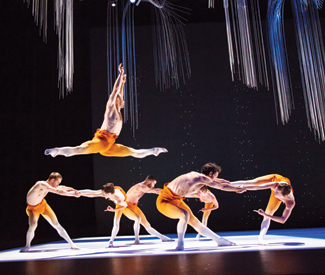
The world premiere for seven dancers, field the present shifts, is probably Dekkers’ most ambitious piece yet. It is a problematic work. A collaboration with architects Robert Gilson and Catherine Caldwell and a commissioned score, performed live by Matthew Pierce, it also features gorgeous magenta body-hugging costumes by Christine Darch, and a richly varied lighting design by David Robertson.

According to the program notes, field examines complex relationships. Within a given set of parameters, the piece also allows for individual decision-making by everyone involved. It added up to a lot of in-the-moment choices by a lot of people, and the results did not convince.

Visually, however, field was a feast for the senses. The dancers flew at each other like arrows, bunched up into swaying unisons as if buffeted by some gale force wind. They gathered on individual squares of light, responded to each other across the stage, and seemed to walk on water. They rolled into somersaults and carefully explored and yanked at each other. What I missed was an encompassing frame that held these individual units together. Also, a sense of uncertainty marred some the canons and unisons.

The two designers came up with what looked like huge sheaves of wheat hung upside down; at one point, they were lowered, presumably for the dancers to interact with. Few of them did. So what was the point? The distinct character of each of the ten or so sections of Pierce’s score for five violins, however, was a pleasure to hear.

The evening opened with the reworked Colouring II from 2011, danced with great authority by Ashley Flaner and Domenico Luciano. The piece traced the making of a pas de deux, developing at the same time as Enrico Quintero’s creation of a large, calligraphy-inspired painting. The dancers, approaching each other from opposite sides, added another gesture with each encounter, suggesting an almost filmic sense of accumulation. Daniel Berkman’s score, performed live, contributed his own voice to this intriguing process. This was watching visual and kinetic art in the making, and it was a delight. However, Dekkers standing on the sidelines, cueing the process, seemed intrusive. He should have trusted his artists.

Sixes and Seven, also from 2011, is a solo, here danced delicately yet firmly by Jessica Collado. This was richly varied choreography in which the dancer made full use of her body, including an excellent use of gestural language. At times, Collado appeared to withdraw into herself, but she also reacted to invisible external forces that impinged on her. You got a sense that she was living in a rich world. If the use of an excerpt from Philip Glass’s Einstein at the Beach meant to suggest some kind of cosmic existence, the choice was perfect.

Last year’s When in Doubt ended awkwardly in a wobbly pyramid, and used a distracting word-and-sound score by Jacob Wolkenhauer. But Dekkers showed considerable choreographic chops in the way he used his septet of dancers both in unisons and in smaller units. With the women on pointe walking in plié, and Robertson’s stark lighting that pulled the dancers across the stage with a quasi magnetic force, When began to feel ominous. This was even true for the two very different duets for Raychel Weiner and Christian Squire, and Collado and Jane Hope Rehm.

Dressing the women in black leotards and the topless men in black tights was inspired because the dancers could almost disappear into each other. The women were dark from the waist up, the men from the waist down. The color scheme abstracted personal interactions and sequences into two-dimensional patterns — thus foregoing overly eager tendencies to read narrative intentions into Dekkers’ choreography. *


Heads Up: 6 must-see concerts this week

1

Hiatus Kaiyote, Yassou Benedict, Elvis Christ with Pookie and the Poodlez, Jello Biafra and the Guantanamo School of Medicine — this week’s must-sees are a mouthful. A salty, appetizing taste of old school punk, the young and shoegazy, Australian future soul-makers, and more. There’s also locals Wild Moth, and the reliably bubbly J-POP Summit, which includes a performance by Kyary Pamyu Pamyu.

Not listed below, but there’s also a mid-‘90s nostalgia wave hitting our shores this week, with Courtney Love’s sold-out Independent show and Weezer at the America’s Cup Pavilion (both Thu/25) — tickets to the latter are $47.50.

Here are your must-see Bay Area concerts this week/end:

Wild Moth
“To understand SF’s Wild Moth, it’s much easier to describe what it’s not. The band’s fuzzy, electric guitar styling is wild, but not sloppy. Wild Moth’s EP Mourning Glow isn’t long, it’s also not lacking in kick. Distorted guitar and rough vocals have never been so appealing. The group’s big bang is its general lackluster attitude juxtaposed with its tight percussion and surged guitar licks. It’s all about the raw emotional energy that often accompanies its tunes. Wild Moth very much leaves it up to the listener — are you there to hear about the black void of blind compliance, or to feel it?” — Hillary Smith
With Speedy Ortiz
Thu/25, 9pm, $10
Bottom of the Hill
1233 17th St., SF
www.bottomofthehill.com
http://www.youtube.com/watch?v=egkSza2EXeM

Jello Biafra and the Guantanamo School of Medicine
Jello Biafra could be your theatrical political science professor. The still-charismatic frontperson has long spewed knowledge deep from the underbelly of political theater, from his influential early 1980s Bay Area punk band Dead Kennedys, and projects like the band Lard, through his nine dense spoken word albums, and up to his newest musical endeavor, louder than ever in his 50s, Jello Biafra and the Guantanamo School of Medicine. That band, which also includes Victims Family guitarist Ralph Spight, plays the Uptown this weekend with D.I., the Divvys, and Gir-illa Biscuits — an excellent local Gorilla Biscuits tribute act.
Fri/26, 9pm, $15
Uptown
1928 Telegraph, Oakl.
www.uptownnightclub.com
http://www.youtube.com/watch?v=6f66EqCyPOE

Yassou Benedict

The shoegazing dreampop group of 20-somethings Yassou Benedict recently released its debut EP, In Fits in Dreams, a moody, complex, emotionally fraught record that leaves the listener itching for a full-length, and touches on themes of “anxiety, and wanting to be weightless, the desire to run through wide open spaces.” The album release party was actually a few weeks back, but you can catch the band this week at Milk Bar.
With Beautiful Machines, Hotel Eden, NVO
Fri/26, 8:30pm, $10
Milk Bar
1840 Haight, SF
www.milksf.com
http://www.youtube.com/watch?v=MrEejzbeYbI

J-POP Summit Festival
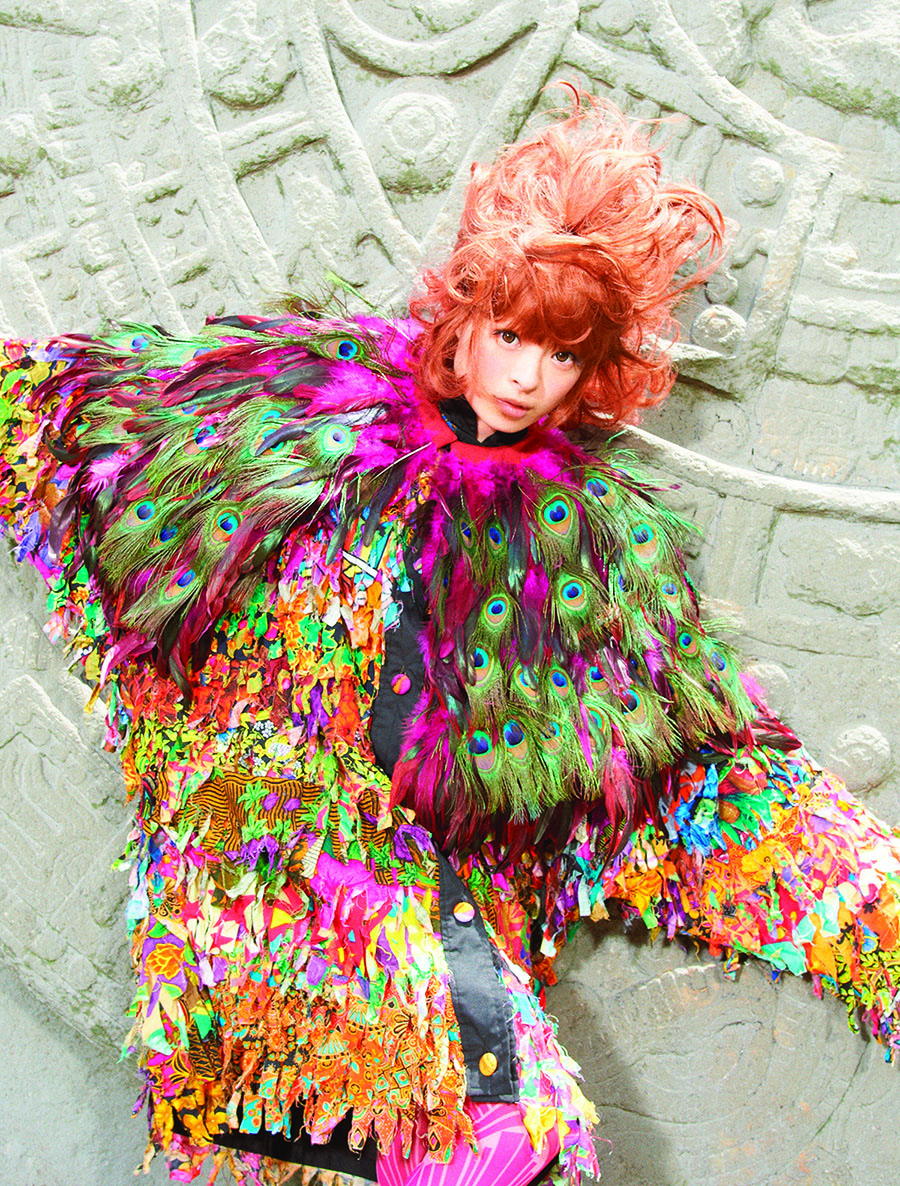
“The theme of the fifth annual J-POP Summit Festival is “Making Kawaii Universal” — which seems a certainty. What warm-blooded, sweet-tooth-having human could resist this two-day explosion of film, art, fashion, pop culture, and pop stars, chiefly feather-bedecked glamour girl Kyary Pamyu Pamyu, “Japan’s Official Ambassador of Kawaii”? (For those not in the know, “Kawaii” = “cute,” and its influence goes way beyond whatever Gwen Stefani co-opted and repackaged for the American masses a few years back.) She’ll be performing live (along with other acts, including a human beat box); other J-POP attractions include a film festival (with a hefty anime component), a Harajuku fashion show, live art events, sake tasting, a dance contest, and a whole lot more.” — Cheryl Eddy
Sat/27-Sun/28, 11am-6pm, prices vary
Japantown (near Geary and Webster), SF
www.j-pop.com
http://www.youtube.com/watch?v=yzC4hFK5P3g

Elvis Christ, Pookie and the Poodlez
“Looking at the bands’ names on this lineup is enough to make your head spin. From quirky to downright dumb, it won’t matter much because the performance will prove they all take playing live seriously. Elvis Christ may sound familiar if not for his new cassette on Burger Records, then for recording troves of trash rockers including Nobunny and Pookie and the Poodlez (also on the bill). Be sure to catch Yogurt Brain, an earnest act with a solid songwriter (though he does have an affinity for covering Springsteen and Gram Parsons songs). Expect some country-punk style shredding (fingerpicks and all) on guitar and if you’re lucky he may even do the kick splits on stage!” — Andre Torrez
With Yogurt Brain
Sat/27, 8pm, $5
Eli’s Mile High Club
3629 Martin Luther King Jr., Oakl.
(510) 350-7818.
www.elismilehigh.com
http://www.youtube.com/watch?v=6SdZUC5QaPI

Hiatus Kaiyote

“Hiatus Kaiyote might identify as a “future soul” ensemble, and Nai Palm’s impassioned, show-stopping vocals surely establish a strong R&B foundation, but in the end, Tawk Tomahawk sounds less like a soul LP than an unfiltered rush of creative energy, heaping countless ideas and influences into an ecstatic vision of musical possibility.” — Taylor Kaplan
With the Seshen, Bells Atlas
Sun/28, 9pm, $22
Independent
628 Divisadero, SF
(415) 771-1421
www.theindependentsf.com
http://www.youtube.com/watch?v=ghw26g3h6L0

New generation of Guardian leadership seeks community partnership

52

San Francisco Print Media Company has named Marke Bieschke as publisher and Steven T. Jones as editor of the San Francisco Bay Guardian, elevating two longtime Guardianistas into the top spots, guaranteeing them editorial autonomy, and letting them work with the community to chart its future.

As a first step in that process, the Guardian will hold a public forum on July 31 from 6-8pm in the LGBT Center, 1800 Market Street, to solicit input and discuss the Guardian’s unique role in the Bay Area’s political and journalistic landscape. Helping to coordinate the forum is Guardian writer Rebecca Bowe, who has accepted the position of news editor. The forum and subsequent discussions will form the basis for a strategic plan that will help guide the Guardian into a new era.

The newspaper’s future was uncertain a month ago following the abrupt departure of longtime Guardian Editor-Publisher Tim Redmond in a dispute with the owners over layoffs and the Guardian’s autonomy. The company’s Vice President of Editorial Operations Stephen Buel, who is also editor of the San Francisco Examiner, was named interim Guardian publisher and Bieschke its interim editor.

Heeding concerns in the community about whether the Guardian would remain an independent, progressive voice in San Francisco, Bieschke and Jones negotiated terms with SF Print Media Company CEO Todd Vogt that guarantee them full editorial control, the addition of three new advertising sales positions and another staff writer, and guaranteed minimum staffing levels during a rebuilding period.

Bieschke and Jones, who are in their early 40s and have been with the Guardian for around 10 years each, say they are excited for the opportunity to work collaboratively with Guardian staff and its community to rejuvenate the paper, attract new readers, and achieve economic sustainability.

“Losing Tim’s leadership was hard on all of us at the Guardian, and we struggled with what to do next. But ultimately, the Guardian plays such an important role in San Francisco — particularly now, at a pivotal moment for this gentrifying city and its progressive movement — that we wanted to find a way to keep that voice alive, maintain our credibility, and reach out to a new generation of Bay Area residents,” Jones said.

The San Francisco Bay Guardian was founded in 1966 by Jean Dibble and Bruce B. Brugmann, who continues to blog and serve as editor-at-large for the Guardian. The couple retired from regular duties when the financially troubled paper was sold to Canadian investors headed by Vogt in the spring of 2012, a deal engineered by Redmond, who is always welcome in the pages of the Guardian as he pursues a new media venture.

“I’m stoked to bring a different energy and openness to innovation to the Guardian, while respecting our legacy and strengthening our bonds with the progressive, alternative community,” Bieschke said. “Obviously, Steve Jones and I stand on the shoulders of giants, and we’re so grateful to our Guardian family, past and present, for blazing a trail for world class progressive journalism, arts and culture coverage, and community-building in the Bay Area. In that spirit, I’m eager to reconnect with our readers and partner with them to amplify the Guardian voice and continue to change the Bay Area for the better.”

Vogt said he’s excited by the prospects of new generation of Guardian leadership: “I’m happy about this. I think it’s appropriate that two recognized leaders in the progressive community are in charge of the Guardian and I look forward to seeing what they do with it.”

Bieschke joined the Bay Guardian in 2005 as culture editor, coming on staff after covering nightlife in his Super Ego column, and he was made managing editor in 2010. His background includes online editorial and management level positions at Citysearch and PlanetOut Partners, as well as managing a bookstore in the Inner Richmond.

“I’m also excited to help diversify San Francisco’s media environment by bringing two decades of queer Arab-American activist experience to the role,” Bieschke said.

Jones is a Northern California native who was hired as the Guardian’s city editor in 2003, coming from Sacramento News & Review, where he served as news editor. Before that, he was a full-time staff writer for two other alternative newsweeklies, two daily newspapers, and one community weekly, all in California, since graduating from Cal Poly-SLO with a journalism degree in 1991.

Years of cutbacks have distilled the Guardian newsroom down to just a few excellent journalists: senior editor Cheryl Eddy, who has shaped the paper’s film and arts coverage since 1999; Bowe, an award-winning investigative reporter who returned to the Guardian in January from a one-year stint with the Electronic Frontier Foundation; and Music Editor Emily Savage, who knows the beats of this city better than anyone; with Art Director Brooke Robertson leading the Guardian’s creative presentation.

“We all hope you’ll help us to guard San Francisco’s values, appreciating all of its best cultural, artistic, and culinary offerings in the process,” Jones said. “We love the San Francisco Bay Area, in all its messy urban glory, and we think it’s worth fighting for.”

Music Listings: July 17-23, 2013

0

WEDNESDAY 17

ROCK

Bottom of the Hill: 1233 17th St., San Francisco. Joyce Manor, Merry Christmas, Tony Molina, 9 p.m., $10-$12.

DNA Lounge: 375 11th St., San Francisco. Six Feet Under, Decrepit Birth, Dealey Plaza, Cannabis Corpse, Saint Vernon, 7:30 p.m., $15-$20.

El Rio: 3158 Mission, San Francisco. Will Crum, Husband, Impuritan, 8 p.m., $5.

Elbo Room: 647 Valencia, San Francisco. Owl Paws, Cold Eskimo, Dogcatcher, The Crux, 9 p.m., $8.

Hemlock Tavern: 1131 Polk, San Francisco. Kirby Krackle, H2Awesome!, DJ Real, 8:30 p.m., $8.

The Knockout: 3223 Mission, San Francisco. Kids in Heat, The Dead Shakes, The Pentagraham Crackers, DJ Ryan Smith, 9:30 p.m., $6.

Milk Bar: 1840 Haight, San Francisco. Down Dirty Shake, Buffalo Tooth, Grill Cloth, The Spiral Electric, DJ Dahmer, 8 p.m., $2.

Monarch: 101 6th St., San Francisco. Strawberry Girls, These Colors, Oranges, Tommy Boys, 8 p.m.

DANCE

The Cafe: 2369 Market, San Francisco. “Sticky Wednesdays,” w/ DJ Mark Andrus, 8 p.m., free.

Cat Club: 1190 Folsom, San Francisco. “Bondage A Go Go,” w/ DJs Damon, Tomas Diablo, & guests, 9:30 p.m., $5-$10.

The Cellar: 685 Sutter, San Francisco. “Eye Candy Wednesdays,” 9 p.m., free.

Club X: 715 Harrison, San Francisco. “Electro Pop Rocks,” 18+ dance party with Mightyfools, more, 9 p.m., $10-$20.

DNA Lounge: 375 11th St., San Francisco. Die Sektor, Frontal Boundary, Techniker Sektion, DJs Decay & Unit 77, 8 p.m., $8-$12.

F8: 1192 Folsom St., San Francisco. “Housepitality,” w/ Terry Mullan, Ben Vallery, Buckner, Derek Opperman, 9 p.m., $5-$10.

Harlot: 46 Minna, San Francisco. “Qoöl,” 5 p.m.

Infusion Lounge: 124 Ellis, San Francisco. “Indulgence,” 10 p.m.

Lookout: 3600 16th St., San Francisco. “What?,” 7 p.m.

MatrixFillmore: 3138 Fillmore, San Francisco. “Innov8,” 8 p.m.

Q Bar: 456 Castro, San Francisco. “Booty Call,” w/ Juanita More, Joshua J, guests, 9 p.m., $3.

Showdown: 10 Sixth St., San Francisco. “Nokturnal,” w/ DJs Coyle & Gonya, Third Wednesday of every month, 9 p.m., free.

HIP-HOP

Double Dutch: 3192 16th St., San Francisco. “Cash IV Gold,” w/ DJs Kool Karlo, Roost Uno, and Sean G, 10 p.m., free.

Skylark Bar: 3089 16th St., San Francisco. “Mixtape Wednesday,” w/ resident DJs Strategy, Junot, Herb Digs, & guests, 9 p.m., $5.

ACOUSTIC

Cafe Divine: 1600 Stockton, San Francisco. Craig Ventresco & Meredith Axelrod, 7 p.m., free.

Fiddler’s Green: 1333 Columbus, San Francisco. Terry Savastano, Every other Wednesday, 9:30 p.m., free/donation.

JAZZ

Amnesia: 853 Valencia, San Francisco. Gaucho, Eric Garland’s Jazz Session, The Amnesiacs, 7 p.m., free.

Burritt Room: 417 Stockton St., San Francisco. Terry Disley’s Rocking Jazz Trio, 6 p.m., free.

Club Deluxe: 1511 Haight, San Francisco. The Techtonics, Every other Wednesday, 8:30 p.m., free.

Jazz Bistro At Les Joulins: 44 Ellis, San Francisco. Charles Unger Experience, 7:30 p.m., free.

Le Colonial: 20 Cosmo, San Francisco. The Cosmo Alleycats featuring Ms. Emily Wade Adams, 7 p.m., free.

Oz Lounge: 260 Kearny, San Francisco. Hard Bop Collective, 6 p.m., free.

Rasselas Ethiopian Cuisine & Jazz Club: 1534 Fillmore, San Francisco. M.B. Hanif & The Sound Voyagers, 8 p.m.

Revolution Cafe: 3248 22nd St., San Francisco. Michael Parsons Trio, Every other Wednesday, 8:30 p.m., free/donation.

Savanna Jazz Club: 2937 Mission, San Francisco. “Cat’s Corner,” 9 p.m., $10.

Top of the Mark: One Nob Hill, 999 California, San Francisco. Ricardo Scales, Wednesdays, 6:30-11:30 p.m., $5.

Zingari: 501 Post, San Francisco. Brenda Reed, 7:30 p.m., free.

INTERNATIONAL

Bissap Baobab: 3372 19th St., San Francisco. Timba Dance Party, w/ DJ WaltDigz, 10 p.m., $5.

Cafe Cocomo: 650 Indiana, San Francisco. “Bachatalicious,” w/ DJs Good Sho & Rodney, 7 p.m., $5-$10.

Cigar Bar & Grill: 850 Montgomery, San Francisco. Brazilian Night, 8 p.m.

Pachamama Restaurant: 1630 Powell, San Francisco. “Cafe LatinoAmericano,” 8 p.m., $5.

Union Square Park: 333 Post, San Francisco. Ilan Bar-Lavi, 12:30 p.m., free.

Yoshi’s San Francisco: 1330 Fillmore, San Francisco. Debo Band, Young Ethio Jazz Band, 8 p.m., $17-$22.

BLUES

Biscuits and Blues: 401 Mason, San Francisco. MoFo Party Band, 8 & 10 p.m., $15.

The Royal Cuckoo: 3202 Mission, San Francisco. Big Bones & Chris Siebert, 7:30 p.m., free.

The Saloon: 1232 Grant, San Francisco. Leah Tysse, 9:30 p.m.

SOUL

Boom Boom Room: 1601 Fillmore, San Francisco. “Soul Train Revival,” w/ “Ziek” McCarter, Third Wednesday of every month, 9:30 p.m., $5.

The Cellar: 685 Sutter, San Francisco. “Color Me Badd,” w/ DJ Matt Haze, Wednesdays, 5-9 p.m.

THURSDAY 18

ROCK

Bottom of the Hill: 1233 17th St., San Francisco. Apogee Sound Club, Death Cheetah, Sex Snobs, 9 p.m., $9.

Brick & Mortar Music Hall: 1710 Mission, San Francisco. Cool Ghouls, Wyatt Blair, Meat Market, Corners, Froth, DJ Al Lover, 9 p.m., $8.

S.F. Eagle: 398 12th St., San Francisco. Thursday Nite Live: Hollow Mirrors, Winter Teeth, Illusion of Self, 9 p.m., $7.

The Independent: 628 Divisadero, San Francisco. Futurebirds, Diarrhea Planet, The Ecstatics, 8 p.m., $12-$14.

Light Rail Studios: 672 Toland, San Francisco. Hungry Skinny, Andre Thierry & Zydeco Magic, The Surgeon Generals, The Campbell Apartment, 8 p.m., $5.

Monarch: 101 6th St., San Francisco. Tall Fires, Tall Sheep, Cash for Gold, Coo Coo Birds, 8 p.m., $8.

DANCE

Abbey Tavern: 4100 Geary, San Francisco. DJ Schrobi-Girl, 10 p.m., free.

Aunt Charlie’s Lounge: 133 Turk, San Francisco. “Tubesteak Connection,” w/ DJ Bus Station John, 9 p.m., $5-$7.

The Cafe: 2369 Market, San Francisco. “¡Pan Dulce!,” 9 p.m., $5.

Cat Club: 1190 Folsom, San Francisco. “All ‘80s Thursdays,” w/ DJs Damon, Steve Washington, Dangerous Dan, and guests, 9 p.m., $6 (free before 9:30 p.m.).

The Cellar: 685 Sutter, San Francisco. “XO,” w/ DJs Astro & Rose, 10 p.m., $5.

Club X: 715 Harrison, San Francisco. “The Crib,” 9:30 p.m., $10, 18+.

Elbo Room: 647 Valencia, San Francisco. “Afrolicious,” w/ DJs Pleasuremaker, Señor Oz, and live guests, 9:30 p.m., $5-$7.

The EndUp: 401 Sixth St., San Francisco. EDMSF Thursdays, 10 p.m., $10 (free before midnight).

F8: 1192 Folsom St., San Francisco. “Beat Church,” w/ resident DJs Neptune & Kitty-D, Third Thursday of every month, 10 p.m., $10.

Harlot: 46 Minna, San Francisco. 2000 and One, Pedro Arbulu, MFYRS, 9 p.m., free with RSVP.

Infusion Lounge: 124 Ellis, San Francisco. “I Love Thursdays,” 10 p.m., $10.

Laszlo: 2532 Mission, San Francisco. “Werk It,” w/ DJ Kool Karlo, Third Thursday of every month, 9 p.m., free.

Madrone Art Bar: 500 Divisadero, San Francisco. “Night Fever,” 9 p.m., $5 after $10 p.m.

MatrixFillmore: 3138 Fillmore, San Francisco. “Fusion,” w/ DJ Big Bad Bruce, 9 p.m., $5.

Mighty: 119 Utah, San Francisco. “Ritual,” w/ Irie Cartel & guests, 10 p.m., $5-$10.

Q Bar: 456 Castro, San Francisco. “Throwback Thursday,” w/ DJ Jay-R, 9 p.m., free.

Raven: 1151 Folsom St., San Francisco. “1999,” w/ VJ Mark Andrus, 8 p.m., free.

Rickshaw Stop: 155 Fell, San Francisco. “Popscene,” w/ Le Youth, Touch Sensitive, DJs Aaron & Omar, 9:30 p.m., $12-$15.

Ruby Skye: 420 Mason, San Francisco. “Awakening,” w/ DJ Bl3nd, 9 p.m., $15-$20 advance.

The Tunnel Top: 601 Bush, San Francisco. “Tunneltop,” DJs Avalon and Derek ease you into the weekend with a cool and relaxed selection of tunes spun on vinyl, 10 p.m., free.

Underground SF: 424 Haight, San Francisco. “Bubble,” 10 p.m., free.

Vessel: 85 Campton, San Francisco. “Base,” w/ Navid Izadi, 10 p.m., $5-$10.

HIP-HOP

Eastside West: 3154 Fillmore, San Francisco. “Throwback Thursdays,” w/ DJ Madison, 9 p.m., free.

Park 77 Sports Bar: 77 Cambon, San Francisco. “Slap N Tite,” w/ resident Cali King Crab DJs Sabotage Beats & Jason Awesome, free.

The Parlor: 2801 Leavenworth, San Francisco. “Locals Night Out,” w/ DJ Illy D, 9 p.m., free.

Project One: 251 Rhode Island, San Francisco. Paint the Night: Action Jackson, Young Audiences of Northern California fundraiser featuring free paints and brushes to help you unleash your inner Jackson Pollock, plus music by DJs Mr. E, Max Kane, The Whooligan, and Ry Toast., 6-10 p.m., $25.

Showdown: 10 Sixth St., San Francisco. “Tougher Than Ice,” w/ DJs Vin Sol, Ruby Red I, and Jeremy Castillo, Third Thursday of every month, 10 p.m.

Skylark Bar: 3089 16th St., San Francisco. “Peaches,” w/lady DJs DeeAndroid, Lady Fingaz, That Girl, Umami, Inkfat, and Andre, 10 p.m., free.

ACOUSTIC

Amnesia: 853 Valencia, San Francisco. Zoe Muth & The Lost High Rollers, Miwa Gemini, Margaret Glasby, 9 p.m., $10.

Atlas Cafe: 3049 20th St., San Francisco. Pat Campbell & His Buds, 8 p.m., free.

Plough & Stars: 116 Clement, San Francisco. Tipsy House, Third Thursday of every month, 9 p.m., free.

JAZZ

Blush! Wine Bar: 476 Castro, San Francisco. Doug Martin’s Avatar Ensemble, 7:30 p.m., free.

Bottle Cap: 1707 Powell, San Francisco. The North Beach Sound with Ned Boynton, Jordan Samuels, and Tom Vickers, 7 p.m., free.

Cafe Claude: 7 Claude, San Francisco. Shelley MacKay, 7:30 p.m., free.

Cafe Du Nord: 2170 Market, San Francisco. MegaFlame Big Band & Cabaret, The John Brothers Piano Company, Miss Kay & Eva D’Luscious, 8:30 p.m., $12-$15.

Cafe Royale: 800 Post, San Francisco. West Side Jazz Club, 9 p.m.

Club Deluxe: 1511 Haight, San Francisco. Michael Parsons, 8:30 p.m., free.

The Emerald Tablet: 80 Fresno St., San Francisco. Mark Levine & The Latin Tinge, 7:30 p.m., $10.

Le Colonial: 20 Cosmo, San Francisco. Steve Lucky & The Rhumba Bums, 7:30 p.m.

The Royal Cuckoo: 3202 Mission, San Francisco. Chris Siebert, 7:30 p.m., free.

Savanna Jazz Club: 2937 Mission, San Francisco. Savanna Jazz Jam with Eddy Ramirez, 7:30 p.m., $5.

Top of the Mark: One Nob Hill, 999 California, San Francisco. Stompy Jones, 7:30 p.m., $10.

Yoshi’s San Francisco: 1330 Fillmore, San Francisco. NaJe, in Yoshi’s lounge, Third Thursday of every month, 6:30 p.m., free.

Zingari: 501 Post, San Francisco. Barbara Ochoa, 7:30 p.m., free.

INTERNATIONAL

Bissap Baobab: 3372 19th St., San Francisco. “Pa’Lante!,” w/ Juan G, El Kool Kyle, Mr. Lucky, 10 p.m., $5.

Pachamama Restaurant: 1630 Powell, San Francisco. “Jueves Flamencos,” 8 p.m., free.

Rasselas Ethiopian Cuisine & Jazz Club: 1534 Fillmore, San Francisco. Latin Breeze, 8 p.m.

Verdi Club: 2424 Mariposa, San Francisco. The Verdi Club Milonga, w/ Christy Coté, DJ Emilio Flores, guests, 9 p.m., $10-$15.

Yerba Buena Gardens: Fourth St. & Mission, San Francisco. Ilan Bar-Lavi, 12:30 p.m., free.

Yoshi’s San Francisco: 1330 Fillmore, San Francisco. The Raghu Dixit Project, 8 p.m., $25-$35.

REGGAE

Pissed Off Pete’s: 4528 Mission St., San Francisco. Reggae Thursdays, w/ resident DJ Jah Yzer, 9 p.m., free.

BLUES

Biscuits and Blues: 401 Mason, San Francisco. Alvon Johnson, 8 & 10 p.m., $15.

Jazz Bistro At Les Joulins: 44 Ellis, San Francisco. Bohemian Knuckleboogie, 7:30 p.m., free.

The Saloon: 1232 Grant, San Francisco. Chris Ford, 4 p.m.; Wendy DeWitt, 9:30 p.m.

EXPERIMENTAL

Hemlock Tavern: 1131 Polk, San Francisco. Grex, Alto!, Efft, Street Priest, 8:30 p.m., $7.

The Luggage Store: 1007 Market, San Francisco. Heroic Trio, Dunkelpeck, 8 p.m., $6-$10.

FRIDAY 19

ROCK

Bottom of the Hill: 1233 17th St., San Francisco. Mister Loveless, Transfer, Dante Elephante, 9:30 p.m., $10.

Cafe Du Nord: 2170 Market, San Francisco. Bonnie & The Bang Bang, French Cassettes, Down & Outlaws, 9:30 p.m., $10-$12.

Neck of the Woods: 406 Clement St., San Francisco. California Wives, My Gold Mask, on the upstairs stage, 9 p.m., $10; Unruly Things, Fast Piece of Furniture, Spider Garage, on the downstairs stage, 9 p.m., $5-$7.

Slim’s: 333 11th St., San Francisco. Orchid, The Saint James Society, Hell Fire, 9 p.m., $15.

Sub-Mission Art Space (Balazo 18 Gallery): 2183 Mission, San Francisco. Them Creatures, Lucabrazzi, The Yes Go’s, Andrea & The Bad Sugar Daddies, 8 p.m.

Thee Parkside: 1600 17th St., San Francisco. Captured! By Robots, Elephant Rifle, Pins of Light, 9 p.m., $10.

DANCE

Cafe Flore: 2298 Market, San Francisco. “Kinky Beats,” w/ DJ Sergio, 10 p.m., free.

The Cafe: 2369 Market, San Francisco. “Boy Bar,” w/ DJ Matt Consola, 9 p.m., $5.

Cat Club: 1190 Folsom, San Francisco. “The Witching Hour vs. Strangelove,” w/ DJ Sage, Daniel Skellington, Joe Radio, and Tomas Diablo, 9:30 p.m., $7 ($3 before 10 p.m.).

The Cellar: 685 Sutter, San Francisco. “F.T.S.: For the Story,” 10 p.m.

The EndUp: 401 Sixth St., San Francisco. “Fever,” 10 p.m., free before midnight.

F8: 1192 Folsom St., San Francisco. “Vintage,” w/ DJ Toph One & guests, 5 p.m., free; “Freeform vs. Dubalicious,” w/ resident DJs Floorcraft, Jonboy, and guests, Third Friday of every month, 9 p.m., $5 (free before 10 p.m.).

The Grand Nightclub: 520 4th St., San Francisco. “We Rock Fridays,” 9:30 p.m.

The Independent: 628 Divisadero, San Francisco. Big Black Delta, Breakdown Valentine, 9 p.m., $12.

Infusion Lounge: 124 Ellis, San Francisco. “Escape Fridays,” 10 p.m., $20.

The Lab: 2948 16th St., San Francisco. “Goth Prom,” Decades magazine issue #2 release party with Some Ember, Galaxy Radio DJs Smac & Holly B, readings, art, food, more, 9 p.m., $5-$8.

Lookout: 3600 16th St., San Francisco. “HYSL,” 9 p.m., $3.

Madrone Art Bar: 500 Divisadero, San Francisco. “That ‘80s Show,” w/ DJs Dave Paul & Jeff Harris, Third Friday of every month, 9 p.m., $5.

MatrixFillmore: 3138 Fillmore, San Francisco. “F-Style Fridays,” w/ DJ Jared-F, 9 p.m.

Mighty: 119 Utah, San Francisco. “Lights Down Low,” w/ Cajmere, Harvard Bass, Matrixxman, 9 p.m., $15-$20.

Monarch: 101 6th St., San Francisco. Safety Scissors, Kit n’ C.L.A.W.S., Jason Kendig, 10 p.m., $10 advance.

Q Bar: 456 Castro, San Francisco. “Pump: Worq It Out Fridays,” w/ resident DJ Christopher B, 9 p.m., $3.

Ruby Skye: 420 Mason, San Francisco. Torro Torro, 9 p.m., $20 advance.

Slate Bar: 2925 16th St., San Francisco. “Darling Nikki,” w/ resident DJs Dr. Sleep, Justin Credible, and Durt, Third Friday of every month, 8 p.m., $5.

Temple: 540 Howard, San Francisco. “Trap City: 1-Year Anniversary,” w/ heRobust, UltraViolet, Napsty, WolfBitch, Thizz Markie, Lé Swndle, Teleport, Smasheltooth, Nebakaneza, Johnny5, Mr. Kitt, more, 10 p.m., $20.

Wish: 1539 Folsom, San Francisco. “Bridge the Gap,” w/ resident DJ Don Kainoa, Fridays, 6-10 p.m., free; “Depth,” w/ resident DJs Sharon Buck & Greg Yuen, Third Friday of every month, 10 p.m., free.

HIP-HOP

Elbo Room: 647 Valencia, San Francisco. “The Social,” w/ Mars Today, Sayknowledge, Cait La Dee, Ryan Nicole, Do D.A.T., Dynamic, The Whooligan, Mikos Da Gawd, 10 p.m.

EZ5: 682 Commercial, San Francisco. “Decompression,” Fridays, 5-9 p.m.

John Colins: 138 Minna, San Francisco. “Juicy,” w/ DJ Ry Toast, Third Friday of every month, 10 p.m., $5 (free before 11 p.m.).

Showdown: 10 Sixth St., San Francisco. “Fresh to Def Fridays: A Tribute to Yo! MTV Raps,” w/ resident DJs Boom Bostic, Inkfat, and Hay Hay, Third Friday of every month, 10 p.m.

Yoshi’s San Francisco: 1330 Fillmore, San Francisco. “Yoshi’s First Annual White & Pink Affair,” w/ DJs Mind Motion & D-Sharp (in Yoshi’s lounge), 10:30 p.m., $15-$25.

ACOUSTIC

Amnesia: 853 Valencia, San Francisco. Indianna Hale, Small Souls, 7 p.m., $5-$7.

Bazaar Cafe: 5927 California, San Francisco. Sweet Hayah, Jean Marc, Tommy P, 7 p.m.

Brick & Mortar Music Hall: 1710 Mission, San Francisco. Kelly McFarling, Cave Clove, Laura Benitez & The Heartache, DJs Mish Mosh & KillyKill, 9 p.m., $9-$12.

The Chapel: 777 Valencia St., San Francisco. Jolie Holland, Mark Olson, 9 p.m., $20.

Mercury Cafe: 201 Octavia, San Francisco. Toshio Hirano, Third Friday of every month, 7:30 p.m., free, all ages.

The Sports Basement: 610 Old Mason, San Francisco. “Breakfast with Enzo,” w/ Enzo Garcia, 10 a.m., $5.

JAZZ

Beach Chalet Brewery & Restaurant: 1000 Great Highway, San Francisco. Johnny Smith, 8 p.m., free.

Bird & Beckett: 653 Chenery, San Francisco. The Third Quartet, Third Friday of every month, 5:30 p.m., free.

Biscuits and Blues: 401 Mason, San Francisco. Lavay Smith & Her Red Hot Skillet Lickers, 8 & 10 p.m., $20.

Cafe Claude: 7 Claude, San Francisco. Steve Lucky & The Rhumba Bums, 7:30 p.m., free.

Cafe Royale: 800 Post, San Francisco. Cyril Guiraud Trio, 9 p.m.

Jazz Bistro At Les Joulins: 44 Ellis, San Francisco. Charles Unger Experience, 7:30 p.m., free.

Revolution Cafe: 3248 22nd St., San Francisco. Emily Anne’s Delights, Third Friday of every month, 8:45 p.m., free/donation.

Savanna Jazz Club: 2937 Mission, San Francisco. Ann Marie Santos, $10.

Top of the Mark: One Nob Hill, 999 California, San Francisco. Black Market Jazz Orchestra, 9 p.m., $10.

Zingari: 501 Post, San Francisco. Joyce Grant, 8 p.m., free.

INTERNATIONAL

1015 Folsom: 1015 Folsom St., San Francisco. “A Celebration of Fela Kuti,” w/ Tony Allen, Najite & Olokun Prophecy, Lagos Roots, Afrolicious, Rich Medina, Damon Bell, King Most, DJ Leydis, Izzy*Wise, 9 p.m., $15-$20.

Bissap Baobab: 3372 19th St., San Francisco. Qumbia Qrew, Third Friday of every month, 8 p.m.

Cafe Cocomo: 650 Indiana, San Francisco. Taste Fridays, featuring local cuisine tastings, salsa bands, dance lessons, and more, 7:30 p.m., $15 (free entry to patio).

Cigar Bar & Grill: 850 Montgomery, San Francisco. Montuno Swing, 8 p.m.

Little Baobab: 3388 19th St., San Francisco. “Paris-Dakar African Mix Coupe Decale,” 10 p.m.

Pachamama Restaurant: 1630 Powell, San Francisco. Cuban Night with Fito Reinoso, 7:30 & 9:15 p.m., $15-$18.

Verdi Club: 2424 Mariposa, San Francisco. “Café Flamenco,” w/ Yaelisa & Caminos Flamencos, Third Friday of every month, 8 & 9:30 p.m., $18-$22 ($10 for kids under 12).

Yerba Buena Gardens: Fourth St. & Mission, San Francisco. Crosspulse Percussion Ensemble, 11 a.m. & 12:15 p.m., free.

REGGAE

Gestalt Haus: 3159 16th St., San Francisco. “Music Like Dirt,” 7:30 p.m., free.

BLUES

Boom Boom Room: 1601 Fillmore, San Francisco. Bill Phillippe, 6 p.m., free.

The Saloon: 1232 Grant, San Francisco. Highwater Blues, 4 p.m.; Steve Freund, 9:30 p.m.

FUNK

Amnesia: 853 Valencia, San Francisco. “Hella Tight,” w/ resident DJs Vinnie Esparza, Jonny Deeper, & Asti Spumanti, Third Friday of every month, 10 p.m., $5.

Boom Boom Room: 1601 Fillmore, San Francisco. Turkuaz, July 19-20, 9:30 p.m., $15 advance.

Make-Out Room: 3225 22nd St., San Francisco. “Loose Joints,” w/ DJs Centipede, Damon Bell, & Tom Thump, 10 p.m., $5.

SOUL

Edinburgh Castle: 950 Geary, San Francisco. “Soul Crush,” w/ DJ Serious Leisure, 10 p.m., free.

The Knockout: 3223 Mission, San Francisco. “Oldies Night,” W/ DJs Primo, Daniel, Lost Cat, and friends, Third Friday of every month, 10 p.m., $5.

Milk Bar: 1840 Haight, San Francisco. The Peach Kings, The St. Valentinez, Baby & The Luvies, 9 p.m., $10.

Public Works: 161 Erie, San Francisco. M.O.M. DJs Gordo Cabeza, Timoteo Gigante, and Malachi, in the OddJob loft, 10 p.m., $5.

Yoshi’s San Francisco: 1330 Fillmore, San Francisco. The Stylistics, July 19-20, 8 & 10 p.m., $35-$42.

SATURDAY 20

ROCK

Bender’s: 806 S. Van Ness, San Francisco. The Butlers, 10 p.m., $5.

Bottom of the Hill: 1233 17th St., San Francisco. Papa, Wardell, Luke Sweeney & Wet Dreams Dry Magic, 9:30 p.m., $12.

Cafe Du Nord: 2170 Market, San Francisco. SMiLE! Progressive Rock Festival, w/ Dominique Leone, Matti Bye & This Forgotten Land, Corima, Once & Future Band, Inner Ear Brigade, DJ Neil Martinson, 8 p.m., $10-$12.

El Rio: 3158 Mission, San Francisco. The Meat Sluts, Bad Cop/Bad Cop, Jabber, 10 p.m., $7.

Hemlock Tavern: 1131 Polk, San Francisco. Wild Hunt, Ionophore, Ephemeros, Thoabath, 9:30 p.m., $7.

The Independent: 628 Divisadero, San Francisco. The BoDeans, The Luke Mulholland Band, 9 p.m., $25.

The Knockout: 3223 Mission, San Francisco. Qui, Feral Ohms, Pigs, 5 p.m., $7.

Neck of the Woods: 406 Clement St., San Francisco. Water District, The Insufferables, 9 p.m., $8-$10.

Thee Parkside: 1600 17th St., San Francisco. Luicidal, Oppressed Logic, Nihilist Cunt, 9 p.m., $10.

DANCE

Amnesia: 853 Valencia, San Francisco. “O.K. Hole,” w/ Painted Caves, Little Debbie, Inhalt, C.L.A.W.S., Tom Sellect, Keith Slogan, 9 p.m., $5.

Brick & Mortar Music Hall: 1710 Mission, San Francisco. Conte, Seatraffic, 9 p.m., $10-$13.

Cafe Flore: 2298 Market, San Francisco. “Bistrotheque,” w/ DJ Ken Vulsion, 8 p.m., free.

Cat Club: 1190 Folsom, San Francisco. “New Wave City: Soundtrack Night,” w/ DJs Skip, Shindog, Low-Life, and Prince Charming, 9 p.m., $7-$12.

DNA Lounge: 375 11th St., San Francisco. “Bootie S.F.,” w/ Meikee Magnetic, Mixtress ShiZaam, WolfBitch, Speakerbomb, Reyka, Tommy Arcade, DJ Tripp, David X, Purple Crush, more, 9 p.m., $10-$15.

The EndUp: 401 Sixth St., San Francisco. “The Show,” w/ The Junkies, Ben Seagren, Dean Samaras, Alessandro, Marija Dunn, 10 p.m., $10-$20 (free before 11 p.m.).

Infusion Lounge: 124 Ellis, San Francisco. “Social Addiction,” Third Saturday of every month, 10 p.m., $20.

The Lab: 2948 16th St., San Francisco. “R U That Some Body?,” w/ MicahTron, Sevrinn, Jocquese Whitfield, DJs Jaqi Sparrow & Essex, 9 p.m., $7.

Lookout: 3600 16th St., San Francisco. “Bounce!,” 9 p.m., $3.

Madrone Art Bar: 500 Divisadero, San Francisco. “Fringe: 4-Year Anniversary Bash,” w/ DJs Blondie K & subOctave, 9 p.m., $5 (free before 10 p.m.).

Mighty: 119 Utah, San Francisco. The Twelves, Wool, Nolan Gray, 9 p.m., $18 advance.

Milk Bar: 1840 Haight, San Francisco. “The Queen Is Dead: A Tribute to the Music of Morrissey and the Smiths,” w/ DJ Mario Muse & guests, Third Saturday of every month, 9 p.m.

Powerhouse: 1347 Folsom, San Francisco. “Beatpig,” Third Saturday of every month, 9 p.m.

Public Works: 161 Erie, San Francisco. 2 Live Crews, Benefit for Project HOPE Art and Peter Hudson featuring DJs from Brass Tax and Space Cowboys., 9 p.m., $10-$20 sliding scale.

Rickshaw Stop: 155 Fell, San Francisco. “Gameboi S.F.,” w/ VJ LaRock, 9:30 p.m., $12-$15.

Ruby Skye: 420 Mason, San Francisco. “World Town,” w/ Cold Blank, Tyler Sherritt, Trevor Simpson, 9 p.m., $20 advance.

Slate Bar: 2925 16th St., San Francisco. “Smiths Night S.F.: Madonna vs. Blondie,” w/ The Certain People Crew, 10 p.m., $5.

The Stud: 399 Ninth St., San Francisco. “Squrrrl: Underrr the Sea,” w/ DJs Papa Tony, Trevor Sigler, and Joe Pickett, 9 p.m., $5.

Sub-Mission Art Space (Balazo 18 Gallery): 2183 Mission, San Francisco. “Batcave S.F.,” w/ The Tunnel, New Happiness, plus DJs Agitator, Burning Skies, Lori Lust, and Decoffinated, 9:30 p.m., $6.

Underground SF: 424 Haight, San Francisco. “Deep Crates,” w/ DJ Jenö, Bones, Matt Holland, JD, 9 p.m., $5 (free before 10 p.m.).

Vessel: 85 Campton, San Francisco. Tall Sasha, Jason Kwan, Ks Thant, 10 p.m., $10-$30.

HIP-HOP

111 Minna Gallery: 111 Minna St., San Francisco. “Shine,” Third Saturday of every month, 10 p.m.

John Colins: 138 Minna, San Francisco. “The Bump,” w/ The Whooligan, Third Saturday of every month, 10 p.m., free.

The Knockout: 3223 Mission, San Francisco. “The Booty Bassment,” w/ DJs Dimitri Dickinson & Ryan Poulsen, Third Saturday of every month, 10 p.m., $5.

Showdown: 10 Sixth St., San Francisco. “Purple,” w/ resident DJs ChaunceyCC & Party Pablo, Third Saturday of every month, 10 p.m.

ACOUSTIC

Amnesia: 853 Valencia, San Francisco. Eric Friedmann & The Lucky Rubes, Porkchop Express, 7 p.m.

Atlas Cafe: 3049 20th St., San Francisco. Craig Ventresco & Meredith Axelrod, Saturdays, 4-6 p.m., free.

The Chapel: 777 Valencia St., San Francisco. Lia Rose, We Became Owls, Annie & The Beekeepers, 9 p.m., $12-$15.

The Lucky Horseshoe: 453 Cortland, San Francisco. Slow Motion Cowboys, 9 p.m.

Plough & Stars: 116 Clement, San Francisco. The Shelby Foot Three, 9 p.m.

JAZZ

Cafe Claude: 7 Claude, San Francisco. Vijay Anderson Quartet, 7:30 p.m., free.

Club Deluxe: 1511 Haight, San Francisco. Saturday Afternoon Jazz, w/ Danny Brown, Danny Grewen, Eugene Warren, & Beth Goodfellow, 4:30 p.m., free.

Jane Warner Plaza: Market, San Francisco. Kitten on the Keys, 3 p.m., free.

Jazz Bistro At Les Joulins: 44 Ellis, San Francisco. Bill “Doc” Webster & Jazz Nostalgia, 7:30 p.m., free.

Rasselas Ethiopian Cuisine & Jazz Club: 1534 Fillmore, San Francisco. The Robert Stewart Experience, 9 p.m., $7.

The Rite Spot Cafe: 2099 Folsom, San Francisco. Project: Pimento, 9 p.m., free.

The Royal Cuckoo: 3202 Mission, San Francisco. Jules Broussard, Danny Armstrong, and Chris Siebert, 7:30 p.m., free.

Savanna Jazz Club: 2937 Mission, San Francisco. Jazz Combustion Uprising, 7:30 p.m., $10.

Zingari: 501 Post, San Francisco. Lisa Lindsley, 8 p.m., free.

INTERNATIONAL

1015 Folsom: 1015 Folsom St., San Francisco. “Pura,” 9 p.m., $20.

Artists’ Television Access: 992 Valencia, San Francisco. An Evening with Sublime Frequencies and Filmmaker Hisham Mayet, Seattle record label Sublime Frequencies presents two documentaries about North African music and culture: Palace of the Winds and Folk Music of the Sahara: Among the Tuareg of Libya., 8 p.m., $9.

Cigar Bar & Grill: 850 Montgomery, San Francisco. Orquesta Borinquen, 8 p.m.

Little Baobab: 3388 19th St., San Francisco. “Paris-Dakar African Mix Coupe Decale,” 10 p.m.

Make-Out Room: 3225 22nd St., San Francisco. “El SuperRitmo,” Latin dance party with DJs Roger Mas & El Kool Kyle, 10 p.m., $5.

OMG: 43 6th St., San Francisco. “Bollywood Blast,” Third Saturday of every month, 9 p.m., $5 (free before 10:30 p.m.).

Pachamama Restaurant: 1630 Powell, San Francisco. Peña Eddy Navia & Pachamama Band, 8 p.m., free.

Revolution Cafe: 3248 22nd St., San Francisco. Go Van Gogh, Third Saturday of every month, 9 p.m., free/donation.

REGGAE

Slim’s: 333 11th St., San Francisco. Radical Something, The Holdup, 8 p.m., $15.

BLUES

Biscuits and Blues: 401 Mason, San Francisco. Andy T & Nick Nixon Band, 7:30 & 10 p.m., $20.

The Saloon: 1232 Grant, San Francisco. Tony Perez & Second Hand Smoke, Third Saturday of every month, 4 p.m.; Ron Thompson, 9:30 p.m.

EXPERIMENTAL

Center for New Music: 55 Taylor St., San Francisco. 11th Annual Festival of Contemporary Music, 7:30 p.m., $10-$20.

FUNK

Boom Boom Room: 1601 Fillmore, San Francisco. Turkuaz, July 19-20, 9:30 p.m., $15 advance.

SOUL

Elbo Room: 647 Valencia, San Francisco. “Saturday Night Soul Party,” w/ DJs Lucky, Phengren Oswald, and Paul Paul, Third Saturday of every month, 10 p.m., $10 ($5 in formal attire).

Mezzanine: 444 Jessie, San Francisco. “Soul Slam S.F. VIII: Prince & Michael Jackson,” w/ DJs Spinna, Proof, Hakobo, and King Most, 9 p.m., $20-$25.

Yoshi’s San Francisco: 1330 Fillmore, San Francisco. The Stylistics, July 19-20, 8 & 10 p.m., $35-$42. “The R&B House Party,” w/ Carl Thomas, plus DJs Pos Red, Supreme, and C.J. Flash (in Yoshi’s lounge), 10:30 p.m., $25.

SUNDAY 21

ROCK

Cafe Du Nord: 2170 Market, San Francisco. Tijuana Panthers, GRMLN, The She’s, 9 p.m., $10.

El Rio: 3158 Mission, San Francisco. Turkey Swamp, Fresh Juice Party, Brentando, 8 p.m., $5.

Make-Out Room: 3225 22nd St., San Francisco. Scraper, 7:30 p.m., $8.

DANCE

The Cellar: 685 Sutter, San Francisco. “Replay Sundays,” 9 p.m., free.

The Edge: 4149 18th St., San Francisco. “’80s at 8,” w/ DJ MC2, 8 p.m.

Elbo Room: 647 Valencia, San Francisco. “Dub Mission,” w/ DJ Sep & Vinnie Esparza, 9 p.m., $6 (free before 9:30 p.m.).

The EndUp: 401 Sixth St., San Francisco. “T.Dance,” 6 a.m.-6 p.m.; “Soul Affair,” w/ Atnarko, Cuervo, Mario Dubbz, Roger Moorehouse, 8 p.m.

F8: 1192 Folsom St., San Francisco. “Stamina Sundays: 2-Year Anniversary,” w/ Gridlok, Lukeino, Jamal, 10 p.m., free.

Holy Cow: 1535 Folsom, San Francisco. “Honey Sundays,” w/ Honey Soundsystem & guests, 9 p.m., $5.

The Knockout: 3223 Mission, San Francisco. “Sweater Funk,” 10 p.m., free.

Lookout: 3600 16th St., San Francisco. “Jock,” Sundays, 3-8 p.m., $2.

Otis: 25 Maiden, San Francisco. “What’s the Werd?,” w/ resident DJs Nick Williams, Kevin Knapp, Maxwell Dub, and guests, 9 p.m., $5 (free before 11 p.m.).

The Parlor: 2801 Leavenworth, San Francisco. DJ Marc deVasconcelos, 10 p.m., free.

Q Bar: 456 Castro, San Francisco. “Gigante,” 8 p.m., free.

Showdown: 10 Sixth St., San Francisco. “The Dark Wave Rises,” w/ DJ Xtine Noir & DJ From Full House, Third Sunday of every month, 10 p.m.

Slate Bar: 2925 16th St., San Francisco. “She Said…: A Queer Affair,” Third Sunday of every month, 4 p.m., $3-$5.

Temple: 540 Howard, San Francisco. “Sunset Arcade,” 18+ dance party with bar games and video arcade, 7 p.m., $5.

HIP-HOP

Yoshi’s San Francisco: 1330 Fillmore, San Francisco. The Coup, 8 p.m., $22-$26.

ACOUSTIC

Bottom of the Hill: 1233 17th St., San Francisco. Roadkill Ghost Choir, Shady Maples, Anju’s Pale Blue Eyes, 9 p.m., $10.

Club Deluxe: 1511 Haight, San Francisco. Musical Mayhem with the Dimestore Dandy, 5:30 p.m., free.

The Lucky Horseshoe: 453 Cortland, San Francisco. Sunday Bluegrass Jam, 4 p.m., free.

Milk Bar: 1840 Haight, San Francisco. The Kentucky Twisters, The Righteous Uprights, 4 p.m., free.

Neck of the Woods: 406 Clement St., San Francisco. “iPlay,” open mic with featured weekly artists, 6:30 p.m., free.

Plough & Stars: 116 Clement, San Francisco. Seisiún with Darcy Noonan, Richard Mandel, and Jack Gilder, 9 p.m.

St. Luke’s Episcopal Church: 1755 Clay, San Francisco. “Sunday Night Mic,” w/ Roem Baur, 5 p.m., free.

JAZZ

Club Deluxe: 1511 Haight, San Francisco. Jay Johnson, 9 p.m., free.

Jazz Bistro At Les Joulins: 44 Ellis, San Francisco. Bill “Doc” Webster & Jazz Nostalgia, 7:30 p.m., free.

Madrone Art Bar: 500 Divisadero, San Francisco. “Sunday Sessions,” 10 p.m., free.

Revolution Cafe: 3248 22nd St., San Francisco. Jazz Revolution, 4 p.m., free/donation.

The Riptide: 3639 Taraval, San Francisco. The Cottontails, Third Sunday of every month, 7 p.m., free.

The Royal Cuckoo: 3202 Mission, San Francisco. Lavay Smith & Chris Siebert, 7:30 p.m., free.

Savanna Jazz Club: 2937 Mission, San Francisco. Vocal Jam with Kelly Park, 7 p.m., $5.

SFJAZZ Center: 205 Franklin St., San Francisco. Laurie Antonioli & The American Dreams Band: The Music of Joni Mitchell, 7:30 & 9 p.m., $20.

Zingari: 501 Post, San Francisco. Kitt Weagant, 7:30 p.m., free.

INTERNATIONAL

Atmosphere: 447 Broadway, San Francisco. “Hot Bachata Nights,” w/ DJ El Guapo, 5:30 p.m., $10 ($15-$20 with dance lessons).

Bissap Baobab: 3372 19th St., San Francisco. “Brazil & Beyond,” 6:30 p.m., free.

Oasis Bar & Grill: 401 California Ave., San Francisco. “El Vacilón,” 4 p.m., $10.

Thirsty Bear Brewing Company: 661 Howard, San Francisco. “The Flamenco Room,” 7:15 & 8:30 p.m.

BLUES

Biscuits and Blues: 401 Mason, San Francisco. Jules Leyhe, 7 & 9 p.m., $15.

Lou’s Fish Shack: 300 Jefferson St., San Francisco. A.C. Myles, 4 p.m.

Revolution Cafe: 3248 22nd St., San Francisco. HowellDevine, 8:30 p.m., free/donation.

The Saloon: 1232 Grant, San Francisco. Blues Power, 4 p.m.; Silvia C, 9:30 p.m.

Sheba Piano Lounge: 1419 Fillmore, San Francisco. Bohemian Knuckleboogie, 9 p.m., free.

EXPERIMENTAL

Center for New Music: 55 Taylor St., San Francisco. Crissy Broadcast: Participatory Site-Specific Music Making, Panel discussion and event preview moderated by KDFC’s Jeffrey Freymann-Weyr., 5 p.m., free.

The Lab: 2948 16th St., San Francisco. MSHR, Rubber O Cement, Waxy Tomb, 8 p.m., $8.

San Francisco Community Music Center: 544 Capp, San Francisco. 12th Annual Outsound New Music Summit: Communications Workshop for Independent Musicians, 3-5 p.m., free; 12th Annual Outsound New Music Summit: Touch the Gear Expo, 7-10 p.m., free.

FUNK

Pier 23 Cafe: Pier 23, San Francisco. Hot Pocket, Third Sunday of every month, 4 p.m., $5.

SOUL

Boom Boom Room: 1601 Fillmore, San Francisco. “Deep Fried Soul,” w/ DJs Boombostic & Soul Sauce, 9:30 p.m., $5.

Delirium Cocktails: 3139 16th St., San Francisco. “Heart & Soul,” w/ DJ Lovely Lesage, 10 p.m., free.

MONDAY 22

ROCK

Amoeba Music: 1855 Haight, San Francisco. Bastille, 5 p.m., free.

Cafe Du Nord: 2170 Market, San Francisco. Colleen Green, Sisu, Burnt Palms, 8 p.m., $9-$12.

El Rio: 3158 Mission, San Francisco. Au Dunes, Rustangs, Sandy’s, 7 p.m., $5.

The Knockout: 3223 Mission, San Francisco. Vampire Circus, Das Fluff, Facts on File, The Tempers, DJ Neil Martinson, 9 p.m., $8.

DANCE

DNA Lounge: 375 11th St., San Francisco. “Death Guild,” 18+ dance party with DJs Decay, Joe Radio, Melting Girl, & guests, 9:30 p.m., $3-$5.

Q Bar: 456 Castro, San Francisco. “Wanted,” w/ DJs Key&Kite and Richie Panic, 9 p.m., free.

Underground SF: 424 Haight, San Francisco. “Vienetta Discotheque,” w/ DJs Stanley Frank and Robert Jeffrey, 10 p.m., free.

ACOUSTIC

Amnesia: 853 Valencia, San Francisco. The Pick Bluegrass Jam, Fourth Monday of every month, 6 p.m., free; The Earl Brothers, Fourth Monday of every month, 9 p.m., free.

The Chieftain: 198 Fifth St., San Francisco. The Wrenboys, 7 p.m., free.

Fiddler’s Green: 1333 Columbus, San Francisco. Terry Savastano, 9:30 p.m., free/donation.

Hotel Utah: 500 Fourth St., San Francisco. Open mic with Brendan Getzell, 8 p.m., free.

The Independent: 628 Divisadero, San Francisco. Shooter Jennings, Scott H. Biram, Shovelman, 8 p.m., $22-$25.

Osteria: 3277 Sacramento, San Francisco. “Acoustic Bistro,” w/ Jason Berk, Michael Shoup, Josh Hoke, Katie Garibaldi, 7 p.m., free.

JAZZ

Le Colonial: 20 Cosmo, San Francisco. Le Jazz Hot, 7 p.m., free.

Rasselas Ethiopian Cuisine & Jazz Club: 1534 Fillmore, San Francisco. Open Mic Jazz Jam with Tod Dickow, 8 p.m.

The Union Room at Biscuits and Blues: 401 Mason, San Francisco. “The Session: A Monday Night Jazz Series,” pro jazz jam with Mike Olmos, 7:30 p.m., $12.

Zingari: 501 Post, San Francisco. Nora Maki, 7:30 p.m., free.

INTERNATIONAL

Elbo Room: 647 Valencia, San Francisco. Bachaco, DJ El Kool Kyle, 9 p.m., $5.

REGGAE

Skylark Bar: 3089 16th St., San Francisco. “Skylarking,” w/ I&I Vibration, 10 p.m., free.

BLUES

Jazz Bistro At Les Joulins: 44 Ellis, San Francisco. Bohemian Knuckleboogie, 7:30 p.m., free.

The Saloon: 1232 Grant, San Francisco. The Bachelors, 9:30 p.m.

EXPERIMENTAL

San Francisco Community Music Center: 544 Capp, San Francisco. 12th Annual Outsound New Music Summit Composers Symposium: Compositional Trace Medium & Traditional Strata, 7-9 p.m., free.

SOUL

Madrone Art Bar: 500 Divisadero, San Francisco. “M.O.M. (Motown on Mondays),” w/ DJ Gordo Cabeza & Timoteo Gigante, 8 p.m., free.

TUESDAY 23

ROCK

Bottom of the Hill: 1233 17th St., San Francisco. Sweetwater Black, Lee Gallagher & The Hallelujah, Slow Season, 9 p.m., $8.

Brick & Mortar Music Hall: 1710 Mission, San Francisco. Hydrophonic, Soule Faction, Overland, 9 p.m., $5-$8.

Cafe Du Nord: 2170 Market, San Francisco. Midnight Cinema, Sentinel, 8 p.m., $10-$12.

El Rio: 3158 Mission, San Francisco. Mortar & Pestle, The Tempers, Diesel Dudes, 8 p.m., $6.

DANCE

Aunt Charlie’s Lounge: 133 Turk, San Francisco. “High Fantasy,” w/ DJ Viv, Myles Cooper, & guests, 10 p.m., $2.

MatrixFillmore: 3138 Fillmore, San Francisco. “TRL,” w/ DJ Big Bad Bruce, 10 p.m.

Monarch: 101 6th St., San Francisco. “Soundpieces,” 10 p.m., free-$10.

Q Bar: 456 Castro, San Francisco. “Switch,” w/ DJs Jenna Riot & Andre, 9 p.m., $3.

Underground SF: 424 Haight, San Francisco. “Shelter,” 10 p.m., free.

Wish: 1539 Folsom, San Francisco. “Tight,” w/ resident DJs Michael May & Lito, 8 p.m., free.

HIP-HOP

Double Dutch: 3192 16th St., San Francisco. “Takin’ It Back Tuesdays,” w/ DJs Mr. Murdock and Roman Nunez, Fourth Tuesday of every month, 10 p.m., free.

Elbo Room: 647 Valencia, San Francisco. The Life and Times Tour, w/ Self Jupiter, Spank Pops, L*Roneous, Dregs One, AgentStrike9, DJ Pause, host Michael Marshall, 9 p.m., $10.

Skylark Bar: 3089 16th St., San Francisco. “True Skool Tuesdays,” w/ DJ Ren the Vinyl Archaeologist, 10 p.m., free.

ACOUSTIC

Bazaar Cafe: 5927 California, San Francisco. Songwriter-in-Residence: Alan Monasch, 7 p.m. continues through July 30.

Cafe Royale: 800 Post, San Francisco. Toshio Hirano, 9 p.m.

Plough & Stars: 116 Clement, San Francisco. Sean O’Donnell & John Caulfield, 9 p.m.

JAZZ

Beach Chalet Brewery & Restaurant: 1000 Great Highway, San Francisco. Gerry Grosz Jazz Jam, 7 p.m.

Burritt Room: 417 Stockton St., San Francisco. Terry Disley’s Rocking Jazz Trio, 6 p.m., free.

Cafe Divine: 1600 Stockton, San Francisco. Chris Amberger, 7 p.m.

Club Deluxe: 1511 Haight, San Francisco. Eugene Warren Trio, 8:30 p.m., free.

Jazz Bistro At Les Joulins: 44 Ellis, San Francisco. M.B. Hanif & The Sound Voyagers, 7:30 p.m., free.

Oz Lounge: 260 Kearny, San Francisco. Emily Hayes & Mark Holzinger, 6 p.m., free.

Revolution Cafe: 3248 22nd St., San Francisco. West Side Jazz Club, 5 p.m., free.

Verdi Club: 2424 Mariposa, San Francisco. “Tuesday Night Jump,” w/ Stompy Jones, 9 p.m., $10-$12.

Yoshi’s San Francisco: 1330 Fillmore, San Francisco. Cherry Poppin’ Daddies, 8 p.m., $22.

Zingari: 501 Post, San Francisco. Amanda King, 7:30 p.m., free.

INTERNATIONAL

Bissap Baobab: 3372 19th St., San Francisco. “Underground Nomads,” w/ rotating resident DJs Cheb i Sabbah, Amar, Sep, and Dulce Vita, 10 p.m., $5.

The Cosmo Bar & Lounge: 440 Broadway, San Francisco. “Conga Tuesdays,” 8 p.m., $7-$10.

El Rio: 3158 Mission, San Francisco. “Balkan Brass & Eastern Grüve,” w/ DJ Baron Von East-Infection, Fourth Tuesday of every month, 9 p.m., free.

REGGAE

Milk Bar: 1840 Haight, San Francisco. “Bless Up,” w/ Jah Warrior Shelter Hi-Fi, 10 p.m.

BLUES

Biscuits and Blues: 401 Mason, San Francisco. Rich DelGrosso, 8 & 10 p.m., $15.

Rasselas Ethiopian Cuisine & Jazz Club: 1534 Fillmore, San Francisco. Bohemian Knuckleboogie, 8 p.m., free.

The Saloon: 1232 Grant, San Francisco. Powell Street Blues Band, 9:30 p.m.

EXPERIMENTAL

Center for New Music: 55 Taylor St., San Francisco. sfSoundSalonSeries, w/ Boris Baltschun & Serge Baghdassarians, sfSoundGroup, 7:49 p.m., $7-$10.

Hemlock Tavern: 1131 Polk, San Francisco. NegativWobblyLand, Mitchell Brown, Ecstatic Music Band, 8:30 p.m., $7.

FUNK

Madrone Art Bar: 500 Divisadero, San Francisco. “Boogaloo Tuesday,” w/ Oscar Myers & Steppin’, 9:30 p.m., $2.

SOUL

Make-Out Room: 3225 22nd St., San Francisco. “Lost & Found,” w/ DJs Primo, Lucky, and guests, 9:30 p.m., free. 2

My stars!

22

culture@sfbg.com

PSYCHIC DREAM This month marks 10 happy years of predicting your weeks ahead through the magic and wisdom of astrology, with my weekly Psychic Dream horoscopes. These 10 years have been so much fun — thank you, my beloved stargazers (and naysayers!). In honor of this decade of Psychic Dream, we solicited questions from readers across the zodiac about the fine art of astrology and the intuitive work I do. Below are my answers. XO, Jessica.

Q What’s the Guardian’s sign? 

Jessica Lanyadoo An intense and taboo breaking Scorpio, of course!

Q In terms of compatibility, does astrological compatibility differ for same-sex couples? If I’m looking at my partner and my charts, where should I look for compatibility? 

JL In traditional astrology we often see traditional thinking about gender and sexuality. Unfortunately, most astrological texts are written not only for heterosexual couples, but also for people who conform to stereotypical gender norms and relationship styles. This often leaves homos, poly folks, and anyone of any sexual orientation who doesn’t fit into classic gender roles straining to find themselves reflected in astrological relationship readings.

Compatibility doesn’t differ for same sex couples, but relationship dynamics, values, and expectations can. People are just energy, and astrology gives voice to the ways that our energies run, and the most effective ways to use them, regardless of where we fall on the sexuality spectrum.

So this next part applies to all relationships. What I look for in relationship compatibility is a couple of things. After making sure that the people involved’s moons are well aspected so that they both feel safe and loved, I like to look for some healthy friction in a chart. We need difference in order to have sustained attraction and be interested in a person, so one shouldn’t be scared away by predictions of conflict. Some of the most successful relationship charts I have seen are riddled with strife! The key is to make sure that whatever problems you see challenge you to become a better, more whole person instead of ones that replay your old patterns. Don’t get too hung up on whether or not your Sun signs are supposed to be well matched; we are more than the sum of our Sun signs. Remember, easy is not the same as compatible.

Q How can I make “Virgo” sound sexier to people? 

JL One of the worst things that people do in astrology is pathologize others with it. Stereotyping sucks!

Virgo does sound sexy to people, but only people who are excited by smart, contemplative, and complex lovers. All 12 signs of the zodiac are sexy in their own way, but if you don’t werque what you’ve got then you’re not using your natural goods to their full potential. Be unapologetic about the sign you are, and trust that whether your spirit animal is Grumpy Cat, K.I.T.T. the talking car, or the Eiffel Tower, there is someone out there who’s astrologically perfect for you.

Q How can you spin the negative or challenging traits of your sign into something good? For example, manipulation for Scorpio, fickleness for Sagittarius, etc. 

JL Luckily, every sign has its bad and good traits, no spin necessary.

Most bad traits of your astrological sign are only positive qualities that are out of balance. For instance, we know that Sagittarius can be a know-it-all, but that’s just an over-exaggerated expression of Sag’s awesome enthusiasm and truth-seeking nature. Cancers can be clingy, but that’s just the fear-based side of their gift of being able to experience their needs and feelings genuinely. If we stop thinking about the signs as good or bad, and start seeking balance in our nature, whatever our natures are, then we tend to thrive. A simple concept, but not an easy task to fulfill.

Q In addition to astrology, tarot, and speaking to the dead, you say you work by intuition. What can you tell about someone when they walk in the room? 

JL I get asked this a lot. I try not to know anything about people when they walk in the room because it’s creepy when intuitive people psychically peep on others. I’m committed to respecting others’ privacy as much as I can. Also, when I’m not working, I don’t want to be overwhelmed by other peoples’ personal issues.

The most common misconceptions people have about psychics are that we can read your mind or are Hollywood style fortune-tellers. Your psyche and your life are not like a movie with a well-defined plot line and a beginning, middle, and end. Life is a complex choose-your-own-adventure story, a “Where’s Waldo” of happiness, success, and health. Psychics and astrologers can’t know all things at once about a person or their life because it’s all too complex and constantly shifting.

We all have agency in our lives, and with effort and time we can change just about anything, including the path we’re walking on right now.

Q Hi Jessica. Hope you are doing well. I have a question for your anniversary column. Can you see in someone’s chart when/how they are going to die — or even any possibilities or hints? 

JL Another commonly asked question! I always have the same thought when someone asks me this: why in the world would you want to know how or when you’re going to die? How can this information help you, and what if it’s wrong? We all die, and we generally don’t get to control the when and where of it, so as an astrologer and a counselor I never predict death.

What I do look for is how to maximize your quality of life while you’re here, how to make good choices that promote the highest quality of life possible, for the long haul. I believe that living well trumps having a solid When-Am-I-Gonna-Die theory any day. As a medical astrologer and medical intuitive, I am interested in investigating health issues and tendencies, but only inasmuch as it’s constructive.

Q Can you say without a doubt, after 10 years, that astrology “works” as a predictive science? 

JL I’ve been working as a professional astrologer for 18 years now and I can say authoritatively that, yes, astrology works!

Nothing is foolproof though; I believe that medical science works too, but I don’t know a single person who hasn’t been misdiagnosed or mistreated by it on occasion. No system or practitioner works effectively all of the time, or for all of the people, and no system should be used without discernment.

Many people throw away the wisdom of astrology and call it quackery without investigation. Many people follow it blindly. Neither approach is wise. Astrology is not a religion or a belief system. It is a valuable process of divination that when used by a trained and experienced professional can profoundly help people.

I no more encourage a person to make decisions about medicine by reading WebMD than I do by reading a random astrology website. Always consult a professional if you want accurate, high quality astrology information, folks!


NUDE BEACHES 2013

4

culture@sfbg.com

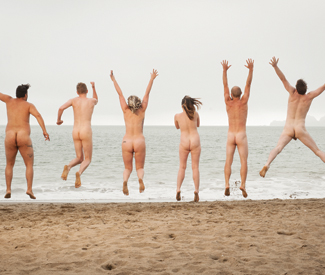
Below you’ll find our annual update on the state of nude beaches in Northern California, along with detailed guides and directions to some of our favorites. For details on dozens more, please see our complete Nude Beach Guide at www.sfbg.com/nudebeaches, which we are in the process of updating.

While researching clothing-optional beaches in Jamaica in November, my girlfriend and I noticed that native Jamaicans don’t think anything of stripping down to their underwear to take a dip in a waterfall on a hot day — our driver did just that near one of the nation’s biggest cities, Ocho Rios — while visiting tourists can go topless or nude with hardly a complaint on Negril’s seven-mile long shoreline of shimmering white sand, at the west end of the country.

It made me wonder, what if the same tolerance existed here, where each beach has its own traditions and its own set of rules? Sometimes, it takes as little as a person moving some sand or staying after sunset to annoy our cops. In Jamaica and many other parts of the world, that would never happen.

For example, law enforcement actions recently hit two Bay Area nude beaches — Marin’s Red Rock and Steep Ravine — while most access to a third site, fan favorite Muir, near Stinson Beach, has been closed by authorities until November.

The good news: visits by rangers to both skinny dipping coves mentioned above have died back, while anti-nudity patrols at Monterey’s Garrapata Beach, which erupted in 2011, have been discontinued. And the Guardian is publishing three “secret” alternate ways that die-hard visitors can use to reach the nude section of gorgeous Muir Beach.

Red Rock was rocked by a ranger who reportedly used a crowbar to remove part of a sunbathing “terrace” that beach regulars had built by moving sand to create more “towel space.” He also cited two male beachgoers for violating Title 14, Section 4307, of the California Code Of Regulations, which bans removal of “earth” or “sand” from state parks.

The men are appealing their penalties, while their friends at the beach are asking for donations to pay for their legal fees. “We’re going to take up a collection,” says Stinson Beach attorney-teacher Fred Jaggi.

The ranger’s boss, Bill Lutton, a state parks superintendent for the Marin area who visited the beach after the busts, told us that “altering” and “changing the features” of the beach is a serious offense. “We consider ourselves the guardians of seven generations of users of California’s park system,” he says, “so we must protect the parks’ cultural and natural resources.”

Meanwhile, instead of being charged with destroying park property, several people at nearby Steep Ravine Beach, which is open from 7am until dusk, were cited last fall for soaking in its dangerous-to-reach nude hot springs after sunset by the same ranger who raided Red Rock. “A guy was handcuffed after mouthing off to the ranger, so he really deserved it,” says former springs frequent visitor Michael Velkoff, of Lucas Valley. “He almost took a girl away too.”

Citing “safety and lack of lighting” concerns, Lutton says the after-dark curfew at rock-strewn Steep Ravine, where numerous users have slipped and sustained cuts, bruises, and other injuries, “will be strictly enforced.”

And at Muir Beach, which is used by nudists as a gateway to a nude beach that begins on its north end, visiting hours have been officially eliminated until November 15, while crews improve its parking, toilets, and watershed.

“Don’t even think about visiting the beach,” urges Golden Gate National Recreation Area public affairs specialist Alexandra Picavet, who points out that users won’t have access to the beach, ocean, parking, restrooms, or garbage cans. “Find a new experience — the Bay Area has plenty — to try this summer and then you’ll really appreciate Muir Beach when it reopens.”

Because the main portion of Muir is blocked by fencing and being patrolled by rangers, anyone trying to reach Little Beach, as the nude area next to Muir is also known, will have to hike anywhere from 30 minutes to several hours to reach the shore and then continue walking to the naked area. Picavet says that if you stop for any length of time in front of the non-nude part of Muir, even to stand and admire the view or take a dip in the water, you’ll be cited.

While cops are tightening the use of beaches in Marin, they’re relaxing their hold in Monterey County. In fact, nudists at Garrapata Beach, close to Carmel, have something to celebrate: “nudie” patrols by rangers have ended, in part because the state ran out of money to fund them and because not a single complaint has been received in 2013.

“We’ve been complaint free,” says Sean James, who became acting state parks superintendent for the area in April and appears to be fairly tolerant of naturists. “I don’t see how just being nude would be threatening.”

Please be careful at our beaches. Two women in their 30s died June 30 after they were swept into the ocean by a wave near another popular nude beach, Bonny Doon. They were with two men when the wave swept the foursome into the water. The two men were rescued by a Coast guard helicopter after being stranded on some rocks and surrounded by a rising tide.

Of course, you don’t have to go to the sea to be nude. Our listings include naked lakes, rivers, waterfalls, reservoirs, and at least one meadow. Or how about hiking while wearing only your birthday suit? Au naturel “Full Moon Hikes” have been happening for several years. But the world’s first-ever “Supermoon Nude Hike” (named after a new or full moon which occurs with the moon within 90 percent of its closest approach to Earth) took place right here in the Bay Area the night before the brightest moon of 2013.

“I’ll never forget the hike,” said Raj, one of the walkers, after making the trek in the East Bay Hills, near Castro Valley, June 22. “I will think of it every time I see a full moon.”

Agrees Dave Smith, of San Leandro, who led it: “It was spectacular — one of the greatest hikes ever. Keep in mind we did it in moonlight, while even having to scramble on all fours down some rocks. I felt like Gollum in The Lord Of The Rings and The Hobbit.”

Want to join in the fun? More “Full Moon Hikes” will take place July 20 and August 18 (see our online listings below for Las Trampas in Contra Costa County).

Another idea to meet and socialize with fellow naturists: drop by Santa Cruz’s Bonny Doon Beach on September 21 or Lake Tahoe’s Secret Harbor Creek Beach on June 7, 2014, when visitors will be getting together to keep them clean by finding and removing trash.

Finally, you can help beachgoers and the naturist community by sending me your new beach discoveries, trip reports, and improved directions (especially road milepost numbers), along with your phone number to garhan@aol.com or Gary Hanauer, c/o San Francisco Bay Guardian, 71 Stevenson, 2nd Floor, San Francisco, CA 94105.

Our ratings: “A” signifies a beach that is large or well-established and where the crowd is mostly nude; “B” indicates places where fewer than half the visitors are nude; “C” means small or emerging nude areas; and “D” depicts spots that are in use, but not recommended.

SAN FRANCISCO

NORTH BAKER BEACH, SAN FRANCISCO

RATING: A

North Baker’s neo-hippie revival is continuing for a third straight season, with more art work springing up on the USA’s largest urban nude beach. Guitar- and drum-playing was added to the scene last year. This summer, a second so-called “art tree” made of driftwood and festooned with seaweed has appeared. “I call it the Sea Hag,” says Santosh, an organizer of alternative activities at the beach who also produces San Francisco’s annual How Weird Street Faire. “Anybody can add things to it. They bring mementos, flowers, anything you can think of. I tend it, but it attracts a life of its own. Several tourists per day usually drop by. One child looked up at the things dangling from it and asked, ‘Is it some kind of voodoo?'” Baker’s own “beach language” is also evolving. Last year, “duney,” which describes the site’s tent-like, shade-providing structures without walls, and “Baker Day” (when the sun’s out and it’s not too windy) came into usage. “Now, we’ve added ‘rock block’ and ‘cosmic volleyball,'” adds Santosh, who describes the former as any stretch of three Baker Days in a row, while cosmic volleyball allows visitors “to keep playing, even if the ball bounces off one of our driftwood poles.”

Directions: Take the 29 Sunset bus or go north on 25th Avenue to Lincoln Boulevard. Turn right and take the second left onto Bowley Street. Follow Bowley to Gibson Road, turn right, and follow Gibson to the east parking lot. At the beach, head right to the nude area, which starts at the brown and yellow “Hazardous surf, undertow, swim at your own risk” sign. Some motorcycles in the lot have been vandalized, possibly by car owners angered by bikers parking in car spaces; to avoid trouble, motorcyclists should park in the motorcycle area near the cyclone fence. Parking at Lincoln’s 100 or more nearby parking spaces was limited to two hours recently. But through June, there had been no reports of cops actually writing tickets for parking too long.

LAND’S END BEACH, SAN FRANCISCO

RATING: A

One of the better locales in the Bay Area to enjoy a little naked sunning without many people present, a visit to the little cove off Geary Boulevard known as Land’s End may make your worries melt away, at least during a quiet afternoon. Cops only occasionally visit it. But don’t be shocked if you see more clothed visitors than nudists — many locals and tourists who wander down to the sand don’t realize it’s a clothing-optional beach. Tip: on hot days, arrive before noon or there may be no unoccupied sand left on the little, semi-rocky shoreline. If possible, try to use one of the rock-lined windbreaks left by previous sunbathers. Pack a warm covering in case the weather changes.

Directions: Follow Geary Boulevard to the end, then park in the dirt lot up the road from the Cliff House. Take the trail at the far end of the lot. About 100 yards past a bench and some trash cans, the path narrows and bends, then rises and falls, eventually becoming the width of a road. Don’t take the road to the right, which leads to a golf course. Just past another bench, as the trail turns right, go left toward a group of dead trees where you will see a stairway and a “Dogs must be leashed” sign. Descend and head left to another stairway, which leads to a 100-foot walk to the cove. Or, instead, take the service road below the El Camino del Mar parking lot 1/4 mile until you reach a bench, then follow the trail there. It’s eroded in a few places. At the end, you’ll have to scramble over some rocks. Turn left (west) and walk until you find a good place to put down your towel.

GOLDEN GATE BRIDGE BEACH, SAN FRANCISCO

RATING: A

Mostly a gay male cruising scene, “Nasty Boy Beach” is also visited by some straight men and women. Though fairly rocky and packed with people on hot days, everyone seems to enjoy the trio of coves you can find by walking along the shore. Oh, and did I mention the view? If you want to feel immersed in a picture postcard of the famous bridge, then this is the place to plop down. On warm days, some users even swim in the usually chilly, undertow-plagued water. “You can sometimes go out over 100 feet during low tide,” says a woman.

Directions: from the toll booth area of Highway 101/1, take Lincoln Boulevard west about a half mile to Langdon Court. Turn right (west) on Langdon and look for space in the parking lots, across Lincoln from Fort Winfield Scott. Park and then take the beach trail, starting just west of the end of Langdon, down its more than 200 steps to Golden Gate Bridge Beach, also known as Marshall’s Beach. Despite recent improvements, the trail to the beach can still be slippery, especially in the spring and winter.

FORT FUNSTON BEACH, SAN FRANCISCO

RATING: C

Known as Fort Fun by its fans, this Golden Gate National Recreation Area sun spot, located south of Ocean Beach, attracts hang gliders, dogs and their walkers, and even from time to time a few naturists, the latter of which sometimes tuck themselves between the dunes on the shore. But not all is fun on its magnetic sands and the cliffs above them. A few months ago, a tussle between two dogs ended when a canine was stabbed by the owner of one of the pets. Besides pugnacious pooch protectors, watch out too for sharp winds, especially in March and October. And to stave off hassles from rangers, disrobers should stay away on weekends or when families or rangers are near. If anyone seems upset or gripes about you being au naturel, be sure to suit up fast since the authorities will bust naturists if they see them or they receive complaints. The good news: usually, only a few citations a year are issued at Fort Funston, so if you are discreet and stay in the dunes, you may be rewarded with a suntan without lines.

Directions: From San Francisco, go west to Ocean Beach, then south on the Great Highway. After Sloat Boulevard, the road heads uphill. From there, curve right onto Skyline Boulevard, go past one stoplight, and look for signs for Funston on the right. Turn into the public lot and find a space near the west side. At the southwest end, take the sandy steps to the beach, turn right, and walk to the dunes. Find a spot as far as possible from the parking lot.

CONTRA COSTA COUNTY

LAS TRAMPAS REGIONAL WILDERNESS, CASTRO VALLEY

RATING: C

Imagine tromping in the East Bay Hills naked at night, guided only by your flashlight and a representative of the Bay Area Naturists group, plus a few fellow travelers. And yes, mooning during America’s only Full Moon Hikes is permitted. “Those who haven’t experienced these incredibly beautiful, if slightly challenging hikes to the ridge at sunset really ought to put this on their calendar this year,” says organizer Dave Smith, of San Leandro, who’ll be leading trips starting at a Castro Valley nudist club on Saturday, July 20, leaving at 7pm (there will be a potluck earlier), and Sunday, August 18, departing around 6:30pm.

“It’s one of the greatest hikes in the Bay Area, rivaling any I know of,” tells Smith. “It’s right up there with the Palomarin Trail (from the Bolinas area, passing Bass Lake and Pelican Lake, to Alamere Falls, on the coast), the Cascades, and others. The walk is not hard, but it is challenging. We take it slow so everyone can make it. So far, no one has ever been hurt.”

“We usually leave an hour and a half before sunset and hike up to the top to catch the sunset and moonrise and then come back down in the moonlight,” he adds.

“Whether you are clothed or not, participating in the Full Moon Hike is a big treat,” says past hiker Jurek Zarzycki, who suggests walkers bring good hiking shoes, a flashlight (“Most of the time you won’t need it, because of the moonlight”), and bug spray. “And don’t forget to have some baby carrots with you to give to the horses that sometimes come out at night, so close that you may even feel their breath. Don’t worry, though, they’re very friendly.”

Organized by the Sequoians Naturist Club and the Bay Area Naturists, based in San Jose, walkers leave the property of The Sequoians fully clothed at dusk and walk through meadows and up hills until the moon rises, before heading back down the slopes completely nude, with their clothes folded neatly into their backpacks.

Directions: Contact the Sequoians (www.sequoians.com) or the Bay Area Naturists (www.bayareanaturists.org) for details on how to join a walk. Meet at the Sequoians. To get there, take Highway 580 east to the Crow Canyon Road exit. Or follow 580 west to the first Castro Valley off-ramp. Take Crow Canyon Road toward San Ramon .75 mile to Cull Canyon Road. Then follow Cull Canyon Road around 6.5 miles to the end of the paved road. Take the dirt road on the right until the “Y” in the road and keep left. Shortly after, you’ll see The Sequoians sign. Proceed ahead for about another .75 mile to The Sequoians front gate.

SAN MATEO COUNTY

DEVIL’S SLIDE, MONTARA

RATING: A

Despite the opening of the Tom Lantos Tunnels on March 25, 2013, nearby Gray Whale Cove, also known as Devil’s Slide, continues to function — and may, state officials think, soon attract even more visitors than in previous years. The reason: crowds soon will be coming not only to the beach, but also to a mile-long stretch of the old Highway 1 that was circumvented by the tunnels and is being turned into a walking and biking trail; it’s expected to open soon. To handle the larger attendance, workers will build new parking lots on either side of the highway, giving Devil’s Slide a parking area on the ocean side for the first time. The current parking lot on the east side of Highway 1 is still open. “We will also be improving the stairway (leading down to the beach),” says San Mateo coast state parks sector superintendent Paul Keel. Best of all, traditional use of the beach for clothing-optional sunbathing has been continuing, with few problems. “We’re not having an increase in (complaint) calls there,” says Keel.

Directions: Driving from San Francisco, take Highway 1 south through Pacifica. Three miles south of the Denny’s restaurant in Linda Mar, at 500 Linda Mar Blvd., Pacifica, and just past and south of the Tom Lantos Tunnels, turn left (inland or east) on an unmarked road, which takes you to the beach’s parking lot on the east side of the highway and to a 146-step staircase that leads to the sand. Another lot will “eventually” be opened on the ocean side (please see above). Coming from the south on Highway 1, look for a road on the right (east), 1.2 miles north of the old Chart House restaurant in Montara. Most naturists use the north end of the beach, which is separated by rocks from the rest of the shore. Wait until low tide to make the crossing to the nude area.

SAN GREGORIO NUDE BEACH, SAN GREGORIO

RATING: A

Now in its 47th year of operation, America’s oldest nude beach even has its own website and live webcam at www.freewebs.com/sangregoriobeach. The privately-run site is located next to San Gregorio State Beach. The beach often draws a large gay crowd, along with some nude and suited straight couples, singles, and families. On your first visit, though, you may be a little shocked by the provocative behavior that is sometimes happening in the driftwood structures on the slope leading down to the beach. Their walls aren’t completely closed. Some users even want passersby to observe them having sex inside the so-called “sex condos,” including Kerry, from San Francisco, who told us about her October 2012 visit with her partner, Lisa: “It was an exciting time. We’ve been to the beach six times. We have had men wander by and try not to stare. Other times, we have had men that more or less sneak up and peek through the wood at us while we are having sex. One time, we had three men who stood 15 feet away and watched intently as we went at it. We have not met anybody that we consider creepy. In fact, there have never been any words exchanged at all.”

Directions: From San Francisco, drive south on Highway 1, past Half Moon Bay, and, between mileposts 18 and 19, look on the right side of the road for telephone call box number SM 001 0195, at the intersection of Highway 1 and Stage Road, and near an iron gate with trees on either side. From there, expect a drive of 1.1 miles to the entrance. At the Junction 84 highway sign, the beach’s driveway is just .1 mile away. Turn into a gravel driveway, passing through the iron gate mentioned above, which says 119429 on the gatepost. Drive past a grassy field to the parking lot, where you’ll be asked to pay an entrance fee. Take the long path from the lot to the sand; everything north of the trail’s end is clothing-optional (families and swimsuit using visitors tend to stay on the south end of the beach). The beach is also accessible from the San Gregorio State Beach parking area to the south; from there, hike about a half-mile north. Take the dirt road past the big white gate with the Toll Road sign to the parking lot.

SANTA CRUZ COUNTY

GARDEN OF EDEN, FELTON

RATING: C

Are you looking for a gorgeous place to have a picnic? If you’re in the Bay Area, you won’t have to travel far to find the Golden State’s version of the Garden of Eden, a creekside skinny-dipping spot located in Henry Cowell Redwoods State Park, between Santa Cruz and Felton. Used even more by suited swimmers and sunbathers, many hikers are surprised when they come across naturists at the stream. Eden gets mixed reviews by visitors: some parts of the trail may be slippery, so watch your step and keep your eyes out for poison oak. To find Eden and two other clothing-optional swim holes on San Lorenzo River, check for vehicles pulled over on Highway 9, alongside the state park, which forbids nudity but only occasionally patrols the creek with rangers.

Directions: From Santa Cruz, drive north on Highway 9 and look for turnouts on the right side of the road, where cars are pulled over. The first, a wide turnout with a tree in the middle, is just north of Santa Cruz. Rincon Fire Trail starts about where the tree is, according to reader Robert Carlsen, of Sacramento. The many forks in the trail all lead to the river, down toward Big Rock Hole and Frisbee Beach; Carlsen says the best area off this turnout can be reached by bearing left until the end of the trail. Farther up the highway, 1.3 miles south of the park entrance, is the second and bigger pullout, called the Ox Trail Turnout, leading to Garden of Eden. Park in the turnout and follow the dirt fire road downhill and across some railroad tracks. Head south, following the tracks, for around .5 miles. Look for a “Pack Your Trash” sign with park rules and hours and then proceed down the Eden Trail.

Ox Trail, which can be slippery, and Eden Trail both wind down steeply to the creek. “The path continues to the left, where there are several spots for wading and sunbathing,” Carlsen says. The main beach is only 75 feet long and 30 feet wide, but fairly sandy. Carlsen’s favorite hole is accessible from a trail that starts at the third turnout, a small one on the right side of the road, about 4.5 miles from Highway 1 and just before Felton. A gate marks the start of the path. The trail bends left. When you come to the road again, go right. At the railroad tracks, go right. From here, look for the river down the hill on your left; many paths lead to it. Says Mike: “Within 10 yards, you can be in the water.”

BONNY DOON NUDE BEACH, BONNY DOON

RATING: A

Were anti-nudity signs really recently posted at Bonny Doon Beach, whose north end has been used for clothing optional sunbathing for decades? Yes, but officials took the warnings, which were placed at two trailheads leading to the sand, down just two months later. “We’re not planning to change anything,” says Chet Bardo, superintendent of state beaches in the Santa Cruz district. “The truth is that we get complaints on all sides of this issue. It’s not uncommon to get calls from people. This is California, after all, so what to local people might seem not that unusual sometimes turns out to shock people who are visiting from Iowa, who find it (nudity) a bit disconcerting.”

“The way I see it, unless there’s a problem (happening at the beach), it’s not a problem to us,” he adds. In fact, the only problem at Bonny Doon this year is that it has less sand than usual. A 15-foot long rock on the sand, along with a sloping cliff with rocks that jut out, separate the two sides of the cove — one clothed for clothed visitors and the other for nudes — known as Bonny Doon.

“In the short term, things at Bonny Doon are destined to continue the way they are,” says Kirk Lingenfelter, sector superintendent for Bonny Doon and nearby state beaches. “Ultimately it would be nice to see some level of improvement, maybe trail work or stair work,” adds Lingenfelter. “But before we’d even do that, there would need to be a General Plan or an Interim Use Plan, which we don’t have. And we also don’t have any funding for it.”

As for nudity, Lingenfelter says his rangers, who periodically patrol the beach, haven’t issued a single warning or citation for nudity since the state approved the acquisition of the beach in 2006. “We’ll respond to complaints we receive,” he explains, “but I can’t recall (receiving) a single complaint.”

Directions: From San Francisco, go south on Highway 1 to the Bonny Doon parking lot at milepost 27.6 on the west side of the road, 2.4 miles north of Red, White, and Blue Beach, and some 11 miles north of Santa Cruz. From Santa Cruz, head north on Highway 1 until you see Bonny Doon Road, which veers off sharply to the right just south of Davenport. The beach is just off the intersection. Park in the paved lot to the west of Highway 1; don’t park on Bonny Doon Road or the shoulder of Highway 1. If the lot is full, drive north on Highway 1, park at the next beach lot, and walk back to the first lot. Or take Santa Cruz Metro Transit District bus route 40 to the lot; it leaves the Metro Center three times a day on Saturdays and takes about 20 minutes. To get to the beach, climb the berm next to the railroad tracks adjacent to the Bonny Doon lot, cross the tracks, descend, and take a recently improved, sign-marked trail to the sand. Walk north past most of the beach to the nude cove on the north end. Alternately, Dusty suggests parking as far north as possible, taking the northern entrance, and, with good shoes, following a “rocky and steep” walk down to the sand.

2222 BEACH, SANTA CRUZ

RATING: A

Aptly named 2222, a mini-nude beach that takes its title from the house across the street, is still beautiful, still hidden from most passersby, and still attracts a small crowd of regular visitors who are in good enough shape to handle its sketchy, foreboding-looking path.

One of America’s smallest nude beaches, 2222 is so tiny it could probably fit in your yard. And that’s what makes it such a special place. You won’t see many people on the sand, which takes scrambling to reach and isn’t recommended for children or anyone who isn’t a good hiker. However, those who are able to make it down a sharp-angled cliff and past several concrete blocks on the way down may like the quiet and solitude that the beach offers. The most dependable trail begins on the southeast corner of the hillside overlooking the site. Even though there’s a walking path just above it, the beach can’t be seen from there. College students like to hangout here and, if they’re lucky, get a glimpse of a local juggler who sometimes practices his routines on the sand. Tip: for great accommodations, check out the West Cliff Inn, 174 West Cliff Drive, Santa Cruz, a bed and breakfast inn located a few blocks to the south; it’s somewhat pricey, but truly enjoyable.

Directions: The beach is a few blocks west of Natural Bridges State Beach and about 2.5 miles north of the Santa Cruz Boardwalk. From either north or south of Santa Cruz, take Highway 1 to Swift Street. Drive .8 miles to the sea, then turn right on West Cliff Drive. 2222 is five blocks away. Past Auburn Avenue, look for 2222 West Cliff on the inland side of the street. Park in the pullout with eight parking spaces next to the cliff, on the west side of the road. If it’s full, continue straight and park along Chico Avenue. An overlook with two benches facing an interesting obelisk-style sculpture — where my girlfriend and I sat last year — is located between the parking area and the edge of the cliff. Bay Area Naturists leader Rich Pasco suggests visitors use care and then follow the path on the side of the beach closest to downtown Santa Cruz and the Municipal Wharf.

PRIVATES BEACH, SANTA CRUZ

RATING: A

Want to visit a beach with great sand and surf, plus a mix of suited and naked users? This year, the charge remains $100 — or $50 if you live nearby — for all the visits you want to make to Privates, which is one of the county’s best beaches, until May 31. If you go daily for a year, that’s about 27 cents a day. But there are also several ways people have used to circumvent the fee, which we explain below. Visitors include nudists, surfers, families, and local residents. “Everyone gets along,” says Brittney Barrios, manager/buyer of Freeline Design Surf Shop, which sells up to 600 beach passes to Privates a year. “It’s always very peaceful.”

“There’s a great swell happening here,” says a surfer we interviewed this summer. Security guards plus a locked gate keep most troublemakers out. With almost no litter or loud noise, and less wind than most local beaches, the site almost always provides a pleasant atmosphere for users. Do you want to bring your dog? It’s OK too.

To catch a game of Nude Frisbee or to start one, when you reach the bottom of the beach stairs, walk to the left until you see some people who aren’t wearing part or all of their swimsuits.

Directions: 1) Some visitors walk north from Capitola Pier in low tide (not a good idea since at least four people have needed to be rescued). 2) Others reach it in low tide via the stairs at the end of 41st Avenue, which lead to a surf spot called the Hook at the south end of a rocky shore known as Pleasure Point. 3) Surfers paddle on boards for a few minutes to Privates from Capitola or the Hook. 4) Most visitors buy a key to the beach gate for $100 a year at Freeline (821 41st Ave., Santa Cruz, 831-476-2950) 1.5 blocks west of the beach. Others go with someone with a key or wait outside the gate until a person with a key goes in, provided a security guard is not present (they often are there). “Most people will gladly hold the gate open for someone behind them whose hands are full,” says Bay Area Naturists leader Rich Pasco. The nude area starts to the left of the bottom of the stairs.

MARIN COUNTY

BASS LAKE, BOLINAS

RATING: B

“The lake was great,” says regular user Dave Smith, of San Leandro, about his visit to Bass Lake, near Bolinas, this year. “It was during spring break, so there were a lot of people on the trail that day. But we weren’t the only ones who were naked in the water. Several people were skinny dipping besides us.” Others, who don’t necessarily go nude, love Bass too, which, by the way, does not have any bass. San Rafael resident Marie described her November visit as “awe-inspiring” on a message board. She said the walk to get there “was worth every minute … the water while cool was exhilarating. I can’t wait to go back.” And Cindi, of San Anselmo, found the setting to be “rejuvenating, awesome, stunning, orgasmic … I would do it again and again.” Bass doesn’t attract as many nudists as it did 10 years ago. “When I first went, everybody was nude,” says Smith. “Today, though, you have to feel pretty comfortable with your own nudity to swim that way at the lake.”

Directions: Allow about an hour for the drive from San Francisco’s Golden Gate Bridge. From Stinson Beach, go north on Highway 1. Just north of Bolinas Lagoon, turn left on the often-unmarked exit to Bolinas. Follow the road as it curves along the lagoon and eventually ends at Olema-Bolinas Road. Continue along Olema-Bolinas Road to the stop sign at Mesa Road. Turn right on Mesa and drive four miles until it becomes a gravel road and ends at the Palomarin parking lot. On hot days the lot fills quickly, so come early. Says Smith: “We once saw hundreds of cars.” A sign at the trailhead next to the lot will guide you down scenic Palomarin Trail to the lake. For directions to incredibly beautiful Alamere Falls, 1.5 miles past Bass Lake, which empties onto a beach at the sea, please see “Elsewhere In Marin” in our online listings.

RED ROCK BEACH, STINSTON BEACH

RATING: A

The beach is in good shape this year. Warmer than usual weather in spring brought more people — 80 on one day — onto the sand earlier than usual, but, due to higher gas prices and a rough economy, crowd sizes remain down from a decade ago. “We’ve had fewer gawkers too,” says veteran visitor Fred Jaggi. “The beach is the mellowest it’s ever been.” If gawking remains down, then it would bring welcome relief. A 2012 visitor estimated the site had “25 percent nasty creeper grossness.” In another improvement, the trail is getting rave reviews. Foliage along the path has been pruned back since last year. “It’s clean of poison oak,” says Jaggi. “It’s a really easy walk now,” adds another visitor, Michael Velkoff. “You can’t beat it. I wear my sandals down there (instead of hiking shoes) while carrying a chair and backpack. If I can walk back up the trail at the end of the day, anyone can do it.” Rock climbing continues to be popular. Ultimate Frisbee, Double Disc Court (you throw two Frisbees at once), Befuddle (players toss the first disc softer and the second one harder), Nude Hearts, and Naked Scrabble are some of the other favorite pursuits on the sand. Tips: visit when the tide is low or early in the day; come before noon for the best parking. For the most sand space, drop by on a Monday, known as “Club Day” to the repeat visitors who like to gather then. And, if possible, bring a folding beach chair.

Directions: Go north on Highway 1 from Mill Valley, following the signs to Stinson Beach. At the long line of mailboxes next to the Muir Beach cutoff point, start checking your odometer. Look for a dirt lot full of cars to the left (west) of the highway 5.6 miles north of Muir and a smaller one on east side of the road. The lots are at milepost 11.3, one mile south of Stinson Beach. Limited parking is also available 150 yards to the south on the west side of Highway 1. Or from Mill Valley, take the West Marin/Bolinas Stage toward Stinson Beach and Bolinas. Get off at the intersection of Panoramic Highway and Highway 1. Then walk south .6 mile to the Red Rock lots. Follow the long, steep path to the beach that starts near the Dumpster next to the main parking lot.

MUIR NUDE BEACH, MUIR BEACH

RATING: A

Although the public part of Muir Beach has been closed since July 8, the small, quarter-moon shaped, clothing-optional beach just to the north of it is still technically open. This summer, the site was attracting 30-40 people a day, although it may get 100 on hot days. It’s one of the only Bay Area nude beaches that receives nearly as many female visitors as males. A variety of people share the cove, which has a more serene and less social atmosphere than nearby Red Rock. Finding it is usually easy: you park at the main Muir lot, walk north on the sand, cross over some rocks, and you’re there. Now, though, during improvement work lasting until November, visitors can’t park near Muir or enter it by foot. To reach the naked beach, you’ll need to hike up to several hours and not be able to use restrooms or garbage cans, which are ringed with fences. Once there, you must continue to the nude beach without stopping on the main beach, even to admire the view or swim in the water, or you will be cited.

Directions until 11/10: 1) Take the Coastal Trail to Muir Beach from the Tennessee Valley trailhead, then walk north until you come to a line of rocks marking the start of the nude area. Walk over the rocks. The roundtrip loop is just under 8 miles. See our web listings for details. 2) A hike of up to 30 minutes on the Coastal Trail begins at the Green Gulch Farm Zen Center, at 1601 Shoreline Highway, off Highway 1 just south of Muir Beach. But the Center’s parking lot is tiny, costs single-occupant drivers $5 to use on Sundays (when participation in the Center’s program is requested) and isn’t open to the public on weekdays or Saturdays, so staff are strongly discouraging its use for Muir access during the beach’s closure. Our online report has more info. 3) If you live on Cove Lane, near Pacific Way, you can still access the beach from Cove. Nonresidents can’t park on Cove Lane, Pacific Way, or other nearby streets during the closure period. Starting 11/10: From San Francisco, take Highway 1 north to Muir Beach, to milepost 5.7. Turn left on Pacific Way and park in the Muir lot (to avoid tickets, don’t park on Pacific). Or park on the street off Highway 1 across from Pacific and about 100 yards north. From the Muir lot, follow a path and boardwalk to the sand. Then walk north to a pile of rocks between the cliffs and the sea. You’ll need good hiking or walking shoes to cross; in very low tide, try to cross closer to the water. The nude area starts north of it.

RCA BEACH, BOLINAS

RATING: A

In a 1998 movie, visiting Jamaica was How Stella Got Her Groove Back. But if you’d like to revitalize your life, all you may need to do is spend an afternoon at awe-inspiring RCA Beach. Even though the site is isolated, don’t try to have sex on the sand; rangers ticketed at least one person for engaging in public sex here last fall. A single stopover at this relaxing oasis of tranquility will probably inspire you to keep coming back. “It hasn’t changed in decades,” says regular visitor Michael Velkoff. One problem: the cove is exposed to the wind. The good news is that there are lots of nooks that are sheltered from the wind. Some nooks, though, provide good shelter from the periodic breezes. Plus there’s so much driftwood on the sand that many people build windbreaks or even whole forts. Suited and unsuited men and women and families visit the shoreline. The beach seems far bigger than its one mile length because everyone is usually spread out on the sand. Adds Velkoff: “We’ll see six people on a Sunday. Everybody’s 30 yards apart. It’s amazing.”

Directions: From Stinson Beach, take Highway 1 (Shoreline Highway) north toward Calle Del Mar for 4.5 miles. Turn left onto Olema Bolinas Road and follow it 1.8 miles to Mesa Road in Bolinas. Turn right and stay on Mesa until you see cars parked past some old transmission towers. Park and walk .25 miles to the end of the pavement. Go left through the gap in the fence. The trail leads to a gravel road. Follow it until you see a path on your right, leading through a gate. Take it along the cliff top until it veers down to the beach. Or continue along Mesa until you come to a grove of eucalyptus trees. Enter through the gate here, then hike .5 miles through a cow pasture on a path that will also bring you through thick brush. The second route is slippery and eroding, but less steep. “It’s shorter, but toward the end there’s a rope for you to hold onto going down the cliff,” tells Velkoff.


LIMANTOUR BEACH, OLEMA

RATING: B

Would you like to walk a mile wearing nothing but your smile? At lovely Limantour, in Point Reyes National Seashore, you can do just that. Bring a pair of binoculars for watching birds, seals, and other wildlife. “I’ve been going there this year since the spring,” says Lucas Valley’s Michael Velkoff. “There are always whales and dolphins off shore, but recently we’ve been seeing porpoises too. It’s so beautiful at Limantour. I just head away from any people and put my towel down in the dunes or against a wall. A friend went a few days ago. Even though it was windy, she was very comfortable in the dunes. The best thing is that nobody bothers you. Of course, I carry a pair of shorts, just in case I need to put them on. I love it at Limantour. Plus it has tons of nice sand.” The long shoreline is one of America’s most beautiful beaches, yet few visitors realize the narrow spit of sand, between Drakes Bay and an estuary, is clothing-optional. The site is so big — about 2.5 miles in length — you can wander for hours, checking out ducks and other waterfowl, shorebirds such as snowy plovers (if you are lucky enough to see these endangered birds on the north end of the beach), gray whales (including mothers and their calves during spring), and playful harbor seals (offshore and at the north edge of the sand). Dogs are allowed on six-foot leashes on the south end of the beach.

Directions: From San Francisco, take Highway 101 north to the Sir Francis Drake Boulevard exit, then follow Sir Francis through San Anselmo and Lagunitas to Olema. At the intersection with Highway 1, turn right onto 1. Just north of Olema, go left on Bear Valley Road. A mile after the turnoff for the Bear Valley Visitor Center, turn left (at the Limantour Beach sign) on Limantour Road and follow it 11 miles to the parking lot at the end. Walk north a half-mile until you see some dunes about 50 yards east of the shore. Nudists usually prefer the valleys between the dunes for sunbathing. “One Sunday we had 200 yards to ourselves,” Velkoff says. But lately, the dunes have been more crowded.


Glamour revival

0

cheryl@sfbg.com

FILM The 18th San Francisco Silent Film Festival opens with Augusto Genino’s 1930 Prix de Beauté, literally translated as “beauty prize” but more often referred to in English as Miss Europe. Memo to all wannabe pageant queens: you might as well shuffle off the stage when Louise Brooks — flawless features, perfect hair, sparkling smile, star quality oozing from every pore — shows up to compete.

Though she knows her jealous boyfriend will disapprove, vivacious typist Lucienne (Brooks) impulsively enters herself into the Miss France contest; after she wins, she advances to Miss Europe, where she’s also victorious. (Apparently Miss Universe hadn’t been invented yet, because obviously she’d take that title, too.) When her sourpuss love orders her home, she mourns her lost-and-found glamorous life while confined to their small apartment, where she’s kept company by a caged bird and a cuckoo clock. Amid all this dreary symbolism, a movie contract (offered by a worldly, dandy prince who’d pursued her at the beauty pageant) seems just the ticket to a better life — but as any Brooks fan can tell you, happy endings were not exactly her specialty.

Scripted by frequent Brooks collaborator G.W. Pabst (with René Clair, director of 1924’s Entr’acte), Prix de Beauté was the Hollywood rebel’s last major starring role; though it was shot as a very early sound film, Brooks’ part was dubbed, and it’ll be shown at the Silent Film Festival in traditional silent form. Look forward to a gorgeous print, thanks to a full restoration done last year by Italian film archive Cineteca di Bologna, and accompaniment by seasoned silent film pianist Stephen Horne.

More movie-star charisma comes courtesy of the oft-misunderstood Marion Davies, who gets a chance to display her considerable comedic talents in King Vidor’s 1928 The Patsy. Modern audiences remember Davies for her long association with William Randolph Hearst; some assume she was more or less exactly like the shrill Susan Alexander character in 1941 roman à clef Citizen Kane. And while Hearst did manipulate her career, he was said to prefer her in costume dramas, like 1922’s When Knighthood Was in Flower, in which she played Mary Tudor — hardly similar to The Patsy‘s goofy heroine, sort of a proto-Greta Gerwig type.

The Silent Film Festival’s description of the film attributes The Patsy‘s existence to star director Vidor’s “Hollywood clout.” But its enduring popularity (it closed the 2008 fest) is surely due to Davies’ performance, which famously includes her dead-on impressions of fellow silent stars Mae Murray, Lillian Gish, and Pola Negri. Living in the shadow of her elegant older sister, Grace (Jane Winton), awkward Pat (Davies) is forever stumbling and messy-haired. (“I wish I were beautiful and seductive, like a stocking advertisement,” she says, in one of the play-turned-film’s many hilarious intertitles.)

Pat pines for Grace’s nerdy beau, Tony — but even when Grace starts sneaking around with a local bad boy, Tony doesn’t notice Pat, despite her attempts to get his attention via some silly self-improvement efforts. Blustering on the sidelines is stage and screen legend Marie Dressler, a 1930 Best Actress Oscar winner for Min and Bill, who plays the sisters’ comedically overbearing mother. The Library of Congress supplies The Patsy on 35mm, with live accompaniment by the five-piece Mont Alto Motion Picture Orchestra.

Also a tale of two siblings, Henri de la Falaise’s Legong: Dance of the Virgins (1935) — a two-strip Technicolor fable shot on location in Bali — is rapturously described by the Silent Film Festival program as “the delineation of Balinese culture … an absorbing and mesmerizing quasi-documentary.” That may be so, but one suspects neither its cultural content, nor its love-triangle story (comely temple dancer falls for the new gamelan musician in town, and he’s OK with that — until he decides he prefers her younger sis), were what lured audiences in 1935. Rather, the sight of “Balinese beauties bathing in all their native glory,” as one poster trumpeted at the time (that’s code for “topless women”), was likely the main draw.

Decades later, however, Legong‘s more exploitative elements feel pretty tame, and the film remains most interesting for its fairly respectful depictions of what was considered an outrageously “exotic” way of life at the time. The Silent Film Festival screens the UCLA Film and Television Archive’s restored 35mm print; a sure highlight will be Legong‘s live score, a collaboration between Bay Area-based ensembles Gamelan Sekar Jaya and Club Foot Orchestra.

Additional highlights include the premiere screening of the meticulously-restored The Last Edition (1925) — a newspaper yarn about a San Francisco Chronicle press worker, complete with thrilling Market Street scenes; Tokyo Chorus (1931), an early entry from the highly influential Yasujiro Ozu; “Winsor McCay: His Life and Art,” biographer John Canemaker’s tribute to the Gertie the Dinosaur (1914) animator; Douglas Fairbanks as the titular outcast in Alan Dwan’s newly-restored 1916 The Half-Breed; and closing-night crowd-pleaser Safety Last (1923), which contains one of silent film’s most famous scenes: comedian Harold Lloyd scaling a multi-story building and dangling from a clock face. *

SAN FRANCISCO SILENT FILM FESTIVAL

Thu/18-Sun/21, most shows $15

Castro Theatre

429 Castro, SF

www.silentfilm.org


Our Weekly Picks: July 17 – 23, 2013

0

WEDNESDAY 7/17


Nerd Nite SF

Did you ever watch Bill Nye (the Science Guy) as a child and think “man, I want to get that guy drunk and watch him drop knowledge live from a stage”? Me neither, but reread that sentence and tell me with a straight face that’s not something for which you would pay $8. Friends, that’s the gist of Nerd Nite, an institution in Boston, New York, Austin, Washington DC, Munich, and as of 2010, San Francisco. The Bay Area, especially as of late, is known for two things: rampant drunkenness and scientific innovations. The synthesis of these two in one monthly event represents where SF is at right now as a community. Past Nerd Nite SF events have included themes like “Paper Airplanes, Zombies and Space Hacking!” where the 2012 Guinness Record holder for paper plane flight distance came to teach plane-making and discuss the previous record holder’s attempts at sabotage. This month’s theme is “Yeast, Science Beer Tasting, and Games User Research!” which promises to teach about fermentation’s 5,000 year influence on the world and why it’s not your fault that you’ve killed all the bad guys on Level 7 and there’s no clear direction where to head next. (Ilan Moskowitz)

7:30pm, $8

Rickshaw Stop

155 Fell Street, SF

(415) 861-2011

www.rickshawstop.com

THURSDAY 7/18


Bandaloop: Harboring

There is a lot more to Bandaloop than daredevilry on mountain cliffs and skyscrapers. Over the years, Amelia Rudolph has developed a vocabulary in which climbing and rappelling become tools for poetic purposes, creating a genre appropriately called “vertical dance.” Watching the company in that delicate moment when it transitions from the floor to where ever it is rising up to, often offers thrills almost equal to hanging 30 feet above where mortals tread. Harboring is both an exploration and a tribute to the physicality of Fort Mason’s Pavilion as well as its history and the memory it keeps generating. Master Designer Jack Carpenter will provide the art direction; the trio of Gideon Freudmann, Mark Orton and Jesse Olsen Bay the music. (Rita Felciano) Thu/18-Sun/21, 8:30pm (also Sat/20, 2pm), $20–$35

Fort Mason Center Pavilion

Two Marina, SF

(415) 421-5667

fortmason.org/boxoffice

FRIDAY 7/19


Bay Area Playwrights Festival

From over 400 submissions, six were chosen — so you know the getting’s gonna be good at the 2013 Bay Area Playwrights Festival. In its 36th year, the Playwrights Foundation presentation contains works by authors from both the Bay Area and New York. Frequent theatergoers may recognize the names of the locals: Erin Bregman, who contributes metaphysical drama Before & After; Prince Gomolvilas, whose The Brothers Paranormal is about a pair of Thai American siblings who launch a ghostbusting business; and longtime SF Mime Trouper Joan Holden, whose FSM takes on UC Berkeley’s student protests. Other programs include Laura Schellhardt’s The Comparables; Kimber Lee’s brownsville song (b-side for tray); and Jiehae Park’s Hannah and the Dread Gazebo. (Cheryl Eddy)

July 19-21 and 26-28, $15

Thick House Theater

1695 18th St, SF

www.playwrightsfoundation.org

FRIDAY 7/19


“Sights and Sounds of Mexico”

There’s likely nary a genre as energetic as Son Jarocha, a regional jazz and pop fusion that originated in Veracruz, Mexico. This Friday Nights at the de Young event includes a performance by Son Jarocha music-makers Ilan Bar-Lavi and Sonex. Together, Bar-Lavi — an accomplished Mexican-Israeli guitarist — and Mexican band Sonex blend jazz, pop, and funk with Middle Eastern influences and flamenco, a rather broad reach of cultural sounds. The event also includes a lecture on poet Rose Mandel, and painter’s studio activities in celebration of painter Richard Diebenkorn’s “passion for light, color, and shapes.” That means there’ll be a colorful pop-up show of local painters of Mexican descent, and tips on the Maugard method, named after Adolfo Best-Maugard’s idea to teach children to draw and paint focused on simple forms in nature. (Emily Savage)

5-8:45pm, free

deYoung

50 Hagiwara Tea Garden, SF

Deyoung.famsf.org

FRIDAY 7/19


Blind Willies

Alexei Wajchman is one worldly fellow, and this translates in his live performances. His vocals are tame and collected at times, but his lyrics can range all over the map. As a whole, the group’s sound is more than straightforward rock’n’roll. The introduction of horns on some tracks gives a surprisingly fitting kick, and there’s also some stand-up bass, cello, and mandolin filling out the guitar-heavy sound. You might have trouble pinpointing the exact style you’re listening to, but Wajchman makes it extremely easy not to care. Live, the show should be an enjoyable experience if you value the unpredictability of the open road. (Hillary Smith)

With Supermule and James Nash and The Nomads

9pm, $13

Great American Music Hall

859 O’Farrell, SF

(415) 885-0750

www.slimspresents.com

FRIDAY 7/19


“A Celebration of Fela Kuti” featuring Tony Allen

If Afrobeat is a sound born out of the African Diaspora — Afropop highlife combined with funky jazz rhythms and James Brown soul — it’s fitting that the legend of its Godfather, Fela Kuti, is still spreading. More than 15 years since his death, Kuti’s figure and influence looms larger than ever with the recent success of the Fela! musical. Here, the legacy lives on with a live performance from Tony Allen with Najite and the Olukon Prophecy, a massive 16-piece ensemble featuring Kuti-collaborator Allen. The source of Afrobeat’s beat, and “perhaps the greatest drummer who ever lived” according to Brian Eno, Allen has recently worked with Damon Albarn, Charlotte Gainsbourg, and Sébastien Tellier. (Ryan Prendiville)

With Rich Medina, Lagos Roots Society, Afrolicious, Damon Bell, King Most, Izzy Wize

10pm-3am, $10–$20

1015 Folsom, SF

www.1015.com

SATURDAY 7/20


Lia Rose

Lia Rose is one of those performers who you won’t fully appreciate until you see live. And when you do, you’ll most likely become transfixed upon the tiny singer with hauntingly rich vocals. Rose’s pure vocals lingering alongside acoustic guitar and steel pedal make for a dreamy setting. One that is very easy to get lost in. By far the most compelling aspect of her sound is how she translates the moods of her songs in every note — her tunes are often laden with themes of true love, loyalty, and nostalgia. Note her troop of band members on the steel pedal guitar, percussion, and acoustic guitar, whose craft carries the songs to new heights. Rose is a beautiful, delicate balance of acoustics and angelic vocals. And she is beyond engaging on stage. (Smith)

With We Became Owls, Annie Lynch, and Michaela Anne

9pm, $15

Chapel

777 Valencia, SF

(415) 551-5157

www.thechapelsf.com

SUNDAY 7/21


David Byrne and St. Vincent

This is a match made in weird pop heaven (how great would it be if that actually existed?). When David Byrne, the experimental rock king with a four-decade reign, slipped into the audience at one of Annie Clark’s early shows as St. Vincent, he fell under her spell. In their subsequent meetings, the boundary-testing artists came up with the idea to write together for a brass band. Why not? What emerged in Love This Giant (2012) is a seamless collaboration that is sometimes dark, sometimes humorousness, and of course, always delightfully bizarre. Though weird pop heaven is only a fantasy, it will feel very real Sunday night at the Fox. (Laura Kerry)

8pm, $45–$55

Fox Theatre

1807 Telegraph, Oakl.

(510) 302-2250

www.thefoxoakland.com

SUNDAY 7/21


Shady Maples

Self-described as Latin folk rock, the Bay Area group Shady Maples straddles the lines between rock, folk, and all the ground in between, in the cleanest possible way. The vocals are haunting, the slide guitar creates an almost human voice, and the songs themselves become a smooth concoction of harmonies, mandolin, electric guitars, and percussion. The balance of acoustic, lap steel, and electric guitars in the hands of Shady Maples band members makes for a great live show. Often transitioning from a soft, melodic Latin number to an explosive rock tune, frontperson Owen Roberts takes the audience for a scenic ride on stage. (Smith)

With Roadkill Ghost Choir, Anjus Pale Blue Eyes

9pm, $10

Bottom of the Hill

1233 17th St., SF

(415) 626-4455

www.bottomofthehill.com

MONDAY 7/22


Colleen Green

Stoney LA rocker Colleen Green has the basics down: “sparse electric guitar, a tinny drum machine, and Green’s gorgeous voice,” as her official bio reads. The DIY rocker also has a clear reverence for lo-fi sounds and early punk music, and has recorded some great covers of Descendents songs, but slowed down to a California chill ride. Check paradoxically pleasant “Heavy Shit” off March’s Sock It To Me (Hardly Art), for a good starter course in the study of all things Green. Then go back and listen to 2011’s Cujo — it’s even got a crudely markered cartoon on the cover of Green, in the vein of the Descendents’ Milo (as does Green’s cassette Milo Goes to Compton) — to hear how her sound has evolved. (Savage)

With SISU, Burnt Palms

8pm, $12

Café Du Nord

2170 Market, SF

www.cafedunord.com

TUESDAY 7/23


Black Flag

Legendary punk band Black Flag blazed the path for underground American music in the 1970s and ’80s with its rigorous work ethic, groundbreaking recordings, and relentless touring that built a network and foundation for independent artists that still exists today. Recently resurrected by Greg Ginn, the founder-guitarist-primary songwriter and sole continuous member, the new lineup also features Ron Reyes, who sang on the Jealous Again EP, and isn’t to be confused with that other group of former members out on the road these days calling themselves “Flag.” You’ve seen the iconic “bars” logo everywhere out there — now see and hear what it stands for live and in person. (Sean McCourt)

7pm, $25–$28

Oakland Metro

630 3rd St., Oakland

(510) 763-1146

www.oaklandmetro.org


Rep Clock: July 17 – 23, 2013

0

Schedules are for Wed/17-Tue/23 except where noted. Director and year are given when available. Double and triple features marked with a •. All times pm unless otherwise specified.

ARTISTS’ TELEVISION ACCESS 992 Valencia, SF; www.atasite.org. $6-9. “Periwinkle Cinema: Reality Check,” short films, Wed, 8. The Space Invaders: In Search of Lost Time (Von Ward, 2012), Fri, 8. “An Evening with Sublime Frequencies and filmmaker Hisham Mayet,” Sat, 8.

CASTRO 429 Castro, SF; (415) 621-6120, www.castrotheatre.com. $8.50-11. •Mystery Train (Jarmusch, 1989), Wed, 7, and Night on Earth (Jarmusch, 1991), Wed, 9:05. San Francisco Silent Film Festival: Prix de Beauté (Genina, 1930), Thu, 7; “Amazing Tales from the Archives,” Fri, 11am (free screening); The First Born (Mander, 1928), Fri, 2; Tokyo Chorus (Ozu, 1931), Fri, 4:30; The Patsy (Vidor, 1928), Fri, 7; The Golden Clown (Sandberg, 1926), Fri, 9:30; “Winsor McCay: His Life and Art,” presentation by John Canemaker, Sat, 10am; The Half-Breed (Dwan, 1916), Sat, noon; Legong: Dance of the Virgins (de la Falaise, 1935), Sat, 2:15; Gribiche (Feyder, 1926), Sat, 4; The House on Trubnaya Square (Barnet, 1928), Sat, 6:30; The Joyless Street (Pabst, 1925), Sat, 8:30; “The Kings of (Silent) Comedy,” Sun, 10am; The Outlaw and His Wife (Sjöström, 1918), Sun, 1; The Last Edition (Johnson, 1925), Sun, 3:30; The Weavers (Zelnik, 1927), Sun, 6; Safety Last! (Taylor and Newmeyer, 1923), Sun, 8:30. Tickets (most shows $15) and more info, including accompanists for each program, at www.silentfilm.org. The Great Gatsby (Luhrmann, 2013), Mon-Tue, 6, 9 (also Tue, noon, 3).

CHILDREN’S CREATIVITY MUSEUM 221 Fourth St, SF; www.artsanddialogue.org. Free (space is limited, so RSVP to info@ybcbd.org). “Arts and Dialogue presents the Yerba Buena Mini-Film Festival,” Thu, 6.

CHRISTOPHER B. SMITH RAFAEL FILM CENTER 1118 Fourth St, San Rafael; (415) 454-1222, www.cafilm.org. $6.75-$10.25. Augustine (Winocour, 2012), call for dates and times. Frances Ha (Baumbach, 2012), call for dates and times. One Track Heart: The Story of Krishna Das (Frindel, 2012), call for dates and times. Rebels With a Cause (Kelly, 2012), call for dates and times. Storm Surfers 3D (McMillan and Nelius, 2012), call for dates and times. 20 Feet From Stardom (Neville, 2013), call for dates and times. The Hunt (Vinterberg, 2012), July 19-25, call for times. The Oyster Princess (Lubitsch, 1919) with “Cops” (Cline and Keaton, 1922), Mon, 7:15. With live musical accompaniment; this event, $12.

CLAY 2261 Fillmore, SF; www.landmarktheatres.com. $10. “Midnight Movies:” V/H/S 2 (Various directors, 2013), Fri-Sat, midnight.

“FILM NIGHT IN THE PARK” This week: Creek Park, 400 Sir Francis Drake, San Anselmo; www.filmnight.org. Free (donations appreciated). The School of Rock (Linklater, 2003), Fri, 8; Brave (Andrews and Chapman, 2012), Sat, 8.

518 VALENCIA SF; www.laborfest.net. Donations accepted . International Working Class Film and Video Festival: •Strike (Eisenstein, 1925), and Even the Heavens Weep: The Mine Wars of West Virginia (McGuire, 1985), Thu, 7.

HUMANIST HALL 390 27th St, Oakl; www.humanisthall.org. $5. RiP!: A Remix Manifesto (Gaylor, 2008), Wed, 7:30.

NIMBY’S 8410 Amelia, Oakl; www.brainwashm.com. $10. Brainwash Drive-In/Bike-In/Walk-In Festival, Fri-Sat through July 27, 9 (music at 8). All shows broadcast in FM stereo.

PACIFIC FILM ARCHIVE 2575 Bancroft, Berk; (510) 642-5249, bampfa.berkeley.edu. $5.50-9.50. “Dark Nights: Simenon and Cinema:” The Man on the Eiffel Tower (Meredith, 1949), Wed, 7; La Marie du port (Carné, 1950), Fri, 7; The Brothers Rico (Karlson, 1957), Sat, 8:30. “A Call to Action: The Films of Raoul Walsh:” Objective Burma (1945), Thu, 7. “From the Archive: Treasures of Eastern European and Soviet Cinema:” And Give My Love to the Swallows (Jires, 1971), Fri, 8:45; The Maple and Juliana (Uher, 1972), Sat, 6:30. “Castles in the Sky: Masterful Anime from Studio Ghibli:” Spirited Away (Miyazaki, 2001), Sun, 4:30.

REDSTONE BUILDING 2940 16th St, SF; www.laborfest.net. Donations accepted. International Working Class Film and Video Festival: •Living As Brothers (Fraser, 2012), with “Newspeak” (Fero, 2011) and Mothers of Fukushima (Torii, 2013), Fri, 7.

ROXIE 3117 and 3125 16th St, SF; (415) 863-1087, www.roxie.com. $6.50-11. How to Make Money Selling Drugs (Cooke, 2013), Wed-Thu, 7, 9. An Oversimplification of Her Beauty (Nance, 2012), Fri-Sun, 9:15; July 22-25, 7. Big Star: Nothing Can Hurt Me (DiNicola and Mori, 2012), Fri-Sun, 6:45; July 22-25, 9. “Pictoclik Film Festival,” local film festival competition, Fri-Sat, 9. This event, $30-50.

YERBA BUENA CENTER FOR THE ARTS 701 Mission, SF; www.ybca.org. $8-10. Band of Sisters (Fishman, 2012), Thu-Sun, 6, 8 (also Fri, 4; Sat-Sun, 2, 4). *


Psychic Dream

0

 July 17-23, 2013

Mercury goes direct on the 20th. Rejoice my friends!

ARIES

March 21-April 19

No matter how badly you want to rush things along, you’ve gotta let them develop at their own pace this week, Aries. Share your successes with others and leave space for them to do the same. This is the right time to collaborate, but it’s not clear yet how or with whom. Let things develop.

TAURUS

April 20-May 20

The only way for your life to improve is for you to be willing to shift your participation in it. Be nice to yourself, Taurus! Instead of running worst case scenarios through your noggin, try dabbling in the fine art of positive affirmations. Strive to be happy, even if that requires you to change this week.

GEMINI

May 21-June 21

Your sign has a nasty habit of flying too close to the sun, Gemini. When a thing is awesome do you let it be great, or do you pick at it and push it? This is the week you should not let your self over think things. Trust in the flow of your life, and support it by reinforcing the good stuff whenever you can.

CANCER

June 22-July 22

In order for you to be healthy, your feelings cannot be controlled; they must be experienced and expressed. You may not be able to express or even identify what you’re feeling this week, but you can take care of yourself and the people around you until you do. Buy some time till you have greater clarity, Cancer.

LEO

July 23-Aug. 22

If being diplomatic requires you leave out important details you’re not telling the whole truth, and that can have unhappy consequences for you this week. It’s not the time to judge for others what they can or cannot handle. Be forthright so that everyone knows where you stand, and see what emerges from there.

VIRGO

Aug. 23-Sept. 22

Things change, buddy. Don’t take it personally when people or situations shift this week; it’s not personal, it’s just the way of the world. Look within to identify your limits and needs so that you can make use of new opportunities as they emerge and avoid unnecessary pitfalls this week.

LIBRA

Sept. 23-Oct. 22

It’s virtually impossible to communicate your needs to others when you don’t know what you’re feeling. This week you should spend your time looking back at your past and what it has to teach you. There is no rush to figuring things out, but the more insight you have, the sooner you’ll be able to share it with others.

SCORPIO

Oct. 23-Nov. 21

Don’t torture yourself obsessing on things that are outside of your control. You can only do what you can do, Scorpio. This week you need to let things unveil themselves to you, even if they are moving at a maddeningly slow pace. In your efforts to have an awesome life you need to make some hard choices, pal.

SAGITTARIUS

Nov. 22-Dec. 21

Sometimes things need to break in order for them to heal. You may be feeling overwhelmed by risk, loss, or pain, but don’t despair, Sag. Don’t draw conclusions based on what you see now, as you’re unlikely to be seeing things clearly. Participate as best you can and let matters develop this week.

CAPRICORN

Dec. 22-Jan. 19

When life knocks you down try to come out swinging. Be willing to work hard to get where you want to be, Capricorn, because the more you put out there, the more you’ll get back. Just make sure that you’re realistic about how much you can do in the long haul and don’t over commit yourself this week.

AQUARIUS

Jan. 20-Feb. 18

Be true to yourself so you can live a life rich with meaning. This doesn’t mean that you won’t have problems; it’s just that your problems will point you towards being a healthier version of your self. Take risks that help you create successes and make mistakes that are unequivocally yours, Aquarius.

PISCES

Feb. 19-March 20

There’s no way to avoid vulnerability, Pisces, not even if you check out completely. If you have to feel raw and open, what can you do to protect yourself? Don’t degenerate into panic for starters; make a clear plan of action that you execute to support yourself through whatever you’re experiencing.

Jessica Lanyadoo has been a Psychic Dreamer for 18 years. Check out her website at www.lovelanyadoo.com to contact her for an astrology or intuitive reading.


Events: July 17 – 23, 2013

0


On the Cheap listings are compiled by Guardian staff. Submit items for the listings at listings@sfbg.com. For further information on how to submit items for the listings, see Selector.

WEDNESDAY 17

Kim Deitch Booksmith, 1644 Haight, SF; www.booksmith.com. 7:30pm, free. The graphic novelist presents The Amazing, Enlightening and Absolutely True Adventures of Katherine Whaley, accompanied by a screening of the 1915 silent film The Hypocrites, plus a slide show highlighting Deitch’s underground cartoon work.

Stephanie Lehmann Books Inc, Laurel Village, 3515 California, SF; www.booksinc.net. 7pm, free. Also Thu/18, 6pm, free, Towne Center Books, 555 Main, Pleasanton; www.townecenterbooks.com. The author reads from Astor Place Vintage, a novel set in turn-of-the-20th-century New York City.

THURSDAY 18

“Shipwreck: Competitive Erotic Fanfiction for Literary Perverts” Booksmith, 1644 Haight, SF; www.booksmith.com. 7pm, $10. Six writers “destroy one great book, one great character at a time,” with the end results read aloud in dramatic fashion (and the audience choosing a winning author). Target this go-round is J.R.R. Tolkien’s The Hobbit.

FRIDAY 19

“Friday Nights at the de Young: Sights and Sounds of Mexico” de Young Museum, 50 Hagiwara Tea Garden, Golden Gate Park, SF; deyoung.famsf.org. 5pm, free (access to permanent collections and special exhibits requires admission fee). Jazz and pop fusion with Ilan Bar-Lavi and Sonex, plus a lecture on photographer Rose Mandel. Plus, the de Young’s 144-foot observation tower stays open until 8pm.

“Friday Nights @ OMCA” Oakland Museum of Art, 1000 Oak, Oakl; www.museumca.org. 5-9pm, half-price admission for adults ($6); 18 and under free. This month’s theme is “Indie Rock,” so you can wager a guess as to what type of music will be filling this family-friendly night market. Also: art workshops for kids, food trucks, foodie talks, and more.

SATURDAY 20

“Exploratorium Market Days: Local Motion” Public plaza outside the Exploratorium, Pier 15, SF; www.exploratorium.edu. 11am-3pm, free. The science museum kicks off a monthly series of free outdoor events with “a celebration of the myriad ways people, machines, and animals get around.” On tap: a bionic suit, a personal submarine, a dragon boat, a pedal-powered Ferris wheel, and a chicken foot dissection.

“Pedalfest” Jack London Square, Broadway at Embarcadero, Oakl; www.jacklondonsquare.com. 11am-7pm, free. More than 20,000 bike fans are expected to cycle through this event, which features daredevil and stunt performances, a BMX competition, a children’s bicycle parade, a bike rodeo, live music, “pedal-powered food,” and more.

“San Francisco Waterfront Labor History Walk” Meet at 75 Folsom, SF; www.laborfest.net. 10am, free. Labor historians lead this walking tour that focuses on SF’s maritime industry from 1835-1934, with additional discussion of the 1901 transportation strike.

SUNDAY 21

“Off the Grid SF: Picnic at the Presidio” Main Post Lawn, Presidio, SF; offthegridsf.com/picnic. 11am-4pm, free. Food trucks converge to sell tasty treats (added bonus: gorgeous bay views) from local hotspots like Humphrey Slocomb, Hog and Rocks, Namu Gaji, and more. Pro-tips: bring blankets for seating, and get there early to line up for your favorites — the best stuff tends to sell out well before 4pm.

TUESDAY 23

Nyna Pais Caputi Koret Auditorium, San Francisco Main Library, 100 Larkin, SF; www.sfpl.org. 6:30-7:30pm, free. The director of Petals in the Dust: The Endangered Indian Girls screens a trailer for her film and discusses current efforts by activists to end violence against women in India.

C.W. Gortner BookShop West Portal, 80 West Portal, SF; (415) 564-8080. 7pm, free. The author reads from his second book in the “Elizabeth I Spymaster Chronicles,” The Tudor Conspiracy.

“Slave Labor, Free Labor, and Working People Today” 518 Valencia, SF; www.laborfest.net. 7pm, free. CUNY lecturer Carol Lang charts the links with the fight against slave labor (2013 marks the 150th anniversary of the Emancipation Proclamation) with the fight for workers’ rights around the world today.

“Strange Invaders: Ants, Termites, and Bedbugs” SoMa StrEat Food Park, 428 11th St, SF; www.askascientistsf.com. 7pm, free. Ask a Scientist and Wonderfest co-present this discussion of creepy-yet-common household invaders. Eeek! *


Labors of love

0

Los Angeles’s Teatro Jornalero Sin Fronteras makes common cause with Santa Rosa’s the Imaginists

(Note: what follows is an extended version of a story and interview that appears in this week’s Guardian.)

A white passenger van pulls to the curb in a largely residential Spanish-speaking neighborhood in Santa Rosa, discharging a group of Latino men and women at the door of a converted warehouse. The visitors vary by age, class, and education. All hail from Mexico or Central America, but more recently Los Angeles, where they’re among the cities thousands of jornaleros, or day laborers, making their way job by job, often without secure documentation, or much security of any kind.
Standing beside the warehouse on this quiet street, they could be mistaken for an ad hoc work crew. But the warehouse is a theater, and this sunny afternoon in June is the culmination of a precious week off. Not that these men and women aren’t here in Santa Rosa to work — just this time it’s on a play.

Brent Lindsay and Amy Pinto, founders and artistic directors of the Imaginists, greet the visitors warmly as they collect outside the theater and slowly saunter in, joining other members and friends of the Santa Rosa company inside its spacious single room, together with their small children. The two groups have known each other barely a week, but already seem more than colleagues — more like extended family.

It’s the final day of a weeklong artistic exchange between the Imaginists and Teatro Jornalero Sin Fronteras (Day Laborer Theater without Borders), a Los Angeles–based Spanish-language ensemble theater created by and for the immigrant day laborer population. The ten-member troupe, founded in 2008 under the umbrella of LA’s Cornerstone Theater and led by co-artistic directors Juan José Mangandi and Lorena Moran, has so far created 15 short plays that they perform mostly at day laborer centers across Los Angeles — although this last year saw TJSF tour both Northern California and El Salvador. The plays examine everything from the legal and human rights of immigrant workers to health issues to the transnational cultures migrant workers share and foster.

After some socializing over a light breakfast of coffee and pan dulce, the two companies gather in a circle for some warm up exercises led by both Lindsay and Moran. One particular challenging memory game provokes mild frustration and laughter. “This is why we do this exercise,” explains Moran to her actors, all amateurs and volunteers united by the unique opportunities their theater has offered them. “We need to connect to another person and remember details about them.”

Then they all get back to work on a playlet they’ve been developing from improvisations. It begins with two workers who alternately pay off and slip by a snoozing guard (played by Imaginists company member Eliot Fintushel) to dump toxic waste into a nearby stream. When this causes an environmental disaster, a government spokesperson (played by Pinto) assures people in the audience that their organic produce is safe. Meanwhile, a cleanup crew of migrant workers is slowly poisoned to death. A news team rushes to the scene of the eco-disaster, but seems to take no notice of the brown bodies sprawled over it. Left alone onstage, the workers rise as ghosts — beginning with one who sings, “They’re carrying me off to the cemetery. Don’t anyone cry for me. Just sing my favorite song…” — and one by one exit the stage.

Throughout, Lindsay directs from a chair audience-side, giving advice or suggestions at various points. All, however, are welcome to chime in with comments and do. An elderly woman named Adela Palacios, for instance, suggests that before departing the stage each ghost can simply state their name and what they did for a living, a suggestion readily embraced by all. Soon the form of the scene has a solid arc, and the action gains many subtleties, as well as a tone that makes a virtue of the mix of amateur and professional actors. Combining slapstick, winking asides, an eerie sense of tragedy, and a moving use of direct address, it’s a surprisingly affecting bit of work.

“We come to the theater as older people,” explains Moran. “But we feel we’ve found a company [in the Imaginists] like us. We share the same path.” A native of Guatemala who worked in business administration before fleeing domestic abuse and the country, Moran (translated by Gustavo Servin, a young member of the Imaginists) speaks eloquently about the company she joined five years ago amid a dangerous working life that was both foreign and alienating to her. She acknowledges frankly, “Theater saved my life.”

TJSF is currently developing its first full-length play, Caminos al Paraíso (Paths to Paradise), written by Mangandi and directed by Moran. This exchange in Santa Rosa, made possible by a grant from the Network of Ensemble Theaters, has offered TJSF the opportunity to learn important technical aspects of crafting a full evening’s production from their more experienced colleagues. At the same time, it’s offered the Imaginists, which has grown into a bilingual company since rooting itself in Santa Rosa, a chance to advance their own mission through contact with a deeply community-driven Latino theater. But neither motive really captures the personal ties and mutual respect that have been forming here, the subtle and profound reciprocity of influence, and the solidarity emerging from it all.

“TJSF is a brave, important theater company that is telling stories that we don’t usually hear,” reflected Amy Pinto recently by email. “They tell them with humor, with heartache, in a group, in Spanish. Coming together for a week, we were able to strengthen our own resolve to tell these stories, not to be afraid of being deemed ‘political.’ For the Latino members of the Imaginists, the exchange was a catalyst to take ownership and be empowered by their histories and stories. This exchange reinforced how necessary it is to have comrades, to share experiences and methods, to have a network of support throughout the country for this work.”

The Imaginists plan to travel to Los Angeles for another face-to-face meeting with TJSF over next steps. Together they hope to develop something that can tour to labor centers across the country.

In the meantime, inspired by the exchange, the Imaginists are concocting a new play, based on a famous children’s story, which will address the plight of undocumented people. Working title: REAL.

“For Teatro Jornalero there is no division,” notes Pinto. “They are telling the stories of their lives. They are humanizing a ‘political’ situation. We have to let that sit in us, that uncomfortability — can we turn our politics off and on? No. Everything in art is a choice.”

She adds that the encounter held surprises for them too. “To have an encounter where all your expectations are turned upside down,” she marvels, “theater can do that. We are changed. There was so much laughter the entire week. And a fare share of tears.”

Voices from Teatro Jornalero Sin Fronteras

The following excerpts are from conversations that took place on Saturday, June 22, at the warehouse theater of the Imaginists in Santa Rosa. Members of the Imaginists and Teatro Jornalero Sin Fronteras had just completed their rehearsal, ahead of a public performance that evening, and were seated in a semi-circle to answer a few questions about their collaboration. Translation was provided by Julie Kaiser.

SF Bay Guardian Can I ask a general question of the members of Teatro Jornalero? Anyone who would like to answer please do. What brought you to the company, and why did you join? What does being in the company offer you?

Teatro Jornalero Sin Fronteras My name is Alberto Scareño. I found out about this when some of my friends told me about it. It was really interesting, so I called them up to see if there was a spot for me. They said, sure, come that day. And I went in. I’ve never been an actor. We started with exercises. It was really interesting and relaxing. Sometimes I have a lot of stress, or I’m just mad, and to come to this place that relaxes me — it relieves my stress, and time flies. Now what I hope for is to work with even more verve and learn more about the theater.

SFBG What kind of work do you do to make a living?

TJSF Every morning I go out and look for work at a corner in central Los Angeles. I’m a day laborer.

SFBG And you still find energy after a long day’s work for theater?

TJSF The deal is, I don’t get work everyday. So if I don’t work one day, then I have energy to go. When I work, I’m tired, but I get there, and I get my friends, and we do the exercises and I relax. And it’s fascinating.

SFBG Anyone else?

TJSF My name is Xico [pronounced “Chico”] Salvador Paredes. I was on a workers’ corner in California — I’d joined a battle to have a [day laborer] center made — and the first person that [I met] was Juan José. He had participated in theater as an actor, and he was starting to work on his play about illegals. Then he invited me and Lorena [Paredes is married to artistic director Lorena Moran], and other guys, to work in theater. At first I didn’t like it, because I’m a worker: I just get work, get work, get work — I’m not interested in anything else. I send money [home]. That was my only vision, to have a day of work.

But after I came in, I realized, it’s a weapon for communication and understanding, a means of connecting with other people. We started to create pieces out of our own experience, and to recreate our experience. It serves to take out of us what’s inside of us, and to let us know that we’re not alone. The best part of being in this theater is that we’re getting together with people who don’t know what a day laborer is. A day laborer stands on a corner. In the morning he’s cold. He doesn’t have anything to eat. He doesn’t have the security he’s going to actually get work. People walk by and say, “Oh what a lazy guy,” or they pass by as if you’re just a tree, because you’re just standing there all the time. Nobody understands what you’re doing standing there. But a day laborer has huge hope. And he doesn’t know if he’s going to get work. And that’s us.

With the theater, we’ve told many people about what a day laborer is, and shared with those who don’t know anything about their rights. Now we can say, “This is what it is.” It’s really difficult. I just got into a situation where I’ve gotten into the deportation process. I’m in the struggle, but I also have to go to court. I have to do lots of things. And I might get deported. I came here not just to work; I came here to tell my story. And my story’s big. No bigger than anybody else’s. But it’s very positive for people to hear: Here we are.

TJSF I’m Mario Rivera, and I’m very happy to be here sharing with you all. I’m also, like my friends here, a day laborer and I work in central Los Angeles. I came into the theater because I was invited by Lorena. What I like is learning from my compañeros. I had nerves when people looked at me, and I lost that. I lost that fear, and I really like being here. I’d like to learn more from everybody. And I like the play that we’re doing here [with the Imaginists]. This all suits me. I like all of this.

TJSF I’m Adela Palacios. And I’m not very good for talking. The reason why I’m in the theater is because I don’t have work. I studied nursing. Two times I graduated in nursing. I am a nurse. But I had an accident. Now I can’t find work. In this country there’s a lot of discrimination about age. I looked for work for two years. The only opportunity I’ve found, that opened doors for me without discrimination, was this theater. We are volunteers. We don’t have work. They help us. Sometimes they give us food. I am very grateful to this great person, Lorena. And I’m very grateful to Cornerstone Theater. We have some understanding there. We are not heard as we should be [in society], but they do a little, what they can. They give us a little bit of a normal life. My stress is better than it was. And they’ve done everything possible. They do what they can. They can’t do more. I’m really grateful. You have to accept what there is and not ask for much.

TJSF I’m Heidi Guevara. My problem is I have a fear of being in front of people. But now it’s gone. I didn’t think I’d ever do something like this, because I’m really embarrassed easily. Now I have the courage to be in front of people. Lorena gives us exercises. And they help you to use your voice and express yourself, to overcome your shame. It’s a little complicated, but I’m learning more little by little. And here we go! I’ve been with them one year — you have to keep learning and learning. You know this. You have to keep going and learning. Little by little, but I’m going. Thank you, Lorena.

TJSF My name is Raul Salinas. I’m from northern Mexico. Chihuahua. I have six kids. I’ve been ten years here. Now I’m in the Centro Jornalero for work. I don’t have full-time work. I’ve been with the theater three months. How did I get here? I don’t know. It was just chance. One day Lorena came to the work center. She came to do casting for a play that they’re doing called Ways to Paradise. I wasn’t going to do it. No. But there was another person who wanted to go and I helped him with directions to the place where they were doing the casting. And then I got involved. Now I’m involved with Ways to Paradise, about the problems facing migrant workers, explaining who we are, what we’re doing: Yeah, we’re undocumented, we’re from Central America, Mexico … I started thinking about the work, and I really like it. So I stayed. That’s it. There’s not much more to tell.

SFBG I’d like to ask Lorena: How did you become involved in the theater, and how has your relationship with it evolved over the years?

Lorena Moran I would like to tell you the story of Teatro Jornalero, how the project got created. In 2006, Michael John Garcés, the director of Cornerstone Theater, wrote a play called The Illegals. He went and did castings at all the day laborer centers. [Co–artistic director] Juan José [Mangandi] came out of that. He participated in the work, along with other workers from day laborer centers at the national level. And they were invited to a national congress of day laborers. One day they were bored, just hanging out. And Juan José said, “You know what? I have the script of The Illegals. Why don’t we just do a little piece of it and present it to the congress?” It was a marvelous idea.

We have lots of ideas that are marvelous. We need a reason to do it and we also need people to help us. Nothing is possible without that. This was a great idea of Juan José. And we got a lot of help from Michael Garcés and Cornerstone Theater. Roberta Uno of the Ford Foundation gave us our first grant, a big grant of several thousand dollars for two years. And right now, we’re working on a small grant of $25,000 for two years. It’s not much — it’s a big deal to maintain 21 people on $25,000. But it would not have been possible at all if we didn’t have these workers — gardeners, housekeepers, bouncers, day laborers, nurses — they all have stories and voices. And they can educate others, and educate themselves about the rules of this country, the laws, their status as undocumented people.

In 2008, I was invited to participate in a casting for the first company of Teatro Jornalero Sin Fronteras. We were 12 members, two directors. Ethan Sawyer, an American graduate of Northwestern, helped train Juan José, who didn’t know anything about the technical part of theater but had a big spirit for it. They helped us, and the other 12 members of the company.

And that’s how my story starts. I’d had just a year here. I’m from Guatemala. I suffered domestic violence; that’s something I don’t want to remember. They even have my three kids; they’re still there now. But I’m here. And I’m growing a better life. And my dream is that when I’m a citizen I can bring my kids here. But nevertheless, I’ve had five years in this country, and the theater saved my life. And if I’m well, I want my friends to be well, in spite of the traumas, the economic problems. I was this close to getting deported once. I was this close to getting deported once. I was working on a corner with my husband, Xico. I was working gardening, in construction, cleaning houses. I spent five months making six houses. Twelve men, one woman. I was the only woman building houses.

All that showed me the world of day laborers from the roots up. We’d get up at 5:00 in the morning and be standing next to Home Depot. And somebody would drive up and say, “I need somebody,” and we’d run. It was like trying to play the raffle. In my country I’m actually a business administrator. I have a university degree. It’s a totally different life. And there I am, standing on the day laborer corner. I’ve had to clean bathrooms, deal with sexual harassment, I’ve had to clean, and change floors out, and paint — it was a completely different thing for my life. And I realized this is the moment to find a sense of what it’s like to be a migrant. Separated from our families, from our countries; we’re not raking in money, we just want to live with dignity.

So we did a casting. We had some administrative help from Michael John Garcés. And I was named the managing director. It was a whole process. It didn’t happen immediately. But from the beginning I was a part of this group. There’s a moment when you’re present, and there’s a moment when you leave. I don’t know when I’ll leave. But I want people to love this group. We have a voice, and we have a story. We ourselves are part of this story, and we’re writing it.

For today, I’m grateful for my life, and I share with Brent and Amy and their group. I haven’t stop writing, because each day I want to get down every word that drops out of their mouths. For me, it’s part of my learning. That’s what this exchange is all about. We’re training in technical ways with a group that has a lot of similarity with us. They’re helping our community of day laborers and house cleaners. We’re talking. Not in the same idiom, but the same language. And I’m very grateful.

SFGB Can you say a little more about what it’s been like to work with the Imaginists?

LM This is a dream. It’s a dream. To think it all started those years again with Juan José and Sergio in Washington, DC. Juan José Mangandi, the other artistic director, he dreams all the time. He thinks of all these big ideas. For four years we’ve been looking for funds to do this. And we found a grant. And here we are. And we’re dreaming of a second one. We don’t know when or how, but we have a dream, we’re going to keep going, we want to build a network of theaters nationally in the same line as [Teatro Jornalero]. But even so, we have to talk more. This coming together now is a first pass.

We’re just dreaming — some groups in a bus, in a van, connecting with each other from different cities. We’re empowering our voice as immigrants with respect to the larger population of whites, African American, and other groups. This is the story that we have. We’re trying to remove the barriers to our opportunities. It’s huge that we came together.

SFBG What about for the Imaginists?

Amy Pinto For us, the kind of work we’re doing — in bringing Spanish and English together, the issues of the day laborers, and bringing people who are day laborers and professionals together to perform — sometimes the community doesn’t understand, and we’re not always supported. So you [Teatro Jornalero] coming here gives us strength. You teach us how to be strong and to come together to make this kind of work. I think for [Imaginists company members] Zahira [Diaz], and Sergio [Zavala], and Marcela [Mejia], and Gustavo [Servin], who is young, meeting all of you — they see the road then; and it can empower them to take more leadership.

Brent Lindsay It reminds us of why we do theater.

LM I have one question for Amy and Brent. How did it come about that two white people decided to come so close to our community, and do such magic things and help empower us? There’s migrants and Latinos — how did two white people decide to tell our stories, to live our stories?

BL There was a gentleman in the video that you showed. Close to the end, he said, I want to be proud of what I do in life. Like you, Lorena, theater saved me. And it became my religion because it saved me. My investment in theater now is the investment of human beings, what theater can give to others. Because what it did for us, that gift — now we should become its messenger. We have to invite every person into this art form. For the reasons that you’re finding: It heals us. It’s too easy to let fear divide us. We have to worker harder, to overcome fear and come together. Because so much of that fear is based on nothing. It’s nonsense. And the best way we learn that is to do what we’re doing now.

A conversation with co–artistic director Juan José Magandi [translation by Marcela Mejia]

SFBG Can you tell me about Caminos al Paraíso and your part in the production?

Juan José Mangandi As the dramaturg, I try to put the stories together in a cohesive way, drawing from the experience of the actors and my own — as a day laborer, as a community organizer, as an undocumented person. There was a lot of pressure of impose specific themes or stories, but in the end I put in what I felt was the most appropriate for the story as a whole. I was tempted to tell my own personal story, but I tried to tell the story of our community. it’s the first full-length play of Teatro Jornalero since I’ve been working with them, seven years now.

SFBG What was the starting point for this new project?

JJM I’ve worked for many years on behalf of day laborers, and have heard many stories, experiences, tragedies, dreams, songs. So Caminos al Paraíso is the story of the breakdown of connection, of what it feels like for people to lose their home, their town, their country. For example, Chronic Stress Disorder is something that affects many immigrants. Every time you cross a border, and then another, the syndrome grows worse. You don’t get rid of it. It manifests in the way you behave — in anxiety, fear, even the change in the diet has an effect, in addition to the intrinsic dangers that a journey like that implies.

So we speak about these things, so people know what happens when one cross the border, including the abuses on the Mexican side of the border. Everybody talks about the US and the racism and the discrimination of an imperialistic government, but what happens when our own people are the ones that are doing the discriminating? So the governments from Mexico and Central American countries say they want to protect the rights of our emigrants and yet they are often the first ones to commit abuses. So it’s a critique of the economic, political, and social conditions. It’s an industry, an industry of immigrants, not only here but there as well, where for the ones that benefit — the government, the traffickers, the narcos, everybody — it’s a business, it creates a lot of employment for people.

So there are a lot of tragic events that immigrants experience before they arrive in the US. And then what happens when we arrive in “paradise”? That will be the second half, and that’s a totally different story. We start to mix with other races, and we start to change. I mentioned already the diet, but also the culture, the values, the sense of belonging to a community, not necessarily a country. And chronic health problems can ensue. Many become bipolar or diabetic, suffer from high cholesterol, high blood pressure. It’s like the body is not prepared for all of this processed food. It’s a big shock physically, in addition to all the other aspects impacting the humanity of the immigrant.

We are escaping because we are old, victims of the corruption, the lack of opportunities. But we come here and there are no jobs really, and we don’t have a social identity — just the paper itself makes such a difference. It’s like being invisible. Besides doing dangerous work, we are also breaking with our cultures, with our identities, who we were and where we came from. Some people get really uptight about clinging to their past identities. It can become a big obstacle to making bridges to connection with each other, to understand each other.

SFBG Do you see the theater you’re making as a means of helping forge a new culture, bridging those divides?

JJM I think that the theater is a weapon of social struggle and transformation—not only for the people that are out in the audience but also for the actors themselves. The government teaches us about political borders, and then the poverty and the ignorance help us create another border, another barrier. We want to be different, we want to be better than the other, we want to separate form each other—a Salvadoran has to be better than a Mexican, a Mexican has to be better than a Guatemalan, and so on. For me, in my experience, the great problem is, and my big question is: Why can’t we integrate? This is what Teatro Jornalero is searching and striving for, to break these separations. We’ve had people from Cuba, Mexico, Salvador, Guatemala… Sometimes it gets heavy between the actors. There’s an inner racism. All of these themes that hurt so much, that we don’t want to talk about, are in Caminos al Paraíso. But then there is also a message for the community. That we should get ready to integrate. That we like this country. That we have adopted it as our own. Now we want them to adopt us as well, as members, and let us taste the good of this country so we can practice compassion for the ones that come after us.

Inmates on hunger strike win support from California legislators

The largest prison hunger strike in California history officially began on July 8, and though some California legislators have voiced support for state prison inmates, the California Department of Corrections and Rehabilitation (CDCR) won’t cede an inch. Prisoners are in for a long battle.

Estimates indicate that over 29,000 inmates have joined ranks to refuse meals in 24 of the state’s 33 prisons and all four of the private, out-of-state facilities where California sends offenders. Additionally, thousands of inmates have declined to attend work and educational assignments since the strike commenced a week ago.

The CDCR released its own tally July 11, stating that there were only 12,421 participants. Asked about the discrepancy between numbers, CDCR Deputy Press Secretary Terry Thornton said, “we have inmates who skip a meal here and skip a meal there,” and clarifying that the estimate included only inmates who had met the CDCR’s official metric of nine consecutive missed meals up to that point. 

State Assemblyman Tom Ammiano, who authored a 2012 senate bill aimed at increasing media access in prisons which was vetoed by Governor Jerry Brown, issued a statement last week “join[ing] the protesters in urging prison officials to make more progress in establishing fair and humane policies in the prisons paid for by California taxpayers. We should not be the focus of international human rights concerns.”

This hunger strike, and an earlier pair that took place in 2011, was orchestrated by the Short Corridor Collective, a group of four inmates confined to security housing units (SHUs) at Pelican Bay State Prison, a supermax facility 15 minutes south of the Oregon border.

A network of legal advisers and prisoners’ rights advocates facilitated communication between participating inmates, and the Prisoner Hunger Strike Solidarity Coalition is serving as the main conduit for information traveling from prisons to the public. The Coalition has summarized the goals of the strike in this video and mobilized support across the state. This past Saturday, July 13, several hundred activists participated in a rally at Corcoran, a California State Prison in the Central Valley.

In the Guardian last week, Toshio Meronek reported on the motivations behind the strike. The Short Corridor Collective’s five core demands include ending group punishment and long-term solitary confinement, abolishing a “debriefing policy” that encourages prisoners to exchange information about other inmates in return for favorable treatment, providing more nutritious food, and allowing for weekly phone calls and annual photographs. Inmate groups outside of Pelican Bay have documented separate sets of grievances, also published on the Solidarity Coalition’s website.

The 2011 strikes ended when the CDCR promised to create a formal “step down” process, through which SHU inmates could be vetted and prepared for reintroduction into general prison populations.

That program got underway last fall and, by all accounts, progressed slowly with limited success. In a press release issued Thursday, the CDCR disclosed that “since last October, [it] has conducted 382 case-by-case reviews of [gang] validated inmates housed indefinitely in SHUs. As of June 28, 208 inmates housed in SHUs have either been transferred or are approved for transfer to a general population facility and 115 inmates were placed in various phases of the Step-Down Program.”

At this rate, it would take nearly 20 years to conduct reviews of the over 10,000 inmates presently held in solitary confinement in California. Completion of the step down process, meanwhile, could take an additional four years for inmates enrolled in the first phase.

In a statement circulated shortly after the CDCR’s on Thursday, State Senator Mark Leno wrote, “I have concerns that this review process is moving too slowly and I would like to see it accelerated.” 

Leno stated “grave concerns about the Department’s over-reliance on the use of solitary confinement and in particular on a policy in which suspicion of gang affiliation is sufficient grounds for keeping an inmate in solitary confinement indefinitely.”

In a KALW radio interview Thursday morning, Thornton asserted that the CDCR doesn’t “negotiate with people who are trying to hold the prison system hostage. We don’t condone these types of disturbances. We will keep the lines of communication open. And we will manage the prisons as safely as possible with as little interruption to normal programming as possible.”

Also on Thursday, Corrections Secretary Jeffrey Beard’s confirmation was pushed through after being in limbo since Governor Brown appointed him in December 2012. Almost immediately, Beard declared all step-down reviews suspended, in what may well be the first official retaliatory action by the state against the hunger strikers.

Beard inherits not only the hunger strike, but a prison system long plagued by severe overcrowding, high recidivism rates, gross mismanagement of inmate health services, and a Supreme Court order to release close to 46,000 low-risk offenders.

“The prisoners are complaining about indeterminate solitary sentences not based on findings of misbehavior, but on alleged gang associations,” explained Rachel Meeropol, a Senior Staff Attorney at the Center for Constitutional Rights (CCR), which filed a class action lawsuit against the state and CDCR last May alleging inhumane treatment of Pelican Bay prisoners through the use of security housing units. “California is an outlier in the number of prisoners that it holds in indeterminate solitary confinement.” In the CDCR system, inmates can spend decades in SHUs, sometimes without ever understanding what landed them there in the first place.

The hunger strikers seek a binding, written agreement from the CDCR that commits to a maximum sentence of five years in solitary confinement. Given the UN Human Rights Council’s recent judgment that “any imposition of solitary confinement beyond 15 days constitutes torture or cruel, inhuman or degrading treatment” and “should be subject to an absolute prohibition,” the Short Corridor representatives think their demand is reasonable.

In his statement last week, Ammiano indicated that he “continue[s] to be concerned about the policies being used to segregate prisoners who are deemed – often on weak public grounds – to be gang leaders.”

Donna Willmott, a member of the media committee for the Prison Hunger Strike Solidarity Coalition, said the vast majority of inmates in SHUs are there because they have received validation of gang affiliation from the CDCR. She described a “fundamentally flawed and corrupt” process, in which validating evidence is often scant.

“People have been sent to the SHU for indefinite terms for having Aztec art on their walls or a George Jackson book in their cells. And there’s no appeal process,” Willmott explained. “The way you get out of the SHU is parole, snitch, or die.”

So fresh, so clean

2

MUSIC In 1992, when Pavement released its seminally crusty, DIY masterstroke Slanted and Enchanted, tape hiss and low fidelity were inherent, unavoidable side-effects of recording on the cheap. As much as that fuzzy production sound complemented the band’s shambolic, punk sensibility, clean recording techniques were only attainable through studios, spendy gear, and other resources unavailable to most garage slackers in Stockton.

Since then, home recording standards have improved dramatically. Professional-quality software like Ableton is easily obtainable via piracy, as is an infinite sea of music-as-source-material, waiting to be lifted, sampled, and recontextualized. in 2013, this increased accessibility has rendered lo-fi recording an aesthetic choice, and no longer an intrinsic property of DIY-ism.

Yet, despite the advent of clean, sterile recording as the “default mode” of DIY music in the age of the laptop-as-recording-studio, a sizable chunk of modern, computer-based music is still permeated by the cultural signifiers and trappings of tape-based lo-fi, from the warped perversion of Ariel Pink, to the fuzzy obfuscation of Dirty Beaches, to the chillwave movement’s heavy-handed reliance on effects and filters. Ostensibly, this lo-fi aesthetic is kept intact partially in order to communicate the sort of subversion-from-the-margins that we associate with punk-rock, and other dissenting art-forms, but over the past few years, a new approach has developed, which not only embraces the stylistic properties of clean recording, but uses that sterility in a fringe context, subverting the order of the music-world similarly to the lowest of lo-fi.

James Ferraro’s Far Side Virtual (2011) was a watershed moment in this marriage of anemic production qualities, and the left-field approach of the DIY movement. Whereas Ferraro’s previous albums, such as On Air (2010), presented a fairly standard, Ariel Pink-indebted take on hypnagogic pop, (refracting a broad palette of samples from both high-art and trash-culture through a reverberatious, dreamlike haze of outmoded recording sensibilities), Far Side Virtual opted for a brighter, cleaner more limited set of source material, keeping the dryness of those samples intact. By co-opting stock commercial muzak, cheesy MIDI synths, and a jumble of ringtones, startup chimes, and Siri robot-speak, Ferraro was able to place these sounds into a new cultural framework, without significantly altering their sonic integrity, resulting in an approach now known as vaporwave.

What might resemble generic, innocuous, (yet tastelessly compiled) stock-music, when presented without context, sounds like a scathing attack on the vapidity of techno-capitalism, and our docile complicity as consumers, given the knowledge of Ferraro’s outsider status, and the subversive reputation of the Hippos In Tanks label to which he is signed. The vaporwave trend has expanded since the release of Far Side Virtual, birthing #HDBoyz (a Mountain Dew chugging, Best Buy-patronizing boy-band whose cultural position is complicated by having performed at MoMA in NYC), and even Dis Magazine, a self-described “post-Internet lifestyle” publication that embraces and/or lampoons fashion, commerce, and garish product placement.

Vaporwave, however, is a mere component of the larger, comparatively apolitical movement towards clean, dry textures and production techniques in the DIY context. Laurel Halo’s Quarantine (2012) staged dry, unadorned vocals against a dense, muddled wall of electronica, forcing two sound-worlds to compete for the same space. Ariel Pink’s Mature Themes (2012) marked a Ween-like jump from the murkiness of his earlier work to an unsettlingly arid production aesthetic. This year’s Don’t Look Back, That’s Not Where You’re Going, from Inga Copeland (half of hypnagogic pop duo Hype Williams) rejected the messy, fuzzy jumble of her previous output in favor of a streamlined, Madonna-esque pop approach. Halo, Pink, and Copeland, like Ferraro, are known for operating from the margins of culture and taste, and that’s precisely what renders their use of clean, dry sounds so provocative.

Dean Blunt, the other half of Hype Williams, made an especially striking statement with this year’s debut solo endeavor,The Redeemer, an LP that maintained the scattershot, indiscriminate sampling tactics of Hype Williams’ One Nation (2011) and Blunt and Copeland’s Black is Beautiful (2012), while doing away with the grimy, resinous sonic impurities that permeated those records. Just as Black is Beautiful jumped impulsively between snippets of free-jazz drumming, inept MIDI-flute noodling, underwater video-game music, and other disparate ideas, The Redeemer trades off between K-Ci & JoJo string samples, John Fahey-esque guitar impressionism, intimate voicemail messages, and theatrical piano hammering a la Tori Amos. However, the absence of sonic fuzz presents a novel tension between the album’s haphazard composition, and its clarity of presentation, deeming Blunt’s intentions far more ambiguous this time around.

Whereas Black is Beautiful‘s lo-fi approach placed its component samples squarely in the domain of weirdo art, fulfilling expectations of what DIY music “should” sound like,The Redeemer forces its listeners to consider each snippet at face value. “Imperial Gold,” a twee, brightly produced folk tune towards the end of the album, would fit comfortably in a Portlandia episode, but what are we supposed to make of it, coming from Dean Blunt, the outsider? Does it present a moment of sincerity, a tongue-in-cheek jab against the art-world, or both? Much like Ferraro with Far Side Virtual, Blunt subverts the meaning of his musical gestures with simple shifts of context.

Similarly to Pavement’s initiation of the lo-fi movement,using the limited resources at their disposal, this emerging trend of cleanly-produced laptop music represents the confluence of modest means and radical ideas. If anyone in the ’90s could start a three-chord garage band, surely anyone in 2013 with a laptop can compose original music from the scraps of their sample library. However, like punk, the lo-fi approach has lost much of its potency in the last 20 years, and simply cannot provoke the same bewilderment that it used to. By using sterile, dry sounds for subversive effect, provocateurs like Blunt and Ferraro have inflamed the art-world all over again. This is the punk rock of the Internet age.

On the Cheap

0

On the Cheap listings are compiled by Guardian staff. Submit items for the listings at listings@sfbg.com. For further information on how to submit items for the listings, see Selector.

WEDNESDAY 10

Free day for SF residents at the SF Zoo Sloat at Great Highway, SF; www.sfzoo.org. 10am-5pm, free. Prove you live in San Francisco with “a valid driver’s license, a valid identification card or a utility bill with your name and address, along with a valid photo ID” and get free admission. And since the SF Zoo just had a baby boom, this is the perfect chance to admire that Sumatran tiger cub that’s been all over the news, along with wee prairie dogs, a giraffe calf that’s already taller than you, a Chaocan peccary born in late May, and more.

THURSDAY 11

Judy Juanita San Francisco Public Library, Bayview Branch, 5075 Third St, SF; www.sfpl.org. 6:30pm, free. The author reads from Virgin Soul, a novel set in 1960s San Francisco.

“Etsy Meet and Make: Craft Lab Bath Scrubs” Museum of Craft and Design, 2569 Third St, SF; www.sfmcd.org. 7-9pm, $10. Artist Katy Atchison leads this workshop on creating both sugar and salt bath scrubs. Fee includes all materials and advance reservations (sfmcd.eventbrite.com) are recommended.

FRIDAY 12

“Word/Play: Parlor Games for Rusty English Majors” Booksmith, 1644 Haight, SF; www.booksmith.com. 7pm, $10. Literary games with an all-star author panel that includes Malinda Lo, Saeed Jones, Nate Waggoner, Casey Childers, Joshua Mohr, and Alani Foxall. Plus, the ten dollar cover gets you access to two hours of open bar.

SATURDAY 13

“Meet the Animals” Randall Museum, 199 Museum Wy, SF; www.randallmuseum.org. 11am, free. Tucked in the hills above the Castro is this kid-friendly museum, which among its array of activities features this every-Saturday meet-and-greet with its resident “animal ambassadors,” including birds and amphibians.

“Rolling Writers: Chris Bundy” Rolling-Out Café, 1722 Taravel, SF; www.rollingoutcafe.com. 7pm, free. Bundy reads from his novel Baby You’re a Rich Man.

Michelle Sakhai San Francisco Public Library, Main Branch, 100 Larkin, SF; www.sfpl.org. 3-4pm, free. The artist, who is of both Iranian and Japanese heritage, discusses the Japanese art techniques she uses in her own paintings.

“Women and Human Rights: On the Defensive No Longer” Rockridge Library, 5366 College, Oakl; wilpfeastbay.org/blog. 2-4pm, free. East Bay Women’s International League for Peace and Freedom presents Dr. Rita Maran’s talk on promoting and protecting women’s human rights.

SUNDAY 14

McLaren Park 5K McLaren Park, Mansell and John F. Shelly, SF; www.dserunners.com. 9am, $3-5 (free for ages 10 and under). San Francisco’s oldest and largest running club, the Dolphin South End Runners, hosts frequent fun runs of various distances for members and guests alike. This week’s event is suitable for all ages, as it’s a 3.1-mile jaunt through the trails (paved and unpaved) of scenic McLaren park.

“Occupy U: Present-Day Strategies for Change and Their Effectiveness” Modern Times Bookstore, 2919 24th St, SF; www.moderntimesbookstore.com. 6-8pm, free. Concerned about government spy programs? (If not, uh, why not?) Occupy U leads this discussion of “surveillance self-defense” tactics, using materials from the Electronic Frontier Foundation and elsewhere.

TUESDAY 16

Ophira Eisenberg Booksmith, 1644 Haight, SF; www.booksmith.com. 7:30pm, free. The comedian and writer reads from her first book, Screw Everyone.

Seth Holmes Modern Times Bookstore, 2919 24th St, SF; www.moderntimesbookstore.com. 7pm, free. The local author reads from Fresh Fruit, Broken Bodies: Migrant Farmworkers in the United States.

“Poetry Tuesday” Jessie Square, Yerba Buena Gardens, SF; www.ybgfestival.org. 12:30-1:30pm, free. Litquake’s Robin Ekiss guest-curates this reading with Rebecca Foust, James Cagney, Brynn Saito, CJ Evans, Barbara Jane Reyes, and musical guests Jonathan Hirsch and Lara Cushing of Passenger and Pilot

Our Weekly Picks: July 10-16, 2013

0

WEDNESDAY 10


Botany’s Breath

Even if you are a plant lover, the Conservatory of Flowers in Golden Gate Park can intimate you. Taking but a few steps from the Highland to the Lowland Tropics, places that on the outside are hundreds of miles apart, is decidedly weird. But choreographer Kim Epifano loves it. Her Epiphany Productions Sonic Dance Theater’s Botany’s Breath is both a tribute to the natural world and a wake-up call to be mindful of our position within in. Joining Epifano’s eight dancers are excellent collaborators Norman Rutherford and Peter Whitehead (music) Allen Willner (lighting design), and Ellen Bromberg and Ben Estabrook (video design). Space is tight so only 40 people at a time can take in the show.(Rita Felciano)

Through Sat/13, 7:30pm and 9pm, $25–$30

Conservatory of Flowers

100 John F. Kennedy Drive, Golden Gate Park, SF.

conservatoryofflowers.org/special-events


The Melodic

The Melodic is like a flavorful snack that hits all the right spots. Pegged as experimental Afro-folk-pop, the London quartet’s delicious harmonies alone are enough to back this, but only one part of its allure — the group is inspired by sounds around the world. While the West African folk is brought by instruments like the Kora, and the Latin influence is evident in the acoustic guitar picking and charango, the songs are also chockfull of poppy melodies and whimsical lyrics. Just as readily though, the group cranks out a song like “Ode to Victor Jara,” with such a heavy tone and earnest lyrics, you’d swear you’re hearing some kind of beautiful eulogy. The point is, the band is mighty versatile, dipping between South American and African influences with a pop edge — and how can that not translate into a great live performance? (Hillary Smith)

With Song Preservation Society and Dyllan Hersey

8:30pm, $12

Rickshaw Stop

155 Fell, SF

(415) 861-2011

www.rickshawstop.com


The Flamin’ Groovies

Influential 1960s rockers the Flamin’ Groovies — who delivered wailing cult classics like “Slow Death,” “You Tore Me Down,” and “Shake Some Action” (you know this last one from its resurrection in the film Clueless) — have gone through some serious band changes over the past four decades, with more than 15 members rotating through the legendary group and some legendary rifts in the mix as well. Roy Loney has moved on to Roy Loney and the Phantom Movers. This current lineup is a circle back to Cyril Jordan, Chris Wilson, and George Alexander, who all overlapped in the group from 1971 through ’80. That power-pop lineup played a hastily arranged show in SF earlier this year, its first time together since ’81, but now it’s given you more advance notice. The current crew is rounded out by drummer Victor Penalosa. Don’t miss it again. (Emily Savage)

With Deniz Tek (Radio Birdman), Chuckleberries, DJ Sid Presley

9pm, $25

Chapel

777 Valencia, SF

www.thechapelsf.com


THURSDAY 11


Molly Ringwald

While Molly Ringwald might be best known for her acting career, having starred in several 1980s hit movies, she has recently returned to her first love, singing. She started performing with her father, a jazz pianist, when she was just a few years old, and recorded and released several songs before turning her attention to acting. Her latest album, Except Sometimes was released earlier this year, and showcases her sultry vocals, along with her love for the classics and a desire to mesh those styles with more contemporary material — such as a jazz rendition of “Don’t You (Forget About Me),” from her film The Breakfast Club. (Sean McCourt)

Through Fri/12, 8pm (also 4pm, Sat/13), $50–$125

Starlite Room, Sir Francis Drake Hotel

450 Powell Street, SF

www.societycabaret.com


FRIDAY 12


“New Works by Emily Glaubinger // Sean Newport”

This in-store exhibit takes the one-dimensional and make it pop in 3-D. It brings together noted local graphic designer/jewelry-maker Emily Glaubinger’s colorful illustrations of bold patterns and textiles and Sean Newport’s carefully crafted sculptures, “turning her intricate illustrations into 3-D pieces of art.” The “New Works by Emily Glaubinger // Sean Newport” opening event at Mission apparel store Nooworks includes live musical performances by Wild Hum and Philip Manley Life Coach (Glaubinger created the eye-popping album cover for Life Coach’s newest record, Alphawaves). As Glaubinger mentions in the invite, this will be her last local event, for now — she’s moving to Philadelphia. So it will indeed be your final opportunity (in the foreseeable future) to witness the homespun talent of one of SF’s favorite illustrators. (Savage)

Through Sept. 15

Opening tonight, 6-10pm, free

Nooworks

395 Valencia, SF

www.nooworks.com


Suspiria and The Exorcist double feature

If there’s anything horror movies of the 1970s taught us, it’s that evil lurks in unexpected places — a comfortable brick manse in Georgetown, or a ballet school in Germany, for example. Tonight, immerse yourself in a double-feature that presents two of the decade’s spookiest standouts. First up is the 1973 film that launched Catholic nightmares galore (and probably just as many head-rotation jokes): William Friedkin’s The Exorcist, presented in director’s-cut form for maximum Captain Howdy thrills. It’s paired with Italian genre master Dario Argento’s 1977 Suspiria, which is still crazy after all these years — and is the perfect flick to get you pumped for soundtrack artist Goblin’s October tour stop in San Francisco. (Cheryl Eddy)

The Exorcist, 7pm; Suspiria, 9:30pm, $8.50–$11

Castro Theatre

429 Castro, SF

www.castrotheatre.com


“David King’s Odd Alcove”

Iconography and graphic design have long been integral to the ethos of punk. For a certain sect, there’s no stronger symbol than the iconic, anarcho-punk Crass logo (once explained by the designer David King as “a cross and a diagonal, negating serpent, formed into a circle.” This week, Needles and Pens will present “David King’s Odd Alcove,” a solo show and book release for The Secret Origins of the Crass Symbol, which will include Crass graphics, photographs, wood constructions, “hi-art, lo-art, and more.” King, who grew up in London, met Crass’ Penny Rimbaud and Gee Vaucher in art school, lived with the band at Dial House, created illustrations for Crass and other acts, formed his own bands, and migrated to San Francisco during the early 1980s punk explosion. He’s remained here ever since, and now brings an assortment of personal treasures for this show. (Savage)

Through Aug. 12

Opening tonight, 7-9pm, free

Needles and Pens

3253 16th St., SF

(415) 255-1534

www.needlesandpens.com


Winfred E. Eye

Rough around the edges but smooth when he wants to be, Winfred E. Eye frontperson Aaron Calvert crafts compelling tunes no matter where he takes them. From blues to folk to rock, Calvert’s haggard, sing-talk style surprisingly doesn’t get old. “Moonlight touches on the snow, moonlight touches on my soul,” yelps Calvert in “Money in Bank,” a hybrid tune of country and rock’n’roll. The group’s songs work on low frequencies, never using volume as a crutch to get listeners pumped. Instead, it employs eloquent yet accessible lyrics, smooth vocals, and tight rhythms to draw a crowd. (Smith)

With Glacier and Beware of Safety

9:30pm, $12

Bottom of the Hill

1233 17th St., SF

(415)626-4455

www.bottomofthehill.com


Acid Pauli

Punk bands, Bjork productions, hip-hop projects, an ambient album on Nicolas Jaar’s label, mixes for Crosstown Rebels: Martin Gretschmann has many musical roles and aliases. In DJ mode as Acid Pauli, the guy sends me Googling every time, re-energizing my excitement for new sounds. Half the time it’s something I’ve never heard like the wonky jazz romp of Der Dritte Raum’s “Swing Bop,” or tectonically teutonic deep house of Gunther Lause’s “Mountain.” (Where the school children astral pop on Jan Turkenburg’s “In My Spaceship” came from I. Just. Don’t. Know.) Even when it’s as familiar as Nancy Sinatra or Johnny Cash, Gretschmann reworkings are something else entirely. At this debut three+ hour set, I expect to see at least few cell phones on the dance floor, Shazam-ing to keep up. (Ryan Prendiville)

With Eduardo Castillo (Crosstown Rebels/Voodoo),

9pm-3:30am, $12 presale

Public Works

161 Erie St., SF

(415) 932-0955

www.publicsf.com


SATURDAY 13

Creepy KOFY Movie Time: The Golem

Keeping the tradition of the old-school local late-night horror host TV show alive and well — or perhaps undead and twisted would be better terms — the ghouls, er, guys behind “Creepy KOFY Movie Time” are getting out of their cave/studio and hosting a special party at one of the oldest theaters in the city. Featuring a screening of the classic 1920 horror flick The Golem (with new music by Hob Goblin) co-hosts Balrok, Webberly, and Slob will be on hand for the festivities that will also include live music from their house band the Deadlies, a bevy of beautiful Cave Girls, beer, prizes, and more. (McCourt)

9pm, $7.50–$10

Balboa Theater

3630 Balboa, SF

cinemasf.com/balboa


MONDAY 15

Langhorne Slim and the Law

Langhorne Slim and the Law is jumpy, chipper, and a whole lot of fun on stage — which is par for the course because it doesn’t need any of that. The group’s raw energy and commitment to its songs is seen in the stand-up bassist’s wriggly plucking, in the way Sean Scolnick approaches the mic like he’s communicating an urgent truth, and in the obvious connection they all share on stage. The group’s acoustic sound jumps as easily into foot-stomping folk as it does to soul and dirty rock. And Scolnick’s dynamic vocals thread it all together. One thing you can be sure of is there will never be a lack of energy or zeal at a Langhorne show. And with Easy Leaves on the bill, this show might just have double. (Smith)

With Easy Leaves

8pm, $20

Independent

628 Divisadero, SF

(415)771-1421

www.theindependentsf.com


TUESDAY 16

The Jazz Coffin Emergency Ensemble

If the free jazz sets on Wednesdays at Amnesia have taught us anything, it’s that hipsters can A) swing dance surprisingly well and B) appreciate music un-ironically when it comes without a price tag. The Jazz Coffin Emergency Ensemble promises standards from the 1950s and ’60s, a period when jazz was really evolving its own sub-genres. The band describes its set as verging on funk and march/dirge-heavy. This is the group’s second concert at El Rio and the price is certainly right. Hell, if that’s not enticing enough, for just $4 at 6:30pm before the show, Science, Neat, a monthly science happy hour that pairs short talks with live demos, will be on the patio with this month’s theme “Brains! Brains! Brains?” It’s the perfect opportunity to get your mind blown during a bustling happy hour at a colorful bar before enjoying some old favorites and a cheap buzz. (Ilan Moskowitz)

With Science, Neat (6:30 p.m. on the patio, $4 donation)

8pm, free

El Rio

3158 Mission, SF

(415) 800-8782

www.elriosf.com


Rep Clock

0

Schedules are for Wed/10-Tue/16 except where noted. Director and year are given when available. Double and triple features marked with a •. All times pm unless otherwise specified.

ARTISTS’ TELEVISION ACCESS 992 Valencia, SF; www.atasite.org. $5-6. “OpenScreening,” Thu, 8. For participation info, contact programming@atasite.org. “Re-Inventing the Reel,” artist-made works from Elements of Image Making, Fri, 8. “Your Skin is the Fourth Wall,” video and performance work, Sat, 8.

CASTRO 429 Castro, SF; (415) 621-6120, www.castrotheatre.com. $8.50-11. •The Night of the Hunter (Laughton, 1955), Thu, 7, and Cape Fear (Scorsese, 1991), Thu, 8:45. •The Exorcist (Friedkin, 1973), Fri, 7, and Suspiria (Argento, 1977), Fri, 9:30. The Craft (Fleming, 1996), Sat, 3, 8. With a “witch-tacular” performance starring Peaches Christ, Sharon Needles, Alaska Thunderfuck, and Honey Mahogany. This event, $30-80; more details at www.peacheschrist.com. “Ray Harryhausen Tribute:” The 7th Voyage of Sinbad (Juran, 1958), Sun, 3:05, 7, and Jason and the Argonauts (Chaffey, 1963), Sun, 1, 4:55, 8:45. Diana Vreeland: The Eye Has to Travel (Immordino Vreeland, 2011), Tue, 7, and Renoir (Bourdos, 2012), Tue, 8:45.

CHRISTOPHER B. SMITH RAFAEL FILM CENTER 1118 Fourth St, San Rafael; (415) 454-1222, www.cafilm.org. $6.75-$10.25. Augustine (Winocour, 2012), call for dates and times. Frances Ha (Baumbach, 2012), call for dates and times. Rebels With a Cause (Kelly, 2012), call for dates and times. 20 Feet From Stardom (Neville, 2013), call for dates and times. One Track Heart: The Story of Krishna Das (Frindel, 2012), July 12-18, call for times. Storm Surfers 3D (McMillan and Nelius, 2012), July 12-18, call for times.

CLAY 2261 Fillmore, SF; www.landmarktheatres.com. $10. “Midnight Movies:” The Room (Wiseau, 2003), Fri, midnight. Hosted by Sam Sharkey.

“FILM NIGHT IN THE PARK” This week: Creek Park, 400 Sir Francis Drake, San Anselmo; www.filmnight.org. Free (donations appreciated). Footloose, Fri, 8. Union Square, Geary at Powell, SF. Vicky Cristina Barcelona (Allen, 2008), Sat, 8.

518 VALENCIA SF; www.laborfest.net. Donations accepted . International Working Class Film and Video Festival: •Shift Change (Dwarkin and Young, 2012), and One Shot, One Kill (Fujimoto, 2009), Wed, 7. Also ILWU Local 34 Hall, 801 Second St, SF. •The Contis: The Struggle Continues (Clatot, 2010), and On the Art of Water (Luzi and Bellino, 2012), Fri, 7.

JACK LONDON SQUARE Market lawn, Harrison at Water, Oakl; www.jacklondonsquare.com. Free. Hitchcock (Gervasi, 2012), Thu, sundown.

PACIFIC FILM ARCHIVE 2575 Bancroft, Berk; (510) 642-5249, bampfa.berkeley.edu. $5.50-9.50. “A Call to Action: The Films of Raoul Walsh:” Regeneration (1915), Fri, 7; The Yellow Ticket (1931), Fri, 8:30; The Big Trail (1930), Sun, 6:30. “From the Archive: Treasures of Eastern European and Soviet Cinema:” Pastorale (Iosseliani, 1975), Wed, 7; Five Evenings (Mikhalkov, 1979), Sat, 6:30. “Dark Nights: Simenon and Cinema:” La tête d’un homme (Duvivier, 1933), Thu, 7; Stray Dog (Kurosawa, 1949), Sat, 8:30. “Castles in the Sky: Masterful Anime from Studio Ghibli:” Porco Rosso (Miyazaki, 1992), Sun, 4:30.

ROXIE 3117 and 3125 16th St, SF; (415) 863-1087, www.roxie.com. $6.50-11. A Band Called Death (Covino and Howlett, 2013), Wed-Thu, 7, 9. Maniac (Khalfoun, 2012), Wed-Thu, 7:15, 9:15. San Francisco Frozen Film Festival, indie films, Fri-Sat. More details at www.frozenfilmfestival.com. How to Make Money Selling Drugs (Cooke, 2013), July 12-18, 7, 9 (also Sat-Sun, 3, 5).

VOGUE 3290 Sacramento, SF; www.wordsondance.org. $20. “Words on Dance:” Maria Tallchief in Conversation with Evelyn Cisneros (1998), Mon, 7.

YERBA BUENA CENTER FOR THE ARTS 701 Mission, SF; www.ybca.org. $8-10. André Gregory: Before and After Dinner (Kleine, 2012), Thu and Sat, 7:30pm; Sun, 2.

Independence movement

0

arts@sfbg.com

THEATER/DANCE The crowd outside the Niebyl-Proctor Marxist Library in Oakland was hopping. Fidgeting, really — imperceptibly at first, but soon enough bodies were bouncing and flailing, until the scrum of dancers packed shoulder-to-front-to-back on the sidewalk morphed their collective way through the front door.

June 22 marked one year’s worth of PPP, the monthly performance series instigated by Oakland-based dance collective SALTA. As much a scene as a performance platform, PPP has been building an ethic of serious, unbridled experimentation in a low-key setting where failure is as valid as success, and no one ever encounters a price tag, a door charge, or a gate keeper.

In terms of curation, PPP is equally promiscuous and shrewd, emphasizing a cross-generational perspective. “We try to reach out to people who have paved pathways for us,” says one SALTA member. “And we’ve been a little brazen about cold-emailing, cold-calling people who are in town, like Jeremy Wade.” Meanwhile, PPP has been building a unique audience for contemporary dance-performance and inspiring dialogue about the ethics of art-making in the Bay Area.

As an attribute of its headlong dive into experimentation and openness, PPP never sits still but moves restlessly and freely from one donated space to another. With each space come new networks as well as many PPP diehards. As its members explain, the anniversary installment marked the beginning of a summer hiatus for PPP, so that the collective can better focus on advancing other projects — all geared to creating space, in the widest sense, for dance in Oakland.

SALTA is very much the restive and searching reflection of its monthly series. What began as necessity — a space for dance — has been embraced as ethic. Not that the two were entirely strangers to begin with. As suggested by the conversation below with the members of SALTA (currently seven young women who preferred to speak as members of the collective rather than use their individual names), the realities of dance today imply, more than ever, a confrontation with the values of the dominant culture.

SFBG Which came first, PPP or SALTA, and what’s the relationship?

SALTA It’s funny, we were just talking about this earlier — it’s so confusing!

SALTA I guess we, as a collective, came first.

SALTA And we named that SALTA.

SALTA But the name SALTA didn’t come until after we had the name PPP.

SALTA We all came together in the idea of making space for dance. We were talking a lot about having an actual space and, in the meantime, [we said] let’s do a performance series. So that came second, and then it eclipsed a lot of what we’d been doing. We’re actually going to take a break over the summer and focus on some other stuff.

SALTA We want to have classes, [and start] a dance publication. We want to work on networking. We’ve had some out of town people, but just because the West Coast can be very isolating.

SFBG How did it all start?

SALTA We’re all based in Oakland, and we wanted to have a space for dance to happen here — there are not a lot of venues that are really open for experimental work. That was the big thing: we’re sick of going to San Francisco all the time, and we want to figure out what the community is in Oakland and see what we can build. Something that’s been really cool from the beginning is that a lot of non-dancers come to PPP, a lot of Oakland people who hear about it from different arenas.

SALTA As well as there not being institutions interested in the kind of work we were doing, we were also not interested in institutionalizing art, in the way that it’s done. Also, financially, making it a free event was really important to us as artists and the way we want to make art. Not having to play this whole [“who do you know”] game. It was modeled, or got a lot of guidance from Jmy [Leary] in LA, who started [dance organizers/activists] AUNTS in New York. That’s been a model that we’ve been in dialogue with.

SALTA She’s a mentor of ours, and a benefactor actually, through the Yellow House fund. We originally wanted to create a space here in Oakland similar to Pieter Pasd in LA, but the realities of being who we are as artists and where we are in our lives, as transient people, we thought we’d keep the space moving. We figured out that that worked over the past year.

SFBG I like this ethic of moving around, of asking for a free space each time. It seems a good social ethic to encourage, and it really pushes back against the spirit of the times.

SALTA It’s interesting who said no to the proposal, and who has been really willing to donate space and time — and their art.

SALTA I feel as we continue to exist and assert ourselves into spaces, it opens up more. We have to find a space, ask for a free space, because as dancers we don’t have the resources to be renting all the time. So where there’s this huge scene of First Friday or whatever — “art’s happening all the time in Oakland” — we’re not a part of that. It would be interesting at some point. Well, we WILL be a part of that. [Laughter.] But what does that mean? And how much more legit, in a certain sense, do we have to become? *

For a longer version of this interview, visit www.sfbg.com/pixel_vision; for more information on SALTA, visit www.saltadance.info.

Independence/Movement: extended interview with Oakland’s SALTA dance collective

1

Note: this is an extended version of an article in this week’s Guardian.

The crowd outside the Niebyl-Proctor Marxist Library in Oakland was hopping. Fidgeting, really. Almost imperceptibly at first, while above it a bulging moon hung in the temperate June sky, just itching to go super as it would the following night. But soon enough bodies were bouncing and flailing, until finally the scrum of dancers packed shoulder-to-front-to-back on the sidewalk morphed their collective way through the front door.

We followed the dancers (choreographed by Abby Crain) inside, swept along by their momentum, and were deposited around the perimeter of the main reading room like dust mice by a strong breeze. On that same floor, a few hours later, choreographer Ronja Ver would be sending her supine audience into dreamland with a couple of Finnish lullabies. Before that, a bowl of liquid nitrogen would send a delicate fog creeping over its wooden surface as the spectators (temporarily wrapped in reflective emergency blankets) braced themselves for a performance by Daniel Stadulis that was part science experiment, part detailed meditation on the fragility of the body.

Much else went on during the event’s roughly four hours, which ended with a dance party. No one stayed put the whole time. Some wandered off to the back rooms to the free bar, or to partake in the desultory clothing swap at the free boutique (both the bar and boutique are voluntarily stocked by the guests). Upstairs, meanwhile, the ebb and flow offered other attractions — a mother and daughter did a duet; a young writer read her first novel aloud for the first time, offering each completed page to anyone who paused to listen…

June 22 marked one year’s worth of PPP, the monthly performance series instigated by Oakland-based dance collective SALTA. As much a scene as a performance platform, PPP has been building a platform for serious, unbridled experimentation in a low-key setting where failure is as valid as success, and no one ever encounters a price tag, a door charge, or a gate keeper.

As an attribute of its headlong dive into experimentation and openness, PPP never sits still but moves restlessly and freely from one donated space to another. Among these have been the Foundry, The Vulcan, The Public School, Subterranean Arthouse, Sri Louise’s Underground Yoga Parlour, private homes, Ellen Webb’s studio, and Zach Houston’s poemstore gallery (site of the inaugural PPP in June 2012). With each space come new networks as well as a growing number of PPP diehards.

Providing room for experimentation and cross-fertilization among artists — from the well known to the unknown, and as disparate as Tere O’Connor (interviewed by Monique Jenkinson), Jmy James Kidd, Peter Max Lawrence, Miriam Wolodorski, Keith Hennessy, Ethan Cowan, Laura Arrington, and Philip Huang, among many others — PPP has also been building a unique audience for contemporary dance/performance, while inspiring dialogue about the nature of art-making in the Bay Area.

The anniversary installment of PPP marked the beginning of a summer hiatus for the series, so that the collective can focus on advancing other projects — all geared to creating space, in the widest sense, for dance in Oakland.

SALTA is very much the restive and searching reflection of its monthly series. What began as necessity — a space for dance — has been embraced as ethic. Not that the two were entirely strangers to begin with. As suggested by the conversation below with the seven women who currently make up SALTA, the realities of dance today imply, more than ever, a confrontation with the values of the dominant culture.

Note: the dancers preferred to speak as members of the collective rather than use their individual names.

SF Bay Guardian Did PPP come first, or SALTA, and what’s the relationship?

SALTA It’s funny, we were just talking about this earlier — it’s so confusing!

SALTA I guess we, as a collective, came first.

SALTA And we named that SALTA.

SALTA But the name SALTA didn’t come until after we had the name PPP.

SALTA We all came together in the idea of making space for dance. We were talking a lot about having an actual space and, in the meantime, [we said] let’s do a performance series. So that came second, and then it eclipsed a lot of what we’d been doing. We’re actually going to take a break over the summer and focus on some other stuff.

SALTA We want to have classes. We would really like a dance publication. We want to work on networking. We’ve had some out of town people, but just because the West Coast can be very isolating. So that’s one of our goals, we’d really like to figure out some way to connect.

SFBG What’s the most urgent or exciting project you’re discussing now?

SALTA I think building a floor.

SALTA And also exploring what it might look like to do a pop-up for one or two months. That would then allow us to do classes and hold performance.

SALTA Yeah, I think classes and workshops and stuff. Not only us — we have a lot of things we’re interested in exploring in teaching — but also, again, people we might invite in from out of town who could come do a workshop and perform. So that kind of thing.

SALTA In that vein of dialogue, it’s important to mention that a lot of our work is multi-generational in curation. We try to reach out to people who have paved pathways for us. And we’ve been a little brazen about cold-emailing, cold-calling people who are in town, like Jeremy Wade.

SFBG I saw his performance at CounterPULSE at that time; really great. What did he do at PPP?

SALTA He tried something new!

SALTA Yeah, he took advantage.

SALTA He did a kind of magic act. He had a crazy magician’s outfit on. Yeah, it was pretty awesome.

SALTA But even he, who is touring at that time with specific ideas, still adhered to this idea of coming and experimenting with us.

SALTA That’s something we’re trying to work more. Inviting people, colleagues, or people whose work we’re interested in that we don’t actually know, from other places but also from the Bay Area. I think last month was a pretty harmonious example of that because we had Ellen Webb. She runs a space for so long and had a company in the ’80s. We didn’t really know her work. We use her space all the time — we’ve actually used it for PPP as well. So we had her come and just share. She showed some video of an amazing piece she did with a hundred dancers on Mandela Parkway, right after the [1989] earthquake. She was there, and then Keith [Hennessy] was there — who’s kind of the next [generation] — and then Jmy [Leary, a.k.a. James Kidd] from LA, who is just a little bit older than us.

SFBG How did you start working together?

SALTA We’re all based in Oakland, and we wanted to have a space for dance to happen here — there are not a lot of venues that are really open for experimental work. That was the big thing: we’re sick of going to San Francisco all the time, and we want to figure out what the community is in Oakland and see what we can build. Something that’s been really cool from the beginning is that a lot of non-dancers come to PPP, a lot of Oakland people who hear about it from different arenas.

SALTA We were also not interested in institutionalizing art, in the way that it’s done. Also, financially, making it a free event — no one is paid, free boutique, free bar  —that was really important to us as artists and the way we want to make art. Not having to play this whole [who do you know] game. It was modeled, or got a lot of guidance from Jmy in LA, who started [dance organizers/activists] AUNTS in New York. That’s been a model that we’ve been in dialogue with.

SALTA She’s a mentor of ours, and a benefactor actually, through the Yellow House fund. So we’ve been working with her. We originally wanted to create a space here in Oakland similar to Pieter Pasd in LA, but the realities of being who we are as artists and where we are in our lives, as transient people, we thought we’d keep the space moving. We figured out that that worked over the past year. We actually made a list before you got here of all the [12] spaces we’ve been in, here in Oakland.

SFBG I like this ethic of moving around, of asking for a free space each time. It seems a good thing to encourage, and it really pushes back against the spirit of the times.

SALTA It’s interesting who has said no, at the proposal, and who has been really willing to donate space and time and their art.

SALTA I feel as we continue to exist and assert ourselves into spaces, it opens up more. We have to find a space, and ask for a free space, because as dancers we don’t have the resources to be renting all the time. So where there’s this huge scene of First Friday or whatever — “art’s happening all the time in Oakland” — we’re not a part of that. It would be interesting at some point. Well, we WILL be a part of that. [Laughter.] But what does that mean? And how much more legit, in a certain sense, do we have to become?

SFBG How did your thinking about a physical space evolve into this broader idea of creating space for dance?

SALTA I live between here and LA. And when I’m in LA I spent a lot of time at Pieter, and I kept asking Jmy questions about how she runs it and how the funding worked. About a year and half ago she asked me to have coffee with her and said, ‘It seems like you really just want to run a space.’ So that planted the seed. I’d danced with some of the people here, so I just brought up the conversation, “Should we start something?” And Ethan [a founding member not currently with SALTA] used to live in New York and we would go to AUNTS events. I think Ethan had an idea to start an event series. So we thought, let’s start an events series and hopefully that will snowball into something bigger.

SALTA Into an actual space.

SALTA Before we even talked about having a performance series, it was very much, “We want a space in Oakland that is about dance/experimental performance.” But, soon we found out: that’s hard!

SALTA I think, too, we like going to different spaces, and we like how that pulls in different people. [We realized] we want to actually make space, however that can happen. One of our ideas — there have been these pop-up spaces; different people have gotten subsidies from the city and empty buildings. We want to see if we can do that kind of thing. Build a moveable floor. So, yeah, it’s just kind of expanded.

SALTA I think too there’s something about the impermanence about it that’s special and that we like. So instead of focusing on the brick-and-mortar — “We’re going to have a space. That’s our jam” — opening it up and being a bit more flexible has allowed us to think a bit more creatively about, “What does it mean to really promote dance and make space for dance in Oakland?”

SALTA All of us are dancers. But something that feels important to us in creating this event is that it’s really not about us, or our agenda as dancers. All of us at some point have performed at a PPP. There’ve been 12, so we’ve all at some point done something. We’ve talked about doing a group dance — there’s this event called Oakland Nights Live that happens once a month. They invited SALTA to perform at it, even though we’ve never made a dance together before. We thought, OK, we’ll go do something there. So there is that fluidity and it definitely feeds into the work that we do, and we’re doing other projects too. But PPP is really about creating space for dance and really trying to open it up to the community.

SFBG It sounds like you’re really creating an audience too. Do you have a lot of return people?

SALTA Yeah! We have diehards.

SALTA We have a following! It’s crazy.

SALTA Our first PPP: Zach Houston had a space in downtown Oakland. It was a poetry space, specifically; he’s a poet…

SALTA That was our first one. And I think because of that we’ve had this nice relationship with the poetry community. And so we’ve had a lot of people from that community that come and watch. So people who are around the arts, or friends of friends — I mean one of the great thing about inviting all these performers is that they bring their people. And their people maybe bring someone else. And they go to the next one. Someone last night was like, “I feel like the more I come to these I get it more, I know how to watch it better.” I thought, wow, that’s a really cool thing.

SALTA It’s very unassuming. We don’t demand a lot. People can come and leave.

SALTA There’s literally an open door policy. Like at Niebyl-Proctor last night, the front door is open and people from the street walk in. That’s happened at a lot of the events we do. And that’s really nice, to have people that are called to it.

SALTA People come to it from so many different places too, which is exciting.

SALTA I think it’s important to us all as dancers, that it is a richer audience with various interests. Because we as dancers are like that, as people, we have varied interests outside of dance that informs our dancing.

SFBG Is performing in this kind of event is more satisfying in some ways? What are the advantages to you and others, as performers, with this kind of format?

SALTA We’ve had performers who are performing on the same night together who maybe have never met each other. There have been connections that have been made there between their work and their interests that might not have happened otherwise.

SALTA It’s a space for experimentation. I think that’s one thing we’re trying to be really intentional about it, how to create a space where people will take experimentation seriously. Not just come do whatever and don’t give a shit. That’s why we were really excited about what Keith [Hennessy] did [at the May PPP at Berkeley’s Subterranean Arthouse]. He was actually late to the pre-performer meeting, saying, “I’m sorry I was late. I was rehearsing!” People come with that mindset often. Not necessarily that they’re creating their masterwork — how can they? We’re not funding them. We don’t have any money. But it’s just a chance to try things out and be able to fail or do something absolutely spectacular, and everything in between. Really, most months, there is something that’s like oh god and also something that’s so inspiring …

SALTA I like that: take experimentation seriously.

SALTA And also it’s not like a critique. We didn’t want that. It’s just a time to try something out, and then you can have conversations about it afterward if you want.

SALTA That said, whenever I’ve performed at PPP there’s always someone who comes up to me who has a really interesting, deep perspective because it’s not your typical dance, performance audience member.

SALTA And I think too that there’s something freeing in that there’s not a whole lot at stake. Oh, you finally got a show at CounterPULSE and you have to make it good if you want to show anywhere else. I think there’s a lot of freedom in knowing that everyone’s there to do the same kind of experiment.

SFBG What’s the financial model that makes possible bringing artists in from out of town, and the other projects you’re looking at?

SALTA I think, at this point, we’re trying to go for the free and grant-supported. That might not be something we continue with.

SFBG So you’ve been getting grants.

SALTA Well, we got one. [Laughter.]

SALTA That’s how it started. It was from Jmy…

SALTA But that’s what we’ve talked about — more than trying to make it a viable business.

SALTA I think it’s really important for it to stay free and non-commodified. [SALTA] has lots of thoughts about the realm of recreation, and dance as recreation rather than something you make money off of.

SALTA One more thing about the name. We had a deadline to submit a fiscal sponsorship application. So there was one meeting where we had to come up with a name. I had the idea of wanting it to be a name, like Pieter, so it could be like a sister or brother [to Pieter Pasd]. But then no one else really liked that idea. So PPP was this compromise where it would be like initials but it wouldn’t refer to a name. But then I was reading a book by Marx and I came across the term, Hic Rhodus, hic salta, which is from an Aesop fable. But Marx translates it as, “Here is the rose, dance here.” Salta is a Latin term that means both to leap and to dance. The way Marx uses it, [the phrase means], “You want to do something? OK, do it. Show the dance. Do the leap.”

So for me it was this nice metaphor for what we were doing. And it’s also something about the dance world, and the disintegration of what it means to be a professional dancer; the eclipse of a company model, where you train and then suddenly there’s this company that will employ you to dance. So it’s also part of this question: What does it mean to dance in this post-Fordist moment when it’s not financially viable to dance? (And also everyone else seemed to like the name SALTA.)

SALTA She even put that on our website: “Hic Oakland, hic salta!”

SFBG In this one year since starting, has the collective or vision changed in ways you didn’t foresee?

SALTA I feel the main change is we’ve let go of trying to have an actual, permanent space. Because a year ago we were looking at Craigslist, and biking around to different buildings, and trying to figure out square footage — and that’s — just the logistics of everyone’s lives …

SALTA And the reality of the rental market right now, it’s insane.

SALTA We were like, “How can we do that with our grant?” The grant is generous but it’s not enough to last over a year of rent.

SALTA And a lot of us do travel a lot, or live in various cities, and we all have different creative projects…

SALTA Originally we had a little flyer saying SALTA is looking for a space. We said that a lot: “PPP is this, a project of SALTA. We are looking for a space. Please contact us.” And we’ve decided we’re just always looking for a space. That’s going to be our new flyer.

In tech-dominated Mid-Market, arts center beats the odds

Is there a place for community theaters and nonprofit arts and education programs in pricey San Francisco? The 950 Center for Art and Education, a project that will be housed on the corner of Market and Turk streets in San Francisco, has gained a foothold against the odds.

Two years in the making, the center will provide permanently affordable performance facilities for the Lorraine Hansberry and Magic theaters, and create affordable space for art education organizations including Youth Speaks, the American Conservatory Theater and All Stars Project. Other groups, such as Lines Ballet, the Tenderloin Boys and Girls Club and others previously unsure whether they could continue to rent in the Tenderloin/SoMa area will get the chance to expand their performance and programming capabilities at the center.

Because the neighborhood is in such high demand in the wake of recent tax breaks and incentives designed to bring tech businesses to SF, it took the Tenderloin Economic Development Project, a part of the North of Market Neighborhood Improvement Corporation, at least two years to secure the property for the arts and education complex. Until very recently, the project’s fate was hanging in the balance, with many groups uncertain whether they would be able to remain in the city.

Three-quarters of the project space that TEDP had long set its sites on is located at 970 Market, and was initially owned by Lone Star, a Texas-based hedge fund. The remaining project space, at 950 Market, was under the ownership of the Thatcher family, known for philanthropy.

Initially, TEDP “had a deal with the hedge fund,” says TEDP director Elvin Padilla, but after property values rose, “they basically walked away from the negotiating table. The crisis moment was, who’s going to control the land – and will they collaborate with us?”

Padilla credits Gladys Thatcher, founder of the San Francisco Education Fund, as “the reason we decided to make the attempt [to acquire these spaces for the 950 Center] in the first place.” 

When TEDP first pitched the idea to her several years ago, “she gave us her blessing we decided to make a go of it,” he explained.

Thatcher is trustee and former board member of the San Francisco Foundation, which worked alongside TEDP and the Rainin Foundation to secure the lion’s share of the land needed for the 950 Center, by facilitating a purchase of the 970 Market Parcel from Lone Star.

On June 7, the property was transferred from Lone Star to Group I, a San Francisco-based real estate development firm that Thatcher is friendly with. Now that the sale has gone through, the space will be devoted to the arts and education programming that TEDP had long envisioned. The San Francisco Foundation plans to facilitate development of the center through the creation of a new sponsoring organization that will be housed at Community Initiatives, a nonprofit. 

While he is grateful for the community support, Padilla likened their quest to gain 970 Market to a climb up Mt. Everest.

A 2011 payroll tax exclusion zone introduced by Mayor Ed Lee vastly increased the property value in the mid-Market area. Although Lee had a soft spot for the 950 Arts and Education Center and even organized events to support bringing that use to mid-Market, his new policy left the project facing an uncertain future in a suddenly pricey strip along Market Street. “He doesn’t have any real authority over private sector transactions,” Padilla says, so all the Mayor could do was stipulate the city’s interest in using this land for “arts and education.”

The city doesn’t offer public funding for projects like 950 Center for Arts and Education. To “subsidize on the front end,” as Padilla puts it, the center will have to rely on the backing of individual investors, philanthropic groups and new market tax credits to reduce and eliminate the debt entirely, so the organizations that will be housed at the center don’t have to carry a mortgage.

In the end, it was only through the efforts of wealthy and connected individuals that plans for the center were nailed down rather than extinguished. “Mid-Market is going through a very rapid transformation,” says Dr. Sandra R. Hernández, Chief Executive Officer of the San Francisco Foundation. “We’re just lucky that Group I, the developer, shares this vision with us for an arts center.”

Looking back on the years of effort it took to piece the plan together, Padilla noted, “When we started this, it was before the tech boom. Now, the pressure on the real estate is many times what it was when we conceptualized the 950 project.” 

That uncertainty finally came to an end for Padilla’s organization when Group I closed the deal with Lone Star on June 7. “That really [did] start the project officially,” Hernández says. “We’re now working with a number of the organizations that have expressed interest in having permanent space or accessible space for their programming or rehearsals for their theater production.”