Noise

March Fourth Marching Band reveals its gypsy secrets

1

One of these days, I’ll hop a bus outta this town. Pullin’ out of here on the wind, if you want to quote the Boss (sometimes I do). One of the groups I’ve been keeping my eye on as a possible accomplice is March Fourth Marching Band. You can find the million-piece ensemble’s rig parked at nearly every festival, ever – always with a few stilters or trombone players spilling out the door, sprawled on a tarp nearby, or if you’re lucky, tapping out a cheerful marching band symphony by a campfire at around five in the morning (hello, High Sierra!) 

And onstage! They’re like a big, loud circus onstage – until all of a sudden they’re off the stage and you’re engulfed in 360 degrees of marching band madness, now having a dance party with its frenzied audience. In anticipation of the band’s upcoming pre-NYE show at The Independent (Thurs/30), March Fourth’s bandleader John Averill sat down at his email portal to tell us all his secrets about where he found the mail order balls needed to make touring with so many moving parts possible.


San Francisco Bay Guardian: When March Fourth got together, was touring part of the original concept? How’d you get the balls to take such a massive group on the road?

John Averill: Well, the band was put together for a Fat Tuesday party, so at that time the main concern was learning seven songs to play. Touring was never part of the original concept.  After our first road trip, though, it was pretty evident to me that one, traveling as a group was fun, and two, our project had potential to reach audiences outside of our hometown. We purchased the actual balls to take this massive group on the road by fund-raising and applying to www.theballsyouneed.com. I think we spent like $172 or something. Most balls are less expensive, but M4 is a large group and therefore required extra large balls. But, to anyone out there looking for balls: it’s definitely worth it to spend the money for big balls, if you really need them. I think this year we’re going to purchase an extra set of back-up balls just in case.


SFBG: How many musicians do you typically have touring? What’s the toughest part of rolling so deep on tour?

JA: About 13 musicians, five dancers, and two bus drivers is what we’ve been touring with lately. The toughest part is making payroll, which is why we’ve been traveling with a “smaller” group (we used to travel with upwards of 30 people). When we go on tours that are longer than three weeks, there are also issues with accruing very little sleep and not having much personal space. We’re lucky that we get along so well or this thing would be a disaster after a couple of weeks. 

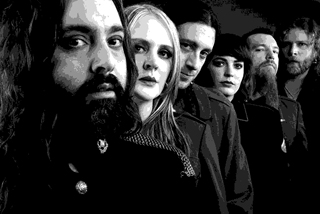
The whole gang. Photo by Andy Batt

SFBG: I’m really into the bus — I’ve seen your rig all over the place, camped out at festivals, etc. What do you keep on there? Does everyone sleep on it? Where’d you get the bus and what’s it’s make and model?

JA: Our bus is a 40-foot MCI coach. It was built in 1984 in Roswell, New Mexico, presumably by aliens. We bought it on eBay 3 years ago and converted it to suit our needs. It can sleep 10 people comfortably, or 20 semi-comfortably. It has become our home on wheels and is probably the single wisest investment we have ever made. It’s where we cook, get dressed, etc. Most promoters can’t pay for lodging for 20 people when we’re on tour so we sleep in, on top of, and around the bus. We keep our camping gear on top and set up tents when we can, and when it’s not miserable outside. Our bus doesn’t doesn’t have an official name, although it is called “Razzle Dazzle” by many. I personally refer to it as “The Shire,” although the idea to have round doors installed was not practical.


SFBG: Where do the costumes come from?

JA: The costumes are designed by the people who wear them, for the most part. Most of us are pretty good at finding cool vintage stuff and thrift-store items and then augmenting them to fit us. All of our dancers have mad costume skills — some are bona-fide full-time designers and they help out the musicians who don’t know how to sew.  


SFBG: What genre does March Fourth classify as? Are there groups out there that you see as your peers?

JA: I don’t know what our genre is. Is there a genre for rockin’ crazy fun global groove tribal symphony with stilts?  Actually, one of my favorite things about this project is that we don’t have a genre, and we’re not easy to pigeonhole. Yet, at the same time we’ve developed a “sound.”  There are some groups, like Gogol Bordello, Balkan Beat Box, Ozomatli, Yard Dogs Road Show, and Mucca Pazza who I see as energetic peers and/or kindred spirits, even though we don’t sound like any of them.


SFBG: Who are the group’s role models?

JA: You’d probably have to poll everyone in the band to get an accurate answer. Part of the original inspiration for putting the group together was after seeing Extra Action Marching Band and The Infernal Noise Brigade at Burning Man in 2002. Myself and a few others, were thinking “hey let’s try doing something like this in Portland,” but we never sought to emulate those groups in terms of the style of music we performed or how we presented ourselves. Now there’s an alternative marching band in just about every major city in the US and there are a couple of festivals like HONK! in Boston and HONK! Fest West in Seattle that have become a sort of mecca for large brass and drum-heavy bands to converge and play together. On a personal level, I’ve been inspired by the model created by the Grateful Dead, big bands of the 1930s, large contemporary ensembles such as Polyphonic Spree, and some of the stuff coming out of Brooklyn, Dap Tone Records in particular. I’m inspired by anyone who can actually make ends meet doing this.


March Fourth Marching Band

Thurs/30 9 p.m. $15-17

The Independent

628 Divisadero, SF

(415) 771-1421
www.theindependentsf.com


New Year’s Eve 2011 parties

6

As always, we recommend attending several parties on New Year’s Eve — just to spread your personal brand of bubbly around (and change up the scenery a bit.) Below are some recommendations for maximum impact, all of which take place the night of Fri/31. Chin chin! (Check out our Music Listings for even more.)

1984

The long-running (as in almost 20 years!) retro ’80s party is playing host to a free flashback at Mighty, in a ppreciation of, well, everything ’80s. DJs Dangerous Dan and Skip play all the faves and waves.

9 p.m.–2 a.m., free. Mighty, 119 Utah, SF. www.mighty119.com


BEARRACUDA

Calling all big, hot gay men — the fur will fly at this hairy annual affair, with DJs Steve Sherwood, dabecy of Electronic Music Bears, and Medic

8 p.m.–4 a.m., $25 advance. Deco, 510 Larkin, SF. www.bearracuda.com/NYE


BLOW UP NYE

Stylish hip-electro madness continues to reign at this monthly party, and the NYE Blow Up blowout should be pretty spectacular (and gorgeously messy). DJs Jeffrey Paradise, Eli Glad, and more help you explode.

10 p.m.–3 a.m., $18 advance, 18+. Kelly’s Mission Rock, 817 Terry Francois Blvd., SF. www.blowupsf.com


BOOTIE NYE

The outrageous mashup club teams up with Mezzanine to present this bonkers night, with DJs Adrian and Mysterious D, live band Smash-Up Derby, French rapper Grandpamini, upstairs room by Brass Tax, pirate balloon drop, and much more.

9 p.m.–late, $20–$40. Mezzanine, 444 Jessie, SF. www.mezzaninesf.com


COSMIC VOYAGE

Hardworkin’ San Diego techno DJ Donald Glaude is no stranger to SF — he’ll know exactly how to take you higher (and blow up the Funktion One sound system) at Vessel for this intergalactic jam

9 p.m.–6 a.m., $25–$65. Vessel, 85 Campton Place, SF. www.vesselsf.com


COUNTDOWN

Get down with a rockin’ reggaeton, hip-hop, and reggae new year fiesta at Club Six, with the awesome Los Rakas live (seriously, those guys are dope), Jah Warrior Shelter Hi-Fi, the Coo-Yah Ladeez, Mr. E, and more to fill all three dance floors.

8 p.m.–4 a.m., $10. Club Six, 66 Sixth St., SF. www.clubsix1.com


ECLECTIC FEVER

Cumbia, Afro-Latin funk, bhangra, reggae, flamenco, soul, and more styles take over the floor with live performances from Sila, B-Side Players, Locura, Non Stop Bhangra, and more.

8 p.m.–3 a.m., $35 advance. West Bay Center, 1290 Mission, SF. ef2010.eventbrite.com


ELECTRIC VARDO

A wonderfully global dance party with a “Palace on Wheels” theme, featuring fat Chance Belly Dance, DJs Amar and lady ra, chef Ranjan Dey’s Indian creations, and music from Bollywood to Andalusia.

9 p.m., $29–$80. New Delhi Restaurant, 160 Ellis, SF. palaceonwheels2010.eventbrite.com


“11”

Deep house master Marques Wyatt from L.A. joins our own Mark Farina, Julius Papp, and many more for a dance floor marathon, claiming to be the “longest New Year’s Eve celebration.” Whew!

8 p.m.–6 a.m., $30 advance. The Factory, 525 Harrison, SF. 11-zvents.eventbrite.com


15TH ANNUAL COMEDY COUNTDOWN

Yuck up your new year with super-hip (and mostly cute!) comedians Charlyne Yi, the Sklar Brothers, Shane Mauss, Nick Thune, Christina Paszitsky, and a ton more. Hilarious balloon drop!

9:30 p.m., $60–$120. Palace of Fine Arts, 3301 Lyon, SF. www.ticketmaster.com


G.A.W.K.

The still-spunky, 25-year-old Gay Artists and Writers Kollective is hostings its annual NYE blowout, with live musical performances and readings that attract newcomers and classic artists alike for some kollective fun.

8 p.m.–1 a.m., free and all ages. Tikka Masala, 1668 Haight, SF. 


ICEE HOT NYE

Get down and wobbly as the city’s best showcase for grimy-funky new musical styles brings in the new year with London’s Bok Bok and Ramadanman, DJs Disco Shawn, Ghosts on Tape, and Rollie Fingers.

9 p.m., $15–$20. Elbo Room, 647 Valencia, SF. www.elbo.com


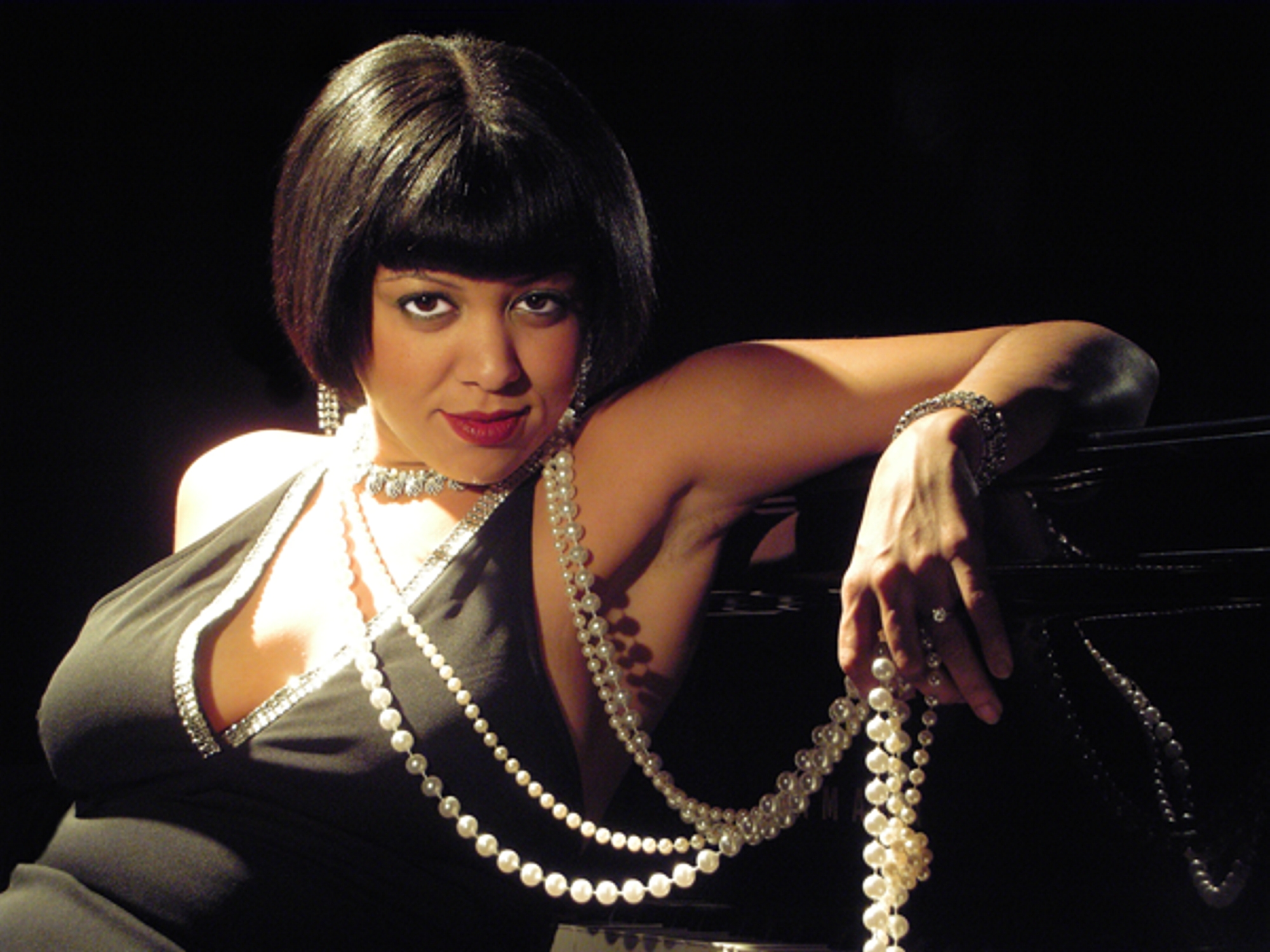
KIM NALLEY

The incredibly gifted and hot-to-trot blues chanteuse will “Let the Good Time Roll” with two smokin’ shows on New Year’s Eve at the wondrous Rrazz Room at Hotel Nikko. Just watch Ms. Nalley go!

7:30 p.m. and 10 p.m., $35. Rrazz Room at Hotel Nikko, 222 Mason, SF. www.therrazzroom.com


LEXINGTON CLUB NYE

Spend the eve getting down with the coolest dykes on the planet (and the ladies who love them). DJs DURT and Pony Boy rock the tables, Aimee and Chandra host. Free glass of champers from 8 p.m.-9 p.m.!

8 p.m., free. Lexington Club, 3464 19th St., SF. www,lexingtonclub.com


LOOSE JOINTS NYE

The awesome funky Friday weekly party with DJs Tom Thump, Damon Bell, and Centipede is a top choice for those looking to get down.

9 p.m., $10. Make-Out Room, 3225 22nd St., SF. www.makeoutroom.com


MANGO NYE

The funky summer jam for a diverse and stylish crowd of lesbians returns to wave bye-bye to ’10. DJs Marcella & Edaj make it happen at El Rio.

7 p.m., $15–$40 advance. El Rio, 3158 Mission, SF. mango2011nye.eventbrite.com


POWERHOUSE NYE

Showering go-go boys! Muscular bartenders serving it up stiff! Yep, you’re at the Powerhouse, spraying your man-champagne into 2011, with DJ DAMnation and a $100 wet towel contest. (free towel check!)

10 p.m., $10. Powerhouse, 1347 Folsom, SF. www.powerhouse-sf.com


RENDEZ-VOUS IN PARADISE

Normally the phrase “Las Vegas’s best DJ!” sends us running to the barn for pitchforks — but this is scratch turntable legend Tina T, who is amazing. North Beach’s Atmosphere club is pretty swank, but the crowd will get down.

10 p.m., $50–$75. Atmosphere, 447 Broadway, SF. www.a3atmosphere.com


SEA OF DREAMS

This incredibly huge, longtime New Year’s Eve tradition is bursting with star power: Balkan Beat Box, Thievery Corporation, Modeselektor, Beats Antique, and tons more. Plus, a “GalaxSea” theme, for all you Neptunefish of 2011.

9 p.m.–5 a.m., $75–$135. Concourse Exhibition Center, SF. www.seaofdreamsnye.com


S.O.S. (STANDING ON STARDUST)

The fab rare disco and funky stylings of DJ Bus Station John will be on full display at this incredible-sounding shindig at Burritt Room, put on by handsome duo Bon Vivants. We hear there’ll be yummy food and a giant ice-sculpture unicorn shooting champagne, so ….

9 p.m.-2 a.m., $85. Burritt Room, 417 Stockton, SF. More info here.


SOME THING NEW

Some Thing, the weekly Friday night theatrical drag extravaganza (always full of hot altqueers), comes up with something special — drag goddess Juanita More takes the turntables with Sidekick and Stanley Frank to turn you out.

10 p.m., $10. The Stud, 399 Ninth St., SF. www.studsf.com


STREETS OF SAN FRANCISCO

Infamous DJ Steve Aoki and club photographer Cobrasnake are leaving the electro hipsters behind and appearing at this fancy ball, featuring a scale replica of the city’s beloved monuments.

9 p.m., $12–$200 advance. Fort Mason Center Festival Pavilion, Marina Blvd., SF. www. sanfrancisconewyear’seve2011.com


SUNSET AND HONEY

Two of the city’s smartest house and techno collectives, Honey Soundsystem and Sunset, join forces at the awesome new Public Works, with special guests Kim Ann Foxman of Hercules and Love Affair and Tim Sweeney of Beats in Space.

9 p.m.–5 a.m., $30. Public Works, 161 Erie, SF. www.publicsf.com


TEMPLE OF LIGHT

Temple’s annual luminous extravaganza goes “3-D” to delight the eyes and ears (and a third thing — feet?) with DJ Paul Hemming, Jaswho? live, Ben Tom, Soulspin, and more.

9 p.m.–4 a.m., $40–$150. Temple, 540 Howard, SF. www.templesf.com


TRANNYSHACK NYE

Good lord — Heklina and her cray-cray drag queens are teaming up with circus-themed party Big Top to wrestle 2010 out the door. Look out, shoulder pads! Tons of performances, Ejector live, DJ Omar, and an appearance by Kembra Pfaler of the Voluptuous Horror of Karen Black.

9 p.m.–3 a.m., $20. DNA Lounge, 375 11th St., SF. www.dnalounge.com

Year in Music: Pantha du Prince’s Top 10 (+1) of 2010

0

Phill Niblock, Touch Radio 57
Efdemin, Chicago
Konrad Sprenger, Versprochen
Avey Tare, Down There
Foxtrot Echo Lima Tango fanzine
Autechre, Oversteps
Moritz Von Oswald Trio, Live In New York
Live jams by The Sight Below in New York
Sohrab, A Hidden Place
John Roberts, Glass Eights
Craig Haines, Until the Point of Hushed Support

Pantha du Prince, “Stick to My Side”:


Year in Music: Jesse Kivel of Kisses’ Top 10 Albums of 2010

0

Beach House, Teen Dream
CEO, White Magic
Nite Jewel, Am I Real?
El Guincho, Pop Negro
Owen Pallett, Heartland
The National, High Violet
Joanna Newsom, Have One On Me
Ra Ra Riot, The Orchard
Delorean, Subiza
Ariel Pink’s Haunted Graffiti, Before Today

Kisses, “Bermuda”:

Year in Music: Alexis Georgopoulos of Arp’s Top 10 of 2010 (+1)

0

Durutti Column, “Stucki”
CFCF, The River
Oni Ayhun, “Untitled (OAR003–B)”
James Blake, Klavierwerke
Mario Basanov, Caribbean Girl
Sun Araw, Off Duty and Boat Trip
Charanjit Singh, Ten Ragas to a Disco Beat
Jaakko Eino Kalevi, Macho
Tensnake, Coma Cat
Tame Impala, Innerspeaker
The Radio Dept., “Heaven’s On Fire

Oni Ayhun, “Untitled (OAR003-B)”:

James Blake, “Klavierwerke”:

Tame Impala, “Half Full Glass of Wine”:


Snap Sounds: La Plebe

0

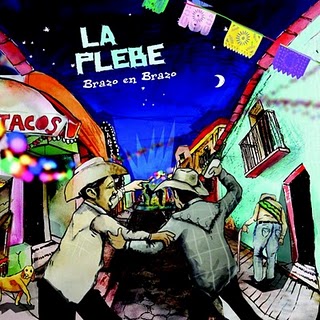
LA PLEBE

Brazo en Brazo

(Kool Arrow, 2010)

Don’t be fooled by the melancholy acoustic guitar that opens the new La Plebe album, Brazo en Brazo, for all of a few introductory notes. Just as soon as the ear is lulled into world-music lullaby-land, the horns and drums quickly pop up, until, like a day at the races, the full blaze of La Plebe’s instrumentation blasts through, and they’re off!

A band firmly established as being politically and passionately aligned with the dispossessed and disenfranchised, this new album expands beyond the barrio, to explore the state of plebe on a global scale. Songs such as “Venas Abiertas” (Open Veins) and “Guerra Sucia” (Dirty War) describe the states of oppression that keeps Latin America on unequal economic and political footing while “Opresión” speaks more generally to the human costs of war. If those don’t particularly sound like themes to rock out to, the happy accident of La Plebe is that rocking out is actually what they do best. No dweeby-hipster-peaceniks, these, their tight ska-punk rhythm, scorching horns, and rapid-fire guitar hooks, can make a libertarian’s toes tap as freely as any anarkid’s. It helps to think of their music as a kind of call to arms — it won’t go away, and can’t be ignored.

It helps too, that lines such as “corporations that control/at the multinational level/continue robbing and enslaving/those that are suffering most” (from “Venas Abiertas”) simply sound less didactic in the Spanish that all but two songs of ten are written in. One of the remaining two, “Been Drinkin,’” is a spare acoustic jam mourning a life drowned in liquor and honky-tonk. The other, “Bella Ciao”, is a punk rock rendition of an anti-fascist Italian ballad, a partisan’s final farewell to his “beautiful”. If any language could be more musical and poetic than Spanish, it is surely Italian, and La Plebe’s version is an invigorating, Romany-esque reel. I couldn’t help notice the recycled riff in “Campesino” which appears quite emphatically in Hasta la Muerte’s “Mi Tierra”, but at least it’s a good riff. Maybe it’s a sequel

The only Xmas mix you’ll ever need

0

Excellently talented hip-hop, soul, and old school groove DJ and accomplished local artist Romanowski, just popped a super-fun and jingly mix into our stocking, and we couldn’t help but share with you. The anti-drunk driving version of “Silver Bells” had us rolling. Uncork some cognac, put the kiddies by the fire, roll up a fat one for Rudolph, and listen after the jump.


HOLIDAY’S WITH ROMANOWSKI by romanowski45

Year in Music: K. Flay’s Top 10 of 2010

0

– These New Puritans, “We Want War” video. Slow motion videos can either be awesome or insanely awesome. “We Want War” is the latter.
Girl Talk, All Day. We played this a bunch on tour and it made me feel like I didn’t have a job but also would never need one. Which is probably one of the top ten life scenarios of 2010.
– Liz Phair at The Independent, October 10, 2010. Liz Phair > egg sandwiches. No, really.
– Kid CuDi, “Don’t Play This Song.” I first heard this track while driving through crazy fog on Interstate 8 in the Arizona foothills at 2 a.m., which was probably the best possible context I could have imagined. CuDi perfectly captures a sense of calculated self-destruction.

– Big Boi, Sir Lucious Left Foot: The Son of Chico Dusty. As soon as I heard the title of the new Big Boi album I knew I would like it. “Tangerine” and “Ain’t No DJ” are my favorite cuts.
– Sleigh Bells, “Riot Rhythm.” This track is filthy. And I mean that in the best way. Make sure you are at least ten feet away from my face when the drums drop.
– Kanye West, My Beautiful Dark Twisted Fantasy. A phenomenal album from one of the most innovative musicians of our generation. Production-wise, this is my favorite Kanye record to date.
– Usher feat. Nicki Minaj, “Little Freak.” This song is my guilty pleasure. The fact that a classic Stevie Wonder synth line can peacefully coexist with Usher’s persistent ménage à trois requests never ceases to blow my mind.
– Arcade Fire, “We Used To Wait.” A friend of mine told me I would cry when I watched this video and I didn’t believe her until I was sitting in front of my laptop choking back nostalgia sobs.
– Big KRIT feat. Yelawolf, “Hometown Hero.” “Hometown Hero” features two of the most talented lyricists to blow up this year. I’m just waiting for someone to make a movie based on this song.

The video for “Coastin'” by Zion I feat.K. Flay:

K. Flay, “Crazytown”:

Year in Music: Lyrics Born’s Top 10 Albums of 2010

0

Lyrics Born, As U Were
Joyo Velarde, Love and Understanding
Kanye West, My Beautiful Dark Twisted Fantasy
Chromeo, Business Casual
Crystal Castles, Crystal Castles
Far East Movement, Free Wired
Trackademicks, The Remix Tape, Vol. 3
The Black Keys, Brothers
John Legend and The Roots, Wake Up
Zion I, Atomic Clock

Video for “Like a G6” by Far East Movement feat. The Cataracs, DEV:


Year in Music: E Da Boss’s Top 10 of 2010

0

Myron & E live with Kings Go Forth and The Selector Kirk at Elbo Room, SF
The Pendletons, “Comin Down”/”Waiting On You” 7-inch
Roy Ayers, live at Yoshi’s, SF
Sweater Funk, every Sunday night at Li Po Lounge, SF
– Track the Movement, with Jerry Nice and B. Cause, first Saturdays at Showdown Bar, SF
– 45 Sessions One Year Anniversary, with DJ’s Platurn, Pump and Headspin, Enki, and E da Boss at Layover Bar, Oakland
Change the Beat, with DJ Centipede and Mophono, every Tuesday at SOM SF.
– GrownKidsRadio Episode No. 18: “Natural Self Feature”
– El Guincho, “Bombay” video
– Groove Merchant 20 Year Anniversary LP

The video for El Guincho’s “Bombay”:

“Simple and Sweet,” from Starbooty by Roy Ayers and Ubiquity:

Year in Music: Amp Live’s Top 10 Songs of 2010 (Guilty Pleasure List)

0


Bassnectar, “The 808 Track”
The Black Keys, “Tighten Up”
Drake, “Fancy”
Jay Electronica, “Exhibit C”
Flying Lotus, “Do the Astral Plane”
E-40 “B*tch”
Wiz Khalifa, “Black and Yellow”
Fat Joe, “Ha Ha”
Civil Twilight, “Letters from the Sky”
Rihanna, “Only Girl (In the World)”

The video for Wiz Khalifa’s “Black and Yellow”:

Year in Music: The Soft Moon’s Top 10 Albums of 2010 (Reissue-Style)

0

Omar Khorshid, Guitar El Chark
Niagara, Niagara
Congregacion, Viene
Neu! vinyl box set
Franco Battiato, Fetus
Iron Curtain, “Terror Story”/”Anorexia” 7-inch
Can, Future Days
Brain Ticket, Cottonwoodhill
Chrome, Alien Soundtracks
Fabulous Diamonds, Fabulous Diamonds II

Video for “Parallels” by The Soft Moon:

Year in Music: Delorean’s Top 10 Albums of 2010

0

Beach House, Teen Dream
El Guincho, Pop Negro
Girl Unit, I.R.L.
Teengirl Fantasy, 7AM
k**O, Espanish Boogie, Vol. 2
The Ruby Suns, Fighting Softly
Kanye West, My Beautiful Dark Twisted Fantasy
Ariel Pink, Before Today
Tensnake, Coma Cat
Glasser, Ring


The video for “Lover of Mine,” off of Beach House’s Teen Dream:

Girl Unit, “Wut”:

http://www.youtube.com/watch?v=wc6ZqhJWRhE

Tensnake, “Coma Cat (Original Mix)”:

http://www.youtube.com/watch?v=lW2RACqNi9E


Year in Music: Weekend’s Top 10 Songs of 2010

0

Check out our Year in Music Bay rock roundup featuring Weekend, then dive into their faves …

Big Troubles, “Freudian Slips”
Terry Malts, “I’m Neurotic”
Grave Babies, “Gouge Your Eyes Out”
Speculator, “Fuck This World”
Minks, “Funeral Song”
Procedure Club, “Feel Sorry for Me”
Tamaryn, “Love Fade”
Little Girls, “Delaware”
Young Prisms, “Sugar”
Fluffy Lumbers, “Harry Dolland’s”

The video for “Love Fade” by Tamaryn, starring Alexis Penney:

The video for Weekend’s “Monday Morning/Monongah, WV,” directed by the group’s Shaun Durkan and Kevin Johnson:


Q&A: The unexpurgated Books

0

Accurately summing up the music The Books create is a tall order. Folktronica, indie-pop, cut & paste, experimental — all these tags can loosely be assigned to it, but none can fully capture the group’s mix of acoustic virtuosity and trippy electronics. First meeting in New York City in 1999, Nick Zammuto and Paul de Jong soon began crafting their unique combination of found sounds, cello, guitars, vocals and studio experimentation. Their work has led to four albums, a remix collaboration with Prefuse 73, and a commission to create elevator music for the Ministry of Culture in Paris. Zammuto took some time to chat about the group’s use of samples and its newest release, The Way Out (Temporary Residence Limited). Below is a longer version of a Q&A that recently ran in the Guardian.

SFBG You guys seem to put a lot of thought into the venues you perform at. How do you choose?

Nick Zammuto At first, beggars can’t be choosers, so we kinda just played wherever people would have us. And then I think the promoters started to realize that our show just works better when there’s a little more focus and when the ceiling is high enough for our projection to look the way it should. More than anything, the venue — the shape of it and the sound of it — creates the evening. And it’s amazing how it brings out different characteristics in an audience. Part of it is what they bring and part of it is what we do. But there’s that third element, which is the venue. It’s a mysterious thing. I love shows that are sitting down because I think it brings out this more careful detail that we try to bring out in our records, which is difficult to translate to the stage when it’s a noisy environment and beers bottles clinking and stuff like that. But then again, I love the energy of shows that are standing up because people can express themselves easier and we get more feedback from the audience. So both have their benefits.

SFBG You’re playing with Gene Back this tour, which will be the first time you’ll be performing as a three-piece. How did this come about?
 
NZ He’s a guy from Brooklyn who we met through a project we did with a cellist named Zach Miskin. He was kinda Zach’s right-hand man for this project and he came up to record at my place and I was just really taken with his playing. He can play anything you put in front of him. He learns really fast, so it’s been great to throw stuff at him to see what he can do. He doesn’t disappoint.

SFBG How much of a collaborative process was it in terms of him adding or not adding his own touches to the existing material you guys will be performing?

NZ It depends on your definition of collaboration, but I think the energy he brings with his playing, it changes our set drastically and that’s definitely something we have no control over, you know. That’s his thing. He’s tried to execute the parts that we’ve created for him, but he’s also solved a lot of problems that we wouldn’t have foreseen, not being able to play them ourselves. And he loves to dive into things. For example, he can actually play the guitar riff on “Tokyo.” He came up to us and was like, “Hey, look what I can do.” That’s something we never expected to be able to play live, and sure enough, it’s in the set now because of him.

SFBG Speaking of the guitar line on “Tokyo,” that’s one of many parts on your guys’ albums that makes you wonder how exactly it was created and recorded.

NZ I think nothing is really what it seems on our records and we do a lot of work to cover our tracks in terms of where things come from and how things were made. But essentially, I played that guitar line just as it appears on the record, except it was about half the speed when I originally played it. I just sped it up to see what it would sound like. And it turned the tambour of the guitar into this high-strung, mandolin kind of sound, which was cool, so we kept it. My fingers just don’t move that fast. But luckily there are people out there who can execute my ideas (laughing).

SFBG As diverse as your music can be, there is still a very recognizable overall sound. But it’s not always easy to describe. After all these years, have you guys settled on a fallback response when someone asks what kind of music you make?

NZ The word we go back to because it’s kind of open-ended is “collage.” We pull things from all different places and try to put them together in some compelling way, and I guess the most basic word for that is collage. I think people try to attach all kinds of genre names to it, but none of it has really felt comfortable to us. We just kinda do what we do. But you know, sampling is a big part of what we’ve always done. Figuring out a way to connect all these disparate elements is the basic work we do. So, it feels like collage.

SFBG I’ve always been curious about how you find the material you sample. Where did the material featured on The Way Out come from?

NZ During our tours in 2006 and 2007, we stopped at thrift shops all along the way, wherever we could. We’d pick [up] VHS tapes and audio tapes. Paul is kind of in charge of the audio side of the collection and I do more of the video side. Basically, we take the tapes and digitize them and then go through them and save all the stuff we think might be useful, having no idea what it might be used for. If it kind of has this memorable, emotional quality, we save it and keep it around. And the cream rises to the surface, in a way. We end up with these samples that are so far and above anything that anyone would expect, and you just have to use them. So, we throw all those in a folder called “Must Be Used.” And that’s what starts a lot of the ideas for the compositions.

SFBG The answering machine messages in “Thirty Incoming” are simultaneously touching and kind of silly. How do you decide what musical tone and context you’re going to frame a sample in once you decide to use it?

NZ A sample like that just speaks to everyone, you know. And it’s interesting how the interpretation of that phone message varies from “Wow, this is the most sincere man I’ve ever heard in my life” — which was my interpretation when I first heard it — to “That’s creepy. I don’t know what I’d think if I got that message on my phone.” So, it just has this sort of supercharged quality to it where it means a lot to everyone who hears it, but for different reasons. You can’t really go wrong with it, unless you were to counteract its tone somehow. What it suggested to me was this oceanic kind of sound. Those lines go so deep, that it had to be this wave after wave of pulsating sound coming in and then receding. Then we tried to find musical elements that could achieve that sound. So, we ended up using cello and effected vocals, electric guitar and bass to pull it all together. And also this drum tom that I recorded last summer while we were in London. This is the first time we’ve used real drum sounds in forever. It was fun to work with that quality of sound.

SFBG Hearing drums sprinkled throughout was a nice surprise on this album. I particularly like the hi-hat pattern throughout “I Didn’t Know That.”

NZ That was a lucky find. It was from a rare record with only like 500 copies made in the 1970s. It’s from this black history record. And it’s just this great hi-hat riff that’s just there between these two spoken word tracks. When we heard it, we were like, “Wow, that’s totally amazing.”

SFBG Have you ever been contacted by someone who appears in one of the found samples you’ve used throughout your career?

NZ People ask this a lot, and we haven’t, I think for a couple of reasons. Like going back to the “30 Incoming” samples, that tape must be 20 years old already, so who knows how old those people are now. And you know, we’re a pretty small band and it doesn’t really go outside of a certain circle of people who listen to this kind of thing. So, I don’t know how it would get to them, unless it was through some crazy kind of way. Maybe it will happen someday.

It would probably take some crazy series of connections. But it’d have to be a crazy feeling for someone to stumble upon a song that contains something they said or did and most likely forgot about 20 or 30 years ago.

It feels like archeology, even though it’s of the recent past. It feels like there’s some distance between now and then, so it takes on a totally different meaning. There’s all this inadvertent cultural information in these tapes. Stuff that was in the background when people were making them, but now they become the foreground because it’s so different from how we are now. And it often comes across as funny. But it also has this unconscious quality to it, which is what I like about it. That none of this stuff is planned. It’s not preconceived what this stuff means. It’s really honest in the way it comes though. It’s just people being themselves.

SFBG As meticulous as you guys seem to be at crafting albums and each individual song, do you ever struggle with deciding when something is done being worked on?

NZ Yeah. I mean, I compose the stuff and it takes forever (laughing). And it’s a completely exhausting process. But you just kinda know when you’re done, because you don’t want to work on it anymore. It becomes like a zero-sum game. Nothing you can do can make it any better than what it is, so you just let it go. Tracks are never finished, they just kind of escape.

SFBG You switched from the European label Tomlab to the US-based Temporary Residence Limited for The Way Out. Is there a difference between how Europeans and Americans approach your music?

NZ I think Europeans think of us as kind of like a freak show (laughing). And they like us for that reason. But I think when we play in the US, there’s this familiarity because there’s more nostalgia to it. Because we all grew up in the times that we’re sampling from, the ’80s and ’90s mostly. It’s less of a freak show and more of a warm look at the past and where we came from. Kind of reclaiming our childhoods in a way.

SFBG What kind of music inspired you both during the creation of the new album? And is there something you’ve been particularly into as of late?

NZ Me personally, I’ve been on a big Police kick. I don’t know why. But going back to their catalog, I love the way their records are produced. And I especially love Stewart Copeland’s contribution. He can play the drums like no one else. It all has this clarity and precision and energy to it that I really love. So, I’ve kind of been studying that from more of a production standpoint. As for inspiration during The Way Out, during our visit to London in 2009, Nigel Godrich’s engineer Drew Brown invited us to Nigel’s studio for about a week. Nigel was away working on something else and Drew was like, “You should just go and play,” and we were like, “Are you kidding me?” (laughing). And seeing how that studio is put together and the music that has come out of it, Nigel’s and Drew’s way or working is really inspiring to me in terms of getting a mix that’s kind of warm and transparent but also really powerful. I think that had a direct effect on our record.

Live review: Dr. Dog hit the retro road

0

Philadelphia’s Dr. Dog is the kind of band that can’t seem to get enough of life on the road. Earlier this fall, during the first of two nights at the Fillmore on what is the band’s second full tour in support of April’s Shame, Shame (Anti), fans were treated to a lengthy, lively set of retro-minded indie-rock.

The show kicked off with Shame, Shame opener “Stranger,” which showcased bassist Toby Leaman’s perfectly frayed vocals set amongst some soaring Beatles-esque harmonies and Motown posturing from his band mates. “Slowly I’ve become undone/ a stranger, with a stranger heart,” he yelped with a gruff clip to his voice, sounding like Harry Nilsson during his late, destroyed vocal cord phase.

Shame, Shame material filled most of the band’s set list, with Leaman and guitarist Scott McMicken trading off lead vocal duties nearly song for song. McMicken’s higher-pitched, smoother-around-the-edges voice offered a nice counterpoint to Leaman’s, and led to a couple of the show’s highlights. “The Old Days” from 2008’s Fate (park the Van) started with a slow, snaking piano line courtesy of Zach Miller (the band’s stoically efficient keyboardist/organist) and McMicken singing, “Let go of the old ones/ we’ve got some new ones.” By song’s end, the band was jumping around the stage during a rollicking outro section led by Leaman’s catchy bass line and McMicken’s classic-rock soloing. “The Breeze” offered maybe the best example of how well these guys have locked down their live arrangements, with tambourine, shakers, and three-part harmonies carrying the sparse opening lines before the whole band jumped in. Leaman took over vocals during the song’s breakdown, gazing right through the crowd, singing, “Are there dark parts, to your mind/ Hidden secrets, left behind/ Where no one ever goes/ But everybody knows” with an unsettling stare, finishing with a cathartic “It’s alright!”

Elsewhere, the brand new “Take Me Into Town” sounded like Beggars Banquet-lite, the Architecture in Helsinki cover “Heart it Races” took on a classic soul and R&B feel, and “Worst Trip” from 2007’s We All Belong (Park the Van) was rushed through at a breakneck, almost punk-rock pace. Props must be given to new(ish) drummer Eric Slick, who has stepped in seamlessly and added his own little touches to the band’s live shows.

The encore offered up some unexpected treats for long-time fans. “Say Something” and “Oh No,” two tracks from the 2005 EP Easy Beat (Park the Van) sounded great and far beefier than their lo-fi album counterparts. The highlight, however, was “California,” a stripped-down acoustic ditty with jug band and barbershop quartet touches that really separated itself stylistically from everything that’d come before it.

Tastemakers like Pitchfork have lazily written Dr. Dog off as derivative muggers of ‘60s and ‘70s rock standards, and the band still hasn’t experienced the mainstream success its devout followers know it deserves. But for lovers of good old-fashioned, no-bullshit rock and roll, this is one of the more fun, hardworking live bands around.

Live Shots: Badly Drawn Boy, Swedish American Hall, 12/14/10

0

“How long do you plan on sitting down there?” said Damon Gough of Badly Drawn Boy as I stared up at him through my fifty millimeter lens perched on the steps of the stage. “Three songs,” I replied, holding up the appropriate number of digits. Our conversation ended there. It was the first time a musician had interacted with me at a concert, and to be honest, it was slightly awkward.

Badly Drawn Boy’s tunes originally entered my ears behind the images of Hugh Grant, in the movie About a Boy. There was something so playful about those soundtrack pieces that went perfectly with Grant’s crooked smile. Gough’s music is much more mellow these days, and actually rather melancholy. I’m not as comfortable with these kinds of songs, especially since I’m known to cry at anything in a minor key (top waterworks instigators include “All the pretty little horses” … no joke.).

But then again, Gough is from England and according to my amigo Craig, it’s cold and dark there, so maybe Gough is just expressing a bit of that gray and gloom with the help of his guitar.

One last question … what’s up with crocheted cap? He always wears the same one … I want to know the story behind, or rather under, it.

Cheerio yo!


Live Shots: Roger Waters’ epic “The Wall,” HP Pavilion, 12/08/2010

4

In the minutes before Pink Floyd mastermind Roger Waters took to the stage at HP Pavilion earlier this week to perform the band’s epic 1979 double album The Wall, the playlist coming through the house speakers gave way to Billie Holiday’s “Strange Fruit,” a song that seemed well-matched for the impending performance. For an artist that is commonly known for romantic jazz ballads, Holiday’s “Strange Fruit” was a defining moment in her career, a point in which she ascended beyond the simplest manifestations of her identity and delved into the  darkest corners of her times.

In a similar sense, there is no easy way around The Wall. Pink Floyd’s last album during their monumental run in the ’70s — Dark Side of the Moon, Wish You Were Here, Animals — was not only their most artistically ambitious, but a lingering challenge to the nature of the band’s legacy. Longview attempts to define Pink Floyd in the realm of blacklight posters, spacey sounds, or a Dazed and Confused mindset, will inevitably get stuck at The Wall: a dark and confrontational album that is ultimately the most emblematic of Pink Floyd’s greatest characteristics.

So, with Waters (at age 67) suggesting that this will be his last tour, it is appropriate that he would finish with his masterpiece. And make no mistake – this was a concert for the ages.

Playing before an enthralled sold-out crowd, Waters put on a spectacle of acid-casualty-inflicting-potential that seemed peerless on numerous fronts. Musically, the material was as dynamic as it was seamless, deftly rendered by a world-class band of musicians over a juggernaut of a sound system. Visually, the staging seemed calibrated past “entertain” and set on “assault”, showcasing a sensory barrage of giant puppets, crashing airplanes, and flying pigs all amidst the construction (and eventual toppling) of a 40ft wall that also served as a towering projection screen for a dizzying array of images and video.

Yet the most notable aspect of the performance was the sheer relevance of the material. This was really an amazing feature, considering that Waters wrote The Wall in the run up to the Reagan-Thatcher era and was now performing it in the aftermath of Bush-Cheney. In this regard, Waters delved deeply into the confrontational aspect of the album’s material, challenging the audience with all-too-timely themes of war, ideology, government surveillance, and the general estrangement of modern human relations. During “Run Like Hell” the projections on the wall at one point showed the Wikileaks-released video of the 2007 Apache Helicopter massacre in Baghdad; not exactly light viewing material to accompany one of Floyd’s classic radio hits.

Waters looked and sounded formidable throughout the concert, stalking the stage with good-humored authority as the wall was erected in front of the band throughout the beginning half of the album. This first set was packed with striking moments, such as the ominous acoustic beauty of “Goodbye Blue Sky” beset by visuals of bomber planes dropping their payloads of -isms  (dollar signs, religious symbols, and corporate logos) on those below. “Another Brick in the Wall (Part 2),” with its re-occurring mantra – “We Don’t Need No Education” – was already a staggering spectacle as a three-story marionette school teacher with laser eyes dwarfed the musicians below, only to then be embellished by a choir of  local school kids filling the stage to sing the later verses.

However, the most poignant moment of the show came during the second set as Waters – who had lost his father as a boy during World War II – performed “Vera” and “Bring the Boys Back Home” beneath video spots of children reuniting with their fathers returning home from war. The final clip – of a young girl going from surprise to gut-wrenching emotion as she first sees her father – left audience members wiping back tears as Water’s sang the line, “Does anybody else in here/feel the way I do?”

The wall came toppling down after the more theatrical rock-opera moments of the second album, culminating with “The Trial” performed  beneath Gerald Scarfe’s hallucinatory animation from the 1982 film adaptation of the album. Waters and company finished the concert amongst the rubble, playing a wonderfully serene and hopeful version of “Outside the Wall.”

Much has been made of the fact that the original staging of this album was a logistical debacle when it was performed in only four cities some 30 years ago, and that the evolution of technology has now made it feasible. Yet, in a similar sense, the album’s material has matured in its own way in this time. Writing during a time of personal crisis in the late 70s, Waters conceived the album as an exploration of human relationships and the many obstacles that hinder them. The timeliness of these themes then — especially after a decade marred by war and a divided population – makes this tour less of a nostalgic throwback and more of manifested vision. Pink Floyd had always been far ahead their time, so there is a fitting logic that it would take three decades for The Wall to be properly realized in concert.

Of course, it’ll be interesting to see if this tour is in fact the last call on an original Pink Floyd experience. Altough the surviving band members are getting on in years (keyboardist Richard Wright died in 2008), they have made some steps at amends recently, and even expressed interest in collaborating again. Perhaps then, there is still time for those walls to come down. After all….when it comes to Pink Floyd, it’s well known that pigs will fly

Jackie Beat: “Hung Puerto Rican elves only”

0

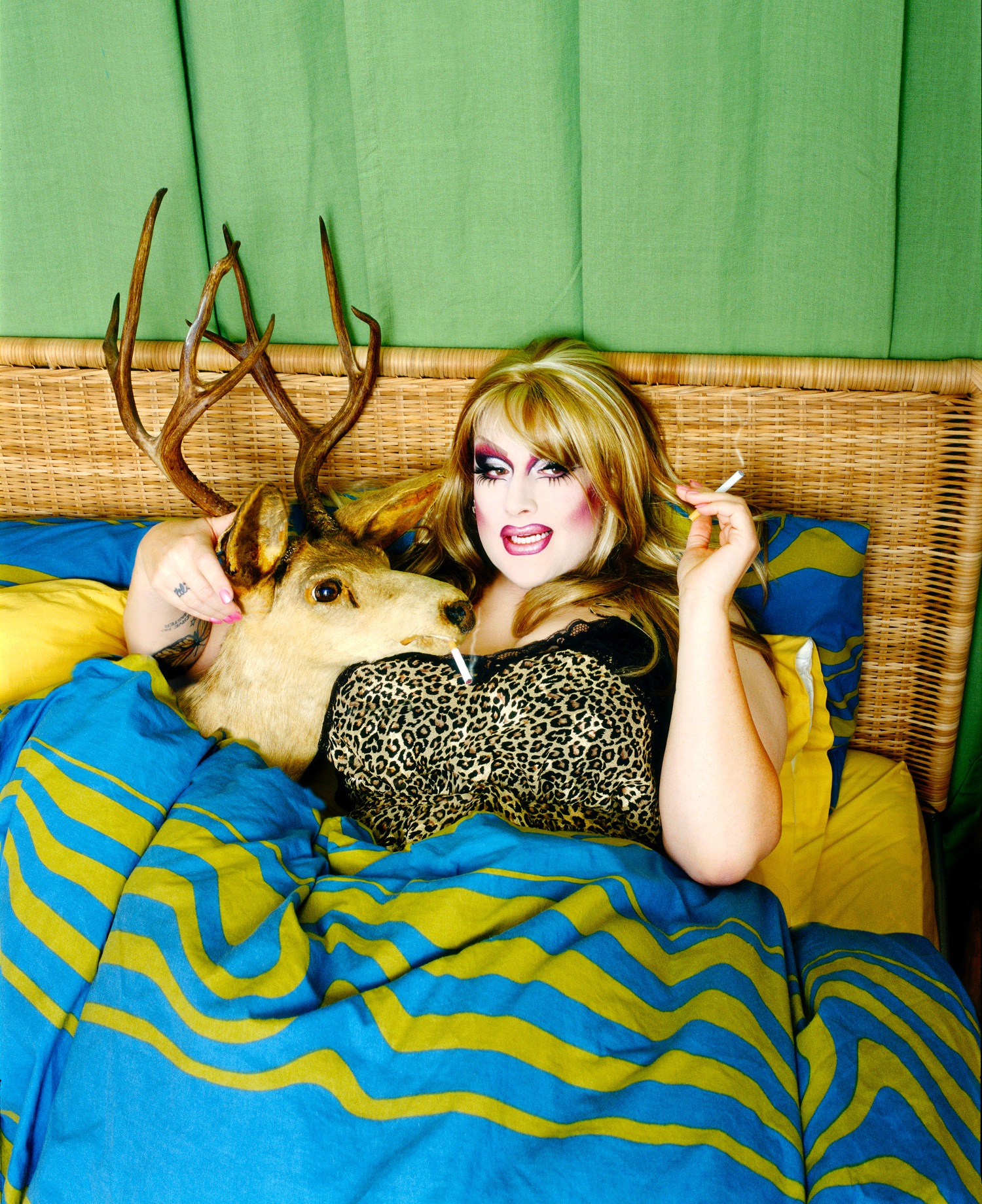
Generously talented and fantastically energetic (we’re talking 8-bit chipmunk here) LA drag entertainer Jackie Beat is in town with her new show “Jackie Beat’s All-You-Can-Eat Christmas,” Fri/10 and Sat/11 and Brava Theater. It sounds like a real festive hoot. The long-time cabaret circuit favorite, underground club hostess, and member of scandalous electro-revival band Dirty Sanchez pulled out her giant fork and dug into a little interview with us about ambrosia salad, abortion, AM schlock .. and that’s just the beginning. Go pay some money to see her!

SFBG: OK I’m dying over the concept for All-You-Can-Eat Christmas — it’s so refreshing to hear a drag queen talk about eating! What are some of your favorite foods? And do you do a lot of cooking?

Jackie Beat: Well, I was referring more to huge portions of talent, but I do love to eat! The ironic thing is that I have actually lost 100 pounds since my last holiday show, so people may think the title is actually “All-You-Can-Eat (And Then Throw Up!) Christmas,” but I promise it’s not! I still love to eat, I just eat less. My favorite holiday food has to be good old-fashioned Ambrosia Salad.  It’s a big mess of pineapple chunks, pecans, shredded coconut, mandarin orange segments in heavy syrup, mini marshmallow, sour cream and Cool Whip. You can eat a huge bowl of it and then honestly tell people, “All I had was salad!”

SFBG: I love that you sing live — what kind of music is part of the new show?

JB: Most of the new material is in my amazing new outfit — yards and yards of it! Seriously, it gets harder every year to come up with new stuff. I have done thousands of song parodies, including every holiday song ever written! This year, I am doing a Country Christmas Medley, a great medley of horrible old AM radio classics — the type of crap you hear at wedding receptions — but sung with the original lyrics that were too shocking at the time. You know, so all these sweet nostalgic old songs are now about fisting and abortion. Good times! I am also doing a new song about getting a full-cavity search at the TSA and there are plenty of classics like “Santa’s Baby” and “Do Some Blow!”

http://www.youtube.com/watch?v=ZThrYCy9Zzo

SFBG: Who’s your favorite Santa’s reindeer?

JB: Grumpy? Oh wait, that was one of the Seven Dwarves, right? Um, Jan? No, she was in The Brady Bunch, sorry. Um, Rudolph of course! Because he’s the fucking star — like me!

SFBG:  If you had an elf of your own, what would you make him or her do for you?

JB: First he would be Puerto Rican and hung like a horse.  And I think you can figure out the rest!  Oh, and after THAT — he would clean the fucking house!

SFBG: Can you tell me a bit about how the show came about?

JB: Um, I had bills to pay and I don’t know how to do anything else, so…

SFBG: I bet you’ve been pretty busy in general — what have you been doing lately? Any Dirty Sanchez news? You guys just performed here, yes?

JB: We did Folsom Street Fair last year, but we are all so busy with our own lives that we seldom perform together these days.  Hopefully we will be working on some new music soon!

SFBG: You’re in San Francisco pretty regularly — what are some of your favorite things about the city?

JB: The PAYING customers, of course!  Times are tough and like I said, I don’t know how to do anything else.

SFBG: Unfortunately Christmas can’t last forever — what’s next for Jackie Beat?

JB: Quite possibly dropping dead right after this grueling, brutal holiday tour — so come see me now while I am still alive, bitches!

JACKIE BEAT’S ALL YOU CAN EAT CHRISTMAS

Fri/10 and Sat/11, 10:30 p.m., $20–$40. Brava Theater, 2781 24th St., SF. www.brownpapertickets.com

Killing Casiotone: Owen Ashworth says goodbye — and looks ahead

1

Owen Ashworth is on the phone with me, explaining his decision to retire Casiotone for the Painfully Alone:

“Definitely something has changed in me the last six or seven months where I haven’t enjoyed a lot of the things about making music the way I had. I feel like I haven’t been as nice of a person as I’m used to being. For the sake of my sanity I need to stop for a while. It’s been an insane couple of months doing these last tours, emotionally draining in ways that I didn’t anticipate. So I’m just really looking forward to being done for a while and coming back to it when I’m excited to come back to it.”

He pauses briefly, and adds, “There are a handful of songs I’ve already written for the next album, and a lot of half-finished ideas, which is usually how I work, with a lot of small skeletons for songs floating around until I figure out what to do with them.”

If this seems like a glaring contradiction, remind yourself of one simple fact: musicians never retire. Even an attempt to do so is usually greeted by confusion and misunderstanding. Earlier this year Ted Leo had to address misquotes that made it seem like he was hanging up his guitar. When musicians make the claim outright, it usually turns out to be hot air, as is the case with Jay-Z, who in 2003 made leaving the rap game a frequent subject of interviews and lyrics, and was never heard from again.

Ashworth isn’t oblivious. In September, he broke the relative silence of cftpaforever.livejournal.com/, usually reserved for tour info, to say, “I’d just like to clarify that this doesn’t mean that I’m quitting music. I love writing & recording songs, & I hope to make lots more records in my lifetime. But, after nearly thirteen years of being the dude from Casiotone for the Painfully Alone, I’m ready for a fresh start & a new challenge. So, after December 5, 2010 (the thirteen year anniversary of my first show), I’m throwing out the old songs & I’m trying something new. I’ll have more news about new projects & plans in the coming months.”

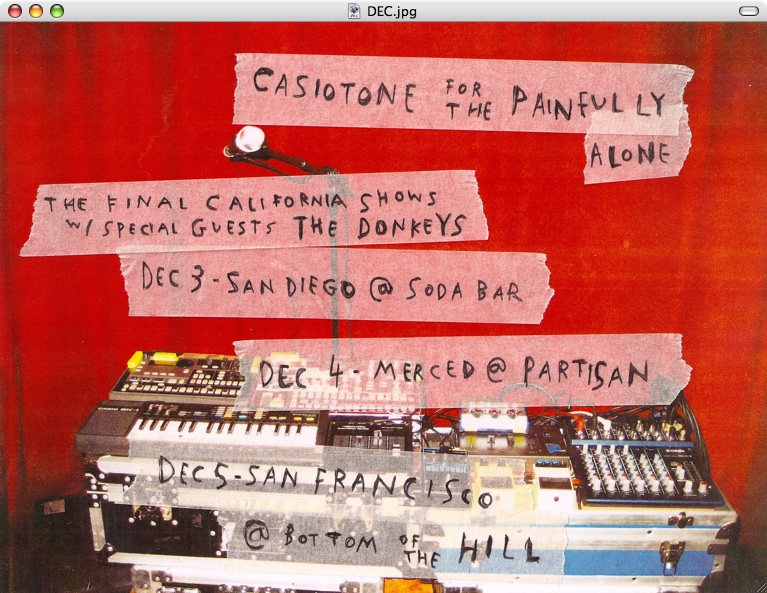
So far, Ashworth’s committed to the plan. On Sunday, Dec. 5, he’ll be back in the city where he started making music, for a final show as Casiotone for the Painfully Alone at Bottom of the Hill.

In a way it’s been a long time coming. Truth is, Owen Ashworth never intended to be Casiotone for the Painfully Alone at all. It was a much of a fluke as his first show in 1997, at a warehouse space at 17th and Capp. “I played that show at the request of a friend of mine who booked it. I had just made tapes and she liked the sound of the tape so she kind of tricked me — she made fliers without asking me to play the show. She thought I wouldn’t say no that way. So I played the show with the idea that this is probably never gonna happen again, I’m gonna get this over with. I remember that I was very nervous, very shaky. I had one keyboard through a really tiny amp.” The next week he had another show booked, under the name of the mixtape he had given his friend: Casiotone for the Painfully Alone.

“It was just the name of a tape I had given her. I didn’t realize it was going to refer to me, you know. Seriously, from the first show to when I decided to quit Casiotone, I considered changing the name the entire time, but having it already done, it seemed like so much work to try and call it someone else. I decided it didn’t really matter, it was just the name and it was kind of catchy and stupid enough for people to remember it. At least in the beginning it described the music pretty well.”

Arguably, the name has mattered. As descriptive as the name was, particularly in the early days, for Ashworth’s distinctive style of indie pop, with consumately pathetic lyrics layered on top of cheap keyboards and electronic samples, it prefigured an audience’s response. The press around each album has been centered around two poles.

First, how closely the music sticks to the sound of a suburban child’s first piano. With each Casiotone for the Painfully Alone album, there has been an incremental departure from the titular keyboard, adding in instruments and collaborators, particularly since 2006’s Etiquette (Tomlab). Ashworth, who in a typically self-effacing fashion describes Casiotone as “an insane, slow learning process, learning how to tour and write and record, doing all of these things and kind of just falling on my face in front of people for the last thirteen years,” sees the development of his instrumental side driving him in separate directions.

“The way I make music is kind of getting fragmented between recording and performance. I’ve been producing for a Chicago rapper, Serengeti, and that’s been my project over the summer. He has a new album coming out on anticon and it’s half stuff he did with me and half with Yoni from WHY? That’s sort of the more electronic side of the music. I enjoy recording that, but it’s not what I’m interested in doing live, so I think it works really well that I’ve been moving into production more. I can fuck with samplers and drum machines in my house and then just sort of give that music to other vocalists. Then for the music that I’ll be taking on the road and being accountable for and presenting over and over again in live settings, I’m more interested in playing with other people and real instruments.”

The Casiotone as an instrument may be easier to move past than the loneliness that Ashworth’s band name invokes and the lyrics bring to life. Simple, sad words that screw in as you listen, about regular people with typical lives. They’ve brought the musician a following, they’ve been his brand. But the association that the audience has for Ashworth and his emotional resonance has also been a nagging burden. “There’s generally a lot of assumption that I’m writing about myself, which is something that when I’m actually writing songs doesn’t occur to me much. I mean it’s fiction. Like any writer I’m inspired by real things that happen to me and my friends but it never occurs to me that it comes off as autobiographical.”

“With the name Casiotone for the Painfully Alone, the original idea was that the Painfully Alone was meant to refer to the listener and the idea of music as comfort music. It didn’t occur to me at the time that people would think that I was referring to myself as the painfully alone person.”

Casiotone records are galleries of character. A pedestrian world populated with eerily familiar people: high school teachers, Scrabble players, cellists, petty thieves, bedroom killers, landlords, and neighbors. Half of them you know by name. Half of them you’ve met before in real life. Sitting down to listen to a Casiotone record, you can relate to the situations. You’ve been in them, or know someone who has. The music engenders an emotional intimacy, it draws you in. “The way I make music is totally a tribute to the music I love and that claustrophobic, really intimate sense, I’m trying to create that because that’s a quality that I have an emotional reaction to in other music,” Owen says.

But the imagined intimacy that the fans has with the music, a sense of something real isn’t what drives Ashworth. “Genuineness isn’t even a factor to me. When I listen to Willie Nelson’s song “Crazy,” it doesn’t occur to me as, ‘Holy shit, Willie Nelson is going through the most intense stuff, I cant believe he’s singing about this.’ I think ‘That’s such a well-written song and he creates such a great atmosphere.’ I want to know how to write songs like that. I admire Willie Nelson as a songwriter, not as this survivor of all kinds of emotional problems.”

Ashworth has the remove of fiction writer for whom characters have there own will. When he talks about his characters, it’s not as a doting mother in whose eyes they can do no wrong, but as a friend who’s seen them make one too many mistakes. “I got really self conscious about what kind of people I was writing about, and I wanted them to start owning up to some of their own problems and take responsibility for the stupid things they did.” This culminated with 2009’s Vs. Children (Tomlab), an album he envisioned even before Etiquette as the end of Casiotone, with “a lot of more family-type relationships where people are having to consider their older relatives, having children and the young people they’re responsible for in their lives. I guess just showing more consequences of irresponsible living.”

It’s not uncommon for fiction writers to look back on old stories, and feel estranged, as if they were written by someone else. Ashworth has felt a similar distancing from his early work. “There are songs I wrote when I was twenty that don’t really mean the same thing to me as at the time that I wrote them. I feel like I’m covering those songs when people request them and it doesn’t feel relevant to me and I think that it would serve the material much better to be sort of left alone in the context of itself than for a man well into his thirties to continue performing these songs written by someone much younger.”

As Ashworth feels more alienated from his work over time, fans feel closer to it, and if they don’t, there’s always the potential for people to discover his early material for the first time, making it brand new all over again. (For better and worse.)

Of course, Ashworth’s not alone in the situation. All artists fight against their early successes, in an attempt to stay relevant, and practically, to stay financially above water. (Ashworth admits at one point, “Casiotone has been my source of income for a good while now and to cut off that source of income is a bit scary, but I can’t be proud of just doing this as a job, there’s gotta be more to it than that.”) For bands, this trend can result in fans demanding to hear “Free Bird” while they’re starting to intro “All I Can Do Is Write About It.” Eventually, almost everyone becomes a cover band of themselves, jamming at the County Fair or playing full albums for a new generation.

There’s always a break between artists and fans. The fans can romanticize the life, not seeing the physical and mental fatigue that can set in after playing the same material over and over, particularly when you damaged your hearing after too many nights being responsible for the full sound mix (as Ashworth has). They might not realize that the nostalgia for an old song never sets in when you play it every night. Or that, like an old marriage, the excitement is gone.

“It was really scary when I started Casiotone, and it felt so great to write a new song and be like ‘I have a new song I can play, my shows can be three minutes longer now.’ Whereas at this point, I feel like at my shows the priority for me is playing new material — [that’s] the stuff that I feel [is] most representative of me now, and that I’m most excited to share and excited to get better playing. But after thirteen years, there are so many songs that people want to hear I feel like I can’t get out of a show without playing — this list of songs that are expected as people;s favorites. I mean it’s super flattering and great,
but it’s really hard to move forward with new work when there’s this expectation for what you’ve done before.”

Ashworth already has an album in mind for the future, called Advance Base, the name of his studio, after the Antarctic meteorological station where Richard E. Byrd spent five months alone, even though it was built for three. Clearly, there are common themes and and interests that will persist in Ashworth’s music. But he’ll take his time and it won’t be under the exhausted banner of Casiotone.

“I’m killing Casiotone. I’m glad you enjoyed it, the records will be forever available, this is the new thing I’m gonna do now. I’m fully aware that there will probably be a smaller audience for the next thing I do. At the very least a different audience, and I’m sure there will be people who are super not on board with the idea that I’m not making what sounds like video game music anymore. That’s fine, and I’m glad Casiotone is still there for those people, but I’m gonna make myself crazy if I keep playing those songs for the rest of my life. I really love writing and recording songs and I just want to concentrate on continuing to do that. Just trotting out a greatest hits set for as long as I make music does not feel like a challenge.”

This may sound a little harsh for the tender-hearted lovers of Casiotone. But Sunday’s show, with accompaniment by the Donkeys and other SF musicians, is likely to be “a longer set, with some older songs I haven’t been playing that much lately. And just some stuff I don’t play usually.” So there you have it. Last chance. For now.

“I’m welcoming the chance to miss those songs.”

Live Shots: The Books, Palace of Fine Arts, 11/30/2010

0

How do I describe the music of The Books? When I’m listening to it, there seems to be no beginning or end, I’m just immersed in it, floating in some exotic place and it’s hard to know how I even got there. Seriously, sometimes I wonder, “What is going on?” (Even they sometimes feel that way.)

The Books sound is an eclectic mix of found soundbites teamed with their own stellar cello and guitar playing. They performed Tuesday to a super ecstatic hipster crowd as part of a tour for the release of their new album The Way Out, which includes pieces about golf, hypnotherapy, and my favorite, crazy kids. “A Cold Freezin’ Night” (the crazy kid one) takes snippets from cassette tapes that the band found at thrift stores of kids in the ’80s and ’90s, ranting and raving and getting pretty mad about who-knows-what. It’s beyond hilarious and also slightly creepy. But I love it. The Books also make odd and perfectly timed videos to go with their music and showed them during the concert, several of which sparked tons of laughter due to their honesty and downright weirdness.

The opening band, the Black Heart Procession, were not exactly my cup of tea. Their whiny and depressing tunes were also backed with a visual slide show, but the images were at times so disturbing I feared nightmares would come to haunt me if I stared at them too long. Luckily they were soon forgotten as I found my brain quickly absorbed by the ever stimulating talent of The Books.

Live Shots: Yard Dogs Road Show, The Independent, 11/27/10

0

All photos by Allen David

Note to self: stuff pockets with glitter. The concept was out in full force for Yard Dogs Road Show’s “Glitter and Gold” Thanksgiving weekend show at The Independent (on Saturday, the second of a two-night run). And those prancing, bejeweled pony girls sure didn’t disappoint — neither did the dancing, singing marionette girls, or the multi-cannon explosions of confetti with which the show climaxed. Great visuals, them. The music ranged from Broadway D-Liscious’ rubber-ankled lounge rendition of “The Life of the Party,” to head bangers, to sexy, warbled somethings — which sounded sexier (like they always do) when sung by a woman on an accordian. Here’s hoping we don’t have to wait another two years for the Dogs to get let out in the Bay once more.