War

Funk phenomenon

0

One of the most influential, and underreported, trends of San Francisco nightlife in the past few years has been the feisty reinvigoration of the jazz scene. Yoshi’s Fillmore, which opened in 2007, finally seemed to settle into its giant digs in that historic district — and, despite fears to the contrary, didn’t crowd out the stellar, more established jazz joints around it like Rasselas and Sheba Lounge. It also helped expand the traditional jazz palate into famously funkier territory — this month at Yoshi’s boasts the Ohio Players, The Family Stone, War, George Clinton and Parliament Funkadelic, and Public Enemy with a live band. (What, no full orchestra? Flava Flav needs some glockenspiel.)

Also recently, San Francisco sent its huge and hip Jazz Mafia collective around the country performing uptempo “hip-hop symphony” Brass, Bows, and Beats. Unfortunately the Mafia’s homebase, Coda, closed on the first of this year — along with another beloved club, Triple Crown — citing the economic climate, but the supper club valiantly kept true to its live jazz mission to the end and shimmied with packed aficionados. Club Verde’s spunky Tuesday Night Jump! (Tuesdays, 9 p.m., $12. 2424 Mariposa, SF. www.oldtimey.net/tuesdays) with live band Stompy Jones revived that classic SF rockabilly swing vibe. Meanwhile, over at Martuni’s piano bar (4 Valencia, SF. 415-241-0205) near the Castro, a new generation seemed to discover its inner Sondheim, tipsily belting a few out ’round the gleaming ebonies and ivories. Send in those damn clowns already, Jesus.

That jazzy hometown spirit of expanding definitions and embracing the musical past as a living thing, not just some retro curiosity frozen into easily marketed poses, has graced other scenes as well. Even as you’re funking hard on the floor to some old school disco cuts or electronic productions, it’s hard not to hear echoes of jazz’s open-minded complexity working somewhere in the background.

And one of the parties I’ve funked hardest at lately has been Loose Joints (Fridays, 10 p.m., $5. MakeOut Room, 3225 22nd St., SF. www.makeoutroom.com). Let me be clear: Loose Joints isn’t a jazz club — although on a recent visit, DJ Tom Thump expertly melted London all-horn ensemble Brassroots’ 2010 New Orleans-leaning version of Inner City’s 1988 Detroit techno classic “Good Life” into Bill Withers’ Hammond-driven soul stomper “Harlem” from 1971. (At that point along my night’s journey, I needed a new pair of hotpants.) It’s more of an improvisational, all-vinyl DJ jam session that uses classic funk as its departure point. Hitting a tuneful sweet spot neither too familiar nor too abstract, Loose Joints has one of the best brain-to-feet ratios in the city: music nerds will dance their tight glasses off, straight-up partiers will discover where all those groovy samples come from.

The core trio of DJs at the heart of Loose Joints is a wild combination, rotating rapidly behind the tables. Founder Tom Thump digs deep into the wide-ranging, rarity-seeking global funk scene that brings to mind great DJs like Greg Wilson and Gilles Peterson (especially Peterson’s Brownswood Recordings project). Damon Bell reps Oakland’s fantastic, proudly abstract Deepblak techno scene, with a soulful Afro-Cuban twist. (Don’t sleep on his “multiple mind-space” Kush Musik series on Deepblak Recordings, www.deepblakmusic.com.) And DJ Centipede, who helps put on the headiest club going right now, Change the Beat (Tuesdays, 9 p.m., free. SOM, 2925 16th St., SF. www.som-bar.com), brings a future bass and experimental low-end background to the proceedings. Somehow they average out into a completely accessible and danceable entity.

“We are a strange triumvirate,” Thump told me. “I planned that, it was by design. I’ve known Centipede for years, when he used come into [Haight Street record store] Groove Merchant. So talented and unique. And I saw Damon play at [now-closed Panhandle club] Poleng one night a few years ago and was blown away by his soulful tunes. We are just one of my serendipitous flights of fancy.”

“Loose Joints” itself is a sly wink toward the experimental-made-accessible, a name cribbed by Damon from left-field dance music hero Arthur Russell’s popular side project, which put out the 1980 hit “Is It All Over My Face.” It also refers to the loose style the trio applies to mixing their vinyl cuts. (They leave other, more elevating interpretations to the imagination.)

The party is put on well from a practical standpoint, although the MakeOut Room’s layout is a bit strangulating near the door and it could use another person or two behind the bar. Because the MakeOut hosts live acts earlier in the evening, you’ll encounter a thrilling grab-bag of leftover patrons. The crowd is comfortable and open, dancing itself into frenzy. (When I dropped by last month, there was a gaggle of super-hot boys and girls grappling each other woozily to the floor, which was just fine. But watch where you step.) The strip of 22nd Street between Shotwell and Valencia has really taken on a European plaza air of late, with several bars and cafes spilling over with exuberant sophisticates. We need to ban cars there. And there’s also a healthy dose of newbie tech types — including the one in front of me in line who couldn’t believe the door guy wouldn’t take Visa for the $5 cover.

“San Francisco is so fucking beautifully diverse, that’s why the party goes so hard,” Centipede told me. “All types of life dancing to the same bassline.” Thump said: “There are a lot of people into funky sounds right now — from 1960s girl groups and Latin disco to post-punk and newer Afro-electro. We’re here to give all those a push. A sexy push.”

LOOSE JOINTS TOP TUNES

Mim Sulieman (with Maurice Fulton), “Mingi”

Suzy Q, “Can’t Give You Love (Persnickety All Stars Edit)”

The Fatback Band, “Wicky Wacky”

Bohannon, “Me And The Gang”

Boogie blows up

2

“It was an honor to be a part of history. The rest is history.” Spray paint artist Chor Boogie (www.chorboogie.com) is hanging out amid spurts of December rain in Clarion Alley, standing before his mural debut in the heralded Mission community art space. But he’s talking about a different piece, on a different chunk of creative community space, in a city halfway around the world: The Eyes of the Berlin Wall, which Boogie painted on an actual section of the Berlin Wall and was reported to have sold for 500,000 euros this fall.

The real story is a bit more complicated — and perhaps speaks to the uncertain position in which street art finds itself. After all, we’re at the close of a few years of pop culture re-ascendance, during which Banksy made a stencil art photographer of every major city tourist and that are ending with Brazilian muralist Blu’s commission of a massive mural facing a World War II memorial by Los Angeles’ Museum of Contemporary Art that was subsequently whitewashed when he painted a wall of coffins draped with dollar bills.

What is street art’s role today? A form once used by inner city youth to reintroduce their stifled voices into their surroundings is now heralded in the upper echelons of the art world and hipsterdom alike. Still, many so-called street artists are getting stuck in stale, reductive modes of being presented to the public — stale because many do public art as a form of getting known, fluidly moving back and forth between the corner and the gallery. What are we to call these artists?

I know one name for them: Chor Boogie. After a tough youth spent tagging in San Diego, Boogie, borne on the wings of a technique and style that pushes the capabilities of the aerosol can (he never paints without it) has achieved artistic notoriety. His low pressure, inverted style of spraying and rejection of stencils and other tools gives birth to kaleidoscopic psychoscapes — but why don’t we let Boogie describe Boogie?

“A surrealistic expressionism of a street romantic voodoo. Emotional landscapes of a melodic symphony through color therapy — that’s my style in a nutshell,” he tells me, pointing up at the twisted face-in-purgatory that he recently completed in Clarion, a piece that extends a full foot above the boundary delineated by the alley’s mural collective and onto the high priced condo above.

Boogie has painted at the Beijing Olympics, done portraits for Hugh Hefner and Jay-Z, has vast, stained glass-cosmos murals all over town, and gallery shows up and down the coast. His name gained widespread recognition when some kids tried to steal a few of his cans while he painted a Market Street mural in late 2009. He chased them into a dark alley and was stabbed twice. “I didn’t feel it at all because I was drawing,” he says, despite one wound landing an inch from his lower intestine.

His distinctive style may have been what drew the fateful attention of Patrice Lux at Berlin’s Stroke Urban Art Fair. For two days, the German art collector had scrutinized Boogie while painting at his festival booth. Boogie had no idea who the guy was. “He was studying my every move — finally, he walked up to me, asked me what my name was, and asked me if I’d like to paint the Berlin Wall. He took me up to his studio and he had a piece of the wall with Michael Jackson painted on it. I was like, ‘You want me to paint over that? Because I will!’ I think he thought it was kind of cool to have an American artist painting over this American pop star.”

Boogie was signing up to paint on a piece of graffiti history. When first erected, artists came from around the world to cover the western side of the wall in color, often working under the ominous gaze of East Berlin patrollers who kept the eastern surface sterile. “Artists risked their lives painting that wall. You went there at night and painted quickly,” says James Prigoff, an international street art photographer.

But by his visit in 1985, Prigoff was underwhelmed by what he saw. “It had become a funny zoo,” he remembers, tourists gawking at East Berliners and tagging the wall with shout-outs to relatives in Des Moines.

Although Keith Haring and Quick subsequently created memorable pieces on the wall, Prigoff thinks the site’s sociopolitical significance has shrunk. “Chor Boogie is a great artist, he deserves all the attention he gets. But [his painting on the wall] doesn’t do anything for me in the context of art. There are a lot of walls in the world, and that’s just one of them.”

Not everyone agrees. Lux tipped off Die Bunte Zeitung, one of Berlin’s major newspapers, that he would be looking for 500,000 euros for the piece of the wall Boogie had painted — dwarfing sales of individual wall pieces in the past. The day after the article ran, they had an offer. The piece still wasn’t finished. After that, Boogie had an audience of 100-plus people watching him complete his cash cow.

Back in San Francisco among the streets he’s helped to make more beautiful, Boogie’s not sure what’s going on with the deal — and perhaps almost as important, all that cash — vagaries of “contracts and commissions,” he says. Improbably, he’s washing his hands clean of the matter, for now.

“What’s the next one?” He smiles, possibilities dancing across his face. “The Great Wall of China!” He’s joking, but the future for Boogie — and street art in general — will invariably include larger canvasses. 


CHOR BOOGIE’S URBAN OSMOSIS NYE OPENING PARTY

Fri/31 7 p.m.–late, free

Space Gallery

1141 Polk, SF

www.spacegallerysf.com

Past imperfect

0

arts@sfbg.com

YEAR IN FILM We’re all media scavengers now, but archival sounds and images remain a tantalizing lure for both the documentary profile and its surrealistic double, the found footage film. The first repackages capsules of the past while the second hijacks them — different economies of exchange, to be sure, though perhaps less starkly contrasted to those accustomed to hyperlinking their way through the dustbin.

The use of obscure footage as leverage is exceedingly clear in Jean-Michel Basquiat: The Radiant Child, a film structured around director Tamra Davis’ intimate camcorder interview with the artist in 1985. The close-up portrait gives us Basquiat’s sly intelligence, spacey charisma, and tragic oversensitivity to judgment — all to the good, but Davis’ inability to reckon with the exchange value of her insider access is disappointing. Selling and chronicling are inextricably linked with the celebrity artist, but Basquiat’s early graffiti partner Al Diaz is the only interviewee who addresses the issue of the golden goose frankly.

The Rolling Stones have always excelled at selling themselves, so it’s no surprise to see Mick and Keith’s executive producer credits on Stones in Exile. Fortunately for us, director Stephen Kijack (2006’s Scott Walker: 30 Century Man) recognizes 1972’s Exile on Main Street as a masterpiece of vibe and accordingly focuses great attention on the zonked record’s mise-en-scène. But the strictly MOR slate of interviewees — alas, no Pussy Galore here — makes the scraps of Robert Frank’s long suppressed Cocksucker Blues (1972) feel all the more bowdlerized.

The bankable aura of the rarely seen supplants Frank’s prickly immediacy, and the dream of a rock ‘n’ roll cinema is the poorer for it. If it’s easier to accept the brief stream of Jonas Mekas’ New York City film-diaries borrowed in LennonNYC, that’s because the footage serves a narrow expositional purpose in establishing the bohemian milieu that John Lennon and Yoko Ono embraced — and also because Mekas is himself interviewed. The PBS-produced doc’s failings are the conventional ones, but its archival trove does illuminate Lennon and Ono’s creative collaborations, especially insofar as their art hinged upon probing self-consciousness and the redemptive potential of intimacy.

On the other side of the archival aisle, the mad detectives and film theorists who whisper hidden truths in our ears have become increasingly ambitious storytellers. Johan Grimonprez’s inventive Double Take slips into the realms of the unreal by characterizing the Cold War as a literally Hitchcockian play of ciphers, while Yael Hersonski’s A Film Unfinished submits an oft-cited, little-understood Nazi propaganda film to ontological deliberation. Adam Curtis introduces his most recent raid of the archive, It Felt Like a Kiss, with print titles that speak for all these projects: “When a nation is powerful it tells the world confident stories about the future/ The stories can be enchanting or frightening/ But they make sense of the world/ But when that power begins to ebb the stories fall apart/ And all that is left are fragments which haunt you like half-forgotten dreams.”

As with Curtis’ earlier multipart films, It Felt Like a Kiss registers history as a shifting series of simultaneities and unforeseen consequences. The only slightly tongue-in-cheek cast includes Doris Day, Rock Hudson, Saddam Hussein, Enos the cosmonaut chimp, and everyone above level seven in the CIA. Initially conceived as a multichannel promenade, the film is named for the singularly disturbing pop song Carole King penned for Phil Spector and his Crystals. It’s one of four ’60s sides Curtis builds out as deeply personal, but emblematic chronicles of anguish and dread (the others are “I’ll Be Your Mirror,” “River Deep, Mountain High” and “Wouldn’t It Be Nice?”). In each case, Curtis surveys the decade’s interlocking horror shows with something like poignancy — a new feature of his work.

Atop all the uncanny déjà vus and dream-life convergences, It Felt Like a Kiss also serves up one of the greatest WTF endings in recent memory. After revealing a bunker’s worth of government computers (repurposed from Cold War fighting to credit card debt), Curtis cuts to Pillow Talk (1959). Doris Day is a vision of contentment going to bed, but then something disturbs her — on the soundtrack, a soaring engine noise is followed by a hard cut to black silence. Amazed at how economically Curtis suggests the coming impact, we cue the sequence up again and let our jaws drop when we see Day’s room number: 2001.

To be sure, there’s no rule that found footage films must generate conspiratorial heat. Jay Rosenblatt’s The Darkness of Day materializes a reserved contemplation of suicide using industrial discards — the forgotten nature of these older films itself becoming a token of loss in an elegiac context. Oblique images float upon fragmented suicide stories narrated from many different vantages: near and far, first-person and third, male and female, young and old, anonymous and notable. We hear excerpts drawn from 10 years of a diary of depression, read of an ancient Egyptian’s dispute with his own soul, and learn about the first man to jump off the Golden Gate Bridge.

This last story surfaces with a montage of the bridge’s construction — a monument, but to what? — and might be read as a critique of The Bridge (2006), which unaccountably turned us into voyeurs of suicide. The Darkness of Day travels the path of Night and Fog (1955), regarding trauma indirectly, as traces and shadows. Industrial footage is not the most obvious resource to make darkness visible, but Rosenblatt’s use of mass-produced materials subtly underscore the film’s suggestion that while suicide is always discrete and thus unknowable, it is also a social phenomenon.

For a more concrete cultural history glazed with Debordian wit, Andrei Ujica’s The Autobiography of Nicolae Ceausescu is matchless. After opening with a thoroughly demystified, inquisitorial video of Ceausescu and his wife Elena in 1989 — previously seen in Ujica’s 1992 collaboration with Harun Farocki, Videograms of a Revolution — we double back to the spectacular public funeral for the Romanian leader’s predecessor, Gheorghiu-Dej, in 1965. From here, Ujica proceeds more or less chronologically (and without voice-over) through Ceausescu’s decades in power, collecting speeches, press conferences, soft debates, home movies, inspections of factories and construction sites, and trips abroad to Communist countries and Hollywood (a letdown after the stupefying parades in China and North Korea).

One of the director’s most cunning insights is that since the totalitarian state stages reality to furnish proof of its own dominion — the problem with measuring Triumph of the Will (1933) as documentary — the resulting footage might be considered as if dictated by the leader. But by letting these “autobiographical” materials run at length, Ujica also opens a space for the accidents and lacunae that surely would have been excised from the official record. The fact that it’s so easy to imagine the propaganda version of this footage is part of the point: we calculate where the cuts would have been to “correct” Ceausescu’s diminutive posture and speechmaking, and in that gap lies much of 20th century history. The closest Ujica comes to giving the game away is when he cuts from one of Ceausescu’s baroque rhetorical performance (filmed in black-and-white, as with everything else we’ve seen up to this point) to his cheating at volleyball in a color home movie. It’s a wonderfully rude swipe at rulers everywhere and likely the single most smashing edit of the year.

Goal difference

0

cheryl@sfbg.com

YEAR IN FILM Making a mistake on the playing field can haunt an athlete for the rest of his or her career. For Colombian soccer star Andrés Escobar, a particularly heartbreaking blunder — an own goal during the 1994 World Cup — proved fatal. Just two weeks after Colombia’s first-round defeat in the tournament they’d been favored to win, team captain Escobar was shot after leaving a nightclub in his hometown of Medellín. There were rumors the killer yelled “Goal!” as he unloaded.

Presented merely as a sports-history anecdote, Escobar’s demise is sad and senseless. But his murder wasn’t an isolated incident, just a particularly high-profile one; it was part of an unimaginable tide of violence that swept Colombia in the 1980s and ’90s. If you watched the 2010 World Cup on ESPN, you probably saw commercials for The Two Escobars, presented as part of the channel’s “30 for 30” documentary series. Participants included genre pioneer Albert Maysles, whose film was about Muhammed Ali; Ice Cube, who used his own South Central childhood to reflect on the Raiders’ 1982 move from Oakland to Los Angeles; and brothers Jeff and Michael Zimbalist, whose longer entry The Two Escobars sifted through years of Colombian history to trace the corresponding lives of Andrés “The Gentleman of Football” Escobar and drug kingpin Pablo Escobar.

At 32, Jeff, who lives in San Francisco, is the older brother by 17 months. In 2005, he codirected the award-winning Brazilian music doc Favela Rising. Michael, an actor and writer who ran a theater company in Mexico for several years, lives in New York City. Though they’re Americans, the Zimbalists feel a strong connection to Colombian culture. They were researching another film in the country (previous endeavors included a project with Colombian superstar Shakira) when ESPN asked them to pitch an idea for “30 for 30.” Though the shared last name of the unrelated Andrés and Pablo makes for a memorable title, the brothers didn’t use the coincidence as a starting point.

“We didn’t choose the title until really late, actually, because it felt like it was more of a portrait of a time period. It was about the hopes and dreams of the Colombian people as told through the vehicle of these two characters,” Jeff says. “The choice to use the two characters came about more organically than that, too. Initially we had the assignment to go find story ideas for the ESPN series that were about the impact of sports on society, and vice versa.”

After learning more about Andrés, they knew they’d found a captivating subject. They also realized that they would need to contextualize his story in order to tell it properly.

“We didn’t want to make a whodunnit about who pulled the trigger,” Jeff says. “It was a lot more interesting to ask the question of how an athlete gets killed for making a mistake. But in order to understand that, you need to understand what narco-soccer is. We quickly realized that hadn’t been covered before. And that meant that people were very reluctant to talk about it for a number of reasons: out of fear, shame, or they didn’t want to revisit a traumatic time period.”

The idea of “narco-soccer” led the filmmakers directly to their other subject. “You can’t really explain the whole context of narco without understanding Pablo Escobar. And it also felt unwieldy to not tie the societal story to a subject, or to a personal narrative,” Jeff explains. “So using Pablo as the tool through which we could explain society, and Andres as the tool through which we could understand sports, the next challenge was finding their overlaps. They only literally overlap a number of times in their lives. So how does the story justifies the use of these two characters? It has to be thematic — and there was tons of great, thematic overlap, and parallel and contrast, between the two Escobars.”

If you weren’t among the millions who watched The Two Escobars‘ repeat showings on ESPN (or caught it at the Sundance Kabuki as part of the San Francisco Film Society’s “SFFS Screen” programming), here’s a crash course in narco-soccer, as explained by the movie: during the ’80s and ’90s, Colombian drug lords invested in soccer teams as a way to launder their ill-gotten gains. As teams’ coffers grew, so did their ability to hire top-notch players. Sides flush with dirty cash racked up victories and corruption behind the scenes grew to outlandish proportions. Referees could easily be bought — or eliminated. A huge soccer fan who’d risen from poverty, then used his wealth to build fields in the slums, Pablo was one of these investors. Andrés, of course, was one of the league’s stars.

Using no narrator, The Two Escobars instead weaves its account with contemporary interviews (the exhaustive list of talking heads includes soccer legends, jailed gangsters, coaches, cops, and the sisters of both Escobars) and expertly edited archival footage that enables the viewer to witness just about everything discussed: the might of Colombia’s national team in the run-up to the 1994 World Cup; the sight of Pablo enjoying soccer on both his palatial estate and, incredibly, while incarcerated; the horrific violence that became an everyday occurrence during Pablo’s war on Colombia’s government.

Obtaining these hours of interviews and footage — only a fraction of which made it into the final cut — posed various challenges. “[Subjects] were reluctant to talk for many reasons: it’s taboo; it’s often felt to be dangerous still,” Jeff says. “So there is fear. And also, it is traumatic to go back and visit those emotions. A lot of people would rather bottle that up. I’m not one to judge because I didn’t live during the reign of Pablo Escobar and [anti-Escobar vigilante group] Los Pepes in Colombia. But I do believe that expressing that stuff and getting it out can be cathartic.”

Culling the archival footage used in The Two Escobars took months of plowing through broadcast vaults, the private archives of both Escobars, and films shot by military police and amateur videographers. “We knew it wasn’t gonna be as powerful a film, as accessible a film, if we just rooted it in present-day talking head interviews,” Jeff says. “We needed to transport the viewer back into that time period. A lot of our decision to tell both the narratives of Pablo and Andrés, and make it bigger than just the ESPN assignment, to make it a theatrical movie, was hanging on whether or not we were able to find enough compelling visuals to create real scenes. We had myself, my brother, and a team of people just going through tapes.”

Editing was a monumental task, proving both labor-intensive and emotionally trying. “It was very difficult to whittle down the story,” Michael says. “At one point, we had a film that was sort of focused on being the first exposé of this secret world of narco-soccer. We had hours of anecdotes that really blew our minds. We ended up reducing that whole part of the story to what you could call act one of the movie, and that was certainly difficult. You’re just sorry to see things go.”

Though The Two Escobars screened worldwide, not just on ESPN but at the Tribeca and Cannes film festivals, one place it hasn’t been seen is, ironically, Colombia. Due to the sensitive subject matter, and objections to the final product by Andrés Escobar’s family — who didn’t appreciate being associated with Pablo Escobar — “it’s been completely censored,” Jeff says, noting that he and his brother did not intend to mislead anyone during the filming.

“We always knew it was going to be extremely controversial,” Michael says. “I was nervous in terms of what the reactions from Colombians would be, because obviously it’s very delicate, very loaded subject matter. There’s so much visceral emotion for any Colombian who went through that period of time. Virtually everyone who lived there in the ’80s and ’90s was touched by that violence.”

Though the brothers are disappointed the film hasn’t been shown in Colombia, that doesn’t mean no Colombians have seen it.

“Everywhere we’ve shown the film and done a Q&A, there have been Colombians present,” Michael says. “That’s been a really rewarding experience.”

“For Colombians, it’s not an easy 100 minutes to sit through,” adds Jeff. “But by the end, [the Colombians we’ve met] do feel that it’s an accurate portrayal, that it’s balanced journalism, and that the message is an important one about Colombia moving forward. It presents a lot of hope through Andrés’ family. That was our goal, to create a portrayal of Andrés that was heroic. We made sure the voice of his family is the takeaway from the movie. I think it couldn’t be more clear once you see the film how opposite Pablo and Andrés are in terms of who they are and what they stand for. I hope that Colombians get a chance to see the film because they’ll realize that.” 

www.the2escobars.com

Parada 22

0

paulr@sfbg.com

Out at the west end of Haight Street, what do we find? Not a pot of gold, sadly, though plenty of pot, whose haze hovers fragrantly above the pavement like hippie ground fog. Also: a McDonald’s, complete with parking lot. This has always faintly depressed me. Across the street, an emerging Whole Foods (with parking lot), while a block to the east, the old I-Beam has been obliterated in favor of condos.

In the midst of all this corporate commotion, it would be easy to overlook Parada 22, a tiny restaurant that opened last spring serving Puerto Rican food. The western run of Haight Street, while rich in places to eat, has never really been known for its restaurants, yet Parada 22 is worth seeking out. If I hesitate to describe it as a destination restaurant, it’s only because that label might raise expectations to curse (in the sense of “hex”) level.

We are talking, after all, about a restaurant with concrete floors, crayon drawings, and old newsprint on the walls (including the San Francisco Chronicle’s unforgettable reporting on the outbreak of the Spanish-American War), no host’s station, and a table set just inches from the front door, the better for the people seated at it to be buffeted by winter drafts as diners come and go.

But we look closer and find grace notes. Each table holds a flickering candle, along with an old coffee can supplied with utensils and napkins. Even better: one of the chefs, on a cold evening, brings everyone a little cup of pork and vegetable soup, made from a pork leg roasted earlier in the day (and with stock made from the roasted bones). You might call this an amuse-bouche — if it was more whimsical and less sustaining. I warmed my hands with the cup, since concrete floors can make a place seem cold even if it isn’t.

Puerto Rican cooking involves versions of and variations on foods that are characteristic of the Caribbean basin. It’s on the rustic side, with plenty of beans and rice, roasted plantains, and cassava root (an appealing alternative to the potato that has never found much traction in our own potato-involved cuisine). The root stars in a salad ($7) that, when warmed, provides a strong contrast to the chilled greens, carrot tabs, and tomato dice. (The advertised avocado was a no-show.)

There’s also plenty of meat, at least as Parada 22’s kitchen prepares the cuisine, with an emphasis on pork. Pork’s cultural meaning is complex; pigs are fecund scavengers that thrive across a wide range of habitats, which means they are efficient producers of protein and therefore a boon to human populations in less than bountiful circumstances. And pork, along with wine, is about as closely associated as a comestible could be with Latin Christianity. Eating it — or not eating it — can be a powerful assertion of cultural identity.

I love pork as a cook would love it, for its compatibility with so many different treatments and seasonings, its modest cost, and its relative ease of handling. Parada 22’s pernil asado ($12), which reached the table as a heap of oval slices, reminded me of how good pork can be even when lightly adorned (with garlic and oregano) and simply roasted: the meat juicy and giving a hint of ropiness for texture. As, perhaps, an echo of humankind’s ancient fear of going hungry, the plate was finished with failsafe heaps of Spanish rice (studded with bits of ham), white beans (simmered with potato, carrot, and winter squash), and a green salad. Even without the pork, there would have been a meal.

Just as meal-worthy was a pot of red beans ($3.50) simmered in a spicy red sauce with bits of ham and chunks of cassava root. If you had only a fiver in your pocket, you could go to the McDonald’s a few blocks away and end up with God knows what, or you could have Parada 22’s red beans — a stew, really — and be much more genuinely nourished.

The menu card also offers several sandwiches, including a Cuban version with pork (Puerto Rican and Cuban foods seem much more alike than not) and a beef edition ($9), with mats of meat whose toughness belied their thinness. Caramelized onion and melted white cheese lent a Philly-cheesesteak effect. The baguette was adequate, but the whole thing would have been better if the bread had been toasted.

For dessert there was, fittingly, rum cake ($3.25), a neat square of yellow sponginess under a cap of whipped cream. It looked quite demure and innocent but did have DUI alcohol breath. In that respect, it reminded me of tiramisù, except much less soggy and therefore more coherent. Bust averted.

PARADA 22

Tues.–Sun., 11:30 a.m.–10 p.m.

1805 Haight, SF

(415) 750-1111

www.parada22.com

Beer and wine

MC/V

Tolerable noise


Arthur Szyk: beauty in fairy tale… and Stalin

0

Nowadays, being up on the news can actually make us stupider (more stupid, damn!), but when cartoonist Arthur Szyk was sketching his dense, fantastically detailed news caricatures, politics were still in need of explication – and all the more better if it was beautiful to boot. How else can one explain why one of the most whimsical artists of the 1930s and ’40s became best known for his sketches of Hitler and Stalin playing poker?

Szyk’s jewel box of an exhibition is on view through March 2011 at that jewel box of a museum, the Legion of Honor. How lovely is the Legion of Honor? Though its offerings are often obscured by its big box fine art peers like the de Young and the SFMOMA, the Legion itself is a French neo-classic temple compared to the blatant modernism of its more centrally-located brethren. Where else, for pete’s sake, can one find a meticulously transposed Louis-whenever parlor room adjacent to a hall full of Rodin sculptures? 

A multi-media art experience, I reflected, passing under a mudejar ceiling from late 15th century Torrijos region of Spain, on my way to the museum’s corner hideaway gallery no. 1 that housed Szyk. Who was a firecracker, really. Born to a Jewish Polish family, Szyk was one of the first political caricaturist to sketch out against the Führer. His Haggadah series (1932-1938) correlated Hitler’s rise with the traditional story of the Israelites’ biblical flight from Egypt. 

Though his original message was somewhat watered down by the drawings’ group publication in 1940 (the publishers erased all the swastikas from the drawings – que what?), it was still considered one of the most beautiful works of the time. Szyk was also outspoken about his adopted country’s lack of action in the face of evil – the US fell under the wrath of his pencil for its sluggish rise to action during World War II. 

The man’s drawings are pure, extravagant beauts. The drowsy, yet watchful eyes of the Legion security guards (legion guards! Drama!) prevented me from nosing in quite as close as I wanted to them – the sentries probably get sick of wiping off the glass – but even so. Even so, there were his illustrations for a deck of playing cards, his whip-smart rendering of a poker game between Hitler and Stalin — with the Angel of Death looking on intently. His sumptuous creations for the 1955 edition of Arabian Nights Entertainment. His faces are so detailed that they bely the fact that they are portraying fictional characters. His details are so extraordinary its no wonder that a lot of adult children will get a sense of time travel vertigo dipping into his stash of kid’s book illustrations. The flowers with faces Szyk brought into being for the 1945 edition of Andersen’s Fairy Tales — well Walt, you have some explaining to do about Alice’s rose garden buds.

You should be witness to all this, of course. While you’re there, check out the Legion’s marquee showing of Japanese and Californian and French-via-Japan prints in the basement (Japanesque, through Jan. 9). And the Legion cafe, of course, which is always crammed full of old people and is an excellent place to enjoy a cup of coffee or esoteric Asian soda pop. 


Arthur Szyk: Miniature Paintings and Modern Illuminations

Through March 2011

Legion of Honor

100 34th Ave., SF

(415) 750-3600

www.famsf.org


Ma seeks to ban raves in latest War on Fun offensive

11

Someone needs to tell Assembly member Fiona Ma that the ’90s – with its myopic War on Drugs mentality, ascendant rave scene, and chest-beating “tough on crime” political one-upsmanship – are over, even though we’re still paying that era’s bills. Because Ma just introduced AB 74, which seeks to bans raves in California.

Why now? Well, her website says this “historic legislation” was written “on the heels of recent drug-related tragedies in Los Angeles and the Bay Area,” referring to three drug-related deaths at two events last May and June. And even though the same statement claims “attendance at raves can range from 16,000 to 185,000 people,” Ma somehow thinks that a few overdoses justifies a broad ban on dance parties (although she pointedly exempts live concerts, for reasons she doesn’t explain, even though the exact same argument can be made about concerts).

As a representative from the vibrant city of San Francisco, Ma (who did not return our calls for comment) is an embarrassment, taking the already-regressive War on Fun efforts by so-called “moderate” politicians to a new low. But unfortunately, the effort to ban public dance parties has already gained traction at the federal level with provisions of the long-controversial RAVE Act – promoted by top Democrats as well as Republicans — finally sneaking their way onto the books last year.

And now, Ma wants to get into the act, as always seeking to curry favor with the cops in the process (not to mention the alcohol industry, a prime funder of the War on Drugs and the ambitions of its political foot soldiers such as Ma). If they get their way, nothing short of our basic constitutional right of freedom of assembly is at risk, and that should be of concern to people of all ideological stripes.

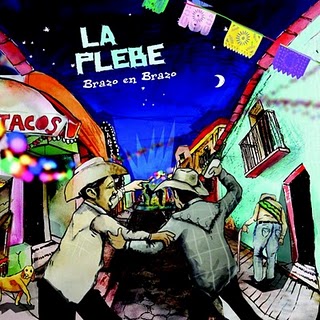
Snap Sounds: La Plebe

0

LA PLEBE

Brazo en Brazo

(Kool Arrow, 2010)

Don’t be fooled by the melancholy acoustic guitar that opens the new La Plebe album, Brazo en Brazo, for all of a few introductory notes. Just as soon as the ear is lulled into world-music lullaby-land, the horns and drums quickly pop up, until, like a day at the races, the full blaze of La Plebe’s instrumentation blasts through, and they’re off!

A band firmly established as being politically and passionately aligned with the dispossessed and disenfranchised, this new album expands beyond the barrio, to explore the state of plebe on a global scale. Songs such as “Venas Abiertas” (Open Veins) and “Guerra Sucia” (Dirty War) describe the states of oppression that keeps Latin America on unequal economic and political footing while “Opresión” speaks more generally to the human costs of war. If those don’t particularly sound like themes to rock out to, the happy accident of La Plebe is that rocking out is actually what they do best. No dweeby-hipster-peaceniks, these, their tight ska-punk rhythm, scorching horns, and rapid-fire guitar hooks, can make a libertarian’s toes tap as freely as any anarkid’s. It helps to think of their music as a kind of call to arms — it won’t go away, and can’t be ignored.

It helps too, that lines such as “corporations that control/at the multinational level/continue robbing and enslaving/those that are suffering most” (from “Venas Abiertas”) simply sound less didactic in the Spanish that all but two songs of ten are written in. One of the remaining two, “Been Drinkin,’” is a spare acoustic jam mourning a life drowned in liquor and honky-tonk. The other, “Bella Ciao”, is a punk rock rendition of an anti-fascist Italian ballad, a partisan’s final farewell to his “beautiful”. If any language could be more musical and poetic than Spanish, it is surely Italian, and La Plebe’s version is an invigorating, Romany-esque reel. I couldn’t help notice the recycled riff in “Campesino” which appears quite emphatically in Hasta la Muerte’s “Mi Tierra”, but at least it’s a good riff. Maybe it’s a sequel

Page street

0

Rebecca Solnit’s Infinite City: A San Francisco Atlas (University of California Press, 158 pages, $24.95) is one of the best ideas a writer has come up with in a long time. By combining private and public support, Solnit was able to give away portions of the atlas in full-color, full-spread map handouts. (My favorite tracked both famous/infamous queer public spaces and the migration of butterflies throughout the city.). In the process, she also gave lectures in public spaces, providing a public service in the name of history and inclusion before dropping this tome on the book-buying masses. Gent Sturgeon’s version of a city-fied Rorschach alone is worth the price of the ticket. From insect habitats to serial killers, Zen Buddhist centers to the culture wars of the Fillmore and South of Market that some call redevelopment; Solnit and her cadre of artists, writers, cartographers, and researchers — Chris Carlsson, Guillermo Gómez-Peña, and Mona Caron among them — give us the infinite depths and limitless potential that can be found in 49 square miles. (D. Scot Miller)

A lot of good and even great books came from the Bay Area this year, but one stands out: a book of poetry, Cedar Sigo’s Stranger in Town (City Lights, 100 pages, $13.95). He is a young writer who improves dramatically each time I hear him read, and his poetry and critical writing are among the wonders of our age. And of the age before, since through him speak the dead poets David Rattray, John Wieners, Robert Creeley, Denton Welch, Philip Whalen, Salvador Dali, Jean Cocteau, Eartha Kitt, Raymond Roussel, Lorine Niedecker, and Cole Porter. When new writers come to San Francisco, they ask me if I’ve met Cedar Sigo. If they don’t know Sigo’s work, then I hand them a copy of the new collection. Don’t have to say much, I just step back a little to avoid the stars and diamonds and apples popping out of their eyes like toast from a toaster, because this crazy work is that crazy good. (Kevin Killian)

Compared with the prosaic grind of the inner city, the Sunset can seem like a — albeit foggy — vacation. Wide streets, surf breaks, dunes fit to get lost in: the neighborhood is just right for an offbeat bohemian getaway. But maybe those are just the reverberations of the past, which western neighborhood historian Woody LaBounty has dug up in Carville-by-the-Sea (Outside Lands Media, 144 pages, $35). This coffee table book illustrates the lives of the Sunset’s first modern-day inhabitants, who constructed a seaside village of retired street cars to inhabit back in the days before the N-Judah. Colorized at times for an Oz-like effect, the photos LaBounty digs up to illustrate “Cartown” reveal a community of artists, families, and enthusiasts — even a women’s cycling club — amid an untamed, oscillating sandscape. Those converted SoMa warehouse apartments suddenly don’t seem quite so rugged, do they now? (Caitlin Donohue)

In a city that boasts literally hundreds of theatrical world premieres per year, it’s astounding how few make it to the printed page. Bravo, then, to EXIT Press, new publishing arm of the venerable EXIT Theatre, for helping to ensure that at least some of our local play-writing talents will be preserved for posterity. And who better to inaugurate the series than Mark Jackson, whose professional development has been closely tied to the EXIT, and to the San Francisco Fringe Festival, which it produces? Far from being merely a collection of “Fringe-y” experimentation, Ten Plays (EXIT Press, 492 pages, $19.95) is a testament to the tenacity of vision. From reimagined Shakespearean classics (R&J, I Am Hamlet) to Jackson’s breakout hit The Death of Meyerhold, the bleakly comedic American $uicide, and the stirring Kurosawa-esque epic The Forest War, what these plays have in common is an audacious commitment to the illimitable possibilities of live theater. Of which, giving these works an opportunity to reach a wider audience is but one. (Nicole Gluckstern)

By any good political standard, John Lescroart’s Damage (Dutton, 416 pages, $26.95) is awful. It’s all about how a criminal uses the technicalities of law to get released (damn liberal judges) and how his family — newspaper publishers with ties to the (damn liberal) political establishment — protects him even as he continues to rape young women. Reminds me of that atrocious movie Pacific Heights, which is supposed to convince you that eviction protection and tenants rights are unfair to the poor landlords. But Lescroart writes about San Francisco, and does a pretty good job describing the city, and his characters are so real and well-crafted that I’m able to set aside the politics. In this case, Ro Curtlee, the rapist, is such an evil, evil bad guy — but a plausible, privileged evil bad guy — that he comes to life in a way that makes you want to kill him yourself. And makes you understand why a cop might feel the same way. And in the world of crime fiction, making you feel pain is half the game. It’ll be out in paper this spring. (Tim Redmond)

What Carl Rakosi was to Objectivism — a significant poet who dropped out of sight only to reemerge an old master — Richard O. Moore is to the SF Renaissance. The 90-year-old Moore was active in Kenneth Rexroth’s libertarian-anarchist circle in the 1940s, but abandoned poetry publishing for the more efficacious mass media of radio and TV, cofounding both KPFA and KQED in the process (and shooting the only footage of Frank O’Hara to boot). But Moore never stopped writing, and his debut volume Writing the Silences (University of California Press, $19.95) offers a brief but tantalizing introduction to more than 60 years of poetic activity. Moore’s diction is spare but memorable; a hawk’s wings, for example, “balance on the blind/ push of air.” Yet his low-key tones are wedded to an experimental sensibility; witness 1960’s “Ten Philosophical Asides,” which might be the first poem in English riffing on Wittgenstein, more than a decade before language poetry. Writing the Silences is thus belated yet ahead of its time. (Garrett Caples)

I commissioned three of the works in Veronica De Jesus’s Here Now From Everywhere (Allone Co. Editions, 130 pages, $26). Her portraits of Michael Jackson and Jay Reatard ran in the Guardian, while I paid out of pocket for her to render a tribute to the poet John Wieners for my boyfriend. Along with just-announced SECA Award winner Colter Jacobsen, who published this book, De Jesus is my favorite creator of drawings in the Bay Area. Like Jacobsen, she delves into memory — her memorial portraits can be seen for free on the windows of Dog Eared Books, where this book is for sale. The charm and value of Here Now From Everywhere is immediate, but the book reveals more of its multfaceted personality with each return visit. De Jesus’ illustrated dictionary of inspirational icons ranges from superstars to half-forgotten pop heroes, from cultural figures to obscure female athletes. It’s a gift. (Johnny Ray Huston)

“I told Micah last night that my new book would be a haunted house.” Berkeley-based poet Julian Poirier’s El Golpe Chileño (Ugly Duckling Presse, 128 pages, $15) is filled with the ghosts of past and present. Essentially a bildungsroman, it tracks Poirier’s protagonist’s growth from youthful journeyman into adulthood though a kind of mixed-genre Theatre of the Absurd. Vaudeville, comics, memoir, film pitch, epistolary, failed novel, poetry, the carnival, and travelogue are all wielded brilliantly in the hands of Poirier, making for a phantasmagoric reading experience where the whole emerges defiantly greater than the sum of its parts. Poirier writes, “I turned my whole brain into a city and wrote down everything I saw happening there.” And indeed it certainly feels that way — the book is ripe with the names of places, of friends living and dead; with lists of dates and years; and with drawings and photographs, making up what Poirier somewhat obliquely labels “The Stolen Universe.” El Golpe Chileño is truly a success of form and content, of the high and low, of pop and elegy. (John Sakkis)

Editor’s Notes

3

tredmond@sfbg.com

When the talk comes around to budget politics these days — and these days, nobody in politics can talk about much else — there’s a pretty consistent line out there, from the mainstream left to the far right, and it goes like this:

Public employees have been riding high on great pay and benefits, and they’re going to have to accept that those days are over. We can do it nicely, and negotiate and all, but the people who work for the city and the state are getting a haircut. Pension reform. Health care premium hikes. Two-tiered wage systems. Sorry, folks — there’s no other choice.

And I understand the feeling. There are plenty of unemployed people out there who aren’t happy that they’re still paying taxes to support generous pay and health benefits for workers who are consistently maligned as lazy. There are small business owners who can barely afford minimally adequate health insurance for themselves and their employees. There are underpaid private-sector workers who get jealous when they hear what you make over at City Hall.

I get it, and in terms of political reality, public-sector pensions, pay, and benefits are going to have to be part of any budget resolution in Sacramento or San Francisco.

But let me say something else.

In the past 30 years, while public-sector unions were getting organized, becoming a political force and negotiating decent pay and benefits, the United States economy was shifting radically, in a way that we hadn’t seen since the turn of the Century. From Reagan on through Bush I, Clinton and Bush II, powerful forces in Washington launched a class war in this country, one that has as many victims as most of the traditional wars we’ve fought in the past century. The winners have been a small number of people and businesses that have grown impossibly rich — by taking money away from everyone else.

And they aren’t getting any cuts. In fact, their pay, pensions, benefits, and wealth aren’t even on the table. Which is profoundly unfair.

Of the 400 richest people in America (according to Forbes), 80 live in California. Their combined new worth is $231.8 billion — about 10 times the size of the state’s budget deficit. If they gave up just a modest amount of the benefits they get from living in this state and this country (and yes, the rich got that way in part because of the benefits they get from living here), we wouldn’t have a budget crisis at all.

The people who declared this war were smart enough to figure out how to divide the opposition, to turn us against each other. That’s why they keep winning.

Year in Music: K. Flay’s Top 10 of 2010

0

– These New Puritans, “We Want War” video. Slow motion videos can either be awesome or insanely awesome. “We Want War” is the latter.
Girl Talk, All Day. We played this a bunch on tour and it made me feel like I didn’t have a job but also would never need one. Which is probably one of the top ten life scenarios of 2010.
– Liz Phair at The Independent, October 10, 2010. Liz Phair > egg sandwiches. No, really.
– Kid CuDi, “Don’t Play This Song.” I first heard this track while driving through crazy fog on Interstate 8 in the Arizona foothills at 2 a.m., which was probably the best possible context I could have imagined. CuDi perfectly captures a sense of calculated self-destruction.

– Big Boi, Sir Lucious Left Foot: The Son of Chico Dusty. As soon as I heard the title of the new Big Boi album I knew I would like it. “Tangerine” and “Ain’t No DJ” are my favorite cuts.
– Sleigh Bells, “Riot Rhythm.” This track is filthy. And I mean that in the best way. Make sure you are at least ten feet away from my face when the drums drop.
– Kanye West, My Beautiful Dark Twisted Fantasy. A phenomenal album from one of the most innovative musicians of our generation. Production-wise, this is my favorite Kanye record to date.
– Usher feat. Nicki Minaj, “Little Freak.” This song is my guilty pleasure. The fact that a classic Stevie Wonder synth line can peacefully coexist with Usher’s persistent ménage à trois requests never ceases to blow my mind.
– Arcade Fire, “We Used To Wait.” A friend of mine told me I would cry when I watched this video and I didn’t believe her until I was sitting in front of my laptop choking back nostalgia sobs.
– Big KRIT feat. Yelawolf, “Hometown Hero.” “Hometown Hero” features two of the most talented lyricists to blow up this year. I’m just waiting for someone to make a movie based on this song.

The video for “Coastin'” by Zion I feat.K. Flay:

K. Flay, “Crazytown”:

The politics of the last great depression

4

The American economy’s worse now than at any time since the Great Depression — and whatever the Republicans say in Congress (and the president signs on to) the private sector alone can’t possible pull us out. The only reason we’re not at 1930s levels of unemployment is that we’ve had some modest federal stimulus money over the past two years.


But we’ve got this dilemma: Although every smart economist agrees that it will take more massive federal spending to turn things around, all we’re getting out of Washington is the worst kind of spending — tax cuts for the rich, which will cost $900 billion and do very little to help the economy.


Part of what’s going on — and Jerry Brown talked about it at his education summit — is that the public doesn’t trust government to spend their money wisely. Brown cited a poll saying that nearly half of Californians still think we can solve most of the budget problems in the state by getting rid of government waste.


The Pew Research Center has put together a couple of fascinating papers on attitudes toward the public sector, and they’re worth a rad. (Thanks, Gabriel Metcalf at SPUR for tipping me off about this.) The first one is called “How a different America responded to the Great Depression.” Researcher Jodie Allen’s conclusion:


Quite unlike today’s public, what Depression-era Americans wanted from their government was, on many counts, more not less. And despite their far more dire economic straits, they remained more optimistic than today’s public. Nor did average Americans then turn their ire upon their Groton-Harvard-educated president — this despite his failure, over his first term in office, to bring a swift end to their hardship. FDR had his detractors but these tended to be fellow members of the social and economic elite.


More:


The most striking difference between the 1930s and the present day is that, by the standards of today’s political parlance, average Americans of the mid-1930s revealed downright “socialistic” tendencies in many of their views about the proper role of government.


True, when asked to describe their political position, fewer than 2% of those surveyed were ready to describe themselves as “socialist” rather than as Republican, Democratic or independent. But by a lopsided margin of 54% to 34%, they expressed the opinion that if there were another depression (and fears of one were mounting), the government should follow the same spending pattern as FDR’s administration had followed before.


And, those surveyed said they supported Roosevelt, the architect of the New Deal’s expansive programs, over his 1936 Republican opponent, Alfred Landon by more than two-to-one (62%-30%).


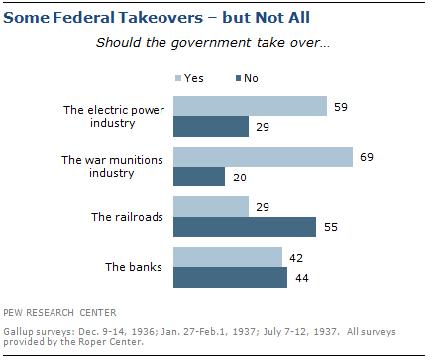
The charts are fascinating. A full 73 percent of Americans polled in 1936 thought government should provide free medical care to the poor. Sixty-four percent thought government should regulate and control war-time profits. In fact, 59 percent thought the government should take over the electric power industry and 69 percent favored nationalizing the wartime munitions industry.


And the people who were polled in these early surveys were overwhelmingly white, male and relatively well off. They were also socially conservative — 60 percent favored the death penalty and 67 percent wanted to deport all immigrants who were on public relief. Allen:


Is there a message in this for today’s America? Two possible lessons: First, it’s worth remembering that the social programs and banking controls that the New Deal era produced stood the nation in good stead over many decades of unprecedented prosperity. Second, Depression-era Americans’ faith in the country and its guiding institutions steeled them against the challenges of a double-dip recession and, years later, World War II. They had it worse, but they also expected it to get better, faster.


Compare that to a 1983 poll taken in the depth of the Reagan Recession, when 65 percent said that government had gone too far in regulating business, 62 percent rarely trusted the government in Washington and 78 percent opposed raising income taxes.


Fifty years, two generations, and the entire attitude of the American public toward government was turned on its head. It’s one of the fundamental dilemmas of American life, and one of the central reasons we’re in this mess.

Music Listings

0

Music listings are compiled by Cheryl Eddy. Since club life is unpredictable, it’s a good idea to call ahead to confirm bookings and hours. Prices are listed when provided to us. Submit items for the listings at listings@sfbg.com. For further information on how to submit items for the listings, see Picks.

WEDNESDAY 15

ROCK/BLUES/HIP-HOP

Will Billy Rite Spot Café, 2099 Folsom, SF; www.ritespotcafe.net. 9pm, free.

Black Crowes Fillmore. 8pm, $60.

Blammos, Young n’ Tender, Brown Dwarf El Rio. 8pm, $5.

*Buzzov-en, Brainoil, Neurotoxicity, No Statik, K. Lloyd DNA Lounge. 8pm, $16.

Del the Funky Homosapien Yoshi’s San Francisco. 8pm, $30.

Dregs One and Equipto, Z-Man, L*Roneous, Spank Pops, DJ Beats Me, DJ Chill Elbo Room. 9pm, $10.

John Grant, Jessica Pratt Swedish American Hall (upstairs from Café Du Nord). 8pm, $13-15.

Grouch, Brother Ali, Eligh, Los Rakas Independent. 8pm, $22.

Bob Margolin Biscuits and Blues. 8 and 10pm, $20.

Montra, Lens, Greg Ashley Knockout. 8:30pm, $7.

Kenseth Thibideau, Moholy-Nagy, Radius Hemlock Tavern. 9pm, $6.

DANCE CLUBS

“Babes in Toyland: A Christmas Cabaret” Bottom of the Hill. 9pm, $12. With DJ KidHack.

Booty Call Q-Bar, 456 Castro, SF; www.bootycallwednesdays.com. 9pm. Juanita Moore hosts this dance party, featuring DJ Robot Hustle.

Breezin Koko Cocktails, 1060 Geary, SF; (415) 885-4788. 9:30pm, free. With DJs Amy A and Brynnie Mac spinning yacht rock od smooth 70s.

Cannonball Beauty Bar. 10pm, free. Rock, indie, and nu-disco with DJ White Mike.

Hands Down! Bar on Church. 9pm, free. With DJs Claksaarb, Mykill, and guests spinning indie, electro, house, and bangers.

Jam Fresh Wednesdays Vessel, 85 Campton, SF; (415) 433-8585. 9:30pm, free. With DJs Slick D, Chris Clouse, Rich Era, Don Lynch, and more spinning top40, mashups, hip hop, and remixes. Mary-Go-Round Lookout, 3600 16th St, SF; (415) 431-0306. 10pm, $5. A weekly drag show with hosts Cookie Dough, Pollo Del Mar, and Suppositori Spelling.

Red Wine Social Triple Crown. 5:30-9:30pm, free. DJ TophOne and guests spin outernational funk and get drunk.

Respect Wednesdays End Up. 10pm, $5. Rotating DJs Daddy Rolo, Young Fyah, Irie Dole, I-Vier, Sake One, Serg, and more spinning reggae, dancehall, roots, lovers rock, and mash ups.

Synchronize Il Pirata, 2007 16th St, SF; (415) 626-2626. 10pm, free. Psychedelic dance music with DJs Helios, Gatto Matto, Psy Lotus, Intergalactoid, and guests.

THURSDAY 16

ROCK/BLUES/HIP-HOP

Bang Data, Manicato, Dogman Joe, La Gente, Surreal Mezzanine. 9pm, $15.

Sara Bareilles, Raining Jane Warfield. 8pm, $27.50-37.

Del the Funky Homosapien Yoshi’s San Francisco. 8pm, $30.

Frail, Music for Animals, Fans of Jimmy Century, Return to Mono, DJ Eli Slim’s. 8pm, $13.

Hank IV, Dead Meat, Civil War Rust Thee Parkside. 9pm, $8.

Lydia and the Projects, Andre Thierry and Zydeco Magic Knockout. 9:30pm, $7.

Rolando Morales Biscuits and Blues. 8 and 10pm, $15.

*Om, Lichens, Barn Owl, DJ Britt Govea Independent. 8pm, $16.

Picture Atlantic, Ghost and the City, Stomacher Bottom of the Hill. 9pm, $10.

Puce Moment, Bronze, Sam Flax Keener and Higher Color, Lair Eagle Tavern. 9pm, $5.

Adam Schlesinger and Mike Viola, Corner Laughers Café Du Nord. 9pm, $20.

Screamin’ Yeehaws, Flexx Bronco Hemlock Tavern. 9pm, free.

Sweet Honey in the Rock Palace of Fine Arts Theatre, 3301 Lyon, SF; www.palaceoffinearts.org. 8pm, $25-100.

JAZZ/NEW MUSIC

Dime Store Dandy Rite Spot Café, 2099 Folsom, SF; www.ritespotcafe.net. 9pm, free.

Gentleman Band Revolution Café, 3248 22nd St, SF; (415) 642-0474. 8:45pm, free.

Natalie Lyons Socha Café, 3235 Mission, SF; (415) 643-6848. 8pm, free.

FOLK/WORLD/COUNTRY

JimBo Trout and the Fishpeople Atlas Café. 8-10pm, free.

Shut Ins, Misisipi Rider Night Time Honkey Tonk Band Amnesia. 9pm, $5.

Tanaóra Coda. 9pm, $10.

DANCE CLUBS

Afrolicious Elbo Room. 9:30pm, $10. DJs Pleasuremaker and Señor Oz spin Afrobeat, tropicália, electro, samba, and funk.

Caribbean Connection Little Baobab, 3388 19th St, SF; (415) 643-3558. 10pm, $3. DJ Stevie B and guests spin reggae, soca, zouk, reggaetón, and more.

Club Jammies Edinburgh Castle. 10pm, free. DJs EBERrad and White Mice spinning reggae, punk, dub, and post punk.

Dirty Dishes Lookout, 3600 16th St., SF; (415) 431-0306. 9pm, $10. With food carts and DJs B-Haul, Gordon Gartrell, and Special K spinning indie electro, dirty house, and future bass.

Drop the Pressure Underground SF. 6-10pm, free. Electro, house, and datafunk highlight this weekly happy hour.

Good Foot Som., 2925 16th St, SF; (415) 558-8521. 10pm, free. With DJs spinning R&B, Hip hop, classics, and soul.

Guilty Pleasures Gestalt, 3159 16th St, SF; (415) 560-0137. 9:30pm, free. DJ TophZilla, Rob Metal, DJ Stef, and Disco-D spin punk, metal, electro-funk, and 80s.

Jivin’ Dirty Disco Butter, 354 11th St., SF; (415) 863-5964. 8pm, free. With DJs spinning disco, funk, and classics.

Koko Puffs Koko Cocktails, 1060 Geary, SF; (415) 885-4788. 10pm, free. Dubby roots reggae and Jamaican funk from rotating DJs.

Mestiza Bollywood Café, 3376 19th St, SF; (415) 970-0362. 10pm, free. Showcasing progressive Latin and global beats with DJ Juan Data.

Nightvision Harlot, 46 Minna, SF; (415) 777-1077. 9:30pm, $10. DJs Danny Daze, Franky Boissy, and more spinning house, electro, hip hop, funk, and more.

Peaches Skylark, 10pm, free. With an all female DJ line up featuring Deeandroid, Lady Fingaz, That Girl, and Umami spinning hip hop.

Popscene 330 Ritch. 10pm. With MNDR.

FRIDAY 17

ROCK/BLUES/HIP-HOP

Agent Ribbons, Social Studies, Amores Vigilantes Buritt Room at Crescent Hotel, 417 Stockton, SF; (415) 400-0500. 9pm, free.

Black Crowes Fillmore. 9pm, $60.

Curtis Bumpy Coda. 7pm, $10.

Devin the Dude, Ise Lyfe Mezzanine. 9pm, $25.

*Giant Squid, Bottom, Hazzard’s Cure Thee Parkside. 9pm, $8.

Killing Joke, Lumerians Regency Ballroom. 9pm, $28.

“Hut at the Hut X” Independent. 9pm, $25. Benefit for the Blue Bear School of Music and D.A. Taylor Charitable Foundation.

Mighty Mo Rodgers Biscuits and Blues. 8 and 10pm, $20.

Mother Hips, Blank Tapes, Neal Casal Great American Music Hall. 9pm, $20.

Peaches with Chilly Gonzales Herbst Theatre, 401 Van Ness, SF; www.ticketmaster.com. 8pm, $20. Performing Peaches Christ Superstar.

San Cha with DJ Moxy, Violent Vickie, Valient Steed Brainwash, 1122 Folsom, SF; www.brainwash.com. 8pm, free.

Silian Rail, Summer Darling, Honeycomb Hemlock Tavern. 9:30pm, $7.

Sweet Honey in the Rock Palace of Fine Arts Theatre, 3301 Lyon, SF; www.palaceoffinearts.org. 8pm, $25-100.

Those Darn Accordions Red Devil Lounge. 7:30pm, $10.

“Vandals Christmas Formal” Slim’s. 9pm, $16. With Assorted Jellybeans and Goodbye Gadget.

JAZZ/NEW MUSIC

Emily Anne’s Delights Revolution Café, 3248 22nd St, SF; (415) 642-0474. 8:45pm, free.

Equinox Trio Rite Spot Café, 2099 Folsom, SF; www.ritespotcafe.net. 9pm, free.

Amber Gougis Socha Café, 3235 Mission, SF; (415) 643-6848. 8pm, free.

Hiroshima Holiday Show Yoshi’s San Francisco. 8 and 10pm, $22-28.

FOLK/WORLD/COUNTRY

Brass Menazeri, DJ Zeljko, Kef Bottom of the Hill. 10pm, $12.

Savannah Blue, Bay Island Ramblers Plough and Stars. 9pm, $6-10.

DANCE CLUBS

Alcoholocaust Presents Riptide Tavern. 9pm, free. DJ What’s His Fuck spins old school punk rock and other gems.

Anon Salon Alchemistletoe Holiday Party 103 Harriet, SF; www.1015.com. 9pm, $15-20. World fusion.

Dirty Rotten Dance Party Madrone Art Bar. 9pm, $5. With DJs Morale, Kap10 Harris, and Shane King spinning electro, bootybass, crunk, swampy breaks, hyphy, rap, and party classics.

Eclectic Method, Justin Paul Rickshaw Stop. 9pm, $12.

Exhale, Fridays Project One Gallery, 251 Rhode Island, SF; (415) 465-2129. 5pm, $5. Happy hour with art, fine food, and music with Vin Sol, King Most, DJ Centipede, and Shane King.

Fat Stack Fridays Koko Cocktails, 1060 Geary, SF; (415) 885-4788. 10pm, free. With rotating DJs B-Cause, Vinnie Esparza, Mr. Robinson, Toph One, and Slopoke.

Fubar Fridays Butter, 354 11th St., SF; (415) 863-5964. 6pm, $5. With DJs spinning retro mashup remixes.

Good Life Fridays Apartment 24, 440 Broadway, SF; (415) 989-3434. 10pm, $10. With DJ Brian spinning hip hop, mashups, and top 40.

Gurp Fest 2010 Club 6. 9pm, $10. Hip-hop with TOPR and DJ Quest, Trunk Trunk featuring Z-Man, Rec League, and more.

Hot Chocolate Milk. 9pm, $5. With DJs Big Fat Frog, Chardmo, DuseRock, and more spinning old and new school funk.

“Hubba Hubba Revue: Christmas-Hanukkah Spectacular” DNA Lounge. 9pm, $10-15. Burlesque performers with Meshugga Beach Party.

Nickel Bag of Funk Elbo Room. 10pm, $5. Hip-hop with DJs Ant-One, Sean G, and Jah Yzer.

Oldies Night Knockout. 9pm, $2-4. Doo-wop, one-hit wonders, and soul with DJs Primo, Daniel, and Lost Cat.

Rockabilly Fridays Jay N Bee Club, 2736 20th St, SF; (415) 824-4190. 9pm, free. With DJs Rockin’ Raul, Oakie Oran, Sergio Iglesias, and Tanoa “Samoa Boy” spinning 50s and 60s Doo Wop, Rockabilly, Bop, Jive, and more.

Singapore 60s Happy Hour Knockout. 5:30pm, free. DJ Sid Presley spins rare pop, garage, and freakbeat from SE Asia, circa 1964-72.

Some Thing The Stud. 10pm, $7. VivvyAnne Forevermore, Glamamore, and DJ Down-E give you fierce drag shows and afterhours dancing.

Vintage Orson, 508 Fourth St, SF; (415) 777-1508. 5:30-11pm, free. DJ TophOne and guest spin jazzy beats for cocktalians.

SATURDAY 18

ROCK/BLUES/HIP-HOP

Elvin Bishop Biscuits and Blues. 8 and 10pm, $35.

Black Crowes Fillmore. 9pm, $60.

Civil Wars Café Du Nord. 7:30pm, $12-15.

Crux, Addie Liechty El Rio. 6pm, free.

Cyndi Lauper, Ferocious Few Independent. 9pm, $65.

“Monsters of Accordion 2010” Slim’s. 9pm, $16. With Jason Webley, Corn Mo, Renee de la Prade, Petrojvic Blasting Co., and Duckmandu.

Mother Hips, Or the Whale, Conspiracy of Venus Great American Music Hall. 9pm, $20.

Schande, Bam!Bam!, Kera and the Lesbians Hemlock Tavern. 9:30pm, $7.

Soul Revue Revolution Café, 3248 22nd St, SF; (415) 642-0474. 8:45pm, free.

TurbonegrA, Compton SF, Get Dead, Mission Saints Bottom of the Hill. 9pm, $10.

Unauthorized Rolling Stones, Rudy Colombini Band Café Du Nord. 9:30pm, $20.

White Buffalo, Foolproof Four Hotel Utah. 9pm, $12.

Wizards and Stars: A Book Release Party and Todd Rundgren Tribute” Make-Out Room. 7:30pm, $8. With Scott Miller and friends.

JAZZ/NEW MUSIC

George Cole Quintet Red Poppy Art House. 8pm, $12-15.

Giovenco Project Coda. 7 and 10pm, $5-12.

Hiroshima Holiday Show Yoshi’s San Francisco. 8 and 10pm, $28.

FOLK/WORLD/COUNTRY

Jeff Landau Socha Café, 3235 Mission, SF; (415) 643-6848. 8pm, free.

Octomutt and friends Rite Spot Café, 2099 Folsom, SF; www.ritespotcafe.net. 9pm, free.

DANCE CLUBS

Bootie DNA Lounge. 9pm, $6-12. Mash-ups with BishopeMagnetic, Adrian, and Mysterious D.

Booty Bassment Knockout. 10pm, $5. Hip-hop with DJs Ryan Poulsen and Dimitri Dickenson.

Cock Fight Underground SF. 9pm, $7. Gay locker room antics galore with electro-spinning DJ Earworm, MyKill, and Dcnstrct.

Fire Corner Koko Cocktails, 1060 Geary, SF; (415) 885-4788. 9:30pm, free. Rare and outrageous ska, rocksteady, and reggae vinyl with Revival Sound System and guests.

Fringe Madrone Art Bar. 9pm, $5. With DJs Blondie K and subOctave spinning indie music videos.

Full House Gravity, 3505 Scott, SF; (415) 776-1928. 9pm, $10. With DJs Roost Uno and Pony P spinning dirty hip hop.

HYP Club Eight, 1151 Folsom, SF; www.eightsf.com. 10pm, free. Gay and lesbian hip hop party, featuring DJs spinning the newest in the top 40s hip hop and hyphy.

Non Stop Bhangra Rickshaw Stop. 9pm, $15. Bhangra DJs and live dhol players.

Prince vs. Michael Madrone Art Bar. 8pm, $5. With DJs Dave Paul and Jeff Harris battling it out on the turntables with album cuts, remixes, rare tracks, and classics.

Rock City Butter, 354 11th St., SF; (415) 863-5964. 6pm, $5 after 10pm. With DJs spinning party rock.

Saturday Night Soul Party Elbo Room. 10pm, $10. Soul with DJs Lucky, Phengren Oswald, and Paul Paul.

Spirit Fingers Sessions 330 Ritch. 9pm, free. With DJ Morse Code and live guest performances.

SUNDAY 19

ROCK/BLUES/HIP-HOP

Black Crowes Fillmore. 8pm, $60.

Colossal Yes, Coconut Rite Spot Café, 2099 Folsom, SF; www.ritespotcafe.net. 8pm, free.

Lloyd Gregory Biscuits and Blues. 8 and 10pm, $15.

It’s Radiant Light Knockout. 9pm.

Pleasure Kills, Shangorillas, Paper Bags Hemlock Tavern. 9pm, $6.

JAZZ/NEW MUSIC

Hiroshima Holiday Show Yoshi’s San Francisco. 5 and 7pm, $5-28.

Kenny Washington, Larry Vuckovich, Jeff Chambers Bliss Bar, 4026 24th St, SF; (415) 826-6200. 4:30pm, $10.

FOLK/WORLD/COUNTRY

Flashes of Light Revolution Café, 3248 22nd St, SF; (415) 642-0474. 8:45pm, free.

Kitchen Fire, Silver Threads, Patsy-Chords Thee Parkside. 4pm, free.

DANCE CLUBS

Call In Sick Skylark. 9pm, free. DJs Animal and I Will spin danceable hip-hop.

DiscoFunk Mashups Cat Club. 10pm, free. House and 70’s music.

Dub Mission Elbo Room. 9pm, $7. Dub, dubstep, roots, and dancehall with Maga Bo, DJ Sep, and Maneesh the Twister.

Gloss Sundays Trigger, 2344 Market, SF; (415) 551-CLUB. 7pm. With DJ Hawthorne spinning house, funk, soul, retro, and disco.

Honey Soundsystem Paradise Lounge. 8pm-2am. “Dance floor for dancers – sound system for lovers.” Got that?

Kick It Bar on Church. 9pm. Hip-hop with DJ Zax.

Pachanga! Coda. 7pm, $10. Salsa with Conjunto Karabali.

Religion Bar on Church. 3pm. With DJ Nikita.

Swing Out Sundays Rock-It Room. 7pm, free (dance lessons $15). DJ BeBop Burnie spins 20s through 50s swing, jive, and more.

MONDAY 20

ROCK/BLUES/HIP-HOP

Michael Burns Rite Spot Café, 2099 Folsom, SF; www.ritespotcafe.net. 9pm, free.

Halsted, High Pilots, Poor Bailey Rickshaw Stop. 8pm, $10.

Billy Idol Fillmore. 8pm, $59.50.

“Smile! Christmas Extravaganza” Knockout. 9pm, $7. With Bart Davenport, Young Elders, Sean Smith, and more.

Thee Swank Bastards Elbo Room. 9pm, $7.

DANCE CLUBS

Black Gold Koko Cocktails, 1060 Geary, SF; (415) 885-4788. 10pm-2am, free. Senator Soul spins Detroit soul, Motown, New Orleans R&B, and more — all on 45.

Death Guild DNA Lounge. 9:30pm, $3-5. Gothic, industrial, and synthpop with Joe Radio, Decay, and Melting Girl.

Krazy Mondays Beauty Bar. 10pm, free. With DJs Ant-1, $ir-Tipp, Ruby Red I, Lo, and Gelo spinning hip hop.

M.O.M. Madrone Art Bar. 6pm, free. With DJ Gordo Cabeza and guests playing all Motown every Monday.

Manic Mondays Bar on Church. 9pm. Drink 80-cent cosmos with Djs Mark Andrus and Dangerous Dan.

Musik for Your Teeth Revolution Café, 3248 22nd St., SF; (415) 642-0474. 5pm, free. Soul cookin’ happy hour tunes with DJ Antonino Musco.

Network Mondays Azul Lounge, One Tillman Pl, SF; www.inhousetalent.com. 9pm, $5. Hip-hop, R&B, and spoken word open mic, plus featured performers.

Skylarking Skylark. 10pm, free. With resident DJs I & I Vibration, Beatnok, and Mr. Lucky and weekly guest DJs.

TUESDAY 21

ROCK/BLUES/HIP-HOP

Fat Tuesday Band Biscuits and Blues. 8 and 10pm, $15.

Billy Idol Fillmore. 8pm, $59.50.

Struts, Karina Denike, Bang Bottom of the Hill. 9pm, $10.

Tricky Independent. 9pm, $30.

Waterlaso, North Fork, Bleached Palms, Night Genes Hemlock Tavern. 8pm, $6.

DANCE CLUBS

Alcoholocaust Presents Argus Lounge. 9pm, free. With DJ D-Runk and DJ What’s His Fuck.

Brazilian Wax Elbo Room. 9pm, $7. With Forro Brazuca, Tropicali, and DJs Carioca and P-Shot.

Eclectic Company Skylark, 9pm, free. DJs Tones and Jaybee spin old school hip hop, bass, dub, glitch, and electro.

Extra Classic DJ Night Little Baobab, 3388 19th St, SF; www.bissipbaobab.com. 10pm. Dub, roots, rockers, and reggae from the 60s, 70s, and 80s.

Rock Out Karaoke! Amnesia. 7:30pm. With Glenny Kravitz.

Share the Love Trigger, 2344 Market, SF; (415) 551-CLUB. 5pm, free. With DJ Pam Hubbuck spinning house.


Let’s get budget priorities straight

0

OPINION Who will pay for California’s budget woes? For the last three years, Californians have put up with cuts to programs that are critical to our state’s future and our social safety net. Public education, HIV and AIDS programs, state universities, and CalWORKs have all come under the knife. The elephant in the room, as state and federal governments try to balance budgets on the backs of the working and middle class, is the billions of dollars we are wasting on a misguided war in Afghanistan.

Fresh evidence that the war in Afghanistan is failing rolls in on a daily basis. While the administration justifies the cost in lives and dollars as necessary to fight Al Qaeda, it also acknowledges that there are only 50 to 100 Al Qaeda fighters in Afghanistan. Every soldier in Afghanistan costs U.S. taxpayers $1 million per year. With 100,000 soldiers on the ground, that means we’re spending as much as $2 billion a year on each Al Qaeda fighter.

Would we dream of spending $2 billion on every needy child in California? Or even $1 million? As U.S. and Afghan casualties rise along with the dollar amounts, with little success to show for it, we need to get our priorities in check.

At Governor-elect Jerry Brown’s budget forum this week, we were staring down a $28.1 billion budget deficit over the next 18 months. Compare that to the $46.4 billion Californians have already spent on the war in Afghanistan — $1.2 billion of that right out of San Franciscans’ pockets.

The Obama administration is conducting a strategy review this month that is expected to rubber stamp an approach that keeps soldiers in harm’s way — when doing so is not likely to make Americans or Afghans safer. At the same time, the president’s deficit commission chairs are also passing down recommendations to save money by cutting benefits for our most vulnerable citizens.

I would like to tell the taxpayers in my district who are shelling out these dollars that there’s a light at the end of the tunnel, but the president is now proposing ending the “combat mission” in 2014, which could mean there will be tens of thousands of troops on the ground even after four more years have passed.

I will continue to fight for our real needs in Sacramento. But it’s time for our representatives in Washington to put an end to this disastrous war and bring our troops home as quickly and responsibly as possible. Our tax dollars should be making life in California sustainable and safe for all. We can’t afford any other way.

Assemblymember Tom Ammiano represents the 13th District.

Oooh, let’s have a border war

17

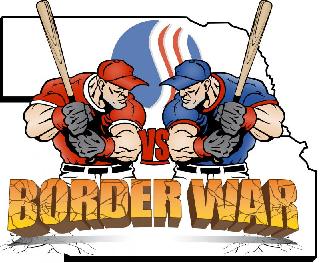
If San Francisco tries to enact a congestion management fee, San Mateo officials are going to fight back with their own. How fun; a border war. Since I’ve long suggested that our future may be in city-states, not nations, it strikes me as an interesting political moment.


But on a serious note: what would be wrong with a toll in both directions? What would be wrong with asking California motorists, who enjoy among the lowest gas tax rates in the western world and who for the past few years have had a dramatic reduction in annual registration fees, to pay a little more to local government? What’s wrong with making it cost more to drive your car during commute hours?


Yeah, that means it will cost more for a San Franciscan to go shop at Serramonte Mall (during rush hour; who shops then anyway?). So what? That might encourage San Franciscans to shop locally. Yeah, it will cost more to commute by car, in either direction; maybe more people will ride their bikes or take the bus. (Particularly if the money goes into improving transit.)


I’m not going all Smoot-Hawley here, but congestion-management fees — extra charges for driving in certain areas during certain times of day — are generally a good idea. And if San Mateo wants one, too, excellent.


Cities have been fighting for years over who can cut taxes more for big businesses. This seems a much more reasonable fight. So: Border war? Bring it on.


Live Shots: Roger Waters’ epic “The Wall,” HP Pavilion, 12/08/2010

4

In the minutes before Pink Floyd mastermind Roger Waters took to the stage at HP Pavilion earlier this week to perform the band’s epic 1979 double album The Wall, the playlist coming through the house speakers gave way to Billie Holiday’s “Strange Fruit,” a song that seemed well-matched for the impending performance. For an artist that is commonly known for romantic jazz ballads, Holiday’s “Strange Fruit” was a defining moment in her career, a point in which she ascended beyond the simplest manifestations of her identity and delved into the  darkest corners of her times.

In a similar sense, there is no easy way around The Wall. Pink Floyd’s last album during their monumental run in the ’70s — Dark Side of the Moon, Wish You Were Here, Animals — was not only their most artistically ambitious, but a lingering challenge to the nature of the band’s legacy. Longview attempts to define Pink Floyd in the realm of blacklight posters, spacey sounds, or a Dazed and Confused mindset, will inevitably get stuck at The Wall: a dark and confrontational album that is ultimately the most emblematic of Pink Floyd’s greatest characteristics.

So, with Waters (at age 67) suggesting that this will be his last tour, it is appropriate that he would finish with his masterpiece. And make no mistake – this was a concert for the ages.

Playing before an enthralled sold-out crowd, Waters put on a spectacle of acid-casualty-inflicting-potential that seemed peerless on numerous fronts. Musically, the material was as dynamic as it was seamless, deftly rendered by a world-class band of musicians over a juggernaut of a sound system. Visually, the staging seemed calibrated past “entertain” and set on “assault”, showcasing a sensory barrage of giant puppets, crashing airplanes, and flying pigs all amidst the construction (and eventual toppling) of a 40ft wall that also served as a towering projection screen for a dizzying array of images and video.

Yet the most notable aspect of the performance was the sheer relevance of the material. This was really an amazing feature, considering that Waters wrote The Wall in the run up to the Reagan-Thatcher era and was now performing it in the aftermath of Bush-Cheney. In this regard, Waters delved deeply into the confrontational aspect of the album’s material, challenging the audience with all-too-timely themes of war, ideology, government surveillance, and the general estrangement of modern human relations. During “Run Like Hell” the projections on the wall at one point showed the Wikileaks-released video of the 2007 Apache Helicopter massacre in Baghdad; not exactly light viewing material to accompany one of Floyd’s classic radio hits.

Waters looked and sounded formidable throughout the concert, stalking the stage with good-humored authority as the wall was erected in front of the band throughout the beginning half of the album. This first set was packed with striking moments, such as the ominous acoustic beauty of “Goodbye Blue Sky” beset by visuals of bomber planes dropping their payloads of -isms  (dollar signs, religious symbols, and corporate logos) on those below. “Another Brick in the Wall (Part 2),” with its re-occurring mantra – “We Don’t Need No Education” – was already a staggering spectacle as a three-story marionette school teacher with laser eyes dwarfed the musicians below, only to then be embellished by a choir of  local school kids filling the stage to sing the later verses.

However, the most poignant moment of the show came during the second set as Waters – who had lost his father as a boy during World War II – performed “Vera” and “Bring the Boys Back Home” beneath video spots of children reuniting with their fathers returning home from war. The final clip – of a young girl going from surprise to gut-wrenching emotion as she first sees her father – left audience members wiping back tears as Water’s sang the line, “Does anybody else in here/feel the way I do?”

The wall came toppling down after the more theatrical rock-opera moments of the second album, culminating with “The Trial” performed  beneath Gerald Scarfe’s hallucinatory animation from the 1982 film adaptation of the album. Waters and company finished the concert amongst the rubble, playing a wonderfully serene and hopeful version of “Outside the Wall.”

Much has been made of the fact that the original staging of this album was a logistical debacle when it was performed in only four cities some 30 years ago, and that the evolution of technology has now made it feasible. Yet, in a similar sense, the album’s material has matured in its own way in this time. Writing during a time of personal crisis in the late 70s, Waters conceived the album as an exploration of human relationships and the many obstacles that hinder them. The timeliness of these themes then — especially after a decade marred by war and a divided population – makes this tour less of a nostalgic throwback and more of manifested vision. Pink Floyd had always been far ahead their time, so there is a fitting logic that it would take three decades for The Wall to be properly realized in concert.

Of course, it’ll be interesting to see if this tour is in fact the last call on an original Pink Floyd experience. Altough the surviving band members are getting on in years (keyboardist Richard Wright died in 2008), they have made some steps at amends recently, and even expressed interest in collaborating again. Perhaps then, there is still time for those walls to come down. After all….when it comes to Pink Floyd, it’s well known that pigs will fly

The Noir in the War on Christmas: Noël Noir @ YBCA

1

You have probably heard that the Smithsonian Institution’s National Portrait Gallery recently ejected from its premises David Wojnarowicz’s video installation, A Fire in My Belly. The work was part of the museum’s “Hide/Seek: Difference and Desire in American Portraiture,” reported to be the first major museum exhibition addressing gay and lesbian identity in the arts.

‘Tis the season, in other words, for another right-wing attack on a piece of artwork by a gay artist depicting Jesus. This one reportedly depicts Jesus at one point with ants crawling over him and is otherwise described in the museum’s catalog (not inaccurately) as “homoerotic.”

Seriously, where’s the sport in this? It’s like crucifying fish in a barrel. The real value for the Republican leadership and attendant blowhards is, of course, in the distraction all their righteous umbrage affords from the real obscenities well underway this holiday season. Yeah, merry fucking Christmas to you too.

To the extent this blatant act of censorship does call attention to the video piece by the late artist-activist Wojnarowicz (who died in 1992), it’s good to see it will be given pride of place tonight at Yerba Buena Center for the Arts’ alternative Christmas party cum fundraiser, Noël Noir. YBCA recently announced A Fire in My Belly will replace the previously slated midnight “surprise” movie, and play on continuous loop from 11 p.m. to 2 a.m.

Noël Noir

Fri/10, 9 p.m.-2 a.m., $25

Yerba Buena Center for the Arts

701 Mission, SF

www.noelnoir2010.com