taxes

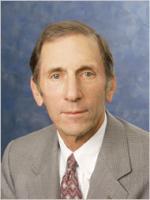
Warren Hellman: The rich are undertaxed

31

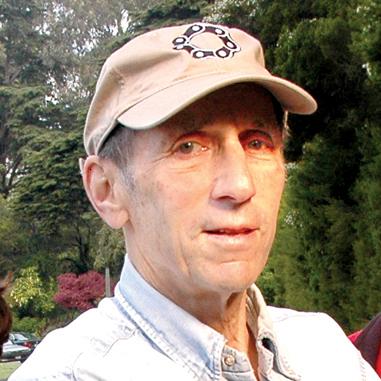
I couldn’t reach financier Warren Hellman before I wrote my column in this week’s paper talking about the employee pension discussions. But he called me yesterday (Feb. 16) after he’d seen it, and I expected he’d give me some shit.


Wrong.


In fact, Hellman had only one problem with my analysis: “Your article is didn’t go far enough.” Turns out he thinks I was a bit too easy on the billionaires.


“When you compare upper-echelon tax rates [in America] to any developed country in the world,” Hellman said, “the rich pay very low taxes here. You’re article is exactly correct — the wealthy are undertaxed.” He told me that he’s stopped trying to amass more personal wealth (“it’s all going into a foundation”) because he realizes that he couldn’t possibly spend all the money he has “and all that happens if you leave it all to the next generation is that you spoil your kids.” 


Quite a statement coming from one of the city’s richest and most influential business leaders.


Of course, putting all the money in a foundation isn’t the only answer.   The only way to address the wealth gap, and the decline in social, education and infrastructure spending, to for the government to get more involved — and that means collecting more tax money from the people who can afford to pay it. Hellman told me that he’s not about to accept a reduction in his lifestyle — but we both agreed that he doesn’t have to. He could pay a lot more in taxes and still be really, really rich.


So we talked about my proposal, which goes like this:


I’ve got a suggestion for the pension reform negotiators. Why not talk a little about parity.


 Yes, pensions have to be fixed; let’s start at the top. Maybe nobody should have a pension of more than $100,000 a year; certainly, a former police chief shouldn’t get $250,000 a year for life. Maybe the highest-paid city employees should have to pay more into the pension system to protect the pensions of the people who make less. I could easily support progressive pension reform that would save the city money.


 I just think tax reform should also be part of the equation.


 Hellman wants $300 million in pension savings? Good — how about pairing it with $300 million in new taxes on the wealthy? How about big business and rich people give up something this time around, instead of all of the cuts falling on public employees and poor San Franciscans?


And Hellman, to his credit, didn’t disagree with the concept. His problem he said, was with the politics. “Taxes are the third rail of politics,” he said. “I’ve gotten my head handed to me three times now when I’ve supported tax increases.” 


But I still think there’s a way to move forward here. The city employee unions agree to some sort of pension reform, which starts with a pension cap and higher payments from higher earners (not with what amounts to a pay cut for lower-wage employees who have already taken pay cuts in the past few years). Then Hellman, Mayor Ed Lee and Sup. Sean Elsbernd agree to support a progressive tax measure that would bring in badly needed revenue for public services and education.


It’s possible that the tax measure would have to wait until Nov. 2012, when it would only require a 50 percent vote. Maybe both measures go on that ballot. And Hellman, Elsbernd and Lee use their clout with downtown to push the Chamber of Commerce and the Commitee on JOBS to at least stay neutral and cut off any big-money campaign against the tax measure. Then they all agree to help raise money and campaign to pass it. And labor agrees to work for both measures.


Hellman said he feared that “one would kill the other” and both measures might fail. But I believe the people of San Francisco are willing to support new taxes — progressive new taxes — if they don’t think the money’s going to waste. And pairing pension refrom with new taxes sends a strong message: We’re all sharing the pain. Particularly if Hellman, Elsbernd and Lee can sell the tax package part of the deal to the business community.


It’s worth a try. Because otherwise, we’re going to have another Prop. B battle, both sides are going to spend a ton of money, and nobody’s going to walk away happy.


“It’s worth thinking about,” Hellman told me. I hope so.

Muni looks for money — but not downtown

12

The San Francisco Municipal Transportation Agency is looking for new ways to bring in money, which is a fine thing. I think taxes for transportation make perfect sense. And while not everything in government gets better when you throw money at it, Muni generally does. Some of the ideas are pretty sound and take a progressive approach; it’s hard to argue against a vehicle impact fee, since private cars on the road increase traffic and slow down the buses. I’m all for higher parking rates, and an off-street commercial parking fee is a great idea (even though the Guardian, which owns a building that has a small parking lot, would have to pay the fee).


But the list is missing the most obvious and the most fair element: A special tax assessment for downtown commercial property. We know, because the city has done numerous reports on this, that office developers don’t pay anywhere near the real cost of providing Muni service to their buildings. We know that most of the Muni lines, and certainly the ones with the heaviest traffic, exist to take commuters downtown. We know that decent transit is critical to the success of the entire central office district.


So why is there nothing on this list to address that? Why not an annual fee per square foot of commercial office space in the area zoned C-3-0 (highrise offices)? That ought to be part of any Muni funding plan.


I tried to get the folks at Muni to respond to my question, but I haven’t heard back. I’ll update as soon as I do.

Ammiano goes after tax cheats

3

Assemblymember Tom Ammiano is moving to close a huge tax loophole that costs state and local government millons — and while his last attempt failed, this year he has a much better shot. The measure will probably make it out of the Legislature (hard to argue against something that doesn’t raise taxes at all but just makes sure nobody cheats) and I can’t imagine Jerry Brown deciding to veto it.


The bill, AB 448, would force companies that sell or transfer propetry to report it as an ownership change, which triggers a new assessment under Prop. 13. It’s one of the oldest loopholes in the book: I create a corporation or LLC to hold a piece of property, and when I want to sell, I simply transfer stock in the corporation or membership in the LLC to the buyer — and the property deed isn’t changed.


The California Tax Reform Association tracks this stuff, and you can see some examples here.


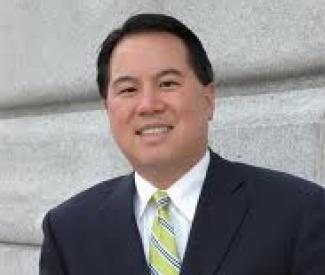
Ammiano’s been working with San Francisco Assessor Phil Ting, who told me “it’s a simple issue of fairness. Homeowners face reassessment when they buy property; why shouldn’t corporations?”


The stakes are high. It’s impossible to say how much San Francisco would pick up every year, but over time, it could be many millions of dollars (and about 57 percent of property tax revenue goes to the General Fund, the rest to the state, which returns most of it it the public schools).


Perhaps the Democrats should simply include this projected revenue in their budget; that way, Brown would have an even greater incentive to sign it.

Leno forces GOP hand

5

For whatever tactical reason (or other inexplicable Jerry Brown rationale), the governor has refused to tell Californians what he would cut if he can’t get his tax extensions approved. And the Republicans refuse to say what they would cut instead of letting the taxes continue.


So Sen. Mark Leno did it for them. Leno asked the Legislative Analyst to explain what $13 billion in budget cuts — the “no-new-taxes” budget the GOP wants — might look like.


It’s really, really scary.


For starters, take $4.5 billion away from K-12 education. That means the end to class-size limits for K-3. It’s a huge deal: The Gray Davis measure that limited those classes to 20 students probably did more than anything in decades to save public education in California. You want 40 kids in a kindergarten class with one teacher? You think any of them will be learning to read? Oh, and the state could save $700 million by delaying kindergarten for kids; guess who that impacts? Those kids are going to spend more time in pre-school which either (a) is subsidized by the taxpayers or (b) comes out of the hides of working parents.


Oh, and we’d eliminate food stamps for noncitizens. So people won’t be able to feed their kids. You think crime might become more of a problem? But wait: No room in the prisons.


Then we put college out of the financial reach of middle-class kids and expect to build a 21st century economy. And that’s just the beginning.


Leno deserves thanks for putting this list out; it ought to be in the ballot handbook along with the proposal to continue (not RAISE, just continue) some taxes. And we should all be asking every Republican in Sacramento: Is this what you want? If not, give us an alternative. 


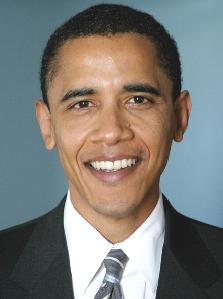
Hellman and Obama feel your pain

29

The Bay Citizen has a detailed report on the backroom discussions taking place around pension reform, and there aren’t any real surprises. The cops and firefighters seem to be leading the talks from the public-employee union perspective, although the other unions are there, and Mayor Lee has taken over the gavel from financier Warren Hellman. Sean Elsbernd is involved, but they’ve kept Jeff Adachi out. (And what the hell is Nathan Ballard doing in this mix?)


But what got me when I read the story this weekend was the quote from Hellman:


In an interview Thursday afternoon, Hellman said the group must come up with annual savings of $300 million to $400 million. (Proposition B was to have saved the city $120 million.)


“I hate that it comes out of the hide” of city workers, particularly those making modest salaries, Hellman said. “It is going to be really painful.”


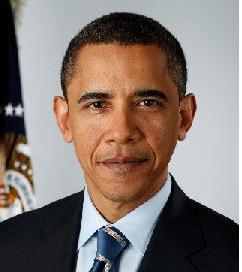
It reminds me of Obama’s comments on his budget cuts: They’ll be painful and he hates to do it, but these tough decisions have to be made for the good of all of us.


My question: Why doesn’t anything ever come out of the hides of the billionaires?


From the start of this recession, working-class people, public employees and the poor have taken huge hits. Nothing — nothing — has happened to the top echelon of society. If anything, they’ve only gotten richer. The bankers who destoryed the economy with financial instruments even they didn’t understand? They’re not in the poor house. They haven’t had their homes foreclosed. They’re all doing just fine.


In fact, the United States government just kindly allowed them to keep their tax cuts for another two years.


Obama isn’t going to miss any meals. His kids will still have their fancy private school. He won’t have to worry about his pension vanishing or eating cat food in his old age. Same goes for Hellman; there’s nothing in the world that he could possibly want to buy that he can’t have.


So it makes me really mad to hear them talk about feeling bad about budget cuts and reducing pensions. If they feel bad, then why not do something about it?


Hellman’s not a bad guy. I’ve met him, he’s pleasant and polite and sincere about wanting to help the city. I couldn’t reach him on the phone today, but I’ll keep trying, because I have a question:


Over the past five years, city employees have given back hundreds of millions of dollars in wage and benefit concessions. Social programs have been cut by hundreds of millions more. And the rich in this town have given back nothing. Mr. Hellman: Is that fair?


I’ve got a suggestion for the pension reform negotiators. Why not talk a little about parity.


Yes, pensions have to be fixed; let’s start at the top. Maybe nobody should have a pension of more than $100,000 a year; certainly, a former police chief shouldn’t get $250,000 a year for life. Maybe the highest-paid city employees should have to pay more into the pension system to protect the pensions of the people who make less. I could easily support progressive pension reform that would save the city money.


I just think tax reform should also be part of the equation.


Hellman wants $300 million in pension savings? Good — how about pairing it with $300 million in new taxes on the wealthy? How about big business and rich people give up something this time around, instead of all of the cuts falling on public employees and poor San Franciscans?


I’m good with pension reform, really I am. And I’m not involved in the negotiations. But I’m a San Francisco progressive who will have to vote on the ultimate outcome. Give me something to work with here, guys.


Obama’s going to screw California

6

The giant cuts proposed by the Obama Administration (and worse ones suggested by the GOP) will hurt the economic recovery, hurt the poor, hurt the nation’s future — and hurt California. Let’s remember, as Brian Leubitz notes at Calitics, we live in a net donor state — for every dollar Californians send to Washington, the state gets 80 cents back. And now the president wants to make cuts that will further mess up the state budget — and since Gov. Jerry Brown is sending a lot of Sacramento’s work back to the counties, the shit will keep rolling downhill.


It’s true that Obama is also talking about tax hikes, but that’s going to be hard to get through the House. And even if he gets his higher taxes on oil and gas producers and high-income individuals, he still wants to cut spending — that is, non-military spending.


So over the next few months, as Washington politicians try to out-cut each other and talk about “living within our means” (except for wars that nobody wants to pay for but we keep fighting anyway), look for the budget crisis in Sacramento and San Francisco to get worse.


One ray of hope: If Jerry Brown is willing to back up his “local-government-does-it-better” campaign by giving local government the right to raise taxes abit more easily, then he’ll support Sen. Mark Leno’s bill to allow counties to raise the Vehicle License Fee. That might even come close to saving SF what Washington and Sacramento take away.

Hyatt targeted as labor impasse drags on

0

Hundreds of Hyatt hotel workers and supporters represented by the UniteHere Local 2 union continued their 18-month long struggle against the Hyatt Corporation yesterday (Thu/10) by protesting outside the Hyatt Regency Hotel near the Embarcadero.

The Hyatt Regency was one of six hotels where demonstrations took place in a National Day of Action against Hyatt management. Local 2 said many issues still need to be negotiated, such as decreasing the current health care costs of $200 a month for a family plan, raising pensions from $900 to $1200 a month, and taking steps to reduce injuries to Hyatt employees.

“We want to draw attention to the injury rate that Hyatt has been witness to,” Local 2 spokeswoman Riddhi Mehta-Neugebauer said.

The protest, which started at 4:30 p.m., surrounded the front entrance of the Hyatt Regency on Drumm and Market Streets, with protestors sitting in front of its turnstile doors. About two dozen protestors were arrested, cited and released on charges of misdemeanor trespassing.

The Hyatt Corporation’s statement on yesterday’s actions tried to turn the blame on the union, stating they haven’t been willing to come to the bargaining table. “Once again, the leadership of UniteHere Local 2 is putting its own agenda ahead of the needs of its members,” the statement said.

Cynthia Reed, a telephone operator with the Hyatt for 22 years, who was a part of the protest, was angered that she has been without a fair contract since August 2009.

“I feel as though we are being oppressed,” she told the Guardian. “We, the workers, are living off $38,000 a year with $12,000 in taxes. We can’t live like this in San Francisco. We just want a living wage.”

Reed noted that some of her co-workers include parents of multiple children and cancer patients, while others are over retirement age. “If the union doesn’t stand up for us, who will?” Reed asked. “Why patronize these facilities when all the money is going to a few at the top?” she wondered before going back to a line of picketers chanting, “Union bustin’ is disgustin’!”

Peter Hillan, a spokesman that represents the Hyatt, was at the scene to give the corporation’s point of view. “It’s street theater,” he said of the event. “It’s taking revenue away from the business that could be going to the employees.”

Hillan said that over the past 18 months, the protests and the union’s call to boycott the hotels have taken about $10 million of convention business away from San Francisco’s Hyatts.

A meeting to discuss contract negotiations with the Hyatt Corporation and Local 2 is set for Feb. 24.

Editor’s Notes

0

tredmond@sfbg.com

I had fun with the state budget the other day. The Sacramento Bee has a pretty good online simulation that lets you pick programs to cut and revenues to raise to see if you can get rid of a $26.4 billion deficit, and I gave it a shot. It took me exactly seven minutes to turn the red ink into a $2.1 billion surplus.

See, it’s not that hard. Extend the 2009 tax increases, as Gov. Jerry Brown has suggested. Force multistate corporations to pay taxes based on sales in California. Increase the corporate income tax rate to the same level as the personal income tax rate. Eliminate the Prop. 13 loophole for nonresidential property. Pass an oil severance tax. A few more mouse clicks and bingo: I’ve got $28 billion, without cutting much of anything. (Well, I cut prison spending.)

The lesson you get from playing, of course, is that cuts alone will never do the job; there’s not enough left to cut.

When I finished, I called the office of Asemblymember Connie Conway (R-Tulare). She chairs the Republican Caucus gave the formal GOP response to Brown’s State of the State speech and insisted that new taxes were not acceptable.

Her press spokesperson, Sabrina Lockhart, was very friendly and nice. I told her about the Bee game and asked: If you don’t like Brown’s taxes, what specifically should the state cut?

Lockhart’s response: “Our focus has been on creating jobs to bring in new revenue.”

Okay, I’m for that, too, but let’s be real. Even if 1 million new jobs materialized tomorrow, that wouldn’t bring in enough money this year to balance the budget. Brown’s proposing $12 billion in cuts. If that’s not enough, what else do the Republicans think should go?

Lockhart: “The Republicans are engaged in the subcommittee process and will be reviewing the governor’s proposals.”

But your boss said no taxes, I told her. There are really only two options; taxes or more cuts, right? Am I missing something here?

Lockhart hemmed and hawed for a moment. “That’s why we think job creation has to be a part of this,” she finally said.

Well, I do, too, but it’s just not that simple. If the Republicans don’t want taxes, why won’t they tell us what they want to cut instead? Seriously, what Brown is offering is brutal, bloody — what else would the GOP members put on the chopping block?

Answer: They have no proposals. Nothing at all. Just no new taxes. If I were Jerry Brown, I’d be drinking heavily.

SF’s redevelopment miracle

2

OPINION While many of us (and most of the rest of the state) can tire from time to time when we hear San Francisco “exceptionalism” being touted, especially when Gavin Newsom is doing the touting, there are some cases in which it’s justified. One of the most salient is the way San Franciscans transformed the city’s Redevelopment Agency and used tax-increment financing to build housing and infrastructure that served its residents, not elite developers.

This is an exceptional story that Gov. Brown does not want to hear. He should both listen and learn from San Francisco’s experience.

The San Francisco Redevelopment Agency started out like all others: destroying low income neighborhoods to create what the San Francisco Planning and Renewal Association, a strong agency supporter at the time, called ” ‘clean’ industries [and a] population … closer to ‘standard white Anglo-Saxon Protestant’ characteristics … ” But the big difference was that San Franciscans fought back.

In the 1960s in the Western Addition and SoMa, community organizations were formed that sought legal assistance and stopped the agency in its tracks. In the 1970s, new community coalitions were formed to deny the agency new federal funding. By the 1980s, the agency was broke and its mission of urban renewal so blocked and discredited that SPUR changed the last two words in its name from “Urban Renewal” to “Urban Research.”

In 1988, Mayor Art Agnos brought in the opponents of redevelopment and asked them how to redesign the agency. The product of that collaboration was a new mission statement and an ordinance fully integrating the agency into city government — transforming it into a financing agency, with no operational role.

Since 1990, the agency has become the major funder of affordable housing in San Francisco, pouring more than $500 million into low-cost housing both inside and outside redevelopment areas. More than 10,000 units have been built for working and low-income residents, more than half of those units for families with children. The urban infrastructure needed to transform Mission Bay from a toxic rail yard to a residential and biotech center came from the agency. Since 1990, not one neighborhood has been bulldozed by the agency and two new ones are being created (Mission Bay and Transbay).

Yes, some of the tax increment has been used to do some infrastructure work at ATT Park, and former Mayor Gavin Newsom wanted to entice the 49ers with agency funds for a new stadium at the shipyard. And yes, former Mayor Willie Brown gave Bloomingdale’s some agency money for its Market Street store. But the reality is that 50 percent of all tax increment since 1990 has gone to affordable housing development, and the bulk of the remaining 50 percent has gone for critical needed infrastructural work that has produced new property taxes more than paying for the investments. As the state and federal government turned their backs on central cities it was the only form of financing available.

And now Gov. Brown wants to end tax-increment financing. He points to the excess of other redevelopment agencies in other places. He does not, however, look to us and our experience. He should. San Francisco should be the model for what is required of all redevelopment agencies.

After serving as mayor of Oakland, Brown is probably tired of hearing about how different San Francisco is, how exceptional we are. That’s too bad, because in this case it isn’t hype. It’s real. *

Calvin Welch lives and works in San Francisco.

Fried

0

I don’t have a lot of pet peeves — that would break my lease. Other than, say, invading a country for no reason, making fun of people with mental illnesses and addictions, refusing to pay taxes because you think people of color are moochers, or ordering Uggs online, still, not much reliably gets my goat, ties it down with friendship bracelets and Danish dreadlocks, and forces it to listen to Ke$ha remixed by Tiësto while wearing Juicy Couture or Pink by Victoria’s Secret.  

Baaa.

I do however have an eensy beensy problem with fried food in bars. It may be because I recently quit smoking — farewell, dear Marlboro Man, please moisturize — but lately the combined and pungent waft of cheese-smothered freedom fries, bleachy bar-cleaning solution, and, heaven forfend, deep fried pickles (they have these at Truck in SoMa, they’re frickin’ delicious) makes me want to hurl rainbow Santorum. Could it be that I’m finally pregnant? We’ve tried so hard!

Alas, clouds of steamy trans fat, the unerotic kind, are what one must brave to enjoy Buck Tavern on Market Street, notorious for its new owner, former supervisor and mercurial rabble-rouser Chris Daly. It offers a full menu of yummily evil things whose scent can overpower the atmosphere. But other than that, and perhaps a slight overbrightness of lighting, I have no beef with the place. I’d been there before, when it was a sparsely occupied pool haunt (population: one large drag queen with a pool cue and a frightened-looking bartender) which served only beer and soju cocktails. Now, crowded with cute, diverse folks deep in interesting conversations, full call liquor bottles lining the wall, and the sound of cheerleaders screeching on the flatscreens, it feels downright cozy.

Others may fear clouds of a different sort — and yes this is a progressive wonk’s paradise. Daly can be found behind the bar many nights, and you’ll usually see some political player like John Avalos or Ross Mirkarimi or David Campos or “who the hell knows cuz they’re all slightly brown dudes with the same goatee-hair-tiny glasses thing going on” downing a well-priced pint. There’s even a spread-eagle copy of the Guardian to read over the urinal. (Aim high, haters.) But don’t worry, there’s no ideological purity check at the door, just a friendly sense of come-what-may. In fact, I think we may be witnessing the sudden materialization of some boisterous and idyllic parallel universe City Hall. With cheeseburgers, even!

BUCK TAVERN 1655 Market, SF. (415) 874-9183


PUPPY PILE

With newish monthly parties like Beatpig, Chickenbear, and OH! the Powerhouse is rapidly erasing its rep among queer youth as a bland haven for desperate cruisers into carnival techno and so-so blowjobs. This special benefit for Pets Are Wonderful Support brings together two of those parties, Chickenbear and OH! for a night of flying feathers (i.e., a bachelor auction) and rock ‘n’ roll hijinx.

Sat/5, 10 p.m., $5. Powerhouse, 1347 Folsom, SF. www.powerhouse-sf.com


PINK MAMMOTH SEVEN-YEAR ANNIVERSARY

I smell Burning Man! And it smells expensive. Luckily, I can enjoy some of the nuttier crews right now, for less than the price of one of the actual mammoths that scientists are hoping to clone this summer. (Imagine riding an actual mammoth onto the Playa. Imagine it with your mind!) So much glitch-funk, chunky techno, zen dubstep fun galore at the fuzzy pink tribe’s seventh hootenanny. Oh goddess, they have their own iPhone app and a hot dog bar. Nothing can stop them now.

Sat/5, 9 p.m.-late, $10–$15. Mighty, 119 Utah, SF. www.pinkmammoth.org


EGYPTIAN LOVER

I don’t know if this is timely or not? Current events electro, people. The pioneer of electronic funk puts on one hell of a show, and has been jamming the box and rocking Planet Rock for like three decades now. He’ll be joined by Jaime Jupiter for a journey through the Electric Kingdom.

Sat/5, 10 p.m.-late, $20. Public Works, 161 Erie, SF. www.publicsf.com


MISS HONEY

Fashion-addict club kids, runway voguing, hip-hop DJs in the stripper pole room, and NYC’s Miss Honey Dijon on the main turntables. Work it out.

Sat/5, 10 p.m., $10. Supperclub, 647 Harrison, SF. www.supperclub.com

California is an even richer state

15

Jerry Brown pointed out in his State of the State address that California is a rich state; I’m not sure Jerry saw the latest from Vanity Fair, but I think his estimates of increased personal income might be a bit low. VF loves to dig into the lives (and fortunes) of Hollywood types, and the latest list of the highest-paid people in the film industry is interesting.


James Cameron made $257 million last year. Guess what? He lives in Malibu. That’s Malibu, California. Guess what? If we raised his taxes a little he’d still live in Malibu. In fact, he wouldn’t even notice.


Johnny Depp made $100 million, but he lives in France these days. But Steven Spielberg, who made $80 million without even working, lives in Los Angeles. So does Christopher Nolan $71.5 million) and Leo DeCaprio ($62 million). Kristen Stewart ($28.5 million lives in L.A. too, though I hear she wants to move to Australia; income taxes there are higher than the U.S., though, so she won’t be fleeing the taxman.


Got that? Four people, $477.5 million, last year alone. Yes, my friends, we can afford public education. 

California is a rich state

9

My favorite part of the State of the State speech (full text here) was a bit of perspective that almost everyone has ignored. It went like this:


We are still a very rich society. In two years alone, Californians will have added more than $100 billion to their personal income. Yet, our State’s credit rating is the lowest of the 50 states, unemployment is higher than the national average and some journalists are calling California a “failed state.”


In two years, Californians will have added more than $100 billion to their personal income. And given that 20 percent of all income eanred in the U.S. goes to the top 1 percent of Americans. $20 billion of that new income will go to the very richest Californians. More than 60 percent of all income earned goes to the richest 20 percent, which would mean $60 billion in income to people who are already richer than four of five Californians.


Brown gets this, clearly. And he’s no fool; I think he can do simple math. Which would lead you to conclude that an increase in the state income tax for the top brackets could bring in a huge chunk of change — without harming the economic recovery. (And don’t give me that trickle down shit; facts are facts, and the top 1 percent of income earners are far less likely to spend their marginal dollar, creating jobs. They sock it away, creating wealth for future generations.)


I know the idea of talking about higher income taxes is political death, but when we talk about frugality and tightening our belts, let’s remember: California is still a very rich state. We can afford things like public education. Even the governor says so.

Music Listings

0

WEDNESDAY 2

ROCK/BLUES/HIP-HOP

Corruptors, Heroine, Vanishing Breed Knockout. 9:30pm, $6.

Generalissimo, Blind Shake, Guitar vs. Gravity Hotel Utah. 9pm, $7.

Bobby Long Café Du Nord. 9:30pm, $15.

*Motorhead, Clutch, Valient Thorr Warfield. 8pm, $38.

Professor Burns and the Lilac Field, Eric Maskol, Maya Dorn Milk. 8:30pm, $5.

Das Racist, Hottub, DJ Vin Soi Independent. 8pm, $15.

Sweet Chariot, Victory and Associates, Calls Elbo Room. 9pm, $6.

Tristen, Billy and Dolly, Corner Laughers Rickshaw Stop. 8pm, $10.

Tunnel, Foolproof Four, Word Bottom of the Hill. 9pm, $8.

Wood Brothers Yoshi’s San Francisco. 8pm, $17.

JAZZ/NEW MUSIC

Dink Dink Dink, Gaucho, Michael Abraham Amnesia. 7pm, free.

Ben Marcato and the Mondo Combo Top of the Mark. 7:30pm, $10.

Michael Parsons Revolution Café, 3248 22nd St, SF; (415) 642-0474. 8:30pm, free.

Paula West and George Mesterhazy Quartet Rrazz Room. 8pm, $35.

DANCE CLUBS

Booty Call Q-Bar, 456 Castro, SF; www.bootycallwednesdays.com. 9pm. Juanita Moore hosts this dance party, featuring DJ Robot Hustle.

Cannonball Beauty Bar. 10pm, free. Rock, indie, and nu-disco with DJ White Mike.

Hands Down! Bar on Church. 9pm, free. With DJs Claksaarb, Mykill, and guests spinning indie, electro, house, and bangers.

Jam Fresh Wednesdays Vessel, 85 Campton, SF; (415) 433-8585. 9:30pm, free. With DJs Slick D, Chris Clouse, Rich Era, Don Lynch, and more spinning top40, mashups, hip hop, and remixes. Mary-Go-Round Lookout, 3600 16th St, SF; (415) 431-0306. 10pm, $5. A weekly drag show with hosts Cookie Dough, Pollo Del Mar, and Suppositori Spelling.

Respect Wednesdays End Up. 10pm, $5. Rotating DJs Daddy Rolo, Young Fyah, Irie Dole, I-Vier, Sake One, Serg, and more spinning reggae, dancehall, roots, lovers rock, and mash ups.

Synchronize Il Pirata, 2007 16th St, SF; (415) 626-2626. 10pm, free. Psychedelic dance music with DJs Helios, Gatto Matto, Psy Lotus, Intergalactoid, and guests.

THURSDAY 3

ROCK/BLUES/HIP-HOP

Ólafur Arnalds Great American Music Hall. 8pm, $17.

Shawn Colvin Yoshi’s San Francisco. 8pm, $34.

Leather Feather, Heart Touch, Dr. Madd Vibe, Sistas in the Pit, Punk Funk Mob Cellspace, 2050 Bryant, SF; www.sfindie.com. 9pm, $10. Part of SF Winter Music Festival.

Limousines, Aaron Axelsen, Miles the DJ Rickshaw Stop. 10pm, $12. Presented by Popscene.

Little Creatures, Casy and Brian El Rio. 10pm, free.

Mangled Bohemians, Lickets, Shores Hemlock Tavern. 9pm, $6.

Mercury Falls Kaleidoscope, 3109 24th St, SF; www.kaleidoscopefreespeechzone.com. 9pm, $8.

Midnight Snackers, Badugi, Late Night Drive Kimo’s. 9pm, $6.

Mofo Party Band Biscuits and Blues. 8 and 10pm, $16.

Nels Cline Singers with Yuka C. Honda, Paul Riola Independent. 8pm, $16.

Social Distortion, Aggrolites, Chuck Ragan Warfield. 9pm, $35.

Tennis, Lord Huron, Air Waves Bottom of the Hill. 9pm, $12.

That Ghost, Hymn for Her Amnesia. 9pm.

Toasters, Inciters Red Devil Lounge. 8pm, $12.

JAZZ/NEW MUSIC

Dastardly Revolution Café, 3248 22nd St, SF; (415) 642-0474. 8:30pm, free.

Stompy Jones Top of the Mark. 7:30pm, $10.

Paula West and George Mesterhazy Quartet Rrazz Room. 8pm, $40.

FOLK/WORLD/COUNTRY

Country Casanovas Atlas Café. 8pm, free.

DANCE CLUBS

Afrolicious Elbo Room. 9:30pm, $10. DJs Pleasuremaker and Señor Oz spin Afrobeat, tropicália, electro, samba, and funk.

Caribbean Connection Little Baobab, 3388 19th St, SF; (415) 643-3558. 10pm, $3. DJ Stevie B and guests spin reggae, soca, zouk, reggaetón, and more.

Club Jammies Edinburgh Castle. 10pm, free. DJs EBERrad and White Mice spinning reggae, punk, dub, and post punk.

Drop the Pressure Underground SF. 6-10pm, free. Electro, house, and datafunk highlight this weekly happy hour.

Electric Feel Lookout, 2600 16th St, SF; www.fringesf.com. 9pm, $2. Indie music video dance party with subOctave, Blondie K, and guest DJ Lifeline.

Good Foot Som., 2925 16th St, SF; (415) 558-8521. 10pm, free. With resident DJs Haylow, A-Ron, Prince Aries, Boogie Brown, Ammbush, plus food carts and community creativity.

Guilty Pleasures Gestalt, 3159 16th St, SF; (415) 560-0137. 9:30pm, free. DJ TophZilla, Rob Metal, DJ Stef, and Disco-D spin punk, metal, electro-funk, and 80s.

Holy Thursday Underground SF. 10pm, $5. Bay Area electronic hip hop producers showcase their cutting edge styles monthly.

JFK of MSTRKRFT, Nisus, Shane King Mighty. 9pm, $15.

Jivin’ Dirty Disco Butter, 354 11th St., SF; (415) 863-5964. 8pm, free. With DJs spinning disco, funk, and classics.

Koko Puffs Koko Cocktails, 1060 Geary, SF; (415) 885-4788. 10pm, free. Dubby roots reggae and Jamaican funk from rotating DJs.

Lacquer Beauty Bar. 10pm-2am, free. DJs Mario Muse and Miss Margo bring the electro.

Mestiza Bollywood Café, 3376 19th St, SF; (415) 970-0362. 10pm, free. Showcasing progressive Latin and global beats with DJ Juan Data.

Peaches Skylark, 10pm, free. With an all female DJ line up featuring Deeandroid, Lady Fingaz, That Girl, and Umami spinning hip hop.

FRIDAY 4

ROCK/BLUES/HIP-HOP

Seth Augustus Revolution Café, 3248 22nd St, SF; (415) 642-0474. 9pm, free.

Les Aus, Huan Hemlock Tavern. 9:30pm, $8.

“Battle of the Bands: Finals” DNA Lounge. 5:30pm, $12. With Handshake, Thy Winter Shadow, Boondock Squad, and more.

Blisses B, Acadia Collective, Ben Keeler Hotel Utah. 9pm, $8.

Ethan Bortnick and His Musical Time Machine Regency Ballroom. 8pm, $29-50-39.50.

Cat Power Fillmore. 9pm, $35.

Church Great American Music Hall. 8pm, $35.

Shawn Colvin Yoshi’s San Francisco. 8pm, $34.

Definite Articles, She Beards, Gems, Bryan McPherson Bottom of the Hill. 9:30pm, $10.

Exrays, Tim Cohen’s Magick Trick, Fiveng, DJ Cyclist Café Du Nord. 9pm, $12.

“14th Annual One Night Stand” Slim’s. 8pm, $13. Local bands perform cover songs.

Frail, Rykarda Parasol, Slpwlkrs Rickshaw Stop. 8pm, $10-15.

Hi-Rhythm Hustlers, Slim Jenkins Verdi Club, 2424 Mariposa, SF; www.oldtimey.net. 9pm, $10.

Claudette King Biscuits and Blues. 8 and 10pm, $20.

Los Shimmy Shakers, Foolproof Four, Taxes, Yoma Band, Shit Outta Luck, Thief, Nervous Energy Cellspace, 2050 Bryant, SF; www.sfindie.com. 8pm, $10. Part of SF Winter Music Festival.

Social Distortion, Lucero, Chuck Ragan Warfield. 9pm, $35.

FOLK/WORLD/COUNTRY

Forro Brazuca, DJ Alfie1Bateria Elbo Room. 10pm, $10.

Valerie Orth and friends Red Poppy Art House. 8pm, $10-15.

JAZZ/NEW MUSIC

Black Market Jazz Orchestra Top of the Mark. 9pm, $10.

Paula West and George Mesterhazy Quartet Rrazz Room. 8pm, $45.

DANCE CLUBS

Braza! Som.10pm, $10. With DJs Vanka, Elan, and Caasi.

Deeper 222 Hyde, 222 Hyde, SF; (415) 345-8222. 9pm, $10. With rotating DJs spinning dubstep and techno.

Dirty Rotten Dance Party Madrone Art Bar. 9pm, $5. With DJs Morale, Kap10 Harris, and Shane King spinning electro, bootybass, crunk, swampy breaks, hyphy, rap, and party classics.

Exhale, Fridays Project One Gallery, 251 Rhode Island, SF; (415) 465-2129. 5pm, $5. Happy hour with art, fine food, and music with Vin Sol, King Most, DJ Centipede, and Shane King.

Fubar Fridays Butter, 354 11th St., SF; (415) 863-5964. 6pm, $5. With DJs spinning retro mashup remixes.

Good Life Fridays Apartment 24, 440 Broadway, SF; (415) 989-3434. 10pm, $10. With DJ Brian spinning hip hop, mashups, and top 40.

Hot Chocolate Milk. 9pm, $5. With DJs Big Fat Frog, Chardmo, DuseRock, and more spinning old and new school funk.

Rockabilly Fridays Jay N Bee Club, 2736 20th St, SF; (415) 824-4190. 9pm, free. With DJs Rockin’ Raul, Oakie Oran, Sergio Iglesias, and Tanoa “Samoa Boy” spinning 50s and 60s Doo Wop, Rockabilly, Bop, Jive, and more.

Some Thing Stud. 10pm, $7. VivvyAnne Forevermore, Glamamore, and DJ Down-E give you fierce drag shows and afterhours dancing.

Strangelove Cat Club. 10pm, $6. Six-year anniversary featuring goth and industrial with DJs Tomas Diablo, Joe Radio, Xander, and Orko.

Vintage Orson, 508 Fourth St, SF; (415) 777-1508. 5:30-11pm, free. DJ TophOne and guest spin jazzy beats for cocktalians.

SATURDAY 5

ROCK/BLUES/HIP-HOP

Communist Kayte, Icekats and the Mengz Thee Parkside. 3pm, free.

Devil’s Brigade, Roger Miret and the Disasters Thee Parkside. 9pm, $12.

*400 Blows, Skinwalker, Longmont Potion Castle El Rio. 10pm, $8.

Tommy Guerrero Café Du Nord. 9:30pm, $12.

Hurry Up Shotgun, X-Ray Press, Third Victim of Abigail Rutledge Hemlock Tavern. 9:30pm, $6.

Lakeside Yoshi’s San Francisco. 8 and 10pm, $25-35.

Led Zeppelin 2 Slim’s. 9pm, $16.

Rod Piazza and the MIghty Flyers Biscuits and Blues. 8 and 10pm, $22.

Pollux, Pine and Battery, Lite Brite, Gentlemen Bottom of the Hill. 9pm, $12.

Grace Potter and the Nocturnals Fillmore. 9pm, $20.

Roy G. Biv and the Mnemonic Devices, Semi Feral, Aaron Lee and the Love Vigilantes, Sorry Mom and Dad Kimo’s 9pm, $8.

JAZZ/NEW MUSIC

Paula West and George Mesterhazy Quartet Rrazz Room. 8pm, $45.

FOLK/WORLD/COUNTRY

Brothers Comatose, Green String Farm Band Amnesia. 9pm, $7.

Rodney Crowell Great American Music Hall. 9pm, $26.

I.R.B. Revolution Café, 3248 22nd St, SF; (415) 642-0474. 9pm, free.

“Khaliji Night” Arab Cultural and Community Center, Two Plaza St., SF; www.arabculturalcenter.org. 7pm, $15. With singer-oud player Naser Musa and percussionist Faisal Zedan.

Mighty Mississippi Café Royale, 800 Post, SF; (415) 641-6033. 8pm, free.

Craig Ventresco and Meredith Axelrod Atlas Café. 4pm, free.

DANCE CLUBS

Bar on Church 9pm. Rotating DJs Foxxee, Joseph Lee, Zhaldee, Mark Andrus, and Nuxx.

Everlasting Bass 330 Ritch. 10pm, $5-10. Bay Area Sistah Sound presents this party, with DJs Zita and Pam the Funkstress spinning hip-hop, soul, funk, reggae, dancehall, and club classics. Foundation Som., 2925 16th St., SF; (415) 558-8521. 10pm.

Gemini Disco Underground SF. 10pm, $5. Disco with DJ Derrick Love and Nicky B. spinning deep disco.

HYP Club Eight, 1151 Folsom, SF; www.eightsf.com. 10pm, free. Gay and lesbian hip-hop party, featuring DJs spinning the newest in the top 40s hip hop and hyphy.

Kontrol Endup. 10pm, $20. With resident DJs Alland Byallo, Craig Kuna, Sammy D, and Nikola Baytala spinning minimal techno and avant house.

Leisure Paradise Lounge. 10pm, $7. DJs Omar, Aaron, and Jet Set James spinning classic britpop, mod, 60s soul, and 90s indie.

New Wave City: New Romantic Night DNA Lounge. 9pm, $7-12. DJs Skip and Shindog spin dreamy 80s.

Rock City Butter, 354 11th St., SF; (415) 863-5964. 6pm, $5 after 10pm. With DJs spinning party rock.

Saturday Night Soul Party Elbo Room. 10pm, $5-10. Sixties soul with DJs Lucky, Phengren Oswald, and Paul Paul.

Sensualite 111 Minna. 8pm, $20. Sexy party with burlesque, cookies, and the authors of Cockfidence: The Extraordinary Lover’s Guide to Being the Man You Want to Be and Driving Women Wild.

Souf Club Six. 9pm, $7. With DJs Jeanine Da Feen, Motive, and Bozak spinning southern crunk, bounce, hip hop, and reggaeton.

Soundscape Vortex Room, 1082 Howard, SF; www.myspace.com/thevortexroom. With DJs C3PLOS, Brighton Russ, and Nick Waterhouse spinning Soul jazz, boogaloo, hammond grooves, and more.

Spirit Fingers Sessions 330 Ritch. 9pm, free. With DJ Morse Code and live guest performances.

Three Kinds of Stupid Dance Party Rickshaw Stop. 9pm, $12. With Sugar and Gold, Yip Deceiver, and DJs BAS, Chris Baty, and Brother Grimm.

Twelves, White Mike, Nisus Mezzanine. 9pm, $16.

SUNDAY 6

ROCK/BLUES/HIP-HOP

Fracas, Kicker!, Bite, FUKM, Sad Boy Sinister Cellspace, 2050 Bryant, SF; www.sfindie.com. 6pm, $10. Part of SF Winter Music Festival.

Hymn for Her Hemlock Tavern. 9pm, $6.

Plain White Ts, Parachute, Miggs Fillmore. 8pm, $22.50.

JAZZ/NEW MUSIC

Jennifer Bryce and Josh Workman Bliss Bar, 4026 24th St, SF; www.blissbarsf.com. 4:30pm, $10.

Joe Warner Trio Revolution Café, 3248 22nd St, SF; (415) 642-0474. 8pm, free.

Paula West and George Mesterhazy Quartet Rrazz Room. 7pm, $40.

FOLK/WORLD/COUNTRY

John Meeks Thee Parkside. 4pm, free.

DANCE CLUBS

Afterglow Nickies, 466 Haight, SF; (415) 255-0300. An evening of mellow electronics with resident DJs Matt Wilder, Mike Perry, Greg Bird, and guests.

Call In Sick Skylark. 9pm, free. DJs Animal and I Will spin danceable hip-hop.

DiscoFunk Mashups Cat Club. 10pm, free. House and 70’s music.

Dub Mission Elbo Room. 9pm, $6. Dub, roots, and classic dancehall with DJs Sep, Vinnie Esparza, and J Boogie.

Gloss Sundays Trigger, 2344 Market, SF; (415) 551-CLUB. 7pm. With DJ Hawthorne spinning house, funk, soul, retro, and disco.

Honey Soundsystem Paradise Lounge. 8pm-2am. “Dance floor for dancers – sound system for lovers.” Got that?

Kick It Bar on Church. 9pm. Hip-hop with DJ Zax.

Religion Bar on Church. 3pm. With DJ Nikita.

Swing Out Sundays Rock-It Room. 7pm, free (dance lessons $15). DJ BeBop Burnie spins 20s through 50s swing, jive, and more.

MONDAY 7

ROCK/BLUES/HIP-HOP

Asada Messiah, Dimesland, Catacomb Creeps Elbo Room. 9pm, $6.

Atomic Tom, Maniac Café Du Nord. 9:30pm, $12.

Guitar Shorty Biscuits and Blues. 8 and 10pm, $20.

JAZZ/NEW MUSIC

Lavay Smith Swinget with Jules Broussard Enrico’s, 504 Broadway, SF; (415) 982-6223. 7pm, free.

Randy Weston Yoshi’s San Francisco. 8pm, $30.

DANCE CLUBS

Death Guild DNA Lounge. 9:30pm, $3-5. Gothic, industrial, and synthpop with Joe Radio, Decay, and Melting Girl.

Krazy Mondays Beauty Bar. 10pm, free. With DJs Ant-1, $ir-Tipp, Ruby Red I, Lo, and Gelo spinning hip hop.

M.O.M. Madrone Art Bar. 6pm, free. With DJ Gordo Cabeza and guests playing all Motown every Monday.

Manic Mondays Bar on Church. 9pm. Drink 80-cent cosmos with Djs Mark Andrus and Dangerous Dan.

Network Mondays Azul Lounge, One Tillman Pl, SF; www.inhousetalent.com. 9pm, $5. Hip-hop, R&B, and spoken word open mic, plus featured performers.

Sausage Party Rosamunde Sausage Grill, 2832 Mission, SF; (415) 970-9015. 6:30-9:30pm, free. DJ Dandy Dixon spins vintage rock, R&B, global beats, funk, and disco at this happy hour sausage-shack gig.

Skylarking Skylark. 10pm, free. With resident DJs I & I Vibration, Beatnok, and Mr. Lucky and weekly guest DJs.

TUESDAY 8

ROCK/BLUES/HIP-HOP

Assateague, Wooly Moon Amnesia. 9pm.

Tina Dico Swedish American Hall (upstairs from Café Du Nord). 8pm, $16.

Lazarus, Michael Beach, Colossal Yes Hemlock Tavern. 9pm, $6.

Dominique Leone, Sit Kitty Sit, Tzigane Society Bottom of the Hill. 9pm, $8.

Tony Lucca, Lauren Shera Café Du Nord. 9:30pm, $12.

Sebadoh, Quasi Great American Music Hall. 8pm, $20.

Guitar Shorty Biscuits and Blues. 8 and 10pm, $20. Lolita Sweet Yoshi’s San Francisco. 8pm, $20. JAZZ/NEW MUSIC Nick Culp Revolution Café, 3248 22nd St, SF; (415) 642-0474. 8:30pm, free. Ricardo Scales Top of the Mark. 6:30pm, $5. DANCE CLUBS Bombshell Betty and Her Burlesqueteers Elbo Room. 9pm, $10. Burlesque and live music with Fromagique. Eclectic Company Skylark, 9pm, free. DJs Tones and Jaybee spin old school hip hop, bass, dub, glitch, and electro. Extra Classic DJ Night Little Baobab, 3388 19th St, SF; www.bissapbaobab.com. 10pm. Dub, roots, rockers, and reggae from the 60s, 70s, and 80s. Share the Love Trigger, 2344 Market, SF; (415) 551-CLUB. 5pm, free. With DJ Pam Hubbuck spinning house. Womanizer Bar on Church. 9pm. With DJ Nuxx.


Music listings are compiled by Cheryl Eddy. Since club life is unpredictable, it’s a good idea to call ahead to confirm bookings and hours. Prices are listed when provided to us. Submit items for the listings at listings@sfbg.com. For further information on how to submit items for the listings, see Picks.


Brown goes nonpartisan while Obama stays the course

6

Gov. Jerry Brown gave a brilliant State of the State speech this evening, validating those who hoped that he would have the wisdom, courage, and candor to properly frame this difficult political moment. And it was great because he abandoned tired calls for bipartisanship and opted to go straight to the people, even citing Egypt and Tunisia as cautionary examples of the peril and potential of real democracy.
Contrast that with President Barack Obama, whose White House today indicated it would plow forward with a health care reform package – crafted entirely by politicians and corporate lobbyists – that nobody really likes even after another federal judge ruled its central tenet unconstitutional and House Republicans have threatened jihad over.

Liberals never did buy into this reform after Obama abandoned single payer and even the public option compromise, and its seems conservatives and teabaggers have been whipped up into a froth over its real and imagined provisions. So Obama has some pretty thin backing to fight through the fairly reasonable ruling that the federal government can’t make it a crime not to want to be health insurance company customers.

Both Brown and Obama correctly gauge that “something is profoundly wrong,” as Brown put it. “They see that their leaders are divided when they should be decisive and acting with clear purpose.”

Obama’s solution is bipartisanship, even though Republicans seem incapable of dealing with him or the public in good faith these days. So he makes attempts at bland compromises that please nobody – from escalating war in Afghanistan with a fake exit strategy to extending jobless benefits and billionaire tax cuts – feeding the public perception that both major parties are hopelessly corrupt and ineffective.
Brown is taking a different tact: nonpartisanship. He’s crafted a bold effort at compromise that neither political party likes, but one that will probably prove reasonable to most people if sold properly (unless we are indeed incapable of self-governance at this point, a possibility the I allow and which would require solutions like breaking California up into multiple states or accepting anarchy). And hopefully creative progressive legislators will even give multiple options to the people, including increasing taxes on the richest individuals and corporations to lessen the cuts even more, as long as we’re placing our faith in the people. Hell, I don’t even mind putting a conservative package of deep cuts to government on the ballot as well, just so we can show them how unpopular the right-wing stance really is in California.
Brown doesn’t preclude the future possibilities of bipartisanship, but he also correctly says that the political gridlock is just too strong in Sacramento right now. After punting the budget to the people, maybe they can start doing old-fashioned governance again.

“But let’s not forget that Job Number 1 – make no mistake about it – is fixing our state budget and getting our spending in line with our revenue. Once we do that, the rest will be easy—at least easier because we will have learned to work together and earned back the respect and trust of the people we serve,” he closed. “I look forward to working with all of you.”

GOP is wrong: Most Californians want taxes

50

The Public Policy Institute of California generally has some of the most reliable polls in the state. It’s not a partisan group or part of anyone’s campaign, and the questions tend to be framed in a fair manner. So I take the results of the PPIC polls as a decent indicator of where the state is going.


And where it’s going right now could not be more clear: A vast majority of Californians in the latest PPIC poll want to see a June ballot measure to address the state budget, and they support higher taxes, particularly to save education. And 60 percent think the state should raise taxes on corporations.


It’s going to be tricky: Gov. Brown will need two Republicans in each house to go along if he wants to get a tax measure on the ballot. And the GOP is holding out for changes in the state pension system, which is a complex issue and will be hard to nail down in the short time that remains before the Legislature would have to vote on a June ballot measure. But Brown has the support of the public — even the support of most Republican voters — so it’s possible.


“I’m crossing my fingers,” Assembly member Tom Ammiano told me. “But I think we can get there.”

Obama can’t “win” the future

5


Most of the pundits in the center, like the New York Times, liked Obama’s State of the Union Speech. And for good reason: It was a centrist, cautious speech that promised lower corporate taxes, conservative education policy, lots of money for the military and cuts for everyone else. Two things, thought, that stood out for me:


1. Obama still believes in government. He made it very clear that he thinks the public sector has an important role to play, not just in regulation but in spurring and stimulating economic growth. He’s going about it all wrong, but he did remind people that government — the public sector — won the space race, gave birth to the internet, built the interstate highway system and in the process created tens of millions of jobs. The GOP is already going batshit about it; they got the message.


2. The crux of the speech, the “Sputnik Moment,” was this line: “To win the future, we’ll have to take on challenges that have been decades in the making.” Win the future. In fact, over and over, all night, we heard about “winning the future.”


But since when was the future a war, something to be fought with an enemy? To “win” the space race we had to “beat” the Soviets, which we did (ha ha, we got to the moon first). To “win” the future, do we have to beat someone else? The Russians aren’t up for winning much of anything these days, but Obama seems concerned about competing with China; do the Chinese have to “lose” the future for us to “win?”


It wasn’t a random choice of words. The White House speechwriters take this stuff very seriously. “Winning the future” is a catchphrase that the Obama administration wants to be attached to. And it’s a bad one.


The future of the planet can’t be about winning. When you look at the serious crisis facing the world — climate change that’s going to transform agriculture, put the homes of hundreds of millions of people under water and alter the way every single human being lives — beating China isn’t really relevant. Thomas Friedman says the world is flat, and he’s got a point — if Obama were able to articulate a message of cooperation, of seeking peace and working together with other nations, it would have been a remarkable speech.


Instead: Winning the future. What a loser.


Republicans worry about their “brand”

12

Like every political junkie in this state, I was fascinated to hear that Republican operatives think there’s a problem with their “brand.” It’s simple: Even when the state’s voters approve horrible right-wing anti-tax measures, they don’t seem willing to vote for Republicans. The way the operatives discuss the situation, it’s all about messaging; I think Robert Cruickshank at Calitics has a better analysis: “The CAGOP has made itself unelectable by being a white man’s party.”


It runs even deeper, though. In order to win a statewide GOP primary, you have to:


1. Oppose all taxes


2. Oppose gun control, even to the point of insanity


3. Support harsh crackdowns, bordering on open racism, on immigration and immigrants


4. Either be rich or toady up to the rich


And those positions aren’t winners in a statewide race.


The Democratic Party, for better or for worse (often for worse) has no such litmus tests. Yeah, it’s hard to get elected without labor support, but the Demos are much more of a “big tent” these days. Jerry Brown is more of a fiscal conservative than a lot of Republicans (who love to cut waste as long as it doesn’t hurt their rich supporters), but the tax-and-spend types like me all voted for him. Our senior senator, who happens to be the most popular politician in California in poll after poll, is only barely to the left of Joe Lieberman.


As long as the far right controls the part in what’s very much a centrist kind of state, the GOP isn’t going anywhere. Brand or no brand. 

Ting’s “knee-jerk car populism”

31

By Asaf Shalev

Assessor-Recorder Phil Ting’s campaign for mayor is trying to rile up San Francisco’s car drivers with a new petition called “San Francisco Parking Ticket Overload,” but it seems to be misrepresenting the situation to score election season points.

In the recent email launching the petition, Ting provoked drivers to help “tear up the unfair ticket plan” in order to prevent “turning the whole city into a ‘parking trap.’” Ting said he opposes the MTA’s plan to jack up the enforcement of parking restriction by dolling out more tickets, which was reported in C.W. Nevius’s column. But Ting’s email also made it sound as if parking fines were going up and the MTA was launching a new initiative targeting drivers.

MTA spokesperson Kristin Holland told us that it isn’t true the agency has any intention to increase the cost of parking fines. In response, Ting spokesperson Eric Jaye (who ran Gavin Newsom’s two mayoral campaign) told us, “We are taking [the MTA] at their word and we are very happy to hear that,” insisting the campaign honestly thought that rates were going up.

Tom Radulovich, a transportation policy expert who founded Livable City, called Ting’s messaging and the stance behind it “knee-jerk car populism” and a “saber-rattling election stunt.” He said Ting’s campaign is playing to the fears of drivers who are the more privileged commuters of the city, with most studies showing motorists don’t pay the full costs of their impact to society.

“Even if [Ting’s claim] was true, the premise that motorists have an undue burden is untrue,” Radulovich said. Even with increased enforcement, drivers can still avoid fines by obeying the laws whereas all Muni passengers have had to bear the brunt of higher fares, which doubled under Newsom’s tenure. “I’d like to see someone saying how transit passengers have an unfair deal,” Radulovich said.

Jaye takes a different tone than some of the campaign missives. According to Jaye, what Ting opposes is that the increase in tickets is not the result of policy or enforcement considerations but specifically meant to increase revenue for the city. “We are just trying to pursue a revenue generating policy that is a little more progressive,” Jaye said. Guardian Executive Editor Tim Redmond also recently made the point that parking tickets were meant primarily to keep cars flowing in urban areas and not as a revenue source, but he also noted that motorists don’t pay for their impacts and should pay far higher car taxes.

But Radulovich’s question is left unanswered: “Are any of the candidates going to talk about the plight of transit passengers?”

SFBG Radio: Why is Reagan still an icon?

4

In Republican land, Ronald Reagan is still such an icon that when his son’s book raises questions about whether he was mentally competant to be president, the GOP squawk machine goes into overdrive. But as Johnny and Tim discuss on today’s show, Reagan wouldn’t get elected to anything in today’s Republican Party — he raised taxes. 

HipsterRickshawReagan by endorsements2010

What you can do for your country

31

The radio’s been full of stories about the Kennedy inauguration, about that cold, snowy day in 1961 when a young president inspired the nation and the world with a call to civic engagement and sacrifice. Kennedy spoke of the torch being passed to a new generation, and in some ways, he was the first real post-War president. But his most stirring line — “Ask not what your country can do for you; ask what you can do for your country” — was very much a WWII-era sentiment, a notion that everything wasn’t about getting rich and demanding things, but that America stood for public service.


Not surprisingly, the taxes on rich people back then were much higher, and the income and wealth gap much smaller, and the middle class much larger. There was, of course, terrible poverty, but Kennedy and his successor, Lyndon Johnson, talked about using government resources to end it. The idea of a “war on poverty” wasn’t even that radical.


It’s stunning to me how quickly that spirit vanished.


The Vietnam War, the Nixon-era crackdown on protesters, COINTELPRO, the war on drugs … by the 20th anniversary of that famous speech, it was all over. And the anthem of the late 1970s, in the leftist circles where I hung out, went like this:


Ask not what you can do for your country


What’s your country been doin’ to you?


And when Ronald Reagan said government is not the solution, it’s the problem, lots of those Avengers fans cheered, too.


Now it’s almost impossible to get anyone to support even modest taxes to pay for basic government services, and the public sector is under constant attack.


Man, if I were into conspiracies, I could go a long way with this one.


Editor’s Notes

2

Tredmond@sfbg.com

I talk to the Unitarians sometimes. I’m not much for church myself, but the Unitarians are pretty mellow. My neighbor, who grew up Unitarian, tells me that Unitarians “believe in one God … at most.” There’s even an atheist caucus at the Unitarian Church on Franklin Street. That works for me.

So a couple of times a year, they invite me to come and talk to their discussion forum Sunday morning, before services, and I always go — sweet, wonderful people who are about as liberal as religious people get, and they actually listen to me and ask intelligent questions.

So I was there two weeks ago talking about the year ahead in local politics, and after I went on far too long complaining about a city and a society that don’t want the wealthy to pay taxes, a woman walked up to the mic and made a really interesting point.

When you get your property tax bill in San Francisco, she said, there’s a little box you can check to make a voluntary contribution to the arts. Why, she asked, is there nothing about contributing to the public schools?

It’s not an academic point. In most states, local property taxes support local schools. In California, Proposition 13 forced the state to take on that responsibility. Now the state’s broke, and education has taken huge cuts. And even if San Francisco wanted to put more local money into the schools, the local budget has no extra room, either.

But almost everyone who owns property in San Francisco is getting a great deal from Prop. 13. My brother owns a house in upstate New York that cost about $100,000 — and his property taxes are higher than mine, and my house in San Francisco cost a good bit more than that. Warren Buffet complained about it to former Gov. Arnold Schwarzenegger; Buffet’s place in Southern California has lower taxes than his home in Omaha — and the tax bills don’t exactly reflect the comparative assessed values.

Now, I’m not into charity. I mean, I’m fine with charity, and people should be generous and all that, but when it comes to essential public services, charity won’t cut it. Rich people should pay taxes, and elected representatives should decide how to prioritize where the money is spent.

But here we are in San Francisco, with all these wealthy people not paying fair taxes on their property and Prop. 13 seemingly set in stone. So maybe we could start a campaign. It’s not hard to figure out how much you’re getting away with under Prop. 13. Take the actual value of your house (come on, you know what the place down the street just sold for); multiply it by the current tax rate (it’s on the invoice); and subtract the amount of your bill. Yeah, you’re saving a lot of money. Some of you are saving a whole lot of money.

Then the tax collector can put a box on the property tax bill that lets you make a voluntary contribution to the public schools that reflects some of that savings. Just some, a little bit. If we all did it, we’d make a huge difference.