SoMa

Let it learn

1

culture@sfbg.com

CAREERS AND ED Be not dazzled by the big show across the pond into forgetting your studies! Regardless of how assured and gosh-darn perfect the Olympians may seem, few of us will ever find our dream job by cutting another tenth of a second off our 100-meter dash, or adding another five pounds onto our barbell (egads! Didn’t you people check that Korean weightlifter’s horrific elbow dislocation last week? Low weight, high reps out there, please.) But there are ample ways to improve your lot in life, by attending a class or two or enrolling at one of our fine educational institutions. We’ve compiled some amazing options within your grasp here. Grasp… poor, poor Sa Jae-hyouk.

EXTRACURRICULARS

INTRODUCTION TO ACCORDION

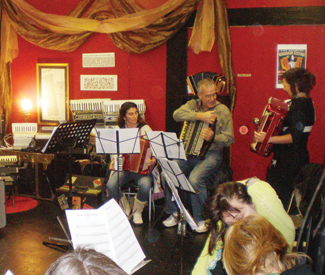
Saturdays at the Accordion Apocalypse repair shop offer a shot in SoMa at learning to tickle the ivories on sweet, sweet squeezebox. For only $20, staff teach accordion-playing hopefuls about the inner workings of the instrument. It’s said you’ll even emerge from your day of instruction knowing how to wheeze an entire song. Lessons happen once a week and hey, how convenient! If you really take to the accordion, fine specimens are available for purchase mere feet from your classroom.

Saturdays, 4pm. $20. Accordion Apocalypse, 255 10th St, SF. www.accordianapocalypse.com

CAMP WAKEUPOBAMA

You don’t have to be a stoner to be upset about the way the federal government has been shutting down our cannabis dispensaries and raiding marijuana trade schools here in the Bay Area. And you don’t have to be a stoner to not know, like, what the hell to do about it. Enter patient advocacy group Americans For Safe Access, who is teaching you how to stand up for medical marijuana with its free Camp WakeUpObama program. Earn online merit badges for calling your elected officials, making protest art projects — even coordinating pot-themed street theater with the help of ASA’s exhaustive website’s educational resources.

www.americansforsafeaccess.org/campwakeupobama

STUDIO SCULPTURE

Maybe you don’t want to go back to college, but you are down to take a college class. It happens, and San Francisco State’s extended learning department gets it. Register for an Open University course for this kind of real class, real life confluence. For example, its Studio Sculpture course. It’s a rare opportunity to get a in-depth studio sculpting experience without all the boring prerequisites. That doesn’t mean you won’t get ample lessons in theoretical background. You didn’t think your trip back to college will be all clay and play, did you?

Tuesdays and Thursdays Aug. 27-Dec. 17, 9:10-11:55am. $960. SFSU Fine Arts Building, 1600 Holloway, SF. www.sfsu.edu

WE BE SUSHI WORKSHOP

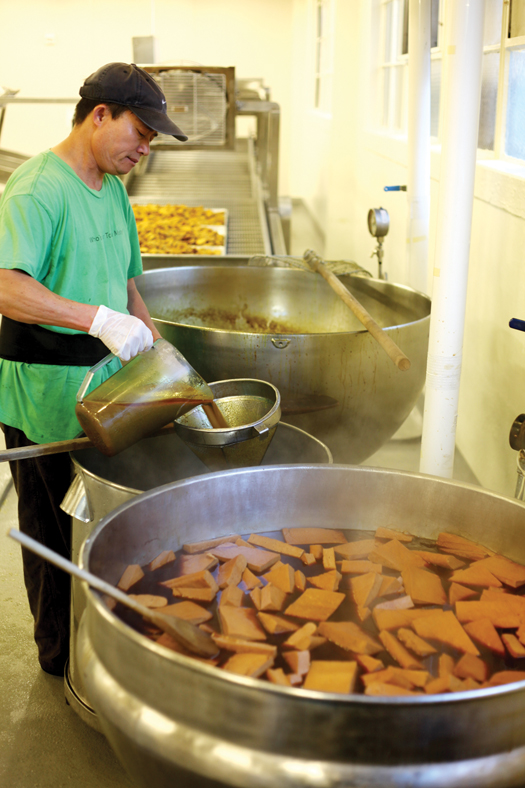
Sharpen your hamachi-making skills at this City College of San Francisco two-session course on the best in raw fish prep. We Be Sushi owner Andy Tonozuka opened his first sushi shop in 1987, so he should be able to impart all you need to know, from rolls to sashimi. Best of all: the lessons take place in Tonozuka’s classic Mission District eatery. You can’t get more San Francisco sushi-authentic than that — and we’ll bet you your class fee covers at least a free sample or two.

Sundays, Sept. 26-Oct. 6, 10am-1pm. $65-80. We Be Sushi, 538 Valencia, SF. www.ccsf.edu

SURVIVAL TOOL MAKING

From camp-happy urbanites to professional explorers, Bay Area citizens can take their wilderness savvy to the next level with Adventure Out, one of NorCal’s ultimate resources on all things wild. With the organization’s flintknapping and stone tools course, students will be introduced and trained in stone technology, which sound like an oxymoron, but actually entails exacting processes like spalling, percussion, and pressure flaking. Apocalypse now!

Sep. 29-30, 10am, $250. Adventure Out, Santa Cruz. www.adventureout.com

DEGREE PROGRAMS

DRAMA THERAPY

A concentration within the school’s counseling psychology degree, this is one of the nation’s only master’s in drama therapy. The program is intended for those who’d like to make their living implementing Erik Erikson’s psychological prescription to “play it out.” Courses focus on broadening self-understanding and activating dormant aspects of the human psyche.

California Institute of Integral Studies, 1453 Mission, SF. (415) 575-1600, www.ciis.edu

BROADCAST JOURNALISM

If you can’t beat ’em, join ’em. After all, if our media sources aren’t covering the news to your liking, it may be high time you became a newscaster. This program teaches students the appropriate research, writing, and reporting skills for careers in media forms including radio, television, cable, syndicated, Internet, and satellite news organizations.

Community College of San Francisco, 50 Phelan, SF. (415) 239-3285, www.ccsf.edu

PRODUCT DESIGN AND DEVELOPMENT

For every consumer consuming, there must be an industry creating. San Francisco State keeps this basic fact of capitalism on the books by offering a degree that is as much kooky inventor as it is savvy economist. Process, people, and product provide the basis for this bachelor’s degree in industrial design with a concentration in product design and development. Students will learn product design through researching technology, material, aesthetics, and the nuances of that ever-present invisible hand.

San Francisco State University, 1600 Holloway, SF. (415) 338-1111, www.sfsu.edu

DIETETICS

Body-conscious, food-obsessed Californians can thank their stars that some of the state’s brightest students are equally as nutrition-oriented, and driven to make moves in the world of healthy eating. UC Berkeley’s College of Natural Resource undergraduate degree in dietetics focuses on disease prevention through understanding metabolic regulation, genetics, and the biological and chemical sciences of nutritional studies. Graduates from the program are generally expected to gun for a future in food production, clinical settings, or community and governmental leadership.

UC Berkeley, 318 Sproul Hall No. 5900, Berk. (510) 642-7405, www.berkeley.edu

Two of SF’s most venerable cannabis dispensaries get shut down

7

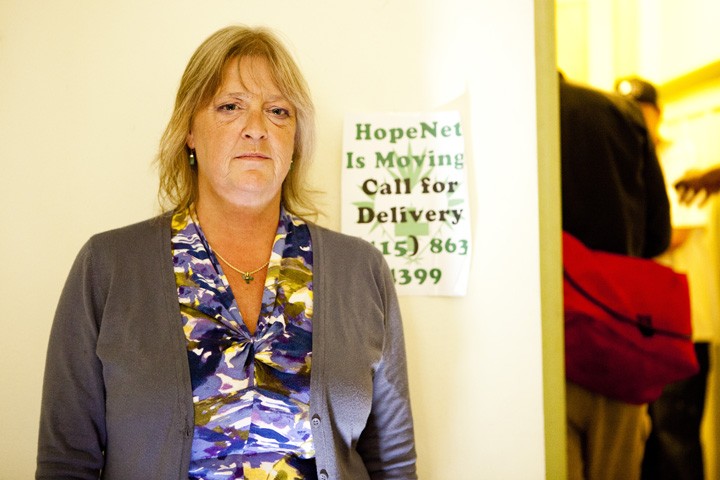
Sadness, anger, and confusion hung thick in the fragrant, smoky air of two of San Francisco’s oldest and most prominent medical marijuana dispensaries – HopeNet in SoMa and Vapor Room in Lower Haight – during their last day in business yesterday, the latest victims of an aggressive federal government crackdown on the industry.

Throughout the day, vendors, patients, neighbors, and well-wishers stopped in to say goodbye and commiserate over a trend that just doesn’t make sense to them, or to the local politicians and city officials that have spent years setting up a regulatory structure that had legitimized the cannabis industry, which thrived as the rest of the economy suffered through the recent recession.

“I’ve always treated this as if it were just a nice coffee house. I’m not an outlaw,” said Martin Olive, whose Vapor Room was a friendly community gathering place and active member of the local business community that gave away free bags of vaporized marijuana to low-income patients on a daily basis. “I almost forgot I was breaking federal law. It was so normal, so legitimate.”

Despite previous promises to respect state laws legalizing medical marijuana, President Barack Obama and federal agencies under his control did a sudden about-face last year, with the Drug Enforcement Agency threatening landlords with property seizure, the Justice Department threatening prison sentences, and the Internal Revenue Service doing audits and refusing to allow routine business expenses.

The result has been the forced closure of eight of San Francisco’s 24 licensed dispensaries in the last seven months, with more closures likely in the coming months. Almost all of the remaining clubs have been forced to deal only in cash after the feds threatened their bankers and credit card companies. The industry that grows and sells California’s biggest cash crop is essentially being driven back underground, hurting patients and the sometimes gritty neighborhoods that dispensaries had improved with security systems and a flow of customers that put more eyes on the streets and cash in the pockets of nearby stores and restaurants.

“The people that live here are afraid the neighborhood is going to come back in here. We took care of the entire block. Before us, it was all dealers, so there’s a safety issue,” HopeNet founder Cathy Smith told me as the once-welcoming club on 9th Street near Howard was reduced to bare walls, noting that the owner of the Starbucks on the corner told her he expects his business to drop by 15 percent.

Olive shared the concerns expressed at HopeNet, which he considers “a sister dispensary,” one that also had a generous compassion program for giving cannabis to low-income patients and offering other free services like yoga.

“I’m curious to see what this neighborhood looks like in six months. I know what it was like six months before we got here,” Olive said of his club’s opening in 2004.

But for now, it’s over. Vapor Room continued to do business for most of the day yesterday, but HopeNet was already stripped bare and essentially shut down, and by 3:30pm they removed the cash register and their pot stock. “The signs are down, we’re no longer a pot club, break out the beer,” announced Smith’s son, Bill, a member of the cooperative, referring to one of the many tight restrictions of what the city allowed in clubs. “I’m the only one making light of things today, as a coping mechanism. I laugh so we don’t cry.”

Like the patients, vendors, and local officials we spoke to – who you’ll hear from in an upcoming Guardian cover story looking the end of medical marijuana’s golden age – Olive and Smith are grappling with a federal crackdown they say has myriad downsides and no benefits to anyone but federal agencies that profit from drug-related seizures and the criminal syndicates that now have less competition.

Both Olive and Smith say they voted for Obama in 2008, they believed his statements that he wouldn’t go after businesses that complied with state and local law, and now they feel betrayed.

“I feel fucked by it, betrayed is too easy a word,” Howard said.

“It’s complicated emotions that I’m feeling – let down, confused – at the end of the day, I don’t understand why this is happening,” Olive said. “It’s a community tragedy, it really is.”

Like MediThrive and other recently shuttered clubs, both Vapor Room and HopeNet will still be operating as delivery-only services, but the future seems less certain now that their direct, brick-and-mortar connection to their community has been severed.

They urge those concerned about the crackdown to contact their political representatives, and to turn out today (Wed/1) at 4pm for a funeral march that starts at Haight and Steiner streets near the now-shuttered Vapor Room and goes to the Federal Building on Golden Gate Avenue, where there will be a rally and speeches starting at 5pm.

Best of the Bay 2012: BEST JEDI MASTERS

0

A long time ago (actually every Sunday, noon-3pm) in a galaxy far, far away (in fact, Studio Gracia in SoMa) … there came a troupe of heroes to teach and uphold a masterful tradition of movement, grace, control, and oneness with a universal force. No, not yoga — think Yoda, and picture Force with a capital F. Then envision a choreography class filled with lightsaber-wielding Jedi aspirants eager to keep the Star Wars legacy alive IRL. Not that there’s any danger of that boundless franchise running out of nerd fuel, but the Golden Gate Knights, organized by Alain Bloch, certainly have a stellar thing going. Who wouldn’t want to learn the “fancy flourishes and spins, including forward and reverse spins, inverted grips, and figure eights” of lightsaber brandishment in an atmosphere so respectful of its Jedi legacy that each class begins with five minutes of meditation? You get a little exercise out of it, too — in no time, it’ll bye-bye Jabba, hello Leia.

www.goldengateknights.com

Best of the Bay 2012: BEST ART PARKING

0

On an otherwise nondescript block in SOMA, there is a door painted come-hither red. Don’t be shy, grab that knob! Inside you’ll find God knows what: dance, theater, performance art — it’s something different almost every night. And as bonus, if you come away confused or disgusted from this churning artists’ incubator, you’re only out a few bucks. The Garage has been around since Joe Landini opened shop in a storefront around the corner from his current location. Landini’s mission was to create a safe house for artists, a place to try anything. It has made the venue, with its programming, residencies, and workshop performances, appealing to local art-makers and adventurous audiences alike.

715 Bryant, SF. (415) 518-1517, www.975howard.com

Best of the Bay 2012: BEST FULL-SCOPE ROAST

0

BEST FULL-SCOPE ROAST

The smoky dark brew served up by the folks at Sightglass Coffee certainly isn’t indicative of the sibling-owned roastery and cafe’s mission of transparency. Brothers Jerad and Justin Morrison started their SoMa enterprise aiming to treat the cup of coffee less as a product than a democratic sensory experience — an intuition, a smell, a sound, a sight. Thus, the name of their cavernous new shop, which roasts and brews in a single warehouse space that has proven popular among the hip-pretty techies (almost as hip-pretty as the Sightglass staff that serves them) who roost in the area. Using small-production methods to ensure freshness and authenticity, Sightglass provides a unique place that’s simultaneously homey (baristas are quick to introduce themselves) and airily trendy.

270 Seventh St., SF. (415) 861-1313, www.sightglasscoffee.com

Best of the Bay 2012: BEST POLKA PURVEYOR

0

Though Skylar Fell fell in love with the squeezebox via a happy exposure to the punks of the East Bay’s Accordion Plague back in the 1990s, she knows to pay homage to the masters. Fell apprenticed with master repairman Vincent J. Cirelli at his workshop in Brisbane (in business since 1946!) and at Berkeley’s now-defunct Boaz Accordions before opening Accordion Apocalypse in SoMa. The shop, which both sells and repairs, also stocks new and antique instruments in well-known brands (to accordionists, that is) Scandalli, Horner, Roland, and Gabanelli. Fell will fix you up if you bust a button on your beloved accordion, and she has made her store into a hub for lovers of the bellows — check out the website for accordion events coming up in or out of the city.

255 10th St., SF. (415) 596-5952, www.accordianapocalypse.com

Best of the Bay 2012: BEST BUSHELS OF BUDS

0

Ever rolled your eyes at the endless articles on flower arranging found in home magazines — as if you had the money or the time? Then you might be due for a visit to the San Francisco Flower Mart. The SoMa gem sells cut flowers of every description at wholesale prices, making it the perfect playground for those looking to get plenty of practice, per-penny, poking stems into vases. And if your Martha Stewart moment doesn’t seem imminent, there are plenty of other fixin’s — giant glass balls, decorative podiums, fish tanks, driftwood, grosgrain ribbons, flamingo-themed party supplies — to rifle through. It’s the perfect place to while away your lunch break: it smells great, and it even has a perky little cafe to caffeinate your midday visit.

640 Brannan, SF. (415) 392-7944, www.sfflmart.com

Best of the Bay 2012 Editors Picks: Shopping

0

Best of the Bay 2011 Editors Picks: Shopping

BEST CHARGE AHEAD

Though electric bikes far outnumber cars in communities from Chinas crowded cities to mountainous towns in the Swiss Alps, they have yet to catch on here in the States. Regardless of the reason, and despite SF’s hilly terrain — quite possibly the perfect venue for the bikes’ charms — the owners of New Wheel make this list for sheer entrepreneurial derring-do. Karen and Brett Thurber went ahead and opened the city’s first e-bike-focused store, where they also do repair, hawk sleek Euro-designed accessories, and host the neighborhood’s first e-bike charging station. The station, designed as a gas pump from that not-so-distant era when we needed to drive cars to work (we are writing you from the future), also charges cell phones, digital cameras, and more — quite the charge for the Bernal Heights community.

420 Cortland, SF. (415) 524-7362, www.newwheel.net


BEST FRESH PREP

Guardian photo by Brittany M. Powell

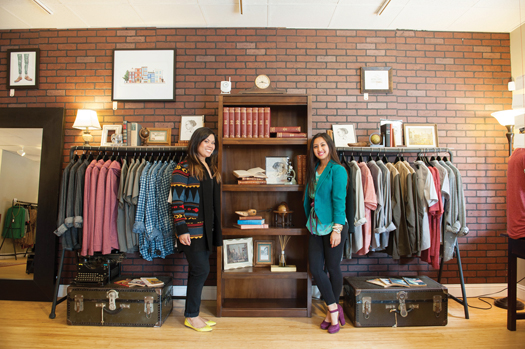
Holy Vampire Weekend, Kanye — no need to waste your time drooling over the archives of Street Etiquette, the sharpest neo-preppy style blog of our time. Fulfill your up-to-the-minute Ivy League-ish yearnings (with a dash of street-level snazz) at Asmbly Hall, the Fillmore men’s and women’s clothing shop for the sophisticated prepster. The natty clothes aren’t priced too outrageously (button-down shirts are around $80), and familiar classics are tweaked with unique elements like scalloped collars and stripy inseams. Husband-wife owners Ron and Tricia Benitez have reworked an old mattress store into an absolutely lovely space with brick walls and blond wood floors. Here’s where you’ll score that funky two-tone cardigan, irreplaceable Macarthur shirt, or dreamy summer beach dress. You’ll have to supply your own air of undergrad gravitas.

1850 Fillmore, SF. (415) 567-5953, www.asmblyhall.com


BEST SHUTTERBUG SECRET

Hidden in a corner of the beloved Rooky Ricardo’s Records store is the domain of Glass Key Photo owner and photography enthusiast Matt Osborne. From a funky wedge of floor space, Osborne offers a top-notch, well-edited, and cheap selection of cameras, film, and darkroom gear. Much of his treasure is stored in an old-school refrigerator case, making for an appealingly bizarre shopping experience. Customers thirsty for hard-to-find photographic gear should check out Glass Key before the bigger-name stores — even if the refrigerator doesn’t hold the key to your photographic fantasies, Osborne is happy to special order what he doesn’t have. He also earns rave reviews for his camera repair skills, and sells root beer to thirsty shutterbugs.

448 Haight, SF. (415) 829-9946, www.glasskeyphoto.com


BEST VINTAGE MEGAVAULT

It is no secret that San Francisco has thrifting issues. Due to the admirable commitment to cheaply bought fashion (and high incidence of broke, under-employed drag queens), most of our used clothing stores are heavily picked over — or well-curated, with ghastly price tags to match. Those sick of fighting could do worse than steer their Zipcars north. In Sebastopol sits Aubergine, a high-ceilinged mega-vault stuffed with vintage slips, half-bustiers — clearly geared toward the Burning Man strumpet — menswear, and the occasional accessibly priced Insane Clown Posse T-shirt. Racks on racks on racks on racks — and if you need a break from bargain browsing, you’re in luck. The shop has its own cafe and full bar, where many nights you’ll find live music from gypsy dance to jazz drumming.

755 Petaluma, Sebastopol. (707) 827-3460, www.aubergineafterdark.com


BEST BLEMISH-VANISHING BOTANICS

The charming, chatty cashiers at the Benedetta Skin Care kiosk in the Ferry Building have clear, shiny skin, but it’s not due to the local produce from the farmers market outside. Based in the Petaluma, Benedetta offers organic, botanics-based, sustainably packaged products that actually work. Take a tip from your freshly scrubbed lotion sellers: rather than loofah-ing your skin to a pulp with packaged peroxides that — let’s face it — sound kind of scary when you actually read the fine print, refresh with the line’s perfectly moist Crème Cleanser that leaves skin smelling like a mixture of rosemary and geranium. From anti-aging creams to deodorants and moisturizing mist sprays, this small company offers treats for all skin types — perfect for popping in next to your small-producer cheese wheels and grass-fed charcuterie.

1 Ferry Building, SF. (415) 263-8910, www.benedetta.com


BEST TOME TRADE

Interested in perpetuating a bibliophilic mythos among your houseguests? Turned on by the image of sitting quietly by a roaring fireplace, sipping a brandy, and reading Kafka amid towers of dusty tomes? Well, the Bay Area Free Book Exchange has those tomes for you to own. Since its opening in 2009, the Exchange has given away more than 245,000 free books for the sole joy of making knowledge accessible in book form. The nonprofit is run by a collection of book-lovers in El Cerrito who sell some of the donated volumes on eBay in order to pay rent, electricity, and other expenses. The rest of the stories, however, make their way to the Exchange’s storefront, where every weekend customers are invited to take up to 200 titles at once. Stock your bathroom with freaky medical guides? Actually read the books you snap up? We’ll let you work out the ethics on your own.

10520 San Pablo, El Cerrito. (510) 705-1200, www.bayareafreebookexchange.com


BEST INDIE KITCHEN MENAGERIE

Guardian photo by Godofredo Vasquez/SF Newspaper Co.

It can be hard to beat the sheer variety offered by your Ikeas and Bed Bath & Beyonds when it comes to fresh new flatware or an upgrade on your trusty college-era rice cooker. Lucky for local business fans (which we assume you are if you’re this deep into our Best of the Bay issue), there’s a little-guy alternative: Clement Street’s Kamei Restaurant Supply. Kamei has dishes for every occasion: light blue earthenware plates with fetching designs of cherry blossom trees, coffee mugs shaped like barn owls and kitty cats, tea sets, sake sets, and every cooking utensil a chef could desire — plus paper umbrellas with koi fish prints and flip-flops. Maybe ‘cuz with all the savings you’ll spot in Kamei, you’ll be able to afford more beach trips.

525 Clement, SF. (415) 666-3699


BEST CUMMUNITY CENTER

Guardian photo by Amber Schadewald

Nenna Joiner’s done a number on us. In a Bay Area full of superlative sex shops, her Feelmore510 — which opened a year and a half ago — has run away with our sex-positive souls. What makes her business stand out? It could be her rainbow of pornos (Joiner herself makes skin flicks that have an emphasis on racial, sexual, and body-type diversity) or, it could be the pretty store design, with erotic art displayed in the shop’s plate-glass windows. You’ll often find Joiner at her store as late as 1:30am: besides outfitting her customers with stimulating gear, she hosts in-store sex ed lectures and movie screenings. “Sex is a basic need for survival,” she told the Guardian in an interview earlier this year. We agree, and that’s why Feelmore510’s a new East Bay necessity.

1703 Telegraph, Oakl. (510) 891-0199, www.feelmore510.com


BEST AU NATUREL FOR OENOPHILES

Much of the wine we drink is stuffed full of chemical preservatives. Purists like wine critic Alice Feiring have raised a hue and cry over the industry’s reluctance to force producers to label these ingredients. We have to give it up to a little shop off of Polk Street for supporting the so-called “natural wine” movement which encourages additive-free imbibement. Biondivino is charming enough in its own right: library-style shelves full of luscious Italian pours, among which proprietor Ceri Smith has made sure to include many natural wines. And because these bottles tend to be produced by small scale vineyards, Biodivino helps support the little guys, too. Sure, sometimes all you can spring for is a bottle of three-buck Chuck (natural wines can be pricey) — but props to Smith for giving consumers the choice.

1415 Green, SF. (415) 673-2320, www.biondivino.com


BEST DIY PANDA BAIT

“If just owning a bamboo bike was the end goal, we’d just build them for you,” said Justin Aguinaldo in a Guardian interview back in February. “For us, it’s about empowering more people and providing them with the value of creating your own thing.” Aguinaldo’s Tenderloin DIY cycling hub Bamboo Bike Studio doesn’t just produce two-wheeled steeds whose frames are made of easily-regenerated natural materials — it teaches you useful bike-making skills so that you can be the master of your own self-powered transportation destiny. Buy your bike parts (kits start at $459), and then get yourself to tinkering. After a weekend-long session with Bamboo Bike Studio’s expert bike makers, you’ll have a ride that’s ready for the hurly-burly city streets.

982 Post, SF. www.bamboobikestudio.com


BEST LITERARY VALHALLA

For lovers of esoteric literature, 2141 Mission is a dream come true. The unassuming storefront (the building’s ground floor is occupied by the standard hodgepodge of Mission District discount stores) belies a cluster of alternative bookstores on its upper levels. Valhalla Books is flush with titles in their debut printing; Libros Latinos holds exactly that; lovers of law history will find their joy in the aisles of Meyer Boswell; and the building’s largest shop, Bolerium Books, holds records of radical history — volumes and magazines that together form a fascinating look at the gay rights, civil rights, labor, and feminist movements (and more!). Most visitors make the pilgrimage with something specific in mind, but walk-ins are welcome as long as they have a love of the printed page.

Bolerium Books, No. 300. (415) 863-6353, www.bolerium.com; Libros Latinos, No. 301. (415) 793-8423, www.libroslatinos.com; Meyer Boswell, No. 302. (415) 255-6400, www.meyerbos.com; Valhalla Books, No. 202. (415) 863-9250


BEST EXQUISITE ADZES

Some chefs drool over the copper pots at posh cooking stores. Artists lovingly caress the sable brushes in painting shops. But what aspirational retail options exist for the you, the craftsman? Home Despot? Perish the thought! Luckily, your days of retail resentment are over. At the Japan Woodworker, you can fondle high-end power tools to deplete your paycheck, plus tools hand-made in traditional Japanese style — like pull saws, chisels, and adzes — which are not only beautiful, but quite affordable. If you’re the type of person who savors doing things the slow way, the tools found here will do much to imbue your projects with love and care. And if you’re not, perhaps it’s time you paid a little more attention to detail — a very Japanese value, indeed.

1731 Clement, Alameda. (510) 521-1810, www.japanwoodworker.com


BEST BUSHELS OF BUDS

Ever rolled your eyes at the endless articles on flower arranging found in home magazines — as if you had the money or the time? Then you might be due for a visit to the San Francisco Flower Mart. The SoMa gem sells cut flowers of every description at wholesale prices, making it the perfect playground for those looking to get plenty of practice, per-penny, poking stems into vases. And if your Martha Stewart moment doesn’t seem imminent, there are plenty of other fixin’s — giant glass balls, decorative podiums, fish tanks, driftwood, grosgrain ribbons, flamingo-themed party supplies — to rifle through. It’s the perfect place to while away your lunch break: it smells great, and it even has a perky little cafe to caffeinate your midday visit.

640 Brannan, SF. (415) 392-7944, www.sfflmart.com


BEST NEIGHBORHOOD FIXTURES

Photo by Godofredo Vasquez/SF Newspaper Co.

Hey, you with the dreams of a better bathroom! There’s no need to put up any longer with that cracked toilet bowl, that faulty faucet, that perma-grody bathtub, or that shower head that suddenly switches into “destroy” mode at the worst possible moment (i.e. right in the middle of herbal-rinsing your long, lustrous hair). Head down — or direct your responsible landlord down — to the cluster of independent home supply stores at the intersection of Bayshore Avenue and Industrial Street in Bayview-Hunter’s Point. There you’ll find K H Plumbing Supplies, a huge family-owned and operated bathroom and kitchen store with everything you need to fulfill your new fixture fantasies. The staff is extra-friendly and can gently guide you toward affordable options in better-known name brands. Even if you have only a vague idea as to which of the thousand bath spouts will reflect your unique personality, they’ll find something for you to gush over.

2272 Shafter, SF. (415) 970-9718


BEST GET LIT

Back in college, you probably had that friend who dressed up as a Christmas tree on Halloween and had to dance near a wall outlet all night so he could stay plugged in. Or … maybe you didn’t. Either way, costumes that light up are no longer just for burner freaks and shortsighted frat bays. With a little help from Cool Neon, anyone can get lit in an affordable el-wire wrapped masterpiece of their own creation. Wanna cover your car with LEDs? This place can do it. Creative signage for your business? No problem for these neon gods. And even if you’re just missing the sparkly, lit-up streets of the holiday season, Cool Neon can oblige: its Mandela Parkway façade is a light show in itself.

1433 Mandela, Oakl. (510) 547-5878, www.coolneon.com


BEST ART SQUAWK

Sure, on any given Sunday the Rare Bird is flush with vintage duds for guys and gals, antique cameras, birdhouses, jewelry, and trinkets. But for all you birds looking to truly find your flock, fly in to this fresh store on third Thursdays during the Piedmont Avenue Art Walk. Rare Bird proprietress Erica Skone-Reese hatched the event a year ago, and has chaired the art walk committee ever since, giving all those art-walk lovers who Murmur, Stroll, and Hop (all names of Bay Area art walks, for the uninitiated) a place to home in between first Fridays. Can’t make it when the Ave.’s abuzz? No worries. Rare Bird curates an always-changing list of featured artisans — like Featherluxe, who’ll fulfill your vegan feather-extension needs should you have them — and recently began offering classes in all art forms trendy and hipster, from terrarium making to silhouette portraiture.

3883 Piedmont, Oakl. (510) 653-2473, www.therarebird.com


BEST PLACE TO STASH YOUR NERDS

Got nerdy friends you just can’t understand? Feel bad asking them to explain, for the tenth time, the difference between RPG, GMT, MMP, and D&D? WOW them with a trip to Endgame. Not only will they find others who speak their language, but — because they can spend hours browsing board games, card games, toys, and trinkets — you’ll have them out of your hair … at least until you can look up what the heck they’re talking about on Urban Dictionary. Add an always-open game room, plus swapmeets, mini-cons, and an online forum, to equal more nerd-free hours than you can shake a pack of Magic Cards at. Just be careful you don’t find yourself lonely, having lost your dweeby mates to Endgame’s undeniable charms. Or worse: venture in to drag them out and risk being won over, yourself.

921 Washington, Oakl. (510) 465-3637, www.endgameoakland.com


BEST KNOBS OF GLAMOUR

In addition to being part of a string of friendly neighborhood hardware stores, Belmont Hardware‘s Potrero Hill showroom brims unexpectedly with rooms of fancy doorknobs, created by the companies who design modern-day fittings for the likes of the White House and the Smithsonian. A gold-plated door handle with an engraving of the Sun King? A faucet set featuring two crystal birds with out-stretched wings, vigilantly regulating your hot and cold streams of water? It’s all at Belmont Hardware. With a broad range of prices (you can still go to them for $10 quick-fix drawer knobs and locks, don’t worry) and an even broader scope of products, Belmont represents a world where hardware can inspire — check out the local chain’s four other locations for more ways to bring the glory home.

Various Bay Area locations. www.belmonthardware.com


BEST ONE-UP ON INSTAGRAM

The square aspect ratio and grainy filters of everyone’s favorite $1 billion photography app turn perfectly good shots crappy-cool with the swipe of a finger, allowing smart phone users everywhere to take photos way back. But to take photos way, way back, you have to be in the Mission for a tintype portrait at Photobooth. These old-timey sheet-steel images were once popular at carnivals and fairs; even after wet plate photography became obsolete, tintypes were deemed charmingly nostalgic — a sort of prescient irony that pre-dated hipsterism yet neatly anticipated it. Perhaps that same appreciative irony applied to the tintype’s tendency — due to long exposure time — to make subjects look vaguely, yet somehow quaintly, sociopathic. Or, as the Photobooth website delicately puts it, “Traditionally, tintypes recorded the intensity of the individual personality.”

1193 Valencia, SF. (415) 824-1248, www.photoboothsf.com


BEST REALITY TV-STYLE SCORES

Gold Rush Alaska? Deadliest Roads? Swamp Life? Though you love ’em, it’s hard to apply what you’ve learned during those late-night trashy-television-and-junk-food binges. But fans of Storage Wars and American Pickers, rejoice! At the Santa Cruz Flea Market, you’ll meet folks who locker for a living and travel hours to sell their scores — everything from fur coats to antique fuel tanks. Pick through yourself to see what invaluable treasures turn up: belt-driven two-seater motorcycle? Check. Handmade blown glass, Civil War memorabilia, bootlegger’s copper still? Check, check, check. Come for the farm-fresh produce, aisles of leather boots, plastic whosee-whatsits and electronics of dubious provenance, or, if Man Versus Food is more your style, challenge a massive stuffed baked potato or shrimp ceviche tostada.

Fridays, 7am; Saturdays, 6am; Sundays, 5:30am; $1-$2.50. 2260 Soquel, Santa Cruz. (831) 462-4442, www.scgoodwill.org


BEST HOGWARTS GREENHOUSE FOR MUGGLES

They may not scream when you uproot them or ensnare you with insidious vineage, but the exceptional succulents, epiphytes, and bromeliads at Crimson Horticultural Rarities will certainly tickle your fancy — in a perfectly harmless way. Find everything necessary to cook up an enchanted garden or adorn your dorm room (four-poster bed not included) in singular style. Proprietresses Leigh Oakies and Allison Futeral indulge your desires with oddities ranging from the elegant to the spectacular to the slightly creepy, and will even apply their botanical wherewithal to help you create a whimsical wedding. Or, if your potions kit needs restocking, Crimson can supply sufficient dried butterflies and taxidermied bird wings to oblige you. (Collected, cruelty-free, from California Academy of Sciences.)

470 49th St., Oakl. (510) 992-3519, www.crimsonhort.com


BEST POLKA PURVEYOR

Though Skylar Fell fell in love with the squeezebox via a happy exposure to the punks of the East Bay’s Accordion Plague back in the 1990s, she knows to pay homage to the masters. Fell apprenticed with master repairman Vincent J. Cirelli at his workshop in Brisbane (in business since 1946!) and at Berkeley’s now-defunct Boaz Accordions before opening Accordion Apocalypse in SoMa. The shop, which both sells and repairs, also stocks new and antique instruments in well-known brands (to accordionists, that is) Scandalli, Horner, Roland, and Gabanelli. Fell will fix you up if you bust a button on your beloved accordion, and she has made her store into a hub for lovers of the bellows — check out the website for accordion events coming up in or out of the city.

255 10th St., SF. (415) 596-5952, www.accordianapocalypse.com


BEST ILLUMINATI

Situation: You’ve just moved into a new place, only to look up and discover that the previous owner somehow Frankensteined three different desk lamps from the more aesthetically challenged end of the 1990s into a living room light fixture. It must die. Worse: Your aunt just gifted you the most generic Walmart wall sconces ever for your housewarming present, and she is coming to stay next month. Perhaps worst of all: You’ve just discovered a gorgeous 1930s pendant lamp in the basement, but it’s banged up terribly and who the heck knows if it works? Solution to everything: the wizards at Dogfork Lamp Arts, headed by owner Michael Donnelly. Services include restoring and rewiring antique lamps and light fixtures, and even reinventing ugly ones — making glowing swans of your awkward mass-market ducklings. (We discovered Dogfork’s magic at the new Local’s Corner restaurant in the Mission, where a pair of Pottery Barn lamps were transformed into wonderfully intriguing, post-steampunk sconces.) Rip out that gross track lighting and put up something unique.

199 Potrero, SF. (415) 431-6727, www.dogfork.com


BEST STYLE FOR APOCALYPSE SURVIVAL

Triple Aught Designs fills a post-North Face niche almost too-perfectly: the outdoor apparel company is locally based (it’s headquartered in the Dogpatch) and personable (the recently opened outlet in Hayes Valley offers a friendly, intimate shopping experience). It is also light-years ahead in terms of tech and design: hyper-strong micro-thin jackets and hoodies in futuristic battleground colors so styley we’d seriously consider sporting them on the dance floor, plus elbow armor and space pens that zip right past wilderness campouts and into Prometheus territory. We’re particularly enamored of the Triple Aught backpacks — these strappy beauts could have been nabbed from a boutique on Tatooine, a perfect look for riding out the coming apocalypse.

660 22nd St.; 551 Hayes, SF (415) 318-8252, www.tripleaughtdesign.com


BEST SPLASH OF GREEN

Guardian photo by Godofredo Vasquez/SF Newspaper Co. 

Need a bit of gentle encouragement before you open your home to an exquisite orchid? Will it take a little nudge before carnivorous pitcher plants share space with your beloved ironic porcelain figurines? Maybe a delicate hand is called for when it comes to developing a chic terrarium habit. Michelle Reed, the owner of indoor plant paradise Roots, has no problem with all that — her gorgeous little boutique is there to help green up your apartment and let the sunshine in. Besides delectable, mood-brightening plants for your inner sanctum, the store also stocks a healthy selection of local art to elevate your interior design aesthetic, as well as a neat array of planters and supplies (we’re in love with the heart-shaped wall planters that look like little light sconces). Let your tight, high-rent space breathe a little easier with help from Roots’ little friends.

425 S. Van Ness, SF. (415) 817-1592

Guardian Voices: There’s something happening here

25

There are distinct signs of the rebirth of a grassroots  balanced-growth  movement in San Francisco, and some small indication that it’s even beginning to shift, ever so slightly,  the politics of the Board of Supervisors.  This is very good news for the vast majority of San Franciscans.

First, a little history.

Land use and the approval of major development projects lie at the very heart of San Francisco politics. Developers and their allies (the building trades, contractors, bankers, architects, land-use lawyers, consultants, and  permit expeditors) are the primary source of political money for candidates for local office. Since the freeway and urban renewal fights of the 1960s, the very definition of  progressive  politics in San Francisco has been the attempt to build a political base of  residents to resist that money.  So-called moderates are simply the political extension of the pro-development lobby using its money to consolidate developer control of the public approval process.

In most cities, land-use issues — zoning, permits, urban design — is left to elites. Not so in San Francisco. Here, land use is talked about at neighborhood meetings and on street corners. The heart the reason is our compact size: 46.7 square miles, and the prohibition of filling in any more of the Bay to create new land. There is no vacant land in San Francisco. Any new major development almost always displaces something already there.  Development is a zero sum game, with winner and losers.  And the losers  leave town.

Land-use politics is about staying here — and that creates real interest among San Francisco residents.

The funding for major development in San Francisco has dramatically changed in the 45 years since the freeway and anti-urban-renewal fights of the mid-1960s. Back then, it was public sector money that fueled development. Yet, with that money, due to the actions of  progressive politicians like Phil and John Burton and George Moscone, came its own remedy: votes to not accept the public money for freeways (Moscone) and votes creating either laws that either prohibited displacement or funded legal assistance to the poor, empowering  them to stop government agencies through litigation (the Burtons at both the state and federal level).

Since the money for freeways and urban renewal was from the government, the focus of the early balanced growth  forces was on government itself, through massive lobbying campaigns to affect officials’ votes (the freeway fight), or the use of government-funded lawyers  to protect poor people’s  interests ( the WACO and TOOR lawsuits against redevelopment).

All of that changed starting in the 1970s, when Richard Nixon and later Ronald Reagan deregulated oversight of urban development by creating a system of  block grants and ended funding for legal assistance for the poor.  Large-scale development was effectively privatized, moving it from being designed, funded, and approved at public meetings by government officials following regulations to being designed and funded in private — and having a Kabuki-play-like public approval process with little real oversight. With the passage of Prop 13 in 1978, which limited the main source of local government revenue — property taxes — local governments became even more reliant on private developer money to create new revenue.

The popular response to this change in the development process in San Francisco was the emergence of a politics that relied on the old progressive-era reforms of the initiative, referendum, and recall. Through a series of initiatives, the community sought to impose regulations on the development process, culminating in the 1986 Proposition M, which actually limited the amount of high-rise office space developers could build, completely imposing the popular will over a supine set of local officials and politicians. Indeed, ten years earlier, again through the initiative processes, the very nature of the Board of Supervisors was changed from a developer-friendly at-large system to a district-election system. Hotly opposed by real estate and development interests, district elections in its brief three years of existence (repealed in the wake of the Moscone-Milk assassinations, even though they were both strong supporters of the system and their assassin opposed it…ironies abound in San Francisco politics) saw limits placed on condo conversions and the passage of rent control.

In each of these multi-year efforts, a citywide coalition was formed, including an ever-expanding set of communities and neighborhoods.  Common interests were defined that cut across race, class, and geography and issues of community (neighborhood) control and funding for essential services like Muni, affordable housing, childcare, and employment training were placed on the table – and developers had to address them if they wanted projects approved.

The point is that balanced growth came from community-based political forces, not elected officials.  Broad movements were built — in the end, encompassing elements of labor. These were victories won not by elected officials but by a popular movement.

In 2000, in the wake of  the dot-com bust, another balanced-growth measure, Prop. L, aimed at cutting then-Mayor Willie Brown’s power over development, was paired with the new district election system — and a broad coalition of forces including labor, community and neighborhood organizations won a major progressive victory.

Every candidate for supervisor who supported the balanced-growth measure won. Every candidate who opposed it and supported Brown lost. While Prop L narrowly lost, its policies and objectives were passed as ordinances by the new Board of Supervisors (banning live-work lofts, closing loopholes in the planning code, requiring neighborhood-based plans for the Mission, SOMA, and Potrero Hill).

But as is so often the case, the victory of 2000 led to the slow dissolution of the coalition that created it. Folks had won. Our supervisors could handle all these issues; we no longer had to. By the end of the term of the supervisors elected as the class of 2000, very little of that citywide coalition existed any more.

With the Great Recession of 2008, advances were rolled back.  Fees on local developers for affordable housing, childcare and transit were deferred in order to stimulate development.  A new era of “moderation” was announced by elected officials, led by Mayor Gavin Newsom. Desires to “attract and retain”  business saw new tax concessions in the name of “jobs” and a new willingness to use open space and public facilities for “private/public partnerships” was announced.

By 2012 any concept of balanced growth had been replaced with a new era of “cooperation” between city officials and developers.

Until recently, that is.

It should be clear to all that for the last four years, City Hall has been eager to approve any scheme presented by private developers — from the America’s Cup nonsense to highrise luxury condos on the waterfront. The siren song of the developers — more revenue if you approve our project — has been proven false again and again, as the revenue never really matches the real costs of these projects. The city’s essential services continue to shrink. Transit fees are too low to pay for the actual new costs of Muni. The affordable housing  fees are too little to actually meet the affordable housing needs of the new, poorly-paid workers employed in the retail and service industry that is always a part of these projects.

More and more of our parks and public open spaces are made available to private users, while few if any new public parks or open spaces are being created.  Indeed, the Department of Parks and Recreation often opposes new public parks — because it can’t maintain what it has.

So it is with fondness that these old eyes see the stirring of what appears to be the awakening political  giant of a new controlled-growth movement.

Here’s how it’s happening: The formation of a multi-neighborhood coalition to oppose fee increases at the Arboretum leads to a bigger coalition to oppose artificial turf  fields in western Golden Gate Park, which leads to an even-bigger coalition placing a policy statement against the privatization of Coit Tower on the ballot and winning.

These are important indications of a broad dissatisfaction with the endless private-public-partnership ( in which all the costs are public and all the profits are private) babble from Rec and Park.

The submission by a broad based coalition of more than 30,000 signatures to place the 8 Washington on the ballot — the first land-use referendum in decades — is an incredibly important achievement, and shows the popular sentiment against much of the City Hall happy talk about development on the waterfront.

But it was the unanimous ( yes, unanimous) vote by the Board of Supervisors last Tuesday to hold California Pacific Medical Center accountable for its constant shape shifting  on its massive project at Geary and Van Ness that shows, perhaps, the outline of the potential future of the balanced-growth movement in San Francisco.

Six supervisors stated their willingness to turn down the environmental impact report on the project unless Sutter/CPMC committed to a project that addressed not only the promise to keep St. Luke’s open for at least 20 years but also hired more San Franciscans, corrected the traffic nightmare predicted for Geary and Van Ness, provided more affordable housing for its own low-income new workforce, and committed  to cap the city’s health care costs as a result of CPMC’s market control the new project would create.

There is always the possibility that the two-week delay will go nowhere, but this kind of talk from this Board of Supervisors to a huge private developer simply has not occurred in the recent past.  No one from Room 200 showed up to twist supervisors’ arms in favor of Sutter.  Sutter was on its own and got rolled.

The coalition that fought Sutter to a standstill at the board, that defined the inadequacies of  the project listed by the supervisors, was a multi-neighborhood, multi-issues organization composed of community, neighborhoods, and labor. Middle class “Baja” Pacific Heights residents and low income seniors from Bernal Heights, non-profit affordable housing advocates and trade unionists, tenant organizers from the Tenderloin and Sierra Club members from the Haight-Ashbury; single moms from the Bayview and Filipino youth from the South of Market.

It was a San Francisco coalition, one that has been working together for nearly three years, blending issues, making concessions to one another and staying together.  A group like this with a set of demands such as these has not prevailed at City Hall for nearly a decade.  It still may not, indeed the chances are slim that its full demands will be achieved.

But this group moved the Board of Supervisors in a way not seen in years.  If the folks mobilized about our parks and the folks mobilized about our waterfront and the folks mobilized about CPMC get together, we have something very big happening. And it might be just in time to make a real difference.
It reminds me of an old saying: “ The people alone are the makers of world history.”

NUDE BEACHES 2012

7

Editors Note: Below you’ll find our annual update on the state of nude beaches in the Bay Area, along with detailed guides and directions to several of our favorites. For details on dozens more, please see our complete Nude Beaches Guide, which we are in the process of updating. 

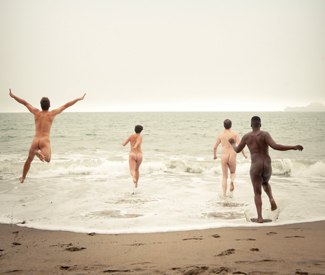
NUDE BEACHES Arrests for being naked on the sand, anti-nudity warning signs going up at previously unthreatened spots, outright threats of beach closures, social activists making their mark on San Francisco’s most well-known clothing-optional beach: this is shaping up to be one of Northern California’s busiest nude beach seasons in recent memory.

Faced with a July 1 deadline, on June 28 Governor Jerry Brown’s administration announced it saved or would stall shutting down all but one of 70 state parks and beaches targeted for closure due to budgetary shortfalls. These include three sites in our annual guide: Montara’s Gray Whale Cove, Carmel’s Garrapata State Park, and Zmudowski State Beach in northern Monterey County.

Officials said they would use $13 million in bond money in the budget to keep the properties running at least through summer. Some 40 parks will remain open for an estimated one to five years, due to temporary funding and support agreements being negotiated with nonprofit foundations and other organizations. More than 25 other properties, including Gray Whale Cove, also known as Devil’s Slide, will keep going while deals are completed.

When asked exactly how long Gray Whale Cove, Garrapata, and Zmudowski would stay open, California State Parks spokesman Dennis Weber told me they could keep going for a month, the entire summer, a year, or even longer. “We don’t know how much time we have,” he said.

Paul Keel, the state parks sector superintendent for the area that includes Gray Whale Cove, was more optimistic. He told me he’s keeping the popular beach open through at least the end of July because while “nothing’s been signed or inked, it’s fair to say we are optimistic” an agreement with a private operator or nonprofit will be finalized before then. Until the state took control, the site was run by a private licensee, San Francisco developer Carl Ernst and his company, Gray Whale Cove Enterprises, Inc.

Ruth Coleman, head of the State Parks and Recreation Department, said the bonds would fund solar power systems, as well as automatic pay machines that take credit and debit cards. And visitors arriving at Devil’s Slide or Garrapata are likely to notice signs that urge them to pay for parking instead of parking outside.

The card machines are likely to be particularly handy at Devil’s Slide after a long-awaited tunnel bypassing rockslide-prone Highway 1, which remains the access point to the beach, is expected to open this fall. Keel suspects the Devil’s Slide Tunnel will bring larger crowds to the beach.

But the news wasn’t all good. Maintenance and garbage pick up operations are likely to remain reduced or eliminated. In late June, Brown partly vetoed a larger, $41 million funding bill that had been OKed by the state legislature. State Senator Joe Simitian (D-Palo Alto), who coauthored the bigger funding plan, criticized the veto, calling it “a lost opportunity to take action.” Another lost opportunity: in November 2010, California voters rejected a ballot initiative that would have raised about $500 million for state parks.

Meanwhile, while Sacramento was cutting back beach services, activists were making additions to the section of San Francisco’s Baker Beach used by nudists. Naturists have erected driftwood art sculptures and tent-like structures without walls, called “dunies,” at the north end of the beach. And they’ve vowed to keep the site free of gawkers by staring them down in what organizers call a non-confrontational approach to self-policing. “They usually decide to leave pretty soon,” says Santosh, 46, an artist and street fair producer.

Speaking of policing, in the past year cops have raided Garrapata and put up signs about nudity at Bonny Doon Beach and at least two other beaches north of Santa Cruz.

At Garrapata, rangers and lifeguards cited over a dozen persons for public nudity last summer and began patrolling the beach at least two times a day after receiving what lifeguard Eric Sturm told the Carmel Pine Cone were reports of “sex acts on the beach.”

And at Bonny Doon, Laguna Creek, and Panther Beach, “Nudity In The State Park System Is Prohibited” signs have been posted, although naturists there remain defiant and are still visiting the sites. “A 50-year tradition (of clothing-optional use at Bonny Doon) cannot be extinguished by a simple sign,” said Rich Pasco, coordinator of the Bay Area Naturists, after the signs went up. He urged nudists to “be polite and respectful” of rangers and suit up “if requested,” but to engage them in “intelligent conversations.” After two months, the signs at Bonny Doon, though, were taken down because, according to Joe Connors, public safety superintendent for state beaches in the Santa Cruz area, “we don’t get a big volume of complaints there.”

Want to join others in having fun at a clothing-optional spot this summer? The USA’s only naked “Full Moon Hikes” will take place in Castro Valley in late July, August, and September (see our listings online at SFBG.com for Last Trampas in Contra Costa County for details). Another idea to meet and socialize with fellow naturists: drop by Bonny Doon on September 15, when fans of the site will be gathering to keep it pristine by finding and removing trash.

Finally, you can aid the naturist community by sending me your new beach discoveries, trip reports, and improved directions (especially road milepost numbers), along with your phone number to garhan@aol.com or Gary Hanauer, c/o San Francisco Bay Guardian, 71 Stevenson, 2nd Floor, San Francisco, CA 94105.

Our ratings: [full moon] signifies a beach that is large or well-established and where the crowd is mostly nude; [half moon] indicates places where fewer than half the visitors are nude; and [quarter moon] means small or emerging nude areas.

SAN FRANCISCO

NORTH BAKER BEACH, SAN FRANCISCO

RATING: A

Social activists have begun streaming onto the sand of America’s biggest urban nude beach, creating what visitor Santosh calls “a tone that’s like Burning Man,” with regulars bringing guitars, drums, and Frisbees to the sand, putting up art work best described as eclectic, and occasionally staring down gawkers.” There’s no requirement that you go nude,” says Santosh, an artist, graphic artist, and producer of San Francisco’s How Weird Street Faire, an outdoor street fair held each year in the SoMa neighborhood as a fundraiser for the World Peace Through Technology Organization. “But if a creeper dude plops down next to a (nude) person or if they are staring at someone’s private parts and it’s happening close to where we are, on the far north end (of North Baker), then they will start being the object of ridicule.

Directions: Take the 29 Sunset bus or go north on 25th Avenue to Lincoln Boulevard. Turn right and take the second left onto Bowley Street. Follow Bowley to Gibson Road, turn right, and follow Gibson to the east parking lot. At the beach, head right to the nude area, which starts at the brown and yellow “Hazardous surf, undertow, swim at your own risk” sign. Some motorcycles in the lot have been vandalized, possibly by car owners angered by bikers parking in car spaces; to avoid trouble, motorcyclists should park in the motorcycle area near the cyclone fence.

LAND’S END BEACH

RATING: A

Considered one of the most beautiful places in the Bay Area to doff your togs, Land’s End should really be called Swimsuit’s End. The reason: although it draws more clothed users than nudists, more than a few swim tops and bottoms magically “disappear” on warm spring, summer, and fall days at the little cove off Geary Boulevard. Come early to grab your share of the sand on this semi-rocky shoreline, which is sometimes dotted with rock-lined windbreaks left by previous sunbathers. Bring a light jacket or sweatshirt in case the weather changes.

Directions: Follow Geary Boulevard to the end, then park in the dirt lot up the road from the Cliff House. Take the trail at the far end of the lot. About 100 yards past a bench and some trash cans, the path narrows and bends, then rises and falls, eventually becoming the width of a road. Don’t take the road to the right, which leads to a golf course. Just past another bench, as the trail turns right, go left toward a group of dead trees where you will see a stairway and a “Dogs must be leashed” sign. Descend and head left to another stairway, which leads to a 100-foot walk to the cove. Or, instead, take the service road below the El Camino del Mar parking lot 1/4 mile until you reach a bench, then follow the trail there. It’s eroded in a few places. At the end, you’ll have to scramble over some rocks. Turn left (west) and walk until you find a good place to put down your towel.

GOLDEN GATE BRIDGE BEACH

RATING: A

On the hottest days, Golden Gate Bridge Beach becomes so packed with people that one visitor describes it as a “gay mob scene.” But the rocky shore, which connects three picturesque coves, also gets its share of straight men and women. Prime, non-cruising activities include sunbathing, enjoying breathtaking views of the Bridge, and even taking some dips in the water. “You can sometimes go out over 100 feet during low tide,” a woman tells me.

Directions: from the toll booth area of Highway 101/1, take Lincoln Boulevard west about a half mile to Langdon Court. Turn right (west) on Langdon and look for space in the parking lots, across Lincoln from Fort Winfield Scott. Park and then take the beach trail, starting just west of the end of Langdon, down its more than 200 steps to Golden Gate Bridge Beach, also known as Marshall’s Beach. Despite recent improvements, the trail to the beach can still be slippery, especially in the spring and winter.

FORT FUNSTON BEACH

RATING: C

What’s the only Golden Gate National Recreation Area park where you can walk your dog without a leash, as well as the spot where the world record for the farthest tossed object (a flying ring sent soaring 1,333 feet by Erin Hemmings) was set in 2003? Answer: Fort Funston, which is affectionately called Fort Fun by its fans. Known for its magnetic sand, steady winds (especially in March and October) that make its cliffs popular for hang gliding, and, in particular, its dogs, who appear here with their human escorts by the hundreds, the area even attracts a few naturists from time to time. Mostly hidden away in the sand dunes on the beach, naked sunbathers usually stay away on the weekends, when families swarm the area. To keep the “fun” in Fort Funston, even on weekdays, be sure to use caution before disrobing.

Directions: From San Francisco, go west to Ocean Beach, then south on the Great Highway. After Sloat Boulevard, the road heads uphill. From there, curve right onto Skyline Boulevard, go past one stoplight, and look for signs for Funston on the right. Turn into the public lot and find a space near the west side. At the southwest end, take the sandy steps to the beach, turn right, and walk to the dunes. Find a spot as far as possible from the parking lot.

CONTRA COSTA COUNTY

LAS TRAMPAS REGIONAL WILDERNESS, CASTRO VALLEY

RATING: C

Want to go walking around nude at night outside without being hauled off to jail? Imagine hiking naked guided only by your flashlight in the East Bay Hills, with the trail silhouetted by a full moon and small herds of horses coming up to greet you.

“It’s absolutely surreal,” says Jurek Zarzycki. “The horses come within inches of you, so close you can feel their breath. It’s like being on a moonscape with aliens. You may be a little afraid at first, but the horses are very friendly.”

America’s only nude “Full Moon Hikes” have been taking place on summer full moon nights in Castro Valley for more than seven years. The next ones will be held July 29, August 31 (arrive by 6pm), and September 28 (starting at 5:15pm) “We start early so that we have the full moon already risen by the time the sun sets,” says San Leandro’s Dave Smith, who leads most of the hikes. “Then we hike up the trail around sunset.”

Coordinated by a partnership between the Sequoians Naturist Club and the Bay Area Naturists, based in San Jose, walkers leave the property of the Sequoians fully clothed at dusk and walk through meadows and up hills until the moon rises, before heading back down the slopes completely nude, with their clothes folded neatly into their backpacks.

After the walk, most hikers shower at The Sequoians, and, for a fee of $5, take a dip in the 86-degree pool there and enjoy a plunge in the facility’s hot tub. “It was fabulous,” says Zarzycki about an earlier trek. “I pitched my tent right there at The Sequoians and then slept under the sky.”

Directions: Contact The Sequoians (www.sequoians.com) or the Bay Area Naturists (www.bayareanaturists.org) for details on how to join a walk. Meet at The Sequoians. To get there, take Highway 580 east to the Crow Canyon Road exit. Or follow 580 west to the first Castro Valley off-ramp. Take Crow Canyon road toward San Ramon .75 mile to Cull Canyon road. Then follow Cull canyon road around 6.5 miles to the end of the paved road. take the dirt road on the right until the “Y” in the road and keep left. Shortly after, you’ll see The Sequoians sign. Proceed ahead for about another .75 mile to The Sequoians front gate.

SAN MATEO COUNTY

DEVIL’S SLIDE, MONTARA

RATING: A

Although Devil’s Slide, also known as Gray Whale Cove, was scheduled to be closed this month by the state due to budget shortfalls, officials plan to keep it open while they negotiate with what Paul Keel, San Mateo coast state parks sector superintendent, calls a prospective “donor to keep it in operation for the coming year.” At press time, Keel told us that although “nothing’s been signed or inked, it’s fair to say we are optimistic, so hopefully we will know more in the next month.” Access to the site, though, is changing: after a long-awaited, voter-approved Devil’s Slide tunnel is completed this fall, Keel and others expect a possible increase in traffic to the beach, as more pedestrians and bicyclists use a nearby section of Highway 1 that is being closed. Meanwhile, rangers say they will allow a long-standing tradition of nudity to continue on the sand unless visitors complain.

Directions: Driving from San Francisco, take Highway 1 south through Pacifica. Three miles south of the Denny’s restaurant in Linda Mar, turn left (inland or east) on an unmarked road, which takes you to the beach’s parking lot and to a 146-step staircase that leads to the sand. Coming from the south on Highway 1, look for a road on the right (east), 1.2 miles north of the Chart House restaurant in Montara. Starting this fall, from the north, take Highway 1 through the Devil’s Slide tunnel and then turn left onto the road described above. From the south, continue using the above directions. Most naturists use the north end of the beach, which is separated by rocks from the rest of the shore.

SAN GREGORIO NUDE BEACH, SAN GREGORIO

RATING: A

Still the USA’s longest continually used nude beach, San Gregorio even has its own web site and live web cam at www.freewebs.com/sangregoriobeach. The privately run operation, which is located next to San Gregorio State Beach, recently began its 46th year of serving the clothing-optional community.

The beach often draws a large gay crowd, along with some nude and suited straight couples, singles, and families. “It’s a really romantic spot,” says a single woman. However, first-timers are sometimes annoyed (as I was, years ago) by the driftwood structures on the sandy slope leading down to the beach, which are used by some visitors as “sex condos.” However, fans of the beach savor San Gregorio’s stunning scenery. It has “awesome natural beauty,” says regular visitor Bob Wood. Attractions of the 120-acre site include two miles of soft sand and tide pools to explore, as well as a lagoon, lava tube, and, if you look closely enough on the cliffs, the remains of an old railroad line.

Directions: From San Francisco, drive south on Highway 1, past Half Moon Bay, and, between mileposts 18 and 19, look on the right side of the road for telephone call box number SM 001 0195, at the intersection of Highway 1 and Stage Road, and near an iron gate with trees on either side. From there, expect a drive of 1.1 miles to the entrance. At the Junction 84 highway sign, the beach’s driveway is just .1 mile away. Turn into a gravel driveway, passing through the iron gate mentioned above, which says 119429 on the gatepost. Drive past a grassy field to the parking lot, where you’ll be asked to pay an entrance fee. Take the long path from the lot to the sand; everything north of the trail’s end is clothing-optional (families and swimsuit using visitors tend to stay on the south end of the beach). The beach is also accessible from the San Gregorio State Beach parking area to the south; from there, hike about a half-mile north. Take the dirt road past the big white gate with the Toll Road sign to the parking lot.

SANTA CRUZ COUNTY

GARDEN OF EDEN, FELTON

RATING: C

Tucked away in Henry Cowell Redwoods State Park, between Santa Cruz and Felton, the Garden Of Eden is a much-used skinny-dipping hole on the San Lorenzo River, which is also visited by clothed families. Some hikers are surprised when they see people nude there and either use the spot anyway or keep walking. Watch out for poison oak and slippery sections on the trail. Eden is one of three clothing-optional swimming holes on the river. To find them, look for cars pulled over on Highway 9, next to the state park, which bans nudity but seldom sends ranger patrols to the creek.

Directions: From Santa Cruz, drive north on Highway 9 and look for turnouts on the right side of the road, where cars are pulled over. The first, a wide turnout with a tree in the middle, is just north of Santa Cruz. Rincon Fire Trail starts about where the tree is, according to reader Robert Carlsen, of Sacramento. The many forks in the trail all lead to the river, down toward Big Rock Hole and Frisbee Beach; Carlsen says the best area off this turnout can be reached by bearing left until the end of the trail. Farther up the highway, 1.3 miles south of the park entrance, is the second and bigger pullout, called the Ox Trail Turnout, leading to Garden of Eden. Park in the turnout and follow the dirt fire road downhill and across some railroad tracks. Head south, following the tracks, for around .5 miles. Look for a “Pack Your Trash” sign with park rules and hours and then proceed down the Eden Trail.

Ox Trail, which can be slippery, and Eden Trail both wind down steeply to the creek. “The path continues to the left, where there are several spots for wading and sunbathing,” Carlsen says. The main beach is only 75 feet long and 30 feet wide, but fairly sandy. Carlsen’s favorite hole is accessible from a trail that starts at the third turnout, a small one on the right side of the road, about 4.5 miles from Highway 1 and just before Felton. A gate marks the start of the path. The trail bends left. When you come to the road again, go right. At the railroad tracks, go right. From here, look for the river down the hill on your left; many paths lead to it. Says Mike: “Within 10 yards, you can be in the water.”

BONNY DOON NUDE BEACH, BONNY DOON

RATING: A

Despite the temporary erection of anti-nudity warning signs at longtime nudie fan favorite Bonny Doon Beach, north of Santa Cruz, officials have told us they have no immediate plans to issue citations at the north end of the site, which has traditionally been occupied by naturists. In fact, the signs were taken down after just two months.

In fact, in June, Pam, of San Mateo, even found a nudist at the main public, south side of the beach, which is used by suited visitors. A 15-foot long rock on the sand, along with a sloping cliff with rocks that jut out, separate the two sides of the cove that form Bonny Doon.

“In the short term, things at Bonny Doon are destined to continue the way they are,” says Kirk Lingenfelter, sector superintendent for Bonny Doon and nearby state beaches. Lingenfelter says he likes Bonny Doon just the way it is. “It’s one of our pocket beaches,” he explains. “They can really give you the feeling of rugged, untouched majesty. I like standing on those beaches. You can sometimes forget that there’s a highway in the distance. It’s a very important feeling to maintain. “The clothing-optional section usually attracts more women and couples than most nude beaches. “Minuses” include occasional vehicle burglaries and gawkers on the bluffs or in the bushes.

Directions: From San Francisco, go south on Highway 1 to the Bonny Doon parking lot at milepost 27.6 on the west side of the road, 2.4 miles north of Red, White, and Blue Beach, and some 11 miles north of Santa Cruz. From Santa Cruz, head north on Highway 1 until you see Bonny Doon Road, which veers off sharply to the right just south of Davenport. The beach is just off the intersection. Park in the paved lot to the west of Highway 1; don’t park on Bonny Doon Road or the shoulder of Highway 1. If the lot is full, drive north on Highway 1, park at the next beach lot, and walk back to the first lot. Or take Santa Cruz Metro Transit District bus route 40 to the lot; it leaves the Metro Center three times a day on Saturdays and takes about 20 minutes. To get to the beach, climb the berm next to the railroad tracks adjacent to the Bonny Doon lot, cross the tracks, descend, and take a recently improved, sign-marked trail to the sand. Walk north past most of the beach to the nude cove on the north end. Alternately, Dusty suggests parking as far north as possible, taking the northern entrance, and, with good shoes, following a “rocky and steep” walk down to the sand.

2222 BEACH, SANTA CRUZ

RATING: A

In late May, when my girlfriend and I visited a little cliffside park above it and peered down on the aptly named 2222 — it’s the number of the house across the street — we discovered that the pocket-size cove looked as beautiful as ever. In fact, America’s smallest nude beach is so small it could probably fit in your yard. And that’s what makes it a magical place. You won’t find crowds at 2222, which takes scrambling to reach and isn’t recommended for children or anyone who isn’t a good hiker. However, those who are agile enough to make it down a steep cliff and over some concrete blocks on the way down will probably be rewarded with an oasis of calm and a good spot to catch some sunrays.

Directions: The beach is a few blocks west of Natural Bridges State Beach and about 2.5 miles north of the Santa Cruz Boardwalk. From either north or south of Santa Cruz, take Highway 1 to Swift Street. Drive .8 miles to the sea, then turn right on West Cliff Drive. 2222 is five blocks away. Past Auburn Avenue, look for 2222 West Cliff on the inland side of the street. Park in the nine-car lot next to the cliff. If it’s full, continue straight and park along Chico Avenue. Bay Area Naturists leader Rich Pasco suggests visitors use care and then follow the path on the side of the beach closest to downtown Santa Cruz and the Municipal Wharf.

PRIVATES BEACH, SANTA CRUZ

RATING: A

“Privates is one of my favorite beaches,” says Brittney Barrios, manager-buyer of Freeline Design Surf Shop, which is located nearby and sells keys to unlock the gate leading to the clean, beautiful cove. “It’s always very peaceful.” Visitors include nudists, surfers, families, and local residents. “Everyone gets along,” adds Barrios. “And it’s never crowded.”

Barrios says many of the naturists, who often visit in groups, like to play Paddle Ball on the sand. As for Barrios, she prefers to “lay out,” as she calls it, in the sun.

There’s almost no litter, wind, noise, or troublemakers — security guards plus a locked gate keep the latter out — and world class surfers, such as those who starred in Endless Summer II, regularly put on a free show for the naked people who share the warm, clean sand with surfers.

“It’s really nice,” says Hunter Young, a former worker at Freeline, which sells up to 600 beach passes a year. “Surfers love it because it has good waves. It’s 100 percent standup surfing, with paddling. Anytime I go to Privates, I can expect a long ride on my longboard.”

“The beach is also very family oriented,” explains Barrios. “And it’s OK for dogs too.”

“There are two different coves on the beach,” says Young. “Clothed families who use the beach know which cove is nude and stay away from it. If you want to play naked Frisbee, at the bottom of the beach stairs you just walk to the left.”

Directions: 1) Some visitors walk north from Capitola Pier in low tide (not a good idea since at least four people have needed to be rescued). 2) Others reach it in low tide via the stairs at the end of 41st Avenue, which lead to a surf spot called the Hook at the south end of a rocky shore known as Pleasure Point. 3) Surfers paddle on boards for a few minutes to Privates from Capitola or the Hook. 4) Most visitors buy a key to the beach gate for $100 a year at Freeline (821 41st Ave., Santa Cruz, 831-476-2950) 1.5 blocks west of the beach. Others go with someone with a key or wait outside the gate until a person with a key goes in, provided a security guard is not present (they often are there). “Most people will gladly hold the gate open for someone behind them whose hands are full,” says Bay Area Naturists leader Rich Pasco. The nude area starts to the left of the bottom of the stairs.

MARIN COUNTY

MUIR NUDE BEACH, MUIR BEACH

RATING: A

Mellow times are continuing at one of the Bay Area’s easiest to reach and most enjoyable nude beaches, the clothing-optional north side of Muir Beach. Also known as Little Beach, it’s separated by the main public beach by a line of large rocks that visitors usually walk over. Says Lucas Valley’s Michael Velkoff, who switched from Red Rock to become a regular at Muir: “This season, there’s plenty of sand. It’s also a great place for women because people leave you alone here. Nobody’s hitting on you. And high tide only comes a third of the way up the beach.” Recent additions include a new bridge over a marshy, lagoon-like area near the parking lot, plus about a half dozen Porta-Potties.

Directions: From San Francisco, take Highway 1 north to Muir Beach, to milepost 5.7. Turn left on Pacific Way and park in the Muir lot (to avoid tickets, don’t park on Pacific). Or park on the long street off Highway 1 across from Pacific and about 100 yards north. From the Muir lot, follow a path and boardwalk to the sand. Then walk north to a pile of rocks between the cliffs and the sea. You’ll need good hiking or walking shoes to cross; in very low tide, try to cross closer to the water. The nude area starts north of it.

RED ROCK BEACH, STINSON BEACH

RATING: B

One of the most popular Bay Area nude beaches, Red Rock has struggled with sand erosion that’s left a smaller site the last few seasons, along with a more crowded feel to it and, perhaps in reaction, fewer overall visitations. Except for being a little overgrown with vegetation in early July and some poison oak on the half nearest the highway, the beach trail, however, is reported in good shape this year. “Just wear shoes with socks, go single file in spots, and you should be okay,” advises Stinson Beach attorney-teacher Fred Jaggi. Rock climbing and various kinds of Frisbee continue to be frequent pastimes at Red Rock — Ultimate Frisbee games there can last as long as three hours. Naked Scrabble and Nude Hearts are among the other games played by sunbathers. “It’s very peaceful at the beach,” says Jaggi. “Nobody ever brings down a large boombox.”

Directions: Go north on Highway 1 from Mill Valley, following the signs to Stinson Beach. At the long line of mailboxes next to the Muir Beach cutoff point, start checking your odometer. Look for a dirt lot full of cars to the left (west) of the highway 5.6 miles north of Muir and a smaller one on east side of the road. The lots are at milepost 11.3, one mile south of Stinson Beach. Limited parking is also available 150 yards to the south on the west side of Highway 1. Or from Mill Valley, take the West Marin/Bolinas Stage toward Stinson Beach and Bolinas. Get off at the intersection of Panoramic Highway and Highway 1. Then walk south .6 mile to the Red Rock lots. Follow the long, steep path to the beach that starts near the Dumpster next to the main parking lot.

BOLINAS, BASS LAKE

After Tracey, of San Anselmo, hiked to what she called “beautiful, clean, sunny” Bass Lake, she went onto a message board in June to urge those who are considering trying the Bolinas attraction to “Go. Go. Go now.” “The trail was a little overgrown. But I had fun swimming nude in the lake,” says regular Dave Smith, of San Leandro, about his adventure last year. “If you want to visit an enchanted lake, Bass is it,” agrees Ryan, also of the East Bay. “Tree branches reach over the water, forming a magical canopy, and huge branches of calla lilies bloom on the shore.” Ryan isn’t kidding: even walking (45-60 minutes from the parking area over 2.8 mostly easy miles) to Bass can be an adventure unlike any other. One time, rangers stopped and cited a clad man with an unleashed dog, but let some passing nudists continue. And Smith, who usually walks naked, has come across bobcats and mountain lions early in the morning. “I came around a corner and there was a mountain lion sitting like Egypt’s Great Sphinx of Giza 50 yards down the path,” he says.

Directions: From Stinson Beach, go north on Highway 1. Just north of Bolinas Lagoon, turn left on the often-unmarked exit to Bolinas. Follow the road as it curves along the lagoon and eventually ends at Olema-Bolinas Road. Continue along Olema-Bolinas Road to the stop sign at Mesa Road. Turn right on Mesa and drive four miles until it becomes a dirt road and ends at a parking lot. On hot days the lot fills quickly. A sign at the trailhead next to the lot will guide you down scenic Palomarin Trail to the lake. For directions to Alamere Falls, 1.5 miles past Bass Lake, please see “Elsewhere In Marin” in our online listings.

RCA BEACH, BOLINAS

RATING: A

Want to recharge your life? A trip to RCA can do just that. And a single stopover at the beautiful beach will probably inspire you to keep coming back. “It hasn’t changed much in 20 years,” says regular visitor Michael Velkoff. “A downside is that it’s very exposed to the wind. The good news is that there are lots of nooks that are sheltered from the wind. And there’s so much driftwood on the sand that many people build windbreaks or even whole forts. You could build a village with all that driftwood. The last time I went, somebody built a 30 foot tall dragon out of it.” Suited and unsuited males and females and families visit the shoreline, which seems even bigger than its one mile length because, adds Velkoff, “we’ll see six people on a beautiful day on a Sunday. Picture [please see next listing] Limantour as far as how people are spread out on the sand. Everybody’s like 100 feet apart. It’s great.”

Directions: From Stinson Beach, take Highway 1 (Shoreline Highway) north toward Calle Del Mar for 4.5 miles. Turn left onto Olema Bolinas Road and follow it 1.8 miles to Mesa Road in Bolinas. Turn right and stay on Mesa until you see cars parked past some old transmission towers. Park and walk .25 miles to the end of the pavement. Go left through the gap in the fence. The trail leads to a gravel road. Follow it until you see a path on your right, leading through a gate. Take it along the cliff top until it veers down to the beach. Or continue along Mesa until you come to a grove of eucalyptus trees. Enter through the gate here, then hike .5 miles through a cow pasture on a path that will also bring you through thick brush. The second route is slippery and eroding, but less steep. “It’s shorter, but toward the end there’s a rope for you to hold onto going down the cliff,” tells Velkoff.

LIMANTOUR BEACH, OLEMA

RATING B

At Limantour, in Point Reyes National Seashore, you can walk a mile wearing nothing but your smile. “I just head away from any people and put my towel down in the dunes or against a wall,” says visitor Michael Velkoff. “Nobody bothers you. Of course, I carry a pair of shorts, just in case I need to put them on. I love it at Limantour. Plus it has tons of nice sand.” You may also want to don a pair of binoculars for watching birds, seals, and other wildlife. This May, Velkoff saw a whale from his vantage point on the sand; he’s also seen porpoises frolicking just offshore. The long shoreline is one of America’s most beautiful beaches, yet few visitors realize the narrow spit of sand is clothing-optional. The site is so big — about 2.5 miles in length — you can wander for hours, checking out ducks and other waterfowl, shorebirds such as snowy plovers, gray whales, and playful harbor seals. Dogs are allowed on six-foot leashes on the south end of the beach. To grab the best parking, arrive by 10:30am.

Directions: Follow Highway 101 north to the Sir Francis Drake Boulevard exit, then follow Sir Francis through San Anselmo and Lagunitas to Olema. At the intersection with Highway 1, turn right onto 1. Just north of Olema, go left on Bear Valley Road. A mile after the turnoff for the Bear Valley Visitor Center, turn left (at the Limantour Beach sign) on Limantour Road and follow it 11 miles to the parking lot at the end. Walk north .5 miles until you see some dunes about 50 yards east of the shore. Nudists usually prefer the valleys between the dunes for sunbathing, which may be nearly devoid of or dotted with users, depending on the day.


 

7 spots for mental regeneration this week

0

Pride is over, and we’re willing to wager your depleted brain cells could stand for some stimulus. Whether you’re into sitting in dimly-lit rooms in North Beach listening to fiction read in a thick Hungarian accent, or dressing to the nines and perusing some edgy new performance art, here are seven cultural hot spots in the city this week.

László Krasznahorka

A Hungarian author emerges from his reclusivity in the hills of Szentlászló in order to present the San Francisco literati with a reading from his novel of scheming, sex, failure, hope, communism, freaky farm collectives, tango, and the devil. Sounds like a can’t-miss situation. City Lights will host celebrated author László Krasznahorka to read Satantango (yes, that’s satan-tango), the book that inspired the seven-and-a-half hour film by remodernist filmmaker, Béla Tarr. 25 years after its original publication date, the novel has finally been translated by George Szirtes, so now we plebeian Californians can get our Hungarian apocalyptic fix. 

Thu/28 7:30pm, free

City Lights Bookstore

261 Columbus, SF

(415) 362-8193

www.citylights.com

Kala Art Institute artist talks 

The busy thoroughfare of Berkeley’s San Pablo Avenue makes an appropriately unsettling backdrop for the Kala Art Institute’s first night of artist talks. From large-scale industrial sculpture, to dystopian watercolor, to engineered photographs of imaginary landscapes, artists Randy Colosky, Vanessa Marsh, and Alison Frost’s work treads an uncanny path between real and surreal. It defamiliarizes the familiar in a fashion of which even Freud would be proud. This series of talks features discussions from Kala fellows during their residencies at the gallery, so look forward to more free inspiration (and free refreshments, which are, um, always a welcome addition for any easel-toting San Francisco artist) in July, August, and September.

Wed/27, 7pm, free 

Kala Gallery 

2990 San Pablo, Berk 

(510) 841-7000

www.kala.org

Raw SF Solstice 

Despite its strictly fashionable cocktail attire mandate and swanky SOMA venue, June’s Raw SF installation offers something for even the freakiest. With a mission to showcase and support emerging, underground artists during the first 10 years of their careers, RAW displays innovative visual art, film, fashion, music, hair and makeup artistry, photography, modeling, and performance art. San Francisco’s installation attendees can also expect henna, organic refreshments, food trucks, a DJ, and a ceremonial tea service.

Thu/28, 7pm-12am, $10 pre-sale tickets, $15 door, $5 after-party (after 9pm)

1015 Folsom, SF

(888) 729-7545

www.rawartists.org

Readers Café and Bookstore poetry series

In support of the San Francisco Public Library, the dusty shelves of Readers Café and Bookstore will be available after hours for the last installment of the shop’s Thursday night poetry readings. Palestinian American poet and historical children’s fiction writer Lorene Zarou-Zouzounis and San Francisco beatnik Martin Hickle will read from their respective collections, and special prices on food and drink will be on offer as you contemplate questions of life and poetry while you gaze out at the Bay from this Fort Mason storefront. 

Thu/28, 6:30pm, free

Readers Bookstore

Building C, Room 165, Fort Mason Center, SF

(415) 771-1076

www.friendssfpl.org

“Evolve: A Woman’s Journey”

Turn what was intended to be a sangria-fueled and nail-painting girls’ night into a celebration of femininity with some real punch. The Fort Mason center showcases Patrick Stull’s work in a diverse series of art from almost all mediums – digital, oil, graphite, sculpture, casting, mixed media, and even original music that chronicles the emotional and physical experience of pregnancy. Much of the art is built to a life-size scale to deal with a subject matter that is as life-large as it gets. 

Fri/29, 9pm, $25

Fort Mason Center

2145 3rd St., SF

www.patrickstull.com

“Only Birds Sing the Music of Heaven in This World”

A million thanks to whoever decided to make food trendy. Combining some of the things NorCal natives hold dear (that’d be food, art, and agriculture) the Museum of Craft and Folk Art hosts a show with curator Harrell Fletcher that displays past and contemporary representations of agriculture, farming, and labor. With a certain focus on alternative farming project imagery, the show links agriculture art with social activism and community building through engaging with various genres, including folk art, outsider art, and craft. 

Sat/30, 11am-6pm, GA $5

Museum of Craft and Folk Art

51 Yerba Buena, SF

(415) 227-4888 

www.mocfa.org

Librotraficante Bay Area Banned Book Reading

As school board officials threaten to ban ethnic studies books and authors — not to mention the subject entirely — in Arizona, Libotraficante is hosting this afternoon of readings from banned books. With more than a dozen performers set to read from controversial tomes, the event is sure to be anything but boring. 

Sun/1 noon-4:30pm, free

Koret Auditorium, San Francisco Public Library

100 Larkin, SF

www.sfpl.org

Appetite: A bright Spring Mountain Sour

0

Subtle mixing at Perfect Puree’s press event, and a sampling Charbay’s new whiskey releases

Thanks to Napa-based Perfect Puree for a recent intimate dinner celebrating Perfect Puree neighbor Charbay Distillery’s new spirits releases at Jasper’s Corner Tap.

The ever-talented Kevin Diedrich (bar manager at Jasper’s) crafted three drinks using Perfect Puree’s fresh, bright purees. In typical Diedrich fashion, subtlety and balance wove together each, from a Thymely Fashioned, vivid with Charbay White Whiskey, Perfect Puree Thyme Citrus puree (one of their new flavors), Galliano and bitters, to a beautifully frothy with egg white Spring Mountain Sour, named after the home of Charbay on Spring Mountain in St. Helena.

The Sour was a mix of the White Whiskey, Marie Brizard Creme de Cacao, Perfect Puree Chipotle Sour puree (a little goes a long way with peppery smoke), Green Chartreuse and aforementioned egg white.

Charbay R5 Whiskeys

As an avowed whiskey lover, Marko Karakasevic’s (Charbay’s distiller, alongside his father, Miles) whiskeys are among the best I’ve had anywhere. But his fantastic beauties, like Release II are out of the price range of many of us at $300+ a bottle, though I would call it one of the few worth a splurge.

Thankfully, his new whiskies are on the way, each actually distilling Bear Republic’s http://www.bearrepublic.com/ finished beer, aging it in oak or stainless steel. Marko has been distilling bottle-ready beers for years, like the pilsner he used for his Release I whiskey in 1999.

Charbay’s new whiskies are well under $100 , the first just-released set (small production, roughly 650 cases) made with Bear Republic’s Racer IPA: think hoppy, herbaceous, redolent of pine, papaya, and malt.

The first, R5 Clear Whiskey ($52), is aged in small stainless steel tanks for 22 months after being distilled in a double copper Charentais alembic pot still. The second is R5 Aged Whiskey ($75), aged in French oak for 22 months, continuing the hoppy, bright, fruity, lychee direction. I tasted this whiskey in its early incarnation at 6 and 12 months – at each stage it was already a winner. Both are unique entries in the American whiskey category, especially approachable in this price range.

I’m particularly excited for Charbay’s upcoming release made from Bear Republic’s stout – again, at early stages of tasting, it is already brilliant. Hopefully, these more affordable whiskies will introduce more to the uniqueness of Charbay’s whiskies. Stay tuned for release dates and where you can find R5 this Summer here http://www.charbay.com/productinfo.aspx?ProductID=WHISKR5A7.

Tequila Tapatio

Tequila fans are thrilled that Tequila Tapatio, one of Mexico’s best quality-for-value tequilas (the blanco retails at $33 per bottle) distilled by delightful tequila master Carlos Camarena, is finally available in the US for the first time through Marko K Spirits, Charbay distiller Marko Karakasevic’s import company.

Tequila Tapatio is already on it’s way to numerous bars, restaurants and stores in California, New York and 7 other states, including being well stocked at Tres http://tressf.com/ here in SoMa (a list of where to find it here).

Although I knew months back Marko would be the importer, it’s taken awhile for the tequila to arrive to the US. Now it’s here and it is smooth, robust, primed to be the savvy bartender’s well tequila of choice.

Subscribe to Virgina’s twice-monthly newsletter, The Perfect Spot

Summer ale-manac

0

culture@sfbg.com

SUMMER DRINKS When Anchor Steam began its renaissance back in the early ‘80s, California went all in on the craft beer movement, and hasn’t looked back since. Three decades later, this renewed approach to brewing has not only radically pushed boundaries, but redefined the role of beer in our social fabric.

In the right setting, a quality brew can carry the dignity of a fine wine; but don’t let today’s rampant, beer-geek elitism fool you. It’s still a populist beverage if ever there was one. Looking for a refreshing, approachable ale or lager to nurse on a hot day in Dolores Park? Fear not: our nation’s maverick microbrewers have your back. So, before you go throwing those Coronas in the cooler, take a minute to reassess your options.

For six years now, SoMa’s City Beer Store has curated one of the most exhaustive selections of any bottle shop in town. Owner and buyer Craig Wathen had the following brews to recommend over the coming summer months, which you can snag either in bottles his store (1168 Folsom, SF. www.citybeerstore.com).


SESSION BEERS

Alpha Session (Drake’s; San Leandro, CA)

Table Beer (Stillwater; Baltimore, MD)

Kent Lake Kölsch (Iron Springs; Fairfax, CA)

Highly drinkable and low in alcohol, these session beers are ideal for a leisurely day of drinking in the sunshine. An ideal replacement for macro-lagers like Bud and PBR, they pack a serious hop-punch, while avoiding the heavy malt backbone of most aggressively hopped beers. Stillwater’s Table Beer is fermented with a wild yeast strain, imparting the tart funkiness of Belgian sour ales, while Iron Springs’ Kent Lake Kölsch, a riff on the crisp, clean German style, was awarded the bronze medal for Best Blonde or Golden Ale at the 2011 Great American Beer Festival in Houston.


SOUR BEERS

Gueuze Tilquin (Belgium)

Sanctification (Russian River; Santa Rosa, CA)

Berliner Weisse (High Water; Chico, CA)

Oro de Calabaza (Jolly Pumpkin; Dexter, MI)

Cited for their fruity tartness, barnyard funkiness, and vinegary acidity, Belgian-derived sour beers are among the most complex in the world. Fermented with wild yeasts, and oftentimes aged in barrels, these brews are risky and expensive to make, and usually produced in small quantities. While sours remain a niche product, you owe it to your palate to try one; the four listed above are relatively light-bodied, golden in color (as opposed to certain red and brown sours), and totally satisfying on a hot day.
 

INDIA PALE ALES

Summer Yulesmith (Alesmith; San Diego, CA)

Simtra Triple IPA (Knee Deep; Lincoln, CA)

Constantly evolving and developing, aggressively hopped IPAs are the bread and butter of California craft brewing. Knee Deep’s Simtra Triple IPA is an extreme example of the style: taking inspiration from Russian River’s Pliny the Younger, it contains three times the hops of a standard IPA, resulting in an onslaught of bitterness. Alesmith’s Summer Yulesmith, a seasonal double-IPA, is similarly assertive; check out the fireworks on its label, and consider picking up a few bottles for your Fourth of July bash.


S’MORE STOUT?!

Campfire Stout (High Water; Chico, CA)

A heavy, roasty, dark beer can be a great indulgence on a summer night, and High Water Brewing offers a great novelty with its Campfire Stout: s’mores in beer form. Brewed with graham crackers, chocolate malt, and toasted marshmallow flavor. Before you begin that rousing round of “Kumbaya,” pop one of these.

OTHER SF BEER SPOTS WORTH CONSIDERING:

Ales Unlimited 2398 Webster, SF. (www.alesunlimited.com)

Healthy Spirits 2299 15th St., SF. (www.healthy-spirits.blogspot.com)

La Trappe 800 Greenwich, SF. (www.latrappecafe.com)

Rosamunde Sausage Grill 2832 Mission, SF. (www.rosamundesausagegrill.com)

Toronado 547 Haight, SF. (www.toronado.com)

Suppenküche 525 Laguna, SF. (Hayes Valley, www.suppenkuche.com)

Beer Revolution 464 Third St., Oakl. (www.beer-revolution.com)


Who to drink

2

virginia@sfbg.com

SUMMER DRINKS Incas at Heaven’s Dog with a side of Stax? A Cherry Bounce at Comstock Saloon with some Booker T and the M.G.’s? How about just a nice, perfectly made sazerac? Whether through years of bartending or expertise in classic cocktails and spot-on service, the five respected mixers below have long encapsulated what has made San Francisco a leader in the cocktail renaissance of the past decade-plus. To get a (summer) taste of their different styles and recommendations, we asked them to fill out a questionnaire delving into their personalities and cocktail prowess. The responses showed that the past is more present than ever as a delicious, tipsy inspiration in finer Bay bars.


ERIK ELLESTAD

Savoy Stomp, Heaven’s Dog

Erik Ellestad first landed on the cocktail map in 2006 with his blog, Savoy Stomp (www.savoystomp.com) — during his off hours as a tech engineer he began working his way through the classic Savoy Cocktail Book, one recipe at a time. This led to monthly gathering and demonstration Savoy Cocktail Book Nights at revered Upper Haight cocktail hotspot the Alembic since 2008, and bartending at chic SoMa Chinese restaurant Heaven’s Dog since its opening in January 2009. He’s an expert on classic recipes; his technically-minded side informs his precision and sense of balance.

SFBG Where did you grow up, and how did that influence your bartending style and taste?

Erik Ellestad I’m from a small town near Madison, WI. Other than developing my taste for beer, cheese, and Old Fashioned cocktails, I don’t think growing up in Wisconsin particularly affected my bartending. However, the 10 years I spent as a line and prep cook while living in Madison definitely affected both the way I approach cocktails and how I prioritize tasks while bartending.

SFBG What’s your area of expertise or obsession?

EE Pre-Prohibition American beverages. Almost all my real favorite cocktails go back to the 19th and early 20th centuries, or before.

SFBG What do you drink most during off hours?

EE To be honest, now that I’ve nearly finished the Savoy Cocktail Book Project, I’ve been taking a bit of a break from drinking cocktails. You’ll most often find me drinking esoteric beers or interesting wines.

SFBG What cocktail is exciting you lately?

EE I try to learn a new cocktail or perfect an old one every week just so I can have an answer to the inevitable cocktail nerd question, “What have you been working on lately?” This week I was inspired by Leopold’s Navy Strength Gin to perfect the Inca cocktail:

3/4 oz Leopold’s Navy Strength Gin

3/4 oz Dolin Dry Vermouth

3/4 oz Carpano Antica Italian Vermouth

3/4 oz Manzanilla Sherry

1 tsp Small Hand Foods Orgeat

1 dash Orange Bitters

Add ice and stir until well chilled. Strain into a small cocktail glass and garnish with an orange twist.

SFBG Favorite off-hours food or drink hangouts? 

EE I live in Bernal Heights, so the places I get to most often are in the neighborhood: Gialina for pizza, Papalote for burritos, Front Porch for soulful American food, and Ichi Sushi, for, well, awesome sushi. If my wife and I are splurging, we’ll go out to Bar Tartine, Bar Jules, or Commonwealth. Other than the bars I work in, Rock Bar, Royal Cuckoo, Glen Park Station, St. Mary’s Pub, and Wild Side West are the bars I’m most likely to be found in.

SFBG Your bartending playlist? 

EE The core of my playlist at Heaven’s Dog is the box set of Stax-Volt Soul singles from 1959 through 1968.


JEFF LYON

Range

Jeff Lyon has been tending for about 16 years, the last five being at Range in the Mission, where he’s currently the restaurant’s bar manager. Besides a keen love and knowledge of whiskey and tequila, he’s well-versed in music and sets an utterly comfortable tone at his bar with his dry, sly sense of humor.

SFBG Where did you grow up, and how did that influence your bartending style and taste? 

Jeff Lyon I was born in Long Beach, CA, but bumped around CA until I was 20, then moved to Minneapolis to become a rock star with my brother. In order to fund our impending international success (ahem), we waited tables, but I noticed bartenders had way more fun than waiters. So I watched what they did and asked a lot of questions. Eventually I lied and told my boss I knew what I was doing, and they let me behind the bar. Minneapolis influenced my bartending style in that I picked up a strong work ethic. It wasn’t about “mixology” — it was about being nice, working clean and fast, having fun.

SFBG What’s your area of expertise or obsession?

JL I’m a whiskey guy and Bourbon is my favorite, but right now I’m really excited about the wine-based world of vermouth, sherry, and Madeira. I wouldn’t call it an area of expertise, but I find the variety and subtlety of this stuff endlessly fascinating. Who needs crazy tinctures, bitters, and infusions when you can simply pour a Barolo Chinato over a big chunk of ice? Done!

SFBG What do you drink most during off hours?

JL I drink more beer and wine than anything else.

SFBG What cocktail is exciting you lately?

JL I’m proud of a cocktail I do called Dante that’s inspired by the sazerac’s “whiskey, sugar, bitters and a rinse” structure. I stir up Angel’s Envy bourbon, Perucchi Blanc vermouth, and Rothman and Winters Pear Orchard liqueur to provide sweetness, and Peychaud’s to balance it out. Standing in for the absinthe is a generous rinse of St. George Spirits pear eau de vie.

SFBG Current favorite off-hours hangouts for food or drink?

JL More often than not, I go to dive bars. I do my share of cocktail R&D right in my neighborhood — Wo Hing and Locanda are rockin’ it. Beretta is always great. Outside the neighborhood I love the usual suspects: 15 Romolo, Alembic, Bar Agricole, Comstock. The great thing is that there are so many bars raising the standards, even dive-y bars are making better drinks.

SFBG Your bartending playlist?

JL If I could have a night full of Bill Withers, Django Reinhardt, and Thelonious Monk, balanced with Nirvana, The Beatles, and Led Zeppelin, I could smile through just about anything.


AURORA SIEGEL

Hotsy Totsy, Dogwood

A true veteran of cocktailia, Aurora Siegel has been tending bar for the better part of 17 years. Having worked as a GM and beyond, she deeply understands service and the full restaurant-bar experience. Years at North Beach classic Rose Pistola honed her skills in numerous aspects of management and bar service, and she’s quite the cook herself (she makes a mean kimchi). You’ll currently find her rocking the East Bay at Albany’s Hotsy Totsy and Oakland’s Dogwood.

SFBG Where did you grow up, and how did that influence your bartending style and taste?

Aurora Siegel I grew up in Hawaii where hospitality is key and a cold refreshing drink while caressed by a light breeze makes all feel right with the world. That background influenced my style on many levels, hospitality being the most important. I believe if you don’t truly like serving people you shouldn’t because it always shows. I happen to love it. The drinks I tend to create are often light and refreshing: four dimensional, not eight; balanced but not too complicated; drinks you can make in under a minute — with a smile, of course. So you can sit back and say all is right with the world, even without the tropical breeze!

SFBG What’s your area of expertise or obsession?

AS My obsession is balance. Balance of sight, smell and of course taste. I’m often making ingredients to help me meld balance with speed such as my own home-brewed ginger beer, tonic base, and falernum.

SFBG What do you drink most during off hours? 

AS Pisco sours: I just love ’em! Or a good sazerac, negroni, or Old Fashioned. I like trying new drinks but a well-made classic will almost always win out in the end.

SFBG What cocktail is exciting you lately?

AS Robert Hess’ Trident [with sherry, Cynar, aquavit, peach bitters]! I think it’s one of those drinks that will go down in history.

SFBG Current favorite off-hours hangouts for food or drink?

AS Three of my favorite spots are Comstock for the whole package: good late night bites, great drinks, and real bartenders! Madrone on Divisadero: nice staff, good drinks, and unique music. Or Tony Nik’s in North Beach, where the staff are true pros and drinks are good, too.

SFBG Your bartending playlist?

AS Anything from the ’80s just gets my hips shaking, but I must say we have one of the most diverse and fun playlist at the Totsy. I’m almost always feeling the groove there!


JONNY RAGLIN

Comstock Saloon

A bartender for the past 16 years, Jonny Raglin is an English lit major with a sense of style that includes several evolutions of mustache. He started tending in SF over a decade ago at Stars, then B44, then the early days at Absinthe with Jeff Hollinger, with whom he eventually opened Comstock Saloon in 2010, a haven for classic cocktails in a historic Barbary Coast space with live jazz (and the occasional Gold Rush tune) and honky tonk and classic country vinyl Sundays.

SFBG Where did you grow up, and how did that influence your bartending style and taste?

Jonny Raglin I’m from Oklahoma. It certainly does influence my style of bartending. I’m cavalier, self-taught, hard-working, hard-headed, whiskey-slinging, whiskey-drinking, a lover not a fighter — except when fighting — and the fastest hand in the West!

SFBG What’s your area of expertise or obsession?

JR My obsession is the 9/10ths of bartending that has nothing to do with “mixology.” That is what I try every day to improve upon. Not to say I’ve given up on the drink itself, but I am certainly concerned with what Leary called “set and setting,” i.e. a perfect cocktail can only be had in perfect company.

SFBG What do you drink most during off hours?

JR Margaritas with my wife. I typically order dry martinis at any given bar since its REALLY hard to fuck up cold gin.

SFBG What cocktail is exciting you lately?

JR I’m really digging making cocktails from who I consider to be the two queens of the cocktail in New York: Julie Reiner and Audrey Saunders. I feel like they have a firm grasp of not only the classic cocktail but also the modern palate. I find myself in the Savoy Cocktail Book for inspiration as I have for the past five years or so. And people sure like the Cherry Bounce at Comstock which is a recipe I came up with (made from the juice of house-made brandied cherries).

SFBG Favorite off-hours food or drink hangouts?

JR To me the best place to eat and drink in SF is Cotogna. God bless the Tusks [Michael and Lindsay] for their little trattoria a block from us at Comstock!

SFBG Your bartending playlist?

JR When Booker T. and the M.G.’s comes on, I’m the fastest bartender on the planet. On Friday lunch at Comstock, we play Buddy Holly radio on Pandora. It’s a bit of a sock hop with bow ties and suspenders, giving away lunch, selling booze… and fun!


STEVEN LILES

Smugglers Cove

Tending bar since 1997, Steven Liles dons a Hawaiian shirt and mixes it up tiki-style to exotica tunes at the Cove, after having spent years crafting cocktails at fine dining spots like Boulevard and Fifth Floor. Besides his stylin’ wardrobe and hats, Liles has his own 1930s home bar, an extensive music collection (start asking him about ’60s soul), and is well-versed on classic recipes and spirits distillation.

SFBG Where did you grow up, and how did that influence your bartending style and taste?

Steven Liles I was born in Compton, California, but mainly grew up in Lancaster, in the Mojave Desert. So my style is dry, like my humor. Growing up in California with all of its diversity has developed a sense that I should explore the different facets of my career as much as possible. I am defined by the desire to expand the definition of myself.

SFBG What’s your area of expertise or obsession?

SL I’ve never been the type to focus on one particular thing as a bartender. I prefer a more rounded approach. Working at a rum-centric bar is fun and fascinating, but I also pay attention to other spirits and styles of tending bar. I love pisco, gin, Calvados, and so many other amazing spirits with amazing stories.

SFBG What do you drink most during off hours?

SL It varies. My go-to cocktails are the martini and negroni. I love a glass of champagne — or a bottle. With so many great cocktail bars, I always try out new ideas that bartenders are creating. It’s a lot of fun.

SFBG What cocktail is exciting you lately?

SL With 75 drinks on the menu at The Cove, I can’t help but be excited: it is a great challenge. I love making new drinks but that’s not really a big focus of mine. I have a regular, Paul Cramer, that I make original creations for all the time. I don’t bother writing anything down. I find that fun, to just go off he cuff, in a care-free way.
SFBG Favorite off-hours food or drink hangouts?

SL I love Maven, Comstock Saloon, AQ, Heaven’s Dog, Jasper’s, Wo Hing, Bar Agricole. There are so many more.

SFBG Your bartending playlist?

SL Sam Cooke’s “Good Times” is a great bar song to me: “We are going to stay here ’til we soothe our souls, if it takes all night long.” That’s perfect.

Subscribe to Virgina’s twice-monthly newsletter the Perfect Spot, www.theperfectspotsf.com


In the air

3

caitlin@sfbg.com

HERBWISE It’s Sunday afternoon and the hosts of Mutiny Radio’s Cannabis Cuts: The Next Generation have effectively commandeered the smoking lounge at SoMa’s Igzactly 420. They are deep into solving the world’s problems.

The crusade may just involve a pictorial calendar featuring sexy men smoking marijuana — a project which hosts Vaperonica Dee and Merry Toppins staunchly resist any attempts to qualify as frivolous. It’s about achieving parity in cannabis imagery, they say — much like their weekly podcast of marijuana news, product reviews, music, and banter.

“If you look at all the ads [for cannabis businesses and products], it’s sexy nurses or girls holding cannabis leaves over their tits,” Dee says between Volcano puffs. The young radio vet didn’t find that image particularly representative of her experience with the medicine (both she and Toppins are medical marijuana patients), so she jumped at the chance to work with DJ Wiid on his marijuana variety show at Pirate Cat Radio.

Merry Toppins and Vaperonica Dee plot their takeover of cannabis media (that’s not their car.) Guardian photo by Caitlin Donohue

Dee stuck with the project through Pirate Cat’s transformation into Mutiny Radio, the shuttering of its cafe and demise of its infamous maple bacon lattes — “I was excited!” she says. “I wanted to be in radio, I didn’t give a shit about the cafe” — and the exodus of her male co-host.

And when DJ Wiid moved onto new projects, it left the door open for an idea that seems nearly revolutionary in an industry filled with men: a platform for women’s perspectives on the cannabis movement.

Toppins was a natural choice as on-air co-host for Dee. The two had met when chef Toppins appeared on Cuts to hype her marijuana-infused olive oil that she had entered into the High Times Cannabis Cup. Toppins’ ebullience is the perfect compliment to Dee’s well-informed on-air tone. They both have natural radio voices, impeccable banter rhythm. “It was so cool to see a chick doing the news on a weed show,” says Toppins of their initial meeting. “I knew right away I’d either be their intern or host my own radio show.”

Listeners are responding. Toppins volunteers the following stats: 5,000 Cannabis Cuts podcast downloads each week, each one yielding an average of an hour spent with the two-hour long show. And though the women express views that aren’t always in lockstep with the cannabis establishment (a February 14 edition of the show highlighted a disempowering experience with Americans for Safe Access activists at a City Hall hearing and the two are candid about the fact that not all their tokes are strictly medicinal), many of the community’s luminaries have lent their support. They count Proposition 215 co-author Dennis Peron and Cannabis Action Network co-founder Debby Goldsberry as personal friends, and have interviewed Peron on the show.

The enthusiasm that has come their way makes sense — the continued strength of activists to improve cannabis access depends on developing and raising awareness about diverse viewpoints within the movement.

“We’re changing the idea that there could be a profile of a standard cannabis activist,” says Dee, who wants the world to know that it’s not just the grey-ponytailed Deadheads who care about access to pot. “Plus, radio doesn’t have that many women involved in it, cannabis doesn’t have that many women involved in it — the two go together.” 

Cannabis Cuts: The Next Generation Live podcast every Tuesday, 4pm-6pm. www.mutinyradio.org. Also available on www.stitcher.com and www.medicinalmarijuananetwork.org


Oaxacan surrealism hits the SF Mexican consulate

2

Approximately 500 people pass through SoMa’s Mexican consulate building each day, processing visas and civil registration, generally making it possible for themselves to live in the United States legally. The consulate’s cultural affairs attache Marimar Suárez Peñalva sees these moments of bureaucracy as an opportunity. She wants expats to connect to their nationality not only through signatures and stamps, but by reacquainting themselves with its brushstrokes and creative underpinnings.


Hence, this art lesson. “The Zapotec origin is really relevant in surrealism,” Peñalva tells me on the Friday afternoon that I visit her carefully-curated gallery, located on the second floor of the Folsom Street consulate.We’re surrounded by canvases of floating watermelon, a reclining woman with a fish tail, vividly colored fish, and a bright red woman’s skirt. Peñalva explains that the current exhibit is based around two seminal artists from the Mexican state of Oaxaca: Rufino Tamayo and Francisco Toledo.

Francisco Toledo’s aquatint etching “Self Portrait” 

The two pioneered the art of mixography, a style of painting that uses molded paper and mixed media to create a textural appearance. Peñalva points to the artists’ ceremonial use of animals as one sign of their pre-Colombian heritage. The Zapotec identity, she says, is one of the unifiers of the exhibit, which contains the works of not only Tamayo and Toledo but also artists who were inspired by their work like Justina Fuentes Zárate, she of the reclining mermaid and arresting red dress. Perhaps the works don’t look similar, but they represent the diversity and breadth of the work to come out of the surrealist Zapotec tradition in Oaxaca.

Last year Peñalva filled this space with the work of contemporary Latina artists. Though “Numina Feminina” was critically acclaimed — a gallery patron who perused while we chatted interrupted us to tell Peñalva how compelling he’d found the show — she says that the Oaxacan surrealism exhibit has done a better job of enthralling the Mexicans who come to process paperwork one floor down. Since the show’s opening on Thursday, she says there’s been a constant stream of visitors coming upstairs to check out the gallery.

“Birth of Spring” by Jorge Lopez Garan

Maybe this work is more immediately identifiable as Mexican than that of the modern female show. But whatever the reason, she’s glad that it resonates. That’s the reason why the gallery is up here, after all.

“We want to make art available and show people what’s happening in Mexico. Art people, they always come to shows like this, but our daily public is harder to get upstairs.” The surrealist works were donated by Bay Area collecters Gina Bray and Russell Herrman.

Do you feel the magic? The consulate is screening El Informe Toledo July 26, a documentary made by Diego Luna and Gael Garcia Bernal’s production companay based on the life of the mixography master. 

 “The Magic Surrealists of Oaxaca”

Through Aug. 9, free

Gallery open Mon.-Fri. 10am-6pm; Sat.-Sun., 10am-3pm


El Informe Toledo screening 

July 26 6pm-8pm, free

Consulate General of Mexico

532 Folsom, SF

www.mexicoinsf.com