San Francisco

New and improv-ed

0

The launching of the San Francisco Improv Festival, back in 2004, signaled a major resurgence for improvisational theater in the Bay Area, long dominated by the exceptional BATS (Bay Area Theatre Sports) and related groups, but recently joined by a host of newer outfits as well. The rollicking festival attracted eager audiences, while bringing together a somewhat disparate local and intergenerational community of improvisers with national and even international acts. There was cross-pollination everywhere, in meetings on and offstage between players and groups, in workshops and master classes, and of course in many a bar. It all contributed to the latest wave in a tradition of Bay Area improv that reaches back to the storied days of the Committee in the 1960s.

Then things got rocky as well as rollicking as SFIF organizers shifted around and founding members headed to other projects and/or climes, culminating in last year’s hiatus. The cancellation of SFIF 2009 might have been more discouraging had not the members of Crisis Hopkins, the San Francisco–based improv and sketch comedy troupe, thought fast and leaped into the breach, organizing a last-minute smorgasbord they called the Temporary Improv Festival. Still, while TIF proved a modest success, the name alone inadvertently contributed to an impression that the peak might have already occurred.

Nothing could be further from the truth. As if to prove the point, SFIF has risen once more, like a soggy phoenix from a still-cresting wave. The revival of SFIF, which comes under new Crisis-led management, frankly looks more ambitious than ever. It even comes with an iPhone app.

“Which is ridiculous,” says Sam Shaw, Crisis Hopkins member and a cofounder of SFIF in 2004. “The people I’m working with — including Anthony Veneziale from The Freeze, and Jamie Wright, Cassidy Brown, Chris Hayes, and Chris Libby — we’ve come up with these little touches that I never would have thought of. We’re going to have a food truck for primetime shows hanging out in front of the [Eureka] theater. We’ve got Solstice, this bar in Pacific Heights, [to] help us serve alcohol, so we’ll have a full bar. There’s a lot going on.”

Of course, the real meat is in the shrewd and eclectic programming. In addition to a generous number of local, national, and international troupes, SFIF 2010 is hosting workshops (including an already sold-out improv “boot camp” with Armando Diaz) and inaugurating the SFIF Award for Outstanding Contribution to the Improv Community, which this year goes to beloved veteran performer Barbara Scott of BATS, True Fiction Magazine, Tonal Chaos, and other groups.

Also among the special events is an intriguing “Look Back at The Committee,” featuring a panel discussion with founding director Alan Myerson and other unannounced guests in conversation with improv historian and Monty Python pal Kim “Howard” Johnson. Shaw says this last event, connecting the improv scene with some of its heftier roots, realizes a long-held dream.

“I cofounded the fest with Shaun Landry in 2004, and ever since then I’ve wanted to do a program on The Committee. It was San Francisco’s Second City from 1963 to 1973,” he explains. “They did topical political satire; they did sketch comedy and improvisation.” Led for a time by the wildly influential improv director-performer Del Close, The Committee also spearheaded major developments in the form, in particular an exciting long-form structure called the Harold (a name coined by Committee musical director Allaudin Mathieu). “It’s like a 30-minute riff on a topic where the audience goes along for the ride,” says Shaw. “And it was born in San Francisco.”

Half-way out in the year from SF Sketchfest, the popular comedy showcase held each January, and centered in the same 200-seat venue downtown, SFIF looks more than ever like a natural compliment to its unaffiliated cousin. “We love Sketchfest, and we love doing it every year,” says Shaw, who notes the complimentary aspects to their programming as well. As for the Festival’s performance roster, the names alone tantalize. OJ in a Sippy Cup, for instance, just sounds refreshing.

“OJ in a Sippy Cup is a pretty awesome name,” admits Shaw. “They’re a duo from New York City, and they’re very fun. I have to say that I love the name Slave Leia. That’s an all-woman improv team from L.A.” Among other highlights, Shaw points to Men: A User’s Guide, “a really exciting duo from the Netherlands. They’re very highly trained long-form performers doing a show on men and men’s issues, and it’s just hilarious.” He sheds light on an enigmatic title, The Super-Dupers: Doo-Wop-Ner. “That is going to be doo-wop small claims court improvising,” he says, clearly impressed. “Their submission just said ‘doo-wop small claims court.’ And we let them in.”

Clearly, one take-home lesson is the sheer variety of improv out there. The common denominator remains the all-inclusive collaboration in the moment, in which audiences participate to varying degrees. “The fourth wall is very porous,” agrees SFIF’s executive producer Jamie Wright, a Bay Area native who came to improv from afar while bartending at Amsterdam’s famous Boom Chicago comedy club. But he stresses that interaction shouldn’t sound intimidating. “I’m an improviser and even I don’t like getting singled out by a comedian. Improv is really inviting, a very joyful thing to go to and watch. It’s also impressive. You are going to see something completely unique, and you’re going to be part of it — one way or another.”

SAN FRANCISCO IMPROV FEST

Aug. 12–21, $15–$50

Eureka Theater

215 Jackson, SF

(800) 838-3006

www.sfimprovfestival.com

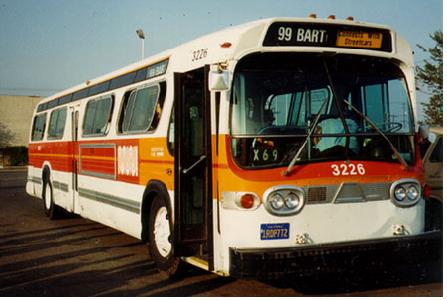
How to save Muni

22


Editors note: In this week’s paper, we offered a series of proposals for discussion at the community congress Aug. 14th and 15th. Here’s one that we couldn’t fit:

By Jerry Cauthen

San Francisco is a transit-first city, yet its bus system is perennially in crisis. Everyone knows Muni needs fixing—but how do we do it in a way that honors the needs of both drivers and riders, while deepening San Francisco’s commitment to sustainability and transit innovation? How do we maintain and improve service when Muni and the San Francisco Municipal Transportation Agency face deep budget deficits and service cuts on a regular basis?

Here are a few priorities that Muni advocates have identified:

1. The discussion around MUNI must include everyone–motorists, Muni drivers and riders, neighborhood groups, business people, labor groups, low-income people, communities of color, seniors, youth and the disabled. 

2. Muni drivers should be encouraged and empowered to take an active part in the discussion.  In order to creatively address Muni’s operating problems, we must tap into the knowledge and experience of those on the front lines driving our buses.

Accountability, reasonable work rules and good performance are essential. While changes to the current work rules and practices deserve consideration, it must be recognized that Muni drivers have difficult jobs and important responsibilities that warrant good pay and proper respect—from both Muni riders and SFMTA Management.

3. An outside financial audit of the SFMTA should commence immediately.  The audit should include an analysis of how overtime is assigned, how other departments assess Muni for services, and how developer transit assessment fees and other revenues for Muni are assessed and collected. 

4. There’s been no management audit of the SFMTA since 1996.  Such an audit is long overdue, and should be performed as soon as possible.
Some other recommendations discussed at a Muni summit this spring:

A) Improving the flow of Muni Vehicles.  In September 2009, SFMTA Executive Director Nathaniel Ford supported the idea of conducting test programs to improve the flow of transit vehicles on congested streets such as Stockton Street and Columbus Avenue.  To date, there has been no follow through on this promise.  Action on this should proceed at once.

B) Priority for Light Rail Vehicles.  We must take steps to prevent trucks, automobiles, bicycles and pedestrians from slowing down light rail vehicles.  This would include pre-empted signals, signals in place of stop lights and traffic barriers, and eliminating the queues of automobiles that block the flow of light rail vehicles.  Similar steps would help facilitate the flow of buses: eliminating parking lanes on certain streets, limiting deliveries to off-peak hours and creating special parking zones for trucks.

C) Improved Customer Service. Buses will run faster and more smoothly with greater emphasis on getting riders to the back of the bus.  This would involve stationing rear door loaders to sell and collect tickets during peak commute periods. Conveniently located ticket vending machines would help speed up the loading process and allow passengers to pay fares with either credit cards or cash.
Funding and Costs

We all know that Muni must be adequately funded and efficiently run – but how?

To boost Muni use and revenues, the city can:

Work with large and small employers, apartment owners, residential developers and Municipal permitting authorities to provide incentives for people to use Muni Fast Passes and/or TransLink. 
Create a moderately priced all-day pass, and a higher cost day pass also valid on ferries and commuter bus services. Along major commercial corridors, businesses and employers who benefit from Muni should help subsidize the system — for instance, through progressive impact taxes.

Increase parking meter fees/hours/days and garage taxing rates as appropriate.  Eliminate parking exemptions, discounted all-day parking (except for neighborhood protected parking) and all other special parking privileges.

These are just some of our ideas.  We invite you to attend the Community Congress to continue this important dialogue and draft your own recommendations on transit issues. 

Will the Potrero power plant be shut down by the end of the year?

At the beginning of 2010, the official word was that an undersea high-voltage power line called the Trans Bay Cable would go live in February, supplying up to 40 percent of San Francisco’s power. This was the missing piece of the puzzle that would finally lead to the shuttering of Mirant’s Potrero power plant, which activists and city officials have railed against for years.

But February came and went. March, April, May, June, and July brought the same story, and the Potrero power plant kept chugging away. Good news for the roughly 30 employees who work there, bad news for nearby residents with lung problems.

August rolled around, and we decided to ask San Francisco Mayor Gavin Newsom what the deal was.

“We’re very close to making an announcement,” Newsom said at an Aug. 9 press conference, and added that he has been working closely with the head of the California Independent System Operator (Cal-ISO), Yakout Mansour, who has “made it a priority.” Then Newsom found a way to work in something about his bid for lieutenant governor. “I made it clear that I’m not leaving till it’s shut down,” he said, and reminded us that he fully intends to leave for Sacramento in January.

Why the seven-month delay? Newsom’s press secretary, Tony Winnicker, chimed in to say the setback had something to do with how the Trans Bay Cable “couldn’t carry capacity,” which didn’t sound too good for a $500 million project. But project spokesperson P.J. Johnston sounded confident in a recent telephone message, saying work crews have identified the problem and corrected it. “We still believe we can go operational this year,” Johnston said.

Apparently, the delay resulted from a technical issue involving some faulty sub-module parts, which have since been replaced. “Hopefully this fix did the trick,” Johnston said.

“We’ve been doing testing since June with Siemens,” he added, referring to Siemens Power Transmission & Distribution, Inc., a partner in the project development. “We started a second round of testing here in August, and we should be doing so for several weeks, well into September.”

If the Trans Bay Cable goes live before the end of 2010 and the Cal-ISO finally releases the Potrero power plant from a requirement that says it “must run,” the result will be an improvement in air quality in San Francisco – particularly for residents in Dogpatch and Bayview Hunter’s Point neighborhoods.

However, the Trans Bay Cable will ultimately be bringing in power from somewhere else, and for now, the bulk of that electricity will still be generated by fossil fuels. The other end of the 53-mile, high-voltage undersea cable will connect to power sources in the city of Pittsburg. Mirant operates two major electricity generation units there — one is 50 years old and the other is 38 years old — for a total capacity of 1,311 megawatts. It sells the power to Pacific Gas & Electric Co. PG&E is seeking state approval to build two more power plants in Antioch and Oakley, located a bit further east of Pittsburg in Contra Costa County.

A report by Pacific Environment explores the potential health impacts of PG&E’s proposed power plants, highlighting the toxic landmarks that already mar the air quality in that area.

“Contra Costa County already contains more than its share of polluting industries,” Pacific Environment notes, “including over a dozen power plants, five oil refineries, several chemical plants, and many other industrial facilities. Due to the volume of pollution already located in Eastern Contra Costa, the increased emissions from these two new power plants are likely to exacerbate already-high rates of respiratory and other diseases. The report also concludes that PG&E does not need the power plants, as the utility already has more than 30 percent of the power needed in ‘peak’ conditions.”

Maybe Newsom will boast someday about being the San Francisco mayor who worked with the Cal-ISO to shut down the Potrero power plant. But at the state level, a sustainable solution is one that would leave residents of Pittsburg, Antioch, and Oakley breathing easier too.

Same-sex marriages set to resume in California

0

Same-sex marriages in California will resume on Aug. 18, barring a higher court issuing a stay. Judge Vaughn Walker today announced that he is removing the stay against new same-sex marriages that was in place since his ruling last week that Proposition 8, the 2008 ballot measure banning gay men and lesbians from getting married, was unconstitutional.

“Because proponents fail to satisfy any of the factors necessary to warrant a stay, the court denies a stay except for a limited time solely in order to permit the court of appeals to consider the issue in an orderly manner,” Walker wrote.

Mayor Gavin Newsom sent out a press release announcing that San Francisco will begin performing marriages again – just as it did in 2004 when Newsom permitted same-sex couples to apply for license, setting off California’s rollercoaster ride on the issue – as soon as it is allowed to do so.

“From the beginning, I have strongly agreed with Judge Walker’s decision that the right to marry deserves equal protection under the law as guaranteed by the Constitution of the United States. Today’s decision by Judge Walker to lift the stay on marriage discrimination on August 18th is another victory for the fundamental American idea that all people deserve equal rights and treatment under the law,” Newsom said in the prepared statement.

Edgar Wright vs. the World

0

Go here to read Sam Stander’s review of Scott Pilgrim vs. the World in this week’s Guardian. What follows is Stander’s complete interview with director Edgar Wright.

San Francisco Bay Guardian: What is your favorite visual effect or sight gag in all of Scott Pilgrim?

Edgar Wright: Oh my god. There’s so much … I probably have to pick, off the top of my head, I like watching the twins scene because it was only very recently finished, so I’d have to pick that.
 
SFBG: How did you originally get involved in adapting Scott Pilgrim?

EW: I was given the book six years ago, when the first volume came out, by … the producers who had kind of leapt on the rights to it before it was even in bookstores. And I really loved the book, and I thought it would be a really interesting thing to try and adapt. At that point there was only the one book. [We] began a five-year process of working on it as [author Bryan Lee O’Malley] continued to develop the books, so the development of the film and the books kind of went in tandem in places. So it’s kind of been, six years ago I was given the book, and now the final book just was released, and the film is coming out, too.
SFBG: How many books were there when the film was in production? Were there four?

EW: By the time we started filming, there were five and the sixth book had been kind of half-written. But over the course of the production, I’m thinking of various stages where we stalled for time as much as we could, so that we could get as much material as possible. But there was a decision made early on that the two things would have to be different beasts, and Bryan was certainly aware of that, and understood that that would be the case. In a way, I think he actually preferred there being two different versions, that the film could be an alternate-reality version of the comic.
 
SFBG: But you still definitely kept a lot of the details of the comic. I was curious what inspired the choice to visually represent sound effects.

EW: I kind of figured that, you know, it’s a huge part of comics that most people completely jettison, because usually comic book adaptations are striving for reality. I thought, as well, it made sense within Scott Pilgrim that the character would choose to live his life like that, that Scott Pilgrim, as a character who’s grown up on a diet of Saturday morning cartoons and gaming, would actually choose to live his life that way if he could, and have points pop up and sound effects pop out when the doorbell rings. Because the books are funny and imaginative, it was just a way of embracing that kind of imagination within the artwork. It wasn’t a film where we had to strive for absolute realism like The Dark Knight. We had a chance to embrace the bubblegum, pop art nature of the artwork.

SFBG: It reminded me in places of the opening titles to ’60s Batman, which I enjoyed.

EW: Oh, I was always a fan of that show as a kid. I like some of those ’60s comic book adaptations that would embrace the form of the comics a little more. I guess, you know, in the ’80s, with the Tim Burton Batman, comic book movies started to strive for legitimacy, but we didn’t really have to do that with this. It was something where we could actually have fun with the form.
 
SFBG: I was wondering if the characters of Shaun from Shaun of the Dead or Tim from Spaced — how you see them in relation to Scott as a protagonist, or even Ramona?

EW: I think Scott Pilgrim has some things in common with Shaun and Tim Bisley. Tim Bisley and Shaun are both older than Scott Pilgrim, and I think maybe, you know, Tim is in his mid-20s, so he’s a bit more frustrated than Scott Pilgrim is. I think Scott Pilgrim is still in that sort of stage in his life where he’s powered by blind optimism, and I don’t think he’s necessarily a character who’s been worn down by the harsh realities of life yet, and that kind of effects everything he does, in terms of — the way that he pursues Ramona is like the way you pursue a shiny object in a videogame. I don’t think he’s really had his hard knocks yet, and this film is slightly about him getting his karmic comeuppance. I think Shaun is Scott Pilgrim plus about ten years, where he’s kind of settled into a slightly more lazy, depressed state. He’s kind of given up, slightly.
 
SFBG: I was curious, who came first: Gideon or Jason Schwartzman?

EW: Gideon came first. There was a drawing of Gideon back in 2004. I remember when I first read the first book, there was the first book and the script for the second book, but then there were also sketches of all the other exes and their stats that Bryan had drawn. So he’d drawn all of them way back in 2004. But the Gideon sketch back in 2004 looks uncannily like Jason and what he eventually drew for the sixth book.
 
SFBG: In light of having just made a movie entirely referencing videogames, what do you have to say to Roger Ebert’s constant claim that videogames aren’t a form of art?

EW: I think that the film shows both the good and the bad, in a way, in terms of, there’s elements of Scott Pilgrim’s character as maybe a slightly thoughtless person in the way that he powers through life and doesn’t necessarily think about the feelings of the people around him, and even treating them sometimes like bit players on his quest, that that shows maybe a downside to being lost in the world of gaming, and he’s forced to face the consequences later in the film. But then, I think sometimes the criticism about videogames stems from games that are pretty generic, because there is art and brilliant design and amazing ideas at work in gaming and game design, and I think that that would be difficult to deny, in a sense, that there are artists as good as the people working at Pixar working in games today.

But I think that some of the negative articles that are written about games are usually referring to games that are more generic and just concentrate on violence and destruction, that are kind of Xeroxes of films. So I think sometimes there are probably some games that undo the good work done by others, maybe. I’m sure that’s part of it. And then you get videogame adaptations … that are Xeroxes of a Xerox. I can see where that criticism comes from, I don’t necessarily agree with it, because I feel like … on a design level, Nintendo has become sort of the Walt Disney for our era, in a way. I mean, the characters are so identifiable and so beloved. And you get some games that are just works of beauty and interaction, so I can see it go both ways, you know. I would hope Roger Ebert would enjoy this film on the basis that we namechecked Beyond the Valley of the Dolls, so I would hope we could score brownie points even if he didn’t like the videogame stuff in it.
 
SFBG: With the development of the characters, certainly a lot of the comedy of the characters in the comics comes from playing with various stereotypes — of the way people behave in relationships, also jokes about Knives’ Chinese heritage and Wallace being gay, and different characters coming from different contexts like that. I was curious what level of depth do you perceive these characters having, as opposed to being sort of absurd caricatures?

EW: Well, I think a lot of those people came from friends and colleagues of Bryan Lee O’Malley, because Toronto is a very multicultural society, and Bryan himself is half Irish and half Japanese. The two characters you just mentioned, I know Knives and Wallace are based on real people. In the books at least, and certainly in the film, it’s an attempt to show actually a very ethnic community. We tried, in terms of the gay characters in the film to kind of, in hopefully a progressive way, not make a big deal about it. I’m actually quite proud that we have a PG-13 rating when sometimes that has been, you know — depicting homosexual relationships is sometimes frowned upon by the MPAA, or given a more restrictive rating. So it’s actually nice in a studio comedy to have characters who are gay and out, and there’s no stigma about it whatsoever.
 
SFBG: Definitely, in the United States, Shaun of the Dead and Hot Fuzz are really seen as archetypally very English comedies. Were you trying to work as a Canadian comedy director with Scott Pilgrim, or how do you see it relating to that?

EW: I don’t know, I’ve always found that question difficult to answer because I don’t really know how my sense of humor or what I find funny particularly relates to Britain, because I grew up on comedy from all around the world. Obviously, I really like a lot of British comedy, but a lot of my favorite comedy films are American. I wouldn’t like to thing that my sense of humor is completely defined by where I’m from. So I didn’t try and put a Canadian hat on to direct Scott Pilgrim. I tried to just be myself.
 
SFBG: I was curious about the music in the movie. I thought it was really interesting that you got some of the bands that it seemed like Bryan Lee O’Malley was sort of lampooning in the comic to do the actual music, and I was wondering what the process was for picking those bands and getting them involved.

EW: Basically, we had an embarrassment of riches in terms of the people that came on to collaborate. I know that Bryan had drawn Envy Adams based on a live shot of Metric in performance … but I think that most of the bands are a mélange of bands that he played with when he was in a band himself. I think some of the bands in Scott Pilgrim are kind of lampooning his own efforts, and other bands that were doing that circuit at the time. But, you know, in terms of the artists coming on board, everybody was really excited to be a part of it. And I think in the case of the bands, they got to also play a part, they’re sort of almost cast as characters in the film. I mean, Broken Social Scene’s songs in the film don’t sound anything like Broken Social Scene, and Beck was channeling his earlier, fuzzier roots. So I think people had fun playing a part rather than playing themselves. Even the Metric track that’s in the film is them almost doing a pastiche of themselves. In that case, with the track “Black Sheep,” [Metric frontwoman] Emily Haines had said it was a track they left off the last album because they thought it maybe sounded like somebody doing an impression of Metric. And so when I heard that, I said, ‘Well, that’s the song that we want!’”
 
SFBG: You also worked on the screenplay for the upcoming Tintin film, right?
EW: I did. Not for very long, sadly, because I got busy on Scott Pilgrim, but I worked on a couple of drafts, and it was very exciting to work on.
 
SFBG: Was that adaptation-of-a-comic experience similar to Scott Pilgrim or notably different?

EW: Well, different in the sense that [Tintin creator] Hergé is dead, so you don’t get a chance to — in that case, radically different, because you’re only going on his work and his life, rather than actually being able to talk to the creator himself. Unlike with Scott Pilgrim, I couldn’t call Hergé every day, so I could only go on reading those books and trying to recapture how I felt about them when I was eight when I read them.
 
SFBG: All right, anything else you want to say about the film?

EW: Go and see it in theaters.

Scott Pilgrim vs. the World opens Fri/13 in Bay Area theaters.

Court upholds Bay Guardian verdict

11

In a dramatic victory for small independent businesses in California, the state Court of Appeal ruled Aug. 11th that the state’s Unfair Practices Act protects the victims of predatory pricing as long at they can prove that a bigger company sold its product below cost and did so with the intent of damaging the smaller competitor. You can read the decision here.

The ruling in the Bay Guardian’s case against SF Weekly and its chain owner could have lasting implications on anti-competitive conduct in the state.

The Bay Guardian sued the Weekly and New Times, now owned by Village Voice Media, alleging that the chain had systematically sold ads below cost in an effort to harm the locally owned independent paper. In 2008, after a six-week trial, a San Francisco jury agreed with the Guardian, and awarded more than $6 million in damages. Trial court judge Marla Miller then trebled part of the award. Today, with interest and attorney’s fees, the judgment is worth more that $22 million.

The Weekly and New Times appealed, arguing, among other things, that the California law that bars predatory pricing should require proof that the predator would be able to recoup its losses down the road – a nearly impossible standard that has eviscerated federal unfair practices cases.
In an unanimous decision, the three-judge panel rejected that claim and concluded that the state law was designed to protect small businesses from precisely the type of anticompetitive behavior demonstrated by the Weekly.

In the state law, the Court ruled, “the very gravamen of the offense is the purpose underlying the anticompetitive act, rather than the actual or threatened harm to competition.  The intent or purpose of the below-cost sale is at the heart of the statute, and distinguishes the violation from a below-cost pricing strategy undertaken for legitimate, nonpredatory business reasons.”

In fact, the Court concluded:

“The history of the amalgamation of statutes that comprise the UPA “teaches that a primary concern in the enactment of the UPA was the protection of smaller, independent retailers, especially grocers, against unfair competitive practices of the large chain stores.  As a contemporary commentator explained, the prohibitions added in 1933 on secret rebates and unearned discounts (now section 17045) and below-cost sales (now section 17043) ‘are designed to protect the retailer whose more powerful neighbor is attempting to drive him out of business.’ “

We’ll be covering the case in depth in next week’s paper. 

Former employees saw problems coming at Planned Parenthood Golden Gate

This week’s announcement that Planned Parenthood Federation of America (PPFA) was severing ties with Planned Parenthood Golden Gate (PPGG) came as no surprise to some former employees, who have for months been trying to sound the alarm that the chapter was being mismanaged, had major financial problems, and was in a steep decline that could threaten important reproductive care services that low-income women rely on.

A former PPGG employee with knowledge of the organization’s internal affairs described a longstanding pattern of financial mismanagement when former president and CEO Dian Harrison was at the helm. There was widespread concern about spending on expensive marketing campaigns and lavish functions, the person said, and a high level of employee turnover and discontent.

Warning signs of financial difficulties surfaced at least a year ago. Dan Cohen, a spokesperson of the Packard Foundation — a major donor to PPGG — told the Guardian that Packard awarded PPGG a 12-month, $30,000 “organizational effectiveness” grant, which will expire in September. The grant “allows an organization to select a talented, external provider to help them think through some of these challenges,” Cohen explained. The Packard Foundation also awarded a 3-year grant for general operating support for $800,000, which will also expire next month.

Another former employee told the Guardian that she would love to discuss internal problems, but was made to sign a confidentiality agreement upon leaving the organization.

Therese Wilson, executive vice president of Planned Parenthood Golden Gate — who took over PPGG when Harrison left last year on medical leave — did not return repeated calls seeking comment.

An internal PPGG document provided to the Guardian displays the agency’s on-hand cash reserves as compared with other affiliates, suggesting that the reserve ratios were at or below the minimum required by the national Planned Parenthood federation for all but one year from 1998 to 2007 — and well below that of other affiliates of similar size. That is a key requirement for meeting accreditation standards.

When we asked Elizabeth Toledo, a PPFA representative, about this apparent pattern she said she could not comment because she had not seen the documents. She also said the accreditation reviews were confidential. “Understanding the true financial picture for health care providers takes a very in-depth evaluation,” Toledo said. “PPFA and PPGG were working together over the last few years to resolve fiscal challenges.”

Despite delays at the state level in awarding nonprofit funding and the loss of support from the national organization, Toledo and a union representative for PPGG employees both said they believe the clinics will continue serving patients under a different name.

“They plan to stay open, and employees are planning to stay,” said SEIU Local 1021 representative Sarah Sherpun-Zimmer, who has been a union rep for PPGG employees for the last two years. “Folks are really happy working there and they feel like it’s going in a good direction.”

PPGG operated eight clinics, which will lose their Planned Parenthood accreditation Sept. 3, effectively severing their ties to a trusted entity that thousands of low-income women rely upon for birth control, abortion procedures, and other forms of reproductive health care. PPGG operates clinics in San Francisco, Alameda, San Mateo, Sonoma, Marin, and Mendocino counties, serving about 55,000 women per year.

Roughly 92 percent of the clients they serve live at or below the federal poverty line, according to PPGG’s 2008 annual report.

Planned Parenthood affiliates Mar Monte and Shasta Diablo are in the process of hatching plans for taking over some of the eight affected clinics or otherwise growing their own operations to cover any gaps in service area, according to Toledo. She said neighboring affiliates are in a position financially to be able to cover a wider territory and added that they have been in “expansion mode,” adding new clinics over the past couple years.

“It’s unusual to have a disaffiliation,” she said. “But it’s not unusual for national committees to have a reallocation of service area. That part is well-practiced.” Toledo added that “Every effort possible will be made” to ensure continuity of care.

Nima Maghame contributed to this report.

Immigrant advocates accuse ICE of “pattern of dishonesty”

13

A coalition of national civil rights organizations held a August 10 press conference to discuss recently released internal government documents that they say reveal “a pattern of dishonesty” regarding Immigration and Customs Enforcement (ICE)  “Secure Communities” (S-Comm) program.

Representatives with the National Day Laborer Organization Network (NDLON), the Center for Constitutional Rights (CCR), and the Kathryn O. Greenberg Immigration Justice Clinic of the Benjamin N. Cardozo School of Law noted that though ICE officials have declared their intention to expand S-Comm into every jurisdiction in the country by 2013, information about the program has been scarce, and development of its operational details has been shrouded in secrecy.

The coalition also pointed to a July 27 letter that U.S. Congresswoman Zoe Lofgren recently wrote to Secretary Janet Napolitano and Attorney General Eric Holder as evidence that ICE led Congress to believe that SecureComm is a voluntary, and not a mandatory, program.

In her letter, Lofgren, who is chair of the House of Representatives’ subcommittee on Immigration, Citizenship, Refugees, Border Security and International Law,  asks for “a clear opt-out procedure for municipalities that do not wish to participate in the S-Comm program.”

“As we discussed, Secure Communities is a voluntary program that relies upon the resources of both of your agencies [referring to DHS and DOJ] in order to provide State, local, and federal law enforcement agencies with information related to the immigration status of persons booked into our nation’s jails and prisons,” Lofgren wrote.

“I am aware that some local law enforcement agencies have expressed concern that participating in Secure Communities will present a barrier to their community policing efforts and will make it more difficult for them to implement a law enforcement strategy that meets their community’s public safety needs,” Lofgren observed.

“There appears to be significant confusion about how local law enforcement agencies may ‘opt out’ of participating in Secure Communities,” Lofgren continued.

Lofgren notes that staff from her House subcommittee were briefed on this program by ICE and were informed that localities could opt out simply by making such a request to ICE, while subsequent conversations with ICE and FBI CJIS added  to the confusion by suggesting that this might not be so.

“Please provide me with a clear explanation of how local law enforcement agencies may pot out of Secure Communities by having the fingerprints they collect and submit to the SIBs checked against criminal, not immigration, databases,” Lofgren concludes.

To date, Lofgren has not received a reply, a press spokesperson in her office confirmed.

Immigration rights advocates charge that S-Comm, which is operative in 544 jurisdictions in 27 states, functions like the controversial 287(g) program and Arizona’s SB1070, making state and local police central to the enforcement of federal immigration law.

They say the program, which automatically runs fingerprints through immigration databases for all people arrested, targets them for detention and deportation even if their criminal charges are minor, eventually dismissed, or the result of an unlawful arrest.

After reviewing the recently released ICE documents and other information, advocates for NDLON said they found evidence supporting their claim that ICE has been dishonest with the public and with local law enforcement regarding S-Comm’s true mission and impact.

“While ICE markets S-Comm as an efficient, narrowly tailored tool that targets ‘high threat’ immigrants, it actually functions as a dragnet for funneling people into the mismanaged ICE detention and removal system,” stated a NDLON press release. “ICE’s own records show that the vast majority (79 percent) of people deported due to S-Comm are not criminals or were picked up for lower level offenses.”

They also charge that the program serves as a smokescreen for racial profiling, allowing police officers to stop people based solely on their appearance and arrest non-citizens, knowing that they will be deported, even if they were wrongfully arrested and are never convicted.

“Preliminary data confirms that some jurisdictions, such as Maricopa County Arizona, have abnormally high rates of non-criminal S-Comm deportations,” NDLON continued.

 “Lastly, the impression ICE fosters that S-Comm is not mandatory and jurisdictions can opt out is riddled with questions,” they conclude.

 “These records reveal a dangerous trend,” said NDLON Executive Director Pablo Alvarado. “This program creates an explosion of Arizona-like enforcement at a time when the results have proven disastrous. Thanks to S-Comm, we face the potential proliferation of racial profiling, distrust of local police, fear, and xenophobia to every zip code in America.”

 “S-Comm co-opts local police departments to do ICE’s dirty work at significant cost to community relations and police objectives,” said CCR attorney Sunita Patel. “Without full and truthful information about the program’s actual mission and impact, police are operating in the dark. The bottom line is that thrusting police into the business of federal immigration enforcement isn’t good for anyone.”

 “ICE is racing forward imposing its S-Comm program on new states and localities every day, without any meaningful dialog or public debate,” warned Bridget Kessler, a teaching fellow at the Immigration Justice Clinic of the Benjamin N. Cardozo School of Law.

The three organizations vow to litigate for the release of more data and records “to uncover the truth behind S-Comm and other ICE efforts to draft local police into immigration enforcement.”

Also speaking at the Aug. 10 press conference was San Francisco Sheriff Mike Hennessey. Earlier this summer, Hennessey blew the whistle on S-COmm, after attending a meeting in May at which ICE revealed it was going to switch the program on in San Francisco in June.

But despite Hennessey’s efforts to opt San Francisco out of the program, S-Comm went live June 8 in San Francisco.

“We were told we could opt out through the State Attorney General’s Office,” Hennessey said, recalling how AG Jerry Brown’s office told him that San Francisco could only opt out through the feds.

“We were given the run around,” Hennessey said.“It’s a program forced upon individual local law enforcement agencies, no matter what the local community wants,” Hennessey said.

Henessey worries that the program is having a chilling effect on community policy efforts.

“Witnesses and victims of crime won’t come forward for fear they will be deported,” he said.

Henessey notes that ICE has detained folks who were arrested for minor traffic violations, and whose charges were subsequently dropped, as well as folks with no criminal records.

“My Board of Supervisors, my Police Commission and my mayor have said they would rather not participate in deportations at that level,” Hennessey noted.

He worries that the program could be expanded to include employment record checks.

“They say the program won’t be used for civil purposes, but it’s already being used for federal employment checks,” Hennessey said. “This further isolates minority communities from the mainstream.”

Unions sue to block Adachi measure

53

Five city-employee labor unions have filed suit to stop  Public Defender Jeff Adachi‘s “Sustainable City Employees Benefits Reform Act” (or Prop. B) from making it onto  the November ballot.

The San Francisco Fire Fighters Local 798, International Federation of Professional & Technical Engineers Local 21, Service Employees International Union Local 1021, the San Francisco Municipal Executives’ Association, and the San Francisco Police Officers Association filed suit August 10.

In a press release, Adachi said the suit attempts to discredit the Civil Grand Jury, the Department of Elections, the City Attorney and the rights of over 77,000 San Franciscan’s who signed the petition and, of course, Adachi himself..  

“The law has very specific requirements that must be followed in order to receive the approval from the Department of Elections for a measure to qualify for the ballot,” Adachi observed. 
“The democratic process by which the Sustainable City Employees Benefits Reform Act was approved both by the City Attorney through granting title and summary to the petition and by the Department of Elections when the signatures of 49,178 San Francisco voters were verified and accepted,” Adachi continued. “We as Americans have the freedom afforded to us by the Constitution to have our choices heard at the ballot box and the taxpayers have the right to address how their tax dollars are spent in San Francisco without interference from special interest groups.”

Representatives from the unions filing suit have yet to return my calls, but I’ll update this post, when they get back to me on the Adachi amendment, which is shaping up to be the hottest political potato on the November ballot.

Queen Carol

0

Let me tell you what I think about when I think about Carol Channing: “Jam tomorrow, jam yesterday, but never, ever, ever jam today.” And then she turns herself into a sheep.

That’s not a fever dream: it’s one of the more absurd scenes from the 1985 TV movie Through the Looking Glass, featuring Channing as the batty White Queen. Channing’s 60-year career spans film, television, and theater — she’s probably best known for her iconic roles in Broadway shows Hello, Dolly! and Gentlemen Prefer Blondes. And yet, in my mind, she’s waving her arms wildly and ranting nonsense at poor Alice.

In a way, that’s fair. It’s difficult to get a handle on Channing. I don’t think she could do it herself.

“I haven’t the slightest idea,” she said when I asked about the longevity and diversity of her career. “We’re all surprised at everything that happens to us.”

At nearly 90, Channing continues to perform. She’ll be in San Francisco for the Richmond/Ermet AIDS Foundation’s 16th annual Help is On the Way benefit concert. AIDS relief is one of Channing’s longest-running causes, inspired by a longtime friendship with the queer community.

“Way back in 1950, I don’t know what, we opened in San Francisco with Gentlemen Prefer Blondes,” she recalled. “They tell me there wasn’t a blonde wig left in San Francisco. They all came dressed as me.”

And because of her pioneering work, the gay community has continued to support her. Well, that and her status as Broadway legend: it kind of goes with the territory. Until talking to her, however, I had no idea about the politics of being a gay icon.

“They made me their queen, for life,” Channing explained. “The empress is only for three years — but they made me their queen.”

I didn’t have the nerve to ask where Liza Minnelli and Barbra Streisand fit into this hierarchy for fear I’d stir up tension and incite a coup. But Channing is more concerned with her current cause, the Carol Channing and Harry Kullijian Foundation for the Arts, which seeks to preserve arts education to keep kids in school.

“This is a crisis now in our country,” Channing lamented. “Not everybody gets it.”

Luckily, she laid it out for me: “Each of us sees the world differently. All the artist does is recreate what was already created, but as they see it. And once you start expressing how you see the world, it opens up the brain.”

And you were expecting “Raspberries!”  

HELP IS ON THE WAY XVI: THAT’S ENTERTAINMENT

Sun/15, 7:30 p.m., $75

Herbst Theatre

401 Van Ness, SF

(415) 392-4400

www.cityboxoffice.com


Our Weekly Picks: August 11-17, 2010

0

WEDNESDAY 11

MUSIC

Carla Bozulich’s Evangelista

Anyone who’s witnessed Carla Bozulich live knows the former Geraldine Fibbers frontperson is a true force of nature, bravely following her muse into the flatlands of Texas, onto arena-sized stages, or to the ear-scorching reaches of experimental music. For the past month, the Bay Area has been home to the artistically restless Bozulich, who says she never stays anywhere for very long. Still, this is her refuge as she writes her fourth album with Evangelista for the respected Constellation imprint — recording once again with players in Godspeed You! Black Emperor — before she heads out again. This fall, she’ll be directing and performing at a massive multiday installation-performance in Krems, Austria. Godspeed you, Ms. Bozulich, who hopes to “shake things up a bit” at her favorite old haunt, Cafe Du Nord, with guests Ava Mendoza on guitar and John Eichenseer on viola. (Kimberly Chun)

With Common Eider, King Eider

9:30 p.m., $14

Café Du Nord

2170 Market, SF

(415) 861-5016

www.cafedunord.com


EVENT

Henry Lee

Once a prolific Chronicler of one of the biggest media snafus in recent Bay Area memory, Henry Lee adapted and expanded his coverage of the Hans Reiser murder case for his true crime book Presumed Dead. What elevates it beyond a sensationalist paperback is Lee’s cogent reportage and willingness to think more about the unthinkable (spousicide, for one) than most would ever dare. He starts with the life of murder victim Nina Sharanova and weaves his way into the nitty-gritty of the case. Even before this summer’s publication, Lee proved himself a stalwart for local journalism — and for all the other strong stomachs out there delivering cold, hard truths. (Ryan Lattanzio)

7 p.m., free

Books, Inc.

1760 Fourth St., Berk.

(510) 525-7777

www.booksinc.net


THURSDAY 12

EVENT


Infinite City: Right Wing of the Dove”

The release of Rebecca Solnit’s Infinite City: A San Francisco Atlas — a book that digs through the dense and dirty histories, cultures, and sites of the Bay Area with help from cartographers, artists, and writers — is preceded by a series of cartographic “live art” events at the San Francisco Museum of Modern Art and in the Bay Area at large. Part two of this series is a screening of In Smog and Thunder: The Great War of the Californias (2003), written and art-directed by Sandow Birk. Drawing from his own experience amid the antagonisms of these two cities, Birk satirically envisions a civil war between Los Angeles and SF, and his 100-plus artworks comically probe the ongoing geo-ideo-cultural tension. Afterward, Solnit leads a post-screening discussion on the contradictory relationship between our liberal values and local economy. That SF and LA are cultural foils is well-known. But Solnit points out, friction is being made closer to home. (Spencer Young)

7 p.m., free with museum admission ($9–$18)

SFMOMA

Phyllis Wattis Theater

151 Third St, SF

(415) 357-4000

www.sfmoma.org


THEATER/DANCE

Rapid Descent Physical Performance Company

Love ain’t easy. Relationships are intense, emotionally draining, and take up too much time. What then (besides cuddling) keeps us coupling up? New Zealand playwright Gary Henderson might have the answer. And thanks to choreographer Megan Finlay and her physical performance company Rapid Descent, you won’t have to go all the way to New Zealand to find out. Finlay brings Henderson’s Skin Tight to San Francisco and reworks the original script to incorporate dance as well as live music by trumpeter Aaron Priskorn. Centering around the enduring love of one couple (played by Beth Deitchman and Nathaniel Justiniano), Skin Tight exposes the visceral complexity of hostility and attachment. (Katie Gaydos)

Through Aug. 28

Thurs.–Sat., 8 p.m., $20–$35

CounterPULSE

1310 Mission, SF

www.counterpulse.org


ROCK

Dawes

The California Academy of Sciences, a place that puts nature on its proper pedestal, is a great venue for Dawes. The band has appreciation not just for its own musical genealogy, but also for the mysteries of the American landscape. This folk rock quartet, helmed by the Goldsmith brothers, saw Americana anew on the debut album North Hills, undoubtedly a nod to that small-town Louisiana region. The songcraft recalls the harmonic pastures of Crosby, Stills, and Nash. Like a pair of Levis, Dawes’ faded wear-and-tear is contrived — yet it feels genuine, and that’s what counts. A song like “Take Me Out Of The City” gives a microcosmic view of the band’s guitar-plucking, straw-gnawing aesthetic. (Lattanzio)

6 p.m., $12

California Academy of Sciences

55 Music Concourse Dr., SF

(415) 379-8000

www.calacademy.org


MUSIC

Reverend Horton Heat

It may be hard to believe, but the rockabilly juggernaut that is the Reverend Horton Heat will be hitting the 25 year mark soon — and as fans of the Texas trio know, the band’s strong suit is its live show. So in fitting fashion, it has decided to celebrate its upcoming milestone by filming a live set in our fair city’s legendary music venue, the Fillmore, for a special release next year. Although the band will be sure to touch on material from its latest album, Laughin’ and Cryin’ With The Reverend Horton Heat, expect Jim Heath, Jimbo Wallace, and Paul Simmons to dig into their back catalog for some oldies and goodies as well. (Sean McCourt)

With Split Lip Rayfield, Hillstomp

9 p.m., $25

Fillmore

1805 Geary, SF

www.thefillmore.com


FRIDAY 13

EVENT

Terry Zwigoff

On Aug. 10, there were two things of utmost importance you should’ve celebrated: National S’mores Day and the arrival of Terry Zwigoff’s 1995 documentary Crumb on Criterion Collection DVD. Zwigoff, personal hero of many (including myself), will be at Amoeba to sign copies of that new release plus his 1985 film Louie Blue, also slated for Criterion treatment. Blues musicians Frank Fairfield and Blind Boy Paxton will accompany, which fits the bill since Zwigoff has made the blues and its many subgenres a focus of his films. He probably saw some of himself in Seymour, the LP-loving and lovable schlub in Ghost World (2001), just as he understood artist R. Crumb’s grotesque genius. (Lattanzio)

6 p.m., free

Amoeba Music

1855 Haight, SF

(415) 831-1200

www.amoeba.com


COMEDY

Bobcat Goldthwait

Although he is perhaps most initially recognizable for his high-pitched, scratchy voice and wacky mannerisms from his appearances in 1980s movies and comedy specials, Bobcat Goldthwait is a man of many talents. From his breakout acting roles in flicks, including the Police Academy series, to his live album Meat Bob, to directing his first film Shakes The Clown in 1991, the versatile performer has had an ever-expanding resume. He even opened for Nirvana on its 1993 U.S. tour. Last year saw the release of his critically acclaimed film World’s Greatest Dad, and his newest project is directing a U.K. musical production based on the Kinks’ Schoolboys in Disgrace album. Be sure to catch the hilarious — and busy — man live on stage while you can. (McCourt)

Through Sat/14

8 p.m. and 10:15 p.m., $20.50

Cobb’s Comedy Club

915 Columbus, SF

(415) 928-4320

www.cobbscomedyclub.com


SATURDAY 14

MUSIC

Stone River Boys

Although their recent debut album Love On The Dial was born in the midst of enduring personal tragedies, the Stone River Boys created a collection of inspiring tunes that meld country with a host of other roots rock influences. Featuring guitarist Dave Gonzalez (the Paladins and the Hacienda Brothers) and singer Mike Barfield (the Hollisters), the group came together a couple of years ago while the two were trying to help raise money for friend and fellow musician Chris Gaffney’s cancer treatments. “Gaff” passed away before the benefit tour could begin, but the resulting music is a fitting tribute, carrying the torch and keeping the infectious spirit of their friendship alive. (McCourt)

With Carolyn Wonderland, Mother Truckers

9 p.m., $15

Slim’s

333 11th St., SF

(415) 255-0333

www.slims-sf.com


SUNDAY 15

MUSIC

Dan Sartain

How did a lip-stachioed rocker from Birmingham, Ala., become the poster child for the garage roots revival? Well, he didn’t really; Jack White already had that crown. But years of paying tribute to the gods of garage and blues eventually landed Sartain on a tour with the White Stripes in 2007 — the subsequent 7-inch release for White’s Third Man label now seems like your textbook well, of course! facepalm moment. The pair’s aesthetics of “garage-a-billy” with a Morricone spaghetti western tinge are invariably complementary. And although it may seem a disservice to all the time Sartain put into his sound before this epic meeting of minds, you have to admit there are worse career maneuvers than being linked to Jack White. (Peter Galvin)

With Leopold and His Fiction, Twinks

9 p.m., $8

Hemlock Tavern

1131 Polk, SF

(415) 923-0923

www.hemlocktavern.com


MUSIC

Rasputina

Fourteen years on from the advent of Rasputina’s cello-goth-lite musical stylings on Thanks for the Ether, the trio is touring behind its latest record Sister Kinderhook. Vocalist-songwriter-cellist Melora Creager is the only remaining original member (in fact, the band’s lineup has even changed since recording the album, with percussionist Catie D’Amica stepping down). Rasputina seems to be maintaining its historical fascination here — the album’s embroidered cover anachronistically purports that it was “wrought by Rasputina circa 1809.” They’re well-matched with supporting act Larkin Grimm, a skilled practitioner of weird folk and one-time member of Dirty Projectors whose riveting life story incorporates being born into a cult, studying at Yale, and spending time in Thailand and Guatemala. (Sam Stander)

With Larkin Grimm

8 p.m., $16

Great American Music Hall

859 O’Farrell, SF

(415) 885-0750

www.gamh.com


MONDAY 16

EVENT

Alison Gopnik

UC Berkeley psychology and philosophy professor Alison Gopnik is responsible for groundbreaking work exploring the ways young children think and learn. She’ll be reading from her latest book, The Philosophical Baby, just a few blocks from Berkeley campus. A Chronicle bestseller, the book continues to delve into developmental psychology for new insight into some momentous topics (it is, after all, subtitled What Children’s Minds Tell Us About Truth, Love, and the Meaning of Life). Heavy subject matter, to be sure. But since it’s also about babies, you can temper those overwhelmingly deep thoughts with cuteness and chortling. Oh, and an inborn template for the scientific method, apparently. (Stander)

7:30 p.m., free

Pegasus Books Downtown

2349 Shattuck, Berk.

(510) 649-1320

www.pegasusbookstore.com


TUESDAY 17

EVENT

“Idiolexicon”

It’s changed over the years, for better and for worse, but the Bay Area is still a hospitable place for poets. Just look at the newly opened café-performance space Rancho Parnassus. According to its website, RP’s goal is “to get the abundant untapped talent around Sixth Street working together.” Toward this end, the venue is hosting an installment of the “Idiolexicon” series, with readings from local poets Carrie Hunter, Della Watson, and Jessica Wickens. All three are billed as experimental, but their work also bears more than a hint of high-modernist influence. Watson’s unconventional syntax is reminiscent of Gertrude Stein, while Hunter’s “Kine(sta)sis” evokes Poundian Imagism. On the page, it’s all pretty effective stuff. Come to the reading, and you can decide how it plays live. (Zach Ritter)

7 p.m., free

Rancho Parnassus

132 Sixth St, SF

(415) 503-0700

www.idiolexicon.com 


The Guardian listings deadline is two weeks prior to our Wednesday publication date. To submit an item for consideration, please include the title of the event, a brief description of the event, date and time, venue name, street address (listing cross streets only isn’t sufficient), city, telephone number readers can call for more information, telephone number for media, and admission costs. Send information to Listings, the Guardian Building, 135 Mississippi St., SF, CA 94107; fax to (415) 487-2506; or e-mail (paste press release into e-mail body — no text attachments, please) to listings@sfbg.com. We cannot guarantee the return of photos, but enclosing an SASE helps. Digital photos may be submitted in jpeg format; the image must be at least 240 dpi and four inches by six inches in size. We regret we cannot accept listings over the phone.

Windblown

0

marke@sfbg.com

SUPER EGO I just zoomed in from Guerneville on the back of Hunky Beau’s cherry red motorcycle, losing a few wigs along the way, oh well. Guerneville, for the uninitiated, is the supergayish resort town located about 100 miles north of here along the Russian River. It’s like the Riviera, but with more fish smell and meth shacks.

It’s also a hoot. We went up there to enjoy some sunshine — finally hello vitamin D — and join in the divine hoopla of Some Are Camp, an annual kiki agglomeration of post-ironic alternaqueer parties that take over the Russian River Resort. Man, there were a lot of shredded Day-Glo lace shawls and filthy Mouseketeer hats floating in the pool by weekend’s end. Little getaways are fierce, but our own party season is heating up, so grab your Dynasty-inspired water wings and let’s dive in.


BRIGHTER DAYS, LONGER NIGHTS

Is the Bay Area experiencing another Berlin brain drain? My mascara dribbles at the thought of us losing yet another techno luminary to that admittedly amazing German burg. But Nightlight Music honcho and funky-minimal musicmaker Alland Byallo must move on, and this special bon voyage shindig should give him something to remember. With DJs Dave Aju, Jeniluv, Dead Seal, and loads more.

Fri/13, 10 p.m.–4 a.m., $5. Triple Crown, 1760 Market, SF. www.triplecrownsf.com


WE ALL WE GOT

Let’s hear it for homegrown hip-hop: this monthly showcase consciously expands the local rap palette with a slew of upcoming talent that races past the yayo. The Fillmore’s Rappin’ 4-Tay headlines, Sellassie hosts, and T-Reezy, Blaze 1’s Pyrx Band, Unafeyed Bullyz, and tons more perform.

Fri/13, 9 p.m., $10. Club Six, 60 Sixth St., SF. www.clubsix1.com


BEARRACUDA 4-YEAR ANNIVERSARY

One of our few small alternative queer venues, Deco Lounge, recently got cited for capacity violations, forcing many parties to temporarily find new homes. But nothing can stop large-and-in-charge bear dance hoohaw Bearracuda from barreling ahead, this time at DNA Lounge. Floss with flying fur to DJs Rotten Robbie, boyshapedbox, and Honey Soundsystem, with art by queer graffitist Jeremy Novy.

Fri/13, 9 p.m.–3 a.m., $10. DNA Lounge, 375 11th St., SF. www.dnalounge.com


HERCULES AND LOVE AFFAIR

The Outside Lands pre-party brings back a band with thriving and complex San Francisco connections — and I’m eager to hear what this pulsating act has in store, now that its expansive deep disco and late-1980s house revivalism has become ubiquitous. All signs point to a tighter show and a brighter sound — without losing that special red-light emotion.

Fri/13, 9 p.m.–3 a.m., $20. Mighty, 119 Utah, www.mighty119.com


GREEN SOUND FINALE

For adventurous audiophiles, it’s been a wonderful summer so far thanks to the biannual Soundwave Festival that’s taken over the city the past two months. The “green sound” theme has brought us illuminated forests, singing sculptures, battery drones, and blooming speakers in Civic Center trees. This closing party takes it all to the de Young for “a journey inspired by our stunning city of wind, plant life, and fog.” Expect some sonic chills. With avant-jazz band the Drift.

Fri/13, 6:30 p.m.–8:30 p.m., free. de Young Museum, 50 Hagiwara Tea Garden Dr., SF. www.projectsoundwave.com


MIKE HUCKABY

I’ve been keeping an ear on this Detroit wizard for nigh on two decades now, and his mesmerizing techno-soul style is finally starting to gain major traction among dance aficionados. As the house DJ at beloved Motor City music store Record Time, his selections helped build many famed DJs secret arsenals. You can expect his influential deep-thinking, deep-reaching experience to shine when he takes the decks at the monthly No Way back party.

Sat/14, 10 p.m., $10. 222 Hyde, www.222hyde.com

SUNSET SUMMER BOAT PARTY

Can I just give it up for the Sunset kids this year? Their seasonal gigs have blossomed into true mainstays of good ol’ San Francisco love — no attitude, no trendy self-consciousness. Even the dis-aquatic among us will want to sign on to this floating blast, with classic Italian DJ Alexander Robotnick (of perma-jacking 1983 track “Problemes d’Amour”) and Germany’s Bruno Pronsato live. International wave!

Sun/15, 5 p.m.–11 p.m., $50. Pier 3, SF. www.pacificsound.net 2

Get that paper

0

caitlin@sfbg.com

CAREERS AND ED Our fair state gives out the most postsecondary degrees in the country. We’re so smart! But we rank somewhere around 43rd when you convert that number to a per capita figure — and of course there’s a budget kerfuffle afoot. Shucks. Still, there are a passel of innovative, unique degree programs available now to suit your unique self and give your career a boost. Consider these.


NATIVE STUDIES

Inspired by the Alcatraz takeover and the university’s late 1960s student strike, SF State’s Native studies was the nation’s first degree program of its kind. Students focus on how Native American populations are affected by everything from environmental justice issues to health practices.

San Francisco State, 1600 Holloway, SF. (415) 338-1111, www.sfsu.ca


HUMAN SEXUALITY

The institution that awarded the world’s first PhD to a porn star (Annie Sprinkle took home a diploma from IASHS) certainly has what it takes in this field. The school offers legit advanced degrees in that most delicate of our instruments.

Institute for Advanced Study of Human Sexuality, 1523 Franklin, SF. (415) 928-1133, www.iashs.edu


DOCTOR OF PSYCHOLOGY

It’s hard to say no to a psychologist with more field experience. The PsyD program at CIIS takes a relatively new approach to the advanced psychology degree, focusing less on lab and library research and more on clinical opportunities.

Center for the Institute of Integral Studies, 1453 Mission, SF. (415) 575-6100, www.ciis.edu


TEACHING ENGLISH AS A FOREIGN LANGUAGE

Yup, looks like Sarah Palin’s rearing her aspirational highlights again — that trip overseas is looking more attractive all the time. A TEFL certificate makes you eligible to teach English abroad, a perfect gig for the wannabe expat.

Teach English Abroad, www.onlinetefl.com


MUSIC FOR VISUAL MEDIA

Jingle writers, hum-along gamers, and stock characters in middling comedies like Three and a Half Men, Last Chance Harvey, and The Good Night: up your musical game to professional levels. Academy of Art offers a flexible schedule to help you reach your earworming goals.

Academy of Art University, SF. (800) 544-2787, www.academyart.edu


FIBER AND POLYMER SCIENCE

Sure, your Etsy store is kicking ass, but when it’s time to move to the next level, this program can deepen your understanding of the hang of that skirt. And how. Study physics, chemistry, and consumer science on this fashion-spelunking expedition.

UC Davis, Davis. (530) 752-2580, www.ucdavis.edu 


To try a cop

0

news@sfbg.com

Proponents of civilian oversight for the San Francisco Police Department are hopeful that fresh blood on the Police Commission, along with a new set of rules designed to expedite disciplinary hearings, will improve the often-criticized, delay-plagued system of citizens policing cops.

The commission’s backlog of pending cases — which at its worst ballooned to more than 70, with at least one more than nine years old — prompted massive media coverage in 2009; a San Francisco Chronicle editorial calling for the system to be reformed early this year; and former Police Commissioner and District 10 Candidate Theresa Sparks’ recent statements to the Guardian that SFPD’s civilian oversight system is “broken” and that the power to fire police officers should go to the chief.

As it stands now, SFPD Chief George Gascón can handle any case in which punishment will not exceed more than a 10-day suspension, whether initiated from within the department and investigated by the Management Control Division — SFPD’s version of internal affairs — or resulting from complaints made by civilians through the Office of Citizen Complaints. The Police Commission must hold hearings for any case in which more severe discipline is recommended by either office.

“There are litigation delays that occur outside the control of the commission,” OCC Director Joyce Hicks told the Guardian. Appeals to superior courts can indefinitely stall cases before the commission, she said.

The OCC has its own backlog of investigations, which Hicks primarily attributes to budget constraints. San Francisco’s charter dictates that the OCC have one full-time investigator for every 150 SFPD officers. There are 2,317 sworn officers in the SFPD, according to the department’s most recent citywide CompStat report, which means that the OCC should have at least 15.5 investigators. Hicks says she has 14, and that supervising investigators are taking on cases to pick up the slack. OCC’s 2010 second-quarter report states that, due to budget constraints, the office will not be able to meet its full compliment of 17 front-line investigators.

“We do not have an adequate number of investigators for the size of our caseload,” Hicks said. “We are working very hard with the Police Commission to reduce the backlog. But they have to be scheduled by the commission for us to prosecute them.”

Hicks would like to see the number of investigators dictated by the number of complaints the OCC receives instead of the size of the SFPD, as a critical 2007 report by the Controller’s Office suggested.

Police Commissioner Jim Hammer, who was appointed by the Board of Supervisors early this year and has been instrumental in crafting new rules to speed hearings before the commission, said he believes the current system is beginning to work better and will continue to improve with future tweaks.

“I would not be opposed to the chief having more authority to impose discipline as long as a civilian body has the authority to make the final check on it,” he told the Guardian. “This isn’t just about Chief Gascón — this is about the system. Someday there will be another chief.”

A swelled backlog at the commission has real consequences for the city’s available police force and overall budget. Despite numerous attempts, no one in SFPD’s media relations unit, chief’s office, personnel division, or MCD could provide the Guardian with the number of officers taken off active police duty to work a desk while their complaint cases stall before the Police Commission.

Gascón refused to comment directly for this story, stating through SFPD spokesman Sgt. Troy Dangerfield that his thoughts on police discipline were “already out there.” But the chief did tell the Board of Supervisors Budget Committee that the lag in the discipline process was hurting the usable number of officers at his disposal. San Francisco’s charter mandates that the number of full-duty sworn police officers cannot fall below 1,971.

“Two weeks ago, we had an individual who had a case that was pending for nine years,” Gascón told the Budget Committee in June. “I am unable to use him in the field. He will be one of the many who will not be able to do police work as we would expect of someone with a police officer rank.”

And when Budget Committee Chair John Avalos asked if the officer was still on the payroll, Gascón responded: “Absolutely.”

The commission’s Procedural Rules Governing Trial of Disciplinary Cases, which were adopted in April, limit hearings to less than four hours and state several times that requests for delays, called continuances, are generally disfavored. “In the past they’ve turned into trials,” Hammer said. “But these are administrative hearings.”

Angela Chan, a stalwart San Francisco immigrant rights advocate and staff attorney for the Asian Law Caucus and new police commissioner appointed in May, said the commission is prioritizing tackling the backlog. “I know how to manage a docket,” she told the Guardian. “The very first thing I do when I have an initial conference call is set a hearing date.”

But if officers say their attorneys can’t make that date and request a continuance? “My response is to get another attorney,” Chan said. “There is no haggling. As a commission, we have to stay on top of the docket.”

In addition to the rules pushing police commissioners to hold prompt, fair hearings, Hammer and former Police Commissioner David Onek instituted an accountability report for the commission. The commissioners envisioned a monthly report published on the commission’s website — similar to the OCC’s quarterly reports — that outline the total number of disciplinary cases before the commission, the number of cases assigned to each commissioner for evidence intake, and measurements to gauge how well the commission was sticking to the rules adopted in April.

The actual document is a far cry from what the commission envisioned, listing only active cases before the commission, cases filed to date for 2010, and individual commissioner’s number of assigned hearings. It is not available online.

As of July 31, the commission has 44 pending cases, including appeals. Police Commission President Joe Marshall, whose recent reappointment stalled in the Board of Supervisors because of ambiguity about his position on the Secure Communities program, completed no hearings in 2010. He has been assigned eight. Hammer completed six hearings, has an additional three in progress, and has two more scheduled.

Commission Vice President Thomas Mazzucco has held and decided two hearings this year and has three more scheduled. Petra DeJesus completed one hearing, settled two cases, and has two more hearings scheduled. Angela Chan has scheduled four of the five cases she has been assigned. New mayoral Police Commission appointee Carol Kingsley was not included in the latest report because she began her term Aug. 4.

Hammer also wants to refine what is known as the hearing officer process, in which accused officers can elect to have the evidence portion of their case heard by a hearing officer. That officer then reports to the full commission, which makes the final ruling on disciplining the officer. The problem is that getting all parties to agree on a hearing officer takes a lot of time. In addition, final reports to the commission sometimes can take months to generate.

“They’re agreeing to it [using hearing officers] now because it builds in a huge delay,” Hammer said.

Chan wants to convince officers that quickly airing a hearing is just as likely to exonerate them as to create a headache, long suspension, or termination. Hicks, Chan, and Hammer all agreed that the value of civilian oversight of the SFPD outweighed slow, sometimes messy system. “The overwhelming majority of police officers are conscientious, hard-working public servants,” Hammer said. “The overwhelming majority of cops and citizens have a strong interest in making sure the few bad apples are weeded out.”

DCCC endorsements will test progressive unity

2

When the San Francisco Democratic County Central Committee convenes tomorrow (Aug. 11) evening to vote on its endorsements for the November races and ballot measures, the clout and unity of its slim progressive majority will be tested in a few high profile contests where the outcome isn’t entirely clear.

As I reported last week, progressives occupy only about 17 of the 33 seats, so any defectors from the slate that won in June could create some squirrely politics or backroom deals. Progressive supervisorial candidates Rafael Mandelman from District 8 and Debra Walker from District 6 are widely expected to get the top endorsements in their races, but Rebecca Prozan in D8 and Jane Kim (and possibly Jim Meko) in D6 each have some progressive supporters on the committee and could make a play for the second slot in the ranked-choice voting election. D8 candidate Scott Wiener, the former DCCC chair, will probably also try to get some kind of spot on the slate but is likely to be met with fairly unified progressive opposition.

The District 10 endorsement will be a free-for-all with no clear progressive consensus alternative to downtown-backed candidate Lynette Sweet yet emerging from the crowded field. Party chair Aaron Peskin has endorsed Malia Cohen and Tony Kelly in that race, but Chris Jackson, Dewitt Lacy, Kristine Enea, and other candidates also have progressive backing, so it could be tough for any of them to get to 17 votes at this point. But in District 2, Janet Reilly appears to have the endorsement locked down, despite a judge allowing incumbent Sup. Michela Alioto-Pier to run for a third term.

On the local ballot measures, the progressive majority is likely to endorse the revenue measures (a hotel tax increase pushed by labor, a transfer tax on properties worth over $5 million, and a small local vehicle license fee surcharge) and reject Public Defender Jeff Adachi’s measure to increase how much city employees pay for health care and into their pensions and Sup. Sean Elsbernd’s measure to end pay guarantees for Muni drivers (although not even progressives are feeling much love for the recalcitrant Transportation Workers Union these days).

The aggressive effort by the legal community to overturn the DCCC endorsement of Michael Nava for judge – waged on behalf of Judge Richard Ulmer, a recent appointee of Gov. Arnold Schwarzenegger, ostensibly over judicial independence but also as a way of sucking up to judges that lawyers want to curry favor with – is expected to fail, mostly because it requires a two-thirds vote. An ordinance to ban sitting or lying on sidewalks that is being pushed by Mayor Gavin Newsom, Police Chief George Gascon, and San Francisco Chronicle columnist CW Nevius is also likely to be soundly rejected by the party.

DCCC endorsements usually carry quite a bit of weight in heavily Democratic San Francisco, getting the candidates on party slate cards and entitling them to other party resources. Any races that don’t yield a majority endorsement this week would get pushed back to the September meeting, when the DCCC will consider school board endorsements.

The fun starts at 6 p.m. at the Unite-Here Local 2 office at 209 Golden Gate Avenue.

Stage listings

0

Stage listings are compiled by Guardian staff. Performance times may change; call venues to confirm. Reviewers are Robert Avila, Rita Felciano, and Nicole Gluckstern. Submit items for the listings at listings@sfbg.com.

THEATER

OPENING

Don’t Ask New Conservatory Theatre Center, 25 Van Ness; 861-8972; www.nctcsf.org. $24-36. Opens Fri/13, 8pm. Runs Wed-Sat, 8pm; Sun, 2pm. Through Sept. 19. New Conservatory Theatre Center presents the West Coast premiere of Bill Quigley’s play about the affair between a Private and his superior.

Skin Tight CounterPULSE, 1310 Mission; www.counterpulse.org. $20 ($35 for gala opening). Opens Thurs/12, 8pm. Runs Thurs-Sat, 8pm. Through August 28. Rapid Descent Physical Performance Company presents the SF premiere of Gary Henderson’s play.

BAY AREA


ONGOING

Abigail: The Salem Witch Trials Temple SF, 540 Howard; www.templesf.com. $10. Thurs/12, August 19, 26, 9pm. Through August 26. Buzz Productions, with Skycastle Music and Lunar Eclipse Records, presents an original rock opera based on the Salem witch trials.

Agnes the Barbarian EXIT Theatre, 156 Eddy; 289-6766, www.thunderbirdtheatre.com. $20-25. Thurs-Sat, 8pm. Through Sat/14. Most parents get annoyed when their offspring show signs of coarsening, particularly during those awkward teenage years, but not Conan the Barbarian (Jason Harding), oh no. Quite to the contrary, Conan despairs over his teenage daughter’s bookish ways and socialist inclinations, and determined to set her on the path to barbarism—partly out of fatherly pique and partly because his mind is being controlled by his evilly bureaucratic Grand Vizier (Dana Goldberg)—he sends her on a hero’s quest to kill the monstrous Gargranox (Cary Klataske). Clad in the requisite fur-and-chainmail bikini ensemble, young Agnes (Jaime Lee Currier) is aided on her journey by a pair of "Holy Grail"-styled peasants The Bastards (Jason Pienkowski and Mary Bishop), and the banished court magician Shitake (Tavis Kammet) plagued by the dread "curse of exposition". During her unwilling pursuit of her barbarian birthright—Agnes faces off with a 5,000 year-old sorceress, acquires an "enchanted sword", confronts a monster, avoids assassination, and rescues her father’s kingdom from the dread influence of Gygax’ 15-point takeover plan. Penned by Jason Harding, a core-member of the Thunderbirds for 10 years, and author of the ribald pirate farce "Lusty Booty," and directed by 6-year T-bird veteran Shay Casey. (Gluckstern)

*Streetcar Named Desire Boxcar Playhouse, 505 Natoma; 776-1747, www.boxcartheatre.org. $15-25. Wed-Sat, 8pm. Through Sept. 4. It’s no small feat, creating a sultry southern summer circa 1940’s smack-dab in the middle of a typically frosty San Francisco summer circa right here right now, but Boxcar Theatre rises admirably to the challenge. Rebecca Longworth’s creative staging of Tennessee Williams’ "A Streetcar Named Desire" includes musical interludes, ghostly apparitions, and the clattering of a cleverly impersonated streetcar that shakes the walls of Matt McAdon’s simply-detailed tenement flat and the spirits of one Blanche DuBois (Juliet Tanner), while the deliberately-muted lighting (Stephanie Buchner) and period-appropriate sound (Ted Crimy), add the appropriate layers of southern discomfort to the unfolding action. Especially captivating to watch are the performances of supporting characters Stella (Casi Maggio) and Mitch (Brian Jansen), who seem to almost helplessly orbit the hot flame of Stanley Kowalski’s sun (Nick A. Olivero) and the grimly flickering satellite of Blanche’s waning moon. As he does in "Cat on a Hot Tin Roof," Seth Thygesen stands in for one dearly-departed, in this case Blanche’s old beau, Allan Gray, whose abrupt suicide de-magnetized her moral compass. And in addition to a saucy turn as next-door neighbor Eunice, Linnea George tracks the fractured emotions of the main characters on her mournful violin. (Nicole Gluckstern)

Dead Certain Royce Gallery, 2901 Mariposa; (866) 811-4111. $12-28. Thurs-Sat, 8pm. Through Sat/14. Expression Productions presents a psychological thriller by Marcus Lloyd..

Divalicious New Conservatory Theatre Center, 25 Van Ness; 861-8972, www.nctcsf.org. $22-28. Wed-Sat, 8 p.m.; Sun, 2pm. Through August 22. Leanne Borghesi takes on the music of legends ranging from Garland to Midler.

Gilligan’s Island: Live on Stage! The Garage, 975 Howard; (800) 838-3006, www.brownpapertickets.com. $15-20. Sun, 8pm. Through August 29. Moore Theatre and SAFEhouse for the Performing Arts brings the TV show to the stage, lovey.

Peter Pan Threesixty Theater, Ferry Park (on Embarcadero across from the Ferry Bldg); www.peterpantheshow.com. $30-125. Tues and Thurs, 7pm; Fri-Sat, 7:30pm (also Sat, 2pm); Wed, 2pm; Sun, 1 and 5pm. Through August 29. JM Barrie’s tale is performed in a specially-built 360-degree CGI theater.

*Posibilidad, or Death of the Worker Dolores Park and other sites; 285-1717, www.sfmt.org. Free. Sat-Sun, 2pm; also Sept 6, 2pm; Sept 17, 8pm. Through Sept 17. It may have been just a coincidence, but it certainly seems auspicious that the San Francisco Mime Troupe, itself collectively run since the 1970’s, would preview their latest show Posibilidad on the United Nations International Day of Cooperatives. The show, which centers around the struggles of the last remaining workers in a hemp clothing factory ("Peaceweavers"), hones in on the ideological divide between business conducted as usual, and the impulse to create a different system. Taking a clip from the Ari Lewis/Naomi Klein documentary The Take, half of the play is set in Argentina, where textile-worker Sophia (Lisa Hori-Garcia) becomes involved in a factory takeover for the first time. Her past experiences help inform her new co-workers’ sitdown strike and takeover of their own factory after they are told it will close by their impossibly fey, new age boss Ernesto (Rotimi Agbabiaka). You don’t need professional co-op experience to find humor in the nascent collective’s endless rounds of meetings, wince at their struggles against capitalistic indoctrination, or cheer the rousing message of "Esta es Nuestra Lucha" passionately sung by Velina Brown, though in another welcome coincidence, the run of Posibilidad also coincides with the National Worker Cooperative conference being held in August, so if you get extra inspired, you can always try to join forces there. (Gluckstern)

Sex Tapes for Seniors Victoria Theatre, 2961 16th; (800) 838-3006. $20-40. Fri-Sat, 8pm; Sun, 2pm. Through August 22. An original musical by Mario Cossa, with a cast of characters between the ages of 52 and 75.

Show and Tell Thick House, 1695 18th St; (800) 838-3006, www.symmetrytheatre.com. Thurs-Sat, 8pm; Sun, 5:30 pm. Through August 22. $25. Symmetry Theatre Company presents a play by Anthony Clarvoe.

This Is All I Need NOHspace, 2840 Mariposa; www.mugwumpin.org. Thurs-Sun, 8pm. Through Sept. 4. $15-20. The kinetic company Mugwumpin presents a new show.

This World Is Good Phoenix Theater, 414 Mason; 913-7272, www.sleepwalkerstheatre.com. Thurs-Sat, 8pm. Through August 28. $18-24. The 1990s are giving way to a millennial moment of anti-climax known as Y2K, but the anxiety and dread are real, and the bloodiest century in human history looks poised to be outdone by the doom-drones of the next. Making at least academic sense of all that angst is Ally (Dina Percia), a brilliant young Latina writing her doctoral dissertation on Grunge and its landscape of youth alienation. Her best friend and occasional lover is a smitten young English prof (Damian Lanahan-Kalish), a dork with a degree and the pet name Scrotum Face. But as she delves into the world of ideas, Ally loses track of her family: single mother Emmy (Tessa Koning-Martinez) and, more tragically, talented but emotionally tortured younger brother Sam (Shoresh Alaudini), whose battered mind and compassionate heart craft a graphic story around a new "super hero" with no costume, no parallel identity, and indeed no special powers. When her family collapses, Ally reassembles the pieces from a new vantage, outside the ivory tower, where she makes art from a sort of crystalline "ordinariness" that complements her brother’s all-too-ordinary super hero. This World Is Good is the opening gambit in a new trilogy by local playwright J.C. Lee called This World and After, all being presented by Sleepwalkers Theatre this season. Artistic director Tore Ingersoll-Thorp helms a competently acted production, which helps lend Lee’s ambitious scope its tangible human proportions, though in truth the characters do not always feel fully drawn. There’s a fine monologue from Sam, both chilling and exhilarating, but also a proclivity throughout for awkwardly poetical speeches over dialogue. Still, there’s subtlety and real humor in the best parts, and enough here to want to see more. (Avila)

What Mama Said About Down There Our Little Theater, 287 Ellis; 820-3250, www.theatrebayarea.org. $15-25. Thurs-Sun, 8pm. Through August 28. Writer-performer-activist Sia Amma presents this largely political, a bit clinical, inherently sexual, and utterly unforgettable performance piece.

BAY AREA

Blithe Spirit Live Oak Theatre, 1301 Shattuck, Berk; (510) 649-5999, www.aeofberkely.org. $12-15. Fri-Sat, 8pm; also August 19, 8pm. Through August 21. Actors Ensemble of Berkeley essays the eternal Noel Coward comedy, about a (naturally) Coward-esque writer (Stanley Spenger) who for the purposes of research and any passing amusement it may provide invites over a celebrated medium (an amusingly puffed-up Chris Macomber), only to have her inadvertently summon the ghost of his ex-wife (Erin J. Hoffman), who mischievously begins to drive a wedge between him and his new wife (Shannon Veon Kase). Director Hector Correa’s not-always-fitting casting choices contribute to a drearily perfunctory tone at the outset, which makes the first scenes somewhat painful going. However, Spenger proves admirably dry and restrained in the lead, and things pick up measurably with the arrival of the titular ghost, played with playful, bounding energy and notable grace by Hoffman. (Avila)

*East 14th: True Tales of a Reluctant Player Marsh Berkeley, 2120 Allston, Berk; www.themarsh.org. $20-50. Dates and times vary. Through Sept 12. Don Reed’s solo play, making its Oakland debut after an acclaimed New York run, is truly a welcome homecoming twice over. (Avila)

*Machiavelli’s The Prince Berkeley City Club, 2315 Durant, Berk; (510) 558-1381, www.centralworks.org. $14-25. Thurs-Sat, 8 p.m.; Sun, 5pm. Through August 22. Set in an intimate salon-space in the Berkeley City Club, this stage adaptation of one of the most famous documents on political power ever written gains a certain conversational quality. In fact, the script, penned by Gary Graves, is really just one long conversation—an imagined encounter between Nicolo Machiavelli and the man he dedicated his treatise to, Lorenzo de Medici II. Machiavelli (Mark Farrell) has been called by de Medici (Cole Alexander Smith) to possibly regain favor in his court after a long banishment. With him he brings a notebook of his musings on gaining and retaining political power, which he bestows on Lorenzo for him to read. As the Duke of Florence, Smith plays his character with the measured dignity and watchful countenance of a career mobster. He protests the extremism of his former teacher’s philosophy of rule even as he is casually seduced by its implications. Farrell’s Machiavelli tries to play his position with calculated Mephistopheles cool. However, he cannot escape the obvious taint of his own failures, and eventually, for all his talk of power, he is revealed to be ultimately powerless, though his ideas remain with de Medici, long after he himself is let go. (Gluckstern)

The Norman Conquests The Ashby Stage, 901 Ashby, Berk; (510) 841-6500, www.shotgunplayers.com. $20-25. Dates and times vary. Through Sept. 5. Shotgun Players presents Alan Ayckbourn’s comic trilogy.

The Pirates of Penzance Mountain View Center for the Performing Arts, 500 Castro, Mountain View; 227-4797, www.lamplighters.org. $17-50. Sat/14, 8pm, Sun/15, 2pm. Lamplighters presents Gilbert and Sullivan’s swashbuckling classic.

The Taming of the Shrew Forest Meadows Amphitheatre, 1475 Grand, San Rafael; (415) 499-4488, www.marinshakespeare.org. $20-25. Fri-Sun, 8pm; also Sun, 4pm and 5pm. Through Sept. 26. Marin Theatre Company presents a swashbuckling version of the classic.

PERFORMANCE/DANCE

Charlie Ballard Purple Onion, 140 Columbus; www.brownpapertickets.com. Wed/11, 8:30pm. $10. The gay comedian records a show for DVD at Phyllis Diller’s old stomping grounds.

"Bare Bones Butoh Presents: Showcase 18" Studio 210, 3435 Cesar Chavez; 821-7124. Fri/13-Sat/14, 8pm. A pair of benefit performances for members of the butoh and performance art communities.

"City Solo" Off-Market Theater, 965 Mission; www.cafearts.com. Sun/15, 7pm. $15-20. Solo performances by Coke Nakamoto, Jawad Ali, Enzo Lombard, and Martha Rynberg.

Bobcat Goldthwait Cobb’s Comedy Club, 915 Columbus; 928-4320; www.cobbscomedyclub.com. Fri/13-Sat/14, 8 and 10pm. $20.50. The comedian and director hits town.

BAY AREA
"New Works Festival" Lucie Stern Theatre, 1355 Middlefield, Palo Alto; (650) 463-1960, www.theatreworks.org. Dates and times vary. Through August 22. $15-25 ($75 for festival pass). TheatreWorks presents its ninth annual festival, with Kevin Merritt and Kevin So’s Great Wall, Jeff Hughes’ Red Clay, and readings.

On the Cheap listings

0

On the Cheap listings are compiled by Paula Connelly. Submit items for the listings at listings@sfbg.com.

WEDNESDAY 11

Ethical Borders  Modern Times Bookstore, 888 Valencia, SF; www.mtbs.com. 6pm, free. In his new book, Bill Ong Hing examines the relationship between NAFTA, globalization, and undocumented migration and discusses policy options for immigration control, including opening the U.S./Mexican border while improving the conditions that give people incentive to migrate.

THURSDAY 12

“What Cannot Be Taken Away” SOMArts Cultural Center, 934 Brannan, SF; (415) 863-1414. This new exhibition titled, “What Cannot Be Taken Away: Families and Prisons Project,” consists of eight collaboratively designed and created portraits that resulted from creative dialogue between Bay Area youth who have incarcerated parents and fathers who are currently incarcerated in San Francisco jail.

FRIDAY 13

American Craft Council Show Herbst and Festival Pavilions, Fort Mason Center, Laguna at Beach, SF; 1-800-836-3470. Fri. 10am-8pm, Sat. 10am-6pm, Sun. 10am-5pm; $5-$12. Check out crafts made by over 250 artists from around the country, an AltCraft exhibit featuring upcycled jewelry, “trashion”, and eclectic handmade pieces, an Etsy craft bar, wine tastings, and more for DIY enthusiasts and craft lovers alike.

“New Frequencies Unplugged” Grand Lobby, Yerba Buena Center for the Arts, 701 Mission, SF; (415) 978-2700. 6pm, free. Part of YBCA’s Thursday and Friday Art Tap happy hours, this week’s party invites attendees to stroll through the galleries while enjoying live jazz from the Nice Guy Trio, playing original compositions representing folk traditions from around the globe.

SATURDAY 14

“Color en el Barrio” Mission Cultural Center for Latino Arts, 2868 Mission, SF; (415) 643-5001. 5pm, free. Learn about the challenges that graffiti artists face when trying to transition from tagging to creating murals that serve a public function at this panel discussion with celebrated urban artists Francisco “Twick” Aquino, Jonathan Brumfield, Jet Martinez, and Marina “Mincho” Perez-Wong. All panelists have participated in the StreetSmARTS program, which connects urban artists with private property owners to create vibrant murals and reduce vandalism.

DIYbca Yerba Buena Center for the Arts, 701 Mission, SF; (415) 978-2787. 9pm, free. This TechnoCRAFT inspired, do-it-yourself night highlights the Bay Area’s pioneering brand of homemade, homespun crafting weirdness by inviting participants to create their own instruments, customize their own shoes with Mrs. Vera’s Sole Makeover, create stencils with public artist Jeremy Novy, and more.

Make Piñatas! Flax Art and Design, 1699 Market, SF; (415) 552-2355. 1pm, free. Get ready for your next fiesta at this workshop where you can learn to make your own piñata out of tissue and balloons. Supplies provided.

Sea Turtle Benefit Art Show 10 Arkansas, SF; www.seaturtles.org/artshow. Noon-6pm, free. Fifteen fine artists and craftspeople will exhibit work available for purchase at a silent auction to benefit the Sea Turtle Restoration Project. Show to feature on-site artisan food vendors, music performances, and presentations throughout the afternoon.

Sideshow Happening Root Division Gallery, 3175 17th St., SF; (415) 863-7668. 7pm, $5-$20 sliding scale. Celebrate the link between conceptual art and carnival at this exhibit featuring stand-up comedy, glass eating, lectures, living sculpture, noise music, snake charming fantasy travel, film, slideshow, dance, and more from Root Division Artists, artists from their Adult Ed program, and other performers.

Tomato Cooking Contest Omnivore Books, 3885a Ceasar Chavez, SF; (415)282-4712. 4pm, $5. Cook up an inventive dish that utilizes tomatoes from August’s fabulous tomato bounty and enter for a chance to win cash. Cut your dish into as many pieces as possible for judges and tasters. Free admission for all who enter a dish.

SUNDAY 15

Candlestick Park Antique Faire Candlestick Park, Hunter’s Point Expressway at Jamestown, SF; (510) 217-8696. 6am-3pm, $5-$15. Over 500 vendor booths filled with antiques and collectibles will be selling treasures all day at Candlestick Park. Food vendors will be available.

North Beach by Night Meet at Spec’s, 12 Saroyan Place, SF; www.sfcityguides.org. 7pm, free. There is plenty to do and see in North Beach during the day, but the most interesting things happen here by the light of the neon signs. Learn about this colorful neighborhood where food, culture, and history have intersected in many unexpected ways. Bring warm layers.

BAY AREA

Bike Church Manifesto Bicycles, 412 40th St., Oakl.; (510) 595-1155. 10:30am, free. Come one, come all to a non-religious community gathering for bike lovers featuring live music, brunch by Jon’s Street Eats, and lots of friendly people.

TUESDAY 17

Idiolexicon Rancho Parnassus, 132 6th St., SF; (415) 503-0700. 7pm, free. The new creative space, art gallery, café, and community gathering venue, Rancho Parnassus, is hosting the Idiolexicon poetry reading series featuring experimental poets Carrie Hunter, Della Watson, and Jessica Wickens.

One For None Space Gallery, 1141 Polk, SF; (415) 377-3325. 7pm; $10, includes copy of book. Attend the launch for m.g. martin’s first book of poems featuring performances by spoken word poet Charlie Getter, fiction writer Alia Volz, comedian Janine Brito, music performances by Jess Silva and Andrew Paul Nelson as HoneyBaby, and DJ Benito spinning funk, dub-step, and more.


Music listings

0

Music listings are compiled by Paula Connelly and Cheryl Eddy. Since club life is unpredictable, it’s a good idea to call ahead to confirm bookings and hours. Prices are listed when provided to us. Submit items at listings@sfbg.com.

WEDNESDAY 11

ROCK/BLUES/HIP-HOP

Autolux, This Will Destroy You Great American Music Hall. 9pm, $18.

*Carla Bozulich’s Evangelista, Common Eider King Eider Café du Nord. 9:30pm, $14.

Pancho-san, Dinosaur Feathers, Lonnie Walker Bottom of the Hill. 9pm, $10.

Porcupine Tree Warfield. 8pm, $30-35.

Sex Worker, Jason Urick Hemlock Tavern. 6pm, $5.

Superstitions, Impediments, Cum Stain, Trmrs Thee Parkside. 8pm, $5.

Thralls, Sunbeam Rd, Ghost Animal, Rangers Hemlock Tavern. 9pm, $7.

FOLK/WORLD/COUNTRY

"Buck Owens Birthday Tribute" Elbo Room. 8pm, $12. With Dave Gonzalez, Mike Barkield and the Stone River Boys, Maurice Tani, Jenn Courtney, and more.

Charles Lee Gardner Plough and Stars. 9pm.

DANCE CLUBS

Booty Call Q-Bar, 456 Castro, SF; www.bootycallwednesdays.com. 9pm. Juanita Moore hosts this dance party, featuring DJ Robot Hustle.

Hands Down! Bar on Church. 9pm, free. With DJs Claksaarb, Mykill, and guests spinning indie, electro, house, and bangers.

Jam Fresh Wednesdays Vessel, 85 Campton, SF; (415) 433-8585. 9:30pm, free. With DJs Slick D, Chris Clouse, Rich Era, Don Lynch, and more spinning top40, mashups, hip hop, and remixes.

Mary-Go-Round Lookout, 3600 16th St, SF; (415) 431-0306. 10pm, $5. A weekly drag show with hosts Cookie Dough, Pollo Del Mar, and Suppositori Spelling.

Nerd Nite Rickshaw Stop. 7:30pm, $8. With DJ Alpha Bravo.

Open Mic Night 330 Ritch. 9pm, $7.

RedWine Social Dalva. 9pm-2am, free. DJ TophOne and guests spin outernational funk and get drunk.

Respect Wednesdays End Up. 10pm, $5. Rotating DJs Daddy Rolo, Young Fyah, Irie Dole, I-Vier, Sake One, Serg, and more spinning reggae, dancehall, roots, lovers rock, and mash ups.

Synchronize Il Pirata, 2007 16th St, SF; (415) 626-2626. 10pm, free. Psychedelic dance music with DJs Helios, Gatto Matto, Psy Lotus, Intergalactoid, and guests.

THURSDAY 12

ROCK/BLUES/HIP-HOP

Delta Nove, Yo Mama’s Big Fat Booty Band Boom Boom Room. 9:30pm.

Donkeys, TV Mike and the Scarecrowes, Horns of Happiness Rickshaw Stop. 8pm, $10.

50 Million, Thee Headliners, Street Eaters, Fugitive Kind Thee Parkside. 9pm, $5.

*Reverend Horton Heat, Hillstomp Fillmore. 9pm, $25.

Laurie Morvan Band Biscuits and Blues. 8 and 10pm, $15.

Or, The Whale, These United States, Winter’s Fall Bottom of the Hill. 9pm, $12.

Outshined, Jordan and the Hashemites, Acousma DNA Lounge. 5:30pm, $12. With Neon Anyway, Socialized, Kavarzee, Skyway View, More, and Amply Hostile.

Chuck Ragan, Garrin Benfield Café du Nord. 9pm, $10.

Teen Daze, Gobble Gobble, Blackbird Blackbird, Sail High Milk. 8pm.

Keeley Valentino, Natalie Metcalf, Whitney Nichole Hotel Utah. 8pm, $10.

White Hills, Carlton Melton, Headless Hemlock Tavern. 9pm, $8.

FOLK/WORLD/COUNTRY

Ajal Esplanade at Yerba Buena Gardens, 760 Howard, SF; (415) 664-2200. 12:30pm, free.

East Bay Grass Atlas Café. 8pm, free.

Shannon Céilí Band Plough and Stars. 9pm.

DANCE CLUBS

Afrolicious Elbo Room. 9:30pm, $5-7. DJs Pleasuremaker and Señor Oz spin Afro-tropical, samba, and funk.

CakeMIX SF Wish, 1539 Folsom, SF; www.wishsf.com. 10pm, free. DJ Carey Kopp spinning funk, soul, and hip hop.

Caribbean Connection Little Baobab, 3388 19th St, SF; (415) 643-3558. 10pm, $3. DJ Stevie B and guests spin reggae, soca, zouk, reggaetón, and more.

Drop the Pressure Underground SF. 6-10pm, free. Electro, house, and datafunk highlight this weekly happy hour.

Good Foot Som., 2925 16th St, SF; (415) 558-8521. 10pm, free. With DJs spinning R&B, Hip hop, classics, and soul.

Gymnasium Matador, 10 Sixth St, SF; (415) 863-4629. 9pm, free. With DJ Violent Vickie and guests spinning electro, hip hop, and disco.

Jivin’ Dirty Disco Butter, 354 11th St., SF; (415) 863-5964. 8pm, free. With DJs spinning disco, funk, and classics.

Kissing Booth Make-Out Room. 9pm, free. DJs Jory, Commodore 69, and more spinning indie dance, disco, 80’s, and electro.

Koko Puffs Koko Cocktails, 1060 Geary, SF; (415) 885-4788. 10pm, free. Dubby roots reggae and Jamaican funk from rotating DJs.

Mestiza Bollywood Café, 3376 19th St, SF; (415) 970-0362. 10pm, free. Showcasing progressive Latin and global beats with DJ Juan Data.

Motion Sickness Vertigo, 1160 Polk, SF; (415) 674-1278. 10pm, free. Genre-bending dance party with DJs Sneaky P, Public Frenemy, and D_Ro Cyclist.

Nacht Musik Knockout. 10:30pm, $4. Dark, minimal, and electronic with Omar, Josh, and Justin.

Peaches Skylark, 10pm, free. With an all female DJ line up featuring Deeandroid, Lady Fingaz, That Girl, and Umami spinning hip hop.

Popscene 330 Rich. 10pm, $10. Rotating DJs spinning indie, Britpop, electro, new wave, and post-punk.

Solid Thursdays Club Six. 9pm, free. With DJs Daddy Rolo and Tesfa spinning roots, reggae, dancehall, soca, and mashups.

FRIDAY 13

ROCK/BLUES/HIP-HOP

Apache, Hammered Velvet, Death By Doll, Mustang Knockout. 9pm, $7.

Aratic, Domeshots, Calling Doctor Howard, Brooks Was Here Slim’s. 8pm, $15.

Cotton Jones, Parson Red Heads, Roadside Graves Bottom of the Hill. 9:30pm, $12.

*Deceased, Rumplestiltskin Grinder, Embryonic Devourment, Deadly Remains, DJ Rob Metal Thee Parkside. 9pm, $10-12.

Disgust of Us, Rademacher, Santiago Submission, 2183 Mission, SF; (415) 425-6137. 8pm, $8.

Notorious, Stung Bimbo’s 365 Club. 9pm, $20.

Rod Piazza and the Mighty Flyers Biscuits and Blues. 8 and 10pm, $22.

Leslie Stevens and the Badgers, Charlie Wadham, Amy Blaschke Hotel Utah. 9:30pm, $10.

Vacation Dad, Birthdays, DJ Danny White, DJ Rance Brown Amnesia. 9pm, $3-5.

JAZZ/NEW MUSIC

Audium 9 1616 Bush, SF; (415) 771-1616. 8:30pm, $15.

Black Market Jazz Orchestra Top of the Mark. 9pm, $10.

Betty Buckley Yoshi’s San Francisco. 8pm, $32.

Nice Guy Trio Art Tap, Yerba Buena Center for the Arts, 701 Mission, SF; (415) 978-2787, www.ybca.org. 6pm, free.

Colm Ó Riain and friends Red Poppy Art House. 9pm, $15.

Alice Russell Yoshi’s San Francisco. 10:30pm, $22.

FOLK/WORLD/COUNTRY

Pocket Full of Rye with Brandon Carroll and Caroline Alegre Dolores Park Café. 7pm, $4.

Eliza Rickman, Lily Taylor, Sara Payan Amnesia. 6pm, $8-10.

Santeroband, DJ Jeremiah and the Afrobeat Nation, Chiefboima Café du Nord. 9:30pm, $12.

Te Vaka Great American Music Hall. 9pm, $26.

Whiskey Richards Plough and Stars. 9pm.

DANCE CLUBS

Bearracuda DNA Lounge. 9pm, $10. House with DJs Rotten Robbie and Boyshapedbox.

Exhale, Fridays Project One Gallery, 251 Rhode Island, SF; (415) 465-2129. 5pm, $5. Happy hour with art, fine food, and music with Vin Sol, King Most, DJ Centipede, and Shane King.

Fat Stack Fridays Koko Cocktails, 1060 Geary, SF; (415) 885-4788. 10pm, free. With rotating DJs B-Cause, Vinnie Esparza, Mr. Robinson, Toph One, and Slopoke.

Fo’ Sho! Fridays Madrone Art Bar. 10pm, $5. DJs Kung Fu Chris and Makossa spin rare grooves, soul, funk, and hip-hop classics.

Friday the 13: Tales from the Hood Som. 9pm, $5. With DJs Tap 10, Ant-1, Ruby Red I, and Lo.

Fubar Fridays Butter, 354 11th St., SF; (415) 863-5964. 6pm, $5. With DJs spinning retro mashup remixes.

Club Dragon Club Eight, 1151 Folsom, SF; www.eightsf.com. 9pm, $8. A gay Asian paradise. Featuring two dance floors playing dance and hip hop, smoking patio, and 2 for 1 drinks before 10pm.

Good Life Fridays Apartment 24, 440 Broadway, SF; (415) 989-3434. 10pm, $10. With DJ Brian spinning hip hop, mashups, and top 40.

Heartical Roots Bollywood Café. 9pm, $5. Recession friendly reggae.

Hot Chocolate Milk. 9pm, $5. With DJs Big Fat Frog, Chardmo, DuseRock, and more spinning old and new school funk.

Rockabilly Fridays Jay N Bee Club, 2736 20th St, SF; (415) 824-4190. 9pm, free. With DJs Rockin’ Raul, Oakie Oran, Sergio Iglesias, and Tanoa "Samoa Boy" spinning 50s and 60s Doo Wop, Rockabilly, Bop, Jive, and more.

Some Thing The Stud. 10pm, $7. VivvyAnne Forevermore, Glamamore, and DJ Down-E give you fierce drag shows and afterhours dancing.

Strictly Video 111 Minna. 9pm, $10. With VDJs Shortkut, Swift Rock, GoldenChyld, and Satva spinning rap, 80s, R&B, and Dancehall.

Them Jeans, Chris Harnett, Richie Panic Vessel, 85 Campton, SF; (415) 433-8585. 7pm, $15. Beginning with an art reception for "Between serene and ridiculous."

Treat Em Right Elbo Room. 10pm, $5. Hip-hop, funk, and reggae with DJs Vinnie Esparza, B-Cause, and guest DJ Proof.

SATURDAY 14

ROCK/BLUES/HIP-HOP

Alejandro Escovedo and the Sensitive Boys, Amy Cook Bimbo’s 365 Club. 9pm, $25.

American Steel, Ghost and the City, Rattlesnakes! Bottom of the Hill. 10pm, $12.

Apples and Lemons Café du Nord. 9:30pm, $12.

Jello Biafra and the Guantanamo Bay School of Medicine, La Plebe Great American Music Hall. 9pm, $15.

*Malevolent Creation, Arise Elbo Room. 5pm, $12.

Os Beaches, Blank Tapes, Apache Thunderbolt Hemlock Tavern. 9:30pm, $7.

"Outside Lands Music and Arts Festival" Golden Gate Park; www.apeconcerts.com. Noon, $140.

Pie Rats, Rotton Core, Goolog Thee Parkside. 3pm, free.

Slang Chickens, Splinters, Sam Flax and the Higher Color, Spooks Amnesia. 9pm, $7.

Lavay Smith and Her Red Hot Skillet Lickers Biscuits and Blues. 8 and 10pm, $20.

Toys That Kill, Songs for Moms, Reaction, Kung Fu USA, Frozen Embryos Thee Parkside. 9pm, $5.

Carolyn Wonderland, Mother Truckers, Stone River Boys Slim’s. 9pm, $15.

JAZZ/NEW MUSIC

Audium 9 1616 Bush, SF; (415) 771-1616. 8:30pm, $15.

Betty Buckley Yoshi’s San Francisco. 8pm, $32.

Eric Kurtzrock Trio Ana Mandara, Ghirardelli Square, 891 Beach, SF; (415) 771-6800. 8pm, free.

Horace-Scope Amoeba San Francisco, 1855 Haight, SF; (415) 831-1200. 2pm, free.

Colm Ó Riain and friends Red Poppy Art House. 9pm, $15.

Rova Saxophone Quartet Community Music Center, Capp Street Concert Hall, 544 Capp, SF; (415) 647-6015. 8pm, $15.

Alice Russell Yoshi’s San Francisco. 10:30pm, $22.

FOLK/WORLD/COUNTRY

Wrenboys Plough and Stars. 9pm.

DANCE CLUBS

Bar on Church 9pm. Rotating DJs Foxxee, Joseph Lee, Zhaldee, Mark Andrus, and Nuxx.

Bootie DNA Lounge. 9pm, $10-15. Special 7 year anniversary celebration with mash-ups with Go Home Productions, Adrian and Mysterious D, and Dada.

Cockblock Rickshaw Stop. 10pm, $7. Homolicious dance party with a variety of music.

Electricity Knockout. 10pm, $4. Eighties with DJs Deadbeat and Yule Be Sorry, and guest Ryan Poulsen.

Frolic Stud. 9pm, $3-7. DJs Dragn’Fly, NeonBunny, and Ikkuma spin at this celebration of anthropomorphic costume and dance. Animal outfits encouraged.

Gemini Disco Underground SF. 10pm, $5. Disco with DJ Derrick Love and Nicky B. spinning deep disco.

HYP Club Eight, 1151 Folsom, SF; www.eightsf.com. 10pm, free. Gay and lesbian hip hop party, featuring DJs spinning the newest in the top 40s hip hop and hyphy.

Rock City Butter, 354 11th St., SF; (415) 863-5964. 6pm, $5 after 10pm. With DJs spinning party rock.

Same Sex Salsa and Swing Magnet, 4122 18th St, SF; (415) 305-8242. 7pm, free.

Spirit Fingers Sessions 330 Ritch. 9pm, free. With DJ Morse Code and live guest performances.

Spotlight Siberia, 314 11th St, SF; (415) 552-2100. 10pm. With DJs Slowpoke, Double Impact, and Moe1.

Tormenta Tropical Elbo Room. 10pm, $5-10. Electro cumbia with DJs Disco Shawn and Oro 11.

SUNDAY 15

ROCK/BLUES/HIP-HOP

*Black Cobra, Howl, Lions of Tsavo Bottom of the Hill. 9pm, $12.

Counter Clockwise, Death Alley Motor Cult, Devil Himself DNA Lounge. 7pm, $15. With White Minorities, Wild Wood Willy, and Thirty9 Fingers.

Nick Moss and the Flip Tops Biscuits and Blues. 8 and 10pm, $18.

"Outside Lands Music and Arts Festival" Golden Gate Park; www.apeconcerts.com. Noon, $140.

*Maceo Parker, Darondo Sigmund Stern Grove, 19th Ave at Sloat, SF; www.sterngrove.org. 2pm, free.

Rasputina, Larkin Grimm Great American Music Hall. 8pm, $16.

*Dan Sartain, Leopold and His Fiction, Twinks Hemlock Tavern. 9pm, $8.

Shellshag, Rvivr, Dirty Marquee Thee Parkside. 8pm, $5.

FOLK/WORLD/COUNTY

Kitchen Fire Thee Parkside. 4pm, free.

Marla Fibish and Friends Plough and Stars. 9pm.

DANCE CLUBS

Afterglow Nickies, 466 Haight, SF; (415) 255-0300. An evening of mellow electronics with resident DJs Matt Wilder, Mike Perry, Greg Bird, and guests.

DiscoFunk Mashups Cat Club. 10pm, free. House and 70’s music.

Dub Mission Elbo Room. 9pm, $6. Dub, roots, and classic dancehall with DJs Sep, Vinnie Esparza, and guest DJ Jah Yzer.

Gloss Sundays Trigger, 2344 Market, SF; (415) 551-CLUB. 7pm. With DJ Hawthorne spinning house, funk, soul, retro, and disco.

Honey Soundsystem Paradise Lounge. 8pm-2am. "Dance floor for dancers – sound system for lovers." Got that?

Jock! Lookout, 3600 16th St, SF; (415) 431-0306. 3pm, $2. This high-energy party raises money for LGBT sports teams.

Kick It Bar on Church. 9pm. Hip-hop with DJ Zax.

Lowbrow Sunday Delirium. 1pm, free. DJ Roost Uno and guests spinning club hip hop, indie, and top 40s.

Religion Bar on Church. 3pm. With DJ Nikita.

Stag AsiaSF. 6pm, $5. Gay bachelor parties are the target demo of this weekly erotic tea dance.

Swing Out Sundays Rock-It Room. 7pm, free (dance lessons $15). DJ BeBop Burnie spins 20s through 50s swing, jive, and more.

MONDAY 16

ROCK/BLUES/HIP-HOP

Dezarie, Reggae Angels Independent. 9pm, $27.

Upsidedown, Harderships!, Stomacher, 1776 Bottom of the Hill. 9pm, $10.

DANCE CLUBS

Black Gold Koko Cocktails, 1060 Geary, SF; (415) 885-4788. 10pm-2am, free. Senator Soul spins Detroit soul, Motown, New Orleans R&B, and more — all on 45!

Death Guild DNA Lounge. 9:30pm, $3-5. Gothic, industrial, and synthpop with Decay, Joe Radio, and Melting Girl.

Krazy Mondays Beauty Bar. 10pm, free. With DJs Ant-1, $ir-Tipp, Ruby Red I, Lo, and Gelo spinning hip hop.

M.O.M. Madrone Art Bar. 6pm, free. With DJ Gordo Cabeza and guests playing all Motown every Monday.

Manic Mondays Bar on Church. 9pm. Drink 80-cent cosmos with Djs Mark Andrus and Dangerous Dan.

Musik for Your Teeth Revolution Café, 3248 22nd St., SF; (415) 642-0474. 5pm, free. Soul cookin’ happy hour tunes with DJ Antonino Musco.

Network Mondays Azul Lounge, One Tillman Pl, SF; www.inhousetalent.com. 9pm, $5. Hip-hop, R&B, and spoken word open mic, plus featured performers.

Skylarking Skylark. 10pm, free. With resident DJs I & I Vibration, Beatnok, and Mr. Lucky and weekly guest DJs.

TUESDAY 17

ROCK/BLUES/HIP-HOP

Blank Tapes, Ash Reiter, Pat Hull Bottom of the Hill. 9pm, $8.

*Enthroned, Destroyer 666, Pathology, Estuary, Necrite DNA Lounge. 7:30pm, $20.

Fat Tuesday Band Biscuits and Blues. 8 and 10pm, $15.

*Fracas, Hashshashin Hemlock Tavern. 9pm, $5.

Billy Idol Fillmore. 9pm, $59.50.

Sonny Pete, Night Genes, Ricky Lee Robinson Hotel Utah. 8pm, $8.

Dave Smallen, Scott Allbright, Man and the Bearded Ladies Thee Parkside. 8pm, $5.

FOLK/WORLD/COUNTRY

Autumn Rhodes, Darcy Noonan, George Grasso and friends Plough and Stars. 9pm.

DANCE CLUBS

Alcoholocaust Presents Argus Lounge. 9pm, free. With DJ Denim Yeti and DJ Classic Bar Music.

Brazilian Wax Elbo Room. 9pm, $7. Samba with DJs Carioca and Fautso Sousa.

Eclectic Company Skylark, 9pm, free. DJs Tones and Jaybee spin old school hip hop, bass, dub, glitch, and electro.

Rock Out Karaoke! Amnesia. 7:30pm. With Glenny Kravitz.

Share the Love Trigger, 2344 Market, SF; (415) 551-CLUB. 5pm, free. With DJ Pam Hubbuck spinning house.

Womanizer Bar on Church. 9pm. With DJ Nuxx.

Finally, some logic on same-sex marriage

0

EDITORIAL Judge Vaughn Walker’s historic decision overturning Proposition 8 was remarkable not so much for its conclusion, but because it has taken so long for a federal court to conclude that same-sex marriage does no conceivable harm to anyone.

The legal scholars can debate whether this particular civil rights issue deserves strict scrutiny or must meet only a rational-basis test. And everyone knows the case will eventually wind up in the U.S. Supreme Court, where nine justices will decide whether official discrimination can be legal in the United States of America.

But what Walker did was crucial — he devoted the vast majority of his 138-page decision to discussing the facts of the case. As Bob Egelko notes in a nice San Francisco Chronicle piece Aug. 8, Walker provided a forum for the public debate that should have happened around the ballot measure but never did. Prop. 8 was decided after political consultants used carefully honed messages designed to play on people’s emotions; the real facts of the matter were hardly ever discussed on a statewide level.

The facts of the matter, as the record clearly shows and Walker eloquently related, are simple: there’s nothing wrong with same-sex marriage. The ability of same-sex couples to marry has no impact on the rights of opposite-sex couples. There is also no legal reason to believe that something rooted in an old tradition — from a time when gender roles were rigidly prescribed — has, in and of itself, any validity. "Tradition alone," Walker noted, citing a 1970 U.S. Supreme Court case, "cannot form a rational basis for a law." Furthermore, studies show that children brought up by same-sex couples fare just as well (and in some studies, better) than children raised in traditional households.

In fact, the judge concluded, the only real reason Prop. 8 supporters put the measure on the ballot is that they don’t like gay and lesbian people: "Proposition 8 was premised on the belief that same-sex couples simply are not as good as opposite-sex couples. Whether that belief is based on moral disapproval of homosexuality, animus toward gays and lesbians, or simply a belief that a relationship between a man and a woman is inherently better than a relationship between two men or two women, this belief is not a proper basis on which to legislate."

That record of factual evidence will make it harder for the Ninth Circuit Court of Appeals or Supreme Court to overturn Walker’s ruling. And the very essence of his decision — that no harm comes to anyone in society when same-sex couples are allowed to wed — is ample reason for him to deny any stay while the case is on appeal. A stay, which would leave Prop. 8 in effect for several more years while the case works its way through the system, would make sense only if some irreparable harm would come to some party. There’s no such harm — real or potential or imaginable — to anyone or anything except institutional and personal bigotry.

The decision demonstrates another crucial factor, one that politicians of both parties should pay attention to this fall. Courts tend to (slowly) reflect changing attitudes in society. And while the polls are still inconclusive, the demographics are not: Almost nobody under 30 opposes same-sex marriage, and every year that passes, California and the country come closer to the day when Prop. 8 will seem as silly as anti-miscegenation laws.

Both Attorney General Jerry Brown and Gov. Arnold Schwarzenegger have asked Walker not to stay his ruling. Sen. Barbara Boxer has hailed the decision. But Republican gubernatorial candidate Meg Whitman and Senate contender Carly Fiorina remain adamantly opposed to same-sex marriage. Brown and Boxer shouldn’t be afraid to make this part of their campaigns. There’s not a whole lot to bring young people to the ballot this fall, and making Prop. 8 an issue can only help the Democrats.

It’s also worth remembering that nearly every Democratic leader in the nation blanched when San Francisco, under Mayor Gavin Newsom did the right thing and legalized same-sex marriage in 2004. We warned then that Sens. Boxer and Dianne Feinstein, Speaker Nancy Pelosi, and the rest of the Washington crew would wind up on the wrong side of history. And now that a judge who has never been known as a leftist (or even a liberal) has made the case that marriage is a civil right and discrimination is never legally acceptable, they ought to admit they were wrong.

Finally, some logic on same-sex marriage

11

Same-sex marriage does no conceivable harm to anyone

EDITORIAL Judge Vaughn Walker’s historic decision overturning Proposition 8 was remarkable not so much for its conclusion, but because it has taken so long for a federal court to conclude that same-sex marriage does no conceivable harm to anyone.

The legal scholars can debate whether this particular civil rights issue deserves strict scrutiny or must meet only a rational-basis test. And everyone knows the case will eventually wind up in the U.S. Supreme Court, where nine justices will decide whether official discrimination can be legal in the United States of America.

But what Walker did was crucial — he devoted the vast majority of his 138-page decision to discussing the facts of the case. As Bob Egelko notes in a nice San Francisco Chronicle piece Aug. 8, Walker provided a forum for the public debate that should have happened around the ballot measure but never did. Prop. 8 was decided after political consultants used carefully honed messages designed to play on people’s emotions; the real facts of the matter were hardly ever discussed on a statewide level.

The facts of the matter, as the record clearly shows and Walker eloquently related, are simple: there’s nothing wrong with same-sex marriage. The ability of same-sex couples to marry has no impact on the rights of opposite-sex couples. There is also no legal reason to believe that something rooted in an old tradition — from a time when gender roles were rigidly prescribed — has, in and of itself, any validity. “Tradition alone,” Walker noted, citing a 1970 U.S. Supreme Court case, “cannot form a rational basis for a law.” Furthermore, studies show that children brought up by same-sex couples fare just as well (and in some studies, better) than children raised in traditional households.

In fact, the judge concluded, the only real reason Prop. 8 supporters put the measure on the ballot is that they don’t like gay and lesbian people: “Proposition 8 was premised on the belief that same-sex couples simply are not as good as opposite-sex couples. Whether that belief is based on moral disapproval of homosexuality, animus toward gays and lesbians, or simply a belief that a relationship between a man and a woman is inherently better than a relationship between two men or two women, this belief is not a proper basis on which to legislate.”

That record of factual evidence will make it harder for the Ninth Circuit Court of Appeals or Supreme Court to overturn Walker’s ruling. And the very essence of his decision — that no harm comes to anyone in society when same-sex couples are allowed to wed — is ample reason for him to deny any stay while the case is on appeal. A stay, which would leave Prop. 8 in effect for several more years while the case works its way through the system, would make sense only if some irreparable harm would come to some party. There’s no such harm — real or potential or imaginable — to anyone or anything except institutional and personal bigotry.

The decision demonstrates another crucial factor, one that politicians of both parties should pay attention to this fall. Courts tend to (slowly) reflect changing attitudes in society. And while the polls are still inconclusive, the demographics are not: Almost nobody under 30 opposes same-sex marriage, and every year that passes, California and the country come closer to the day when Prop. 8 will seem as silly as anti-miscegenation laws.

Both Attorney General Jerry Brown and Gov. Arnold Schwarzenegger have asked Walker not to stay his ruling. Sen. Barbara Boxer has hailed the decision. But Republican gubernatorial candidate Meg Whitman and Senate contender Carly Fiorina remain adamantly opposed to same-sex marriage. Brown and Boxer shouldn’t be afraid to make this part of their campaigns. There’s not a whole lot to bring young people to the ballot this fall, and making Prop. 8 an issue can only help the Democrats.

It’s also worth remembering that nearly every Democratic leader in the nation blanched when San Francisco, under Mayor Gavin Newsom did the right thing and legalized same-sex marriage in 2004. We warned then that Sens. Boxer and Dianne Feinstein, Speaker Nancy Pelosi, and the rest of the Washington crew would wind up on the wrong side of history. And now that a judge who has never been known as a leftist (or even a liberal) has made the case that marriage is a civil right and discrimination is never legally acceptable, they ought to admit they were wrong.

Ideas that work: a plan for a new San Francisco

6

OPINION San Francisco is a city of tremendous riches and problems — a locus of wealth, inequality, innovation, creativity, and sometimes stifling resistance by political and economic power brokers. It’s time to break through. We have the ability, and opportunity, to create a whole new set of economic, social, and political relationships between people and government. On everything from municipal banking, to Muni reform, to public-controlled sustainable energy production and community-driven budgeting, we have a flood of ideas from thinkers and activists across the city.

The Aug. 14-15 Community Congress at the University of San Francisco will focus on turning those ideas into a political platform the city can implement. Last week, we described the vision; this week, we offer some proposals that will be discussed at the event; following the event, others will be posted at sfbg.com.

The event runs Aug. 14 from 9 a.m.–5 p.m. and Aug. 15 from 9 a.m.–1 p.m. at USF’s McLaren Conference Center. For information, go to www.sfsummitcongress.wordpress.com. (Karl Beitel and Christopher Cook)

1. A MUNICIPAL BANK


San Francisco is rich — it has $16.1 billion in assets, with a net worth of $6.5 billion, according to the city treasurer. With a little maneuvering and political will, roughly a half-billion of that money could be devoted to creating a municipal bank: a fiscally solvent, federally insured economic engine that would invest in community development projects serving underfunded activities and endeavors, providing significant economic and social benefits to the residents of San Francisco.

With its own public bank, San Francisco could begin to fund and promote more community-centered forms of economic development. Worker co-ops, for instance, could get loans for projects that are socially beneficial and economically viable. The bank could also help generate new homegrown industries that produce both revenue and social value to the city. This would help democratize the city economy, giving financial muscle to community-based projects and neighborhood-serving businesses.

Over a period of three to five years, a modest portion of the city’s liquid investments can be transferred to create to the new bank. The bank could use this pool of capital to extend low-interest, long-term loans for projects located in San Francisco. The bank would offer a full spectrum of retail banking services, such as money market accounts, to attract additional deposits to supplement funds from the city.

A municipal bank has potential to grow into a major economic force in the city for financing community-centered development. With the right up-front commitment from the city, the total asset portfolio of loans and other investments would grow far beyond this initial public investment — representing a significant infusion of loan capital into currently underserved segments of the credit market in San Francisco.

The municipal bank would be a member-owned, federally chartered, and federally insured credit union. It would engage in rigorous vetting of loan applicants. But because the bank would not run as a profit-maximizing enterprise, loan officers would explicitly consider projects in light of their economic viability and potential contribution to the economic, social, and cultural well being of San Francisco.

Priority could, for instance, be given to loans for affordable housing development and community economic development. In particular, the bank could prioritize businesses and enterprises that represent alternative models of ownership such as worker co-ops and worker collectives, and smaller, community-serving, locally-based, social enterprise-type businesses.

To ensure that the bank’s lending activities reflect the need for more democratic modes of credit and finance, governance and oversight could include representation from social groups and constituents normally excluded from corporate governance. The bank’s member-owners would elect the board of directors.

Municipal bank funds would be completely separate from the city’s general fund, with strict firewalls imposed to assure that lending activities do not become intermingled in any way with the annual appropriations process.

By creating its own bank, San Francisco would be a national model for community-based development and economic democracy. It would be a national first, and has the potential to transform how cities think about local economic development. (Beitel)

2. HOUSING SAN FRANCISCO


Since the beginning of the dot-com boom, San Francisco has seen displacement of low-income families from rent-controlled housing in alarming numbers. Much of this displacement has been happening through conversion of small residential apartment buildings (between four and 12 units) into tenancy in common units. Small-site displacement tends to target seniors, disabled people, and working class families — and many of the units that were converted were, under rent control, de facto affordable housing.

In addition, over the past 15 years the city has lost 4,370 units due to Ellis Act evictions. At the same time, the city’s housing production model favors larger projects because of the economies of scale possible for new construction of big projects, with 70 or more units. While these projects are important in adding to the city’s affordable housing stock, sites to accommodate giant developments are in short supply.

So how do we address San Francisco’s chronic affordable housing crisis. First, stabilize low-income communities and preserve diverse neighborhoods by encouraging the city to invest in developing a small sites acquisition and rehabilitation program that could help nonprofits take over and operate affordable rental housing for low-income tenants. That property could also be converted to limited equity housing cooperatives and community land trust properties.

Next, the city should ban all TICs from becoming condos. The city can give landlords and speculators a choice: If you want your property to be eligible for condo conversion, with all the economic benefits that come with that designation, then you need to follow the process and abide by tenant protections in the condo law. If you want to ignore the condo law, then you’re stuck with a TIC.

To further protect renters, prior to sale of a renter-occupied unit, the city could require the owner to offer tenants the right to buy the unit, at a price based on the last best offer from a bona fide purchaser.

The Rent Board also needs reform. The panel, which oversees rent increases, consists of five members: two landlords, two tenants, and one homeowner. All are appointed by the mayor. We suggest three tenants, two landlords, and two homeowners — with the appointments split between the mayor and the supervisors.

There also must be a permanent, local source of funding for affordable housing development. A progressive increase in the real estate transfer tax could generate $45 million annually.

We further support Sup. Ross Mirkarimi’s proposed legislation that would protect resident’s rights during relocation and ensure their right to return to buildings that have been redeveloped. (Amy Beinart and the Council of Community Housing Organizations)

3. THE CRISIS IN CARE


More than any other American city, San Francisco relies on a network of faith- and community-based nonprofits to deliver critical health and human services to its poorest and sickest residents. More than 15,000 people are employed in this sector, which had a total budget of almost $800 million in 2000.

Health and human service nonprofits play a significant role in providing a substantial portion of the city’s services for seniors, people with AIDS, the homeless, children and youth, people with special physical and mental needs, and those who suffer from substance abuse.

Yet this critical sector finds itself bearing the brunt of cuts and reduction in services caused by the fiscal crisis facing San Francisco.

So what can we do? Here are seven suggestions.

First, conduct a coordinated citywide health and human services needs assessment driven by neighborhoods and communities.

Second, working with service users, service providers, and city employees, create a 10-year plan for health and human services that can guide yearly budget considerations.

Third, as the city implements the 2009 ballot measure that calls for a two-year budget cycle informed by five-year financial plans, require department heads and commissions to include the perspective of professional service providers and service users, including a standards analysis plan and a narrative about the impact on services.

Fourth, open a dialogue with the foundation community on addressing the changing needs of the nonprofit human services community, including community needs, accountability, and funding cycles.

Fifth, depoliticize the request-for-proposals (RFP) process by moving it out of city departments and into the Controller’s Office.

Sixth, require city departments that contract with nonprofit health and human service providers to complete their implementation of the recommendations to streamline the city’s contracting and monitoring processes approved by the 2003 City Nonprofit Contracting Task Force, and ensure that current procedures and processes are consistent with those recommendations.

And seventh, preserve services for the most vulnerable San Franciscans by focusing on revenue solutions to the city’s ongoing structural budget deficit, including November 2010 campaigns to increase the hotel tax and the real property transfer tax. (Debbi Lerman, Human Services Network)

4. BUILDING WORKER COOPERATIVES


Although these are hard times, there’s an opportunity for San Francisco to realize a new model of economic sustainability — by supporting worker cooperatives.

The worker cooperative model is a business form well-suited to the diverse needs of urban areas and is already viable in a broad variety of sectors including manufacturing, service, and retail. A key aspect of worker cooperative development is that its goal is not just the creation of jobs; it’s also about making business ownership accessible.

An inspiring new model of economic development is currently taking place with the Evergreen Cooperatives in Cleveland. In an ambitious effort, anchor institutions such as the local universities, hospitals, and the City of Cleveland have established procurement agreements with developing worker cooperatives rooted in the struggling urban communities of Cleveland (where unemployment rates are as high as 25 percent). The goal is to redirect the estimated $3 billion that these anchor institutions spend on goods and services toward worker cooperatives in the communities where these institutions are located. The first two business models underway are a commercial laundry service and a solar installation company.

There’s also a lot of inspiring work already being done by the worker cooperative community in the Bay Area. The Arizmendi Association continues to develop new worker-owned bakeries despite the economic recession. This fall, Arizmendi will launch its second SF location in the Mission District, creating new jobs and opportunities for local residents to have ownership over their work. Rainbow Grocery and Other Avenues are two extremely successful, long-lasting worker-owned grocery stores in San Francisco.

The city ought to officially recognize the worker cooperative model as both viable and preferable, and include it in the city’s various efforts of economic development. And city officials should take a leadership role in reimagining what a vibrant economy could look like and begin to promote worker cooperatives as central to that vision. (Poonam Whabi, Rick Simon, Steve Rice, Inno Nagara, and Nadia Khastagir)