

The Digital Filmmaking & Video Production department at The Art Institute of California- San Francisco proudly presents the 2nd annual Virgins and Rejects Film Festival. The Virgins and Rejects Film Festival is open to all filmmakers and gives them the opportunity to showcase their work for the first time. The festival debuted last year in San Francisco, California with a successful program of short media by filmmakers who had either never entered into a festival or had been rejected by previous festivals.
We are now seeking submissions for the 2nd annual Virgins & Rejects Film Festival. Submissions can be of any genre, and should range in length from 1-15 minutes. A full list of submission guidelines can be found at the Virgins & Rejects website.
Once chosen, the films will be screened at the Virgins & Rejects Film Festival held at the Roxie Theatre on Thursday, October 7th, 2010.
San Francisco
VIRGINS & REJECTS FILM FESTIVAL

Farewell, Mayor Michael Cohen
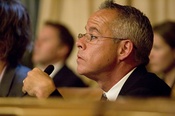
No one who has been closely tracking the shipyard development will be surprised that Michael Cohen. Mayor Gavin Newsom’s top economic advisor, is leaving City Hall. Folks have long speculated that city officials would start jumping ship–and even become real estate developers themselves–the minute the ink dried on Newsom’s signature on the deal.
But they might be surprised to know that during Cohen’s visits to China, the media has been describing him as “Deputy Mayor of San Francisco.”
http://www.chinadaily.com.cn/metro/2009-10/13/content_8786067.htm
But as DCCC chair Aaron Peskin recently quipped, “The Chinese media got it all wrong. That’s because Cohen is the real mayor of San Francisco.”
Cohen told the Examiner today that he does not plan to work for the big companies that he has been doing business with in recent years….so, stay tuned.
Appetite: 2 delicious food events on the horizon

8/21 LA COCINA SF STREET FOOD FESTIVAL: Everyone who was there last year recalls the nightmare that was the SF Street Food Festival: three hour waits for a bite, only to find much of it gone by the time you reached the front of the line. I went at the 11am start time last year, yet still only got to try two vendors in two hours. At least I was able to hang out in the cocktail and beer garden awhile, as I heard that, too, was an impossible wait before long.
The organizers of the event are intent on making it different this year. Only time will tell, but the physical space is seven times larger, with four times as many vendors. I have long been a fan of La Cocina as a community treasure, and there are some new people behind the scenes this year who have a good track record with organizing large events. I’m hopeful… but you’ll still find me there at 11am, just in case.
Yes, beer, wine and spirits gardens have returned. You know I’m looking forward to cocktails by bartenders from Rye, The Alembic, and Beretta. There’s an eating contest hosted by none other than Pepto-Bismol (oh, the irony!) How about a scavenger hunt and silent auction? Or an after party at Cocomo with live salsa, dancing and street food? La Cocina will host the first annual San Francisco Street Food Conference on August 22-23 following the festival, with panelists discussing the political, economic, and social impact of street food vending.
At the festival, expect 40 food vendors and restaurants, plenty of drink and a celebration of all things street food in SF. Whether you’re eating street food treats from stellar restaurants like Aziza, Nombe or Flour+Water, from actual street carts and trucks like Curry Up Now or Kung Fu Tacos, or La Cocina greats such as Kika’s and El Huarache Loco, you should not leave hungry.
Saturday, August 21, 11am-7pm
In the Mission at Folsom from 24th-26th Sts., 25th from Shotwell-Treat Sts., Treat St. from 25th-26th Sts.; Garfield Park
Passports for eating range from $25-$150 can be purchased in advance, or bought a la carte the day of
www.sfstreetfoodfest.com
8/27-29 EAT REAL FESTIVAL IN JACK LONDON SQUARE: I also attended Oakland’s three-day Eat Real Festival last year and, being in a much bigger space with more vendors, it was considerably easier to navigate than the SF Street Food Festival. In fact, I tried well over a 15 vendors last year, finding many exciting eats and drinks from SF and East Bay purveyors. About five hours into Saturday, the heat and lines became unbearable, but I got in five great hours of eating first, with no body-to-body crowds.
Eat Real Fest focuses on sustainably produced products and regional food producers and farmers. With 80 street food trucks and carts comes a limitless amount of eating possibilities. There’s also an Urban Homesteading Zone highlighting DIY food acts like canning and preserving, cheesemaking, animal husbandry, and vertical gardening – with contests, in case you want to enter your own wares. Try fermentation tasting stations with kombucha, wine, handcrafted beer, iced teas and lemonades. There’s an outdoor short film fest, a literary portion of the festival with Bay Area writers talking food, and an entertainment stage with music, sure, but also pizza tossing, noodle pulling and a Flying Knives butchery contest.
Friday-Sunday, 8/27-29, 2pm-9pm (Fri), 10:30am-9pm (Sat), 10:30am-5pm (Sun)
Jack London Square, Oakland
Food and drink tickets will be sold on-site
www.eatrealfest.com
What does Chuck Nevius want?

I’m not sure even Freud could answer that question, particularly re: his latest Chron column, which seems to be complaining that middle-class families don’t get a fair shake in the school lottery.
Nevius tells the tale of a couple who lost out in the school-choice lottery. It happens; I know that, because it happened to me. When my son was headed for kindergarten, we carefully chose seven schools we liked, and when the computer was done, we got none of them.
We also went through the second round, and wound up with a wonderful school, McKinley, that has been perfect for our kids. When we first got there, six years ago, it wasn’t considered a “top” school, one of the ones that everyone applies to; now, thanks to a dedicated staff and increasing parent involvement, McKinley’s on everyone’s list.
But that’s a different story. What Nevius says is this:
The system is a wildly confusing method of allowing parents to choose the school for their children while also attempting to encourage diversity. Parents need to pick schools they’d like to attend. But the system factors in diversity, whether their child went to preschool and a family’s income. A new system will be implemented next year that should be an improvement, but there is still considerable confusion.
And:
At issue is the fact that San Francisco continues to lose families with children, many of whom are middle-class, two-income, motivated parents who could make a huge difference in struggling schools.
“How can you have a healthy city when families are constantly leaving?” asked Todd David, who headed up a group of about 30 families from the Jewish Community Center preschool who all “went 0-7” last year. Two-thirds of them, David says, ended up at a private school.
Actually, I’m not sure the new system next year will be an improvement; it won’t for me. It’s based too much on keeping kids in their neighborhoods — which means if, by chance, the middle school in your neighborhood isn’t right for your kid, you’re SOL. And I’ll admit, the current system isn’t perfect — but what I want to know, as someone who has studied this and thought about it and written about it and argued about it for six years now, is this:
What’s the C.W. Nevius plan? What system would be more fair that what we have now? Because he hasn’t offered an alternative.
There are three essential problems that the SF school district faces:
1. There’s not enough money. Nowhere near enough money. So not every school is going to have every facility and program that’s perfect for every kid.
2. The city is still racially and socioeconomically segregated, so if every kid goes strictly to a neighborhood school (the plan some parents in more upscale areas want) you will have decidedly segregated (illegal) and even more unequal (unfair) schools.
3. Some parent want to stick to their neighborhood schools, but most parents also want a choice. Not every elementary school has Spanish or Chinese immersion; some parents really want that. Not every middle school has a GATE or honors program; some parents really want that. And, frankly, some schools are better than others, and while the ultimate goal is to improve all the schools for all the kids, see (1.) above. And parents want the right to choose a “better” school.
Since the Supreme Court says the district can’t use race as a factor in creating diversity, there has to be something else — and SFUSD has, properly, added in socioeconomic indicators that aren’t just race-based, like the educational level of the mother. Since not everyone can get into the most popular schools, there has to be some kind of lottery. Add in factor (3.), and you get a situation that’s almost impossible to solve in a way that makes everyone happy.
Particularly since there are bound to be some families who don’t get what they want.
I think the district is telling the truth when the folks there say that the vast majority of San Francisco families get one of their seven choices (around 80 percent, last time I checked). That’s not perfect, but it’s not awful. Some of those who don’t get the school of their choice will flee for private schools, and that sucks, since the district needs more enrollment and more engaged parents. (Others will stick with the system and work to improve the schools they do get — and I can tell you from experience, that works.)
But I keep coming back to the basic situation:
1. We can’t allow segregated schools, and we don’t want to.
2. The school district can’t change the demographics of the city.
3. There’s no way to make this work without a lottery and
4. No lottery is going to be perfect.
I don’t love the current situation; my solution is to repeal Prop. 13 (at least on commercial property) and double the per-student funding. Then this wouldn’t be an issue.
What’s the Nevius plan? Dunno; I asked him, and all he said was that he plans to follow up. We’re all waiting for your brilliance, Chuck.
SF Chamber attacks — lamely

The right-wing San Francisco Chamber of Commerce has had a pretty bad track record in local electoral politics in recent years, and its latest attack ads on progressive members of the Board of Supervisors demonstrates why: the group’s muddled and hypocritical messaging is barely comprehensible to the average San Franciscan.
The San Francisco Chronicle this morning announced the new ad campaign, the first salvo resulting from strategy sessions with Mayor Gavin Newsom and other downtown players, and the article included a funny conflict about whether or not the Chronicle is giving free advertising space to the effort.
But the ads themselves are even funnier – although inadvertently so – asking voters whether “your city supervisor” prefers “buses or benefits,” “parks or pensions,” or “paychecks or pinkslips.” Apparently, the Chamber is trying to capitalize on this political season’s fashionable attacks on public employee pensions and benefits, but the false choices that the Chamber sets up actually say more about its own promotion of this sort of zero-sum game within the public sector.
Hundreds of city employees have gotten pink slips in the last couple years directly because Newsom and the Chamber have sabotaged proposed revenue measures, even those that would help small businesses. They’ve played cynical political games that have cut Muni service and caused fares to double since Newsom became mayor, with Muni money diverted to help fund the paychecks, benefits, and pensions of police and firefighters – core Newsom constituencies to whom he gave overly generous deals to secure their early support for his 2007 re-election – while recently negotiating a deal that would exempt them from being affected by Jeff Adachi’s pension reform measure for another two years.
But targets of the ads don’t even need to know this whole backstory to see that the ads are simply false choices, lamely presented. Another swing and a miss from the once-mighty Chamber.
Street Threads: Look of the Day

Today’s Look: Nookkie, Bannan and Green
Tell us about your look: “I got this hat from a festival in San Francisco. I’m from Thailand.”
In the dumps
From Kurt Schwitters’ dwelling-consuming accretion The Merzbau to Tim Noble and Sue Webster’s silhouette-casting garbage heaps, making art from the discard pile is by no means a new gesture. It can still be a potent one, though, as evinced by “Art at the Dump,” a 20-year survey of the fruits of Recology’s artist in residence program at Intersection for the Art’s new gallery space in the historic San Francisco Chronicle building.
Recology’s program — the first of its kind in the nation — has grown immensely since the late artist and activist Jo Hanson first reached out to the Sanitary Fill Company back in 1990 and got her hands dirty. Today, participating artists are provided with a stipend and a studio in which to create work from materials scavenged from the Public Disposal and Recycling Area (a.k.a. “the dump”). The residency also involves community outreach, with artists speaking to the more than 5,000 students and adults who annually attend tours of the city’s garbage and recycling facility.
As in any large group show, the creative mileage at “Art at the Dump” varies. More than a few residents over the years seem unified in their studied appreciation of Robert Rauschenberg’s combines and Joseph Cornell’s shadow boxes, but their final pieces often lack Rauschenberg’s precise eye for juxtaposition or Cornell’s tender hermeticism. Mark Faigenbaum’s (2005) wonderful Pop 66 (2) — a chopped-up 1966 Muni bus poster arranged into a quilt-like pattern of concentric squares — on the other hand, stands on its own as an abstract reconfiguration of its source material while also evoking Charles Demuth’s precisionist oils.
If one artist’s trash doesn’t always make for treasure, at the very least you can count on a conversation piece. A sculpture by Casey Logan (2008) consists of a section of a tree trunk whose upper half has been, as if by the intervention of some magic beavers, whittled into a two-by-four complete with barcode sticker. It is called Destiny. It makes for a humorous pairing with Linda Raynsford’s (2000) two Tree Saws: old handsaws whose rusted blades Raynsford delicately cut into the outlines of forest giants.
Other past residents have taken a craftier approach. Estelle Akamine’s 1993 evening skirt and fantastically fringed cape made from computer tape ribbon could easily pass for one of Gareth Pugh’s recent gothic runway looks.
Perhaps the exhibit’s final word belongs to Donna Keiko Ozawa’s 2001 conceptual sculpture Art Reception, a found jug filled to the top with trash produced during a gallery’s opening reception. Cleverly recalling Oscar Wilde’s famous opening salvo in The Picture of Dorian Gray that “All art is quite useless,” Ozawa’s piece also underscores that the process of art-making — from a piece’s creation to its display — leaves its own set of carbon footprints.
DOG DAYS
Robb Putnam’s also no stranger to refuse. The titular orphans in the Oakland artist’s first solo exhibition at Rena Bransten are large, cartoonish canine heads made from compacted scraps of old blankets, fake fur, bubble-wrap, and it seems whatever else Putnam swept off his studio floor.
Mike Kelley’s perverse stuffed animal sculptures and the grotesque composite portraits of Giuseppe Arcimboldo both come to mind here. But with their Augie Doggie-like curves and permanently wagging tongues, Putnam’s mutts are more pitiable than abject. Skinned and beheaded, they are mascots for the unwanted and forgotten.
The show is only up for four more days, so run don’t walk to take in all the plush sadness.
ART AT THE DUMP
Through Sept. 25, free
Intersection 5M
925 Mission, SF
(415) 626-2787
ROBB PUTNAM: ORPHANS
Through Aug. 21, free
Rena Bransten Gallery
49 Geary, SF
(415) 982-3292
Our Weekly Picks: August 18-24, 2010
WEDNESDAY 18
THEATER
Macbeth
Cal Shakes follows its recent production of MacHomer with the original Macbeth — and proof that pop culture is but a palimpsest. This company always manages to inject new life into any well-known or overdone Shakespeare play and here, the troupe remains loyal to the dark side of everyone’s favorite regicidal maniac. The website boasts that this version doesn’t “shy away from the brutal, violent nature of the work,” so it would be imprudent of you to bring your children. Macbeth, with all its insoluble blood stains, C-sections, and beheadings will remind you of how fucked up the theater really could be back in the 1600s. (Ryan Lattanzio)
Through Sept. 12
Tues-Sun, performance times vary, $20–$65
California Shakespeare Theater
100 California Shakespeare Theater Way, Orinda
(510) 548-9666
EVENT
“Tick-Tock: Linear and Visceral Expressions of Time”
In conjunction with its Now and When exhibition (on view through Sept. 4), the San Francisco Arts Commission is hosting a discussion on time between Jeannene Przyblysk, executive director of the San Francisco Bureau of Urban Secrets, and Alexander Rose, executive director of the Long Now Foundation. Time, they will argue, doesn’t just operate on a linear schedule: the past and future can be bent, juxtaposed, and collaged into other events and moments that allow the malleability of memory and untethering of tomorrow. The effects of this loosening carry a visceral register. Baby, this is moving too fast, can we slow it down a bit to figure things out? (Spencer Young)
6:30-8 p.m., free (reservations required)
SFAC Main Gallery
401 Van Ness, SF
(415) 554-6080
MUSIC
WAVVES
Twentysomething Nathan Williams has had a pretty unbelievable couple of years, teeter-tottering between indie blog success and proud poster child for a recent glut of lazy-sounding DIY bands. Williams does little to sway critics from seeing him only as the latter — most of his lyrics glorify either weed or “being bored” — but there has always been a charming immediacy to his lackadaisical approach. Having stumbled on a winning blueprint like that, it comes as a surprise to listen to Williams’ latest album, King of the Beach, and find that the musician appears to have grown weary of making that same record over and over again. In dropping a lot of the scuzz and picking up the late Jay Reatard’s solid backing band, Beach primes Williams as the poster child for something completely different: the party record of the summer. (Peter Galvin)
With Young Prisms
7:30 p.m., $14
Rickshaw Stop
155 Fell, SF
(415) 861-2011
THURSDAY 19
THEATER
“Solo Performance Workshop Festival”
From under the radar comes this showcase of new and recently acclaimed solo performance, as the Solo Performance Workshop celebrates five years developing original work in StageWerx’s sub–Sutter Street lair. The venue may be underground, but shows spawned under direction of founders Bruce Pachtman (Don’t Make Me Look Too Psychotic) and performer-director W. Kamau Bell (The W. Kamau Bell Curve) have gone on to far-flung success. Some of these — including Jennifer Jajeh’s I Heart Hamas and Enzo Lombard’s Love, Humiliation, and Karaoke — return for the two-week fest, which also launches Bell’s latest venture: AAAAAAAAAARGH!: A Solo Comedy About How Frustrating Frustration Can Be. All of which stands to be pretty satisfying, actually. (Robert Avila)
Through Aug. 29
Thurs.–Sat., 8 p.m.; Sun., 7 p.m., $20–$30
StageWerx Theatre
533 Sutter, SF
VISUAL ART
“Photographer: unknown“
Photography has served a casual or practical purpose in countless lives ever since cameras were widely available to the public. Still, most amateur photographers in years past probably never expected their work to be up on a gallery wall. Taking the opposite approach, Robert Tat Gallery seeks out vernacular photographs (photos not intended as art) worthy of appreciation in a new context. Their “accidental art” photos are “generally acquired at flea markets, antique stores, estate sales, or literally just ‘found.'” The gallery’s press release traces the appreciation of such found photos back to the Dada movement. But since we still haven’t fully realized the wealth of art around us, it’s exciting to see a gallery celebrating the supposedly mundane. (Sam Stander)
Through Nov. 27
Tues.–Sat., 11 a.m.–5:30 p.m. and by appointment, free
Robert Tat Gallery
49 Geary, Suite 211, SF
(415) 781-1122
FRIDAY 20
DANCE
Stepology’s 2010 Bay Area Rhythm Exchange
It’s time to tap into the spirit of Gregory Hines and Fred Astaire. Stepology (the nonprofit tap organization founded by renowned tap dancer John Kloss) makes it easy to channel the tap masters with the annual Bay Area Tap Festival. Inspiring dancers and nondancers alike, Stepology’s week-long tap extravaganza brings some of the nation’s most talented tappers together to lead classes, workshops, and demonstrations. The festival culminates with the Bay Area Rhythm Exchange, an annual concert performance. Acclaimed musicians and tap artists Channing Cook Holmes, John Kloss, Mark Mendonca, Jason Rogers, Dormeshia Sumbry-Edwards, Sam Weber, and Lukas Weiss (to name a few) grace the stage at this year’s Rhythm Exchange. (Katie Gaydos)
Through Aug. 21
8 p.m., $25
Herbst Theatre
401 Van Ness, SF
(415) 392-4400
SATURDAY 21
FILM
Bassem Yousri
Catch two experimental documentaries by Bassem Yousri, a recipient of a 2009-10 Kala Fellowship, as part of the ongoing series “Residency Projects,” featuring works by all the fellowship artists. Yousri’s films, Keep Recording (2009) and Still Recording, are set in Cairo and Philadelphia, respectively. His premise is the same for each: use a low-budget video camera and record footage of the city and its people. In Godfrey Reggio fashion, Yousri navigates unfamiliar urban contexts, and the films’ meanings arise through this kind of episodic assembling where artist is at the mercy of environment. (Lattanzio)
2 p.m., free
Kala Gallery
2990 San Pablo, Berk
(510) 841-7000
MUSIC
“Joe Strummer Tribute”
A tribute show can be a dicey prospect, especially if the artist being honored isn’t alive to comment. Sometimes it’s better to leave a dead legend’s legacy well enough alone instead of trying to embroider it posthumously. Still, when it comes to someone like Joe Strummer, different rules apply. Annual tributes to the punk pioneer have been held in SF for the past seven years, and something tells me that their focus on local bands would have gibed well with Strummer’s music-to-the-people ethos. This year’s show features the Armagideons, the Hooks, Monkey, Sistas in the Pit, Stigma 13, and Interecords, and its proceeds benefit Strummerville, a charity that provides funds and support to struggling musical talents the world over. (Zach Ritter)
9 p.m., $10
Bottom of the Hill
1233 17th St., SF
(415) 621-4455
DANCE
“House Special 2010”
ODC Theater’s “House Special” gives selected choreographers two weeks to create new dance works before premiering them in the intimate ODC Dance Commons. Now the two weeks are up and the show is ready. Although vastly different in terms of choreographic styles and interests, the three artists in residence all share a common passion for social activism. Brazilian native Tania Santiago and her dance company Aguas Da Bahia explore the deep roots of Afro-Brazilian traditions; Jesselito Bie’s Steamroller Dance Company’s newest work Big Homo Love Explosion explores sexuality, gender, and race; while Pearl Ubungen’s SF Bardo Project investigates the cultural landscape of the city while contemplating death and dying from a Tibetan Buddhist perspective. (Gaydos)
8 p.m., $15
ODC Dance Commons
351 Shotwell, SF
(415) 863-9834
EVENT
Art and Soul Festival
No “adjectives on the typewriter” can quite sum up why Cake was a perfect soundtrack for the 1990s, and an even better one for the shift into the aughts and beyond. This year, for the 10th anniversary of Oakland’s Art and Soul Festival, John McCrea and his fellow fellas bring rockable irony to the Main Stage. Don’t remember “Shadow Stabbing” or “Never There”? Fear not. Cake hasn’t released a studio album since 2004, so this show will definitely jog your memory with the hits — and very few of the songs in their canon aren’t hits. Hailing from Sacramento, this band seems to understand West Coast sensibilities of spliffs, catchy riffs, and kicking it with friends to some music under a Saturday sunset. (Lattanzio)
Sat/21, 12:30 p.m. (Cake plays at 4:30 p.m.);
Sun/22, 12:45 p.m., $8–$15
12th and Broadway, Oakl
SUNDAY 22
FILM
Endless Love
Critically mauled at the time, this 1981 adaptation of Scott Spencer’s acclaimed novel is being offered up for “rediscovery and reevaluation” by the ever-idiosyncratic local Film on Film Foundation. Martin Hewitt plays David, a high school senior who finds the warm family vibe he lacks at home at the Butterfields, where 15-year-old daughter Jade (Brooke Shields, still wet from 1980’s The Blue Lagoon) is his girlfriend. But his passion for her runs a little too hot, even for this very free-thinking clan, and when he’s banned from future contact, he concocts a scheme to restore his status that turns disastrous. An amour fou melodrama further inflamed by director Franco Zeffirelli’s customary gauzy romanticism — and providing him with opportunity for more exposed boy butt than 1968’s Romeo and Juliet — Endless Love likewise swoons over roiling teenage libidos with a near-gaga intensity. There is a certain amount of adult actor hysteria and overripe sweetness, as well as only semi-convincing eroticism. But Shields is perfectly adequate in her last adolescent part, and Hewitt, whose career didn’t last, is excellent as the obsessed BF whose love is maybe a little too endless. Other attractions include a very young James Spader as Jade’s snarky older brother and Tom Cruise (his first role) as one of their friends. Yes, the book was better (if also a little overripe). But belying its camp reputation, this movie is actually pretty good. (Dennis Harvey)
4 p.m., $8
Pacific Film Archive
2757 Bancroft, Berk.
TUESDAY 24
MUSIC
Bad Brains
Ever since their seminal 7-inch debut, 1980’s Pay to Cum, the Bad Brains have hewed a truly bizarre path through the musical landscape, perfecting punk rock and reggae on the strength of jazz fusion-honed technical ability and a commitment to speed. Their career (and that of unpredictable singer H.R.) has been peripatetic for many years now, but despite the profusion of Jah-loving jam-outs at recent shows, there’s only one Bad Brains, and they’re not getting any younger. Go to see — without hyperbole — one of the most unique bands to ever play rock ‘n’ roll. (Ben Richardson)
With Broun Fellinis
9 p.m., $26
Slim’s
333 11th St, SF
(415) 255-0333
The Guardian listings deadline is two weeks prior to our Wednesday publication date. To submit an item for consideration, please include the title of the event, a brief description of the event, date and time, venue name, street address (listing cross streets only isn’t sufficient), city, telephone number readers can call for more information, telephone number for media, and admission costs. Send information to Listings, the Guardian Building, 135 Mississippi St., SF, CA 94107; fax to (415) 487-2506; or e-mail (paste press release into e-mail body — no text attachments, please) to listings@sfbg.com. We cannot guarantee the return of photos, but enclosing an SASE helps. Digital photos may be submitted in jpeg format; the image must be at least 240 dpi and four inches by six inches in size. We regret we cannot accept listings over the phone.
Men with a Mission
arts@sfbg.com
MUSIC A jazz bassist, a roadhouse blues accordionist, and a psychedelic guitarist all walk into a bar. A few years ago, this could have been a joke with a good punchline, but these days, it’s more likely to be the actual lineup of a really good show.
The traditional guidelines for booking bands have become more or less irrelevant in the brave wave of junkyard-industrial-gypsy-calypso fusion mashup with a side of no-wave-bhangra seeping its way onto the many small stages that proliferate in the Mission District. You can’t call it a new phenomenon; low-budget artists in the Mission have been banding together during tough economic straits for years. But while historically speaking there hasn’t been much of a movement to try to affix a label to these ephemeral allegiances, the father-and-son partnership of Sergei and Peter Varshavsky believe that the term “Mission music” can stand as a brand all its own. They’ve been working to develop it via their year-and-a-half-old music label, Porto Franco Records.
Founded in January 2009 by the St. Petersburg, Russia-bred Varshavskys, Porto Franco’s Mission mission is simple: they aim to provide a launching pad for the neighborhood’s hyper-local musicians — many of whom have been previously unsigned or underrepresented — while creating an identity that unities and represents their diverse clientele within a cohesive concept.
“There’s so much great stuff going on here,” Peter explains, ensconced comfortably in the Porto Franco Art Parlor and headquarters on Valencia Street. “Yet there’s no real way to bring it out of San Francisco. By combining the music under one brand, we could start saying San Francisco’s home to some of the most innovative and interesting and off-the-beaten-path music that’s being put out right now and you can find it all here [on Porto Franco].”
“Making San Francisco a musical destination nationwide — that’s one of the most important goals of our business,” Sergei adds.
Financially, it’s been an uphill slog for the fledgling company, but its artistic vision finally got a boost with the national attention garnered by its 10th release: Meklit Hadero’s On a Day Like This, featured on NPR even before the album hit the streets and written up all over the place since — from National Geographic to the Huffington Post.
“It was a breath of fresh air,” says Peter. “And helped to show us what works [promotionally] and what we can try to do next.” One thing they’ve recently done as a business is to slash their promotional budgets by two-thirds. “They weren’t paying for themselves,” explains Peter.
Sergei concurs: “One can spend thousands of dollars having all the billboards and the TV spots and stuff, but we don’t have those budgets. And anyway, you should like the music because you listened to the music, not just because you saw it on a billboard.”
In lieu of what the Varshavskys term “carpet-bombing” the media with hundreds of promotional CDs and costly advertising, Porto Franco has dedicated more energy toward helping their artists help themselves — getting them involved with social networking, website managing, cross-marketing with other labelmates, and so forth. They also target niche publications with their slow but steady output of new albums. The Varshavskys are acutely aware that it will take more than a few Facebook pages to create the kind of long-lasting impact they’re hoping Porto Franco’s musicians will have nationally.
Ultimately, they agree, what’s important is that musicians recognize the need to stay connected to their audiences — through online channels, yes, but most essentially, in-person. Citing their one non-Bay Area-based bandleader, Anna Gerasimova of Umka and Bro, who hails from Moscow, they describe an underground entity so iconic, yet so approachable, that despite practically no conventional marketing (easy to believe of a classic rock songstress born in the Cold War-era Soviet Union) she enjoys an international reputation and touring circuit.
“She can’t fill a stadium anymore,” Peter says, “but she can fill living rooms all over the world.”
“She played here!” Sergei interjects.
“It’s not a bad place to be,” Peter concludes. “She’s pretty happy staying an underground artist while everyone else has kind of grown up around her.” Most important, it seems Gerasimova is able to sustain herself as a musician without a massive publicity machine. It’s Porto Franco’s contention (and hope) that any working musician should be able to do the same.
Mark Growden, currently touring with his debut Porto Franco release St. Judas, couldn’t agree more. “It’s great to tour when you have the support of a label,” he says. “The peace of mind — it’s an amazing gift.” From emergency expenses such as car repairs and workaday business details like managing sales and mailing flyers, Porto Franco’s commitment to the well-being of their artists is particularly hands on.
Also evident is Porto Franco’s commitment to selecting artists and albums that might not appear to have anything in common outside of location, but that actually share one other very important quality. Here, again, Growden puts it best. “The musicianship is sophisticated. It’s local. It’s mature. It’s music that the artists are still going to be able to play 10 years from now and not be embarrassed by it. Porto Franco isn’t chasing a trend [by signing these acts]. These are all acts with integrity.”
Stage Listings
Stage listings are compiled by Guardian staff. Performance times may change; call venues to confirm. Reviewers are Robert Avila, Rita Felciano, and Nicole Gluckstern. Submit items for the listings at listings@sfbg.com. For further information on how to submit items for the listings, see Picks. For complete listings, see www.sfbg.com.
THEATER
OPENING
BAY AREA
Antony & Cleopatra Forest Meadows Ampitheatre, 1475 Grand, San Rafael; 499-4488, www.marinshakespeare.org. $20-35. Previews Fri/20-Sun/22, 8pm. Opens August 28, 8pm. Runs Fri-Sat, 8pm; Sun, 4pm. Through Sept 25. Marin Shakespeare Company’s summer season continues with the tale of the Egyptian queen.
In the Wound John Hinkel Park, Berk; (510) 841-6500, www.shotgunplayers.org. $10 (no one turned away). Opens Sat/21, 3pm. Runs Sat-Sun, 3pm (also Sept 5, 3pm). Through Oct 3. Shotgun Players present a unique take on the Iliad, written and directed by ian tracy.
Macbeth Bruns Ampitheater, 100 California Shakespeare Way, Orinda; (510) 548-9666, www.calshakes.org. $34-70. Previews Wed/18-Fri/20, 8pm. Opens Sat/21, 8pm. Runs Fri-Sat, 8pm; Sun, 4pm (also Sept 11, 2pm). California Shakespeare Theater presents the tale of unbridled ambition and its consequences, directed by Joel Sass.
Trouble in Mind Aurora Theatre, 2081 Addison, Berk; (510) 843-4822, www.auroratheatre.org. $10-55. Previews Fri/20-Sat/21 and Tues/24, 8pm; Sun/22, 2pm. Opens August 26, 8pm. Run Wed-Sat, 8pm; Sun, 2 and 7pm; Tues, 7pm. Through Sept 26. Aurora Theatre presents Alice Childress’ look at racism through the lens of theater.
ONGOING
Abigail: The Salem Witch Trials Temple SF, 540 Howard; www.templesf.com. $10. Thurs/19, August 26, 9pm. Through August 26. Buzz Productions, with Skycastle Music and Lunar Eclipse Records, presents an original rock opera based on the Salem witch trials.
Divalicious New Conservatory Theatre Center, 25 Van Ness; 861-8972, www.nctcsf.org. $22-28. Wed-Sat, 8 p.m.; Sun, 2pm. Through Sun/22. Leanne Borghesi takes on the music of legends ranging from Garland to Midler.
Don’t Ask New Conservatory Theatre Center, 25 Van Ness; 861-8972; www.nctcsf.org. $24-36. Wed-Sat, 8pm; Sun, 2pm. Through Sept 19. New Conservatory Theatre Center presents the West Coast premiere of Bill Quigley’s play about the affair between a Private and his superior.
Gilligan’s Island: Live on Stage! The Garage, 975 Howard; (800) 838-3006, www.brownpapertickets.com. $15-20. Sun, 8pm. Through August 29. Moore Theatre and SAFEhouse for the Performing Arts brings the TV show to the stage, lovey.
Party of 2 Shelton Theater, 533 Sutter; (800) 838-3006, www.partyof2themusical.com. $25-29. Sun, 3pm. Through Sept 12. A new show written by Morris Bobrow.
Peter Pan Threesixty Theater, Ferry Park (on Embarcadero across from the Ferry Bldg); www.peterpantheshow.com. $30-125. Tues and Thurs, 7pm; Fri-Sat, 7:30pm (also Sat, 2pm); Wed, 2pm; Sun, 1 and 5pm. Through August 29. JM Barrie’s tale is performed in a specially-built 360-degree CGI theater.
*Posibilidad, or Death of the Worker Dolores Park and other sites; 285-1717, www.sfmt.org. Free. Sat-Sun, 2pm; also Sept 6, 2pm; Sept 17, 8pm. Through Sept 17. It may have been just a coincidence, but it certainly seems auspicious that the San Francisco Mime Troupe, itself collectively run since the 1970’s, would preview their latest show Posibilidad on the United Nations International Day of Cooperatives. The show, which centers around the struggles of the last remaining workers in a hemp clothing factory (“Peaceweavers”), hones in on the ideological divide between business conducted as usual, and the impulse to create a different system. Taking a clip from the Ari Lewis/Naomi Klein documentary The Take, half of the play is set in Argentina, where textile-worker Sophia (Lisa Hori-Garcia) becomes involved in a factory takeover for the first time. Her past experiences help inform her new co-workers’ sitdown strike and takeover of their own factory after they are told it will close by their impossibly fey, new age boss Ernesto (Rotimi Agbabiaka). You don’t need professional co-op experience to find humor in the nascent collective’s endless rounds of meetings, wince at their struggles against capitalistic indoctrination, or cheer the rousing message of “Esta es Nuestra Lucha” passionately sung by Velina Brown, though in another welcome coincidence, the run of Posibilidad also coincides with the National Worker Cooperative conference being held in August, so if you get extra inspired, you can always try to join forces there. (Gluckstern)
Sex Tapes for Seniors Victoria Theatre, 2961 16th; (800) 838-3006. $20-40. Fri-Sat, 8pm; Sun, 2pm. Through Sun/22. Older people have sex. It’s a revelation, incredibly, for the new, blandly do-goody yoga instructor (Erin Reis) at a retirement village called Shambhala Springs in the premiere of Mario Cossa’s sweet, sassy, but somewhat sterile and long-winded new musical. It’s maybe an eye-opener too for anyone in the audience too young to remember doing it in the Sixties—let alone in your sixties—and by eye-opener we mainly mean the ability to keep at least one eye open the entire show. Older audiences may find more to appreciate here. The odd cast of characters includes three couples—one straight (Charmaine Hitchcox and Terry Stokes), two gay (Phillipe Coquet and John Hutchinson; Rebecca Mills and Carolyn Zaremba), and a single widow (Nancy Helman Shneiderman) who dates but keeps another marriage at bay. (I promised myself I wouldn’t use the word feisty, but she is, as are several of the others.) They come up with a plan to make and sell the titular product, much to the horror of relatives and some other residents. But the storyline has more do to with individual relationships and the challenges of aging gracefully and living well. Performances are uneven, entrances routinely late, but there’s a built-in charm to that. Tyler Flanders’ music, however, generally limps along (despite dutiful treatment by a three-piece band) and Cossa’s lyrics only rarely stir. Although at least once all hell breaks loose: in the rousing, if not exactly arousing, number devoted to the fellatic benefits of dentures. Indeed, this play should probably have an NC-71 rating. (Avila)
*Show and Tell Thick House, 1695 18th St; (800) 838-3006, www.symmetrytheatre.com. Thurs-Sat, 8pm; Sun, 5:30 pm. Through Sun/22. $25. Symmetry Theatre Company, an impressive new group dedicated to addressing gender disparity in the casting of professional actors, makes a memorable debut with this expertly crafted, sinuous drama about the psychological aftermath—and tangled social roots—of a bombing in a small-town schoolroom from playwright (and former SF rez) Anthony Clarvoe (Control+Alt+Delete). The sole survivor of the horrific and mysterious attack is the stunned, deeply perplexed teacher (an affecting, quietly intense Chloe Bronzan), soon surrounded by grief-stricken parents demanding their childrens’ remains and a tight-knit, jaded forensics team led by a gradually smitten FBI agent (a suavely imposing Robert Parsons). Julia Brothers, Wylie Herman, Jessica Powell, and Erika Salazar round out a strong ensemble under the assured direction of Laura Hope, whose engaging production leaves much to think about in the realm of private turmoil and public chaos—including the nature of grief, modernity’s systemic violence, and the disorder generated and managed by the self-same state. Kate Boyd’s lush, strikingly ambiguous video design (featuring a set of evocative childrens’ drawings) and Cliff Caruthers’ beautifully spare and haunted sound (featuring a delicate stream of child voices) add measurably to the expanse of the play’s existential and political universe. (Avila)
Skin Tight CounterPULSE, 1310 Mission; www.counterpulse.org. $20 ($35 for gala opening). Thurs-Sat, 8pm. Through August 28. Rapid Descent Physical Performance Company presents the SF premiere of Gary Henderson’s play.
*Streetcar Named Desire Boxcar Playhouse, 505 Natoma; 776-1747, www.boxcartheatre.org. $15-25. Wed-Sat, 8pm. Through Sept 4. It’s no small feat, creating a sultry southern summer circa 1940’s smack-dab in the middle of a typically frosty San Francisco summer circa right here right now, but Boxcar Theatre rises admirably to the challenge. Rebecca Longworth’s creative staging of Tennessee Williams’ “A Streetcar Named Desire” includes musical interludes, ghostly apparitions, and the clattering of a cleverly impersonated streetcar that shakes the walls of Matt McAdon’s simply-detailed tenement flat and the spirits of one Blanche DuBois (Juliet Tanner), while the deliberately-muted lighting (Stephanie Buchner) and period-appropriate sound (Ted Crimy), add the appropriate layers of southern discomfort to the unfolding action. Especially captivating to watch are the performances of supporting characters Stella (Casi Maggio) and Mitch (Brian Jansen), who seem to almost helplessly orbit the hot flame of Stanley Kowalski’s sun (Nick A. Olivero) and the grimly flickering satellite of Blanche’s waning moon. As he does in “Cat on a Hot Tin Roof,” Seth Thygesen stands in for one dearly-departed, in this case Blanche’s old beau, Allan Gray, whose abrupt suicide de-magnetized her moral compass. And in addition to a saucy turn as next-door neighbor Eunice, Linnea George tracks the fractured emotions of the main characters on her mournful violin. (Nicole Gluckstern)
*This Is All I Need NOHspace, 2840 Mariposa; www.mugwumpin.org. Thurs-Sun, 8pm. Through Sept 4. $15-20. In our obsession with possessions, just who possesses who? Mugwumpin’s inventive, hilarious and repeatedly surprising new work—captivated and captivating—reminds us that a possession isn’t just a thing but also a (colonized) state of being. But there’s no manifesto here, so much as a multifaceted, deftly staged exploration of a theme so central to this bare and incredibly cluttered existence that we hardly even notice it. The four person ensemble (Madeline H.D. Brown, Joe Estlack, Erin Mei-Ling Stuart, and Christopher W. White), sharply co-directed by Liz Lisle and Jonathan Spector, brings various states of being and relation to life with aplomb—amid swift transformations of time and place, provocative contrasts and parallels, dexterous vocalizations, and supple and satisfyingly offbeat choreography. I’m purposely leaving out the details of the vignettes and the sometimes-startling mise en scène because it’s better that way. All you really need now is the price of a ticket. (Avila)
This World Is Good Phoenix Theater, 414 Mason; 913-7272, www.sleepwalkerstheatre.com. Thurs-Sat, 8pm. Through August 28. $18-24. The 1990s are giving way to a millennial moment of anti-climax known as Y2K, but the anxiety and dread are real, and the bloodiest century in human history looks poised to be outdone by the doom-drones of the next. Making at least academic sense of all that angst is Ally (Dina Percia), a brilliant young Latina writing her doctoral dissertation on Grunge and its landscape of youth alienation. Her best friend and occasional lover is a smitten young English prof (Damian Lanahan-Kalish), a dork with a degree and the pet name Scrotum Face. But as she delves into the world of ideas, Ally loses track of her family: single mother Emmy (Tessa Koning-Martinez) and, more tragically, talented but emotionally tortured younger brother Sam (Shoresh Alaudini), whose battered mind and compassionate heart craft a graphic story around a new “super hero” with no costume, no parallel identity, and indeed no special powers. When her family collapses, Ally reassembles the pieces from a new vantage, outside the ivory tower, where she makes art from a sort of crystalline “ordinariness” that complements her brother’s all-too-ordinary super hero. This World Is Good is the opening gambit in a new trilogy by local playwright J.C. Lee called This World and After, all being presented by Sleepwalkers Theatre this season. Artistic director Tore Ingersoll-Thorp helms a competently acted production, which helps lend Lee’s ambitious scope its tangible human proportions, though in truth the characters do not always feel fully drawn. There’s a fine monologue from Sam, both chilling and exhilarating, but also a proclivity throughout for awkwardly poetical speeches over dialogue. Still, there’s subtlety and real humor in the best parts, and enough here to want to see more. (Avila)
What Mama Said About Down There Our Little Theater, 287 Ellis; 820-3250, www.theatrebayarea.org. $15-25. Thurs-Sun, 8pm. Through August 28. Writer-performer-activist Sia Amma presents this largely political, a bit clinical, inherently sexual, and utterly unforgettable performance piece.
BAY AREA
Blithe Spirit Live Oak Theatre, 1301 Shattuck, Berk; (510) 649-5999, www.aeofberkely.org. $12-15. Fri-Sat, 8pm; also Thurs/19, 8pm. Through Sat/21. Actors Ensemble of Berkeley essays the eternal Noel Coward comedy, about a (naturally) Coward-esque writer (Stanley Spenger) who for the purposes of research and any passing amusement it may provide invites over a celebrated medium (an amusingly puffed-up Chris Macomber), only to have her inadvertently summon the ghost of his ex-wife (Erin J. Hoffman), who mischievously begins to drive a wedge between him and his new wife (Shannon Veon Kase). Director Hector Correa’s not-always-fitting casting choices contribute to a drearily perfunctory tone at the outset, which makes the first scenes somewhat painful going. However, Spenger proves admirably dry and restrained in the lead, and things pick up measurably with the arrival of the titular ghost, played with playful, bounding energy and notable grace by Hoffman. (Avila)
*East 14th: True Tales of a Reluctant Player Marsh Berkeley, 2120 Allston, Berk; www.themarsh.org. $20-50. Dates and times vary. Through Sept 12. Don Reed’s solo play, making its Oakland debut after an acclaimed New York run, is truly a welcome homecoming twice over. (Avila)
*Machiavelli’s The Prince Berkeley City Club, 2315 Durant, Berk; (510) 558-1381, www.centralworks.org. $14-25. Thurs-Sat, 8 p.m.; Sun, 5pm. Through Sun/22. Set in an intimate salon-space in the Berkeley City Club, this stage adaptation of one of the most famous documents on political power ever written gains a certain conversational quality. In fact, the script, penned by Gary Graves, is really just one long conversation—an imagined encounter between Nicolo Machiavelli and the man he dedicated his treatise to, Lorenzo de Medici II. Machiavelli (Mark Farrell) has been called by de Medici (Cole Alexander Smith) to possibly regain favor in his court after a long banishment. With him he brings a notebook of his musings on gaining and retaining political power, which he bestows on Lorenzo for him to read. As the Duke of Florence, Smith plays his character with the measured dignity and watchful countenance of a career mobster. He protests the extremism of his former teacher’s philosophy of rule even as he is casually seduced by its implications. Farrell’s Machiavelli tries to play his position with calculated Mephistopheles cool. However, he cannot escape the obvious taint of his own failures, and eventually, for all his talk of power, he is revealed to be ultimately powerless, though his ideas remain with de Medici, long after he himself is let go. (Gluckstern)
The Norman Conquests The Ashby Stage, 901 Ashby, Berk; (510) 841-6500, www.shotgunplayers.com. $20-25. Dates and times vary. Through Sept 5. Shotgun Players presents Alan Ayckbourn’s comic trilogy.
The Taming of the Shrew Forest Meadows Amphitheatre, 1475 Grand, San Rafael; (415) 499-4488, www.marinshakespeare.org. $20-25. Fri-Sun, 8pm; also Sun, 4pm and 5pm. Through Sept 26. Marin Theatre Company presents a swashbuckling version of the classic.
PERFORMANCE/DANCE
Bay Area Rhythm Exchange War Memorial and Performing Arts Center, Herbst Theatre, 401 Van Ness; 392-4400, www.stepology.com. Fri/20-Sat/21, 8pm. $17-25. Bay Area Tap Festival artists perform.
“Disoriented” Stage Werx Theater, 533, Sutter; www.brownpapertickets.com. Thurs/19, 8pm, $20. A trio of solo performances by Zahra Noorbakhsh, Colleen “Coke” Nakamoto, and Thao P. Nguyen.
“House Special” ODC Dance Commons, 351 Shotwell; www.odctheater.com. Sat/21, 8pm, $15. New work by Pearl Ubungun, Jesseilto Bie, and others.
Landscape With the Fall of Icarus Climate Theater, 470 Florida; www.brownpapertickets.com. Fri/20-Sat/21, 8pm, $15. Samauel Topiary presents an evening-length performance work.
“Sinners and Salivation-Themed Drag King Contest” DNA Lounge, 375 11th; www.sfdragkingcontest.com. Fri/20, 8pm (band) and 10pm (show), $20-35. The 15th annual contest, with special guest Jane Wiedlin, benefiting PAWS.
BAY AREA
“New Works Festival” Lucie Stern Theatre, 1355 Middlefield, Palo Alto; (650) 463-1960, www.theatreworks.org. Dates and times vary. Through August 22. $15-25 ($75 for festival pass). TheatreWorks presents its ninth annual festival.
On the Cheap Listings
On the Cheap listings are compiled by Paula Connelly. Submit items for the listings at listings@sfbg.com. For further information on how to submit items for the listings, see Picks.
WEDNESDAY 18
“El Grito de la Mission” Southern Exposure, 3030 20th St., SF; (415) 863-2141. 6pm, free. Join Southern Exposures and the youth, artists, and community partners who participated in the Mission Voices Summer program for a final exhibition featuring new work, installations, interactive performance, food, and refreshments.
Hear It Local 111 Minna Gallery, 111 Minna, SF; (415) 974-1719. 6:30pm, free. Celebrate the San Francisco launch of www.hearitlocal.com, which provides a community-building platform for the local, independent music scene. Featuring performances by the Nice Guy Trio, Quinn Deveaux, and Kelly MacFarling, a music photography exhibit by Niall David and Audra Marie Dewitt, and more.
NASA Space Telescope Randall Museum, 199 Museum Way, SF; (415) 554-9600. 7:30pm, free. Astrophysicist Bryan Mendez will tell all there is to know about NASA’s new Wide-field Infrared Survey Explorer (WISE) telescope, launched unmanned in 2009 to search for asteroids, stars, the origins of stellar and planetary systems, and anything else the galaxies could reveal.
THURSDAY 19
Chrome Chrome Retail, 580 4th St., SF; (415) 820-5070. Noon, free. All Chrome products will be 30% off all day while all proceeds from the Noon-3 BBQ and the 4pm-8pm dollar beer happy hour will benefit the San Francisco Bike Kitchen.
Drunken Dish Asian Art Museum, 200 Larkin, SF; (415) 581-3500. 5pm, $10. Head to this month’s installment of Matcha, the Asian Art Museum’s monthly late night discounted party, for a talk and demonstration on Shanghai cuisine, specifically, how to make drunken chicken. Also featuring special gallery tours, cocktails, DJ music, and more.
Jaws Hyde Street Pier, 2905 Hyde, SF; (415) 561-6662. 7:30pm, $5 suggested donation. If you thought Jaws was frightening to watch on land, see if you can survive watching it on the Eureka, “the longest floating wooden ship on Earth.” Part of the San Francisco Maritime Nat’l Park Association’s film series to raise money to benefit their education and preservation programs.
“Persistent Voices” Magnet, 4122 18th St., SF; (415) 581-1600. 8pm, free. Inspired by the anthology, Persistent Voices: Poetry by Writers Lost to AIDS, poets will read and perform works from the anthology in addition to some new pieces inspired by the book. Featured readers include Judy Grahn, Kevin Killian on Steve Abbott, Jaime Cortez, Thandiwe Thomas, and more.
SF Jazz Summerfest Union Square, Geary at Powell, SF; www.sfjazz.org. 6pm, free. Heat up your foggy summer blues with a free jazz concert in the park with Lavay Smith and Her Red Hot Skillet Lickers, known for performing classic jazz and blues mixed with big band, salsa grooves.
SATURDAY 21
Dahlias Hall of Flowers, 9th Ave. at Lincoln, SF; (415) 994-2448. Sat. 10am-5pm, Sun. 10am-4pm; free. Did you know that the Dahlia is San Francisco’s official flower? The Dahlia Society of California, responsible for the planting and upkeep of Golden Gate Park’s Dahlia Dell, is holding it’s annual show and exhibition of these fantastic flowers.
Hello Kitty Must Die San Francisco Public Library, Chinatown branch, 1135 Powell, SF; (415) 355-2888. 2:30pm, free. Hear author Angela S. Choi read from and discuss her new book, that rips into stereotypes about the well-groomed, well-behaved Asian wife with a tale about a serial killer happy to teach others how to get rid of unwanted fiancés and bosses.
Hot Glass Cold Beer Public Glass, 1750 Armstrong, SF; (415) 671-4916. 6pm; $25 donation, includes glass and beer. Take in an evening of glassblowing demonstrations by artists Paul DeSomma, Marsha Blaker, and Jeff Rogers while listening to live music and enjoying cold beer in your new one-of-a-kind, hand blown drinking glass.
SF Street Food Fest Folsom between 25th and 26th St., SF; (415) 824-2729 ext. 303. 11am-7pm, free. Enjoy some casual, affordable, delicious food made by San Francisco food entrepreneurs. Hosted by La Cocina, this Street Food Festival aims to further advocate for the creation of policies that support the formalization of mobile food vending to connect communities to a food from all classes and cultures.
BAY AREA
Art and Soul Frank H. Ogawa Plaza, City Center, 14th St. and Broadway, Oakl.; (510) 444-CITY. Sat.-Sun. noon-6pm, $10. Celebrate the past, present and future music of Oakland at this two-day concert and marketplace featuring music performances by Cake, En Vogue, Tony! Toni! Toné!, MC Hammer, Pete Escovedo, The Bittersweets, Lenny Williams, and more. Also featuring an Artisan Marketplace, with crafts and art for purchase, food vendors offering multicultural menus, dance performances, and activities.
SUNDAY 22
Sunday Streets John F. Kennedy Drive and MLK Drive, Golden Gate Park, SF; Great Highway from Lincoln to SF Zoo, SF; www. sundaystreetssf.com. 10am-3pm, free. Take to the streets for a day of healthy, family-friendly activities. This month’s street closure is “Penguins to penguins,” or Golden Gate Park to the SF Zoo.
TUESDAY 24
“Microscopic Giant” Space Gallery, 1141 Polk, SF; www.bucktoothmechanics.blogspot.com. 8pm, free. A night of local creativity with spoken word performances, storytelling, and poetry by Tracy Jones, April Wolfe, Steven Gray, Charlie Getter, and the host of NPR’s Snap Judgment Glynn Washington, open mic, live painting by artists Aaron Lawrence, Nolan Yelonek, and Noa- , and live music by DigDug.
Music Listings
Music listings are compiled by Paula Connelly and Cheryl Eddy. Since club life is unpredictable, it’s a good idea to call ahead to confirm bookings and hours. Prices are listed when provided to us. Submit items at listings@sfbg.com. For further information on how to submit items for the listings, see Picks.
WEDNESDAY 18
ROCK/BLUES/HIP-HOP
Black Francis, Roy Zimmerman Great American Music Hall. 9pm, $21.
Bodeans, Dan Navarro Independent. 8pm, $20.
Brothers Comatose, Escalator Hill, We Is Shore Determined Hotel Utah. 9pm, $6.
Casiokids, Light Pollution, K. Flay, Einar Stokka Café Du Nord. 9pm, $10.
Greg Davis, Aures, Mololy-Nagy Hemlock Tavern. 9pm, $7.
Ha Ha Tonka, Red Light Mind, Buxter Hoot’n Elbo Room. 9pm, $8.
Craig Horton Biscuits and Blues. 8 and 10pm, $15.
Brian McKnight Yoshi’s San Francisco. 8 and 10pm, $35-45.
Rantouls, Lateenos, Larry and the Angriest Generation, Jinxes Thee Parkside. 8pm, $8.
Wavves Amoeba, 1855 Haight, SF; www.amoeba.com. 6pm, free.
Wavves Rickshaw Stop. 7:30pm, $14.
Woven Bones, Sandwitches, Splinters Bottom of the Hill. 9pm, $10.
DANCE CLUBS
Booty Call Q-Bar, 456 Castro, SF; www.bootycallwednesdays.com. 9pm. Juanita Moore hosts this dance party, featuring DJ Robot Hustle.
Breezin Koko Cocktails, 1060 Geary, SF; (415) 885-4788. 9:30pm, free. With DJs Amy A and Brynnie Mac spinning rock and 70s.
45 Club Knockout. 9pm, $6. Rock n’ soul with Honey, Blasted Canyons, and DJs dX the Funky Granpaw, Dirty Dishes, and English Steve.
Hands Down! Bar on Church. 9pm, free. With DJs Claksaarb, Mykill, and guests spinning indie, electro, house, and bangers.
Jam Fresh Wednesdays Vessel, 85 Campton, SF; (415) 433-8585. 9:30pm, free. With DJs Slick D, Chris Clouse, Rich Era, Don Lynch, and more spinning top40, mashups, hip hop, and remixes.
Mary-Go-Round Lookout, 3600 16th St, SF; (415) 431-0306. 10pm, $5. A weekly drag show with hosts Cookie Dough, Pollo Del Mar, and Suppositori Spelling.
RedWine Social Dalva. 9pm-2am, free. DJ TophOne and guests spin outernational funk and get drunk.
Respect Wednesdays End Up. 10pm, $5. Rotating DJs Daddy Rolo, Young Fyah, Irie Dole, I-Vier, Sake One, Serg, and more spinning reggae, dancehall, roots, lovers rock, and mash ups.
Synchronize Il Pirata, 2007 16th St, SF; (415) 626-2626. 10pm, free. Psychedelic dance music with DJs Helios, Gatto Matto, Psy Lotus, Intergalactoid, and guests.
THURSDAY 19
ROCK/BLUES/HIP-HOP
Abriel, Imperfect Deity, To Memory and Me DNA Lounge. 5:30pm, $12. With the Light Iris, Our Living Memory, Falling to Pieces, Mirros, Apothesary, and A Moment of Clarity.
Catholic Radio, Smile Brigade, Spiral Agnew Kimo’s. 9pm.
Clipd Beaks, Moccretro, Hollow Hearth, Hans Keller Café Du Nord. 9pm, $10.
Darker My Love, Sonny and the Sunsets Independent. 8pm, $14.
Brandon Flowers Slim’s. 9pm, $27.50.
Grand Lodge, Lijie Hotel Utah. 8pm, $7.
Hot Hot Heat, 22-20s, Hey Rosetta! Rickshaw Stop. 8pm, $15.
Hunx and His Punx, Shannon and the Clams, Okmoniks, Goochi Boiz, Miss Chain and the Broken Heels Thee Parkside. 9pm, $10.
Ida, Michael Hurley, Westwood and Willow Bottom of the Hill. 9pm, $12.
Lickets, Odd Owl, Tied to the Branches Hemlock Tavern. 9pm, $7.
Brian McKnight Yoshi’s San Francisco. 8 and 10pm, $35-45.
Darrell Scott, Elliot Randall Great American Music Hall. 8pm, $21.
Wild Things, Lens, Greg Ashley Knockout. 9:30pm, $7.
FOLK/WORLD/COUNTRY
Estamos Ensemble New Frequencies, YBCA Sculpture Court, 701 Mission, SF; (415) 978-2787. 8pm, $25
Hot Club of Cowtown, Whiskey Richards, B Stars Amnesia. 8:30pm, $10.
Claudio Santomé and Marcello Puig Red Poppy Art House. 8pm, $12-15.
Steel Pulse Fillmore. 9pm, $35.
Tipsy House Plough and Stars. 9pm.
DANCE CLUBS
Afrolicious Elbo Room. 9:30pm, $5-7. DJs Pleasuremaker and Señor Oz spin Afro-tropical, samba, and funk.
Caribbean Connection Little Baobab, 3388 19th St, SF; (415) 643-3558. 10pm, $3. DJ Stevie B and guests spin reggae, soca, zouk, reggaetón, and more.
Club Jammies Edinburgh Castle. 10pm, free. DJs EBERrad and White Mice spinning reggae, punk, dub, and post punk.
Drop the Pressure Underground SF. 6-10pm, free. Electro, house, and datafunk highlight this weekly happy hour.
Electric Feel Lookout, 3600 16th St, SF; (415) 431-0306. 9pm, $2. With DJs subOctave and Blondie K spinning indie music videos.
Good Foot Som., 2925 16th St, SF; (415) 558-8521. 10pm, free. With DJs spinning R&B, Hip hop, classics, and soul.
Jivin’ Dirty Disco Butter, 354 11th St., SF; (415) 863-5964. 8pm, free. With DJs spinning disco, funk, and classics.
Koko Puffs Koko Cocktails, 1060 Geary, SF; (415) 885-4788. 10pm, free. Dubby roots reggae and Jamaican funk from rotating DJs.
Mestiza Bollywood Café, 3376 19th St, SF; (415) 970-0362. 10pm, free. Showcasing progressive Latin and global beats with DJ Juan Data.
Nightvision Harlot, 46 Minna, SF; (415) 777-1077. 9:30pm, $10. DJs Danny Daze, Franky Boissy, and more spinning house, electro, hip hop, funk, and more.
Peaches Skylark, 10pm, free. With an all female DJ line up featuring Deeandroid, Lady Fingaz, That Girl, and Umami spinning hip hop.
Popscene 330 Rich. 10pm, $10. Rotating DJs spinning indie, Britpop, electro, new wave, and post-punk.
SOL Club 525, 525 Harrison, SF; www.sol2010.eventbrite.com. 9pm, $15. With DJs Andy P., Skander and Sohrab, Rhetoric, Sepehr, and more spinning house, tech, and tribal.
Solid Thursdays Club Six. 9pm, free. With DJs Daddy Rolo and Tesfa spinning roots, reggae, dancehall, soca, and mashups.
Tropicana Madrone Art Bar. 9pm, $5. With DJs Don Bustamante, Apocolypto, Sr. Saenz and guests spinning salsa, cumbia, reggaeton, and merengue.
FRIDAY 20
ROCK/BLUES/HIP-HOP
Blisses B, Be Brave Bold Robot, Grownup Noise Kimo’s. 9pm.
Crooked Still, Jesse DeNatale Great American Music Hall. 8pm, $16.
Excuses for Skipping, Cliks, Killola, Hunter Valentine Milk. 8:30pm, $10.
Gentleman Jesse and His Men, Personal and the Pizzas, Barreracudas, Wrong Words, Meercaz Thee Parkside. 9pm, $10.
Ghostland Observatory Warfield. 9pm, $25.
Jogger, We Are the World, Shlohmo, Matthewdavid Rickshaw Stop. 8:30pm, $12.
Morlocks, Hot Lunch Hemlock Tavern. 9:30pm, $10.
New Orleans Bingo! Show, Kim Boekbinder Independent. 9pm, $15.
Persephone’s Bees, Soft White Sixties, Angel Island, DJ Omar Café Du Nord. 9:30pm, $12.
Pinkerton, Hot Toddies, As A People Bottom of the Hill. 10pm, $10.
Polkacide, Khi Darag, Loop Station, Space Blaster Blue Macaw, 2565 Mission, SF; (415) 920-0577. 9pm, $10.
Johnny Rawls Biscuits and Blues. 8 and 10pm, $20.
Still Time, Shamblers, John Howland Slim’s. 9pm, $15.
Ttotals, Diego Gonzalez Hemlock Tavern. 6pm, $5.
JAZZ/NEW MUSIC
Audium 9 1616 Bush, SF; (415) 771-1616. 8:30pm, $15.
Black Market Jazz Orchestra Top of the Mark. 9pm, $10.
David Belove Trio Art Tap, Yerba Buena Center for the Arts, 701 Mission, SF; (415) 978-2787, www.ybca.org. 6pm, free.
Eleven Eyes Coda. 10pm, $10.
Jacqui Naylor Quartet Rrazz Room, Hotel Nikko, 222 Mason, SF; www.therrazzroom.com. 9pm, $35.
Lisa Engelken Band Red Poppy Art House. 9pm, $12-20.
Marlena Teich and group Savanna Jazz. 7:30pm, $8.
FOLK/WORLD/COUNTRY
Charanga Habanera Yoshi’s San Francisco. 8 and 10pm, $20-26.
“Cuba Afro Rock Revolution” Yerba Buena Center for the Arts, 701 Mission, SF; (415) 978-2787. 8pm, $28-$50. With X Alfonso, Osamu, and special guest Pedro Calvo.
Toshio Hirano Mercury Café, 201 Octavia, SF; (415) 252-7855. 7:30pm, free.
Hot Club of Cowtown, Lady A and the Heel Draggers, Betty Soo Amnesia. 9pm, $10.
Lagos Roots Afrobeat Ensemble Elbo Room. 9:30pm, $12. With DJ Shawna, Tribal Fusion Bellydance, and Deb Rubin.
Summer Samba Party Il Pirata, 2007 16th St., SF; (415) 626-2626. 10pm, $10. With Pagode de Mesa, Jorge Alabe, Claudinho Sorriso, Brian Moran, and guests.
Bucky Walters, Snap Jackson, The Knock on Wood Players Plough and Stars. 9pm.
DANCE CLUBS
Afrobeat No Go Die Madrone Art Bar. 9:30pm, $5. With DJs Jeremiah and the Afrobeat Nation and Jose Rivera.
Club Dragon Club Eight, 1151 Folsom, SF; www.eightsf.com. 9pm, $8. A gay Asian paradise. Featuring two dance floors playing dance and hip hop, smoking patio, and 2 for 1 drinks before 10pm.
Dirty Bird Mezzanine, 444 Jessie, SF; (415) 625-8880. 9pm, $20. With DJs Claude Von Stroke, Juston Martin, Christian Martin, and Worthy.
Dirty Rotten Dance Party Madrone Art Bar. 9pm, $5. With DJs Morale, Kap10 Harris, and Shane King spinning electro, bootybass, crunk, swampy breaks, hyphy, rap, and party classics.
Episco Disco Grace Cathedral, 1100 California, SF; (415) 869-7817. 7pm, free. With live music by Coconut, Paradise Now, and Aero-Mic’d and art by Land and Sea and Sean McFarland.
Exhale, Fridays Project One Gallery, 251 Rhode Island, SF; (415) 465-2129. 5pm, $5. Happy hour with art, fine food, and music with Vin Sol, King Most, DJ Centipede, and Shane King.
Fat Stack Fridays Koko Cocktails, 1060 Geary, SF; (415) 885-4788. 10pm, free. With rotating DJs B-Cause, Vinnie Esparza, Mr. Robinson, Toph One, and Slopoke.
Fubar Fridays Butter, 354 11th St., SF; (415) 863-5964. 6pm, $5. With DJs spinning retro mashup remixes.
Good Life Fridays Apartment 24, 440 Broadway, SF; (415) 989-3434. 10pm, $10. With DJ Brian spinning hip hop, mashups, and top 40.
Hot Chocolate Milk. 9pm, $5. With DJs Big Fat Frog, Chardmo, DuseRock, and more spinning old and new school funk.
Oldies Night Knockout. 9pm, $2-4. One-hit wonders and scratchy soul with DJs Primo, Daniel, and Lost Cat.
Radioactivity 222 Hyde, SF; (415) 440-0222. 6pm. Synth sounds of the cold war era.
Rockabilly Fridays Jay N Bee Club, 2736 20th St, SF; (415) 824-4190. 9pm, free. With DJs Rockin’ Raul, Oakie Oran, Sergio Iglesias, and Tanoa “Samoa Boy” spinning 50s and 60s Doo Wop, Rockabilly, Bop, Jive, and more.
“SF Drag King Contest” DNA Lounge. 9pm, $25-35. With MCs Fudgie Frottage and Sister Roma, plus special guest Jane Wiedlin.
Sisters of the Underground Club Six. 9pm, $5. With DJs Shortee, Lady Fingaz, Pony P, Celskii and Deeandroid, and many more spinning hip hop.
Some Thing The Stud. 10pm, $7. VivvyAnne Forevermore, Glamamore, and DJ Down-E give you fierce drag shows and afterhours dancing.
SATURDAY 21
ROCK/BLUES/HIP-HOP
Chris Cain Band Biscuits and Blues. 8 and 10pm, $20.
Cool Water Canyon, Vintage Music Collective Independent. 9pm, $15.
Hepcat, Inciters, Selecter DJ Kirk Slim’s. 9pm, $23.
“Joe Strummer Tribute” Bottom of the Hill. 9pm, $10. With Armagideons, Hooks, Monkey, Sistas in the Pit, Stigma 13, and Interecords.
Man/Miracle, Slang Chickens, Yellow Dress Hemlock Tavern. 9:30pm, $7.
No Alternative, VKTMS Bender’s, 806 S. Van Ness, SF; www.bendersbar.com. 10pm, $5. Benefit for the Haight Ashbury Homeless Youth Alliance.
Nobunny, Mean Jeans, Anomalys, Charlie and the Moonhearts Thee Parkside. 9pm, $10.
Return to Mono, Foreign Cinema, Sentinel, Bring the Tiger Red Devil Lounge. 8pm, $10.
Sons of Doug, Steve Pile Band, Jeremy D. Antonio Hotel Utah. 9pm, $7.
Sputterdoll, Pedro Gil, Skyflakes, Rocking Kids Sing-A-Long, Keenwild Thee Parkside. 3pm, free.
Tussle, Sword and Sandals, ASSS Amnesia. 9pm, $5.
JAZZ/NEW MUSIC
Audium 9 1616 Bush, SF; (415) 771-1616. 8:30pm, $15.
Ensemble Mik Nawooj Red Poppy Art House. 9pm, $15-20.
Eric Kurtzrock Trio Ana Mandara, Ghirardelli Square, 891 Beach, SF; (415) 771-6800. 8pm, free.
Giovenco Project Coda. 7pm, free.
Jacqui Naylor Quartet Rrazz Room, Hotel Nikko, 222 Mason, SF; www.therrazzroom.com. 9pm, $35.
Lucky Stars, B Stars Verdi Club, 2424 Mariposa, SF; www.oldtimey.net. 9:30pm, $12.
Suzanna Smith and group Savanna Jazz. 7:30pm, $8.
FOLK/WORLD/COUNTRY
Charanga Habanera Yoshi’s San Francisco. 8 and 10pm, $20-26.
“Cuba Afro Rock Revolution” Yerba Buena Center for the Arts, 701 Mission, SF; (415) 978-2787. 8pm, $28-$50. With X Alfonso, Osamu, and special guest Pedro Calvo.
Maurice Tani, Jenn Courtney, 77 El Deora, Misispi Rider Noe Valley Ministry, 1021 Sanchez, SF; (415) 454-5238. 8:15pm, $17.
Tito Garcia y su Orquesta Internacional The Ramp, 855 Terry Francois, SF; (415) 621-2378. 5pm.
Tornotics Plough and Stars. 9pm, $6-$10 sliding scale.
Craig Ventresco and Meredith Axelrod Atlas Café. 4pm, free.
DANCE CLUBS
Bar on Church 9pm. Rotating DJs Foxxee, Joseph Lee, Zhaldee, Mark Andrus, and Nuxx.
Bootie DNA Lounge. 9pm, $6-12. Mash-ups with DJ Ajax vs. Ryan Lendt, plus residents Adrian and Mysterious D.
Booty Bassment Knockout. 10pm, $5. Hip-hop with DJs Ryan Poulsen and Dimitri Dickenson.
Club 1994 Paradise Lounge. 10pm, $10. Presented by Jeffery Paradise and Ava Berlin, featuring 90’s music, themed photo booth, fashion show, and more.
Cock Fight Underground SF. 9pm, $7. Gay locker room antics galore with electro-spinning DJ Earworm.
Fire Corner Koko Cocktails, 1060 Geary, SF; (415) 885-4788. 9:30pm, free. Rare and outrageous ska, rocksteady, and reggae vinyl with Revival Sound System and guests.
Fringe Madrone Art Bar. 9pm, $5. With DJs Blondie K and subOctave spinning indie music videos.
Full House Gravity, 3505 Scott, SF; (415) 776-1928. 9pm, $10. With DJs Roost Uno and Pony P spinning dirty hip hop.
HYP Club Eight, 1151 Folsom, SF; www.eightsf.com. 10pm, free. Gay and lesbian hip hop party, featuring DJs spinning the newest in the top 40s hip hop and hyphy.
Non Stop Bhangra Rickshaw Stop. 9pm, $15. Bhangra beats with Dholrhythms Dance Troupe.
Paint Factory Club Six. 9pm, $5. With DJs Romanowski, Centipede, and Mr. Robinson spinning house, downtempo, and hip hop and live painting by Nome Edonna and Ian Ross.
Prince vs. Michael Madrone Art Bar. 8pm, $5. With DJs Dave Paul and Jeff Harris battling it out on the turntables with album cuts, remixes, rare tracks, and classics.
Rock City Butter, 354 11th St., SF; (415) 863-5964. 6pm, $5 after 10pm. With DJs spinning party rock.
Saturday Night Soul Party Elbo Room. 10pm-2am, $5. DJs Lucky, Paul Paul, and Phengren Oswald spin butt-shakin’ ’60s soul.
Spirit Fingers Sessions 330 Ritch. 9pm, free. With DJ Morse Code and live guest performances.
Wet and Wild Club 8, 1151 Folsom, SF; (415) 431-1151. 10pm, $8. With DJs Techminds and Kipp Glass.
SUNDAY 22
ROCK/BLUES/HIP-HOP
“Battle of the Bands” DNA Lounge. 5:30pm, $12. With Boondock Squad, Thanks for Leaving, Out for Blood, and more.
“Bay Vibes Summer Musicfest 3” Café Cocomo. Noon-2am, $35. Two stages of music with Isabella, Native Elements, Dogman Joe, My Peoples, Afrolicious, and more.
Butlers, Only Sons, Burnt House Bottom of the Hill. 5:30pm, $8.
Mike Coykendall and the Golden Shag, Brian Belknap, Tom Heyman Make-Out Room. 8pm, $8.
Horde and the Harem, Aimless Never Miss, Buttercream Gang, And I Was Like, What? Rickshaw Stop. 7pm, $10.
Sarah Jaffe, Glassines, Kristy Kruger Hemlock Tavern. 8pm, $8.
Lazy Loper, Con Brio, Shake Well Amnesia. 9:30pm, $8-10.
Moonlight Orchestra, Stormy California Thee Parkside. 8pm, $7.
“Rock Make Street Festival” Treat and 18th St, SF; www.rockmake.com. 11am-6pm, free. With Tartufi, AB and the Sea, Still Flyin’, Leopold and His Fiction, and more.
Summer Twins, Twinks, Danger Babes, Omni, DJ Neil Martinson Knockout. 9pm.
They Might Be Giants, Rogue Wave Sigmund Stern Grove, 19th Ave at Sloat, SF; www.sterngrove.org. 2pm, free.
JAZZ/NEW MUSIC
Ernie Small Memorial Big Band Savanna Jazz. 7:30pm, $5.
Sunday Sessions Madrone Art Bar. 6pm, free. With organist Will Blades leading a jazz jam session.
FOLK/WORLD/COUNTY
Annete A. Aguilar and Stringbeans Coda. 8pm, $10.
Back 40, Carburetors Thee Parkside. 4pm, free.
Charanga Habanera Yoshi’s San Francisco. 6 and 8pm, $20.
Charity and the JAMband, Elizabeth Mitchell Park Chalet, 1000 Great Highway, SF; (415) 386-8439. 3pm, free. An outdoor family concert.
Crow Quail Night Owls Amnesia. 6-9pm, $8-10.
Gente do Samba The Ramp, 855 Terry Francois, SF; (415) 621-2378. 5pm.
Queen Makedah Café Cocomo. 5pm, $25-$60.
John Sherry, Kyle Thayer and friends Plough and Stars. 9pm.
DANCE CLUBS
DiscoFunk Mashups Cat Club. 10pm, free. House and 70’s music.
Dub Mission Elbo Room. 9pm, $6. Dub, roots, and classic dancehall with DJs Sep, Ludachris, and guest Bella.
Gloss Sundays Trigger, 2344 Market, SF; (415) 551-CLUB. 7pm. With DJ Hawthorne spinning house, funk, soul, retro, and disco.
Honey Soundsystem Paradise Lounge. 8pm-2am. “Dance floor for dancers – sound system for lovers.” Got that?
Jock! Lookout, 3600 16th St, SF; (415) 431-0306. 3pm, $2. This high-energy party raises money for LGBT sports teams.
Kick It Bar on Church. 9pm. Hip-hop with DJ Zax.
Lowbrow Sunday Delirium. 1pm, free. DJ Roost Uno and guests spinning club hip hop, indie, and top 40s.
Religion Bar on Church. 3pm. With DJ Nikita.
Stag AsiaSF. 6pm, $5. Gay bachelor parties are the target demo of this weekly erotic tea dance.
Swing Out Sundays Rock-It Room. 7pm, free (dance lessons $15). DJ BeBop Burnie spins 20s through 50s swing, jive, and more.
MONDAY 23
ROCK/BLUES/HIP-HOP
Crowded House, Lawrence Arabia Warfield. 8pm, $45-62.50.
Decapitated, Faceless, All Shall Parish, Red Chord, Veil of Maya, Cephanic Carnage Fillmore. 3:30pm, $25. With Decrepit Death, Carnifex, Animals as Leaders, and Vital Remains.
Girl in a Coma, Gringo Star, Agent Ribbons Bottom of the Hill. 9pm, $12.
DANCE CLUBS
Black Gold Koko Cocktails, 1060 Geary, SF; (415) 885-4788. 10pm-2am, free. Senator Soul spins Detroit soul, Motown, New Orleans R&B, and more — all on 45!
Death Guild DNA Lounge. 9:30pm, $3-5. Gothic, industrial, and synthpop with Decay, Joe Radio, and Melting Girl.
Karaoke Killed the Cat Elbo Room. 9pm, $5. Karaoke.
Krazy Mondays Beauty Bar. 10pm, free. With DJs Ant-1, $ir-Tipp, Ruby Red I, Lo, and Gelo spinning hip hop.
M.O.M. Madrone Art Bar. 6pm, free. With DJ Gordo Cabeza and guests playing all Motown every Monday.
Manic Mondays Bar on Church. 9pm. Drink 80-cent cosmos with Djs Mark Andrus and Dangerous Dan.
Musik for Your Teeth Revolution Café, 3248 22nd St., SF; (415) 642-0474. 5pm, free. Soul cookin’ happy hour tunes with DJ Antonino Musco.
Network Mondays Azul Lounge, One Tillman Pl, SF; www.inhousetalent.com. 9pm, $5. Hip-hop, R&B, and spoken word open mic, plus featured performers.
Skylarking Skylark. 10pm, free. With resident DJs I & I Vibration, Beatnok, and Mr. Lucky and weekly guest DJs.
TUESDAY 24
ROCK/BLUES/HIP-HOP
Alvon Biscuits and Blues. 8 and 10pm, $15.
Audacity, Todd C and the Clown Sound, Mill Valley’s Most Honest Men Hemlock Tavern. 6pm, $5.
Bad Brains, Broun Fellinis Slim’s. 9pm, $26.
La Corde, Cat Party, Dadfag, DJs Deadbeat and Yule Be Sorry Knockout. 9:30pm, $5.
Eastern Conference Champs, Voxhaul Broadcast Hemlock Tavern. 9pm, $6. Grand Lake, It’s for Free Grace, Sean Smith and the Present Moment, James and Evander Café Du Nord. 9pm, $10. Psalm One, Open Mike Eagle, League510 Elbo Room. 9pm, $8. Scene of Action, Paper Sons, Pebble Theory Bottom of the Hill. 9pm, $8. Shaimus, Star Anna and the Laughing Dogs Hotel Utah. 8pm, $8. Something Corporate Warfield. 8:30pm, $30. DANCE CLUBS Alcoholocaust Presents Argus Lounge. 9pm, free. With DJ D-runk and D. Jake. Eclectic Company Skylark, 9pm, free. DJs Tones and Jaybee spin old school hip hop, bass, dub, glitch, and electro. Share the Love Trigger, 2344 Market, SF; (415) 551-CLUB. 5pm, free. With DJ Pam Hubbuck spinning house. Womanizer Bar on Church. 9pm. With DJ Nuxx
Not according to plan
rebeccab@sfbg.com
The long-term viability of eight women’s health clinics operating under regional affiliate Planned Parenthood Golden Gate (PPGG) was thrown into question Aug. 6 when Planned Parenthood Federation of America (PPFA) announced that the affiliate would lose its accreditation.
The clinics — which serve roughly 55,000 clients, predominantly women living at or below the federal poverty level — will still be allowed to operate but must stop using Planned Parenthood’s nationally trusted name beginning Sept. 3.
Some news articles immediately following PPFA’s announcement referenced confidential internal conflicts to explain the break, but financial documents and the accounts of several former employees gathered by the Guardian suggest that the organization had reached a precarious financial position that made it difficult to meet accreditation standards.
“To not have a Planned Parenthood in San Francisco is like heresy,” a former PPGG employee told the Guardian. Yet this person and other former coworkers attributed this outcome to dysfunction at the senior management level of PPGG and said the national organization had little choice but to take action.
The Bay Citizen reported that 30 members of PPGG’s medical services staff sent a letter to Harrison and PPFA executives in October 2008 to raise concerns about “the misappropriation and mismanagement of PPGG’s funds.” The letter charges that “executive staff’s personal expenditures are excessive and are not aligned with the mandatory fiscal restrictions. Flagrant use of PPGG funds to pay for personal belongings, personal services, and exorbitant technology products is seemingly unchallenged and not subject to the same financial scrutiny that clinic supplies and staff salaries are, for example.”
A former PPGG staffer noted that employees had tried in the past to sound the alarm, including going to the media. Another noted that they had been made to sign a confidentiality agreement on leaving the organization, a practice that was common within PPGG.
While the current CEO, Therese Wilson, did not return numerous phone calls seeking comment, she was quoted in a fairly sympathetic San Francisco Chronicle article referencing the economic downturn and inability for many of the clients to pay as reasons behind the agency’s financial woes. While the recession, cuts to state funding to nonprofits, and other external factors have clearly had an impact, documents suggest that things were going awry before the recession hit full force.
An internal PPGG document provided to the Guardian displays the agency’s on-hand cash reserves compared with other affiliates, suggesting that the reserve ratios were at or below the minimum required by Planned Parenthood national for all but one year from 1998 to 2007 — and well below that of other affiliates of similar size. That is a key requirement for meeting accreditation standards.
When we asked Elizabeth Toledo, a Planned Parenthood Federation of America (PPFA) spokesperson, about this apparent pattern, she said she could not comment because she had not seen the documents. She also said the accreditation reviews were confidential. “Understanding the true financial picture for health care providers takes a very in-depth evaluation,” Toledo said. “PPFA and PPGG were working together over the last few years to resolve fiscal challenges.”
The Packard Foundation, a major donor to Planned Parenthood, awarded PPGG a $30,000 “organizational effectiveness” grant last year to “select a talented, external provider to help them think through some of these challenges.” The grant expires in September, according to spokesperson Dan Cohen.
In an era marked by high unemployment, economic instability, and deep cuts in public funding for health services, Planned Parenthood clinics provide an increasingly important safety net for uninsured and low-income clients in need of birth control, screenings for sexually transmitted disease or cervical cancer, abortion services, or information on sexual health that isn’t manipulated by a pro-life agenda. As things stand, women in rural communities seeking abortions often must travel very long distances to clinics, and any gap in services resulting from a PPGG accreditation loss could further broaden those geographical boundaries.
Since financial problems are at the root of the San Francisco-based affiliate’s problems, the PPGG clinics — which are located in San Francisco, Alameda, San Mateo, Sonoma, Marin, and Mendocino counties — are in an especially precarious position without national support, despite operating as a separate entity from PPFA. Planned Parenthood affiliates Mar Monte and Shasta Diablo plan to take over some of the existing clinics or cover gaps in service area by opening satellite centers, Toledo told us. “It’s unusual to have a disaffiliation,” she said. “But it’s not unusual for national committees to have a reallocation of service area. That part is well practiced.” She added that “every effort possible will be made” to ensure continuity of care.
The Mar Monte affiliate operates clinics in the Central Valley, Sacramento, the Sierra region, the San Joaquin Valley, and Silicon Valley. The Shasta Diablo affiliate covers areas in Butte, Contra Costa, Lake, Napa, Shasta, and Solano counties, with locations in El Cerrito and Walnut Creek. Depending on clients’ starting points, travel times could lengthen considerably and waiting rooms could become more crowded if the current PPGG clinics can’t stay afloat.
It’s too early to say just how PPGG staff members and patients will be affected by the loss of accreditation. However, it became obvious from Guardian interviews and more than two dozen Web comments on the Guardian’s online coverage of PPGG management woes that there was a high level of employee discontent at PPGG. Former staffers even keep in touch through a sort of club titled “PPGG PTSD” — a humorous reference to being shaken by the experience of working there. Yet while many were angered by the affiliate’s administrative problems, they nonetheless remain dedicated to the mission of Planned Parenthood.
“I’m a senior citizen who hasn’t needed birth control in quite some time, yet I remember when I was a young woman without resources who depended on PPGG for basic health care,” noted “Ellen,” a commenter. “They provide more than just reproductive services. They found an early cervical cancer, and I’m alive today as a result of the early diagnosis that they provided.
“It’s a tragedy that the current and recent trustees and management ruined such a fine organization,” she continued. “A friend of mine is a talented and dedicated nurse with a background of serving low-income women. She resigned from PPGG a year ago because she couldn’t handle the mismanagement any longer. I hope one of the nearby chapters is able to take over the PPGG clinics. In any case, current PPGG management and trustees need to go.”
High time
steve@sfbg.com
DRUGS With polls showing that California voters are probably poised to approve Proposition 19 in November and finally fully legalize marijuana, this should be a historic moment for jubilant celebration among those who have long argued for an end to the government’s costly war on the state’s biggest cash crop. But instead, many longtime cannabis advocates — particularly those in the medical marijuana business — are voicing only cautious optimism mixed with fear of an uncertain future.
Part of the problem is that things have been going really well for the medical marijuana movement in the Bay Area, particularly since President Barack Obama took office and had the Justice Department stop raiding growing operations in states that legalized cannabis for medical uses, as California did through Proposition 215 in 1996.
In San Francisco, for example, more than two dozen clubs form a well-run, regulated, taxed, and legitimate sector of the business community that has been thriving even through the recession (see “Marijuana goes mainstream,” Jan. 27). The latest addition to that community, San Francisco Patient and Resource Center (SPARC), opened for business on Mission Street on Aug. 13, an architecturally beautiful center that sets a new standard for quality control and customer service.
“This is the culmination of a 10-year dream. We’re going to have a real community center for patients with a great variety of services,” longtime cannabis advocate Michael Aldrich, who cofounded SPARC along with Erich Pearson, told us at the club, which includes certified laboratory testing of all its cannabis and free services through Quan Yin Healing Arts Center and other providers.
Yet cash-strapped government agencies have been hastily seeking more taxes and permitting fees from the booming industry, particularly since the ballot qualification of Prop. 19, an initiative that was written and initially financed by Oaksterdam University founder Richard Lee that would let counties legalize and regulate even recreational uses of marijuana.
Oakland, Berkeley, Richmond, and other California cities have placed measures on the November ballot to tax marijuana sales, and the Oakland City Council last month approved a controversial plan to permit large-scale cannabis-growing operations on industrial land (see “Growing pains,” July 20).
In an increasingly competitive industry, many small growers fear they’ll be put out of business and patient rights will suffer once Prop. 19 passes and counties are free to set varying regulatory and tax systems, concerns that have been aired publicly by advocates ranging from Prop. 15 author Dennis Peron to Kevin Reed, founder of the Green Cross medical marijuana delivery service.
“It’s tearing the medical marijuana movement apart,” Reed told the Guardian. “It’s a little scary that we’re going to go down an uncertain road that may well scare the hell out of mainstream America.” Indeed, U.S. Attorney General Eric Holder — who ended the raids on medical marijuana growers — has said the feds may reengage with California if voters legalize recreational weed.
Yet Lee said people shouldn’t get distracted from the measure’s core goal: “The most important thing is to stop the insanity of prohibition.” He expects the same jurisdictions that set up workable systems to deal with medical marijuana to also take the lead in setting rules for other uses of marijuana.
“It will be just like medical marijuana was after [Prop.] 215, when a few cities were doing it, like San Francisco, Oakland, and Berkeley,” Lee told us. “And for cities just coming to grips with medical marijuana, it will be clean-up language that clarifies how they can regulate and tax it.”
Indeed, the tax revenue — estimated to be around $2 billion for the state annually, according to the California Legislative Analyst’s Office — has been the main selling point for the Yes on 19 campaign (whose website is www.taxcannabis.org) and Assembly Member Tom Ammiano, who authored bills to legalize marijuana and has current legislation to set up a state regulatory framework if Prop. 19 passes.
“It makes it more seductive,” Ammiano said of revenue potential from legalized marijuana. “I’ve been working with Betty Yee [who chairs the California Board of Equalization, the state’s main taxing authority] on a template and structure for taxing it.”
Reed and others say they fear taxes at the state and local levels will drive up the price of marijuana, as governments have done with tobacco and alcohol, and hinder access by low-income patients. But Ammiano scoffed at that concern: “Even with the tax structure on booze, there was no diminishing of access to booze.”
Pearson said he believes Prop. 19 will actually help the medical marijuana industry. “Anything that takes the next step toward legalizing recreational use only helps medical cannabis,” he said. Pearson moved to California to grow medical marijuana more than 10 years ago, at a time when the federal government was aggressively trying to crush the nascent industry.
“When you’re packing up and running from the DEA all the time, you’re not thinking about the quality of the medicine. You’re trying to stay out of jail,” Pearson said. “Now, we can be transparent, which is huge.”
Like most dispensaries, SPARC is run as a nonprofit cooperative where most of the growing is done by member-patients. Speaking from his office, with its clear glass walls in SPARC’s back room, Pearson said the Obama election ushered in a new openness in the industry.
“Everything is on the books now, whereas before nothing was on the books because it would be evidence if we got busted … We are allowed to have banks accounts; we’re allowed to use accountants; I can write checks; we can talk to government officials,” Pearson said. “It helps with the public and governments, where they see the transparency, to normalize things.”
He also said Prop. 19 will only further that normalizing of the industry, which ultimately helps patients and growers of medical marijuana. SPARC, for example, gives free marijuana to 40 low-income patients and offers cheap specials for others (opening day, it was an eighth of Big Buddha Cheese for $28) because others are willing to pay $55 for a stinky eighth of OG Kush.
“Our objective here is to bring the cost of cannabis down. We can subsidize the medicine for people who can’t afford it with sales to people who can,” Pearson said, noting that dynamic will get extended further if the legal marketplace is expanded by Prop. 19.
While Pearson strongly supports the measure, he does have some minor concerns about it. “The biggest concern is if local governments muddy the line between medical and nonmedical,” Pearson said, noting that he plans to remain exclusively in medical marijuana and develop better strains, including those with greater CBD content, which doesn’t get users high but helps with neuromuscular diseases and other disorders.
Reed also said he’s concerned that patients who now grow their own and sell their excess to the clubs to support themselves will be hurt if big commercial interests enter the industry. Yet for all his concerns, Reed said he plans to reluctantly vote for Prop. 19 (which he doesn’t believe will pass).
“They’ll get my vote because not having enough yes votes will send the wrong message to law enforcement and politicians [that Californians don’t support legalizing marijuana],” Reed said, noting that would rather see marijuana uniformly legalized nationwide, or at least statewide.
Attorney David Owen, who works with SPARC, said the momentum is now there for the federal government to revisit its approach to marijuana. But in the meantime, he said Prop. 19 has come along at a good time, given the need for more revenue and more legal clarity following the federal stand-down.
And even if the measure isn’t perfect, he said those who have devoted their lives to legalizing marijuana will still vote for it: “A lot of these folks, intellectually and emotionally, will have a hard time voting against Prop. 19.”
Democrats divided
Update:This online article contains a correction concerning the DCCC’s vote on Sup. Sean Elsbernd’s Muni pay guarantees (Prop. G). In the print version of this article, the Guardian reported that the DCCC had voted “to recommend a no vote” on Prop. G. This is incorrect. The DCCC voted “not to endorse” Prop. G. As Elsbernd points out, “This is a key distinction.”
Sarah@sfbg.com
With fewer than 10 weeks to go until a pivotal November election, the San Francisco Democratic County Central Committee (DCCC) approved a package of endorsements at its Aug. 11 meeting, giving the nod to mostly progressive candidates and rejecting Mayor Gavin Newsom’s most divisive ballot measures.
This crucial election could alter the balance of power on a Board of Supervisors that is currently dominated by progressives, and that new board would be seated just as it potentially gets the chance to appoint an interim mayor.
That’s what will happen if Newsom wins his race for lieutenant governor. The latest campaign finance reports show that Newsom has raised twice as much money as the Republican incumbent, former state Sen. Abel Maldonado. But the two candidates are still neck-and-neck in the polls.
Although the DCCC supports Newsom in the race, it is resisting his agenda for San Francisco, voting to oppose his polarizing sit-lie legislation (Prop. L), a hotel tax loophole closure (Prop. K) that would invalidate the hotel tax increase that labor unions placed on the ballot, and his hypocritical ban on local elected officials serving on the DCCC (Prop. H).
Shortly after the vote, the San Francisco Chronicle reported that Newsom called an emergency closed-door meeting with some of his downtown allies to discuss the upcoming election. “We just wanted to get on the same page on what’s going on locally, what’s going with the ballot initiatives, where people are on the candidates for supervisor,” Newsom told the newspaper.
DCCC Chair Aaron Peskin, who regularly battled with Newsom during his tenure as president of the Board of Supervisors, voted with the progressive bloc against Newsom’s three controversial measures. But he told us that he was glad to see the mayor finally engage in the local political process.
Sup. David Campos kicked off the DCCC meeting by rebuffing newly elected DCCC member Carole Migden’s unsuccessful attempt to rescind the body’s endorsement of Michael Nava for Superior Court Judge, part of a push by the legal community to rally behind Richard Ulmer and other sitting judges.
Things got even messier when the DCCC endorsed the candidates for supervisor. In District 2, the DCCC gave the nod to Janet Reilly, snubbing incumbent Sup. Michela Alioto-Pier, who is running now that Superior Court Judge Peter Busch has ruled that she is not termed out (a ruling on City Attorney Dennis Herrera’s appeal of Busch’s ruling is expected soon).
In District 6, where candidates include DCCC member Debra Walker, School Board President Jane Kim, Human Rights Commission Executive Director Theresa Sparks, neighborhood activist Jim Meko, and drag queen Glendon Hyde (a.k.a. Anna Conda), the club endorsed only Walker, denying Kim the second-place endorsement she was lobbying for.
But in District 8, where candidates include progressive DCCC member Rafael Mandelman, moderate DCCC member Scott Wiener, and moderate Rebecca Prozan, the politics got really squirrelly. As expected, Mandelman got the first-place nod with 18 votes: the progressive’s bare 17-vote majority on the 33-member body plus Assembly Member Leland Yee.
Yet because Yee supports Prozan and David Chiu, the Board of Supervisors president who was also part of the DCCC progressive slate, had offered less than his full support for Mandelman, a deal was cut to give Prozan a second-place endorsement.
That move caused some public and private grumbling from Jane Kim’s supporters, who noted that Kim is way more progressive than Prozan and said she should have been given the second-place slot in D6.
A proxy for John Avalos even tried to get the DCCC to give Walker and Kim a dual first-place endorsement, but Peskin ruled that such a move was not permitted by the group’s bylaws. Then DCCC members Eric Mar and Eric Quezada argued that Kim should get the club’s second-choice endorsement.
But Walker’s supporters argued that Kim only recently moved into the district and changed her party affiliation from the Green Party to the Democratic Party, and Kim’s supporters failed to find the 17 votes they needed.
“District 6 has an amazing wealth of candidates and I look forward to supporting many of them in future races,” Gabriel Haaland told his DCCC colleagues. “I will just not be supporting them tonight.”
Wiener told the group he would not seek its endorsement for anything below the top slot. “I’m running for first place and I intend to win,” Wiener said, shortly before Prozan secured the club’s second-choice endorsement.
In District 4, the DCCC endorsed incumbent Carmen Chu, who is running virtually unopposed. The DCCC also endorsed Bert Hill’s run for the BART Board of Directors, where he hopes to unseat James Fang, San Francisco’s only elected Republican.
The body had already decided to delay its school board endorsements until September and ended up pushing its District 10 supervisorial endorsement back until then as well because nobody had secured majority support.
“I think it’s because they want to give members of the DCCC a chance to learn more about some of the candidates,” District 10 candidate Dewitt Lacy told the Guardian. “I don’t think folks have spent enough time to make an informed decision.”
D10 candidate Chris Jackson agreed, adding, “The progressives in this race have brought our issues to the forefront.”
“I think it’s appropriate,” concurred D10 candidate Isaac Bowers. “D10 is a complicated district. It’s wise to wait and see how it settles out.”
The main thing that needs to be resolved is which candidate in the crowded field will emerge as the progressive alternative to Lynette Sweet, who has the support of downtown groups and mega-developer Lennar Corp.
After the meeting, Walker said different races require different political strategies. “I think it’s hard in the progressive community, where so many of us know each other and even our supporters know the other candidates and are their supporters in other scenarios,” Walker said.
“But the Democratic Party makes decisions not just based on politics,” she continued. “So the endorsement is about being viable and successfully involved in Democratic issues. And even though I want to encourage everyone to run, and we have that ability with ranked choice voting and public financing, when it comes to straight-on politics, the goal is winning.”
Walker said the vote on D8 reflected the reality that Mandelman was having trouble getting the necessary number of votes. “I know Rebecca and I know Rafael, and Rafael was my clear first choice,” Walker said.” Rafael asked me to consider voting for Rebecca—and I voted for her as my second choice.”
Walker predicts she’ll have union support behind her campaign, while Kim, who leads in fundraising, will have independent expenditure committees that will support her campaign.
“My consultant says it’s a $250,000 race, and unfortunately the viability is based on that reality, the funds, the money,” Walker observed.
On the fall ballot measures, the DCCC voted to recommend a no vote on Public Defender Jeff Adachi’s measure to make city employees pay more for the pension and healthcare costs (Prop. B), Sup. Sean Elsbernd’s Health Service Board Elections (Prop. F,) and Newsom’s three controversial measures. And they voted “no endorsement” on Elsbernd’s measure to remove from the charter Muni pay guarantees (Prop. G).
But the DCCC did vote to endorse a local vehicle registration fee surcharge (Prop. AA), Newsom’s earthquake retrofit bond (Prop. A), Sup. Chris Daly’s proposed legislation to require mayoral appearances at board meetings (Prop. C), Chiu’s measure to allow noncitizen voting in school board elections (Prop. D), Sup. Ross Mirkarimi’s Election Day voter registration (Prop. E), former Newsom campaign manager Alex Tourk’s Saturday voting proposal (Prop. I) Labor’s hotel tax (Prop. J ), Mirkarimi’s foot patrols measure (Prop. M) and Avalos’ real estate transfer tax (Prop. N).
With just about everybody opposed to Adachi’s measure going after public employee unions, Walker observed that Adachi probably wishes he had done it differently now. But looking into the future, Walker sees opportunities for the party to come back together.
“There’s an opportunity to start a dialogue because everyone is hurting,” Walker said. “The more we don’t have a proactive solution, the more we get caught at the bottom.”
And in a feel-good vote for the frequently divided body, the DCCC also voted overwhelmingly to endorse the statewide initiative to legalize and tax marijuana (Prop. 19). Normally local party committees don’t take a position on state initiatives, but because the California Democratic Party took no position on Prop. 19, the DCCC had permission to weigh in.
As Peskin put it before the enthusiastic marijuana vote, “Raise your hands — high.”
Small business wins big
tredmond@sfbg.com
Six years after the Guardian filed a lawsuit accusing SF Weekly and its chain owner of illegal predatory pricing, the California Court of Appeals has issued a precedent-setting ruling that not only affirms the Guardian’s claims but strikes a dramatic blow for small independent businesses in California.
A three-judge panel concluded Aug. 11 that the state’s Unfair Practices Act protects businesses from cutthroat predators that sell a product below cost with the intent of injuring competition. The judges, Robert L. Dondero, who wrote the decision, and James J. Marchiano and Sandra L. Margulies, who concurred, directly rejected an argument that would have undermined the historic law and concluded that the state of California has every right to provide small merchants with greater antitrust protections than the federal government.
It marked the first time that a state appeals court had weighed in on whether California’s UPA should be enforced under the weaker federal standard. The ruling offers broad protections to small companies trying to survive against the market power of giant chains.
The Guardian sued SF Weekly and the New Times chain, now owned by Village Voice Media, in 2004, claiming that the Weekly was systematically selling ads below cost in an effort to put the local competitor out of business.
Evidence presented in a six-week trial in 2008 showed that the Weekly had lost money every single year since New Times bought the paper in 1995. The Phoenix-based chain poured tens of millions of dollars into propping up the Weekly, while the Weekly’s sales staff sold ads at a fraction of the cost needed to support the operation — all with the goal of taking business away from the Guardian.
“We have before us the case of an ongoing, comprehensive, below-cost pricing scheme instigated and executed conjointly by two parties,” the court concluded.
It was a classic case study in what the UPA, which dates back to 1913, was designed to prevent: a big, wealthy corporation using its deep pockets to cripple a local competitor. The court decision notes that shortly after New Times bought SF Weekly in 1995, New Times Executive Editor Mike Lacey announced that he would use the chain’s deep pockets to assault the Guardian. “The essence of Lacey’s message was that he wanted to ‘put the Guardian out of business,'<0x2009>” the ruling states. “The sales representatives were made aware that advertising could be ‘sold below cost’ if needed ‘in order to make a sale’ and the resources of New Times would cover the loses, even over a term of many years.”
The end result, trial records showed: SF Weekly and the East Bay Express, which New Times bought in 2001, lost a total of $24 million between 1996 and 2007. (The Express was sold in 2007 to local owners.)
A San Francisco jury ruled March 5, 2008 that the Weekly and New Times had violated the law and awarded the Guardian more than $6 million. The statute allows for treble damages, and Judge Marla Miller increased the award to $15.6 million. With interest and attorney’s fees, the verdict now exceeds $22 million.
New Times appealed, raising two central issues. The verdict, the chain argued, was invalid because the Guardian never demonstrated which individual accounts it lost because of which specific below-cost sales. And the law itself was dubious because it doesn’t require a plaintiff to prove that a predatory competitor had the ability to recoup its losses after driving the smaller outfit out of business.
Throughout the trial and afterward, Andy Van De Voorde, VVM’s executive associate editor, repeatedly belittled the suit on the grounds that the Guardian didn’t present individual instances of lost ads. But the court rejected that argument, saying that nothing in the UPA mandated a showing of individual below-cost sales; the fact that the Weekly lost money for 10 years, and that its overall ads prices were far below its total cost of operations, was plenty of evidence of illegal sales. The Guardian, the ruling states, was not “required to prove the precise amounts of damages attributable to the loss of individual customers or sales.” In fact, that standard would make predatory pricing cases of this nature — with thousands of sales over many years, almost impossible to pursue — particularly, the court noted, when “it is the wrongful acts of the defendant that have created the difficulty in proving the amount of lost profits.”
The recoupment argument was critical: New Times wanted the court to force the state to adopt a federal standard that since the 1980s has pretty much gutted federal antitrust law.
The appeals court justices resoundingly rejected that claim, ruling that the state Legislature has every right to pass laws protecting small businesses against acts that the federal courts may be willing to allow. And it’s clear that the UPA contains no mention of recoupment.
“We do not lightly imply terms or requirements that have not been expressly included in the statute,” the ruling states.
New Times argued, both in court and in its published reports, that laws against anticompetitive conduct must protect consumers, not businesses; if one company cuts prices, that helps consumers — and unless there’s evidence that a lack of competition in the future would cause prices to go up, then the law shouldn’t prohibit below-cost sales.
But the Appeals Court took a different approach, concluding that this particular state law was not only designed to protect consumers in the short term, but small businesses (and thus overall competition) in the long term.
That’s consistent with the history of the Unfair Practices Act, which was written during California’s progressive era, when reformers were concerned about large businesses (particularly supermarket chains) driving local markets out of business. It was, James R. McCall, a professor at UC Hastings College of Law, wrote in the Pacific Law Journal, “the first comprehensive modern state predatory pricing statute.”
In a 1997 article, McCall noted that federal courts had undermined much of the power of antitrust laws such as the Sherman Antitrust Act, such that “by 1980, the era of expansive application of antitrust acts in federal courts had ended.” However, the California law, later copied in six other states, “is precisely drawn to eliminate defined commercial practices such as predatory pricing.”
Joseph Hearst, an East Bay attorney and appellate specialist who helped write the Guardian’s appeal brief, noted that the court had taken the questions in the appeal very seriously. “It is obvious the court did an enormous amount of independent research — quoting cases neither side had mentioned in their briefs and demonstrating a mastery of the topic,” he said. “The court was clearly aware of the issues at stake, not only in this case but in future cases involving the Unfair Practices Act. They carefully explored how the UPA is different from federal predatory pricing law and pointed out that the UPA, in some respects, sets a much tougher standard than federal law, which is why they could confidently say that it does not require the federal ‘recoupment’ standard.”
Ralph Alldredge, the Guardian’s lead trial and appellate attorney, noted that “this is the most direct attack upon the viability of the UPA since its constitutionality was challenged unsuccessfully in the 1940s. By rejecting it, the Court of Appeal has confirmed that the UPA cannot be subverted by importing federal standards which have made below cost pricing claims impossible to win in federal court.”
He added: “Think of what that means for big-box retailers, which have used below-cost selling on some products to attract customers away from small, independently owned grocery, hardware, drug, and department stores.”
The Weekly has an entire section of its website devoted to the lawsuit, which it calls “stupid” and “absurd.” The trial, the Weekly argues, was “marred by judicial error and emotional anti-chain arguments.” At one point, the paper even argued that the Guardian was delaying its response to the New Times appeal briefs because we feared losing the appeal.
But as of press time, the Weekly had not published a word on the Appeals Court ruling. It’s the first time anything has happened in the case that the Weekly hasn’t covered. I e-mailed Van De Voorde to ask for comment, but he hasn’t gotten back to me.
PS The Guardian‘s legal team, which did a stunning job at every level, consisted of Richard Hill, E. Craig Moody, and Ralph Alldredge at the trial level, assisted by Joseph Hearst in the appeal and by Jay Adkisson and Travis Farnsworth on the collection efforts.
Editor’s Notes
tredmond@sfbg.com
I suppose I should be thrilled that 40 of the richest people in the United States have agreed to give away half their money before they die. Actually, it kind of makes me sick.
The concept is called the Giving Pledge, and Bill Gates and Warren Buffet started it. The two have been on the phones this summer, dialing up other really, really rich people and asking them to sign on. I’ve got nothing against Gates and Buffet (well, Gates has always been into world domination, so that’s a problem, but Buffet seems a decent sort for a billionaire). In fact, Buffet has promised to give away 99 percent of his $47 billion, which would leave him and his heirs with just a paltry $470 million.
Even that much money fits into New York Mayor (and billionaire) Michael Bloomberg’s entirely accurate statement: “The reality of great wealth is that you can’t spend it and you can’t take it with you.”
That’s the thing: You can’t spend that much money, and you can’t take it with you, and the United States used to be the kind of country that disdained inherited monarchy. Bloomberg says he wants his kids to have to work for a living, which is nice, although even after he gives away half his wealth, none of them are likely to miss any meals or have trouble paying the rent. His children, and their children, and their children, will all be able to afford to go to good schools and colleges, even if the public education system in America completely collapses for lack of adequate funding.
The irony is that, for the most part, these exceptionally rich people who feel so good about giving their money to charities of their choosing (which then honor them with awards and testimonials and dinners) oppose the notion of raising taxes on high incomes.
The problem with charity is that it won’t ever really reduce the gap between the rich and the poor in this country. The only way you do that is with aggressive, effective government action: by taxing the great wealth when it comes in (as income) and when it goes out (as estates) — and then, through a democratic process involving elected representatives, deciding where the money should go.
The Bill and Melinda Gates Foundation is wonderful, I guess, but it won’t provide mental health care for homeless people in San Francisco. That’s a government job. It also won’t ensure that every kid in America gets quality preschool, good teachers, schools that aren’t falling apart, and access to a college education. That’s what we pay taxes for.
But wait a minute. There’s never enough money for these things, because we keep cutting taxes on the rich. Instead, these guys can give money to their own pet projects — and pay no taxes at all. It’s charity! It’s a tax write-off!
I wanna throw up.
New approach for the new U.S. attorney
EDITORIAL Joseph Russoniello, the U.S. attorney who terrorized immigrants, city employees, and medical marijuana growers, is finally out of office, replaced Aug. 13 by an Obama nominee screened by Sen. Barbara Boxer. Melinda Haag is the second female U.S. attorney in California history and the first since the 1920s. She’s taking over an office that pushed all the wrong priorities and served as an outpost of Bush administration values in Democratic Northern California, and she needs to turn that around, quickly and visibly.
President Obama has made it clear that he doesn’t want his Justice Department wasting valuable resources busting people who grow, sell, and use pot for medicine. And while the president has been slow and far too cautious on immigration reform, he has resisted the nativist movement and harsh attacks on undocumented immigrants. But a U.S. attorney has a tremendous amount of discretion on law enforcement priorities, and Haag could easily slide along, refusing to break with the policies of her predecessor.
That would be a serious mistake, one that would reflect poorly not only on the Obama administration but on Boxer, who under the traditions of Senatorial courtesy played a central role in choosing Haag.
The new U.S. attorney should:
• Disband the grand jury that’s been investigating whether city employees violated federal law by failing to turn suspected illegal immigrants over to immigration authorities. The grand jury started sending subpoenas to city agencies two years ago and raised the specter that some local juvenile justice workers might face charges. The move set off policy changes by Mayor Gavin Newsom that have led to more than 100 young people being torn from their families and sent to federal immigration detention centers.
The grand jury operates at the U.S. attorney’s discretion, and while its activities are secret, Haag could and should announce that the investigation is closed and no charges are pending.
• Inform City Attorney Dennis Herrera that no city employee will face federal criminal charges for complying with the city’s Sanctuary Ordinance. The threat of criminal charges has given Newsom cover for refusing to implement a sanctuary law that the supervisors passed over his veto. The law, sponsored by Sup. David Campos, directs city workers not to turn juveniles over to Immigration Control and Enforcement until they’ve been convicted of a felony. Herrera asked Russoniello for assurance that city employees could implement the law without fear of federal indictment, and the Republican appointee refused. Haag should give Herrera, and all city employees, written assurance that she won’t press charges over the sanctuary policy.
• Stop the pot busts — and don’t try to undermine Prop. 19. Even after U.S. Attorney General Eric Holder made clear that he isn’t interested in harassing medical cannabis operations, local growers and outlets remain fearful of federal prosecution. And if the state’s voters legalize pot this fall, as appears likely, the weed will still be illegal under federal law. Haag needs to let the FBI and Drug Enforcement Administration know that she’s not going to take any cases involving legitimate medical marijuana operations — and that she won’t use her office to undermine state law if Prop. 19 passes.
Of course, if the U.S. attorney’s office stops wasting time and money cracking down on pot growers and immigrants, the lawyers who work under Haag may have time to do some more relevant and worthwhile law enforcement. They could, for example, start looking into enforcing a federal law called the Raker Act, which requires San Francisco to operate a public power system.
Community Congress convened
news@sfbg.com
About 60 San Francisco citizens voted just before 1 p.m. on Aug. 15 to adopt a progressive platform of approximately 100 policy recommendations they hope will define the agenda of candidates and elected officials in coming years and offer a contrasting vision for the city to that of downtown corporate interests.
Sunday’s culmination of the 2010 Community Congress represented almost a year’s work by some 400 San Franciscans and dozens of community-based organizations, according to the Congress’ draft recommendations. The congress convened all day Aug. 14, at the University of San Francisco’s Fromm Hall, where participants engaged in breakout groups aimed at addressing four distinct local policy categories: health and human services; Muni and public transportation; affordable housing and tenant rights; and community-based economic development.
Recommendations in the four areas were drafted prior to the congress and published by the Guardian (see “Reinvention of San Francisco,” Aug. 4 and “Ideas that work: a plan for a new San Francisco,” Aug. 11), but planning group coordinator Calvin Welch said between a one-quarter and one-third were rewritten and amended during the breakout sessions on Saturday and by the congress as a whole on Sunday. Representatives from the breakout groups are working to finalize all the last-minute amendments and hope to post a final document by on the congress’ website (www.sfcommunitycongress.wordpress.com) by Aug. 20.
“This is a group of left-progressive people trying to articulate a left-progressive view for the city that is distinct from the cynicism of the [San Francisco] Chronicle and [Mayor] Gavin Newsom’s message,” Welch told the Guardian after the vote.
Gail Gilman facilitated the final adoption session on Aug. 15, passing a microphone to those who wished to speak or propose amendments while pushing the group to stick to the schedule. “I think we produced a solid progressive platform that will gain traction in the upcoming supervisors race,” Gilman told the Guardian outside the congress. “We’re hoping to have actionable items implemented over the next five years.”
Some of the congress’ ambitious agenda had to be put on hold, either because consensus couldn’t be reached or groups simply ran out of time. The Muni group’s recommendation to delay the Central Subway Project and use those funds to address “Muni’s backlog of operating, maintenance, and capital improvement needs” was tabled, as was decentralizing control of expenditures in health and human services out of the mayor’s hands. However, several agencies that the congress hopes to create, including a “canopy” entity to manage San Francisco’s public health system, would have direct budgetary control over city departments.
Health and human services group coleader and Bayview-Hunters Point Foundation Executive Director Jacob Moody told the crowd about a question posed early in the congress that informed his group’s recommendations: How do we create a city where people can live, work, and prosper together?
Welch admitted that some of policy recommendations would be difficult to realize and would draw the ire of powerful political groups in San Francisco, but he insisted that creating a municipal bank, an economic redevelopment agency, and a health and human services planning agency, and implementing several of the Muni group’s recommendations, were actionable in the short term.
“Some others would need to wait until the election of a new mayor,” Welch said. “I hope we can get some mayoral candidates to endorse some of these proposals.”
Sunnydale/southeast neighborhood community organizer Sharen Hewitt said that although there were often disagreements at the congress, the most important aspect of the event to her was that everyone learned from the perspectives of others.
“Tension is not always bad,” Hewitt told the Guardian at the event. “Everybody came here with biases and interests. Everybody needs to leave here with more. I’m damn near 60 years old and I grew half an inch today.”
Sunday’s congress and policy platform were modeled after San Francisco’s first Community Congress, which took place in 1975. But Welch told us this congress was entirely new. “To the extent that there is a historical aspect, 35 years ago we tried to figure out a way to bring people together. And 35 years later, young people want to do the same thing.”
“Diamond” Dave Whittaker, a modern Emperor Norton-esque San Francisco personality, closed the congress with a poem. “The basis of real social change is happening here,” he said. “And we need to continue casting a wider net, finding the thread, and letting it flourish.”
Alerts
alert@sfbg.com
THURSDAY, AUG. 19
Celebrating Young Activists
Mingle with environmental activists and community group members of all ages at the networking event Celebrating Young Activists: Building a Green Movement and Changing the World. The event features talks by inspirational young leaders, winners of the Brower Youth Awards, environmental and social justice organization information tables, and live jazz.
6:30 p.m., $10–$20
Richard and Rhoda Goldman Theater
David Brower Center
2150 Allston, Berk.
(510) 859-9100
SATURDAY, AUG. 21
Shoot Hoops, Not Guns
Commemorate the 25th birthday of Elliot Jemar Noble, who was killed by an Oakland police officer in 2005, at this combination march, basketball tournament, and gospel concert. The event is a benefit for the Elliot J. Noble Multiservice Family Organization, a nonprofit that provides support for families affected by violence. The parade begins at 10 a.m. at Eldridge and Darien streets, progresses to a 1 p.m. basketball tournament where players assume the names of slain or incarcerated loved ones, and ends with a gospel concert at 6 p.m.
10 a.m., $5–$10 for the concert
Ira Jinkins Recreation Center
9175 Ededs, Oakl.
(510) 895-5234
SUNDAY, AUG. 22
Tour Alameda Naval Air Station
Find out more about Alameda’s Naval Air Station, which closed in 1997 and remains the subject of much controversy and public debate over what to do with this prime piece of real estate. This guided tour combines a two-hour bus tour followed by a self-guided walking tour of the businesses engaged in adaptive reuse of the buildings. Reservations required.
1 p.m., 3 p.m.; $10
Meet in front of Alameda Naval Air Museum
2151 Ferry Point Road, Alameda
(510) 479-6489
Mobilization for Climate Justice
Get involved in the effort to stand up to big oil companies by attending this public action planning meeting for an Aug. 30 march and protest on the five-year anniversary of Hurricane Katrina. The protests will target the offices of BP and Chevron for their roles in environmental and community destruction in the gulf, the Bay Area, and around the world.
Noon, free
Mission Cultural Center
2868 Mission, SF
www.actforclimatejustice.org/west
Nuevos Horizontes
Attend a benefit dinner and show for Nuevos Horizontes, a domestic violence shelter in Guatemala that provides long-term housing, psychological counseling, legal advice, job training, and health care for women and children. There will be vegan and vegetarian options for dinner, bands, and speakers.
6 p.m., $8–$10
Call (510) 878-8879 or e-mail bigcavecomix@live.com for Oakland location
Street Food Conference
Following the San Francisco Street Food Fest, attend this conference dedicated to the exploration of food, policy and economics. Participants will engage in discussions about the creation of viable economic models that allow small-scale food entrepreneurs to bring the foods they love to the cities in which they live.
Sat. Noon-5pm, Sun. 9 a.m.–3:30 p.m., $20–$50
Hotel Vitale
sfstreetfoodconference.eventbrite.com
Mail items for Alerts to the Guardian Building, 135 Mississippi St., SF, CA 94107; fax to (415) 437-3658; or e-mail alert@sfbg.com. Please include a contact telephone number. Items must be received at least one week prior to the publication date.
Two steaming non-scandals
The political press is all over two of the big non-scandals of the day, Jerry Brown’s pension and Jeff Adachi’s budget. Let’s start with ol’ Jer’.
You can say a lot of things about Jerry Brown, and I’ve said a lot of them myself, but the guy has never tried to enrich himself off the public dollar. Fact is, Jerry’s about as cheap as you can get, and hates to spend money — his money, campaign money, public money. In some ways, he’s responsible for Prop. 13, because he was such a cheapskate as governor in the 1970s that he ran up a huge billion-dollar-plus surplus in Sacramento at a time when property taxes were soaring.
But Matt Drudge, playing off public anger at state employee pensions, decided that Brown was “double dipping,” citing and OC Register report, and suddenly, the former gov’s secret pension was big news. But wait, the Chron actually figured it out: Brown isn’t drawing any pension at all right now. If he were to retire after about 25 years of service as secretary of state, governor, mayor of Oakland, attorney general and a Supreme Court clerk, he’d be eligible for a pension of $78,450 — considerably less than your average San Francisco cop or firefighter. Knowing Jerry, he’ll probably decline it anyway.
In other words: No story.
Then there’s Jeff Adachi’s budget. I know, it looks bad for a guy who’s trying to cut worker pensions and health care to be seeing budget increases and still leave the city with a $2 million legal tab for work he refused to handle. But really, this is old news — Adachi’s been warning for a couple of years that he was going to have to decline cases (and thus stick the city with a private legal bill). And let’s remember: The staff in the Public Defender’s Office handles almost twice as many cases as they ought to.
Adachi’s ballot initiative annoys me — he’s going after city employee benefits instead of looking at where the city can raise new revenue. And he’s acting like a lone wolf, demanding that his office is properly staffed and launching an initiative that attacks public employee unions instead of trying to work with them.
But I don’t blame him for being agressive in pushing for adequate funding for his shop — I wish the director of public health was willing to try as hard to avoid cutbacks instead of going along with whatever the mayor proposes. And his current budget is nowhere near as scandalous as what happens every single year with police and fire.
Man charged in fatal hit and run
Last week’s Guardian cover story highlighted a number of efforts to make cycling safer and more viable in San Francisco, such as ongoing San Francisco Bike Plan projects that will create separated bike zones. Sadly, none of it was enough to prevent the tragic death of a German tourist who was hit while riding a bike on Friday, Aug. 13, by an intoxicated driver behind the wheel of a 1989 Mercedes Benz.
Police had little information about Nils Linke, who would have turned 22 next month, other than that he was visiting San Francisco from Germany. Linke was hit at 10:39 p.m. Friday night on Masonic Avenue near Turk Boulevard, according to police spokesperson Lt. Lyn Tomioka. “They are really working very hard on this case,” Tomioka said. “It is an active and ongoing investigation.”
Joshua Calder, 37, was arrested and charged with gross vehicular manslaughter while intoxicated, felony drunk driving, felony hit-and-run causing death, driving with a blood-alcohol content above the legal limit, and driving without proof of insurance. Police originally believed Calder to be an Oakland resident, but he gave a San Francisco address, Tomioka said.
SF Streetsblog picked up the story, providing an insider’s scoop on efforts to address traffic conditions in that area. Here’s an excerpt:
“For years now, advocates and residents who live on and near Masonic Avenue have been trying to get the SFMTA to turn Masonic into a complete street, replete with bicycle and pedestrian amenities that would slow traffic, and make it a safer place for everyone. At a recent community meeting, the agency offered four options to do that, including a cycle track.
The [San Francisco Municipal Transportation Agency] has been hearing loud calls to fix Masonic since 2008 when 500 residents signed a petition citing speed concerns. It was hand delivered to SFMTA Chief Nat Ford. … “We’ve put about four options out there now to really look at how to redesign that street,” said Ford. “Unfortunately, Masonic could use some traffic calming. I have to be cautious, because you can imagine, this is a very litigious situation. Our hearts go out to the family of the young man who got killed, but we have to also make sure that we’re making prudent legal steps going forward in dealing with this issue.”
The Streetsblog report also notes that a group called Fix Masonic — which has been working to improve safety conditions in that area — has been receiving phone calls about the incident.
Linke is the second German tourist to be killed in San Francisco since the start of August. On Aug. 8, Mechthild Schroeer, 50, was killed after being caught in the crossfire of a gun battle near a Union Square venue. Efforts have been made recently to clamp down on violence outside San Francisco nightclubs, with Mayor Gavin Newsom signing legislation last week to strengthen the Entertainment Commission’s ability to revoke permits for clubs that attract trouble. While drunk driving was clearly a factor in this latest hit and run, city efforts to adress community concerns near Masonic and to crack down on dangerous driving that endangers cyclists could serve to prevent tragedies like the one that took Linke’s life.
PG&E CEO paints a rosy picture for CPUC
Pacific Gas & Electric CEO Peter Darbee’s address to the California Public Utilities Commission yesterday focused on his company’s national reputation as a corporate advocate for addressing climate change, largely ignoring PG&E’s $46 million waste of ratepayer money supporting June’s failed Proposition 16, which was designed to expand the utility’s monopoly in California and thwart local renewable power projects.
CPUC President Michael Peevey warmly introduced Darbee to the crowd, calling the CEO an upfront thought leader on climate change — a very different message from the same man who harshly criticized PG&E’s spearheading of Proposition 16 before its defeat in June.
“There is something fundamentally wrong with the idea that one company, spending $35 million can, by majority vote of the electorate, seek and obtain a two-thirds vote protection in our State Constitution,” Peevey wrote in an opinion published in the San Jose Mercury News in May. “The purpose of the Constitution is to protect our sacred rights as citizens. It is not to protect the narrow private interests of a particular utility company.”
Darbee’s only comment on Proposition 16 came near the end of his speech, when he attempted to justify PG&E’s spending on failed campaign that some have said should have cost Darbee his job. Referring to the company’s regular opposition to public power campaigns, he said, “$45 million versus $15 million a year – financially it made sense.” But it wasn’t news to anyone that PG&E had an economic interest in essentially killing public power start-ups.
Instead, the CEO chose to focus PG&E efforts in Washington D.C. to nationally address climate change and his company’s support of AB 32, a 2006 law that requires California to reduce its greenhouse gas emissions to 1990 levels by 2020, and PG&E’s opposition to Proposition 23, a November ballot initiative that would freeze AB 32 until California’s unemployment levels drop below 5.5 percent and stay there for at least one year – a rare occurrence in modern economies.
Local environmental activists call PG&E’s purported concern over climate change greenwashing and hypocrisy. “That’s complete crap,” San Francisco Green Party Sustainability Chair Eric Brooks told the Guardian. “For them to claim that they’re a green company is a joke. They do the same thing that tobacco companies used to do; they spread a little money around supporting renewables that aren’t even part of their energy portfolio.”
Brooks said that AB 32’s mandates were flexible enough not to really harm PG&E’s profit margins, so the company can oppose Proposition 23 without impacting its bottom line. Steven Maviglio, spokesman for No on 23 — Stop the Dirty Energy Proposition told the Guardian PG&E had reported no contributions opposing Proposition 23, a far cry from the more than $46 million the company spent championing Proposition 16 in June.
“Thing about Prop. 23 is [that] AB 32 doesn’t really box them in,” Brooks told us. “If we switch to localized, renewable energy, that puts PG&E out of business. Prop 16 would have been much more effective at eliminating green energy in California than anything else like Prop 23.”
Yet the main controversy aired at the CPUC meeting wasn’t about greenwashing or Prop. 16, but smart meters. About a dozen protesters gathered at the steps of the California Public Utilities Commission before Darbee started speaking. The group is concerned about PG&E’s construction of a “smart grid” of wirelessly transmitting electronic meters critics say can cause cancer due to electromagnetic radiation as well as immediate discomfort for those who are electrically sensitive.
Joshua Hart of Scotts Valley Neighbors Against Smart Meters interrupted Darbee near the beginning of his speech. “Mr. Darbee, your smart meter program is a false solution to climate change,” Hart shouted as he presented Darbee with a “dumb meter,” a cardboard box with photos of smart meters pasted to it in which the word “smart” was replaced with the word “dumb,” Hart told the Guardian.
Hart was escorted out by a CHP officer, but he was not arrested or cited. Darbee finished his opening remarks before addressing first concerns about false billing information that had been transmitted by a small percentage of the more than 6 million smart meters already installed in California, then radiation generated by the devices.
Darbee said residents of Bakersfield were confused about rate tiers in July 2009, which had more days with temperatures exceeding 100 degrees than the year before, but he insisted the meters were not to blame for high energy bills.
However, PG&E has acknowledged that some of its new smart meters malfunctioned and were broadcasting energy usage reports that resulted in higher bills for consumers. But the company insists that less than 1 percent of installed smart meters have malfunctioned.
San Francisco City Attorney Dennis Herrera petitioned the CPUC in June to immediately halt installation of smart meters until state regulators conclude an investigation into whether the meters are accurate. The CPUC has not stopped PG&E from installing the devices.
“This is Peevey’s legacy,” Hart told the Guardian referring to CPUC President Michael Peevey, “a ‘smart grid’ in California.”
Darbee next addressed the electromagnetic radiation generated by the smart meters’ wireless transmissions by describing a comparison PG&E did between the new meters and cell phones.
“Let’s be conservative,” he told the crowd. “Let’s assume the smart meter is 10 feet away, and there are no walls between you and the smart meter, which of course there are. And let’s assume the person is only on the cell phone 10 minutes per day … If you live in a home with a smart meter, you have to live in that home for 13,000 years before it compares to your use of a cell phone for one year.”
But Hart rejected PG&E’s study and said he didn’t believe the Federal Communication Commission’s limits on electromagnetic radiation were actually safe. “The FCC regulations on EMF [electromagnetic field] safety were written by the telecommunications industry,” Hart told the Guardian. “If the smart meters were being installed in Russia, they would be illegal.”
Sebastopol resident Janhavi Hubert attended the protest and speech as a representative of people who are “electronically sensitive.” “When they put a smart meter on my neighbor’s house 25 feet away, I didn’t expect to feel anything,” Hubert told the Guardian. “I had heart palpitations, which I’ve never had before, heart arrhythmia, and headaches, and when I go away from the house, it goes away.”
Rebecca Bowe contributed to this report.
The Performant: A mutable feast — or, theater, buffet-style
If the venerable San Francisco Fringe Festival is a full-on Circus Circus-style, all-you-can-eat-buffet, I like to think of its kid cousin the San Francisco Theatre Festival — which took place Sunday, August 8 — as more of a pu-pu platter. Tasty little morsels of performance presented in manageable, bite-sized chunks designed to whet the appetite for the main courses (the full productions) to come. I don’t know about you, but when I’m confronted with the choice between dainty nibbling, or cleaning each plate as it comes, I tend to adapt the life-is-uncertain principle and gorge myself on all the available goodies in sight.
Gorging comes more easily than restraint at all-day festivals, and it’s hard to determine before you bite whether your picks will be sweet or savory. A delectable treat, first of the day, was an excerpt from a brand new company: The 11th Hour Ensemble. The 11th Hour members’ 20-minute preview of their movement-based, Lewis Carroll-inspired “Alice” was fresh, exciting, hilarious, and completely unexpected. If their full-length production (opening September 8th) is half as charming as their highlights reel, it’ll be a don’t-miss. A quick dash across the park and into the Metreon brought me to Mugwumpin’s excerpt of their current show “This is all I Need” (playing at NOHspace through September 4). Thematically-connected to their last, site-specific “Occurrence” which took place in a semi-residential motel in June, “Need” explores the relationships between ourselves and our possessions. A particularly funny bit involved a convoluted daydream of property ownership and a barricade of berry boxes, but over too soon, it was back outside for a glimpse of No Nude Men (ha! there weren’t any! But there were zombies!). On my way to see San Francisco Recovery Theatre’s modernized take on the Amiri Baraka classic “Dutchman” (opening in October, I believe) I slipped into Ray of Light’s “Jerry Springer, the Opera” (opens September 10). Classically-trained singers reveling in lyrics about adult diaper-play, stripping, and self-abuse? Someone ought to write a show about that.
*******
A one-man smorgasbord of theatrical tropes and truisms, Will Franken played the Clubhouse this past weekend,serving up a bubbling stew of new material mixed in with a few old favorites. As physical as he is cerebral, commedian Franken’s act conforms far less to the traditional stand-up routine but rather to that of the highly-refined, abstracted-reality sketch comedy of Monty Python, The Kids in the Hall, and The Cody Rivers Show. Jim Carrey might be the man with the rubber face, but Franken’s whole persona is as elastic as a rubber band, and in a whirlwind 20-minute set, Franken portrayed a panoply of distinct characters from cross-dressing panhandler to schizophrenic marriage counselor, Al Gore to General Petraeus, an outsourced solar panel salesman in China to a well-meaning yet ultimately self-deluding “condom lady” in Whitechapel circa 1888. No passively-progressive sacred cow ever emerges from Franken’s contrarian logic unscathed—he’s out there gleefully hacking off the hindquarters and serving them up on a slightly tarnished platter before you can say “yoga mat.” But even late on a Friday night with no BYOB, just a taste of Franken’s mad creations left us salivating for more.