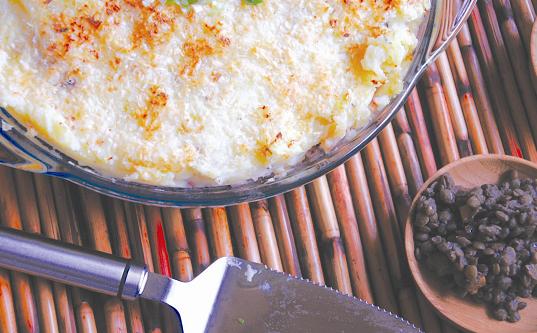
Oil

Appetite: A tale of two (French) bistros

0

On a cozy winter’s night (admittedly not forefront in anyone’s mind given the weekend we just had), French bistro fare becomes supreme comfort food. Whether it’s a cassoulet of duck confit, white beans, and sausage or a steaming bowl of les moules with a side of frites, the French are masters of satiation. While my favorite bistros in the city remain Chapeau and L’Ardoise, recent visits to two provided gourmet sustenance with authentic French cheer. P.S. They are both taking Valentine’s Day reservations…


CHEZ PAPA BISTROT

On a corner space atop Potrero Hill, with views of our fair city twinkling below, the French bistro vibe here borders on magical when the friendly staff and owner welcome you in. I used to dine here years back when my then-to-be husband lived in the neighborhood. We especially enjoyed going for mussels ($14) and frites ($5) with a glass of wine, even if general dishes were not overly memorable. I’d still say the highlight of the place is its French joie de vivre. With new chef Shawn Paul on board – veteran of everywhere from The French Laundry to 1300 on Fillmore ), French classics and Chez Papa stand-bys remain strong. Les moules come in four classic interpretations, including garlic, parsley, and white wine, or perked up by Spanish chorizo with roasted bell pepper and parsley. Chef Paul sweetens seared Sonoma foie gras ($17) with blackberry-ginger compote and blackberry gastrique. Where I best witnessed his promise was in an amuse bouche of plump shrimp on celery root puree. Pesto, tomato, and truffle oil imbued it with a spirit reminiscent of classic shrimp remoulade in New Orleans.

1401 18th St., SF. (415) 824-8205, www.chezpapasf.com


BISTRO CENTRAL PARC

Bistro Central Parc opened at the beginning of 2010 and swiftly became NoPa and Western Addition’s favorite French bistro. Owner Jacques Manuera transports the relaxed spirit of his home in Strasbourg, France (on the Eastern border of the country) to this straightforward space — he also ran the kitchen in SF’s Baker Street Bistro for 18 years. Bistro Central Parc maintains a similar feel with classic French menu of escargots, French onion soup, mussels, cassoulet, and duck confit. Chef de cuisine Nicolas Jardin experiments with entrees like risotto in a lobster sauce ($19), which he forms into a circle with four seared scallops on top. A beef tournedos rossini special ($28), high-priced for a neighborhood bistro, is decadantly rich layered with foie gras and crispy parsnips atop potato gratin, swimming in a dessert-like port wine sauce. But not every dish is high on the fat quotient. Salads are full of fresh greens — or in the case of the frisee, housing a poached egg. Pair with a glass of Pouilly-Fuissé and call it a night.

560 Central, SF. (415) 931-7272, www.bistrocentralparc.com


— Subscribe to Virgina’s twice monthly newsletter, The Perfect Spot


Deconstructing Cinderella, deconstructing La Llorona

1

They say you shouldn’t judge a person until you’ve walked a mile in their shoes. Ana Teresa Fernandez, the featured artist in Galería de la Raza’s upcoming video exhibition “La Llarona Unfabled,” (opening Sat/12) has obliged in regards to that feminist foil, Cinderella. For her video installation, Fernandez spent hours standing wearing a melting pair of “glass slippers” made of ice on a dirty West Oakland street. The experience, she feels, left her more than qualified to criticize the social constructs embodied by fairy tale’s scullery maid-cum-princess.

Originally conceived by Galería’s executive director Carolina Ponce de León, “La Llorona Unfabled” will include work from four other artists: Monica Enriquez-Enriquez, Geraldine Lozano, Rosario Sotelo, and Tanya Vlach. The five will respond to issues of gender, class, identity, and migration in an effort to re-craft cultural narratives into feminist and Latina perspectives.

Which is not to say the exhibition won’t speak to all women. “It isn’t about brown, white, rich, poor,” Fernandez affirms. “It is about the self, learning to find your true voice and talents and making that voice the thing which sustains you in life.”

In her art, Fernandez uses lessons from her own life to challenge feminine mythologies — from the Mexican folktale of La Llorona, the weeping woman, to the story of Cinderella –  to “show little girls that they can be the protagonists of their own stories,” she says. Born in Tampico, Mexico, Fernandez was recruited by San Francisco Art Institute with a full scholarship – an opportunity that she met with amazement, and which enabled her to do the art she loves for a living. But Fernandez didn’t have a Prince Charming to make her dreams come true, or a fairy godmother for that matter. For that, she had to rely on talent, hard work and a passion for subverting the macho norms of classic art.

Growing up, the artist experienced very clear ideas about where women belonged. Her mother, a runner, was chastised for wearing short-shorts and sneaking out of the house to race with men. Ana, also an athlete, broke four national swimming records by the time she was eight. “They had to train me with the boys,” she recalls. Now 29, the artist has traveled the world but still feels that by supporting herself through painting, she is swimming against the current.  

Like many children in Mexico, Fernandez grew up hearing the story of La Llorona, the colonial-era fable of a beautiful peasant girl who is abandoned by her noble (read: white) husband.  She drowns her two children, and then herself in the river and is condemned to forever wander its banks, wailing for her lost sons. To Fernandez, the story was a clear message that a woman need to rescued by a man or else face a life of desperation. “What’s that game?” she asks, snapping her fingers. “Old Maid. If you’re not chosen, you’re nobody.” 

Even as the child of educated parents from a big city, Fernandez feels she has to fight the story’s notions of class and race, isolation and empowerment. “There is something to be said about changing the incredible enlaid guilt of how you must act or what you must do as a woman where I grew up – which sounds so incredibly old-fashioned.” 

Inspired by the “strong, elegant women” of her childhood, Fernandez’s paintings – the body of her artistic work up til now – balance the sensuality of the female body with the constrictions that work and fashion place upon it. In “Siren’s Shadow,” a woman swims in a cocktail dress and heels, literally dragged down by those conventional symbols of femininity. In the “La Llorona”  show, these same themes are explored through video and performance art, with water taking on additional meaning as a symbol of La Llorona, weeping endlessly into the river.

“Siren’s Shadow” by Ana Teresa Fernandez 

With the added dimension of time that video brings to Fernandez’s work, its dismantling of the ideals of femininity encoded in myth and art is shown more dynamically. As she stands over sewage in her ice shoes cast from the exaggerated stilettos worn by exotic dancers, waiting for her prince to come, Fernandez’s “glass slippers” and the mythology they imply literally melt away. 

Fernandez is reluctant to align herself with the tradition of Chicana painters working in San Francisco. Her paintings are a far cry from the bold, primary colors of Mujeres Muralistas, the Mission’s famous group of female street artists who lit up Balmy Alley. While she says the Mission feels like her “home away from home,” with its pockets of Mexican culture, Fernandez admits that her work relates more to the European masters and is “much more influenced by male painters.”

Which seems a little incongruous, given her subject material, but Fernandez argues that the virtuosic style of her painting is in itself a subversion, given that the role of the virtuoso painter wasn’t always available to women. Many female artists, especially Latina artists, committed “rebellious acts” against virtuosic tradition in order to get noticed, creating Kahlo-like fantasy worlds rather than create art in the patriarchal classical vein. 

By contrast, Fernandez’s figures, richly constructed out of layers of oil on canvas, glow with heat and realism. “Michelangelo and Botticelli and Brunelleschi were all men that fascinated me,” she says. 

In fact, to someone not paying attention, the muscled, sculptural bodies in Fernandez’s work may not seem so different from the sexualized objects they are meant to replace. But “hyper-sensuality is not the same as sexuality – it oozes, rather than blurts out,” she explains. “It’s quieter, it lingers longer. That’s what I try to play with.” 

She hopes to balance the tradition by adding a female voice without compromising the work’s aesthetic qualities. “In painting women have always been interpreted by men.” As in her life, in her art Fernandez chooses not to retreat into the realm assigned to her by men. She would rather beat them at their own game.


“La Llorona Unfabled: Stories to (Re)Tell to Little Girls”

Artist Talk Sat/12, 2-4 p.m., free

Opening Reception Sat/12, 7:30 p.m., free

Through April 16

La Galería de la Raza

2857 24th St., SF

(415) 826-8009

www.galeriadelaraza.org


Editor’s Notes

1

You want a really bleak picture of the politics of California today? Check out the recent comments of Dan Schnur, GOP political consultant and director of the Jesse Unrush Institute for Politics at the University of Southern California.

In an interview with the Los Angeles Times, Schnur discussed the disconnect between image and reality in this state: "Cut $1 billion out of Medi-Cal and most voters won’t notice," he said. "Take away some cell phones and make legislators sit on a picnic bench, and they pay attention."

Yeah, he’s a Republican who worked for the likes of George W. Bush and John McCain, but his point, while politically sick and wrong, is also sadly accurate. How much money will the state save by getting rid of 48,000 cell phones? About $20 million a year. That’s 0.08 percent of the state’s budget shortfall. What did Brown save by replacing a boardroom-style conference table in his office with a glorified picnic table? Probably a few thousand dollars. How much does the state continue to lose every year to the utter waste of corporate tax breaks? How much could we bring in with an oil-severance tax? Well into the multiple billions.

What got all the press? Jerry’s picnic table and cell phone crackdown.

I’m not against either of those moves. In tough times, it’s important to set the standards at the top, and living cheap and avoiding the imperial trappings of public office is a great way to instill voter confidence. And anything Brown can do to convince the voters that he’s serious about cutting waste — and that they can trust him enough with their money that they should vote yes on his tax plan — can only be good.

But it all seems so silly and shallow.

The truth is, when you cut Medi-Cal, people die. You can’t prove that any specific cut killed any individual, and most of them are poor anyway and the major media don’t make a big fuss every time a poor person dies. It’s not as sexy as some Caltrans worker having to give up a cell phone.

I think I’m going to throw up now.

Mayor Lee and Big Pharma

0

EDITORIAL A piece of simple, logical legislation that would protect San Francisco consumers, public safety, and the environment appears headed for the desk of Mayor Ed Lee — and his signature would be the first clear sign that he’s not going to let powerful lobbyists (or the legacy of Gavin Newsom) guide his decisions.

The bill, by Sup. Ross Mirkarimi, would establish several secure places where people can drop off unused, unwanted, or expired pharmaceuticals for safe disposal. It seems so simple: every year, huge amounts of prescription meds are flushed down toilets or left around in medicine cabinets or drawers in the city. As much as one-third of all medicine purchased in the country is never used. The stuff that goes down the drain already has had a proven impact on aquatic life; the pills that never get thrown away are a hazard, particularly in households with small children.

But under current law, the only safe way to get rid of old meds is to return them to a pharmacy — and pay a fee. The cost of returning old drugs is enough of a deterrent that most consumers don’t bother.

If you have used motor oil in California, you can drop off and recycle it free. Many hardware stores recycle old batteries, light bulbs, and paint. Computer makers have to pay for recycling their products. Why can’t the city mandate the same rules for medication?

The easy answer: because it would cost about $200,000 a year to set up drop-off sites in drug stores and police stations — and the pharmaceutical industry doesn’t want to pay.

It’s a trivial amount of money, a fraction of what the industry spends on lobbying. In fact, with Big Pharma lobbyists from Washington and Sacramento crawling all over City Hall to block the Mirkarimi bill, it’s possible that the drug companies have already spent more fighting the legislation than it would cost to implement it.

The bill would charge companies that sell pharmaceuticals in the city a very modest fee to pay for the drop-off program. Similar programs in other places (San Mateo County, Washington State) have been highly successful — but nobody yet has asked the companies that make billions of dollars selling these products to underwrite the cost. San Francisco would be the first.

The San Francisco Chamber of Commerce has been fighting hard against the measure, claiming it would discourage biotech firms from investing in the city. That’s a huge stretch, but the chamber’s lobbying had an impact. When the measure came up at the end of 2010, four supervisors — Sean Elsbernd, Carmen Chu, Michela Alioto-Pier, and Bevan Dufty — voted with the Chamber and Big Pharma. So the bill would not have survived a Newsom veto.

But thanks to the oddities of scheduling, the legislation comes up for second reading Jan. 25, giving the new board a chance to weigh in. That will be a test for the new supervisors, but Mirkarimi is confident he’s got the six votes to give the measure final approval.

Then it goes to Lee. And if he can stand up to the chamber and the misinformation campaign from Big Pharma and sign the measure, he’ll not only help San Francisco take a national stand on an important consumer and environmental issue, he’ll also demonstrate that he’s not going to fall in line the way Newsom did every time downtown calls.

Mission Chinese Food at Lung Shan

3

paulr@sfbg.com

DINE As a rule, I am wary of restaurants where you order items by the number — especially when the numbers run into the hundreds. You start to think it’s like an automotive plant back there in the kitchen, where they’re slapping on option groups (fog lamps, alloy wheels, a leather-wrapped steering wheel) according to some big book of codes. Of course restaurant kitchens are like factories — are factories — we all know this, but there is such a thing as too much choice and too much process, even in America. I’m not sure anyone truly needs, or even wants, DishTV’s 500-plus channels, or a restaurant menu that has to be printed on several folios, like a poetry chapbook.

Chinese restaurants are notable, in my experience, for being more likely than other kinds of restaurants to offer a far greater number of dishes than any restaurant kitchen could be expected to cook with attentive passion, but a notable exception is Mission Chinese Food at Lung Shan. On any given night — even a cold weeknight — you might think you’ve stumbled on a crowd of people waiting to audition for “Brooklyn: The Musical.” Every hipster for miles around seems to be wedged into the dining room waiting for a table. It is a veritable hipsterama, and I mean this in the best possible way.

Hipsters have a certain reputation for shunning math — or is that meth? — and (perhaps because of being raised in a culture of shopping-mall vapidity) show a craving for any validating experience that can be described with the adjective “street.” So maybe their massive presence here is a response to the street-food menu, which numbers just a few dozen items. Or maybe they just know good food, at a good price, when they find it. There is plenty of agreeably mediocre Chinese food to be had in San Francisco, but not at MCF. The cooking here is clever and forceful, and it’s also gently incendiary. This is the kind of food that makes your nose run. You can also get Chinese beer for $3 a bottle; as Bart Simpson once put it after agreeing to let the vet spay Homer and give him a flea bath for $20, “shop around, you can’t beat that price!”

Even the cold items carry a chili charge. Tiger salad, for instance ($7) — an irresistible name; who could resist having it? — consisted of four squat pillars of herbed lettuces, red perilla (a kind of shiso leaf), and roasted seaweed in a puddle of chili oil, as if the plate’s previous tenant had been some greasy chorizo. But even with all the exhilarating heat, even cold heat, you soon understand that this is Chinese-influenced cooking, not Chinese cooking.

Salt cod fried rice ($10), for example, sounds like something the Vikings might have cooked up ago while sailing across the north Atlantic. Despite the fancy emendations, including confit of escolar, the dish seemed very much like other fried rice dishes you’d find around town, with little rounds of Chinese sausage, like a sliced-up red pencil, lending a defining presence, along with scallion for color contrast.

The menu’s signature dish could well be the sizzling cumin lamb ($12.50), served on a sizzling iron platter that keeps gently cooking the onion slivers and slices of jalapeño pepper as you pluck out chunks of the highly scented lamb. The meat is from the belly and is therefore quite fatty; it takes the form of jointed spindles whose two arms are glued together by the melted fat. It is rich, intensely perfumed, spicy-hot, and (for an auditory thrill) actually sizzling. We could not ask more from any meat dish.

Still, after working your way through a plate of such weighty food, a bit of relaxation would be in order — a bath, say, in a broad bowl of broth filled with pork dumplings ($10). The steam itself was — a kind of pork aromatherapy — and there was a strong temptation to put towels over our heads and hold our faces in the steam flow.

Lung Shan’s street face is about as prosaic as it gets. It doesn’t look to have been freshened for decades and gives no hint of the crowd that gathers there when the sun goes down. But thrill-seekers know that there’s no thrill quite so thrilling as the unadvertised one.

MISSION CHINESE FOOD AT LUNG SHAN

Thurs.–Tues., 11:30 a.m.–10:30 p.m.

2234 Mission, SF

(415) 863-2800

www.missionchinesefood.com

Beer and wine

AE/DS/MC/V

Loud

Wheelchair accessible

Editorial: A timely test for new Mayor Ed Lee and four new supervisors

0

B3 Impertinent Question:  And so we have a timely test for the new mayor and the four new supervisors.  Will they support good consumer and environmental legislation, setting a major national precedent, or will they do a Newsom and go with the Chamber of Commerce  and Big Pharma lobbyists from Washington, D.C., dispatched to City Hall to kill this bill?


Mayor Lee and Big Pharma

EDITORIAL A piece of simple, logical legislation that would protect San Francisco consumers, public safety, and the environment appears headed for the desk of Mayor Ed Lee — and his signature would be the first clear sign that he’s not going to let powerful lobbyists (or the legacy of Gavin Newsom) guide his decisions.

The bill, by Sup. Ross Mirkarimi, would establish several secure places where people can drop off unused, unwanted, or expired pharmaceuticals for safe disposal. It seems so simple: every year, huge amounts of prescription meds are flushed down toilets or left around in medicine cabinets or drawers in the city. As much as one-third of all medicine purchased in the country is never used. The stuff that goes down the drain already has had a proven impact on aquatic life; the pills that never get thrown away are a hazard, particularly in households with small children.

But under current law, the only safe way to get rid of old meds is to return them to a pharmacy — and pay a fee. The cost of returning old drugs is enough of a deterrent that most consumers don’t bother.

If you have used motor oil in California, you can drop off and recycle it free. Many hardware stores recycle old batteries, light bulbs, and paint. Computer makers have to pay for recycling their products. Why can’t the city mandate the same rules for medication?

The easy answer: because it would cost about $200,000 a year to set up drop-off sites in drug stores and police stations — and the pharmaceutical industry doesn’t want to pay.

It’s a trivial amount of money, a fraction of what the industry spends on lobbying. In fact, with Big Pharma lobbyists from Washington and Sacramento crawling all over City Hall to block the Mirkarimi bill, it’s possible that the drug companies have already spent more fighting the legislation than it would cost to implement it.

The bill would charge companies that sell pharmaceuticals in the city a very modest fee to pay for the drop-off program. Similar programs in other places (San Mateo County, Washington State) have been highly successful — but nobody yet has asked the companies that make billions of dollars selling these products to underwrite the cost. San Francisco would be the first.

The San Francisco Chamber of Commerce has been fighting hard against the measure, claiming it would discourage biotech firms from investing in the city. That’s a huge stretch, but the chamber’s lobbying had an impact. When the measure came up at the end of 2010, four supervisors — Sean Elsbernd, Carmen Chu, Michela Alioto-Pier, and Bevan Dufty — voted with the Chamber and Big Pharma. So the bill would not have survived a Newsom veto.

But thanks to the oddities of scheduling, the legislation comes up for second reading Jan. 25, giving the new board a chance to weigh in. That will be a test for the new supervisors, but Mirkarimi is confident he’s got the six votes to give the measure final approval.

Then it goes to Lee. And if he can stand up to the chamber and the misinformation campaign from Big Pharma and sign the measure, he’ll not only help San Francisco take a national stand on an important consumer and environmental issue, he’ll also demonstrate that he’s not going to fall in line the way Newsom did every time downtown calls.


Appetite: Catching our Fancy

0

Fancy Food, the largest showcase of specialty foods in North America (held annually in NYC and SF) returned to the Moscone Center. Again this week I explored thousands of products from around the world, with only the limits of my stomach to slow me after hours of sampling.

Fancy Food showcases trends in food, which there’s been much talk of this week already. I didn’t notice many major differences from last year, but saw a welcome increase in spirits vendors (though still merely a handful) and a continued proliferation of healthy, organic, low calorie (therefore sometimes tasteless) products. I was impressed by Teatulia out of Denver and their completely compostable wrappers and packaging. Their clean, 100% organic teas are grown in Bangladesh, subtle but full in flavor. I also took note of Philippe Padovani of Padovani Chocolates‘ sultry chocolates, in flavors ranging from apple banana ganache to lilikoi soft caramel.

Here’s my coverage from last year, and my stand-outs this year:

SPIRITS

Sinai Mezcal – Probably the best taste of the day for this spirits lover was Sinai Mezcal, a tiny, under-the-radar mezcal that, despite tasting numerous brands, is the first to really excite me since Del Maguey. Whether Blanco, Reposado or Anejo, each is smoky, clean with slate and agave. Don’t mind the low budget labels… it’s all in the taste. They need a US distributor (hello, anyone?) At the very least, it should be on the shelf at Tommy‘s.

Velho Barreiro – One of the most popular cachaca brands in Brazil, this bright sugarcane spirit tantalized in a well-made Caipirinha but also stood on its own, whether the traditional Velho Barreiro or Gold (aged) version.

FOOD

La Tourangelle Oils – Based out of Richmond, CA, it’s no surprise these memorable oils are local. La Tourangelle‘s peanut, pistachio, sesame, white & black truffle, and avocado oils are superior to average brands, but their latest releases especially wow: Thai Wok Oil exudes lemongrass and basil essences, while Pan Asian Stir Fry Oil is layered with garlic, ginger, fried onion. You can purchase at Whole Foods, Andronico’s and Williams Sonoma, to name a few.

Rumba Dessert’s Ice Creams
– I’d seen Rumba before, but had not been able to try as many of its products as I did here. Whether creamy banana & cinnamon, tart passion fruit ‘maracuya’ or caramel-y lucuma (a tropical Peruvian fruit), I appreciate the robust flavor and care evident in these ice creams.  Rumba’s husband/wife team are delightfully engaging (wife, Laly Protzel is president and creates the recipes, while her husband assists with marketing and business). Find Rumba at Noe Valley Whole Foods and RJ’s Market in the Rincon Center, not to mention around the Bay Area.

Tahitian Gold Vanilla Products
Tahitian Gold is an elegantly-packaged line of vanilla products based out of Torrance, CA. Going the 100% natural route, they use a range of beans to create an intense vanilla bean paste, refined extracts for cooking, Tahitian vanilla sugar and fleur de sel. The look and quality is among the best I’ve seen in the vanilla world.

GlopGlop may not exactly sound appetizing, but it’s a playful spread of Parmesan and Asiago cheeses, olive oil, garlic, herbs and spices. It’s another Bay Area-based company — and the exciting part is they’re working with one of my very favorite chefs, Aziza’s Mourad Lahlaou, who has created sauces and dips they are hoping to sell further into the year. I especially like smoky harissa, chickpea and yogurt herb.

Yarra Valley Dairy’s Marinated Feta – From Australia, Yara Valley Dairy’s (http://www.yvd.com.au/) creamy feta pops with flavors of herbs in uber-fresh cheese. Handmade on the farm, it’s an elegant (and addictive) snack.

Crispy Green & Fruitzio – Usually a long list that includes gluten free, dairy free, vegan, nut free, means I’m not going to like it. In the case of a little bag of freeze-dried fruit from Crispy Green and Fruitzio, I’m pleased at just how edible the product is. Stand-outs were freeze-dried pineapple, banana and kiwi. It’s one of those guiltless snacks that doesn’t compromise flavor. Here’s where to find it.

COFFEE

Malabar Gold Supreme from Josuma Coffee Company – Kudos for a shiny, silver espresso machine calling me like a beacon and perfect espresso preparation of Malabar Gold from Josuma, based in Menlo Park. They sell their beans mainly to cafes or restaurants though are seeking retailers. The crema atop their espresso glows a warm, velvet brown, while the flavor awakens you with robust, elegant force.

Caffe Barbera – From Naples, Italy, Caffe Barbera, a fifth generation coffee company since 1870, likewise served a supreme shot from their gold espresso machine.

–Subscribe to Virgina’s twice-monthly newsletter, The Perfect Spot

Moya

5

paulr@sfbg.com

DINE Many of the city’s Ethiopian restaurants are to be found in the Western Addition (on or near Divisadero Street) and in the Inner Sunset, so to find one, Moya, blooming in SoMa is an unexpected pleasure. The rush of Internet Age money into the neighborhoods south of Market Street in recent years has been a fast-rising tide that can be said to have lifted all boats only if by boats we mean yachts. But if by boats we mean boats, then some swamping has occurred. The area isn’t yet devoid of modest, high-value restaurants, but the trend has bent strongly in the direction of pricey new places, from Prospect in the east to Bar Agricole in the once-forlorn west.

The foods of Ethiopia seem a little underappreciated on these shores. The cooking is as gratifyingly spiced as that from the other side of the Indian Ocean. But while Indian cuisine has found a sort of vogue here, perhaps because of the influx of so many software engineers, Ethiopian cuisine has not.

Yet neglect isn’t always and entirely a bad thing. It can help preserve a certain integrity and authenticity. At Moya (which opened last summer), the look is big-city modern, with high ceilings, a floor handsomely laid with rough tiles the color of sandstone, and walls washed with a butter color. The place looks fresh and clean, and the kitchen is half out in the open, which lends a reassuring transparency to things. There is nothing quite like being able to see the people who make your food actually making it.

But at heart, it’s very much a mom-is-cooking operation. The ayb, a kind of cottage cheese, is house-made according to a family recipe. You can order the cheese as a side, for $4, and it’s also served with the kitfo ($14), a kind of spicy, tataki-ized steak tartare — steak tartake? More on the beef in a moment, but as for the cheese: it was more creamy than chunky, almost like a relation of mascarpone but with a fresh sourness that led me to ask our server whether lemon juice had been substituted for rennet as the curdling agent. The answer was indefinite, which might mean I hadn’t put the question clearly or had stumbled on a trade secret. But the cheese did strongly remind me of a simple fresh white cheese I’ve sometimes made myself (using lemon juice squeezed into scalded milk) for the Indian spinach dish saag paneer.

The other lovely element of sourness in the food involves injera, the bread (made from a grain called teff,) that resembles a cross between sponge cake and sourdough. You could make a savory bûche de Noël from it. At Moya. as at all the Ethiopian and Eritrean places I’ve been to, injera is ubiquitous, whether laid out as a kind of mat for other items to rest on; rolled up like fresh lavash and set beside a rounded cone of green lentils — azifa ($5) — strongly seasoned with red onions, garlic, lemon, chilis, and olive oil or torn up and tossed with tomatoes, green peppers, onions, and a garlicky vinaigrette for ye timatim fit fit ($4), a sort of east African panzanella.

The kitchen’s seasoning hand is a robust one, whether the animating ingredient is garlic (the ye timatim fit fit should come with a whole coffee bean or two for each diner, to chew away garlic breath, which becomes particularly lethal the morning after), or hot pepper. We were consulted on how hot we wanted the kitfo and ye doro tibs ($12), chunks of boneless chicken sautéed in clarified butter with berberé, (the traditional Ethiopian chili powder), onions, garlic, tomato, and herbs. When told that hot was quite hot, we said medium and hoped for the best. But medium turned out to be what most places would call hot. I like spicy food, and I found the tingling afterglow of the berberé to be a distinct pleasure. But mild wouldn’t be a bad default choice for those in doubt.

As is customary, the main courses were piled together onto a platter lined with injera, and a well-dressed chopped salad dotted with tomato quarters were heaped at either end. The salad was both decorative and cooling, while the injera rug, of course, was ripped to shreds that served as little finger-operated grabbing devices. The atavistic satisfaction of tearing something up and then eating it reminds us of how close to being uncivilized we are, really, even in such civilized surroundings.

MOYA

Dinner: nightly, 5–9 p.m.

Lunch: Mon.–Fri., 11:30 a.m.–3 p.m.; Sat., noon–3 p.m.

1044 Folsom, SF

(415) 431-5544

www.eatmoya.com

No alcohol

Cash only

Not particularly noisy

Wheelchair accessible

2010 Offies!

0

tredmond@sfbg.com

When a major conservative political movement starts using a name that typically refers to the act of scrotal fellatio, you know it’s morning again in America. In 2010, the teabaggers came home. They nominated candidates who think masturbation is selfish and wonder why monkeys aren’t still evolving into humans. They held rallies urging the government to “get out of my Medicare,” which happens to be a government program. Their leaders praised dictators and urged women who had been raped to look at the bright side of things.

And those were just the headlines.

It’s hard to imagine a year that could be worse than 2010 — but it was a great vintage for the Offies.

Presenting the Off Guard awards for the silliest, most insane, and absolute worst of the year that was.

AND SHE FIGURES IF WE ARREST EVERYONE WITH BROWN SKIN, WE CAN FINALLY GET THIS SORT OF BEHAVIOR UNDER CONTROL

Arizona Governor Jan Brewer told reporters that illegal immigration resulted in beheadings in the desert.

BUT AS LONG AS YOU DON’T TOUCH YOURSELF WHEN YOU THINK OF THE DEVIL, IT’S GOING TO BE OKAY

Christine O’Donnell, the Republican candidate for Senate in Delaware who decried masturbation as a “selfish act,” said she only dabbled in witchcraft and had just one date on a satanic altar.

EXCEPT THAT WE ALREADY ARE, AND WE ALREADY ARE

Jerry Brown said he opposed the state’s marijuana legalization measure because “we can’t compete with China if we’re all stoned.”

LOOK BUSY

A Pew Research Center poll showed that 41 percent of Americans think Jesus will return in the next 40 years.

HEY, IF WE’D JUST CREATED THE WORST ENVIRONMENTAL DISASTER OF THE DECADE, WE’D WANT A LITTLE BREAK, TOO

A few days after the worst oil spill in U.S. history, BP Chief Executive Tony Hayward complained that he wanted his life back.

BUT HE SWEARS HE’LL STOP AT BEHEADINGS

Insurance Commissioner Steve Poizner said if he were governor he’d give the National Guard live ammunition to shoot at immigrants on the border.

AFTER ALL, IF THEY’RE NOT IN AN AIRPLANE, THEY CAN’T DO ANY DAMAGE

GOP Senate candidate Carly Fiorina said that people on the federal no-fly list should have the right to own guns.

OOH, WHEN YOU TALK TOUGH LIKE THAT YOU ALMOST SOUND LIKE SOMEONE WHO COULD STAND UP TO THE REPUBLICANS. OR MAYBE NOT

President Obama asked whose ass he should kick at BP.

IT’S OKAY, THOUGH, AS LONG AS THEY WEREN’T ENGAGING IN ANY SELFISH ACTS

Staffers at the Securities and Exchange Commission got caught spending as much as eight hours a day downloading porn at the office.

AND SOMETIMES GOP CANDIDATES ARE NITWITS

Nevada GOP Senate candidate Sharron Angle praised Chilean dictator Augusto Pinochet for his efforts to privatize that country’s retirement system, saying “sometimes dictators have good ideas.”

YEAH, COME ON, WHY CAN’T YOU LOOK AT THE BRIGHT SIDE OF THINGS?

Sharron Angle said that women who have become pregnant as the result of rape or incest should “turn lemons into lemonade.”

DAMN GUMMINT TRYING TO INTERFERE WITH PRIVATE BIDNESS

GOP Congressman Joe Barton of Texas apologized to BP for a White House “shakedown.”

YES, AS A MATTER OF FACT I DO OWN THE WHOLE GODDAM SCHOOL

Meg Whitman’s son threw softball equipment over a fence to kick a group of computer science and physics students off the Princeton rugby field.

NICE, SINCE THOSE GROUPS ALL GOT ALONG SO WELL

GOP Senate candidate Chuck DeVore compared Palestinian activists to Nazis, Fascists, and Communists.

AND OF COURSE, THAT WORKS SO WELL WITH MODERN MANAGED CARE

Nevada banned chicken costumes from the polls after Nevada Senate candidate Sue Lowden said that people should barter with doctors for health care the way “our grandparents would bring a chicken to the doctor.”

ANOTHER GREAT MOMENT IN THEOLOGY FROM THE MAN WHO BROUGHT YOU THE PEDOPHILE PRIEST COVER UP

Pope Benedict said it was okay for male prostitutes to wear condoms.

SO HE’S GOT THAT GOING FOR HIM. WHICH IS NICE

Formerly classified State Department cables revealed that the premier of Korea is still an excellent drinker.

ACTUALLY, THEY TOOK ONE LOOK AT THE TEA PARTY AND DECIDED THEY WERE BETTER OFF AS THEY ARE

Senate candidate Christine O’Donnell said that evolution was a myth; after all, she wondered, “why aren’t monkeys still evolving into humans?”

THE CHURCH HAS ALWAYS BEEN KNOWN FOR ITS SENSE OF PERSPECTIVE

The Vatican announced that the ordination of women and the abuse of children were both “grave crimes.”

THAT’S OKAY, IT WILL LOOK GOOD ON HIS RESUME

Gavin Newsom decided to run for lieutenant governor after saying he didn’t know what the job was.

YOUR TAX DOLLARS AT WORK, CIA EDITION

The United States held high-level negotiations with a supposedly senior Taliban operative who turned out to be a Pakistani shopkeeper.

BUT WAIT — HOW WILL WE KNOW IF WE’RE SUPPOSED TO WORRY OR NOT?

The Department of Homeland Security abandoned color-coded safety alerts.

THE INTELLIGENCE AND CULTURAL TASTE OF THE AMERICAN PEOPLE IS SIMPLY STAGGERING

Sarah Palin’s daughter, Bristol, made it to the final round of Dancing with the Stars.

WHICH MAKES HIM ENTIRELY QUALIFIED TO SERVE AS A REPUBLICAN POLITICIAN

Dan Quayle’s son ran for Congress in Arizona and admitted that he had been posting on “dirty Scottsdale” under the name of Brock Landers, a sidekick to porn star Dirk Diggler.

IS HE ONE OF THE NAZI FASCIST COMMUNISTS, TOO?

Rand Paul said Obama’s criticism of BP was “un-American.”

WAIT — WAS THAT A BROWN ALERT?

The California Highway Patrol shut down its South Lake Tahoe office after officers found an anal vibrator and thought it was a bomb.

HONESTY IS JUST PART OF THE PROCESS OF RECOVERY

Tiger Woods admitted that he sucked.

EXCEPT THAT IT MOSTLY BENEFITS THE INSURANCE INDUSTRY

Vice President Joe Biden called the health reform bill “a big fucking deal.”

IT’S THOSE CUTE WOODEN SHOES, YOU SEE

NATO Commander John Sheehan said Dutch soldiers were too gay.

DAMN, AND HE’S SUCH AN ATTRACTIVE MAN. I’M SURE THE TSA FOLKS WERE REALLY LOOKING FORWARD TO IT

John Tyner told Transportation Security Administration officials in San Diego that if “you touch my junk, I’ll have you arrested.”

AND HE WASN’T EVEN TALKING ABOUT HER

Sarah Palin demanded that Rahm Emanuel apologize for using the term “fucking retarded.”


SINCE WE ALL KNOW THOSE PEOPLE DON’T KNOW HOW TO SPEAK IN PUBLIC

MSNBC Host Chris Matthews was so excited by an Obama speech that he said he “forgot he was black.”

THE CUSTOMER IS ALWAYS RIGHT

Pacific Gas & Electric Co. spent $50 million on a ballot initiative to stop public power, and lost after getting soundly defeated in every county where the utility has customers.

YOU MAY BE PART OF THE FAMILY, BUT WHEN IT COMES TO MY POLITICAL CAREER, HONEY, YOU’RE OUT THE DOOR

Meg Whitman fired her housekeeper when she found out she was in the country illegally.

BUT THEY’RE ALIKE ANYWAY, RIGHT?

Sharron Angle defended a campaign ad depicting menacing-looking Hispanic men by telling members of the Hispanic Student Union at the University of Nevada, Las Vegas that many of the members looked Asian.

OF COURSE, SHE SKIPPED THE FIRST FEW AMENDMENTS — BOOORING!

Christine O’Donnell said she couldn’t find anything about the separation of church and state in the Constitution.

BECAUSE IN A FIREFIGHT, THE FIRST THING ANYONE WOULD BE THINKING ABOUT IS HIS SERGEANT’S CUTE ASS

Sen. John McCain said he opposed ending “don’t ask, don’t tell,” talked about all the soldiers and Marines who lost limbs, and said that “when your life is on the line, you don’t want anything distracting.”

SINCE WE ALL KNOW THAT HEALTH INSURANCE MAKES YOUR PEE SMELL FUNNY

Federal judge Henry Hudson asked Obama administration officials whether the new health care plan was similar to forcing all Americans to eat asparagus.

SO IT’S JUST AS WELL THOSE PEOPLE ON THE NO-FLY LIST HAVE THE RIGHT TO KEEP AND BEAR ARMS

Sharron Angle said that the Obama administration’s policies might require “Second Amendment solutions.”

IT’S PERFECTLY FINE FOR HOMOSEXUALS TO ATTEND MARRIAGE CEREMONIES, AS LONG AS THEY’RE JUST THE HIRED HELP

Sir Elton John played at Rush Limbaugh’s wedding.

SURE, GREAT FUN. JUST LIKE SHOOTING YOUR FRIENDS WITH A HUNTING RIFLE

Dick Cheney said he had been a “big supporter of water boarding.”

DAMN, SUPERVISOR, THE OFFIES WILL MISS YOU

Chris Daly vowed to say “fuck” at every single board meeting in 2010.

How Brown can save California

4

EDITORIAL There are two things Gov. Jerry Brown has to do to get California back on track, and he needs to start right away. He has to restore at least a degree of public faith in state government — and he has to put a series of tax increases on the June ballot.

The first step ought to be right in the Brown playbook. The public is fed up with the secrecy, lies, machinations, and policy failures of the Schwarzenegger administration, and Brown can start off by telling people the truth. The budget situation is frightening; it can’t all be solved by cuts without destroying the state of California as we know it. But it also requires an understanding that the taxpayers don’t want to see their money wasted.

Brown has done the right thing by offering to cut his own staff by 25 percent and by denouncing the demands of the highest-paid University of California staffers who want even larger pensions. He might also take a look at some of the outmoded, expensive commissions in the state (do we really need a 21-member California Film Commission?) None of these are big money-savers, and none address the budget crisis in any meaningful way. But they’ll show that Brown’s cautious with a buck.

Then he needs to tell the voters that the state does, indeed, have a revenue problem, not just a spending problem. And he should start right away with a blue-ribbon panel of tax experts to look at what reforms ought to go on the June ballot.

It’s crazy to say that solving a $28 billion budget shortfall is easy, but a few basic changes could go a very long way to balancing the books. If the voters approve an oil severance tax (something every other oil-producing state in the nation has), an end to the commercial property loophole in Prop. 13, and the restoration of the vehicle license fee that Arnold Schwarzenegger abolished, the state would be about $10 billion richer. A modest increase in the income tax on the very richest Californians would add a few billion more. And suddenly the problem wouldn’t look so insurmountable.

Brown has an advantage: he’s taking over for a terribly unpopular governor. He will be able to work with a Legislature that now has the ability to pass a budget with a simple majority. And while his victory in November was hardly a landslide, it was substantial enough that he’s got a valid mandate for change.

He and the legislative leaders should adopt a budget that includes the expected revenue from a June tax package — and then offer an alternative budget that doesn’t. Give the voters a clear choice. Do they want to eliminate hundreds of public schools, raise elementary school class sizes to 40, shut down a couple of University of California campuses, shutter the state parks, and let 30,000 prisoners go free? Of do they want the oil companies and the richest Californians to pay a little bit more to keep the state functioning?

Brown can make history this spring. The passage of Prop. 13, during his last term as governor, set off a nationwide tax-cutting frenzy that’s damaged the entire country. By pushing back just a little bit, and demanding a little bit of tax fairness, he can demonstrate that California is still a leader in progressive public policy.

He’ll have to put his political capital, his credibility, and all the money he can raise behind the effort. If he doesn’t, his administration, and the state, will be a total failure.

Editorial: How Brown can save California

0

There are two things Gov. Jerry Brown has to do to get California back on track, and he needs to start right away. He has to restore at least a degree of public faith in state government and he has to put a series of tax increases on the June ballot.

The first step ought to be right in the Brown playbook. The public is fed up with the secrecy, lies, machinations, and policy failures of the Schwarzenegger administration, and Brown can start off by telling people the truth. The budget situation is frightening; it can’t all be solved by cuts without destroying the state of California as we know it. But it also requires an understanding that the taxpayers don’t want to see their money wasted.

Brown has done the right thing by offering to cut his own staff by 25 percent and by denouncing the demands of the highest-paid University of California staffers who want even larger pensions. He might also take a look at some of the outmoded, expensive commissions in the state (do we really need a 21-member California Film Commission?) None of these are big money-savers, and none address the budget crisis in any meaningful way. But they’ll show that Brown’s cautious with a buck.

Then he needs to tell the voters that the state does, indeed, have a revenue problem, not just a spending problem. And he should start right away with a blue-ribbon panel of tax experts to look at what reforms ought to go on the June ballot.

It’s crazy to say that solving a $28 billion budget shortfall is easy, but a few basic changes could go a very long way to balancing the books. If the voters approve an oil severance tax (something every other oil-producing state in the nation has), an end to the commercial property loophole in Prop. 13, and the restoration of the vehicle license fee that Arnold Schwarzenegger abolished, the state would be about $10 billion richer. A modest increase in the income tax on the very richest Californians would add a few billion more. And suddenly the problem wouldn’t look so insurmountable.

Brown has an advantage: he’s taking over for a terribly unpopular governor. He will be able to work with a Legislature that now has the ability to pass a budget with a simple majority. And while his victory in November was hardly a landslide, it was substantial enough that he’s got a valid mandate for change.

He and the legislative leaders should adopt a budget that includes the expected revenue from a June tax package and then offer an alternative budget that doesn’t. Give the voters a clear choice. Do they want to eliminate hundreds of public schools, raise elementary school class sizes to 40, shut down a couple of University of California campuses, shutter the state parks, and let 30,000 prisoners go free? Of do they want the oil companies and the richest Californians to pay a little bit more to keep the state functioning?

Brown can make history this spring. The passage of Prop. 13, during his last term as governor, set off a nationwide tax-cutting frenzy that’s damaged the entire country. By pushing back just a little bit, and demanding a little bit of tax fairness, he can demonstrate that California is still a leader in progressive public policy.

He’ll have to put his political capital, his credibility, and all the money he can raise behind the effort. If he doesn’t, his administration, and the state, will be a total failure.  


Best restaurant openings of 2010, San Francisco

0

In a ridiculously rich year of new restaurant openings, the most prolific I’ve seen yet, it is harder than ever to name the top ones. There are many noteworthy places, from the “Mad Men”-esque vibe of Thermidor, to the stratospheric prices and fabulous snapping turtle veloute at Benu. Some of our best cafes (Ma’velous) and cocktail bars (Burritt Room) were added to the SF scene. Gourmet comfort food is a worn-out trend but places like Citizens Band and Grub infused it with new life.

As ever, my goal is to include cheaper and upscale openings, making it trickier to list every worthy candidate within the limits of 2010. The good news is, our already incredible dining scene only continues to explode, despite trying economic times. We have some of the most affordable, high-caliber food in the world, as Michelin Guide’s director noted. Here’s to more creativity, diversity and fine meals with good friends in 2011.

**The first 10 restaurants are in San Francisco proper — a part two highlighting the Bay Area can be found here. Restaurants are in alphabetical order.**

COMMONWEALTH. Photo by Virginia Miller

>>BAKER AND BANKER Baker and Banker technically is a 2009 opening (11/09), but I include it as an exemplary destination neighborhood restaurant. With dark brown walls and booths, the space exudes a modern, warm elegance. Husband-and-wife team, Jeff Banker and Lori Baker, get it right from start to finish with his dishes, like vadouvan curry cauliflower soup or brioche-stuffed quail in a bourbon-maple glaze, and her memorable desserts, like famed XXX triple dark chocolate layer cake (awarded a 2010 Guardian Best of the Bay) or warm pumpkin cobbler with candied pumpkin seed ice cream. Since the debut of their bakery next door, you can get Baker’s goods all day long.

>>BARBACCO Yes, Barbacco is usually obnoxiously noisy and crowded. But it improves upon its parent restaurant, Perbacco, with gourmet quality at a great value ($3-14 per dish). Reminiscent of enotecas I’ve dined in throughout Italy, heartwarming food and a thoughtful wine list make it an ideal urban trattoria. Order a glass of Lambrusco, fried brussels sprouts, and raisin/pine nut-accented pork meatballs in a tomato sugo, then marvel at the minimal bill.

>>COMMONWEALTH Anthony Myint and chef Jason Fox are re-inventing fine dining, along with a few key players in San Francisco (see Sons and Daughters below). Myint was one of the masterminds behind Mission St. Food and Mission Chinese Food, but at Commonwealth delves into molecular gastronomy. Taste your way through deliciously experimental creations for a fraction of the price at comparable restaurants – no dish is over $15. Dine on goat cooked in hay while sipping a liquid nitrogen aperitif, finish with porcini thyme churros with huckleberry jam. You may be packed in tight in the spare, modern space, but you’ll leave glowing from stimulating flavors and presentation.

COMSTOCK. Photo by Virginia Miller

>>COMSTOCK SALOON The Barbary Coast comes alive in this bar/restaurant gem that feels like a timeless classic. From Victorian wallpaper and wood-burning stove, to restored dark woods, the spirit and history of the space charm immediately. Filling up on rich beef shank/bone marrow pot pie or bites like whiskey-cured gravlax on rye toasts with dill sour cream is happy respite on chilly nights. Pair with a perfect Martinez cocktail or a barkeep’s whimsy (bartender’s creation based on your preferences). Comstock exemplifies the best of what a modern-day saloon (with old world sensibilities) can be.

>>CURRY VILLAGE When husband-and-wife owners Kamal Barbhuyan and Nimmi Bano left the Tenderloin’s Little Delhi, I mourned the loss of their divine butter chicken and made-from-scratch eats. Thankfully, this year brought them to the Inner Sunset with Curry Village. With the highest concentration of great Indian food in the ‘Loin, it feels right to spread the love across the city. Whether it’s daal (lentils) enriched with spiced beef, or the ultimate eggplant curry, baingan bharta, this couple prepares what could otherwise be standard Indian fare with love and lush flavor.

>>HEIRLOOM CAFE The menu (less than ten starters and entrees) is so simple I’m almost bored reading it. But upon first visit to the Victorian, country kitchen dining room (circa the Mission 2010), each dish was so well-executed as to diminish scepticism. Reminding me more than a little of Chez Panisse in ethos, ultra-fresh, pristine ingredients make a basic dish a revelation. Take a mountain of Heirloom tomatoes piled over toasted bread with pickled fennel, cucumbers and feta, or a flaky bacon onion tart loaded with caramelized onions. Heirloom’s added strength is owner Matt Straus’ thoughtfully chosen wine lists covering wines from Lebanon to Spain.

SONS & DAUGHTERS. Photo by Virginia Miller

>>PROSPECT Though I’m not won over by the semi-corporate look of Prospect’s large space, this hot newcomer shines in everything that passes through your lips: wine, cocktails and food. Chef Ravi Kapur’s exploratory dishes reveal impeccable technique with funky attitude. Garlic-roasted quail with roasted almonds, preserved lemon and Black Mission figs is exemplary, while Summer beets meld with vadouvan yogurt, candied pistachios and onion rings. Pair with a glass of wine recommended by wine director Amy Currens or bar manager Brooke Arthur’s elegantly layered cocktails and you have a meal that is the whole culinary package.

>>THE SYCAMORE
I feel like a kid again eating The Sycamore’s “famous” roast beef sandwich. A glorified Arby’s roast beef on grocery store-reminiscent sesame buns with BBQ sauce and mayo, the sandwich tributes the native Bostonian owners’ roots. But this humble Mission eatery, which doubles as a cozy beer and wine bar, doesn’t only shine there. Pork belly-stuffed donut holes in Maker’s Mark bourbon glaze are pretty near orgasmic. A slab of pan-fried Provolone cheese is enlivened by chimichurri sauce and roasted garlic bulb. I applaud all-day hours and $9 being the most expensive menu item.

>>SONS & DAUGHTERS
Like Commonwealth (above), Sons and Daughters is another opening where young, visionary chefs create molecular, fine dining-worthy fare at reasonable prices ($48 for four course prix fixe, a la carte from $9-24). Though service can be unfortunately erratic, the intimate black and white space evokes a romantic European bistro with youthful edge. Dishes are inventive and ambitious, like an acclaimed eucalyptus herb salad of delicate curds and whey over quinoa, or seared foie gras accompanied by a glass of tart yogurt and Concord grape granite.

>>UNA PIZZA NAPOLETANA Pre-opening hype could easily have made the debut of Una Pizza a letdown. Pizzaiolo Anthony Mangieri closed his beloved New York institution, moving cross-country to a mellow SoMa street. As in NY, Una Pizza is a one-man show with Mangieri solely crafting each pie, explaining the no take-out policy and long waits. Though this may make it hard to frequent Una Pizza, when you go, you are rewarded with doughy heaven. With only five vegetarian pies available, I dream of the Filetti: cherry tomatoes soaking in buffalo mozzarella, accented by garlic, extra-virgin olive oil, basil, sea salt. New York’s loss is certainly our gain.

–Subscribe to Virgina’s twice monthly newsletter, The Perfect Spot.

Appetite: In Tequila with Fortaleza

1

Fortaleza is truly a special tequila. On my recent visit to Tequila, Mexico, this distillery enchanted with its agave covered hillsides and haunting caves. Fortaleza means fortitude, though in Mexico, you’ll find their bottles labeled Los Abuelos in memory of the grandfathers of Guillermo E. Sauza, the fifth generation producer who passionately runs Fortaleza by old world methods. He comes from tequila royalty as a Sauza… yes, that  Sauza (his family sold Sauza back in the ’70’s so don’t attribute the current quality level to them). Despite offers to be bought out by major tequila companies, Guillermo refuses, running his little distillery with a primary focus on quality and historical production. Here are just a few highlights of my visit over Day of the Dead in November.

DIA DE LOS MUERTOS at the distillery
The workers of Fortaleza and their children threw us one unforgettable Day of the Dead party. They exhibited impressive effort in a play performed under the stars of the distillery grounds. Tacos were filled with fresh-grilled chorizo and beef. A woman squeezed dough into a giant vat of bubbling oil, making the best churros I’ve ever tasted. Young men serenaded us with guitars while impromptu dancing erupted. Palomas (tequila and grapefruit soda), Mexican beers, and of course, tequila flowed. The caves glowed with candles, friendly skeletons and the occasional bat. We caroused, celebrated, sang by a campfire, and reveled in the magic of a night that could not have been recreated elsewhere.

VISITING the SAUZA FAMILY GRAVE in GUADALAJARA
In a surreal moment, I took in sunset at the Panteon de Mezquitan cemetery in Guadalajara with Guillermo Sauza. We stood at the grave of his great great grandfather Don Cenobio, the first to export tequila to the US in 1860’s, of his great grandfather, Don Eladio, and grandather, Don Javier, who carried on the tradition. Crumbling graves huddled in a maze of statues and crypts recall European cemeteries. But unlike those hushed sanctuaries, this graveyard swarmed with local families, music streaming from loud speakers, food for sale. We stood over the Sauza grave ablaze with orange flowers and streamers. Guillermo poured us shots of Fortaleza blanco while making a toast to his lineage. Over their graves we respectfully but joyfully partook of the fruit of their talented labor. From a place of death, I walked away having breathed in life, the riches of shared gifts and family.

TEQUILA PRODUCTION at the distillery
Think old world tequila production practices: small copper pot stills, mature agave plants steam-cooked in a brick oven to release natural sweetness, then crushed by a volcanic stone wheel pulled by a man-driven tractor in a circular pit. Mules used to pull that two-ton wheel but now a small tractor takes care of the heavy crushing. Two men still follow behind, sifting through the fibrous mash to achieve the right texture. The pot stills are labor-intensive being the smallest I’ve seen at a distillery of Fortaleza’s output. They double distill, then age in American oak in reused whiskey barrels.

GLASS-BLOWING (of Fortaleza bottles) in TONALA
In Guadalajara’s Tonala district, Fortaleza’s beautiful, hand-blown bottles with agave top are created. Hipolito Gutierrez, a third generation glass-blower, holds the Guinness World record for largest hand-blown bottle and runs this Tonala shop. Watching Fortaleza’s bottles being made is a mesmerizing dance of deft and delicate maneuvers. One misstep would lead to a serious burn as artisans flit between fire and searing hot molds with ease. I attempted to blow a glass myself, finding the greatest amount of breath I could muster was far from sufficient to fill even half a bottle with space. The skill required to blow continuously and fully is akin to the control Satchmo himself needed to play his trumpet.

EXPLORING TEQUILA
For those wanting to explore the riches of Tequila themselves, I met Clayton Szczech of Experience Tequila (www.experiencetequila.com) while in Mexico. Clayton regularly leads tours in the area, filling a rare niche for knowledgeable, passionate expertise on the region without rigid schedules and touristy stops one normally associates with a tour group. He purposely keeps it small, tailoring it towards the needs of each individual group. Clayton has good relationships with the distilleries (certainly with Fortaleza), maintaining a relaxed stance, as if traveling with friends, which, in fact, you just may become.

–Subscribe to Virgina’s twice monthly newsletter, The Perfect Spot.

Chickpeas and kugel: two recipes for a very veggie Christmas

0

I started seeing retail sales around town marked “last minute Christmas shopping events” a week and a half ago – who are these freakish people that think two weeks is not enough time to score trinkets for one’s loved ones? 

I hereby present to you two holiday recipes from the hottest new vegan and vegetarian on the market — with the explicit reminder that you have ample time to prepare them before a nice Friday night ‘neath the Christmas tree, clutching bowls of chickpea piccata and vegan kugel, and munching in time to a bangin’ holiday mix. Oh wait, I didn’t get a tree yet either. No matter baby — we got nothing but time.

And our favorite veggie Thanksgiving recipes can make the kitchen scene this weekend too! No one has to know that their stomach’s time continuum is being shifted… 


Vegan kugel with broccoli rabe and chanterelles

From Jenn Shagrin’s Veganize This! (Da Capo, 256 pages, $19) 

Hey goy! The Jews know what’s good when it comes to festive comfort food recipes. Kugel’s a big, sweet mess of noodles – perfect for your big, sweet mess of loved ones (or just for you if that’s the extent of your wolf pack).

Serves 6

1 (1-pound) package egg-less noodles

1⁄2 pound broccoli rabe

6 tablespoons (3⁄4 stick) vegan margarine

1 clove garlic, minced

1 large yellow onion, diced

1 cup chanterelle mushrooms, cleaned well

1 (12-ounce) package extra firm tofu

1 cup vegan sour cream

1 1⁄2 cups vegan scrambled eggs (page 27)

2 teaspoons kosher salt

Freshly cracked black pepper

Preheat the oven to 350°F, and grease a 9 by 13-inch baking dish.

Cook the noodles in a large pot of salted water until just al dente, then rinse with cold water and toss with a touch of cooking oil to prevent sticking.

Prepare an ice bath (a large bowl of ice water), and set aside.

Bring a medium-size pot of salted water to a boil, drop in the rabe, and allow to cook for 2 minutes. Drain the rabe, then plunge immediately into the ice bath. Drain well again and set aside.

Melt 2 tablespoons of the margarine in a large skillet over medium-high heat, then add the garlic. Sauté for 30 seconds, then add the onion and sauté until almost translucent. Add the rabe and chanterelles and sauté for another 4 to 5 minutes. Remove the pan from the heat and set aside to cool.

In a food processor, blend the tofu and crème fraîche until mixed well. Don’t overprocess; there should still be tiny pieces of whole tofu visible.

Using a spatula, transfer the sautéed vegetables to a cutting board. Use a sharp knife to chop roughly. In a large bowl, combine the vegetables, tofu mixture, and all the rest of the ingredients except for the cooked noodles. Once mixed well, stir in the noodles and transfer to the prepared pan. Bake for 50 to 60 minutes, until the top is browned and the center is firm.


Chickpea piccata

From Isa Chandra Moskowitz’s Appetite For Reduction (Da Capo, 336 pages, $19.95)

Another great vegan recipe that you only need a half hour to create from start to finish – heads up, procrastinators! Chickpea piccata looks fancy, is a great source of fiber, and the little peas are great at helping you detoxify sulfites (preservatives that are found in a lot of processed food, particularly salad dressings).

Serves 4 

1 teaspoon olive oil

1 scant cup thinly sliced shallots

6 cloves garlic, sliced thinly

2 tablespoons bread crumbs

2 cups vegetable broth

1/3 cup dry white wine

A few pinches of freshly ground black pepper

A generous pinch of dried thyme

1 (16-ounce) can chickpeas, drained and rinsed

1/4 cup capers with a little brine

3 tablespoons freshly squeezed lemon juice

4 cups arugula

Preheat a large, heavy-bottomed pan over medium heat. Sauté the shallots and garlic for about 5 minutes, until golden. Add the bread crumbs and toast them by stirring constantly for about 2 minutes. They should turn a few shades darker.

Add the vegetable broth, wine, salt, pepper, and thyme. Turn up the heat, bring the mixture to a rolling boil, and let the sauce reduce by half; it should take about 7 minutes.

Add the chickpeas and capers and let heat through, about 3 minutes. Add the lemon juice and turn off the heat.

If you’re serving the piccata with mashed potatoes, place the arugula in a wide bowl. Place the mashed potatoes on top of the arugula and ladle the piccata over the potatoes. The arugula will wilt and it will be lovely. If you are serving the piccata solo, just pour it right over the arugula.

Tiny Bones breaks out

41

Elise-Marie Franklin, a.k.a. Tiny Bones, breezes into Four Barrel Coffee in the Mission, turning several heads in her wake, and it’s like, “Wow, dayum, star power!” (She declines a cup of slow-drip because, “I have so much natural energy, I’d probably explode.” I can see that.)

The gorgeous young singer and musician looks destined to be the first pop star graduate of San Francisco’s storied hardcore electro scene, utilizing her various talents to combine underground and mainstream elements into a bewitching and surprisingly unique style. Together with her partner in music, local fameball Topher Lafata, a.k.a. Gold Chains, she’s finally started releasing tracks on their label New California Music (www.newcaliforniamusic.com) after a long gestation period.

“We’ve been working for three years on all of this and have dozens of songs ready to go, but we wanted everything to be just right — the music, the website, the label. It’s fantastic, because now we can do things our own way.”

Tiny Bones spent her childhood in Carmel and France, training from an early age in vocal techniques and multiple instruments. But she came of punk-rock age in the famous pit of Berkeley’s 924 Gilman and, later, the electro-styley, camera-ready world of club Blow Up. Add to all that a music appreciation that runs from the Ronettes to Eazy-E (with stops at Deniece Williams and Depeche Mode), and you’ve got a powerhouse of influences.

“I love so many different kinds of music that for me it’s less about the style than the fact that something’s authentic,” she told me. “I aim for that authenticity with my own music — I put all of myself into my songs and performance, I don’t believe in holding back.”

That perfect lack of restraint comes through in her stage persona, which mixes sexiness (“Sexuality is huge in my life, and I don’t shy away from it”) and smarts (Tiny Bones is a psychology grad student at UC Berkeley). Those two sides meld to humorous-hot effect in the video for her first single, a slow-building, tropical-tinged banger called “Heat.” It starts in a boardroom, with Tiny Bones setting feminist boundaries for her marketing campaign — no bikini-clad sexploitation, no oil, no fans in the hair — and then demolishing those boundaries in a tight gold tube top, owning her hotness and slaying the fanboys.

Tiny Bones has just released her second track, “Parley,” an epic hardcore electro breakup-party ballad that expertly hits an aching sweet spot between build and release around the two-minute mark and holds you there for the rest of the six-minute track. It’s pretty breathtaking in its ballsiness, and the video is a love letter to San Francisco, with guest spots from nightlife stars HOTTUB, the Tenderlions, Monistat, Merkeley???, Richie Panic, and more.

Tiny Bones is going to soon bring that San Fran ballsiness to the world, with a tour in the works, a full album, and a lot more partying (and studying). “This has always been my dream, to be a singer and make people happy and maybe inspire someone. Now I’m ready to go for it.”

Passion Cafe

0

paulr@sfbg.com

DINE Although I deplored Julie & Julia — a dreadful bit of movie pap, except for the scene where Julie discovers that Julia hates her bloody blog; priceless! — I was mesmerized by the al fresco dinner cooked and served by the unsinkable Julie on a Brooklyn rooftop. There is a magic like no other in floating motionless above the nighttime city, with a soundtrack of soft conversation, gently clicking tableware, and the odd horn honking on the street below.

The street below the rooftop dining patio at Passion Café — opened not quite a year ago by Steve Barton and Jacques Andre — is Sixth Street, between Market and Mission, and it has more than its share of honking horns, along with speeding traffic, trash spread like autumn leaves in sidewalk tree wells, and a Dante-esque population of the shattered and lost. Sitting under an umbrella at a long picnic table 50 feet above all this on a rooftop patio framed by trellised vines and with a tall potted ficus at the end of the next table, is slightly surreal (though pleasant). If there is indeed a stairway to heaven, as Led Zeppelin once suggested, it might well begin here.

Passion Café will never be confused with the Fifth Floor, a few blocks away. Fifth Floor is higher up, totally enclosed, and all but lacking a ground-level presence. Passion Café, on the other hand, has its feet solidly planted on terra firma: there’s a large ground-level dining area, complete with exposed brick and oil paintings (for sale), just inside the door. But the draw of the place is definitely the roof, which you attain by climbing two flights of wide wooden stairs that creak. At the landing between the flights is a small tea table set for two — the perfect spot for a civilized break up, or maybe (for the less civilized) a discreet shove.

The food carries mostly French nomenclature and takes a variety of familiar French forms — the menu offers a variety of tartines, along with plates of charcuterie and paté — but the execution is strongly Californian. Many of the plates come heaped with mixed green salads, and white rice is served on a scale I have never remotely seen in France.

The ratatouille ($14), for instance, included a berm of rice that looked like something left behind by a Tonka-truck snowplow working its way through a blizzard. The vegetable stew itself, meanwhile, wasn’t a stew at all but more of what appeared to be a stir-fry of long, rather tough eggplant strips, lengths of red bell pepper, zucchini chunks, and tomato, but not enough tomato. It was as though the kitchen had thoughts of transforming a peasant’s dish, a way of using up the end-of-summer surplus from a vegetable garden, into a gourmand’s delight, as in the movie Ratatouille, but lost its nerve after a few hesitant steps. I would have liked a bit more thyme and garlic, too, but the dish was still flavorful.

Napoleons are typically confections of layered pastry one finds on the dessert cart, but Passion’s version ($14.50) was savory and made with pasta — lasagna, basically, with ground beef, baked in an oblong crock. Beside it rose a low mountain of mixed greens dotted with olives and croutons and dressed with a cumin-inflected vinaigrette.

Cumin, an easterly breeze, reminds us of the French connection in the Middle East and so it wasn’t completely surprising to find yet another hint of it in Passion’s paté ($5). The spice added a note of exotic excitement, but the paté itself (mounted on yet more salad) fell short of an ideal creaminess; despite the thinness of the slice, its texture was almost leathery. It was like a bit of old shoe sole that had fallen away into a clump of wet grass.

Views were mixed on the tomato-mozzarella salad ($5). You might wonder how anything could possibly go wrong with such a straightforward preparation — slices of ripe red tomato alternating with slices of cheese, and perhaps a drizzling of balsamic vinegar over the top — and the answer would be the bits of arugula the kitchen scattered about. Arugula has a nuttiness with a slightly bitter edge, and here the bitterness seemed to assert itself to the dismay of the table, though once we figured out what the little green flecks were, I came to admire their feistiness.

Desserts weren’t served with mountains of rice or salad (yay) or even dribblings of berries (boo). Chocolate mousse cake ($5) was fluffy and light as laundry taken fresh from the dryer, though on the sweet side, while a Granny Smith apple crisp ($5) could have used more apple character. Maybe they should look up one of Julia’s old recipes.

PASSION CAFÉ

Tues.–Thurs., 11 a.m.–9 p.m.; Fri., 11 a.m.–10:30 p.m.;

Sat., 9 a.m.–10:30 p.m.; Sun., 9 a.m.–9 p.m.

28 Sixth St., SF

(415) 437-9730

www.passioncafe.net

Beer and wine

AE/DS/MC/V

Pleasant noise

Wheelchair access to ground floor

Appetite: Blue Ribbon classics

0

Two of the nicest chefs you’ll ever meet, Bruce and Eric Bromberg (brothers), spread the warmth of their NY Blue Ribbon Restaurants globally. I have happy memories of late nights at the original Blue Ribbon Sushi on Sullivan Street long before Blue Ribbon grew to multiple restaurants around NYC. As I write, they are on their way to Las Vegas to open their first restaurant outside NY. They are also touring the world to launch their Blue Ribbon Classics menu at Renaissance Hotel bars… a brief menu of some of the most popular plates and cocktails from their NY restaurants. In SF, the menu just launched at the Stanford Court on Nob Hill, a recently remodeled, chic lobby bar with a youthful hipness (not your typical Nob Hill).

None of this sounds particularly down-to-earth, I’ll admit. During a media dinner last week, I went in expecting a tasting and brief “meet and greet” with the chefs. I took stairs down to the now-defunct but historic Fournou’s Ovens, an intimate space with the famous stoves lining one wall where whole ducks were roasted daily. The Bromberg bros happily recall their dad bringing them here as kids. There was a long table glowing with candles and fruits, as if at a friend’s intimate dinner. The Bromberg’s oldest brother was present, as was their dad, cousins, and childhood friend (they grew in New Jersey, so we have that in common). As media, we spent an engaging couple hours with the chefs themselves.

The titular ovens from now-closed Fournou’s Ovens

As for the menu, it is glorified bar food, including white bean hummus toasts ($10) drizzled with lemon oil, and their famed fried chicken in the form of wings ($12) with their own Mexican honey. I do have three words I want you to utter when at the Stanford Court bar: pork chip nachos ($6). These are not nachos but tender chicharrones. Yes, it’s a pile of pork rinds, soaked ever so subtly, giving the usual crisp a melting factor, tossed with queso fresco, red onion, cilantro and jalapeno. Addictive. Sip a bright Michelada ($10) using Napa Smith pilsner, fresh lime, hot sauce, garnished with a red and green chile, and you have yourself a happy hour indeed.

Pick up the Bromberg Brother’s recent cookbook to create their elevated comfort food recipes yourself, like their popular spicy egg shooters (also on the menu at the Stanford Court), baked blintz souffle with brown sugar bananas, or “really good brisket”. As the brothers spoke of their mission when founding the first restaurant many years ago, the Blue Ribbon name came from a desire to treat each person, whether a diner or staff, as ‘first place’: important, welcome, cared for. With some restaurateurs, this could come across disingenuous, and not entirely realistic. As I experienced the way we were treated that night by the Bromberg family, I can see they have not only built their success on this philosophy but that they mean every word.

–Subscribe to Virgina’s twice monthly newsletter, The Perfect Spot: http://theperfectspotsf.com

Can the U.S. be great again?

13

I know I’m getting a little obsessed with the NY Times and it’s sometimes amazing, sometimes utterly clueless analysis of what’s happening with tax policy and the American economy. But I had to comment on Matt Bai’s piece in the Sunday Times about the debt-reduction commission, also known as the cat-food commission. Bai’s thesis is that American’s don’t want to hear that they are going to have to sacrifice something because it runs against our national grain, our desire to be ever bigger and stronger and number one in the world:

What makes this case for sacrifice so much harder to embrace, perhaps, is that it goes to our national psyche, threatening our self-image as a land with limitless potential. While past generations have readily sacrificed for national greatness, debt reduction — at least in the gloomy way its advocates argue for it — feels like a call to sacrifice in the name of our national decline.

And, of course, like every writer who takes on this topic, he harkens back to the Good Old Days when America seemed to be on top of the world:

For much of the Industrial Age, and especially between World War II and the oil crises of the 1970s, this was, in fact, reality. Wages and profits rose, the social safety net and the nation’s military reach both expanded, and government lived largely within its means. College education, suburban lawns, good pensions and blissful security all became part of the pact with the middle class, as much a part of the constellation of entitlements as Medicare and Medicaid.

He says, of course, in the end, that by tighening its fiscal belt, America can pave the way for more greatness:

In fact, policy experts argue that steps along the lines of the commission’s recommendations could actually modernize outdated systems — making the country more competitive as a result — without profoundly affecting the American experience. A simpler, updated tax code for businesses might help spur entrepreneurship, while a hard line on inefficient spending (farm subsidies come to mind) might free up government to invest more in new technologies and infrastructure. A streamlined military of the kind championed by Robert Gates, the defense secretary, would probably be better prepared for the challenges ahead than a military burdened by the costs of obsolete weapons systems and bases left over from the cold war.

But he totally misses a key point: Between World War II and the 1970s (actually, until the election of Ronald Reagan in 1980) the American economy was driven in part by a stable middle class, created in part by trade unions but also — to a great degree — by a tax system built on socioeconomic equality. Rich people paid taxes in the good old days — in fact, the highest income earners paid around 60 percent or more of their income in taxes. and that money allowed the nation to build highways and watger systems and offer public education to all and to create the entitlements that kept old people out of dire poverty.

And because the public sector — the government — was largely able to live within its means, and offered quality public services, people were willing to pay taxes and not blame public employees for everything and demand that Santa Claus bring them goodies for free.

Yes, this country can be great again. It’s richer than ever. But as long as that wealth is so tightly controlled by such a small elite, we’re going to continue to slide down until we become another banana republic. There’s really no way around it.


Our Weekly Picks: December 1-7

0

WEDNESDAY 1

MUSIC

Good for the Jews

The last time this parodic-Hebraic duo made it to this city, they were greeted by a protesting Nazi who had posted up in front of their show. “He felt that we were representative of the Jewish-owned media. But I want to know: if we’re representing Zionist power, why am I staying at a Holiday Inn?” says group member Rob Tannenbaum. Honestly, the two (the other member is David Fagin) could probably care less about the crazies. Their Xmas alternative songs, which include “Reuben the Hook-Nosed Reindeer,” poke fun at the schmaltz of Christianity and Judaism — secular, and less so — alike, a perfect side dish for your holiday Chinese takeout. (Caitlin Donohue)

8 p.m., $15

Café Du Nord

2170 Market, SF

(415) 861-5016

www.cafedunord.com


THURSDAY 2

FILM

The Passion of Joan of Arc

One of the great meteors of film history, Carl Theodor Dreyer’s silent elegy literalizes the adage that the eyes are the mirror of the soul. The Passion of Joan of Arc (1928) charges religious iconography with the erotic fluency of moving images, paving the way for subsequent generations of film transcendentalists who have sought the sacred in the profane. Once you’ve witnessed Maria Falconetti’s Joan, your sense of what’s possible in film acting is forever marked. Seeing the movie at the Paramount accompanied by an orchestral performance of Richard Einhorn’s Voices of Light score promises to be an awesome treat — the cinematic equivalent of a purification ritual. (Max Goldberg)

7:30 p.m., $25

Paramount Theatre

2025 Broadway, Oakl.

(510) 642-5249

www.bampfa.berkeley.edu


THEATER

“San Francisco’s Golden Girls: The Christmas Episodes”

Picture it: San Francisco, 2010. Overcome by their affection for The Golden Girls and a tidal wave of holiday spirit, a quartet of drag superstars (Heklina, Cookie Dough, Matthew Martin, and Pollo Del Mar), plus one legendary rocker (Jane Wiedlin of the Go-Go’s), join forces to present two full-length episodes of the immortal sitcom live on stage. (For GG experts, because I know you’re out there, the eps are “Twas the Nightmare Before Christmas” and “Long Day’s Journey Into Marinara.”) Heklina and company earned raves for The Golden Girls: The Play, and this jolly twist offers an ideal, cheesecake-fueled opportunity to greet the season. (Cheryl Eddy)

Through Dec. 23

Thurs.–Sat., 7 and 9 p.m., $25

CounterPULSE

1310 Mission, SF

www.ticketfly.com


MUSIC

Mister Heavenly

Mister Heavenly is the result of a long-rumored collaboration between top-flight indie rock songwriters Nick Thorburn (Islands, Unicorns) and Honus Honus of Man Man. Originally slated to be little more than a tossed-off sidestep, the project picked up steam with the addition of drummer Joe Plummer (Modest Mouse, Shins). No recordings have surfaced yet, so it’s tough to tell what Mister Heavenly is actually gonna sound like. But with Thorburn on record describing it as a low frequency, slowed down version of doo-wop — appropriately dubbed “doom-wop” — I think it’s at least safe to bank on it being awesomely strange. (Landon Moblad)

9 p.m., $12

Café Du Nord

2170 Market, SF

(415) 861-5016

www.cafedunord.com EVENT


EVENT

Left Coast Leaning Festival

Pin it on whatever factor you like, but the fact remains that the Best Coast whoops that other coast’s ass, wraps it up nicely, and drops it in the mail marked “Return to Sender.” For reals, it’s nice out here. You already knew that, and so do the wonderful young-person spoken word artists at Youth Speaks, who along with the Yerba Buena Center for the Arts are putting together this homage to the Wild West’s cultural diversity and its many happy mutations of hip-hop culture. Tonight alone you can check out the modern fusion dance stylings of Adia Tamar Whitaker and a dreamy, beautiful animated piece by Los Angeles’ Miwa Matreyek. (Donohue)

Thurs/2–Sat/4, 8 p.m., $20

Yerba Buena Center for the Arts

701 Mission, SF

(415) 978-2787

www.ybca.org


FRIDAY 3

DANCE

Liss Fain Dance

Choreographer Liss Fain presents The False and True are One, which plays with the notion of how an event can be perceived differently by various people. Fain breaks up the common proscenium presentation of dance by creating a series of galleries on the stage that audience members can meander through at their leisure. Fain’s talented dancers (Jennifer Beamer Fernandez, Private Freeman, Megan Kurashige, Shannon Kurashige, Alec Lytton, and Bethany Mitchell) will perform throughout Matthew Antaky’s architecturally designed performance space while actor Jeri-Lynn Cohen enacts short stories by Lydia Davis. The result will be many different perceptions and viewings of the same performance. (Emmaly Wiederholt)

Fri/3–Sat/4, 8 p.m., $25

Z Space

450 Florida, SF

www.lissfaindance.org


VISUAL ART

“Stella Luminosa”

Electric Works’ new group show “Stella Luminosa” is like a much-needed shot of bourbon to steady oneself against the already advancing avalanche of holiday-themed treacle. Brining together such guiding lights as Dave Eggers, Matt Furie, Ian Huebert, Jason Jägel, Keegan McHargue, Clare Rojas, and Gina Tuzzi, “Stella Luminosa” presents these artists’ highly idiosyncratic winter wonderlands (with extra emphasis on “wonder”) and the odd ducks who inhabit them. Why settle for good cheer when there is plenty of weird cheer to go around? (Matt Sussman)

Through Dec. 24

Reception tonight, 6–8 p.m.

Electric Works

130 Eighth St., SF

www.sfelectricworks.com


MUSIC

Mr. Oizo

Who is the elusive Mr. Oizo? Here’s what we know for sure: French. Reportedly born Quentin Dupleux, although it’s specious. Electro DJ and producer. On the notorious Ed Banger record label with Justice, SebastiAn, and Cassius. Frequent collaborator with additional label-mate and proto Ke$ha, Uffie. Double identity as a film director. The subject of most recent film, Rubber, involves a homicidal tire with psychic powers. First infiltrated the U.S. in 1999 with seemingly harmless yet ubiquitous “Flat Eric” Levi’s ad campaign, the soundtrack from which may have been used to indoctrinate domestic sleeper agents. Current developments in sound are more nefarious and possibly deadly. Further surveillance required. (Ryan Prendiville)

With Boyz IV Men

10 p.m., $19.50

103 Harriet

103 Harriet, SF

(415) 431-1200

www.1015.com


DANCE

Human Creature and Jessica Damon

Human Creature shares the bill with Jessica Damon and Dancers in this performance presented by Resident Artist Workshop (RAW). With four new works choreographed by codirectors Derek Harris and Meegan Hertensteiner and music by composer Mark Hertensteiner, Human Creature’s witty and dark subject matter includes sleep, a postapocalyptic beginning, and the subconscious. Choreographer Jessica Damon’s piece Coated investigates how it must feel to be coated in oil and addresses the environmental problems associated with innovation and the unconsidered costs of technological growth. Stick around for beer and wine at the post-show party in the basement with DJ K-Real. (Wiederholt)

Fri/3–Sat/4, 8 p.m., $10–$20

Garage

975 Howard, SF

(415) 518-1517

www.975howard.com


SATURDAY 4

DANCE

“Pilot 57: Pilot Light”

Twenty years and 27 programs later, ODC’s Pilot series one reason young dancers continue flocking to the Bay Area, cost of living be damned. Pilot participants are not beginners; they have a professional, though usually small, track record. What they want and get from Pilot are 11 weeks of working with equal-minded colleagues in a supportive environment that provides feedback. Practical advice on how to make it in a competitive field is thrown in. Artists Nathan Cottam, Amy Foley, Daria Kaufman, Elizabeth McSurdy, Raisa Punkki, and Charles Slender bring wide perspective to their projects, which should make for appealing shows — and probably had sparks flying during the working sessions. (Rita Felciano)

Sat/4–Sun/5, 8 p.m., $12

ODC Theater

3153 17th St., SF

(415) 863-9834

www.odctheater.org


SUNDAY 5

MUSIC

Jonathan Richman

Some know him as the leader of 1970s pre-punk trailblazers, the Modern Lovers. Others recognize him as the wide-eyed crooner known to pop up in Farrelly brothers comedies. But it’s the 30 years’ worth of quirky solo albums that have made Jonathan Richman one of the finest cult singer-songwriters of his era. Combining early rock ‘n’ roll songwriting strummed out on a clean Telecaster; a surplus of world music influences; and sparse, tasteful accompaniment from his longtime drummer Tommy Larkins, Richman is a hilarious and charming performer whose live show is not to be missed. (Moblad)

With Gail Davies

8 p.m., $15

Great American Music Hall

859 O’Farrell, SF

(415) 885-0750

www.gamh.com


DANCE

Mary Sano Dance Collaborations

Mary Sano is a passionate advocate for the work of Isadora Duncan. In Japan she was a modern dancer until she encountered the work of the great California dance pioneer. Her programs usually feature Duncan and Duncan-style dances, but she often brings in actors, musicians, and poets for intriguing salon-type evenings. For Ship of Dreams: Kanrin Maru 150 Years of Hope, Struggle and Friendship, her first evening-length piece, she dipped into all of these resources. Everybody has heard of Commodore Perry, who is credited-blamed for “opening” Japan to wonders of Western civilization in 1851. But does anybody know the story of the Kanrin Maru, which — against incredible odds — carried the first Japanese emissaries to the U.S. in 1860, landing of course in San Francisco? Sano “recreates” this journey with four dancers, seven actors, and five musicians, including Native American singer Dennis Banks. (Felciano)

7 p.m., $28

Brava Theater

2781 24th St., SF

(415) 647-2822

www.brava.org


MUSIC

Casiotone for the Painfully Alone

Is it possible that Owen Ashworth has cheered up? For more than a decade Casiotone for the Painfully Alone has been an appropriately descriptive title for his brand of subdued, introspective, keyboard-infused indie pop. But now it’s over. He announced in suitably emo fashion (via LiveJournal): “After nearly 13 years of being the dude from Casiotone for the Painfully Alone, I’m ready for a fresh start and a new challenge. So, after Dec. 5, 2010 (the 13-year anniversary of my first show), I’m throwing out the old songs and I’m trying something new.” Expect this show to be especially bittersweet. (Prendiville)

With Donkeys and Ian Fays

9 p.m., $12

Bottom of the Hill

1233 17th St., SF

(415) 621-4455

www.bottomofthehill.com 


The Guardian listings deadline is two weeks prior to our Wednesday publication date. To submit an item for consideration, please include the title of the event, a brief description of the event, date and time, venue name, street address (listing cross streets only isn’t sufficient), city, telephone number readers can call for more information, telephone number for media, and admission costs. Send information to Listings, the Guardian Building, 135 Mississippi St., SF, CA 94107; fax to (415) 487-2506; or e-mail (paste press release into e-mail body — no text attachments, please) to listings@sfbg.com. Digital photos may be submitted in jpeg format; the image must be at least 240 dpi and four inches by six inches in size. We regret we cannot accept listings over the phone.

Pwning the classics

0

Jennie Ottinger’s last solo painting show at Johansson Projects, “ibid,” presented an assortment of ghostly figures — ballerinas, nurses, schoolchildren, businessmen — lifted from found photographs. The less-is-more aesthetic of Ottinger’s small oil and gouache canvases underscored the fact that, save for the recovered images used as source material, the everyday people depicted in them had long been lost to history.

The same could hardly be said of the authors Ottinger breezily engages with in her latest show, “Due By,” in which she casts a gimlet eye on William Faulkner, Virginia Woolf, David Foster Wallace, Gabriel Garcia Marquez, Harper Lee, John Updike, and Leo Tolstoy, among other notable figures of the modern Western literary canon.

Ottinger has essentially remade these authors’ best-known works in her own image with her own images. In addition to painting scenes from titles such as The Loved One and To Kill A Mockingbird, she has also created new covers for them (based on the design of older editions) enfolding her art around actual books. The contents of the books don’t match their titles. Their plastic slipcases, though, are a clever nod at authenticity.

On one wall these new-old books have been stacked horizontally into humorous thematic groupings whose titles frequently double as groan-inducing punchlines: the Madame Bovary, Couples, and Anna Karenina stack is called Why Buy the Cow When You Can Get the MILF For Free? Another short stack that includes Lolita, Sons and Lovers, and Oedipus Rex is titled, appropriately enough, Inappropriate Lovers.

Also throughout the gallery are single volumes, propped open on shelves. Ottinger has glued together the books’ pages and carved out small rectangular spaces into which she has placed her own summaries of the re-covered work, which you are allowed to pick up and leaf through.

Ottinger’s retellings — handwritten in a tiny, tidy scrawl that resembles birdtracks across fresh snow — are by far the best thing in “Due By.” Her observations are pithy, and at times, flash an understated brilliance. Ottinger is also, on occasion, not above proclaiming her ignorance of the text she’s writing on and doesn’t hesitate to quote Wikipedia and SparkNotes for backup.

Here she is on Anna Karenina‘s titular doomed heroine: “We will soon see evidence of her extraordinary relationship skills.”

Or the protagonist of Ralph Ellison’s Invisible Man: “Much like tofu, he adopts the qualities of those around him.”

And I challenge any English PhD to come up with a more perfect gloss on As I Lay Dying‘s Budren clan as, “Holy shit! This family is cursed. Very National Lampoon’s Vacation.”

If Ottinger were a high school student, she would be the bright kid who always makes wisecracks in class because she’s bored with or understimulated by her surroundings, and not necessarily by the assigned reading (I wonder, in fact, if Ottinger was that student). Her writing, for all its glibness and front-loaded superficiality, carries a palpable amount of affection for the texts. Ottinger’s sassiness is an informed sassiness; it lacks the underlying vitriol of true snark.

In other words, Ottinger’s armchair criticism is the sort that the Internet — and blogs, in particular — has made us more accustomed to. At the same time, educators attempting to teach any of the texts featured in “Due By,” have had to become more adept at sniffing out the lines in their students’ papers lifted from the same Wikipedia and SparkNotes entries that Ottinger playfully quotes. You can read Anna Karenina in its entirety online, or you can find a million ways to get around reading it and still turn in a term paper on “the death of the heart.”

Mind you, I don’t think Ottinger is clutching her pearls over the fate of the literary canon (or the book as object, or the coarsening of pedagogy, etc.) in the age of Google. If the smart, funny, and lovingly crafted objects she has created in “Due By” must be burdened with a takeaway message about the way we read now, I’d like to quote one of the great antiheros of television, Don Draper: “Change isn’t good or bad. It just is.”


MAGIC EYES

With Ed Moses’ dazzling acrylics, what you see is what you get. That’s not a diss by any means. Rather, don’t expect something else to emerge if you give into the temptation to slowly cross and uncross your eyes while staring down one of the textile-like paintings in “Wic Wac,” Moses’ current show at Brian Gross Fine Art.

Moses — a L.A. veteran who had his first show at the city’s legendary Ferus Gallery in 1958 — identifies as an abstract artist, even though paintings such as Anima Kracker can’t help but cause pattern recognition: their fractal-like smears of off-set yellows and purples are in fact made up of the morphed stripes, spots, and other tell-tale markings of zebras, giraffes, and tigers. 

JENNIE OTTINGER: DUE BY

Through Jan. 8, 2011

Johansson Projects

2300 Telegraph Ave, Oakland

(510) 444-9140

www.johanssonprojects.com

ED MOSES: WIC WAC

Through Dec. 23

Brian Gross Fine Art

49 Geary, SF

(415) 788-1050

www.briangrossfineart.com

Green vs. “green”

12

rebeccab@sfbg.com

Years ago, Greg Gaar was a scavenger, wandering the neighborhoods around Twin Peaks picking up bottles and other kinds of recyclable trash. He began working at the Haight Ashbury Neighborhood Council (HANC) Recycling Center in 1982.

During his tenure, a project designed primarily to divert waste from the landfill expanded to include a unique San Francisco native plant nursery. Located on a converted parking lot on Frederick Street near Lincoln Boulevard, the recycling center is a drop-off for recyclable materials, including used veggie oil, and a source for soil and 65 species of potted plants.

Gaar started small. “I took some seeds,” he explained, “and scattered them into a flat. They came up like fur on a dog’s back.” Over the years, he researched the natural history of the area, saved seeds, and cultivated the grounds surrounding the recycling center. HANC also converted a traffic triangle across the street into a thriving garden.

The Recreation and Parks Department, directed by Phil Ginsburg — former chief of staff to Mayor Gavin Newsom — is seriously considering a plan to evict HANC recycling center and replace it with a garden resource center.

While trading one garden center for another might not seem like a big deal, it appears to be an attack on poor people who make their living recycling cans and bottles, a group that organized to oppose Proposition L, the sit-lie ordinance that Newsom supported in this election.

Or as HANC Executive Director Ed Dunn put it: “He’s going to take it from his enemies and give it to his friends.”

The HANC recycling center has leased Rec and Park property since its inception in 1974, and it’s been at its current location for 30 years. HANC does not receive any city funding for the center, and it pays a small amount in rent for use of the parking lot. It processes roughly 160 tons of recycling per month.

Newsom has worked hard to cultivate his reputation as a green mayor and promote green-job creation, but evicting the recycling center would kill 10 green jobs. Many of the employees were formerly homeless and previously earned petty cash gathering cans to exchange at the center’s buyback station. They were hired without any help from San Francisco taxpayers and now they’re earning living wages while diverting waste from the landfill.

But some neighborhood residents are annoyed by the presence of people who arrive at the center with shopping carts filled to the brim with bottles and cans that they can exchange for cash. Buyback hours are held from 10 a.m. to 3 p.m., so during those times, people who haul around bundles of recyclables line up to receive modest rewards for their hours of effort.

HANC, a progressive organization, publicly and vehemently opposed Prop. L, the voter-approved ordinance that bans sitting and lying down on city sidewalks. Newsom enthusiastically endorsed Prop. L.

Dunn believes the recycling center is being targeted due to HANC’s position on that issue. “It’s all about political payback,” says Dunn. Incidentally, Haight voters rejected sit-lie and HANC sees the pending recycling-center eviction as part of the same agenda. “It’s all part of the gentrification that’s enveloping San Francisco,” said Jim Rhoads, who chairs the HANC Recycling Committee.

Once word of the plans got out, letters started pouring into to Newsom’s and Ginsburg’s offices from the Sierra Club, San Francisco Tomorrow, the Senior Action Network, and other organizations. Additionally, the center’s supporters mailed at least 400 postcards opposing the eviction.

Residents have voiced complaints about the shopping-cart recyclers, some of whom are homeless. The Inner Sunset Park Neighbors (ISPN), which is petitioning Rec and Park to evict the recycling center, has a message posted on its website linking the shopping-cart pushers with “quality-of-life issues such as aggressive panhandling, drug use/dealing, and public safety.” ISPN also charges that the recyclers swipe cans and bottles from rolling curbside bins. The neighborhood group had not responded to requests for an interview by press time.

Rhoads believes that if the recycling buyback program is removed, it would only encourage panhandling — after all, people already lacking basic resources would lose a critical source of income. “People will be very desperate,” he said. According to the results of a HANC survey, one in six recyclers regularly turning up at the center to exchange bottles for cash sleeps outside.

The Recreation and Park Commission will discuss the possible HANC eviction at its Dec. 2 meeting. And since the recycling center is on a month-to-month lease, the 36-year-old green resource could soon suffer eviction. There’s likely to be significant resistance, since the HANC Recycling Center has forged partnerships with urban-agriculture projects throughout the city.

It was a fiscal sponsor of the Garden for the Environment and donated several tons of cardboard for mulching at Hayes Valley Farm. The HANC nursery project has distributed plants to urban agriculture projects throughout the city, including school garden plots, urban habitat corridors designed to protect rare species, and the Mission Greenbelt Project, a network of sidewalk gardens in the Mission.

Details on the proposed garden resource center that would be installed in lieu of the HANC Recycling Center are sketchy. An artist’s rendering of the plan, drawn up by the city’s Department of Public Works, envisions an outdoor classroom amphitheatre, raised garden beds, a semi dwarf orchard, and a composting area. However, Guardian inquiries to Rec and Park requesting more specific details about funding and operation went unanswered by press time. 

Tofurky no! 3 veggie vittles for your day of thanks

1

Hello vegetarians. I’m checking in for quick sec – are we braving the snarky Tofurky asides and dietary litigation with the extended fam well this year? I hopes. 

The holidays can be a trickily-navigated time for the meatless maverick – but they also present a sweet opportunity to show your loved ones that this whole rejection of the agro-business line can be both heart and belly-warming. Call it culinary evangelism if you must. Read on for some gems from the newest crop of vegan and vegetarian cookbooks that’ll have everyone at the table giving thanks.


Cranberry–cashew biryani 

From Isa Chandra Moskowitz’s Appetite For Reduction (Da Capo, 336 pages, $19.95)

Moskowitz is royalty in the vegan punk cupcake world, and her knack for the realm of savory snacks seems to have hit a nerve with her last popular release, Veganomicon. Appetite For Reduction (set for release Dec. 7) follows the same straight-forward format, this time focusing on vegan foods that are exceptionally good for the old waist line for all you double-time health nuts. This Indian-inflected rice dish will be the perfect substantial side to impress on your parents that you’ve learned to cook, suddenly, somehow. Throwing your own pilgrim party? Moskowitz’s excellent food blog, Post Punk Kitchen has a mega-recipe for vegan Thanksgiving in an hour. AN HOUR. Rock. For the purpose of this biriyani, by the way, cashew pieces equals roughly chopped nuts. 

Serves 4 

1 teaspoon vegetable oil

1 teaspoon cumin seeds

1 teaspoon mustard seeds

3 cloves garlic, minced

1 cup small-diced carrots

1 cup brown jasmine or basmati rice

1 teaspoon garam masala

1/4 teaspoon turmeric

1/4 teaspoon red pepper flakes

1/2 teaspoon salt

2-1/2 cups water

1 tablespoon tomato paste

1/4 cup dried cranberries

1/4 cup roasted cashew pieces

1/2 cup frozen peas

chopped fresh cilantro, for garnish (optional)

Preheat a 2-quart pot over medium heat. Pour the oil into the pot and mix in the cumin and mustard seeds. Cover the pot and let the seeds pop for about a minute, or until the popping slows down, mixing once. If the seeds don’t pop, turn up the heat a bit until they do.

Add the garlic and sauté for about a minute. Add the carrots, rice, garam masala, turmeric, red pepper flakes, and salt, and stir constantly for about a minute. Add the water and tomato paste. Cover and bring to a boil. Once boiling, lower the heat as low as it will go and cook, covered, for about 40 minutes.

After 40 minutes the water should be mostly absorbed. Stir in the cranberries, cashews, and peas. Cook for another 15 minutes or so, until the water is completely absorbed. Fluff the rice with a fork and serve topped with the cilantro, if using.


Shepard’s pie with chard-lentil filling and onion gravy

From Kim O’Donnel’s The Meat Lover’s Meatless Cookbook (Da Capo, 264 pages, $16.95)

A pie plate of power – even if the stuffing’s got pork and the carrots came into an unholy alliance with chicken stock, this shepard’s pie will be at the ready to guide you into fields of fullness at your family’s table. O’Donnel, a one-time writer for the Washington Post, has put together a satisfying bunch of recipes in this book, which empowers the reader to make cruelty-free concotions that mimic even the most traditional of comfort foods. The recipe bellow has got a lot going on, stove-top acreage requirement wise – O’Donnel recommends starting the lentils first, then working on the gravy while they simmer.

Serves 6

Wine-braised lentils

1 tablespoon vegetable oil

1/2 cup onion, diced

1/4 cup carrot, peeled and diced

1 sprig fresh thyme, or

1/2 teaspoon dried

1/2 cup dried brown or green lentils, rinsed (the smaller French lentilles du Puy, with a more refined texture, are my preference, but they’re not always available. Use what you can find in your local market.)

2 tablespoons red wine you enjoy drinking

3/4 to 1 cup water

1/4 to 1/2 teaspoon salt

In a small saucepan, heat the oil over medium heat and add the onion, carrot, and thyme. Cook for about 5 minutes, until slightly softened. Add the lentils and stir to coat. Add the red wine (if using) and bring to a lively simmer. The wine will reduce a bit. Add 3/4 cup of thewater, return to a lively simmer, then lower the heat, cover and cook until fork tender, about 40 minutes. Check and add a little extra water if need be, to keep the lentils from drying out completely. Stir in ¼ teaspoon of the salt, taste, and add the remaining salt, if needed.

Makes 11/2 cups. If you love these lentils, amounts may be doubled for a big pot that will keep for days and pair up seamlessly with your favorite grain.


Onion gravy

3 tablespoons butter

2 cups onions, sliced thinly into half-moons

1 or 2 sprigs fresh thyme

1 tablespoon balsamic vinegar

2 cups water

1 tablespoon cornstarch dissolved in 1 tablespoon water

1/2 teaspoon salt

Pinch of sugar

1 teaspoon soy sauce

In a deep skillet, melt the butter over medium heat and add the onions and thyme. With tongs, toss to coat the onions with the butter and cook over medium-low heat, until softened, reduced, and jamlike, about 25 minutes.

Add the balsamic vinegar, stir, and cook for an additional 5 minutes.

Add the water and bring to a lively simmer. Reduce by half, about 15 minutes. Stir in the cornstarch mixture and cook for an additional 5 minutes; the gravy will continue to reduce. Stir in the salt and sugar, and taste. Finish off with the soy sauce.

Turn off the heat, cover, and gently reheat at a simmer, just before serving with pie.

Makes approximately 11/2 cups


Shepard’s pie

1 cup wine-braised lentils

11/2 cups onion gravy 

2 pounds medium-size potatoes

(4 to 5 potatoes; my favorites are Yukon Gold or Yellow Finn), washed, trimmed/peeled as needed, and cut into quarters

2 teaspoons salt

3 cloves garlic, peeled but left whole

5 tablespoons olive oil

Ground black pepper

3 to 4 cups chard (from 1 bunch), washed, stemmed, and chopped finely into “ribbons”

1 clove garlic, chopped roughly

1/4 teaspoon freshly grated nutmeg

1/4 cup grated Parmigiano-Reggiano cheese

Grease a 9-inch pie plate.

Fill a medium-size saucepan with 4 cups of water, and add the potatoes and salt. The water should just barely cover the potatoes. This is important.

Cover and bring to a boil. Add the whole garlic. Return the lid and cook until fork tender, about 30 minutes.

Preheat the oven to 350°F.

With a slotted spoon or skimmer, transfer the potatoes and garlic to a large mixing bowl and mash with a hand masher. Stir in the reserved cooking liquid as necessary to moisten the potatoes. Add 3 tablespoons of the olive oil and stir in vigorously with a wooden spoon. Taste for salt, pepper, and texture and season and stir accordingly; mashed potatoes should be smooth and well seasoned.

In a large skillet, heat the remaining olive oil over medium heat and cook the chard with the chopped garlic, until wilted, 3 to 5 minutes, regularly tossing with tongs to cook evenly. Stir in the nutmeg and season with more salt to taste, if needed. Transfer to a medium-size bowl.

Portion out 1 cup of the lentils (the rest is cook’s treat) and stir into the chard until well combined.

Assemble the pie: Transfer the chard mixture to the greased pie plate. Top with the mashed potatoes, and with a rubber spatula,

smooth the mash so that it’s evenly distributed and completely covers the surface. Top off with grated Parmigiano-Reggiano.

Place the dish in the oven and heat through, 20 to 25 minutes. During the final 2 minutes of cooking, set the oven to the broil setting to brown the cheesy-mashed top.

Remove from the oven, slice into wedges, and eat hot with a ladleful of onion gravy.


Butternut squash and vanilla bean risotto

From Jenn Shagrin’s Veganize This! (Da Capo, 256 pages, $19)

True to its name, Veganize This! takes on the challenge of de-meatifying things that you never knew could be made animal-free (sea bass and beef ragu, anyone?) Sadly, this means it relies a lot on processed meat substitutes, but the end result of all the Mimicreme and soy products does tend to be delicious. The book includes an entire chapter on surviving the holidays, veganism intact — from whence sprang this recipe. Originally seen on Giada De Laurentiis’ Italian cooking show, this risotto is raring to go for Turkey Day. You gotta check out the book’s Jewish treats, too: vegan matzo ball soup and kugel! 

Serves 6

4 cups vegan vegetable broth

1 large vanilla bean

12 ounces butternut squash, peeled and cubed

3 tablespoons vegan margarine

3⁄4 cup onion, chopped finely

11⁄2 cups arborio rice

1⁄2 cup dry white wine

1⁄2 cup nut cheese (any flavor), grated finely, or 1⁄4 cup vegan parmesan blend plus 1⁄4 cup vegan mozzarella, grated finely

1⁄2 teaspoon salt

Cracked white peppercorns

2 tablespoons chives, chopped finely (for garnish)

Warm the vegetable broth in a saucepan over medium-high heat. Split the vanilla bean in half lengthwise, scrape out the seeds, and add, along with the empty bean pod, to the broth.

Bring to a simmer, then lower the heat to low. Add the squash to the simmering broth, and cook until desired tenderness, about 10 minutes. Remove the squash with a slotted spoon and set aside. Lower the heat to low and cover the pot.

While the broth is covered and simmering, take a large, heavy saucepan and melt 2 tablespoons of the margarine over medium heat. Add the onion and sauté until tender, about 3 minutes. Add the rice and stir well with the margarine.

Add the wine and simmer until it has almost completely evaporated, about 3 minutes. Add 1⁄2 cup of the simmering broth and stir until almost completely absorbed, about 2 minutes. Continue cooking the rice, adding the broth 1⁄2 cup at a time, stirring constantly. Allow each addition of the broth to absorb before adding the next, until the rice is tender but still firm to the bite and the mixture is creamy, about 20 minutes total.

Discard the vanilla bean pod. Turn off the heat. Gently stir in the butternut squash, cheese, the remaining tablespoon of margarine, and the salt.

Transfer the risotto to a serving bowl and sprinkle with chives. Serve!