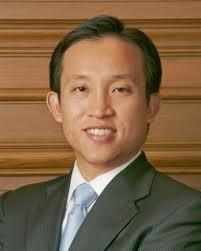
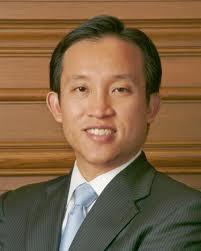
David Chiu

Supervisors hope to halt foreclosures with new resolution

70

John Avalos introduced a resolution today urging support for homeowners facing foreclosure in San Francisco. The resolution calls for several actions, including suspending all foreclosures until state and federal measures to protect homeowners are in place.

Sponsors of the resolution Avalos, David Chiu, Jane Kim, Eric Mar, and Christina Olague joined a coalition of community organizations to explain the resolution at a press conference.

The resolution would call for support of a statewide Homeowners Bill of Rights, a series of bills that would address predatory loans and robosigning, as well as California Attorney General Kamala Harris’s campaign for a statewide suspension on foreclosures in properties controled by Fannie Mae and Freddie Mac. It also “urges all city and county officials and departments to work proactively to ensure that San Francisco residents do not fall victim to unlawful foreclosure practices,” as Avalos explained.

Supervisors cited a report released in February by Assessor Phil Ting as one of the reasons for the resolution. The report found “irregularities” in 99 percent of foreclosure documents in San Francisco between 2009 and 2011, and “what appear to be one or more clear violations of the law” in 84 percent of cases. 

The resolution’s language also names “predatory banking practices that disproportionately targeted racial and ethnic minority communities, especially working class African Americans and Latinos” as an impetus for the resolution, noting that “from 2007 to 2008, Wells Fargo, and mortgage lenders it has since acquired, was 188 percent more likely to put African American borrowers and 117 percent more likely to put Latino borrowers into higher-cost, subprime loans.”

“What we see around foreclosures is that we have a systemic problem,” said Campos. Over 1,000 homes in San Francisco are currently in the process of foreclosure, 

Supervisor Kim connected the issue to another systemic problem affecting San Francisco, that has been a recent topic of discussion at City Hall: family flight. 

“We do have many low-income families that are actually homeowners in the city, primarily in the southeast sector. But how they afford to buy homes is by squeezing often two to three families in these homes in the southeast. So we’re talking about not just one household when we foreclose on a home, we’re often talking about two, three families with multiple youth and seniors,” said Kim.

“This is something that has been an important issue for many of our supervisors across the political spectrum, is how to retain families in San Francisco. Stopping foreclosure has to be a key part of that.” 

A few supervisors congratulated community organizers for focusing on the foreclosure crisis.

“I want to thank Occupy Bernal for not only shedding light on what’s happening in Bernal Heights, but realizing that the foreclosure crisis that we’re facing is something that involves all of us. Every single neighborhood,” said Campos.

The resolution was introduced to the Board of Supervisors March 20. It will be discussed further at the Land Use and Economic Development committee meeting April 2. 

If it eventually passes the Board of Supervisors, the resolution will be non-binding; a citywide foreclosure moratorium is likely not imminent. Yet many supporters expressed urgency and commitment for city action to address foreclosures. 

“When speaking with the sheriff about how we can stop evictions, what struck me most was he said that sometimes when we walk into these homes, we’ve found that people have committed suicide before the sheriffs even come in,” said Supervisor Kim. “This is a life and death issue for many of our residents.”


Supervisors ban illegal SFPD spying, but veto threat looms

15

The Board of Supervisors today gave initial approval to legislation that would prevent the San Francisco Police Department from working with the FBI to spy on law-abiding citizens, but the 6-5 vote wouldn’t be enough to overcome a possible veto by Mayor Ed Lee, which would take eight votes.

SFPD officials have said the measure is unnecessary because Police Chief Greg Suhr and the Police Commission last year approved a Department General Order requiring officers to obey state and local privacy laws, which they say supercedes the MOU that the SFPD secretly signed with the FBI in 2007 placing local officers under federal control. That secret document was unearthed last year by the ACLU, causing a local furor.

But supervisors who support the measure and the broad coalition that is supporting it, ranging from the Asian Law Caucus to groups representing Muslims who have been targeted with federal surveillance since 9/11, say it is important to enshrine these protections in city law and they don’t understand the SFPD resistance to doing so.

“If this is that important to us, if we believe in these values, then it deserves to be codified in our laws,” said Sup. Jane Kim, the measure’s main sponsor. “I was shocked to discover our city entered into a secret agreement with the FBI,” said President David Chiu, adding that while he trusts Suhr to oppose illegal spying, this legislation was about ensuring successive chiefs and members of the Police Commission uphold that standard.

Sups. Scott Wiener, Malia Cohen, Sean Elsbernd, Mark Farrell, and Carmen Chu voted against the measure, but Wiener was the only one who tried to explain his vote, much to the disappointment of the large coalition that showed up to support the legislation.

“This has been a tough issue for me and I’ve struggled with it,” Wiener said, sharing Chiu’s outrage over the secret memo and his position on the government spying on citizens who aren’t suspected of a crime. “We have our own local policies that SFPD officers are required to comply with,” Wiener said. “The question for me is whether this needs to be legislated.”

The legislation is set to receive final approval at next week’s board meeting, after which Mayor Lee will have 10 days to sign it or issue the second veto of his run as mayor (the first, also controversial, was over legislation to close a loophole in the Health Care Security Ordinance that allows businesses to at the end of the year raid employee health savings accounts they set up to comply with city law requiring employee health coverage).

Before the vote, as he was leaving his monthly Question Time session with the board, I asked Lee about his position on the SFPD spying measure and he said, “I’ll be getting an update. The chief who I appointed has been working directly with the supervisor on this and he’ll be reporting to me all his efforts soon so I can make a determination. I’d like to have input for our Police Commission as well before announcing what we’re going to do about it.”

After the vote, I asked Kim about the threat of a veto and she said, “It’s definitely a concern and we as a community need to think about what our next steps are.” Activists said they plan to lobby supervisors who opposed the measure and the Mayor’s Office. “Talk to your communities, let them know the supervisors who supported it and the supervisors who didn’t support it,” Fairuz Abdullah, former president of the Bay Area Association of Muslim Lawyers, told the group of about two dozen. “This is a great showing, but it needs to continue.”

SF allows bikes indoors, but its cycling goal is elusive

63

When the Board of Supervisors this week voted 9-2 to require commercial building owners to allow employees to bring their bicycles indoors while they work, ordinance sponsor Sup. John Avalos hailed the legislation as an important step toward meeting the city goal of having 20 percent of all vehicle trips in the city be by bike by the year 2020.

“We are removing a barrier to people getting around the city by bicycle,” Avalos said at the March 6 hearing, noting that the measure addresses cyclists’ concern about bike theft and helps keep sidewalks uncluttered and racks and poles free for other cyclists to use.

While it’s true this may help make cycling a bit more attractive, San Francisco would have to take far bolder actions to get anywhere near meeting its 20 percent by 2020 goal, a target it set in 2010 with legislation sponsored by Board President David Chiu and one regularly touted in speeches by Mayor Ed Lee.

Just last month, the San Francisco Municipal Transportation Agency released its latest bike count survey, which showed that about 3.5 percent of vehicle trips in the city are taken by bike, a 71 percent increase in the last five years, gains the San Francisco Bicycle Coalition lauded as “impressive.” Yet to reach the city’s goal would require a 571 percent increase in the next seven years – one that would seem unattainable at this pace.

“It’s a very ambitious but realistic goal,” SFBC director Leah Shahum told us, although she acknowledged it would require a drastic change in the city’s approach. “I’ve been impressed by how much Mayor Lee has touted the 20 percent by 2020 goal, but our city agencies need to step up their sense of urgency and commitment to meet that goal.”

The SFMTA is now finalizing a report on how to hit that 2020 target, which is scheduled for release next month. But agency spokesperson Paul Rose acknowledged the difficulty in meeting that goal: “It would take funding resources which at this point we don’t have.” He can’t yet say would it would take to meet the goal, which the report will outline, but he said, “We’re exploring what can be achieved with our available funding.”

Shahum said all studies by SFBC and other groups show concerns about safety is the biggest barrier to substantially increasing cycling in the city, and that most people need bike lanes – particularly paths physically separated from cars, known as cycle tracks – to feel safe. She praised the SFMTA for installing 20 miles of new bike lanes in the last two years, its fastest pace ever, “but that pace needs to double or triple to meet that goal.”

Instead, Mayor Lee has backed off a pledge he made last year to fast-track a short segment of bike lanes on dangerous sections of Oak and Fell streets that would connect two popular east-west bikeways: the Panhandle and the Wiggle. That project was delayed by a year for more meetings and work after motorists objected to the loss of street parking spots.

“We’re talking about three blocks. It’s relatively small in scope but huge in impacts,” Shahum said of the project. “If the pace of change on these three blocks is replicated through the city, it’ll take hundreds of years to meet the goal.”

In his run for mayor last year, Chiu regularly touted the 20 percent goal he set in 2010 after returning from a fact-finding trip to the Netherlands – where about 38 percent of vehicle trips are by bike – that he took with SFMTA Director Ed Reiskin, SFBC members, and officials from other cities. Chiu says that San Francisco might be further along than the SFMTA figures show, citing an SFBC poll showing that 5 percent of San Franciscans say they ride a bike daily and another 12 percent ride more than once a week.

“Whatever the current percentage is, we have a long way to go. We have to be bolder about specific projects and strategies,” Chiu told us. He said there is a growing recognition that promoting cycling is an important way to address traffic congestion and greenhouse gas reduction and that “segregated bikes lanes are the most efficient way to move the most people through areas of urban density.”

Chiu also said that San Francisco could be poised for rapid progress on the creation of new bikes lanes, citing early opposition to replacing parking spaces with parklets and the car-free Sunday Streets (which kicks off its new season this Sunday along the Embarcadero) events, with the business community and many neighborhood groups fearing that restrictions on motorists would hurt businesses.

“The experience has turned out to be exactly the opposite,” Chiu said, noting the explosion in demand for parklets and new Sunday Streets events in the last couple years, saying that a widening embrace of more cycle tracks and other biking infrastructure could be next.

Mayoral Press Secretary Christine Falvey told us, “The mayor is very much committed to the aggressive goals set to get to 20 percent by 2020 and the city is moving in the right direction. He has also always supported the Oak Fell project and we’re seeing progress. It will be complete in 2013 and he has been talking to the SFMTA about the project to keep up to date. San Francisco is on its way to becoming the most bicycle friendly city in the U.S. and in this era of limited public funding, the mayor is working with the SFMTA to explore what ways we can increase trips taken by bicycle with available funding and increased public awareness.”

She cited the Avalos legislation and the current installation of cycle tracks on JFK Drive in Golden Gate Park as examples of the city’s commitment to “move us toward the goal of 20 percent,” but many in the cycling community consider these efforts to be low-hanging fruit – easy, cheap, and non-controversial improvements – that won’t get the city anywhere near its stated goal.

Bike activist Marc Salomon is critical of the incremental approaches taken by SFBC and the city, saying that to make significant progress the city needs to address enforcement and the culture on the roadways, protecting cyclists from aggressive or impatient motorists and recognizing that many traffic laws don’t make sense for cyclists.

“We need to change the culture of the cops to make sure every street is a safe street,” he said. Shahum said that’s an issue SFBC is trying to address: “We are talking to them about how police could better enforce dangerous behaviors.”

Yet any efforts to promote cycling will likely be met with a backlash by motorists who resent losing space to cyclists and the fact that many cyclists routinely run stop signs and lights. Sups. Sean Elsbernd and Carmen Chu voted against the Avalos legislation, with Chu objecting to city staff evaluating businesses that seek waivers based on limited space or other factors, calling it a waste of precious resources.

But Avalos noted that his ordinance – which will be up for final approval on its second reading this Tuesday – has no enforcement mechanisms and “overall, this is a cost effective way to promote bicycling in the city. The costs are minimal.”

He also thanked the conservative Building Owners and Managers Association for supporting the legislation. Shahum said BOMA strongly opposed similar legislation almost 10 years ago and its embrace of it now shows how attitudes toward cyclists have changed. “There are so many more people biking now and the business community recognizes the benefits of having more of their employees biking,” she said.

Even politically moderate supervisors have been supportive of promoting cycling, with Sup. Scott Wiener saying at this week’s hearing, “It’s very important to make it as easy as possible to bike, and bike theft is a big issue in this city as well.”

The case against 8 Washington

35

tredmond@sfbg.com

In city planning terms, it’s a fairly modest project: 134 condos, no buildings more than 12 stories tall, on a 27,000-square-foot site. It’s projected to meet the highest environmental building standards and offers new open space and pedestrian walkways. It’s near Muni, BART, and ferry lines. And the city will collect millions of dollars in new taxes from it.

But the 8 Washington project, which will come before the Planning Commission March 8, has become a flashpoint in city politics, one of the defining battles of Mayor Ed Lee’s administration — and a symbol of how the city’s housing policy has failed to keep pace with the needs of the local workforce.

Put simply, it will create the most expensive condos in city history, housing for the richest of the 1 percent on the edge of the waterfront — and will further push San Francisco toward becoming a city that caters almost entirely to the very wealthy.

So in a city where the growing divide between the 1 percent and the rest of us has become a central issue and where the lack of affordable housing is one of the top civic concerns, 8 Washington is an important test. By any rational standard, this sort of development is the last thing San Francisco needs.

But some of the best-connected lobbyists in the city are pushing it. One of the mayor’s closest allies, Chinatown powerbroker Rose Pak, is a leading advocate — and the final outcome will say a lot about city politics in the Lee administration.

There are all sorts of half-truths and misleading statements by supporters of 8 Washington. Here are the five main reasons the project shouldn’t be approved.

1. It fills no housing need. San Francisco has no shortage of housing for the very rich; the dramatic need, outlined in both regional planning documents and the city’s own General Plan, is for low- and moderate-income housing for the people who actually work in this city (see “Dollars or sense?” 9/28/10). While San Francisco is getting richer by the day, the core workforce — public employees, workers in the hotel and restaurant industry, service workers, construction and trade workers, and a majority of the people in the lower levels of the finance and tech sector — are being priced out of the city. That means more people working here and living far out of town, often commuting by car, in what everyone agrees is an unsustainable situation. Meanwhile, more and more high-paid workers from Silicon Valley are living in San Francisco — again, commuting to distant jobs, either by car or by corporate bus.

The city’s General Plan states that some 60 percent of all new housing built in the city should be below market rate. San Francisco desperately needs housing for its workforce. This type of project simply puts the city deeper in the hole and further from its housing goals.

2. It’s a reward for bad actors. The main developer of this project is Simon Snellgrove, but one of his partners is, by necessity, Golden Gateway, which owns a significant part of the land — and which has been flouting at least the spirit if not the letter of city and state law and costing San Francisco tens of millions of dollars.

As project opponent Brad Paul has noted in written testimony, when Timothy Foo, the current owner, bought the complex from Perini Corp. about 20 years ago, he used a loophole in state law that allowed him to avoid a formal transfer of ownership. That means the property wasn’t re-assessed, costing the city about $1.5 million a year. According to the Assessor’s Office, the deal wasn’t illegal (and these tricks to avoid reassessment are relatively common) but still: He’s costing the city millions by using a loophole not available to most people.

Golden Gateway, which was built in a redevelopment area as middle-class housing, is now renting out apartments as short-term tourist or corporate rentals. There are dozens of examples right now on Craigslist. City law bars the owners of rental housing from converting it to hotel rooms, but a loophole in that law makes what Foo’s outfit is doing technically legal. But he’s clearly violating the spirit of the city ordinance that seeks to protect rental housing from hotel conversions.

One of the main aesthetic complaints about the area — something Snellgrove’s lobbyists have tried to use to support the project — is the ugly fence that now surrounds the Golden Gateway Tennis and Swim Club. But who do you suppose put that fence there?

Do we as a city want to be giving special zoning benefits to companies that try to circumvent tax and housing laws?

3. It’s an environmental disaster. Snellgrove and his architects, Skidmore Owning and Merrill, are seeking LEED platinum certification for the project, saying that its energy-efficiency, water use, and green building materials will make it one of the most sustainable structures in San Francisco. It is, the project website notes, close to all types of public transit.

But LEED doesn’t take into account what the building is used for (see “Is LEED really green,” 7/5/11) — and in this case, the use makes a huge amount of difference.

People who buy multi-million-dollar condos don’t tend to take Muni or BART when they go places. That’s not conjecture, it’s a proven fact. A 2008 study by the American Public Transportation Association notes, bluntly, that wealthier people are more likely to drive cars. When you move into the stratospheric regions of the ultra-rich, that’s even more true. A 2011 report on the Charting Transport website notes: “The very rich tend to shun public transport.”

The current zoning in the area allows for one parking space for every four residential units. Snellgrove is asking for one space per unit — in other words, he figures every single buyer will have a car.

Many of the people who buy these condos won’t be working or even living most of the time in San Francisco. These are condos for world travelers, second and third homes for people who want to spend a few weeks a year in San Francisco. “They aren’t going to be living here all year,” Christina Olague, a former Planning Commission member who is now the District 5 supervisor, told us last July.

If five of the 165 residents of 8 Washington fly in a private or corporate jet from, say, New York to their SF pad once a month, the project will cause the use of jet fuel equivalent to what a normal family would use driving a car for 330 years, Paul noted.

“How many solar panels are needed compensate for burning 396,000 gallons of jet fuel a year?” he asked.

Then there’s the construction issue. If the developer’s projections are correct, as many as 20,000 dump truck runs will be trundling along the Embarcadero for several months, one every two minutes — and it could be happening right as the traffic nightmare called the America’s Cup is hitting the waterfront.

It also goes against some 40 years of waterfront planning policy, all of which as focused on downzoning and creating open space. This would be the first upzoning of San Francisco waterfront property in decades.

4. It will wipe out what is mostly a middle-class recreation facility. The Golden Gateway Tennis and Swim Club will be closed for three years, then (possibly) reopened later as a smaller facility. The club — with two outdoor pools and six tennis courts — sounds like something for the elite, and it’s managed by the upscale Bay Club, but a lot of the users are longtime Golden Gateway residents and seniors. “I would say 30 or 35 percent of the users are seniors,” Lee Radner, chair of Friends of Golden Gateway, told me. Most, he said, are middle-class people, and the expense isn’t that high. “My wife and I pay $3 a day to use the pool,” he said. “I swim every day, and it would cost more than that to use the public pools in the city.” He added: “There are some wealthier people, of course, but many of us are retired and on fixed incomes.”

We’re talking about 90,000 total square feet of outdoor recreation space — which dwarfs the 20,000 square feet of open space the developer promised to provide.

5. The city doesn’t get much out of the deal. In exchange for upzoning the waterfront, creating a big all of buildings and screwing up the city’s housing balance, what does the San Francisco general fund get? Not a lot. The estimates for new tax revenue run about $1.5 million a year of the next 60 years — and when you translate that to what economist call “net present value,” the cash equivalent today of that revenue stream, it’s about $30 million. The Port of San Francisco is talking about creating a special infrastructure financing district — sort of the equivalent of a redevelopment area — to pull that money out in advance, which may not even be legal (since part of the land is a former redevelopment area, the state law that allows these special finance districts may not apply). But even so, a Jan. 14 Port memo suggests that the agency has plans to spend all that money on its own infrastructure — setting up a potential battle between the supervisors and the Port Commission over where the money, if it actually can be collected up front, will go.

Like any developer, Snellgrove will pay into the city’s affordable housing fund — in this case, about $9 million to pay for the equivalent of 27 units. No affordable units will be on site, of course; that would detract from the uber-wealthy ambience of the place. And it’s not clear when those units would be built. “Nobody builds 27-unit buildings any more,” Paul, a former deputy mayor for housing, said. “We’ll have to wait until there’s enough money for a bigger project, somewhere, sometime down the road. That’s what we’re getting here.”

Either way, it’s not a huge benefit for allowing this disaster of a project — and it’s a terrible statement for San Francisco to make. At a time when the mayor has cleared the Occupy protesters — who are talking about how little the rich pay in taxes — off the waterfront, the city is preparing to move in the exceptionally rich, who aren’t paying anywhere near their fair share in tax revenue to local government.

(Nobody knows for sure whether the costs of servicing high-end residential exceed the revenue the city gets from property taxes. In 1971, the Guardian put together the first-ever cost-benefit study for highrise office development, which showed that commercial buildings cost the city more than they paid; that’s been confirmed and demonstrated over the years to the point where it’s hardly even an argument any more. The supervisors ought to ask the city economist or the budget analyst to do the same sort of analysis for luxury condos.)

There’s another element here: Mayor Lee made a point during his campaign to say over and over again that he was an independent thinker, that powerful and influential allies like Rose Pak would not be calling the shots at City Hall. This will be his first major test: Pak and lobbyist Marcia Smolens are working hard to promote 8 Washington. And we’re already getting some disturbing signals out of the mayor’s office.

Lee told us that he has “no thoughts” about the project and hasn’t been paying any attention to it. That’s an odd stance, considering that his own Port Commission is pushing it and staffers in his office are working with the developer. This is a big priority for Pak, and the notion that she has never mentioned it to the mayor defies reason. Board President David Chiu, who talks to the mayor regularly, opposes the project, which is in Chiu’s district.

It’s hard to imagine that anyone who pays attention to local politics could be missing what will be one of the landmark votes this spring on the Planning Commission — which will take up the project March 8 — and the Board of Supervisors.

The mayor, may, indeed, be ignoring everything that supporters and opponents of 8 Washington have said and may be waiting until the Planning Commission vote to take a position. But if he’s just ducking questions because he’s planning to support it, he’s making a big mistake.

This is a chance for San Francisco to go beyond the platitudes about building housing, go beyond the hype about “green” buildings, see through the fraud about community benefits and consider what this really is: A special favor for a developer who wants to cater to the top 1 percent of the 1 percent and move San Francisco even closer to being a city of, by, and for the elite. The only reasonable vote on 8 Washington is No.

Editorial: The case against the 8 Washington tower

27

Editorial note: In 1971, at the height of the Alvin Duskin anti-highrise battle, the Guardian did a special first ever cost benefit study for high rise office development.

We found that highrises cost the city  more in services than they produce in revenue.  This meant that the commercial high rise boom could be fought on economic grounds, not just aesthietic and environmental grrounds, and the Chamber of Commerce/Big development gang could never adequately refute our findings.  In fact, they are now taken for  granted. So, as the 8 Washington battle is poised to open the floodgates even further for a forest of market rate residential  buildings, it’s time for the city to do its own study to determine the economics of high end  residential buildings.  Does the cost of servicing luxury residential buildings exceed the taxes they pay? We and many others in the neighborhoods are certain that market rate housing doesn’t pay for itself. But the facts are needed and so we urge the supervisors to direct the budget analyst or the city economist to do a similar analysis  for luxury condos.  Below is Executive Editor Tim Redmond’s powerful argument against 8 Washington.

By Tim Redmond

tredmond@sfbg.com

In city planning terms, it’s a fairly modest project: 134 condos, no buildings more than 12 stories tall, on a 27,000-square-foot site. It’s projected to meet the highest environmental building standards and offers new open space and pedestrian walkways. It’s near Muni, BART, and ferry lines. And the city will collect millions of dollars in new taxes from it.

But the 8 Washington project, which will come before the Planning Commission March 8, has become a flashpoint in city politics, one of the defining battles of Mayor Ed Lee’s administration — and a symbol of how the city’s housing policy has failed to keep pace with the needs of the local workforce.

Put simply, it will create the most expensive condos in city history, housing for the richest of the 1 percent on the edge of the waterfront — and will further push San Francisco toward becoming a city that caters almost entirely to the very wealthy.

So in a city where the growing divide between the 1 percent and the rest of us has become a central issue and where the lack of affordable housing is one of the top civic concerns, 8 Washington is an important test. By any rational standard, this sort of development is the last thing San Francisco needs.

But some of the best-connected lobbyists in the city are pushing it. One of the mayor’s closest allies, Chinatown powerbroker Rose Pak, is a leading advocate — and the final outcome will say a lot about city politics in the Lee administration.

There are all sorts of half-truths and misleading statements by supporters of 8 Washington. Here are the five main reasons the project shouldn’t be approved.

1. It fills no housing need. San Francisco has no shortage of housing for the very rich; the dramatic need, outlined in both regional planning documents and the city’s own General Plan, is for low- and moderate-income housing for the people who actually work in this city (see “Dollars or sense?” 9/28/10). While San Francisco is getting richer by the day, the core workforce — public employees, workers in the hotel and restaurant industry, service workers, construction and trade workers, and a majority of the people in the lower levels of the finance and tech sector — are being priced out of the city. That means more people working here and living far out of town, often commuting by car, in what everyone agrees is an unsustainable situation. Meanwhile, more and more high-paid workers from Silicon Valley are living in San Francisco — again, commuting to distant jobs, either by car or by corporate bus.

The city’s General Plan states that some 60 percent of all new housing built in the city should be below market rate. San Francisco desperately needs housing for its workforce. This type of project simply puts the city deeper in the hole and further from its housing goals.

2. It’s a reward for bad actors. The main developer of this project is Simon Snellgrove, but one of his partners is, by necessity, Golden Gateway, which owns a significant part of the land — and which has been flouting at least the spirit if not the letter of city and state law and costing San Francisco tens of millions of dollars.

As project opponent Brad Paul has noted in written testimony, when Timothy Foo, the current owner, bought the complex from Perini Corp. about 20 years ago, he used a loophole in state law that allowed him to avoid a formal transfer of ownership. That means the property wasn’t re-assessed, costing the city about $1.5 million a year. According to the Assessor’s Office, the deal wasn’t illegal (and these tricks to avoid reassessment are relatively common) but still: He’s costing the city millions by using a loophole not available to most people.

Golden Gateway, which was built in a redevelopment area as middle-class housing, is now renting out apartments as short-term tourist or corporate rentals. There are dozens of examples right now on Craigslist. City law bars the owners of rental housing from converting it to hotel rooms, but a loophole in that law makes what Foo’s outfit is doing technically legal. But he’s clearly violating the spirit of the city ordinance that seeks to protect rental housing from hotel conversions.

One of the main aesthetic complaints about the area — something Snellgrove’s lobbyists have tried to use to support the project — is the ugly fence that now surrounds the Golden Gateway Tennis and Swim Club. But who do you suppose put that fence there?

Do we as a city want to be giving special zoning benefits to companies that try to circumvent tax and housing laws?

3. It’s an environmental disaster. Snellgrove and his architects, Skidmore Owning and Merrill, are seeking LEED platinum certification for the project, saying that its energy-efficiency, water use, and green building materials will make it one of the most sustainable structures in San Francisco. It is, the project website notes, close to all types of public transit.

But LEED doesn’t take into account what the building is used for (see “Is LEED really green,” 7/5/11) — and in this case, the use makes a huge amount of difference.

People who buy multi-million-dollar condos don’t tend to take Muni or BART when they go places. That’s not conjecture, it’s a proven fact. A 2008 study by the American Public Transportation Association notes, bluntly, that wealthier people are more likely to drive cars. When you move into the stratospheric regions of the ultra-rich, that’s even more true. A 2011 report on the Charting Transport website notes: “The very rich tend to shun public transport.”

The current zoning in the area allows for one parking space for every four residential units. Snellgrove is asking for one space per unit — in other words, he figures every single buyer will have a car.

Many of the people who buy these condos won’t be working or even living most of the time in San Francisco. These are condos for world travelers, second and third homes for people who want to spend a few weeks a year in San Francisco. “They aren’t going to be living here all year,” Christina Olague, a former Planning Commission member who is now the District 5 supervisor, told us last July.

If five of the 165 residents of 8 Washington fly in a private or corporate jet from, say, New York to their SF pad once a month, the project will cause the use of jet fuel equivalent to what a normal family would use driving a car for 330 years, Paul noted.

“How many solar panels are needed compensate for burning 396,000 gallons of jet fuel a year?” he asked.

Then there’s the construction issue. If the developer’s projections are correct, as many as 20,000 dump truck runs will be trundling along the Embarcadero for several months, one every two minutes — and it could be happening right as the traffic nightmare called the America’s Cup is hitting the waterfront.

It also goes against some 40 years of waterfront planning policy, all of which as focused on downzoning and creating open space. This would be the first upzoning of San Francisco waterfront property in decades.

4. It will wipe out what is mostly a middle-class recreation facility. The Golden Gateway Tennis and Swim Club will be closed for three years, then (possibly) reopened later as a smaller facility. The club — with two outdoor pools and six tennis courts — sounds like something for the elite, and it’s managed by the upscale Bay Club, but a lot of the users are longtime Golden Gateway residents and seniors. “I would say 30 or 35 percent of the users are seniors,” Lee Radner, chair of Friends of Golden Gateway, told me. Most, he said, are middle-class people, and the expense isn’t that high. “My wife and I pay $3 a day to use the pool,” he said. “I swim every day, and it would cost more than that to use the public pools in the city.” He added: “There are some wealthier people, of course, but many of us are retired and on fixed incomes.”

We’re talking about 90,000 total square feet of outdoor recreation space — which dwarfs the 20,000 square feet of open space the developer promised to provide.

5. The city doesn’t get much out of the deal. In exchange for upzoning the waterfront, creating a big all of buildings and screwing up the city’s housing balance, what does the San Francisco general fund get? Not a lot. The estimates for new tax revenue run about $1.5 million a year of the next 60 years — and when you translate that to what economist call “net present value,” the cash equivalent today of that revenue stream, it’s about $30 million. The Port of San Francisco is talking about creating a special infrastructure financing district — sort of the equivalent of a redevelopment area — to pull that money out in advance, which may not even be legal (since part of the land is a former redevelopment area, the state law that allows these special finance districts may not apply). But even so, a Jan. 14 Port memo suggests that the agency has plans to spend all that money on its own infrastructure — setting up a potential battle between the supervisors and the Port Commission over where the money, if it actually can be collected up front, will go.

Like any developer, Snellgrove will pay into the city’s affordable housing fund — in this case, about $9 million to pay for the equivalent of 27 units. No affordable units will be on site, of course; that would detract from the uber-wealthy ambience of the place. And it’s not clear when those units would be built. “Nobody builds 27-unit buildings any more,” Paul, a former deputy mayor for housing, said. “We’ll have to wait until there’s enough money for a bigger project, somewhere, sometime down the road. That’s what we’re getting here.”

Either way, it’s not a huge benefit for allowing this disaster of a project — and it’s a terrible statement for San Francisco to make. At a time when the mayor has cleared the Occupy protesters — who are talking about how little the rich pay in taxes — off the waterfront, the city is preparing to move in the exceptionally rich, who aren’t paying anywhere near their fair share in tax revenue to local government.

(Nobody knows for sure whether the costs of servicing high-end residential exceed the revenue the city gets from property taxes. In 1971, the Guardian put together the first-ever cost-benefit study for highrise office development, which showed that commercial buildings cost the city more than they paid; that’s been confirmed and demonstrated over the years to the point where it’s hardly even an argument any more. The supervisors ought to ask the city economist or the budget analyst to do the same sort of analysis for luxury condos.)

There’s another element here: Mayor Lee made a point during his campaign to say over and over again that he was an independent thinker, that powerful and influential allies like Rose Pak would not be calling the shots at City Hall. This will be his first major test: Pak and lobbyist Marcia Smolens are working hard to promote 8 Washington. And we’re already getting some disturbing signals out of the mayor’s office.

Lee told us that he has “no thoughts” about the project and hasn’t been paying any attention to it. That’s an odd stance, considering that his own Port Commission is pushing it and staffers in his office are working with the developer. This is a big priority for Pak, and the notion that she has never mentioned it to the mayor defies reason. Board President David Chiu, who talks to the mayor regularly, opposes the project, which is in Chiu’s district.

It’s hard to imagine that anyone who pays attention to local politics could be missing what will be one of the landmark votes this spring on the Planning Commission — which will take up the project March 8 — and the Board of Supervisors.

The mayor, may, indeed, be ignoring everything that supporters and opponents of 8 Washington have said and may be waiting until the Planning Commission vote to take a position. But if he’s just ducking questions because he’s planning to support it, he’s making a big mistake.

This is a chance for San Francisco to go beyond the platitudes about building housing, go beyond the hype about “green” buildings, see through the fraud about community benefits and consider what this really is: A special favor for a developer who wants to cater to the top 1 percent of the 1 percent and move San Francisco even closer to being a city of, by, and for the elite. The only reasonable vote on 8 Washington is No.

The failure of Lee’s business tax plan

16

The Mayor’s Office and city finance officials are circulating drafts of a new business tax plan that would largely abolish the payroll tax and replace it with a levy on gross receipts.

Ben Rosenfield, the city controller, and Ted Egan, the chief economist, have been meeting with business groups and presenting what’s described in the documents they’re circulating as “one possible idea.” And there’s some very positive news about the proposal: It would greatly broaden the tax base (only about 10 percent of the city’s businesses are hit by the payroll tax) and it’s designed to be somewhat progressive: Businesses with higher gross receipts would pay a higher percentage tax.

The plan is complicated — since some types of industries (retailers, for example) have high gross receipts compared to payroll, and some (financial services) have high payrolls compared to gross receipts, the levies are broken down into four schedules. At the lowest end, companies with comparatively large gross reciepts would pay between 0.05 percent and 0.125 percent. At the highest end, the tax would go from 0.220 to 0.535.
But there’s one central — and simple — element of the proposal: At this point, it’s entirely revenue neutral. In fact, finance officials say, over time the total tax burden paid by local businesses would go down, since payroll tends to rise slightly faster than gross receipts.

That, sources say, is something the mayor has made clear he doesn’t want to budge on. He’s not willing to accept a plan that raises the total amount of money the city gets from business taxes.

Which puts him in synch with what some business groups want: “The business community thinks this should be revenue-neutral,” Scott Hauge, who runs Small Business California, told me.

But in a city that faces a large structural budget deficit, some supervisors have other ideas. “I want to look at new revenue possibilities,” Sup. John Avalos said.

And even the current proposals would let banks, which are exempt from local business taxes, escape without paying anything.
In reality, the proposals are less then revenue-neutral. Rosenfield and Egan project that the new tax system would lead to the creation of 2,500 jobs a year — mostly because businesses over time would be paying lower taxes.

Hague told me that he’s not sure exactly how business leaders feel about this. “We don’t know yet how it will affect people,” he noted. But some political leaders have been clamoring for years for the elimination of the payroll tax, which, by taxing employment, appears to be a damper on job growth.

That’s actually a myth. The payroll tax is so minor that it can’t possibly influence any individual hiring decision. It’s true that if city business taxes in general are reduced, companies will have more money — and some might spend that on new hiring. But San Francisco, like most major cities, has to have some kind of business tax — and I can already hear some downtown types complaining that a gross receipts tax “punishes growth and success.”

This proposal is a long way from what Sup. David Chiu suggested a year ago. His plan would have included a commercial rent tax — ensuring that financial institutions that get away with paying nothing would have to contribute like other businesses. Like most local taxes, it wasn’t perfect — state law bars cities from imposing corporate income taxes and limits what else municipalities can do — but together with a reworked gross receipts tax, it was projected to bring $28 million more dollars into the city treasury — without any job loss.

But the Chamber of Commerce and crew fought bitterly against that idea, and Chiu withdrew it.

At this point, Chiu said, he’s working with the mayor and trying to get the business community to accept the idea of a change in the tax structure. But this is a rare opportunity to do two things — to make the local tax system more fair, and to raise taxes on the biggest companies to bring additional revenue into the city.

The plan will probably have to go to the ballot anyway, so why not do it right?

The right to a civil lawyer

10

I like Sup. David Chiu’s idea of giving indigent plaintiffs in civil cases the right to a lawyer. It’s one of those legal and political issues that’s been hanging around for decades: Everyone accused of a crime has the Constitutional right to counsel, but if you’re sued and have no money, you could very well be  SOL.

Now, there are a few places that some people can get help — nonprofit legal groups that help seniors, tenants, and others, but there aren’t enough of those lawyers to meet the need, and some people don’t qualify for any of the available help. Under the law, a poor person who gets sued has no guaranteed right to any assistance at all, and can wind up representing him- or herself in court, even if he or she has no legal background or experience.

That’s one reason landlords tend to win eviction cases against low-income people: If the tenant can’t find free legal help, it’s high-priced landlord lawyer who knows all the tricks against poor tenant who has no idea how to respond to a summons and complaint.

The supervisors have approved Chiu’s resolution, which asserts than San Francisco is a “right to civil counsel” city, but there’s not a whole lot of money around to fund it. He’s asking for a modest pilot program costing no more than $100,000 and focusing on eviction defense, which is a great place to start. His idea is to get the big law firms in the city to help out — to devote some of their time and money to pro bono work in the city’s indigent civil defense program.

And some of them will, and that’s great. But what we really need is a funding source for this — and it seems to me that the lawyers of the city are a logical place to start.

Yes, there are unemployed lawyers and lawyers who barely make rent. But as a whole, the class of people licensed to practice law in San Francisco is better off than most of the rest of us. The state bar hits every lawyer up for about $400 a year to fund bar operations, and the interest that lawyers earn on client trust funds has to go to indigent legal defense.

So why not set up a San Francisco lawyer’s fee — say, $50 a year for everyone practicing in the city — to fund the city’s civil legal defense program? I don’t know exactly how many lawyers we have, and I can’t find anyone at the state bar who can answer that, but I’ve seen published reports in the past suggesting that the city has more lawyers per-capita than anywhere else except Washington, D.C. One story that ran years ago in the Examiner put it at one per 70 residents — which would mean more than 10,000 lawyers in the city. So a $50 fee would bring in half a million dollars –plenty to set up an office and hire a couple of lawyers and have a director who could spend time running down pro bono counsel to help.

I have no idea if the city can legally do that; I checked with the folks in the City Attorney’s Office, and they have no simple answer. So Chiu would have to request a legal opinion on the question.

But if it’s possible, it’s a great idea, and I suspect even most lawyers in the city would support it. 


UPDATE: The state bar folks pointed me to the right place on the bar website, and it turns out there are 17,000 lawyers in SF. That’s $850,000 a year.


Dramatic change in the America’s Cup deal

25

Mayor Ed Lee has announced dramatic changes in the deal for the America’s Cup race, essentially eliminating the massive real-estate development contract with Oracle CEO Larry Ellison.

Under the new agreement, the city will work with Ellison to host the race — but that’s about the beginning and the end of it.

“There is no long-term development,” Stepahnie Martin, spokesperson for the America’s Cup Event Authority, told me.

The previous deal, set for a Board of Supervisors vote Feb. 28, has been scrapped, so there won’t be any board action tomorrow, Judson True, an aide to Board President David Chiu, told me.

That deal would have given the world’s sixth richest person a swath of valuable waterfront property, with 66-year leases and development agreements, in exchange for Ellison investing millions in renovating the aging piers.

But criticism over what some called a huge giveway of public land was diverting discussion of the yacht race and threatened to undermine the city’s ability to serve as the venue host. Some supervisors were demanding more guarantees that the city wouldn’t lose money on the deal, and Ellison’s team was unwilling to budge.

In a Feb. 27 press release, Lee announced that the teams will be building a race village at Piers 27-29 and consolidating the boat launching facilities at Pier 80, on the southern waterfront. The race village will be temporary, and when the yachts leave, Ellison won’t have title to that property.

He won’t have title or development rights at Pier 80, either, and the plan to let him build on Piers 30-32, 26 and 28 as well as a lot across the Embarcadero appears to be dead.

So the America’s Cup is moving back to what it should be — a sporting event, a race on the Bay, and not some bloated development agreement that involves leases lasting more than half a century.

It’s still not clear how this happened — except that the numbers clearly weren’t working out for either side. The scaled-back agreement prevents the city from losing a fortune if the race doesn’t draw the anticipated crowds, and protects Ellison from losing money on waterfront development plans that regulators (including the Bay Conservation and Development Commission) might never have approved.

The city will still pay the ACEA about $16 million to fix a few things necessary to make the race work, and it’s not clear where that money will come from,

Aaron Peskin, a leading critic of the old deal, told me he’s cautiously optimistic. “It sounds promising, we’re getting this event down to the proper size,” Peskin said.

But he said that he hasn’t seen a written agreement “so it’s hard to tell what is and isn’t still in the deal.”

No mattter what the final agreement looks like, it’s clear that Ellison’s control of the future of the central waterfront has been radically reduced. And it’s clear that the deal former Mayor Gavin Newsom cut with Ellison wasn’t going to work for the city.

It also showed something that I’ve seen over and over again in these city deals with private parties: If the public refuses to go along, most of the time the Larry Ellisons of the world — the same people who insist they won’t move an inch and that the deal can’t be changed — will eventually back down.


Have conservatives hijacked the Small Business Commission?

19

Is the Small Business Commission really advocating for small businesses, or has the commission been hijacked by bankers and real estate developers aggressively pushing a right-wing agenda of unchecked growth and cuts to government regulation, programs, and fees? And why has the Mayor’s Office stacked the commission with these ideologues and worked behind-the-scenes to keep them in leadership roles?

Those are just a couple of the questions that have been raised by Mayor Ed Lee’s recent effort to amend the charter to give this commission broad authority over the city’s legislative agenda, which was dropped in the face of widespread opposition, and by his office’s alleged calls to their appointees urging them to vote for developer Luke O’Brien as vice president and banker Stephen Adams as president (simply reversing the roles they had played last year).

Traditionally, sources say the commission has sought to balance leadership between the mayor’s four appointees and the three appointed by the Board of Supervisors. But these days, the Mayor’s Office (mostly Chief of Staff Steve Kawa, we’re told) and its appointees (which include two bankers and one developer), at the urging of pro-development groups Coalition for Responsible Growth (CRG) and Plan C, seems to want to consolidate their control and push their agenda.

Neither Kawa nor Press Secretary Christine Falvey would address our direct question about the Mayor’s Office interfering with the internal working of supposedly independent commissions, but the Examiner today had a story about the Mayor’s Office doing the same thing on the Planning Commission with its leadership vote this week.

“If the Mayor’s Office feels the need to interfere in commission votes, it interferes with internal commission matters and the spirit of the commission,” Board President David Chiu, who has been following the Small Business Commission dynamics, told the Guardian.

Outgoing commission member Janet Clyde, who runs the legendary Vesuvio bar in North Beach, said she has long been bothered by the changing tone and dynamics on the commission: “There is definitely an agenda that is driven by the Mayor’s Office, a more conservative view…There is a big business agenda in small business clothes.”

And she said that change has been pushed by Plan C, CRG, and other fiscally conservative groups that backed Lee’s mayoral campaign. “They really saw an opportunity to use the Small Business Commission to push their agendas.”

The CRG board includes three members of Murphy O’Brien Real Estate Investments, including O’Brien and Mel Murphy, who is a mayoral appointee to the Building Inspection Commission, where he also regularly advocates for real estate interests. CRG, which did not return our calls for comment, testifies regularly at City Hall in favor of development and against regulation. Clyde and current commission member Kathleen Dooley say O’Brien has been especially aggressive in pushing his ideological agenda.

O’Brien ignored repeated Guardian requests for comment, and when we finally reached him by phone, he said, “I have no interest in talking to you.”

In December, in his role as president, O’Brien called a special hearing to discuss the Eastern Neighborhoods Plan, the massive land use plan passed a few years ago after dozens of public hearings to work out its myriad complicated details and balance the preservation of light industrial properties with housing development, providing city services, and other considerations.

“This thing really needs to be thought out a little bit more,” O’Brien said at the hearing in a video clip that is prominently displayed on the CRG website.

Commission Executive Director Regina Dick-Endrizzi defended that hearing and others that have ventured into planning, regulation, and land uses issues that seem to be the purview of other city commissions. “Every business we talk to that wants to be in a brick-and-mortar space, it’s all about land use,” she said, noting that at the commission’s last annual retreat, “they decided to take a look at impact fees and their implications.”

She also noted that the city defines small businesses as having fewer than 100 employees, and that both developers and bankers are legitimate small business advocates, noting how important loans and other capital sources are to small business survival. Mayoral spokesperson Christine Falvey also defended the appointments and their focus: “The Commission has a diverse group of individuals to represent small business. The agenda is not controlled by any one group. There is a diverse group of voices and all deserve to be heard.”

Falvey also said it’s important to have bankers like Adams, a branch manager of Sterling Bank & Trust, on the commission: “The Mayor understands the important link between conventional banks and micro lenders. While there are moderate improvements in the lending environment, understanding the current status of access to capital is critical information for the Commission in its role to advise and make recommendations to the Mayor and Board of Supervisors on policy matters and City regulations that affect either the ease or difficulty in doing business in San Francisco.”

But progressive members of the Board of Supervisors – including Sup. Christina Olague, a mayoral appointee, in her recent interview with the Guardian – have regularly derided the narrow focus and ideological agenda of the commission, particularly its mayoral appointees. Some privately call it the “Small-Minded Business Commission.”

“We need some diversity on this commission. It can’t be all white men with a particular point of view,” Dooley said.

That could begin to happen on Tuesday when the Board of Supervisors is slated to replace two of its outgoing appointees, Michael O’Connor and Janet Clyde, with two that have been recommended by the Rules Committee: Monette White, who runs Food for Soul, “an upscale restaurant and holding company,” and William Ortiz-Cartagena, CEO of Gentle Parking, which managing parking lots in the city.

But that won’t go very far in changing a commission that seems focused on using the “small business” fig leaf to push a more broad and ideological pro-business agenda. Even Chiu, who is strongly pro-business, told us, “The Small Business Commission needs to be focused on the plight and issues of small businesses.”

What’s wrong with the America’s Cup deal? A lot

21

Let’s start out with a premise that even Larry Ellison’s minions have come to accept: The race is happening here. Too late now to move it to another city. Worst-case scenario, according to Stephen Barclay, the point person for the world’s sixth-richest man: “If we don’t meet those dates, the teams will be forced to relocate to other places around the bay.”

That’s right — the teams will relocate to other places around the bay. The host city will still, for all practical purposes, be San Francisco; the races will happen off SF’s waterfront (where the Coast Guard is willing to allow them and the conditions are right) and the rich tourists will stay here, not in Burlingame or Fremont.

If Ellison decides the city’s not giving him enough, he won’t put up $55 million to fix up some of the waterfront piers. The city may decide that a development deal of some sort with him makes economic sense. But it’s a real-estate deal at this point, not a deal for the race. At least, that’s what the Ellison team seems to be confirming.

And I fear that the real-estate deal that the Board of Supervisors Finance Committee sent forward yesterday, 2-1, is a bad deal for the city.

The terms are really complicated, and it makes my head hurt just trying to figure it all out — and still, the supes are expected to vote on the 120-plus-page document Feb. 28. Here’s what we do know, though:

The supervisors originally came to a deal with the America’s Cup Event Authority back in December. The concept was — and is — pretty straightforward, the same sort of deal the city has done (or, certainly, the Redevelopment Agency has done) many times in the past. In exchange for putting cash into renovating several piers, Ellison’s group would get long-term leases and development rights on the property. The idea: The city can’t afford to fix the piers. Ellison’s organization can. And once the property is renovated, the developer can make back that initial investment, and a profit, by building commercial space, condos and whatever else the Port decides to allow.

In a perfect world, San Francisco (and the state and the feds) would tax the hell out of people like Ellison, and there’d be public money to rebuild the waterfront as public open space, recreational facilities and the like. And wouldn’t that be utterly cool? Wouldn’t this city have the most awesome waterfront in the world?

But no: The only way the piers are going to anything but a place to park cars until they fall into the bay is if some private developer gets the rights to build something that I won’t like.

Supervisors Jane Kim and Mark Farrell, who don’t agree on a lot of things, both agreed with my basic analysis of the politics here: We shouldn’t let the excitement over the prospect of a boat race get in the way of analyzing this for what it is: A financing tool for the Port to get its infrastructure fixed up. Without a private investor, “they just don’t have the capacity to do that,” Kim told me.

So let’s just stipulate for a moment that this is the best, maybe the only way the city can restore the Port. Then it comes down to the real issue: Has the Mayor’s Office negotiated a good enough deal? Is San Francisco getting enough out of this? Or is everyone so hyper-buzzed about fancy carbon-fiber boats in the water (and I admit, they’re pretty cool) and free-spending tourists in the hotels and restaurants that we’re letting Mr. Ellison — who didn’t get so stinky rich by being a weak negotiator — walk away with most of the cookies?

Remember: Ellison’s not doing the city any favors. He’s only fixing up the piers that he will effectively own (as least for most of the rest of this century).

Back in December, the rough outlines looked like this: A corporation set up by Oracle, called the America’s Cup Event Authority, would put $55 million into repairing and renovating piers, then would get  66-year leases and development rights on piers 30-32, 26 and 28, as well as seawall lot 330, across the Embarcadero, which Ellison’s team wants to turn into more condos for rich people. If that’s not enough to pay for Ellison’s investment, Ellison’s heirs or successors get half the rent for the piers for another 15 years. That’s 81 years.

The original deal mandated that the city would collect a 1 percent fee on the re-sale of the new condos. It also had a requirement that Ellison share with the city any profits he made by flipping the long-term leases.

That’s a big deal, because almost nobody in the city actually holds onto development entitlements anymore. A developer wins the right to build an office building — and next week, he or she sells that right to somebody else. It’s almost certain that at some point, Ellison — whose sole goal here is going to be making a profit off city land — will decide that the best way to make money is to cash out. He’ll keep his 66-year leases for a few years, maybe lobby his way to approvals for office, condos, time-shares (gasp! yeah, they’ll do that if it’s legal) restaurants or whatever — then sell the remaining time on the leases, plus the development rights, to somebody else. And because he’s Larry Ellison, he’ll wind up making a nice tidy profit.

That used to be what happened with Port property (see: Pier 39) but lately, the Port’s gotten a bit wiser and has, in some cases, insisted that part of the profit from flipping a lease goes back to the city. In the original discussions, Ellison was going to have to pay the Port 15 percent of any net gains he made from the almost inevitable sale of the valuable leases.

But that’s gone now. After the board approved Newsom’s deal, the former mayor — who was always terrible at negotiation with the rich and powerful and always gave away the store — went back and monkeyed around with it. He and Sup. David Chiu insisted that the changes were just technical, not substantive enough to require a new board vote — but the current deal has no 15 percent cut for the Port, and the 1 percent levy on condo sales only applies after the second owner sells — which will be years down the road.

Then there’s the part where the city has to reimburse Ellison if the cost of renovating the piers exceeds what’s expected (oh, and we have to pay him 11 percent interest, which is about ten times what I get on my bank account; how about you?) There’s no cap on what the city might have to pay. And Ellison gets to develop a new marina.

And while Pier 29 is no longer a part of the deal, the city has to give Ellison $12 million — or rights to a pier to be named later. (Maybe Ellison figures that in a few years the people who opposed Pier 29 development will be out of office and he can convince the new mayor and supervisors to give Pier 29 back. It’s not legally excluded.)

Kim told me she’s going to insist that the final deal include a local-hire provision, which the rest of the board would be crazy not to support (and which Ellison, despite his company’s problems with local labor laws in the past, would be crazy not to accept).

But overall, Kim — who with Sup. Carmen Chu was part of the 2-1 majority sending the package to the full board — told me she thought the city got a good deal. “It took me a while,” she said. “But [Port Director] Monique Moyer convinced me that this was good for them.”

Sup. John Avalos, the dissenting vote on the Finance Committee, isn’t convinced. He’s got a long list of concerns, starting with the fact that he thinks the projected attendance and economic benefits are a bit delusional. “The figures seem farfetched,” he told me. “I’m seeing a lot of pumped up numbers. And those numbers drive whether this is a good deal for the city or not.”

He’d like to see the 1 percent rule apply to the second condo sale, not the third. He’d like to see the Port get 15 percent of the profits from any sale. And he’d like a cap on the reimbursements the city has to give to Ellison.

But here’s the problem: When the development agreement comes before the board, sitting as a Committee of the Whole Feb. 28, it will be hard to put any of that back in the agreement. This is a contract, and while the board can pass a resolution asking for more, in the end, it’s a matter of voting it up or down.

Vote yes and it’s done — more or less as is — although Kim says there will be another chance to make changes down the road, since the board and the Planning Commission will have to sign off on whatever type of development Ellison wants to do. The problem with that scenario? Ellison’s lawyers will wave this development agreement around like a Giants victory towel and proclaim that it binds the city and limits any ability to demand any more changes later. That’s how these people operate.)

Vote no and the ball goes back to Larry’s Court: His group can sit down with the Mayor’s Office and make some changes, or they can walk away (and build their boat sheds in …. where? Oakland? Foster City? Who’s got waterfront that can handle this?)

When the Finance Committee send the package to the full board, Avalos said, “we pretty much lost our ability to influence the agreement. Now we have to decide if we want to call [Ellison’s] bluff.”

PS: One of the lingering issues is whether the America’s Cup Organizing Committee can raise the $30 million-odd that is needed to make the numbers pencil out. If I were a rich person and Mark Buell, the ACOC point person, called me for money, here’s what I’d say:

How much is Larry Ellison contributing?

See, Ellison’s improvements on the waterfront aren’t charity. He’s looking to make a buck off everything he does. In past eras, the great robber baron capitalists would donate civic monuments — libraries and museums and stuff — and by any traditional standard of great wealth, Ellison ought to be writing a personal check for that $30 million. Or at least for some of it.

But so far, he hasn’t given a penny. The sixth richest man in the world isn’t actually donating anything to San Francisco. Yeah, he’s gracing us with his lordly presence, but cash? Nada.

Good luck with that one, Mark.

PPS: This whole concept that the city needs to fix the “crumbling” piers ought to be examined. First of all, nobody’s ever said that Pier 29 was in anything but fine shape. But beyond that, the Bay Conservation and Development Commission considers piers to be bay fill, and in the long term, wants San Francisco to get rid of some of them. “Maybe it’s a good thing if some of the piers fall into the bay,” former Sup. Aaron Peskin told me. “Then we’ll have more leeway with BCDC when we want to fix up some of the others.”

Research assistance by Royce Kurmelovs

Campaign cash roundup and questions about our sleeping watchdog

3

Oliver Luby – the last true public-spirited employee at the Ethics Commission (a campaign lapdog when it should be a watchdog) before being forced out in 2010 – has written an insightful and comprehensive analysis of spending by candidates and outside groups during last year’s election. It’s published by CitiReport.

Among his findings are that the largely unregulated spending by supposedly independent third-party groups totaled $3.6 million, with $1.4 million of that going to support Mayor Ed Lee, and much of it coming so late in the race that voters weren’t able to factor its sources into their decisions.

Those outside groups spent almost as much to elect Lee as the campaign itself raised, which was almost $1.6 million. When those two figures are combined, and one subtracts the $419,891 in independent expenditure (IE) spending in opposition to Lee, the appointed mayor and his supporters spent $33.87 for each first place vote he received, or about 2.5-times that of second-place finisher John Avalos, whose $757,327 in “supportive financing” works out to $13.25 per vote.

Luby has long called for Ethics to get tougher on violators of campaign finance law, playing whistleblower at several key points in his career, starting in 2004 when he and then-staffer Kevin DeLiban exposed notorious campaign attorney Jim Sutton’s alleged scheme to illegally launder unregulated funds being collected for then-Mayor Gavin Newsom’s inauguration into paying off some of his $550,000 campaign debt.

In his latest piece, Luby again calls out his old bosses at Ethics for ignoring local laws against maxing out donations to many candidates in order to buy influence at City Hall. Donors are limited to an “overall contribution limit” that equals the maximum individual donation of $500 times the number of offices open, which was three in this election. It allows the city recoup from the campaigns money collected in excess of that, which Luby said totals $29,111 in this election.

“The SF Ethics Commission does not enforce this law. Supervisor Scott Wiener wants to help them get rid of it,” Luby wrote. Ethics Commission Executive Director John St. Croix was out of the office and hasn’t returned a Guardian call for comment.

Among those whose excessive contributions would be diverted to city coffers are Planning Commissioner Michael Antonini (perhaps the city’s most powerful Republican), PR powerhouse Sam Singer, medical marijuana activist Kevin Reed, political fundraiser Wade Randlett, city staffer-turned-developer Michael Cohen, moderate Democrat Mary Jung, and Coalition for Responsible Growth (a pro-development group) President Rodrigo Santo. Not surprisingly, they all contributed to Lee, whose campaign would be on the hook for the most in givebacks, $7,725, followed by David Chiu’s mayoral campaign at $4,700.

Finally, for all their talk about fiscal responsibility, Lee and his supporters couldn’t seem to live within their means in this election. Lee’s campaign finished about $275,000 in debt, while two of the pro-Lee IEs also finished in the red: SF Neighbor Alliance ($11,338) and Progress for All ($35,890), the ethically challenged creators of the “Run Ed Run” campaign that purported to talk Lee out of his pledge not to run for a full term in the office he’d been appointed to.

These are just some of the findings in Luby’s voluminous reporting, so check it.

Would Sept. elections be better than RCV?

25

A proposal by Supervisors Sean Elsbernd and Mark Farrell to end San Francisco’s experiment with Ranked Choice Voting will come before the board Feb. 14, and RCV suporters are organizing to fight it. According to an email I just got from Steve Hill, one of the leaders in the RCV movement, “the vote is going to be close.”

The first version of the Elsbernd-Farrell legislation would have returned the city to the pre-RCV situation — the general election for city offices would take place in November, and runoffs in any race where nobody got a majority (almost every contested city race these days) would take place in December. 

The December turnout in Board of Supervisors races was always way lower that the turnout in the November election (although that hasn’t always been the case in mayoral races — more people voted in the Matt Gonzalez-Gavin Newsom runoff than voted in that year’s general election).

But the two conservative supervisors have backed off that plan and replaced it with another one: The first election (in effect, the primary) would be held in September, with the runoff in November.

Some years, that would be three elections in the city in five months — the normal June state election, a September city election, and a November general election.

I realize that a lot of people, including some of my friends on the left, aren’t thrilled with RCV. If the mayor’s race had a runoff, it would have been a head-to-head contest between Ed Lee and Dennis Herrera, and that would have been fun. (Where would David Chiu, who got stabbed in the back by Lee and who criticized him during the general election, have gone in the runoff? What about Leland Yee?)

But I have to say, a September election seems like a really terrible idea. When are the candidates going to campaign — during August, when about half of the city is out of town? Would the candidates all have to trek out to Burning Man? (You can’t send direct mail flyers to the playa.) Maybe you hold the election late in September — but then the absentee ballots would arrive when, over Labor Day weekend? Talk about low turnout.

The whole idea of RCV was to get more people involved in electing their representatives at City Hall. You can talk about whether it helps the left or the right or incumbents or whatever, but it’s really all about turnout. One election: More people vote. Two elections: Fewer people vote. September election: Very few people vote.

Then in November, when the turnout is highest, the choice will be lowest, because the candidates who did well in the low-turnout election (typically the more conservative candidates) will be the only ones on the ballot.

On balance, I’m sticking with RCV — but if you have to change it, why not make the primary election in June? There’s already a June election in even-numbered years, it’s no added expense — and there’s the additional value of forcing candidates for mayor and supervisor to declare their intentions and get in the race early on. No more Ed Lee August surprise.

I asked Elsbernd about it and he told me that New York City holds its primary in September, and that’s an effective model. And, he pointed out, there’s no June primary in the odd-numbered years, when the mayor, sheriff, city attorney, treasurer and public defender are on the ballot.

True — but if you’re going to have a special municipal election anyway, June makes more sense to me. People are used to voting in June. I worry about September.

Castro plaza bill passes, 6-5

10

The Board of Supervisors has passed a watered-down version of Supervisor Scott Wiener’s legislation to prevent camping and sleeping in Harvey Milk and Jane Warner plazas, with Supervisor David Chiu  casting the swing vote.

The bill passed 6-5 after an amendment by Chiu that stripped the bill of a provision which would keep shopping carts and other “large wheeled conveyances” from entering either plaza. But initial reactions among opposition activists has been mixed.

“I think it’s fair to say that Supervisor Chiu gave an elegant compromise with his amendment… It’s very polarizing legislation within the LGBT community,” said long-time LGBT activist Gabriel Haaland. Haaland, who added that he would not have voted in favor of the legislation, said many were concerned about the impact it might have on homeless LGBT youth.

Likewise, Bob Offer-Westort, an activist with the Coalition on Homelessness (CoH) who was arrested Friday night after pitching a tent in Jane Warner Plaza, expressed his satisfaction with today‘s decision, saying the supervisors removed the most controversial aspects of the legislation while applying the Parks Code, which imposes less onerous obligations on those subject to citations.

However he tempered this by saying, “it’s still still onerous and bad policy to use the criminal justice system to address homelessness. …I am very glad that supervisors who were concerned about the targeting of homeless youth took a moral stand today.”

Tommi Mecca, an activist with the San Francisco Housing Rights Committee, was training new activists and had not been able to watch the board vote,, but said that he was disappointed that the legislation passed at all.

“My initial reaction is that it’s sad we have to have regulations at all. Especially in Harvey Milk Plaza. Harvey Milk Plaza is a symbol for the LGBT community… it was just a fun, free place,” Mecca said.

“I don’t think it should be illegal to sleep in a public place. If there’s an earthquake, people think it’s fine to sleep on the street. But being homeless is a crisis too. Public space should be public… The reality was that we did not have a sixth vote to kill it.”

America’s Cup moves forward, but economic concerns remain

5

In past weeks, several environmental and community organizations filed two appeals of the Environmental Impact Report (EIR) prepared for the America’s Cup yacht race in 2013.

Jan. 24, the Board of Supervisors rejected the appeal, allowing for construction on the several major projects contained in the America’s Cup proposal to move forward.

But some supervisors say that the many groups with environmental concerns about the America’s Cup brought up important issues, including economic issues that will still need to be addressed.

Organizations involved in the appeals include San Francisco Tomorrow, Telegraph Hill Dwellers, and the Golden Gate Audubon Society.

The biggest concession regards the jumbotron, a giant TV screen that was planned to project the race’s events. The America’s Cup event authority planned to float the jumbotron’s 44-foot wide screen on a 140-foot barge, and anchor it with large concrete blocks, dropped in Aquatic Park. Opponents said that the blocks would stir up potentially toxic sediments and that the whole plan put Aquatic Park, a preferred beach of bay swimmers, at risk of a diesel spill that would have long-term implications for the safety of its swimmers.

After a heated back-and-forth, attorney for the The America’s Cup event authority Mary G. Murphy stated that the Authority would ditch plans for the water-born jumbotron and look into landside options.

President of the Dolphin Club Reuben Hechanova said that the decision on the jumbotron was a clear victory. The club, whose members have been swimming in the cold waters of Aquatic Park since 1877, was vocal in its opposition for plans for the floating TV. Members of the Dolphin Club and their allies had been meeting with city officials for over a year, campaigning against the jumbotron.

Hechanova denied that Dolphin Club members had planned to disrupt the America’s Cup in a swim-in called “Occupy the Bay” if plans for the floating jumbotron proceeded.

“We were always going to continue to work with the governing agencies…we were not going to occupy the bay. The only official spokespersons of the club are the board members,” Hechanova told the Guardian.

Appellants were also concerned about effects on air quality from cruise ship emissions.

The EIR claimed that these air quality issues would be mitigated with a shore-side power source on Pier 70, but appellants questioned the feasibility of these mitigating measures. Michael Martin of the Mayor’s Office on Economic and Workforce Development commented on the issue, stating that since issuing the report the port, along with its shipyard partner, BAE San Francisco Ship Repair, had in fact secured the 5.7 million necessary for the shore-side power project.

Still, several supervisors remained skeptical about the feasibility of paying for all of the mitigating measures crucial to the adequacy and accuracy of the EIR. Supervisors will vote on these and other financial matters associated with the Cup at a Feb. 14 hearing.

“I have questions remaining about finances, about union jobs that will be created for San Franciscans in this project…as well as assuring that there would be no hit to the general fund,” said Supervisor John Avalos at the meeting’s end.

Other environmental concerns, such as impact on sea and shore birds and on neighborhoods adjacent the America’s Cup area, went largely unresolved.

However, in an amendment proposed by Supervisor David Chiu, the Board made clear that they would require additional environmental reviews, including, potentially, more EIRs, for subsequent projects.

Aaron Peskin, former President of the Board of Supervisors and longtime water rights advocate, has been a vocal opponent of many aspects of the America’s Cup. He said these agreements are a step in the right direction.

“I wouldn’t call it a victory, I’d call it a step. It’s a good step,” said Peskin.

After the appeals had been rejected, Campos thanks all parties involved, including the appellants.

“I do believe that the two appeals that have been filed have clearly made this project better, and not only on the environmental piece. I think the appeals have also raised some very important issues about financial terms of this deal,” said Campos.

Milk Plaza vote raises public-space issues

1

The supervisors will vote Jan. 31 on new rules for the use of Harvey Milk Plaza and Jane Warner Plaza, rules that could have an impact on the future use of small public parklets. Sup. Scott Wiener introduced the legislation, which has stirred up a lot of opposition — and in the end, the decision will probably come down to how Sup. David Chiu decides to vote. Activists involved in the battle say it’s likely the progressives will oppose the measure, and the supervisors who typically side with the more conservative bloc will support it, and Chiu (and maybe Sup. Malia Cohen) will be the swing votes.


There’s an online petition against the measure; you can sign it here.

Supervisors make the Chamber of Commerce happy

7

You want a sense of what’s happened to politics at City Hall? Here you go: the San Francisco Chamber of Commerce is thrilled.


The Chamber just released its 2011 voting scorecard on the Board of Supervisors (which it calls the “Paychecks and Pink Slips Scorecard,” as if most of the stuff the Chamber supports had anything to do with actual job creation), and guess what? The board is more pro-downtown than it has been in a while:


The 2011 year-end scorecard reveals marked improvement in city’s efforts to create jobs and grow the economy. Overall, the Board of Supervisors received a score of 82 percent (equivalent to a B – grade), up from 60 percent (or a D – grade) in 2010. Individual rankings also improved, with five supervisors increasing their scores by at least 15 percent since last year. In 2011, a solid majority of supervisors voted in favor of jobs, the economy and government efficiency more than 75 percent of the time.


The top performer: Sup. Scott Wiener, who voted with the Chamber 88 percent of the time. Second best: Supervisor David Chiu (82%). The worst (or best, depending how you see downtown’s agenda of low taxes, reduced public services and minimual regulations) was Sup. John Avalos, who scored 56%.


The reality is that some of the Chamber’s key votes were relatively noncontroversial things that everone on the board supported — for example, a law sponsored by Sups. Ross Mirkarimi, Eric Mar, David Campos and Wiener making it easier for small cafes and restaurants to host live music and a measure restricting restaurant waste, both of which passed unanimously. There were some votes where nearly everyone opposed the Chamber — the cell phone disclosure requirements and the ban on yellow pages. And on a couple of them, even Chamber darlings Sean Elsbernd and Mark Farrell were on the wrong side — they voted against a tax exclusion for stock options because they wanted even greater tax reductions.


But on the key votes, you can see where the majority of the board lies: Six, sometimes seven votes with downtown, five, sometimes four with the rest of us. Not exactly a progressive majority. 

Alerts

0

yael@sfbg.com


FRIDAY, JAN 20

Occupy Wall Street West

OccupySF revs back up for a day of nonviolent mass action to connect their protest against Wall Street banks and corporations to foreclosures, evictions, and homelessness here in San Francisco. The day will include teach-ins, marches, rallies, and “many ways to participate without risking arrest!”

Mobilizations at 6 a.m., noon, and 5 p.m., free

101 Market, SF

www.occupywallstwest.org/wordpress


SATURDAY 21

Chalk screening

A screening of the landmark Bay Area grassroots/indie film Chalk, which tells the story of competition, family, justice, and a game of pool. The film is a product of the Tenderloin Action Group, which creates “responsive cinema, generated out of the streets from pain and sacrifice, made from sweat, tears, and anguish.” Join producers Ethan Sing and Rand Crook for this screening.

2 p.m., free

Koret Auditorium, San Francisco Public Library main branch

100 Larkin, SF

www.sfpl.org

ggood@sfpl.org


Rally for Reproductive Justice

This annual rally for a woman’s right to choose started to counter-protest the pro-life Walk for Life march. This year, a rally will be held with speakers Sen. Mark Leno, Sup. David Chiu, and representatives from Slutwalk, Radical Women, and CA NOW. Also featuring a DIY art/activist tent and balloon artists and face paint for kids. Organized by Bay Area Coalition for our Reproductive Rights (BACORR.)

11 a.m., free

Justin Herman Plaza

Embarcadero and Market, SF

www.bacorr.org


SUNDAY 22

Remember Harding

The Kenneth Harding Jr. Foundation, in commemoration of the 19-year-old who was killed by San Francisco Police officers on July 16, calls for a protest to demand justice. Harding was unarmed when he exited the T train and was asked by police to show his transfer.

Instead, he ran away and police shot and killed him. Organizers plan to surround Candlestick Park during the NFC championship game to “raise awareness that police in the Bay View/Hunters Point community are killing our kids, violating our rights, and trying to silence us.”

Noon, free

Candlestick Park

602 Jamestown Ave, SF

www.poormagazine.org/node/4238 

The new board committes: Not great news

49

Board President David Chiu has released the new committee assignments for 2012, and they aren’t a whole lot different from last year’s — except in a few areas. And they aren’t exactly an indication of progressive power.

The three most conservative supervisors — Mark Farrell, Sean Elsbernd and Carmen Chu — all were named to chair committees. Supervisors Eric Mar and John Avalos also are committee chairs, although David Campos was relegated to the joint City and School District Select Commitee, which is important but takes no votes and has no role in the legislative process.

Word is, however, that Campos may wind up chairing the Transportation Authority.

The Budget and Finance Committee is run by Chu, but Avalos and Jane Kim are also members, giving a majority to the progressives. But during the budget season, that panel expands to five members — and the additional two, Scott Wiener and Malia Cohen, are both decidedly on the moderate side. That means progressives will not have a majority on the panel that plays the central role in setting the city’s budget.

The Rules Committee is improved from last year — Kim is the chair, joined by Campos and Farrell. But Land Use and Economic Development — possibly the second most important committee after Budget and Finance — is dominated by moderates; Mar is the chair but Cohen and Wiener will have a 2-1 majority.

State Assemblymember Tom Ammiano told me he’s concerned that the two openly gay members of the board, Campos and Wiener, aren’t in more prominent roles. “It seems like there are two very hardworking people who were slighted here,” he said.

But Chiu disagrees, saying that the assignments “reflect the diversity of the board and the city.” He added: “Last year (when conservatives were given key posts) everyone thought the sky would fall, and it didn’t.”

The sky falling is pretty dramatic; I suspect it won’t. But there’s a difference between the sky falling and the progressive agenda moving forward.


OFFIES 2011

0

It was the year of the Rapture (oh, wait, maybe not), the year of the great Republican resurgence (oh wait, maybe not), the year of Anthony Weiner’s penis and Gerard Depardeiu’s piss, the year of the Kardashians and Charlie Sheen … and the Offies in-basket overflows. Here are our favorite choice moments of 2011.


ACTUALLY, HIS THUMBS ON THE PHONE WERE THE ONES DOING DAMAGE

Anthony Weiner, in a sexting conversation with a middle-aged Nevada Democratic volunteer, described his penis as “ready to do some damage.”


AT LEAST SOMEBODY’S DOING SOMETHING ABOUT THE UNEMPLOYMENT RATE

Hustler publisher Larry Flynt offered Weiner a job


GOOD THING EXPERTISE IN THE ENGLISH LANGUAGE HAS NEVER BEEN A PREREQUISITE OF THE JOB

Presidential candidate Herman Cain, in an interview, said he didn’t know the name of the president of Uzbekistan, which he called UBEKE BEKI KEIE BAH BAH STAND O BAN STAN SO WHAT WHAT?


CERTAINLY NOT THE KIND OF FOOD FOR A MIGHTY MAN WHO SEXUALLY HARASSES HIS SUBORDINATES

Cain said that too many vegetable toppings make a “sissy pizza.”


BECAUSE AN ELECTRIFIED CARTOON MOUSE IS AN INSPIRATION TO US ALL

Cain blamed “elites” for derailing his campaign, then quoted from the Pokemon theme song.


NICE TO SEE HERMAN CAIN HAS COMPANY IN THE DEPARTMENT OF QUALITY POLITICAL CANDIDATES

Joe the Plumber announced he would run for Congress


COULD IT BE — THE STUPIDEST REPUBLICAN CANDIDATE EVER?

Rick Perry couldn’t remember which federal agencies he wanted to shut down.


EXCEPT THAT THE ALMIGHTY HASN’T BEEN ABLE TO TELL US WHICH DEPARTMENTS HE WOULD CUT, EITHER

Michelle Bachman said that the East Coast earthquake and hurricane were signs that God thought the country was spending too much money on government services.


IT APPEARS THE CHRISTIAN RIGHT CAN’T GET ITS STORIES STRAIGHT

Rush Limbaugh said that the power of Hurricane Irene, which caused 53 deaths and $15 billion in property damage, was blown out of proportion to promote “the leftist agenda.”


HMMM… SINCE HERS MAKES A BUSINESS OF “CONVERTING” GAY PEOPLE, WE HAVE TO WONDER WHAT HE TELLS HER TO DO

Bachman said wives should be obedient to their husbands


BUT HEY — THOSE GUYS ALL LOOK ALIKE

Bachman praised Waterloo, Iowa as the home of John Wayne, when it’s actually the home of serial killer John Wayne Gacy


AN EXCEPTIONAL NEW INTERPRETATION OF THE INTELLECTUAL ROOTS OF THE SECOND AMENDMENT

Sarah Palin insisted that Paul Revere “warned the British that they weren’t going to be taking away our arms, by ringing those bells.”


UM, RICK, THE SCHOOLS ARE CLOSED ON CHRISTMAS

A Rick Perry campaign ad said that “something’s wrong with America” because “gays can serve openly in the military but our kids can’t openly celebrate Christmas or pray in school.”


DAMN — THAT MEANS HE REALLY IS A DUMB AS HE LOOKS

Perry insisted he wasn’t drunk when he delivered a rambling speech in New Hampshire


OR MAYBE A LITTLE LIKE FINDING OUT THAT SHE WAS JUST USING YOU ALL ALONG

Sup. David Chiu said meeting Mayor Lee — who he helped put in office — after he broke his promise not to run was “a little like meeting an ex-girlfriend after a breakup.”


AND TALK ABOUT BEING USED

Ed Lee said he didn’t want to run for mayor, but he had trouble saying no to Rose Pak and Willie Brown


IT DOESN’T MATTER — AS THE GREAT RONALD REAGAN ONCE SAID, “FACTS ARE STUPID THINGS.”

Sen. John Kyle announced that 90 percent of Planned Parenthood’s business was abortions, and when it turned out he was wrong by a factor of 30, he said his allegation “wasn’t meant to be factual.”


THE U.S. HAS DEPOSED PEOPLE FOR LESS THAN THAT. OH, WAIT …

Moammar Gadafi said his political opponents were on LSD and kept a stash of photos of Condoleeza Rice.


OH WELL, YOU KNOW HOW GOD IS; HE FLAKES OUT ON DATES ALL THE TIME

Oakland radio minister Harold Camping announced that the end of the world would come Oct. 21.


TOO BAD THAT WILL ONLY COVER THE FIRST SESSION OF THE POOR KID’S THERAPY

A woman who created a media frenzy when she said that she had given her young daughter botox admitted she made the story up so a tabloid would pay her $200.


WHEREAS, OBAMA HAS NEVER DEMANDED THAT TRUMP SHOW HIS REAL HAIR

Donald Trump demanded that Barack Obama show his birth certificate.


IF THE JAPANESE WOULD ONLY CUT GOVERNMENT SPENDING SOME MORE, THIS SORT OF THING WOULDN’T HAPPEN

Rush Limbaugh made fun of Japanese people after the earthquake and tsunami, saying “where Gaia blew up is right where they make all these electric cars.”


THE SCHOOL’S ESTEEMED NAMESAKE, ON THE OTHER HAND, HAD 27 WIVES, SOME AS YOUNG AS 15, AND AT LEAST 64 CHILDREN, SO HE WOULD NEVER HAVE APPROVED OF SUCH A THING

Brigham Young University suspended basketball star Brandon Davies because he sex with his girlfriend.


IT’S AWFUL, THE SACRIFICES OUR POLITICAL LEADERS HAVE TO MAKE IN THE NAME OF THE COUNTRY

Newt Gingrich told the Christian Broadcasting Network that he’d cheated on his wife because he loved America so much.


ON THE OTHER HAND, IF YOU WEREN’T SO FULL OF SHIT THE PLUMBING MIGHT FUNCTION A BIT BETTER

Sen. Rand Paul complained to an energy department official that he didn’t like appliance efficiency standards because “we have to flush the toilet 10 times before it works.”


NATURALLY — CLEANLINESS IS NEXT TO GODLINESS. SORT OF LIKE MARITAL FIDELITY

Gingrich told Occupy protesters to take a bath.


WHAT — HE DOESN’T CONSIDER HIMSELF A “FROTHY MIX OF FECAL MATTER AND LUBE THAT IS SOMETIMES THE BYPRODUCT OF ANAL SEX?”

Former Senator and presidential candidate Rick Santorum complained about what turns up when you put his name in a Google search.


AND NEXT, WE’LL REDEFINE “POOR” AND ELIMINATE FOOD STAMPS

House Republicans tried to redefine “rape” to eliminate funding for abortions


OH WELL, THERE GOES THE SEASON

Stanford University stopped giving student athletes special lists of easy classes


DONALD — YOU’RE FIRED

Donald Trump tried to host a presidential debate but gave up when nobody wanted to be there.


THIS FROM A MAN WITH “INVENTED” INTEGRITY

Gingrich called the Palestinians an “invented” people.


GOOD THING ABOUT THE CRACK — THAT SHIT FUCKS UP YOUR BRAIN

Charlie Sheen opened his Violent Torpedo of Truth Tour in Detroit, where he burned a Two and A Half Men T-shirt, told the crowd that he was “finally here to identify and train the Vatican assassin locked inside each and every one of you,” demanded “freedom from monkey-eyed&ldots;sweat-eating whores,” and said he doesn’t do crack anymore.


AT LEAST HE’S GOT ONE THING GOING FOR HIM: HE JOGS WITH A GUN AND SO FAR HASN’T SHOT HIS OWN BALLS OFF

Rick Perry told the Associated Press that he shot a coyote that had threatened him on his morning jog.


KILL ‘EM ALL AND LET GOD SORT ‘EM OUT

The crowd at a Republican debate cheered after moderator Brian Williams noted that Rick Perry had overseen 234 executions.


ANOTHER GREAT MOMENT IN THE ANNALS OF LAW ENFORCEMENT

A Davis police officer pepper sprayed a group of peaceful protesters who were sitting on the ground.


SINCE THERE’S NO NEWS IN THE WORLD OF THE 1 PERCENT

The New York Post investigated sex at Occupy Wall Street


GOOD THING IT DIDN’T WORK — THE WATER FROM HEAVEN WOULD HAVE MADE THE BUNS ALL SOGGY

Perry held a religious rally to pray for rain at Reliant Stadium in Houston, and urged people to fast, although the concession stands sold hot dogs.


BUT WAIT — IF WE SHUT DOWN THE GOVERNMENT, AREN’T WE … OH, NEVER MIND

Michelle Bachman said she opposes same-sex marriage because “the family is the fundamental unit of the government.”


THE FACT THAT WE’RE EVEN WRITING ABOUT A TEENAGER WHO CALLS HER TITS “SNOWBALLS” IS A SIGN OF THE END OF CIVILIZATION

Child bride Courtney Stodden was kicked out of a pumpkin patch for dressing in daisy dukes and making out with her 53-year old husband, Doug Hutchinson, and she madly tweets things like “Squeezing my snowballs inside of a seasonal sexy little lingerie as I begin to swing around the Christmas tree to hot rock ‘n roll hits!”


IT SELLS, BABY, IT’S SELLS

Kim Kardashian made $12 million for doing essentially nothing.


A NEW DEFINITION OF TERROR: WATCHING A 63-YEAR-OLD MAN WHIP OUT HIS DICK

Gerard Depardieu pissed on the floor of an Air France jet after flight attendants told him he’d have to wait to use the bathroom.


WE’RE GOING TO TAKE A BUNCH OF STEROIDS AND THEN LIE ABOUT IT AND MAYBE WE CAN SPEND A MONTH THERE, TOO

The U.S. Justice Department spent millions of dollars and eight years to convince a judge to sentence Barry Bonds to spend a month at his Beverly Hills estate.

City Hall’s 2012 agenda

16

EDITORIAL There’s so much on the to-do list for San Francisco in 2012 that it’s hard to know where to start. This is a city in serious trouble, with unstable finances, a severe housing crisis, increased poverty and extreme wealth, a shrinking middle class, crumbling and unreliable infrastructure, a transportation system that’s a mess, no coherent energy policy — and a history of political stalemate from mayors who have refused to work with progressives on the Board of Supervisors.

Now that Ed Lee has won a four-year term, he and the supervisors need to start taking on some of the major issues — and if the mayor wants to be successful, he needs to realize that he can’t be another Gavin Newsom, someone who is an obstacle to real reform.

Here are just a few of the things the mayor and the board should put on the agenda for 2012:

• Fill Sup. Ross Mirkarimi’s seat with an economic progressive. This will be one of the first and most telling moves of the new Lee administration — and it’s critical that the mayor appoint a District 5 supervisor who is a credible progressive, someone who supports higher taxes on the rich and better city services for the needy and is independent of Lee’s more dubious political allies.

• Make the local tax code more fair — and bring in some new revenue. Everybody’s talking about changing the payroll tax, which makes sense: Only a small fraction of city businesses even pay the tax (which is not a “job killer” but is far too limited). Sup. David Chiu had a good proposal last year that he abandoned; it called for a gross receipts tax combined with a commercial rent tax — a way to get big landlords and companies (like law firms) that pay no business tax at all to contribute their fair share. That’s a good starting point — but in the end, the city needs more money, and the new system should be set up to bring in at least $100 million more a year.

• Create a linkage between affordable and market-rate housing. This has to be one of the key priorities for the next year: San Francisco’s housing stock is way out of balance, and it’s getting worse. The city’s own General Plan mandates that 60 percent of all new housing should be available at below-market-rate prices; the best San Francisco ever gets from the developers of condos for the rich is 20 percent. The supervisors need to enact legislation tying the construction of new market-rate housing to an acceptable minimum level of affordable housing to keep the city from becoming a place where only the very rich can live.

• Demand a good community-benefits agreement from CPMC. The California Pacific Medical Center has a massive new hospital project planned for Van Ness Avenue — and so far, CPMC officials are refusing to provide the housing, transportation and public health mitigations that the city is asking for. This will be a key test of the new Lee administration — the mayor has to demonstrate that he’s willing to play hardball, and refuse to allow the project to move forward unless hospital officials reach agreement with community activists on an acceptable benefits agreement.

• Make CleanEnergySF work. A recent study by the website Energy Self-Reliant States shows that by 2017 — in just five years — the cost of solar energy in San Francisco will drop below the cost of Pacific Gas and Electric Company’s fossil-fuel and nuclear mix. So the city’s new electricity program, CleanEnergySF, needs to be planning now to build out both a large-scale solar infrastructure system and small-scale distributed generation facilities on residential and commercial roofs and set the agenda of offering clean, cheaper energy to everyone in the city. The money from the city’s generation can be used to purchase distribution facilities to phase out PG&E altogether.

• Don’t let Oracle Corp. take over even more of the waterfront. The America’s Cup continues to move forward — but at every step of the way, multibillionaire Oracle CEO Larry Ellison is trying to squeeze the city for more. Mayor Lee has to make it clear: We’ve given one of the richest people in the world vast amounts of valuable real estate already. He doesn’t need a giant TV screen in the Bay or more land swaps or more city benefits. Enough is enough.

There’s plenty more, but even completing part of this list would put the city on the right road forward. Happy new year.

Guardian editorial: City Hall’s 2012 agenda

20

EDITORIAL There’s so much on the to-do list for San Francisco in 2012 that it’s hard to know where to start. This is a city in serious trouble, with unstable finances, a severe housing crisis, increased poverty and extreme wealth, a shrinking middle class, crumbling and unreliable infrastructure, a transportation system that’s a mess, no coherent energy policy — and a history of political stalemate from mayors who have refused to work with progressives on the Board of Supervisors.

Now that Ed Lee has won a four-year term, he and the supervisors need to start taking on some of the major issues — and if the mayor wants to be successful, he needs to realize that he can’t be another Gavin Newsom, or Willie Brown, mayors who were an obstacle  to real reform.

Here are just a few of the things the mayor and the board should put on the agenda for 2012:

+Fill Sup. Ross Mirkarimi’s seat with an economic progressive. This will be one of the first and most telling moves of the new Lee administration — and it’s critical that the mayor appoint a District 5 supervisor who is a credible progressive, someone who supports higher taxes on the rich and better city services for the needy and is independent of Lee’s more dubious political allies.

+Make the local tax code more fair — and bring in some new revenue. Everybody’s talking about changing the payroll tax, which makes sense: Only a small fraction of city businesses even pay the tax (which is not a “job killer” but is far too limited). Sup. David Chiu had a good proposal last year that he abandoned; it called for a gross receipts tax combined with a commercial rent tax — a way to get big landlords and companies (like law firms) that pay no business tax at all to contribute their fair share. That’s a good starting point — but in the end, the city needs more money, and the new system should be set up to bring in at least $100 million more a year.

+Create a linkage between affordable and market-rate housing. This has to be one of the key priorities for the next year: San Francisco’s housing stock is way out of balance, and it getting worse. The city’s own General Plan mandates that 60 percent of all new housing should be available at below-market-rate prices; the best San Francisco ever gets from the developers of condos for the rich is 20 percent. The supervisors need to enact legislation tying the construction of new market-rate housing to an acceptable minimum level of affordable housing to keep the city from becoming a place where only the very rich can live.

+Demand a good community-benefits agreement from CPMC. The California Pacific Medical Center has a massive new hospital project planned for Van Ness Avenue — and so far, CPMC officials are refusing to provide the housing, transportation and public health mitigations that the city is asking for. This will be a key test of the new Lee administration — the mayor has to demonstrate that he’s willing to play hardball, and refuse to allow the project to move forward unless hospital officials reach agreement with community activists on an acceptable benefits agreement.

+Make CleanEnergySF work. A recent study by the website Energy Self-Reliant States shows that by 2017 — in just five years — the cost of solar energy in San Francisco will drop below the cost of Pacific Gas and Electric Company’s fossil-fuel and nuclear mix. So the city’s new electricity program, CleanEnergySF, needs to be planning now to build out both a large-scale solar infrastructure system and small-scale distributed generation facilities on residential and commercial roofs and set the agenda of offering clean, cheaper energy to everyone in the city. The money from the city’s generation can be used to purchase distribution facilities to phase out PG&E altogether.

+Don’t let Oracle Corp. take over even more of the waterfront. The America’s Cup continues to move forward — but at every step of the way, multibillionaire Oracle CEO Larry Ellison is trying to squeeze the city for more. Mayor Lee has to make it clear: We’ve given one of the richest people in the world vast amounts of valuable real estate already. He doesn’t need a giant TV screen in the Bay or more land swaps or more city benefits. Enough is enough.

There’s plenty more, but even completing part of this list would put the city on the right road forward. Happy new year.


Mayor Lee, Sharp Park, and Gavin Newsom

43

So Ed Lee’s going to veto the Board of Supervisors resolution on Sharp Park. Of course he is. And there’s more than snakes and frogs at issue here.

The veto, I think, sets the tone for what we’re going to see over the next four years, which is: Gavin Newsom.

For four years, the progressive bloc on the board — that is, the shaky sometimes-majority that can pull together six votes on an issue — is going to run slam into a mayoral veto a good deal of the time.

In this case, John Avalos, David Campos, David Chiu, Jane Kim, Eric Mar and Ross Mirkarimi — that’s the list of the six — all supported a plan to negotiate with the National Park Service to take over the property, which would probably mean the end of the golf course. It’s an environmental issue, mostly, and also a public-resource issue — but the main thing is that it’s an issue that split the board along the left-center/right lines that we’ll see again and again over Lee’s term. And Lee is siding with the right.

That’s what we came to expect from Newsom — every progressive initiative was a struggle; often, bill sponsors had to line up eight votes, not six, because there was always the threat that Newsom would shoot it down. And I’m getting the feeling that we’ll be facing the same thing with Mayor Lee.