Congress

Drug peace

0

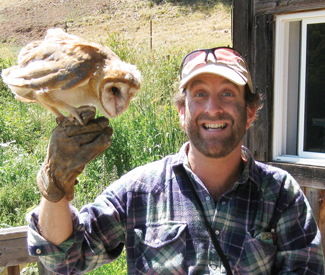
HERBWISE Author Doug Fine’s last book, Farewell My Subaru, is about the year he moved to a secluded New Mexico farm and attempted to live without petroleum. He’s just as creative about advocating against the War on Drugs as is his against fossil fuel dependency — for his new book Too High To Fail: Cannabis and the New Green Economic Revolution Fine spent a cannabis season living in a Mendocino grow town. He’s been getting love from his recent appearance on Conan, but we caught up with him via email for some real talk while he was en route from his home, a.k.a. the Funky Butte Ranch, “hurtling toward live events in Colorado in an ’87 RV.” He’ll be in town this week doing readings, so read up here and bring him questions to his Booksmith reading on Wed/22 and his event for cannabis patients at Harborside Health Center on Fri/24. 

SFBG: What are you adding to the discussion on cannabis legalization with Too High To Fail?

Doug Fine: I relocated to Mendocino County, and for 10 months covered the county’s successful efforts to permit sustainable cannabis farmers. I followed one flower named Lucille — for reasons that have to do with the neighbor of a farmer I followed — from farm to liver cancer battler. 

Mendocino’s “zip-tie” [cannabis farm permit] program was so successful in 2011 that it was about to be emulated in several other counties in the Emerald Triangle. With 100 tax-paying American small farmers coming above ground to declare themselves legitimate, the county raised $600,000 and saved seven deputy sheriff positions. The practitioners of a profession that generates 80 percent of the county’s revenue could now be part of society. Then, just before harvest, the DEA raided the most prominent zip-tie farmer, and the US Attorney threatened the county Board of Supervisors with arrest if they didn’t effectively cancel the program. Which they did. 

SFBG: Would you say you have a different writing style than others who have tackled the War on Drugs?

DF: It’s kind of comedic investigative journalism. Since I don’t only want to preach to the converted on any issue, I think the humor draws people in as they see I’m a regular guy, a dad, an American, and not some kind of radical pushing an agenda. I try to laugh my way to the truth. 

SFBG: In your opinion, why isn’t cannabis legal today?

DF: Pat Robertson wants to end the Drug War, my cowboy hat-wearing senior ladies at the post office in my New Mexico canyon want to end it. Everyone’s ready except Congress. Even a DEA spokesman said when I asked why the zip-tied farmer was raided, “If you don’t like the Controlled Substances Act ask Congress to change it.” And it’s up to us as voters to do just that: get cannabis out of the CSA and allow states to regulate it like alcohol. It’s win-win: a $30 billion infusion into the economy annually that will cripple the cartels. 

SFBG: Do you smoke weed?

DF: I have used it. I think it’s a good plant. My general take on it is a spiritual one. The Bible isn’t vague on this. It’s in Genesis, not bured way back in Numbers. Chapter 1, Verse 29 says: “You shall have all the plants and seed-bearing herbs to use.” Not “unless one day Richard Nixon decides he doesn’t like one of them.”

SFBG: I hear you live with goats?

DF: Yep, I generally see as many goats on a given day as I do humans. I meditate with my goats and live on their yogurt, cheese, and, most importantly, their honey-cardamom ice cream.


DOUG FINE

Wed/22 7:30pm, free

The Booksmith

1644 Haight, SF

www.thebooksmith.com


Fri/24 2-5pm, free, medical marijuana patients only

Harborside Health Center

1840 Embarcadero, Oakl.

www.harborsidehealthcenter.com

Stage Listings

0

Stage listings are compiled by Guardian staff. Performance times may change; call venues to confirm. Reviewers are Robert Avila, Rita Felciano, and Nicole Gluckstern. Submit items for the listings at listings@sfbg.com. For further information on how to submit items for the listings, see Picks.

THEATER

OPENING

Daughter of the Red Tzar Thick House Theatre, 1695 18th St, SF; www.thickhouse.org. $30. Opens Fri/24, 8pm. Runs Sat-Sun and Aug 31, 8pm. Through Sept 2. ScolaVox and First Look Sonoma present the world premiere of Lisa Scola-Prosek’s chamber opera about a meeting between Churchill, Stalin, and Stalin’s teenage daughter.

BAY AREA

The Elaborate Entrance of Chad Deity Aurora Theatre, 2081 Addison, Berk; (510) 843-4822, www.auroratheatre.org. $32-60. Previews Fri/24-Sat/23 and Aug 29, 8pm; Sun/26, 2pm; Tue/28, 7pm. Opens Aug 30, 8pm. Runs Tue and Sun, 7pm (also Sun, 2pm); Wed-Sat, 8pm. Through Sept 30. Aurora Theatre Company opens its 21st season with Kristoffer Diaz’s comedy about pro wrestlers.

The Fisherman’s Wife La Val’s Subterranean, 1834 Euclid, Berk; www.impacttheatre.com. $10-20. Previews Thu/23-Fri/24, 8pm. Opens Sat/25, 8pm. Runs Thu-Sat, 8pm. Through Sept 29. Impact Theatre performs Steve Yockey’s tentacle-porn-inspired sex farce.

Time Stands Still TheatreWorks at the Mountain View Center for the Performing Arts, 500 Castro, SF; www.theatreworks.org. $23-73. Previews Wed/22-Fri/24, 8pm. Opens Sat/25, 8pm. Runs Tue-Wed, 7:30pm; Thu-Sat, 8pm (also Sat, 2pm); Sun, 2 and 7pm. Through Sept 16. TheatreWorks performs Donald Marguelis’ drama about a couple — one a photojournalist, one a war correspondent — struggling with their recent experiences covering a war.

ONGOING

Believers Stage Werx, 446 Valencia, SF; www.wilywestproductions.com. $20-25. Thu/23-Sat/25, 8pm. As a couple of research scientists and a former couple to boot, Rocky Wise (Casey Fern) and Grace Wright (Maria Giere Marquis) are simply mad about love in Wily West’s world premiere of local playwright Patricia Milton’s exuberant but patchy comedy. Employed by a small, less than scrupulous pharmaceutical firm reeling from a product recall and attendant lawsuits, reclusive Rocky toils away after a formula for a drug that will inoculate the user against love — a secret agenda of his own inspired by the broken heart Grace left him with several years earlier. His boss (a comically brassy Jon Fast) thinks he’s working on a commissioned "love activator," and to that end woos back former employee Grace to keep the fires burning in the lab. The strained reunion does the trick, if not exactly in the way intended. Meanwhile, a wacky born-again receptionist (Kate Jones) —"only recently come to the Lord" (and her Texan drawl by the sound of it) — fields calls from desperate people in a world despoiled by corporate greed and seemingly already in the throes of the end times. There are some moments worthy of a titter or two, but director Sara Staley’s cast is less than precise or compelling with dialogue that is already hit-and-miss. Despite a promising scenario, Believers remains too uneven and muddled to generate much love beyond the stage. (Avila)

Dog Sees God Boxcar Playhouse, 505 Natoma, SF; www.boxcartheatre.org. $16. Wed/22-Sat/25, 8pm. There was always a lightly subversive if not latently radical bent to Charles M. Schulz’s Peanuts strip, with its implicit championing of nonconformity, its restless and half-confused longing, and its convincing blend of gentleness and cruelty. Playwright Bert V. Royal mines it all with inspired confidence and fighting spirit in his portrait of the Peanuts gang as a fractured set of contemporary fucked-up if formidable teens. First among them is a sullen but resilient CB (Andrew Humann), blockhead of the title, reeling from the death of his dog and his awakened love for broodingly gifted, deeply estranged pal Beethoven (Bobby Conte-Thornton). In Boxcar’s winning production, the boisterous, often hilarious and poignant story — which includes real-life issues of grief, abuse, abortion, homophobia, and suicide — comes animated by a talented and thoroughly persuasive young cast under beautifully calibrated direction by artistic director Nick A. Olivero. (Avila)

Les Misérables Orpheum Theatre, 1192 Market, SF; www.bestofbroadway-sf.com. $83-155. Wed/22-Sat/25, 8pm (also Wed/22 and Sat/25, 2pm); Sun/26, 2pm. SHN’s Best of Broadway series brings to town the new 25th anniversary production of Cameron Mackintosh’s musical giant, based on the novel by Victor Hugo. The revival at the Orpheum does without the famous rotating stage but nevertheless spares no expense or artistry in rendering the show’s barrage of colorful Romantic scenes (with Matt Kinley’s scenic design drawing painterly inspiration from Hugo’s own oils) or its larger-than-life characters — first and foremost Jean Valjean (a slim but passionate Peter Lockyer), nemesis Javert (Andrew Varela), and rescued orphan beauty Cosette (Lauren Wiley). Chris Jahnke contributes new orchestrations to the rollicking original score by Claude-Michel Schönberg (music) and Herbert Kretzmer (lyrics) in this flagrantly sentimental, somewhat problematic but still-stirring meld of music and melodrama in dutiful overlapping service of box office treasure and powerful humanist aspirations. (Avila)

My Fair Lady SF Playhouse, 533 Sutter, SF; www.sfplayhouse.org. $30-70. Tue-Thu, 7pm; Fri-Sat, 8pm (also Sat, 3pm). Through Sept 29. SF Playhouse and artistic director Bill English (who helms) offer a swift, agreeable production of the Alan Jay Lerner and Frederick Loewe musical, based on George Bernard Shaw’s Pygmalion. The iconic class-conscious storyline revolves around a cocky linguist named Higgins (Johnny Moreno) who bets colleague Colonel Pickering (Richard Frederick) he can transform an irritable flower girl, Eliza Doolittle (Monique Hafen), into a "lady" and pass her off in high society. A battle of wills and wits ensues — interlarded with the "tragedy" of Alfred Doolittle (a shrewd and gleaming Charles Dean) and his reluctant upward fall into respectability — and love (at least in the musical version) triumphs. The songs ("Wouldn’t It Be Loverly," "I Could Have Danced All Night," "Get Me to the Church on Time," and the rest) remain evergreen in the cast’s spirited performances, supported by two offstage pianos (brought to life by David Dobrusky and musical director Greg Mason) and nimble choreography from Kimberly Richards. Hafen’s Eliza is especially admirable, projecting in dialogue and song a winning combination of childlike innocence and feminine potency. Moreno’s Higgins is also good, unusually virile yet heady too, a convincingly flawed if charming egotist. And Frederick, who adds a passing hint of homoerotic energy to his portrayal of the devoted Pickering, is gently funny and wholly sympathetic. (Avila)

The Princess Bride: Live! Dark Room Theater, 2263 Mission, SF; foulplaysf.com/princessbride. $20. Thu/23-Sat/25, 8pm. Dark Room Productions presents a live tribute to the cult fairy-tale movie.

Rights of Passage New Conservatory Theatre Center, 25 Van Ness, SF; www.nctcsf.org. $25-45. Previews Wed/22-Fri/24, 8pm. Opens Sat/25, 8pm. Runs Wed-Sat, 8pm; Sun, 2pm. Through Sept 16. New Conservatory Theatre Center presents the world premiere of Ed Decker and Robert Leone’s multimedia play, inspired by global human rights laws in relation to sexual orientation.

Vital Signs Marsh San Francisco, 1062 Valencia, SF; (415) 282-3055, www.themarsh.org. $15-50. Sat/25, 8:30pm. The Marsh San Francisco presents Alison Whittaker’s behind-the-scenes look at nursing in America.

The Waiting Period MainStage, Marsh San Francisco, 1062 Valencia, SF; (415) 282-3055, www.themarsh.org. $15-50. Fri, 8pm (starting Sept 6: also Thu, 8pm); Sat, 5pm. Extended through Sept 29. Brian Copeland (comedian, TV and radio personality, and creator-performer of the long-running solo play Not a Genuine Black Man) returns to the Marsh with a new solo, this one based on more recent and messier events` in Copeland’s life. The play concerns an episode of severe depression in which he considered suicide, going so far as to purchase a handgun — the title coming from the legally mandatory 10-day period between purchasing and picking up the weapon, which leaves time for reflections and circumstances that ultimately prevent Copeland from pulling the trigger. A grim subject, but Copeland (with co-developer and director David Ford) ensures there’s plenty of humor as well as frank sentiment along the way. The actor peoples the opening scene in the gun store with a comically if somewhat stereotypically rugged representative of the Second Amendment, for instance, as well as an equally familiar "doood" dude at the service counter. Afterward, we follow Copeland, a just barely coping dad, home to the house recently abandoned by his wife, and through the ordinary routines that become unbearable to the clinically depressed. Copeland also recreates interviews he’s made with other survivors of suicidal depression. Telling someone about such things is vital to preventing their worst outcomes, says Copeland, and telling his own story is meant to encourage others. It’s a worthy aim but only a fitfully engaging piece, since as drama it remains thin, standing at perhaps too respectful a distance from the convoluted torment and alienation at its center. (Avila)

War Horse Curran Theatre, 445 Geary, SF; www.shnsf.com. $31-300. Wed-Sat, 8pm (also Wed and Sat, 2pm); Sun, 2pm. Through Sept 9. The juggernaut from the National Theatre of Great Britain, via Broadway and the Tony Awards, has pulled into the Curran for its Bay Area bow. The life-sized puppets are indeed all they’re cracked up to be; and the story of a 16-year-old English farm boy (Andrew Veenstra) who searches for his beloved horse through the trenches of the Somme Valley during World War I, while peppered with much elementary humor too, is a good cry for those so inclined. The claim to being an antiwar play is only true to the extent that any war-is-hell backdrop and a plea for tolerance count a melodrama as "antiwar," but this is not Mother Courage and no serious attempt is made to investigate the subject. Closer to say it’s Lassie Come Home where Lassie is a horse — very ably brought to life by Handspring Puppet Company’s ingenious puppeteers and designers, and amid a transporting and generally riveting mise-en-scène (complete with pointedly stirring live and recorded music). But the simplistic storyline and its obvious, somewhat ham-fisted resolution (adapted by Nick Stafford from Michael Morpurgo’s novel) are too formulaic to be taken that seriously. And at two-and-a-half-hours, it’s a long time coming. A shorter war, the Falklands say, would have done just as well and gotten people out before the ride began to chafe. (Avila)

BAY AREA

Circle Mirror Transformation Marin Theatre Company, 397 Miller, Mill Valley; www.marintheatre.org. $20-57. Wed/22, 7:30pm; Thu/23-Sat/25, 8pm (also Sat/25, 2pm); Sun/26, 2 and 7pm. Annie Baker has enjoyed a wave of Bay Area premieres this year, beginning with Aurora’s sharp staging of Body Awareness, followed by SF Playhouse’s triumph with The Aliens. Now Marin Theatre Company and co-producers Encore Theatre Company offer Baker’s other "Vermont play," set in a community center drama therapy class run by baby-boomer groovy lady Marty (Julia Brothers). She’s joined in a series of drama exercises (and ill-masked personal convolutions) by her husband James (L. Peter Callender), fretting over his estrangement from his daughter by his first marriage; Schultz (Robert Parsons), a middle-aged recent divorcé smitten with the cute girl in the class; Theresa (Arwen Anderson), said cute girl, a nubile 30-something and recent New York transplant; and Lauren (Marissa Keltie), a reluctant, cloudy teen perpetually absent her mother’s check for the class. If Boxcar Theatre’s current production, Dog Sees God, builds flesh and bone from a comic strip, Baker’s amusing, bite-sized scenes (separated by blackouts) tend to lean in the other direction. Despite elaboration of a certain dramatic metaphor flagged in the title, the play’s thematic possibilities are restrained by an easy if highly palatable humor that flirts knowingly with caricature but to only middling affect. There’s a move in the final scene that nicely expands the reach of the action, but that limited if affecting turn is two hours in the making. That said, this fine production insures it’s no great burden getting there. The cast under director Kip Fagan is uniformly enjoyable. Brothers is terrific in giving Marty a bounding personality and just enough ambiguity to make her positive vibes suspect, and Callender finds wonderful opportunities for fleshing out the character of a charming but frustrated man who has not realized his potential. Parsons’ at first foolishly giddy then bitterly imploded Schultz is wholly convincing opposite Anderson’s zany but compelling Theresa. And Keltie’s sly and sullen teen is rightly the smartest tool in the shed. (Avila)

For the Greater Good, Or The Last Election This week: Montclair Ball Field, Montclair; www.sfmt.org. Free (donations accepted). Thu/23, 7pm. Willard Park, Berk; www.sfmt.org. Free (donations accepted). Sat/25-Sun/26, 2pm. Various venues through Sept. 8. "Don’t they understand that without us they don’t have anything?" asks Gideon Bloodgood (Ed Holmes), investment banker at the top of the San Francisco Mime Troupe’s vivisection of the "real" American Dream, For the Greater Good, Or the Last Election. But surely the hero of a Mime Troupe show cannot possibly be a billionaire? Well, sort of. Though Bloodgood enriches himself dishonestly with precarious investments and outright theft in this Occupy-era melodrama, he actually does occasionally spare a sentiment for Mom and apple pie, or anyway his daughter Alida (Lisa Hori-Garcia) and cookies baked by the unsuspecting victim of his ill-gotten gains, the Widow Fairweather (Keiko Shimosato Carreiro) — now living at the last Occupy encampment standing in the city. Alida, however, displays no compunction in throwing aside his affection and her prospective seat in Congress, running off to join the occupiers for reasons that truthfully appear about as politically motivated as her father’s parasitic avarice, leaving him to join forces instead with the most unlikely of allies — the impeccable, ingenuous Lucy Fairweather (Velina Brown), heiress to a stolen legacy, and staunch patriot. Based loosely on 19th century play The Poor of New York, The Last Election attempts to turn a presumptive ode to the free market into its swan song with good-humored, if predictable, results. (Gluckstern)

Happy Hour with Kim Jong Il Cabaret at the Marsh Berkeley, 2120 Allston, Berk; (415) 826-5750,l www.themarsh.org. Free. Fri/24, 6pm. Comedy work-in-progress by Kenny Yun, with live music by cabaret singer Candace Roberts.

Henry V Sequoia High School, 1201 Brewster, Redwood City; www.redwoodcity.org. Free. Sat/25, 7:30pm; Sun/26, 2pm. San Francisco Shakespeare Festival presents the Bard’s history play as part of its "Free Shakespeare in the Park" series.

Keith Moon/The Real Me TheaterStage at the March Berkeley, 2120 Allston, Berk; www.themarsh.org. $15-50. Sept 13, 20, and 27, 8pm. Mike Berry workshops his new musical, featuring ten classic Who songs performed with a live band.

The Kipling Hotel: True Misadventures of the Electric Pink ’80s Marsh Berkeley, 2120 Allston, Berk; (415) 282-3055, www.themarsh.org. $20-50. Sat, 8:30pm; Sun, 7pm. Extended through Oct 14. This new autobiographical solo show by Don Reed, writer-performer of the fine and long-running East 14th, is another slice of the artist’s journey from 1970s Oakland ghetto to comedy-circuit respectability — here via a partial debate-scholarship to UCLA. The titular Los Angeles residency hotel was where Reed lived and worked for a time in the 1980s while attending university. It’s also a rich mine of memory and material for this physically protean and charismatic comic actor, who sails through two acts of often hilarious, sometimes touching vignettes loosely structured around his time on the hotel’s young wait staff, which catered to the needs of elderly patrons who might need conversation as much as breakfast. On opening night, the episodic narrative seemed to pass through several endings before settling on one whose tidy moral was delivered with too heavy a hand, but if the piece runs a little long, it’s only the last 20 minutes that noticeably meanders. And even with some awkward bumps along the way, it’s never a dull thing watching Reed work. (Avila)

A Midsummer Night’s Dream Forest Meadows Amphitheater, 890 Belle, Dominican University of California, San Rafael; www.marinshakespeare.org. $20-35. Check website for schedule. Through Sept 30. Marin Shakespeare Company performs the Bard’s classic, transported to the shores of Hawaii.

Our Country’s Good Redwood Amphiteatre, Marin Art and Garden Center, 30 Sir Francis Drake, Ross; www.porchlight.net. $15-30. Thu-Sun, 7:30pm. Through Sept 8. Porchlight Theatre Company presents an outdoor performance of Timberlake Wertenbaker’s play about Royal Marines and prisoners in an 18th century New South Wales prison colony.

Precious Little Ashby Stage, 1901 Ashby, Berk; www.shotgunplayers.org. $18-25. Wed-Thu, 7pm; Fri-Sat, 8pm (also Sept 1 and 8, 3pm); Sun, 5pm. Through Sept 16. Shotgun Players presents Madeleine George’s new play about an expectant mother who studies near-dead languages and befriends a "talking" gorilla.

PERFORMANCE/DANCE

"Along the Way" Dance Mission Theater, 3316 24th St, SF; www.caitlinelliotdance.com, www.detourdance.com. Fri/24-Sun/26, 8pm. $15-30. Caitlin Elliott Dance Collective and Detour Dance present this evening of world premieres, including performances Fancy and Imitations of Intimacy, and the dance film Pedestrian Crossing.

BATS Improv Bayfront Theater, B350 Fort Mason Center, Marina at Laguna, SF; www.improv.org. Thu-Sat, 8pm. Through Sept 8. $10-25. This week: "Original Broadway Cast and Moments of Transition" (Thu/23); "Double Feature" (Fri/24); "The Naked Stage" (Sat/25).

Circus Finelli 50 Mason Social House, 50 Mason, SF; www.circusfinelli.com. Thu/23, 7-10pm. $6. Clowns, cocktails, comedy, and klezmer rule in this performance of "Big Time and Little Something’s Big Adventure."

"Elect to Laugh" Studio Theater, Marsh San Francisco, 1062 Valencia, SF; (415) 282-3055, www.themarsh.org. Tue, 8pm. Through Nov 6. $15-50. Veteran political comedian Will Durst emphasizes he’s watching the news and keeping track of the presidential race "so you don’t have to." No kidding, it sounds like brutal work for anyone other than a professional comedian — for whom alone it must be Willy Wonka’s edible Eden of delicious material. Durst deserves thanks for ingesting this material and converting it into funny, but between the ingesting and out-jesting there’s the risk of turning too palatable what amounts to a deeply offensive excuse for a democratic process, as we once again hurtle and are herded toward another election-year November, with its attendant massive anticlimax and hangover already so close you can touch them. Durst knows his politics and comedy backwards and forwards, and the evolving show, which pops up at the Marsh every Tuesday in the run-up to election night, offers consistent laughs born on his breezy, infectious delivery. One just wishes there were some alternative political universe that also made itself known alongside the deft two-party sportscasting. (Avila)

"Jump Into Dance! ODC School Family Day Open House" ODC Dance Commons, 351 Shotwell, SF; www.odcdance.org. Sun/26, 8:45am-3:30pm. Free. Children, teens, and their families are invited to check out the ODC School Youth and Teen Program, with sample dance classes and faculty on hand to answer questions.

Rome Kanda Main Pagoda Stage, Japantown’s Peace Plaza, Geary and Buchanan, SF; www.j-pop.com. Sat/25, 2:30pm; Sun/26, 1pm. Free. The Japanese comedian stops by the J-Pop Summit Festival for a stage appearance and signing of his new digital manga series, Samurai Spirit: The Story of Rome Kanda.

Maurya Kerr/tinypistol Z Space, 450 Florida, SF; www.brownpapertickets.com. Mon/27, 8pm. $18-23. WestWave Dance presents this evening of works, including world premiere FreakShow.

"Measure for Measure" Café Royale, 800 Post, SF; sftheaterpub.wordpress.com. Mon/27, 8pm. Free ($5 suggested donation). SF Theater Pub performs the Shakespeare play.

"San Francisco Drag King Contest" DNA Lounge, 375 11th St, SF; www.sfdragkingcontest.com. Thu/23, 9pm. $20-35. The popular, raucous contest returns for its 17th annual incarnation.

"San Francisco Improv Festival" Eureka Theater, 215 Jackson, SF; www.sfimprovfestival.com. Wed/22-Sat/25. $5-35. With local improv talent including BATS Improv, Un-Scripted Theater Company, San Jose ComedySportz, and more.

"Sea Music Festival" San Francisco Maritime National Historic Park, Hyde Street Pier, SF; nps.gov/safr. Sat/25, 9:30am-5pm. $5 (15 and under, free). Singers, intrumentalists, and dance troupes perform in celebration of maritime heritage to coincide with the America’s Cup races.

"Soundwave 5: Revelation Zen" San Francisco Zen Center, 300 Page, SF; www.projectsoundwave.com. Sat/25, 6-9pm. $12-25. Performances by En, Sean McCann, and Marielle V. Jakobsons.

"Work More!" CounterPULSE, 1310 Mission, SF; www.counterpulse.org. Thu/24-Sat/26, 8pm. $15-20. Theater performance meets nightlife experience in this drag installation with Mica Sigourney/VivvyAnne ForeverMORE and Ox.

Alerts

0

WEDNESDAY 22

Lockout ruling victory march Castlewood Country Club, 707 Country Club Circle, Pleasanton; www.endthelockout.org. 5-6pm, free. Castlewood Country Club workers have been out of work and replaced by low-paid, non-union workers for two years. They haven’t stopped fighting to get their jobs back, and on Aug. 17, the National Labor Relations Board ruled that the lockout is illegal and Castlewood Country Club must reinstate their jobs. Come march for victory for the workers. Also, come march for support on the road ahead, as the country club will likely appeal or delay the process.

FRIDAY 24

Heal the Streets graduation celebration Nile Hall, Preservation Park, 668 13th St., Oakl; www.ellabakercenter.org. 5-7pm, free. "If we truly want to address violence, we must engage youth impacted by it so they can heal, have positive alternatives, and take action." That’s the philosophy of the Ella Baker Center’s Heal the Streets program, where young people spend 10 months in theater workshops and conversation, coming up with practical and creative ideas. Friday, they will be graduating from the program, presenting their theater piece and their findings. Come celebrate with them.

SATURDAY 25

American Indian market and pow wow 56 Julian, SF; www.friendshiphousesf.org. 10am-6pm, free. This eighth annual street festival features a pow wow, dance, hand drum contest and dance contests (both with cash prizes), and vendor booths with arts and crafts and food. In 1953, Congress passed a resolution to seize more than a million acres of American Indian land. This resulted in massive displacement and movement of Native Americans to major cities, including the Bay Area. To provide support and a community center, Friendship House was founded in San Francisco. Now, it still provides several programs, including this annual street festival.

SUNDAY 26

National day of action for women’s rights 24th and Mission, SF; www.defendwomensright.org. 12pm, free. On this day in 1920, the 19th Amendment passed, finally giving women the right to vote. This year, attacks on women spread throughout the country. The day before the Republican and Democratic national conventions, protests will be held in several cities nationwide to show that the people will not tolerate attacks on reproductive rights. Women Organized to Resist and Defend asked dozens of women why they will be marching, and the answers, shown in photos on their website, range from "to shut down sexual assault" to "women’s health is not secondary" to "ICE and homeland security perpetuate violence against women." Will you march?

Shifts in feminism in Japan’s anti-nuke movement Omiiroo Gallery, 400 Franklin, Oakl; nonukesaction.wordpress.com. 6pm, free. After the Fukushima nuclear disaster last year, a movement of Japanese parents who no longer trusted the government’s word that the nuclear industry was safe took root. Parents formed study groups on radiation and used their own Geiger counters at home and at their children’s schools. Mari Matsumoto, a Tokyo writer who was in the middle of it, focuses on feminism and reproductive labor in the context of nuclear radiation. She will be speaking at this event, along with a screening of the film "How nukes got to Japan." The event is a potluck, and seating is available, but organizers recommend you bring a pillow to sit on the floor in case it runs out.

MONDAY 27

Eyewitness from Tahrir Square Audre Lorde Room, The Women’s Building, 3543 18th St., SF; www.occupyforumsf.org. 6pm, free. Gihan Abou Zeid had years of experience working to end violence against women and coordinating with various UN efforts before she became involved in the Egyptian Revolution. She has since helped to found Mayadin Al-Tahrir (Liberation Places), an effort to bring the liberation that was found in Tahrir Square to new places all over Egypt. After the successful ousting of Hosni Mubarak, many women have continued to protest sexual assaults and other violence. Zeid will speak on women’s experiences in the revolution and the ongoing fight for gender justice.

Is Todd Akin the dumbest Congressman ever?

7

There have been a lot of really stupid members of the esteemed House of Representatives and the United States Senate. I’m talking real morons here — not just people who are dumb because they disagree with me and I’m always right. In fact, there are quite a few before Todd Akin who have promoted the Magical Vagina Power theory that says women who are raped can’t get pregnant. Jezebel has a handy-dandy guide here.

(The guide also notes the insanity of distinguishing “legitimate rape” from … what? Sorta, kinda rape? Is that like being a little bit pregnant — which might be what happens from a little bit of rape? Seriously?)

Of course, Rep. Steven King thinks teenagers can’t get pregnant, either.

There’s a nice list here of the ten dumbest members of Congress, but a lot of that’s political: Rand Paul bellieves a lot of stupid things, but he’s not dumb. Not like Akin.

Counterpunch gave the honor to Rick Santorum, a “vacuous boob.”

Esquire lists the worst members of Congress, but they aren’t all dumb. Some are just, you know, crooks, liars, and sleazeballs.

Daily Kos likes Louis Gohmert for the Stupidist Person in Congress award.

We could go on — and all of these lists are current. Go back a few years and you’ll find plenty more.

So help me out here — is Akin the dumbest Congressman ever? (There have no doubt been dumb Congresswomen, but I think in this category the guys have it.) Who else belongs on the list?


Dick Meister: The billionaire’s bill of rights

8

By Dick Meister

Dick Meister, former labor editor of the SF Chronicle and KQED-TV Newsroom, has covered labor and politics for more than a half-century. Contact him through his website, www.dickmeister, which includes more than 350 of his columns.

Billionaire corporate interests and other well financed anti-labor forces are waging a major drive to stifle the political voice of workers and their unions in California that is certain to spread nationwide if not stopped – and stopped now.

At issue is a highly deceptive measure, Proposition 32, on the November election ballot, that its anti-labor sponsors label as an even-handed attempt to limit campaign spending. But actually, it would limit – and severely – only the spending of unions while leaving corporations and other moneyed special interests free to spend as much as they like.

Unions would be prohibited from making political contributions with money collected from voluntary paycheck deductions authorized by their members, which is the main source of union political funds.

 But there would be no limits on corporations, whose political funds come from their profits, their customers or suppliers and the contributions of corporate executives. Nor would there be any limit on the political spending of the executives or any other wealthy individuals. What’s more, corporate special interests and billionaires could still give unlimited millions to secretive “Super PACs” that can raise unlimited amounts of money anonymously to finance their political campaigns.

The proposition would have a “devastating impact” on unions, notes Professor John Logan, director of labor and employment studies at San Francisco State University, writing in  the Hill’s Congress blog.  As he says, it would likely all but eliminate political spending by unions while greatly increasing political spending by business interests and wealthy individuals.

 Anti-labor interests are already outspending unions nationwide by a ratio of more than $15 for every $1 spent by unions. Between 2000 and 2011, that amounted to  $700 million spent by anti-labor forces, while unions spent just a little more than $284 million.

 Proposition 32 would even restrict unions in their communications with their own members on political issues. That’s because money raised by payroll deductions pays for the preparation and mailing of communications to union members, including political materials.

Unfortunately, there’s even more – much more –to Proposition 32. It also would prohibit unions from making contributions to political parties and defines public employee unions as “government contractors” that would be forbidden from attempting to influence any government agency with whom they have a contract.

That restriction applies not only to unions. It also would cover political action committees established by any membership organization,  “any agency or employee representation committee or plan,” such as those seeking stronger civil rights or environmental protections.

Proposition 32 seeks to weaken, that is, any membership group which might seek reforms opposed by wealthy individuals or corporations and their Republican allies.  It’s no wonder the measure is actively opposed, not only by organized labor, but also by the country’s leading good-government groups, including Common Cause and the League of Women Voters.

Yet the proposition’s sponsors have the incredible gall to bill their measure as genuine campaign finance reform. They obviously hope that claim, which Common Cause accurately describes as a “laughable deception,” will win over the many voters who have been demanding reforms and who, in their eagerness, will fail to recognize the measure’s true nature.

“This is not genuine campaign finance reform,” as San Francisco State’s John Logan says, “but a bill of rights for billionaires.”

The losers would include teachers, nurses, police, firefighters and other union members and those who benefit from the essential services they provide – students, the elderly, and the ailing, the poverty stricken, those who work and live in unsafe conditions and other needy citizens, and consumers, environmentalists and others who also are neglected by the profit-chasing corporate interests that dominate political and economic life.

Make no mistake: Lots of money is being funneled into the Proposition 32 campaign by some of the same wealthy backers who bankrolled such anti-labor efforts as the campaign that blocked the massive attempt to recall virulently anti-labor GOP Gov. Scott Walker of Wisconsin this year.

Should the anti-union forces also prevail, it will undoubtedly lead to what Logan says “will promote a tsunami of ballot initiatives in 2013 at the local level and in 2014 at the state level designed to drive down working conditions in both the public and private sectors.”

Logan adds, “Lacking the ability to oppose these reactionary measures under the new election rules, California’s workers could soon face the weakest labor standards in the country”. But if the measure is rejected, it “may slow the momentum behind other attempts to increase the corrosive impact of money in politics.”

It’s true that some states already have laws and regulations seriously limiting labor’s influence. But it’s certain that victory by the anti-labor forces in California will slow any attempts at reform in other states and lead as well to attempts to impose anti-union measures elsewhere, as well as expanding those that already exist.

The stakes are huge. If the 1 percent have their way in California, the country’s largest state, other states are certain to follow.

For more from John Logan, check his piece in the East Bay Express, “If you liked Citizen United, you’ll love Prop 32.” http://www.eastbayexpress.com/ebx/if-you-liked-citizens-united-youll-love-prop-32/Content?oid=330613

Dick Meister, former labor editor of the SF Chronicle and KQED-TV Newsroom, has covered labor and politics for more than a half-century. Contact him through his website, www.dickmeister, which includes more than 350 of his columns.

Dick Meister: Obama needs labor–again!

1

By Dick Meister

Dick Meister, former labor editor of the SF Chronicle and KQED-TV Newsroom, has covered labor and politics for more than a half-century. Contact him through his website, www.dickmeistersf.com, which includes more than 350 of his columns.

Organized labor, which played a major role in President Obama’s 2008 election campaign, thankfully has launched what seems certain to become an even greater and perhaps decisive effort in behalf of Obama’s re-election this year.

We should all be thankful for that, given the reactionary policies Mitt Romney and his Republican cohorts promise to put in place should they win, and the positive reforms Obama and the Democrats promise.

Four years ago, 250,000 AFL-CIO activists campaigned for Obama’s election. But the AFL-CIO says the number of union volunteers campaigning for Obama and his Democratic allies in Congress this year will reach at least 400,000, and be waged among union and non-union members alike.


That’s not an unrealistic expectation, considering what happened in 2008.  One-fifth of all voters that year were union members or in union households, and fully two-thirds of them supported Obama, and the ratio was even higher in so-called battleground states.

The AFL-CIO calculates that union volunteers knocked on some 10 million doors to make their pitch for Obama in 2008, handed out 27 million leaflets and mailed out 57 million more.  The number of union voters alone reached a record high of more than 3 million.

The AFL-CIO claims its campaign “made the difference in critical states.”  Maybe it did, maybe not. But it is clear that organized labor significantly influenced the vote everywhere – and undoubtedly will do so again.

The AFL-CIO is certainly not going to match the billions being spent on the campaigns of Romney and his big business allies. But labor has the ground troops that can and will spread the pro-Democratic and pro-labor message widely, however much unions are outspent.

It’s true enough that labor has been unhappy with Obama’s failure to deliver on many of the promises he made to unions during the 2008 campaign, primarily his failure to overcome Congressional opposition to pro-labor reforms he’s proposed or supported.

 But there’s no doubt Obama’s administration has been a pro-labor administration. Federal agencies dealing with collective bargaining, job safety and other labor matters have been labor-friendly, in sharp contrast to their clearly anti-labor positions under George Bush. What’s more, Obama has spoken out forcefully to the country in behalf of unions, their demands and their needs.

He’s urged passage of virtually every measure advocated by labor in Congress. That includes bills guaranteeing millions of Americans the right to unionization that has long been denied them, prohibiting employers from permanently replacing strikers, raising the minimum wage and indexing it to inflation so it would rise as the cost-of-living rises.  Bush rarely even uttered the word, “union, ” much less voiced any pro-union sentiments or support for such union-backed measures.

People on the political left continue to clamor for more from Obama, and they should. But they must realize he’s the best we can reasonably expect in today’s political and economic climate. Give him four more years and who knows?

Yes, Barack Obama is not Franklin Roosevelt.  But neither is he George Bush – nor Mitt Romney.

Dick Meister, former labor editor of the SF Chronicle and KQED-TV Newsroom, has covered labor and politics for more than a half-century. Contact him through his website, www.dickmeistersf.com, which includes more than 350 of his columns.

Stage Listings

0

Stage listings are compiled by Guardian staff. Performance times may change; call venues to confirm. Reviewers are Robert Avila, Rita Felciano, and Nicole Gluckstern. Submit items for the listings at listings@sfbg.com. For further information on how to submit items for the listings, see Picks.

THEATER

OPENING

Humor Abuse American Conservatory Theater, 415 Geary, SF; www.act-sf.org. $25-95. Opens Fri/3, 8pm. Runs Tue-Sat, 8pm (also Sat, 2pm); Sun, 2pm. Through Aug 19. Lorenzo Pisoni performs his autobiographical show about growing up as the youngest member of San Francisco’s Pickle Family Circus.

The Princess Bride: Live! Dark Room Theater, 2263 Mission, SF; foulplaysf.com/princessbride. $20. Opens Thu/2, 8pm. Runs Thu-Sat, 8pm. Through Aug 25. Dark Room Productions presents a live tribute to the cult fairy-tale movie.

BAY AREA

Circle Mirror Transformation Marin Theatre Company, 397 Miller, Mill Valley; www.marintheatre.org. $20-57. Previews Thu/2-Sat/4, 8pm; Sun/5, 7pm. Opens Tue/7, 8pm. Runs Tue and Thu-Sat, 8pm (also Aug 11, 16, and 25, 2pm); Wed, 7:30pm; Sun, 2 and 7pm. Though Aug 26. Marin Theatre Company and Encore Theatre Company co-present the regional premiere of Annie Baker’s comedy about a drama class.

"TheatreWorks 2012 New Works Festival" TheatreWorks at Lucie Stern Theatre, 1305 Middlefield, Palo Alto; www.theatreworks.org. $19-25 (fest pass, $65). Aug 5-19, various times. The 11th annual festival features a developmental production of The Trouble With Doug by Will Aronson and Daniel Maté and staged readings of Sleeping Rough by Kara Manning, The Loudest Man on Earth by Catherine Rush, Being Earnest by Paul Gordon and Jay Gruska, and Triangle by Curtis Moore and Thomas Mizer.

ONGOING

Absolutely San Francisco Alcove Theater, 414 Mason, Ste 502, SF; www.thealcovetheater.com. $32-50. Thu-Sat, 8pm. Through Aug 18. A multi-character solo show about the characters of San Francisco.

Arctic Hysteria Bindlestiff Studio, 185 Sixth St, SF; www.brownpapertickets.com. $10-25. Thu/2-Sat/4, 8pm (also Sat/4, 2pm). SNAP (Some New Arts Project) presents this movement-based dark comedy by Abi Basch, performed by Berlin’s Kinderdeutsch Projekts.

Enron Exit Theatre, 156 Eddy, SF; www.enron2012.com. $25. Thu-Sat, 8pm. Through Aug 17. In OpenTab’s production of British playwright Lucy Prebble’s 2009 Enron, tragedy plus time equals comedy plus puppets (in imaginative designs by Miyaka Cochrane), as fast-paced satire delivers a timely reconsideration of yet another infamous financial scandal. Some fictional elements shape the plotline but simplifying strategies serve well to clarify the real-life actions and consequences of Ken Lay (GreyWolf) and Jeffry Skilling’s (Alex Plant) deceptive energy-trading juggernaut, the onetime darling of Wall Street and the financial pages. There’s also much verbatim information (echoing the book and documentary, Enron: The Smartest Guys in the Room) enlivening the quick dialogue and underscoring the reckless, hubristic malfeasance that famously preyed on California’s electricity grid and threw Enron’s own employees under the bus. Director Ben Euphrat gets spirited and engaging performances from his principals, with especially nice work from Plant as a cruelly superior Skilling, Laurie Burke as ambitious straight-shooter Claudia Roe (a fictionalized composite creation of the playwright), and Nathan Tucker as manic sycophant Andy Fastow, feeding poisonous Enron debt into three beloved "raptors" (the pet names for some animated shadow companies arising from Fastow’s fast work in "structured finance"). At the same time, the staging can prove rough between concept and execution, with scenic elements sometimes confusing as well as aesthetically ragged (a red fabric serving as a large profit graph, for instance, just looks like some droopy inexplicable drapery at first; and the first puppets to appear are too small to be very effective either). Despite this messiness in terms of mise-en-scène, however, the play is generally clear-eyed and good for more than easy laughs — since no single villain but rather a system and culture are the proper targets here. As Prebble notes, the strategies developed by Enron, far from remaining beyond the pale, are now standard practices throughout the financial and corporate world. That, in some circles, is known as progress. (Avila)

The Merchant of Venice Gough Street Playhouse, 1622 Gough, SF; www.custommade.org. $25-32. Thu-Sat, 8pm; Sun, 7pm. Extended through Aug 19. Custom Made Theater presents director Stuart Bousel’s generally sharp staging of Shakespeare’s perennially controversial but often-misunderstood play. The lively if uneven production ensures the involved storyline cannot be reduced to the problematical nature of its notorious Jewish villain, Shylock (played with a compellingly burdened intensity by a quick Catz Forsman), but rather has to be seen in a wider landscape of desire in which money, status, sex, gender, political and ethnic affiliations, and human bodies all mix, collide, and negotiate. To this end, this Merchant is set amid a contemporary financial district coterie (given plenty of scope in Sarah Phykitt’s thoughtfully pared-down scenic design), where titular melancholic businessman Antonio (Ryan Hayes) sticks his neck out (or anyway a pound of flesh) for his beloved friend Bassanio (Dashiell Hillman) — no doubt the unspoken source of Antonio’s brooding heart as staged here — as the latter seeks a loan with which to court the lovely and brilliant Portia (a winning Megan Briggs). While the subplot concerning the wooing and flight of Shylock’s daughter, Jessica (Kim Saunders), is less adeptly rendered, fluid pacing and a confident sense of the priorities of the drama overall offer a satisfying encounter with this fascinatingly subtle play. (Avila)

Les Misérables Orpheum Theatre, 1192 Market, SF; www.bestofbroadway-sf.com. $83-155. Tue-Sat, 8pm (also Wed and Sat, 2pm); Sun, 2pm. Through Aug 26. SHN’s Best of Broadway series brings to town the new 25th anniversary production of Cameron Mackintosh’s musical giant, based on the novel by Victor Hugo. The revival at the Orpheum does without the famous rotating stage but nevertheless spares no expense or artistry in rendering the show’s barrage of colorful Romantic scenes (with Matt Kinley’s scenic design drawing painterly inspiration from Hugo’s own oils) or its larger-than-life characters — first and foremost Jean Valjean (a slim but passionate Peter Lockyer), nemesis Javert (Andrew Varela), and rescued orphan beauty Cosette (Lauren Wiley). Chris Jahnke contributes new orchestrations to the rollicking original score by Claude-Michel Schönberg (music) and Herbert Kretzmer (lyrics) in this flagrantly sentimental, somewhat problematic but still-stirring meld of music and melodrama in dutiful overlapping service of box office treasure and powerful humanist aspirations. (Avila)

Project: Lohan Costume Shop, 1117 Market, SF; www.projectlohan.com. $25. Thu-Sat, 8pm; Sun, 7pm. Through Aug 19. D’Arcy Drollinger pays tribute to the paparazzi target with this performance constructed solely from tabloids, magazines, court documents, and other pre-existing sources.

Sweeney Todd: The Demon Barber of Fleet Street Eureka Theatre, 215 Jackson, SF; www.rayoflighttheatre.com. $25-36. Thu-Sat, 8pm (also Sat, 2pm); Sun, 2pm. Through Aug 11. Halloween comes early this year thanks to Ray of Light Theatre’s production of Sweeney Todd and all its attendant horrors. Set in bleakest, Industrial Revolution-era London, this Sondheim musical pushes the titular Todd to enact a brutal vengeance on a world he perceives as having stolen the best of life from him, namely his family and his freedom. No fey, gothic vampire, ROLT’s Sweeney Todd (played by Adam Scott Campbell) is both physically and psychically imposing, built like a blacksmith and twice as dark. Pushed over the line between misanthropic and murderous, Sweeney Todd methodically plots his revenge on the hated Judge Turpin (portrayed with surprising sympathy by Ken Brill) while the comfortably comical purveyor of pies, Mrs. Lovett (Miss Sheldra), dreams of a sunnier future. Mrs. Lovett’s no-nonsense, wisecracking ways aside, there are few laughs to be had in this slow-burning dirge to the worst in mankind, and as the body count rises, it is made abundantly clear that all hope of redemption is also but a fantasy. Contributing to the dark mood are Maya Linke’s imposing, industrial set, Cathie Anderson’s ghostly green and hellfire amber lighting, and a spare chamber ensemble of six able musicians conducted by Sean Forte. (Gluckstern)

"Un-Abridged: The Best of Ten Years of Un-Scripted" SF Playhouse, 533 Sutter, SF; www.un-scripted.com. $10-20. Thu-Sat, 8pm (also Fri/3, 10pm; no show Sat/4). Through Aug 18. The veteran Bay Area company celebrates its tenth anniversary season with a four-week retrospective of its favorite long- and short-form improv shows. Check website for schedule.

Vital Signs Marsh San Francisco, 1062 Valencia, SF; (415) 282-3055, www.themarsh.org. $15-50. Sat, 8:30pm. Extended through Aug 25. The Marsh San Francisco presents Alison Whittaker’s behind-the-scenes look at nursing in America.

Waiting… Larkspur Hotel Union Square, 525 Sutter, SF; www.brownpapertickets.com. $49-75. Thu/2-Sat/4, 8pm; Sun/5, 2pm. Comedy set behind the scenes at a San Francisco restaurant.

The Waiting Period MainStage, Marsh San Francisco, 1062 Valencia, SF; (415) 282-3055, www.themarsh.org. $15-50. Fri/3, 8pm; Sat/4, 5pm. Brian Copeland (comedian, TV and radio personality, and creator-performer of the long-running solo play Not a Genuine Black Man) returns to the Marsh with a new solo, this one based on more recent and messier events` in Copeland’s life. The play concerns an episode of severe depression in which he considered suicide, going so far as to purchase a handgun — the title coming from the legally mandatory 10-day period between purchasing and picking up the weapon, which leaves time for reflections and circumstances that ultimately prevent Copeland from pulling the trigger. A grim subject, but Copeland (with co-developer and director David Ford) ensures there’s plenty of humor as well as frank sentiment along the way. The actor peoples the opening scene in the gun store with a comically if somewhat stereotypically rugged representative of the Second Amendment, for instance, as well as an equally familiar "doood" dude at the service counter. Afterward, we follow Copeland, a just barely coping dad, home to the house recently abandoned by his wife, and through the ordinary routines that become unbearable to the clinically depressed. Copeland also recreates interviews he’s made with other survivors of suicidal depression. Telling someone about such things is vital to preventing their worst outcomes, says Copeland, and telling his own story is meant to encourage others. It’s a worthy aim but only a fitfully engaging piece, since as drama it remains thin, standing at perhaps too respectful a distance from the convoluted torment and alienation at its center. (Avila)

BAY AREA

For the Greater Good, Or The Last Election This week: Lakeside Park, 666 Bellevue, Oakl; www.sfmt.org. Free (donations accepted). Wed/1-Thu/2, 7pm. Live Oak Park, 1301 Shattuck, Berk; www.sfmt.org. Free (donations accepted). Sat/4-Sun/5, 2pm. Various venues through Sept. 8. "Don’t they understand that without us they don’t have anything?" asks Gideon Bloodgood (Ed Holmes), investment banker at the top of the San Francisco Mime Troupe’s vivisection of the "real" American Dream, For the Greater Good, Or the Last Election. But surely the hero of a Mime Troupe show cannot possibly be a billionaire? Well, sort of. Though Bloodgood enriches himself dishonestly with precarious investments and outright theft in this Occupy-era melodrama, he actually does occasionally spare a sentiment for Mom and apple pie, or anyway his daughter Alida (Lisa Hori-Garcia) and cookies baked by the unsuspecting victim of his ill-gotten gains, the Widow Fairweather (Keiko Shimosato Carreiro) — now living at the last Occupy encampment standing in the city. Alida, however, displays no compunction in throwing aside his affection and her prospective seat in Congress, running off to join the occupiers for reasons that truthfully appear about as politically motivated as her father’s parasitic avarice, leaving him to join forces instead with the most unlikely of allies — the impeccable, ingenuous Lucy Fairweather (Velina Brown), heiress to a stolen legacy, and staunch patriot. Based loosely on 19th century play The Poor of New York, The Last Election attempts to turn a presumptive ode to the free market into its swan song with good-humored, if predictable, results. (Gluckstern)

King John Forest Meadows Amphitheater, 890 Belle, Dominican University of California, San Rafael; www.marinshakespeare.org. $20-35. Sat/4, 10-12, 8pm; Sun/5, 4pm. Marin Shakespeare Company kicks off its 2012 outdoor summer festival season with this history play.

The Kipling Hotel: True Misadventures of the Electric Pink ’80s Marsh Berkeley, 2120 Allston, Berk; (415) 282-3055, www.themarsh.org. $20-50. Sat, 8:30pm; Sun, 7pm. Extended through Aug 26. This new autobiographical solo show by Don Reed, writer-performer of the fine and long-running East 14th, is another slice of the artist’s journey from 1970s Oakland ghetto to comedy-circuit respectability — here via a partial debate-scholarship to UCLA. The titular Los Angeles residency hotel was where Reed lived and worked for a time in the 1980s while attending university. It’s also a rich mine of memory and material for this physically protean and charismatic comic actor, who sails through two acts of often hilarious, sometimes touching vignettes loosely structured around his time on the hotel’s young wait staff, which catered to the needs of elderly patrons who might need conversation as much as breakfast. On opening night, the episodic narrative seemed to pass through several endings before settling on one whose tidy moral was delivered with too heavy a hand, but if the piece runs a little long, it’s only the last 20 minutes that noticeably meanders. And even with some awkward bumps along the way, it’s never a dull thing watching Reed work. (Avila)

A Midsummer Night’s Dream Forest Meadows Amphitheater, 890 Belle, Dominican University of California, San Rafael; www.marinshakespeare.org. $20-35. Fri/3, Sun/5, Aug 12, 18, 24, 26, Sept 7, 9, 15, 28-29, 8pm. Aug 12, Sept 2, 16, 23, and 30, 4pm. Through Sept 30. Marin Shakespeare Company performs the Bard’s classic, transported to the shores of Hawaii.

Noises Off Live Oak Theatre, 1301 Shattuck, Berk; www.aeofberkeley.org. $15. Fri-Sat, 8pm; Aug 12, 2pm. Through Aug 18. Actors Ensemble of Berkeley performs Michael Frayn’s backstage comedy.

Roald Dahl’s Willy Wonka and the Chocolate Factory Julia Morgan Theatre, 2640 College, Berk; www.berkeleyplayhouse.org. $17-35. Thu and Sat, 7pm (also Sat, 2pm); Sun, noon and 5pm. Through Aug 19. Berkeley Playhouse performs a musical based on the candy-filled book, with songs from the 1971 movie adaptation.

Upright Grand TheatreWorks at Lucie Stern Theatre, 1305 Middlefield, Palo Alto; www.theatreworks.org. $24-73. Tue-Wed, 7:30pm; Thu-Sat, 8pm (also Sat, 2pm); Sun, 7pm. Through Aug 10. TheatreWorks launches its 43rd season with the world premiere of Laura Schellhardt’s play about a musical father and daughter.

PERFORMANCE/DANCE

"Café con Comedy: Tales of Restaurant Work" Dolores Park Café, 501 Dolores, SF; www.koshercomedy.com. Fri/3, 8pm. $7-20. Behind-the-scenes restaurant humor with Bob McIntyre, Nick Leonard, Carla Clayy, and Lisa Geduldig.

"Elect to Laugh" Studio Theater, Marsh San Francisco, 1062 Valencia, SF; (415) 282-3055, www.themarsh.org. Tue, 8pm. Through Nov 6. $15-50. Veteran political comedian Will Durst emphasizes he’s watching the news and keeping track of the presidential race "so you don’t have to." No kidding, it sounds like brutal work for anyone other than a professional comedian — for whom alone it must be Willy Wonka’s edible Eden of delicious material. Durst deserves thanks for ingesting this material and converting it into funny, but between the ingesting and out-jesting there’s the risk of turning too palatable what amounts to a deeply offensive excuse for a democratic process, as we once again hurtle and are herded toward another election-year November, with its attendant massive anticlimax and hangover already so close you can touch them. Durst knows his politics and comedy backwards and forwards, and the evolving show, which pops up at the Marsh every Tuesday in the run-up to election night, offers consistent laughs born on his breezy, infectious delivery. One just wishes there were some alternative political universe that also made itself known alongside the deft two-party sportscasting. (Avila)

"Help is on the Way XVIII: That’s Entertainment" Herbst Theatre, 401 Van Ness, SF; www.richmondermet.org. Sun/5, 7pm. $50-150. The Richmond-Ermet AIDS Foundation benefits from this all-star concert, with performances from Helen Reddy, Sam Harris, Rex Smith, Tuck and Patti, Kimberly Locke, and more.

"Majestic Musical Review Featuring Her Rebel Highness" Harlot, 46 Minna, SF; www.herrebelhighness.com. Sun, 5pm. Through Aug 12. $25-65. A trio of 18th century princesses (the graceful, full-throated, international team of Velia Amarasingham, Linsay Rousseau Burnett, and Maria Mikheyenko), chafing under the patriarchal constraints of their otherwise exalted status, metamorphose into a defiant band of disco queens in this stylish, high-kitsch musical revue by writer-producer Amarasingham and composer–musical director Simon Amarasingham. The action begins in desultory fashion, bar-side in the Harlot lounge, amid scuttlebutt from a pair of chatty housemaids (Meira Perelstein and a tuneful Diana DiCostanzo) overseen by a giddy royal valet (a gregariously foppish Michael Sommers, also the show’s emcee and narrator). When the dallying princesses finally arrive (sumptuously attired in appealing period costumes by Noric Design), they ascend a small stage attended by Lady Lucinda Pilon (a Goth-inflected Amber Slemmer, alternating nights with director Danica Sena), and launch into a slick set of tightly choreographed ‘autobiographical’ numbers as the prerecorded music progresses stylistically from smooth, harpsichord-tinted dance-floor beats to all-out four-on-the-floor Donna Summer–style revelry. Despite a certain static, slightly stark ambiance in the site-specific surroundings, with the right crowd and a couple of drinks this 90-minute revue is easily a doubly retro girl-power party for all. (Avila)

Picklewater Clown Cabaret Stage Werx Theatre, 446 Valencia, SF; www.brownpapertickets.com. Mon/6, 7 and 9pm. $15. Circus cabaret benefitting Oakland’s Children’s Fairyland.

"Soundwave ((5)): The Unconscious World" Intersection for the Arts, 925 Mission, SF; www.projectsoundwave.com. Fri/3, 8pm. $12-25. A "lying-down event with audience participatory experiences" with performances by Stephen Hurrel, Andrea Williams, and Lee Pembleton and Jon Porras.

Music Listings

0

Since club life is unpredictable, it’s a good idea to call ahead or check the venue’s website to confirm bookings and hours. Prices are listed when provided to us. Visit www.sfbg.com/venue-guide for venue information. Submit items for the listings at listings@sfbg.com. For further information on how to submit items for the listings, see Picks.

WEDNESDAY 1

ROCK/BLUES/HIP-HOP

Bleached, DIIV, Lenz Rickshaw Stop. 8pm, $12.

Keith Crossan Blues Showcase with Mark Hummel Biscuits and Blues. 8 and 10pm, $15.

Hood Internet, Tanya Morgan, Psalm One Independent. 9pm, $14.

Lucy Michelle and the Velvet Lapelles, Audiofauna, Morgan Manifacier Bottom of the Hill. 9pm, $10.

Matt Murphy Johnny Foley’s. 9pm, free.

Mynabirds, Deep Time Cafe Du Nord. 9:30pm, $12.

Pierced Arrows, Husbands, Trainwreck Riders Elbo Room. 9pm, $12.

Sights, Southeast Engine, Slow Moving Lions of the Vegetable World Hemlock Tavern. 9pm, $8.

Skins & Needles, Ren the Vinyl Archeologist Brick and Mortar Music Hall. 9pm, $5-$7.

Smoker’s Club feat. Juicy J, Smoke Dza, Joey Bada$$, Fat Trel, Richie Cunning Regency Ballroom. 8pm, $25.

Starskate, Great Apes, All Eyes West, Broadcaster, Bad Liar Thee Parkside. 8pm, $8.

JAZZ/NEW MUSIC

Cat’s Corner with Nathan Dias Savanna Jazz. 9pm, $10.

Cosmo AlleyCats Le Colonial, 20 Cosmo Place, SF; www.lecolonialsf.com. 7-10pm.

Dink Dink Dink, Gaucho, Eric Garland’s Jazz Session Amnesia. 7pm, free.

Eldar Yoshi’s SF. 8pm, $20.

Ricardo Scales Top of the Mark, 999 California, SF; www.topofthemark.com. 6:30pm, $5.

"SF Underground Music Fest" 50 Mason Social House, SF; (415) 433-5050. 8pm, $5. With Tom Luce, Annie Bacon and Her Oshen, Jay Trainer, Felson.

FOLK/WORLD/COUNTRY

"Cha-Ching" Boom Boom Room. 8pm, $5. Salsa, cumbia, Cuban funk.

DANCE CLUBS

Booty Call Q-Bar, 456 Castro, SF; www.bootycallwednesdays.com. 9pm. Juanita MORE! and Joshua J host this dance party.

Coo-Yah! Som., 2925 16th St, SF; (415) 558-8521. 10pm, free. DJs Daneekah and Green B spin reggae and dancehall with weekly guests.

Hardcore Humpday Happy Hour RKRL, 52 Sixth St, SF; (415) 658-5506. 6pm, $3.

Mary Go Round Lookout, 3600 16th St, SF; www.lookoutsf.com. 10pm, $5. Drag with Suppositori Spelling, Mercedez Munro, and Ginger Snap.

Megatallica Fiddler’s Green, 1333 Columbus, SF; www.megatallica.com. 7pm, free. Heavy metal hangout.

MOM vs Stax: Battle Roya Public Works. 10pm, $3. With E da Boss, Hubcap Jones, Gordo Cabeza, Timoteo Gigante, and more.

THURSDAY 2

ROCK/BLUES/HIP-HOP

Alo, Midi Matilda, Jeff Campbell Brick and Mortar Music Hall. 4pm, free.

Alt-J, Wildcat! Wildcat!, Erika Springs Rickshaw Stop. 9pm, $12-$14.

Buraka Som Sistema Independent. 9pm, $20.

CandleSpot Collective, Dregs One, Projekt SEER, Understudies Crew Slim’s. 8:30pm, $8.

Commissure, Adventure Playground Casa Sanchez, 2778 24th St., SF; commissure.bandcamp.com. 7pm, $5.

Albert Cummings Biscuits and Blues. 8 and 10pm, $16.

John Lawton Trio Johnny Foley’s. 9pm, free.

Kegels, Worth Taking, Y Axes, Talky Tina Thee Parkside. 9pm, $6.

Lenz, Uzi Rash, City Deluxe Hemlock Tavern. 9pm, $6.

Misisipi Mike and the Midnight Gamblers, Patsychords, Vandellas Amnesia. 9pm, $10.

Sleeping People, Minot, Devfits Bottom of the Hill. 9pm, $10.

Squarepusher, DJ Eric Sharp Regency Ballroom. 8pm, $30.

Tears for Fears, Carina Round Masonic Center, 111 California, SF; www.masonicauditorium.com. 7:30pm, $39.50-$65.

JAZZ/NEW MUSIC

Ottmar Liebert & Luna Negra Yoshi’s SF. 8pm, $28; 10pm, $22.

Ned Boyton Trio Bottle Cap, 1707 Powell, SF; www.bottlecapsf.com. 7-10pm.

FOLK/WORLD/COUNTRY

Twang! Honky Tonk Fiddler’s Green, 1330 Columbus, SF; www.twanghonkytonk.com. 5pm. Live country music, dancing, and giveaways.

DANCE CLUBS

Afrolicious Elbo Room. 9:30pm, $5-$7. DJ-host Pleasuremaker spin sAfrobeat, Tropicália, electro, samba, and funk.

Get Low Som., 2925 16th St, SF; (415) 558-8521. 10pm, free. Jerry Nice and Ant-1 spin Hip-Hop, ’80s and Soul with weekly guests.

Icee Hot with John Talabot, Bobby Browser Public Works. 9pm, $5-$10.

Supersonic Lookout, 3600 16th St., SF; www.lookoutsf.com. 9pm. Global beats paired with food from around the world by Tasty. Resident DJs Jaybee, B-Haul, amd Diagnosis.

Thursdays at the Cat Club Cat Club. 9pm, $6 (free before 9:30pm). Two dance floors bumpin’ with the best of 80s mainstream and underground with DJ’s Damon, Steve Washington, Dangerous Dan, and guests.

Tropicana Madrone Art Bar. 9pm, free. Salsa, cumbia, reggaeton, and more with DJs Don Bustamante, Apocolypto, Sr. Saen, Santero, and Mr. E.

FRIDAY 3

ROCK/BLUES/HIP-HOP

Birds & Batteries, Radiation City, Trails and Ways Rickshaw Stop. 9pm, $10-$12.

"Bizarre Ride II: Pharcyde (live)" 1015 Folsom, SF; www.1015.com. 10pm, $20. Low End Theory.

Bottle Kids, Dead Blue, Poeina Suddarth Brainwash Cafe, 1122 Folsom, SF; www.brainwash.com. 9pm, free.

Congress Grant and Green Saloon. 9pm.

Delta Wires Biscuits and Blues. 8 and 10pm, $20.

Dirtybird, Kill Frenzy, Claude Van Stroke Mezzanine. 9pm, $5-$20.

"Flashbangboom" Slim’s. 8pm, $20. With Chris James & the Showdowns, BC3, Pubic Heroinne, Parmisans.

Judgement Day, Giant Squad, Sun That Never Sets Bottom of the Hill. 10pm, $10.

Glen Meadmore and the Kuntry Band, Whoa Nellies, Andrew Roberts Thee Parkside. 9pm, $10.

Night Birds, Sharp Objects, Ruleta Rusa, Bad Coyotes Hemlock Tavern. 9pm, $7.

Persephone’s Bees, Bart Davenport, Dreamdate Cafe Du Nord. 9:30pm, $12.

Soul Asylum Independent. 9pm, $20.

X-Static Johnny Foley’s. 9pm, free.

Woods, Peaking Lights, Wet Illustrated Great American Music Hall. 9pm, $16.

Zej & Calen Amnesia. 6:30pm, $7-$10.

JAZZ/NEW MUSIC

Audium 1616 Bush, SF; www.audium.org. 8:30pm, $20. Theater of sound-sculptured space.

Terry Disely Bottle Cap, 1707 Powell, SF; www.bottlecapsf.com. 7-10pm.

Ottmar Liebert & Luna Negra Yoshi’s SF. 8pm, $30; 10pm, $25.

Namaskar Red Poppy Art House. 9pm, $15-$20.

Unconscious World Intersection for the Arts, 925 Mission, SF; www.projectsoundwave.com. Soundwave (5). 8pm, $12-$25.

FOLK/WORLD/COUNTRY

Baxtolo Drom Amnesia. 9pm, $7-$10.

Brazilian Music Festival Brick and Mortar Music Hall. 9pm, $15-$20. With Brener Monducci, Tambores do Brazil, Sotaque, Baiano, Tony Santos.

Giacomo Fiore, Agnew/McAllister Duo Unitarian Universalist Society of San Francisco Chapel, 1187 Franklin, SF; www.giacomofiore.com. 7:30pm, $15.

Taste Fridays 650 Indiana, SF; www.tastefridays.com. 8pm, $18. Salsa and bachata dance lessons, live music.

Taylor-Ramirez, Los Terciados Plough and Stars. 9pm, $6.

DANCE CLUBS

As You Like It with Scuba, Oliver Deustchmann, Epcot, Mossmoss Public Works. 9pm, $10-$20.

Braza! Som., 2925 16th St, SF; (415) 558-8521. 10pm, $5-$10. DJs Sabo, Kento, Elan spin Brazilian, Batucada, Samba.

Duniya Dancehall Bissap, 3372 19th St, SF; (415) 826 9287. 10pm, $10. With live performances by Duniya Drum and Dance Co. and music by Wontanara Revolution. DJ Juan Data spins bhangra, bollywood, dancehall, African, and more.

Joe Lookout, 3600 16th St.,SF; www.lookoutsf.com. 9pm. Eight rotating DJs, shirt-off drink specials.

Neon Vinyl Summer Edition Public Works Loft. 10pm, $5-$10.

Old School JAMZ El Rio. 9pm. Fruit Stand DJs spinning old school funk, hip-hop, and R&B.

120 Minutes Elbo Room. 10pm, $7-$10. With Mykki Blanco, Physical Therapy, and residents DJs S4NtA MU3rTE, Planet Death, and Nako.

Paris to Dakar Little Baobab, 3388 19th St, SF; (415) 643-3558. 10pm, $5. Afro and world music with rotating DJs including Stepwise, Steve, Claude, Santero, and Elembe.

SATURDAY 4

ROCK/BLUES/HIP-HOP

Back Pages Johnny Foley’s. 9pm, free.

Jay Brannan, Chris Pureka Great American Music Hall. 9pm, $16.

"Drive Tour" with College, Anaroaak, Electric Youth Rickshaw Stop. 9pm, $15-$17.

Drizzoletto, Lily Taylor, Karina Denike, Wild Reeds Amnesia. 8pm, $7-$10.

English Beat, Champions INC. Bimbo’s. 8pm, $25.

Extra Action Marching Band, Itchy-O Marching Band Brick and Mortar Music Hall. 9pm, $15-$20.

Fake Blood, Light Year, Nisus Mezzanine. 9pm, $12.50-$20.

Fracas, Blown to Bits, Guantanamo Dogpile El Rio. 10pm, $7-$100 donation. Benefit for Nikki Davis.

Hukaholix, Hate Crime Thee Parkside. 3pm, free.

Jinx Jones Riptide. 9:30pm, free.

MOFO Party Band Biscuits and Blues. 8 and 10pm, $20.

Murder By Death, Lia Rose, Ha Ha Tonka Bottom of the Hill. 9pm, $17.

New Diplomat, Hundred Days, Koll Moi, Ownership Slim’s. 8:30pm, $13.

Pleasure Kills, Sweet Pups, Ballantynes Hemlock Tavern. 9:30pm, $7.

Polish Ambassador Yoshi’s SF Lounge. 10:30pm, $20.

Yassou Benedict, Halfbreed Lovers, Cigarettes After Sex, Ghost Town Jenny Thee Parkside. 9pm, $7.

JAZZ/NEW MUSIC

Audium 1616 Bush, SF; www.audium.org. 8:30pm, $20. Theater of sound-sculptured space.

Ottmar Liebert & Luna Negra Yoshi’s SF. 8pm, $30; 10pm, $25.

FOLK/WORLD/COUNTRY

Go Van Gough Red Poppy Art House. 6:45. Part of Mission Arts & Performance Project.

"Rockabilly Jukebox" Plough and Stars. 9:30pm, $8-$10. With Blue Diamond Fillups, Whiskey Pills Fiasco.

DANCE CLUBS

Bootie SF: Faroff DNA Lounge. 9pm, $10-$15.

Cockfight Underground SF, 424 Haight, SF; (415) 864-7386. 9pm, $7. Rowdy dance night for gay boys .

Foundation Som., 2925 16th St, SF; (415) 558-8521. 10pm, $5-$10. DJs Shortkut, Apollo, Mr. E, Fran Boogie spin Hip-Hop, Dancehall, Funk, Salsa.

Haceteria Deco Lounge, 510 Larkin, SF; www.decosf.com. 9pm; free before 11pm, $5 after. With Magic Touch, Nihar, Tristes Tropiques, Smac, and Jason P.

Paris to Dakar Little Baobab, 3388 19th St, SF; (415) 643-3558. 10pm, $5. Afro and world music with rotating DJs including Stepwise, Steve, Claude, Santero, and Elembe.

Saturday Night Soul Party Elbo Room. 10pm, $5-$10.

Two Crews, One Cup: Number Two Public Works. 9pm, $10-$20. Benefit for Haiti with DingDong, Ernie Trevino, JoeJoe, Jess Stockton, and more.

Vinyl Boom Boom Room. 8pm, $15. DJ K-Os spins old school soul, Latin, and funk.

SUNDAY 5

ROCK/BLUES/HIP-HOP

Lynn Drury, Gal Holiday and the Honky Tonk Revue Brick and Mortar Music Hall. 9pm, $5-$8.

Nathan James and the Rhythm Scratchers Biscuits and Blues. 7 and 9pm, $15.

John Lawton Trio Johnny Foley’s. 9pm, free.

Kally Price Old Blues and Jazz Band Amnesia. 8pm, $5.

Murder By Death, Lia Rose, Ha Ha Tonka Bottom of the Hill. 9pm, $17.

Ozomatli, SMOD Sigmund Stern Grove, 19th Avenue and Sloat Boulevard, SF; www.sterngrove.org. 2pm, free.

Radio Moscow, Dirty Streets, Coo Coo Birds Cafe Du Nord. 8:30pm, $12.

7Horse Red Devil Lounge.

Sierra Leon’s Refugee All Stars, Black Nature Band, Naia Kate Independent. 8pm, $20.

Slow Motion Cowboys, Tater Famine Knockout. 5pm, $6.

That Ghost, Ed Schrader’s Music Beat, Bloom Thee Parkside. 8pm, $7.

Wild Kindness, Former Friends of Young Americans, Casual Dolphins Hemlock Tavern. 9pm, $6.

JAZZ/NEW MUSIC

Niyaz Yoshi’s SF. 7pm, $28.

FOLK/WORLD/COUNTRY

Miwi Gemini, Jean-Marie, Dusty DiMercurio, Poor Sweet Creatures Hotel Utah. 8pm.

Dana Lyn, Kyle Sanna Red Poppy Art House. 8:30pm, $10.

Peter Rowan Jerry Garcia Amphitheater, 45 John F. Shelly, SF; (415) 272-1397. 11am, free.

Twang Sunday Thee Parkside. 4pm, free. With Country Casanovas.

DANCE CLUBS

Dub Mission Elbo Room. 9pm, $6. Dub, dubstep, and dancehall with DJ Sep, Vinnie Esparza, and J. Boogie.

Jock Lookout, 3600 16th St, SF; www.lookoutsf.com. 3pm, $2. Raise money for LGBT sports teams while enjoying DJs and drink specials.

La Pachanga Blue Macaw, 2565 Mission, SF; www.thebluemacawsf.com. 6pm, $10. Salsa dance party with live Afro-Cuban salsa bands.

MONDAY 6

ROCK/BLUES/HIP-HOP

Cool Ghouls, Brother Pacific, Black Cobra Vipers Brick and Mortar Music Hall. 8pm, $4-$7.

Damir Johnny Foley’s. 9pm, free.

Belle Monroe and Her Brewglass Boys Amnesia. 9pm, free.

Sutekh Hexen, Hallow, Rain and Endless Fall, Rigis Elbo Room. 9pm, $7.

JAZZ/NEW MUSIC

Bossa Nova Tunnel Top, 601 Bush, SF; (415) 722-6620. 8-11:30pm, free. Live acoustic Bossa Nova.

DANCE CLUBS

Death Guild DNA Lounge. 9:30pm, $3-5. Gothic, industrial, and synthpop with Joe Radio, Decay, and Melting Girl.

Krazy Mondays Beauty Bar, 2299 Mission, SF; www.thebeautybar.com. 10pm, free. Hip-hop and other stuff.

M.O.M. Madrone Art Bar. 6pm, free. DJs Timoteo Gigante, Gordo Cabeza, and Chris Phlek playing all Motown every Monday.

Vibes’N’Stuff El Amigo Bar, 3355 Mission, SF; (415) 852-0092. 10pm, free. Conscious jazz and hip-hop from 1960s-early ’90s with DJs Luce Lucy, Vinnie Esparza, and more.

TUESDAY 7

ROCK/BLUES/HIP-HOP

Ash Reiter, Great Elk Amnesia. 9:15pm, $7.

Cosmonauts, Gap Dream Hemlock Tavern. 9pm, $7.

Fang Island, Zechs Marquise Great American Music Hall. 8pm, $15.

Foxygen, NO, Dylan Shearer Brick and Mortar Music Hall. 9pm, free.

Gaza, Eagle Twin, Monuments, Collapse Thee Parkside. 8pm, $10.

Jesus and the Rabbis Boom Boom Room. 8pm, $5.

Guitar Shorty Biscuits and Blues. 8 and 10pm, $20.

Slick Idiot, Mona Mur & En Esch, Promonium Jesters, Loveless Love Elbo Room. 8pm, $10.

Stan Erhart Band Johnny Foley’s. 9pm, free.

War Trash, Meth Sores, Midnite Brain, Gaskill Knockout. 9:30pm, $6.

JAZZ/NEW MUSIC

Etienne Charles Yoshi’s SF. 8pm, $14.

Frederick Hodges Pier 23, Embarcadero at Filbert, SF; (415) 362-5125. 5-8pm.

"Unplugged" 50 Mason Social House, SF; (415) 433-5050. 7pm, free. With Kyle Castellani, FastLayne, Growing Room, Midnight Radio, and more.

DANCE CLUBS

Eclectic Company Skylark, 9pm, free. DJs Tones and Jaybee spin old school hip hop, bass, dub, glitch, and electro.

Post-Dubstep Tuesdays Som., 2925 16th St, SF; (415) 558-8521.10pm, free. DJs Dnae Beats, Epcot, Footwerks spin UK Funky, Bass Music.

Corporations, people, money, and speech

4

tredmond@sfbg.com

On July 24, the San Francisco Board of Supervisors weighed in on a policy debate that’s become a powerful cause on the American left. By a unanimous vote, the supervisors placed on the November ballot a measure calling for a Constitutional amendment to end corporate personhood.

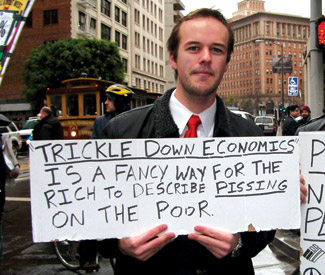
“We’re living in a time of trickle down economics and tax breaks for the rich,” Avalos said, later adding, “Big corporations [are] able to spend vast amounts of money” and have “the greatest influence on the outcome of elections.

“We need to look at our Constitution and have it amended so we aren’t looking at corporations as living, breathing people,” Avalos said.

That’s an immensely popular sentiment in this country, and it’s been stirred up by the US Supreme Court’s 2010 decision in Citizens United v. Federal Election Commission, a ruling that has come to represent all of the evils of big-money politics rolled into one two-word phrase.

More than 80 percent of Americans say they want the decision overturned. Six states, including California, have passed resolutions calling for a Constitutional amendment. Occupy protesters have made it a big issue. Marge Baker, policy vice president for People for the American Way, wrote a Huffington Post piece calling the campaign “A Movement Moment.”

But while Citizens United is a great rallying point, the challenge here goes way beyond one court decision. Citizens United didn’t create corporate personhood. Repealing the decision won’t end the flow of money in politics — and a lot of First Amendment experts are exceptionally nervous about anything that seeks to mess with this central part of the Bill of Rights.

And for all the denunciation of Citizens United, the solution — drafting the actual language of a new Constitutional amendment — turns out to be more than a little tricky.

MICHAEL MOORE AND HILARY CLINTON

Citizens United v. FEC has a complicated history. In 2002, Congress passed the McCain-Feingold Act, which barred corporations and unions from funding “electioneering” activities in the period right before an election.

The right-wing group Citizens United complained that Michael Moore’s documentary Fahrenheit 911 was an attack on George W. Bush and intended to influence the 2004 election, and the courts dismissed that complaint, saying that there was no evidence the independent documentary was an illegal campaign contribution.

Citizens United then started making its own “documentaries,” including one in 2008 that many saw as a campaign commercial against Hillary Clinton. The FEC found that the video was, in fact, “electioneering,” and the case wound up at the Supreme Court.

The legal decision was complicated, but among other things, the court ruled that a ban on independent corporate spending on election campaigns was a violation of the First Amendment rights of those business entities.

That was amplified when Republican presidential candidate Mitt Romney uttered his famous line, “corporations are people.”

But in reality, Citizens United alone hasn’t caused the tsunami of big money that’s poured into elections, including the 2012 campaigns. Much of the cash contaminating the presidential coffers this year comes not from corporations effected by the ruling but from individuals and private trusts that have been free to throw money around for decades.

“The flood of money is disgusting and corrupting,” Peter Scheer, director of the California First Amendment Coalition, told us. “But it isn’t coming from public corporations. It’s mostly wealthy people and private trusts, and they didn’t need Citizens United to do this.”

In fact, the groundwork for modern sleaze was set a long time ago, in 1976, when the Supreme Court ruled in Buckley v. Valeo that, in effect, money was speech — and that any rich individual could spend all he or she wanted running for office.

What the Supreme Court has done, though, is set the modern political tone for campaign finance — among other things, invalidating a Montana law that barred corporate contributions to campaigns. And in the majority ruling and the assenting opinions, the court made clear that it doesn’t think government has any role in leveling the campaign playing field — that it’s not the business of government to decide that the money and speech of rich people and big business is drowning out the opinions and speech of the rest of the populace.

SO NOW WHAT?

So now that every decent-thinking human being in the United States agrees that there’s too much sleazy money in politics and that it’s not a good thing for government to be for sale to the highest bidder, the really interesting — and difficult — question comes up: What do we do about it?

There are a lot of competing answers to that question. And frankly, none of them are perfect.

That may be one reason why the ACLU is mostly on the sidelines. When I contacted the national office to ask if anyone wanted to talk about the efforts to overturn Citizens United, spokesperson Molly Kaplan sent me an email saying “we actually don’t have anyone available for this.”

But on its website, the organization — in a nuanced statement on campaign reform — notes: “Any rule that requires the government to determine what political speech is legitimate and how much political speech is appropriate is difficult to reconcile with the First Amendment.”

In an ACLU blog post, Laura Murphy, director of the group’s Legislative Office in Washington DC, argues that “a Constitutional amendment—specifically an amendment limiting the right to political speech—would fundamentally ‘break’ the Constitution and endanger civil rights and civil liberties for generations.”

But David Cobb, one of the organizers of Move To Amend, which is pushing a Constitutional amendment, told me that “the idea that spending money is sacred is part of the problem, the reason that we don’t have a functioning democracy.”

There are two central parts to the problem: The notion that corporations have the same rights to free speech as people, and the notion that money is speech. Eliminate the first — which is immensely popular — and you still allow the Meg Whitmans and Koch brothers of the world to pour their personal fortunes into seeking political office or promoting other candidates.

Eliminate the second and you open a huge can of worms.

“It would be a disaster, in my view,” Scheer said. “As a general principle, I’m frightened by the concept of tampering with the Constitution.”

Money may not equal free speech, but it’s hard to exercise the right to free speech in a political campaign without money. And there are broader impacts that might be hard to predict.

But Peter Schurman, one of the founders of MoveOn.org and a leader in Free Speech for the People, told me that “it’s a false premise that money equals speech. The point is to get a level playing field.”

THE PROPOSALS

Move to Amend and Free Speech for People are promoting similar approaches, Constitutional amendments that, in fairly simple terms, would radically and forever alter American politics. Several members of Congress have offered Constitutional amendments that include similar language.

The Move to Amend proposal is the broadest and cleanest. It states: “The rights protected by the Constitution of the United States are the rights of natural persons only. Artificial entities, such as corporations, limited liability companies, and other entities, established by the laws of any State, the United States, or any foreign state shall have no rights under this Constitution and are subject to regulation by the People, through Federal, State, or local law.”

It goes on to say: “Federal, State and local government shall regulate, limit, or prohibit contributions and expenditures, including a candidate’s own contributions and expenditures, for the purpose of influencing in any way the election of any candidate for public office or any ballot measure.”

It also includes this statement: “Nothing contained in this amendment shall be construed to abridge the freedom of the press.”

Free Speech for the People is simpler. It only addresses the corporate speech issue: “People, person, or persons as used in this Constitution does not include corporations, limited liability companies or other corporate entities established by the laws of any state, the United States, or any foreign state, and such corporate entities are subject to such regulations as the people, through their elected state and federal representatives, deem reasonable and are otherwise consistent with the powers of Congress and the States under this Constitution.”

Cobb notes that the Move to Amend measure doesn’t say how political speech should be regulated; it just opens the door to that kind of lawmaking. “The question of how to protect the integrity of the electoral process is a political question, not a Constitutional question,” he said. In the end, there’s a huge issue here. The framers of the Constitution, their political consciousness forged in a battle against big and repressive government, feared as much as anything the notion of rulers controlling the rights of the people to speak, write, assemble, publish (oh, and carry firearms) freely. Corporate interests (with the possible exception of the British East India Company, which monopolized the tea trade) weren’t a major concern.

And First Amendment purists still recoil at the idea that government, at any level, could make decisions limiting or regulating political speech. I sympathize. It’s scary. But in 2012, it’s easy to argue that the power of big money and big business has far eclipsed the power of government, that for all practical purposes, the rich and their corporate creations are the government of the United States — and that the people, assembled and exercising the power envisioned under the Constitution, need to make rules to, yes, level the playing field. Not rashly, not in crazy ways, with full cognizance of the risks — but also with the recognition that the current situation is fundamentally unacceptable, and that the potential dangers of messing with the First Amendment have to be balanced with the very real dangers of doing nothing.

Environmental groups call for fracking moratorium in California

8

California’s biggest environmental organizations are gathering in Sacramento tomorrow (Wed/25) to call for a moratorium on the controversial practice of hydraulic fracturing – also known as fracking, in which a mixture of water and chemicals is injected at high pressure deep underground to increase production in oil and natural gas wells – until its impacts are better understood.

The occasion is the last in a series of workshops on the issue by the California Department of Conservation’s Division of Oil, Gas and Geothermal Resources, which is considering new rules on a practice that is mostly unregulated in California. Other recent legislative and administrative efforts to address fracking have been scuttled by the powerful fossil fuel industry.

Earlier this year, Sen. Fran Pavley (D-Santa Monica) discovered that state officials didn’t even know how much fracking is happening in California – while it requires state permits to drill an oil or natural gas well, fracking them doesn’t – although the industry has since estimated that more than 600 wells were fracked last year, most of them in Kern Country around Bakersfield.

But there is growing concern by environmentalists that the oil industry plans to expand its use of fracking in the Monterey shale formations that run from the Central Coast to the Central Valley, where an estimated 15 billion barrels of oil could be extracted if loosened up by fracking.

“We’re calling for the Division of Oil and Gas to slow down and not rush through these regulations,” said Andrew Grinberg, spokesperson for Clean Water Action. “We’re calling for a moratorium until we have good regulations that ensure the protection of our water, air, health, and communities.”

Other organizations joining the event – which begins at 5:30pm outside the California Environmental Protection Agency building at 1001 1st St. in Sacramento, where the DOGGR hearing will be held at 7pm – and the call for a moratorium includes the Sierra Club, Planning and Conservation League, Center for Biological Diversity, Environment California, and Food & Water Watch.

Public concerns about fracking have been on the increase in recent years, fueled by a high-profile debate in New York about ending a state moratorium against the practice and by alarming stories of groundwater contamination caused by fracking – including cases in which hydrocarbon content in drinking water is so high that people could set their faucets on fire – told in the 2010 documentary film Gasland and other media accounts.

But Tupper Hull, spokesperson for the influential trade group Western States Petroleum Association, told us fracking has been happening in California for 60 years – almost exclusively in oil wells rather than for the natural gas fields discussed in Gasland – and that it has not caused any detrimental environmental impacts, nor has its use been increasing, despite the increased public attention to the practice.

“We understand there is a lot of interest in this topic and questions about the technology,” Hull said. “We expect there will be new regulations and whatever they are, we hope they are based on facts and science and not emotional responses.”

But he said WSPA opposes the call for a moratorium because “this is a technology that aids in the production of energy.”

Yet the environmental groups say the need for energy shouldn’t cause government to abdicate its role of studying and regulating a potentially harmful practice that was given a broad federal exemption from the Clean Water Act by Congress in 2005, when it approved the Energy Policy Act that was spearheaded by then-Vice President Dick Cheney.

Environmental groups dubbed it the “Halliburton loophole” after Cheney’s former employer, which has greatly expanded the use of fracking in the US.

Guardian feminism panel calls for change, gang activity

31

In the interest of behaving badly, let us first say that we won’t apologize for the “roving feminist gangs” comment, nor the laughter that ensued at our July 11 “Bay Area Feminism Today” panel. In the light of the sexual attacks that have terrorized Mission District residents this year, Celeste Chan’s joke (actually a reference to comments made by Fox News in reference to the New Jersey Seven) has to be read as a self defense tactic — and source of comfort and strength to the women living in the neighborhood. Not a threat to men. Unless they’re commiting sexual assault, of course — but then, women commiting sexual assault will probably have the gang’s wrath to face as well. 

Seven women from all walks of Bay Area activism — arts, nightlife, immigrant advocacy, domestic violence organizations, and more — came together at City College’s Mission branch to discuss what our SF progressive community needs to work on, recent feminist victories, whether they even believe in the term “feminism,” and everything in between. Our “Faces of feminism” cover story announcing the event attracted a decent-sized crowd of around 120 (mainly young women, with zero male elected officials in attendance.) We laughed, we nearly cried, we came away with a lot to think about. Here’s some of the general topics that were discussed. And here’s to this being a spark for continued talks, however a Fourth Wave Bay feminism may take shape.

>>FOR THE FULL BIOS OF OUR PANELISTS, CHECK OUT THE EVENT ANNOUNCEMENT 

Reproductive justice

Reproductive justice has long been a feminist goal, but with the recent spate of attacks on birth control and abortion access it’s come up again. Are we here in the Bay Area isolated from the War On Women?Some panelists thought we can affect the country’s situation positively.

“Part of what we do here in the Bay Area is we send strong women to Washington,” the Drug Policy Alliance‘s Laura Thomas said. “We are responsible for a significant amount of women in Congress.” But California’s reproductive justice situation is more complicated than it may seem. St. James Infirmary‘s Stephany Ashley noted that reproductive health here is under attack with “criminalization of HIV-positive people,”  and that California “just cut all funding for HIV prevention for women.”

>>CHECK OUT REBECCA BOWE’S RECORDED LIVESTREAM OF THE EVENT HERE

Chan, founder of Queer Rebels Productions, added that California is cutting domestic violence services through slashing CalWORKS funding. Mujeres Unidas‘ Juana Flores noted that the Bay’s Latino communities can find it difficult to support aspects of reproductive health because of religion and tradition. But she said that people need to work together and realize that “it’s a real war. It’s a real war on us.” She warned that “politicians are not going to fix things just because they want to improve our lives. We need to fight back.”

Transgender activist and member of SF’s Youth Commission Mia Tu Mutch said that part of the war on women has been a wave of anti-trans legislation across the country, as well as a wave of hate crimes, especially against trans women of color. Some legislation in Tennessee is making it more difficult for trans people to go the bathroom, she said. “Reproductive justice is important, but we also need just the simple right to pee.”

But what about the word itself?

Does feminism have power as its own concept now, or has its work been rightly subsumed into the queer movement, the civil rights movement, and other forms of activism? “A lot of us can agree that there isn’t something you can point to and say, this is the feminist movement in San Francisco,” Ashley said. “But there are many important feminist projects happening.”
Alix Rosenthal, who created a controversial women’s slate in her bid for re-election on the SF Democratic County Central Committee recalled how “30 to 40 years ago, we all had to join together because there weren’t enough of us. Now people have splintered off.” Chan brought up the bicycle scene in 1983’s feminist sci-fi film Born in Flames, and quoted Audre Lourde: “for so long, we’ve been on the edge of each other’s battles.”

Tu Mutch said that she “would rather identify as fighting for LGBT rights, progressive rights” than as feminist. But, she continued that it is “under the system of patriarchy that we’re all getting screwed over.” She said that women are treated as second-class citizens, and trans and gender non-conforming people are treated as third class citizens in our society.  Edaj, longtime Bay Area DJ and director of the Women’s Stage at Pride for a decade, agreed that the word feminism “sparks a lot of emotion in people” and can create obstacles in growing support. Said Flores: “it’s a big word. People call me a feminist when I claim my rights. When I see another women who is suffering or being abused it’s unbearable to me,” Flores said. “When someone calls me a feminist, I feel proud.”

The inward gaze: how does the San Francisco progressive community do on feminist issues?

In a word: okay. But there’s work to be done even here, in “progressive” San Francisco. Thomas led the charge, talking about the state’s current legal ability to shackle women prisoners during childbirth. Tu Mutch expressed a need to stop “pitting groups against each other,” and to get rid of a City Hall attitude that says “my budget is more important than yours.” Tu Mutch said “there’s still rampant transphobia and gender essentialism,” that affects not just women, but the “countless people born with intersex conditions and who identify outside the binary.”

Ashley pointed out that “even some of our favorite male progressive politicians, you don’t see them cultivating leadership among women, queer people, trans people.” She talked about how that’s a traditional feminist organizing principle, “mentorship and meaningful participation, not just tokenizing participation.”

As a (not) side note, there wasn’t a single male politician in the audience that day. As Ashley put it, “patriarchy is really the problem.” Ashley and panel moderator, SFBG culture editor Caitlin Donohue shared the fact that they’ve felt diminished by remarks made by and in the company of the city’s so-called “progressive politicians.”

Recent feminist victories

But enough depressing stuff. How about recent feminist victories, asked an audience member.

This question was met with a disconcerting silence. Until Chan jumped in: “I’m really inspired by the place queer arts are at right now.” She told of the “lineage of resistance” of art that deals with questions like “how do people survive the unimaginable? How do people survive the truly horrific?” Disturbing incidents like that of transgender prisoner Cece McDonald beg the question, “is the perfect victim a dead victim? If you fight back, you’ll be criminalized? Now more than ever we need a movement. We really need to come together,” concluded Chan.

Rosenthal saw hope in surprising places. “Sarah Palin and Michelle Bachman,” she said. “These women are so incompetent. But they made it. They really made it.” She talked about how usually women have had to be five times better than the men they competed with, but “Sarah Palin and Michelle Bachman are not five times better than anyone. But they made it.”
Laura Thomas was inspired by Julia Bluhm, the 14-year old ballet dancer from Maine whose online petition led Seventeen to promise to stop using Photoshop to alter women’s body types. Ashley acknowledged Tu Mutch’s advocacy work, and said she was recently inspired by a “take back the plaza” event Tu Mutch had organized. Edaj was inspired by being named a Pride Grand Marshall, and the feeling that the Pride organization was acknowledging the importance of the space created at the Women’s Stage. She was also inspired by Morningstar Vancil, a Filipino vet who is a two-spirit drag king, and Vancil’s commitment to disabled veterans issues.

Action items

In response to a question that asked what the 2012 action plan for Bay Area feminists should involve, Ashley said “principles of intersectionality, anti-colonialism, anti-capitalism” had to be valued more than they have been in past feminist movements. They’re there in Third Wave feminism, Ashely said, only they are “wrapped up in theory and academia.” Those guiding principles should have “more on the ground” applicability. What needs to happen right now, speaking of on the ground? Back to 2012’s spate of sexual violence in the Mission, there’s a distinct necessity for “a perfect community response that doesn’t involve the police, so that we all of a sudden feel really comfortable taking a walk at 3 in the morning through our favorite neighborhood.”

Flores said that any new form of feminism would need to be about “mutual respect” and “against any form of injustice,” to which Thomas agreed, saying it needs to be “less theory, more practice.” It also, Thomas said “has to deal with gender in a different way. A new feminism needs to go beyond gender, or deal with gender differently” in the sense of respecting gender non-conforming identities. A tricky prospect, she admitted. “How you develop a gendered movement that doesn’t use gender as a defining construct, I don’t know.” More specifically, she underlined the importance of “progressive revenue measures,” and “an end to cuts to childcare and domestic violence programs.” “Our economy’s not coming back through more cuts. We need revenue, more taxes,” she said, to cheers from the crowd. Well this was a Guardian forum, after all. 

Edaj reiterated that “that word scares off a lot of people who might otherwise want to join.” Tu Mutch underlined that it would need to “take up the idea that men and women are opposites. That only serves to degrade women.” A new feminism, she said, would be about “turning away from that and realizing there’s lots of different genders.”

Tu Mutch said she would like to see success for her organization to fight for trans healthcare rights, FEATHER. “People have to spend ridiculous amounts of money to transition,” she said. “We need universal healthcare for all, including trans people.”

Chan pondered the question. In the end, she concluded, “roving feminist gangs,” inspiring at least one angry letter from a slighted middleaged white man in the crowd. Which wasn’t the only reason why we deemed the panel a success, but an important one.

Dick Meister: A sure path to economic health

0

By Dick Meister 

Guardian columnist Dick Meister is former labor editor of the SF Chronicle and KQED-TV Newsroom. He has covered labor and politics for more than a half-century. Contact him through his website, www.dickmeister.com, which includes more than 350 of his columns.

It’s way past time to raise the pitifully low federal minimum wage. That would provide badly needed help to the millions who are living in poverty or near-poverty at the current rate of $7.25 an hour, and would help all Americans by stimulating the sagging economy.

Democratic Sen. Tom Harkin of Iowa and Democratic Rep. Jesse Jackson Jr. of Illinois are carrying bills that would set a new minimum of $10 an hour. They’re pressing hard – as they very well should – to get the general public and their allies in Congress to fully appreciate the widespread good that would come from helping some of the country’s neediest workers.

“We’ve bailed out banks, we’ve bailed out corporations, we’ve bailed out Wall Street, we’ve tried to create sound fundamentals in the economy,” Jackson noted. “Now it’s time to bail out working people who work hard every day and still make only $7.25. The only way to do that is to raise the minimum wage.”

It’s been five years since the minimum was last raised, from $5.15 an hour to the current level. States, cities and counties are allowed to set their own minimums, as long as they at least equal the federal rate, and 18 states and several cities and counties have enacted minimums greater than the federal rate. But even their rates are below what’s needed for a decent living.

About four million workers are now paid at or below the federal minimum and obviously need help if they are to escape poverty. Even those paid at the full minimum earn a mere $15,000 a year before taxes and other deductions.  They are among some 28 million workers whose earnings – and spending  – would immediately increase under the proposed bills.

Legislation to raise the minimum has been called for repeatedly in the years since the last raise in 2007, but has gained only relatively minimal support in Congress and the White House. President Obama pledged during his election campaign to get the rate increased to $9.50 an hour by 2011, but has taken no public action. Mitt Romney, Obama’s Republican opponent in his re-election campaign this year, has wavered. He once voiced support for a raise, but later said he opposed an increase.

Polls have clearly shown strong public support for a raise. That support is likely to grow significantly if the economic benefits that a raise would undoubtedly bring to all Americans can be clearly shown – and it can.

It’s simple: Raise the pay of working people, and as the workers buy more goods and services with their new earnings, the businesses that sell them will hire more people to provide what they want to buy with the extra money they’ve earned at a higher minimum wage.

The National Employment Law Project estimates that the increased consumer spending generated by the proposed raise would create the equivalent of more than 100,000 full-time jobs. Other estimates indicate that every dollar increase in wages for workers at the minimum creates more than $3,000 in new spending after a year.

And so the cycle goes, round and round:  More pay, more spending on goods and services, more hiring of people to provide them, more important government services and the taxes to support them, a healthier and wealthier economy.

Guardian columnist Dick Meister is former labor editor of the SF Chronicle and KQED-TV Newsroom. He has covered labor and politics for more than a half-century. Contact him through his website, www.dickmeister.com, which includes more than 350 of his columns.


Stage Listings

0

Stage listings are compiled by Guardian staff. Performance times may change; call venues to confirm. Reviewers are Robert Avila, Rita Felciano, and Nicole Gluckstern. Submit items for the listings at listings@sfbg.com. For further information on how to submit items for the listings, see Picks.

THEATER

OPENING

“Bay Area Playwrights Festival” Thick House, 1695 18th St, SF; www.playwrightsfoundation.org. $15. Opens Fri/20, 8pm. Various showtimes and dates. Through July 29. The 35th annual festival presents six new plays: Grounded by George Brant; Ideation by Aaron Loeb; Brahmani by Aditi Brennan Kapli; Samsara by Lauren Yee; The Hundred Flowers Project by Christopher Chen; and Tea Party by Gordon Dahlquist.

BAY AREA

A Midsummer Night’s Dream Forest Meadows Amphitheater, 890 Belle, Dominican University of California, San Rafael; www.marinshakespeare.org. $20-35. Previews Fri/20 and Sun/22, 8pm. Opens July 28, 8pm. Runs July 29, Aug 12, Sept 2, 16, 23, and 30, 4pm; Aug 3, 5, 12, 18, 24, 26, Sept 7, 9, 15, 28-29, 8pm. Through Sept 30. Marin Shakespeare Company performs the Bard’s classic, transported to the shores of Hawaii.

Noises Off Live Oak Theatre, 1301 Shattuck, Berk; www.aeofberkeley.org. $15. Opens Fri/20, 8pm. Runs Fri- Sat, 8pm; Aug 12, 2pm. Through Aug 18. Actors Ensemble of Berkeley performs Michael Frayn’s backstage comedy.

ONGOING

Absolutely San Francisco Alcove Theater, 414 Mason, Ste 502, SF; www.thealcovetheater.com. $32-50. Thu-Sat, 8pm. Through Aug 18. A multi-character solo show about the characters of San Francisco.

Duck Lake The Jewish Theater, 470 Florida, SF; www.duck-lake.com. $17-35. Fri-Sat, 8pm. Through July 28. By terns gross and engrossing, PianoFight’s Duck Lake — written and produced by associated sketch comedy locals Mission Control — proves a gangling but irresistible flight, a ballet-horror-comedy-musical with fair helpings of each. By the shore of the eponymous watery resort with a mysterious past as an animal testing site, a perennially “up-and-coming” theater director named Barry Canteloupe (poised and sassy Raymond Hobbs) marshals a pair of prosthetic teats and other trust-building paraphernalia in a cultish effort to bring off yet another reimagining of Swan Lake. His cast and crew include a rebounding TV starlet (a sure and winsome Leah Shesky), a lazy leading man (delightfully dude-ish Duncan Wold), a supremely confident and just god-awful tragedian (a duly expansive Alex Boyd), and a gleeful misfit of a tech guy (an innocently inappropriate, very funny Joseph Scheppers). When the thespians come beak-to-beak with a handsome local gang leader (a nicely multifaceted Sean Conroy) and his rowdy band of sun-addled jet-skiers (the awesome posse of Daniel Burke, David Burke, and Meredith Terry), a star-crossed college reunion ensues between the tattooed tough and the hapless production’s white swan. Meanwhile, “scary fucked-up super ducks” go on a killing rampage under tutelage of some cave-bound weirdo (an imposing, web-footed Rob Ready), leading to love, mayhem, and shameless appropriation of timeless musical numbers. It’s all supported by four tutu’d mallards (the po-faced, limber ensemble of Christy Crowley, Caitlin Hafer, Anne Jones, and Emma Rose Shelton) and flocks of murderous fellow fowl (courtesy of Crowley’s fine puppet design). And don’t worry about the convoluted plot, all will be niftily explained by an old codger of a groundskeeper (a hilariously persuasive Evan Winchester). If the action gets attenuated at times across two-plus hours, a beguilingly agile cast and robust concept more than compensate for the loosey-goosey. (Avila)

5 Lesbians Eating a Quiche Phoenix Theatre, 414 Mason, SF; www.tidestheatre.org. $20-38. Thu/19-Sat/21, 8pm (also Sat/21, 10pm). Tides Theatre performs Evan Linder and Andrew Hobgood’s comedy about five women forced into a bomb shelter during a mid-breakfast nuke attack.

Fwd: Life Gone Viral Marsh San Francisco, 1062 Valencia, SF; (415) 282-3055, www.themarsh.org. $20-50. Sat/21, 8:30pm; Sun/22, 7pm. The internet becomes comic fodder for creator-performers Charlie Varon and Jeri Lynn Cohen, and creator-director David Ford.

Marat/Sade Brava Theatre, 2781 24th St, SF; (415) 863-0611, www.ticketfly.com. $20-38. Wed-Sat, 8pm; Sun, 7pm (also Sun/22, 1:30pm). Through July 29. Marc Huestis and Thrillpeddlers present Peter Weiss’ macabre Tony-winner.

The Scottsboro Boys American Conservatory Theater, 415 Geary, SF; www.act-sf.org. $20-95. Wed/18-Sat/21, 8pm (also Wed/18 and Sat/21, 2pm); Sun/22, 2pm. American Conservatory Theater presents the Kander and Ebb musical about nine African American men falsely accused of a crime they didn’t commit in the pre-civil rights movement South.

Sweeney Todd: The Demon Barber of Fleet Street Eureka Theatre, 215 Jackson, SF; www.rayoflighttheatre.com. $25-36. Thu-Sat, 8pm (also Sat, 2pm); Sun, 2pm. Through Aug 11. Halloween comes early this year thanks to Ray of Light Theatre’s production of Sweeney Todd and all its attendant horrors. Set in bleakest, Industrial Revolution-era London, this Sondheim musical pushes the titular Todd to enact a brutal vengeance on a world he perceives as having stolen the best of life from him, namely his family and his freedom. No fey, gothic vampire, ROLT’s Sweeney Todd (played by Adam Scott Campbell) is both physically and psychically imposing, built like a blacksmith and twice as dark. Pushed over the line between misanthropic and murderous, Sweeney Todd methodically plots his revenge on the hated Judge Turpin (portrayed with surprising sympathy by Ken Brill) while the comfortably comical purveyor of pies, Mrs. Lovett (Miss Sheldra), dreams of a sunnier future. Mrs. Lovett’s no-nonsense, wisecracking ways aside, there are few laughs to be had in this slow-burning dirge to the worst in mankind, and as the body count rises, it is made abundantly clear that all hope of redemption is also but a fantasy. Contributing to the dark mood are Maya Linke’s imposing, industrial set, Cathie Anderson’s ghostly green and hellfire amber lighting, and a spare chamber ensemble of six able musicians conducted by Sean Forte. (Gluckstern)

Vital Signs Marsh San Francisco, 1062 Valencia, SF; (415) 282-3055, www.themarsh.org. $15-50. Sat, 8:30pm. Extended through Aug 25. The Marsh San Francisco presents Alison Whittaker’s behind-the-scenes look at nursing in America.

Waiting… Larkspur Hotel Union Square, 525 Sutter, SF; www.brownpapertickets.com. $49-75. Thu-Sat, 8pm; Sun, 2pm. Through Aug 5. Comedy set behind the scenes at a San Francisco restaurant.

The Waiting Period MainStage, Marsh San Francisco, 1062 Valencia, SF; (415) 282-3055, www.themarsh.org. $15-50. Fri, 8pm; Sat, 5pm. Extended through August 4. Brian Copeland (comedian, TV and radio personality, and creator-performer of the long-running solo play Not a Genuine Black Man) returns to the Marsh with a new solo, this one based on more recent and messier events in Copeland’s life. The play concerns an episode of severe depression in which he considered suicide, going so far as to purchase a handgun — the title coming from the legally mandatory 10-day period between purchasing and picking up the weapon, which leaves time for reflections and circumstances that ultimately prevent Copeland from pulling the trigger. A grim subject, but Copeland (with co-developer and director David Ford) ensures there’s plenty of humor as well as frank sentiment along the way. The actor peoples the opening scene in the gun store with a comically if somewhat stereotypically rugged representative of the Second Amendment, for instance, as well as an equally familiar “doood” dude at the service counter. Afterward, we follow Copeland, a just barely coping dad, home to the house recently abandoned by his wife, and through the ordinary routines that become unbearable to the clinically depressed. Copeland also recreates interviews he’s made with other survivors of suicidal depression. Telling someone about such things is vital to preventing their worst outcomes, says Copeland, and telling his own story is meant to encourage others. It’s a worthy aim but only a fitfully engaging piece, since as drama it remains thin, standing at perhaps too respectful a distance from the convoluted torment and alienation at its center. (Avila)

BAY AREA

Bloody Bloody Andrew Jackson The Stage, 490 S. First St, San Jose; www.thestage.org. $25-$50. Wed-Thu, 7:30pm; Fri-Sat, 8pm; Sun, 2pm. Through July 29. An overrated president and rock musical at once, the 2010 Broadway hit by Alex Timbers (book) and Michael Friedman (music, lyrics) takes its first Bay Area bow in San Jose Stage’s ho-hum production, directed by Rick Singleton. In this proudly irreverent but rarely very witty take on mob-democracy and the pack of jackals that are our illustrious political forefathers, a vicious and ambitious cornpone Jackson (David Colston Corris, subbing for Jonathan Rhys Williams) takes his Indian-hating ways to the top of the political establishment on a wave of backwoods resentments and Tea Party-style populism. Present-day parallels should run deep here, but the play is so shallow in its humor that it feels one-note for the most part, while its South Park-like insouciance has an unintentional way of making jokes about the Trail of Tears feel “too soon.” This American Idiocy and the 13 accompanying musical numbers are gamely if not always smoothly essayed by cast and band alike (under musical direction by Allison F. Rich), but dumb satire lines up with a generally unappealing score, straining after saucy eloquence while sounding derivative of the emo fare served up by the likes of Spring Awakening and that lot. A tack away from sheer vulgarity and buffoonery toward moralizing history lesson comes late in the hour and its guilty pretention — along with earlier gratuitous, vaguely uncomprehending references to Susan Sontag and Michel Foucault — only makes matters worse. (Avila)

For the Greater Good, Or The Last Election This week: Mosswood Park, MacArthur between Webster and Broadway, Oakl; www.sfmt.org. Free (donations accepted). Sat/21, 2pm. Various venues through Sept. 8. “Don’t they understand that without us they don’t have anything?” asks Gideon Bloodgood (Ed Holmes), investment banker at the top of the San Francisco Mime Troupe’s vivisection of the “real” American Dream, For the Greater Good, Or the Last Election. But surely the hero of a Mime Troupe show cannot possibly be a billionaire? Well, sort of. Though Bloodgood enriches himself dishonestly with precarious investments and outright theft in this Occupy-era melodrama, he actually does occasionally spare a sentiment for Mom and apple pie, or anyway his daughter Alida (Lisa Hori-Garcia) and cookies baked by the unsuspecting victim of his ill-gotten gains, the Widow Fairweather (Keiko Shimosato Carreiro) — now living at the last Occupy encampment standing in the city. Alida, however, displays no compunction in throwing aside his affection and her prospective seat in Congress, running off to join the occupiers for reasons that truthfully appear about as politically motivated as her father’s parasitic avarice, leaving him to join forces instead with the most unlikely of allies — the impeccable, ingenuous Lucy Fairweather (Velina Brown), heiress to a stolen legacy, and staunch patriot. Based loosely on 19th century play The Poor of New York, The Last Election attempts to turn a presumptive ode to the free market into its swan song with good-humored, if predictable, results. (Gluckstern)

King John Forest Meadows Amphitheater, 890 Belle, Dominican University of California, San Rafael; www.marinshakespeare.org. $20-35. Opens Fri/13, 8pm. Runs Sat/21, July 27, 29, Aug 4, 10-12, 8pm; Sun/22 and Aug 5, 4pm. Marin Shakespeare Company kicks off its 2012 outdoor summer festival season with this history play.

The Kipling Hotel: True Misadventures of the Electric Pink ’80s Marsh Berkeley, 2120 Allston, Berk; (415) 282-3055, www.themarsh.org. $20-50. Sat, 8:30pm; Sun, 7pm. Extended through Aug 26. This new autobiographical solo show by Don Reed, writer-performer of the fine and long-running East 14th, is another slice of the artist’s journey from 1970s Oakland ghetto to comedy-circuit respectability — here via a partial debate-scholarship to UCLA. The titular Los Angeles residency hotel was where Reed lived and worked for a time in the 1980s while attending university. It’s also a rich mine of memory and material for this physically protean and charismatic comic actor, who sails through two acts of often hilarious, sometimes touching vignettes loosely structured around his time on the hotel’s young wait staff, which catered to the needs of elderly patrons who might need conversation as much as breakfast. On opening night, the episodic narrative seemed to pass through several endings before settling on one whose tidy moral was delivered with too heavy a hand, but if the piece runs a little long, it’s only the last 20 minutes that noticeably meanders. And even with some awkward bumps along the way, it’s never a dull thing watching Reed work. (Avila)

Ma Rainey’s Black Bottom Sister Thea Bowman Memorial Theater, 920 Peralta, Oakl; www.lowerbottomplayaz.com. $10-25. Fri/20-Sat/21, 7pm; Sun/22, 2pm. Lower Bottom Playaz perform August Wilson’s music-industry expose.

The Marvelous Wonderettes Fox Theatre, 2215 Broadway, Redwood City; www.broadwaybythebay.org. $20-48. Thu-Sat, 8pm (also Sat, 2pm); Sun, 2pm. Through July 29. Broadway By the Bay performs Roger Bean’s retro musical, featuring classic tunes of the 1950s and ’60s.

Roald Dahl’s Willy Wonka and the Chocolate Factory Julia Morgan Theatre, 2640 College, Berk; www.berkeleyplayhouse.org. $17-35. Thu, Sat, and July 25, 7pm (also Sat, 2pm); Sun, noon and 5pm. Through Aug 19. Berkeley Playhouse performs a musical based on the candy-filled book, with songs from the 1971 movie adaptation.

Salomania Aurora Theatre, 2081 Addison, Berk; www.auroratheatre.org. $30-55. Wed/18-Sat/21, 8pm; Sun/22, 2 and 7pm. The libel trial of a politically opportunistic newspaper publisher (Mark Andrew Phillips) and the private life of a famous dancer of the London stage — San Franciscan Maud Allan (a striking Madeline H.D. Brown) — become the scandalous headline-grabber of the day, as World War I rages on in some forgotten external world. In Aurora’s impressive world premiere by playwright-director Mark Jackson, the real-life story of Allan, celebrated for her risqué interpretation of Oscar Wilde’s Salomé, soon gets conflated with the infamous trial (20 years earlier) of Wilde himself (a shrewdly understated Kevin Clarke). But is this case just a media-stoked distraction, or is there a deeper connection between the disciplining of “sexual deviance” and the ordered disorder of the nation state? Jackson’s sharp if sprawling ensemble-driven exploration brings up plenty of tantalizing suggestions, while reveling in the complexly intermingling themes of sex, nationalism, militarism, women’s rights, and the webs spun by media and politics. A group of trench-bound soldiers (the admirable ensemble of Clarke, Alex Moggridge, Anthony Nemirovsky, Phillips, Marilee Talkington, and Liam Vincent) provide one comedy-lined avenue into a system whose own excesses are manifest in the insane carnage of war — yet an insanity only possible in a world policed by illusions, distractions and the fear of unsettled and unsettling “deviants” of all kinds. In its cracked-mirror portraiture of an era, the play echoes a social and political turmoil that has never really subsided. (Avila)

Truffaldino Says No Ashby Stage, 1901 Ashby, Berk; www.shotgunplayers.org. $18-25. Wed/18-Thu/19, 7pm; Fri/20-Sat/21, 8pm; Sun/22, 5pm. For centuries, stock characters have insidiously demonstrated to the working classes the futility of striving against type or station with broadly comedic pratfalls, doomed to play out their already-written destinies with no hope for a change in script. Truffaldino (William Thomas Hodges) is one such pitiable character. Longing for his airheaded mistress, Isabella (Ally Johnson), playing second fiddle to his father, the iconic Commedia dell’Arte fool Arlecchino (Stephen Buescher), Truffaldino becomes increasingly dissatisfied with the monotony of the “old world” and strikes out for the new one — eventually washing up in Venice Beach. Despite their dayglo California veneer and sitcom-appropriate shenanigans, the new world characters he meets quickly come to resemble the stock commedia characters Truffaldino has left behind, and he finds himself similarly trapped in their incessantly recurring cycle — pining predictably for valley girl waitress, Debbie (Johnson again). What thankfully cannot be predicted is how Truffaldino manages to rewrite his destiny after all while reconciling his two worlds in a raucous comedy of errors anchored by the solid physical comedy of its stellar cast, particularly that of Stephen Buescher as both Arlecchino and Hal, who bounces, prances, tumbles, and falls down the stairs with the kind of rubber-jointed dexterity that should come with a “kids, don’t try this at home” warning label. (Gluckstern)

Upright Grand TheatreWorks at Lucie Stern Theatre, 1305 Middlefield, Palo Alto; www.theatreworks.org. $24-73. Tue-Wed, 7:30pm; Thu-Sat, 8pm (also Sat, 2pm); Sun, 7pm. Through Aug 10. TheatreWorks launches its 43rd season with the world premiere of Laura Schellhardt’s play about a musical father and daughter.

PERFORMANCE/DANCE

“Ballroom With a Twist” Marines’ Memorial Theatre, 609 Sutter, Second Flr, SF; www.marinesmemorialtheatre.com. $49-79. Thu-Sat, 8pm (also Sat, 2pm); Sun, 2 and 6pm. Through July 29. Dancing With the Stars pros and contestants from American Idol and So You Think You Can Dance perform pumped-up ballroom dance and music.

BATS Improv Bayfront Theater, B350 Fort Mason Center, SF; www.improv.org. Fri, 8pm, through July 27: “Naked” Theatresports, $17. Sat, 8pm, through July 28: “Spontaneous Broadway,” $20.

“Elect to Laugh” Studio Theater, Marsh San Francisco, 1062 Valencia, SF; (415) 282-3055, www.themarsh.org. Tue, 8pm. Through Nov 6. $15-50. Veteran political comedian Will Durst emphasizes he’s watching the news and keeping track of the presidential race “so you don’t have to.” No kidding, it sounds like brutal work for anyone other than a professional comedian — for whom alone it must be Willy Wonka’s edible Eden of delicious material. Durst deserves thanks for ingesting this material and converting it into funny, but between the ingesting and out-jesting there’s the risk of turning too palatable what amounts to a deeply offensive excuse for a democratic process, as we once again hurtle and are herded toward another election-year November, with its attendant massive anticlimax and hangover already so close you can touch them. Durst knows his politics and comedy backwards and forwards, and the evolving show, which pops up at the Marsh every Tuesday in the run-up to election night, offers consistent laughs born on his breezy, infectious delivery. One just wishes there were some alternative political universe that also made itself known alongside the deft two-party sportscasting. (Avila)

“Expiration Date: Still Good” Jewish Theater, 470 Florida, SF; www.pianofight.com. Thu/19, 8pm. $20. PianoFight’s female-driven comedy group ForePlays performs fan-fave sketches.

“Fauxgirls! San Francisco’s Favorite Drag Revue” Infusion Lounge, 124 Ellis, SF; www.fauxgirls.com. Thu/19, 7pm. Free. With Victoria Secret, Alexandria, Chanel, Maria Garzi, and more.

“Fishnet Follies” Rrazz Room, Hotel Nikko, 222 Mason, SF; www.fishnetfollies.com. Fri/20, 10:30pm. $20-45. Classic burlesque revue with Vienna La Rouge, Jessabelle Thunder, Cici Stiletto, and more.

“Folded Into a Tempest” Noh Space, 2840 Mariposa, SF; www.shashahigby.com. Fri-Sat, 8pm. Through July 28. $18-25. Sha Sha Higby performs an exploration of life, death, and rebirth using her unique sculptural costumes and puppetry.

Keith Lowell Jensen San Francisco Punch Line, 444 Battery, SF; www.punchlinecomedyclub.com. Wed/18, 8pm. $15. The comedian performs and tapes a new CD for Stand Up! Records.

“The Jersey Devil” SF Mime Troupe, 855 Treat, SF; www.acmfund.org. Thu/19-Fri/20, 8pm. Free (donations accepted). Berserker Residents present a sideshow-inspired performance exploring the myth of the Jersey Devil.

“Jillarious Tuesdays” Tommy T’s Showroom, 1000 Van Ness, SF; www.jillarious.com. Tue, 7:30. Ongoing. $20. Weekly comedy show with Jill Bourque, Kevin Camia, Justin Lucas, and special guests.

“Majestic Musical Review Featuring Her Rebel Highness” Harlot, 46 Minna, SF; www.herrebelhighness.com. Sun, 5pm. Through Aug 12. $25-65. Cocktails and hors d’oeuvres, performers in Baroque-chic gowns, music, and more.

“Mixed Relief” Lorraine Hansberry Theatre, 450 Post, SF; www.actorsequity.org. Mon/23, 7:30pm. $5-10. Part of LaborFest 2012, this staged reading of a play about women writers of the WPA is promoted by the Actors’ Equity Association and benefits the Actors Fund.

“Postcard from Morocco” Cowell Theatre, Fort Mason Center, Marina at Laguna, SF; www.sfopera.com. Thu/19, 8pm; Sun/21, 2pm. $40-60. Young-artist training group Merola Opera Program presents Dominick Argento’s dreamy masterpiece.

“Soundwave ((5)) Humanities: The Future Bionic” Lab, 2948 16th St, SF; www.projectsoundwave.com. Sat/21, 8pm. $12-25. Multimedia and interactive performances by Jay Kreimer, Diana Burgoyne, and the Cellar Ensemble. 


The man who made 500 movies

0

arts@sfbg.com

FILM In 1969, a lot of silent films unloaded on the Library of Congress by Paramount Pictures was found to include The Canadian, a little-remembered 1926 drama that proved a major rediscovery when shown to new audiences under the American Film Institute’s banner. Its director, William Beaudine, had never seen it — hustling between assignments at different studios, he’d had no time — and would die at age 78 in March of 1970. But the prior month he managed (just out of the hospital, in a wheelchair) to catch a revival screening. Surprised by both the film and his standing ovation afterward, he admitted “Maybe I wasn’t such a bad director after all.”

That wasn’t just false modesty speaking — over the course of six decades in the business, Beaudine no doubt had been called a bottom-rung director, or worse. This wasn’t due so much to the actual quality of his movies (had anyone bothered to evaluate them as a whole) as the assumption that no one so ludicrously, indiscriminately prolific could possibly be good. Upon retiring a couple years earlier, he’d completed some 500 theatrical films (including shorts) and approximately 350 TV programs. No one even knows the precise numbers, as he occasionally worked under pseudonyms. What could you say about a man credited with such titles as Blonde Dynamite (1950), Tuna Clipper (1949), Billy the Kid vs. Dracula (1966), Voodoo Man (1944), Trick Golf (1934), The Girl from Woolworth’s (1929), and Bela Lugosi Meets A Brooklyn Gorilla (1952)? How could a one-man factory be expected to be an artist, too?

The truth was that Beaudine seldom got the chance to be one, and by being so pliant and efficient at directing low-end commercial product he probably helped ensure those chances would be rare. Still relatively unknown, The Canadian was certainly one such exception. It plays Saturday afternoon as part of the 17th San Francisco Silent Film Festival, on a program that will also see an honorary award go to Telluride Film Festival directors Tom Luddy, Gary Meyer, and Julie Huntsinger for their event’s long-standing efforts at preserving and exhibiting silent cinema.

A working-class Manhattan native infatuated with the movies from childhood — Beaudine and his brother actually acted in a 1900 short for Thomas Edison’s company — he began working in the then-NYC-centered early industry while still a teen, performing nearly every job behind (and a few before) the camera. He apprenticed under pioneers D.W. Griffith and Mack Sennett, graduating to the director’s seat shortly after a second, permanent move to Los Angeles in 1914.

Beaudine quickly acquired a reputation for being fast and funny — comedy was considered his forte, alongside working with child actors. It was the latter talent that won the attention of “America’s Sweetheart,” film industry tycoon Mary Pickford. Grudgingly accepting that the public still only wanted to see her in juvenile roles despite the fact that she was pushing 40, she chose him to direct two “comeback” vehicles after a year’s hiatus. Sentimental 1925 entry Little Annie Rooney was a great hit; the next year’s more Gothic Sparrows is still considered by some her best vehicle.

These prestige assignments and several other box-office successes should have lifted Beaudine to the top tier of Hollywood directors — he was already paid accordingly — yet curiously his self-effacing flexibility and ability to deliver the goods under-budget seemed to work against his acquiring the kind of artistic cred that might have let him choose his projects, or be assigned bigger, A-level ones. Frequently loaned out by whatever studio he was currently contracted to, he invariably did a sound job, even if the material was sub-par.

The Canadian itself was an example of his ability to roll with the punches. Sent east by Paramount to make a football picture, he arrived in New York only to find he was now directing a rural drama instead. Improbably based on a W. Somerset Maugham play, it starred Thomas Meighan as an Alberta farmer who marries his neighbor’s sister — a sort of grudge match, as she (Mona Palma) is a European society snob just recently forced here by dwindling family fortunes, and who proposes marriage herself largely to spite the brother and sister-in-law she’s managed to offend.

Sometimes compared today to Victor Sjöström’s 1928 The Wind with Lillian Gish, The Canadian is much less extreme in its style, melodrama, and emotions. (Its heroine doesn’t nearly go mad, for one thing.) The taming-of the-snoot gist is routine, but played out with charming naturalism and restraint. A somewhat difficult, weather-challenged location shoot near Calgary paid off in admiring reviews and good business, although by then Beaudine was already well into other projects, the most immediate being SF-set Frisco Sally Levy (1927).

Beaudine nimbly transitioned into “talkies,” freelancing rather than tying himself down. Yet perversely his adaptability, and knack for getting the most out of a budget, got him typed as a B-pic director rather than promoted to the front ranks. Wiped out in the 1929 stock market crash, he accepted what turned out to be a very successful stint abroad directing some of the top English comedians (notably Will Hays in 1936’s deliciously titled Windbag the Sailor). But those films weren’t seen in the U.S. When he returned home, Beaudine was — for reasons still murky — shut out at every Hollywood major, despite a long track record and being widely liked by coworkers.

His remaining three decades were a testimony to dogged workaholicism, versatility, and solid craftsmanship under sometimes trying circumstances. He worked for all the low-budget “Poverty Row” studios, as well as companies targeting “Negro-only” cinemas, and Protestant church circuits. He chalked up umpteen bottom-half-of-the-bill features in popular series, including dozens starring those aging adolescent cutups the Bowery Boys. He also directed infamous “sex hygiene” film Mom and Dad (1945), which for years played grindhouses and tent shows while fending off as many legal challenges as Deep Throat (1972) years later. Moving into television, he cranked out episodes of everything from The Mickey Mouse Club and Lassie to The Green Hornet — becoming surely the sole person ever to direct both Mary Pickford and Bruce Lee.

This year’s Silent Film Fest contains many more treasures, from two with the “It Girl” Clara Bow (1926’s Mantrap, 1927’s Wings) to films by Ernst Lubitsch, Josef von Sternberg, Georg Wilhelm Pabst, and Buster Keaton; from China, Russia, and Sweden; and with irrepressible cartoon id Felix the Cat. If you loved The Artist, check out The Mark of Zorro (1920) — its leaping, grinning star Douglas Fairbanks was the unmistakable model for Jean Dujardin’s Oscar-winning turn. *

SAN FRANCISCO SILENT FILM FESTIVAL

Thu/12-Sun/15, free-$42

Castro Theatre

429 Castro, SF

www.silentfilm.org

Missing the point on Hetch Hetchy

35

So now we have to have a vote on tearing down Hetch Hetchy. That’s fine, let’s have the discussion. But let’s be honest about it: This isn’t just, or even primarily, a water issue. It’s really about electric power.

If you want to read the piece I wrote on this for Earth Island Journal, it’s here. I’ve written loads more over the years, enough to fill a couple of good-sized books. But let me try to make the point as simply as I can.

The dam would never have been approved by Congress if it were just a reservoir for San Francisco’s water. The reason the Raker Act, which authorized the destruction of Hetch Hetchy Valley, was approved was that the conservationists, who opposed the dam, were trumped by the public-power advocates, who argued that preventing private companies from controlling the electric power grid was so important that it justified environmental sacrilege. The dam was supposed to provide the centerpiece for a local public-power system that would prevent Pacific Gas and Electric Company from controlling the city’s energy system.

The history of Hetchy Hetchy isn’t about water — it’s about how that power never made it to San Francisco. You can read it in great detail here. I have spent weeks in the National Archives in DC researching this, and have thousands of pages of documents on it. You may or may not support the idea of the city running a public-power system, but it’s hard for anyone to argue that Congress intended anything else.

The city accepted the deal, built the dam, and has for almost a century ducked, bobbed, weaved, and tried everything possible to avoid kicking out PG&E.

So why keep the dam in place? I don’t believe the Restore Hetch Hetchy people when they say that the city can find other storage for its water needs. Tear down the dam and we’ll be sucking water out of the Delta soon enough. But forget that — let’s assume we could conserve enough water that we didn’t need that reservoir.

We’d still have to replace a buttload of electric power. The city’s hydropower system generates 1.7 billion kilowatt hours a year, enough to power more than 400,000 homes — and does so without producing an ounce of CO2. Although there are other powerhouses in the system, we’d lose almost half of its capacity if we tore down the dam.

It seem to me that existing large hydro, while imperfect, is a more environmentally sound form of electricity generation than coal, oil, natural gas, or nuclear — and right now, those are the alternatives.

Soon enough the city will have enough small-scale distributed generation, mostly rooftop solar, to get rid of both PG&E and the dam. Count me as a supporter. But we’re not there yet.

In the meantime, if we’re going to have this discussion, let’s talk about electricity, and PG&E, and the Raker Act, not just water and the once-pristine valley.


Is the Obamacare ruling good news?

33

Chief Justice John Robert’s atypical alignment with the left of the bench today led the Supreme Court to uphold most of the Affordable Care Act—a move generally lauded by liberals. But we spoke with a number of progressives who see Obamacare’s victory as solely a victory for the corrupt health insurance industry, and just another step off the path to a successful single-payer solution.

“This bill was written by and for the health insurance industry,” Clark Newhall,a physician and lawyer who is executive director of Utah’s Health Justice, told us. “It’s always been a bailout. It creates a huge new market of people who are forced to buy a shoddy product from a smarmy industry.”

Newhall said insurance industry execs constantly get $200,000 bonuses while health insurance premiums increase two or threefold. The industry found “accomplices in Obama and the Democratic Congress to do its bidding. It creates a government subsidy for these people so in essence this is simply a transfer of government money to the private insurance industry, similar to the bank bailout,” he said.

Many left-of-center Democrats, in fact, called on the Court to strike down the individual mandate that requires all Americans to either have health insurance or pay a penalty—the penalty the Court determined to be a tax, and thus Constitutional.

“Obama said this is the only way to cover everyone,” Russell Mokhiber, the founder of Single Payer Action who joined with 50 doctors to file an amicus brief with the Court rejecting the individual mandate’s constitutionality based on the Commerce Clause. “There are Constitutional ways to cover everyone. Single-payer already exists in Medicare for those over 65 and Medicaid for poor people. There’s a simple fix, which most of the western industrialized world has. The only way to control costs and cover everyone is single-payer,” he said.

According to Mokhiber, millions of people will still be left lacking insurance. He pointed to his electrician, a 63-year-old postponing a major operation until he can get Medicare in two years. “One hundred and twenty Americans die every day from lack of insurance,” he said.

Twenty-six million people in the country are currently uninsured, and the number is expected to grow even with the upholding of individual mandate, physician and congressional fellow Margaret Flowers told us. Although the ACA includes federal subsidies for some low-income people, many don’t make the cut. For example, employers with more than 49 employees are required to provide affordable care — but only for individuals and not their family members. In turn, the family members are no longer eligible for government subsidies, because a member of their household receives insurance from his or her place of work.

The SCOTUS’s rejection of the portion of Obamacare that took federal funds away from states that refused to expand Medicaid further places a burden on low-income Americans. “Upholding the requirement that individuals buy private insurance while allowing states to opt out of Medicaid expansion is the worst possible outcome,” author Gwendolyn Mink told the Institute for Pubic Accuracy today. “Achieving universal coverage by compelling low income Americans to purchase private insurance may beef up health industry profits but at the expense of people most in need of health care for all.”

Over at the Daily Kos, blogger Armando says the nature of the Roberts opinion could have more long-term detrimental effects on federal power in the future. In fact, he said, it’s “a shot across the bow to the Supreme Court’s New Deal jurisprudence that underpins our modern national government.” Rather than simply explain why the individual mandate qualifies as a tax, Roberts additionally took care to describe why it does not fall under the Necessary and Proper Clause or the Commerce Clause.

“Such a conception of the Necessary and Proper Clause would work a substantial expansion of federal authority,” warned Roberts, causing Justice Ruth Bader Ginsburg to question why he should “strive so mightily to hem in Congress’ capacity to meet the new problems arising constantly in our ever developing modern economy.”

Restore Hetch Hetchy conjures corporate boogiemen

75

The campaign for a ballot measure that seeks to create a plan for tearing down the O’Shaughnessy Dam – San Francisco’s main source of clean water and power – and turning the Hetch Hetchy Valley into a tourist destination must be having a hard time collecting the 9,702 signatures it needs by July 9 because it is resorting to conjuring up unlikely boogiemen to win public sympathy.

Restore Hetch Hetchy just sent out a press release accusing opponents of the measure of preparing a “tobacco industry-style negative ad blitz” funded by venture capitalist Ron Conway and other corporate evildoers.

“Just like the tobacco industry’s big money confused so many people into opposing the Prop. 29 tobacco tax they initially supported, now we’re seeing corporate money flowing like a dirty river right into the coffers of what promises to be yet another nasty negative campaign,” said Mike Marshall, campaign director for the Yosemite Restoration Campaign, which his Restore Hetch Hetchy group is sponsoring.

It cites a statement made by the Bay Area Council – which they helpfully remind us includes “PG&E, Chevron, and Mitt Romney’s former company Bain & Co.” – that Conway has pledged $25,000 to the opposition campaign.

Where do I even begin to unravel this ridiculously hyperbolic and misleading appeal? Let’s start with the fact this has nothing to do with Big Tobacco, Big Oil, Big Capitalists, or Big Utilities. It isn’t corporations that are standing in the way of spending billions of dollars to tear down the dam and replace the lost power and water – it is just about every elected official in the region, from across the political spectrum, and any San Franciscan who has at least as much reason and sentimentality. As for PG&E, I’m sure the utility would just love to see San Francisco’s main source of electricity torn down, which would only expand its monopolistic control of our energy system.

Frankly, the misleading release reeks of desperation, and when I asked campaign consultant Jon Golinger whether the campaign is in trouble, he responded, “We are certainly quite clear this is a David versus Goliath situation, or whatever analogy you want to make.”

Okay, how about a Fantasy versus Reality situation? Or a Past versus Present situation? Or San Franciscans versus Dan Lungren, the right wing member of Congress who has been pushing to remove the dam supposedly because he loves Yosemite Valley so much and wants to create another one (or, more likely, because he wants to tweak the San Francisco liberals and get us fighting among ourselves over something pointless and distracting).

I’m sorry, but I just can’t get my head around the appeal of this idea, which the Sacramento Bee editorial writers actually won a Pulitzer Prize for conjuring up in 2004, certainly another sign of the modern decline in journalism standards. I get that legendary conservationist John Muir was right and this dam probably shouldn’t have been built, and that it might be kinda cool to have another beautiful valley to hike in once the sludge dries up over a few decades.

But when we can’t even find adequate funding for public transit, renewable energy sources, and the multitude of other things that really would help the environment – not to mention while we’re heading into an era when water supplies in the Sierras could be depleted by climate change – do we really want to spend billions of dollars to fetishize one valley and destroy the engineering marvel that is one of the best and most energy-efficient sources of urban water in the country?

Or am I just shilling for Big Tobacco and Mitt Romney because that’s how I see it?

Suspended state

0

news@sfbg.com

In May, a rip appeared in the social safety net that catches many of the people whose careers have been derailed by the continuing economic crisis when Californians lost eligibility for federal relief money under the Fed-Ed portion of the federal unemployment insurance extension program.

The news of the funding loss came to program recipients in a letter from the California Employment Development Department (EDD). According to data obtained from the EDD by the Bay Guardian, 1,994 San Franciscans were among the more than 92,000 people statewide who were cut from the unemployment roles earlier then expected, as the maximum length of benefits was reduced suddenly from 99 weeks to 79 weeks.

A nuance in the legislation that regulates state-by-state eligibly for Fed-Ed caused California’s early exit from the program, while individuals in other states with lower unemployment rates and stronger employment prospects remain eligible for longer coverage. New York state, with an unemployment rate of 8.5 percent, 2.4 points lower then California’s rate, continues to receive Fed-Ed funding.

Ironically, that’s because the recession has lingered longer here than elsewhere, and unemployed Californians are now being punished for being stuck for so long in such a slow economy.

“In order for a state to qualify for the Fed-Ed extension program you have to have a high unemployment rate and certainty California does have a high unemployment rate,” EDD Deputy Director Loree Levy told us. “It is just not 10 percent higher than what it has been over the last three years, and that is a requirement of the program. So the good news is that California’s economy is improving. It is unfortunate news for a lot of the long-term unemployed individuals who will now be doing without these extension benefits.”

In San Francisco, the economy is definitely improving. The Bureau of Labor Statistics (BLS) reports that the San Francisco metropolitan area, which includes San Francisco and San Mateo counties, saw the second highest 12-month rise in employment nationally, creating more than 25,000 jobs, a 2.7 percent leap in employment. This big jump, the second highest nationally, reduced the city’s unemployment rate to 7 percent in April, leaving San Francisco a rare rose in a sea of briars.

But that’s little consolation to people in industries that have yet to recover, from construction to education to other government jobs.

While the city’s economy has been buoyed by tourism, technology, and a segment of pre-existing affluence that has weathered the economic crisis, the statewide the picture is much different. The state’s “improving economy” left more than two million Californians unemployed in May, 10.9 percent the state’s workforce.

When statewide unemployment ticked up slightly in April, the state’s three-month average registered as 8 percent higher than the three-year average, missing by a statistical sliver the federal program’s threshold 10 percent increase. This triggered the BLC, which tracks unemployment across the nation, to notify the California EDD that funding of the Fed-Ed program would cease.

The trouble with this metric as a benchmark for benefits dispersion is when discouraged workers self identify as having stopped looking for a job, they are no longer included in the unemployment figures used by the BLS to determine Fed-Ed eligibility. If a fraction of these workers had identified themselves as seeking work, the Fed-Ed relief would have continued to flow into California.

If the state edges back across that threshold in the coming months, Fed-Ed money will flow into the state again, but those recently cut from the unemployment roles who did not exhaust their Fed-Ed eligibility time will not qualify to be re-added to the program.

The program’s loss could have a significant impact on the state’s economy going forward.

“In the three years since Fed-Ed was passed, more than 912,00 people in California have relied on the benefits,” Levy says. “That has brought $5 billion of federal funds into the ailing state economy. It has had a tremendous impact on the economy and when you add in a multiplying effect from money spent out there from these benefits on local businesses, it can be almost a $10 billion effect on the economy.”

As the economic crisis drags on, federal stimulus and relief programs that were planned with a short downturn in mind dry up, a political climate of austerity in government spending has taken its place. Individuals caught in the fallout of the economic crisis increasingly find themselves with nowhere to turn.

Only one out of three unemployed workers statewide currently receive any unemployment benefits, and before the end of Fed-Ed, a staggering 700,000 people who had been receiving benefits during the economic crisis exhausted the previous maximum 99 weeks without finding work.

“What happens when we require people to go out and get jobs when there are no jobs? That’s a nightmare. People are being cut off with no place to turn,” Princeton professor of economics Paul Krugman said at the Commonwealth Club of San Francisco last month. “Benefits that are emergency benefits should not depend on some arbitrary timeline for the individual but for the duration of the emergency. If we have a flood, you don’t say ‘We are only going to help flood victims for three days.’ We help them until the flood recedes.”

Of those Californians who still do receive an unemployment check, over half have been out of work for more than six months, the period at which normal state funding ends and federally emergency extension programs take over. The remaining federal unemployment extension program enacted during the economic crisis — the Emergency Unemployment Compensation program — is set to phase out on Dec. 23 of this year. That is bad news for Californians locked out of the labor market who have exhausted the normal six months of state funded benefits.

Responding to the release of May’s week jobs report, House Minority Leader Nancy Pelosi (D-SF) said the report, “Makes clear that we have more work to do to restore security and opportunity for the middle class. The time is now for Republicans to join us in moving forward on behalf of the middle class.”

Without the renewal by Congress of federal unemployment extension deep in the presidential election cycle, another larger surge in people booted from the unemployment roles will be locked in competition for the state’s paltry offering of new job creation — a punishing musical chairs game with real life stakes.

Why does the mayor appoint supervisors?

16

The Alameda County Board of Supervisors just found a replacement for Nadia Lockyer, who resigned in April (“amidst a drug and sex scandal,” the Chronicle notes, and you know how much journalists love to use that phrase). The four remaining members of the board deadlocked for a while, then settled on Union City Council member Richard Valle.

All of which makes me wonder, as I often do: Why does the Mayor of San Francisco get to fill vacancies on the Board of Supervisors?

Other county boards fill the vacancies themselves — and if you don’t think the SFBOS can handle that, remember that every two years the 11 contentious folks choose a president, and it doesn’t take more than a few hours, and not that long ago, they chose a mayor.

I don’t know any other situation where the executive gets to choose legislators. The governor doesn’t fill seats in the state Assembly. The president doesn’t fill vacancies in Congress. There’s an important balance of powers issue here, and it has played out to the detriment of democracy in the past. At one point, more than half of the sitting supervisors had been appointed by Mayor Willie Brown. There was no balance; the mayor called all the shots.

Imagine if, instead of the mayor secretly huddling with advisors and choosing a new supe, the Rules Committee took applications and nominations and then the full board, in open session, debated and discussed and voted. The outcome would reflect the much broader perspectives of 10 district supervisors — and the person chosen would owe a debt to all of his or her colleagues, not to the mayor.

You can make a good case that the mayor ought to fill vancancies in other elected offices (sheriff, city attorney, public defender etc.); those are, at least arguably, executive offices. Although I could also make the case that the 11 district-elected supervisors should make those calls.

But that’s a different issue. The clear and obvious anomaly here is that San Francisco’s chief executive gets to choose his own legislators in the event of a vacancy — and that’s just wrong.

Now, in Alameda if they can’t reach a decision, the governor steps in. In San Francisco, with 10 voting supes, it seems highly unlikely that we’d ever see a long-term deadlock, but the mayor could step in the break the tie in that case — or some other city official could, or you could come up with a dozen other solutions. The bottom line is that most of the time, as in Alameda, the board would come to if not a consensus, then a majority vote.

Who’s up for some Charter reform?


Occupy Caravan takes off to the National Gathering

12

This looks familiar!

Jan. 17, we proposed Occupy Nation, an idea that those energized and organized by Occupy come together on July 4, 2012 for a national gathering to get some planning done. We also proposed that the journey across the US be a part of the action, and that people get together in vans for a freedom-ride inspired experience. Well, it’s happening- although, of course, it wasn’t all our idea. But they are using our cover art!

The Occupy Caravan is an ever-expanding crew of people getting together for a two-week journey across the US. There are two starting points, Los Angeles and San Francisco- and the San Francisco caravan is taking off June 11. The caravans will stop at Occupy sites along the way for protests, education and entertainment, before arriving in Philadelphia for the June 30 Occupy National Gathering.

The poster declares, “bring tents!” But according to an Occupy Caravan organizer known as Buddy, sleeping arrangements that won’t risk police meddling are planned at every stop.

“We have a bunch of secure and fun locations- there’s a slumber party at one, a march and then staying at a church at another, a supporter’s camp ground where we can park the RVs,” said Buddy.

“We’re not risking people getting arrested,” he said. “Everything is legal and nonviolent.”

In theory, anyone who wants to can show up, on foot or with a vehicle, and join the caravan. But if you want to secure a spot, according to Buddy, it’s best to sign up online beforehand.

“We’re getting 30 to 50 calls and emails a day about rides,” Buddy told me of the last chaotic week before the trip launches.

The National Gathering isn’t the only nationwide Occupy plan for this summer. It isn’t the only one in Philadelphia either. Or for the July 4 weekend. There’s also the 99 Percent Declaration, billed as a “Continental Congress 2.0”

It looks like these big get-togethers are part of the form Occupy will take this summer. What with a big and chaotic May Day, an even more tumultuous anti-Nato convergence in Chicago, and continuing home defenses, occupations of public spaces, and innumerable local actions across the country, the Occupy movement is in a very different state than it was in the winter when the Gathering and the Caravan were in their beginning planning stages.

“The movement has grown,” Buddy told me. “It’s less than a year old. It was an infant early on, and grew very quickly, but its getting stronger. We’re going back to the simply core message of economic equality and justice.”

After the National Gathering, the caravan will join the Occupy Guitarmy for its “99 Mile March” to New York. The Guitarmy is a travelling group of musicians that bills itself as “the world’s first open source band,” best known for its march on May 1 in New York City, led by Tom Morello of Rage Against the Machine.

As we said in the Occupy America proposal: “The important thing is to let this genie out of the bottle, to move Occupy into the next level of politics, to use a convention, rally, and national event to reassert the power of the people to control our political and economic institutions — and to change or abolish them as we see fit.” One thing is clear: Occupy hasn’t given up yet.

Dick Meister: Two big tests for labor

1

By Dick Meister

 Dick Meister, former labor editor of the SF Chronicle and KQED-TV Newsroom, has covered labor and politics for more than a half-century. Contact him through his website, www.dickmeister.com, which includes more than 350 of his columns.

Helping get President Obama re-elected tops organized labor’s political agenda. But for now, unions are rightly focusing on special elections this month in Wisconsin and Arizona, where other labor-friendly Democrats are being challenged by labor foes.

Coming up first, on June 5, is the Wisconsin election to recall Republican Gov. Scott Walker, who’s been labor’s public enemy No. 1 for his blatant anti-union policies. He’s been acclaimed by anti-labor forces nationwide and as widely attacked by labor.

Both sides see the election as highly symbolic, a possible guide for those seeking to limit the union rights of public employees and other workers or, conversely, for those attempting to halt the spread of Walker-like attacks on collective bargaining in private and public employment alike.

There are many reasons for replacing Walker with his recall election opponent, Democratic Mayor Thomas Barrett of Milwaukee. The AFL-CIO has come up with about a dozen reasons, headed by Walker’s severe limiting of the bargaining  rights of Wisconsin’s 380,000 public employees – a key action that helped trigger what Obama has described as a national “assault on unions.”

The AFL-CIO also complains that Walker has:

*”Led Wisconsin to last place in the nation in job creation.”

*”Disenfranchised tens of thousands of young voters, senior citizens and minority voters with voter suppression and voter ID laws.”

*”Put the health care coverage of 17,000 people at risk with unfair budget cuts.”

*”Allowed the extremist, corporate-backed American Legislative Council to exercise extraordinary influence.”

*”Made wage discrimination easier by repealing Wisconsin’s Equal Pay enforcement law.”

*”Attacked public workers’ retirement security.”

*”Blocked the path of young workers to middle class jobs by repealing rules on state apprenticeship programs.”

*”Killed the creation of more than 15,000 jobs when he rejected $810 million in federal  funds to construct a passenger rail system between Milwaukee and Madison.”

*”Sponsored new tax breaks for the wealthy and corporations that will cost the state $2.4 billion over the next 10 years.”

*”Proposed cuts to the state’s earned income tax credit that will raise taxes on 145,000 low-income families with children.”

Despite all that – and more – polls show the recall vote could go either way, with lots of campaign funding for Walker flooding in from  corporations and other union opponents across the country.

Unions have lots of tough campaigning ahead, as they do in Arizona. There, on June 12, a special election will determine who will serve in the Congressional seat held for three terms by Democrat Gabrielle Giffords. She resigned in mid-term this year while still recovering from the serious wounds she suffered during a 2011 shooting in Tucson in which six people were killed.

Ron Barber, a Giffords’ staffer who was wounded in the Tucson attack, will challenge Republican Jesse Kelly in the race to elect a representative to serve the rest of Giffords’ term. Kelly, who ran a close losing race against Giffords in 2010 , opposes  much of what the AFL-CIO supports.

The labor federation is especially unhappy with Kelly’s support for GOP proposals in Congress “which would turn Medicare into a voucher system,” and for getting $68 million in federal stimulus funds for his family’s construction firm while at the same time attacking Obama for creating the stimulus program.

Apparently, says the AFL-CIO, “Kelly lining his own pockets with stimulus dollars is proper. Everything else is socialism.” The AFL-CIO is likewise unhappy with Kelly’s endorsement by organizations considered “extremist and racist” by civil rights groups.

Like labor, Barber is a strong supporter of Social Security and Medicare. But Kelly says that Social Security is a “giant Ponzi scheme” and that Medicare recipients are “on the public dole.”

He’s said health care is a “privilege” and so presumably should not be a government-guaranteed right, and claimed that “the highest quality and lowest cost can only be delivered without the government.”

Kelly wants to reduce the Federal Drug Administration “as much as humanly possible.” He’s also advocated an end to government food safety inspections, leaving individuals to do their own inspections rather than rely on “the nanny state” to do it for them.

No wonder labor is mounting major campaigns against Kelly in Arizona and Walker in Wisconsin. Labor victories are needed there to help protect unions, their members and many others from attempts to weaken the rights, protections and other essential aid provided through government.

Dick Meister, former labor editor of the SF Chronicle and KQED-TV Newsroom, has covered labor and politics for more than a half-century. Contact him through his website, www.dickmeister.com, which includes more than 350 of his columns.

THE CLEAN SLATE

0

>>Read our full endorsements here

President
Barack Obama

US Senate
Dianne Feinstein

US Congress, District 2

Norman Solomon

US Congress, District 12
Nancy Pelosi

US Congress, District 12
Barbara Lee

US Congress, District 13
Jackie Speier

State Senate, District 11
Mark Leno

State Assembly, District 17
Tom Ammiano

State Assembly, District 19

Phil Ting

Democratic County Central Committee

District 17 (East Side)

John Avalos
Matt Dorsey
Petra DeJesus
Jamie Rafaela Wolfe
Chris Gembinski
Alix Rosenthal
Leslie Katz
Gabriel Robert Haaland
Rafael Mandelman
Carole Migden
Justin Morgan
David Campos
David Chiu
Leah Pimentel

District 19 (West Side)

Mike Alonso
Wendy Aragon
Kelly Dwyer
Peter Lauterborn
Hene Kelly
Arlo Smith
Eric Mar
Trevor McNeil
Chuck Chan
Kevin Bard

STATE BALLOT MEASURES

Proposition 28
YES

Proposition 29
YES

SAN FRANCISCO BALLOT MEASURES

Proposition A
YES

Proposition B
YES

EAST BAY ENDORSEMENTS

State Senator, 9th District
Loni Hancock

State Assembly, 15th District
Nancy Skinner

State Assembly, 18th District
Abel Guillen

Superior Court, Office Number 20
Tara Flanagan

County supervisor, 5th District
Keith Carson