Congress

Editor’s Notes

0

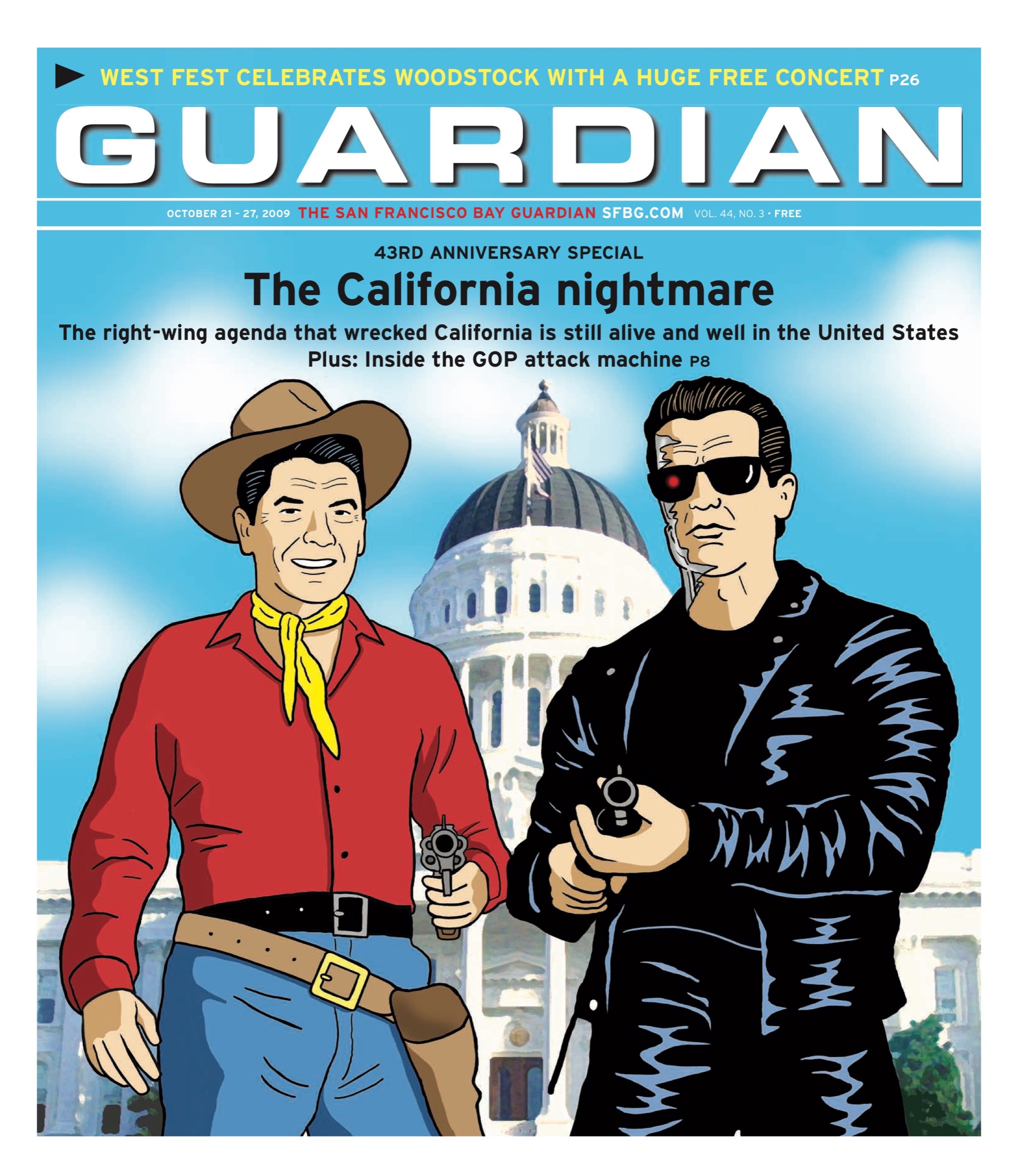
When Ronald Reagan took office as president in 1981, Democrats controlled the House of Representatives and the Republicans only had a narrow majority in the Senate. Yet Reagan was able to undertake a series of profound, far-reaching and radical policy changes that transformed the United States. He cut taxes on the rich, deregulated industries, drove up the military budget (and the deficit) and reshaped the Supreme Court — all without seeking bipartisan unity or offering major concessions to the Democrats.

That, I think, is why so many people are so mad at the Obama administration — and why we shouldn’t panic about the loss of a Senate seat in Massachusetts. Yeah, it’s terrible (and historic) to lose Ted Kennedy’s seat to a weak and lame Republican. And it’s alarming to think the Democrats could lose several more Senate seats this fall.

But that shouldn’t either stop Obama from pushing a legislative agenda or terrify the Democrats into paralysis.

Look, the Democrats still control Washington. The Republicans still have no ideas of their own, and are doing nothing but obstructing progress so the Obama administration will fail. And nobody seems to be calling them on it. The Democrats were a lot more vocal (and acted a lot more like Democrats) when Bush was in office.

I can’t get too agitated about the loss of a 60-vote majority in the Senate; the Democrats never really had that anyway. One of the 60 was Joe Lieberman, who isn’t even a Democrat in name anymore and who held Obama hostage, demanded concessions and cave-ins for his vote on health care, and still couldn’t be trusted. Now there are 58 Democrats instead of 59; most Democratic presidents in the past century would have loved those numbers. So would most Republicans.

And let’s remember — the economy was almost as bad during Reagan’s first year as it is now, and it wasn’t showing any signs of getting better.

Reagan was a Hollywood-trained actor who’d been a pitchman for cigarette companies; he knew how to look into a camera and make an emotional case for his positions. Obama is by far the best speaker the Democrats have had in decades, and he has the natural ability to go beyond what Reagan did. He can go after the Republicans, make the case for legislative action, push the voters to push their senators and Congress members to approve his agenda, and turn this political funk around. But he’s got to give up the bipartisan rhetoric (been there, tried that), convince the millions of people who put their hopes in him that there’s still reason to believe, and stop looking at the Massachusetts vote as a rejection of progressive policies.

The mood in the country is anxious, restive, impatient, and displeased — not with the ideas Obama presented during his campaign, but with his failure to make them happen. He can still turn this around by talking about the economy, creating (public sector) jobs — now — and using the still-solid majorities in Congress.

Or he can get all defensive and change course. We know how well that’s going to work.

Supremes’ ruling underscores need for Fair Elections Acts

0

Text by Sarah Phelan

Daniel Newman, co-founder and executive director of the Berkeley-based MAPLight.org, warned today that the
Supreme Court’s decision (Citizens United v FEC) will turn a preexisting river of campaign cash into a flood. Newman should know. His non-partisan non-profit connects the dots between campaign cash and votes. But as Newman points out in a statement (that’s posted in full, below) all is not lost: The California Fair Elections Act is on the June ballot, and support is building in Congress for the Fair Elections Now Act. So, according to Newman, the political weather forecast could be summed up, as, expect flooding, but vote often to avert a complete swamp.

Continue reading to see Newman’s statement, in full:

Flares in the Political Dark

0

Norman Solomon is a nationally syndicated columnist on media and politics. He wrote the weekly “Media Beat” column from 1992 to 2009. His latest book is “Made Love, Got War: Close Encounters with America’s Warfare State” (2007). To read more from Solomon, visit www.normansolomon.com.

The winter solstice of 2009 arrived as a grim metaphor for the current politics of healthcare, war and a lot more. “In a dark time,” wrote the poet Theodore Roethke, “the eye begins to see.”

After a year of escalation in Afghanistan, solicitude toward Wall Street and the incredible shrinking healthcare reform, we ought to be able to see that the biggest problem among progressives has been undue deference to the Obama administration.

In recent months, the responses from the progressive base to the Obama presidency have often resembled stages of grief — with rotations of denial, bargaining, anger, depression and acceptance.

Mobilization of progressive movements to pressurize Obama in the White House and Democrats on Capitol Hill has always been essential. It hasn’t happened. Instead, among Democratic loyalists, reflexive support for the latest line from the administration has made it easier for Obama to move rightward.

In 2010, we should concentrate on generating the kind of public information, vigorous debate and grassroots organizing that could shift the center of political gravity in a progressive direction.

At every turn, progressives should be putting up a fight — not only in all kinds of venues outside the electoral system but also inside the Democratic Party. Winning elections will require doing the methodical and difficult work of running candidates in Democratic primaries, sometimes against entrenched incumbents.

For instance, that’s what stalwart anti-war progressive Marcy Winograd is doing in her challenge to Congresswoman Jane Harman in the Los Angeles area. Across the country, dozens of strong progressives are running for Congress with a real chance to win. They need our volunteer help and our financial support.

In some congressional districts with many progressive voters, blue dog Democrats are running for re-election without any declared primary opposition so far. That should change.

It’s time for progressives to get out there and fight the good fight in election campaigns. We should do what our conservative and centrist and mushy-liberal adversaries least want us to do. They don’t want more progressives to seriously engage in electoral battles.

During the last year, left to their own devices, the Democratic leaders on Capitol Hill and in the White House have managed to demobilize the progressive base that swept them into office. The latest nationwide polls are foreshadowing grim consequences; Republicans express far more eagerness to vote in 2010 than Democrats do.

In Washington, the conventional wisdom of top Democratic strategists has run amok, continually splitting the difference with Republicans. All year long we’ve seen Congress undermine basic progressive principles, whether for healthcare or peace or economic justice or environmental protection or civil liberties.

Despite the Democratic Party’s leadership, we have a huge stake in thwarting GOP ambitions and in replacing tepid Democrats with progressives. It might be more comfortable to just engage in the politics of denunciation — but we also need to change who is casting votes on Capitol Hill.

Among progressives, there’s a surplus of frustration, anger and despair. Let’s transform those downbeat energies into fuel for the imperative political work ahead.

Choosing fear over kids

0

As a global treaty designed to protect children around the world celebrated its 20th anniversary last month, the United States found itself in the sole company of Somalia as one of just two countries that still has not implemented the most widely ratified human rights treaty in recorded history.

The United Nations Convention on the Rights of the Child (CRC), available for adoption since 1989, has now been ratified by 193 nations around the world and is seen as a universal guide to helping governments ensure that the basic needs of children are met. Although the Reagan administration played a major role in drafting the convention, experts say it has now been “intentionally misinterpreted” by conservative groups, which claim implementation would threaten American sovereignty and diminish family values.

The convention is set out in 54 Articles and two Optional Protocols and covers four main objectives: nondiscrimination; devotion to the best interests of the child; the right to life, survival and development; and respect for the views of the child. During last year’s presidential campaign, Barack Obama promised to review the treaty, saying: “It is embarrassing to find ourselves in the company of Somalia, a lawless land. It is important that the U.S. return to its position as a respected global leader and promoter of human rights.”

Yet since Obama has been in office, there has been little movement toward ratifying the convention, which sets international standards in the provision of children’s health care, education, and legal, civil, and social services. For children’s rights advocates, this failure of the U.S. to legitimize the rights of the child has resulted in the country’s loss of credibility in the international community.

“It just undermines us internationally as a leader of children’s issues,” said Jo Becker, Advocacy Director for the Children’s Rights division at Human Rights Watch, one of more than 200 organizations partnered to the volunteer-run Campaign for U.S. Ratification of the CRC. “The U.S. is a country that claims to care a lot about children, both nationally and internationally, but it hasn’t ratified a treaty endorsed by virtually every government in the world. It doesn’t make any sense at all.”

But while Meg Gardiner, current chair of the Campaign for U.S. Ratification, acknowledged that the U.S. customarily takes a long time to consider and ratify a treaty of any sort, she noted that implementing the convention is also being delayed by frequently misdirected and misguided concerns from various individuals and organizations.

The CRC is a legally binding treaty, and once the U.S. ratifies the agreement — by getting two-thirds of the Senate to approve it — it is committed to undertake actions and policies to reach the standards it advises. The government must submit a detailed report to the U.N. Committee on the Rights of the Child, which is made up of 18 members from different countries and legal systems, within two years of ratification and every five years thereafter.

The committee reviews the progress of each country’s government, then sends recommendations back to the country in question. Although U.N. officials claim that this is a collaborative process, not one that is antagonistic in form, opposition groups view this as a risk to U.S. self-governance.

“A forum for dialogue is fine, but we absolutely do not support the notion of world government,” John Schlafly, a lawyer at Eagle Forum, a conservative interest group that is campaigning against U.S ratification of the CRC, told the Guardian. “We think America is a self-governing country and that we should make our own laws. Our courts and officials should not be subject to decisions and viewpoints of those in other countries, but remember that our Constitution is our supreme law.”

Quoting Article 6 of the U.S. Constitution — which says that all treaties made under the authority of the United States shall be “the supreme law of the land” — Schlafly said if the CRC is ratified then the U.S will sign away any authority it has over children’s rights, with federal laws being changed to meet the criteria in the CRC.

But Jonathan Todres, an associate professor of law at Georgia State University and coeditor of a book on the CRC and the possible implications of its ratification, told us that’s a “misunderstanding” of the process involved. He said the CRC would almost certainly be ratified as a “non-self-executing treaty.” That means that although the U.S will have to comply with international law, it would not take effect domestically until the U.S. adopts legislation to fulfill treaty obligations.

He added that the United States also has the right to add reservations to the treaty if there are any articles that might conflict with U.S. law. For example, Article 37 of the CRC indicates that no “life imprisonment without possibility of release shall be imposed for offenses committed by persons below 18 years of age,” something that certain states in the U.S still impose.

Despite supporters’ desire for a “magic bullet” that will improve the lives of children in the U.S., they said the treaty will operate as a template for the government to assess how well U.S. law protects children. While Article 24 decrees that “states parties shall strive to ensure that no child is deprived of his or her right of access to … health care services,” ratification will not mean an immediate implementation of universal health care for the 8 million to 9 million children who do not have access to it, campaigners say.

“It in itself can’t change law. It is a road map that informs a dialogue around the way we treat children,” said Vienna Colucci, managing director and senior advisor for policy for Amnesty International. “It is a set of principles for the well-being of children, to help inform national discussions about what they really need to thrive. But any implementation of laws go through the same process any bill would.”

The U.S already has ratified the two Optional Protocols of the Children’s Convention, including the protocol on the sexual exploitation of children and enlisting children as soldiers, strengthening the exploitation protocol by adopting the U.S. Trafficking Victims Protection Act. Todres said this should be used as an example of what ratifying the entire CRC could do.

Many who oppose the CRC fear it will diminish the rights of the parent, such as when it comes to disciplining children. Article 9, which says children can be separated from their parents against their will when “competent authorities subject to judicial review” determine it is in their best interest, is often cited as a loss of parental freedom.

In March of this year Rep. Pete Hoekstra (R-Mich.) put forward a brief Parental Rights Amendment to the CRC, asserting that “the liberty of parents to direct the upbringing and education of their children is a fundamental right,” and deauthorizing the ratification of a treaty that would infringe on such rights.

According to Michael Ramey, spokesman at Parentalrights.org — an organization that claims to “protect children by empowering parents” and an affiliate of the Home School Legal Defense Association — the amendment currently only has six cosponsors in the Senate, a far cry from the two-thirds majority it would need to pass.

“This really is not a question of whether the CRC is all that bad or kind of bad. It is whether it is an improvement for us on what we have now,” he told us. “We already have laws in place against child abuse and neglect in all 50 states and we don’t gain anything by ratifying. None of the good parts of the convention are missing from U.S law.”

However, Todres said the U.S still has child laborers, citing a current bill in Congress that is seeking to strengthen child labor provision related to the agriculture sector. He also reminded opponents that the U.S has a relatively large high school dropout rate, with some U.S children going hungry and hundreds of thousands at risk of sexual exploitation each year.

“Ultimately if one is concerned about the loss of parental authority, then one should look at the text of the CRC itself,” he said, highlighting 19 provisions in the text that stress the role of the parent in the child’s life. “Drafters understood, when ensuring the rights of children, they would be most successful when ensuring the rights of the family too.”

Although there are other articles in the convention that conflict with American law — it prohibits corporal punishment, for example — Linda Elrod, a law professor at Washburn University and supporter of the Campaign for Ratification, said she had not experienced countries receiving “report cards” from the U.N. Committee in the 20 years it had been operating.

“My reason for supporting it is that it is basically a bill of rights for children that says they are people,” she said, stressing how Article 12 in particular gives the child a voice and a way to express it. “We helped draft the U.N. convention and got the rest of the world to adopt that standard. Yes, it gives children rights, but I don’t think this takes away from anyone else’s rights. It just adds a balance.”

Dick Meister: Too damn old!

0

The right to protection from age discrimination will remain a second class civil right

(Dick Meister, formerly labor editor of the SF Chronicle and KQED-TV Newsroom, has covered labor, politics and other matters for a half-century.)

Racism and sexism we know plenty about. But what of ageism?

Ageism can strike anyone once they reach a certain age – sometimes as early as 40 – and it can make the victim feel unwanted, unneeded and oppressed by all in this work and youth oriented society.

It doesn’t matter if you’re white or black, brown or Asian, man or woman. What matters is your age.

Federal law and several state laws say employers cannot consider your age in deciding if you should be hired, fired, retired, promoted, laid off or whatever. But the laws are widely violated, and sometimes invalidated by courts.

Some of the court decisions have been downright bizarre. One recent ruling, for example, found that an employer who told a worker he was being fired because “you’re too damn old for this kind of work” was not violating the law. Another court said a boss who told a worker he had to make way for younger workers was simply stating “a fact of life.”

The Supreme Court recently made a key ruling that workers who are fired because of their age will have to prove that their age was the decisive factor in the firing, not just a contributing factor. A bill currently in Congress would invalidate that ruling.

The number of workers filing legal complaints of age discrimination has been growing steadily. Between 2007 and 2008, the number grew by 30 percent to nearly 25,000 cases. The actual number of older workers discriminated against is undoubtedly even higher, if only because many victims can’t afford the court proceedings that often follow the filing of complaints.

Age discrimination is expected to become an even greater problem as the number of older workers continues to grow steadily and because of current economic conditions that are forcing more and more older workers of retirement age to seek jobs.

The drying up of pension funds and the increase in the Social Security retirement age has also led more older people to seek jobs – jobs that are hard enough for anyone to find, but particularly hard for many older workers. Their unemployment figures have been consistently higher than those of most other groups.

Not all the unemployed older workers want or need jobs. But most do, as has been shown repeatedly in studies by private and public agencies. Many badly need the income. Most also seek jobs as the way to gain self-esteem and an active, meaningful existence.

But younger workers, of course, can be paid less than older workers with seniority and usually are less demanding and more easily directed because of their inexperience and eagerness to secure a foothold.

Employers also are greatly influenced by the myths about older workers that many people still accept as fact.

The widely-held assumption that as workers age their productivity declines, for instance, is simply not true on a general basis, As a matter of fact, the studies show that among white-collar workers, those 45 or older produce more than their younger counterparts, thanks to their greater knowledge and experience. Among blue-collar workers, there is no substantial difference in output.

Older workers also have lower rather than higher rates of absenteeism than younger workers, fewer on-the-job accidents and at least as great a capacity to learn new skills required by new technology.

Generally, older workers also are more stable and dependable. They show more satisfaction with their jobs and hold them much longer.

Those facts alone should be enough to cause employers to mend their prejudicial ways. But they haven’t been, and aren’t likely to be in the future. The right to protection from age discrimination, the right to protection from ageism sadly will remain what one writer calls a second-class civil right.

Dick Meister, formerly labor editor of the SF Chronicle and KQED-TV Newsroom, has covered labor, politics and other matters for a half-century. You can contact him through his website, www.dickmeister.com, which includes more than 250 of his recent columns.

Cleaner air for Oakland — but no one wants to pay for it

0

news@sfbg.com

GREEN CITY On Jan. 1, the Port of Oakland and surrounding areas will get cleaner air — and as many as 1,000 truck drivers may lose their jobs.

That’s when the port’s Clean Truck Management Plan (CTMP) takes effect, setting strict requirements for trucks operating in the port. The new rules are an effort to address the public health crisis in communities near the port, where diesel exhaust fumes have been contributing to rampant asthma and increased cancer rates.

While no one questions the need for cleaner air, there’s still a raging battle over who should pay to overhaul old, dirty trucks — and how to make it possible for small independent truckers not to lose their livelihoods.

The new regulations, set by the California Air Resources Board (CARB), ban all trucks older than 1994 from entering the port. Trucks built between 1994 and 2003 are allowed if they’re retrofitted with a special filter, which by most estimates costs between $20,000 and $25,000.

Eventually CARB’s regulations will reduce diesel particulate matter emissions by 90 percent in areas most affected by the noxious pollution.

The problem — at least for some of the drivers — is that two-thirds of the trucks running cargo in and out of the Oakland port are run by independent owner-operators, who say they don’t make enough money on the cargo runs to pay for cleaner trucks or upgrades.

The Coalition for Clean and Safe Ports of Oakland (CCSP) is campaigning with Teamsters Union members and some truckers and Congress members to take the burden off independent owner-operators. But some say the industry model itself is the problem — that all the drivers should be employees of larger trucking firms that can pay for the latest equipment.

"The lack of resources among [independent owner-operators] and the inefficiencies in the current system strongly favor a more employee-oriented drayage sector," states an economic impact report on the issue commissioned by the port and prepared by Beacon Economics.

Currently the drivers wait, engines idling, an average of 3.6 hours at or in the terminal. That’s in part because they don’t get hourly pay — which gives the shippers and trucking contractors little incentive to hurry things.

As independent trucker Abdul Khan puts it: "Everybody certainly wants to have clean air. I might not be happy with this law, but I’m the one in this business being affected by this pollution." Still, with a 2003 engine in his truck, he expects to be out of a job come Jan. 1.

Khan has been a driver at the Port of Oakland for five years. He and his wife and child had to leave their home of 15 years to move in with his brother after fuel prices rose by 300 percent last year.

Khan has been without health insurance for his entire trucking career. The Beacon report states that "most [independent owner-operators] do not have health insurance from any source." Yet they are among those who suffer most from breathing the polluted air all day at work.

In some ways, the problem is the result of the 1990s-era deregulation of the trucking industry. In November, 24 members of California’s Congressional delegation, including East Bay Democratic Reps. Barbara Lee, Pete Stark, and George Miller, signed an open letter to the chairman of the House Transportation and Infrastructure committee encouraging members of the House to "consider making changes to [federal law] so that California ports can successfully implement and enforce needed truck management programs."

The Federal Aviation Administration Authorization Act was supposed to standardize the regulation of cargo carriers and encourage competition. But mistreatment of drivers and detrimental working conditions are, says CCSP director Doug Bloch, some of the consequences of deregulation, which essentially bars local or state governments from legisutf8g industry working conditions.

The Port of Oakland, the Environmental Protection Agency, and the Bay Area Air Quality Management District set up a grant fund to help drivers retrofit their equipment to meet the new standards, and some did. But others who sold their older trucks and bought upgradeable models lost out when the money ran dry.

Robert Bernardo, spokesperson for the port, told us the grants were unusual: "Typically, whenever a regulation comes into effect, by CARB or DMV, it’s incumbent upon business owners to purchase any upgrades," he explained.

That’s not a simple story, though, since the finances of port shipping are immensely complex. In theory, the bigger players in the industry — the large trucking companies and the corporations doing most of the shipping — have the access to capital for creating an ecologically-sound fleet and more power to negotiate shipping prices.

When items are shipped from overseas, shipping lines set the prices. Since the commerce is international, there’s no regulation of anything, including prices. The shipping lines set the prices for the trucking companies, which in turn tell the independent truckers what they’ll pay per load. The independently-contracted drivers have no leverage at all.

Matt Schrap, an intermodel transport expert at the California Truckers Association, notes that international shipping rates "are negotiated somewhere in Shanghai and set by steamship lines. Then you go into contract for two to three years at locked-in rate." Since the steamship lines aren’t subject to antitrust laws, he warns of their ability to collude in price-setting.

So the debate has become as much about labor issues as the environment. Some activists argue that the entire economic model of independent drivers contracting with trucking firms is unworkable, and would prefer to see all the drivers become employees. Not all drivers want that; some are happy with being independent. And the trucking contractors love the current system, since they pay no benefits.

Valerie Lapin, spokesperson for the Coalition of Clean and Safe Ports in Oakland, says that that port drivers are misclassified as independent. She explains that typically they can only work for one company, which tells them where and when to go. With the current classification, trucking companies "skirt all responsibility for paying taxes and benefits. Drivers have to pay for everything — trucks, fuel, maintenance, registration, and parking. And [the trucking companies] pay them really low wages."

The fate of the new regulations may depend on what happens to a legal battle at the Port of Los Angeles. L.A. has sought to mandate that trucking companies hire drivers as employees, and the port would allow only newer, cleaner trucks to enter.

But the American Trucking Association sued the port under FAAAA, saying the law bars the city from requiring employee-drivers. The courts put the program on hold until further hearings, scheduled for May 2010.

Paying with our Health, a 2006 report by the Pacific Institute assessing the practicality of "ditching dirty diesel" to improve health in the communities suffering from freight transport pollution, concluded that "the industry is quite capable of standing on its own and paying for cleaner technologies, instead of standing on the backs of California’s poor and minority communities."

It’s not clear what the truckers who own banned trucks will do come Jan. 1. Some say they will look for work elsewhere.

And there’s still the issue of whether the port will have enough clean trucks to haul all the cargo. Bernardo insists that won’t be a problem. Others, including Wayne Steinberg, terminal manager at Horizon Lines, an all-employee based trucking company with a fleet in full compliance, says the company is "extremely concerned about not having enough drivers Jan. 1."

Editor’s Notes

0

Tredmond@sfbg.com

Rep. Nancy Pelosi is scared. She hasn’t told me about it (we’re not that kind of friends), and she hasn’t said much in public, but I can sense it in her political decisions. She’s facing her toughest test yet as Speaker — managing the ambitious agenda of a new president whose popularity is declining while at the same time trying to avoid the type of loss in House seats that almost always befalls the president’s party at the first midterm elections.

In the past four years, with the Bush administration in shambles and Obama ascendant, the Democrats in Congress were soaring — Pelosi’s party picked up seats in 2006 and 2008, even in places where Democrats have never had much success. The Republican Party was on the ropes a year ago, staggering around like a punch-drunk boxer who can only swing wildly and blabber incoherently while the folks in the audience alternately laugh and shake their heads with pity.

But Pelosi’s discovering that it’s not so easy being in charge. The wars in Iraq and Afghanistan, the bank bailouts, the continued recession, the health care debate … it’s all wearing on the voters, and the Democrats no longer seem to have all the answers. So Pelosi is looking at a potential train wreck next fall, a drop in her majority that will have people questioning her leadership ability as Speaker.

I hope she’s taken the time to read a recent poll commissioned by the Progressive Change Campaign Committee, which shows that as many as a third of the Democratic voters in the country are less likely to go to the polls and support their party’s candidates in 2010 if Pelosi, Obama, and Co. can’t deliver a public option for health insurance.

"Obviously, passions over the public option are on full boil right now," blogger Greg Sargent wrote in his report on the poll in the Plum Line. "Passage of a health care bill of some kind, not to say the passage of time, could reduce the impact that dropping the public option could have on Dem turnout in the 2010 elections, particularly since they’re nearly a year away.

"But these numbers are a reminder of just how dispirited the Dem base is by the party’s inability to leverage their comfortable majority in support of an agenda built on core liberal priorities."

See, the danger for Pelosi and the Democrats isn’t that a few swing seats in traditionally Republican districts will shift away from the D column. It’s that millions of Democrats, particularly young, motivated, idealistic Democrats who worked their asses off to get Obama elected, and partied in the streets when he won, will give up next year and stay home.

That will have an impact on key Senate races, key House races, and races for governor in dozens of states (including California). The party’s activist base didn’t just help elect the president last fall; those organizers and campaigners gave Pelosi her powerful majority and bolstered the Democrats’ control of the Senate. And their efforts trickled down to the state and local level.

But we’re unhappy now. Afghanistan has us wondering what Obama’s idea of change really is — and a health care bill that caters to the private insurance industry is going to make it hard to get any of us motivated next year. We all know the difference between the Democrats and Republicans, and we’re not naive idiots who are going to vote the wrong way out of spite. But we might not fight so hard next time around — and for Pelosi, that would be a serious problem.

The problem with open primaries

0

OPINION California voters will see a ballot measure in June 2010 seeking approval for a "Top-two Open Primary" system. The measure would make it far more difficult for Californians to vote for any candidates other than incumbents and their best-funded challengers. It would also make it even easier for incumbents to get reelected.

Under the measure, all candidates for Congress and state office would run on a single primary ballot in June. Only the top two vote-getters would appear on the November ballot.

This system has been used in two other states, Louisiana and Washington. Louisiana used it for Congressional elections between 1978 and 2006. In all those years, only one incumbent was ever defeated for reelection (except that in 1992, two incumbents lost because they had to run against other incumbents, due to redistricting). Even Rep. William Jefferson (D-La.) was reelected under the top-two system in 2006, although the FBI had raided his Congressional office in May 2006 after $75,000 in bribe money had been found in his freezer.

But when Louisiana switched its Congressional elections to a system in which every qualified party had its own nominee, Jefferson was defeated by Joseph Cao, a Republican. That only happened because a vigorous Green Party nominee, Malik Rahim, polled 3 percent, "spoiling" Jefferson’s chances. Democrats will probably reclaim the seat in 2010 with a better nominee.

During the years Louisiana used top-two, no minor party ever placed first or second in the first round, except once in 2006, and then only because the minor party candidate was the incumbent’s only opposition. Thus, in all the more than 30 years Louisiana used the system, minor party candidates were nearly always missing from the final round.

Washington used top-two once, in 2008. Out of eight U.S. House seats, 8 statewide state races, and 123 legislative races, only one incumbent was defeated in the primary.

The only real change in Washington in 2008 was the elimination of minor party and independent candidates from the November election. For the first time since Washington has been a state, no minor party or independent candidate was on the November ballot for Congress or a statewide state race.

When minor party or independent candidates are kept off the November ballot, they can’t campaign in the summer and fall campaign season. The California proposal even eliminates write-ins in November.

And if the measure wasn’t harmful enough to minor parties, it also changes the rules for how a party retains its state recognition; parties would need approximately 100,000 registered members to survive. Currently the Peace and Freedom Party only has 58,000, so it would lose its place on the ballot. That’s ironic, since in 2008 Peace and Freedom had its best showing for president ever in California — 108,831 votes for Ralph Nader.

The real impetus behind the top-two open primary measure comes from Gov. Arnold Schwarzenegger, who has been pushing this idea since 2004.

Schwarzenegger has shown repeatedly that he doesn’t care about political minorities and voting rights. Twice he vetoed bills that would have made it easier for voters to have their write-in votes count. Twice he vetoed the bill for a compact among the states that would have guaranteed (if enough states passed the idea) that the person who got the most popular votes would win the presidency. He even vetoed a bill to delete some obsolete laws, declared unconstitutional in 1967 by the State Supreme Court, that barred members of the Communist Party from working in public school districts.

Now he wants an undemocratic primary system. The voters should reject it.

Richard Winger is the editor of Ballot Access News.

Losing hope

0

news@sfbg.com

In the back room of Tommy’s Joynt, more than a dozen members of the antiwar group Code Pink gathered Dec. 1 to watch television coverage of President Barack Obama’s speech announcing that 30,000 more U.S. troops would be sent to fight in Afghanistan, his second major escalation of that war this year.

“This is not the hope you voted for!” read a flyer distributed at the event.

Yet even among Code Pink’s militant members, reactions ranged from feeling disappointed and betrayed to feeling validated in never believing Obama was the agent of change that he pretended to be.

Jennifer Teguia seemed an example of former, while Cecile Pineda embodied the latter. “Right down the line, it’s been the corporate line,” Pineda told us, citing as examples Obama’s support for Wall Street bailouts and insiders and his abandonment of single-payer health reform in favor of an insurance-based system. “For serious politicos, hope is a fantasy.”

Throughout the speech, Pineda let out audible groans at Obama lines such as “We did not ask for this fight” and “A place that had known decades of fear now has reason to hope.” When the president promised a quick exit date, Pineda labeled it “the old in and out.” And when Obama made one too many references to 9/11, she blurted out, “Ha! 9/11!” and “He sounds just like Bush!”

But Teguia just looked saddened by the speech, and maybe a little weary that after nearly eight years of fruitlessly fighting Bush’s wars, the movement will now need to reignite to resist Obama’s escalation, which will put more U.S. troops in Iraq and Afghanistan than Bush ever deployed.

“People are feeling tired and overwhelmed. We’ve been doing this year after year, and it’s endless. People are feeling dispirited,” Teguia told me just before the speech began.

She and other Obama supporters were willing to be patient and hopeful that Obama would eventually make good on his progressive campaign rhetoric. “But people are starting to feel like this window is closing,” Teguia said. “Now it’s at the tipping point.”

Obama has always tried to walk a fine line between his progressive ideals and his more pragmatic, centrist governing style. But in a conservative and often jingoistic country, Obama’s “center” isn’t where the antiwar movement thinks it ought to be.

“Obama is trying to unite the establishment instead of uniting the people against the establishment,” Teguia said.

That grim perspective was voiced by everyone in the room.

“Not only is he not clearing up the mess in Iraq, he’s escautf8g in Afghanistan,” said Rae Abileah, a Code Pink staff member who coordinates local campaigns. “I think people are outraged and frustrated and they’ve had enough.”

Perhaps, but the antiwar movement just isn’t what it was in 2003, when it shut down San Francisco on the first full day of war in Iraq. And the fact that Obama is a Democrat who opposed the Iraq War presents a real challenge for those who don’t support his Afghanistan policy and fear that it will be a disaster.

Democratic dilemma

Obama’s announcement — more then anything Bush ever said or did — is dividing the Democratic Party establishment, and the epicenter of that division is in San Francisco.

Rep. Nancy Pelosi is the Speaker of the House, second in command of the Democratic Party, essentially the person most responsible for the success or failure of a Democratic president’s agenda in Congress. She also represents a city where antiwar sentiment is among the strongest in the nation — and many of her Bay Area Democratic colleagues have already spoken out strongly against the Afghanistan troop surge.

Lynn Woolsey, the Marin Democrat who chairs the Progressive Caucus, issued a statement immediately following Obama’s speech in which she minced no words: “I remain opposed to sending more combat troops because I just don’t see that there is a military solution to the situation in Afghanistan,” she said, adding that “This is no surprise to me at all. I knew [Obama] was a moderate politician. I’ve known it all along.”

Woolsey told the Contra Costa Times that she thinks a majority of Democrats will oppose funding the troop increase — and that it will pass the House only because Republicans will vote for it.

Barbara Lee, (D-Oakland), the only member of Congress to vote against sending troops to Afghanistan eight years ago, has already introduced a bill, HR 3699, that would cut off funding for any expanded military presence there.

George Miller, (D-Martinez), has been harsh in his criticism. “We need an honest national government in Afghanistan,” Miller said in a statement. “We don’t have one. We need substantial help from our allies in the region, like Russia, China, India, and Iran. We are not getting it. We need Pakistan to be a credible ally in our efforts. It is not. We need a substantial commitment of resources and troops from NATO and our allies. While NATO is expected to add a small number of new troops, other troops have announced they are leaving. We need a large Afghan police force and army that is trained and ready to defend their country. We don’t have it.”

So where’s Pelosi? Hard to tell. At this point, she’s refused to say whether she supports the president’s plan. We called her office and were referred to her only formal statement on the issue, which says: “Tonight, the president articulated a way out of this war with the mission of defeating Al Qaeda and preventing terrorists from using Afghanistan and Pakistan as safe havens to again launch attacks against the United States and our allies. The president has offered President Karzai a chance to prove that he is a reliable partner. The American people and the Congress will now have an opportunity to fully examine this strategy.”

That sounds a lot like the position of someone who is prepared to support Obama. And that might not play well in her hometown.

The San Francisco Democratic County Central Committee has been vocal about criticizing the wars in Iraq and Afghanistan, and on July 22, 2009, the committee passed a resolution demanding an Afghanistan exit strategy. There’s a good chance someone on the committee will submit a resolution urging Pelosi to join Woolsey, Lee, and Miller in opposition to the Obama surge. “I’ve been thinking about it,” committee member Michael Goldstein, who authored the July resolution, told us.

That sort of thing tends to infuriate Pelosi, who doesn’t like getting pushed from the left. And since there are already the beginnings of an organized effort by centrist Democrats and downtown forces to run a slate that would challenge progressive control of the local Democratic Party, offending Pelosi (and encouraging her to put money into the downtown slate) would be risky.

Still, Goldstein said, “she’ll probably do that anyway.”

And it would leave the more moderate Democrats on the Central Committee — who typically support Pelosi — in a bind. Will they vote against a measure calling for a withdrawal from Afghanistan? Could that be an issue in the DCCC campaign in June 2010 — and potentially, in the supervisors’ races in the fall?

In at least one key supervisorial district — eight — the role of the DCCC and the record of its members will be relevant, since three of the leading candidates in that district — Rafael Mandleman, Scott Wiener, and Laura Spanjian — are all committee members.

Tom Gallagher, president of the Bernal Heights Democratic Club and author of past antiwar resolutions at the DCCC, acknowledged what an uphill battle antiwar Democrats face.

“The antiwar movement today is a bunch of beleaguered people, half of whom have very bad judgment,” he said. “I’m afraid a lot of people have just given up.”

On the streets

The day after Obama’s speech, Code Pink, the ANSWER Coalition, and four other antiwar groups sponsored a San Francisco rally opposing the Afghanistan decision — the first indication of whether Bay Area residents were motivated to march against Obama.

ANSWER’s regional director Richard Becker told us the day before, “I think we’re going to get a big turnout. The tension has really been building. We may see a revival.”

But on the streets, there wasn’t much sign of an antiwar revival, at least not yet. Only about 100 people were gathered at the intersection of Market and Powell streets when the rally begun, and that built up to maybe a few hundred by the time they marched.

“I’m wondering about the despair people are feeling,” Barry Hermanson, who has run for Congress and other offices as a member of the Green Party, told us at the event. He considered Obama’s decision “a betrayal,” adding that “it’s not going to stop me from working for peace. There is no other alternative.”

As Becker led the crowd in a half-hearted chant, “Occupation is a crime, Afghanistan to Palestine,” Frank Scafani carried a sign that read, “Democrats and Republicans. Same shit, different assholes.”

He called Obama a “smooth-talking flim-flam man” not worthy of progressive hopes, but acknowledged that it will be difficult to get people back into the streets, even though polls show most Americans oppose the Afghanistan escalation.

“I just think people are burned out after nine years of this. Nobody in Washington listens,” Scafani said. “Why walk around in circles on a Saturday or Sunday? It doesn’t do anything.”

Yet he and others were still out there.

“I think people are a little apathetic now. Their focus in on the economy,” said Frank Briones, an unemployed former property manager. He voted for Obama and still supports him in many areas, “but this war is a bad idea,” he said.

Yet he said people are demoralized after opposing the preventable war in Iraq and having their bleak predictions about its prospects proven true. “Our frustration was that government ignored us,” he said. “And they’ll probably do the same thing now.”

But antiwar activists say they just need to keep fighting and hope the movement comes alive again.

“We don’t really know what it is ahead of time that motivates large numbers of people to change their lives and become politically active,” Becker told us after the march, citing as examples the massive mobilizations against the Iraq War in 2003, in favor of immigrants rights in 2006, and against Prop. 8 in 2008. “So we’re not discouraged. We don’t have control over all the factors here, and neither do those in power.”

Antiwar groups will be holding an organizing meeting Dec. 9 at 7 p.m. at Centro del Pueblo, 474 Valencia, SF. Among the topics is planning a large rally for March 20, the anniversary of the Iraq War. All are welcome.

The 448’s war

0

news@sfbg.com

The Green Room of the San Francisco Veterans Building has been taken over for the night by the Sisters of Perpetual Indulgence, a charity organization that mashes Catholic imagery and drag, perhaps San Francisco’s most iconic gay group. But among the drag queens and leather daddies are military veterans in garrison caps and vests decorated with medals.

This is the Sister’s bingo night, an event to raise money for the various nonprofit organizations the order supports. Above the stage hangs the banner of the Sisters’ partner in the event: American Legion Post 448, also known as the Alexander Hamilton post.

It may seem like a strange partnership — drag nuns joining forces with the American Legion, the country’s largest veterans’ organization with 14,000 posts worldwide. The goals of the Legion are traditionally conservative: uphold the constitution, make national security the top priority, demand loyalty to the union, and "foster and perpetuate a 100 percent Americanism," according to its preamble. It even maintains a pseudo-military rank structure among its members.

But the partnership isn’t so strange. The 448 is the only Legion post in the nation for gays and lesbians who once served in the military. Its relationship with the Sisters is a "good partnership," as Assistant Sergeant-at-Arms Morningstar Vancil puts it, and a "win-win situation." The post runs the outside bar since city bingo rules don’t allow liquor during the game and the Sisters get the room at the vets’ reduced rental rate.

The bingo proceeds go to the Sisters’ charities while the proceeds from the bar go to Post’s causes, particularly its ongoing push to repeal the military’s long-standing ban preventing homosexuals from serving openly. Today, that cause seems more hopeful than ever considering that the current presidential administration has promised to bring the ban to an end.

"We should not be punishing patriotic Americans who have stepped forward to serve this country. We should be celebrating their willingness to show such courage and selflessness on behalf of their fellow citizens, especially when we’re fighting two wars," President Barack Obama said in his speech to the San Francisco Human Rights Commission on Oct. 10.

However, some of the post members are only cautiously optimistic about Obama’s promise after the long, tough climb just to establish a gay post in San Francisco.

EARLY DAYS


Noted gay rights activist and veteran Dr. Paul D. Hardman formed the post in 1984, naming it after Alexander Hamilton, who wrote affectionate letters to Continental Army Capt. John Laurens. A quote from one letter appears on the post’s Web site: "I wish, my dear Laurens, that it might be in my power, by action, rather than words, to convince you that I love you." Hardman and some historians have speculated on a homosexual relationship between the two.

Hardman needed at least 15 gay veterans to form the post and he got 18, including the late Marcus Hernandez, former leather columnist for the LGBT newspaper Bay Area Reporter. But acceptance was hard to get in the early days.

According to Arch Wilson, World War II vet and the oldest living founding member at 85, the post had a difficult time getting approved. During the approval process, the Legion stalled, losing applications and paperwork, which Wilson attributes to old-guard homophobia.

"They absolutely had no tolerance for homosexuals in their midst," Wilson said

At first, the 448 wasn’t even allowed in the Veterans Building. But they had a powerful weapon: the city’s nondiscrimination ordinances. Since the building was city property, the American Legion had to abide by the ordinances. The threat of a lawsuit was leverage enough to allow the Alexander Hamilton Post an office and its charter, but not a seat on the War Memorial Commission that ran the building. The 448 got a seat on the commission after taking the Legion to court in 1987.

According to Commander John Forrett, one of his predecessors had once been asked at a national Legion convention, "Oh, you’re from San Francisco. You’ve got that queer post, don’t cha?" And when a gay slur was uttered at a delegate meeting, the post again took the Legion to court. "Following that they haven’t dared mouth off any kind of venom about queers," Wilson said.

And while acceptance is more readily found today, there is still some resentment. "It shows through sometimes," Wilson said. "If you were a black man, you’d know when you were getting a subtle brush-off by a white who didn’t like you and wouldn’t dare say so."

Forrett agrees. "The clash still exists but it’s the old guard — the older veterans as well as older active duty members."

When called for comment, the national American Legion office said it didn’t even know a gay post existed. However, the American Legion’s Department of California — the state headquarters, which is located in San Francisco — told us that the 448’s sexual orientation just isn’t even an issue nowadays.

DON’T ASK, DON’T TELL


When Congress approved 10 United States Code, Section 654, commonly known as "Don’t Ask, Don’t Tell" (DADT) — the Alexander Hamilton Post had a new fight. Signed in 1993 by President Bill Clinton, DADT is the policy that allows homosexuals to serve as long as they stay in the closet. Since its inception, the 448 has fought aggressively to get it overturned.

The history of DADT is "kind of the history of the post," according to Forrett, who was a reserve Army officer living in the closet during the first Gulf War. Fortunately, his sexuality never came into question, but he eventually resigned his commission because of the unfortunate changes he saw in the military as a result of DADT.

"DADT, with the best of intentions, didn’t go far enough to protect and left a huge window of opportunity for predators and harassers," Forrett said.

Forrett has met two of the most prominent casualties of DADT: Lt. Dan Choi, who has since become a post member, and former sailor Joseph Rocha, who wrote an Oct. 11 Washington Post op-ed piece outlining the brutal harassment he received because of his sexuality. He wrote that his chief forced him to simulate oral sex with another sailor, and was once tied up in a dog kennel.

Since the mid-1990s, the 448 has sought to build support for repealing DADT. Hardman and others testified in Congress in 1996 on the damaging impact of the policy. He also pushed for the belated release of what he called the "long-suppressed" 1993 Rand Corporation study on gays in the military. The study’s conclusion was that sexual orientation wasn’t germane when deciding who can and cannot effectively serve in the military

The report spearheaded the post’s partnership with the Servicemembers Legal Defense Network (SLDN), a nonprofit organization helping those harassed under DADT. "The Alexander Hamilton Legion has been a longtime committed partner," Aubrey Sarvis, SLDN Executive Director wrote in an e-mail to the Guardian.

Post members attend SLDN’s Lobby Day, where supporters gather on Capitol Hill asking politicians to take action. And they continue to work with SLDN on getting the Military Readiness Enhancement Act — a bill that would repeal DADT — pushed through Congress.

But other post members are getting impatient. "Get on with it," Service Officer Robert C. Potter told us. "As my mother would say, ‘Either shit or get off the pot.’"

"Before Obama gets out of office, I want this changed," Sergeant-at-Arms Jimmy McConnell said. "And it’s not just for me. I want it for every person who feels that they are gay, bi, transgender, whatever."

However, Forrett is confident the president will make good on his promise. He feels that the president is going about it the right way by waiting for the next Congress. "Come on, man, 2010 isn’t that far," he said. "We’ve been suffering this long."

A NEW MISSION


When DADT is repealed, the post will work toward building a LGBT veterans’ memorial honoring those brave gay soldiers who gave their lives protecting their country. "For those who were before us, for those who are with us, and those who will come," Forrett said. "That’s kind of the concept. We want it to be an ongoing tribute."

In the meantime, the post continues to fight for veterans’ rights as well as LGBT rights, even bringing care packages to the wounded soldiers at the Fort Miley V.A. Hospital. "When we go to the V.A. hospital we don’t focus on LGBT, we focus on veterans," Forrett said.

And they’ll continue working with the Sisters of Perpetual Indulgence and marching in the Pride Parade because Forrett believes that everything the post does comes back to DADT. "It keeps us out in front of everybody and that’s what’s important."

Music listings

0

Music listings are compiled by Paula Connelly and Cheryl Eddy. Since club life is unpredictable, and the Thanksgiving holiday falls within this week, it’s a good idea to call ahead to confirm bookings and hours. Prices are listed when provided to us. Submit items at listings@sfbg.com.

WEDNESDAY 25

ROCK/BLUES/HIP-HOP

Deastro, Max Tundra, White Cloud Bottom of the Hill. 9pm, $14.

Del Tha Funky Homosapien, Bukue One, Serendipity Project, Hopie Spitshard Great American Music Hall. 9pm, $22.

Dubstar, Equipto, Bored Stiff El Rio. 8pm, $10.

Shane Dwight Biscuits and Blues. 8pm, $15.

*Laudanum, Black Ganion, Lethe, Worm Ouroboros Annie’s Social Club. 9pm, $7.

Joe Perry Fillmore. 8pm, $39.50.

Psychic Reality, Sex Worker, Jealousy Hemlock Tavern. 9pm, $6.

Shantytown, Whiskey Pills Fiasco Red Devil Lounge. 8pm, $8.

*Vader, Decrepit Birth, Amenta, Warbringer, Augury DNA Lounge. 8pm, $24.

Vinyl, Rondo Brothers, Monophonics Independent. 9pm, $15.

JAZZ/NEW MUSIC

Michael Chase Rite Spot, 2099 Folsom, SF; (415) 552-6066. 9pm, free.

Ben Marcato and the Mondo Combo Top of the Mark. 7:30pm, $10.

Marcus Shelby Jazz Jam Revolution Café, 3248 22nd St, SF; (415) 642-0474. 8:45pm, free.

Cat’s Corner Savanna Jazz. 7pm, $5-10.

Tin Cup Serenade Le Colonial, 20 Cosmo Place, SF; (415) 931-3600. 7pm, free.

FOLK/WORLD/COUNTRY

Richard Bean and Sapo, Manzo, Machala Slim’s. 8pm, $13.

Brent Jordan Plough and Stars. 9pm.

Diana Gamero, Makru Peña Pachamama, 1630 Powell, SF; (415) 646-0018. 8pm, $10-12.

Gaucho, Michael Abraham Jazz Session Amnesia. 8pm, free.

DANCE CLUBS

Booty Call Q-Bar, 456 Castro; www.bootycallwednesdays.com. 9pm. Juanita Moore hosts this dance party, featuring DJ Robot Hustle.

Club Shutter Elbo Room. 10pm, $5. Goth with DJs Nako, Omar, and Justin.

Dark Sparkle Café du Nord. 10pm, $5. Ten-year anniversary of the dance/electronic/glam party.

Fringe Madrone Art Bar. 9pm, free. With DJs subOctave and Blondie K mixing indie music videos.

Hands Down! Bar on Church. 9pm, free. With DJs Claksaarb, Mykill, and guests spinning indie, electro, house, and bangers.

Jam Wednesday Infusion Lounge. 10pm, free. DJ Slick Dee.

Qoöl 111 Minna Gallery. 5-10pm, $5. Pan-techno lounge with DJs Spesh, Gil, Hyper D, and Jondi.

RedWine Social Dalva. 9pm-2am, free. DJ TophOne and guests spin outernational funk and get drunk.

Respect Wednesdays End Up. 10pm, $5. Rotating DJs Daddy Rolo, Young Fyah, Irie Dole, I-Vier, Sake One, Serg, and more spinning reggae, dancehall, roots, lovers rock, and mash ups.

Synchronize Il Pirata, 2007 16th St.; (415) 626-2626. 10pm, free. Psychedelic dance music with DJs Helios, Gatto Matto, Psy Lotus, Intergalactoid, and guests.

THURSDAY 26

JAZZ/NEW MUSIC

Eric Kurtzrock Trio Ana Mandara, Ghirardelli Square, 891 Beach, SF; (415) 771-6800. 7:30pm, free.

Laurent Fourgo Le Colonial, 20 Cosmo Place, SF; (415) 931-3600. 7:30pm, free.

Michael Gold Socha Café, 3235 Mission, SF; (415) 643-6848. 8:30pm.

Marlina Teich Trio Brickhouse, 426 Brannan, SF; (415) 820-1595. 7-10pm, free.

Stompy Jones Top of the Mark. 7:30pm, $10.

DANCE CLUBS

Afrolicious Elbo Room. 9:30pm, $5-6. DJs Pleasuremaker, Señor Oz, J Elrod, and B Lee spin Afrobeat, Tropicália, electro, samba, and funk.

Caribbean Connection Little Baobab, 3388 19th St; 643-3558. 10pm, $3. DJ Stevie B and guests spin reggae, soca, zouk, reggaetón, and more.

DJ Carolyn Keddy Hemlock Tavern. 9pm, free.

Drop the Pressure Underground SF. 6-10pm, free. Electro, house, and datafunk highlight this weekly happy hour.

Funky Rewind Skylark. 9pm, free. DJ Kung Fu Chris, MAKossa, and rotating guest DJs spin heavy funk breaks, early hip-hop, boogie, and classic Jamaican riddims.

Gymnasium Matador, 10 6th St., SF; (415) 863-4629. 9pm, free. With DJ Violent Vickie and guests spinning electro, hip hop, and disco.

Heat Icon Ultra Lounge. 10pm, free. Hip-hop, R&B, reggae, and soul.

Kick It Bar on Church. 9pm. Hip-hop with DJ Jorge Terez.

Koko Puffs Koko Cocktails, 1060 Geary; 885-4788. 10pm, free. Dubby roots reggae and Jamaican funk from rotating DJs.

Late Night Thanksgiving Bingotopia Knockout. 9pm-midnight. Play for drinks, dignity, and dorky prizes with host Yule Be Sorry.

Meat DNA Lounge. 9:30pm, $2-5. Industrial with BaconMonkey, Netik, and Chaank.

Mestiza Bollywood Café, 3376 19th St., SF; (415) 970-0362. 10pm, free. Showcasing progressive Latin and global beats with DJ Juan Data.

Popscene 330 Rich. 10pm, $10. Rotating DJs spinning indie, Britpop, electro, new wave, and post-punk.

Represent Icon Lounge. 10pm, $5. With Resident DJ Ren the Vinyl Archaeologist and guest.

Solid Club Six. 9pm, $5. With resident DJ Daddy Rolo and rotating DJs Mpenzi, Shortkut, Polo Mo’qz and Fuze spinning roots, reggae, and dancehall.

FRIDAY 27

ROCK/BLUES/HIP-HOP

Hatebreed, Trivium, Cannibal Corpse, Chimaira, Unearth Warfield. 3pm, $30. Also with Whitechapel, Born of Osiris, Hate Eternal, and Dirge Within.

Hoptown, Fancy Dan Band, Elektrik Sunset, Andy Mason Hotel Utah. 9pm, $6.

Karl Denson’s Tiny Universe, Robert Walter’s 20th Congress Independent. 9pm, $25.

DJ Lebowitz Madrone Art Bar. 6-9pm, free.

Lilofee, Danny James and Pear, Ferocious Few Hemlock Tavern. 9:30pm, $7.

Bobby Long Elbo Room. 7:30pm, $15.

Norma Jean, Horse the Band, Chariot, Arsonists Get All the Girls Slim’s. 7:30pm, $17.

Peaches, Amanda Blank Regency Ballroom. 9pm, $27.

EC Scott Biscuits and Blues. 8 and 10pm, $20.

Simian Mobile Disco, JDH and Dave P Mezzanine. 9pm, $25.

Dave Smallen, Soft White Sixties, Lite Brite Bottom of the Hill. 9:30pm, $12.

Stereo Freakout, Nuck Fu, Benvenue, Amply Hostile DNA Lounge. 5:30pm, $12. Also with Cires, Dear Sincerely, Faded, Wee the Band, Vague Blur, and Exit 27.

Stone Vengeance, Proffessor, Space Vacation, Holy Grail Annie’s Social Club. 9pm, $8.

Toots and the Maytals, Ray Fresco Fillmore. 9pm, $26.

Tragik El Rio. 10pm, $10.

Gaby V, Trevor Garrod, Matt Layton Red Devil Lounge. 8pm, $10.

BAY AREA

Laurie Berkner Band Paramount Theatre. 11am, $25.

Lovemakers, Silverswans, Chambers Uptown. 9pm, $15.

JAZZ/NEW MUSIC

Audium 9 1616 Bush, SF; (415) 771-1616. 8:30pm, $15.

Black Market Jazz Orchestra Top of the Mark. 9pm, $10.

Books, Manring Kassin Darter Noe Valley Ministry, 1021 Sanchez, SF; www.noevalleymusicseries.com. 8:15pm, $18.

Terrence Brewer Shanghai 1930. 7:30pm, free.

Eric Kurtzrock Trio Ana Mandara, Ghirardelli Square, 891 Beach, SF; (415) 771-6800. 8pm, free.

Lucid Lovers Rex Hotel, 562 Sutter, SF; (415) 433-4434. 6-8pm.

Savanna Jazz Trio Savanna Jazz. 8pm, $5.

Tuck and Patti Yoshi’s San Francisco. 8 and 10pm, $22.

FOLK/WORLD/COUNTRY

Makru Revolution Café, 3248 22nd St, SF; (415) 642-0474. 8:45pm, free.

Pine Box Boys, Trainwreck Riders, Earl Brothers, Mighty Crows Café du Nord. 8pm, $15.

Rob Reich and Craig Ventresco Amnesia. 7pm, free.

Savoy Family Cajun Band Great American Music Hall. 9pm, $20.

Isaac Schwartz Socha Café, 3235 Mission, SF; (415) 643-6848. 8:30pm.

Joe "Kimo" West with Patrick Landeza Union Room at Biscuits and Blues. 8:30pm, $10.

DANCE CLUBS

Activate! Lookout, 3600 16th St; (415) 431-0306. 9pm, $3. Face your demigods and demons at this Red Bull-fueled party.

Alcoholocaust Presents Riptide Tavern. 9pm, free. DJ What’s His Fuck spins old-school punk and other gems.

Bar on Church 9pm. Rotating DJs Zax, Zhaldee, and Nuxx.

Biscuits and Gravy Elbo Room. 10pm, free. Hip-hop, funk, reggae, and salsa with DJs Vinnie Esparza and B-Cause.

Blow Up Rickshaw Stop. 10pm, $15. With DJs Jeffrey Paradise and Richie Panic spinning dance music.

Exhale, Fridays Project One Gallery, 251 Rhode Island; (415) 465-2129. 5pm, $5. Happy hour with art, fine food, and music with Vin Sol, King Most, DJ Centipede, and Shane King.

Fat Stack Fridays Koko Cocktails, 1060 Geary, SF; (415) 885-4788. 10pm, free. With rotating DJs Romanowski, B-Love, Tomas, Toph One, and Vinnie Esparza.

Gay Asian Paradise Club Eight, 1151 Folsom, SF; www.eightsf.com. 9pm, $8. Featuring two dance floors playing dance and hip hop, smoking patio, and 2 for 1 drinks before 10pm. Gymnasium Stud. 10pm, $5. With DJs Violent Vickie and guests spinning electro, disco, rap, and 90s dance and featuring performers, gymnastics, jump rope, drink specials, and more.

Look Out Weekend Bambuddha Lounge. 4pm, free. Drink specials, food menu and resident DJs White Girl Lust, Swayzee, Philie Ocean, and more.

Lucky Road Amnesia. 9pm, $6-10.

M4M Fridays Underground SF. 10pm-2am. Joshua J and Frankie Sharp host this man-tastic party.

Punk Rock and Shlock Karaoke Annie’s Social Club. 9pm-2am, $5. Eileen and Jody bring you songs from multiple genres to butcher: punk, new wave, alternative, classic rock, and more.

6 to 9 800 Larkin, 800 Larkin, SF; (415) 567-9326. 6pm, free. DJs David Justin and Dean Manning spinning downtempo, electro breaks, techno, and tech house. Free food by 800 Larkin.

Suite Jesus 111 Minna. 9pm, $20. Beats, dancehall, reggae and local art.

Teenage Dance Craze Party Knockout. 10pm, $3. Teen beat, twisters, surf rock, and other 60s sounds with DJs Sergio Iglesias, Russell Quann, and dX the Funky Gran Paw.

SATURDAY 28

ROCK/BLUES/HIP-HOP

Business, Control, Harrington Saints Thee Parkside. 9pm, $13.

California Honeydrops Biscuits and Blues. 8 and 10pm, $20.

Quinn Deveaux Revolution Café, 3248 22nd St, SF; (415) 642-0474. 8:45pm, free.

Dizzy Balloon, Jakes, Luke Franks or the Federalists, Scene of Action Rickshaw Stop. 8pm, $10.

Lemon Sun, Leopold and His Fiction, Siddhartha Hemlock Tavern. 9:30pm, $7.

Loquat, New Up, Cons, Lindy Lafontainte Red Devil Lounge. 8pm, $10.

Lucabrazzi Knockout. 10pm, $6.

Mario, Mishon Fillmore. 8pm, $35.

New Riders of the Purple Sage, Moonalice Great American Music Hall. 9pm, $25.

Parade Route, Neighborhood Bullies, Better Maker Thee Parkside. 3pm, free.

Straight No Chaser Palace of Fine Arts, 3301 Lyon, SF; www.ticketmaster.com. 8pm, $29.50.

Xienhow, Enzyme Dynamite, Zeps and Damaniz, Mike Swift Elbo Room. 10pm, $5.

Zepparella, Dave Rude Band, Solid Bottom of the Hill. 10pm, $12.

JAZZ/NEW MUSIC

Andrew Oliver Trio Red Poppy Art House. 8pm, $10-15.

Audium 9 1616 Bush, SF; (415) 771-1616. 8:30pm, $15.

Eric Kurtzrock Trio Ana Mandara, Ghirardelli Square, 891 Beach, SF; (415) 771-6800. 8pm, free.

"Jazz Jam Session with Uptime Jazz Group" Mocha 101 Café, 1722 Taraval, SF; (415) 702-9869. 3:30-5:30pm, free.

Jessica Johnson Shanghai 1930. 7:30pm, free.

Marlena Teich Jazz Band Shanghai 1930. 8pm, $5.

Ricardo Scales Top of the Mark. 9pm, $15.

Tuck and Patti Yoshi’s San Francisco. 8 and 10pm, $22.

FOLK/WORLD/COUNTRY

Los Boleros Peña Pachamama, 1630 Powell, SF; (415) 646-0018. 7:30, $10; 11:45pm, $12.

California Honeydrops, Kally Price Band Amnesia. 9pm, $7.

Gas Men Plough and Stars. 9pm.

Toshio Hirano Rite Spot, 2099 Folsom, SF; (415) 552-6066. 9pm, free.

Ricardo Peixoto and Carlos Oliveira Red Poppy Art House. 8pm, $15-20.

BAY AREA

Big Sandy and His Fly-Rite Boys, Red Meat, B Stars Uptown. 9pm, $12.

DANCE CLUBS

Bar on Church 9pm. Rotating DJs Foxxee, Joseph Lee, Zhaldee, Mark Andrus, and Niuxx.

Barracuda 111 Minna. 9pm, $5-10. Eclectic 80s music with Djs Damon, Phillie Ocean, and Mod Dave, plus free 80s hair and make-up by professional stylists.

Blowoff Slim’s. 10pm. $15. Hosted and DJ’d by Bob Mould and Rich Morel.

Bootie DNA Lounge. 9pm, $6-12. Mash-ups with Adrian and Mysterious D, Dada, and more, plus a live performance by Smash-Up Derby.

Go Bang! Deco SF, 510 Larkin St; (415) 346-2025. 10pm, $5. Recreating the diversity and freedom of the 70’s/ 80’s disco nightlife with special guest DJs Ken Vulsion and Ash Williams and DJs Flight, Nicky B., Sergio and Stanley.

HYP Club Eight, 1151 Folsom, SF; www.eightsf.com. 10pm, free. Gay and lesbian hip hop party, featuring DJs spinning the newest in the top 40s hip hop and hyphy.

Reggae Gold Club Six. 9pm, $15. With DJs Daddy Rolo, Jah Yzer, Serg, and Polo Mo’qz spinning dancehall.

Spirit Fingers Sessions 330 Ritch. 9pm, free. With DJ Morse Code and live guest performances.

Thanksgiving Recovery Mighty. 10pm, $25. Featuring the 2010 Bare Chest Calendar Men.

SUNDAY 29

ROCK/BLUES/HIP-HOP

Japandroids, Surfer Blood Rickshaw Stop. 7pm, $12.

Jordan Epcar, Light Machine, Evening Post Hotel Utah. 8pm, $6.

Murder of Lilies, Ferocious Few, Fake Your Own Death, Delle Vellum Café du Nord. 8pm, $10.

Nebula, Dusted Angel, Radio Moscow Annie’s Social Club. 6pm.

Justin Nozuka, Sam Bradley, Elizabeth and the Catapult Great American Music Hall. 7:30pm, $21.

Rooney, Tally Hall, Crash Kings Slim’s. 8pm, $16.

Sandwitches, Pale Hoarse Rite Spot, 2099 Folsom, SF; (415) 552-6066. 6pm, free.

JAZZ/NEW MUSIC

Terry Disley Washington Square Bar and Grill, 1707 Powell, SF; (415) 433-1188. 7pm, free.

Linda Kosut Bliss Bar, 4026 24th St, SF; (415) 826-6200. 4:30pm, $10.

Rob Modica and friends Simple Pleasures, 3434 Balboa, SF; (415) 387-4022. 3pm, free.

Savanna Jazz Trio and jam Shanghai 1930. 7:30pm, $5.

Tuck and Patti Yoshi’s San Francisco. 2 and 7pm, $5-22.

FOLK/WORLD/COUNTRY

Los Boleros Peña Pachamama, 1630 Powell, SF; (415) 646-0018. 7:30 and 11:45pm, $10-12.

Fire Whiskey Thee Parkside. 4pm, free.

John Sherry, Kyle Thayer, and friends Plough and Stars. 9pm.

DANCE CLUBS

Brass Liberation Orchestra, Rumen Sopov Amnesia. 9pm, $7-10.

DiscoFunk Mashups Cat Club. 10pm, free. House and 70’s music.

Dub Mission Elbo Room. 9pm, $6. Dub, roots, and classic dancehall with DJ Sep, Maneesh the Twister, and guest Adam Twelve.

45 Club the Funky Side of Soul Knockout. 10pm, free. With dX the Funky Gran Paw, Dirty Dishes, and English Steve.

Gloss Sundays Trigger, 2344 Market, SF; (415) 551-CLUB. 7pm. With DJ Hawthorne spinning house, funk, soul, retro, and disco.

Honey Soundsystem Paradise Lounge. 8pm-2am. "Dance floor for dancers – sound system for lovers." Got that?

Jock! Lookout, 3600 16th; 431-0306. 3pm, $2. This high-energy party raises money for LGBT sports teams.

Kick It Bar on Church. 9pm. Hip-hop with DJ Zax.

Religion Bar on Church. 3pm. With DJ Nikita.

Stag AsiaSF. 6pm, $5. Gay bachelor parties are the target demo of this weekly erotic tea dance.

MONDAY 30

ROCK/BLUES/HIP-HOP

David Archuleta, Benton Ball Warfield. 7pm, $45.50.

Build Them to Break, Self Centered, Bullet Vibe El Rio. 8pm, $5.

Vic Chesnutt Band, Warpaint, Liz Durret Great American Music Hall. 8pm, $18.

Grayskul, Language Arts Crew, Bastard Patriots, Brahma Lagah Elbo Room. 9pm, $7.

JAZZ/NEW MUSIC

Build, George Hurd Ensemble, Jack Dubowsky Ensemble Café du Nord. 8pm, $10.

Robert Deguijl Rite Spot, 2099 Folsom, SF; (415) 552-6066. 9pm, free.

Lavay Smith Trio Enrico’s, 504 Broadway, SF; www.enricossf.com. 7pm, free.

Panique Socha Café, 3235 Mission, SF; (415) 643-6848. 8:30pm.

Wobbly World Yoshi’s San Francisco. 8pm, $16.

FOLK/WORLD/COUNTRY

Open mic Revolution Café, 3248 22nd St, SF; (415) 642-0474. 8:45pm, free.

Starlings Amnesia. 8:30pm, free.

DANCE CLUBS

Black Gold Koko Cocktails, 1060 Geary; 885-4788. 10pm-2am, free. Senator Soul spins Detroit soul, Motown, New Orleans R&B, and more — all on 45!

Death Guild DNA Lounge. 9:30pm, $3-5. Goth, industrial, and synthpop with Decay, Joe Radio, and Melting Girl.

Going Steady Dalva. 10pm, free. DJs Amy and Troy spinning 60’s girl groups, soul, garage, and more.

King of Beats Tunnel Top. 10pm. DJs J-Roca and Kool Karlo spinning reggae, electro, boogie, funk, 90’s hip hop, and more.

Manic Mondays Bar on Church. 9pm. Drink 80-cent cosmos with DJs Mark Andrus and Dangerous Dan.

Monster Show Underground SF. 10pm, $5. Cookie Dough and DJ MC2 make Mondays worth dancing about, with a killer drag show at 11pm.

Network Mondays Azul Lounge, One Tillman Pl; www.inhousetalent.com. 9pm, $5. Hip-hop, R&B, and spoken word open mic, plus featured performers.

Spliff Sessions Tunnel Top. 10pm, free. DJs MAKossa, Kung Fu Chris, and C. Moore spin funk, soul, reggae, hip-hop, and psychedelia on vinyl.

TUESDAY 1

ROCK/BLUES/HIP-HOP

Black Crowes, Truth and Salvage Company Fillmore. 8pm, $51.50.

Conspiracy of Beards, Stitchcraft, King City Café du Nord. 8:30pm, $10.

Little Girls, Weekend Hemlock Tavern. 9pm, $6.

Spandex Tiger, Sideshow Fiasco, Kajillion Bottom of the Hill. 9pm, $8.

JAZZ/NEW MUSIC

"Booglaloo Tuesday" Madrone Art Bar. 9:30pm, $3. With Oscar Myers.

Dave Parker Quintet Rasselas Jazz. 8pm.

Ricardo Scales Top of the Mark. 6:30pm, $5.

DANCE CLUBS

Dark Party Mighty. 9:30pm, $12. An electronic dance project featuring Eliot Lipp and Leo123.

Drunken Monkey Lounge Annie’s Social Club. 9pm, free. Guest DJs and shot specials.

Eclectic Company Skylark, 9pm, free. DJs Tones and Jaybee spin old school hip hop, bass, dub, glitch, and electro.

La Escuelita Pisco Lounge, 1817 Market, SF; (415) 874-9951. 7pm, free. DJ Juan Data spinning gay-friendly, Latino sing-alongs but no salsa or reggaetón.

Mixology Aunt Charlie’s Lounge, 133 Turk, (415) 441-2922. 10pm, $2. DJ Frantik mixes with the Rock Out Karaoke! Amnesia. 7:30pm. With Glenny Kravitz.

Share the Love Trigger, 2344 Market, SF; (415) 551-CLUB. 5pm, free. With DJ Pam Hubbuck spinning house.

Womanizer Bar on Church. 9pm. With DJ Nuxx.

Hello, cello

0

molly@sfbg.com

There is something hauntingly beautiful — if not downright sexy — about the cello: a musician straddling the feminine curves of a human-sized instrument, bow sliding slowly and elegantly over the trembling strings, fingers plucking and vibrating in alternately gentle and assertive motions, and tones emitting from the smooth wood that range everywhere from soft whispers to deep moans.

It’s no wonder the cello has been compared to both the human voice and, in the many portraits of women’s backs painted to look like string instruments, the human body.

So perhaps it should also be no wonder that lately, particularly in the Bay Area, the cello has gained new popularity — one outside of the traditional concert hall. Cellists like Zoe Keating, formerly of Rasputina, and Sam Bass, of Loop!Station and Les Claypool, are gaining the kind of recognition formerly reserved for indie rockers. Cello Madness Congress, the monthly improv jam hosted by Joey Chang a.k.a. Cello Joe, regularly draws a crowd of musicians and enthusiasts alike. Cello Bazaar, a monthly cello concert held at Café Bazaar in the Richmond District, has become so popular it might have to expand. And Rushad Eggleston’s punk band Tornado Rider has rock ‘n’roll lovers moshing to cello music at venues like Red Devil Lounge. Not only does cello music seem to be a trend, as Cello Bazaar founder Hannah Addario-Berry says, "it’s a total scene."

Perhaps one reason for the increased visibility of cello in the Bay Area is due to recent developments in classical music. As symphonies get less funding and young musicians become more adventurous, classical musicians are finding new ways to play and new venues to play in. The most visible of these is Classical Revolution, which has taken instruments like violin, piano, and, yes, cello, out of the stuffy concert hall and into Revolution Cafe and SoCha Café for casual weekly concerts.

These gatherings are particularly advantageous for cellists. In an orchestra setting, cello tends to play a supportive roll. But there is a fabulous repertoire of music meant to be played by several cellos together, thanks mostly to the cello’s remarkable range. In a non-symphony setting, the cello can more easily take center stage.

Plus, cellists seem to like to socialize and harmonize together. Perhaps because of their role in larger symphonies, cellists tend not to be particularly competitive (unlike violinists, for example, who often compete for solos). Some musicians say people drawn to cello are naturally more easy-going than those drawn to other instruments. Others say that there is more a group of cellos can do together sonically than, say, a group of flutes. "Brass sections are incredibly social too," says Addario-Berry. "But of the string family, I’ve found cellists to be the ones who most want to hang out together."

But perhaps the largest reason for the cello’s new visibility and popularity is its versatility. The artist most famous for exploring the possibilities for cello is Yo-Yo Ma, but these days all kinds of artists are finding ways to use cello in other in the music of various cultures, in rock, and in electronic music. Indeed, it was the infinite possibilities for layering different cello sounds over each other and over the human voice that inspired the cycle of songs that composer/singer Amy X Neuburg began writing for the three-piece Cello Chixtet in 2005 — the same qualities that make Loop!Station’s sound so rich and varied, even though they’re only two people (and only one instrument).

One of the most exciting new developments, though, is not just using the cello with rock but to rock. According to Eggleston, who straps on his sticker-covered cello and plays it like an electric guitar, the progression is a natural one. With a cello you can play power chords with one finger instead of two, he says. There’s infinite sustain because there’s a bow. You don’t need a wah-wah pedal because you can get different harmonics from one string. Because there are no frets, you can bend notes various ways and get subtle details you can’t get from a guitar. Plus you have the option of sliding and jumping around on the frets. "It’s kind of like a vicious harmonica/slide guitar/ metal guitar/wild cat," he says.

But whatever direction cellists are taking, the Bay Area music community seems supportive. "So many people are intimidated by the concert hall protocol … not knowing when to clap and not to cough," says Addario-Berry. "The idea of taking cello music to people in a comfortable environment is really important."

Or as Eggleston puts it, "Yay! Cello power!"

UPCOMING CELLO EVENTS

CELLO BAZAAR

Tues/17, 7 p.m.

Bazaar Café

5927 California, SF

(415) 831-5620

www.bazaarcafe.com

JOEY CHANG AND THE SHOW

Nov. 18, 7:30 p.m.; $5

Blue Macaw

2565 Mission, SF

(415) 920-0577

thebluemacawsf.com

TORNADO RIDER

Nov. 20, 9 p.m.; $10

The Uptown

1928 Telegraph, Oakl.

www.uptownnightclub.com

CELLO MADNESS CONGRESS

Nov. 25, 8 p.m.; free

Blue Macaw

2565 Mission, SF

(415) 920-0577

thebluemacawsf.com

Listen to the community

0

news@sfbg.com

The HIV/AIDS support community celebrated when President Barack Obama recently lifted the 22-year long U.S. travel ban against people infected with HIV. But officials say the federal government is still deaf to local needs and not making the best use of scarce resources.

The U.S. Conference on AIDS, held Oct. 29-31 at the Hilton San Francisco Hotel, attracted more than 3,000 AIDS treatment and prevention professionals and emphasized the unmet needs of the most at-risk communities.

"By extending the Ryan White Care Program and by lifting the ban, Obama has made a lot of people very happy," said Ravinia Hayes-Cozier, director of government relations and public policy for the National Minority AIDS Council, which sponsored the conference. "But we have to continue to do things differently here, to do things better, and to let the rest of the country know about the epidemic that is in all of our communities."

According to the Centers for Disease Control and Prevention (CDC), more than 56,000 Americans become infected with HIV each year — one every nine-and-a-half minutes — and more than 1 million people living with HIV in the U.S.

Despite these figures, community workers said little movement has been seen on the domestic side in the last eight years and that federal funding often fails to fund the full range of services people need.

"The CDC wants to see deliverable results in the fight against AIDS, which is understandable," said Alfred Forbes, a holistic consultant who led a workshop at the conference on how support and quality of life services have been neglected. "But I believe it has come to the point where we have missed our missions. A lot of organizations are more in touch with the federal funding in their pockets than their own communities."

While Obama’s 2010 budget request includes an estimated $25.8 billion for HIV/AIDS activities, only 4 percent of that is allocated toward domestic HIV prevention, thanks to the emphasis on more traditional care services.

"In the early days of epidemic, most of the work was done by the community, and we would try everything," said Karl Knapper, a program manager at the SF-based nonprofit Shanti. "But while it’s easy to look at results for providing care for people with HIV and AIDS, preventing it is very hard to prove — it’s like trying to prove a negative."

An organization that understands this problem well is the San Francisco AIDS Foundation, an agency that offers one of the oldest syringe exchange services in the country, a program banned from receiving federal funds.

"There is proof this program is saving lives. Before these services were available, 16 to 19 percent of new HIV-infections were caused by sharing syringes. But now in San Francisco, less than 1 percent of new infections are caused this way," said interim vice president of programs and services Keith Hocking.

Of the 28,114 cumulative AIDS cases in San Francisco at the end of 2008, 94 percent were male, 4 percent were female, and 1 percent were transgender persons. Seventy percent of male AIDS cases were among men who have sex with men.

Yet when a San Francisco group working to prevent HIV transmission among all gay and bisexual men created what it thought was a powerful publicity campaign five years ago, it got vilified in Congress and lost its federal funding. "We produced materials that we thought were appropriate for our constituents, and it was a disaster," said Kyriell Noon, executive director of the STOP AIDS Project. "They called it pornography and indecent. But to be perfectly honest, community norms when talking about sex are different in gay and bisexual communities.

"We have to meet the community if we are going to have any effect on the epidemic," Noon continued. "But there is a real disconnect between what we know is effective and what the government wants to fund."

The federally funded Ryan White Program, which covers underinsured individuals living with HIV/AIDS, got $2.3 billion this fiscal year, a $54 million increase over last year. While the CDC has increased funds for HIV prevention by the same amount, many community-based organizations must rely on the San Francisco Department of Public Health to fund less traditional services.

In July of this year, SFDPH allocated $11.5 million for HIV prevention, with $5 million coming from city and state funds. Dr. Grant Colfax, director of HIV Prevention and Research at SFPDH, said community partnership is crucial when tackling the disease.

"We work closely with the community planning council and base our priorities on what communities want and need," he said. "But I really do think it’s progressive to be able to hold ourselves accountable for the preventive methods we use. We do have to show it works."

"There are lots of different opportunities for funding, but we can’t afford to fund everyone," said CDC spokesperson Nikki Kay. "Community-based organizations must apply competitively."

Crossing the line

0

sarah@sfbg.com

Estella (a fake name she used to protect her identity) is a single mother of five who came to the United States from Latin America when her oldest daughter was a baby, hoping for a better future for her family.

But thanks to a shift in San Francisco’s sanctuary policy that Mayor Gavin Newsom ordered last year, Estella’s daughter — we’ll call her Maria, now 15 — was seized by federal immigration authorities this fall, ripped from her family and community, and shipped to a detention center in Miami.

Her crime: she got in a fight with her younger, U.S.-born sister.

The experience shattered Estella’s dreams and terrified her family, whom immigration experts describe as "mixed status" because Estella also has U.S.-born children.

It also convinced Estella to speak out publicly to try to convince Newsom that legislation that ensures due process for kids like her daughter is the right thing to do.

Last month, a veto-proof majority of the Board of Supervisors voted to support amendments to Newsom’s current policy in an effort to make sure juveniles get their day in court before being hastily and needlessly referred to federal immigration authorities.

But the next day, Newsom vetoed the legislation introduced by Sup. David Campos, claiming it violates federal law. And now Newsom is refusing to debate the issue with Campos or meet with the community whose kids are at risk of being deported because someone in local law enforcement suspects them of being here without paperwork and accuses them of committing a serious crime.

Under Newsom’s policy, which he ordered without public review in June 2008, city officials are required to refer juveniles whom they suspect of being undocumented felons to U.S. Immigration and Customs Enforcement (ICE) when they book them at Juvenile Hall.

Last month Newsom defended his policy, saying that the city’s sanctuary ordinance, as originally conceived and adopted, was designed to protect law-abiding city residents.

"It was never meant to serve as a shield for people accused of committing serious crimes in our city," Newsom wrote in his veto letter.

His comments followed close on the heels of a San Francisco Chronicle editorial claiming the majority of these juveniles detained are subsequently found guilty of serious crimes.

But this is not true: the Juvenile Probation Department’s 2008 statistics show that 68 percent of the young people arrested in San Francisco that year were found to be innocent.

And as Estella’s story shows, under Newsom’s policy juveniles who have not committed serious crimes are at risk of being reported and detained for possible deportation.

This means a teenager — a 15-year-old girl in this case — could get dropped off in a country she last saw when she was a baby, with no family to meet and take care of her. These kids are at risk of being preyed upon by criminal gangs or "coyotes," often-unscrupulous human traffickers known to abuse and abandon young people during the perilous border crossing.

Most kids in Maria’s situation would want to return to their U.S. home — to their parents, families, friends — the only community they know. But since the federal government has made border crossings increasingly perilous, getting back to the U.S. often requires several thousand dollars in smuggler fees — leaving teens open to harsh exploitation.

In other words, deportation — in Maria’s case, for the crime of a fight with her sister — could be a sentence to years of forced labor, life in a violent gang … or death.

BAD DAY AT SCHOOL


It’s not clear how Maria got into the altercation at school with her sister; fights between siblings and friends in high school are hardly a rare or even terribly remarkable experience. But in this case, Estella told us, a school official reported her daughters’ fight to a social worker, who brought a police officer to Estella’s house for questioning.

As a result, Estella’s daughter was taken to Juvenile Hall. A year ago, she would have had access to a lawyer, who would have helped sort things out. If the fight had been serious or violent, she might have been placed on supervised probation.

But thanks to Newsom’s new policy, probation officers referred her to ICE and its agents swooped in, seized her, and shipped her to Miami.

Ultimately, a juvenile judge in San Francisco recommended Estella’s daughter be put on probation — but by that time, Maria was already in Florida, in a detention center run by a private company under contract to the Department of Health and Human Services’ Office of Refugee Resettlement (ORR).

Detainees have no right to a public defender or free legal services. It’s often hard for their families to find out exactly where they are, so detainees wait in detention for immigration officials to decide what to do next.

Maria was fortunate that ORR recommended temporary reunification. Immigrant advocates say that Estella’s daughter is now back in the Bay Area with her family, but is still under deportation proceedings.

They note that one way parents can get their kids back from ICE is by giving up information — including the names, fingerprints, and addresses of other family members — to federal immigration authorities. But parents are not always willing to do that, especially if it could lead to other family members, including children, being deported.

As of press time, a super-majority on the Board of Supervisors is planning to override Newsom’s veto of Campos’ legislation at its Nov. 10 meeting. But the mayor has said he intends to ignore the Campos legislation — a posture that is not only legally questionable, but leaves immigrant parents facing the ongoing nightmare that their teens could get deported to a country they never knew for a crime they didn’t commit.

Immigrant advocates cite the case of a 14-year-old boy who is under ICE removal proceedings after he brought a BB-gun to school, and a Mexican youth who was deported, even though the District Attorney’s Office dismissed the robbery charges against him.

Patti Lee, managing attorney for the San Francisco Public Defender’s Office Juvenile Unit, described how the feds recently snatched a kid outside juvenile court, even though the District Attorney’s Office had dismissed his case.

"The kid was coming into court with his mother and the ICE agent had a photo of him, and grabbed him outside the building," Lee said. "His mom was hysterical and it was traumatic for our staff."

These are not isolated cases. ICE spokesperson Virginia Kice told us that 150 juveniles from San Francisco have been referred to ICE, and 114 have been taken into federal custody and transferred to detention facilities since Newsom ordered his policy change in 2008.

Immigration advocates say some of the kids have been sent to Yolo County, while others have been shipped to Oregon, Washington, Indiana, and Florida, making visits from family members, who may themselves be undocumented, extremely difficult.

Eric Quezada, an immigrant advocate and the executive director of Dolores Street Community Services, told us that while kids may try crossing the border to rejoin their families and friends, "lacking the serious dollars to come back, many are deported into extreme poverty or to be part of a gang."

Lee notes that federal immigration authorities have a duty to reunite children with their families. "But if the family is undocumented, its members are afraid to step forward, afraid to step into the Youth Guidance Center," Lee said. "So there are some children sent back to their alleged country of origin, without a family and resources. Because we can’t track them, that may be a death sentence."

DEATH MARCH


As a volunteer with No Mas Muertes (No More Deaths), a humanitarian camp in Arizona, SF Pride member Molly Goldberg has seen firsthand what being deported and trying to cross the border means to immigrants in terms of loss of dignity and life.

Arizona has been an immigrant rights testing ground for years. Shortly after its creation as an agency, the Department of Homeland Security provided millions of dollars to build a wall blocking the easiest terrain, forcing border crossers into the most rugged and dangerous areas, Goldberg said.

"They are bottle-necking it so folks cross in the most difficult, deadly area," she said.

Since the wall went up, the numbers crossing have gone down — but numbers dying have gone up. Goldberg said 184 people have died so far this year. But the numbers of dead could be much higher. "Because of the vultures and other scavengers, bodies are gone pretty quickly," she said.

This year, Service Employee International Union Local 1021 organizer Robert Haaland accompanied Goldberg to the border. Haaland says what he saw convinced him of the need for Campos’ amendment.

"I kept thinking about the Campos legislation in terms of seeing the impact of people crossing the border after being deported," Haaland said. He described a makeshift memorial to a 14-year-old El Salvadoran girl named Josseline whom smugglers left behind after she got sick from eating a bad can of tuna, according to her younger brother. He managed to cross the border, but Josseline died after wandering alone and without water in the border’s dry and inhospitable no man’s land for a week.

Others get left behind and die because they are wearing the wrong shoes and end up with badly blistered feet or are too weak to continue the grueling trek. Haaland recalled seeing water bottles that volunteers had left on the coyote trails but had subsequently been slashed, presumably by nativist vigilantes.

"The Border Patrol is using the desert as a weapon and harassing people who go to the border to give humanitarian aid," Haaland said.

That’s where some of the kids Newsom has sent for deportation will wind up.

WHERE ARE THEY NOW?


Although Newsom has made it clear he intends to keep referring kids to ICE, their whereabouts and fate under his policy remains somewhat of a mystery.

Kenneth Wolfe, a spokesperson for ORR, which is responsible for detained juveniles deemed "unaccompanied" (a category they could be placed in if they refuse to divulge the whereabouts of undocumented family members in the U.S.) said he can’t divulge their precise whereabouts because of juvenile confidentiality rules.

Wolfe told the Guardian that kids could be placed in juvenile halls or shelter-like facilities run by private contractors, depending on their crimes. He said ORR is required to report to Congress annually about the program, but the report for FY 2008-09 won’t be available for a few months.

In the meantime, Wolfe e-mailed the Guardian a copy of ORR’s 2007-08 report, which includes a map featuring colored circles to represent the numbers of apprehended kids based on Department of Homeland Security referrals.

The map shows that in 2007-08, less than 100 juveniles were apprehended in Los Angeles, New York, Philadelphia, and Washington; 100-250 were apprehended in San Diego; 1,000-1,600 in Phoenix; and 1,600-2,600 at the U.S.-Mexico border.

Presumably, next year’s map will include a colored circle around San Francisco, representing an apprehension rate similar to San Diego. But it probably won’t reveal which facilities these kids were sent to or whether they were ultimately deported, even though these kids were apprehended on the basis of referrals made by local city officials.

Nor will it show what the local community knows full well: that many deported kids cross back over the border to rejoin their families. Only now, because they have been deported, they are forced to go underground and are at risk if being recruited by gangs.

The federal government’s Unaccompanied Alien Children (UAC) program was transferred from ORR to the Department of Homeland Security in 2003. "The program is designed to provide for the care and placement of unaccompanied alien minors apprehended in the U.S. by Homeland Security agents, border patrol officers, or other law enforcement agencies and are taken into care pending resolution of their claims for relief under U.S. immigration law or released to adult family members or responsible adult guardians," reads the U.S. Catalog of Federal Domestic Assistance. "Resolution of their claims may result in release, granting of an immigration status (such as special immigrant juvenile or asylum), voluntary departure, or removal."

According to a 2008 ORR report, "a great number of UAC have been subjected to severe trauma, including sexual abuse and sexual assault in their home countries or on their journey to the U.S.: gang violence, domestic violence, traumatic loss of a parent, and physical abuse and neglect. In addition, UAC experience the increased probability of ongoing trauma as a result of their uncertain legal status and return to difficult life circumstances."

The report also notes that "UAC have indicated that, among other reasons, they leave their home countries for the U.S. to rejoin family, escape abusive family relationships in their home country, or find work to support their families in their home country."

ORR has approximately 7,200 UAC a year in its facilities, which are operated by organizations such as the U.S. Catholic Conference of Bishops and Lutheran Immigration and Refugee Services. There are more than 41 ORR-funded care provider facilities in 10 different states.

Last year’s ORR report noted that average length of stay in federal detention facilities is 55 days before children are released to family members and other sponsors, move into the adult system, or are returned to their home countries.

"As these programs increase and ICE increasingly places people in them, there’s a financial incentive to keep detaining people." Francisco Ugarte, an immigration lawyer with San Francisco Immigrant Legal and Education Network, told us.

But Abigail Trillin, staff attorney for Legal Services for Children, says ORR is doing a better job of handling juveniles than ICE did. "ORR has the right and obligation to try and place these kids in the least restrictive option," Trillin said. "But being reunified with your family does not in any way change the fact that you are under federal removal proceedings. So you still have a very significant risk of being deported alone to your country of origin."

Having a documented parent helps a juvenile make the case for staying in the U.S. permanently, as does having grounds for asylum. Having siblings who are U.S. citizens or having been here since you were a small child does not significantly help someone’s case.

But ending up in lockup can makes things worse. "If a child is in an ORR secure detention facility, they are less likely to fight their deportation case — a fight that could take up to two years — than if they were reunified with their family," Trillin said. "We have not yet seen a juvenile move from a secure facility to a foster home, but we have in the case of kids who are in ORR shelters for more than three months and have a legal case for staying."

Still, she said it’s possible a child could be flown to an airport in their country of origin without much subsequent support in most Latin American countries. "If they are Mexican, they are flown to the airport in Tijuana, and if there are no relatives, they are turned over to a child welfare agency in Mexico," Trillin said. "I don’t believe that level of cooperation exists elsewhere, though there might be some temporary shelters for them to wait in while their relatives are coming."

All countries of origin will have some involvement, Trillin noted, to the extent that they are contacted because all these kids need travel documentation. But that support is minimal. As she said, "Our country feels that it’s done its duty once the consulates are contacted."

LETTER OF THE LAW


In his Oct. 28 veto letter, Newsom claimed that the supervisors had changed the sanctuary ordinance by "restricting the ability of local law enforcement officers to report juveniles who are in custody after being booked for the alleged commission of a felony and are suspected of vioutf8g the civil provisions of our sanctuary ordinance."

But in a Nov. 2 response to Newsom’s veto, Campos countered that his amendment won’t shield anyone guilty of such crimes and he invited Newsom to publicly debate the issue. "The board and the people of San Francisco deserve to understand more fully why you intend to ignore this policy and the time-honored democratic processes followed in enacting it," Campos wrote. "At stake is the protection of innocent immigrant children that have been unjustly separated from their families."

He also accused Newsom of spreading misinformation about what federal law requires. "City officials have no affirmative legal duty under federal law to expend limited local resources and funding on immigration enforcement," Campos wrote, citing a July 1, 2008 public memo from the City Attorney’s Office and legal experts from Yale Law School, Stanford Law School, and UC Davis Law School who "have all agreed that there is no federal duty to inquire or report."

Noting that the City Attorney’s Office has made it clear that his proposed amendment is "a legally tenable measure," Campos concluded that "the point at which a referral of a minor is made to ICE is ultimately not a legal decision but a policy decision.

"Our criminal justice system rests on the principle that everyone is innocent until proven guilty; that is why providing youth an opportunity to contest a charge in court is a matter of basic due process," Campos continued. "The current policy is creating a climate of fear in immigrant communities, which means that immigrants who have been victims or witnesses to crimes are afraid to come forward."

The City Attorney’s Office has declined to comment on whether the mayor has the authority to ignore properly approved legislation. "We are not going to comment on legislation that’s still in the legislative process," City Attorney spokesperson Matt Dorsey told us.

But Campos believes the mayor lacks any such authority. "Can the mayor ignore legislation because he believes it’s illegal? Does he have the authority to have the final say? I don’t think so," said Campos, who is an attorney.

Trillin sees Newsom’s refusal to debate the issue with Campos as further confirmation that the Mayor’s Office doesn’t have a substantive argument that its sanctuary policy is a good one. "They can’t defend their position. They can’t win on substance," said Trillin, whose organization frequently provides legal guidance and support for immigrant youth.

She noted that the controversy that prompted Newsom’s policy change started with family reunification efforts. City officials were trying to reunite undocumented teenagers who were caught selling crack in downtown San Francisco with their families in Honduras when ICE officials intercepted them at George Bush Intercontinental/Houston Airport in December 2007 and May 2008.

These interceptions led U.S. Attorney Joe Russoniello, who opposed San Francisco’s sanctuary ordinance when it was introduced in the 1980s, to claim that flying youth back to their families without first referring them to ICE was tantamount to harboring criminals.

After the apprehended city officials claimed they were acting in accordance with San Francisco’s sanctuary ordinance, Russoniello convened a federal grand jury to investigate the city’s juvenile probation department. That investigation still hangs over JPD, even as Sen. Barbara Boxer mulls recommending candidates to replace Russoniello.

Meanwhile, right-wing activists have been blaming the city’s sanctuary policy for the tragic 2008 shootings of three members of the Bologna family, after they discovered that 23-year-old Edwin Ramos, the alleged killer and an MS-13 gang member, was apprehended by San Francisco’s juvenile justice system as a teen, but was never referred to the feds.

Facing this firestorm, Newsom caved to public pressure and followed the advice of Kevin Ryan, his Republican criminal justice director and the only prosecutor fired for cause during the 2006 U.S. attorneys firing scandal, by ordering that the city treat juvenile immigrants as adults, referring them to ICE at the moment of arrest on felony charges.

CHILDREN ON ICE


The same day supervisors approved Campos’ amendment, outgoing LAPD Chief William Bratton urged his department to keep its focus on fighting crime, not illegal immigration, plunging headfirst into the controversy over the federal 287(g) program.

Created in 1996 and expanded in the wake of 9/11 purportedly to counter terrorism and violent crime, the 287(g) program allows the federal government to enter into agreements giving local police the authority to enforce federal immigration laws. This has led many immigrants to mistrust and refuse to cooperate with local cops.

"My officers can’t prevent or solve crimes if victims or witnesses are unwilling to talk to us because of the fear of being deported," Bratton wrote in a Los Angeles Times opinion piece.

"I think what Chief Bratton is saying is different from what we are hearing in San Francisco" Campos said. "Mayor Gavin Newsom seems to be implying that San Francisco’s juvenile probation officers have no choice. But really, there is no law requiring them to refer kids to ICE. So it seems that what the mayor is doing is creating a de facto 287(g) program that gives local officers the power of federal agents."

That’s why Campos said it’s important for Newsom to participate in a public discussion of his intentions. "We need to ask the mayor if what he is saying is that JPD is an arm of ICE. If that’s the case, we need to know."

President Obama promised during the campaign that immigration reform would be part of his legislative agenda, but the White House hasn’t acted much on the issue. Yet immigration attorney Francisco Ugarte is hopeful that the tide is turning locally, as witnessed by the outpouring of support for Campos’ legislation. "Thirty-three percent of San Francisco residents are foreign-born," Ugarte observed. "That’s a really high number, a significant part of the constituency."

Russoniello told the Guardian that immigrants are not entitled to the same level of due process as citizens, implying that the U.S. has a two-tier criminal justice system. "There are citizens, and then there are people," Russoniello said.

Ugarte finds such arguments laughable. "The federal government has to make the argument that the Fourth Amendment does not apply to undocumenteds," Ugarte said. "These are hare-brained ideas that stem from hate and fear. The wonderful part of our country is that we have respect in the laws for all."

Ugarte believes that blaming the tragic Bologna murders on the city’s immigrant youth policy is like arguing that putting people on parole leads to crime. "Yes, there are going to be bad apples," Ugarte said. "But that doesn’t mean we can solve our problems by sending people to another country. L.A. thought it could get rid of gangs by deporting people to El Salvador. But guess what? They only grew the problem."

Patti Lee of the Public Defender’s Office doesn’t believe that the sanctuary policy will change unless the Board exerts financial pressure on Juvenile Probation. "I do not believe the policy will change because JPD is under orders from the mayor," Lee explained. "But JPD is supposed to comply with the legislation. So the Board of Supervisors, through its Public Safety Committee, could question JPD’s chief about his current process and why he isn’t complying with it. The board does have control over JPD’s budget, so it can put the squeeze on them."

"When police arrest and detain an undocumented child and bring them into detention charged with a felony, the minute they come in front gate, JPD has been directed to contact ICE," Lee said. "So we are not even aware until a day or two later, when we receive a police report or when we get a house list the next day, if someone is ICEed or not."

If the kids are unaccompanied and there are no family members in town, they typically go to juvenile lock-up for 30 days and then are released to ICE and get deported," Lee said.

"They are being ICEed even if they are adjudicated," Lee added, noting how her department got one youth’s charges reduced to misdemeanors but JPD reported the youth to ICE anyway, based on the current policy that any undocumented person booked on a felony should be reported at the moment of booking. "So they were ICEed without due process," Lee said. "And these are children."

Golfers and garter snakes

19

By Tim Redmond

111009snake.jpg 1109golfer.jpg

The golfers-against-snakes fight at Sharp Park has been in the headlines for a while, and KQED held an hour-long discussion on it Nov. 9th.

It gets really confusing and crazy: The city owns the park, although it’s in Pacficia. That means San Francisco taxpayers have to fork over the millions of dollars it costs to operate and maintain the place, while San Mateo County residents get the advantages of it.

It’s also a public golf course — and while San Francisco has other public courses, Northern California overall lacks places for people who aren’t rich to play the game. It costs about $30 to play at Sharp Park, and well over $100 at the private places.

The endangered San Francisco garter snake and the Califoria red-legged frog live at Sharp Park. The SF Rec-Park Department says we can save both the golf course and the critters

But Brent Plater, executive director of the Wild Equity Institute, which wants to turn the golf course into a hiking park with a major species-restoration element, says the snakes and frogs may be okay where they are right now and where the city wants to protect them — but when climate change causes a rise in sea level, the fresh-water species will need to retreat upland, and the fairways and greens are in the way.

And Rep. Jackie Speier, whose district includes Sharp Park, says what the hell — in 50 years, if we don’t slow climate change, San Francisco International Airport will be flooded, too, so let’s not go overboard about the fate of the garter snakes (although she told Forum that she got to hold a San Francisco garter snake the other day, and it was very beautiful).

There’s a point that gets too easily lost here, though. The course loses money; the taxpayers subsidize it. And fixing the seawall and doing all the things the city’s report suggests will cost millions more. “When we’re laying off a third of our rec directors, and shutting down recreation programs in the inner city, why are we spending millions of dollars subsidizing a golf course in San Mateo County?” Mirkarimi asked when I spoke to him this morning.. “If it’s a regional asset, why aren’t we getting any help?”

Well: Guess what? Now that the report is out, and now that Mirkarimi has made a fuss about this and there’s a real movement out there to get rid of the links altogether, the golfers and Rep. Speier are starting to talk about the need for someone other than the city to step up. Although Speier was awfully condescending and harsh on Forum (“San Francisco is the property owner, and property owners need to protect their property”), I thnk she’s got the message. If we’re going to keep Sharp Park for the golfers, then a city that has more than 700 acres of golf courses and about 30 acres of soccer fields, a city that can’t afford to keep rec centers open in neighborhoods where those facilities are lifelines for at-risk kids, ins’t going to be able to foot the entire tab.

And whatever the outcome, getting that on the radar of Congress and San Mateo County has been a public service.

Will a donor boycott move the Dems?

1

There’s a lot of frustration over the failure of the Democratic congress and administration to move on marriage equality and Don’t-Ask-Don’t-Tell, and it’s going to get worse — I fear that in the wake of the loss in Maine (which was really just a setback on the inevitable the path to equality) will scare Congress even more and convince Rep. Nancy Pelosi to keep anything this “divisive” off the agenda going into next year’s midterm elections.

So the progressive blogosphere is trying a new tack: A boycott on donations to the Democratic National Commitee. It’s catching on — the folks at FireDogLake just endorsed it, and I just got off the phone with Markos at DailyKos, and he told me he’s signed on (though he hasn’t posted on it yet). Dan Savage is on board , no surprise.

Normally these things don’t make much of a difference — but in the past couple of years, donations from readers of blogs like DailyKos have been a significant factor in close Congressional races. So the DNC might actually feel this.

Our endorsements for the Nov. 3 election

0

CITY ATTORNEY
Dennis Herrera

TREASURER
Jose Cisneros

CONGRESS, 10th DISTRICT
John Garamendi

PROP A: YES

PROP B: YES

PROP C: NO

PROP D: NO

PROP E: YES

View our entire endorsement arguments here

Health insurers: eliminate antitrust exemption

1

Unlocking Competition: The Need to Eliminate the Antitrust Exemption for Health Insurers

By David Balt , Stephanie Gross

(The Center for American Progress is a nonpartisan research and educational institute dedicated to promoting a strong, just and free America that ensures opportunity for all.)

View the full memo (pdf)

Competition is the lodestar of the marketplace. Where competition thrives, consumers benefit from numerous choices, low prices, superior service, and innovation. But where competition is absent, consumers pay more for less, have fewer choices, and are at the mercy of market participants with unbridled power. Bringing competition to health insurance markets is essential to achieve meaningful health care reform, and as a first step Congress should eliminate the antitrust exemption that prevents effective federal enforcement against health insurers.

It is becoming clear in the health care debate that health insurance markets are broken. A tsunami of health insurance mergers has led to high levels of concentration in practically every market to the point where there are only one or two dominant insurers in many states. New companies face substantial entry barriers, and so these local monopolies go unchallenged.

Poor turnout

0

news@sfbg.com

The Guinness World Record for the largest mobilization of human beings was recently broken when 173 million people demanded that their governments eradicate extreme poverty around the world. But U.S. media barely noted the call and San Francisco’s event had low attendance, suggesting an uphill struggle for the cause in the world’s richest nation.

Millions gathered at more than 3,000 Stand Up, Take Action events in 120 countries Oct. 16-18 in an attempt to put pressure on governments to achieve the United Nations Millennium Development Goals, but less than 30 people gathered on the steps of San Francisco City Hall to support the movement.

Sup. John Avalos was one of the speakers at the event, organized by a coalition of local activist groups and student volunteers. Admitting that he was "expecting it to be a little bigger," Avalos said the event was just the start of what needed to be a much larger movement by the American people.

"There is a strange phenomenon occurring at the moment. It’s as if people are a little bit asleep about the need to be active," Avalos told the Guardian. "Because we have an administration they view as being more supportive of human rights and economic and social justice, people are being lulled into thinking things will just get better."

Standing just a short walk away from the birth place of the United Nations, Avalos bought attention in his speech to the rich history San Francisco has in mobilizing social change. "We do the best to live up to it, but we have a long way to go. Around the world this is the time to uproot poverty — we try to provide a safety net, but it could be stronger."

The Stand Up, Take Action, End Poverty Now! campaign is in its fourth year and is organized by the UN Millennium Campaign in an attempt to raise awareness of the Millennium Development Goals (MDGs), a series of benchmarks designed to eradicate global poverty.

At the United Nations Millennium Development Summit in 2000, 189 world leaders promised to "end poverty by 2015." The eight goals include eliminating extreme poverty and hunger, achieving universal primary education, and combating HIV/AIDS, malaria, and other diseases.

Rep. Barbara Lee (D-Oakland) has authored or coauthored every major piece of legislation dealing with global HIV/AIDS issues since she was elected to Congress. She told the Guardian that MDGs must be placed in context with poverty in America. "Sometimes people argue that we must look after our own first, but my position is that if you look at the eight Millennium goals, they all apply to our own country too," Lee said. "Look at the plight of people who are disproportionately affected by HIV/AIDS in our country — especially in African American and Latino communities.

"With the economic downturn, poverty rates in America are soaring, putting more people into circumstances the MDGs focus on outside of America," she continued. "I think it really is important to make those connections."

Lee compared the foreclosure crisis and lack of regulation in the financial markets over the last eight to 10 years to the "wild West" and calls America’s 47 million uninsured a "moral disgrace."

"It is about priorities and political will, and this will be determined by the voices of people saying it must be done," she said. "People have to push for these changes and remember that it didn’t just stop with the election. We have to raise awareness while at the same time working on changing policy. Otherwise we can get stuck debating issues and not doing the work that has to be done to change these very deplorable conditions."

Sup. David Campos was the only other supervisor to speak at the Civic Center event. He said he is committed to the fight against global poverty and wants to see the government represent the values San Francisco was founded on.

"We need to shed light and bring attention to one of the largest issues facing the world today — severe poverty," Campos said. "I really believe that as a city, as a state, and as a country, we not only need to make sure we push the U.S. to follow the lead of other countries, but actually become a leader in making these Millennium goals a reality."

After the event, Campos told the Guardian: "It doesn’t surprise me that more people didn’t show up to the event. But part of the task is to spread the word. San Francisco has been a leader in a number of these issues in the past, and I think we should play a key role in this one."

Campos said that one solution might be to put forward a resolution before the Board of Supervisors to support MDGs and have the city take a formal position on it.

"It is definitely something we are talking about to demonstrate San Francisco’s commitment to the issue," he said. "A lot of people don’t know about the goals, or the fact that the U.S. hasn’t really made them a priority. We need to spread the word and let people know this kind of a movement is only going to be a success if people take it upon themselves to play a leadership role."

Brian Webster, a volunteer who organized the SF event, drew attention to the large number of supporters for the MDGs in California. More than 250,000 people have signed up for the One Campaign, a global NGO that partnered with the U.N. Millennium Campaign in the events.

"For campaigners, it is now a matter of trying to join together and identify vast strategies to communicate what needs to be done," Webster said. "We will continue to educate communities, politicians, and civic leaders in what can be done this month, in the next six months, and ultimately, in the next six years."

While the Bush administration rarely mentioned MDGs while in office, many activists believe President Barack Obama’s public recognition of the goals at a recent U.N. summit demonstrates a change in American policy.

"In other countries, there has been more education and awareness about the goals. But here in America, it is almost like we are starting eight years late," said Anita Sharma, the North American director for the U.N. Millennium Campaign. "President Obama has said that the MDGs are American goals and has even talked about his plans for achieving them."

Also, despite the low numbers at the San Francisco event, Sharma says more than 190,000 people from North America participated in last weekend’s campaign, an increase of more than 70,000 from last year’s attempt.

"It’s not like Americans don’t care about global poverty — in fact we give more in charitable contributions than any other country in the world," she said. "It just takes quite a lot to get Americans into the streets and mobilized. There needs to be more education out there, that’s all."

Ananya Roy, a UC Berkeley professor of city and regional planning and education director of the Blum Center for Developing Economies, says she doesn’t think MDGs can be achieved worldwide by 2015. Even so, she stressed the important role they played in the framework of development.

Speaking at UC Berkeley’s Stand Up and Take Action Event, she said: "The goals are important because they are seen as a new global social contract that makes issues of poverty and inequality quite urgent. They also come with measurements and targets, which is meant to create accountability."

Roy placed particular emphasis on the eighth goal: building a global partnership for development. She noted that that increased awareness can change the ways the U.S. and European governments operate in terms of aid and trade.

"This multilateral contract requires more than simply the action and leadership of the U.S. and Western Europe," she said. "We need to think about poverty and inequality that is immediately around us, understand how we are involved in the production of depravity, and then we must act in solidarity.

"We need to be thinking about poverty as it exits here in the U.S. and not just as an abstract problem that belongs to someplace else," she added. "It is also our problem."

According to a 2009 U.N. report, progress toward achieving the MDGs has been slow in some cases and certain achievements have been reversed by the economic downturn. The report estimates that there will be 55 million to 90 million more people living in extreme poverty than anticipated before the crisis.

For Chandler Smith, media coordinator for the One Campaign — which campaigns for better development policies and more effective aid and trade reform — the Guinness certification marks progress toward achieving the MDGs. "That this year is breaking another world record speaks to the power of people to organize around the world, shows that we are a global community, and that there is a sustainability in the movement," he said.

"As for the North American aspect, we are always trying to educate people more about these issues. Our results show that a lot of our work has been done — but that we also have more work to do."

Center for American Progress

0

Center for American Progress

Statement on Obama’s Upcoming Decision on Afghanistan and Press Call Advisory

CAP Experts Brian Katulis, Lawrence Korb, and Caroline Wadhams are available for comment on this statement over the weekend, and will be hosting a press conference call on Monday, November 30th, at 12:30 p.m. More information on the call below.

The Obama administration will soon release its much anticipated strategy on Afghanistan. Congress must subject this plan to comprehensive oversight and scrutiny in order to ensure the United States has a clear and comprehensive plan for advancing stability in Afghanistan and the broader region. Before it approves any additional funding for the war, Congress should require the Obama administration to outline a clear set of objectives with accompanying metrics and an implementation strategy that does the following:

* Establishes a flexible timeframe for the withdrawal of U.S. troops.
* Ensures that the mission is shared with our international allies.
* Presses Pakistan to battle extremists within its borders.
* Requires good governance and internal reforms in Afghanistan.
* Plans for how the war will be funded.

Brownell: Stress in Congress over the color blue

0

What happens when members of Congress get post traumatic stress syndrome and see blue, blue, blue

By Jess Brownell

(Jess Brownell is our Voice of the Heartland, a freelance writer who lives in Milwaukee.)

I know this was a while ago now in Andy Warhol Time, but good old Joe Wilson keeps popping into my mind. For me, the most interesting aspect of his “You lie” shout during the Obama speech to congress was its timing. To be fair, there are moments in any presidential speech when a shout of “You exaggerate,” or “You embellish,” or maybe even “You prevaricate” would be understandable, if out of order. But in this instance, Rep. Wilson chose a moment when the President was obviously telling the truth. Obama has advocated no health plan that would cover illegal immigrants, and the legislator from South Carolina must have known that.

Music listings

0

Music listings are compiled by Paula Connelly and Cheryl Eddy. Since club life is unpredictable, it’s a good idea to call ahead to confirm bookings and hours. Prices are listed when provided to us. Submit items at listings@sfbg.com.

WEDNESDAY 21

ROCK/BLUES/HIP-HOP

"Annie’s Acoustic Punk Night" Annie’s Social Club. 8pm, $5. With Get Dead!, Officer Down, and special guests.

"Asian Hip-Hop Summit" Elbo Room. 9pm, $5. With Dumbfoundead, Lyraflip, Surilla, DJ Zo, Rising Asterisk, Power Struggle, Mandeep Sethi and MC Humble, and more.

Blind Pilot, Low Anthem, Mimicking Birds Great American Music Hall. 9pm, $16.

Brandi Carlile Fillmore. 8pm, $26.

*Alice Cooper Warfield. 8pm, $35-55.

*Fu Manchu, ASG, It’s Casual Bottom of the Hill. 8:30pm, $15.

Ezra Furman and the Harpoons, BrakesBrakesBrakes, Rachel Goodrich Rickshaw Stop. 8pm, $10.

Honest Thomas, Stomacher, Orchestra of Antlers Kimo’s. 9pm, $4.

Edna Love with the Ed Ivey Band Rasselas Jazz. 8pm, free.

Mindless Things, Shangorillas, Teutonics, Sweet Bones Knockout. 10pm, $5.

Kevin Russell Biscuits and Blues. 8pm, $15.

Ryan Montbleau Band Red Devil Lounge. 8pm, $12.

Spits, Davila 666, Pets, Re-Volts Thee Parkside. 8pm, $10.

Sugarplums, Khi Darag El Rio. 8pm.

USE, Won-Fu, Scrabbel Café du Nord. 8:30pm, $10.

Kurt Vile and the Violators, Wooden Shjips, Young Prisms Hemlock Tavern. 9pm, $10.

JAZZ/NEW MUSIC

ACA and Patrick Cress’ Telepathy Climate Theater, 285 Ninth St., SF; (415) 704-3260. 8pm, $7-15.

"B3 Wednesdays" Coda. 9pm, $7. With Adrian Giovenco.

Ben Marcato and the Mondo Combo Top of the Mark. 7:30pm, $10.

"Benny Goodman Centennial Salute" Herbst Theatre, 401 Van Ness, SF; www.sfjazz.org. 7:30pm, $25-65. With Eddie Daniels Quartet and Jim Rothermel Swingtet.

Stephen Merriman Simple Pleasures, 3434 Balboa, SF; (415) 387-4022. 8pm, free.

Spanish Harlem Orchestra Yoshi’s San Francisco. 8 and 10pm, $16-24.

Tin Cup Serenade Le Colonial, 20 Cosmo Place, SF; (415) 931-3600. 7pm, free.

"The Ukelele: Reimagined" Davies Symphony Hall, 201 Van Ness, SF; www.sfjazz.org. 7:30pm, $25-65. With Jake Shimabukuro.

Willy Billy Rite Spot, 2099 Folsom, SF; (415) 552-6066. 9pm.

FOLK/WORLD/COUNTRY

Ben Brown Plough and Stars. 9pm, free.

BrownChicken BrownCow String Band Hotel Utah. 9pm, $6.

DANCE CLUBS

Booty Call Q-Bar, 456 Castro; www.bootycallwednesdays.com. 9pm. Juanita Moore hosts this dance party, featuring DJ Robot Hustle.

Hands Down! Bar on Church. 9pm, free. With DJs Claksaarb, Mykill, and guests spinning indie, electro, house, and bangers.

Jam Wednesday Infusion Lounge. 10pm, free. DJ Slick Dee.

Qoöl 111 Minna Gallery. 5-10pm, $5. Pan-techno lounge with DJs Spesh, Gil, Hyper D, and Jondi.

RedWine Social Dalva. 9pm-2am, free. DJ TophOne and guests spin outernational funk and get drunk.

Respect Wednesdays End Up. 10pm, $5. Rotating DJs Daddy Rolo, Young Fyah, Irie Dole, I-Vier, Sake One, Serg, and more spinning reggae, dancehall, roots, lovers rock, and mash ups.

Synchronize Il Pirata, 2007 16th St.; (415) 626-2626. 10pm, free. Psychedelic dance music with DJs Helios, Gatto Matto, Psy Lotus, Intergalactoid, and guests.

THURSDAY 22

ROCK/BLUES/HIP-HOP

Back40 Simple Pleasures, 3434 Balboa, SF; (415) 387-4022. 8pm, free.

*"Budget Rock 8 Kick-Off" Eagle Tavern. 9pm, $6. With MC Brontez, Cheap Time, Hunx and His Punx, Primitivas, and Young Offenders. Part of Budget Rock 8.

Phil Crumar and the Wonderfuls Make-Out Room. 8pm, $8.

Chris DeJohn and Neutral Ground Boom Boom Room. 9:30pm, $6.

Don’ts, Finn Riggins, Total Hound Hemlock Tavern. 9pm, $6.

Emmitt-Nershi Band, Assembly of Dust Independent. 8pm, $17.

Heart Warfield. 8pm, $62.50-85.

High Like Five, David Baron, Look the Moon, Mongols Slim’s. 8pm, $13.

Hit the Lights, There For Tomorrow, Fireworks, Sparks the Rescue, This Time Next Year Bottom of the Hill. 6:30pm, $12.

Jibbers, Lucabrazzi, Sprains, Karate Chop Annie’s Social Club. 8pm, $6.

Daniel Johnston, Hymns Warfield. 8pm, $25.

Kid Sister Rickshaw Stop. 9pm, $20.

Kommunity FK Amoeba, 1855 Haight, SF; (415) 831-1200. 6pm, free.

Letters, Google Maps, Jen Grady House of Shields. 8pm, $5.

Mammatus, Glitter Wizard, Bare Wires El Rio. 9pm, $6.

Matisyahu, Jillian Ann Fillmore. 9pm, $15.

Moira Scar, DOG, Taraval Technique Luggage Store, 1007 Market, SF; (415) 255-5971. 8pm, $6-10.

Needtobreathe, Serena Ryder, Alternate Routes Café du Nord. 8pm, $15.

Noah and the Whale, Robert Francis Swedish American Hall (upstairs from Café du Nord). 8pm, $16.

Oceanroyal, Northern Son Hotel Utah. 9pm, $6.

Sir Lord Von Raven, Jail Weddings, Sermon, Naysayers Knockout. 9:30pm, $8.

Spits, Davila 666, Modern Action, Meat Sluts Thee Parkside. 9pm, $10.

"Stevie Ray Vaughn Tribute Show with Alan Iglesias" Biscuits and Blues. 8pm, $16.

Tainted Love Red Devil Lounge. 8pm, $15.

BAY AREA

Echo and the Bunnymen, She Wants Revenge Fox Theater. 8pm, $42.50.

JAZZ/NEW MUSIC

Eric Kurtzrock Trio Ana Mandara, Ghirardelli Square, 891 Beach, SF; (415) 771-6800. 7:30pm, free.

Laurent Fourgo Le Colonial, 20 Cosmo Place, SF; (415) 931-3600. 7:30pm, free.

John Kalleen Group Shanghai 1930. 7pm, free.

Liliana Trio Rite Spot, 2099 Folsom, SF; (415) 552-6066. 9pm.

Marlina Teich Trio Brickhouse, 426 Brannan, SF; (415) 820-1595. 7-10pm, free.

Mo’Fone Coda. 9pm, $7.

David Sanborn Yoshi’s San Francisco. 8 and 10pm, $30-35.

Marcos Silva Yoshi’s San Francisco (in the lounge). 6pm, free.

Stompy Jones Top of the Mark. 7:30pm, $10.

FOLK/WORLD/COUNTRY

"Afro-Cuban Keystones" Herbst Theatre, 401 Van Ness, SF; www.sfjazz.org. 7:30pm, $25-65. With Omar Sosa Quartet featuring Tim Eriksen, and John Santos Sextet.

Ceili Chicks Plough and Stars. 9pm, free.

Flamenco Thursdays Peña Pachamama, 1630 Powell, SF; (415) 646-0018. 8pm, 9:30pm; $12.

High Country Atlas Café. 8pm, free.

Honey, Love Dimension, Nectarine Pie, Dos Hermanos, Lotus Moon Amnesia. 9pm, $8.

DANCE CLUBS

Afrolicious Elbo Room. 9:30pm, $5-6. DJs Pleasuremaker, Señor Oz, J Elrod, and B Lee spin Afrobeat, Tropicália, electro, samba, and funk.

Bingotopia Knockout. 7:30-9:30pm, free. Play for drinks, dignity, and dorky prizes with Lady Miss Stacy Pants.

Caribbean Connection Little Baobab, 3388 19th St; 643-3558. 10pm, $3. DJ Stevie B and guests spin reggae, soca, zouk, reggaetón, and more.

Drop the Pressure Underground SF. 6-10pm, free. Electro, house, and datafunk highlight this weekly happy hour.

Funky Rewind Skylark. 9pm, free. DJ Kung Fu Chris, MAKossa, and rotating guest DJs spin heavy funk breaks, early hip-hop, boogie, and classic Jamaican riddims.

Gymnasium Matador, 10 6th St., SF; (415) 863-4629. 9pm, free. With DJ Violent Vickie and guests spinning electro, hip hop, and disco.

Heat Icon Ultra Lounge. 10pm, free. Hip-hop, R&B, reggae, and soul.

Higher Learning Poleng Lounge. 9pm, $10. With DJs Gabe Bondoc and Mel.

Kick It Bar on Church. 9pm. Hip-hop with DJ Jorge Terez.

Koko Puffs Koko Cocktails, 1060 Geary; 885-4788. 10pm, free. Dubby roots reggae and Jamaican funk from rotating DJs.

Mestiza Bollywood Café, 3376 19th St., SF; (415) 970-0362. 10pm, free. Showcasing progressive Latin and global beats with DJ Juan Data.

Popscene 330 Rich. 10pm, $10. Rotating DJs spinning indie, Britpop, electro, new wave, and post-punk.

Represent Icon Lounge. 10pm, $5. With Resident DJ Ren the Vinyl Archaeologist and guest.

Toppa Top Thursdays Club Six. 9pm, $5. Jah Warrior, Jah Yzer, I-Vier, and Irie Dole spin the reggae jams for your maximum irie-ness.

FRIDAY 23

ROCK/BLUES/HIP-HOP

Bouncing Souls, Bayside, Broadway Calls Slim’s. 8pm, $21.

Boys Like Girls, Cobra Starship, Maine, A Rocket to the Moon, Versa Emerge Warfield. 6:30pm, $27.

Alma Desnuda, Still Time Red Devil Lounge. 8pm, $15.

Dynamic Coda. 10pm, $10.

"An Evening with Lloyd Cole" Swedish American Hall (upstairs from Café du Nord). 8pm, $20.

Liam Finn and Eliza Jane, Jason Lytle Independent. 9pm, $15.

Girl in a Coma, Black Gold Café du Nord. 9:30pm, $12.

Helios Creed, Chrome, Galaxxy Chamber, Toiling Midgets Great American Music Hall. 9pm, $15.

Islands, Jemina Pearl, Toro Y Moi Bottom of the Hill. 9pm, $14.

*Kowloon Walled City, Madrago, Lucika, Cartographer Annie’s Social Club. 8:30pm, $7.

DJ Lebowitz Madrone Art Bar. 6-9pm, free.

Steve Lucky and the Rhumba Bums Biscuits and Blues. 8pm, $20.

Manicato, Raw Deluxe Boom Boom Room. 9:30pm, $10.

Mi Ami, These Are Powers, Gowns Knockout. 10pm, $5.

*Necessary Evils, Black Time, Golden Boys with Greg Ashley, Wounded Lion Thee Parkside. 7pm, $10. Part of Budget Rock 8; with MC John O’Neil and DJs Mitch and Icki.

Joe Pug, Lauren Shera, Guella Hotel Utahl. 9pm, $10.

Amelia Ray Argus Lounge. 9pm, $5.

Steely Dan Nob Hill Masonic Exhibition Hall, 1111 California, SF; www.livenation.com. 8pm, $69-255. Performing Aja.

"TigerBeat6 Label Night/Dance Party" Elbo Room. 9pm, $7-10. With Kid 606, Pigeonfunk, Ghosts on Tape, Pooterhoots, CLAWS vs. DJ Peeplay, and DJ Oonce Oonce.

Train Fillmore. 9pm.

BAY AREA

Mika, Gary Go Fox Theater. 8pm, $29.50.

JAZZ/NEW MUSIC

Audium 9 1616 Bush, SF; (415) 771-1616. 8:30pm, $15.

Black Market Jazz Orchestra Top of the Mark. 9pm, $10.

"Cultural Encounters: Friday Nights at the deYoung presents Jazz at Intersection" Wilsey Court, de Young Museum, 50 Hagiwara Tea Garden Dr, SF; www.deyoungmuseum.org. 6:30pm, free. With Jon Jang and Unbound Chinatown featuring Ms. Min Xiao Fen.

Larry Dunlap Yoshi’s San Francisco (in the lounge). 6pm, free.

Eric Kurtzrock Trio Ana Mandara, Ghirardelli Square, 891 Beach, SF; (415) 771-6800. 8pm, free.

Lucid Lovers Rex Hotel, 562 Sutter, SF; (415) 433-4434. 6-8pm.

Michael McIntosh Rite Spot, 2099 Folsom, SF; (415) 552-6066. 9pm.

"Music and Magnetism" Palace of Fine Arts Theatre, 3301 Lyon, SF; www.sfjazz.org. 8pm, $30-70. With Melody Gardot.

David Sanborn Yoshi’s San Francisco. 8 and 10pm, $35-40.

Terry Disley Experience Shanghai 1930. 7:30pm, free.

Vince Laetano Trio Vin Club, 515 Broadway, SF; (415) 277-7228. 7pm, free.

FOLK/WORLD/COUNTRY

"Cuban Keyboard Maestro" Herbst Theatre, 401 Van Ness, SF; www.sfjazz.org. 8pm, $30-70. With Gonzalo Rubalcaba Quintet.

Cuban Nights Peña Pachamama, 1630 Powell, SF; (415) 646-0018. 8:30pm, $15. With Fito Reinoso.

Judea Eden Band, Bitter Sweet, Blair Hansen Dolores Park Café. 7:30pm, free.

Rob Reich and Craig Ventresco Amnesia. 7pm, free.

Seconds on End Plough and Stars. 9pm.

Sparlha Swa Red Poppy Art House. 8pm, $12-15.

DANCE CLUBS

Activate! Lookout, 3600 16th St; (415) 431-0306. 9pm, $3. Face your demigods and demons at this Red Bull-fueled party.

Bar on Church 9pm. Rotating DJs Zax, Zhaldee, and Nuxx.

Blow Up Rickshaw Stop. 10pm, $15. With DJs Jeffrey Paradise and Richie Panic spinning dance music.

Exhale, Fridays Project One Gallery, 251 Rhode Island; (415) 465-2129. 5pm, $5. Happy hour with art, fine food, and music with Vin Sol, King Most, DJ Centipede, and Shane King.

Fat Stack Fridays Koko Cocktails, 1060 Geary, SF; (415) 885-4788. 10pm, free. With rotating DJs Romanowski, B-Love, Tomas, Toph One, and Vinnie Esparza.

Gay Asian Paradise Club Eight, 1151 Folsom, SF; www.eightsf.com. 9pm, $8. Featuring two dance floors playing dance and hip hop, smoking patio, and 2 for 1 drinks before 10pm. Gymnasium Stud. 10pm, $5. With DJs Violent Vickie and guests spinning electro, disco, rap, and 90s dance and featuring performers, gymnastics, jump rope, drink specials, and more.

Look Out Weekend Bambuddha Lounge. 4pm, free. Drink specials, food menu and resident DJs White Girl Lust, Swayzee, Philie Ocean, and more.

Lucky Road Amnesia. 9pm, $6-10. Featuring live performances by Sister Kate and DJs spinning Balkan, Bangra, Latin, and more.

M4M Fridays Underground SF. 10pm-2am. Joshua J and Frankie Sharp host this man-tastic party.

Makeout Session Club Six. 9pm, $5. With DJs Noah D, Ultravioetntrldphil, and Tblackheart spinning dubstep.

Punk Rock and Shlock Karaoke Annie’s Social Club. 9pm-2am, $5. Eileen and Jody bring you songs from multiple genres to butcher: punk, new wave, alternative, classic rock, and more.

6 to 9 800 Larkin, 800 Larkin, SF; (415) 567-9326. 6pm, free. DJs David Justin and Dean Manning spinning downtempo, electro breaks, techno, and tech house. Free food by 800 Larkin.

Supperclub anniversary Supperclub. 10pm, $20. With DJs Mark Farina, Honey Digon, Rooz, and more spinning house and techno.

Track Meet Club Six. 9pm, $10. A hip hop producer beat battle with special judges Keeley and Mr. Dibia$e.

Very Best 103 Harriet, 103 Harriet, SF; (415) 431-3609. 10pm, $13. Featuring Radioclit and Esau Mwamwaya.

SATURDAY 24

ROCK/BLUES/HIP-HOP

Bouncing Souls, Bayside, Broadway Calls Slim’s. 8pm, $21.

*"BYOQ: Bring Your Own Queer" Music Concourse Bandshell, Golden Gate Park, SF; www.byoq.org. Noon-5pm, free. With Honey Sound System, Rainbow Death Pony, Excuses for Skipping, Lucky Jesus, performances by La Chica Boom and Diamond Daggers, and more.

*Cannabis Corpse, Ramming Speed, Acaphalix El Rio. 10pm, $7.

Jay Farrar and Benjamin Gibbard, John Roderick Bimbo’s 356 Club. 9pm, $25.

Goodie Mob, Scarface Fillmore. 9pm, $36.

Rachel Grimes and Sarah Cahill Swedish American Hall (upstairs from Café du Nord). 7:30pm, $17.

John Lee Hooker Jr. Biscuits and Blues. 8 and 10pm, $22.

Jeremy Jay, Sea Lions, Black Umbrella Knockout. 9pm, $8.

*Mummies, Brentwoods, Fevers, Donny Denim and the Spaghettoes Bottom of the Hill. 8pm, $5. Part of Budget Rock 8; with MC Mike Lucas and DJ Tina Boom Boom.

*Mummies, Younger Lovers, Harold Ray Live in Concert, Okmoniks, Cormans Thee Parkside. 8pm, $5. Part of Budget Rock 8.

Meshell Ndegeocello, Beatropolis Independent. 9pm, $25.

*No Bunny, Rock n’ Roll Adventure Kids, Personal and the Pizzas, Pizzas, Johnny and the Limelight Thee Parkside. 3pm, $5. Part of Budget Rock 8; with MC Personal Pizza and DJs Big Nate and Ayapapaya, plus a pizza-eating contest.

Rykarda Parasol, Nero Nava, Murder of Lilies Café du Nord. 9pm, $12.

Sounds, Shiny Toy Guns, Semi Precious Weapons, Foxy Shazam Warfield. 9pm, $30.

Steely Dan Nob Hill Masonic Exhibition Hall, 1111 California, SF; www.livenation.com. 8pm, $69-255. Performing The Royal Scam.

Stirling Says, Finest Dearest, System and Station Hemlock Tavern. 9:30pm, $7.

Stymie and the Pimp Jones Luv Orchestra Coda. 10pm, $10.

Three Bad Jacks, Mighty Slim Pickins, Naked and Shameless Annie’s Social Club. 9pm, $8.

JAZZ/NEW MUSIC

Audium 9 1616 Bush, SF; (415) 771-1616. 8:30pm, $15.

"Chief Conguero" Herbst Theatre, 401 Van Ness, SF; www.sfjazz.org. 8pm, $22-70. With Poncho Sanchez.

"Crescent City Classic" San Francisco Conservatory of Music, 50 Oak, SF; www.sfjazz.org. 8pm, $30-50. With Henry Butler.

Eric Kurtzrock Trio Ana Mandara, Ghirardelli Square, 891 Beach, SF; (415) 771-6800. 8pm, free.

Dave Matthews Yoshi’s San Francisco (in the lounge). 6pm, free.

Jack Pollard Shanghai 1930. 7:30pm, free.

David Sanborn Yoshi’s San Francisco. 8 and 10pm, $35-40.

Ricardo Scales Top of the Mark. 9pm, $15.

FOLK/WORLD/COUNTRY

Brent Amaker and the Rodeo Amnesia. 9pm, $7-10.

Carnaval Del Sur Peña Pachamama, 1630 Powell, SF; (415) 646-0018. 8pm, $15. Live Flamenco music and dance.

Gas Men Plough and Stars. 9pm.

Claudia Gomez Red Poppy Art House. 8pm, $10-15.

Toshio Hirano Rite Spot, 2099 Folsom, SF; (415) 552-6066. 9pm.

Orixa, Kapakahi, DJ DeeDot Elbo Room. 10pm, $12.

Prince Diabete and Band Noe Valley Ministry, 1021 Sanchez, SF; (415) 454-5238, www.noevalleymusicseries.com. 8:15pm, $17.

John Rybak Cafe Royale, 800 Post, SF; (415) 441-4099. 8pm, free. With Perry Spinali

DANCE CLUBS

Bar on Church 9pm. Rotating DJs Foxxee, Joseph Lee, Zhaldee, Mark Andrus, and Niuxx.

Barefoot Bhangra Party San Francisco Buddhist Center, 37 Bartlett, SF; (415) 289-2019. 7pm, $10 donation. Featuring beginners dance lessons.

Barracuda 111 Minna. 9pm, $5-10. Eclectic 80s music with Djs Damon, Phillie Ocean, and Mod Dave, plus free 80s hair and make-up by professional stylists.

Big Up Magazine Paradise Lounge. 10pm, $20. With DJs Cyrus, Cluekid, Kutz, and more spinning dubstep to celebrate Big Up’s one year anniversary.

Bonobo Mighty. 10pm, $13.

Dirty 30s Suede, 383 Bay, SF; (510) 692-7069. A birthday celebration for Quincy with DJs Mind Motion, Romero, and Fresh spinning hip hop.

Go Bang! Go Boo! Deco SF, 510 Larkin St; (415) 346-2025. 10pm, $5. A scare-abration featuring Pat Les Stache and Steve Mak spinning 70’s/ 80’s disco with resident DJs Eddy Bauer, Nicky B., Sergio and Stanley.

HYP Club Eight, 1151 Folsom, SF; www.eightsf.com. 10pm, free. Gay and lesbian hip hop party, featuring DJs spinning the newest in the top 40s hip hop and hyphy.

soundscape Vortex Room, 1082 Howard, SF. 10pm, $5. With DJs C3PLOS, Brighton Russ, and Nick Waterhouse spinning soul jazz, boogaloo, hammond grooves, and more.

Spirit Fingers Sessions 330 Ritch. 9pm, free. With DJ Morse Code and live guest performances.

Tocadisco Club Six. 9pm, $10. With DJs David Harness, Dan Suda, Peter Gielow, and more spinning house.

SUNDAY 25

ROCK/BLUES/HIP-HOP

"Brutal Sound Effects Festival #67" Hemlock Tavern. 8pm, $7. With Compression of the Chest Cavity Miracle, Elise Baldwin, Sgt. Cobra Queef, David Kendall, Horseflesh, and VSF.

*"Budget Rock Record Swap and Batter Blaster Breakfast" Thee Parkside. 1pm. $5. With Sector Zero, Box Elders, Impediments, Wild Thing, Slippery Slopes, and Outdoorsmen. Part of Budget Rock 8; also with MC Bruce Belden, the Last Punk on Earth; and DJs Carolyn Keddy and Mike.

Discipline, Farewell Typewriter Café du Nord. 9pm, $12.

Gossip, Men, We Are the World Regency Ballroom. 8pm, $22.

*Gris Gris, Thee Oh Sees, Dan Melchior Und Das Menace, Fresh and Onlys Bottom of the Hill. 9pm, $10. Part of Budget Rock 8; with MC Anthony Bedard and Bob McDonald, and DJs Lil Duce and DJ Cityhobb.

Rakim, Rhymefest Slim’s. 9pm, $27.

Jonah Smith, Jenn Grinels, Christopher Hawley Hotel Utah. 8pm, $10.

Steely Dan Nob Hill Masonic Exhibition Hall, 1111 California, SF; www.livenation.com. 7:30pm, $69-255. Performing internet requests.

"West Fest" Speedway Meadow, Golden Gate Park, SF; www.2b1records.com/woodstock40sf. 9am-6pm, free. Celebrate the 40th anniversary of Woodstock with Jefferson Starship, Country Joe McDonald, Leslie West, Jerry Harrison with Ronnie Montrose, and more.

JAZZ/NEW MUSIC

Terry Disley Washington Square Bar and Grill, 1701 Powell, SF; (415) 433-1188. 7pm, free.

Rob Modica and friends Simple Pleasures, 3434 Balboa, SF; (415) 387-4022. 3pm, free.

David Sanborn Yoshi’s San Francisco. 2 and 7pm, $5-35.

Songstresses from the Edge Old First Church, 1751 Sacramento, SF; (415) 474-1608. 4pm, $15.

"A Timeless Hipster" Florence Gould Theatre, Legion of Honor, 34th Ave at Clement, SF; www.sfjazz.org. 2pm, $30-50. With Mark Murphy with Vinny Valentino.

Josh Workman, Noel Jewkes, Michael Zisman Bliss Bar, 4026 24th St, SF; (415) 826-6200. 3pm, $10.

FOLK/WORLD/COUNTRY

Paul Bertolino, Billy and Dolly, Trevor Childs Rite Spot, 2099 Folsom, SF; (415) 552-6066. 9pm.

"Debut from Cuba" San Francisco Conservatory of Music, 50 Oak, SF; www.sfjazz.org. 7pm, $25. With Alfredo Rodriguez.

Quinn DeVeaux and the Blue Beat Review, Bodice Rippers, Emperor Norton’s Jazz Band Amnesia. 9pm, $7-10.

Fiesta Andina! Peña Pachamama, 1630 Powell, SF; (415) 646-0018. 7pm, $10. With Eddy Navia and Sukay.

Mestiza Coda. 8pm.

John Sherry, Kyle Thayer and friends Plough and Stars. 9pm.

"Tropicalismo Titan" Herbst Theatre, 401 Van Ness, SF; www.sfjazz.org. 7pm, $30-70. with Gal Costa.

DANCE CLUBS

DiscoFunk Mashups Cat Club. 10pm, free. House and 70’s music.

Dub Mission Elbo Room. 9pm, $6. Dub, roots, and classic dancehall with DJ Sep, Ludachris, and guest Jon AD.

5 O’Clock Jive Inside Live Art Gallery, 151 Potrero, SF; (415) 305-8242. 5pm, $5. A weekly swing dance party.

45 Club the Funky Side of Soul Knockout. 10pm, free. With dX the Funky Gran Paw, Dirty Dishes, English Steve, and the 14th Floor.

Gloss Sundays Trigger, 2344 Market, SF; (415) 551-CLUB. 7pm. With DJ Hawthorne spinning house, funk, soul, retro, and disco.

Honey Soundsystem Paradise Lounge. 8pm-2am. "Dance floor for dancers – sound system for lovers." Got that?

Jock! Lookout, 3600 16th; 431-0306. 3pm, $2. This high-energy party raises money for LGBT sports teams.

Kick It Bar on Church. 9pm. Hip-hop with DJ Zax.

Last Sunday Bollyhood Café. 5:30pm, $2. With DJs spinning dance hall, soul, and R&B.

Religion Bar on Church. 3pm. With DJ Nikita.

Stag AsiaSF. 6pm, $5. Gay bachelor parties are the target demo of this weekly erotic tea dance.

MONDAY 26

ROCK/BLUES/HIP-HOP

"Growing Pains Tour" Elbo Room. 9pm, $5. With Mestizo, Robust, Digital Digital, Nocando, and Delmon Crew.

Goh Nakamura, Jane Lui, Gabe Bondoc Café du Nord. 8pm, $10.

Sentinel, Malbec, St. Leonards Bottom of the Hill. 9pm, $8.

Sunset Rubdown, tUnE-y ArDs Great American Music Hall. 8pm, $18.

JAZZ/NEW MUSIC

Brubeck Brothers Quartet Yoshi’s San Francisco. 8 and 10pm, $20.

Lavay Smith Trio Enrico’s, 504 Broadway, SF; www.enricossf.com. 7pm, free.

Richard Rite Spot, 2099 Folsom, SF; (415) 552-6066. 9pm.

FOLK/WORLD/COUNTRY

Barefoot Nellies Amnesia. 8:30pm, free.

DANCE CLUBS

Black Gold Koko Cocktails, 1060 Geary; 885-4788. 10pm-2am, free. Senator Soul spins Detroit soul, Motown, New Orleans R&B, and more — all on 45!

Case of the Mondays Triple Crown. 10pm, free. Rotating DJs spinning hip hop, soul, electronic, reggae, and more.

Going Steady Dalva. 10pm, free. DJs Amy and Troy spinning 60’s girl groups, soul, garage, and more.

King of Beats Tunnel Top. 10pm. DJs J-Roca and Kool Karlo spinning reggae, electro, boogie, funk, 90’s hip hop, and more.

Manic Mondays Bar on Church. 9pm. Drink 80-cent cosmos with Djs Mark Andrus and Dangerous Dan.

Monster Show Underground SF. 10pm, $5. Cookie Dough and DJ MC2 make Mondays worth dancing about, with a killer drag show at 11pm.

Network Mondays Azul Lounge, One Tillman Pl; www.inhousetalent.com. 9pm, $5. Hip-hop, R&B, and spoken word open mic, plus featured performers.

Spliff Sessions Tunnel Top. 10pm, free. DJs MAKossa, Kung Fu Chris, and C. Moore spin funk, soul, reggae, hip-hop, and psychedelia on vinyl.

TUESDAY 27

ROCK/BLUES/HIP-HOP

Congress with Valerie Troutt Elbo Room. 9pm, $10.

Alela Diane, Marissa Nadler Rickshaw Stop. 8pm, $12.

"An Evening with Emilie Autumn" Great American Music Hall. 8pm, $16.

Fat Tuesday Band Biscuits and Blues. 8pm, $15.

Fracas, STDs, Kill Crazies, Poison Control Knockout. 10pm, free.

Heavy Slim’s. 8pm, $15.

Kirkwood-Dellinger, 300 Pounds, Dana Alberts Rock-It Room. 9pm.

Lahar Boom Boom Room. 9:30pm, $5.

Le Loup, Nurses, French Miami Bottom of the Hill. 9pm, $12.

Nico Vega, Scene of Action, Endless Hallway Thee Parkside. 8pm, $8.

*Pelican, Black Cobra, Sweet Cobra Independent. 8pm, $15.

Pictures of Then Kimo’s. 9pm, $5.

Pierre Le Robot, Weatherbox, Little Brazil, Raised by Robots Hemlock Tavern. 9pm, $6.

Eliot Rose, Powerdove El Rio. 8pm, free.

Slow Poisoner Brainwash, 1122 Folsom, SF; www.theslowpoisoner.com. 7:15pm, free.

JAZZ/NEW MUSIC

Michael Chase Rite Spot, 2099 Folsom, SF; (415) 552-6066. 9pm.

Dave Parker Quintet Rasselas Jazz. 8pm.

"Jazz Mafia Tuesdays" Coda. 9pm, $7. With Dublin and the Hip-Hop Medicine Band.

Marcus Roberts Trio Yoshi’s San Francisco. 8 and 10pm, $15-20.

Ricardo Scales Top of the Mark. 6:30pm, $5.

Slow Session Plough and Stars. 9pm. With Vince Keehan and friends.

DANCE CLUBS

Alcoholocaust Presents Argus Lounge. 9pm, free. With DJ What’s His Fuck, DJ Freddy MacNugget, and DJ Animal.

Drunken Monkey Lounge Annie’s Social Club. 9pm, free. Random tunes and random chaos.

Eclectic Company Skylark, 9pm, free. DJs Tones and Jaybee spin old school hip hop, bass, dub, glitch, and electro.

La Escuelita Pisco Lounge, 1817 Market, SF; (415) 874-9951. 7pm, free. DJ Juan Data spinning gay-friendly, Latino sing-alongs but no salsa or reggaeton.

Rock Out Karaoke! Amnesia. 7:30pm. With Glenny Kravitz.

Share the Love Trigger, 2344 Market, SF; (415) 551-CLUB. 5pm, free. With DJ Pam Hubbuck spinning house.

Womanizer Bar on Church. 9pm. With DJ Nuxx.

Our endorsements

1

For the Nov. 3 election are here. We’ve also endorsed John Garamendi for Congress in District 10. Fell free to comment if you disagree with us ….

The plight of the insured

0

OPINION How many horror stories will it take before Congress decides to act on the most ignored problem in the present healthcare debate, denials for people with insurance?

In September, San Francisco’s KPIX-TV reported the story of Rosalinda Miran-Ramirez of Daly City, who woke up one April morning with her left breast bleeding and her shirt soaked in blood.

She was rushed by her husband to the emergency room at nearby Seton Medical Center, where doctors found a tumor. Fortunately the biopsy was benign. Less benign was Miran-Ramirez’ insurer, Blue Shield which initially approved her emergency room claim, then denied it, demanding she pay the full charges, $2,791 under the dubious assertion she "reasonably should have known that an emergency did not exist."

After reporter Anna Werner called Blue Shield, the company decided to pay. Big of them.

We’ve seen this act before. In 2007, Cigna denied a liver transplant, recommended by her medical team, to 17-year-old Nataline Sarkisyan of Northridge. After national protests organized by Nataline’s family, community, and the California Nurses Association/National Nurses Organizing Committee, Cigna relented — a week too late, and tragically Nataline died.

In a recent interview with New America Media, Cigna’s then-communications director, Wendell Potter, now an insurance critic, noted that "this is not an isolated case. People need to realize that there is a corporate executive who often stands between a patient and his or her doctor. That’s the reality."

Why? It pays. Insurance companies make money by selling policies they never intend to make payments on.

In August, researchers with the California Nurses Association and National Nurses Organizing Committee uncovered previously hidden data on the California Department of Managed Care Web site revealing that six of California’s biggest insurers have denied on average nearly one-fourth of all claims every year since 2002. For the first six months of 2009, PacifiCare rejected 40 percent of claims, Cigna 33 percent.

Predictably, the insurers went ballistic, issuing a stream of denials about their denials. It’s all paperwork, or merely battles with doctors and hospitals, they insisted. These denials don’t mean people are being denied care.

But, they are, every day. The insurers claim the procedure is "investigational" or "experimental" or the policy did not cover that procedure, or the patient had neglected to disclose some prior health problem.

Even if many of the denials the insurers themselves reported to the state are just "paperwork," they are a reminder that 30 cents of every private insurance healthcare dollar is wasted, much of it on warehouses of bean counters looking for reasons to deny claims.

Fortunately, California Attorney General Jerry Brown is now investigating the denial scandal.

But Congress and the Obama administration remain appallingly silent. Too timid to propose the most comprehensive reform — single payer — that would actually lift the hands of the insurers off our necks. Too timid to crack down on insurance company price gouging or denials of care.

Deborah Burger, RN is co-president of the California Nurses Association/National Nurses Organizing Committee.