Comedy

This Week’s Picks: February 5 – 11, 2014

0


WEDNESDAY/5

Action Bronson

Action Bronson lives life large. Imposing both physically and lyrically, the Queens native and former gourmet chef draws upon his joys in life — food, drugs, and women — to construct poetically intricate and technically impressive rhymes. His mix tapes are full of love songs, both highly eloquent and frequently offensive, written about the grit of urban life and the beauty of a great meal. Lines about “pissing through your fishnets” are sprinkled among odes to “bone marrow roasted/spread it on the rosemary bread/lightly toasted,” all delivered with Bronson’s sure, sharp-tongued talent. At his live shows, Bronson is extremely interactive with his (extremely devoted) fans, passing back and forth joints, liquor, and jokes from the stage to the audience. With the brand-new addition of Odd Future thrash punks Trash Talk to the lineup, this show is sure to be insane. (Haley Zaremba)

With Trash Talk

9pm, $25

Slim’s

333 11th Ave, SF

(415) 255-0333

www.slimspresents.com


Alejandro Murguia

In a city overflowing with Google bussers and tech transplants, San Francisco’s newest poet laureate, Alejandro Murguía, seeks to revive a marginalized community through the written word. He’ll be honored at City Lights Bookstore with a reading from his new book, Stray Poems. The bilingual poet is the first Latino laureate, paving the way for the city’s poesía en español revival — not only through his poems but also through his activism. Marguía is the voice of the city’s forgotten residents, the voice of “the waitresses the norteños trios the flowers sellers / the blind guitarist wailing boleros at a purple sky / the shirtless vagrant vagabond ranting at a parking meter / the spray paint visionary setting fire to the word” (from the laureate’s poem “16th and Valencia”). (Laura B. Childs)

7pm, free

City Lights Bookstore

261 Columbus, SF

www.citylights.com


SF Bicycle Coalition’s Dating Game: Love On Wheels

This year’s Love on Wheels fundraiser is back with a ’90s twist. In a modern-day version of MTV’s dating show, Singled Out, bike-lovers looking for a mate will get paired up and sent off to a first date in time for the big V-day. Be sure to look the part — ’90s attire is encouraged. Find love in fellow midriff-bearing, flannel-sporting cyclists, or show off your best Tootsee Roll on the dance floor. Proceeds benefit the SF Bicycle Coalition’s work to make the city more bicycle-friendly. (Childs)

6:30pm, $10

DNA Lounge

375 11th St., SF

www.dnalounge.com


THURSDAY/6

Academy of Sciences Lunar New Year Celebration

Saddle up and celebrate the Year of the Horse at the California Academy of Sciences Lunar New Year Nightlife. The contemporary museum will be decked out with traditional occidental activities and performances. Let your inner wildcat out on the dance floor or watch an authentic lion dance routine. For a little wisdom, participate in a traditional Chinese tea ceremony and if you believe in making your own luck, check out the customized fortune cookie booth. Workshops will teach the lion dance or martial arts moves, but leave most of it to the pros. Throughout the night, live shows will feature authentic lion dance, a martial art demonstration and an ancient Chinese mask performance. (Childs)

6pm, $12

Academy of Sciences

55 Music Concourse

www.calacademy.org


Throwing Shade Live

Throwing Shade is a weekly podcast by LA comedians Bryan Safi and Erin Gibson in which the pair address queer and feminist issues in the news. Though the topics are often heavy, Gibson and Safi’s goofy back-and-forths, impressions, and gimmicks strike the perfect balance. Both hilarious and extremely insightful, Throwing Shade is the ideal way to hear about important and often under-reported topics without getting too blue — although your sides may ache by the end of the segment. Putting their show on the road for SF Sketchfest, the duo will be recording the show at the Punchline for the podcast. Endorsed by both Maximum Fun and Funny or Die, Throwing Shade is a serious laughing matter. Don’t miss this rare live appearance. (Zaremba)

8pm, $20

Punch Line

444 Battery, SF

(415) 397-7573

punchlinecomedyclub.com


Oneohtrix Point Never

Picking up on the ’90s era abstract, contemplative side of Warp Records, recent signee Oneohtrix Point Never’s R Plus Seven is thoroughly brain busting. The elements are disparate: vocals that begin without reference and depart without finishing, gamelan reminiscent rhythms seemingly performed on the Cosmic Key, and an ever-present effect best described as the stuttering sound of audio on an overburdened CPU. Partly playful, with New Age and stereotypically “world” music samples ripped off of Pirate Bay (where, to be fair, R Plus Seven gets the “plunderphonics” genre tag), the album still manages to sound wholly reverent. To what? Let me get back to you on that. (Ryan Prendiville)

With Holly Herndon (Live A/V), Marco de la Vega, DJ Will, Chad Salty

10pm-3am, $17.50-20

1015 Folsom

1015 Folsom St., SF

www.1015.com


FRIDAY/7


ASKEW

Performance art, visual art, and experimental film collide with boundary-pushing results at ASKEW, a Festival of Film and Performance Art, presented by the similarly edgy, female-focused Femina Potens Art Gallery. Three nights of themed events spotlight a variety of unique, fearlessly curious talents; tonight’s “We All Live Here: Primal Expressionism” includes SF Fringe Festival hit Fish Girl, by Siouxsie Q with Sean Andries. Tomorrow, it’s “Breaking Stones: Defining New Roles of Masculinity,” with a performance and screening by fest curator Madison Young, among others. Saturday’s “The Sacred and the Profane” features an appearance by sex-positive icon Annie Sprinkle, plus I Am Lady Samar, a work that mixes dance with “flesh hooks” — an act not for the faint-hearted, or close-minded. (Cheryl Eddy)

Through Sat/8, 7pm, $8-$10

Yerba Buena Center for the Arts

701 Mission, SF

www.ybca.org


Liquid Hymn

Feast your eyes! First Amendment Gallery presents the opening of Liquid Hymn, a solo exhibition of kaleidoscopic multimedia ink paintings by Oakland-based artist J.S. Weis. With wild animals pouring out of splashes of color, Weis’ projects seem like a 1970s acid trip — see: purple elephant, two-headed tiger, and a sea of crab legs; the artist uses ink, pencil, and intricately stacked paper to create a detailed 3D effect on his multimedia creations. Multicolored plants and ethereal animals roam through the psychedelic ink paintings, creating a fantastical symphony where nature and art become one. (Childs)

6:30pm, free

1AM SF

1000 Howard, SF

www.1amsf.com


SATURDAY/8

Top Secret

Continuing in the same zany and hilarious vein of comedy as seen in their earlier films Kentucky Fried Movie and Airplane!, writers and directors Jim Abrahams, Jerry Zucker, and David Zucker decided to spoof both 1960s cold war/spy movies as well as rock n’ roll musicals with 1984’s Top Secret! Featuring Val Kilmer (in one of his very first starring roles) as fictional American rocker Nick Rivers battling the evil empire of East Germany, the flick parodies a host of genre clichés and plays on pun after side-splitting pun. Join Abrahams and the Zucker brothers for what promises to be an unpredictable 30th anniversary screening, audience discussion and Q&A. (Sean McCourt)

1pm, $20

Castro Theatre

429 Castro, SF

www.sfsketchfest.com


Aszure Barton

When Mikhail Baryshnikov’s Hells Kitchen Dance troupe performed at the Zellerbach Play House in 2006, he looked fabulous — at 58, a self-effacing, masterful dancer. He also brought works by two barely known choreographers. Benjamin Millepied, at the time a dancer with New York City Ballet, now runs the Paris Opera Ballet; the Canadian Aszure Barton’s two pieces immediately marked her as someone with chops to burn and a fascinating individual voice. She hasn’t stopped working — all over the world. Now SF Performances is bringing her back with Awáa, a piece inspired by an underwater dream, in which Barton, apparently, explores the masculine and feminine traits we all have. I’ll take her word for it — anytime. (Rita Felciano)

Feb. 7/8. 7:30pm. $35-50

Aszure Barton + Artists

Lam Research Center, YBCA

700 Howard St. SF

415-978-2787

www.sfperformances.org

Thu/6-Sat/8


SUNDAY/9


Shakes The Clown Live

Although it was critically panned and considered a financial flop when it was first released, the 1991 movie Shakes The Clown has gone on to achieve a loyal cult following over the years. Comedian Bobcat Goldthwait wrote, directed, and starred in the dark comedy that follows the life of an alcoholic and depressed clown that shows up for kids’ parties drunk, sees his career going down the toilet, and even eventually gets framed for murder. Join Goldthwait, along with original film cast members Julie Brown, Tom Kenny, and Florence Henderson as they bring the under-appreciated story back to life in all its debaucherous glory, live on stage! (Sean McCourt)

4pm, $25

Cobb’s Comedy Club

915 Columbus, SF

(415) 928-4320

www.cobbscomedyclub.com

www.sfsketchfest.com


TUESDAY/11

Kid Congo

Helping form the influential roots-rock/punk band The Gun Club when he was still a teenager, Kid Congo Powers was quickly persuaded by the Cramps to join as their second guitar player in 1980 before he eventually went on to play with Nick Cave and the Bad Seeds for a time. Continuing to harness the power of American roots music and twist it into a warped web of perverse sounds over the ensuing years with his latest band, The Pink Monkey Birds, Kid Congo ventures further down the deliciously demented path on his latest record, Haunted Head (In The Red).

With Wax Idols, Dancer. (Sean McCourt)

8pm, $15

Slim’s

333 11th St., SF

(415) 255-0333

www.slimspresents.com


Hospitality

This trio’s debut S/T album was essentially a collection of undeniable indie-pop hooks matched by songwriting that combined Belle and Sebastian’s wittiness with the urban social unease of a Shirley Jackson story. Still it didn’t quite capture the appeal as a live band, where I found them to be most endearing. On its freshly minted second album, Trouble, Hospitality has set out to prove their mettle as simply a rock (drop the indie, drop the twee) group as well. While Amber Papini’s voice is still endlessly charming — listen to the way her double esses fill in some hissing hi-hat on The Who-styled percussion on “I Miss Your Bones” — but the band seems in less of a hurry, giving the guitar and bass its due. (Ryan Prendiville)

With Air Waves, Matt Kivel

8pm, $10-12

Rickshaw Stop

155 Fell, SF

(415) 861-2011

 www.rickshawstop.com


The Guardian listings deadline is two weeks prior to our Wednesday publication date. To submit an item for consideration, please include the title of the event, a brief description of the event, date and time, venue name, street address (listing cross streets only isn’t sufficient), city, telephone number readers can call for more information, telephone number for media, and admission costs. Send information to Listings, the Guardian, 225 Bush, 17th Flr., SF, CA 94105; or email (paste press releasea into email body — no attachments, please) to listings@sfbg.com. Digital photos may be submitted in jpeg format; the image must be at least 240 dpi and four inches by six inches in size. We regret w cannot accept listings over the phone.

Rep Clock: February 5 -11, 2014

0

Schedules are for Wed/5-Tue/11 except where noted. Director and year are given when available. Double and triple features marked with a •. All times pm unless otherwise specified.

ARTISTS’ TELEVISION ACCESS 992 Valencia, SF; www.atasite.org. $5-7. “OpenScreening,” Thu, 8. For participation info, contact programming@atasite.org. Boom: The Sound of Eviction (2001), Fri, 7:30.

BALBOA THEATRE 3630 Balboa, SF; cinemasf.com/balboa. $7.50-10. “Popcorn Palace:” The Seventh Voyage of Sinbad (Juran, 1958), Sat, 10am. Matinee for kids. Barbie: The Pearl Princess (2014), Sun, 10am.

BERKELEY FELLOWSHIP OF UNITARIAN UNIVERSALISTS 1924 Cedar, Berk; www.bfuu.org. $5-10. In Transition 2.0, Thu, 6:30. More info at www.transitionberkeley.com.

CASTRO 429 Castro, SF; (415) 621-6120, www.castrotheatre.com. $8.50-11. “SF Sketchfest:” “NPR’s Ask Me Another,” Wed, 8 (this event, $25-35); “Tribute to Alan Arkin:” The In-Laws (Hiller, 1979), Thu, 7 ($25); Cabin Boy (Resnick, 1994), Fri, 7:30 (20th anniversary screening, hosted by Peaches Christ with Chris Elliot in person, $20); Top Secret! (Abrahams, Zucker, and Zucker, 1984), Sat, 1 (30th anniversary screener with writers-directors in person, $20); “The Benson Movie Interruption:” The Twilight Saga: New Moon (Weitz, 2009), Sat, 4:20 ($20); Revenge of the Nerds (Kanew, 1984), Sat, 8:30 (30th anniversary screening with cast in person, $30). Visit www.sfsketchfest.com for tickets and more info on SF Sketchfest events. •The Lady From Shanghai (Welles, 1947), Sun, 3, 7, and Gilda (Vidor, 1946), Sun, 4:45, 8:45. •I Am Divine (Schwarz, 2013), Mon, 7:30, and Bettie Page Reveals All (Mori, 2012), Mon, 9:10. “Veteran Documentary Corps,” short documentaries, Tue, 7. Special event; purchase tickets ($10-50) at www.veterandocs.org.

CHRISTOPHER B. SMITH RAFAEL FILM CENTER 1118 Fourth St, San Rafael; (415) 454-1222, www.cafilm.org. $6.50-$10.75. The Girls in the Band (Chaikin, 2011), call for dates and times. “Oscar Nominated Short Films 2014,” call for dates and times. The Past (Farhadi, 2013), call for dates and times. Gloria (Lelio, 2013), Feb 7-13, call for times. Breathing Earth (2012), Sun, 7.

CLAY 2261 Fillmore, SF; www.landmarktheatres.com. $10. “Midnight Movies:” The Room (Wiseau, 2003), Sat, midnight.

CRANEWAY PAVILION 1414 Harbour Way South, Richmond; www.craneway.com. $20-30. “Lunafest Film Festival,” short films by, for, and about women, Fri, 6:30.

EXPLORATORIUM Pier 15, SF; www.exploratorium.edu. Free with museum admission ($19-25). “Saturday Cinema:” “Teachers Institute Film Festival,” Sat, 11am-2pm.

MECHANICS’ INSTITUTE 57 Post, SF; milibrary.org/events. $10. “CinemaLit Film Series: Villains We Love:” Caged (Cromwell, 1950), Fri, 6.

NEW PARKWAY 474 24th St, Oakl; www.thenewparkway.com. Free. “First Friday Shorts,” films from Creative Growth Video Production Workshop, Fri, 6.

OAKLAND PUBLIC LIBRARY Rockridge Branch, 5366 College, Oakl; www.oaklandlibrary.org. Free. “90-Second Newbery Film Festival,” Sat, noon.

OSHER MARIN JCC 200 N. San Pedro, San Rafael; www.marinjcc.org. $10-20. “Best of the San Francisco Jewish Film Festival:” Arab Labor, Tue, 7. Three episodes from season four of the Israeli TV show.

PACIFIC FILM ARCHIVE 2575 Bancroft, Berk; (510) 642-5249, bampfa.berkeley.edu. $5.50-9.50. “Film 50: History of Cinema:” M (Lang, 1931), with lecture by Emily Carpenter, Wed, 3:10. “African Film Festival 2014:” Tey (Gomis, 2012), Wed, 7. “Funny Ha-Ha: The Genius of American Comedy, 1930-1959:” Will Success Spoil Rock Hunter? (Tashlin, 1957), Thu, 7. “Against the Law: The Crime Films of Anthony Mann:” Strange Impersonation (1946), Fri, 7; Desperate (1947), Fri, 8:30. “Screenagers: 16th Annual Bay Area High School Film and Video Festival,” Sat, 3. “Jean-Luc Godard: Expect Everything from Cinema:” Vivre sa vie (1962), Sat, 6:30; Les carabiniers (1963), Sat, 8:15. “The Brilliance of Satyajit Ray:” Three Daughters (1961), Sun, 3. “Documentary Voices:” The Specialist (Sivian, 1999), Tue, 7.

ROXIE 3117 and 3125 16th St, SF; (415) 863-1087, www.roxie.com. $6.50-11. SF IndieFest, Feb 6-20. For program info, visit www.sfindie.com.

TANNERY 708 Gilman, Berk; berkeleyundergroundfilms.blogspot.com. Donations accepted. “Berkeley Underground Film Society:” “LOOP Presents:” What’s Up, Tiger Lily? (Allen, 1966), Sat, 7:30; Duck Soup (McCarey, 1933), Sun, 7:30.

TEMESCAL ART CENTER 511 48th St, Oakl; www.shapeshifterscinema.com. Free. “Shapeshifters Cinema: Lori Varga,” old and new analog film work, Sun, 8.

YERBA BUENA CENTER FOR THE ARTS 701 Mission, SF; www.ybca.org. $8-10. “Femina Potens’ ASKEW Film and Performance Festival,” screenings and performances, Thu-Sat. *


Film Listings: February 5 – 11, 2014

0

Film listings are edited by Cheryl Eddy. Reviewers are Kimberly Chun, Dennis Harvey, Lynn Rapoport, Sam Stander, and Sara Maria Vizcarrondo. For rep house showtimes, see Rep Clock.

OPENING

Gloria The titular figure in Sebastian Lelio’s film is a Santiago divorcee and white collar worker (Paulina Garcia) pushing 60, living alone in a condo apartment — well, almost alone, since like Inside Llewyn Davis, this movie involves the frequent, unwanted company of somebody else’s cat. (That somebody is an upstairs neighbor whose solo wailings against cruel fate disturb her sleep.) Her two children are grown up and preoccupied with their adult lives. Not quite ready for the glue factory yet, Gloria often goes to a disco for the “older crowd,” dancing by herself if she has to, but still hoping for some romantic prospects. She gets them in the form of Rodolfo (Sergio Hernandez), who’s more recently divorced but gratifyingly infatuated with her. Unfortunately, he’s also let his daughters and ex-wife remain ominously dependent on him, not just financially but in every emotional crisis that affects their apparently crisis-filled lives. The extent to which Gloria lets him into her life is not reciprocated, and she becomes increasingly aware how distant her second-place priority status is whenever Rodolfo’s other loved ones snap their fingers. There’s not a lot of plot but plenty of incident and insight to this character study, a portrait of a “spinster” that neither slathers on the sentimental uplift or piles on melodramatic victimizations. Instead, Gloria is memorably, satisfyingly just right. (1:50) Embarcadero, Smith Rafael, Sundance Kabuki. (Harvey)

The Lego Movie The toy becomes a movie. Fun fact: Nick Offerman gives voice to a character named “Metalbeard,” a revenge-seeking pirate. So it’s got that going for it, which is nice. (1:41) Balboa, Presidio.

Monuments Men George Clooney directs this World War II-set film about an unlikely platoon sent into Germany to rescue artworks being plundered by Nazi thieves. With Matt Damon, Cate Blanchett, Bill Murray, and John Goodman. (1:58) Balboa, Marina.

“Oscar Nominated Short Films 2014: Documentary” This year, the Oscar-nominated docs are presented in two separate feature-length programs. Program A contains The Lady in Number 6: Music Saved My Life, about a Holocaust survivor; Karama Has No Walls, about protestors in Yemen during the Arab Spring; and Facing Fear, about a gay man who encounters the neo-Nazi who terrorized him 25 years prior. Program B contains Cavedigger, about environmental sculptor Ra Paulette; and Prison Terminal: The Last Days of Private Jack Hall, about a dying prisoner being cared for by other prisoners. Opera Plaza.

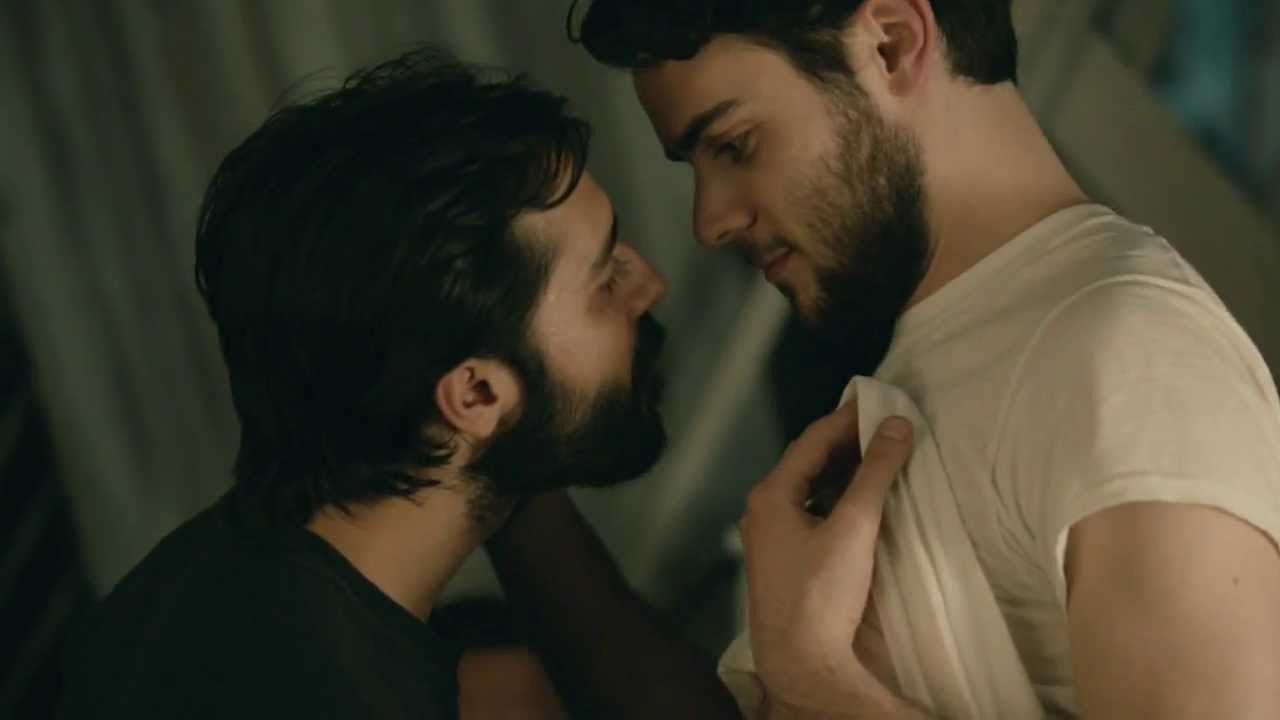
Stranger by the Lake Franck (Pierre Deladonchamps) is an attractive young French guy spending his summer days hanging at the local gay beach, where he strikes up a platonic friendship with chunky older loner Henri (Patrick d’Assumcao). Still, the latter is obviously hurt when Franck practically gets whiplash neck swiveling at the sight of Michel (Christophe Paou), an old-school gay fantasy figure — think Sam Elliott in 1976’s Lifeguard, complete with Marlboro Man ‘stache and twinkling baby blues. No one else seems to be paying attention when Franck sees his lust object frolicking in the surf with an apparent boyfriend, one that doesn’t surface again after some playful “dunking” gets rather less playful. Eventually the police come around in the form of Inspector Damroder (Jerome Chappatte), but Franck stays mum — he isn’t sure what exactly he saw. Or maybe it’s that he’s quite sure he’s happy how things turned out, now that sex-on-wheels Michel is his sorta kinda boyfriend. You have to suspend considerable disbelief to accept that our protagonist would risk potentially serious danger for what seems pretty much a glorified fuck-buddy situation. But Alain Guiraudie’s meticulously schematic thriller- which limits all action to the terrain between parking lot and shore, keeping us almost wholly ignorant of the characters’ regular lives — repays that leap with an absorbing, ingenious structural rigor. Stranger is Hitchcockian, all right, even if the “Master of Suspense” might applaud its technique while blushing at its blunt homoeroticism. (1:37) Clay, Shattuck. (Harvey)

Top Secret! After the sleeper smash of 1980’s Airplane! (and the TV failure of 1982’s Police Squad! series, which nonetheless led directly to the later, successful Naked Gun movies), the Madison, Wisc.-spawned comedy trio of David Zucker, Jim Abrahams, and Jerry Zucker had one more exclamation point up their collective sleeves. That resulted in this hit 1984 parody of Cold War spy movies (and Elvis Presley musicals) starring Val Kilmer (in his perpetually open-mouthed film debut) as hip-swiveling American rock star Nick Rivers, who is dispatched to East Germany on a diplomatic entertainment mission. Instead, he gets yanked into major intrigue that includes kidnapped scientists, Omar Sharif, an elaborate Blue Lagoon (1980) spoof, and of course extremely realistic cow disguises. It also features this immortal exchange between Nazi-Commies, as they’re torturing captured Nick: “Do you vant me to bring out ze LeRoy Neiman paintings?” “No — ve cannot risk violating ze Geneva Convention!” Herrs Zucker, Abrahams, and Zucker will reunite on the Castro stage to screen and discuss their incisive political classic as it enters its fourth decade of cultdom. The 30th anniversary afternoon program is co-presented by SF Sketchfest (www.sfsketchfest.com), Midnites for Maniacs, Noise Pop, and the Jewish Film Festival. Castro. (Harvey)

Vampire Academy Bloodsuckers go to high school in this adaptation of the YA series directed by Mark Waters (2004’s Mean Girls). (1:45)

ONGOING

American Hustle David O. Russell’s American Hustle is like a lot of things you’ve seen before — put in a blender, so the results are too smooth to feel blatantly derivative, though here and there you taste a little Boogie Nights (1997), Goodfellas (1990), or whatever. Loosely based on the Abscam FBI sting-scandal of the late 1970s and early ’80s (an opening title snarks “Some of this actually happened”), Hustle is a screwball crime caper almost entirely populated by petty schemers with big ideas almost certain to blow up in their faces. It’s love, or something, at first sight for Irving Rosenfeld (Christian Bale) and Sydney Prosser (Amy Adams), who meet at a Long Island party circa 1977 and instantly fall for each other — or rather for the idealized selves they’ve both strained to concoct. He’s a none-too-classy but savvy operator who’s built up a mini-empire of variably legal businesses; she’s a nobody from nowhere who crawled upward and gave herself a bombshell makeover. The hiccup in this slightly tacky yet perfect match is Irving’s neglected, crazy wife Rosalyn (Jennifer Lawrence), who’s not about to let him go. She’s their main problem until they meet Richie DiMaso (Bradley Cooper), an ambitious FBI agent who entraps the two while posing as a client. Their only way out of a long prison haul, he says, is to cooperate in an elaborate Atlantic City redevelopment scheme he’s concocted to bring down a slew of Mafioso and presumably corrupt politicians, hustling a beloved Jersey mayor (Jeremy Renner) in the process. Russell’s filmmaking is at a peak of populist confidence it would have been hard to imagine before 2010’s The Fighter, and the casting here is perfect down to the smallest roles. But beyond all clever plotting, amusing period trappings, and general high energy, the film’s ace is its four leads, who ingeniously juggle the caricatured surfaces and pathetic depths of self-identified “winners” primarily driven by profound insecurity. (2:17) Four Star, Metreon, 1000 Van Ness, Presidio, Sundance Kabuki. (Harvey)

August: Osage County Considering the relative infrequency of theater-to-film translations today, it’s a bit of a surprise that Tracy Letts had two movies made from his plays before he even got to Broadway. Bug and Killer Joe proved a snug fit for director William Friedkin (in 2006 and 2011, respectively), but both plays were too outré for the kind of mainstream success accorded 2007’s August: Osage County, which won the Pulitzer, ran 18 months on Broadway, and toured the nation. As a result, August was destined — perhaps doomed — to be a big movie, the kind that shoehorns a distracting array of stars into an ensemble piece, playing jes’ plain folk. But what seemed bracingly rude as well as somewhat traditional under the proscenium lights just looks like a lot of reheated Country Gothic hash, and the possibility of profundity you might’ve been willing to consider before is now completely off the menu. If you haven’t seen August before (or even if you have), there may be sufficient fun watching stellar actors chew the scenery with varying degrees of panache — Meryl Streep (who else) as gorgon matriarch Violet Weston; Sam Shepard as her long-suffering spouse; Julia Roberts as pissed-off prodigal daughter Barbara (Julia Roberts), etc. You know the beats: Late-night confessions, drunken hijinks, disastrous dinners, secrets (infidelity, etc.) spilling out everywhere like loose change from moth-eaten trousers. The film’s success story, I suppose, is Roberts: She seems very comfortable with her character’s bitter anger, and the four-letter words tumble past those jumbo lips like familiar friends. On the downside, there’s Streep, who’s a wizard and a wonder as usual yet also in that mode supporting the naysayers’ view that such conspicuous technique prevents our getting lost in her characters. If Streep can do anything, then logic decrees that includes being miscast. (2:10) Metreon, Sundance Kabuki. (Harvey)

Dallas Buyers Club Dallas Buyers Club is the first all-US feature from Jean-Marc Vallée. He first made a splash in 2005 with C.R.A.Z.Y., which seemed an archetype of the flashy, coming-of-age themed debut feature. Vallée has evolved beyond flashiness, or maybe since C.R.A.Z.Y. he just hasn’t had a subject that seemed to call for it. Which is not to say Dallas is entirely sober — its characters partake from the gamut of altering substances, over-the-counter and otherwise. But this is a movie about AIDS, so the purely recreational good times must eventually crash to an end. Which they do pretty quickly. We first meet Ron Woodroof (Matthew McConaughey) in 1986, a Texas good ol’ boy endlessly chasing skirts and partying nonstop. Not feeling quite right, he visits a doctor, who informs him that he is HIV-positive. His response is “I ain’t no faggot, motherfucker” — and increased partying that he barely survives. Afterward, he pulls himself together enough to research his options, and bribes a hospital attendant into raiding its trial supply of AZT for him. But Ron also discovers the hard way what many first-generation AIDS patients did — that AZT is itself toxic. He ends up in a Mexican clinic run by a disgraced American physician (Griffin Dunne) who recommends a regime consisting mostly of vitamins and herbal treatments. Ron realizes a commercial opportunity, and finds a business partner in willowy cross-dresser Rayon (Jared Leto). When the authorities keep cracking down on their trade, savvy Ron takes a cue from gay activists in Manhattan and creates a law evading “buyers club” in which members pay monthly dues rather than paying directly for pharmaceutical goods. It’s a tale that the scenarists (Craig Borten and Melisa Wallack) and director steep in deep Texan atmospherics, and while it takes itself seriously when and where it ought, Dallas Buyers Club is a movie whose frequent, entertaining jauntiness is based in that most American value: get-rich-quick entrepreneurship. (1:58) Embarcadero, 1000 Van Ness, Presidio. (Harvey)

Devil’s Due (1:29) Metreon.

Frozen (1:48) Metreon, 1000 Van Ness.

Gimme Shelter Pope Francis has been making up for lost time, but nevertheless, it’s tough to get a good dose of up-with-Catholicism promotional material these days. Like Francis, Gimme Shelter aims to highlight the church’s tangible and spiritual support to those in need — and here, in this movie based on a real story, would-be teen moms uninterested or unwilling to abort. Oh yes, and it’s down to shelter those battered by bad press about pedophile priests and provide a role with some meat to an ingenue itching to grow. Vanessa Hudgens is that actress, who seems to be making the right career moves following last year’s Spring Breakers by playing crust-punk teen runaway Apple. The girl is trying to break away from her abusive, cracked-out mom (Rosario Dawson) and is forced to reconnect with her privileged stranger of a dad (Brendan Fraser). The cherry — or lack thereof — on top of her troubles is the fact that she’s preggers, which inspires her father’s pinched spouse (Stephanie Szostak) to march her straight to the clinic to terminate. With the help of a hospital priest Frank (James Earl Jones), she finds, yes, shelter in a home for teen moms in need, though we never quite understand why Apple is so determined to have the child —especially when her own mother, brought scarily to life by an intense, unrecognizable Dawson, is such a monster. Still, it’s a measure of how believable Hudgens is, working with what little she has in the way of verbiage, that a viewer is touched by her trajectory. Meanwhile the avid film fan can’t help but wonder how this well-meaning movie — which incidentally has absolutely nothing to do with the Stones and doesn’t quite deserve this way-too-literal title — would have unfolded in the hands of a Lee Daniels or even a Olivier Assayas. (1:40) SF Center. (Chun)

The Girls in the Band Judy Chaikin’s upbeat documentary is in step with the recent, not-unwelcome trend of bringing overlooked musicians into the spotlight (think last year’s Twenty Feet from Stardom and A Band Called Death). The Girls in the Band takes a chronological look at women in the big-band and jazz scenes, taking the 1958’s “A Great Day in Harlem” as a visual jumping-off point, sharing the stories of two (out of just three) women who posed amid that sea of male musicians. One is British pianist Marian McPartland, who’s extensively featured in interviews shot before her death last year; the other is gifted composer and arranger Mary Lou Williams, who died in 1981 but left behind a rich legacy that still inspires. Others featured in this doc (which culminates in a re-creation of that famous Harlem photo shoot — with all-female subjects this time) include saxophone- and trumpet-playing members of the multi-racial, all-female International Sweethearts of Rhythm, which toured the segregated south at great peril during the 1930s and was a favorite among African American servicemen during World War II. No matter her race, nearly every woman interviewed cites the raging sexism inherent in the music biz — but the film’s final third, which focuses on contemporary successes like Esperanza Spalding, suggests that stubborn roadblock is finally being chipped away. (1:26) Smith Rafael. (Eddy)

Gravity “Life in space is impossible,” begins Gravity, the latest from Alfonso Cuarón (2006’s Children of Men). Egghead Dr. Ryan Stone (Sandra Bullock) is well aware of her precarious situation after a mangled satellite slams into her ship, then proceeds to demolition-derby everything (including the International Space Station) in its path. It’s not long before she’s utterly, terrifyingly alone, and forced to unearth near-superhuman reserves of physical and mental strength to survive. Bullock’s performance would be enough to recommend Gravity, but there’s more to praise, like the film’s tense pacing, spare-yet-layered script (Cuarón co-wrote with his son, Jonás), and spectacular 3D photography — not to mention George Clooney’s warm supporting turn as a career astronaut who loves country music almost as much as he loves telling stories about his misadventures. (1:31) Metreon, 1000 Van Ness. (Eddy)

The Great Beauty The latest from Paolo Sorrentino (2008’s Il Divo) arrives as a high-profile contender for the Best Foreign Language Film Oscar, already annointed a masterpiece in some quarters, and duly announcing itself as such in nearly every grandiose, aesthetically engorged moment. Yes, it seems to say, you are in the presence of this auteur’s masterpiece. But it’s somebody else’s, too. The problem isn’t just that Fellini got there first, but that there’s room for doubt whether Sorrentino’s homage actually builds on or simply imitates its model. La Dolce Vita (1960) and 8 1/2 (1963) are themselves swaying, jerry-built monuments, exhileratingly messy and debatably profound. But nothing quite like them had been seen before, and they did define a time of cultural upheaval — when traditional ways of life were being plowed under by a loud, moneyed, heedless modernity that for a while chose Rome as its global capital. Sorrentino announces his intention to out-Fellini Fellini in an opening sequence so strenuously flamboyant it’s like a never-ending pirouette performed by a prima dancer with a hernia. There’s statuary, a women’s choral ensemble, an on-screen audience applauding the director’s baffled muse Toni Servillo, standing in for Marcello Mastroianni — all this and more in manic tracking shots and frantic intercutting, as if sheer speed alone could supply contemporary relevancy. Eventually The Great Beauty calms down a bit, but still its reason for being remains vague behind the heavy curtain of “style.” (2:22) Opera Plaza. (Harvey)

Her Morose and lonely after a failed marriage, Theodore (Joaquin Phoenix) drifts through an appealingly futuristic Los Angeles (more skyscrapers, less smog) to his job at a place so hipster-twee it probably will exist someday: beautifulhandwrittenletters.com, where he dictates flowery missives to a computer program that scrawls them onto paper for paying customers. Theodore’s scripting of dialogue between happy couples, as most of his clients seem to be, only enhances his sadness, though he’s got friends who care about him (in particular, Amy Adams as Amy, a frumpy college chum) and he appears to have zero money woes, since his letter-writing gig funds a fancy apartment equipped with a sweet video-game system. Anyway, women are what gives Theodore trouble — and maybe by extension, writer-director Spike Jonze? — so he seeks out the ultimate gal pal: Samantha, an operating system voiced by Scarlett Johansson in the year’s best disembodied performance. Thus begins a most unusual relationship, but not so unusual; Theodore’s friends don’t take any issue with the fact that his new love is a machine. Hey, in Her‘s world, everyone’s deeply involved with their chatty, helpful, caring, always-available OS — why wouldn’t Theo take it to the next level? Inevitably, of course, complications arise. If Her‘s romantic arc feels rather predictable, the film acquits itself in other ways, including boundlessly clever production-design touches that imagine a world with technology that’s (mostly) believably evolved from what exists today. Also, the pants they wear in the future? Must be seen to be believed. (2:00) Four Star, 1000 Van Ness, Presidio, SF Center, Sundance Kabuki. (Eddy)

The Hobbit: The Desolation of Smaug Just when you’d managed to wipe 2012’s unwieldy The Hobbit: An Unexpected Journey from your mind, here comes its sequel — and it’s actually good! Yes, it’s too long (Peter Jackson wouldn’t have it any other way); arachnophobes (and maybe small children) will have trouble with the creepy, giant-spider battle; and Orlando Bloom, reprising his Lord of the Rings role as Legolas the elf, has been CG’d to the point of looking like he’s carved out of plastic. But there’s much more to enjoy this time around, with a quicker pace (no long, drawn-out dinner parties); winning performances by Martin Freeman (Bilbo), Ian McKellan (Gandalf); and Benedict Cumberbatch (as the petulent voice of Smaug the dragon); and more shape to the quest, as the crew of dwarves seeks to reclaim their homeland, and Gandalf pokes into a deeper evil that’s starting to overtake Middle-earth. (We all know how that ends.) In addition to Cumberbatch, the cast now includes Lost‘s Evangeline Lilly as elf Tauriel, who doesn’t appear in J.R.R. Tolkien’s original story, but whose lady-warrior presence is a welcome one; and Luke Evans as Bard, a human poised to play a key role in defeating Smaug in next year’s trilogy-ender, There and Back Again. (2:36) 1000 Van Ness. (Eddy)

The Hunger Games: Catching Fire Before succumbing to the hot and heavy action inside the arena (intensely directed by Francis Lawrence) The Hunger Games: Catching Fire force-feeds you a world of heinous concept fashions that’d make Lady Gaga laugh. But that’s ok, because the second film about one girl’s epic struggle to change the world of Panem may be even more exciting than the first. Suzanne Collins’ YA novel The Hunger Games was an over-literal metaphor for junior high social survival and the glory of Catching Fire is that it depicts what comes after you reach the cool kids’ table. Katniss (Jennifer Lawrence) inspired so much hope among the 12 districts she now faces pressures from President Snow (a portentous Donald Sutherland) and the fanatical press of Capital City (Stanley Tucci with big teeth and Toby Jones with big hair). After she’s forced to fake a romance with Peeta (Josh Hutcherson), the two watch with horror as they’re faced with a new Hunger Game: for returning victors, many of whom are too old to run. Amanda Plummer and Jeffrey Wright are fun as brainy wackjobs and Jena Malone is hilariously Amazonian as a serial axe grinder still screaming like an eighth grader. Inside the arena, alliances and rivalries shift but the winner’s circle could survive to see another revolution; to save this city, they may have to burn it down. (2:26) Metreon. (Vizcarrondo)

I, Frankenstein (1:33) Metreon, 1000 Van Ness.

Inside Llewyn Davis In the Coen Brothers’ latest, Oscar Isaac as the titular character is well on his way to becoming persona non grata in 1961 NYC — particularly in the Greenwich Village folk music scene he’s an ornery part of. He’s broke, running out of couches to crash on, has recorded a couple records that have gone nowhere, and now finds out he’s impregnated the wife (Carey Mulligan) and musical partner of one among the few friends (Justin Timberlake) he has left. She’s furious with herself over this predicament, but even more furious at him. This ambling, anecdotal tale finds Llewyn running into one exasperating hurdle after another as he burns his last remaining bridges, not just in Manhattan but on a road trip to Chicago undertaken with an overbearing jazz musician (John Goodman) and his enigmatic driver (Garrett Hedlund) to see a club impresario (F. Murray Abraham). This small, muted, droll Coens exercise is perfectly handled in terms of performance and atmosphere, with pleasures aplenty in its small plot surprises, myriad humorous idiosyncrasies, and T. Bone Burnett’s sweetened folk arrangements. But whether it actually has anything to say about its milieu (a hugely important Petri dish for later ’60s political and musical developments), or adds up to anything more profound than an beautifully executed shaggy-dog story, will be a matter of personal taste — or perhaps of multiple viewings. (1:45) Sundance Kabuki. (Harvey)

The Invisible Woman Charles Dickens was a regular scold of the British class system and its repercussions, particularly the gentry’s general acceptance that poverty was something the bottom rung of society was suited for, perhaps even deserved. Given how many in positions of power would have preferred such issues go ignored, it was all the more important their highest-profile advocate be of unimpeachable “moral character” — which in the Victorian era meant a very high standard of conduct indeed. So it remains remarkable that in long married middle-age he heedlessly risked scandal and possible career-ruin by taking on a much younger mistress. Both she and he eventually burned all their mutual correspondence, so Claire Tomalin’s biography The Invisible Woman is partly a speculative work. But it and now Ralph Fiennes’ film of the same name are fascinating glimpses into the clash between public life and private passion in that most judgmentally prudish of epochs. Framed by scenes of its still-secretive heroine several years after the central events, the movie introduces us to a Dickens (Fiennes) who at mid-career is already the most famous man in the UK. In his lesser-remembered capacity as a playwright and director, at age 45 (in 1857) he hired 18-year-old actress Nelly Ternan (Felicity Jones) for an ingénue role. He was instantly smitten; she was, at the least, awed by this great man’s attention. Their professional association permitted some further contact without generating much gossip. But eventually Dickens chafed at the restraints necessary to avoid scandal — no matter the consequences to himself, let alone his wife, his 10 (!) children, or Ternan herself. Fiennes, by all accounts an exceptional Shakespearean actor on stage, made a strong directorial debut in 2011 with that guy’s war play, Coriolanus — a movie that, like this one, wasn’t enough of a conventional prestige film or crowd-pleaser to surf the awards-season waves very long. But they’re both films of straightforward confidence, great intelligence, and unshowy good taste that extends to avoiding any vanity project whiff. (1:51) Opera Plaza. (Harvey)

Jack Ryan: Shadow Recruit Throwback Terror Thursday, anyone? If the early Bourne entries leapt ahead of then-current surveillance technology in their paranoia-inducing ability to Find-Replace-Eliminate international villains wherever they were in the world, then Jack Ryan: Shadow Recruit flails in the opposite direction — toward a nonsensical, flag-waving mixture of Cold War and War on Terror phobias. So when covert mucky-muck Thomas Harper (Kevin Costner) solemnly warns that if mild-mannered former Marine and secret CIA analyst Jack Ryan stumbles, the US is in danger of … another Great Depression, you just have to blink, Malcolm Gladwell-style. Um, didn’t we just do that? And is this movie that out of touch? It doesn’t help that director Kenneth Branagh casts himself as the sleek, camp, and illin’ Russian baddie Viktor Cherevin, who’s styled like a ’90s club tsar in formfitting black clothing with a sheen that screams “Can this dance-floor sadist buy you another cosmo?” He’s intended to pass for something resembling sex — and soul — in Shadow Recruit‘s odd, determinedly clueless universe. That leaves a colorless, blank Chris Pine with the thankless task of rescuing whiney physician love Cathy (Keira Knightley) from baddie clutches. Pine’s no Alec Baldwin, lacking the latter’s wit and anger management issues, or even Ben Affleck, who has also succumbed to blank, beefcake posturing on occasion. Let’s return this franchise to its box, firmly relegated to the shadows. (1:45) Metreon, 1000 Van Ness. (Chun)

Labor Day Sweet little home repairs, quickie car tune-ups, sensual pie-making, and sexed-up chili cookery — Labor Day seems to be taking its chick-flick cues from Porn For Women, Cambridge Women’s Pornography Cooperative’s puckish gift-booklet that strives to capture women’s real desires: namely, for vacuuming, folded laundry, and patient listening from their chosen hunks of beefcake. Let’s call it domestic close encounters of the most pragmatic, and maybe most realistic, kind. But that seems to sail over the heads of all concerned with Labor Day. Working with Joyce Maynard’s novel, director-screenwriter Jason Reitman largely dispenses with the wit that washes through Juno (2007) and Up in the Air (2009) and instead chooses to peer at his actors through the seriously overheated, poetically impressionistic prism of Terrence Malick … if Malick were tricked into making a Nicholas Sparks movie. Single mom Adele (Kate Winslet) is down in the dumps over multiple miscarriages and her husband’s (Clark Gregg) departure. Son Henry (Gattlin Griffith) becomes her caretaker of sorts — thus, when escaped convict Frank (Josh Brolin) forces the mother-and-son team to give him a ride and a hideout, it’s both a blessing and a curse, especially because the hardened tough guy turns out to be a compulsively domestic, hardworking ubermensch of a Marlboro Man, able to bake up a peach pie and teach Henry to throw a baseball, all within the course of a long Labor Day weekend. Hapless Adele is helpless to resist him, particularly after some light bondage and plenty of manly nurturing. Ultimately this masochistic fantasy about the ultimate, if forbidden, family man — and the delights of the Stockholm Syndrome — is much harder to swallow than a spoonful of homemade chili, despite its strong cast. (1:51) Metreon, 1000 Van Ness, Sundance Kabuki. (Chun)

The Legend of Hercules What better reason to wield the blunt force of 3D than to highlight the muscle-bound glory of a legendary hero — and, of course, foreground his impressive six-pack abs and impudently jutting nipples. Lead Kellan Lutz nails the eye candy aspect in this sword ‘n’ sandals effort by Renny Harlin (aka the man who capsized Geena Davis’s career), though it’s hard to take him seriously when he looks less like the hirsute, leonine hero depicted in ancient artwork than an archetypal, thick-necked, clean-shaven, all-American handsome-jock star (Lutz’s resemblance to Tom Brady is uncanny). Still, glistening beefcake is a fact of life at toga parties, and it’s clearly a large part of the appeal in this corny popcorner about Greek mythology’s proto-superhero. The Legend of Hercules is kitted out to conquer teen date nights around the world, with a lot of bloodless PG-13 violence for the boys and flower-petal-filled nuzzle-fests between Herc and Hebe (Gaia Weiss) for the girls, along with the added twist that Hercules’s peace-loving mother Alcmene conceived him with Zeus — with Hera’s permission — in order to halt her power-mad brute of a spouse King Amphitryon (Scott Adkins). In any case Harlin and company can’t leave well enough alone and piledrive each action scene with way too much super-slo-mo, as if mainlining the Matrix films in the editing booth to guarantee the attention of critical overseas markets and future installments. And the cheesy badness of certain scenes, like Hercules twirling the broken stone walls he destroys like a pair of giant fuzzy dice, can’t be denied. We all know how rich and riveting Greek mythology is, and by Hera, if the original, complicated Heracles is ever truly encapsulated on film, I hope it’s by Lars von Trier or another moviemaker capable of adequately harnessing a bisexual demi-god of enormous appetites and heroism. (1:38) SF Center. (Chun)

Lone Survivor Peter Berg (2012’s Battleship, 2007’s The Kingdom) may officially be structuring his directing career around muscular tails of bad-assery. This true story follows a team of Navy SEALs on a mission to find a Taliban group leader in an Afghani mountain village. Before we meet the actors playing our real-life action heroes we see training footage of actual SEALs being put through their paces; it’s physical hardship structured to separate the tourists from the lifers. The only proven action star in the group is Mark Wahlberg — as Marcus Luttrell, who wrote the film’s source-material book. His funky bunch is made of heartthrobs and sensitive types: Taylor Kitsch (TV’s Friday Night Lights); Ben Foster, who last portrayed William S. Burroughs in 2013’s Kill Your Darlings but made his name as an officer breaking bad news gently to war widows in 2009’s The Messenger; and Emile Hirsch, who wandered into the wilderness in 2007’s Into the Wild. We know from the outset who the lone survivors won’t be, but the film still manages to convey tension and suspense, and its relentlessness is stunning. Foster throws himself off a cliff, bounces off rocks, and gets caught in a tree — then runs to his also-bloody brothers to report, “That sucked.” (Yesterday I got a paper cut and tweeted about it.) But the takeaway from this brutal battle between the Taliban and America’s Real Heroes is that the man who lived to tell the tale also offers an olive branch to the other side — this survivor had help from the non-Taliban locals, a last-act detail that makes Lone Survivor this Oscar season’s nugget of political kumbaya. (2:01) Metreon, 1000 Van Ness, Sundance Kabuki. (Vizcarrondo)

Nebraska Alexander Payne may be unique at this point in that he’s in a position of being able to make nothing but small, human, and humorous films with major-studio money on his own terms. It’s hazardous to make too much of a movie like Nebraska, because it is small — despite the wide Great Plains landscapes shot in a wide screen format — and shouldn’t be entered into with overinflated or otherwise wrong-headed expectations. Still, a certain gratitude is called for. Nebraska marks the first time Payne and his writing partner Jim Taylor weren’t involved in the script, and the first one since their 1996 Citizen Ruth that isn’t based on someone else’s novel. (Hitherto little-known Bob Nelson’s original screenplay apparently first came to Payne’s notice a decade ago, but getting put off in favor of other projects.) It could easily have been a novel, though, as the things it does very well (internal thought, sense of place, character nuance) and the things it doesn’t much bother with (plot, action, dialogue) are more in line with literary fiction than commercial cinema. Elderly Woody T. Grant (Bruce Dern) keeps being found grimly trudging through snow and whatnot on the outskirts of Billings, Mont., bound for Lincoln, Neb. Brain fuzzed by age and booze, he’s convinced he’s won a million dollars and needs to collect it him there, though eventually it’s clear that something bigger than reality — or senility, even — is compelling him to make this trek. Long-suffering younger son David (Will Forte) agrees to drive him in order to simply put the matter to rest. This fool’s mission acquires a whole extended family-full of other fools when father and son detour to the former’s podunk farming hometown. Nebraska has no moments so funny or dramatic they’d look outstanding in excerpt; low-key as they were, 2009’s Sideways and 2011’s The Descendants had bigger set pieces and narrative stakes. But like those movies, this one just ambles along until you realize you’re completely hooked, all positive emotional responses on full alert. (1:55) Embarcadero, 1000 Van Ness. (Harvey)

The Nut Job (1:26) Metreon.

“Oscar Nominated Short Films 2014: Animated” Five nominees — plus a trio of “highly commended” additional selections — fill this program. If you saw Frozen in the theater, you’ve seen Get a Horse!, starring old-timey Mickey Mouse and some very modern moviemaking techniques. There’s also Room on the Broom, based on a children’s book about a kindly witch who’s a little too generous when it comes to befriending outcast animals (much to the annoyance of her original companion, a persnickety cat). Simon Pegg narrates, and Gillian Anderson voices the red-headed witch; listen also for Mike Leigh regulars Sally Hawkins and Timothy Spall. Japanese Possessions is based on even older source material: a spooky legend that discarded household objects can gain the power to cause mischief. A good-natured fix-it man ducks into an abandoned house during a rainstorm, only to be confronted with playful parasols, cackling kimono fabric, and a dragon constructed out of kitchen junk. The most artistically striking nominee is Feral, a dialogue-free, impressionistic tale of a foundling who resists attempts to civilize him. But my top pick is another dialogue-free entry: Mr. Hublot, the steampunky tale of an inventor whose regimented life is thrown into disarray when he adopts a stray robot dog, which soon grows into a comically enormous companion. It’s cute without being cloying, and the universe it creates around its characters is cleverly detailed, right down to the pictures on Hublot’s walls. Embarcadero. (Eddy)

“Oscar Nominated Short Films 2014: Live Action” With the exception of one entry — wryly comedic The Voorman Problem, starring Sherlock‘s Martin Freeman as a prison doctor who has a most unsettling encounter with an inmate who believes he’s a god — children are a unifying theme among this year’s live-action nominees. Finnish Do I Have to Take Care of Everything?, the shortest in the bunch, follows a cheerfully sloppy family’s frantic morning as they scramble to get themselves to a wedding. Danish Helium skews a little sentimental in its tale of a hospital janitor who makes up stories about a fanciful afterlife (way more fun than heaven) for the benefit of a sickly young patient. Spanish That Wasn’t Me focuses on a different kind of youth entirely: a child soldier in an unnamed African nation, whose brutal encounter with a pair of European doctors leads him down an unexpected path. Though it feels more like a sequence lifted from a longer film rather than a self-contained short, French Just Before Losing Everything is the probably the strongest contender here. The tale of a woman (Léa Drucker) who decides to take her two children and leave her dangerously abusive husband, it unfolds with real-time suspense as she visits her supermarket job one last time to deal with mundane stuff (collecting her last paycheck, turning in her uniform) before the trio can flee to safety. If they gave out Oscars for short-film acting, Drucker would be tough to beat; her performance balances steely determination and extreme fear in equally hefty doses. Embarcadero. (Eddy)

The Past Splits in country, culture, and a harder-to-pinpoint sense of morality mark The Past, the latest film by Asghar Farhadi, the first Iranian moviemaker to win an Oscar (for 2011’s A Separation.) At the center of The Past‘s onion layers is a seemingly simple divorce of a binational couple, but that act becomes more complicated — and startlingly compelling — in Farhadi’s capable, caring hands. Ahmad (Ali Mosaffa) has returned to Paris from Tehran, where he’s been living for the past four years, at the request of French wife Marie (Bérénice Bejo of 2011’s The Artist). She wants to legalize their estrangement so she can marry her current boyfriend, Samir (Tahar Rahim of 2009’s A Prophet), whose wife is in a coma. But she isn’t beyond giving out mixed messages by urging Ahmad to stay with her, and her daughters by various fathers, rather than at a hotel — and begging him to talk to teen Lucie (Pauline Burlet), who seems to despise Samir. The warm, nurturing Ahmad falls into his old routine in Marie’s far-from-picturesque neighborhood, visiting a café owned by fellow Iranian immigrants and easily taking over childcare duties for the overwhelmed Marie, as he tries to find out what’s happening with Lucie, who’s holding onto a secret that could threaten Marie’s efforts to move on. The players here are all wonderful, in particular the sad-faced, humane Mosaffa. We never really find out what severed his relationship with Marie, but in the end, it doesn’t really matter. We care about, and end up fearing for, all of Farhadi’s everyday characters, who are observed with a tender and unsentimental understanding that US filmmakers could learn from. The effect, when he finally racks focus on the forgotten member of this triangle (or quadrilateral?), is heartbreaking. (2:10) Opera Plaza, Smith Rafael. (Chun)

Philomena Judi Dench gives this twist on a real-life scandal heart, soul, and a nuanced, everyday heft. Her ideal, ironic foil is Steve Coogan, playing an upper-crusty irreverent snob of an investigative journalist. Judging by her tidy exterior, Dench’s title character is a perfectly ordinary Irish working-class senior, but she’s haunted by the past, which comes tumbling out one day to her daughter: As an unwed teenager, she gave birth to a son at a convent. She was forced to work there, unpaid; as supposed penance, the baby was essentially sold to a rich American couple against her consent. Her yarn reaches disgraced reporter Martin Sixsmith (Coogan), who initially turns his nose up at the tale’s piddling “human interest” angle, but slowly gets drawn in by the unexpected twists and turns of the story — and likely the possibility of taking down some evil nuns — as well as seemingly naive Philomena herself, with her delight in trash culture, frank talk about sex, and simple desire to see her son and know that he thought, once in a while, of her. It turns out Philomena’s own sad narrative has as many improbable turnarounds as one of the cheesy romance novels she favors, and though this unexpected twosome’s quest for the truth is strenuously reworked to conform to the contours of buddy movie-road trip arc that we’re all too familiar with, director Stephen Frears’ warm, light-handed take on the gentle class struggles going on between the writer and his subject about who’s in control of the story makes up for Philomena‘s determined quest for mass appeal. (1:35) Embarcadero, Four Star, Sundance Kabuki. (Chun)

Ride Along By sheer dint of his ability to push his verbosity and non-threatening physicality into that nerd zone between smart and clueless, intelligent and irritating, Kevin Hart may be poised to become Hollywood’s new comedy MVP. In the case of Ride Along, it helps that Ice Cube has comic talents, too — proven in the Friday movies as well as in 2012’s 21 Jump Street — as the straight man who can actually scowl and smile at the same time. Together, in Ride Along, they bring the featherweight pleasures of Rush Hour-style odd-couple chortles. Hart is Ben, a gamer geek and school security guard shooting to become the most wrinkly student at the police academy. He looks up to hardened, street-smart cop James (Cube), brother of his new fiancée, Angela (Tika Sumpter). Naturally, instead of simply blessing the nuptials, the tough guy decides to haze the shut-in, disabusing him of any illusions he might have of being his equal. More-than-equal talents like Laurence Fishburne and John Leguizamo are pretty much wasted here — apart from Fishburne’s ultra lite impression of Matrix man Morpheus — but if you don’t expect much more than the chuckles eked out of Ride Along‘s commercials, you won’t be too disappointed by this nontaxing journey. (1:40) Metreon, 1000 Van Ness. (Chun)

Saving Mr. Banks Having promised his daughters that he would make a movie of their beloved Mary Poppins books, Walt Disney (Tom Hanks) has laid polite siege to author P.L. Travers (Emma Thompson) for over 20 years. Now, in the early 1960s, she has finally consented to discuss the matter in Los Angeles — albeit with great reluctance, and only because royalty payments have dried up to the point where she might have to sell her London home. Bristling at being called “Pam” and everything else in this sunny SoCal and relentlessly cheery Mouse House environ, the acidic English spinster regards her creation as sacred. The least proposed changes earn her horrified dismissal, and the very notion of having Mary and company “prancing and chirping” out songs amid cartoon elements is taken as blasphemy. This clash of titans could have made for a barbed comedy with satirical elements, but god forbid this actual Disney production should get so cheeky. Instead, we get the formulaically dramatized tale of a shrew duly tamed by all-American enterprise, with flashbacks to the inevitable past traumas (involving Colin Farrell as a beloved but alcoholic ne’er-do-well father) that require healing of Travers’ wounded inner child by the magic of the Magic Kingdom. If you thought 2004’s Finding Neverland was contrived feel-good stuff, you’ll really choke on the spoons full of sugar force-fed here. (2:06) SF Center. (Harvey)

That Awkward Moment When these bro-mancers call each other “idiots,” which they do repeatedly, it’s awkward all right, because that descriptor hits all too close to home. Jason (Zac Efron) and Daniel (Miles Teller) are douchey book-marketing boy geniuses, with all the ego and fratty attitude needed to dispense bad advice and push doctor friend Mikey (Michael B. Jordan), whose wife recently broke it off after an affair with her lawyer, into an agreement to play the field — no serious dating allowed. The pretext: Anything to avoid, yup, that awkward moment when the lady has the temerity to ask, “So — where is this going?” How fortuitous that Jason should run into the smartest, cutest author in NYC (Imogen Poots), all sharp-tongued charisma and sparkling Emma Stone-y cat eyes; that Daniel would get embroiled with his Charlotte Rampling-like wing woman (Mackenzie Davis); and Mikey would edge back into bed with his ex. That’s the worst — or best — these tepid lotharios can muster. The education of these numbskulls when it comes to love and lust aspires to the much-edgier self-criticism of Girls — but despite the presence of Fruitvale Station (2013) breakout Jordan and the likable Poots, first-time director Tom Gormican’s screenplay lets them down. (1:34) Metreon, 1000 Van Ness. (Chun)

12 Years a Slave Pop culture’s engagement with slavery has always been uneasy. Landmark 1977 miniseries Roots set ratings records, but the prestigious production capped off a decade that had seen some more questionable endeavors, including 1975 exploitation flick Mandingo — often cited by Quentin Tarantino as one of his favorite films; it was a clear influence on his 2012 revenge fantasy Django Unchained, which approached its subject matter in a manner that paid homage to the Westerns it riffed on: with guns blazing. By contrast, Steve McQueen’s 12 Years a Slave is nuanced and steeped in realism. Though it does contain scenes of violence (deliberately captured in long takes by regular McQueen collaborator Sean Bobbitt, whose cinematography is one of the film’s many stylistic achievements), the film emphasizes the horrors of “the peculiar institution” by repeatedly showing how accepted and ingrained it was. Slave is based on the true story of Solomon Northup, an African American man who was sold into slavery in 1841 and survived to pen a wrenching account of his experiences. He’s portrayed here by the powerful Chiwetel Ejiofor. Other standout performances come courtesy of McQueen favorite Michael Fassbender (as Epps, a plantation owner who exacerbates what’s clearly an unwell mind with copious amounts of booze) and newcomer Lupita Nyong’o, as a slave who attracts Epps’ cruel attentions. (2:14) Embarcadero. (Eddy)

The Wolf of Wall Street Three hours long and breathless from start to finish, Martin Scorsese’s tale of greed, stock-market fraud, and epic drug consumption has a lot going on — and the whole thing hinges on a bravado, breakneck performance by latter-day Scorsese muse Leonardo DiCaprio. As real-life sleaze Jordan Belfort (upon whose memoir the film is based), he distills all of his golden DiCaprio-ness into a loathsome yet maddeningly likable character who figures out early in his career that being rich is way better than being poor, and that being fucked-up is, likewise, much preferable to being sober. The film also boasts keen supporting turns from Jonah Hill (as Belfort’s crass, corrupt second-in-command), Matthew McConaughey (who has what amounts to a cameo — albeit a supremely memorable one — as Belfort’s coke-worshiping mentor), Jean Dujardin (as a slick Swiss banker), and newcomer Margot Robbie (as Belfort’s cunning trophy wife). But this is primarily the Leo and Marty Show, and is easily their most entertaining episode to date. Still, don’t look for an Oscar sweep: Scorsese just hauled huge for 2011’s Hugo, and DiCaprio’s flashy turn will likely be passed over by voters more keen on honoring subtler work in a shorter film. (2:59) Marina, 1000 Van Ness, SF Center, Sundance Kabuki, Vogue. (Eddy) *


Sundance, part one: crowd-pleasers and dino heists

0

Check out Jesse’s intro to his Sundance Film Festival series here.

This year, there were few films that stood out as across-the-board crowd pleasers. Gareth Evans’ violent, 148-minute The Raid 2: Berandal (UK/Indonesia) — a sequel to his 2011 cult hit — is an absolute must-see, as is the latest from Wet Hot American Summer (2001) director David Wain, They Came Together (US); it’s a comedy spoof that pitches Paul Rudd and Amy Poehler into a slew of rom-com tropes and clichés (delivering some huge laughs in the process).

http://www.youtube.com/watch?v=3MuXrN8L9ro

But the festival’s biggest surprise was perhaps Martha Stephens and Aaron Katz’s Land Ho! (US/Iceland). From the press notes: “A pair of aging ex-brothers-in-law set off to Iceland in an attempt to reclaim their youth through Reykjavik nightclubs, trendy spas, and rugged campsites. This bawdy adventure is a throwback to 1980s road trip comedies, as well as a candid exploration of aging, loneliness, and friendship.” And it really delivered. So it’s no surprise Sony Pictures Classics picked up this hot dog, aiming to bring its magic to audiences beyond Sundance. Stars Paul Eenhoorn (from one of last year’s secret treasures, Chad Hartigan’s This Is Martin Bonner) and relative newcomer Earl Lynn Nelson (who popped up in Martha Stephens’ spellbinding 2012 Pilgrim Song) could be looking at Independent Spirit Award nominations. Yeah, it’s a year away, but I’m calling it now.

Another film that got a distributor at the fest: Todd Miller’s Dinosaur 13 (US), a documentary about a team of independent paleontologists in South Dakota who in 1990 unearthed the largest, most complete Tyrannosaurus rex ever found. What ensues is a twisted and even stomach-churning tale that questions who “Sue” (as the skeleton was dubbed) belongs to. This was one of the most thought-provoking (and, possibly, argument-inducing) films of the fest. Are the paleontologists pirates? Does the government have control of the land, or should the discovery belong to the landowner? And what if those lands are tribal lands? If this sounds intriguing, it is, and you won’t have to wait long to see it for yourself, since Dinosaur 13 was picked up by CNN Films and Lionsgate for a million bucks (or around one-eighth of the value of a T-rex skeleton, as it turns out). 

Along the same lines was Andrew Rossi’s Ivory Tower (US), which does its best to explore the dilemmas facing modern universities — tuition hikes, trillion-dollar debts (did you really need that brand-new swimming pool?), etc. — and what they mean for their students. It poses the modern questions of onsite vs. online, skills vs. information, and most importantly “Is college worth it anymore?” The film feels as confused as the questions it’s attempting to delve into, but I was still deeply affected by many moments. I’d recommend everyone involved with education [ed. note: Ficks is the Film History Coordinator at the Academy of Art University] to jump in.

Stay tuned for more of Jesse Hawthorne Ficks’ Sundance (and Slamdance!) screening adventures, including tomorrow’s look at Richard Linklanter’s epic Boyhood.

This Week’s Picks: January 29 – February 4, 2014

0

WEDNESDAY 29

Yuck

The year 2013 was a tumultuous one for this London indie outfit. It recorded and released its sophomore album within a matter of months, simultaneously announcing the record and frontman Daniel Blumberg’s departure from the band. This was a surprising turn of events for a band that should have been basking in the afterglow of the critical success of its 2011 debut, not to mention universal adoration by both music journalists and the blogosphere. Instead of disbanding or recruiting a new vocalist, guitarist Max Bloom has stepped up to the mic and taken a turn from its shoegaze-tinged debut to embrace other forms of alternative rock, but don’t worry — it still sounds like it emerged from a time capsule buried in 1997. (Haley Zaremba)

With GRMLN, The She’s

8pm, $15

The Independent

628 Divisadero, SF

(415) 771-1421

www.theindependentsf.com


THURSDAY 30

Performance Research Experiment #2

It sounds deceptively dry, but “Performance Research Experiment #2” is a fairly accurate description of what Jess Curtis and his partners will show this weekend: It’s simultaneously a show and a scientific inquiry of what a performance does to a viewer — like it or not. Some of it will be sheer fun, some of it puzzling, and some of it difficult to watch. Curtis admits that the experience can be “intense.” The work — about a dozen two-minute episodes performed by Curtis and his partner on stage Joerg Mueller with media artist Yoann Trellu — raises fascinating questions about our bodies’ involuntary responses to what comes at them. This performance shows that science and art, contrary to common assumptions, can in fact inhabit the same universe. (Rita Felciano)

Jan. 30-Feb.1, 8pm, $15-20

Joe Goode Annex

499, Alabamba St. SF

http://www.brownpapertickets.com/event/537659


“Melt: The Art of Macaroni and Cheese”

Oakland food writer and chef Stephanie Stiavetti has gone and done something we were all waiting for: made our near-constant urge to eat only macaroni and cheese for dinner seem like a reasonable, adult thing to do. Her new cookbook marries the sophistication of handcrafted artisan cheeses from around the world with the simple joy produced only by the smell of perfectly browned, parmesan-covered pasta filling your kitchen. There are classic recipes, to be sure; there’s also an entire roasted pumpkin stuffed with Italian sausage, pasta and Fontina. She’ll talk all things mac-and-cheesy at this reading, and of course — don’t forget your Lactaid — she’ll be bringing samples. (Emma Silvers)

6:30pm, free

Omnivore Books on Food

3885a Cezar Chavez, SF

(415) 282-4712

www.omnivorebooksonfood.com


FRIDAY 31

Jean-Luc Godard: Expect Everything from Cinema

We know him best for his 1959 black-and-white debut Breathless, a genre-changing film that came to epitomize the French New Wave with its philosophical angst, tender tragedies, and haphazard American-Western heroism — all set in Paris of the ’60s, with recklessness, heavy eyeliner, and a rejection of the traditional love story. Yet Jean-Luc Godard produced a number of works, and when viewed together they form an inventive collection, to say the least. Beginning Jan. 31, BAM/PFA will screen Godard’s shorts and features in the film series “Expect Everything From Cinema,” allowing Godard die-hards and New Wave newbies the chance to see his films on the big screen, and begin to recognize characteristics of his work on a continuum, from subversive political messages to his ambiguous-realism style. (Kaylen Baker)

Times vary per week, visit BAMPFA website for details, $9.50

Pacific Film Archive Theater

2575 Bancroft Way, Berkeley

(510) 642-1124

bampfa.berkeley.edu


Dirty Harry

Of all of Clint Eastwood’s many iconic film roles, that of rogue San Francisco Police Detective Harry Callahan in 1971’s Dirty Harry is perhaps the most indelible. Shot on location throughout the city and Marin County, the film mixed the traditional cop drama with a harsh and gritty approach, incorporating then-recent events such as the Zodiac into the script about a serial killer terrorizing the populace. Here’s your chance to cheer on one of the most famous — but misquoted — lines in film history: “You’ve got to ask yourself one question: ‘Do I feel lucky?’ Well, do ya, punk?!” Feature preceded by cartoons, newsreels, games, and more. (Sean McCourt)

8pm, $5

Paramount Theatre

2025 Broadway, Oakland

(510) 465-6400

www.paramounttheatre.com


SATURDAY 1

Reggie and the Full Effect

For a guy who played with classic emo outfits like the Get Up Kids and My Chemical Romance, Kansas City’s James Dewees sure seems like a happy guy. His solo act, Reggie and the Full Effect, is the polar opposite of Dewees’ other musical endeavors. This bizarre and completely hilarious side project bounces back and forth between genres as varied as hardcore, emo pop, and bluegrass, sporting song titles like “Happy Chickens” and “Revenge is a Dish Best Served at Park Chan-Wook’s.” Though Dewees hit the road for a farewell tour in 2008, he’s back this year with a new album (thanks, Kickstarter) and his first solo tour in half a decade. The only thing to expect from this show is the unexpected. And trust us, the unexpected is very, very entertaining. (Zaremba)

With Dads, Pentimento

8:30pm, $16

Bottom of the Hill

1233 17th St, SF

(415) 626-4455

www.bottomofthehill.com


Millennium Film Journal: 35th Anniversary Celebration

Sprung from the still-vital Millennium Film Workshop, which had its edgy beginnings in New York City’s fertile 1960s Lower East Side scene, the bi-annual Millennium Film Journal has been studying and celebrating avant-garde film since 1978 (and has since expanded to include video and works in other mediums, too). This San Francisco Cinematheque presentation welcomes current editor Grahame Weinbren to celebrate the publication’s 58th issue with a program of film and video by Stella Brennan, Catherine Elwes, and others, as well as a slideshow that looks back through its long and varied history on the printed page. (Cheryl Eddy)

7:30pm, $6-$10

Yerba Buena Center for the Arts

701 Mission, SF

www.sfcinematheque.org


SUNDAY 2

The Fourth Annual Super Bowl: Men In Tights

If you’d rather do your taxes than watch three hours of football this weekend, join SF Indiefest at the Roxie for the Fourth Annual Super Bowl: Men in Tights comedy show — “Come for the comedy, stay for the commercials.” Indiefest’s SportsSweater comedians will provide hysterical (and most likely incorrect) play-by-play commentary, raunchy sketches, and general debauchery while the game plays on Roxie’s big screen. Ad junkies rejoice, as the only untouched part of the Superbowl comes every 15 minutes. Watch America’s top-notch commercials uninterrupted by the horde of jokesters. And what Sunday football viewing is complete without beer, wine, bloodies, and snacks? Tickets benefit the Roxie Theater and IndieFest. (Laura Childs)

3pm, $10

The Roxie

3117 16th, SF

www.roxie.com


The Toasters

Everything has changed since 1981. The Soviet Union has fallen, the Internet has taken over the world, smartphones have taken over our brains, and no one listens to Kim Carnes. One thing, however, has stayed completely, unflaggingly consistent: New York’s checker-caped crusaders of third-wave ska. Thirty-three years, nine albums, and 40 lineup changes later, the Toasters are still skanking. Though they haven’t released a new record since 2007, these ska kings have been touring nearly constantly for three decades. If you’re looking for up-and-coming, hip, or new and different, this is not the show for you. But if you’re looking for an absolute blast with some well-practiced dudes who know how to put on a show better than just about anyone, you definitely want to be at the Gilman tonight. (Haley Zaremba)

With Monkey, Jokes for Feelings, The Skunkadelics, Skank Bank

5pm, $10

924 Gilman, Berkeley

(510) 524-8180

www.924gilman.org


Groundhog Day

If you’re among the grouchy, local Niners fans looking for something else to do this Sunday, why not enjoy the uniquely brilliant 1993 comedy Groundhog Day screening on the holiday itself? The cult classic stars Bill Murray as a cantankerous TV reporter who is grudgingly sent to cover the annual proceedings in Punxsutawney, Pa., only to be trapped in a mysterious time loop where he is forced to repeat the same day, over and over again. Following his journey, going from annoyed and suicidal to finally embracing life and love, this funny and touching film was added to the National Film Registry in 2006. (Sean McCourt)

2pm, $8-$8.50

CineArts @ Empire Theater

85 West Portal, SF

(415) 661-2539

www.cinemark.com


MONDAY 3

Burroughs at 100: The Films of William S. Burroughs

William S. Burroughs is best known for his powers with the written word. Specifically, his tendency to do terrible, wonderful, innovative, influential, shocking and heroin-laced things with it over the course of 18 novels, six collections of short stories, and four collections of essays. His work in films, however — the result of collaboration with artist Brion Gysin and filmmaker Anthony Balch at the Beat Hotel in Paris — showcases an entirely new side to the writer, who was interested in the ways visual art could adapt his “cut-up” method and other themes in his writing. Part of City Lights’ celebration of Burrough’s 100th birthday, the films Towers Open Fire, The Cut-Ups, and Bill and Tony will be screened with commentary by Burrough’s friend, filmmaker, and film historian Mindaugis Bagdon. (Emma Silvers)

8pm, free

City Lights Bookstore

261 Columbus, SF

www.citylights.com


TUESDAY 4

From Russia Without Love: The 2014 Winter Olympics and Human Rights in Russia

Two good things, at least, that have come from the worldwide outrage at the horrifying persecution of homosexuals going on right now in Russia: a wake-up call that, despite many encouraging gains, us LGBTs are far from out of the woods yet. (The other good thing? Tons of hilarious memes of Putin in drag. Oh, and also we discovered which vodkas were actually Russian, so we could boycott them.) This discussion with educators and advocates will discuss the treatment of Russian homosexuals and queer athletes and spectators in the shadow of the upcoming Winter Olympic Games in Sochi. The panel includes Dr. Krista Hanson, SFSU professor of Russian culture, and Helen Carroll, sports project director at the National Center for Lesbian Rights. (Marke B.)

5:30pm, $8-$20

Commonwealth Club

595 Market, SF

www.commonwealthclub.org

Rep Clock: January 29 – February 4, 2014

0

Schedules are for Wed/29-Tue/4 except where noted. Director and year are given when available. Double and triple features marked with a •. All times pm unless otherwise specified.

ANSWER COALITION 2969 Mission, SF; www.answersf.org. $5-10 donation (no one turned away for lack of funds). We Are the Palestinian People (1973), Wed, 7.

BALBOA THEATRE 3630 Balboa, SF; cinemasf.com/balboa. $7.50-10. “Popcorn Palace:” Jason and the Argonauts (Chaffey, 1963), Sat, 10am. Matinee for kids. Barbie: The Pearl Princess (2014), Sun/2 and Feb 9, 10am.

BAY MODEL 2100 Bridgeway, Sausalito; www.tiburonfilmfestival.com. Free. Heaven’s Mirror: A Portuguese Voyage (Mellars, 2011), Tue, 6.

CASTRO 429 Castro, SF; (415) 621-6120, www.castrotheatre.com. $8.50-12. Check website for shows and times.

CHRISTOPHER B. SMITH RAFAEL FILM CENTER 1118 Fourth St, San Rafael; (415) 454-1222, www.cafilm.org. $6.50-$10.75. The Girls in the Band (Chaikin, 2011), call for dates and times. The Past (Farhadi, 2013), call for dates and times. The Act of Killing (Anonymous, Cynn, and Oppenheimer, 2013), Wed, 6:30. With filmmaker Joshua Oppenheimer in person. “Oscar Nominated Short Films 2014,” Jan 31-Feb 6, call for times.

CLAY 2261 Fillmore, SF; www.landmarktheatres.com. $10. “Midnight Movies:” Teenage Mutant Ninja Turtles (Barron, 1990), Fri-Sat, midnight.

ELLEN DRISCOLL PLAYHOUSE 325 Highland, Piedmont; www.diversityfilmseries.org. Free. “Diversity Film Series:” The Waiting Room (Nicks, 2012), Wed, 7. With filmmaker Peter Nicks in person. Film also screens Sat, 3pm, New Parkway, 474 24th St, Oakl.

EXPLORATORIUM Pier 15, SF; www.exploratorium.edu. Free with museum admission ($19-25). “Saturday Cinema:” Gyre: Creating Art from a Plastic Ocean, Sat, 1. Followed by a talk with photographer Kip Evans, plus a hands-on workshop with artist Claudio Garzón on crafting art from marine debris (2-4:30pm).

MIGHTY 119 Utah, SF; richwho.eventbrite.com. $15-20. “The Future of Soul,” with projections by filmmaker Terence Nance and music spun by King Britt, Rich Medina, and J Boogie, Fri, 9.

PACIFIC FILM ARCHIVE 2575 Bancroft, Berk; (510) 642-5249, bampfa.berkeley.edu. $5.50-9.50. “Film 50: History of Cinema:” The Lodger: A Story of the London Fog (Hitchcock, 1926), with lecture by Emily Carpenter, Wed, 3:10. “Funny Ha-Ha: The Genius of American Comedy, 1930-1959:” The Palm Beach Story (Sturges, 1942), Wed, 7; Adam’s Rib (Cukor, 1949), Sat, 8:15. “Jean-Luc Godard: Expect Everything from Cinema:” Breathless (1965), Fri, 7; Le petit soldat (1960), Fri, 8:50; A Woman Is a Woman (1961), Sat, 6:30. “African Film Festival 2014:” Burn It Up Djassa (Solo, 2012), Thu, 7; Zarafa (Bezançon and Lie, 2012), Sun, 3; Fidaï (Ounouri, 2012), Tue, 7. “The Brilliance of Satyajit Ray:” Davi (1960), Sun, 4:45.

PARAMOUNT THEATRE 2025 Broadway, Oakl; www.ticketmaster.com. $5. Dirty Harry (Siegel, 1971), Fri, 8.

ROXIE 3117 and 3125 16th St, SF; (415) 863-1087, www.roxie.com. $6.50-11. 12 O’ Clock Boys (Nathan, 2013), Jan 31- Feb 6, 6:30, 8:15 (also Sat-Sun, 4:30). 24 Exposures (Swanberg, 2013), Fri-Mon, 10:15 (also Sat-Sun, 2). “Super Bowl XLVII: Men in Tights,” large-screen showing of the big game with running comedy commentary, Sun, 2. Jobriath AD (Turner, 2012), Tue, 7 and 9:15.

YERBA BUENA CENTER FOR THE ARTS 701 Mission, SF; www.ybca.org. $8-10. “Ravishing, Radical, and Restored: The Films of Jack Smith:” Normal Love (1963-65), Thu, 7:30. SF Cinematheque presents: “Millennium Film Journal: 35th Anniversary Celebration,” Sat, 7:30. *


Theater Listings: January 29 – February 4, 2014

0

Stage listings are compiled by Guardian staff. Performance times may change; call venues to confirm. Reviewers are Robert Avila, Rita Felciano, and Nicole Gluckstern. Submit items for the listings at listings@sfbg.com.

THEATER

OPENING

Hir Magic Theatre, Fort Mason Center, Bldg D, Third Flr, SF; www.magictheatre.org. $20-60. Previews Wed/29-Sat/1, 8pm; Sun/2, 2:30pm; Mon/3, 7pm. Opens Tue/4, 8pm. Runs Wed-Sat, 8pm (no show Feb 5; additional show Feb 19, 2:30pm); Sun, 2:30pm (also Feb 9, 7pm); Feb 11, 7pm. Through Feb 23. Magic Theatre presents the world premiere of Taylor Mac’s comedic drama about a woman determined to help her two wayward children succeed, while stretching the boundaries of her own gender identity

The Scion Marsh San Francisco, 1062 Valencia, SF; www.themarsh.org. $15-60. Previews Thu/30-Fri/31, 8pm. Opens Sat/1, 5pm. Runs Thu-Fri, 8pm; Sat, 5pm. Through March 1. Brian Copeland’s fourth solo show takes on “privilege, murder, and sausage.”

BAY AREA

Gideon’s Knot Aurora Theatre, 2081 Addison, Berk; www.auroratheatre.org. $32-60. Previews Fri/31-Sat/1 and Feb 5, 8pm; Sun/2, 2pm; Tue/4, 7pm. Opens Feb 6, 8pm. Runs Tue, 7pm; Wed-Sat, 8pm; Sun, 2 and 7pm. Through March 2. Aurora Theatre Company performs Johnna Adams’ drama set within the tense atmosphere of a parent-teacher conference.

The House That Will Not Stand Berkeley Repertory Theatre, Thrust Stage, 2025 Addison, Berk; www.berkeleyrep.org. $29-59. Previews Fri/31-Sat/1 and Tue/4, 8pm; Sun/2, 7pm. Opens Feb 5, 8pm. Runs Tue and Thu-Sat, 8pm (also Sat, Feb 13, and March 13, 2pm; no Sat matinee Feb 15); Wed, 7pm; Sun, 2 and 7pm. Through March 16. Berkeley Rep performs the world premiere of Marcus Gardley’s tale of free women of color in 1936 New Orleans.

ONGOING

Foodies! The Musical Shelton Theater, 533 Sutter, SF; www.foodiesthemusical.com. $32-34. Fri-Sat, 8pm. Open-ended. AWAT Productions presents Morris Bobrow’s musical comedy revue all about food.

Hemorrhage: An Ablution of Hope and Despair Dance Mission Theater, 3316 24th St, SF; www.dancemission.com. $20-25. Thu-Sat, 8pm (Feb 8, shows at 4 and 7pm); Sun, 6pm. Through Feb 8. Dance Brigade presents this “dance installation at the intersection of the new San Francisco and world politics.”

Jerusalem San Francisco Playhouse, 450 Post, SF; www.sfplayhouse.org. $20-100. Tue-Thu, 7pm; Fri-Sat, 8pm (also Sat, 3pm); Sun/2, Feb 9, and 16, 2pm. Through March 8. SF Playhouse performs the West Coast premiere of Jez Butterworth’s Tony- and Olivier-wining epic.

Lovebirds Marsh San Francisco Studio, 1062 Valencia, SF; www.themarsh.org. $15-50. Thu-Fri, 8pm; Sat, 8:30pm. Through March 15. Theater artist and comedian Marga Gomez presents the world premiere of her 10th solo show, described as “a rollicking tale of incurable romantics.”

Major Barbara ACT’s Geary Theater, 415 Geary, SF; www.act-sf.org. $20-140. Wed/29-Sat/1, 8pm (also Wed/29, 2pm); Sun/2, 2pm. American Conservatory Theater performs a new production of George Bernard Shaw’s political comedy.

Noises Off Shelton Theater, 533 Sutter, SF; www.sheltontheater.org. $38. Thu-Sat, 8pm. Through Feb 8. Shelton Theater presents Michael Frayn’s outrageous backstage comedy.

The Oy of Sex Marsh San Francisco, 1062 Valencia, SF; www.themarsh.org. $20-100. Sat, 5pm. Extended through Feb 22. Comedian Alicia Dattner performs her solo show, based on her stories from her own life and love addiction.

Pardon My Invasion Phoenix Theatre, 414 Mason, SF; pardonmyinvasion.brownpapertickets.com. $15-30. Thu-Sat, 8pm; Sun/2, 2pm. Through Feb 8. A pulp fiction writer’s characters come to life in this dark comedy by Joy Cutler.

The Paris Letter New Conservatory Theater Center, 25 Van Ness, SF; www.nctcsf.org. $25-45. Wed-Sat, 8pm; Sun, 2pm. Through Feb 23. New Conservatory Theatre Center performs Jon Robin Baitz’s tale of a Wall Street powerhouse desperately trying to keep his sexual identity a secret.

The Pornographer’s Daughter Z Below, 470 Florida, SF; www.zspace.org. $32. Thu-Sat, 8pm (also Sat, 10:30pm); Sun, 5pm. Through Feb 16. Liberty Bradford Mitchell was a good kid growing up, and a pretty innocent one — probably more than you would expect given her proximity to the family business, the veritable empire of porn founded and run by her father and uncle, San Francisco legends Artie and Jim Mitchell. Now in her 40s and a mother of her own, Mitchell proves a likeably earthy presence if a less-then-compelling actor-playwright in her new one-woman show, directed by Michael T. Weiss, a firsthand account of growing up in San Francisco’s first family of raunch. Inseparable brothers Artie and Jim were the 1970s porn pioneers who founded the O’Farrell Theatre and road high in the industry, weathering court battles and substance abuse and divorce, but succumbing ultimately to their own lethal fallout — Jim Mitchell shot and killed Liberty’s father Artie in 1991. The material here is rich to say the least, and together with generous and explicit excerpts from archival footage and classic porn (including the Mitchells’ own era-defining Behind the Green Door, from 1972), it makes a fascinating bed for Liberty Mitchell’s reminiscences. Musical accompaniment by three-person SF band the Fluffers, meanwhile, punctuates the chronology with blasts of period rock, though often just a few bars worth, and backs up Liberty on the a single, rather awkward musical number. Moreover, despite the keen interest the basic historical facts and family anecdotes can generate, Mitchell’s filial narrative lens is only intermittently effective, being finally too pat, poorly drawn, and predictably sentimentalized to fully reverberate with the larger, almost archetypical or classical themes hovering nearby. (Avila)

“SF Sketchfest: The San Francisco Sketch Comedy Festival” Various venues, SF; www.sfsketchfest.com. Prices vary. Through Feb 9. This year’s 13th Sketchfest features over 200 shows in more than 20 venues, featuring both big-name talents (Alan Arkin, Tenacious D, Laura Dern and the cast of Enlightened, Maya Rudolph, etc.) and up-and-comers, plus tributes to films, theatrical and musical events, improv showcases, and more. Much, much, much more.

Shit & Champagne Rebel, 1772 Market, SF; shitandchampagne.eventbrite.com. $25. Fri-Sat, 8pm. Through Feb 8. D’Arcy Drollinger is Champagne White, bodacious blonde innocent with a wicked left hook in this cross-dressing ’70s-style white-sploitation flick, played out live on Rebel’s intimate but action-packed barroom stage. Written by Drollinger and co-directed with Laurie Bushman (with high-flying choreography by John Paolillo, Drollinger, and Matthew Martin), this high-octane camp sendup of a favored formula comes dependably stocked with stock characters and delightfully protracted by a convoluted plot (involving, among other things, a certain street drug that’s triggered an epidemic of poopy pants) — all of it played to the hilt by an excellent cast that includes Martin as Dixie Stampede, an evil corporate dominatrix at the head of some sinister front for world domination called Mal*Wart; Alex Brown as Detective Jack Hammer, rough-hewn cop on the case and ambivalent love interest; Rotimi Agbabiaka as Sergio, gay Puerto Rican impresario and confidante; Steven Lemay as Brandy, high-end calf model and Champagne’s (much) beloved roommate; and Nancy French as Rod, Champagne’s doomed fiancé. Sprawling often literally across two buxom acts, the show maintains admirable consistency: the energy never flags and the brow stays decidedly low. (Avila)

The Speakeasy Undisclosed location (ticket buyers receive a text with directions), SF; www.thespeakeasysf.com. $60-90 (add-ons: casino chips, $5; dance lessons, $10). Thu-Sat, 7:40, 7:50, and 8pm admittance times. Through March 15. Boxcar Theatre presents Nick A. Olivero’s re-creation of a Prohibition-era saloon, resulting in an “immersive theatrical experience involving more than 35 actors, singers, and musicians.”

Too Much Light Makes the Baby Go Blind Boxcar Playhouse, 505 Natoma, SF; www.sfneofuturists.com. $11-16. Fri/31, 9pm. Thirty plays in 60 minutes, with a show that varies each night, as performed by the Neo-Futurists.

Ubu Roi Exit on Taylor, 277 Taylor, SF; www.cuttingball.com. $10-50. Opens Thu/30, 7:30pm (gala opening Fri/31, 8pm). Runs Thu, 7:30pm; Fri-Sat, 8pm (also Sat, 2pm); Sun, 5pm. Through Feb 23. Cutting Ball Theater performs Alfred Jarry’s avant-garde parody of Shakespeare’s Macbeth, presented in a new translation by Cutting Ball artistic director Rob Melrose.

The World’s Funniest Bubble Show Marsh San Francisco, 1062 Valencia, SF; www.themarsh.org. $8-11. Sun, 11am. Through March 9. The popular, kid-friendly show by Louis Pearl (aka “The Amazing Bubble Man”) returns to the Marsh.

BAY AREA

Can You Dig It? Back Down East 14th — the 60s and Beyond Marsh Berkeley, 2120 Allston, Berk; www.themarsh.org. $20-35. Sat/1, 8:30pm; Sun/2, 7pm. Don Reed’s new show offers more stories from his colorful upbringing in East Oakland in the 1960s and ’70s. More hilarious and heartfelt depictions of his exceptional parents, independent siblings, and his mostly African American but ethnically mixed working-class community — punctuated with period pop, Motown, and funk classics, to which Reed shimmies and spins with effortless grace. And of course there’s more too of the expert physical comedy and charm that made long-running hits of Reed’s last two solo shows, East 14th and The Kipling Hotel (both launched, like this newest, at the Marsh). Can You Dig It? reaches, for the most part, into the “early” early years, Reed’s grammar-school days, before the events depicted in East 14th or Kipling Hotel came to pass. But in nearly two hours of material, not all of it of equal value or impact, there’s inevitably some overlap and indeed some recycling. Note: review from an earlier run of the show. (Avila)

Geezer Marsh Berkeley, 2120 Allston, Berk; www.themarsh.org. $25-50. Thu, 8pm; Sat, 5pm. Through March 1. Geoff Hoyle moves his hit comedy about aging to the East Bay.

The Grapes of Wrath Hillbarn Theatre, 1285 E. Hillsdale, Foster City; www.hillbartheatre.org. $23-38. Fri-Sat, 8pm; Sun, 2pm. Through Feb 9. Hillbarn Theatre continues its 73rd season with Frank Galati’s adaptation of John Steinbeck’s classic American novel.

Man in a Case Berkeley Repertory Theatre, 2015 Addison, Berk; www.berkeleyrep.org. $45-125. Tue and Thu-Sat, 8pm; Wed, 7pm; Sun, 2pm. Through Feb 16. Mikhail Baryshnikov returns to Berkeley Rep to star in a play based on a pair of Anton Chekhov’s short stories, “Man in a Case” and “About Love.” Obie-winning Big Dance Theater stages the high-tech adaptation.

Silent Sky TheatreWorks, Mountain View Center for the Performing Arts, 500 Castro, Mtn View; www.theatreworks.org. $19-73. Tue-Wed, 7:30pm; Thu-Sat, 8pm (also Sat, 2pm); Sun 2 and 7pm. Through Feb 9. Lauren Gunderson’s drama explores the life of groundbreaking early 20th century astronomer Henrietta Leavitt.

PERFORMANCE/DANCE

Caroline Lugo and Carolé Acuña’s Ballet Flamenco Peña Pachamama, 1630 Powell, SF; www.carolinalugo.com. Sat/1, Feb 8, 14, 16, 22, 6:15pm. $15-19. Flamenco performance by the mother-daughter dance company, featuring live musicians.

“Dance and Diaspora” ODC Theater, 3153 17th St, SF; www.odcdance.org. Sat/1-Sun/2, 8pm. $25-35. Works by Persian artists Farima Berenji and Shahrzad Khorsandi.

“Does This Joke Make Me Look Fat?” Mutiny Radio, 2781 21st St, SF; www.mutinyradio.org. Fri/31, 8pm. $10. Also Sat/1, 5pm, $10, Purple Onion at Kells, 530 Jackson, SF; www.purpleonionatkells.com. Pam Benjamin performs her solo comedy show at two different venues. Aaron Barrett and Christopher Conatser open.

Feinstein’s at the Nikko Hotel Nikko, 222 Mason, SF; www.feinsteinssf.com. This week: Anita Gillette in “After All,” Thu/30, 8pm, $30-40; Leslie Jordan in “Fruit Fly,” Fri/31, 8pm, $25-35; Terry White, Sat/1, 7pm, $25-30.

“Gang Bang Comedy Show” Playland, 1351 Polk, SF; www.playlandbar.com. Wed/29, 8pm. $10. Hella gay Comedy presents queer and queer-friendly stand-up with Charlie Ballard, Carrie Avritt, Jesus Fuentes, Yuri Kagen, and Sampson McCormick.

Jess Curtis/Gravity Joe Goode Annex, 401 Alabama, SF; www.joegoode.org. Thu/30-Sat/1, 8pm. $15-20. The company performs Performance Research Experiment #2.2.

“Live Yiddish Radio Show” Contemporary Jewish Museum, 736 Mission, SF; www.thecjm.org. Sun/2, 1-3pm. $20 (includes museum admission). Musicians, comedians, and actors combine their talents to re-create a Yiddish radio show as it might have sounded in the 1930s.

“Magic at the Rex” Hotel Rex, 562 Sutter, SF; www.magicattherex.com. Sat, 8pm. Ongoing. $30. Magic and mystery with Adam Sachs and mentalist Sebastian Boswell III.

“Point Break Live!” DNA Lounge, 373 11th St, SF; www.dnalounge.com. Feb 7, March 7, and April 4, 7:30 and 11pm. $25-50. Dude, Point Break Live! is like dropping into a monster wave, or holding up a bank, like, just a pure adrenaline rush, man. Ahem. Sorry, but I really can’t help but channel Keanu Reeves and his Johnny Utah character when thinking about the awesomely bad 1991 movie Point Break or its equally yummily cheesy stage adaptation. And if you do an even better Keanu impression than me — the trick is in the vacant stare and stoner drawl — then you can play his starring role amid a cast of solid actors, reading from cue cards from a hilarious production assistant in order to more closely approximate Keanu’s acting ability. This play is just so much fun, even better now at DNA Lounge than it was a couple years ago at CELLspace. But definitely buy the poncho pack and wear it, because the blood, spit, and surf spray really do make this a fully immersive experience. (Steven T. Jones)

“The Romane Event Comedy Show” Make-Out Room, 3225 22nd St, SF; www.pacoromane.com. Wed/29, 8pm. $10. With Paco Romane, Jules Posner, Matt Gubser, Rajeev Dhar, Cameron Vaninni, Joey Devine, and host Nicole Calasich.

“This Boy is Just So Strange” Eric Quezada Center, 518 Valencia, SF; www.518valencia.org. Sat/1, 8pm; Sun/2, 3pm. Free. Original songs and monologues with Tommi Avicolli Mecca, Joel Mark, and Diana Hartman.

“Untitled Feminist Show” Yerba Buena Center for the Arts, Lam Research Theater, 700 Howard, SF; www.ybca.org. Thu/30-Sat/1, 8pm. $30-35. Playwright and director Young Jean Lee’s latest work “shakes up gender norms through movement and music.”

BAY AREA

Company C Contemporary Ballet Lesher Center for the Arts, 1601 Civic, Walnut Creek; www.companycballet.org. Thu/30-Sat/1, 8pm (also Sat/1, 3pm). Also Feb 13-14, 8pm; Feb 15, 6pm (benefit gala); Feb 16, 3pm. $25-48. Yerba Buena Center for the Arts, Lam Research Theater, 701 Mission, SF; www.companycballet.org. The company’s winter program includes premieres by Susan Jaffe and Charles Anderson.

Diablo Ballet Shadelands Arts Center, 111 N. Wiget Lane, Walnut Creek; www.diabloballet.org. Fri/31-Sat/1, 8pm (also Sat/1, 2pm). $29-34. The company’s 20th anniversary season continues with its Emotions Into Movement program.

“Die Fledermaus” Napa Valley Performing Arts Center, Yountville; www.lincolntheater.com. Sat/1, 8pm; Sun/2, 2pm. $15-59. Lamplighters Music Theatre (noted for its Gilbert and Sullivan productions) performs Johann Strauss’ “bubbly tale of revenge and temptation.” Continues at Bay Area theaters through Feb 23; visit www.lamplighters.org for future dates.

“MarshJam Improv Comedy Show” Marsh Berkeley, 2120 Allston, Berk; www.themarsh.org. Fri, 8pm. Ongoing. $10. Improv comedy with local legends and drop-in guests.

Martha Graham Dance Company Zellerbach Hall, Bancroft at Telegraph, UC Berkeley, Berk; www.calperformances.org. Fri/31-Sat/1, 8pm. $30-92. Performing Appalachian Spring (1944), Cave of the Heart (1946), and Maple Leaf Rag (1990). *


Film Listings: January 29 – February 4, 2014

0

Film listings are edited by Cheryl Eddy. Reviewers are Kimberly Chun, Dennis Harvey, Lynn Rapoport, Sam Stander, and Sara Maria Vizcarrondo. For rep house showtimes, see Rep Clock.

OPENING

At Middleton Andy Garcia and Vera Farmiga play strangers paying introductory visits to the titular (fictive) college with offspring on the brink of leaving home and starting independent adult lives. Everyone is temperamentally ill-matched — jokester mom with humorless daughter, persnickety dad with laid-back son — but during the course of the day strolling around campus, frissons of romance and new self knowledge occur on both sides of the generation gap. Adam Rodgers’ feature is pleasant but a little too pat, relying overmuch on the appeal of lead actors who’ve been better served elsewhere. (1:39) (Harvey)

Labor Day Pie-baking escaped con (Josh Brolin) meets lonely single mom (Kate Winslet) in Jason Reitman’s adaptation of Joyce Maynard’s novel. (1:51) Presidio.

“Oscar Nominated Short Films 2014: Animated” Five nominees — plus a trio of “highly commended” additional selections — fill this program. If you saw Frozen in the theater, you’ve seen Get a Horse!, starring old-timey Mickey Mouse and some very modern moviemaking techniques. There’s also Room on the Broom, based on a children’s book about a kindly witch who’s a little too generous when it comes to befriending outcast animals (much to the annoyance of her original companion, a persnickety cat). Simon Pegg narrates, and Gillian Anderson voices the red-headed witch; listen also for Mike Leigh regulars Sally Hawkins and Timothy Spall. Japanese Possessions is based on even older source material: a spooky legend that discarded household objects can gain the power to cause mischief. A good-natured fix-it man ducks into an abandoned house during a rainstorm, only to be confronted with playful parasols, cackling kimono fabric, and a dragon constructed out of kitchen junk. The most artistically striking nominee is Feral, a dialogue-free, impressionistic tale of a foundling who resists attempts to civilize him. But my top pick is another dialogue-free entry: Mr. Hublot, the steampunky tale of an inventor whose regimented life is thrown into disarray when he adopts a stray robot dog, which soon grows into a comically enormous companion. It’s cute without being cloying, and the universe it creates around its characters is cleverly detailed, right down to the pictures on Hublot’s walls. Embarcadero, Shattuck. (Eddy)

“Oscar Nominated Short Films 2014: Live Action” With the exception of one entry — wryly comedic The Voorman Problem, starring Sherlock‘s Martin Freeman as a prison doctor who has a most unsettling encounter with an inmate who believes he’s a god — children are a unifying theme among this year’s live-action nominees. Finnish Do I Have to Take Care of Everything?, the shortest in the bunch, follows a cheerfully sloppy family’s frantic morning as they scramble to get themselves to a wedding. Danish Helium skews a little sentimental in its tale of a hospital janitor who makes up stories about a fanciful afterlife (way more fun than heaven) for the benefit of a sickly young patient. Spanish That Wasn’t Me focuses on a different kind of youth entirely: a child soldier in an unnamed African nation, whose brutal encounter with a pair of European doctors leads him down an unexpected path. Though it feels more like a sequence lifted from a longer film rather than a self-contained short, French Just Before Losing Everything is the probably the strongest contender here. The tale of a woman (Léa Drucker) who decides to take her two children and leave her dangerously abusive husband, it unfolds with real-time suspense as she visits her supermarket job one last time to deal with mundane stuff (collecting her last paycheck, turning in her uniform) before the trio can flee to safety. If they gave out Oscars for short-film acting, Drucker would be tough to beat; her performance balances steely determination and extreme fear in equally hefty doses. Embarcadero, Shattuck. (Eddy)

That Awkward Moment Zac Efron, Michael B. Jordan, and Miles Teller star in this tale of three best buds struggling with the messy business of growing up and falling in love. (1:34)

12 O’Clock Boys Lotfy Nathan’s documentary starts with a talk radio guy dismissing as “little scumbags” the urban dirt bikers of Baltimore, saying their menace to public safety is tolerated because they’re African American. Boldly leaping past that dread specter of political correctitude, he opines “”I don’t care if they get hurt. I don’t care if one of them dies,” so long as the problem is dealt with. We then meet the problem in the person of Pug, a 12-year-old observed for three years as he grows older if not bigger (he’s got a Napoleon complex), forever trying to get into the titular fabled pack of “renegade riders” who exasperate the city’s police. An ex-member, who no longer rides but provides mobile “support” to the 12 O’Clockers (so named for their near-vertical wheelies) from his van, says, “You will learn the right way to do all the wrong things in Baltimore.” Dirt biking, he offers, is one of very few “positives” available to those growing up in a community beset by joblessness, crime, and poverty. It’s certainly an outlet for Pug, though whether it’s keeping him out of or getting him into more trouble is an open question. It stays open here, as we see him increasingly exasperating former exotic dancer mom Coco and school officials alike. He’s turning into a bit of an asshole, but will he become a major one? Will he even make it to 18? This vérité slice is itself frustrating as well as compelling — but you’ll hope Nathan makes a sequel so we can see what fate has in store for Pug. (1:15) Roxie. (Harvey)

24 Exposures See “Mumble, Mumble, Murder.” (1:20) Roxie.

ONGOING

American Hustle David O. Russell’s American Hustle is like a lot of things you’ve seen before — put in a blender, so the results are too smooth to feel blatantly derivative, though here and there you taste a little Boogie Nights (1997), Goodfellas (1990), or whatever. Loosely based on the Abscam FBI sting-scandal of the late 1970s and early ’80s (an opening title snarks “Some of this actually happened”), Hustle is a screwball crime caper almost entirely populated by petty schemers with big ideas almost certain to blow up in their faces. It’s love, or something, at first sight for Irving Rosenfeld (Christian Bale) and Sydney Prosser (Amy Adams), who meet at a Long Island party circa 1977 and instantly fall for each other — or rather for the idealized selves they’ve both strained to concoct. He’s a none-too-classy but savvy operator who’s built up a mini-empire of variably legal businesses; she’s a nobody from nowhere who crawled upward and gave herself a bombshell makeover. The hiccup in this slightly tacky yet perfect match is Irving’s neglected, crazy wife Rosalyn (Jennifer Lawrence), who’s not about to let him go. She’s their main problem until they meet Richie DiMaso (Bradley Cooper), an ambitious FBI agent who entraps the two while posing as a client. Their only way out of a long prison haul, he says, is to cooperate in an elaborate Atlantic City redevelopment scheme he’s concocted to bring down a slew of Mafioso and presumably corrupt politicians, hustling a beloved Jersey mayor (Jeremy Renner) in the process. Russell’s filmmaking is at a peak of populist confidence it would have been hard to imagine before 2010’s The Fighter, and the casting here is perfect down to the smallest roles. But beyond all clever plotting, amusing period trappings, and general high energy, the film’s ace is its four leads, who ingeniously juggle the caricatured surfaces and pathetic depths of self-identified “winners” primarily driven by profound insecurity. (2:17) Four Star, Metreon, 1000 Van Ness, Presidio, Shattuck, Sundance Kabuki. (Harvey)

Anchorman 2: The Legend Continues Look, I fully understand that Anchorman 2: The Legend Continues — which follows the awkward lumberings of oafish anchor Ron Burgundy (Will Ferrell) and his equally uncouth team (Paul Rudd, Steve Carell, David Koechner) as they ditch San Diego in favor of New York’s first 24-hour news channel, circa 1980 — is not aimed at film critics. It’s silly, it’s tasteless, and it’s been crafted purely for Ferrell fans, a lowbrow army primed to gobble up this tale of Burgundy’s national TV rise and fall (and inevitable redemption), with a meandering storyline that includes chicken-fried bat, a pet shark, an ice-skating sequence, a musical number, epic amounts of polyester, lines (“by the bedpan of Gene Rayburn!”) that will become quoteable after multiple viewings, and the birth of infotainment as we know it. But what if a film critic happened to be a Ferrell fan, too? What if, days later, that film critic had a flashback to Anchorman 2‘s amplified news-crew gang war (no spoilers), and guffawed at the memory? I am fully aware that this ain’t a masterpiece. But I still laughed. A lot. (1:59) Metreon. (Eddy)

August: Osage County Considering the relative infrequency of theater-to-film translations today, it’s a bit of a surprise that Tracy Letts had two movies made from his plays before he even got to Broadway. Bug and Killer Joe proved a snug fit for director William Friedkin (in 2006 and 2011, respectively), but both plays were too outré for the kind of mainstream success accorded 2007’s August: Osage County, which won the Pulitzer, ran 18 months on Broadway, and toured the nation. As a result, August was destined — perhaps doomed — to be a big movie, the kind that shoehorns a distracting array of stars into an ensemble piece, playing jes’ plain folk. But what seemed bracingly rude as well as somewhat traditional under the proscenium lights just looks like a lot of reheated Country Gothic hash, and the possibility of profundity you might’ve been willing to consider before is now completely off the menu. If you haven’t seen August before (or even if you have), there may be sufficient fun watching stellar actors chew the scenery with varying degrees of panache — Meryl Streep (who else) as gorgon matriarch Violet Weston; Sam Shepard as her long-suffering spouse; Julia Roberts as pissed-off prodigal daughter Barbara (Julia Roberts), etc. You know the beats: Late-night confessions, drunken hijinks, disastrous dinners, secrets (infidelity, etc.) spilling out everywhere like loose change from moth-eaten trousers. The film’s success story, I suppose, is Roberts: She seems very comfortable with her character’s bitter anger, and the four-letter words tumble past those jumbo lips like familiar friends. On the downside, there’s Streep, who’s a wizard and a wonder as usual yet also in that mode supporting the naysayers’ view that such conspicuous technique prevents our getting lost in her characters. If Streep can do anything, then logic decrees that includes being miscast. (2:10) Albany, Balboa, Metreon, 1000 Van Ness, Sundance Kabuki. (Harvey)

Blue Jasmine The good news about Blue Jasmine isn’t that it’s set in San Francisco, but that it’s Woody Allen’s best movie in years. Although some familiar characteristics are duly present, it’s not quite like anything he’s done before, and carries its essentially dramatic weight more effectively than he’s managed in at least a couple decades. Not long ago Jasmine (a fearless Cate Blanchett) was the quintessential Manhattan hostess, but that glittering bubble has burst — exactly how revealed in flashbacks that spring surprises up to the script’s end. She crawls to the West Coast to “start over” in the sole place available where she won’t be mortified by the pity of erstwhile society friends. That would be the SF apartment of Ginger (Sally Hawkins), a fellow adoptive sister who was always looked down on by comparison to pretty, clever Jasmine. Theirs is an uneasy alliance — but Ginger’s too big-hearted to say no. It’s somewhat disappointing that Blue Jasmine doesn’t really do much with San Francisco. Really, the film could take place anywhere — although setting it in a non-picture-postcard SF does bolster the film’s unsettled, unpredictable air. Without being an outright villain, Jasmine is one of the least likable characters to carry a major US film since Noah Baumbach’s underrated Margot at the Wedding (2007); the general plot shell, moreover, is strongly redolent of A Streetcar Named Desire. But whatever inspiration Allen took from prior works, Blue Jasmine is still distinctively his own invention. It’s frequently funny in throwaway performance bits, yet disturbing, even devastating in cumulative impact. (1:38) Opera Plaza. (Harvey)

Dallas Buyers Club Dallas Buyers Club is the first all-US feature from Jean-Marc Vallée. He first made a splash in 2005 with C.R.A.Z.Y., which seemed an archetype of the flashy, coming-of-age themed debut feature. Vallée has evolved beyond flashiness, or maybe since C.R.A.Z.Y. he just hasn’t had a subject that seemed to call for it. Which is not to say Dallas is entirely sober — its characters partake from the gamut of altering substances, over-the-counter and otherwise. But this is a movie about AIDS, so the purely recreational good times must eventually crash to an end. Which they do pretty quickly. We first meet Ron Woodroof (Matthew McConaughey) in 1986, a Texas good ol’ boy endlessly chasing skirts and partying nonstop. Not feeling quite right, he visits a doctor, who informs him that he is HIV-positive. His response is “I ain’t no faggot, motherfucker” — and increased partying that he barely survives. Afterward, he pulls himself together enough to research his options, and bribes a hospital attendant into raiding its trial supply of AZT for him. But Ron also discovers the hard way what many first-generation AIDS patients did — that AZT is itself toxic. He ends up in a Mexican clinic run by a disgraced American physician (Griffin Dunne) who recommends a regime consisting mostly of vitamins and herbal treatments. Ron realizes a commercial opportunity, and finds a business partner in willowy cross-dresser Rayon (Jared Leto). When the authorities keep cracking down on their trade, savvy Ron takes a cue from gay activists in Manhattan and creates a law evading “buyers club” in which members pay monthly dues rather than paying directly for pharmaceutical goods. It’s a tale that the scenarists (Craig Borten and Melisa Wallack) and director steep in deep Texan atmospherics, and while it takes itself seriously when and where it ought, Dallas Buyers Club is a movie whose frequent, entertaining jauntiness is based in that most American value: get-rich-quick entrepreneurship. (1:58) Balboa, Embarcadero, 1000 Van Ness, Piedmont, Presidio, Shattuck, Sundance Kabuki. (Harvey)

Devil’s Due (1:29) Metreon, 1000 Van Ness.

Frozen (1:48) Metreon, 1000 Van Ness, Shattuck.

G.B.F. High schooler Brent (Paul Iacono) decides his path to social success will be established once he comes out. I mean, duh — he’ll become the pet pick of the would-be prom queens: the girl-with-the-best-hair Fawcett (Sasha Pieterse), drama mama Caprice (Xosha Roquemore), and Mormon good girl ‘Shley (Andrea Bowen), and mad popularity will ensue. Alas, wholly unprepared comic-book fan Tanner (Michel J. Willet) gets outed first — and the battle for the O.G. G.B.F. (or “gay best friend”) is on. Working with a fast, sassy, and slangy script — and teen comedy vets Natasha Lyonne, Rebecca Gayheart, and Jonathan Silverman — director Darren Stein (1999’s Jawbreaker) has already traversed some of this uber-camp territory; yes, there’s a multiplayer saunter down a high school hall and a major makeover montage. But the snappy, laugh-out-loud dialogue by first-time screenwriter George Northy (fresh from the Outfest Screenwriting Lab), along with some high-speed improvising by the cast, makes for an effortlessly enjoyable viewing experience. (1:38) Metreon. (Chun)

Gimme Shelter Pope Francis has been making up for lost time, but nevertheless, it’s tough to get a good dose of up-with-Catholicism promotional material these days. Like Francis, Gimme Shelter aims to highlight the church’s tangible and spiritual support to those in need — and here, in this movie based on a real story, would-be teen moms uninterested or unwilling to abort. Oh yes, and it’s down to shelter those battered by bad press about pedophile priests and provide a role with some meat to an ingenue itching to grow. Vanessa Hudgens is that actress, who seems to be making the right career moves following last year’s Spring Breakers by playing crust-punk teen runaway Apple. The girl is trying to break away from her abusive, cracked-out mom (Rosario Dawson) and is forced to reconnect with her privileged stranger of a dad (Brendan Fraser). The cherry — or lack thereof — on top of her troubles is the fact that she’s preggers, which inspires her father’s pinched spouse (Stephanie Szostak) to march her straight to the clinic to terminate. With the help of a hospital priest Frank (James Earl Jones), she finds, yes, shelter in a home for teen moms in need, though we never quite understand why Apple is so determined to have the child —especially when her own mother, brought scarily to life by an intense, unrecognizable Dawson, is such a monster. Still, it’s a measure of how believable Hudgens is, working with what little she has in the way of verbiage, that a viewer is touched by her trajectory. Meanwhile the avid film fan can’t help but wonder how this well-meaning movie — which incidentally has absolutely nothing to do with the Stones and doesn’t quite deserve this way-too-literal title — would have unfolded in the hands of a Lee Daniels or even a Olivier Assayas. (1:40) SF Center, Shattuck. (Chun)

The Girls in the Band Judy Chaikin’s upbeat documentary is in step with the recent, not-unwelcome trend of bringing overlooked musicians into the spotlight (think last year’s Twenty Feet from Stardom and A Band Called Death). The Girls in the Band takes a chronological look at women in the big-band and jazz scenes, taking the 1958’s “A Great Day in Harlem” as a visual jumping-off point, sharing the stories of two (out of just three) women who posed amid that sea of male musicians. One is British pianist Marian McPartland, who’s extensively featured in interviews shot before her death last year; the other is gifted composer and arranger Mary Lou Williams, who died in 1981 but left behind a rich legacy that still inspires. Others featured in this doc (which culminates in a re-creation of that famous Harlem photo shoot — with all-female subjects this time) include saxophone- and trumpet-playing members of the multi-racial, all-female International Sweethearts of Rhythm, which toured the segregated south at great peril during the 1930s and was a favorite among African American servicemen during World War II. No matter her race, nearly every woman interviewed cites the raging sexism inherent in the music biz — but the film’s final third, which focuses on contemporary successes like Esperanza Spalding, suggests that stubborn roadblock is finally being chipped away. (1:26) Smith Rafael. (Eddy)

Gravity “Life in space is impossible,” begins Gravity, the latest from Alfonso Cuarón (2006’s Children of Men). Egghead Dr. Ryan Stone (Sandra Bullock) is well aware of her precarious situation after a mangled satellite slams into her ship, then proceeds to demolition-derby everything (including the International Space Station) in its path. It’s not long before she’s utterly, terrifyingly alone, and forced to unearth near-superhuman reserves of physical and mental strength to survive. Bullock’s performance would be enough to recommend Gravity, but there’s more to praise, like the film’s tense pacing, spare-yet-layered script (Cuarón co-wrote with his son, Jonás), and spectacular 3D photography — not to mention George Clooney’s warm supporting turn as a career astronaut who loves country music almost as much as he loves telling stories about his misadventures. (1:31) Metreon. (Eddy)

The Great Beauty The latest from Paolo Sorrentino (2008’s Il Divo) arrives as a high-profile contender for the Best Foreign Language Film Oscar, already annointed a masterpiece in some quarters, and duly announcing itself as such in nearly every grandiose, aesthetically engorged moment. Yes, it seems to say, you are in the presence of this auteur’s masterpiece. But it’s somebody else’s, too. The problem isn’t just that Fellini got there first, but that there’s room for doubt whether Sorrentino’s homage actually builds on or simply imitates its model. La Dolce Vita (1960) and 8 1/2 (1963) are themselves swaying, jerry-built monuments, exhileratingly messy and debatably profound. But nothing quite like them had been seen before, and they did define a time of cultural upheaval — when traditional ways of life were being plowed under by a loud, moneyed, heedless modernity that for a while chose Rome as its global capital. Sorrentino announces his intention to out-Fellini Fellini in an opening sequence so strenuously flamboyant it’s like a never-ending pirouette performed by a prima dancer with a hernia. There’s statuary, a women’s choral ensemble, an on-screen audience applauding the director’s baffled muse Toni Servillo, standing in for Marcello Mastroianni — all this and more in manic tracking shots and frantic intercutting, as if sheer speed alone could supply contemporary relevancy. Eventually The Great Beauty calms down a bit, but still its reason for being remains vague behind the heavy curtain of “style.” (2:22) Metreon, Opera Plaza, Shattuck. (Harvey)

Her Morose and lonely after a failed marriage, Theodore (Joaquin Phoenix) drifts through an appealingly futuristic Los Angeles (more skyscrapers, less smog) to his job at a place so hipster-twee it probably will exist someday: beautifulhandwrittenletters.com, where he dictates flowery missives to a computer program that scrawls them onto paper for paying customers. Theodore’s scripting of dialogue between happy couples, as most of his clients seem to be, only enhances his sadness, though he’s got friends who care about him (in particular, Amy Adams as Amy, a frumpy college chum) and he appears to have zero money woes, since his letter-writing gig funds a fancy apartment equipped with a sweet video-game system. Anyway, women are what gives Theodore trouble — and maybe by extension, writer-director Spike Jonze? — so he seeks out the ultimate gal pal: Samantha, an operating system voiced by Scarlett Johansson in the year’s best disembodied performance. Thus begins a most unusual relationship, but not so unusual; Theodore’s friends don’t take any issue with the fact that his new love is a machine. Hey, in Her‘s world, everyone’s deeply involved with their chatty, helpful, caring, always-available OS — why wouldn’t Theo take it to the next level? Inevitably, of course, complications arise. If Her‘s romantic arc feels rather predictable, the film acquits itself in other ways, including boundlessly clever production-design touches that imagine a world with technology that’s (mostly) believably evolved from what exists today. Also, the pants they wear in the future? Must be seen to be believed. (2:00) Four Star, 1000 Van Ness, Piedmont, Presidio, SF Center, Shattuck, Sundance Kabuki. (Eddy)

The Hobbit: The Desolation of Smaug Just when you’d managed to wipe 2012’s unwieldy The Hobbit: An Unexpected Journey from your mind, here comes its sequel — and it’s actually good! Yes, it’s too long (Peter Jackson wouldn’t have it any other way); arachnophobes (and maybe small children) will have trouble with the creepy, giant-spider battle; and Orlando Bloom, reprising his Lord of the Rings role as Legolas the elf, has been CG’d to the point of looking like he’s carved out of plastic. But there’s much more to enjoy this time around, with a quicker pace (no long, drawn-out dinner parties); winning performances by Martin Freeman (Bilbo), Ian McKellan (Gandalf); and Benedict Cumberbatch (as the petulent voice of Smaug the dragon); and more shape to the quest, as the crew of dwarves seeks to reclaim their homeland, and Gandalf pokes into a deeper evil that’s starting to overtake Middle-earth. (We all know how that ends.) In addition to Cumberbatch, the cast now includes Lost‘s Evangeline Lilly as elf Tauriel, who doesn’t appear in J.R.R. Tolkien’s original story, but whose lady-warrior presence is a welcome one; and Luke Evans as Bard, a human poised to play a key role in defeating Smaug in next year’s trilogy-ender, There and Back Again. (2:36) Metreon, 1000 Van Ness. (Eddy)

The Hunger Games: Catching Fire Before succumbing to the hot and heavy action inside the arena (intensely directed by Francis Lawrence) The Hunger Games: Catching Fire force-feeds you a world of heinous concept fashions that’d make Lady Gaga laugh. But that’s ok, because the second film about one girl’s epic struggle to change the world of Panem may be even more exciting than the first. Suzanne Collins’ YA novel The Hunger Games was an over-literal metaphor for junior high social survival and the glory of Catching Fire is that it depicts what comes after you reach the cool kids’ table. Katniss (Jennifer Lawrence) inspired so much hope among the 12 districts she now faces pressures from President Snow (a portentous Donald Sutherland) and the fanatical press of Capital City (Stanley Tucci with big teeth and Toby Jones with big hair). After she’s forced to fake a romance with Peeta (Josh Hutcherson), the two watch with horror as they’re faced with a new Hunger Game: for returning victors, many of whom are too old to run. Amanda Plummer and Jeffrey Wright are fun as brainy wackjobs and Jena Malone is hilariously Amazonian as a serial axe grinder still screaming like an eighth grader. Inside the arena, alliances and rivalries shift but the winner’s circle could survive to see another revolution; to save this city, they may have to burn it down. (2:26) Metreon, Shattuck. (Vizcarrondo)

I, Frankenstein (1:33) Metreon, 1000 Van Ness.

Inside Llewyn Davis In the Coen Brothers’ latest, Oscar Isaac as the titular character is well on his way to becoming persona non grata in 1961 NYC — particularly in the Greenwich Village folk music scene he’s an ornery part of. He’s broke, running out of couches to crash on, has recorded a couple records that have gone nowhere, and now finds out he’s impregnated the wife (Carey Mulligan) and musical partner of one among the few friends (Justin Timberlake) he has left. She’s furious with herself over this predicament, but even more furious at him. This ambling, anecdotal tale finds Llewyn running into one exasperating hurdle after another as he burns his last remaining bridges, not just in Manhattan but on a road trip to Chicago undertaken with an overbearing jazz musician (John Goodman) and his enigmatic driver (Garrett Hedlund) to see a club impresario (F. Murray Abraham). This small, muted, droll Coens exercise is perfectly handled in terms of performance and atmosphere, with pleasures aplenty in its small plot surprises, myriad humorous idiosyncrasies, and T. Bone Burnett’s sweetened folk arrangements. But whether it actually has anything to say about its milieu (a hugely important Petri dish for later ’60s political and musical developments), or adds up to anything more profound than an beautifully executed shaggy-dog story, will be a matter of personal taste — or perhaps of multiple viewings. (1:45) California, Embarcadero, Piedmont, Sundance Kabuki. (Harvey)

The Invisible Woman Charles Dickens was a regular scold of the British class system and its repercussions, particularly the gentry’s general acceptance that poverty was something the bottom rung of society was suited for, perhaps even deserved. Given how many in positions of power would have preferred such issues go ignored, it was all the more important their highest-profile advocate be of unimpeachable “moral character” — which in the Victorian era meant a very high standard of conduct indeed. So it remains remarkable that in long married middle-age he heedlessly risked scandal and possible career-ruin by taking on a much younger mistress. Both she and he eventually burned all their mutual correspondence, so Claire Tomalin’s biography The Invisible Woman is partly a speculative work. But it and now Ralph Fiennes’ film of the same name are fascinating glimpses into the clash between public life and private passion in that most judgmentally prudish of epochs. Framed by scenes of its still-secretive heroine several years after the central events, the movie introduces us to a Dickens (Fiennes) who at mid-career is already the most famous man in the UK. In his lesser-remembered capacity as a playwright and director, at age 45 (in 1857) he hired 18-year-old actress Nelly Ternan (Felicity Jones) for an ingénue role. He was instantly smitten; she was, at the least, awed by this great man’s attention. Their professional association permitted some further contact without generating much gossip. But eventually Dickens chafed at the restraints necessary to avoid scandal — no matter the consequences to himself, let alone his wife, his 10 (!) children, or Ternan herself. Fiennes, by all accounts an exceptional Shakespearean actor on stage, made a strong directorial debut in 2011 with that guy’s war play, Coriolanus — a movie that, like this one, wasn’t enough of a conventional prestige film or crowd-pleaser to surf the awards-season waves very long. But they’re both films of straightforward confidence, great intelligence, and unshowy good taste that extends to avoiding any vanity project whiff. (1:51) Opera Plaza, Shattuck. (Harvey)

Jack Ryan: Shadow Recruit Throwback Terror Thursday, anyone? If the early Bourne entries leapt ahead of then-current surveillance technology in their paranoia-inducing ability to Find-Replace-Eliminate international villains wherever they were in the world, then Jack Ryan: Shadow Recruit flails in the opposite direction — toward a nonsensical, flag-waving mixture of Cold War and War on Terror phobias. So when covert mucky-muck Thomas Harper (Kevin Costner) solemnly warns that if mild-mannered former Marine and secret CIA analyst Jack Ryan stumbles, the US is in danger of … another Great Depression, you just have to blink, Malcolm Gladwell-style. Um, didn’t we just do that? And is this movie that out of touch? It doesn’t help that director Kenneth Branagh casts himself as the sleek, camp, and illin’ Russian baddie Viktor Cherevin, who’s styled like a ’90s club tsar in formfitting black clothing with a sheen that screams “Can this dance-floor sadist buy you another cosmo?” He’s intended to pass for something resembling sex — and soul — in Shadow Recruit‘s odd, determinedly clueless universe. That leaves a colorless, blank Chris Pine with the thankless task of rescuing whiney physician love Cathy (Keira Knightley) from baddie clutches. Pine’s no Alec Baldwin, lacking the latter’s wit and anger management issues, or even Ben Affleck, who has also succumbed to blank, beefcake posturing on occasion. Let’s return this franchise to its box, firmly relegated to the shadows. (1:45) Marina, Metreon, 1000 Van Ness. (Chun)

The Last Match Yosvani (Milton García) and Reinier (Reinier Díaz) are barely adult, unemployed Havana residents on the margins, each living under a girlfriend or wife’s roof, but more properly living under the thumb of that partner’s parent. While Yosvani has it somewhat easy in the household of black marketeer Silvano (Luis Alberto García), Reinier has to peddle his body to tourists — for a while snagging a good one in visiting Spaniard Juan (Toni Cantó) — to get by. There’s a simmering attraction between the two ostensibly heterosexual best friends that won’t make life any easier — and even when talented player Rey gets scouted by soccer pros, his potential good fortune could be undone by a debt owed to Silvano, who is not to be fooled with. This leisurely but compelling drama, a Spanish-Cuban co-production by director-cowriter Antonio Hens (2007’s Clandestinos) mixes a restrained love story (there’s some nudity but not much hot-guys-making-out titillation here) with observation of Cuban social norms re: macho vs. “down low” life, money (or the lack of it), and so forth. It’s not wildly original in content or style, but there’s an air of unassuming truth that makes the eventual turn toward tragedy feel more resonant than formulaic. (1:34) Opera Plaza. (Harvey)

The Legend of Hercules What better reason to wield the blunt force of 3D than to highlight the muscle-bound glory of a legendary hero — and, of course, foreground his impressive six-pack abs and impudently jutting nipples. Lead Kellan Lutz nails the eye candy aspect in this sword ‘n’ sandals effort by Renny Harlin (aka the man who capsized Geena Davis’s career), though it’s hard to take him seriously when he looks less like the hirsute, leonine hero depicted in ancient artwork than an archetypal, thick-necked, clean-shaven, all-American handsome-jock star (Lutz’s resemblance to Tom Brady is uncanny). Still, glistening beefcake is a fact of life at toga parties, and it’s clearly a large part of the appeal in this corny popcorner about Greek mythology’s proto-superhero. The Legend of Hercules is kitted out to conquer teen date nights around the world, with a lot of bloodless PG-13 violence for the boys and flower-petal-filled nuzzle-fests between Herc and Hebe (Gaia Weiss) for the girls, along with the added twist that Hercules’s peace-loving mother Alcmene conceived him with Zeus — with Hera’s permission — in order to halt her power-mad brute of a spouse King Amphitryon (Scott Adkins). In any case Harlin and company can’t leave well enough alone and piledrive each action scene with way too much super-slo-mo, as if mainlining the Matrix films in the editing booth to guarantee the attention of critical overseas markets and future installments. And the cheesy badness of certain scenes, like Hercules twirling the broken stone walls he destroys like a pair of giant fuzzy dice, can’t be denied. We all know how rich and riveting Greek mythology is, and by Hera, if the original, complicated Heracles is ever truly encapsulated on film, I hope it’s by Lars von Trier or another moviemaker capable of adequately harnessing a bisexual demi-god of enormous appetites and heroism. (1:38) SF Center. (Chun)

Lone Survivor Peter Berg (2012’s Battleship, 2007’s The Kingdom) may officially be structuring his directing career around muscular tails of bad-assery. This true story follows a team of Navy SEALs on a mission to find a Taliban group leader in an Afghani mountain village. Before we meet the actors playing our real-life action heroes we see training footage of actual SEALs being put through their paces; it’s physical hardship structured to separate the tourists from the lifers. The only proven action star in the group is Mark Wahlberg — as Marcus Luttrell, who wrote the film’s source-material book. His funky bunch is made of heartthrobs and sensitive types: Taylor Kitsch (TV’s Friday Night Lights); Ben Foster, who last portrayed William S. Burroughs in 2013’s Kill Your Darlings but made his name as an officer breaking bad news gently to war widows in 2009’s The Messenger; and Emile Hirsch, who wandered into the wilderness in 2007’s Into the Wild. We know from the outset who the lone survivors won’t be, but the film still manages to convey tension and suspense, and its relentlessness is stunning. Foster throws himself off a cliff, bounces off rocks, and gets caught in a tree — then runs to his also-bloody brothers to report, “That sucked.” (Yesterday I got a paper cut and tweeted about it.) But the takeaway from this brutal battle between the Taliban and America’s Real Heroes is that the man who lived to tell the tale also offers an olive branch to the other side — this survivor had help from the non-Taliban locals, a last-act detail that makes Lone Survivor this Oscar season’s nugget of political kumbaya. (2:01) Metreon, 1000 Van Ness, Sundance Kabuki. (Vizcarrondo)

Nebraska Alexander Payne may be unique at this point in that he’s in a position of being able to make nothing but small, human, and humorous films with major-studio money on his own terms. It’s hazardous to make too much of a movie like Nebraska, because it is small — despite the wide Great Plains landscapes shot in a wide screen format — and shouldn’t be entered into with overinflated or otherwise wrong-headed expectations. Still, a certain gratitude is called for. Nebraska marks the first time Payne and his writing partner Jim Taylor weren’t involved in the script, and the first one since their 1996 Citizen Ruth that isn’t based on someone else’s novel. (Hitherto little-known Bob Nelson’s original screenplay apparently first came to Payne’s notice a decade ago, but getting put off in favor of other projects.) It could easily have been a novel, though, as the things it does very well (internal thought, sense of place, character nuance) and the things it doesn’t much bother with (plot, action, dialogue) are more in line with literary fiction than commercial cinema. Elderly Woody T. Grant (Bruce Dern) keeps being found grimly trudging through snow and whatnot on the outskirts of Billings, Mont., bound for Lincoln, Neb. Brain fuzzed by age and booze, he’s convinced he’s won a million dollars and needs to collect it him there, though eventually it’s clear that something bigger than reality — or senility, even — is compelling him to make this trek. Long-suffering younger son David (Will Forte) agrees to drive him in order to simply put the matter to rest. This fool’s mission acquires a whole extended family-full of other fools when father and son detour to the former’s podunk farming hometown. Nebraska has no moments so funny or dramatic they’d look outstanding in excerpt; low-key as they were, 2009’s Sideways and 2011’s The Descendants had bigger set pieces and narrative stakes. But like those movies, this one just ambles along until you realize you’re completely hooked, all positive emotional responses on full alert. (1:55) Balboa, California, Embarcadero, 1000 Van Ness, Piedmont. (Harvey)

The Nut Job (1:26) Metreon.

The Past Splits in country, culture, and a harder-to-pinpoint sense of morality mark The Past, the latest film by Asghar Farhadi, the first Iranian moviemaker to win an Oscar (for 2011’s A Separation.) At the center of The Past‘s onion layers is a seemingly simple divorce of a binational couple, but that act becomes more complicated — and startlingly compelling — in Farhadi’s capable, caring hands. Ahmad (Ali Mosaffa) has returned to Paris from Tehran, where he’s been living for the past four years, at the request of French wife Marie (Bérénice Bejo of 2011’s The Artist). She wants to legalize their estrangement so she can marry her current boyfriend, Samir (Tahar Rahim of 2009’s A Prophet), whose wife is in a coma. But she isn’t beyond giving out mixed messages by urging Ahmad to stay with her, and her daughters by various fathers, rather than at a hotel — and begging him to talk to teen Lucie (Pauline Burlet), who seems to despise Samir. The warm, nurturing Ahmad falls into his old routine in Marie’s far-from-picturesque neighborhood, visiting a café owned by fellow Iranian immigrants and easily taking over childcare duties for the overwhelmed Marie, as he tries to find out what’s happening with Lucie, who’s holding onto a secret that could threaten Marie’s efforts to move on. The players here are all wonderful, in particular the sad-faced, humane Mosaffa. We never really find out what severed his relationship with Marie, but in the end, it doesn’t really matter. We care about, and end up fearing for, all of Farhadi’s everyday characters, who are observed with a tender and unsentimental understanding that US filmmakers could learn from. The effect, when he finally racks focus on the forgotten member of this triangle (or quadrilateral?), is heartbreaking. (2:10) Albany, Clay, Smith Rafael. (Chun)

Philomena Judi Dench gives this twist on a real-life scandal heart, soul, and a nuanced, everyday heft. Her ideal, ironic foil is Steve Coogan, playing an upper-crusty irreverent snob of an investigative journalist. Judging by her tidy exterior, Dench’s title character is a perfectly ordinary Irish working-class senior, but she’s haunted by the past, which comes tumbling out one day to her daughter: As an unwed teenager, she gave birth to a son at a convent. She was forced to work there, unpaid; as supposed penance, the baby was essentially sold to a rich American couple against her consent. Her yarn reaches disgraced reporter Martin Sixsmith (Coogan), who initially turns his nose up at the tale’s piddling “human interest” angle, but slowly gets drawn in by the unexpected twists and turns of the story — and likely the possibility of taking down some evil nuns — as well as seemingly naive Philomena herself, with her delight in trash culture, frank talk about sex, and simple desire to see her son and know that he thought, once in a while, of her. It turns out Philomena’s own sad narrative has as many improbable turnarounds as one of the cheesy romance novels she favors, and though this unexpected twosome’s quest for the truth is strenuously reworked to conform to the contours of buddy movie-road trip arc that we’re all too familiar with, director Stephen Frears’ warm, light-handed take on the gentle class struggles going on between the writer and his subject about who’s in control of the story makes up for Philomena‘s determined quest for mass appeal. (1:35) Embarcadero, Four Star, Shattuck, Sundance Kabuki. (Chun)

Ride Along By sheer dint of his ability to push his verbosity and non-threatening physicality into that nerd zone between smart and clueless, intelligent and irritating, Kevin Hart may be poised to become Hollywood’s new comedy MVP. In the case of Ride Along, it helps that Ice Cube has comic talents, too — proven in the Friday movies as well as in 2012’s 21 Jump Street — as the straight man who can actually scowl and smile at the same time. Together, in Ride Along, they bring the featherweight pleasures of Rush Hour-style odd-couple chortles. Hart is Ben, a gamer geek and school security guard shooting to become the most wrinkly student at the police academy. He looks up to hardened, street-smart cop James (Cube), brother of his new fiancée, Angela (Tika Sumpter). Naturally, instead of simply blessing the nuptials, the tough guy decides to haze the shut-in, disabusing him of any illusions he might have of being his equal. More-than-equal talents like Laurence Fishburne and John Leguizamo are pretty much wasted here — apart from Fishburne’s ultra lite impression of Matrix man Morpheus — but if you don’t expect much more than the chuckles eked out of Ride Along‘s commercials, you won’t be too disappointed by this nontaxing journey. (1:40) Metreon, 1000 Van Ness. (Chun)

Saving Mr. Banks Having promised his daughters that he would make a movie of their beloved Mary Poppins books, Walt Disney (Tom Hanks) has laid polite siege to author P.L. Travers (Emma Thompson) for over 20 years. Now, in the early 1960s, she has finally consented to discuss the matter in Los Angeles — albeit with great reluctance, and only because royalty payments have dried up to the point where she might have to sell her London home. Bristling at being called “Pam” and everything else in this sunny SoCal and relentlessly cheery Mouse House environ, the acidic English spinster regards her creation as sacred. The least proposed changes earn her horrified dismissal, and the very notion of having Mary and company “prancing and chirping” out songs amid cartoon elements is taken as blasphemy. This clash of titans could have made for a barbed comedy with satirical elements, but god forbid this actual Disney production should get so cheeky. Instead, we get the formulaically dramatized tale of a shrew duly tamed by all-American enterprise, with flashbacks to the inevitable past traumas (involving Colin Farrell as a beloved but alcoholic ne’er-do-well father) that require healing of Travers’ wounded inner child by the magic of the Magic Kingdom. If you thought 2004’s Finding Neverland was contrived feel-good stuff, you’ll really choke on the spoons full of sugar force-fed here. (2:06) SF Center, Shattuck. (Harvey)

The Secret Life of Walter Mitty Walter Mitty (Ben Stiller) works at the Life magazine archives, where the world’s greatest photojournalists send him images of their extraordinary adventures. Walter lives vicariously. When he imagines his office crush (Kristen Wiig) trapped in a burning building, his inner superhero arrests his faculties and sends him flying through windows, racing up stairs to liberate children from their flaming homes. It’s all a fantasy, of course: the man works in a basement with pictures and George Bailey-styled dreams of travel, what does he have but his imagination to keep him warm? Turns out his workplace is planning to kill off its print edition and become LifeOnline — so facing the end of Life, and imminent quiet desperation, this office-mouse is tasked with delivering the last cover the magazine will ever have. But frame 25 on the contact sheet — the one the magazine’s star photog (Sean Penn) calls “The Quintessence of Life” — is blank. Instead of crying defeat, Walter goes on a hunt for the photographer, his avatar of rugged outdoorsmanship, and the realization of his dreams of adventure. It’s liberating to watch him take risks — Stiller says years of watching Danny Kaye movies (Kaye starred in the 1947 adaptation of James Thurber’s short story) inspired the awkwardly balletic gestures of roving, frightened, ultimately exuberant Walter. The film, which Stiller also directed, is ultimately a dreamy parable about getting caught up in imagination — or just confusing images for real life — both of which feel timely in a world where libraries are cyberplaces and you can play “tennis” in front of your couch. The kind of guy who thought the biggest threat was making the first move, Walter learns differently when he takes actual risks: there is magic in this. (2:05) SF Center. (Vizcarrondo)

12 Years a Slave Pop culture’s engagement with slavery has always been uneasy. Landmark 1977 miniseries Roots set ratings records, but the prestigious production capped off a decade that had seen some more questionable endeavors, including 1975 exploitation flick Mandingo — often cited by Quentin Tarantino as one of his favorite films; it was a clear influence on his 2012 revenge fantasy Django Unchained, which approached its subject matter in a manner that paid homage to the Westerns it riffed on: with guns blazing. By contrast, Steve McQueen’s 12 Years a Slave is nuanced and steeped in realism. Though it does contain scenes of violence (deliberately captured in long takes by regular McQueen collaborator Sean Bobbitt, whose cinematography is one of the film’s many stylistic achievements), the film emphasizes the horrors of “the peculiar institution” by repeatedly showing how accepted and ingrained it was. Slave is based on the true story of Solomon Northup, an African American man who was sold into slavery in 1841 and survived to pen a wrenching account of his experiences. He’s portrayed here by the powerful Chiwetel Ejiofor. Other standout performances come courtesy of McQueen favorite Michael Fassbender (as Epps, a plantation owner who exacerbates what’s clearly an unwell mind with copious amounts of booze) and newcomer Lupita Nyong’o, as a slave who attracts Epps’ cruel attentions. (2:14) Embarcadero, 1000 Van Ness, Shattuck, Sundance Kabuki. (Eddy)

The Wolf of Wall Street Three hours long and breathless from start to finish, Martin Scorsese’s tale of greed, stock-market fraud, and epic drug consumption has a lot going on — and the whole thing hinges on a bravado, breakneck performance by latter-day Scorsese muse Leonardo DiCaprio. As real-life sleaze Jordan Belfort (upon whose memoir the film is based), he distills all of his golden DiCaprio-ness into a loathsome yet maddeningly likable character who figures out early in his career that being rich is way better than being poor, and that being fucked-up is, likewise, much preferable to being sober. The film also boasts keen supporting turns from Jonah Hill (as Belfort’s crass, corrupt second-in-command), Matthew McConaughey (who has what amounts to a cameo — albeit a supremely memorable one — as Belfort’s coke-worshiping mentor), Jean Dujardin (as a slick Swiss banker), and newcomer Margot Robbie (as Belfort’s cunning trophy wife). But this is primarily the Leo and Marty Show, and is easily their most entertaining episode to date. Still, don’t look for an Oscar sweep: Scorsese just hauled huge for 2011’s Hugo, and DiCaprio’s flashy turn will likely be passed over by voters more keen on honoring subtler work in a shorter film. (2:59) California, Marina, 1000 Van Ness, SF Center, Sundance Kabuki, Vogue. (Eddy) *


H. Brown: Goodbye to all that, we hope

451

In an SF Weekly piece published yesterday, it was announced that progressive political blogger and gadabout H. Brown – an “irascible” man who has attained a specific sort of fame in equal measure for his political connections, his egregious sexism, and his unfortunate alcoholism — was leaving San Francisco. Where’s he going? The article didn’t see fit to mention. It’s whatever. One can assume Brown’s destination is that netherworld set aside for those whose behavior was enabled by the old school boy’s club blinders of the San Francisco progressive movement, still worn at the dawn of the 21st century.
 
“Last Call For Know-It-Alls: Classic Specimen of Old-San Francisco Bon Vivantery,” the article was called. It was written by a man; if a woman had written it, the title might have been closer to: “I Just Bought an Evil Eye Necklace, Don’t Look at Me You Cursed Troll.”


Do I sound angry? In 2008 at a DCCC, Brown inquired at top volume and in front of an ex-President of the Board of Supervisors if I was the politician’s escort. When said political leader bailed on the situation, Brown interrogated me on camera about my knowledge of local politics. I wrote about it, most names omitted, for the Guardian. In the article’s wake, I received thankful and supportive emails from men and women across the San Francisco political scene. On his part, Brown sent out multiple emails about me to his prodigious correspondence rolls, one in which he shared an communique from his niece calling me an “ignorant cunt,” another in which he addressed an un-cc’ed me about the election night in question: “You tried to make up for your ignorance by wearing revealing clothing. I was mocking you. And rightly so.”
 
Nearly every woman in San Francisco politics has one of these stories. When a male politician was accused of any wrong against a woman, Brown could be depended on to dig through the Internet to find evidence that the victim had been asking for it. Those unwilling to suffer him had to opt out of the hobnobbing happy hours and salons in the homes of city leaders, at which Brown was a constant presence.
 
Ah, old San Francisco bon vivantery. But I’ve said it before and I’ll say it again, you don’t have to care about Brown. You do have to care that this man was your Supervisor’s drinking buddy, that he took Speedo-clad swims in the Bay with progressive leaders. You do have to wonder about what that did to the strength of our political movement. And you might want to wonder about the dynamics behind ubiquitous bigots who are tolerated by people who should know better.
 
“If comedy is indeed tragedy plus time, however, Brown will leave ’em laughing for posterity,” wrote Weekly reporter Joe Eskenazi. “Friend after friend recalled anecdotes of offensive, bourbon-fueled behavior invariably culminating with Brown being instructed to “Get the fuck out, H.!” But, always, these were happy memories, if not happy occasions.”
 
None of these friends — “former supervisors, consultants, academics, political Svengalis, and other city luminaries” – in Eskenazi’s article were women. (The writer, whose work on city issues I do appreciate, told me he did interview women, but apparently none of them said anything printworthy.)
 
Let’s remedy that now with a few female voices. Not coincidentally, most of these bourbon-fueled memories took place in ex-Supervisor Chris Daly’s since-closed Market Street progressive gathering spot, the Buck Tavern. None are happy.
 
“This was the first time I was introduced to H. At a benefit at the Buck Tavern I walked in and there were all these progressive journalists sitting around a table with him. He said ‘you’re the one with the great ass!’ He started asking me if I had family members he could date. I was standing there horrified, I just didn’t know what to say. I’m a mouthy lady, and even I couldn’t think of anything to come back with – not just to him, but to every other progressive journalist who was sitting there listening to him who laughed! I said hi to a few people, and then I left the event.”
– Laura Hahn, president of the San Francisco Women’s Political Committee
 
“Really, I don’t give much of a shit about one sad dude calling me a slut and a spy (for Newsom or Pinkerton Guards, depending on the year), but seeing some (not all) progressive men continue to put up with him was pretty demoralizing.”
– Anonymous volunteer on several progressive political campaigns
 
“The confrontation started because I came in to wish [ex-Supervisor and then-owner of the Buck Tavern] Chris Daly a happy birthday and have a drink, and H. asked Chris ‘Who the hell is she?’ To which Chris said, ‘She’s the President of the Harvey Milk Club.’ To which H began, ‘You’re not even gay, are you?’ I replied, ‘I’m queer.’ ‘Queer?!’ he said, ‘What the fuck is that? Some Shona Gochenauer shit? You’re not gay. I can tell you’re not gay by looking at you. She doesn’t know anything about politics. Look at her — she’s clearly just a vanity president.’ He said something about enjoying things because, “that ass isn’t gonna last forever, sweetheart. They [the other patrons in the bar] are only standing up for you because they want to fuck you.’”
– Stephany Joy Ashley, ex-president of the Harvey Milk LGBT Democratic Club
 
“As a purveyor of alcohol, I found that the man was a lawbreaking mooch and a pain to deal with.  As a woman, I found him pathetic, insulting, gross, or all three, depending on his mood. The first time I met him he cussed me out for an imagined slight in a way that was actually shocking — and it takes a lot for cuss words to flummox me. For a time, I simply refused to serve him.”
– Siobhann Bellinger, Buck Tavern bartender
 
“H. is a bully and a sexist. If you want to look at why the progressive movement is failing it’s because it alienates youth, women, and people of color. Deifying somebody like him is shutting women out, the message is they aren’t welcome. It’s not separated from the fact that progressives are really faltering right now with no leadership and very little inspiration.”
– Debra Walker, artist and longtime activist
 
“His behavior symbolized the running joke amongst some progressive men that women were there for their own entertainment to be mocked and harassed with no one blinking an eye. FUCK. THAT.”
– Anonymous ex-City Hall aide
 
These women – and the progressive men who were their allies – were not laughing at the hijinx of a mouthy old man. But people were, and they will be at the party that will be held in honor of Brown’s departure and attended by member’s of our city’s progressive elite.
 
Supporters say the guy’s behavior was a premeditated mockery of San Francisco’s political correctness, that he was an actor in the grand tradition of political theater. But if he is remembered by generations to come, it will be as the embodiment of an age-old archetype: the dude that other dudes keep around because he says the shit they can’t say to people who aren’t them. After all, who can control their own id?
 
Eskenazi compares Brown to F. Scott Fitzgerald and notwithstanding that both are writers, I’d like to posit an alternative historical precedent for Brown’s passionate trolling. Remember Bobby Riggs, the proud chauvinist who taunted tennis legend Billie Jean King until she wiped the floor with him in the widely broadcast Battle of the Sexes match? Man, that guy should have been in politics.
 
Brown was allowed to establish through constant bullying both online and off that only men have the right to feel comfortable in our city’s high-powered progressive circles. As San Francisco continues to cozy up with its new moderate identity, I hope he is remembered less for being a bon vivant and more as a sign that our once-vaunted avatars of progressivism were spending too much time pounding double shots at the Buck Tavern — while the world changed around them.

A comedian cursed

0

For those of us who’ve been following Michael Showalter since he was but a flop-haired 20-something on MTV’s The State — where he gave us, among other absurdist treasures, Doug, a rebellious teenager whose cool dad gave him frustratingly little to rebel against — there is no Showalter project too silly, too cranky, too obscure to love. Whether it was Stella, Michael and Michael Have Issues, or, say, the training montage from Wet Hot American Summer that burrowed its way weirdly into your heart, there’s something about the comedian that’s eminently, endearingly watchable.

Ahead of his appearances Jan. 31 and Feb. 1 at SF Sketchfest, we caught up with Showalter as he took a break in the writers’ room of the Rebel Wilson TV show Super Fun Night (he’s a producer) to talk cats, comedy, and what makes him feel like a loser.

San Francisco Bay Guardian: You have several projects going on right now, but the first thing I need to ask about is a male-centric cat ownership guidebook you published last October: Guys Can Be Cat Ladies Too. How many cats do you have?

Michael Showalter: Right now I’m living in LA, and we have four indoor cats here. And then at our place in Brooklyn, there’s a small posse of cats that live in my backyard, that are now being taken care of by the people subletting our place. At any given moment there are between three and six cats back there…so using the law of averages, I’ll say I have seven.

SFBG: Why did the world need a book about how to be a male cat lady?

MS: Basically, I really took to heart the saying “Write what you know.” I looked around me and said “What do you know?” As I was saying that I probably had two cats on my lap. My next book is going to be about drinking coffee.

SFBG: Since it’s premiering at Sundance this week, what can you tell us about They Came Together (in theaters Jan. 24) , the Paul Rudd-Amy Poehler rom-com you made with your usual partner-in-crime David Wain? Do you think it will appease the hordes of Wet Hot American Summer fans who are hungry for a sequel — or prequel, as has been discussed?

MS: I’d say it’s a parody/homage to the romantic comedies of the ’80s and ’90s that myself and David Wain sort of grew up on and loved. It’s a combination send-up/love letter, based in New York. Obviously it’s got a great cast…and yeah, it’s very similar in a lot of ways [to Wet Hot]. It has a lot of the same sensibility to it, the reference points, the sense of humor.

SFBG: Because I have to ask anyway: Is there still a Wet Hot prequel in the works?

MS: Yeah. We’re figuring it out. But I’ve been instructed by David Wain not to talk about it, because we want it to be shrouded in mystery. Like the new Star Wars movie.

SFBG: Fair. Shall we talk about your podcast with Michael Ian Black? How is that kind of writing different from screenwriting or, say, cat books?

MS: Topics! Topics is actually all improvised. Basically the two of us are in character as two guys who take themselves very seriously and think very highly of their own opinions. The main thing with Topics is we try not to tell jokes — we’re just being these characters who are really, really serious about what they’re talking about, but they don’t actually know anything. We just start out with a topic and we improvise for half an hour. [Ed. note — December brought us such topics as “Regret,” “The Middle East,” and “Paranormal Activity.” It’s excellent.]

SFBG: There are some of us for whom The State is still the gold standard in sketch comedy. Do you think it would work on TV right now? There hasn’t really been anything like it since.

MS: You know, I think we were very much a product of our generation. It was Kids in the Hall and The State and the Upright Citizens Brigade…and I think at that time, sketch comedy was still a kind of theatrical thing; it hadn’t yet become so video-based. I don’t know if sketch in that traditional sense is still as viable. But I’m sure another great sketch show will come along, figure out the next thing.

SFBG: As for Sketchfest — of the events you’re scheduled to perform in, I’m most excited about the Uptown Showdown debate on breakfast vs. dinner. Can you say what side you’re on?

MS: (Sighs deeply.) OK, which do you think will win, should win?  

SFBG: I would say breakfast, hands down.  

MS: Yeah. So I am on dinner. I did not choose to be on dinner; dinner was given to me. Here’s the thing: This will be my fourth time competing in Uptown Showdown. The first time was cats vs. dogs. I was on cats, and we lost to dogs. The second time was Christmas vs. Hanukkah. I was on Christmas, and we lost to Hanukkah. The third time, last year, we did the ’80s vs. the ’90s, and I was on the ’80s, and we lost to the ’90s. So this year — dinner vs. breakfast — I already know I’m going to lose, and I’m livid about it. I’m not even joking. I could read you my emails back and forth with [the organizers] where they’re asking me to do this and I’m saying I don’t like it — here, I’ll pull it up. I wrote, “I’m sick and tired of losing at this.” I’m not being facetious. It’s making me feel bad about myself. Like a loser. It really pisses me off.

SFBG: How did this happen, exactly? Who gets to choose? 

MS: Here, let me find this email: “David Wain prefers that his team defend breakfast as the superior meal.” Sure. What’s the point? I know we’ll lose. I have the Uptown Showdown curse.  

SFBG: You sound pretty defeatist about this. Are you even going to prepare?  

MS: Oh, yeah. I mean, don’t get me wrong. When it’s game time, I’ll come to do battle.  

Uptown Showdown: Breakfast vs. Dinner  
Sat/1, 10pm, $30
Marines Memorial Theatre  
609 Sutter, SF
www.sfsketchfest.com


This Week’s Picks: January 22 – 28, 2014

0


WEDNESDAY 22

JD Wilkes and The Dirt Daubers

As the wild frontman for The Legendary Shack Shakers, Col. J.D. Wilkes brought

together a wide array of blues-infused and swampy sounding rock n’ roll, earning them

the admiration of fans and invitations to tour with noted performers such as Robert Plant.

Wilkes—a bonafide Kentucky colonel, hence his title—formed The Dirt Daubers in

2009 with his wife, Jessica, and added guitarist Rod Hamdallah and drummer Preston

Corn for the band’s most recent album, Wild Moon (Plowboy Records). Produced by

iconic punk rocker Cheetah Chrome (The Dead Boys), the album finds them back in the

vein of mixing traditional sounds with an infectious rock attitude and approach. (Sean McCourt)

8pm, $10-$12

Rickshaw Stop

155 Fell, SF

(415) 861-2011

www.rickshawstop.com


Sweat Lodge

Spend a minimal amount of time on the stretch of Mission between El Rio and The Knockout, and you’ll probably hear of these lo-fi punks. Not simply since one member is a fixture at the former bar, cooking up Indian tacos and sweet frybread on the back patio. No, it’s because Sweat Lodge seems to be a favorite of discerning music aficionados and drunkards alike. The last unprompted recommendation came from a guy who had literally just picked himself off the sidewalk (his back hurt) and said, “That dude’s band fucking rocks” as Rocky passed. Perhaps sensing jaded skepticism he added, “and I don’t give praise lightly.” But I’ve checked the tumblr and the tapes, and can’t disagree. (Ryan Prendiville)

With Giggle Party, Nasty Christmas

9pm, $8

Bottom of the Hill

1233 17th, SF

(415) 612-4455

www.bottomofthehill.com


THURSDAY 23

Napoleon Dynamite 10th anniversary screening

Flippin’ sweet! It’s time to polish up your dance moves, sketch out some ligers, and get out the vote for Pedro — and if you have no idea what I’m talking about, clearly you’ve never seen the 2004 cult comedy classic Napoleon Dynamite. As part of this year’s SF Sketchfest, join actors Jon Heder, Jon Gries, and Efren Ramirez for a 10th anniversary screening of the film and a live, in-person Q&A session, where you can ask them anything you ever wanted to know about the oddball movie, or perhaps even life in general&ldots;like, “Do the chickens have large talons?” (Sean McCourt)

7pm, $25

Castro Theatre

429 Castro, SF

http://www.sfsketchfest.com/


FRIDAY 24

Dave Alvin

First displaying his formidable guitar chops as a member of The Blasters in the early

1980s, singer/songwriter Dave Alvin has also played with X and The Knitters, and has

gone on to a distinguished solo career, with his most recent record, Eleven Eleven (Yep

Roc) coming out in 2011. Hailing from the working class town of Downey, the Grammy Award-winning Alvin absorbed a host of musical influences growing up,and his soulful songwriting exudes the best of that Americana and roots-based music — he comes to the city tonight for a special acoustic show with Nina Gerber and Christy McWilson. (Sean McCourt)

8pm, $25

Great American Music Hall

859 O’Farrell, SF

(415) 885-0750

www.slimspresents.com


Dent May

Over three albums, Dent May has been a bit of a indie pop chameleon. Take the fabulous lounge kitsch of The Good Feeling Music Of Dent May & His Magnificent Ukulele. Or the drum machine disco revival on Do Things. And May’s latest, Warm Blanket, is predictably unpredictable: see the Bowie styled “Let’s Dance” intro that quickly upshifts into an afrobeat groove on “Let Them Talk.” Still, one thing May shares with his label bosses Animal Collective is a shared affinity for Brian Wilson, and it’s the biggest referent, with a track like “Corner Piece” sounding like it could have spun off of Pet Sounds, and it’s the perfect opportunity for May to get increasingly open-hearted and romantic. (Ryan Prendiville)

With Chris Cohen, Jack Name

9pm, $12

Slim’s

333 11th St., SF

(415) 255-0333

www.slimspresents.com


Francesca Lombardo at Heart Phoenix’s HIGHER

Sometimes it feels like watching reruns. The one where the DJs idle behind the decks, doing their best to seem effortlessly cool, making adjustments with a cigarette in hand (and another drooping from their bottom lip). Worse than than that, the occasional amped up excitement, hiding the fact that the webcast probably won’t translate 100 percent, and in any case, the scenester crowd will look bored. Francesca Lombardo’s recent Boiler Room run avoided both pitfalls. Centered around her vocals, and orchestrated with strings, Lombardo’s music took a middle path through deep house — somewhere between Maya Jane Coles and Nicolas Jaar — confident but with enough of a nervy edge befitting her recent addition to Crosstown Rebels. (Ryan Prendiville)

With Christian Martin, Galen, shOOey, Gravity, Layne Loomis, Ding-Dong, and more

9pm-4am, $15-20

Public Works

161 Erie, SF

(415) 932-0955

www.publicsf.com


SATURDAY 25


Jessy Lanza

We’ve seen a major resurgence of UK R&B-circa-’89 over the past few years, but while songstresses like Jessie Ware tackle those Lisa Stansfield-ish stylings with showy emotivity, Canada’s Jessy Lanza takes a borderline-shoegazer’s approach to her vocals, filtering ambiguous yearnings and half-confessions through delay and echo until they’re just another instrument in the mix, as stark and percussive as they are ethereal and melodic. Released on the much-fetishized Hyperdub imprint, and produced/co-written by Junior Boys’ Jeremy Greenspan, Lanza’s icy, prickly, spacious debut LP, Pull My Hair Back (2013), updates a flashy throwback genre for introverted, LCD-immersed times, in which the people can’t quite be trusted to say what they mean, or vice versa. This Saturday’s Popscene-curated show marks Lanza’s second-ever West Coast appearance, and might elucidate a persona that, similarly to those of labelmates Hype Williams and Laurel Halo, remains well concealed. (Taylor Kaplan)

With Running in the Fog

9pm, $10

Amnesia

853 Valencia, SF

(415) 970-0012

www.amnesiathebar.com


SF Mr. Transman 2014 Competition

Be a part of San Francisco history as the Elbo Room hosts the city’s first ever Mr. Transman Competition! Six local FTM transmen of diverse backgrounds will compete in the categories of platform, swimsuit, interview, talent, and evening wear for a chance to be crowned the first Mr. Transman San Francisco. Hosted by Murray Hill, the creator of the first Mr. Transman competition in New York in 2011, this vibrant showcase will be judged by a panel of stars, including Shawna Virago, Michelle Tea, Ashley Fink, and Brontez Purnell. The contestants are James Darling, Mason J, Lynne Breedlove, Loren Mattia, Andrew Onthago, and Dawson Montoya. One of them will receive a huge trophy, a cash prize, and a spread in Original Plumbing magazine! (21+). (Kirstie Haruta)

8pm, $15-20

Elbo Room

647 Valencia, SF

(415) 552-7788

www.elbo.com


Project Agora’s Mother Tongue

When Kara Davis was actively dancing, she seemed to be everywhere, performing (superbly) with choreographers as different as Janice Garret, Margaret Jenkins, Robert Moses, and Kathleen Hermesdorf. Then she started to choreograph not solos and duets like most beginners, but (excellent) company pieces of a dozen dancers more. That’s before she traveled to the Middle East. Now she is working with an international cast of a visual artist, dancers, and musicians to find a common language — both culturally and artistically — with which to create a piece. The largely improvised Mother Tongue was a hit at the Museum of Performance and Design last fall. It’s now back at the same venue on Friday before traveling a couple of blocks South to the Garage for the Saturday performance. (Rita Felciano)

Fri/24: 8pm, $10-15

Museum of Performance and Design

893B, Folsom, SF

(415)255-4800

www.mpdsf.org

Sat/25: 7pm and 8:30pm, $15

The Garage

715 Bryant, SF

http://715bryant.info


SUNDAY 26

Wootstock

While nerds have been picked on and made fun of for generations, with the advent of

the 21stcentury computer age and the mainstream success of all manner of tech-related

products (and even the acceptance of watching sci-fi movies and reading comic books!) we can now proudly come together for a celebration of our collective inner geek! Join

special effects guru/TV host Adam Savage from Mythbusters, singers Paul and Storm and author Pat Rothfuss for a night of comedy, music, readings and much more that embrace geek pride. Turn off that re-run of Big Bang Theory, get off the couch, and nerd out! (Sean McCourt)

1pm, $35

Marines Memorial Theatre

609 Sutter, SF

www.sfsketchfest.com

An Evening with Mike Mills

History, says artist Mike Mills, inspired his three-part Project Los Altos. But the past isn’t all that Mills is getting at — our present and future make up history before they happen, and currently, technology is happening. This Sunday at the Roxie, Mills gives a Q&A on the “future” third of his piece, a documentary entitled A Mind Forever Voyaging Through Strange Seas of Thought Alone: Silicon Valley Project (2013). The film interviews children of tech industry workers about their predictions of the future. It’s dark, even spooky, to hear this envisioned world, which has less intelligence and fewer plants and animals, because ultimately, the children’s imaginations reflect a world we don’t realize we might already be living in. (Kaylen Baker)

7pm, $10 

Roxie Theater

3117 16th St, SF

(415) 863-1087

www.roxie.com


MONDAY 27

Noir City

Set in a world of murder, mystery and mayhem, the film noir genre of movies blasted their way across theater screens in the 1940 and 50s, often pitting wrongly accused men against femmes fatales, or gangsters against unscrupulous lawmen. Celebrating these often overlooked Hollywood gems for the 12th year in a row is Noir City, a festival that features both those pictures considered to be classics, along with the long lost, nearly forgotten B-movies that rounded out matinees. Look for a variety of foreign films on this year’s program: Jan. 27 brings us to Germany for The Murderers Are Among Us and Berlin Express, known as “the first German film to directly deal with the wounds of WWII” and the first American film shot on location in Allied-occupied Berlin, respectively. (Sean McCourt)

Times vary, $10 per program, $120 for festival pass

Castro Theatre

429 Castro, SF

www.noircity.com


TUESDAY 28

Open Mic Night at Bottom of the Hill

Open mic nights at cafes can be great, but if you’re a musician craving more of a real show experience, don’t miss Bottom of the Hill’s open mic night. For one night only, the popular venue will open its stage to musicians of all genres to play one song – originals and covers both welcome! Worried your setup is too complicated? Fear not! Bottom of the Hill will set you up for a beautiful performance, with the help of sound engineer Dan Foldes and House Drummer Trent. Drum kits are not allowed, but light percussion is fine, and the venue can provide mics, cables, and a keyboard. Sign-ups are first come, first serve, starting at 7pm. Don’t miss out! (21+). (Kirstie Haruta)

7pm, Free

Bottom of the Hill

1233 17th St, SF

(415) 626-4455

www.bottomofthehill.com


Robert DeLong

How do you gauge the frequently overreaching world of one-man bands, when pushing multitasking to its limit is part of the draw? Seemingly taking compulsive loopster Merrill Garbus’ cue (and facepaint), Robert DeLong is a live-sampling and track-layering singer with an alternative pop bent, as likely to switch over to drums as he is to a modified Wii-mote or Sidewinder joystick in his performances. It’s an approach that puts him at least in distinctive territory: Neither the minimalist and, despite all the effort, not quite a maximalist, DeLong is more likely to get featured in Wired than written up on Pitchfork, and doesn’t quite fit into the EDM arena, where going alone is more ordinary. At the moment he seems to be orbiting in a little world of his own. (Ryan Prendiville) With Mystery Skulls, DJ Aaron Axelsen

8pm, $15

The Independent

628 Divisadero, SF

(415) 771-1421

www.theindependentsf.com

Rep Clock: January 22 – 28, 2014

0

Schedules are for Wed/22-Tue/28 except where noted. Director and year are given when available. Double and triple features marked with a •. All times pm unless otherwise specified.

ARTISTS’ TELEVISION ACCESS 992 Valencia, SF; www.atasite.org. $7-10. Screaming Queens: The Riot at Compton’s Cafeteria (Stryker and Silverman, 2005), Sat, 8. With filmmaker Susan Stryker in person.

BALBOA THEATRE 3630 Balboa, SF; cinemasf.com/balboa. $10. “Popcorn Palace:” Kung Fu Panda (Osborne and Stevenson, 2008), Sat, 10am. Matinee for kids.

CASTRO 429 Castro, SF; (415) 621-6120, www.castrotheatre.com. $8.50-12. •Chinatown (Polanski, 1974), Wed, 7, and The Fortune (Nichols, 1975), Wed, 5:10, 9:25. SF Sketchfest: Napoleon Dynamite (Hess, 2004), 10-year anniversary celebration with Jon Heder and other stars in person, Thu, 7; “Tribute to Tenacious D: An Evening of Conversation, Clips, and Songs with Jack Black and Kyle Gass,” Thu, 9:30. Tickets ($25) and more program details at www.sfsketchfest.com. “Noir City:” •Journey Into Fear (Foster and Welles, 1943), Fri, 7:30, and The Third Man (Reed, 1949), Fri, 9; •Border Incident (Mann, 1949) Sat, noon, In the Palm of Your Hand (Gavaldón, 1951), Sat, 2, and Victims of Sin (Fernandez, 1951), Sat, 4; •Too Late for Tears (Haskin, 1949), Sat, 7:30, and The Hitch-Hiker (Lupino, 1953), Sat, 9:30; •Drunken Angel (Kurosawa, 1948), Sun, 1:15, 6, and Stray Dog (Kurosawa, 1949), Sun, 3:30, 8:15; •The Murderers Are Among Us (Staudte, 1946), Mon, 7:15, and Berlin Express (Tourneur, 1948), Mon, 9; •Death of a Cyclist (Bardem, 1955), Tue, 7:15, and Death is a Caress (Carlmar, 1949), Tue, 9. Advance tickets ($10) and more program details at www.noircity.com.

CHRISTOPHER B. SMITH RAFAEL FILM CENTER 1118 Fourth St, San Rafael; (415) 454-1222, www.cafilm.org. $6.50-$10.75. The Girls in the Band (Chaikin, 2011), call for dates and times. The Past (Farhadi, 2013), call for dates and times. A Touch of Sin (Jia, 2013), call for dates and times.

CLAY 2261 Fillmore, SF; www.landmarktheatres.com. $10. “Midnight Movies:” The Rocky Horror Picture Show (Sharman, 1975), Sat, midnight. With the Bawdy Caste performing live.

COBB’S COMEDY CLUB 915 Columbus, SF; www.sfsketchfest.com. $15. “Say Hello To My Little Funny: A Night of Short Films Made By Stand-Up Comedians,” Tue, 8. Part of SF Sketchfest.

EXPLORATORIUM Pier 15, SF; www.exploratorium.edu. Free with museum admission ($19-25). “Saturday Cinema: Experimental Films for Kids,” Sat, 1, 2, and 3.

KAISER CENTER 300 Lakeside #206, Oakl; documented.eventbrite.com. $15-20. Documented (Vargas, 2013), with filmmaker and Pulitzer-winner journalist Jose Antonio Vargas in person, Tue, 7:30.

KANBAR HALL JCCSF, 3200 California, SF; www.jccsf.org. $25. “Mark Cantor’s Giants of Jazz: Treasures from the Archives,” Sat, 8.

MECHANICS’ INSTITUTE 57 Post, SF; milibrary.org/events. $10. “CinemaLit Film Series: Over the Top: Precode Hollywood:” Skyscraper Souls (Selwyn, 1932), Fri, 6.

PACIFIC FILM ARCHIVE 2575 Bancroft, Berk; (510) 642-5249, bampfa.berkeley.edu. $5.50-9.50. “Film 50: History of Cinema:” “Introduction to Film Language plus Avant-Garde Shorts,” Wed, 3:10. “Funny Ha-Ha: The Genius of American Comedy, 1930-1959:” It Happened One Night (Capra, 1934), Wed, 7; The Bank Dick (Cline, 1940), Fri, 7; His Girl Friday (Hawks, 1940), Fri, 8:40. “The Brilliance of Satyajit Ray:” The Bicycle Thief (De Sica, 1948), Thu, 7; The Music Room (Ray, 1958), Sat, 6:30; Ray: Life and Work of Satyajit (Ghose, 1999), Sun, 3; The River (Renoir, 1950), Sun, 5:10. “African Film Festival 2014:” Mother of George (Dosunmu, 2012), Sat, 8:30; Le Président (Bekolo, 2013), Tue, 7.

ROXIE 3117 and 3125 16th St, SF; (415) 863-1087, www.roxie.com. $6.50-11. The Square (Noujaim, 2013), Wed-Thu, 6:45, 8:45. “Sundance Short Films,” Wed, 7. A Touch of Sin (Jia, 2013), Wed, 9. “Ruth’s Table Benefit:” Ruth Asawa, Roots of an Artist (Toy), with “Hearing Voices: The Ruth’s Table Story” (Butnaru), Thu, 7. This event, $30. “Roxie’s Future Filmmakers Program: SFFS Youth Filmmaker Showcase,” Sat, noon. SF Sketchfest film screenings with artists in person, Sat-Sun and Feb 1. Visit www.sfsketchfest.com for program details. “SFMOMA on the Go: An Evening with Mike Mills,” Sun, 7.

TANNERY 708 Gilman, Berk; berkeleyundergroundfilms.blogspot.com. Donations accepted. “Berkeley Underground Film Society:” “LOOP Presents: Cartoon Carnival #3,” short films, Sat, 7:30; Breathless (Godard, 1960), Sun, 7:30.

YERBA BUENA CENTER FOR THE ARTS 701 Mission, SF; www.ybca.org. $8-10. “Ravishing, Radical, and Restored: The Films of Jack Smith:” No President (1967-70) with “I Was a Male Yvonne DeCarlo” (1967-70), Thu, 7:30; •Ray Cohn/Jack Smith (Godmilow, 1995), Sun, 2, and “Shorts and Ephemera,” Sun, 3:45. *


Theater Listings: January 22 – 28, 2014

0

Stage listings are compiled by Guardian staff. Performance times may change; call venues to confirm. Reviewers are Robert Avila, Rita Felciano, and Nicole Gluckstern. Submit items for the listings at listings@sfbg.com.

THEATER

OPENING

Hemorrhage: An Ablution of Hope and Despair Dance Mission Theater, 3316 24th St, SF; www.dancemission.com. $20-25. Opens Fri/24, 8pm. Runs Thu-Sat, 8pm (Feb 8, shows at 4 and 7pm); Sun, 6pm. Through Feb 8. Dance Brigade presents this “dance installation at the intersection of the new San Francisco and world politics.”

Lovebirds Marsh San Francisco Studio, 1062 Valencia, SF; www.themarsh.org. $15-50. Previews Thu/23-Fri/24, 8pm. Opens Sat/25, 8:30pm. Runs Thu-Fri, 8pm; Sat, 8:30pm. Through March 15. Theater artist and comedian Marga Gomez presents the world premiere of her 10th solo show, described as “a rollicking tale of incurable romantics.”

“SF Sketchfest: The San Francisco Sketch Comedy Festival” Various venues, SF; www.sfsketchfest.com. Prices vary. Jan 23-Feb 9. This year’s 13th Sketchfest features over 200 shows in more than 20 venues, featuring both big-name talents (Alan Arkin, Tenacious D, Laura Dern and the cast of Enlightened, Maya Rudolph, etc.) and up-and-comers, plus tributes to films, theatrical and musical events, improv showcases, and more. Much, much, much more.

Ubu Roi Exit on Taylor, 277 Taylor, SF; www.cuttingball.com. $10-50. Previews Fri/24-Sat/25, 8pm; Sun/26, 5pm. Opens Jan 30, 7:30pm (gala opening Jan 31, 8pm). Runs Thu, 7:30pm; Fri-Sat, 8pm (also Sat, 2pm); Sun, 5pm. Through Feb 23. Cutting Ball Theater performs Alfred Jarry’s avant-garde parody of Shakespeare’s Macbeth, presented in a new translation by Cutting Ball artistic director Rob Melrose.

BAY AREA

Geezer Marsh Berkeley, 2120 Allston, Berk; www.themarsh.org. $25-50. Opens Thu/23, 8pm. Runs Thu, 8pm; Sat, 5pm. Through March 1. Geoff Hoyle moves his hit comedy about aging to the East Bay.

The Grapes of Wrath Hillbarn Theatre, 1285 E. Hillsdale, Foster City; www.hillbartheatre.org. $23-38. Opens Fri/24, 8pm. Runs Fri-Sat, 8pm; Sun, 2pm. Through Feb 9. Hillbarn Theatre continues its 73rd season with Frank Galati’s adaptation of John Steinbeck’s classic American novel.

Man in a Case Berkeley Repertory Theatre, 2015 Addison, Berk; www.berkeleyrep.org. $45-125. Previews Sat/25, 8pm. Opens Sun/26, 7pm. Runs Tue and Thu-Sat, 8pm; Wed, 7pm; Sun, 2pm. Through Feb 16. Mikhail Baryshnikov returns to Berkeley Rep to star in a play based on a pair of Anton Chekhov’s short stories, “Man in a Case” and “About Love.” Obie-winning Big Dance Theater stages the high-tech adaptation.

ONGOING

Foodies! The Musical Shelton Theater, 533 Sutter, SF; www.foodiesthemusical.com. $32-34. Fri-Sat, 8pm. Open-ended. AWAT Productions presents Morris Bobrow’s musical comedy revue all about food.

Jerusalem San Francisco Playhouse, 450 Post, SF; www.sfplayhouse.org. $20-100. Previews Wed/22/-Thu/23, 7pm; Fri/24, 8pm. Opens Sat/25, 8pm. Runs Tue-Thu, 7pm; Fri-Sat, 8pm (also Sat, 3pm); Feb 2, 9, 16, 2pm. Through March 8. SF Playhouse performs the West Coast premiere of Jez Butterworth’s Tony- and Olivier-wining epic.

Major Barbara ACT’s Geary Theater, 415 Geary, SF; www.act-sf.org. $20-140. Tue-Sat, 8pm (also Wed/22 and Jan 29, 2pm); Sun, 2pm. Through Feb 2. American Conservatory Theater performs a new production of George Bernard Shaw’s political comedy.

Noises Off Shelton Theater, 533 Sutter, SF; www.sheltontheater.org. $38. Thu-Sat, 8pm. Through Feb 8. Shelton Theater presents Michael Frayn’s outrageous backstage comedy.

Pardon My Invasion Phoenix Theatre, 414 Mason, SF; pardonmyinvasion.brownpapertickets.com. $15-30. Thu-Sat, 8pm; Sun/26 and Feb 2, 2pm. Through Feb 8. A pulp fiction writer’s characters come to life in this dark comedy by Joy Cutler.

The Paris Letter New Conservatory Theater Center, 25 Van Ness, SF; www.nctcsf.org. $25-45. Wed-Sat, 8pm; Sun, 2pm. Through Feb 23. New Conservatory Theatre Center performs Jon Robin Baitz’s tale of a Wall Street powerhouse desperately trying to keep his sexual identity a secret.

The Pornographer’s Daughter Z Below, 470 Florida, SF; www.zspace.org. $32. Opens Wed/22, 8pm. Runs Thu-Sat, 8pm (also Sat, 10:30pm); Sun, 5pm. Through Feb 16. Liberty Bradford Mitchell, daughter of Artie Mitchell (half of porn’s infamous Mitchell Brothers, he was shot and killed by brother Jim in 1991), performs her solo show about “growing up on the fringes of an X-rated world.”

Shit & Champagne Rebel, 1772 Market, SF; shitandchampagne.eventbrite.com. $25. Fri-Sat, 8pm. Through Feb 8. D’Arcy Drollinger (Sex and the City Live) performs “a whitesploitation comedy with dance.”

The Speakeasy Undisclosed location (ticket buyers receive a text with directions), SF; www.thespeakeasysf.com. $60-90 (add-ons: casino chips, $5; dance lessons, $10). Thu-Sat, 7:40, 7:50, and 8pm admittance times. Through March 15. Boxcar Theatre presents Nick A. Olivero’s re-creation of a Prohibition-era saloon, resulting in an “immersive theatrical experience involving more than 35 actors, singers, and musicians.”

Too Much Light Makes the Baby Go Blind Boxcar Playhouse, 505 Natoma, SF; www.sfneofuturists.com. $11-16. Fri-Sat, 9pm. Through Jan 31. Thirty plays in 60 minutes, with a show that varies each night, as performed by the Neo-Futurists.

The World’s Funniest Bubble Show Marsh San Francisco, 1062 Valencia, SF; www.themarsh.org. $8-11. Sun, 11am. Through March 9. The popular, kid-friendly show by Louis Pearl (aka “The Amazing Bubble Man”) returns to the Marsh.

BAY AREA

Can You Dig It? Back Down East 14th — the 60s and Beyond Marsh Berkeley, 2120 Allston, Berk; www.themarsh.org. $20-35. Sat, 8:30pm; Sun, 7pm. Through Feb 2. Don Reed’s new show offers more stories from his colorful upbringing in East Oakland in the 1960s and ’70s. More hilarious and heartfelt depictions of his exceptional parents, independent siblings, and his mostly African American but ethnically mixed working-class community — punctuated with period pop, Motown, and funk classics, to which Reed shimmies and spins with effortless grace. And of course there’s more too of the expert physical comedy and charm that made long-running hits of Reed’s last two solo shows, East 14th and The Kipling Hotel (both launched, like this newest, at the Marsh). Can You Dig It? reaches, for the most part, into the “early” early years, Reed’s grammar-school days, before the events depicted in East 14th or Kipling Hotel came to pass. But in nearly two hours of material, not all of it of equal value or impact, there’s inevitably some overlap and indeed some recycling. Note: review from an earlier run of the show. (Avila)

Sherlock Holmes: The Broken Mirror Berkeley City Club, 2315 Durant, Berk; www.brownpapertickets.com. $20-28. Thu-Sat, 8pm; Sun, 3pm. Through Jan 26. Jeff Garrett portrays all the characters (Sherlock, Watson, Mrs. Hudson, Moriarty…) in this adaptation of William Gillette’s Holmes play.

Silent Sky TheatreWorks, Mountain View Center for the Performing Arts, 500 Castro, Mtn View; www.theatreworks.org. $19-73. Tue-Wed, 7:30pm; Thu-Sat, 8pm (also Sat, 2pm); Sun 2 and 7pm. Through Feb 9. Lauren Gunderson’s drama explores the life of groundbreaking early 20th century astronomer Henrietta Leavitt.

Tristan & Yseult Berkeley Rep’s Roda Theatre, 2025 Addison, Berk; www.berkeleyrep.org. $17.50-81. Wed/15, 7pm; Thu/16-Sat/18, 8pm (also Thu/16, 2pm). Kneehigh presents an innovative take on the ancient love-triangle tale.

PERFORMANCE/DANCE

BATS Improv Bayfront Theater, B350 Fort Mason Center, SF; www.improv.org. $20. “Theatresports,” Fri, 8pm; “Improvised Downton Abbey,” Sat, 8pm.

“The Buddy Club Children’s Shows” Randall Museum Theater, 199 Museum Way, SF; www.thebuddyclub.com. Sun/26, 11am-noon. $8. With comedy magician Robert Strong.

Caroline Lugo and Carolé Acuña’s Ballet Flamenco Peña Pachamama, 1630 Powell, SF; www.carolinalugo.com. Sat/25, Feb 1, 8, 14, 16, 22, 6:15pm. $15-19. Flamenco performance by the mother-daughter dance company, featuring live musicians.

The Day of the Locust Revisited” Mechanics’ Institute, 57 Post, SF; www.milibrary.org. Wed/22, 6pm. $20. Dramatic reading (with accompanying photography) by filmmaker Lucy Gray, putting a new spin on Nathanael West’s Depression-era Hollywood tale.

“Dream Queens Revue” Aunt Charlie’s Lounge, 133 Turk, SF; www.dreamqueensrevue.com. Wed/22, 9:30-11:30pm. Free. Drag spectacular with Colette LeGrande, Ruby Slippers, Sophilya Leggz, and more.

Feinstein’s at the Nikko Hotel Nikko, 222 Mason, SF; www.feinsteinssf.com. This week: “An Evening With Joan Ryan,” Thu, 8pm, $30-40; “Sam Harris: Ham: Slices of a Life,” Fri/24, 8pm; Sat/25, 7pm, $25-35.

“KaMau: Traveling in Black Colors” Red Poppy Art House, 2698 Folsom, SF; www.redpoppyarthouse.org. Thu/23, 7:30pm. $10-15. The multidisciplinary artist (also known as Pitch Black Gold) performs.

“Magic at the Rex” Hotel Rex, 562 Sutter, SF; www.magicattherex.com. Sat, 8pm. Ongoing. $30. Magic and mystery with Adam Sachs and mentalist Sebastian Boswell III.

“Point Break Live!” DNA Lounge, 373 11th St, SF; www.dnalounge.com. Feb 7, March 7, and April 4, 7:30 and 11pm. $25-50. Dude, Point Break Live! is like dropping into a monster wave, or holding up a bank, like, just a pure adrenaline rush, man. Ahem. Sorry, but I really can’t help but channel Keanu Reeves and his Johnny Utah character when thinking about the awesomely bad 1991 movie Point Break or its equally yummily cheesy stage adaptation. And if you do an even better Keanu impression than me — the trick is in the vacant stare and stoner drawl — then you can play his starring role amid a cast of solid actors, reading from cue cards from a hilarious production assistant in order to more closely approximate Keanu’s acting ability. This play is just so much fun, even better now at DNA Lounge than it was a couple years ago at CELLspace. But definitely buy the poncho pack and wear it, because the blood, spit, and surf spray really do make this a fully immersive experience. (Steven T. Jones)

“Rise” Yerba Buena Center for the Arts, Lam Research Theater, 701 Howard, SF; ybca.org/robert-moses-kin. Thu/23-Sun/26, 8pm. $24-45. Robert Moses’ Kin Dance Company presents an evening of choreography by Robert Moses, including two world premieres.

“Word Performances” Lost Church, 65 Capp, SF; www.wordperformances.com. Wed/22, 8pm. $15. Poetry, prose, fiction, memoir, comedy, and more all pop up in this reading series; featured performers include Nato Green, Sylvie Simmons, Zahra Noorbakhsh, Tim Toaster Henderson, and others.

BAY AREA

“Egghead Comedy Showcase” Pacific Pinball Museum, 1510 Webster, Alameda; www.pacificpinball.org. Sat/25, 8pm-midnight. $15 (adults only). Comedy to support the Pacific Pinball Museum with Natasha Muse, Jonathan Ott, Duat Mai, and Ethan Orloff.

“Die Fledermaus” Lesher Center for the Arts, Hoffmann Theatre, 1601 Civic, Walnut Creek; www.lesherartscenter.org. Fri/24-Sat/25, 8pm (also Sat/25, 2pm); Sun/26, 2pm. $15-59. Lamplighters Music Theatre (noted for its Gilbert and Sullivan productions) performs Johann Strauss’ “bubbly tale of revenge and temptation.” Continues at Bay Area theaters through Feb 23; visit www.lamplighters.org for future dates.

“Hand to Mouth/Words Spoken Out #63” Rebound Bookstore, 1611 Fourth St, San Rafael; reboundbookstore@aol.com. Sat/25, 4-6pm. Free (donations requested). With Roy Marsh (launching his new book, Buyer’s Remorse), Connie Post, and Susan Zerner.

“Julius Caesar” Berkeley Public Library, 2090 Kittredge, Berk; www.berkeleylibraryfriends.org. Sun/26, 2pm. Free. San Francisco Shakespeare Company presents its touring company’s presentation of the Bard’s ancient-Rome drama.

“MarshJam Improv Comedy Show” Marsh Berkeley, 2120 Allston, Berk; www.themarsh.org. Fri, 8pm. Ongoing. $10. Improv comedy with local legends and drop-in guests.

“reveries and elegies” Milkbar, Sunshine Biscuit Factory, 851 81st St, Oakl; www.maryarmentroutdancetheater.com. Sat/25-Sun/26, 4:45pm. $20. Mary Armentrout’s new site-specific project is timed to coincide with sundown on each performance day.

“Winter Concert 2014: Shall We Dance?” Lesher Center for the Arts, Margaret Lesher Theatre, 1601 Civic, Walnut Creek; www.lesherartscenter.org. Sat/25, 7:30pm. $12. Winds Across the Bay presents “music written with feet in mind,” including works by Benny Goodman and from Fiddler on the Roof. *


Film Listings: January 22 – 28, 2014

0

Film listings are edited by Cheryl Eddy. Reviewers are Kimberly Chun, Dennis Harvey, Lynn Rapoport, Sam Stander, and Sara Maria Vizcarrondo. For rep house showtimes, see Rep Clock.

OPENING

G.B.F. High schooler Brent (Paul Iacono) decides his path to social success will be established once he comes out. I mean, duh — he’ll become the pet pick of the would-be prom queens: the girl-with-the-best-hair Fawcett (Sasha Pieterse), drama mama Caprice (Xosha Roquemore), and Mormon good girl ‘Shley (Andrea Bowen), and mad popularity will ensue. Alas, wholly unprepared comic-book fan Tanner (Michel J. Willet) gets outed first — and the battle for the O.G. G.B.F. (or “gay best friend”) is on. Working with a fast, sassy, and slangy script — and teen comedy vets Natasha Lyonne, Rebecca Gayheart, and Jonathan Silverman — director Darren Stein (1999’s Jawbreaker) has already traversed some of this uber-camp territory; yes, there’s a multiplayer saunter down a high school hall and a major makeover montage. But the snappy, laugh-out-loud dialogue by first-time screenwriter George Northy (fresh from the Outfest Screenwriting Lab), along with some high-speed improvising by the cast, makes for an effortlessly enjoyable viewing experience. (1:38) Metreon. (Chun)

Gimme Shelter Vanessa Hudgens plays a pregnant, homeless 16-year-old in this based-on-true events tale. (1:40) SF Center, Shattuck.

I, Frankenstein Cobbled-together superhuman Adam Frankenstein (Aaron Eckhart) enters the fray when a war between gargoyles and demons breaks out. Needless to say this is based on a graphic novel (by screenwriter and actor Kevin Grevioux of the Underworld series). (1:33)

The Last Match Yosvani (Milton García) and Reinier (Reinier Díaz) are barely adult, unemployed Havana residents on the margins, each living under a girlfriend or wife’s roof, but more properly living under the thumb of that partner’s parent. While Yosvani has it somewhat easy in the household of black marketeer Silvano (Luis Alberto García), Reinier has to peddle his body to tourists — for a while snagging a good one in visiting Spaniard Juan (Toni Cantó) — to get by. There’s a simmering attraction between the two ostensibly heterosexual best friends that won’t make life any easier — and even when talented player Rey gets scouted by soccer pros, his potential good fortune could be undone by a debt owed to Silvano, who is not to be fooled with. This leisurely but compelling drama, a Spanish-Cuban co-production by director-cowriter Antonio Hens (2007’s Clandestinos) mixes a restrained love story (there’s some nudity but not much hot-guys-making-out titillation here) with observation of Cuban social norms re: macho vs. “down low” life, money (or the lack of it), and so forth. It’s not wildly original in content or style, but there’s an air of unassuming truth that makes the eventual turn toward tragedy feel more resonant than formulaic. (1:34) Opera Plaza. (Harvey)

ONGOING

American Hustle David O. Russell’s American Hustle is like a lot of things you’ve seen before — put in a blender, so the results are too smooth to feel blatantly derivative, though here and there you taste a little Boogie Nights (1997), Goodfellas (1990), or whatever. Loosely based on the Abscam FBI sting-scandal of the late 1970s and early ’80s (an opening title snarks “Some of this actually happened”), Hustle is a screwball crime caper almost entirely populated by petty schemers with big ideas almost certain to blow up in their faces. It’s love, or something, at first sight for Irving Rosenfeld (Christian Bale) and Sydney Prosser (Amy Adams), who meet at a Long Island party circa 1977 and instantly fall for each other — or rather for the idealized selves they’ve both strained to concoct. He’s a none-too-classy but savvy operator who’s built up a mini-empire of variably legal businesses; she’s a nobody from nowhere who crawled upward and gave herself a bombshell makeover. The hiccup in this slightly tacky yet perfect match is Irving’s neglected, crazy wife Rosalyn (Jennifer Lawrence), who’s not about to let him go. She’s their main problem until they meet Richie DiMaso (Bradley Cooper), an ambitious FBI agent who entraps the two while posing as a client. Their only way out of a long prison haul, he says, is to cooperate in an elaborate Atlantic City redevelopment scheme he’s concocted to bring down a slew of Mafioso and presumably corrupt politicians, hustling a beloved Jersey mayor (Jeremy Renner) in the process. Russell’s filmmaking is at a peak of populist confidence it would have been hard to imagine before 2010’s The Fighter, and the casting here is perfect down to the smallest roles. But beyond all clever plotting, amusing period trappings, and general high energy, the film’s ace is its four leads, who ingeniously juggle the caricatured surfaces and pathetic depths of self-identified “winners” primarily driven by profound insecurity. (2:17) Four Star, Metreon, 1000 Van Ness, Presidio, Shattuck, Sundance Kabuki. (Harvey)

Anchorman 2: The Legend Continues Look, I fully understand that Anchorman 2: The Legend Continues — which follows the awkward lumberings of oafish anchor Ron Burgundy (Will Ferrell) and his equally uncouth team (Paul Rudd, Steve Carell, David Koechner) as they ditch San Diego in favor of New York’s first 24-hour news channel, circa 1980 — is not aimed at film critics. It’s silly, it’s tasteless, and it’s been crafted purely for Ferrell fans, a lowbrow army primed to gobble up this tale of Burgundy’s national TV rise and fall (and inevitable redemption), with a meandering storyline that includes chicken-fried bat, a pet shark, an ice-skating sequence, a musical number, epic amounts of polyester, lines (“by the bedpan of Gene Rayburn!”) that will become quoteable after multiple viewings, and the birth of infotainment as we know it. But what if a film critic happened to be a Ferrell fan, too? What if, days later, that film critic had a flashback to Anchorman 2‘s amplified news-crew gang war (no spoilers), and guffawed at the memory? I am fully aware that this ain’t a masterpiece. But I still laughed. A lot. (1:59) Metreon, 1000 Van Ness. (Eddy)

August: Osage County Considering the relative infrequency of theater-to-film translations today, it’s a bit of a surprise that Tracy Letts had two movies made from his plays before he even got to Broadway. Bug and Killer Joe proved a snug fit for director William Friedkin (in 2006 and 2011, respectively), but both plays were too outré for the kind of mainstream success accorded 2007’s August: Osage County, which won the Pulitzer, ran 18 months on Broadway, and toured the nation. As a result, August was destined — perhaps doomed — to be a big movie, the kind that shoehorns a distracting array of stars into an ensemble piece, playing jes’ plain folk. But what seemed bracingly rude as well as somewhat traditional under the proscenium lights just looks like a lot of reheated Country Gothic hash, and the possibility of profundity you might’ve been willing to consider before is now completely off the menu. If you haven’t seen August before (or even if you have), there may be sufficient fun watching stellar actors chew the scenery with varying degrees of panache — Meryl Streep (who else) as gorgon matriarch Violet Weston; Sam Shepard as her long-suffering spouse; Julia Roberts as pissed-off prodigal daughter Barbara (Julia Roberts), etc. You know the beats: Late-night confessions, drunken hijinks, disastrous dinners, secrets (infidelity, etc.) spilling out everywhere like loose change from moth-eaten trousers. The film’s success story, I suppose, is Roberts: She seems very comfortable with her character’s bitter anger, and the four-letter words tumble past those jumbo lips like familiar friends. On the downside, there’s Streep, who’s a wizard and a wonder as usual yet also in that mode supporting the naysayers’ view that such conspicuous technique prevents our getting lost in her characters. If Streep can do anything, then logic decrees that includes being miscast. (2:10) Albany, Balboa, Metreon, 1000 Van Ness, Presidio, Sundance Kabuki. (Harvey)

Blue is the Warmest Color The stars (Adèle Exarchopoulos and Léa Seydoux) say the director was brutal. The director says he wishes the film had never been released (but he might make a sequel). The graphic novelist is uncomfortable with the explicit 10-minute sex scene. And most of the state of Idaho will have to wait to see the film on Netflix. The noise of recrimination, the lesser murmur of backpedaling, and a difficult-to-argue NC-17 rating could make it harder, as French director Abdellatif Kechiche has predicted, to find a calm, neutral zone in which to watch Blue is the Warmest Color, his Palme d’Or–winning adaptation (with co-writer Ghalya Lacroix) of Julie Maroh’s 2010 graphic novel Le Blue Est une Couleur Chaude. But once you’ve committed to the three-hour runtime, it’s not too difficult to tune out all the extra noise and focus on a film that trains its mesmerized gaze on a young woman’s transforming experience of first love. (2:59) Opera Plaza. (Rapoport)

Blue Jasmine The good news about Blue Jasmine isn’t that it’s set in San Francisco, but that it’s Woody Allen’s best movie in years. Although some familiar characteristics are duly present, it’s not quite like anything he’s done before, and carries its essentially dramatic weight more effectively than he’s managed in at least a couple decades. Not long ago Jasmine (a fearless Cate Blanchett) was the quintessential Manhattan hostess, but that glittering bubble has burst — exactly how revealed in flashbacks that spring surprises up to the script’s end. She crawls to the West Coast to “start over” in the sole place available where she won’t be mortified by the pity of erstwhile society friends. That would be the SF apartment of Ginger (Sally Hawkins), a fellow adoptive sister who was always looked down on by comparison to pretty, clever Jasmine. Theirs is an uneasy alliance — but Ginger’s too big-hearted to say no. It’s somewhat disappointing that Blue Jasmine doesn’t really do much with San Francisco. Really, the film could take place anywhere — although setting it in a non-picture-postcard SF does bolster the film’s unsettled, unpredictable air. Without being an outright villain, Jasmine is one of the least likable characters to carry a major US film since Noah Baumbach’s underrated Margot at the Wedding (2007); the general plot shell, moreover, is strongly redolent of A Streetcar Named Desire. But whatever inspiration Allen took from prior works, Blue Jasmine is still distinctively his own invention. It’s frequently funny in throwaway performance bits, yet disturbing, even devastating in cumulative impact. (1:38) Opera Plaza. (Harvey)

Captain Phillips In 2009, Captain Richard Phillips was taken hostage by Somali pirates who’d hijacked the Kenya-bound Maersk Alabama. His subsequent rescue by Navy SEALs came after a standoff that ended in the death of three pirates; a fourth, Abduwali Abdukhadir Muse, surrendered and is serving a hefty term in federal prison. A year later, Phillips penned a book about his ordeal, and Hollywood pounced. Tom Hanks is perfectly cast as Phillips, an everyman who runs a tight ship but displays an admirable ability to improvise under pressure — and, once rescued, finally allows that pressure to diffuse in a scene of memorably raw catharsis. Newcomer Barkhad Abdi, cast from an open call among Minneapolis’ large Somali community, plays Muse; his character development goes deep enough to emphasize that piracy is one of few grim career options for Somali youths. But the real star here is probably director Paul Greengrass, who adds this suspenseful high-seas tale to his slate of intelligent, doc-inspired thrillers (2006’s United 93, 2007’s The Bourne Ultimatum). Suffice to say fans of the reigning king of fast-paced, handheld-camera action will not be disappointed. (2:14) SF Center. (Eddy)

Dallas Buyers Club Dallas Buyers Club is the first all-US feature from Jean-Marc Vallée. He first made a splash in 2005 with C.R.A.Z.Y., which seemed an archetype of the flashy, coming-of-age themed debut feature. Vallée has evolved beyond flashiness, or maybe since C.R.A.Z.Y. he just hasn’t had a subject that seemed to call for it. Which is not to say Dallas is entirely sober — its characters partake from the gamut of altering substances, over-the-counter and otherwise. But this is a movie about AIDS, so the purely recreational good times must eventually crash to an end. Which they do pretty quickly. We first meet Ron Woodroof (Matthew McConaughey) in 1986, a Texas good ol’ boy endlessly chasing skirts and partying nonstop. Not feeling quite right, he visits a doctor, who informs him that he is HIV-positive. His response is “I ain’t no faggot, motherfucker” — and increased partying that he barely survives. Afterward, he pulls himself together enough to research his options, and bribes a hospital attendant into raiding its trial supply of AZT for him. But Ron also discovers the hard way what many first-generation AIDS patients did — that AZT is itself toxic. He ends up in a Mexican clinic run by a disgraced American physician (Griffin Dunne) who recommends a regime consisting mostly of vitamins and herbal treatments. Ron realizes a commercial opportunity, and finds a business partner in willowy cross-dresser Rayon (Jared Leto). When the authorities keep cracking down on their trade, savvy Ron takes a cue from gay activists in Manhattan and creates a law evading “buyers club” in which members pay monthly dues rather than paying directly for pharmaceutical goods. It’s a tale that the scenarists (Craig Borten and Melisa Wallack) and director steep in deep Texan atmospherics, and while it takes itself seriously when and where it ought, Dallas Buyers Club is a movie whose frequent, entertaining jauntiness is based in that most American value: get-rich-quick entrepreneurship. (1:58) Balboa, Embarcadero, Piedmont, Presidio, Shattuck, Sundance Kabuki. (Harvey)

Devil’s Due (1:29) Metreon, 1000 Van Ness.

47 Ronin (2:00) Metreon.

Frozen (1:48) Metreon, 1000 Van Ness, Shattuck.

The Girls in the Band Judy Chaikin’s upbeat documentary is in step with the recent, not-unwelcome trend of bringing overlooked musicians into the spotlight (think last year’s Twenty Feet from Stardom and A Band Called Death). The Girls in the Band takes a chronological look at women in the big-band and jazz scenes, taking the 1958’s “A Great Day in Harlem” as a visual jumping-off point, sharing the stories of two (out of just three) women who posed amid that sea of male musicians. One is British pianist Marian McPartland, who’s extensively featured in interviews shot before her death last year; the other is gifted composer and arranger Mary Lou Williams, who died in 1981 but left behind a rich legacy that still inspires. Others featured in this doc (which culminates in a re-creation of that famous Harlem photo shoot — with all-female subjects this time) include saxophone- and trumpet-playing members of the multi-racial, all-female International Sweethearts of Rhythm, which toured the segregated south at great peril during the 1930s and was a favorite among African American servicemen during World War II. No matter her race, nearly every woman interviewed cites the raging sexism inherent in the music biz — but the film’s final third, which focuses on contemporary successes like Esperanza Spalding, suggests that stubborn roadblock is finally being chipped away. (1:26) Opera Plaza, Smith Rafael. (Eddy)

Gravity “Life in space is impossible,” begins Gravity, the latest from Alfonso Cuarón (2006’s Children of Men). Egghead Dr. Ryan Stone (Sandra Bullock) is well aware of her precarious situation after a mangled satellite slams into her ship, then proceeds to demolition-derby everything (including the International Space Station) in its path. It’s not long before she’s utterly, terrifyingly alone, and forced to unearth near-superhuman reserves of physical and mental strength to survive. Bullock’s performance would be enough to recommend Gravity, but there’s more to praise, like the film’s tense pacing, spare-yet-layered script (Cuarón co-wrote with his son, Jonás), and spectacular 3D photography — not to mention George Clooney’s warm supporting turn as a career astronaut who loves country music almost as much as he loves telling stories about his misadventures. (1:31) Metreon. (Eddy)

The Great Beauty The latest from Paolo Sorrentino (2008’s Il Divo) arrives as a high-profile contender for the Best Foreign Language Film Oscar, already annointed a masterpiece in some quarters, and duly announcing itself as such in nearly every grandiose, aesthetically engorged moment. Yes, it seems to say, you are in the presence of this auteur’s masterpiece. But it’s somebody else’s, too. The problem isn’t just that Fellini got there first, but that there’s room for doubt whether Sorrentino’s homage actually builds on or simply imitates its model. La Dolce Vita (1960) and 8 1/2 (1963) are themselves swaying, jerry-built monuments, exhileratingly messy and debatably profound. But nothing quite like them had been seen before, and they did define a time of cultural upheaval — when traditional ways of life were being plowed under by a loud, moneyed, heedless modernity that for a while chose Rome as its global capital. Sorrentino announces his intention to out-Fellini Fellini in an opening sequence so strenuously flamboyant it’s like a never-ending pirouette performed by a prima dancer with a hernia. There’s statuary, a women’s choral ensemble, an on-screen audience applauding the director’s baffled muse Toni Servillo, standing in for Marcello Mastroianni — all this and more in manic tracking shots and frantic intercutting, as if sheer speed alone could supply contemporary relevancy. Eventually The Great Beauty calms down a bit, but still its reason for being remains vague behind the heavy curtain of “style.” (2:22) Opera Plaza, Shattuck. (Harvey)

Her Morose and lonely after a failed marriage, Theodore (Joaquin Phoenix) drifts through an appealingly futuristic Los Angeles (more skyscrapers, less smog) to his job at a place so hipster-twee it probably will exist someday: beautifulhandwrittenletters.com, where he dictates flowery missives to a computer program that scrawls them onto paper for paying customers. Theodore’s scripting of dialogue between happy couples, as most of his clients seem to be, only enhances his sadness, though he’s got friends who care about him (in particular, Amy Adams as Amy, a frumpy college chum) and he appears to have zero money woes, since his letter-writing gig funds a fancy apartment equipped with a sweet video-game system. Anyway, women are what gives Theodore trouble — and maybe by extension, writer-director Spike Jonze? — so he seeks out the ultimate gal pal: Samantha, an operating system voiced by Scarlett Johansson in the year’s best disembodied performance. Thus begins a most unusual relationship, but not so unusual; Theodore’s friends don’t take any issue with the fact that his new love is a machine. Hey, in Her‘s world, everyone’s deeply involved with their chatty, helpful, caring, always-available OS — why wouldn’t Theo take it to the next level? Inevitably, of course, complications arise. If Her‘s romantic arc feels rather predictable, the film acquits itself in other ways, including boundlessly clever production-design touches that imagine a world with technology that’s (mostly) believably evolved from what exists today. Also, the pants they wear in the future? Must be seen to be believed. (2:00) 1000 Van Ness, Piedmont, Presidio, SF Center, Shattuck, Sundance Kabuki. (Eddy)

The Hobbit: The Desolation of Smaug Just when you’d managed to wipe 2012’s unwieldy The Hobbit: An Unexpected Journey from your mind, here comes its sequel — and it’s actually good! Yes, it’s too long (Peter Jackson wouldn’t have it any other way); arachnophobes (and maybe small children) will have trouble with the creepy, giant-spider battle; and Orlando Bloom, reprising his Lord of the Rings role as Legolas the elf, has been CG’d to the point of looking like he’s carved out of plastic. But there’s much more to enjoy this time around, with a quicker pace (no long, drawn-out dinner parties); winning performances by Martin Freeman (Bilbo), Ian McKellan (Gandalf); and Benedict Cumberbatch (as the petulent voice of Smaug the dragon); and more shape to the quest, as the crew of dwarves seeks to reclaim their homeland, and Gandalf pokes into a deeper evil that’s starting to overtake Middle-earth. (We all know how that ends.) In addition to Cumberbatch, the cast now includes Lost‘s Evangeline Lilly as elf Tauriel, who doesn’t appear in J.R.R. Tolkien’s original story, but whose lady-warrior presence is a welcome one; and Luke Evans as Bard, a human poised to play a key role in defeating Smaug in next year’s trilogy-ender, There and Back Again. (2:36) Metreon, 1000 Van Ness, Sundance Kabuki. (Eddy)

The Hunger Games: Catching Fire Before succumbing to the hot and heavy action inside the arena (intensely directed by Francis Lawrence) The Hunger Games: Catching Fire force-feeds you a world of heinous concept fashions that’d make Lady Gaga laugh. But that’s ok, because the second film about one girl’s epic struggle to change the world of Panem may be even more exciting than the first. Suzanne Collins’ YA novel The Hunger Games was an over-literal metaphor for junior high social survival and the glory of Catching Fire is that it depicts what comes after you reach the cool kids’ table. Katniss (Jennifer Lawrence) inspired so much hope among the 12 districts she now faces pressures from President Snow (a portentous Donald Sutherland) and the fanatical press of Capital City (Stanley Tucci with big teeth and Toby Jones with big hair). After she’s forced to fake a romance with Peeta (Josh Hutcherson), the two watch with horror as they’re faced with a new Hunger Game: for returning victors, many of whom are too old to run. Amanda Plummer and Jeffrey Wright are fun as brainy wackjobs and Jena Malone is hilariously Amazonian as a serial axe grinder still screaming like an eighth grader. Inside the arena, alliances and rivalries shift but the winner’s circle could survive to see another revolution; to save this city, they may have to burn it down. (2:26) Metreon, Shattuck, Sundance Kabuki. (Vizcarrondo)

Inside Llewyn Davis In the Coen Brothers’ latest, Oscar Isaac as the titular character is well on his way to becoming persona non grata in 1961 NYC — particularly in the Greenwich Village folk music scene he’s an ornery part of. He’s broke, running out of couches to crash on, has recorded a couple records that have gone nowhere, and now finds out he’s impregnated the wife (Carey Mulligan) and musical partner of one among the few friends (Justin Timberlake) he has left. She’s furious with herself over this predicament, but even more furious at him. This ambling, anecdotal tale finds Llewyn running into one exasperating hurdle after another as he burns his last remaining bridges, not just in Manhattan but on a road trip to Chicago undertaken with an overbearing jazz musician (John Goodman) and his enigmatic driver (Garrett Hedlund) to see a club impresario (F. Murray Abraham). This small, muted, droll Coens exercise is perfectly handled in terms of performance and atmosphere, with pleasures aplenty in its small plot surprises, myriad humorous idiosyncrasies, and T. Bone Burnett’s sweetened folk arrangements. But whether it actually has anything to say about its milieu (a hugely important Petri dish for later ’60s political and musical developments), or adds up to anything more profound than an beautifully executed shaggy-dog story, will be a matter of personal taste — or perhaps of multiple viewings. (1:45) California, Embarcadero, 1000 Van Ness, Piedmont, Sundance Kabuki. (Harvey)

The Invisible Woman Charles Dickens was a regular scold of the British class system and its repercussions, particularly the gentry’s general acceptance that poverty was something the bottom rung of society was suited for, perhaps even deserved. Given how many in positions of power would have preferred such issues go ignored, it was all the more important their highest-profile advocate be of unimpeachable “moral character” — which in the Victorian era meant a very high standard of conduct indeed. So it remains remarkable that in long married middle-age he heedlessly risked scandal and possible career-ruin by taking on a much younger mistress. Both she and he eventually burned all their mutual correspondence, so Claire Tomalin’s biography The Invisible Woman is partly a speculative work. But it and now Ralph Fiennes’ film of the same name are fascinating glimpses into the clash between public life and private passion in that most judgmentally prudish of epochs. Framed by scenes of its still-secretive heroine several years after the central events, the movie introduces us to a Dickens (Fiennes) who at mid-career is already the most famous man in the UK. In his lesser-remembered capacity as a playwright and director, at age 45 (in 1857) he hired 18-year-old actress Nelly Ternan (Felicity Jones) for an ingénue role. He was instantly smitten; she was, at the least, awed by this great man’s attention. Their professional association permitted some further contact without generating much gossip. But eventually Dickens chafed at the restraints necessary to avoid scandal — no matter the consequences to himself, let alone his wife, his 10 (!) children, or Ternan herself. Fiennes, by all accounts an exceptional Shakespearean actor on stage, made a strong directorial debut in 2011 with that guy’s war play, Coriolanus — a movie that, like this one, wasn’t enough of a conventional prestige film or crowd-pleaser to surf the awards-season waves very long. But they’re both films of straightforward confidence, great intelligence, and unshowy good taste that extends to avoiding any vanity project whiff. (1:51) Embarcadero, Shattuck. (Harvey)

Jack Ryan: Shadow Recruit Throwback Terror Thursday, anyone? If the early Bourne entries leapt ahead of then-current surveillance technology in their paranoia-inducing ability to Find-Replace-Eliminate international villains wherever they were in the world, then Jack Ryan: Shadow Recruit flails in the opposite direction — toward a nonsensical, flag-waving mixture of Cold War and War on Terror phobias. So when covert mucky-muck Thomas Harper (Kevin Costner) solemnly warns that if mild-mannered former Marine and secret CIA analyst Jack Ryan stumbles, the US is in danger of … another Great Depression, you just have to blink, Malcolm Gladwell-style. Um, didn’t we just do that? And is this movie that out of touch? It doesn’t help that director Kenneth Branagh casts himself as the sleek, camp, and illin’ Russian baddie Viktor Cherevin, who’s styled like a ’90s club tsar in formfitting black clothing with a sheen that screams “Can this dance-floor sadist buy you another cosmo?” He’s intended to pass for something resembling sex — and soul — in Shadow Recruit‘s odd, determinedly clueless universe. That leaves a colorless, blank Chris Pine with the thankless task of rescuing whiney physician love Cathy (Keira Knightley) from baddie clutches. Pine’s no Alec Baldwin, lacking the latter’s wit and anger management issues, or even Ben Affleck, who has also succumbed to blank, beefcake posturing on occasion. Let’s return this franchise to its box, firmly relegated to the shadows. (1:45) Marina, Metreon, 1000 Van Ness. (Chun)

The Legend of Hercules What better reason to wield the blunt force of 3D than to highlight the muscle-bound glory of a legendary hero — and, of course, foreground his impressive six-pack abs and impudently jutting nipples. Lead Kellan Lutz nails the eye candy aspect in this sword ‘n’ sandals effort by Renny Harlin (aka the man who capsized Geena Davis’s career), though it’s hard to take him seriously when he looks less like the hirsute, leonine hero depicted in ancient artwork than an archetypal, thick-necked, clean-shaven, all-American handsome-jock star (Lutz’s resemblance to Tom Brady is uncanny). Still, glistening beefcake is a fact of life at toga parties, and it’s clearly a large part of the appeal in this corny popcorner about Greek mythology’s proto-superhero. The Legend of Hercules is kitted out to conquer teen date nights around the world, with a lot of bloodless PG-13 violence for the boys and flower-petal-filled nuzzle-fests between Herc and Hebe (Gaia Weiss) for the girls, along with the added twist that Hercules’s peace-loving mother Alcmene conceived him with Zeus — with Hera’s permission — in order to halt her power-mad brute of a spouse King Amphitryon (Scott Adkins). In any case Harlin and company can’t leave well enough alone and piledrive each action scene with way too much super-slo-mo, as if mainlining the Matrix films in the editing booth to guarantee the attention of critical overseas markets and future installments. And the cheesy badness of certain scenes, like Hercules twirling the broken stone walls he destroys like a pair of giant fuzzy dice, can’t be denied. We all know how rich and riveting Greek mythology is, and by Hera, if the original, complicated Heracles is ever truly encapsulated on film, I hope it’s by Lars von Trier or another moviemaker capable of adequately harnessing a bisexual demi-god of enormous appetites and heroism. (1:38) 1000 Van Ness, SF Center, Shattuck. (Chun)

Lone Survivor Peter Berg (2012’s Battleship, 2007’s The Kingdom) may officially be structuring his directing career around muscular tails of bad-assery. This true story follows a team of Navy SEALs on a mission to find a Taliban group leader in an Afghani mountain village. Before we meet the actors playing our real-life action heroes we see training footage of actual SEALs being put through their paces; it’s physical hardship structured to separate the tourists from the lifers. The only proven action star in the group is Mark Wahlberg — as Marcus Luttrell, who wrote the film’s source-material book. His funky bunch is made of heartthrobs and sensitive types: Taylor Kitsch (TV’s Friday Night Lights); Ben Foster, who last portrayed William S. Burroughs in 2013’s Kill Your Darlings but made his name as an officer breaking bad news gently to war widows in 2009’s The Messenger; and Emile Hirsch, who wandered into the wilderness in 2007’s Into the Wild. We know from the outset who the lone survivors won’t be, but the film still manages to convey tension and suspense, and its relentlessness is stunning. Foster throws himself off a cliff, bounces off rocks, and gets caught in a tree — then runs to his also-bloody brothers to report, “That sucked.” (Yesterday I got a paper cut and tweeted about it.) But the takeaway from this brutal battle between the Taliban and America’s Real Heroes is that the man who lived to tell the tale also offers an olive branch to the other side — this survivor had help from the non-Taliban locals, a last-act detail that makes Lone Survivor this Oscar season’s nugget of political kumbaya. (2:01) Metreon, 1000 Van Ness, Sundance Kabuki. (Vizcarrondo)

Nebraska Alexander Payne may be unique at this point in that he’s in a position of being able to make nothing but small, human, and humorous films with major-studio money on his own terms. It’s hazardous to make too much of a movie like Nebraska, because it is small — despite the wide Great Plains landscapes shot in a wide screen format — and shouldn’t be entered into with overinflated or otherwise wrong-headed expectations. Still, a certain gratitude is called for. Nebraska marks the first time Payne and his writing partner Jim Taylor weren’t involved in the script, and the first one since their 1996 Citizen Ruth that isn’t based on someone else’s novel. (Hitherto little-known Bob Nelson’s original screenplay apparently first came to Payne’s notice a decade ago, but getting put off in favor of other projects.) It could easily have been a novel, though, as the things it does very well (internal thought, sense of place, character nuance) and the things it doesn’t much bother with (plot, action, dialogue) are more in line with literary fiction than commercial cinema. Elderly Woody T. Grant (Bruce Dern) keeps being found grimly trudging through snow and whatnot on the outskirts of Billings, Mont., bound for Lincoln, Neb. Brain fuzzed by age and booze, he’s convinced he’s won a million dollars and needs to collect it him there, though eventually it’s clear that something bigger than reality — or senility, even — is compelling him to make this trek. Long-suffering younger son David (Will Forte) agrees to drive him in order to simply put the matter to rest. This fool’s mission acquires a whole extended family-full of other fools when father and son detour to the former’s podunk farming hometown. Nebraska has no moments so funny or dramatic they’d look outstanding in excerpt; low-key as they were, 2009’s Sideways and 2011’s The Descendants had bigger set pieces and narrative stakes. But like those movies, this one just ambles along until you realize you’re completely hooked, all positive emotional responses on full alert. (1:55) California, Embarcadero, Piedmont. (Harvey)

The Nut Job (1:26) Metreon.

Paranormal Activity: The Marked Ones (1:24) Metreon.

The Past Splits in country, culture, and a harder-to-pinpoint sense of morality mark The Past, the latest film by Asghar Farhadi, the first Iranian moviemaker to win an Oscar (for 2011’s A Separation.) At the center of The Past‘s onion layers is a seemingly simple divorce of a binational couple, but that act becomes more complicated — and startlingly compelling — in Farhadi’s capable, caring hands. Ahmad (Ali Mosaffa) has returned to Paris from Tehran, where he’s been living for the past four years, at the request of French wife Marie (Bérénice Bejo of 2011’s The Artist). She wants to legalize their estrangement so she can marry her current boyfriend, Samir (Tahar Rahim of 2009’s A Prophet), whose wife is in a coma. But she isn’t beyond giving out mixed messages by urging Ahmad to stay with her, and her daughters by various fathers, rather than at a hotel — and begging him to talk to teen Lucie (Pauline Burlet), who seems to despise Samir. The warm, nurturing Ahmad falls into his old routine in Marie’s far-from-picturesque neighborhood, visiting a café owned by fellow Iranian immigrants and easily taking over childcare duties for the overwhelmed Marie, as he tries to find out what’s happening with Lucie, who’s holding onto a secret that could threaten Marie’s efforts to move on. The players here are all wonderful, in particular the sad-faced, humane Mosaffa. We never really find out what severed his relationship with Marie, but in the end, it doesn’t really matter. We care about, and end up fearing for, all of Farhadi’s everyday characters, who are observed with a tender and unsentimental understanding that US filmmakers could learn from. The effect, when he finally racks focus on the forgotten member of this triangle (or quadrilateral?), is heartbreaking. (2:10) Albany, Clay, Smith Rafael. (Chun)

Philomena Judi Dench gives this twist on a real-life scandal heart, soul, and a nuanced, everyday heft. Her ideal, ironic foil is Steve Coogan, playing an upper-crusty irreverent snob of an investigative journalist. Judging by her tidy exterior, Dench’s title character is a perfectly ordinary Irish working-class senior, but she’s haunted by the past, which comes tumbling out one day to her daughter: As an unwed teenager, she gave birth to a son at a convent. She was forced to work there, unpaid; as supposed penance, the baby was essentially sold to a rich American couple against her consent. Her yarn reaches disgraced reporter Martin Sixsmith (Coogan), who initially turns his nose up at the tale’s piddling “human interest” angle, but slowly gets drawn in by the unexpected twists and turns of the story — and likely the possibility of taking down some evil nuns — as well as seemingly naive Philomena herself, with her delight in trash culture, frank talk about sex, and simple desire to see her son and know that he thought, once in a while, of her. It turns out Philomena’s own sad narrative has as many improbable turnarounds as one of the cheesy romance novels she favors, and though this unexpected twosome’s quest for the truth is strenuously reworked to conform to the contours of buddy movie-road trip arc that we’re all too familiar with, director Stephen Frears’ warm, light-handed take on the gentle class struggles going on between the writer and his subject about who’s in control of the story makes up for Philomena‘s determined quest for mass appeal. (1:35) Embarcadero, Four Star, Shattuck. (Chun)

Ride Along By sheer dint of his ability to push his verbosity and non-threatening physicality into that nerd zone between smart and clueless, intelligent and irritating, Kevin Hart may be poised to become Hollywood’s new comedy MVP. In the case of Ride Along, it helps that Ice Cube has comic talents, too — proven in the Friday movies as well as in 2012’s 21 Jump Street — as the straight man who can actually scowl and smile at the same time. Together, in Ride Along, they bring the featherweight pleasures of Rush Hour-style odd-couple chortles. Hart is Ben, a gamer geek and school security guard shooting to become the most wrinkly student at the police academy. He looks up to hardened, street-smart cop James (Cube), brother of his new fiancée, Angela (Tika Sumpter). Naturally, instead of simply blessing the nuptials, the tough guy decides to haze the shut-in, disabusing him of any illusions he might have of being his equal. More-than-equal talents like Laurence Fishburne and John Leguizamo are pretty much wasted here — apart from Fishburne’s ultra lite impression of Matrix man Morpheus — but if you don’t expect much more than the chuckles eked out of Ride Along‘s commercials, you won’t be too disappointed by this nontaxing journey. (1:40) Metreon, 1000 Van Ness. (Chun)

Saving Mr. Banks Having promised his daughters that he would make a movie of their beloved Mary Poppins books, Walt Disney (Tom Hanks) has laid polite siege to author P.L. Travers (Emma Thompson) for over 20 years. Now, in the early 1960s, she has finally consented to discuss the matter in Los Angeles — albeit with great reluctance, and only because royalty payments have dried up to the point where she might have to sell her London home. Bristling at being called “Pam” and everything else in this sunny SoCal and relentlessly cheery Mouse House environ, the acidic English spinster regards her creation as sacred. The least proposed changes earn her horrified dismissal, and the very notion of having Mary and company “prancing and chirping” out songs amid cartoon elements is taken as blasphemy. This clash of titans could have made for a barbed comedy with satirical elements, but god forbid this actual Disney production should get so cheeky. Instead, we get the formulaically dramatized tale of a shrew duly tamed by all-American enterprise, with flashbacks to the inevitable past traumas (involving Colin Farrell as a beloved but alcoholic ne’er-do-well father) that require healing of Travers’ wounded inner child by the magic of the Magic Kingdom. If you thought 2004’s Finding Neverland was contrived feel-good stuff, you’ll really choke on the spoons full of sugar force-fed here. (2:06) 1000 Van Ness, SF Center, Shattuck. (Harvey)

The Secret Life of Walter Mitty Walter Mitty (Ben Stiller) works at the Life magazine archives, where the world’s greatest photojournalists send him images of their extraordinary adventures. Walter lives vicariously. When he imagines his office crush (Kristen Wiig) trapped in a burning building, his inner superhero arrests his faculties and sends him flying through windows, racing up stairs to liberate children from their flaming homes. It’s all a fantasy, of course: the man works in a basement with pictures and George Bailey-styled dreams of travel, what does he have but his imagination to keep him warm? Turns out his workplace is planning to kill off its print edition and become LifeOnline — so facing the end of Life, and imminent quiet desperation, this office-mouse is tasked with delivering the last cover the magazine will ever have. But frame 25 on the contact sheet — the one the magazine’s star photog (Sean Penn) calls “The Quintessence of Life” — is blank. Instead of crying defeat, Walter goes on a hunt for the photographer, his avatar of rugged outdoorsmanship, and the realization of his dreams of adventure. It’s liberating to watch him take risks — Stiller says years of watching Danny Kaye movies (Kaye starred in the 1947 adaptation of James Thurber’s short story) inspired the awkwardly balletic gestures of roving, frightened, ultimately exuberant Walter. The film, which Stiller also directed, is ultimately a dreamy parable about getting caught up in imagination — or just confusing images for real life — both of which feel timely in a world where libraries are cyberplaces and you can play “tennis” in front of your couch. The kind of guy who thought the biggest threat was making the first move, Walter learns differently when he takes actual risks: there is magic in this. (2:05) 1000 Van Ness, SF Center. (Vizcarrondo)

The Square Like the single lit candle at the very start of The Square — a flicker of hope amid the darkness of Mubarak’s 30-year dictatorship — the initial street scenes of the leader’s Feb. 11, 2011, announcement that he was stepping down launch Jehane Noujaim’s documentary on a euphoric note. It’s a lot to take in: the evocative shots of Tahrir Square, the graffiti on the streets, the movement’s troubadours, and the faces of the activists she follows — the youthful Ahmed Hassan, British-reared Kite Runner (2007) actor-turned-citizen journalist Khalid Abdalla, and Muslim Brotherhood acolyte Magdy Ashour, among them. Yet that first glimmer of joy and unity among the diverse individuals who toppled a dictatorship was only the very beginning of a journey — which the Egyptian American Noujaim does a remarkable job documenting, in all its twists, turns, multiple protests, and voices. Unflinching albeit even-handed footage of the turnabouts, hypocrisies, and injustices committed by the Brotherhood, powers-that-be, the army, and the police during the many actions occurring between 2011 and the 2013 removal of Mohammed Morsi will stay with you, including the sight of a tank plowing down protestors with murderous force and soldiers firing live rounds at activists armed only with stones. “We found ourselves loving each other without realizing it,” says Hassan of those heady first days, and Noujaim brings you right there and to their aftermath, beautifully capturing ordinary people coming together, eating, joking, arguing, feeling empowered and discouraged, forming unlikely friendships, setting up makeshift hospitals on the street, and risking everything, in this powerful document of an unfolding real-life epic. (1:44) Roxie. (Chun)

A Touch of Sin This bleak, gritty latest from Jia Zhangke (2004’s The World) is said to be based on actual incidents of violence in China. The writer-director also drew inspiration — as the title suggests — from King Hu’s martial arts epic A Touch of Zen (1971). And despite some scattered Buddhist references, sin — delivered in heavy doses, hardly just “a touch” — reigns over zen in the film’s four barely connected stories. Before the credits finish rolling, we’ve witnessed a stone-faced man in a Chicago Bulls beanie (Wang Baoqiang) respond to a trio of roadside muggers with a hail of bullets. Is he a vigilante, or did the robbers just mess with the wrong motorcyclist? Next, we visit “Black Gold Mountain,” site of a coal mine whose profits have been funneled into the pockets of its obscenely rich owner and the corrupt local village chief, who’s prone to put-downs like “You’ll be a loser all your life.” On the receiving end of that insult is worker Dahai (the magnetic Wu Jiang), a human pressure cooker of rage and resentment. Later, we pick up the thread of the man in the Bulls hat. He’s a migrant worker, traveling home to a mother who ignores him and a wife who insists “I don’t want your money.” Another fractured family appears in the film’s next chapter, as a woman (Zhao Tao, Jia’s wife and muse) gives her married boyfriend an ultimatum. As the man’s train rumbles away (A Touch of Sin’s characters are constantly in motion: trains, buses, motorcycles, riding in the backs of trucks, etc.), she travels to her job, working the front desk at “Nightcomer Sauna,” as unglamorous a joint as the name suggests. When a pair of wealthy customers decide she’s on the menu (“I’ll smother you with money, bitch!”), she’s forced to defend herself, with blood-drenched consequences. In the film’s final segment, we follow a young man drifting between jobs, finally settling into soul-stifling tech-gadget factory work. That his company housing is dubbed the “Oasis of Prosperity” would be funny, if it wasn’t so depressing. In A Touch of Sin‘s final scene, the film’s one potentially salvageable character passes by an opera being performed in the street. “Do you understand your sin?” the singer warbles. The character pauses, remembering what happened — and why it had to happen. So do we. And yes, we understand. (2:13) Roxie, Smith Rafael. (Eddy)

12 Years a Slave Pop culture’s engagement with slavery has always been uneasy. Landmark 1977 miniseries Roots set ratings records, but the prestigious production capped off a decade that had seen some more questionable endeavors, including 1975 exploitation flick Mandingo — often cited by Quentin Tarantino as one of his favorite films; it was a clear influence on his 2012 revenge fantasy Django Unchained, which approached its subject matter in a manner that paid homage to the Westerns it riffed on: with guns blazing. By contrast, Steve McQueen’s 12 Years a Slave is nuanced and steeped in realism. Though it does contain scenes of violence (deliberately captured in long takes by regular McQueen collaborator Sean Bobbitt, whose cinematography is one of the film’s many stylistic achievements), the film emphasizes the horrors of “the peculiar institution” by repeatedly showing how accepted and ingrained it was. Slave is based on the true story of Solomon Northup, an African American man who was sold into slavery in 1841 and survived to pen a wrenching account of his experiences. He’s portrayed here by the powerful Chiwetel Ejiofor. Other standout performances come courtesy of McQueen favorite Michael Fassbender (as Epps, a plantation owner who exacerbates what’s clearly an unwell mind with copious amounts of booze) and newcomer Lupita Nyong’o, as a slave who attracts Epps’ cruel attentions. (2:14) Embarcadero, Shattuck, Sundance Kabuki. (Eddy)

The Wolf of Wall Street Three hours long and breathless from start to finish, Martin Scorsese’s tale of greed, stock-market fraud, and epic drug consumption has a lot going on — and the whole thing hinges on a bravado, breakneck performance by latter-day Scorsese muse Leonardo DiCaprio. As real-life sleaze Jordan Belfort (upon whose memoir the film is based), he distills all of his golden DiCaprio-ness into a loathsome yet maddeningly likable character who figures out early in his career that being rich is way better than being poor, and that being fucked-up is, likewise, much preferable to being sober. The film also boasts keen supporting turns from Jonah Hill (as Belfort’s crass, corrupt second-in-command), Matthew McConaughey (who has what amounts to a cameo — albeit a supremely memorable one — as Belfort’s coke-worshiping mentor), Jean Dujardin (as a slick Swiss banker), and newcomer Margot Robbie (as Belfort’s cunning trophy wife). But this is primarily the Leo and Marty Show, and is easily their most entertaining episode to date. Still, don’t look for an Oscar sweep: Scorsese just hauled huge for 2011’s Hugo, and DiCaprio’s flashy turn will likely be passed over by voters more keen on honoring subtler work in a shorter film. (2:59) California, Marina, SF Center, Sundance Kabuki, Vogue. (Eddy) *


 

A first glance at ‘Looking’

20

Imagine a place where all the gay men are masculine, well-built, physically unselfconscious, and fashionably tousled; where young male artists and young male people of color mingle with young white male techies (yet are still happily banished to Oakland or work the door at Esta Noche); where having a “lazy eye” or being “slightly portly” renders you disqualified for relationships; where HIV, addiction, and politics barely exist; and where everyone is drenched in soft-spoken sophistication, vague existential ennui, and puppy-eyed cuteness.

This isn’t quite San Francisco (yet), but it is the San Francisco of gorgeously produced, play-it-safe-so-far gay-themed HBO series Looking (it begins airing Jan. 19) — at least the first two episodes, which previewed tonight at the Castro Theater. It’s too early of course to pass any kind of judgment on the entire series, which in many ways may be an accurate reflection of current gay culture, and I maintain very high hopes, especially with such good actors, writers, and attention to detail involved.

But let me tell you: I have never wished more for a stereotypically sassy drag queen to stomp onscreen and break some shit in my life.

The dramatic comedy series so far is so polite, well-crafted, and unassuming that even though you gotta applaud the desire to produce a mainstream gay program whose mission is to avoid gay stereotypes — no flaming creatures here — the end result seems to be a warm apple pie with no teen dick stuck in it, let alone a Cockette. And while Looking is more representative when it comes to ethnicity than initially feared (two Latinos!), it doesn’t seem too keen on taking any risks when it comes to social issues or body types. There is nothing remotely “queer” about Looking so far. Sad trombone!

Hopefully, Looking isn’t shooting itself in the expensive workboots with its own good intentions: to present gay men as basically “normal.” Trouble is, normal gay men at this point on our yellow brick road toward complete assimilation are basically just straight people with an extra hot dog between them. It’s simply not enough anymore to have gay men do normal things — like experience typical relationship problems or worry about getting older — and consider it interesting just because they’re gay. There have to actually be interesting things. And so far the most interesting thing here, besides the yummy SF-centric particulars, might be the characters’ varying degrees of facial hair. (Is contemporary gay exceptionalism hiding behind its own beard?)

http://www.youtube.com/watch?v=wnGwmP8qg2c

Here are the dilemmas the three hunks we’re following on Looking face so far: the young, cute videogame designer keeps flubbing dates by saying the not-quite-right thing; the beautiful artist and his beautiful boyfriend just moved in together and one’s worried they’re not going out enough; and the smokin’ hot late-30ish career waiter is having mild symptoms of a midlife crisis and ambient ex-in-the-picture anxieties. Except for the primly presented three-way, a fumbling public hand job, and a brief Grindr hookup, we might as well be inside a Cathy cartoon. Seriously: one of the characters even ends up guiltily diving into a late-night bowl of naughty starch to eat his problems away. ACK.    

To be sure: this show is also in many ways a scruffy dream date, all scrubbed up for dinner at farmerbrown. Hot Chip and Hercules and Love Affair replace Britney and Rihanna at Castro bars. Characters who surely have never seen a real backroom before wave around coffee mugs from The Cock in NYC and other super-insidery gay culture totems. There has been no gym scene. And some of the lines are pretty funny, especially from the requisite saucy gal pal. San Francisco looks absolutely perfect, and well-wrought local details abound. The Brit director is Andrew Haigh, whose dreamy, oh-so-indie “gay boys on fixies” romance Weekend (2011) was like a cool, refreshing splash of the Smiths — or more like the Sundays, or, for the young’uns, James Blake — onto an overheated gay film scene that seemed skewed more towards Katy Perry.  

But transplanted to TV mode, the yearning hipster mumblecore aesthetic isn’t casting quite the same spell yet. 

Maybe I’m jaded/spoiled, but I remember the feeling of the top of my head being ripped off during the first episodes of the British Queer as Folk (still the high water mark of guilty-pleasure gay television) and parts of The L Word and Six Feet Under — that wondrous sense of audacity that fully dimensional queer people with epic faults, uncanny similarities, and infuriating differences were being flaunted in plain sight. Even the severely problematic American Queer As Folk and Will and Grace, with their flaming stereotypes and frustrating pop culture naivety, at least gave us some fascinating characters. I hated the fact that Middle America probably thought all gay men were like Jack, but I really couldn’t wait to hear what outrageous zinger would come flying out of his mouth next. 

There isn’t much of that so far on Looking, although it’s still holding my curiosity. (An after-screening Q&A with writer Michael Lannan indicated that there would be lesbian and trans characters as the series progressed, as well as some actual male nudity finally — come on, HBO). I realize that the show owes as much verisimilitude to the actual San Francisco gay scene as Queer as Folk USA owed to Pittsburgh. But for goddess’s sake, someone protest a condo eviction, somebody get blocked on Grindr for being too fem, someone eat a whole burrito drunk on a unicycle, somebody be nude or pagan or Asian, hopefully all three!

Again, this is just the start of a show whose initial demographic may quite possibly be a swath of gay men hoping for nothing more than to look hip and fit in. But if fitting in means blanding out, we might want to start Looking for something different.        

This Week’s Picks: January 15 – 21, 2014

0

Word spears to pierce the stoniest of hearts

THURSDAY 1/16


“Ravishing, Radical, and Restored: The Films of Jack Smith”

Legendary underground filmmaker Jack Smith gets the Technicolor-red carpet treatment in this series co-presented with the San Francisco Cinematheque, which screens sparkling 16mm restorations of his films, plus two Smith-centric documentaries. First up is his best-known work, Flaming Creatures (1962-63), a film so “obscene” and “orgiastic” it was, of course, banned upon release. Upcoming programs include Jack Smith and the Destruction of Atlantis (2006), Mary Jordan’s excellent doc, and unfinished extravaganza Normal Love (1963-65), which just may convert you to the church of Maria Montez — Smith icon and star of 1944’s lavishly camp Cobra Woman. (Cheryl Eddy)

Through Jan. 30

Flaming Creatures tonight, 7:30pm, $8-$10

Yerba Buena Center for the Arts

701 Mission, SF

www.ybca.org


Reflecting China in a California Vision

Tired of hearing the same old techno-dystopian nay-saying about San Francisco’s growth? Get thee to our dear city’s urban planning think tank, SPUR, for some solutions-oriented and original thoughts about how we might skim some brilliant urbanization ideas for another booming place — China. For anyone who’s keeping score on high-speed rails: China, more than 6,000 miles of active tracks; California, zero, but maybe 520 miles in 2029 if we’re lucky? With our state’s population projected to grow about 30 percent by 2050, it’s time we start taking notes. (Rebecca Huval)

6pm, $10 for non-members/free for members

SPUR Urban Center

654 Mission, SF

www.spur.org


Fresh and Freaky Fiction

George Saunders sits on a make-believe throne as the king of the short story of our time. His writing often takes us into a futuristic, dystopian Midwestern America, where completely average and unusual events converge in dry, hilarious, and sometimes disturbing ways. Karen Russell dances ahead of the Pied Piper to the lyrical composition of her own prose, which flows and sings and rushes like water. Her writing lures readers into her wild imagination, be it the marshes of the deep South or the thorny forest behind Madame Bovary’s backyard. Together, these authors create dynamite, discussing their out-of-bounds genres, surreal realities, and literary inspirations. (Kaylen Baker)

7pm, $25-45

JCCSF Kanbar Hall

3200 California, SF

www.jccsf.org


FRIDAY 1/17


YBCA presents Wayne McGregor

I can’t think of a choreographer, besides Mark Morris, who so easily moves between Ballet — SFB will reprise his Borderlands on Feb. 18 which is influenced by Josef Albers’ color studies—and Modern Dance—he has his own Random Dance Company—as Wayne McGregor. His work is conceptually so far out that your brain begins to vibrate; his dancers are out of this world and yet so very human. It’s a fascinating approach to what the human body—the complete dancer—can do. For its second SF appearance, Random will present the West Coast premiere of Far, based on McGregor’s reading of a historical analysis of the Enlightenment. No need to get out your history books, just stay tuned. (Rita Felciano)

Jan.17/18, 7:30pm, $30-60

Jan. 19, 2pm

Lam Research Theater, YBCA

700 Howard, SF

www.sfperformances.org


Bad News

Replicant Presents’ electronic and experimental noise reaches into Oakland again with a dose of “weird core,” industrial and straight-up sounds out of a horror-film soundtrack. BR-OOKS will have the home-court advantage and push the boundaries of any genre, then the more palpable Names will bring a dancier, more rhythmic approach, while maintaining roots in the realm of noise. But the true industrial strength will be heard when Bad News takes over. This commanding SF/LA guitar and synth duo, composed of Sarah Bernat and Alex Lukas, should whip you into shape with sounds of precision and perfection. But before they totally slay you, you’ll reflect on any angst past or present and why it feels so right. Look for their new material in 2014! (Andre Torrez)

With Names and BR-OOKS

9pm, $7

The Night Light

311 Broadway, Oakland

www.thenightlightoakland.com


Big Trouble in Little China

Once upon a time, a big-mouthed big-rig driver named Jack Burton (Kurt Russell) barreled into San Francisco’s Chinatown on the Pork Chop Express — and blundered into a strange world controlled by Lo Pan (James Hong): crusty old businessman by day, evil magician by night. And thus begins Big Trouble in Little China, John Carpenter’s wacky, Western-comedy-martial arts extravaganza, which was way too high-concept (or just too insane) for audiences in 1986 but achieved immortality thanks to the wonders of home video and late-night cable. Fittingly, it has a three-night stand in the Clay’s midnight series, so you’ll have plenty of time to prep your favorite quotes. “The check is in the mail!” (Eddy)

Through Sun/19, midnight, $10

Clay Theatre

2261 Fillmore, SF

www.landmarktheatres.com


SATURDAY 1/18


Edwardian Ball

Legendary illustrator Edward Gorey created a delightfully ominous world full of creepy curiosities out of pen and ink, inspiring and entertaining generations of fans. Celebrating and honoring his work, the 14th Annual Edwardian Ball & World’s Faire offers revelers the chance to travel back in time. Partygoers dress in fantastic Edwardian period fashion, gothic attire, and steam punk costumes that look like they could have stepped from the pages of Gorey’s books. Expect a wide variety of live entertainment, including music, dancing, games, circus performances, and even a stage show re-creation of one of his stories at this truly one-of-a-kind event. (Sean McCourt)

8pm, $40-$95

The Regency Ballroom

1300 Van Ness, SF

www.theregencyballroom.com

www.edwardianball.com


An Evening with Big Tree, Idea the Artist, and The Parmesans

They may hail from Brooklyn, but Big Tree members have taken root in the Bay Area if the latest single off of their EP My, How You’ve Grown is anything to go by. With the song recorded at Tiny Telephone and the music video shot and edited by local media group Three Thirds Visual, “Like a Fool” is the product of an inspiring setting, as well as the inspiring emotion of frustration. The band is releasing the track for the low price of free, and what better way to say thank you than to join them for a night of some of the best indie music the Bay Area has to offer? With Idea the Artist’s tremulous, heartfelt melodies, and The Parmesans’ harmonious, bluesy folk on strings, listeners are in for an evening of moving tunes. (Kirstie Haruta)

8pm, $7-10

Brick & Mortar Music Hall

1710 Mission, SF

www.brickandmortarmusic.com


SUNDAY 1/19


“In the Name of Love”

Music played a key role in Dr. Martin Luther King Jr.’s teachings, and today, amid his legacy of nonviolent protest and charismatic speechmaking, songs like “We Shall Overcome” remain an important part of his civil rights message. Appropriately, much joyful noise will ensue at Living Jazz’s 12th annual tribute to the humanitarian. Talents on tonight’s bill: “rebel soul” singer-songwriter Martin Luther McCoy; the acclaimed Marcus Shelby Jazz Orchestra with guest vocalist Faye Carol; the 55-member Oakland Interfaith Gospel Choir; the 300-member Oakland Children’s Community Choir; and the Oaktown Jazz Workshops. (Eddy)

7pm, $8-$23

Oakland Scottish Rite Center

1547 Lakeside, Oakl.

www.mlktribute.com


Queer/Trans* Night

Celebrate being queer in the New Year with Gilman’s first Queer/Trans* Night of 2014, when MC Per Sia hosts a night of hard-hitting punk from some of the coolest queers in Bay Area music. The show features masked trio Moira Scar, San Cha, DADDIE$ PLA$TIC, Oakland punks Didisdead, post-punk duo Bestfriend Grrlfriend, and Alice Cunt all the way from LA. Show goers can also look forward to DJ Johnny Rose and a video booth by Lovewarz. This is a safe and sober show, so leave the booze and drugs at home, as well as any racism, misogyny, transphobia, or homophobia. (Kirstie Haruta)

5pm, $5 + $2 membership

924 Gilman St.

924 Gilman, Berkeley

www.924gilman.org


MONDAY 1/20


Winter Fancy Food Show

Three Twins sea salt caramel ice cream. Fava Life hummus. Bacon Hot Sauce. Camembert from Caseificio Dell’Alta Langa. Moon Dance biscotti. Amella caramels. Drooling yet? We’ve only just begun — these food items represent just a handful of the 13,000 producers coming from all over the globe to display their edible wares at the 39th annual Winter Fancy Food Show. This year, 360 food artisans represent California, showing off everything from luscious micro-greens to rainbow-colored, homemade kombucha. Whether you’re a home cook or a Michelin-starred-restaurant buyer, this market is great for stocking up on strange, rare, and quality food items, discovering in-state artisans, and creating new ideas for your next cooking adventure. (Kaylen Baker)

10am-5pm Sun-Mon, 10am-4pm Tues, free entrance

Moscone Center 747 Howard, SF www.specialtyfood.com Bringing the Noise for Dr. Martin Luther King Jr. If you want to feel the power of King’s legacy on MLK Day, look no further than the fierce spoken word from literary organization Youth Speaks. These teens spin rhymes that will make you bristle at the sorry state of the world and might even inspire you to start a protest. They’ll also have you wanting to smack your younger self around for playing video games instead of forging word spears sharp enough to pierce the stoniest of hearts. See the future of activism for yourself at this annual celebration. (Rebecca Huval) 7-9pm, $5 youth/$10 adults Nourse Theater 275 Hayes, SF www.youthspeaks.org TUESDAY 1/21 Armistead Maupin “Mary Ann Singleton was twenty-five years old when she saw San Francisco for the first time.” So begins the famed Tales of the City series by Armistead Maupin, originally a serialized fiction project for The San Francisco Chronicle, depicting the impressions and day-to-day discoveries of a fresh young newcomer to San Francisco in the ’70s. Amassing fans through its humor, quick chapters (the perfect Muni bus-stop read), and on-point depictions of diverse, vibrant characters in three decades and eight novels, Maupin has finally drawn the story to a close, in the recently published The Days of Anna Madrigal. Find out how 92-year-old transgender landlady Anna Madrigal has been keeping busy by coming down to Book Passage, and get a copy signed by Maupin himself. (Kaylen Baker) 12:30pm, free Book Passage 1 Ferry Building, SF www.bookpassage.com

Rep Clock: January 15 – 21, 2014

0

Frederick Wiseman’s four-hour 2013 doc At Berkeley returns by popular demand to UC Berkeley’s Pacific Film Archive.

Schedules are for Wed/15-Tue/21 except where noted. Director and year are given when available. Double and triple features marked with a •. All times pm unless otherwise specified.

BALBOA THEATRE 3630 Balboa, SF; cinemasf.com/balboa. $10. “Popcorn Palace:” The Princess Bride (Reiner, 1987), Sat, 10am. Matinee for kids.

BERKELEY FELLOWSHIP OF UNITARIAN UNIVERSALISTS 1924 Cedar, Berk; www.bfuu.org. $5-10. Memory of Forgotten War (Liem and Liem, 2012), Thu, 7.

CASTRO 429 Castro, SF; (415) 621-6120, www.castrotheatre.com. $8.50-12. “Berlin and Beyond Film Festival,” new cinema from Germany, Austria, and Switzerland, Wed-Sun. Complete schedule and ticket info at www.berlinbeyond.com. •Wattstax (Stuart, 1973), Mon, 7, and Richard Pryor Live on the Sunset Strip (Layton, 1982), Mon, 5:15, 8:55. •Captain Phillips (Greengrass, 2013), Tue, 2:30, 7, and Dirty Wars (Rowley, 2013), Tue, 5:05, 9:30.

CHRISTOPHER B. SMITH RAFAEL FILM CENTER 1118 Fourth St, San Rafael; (415) 454-1222, www.cafilm.org. $6.50-$10.75. The Past (Farhadi, 2013), call for dates and times. A Touch of Sin (Jia, 2013), call for dates and times. “For Your Consideration: A Selection of Oscar Submissions from Around the World,” Wed-Thu. The Girls in the Band (Chaikin, 2011), Jan 17-23, call for times.

CLAY 2261 Fillmore, SF; www.landmarktheatres.com. $10. “Midnight Movies:” Big Trouble in Little China (Carpenter, 1986), Fri-Sun, midnight.

EXPLORATORIUM Pier 15, SF; www.exploratorium.edu. Free with museum admission ($19-25). “Off the Screen: Chip Lord City Films,” Thu, 7. With Chip Lord in person. “Saturday Cinema: Space,” short films, Sat, 1, 2, and 3pm.

MECHANICS’ INSTITUTE 57 Post, SF; milibrary.org/events. $10. “CinemaLit Film Series: Over the Top: Precode Hollywood:” Female (Curtiz, 1933), Fri, 6.

NEW PARKWAY 474 24th St, Oakl; www.thenewparkway.com. $8. “Thrillville Theater:” Rainbow Black: Poet Sarah Webster Fabio, Sun, 12:30.

PACIFIC FILM ARCHIVE 2575 Bancroft, Berk; (510) 642-5249, bampfa.berkeley.edu. $5.50-9.50. “Funny Ha-Ha: The Genius of American Comedy, 1930-1959:” My Man Godfrey (La Cava, 1936), Thu, 7; Duck Soup (McCarey, 1933), Sun, 3. “The Brilliance of Satyajit Ray:” Pather Panchali (1955), Fri, 7:30; Aparajito (1956), Sat, 7:30; The World of Apu (1958), Sun, 4:45. At Berkeley (Wiseman, 2013), Sat, 3.

PARAMOUNT THEATRE 2025 Broadway, Oakl; www.ticketmaster.com. $5. To Catch a Thief (Hitchcock, 1955), Fri, 8.

RED POPPY ART HOUSE 2698 Folsom, SF; www.redpoppyarthouse.org. $10-15. Blood Brother (Hoover, 2013), Thu, 7:30. With an installation of “Florecer, Blossoming and Living With HIV: Overcoming Stigma Through Art.”

ROXIE 3117 and 3125 16th St, SF; (415) 863-1087, www.roxie.com. $6.50-11. It’s Not You, It’s Me (2013), Wed, 7. The Punk Singer (Anderson, 2013), Wed, 9. A Touch of Sin (Jia, 2013), Wed, 6:45, 9:30; Thu, 9:15. Cupid’s Conundrum (Adams, 2014), Thu, 7. I Am Divine (Schwarz, 2013), Thu, 9:30. “On the Other Side of You: New Korean Films,” short films, Thu, 7. The Square (Noujaim, 2013), Jan 17-23, 6:45, 8:45 (also Sat-Sun, 2, 4).

TANNERY 708 Gilman, Berk; berkeleyundergroundfilms.blogspot.com. Donations accepted. “Berkeley Underground Film Society:” “LOOP Presents: Old School, New Light,” short films, Sat, 7:30; Monsieur Verdoux (Chaplin, 1947), Sun, 7:30.

UNITARIAN UNIVERSALISTS OF SAN MATEO 300 E. Santa Inez, San Mateo; www.uusanmateo.org. Free. Dirty Wars (Rowley, 2013), Sun, 7.

YERBA BUENA CENTER FOR THE ARTS 701 Mission, SF; www.ybca.org. $8-10. “Ravishing, Radical, and Restored: The Films of Jack Smith:” Flaming Creatures (1962-63) with “Yellow Submarine” (1963-65), Thu, 7:30; Jack Smith and the Destruction of Atlantis (Jordan, 2006), Sun, 2, free with RSVP. *


Film Listings: January 15 – 21, 2014

0

Film listings are edited by Cheryl Eddy. Reviewers are Kimberly Chun, Dennis Harvey, Lynn Rapoport, Sam Stander, and Sara Maria Vizcarrondo. For rep house showtimes, see Rep Clock.

OPENING

Devil’s Due A newlywed couple find themselves dealing with a sudden, probably Satanic pregnancy in this found-footage flick from horror filmmaking collective Radio Silence (who directed the final segment — the Halloween party gone demonically awry — in 2012’s V/H/S). (1:29)

The Girls in the Band Judy Chaikin’s upbeat documentary is in step with the recent, not-unwelcome trend of bringing overlooked musicians into the spotlight (think last year’s Twenty Feet from Stardom and A Band Called Death). The Girls in the Band takes a chronological look at women in the big-band and jazz scenes, taking the 1958’s “A Great Day in Harlem” as a visual jumping-off point, sharing the stories of two (out of just three) women who posed amid that sea of male musicians. One is British pianist Marian McPartland, who’s extensively featured in interviews shot before her death last year; the other is gifted composer and arranger Mary Lou Williams, who died in 1981 but left behind a rich legacy that still inspires. Others featured in this doc (which culminates in a re-creation of that famous Harlem photo shoot — with all-female subjects this time) include saxophone- and trumpet-playing members of the multi-racial, all-female International Sweethearts of Rhythm, which toured the segregated south at great peril during the 1930s and was a favorite among African American servicemen during World War II. No matter her race, nearly every woman interviewed cites the raging sexism inherent in the music biz — but the film’s final third, which focuses on contemporary successes like Esperanza Spalding, suggests that stubborn roadblock is finally being chipped away. (1:26) Opera Plaza, Smith Rafael. (Eddy)

Jack Ryan: Shadow Recruit Kenneth Branagh directs Chris “Captain Kirk” Pine in this latest film focused on Tom Clancy’s iconic spy character. (1:45) Marina.

The Nut Job Animated comedy about squirrels starring the voices of Will Arnett, Liam Neeson, and Maya Rudolph. (1:26)

Ride Along Tim Story (2012’s Think Like a Man) directs Ice Cube and Kevin Hart in this buddy comedy about a cop who’s forced to team up with his future brother-in-law. (1:40)

The Square Like the single lit candle at the very start of The Square — a flicker of hope amid the darkness of Mubarak’s 30-year dictatorship — the initial street scenes of the leader’s Feb. 11, 2011, announcement that he was stepping down launch Jehane Noujaim’s documentary on a euphoric note. It’s a lot to take in: the evocative shots of Tahrir Square, the graffiti on the streets, the movement’s troubadours, and the faces of the activists she follows — the youthful Ahmed Hassan, British-reared Kite Runner (2007) actor-turned-citizen journalist Khalid Abdalla, and Muslim Brotherhood acolyte Magdy Ashour, among them. Yet that first glimmer of joy and unity among the diverse individuals who toppled a dictatorship was only the very beginning of a journey — which the Egyptian American Noujaim does a remarkable job documenting, in all its twists, turns, multiple protests, and voices. Unflinching albeit even-handed footage of the turnabouts, hypocrisies, and injustices committed by the Brotherhood, powers-that-be, the army, and the police during the many actions occurring between 2011 and the 2013 removal of Mohammed Morsi will stay with you, including the sight of a tank plowing down protestors with murderous force and soldiers firing live rounds at activists armed only with stones. “We found ourselves loving each other without realizing it,” says Hassan of those heady first days, and Noujaim brings you right there and to their aftermath, beautifully capturing ordinary people coming together, eating, joking, arguing, feeling empowered and discouraged, forming unlikely friendships, setting up makeshift hospitals on the street, and risking everything, in this powerful document of an unfolding real-life epic. (1:44) Roxie. (Chun)

ONGOING

American Hustle David O. Russell’s American Hustle is like a lot of things you’ve seen before — put in a blender, so the results are too smooth to feel blatantly derivative, though here and there you taste a little Boogie Nights (1997), Goodfellas (1990), or whatever. Loosely based on the Abscam FBI sting-scandal of the late 1970s and early ’80s (an opening title snarks “Some of this actually happened”), Hustle is a screwball crime caper almost entirely populated by petty schemers with big ideas almost certain to blow up in their faces. It’s love, or something, at first sight for Irving Rosenfeld (Christian Bale) and Sydney Prosser (Amy Adams), who meet at a Long Island party circa 1977 and instantly fall for each other — or rather for the idealized selves they’ve both strained to concoct. He’s a none-too-classy but savvy operator who’s built up a mini-empire of variably legal businesses; she’s a nobody from nowhere who crawled upward and gave herself a bombshell makeover. The hiccup in this slightly tacky yet perfect match is Irving’s neglected, crazy wife Rosalyn (Jennifer Lawrence), who’s not about to let him go. She’s their main problem until they meet Richie DiMaso (Bradley Cooper), an ambitious FBI agent who entraps the two while posing as a client. Their only way out of a long prison haul, he says, is to cooperate in an elaborate Atlantic City redevelopment scheme he’s concocted to bring down a slew of mafioso and presumably corrupt politicians, hustling a beloved Jersey mayor (Jeremy Renner) in the process. Russell’s filmmaking is at a peak of populist confidence it would have been hard to imagine before 2010’s The Fighter, and the casting here is perfect down to the smallest roles. But beyond all clever plotting, amusing period trappings, and general high energy, the film’s ace is its four leads, who ingeniously juggle the caricatured surfaces and pathetic depths of self-identified “winners” primarily driven by profound insecurity. (2:17) Four Star, Metreon, 1000 Van Ness, Presidio, Shattuck, Sundance Kabuki. (Harvey)

Anchorman 2: The Legend Continues Look, I fully understand that Anchorman 2: The Legend Continues — which follows the awkward lumberings of oafish anchor Ron Burgundy (Will Ferrell) and his equally uncouth team (Paul Rudd, Steve Carell, David Koechner) as they ditch San Diego in favor of New York’s first 24-hour news channel, circa 1980 — is not aimed at film critics. It’s silly, it’s tasteless, and it’s been crafted purely for Ferrell fans, a lowbrow army primed to gobble up this tale of Burgundy’s national TV rise and fall (and inevitable redemption), with a meandering storyline that includes chicken-fried bat, a pet shark, an ice-skating sequence, a musical number, epic amounts of polyester, lines (“by the bedpan of Gene Rayburn!”) that will become quoteable after multiple viewings, and the birth of infotainment as we know it. But what if a film critic happened to be a Ferrell fan, too? What if, days later, that film critic had a flashback to Anchorman 2‘s amplified news-crew gang war (no spoilers), and guffawed at the memory? I am fully aware that this ain’t a masterpiece. But I still laughed. A lot. (1:59) Metreon, 1000 Van Ness. (Eddy)

August: Osage County Considering the relative infrequency of theater-to-film translations today, it’s a bit of a surprise that Tracy Letts had two movies made from his plays before he even got to Broadway. Bug and Killer Joe proved a snug fit for director William Friedkin (in 2006 and 2011, respectively), but both plays were too outré for the kind of mainstream success accorded 2007’s August: Osage County, which won the Pulitzer, ran 18 months on Broadway, and toured the nation. As a result, August was destined — perhaps doomed — to be a big movie, the kind that shoehorns a distracting array of stars into an ensemble piece, playing jes’ plain folk. But what seemed bracingly rude as well as somewhat traditional under the proscenium lights just looks like a lot of reheated Country Gothic hash, and the possibility of profundity you might’ve been willing to consider before is now completely off the menu. If you haven’t seen August before (or even if you have), there may be sufficient fun watching stellar actors chew the scenery with varying degrees of panache — Meryl Streep (who else) as gorgon matriarch Violet Weston; Sam Shepard as her long-suffering spouse; Julia Roberts as pissed-off prodigal daughter Barbara (Julia Roberts), etc. You know the beats: Late-night confessions, drunken hijinks, disastrous dinners, secrets (infidelity, etc.) spilling out everywhere like loose change from moth-eaten trousers. The film’s success story, I suppose, is Roberts: She seems very comfortable with her character’s bitter anger, and the four-letter words tumble past those jumbo lips like familiar friends. On the downside, there’s Streep, who’s a wizard and a wonder as usual yet also in that mode supporting the naysayers’ view that such conspicuous technique prevents our getting lost in her characters. If Streep can do anything, then logic decrees that includes being miscast. (2:10) Albany, Balboa, Metreon, 1000 Van Ness, Presidio, Sundance Kabuki. (Harvey)

Blue is the Warmest Color The stars (Adèle Exarchopoulos and Léa Seydoux) say the director was brutal. The director says he wishes the film had never been released (but he might make a sequel). The graphic novelist is uncomfortable with the explicit 10-minute sex scene. And most of the state of Idaho will have to wait to see the film on Netflix. The noise of recrimination, the lesser murmur of backpedaling, and a difficult-to-argue NC-17 rating could make it harder, as French director Abdellatif Kechiche has predicted, to find a calm, neutral zone in which to watch Blue is the Warmest Color, his Palme d’Or–winning adaptation (with co-writer Ghalya Lacroix) of Julie Maroh’s 2010 graphic novel Le Blue Est une Couleur Chaude. But once you’ve committed to the three-hour runtime, it’s not too difficult to tune out all the extra noise and focus on a film that trains its mesmerized gaze on a young woman’s transforming experience of first love. (2:59) Opera Plaza. (Rapoport)

Blue Jasmine The good news about Blue Jasmine isn’t that it’s set in San Francisco, but that it’s Woody Allen’s best movie in years. Although some familiar characteristics are duly present, it’s not quite like anything he’s done before, and carries its essentially dramatic weight more effectively than he’s managed in at least a couple decades. Not long ago Jasmine (a fearless Cate Blanchett) was the quintessential Manhattan hostess, but that glittering bubble has burst — exactly how revealed in flashbacks that spring surprises up to the script’s end. She crawls to the West Coast to “start over” in the sole place available where she won’t be mortified by the pity of erstwhile society friends. That would be the SF apartment of Ginger (Sally Hawkins), a fellow adoptive sister who was always looked down on by comparison to pretty, clever Jasmine. Theirs is an uneasy alliance — but Ginger’s too big-hearted to say no. It’s somewhat disappointing that Blue Jasmine doesn’t really do much with San Francisco. Really, the film could take place anywhere — although setting it in a non-picture-postcard SF does bolster the film’s unsettled, unpredictable air. Without being an outright villain, Jasmine is one of the least likable characters to carry a major US film since Noah Baumbach’s underrated Margot at the Wedding (2007); the general plot shell, moreover, is strongly redolent of A Streetcar Named Desire. But whatever inspiration Allen took from prior works, Blue Jasmine is still distinctively his own invention. It’s frequently funny in throwaway performance bits, yet disturbing, even devastating in cumulative impact. (1:38) Opera Plaza. (Harvey)

Dallas Buyers Club Dallas Buyers Club is the first all-US feature from Jean-Marc Vallée. He first made a splash in 2005 with C.R.A.Z.Y., which seemed an archetype of the flashy, coming-of-age themed debut feature. Vallée has evolved beyond flashiness, or maybe since C.R.A.Z.Y. he just hasn’t had a subject that seemed to call for it. Which is not to say Dallas is entirely sober — its characters partake from the gamut of altering substances, over-the-counter and otherwise. But this is a movie about AIDS, so the purely recreational good times must eventually crash to an end. Which they do pretty quickly. We first meet Ron Woodroof (Matthew McConaughey) in 1986, a Texas good ol’ boy endlessly chasing skirts and partying nonstop. Not feeling quite right, he visits a doctor, who informs him that he is HIV-positive. His response is “I ain’t no faggot, motherfucker” — and increased partying that he barely survives. Afterward, he pulls himself together enough to research his options, and bribes a hospital attendant into raiding its trial supply of AZT for him. But Ron also discovers the hard way what many first-generation AIDS patients did — that AZT is itself toxic. He ends up in a Mexican clinic run by a disgraced American physician (Griffin Dunne) who recommends a regime consisting mostly of vitamins and herbal treatments. Ron realizes a commercial opportunity, and finds a business partner in willowy cross-dresser Rayon (Jared Leto). When the authorities keep cracking down on their trade, savvy Ron takes a cue from gay activists in Manhattan and creates a law evading “buyers club” in which members pay monthly dues rather than paying directly for pharmaceutical goods. It’s a tale that the scenarists (Craig Borten and Melisa Wallack) and director steep in deep Texan atmospherics, and while it takes itself seriously when and where it ought, Dallas Buyers Club is a movie whose frequent, entertaining jauntiness is based in that most American value: get-rich-quick entrepreneurship. (1:58) Embarcadero, Piedmont, Shattuck. (Harvey)

47 Ronin (2:00) Metreon, 1000 Van Ness.

Frozen (1:48) Metreon, 1000 Van Ness, Shattuck.

Gravity “Life in space is impossible,” begins Gravity, the latest from Alfonso Cuarón (2006’s Children of Men). Egghead Dr. Ryan Stone (Sandra Bullock) is well aware of her precarious situation after a mangled satellite slams into her ship, then proceeds to demolition-derby everything (including the International Space Station) in its path. It’s not long before she’s utterly, terrifyingly alone, and forced to unearth near-superhuman reserves of physical and mental strength to survive. Bullock’s performance would be enough to recommend Gravity, but there’s more to praise, like the film’s tense pacing, spare-yet-layered script (Cuarón co-wrote with his son, Jonás), and spectacular 3D photography — not to mention George Clooney’s warm supporting turn as a career astronaut who loves country music almost as much as he loves telling stories about his misadventures. (1:31) Metreon. (Eddy)

The Great Beauty The latest from Paolo Sorrentino (2008’s Il Divo) arrives as a high-profile contender for the Best Foreign Language Film Oscar, already annointed a masterpiece in some quarters, and duly announcing itself as such in nearly every grandiose, aesthetically engorged moment. Yes, it seems to say, you are in the presence of this auteur’s masterpiece. But it’s somebody else’s, too. The problem isn’t just that Fellini got there first, but that there’s room for doubt whether Sorrentino’s homage actually builds on or simply imitates its model. La Dolce Vita (1960) and 8 1/2 (1963) are themselves swaying, jerry-built monuments, exhileratingly messy and debatably profound. But nothing quite like them had been seen before, and they did define a time of cultural upheaval — when traditional ways of life were being plowed under by a loud, moneyed, heedless modernity that for a while chose Rome as its global capital. Sorrentino announces his intention to out-Fellini Fellini in an opening sequence so strenuously flamboyant it’s like a never-ending pirouette performed by a prima dancer with a hernia. There’s statuary, a women’s choral ensemble, an on-screen audience applauding the director’s baffled muse Toni Servillo, standing in for Marcello Mastroianni — all this and more in manic tracking shots and frantic intercutting, as if sheer speed alone could supply contemporary relevancy. Eventually The Great Beauty calms down a bit, but still its reason for being remains vague behind the heavy curtain of “style.” (2:22) Opera Plaza, Shattuck. (Harvey)

Her Morose and lonely after a failed marriage, Theodore (Joaquin Phoenix) drifts through an appealingly futuristic Los Angeles (more skyscrapers, less smog) to his job at a place so hipster-twee it probably will exist someday: beautifulhandwrittenletters.com, where he dictates flowery missives to a computer program that scrawls them onto paper for paying customers. Theodore’s scripting of dialogue between happy couples, as most of his clients seem to be, only enhances his sadness, though he’s got friends who care about him (in particular, Amy Adams as Amy, a frumpy college chum) and he appears to have zero money woes, since his letter-writing gig funds a fancy apartment equipped with a sweet video-game system. Anyway, women are what gives Theodore trouble — and maybe by extension, writer-director Spike Jonze? — so he seeks out the ultimate gal pal: Samantha, an operating system voiced by Scarlett Johansson in the year’s best disembodied performance. Thus begins a most unusual relationship, but not so unusual; Theodore’s friends don’t take any issue with the fact that his new love is a machine. Hey, in Her‘s world, everyone’s deeply involved with their chatty, helpful, caring, always-available OS — why wouldn’t Theo take it to the next level? Inevitably, of course, complications arise. If Her‘s romantic arc feels rather predictable, the film acquits itself in other ways, including boundlessly clever production-design touches that imagine a world with technology that’s (mostly) believably evolved from what exists today. Also, the pants they wear in the future? Must be seen to be believed. (2:00) 1000 Van Ness, Piedmont, Presidio, SF Center, Shattuck, Sundance Kabuki. (Eddy)

The Hobbit: The Desolation of Smaug Just when you’d managed to wipe 2012’s unwieldy The Hobbit: An Unexpected Journey from your mind, here comes its sequel — and it’s actually good! Yes, it’s too long (Peter Jackson wouldn’t have it any other way); arachnophobes (and maybe small children) will have trouble with the creepy, giant-spider battle; and Orlando Bloom, reprising his Lord of the Rings role as Legolas the elf, has been CG’d to the point of looking like he’s carved out of plastic. But there’s much more to enjoy this time around, with a quicker pace (no long, drawn-out dinner parties); winning performances by Martin Freeman (Bilbo), Ian McKellan (Gandalf); and Benedict Cumberbatch (as the petulent voice of Smaug the dragon); and more shape to the quest, as the crew of dwarves seeks to reclaim their homeland, and Gandalf pokes into a deeper evil that’s starting to overtake Middle-earth. (We all know how that ends.) In addition to Cumberbatch, the cast now includes Lost‘s Evangeline Lilly as elf Tauriel, who doesn’t appear in J.R.R. Tolkien’s original story, but whose lady-warrior presence is a welcome one; and Luke Evans as Bard, a human poised to play a key role in defeating Smaug in next year’s trilogy-ender, There and Back Again. (2:36) Metreon, 1000 Van Ness, Sundance Kabuki. (Eddy)

The Hunger Games: Catching Fire Before succumbing to the hot and heavy action inside the arena (intensely directed by Francis Lawrence) The Hunger Games: Catching Fire force-feeds you a world of heinous concept fashions that’d make Lady Gaga laugh. But that’s ok, because the second film about one girl’s epic struggle to change the world of Panem may be even more exciting than the first. Suzanne Collins’ YA novel The Hunger Games was an over-literal metaphor for junior high social survival and the glory of Catching Fire is that it depicts what comes after you reach the cool kids’ table. Katniss (Jennifer Lawrence) inspired so much hope among the 12 districts she now faces pressures from President Snow (a portentous Donald Sutherland) and the fanatical press of Capital City (Stanley Tucci with big teeth and Toby Jones with big hair). After she’s forced to fake a romance with Peeta (Josh Hutcherson), the two watch with horror as they’re faced with a new Hunger Game: for returning victors, many of whom are too old to run. Amanda Plummer and Jeffrey Wright are fun as brainy wackjobs and Jena Malone is hilariously Amazonian as a serial axe grinder still screaming like an eighth grader. Inside the arena, alliances and rivalries shift but the winner’s circle could survive to see another revolution; to save this city, they may have to burn it down. (2:26) Metreon, 1000 Van Ness, Shattuck, Sundance Kabuki. (Vizcarrondo)

I Am Divine Bringing joy to a lot of people during his too-brief life was Glenn Milstead, the subject of Jeffrey Schwarz’s I Am Divine. A picked-on sissy fat kid, he blossomed upon discovering Baltimore’s gay underground — and starring in neighbor John Waters’ underground movies, made by and for the local “freak” scene they hung out in. Yet even their early efforts found a following; when “Divine” appeared in SF to perform at one of the Cockettes’ midnight movie/theater happenings, he was greeted as a star. This was before his greatest roles for Waters, as the fearsome anti-heroines of Pink Flamingos (1972) and Female Trouble (1974), then the beleaguered hausfraus of Polyester (1981) and Hairspray (1988). Despite spending nearly his entire career in drag, he wanted to be thought of as a character actor, not a “transvestite” novelty. Sadly, he seemed on the verge of achieving that — having been signed to play an ongoing male role on Married … with Children — when he died of respiratory failure in 1988, at age 42. (1:25) Roxie. (Harvey)

Inside Llewyn Davis In the Coen Brothers’ latest, Oscar Isaac as the titular character is well on his way to becoming persona non grata in 1961 NYC — particularly in the Greenwich Village folk music scene he’s an ornery part of. He’s broke, running out of couches to crash on, has recorded a couple records that have gone nowhere, and now finds out he’s impregnated the wife (Carey Mulligan) and musical partner of one among the few friends (Justin Timberlake) he has left. She’s furious with herself over this predicament, but even more furious at him. This ambling, anecdotal tale finds Llewyn running into one exasperating hurdle after another as he burns his last remaining bridges, not just in Manhattan but on a road trip to Chicago undertaken with an overbearing jazz musician (John Goodman) and his enigmatic driver (Garrett Hedlund) to see a club impresario (F. Murray Abraham). This small, muted, droll Coens exercise is perfectly handled in terms of performance and atmosphere, with pleasures aplenty in its small plot surprises, myriad humorous idiosyncrasies, and T. Bone Burnett’s sweetened folk arrangements. But whether it actually has anything to say about its milieu (a hugely important Petri dish for later ’60s political and musical developments), or adds up to anything more profound than an beautifully executed shaggy-dog story, will be a matter of personal taste — or perhaps of multiple viewings. (1:45) Balboa, California, Embarcadero, 1000 Van Ness, Piedmont, Sundance Kabuki. (Harvey)

The Invisible Woman Charles Dickens was a regular scold of the British class system and its repercussions, particularly the gentry’s general acceptance that poverty was something the bottom rung of society was suited for, perhaps even deserved. Given how many in positions of power would have preferred such issues go ignored, it was all the more important their highest-profile advocate be of unimpeachable “moral character” — which in the Victorian era meant a very high standard of conduct indeed. So it remains remarkable that in long married middle-age he heedlessly risked scandal and possible career-ruin by taking on a much younger mistress. Both she and he eventually burned all their mutual correspondence, so Claire Tomalin’s biography The Invisible Woman is partly a speculative work. But it and now Ralph Fiennes’ film of the same name are fascinating glimpses into the clash between public life and private passion in that most judgmentally prudish of epochs. Framed by scenes of its still-secretive heroine several years after the central events, the movie introduces us to a Dickens (Fiennes) who at mid-career is already the most famous man in the UK. In his lesser-remembered capacity as a playwright and director, at age 45 (in 1857) he hired 18-year-old actress Nelly Ternan (Felicity Jones) for an ingénue role. He was instantly smitten; she was, at the least, awed by this great man’s attention. Their professional association permitted some further contact without generating much gossip. But eventually Dickens chafed at the restraints necessary to avoid scandal — no matter the consequences to himself, let alone his wife, his 10 (!) children, or Ternan herself. Fiennes, by all accounts an exceptional Shakespearean actor on stage, made a strong directorial debut in 2011 with that guy’s war play, Coriolanus — a movie that, like this one, wasn’t enough of a conventional prestige film or crowd-pleaser to surf the awards-season waves very long. But they’re both films of straightforward confidence, great intelligence, and unshowy good taste that extends to avoiding any vanity project whiff. (1:51) Embarcadero, Shattuck. (Harvey)

The Legend of Hercules What better reason to wield the blunt force of 3D than to highlight the muscle-bound glory of a legendary hero — and, of course, foreground his impressive six-pack abs and impudently jutting nipples. Lead Kellan Lutz nails the eye candy aspect in this sword ‘n’ sandals effort by Renny Harlin (aka the man who capsized Geena Davis’s career), though it’s hard to take him seriously when he looks less like the hirsute, leonine hero depicted in ancient artwork than an archetypal, thick-necked, clean-shaven, all-American handsome-jock star (Lutz’s resemblance to Tom Brady is uncanny). Still, glistening beefcake is a fact of life at toga parties, and it’s clearly a large part of the appeal in this corny popcorner about Greek mythology’s proto-superhero. The Legend of Hercules is kitted out to conquer teen date nights around the world, with a lot of bloodless PG-13 violence for the boys and flower-petal-filled nuzzle-fests between Herc and Hebe (Gaia Weiss) for the girls, along with the added twist that Hercules’s peace-loving mother Alcmene conceived him with Zeus — with Hera’s permission — in order to halt her power-mad brute of a spouse King Amphitryon (Scott Adkins). In any case Harlin and company can’t leave well enough alone and piledrive each action scene with way too much super-slo-mo, as if mainlining the Matrix films in the editing booth to guarantee the attention of critical overseas markets and future installments. And the cheesy badness of certain scenes, like Hercules twirling the broken stone walls he destroys like a pair of giant fuzzy dice, can’t be denied. We all know how rich and riveting Greek mythology is, and by Hera, if the original, complicated Heracles is ever truly encapsulated on film, I hope it’s by Lars von Trier or another moviemaker capable of adequately harnessing a bisexual demi-god of enormous appetites and heroism. (1:38) 1000 Van Ness, SF Center, Shattuck. (Chun)

Lone Survivor Peter Berg (2012’s Battleship, 2007’s The Kingdom) may officially be structuring his directing career around muscular tails of bad-assery. This true story follows a team of Navy SEALs on a mission to find a Taliban group leader in an Afghani mountain village. Before we meet the actors playing our real-life action heroes we see training footage of actual SEALs being put through their paces; it’s physical hardship structured to separate the tourists from the lifers. The only proven action star in the group is Mark Wahlberg — as Marcus Luttrell, who wrote the film’s source-material book. His funky bunch is made of heartthrobs and sensitive types: Taylor Kitsch (TV’s Friday Night Lights); Ben Foster, who last portrayed William S. Burroughs in 2013’s Kill Your Darlings but made his name as an officer breaking bad news gently to war widows in 2009’s The Messenger; and Emile Hirsch, who wandered into the wilderness in 2007’s Into the Wild. We know from the outset who the lone survivors won’t be, but the film still manages to convey tension and suspense, and its relentlessness is stunning. Foster throws himself off a cliff, bounces off rocks, and gets caught in a tree — then runs to his also-bloody brothers to report, “That sucked.” (Yesterday I got a paper cut and tweeted about it.) But the takeaway from this brutal battle between the Taliban and America’s Real Heroes is that the man who lived to tell the tale also offers an olive branch to the other side — this survivor had help from the non-Taliban locals, a last-act detail that makes Lone Survivor this Oscar season’s nugget of political kumbaya. (2:01) Metreon, 1000 Van Ness, Sundance Kabuki. (Vizcarrondo)

Nebraska Alexander Payne may be unique at this point in that he’s in a position of being able to make nothing but small, human, and humorous films with major-studio money on his own terms. It’s hazardous to make too much of a movie like Nebraska, because it is small — despite the wide Great Plains landscapes shot in a wide screen format — and shouldn’t be entered into with overinflated or otherwise wrong-headed expectations. Still, a certain gratitude is called for. Nebraska marks the first time Payne and his writing partner Jim Taylor weren’t involved in the script, and the first one since their 1996 Citizen Ruth that isn’t based on someone else’s novel. (Hitherto little-known Bob Nelson’s original screenplay apparently first came to Payne’s notice a decade ago, but getting put off in favor of other projects.) It could easily have been a novel, though, as the things it does very well (internal thought, sense of place, character nuance) and the things it doesn’t much bother with (plot, action, dialogue) are more in line with literary fiction than commercial cinema. Elderly Woody T. Grant (Bruce Dern) keeps being found grimly trudging through snow and whatnot on the outskirts of Billings, Mont., bound for Lincoln, Neb. Brain fuzzed by age and booze, he’s convinced he’s won a million dollars and needs to collect it him there, though eventually it’s clear that something bigger than reality — or senility, even — is compelling him to make this trek. Long-suffering younger son David (Will Forte) agrees to drive him in order to simply put the matter to rest. This fool’s mission acquires a whole extended family-full of other fools when father and son detour to the former’s podunk farming hometown. Nebraska has no moments so funny or dramatic they’d look outstanding in excerpt; low-key as they were, 2009’s Sideways and 2011’s The Descendants had bigger set pieces and narrative stakes. But like those movies, this one just ambles along until you realize you’re completely hooked, all positive emotional responses on full alert. (1:55) California, Embarcadero, Piedmont. (Harvey)

Paranormal Activity: The Marked Ones (1:24) Metreon, 1000 Van Ness.

The Past Splits in country, culture, and a harder-to-pinpoint sense of morality mark The Past, the latest film by Asghar Farhadi, the first Iranian moviemaker to win an Oscar (for 2011’s A Separation.) At the center of The Past‘s onion layers is a seemingly simple divorce of a binational couple, but that act becomes more complicated — and startlingly compelling — in Farhadi’s capable, caring hands. Ahmad (Ali Mosaffa) has returned to Paris from Tehran, where he’s been living for the past four years, at the request of French wife Marie (Bérénice Bejo of 2011’s The Artist). She wants to legalize their estrangement so she can marry her current boyfriend, Samir (Tahar Rahim of 2009’s A Prophet), whose wife is in a coma. But she isn’t beyond giving out mixed messages by urging Ahmad to stay with her, and her daughters by various fathers, rather than at a hotel — and begging him to talk to teen Lucie (Pauline Burlet), who seems to despise Samir. The warm, nurturing Ahmad falls into his old routine in Marie’s far-from-picturesque neighborhood, visiting a café owned by fellow Iranian immigrants and easily taking over childcare duties for the overwhelmed Marie, as he tries to find out what’s happening with Lucie, who’s holding onto a secret that could threaten Marie’s efforts to move on. The players here are all wonderful, in particular the sad-faced, humane Mosaffa. We never really find out what severed his relationship with Marie, but in the end, it doesn’t really matter. We care about, and end up fearing for, all of Farhadi’s everyday characters, who are observed with a tender and unsentimental understanding that US filmmakers could learn from. The effect, when he finally racks focus on the forgotten member of this triangle (or quadrilateral?), is heartbreaking. (2:10) Albany, Clay. (Chun)

Philomena Judi Dench gives this twist on a real-life scandal heart, soul, and a nuanced, everyday heft. Her ideal, ironic foil is Steve Coogan, playing an upper-crusty irreverent snob of an investigative journalist. Judging by her tidy exterior, Dench’s title character is a perfectly ordinary Irish working-class senior, but she’s haunted by the past, which comes tumbling out one day to her daughter: As an unwed teenager, she gave birth to a son at a convent. She was forced to work there, unpaid; as supposed penance, the baby was essentially sold to a rich American couple against her consent. Her yarn reaches disgraced reporter Martin Sixsmith (Coogan), who initially turns his nose up at the tale’s piddling “human interest” angle, but slowly gets drawn in by the unexpected twists and turns of the story — and likely the possibility of taking down some evil nuns — as well as seemingly naive Philomena herself, with her delight in trash culture, frank talk about sex, and simple desire to see her son and know that he thought, once in a while, of her. It turns out Philomena’s own sad narrative has as many improbable turnarounds as one of the cheesy romance novels she favors, and though this unexpected twosome’s quest for the truth is strenuously reworked to conform to the contours of buddy movie-road trip arc that we’re all too familiar with, director Stephen Frears’ warm, light-handed take on the gentle class struggles going on between the writer and his subject about who’s in control of the story makes up for Philomena‘s determined quest for mass appeal. (1:35) Embarcadero, Marina, Shattuck. (Chun)

Saving Mr. Banks Having promised his daughters that he would make a movie of their beloved Mary Poppins books, Walt Disney (Tom Hanks) has laid polite siege to author P.L. Travers (Emma Thompson) for over 20 years. Now, in the early 1960s, she has finally consented to discuss the matter in Los Angeles — albeit with great reluctance, and only because royalty payments have dried up to the point where she might have to sell her London home. Bristling at being called “Pam” and everything else in this sunny SoCal and relentlessly cheery Mouse House environ, the acidic English spinster regards her creation as sacred. The least proposed changes earn her horrified dismissal, and the very notion of having Mary and company “prancing and chirping” out songs amid cartoon elements is taken as blasphemy. This clash of titans could have made for a barbed comedy with satirical elements, but god forbid this actual Disney production should get so cheeky. Instead, we get the formulaically dramatized tale of a shrew duly tamed by all-American enterprise, with flashbacks to the inevitable past traumas (involving Colin Farrell as a beloved but alcoholic ne’er-do-well father) that require healing of Travers’ wounded inner child by the magic of the Magic Kingdom. If you thought 2004’s Finding Neverland was contrived feel-good stuff, you’ll really choke on the spoons full of sugar force-fed here. (2:06) 1000 Van Ness, Presidio, SF Center, Shattuck. (Harvey)

The Secret Life of Walter Mitty Walter Mitty (Ben Stiller) works at the Life magazine archives, where the world’s greatest photojournalists send him images of their extraordinary adventures. Walter lives vicariously. When he imagines his office crush (Kristen Wiig) trapped in a burning building, his inner superhero arrests his faculties and sends him flying through windows, racing up stairs to liberate children from their flaming homes. It’s all a fantasy, of course: the man works in a basement with pictures and George Bailey-styled dreams of travel, what does he have but his imagination to keep him warm? Turns out his workplace is planning to kill off its print edition and become LifeOnline — so facing the end of Life, and imminent quiet desperation, this office-mouse is tasked with delivering the last cover the magazine will ever have. But frame 25 on the contact sheet — the one the magazine’s star photog (Sean Penn) calls “The Quintessence of Life” — is blank. Instead of crying defeat, Walter goes on a hunt for the photographer, his avatar of rugged outdoorsmanship, and the realization of his dreams of adventure. It’s liberating to watch him take risks — Stiller says years of watching Danny Kaye movies (Kaye starred in the 1947 adaptation of James Thurber’s short story) inspired the awkwardly balletic gestures of roving, frightened, ultimately exuberant Walter. The film, which Stiller also directed, is ultimately a dreamy parable about getting caught up in imagination — or just confusing images for real life — both of which feel timely in a world where libraries are cyberplaces and you can play “tennis” in front of your couch. The kind of guy who thought the biggest threat was making the first move, Walter learns differently when he takes actual risks: there is magic in this. (2:05) 1000 Van Ness, SF Center. (Vizcarrondo)

A Touch of Sin This bleak, gritty latest from Jia Zhangke (2004’s The World) is said to be based on actual incidents of violence in China. The writer-director also drew inspiration — as the title suggests — from King Hu’s martial arts epic A Touch of Zen (1971). And despite some scattered Buddhist references, sin — delivered in heavy doses, hardly just “a touch” — reigns over zen in the film’s four barely connected stories. Before the credits finish rolling, we’ve witnessed a stone-faced man in a Chicago Bulls beanie (Wang Baoqiang) respond to a trio of roadside muggers with a hail of bullets. Is he a vigilante, or did the robbers just mess with the wrong motorcyclist? Next, we visit “Black Gold Mountain,” site of a coal mine whose profits have been funneled into the pockets of its obscenely rich owner and the corrupt local village chief, who’s prone to put-downs like “You’ll be a loser all your life.” On the receiving end of that insult is worker Dahai (the magnetic Wu Jiang), a human pressure cooker of rage and resentment. Later, we pick up the thread of the man in the Bulls hat. He’s a migrant worker, traveling home to a mother who ignores him and a wife who insists “I don’t want your money.” Another fractured family appears in the film’s next chapter, as a woman (Zhao Tao, Jia’s wife and muse) gives her married boyfriend an ultimatum. As the man’s train rumbles away (A Touch of Sin’s characters are constantly in motion: trains, buses, motorcycles, riding in the backs of trucks, etc.), she travels to her job, working the front desk at “Nightcomer Sauna,” as unglamorous a joint as the name suggests. When a pair of wealthy customers decide she’s on the menu (“I’ll smother you with money, bitch!”), she’s forced to defend herself, with blood-drenched consequences. In the film’s final segment, we follow a young man drifting between jobs, finally settling into soul-stifling tech-gadget factory work. That his company housing is dubbed the “Oasis of Prosperity” would be funny, if it wasn’t so depressing. In A Touch of Sin‘s final scene, the film’s one potentially salvageable character passes by an opera being performed in the street. “Do you understand your sin?” the singer warbles. The character pauses, remembering what happened — and why it had to happen. So do we. And yes, we understand. (2:13) Roxie, Smith Rafael. (Eddy)

12 Years a Slave Pop culture’s engagement with slavery has always been uneasy. Landmark 1977 miniseries Roots set ratings records, but the prestigious production capped off a decade that had seen some more questionable endeavors, including 1975 exploitation flick Mandingo — often cited by Quentin Tarantino as one of his favorite films; it was a clear influence on his 2012 revenge fantasy Django Unchained, which approached its subject matter in a manner that paid homage to the Westerns it riffed on: with guns blazing. By contrast, Steve McQueen’s 12 Years a Slave is nuanced and steeped in realism. Though it does contain scenes of violence (deliberately captured in long takes by regular McQueen collaborator Sean Bobbitt, whose cinematography is one of the film’s many stylistic achievements), the film emphasizes the horrors of “the peculiar institution” by repeatedly showing how accepted and ingrained it was. Slave is based on the true story of Solomon Northup, an African American man who was sold into slavery in 1841 and survived to pen a wrenching account of his experiences. He’s portrayed here by the powerful Chiwetel Ejiofor. Other standout performances come courtesy of McQueen favorite Michael Fassbender (as Epps, a plantation owner who exacerbates what’s clearly an unwell mind with copious amounts of booze) and newcomer Lupita Nyong’o, as a slave who attracts Epps’ cruel attentions. (2:14) Embarcadero, Shattuck. (Eddy)

Walking With Dinosaurs Like hungry, fast-moving Chirostenotes, movieland has a habit of poaching from all comers, be it a toy, video game, or here, a hugely successful 1999 BBC documentary miniseries of the same name. This 3D hamburger version of the award-winning six-parter plays to dinos’ most avid audience, traditionally — kids — by anthropomorphizing runt Pachyrhinosaurus, otherwise known as Patchi (voiced by Justin Long), as the scrappy young hero of this adventure and dramatizing life-and-death migrations his herd undertakes each year as rites of passage. Framing the adventure is a present-day dig with archaeologist Zack (Karl Urban), his skeptical nephew (Charlie Rowe), and gung-ho niece (Angourie Rice). With a broken 70 million-year-old tooth in hand — and with help from prehistoric Alexomis bird Alex (John Leguizamo, who provides most of the levity), we learn about Patchi, his brother Scowler (Skyler Stone), and their herd of horned, thick-noised lizards as they make their way south for winter and back, encountering multiple dangers and predators, as well as let’s-make-a-family delights in the form of young female Juniper (Tiya Sircar) along with way. Count on the CGI to be seamless, the 3D to come in handy when it comes to incoming Quetzalcoatlus, and the choice of not having the lizards’ lips move as they speak to seem tasteful and wise — especially when it comes dubbing for a global audience. (1:27) Metreon. (Chun)

The Wolf of Wall Street Three hours long and breathless from start to finish, Martin Scorsese’s tale of greed, stock-market fraud, and epic drug consumption has a lot going on — and the whole thing hinges on a bravado, breakneck performance by latter-day Scorsese muse Leonardo DiCaprio. As real-life sleaze Jordan Belfort (upon whose memoir the film is based), he distills all of his golden DiCaprio-ness into a loathsome yet maddeningly likable character who figures out early in his career that being rich is way better than being poor, and that being fucked-up is, likewise, much preferable to being sober. The film also boasts keen supporting turns from Jonah Hill (as Belfort’s crass, corrupt second-in-command), Matthew McConaughey (who has what amounts to a cameo — albeit a supremely memorable one — as Belfort’s coke-worshiping mentor), Jean Dujardin (as a slick Swiss banker), and newcomer Margot Robbie (as Belfort’s cunning trophy wife). But this is primarily the Leo and Marty Show, and is easily their most entertaining episode to date. Still, don’t look for an Oscar sweep: Scorsese just hauled huge for 2011’s Hugo, and DiCaprio’s flashy turn will likely be passed over by voters more keen on honoring subtler work in a shorter film. (2:59) California, Marina, 1000 Van Ness, SF Center, Sundance Kabuki, Vogue. (Eddy) *
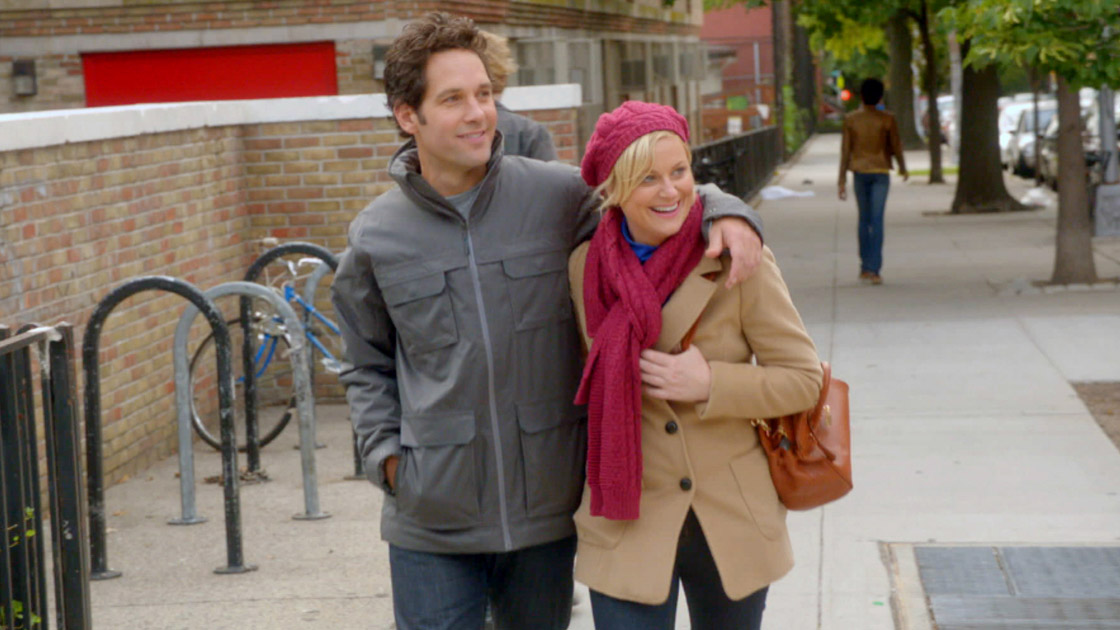
 

Film Listings: January 15 – 21, 2014

0

Film listings are edited by Cheryl Eddy. Reviewers are Kimberly Chun, Dennis Harvey, Lynn Rapoport, Sam Stander, and Sara Maria Vizcarrondo. For rep house showtimes, see Rep Clock.

OPENING

Devil’s Due A newlywed couple find themselves dealing with a sudden, probably Satanic pregnancy in this found-footage flick from horror filmmaking collective Radio Silence (who directed the final segment — the Halloween party gone demonically awry — in 2012’s V/H/S). (1:29)

The Girls in the Band Judy Chaikin’s upbeat documentary is in step with the recent, not-unwelcome trend of bringing overlooked musicians into the spotlight (think last year’s Twenty Feet from Stardom and A Band Called Death). The Girls in the Band takes a chronological look at women in the big-band and jazz scenes, taking the 1958’s “A Great Day in Harlem” as a visual jumping-off point, sharing the stories of two (out of just three) women who posed amid that sea of male musicians. One is British pianist Marian McPartland, who’s extensively featured in interviews shot before her death last year; the other is gifted composer and arranger Mary Lou Williams, who died in 1981 but left behind a rich legacy that still inspires. Others featured in this doc (which culminates in a re-creation of that famous Harlem photo shoot — with all-female subjects this time) include saxophone- and trumpet-playing members of the multi-racial, all-female International Sweethearts of Rhythm, which toured the segregated south at great peril during the 1930s and was a favorite among African American servicemen during World War II. No matter her race, nearly every woman interviewed cites the raging sexism inherent in the music biz — but the film’s final third, which focuses on contemporary successes like Esperanza Spalding, suggests that stubborn roadblock is finally being chipped away. (1:26) Opera Plaza, Smith Rafael. (Eddy)

Jack Ryan: Shadow Recruit Kenneth Branagh directs Chris “Captain Kirk” Pine in this latest film focused on Tom Clancy’s iconic spy character. (1:45) Marina.

The Nut Job Animated comedy about squirrels starring the voices of Will Arnett, Liam Neeson, and Maya Rudolph. (1:26)

Ride Along Tim Story (2012’s Think Like a Man) directs Ice Cube and Kevin Hart in this buddy comedy about a cop who’s forced to team up with his future brother-in-law. (1:40)

The Square Like the single lit candle at the very start of The Square — a flicker of hope amid the darkness of Mubarak’s 30-year dictatorship — the initial street scenes of the leader’s Feb. 11, 2011, announcement that he was stepping down launch Jehane Noujaim’s documentary on a euphoric note. It’s a lot to take in: the evocative shots of Tahrir Square, the graffiti on the streets, the movement’s troubadours, and the faces of the activists she follows — the youthful Ahmed Hassan, British-reared Kite Runner (2007) actor-turned-citizen journalist Khalid Abdalla, and Muslim Brotherhood acolyte Magdy Ashour, among them. Yet that first glimmer of joy and unity among the diverse individuals who toppled a dictatorship was only the very beginning of a journey — which the Egyptian American Noujaim does a remarkable job documenting, in all its twists, turns, multiple protests, and voices. Unflinching albeit even-handed footage of the turnabouts, hypocrisies, and injustices committed by the Brotherhood, powers-that-be, the army, and the police during the many actions occurring between 2011 and the 2013 removal of Mohammed Morsi will stay with you, including the sight of a tank plowing down protestors with murderous force and soldiers firing live rounds at activists armed only with stones. “We found ourselves loving each other without realizing it,” says Hassan of those heady first days, and Noujaim brings you right there and to their aftermath, beautifully capturing ordinary people coming together, eating, joking, arguing, feeling empowered and discouraged, forming unlikely friendships, setting up makeshift hospitals on the street, and risking everything, in this powerful document of an unfolding real-life epic. (1:44) Roxie. (Chun)

ONGOING

American Hustle David O. Russell’s American Hustle is like a lot of things you’ve seen before — put in a blender, so the results are too smooth to feel blatantly derivative, though here and there you taste a little Boogie Nights (1997), Goodfellas (1990), or whatever. Loosely based on the Abscam FBI sting-scandal of the late 1970s and early ’80s (an opening title snarks “Some of this actually happened”), Hustle is a screwball crime caper almost entirely populated by petty schemers with big ideas almost certain to blow up in their faces. It’s love, or something, at first sight for Irving Rosenfeld (Christian Bale) and Sydney Prosser (Amy Adams), who meet at a Long Island party circa 1977 and instantly fall for each other — or rather for the idealized selves they’ve both strained to concoct. He’s a none-too-classy but savvy operator who’s built up a mini-empire of variably legal businesses; she’s a nobody from nowhere who crawled upward and gave herself a bombshell makeover. The hiccup in this slightly tacky yet perfect match is Irving’s neglected, crazy wife Rosalyn (Jennifer Lawrence), who’s not about to let him go. She’s their main problem until they meet Richie DiMaso (Bradley Cooper), an ambitious FBI agent who entraps the two while posing as a client. Their only way out of a long prison haul, he says, is to cooperate in an elaborate Atlantic City redevelopment scheme he’s concocted to bring down a slew of mafioso and presumably corrupt politicians, hustling a beloved Jersey mayor (Jeremy Renner) in the process. Russell’s filmmaking is at a peak of populist confidence it would have been hard to imagine before 2010’s The Fighter, and the casting here is perfect down to the smallest roles. But beyond all clever plotting, amusing period trappings, and general high energy, the film’s ace is its four leads, who ingeniously juggle the caricatured surfaces and pathetic depths of self-identified “winners” primarily driven by profound insecurity. (2:17) Four Star, Metreon, 1000 Van Ness, Presidio, Shattuck, Sundance Kabuki. (Harvey)

Anchorman 2: The Legend Continues Look, I fully understand that Anchorman 2: The Legend Continues — which follows the awkward lumberings of oafish anchor Ron Burgundy (Will Ferrell) and his equally uncouth team (Paul Rudd, Steve Carell, David Koechner) as they ditch San Diego in favor of New York’s first 24-hour news channel, circa 1980 — is not aimed at film critics. It’s silly, it’s tasteless, and it’s been crafted purely for Ferrell fans, a lowbrow army primed to gobble up this tale of Burgundy’s national TV rise and fall (and inevitable redemption), with a meandering storyline that includes chicken-fried bat, a pet shark, an ice-skating sequence, a musical number, epic amounts of polyester, lines (“by the bedpan of Gene Rayburn!”) that will become quoteable after multiple viewings, and the birth of infotainment as we know it. But what if a film critic happened to be a Ferrell fan, too? What if, days later, that film critic had a flashback to Anchorman 2‘s amplified news-crew gang war (no spoilers), and guffawed at the memory? I am fully aware that this ain’t a masterpiece. But I still laughed. A lot. (1:59) Metreon, 1000 Van Ness. (Eddy)

August: Osage County Considering the relative infrequency of theater-to-film translations today, it’s a bit of a surprise that Tracy Letts had two movies made from his plays before he even got to Broadway. Bug and Killer Joe proved a snug fit for director William Friedkin (in 2006 and 2011, respectively), but both plays were too outré for the kind of mainstream success accorded 2007’s August: Osage County, which won the Pulitzer, ran 18 months on Broadway, and toured the nation. As a result, August was destined — perhaps doomed — to be a big movie, the kind that shoehorns a distracting array of stars into an ensemble piece, playing jes’ plain folk. But what seemed bracingly rude as well as somewhat traditional under the proscenium lights just looks like a lot of reheated Country Gothic hash, and the possibility of profundity you might’ve been willing to consider before is now completely off the menu. If you haven’t seen August before (or even if you have), there may be sufficient fun watching stellar actors chew the scenery with varying degrees of panache — Meryl Streep (who else) as gorgon matriarch Violet Weston; Sam Shepard as her long-suffering spouse; Julia Roberts as pissed-off prodigal daughter Barbara (Julia Roberts), etc. You know the beats: Late-night confessions, drunken hijinks, disastrous dinners, secrets (infidelity, etc.) spilling out everywhere like loose change from moth-eaten trousers. The film’s success story, I suppose, is Roberts: She seems very comfortable with her character’s bitter anger, and the four-letter words tumble past those jumbo lips like familiar friends. On the downside, there’s Streep, who’s a wizard and a wonder as usual yet also in that mode supporting the naysayers’ view that such conspicuous technique prevents our getting lost in her characters. If Streep can do anything, then logic decrees that includes being miscast. (2:10) Albany, Balboa, Metreon, 1000 Van Ness, Presidio, Sundance Kabuki. (Harvey)

Blue is the Warmest Color The stars (Adèle Exarchopoulos and Léa Seydoux) say the director was brutal. The director says he wishes the film had never been released (but he might make a sequel). The graphic novelist is uncomfortable with the explicit 10-minute sex scene. And most of the state of Idaho will have to wait to see the film on Netflix. The noise of recrimination, the lesser murmur of backpedaling, and a difficult-to-argue NC-17 rating could make it harder, as French director Abdellatif Kechiche has predicted, to find a calm, neutral zone in which to watch Blue is the Warmest Color, his Palme d’Or–winning adaptation (with co-writer Ghalya Lacroix) of Julie Maroh’s 2010 graphic novel Le Blue Est une Couleur Chaude. But once you’ve committed to the three-hour runtime, it’s not too difficult to tune out all the extra noise and focus on a film that trains its mesmerized gaze on a young woman’s transforming experience of first love. (2:59) Opera Plaza. (Rapoport)

Blue Jasmine The good news about Blue Jasmine isn’t that it’s set in San Francisco, but that it’s Woody Allen’s best movie in years. Although some familiar characteristics are duly present, it’s not quite like anything he’s done before, and carries its essentially dramatic weight more effectively than he’s managed in at least a couple decades. Not long ago Jasmine (a fearless Cate Blanchett) was the quintessential Manhattan hostess, but that glittering bubble has burst — exactly how revealed in flashbacks that spring surprises up to the script’s end. She crawls to the West Coast to “start over” in the sole place available where she won’t be mortified by the pity of erstwhile society friends. That would be the SF apartment of Ginger (Sally Hawkins), a fellow adoptive sister who was always looked down on by comparison to pretty, clever Jasmine. Theirs is an uneasy alliance — but Ginger’s too big-hearted to say no. It’s somewhat disappointing that Blue Jasmine doesn’t really do much with San Francisco. Really, the film could take place anywhere — although setting it in a non-picture-postcard SF does bolster the film’s unsettled, unpredictable air. Without being an outright villain, Jasmine is one of the least likable characters to carry a major US film since Noah Baumbach’s underrated Margot at the Wedding (2007); the general plot shell, moreover, is strongly redolent of A Streetcar Named Desire. But whatever inspiration Allen took from prior works, Blue Jasmine is still distinctively his own invention. It’s frequently funny in throwaway performance bits, yet disturbing, even devastating in cumulative impact. (1:38) Opera Plaza. (Harvey)

Dallas Buyers Club Dallas Buyers Club is the first all-US feature from Jean-Marc Vallée. He first made a splash in 2005 with C.R.A.Z.Y., which seemed an archetype of the flashy, coming-of-age themed debut feature. Vallée has evolved beyond flashiness, or maybe since C.R.A.Z.Y. he just hasn’t had a subject that seemed to call for it. Which is not to say Dallas is entirely sober — its characters partake from the gamut of altering substances, over-the-counter and otherwise. But this is a movie about AIDS, so the purely recreational good times must eventually crash to an end. Which they do pretty quickly. We first meet Ron Woodroof (Matthew McConaughey) in 1986, a Texas good ol’ boy endlessly chasing skirts and partying nonstop. Not feeling quite right, he visits a doctor, who informs him that he is HIV-positive. His response is “I ain’t no faggot, motherfucker” — and increased partying that he barely survives. Afterward, he pulls himself together enough to research his options, and bribes a hospital attendant into raiding its trial supply of AZT for him. But Ron also discovers the hard way what many first-generation AIDS patients did — that AZT is itself toxic. He ends up in a Mexican clinic run by a disgraced American physician (Griffin Dunne) who recommends a regime consisting mostly of vitamins and herbal treatments. Ron realizes a commercial opportunity, and finds a business partner in willowy cross-dresser Rayon (Jared Leto). When the authorities keep cracking down on their trade, savvy Ron takes a cue from gay activists in Manhattan and creates a law evading “buyers club” in which members pay monthly dues rather than paying directly for pharmaceutical goods. It’s a tale that the scenarists (Craig Borten and Melisa Wallack) and director steep in deep Texan atmospherics, and while it takes itself seriously when and where it ought, Dallas Buyers Club is a movie whose frequent, entertaining jauntiness is based in that most American value: get-rich-quick entrepreneurship. (1:58) Embarcadero, Piedmont, Shattuck. (Harvey)

47 Ronin (2:00) Metreon, 1000 Van Ness.

Frozen (1:48) Metreon, 1000 Van Ness, Shattuck.

Gravity “Life in space is impossible,” begins Gravity, the latest from Alfonso Cuarón (2006’s Children of Men). Egghead Dr. Ryan Stone (Sandra Bullock) is well aware of her precarious situation after a mangled satellite slams into her ship, then proceeds to demolition-derby everything (including the International Space Station) in its path. It’s not long before she’s utterly, terrifyingly alone, and forced to unearth near-superhuman reserves of physical and mental strength to survive. Bullock’s performance would be enough to recommend Gravity, but there’s more to praise, like the film’s tense pacing, spare-yet-layered script (Cuarón co-wrote with his son, Jonás), and spectacular 3D photography — not to mention George Clooney’s warm supporting turn as a career astronaut who loves country music almost as much as he loves telling stories about his misadventures. (1:31) Metreon. (Eddy)

The Great Beauty The latest from Paolo Sorrentino (2008’s Il Divo) arrives as a high-profile contender for the Best Foreign Language Film Oscar, already annointed a masterpiece in some quarters, and duly announcing itself as such in nearly every grandiose, aesthetically engorged moment. Yes, it seems to say, you are in the presence of this auteur’s masterpiece. But it’s somebody else’s, too. The problem isn’t just that Fellini got there first, but that there’s room for doubt whether Sorrentino’s homage actually builds on or simply imitates its model. La Dolce Vita (1960) and 8 1/2 (1963) are themselves swaying, jerry-built monuments, exhileratingly messy and debatably profound. But nothing quite like them had been seen before, and they did define a time of cultural upheaval — when traditional ways of life were being plowed under by a loud, moneyed, heedless modernity that for a while chose Rome as its global capital. Sorrentino announces his intention to out-Fellini Fellini in an opening sequence so strenuously flamboyant it’s like a never-ending pirouette performed by a prima dancer with a hernia. There’s statuary, a women’s choral ensemble, an on-screen audience applauding the director’s baffled muse Toni Servillo, standing in for Marcello Mastroianni — all this and more in manic tracking shots and frantic intercutting, as if sheer speed alone could supply contemporary relevancy. Eventually The Great Beauty calms down a bit, but still its reason for being remains vague behind the heavy curtain of “style.” (2:22) Opera Plaza, Shattuck. (Harvey)

Her Morose and lonely after a failed marriage, Theodore (Joaquin Phoenix) drifts through an appealingly futuristic Los Angeles (more skyscrapers, less smog) to his job at a place so hipster-twee it probably will exist someday: beautifulhandwrittenletters.com, where he dictates flowery missives to a computer program that scrawls them onto paper for paying customers. Theodore’s scripting of dialogue between happy couples, as most of his clients seem to be, only enhances his sadness, though he’s got friends who care about him (in particular, Amy Adams as Amy, a frumpy college chum) and he appears to have zero money woes, since his letter-writing gig funds a fancy apartment equipped with a sweet video-game system. Anyway, women are what gives Theodore trouble — and maybe by extension, writer-director Spike Jonze? — so he seeks out the ultimate gal pal: Samantha, an operating system voiced by Scarlett Johansson in the year’s best disembodied performance. Thus begins a most unusual relationship, but not so unusual; Theodore’s friends don’t take any issue with the fact that his new love is a machine. Hey, in Her‘s world, everyone’s deeply involved with their chatty, helpful, caring, always-available OS — why wouldn’t Theo take it to the next level? Inevitably, of course, complications arise. If Her‘s romantic arc feels rather predictable, the film acquits itself in other ways, including boundlessly clever production-design touches that imagine a world with technology that’s (mostly) believably evolved from what exists today. Also, the pants they wear in the future? Must be seen to be believed. (2:00) 1000 Van Ness, Piedmont, Presidio, SF Center, Shattuck, Sundance Kabuki. (Eddy)

The Hobbit: The Desolation of Smaug Just when you’d managed to wipe 2012’s unwieldy The Hobbit: An Unexpected Journey from your mind, here comes its sequel — and it’s actually good! Yes, it’s too long (Peter Jackson wouldn’t have it any other way); arachnophobes (and maybe small children) will have trouble with the creepy, giant-spider battle; and Orlando Bloom, reprising his Lord of the Rings role as Legolas the elf, has been CG’d to the point of looking like he’s carved out of plastic. But there’s much more to enjoy this time around, with a quicker pace (no long, drawn-out dinner parties); winning performances by Martin Freeman (Bilbo), Ian McKellan (Gandalf); and Benedict Cumberbatch (as the petulent voice of Smaug the dragon); and more shape to the quest, as the crew of dwarves seeks to reclaim their homeland, and Gandalf pokes into a deeper evil that’s starting to overtake Middle-earth. (We all know how that ends.) In addition to Cumberbatch, the cast now includes Lost‘s Evangeline Lilly as elf Tauriel, who doesn’t appear in J.R.R. Tolkien’s original story, but whose lady-warrior presence is a welcome one; and Luke Evans as Bard, a human poised to play a key role in defeating Smaug in next year’s trilogy-ender, There and Back Again. (2:36) Metreon, 1000 Van Ness, Sundance Kabuki. (Eddy)

The Hunger Games: Catching Fire Before succumbing to the hot and heavy action inside the arena (intensely directed by Francis Lawrence) The Hunger Games: Catching Fire force-feeds you a world of heinous concept fashions that’d make Lady Gaga laugh. But that’s ok, because the second film about one girl’s epic struggle to change the world of Panem may be even more exciting than the first. Suzanne Collins’ YA novel The Hunger Games was an over-literal metaphor for junior high social survival and the glory of Catching Fire is that it depicts what comes after you reach the cool kids’ table. Katniss (Jennifer Lawrence) inspired so much hope among the 12 districts she now faces pressures from President Snow (a portentous Donald Sutherland) and the fanatical press of Capital City (Stanley Tucci with big teeth and Toby Jones with big hair). After she’s forced to fake a romance with Peeta (Josh Hutcherson), the two watch with horror as they’re faced with a new Hunger Game: for returning victors, many of whom are too old to run. Amanda Plummer and Jeffrey Wright are fun as brainy wackjobs and Jena Malone is hilariously Amazonian as a serial axe grinder still screaming like an eighth grader. Inside the arena, alliances and rivalries shift but the winner’s circle could survive to see another revolution; to save this city, they may have to burn it down. (2:26) Metreon, 1000 Van Ness, Shattuck, Sundance Kabuki. (Vizcarrondo)

I Am Divine Bringing joy to a lot of people during his too-brief life was Glenn Milstead, the subject of Jeffrey Schwarz’s I Am Divine. A picked-on sissy fat kid, he blossomed upon discovering Baltimore’s gay underground — and starring in neighbor John Waters’ underground movies, made by and for the local “freak” scene they hung out in. Yet even their early efforts found a following; when “Divine” appeared in SF to perform at one of the Cockettes’ midnight movie/theater happenings, he was greeted as a star. This was before his greatest roles for Waters, as the fearsome anti-heroines of Pink Flamingos (1972) and Female Trouble (1974), then the beleaguered hausfraus of Polyester (1981) and Hairspray (1988). Despite spending nearly his entire career in drag, he wanted to be thought of as a character actor, not a “transvestite” novelty. Sadly, he seemed on the verge of achieving that — having been signed to play an ongoing male role on Married … with Children — when he died of respiratory failure in 1988, at age 42. (1:25) Roxie. (Harvey)

Inside Llewyn Davis In the Coen Brothers’ latest, Oscar Isaac as the titular character is well on his way to becoming persona non grata in 1961 NYC — particularly in the Greenwich Village folk music scene he’s an ornery part of. He’s broke, running out of couches to crash on, has recorded a couple records that have gone nowhere, and now finds out he’s impregnated the wife (Carey Mulligan) and musical partner of one among the few friends (Justin Timberlake) he has left. She’s furious with herself over this predicament, but even more furious at him. This ambling, anecdotal tale finds Llewyn running into one exasperating hurdle after another as he burns his last remaining bridges, not just in Manhattan but on a road trip to Chicago undertaken with an overbearing jazz musician (John Goodman) and his enigmatic driver (Garrett Hedlund) to see a club impresario (F. Murray Abraham). This small, muted, droll Coens exercise is perfectly handled in terms of performance and atmosphere, with pleasures aplenty in its small plot surprises, myriad humorous idiosyncrasies, and T. Bone Burnett’s sweetened folk arrangements. But whether it actually has anything to say about its milieu (a hugely important Petri dish for later ’60s political and musical developments), or adds up to anything more profound than an beautifully executed shaggy-dog story, will be a matter of personal taste — or perhaps of multiple viewings. (1:45) Balboa, California, Embarcadero, 1000 Van Ness, Piedmont, Sundance Kabuki. (Harvey)

The Invisible Woman Charles Dickens was a regular scold of the British class system and its repercussions, particularly the gentry’s general acceptance that poverty was something the bottom rung of society was suited for, perhaps even deserved. Given how many in positions of power would have preferred such issues go ignored, it was all the more important their highest-profile advocate be of unimpeachable “moral character” — which in the Victorian era meant a very high standard of conduct indeed. So it remains remarkable that in long married middle-age he heedlessly risked scandal and possible career-ruin by taking on a much younger mistress. Both she and he eventually burned all their mutual correspondence, so Claire Tomalin’s biography The Invisible Woman is partly a speculative work. But it and now Ralph Fiennes’ film of the same name are fascinating glimpses into the clash between public life and private passion in that most judgmentally prudish of epochs. Framed by scenes of its still-secretive heroine several years after the central events, the movie introduces us to a Dickens (Fiennes) who at mid-career is already the most famous man in the UK. In his lesser-remembered capacity as a playwright and director, at age 45 (in 1857) he hired 18-year-old actress Nelly Ternan (Felicity Jones) for an ingénue role. He was instantly smitten; she was, at the least, awed by this great man’s attention. Their professional association permitted some further contact without generating much gossip. But eventually Dickens chafed at the restraints necessary to avoid scandal — no matter the consequences to himself, let alone his wife, his 10 (!) children, or Ternan herself. Fiennes, by all accounts an exceptional Shakespearean actor on stage, made a strong directorial debut in 2011 with that guy’s war play, Coriolanus — a movie that, like this one, wasn’t enough of a conventional prestige film or crowd-pleaser to surf the awards-season waves very long. But they’re both films of straightforward confidence, great intelligence, and unshowy good taste that extends to avoiding any vanity project whiff. (1:51) Embarcadero, Shattuck. (Harvey)

The Legend of Hercules What better reason to wield the blunt force of 3D than to highlight the muscle-bound glory of a legendary hero — and, of course, foreground his impressive six-pack abs and impudently jutting nipples. Lead Kellan Lutz nails the eye candy aspect in this sword ‘n’ sandals effort by Renny Harlin (aka the man who capsized Geena Davis’s career), though it’s hard to take him seriously when he looks less like the hirsute, leonine hero depicted in ancient artwork than an archetypal, thick-necked, clean-shaven, all-American handsome-jock star (Lutz’s resemblance to Tom Brady is uncanny). Still, glistening beefcake is a fact of life at toga parties, and it’s clearly a large part of the appeal in this corny popcorner about Greek mythology’s proto-superhero. The Legend of Hercules is kitted out to conquer teen date nights around the world, with a lot of bloodless PG-13 violence for the boys and flower-petal-filled nuzzle-fests between Herc and Hebe (Gaia Weiss) for the girls, along with the added twist that Hercules’s peace-loving mother Alcmene conceived him with Zeus — with Hera’s permission — in order to halt her power-mad brute of a spouse King Amphitryon (Scott Adkins). In any case Harlin and company can’t leave well enough alone and piledrive each action scene with way too much super-slo-mo, as if mainlining the Matrix films in the editing booth to guarantee the attention of critical overseas markets and future installments. And the cheesy badness of certain scenes, like Hercules twirling the broken stone walls he destroys like a pair of giant fuzzy dice, can’t be denied. We all know how rich and riveting Greek mythology is, and by Hera, if the original, complicated Heracles is ever truly encapsulated on film, I hope it’s by Lars von Trier or another moviemaker capable of adequately harnessing a bisexual demi-god of enormous appetites and heroism. (1:38) 1000 Van Ness, SF Center, Shattuck. (Chun)

Lone Survivor Peter Berg (2012’s Battleship, 2007’s The Kingdom) may officially be structuring his directing career around muscular tails of bad-assery. This true story follows a team of Navy SEALs on a mission to find a Taliban group leader in an Afghani mountain village. Before we meet the actors playing our real-life action heroes we see training footage of actual SEALs being put through their paces; it’s physical hardship structured to separate the tourists from the lifers. The only proven action star in the group is Mark Wahlberg — as Marcus Luttrell, who wrote the film’s source-material book. His funky bunch is made of heartthrobs and sensitive types: Taylor Kitsch (TV’s Friday Night Lights); Ben Foster, who last portrayed William S. Burroughs in 2013’s Kill Your Darlings but made his name as an officer breaking bad news gently to war widows in 2009’s The Messenger; and Emile Hirsch, who wandered into the wilderness in 2007’s Into the Wild. We know from the outset who the lone survivors won’t be, but the film still manages to convey tension and suspense, and its relentlessness is stunning. Foster throws himself off a cliff, bounces off rocks, and gets caught in a tree — then runs to his also-bloody brothers to report, “That sucked.” (Yesterday I got a paper cut and tweeted about it.) But the takeaway from this brutal battle between the Taliban and America’s Real Heroes is that the man who lived to tell the tale also offers an olive branch to the other side — this survivor had help from the non-Taliban locals, a last-act detail that makes Lone Survivor this Oscar season’s nugget of political kumbaya. (2:01) Metreon, 1000 Van Ness, Sundance Kabuki. (Vizcarrondo)

Nebraska Alexander Payne may be unique at this point in that he’s in a position of being able to make nothing but small, human, and humorous films with major-studio money on his own terms. It’s hazardous to make too much of a movie like Nebraska, because it is small — despite the wide Great Plains landscapes shot in a wide screen format — and shouldn’t be entered into with overinflated or otherwise wrong-headed expectations. Still, a certain gratitude is called for. Nebraska marks the first time Payne and his writing partner Jim Taylor weren’t involved in the script, and the first one since their 1996 Citizen Ruth that isn’t based on someone else’s novel. (Hitherto little-known Bob Nelson’s original screenplay apparently first came to Payne’s notice a decade ago, but getting put off in favor of other projects.) It could easily have been a novel, though, as the things it does very well (internal thought, sense of place, character nuance) and the things it doesn’t much bother with (plot, action, dialogue) are more in line with literary fiction than commercial cinema. Elderly Woody T. Grant (Bruce Dern) keeps being found grimly trudging through snow and whatnot on the outskirts of Billings, Mont., bound for Lincoln, Neb. Brain fuzzed by age and booze, he’s convinced he’s won a million dollars and needs to collect it him there, though eventually it’s clear that something bigger than reality — or senility, even — is compelling him to make this trek. Long-suffering younger son David (Will Forte) agrees to drive him in order to simply put the matter to rest. This fool’s mission acquires a whole extended family-full of other fools when father and son detour to the former’s podunk farming hometown. Nebraska has no moments so funny or dramatic they’d look outstanding in excerpt; low-key as they were, 2009’s Sideways and 2011’s The Descendants had bigger set pieces and narrative stakes. But like those movies, this one just ambles along until you realize you’re completely hooked, all positive emotional responses on full alert. (1:55) California, Embarcadero, Piedmont. (Harvey)

Paranormal Activity: The Marked Ones (1:24) Metreon, 1000 Van Ness.

The Past Splits in country, culture, and a harder-to-pinpoint sense of morality mark The Past, the latest film by Asghar Farhadi, the first Iranian moviemaker to win an Oscar (for 2011’s A Separation.) At the center of The Past‘s onion layers is a seemingly simple divorce of a binational couple, but that act becomes more complicated — and startlingly compelling — in Farhadi’s capable, caring hands. Ahmad (Ali Mosaffa) has returned to Paris from Tehran, where he’s been living for the past four years, at the request of French wife Marie (Bérénice Bejo of 2011’s The Artist). She wants to legalize their estrangement so she can marry her current boyfriend, Samir (Tahar Rahim of 2009’s A Prophet), whose wife is in a coma. But she isn’t beyond giving out mixed messages by urging Ahmad to stay with her, and her daughters by various fathers, rather than at a hotel — and begging him to talk to teen Lucie (Pauline Burlet), who seems to despise Samir. The warm, nurturing Ahmad falls into his old routine in Marie’s far-from-picturesque neighborhood, visiting a café owned by fellow Iranian immigrants and easily taking over childcare duties for the overwhelmed Marie, as he tries to find out what’s happening with Lucie, who’s holding onto a secret that could threaten Marie’s efforts to move on. The players here are all wonderful, in particular the sad-faced, humane Mosaffa. We never really find out what severed his relationship with Marie, but in the end, it doesn’t really matter. We care about, and end up fearing for, all of Farhadi’s everyday characters, who are observed with a tender and unsentimental understanding that US filmmakers could learn from. The effect, when he finally racks focus on the forgotten member of this triangle (or quadrilateral?), is heartbreaking. (2:10) Albany, Clay. (Chun)

Philomena Judi Dench gives this twist on a real-life scandal heart, soul, and a nuanced, everyday heft. Her ideal, ironic foil is Steve Coogan, playing an upper-crusty irreverent snob of an investigative journalist. Judging by her tidy exterior, Dench’s title character is a perfectly ordinary Irish working-class senior, but she’s haunted by the past, which comes tumbling out one day to her daughter: As an unwed teenager, she gave birth to a son at a convent. She was forced to work there, unpaid; as supposed penance, the baby was essentially sold to a rich American couple against her consent. Her yarn reaches disgraced reporter Martin Sixsmith (Coogan), who initially turns his nose up at the tale’s piddling “human interest” angle, but slowly gets drawn in by the unexpected twists and turns of the story — and likely the possibility of taking down some evil nuns — as well as seemingly naive Philomena herself, with her delight in trash culture, frank talk about sex, and simple desire to see her son and know that he thought, once in a while, of her. It turns out Philomena’s own sad narrative has as many improbable turnarounds as one of the cheesy romance novels she favors, and though this unexpected twosome’s quest for the truth is strenuously reworked to conform to the contours of buddy movie-road trip arc that we’re all too familiar with, director Stephen Frears’ warm, light-handed take on the gentle class struggles going on between the writer and his subject about who’s in control of the story makes up for Philomena‘s determined quest for mass appeal. (1:35) Embarcadero, Marina, Shattuck. (Chun)

Saving Mr. Banks Having promised his daughters that he would make a movie of their beloved Mary Poppins books, Walt Disney (Tom Hanks) has laid polite siege to author P.L. Travers (Emma Thompson) for over 20 years. Now, in the early 1960s, she has finally consented to discuss the matter in Los Angeles — albeit with great reluctance, and only because royalty payments have dried up to the point where she might have to sell her London home. Bristling at being called “Pam” and everything else in this sunny SoCal and relentlessly cheery Mouse House environ, the acidic English spinster regards her creation as sacred. The least proposed changes earn her horrified dismissal, and the very notion of having Mary and company “prancing and chirping” out songs amid cartoon elements is taken as blasphemy. This clash of titans could have made for a barbed comedy with satirical elements, but god forbid this actual Disney production should get so cheeky. Instead, we get the formulaically dramatized tale of a shrew duly tamed by all-American enterprise, with flashbacks to the inevitable past traumas (involving Colin Farrell as a beloved but alcoholic ne’er-do-well father) that require healing of Travers’ wounded inner child by the magic of the Magic Kingdom. If you thought 2004’s Finding Neverland was contrived feel-good stuff, you’ll really choke on the spoons full of sugar force-fed here. (2:06) 1000 Van Ness, Presidio, SF Center, Shattuck. (Harvey)

The Secret Life of Walter Mitty Walter Mitty (Ben Stiller) works at the Life magazine archives, where the world’s greatest photojournalists send him images of their extraordinary adventures. Walter lives vicariously. When he imagines his office crush (Kristen Wiig) trapped in a burning building, his inner superhero arrests his faculties and sends him flying through windows, racing up stairs to liberate children from their flaming homes. It’s all a fantasy, of course: the man works in a basement with pictures and George Bailey-styled dreams of travel, what does he have but his imagination to keep him warm? Turns out his workplace is planning to kill off its print edition and become LifeOnline — so facing the end of Life, and imminent quiet desperation, this office-mouse is tasked with delivering the last cover the magazine will ever have. But frame 25 on the contact sheet — the one the magazine’s star photog (Sean Penn) calls “The Quintessence of Life” — is blank. Instead of crying defeat, Walter goes on a hunt for the photographer, his avatar of rugged outdoorsmanship, and the realization of his dreams of adventure. It’s liberating to watch him take risks — Stiller says years of watching Danny Kaye movies (Kaye starred in the 1947 adaptation of James Thurber’s short story) inspired the awkwardly balletic gestures of roving, frightened, ultimately exuberant Walter. The film, which Stiller also directed, is ultimately a dreamy parable about getting caught up in imagination — or just confusing images for real life — both of which feel timely in a world where libraries are cyberplaces and you can play “tennis” in front of your couch. The kind of guy who thought the biggest threat was making the first move, Walter learns differently when he takes actual risks: there is magic in this. (2:05) 1000 Van Ness, SF Center. (Vizcarrondo)

A Touch of Sin This bleak, gritty latest from Jia Zhangke (2004’s The World) is said to be based on actual incidents of violence in China. The writer-director also drew inspiration — as the title suggests — from King Hu’s martial arts epic A Touch of Zen (1971). And despite some scattered Buddhist references, sin — delivered in heavy doses, hardly just “a touch” — reigns over zen in the film’s four barely connected stories. Before the credits finish rolling, we’ve witnessed a stone-faced man in a Chicago Bulls beanie (Wang Baoqiang) respond to a trio of roadside muggers with a hail of bullets. Is he a vigilante, or did the robbers just mess with the wrong motorcyclist? Next, we visit “Black Gold Mountain,” site of a coal mine whose profits have been funneled into the pockets of its obscenely rich owner and the corrupt local village chief, who’s prone to put-downs like “You’ll be a loser all your life.” On the receiving end of that insult is worker Dahai (the magnetic Wu Jiang), a human pressure cooker of rage and resentment. Later, we pick up the thread of the man in the Bulls hat. He’s a migrant worker, traveling home to a mother who ignores him and a wife who insists “I don’t want your money.” Another fractured family appears in the film’s next chapter, as a woman (Zhao Tao, Jia’s wife and muse) gives her married boyfriend an ultimatum. As the man’s train rumbles away (A Touch of Sin’s characters are constantly in motion: trains, buses, motorcycles, riding in the backs of trucks, etc.), she travels to her job, working the front desk at “Nightcomer Sauna,” as unglamorous a joint as the name suggests. When a pair of wealthy customers decide she’s on the menu (“I’ll smother you with money, bitch!”), she’s forced to defend herself, with blood-drenched consequences. In the film’s final segment, we follow a young man drifting between jobs, finally settling into soul-stifling tech-gadget factory work. That his company housing is dubbed the “Oasis of Prosperity” would be funny, if it wasn’t so depressing. In A Touch of Sin‘s final scene, the film’s one potentially salvageable character passes by an opera being performed in the street. “Do you understand your sin?” the singer warbles. The character pauses, remembering what happened — and why it had to happen. So do we. And yes, we understand. (2:13) Roxie, Smith Rafael. (Eddy)

12 Years a Slave Pop culture’s engagement with slavery has always been uneasy. Landmark 1977 miniseries Roots set ratings records, but the prestigious production capped off a decade that had seen some more questionable endeavors, including 1975 exploitation flick Mandingo — often cited by Quentin Tarantino as one of his favorite films; it was a clear influence on his 2012 revenge fantasy Django Unchained, which approached its subject matter in a manner that paid homage to the Westerns it riffed on: with guns blazing. By contrast, Steve McQueen’s 12 Years a Slave is nuanced and steeped in realism. Though it does contain scenes of violence (deliberately captured in long takes by regular McQueen collaborator Sean Bobbitt, whose cinematography is one of the film’s many stylistic achievements), the film emphasizes the horrors of “the peculiar institution” by repeatedly showing how accepted and ingrained it was. Slave is based on the true story of Solomon Northup, an African American man who was sold into slavery in 1841 and survived to pen a wrenching account of his experiences. He’s portrayed here by the powerful Chiwetel Ejiofor. Other standout performances come courtesy of McQueen favorite Michael Fassbender (as Epps, a plantation owner who exacerbates what’s clearly an unwell mind with copious amounts of booze) and newcomer Lupita Nyong’o, as a slave who attracts Epps’ cruel attentions. (2:14) Embarcadero, Shattuck. (Eddy)

Walking With Dinosaurs Like hungry, fast-moving Chirostenotes, movieland has a habit of poaching from all comers, be it a toy, video game, or here, a hugely successful 1999 BBC documentary miniseries of the same name. This 3D hamburger version of the award-winning six-parter plays to dinos’ most avid audience, traditionally — kids — by anthropomorphizing runt Pachyrhinosaurus, otherwise known as Patchi (voiced by Justin Long), as the scrappy young hero of this adventure and dramatizing life-and-death migrations his herd undertakes each year as rites of passage. Framing the adventure is a present-day dig with archaeologist Zack (Karl Urban), his skeptical nephew (Charlie Rowe), and gung-ho niece (Angourie Rice). With a broken 70 million-year-old tooth in hand — and with help from prehistoric Alexomis bird Alex (John Leguizamo, who provides most of the levity), we learn about Patchi, his brother Scowler (Skyler Stone), and their herd of horned, thick-noised lizards as they make their way south for winter and back, encountering multiple dangers and predators, as well as let’s-make-a-family delights in the form of young female Juniper (Tiya Sircar) along with way. Count on the CGI to be seamless, the 3D to come in handy when it comes to incoming Quetzalcoatlus, and the choice of not having the lizards’ lips move as they speak to seem tasteful and wise — especially when it comes dubbing for a global audience. (1:27) Metreon. (Chun)

The Wolf of Wall Street Three hours long and breathless from start to finish, Martin Scorsese’s tale of greed, stock-market fraud, and epic drug consumption has a lot going on — and the whole thing hinges on a bravado, breakneck performance by latter-day Scorsese muse Leonardo DiCaprio. As real-life sleaze Jordan Belfort (upon whose memoir the film is based), he distills all of his golden DiCaprio-ness into a loathsome yet maddeningly likable character who figures out early in his career that being rich is way better than being poor, and that being fucked-up is, likewise, much preferable to being sober. The film also boasts keen supporting turns from Jonah Hill (as Belfort’s crass, corrupt second-in-command), Matthew McConaughey (who has what amounts to a cameo — albeit a supremely memorable one — as Belfort’s coke-worshiping mentor), Jean Dujardin (as a slick Swiss banker), and newcomer Margot Robbie (as Belfort’s cunning trophy wife). But this is primarily the Leo and Marty Show, and is easily their most entertaining episode to date. Still, don’t look for an Oscar sweep: Scorsese just hauled huge for 2011’s Hugo, and DiCaprio’s flashy turn will likely be passed over by voters more keen on honoring subtler work in a shorter film. (2:59) California, Marina, 1000 Van Ness, SF Center, Sundance Kabuki, Vogue. (Eddy) *
 

Rep Clock: January 8 – 14, 2014

0

Schedules are for Wed/8-Tue/14 except where noted. Director and year are given when available. Double and triple features marked with a •. All times pm unless otherwise specified.

BERKELEY FELLOWSHIP OF UNITARIAN UNIVERSALISTS 1924 Cedar, Berk; www.bfuu.org. $5-10. The Ghosts of Jeju (Tremblay, 2013), Thu, 7.

CASTRO 429 Castro, SF; (415) 621-6120, www.castrotheatre.com. $8.50-12. The Little Mermaid (Clements and Musker, 1989), presented sing-along style, Wed-Fri, 7. San Francisco Silent Film Festival: “The Little Tramp at 100: A Charlie Chaplin Centennial Celebration:” “Our Mutual Friend: Three Chaplin Shorts,” Sat, 1; The Kid (Chaplin, 1921), Sat, 4; The Gold Rush (Chaplin, 1925), Sat, 7:30. Tickets ($10-22) and more info at www.silentfilm.org. Gravity (Cuarón, 2013), Sun, 2:30, 4:45, 7, 9. All is Lost (Chandor, 2013), Mon, 3:45, 6, 8:15.

CHRISTOPHER B. SMITH RAFAEL FILM CENTER 1118 Fourth St, San Rafael; (415) 454-1222, www.cafilm.org. $6.50-$10.75. A Touch of Sin (Jia, 2013), call for times. “Sundance Film Festival Shorts,” eight selections (comedy, drama, animated) from the 2013 Sundance Film Festival, Wed-Thu, call for times. “Croatian Children’s Animation,” Wed, 6:30. “For Your Consideration: A Selection of Oscar Submissions from Around the World,” Jan 10-16. The Past (Farhadi, 2013), Jan 10-16, call for times.

EXPLORATORIUM Pier 15, SF; www.exploratorium.edu. Free with museum admission ($19-25). “Saturday Cinema: Geometry in Motion,” short films, Sat, 1, 2, 3.

MECHANICS’ INSTITUTE 57 Post, SF; milibrary.org/events. $10. “CinemaLit Film Series: Over the Top: Precode Hollywood:” Hell’s Angels (Hughes, 1930), Fri, 6.

METREON 101 Fourth St, SF; www.mcsmsscalifornia.org. $100-250. Trailblazers in Habits (Tong, 2013), Sat, 2:30. Benefit screening; additional info at www.trailblazersinhabits.com.

NEW PARKWAY 474 24th St, Oakl; www.thenewparkway.com. $8. “Thrillville Theater:” King Creole (Curtiz, 1958), Thu, 9:15.

ODDBALL FILM + VIDEO 275 Capp, SF; www.brownpapertickets.com. $10. Southeast Asian Film Society presents: Flooding in the Time of Drought (Kemarau, 2009), Tue, 7.

PACIFIC FILM ARCHIVE 2575 Bancroft, Berk; (510) 642-5249, bampfa.berkeley.edu. $5.50-9.50. PFA closed until Jan 16.

ROXIE 3117 and 3125 16th St, SF; (415) 863-1087, www.roxie.com. $6.50-11. I Am Divine (Schwarz, 2013), Wed, 7, 9:15. A Touch of Sin (Jia, 2013), Wed-Thu, 6:45, 9:30. “Frameline Encore:” •The Infamous T (Koch, 2012), and A Self-Made Man (Petchers, 2013), Thu, 7. Free screening. “I Was a Teenage Teenager,” docs, exploitation films, TV shows, and more, Fri-Tue. Visit website for complete schedule.

SF PUBLIC LIBRARY Main Branch, 100 Larkin, SF; www.merola.org. Free. “Merola Goes to the Movies:” A Night at the Opera (Wood and Goulding, 1935), Sat, 1.

TANNERY 708 Gilman, Berk; berkeleyundergroundfilms.blogspot.com. Donations accepted. “Berkeley Underground Film Society:” “LOOP Presents: Soundies!”, rare musical films, Sat, 7:30; The Jazz Singer (Crosland, 1927), Sun, 7:30.

TEMESCAL ART CENTER 511 48th St, Oakl; www.shapeshifterscinema.com. Free. “Shapeshifters Cinema,” films by Scott Stark and Allison Leigh Holt, Sun, 8. *


Film Listings: January 8 – 14, 2014

0

Film listings are edited by Cheryl Eddy. Reviewers are Kimberly Chun, Dennis Harvey, Lynn Rapoport, Sam Stander, and Sara Maria Vizcarrondo. For rep house showtimes, see Rep Clock.

OPENING

August: Osage County Considering the relative infrequency of theater-to-film translations today, it’s a bit of a surprise that Tracy Letts had two movies made from his plays before he even got to Broadway. Bug and Killer Joe proved a snug fit for director William Friedkin (in 2006 and 2011, respectively), but both plays were too outré for the kind of mainstream success accorded 2007’s August: Osage County, which won the Pulitzer, ran 18 months on Broadway, and toured the nation. As a result, August was destined — perhaps doomed — to be a big movie, the kind that shoehorns a distracting array of stars into an ensemble piece, playing jes’ plain folk. But what seemed bracingly rude as well as somewhat traditional under the proscenium lights just looks like a lot of reheated Country Gothic hash, and the possibility of profundity you might’ve been willing to consider before is now completely off the menu. If you haven’t seen August before (or even if you have), there may be sufficient fun watching stellar actors chew the scenery with varying degrees of panache — Meryl Streep (who else) as gorgon matriarch Violet Weston; Sam Shepard as her long-suffering spouse; Julia Roberts as pissed-off prodigal daughter Barbara (Julia Roberts), etc. You know the beats: Late-night confessions, drunken hijinks, disastrous dinners, secrets (infidelity, etc.) spilling out everywhere like loose change from moth-eaten trousers. The film’s success story, I suppose, is Roberts: She seems very comfortable with her character’s bitter anger, and the four-letter words tumble past those jumbo lips like familiar friends. On the downside, there’s Streep, who’s a wizard and a wonder as usual yet also in that mode supporting the naysayers’ view that such conspicuous technique prevents our getting lost in her characters. If Streep can do anything, then logic decrees that includes being miscast. (2:10) Presidio. (Harvey)

The Invisible Woman See “A Tale of Two.” (1:51) Embarcadero.

The Legend of Hercules Renny Harlin rises from the dead to direct Twilight series hunk Kellan Lutz in this 3D, CG-laden retelling of you know which myth. (1:38)

Lone Survivor Peter Berg (2012’s Battleship, 2007’s The Kingdom) may officially be structuring his directing career around muscular tails of bad-assery. This true story follows a team of Navy SEALs on a mission to find a Taliban group leader in an Afghani mountain village. Before we meet the actors playing our real-life action heroes we see training footage of actual SEALs being put through their paces; it’s physical hardship structured to separate the tourists from the lifers. The only proven action star in the group is Mark Wahlberg — as Marcus Luttrell, who wrote the film’s source-material book. His funky bunch is made of heartthrobs and sensitive types: Taylor Kitsch (TV’s Friday Night Lights); Ben Foster, who last portrayed William S. Burroughs in 2013’s Kill Your Darlings but made his name as an officer breaking bad news gently to war widows in 2009’s The Messenger; and Emile Hirsch, who wandered into the wilderness in 2007’s Into the Wild. We know from the outset who the lone survivors won’t be, but the film still manages to convey tension and suspense, and its relentlessness is stunning. Foster throws himself off a cliff, bounces off rocks, and gets caught in a tree — then runs to his also-bloody brothers to report, “That sucked.” (Yesterday I got a paper cut and tweeted about it.) But the takeaway from this brutal battle between the Taliban and America’s Real Heroes is that the man who lived to tell the tale also offers an olive branch to the other side — this survivor had help from the non-Taliban locals, a last-act detail that makes Lone Survivor this Oscar season’s nugget of political kumbaya. (2:01) (Vizcarrondo)

Liv and Ingmar You wouldn’t expect anything less than soul-scorching intimacy from a documentary on the relationship of acting icon Liv Ullmann and moviemaking maestro Ingmar Bergman. And Dheeraj Akolkar satisfies with the help of plentiful clips from Bergman’s filmography, disarmingly frank interviews with Ullmann, behind-the-scenes footage, and grainy images of and excerpts from letters and memoirs by Bergman. Ullmann was the unforgettable face and inspiration for Persona (1966) and other Bergman classics; he was her director, mentor, and teacher; and they were brought together by film and remained drawn to each other despite the scandal of their respective spouses. Their at-first-happy then increasingly jealously-filled and isolated life is translated into intensely personal, searing visions like Shame (1968), which sparks at least one close-to-the-bone anecdote from Ullmann. She shows Akolkar photos of a bundled-up Bergman in a boat beside a vessel carrying an underdressed, freezing Ullmann and Max Von Sydow. “He was really angry that day,” she recounts. “You ask if he was ever cruel to me. This time, he was really cruel. I hated him so much and I was planning to leave him.” Some might criticize Akolkar for his loose hand with the couple’s story and his heavy reliance on invaluable Bergman works like 1973’s Scenes From a Marriage — no dates or clues to the films or productions used are given until the credits roll — but more irksome are the sentimental montages, “reenactments,” and score: one can picture Bergman convulsed in the beyond during the most saccharine moments. Liv and Ingmar‘s strength is the woman at its center. Revealing mementos from her “dearest Pingmar,” as well as unguarded glimpses into her heart, the almost achingly sincere Ullmann gets the last word here, as befits a survivor and an actress who never hesitated to let the camera see every emotion flitting across her lush features — making this doc less about Ingmar and the specifics of his career, and more about Liv and her still living, breathing emotional life. (1:23) Opera Plaza. (Chun)

ONGOING

American Hustle David O. Russell’s American Hustle is like a lot of things you’ve seen before — put in a blender, so the results are too smooth to feel blatantly derivative, though here and there you taste a little Boogie Nights (1997), Goodfellas (1990), or whatever. Loosely based on the Abscam FBI sting-scandal of the late 1970s and early ’80s (an opening title snarks “Some of this actually happened”), Hustle is a screwball crime caper almost entirely populated by petty schemers with big ideas almost certain to blow up in their faces. It’s love, or something, at first sight for Irving Rosenfeld (Christian Bale) and Sydney Prosser (Amy Adams), who meet at a Long Island party circa 1977 and instantly fall for each other — or rather for the idealized selves they’ve both strained to concoct. He’s a none-too-classy but savvy operator who’s built up a mini-empire of variably legal businesses; she’s a nobody from nowhere who crawled upward and gave herself a bombshell makeover. The hiccup in this slightly tacky yet perfect match is Irving’s neglected, crazy wife Rosalyn (Jennifer Lawrence), who’s not about to let him go. She’s their main problem until they meet Richie DiMaso (Bradley Cooper), an ambitious FBI agent who entraps the two while posing as a client. Their only way out of a long prison haul, he says, is to cooperate in an elaborate Atlantic City redevelopment scheme he’s concocted to bring down a slew of mafioso and presumably corrupt politicians, hustling a beloved Jersey mayor (Jeremy Renner) in the process. Russell’s filmmaking is at a peak of populist confidence it would have been hard to imagine before 2010’s The Fighter, and the casting here is perfect down to the smallest roles. But beyond all clever plotting, amusing period trappings, and general high energy, the film’s ace is its four leads, who ingeniously juggle the caricatured surfaces and pathetic depths of self-identified “winners” primarily driven by profound insecurity. (2:17) Four Star, Marina, Metreon, 1000 Van Ness, Presidio, Sundance Kabuki. (Harvey)

Anchorman 2: The Legend Continues Look, I fully understand that Anchorman 2: The Legend Continues — which follows the awkward lumberings of oafish anchor Ron Burgundy (Will Ferrell) and his equally uncouth team (Paul Rudd, Steve Carell, David Koechner) as they ditch San Diego in favor of New York’s first 24-hour news channel, circa 1980 — is not aimed at film critics. It’s silly, it’s tasteless, and it’s been crafted purely for Ferrell fans, a lowbrow army primed to gobble up this tale of Burgundy’s national TV rise and fall (and inevitable redemption), with a meandering storyline that includes chicken-fried bat, a pet shark, an ice-skating sequence, a musical number, epic amounts of polyester, lines (“by the bedpan of Gene Rayburn!”) that will become quoteable after multiple viewings, and the birth of infotainment as we know it. But what if a film critic happened to be a Ferrell fan, too? What if, days later, that film critic had a flashback to Anchorman 2‘s amplified news-crew gang war (no spoilers), and guffawed at the memory? I am fully aware that this ain’t a masterpiece. But I still laughed. A lot. (1:59) Four Star, Marina, Metreon, 1000 Van Ness. (Eddy)

Blue is the Warmest Color The stars (Adèle Exarchopoulos and Léa Seydoux) say the director was brutal. The director says he wishes the film had never been released (but he might make a sequel). The graphic novelist is uncomfortable with the explicit 10-minute sex scene. And most of the state of Idaho will have to wait to see the film on Netflix. The noise of recrimination, the lesser murmur of backpedaling, and a difficult-to-argue NC-17 rating could make it harder, as French director Abdellatif Kechiche has predicted, to find a calm, neutral zone in which to watch Blue is the Warmest Color, his Palme d’Or–winning adaptation (with co-writer Ghalya Lacroix) of Julie Maroh’s 2010 graphic novel Le Blue Est une Couleur Chaude. But once you’ve committed to the three-hour runtime, it’s not too difficult to tune out all the extra noise and focus on a film that trains its mesmerized gaze on a young woman’s transforming experience of first love. (2:59) Opera Plaza. (Rapoport)

Blue Jasmine The good news about Blue Jasmine isn’t that it’s set in San Francisco, but that it’s Woody Allen’s best movie in years. Although some familiar characteristics are duly present, it’s not quite like anything he’s done before, and carries its essentially dramatic weight more effectively than he’s managed in at least a couple decades. Not long ago Jasmine (a fearless Cate Blanchett) was the quintessential Manhattan hostess, but that glittering bubble has burst — exactly how revealed in flashbacks that spring surprises up to the script’s end. She crawls to the West Coast to “start over” in the sole place available where she won’t be mortified by the pity of erstwhile society friends. That would be the SF apartment of Ginger (Sally Hawkins), a fellow adoptive sister who was always looked down on by comparison to pretty, clever Jasmine. Theirs is an uneasy alliance — but Ginger’s too big-hearted to say no. It’s somewhat disappointing that Blue Jasmine doesn’t really do much with San Francisco. Really, the film could take place anywhere — although setting it in a non-picture-postcard SF does bolster the film’s unsettled, unpredictable air. Without being an outright villain, Jasmine is one of the least likable characters to carry a major US film since Noah Baumbach’s underrated Margot at the Wedding (2007); the general plot shell, moreover, is strongly redolent of A Streetcar Named Desire. But whatever inspiration Allen took from prior works, Blue Jasmine is still distinctively his own invention. It’s frequently funny in throwaway performance bits, yet disturbing, even devastating in cumulative impact. (1:38) Opera Plaza. (Harvey)

Dallas Buyers Club Dallas Buyers Club is the first all-US feature from Jean-Marc Vallée. He first made a splash in 2005 with C.R.A.Z.Y., which seemed an archetype of the flashy, coming-of-age themed debut feature. Vallée has evolved beyond flashiness, or maybe since C.R.A.Z.Y. he just hasn’t had a subject that seemed to call for it. Which is not to say Dallas is entirely sober — its characters partake from the gamut of altering substances, over-the-counter and otherwise. But this is a movie about AIDS, so the purely recreational good times must eventually crash to an end. Which they do pretty quickly. We first meet Ron Woodroof (Matthew McConaughey) in 1986, a Texas good ol’ boy endlessly chasing skirts and partying nonstop. Not feeling quite right, he visits a doctor, who informs him that he is HIV-positive. His response is “I ain’t no faggot, motherfucker” — and increased partying that he barely survives. Afterward, he pulls himself together enough to research his options, and bribes a hospital attendant into raiding its trial supply of AZT for him. But Ron also discovers the hard way what many first-generation AIDS patients did — that AZT is itself toxic. He ends up in a Mexican clinic run by a disgraced American physician (Griffin Dunne) who recommends a regime consisting mostly of vitamins and herbal treatments. Ron realizes a commercial opportunity, and finds a business partner in willowy cross-dresser Rayon (Jared Leto). When the authorities keep cracking down on their trade, savvy Ron takes a cue from gay activists in Manhattan and creates a law evading “buyers club” in which members pay monthly dues rather than paying directly for pharmaceutical goods. It’s a tale that the scenarists (Craig Borten and Melisa Wallack) and director steep in deep Texan atmospherics, and while it takes itself seriously when and where it ought, Dallas Buyers Club is a movie whose frequent, entertaining jauntiness is based in that most American value: get-rich-quick entrepreneurship. (1:58) Sundance Kabuki. (Harvey)

47 Ronin (2:00) Metreon, 1000 Van Ness.

Frozen (1:48) Metreon, 1000 Van Ness.

Gravity “Life in space is impossible,” begins Gravity, the latest from Alfonso Cuarón (2006’s Children of Men). Egghead Dr. Ryan Stone (Sandra Bullock) is well aware of her precarious situation after a mangled satellite slams into her ship, then proceeds to demolition-derby everything (including the International Space Station) in its path. It’s not long before she’s utterly, terrifyingly alone, and forced to unearth near-superhuman reserves of physical and mental strength to survive. Bullock’s performance would be enough to recommend Gravity, but there’s more to praise, like the film’s tense pacing, spare-yet-layered script (Cuarón co-wrote with his son, Jonás), and spectacular 3D photography — not to mention George Clooney’s warm supporting turn as a career astronaut who loves country music almost as much as he loves telling stories about his misadventures. (1:31) Metreon. (Eddy)

The Great Beauty The latest from Paolo Sorrentino (2008’s Il Divo) arrives as a high-profile contender for the Best Foreign Language Film Oscar, already annointed a masterpiece in some quarters, and duly announcing itself as such in nearly every grandiose, aesthetically engorged moment. Yes, it seems to say, you are in the presence of this auteur’s masterpiece. But it’s somebody else’s, too. The problem isn’t just that Fellini got there first, but that there’s room for doubt whether Sorrentino’s homage actually builds on or simply imitates its model. La Dolce Vita (1960) and 8 1/2 (1963) are themselves swaying, jerry-built monuments, exhileratingly messy and debatably profound. But nothing quite like them had been seen before, and they did define a time of cultural upheaval — when traditional ways of life were being plowed under by a loud, moneyed, heedless modernity that for a while chose Rome as its global capital. Sorrentino announces his intention to out-Fellini Fellini in an opening sequence so strenuously flamboyant it’s like a never-ending pirouette performed by a prima dancer with a hernia. There’s statuary, a women’s choral ensemble, an on-screen audience applauding the director’s baffled muse Toni Servillo, standing in for Marcello Mastroianni — all this and more in manic tracking shots and frantic intercutting, as if sheer speed alone could supply contemporary relevancy. Eventually The Great Beauty calms down a bit, but still its reason for being remains vague behind the heavy curtain of “style.” (2:22) Opera Plaza. (Harvey)

Grudge Match If the prospect of watching Rocky go glove-to-glove with Jake LaMotta sounds either tired or exploitive, Grudge Match wants to change your mind. A comedy that delivers a decent bout inside the ring and a worthwhile message about fulfilling your potential at every age, Grudge Match is 100 percent feel-good movie, 100 percent of the time. Yes, the publicity campaign contrived by Kevin Hart’s promoter character is embarrassing. Yes, Alan Arkin plays yet another foul-mouthed curmudgeon. And yes, the boxers have a torn family this match could heal (though fighting threatens to kill them both). But the takeaway is an all-ages lesson our elders are most qualified to teach: having guts is pretty glorious. And at 68 and 70, Sylvester Stallone and Robert De Niro seem delighted to lampoon past greatness. “Kid” (DeNiro) does a puppet show that’s less pathos-filled than the poetry he spouted in 1980’s Raging Bull; the training montages “Razor” (Stallone) slogs through naturally recall 1976’s Rocky. But Grudge Match is about today — not yesterday. Alongside Gravity and The Wolf of Wall Street, Grudge Match is yet another populist lovefest throwaway, but who cares? Few have cornered the market on audience affection like Stallone, and he’s helped De Niro find that love too. (1:53) Metreon. (Vizcarrondo)

Her Morose and lonely after a failed marriage, Theodore (Joaquin Phoenix) drifts through an appealingly futuristic Los Angeles (more skyscrapers, less smog) to his job at a place so hipster-twee it probably will exist someday: beautifulhandwrittenletters.com, where he dictates flowery missives to a computer program that scrawls them onto paper for paying customers. Theodore’s scripting of dialogue between happy couples, as most of his clients seem to be, only enhances his sadness, though he’s got friends who care about him (in particular, Amy Adams as Amy, a frumpy college chum) and he appears to have zero money woes, since his letter-writing gig funds a fancy apartment equipped with a sweet video-game system. Anyway, women are what gives Theodore trouble — and maybe by extension, writer-director Spike Jonze? — so he seeks out the ultimate gal pal: Samantha, an operating system voiced by Scarlett Johansson in the year’s best disembodied performance. Thus begins a most unusual relationship, but not so unusual; Theodore’s friends don’t take any issue with the fact that his new love is a machine. Hey, in Her‘s world, everyone’s deeply involved with their chatty, helpful, caring, always-available OS — why wouldn’t Theo take it to the next level? Inevitably, of course, complications arise. If Her‘s romantic arc feels rather predictable, the film acquits itself in other ways, including boundlessly clever production-design touches that imagine a world with technology that’s (mostly) believably evolved from what exists today. Also, the pants they wear in the future? Must be seen to be believed. (2:00) Presidio, SF Center. (Eddy)

The Hobbit: The Desolation of Smaug Just when you’d managed to wipe 2012’s unwieldy The Hobbit: An Unexpected Journey from your mind, here comes its sequel — and it’s actually good! Yes, it’s too long (Peter Jackson wouldn’t have it any other way); arachnophobes (and maybe small children) will have trouble with the creepy, giant-spider battle; and Orlando Bloom, reprising his Lord of the Rings role as Legolas the elf, has been CG’d to the point of looking like he’s carved out of plastic. But there’s much more to enjoy this time around, with a quicker pace (no long, drawn-out dinner parties); winning performances by Martin Freeman (Bilbo), Ian McKellan (Gandalf); and Benedict Cumberbatch (as the petulent voice of Smaug the dragon); and more shape to the quest, as the crew of dwarves seeks to reclaim their homeland, and Gandalf pokes into a deeper evil that’s starting to overtake Middle-earth. (We all know how that ends.) In addition to Cumberbatch, the cast now includes Lost‘s Evangeline Lilly as elf Tauriel, who doesn’t appear in J.R.R. Tolkien’s original story, but whose lady-warrior presence is a welcome one; and Luke Evans as Bard, a human poised to play a key role in defeating Smaug in next year’s trilogy-ender, There and Back Again. (2:36) Balboa, Metreon, 1000 Van Ness, Sundance Kabuki. (Eddy)

The Hunger Games: Catching Fire Before succumbing to the hot and heavy action inside the arena (intensely directed by Francis Lawrence) The Hunger Games: Catching Fire force-feeds you a world of heinous concept fashions that’d make Lady Gaga laugh. But that’s ok, because the second film about one girl’s epic struggle to change the world of Panem may be even more exciting than the first. Suzanne Collins’ YA novel The Hunger Games was an over-literal metaphor for junior high social survival and the glory of Catching Fire is that it depicts what comes after you reach the cool kids’ table. Katniss (Jennifer Lawrence) inspired so much hope among the 12 districts she now faces pressures from President Snow (a portentous Donald Sutherland) and the fanatical press of Capital City (Stanley Tucci with big teeth and Toby Jones with big hair). After she’s forced to fake a romance with Peeta (Josh Hutcherson), the two watch with horror as they’re faced with a new Hunger Game: for returning victors, many of whom are too old to run. Amanda Plummer and Jeffrey Wright are fun as brainy wackjobs and Jena Malone is hilariously Amazonian as a serial axe grinder still screaming like an eighth grader. Inside the arena, alliances and rivalries shift but the winner’s circle could survive to see another revolution; to save this city, they may have to burn it down. (2:26) Metreon, 1000 Van Ness, Sundance Kabuki. (Vizcarrondo)

I Am Divine Bringing joy to a lot of people during his too-brief life was Glenn Milstead, the subject of Jeffrey Schwarz’s I Am Divine. A picked-on sissy fat kid, he blossomed upon discovering Baltimore’s gay underground — and starring in neighbor John Waters’ underground movies, made by and for the local “freak” scene they hung out in. Yet even their early efforts found a following; when “Divine” appeared in SF to perform at one of the Cockettes’ midnight movie/theater happenings, he was greeted as a star. This was before his greatest roles for Waters, as the fearsome anti-heroines of Pink Flamingos (1972) and Female Trouble (1974), then the beleaguered hausfraus of Polyester (1981) and Hairspray (1988). Despite spending nearly his entire career in drag, he wanted to be thought of as a character actor, not a “transvestite” novelty. Sadly, he seemed on the verge of achieving that — having been signed to play an ongoing male role on Married … with Children — when he died of respiratory failure in 1988, at age 42. (1:25) Roxie. (Harvey)

Inside Llewyn Davis In the Coen Brothers’ latest, Oscar Isaac as the titular character is well on his way to becoming persona non grata in 1961 NYC — particularly in the Greenwich Village folk music scene he’s an ornery part of. He’s broke, running out of couches to crash on, has recorded a couple records that have gone nowhere, and now finds out he’s impregnated the wife (Carey Mulligan) and musical partner of one among the few friends (Justin Timberlake) he has left. She’s furious with herself over this predicament, but even more furious at him. This ambling, anecdotal tale finds Llewyn running into one exasperating hurdle after another as he burns his last remaining bridges, not just in Manhattan but on a road trip to Chicago undertaken with an overbearing jazz musician (John Goodman) and his enigmatic driver (Garrett Hedlund) to see a club impresario (F. Murray Abraham). This small, muted, droll Coens exercise is perfectly handled in terms of performance and atmosphere, with pleasures aplenty in its small plot surprises, myriad humorous idiosyncrasies, and T. Bone Burnett’s sweetened folk arrangements. But whether it actually has anything to say about its milieu (a hugely important Petri dish for later ’60s political and musical developments), or adds up to anything more profound than an beautifully executed shaggy-dog story, will be a matter of personal taste — or perhaps of multiple viewings. (1:45) Embarcadero, Sundance Kabuki. (Harvey)

Mandela: Long Walk to Freedom As tough as it is to separate the man from the monument, Idris Elba, Naomie Harris, director Justin Chadwick manage it in this cinematic rendering of Nelson Mandela’s autobiography — perfectly if unintentionally timed, all us cynics recognize, to coincide with the sad passing of the father of the modern South Africa. Chadwick starts slow, and somewhat chaotically, by quickly sketching out Mandela’s relatively wild youth, with plenty of women and clubbing and few specifics on particulars like, say, the fact that he established the first black law firm in South Africa. So when Mandela finally joins forces with the ANC, you wonder at his sudden radicalization — the context is taken for granted. Not so when Mandela is sentenced to life in prison and he turns into an international symbol of anti-apartheid injustice, and the white authorities turn desperately to him for ways to quell a country erupting in violence. Meanwhile wife Winnie (a surprisingly fiery Harris) gets her just share of screen time as Chadwick concentrates on the couple’s romance and marriage. She’s also offered ample reason for her promotion of violence in the struggle when she’s harassed by the police and put in solitary confinement for more than a year, for no cause. Here the Mandelas come to conveniently embody polar opposite approaches in the movement, and it works, as Chadwick attempts to show how political the personal became. When Mandela’s amazing story takes over, it blows away reservations and inconvenient codas, and remembers the leader at his most triumphant. As the film’s iconic lead character, Elba at first seems physically miscast, but nevertheless effortlessly projects Mandela’s authority, gravitas, and charisma. (2:26) 1000 Van Ness, SF Center. (Chun)

Nebraska Alexander Payne may be unique at this point in that he’s in a position of being able to make nothing but small, human, and humorous films with major-studio money on his own terms. It’s hazardous to make too much of a movie like Nebraska, because it is small — despite the wide Great Plains landscapes shot in a wide screen format — and shouldn’t be entered into with overinflated or otherwise wrong-headed expectations. Still, a certain gratitude is called for. Nebraska marks the first time Payne and his writing partner Jim Taylor weren’t involved in the script, and the first one since their 1996 Citizen Ruth that isn’t based on someone else’s novel. (Hitherto little-known Bob Nelson’s original screenplay apparently first came to Payne’s notice a decade ago, but getting put off in favor of other projects.) It could easily have been a novel, though, as the things it does very well (internal thought, sense of place, character nuance) and the things it doesn’t much bother with (plot, action, dialogue) are more in line with literary fiction than commercial cinema. Elderly Woody T. Grant (Bruce Dern) keeps being found grimly trudging through snow and whatnot on the outskirts of Billings, Mont., bound for Lincoln, Neb. Brain fuzzed by age and booze, he’s convinced he’s won a million dollars and needs to collect it him there, though eventually it’s clear that something bigger than reality — or senility, even — is compelling him to make this trek. Long-suffering younger son David (Will Forte) agrees to drive him in order to simply put the matter to rest. This fool’s mission acquires a whole extended family-full of other fools when father and son detour to the former’s podunk farming hometown. Nebraska has no moments so funny or dramatic they’d look outstanding in excerpt; low-key as they were, 2009’s Sideways and 2011’s The Descendants had bigger set pieces and narrative stakes. But like those movies, this one just ambles along until you realize you’re completely hooked, all positive emotional responses on full alert. (1:55) Embarcadero. (Harvey)

Paranormal Activity: The Marked Ones (1:24) Metreon, 1000 Van Ness.

The Past Splits in country, culture, and a harder-to-pinpoint sense of morality mark The Past, the latest film by Asghar Farhadi, the first Iranian moviemaker to win an Oscar (for 2011’s A Separation.) At the center of The Past‘s onion layers is a seemingly simple divorce of a binational couple, but that act becomes more complicated — and startlingly compelling — in Farhadi’s capable, caring hands. Ahmad (Ali Mosaffa) has returned to Paris from Tehran, where he’s been living for the past four years, at the request of French wife Marie (Bérénice Bejo of 2011’s The Artist). She wants to legalize their estrangement so she can marry her current boyfriend, Samir (Tahar Rahim of 2009’s A Prophet), whose wife is in a coma. But she isn’t beyond giving out mixed messages by urging Ahmad to stay with her, and her daughters by various fathers, rather than at a hotel — and begging him to talk to teen Lucie (Pauline Burlet), who seems to despise Samir. The warm, nurturing Ahmad falls into his old routine in Marie’s far-from-picturesque neighborhood, visiting a café owned by fellow Iranian immigrants and easily taking over childcare duties for the overwhelmed Marie, as he tries to find out what’s happening with Lucie, who’s holding onto a secret that could threaten Marie’s efforts to move on. The players here are all wonderful, in particular the sad-faced, humane Mosaffa. We never really find out what severed his relationship with Marie, but in the end, it doesn’t really matter. We care about, and end up fearing for, all of Farhadi’s everyday characters, who are observed with a tender and unsentimental understanding that US filmmakers could learn from. The effect, when he finally racks focus on the forgotten member of this triangle (or quadrilateral?), is heartbreaking. (2:10) Clay, Smith Rafael. (Chun)

Philomena Judi Dench gives this twist on a real-life scandal heart, soul, and a nuanced, everyday heft. Her ideal, ironic foil is Steve Coogan, playing an upper-crusty irreverent snob of an investigative journalist. Judging by her tidy exterior, Dench’s title character is a perfectly ordinary Irish working-class senior, but she’s haunted by the past, which comes tumbling out one day to her daughter: As an unwed teenager, she gave birth to a son at a convent. She was forced to work there, unpaid; as supposed penance, the baby was essentially sold to a rich American couple against her consent. Her yarn reaches disgraced reporter Martin Sixsmith (Coogan), who initially turns his nose up at the tale’s piddling “human interest” angle, but slowly gets drawn in by the unexpected twists and turns of the story — and likely the possibility of taking down some evil nuns — as well as seemingly naive Philomena herself, with her delight in trash culture, frank talk about sex, and simple desire to see her son and know that he thought, once in a while, of her. It turns out Philomena’s own sad narrative has as many improbable turnarounds as one of the cheesy romance novels she favors, and though this unexpected twosome’s quest for the truth is strenuously reworked to conform to the contours of buddy movie-road trip arc that we’re all too familiar with, director Stephen Frears’ warm, light-handed take on the gentle class struggles going on between the writer and his subject about who’s in control of the story makes up for Philomena‘s determined quest for mass appeal. (1:35) Embarcadero, Sundance Kabuki. (Chun)

Saving Mr. Banks Having promised his daughters that he would make a movie of their beloved Mary Poppins books, Walt Disney (Tom Hanks) has laid polite siege to author P.L. Travers (Emma Thompson) for over 20 years. Now, in the early 1960s, she has finally consented to discuss the matter in Los Angeles — albeit with great reluctance, and only because royalty payments have dried up to the point where she might have to sell her London home. Bristling at being called “Pam” and everything else in this sunny SoCal and relentlessly cheery Mouse House environ, the acidic English spinster regards her creation as sacred. The least proposed changes earn her horrified dismissal, and the very notion of having Mary and company “prancing and chirping” out songs amid cartoon elements is taken as blasphemy. This clash of titans could have made for a barbed comedy with satirical elements, but god forbid this actual Disney production should get so cheeky. Instead, we get the formulaically dramatized tale of a shrew duly tamed by all-American enterprise, with flashbacks to the inevitable past traumas (involving Colin Farrell as a beloved but alcoholic ne’er-do-well father) that require healing of Travers’ wounded inner child by the magic of the Magic Kingdom. If you thought 2004’s Finding Neverland was contrived feel-good stuff, you’ll really choke on the spoons full of sugar force-fed here. (2:06) Balboa, 1000 Van Ness, Presidio, SF Center. (Harvey)

The Secret Life of Walter Mitty Walter Mitty (Ben Stiller) works at the Life magazine archives, where the world’s greatest photojournalists send him images of their extraordinary adventures. Walter lives vicariously. When he imagines his office crush (Kristen Wiig) trapped in a burning building, his inner superhero arrests his faculties and sends him flying through windows, racing up stairs to liberate children from their flaming homes. It’s all a fantasy, of course: the man works in a basement with pictures and George Bailey-styled dreams of travel, what does he have but his imagination to keep him warm? Turns out his workplace is planning to kill off its print edition and become LifeOnline — so facing the end of Life, and imminent quiet desperation, this office-mouse is tasked with delivering the last cover the magazine will ever have. But frame 25 on the contact sheet — the one the magazine’s star photog (Sean Penn) calls “The Quintessence of Life” — is blank. Instead of crying defeat, Walter goes on a hunt for the photographer, his avatar of rugged outdoorsmanship, and the realization of his dreams of adventure. It’s liberating to watch him take risks — Stiller says years of watching Danny Kaye movies (Kaye starred in the 1947 adaptation of James Thurber’s short story) inspired the awkwardly balletic gestures of roving, frightened, ultimately exuberant Walter. The film, which Stiller also directed, is ultimately a dreamy parable about getting caught up in imagination — or just confusing images for real life — both of which feel timely in a world where libraries are cyberplaces and you can play “tennis” in front of your couch. The kind of guy who thought the biggest threat was making the first move, Walter learns differently when he takes actual risks: there is magic in this. (2:05) 1000 Van Ness, SF Center, Sundance Kabuki. (Vizcarrondo)

A Touch of Sin This bleak, gritty latest from Jia Zhangke (2004’s The World) is said to be based on actual incidents of violence in China. The writer-director also drew inspiration — as the title suggests — from King Hu’s martial arts epic A Touch of Zen (1971). And despite some scattered Buddhist references, sin — delivered in heavy doses, hardly just “a touch” — reigns over zen in the film’s four barely connected stories. Before the credits finish rolling, we’ve witnessed a stone-faced man in a Chicago Bulls beanie (Wang Baoqiang) respond to a trio of roadside muggers with a hail of bullets. Is he a vigilante, or did the robbers just mess with the wrong motorcyclist? Next, we visit “Black Gold Mountain,” site of a coal mine whose profits have been funneled into the pockets of its obscenely rich owner and the corrupt local village chief, who’s prone to put-downs like “You’ll be a loser all your life.” On the receiving end of that insult is worker Dahai (the magnetic Wu Jiang), a human pressure cooker of rage and resentment. Later, we pick up the thread of the man in the Bulls hat. He’s a migrant worker, traveling home to a mother who ignores him and a wife who insists “I don’t want your money.” Another fractured family appears in the film’s next chapter, as a woman (Zhao Tao, Jia’s wife and muse) gives her married boyfriend an ultimatum. As the man’s train rumbles away (A Touch of Sin’s characters are constantly in motion: trains, buses, motorcycles, riding in the backs of trucks, etc.), she travels to her job, working the front desk at “Nightcomer Sauna,” as unglamorous a joint as the name suggests. When a pair of wealthy customers decide she’s on the menu (“I’ll smother you with money, bitch!”), she’s forced to defend herself, with blood-drenched consequences. In the film’s final segment, we follow a young man drifting between jobs, finally settling into soul-stifling tech-gadget factory work. That his company housing is dubbed the “Oasis of Prosperity” would be funny, if it wasn’t so depressing. In A Touch of Sin‘s final scene, the film’s one potentially salvageable character passes by an opera being performed in the street. “Do you understand your sin?” the singer warbles. The character pauses, remembering what happened — and why it had to happen. So do we. And yes, we understand. (2:13) Roxie, Smith Rafael. (Eddy)

12 Years a Slave Pop culture’s engagement with slavery has always been uneasy. Landmark 1977 miniseries Roots set ratings records, but the prestigious production capped off a decade that had seen some more questionable endeavors, including 1975 exploitation flick Mandingo — often cited by Quentin Tarantino as one of his favorite films; it was a clear influence on his 2012 revenge fantasy Django Unchained, which approached its subject matter in a manner that paid homage to the Westerns it riffed on: with guns blazing. By contrast, Steve McQueen’s 12 Years a Slave is nuanced and steeped in realism. Though it does contain scenes of violence (deliberately captured in long takes by regular McQueen collaborator Sean Bobbitt, whose cinematography is one of the film’s many stylistic achievements), the film emphasizes the horrors of “the peculiar institution” by repeatedly showing how accepted and ingrained it was. Slave is based on the true story of Solomon Northup, an African American man who was sold into slavery in 1841 and survived to pen a wrenching account of his experiences. He’s portrayed here by the powerful Chiwetel Ejiofor. Other standout performances come courtesy of McQueen favorite Michael Fassbender (as Epps, a plantation owner who exacerbates what’s clearly an unwell mind with copious amounts of booze) and newcomer Lupita Nyong’o, as a slave who attracts Epps’ cruel attentions. (2:14) Embarcadero. (Eddy)

Walking With Dinosaurs Like hungry, fast-moving Chirostenotes, movieland has a habit of poaching from all comers, be it a toy, video game, or here, a hugely successful 1999 BBC documentary miniseries of the same name. This 3D hamburger version of the award-winning six-parter plays to dinos’ most avid audience, traditionally — kids — by anthropomorphizing runt Pachyrhinosaurus, otherwise known as Patchi (voiced by Justin Long), as the scrappy young hero of this adventure and dramatizing life-and-death migrations his herd undertakes each year as rites of passage. Framing the adventure is a present-day dig with archaeologist Zack (Karl Urban), his skeptical nephew (Charlie Rowe), and gung-ho niece (Angourie Rice). With a broken 70 million-year-old tooth in hand — and with help from prehistoric Alexomis bird Alex (John Leguizamo, who provides most of the levity), we learn about Patchi, his brother Scowler (Skyler Stone), and their herd of horned, thick-noised lizards as they make their way south for winter and back, encountering multiple dangers and predators, as well as let’s-make-a-family delights in the form of young female Juniper (Tiya Sircar) along with way. Count on the CGI to be seamless, the 3D to come in handy when it comes to incoming Quetzalcoatlus, and the choice of not having the lizards’ lips move as they speak to seem tasteful and wise — especially when it comes dubbing for a global audience. (1:27) Metreon. (Chun)

The Wolf of Wall Street Three hours long and breathless from start to finish, Martin Scorsese’s tale of greed, stock-market fraud, and epic drug consumption has a lot going on — and the whole thing hinges on a bravado, breakneck performance by latter-day Scorsese muse Leonardo DiCaprio. As real-life sleaze Jordan Belfort (upon whose memoir the film is based), he distills all of his golden DiCaprio-ness into a loathsome yet maddeningly likable character who figures out early in his career that being rich is way better than being poor, and that being fucked-up is, likewise, much preferable to being sober. The film also boasts keen supporting turns from Jonah Hill (as Belfort’s crass, corrupt second-in-command), Matthew McConaughey (who has what amounts to a cameo — albeit a supremely memorable one — as Belfort’s coke-worshiping mentor), Jean Dujardin (as a slick Swiss banker), and newcomer Margot Robbie (as Belfort’s cunning trophy wife). But this is primarily the Leo and Marty Show, and is easily their most entertaining episode to date. Still, don’t look for an Oscar sweep: Scorsese just hauled huge for 2011’s Hugo, and DiCaprio’s flashy turn will likely be passed over by voters more keen on honoring subtler work in a shorter film. (2:59) 1000 Van Ness, SF Center, Sundance Kabuki, Vogue. (Eddy) *
 

Super Tramp

0

cheryl@sfbg.com

FILM Was ever an actor so closely associated with his signature character than Charlie Chaplin and his Little Tramp? (The best second-place I could come up with: Paul Reubens, aka Pee-wee Herman.) The San Francisco Silent Film Festival honors the 100th anniversary of Chaplin’s creation with “The Little Tramp at 100: A Charlie Chaplin Centennial Celebration.” Naturally, the 11-minute Kid Auto Races at Venice, which introduced the character to audiences Feb. 7, 1914, is on the bill. (For sticklers: Mabel’s Strange Predicament, the actual debut of the Tramp, was filmed prior to Venice, but released a few days later.)

In Chaplin’s 1964 autobiography, he wrote about assembling the character in the wardrobe room. “I wanted everything to be a contradiction: the pants baggy, the coat tight, the hat small, and the shoes large. I was undecided whether to look old or young, but remembering [producer Mack] Sennett had expected me to be a much older man [Chaplin was around 25 at the time of filming], I added a small mustache, which I reasoned, would add age without hiding my expression. I had no idea of the character. But the moment I was dressed, the clothes and the makeup made me feel the person he was. By the time I walked on stage he was fully born.”

You know the rest: Moviegoers couldn’t get enough, and — apologies to Team Buster Keaton — the Tramp became the silent era’s most popular figure, and remains its most iconic symbol. This tribute screens Venice with 1921’s The Kid, which begins as a destitute young mother (Chaplin’s frequent co-star and sometimes girlfriend Edna Purviance) tearfully places her newborn in the back seat of a fancy car with a note: “Please love and care for this orphan child.” Her desperate scheme is foiled when the auto is stolen by a pair of heavies; fortunately, the baby is soon scooped up by the Tramp, whose initial reluctance to play Daddy melts away with reassuring speed.

The action jumps ahead five years, with Jackie Coogan — one of the first child stars, and the reason there’s a California law protecting the earnings of underage performers from their greedy guardians — playing the ovary-rattlingly adorable title character. He and his adoptive father may live in squalor, and earn their dough a few shades on the wrong side of the law, but they make a surprisingly tight family unit, sharing comically huge stacks of pancakes, battling the local bullies, etc. Meanwhile, the tyke’s mother has become wealthy, and there’s a happy ending in store — but not before a rooftop chase, a trippy dream sequence, and deliverance on the film’s opening promise to supply “a picture with a smile, and perhaps a tear.” This screening features accompaniment by the San Francisco Chamber Orchestra (with Timothy Brock conducting Chaplin’s score), plus a Chaplin look-alike contest before the show — so get that mustache correct!

The Kid was Chaplin’s first full-length after nearly a decade of shorts, a trio of which are grouped together in a program dubbed “Our Mutual Friend.” The title references the Mutual Film Corporation, which signed Chaplin to a $670,000-per-year contract in 1916. (Not too shabby a figure today, it was a mind-blowing amount at the time.) He immediately got to work justifying his huge salary, cranking out hit after hit. These three share similar casts, with Purviance playing “the girl” and favorite Chaplin foil Eric Campbell (who stood a foot taller, and from some angles a foot wider, than the diminutive Chaplin) playing “the baddie.”

The Vagabond (1916) is the most melodramatic of the bunch; it follows a violin-playing hobo who encounters a waif being held captive by what the glossary of unfortunate movie stereotypes would call “gypsies.” (Campbell plays a whip-cracking patriarch.) The Tramp rescues her, but not before a passing artist paints her portrait and helps her reunite with her (rich) family — like The Kid, The Vagabond contains themes of economic disparity, a favorite Chaplin topic. Far more lighthearted are Easy Street (1917), in which the Tramp finds religion (thanks to an angelic church worker) and a backbone, after becoming a cop and defeating the local heavy (Campbell, adorned with spectacularly “evil” eyebrows); and The Cure (1917), in which an wobbly “inebriate” checks into a health spa, toting a huge suitcase full of booze. His fellow patients include a comely lass and an angry, towering brute.

The simple stories of all three shorts are elevated by flamboyant comedy set pieces, so effortless-seeming they mask what had to have been elaborate preparations and choreography. Any time there’s a bucket of water, or a hole in the ground, Chaplin is bound to fall in eventually — but there’s great delight in watching him teeter around and prolong disaster as long as possible. He also never met a revolving door he could pass through just once. And there’s never a stretch without some little moment of subtle hilarity, to counteract all the broad slapstick: Watch as Chaplin pretends to share his hymnal with an infant in Easy Street, then shrugs when he’s ignored. (That film also contains one of the oddest moments in Chaplin’s filmography, when the tramp accidentally sits on a heroin addict’s needle and leaps up, infused with drug-fueled super strength — pre-Production Code sordid humor at its finest.) All three films feature accompaniment by Jon Mirsalis on piano.

The final program is 1925’s The Gold Rush — like The Kid, an essential feature that no Chaplin fan minds revisiting, and an ideal vehicle for newbies to make his acquaintance. As a prospector seeking his fortune in the frozen Yukon, the Tramp fights a hungry bully and falls in love with a pretty girl (of course), but he also performs the oft-imitated tableside “roll dance” — and gnaws on his own boot. Priceless. And since lively music is a huge part of the experience: Timothy Brock once again conducts the San Francisco Chamber Orchestra, playing Chaplin’s own score. *

“THE LITTLE TRAMP AT 100: A CHAPLIN CENTENNIAL CELEBRATION”

Sat/11, “Our Mutual Friend,” 1pm; The Kid, 4pm; The Gold Rush, 7:30pm, $10-$22

Castro Theatre

429 Castro, SF

www.silentfilm.org