Coffee

Best of the Bay 2011: BEST HOME ROASTS IN THE AVENUES

0

The gracious husband and wife team behind the beans at Brown Owl Coffee have been roasting together as Hearth Coffee Roasters for a few years now. Their passion shows — the two serve lush coffees at their tiny, cozy cafe. Impeccable cappuccinos and a mean cup of drip pair well with breads and pastries from local producers like Mi2Sweets; Oakland’s Pepples Donuts; and baklava from Richmond Egyptian restaurant Al Masri. Affogato lovers, take note — theirs is a beaut, made with Straus vanilla ice cream. Tucked out in the avenues, Brown Owl’s a big "how now?" to those who locate SF’s superior beans solely Mission and SoMa-side.

1131 Taraval, SF. (415) 242-1426, www.brownowlcoffee.com

Best of the Bay 2011: BEST CRUNCHY ALMOND BALLS

0

Waits are long at dingy, bustling Hong Kong Lounge, but on weekends you’ll be kept company by multigenerational Chinese families — kids and grandparents bonding over mountainous cheap meals. Like all superlative dim sum spots, not only is a meal here blessedly affordable (generally $2-$6 for dim sum plates), there are unusual items — like deep-fried coffee pork ribs that taste robustly of a cup of joe — to keep things interesting. We’re in love with the Lounge’s egg yolk almond balls: they’re doughy and filled with yellow sweet cream that looks like yolk. The balls taste similar to Chinese egg custards and are coated in almond shavings for a satisfying crunch.

5322 Geary, SF. (415) 668-8836

Best of the Bay 2011: BEST BEELZEBUBIAN BEIGNETS

0

A beignet craze has swept the Bay, and really, who could withstand the fiendish temptation of these deep-fried, sugar-sprinkled, French-by-way-of-New-Orleans brunch delights? Our current favorites come courtesy of the new Devil’s Teeth Baking Company in the Sunset which, despite its intimidating name, traffics in heavenly pastries. (The bakery’s name is actually a tribute to a sobriquet for the Farallone Islands.) The diabolically good bakers here have even set aside a day for beignet worship: zip down to beignet Sundays and fill those idle hands with made-to-order clouds of perfection — and cups of Blue Bottle coffee to boot. While you’re there, score a batch of spice-chunked ginger cookies or a gooey-sweet pie. Followed by a stroll down Ocean Beach? Yes please, Mr. Mephistopheles. 

3876 Noriega, SF. (415) 683-5533. www.devilsteethbakingcompany.com

Couscous with Al Qaeda part 2

0

TRUE TRAVEL TALES: This is part two of Marke B.’s culinary journey through the Arab Spring. You can read part one — spicy! — here.

Before we left Tunis, the lovely people and open vibe of which which we’d rapidly fallen in love with, we ate at a mind-blowing West African lunch off a small street near the African Development Agency building, El Khalifa. Heaping plates of sauce-covered, deeply flavored attiéké poulet brasse (a creamy, manioc-based specialty of Côte d’Ivoire) and choucouya de poulet au cancancan, smothered with onions over berberé-spiked rice, were served cafeteria-style to a bustling room of suits talking international affairs in a head-swimming number of languages.

All the development-speak in the air got us scheming about how to bring more tourists back to this great city, with its intense cosmopolitan air, historical riches, and perfectly enchanting old city section — although we’d already witnessed one option in play: activist tourism

In the medina (old city) of Tunis

Fortunately or unfortunately, our hotel (the majestic, insanely reasonable Grand Hôtel de France, go stay there) had played host to a coterie of trendy-anarchisty Western student-types, perpetual cigarette smoke wreathing their immaculately styled dreadlocks. They had come, like us, to see the after-effects of the revolution and make contact with some of the people behind it. But they also wanted a piece of the action, joining demonstrations and breathlessly relating tales of being chased by police — before heading out for a day at the beach. Part of a loose organization called the Knowledge Liberation Front, they had gathered from all parts of Europe, hoping to formulate new models of resistance to the austerity measures sweeping the Union. (The fact that there were so many Italians there, raging against Berlusconi, was kind of encouraging.) They were cute! If, of course, deadly serious. Whatever Tunisian group that had facilitated their “revolution experience” certainly had a great thing started in terms of possible revenue streams.  

But now we were on our way south via Tunisia’s main railroad line, hoping to reach the Grand Erg Oriental, a rippling sea of sand in the Sahara that looks like the pictures in your head when you hear “Sahara.” From there, our ultimate destination would be El Ghriba on the island of Djerba, the oldest synagogue in North Africa, and its huge annual Lag B’Omer festival, which draws tens of thousands of Jews from around the world in a celebrated pilgrimage.   

The third-century Roman-style amphitheater at El Djem 

On the way, we stopped in El Djem, a neat little town that just so happens to contain a humungous, remarkably intact Roman coliseum-like amphitheatre, a 35,000-seat wonder built in the 3rd century (with ancient graffiti carved into its stone!), which we had practically to ourselves. It also has a well-designed museum of ravishing mosaics, including some depicting the martyrdom-by-wild-beasts that the amphitheatre (actually more like a killing factory, really) showcased. Innumerable christians and animals – including now-extinct species of elephants, tigers, even giraffes — were sacrificed horribly for the crowd’s entertainment.

We had the most extraordinary lunch. At Cafe Le Bonheur, a traditional central Tunisian feast with several salads and a main course of tender rabbit stewed in saffron, served in casual French style by a hip young waiter for cheap. Score! Some balmy afternoon time in cafes over cafe filter (coffee served in a glass) confirmed that El Djem is one of those magical little places you could sink into for a while.

The only other tourists in El Djem belonged to a random British family. Hang in there, Tunisia!

Then it was on to Gabes at the end of the train line, an unremarkable oil town (with attendant pollution — but also plentiful alcohol and solid business-traveler restaurants), where we planned to rent a car and drive to the desert. As soon as we got to Gabes, though, we saw our plans would be interrupted. The barbed-wire around the city square was not an encouraging sign. We were now officially in the south, where the revolution had started and which, with its large and impoverished Berber population, had always been restive. 

Now that the Libyan revolution had begun, and tens of thousands of refugees were flooding into Tunisia (which, wonderfully, had welcomed them with open arms, providing housing and resources), the situation had grown more complicated. According to the press and the government, some of the Libyans were bringing weapons into the country with them — weapons stashes had been found in nearby caves. And, alas, on the route to the Grand Erg from Gabes, an Al Qaeda plot had been foiled, with more evidence of Al Qaeda presence being found in the region. (Both Tunisia and Morocco had remained almost Al Qaeda-free until recently, this was all sad news, although it still seemed divorced from the citizen’s everyday reality. Tunisians, especially, seemed casually or privately religious on the whole.)

We realized that it might not be the best thing to drive through the desert countryside, already a tricky operation, without a guide. So we switched plans and headed to tourist center Douz, where once busloads of tourists unloaded to ride camels and 4x4s into the scrubby surroundings, but which was now slowly but valiantly weathering the almost complete lack of tourist traffic since the revolution.

Livestock market at Douz

(First, it’s kind of gross that thousands of package tours cancelled now that there was no dictator, although people on package tours seem like the most vulnerable to feelings of uncertainty. Secondly, it was pretty inspiring to see people who were slowly slipping into poverty due to lack of income hold their heads up because they had won freedom — and remain positive that once things had settled down, people would come back. We heard that again and again.)   

So, swallowing my environmental eeks, we chartered a 4×4 to drive us over the dunes (after we had passed any cryptobiotic hotspots) to the hot springs oasis of Ksar Ghilane in the Grand Erg Oriental sand sea, which I probably don’t need to mention was aaaaah-mazing.

We rode camels named Caramel and Ghaniya (“pretty girl”) through a halcyon sunset into a full moon. And then it rained! In the freakin’ Sahara! Awesome.

We were, as usual, the only tourists there (and devoured delectable chicken tagine in an empty, cavernous mess hall right out of The Shining: camel-riding makes you ravenous!). As we were as well at our next stop, mountainous Matmata, the famous “trogolodyte” Sand People/ Mos Eisley Cantina town from Star Wars. I think that’s right — don’t kill me Star Wars nerds. There things, however, took another unexpectedly sinister turn.

Matmata is one of the biggest tourist draws in Southern Tunisia, thanks to the whole Skywalker connection. We rode in bumpily aboard a louage, the shared minivan taxis that are the main means of transport in these remote regions. But as we approached we saw smoke — and a tour bus, the only one of that week we later heard, rapidly retreating. As we entered the town center, the smoke grew overwhelming. A large group of men were burning tires in front of the government outpost. We were told that a govenment official was supposed to arrive from the capital that morning with news of a jobs program, but he never materialized. Out here the unemployment rate is around 70-80 percent, so this was a big deal (even though driving away the few tourists seemed like a bad idea.)

In the morning, after the tire fire

We managed to stay the night in one of the sunken, white-washed, fantasy-come-true underground trogolodyte dwellings, mingle with the locals, and stuff ourselves with kousksi bil djaj (chicken couscous), shakshouka (eggs poached with tomatoes, peppers, and tumeric) and makrouth — sweet, date-filled pastries native to the city of Kairoun.

The next morning, though, protesters had blocked the highway and were burning more tires. 

With no means of transportation, we started hiking the 12 kilometers to the next biggest city — luckily the day was overcast, this was still the Sahara after all! A nice man in a truck with government plates stopped to give us a ride, but as we rounded a large curve we hit another roadblock. A gang of young men from a nearby mountain town were standing ominously behind rocks piled on the road, makeshift weapons of former highway signs in their hands. As we slowly approached, they silently surrounded the truck.

“Uh oh,” I telegraphed to Hunky Beau, “I’ve seen this movie, and it doesn’t end well.” And then, “Well, at least a couple of them are hot.”

The guy giving us a ride backed slowly out and we retreated while he made a few calls. We went back to Matmata, our hearts sinking because the situation was getting heavier there as well. We waited a couple of stomach-wrenching hours on a bend outside of town, wondering what to do, at least enjoying the clifftop views. Lo and behold, our guardian angel in the truck returned with two hardcore, seasoned military men aboard (one of them a thick-faced number who looked like he saw a lot of torture under the old regime — and he wasn’t on the receiving end). We quickly squeezed in. As soon as we got back to the roadblock, the army dudes leapt out of the truck and charged the gang, bellowing and waving their arms.

“That’s the way to do it,” I thought, watching through laced fingers. “Barge the fuck right in.” There was a scuffle, one of the kids tried to grab an officer’s gun, weapons were hectically raised, but the kids eventually backed off after getting to vent a bit, and we charged through. Government escort? I’d never been so happy to have one. And all to help two complete strangers make it to their next vacation stop. Tunisia, I love ya.

But yeah, frustration out there is growing. When we eventually made it back to Douz, we had one of the best meals of my life. Finally, we found a great bowl of Ojja, the egg stew cooked with merguez sausages, served by the wonderful women who run Restaurant Chez Magic —  it really was a house of sausage stew magic!

Ojja at last. Crappy iPhone photo by Marke B.

Final destination: Djerba island, the legendary “Land of the Lotus Eaters.” Probably beautiful in its normal, sunny, sparkling blue Mediterranean state. Racked by magnificent storms when we were there. No Tunisian martinis at the beach for me.

No problem, though — there was plenty to enjoy, including one of Tunisia’s most bewitching specialties: brik. I know that there was a lot of other stuff involved, but if ol’ Odysseus and his Greek crew had trouble leaving this isle behind on their quest to return home, I’m pretty sure brik was involved.

Brik at Bric

Imagine, if you will, a thin-skinned pastry, stuffed with mashed potatoes, tuna, capers, parsley, olives, chopped onion, and harissa folded into a triangle and lightly deep-fried. But wait! Before the pastry is folded, and egg is gently broken into it, so that when your fork pierces the pastry skin, the yolk gently breaks and oozes out like a swoosh of golden flavor. I am sorry my vegan friends! Magnificent, and the place to get them is called Bric Belgacem in Houmt Souk, the capital, on January 14, 2011 Street (named after the date of the dictator Ben Ali stepped down). Gaaah, I want one.    

We had come to Djerba, like supposedly tens of thousands of other pilgrims, for the huge annual Lag B’Omer festival at the ancient synagogue of El Ghriba, in one of Northern Africa’s last remaining Jewish communities. Yep, on this small island, Jew and Muslim live side by side in peace — we’d unfortunately seen a dismaying share of anti-Semitism (not just anti-Israelism) on our journey in the form of graffiti, alas. We felt bouyant to be a part of this giant celebration.

And sure, in 2002 Al Qaeda had tried to blow up El Ghriba, which holds possibly the world’s oldest Torah (paraded through the streets during the festival). A truck bomb had killed 21. But that was long enough ago not to frighten people away, right?

El Ghriba synagogue

Not really. Spooked by the revolution and the turmoil just a few kilometers away in Libya (a flood of Libyan refugees was engulfing the island: there were more Libyan license plates than Tunisian ones), so many tourists had cancelled their pilgrimage that the celebration itself was cancelled. And boy, was it cancelled. When we showed up at the ornately-decorated, marvelously Moorish-style synagogue, there were just five old men praying, a father-daughter pair from Kansas (who had just crossed dangerous Southern Algeria for the heck of it) and the effervescent Zoey, a middle-aged Englishwoman who was receiving text messages from God. Let’s let her finish out this account:

“I woke up one day at my home in Norwich one day and I heard God telling me to drive to Israel.” She looked me in the eyes, completely calmly. “So I loaded up my camper and began to drive, trusting him to provide — and he has, oh how has. I made it to Libya and I asked God how was I going to get in. And you know what? He opened the borders for me, just opened them right up so I could drive through. As I was driving toward the border post, the rebels captured it, peacefully, and in the confusion I just drove. I met the rebels and slept in the mountains with them, until it was time to go. I drove on to Benghazi” — she was in a station wagon towing a trailer with a Jesus fish on the bumper — “where God taught me to accept my fear of being bombed, as bombs rained down all around me. I can tell you that was something.

“Checkpoint after checkpoint opened up before me. Sometimes they would search my car, but I had a Koran, and when they saw I had the Word of God with me they let me through. Once when danger approached, I received a text to avoid a certain area. Then finally, I was stopped and they ransacked my trailer. They tried to ransack me as well, but God put a stop to that! I was blindfolded and sent to a prison in Tripoli for a week. They ended up deporting me, and so I’m waiting here at the border until God tells me to try again. Really, you just need to trust sometimes. I can see that you’ll be hearing from him today, just by coming here.

“Sometimes,” she continued, “we have to do whatever crazy thing our heart tells us we should do, and call it belief.”

And with that, she went to drop a harboiled egg in an ancient well, which is the tradition at such occasions.


The energy of Arab Spring uprisings soon spread to Spain, although with a very different effect: you can read my report here.


Great Bay escapes

0

culture@sfbg.com


AÑO NUEVO STATE PARK

Due to their penis-noses and penchant for lazing about, no animal invites as much tittering as the male elephant seal. We are currently in the thick of their molting season (older males nap and shed on the beach from July until the end of August), the perfect time to hike out to their hangout on the tip of Año Nuevo. Be sure you snag your visitor’s permit — you’ll need one to enter from April-August — from the entrance station.

Open March–Sept., 8 a.m.–6 p.m. 1 New Year’s Creek, Pescadero. (Off Highway 1) (650) 879-2025, www.parks.ca.gov


ALAMEDA BOOZE DISTRICT

On the western edge of the island of Alameda, a one-time naval station has been repurposed into the discerning boozehound’s day trip of choice. Located within a easy block’s stumble of one another lie the tasting rooms of St. George Spirits (boasting absinthe, flavored vodkas, and coffee liqueur on the shelves) and Rock Wall Wine Company, a co-op of local wineries. They’re both a sunny walk from the ferry terminal — stroll by the massive aircraft carriers docked farther down the shore if you need to sober up after, or west to Rosenblum Cellars (2900 Main, Alameda) if you need more tastes.

St. George Spirits, 2601 Monarch, Alameda. (510) 769-1601, www.stgeorgespirits.com; Rock Wall Wine Company, 2301 Monarch, Alameda. (510) 522-5700, www.rockwallwines.com


CANDLESTICK POINT STATE RECREATION AREA

Candlestick Point has gone through a lot of changes in its varied history — but its current incarnation as a well-tended, if sometimes landscaped-feeling, urban refuge perfectly jibes with our times. Refreshing views of the bay, some fantastic hiking trails, and a sense of seclusion (despite the nearness of Highway 101 and the stadium) make this a neato spot to picnic, bird watch, or fish. Don’t forget to bring those layers though becuase sometimes the wind attempts to rifle gently through you.

Candlestick Park exit off Highway 101, SF


CHINA CAMP STATE PARK

Historically this waterfront slice on San Pablo Bay is important as the site of a Cantonese immigrant shrimp-fishing village in the 1800s (there’s a wee museum). For nature, there’s a delightful salt marsh and lazy-day winding paths drenched in sunlight and the calls of waterfowl. But — why hide it? — this is one of the best make-out places on the bay, with couples gladly making hay in the grasses. After the picnic, of course. Wet your whistle for the Annual Heritage Day Celebration on Aug. 27, 11:30 a.m.–4 p.m.

101 Peacock Gap Trail, San Rafael. www.parks.ca.gov


INK WELLS

Damn this SF summer fog! Escape north to Marin, where just past Boonville and just inside the border of Samuel P. Taylor State Park lie these cool pools. The rocky, clothing-optional swimming holes cascade into each other and feature prime jump-off spots for the daredevils among us who can’t be satisfied with a shady forest and some cold water on a hot day. Park your car just past Shafter Bridge (coming from Lagunitas) and walk underneath the copper-colored bridge to arrive. Samuel P. Taylor Park, Sir Francis Drake, Lagunitas


SLACKER HILL

Don’t freak, you don’t have to go far for nature adventures. This inappropriately-named Marin Headlands summit is just a 15 minute — albeit gnarly — hike up a gorgeous trail from a stop on the No. 76 Muni line. Once you’ve peaked, rest in the tall grass with a phenomenal 180 degree view of Sausalito, the bay, the bridges, and the city from downtown to the avenues. It’s like you’re inside one of those awesome Panoramio pics, but it’s not freezing your computer.

Trailhead begins on the right, 100 feet downhill on McCollough from the Conzelman intersection, Marin County.


UPCOMING FESTIVALS

SUNSET CAMPOUT

Three-day dancing and frolicking to superlative house music with thousands of others. With DJ Larry Heard, a.k.a. Mr. Fingers.

Fri/15-Sun/17, $125–>$150, Belden. www.sunsetcampout.com


PAL BLUES FESTIVAL

A smokin’ BBQ competition will satisfy, as will roots and blues music from dozens of performers.

Friday, July 22, 6 p.m.–8 p.m. and Saturday, July 23, 11 a.m.–8 p.m., free.

Courthouse Square, 2200 Broadway, Redwood City. www.palbluesfestival.com


SONOMA COUNTY FAIR

It’s the 75th year for this bonanza of California country living, with carnival rides, turkey races, vaudeville performances, wine tasting, and live music.

July 27–Aug. 14, various times, $9, kids under six and seniors free. Sonoma County Fairgrounds, www.sonomacountyfair.com


WANDERLUST

Bend over backward, outdoors, as yoga meets music with Michael Franti and Spearhead, Girl Talk, Cornflower, MC Yogi, and more.

July 28–31, $24.50–$450, Squaw Valley. squaw.wanderlustfestival.com


GAIA FESTIVAL

Celebrate the earth by getting down (and dirty?) with India.Arie and Idan Raichel, Aaron Neville, the Wailers, Funky Meters, and dozens more.

Aug. 5-7, $5–$180. Black Oak Ranch, Laytonville. www.thegaiafestival.com


GOOD OLD FASHIONED BLUEGRASS FESTIVAL

The Northern California Bluegrass Society goes all out with three days of pickin’ and pluckin’ campground jams and family fun.

Aug. 12–14, $8.50–$65. Bolado Park, Tres Piños. www.scbs.org/events/gov


OUTSIDE LANDS

A revamped food and wine aspect refreshes the massive SF music fest, whose star power includes Muse, Phish, and Arcade Fire.

Aug. 12–14, times and prices vary. Golden Gate Park, www.sfoutsidelands.com


BODEGA SEAFOOD ART AND WINE FESTIVAL

Drink, dine, and shop to your heart’s content. Also: Bodega Seafood Festival rubber duck races!

Saturday, Aug. 27, 10 a.m.–6 p.m. and Sunday, Aug. 28, 10 a .m.–5 p.m., $8–$15. children under 12 free. 16855 Bodega Hwy, Bodega. www.winecountryfestivals.com


LOVEVOLUTION

The Bay’s hugest legal outdoor rave returns, now in Oakland for your fun-fur, hands-in-the-air pleasure. There will be a million DJs.

Sept. 24, price and time TBD. Oakland Coliseum Grounds, Oakl. www.sflovevolution.com


For more summer fairs and festival fun, visit www.sfbg.com/summerfests.


Parks Inc.

6

steve@sfbg.com

Should the city be trying to make money off of its parks, recreation centers, and other facilities operated by the Recreation and Park Department? That’s the question at the center of several big controversies in recent years, as well as a fall ballot measure and an effort to elevate revenue generation into an official long-term strategy for the department.

So far, the revenue-generating initiatives by RPD General Manager Phil Ginsburg and former Mayor Gavin Newsom have been done on an ad hoc basis — such as permitting vendors in Dolores Park, charging visitors to Strybing Arboretum, and leasing out recreation centers — but an update of the Recreation and Open Space Element (ROSE) of the General Plan seeks to make it official city policy.

The last of six objectives in the plan, which will be heard by the Planning Commission Aug. 4, is “secure long-term resources and management for open space acquisition, operations, and maintenance,” a goal that includes three policies: develop long-term funding mechanisms (mostly through new fees and taxes); partner with other public agencies and nonprofits to manage resources; and, most controversially, “pursue public-private partnerships to generate new operating revenues for open spaces.”

The plan likens that last policy to the city’s deal with Clear Channel to maintain Muni bus stops with funding from advertising revenue, saying that “similar strategies could apply to parks.” It cites the Portland Parks Foundation as a model for letting Nike and Columbia Sportswear maintain facilities and mark them with their corporate logos, and said businesses such as bike rental shops, cafes, and coffee kiosks can “serve to activate an open space,” a phrase it uses repeatedly.

“The city should seek out new opportunities, including corporate sponsorships where appropriate, and where such sponsorship is in keeping with the mission of the open space itself,” the document says.

Yet that approach is anathema to how many San Franciscans see their parks and open spaces — as vital public assets that should be maintained with general tax revenue rather than being dependent on volunteers and wealthy donors, subject to entry fees, or leased to private organizations.

That basic philosophical divide over how the city’s parks and recreational facilities are managed has animated a series of conflicts in recent years that have soured many people on the RPD. They include the mass firing of rec directors and leasing out of rec centers, the scandal-tinged process of selecting a new Stow Lake Boathouse vendor, new vending contracts for Dolores Park, the eviction of the Haight Ashbury Neighborhood Center recycling facility, plans to develop western Golden Gate Park and other spots, the conversion by the private City Fields Foundation of many soccer fields to artificial turf, and the imposition of entry fees at the arboretum.

Activists involved in those seemingly unrelated battles united into a group called Take Back Our Parks, recognizing that “it’s all the same problem: the monetization of the park system,” says member John Rizzo, a Sierra Club activist and elected City College trustee. “It’s this Republican idea that the parks should pay for themselves.”

And now, with the help of the four most progressive members of the Board of Supervisors, the group is putting the issue before voters and trying to stop what it calls the auctioning off of the city’s most valuable public assets to the highest bidders.

The Parks for the Public initiative — which was written by the group and placed on the ballot by Sups. John Avalos, David Campos, Eric Mar, and Ross Mirkarimi — is intended to “ensure equal public access to parks and recreation facilities and prevent privatization of our public parks and facilities,” as the measure states. It would prevent the department from entering into any new leases or creating new entry fees for parks and other facilities.

Even its promoters call it a small first step that doesn’t get into controversies such as permitting more vending in the parks, including placing a taco truck in Dolores Park and the aborted attempt to allow a Blue Bottle Coffee concession there. But it does address the central strategy Newsom and his former chief of staff, Ginsburg, have been using to address the dwindling RPD budget, which was slashed by 7 percent last year.

“What a lot of us think the Recreation and Parks Department is actually doing is relinquishing the maintenance of park facilities to private entities,” says Denis Mosgofian, who founded the group following his battles with RPD over the closures and leases rec centers. “They’re actually dismantling much of what the public has created.”

He notes that San Francisco voters have approved $371 million in bonds over the last 20 years to improve parks and recreation centers, only to have their operations defunded and control of many of them simply turned over to private organizations that often limit the public’s ability to use them.

By Mosgofian’s calculation, at least 14 of the city’s 47 clubhouses and recreation centers have been leased out and another 11 have been made available for leases, often for $90 per hour, which is more than most community groups can afford. And he says 166 recreation directors and support staffers have been laid off in the last two years, offset by the hiring of at least nine property management positions to handle the leases.

Often, he said, the leases don’t even make fiscal sense, with some facilities being leased for less money than the city is spending to service the debt used to refurbish them. Other lease arrangements raised economic justice concerns, such as when RPD evicted a 38-year-old City College preschool program from the Laurel Hill Clubhouse to lease it to Language in Action, a company that does language immersion programs for preschoolers.

“Without telling anyone, they arranged to have a private, high-end preschool go in,” Rizzo said, noting that its annual tuition of around $12,000 is too expensive for most city residents and that the program even fenced off part of the playground for its private use, all for a monthly lease of less than $1,500. “They don’t talk to the neighbors who are affected or the users of the park … We’re paying for it and then we don’t have access to it.”

They also refused to answer our questions. Neither Ginsburg nor Recreation and Park Commission President Mark Buell responded to Guardian messages. Department spokesperson Connie Chan responded by e-mail and asked us to submit a list of questions, which department officials still hadn’t answered at Guardian press time. But it does appear that the approach has at least the tacit backing of Mayor Ed Lee.

“In order to increase its financial sustainability in the face of ongoing General Fund reductions, the Recreation and Parks Department continues to focus on maximizing its earned revenue. Its efforts include capitalizing on the value of the department’s property and concessions by entering into new leases and developing new park amenities, pursuing philanthropy, and searching for sponsorships and development opportunities,” reads Mayor Lee’s proposed budget for RPD, which includes a chart entitled “Department Generated Revenue” that shows it steadily increasing from about $35 million in 2005-06 to about $45 million in 2011-12.

And that policy approach would get a big boost if it gets written into the city’s General Plan, which could happen later this year.

Land use attorney Sue Hestor has been fighting projects that have disproportionately favored the wealthy for decades, often using the city’s General Plan, a state-mandated document that lays out official city goals and policies. She also is concerned that the ROSE is quietly being developed to “run interference for Rec-Park to do anything they want to.”

“By getting policies into the General Plan that are a rationalization of privatization, it backs up what Rec-Park is doing,” Hestor said, noting how much influence Ginsburg and his allies have clearly exerted over the Planning Department document. “It’s effectively a Rec-Park plan.”

Sue Exeline, the lead planner on ROSE, said the process was launched in November 2007 by an Open Space Task Force created by Newsom, and that the Planning Department, Neighborhood Parks Council, and speakers at community meetings have all influenced its development. Yet she conceded that RPD was “a big part of the process.”

When we asked about the revenue-generating policies, where they came from, and why they were presented in such laudatory fashion without noting the controversy that underlies them, Exeline said simply: “It will continue to be vetted.” And when we continued to push for answers, she tried to say the conversation was off-the-record, referred us to RPD or Planning Director John Rahaim, and hung up the phone.

The rationale for bringing in private sources of revenue: it’s the only way to maintain RPD resources during these tight budget times. A July 5 San Francisco Examiner editorial that praised these “revenue-generating business partnerships” and lambasted the ballot measure and its proponents was titled “Purists want Rec and Park to pull cash off trees.”

But critics say the department could be putting more energy into a tax measure, impact fees, or other general revenue sources rather than simply turning toward privatization options.

“We need to see revenue, but we also need to stop the knee-jerk acceptance of every corporate hand that offers anything,” Mosgofian said. “Our political leadership believes you need to genuflect before wealth.”

And they say that their supporters cover the entire ideological spectrum.

“We’re getting wide support, everywhere from conservative neighborhoods to progressive neighborhoods. It’s not a left-right issue, it’s about fairness and equity,” Rizzo said.

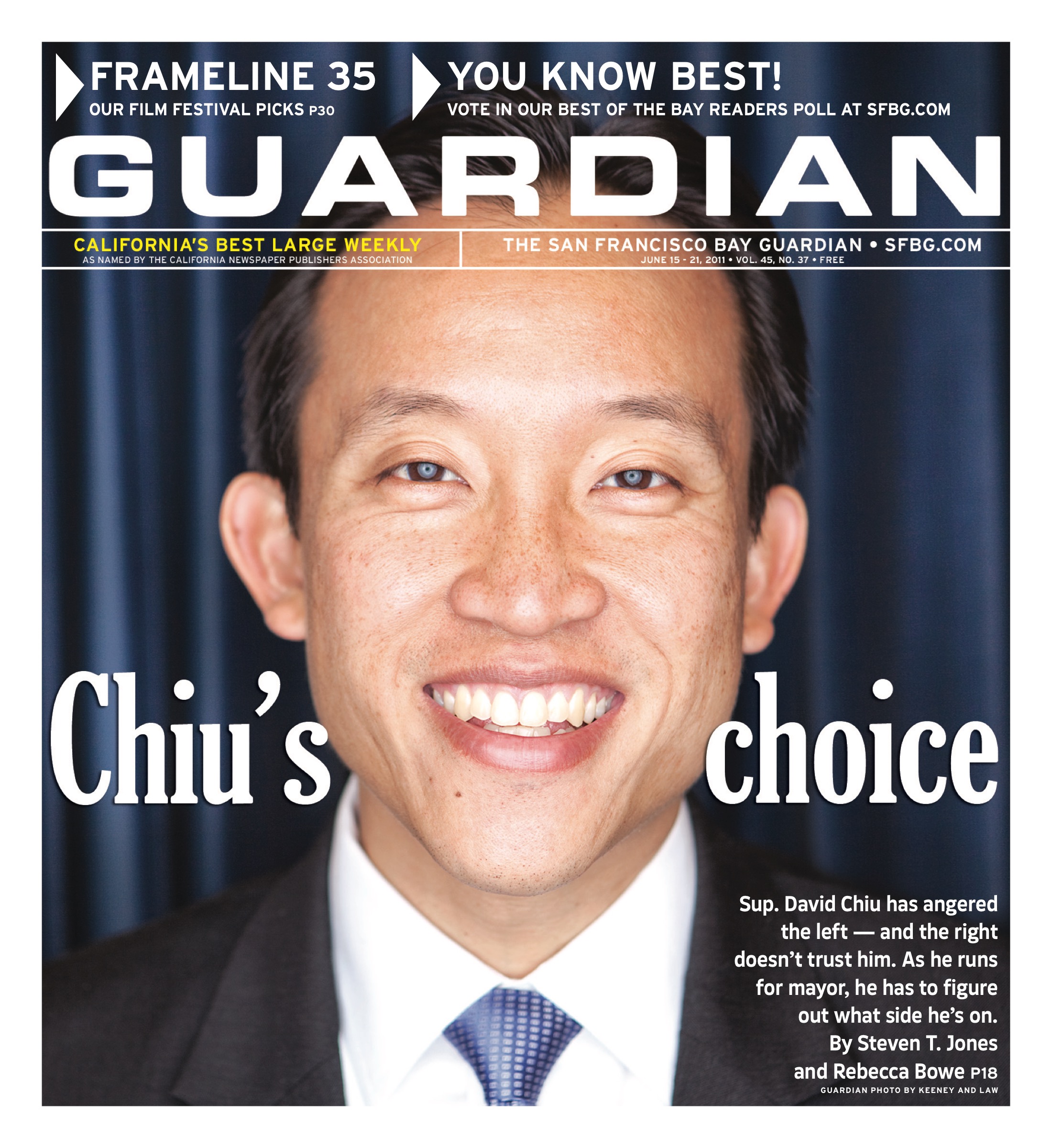
In sponsoring the Parks for the People initiative and unsuccessfully trying to end the arboretum fees (it failed on a 5-6 vote at the Board of Supervisors, with President David Chiu the swing vote), John Avalos is the one major mayoral candidate that is raising concerns about the RPD schemes.

“Our parks are our public commons. They are public assets that should be paid for with tax dollars,” Avalos told us. He called the idea of allowing advertising and corporate sponsorships into the parks, “a real breach from what the public expects from parks and open space.”

When asked whether, if he’s elected mayor, he would continue the policies and let Ginsburg continue to run RPD, Avalos said, “Probably not. I think we need to make a lot of changes in the department. They should be given better support in the General Fund so we don’t have to make these kinds of choices.”

ROSE will be the subject of informational hearings before the Planning Commission on Aug. 4 and Sept. 15, with an adoption hearing scheduled for Oct. 13. Each hearing begins at noon in Room 400, City Hall, 1 Dr. Carlton B. Goodlett Dr., San Francisco.


Hot sexy events: July 6-12

0

Good news this week’s gang: Femina Potens has found a new brick and mortar gallery! The sex-positive, high-art fetish org will be moving out to Cesar Chavez between Mission and Valencia, high times for those of us in favor of artsy bondage nights and feminist porn-o-rama. We’ll keep you posted as this story progresses… now onto the sex events!


Feelmore510 erotic film night

Didja catch our recent profile of Oakland’s dopest new sex toy store? Certainly worth a trip to downtown Oak-town, so why not make it tonight for owner Nena Joiner’s screening of blue films. Tonight’s theme is vintage – maybe it’ll get you all stoked for next week’s YBCA retro porn festival?

Weds/13 7:30-9 p.m., free

Feelmore510 

1703 Telegraph, SF

(510) 891-0199

www.feelmore510.com


Pink 

Oh man, you’re all dressed up in your marabou finery, you’re at Mission Control, there’s a sexy cat or Dorothy or mermaid sitting across the room giving you the come-hither gaze – and you freeze. Don’t worry, times like these just call for a workshop. You can get that before you hit this week’s Pink play party at the regular pre-party class, which this time around features Martha Baczynski teaching you the fine art of the swinger come-on. Just remember, you gotta bring a “responsible partner” to Pink.

Pre-workshop 9-10:15 p.m.

Play party 10 p.m.-3 a.m., $30 for both, members only

Mission Control 

www.missioncontrolsf.org


Screwup

Guess what trannies, genderqueers, and the like: you now have your very own coffee meet-and-greet! Hie thee hence to Wicked Grounds, where you will find not only a gender-nuetral bathroom, but a roomful of fun, interesting, sexy folks who defy the gender binary that persists in asking: coffee or tea? at SF’s S-M cafe extraordinaire. 

Sat/9 7-9 p.m., free

Wicked Grounds 

289 Eighth St., SF

(415) 503-0405

www.wickedgrounds.com


11th Annual South Bay Kink Ride

Board your choppers and bring your appetite – this South Bay tradition takes you to that most suburban of restaurants, to a small park for singetail slingin’, and then out through the Santa Cruz Mountains – and lunch, of course. Perfect for those who enjoy the feel of fresh air whipping by their sexy loins. And whips, of course. 

Sun/10 9 a.m. breakfast, 10:30 ride, free except for cost of food

Marie Callender’s

18500 Sutter, Morgan Hill

www.soj.org/calendar


Naked Girls Eating

The gang — Lady Monster, Carol Queen, Cherry Galette, Ophelia Coeur de Noir, and Isis Starr from Naked Girls Reading is back — and they’ve brought snacks. This month, the rude nudes will be orating from tales of delectable food porn — and all the while you can feast on their bodacious bods and treats from SF’s own BDSM coffeeshop, Wicked Grounds. Delicious!

Sun/10 8-10 p.m., $15-20

Center for Sex and Culture

1349 Mission, SF

(415) 552-7399

www.sexandculture.org


“Fabulous Fellatio: The Art of Oral Sex” and “Petting the Kitty: Cunnilingus and Female Massage”

Megan Andelloux‘s gotta have a great mouth. The sexpert is teaching not one, but two nights that’ll teach all comers the art of going downtown on their Charlie Brown (and Lucy). Hetero couples: going to one and not the other? Not fun at all, make it a two-fer and everyone goes home happy! 

Fellatio: Mon/11 6:30-8:30 p.m., $20-25

Petting: Tues/12 6:30-8:30 p.m., $20-25

Good Vibrations

1620 Polk, SF

(415) 345-0500

www.goodvibes.com 


Ameri-cows rejoice!

0

Come our nation’s day of independence, all non-meat eaters will eat one: a homogenized, unexciting tofu dog. Especially if they are shy and/or lazy – the dog package conveniently slips into one’s red-white-and-blue woven straw tote, and they are easily sneakable onto BBQ grills without a huge amount of haranguing from friends pumped up on animal proteins. 

But they suck (except for Field Roast sausages, whole food fist pump). And thankfully, this year all you little veggies have an option to the tube-shaped madness: the San Francisco Vegetarian Society‘s Healthy Holiday BBQ on Sun/3.

Belly up to the benefit for Go Vegan Radio (which airs Sundays at 3 p.m. on am channel GREEN 960) BBQ for treats from a tummy grumbling V-list: Souley Vegan, Rudi’s Bakery, and Sunshine Burger among other moo-friendly vegan magic makers. 

But what would a vegan gathering be without a little speechifying on topics that affect your belly and other things? Dr. Elliott Katz, the founder of In Defense of Animals will give a talk to reaffirm your anti-burger convictions, and at 2:30 p.m., animal rights crusaders Jake Conroy of the persecuted e-activists Shac Seven, Alfredo Kuba, and Pat Cuviello will flap jaw in a panel discussion entitled “Coffee, Cake, and Constitution.” 

Oh, and vegan bodybuilder Kenneth G. Williams will be there. Stoked!

Meat-free muscles: Kenneth G. Williams

Should Sunday’s festivities leave you unable to stomach the thought of being restricted to one kind of coleslaw and buns on the Fourth itself, you’re in luck: bring your best cornmeal-crusted tempeh over to the Presidio for a conveniently-located potluck before the fireworks, also sponsored by the Veg Society (details below).


San Francisco Healthy Holiday BBQ

Sun/3 noon-3:30 p.m., $10 suggested donation

First Unitarian Universalist Center

1187 Franklin, SF

www.sfvs.org


Fourth of July SF Vegetarian Society-Living Foods picnic potluck

Mon/4 1 p.m., free

O’Reilly Avenue between Lincoln and Eddy, SF

www.sfvs.org


Appetite: Time for tea

0

Ever a fan of a civilized (and delicious) respite for afternoon tea, here I present to you two divergent ways to raise your pinky in the city.

Kettle Whistle at Burritt Room: A gourmand’s pop-up tea

Currently scheduled to take place on the last Saturday of every month through October, Kettle Whistle launched its inaugural tea this past week in the spacious back room of Burritt Room’s turn-of-the-century-style bar, tucked upstairs in the Crescent Hotel.

The brainchild of pastry chef par excellence William Werner of Tell Tale Preserve Co. and tea mavens Lawrence Lai and Ann Lee of Naivetea, Kettle Whistle is essentially a pop-up high tea, one where ladies (and men) meet over crumpets and scones. But this is no typical tea.

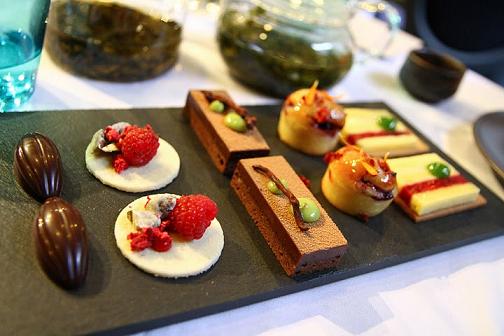
At a pricey $55 per head, it’s even more costly than high tea at the stunning Palace Hotel — but Kettle Whistle has vastly superior food and drinks. Though dishes and tea pairings will rotate, you can be assured of three themed courses: savory bites, followed by scones and crumpets (the passion fruit olive oil curd on this tray will blow your mind — regular old lemon curd might never seem the same), ending with dessert. There’s even a take home bag of tea and a snack (mine came labeled “damn good granola,” a savory-sweet mix).

You’ll be full after three courses because the savory and dessert courses offer four to five different bites, each from Werner’s creative hand. An heirloom tomato sable on a homemade cracker with lemon and a strip of lardo iberico de Bellota was revelatory. Spheres of tomato and pig fat dissolved in my mouth like a dream I wish I could have over and over again. On the dessert platter, a chocolate and salted caramel fondant was silky save for a crispy strip of chocolate on top, enlivened with avocado and lime layers. I’d go back just to see what Werner will serve next.

Naivetea’s Taiwanese teas (a local Bay Area company run by Taiwan natives) are elegant, worthy companions — not overpowering nor overshadowed by any of the courses. My favorite was their award-winning (it recently took home first place at the North American Tea Championship) Dong Ding Oolong, a gentle beauty with backbone, whose toasted rice and caramel notes shine.

Kettle Whistle’s two July 23 seatings are already filling up, so I’d look into reserving a spot now. Dress up, wear a hat, and come hungry.

Through October. 417 Stockton, SF. (415) 400-0500, www.naivetea.com


Rose Tea: Casual tea cafe

Rose Tea, an open, airy new shop, is a peaceful respite off Irving Street that doubles as take-out cafe and flower shop. It’s only been open a few weeks, but my two visits there have been rewarded with herbal teas (I like the Fire on Ice: ginger and lime steeped with fresh mint leaves) served in a bottomless pot with a mini-French almond cake and jam for $6.50.

Sandwiches ($5.95-7.50) are made with care on rye bread with sides of fruit and nuts. I liked the chicken, apple, cream cheese, and raisins version, and the feta, avocado, and walnut with tomato and basil. Plates come finished with house macarons or baklava. With what appears to be Armenian and Greek roots (if the jams for sale are any indication), the cafe also offers Turkish coffee, an espresso bar, and spiced rose chai. It’s a welcome neighborhood spot for a pot of tea and a bite.

549 Irving, SF. (415) 592-8174, www.roseteasf.com


Subscribe to Virgina’s twice monthly newsletter, The Perfect Spot


Carrot coladas: Vegan happy hour, anyone?

0

A short list of cocktails that are not vegan: Irish coffee, anything involving Drambuie or Martini and Rossi vermouth, cheese-garnished Bloody Marys. (Thanks Barnivore.)

This spring, I interviewed six SF vegans on the state of animal product-free lifestylin’ out here in the Bay. They agreed it was all pretty awesome, given the kitchen creativity and commitment to healthy eating that lives out here. But they identified one thing that our hills and valleys are lacking: a strong sense of vegan community. 

And what’s a better community builder than alcohol?A vegan — and thus more hardcore — version of worldwide sustainability boozery crew Green Drinks, Vegan Drinks SF has been gathering up meat-defeaters for the past two years, dumping them (with fair notice) on the city’s watering holes for a vegan cocktail special, scintillating mingling opportunities, and drunken event announcements to cap the whole thing off. This week, there’s a meet-up at Martuni’s on Thurs/30. We caught up with Elizabeth Castoria, the managing editor of Vegan Drinks progenitor VegNews, to find out more about the phenomenon. 

Ah, and if you’re really feeling the concept, you might try meat-free speed dating.


San Francisco Bay Guardian: How many meetings of Vegan Drinks SF have there been? 

Elizabeth Castoria: We started in February of 2009, and typically skip the months of November and December because since Vegan Drinks is always held on the last Thursday of the month, those two months tend to get swallowed by the holidays. If my math’s right, that’s 25 meetings so far. 


SFBG: Are the drinks specifically vegan? I know that animal products tend to lurk in alcoholic beverages when you least expect them.

EC: The nice thing is that the vast majority of hard liquor is vegan (it’s much more common to find beer and wine that’s been processed with animal byproducts). Our monthly drink special changes up, but it’s always a liquor-based martini. 


SFBG: Who are the Vegan Drinkers? How many people came to the last event? 

EC: We don’t take tickets at the door or anything, but about 50 were in attendance at the last event. The group usually ranges between around 50-ish people to 75-ish, and it’s a real mix. Most are probably between the ages of 25 and 55, and the personalities are diverse, as in any group. Most are professionals who come right from work. 


SFBG: Why Martuni’s for this one? Does the place have a special vegan allegiance? 

EC: When we were scouting out places, Martuni’s seemed like a really good fit because it has a fairly spacious back room that’s semi-private. Skip, the owner, has been really wonderful about coming up with creative drink specials every month. He also happens to have both a popcorn popper and a really adorable little hot dog cart, and he went out and got us a bunch of vegan hot dogs, buns, and condiments that sold for $1. It’s wonderful to partner with someone who’s so enthusiastic! 


SFBG: And knowing Martuni’s, there will be some amazing lounge act in the back room…

EC: Ha! Not intentionally. Though Martuni’s martinis are notoriously strong, so after a few, you never know! We do, however, have a brief announcement period at the end of every event so that anyone who has a project or opportunity to share has the chance to do so. 


SFBG: Drunk events announcements, love it. Why’d you start Vegan Drinks? 

EC: Vegan Drinks as an idea actually started in New York in 2008. When our staff started seeing photos from their events that looked like way too much fun, we got jealous. So we started our own chapter! The point is just to create a space for people to come together, spend time among like-minded folks, and hang out. It purposefully doesn’t have an agenda beyond “let’s have drinks and chat” because so often events are fundraisers, or outreach, or festivals, or readings, or something else that involves a level of obligation, and it’s really nice to just get together with people in the community and hang out without any pressure. 


SFBG: Have you seen any interesting animal product-free collaborations spring up out of these meetings? What are the hot vegan conversation topics that people are mingling over these days?

EC: Certainly some networking happens, and some projects have come from that. For example, even with Vegan Drinks itself, we started organizing the events, and then connected with the Vegansaurus bloggers, and now we co-sponsor the event with them. In terms of hot topics, food is a nearly ubiquitous theme at vegan gatherings. New restaurants, places people have eaten recently for the first time and had either good or bad experiences, new recipes people are experimenting with and those kinds of things definitely come up.


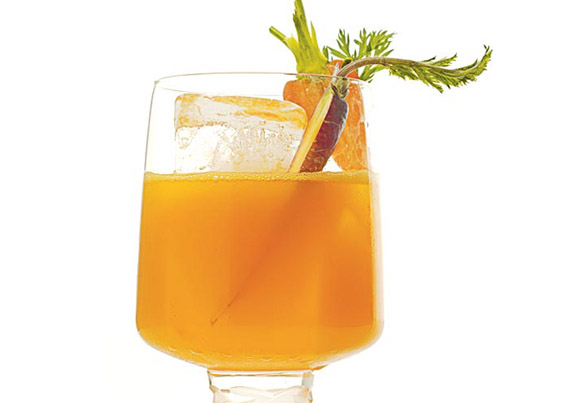
(Carrot colada photo by Wendall T. Webber via Food & Drink)


Vegan Drinks

Thurs/28 6-8 p.m., free with purchase of drink 

Martuni’s 

4 Valencia, SF

(415) 241-0205

www.sfvegandrinks.com


3348 with a bullet

3

arts@sfbg.com

A name like writer James Boice’s no doubt washes up waves of adulation. His partner-in-assonance is a certain modernist master whom Boice, at 29, surely knows something about. The Good and the Ghastly (Scribner, 288 pages, $25), a wicked new novel, is the kind of towering bildungsroman-cum-crime fiction carnival that is both entertaining and well-crafted — something we’ve come to expect from writers like Chuck Palahniuk, but don’t usually get these days.

For all its explosions, the book isn’t mere spectacle for spectacle’s sake. Often contemporary imaginations of literary violence sink into the page-filling, glittery sands of ersatz — but James Boice, quite the contrarian, has conjured a brutal, sharp diamond in the literary rough. The Good feels fresh and urgent while culling themes as old as the Bible and as zeitgeist-y as The Sopranos: the neo-noir crime epic. Boice has certainly eaten his cultural vegetables; at the same time, he isn’t afraid to spew them up to create a pulpy piece of work that is contemporary and allusive. It’s enough to satisfy readers in need of instant gratification as well as those less ravenous who prefer to sip and savor.

The Good and the Ghastly is a mad picaresque, the story of antihero Junior Alvarez’s rise and fall as criminal overlord. It is the 34th century. Seminal cultural artifacts were lost in some kind of nuclear devastation centuries before, so Sarah Palin and Oprah are among this world’s spiritual and intellectual pundits. Someone called Kevin Lithis is the new Jesus Christ. Everybody believes Stephen King wrote the works of Shakespeare. Ikea tables are considered antiques. But down in the underbelly, an implacable race to power wages between the Italians and the Irish as Josefina, a good mother turned hardened revenge-seeker, sets out to avenge the death of her son — one of Junior’s victims — by assassinating Junior and his unctuous underlings. And how far she goes I won’t say, but it does involve, in one scene, a bazooka, a baby, and a priest’s garb. Yeah.

A peak at the epigraphs inaugurating The Good and the Ghastly give a real sense of Boice’s literary antecedents. There are quotes from Faulkner, Shakespeare, Stephen King, and the OJ Simpson trial. With this mixed bag of chestnuts as synecdoche, Boice traverses the furrows of the high- and lowbrow in his novel. At once, The Good deserves the literary fiction crown and yet, it is also, in its own right, a piece of glorious trash. It is ugly and sensational, yet Boice is an evocative writer who knows what he’s up to.

With no degree to speak of, he has made himself something of a literary wunderkind. When Boice began writing, he “purposefully wanted no formal education,” he explained to me in an e-mail. “I did not want to be a proficient and well-executed writer. I wanted to be a writer who writes in blood. I wanted to live on the margins of decency and write things that were dangerous and true.” After dropping out of college, he moved to San Francisco and holed up in a room at the Halcyon Hotel on Jones Street, writing, drinking coffee, listening to Blood on the Tracks. Now, he lives in New York City and “life is good. I’m happy as a pig in shit.” And he should be. He already has two novels — MVP and NoVA — under his belt. This third entry is set in northern Virginia, where Boice is from. “I feel it is a microcosm of America, the quintessential American place,” he said. But here, NoVA is run by gangsters.

“Part of the impetus for the book was to sort of acknowledge our culture’s twisted relationship to gangsters,” Boice said. “We glorify them. We do. We love Scarface and Goodfellas and The Godfather. It’s fucked up that we do, because gangsters are evil motherfuckers.” Boice says the best writing is “the work of the subconscious.” Guy’s got a sick subconscious.

Like The Godfather, Boice creates a kind of ensemble piece, oscillating between a few different characters and third- and first-person while also generating a universe peppered with striking verisimilitude. Pop cultural references abound, and Boice’s prose contains an arsenal of neologisms — “smuck” is the new “fuck,” Visa rules the world, and Bar With Pool Table is Junior’s haunt. Boice’s invocation of particular brand names and coinages — reminiscent of Anthony Burgess, Bret Easton Ellis, or more recently, Junot Díaz — underscores the kind of fully imagined, multifaceted literary universe that would sate science fiction or fantasy nerds. And like those contemporaries, Boice is doing satire here, although it never feels heavy-handed because the mores of this literary world mirror ours. The year 3348 isn’t looking so glamorous after all.

The novel’s balls-to-the-walls violence, in scenes that glide as giddily as Scorsese’s camera, has a point: “Violence is not fun to think about, but it exists and has a way of interrupting your peace and penetrating your isolation out of the blue whether you want it to or not,” Boice said. “I believe in describing violence in a violent way. Otherwise you’re not telling the truth.”

Great works of art are always something of a mystery, and Boice leads us unflinchingly into the dark while cutting believable characters out of cardboard archetypes, right down to their flesh and bone (literally). Boice saves his most packed punches for last, where he rains down a reckoning upon Junior and Josefina. But all the while, Boice sidesteps easy moral punctuations in favor of ambiguity and open questions. In the end, it’s like a brick through a windshield.

Our Weekly Picks: June 15-21, 2011

0

WEDNESDAY 15

EVENT

“Snakes and Lizards: The Summer of Slither”

“It is I; be not afraid.” Such were the comforting words, according to the Gospel of John, spoketh by Jesus C. unto his disciples after he reportedly walked across the sea. Now imagine another creature — right here, right now — capable of sprinting across the water: the neon-emerald mini-pterodactyl “green basilisk lizard,” expressing the same sentiment through its namesake stare. Need you be afraid of the 60 snakes and lizards — collectively known as “squamates” — visiting the California Academy of Sciences till September? Maybe. But these scaly species, along with their academy interpreters, have an important role this summer as live ambassadors from the reptilian realm. You just might find God, the devil, Darwin, or all three. (Kat Renz) Through Sept. 5

Mon.–Sat., 9:30 a.m.–5 p.m.;

Sun., 11 a.m.–-5 p.m., $19.95–$29.95

California Academy of Sciences

55 Music Concourse, Golden Gate Park, SF

(415) 379-8000

www.calacademy.org


THURSDAY 16

PERFORMANCE

Fresh Meat Festival

Fresh Meat, the transgender and queer performance festival, is 10 years fresh this year. And to celebrate, the festival offers its most ambitious program to date, four full nights’ worth of work, including Vogue Evolution, the New York City LGBT street dance group featured on the reality competition America’s Best Dance Crew. Also fleshing out this year’s roster: Los Angeles–based Robbie Tristan and Willem DeVries (same-sex ballroom world champions), New Mexico’s Cohdi Harrell (world-class trapeze artist), Sean Dorsey Dance, Na Lei Hulu I Ka Wekiu (an all-male hula company), the Gay Asian Pacific Alliance Men’s Chorus, glamourpuss singer-songwriter Shawna Virago, and comedian Natasha Muse. (Robert Avila)

Thurs/16–Sat/18, 8 p.m.;

Sun/19, 7 p.m., $15–$20

Z Space at Theater Artaud

450 Florida, SF

www.freshmeatproductions.org


FRIDAY 17

DANCE

Epiphany Productions Sonic Dance Theater

Recently returned from Mexicali, Mexico, the globetrotting choreographer Kim Epifano brings her art and travels back to SF with a home season work at the ODC Theater. Solo Lo Que Fue, a dance film shot at Cantina El Norteño, a historic bar in Mexicali, features a site-specific dance with performers from the region. The program also includes Heelomali, a multimedia piece created with composer and didgeridoo master Stephen Kent and Burmese harp player Su Wai, as well as Alonesome/Twosome, a duet inspired by an airmail drawing sent to Epifano by acclaimed artist Remy Charlip with live music by Epifano and Kent. Enjoy this armchair travel from the theater. (Julie Potter)

Fri/17–Sun/19, 8 p.m.; Sun/19, 7 p.m., $16–$20

ODC Theater

3153 17th St., SF

(415) 863-9834

www.odcdance.org


MUSIC

Horrid Red

Imagine an almost ludicrously compact car of obscure design speeding through the Teutonic countryside. It’s the early to mid-1980s. Driver and passenger, both with shaved heads and dressed entirely in black, are leaving their usual neon-soaked haunts in Berlin for a weekend in the mountains. They are very much in love, and Horrid Red is the soundtrack to their affections. Featuring three-fourths of shitgaze pioneers Teenage Panzerkorps, Horrid Red eschews the aggression of this other incarnation and opts instead for a near-perfect and haunting blend of krautrock, new wave, and early minimalist punk. Split between two continents (vocalist Bunker Wolf lives in Germany while the rest of the band resides right here in San Francisco), Horrid Red is a collaborative effort that only rarely allows for live performance. In other words, don’t miss them. (Cooper Berkmoyer)

With Burial Hex and Brute Heart

9:30 p.m., $8

Hemlock

1131 Polk, SF

(415) 923-0923

www.hemlocktavern.com


SATURDAY 18

DANCE

Patricia Bulitt

Patricia Bulitt is for the birds. Literally. She has been making dances about them for more than 30 years, first in Alaska, most recently in New Zealand and Japan. To her they are harbingers of peace and beauty, qualities she finds woefully absent in our humdrum existence, and her dances honor them. One piece was dedicated to the native birds of Lake Merritt in an Oakland refuge, another to a blackbird residing in grove on the UC Berkeley campus. But her biggest love is the majestic egret. Her Egretfully, performed on the lawn below the nesting couples at the Audubon Canyon Ranch, has become an annual event. (Rita Felciano)

2–4 p.m., free (contributions requested)

Audubon Canyon Ranch

4900 Shoreline Hwy., Stinson Beach

415-868-9244

www.egret.org


MUSIC

Pete Rock

Pete Rock recently tweeted about “dat Montel Williams blender, the fucking truth. Watch ur fingers, dat shit will blend ur joints up nicely lol.” A mainstay of classic 1990s hip-hop, Pete Rock isn’t new to blending, plucking from the depths of R&B, funk, and jazz records for his signature fusion of music styles. With his kitchen blender, Rock concocted an “apple, celery, parsley drink” and declared that “man dis shit is good.” Tonight is the chance to see what he’ll cook up outside the kitchen, as the legendary producer performs a two-hour set. In the spirit of remixes, Yoshi’s offers Japanese delicacies to sample alongside the music. (David Getman)

10:30 p.m., $25

Yoshi’s San Francisco

1330 Fillmore, SF

(415) 655-5600

www.yoshis.com


EVENT

Northern California Pirate Festival

Arrr! Forget about all other expeditions ye may have plotted for this here comin’ weekend, ya lousy bilge rats! Ye best be settin’ sail for swashbuckling adventures of all manner at the fifth annual Northern California Pirate Festival, a true buccaneer’s dream come true. Costumed revelry, sword-fighting, sailing ships, canon firings, music, food, grog, wenches, treasure, and more be in store, whether ye be a seasoned deck hand or a curious landlubber. What better way to spend Father’s Day weekend than to take Dad to see the new Pirates of the Caribbean flick — be warned, ye may want to bring along a healthy ration of rum — and then make way for a festival where you may actually walk away with $5,000 in gold coins and treasure? (Sean McCourt)

10 a.m.–6 p.m., free

Vallejo Waterfront Park

Adjacent to Vallejo Ferry Terminal

298 Mare Island Way, Vallejo

1-800-921-YARR

www.norcalpiratefestival.com


MUSIC

Bill Callahan

Apocalypse, Bill Callahan’s follow-up to 2009’s beautiful Sometimes I Wish We Were an Eagle, is a striking left turn from the lush production and personal reflection that populated much of that album. Instead, with his deeply rich baritone always front and center in the mix, Callahan has created a song cycle more in line with the fractured folk and wry humor of Smog, the alias he worked under for nearly 20 years. Apocalypse stretches eight songs over the course of 40 minutes, each full of stark takes on American roots music and wrapped in simple, haunting arrangements. It’s another example of Callahan’s slow, steady climb to the upper echelon of modern American songwriters. (Landon Moblad)

With Michael Chapman

9 p.m., $20

Independent

628 Divisadero, SF

(415) 771-1421

www.theindependentsf.com


SUNDAY 19

MUSIC

Sharon Jones and the Dap Kings

To ring in its 74th season of free summer performances, organizers of the Stern Grove Festival enlist Motown-revivalist masters Sharon Jones and the Dap Kings. With a massive voice in the lead and instruments authentic to the period, the band is tailor-made for the festival circuit and outdoor arenas. Today’s concert is the first of many to come this summer, including performances by Neko Case, Aaron Neville, and the trifecta that is the SF Symphony, Ballet, and Opera. Nothing beats listening to Sharon Jones and Co. jam — other than listening to Sharon Jones while picnicking on rolling hills.Beer and wine welcome. (Getman)

With Ben L’Oncle Soul

2 p.m., free

Sigmund Stern Grove

19th Ave. at Sloat, SF

(415) 252-6252

www.sterngrove.org


FILM

Wings of Desire

Before there was City of Angels (1998), and before there was “Stillness Is the Move,” there was 1987’s Wings of Desire. Three years after Paris, Texas, German New Wave director Wim Wenders made this art film that went on to inspire that insipid remake, as well as the Dirty Projectors’ pop song. An angel falls for a mortal trapeze artist amid the graffitied wasteland of West Berlin and sheds his wings in exchange for love, mortality, and coffee. With music from Nick Cave and Crime and the City Solution, it’s essential viewing for all the hopeless romantics hopelessly trapped in the ’80s, before being so was hip or ironic. Wenders just knows. (Ryan Lattanzio)

Sun/19–Mon/20, 7:30 p.m.

Also Sun/19, 2 and 4:45 p.m., $6–$9

Red Vic Movie House

1727 Haight, SF

(415) 668-3994

www.redvicmoviehouse.com


PERFORMANCE

“Hubba Hubba Revue: Flying Saucer Beach Party”

In the vein of classic B-movies from the 1950s and ’60s like Horror of Party Beach (1964), Hubba Hubba Revue’s Flying Saucer Beach Party promises to be a sci-fi summer kick off that will deliver a ghoulishly good time. In addition to a bevy of burlesque beauties from the Bay Area and the greater known universe, the afternoon will feature live surf rock from the Deadlies and Pollo Del Mar, special guests Balrok and the Cave Girls from Creepy KOFY Movie Time, a “Martians, Maidens, and Monsters” swimsuit and costume contest, and much more monstrous fun! (Sean McCourt)

2–8 p.m., $10–$12

DNA Lounge

375 11th St., SF

(415) 626-1409

www.dnalounge.com


TUESDAY 21

MUSIC

Martyrdod

When you describe a band as blackened crustcore from Sweden, you’re bound to raise a few eyebrows. Blackened crustcore? Why not just crustcore? Wait … what the hell is crustcore? Martyrdod has been around since 2001 and has consistently carried the banner high for heaviness in punk. What sets it apart from contemporaries, besides how utterly crushing it is, is the subtle way a black metal influence has worked itself into Martyrdod’s records; it’s punk and it’s heavy, but its also gloomy and terse. It’s filled with despair and anger and totally without hope. Think Motorhead if Lemmy was really into Crass and Darkthrone. The atmospheric considerations don’t diminish the intensity of the assault, and Martyrdod emerges on this, its West Coast tour, as a punishing force in punk. (Berkmoyer)

With No Statik and Yadokai

9:30 p.m., $7

Knockout

3223 Mission, SF

(415) 550-6994

www.theknockoutsf.com 


The Guardian listings deadline is two weeks prior to our Wednesday publication date. To submit an item for consideration, please include the title of the event, a brief description of the event, date and time, venue name, street address (listing cross streets only isn’t sufficient), city, telephone number readers can call for more information, telephone number for media, and admission costs. Send information to Listings, the Guardian Building, 135 Mississippi St., SF, CA 94107; fax to (415) 487-2506; or e-mail (paste press release into e-mail body — no text attachments, please) to listings@sfbg.com. Digital photos may be submitted in jpeg format; the image must be at least 240 dpi and four inches by six inches in size. We regret we cannot accept listings over the phone.


Sing out, sister

1

culture@sfbg.com

BAR CRAWLER Until last week, I’d never set foot in a karaoke lounge. It wasn’t exactly on purpose; it was just something — like using dryer sheets and eating those little lathed carrots prepackaged with swimming pools of ranch dressing — that never occurred to me.

This is not a story where, by the end, I uncover a newfound talent and become an instant rock star. Turns out, karaoke is hard — and commands a hardcore following of seriously legit singers. But after one whirlwind karaoke tour of the city, I found that it can be tons of fun for the rest of us too.


ENCORE KARAOKE LOUNGE

A friend enlisted for guidance and moral support assured me the first stop on our Friday night list would be mellow. So mellow, in fact, that when we entered from the still-light evening, about six people were watching a surprisingly spot-on rendition of “I Dreamed a Dream” from Les Miz. Next, a potbellied beer-in-hander stepped up for some Led Zeppelin. The patrons were singles and couples, none of the giggly groups of girls I expected. The lights, however, were just what I expected: over-the-top and outdated all at once. The tables were sticky and the drinks were predictably terrible (but cheap). The overall experience seemed like a cozily trashy movie-scene karaoke pastiche.

1150 California, SF. (415) 775-0442. www.encorekaraokesf.com


(Click here for larger Google map.)

THE MINT

Though this be-spangled Mid-Market spot reprised Encore’s small, watery drinks, there was nothing cozy about it. The Mint is on the tip of everyone’s karaoke tongue, so it was packed almost beyond maneuverability with fratty types and hipsters galore, who were too busy huddling in little beanie-topped clusters to pay attention to the stage: no fun for veteran singers of big booming anthems, but potentially good for first-timers.

I hadn’t yet worked up the courage to sing, but my friend joked that if nothing else, I could do “Bicycle Built for Two.” Well, no shit: 40,000 songs to pick from, and someone with mismatched thigh-highs and a fuzzy panda hat beat me to it. Galvanized, I submitted a slip for “American Pie,” which I figured might arouse the passion — or, at least, compassion — of even the most blasé in attendance. When I wasn’t called in 30 minutes, I took it as a signal to duck out with my dignity intact.

1942 Market, SF. (415) 626-4726. www.themint.net


FESTA WINE AND KARAOKE LOUNGE

Next, we headed to Japantown for a more authentic experience. Festa fit that bill, according to our one companion with bona fide Tokyo chops. It’s a surprise to walk into Festa — with its twinkling LED stars, cityscape wall motif, and lustrous dark décor — from the deserted second floor of Japantown’s mall-like Japan Center. With five bartenders for an intimate 30 seats, Festa definitely has an upscale vibe. Most of the women wore heels and cocktail dresses, and the cocktails were likewise elevated, both in price and quality. It took a Bellini, lychee martini, and sake-tini to precondition my vocal chords.

The song list was extensive but lacked my planned-on Don McLean classic — which seemed out-of-place anyway amid such a demure crowd. Billy Joel’s “Entertainer” popped into my head because it’s light and mercifully fast. With hardly a wait, I was twanging, left leg trembling, a good half-octave below where my voice stops sounding like a woman’s and starts sounding like the Marlboro Man’s. I got a rush of mercy applause and swept my friends out the door.

1825A Post, SF. (415) 567-5866. www.festalounge.com


500 CLUB

More than a week passed, and I was ready to go it alone. For a low-key bar with a neighborhood vibe, 500 Club is perfect. Karaoke Sundays start when the afternoon light is still streaming through large windows and a Tecate on the crowded benches feels just right. Audience participation — including some friendly heckling — is big here, and the singers heckle right back. Be warned: the front row, which is nearly every seat in the joint, is something akin to Sea World’s splash zone. You may be personally serenaded, implored to sing backup, or even humped a bit — all in good fun.

500 Guerrero, SF. (415) 861-2500. www.500clubsf.com


PANDORA

Pandora begs a reference to the overstuffed box, and it’s appropriate: this bar has it all — in a good way. Bins brim with cymbals, tambourines, silly hats, and other props. Candy Land and Jenga top a stack of board games. Flat-screen TVs flash the night’s basketball scores. A disco ball sprinkles light over sleek silver couches, low coffee tables, and a posh lit-up bar.

Make a splash

0

virginia@sfbg.com

BAR CRAWLER Overrun with partiers from the burbs on weekends, North Beach remains far more than its hordes of visitors would suggest. Italian history, comforting foods, historical churches, and Beat mystique keep tourists roaming the streets. But savvy locals know North Beach’s under-the-radar gems. In some ways, it’s our most European neighborhood, where you’re most likely to find elderly Continental gentlemen gesticulating over coffee and cigarettes at sidewalk tables outside Cafe Greco or Caffe Trieste. Beneath the tourist trappings and meat markets, beats a vibrant and cultured heart.

This is equally true of its nightlife. Look beyond seedy strip joints and bars packed with suburbanites to find a long list of spots rich with history and colorful characters. If you haven’t hung out in NB in awhile, it’s time to fall in love with this late-night neighborhood’s impressive diversity again via a nice north-to-south bar crawl.


BIMBO’S

There’s no cooler live music venue in San Francisco than Bimbo’s. A Rat Pack-style supperclub where Rita Hayworth danced as a chorus girl in the early 1930s and gin was served in coffee cups, the spacious club is rife with character. Wood-paneled walls, red curtains, and stools create a space Dean Martin’s Matt Helm character would have felt at home in. Start your night with a show of acts as divergent as Flaming Lips and Adele.

1025 Columbus, (415) 474-0365, www.bimbos365club.com


TONY NIK’S

Divey and lived-in, Tony Nik’s still shines under its original neon sign. A Prohibition-era bar opened in 1933 by namesake Tony Nicco, it’s a funky, worn respite from the bustle of North Beach. It’s like stepping back in time … with rock ‘n’ roll attitude. It’s just the place to pop in for conversation and a stiff martini.

1534 Stockton, (415) 693-0990, www.tonyniks.com


CHURCH KEY

This underrated beer haven keeps a rotating selection of craft beers from around the world on tap. Victoriana wallpaper melds with a mellow vibe, offering a welcome respite from weekend craziness. Sip an Allagash Witbier in the upstairs alcove with wild game sausages while a DJ plays classic soul records that won’t drown you out.

1402 Grant, (415) 963-1713


(Click here for larger Google map.)

THE SALOON

It’s time for more music at one of the country’s oldest bars. The Saloon hit the Barbary Coast in 1861 as Wagner’s Beer Hall. Beat-up and worn down (in look and regulars), this bar feels like New Orleans, where music sings out into the night from seasoned musicians who play as hard as they live. Offering live music seven nights and three afternoons a week, the Saloon’s key focus is blues, although rock ‘n’ roll and soul influences abound. Dancing erupts in tight confines — like one ongoing party where music legends relive glory days.

1232 Grant, (415) 989-7666


15 ROMOLO

No North Beach night would be complete without killer cocktails, and they don’t get better than at 15 Romolo. A turn-of-the-century bar vibe is balanced by killer jukebox. Karaoke Gong Show nights are legendary and, although frequently packed, it’s often a place to get an artisanal drink in a relaxed setting. Spawning some of our city’s best bartenders, the talent behind the bar remains impressive. You’ll be hard-pressed not to count their inventive (yet far from fussy) creations among the best in the city.

15 Romolo Place, (415) 398-1359, www.15romolo.com


BAMBOO HUT

It’s a grungy sort of tiki vibe at Bamboo Hut. Live surfer bands, kitschy tiki paraphernalia, and tropical drinks (warning: this ain’t no Smuggler’s Cove) make it a fun, distinctive stop on your crawl for a fruity island escape. And, yes, there are volcano bowls.

479 Broadway, (415) 989-8555, www.maximumproductions.com


MONROE

If you must do a club, this newest North Beach addition is unlike the rest. With decidedly Hollywood flair, mirrors and artwork of models draped in pearls (alas, no Marilyn) line brick walls over leather and velvet couches in this unexpected den of hip classiness.

473 Broadway, (415) 772-9002, www.monroesf.com


SPECS

Journeying south down Columbus Avenue, you’ll hit a few of the city’s great classics. Specs’ Twelve Adler Museum Cafe is the dive to trump all dives. Singing around the piano with a Guinness or a shot of whiskey is a favorite pastime, as is soaking in the glowing, musty atmosphere and listening to stories from crusty locals your mother would be nervous around. A maritime SF mainstay since 1968, Specs is more than a bar, it’s an institution.

12 William Saroyan Place, (415) 421-4112


TOSCA CAFÉ

In the realm of classic bars, Tosca stands alone. Surviving Prohibition with “house cappuccinos” (hot chocolate with brandy), still its No. 1 seller, Tosca has been a North Beach hotspot for decades, its famed back room a haven for rock and movie stars alike. With a lovingly faded yet romantic interior, red booths and chairs hark back to its early days. The famed jukebox spins out a line of tunes crucial to Italians, from legendary opera singer Enrico Caruso to Dino and Frank.

242 Columbus, (415) 986-9651, toscacafesf.com


VESUVIO

Vesuvio is not so much about drink. Libations are an afterthought in a legendary 1950s space like no other. This is the kind of bar where intellectual discussion and reading books are the norm, where inspiration seeps out of the walls. Eclectic, hodgepodge decor is quirky and artsy, just like the clientele. The spirit of the Beat poets who frequented its corners lives on … with beer.

255 Columbus, (415) 362-3370, www.vesuvio.com


COMSTOCK SALOON

End your long night with a mellow, classy stop recalling Barbary Coast days. Comstock Saloon captures that spirit in a restored turn-of-the-century space replete with antique mahogany bar, Victorian furniture, 1916 rotating ceiling fans, and wood-burning stove. Cocktails are impeccable, classic and expertly-made … and top-notch jazz musicians play from the upstairs balcony.

155 Columbus, (415) 617-0071, www.comstocksaloon.com

Alameda all at once

0

caitlin@sfbg.com

BAR CRAWLER Rumored to have given birth to the snow cone, the Popsicle, and the Kewpie doll back in its amusement park days, Alameda still gives off a summery island vibe. (With Playland at the Beach, Oakland’s Idora Park, and Alameda’s Neptune Beach, the primary mode of transportation in the Bay used to be a Big Dipper. Picture rush hour.) The golden sun, rad flea market, and laid-back neighborhoods — well, the place screams “stay a while.” So you may as well get drunk. FYI, the flatlands crawl works best on a bike, but if you soldier up and walk it, you don’t risk getting tipsy and bloody — to each her own. (Caitlin Donohue)


ALAMEDA FERRY

No, you’re not driving out there. Hop the ferry, ’cause guess what? It’s the first stop on the crawl. Take advantage of the bracing winds to order a beer, or better yet, a bay-ready cocktail. Affable bartenders will recommend a bloody or one of the Campari concoctions that sometimes make the specials board. Take your sweet-ass time and ascend to the top deck with your glass — you have 30 to 45 minutes to kill coming from San Francisco. Once you disembark, you’ll be flush with the possibility of a new island lifestyle. Steady on captain, much boozing lies ahead.

Departs from SF Ferry Building, Pier 41, and Jack London Square. www.eastbayferry.com


ST. GEORGE SPIRITS

Surprise! Not only is Alameda a great bar town, it’s also home to a burgeoning alcohol-making district. The island’s northwestern blocks — once the Naval Air Station and still fetchingly speckled at the edges with behemoth military boats — went through an era of tumbleweed rule but are now being reinvigorated by pioneer businesses that enjoy the commercial, wide-open spaces that only airplane hangers can provide. St. George Spirits moved here in 2004 and now produces pleasant, not-too-cloying Hangar One-flavored vodkas (mandarin blossom and chipotle versions are amazing), absinthe, superlative Firelit coffee liqueur, and more. Check out the $15 tasting menu in the jovial tasting room and toast to Alameda with every tiny, long-stemmed glass the good saint presents you with.

2601 Monarch, Alameda. (510) 769-1601, www.stgeorgespirits.com

(Click here for larger Google map.)

ROCK WALL WINES

Don’t worry if your St. George tasting ended with a disorienting absinthe-root beer closer — you don’t have far to bike to the next stop on the crawl. A few hangars over, step into the sleek tasting room of Rock Wall Wines, where you can order flights of swishes from Rock Wall’s father-daughter team plus nine other small wineries that share production space next door in the massive urban vintner hangar-hangout. Feel good about supporting the little guys along with another chance to sample an array of finely-crafted local booze.

2301 Monarch, Suite No. 300, Alameda. (510) 522-5700, www.rockwallwineco.com


BLADIUM BAR AND GRILL

So you’re a few drinks deep — time to check out the actual Alameda haunts. Bar! Well, a gym bar. Once you arrive at the Bladium (you’ll pedal past an impressive lineup of battleships on the way), smile sousedly at the front desk of the Bladium athletic center and weave your way through in-line hockey and indoor lacrosse arenas to the comfortable second-floor sports bar, where you can knock a pint back and take in some of the heated amateur action going on among the athletic types below. Don’t let all the secondhand endorphins make you feel lazy — the kind of drinking you’re doing takes endurance.

800 West Tower, Building 40, Alameda. (510) 814-4999, www.bladium.com


FORBIDDEN ISLAND TIKI LOUNGE

Enough crawling with the generalists — let’s get dark ‘n’ sugary the way only a quality tiki bar can encourage. Find the flavor at the low-lit Forbidden Island, where there will be a luau in progress, if you play your cards right, and sufficient vats of rum and juice even if you didn’t schedule your crawl around roast pig. Hoist a Neptune’s Garden (it’s blue and has fruit garnishes!) to discovering more about the Forbidden Island’s watering holes and continue on your way.

1304 Lincoln, Alameda. (510) 749-0332, www.forbiddenislandalameda.com


LOST WEEKEND LOUNGE

See how we planned this out? We started with sober sea legs on the ferry, pinky-up tastings while you can still bullshit about noses and mouthfeels, then the limber tiki limbo — enter now the dives. Lost Weekend is a good one, and it’s smack in the center of Alameda’s fun downtown, which is worth a saunter about if you’re feeling a little shaky after Forbidden Island. Otherwise, belly up the bar, gaze at the TVs and myriad ephemera on the walls from hazy sports meccas — Philly? Texas? — and discover that here in the Island City, the jock and black-clad hipster crowds can oftentimes merge into one.

2320 Santa Clara, Alameda. (510) 523-4700, www.lostweekendlounge.com


LUCKY 13

Turn the corner onto Park Street and you, my friend, have come to the end of your bar crawl — lucky for SF residents, it’s on familiar turf. The Lucky 13’s East Bay branch is just as good a rockabilly dive into a heavy, microbrew-tinged blackout as its Castro counterpart. Same wooden tables to back-slap and talk trash over without blazing TVs to distract your train of thought, same walled patio for fresh air and lighting of the cancer stick (yeah, alright, you’re wasted). Two big points for the Alameda Lucky: you can bring in take-out stromboli and french fries from Scolari’s next door — and the Fruitvale BART Station is only a happy downhill ride away when you’re ready for the mainland. Lean your bike against the wall and find a comfy seat for yourself, brave crawler — you’ve earned it.

1301 Park, Alameda. (510) 523-2118, www.lucky13alameda.com 

Cold comfort

0

le.chicken.farmer@gmail.com

CHEAP EATS I write to you from Dot’s Diner in Jefferson Parish, La. Hedgehog is getting her knee looked at down the road, and I thought I would find me a place to sit that wasn’t the waiting room. Or a pool hall. Or bar. Or fast food joint or automotive shop. Or warehouse, thrift store, or — but only because it’s 9:30 a.m. and I ain’t the slightest bit hungry — a fried seafood shack or po-boy shop.

Jefferson’s got good eats in its own right. Crabby Jack’s is here, and at the French Canadian Quarter Festival this spring they fed me the best boudin I ever had, but at 9:30 a.m. the only way you can get a table, apparently, is if you’re an upside-down chair.

If it were 10 a.m. or even three hours later, I would have been in heaven. All’s I really required was a good strong cup a coffee and a seat, but this ain’t California or Seattle or even New Orleans. It’s the parish, as the locals call it, where you can’t exactly sit down without having a meal.

But how pretentious of them to refer to their parish as “the parish.” Don’t you think that’s pretty arrogant? Louisiana has a lot of parishes. They’re like counties everywhere else.

Whatever, I’m sure you’re more interested in what I’ve been eating San Franciscowise than Dot’s Diner’s biscuit with a fried egg on top, smothered in crawfish julie.

I will tell you: duck soup.

As always I have been on the prowl, trying to find the city’s best bowl of cold medicine and antidepressant.

It ain’t at Big Lantern here in the ‘hood, I can promise you that. Me and Hedgehog went there the last time we were in the city together, and I was fighting a cold. A fight, by the way, that I lost.

I’m human. I get sick. In fact, I get sick more than most people, being not only human but a hypochondriac. (Not that I’ve been diagnosed with hypochondria. I can just tell I have it.)

Anyway, I had wanted to show Hedgehog something special like Zuni, Delfina, or Slanted Door, but I felt too much like crap to eat anything but duck noodle soup, pea sprouts in garlic, and string beans with smoked pork.

There were dumplings, too. I forget what they were called on the dim sum menu. Some kind of “little buns,” I think. The ones that were soupy inside, they were great, but some weren’t so soupy. They had lost their juice. Not so great.

I can’t really complain about the duck soup because it wasn’t technically on the menu. Nor was it all that half bad. But the pea sprouts needed a lot of doctoring to taste like anything, and the beans with smoked pork were some of the worst things ever. About half of the beans were lifelessly old tough shriveled ones, overcooked. And the pork was like pork jerky. Very dry. Very tough. Which — granted — maybe that’s what smoked pork means in Chinese restaurants. I don’t often order it, and won’t often order it again, to be safe.

To their credit, the garlic pea sprouts and the beans and pork got better the next day for lunch, and better still the day after that, because I doctored and doctored them back to life.

The soup hit the spot, but as long as I’m healthy enough to get on BART and buses, I will be having my future duck soups in Chinatown, at Great Eastern Restaurant, thank you.

The legendary Jackson Street standby, it turns out, has a rich, flavorful dark broth with perfectly succulent roast duck and great homemade noodles. Or wontons. Or both. For $9, it’s the reigning duck noodle champion, in my book.

I would like to thank John’s Snack and Deli for being out of kimchi burritos again, or else I might never have found this out.

Oh, and Great Eastern also has crocodile soup and soft-shell turtle soup, by the way. In case you’re not sick when you go there. *

New favorite restaurant! *

GREAT EASTERN RESTAURANT

Daily: 10 a.m.–1 a.m.

649 Jackson, SF

(415) 986-5603

Beer and wine

MC/V

Wanderlust

0

arts@sfbg.com

DANCE In the sunlit studio at 499 Alabama St., Jessica Swanson affixed her blonde wig atop loose pin curls to rehearse a scene from Joe Goode’s new work, The Rambler, premiering at Yerba Buena Center for the Arts Friday, June 10. She recited a line about how freedom skips a generation as Goode, clutching a cup of coffee, closed his eyes to listen. Then meticulously, word-by-word, he adjusted the script, recording each edit on his open laptop. The rigor continued to clarify every movement and tune for Swanson, who plays a character left behind by a certain rambler.

“We started very simply with the peripatetic impulse to roam in a general way, and then I became interested in what it means for the person who is attached,” Goode said. “The rambler is a romantic figure, particularly in American culture, the wanderer and seeker. So we’ve been asking questions on both ends — about being the rebel and being left.” In addition, his team explored the redemptive quality of moving forward, even without a clear direction, versus staying still. “Dancing is also that — not really about going anywhere, but about movement, feeling the body and its ability to be alive and move.”

Joining forces with Goode, puppeteer Basil Twist created a photographic lens with curtains that will serve as a moving frame to zoom in and scope out, following the action onstage. In the role of scenic designer, Twist provides possibilities for Goode to amplify certain aspects of the production with the aperture. In a rehearsal three weeks prior to the premiere, Swanson also manipulated a life-size puppet of Twist’s making, although its presence in The Rambler is still to be determined.

“We always have about 100 pieces of material and end up using about 20, and decisions really can’t happen until the end when we have all the variables,” Goode explained. Continuing to direct each detail, Goode demonstrated precise and dramatic gestures as Swanson translated the choreography for the puppet. She grasped the molded hand with her human one, skillfully performing for two characters simultaneously. Alongside the puppets, The Rambler also features an original score composed by Jesse Olsen Bay, lighting design by Jack Carpenter, and costumes by Wendy Sparks.

Goode constantly edits his work even after performances begin. “My pieces look very different three years after opening. For me, nothing is fixed,” he said. “I’m not interested in having masterworks that can be caught and frozen in the Louvre.”

The impulse to update and stay current permeates his attitude about legacy as well. “I feel at this point in my career, I want to codify that technique and find some ways to disseminate it. I’m not interested in having my works performed by people who didn’t originally make them, say 25 years from now. I’m more interested in passing along a technique of how to approach work, build it, and keep art-making an exciting pastime. Sharing that journey and discovery is a real service to provide to the world.”

His technique entails taking an idea’s temperature and acknowledging a personal perspective, then approaching the results like a collision, juxtaposing stories and ideas that don’t necessarily go together to render new possibilities.

Now in its 25th year, Joe Goode Performance Group enjoys its new Alabama Street home and dedicated facility. “One of the reasons for having my own space is that I feel in San Francisco we are a little bit bereft of international conversation about dance theater and interdisciplinary art-making. I really want to do a lot of exchange and present an opportunity for people to come, talk about, and show their work — particularly people from out of the country,” Goode said.

“I’d also like to present some kind of a platform series where more established artists can curate and mentor a younger artist and present them while trying to explain their work and why he or she is attracted to it,” he continued. “Again, it’s something you’ll see a lot in Europe — artists curating series — and I think it’s an important thing to do.”

Furthermore, Goode acknowledges the potential for installation work in the vast new space. With impossibly high ceilings, the building can be transformed to accommodate a variety of installations and sets, also of increasing interest to the choreographer: “The proscenium assumes that we’re the professional and you’re the person who gives us money. The separation of feeling and the distance takes away some of the volition of the viewer. When you think about installation work, you have to get involved. You have to make decisions and discover on your own — and then it’s much more personal.”

Mining human terrain to develop his work, Goode champions going deeply into tactile, embodied, and sensual moments. He considers the practice especially relevant in a society that tends toward thinking and technology. “I’m really beginning to understand after so many years my own values about making folk art and the simple connection of delving into material that people can understand,” he said. “I do want to start beating the drum very loudly for this kind of work — an alternative approach that really values the human experience, especially in our troubled times.”

For Goode, making art is a sort of survival technique for living in a world that’s dangerous, threatening, and bewildering. “Its a way of locating myself and understanding where I am in a given time — and hopefully providing others with a kind of perspective.”

THE RAMBLER

Fri/10–Sat/11 and June 16–18, 8 p.m.;

Sun/12, 7 p.m., $19–$49

Yerba Buena Center for the Arts

Novellus Theater

701 Mission, SF

(415) 978-2787

www.joegoode.org


Creative protesters attend Apple’s World Wide Developer’s Conference

A long line formed outside Moscone West on the morning of June 6 as attendees of Apple’s World Wide Developer’s Conference prepared to be wowed by an unveiling of the company’s latest technology. A giant Apple logo was projected on the building above the scene as the crowd inched toward the entrance of the convention center, many clutching coffee cups and gazing at iPhones or iPads as they waited.

Suddenly, the conference-goers had something more entertaining to look at than the latest Tweet or email message. Five slender performance artists clad in head-to-toe spandex bodysuits wove through the techie crowd and waltzed right into the convention center, where they lined up and began a series of movements.

“Power rangers,” a bemused bystander quipped. Camera phones came out, and people laughed as they looked on, mildly surprised by the spectacle.

A couple nervous-looking security guards appeared several feet away from the spandex-clad team when they lined up inside the main foyer, but the two didn’t clash, since the performers turned and slow-walked in robotic movements back toward the door once they were asked to take it out to the sidewalk.

Video by Rebecca Bowe

Turns out, it was a form of creative protest. The colorful crew was there to bring in a message in the form of QR codes clipped to their outfits. They encouraged the iPhone-wielding passersby to scan them.

Scanning the QR code brought one to this link, a YouTube video titled, “Apple: Tax Cheating Doesn’t Sync With My Values.”

The five protesters were there with US Uncut, a grassroots organization founded several months ago for the purpose of “pressuring corporate tax cheats to pay their fair share,” according to a press release. Joanne Gifford, a spokesperson, told the Guardian that the protesters were there to bring the message that Apple was not being a good corporate citizen. “It’s very disturbing that they are doing everything they can not to give back to the system,” Gifford said.

As the Guardian previously reported, Apple is lobbying Congress for a tax holiday along with a host of other major companies and business groups under the “Win America Campaign.” According to a recent article in the Washington Post, “The idea is to encourage U.S.-based corporations to bring back, or ‘repatriate,’ up to $1 trillion now stashed in overseas tax havens by sharply reducing standard corporate income tax rates on that money from 35 percent to perhaps 5 percent.”

Yet critics argue that such a dramatic reduction in the corporate income tax would amount to a giveaway to some of the nation’s wealthiest companies — and reward tax-dodgers besides — at a time of devastating budget cuts and high unemployment. “US Uncut is demanding that Apple stop supporting the ‘Win America Campaign,’ … If Congress gives the corporations in the WAC tax coalition this loophole, it would cost American taxpayers over $80 billion,” US Uncut’s press release noted.

“Hey, Apple, if you’re going to lead the tax dodger’s lobby, then expect us to show up on your corporate storefront,” said US Uncut spokesperson Carol Gibson, “We all pay our fair share of taxes, and Apple should too.”

The importance of being self-important

1

arts@sfbg.com

FILM Mainstream American films are so rarely adventuresome that overreactive gratitude frequently greets those rare, self-conscious, usually Oscar-baiting stabs at profundity. Terrence Malick has made those gestures so sparingly over four decades that his scarcity is widely taken for genius. Badlands (1973) was the kind of idiosyncratic, near-brilliant commercial nonentity that period’s commercial flailing allowed executives to fund; 1978’s Days of Heaven was pictorially stunning, but dramatically freeze dried, its 19th-century prairie triangle a melodrama sublimated by a director who worshipped landscapes. People? Not so much.

Yet those films’ cool status as commercial failures and artistic treasures fostered a Malick cult, amplified by his elusiveness in subsequent decades. He became the holy grail — one prodigy who checked out before he could disappoint (unlike, say, Michael Cimino), heightening all expectations by staying nearly as inaccessible an artist and celebrity as Thomas Pynchon.

Were those two in cahoots? Because around the same time Pynchon launched his shockingly unexpected literary return, Malick returned with 1998’s The Thin Red Line, a James Jones novel (à la From Here to Eternity) turned metaphysical spectacular, with half the male stars in Hollywood drafted to prove their artistic cred by working for the master. It was a pretentious, uneven, distractingly starry movie — but also frequently transcendent, the horror of World War II military life and death spun into a frequently rapturous lyric meditation on nature, God, and existence. It provided the hitherto unknown, subsequently not-much-less-so Jim Caviezel with a better Jesus part than The Passion of the Christ (2004). It was a film whose tremendous poetry and heart barely triumphed over self-indulgence. Still, it did.

By contrast, 2005’s The New World was a mess no amount of pretty pictures could sculpt into viable shape. It offered the worst of latter-day Malick — New Age coffee-table-book photography, the endless banal stream-of-consciousness voiceovers in search of a screenplay — with scant narrative or thematic spine.

Now there’s The Tree of Life. Famously delayed over and over again from predicted festival debuts while Malick tinkered, it’s at once astonishingly ambitious — insofar as general addressing the origin/meaning of life goes — and a small domestic narrative artificially inflated to a maximally pretentious pressure-point.

Tree starts (after a quote from Job 38) with a 1950s all-American family getting some very bad news — never specified — about one of its sons. Soon we get a lot of gauzy psychedelia, cosmos views, and miscellaneous FX one gradually perceives are meant to be the mind of God, the big bang, and subsequent evolutionary development of earthly life. Malick does not disappoint with the staggering imagery. Some is gorgeous if predictable in his now-familiar staring-through-trees-at-glinting-sunlight fashion, some space-odyssey fantastical (2001: A Space Odyssey‘s VFX wizard Douglas Trumbell is listed as a consultant).

What’s simplistic is the larger meaning — despite the now-usual Malick excess of affected voice-overs ("Father … always you wrestle inside me, always you will" a child intones) — the gender roles (Jessica Chastain’s ’50s wife is part Donna Reed, part angel of mercy) and aesthetic cliches of his prayerful search for significance beyond the underserved norms of narrative and character development.

The thesis here is a conflict between "nature" (the way of striving, dissatisfied, angry humanity) and "grace" (the way of love, femininity, and God). After a while Tree settles into a fairly conventional narrative groove, dissecting — albeit in meandering, often forcedly "lyrical" fashion — the travails of a middle-class Texas household whose patriarch is sternly demanding of his three young sons. Eldest Jack (Hunter McCracken) eventually comes to hate this alternately affectionate and cruel father.

As the father, a solid Brad Pitt gets the best-defined part here, playing a man who invents arbitrary rules simply to punish petty transgressions. Yet he’s no monster but a conflicted, resentful aspirant toward the American dream taking those frustrations out on his loved ones. The specificity of everyday tyranny, most often practiced at family meal times — the movie’s aesthetically simplest, most emotionally potent scenes — suggest Malick is working through autobiographical demons here.

The Tree of Life is thus like The Great Santini or This Boy’s Life meets Tarkovsky (or, worse, Tarsem); something relatably intimate housed in the most ornately overblown package imaginable. It’s like those James Michener novels in which a simple soap opera is backgrounded by 300 pages of historical errata practically going back to the amoeba from which our protagonists descended. Only Malick, bless him, actually depicts the amoeba.

As a modern-day survivor of that household, Malick’s career-reviving ally Sean Penn has little to do but look angst-ridden while wandering about various alien landscapes. The child actors are excellent. But Chastain, in an expansion of the Eternal Woman roles played by Miranda Otto in The Thin Red Line and Q’orianka Kilcher in The New World, plays not a character but an abstract of ethereal, endlessly giving maternity, forever swanning about in gauzy sundresses, at one point so full of grace she literally floats in midair. I doubt Malick realizes he’s put her on a traditional sexist pedestal that reduces while it exalts. She’s a simple creature — all love! — while the menfolk get to be thorny and complicated.

Set in Waco but also shot in Rome, at Versailles, and in Saturn’s orbit (trust me), The Tree of Life is so astonishingly self-important while so undernourished on some basic levels that it would be easy to dismiss as lofty bullshit. (Malick’s soundtrack of Mahler, Smetana, Holst, Górecki, Berlioz, etc. only heightens his grandiosity.) Its Cannes premiere audience booed and cheered — both factions right, to an extent.

Speaking for the middle ground, I’d say this is a cheeringly daft enterprise by turns extraordinary, masturbatory, and banal. Encouraging slightly loony poets to work on a grand scale is always a good thing, even if the results are this mixed. Malick goes way out on a limb, his attempted philosophical weight often nearly crashing the movie to the ground. But by a hair’s breadth he stays on that branch, wobbling and flapping wings — while most major studio-bankrolled American directors never think of climbing the tree in the first place.

THE TREE OF LIFE opens Fri/3 in San Francisco.

Appetite: Island bites, part five

0

Kauai: dreamy island respite, painfully beautiful, truly relaxing (other than east side traffic!) Last time, I covered restaurants and cheap eats, and killer cocktails on the island. This time, the final post in the series, I’ll focus on the best places to stay, and more on libations from coffee to rum.


HOTELS

Grand Hyatt Kauai, Poipu Beach:

Do yourself a favor and stay at Grand Hyatt Kauai. A resort in the full sense of the word, it is its own world unto itself. From lava rock waterways and multiple levels of pools (including a salt water-sand pool), to its world class spa, Anara, and open air couples cabanas, you leave here feeling as if you’ve truly had a vacation.

Dinner at Tidepools, features pina coladas sipped poolside, taking in the sunset from the deck of your room with a bottle of wine, conversing with the parrots in the massive open air atrium, live bands, and a scotch in Stevenson’s Library. It’s all unforgettable. Yes, it will cost you, but service is impeccable and the experience ranks up there with (or above) the best I’ve had, anywhere – and that includes the Ritz Carlton and the Four Seasons. The unreal setting, balmy by day, lit by tiki torches at night, is unbeatable.


Outrigger Waipoli Beach Resort, Kapaa:

My initial take on Outrigger Waipouli wasn’t strong. On a busy, strip mall-lined stretch of East Kauai in the town of Kapaa, its appears fairly generic from the outside, while kids swarm the lovely pool area (modeled loosely after Grand Hyatt’s incredible pools and waterways). At the time, the one spa for adults was overtaken by eight children.

But from a non-descript hallway, the door to our room opened onto what felt like our own private beach house. Two bedrooms, three bathrooms, a spacious living room and kitchen; each room had sliding doors opening onto the lawn than ran right down to the beach. Breezes flowed through the space, which felt private and removed from any of the hotel’s structure. Dishware, wine glasses, coffeemaker, everything we needed was in the kitchen, making it feel like a home away from home. It was the one part of the trip where we could cook and watch movies (Blue Hawaii, thank you very much) on flat screens in each room.

Though the location is not near as idyllic or removed as Grand Hyatt on Poipu Beach (it’s certainly more affordable), inside our room we felt secluded, rested and as if we could settle in for weeks.


DRINKS

Kauai Coffee Plantation, Eleele: 

The coast from the caffeinated climes of Kauai Coffee

Originally McBryde Sugar Plantation back in the 1880s, Kauai Coffee is Kauai’s one and only coffee plantation, encompassing over 3,000 acres set right on the ocean. A more striking setting I could hardly envision. A half day personal tour with its amazing sales manager, Marty Amaro, was a highlight in Kauai. We off-roaded in his truck over red dirt roads, through coffee fields, and next to ocean rocks where we watched sea turtles lolling.


Coffee plant at Kauai Coffee

They do everything locally themselves. I toured the factory, climbed atop a coffee harvesting tractor, witnessed bean roasting and bagging on a vertical form-fill-and-seal machine, and of course, sipped Kauai coffee. Amaro makes a mean iced mocha, let me tell you. I was envisioning a sweet, chocolate-y drink but it’s a bracing, coffee lover’s delight, refreshing and cool on a hot island day.

Kauai Coffee grows farm varietals of Arabic coffee: yellow catuai, red catuai (both with high levels of acidity for medium-bodied coffee), typica (medium acidity for medium-bodied coffee), Kauai Blue Mountain (medium acidity and full-bodied), and Mundo Novo (low acidity but full-bodied).

Coffee beans roasting

They run the largest drip-irrigated coffee estate in the world, sourcing waters from a nearby dam in the foothills, roasting over 600,000 pounds of coffee a year: an amazing feat when you see the size of the room it all happens in. Similar to wine, harvesting happens annually, around September through November, when staff double in size to get it all processed.

You can join the coffee club for a reasonable $15.25 to receive one 10 oz. bag, or $29 for two. Besides some of the elegant estate coffees, I find the newer Big Braddah a real representation of Kauai spirit: casual, familial, playful. I’m definitely not a flavored coffee type, but I am pleasantly embarrassed to admit I was taken with the Hawaiian coconut caramel crunch coffee. Each batch is painstakingly hand-flavored and the result is not so much sweet as integrated and nutty.

Kauai Coffee should be a stop on any visit to Kauai.


Koloa Rum, Lihue: 

I found Koloa Rum to be a bit of a mixed bag. The setting is memorably Hawaiian: a traditional sugar plantation-style tasting room on the grounds of the delightful Kilohana Plantation (a former sugar plantation preserved since its 1930s heyday). The distillery’s elegant packaging makes for a strong first impression.

Staff are gracious and aim to please. But complex Hawaii liquor laws are such that tastes remain exceptionally tiny, cannot be shared, and though they have created a mai tai mix, it’s illegal for them to mix alcohol – you won’t find cocktails of any kind here.

Using a 1,210 gallon copper pot still originally used for Kentucky bourbons post World War II, white, gold, and dark rums work best as entry points to the pleasures of rum. I know some who find them flat or not as nuanced as other rums, yet each one has won bronze or silver medals at esteemed rum tasting competitions like the Miami Rum Renaissance Festival.

I expected to find the gold ($30.95) and dark ($32.95) rums too sweet, given their somewhat unnatural coloring, which comes from crystallized sugar and molasses. But they were more balanced than I expected. But I’d be most inclined to drink the white ($29.95): clean and light, appropriate for cocktails. Another recent launch is the spiced rum.

If you’re in the area, it is a worthy stop: a local venture using the last of the little sugarcane left from the island, and pure mountain rainwater of nearby Mt. Wai’ale’ale.


Java Kai, Kapaa: 

The best coffee I had in Kauai, the bracing coffee at Java Kai is a local favorite for a strong cappuccino or espresso. It doesn’t have the friendliest staff (which is unusual in Hawaii), but that’s no matter when coffee is being prepared right. It was my regular morning stop on this side of the island (P.s. – it’s ideal iced, next door at Mermaids Cafe.


Kalaheo Cafe, Kalaheo: 

On the south shore of Kauai, this casual cafe would be at home in any hip, small town. Kalaheo Cafe has a healthy, locals vibe and is packed for breakfast. Eat-in or take-out, stand-outs include straight-from-the-oven baked goods (apple coffee cake is one). Using local coffees like Kauai Coffee, they serve robust espressos and cappuccinos. There may be no third wave, artful foam atop that capp, but rest assured it will wake you up. For one picky about coffee and how it is prepared, I didn’t feel like I had to suffer for good coffee on the sleepy island of Kauai.


— Subscribe to Virgina’s twice monthly newsletter, The Perfect Spot