Books

Holding corporations accountable for job creation claims

0

Amid the ongoing state budget impasse and an election season dominated by scapegoating public employee unions for public sector fiscal problems, Sen. Leland Yee (D-SF) today introduced legislation to hold corporations that receive tax breaks accountable for the jobs they claim to create, a bill that was quietly killed earlier this year after being approved by both houses of the Legislature.

Opposition to the bill by corporate interests should puncture the oft-repeated myth that tax breaks spur job creation rather than simply increased corporate profits, a myth that leads everyone from SF Mayor Gavin Newsom to Gov. Arnold Schwarzenegger to push business tax breaks that have hobbled the ability of governments to effectively function.

After intense lobbying against the measure by banks and the California Chamber of Commerce, SB 1391 fell one vote short on the concurrence approval it needed on the last night the Legislature’s regular session after some Southern California legislators who had originally voted for it decided to let it die. So Yee has reintroduced the bill as SBx6 20 for consideration during the upcoming special session that the governor called to deal with tax reform, which begins when legislators return to vote on the state budget as soon as this week.

The measure would require corporations that claim job creation tax credits to annually file information with the Franchise Tax Board listing how many full-time positions they offer. If the number of jobs at the company drops over a three-year period – a common occurrence in this era of outsourcing and downsizing – the corporations would be required to pay back taxpayers for their tax breaks.

“It is wrong for California to provide upwards of $14 billion in corporate tax credits without transparency and accountability,” Yee said in a public statement, also adding, “A working mother on CalWORKS or disabled senior receiving in-home supportive services has to jump through numerous bureaucratic hoops to receive minimal life-sustaining benefits, but if you are a Wall Street bank or big corporation looking for scarce tax credits, no one asks any questions.”

Numerous studies and books such as the Great American Jobs Scam have shown how the pervasive argument that cutting business taxes promotes job growth just isn’t true, even though it is taken as an article of faith by corporation and business-friendly politicians. But one need only consider the current jobless economic recovery – in which corporate profits have rebounded while unemployment remains stubbornly high – to doubt the Chamber of Commerce messaging.

Yee’s Chief of Staff Adam Keigwin tells the Guardian the measure simply makes sense, particularly in the context of a discussion about tax reform: “Here we have found a majority vote solution to a revenue issue and a fairness issue,” he told us. “If we’re going to give these tax breaks, fine, but make sure there’s accountability.”

Quick Lit: Sept 15-Sept 21

0

Literary readings, book tours, and talks this week

Jonathan Safran Foer, Rebecca Solnit, How to Grow a School Garden, digital art collecting, and more.

Thursday, Sept 16

Stephen Breyer
Supreme Court Justice Stephen Breyer will discuss his new book, Making Our Democracy Work.
8 p.m., $20
Herbst Theater
401 Van Ness, SF
www.cityboxoffice.com

East Eats West: Writing in Two Hemispheres
Hear author Andrew Lam in conversation with Richard Rodriguez about his new collection of essays about the unexpected consequences of the Vietnamese diaspora.
6 p.m., $12
Mechanics’ Institute
57 Post, SF
(415) 393-0100

How to Grow a School Garden
Author Arden Bucklin-Sporer will discuss How to Grow a School Garden: A Complete Guide for Parents and Teachers, which offers parents, teachers, and school administrators tips and advice on how to build school gardens and how to develop the programs that support them. 
7 p.m., free
BookShop West Portal
80 West Portal, SF
(415) 564-8080

Rebecca Solnit
Hear one of San Francisco’s most provocative writers discuss her past book, which include Wanderlust, A Paradise Built in Hell, and A Field Guide to Getting Lost, and her upcoming book, Infinite City: A San Francisco Atlas.
7 p.m., $10-$20
JCCSF
3200 California, SF
(415) 292-1233

Saturday, Sept 18

Diane K. Martin, Lisa Gluskin, and Melissa Stein
Attend this poetry reading with recently published poets Diane K. Martin, author of Conjugated Visits, Lisa Gluskin, author of Tulips, Water, Ash, and Melissa Stein, author of Rough Honey.
7:30 p.m., free
Pegasus Books Downtown
2349 Shattuck, Berk.
(510) 649-1320

Sunday, Sept 19 

“Collecting the Impossible”
Prominent collectors, critics, and artists will discuss the historical dynamics or collecting digital art and building an art market for challenging work. Panel participants will include Richard Rinehart, Digital Media Director & Adjunct Curator of the Berkeley Art Museum and Pacific Film Archive, collectors Dennis Scholl and Jeff Dauber, Katie Clark from the Catharine Clark Gallery in San Francisco, Chief U.S. Correspondent for The Art Newspaper Jason Kaufman, and artist Lynn Hershman Leeson.
2 p.m., $12
Yerba Buena Center for the Arts
701 Mission, SF
(415) 978-2787

Tuesday, Sept 21

Jonathan Safran Foer
Join Foer, author of Everything is Illuminated and Eating Animals, as he talks about our dining habits, insatiable appetites, and the cultural meaning of food. He will explore the ethical, environmental, and health risks behind commercial fishing and factory farming.
7 p.m., $18
Shultz Cultural Hall
Oshman Family JCC
3921 Fabian, Palo Alto
www.tickets.commonwealthclub.org

Words for Empty and Words for Full
Poet Bob Hicok will read from his new collection.
7 p.m., free
BookShop West Portal
80 West Portal, SF
(415) 564-8080

Snap Sounds: The Books

0

By Landon Moblad

THE BOOKS
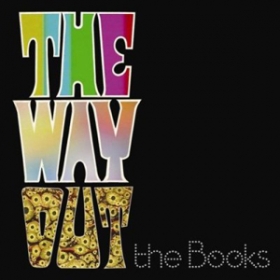
The Way Out
(Temporary Residence)

During the far too long half-decade wait between albums, it became easy to wonder if maybe Nick Zammuto and Paul de Jong, together known as The Books, had lost some of their creative juices. Luckily, one listen to The Way Out proves the wait was well worth it. If anything, this is an album so meticulously thought out and crafted that the two years (they officialy began recording in 2008) it took to create makes complete sense. It’s clear now that it wasn’t a lack of ideas, but rather a surplus of them to work through that caused the delay. And the final product, 15 tracks spread over nearly 55 minutes, is some of the finest work of their career.

For those uninitiated, The Books create a sort of cut-and-paste mix of cello, guitar, found sounds, male and female vocals and manipulated samples. The seamless blend of acoustic, electric and plain bizarre elements is unlike anything you’ve ever heard before, yet somehow instantly accessible. And at the core, underneath all the technical prowess and headphone trickery, lies the two things that separate The Books from their peers—a sense of humor and an ability to conjure up a broad range of emotions through their use of samples. Both are wonderfully intact on The Way Out.
Drawing inspiration this time around from self-help and hypnotherapy tapes, The Way Out is full of samples of new age mantras and cheesy therapists. Opener “Group Autogenics I” floats along on a base of sparse guitar and piano plunks while hypnosis instructions snake in and out. At one point a man says, “You may just possibly detect from my voice that I am Irish. And now, I leap forward in time.” As the last line is delivered, his voice echoes off into the distance and a tacky sci-fi whirl pops up. It’s small moments like this throughout that serve as the nudge and the wink to remind you that The Books aren’t taking any of this too seriously, and neither should you.
One of several highlights comes early on in the form of “A Cold Freezin’ Night.” The story goes that Zammuto and de Jong found an old Talkboy (the Walkman/tape recorder used by Macaulay Culkin in Home Alone 2) at a thrift store with a tape still inside. The content of the tape was a hilariously twisted conversation between what seems to be an older brother and his little sister. The frantic, quick pulse of music The Books created for it meshes perfectly while never drawing too much attention away from the strange source material. “I could kill you with a rifle, a shotgun, any way I want to,” the brother taunts. “Probably by cutting your toes off and working my way up. Towards your brain!” His sister replies with a defeated, “I wish I was a boy.”

Elsewhere, “I Didn’t Know That” is a lively piece of Books’ style slice-and-dice funk and a reminder that these guys can craft awesome grooves. Tracks like “Beautiful People” and “Free Translator” prove that Zammuto has harnessed his limited vocal range to impact the lyric-driven songs in a positive manner, which is something he struggled to do on 2005’s Lost and Safe
But what makes The Books distinct in a genre that can often seem cold or detached is their respect for — and ability to extract emotional elements from — samples. Take the recorded announcement of a pregnancy at a group dinner followed by celebratory applause on “All Our Base are Belong to Them” from their 2002 debut Thought For Food. Or the Japan Airlines flight attendant samples that lace “Tokyo” from 2003’s The Lemon of Pink. Coupled with music, these samples conjure up emotional responses and a vivid sense of time and place in a manner similar to similar a film.
The Way Out has several of these vivid moments, but the best is probably “Thirty Incoming.” The song’s title refers to a series of messages from a man left on a woman’s answering machine. “Hello Mary. Called to wish you good evening. And, uh, wish you good rest. And tell you how much I enjoyed your company last evening. And, uh, it really felt good to lie down next to you. I didn’t realize how much I’d missed that feeling.” Several more snippets of messages are played as the track shifts from distorted dial tone samples, to tribal drum breaks and swelling tremolo strings. It’s one of the most beautiful tracks the group has ever made.
The Way Out is another spectacular release from a group that continues to set its own personal bar higher and higher. And even though we may have had to wait a little longer than we’d have liked for new material, it’s hard to argue with the results. You could tell me the follow-up won’t come out for ten years next time around and I wouldn’t be upset or wonder why. I’d just patiently start counting down the days.

Eating Jonathan Safran Foer’s words

12

Well, hell, I thought, shutting Jonathan Safran Foer’s book Eating Animals after reading its last page. There goes that. I have been a vegetarian (careful omnivore, pescatarian) off and on for fifteen years now. But having read the author of Everything is Illuminated and Extremely Loud and Incredibly Close‘s latest offering, Safran Foer’s exploration of the horrific world and consequences of our current addiction to factory farming, I realized I could no straddle the fence. There would be, I realized, no more salmon on my plate, or “cage-free” eggs, or cheddar cheese. Why? Well besides the whole institutionalized torture thing in most slaughterhouses-dairy farms-egg factories today, here’s a fact to chew on: omnivores generate seven times more carbon emissions than vegan. And I can live without eggs and bacon. Call me Natalie Portman if you must. I chatted with Safran Foer over the phone about his lyrical horror story in anticipation of his SF appearances next week, including a benefit for 826 Valencia (Weds/22). He’s no activist, but I like him.


San Francisco Bay Guardian: This book made me reconsider the way I eat in a major way. But I felt like a lot of the arguments could be extended past meat to dairy products and eggs as well. Are you a vegan?

Jonathan Safran Foer: No, not exactly. I’m pretty close. I try to eat as little as possible and also only from sources that I know. I’m not by definition a vegan. I don’t think there’s any one line, I think that this is an important thing to acknowledge. There are certain things that come down to instincts that we have, how we were raised. There are people in this country that don’t have access to anything but fast food, not even a supermarket. The line for me will been shifting for the next couple years. I won’t eat meat, that’s a line that I’ve drawn.


SFBG: What do you think was the hardest part about quitting meat?

JSF: It’s a habit, it tastes good and you’re used to doing it. Habits are hard to change, especially since they’re so fundamental to your lifestyle. Anything you do twice a day is hard to change, especially when they’re so tied to your culture. 


SFBG: So what’s the good word for people that are considering going cold turkey [or rather, cold no-turkey]?

JSF: Be forgiving of yourself. If you slip up, it doesn’t have to signify the end of your experiment. I recommend to people that they phase it in. If I had done that from the beginning I would have had a much easier time with it. 


SFBG: The book has, understandably stirred up some healthy debate. Do you read your critics? Has anyone offered criticism that’s caused you to revisit your findings?

JSF: Not exactly. I was surprised by the responses, mostly that they were very generous. When I was writing the book, I couldn’t envision the person that would defend factory farming. Whenever I do a reading I always say that if you have a defense that I haven’t heard of, please, share it. I guess I’ve been surprised by the strange consensus on the subject. Obviously there are a lot of people that think eating meat is a fine thing to do. But I’ve never met the person that, once exposed to factory farming, thinks that factory farming is a good thing to do.


SFBG: The scenes you describe in the factory farms you visit, as well as their environmental impact that you describe, are horrifying. How is it that the facts about this topic aren’t more well-known?

JSF: For one thing, there are incentives for it not to be. We would just as soon not think about it. It makes our lives easier not to think about. Also the meat lobby is incredibly strong, incredibly powerful, and good at keeping information from consumers. Finally, we don’t have much exposure to what farming is really like. Most of the exposure that we have is stories that are told to us from the industry, labeling on packages. They encourage us to think of farms as places wheres there’s animals on the grass. For a lot of people, the problem is that there’s a distance between what we hold in our mind and the reality. And it’s hard to close that distance. 


SFBG: You say the impetus for writing Eating Animals was to figure out whether or not you should serve your newborn son meat. The book focuses mainly on animal welfare though, with a smattering of environmental concern. Were there other books you could have written on this subject focusing on labor issues or nutritional concerns, say?

JSF: I don’t think of the book as being about animal welfare, actually. It’s not comprehensive but it is as comprehensive as I could be in a book thats only 300 pages. 


SFBG: How many farms did you visit throughout the course of your research?

JSF: A lot. It depends on what you mean by visits. Some you could drive up and see by the side of the road, some I had to go to in the middle of the night. I don’t know – a dozen?


SFBG: You talk a lot in this book about the importance of meat in “table fellowship.” You focus, in particular on eating turkey at Thanksgiving. How should one approach the subject of vegetarianism with family that eats meat in those types of situations?

JSF: I think one of the most important things is to feel out the answer that the person wants. Some people are genuinely curious, some are just asking out of politeness. It can be a kind of vanity that makes you feel good to say it, but it’s not helping anything. I have found actually that conversations about this don’t really work. I don’t really try to persuade people in person, I mostly go about my business and do my thing. I think we’ve made a mistake, the people who care about this thinking that argument will win. I think conversation will. We have to be more humble. 


SFBG: Do you consider yourself an animal rights activist?

JSF: No. I don’t even think about animal rights. I think about animal welfare. It’s a piece of a puzzle.


SFBG: What’s the next project? Will your next book be back to fiction?

JSF: Yeah it is.


SFBG: Was it a strange process researching a non-fiction book?

JSF: It was very strange and at times difficult. I don’t know if I would do it again


SFBG: Why not?

JSF: I found it frustrating. The thing I value most about fiction is freedom, being able to pursue my imagination. Basically having nowhere to go is what I like about writing fiction, there is no referring to anything. But in this book, I’m referring to the world. I found it at times very difficult.


Jonathan Safran Foer’s upcoming SF appearances:


Q&A and Book Signing

Tues/21 1 p.m., free

Rosa Parks Room, Student Center

San Francisco State University

1600 Holloway, SF

(415) 338-1111

www.sfsu.edu


In conversation with Vendela Vida

City Arts & Lectures Fall Literary Series

Weds/22 8 p.m., $20

Herbst Theater

401 Van Ness, SF

www.cityarts.net


On the Cheap listings

0

On the Cheap listings are compiled by Paula Connelly. Submit items for the listings at listings@sfbg.com.

WEDNESDAY 15

Bad Movie Night Argus Lounge, 3197 Mission, SF; (415) 824-1447. 8pm, $2. If you’ve got a bad film you’ve been secretly wishing to screen, here’s your chance to share it. Bring any film on DVD, made by you, that is under 10 minutes and enter for a chance to win a best worst mystery prize. Proceeds benefit the Cut and Run Tour, a traveling film festival specializing in short, avant-garde, and experimental film. With DJ Squid spinning punk, core, and alt rock.

"Hot and Cold Extreme Environments" Randall Museum, 199 Museum Way, SF; (415) 554-9600. 7:30pm, free. Join planetary scientist Chris McKay, from the Space Science Division of the NASA Ames Research Center, for a presentation on life in extreme environments and how it is relevant to the search for life in the Solar System.

Ten Fingers Café Royale, 800 Post, SF; (415) 441-4099. 8pm, free. Everyone has a story to tell, so come share yours at this live storytelling event where performers have a chance to win $150 or be featured on NPR’s Snap Judgment. The only rules are: no reading, keep it under 10 minutes, and aim for nonfiction. To sign up in advance, email stephanie@snapjudgment.org.

BAY AREA

El Grito Bicentennial Jack London Square, Franklin at Water, Oakl.; www.jacklondonsquare.com. 4pm, free. Celebrate the 200 year anniversary of Mexican independence from Spanish rule at this outdoor festival featuring artists, craft vendors, live music, activities, and more.


THURSDAY 16

Inside Storytime Café Royale, 800 Post, SF; (415) 505-0869. 6:30pm, $3-$5. A fun, cozy event where you can booze and schmooze with the San Francisco literati featuring readings from Raj Patel, author of The Value of Nothing, Justine Sharrock, author of Tortured, Gordy Slack, author of The Battle Over the Meaning of Everything, Anna Mantzaris, Hank Pellissier, and James Warner.

Project Censored City Lights Bookstore, 261 Columbus, SF; (415) 362-8193. 7pm, free. Each year, Project Censored lists the top 25 major news stories that were ignored or underreported by the mainstream press and presents the details of these stories in depth. Join Mickey Huff and Peter Phillips in discussing this year’s most censored stories and celebrating the release of Censored 2011.

FRIDAY 17

Readings from Joyland Dog Eared Books, 900 Valencia, SF; www.joyland.ca. 8pm, free. Catch the second stop of the Joyland American tour celebrating the release of books from Joyland founders Emily Schultz and Brian Joseph Davis who will be reading along with San Francisco writers Peter Orner, Tamar Halpern, Helene Wecker, Ruth Galm, and host Kara Levy. All authors have been published on the joyland.ca site, which aims to make the international local by providing a platform for unique voices in short fiction.

SATURDAY 18

J-Pop Summit Festival Post between Webster and Buchanan, SF; www.j-pop.com.

11am-6pm, free-$20. Take in the Japanese pop-inspired attractions at this annual festival featuring musical performances by some of Japan’s hottest bands, fashion shows, film screenings, art and anime booths, live art performances, Japanese food vendors, and more.

Literary Tribute to Al Robles Intersection 5M, 925 Mission, SF; (415) 626-2787. 6pm, $5 suggested donation. Join members of the Bay Area literary community as they honor poet, educator, community activist, and advocate for the poor and senior citizens, Al Robles. The evening of storytelling hosted by D. Scott Miller to include poetry, prose, conversation, and recollections of Robles with Jessica Hagedorn, Jack Hirschman, Janice Mirikatani, Alejandro Murguia, Jaime Jacinto, Ishmael Reed, and more.

BAY AREA

Artspark San Pablo Park, 2800 Park between Russell and Ward, Berk.; www.artsparkfestival.org. 11am-4pm, free. Enjoy this free, community sponsored festival promoting community health by offering free health information from East Bay health organizations and free art lessons in drawing, painting, dancing, spoken word, and more. Also featuring nutritious, hot meals for under $5 and entertainment and performances including live music, spoken word, and more.

SUNDAY 19

Dancing in the Streets Noe at Market, SF; www.castrocbd.org. 1pm-4pm, free. Enjoy a live band and dancing in the streets with the Byran Keith Country Band and Queer Ballroom giving free country two step lessons.

Leland Avenue Fair Leland at Bayshore, SF; www.sfvvboom.blogspot.com. 10am-4pm, free. Celebrate the recently completed Visitacion Valley public art and streetscape at this community festival featuring local talents including Latin jazz percussionist Pete Escovedo and his six-piece orchestra, artists, chefs, entertainers, and vendors.

Roadworks Street Fair Rhode Island between 16th and 17th St., SF; www.sfcb.org. Noon-5pm, free. Using a three ton steamroller, a team of featured artists will be making large-scale prints right in the street from carved linoleum blocks. Watch the action and enjoy the bazaar featuring wares from over 80 artists, vendors, and organizations, live music, entertainment, street food, and activities.

Comedy Day Sharon Meadow, Golden Gate Park, SF; www.comedyday.com. Noon-5pm, free. Thirty comedians will be performing in a non-stop relay of jokes to celebrate the 30th anniversary of Comedy Day. Comics to include up-and-coming talent, national and Bay Area favorites, and a few who performed at the original Comedy Day. Food and beverage vendors available.

Music listings

0

Music listings are compiled by Paula Connelly and Cheryl Eddy. Since club life is unpredictable, it’s a good idea to call ahead to confirm bookings and hours. Prices are listed when provided to us. Submit items for the listings at listings@sfbg.com.

WEDNESDAY 15

ROCK/BLUES/HIP-HOP

Chapin Sisters, Rachel Efron Café Du Nord. 8pm, $12.

Honey, Gratitillium, Pow! Hemlock Tavern. 9pm, $6.

Jaguares, Los Cenzontles Fillmore. 9pm, $49.50.

James Colley Show, Allen Stone, Jo Henley, Joe Gil Hotel Utah. 8pm, $8.

Jeff the Brotherhood, Ty Segall, Tropical Sleep Rickshaw Stop. 8pm, $12.

*K.Flay Harlot, 46 Minna, SF; (415) 777-1077. 9pm, $5. Featuring special guests and DJs Kid Chris and Brother Bently spinning old school, hip hop, and soul.

Kim Lenz and the Jaguars, Quarter Mile Combo Verdi Club, 2424 Mariposa, SF; www.kimlenz.com. 9pm, $12.

Majesty, Parties, DJs Dirty Dishes and English Steve Knockout. 9pm, $5.

Marina and the Diamonds, Young the Giant Independent. 8pm, $15.

Menomena, Suckers, Tu Fawning Great American Music Hall. 8pm, $18.

Reaction, Crime Wave, Yes Go’s Bottom of the Hill. 9pm, $8.

*Tamaryn, Weekend, oOoOO, Nako and Omar Elbo Room. 9pm, $8.

Zoo, Swanifant, Clouds El Rio. 8pm, $3-5.

DANCE CLUBS

Booty Call Q-Bar, 456 Castro, SF; www.bootycallwednesdays.com. 9pm. Juanita Moore hosts this dance party, featuring DJ Robot Hustle.

Breezin Koko Cocktails, 1060 Geary, SF; (415) 885-4788. 9:30pm, free. With DJs Amy A and Brynnie Mac spinning yacht rock od smooth 70s.

Hands Down! Bar on Church. 9pm, free. With DJs Claksaarb, Mykill, and guests spinning indie, electro, house, and bangers.

Jam Fresh Wednesdays Vessel, 85 Campton, SF; (415) 433-8585. 9:30pm, free. With DJs Slick D, Chris Clouse, Rich Era, Don Lynch, and more spinning top40, mashups, hip hop, and remixes.

Mary-Go-Round Lookout, 3600 16th St, SF; (415) 431-0306. 10pm, $5. A weekly drag show with hosts Cookie Dough, Pollo Del Mar, and Suppositori Spelling.

RedWine Social Dalva. 9pm-2am, free. DJ TophOne and guests spin outernational funk and get drunk.

Respect Wednesdays End Up. 10pm, $5. Rotating DJs Daddy Rolo, Young Fyah, Irie Dole, I-Vier, Sake One, Serg, and more spinning reggae, dancehall, roots, lovers rock, and mash ups.

Synchronize Il Pirata, 2007 16th St, SF; (415) 626-2626. 10pm, free. Psychedelic dance music with DJs Helios, Gatto Matto, Psy Lotus, Intergalactoid, and guests.

THURSDAY 16

ROCK/BLUES/HIP-HOP

Bobby Radcliff Trio Biscuits and Blues. 8 and 10pm, $15.

Bonnie Doom, Real Nasty, Misisipi Rider Hotel Utah. 9pm, $6.

Jimmy Edgar, Loose Shus, Boys IV Men Rickshaw Stop. 9pm, $12.

Fucking Buckaroos, Baltic Cousins, Annie Bacon and Her Oshen Knockout. 10pm, $5.

Guella, Soda Pop Junkies, For the Kings Blue Macaw, 2565 Mission, SF; www.thebluemacawsf.com. 10pm, $10.

Hooray for the Riff Raff, Guilded Books Amnesia. 9pm, $5.

*Langhorne Slim, Or The Whale Independent. 8pm, $15.

Mission Players Coda. 9pm, $7.

Mike Posner Fillmore. 8pm, $30.

Release, Oola Rocksteady, Swoon, Amaya Slim’s. 9pm, $14.

Society of Rockets, Invisible Cities, Amores Vigilantes Bottom of the Hill. 9pm, $8.

*Tyvek, Nodzzz, Art Museums Hemlock Tavern. 9pm, $6.

White Barons, Space Vacation Thee Parkside. 9pm, $6. With Altercation Punk Comedy Tour’s JT Habersaat, Lisa Root, and Kleveland.

JAZZ/NEW MUSIC

Mercury Falls, Dave Mihaly’s Shimmering Leaves Ensemble Make-Out Room. 9:30pm, $12.

FOLK/WORLD/COUNTRY

Septeto Nacional de Cuba Yoshi’s San Francisco. 8 and 10pm, $18-26.

Somi, Sparlha Swa Café Du Nord. 8pm, $17.

DANCE CLUBS

Afrolicious Elbo Room. 9:30pm, $10. DJs Pleasuremaker and Señor Oz, plus guests Dunklebunt and Santero, spin Afrobeat, Tropicália, electro, samba, and funk.

Caribbean Connection Little Baobab, 3388 19th St, SF; (415) 643-3558. 10pm, $3. DJ Stevie B and guests spin reggae, soca, zouk, reggaetón, and more.

Club Jammies Edinburgh Castle. 10pm, free. DJs EBERrad and White Mice spinning reggae, punk, dub, and post punk.

Drop the Pressure Underground SF. 6-10pm, free. Electro, house, and datafunk highlight this weekly happy hour.

Electric Feel Lookout, 3600 16th St, SF; (415) 431-0306. 9pm, $2. With DJs subOctave and Blondie K spinning indie music videos.

Good Foot Som., 2925 16th St, SF; (415) 558-8521. 10pm, free. With DJs spinning R&B, Hip hop, classics, and soul.

Jivin’ Dirty Disco Butter, 354 11th St., SF; (415) 863-5964. 8pm, free. With DJs spinning disco, funk, and classics.

Koko Puffs Koko Cocktails, 1060 Geary, SF; (415) 885-4788. 10pm, free. Dubby roots reggae and Jamaican funk from rotating DJs.

Mestiza Bollywood Café, 3376 19th St, SF; (415) 970-0362. 10pm, free. Showcasing progressive Latin and global beats with DJ Juan Data.

Nightvision Harlot, 46 Minna, SF; (415) 777-1077. 9:30pm, $10. DJs Danny Daze, Franky Boissy, and more spinning house, electro, hip hop, funk, and more.

Peaches Skylark, 10pm, free. With an all female DJ line up featuring Deeandroid, Lady Fingaz, That Girl, and Umami spinning hip hop.

Popscene 330 Rich. 10pm, $10. Rotating DJs spinning indie, Britpop, electro, new wave, and post-punk.

Solid Thursdays Club Six. 9pm, free. With DJs Daddy Rolo and Tesfa spinning roots, reggae, dancehall, soca, and mashups.

FRIDAY 17

ROCK/BLUES/HIP-HOP

Black Pacific, Static Thought, Stagger and Fall Bottom of the Hill. 9pm, $14.

Blisses B, Tyler Matthew Smith, Bryn Loosley Hotel Utah. 9pm, $8.

Bonerama, Sol Driven Train Red Devil Lounge. 8pm, $15.

Quinn Deveaux and the Blue Beat Review, Jugtown Pirates Independent. 9pm, $14.

Hostility, Almost Dead, Hysteria, Kingdom Fail Slim’s. 9pm, $14.

James Lanman and the Good Hurt, Horde and the Harem, Dylan Cannon Café Du Nord. 9:30pm, $10.

KK Martin Union Room at Biscuits and Blues. 8:30pm, $10.

Mist and Mast, Sands, Yeltsin Hemlock Tavern. 9:30pm, $7.

Pride and Joy Bimbo’s 365 Club. 9pm, $22.

Ratatat, Dom Warfield. 9pm, $32.

Lavay Smith and Her Red Hot Skillet Lickers Biscuits and Blues. 8 and 10pm, $20.

Venomous Concept, Kill the Client, Murder Construct, Population Reduction, DJ Rob Metal Thee Parkside. 9pm, $12-15.

FOLK/WORLD/COUNTRY

Meredith Axelrod and Craig Ventresco Amnesia. 6pm.

Benise Palace of Fine Arts, 3301 Lyon, SF; (415) 567-6642. 8pm, $48-58.

Freddy Clarke’s Wobbly World Rrazz Room. 7pm, $25.

Los Rakas, 40 Love, Yung Mars Project Elbo Room. 10pm, $8-10.

JAZZ/NEW MUSIC

Equinox Trio Rite Spot, 2099 Folsom, SF; www.ritespotcafe.net. 9pm, free.

Fazz Enrico’s, 504 Broadway, SF; (415) 982-6223. 8pm.

Primavera Latin Jazz Band Savanna Jazz. 7:30pm, $8.

Sadao Watanabe Yoshi’s San Francisco. 8 and 10pm, $24-30.

DANCE CLUBS

Alcoholocaust Presents Riptide Tavern. 9pm, free. DJ What’s His Fuck spins old school punk rock and other gems.

Club Dragon Club Eight, 1151 Folsom, SF; www.eightsf.com. 9pm, $8. A gay Asian paradise. Featuring two dance floors playing dance and hip hop, smoking patio, and 2 for 1 drinks before 10pm.

Dirty Rotten Dance Party Madrone Art Bar. 9pm, $5. With DJs Morale, Kap10 Harris, and Shane King spinning electro, bootybass, crunk, swampy breaks, hyphy, rap, and party classics.

Exhale, Fridays Project One Gallery, 251 Rhode Island, SF; (415) 465-2129. 5pm, $5. Happy hour with art, fine food, and music with Vin Sol, King Most, DJ Centipede, and Shane King.

Fat Stack Fridays Koko Cocktails, 1060 Geary, SF; (415) 885-4788. 10pm, free. With rotating DJs B-Cause, Vinnie Esparza, Mr. Robinson, Toph One, and Slopoke.

Fubar Fridays Butter, 354 11th St., SF; (415) 863-5964. 6pm, $5. With DJs spinning retro mashup remixes.

Good Life Fridays Apartment 24, 440 Broadway, SF; (415) 989-3434. 10pm, $10. With DJ Brian spinning hip hop, mashups, and top 40.

Hot Chocolate Milk. 9pm, $5. With DJs Big Fat Frog, Chardmo, DuseRock, and more spinning old and new school funk.

Oldies Night Knockout. 9pm, $2-4. Doo-wop and one-hit wonders with DJs Primo, Daniel, and Lost Cat.

Radioactivity 222 Hyde, SF; (415) 440-0222. 6pm. Synth sounds of the cold war era.

Rockabilly Fridays Jay N Bee Club, 2736 20th St, SF; (415) 824-4190. 9pm, free. With DJs Rockin’ Raul, Oakie Oran, Sergio Iglesias, and Tanoa "Samoa Boy" spinning 50s and 60s Doo Wop, Rockabilly, Bop, Jive, and more.

Singapore 60s Happy Hour Knockout. 5:30-9pm, free. DJ Sid Presley spins rare pop and garage from SE Asia, crica 1964-72.

Some Thing The Stud. 10pm, $7. VivvyAnne Forevermore, Glamamore, and DJ Down-E give you fierce drag shows and afterhours dancing.

Summer Climax 1015 Folsom. 10pm, $25. Featuring a live band performance by Lena Katina of t.A.T.u. and DJs Aykut, Frenchy le Freak, Trevor Simpson, and more.

Three Kings of Stupid Rickshaw Stop. 9pm, $10. DJs BAS and Brother Grimm spin an eclectic mix.

SATURDAY 18

ROCK/BLUES/HIP-HOP

Tab Benoit Great American Music Hall. 9pm, $20.

Bonerama, Lubriphonic Red Devil Lounge. 8pm, $15.

John Lee Hooker Jr. Biscuits and Blues. 8 and 10pm, $22.

Kele, Does It Offend You Yeah?, Innerpartysystem, Aaron Axelsen, Miles Mezzanine. 9pm, $20.

Mother Hips Fillmore. 9pm, $20.

LB Muzac Enrico’s, 504 Broadway, SF; (415) 982-6223. 8pm, free.

New Up, Hundred Days, Moanin’ Dove Café Du Nord. 9:30pm, $15.

*No Means No, Bar Feeders, Ezee Tiger Bottom of the Hill. 10pm, $15.

Pantha du Prince, Sight Below Independent. 9pm, $15.

Religious Girls, Clipd Beaks, Grand Lake, Casy and Brian, Dashing Suns, Siddhartha, Color Chasm Thee Parkside. 4pm, $10-20.

Robot Hustle, CLAWS, Global Warming, Mr. Saturday, DJs Chris Orr and Beaner Amnesia. 9pm, $5.

Savage Republic, Carta Hemlock Tavern. 9:30pm, $8.

Swamees, Felsen, Jay Trainer Band El Rio. 3pm, $8.

JAZZ/NEW MUSIC

Denise Perrier and the Swing Fever Band Rrazz Room. 7pm, $30.

Suzanna Smith Quintet Savanna Jazz. 7:30pm, $8.

Sadao Watanabe Yoshi’s San Francisco. 8 and 10pm, $30.

FOLK/WORLD/COUNTRY

Benise Palace of Fine Arts, 3301 Lyon, SF; (415) 567-6642. 7pm, $48-58.

En Vivo, Tony Lindsay, Gladiators of Rock Slim’s. 8pm, $16.

Octomutt and friends Rite Spot, 2099 Folsom, SF; www.ritespotcafe.net. 9pm, free.

Craig Ventresco and Meredith Axelrod Atlas Café. 4pm, free.

DANCE CLUBS

Bar on Church 9pm. Rotating DJs Foxxee, Joseph Lee, Zhaldee, Mark Andrus, and Nuxx.

Booty Bassment Knockout. 10pm, $5. Hip-hop with DJs Ryan Poulsen and Dimitri Dickenson.

Cock Fight Underground SF. 9pm, $7. Gay locker room antics galore with electro-spinning DJ Earworm, MyKill, and Dcnstrct.

Fire Corner Koko Cocktails, 1060 Geary, SF; (415) 885-4788. 9:30pm, free. Rare and outrageous ska, rocksteady, and reggae vinyl with Revival Sound System and guests.

Fringe Madrone Art Bar. 9pm, $5. With DJs Blondie K and subOctave spinning indie music videos.

Full House Gravity, 3505 Scott, SF; (415) 776-1928. 9pm, $10. With DJs Roost Uno and Pony P spinning dirty hip hop.

HYP Club Eight, 1151 Folsom, SF; www.eightsf.com. 10pm, free. Gay and lesbian hip hop party, featuring DJs spinning the newest in the top 40s hip hop and hyphy.

Non Stop Bhangra Rickshaw Stop. 9pm, $15. Live dhol rhythms, DJs, and dance performances by Dholrythms Dance Troupe.

Prince vs. Michael Madrone Art Bar. 8pm, $5. With DJs Dave Paul and Jeff Harris battling it out on the turntables with album cuts, remixes, rare tracks, and classics.

Rock City Butter, 354 11th St., SF; (415) 863-5964. 6pm, $5 after 10pm. With DJs spinning party rock.

Saturday Night Soul Party Elbo Room. 10pm-2am, $5. DJs Lucky, Paul Paul, and Phengren Oswald spin butt-shakin’ ’60s soul on 45.

Spirit Fingers Sessions 330 Ritch. 9pm, free. With DJ Morse Code and live guest performances.

SUNDAY 19

ROCK/BLUES/HIP-HOP

Airborne Toxic Event, Calder Quartet Regency Ballroom. 8pm, $22-30.

"Bay for the Bayou Benefit" Bimbo’s 365 Club. 7pm, $75-150. With Anders Osborne, George Porter Jr., Ivan Neville, Zigaboo Modeliste, and more.

Karen Bein, Chris Cotton, John Henry and Dorothy Wood Hotel Utah. 8pm, $10.

Cult, Black Ryder Warfield. 8pm, $38.50-100.

Epidemia Rickshaw Stop. 7pm, free.

Grand Lake, Hosannas, Laura Stevenson and the Cans Hemlock Tavern. 8pm, $6.

*Hellbeard, Floating Goat, Gritter, Hashashin, DJ Rob Metal Thee Parkside. 8pm, $8.

Human Condition, Slow Motion Cowboys, Brothers Comatose Bottom of the Hill. 5pm, $8.

Lyfe Jennings Independent. 8pm, $27.

Jim Jones Revue, Bare Wires, Coasting Great American Music Hall. 8pm, $14.

*Melvins, Totimoshi Slim’s. 9pm, $21.

Peter Rowan, Elizabeth Cook Café Du Nord. 8pm, $20.

Tim Hockenberry Band Rrazz Room. 7:30pm, $25.

FOLK/WORLD/COUNTRY

Hipwaders Park Chalet, 1000 Great Highway, SF; (415) 386-8439. 3pm, free.

Jesus Diaz Latin Ensemble Coda. 8pm, $10.

DANCE CLUBS

Call In Sick Skylark. 9pm, free. DJs Animal and I Will spin danceable hip-hop.

Culture Profetica Mezzanine. 7pm, $27.50. With Toy Selectah, Manicato, and DJ Walt Digz.

DiscoFunk Mashups Cat Club. 10pm, free. House and 70’s music.

Dub Mission Elbo Room. 9pm, $6. DJ Sep, Ludichris, and J Boogie spin dub, roots, and classic dancehall.

Gloss Sundays Trigger, 2344 Market, SF; (415) 551-CLUB. 7pm. With DJ Hawthorne spinning house, funk, soul, retro, and disco.

Honey Soundsystem Paradise Lounge. 8pm-2am. "Dance floor for dancers – sound system for lovers." Got that?

Jock! Lookout, 3600 16th St, SF; (415) 431-0306. 3pm, $2. This high-energy party raises money for LGBT sports teams.

Kick It Bar on Church. 9pm. Hip-hop with DJ Zax.

Lowbrow Sunday Delirium. 1pm, free. DJ Roost Uno and guests spinning club hip hop, indie, and top 40s.

Religion Bar on Church. 3pm. With DJ Nikita.

Stag AsiaSF. 6pm, $5. Gay bachelor parties are the target demo of this weekly erotic tea dance.

Swing Out Sundays Rock-It Room. 7pm, free (dance lessons $15). DJ BeBop Burnie spins 20s through 50s swing, jive, and more.

MONDAY 20

ROCK/BLUES/HIP-HOP

Charlatans UK, Giant Drag, DJs Aaron and Omar Bimbo’s 365 Club. 8pm, $25.

Efterklang, Buke and Gass, Silian Rail Bottom of the Hill. 9pm, $12.

Frankie and the Outs, Hunx and His Punx, Lilac, Wax Idols, DJ Primo Rickshaw Stop. 7:30pm, $12.

Hanson, A Rocket to the Moon, Red Light Circuit Great American Music Hall. 7:30pm, $35.

David Landon Biscuits and Blues. 8 and 10pm, $15.

Peck the Town Crier, Roy G Biv Elbo Room. 9pm, $8.

DANCE CLUBS

Black Gold Koko Cocktails, 1060 Geary, SF; (415) 885-4788. 10pm-2am, free. Senator Soul spins Detroit soul, Motown, New Orleans R&B, and more — all on 45!

Krazy Mondays Beauty Bar. 10pm, free. With DJs Ant-1, $ir-Tipp, Ruby Red I, Lo, and Gelo spinning hip hop.

M.O.M. Madrone Art Bar. 6pm, free. With DJ Gordo Cabeza and guests playing all Motown every Monday.

Manic Mondays Bar on Church. 9pm. Drink 80-cent cosmos with Djs Mark Andrus and Dangerous Dan.

Musik for Your Teeth Revolution Café, 3248 22nd St., SF; (415) 642-0474. 5pm, free. Soul cookin’ happy hour tunes with DJ Antonino Musco.

Network Mondays Azul Lounge, One Tillman Pl, SF; www.inhousetalent.com. 9pm, $5. Hip-hop, R&B, and spoken word open mic, plus featured performers.

Skylarking Skylark. 10pm, free. With resident DJs I & I Vibration, Beatnok, and Mr. Lucky and weekly guest DJs.

TUESDAY 21

ROCK/BLUES/HIP-HOP

Cloud Cult, Mimicking Birds Independent. 8pm, $15.

Do, El Olio Wolof, Please Do Not Fight Bottom of the Hill. 9pm, $15.

Electric Sister, Mendozza, Hexe Hemlock Tavern. 9pm, $7.

Hanson, A Rocket to the Moon, Motel Drive Great American Music Hall. 7:30pm, $35.

Lightning Swords of Death, Pathology, Deafheaven, Cyanic, DJ Rob Metal Thee Parkside. 8pm, $8-10.

Lion Riding Horses, Greenflash Rite Spot, 2099 Folsom, SF; www.ritespotcafe.net. 7pm, free.

Joanne Shaw Taylor Biscuits and Blues. 8 and 10pm, $15.

DANCE CLUBS

Alcoholocaust Presents Argus Lounge. 9pm, free. With DJs Heiko and What’s His Fuck.

Brazilian Wax Elbo Room. 9pm, $7. Samba with DJs Carioca and Fausto Sousa and guests Mucho Axe and Borucoe.

Eclectic Company Skylark, 9pm, free. DJs Tones and Jaybee spin old school hip hop, bass, dub, glitch, and electro.

Rock Out Karaoke! Amnesia. 7:30pm. With Glenny Kravitz.

Share the Love Trigger, 2344 Market, SF; (415) 551-CLUB. 5pm, free. With DJ Pam Hubbuck spinning house.

Womanizer Bar on Church. 9pm. With DJ Nuxx.

Rep Clock

0

Schedules are for Wed/15–Tues/21 except where noted. Director and year are given when available. Double and triple features are marked with a •. All times are p.m. unless otherwise specified.

ARTISTS’ TELEVISION ACCESS 992 Valencia, SF; www.atasite.org. $5-10. "OpenScreening," Thurs, 8. For participation info, contact ataopenscreening@atasite.org. "Other Cinema:" "Blows Against BP!", works by Rick Prelinger and others, Sat, 8. "3rd I’s Green Eye: The Anatomy of a Carbon Footprint:" Climate of Change (Hill, 2007) Sun, 3:30; "Around the World Without Flying: A Year of Carbon Footprints, Cargo Ships, and Climate Uprisings," multimedia presentation, Sun, 5:30.

CASTRO 429 Castro, SF; (415) 621-6120, www.castrotheatre.com. $7.50-10. The Bridge on the River Kwai (Lean, 1957), Wed-Thurs, 7:30 (also Wed, 1, 4:15). "Midnites for Maniacs: Reinventing Prom:" •Peggy Sue Got Married (Coppola, 1986), Fri, 7:30; Back to the Future (Zemeckis, 1985), Fri, 9:45; and Zapped! (Rosenthal, 1982), Fri, 11:59. "Janus Films Presents: Charlie Chaplin:" •The Circus (1931) and The Idle Class (1921) with "A Day’s Pleasure" (1919), Sat, 2, 4:30, 7, 9:20; •City Lights (1931), A Dog’s Life (1981), and Sunnyside (1919), Sun, 2, 5, 8; •Modern Times (1936) with "Payday" (1922), Mon, 2:30, 4:45, 7, 9:15; •The Great Dictator (1940), Tues, 3:30, 7, and The Kid (1921), Tues, 5:50, 9:20.

CHRISTOPHER B. SMITH RAFAEL FILM CENTER 1118 Fourth St, San Rafael; (415) 454-1222, www.cafilm.org. $6.50-10.25. The Agony and the Ecstasy of Phil Spector (Jayanti, 2009), call for dates and times. Cairo Time (Nadda, 2009), call for dates and times. The Girl Who Played With Fire (Alfredson, 2009), call for dates and times. The Sicilian Girl (Amenta, 2008), Sept 17-23, call for times.

FORBIDDEN ISLAND TIKI LOUNGE 1304 Lincoln, Alameda; www.forbiddenislandalameda.com. Free. "Forbidden Thrills: Incredibly Strange and Strangely Incredible Films:" •The Incredibly Strange Creatures Who Stopped Living and Became Mixed-Up Zombies (Steckler, 1964), and Spider Baby (Hill, 1965), Mon, 7:30.

HUMANIST HALL 390 27th St, Oakl; www.humanisthall.org. $5. Crude Impact (Wood, 2006), Wed, 7:30.

MECHANICS’ INSTITUTE 57 Post, SF; (415) 393-0100 (reservations required). $10. "CinemaLit: Loves Labours: Leo McCarey Revisited:" Love Affair (McCarey, 1939), Fri, 6.

PACIFIC FILM ARCHIVE 2575 Bancroft, Berk; (510) 642-5249, www.bampfa.berkeley.edu. $5.50-9.50. "Unseen Cinema:" "The Amateur as Auteur," Wed, 7:30. "Drawn From Life: Comic Books and Graphic Novels Adapted:" Popeye (Altman, 1980), Thurs, 7; Sin City (Miller and Rodriguez, 2005), Sat, 8:50. "Swoon: Great Leading Men in Gorgeous 35mm Prints:" Breathless (Godard, 1959), Fri, 7. "Shakespeare on Film:" A Midsummer Night’s Film (Dieterle and Reinhardt, 1935), Sun, 4; King Lear (Godard, 1987), Fri, 9. "Elegant Perversions: The Cinema of João César Monteiro:" Recollections of a Yellow House (1989), Sat, 6:30; Silvestre (1981), Sun, 4. "Radical Light: Alternative Film and Video in the San Francisco Bay Area:" "Landscape as Expression," Sun, 6:30.

RED VIC 1727 Haight, SF; (415) 668-3994. $6-10. Cyrus (Duplass and Duplass, 2010), Wed-Thurs, 7:15, 9:15 (also Wed, 2). The Room (Wiseau, 2003), Fri-Sat, 8 and midnight. Director and star Tommy Wiseau in person at all shows. The 400 Blows (Truffaut, 1959), Sun-Mon, 7:15, 9:25 (also Sun, 2). "Good Vibrations Fifth Annual Independent Erotic Film Festival: Hot Euro Porn Night," short films, Tues, 8. Visit www.events.goodvibes.com for complete schedule.

ROXIE 3117 and 3125 16th St, SF; (415) 863-1087, www.roxie.com. $5-9.75. The Agony and the Ecstasy of Phil Spector (Jayanti, 2008), Wed-Thurs, 7, 9:15. Exit Through the Gift Shop (Banksy, 2010), Wed, 7, 9:15. The Two Escobars (Zimbalist and Zimbalist, 2010), Wed, 7, 9:15. "San Francisco Latino Film Festival," Thurs-Sun. Check www.sflatinofilmfestival.com for program information. "Robert Altman vs…:" "Robert Altman vs. Teenagers!: •Brewster McCloud (1972), Mon, 7, and O.C. and Stiggs (1984), Mon, 9; "Robert Altman vs. Friendship!: •California Split (1974), Tues, 7, and 3 Women (1977), Tues, 9.

SAN FRANCISCO ART INSTITUTE 800 Chestnut, SF; www.iranianfilmfestival.org. $10. "Third Annual Iranian Film Festival," independent feature and short films made by or about Iranians, Sat-Sun, 11am.

SAN FRANCISCO PUBLIC LIBRARY Koret Auditorium, 100 Larkin, SF; www.sfpl.org. Free. "Amandla! South Africa During and After Apartheid:" Amandla! A Revolution in Four Part Harmony (Hirsch, 2003), Thurs, noon.

VIZ CINEMA New People, 1746 Post, SF; www.vizcinema.com. $10-15. Detroit Metal City (Lee, 2008), Sept 18-30, check website for times.

YERBA BUENA CENTER FOR THE ARTS 701 Mission, SF; (415) 978-2787, www.ybca.org. $6-8. A Brighter Summer Day (Yang, 1991), Thurs, 7; Sun, 2.

Quick Lit: Sept 8-Sept 14

0

Literary readings, book tours, and talks this week

The first installment of Dog Park Club, Melissa Stein, Healing Walks for Hard Times, “Why There Are Words,”and more

Wednesday, Sept 8  

Women and Family in Contemporary Japan
Hear author Susan Holloway read and discuss her new book.
5:30 p.m., free
University Press Books
2430 Bancroft, Berk.
(510) 548-0585

Thursday, Sept 9

Bodies in the Bog

Author Karen Sanders will read and discuss her new book, Bodies in the Bog and the Archaeological Imagination.
5:30 p.m., free
University Press Books
2430 Bancroft, Berk.
(510) 548-0585

Citrus County
Author John Brandon will read from his new novel about a teen named Shelby Register who moves with her single father to Citrus County, Fl. only to find rednecks instead of surfers.
7:30 p.m., free
Pegasus Books Downtown
2349 Shattuck, Berk.
(510) 649-1320

Dog Park Club
Author Cynthia Robinson presents the first in a new series featureing an opera singer as the unlikely protagonist.
7 p.m., free
Books Inc.
601 Van Ness, SF
(415) 776-1111

“Why There Are Words”
This monthly literary event features local published authors reading their original works on the theme of “body language.” Featured authors are Elaine Beale, Katie Crouch, Rachel Howard, Junse Kim, Elizabeth Rosner, and K.M. Weaver.
7 p.m., $5
Studio 333
333 Caledonia, Sausalito
(415) 331-8272

Friday, Sept 10

Anshu: Dark Sorrow
Author Juliet S. Kono’s first novel, Anshu is based on historical events about human triumph over adversity spanning from the cane fields of Hawaii to the devestation in Hiroshima.
6:30 p.m., free
Eastwind Books of Berkeley
2066 University, Berk.
(510) 548-2350

“Last Word Reading Series”
Attend this poetry reading with Diane Frank, Andrena Zawinski, and Stewart Florsheim accompanied by Erik Levins on cello. Open mic to follow.
7 p.m., free
Nefeli Café
1854 Euclid, SF
(510) 841-6374

Sunday, Sept 12 

Healing Walks for Hard Times
Author, journalist, competitive race walker, and cancer survivor Carolyn Scott Kortage will discuss her new book that advocates the mental and physical healing power of a regular walking regimen in dealing with stressful situations that are out of your control.
2 p.m., free
Book Passage
51 Tamal Vista, Corte Madera
(415) 927-0960

Rough Honey
Attend the release party for Melissa Stein’s new poetry collection, which won the 2010 APR/Honickman First Book Prize.
4 p.m., free
The Booksmith
1644 Haight, SF
(415) 863-8688

Monday, Sept 13

Freedom
Jonathan Franzen discusses his forthcoming novel at this fundraiser for the 826 Valencia College Scholarship program.
8 p.m., $20
Herbst Theater
401 Van Ness, SF
www.cityboxoffice.com

Tuesday, Sept 14

Private K-8 Schools
Betsy Little and Paula Molligan talk about the private K-8 schools of San Francisco.
7 p.m., free
Books Inc.
601 Van Ness, SF 
(415) 776-1111

“Spotlight on Survivorship”
In this lecture series installment, author Sandy Boucher discusses her new book, Hidden Spring: A Buddhist Woman Confronts Cancer, and her place in the world as a teacher, Buddhist, and cancer survivor.
6 p.m., free
Jewish Community Center
3200 California, SF
(415) 476-0276 for reservations


Our Weekly Picks: September 8-14, 2010

0

WEDNESDAY 8

DANCE

Project Thrust

Many might think the bigger the bust, the better. But when it comes to the female body, shit gets complicated. Tits are either too big, too small, too this, too that. “How, when, and why are women aware and unaware of their feminine features? When do women hide curves and when do they flaunt them? Is it difficult to sustain sexiness?” These are some of the crucial questions choreographer and dancer Malinda LaVelle — who has danced with the Foundry and is now an artist in residence at the Garage — explores with her dance company Project Thrust and its newest work, Project Bust. Whether you love or hate the twins, LaVelle’s bold and funny choreography will leave you with a profound new respect for the female form. (Katie Gaydos)

Through Thurs/9

8 p.m., $15

Garage

975 Howard, SF

(415) 518-1517

www.projectthrust.org


THURSDAY 9

THEATER

Jerry Springer the Opera

Time for a big, dramatic, Jerry Springer Show-style revelation: I’m the father of your baby! Uh, just kidding. Actually, I was going to say that I had to ask the Googles if The Jerry Springer Show is still on TV. And indeed, 19 seasons along, it is. Even if its zeitgeist was a few years ago, and the most scandalous stuff on the idiot box now comes courtesy of Real Housewives, there’s no excuse for any self-respecting Springer fan (oxymoron?) to miss Jerry Springer the Opera, which promises “strippers and rednecks, incest and coprophilia, Jesus, Satan, and the Virgin Mary, the Ku Klux Klan, and a lesbian dwarf.” Adventurous local company Ray of Light Theatre ushers in its 10th anniversary season with this lurid, award-winning spectacular. (Cheryl Eddy)

Through Oct. 16

Wed.–Sat., 8 p.m., $20–$36

Victoria Theatre

2961 16th St, SF

www.jerrysf.com


MUSIC

Apocalyptica

Thanks to Judgement Day, Grayceon, and Giant Squid, San Francisco concert-goers are familiar with the peculiar potency of heavy metal cello. Unlike those bands, however, Finland’s Apocalyptica consists entirely of cellists. Since its beginnings in 1993 (sawing out Metallica covers), the quintet (four cellos, drums) has built up a cult following and turned its talents toward writing original songs. A new album, 7th Symphony, was released Aug. 20, featuring collaborations with Dave Lombardo (strong) and Gavin Rossdale (weak). Apocalyptica’s live show, nevertheless, is not to be missed. If you’re never seen someone play a cello while standing up and headbanging — well, what’s taken you so long? (Ben Richardson)

with Dir En Grey, Evaline

8 p.m., $28

Regency Ballroom

1290 Sutter, SF

1-866-448-7849

www.theregencyballroom.com


FILM

“Infinite City: Cinema City”

Writer Rebecca Solnit’s “Infinite City: A San Francisco Atlas” mapmaking project has investigated butterflies, queer history, hippies, and the SF vs. L.A. rivalry. Now, and perhaps inevitably, Solnit and her collaborators turn their attention to local cinema. Tonight’s work-in-progress screening, “Housing Shadows and Projecting Fog,” includes films on film (and fog) by Andy Black and Sam Green, and Christian Bruno. Saturday’s sprawling “cinema crawl” invites the movie-minder to various theaters. Two highlights: the Roxie spreads sparkle with Pickup’s Tricks, Gregory Pickup’s 1973 profile of founding Cockette Hibiscus; and the obligatory Vertigo screening (1958) at the Vogue. (Eddy)

7 p.m., free with museum admission ($9–$18)

(Sat/11, “A Few Dream Palaces of San Francisco” cinema crawl, various venues and times)

Phyllis Wattis Theater

SF Museum of Modern Art

151 Third St., SF

(415) 357-4000

www.sfmoma.org


MUSIC

Coliseum

Having stormed out of Kentucky onto the national scene with 2007’s No Salvation LP, Coliseum took an abrupt left turn when it came time to write this year’s follow-up, House With A Curse. Throttling back the incendiary crust-punk crossover of their previous albums, the trio debuted a new drummer and a stately post-punk sound — its tempos, at least when compared to precedent, sound almost meditative. Despite the switch, the songwriting remains stellar, and mastermind Ryan Patterson’s throaty yowl is wielded with mastery. Joined by local troublemakers Walken on Potrero Hill’s lowest stage, the band will deploy its new bread and circuses. (Richardson)

With Burning Love, Walken, Buried at Birth

9 p.m., $8

Thee Parkside

1600 17th St., SF

(415) 252-1330

www.theeparkside.com


MUSIC

The Gories

Looking for some good clean fun? This ain’t the show for you. As their name suggests, garage-rock vets the Gories play dirty, sinister blues with vocals that wail about feral girlfriends, explosive girlfriends, and motorcycle heroes, intercut with harmonica blasts and impassioned, slightly insane woo-hoo!s. Formed in Detroit circa 1986 — when squares were jamming to Whitney Houston and “Addicted to Love” — the band’s sound suggests nothing about the ’80s; it’s more like the tunes you’d want to hear while drag-racing to a midnight rager in a cemetery. Singer Mick Collins went on to form the Dirtbombs, a band that’s commanded its own rightful following, and this Gories reunion gig is a rare affair indeed. Turn up early for Haunted George, a kindred lo-fi cat whose discography includes an album titled Pile O’ Meat. Have mercy! (Eddy)

With Haunted George and Nice Smile

8 p.m., $20

Independent

628 Divisadero, SF

(415) 771-1421

www.theindependentsf.com


FRIDAY 10


DANCE

Paul Laurey and Christine Bonasea

Paul Laurey grew up in the Blue Ridge Mountains of West Virginia; he was training to be a scientist when the desire to dance hit him. Christine Bonasea was born in France and also tried academia and dance. Dance won out for her as well. Now courtesy of Joe Landini’s RAW — or resident artist workshop, which offers no money but free rehearsal space — they are sharing an evening of independent choreography. Both work with excellent, equally committed fellow performers: Laurey in Pull, Push and Things that Matter with Christine Cali and Sonsheree Giles; Bonasea in the matter of things with Rosemary Hannon, Jorge Rodolfo de Hoyos, and Kira Kirsh. The thrill comes from watching good dancers taking new risks and committing themselves to new contexts. (Rita Felciano)

Through Sat/11

8 p.m., $15

Garage

975 Howard, SF

www.975howard.com


FILM

“Drawn From Life: Comic Books and Graphic Novels Adapted”

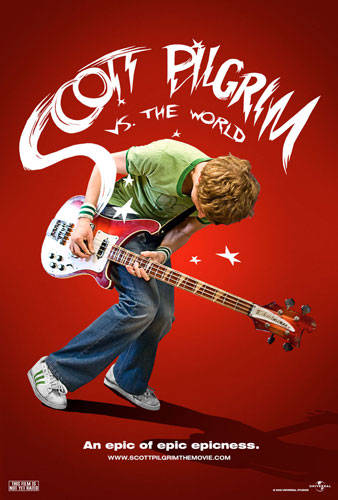
When it comes to adapting a work for film, some preexisting properties have proven more successful than others. Video games: bad; Jane Austen novels: better; comic books: blockbusters, even when the movie ends up sucking. There’s yet to be a Best Adapted Screenplay Oscar doled out for a graphic novel or comic adaptation, but can such a breakthrough be far off? Missing from the Pacific Film Archive’s lineup are Ghost World (2001) and Scott Pilgrim vs. the World (still in theaters), but as graphic novel geeks the world over await/assault news regarding the Y: The Last Man movie, there’s plenty of tiding-over afoot. Campy delight Flash Gordon (1980) kicks off the series, with Hellboy (2004), Popeye (1980), American Splendor (2003), and Wes Craven’s oft-overlooked 1982 Swamp Thing among future selections. (Eddy)

“Drawn From Life: Comic Books and Graphic Novels Adapted”

Through Oct 31, $5.50–$9.50

Pacific Film Archive

2575 Bancroft, Berk.

(510) 642-5249

www.bampfa.berkeley.edu


SATURDAY 11

COMEDY

Craig Ferguson

In the supposedly madcap, late-night TV landscape (see: 1996’s The Late Shift), it’s surprising that Craig Ferguson has ultimately emerged as the least traditional of them all. The Scottish comedian — accent and all — makes up jokes on the fly, curses like a sailor, and often references his past as an alcoholic, a bartender, and a punk band drummer, every night on The Late Late Show. But in sticking to his guns, Ferguson comes off as a real talent rather than a manufactured experience, and the program’s unpredictable nature is the real reason to tune in — who cares about the guests anymore? You don’t have to visit the L.A. studio to see the man work; this week he brings his wanton charm to Davies Symphony Hall. (Peter Galvin)

8 p.m., $45–$55

Davies Symphony Hall

201 Van Ness, SF

1-866-448-7849

www.ticketmaster.com


VISUAL ART

“Castration Myth”

So there was this artist named Rudolf Schwarzkogler who was affiliated with Viennese Actionism — a 1960s art movement that used the body as canvas and violence as paint — and in 1965 he scared the art world and discredited the avant-garde by cutting off his penis. Or so people thought; turns out it was just a friend and a filleted fish. Fast-forward 36 years to 9/11 and we have the whole world scared, the term post-avant, and not one, but two dismembered phalluses — this time for real. Is there another fish myth at stake? Seeing this exhibit of Rudolph’s “Aktion” performance photographs is one way to find out. (Spencer Young)

Through Oct. 9

6–8 p.m., free

Steven Wolf Fine Arts

2747 19th St, SF

(415) 263 3677

www.stevenwolffinearts.com


COMEDY

Dylan Moran

Perhaps best known to American audiences for his appearances in Shaun of the Dead and Run, Fatboy, Run, Irish comedian Dylan Moran is a huge hit in his native U.K., notably for his brilliant role as a cantankerous and drunk yet lovable book shop owner in the tragically short-lived BBC series Black Books. His live stand-up is where he’s really made his name though; biting, sarcastic, and side-splittingly hilarious observations of a variety of topics we all encounter in our day-to-day lives — along with ones that most of us presumably don’t, such as having a weekend tryst with a Smurf. (Sean McCourt)

8 p.m., $36

Marines Memorial Theatre

609 Sutter, 2nd floor, SF

(415) 771-6900

www.marinesmemorialtheatre.com


TUESDAY 14


MUSIC

Suckers

Taking equal parts David Bowie-fetishism, avant-garde pop, and the sort of world eclecticism pioneered by Paul Simon and Peter Gabriel — and recently invigorated by Yeasayer and Vampire Weekend — this Brooklyn band hits just the right measures of each to create its signature Suckers sound. While that description might lead you to believe the foursome’s sound might be aloof or reserved, its debut Wild Smile is surprisingly sunny, like a collection of the slowest dance songs. Forget the name, a sucker is the last thing you’d be for getting a ticket to this one. (Galvin)

With Menomena and Tu Fawning

Through Sun/15

8 p.m., $18

Great American Music Hall

859 O’Farrell, SF

(415) 885-0750

www.gamh.com 


The Guardian listings deadline is two weeks prior to our Wednesday publication date. To submit an item for consideration, please include the title of the event, a brief description of the event, date and time, venue name, street address (listing cross streets only isn’t sufficient), city, telephone number readers can call for more information, telephone number for media, and admission costs. Send information to Listings, the Guardian Building, 135 Mississippi St., SF, CA 94107; fax to (415) 487-2506; or e-mail (paste press release into e-mail body — no text attachments, please) to listings@sfbg.com. We cannot guarantee the return of photos, but enclosing an SASE helps. Digital photos may be submitted in jpeg format; the image must be at least 240 dpi and four inches by six inches in size. We regret we cannot accept listings over the phone.


Rep Clock

0

Schedules are for Wed/8–Tues/14 except where noted. Director and year are given when available. Double and triple features are marked with a •. All times are p.m. unless otherwise specified.

ARTISTS’ TELEVISION ACCESS 992 Valencia, SF; www.atasite.org. $6. "ANSWER Coalition:" Faubourg Tremé: The Untold Story of Black New Orleans (Logsdon, 2008), Thurs, 7:30. The Invisible Forest (Alli, 2008), Fri, 8.

CASTRO 429 Castro, SF; (415) 621-6120, www.castrotheatre.com. $7.50-10. The Bridge on the River Kwai (Lean, 1957), Sept 10-16, 7:30 (also Sat-Sun, Wed, 1, 4:15).

CHRISTOPHER B. SMITH RAFAEL FILM CENTER 1118 Fourth St, San Rafael; (415) 454-1222, www.cafilm.org. $6.50-10.25. Cairo Time (Nadda, 2009), call for dates and times. The Girl Who Played With Fire (Alfredson, 2009), call for dates and times. Lebanon (Maoz, 2009), call for dates and times. Soul Kitchen (Akin, 2009), call for dates and times. The Agony and the Ecstasy of Phil Spector (Jayanti, 2009), Sept 10-16, call for times. It Came From Kuchar (Kroot, 2009), Sun, 6:30.

"FILM NIGHT IN THE PARK" This week: Old Mill Park, 300 block of Throckmorton, Mill Valley; (415) 272- 2756, www.filmnight.org. Donations accepted. Alice in Wonderland (Burton, 2010), Fri, 8. Washington Square Park, Union and Columbus, SF; same contact and price info. Amélie (Jeunet, 2001), Sat, 8.

HERBST THEATER 401 Van Ness, SF; www.groundspark.org. $10-25. Choosing Children (Chasnoff and Klausner, 1985), Tues, 6:30. Twenty-fifth anniversary screening.

HUMANIST HALL 390 27th St, Oakl; www.humanisthall.org. $5. World in the Balance: The Population Paradox, Wed, 7:30.

JACK LONDON SQUARE East lawn, Oakl; www.jacklondonsquare.com. Free. "Waterfront Flicks:" Dreamgirls (Condon, 2006), Thurs, 7:30.

MECHANICS’ INSTITUTE 57 Post, SF; (415) 393-0100 (reservations required). $10. "CinemaLit: Loves Labours: Leo McCarey Revisited:" The Awful Truth (McCarey, 1937), Fri, 6.

"9/11 TRUTH FILM FESTIVAL" Various venues; www.sf911truth.org. Sponsored by the Northern California 9/11 Truth Alliance; go to website for complete schedule. Thurs-Sun.

PACIFIC FILM ARCHIVE 2575 Bancroft, Berk; (510) 642-5249, www.bampfa.berkeley.edu. $5.50-9.50. "Unseen Cinema:" "Revolutions in Technique and Form," Wed, 7:30. "Shakespeare on Film:" Henry V (Olivier, 1945), Thurs, 7; A Midsummer Night’s Dream (Dieterle and Reinhardt, 1935), Sun, 4. "Swoon: Great Leading Men in Gorgeous 35mm Prints:" House of Bamboo (Fuller, 1952), Fri, 7; The Hustler (Rosen, 1961), Sun, 6:30. "Drawn From Life: Comic Books and Graphic Novels Adapted:" Flash Gordon (Hodges, 1980), Fri, 9; Hellboy (del Toro, 2004), Sat, 8:45. "Berkeley Old Time Music Convention:" •I Hear What You See: The Old-Time World of Kenny Hall (Simon, 2010), and Sprout Wings and Fly (Blank, Gerrard, and Conway, 1983), Sat, 4. "Dance and the State in East Asia Conference:" Yang Bang Xi: The Eight Model Works (Yan, 2006), Sat, 6:30.

RED VIC 1727 Haight, SF; (415) 668-3994. $6-9. "SF Shorts: The San Francisco International Festival of Short Films," Wed-Sat, 7:30, 9:30 (also Fri, 5:30; Sat, 3:30, 5:30). The Karate Kid (Zwart, 2010), Sun, 2, 5, 8; Mon, 7:30. Cyrus (Duplass and Duplass, 2010), Sept 14-16, 7:15, 9:15 (also Sept 15, 2).

ROXIE 3117 and 3125 16th St, SF; (415) 863-1087, www.roxie.com. $5-11.50. The Cockettes (Weissman and Weber, 2002), Wed-Thurs, 7, 9:15. With live performances from the Thrillpeddlers’ production of the Cockettes musical Pearls Over Shanghai. The Life and Times of Allen Ginsberg (Aronson, 1984), Wed-Thurs, 7:15, 9. Agony and the Ecstasy of Phil Spector (Jayanti, 2008), Sept 10-16, 7, 9:15 (also Sat-Sun, 2:30, 4:45). Pickup’s Tricks (Pickup, 1973), Sat, 6. Part of SFMOMA’s "Cinema City" film crawl.
SAN FRANCISCO MUSEUM OF MODERN ART 151 Third St, SF; www.sfmoma.org. Prices vary. "Infinite City: Cinema City:" "Housing Shadows and Projecting Fog," work-in-progress screening, Thurs, 7. "Cinema City" continues with screenings at various SF venues. Check website for info.
SAN FRANCISCO PUBLIC LIBRARY Koret Auditorium, 100 Larkin, SF; www.sfpl.org. Free. "Amandla! South Africa During and After Apartheid:" Tsotsi (Hood, 2005), Thurs, noon.

Film listings

0

Film listings are edited by Cheryl Eddy. Reviewers are Kimberly Chun, Michelle Devereaux, Peter Galvin, Max Goldberg, Dennis Harvey, Johnny Ray Huston, Louis Peitzman, Lynn Rapoport, Ben Richardson, and Matt Sussman. For rep house showtimes, see Rep Clock. For first-run showtimes, see Movie Guide. Due to the Labor Day holiday, theater information was incomplete at presstime.

OPENING

*The Agony and the Ecstasy of Phil Spector See “Agony Uncle.” (1:42) Roxie, Smith Rafael.

Bran Nue Dae An energetic screen translation of a 1990 Australian stage musical, Rachel Perkins’ film is tourist cliché spun into crowd-pleasing slop, like a Down Under Riverdance. Young Aboriginal Willie (Rockie McKenzie) escapes the “corrective” environ of a 1969 Perth Catholic boarding school and flees homeward, only to be pursued by mercilessly hammy Geoffrey Wright’s racist priest baddie. The crude humor, generic tunes, and hectically shot and dance-poor numbers have about as much to do with Aussie abo culture as The Lion King does with “Africa” — it’s prefab feel-good pap posing as multicultural representation. (1:28) Sundance Kabuki. (Harvey)

Change of Plans Emmanuelle Seigner stars in this ensemble comedy revolving around a dysfunctional Parisian dinner party. (1:40) Sundance Kabuki.

I’m Still Here Casey Affleck’s long-awaited Joaquin Phoenix documentary follows the maybe-crazy actor during his mountain man-bearded hip-hop phase. (1:48)

*Mademoiselle Chambon See “Mellow Noir.” (1:41)

Resident Evil: Afterlife Milla Jovovich picks up her guns again, this time to fight zombies in 3D. (1:30)

*White Wedding Every culture’s gotta have its own version of the wacky road-trip movie, in which a series of snafus (mechanical failure, miscommunication, booze, rednecks, farm animals, etc.) sidetrack hapless travelers en route to their (inevitably very important) destination. If the basic structure of Jann Turner’s White Wedding feels rather familiar, at least this South African import has its share of original charm. Groom-to-be Elvis (Kenneth Nkosi) misses a bus at the beginning of the film (we know he’s a nice guy, because he misses it helping a lost child), setting in motion a series of mostly comical disasters en route to his Johannesburg wedding. While his beloved, Ayanda (Zandile Msutwana), clashes with her mother over her choice of wedding (she wants a modern, sophisticated affair; mom wants a more traditional party) — and fends off the advances of a suave ex — Elvis and best friend Tumi (Rapulana Seiphemo, who co-wrote with Turner and Nkosi) attempt to cross miles of countryside despite fate throwing every kind of theoretical and metaphorical roadblock in their paths. One happy distraction is Rose (Jodie Whittaker), an English doctor grappling with travel woes of her own. There’s never any real doubt that Elvis and Ayanda will get hitched at film’s end, but White Wedding‘s journey, which is mostly featherlight despite some eye-opening insights into South Africa’s post-apartheid culture, is worth taking. (1:33) (Eddy)

A Woman, a Gun and a Noodle Shop Zhang Yimou remakes (kind of) the Coen Brothers’ 1984 Blood Simple. (1:35)

ONGOING

*The American George Clooney caught in a moodily paranoid, yet exquisitely photographed, ’70s-style suspense-arthouse death-trap? Belmondo and Beatty could empathize. Nonetheless, veteran rock photographer and Control (2007) director Anton Corbijn suffuses the chilly proceedings with a fresh, wintry beauty, the carefully balanced sense of highly charged tension and silky smoothness that a gunsmith would appreciate, and a resonance that feels personal. How else would an ex-rock shooter like Corbijn, who’s made iconic images of the Clash, U2, and others, connect with this tale of an assassin masquerading as a photographer, one who’s constantly glancing behind and around himself — justifiably wary of being caught in another killer’s sights — and seemingly just as wary of the director’s, and audience’s, gaze? A character who wouldn’t be out of place in a Camus novella or a Melville brooder, Jack/Edward, or more accurately “the American,” (Clooney) is in exile after a bad collision with a girlfriend and hitmen in Sweden and hiding out in a picturesque Italian village, conspicuously the more-cold-than-cool outsider and doing one immaculate job for a gorgeous mysterious woman (Thekla Reuten). Is he a good or bad guy? The local priest (Paolo Bonacelli), who knows and sees all like a great eye in the sky, is trying to find out, as is the most beautiful prostitute in town (Violante Placido). The answers are nowhere near as clear or as plainly painted as a Sergio Leone Western, although Corbijn nods to the maestro when stone-cold killer Henry Fonda, then playing shockingly against type, appears on a cafe TV screen in Once Upon a Time in the West (1968). But the director’s care and attention to beauty — as well as the lines carved in the face of Clooney’s lean, mean-looking American, a whore like any other — say more than words. (1:43) (Chun)

*Animal Kingdom More renowned for its gold rush history and Victorian terrace homes than its criminal communities, Melbourne, Australia gets put on the same gritty map as Martin Scorsese’s ’70s-era New York City and Quentin Tarantino’s ’90s Los Angeles with the advent of director-writer David Michôd’s masterful debut feature. The metropolis’ sun-blasted suburban homes, wood-paneled bedrooms, and bleached-bone streets acquire a chilling, slowly building power, as Michôd follows the life and death of the Cody clan through the eyes of its newest member, an unformed, ungainly teenager nicknamed J (James Frecheville). When J’s mother ODs, he’s tossed into the twisted arms of her family: the Kewpie doll-faced, too-close-for-comfort matriarch Smurf (Jacki Weaver), dead-eyed armed robber Pope (Ben Mendelsohn), Pope’s best friend Baz (Joel Edgerton), volatile younger brother and dealer Craig (Sullivan Stapleton), and baby bro Darren (Luke Ford). Learning to hide his responses to the escalating insanity surrounding the Codys’ war against the police — and the rest of the world — and finding respite with his girlfriend, Nicky (Laura Wheelwright), J becomes the focus of a cop (Guy Pearce) determined to take the Codys down — and discovers he’s going to have use all his cunning to survive in the jungle called home. Stunning performances abound — from Frecheville, who beautifully hides a growing awareness behind his character’s monolithic passivity, to the adorably scarifying Weaver — in this carefully, brilliantly detailed crime-family drama bound to land at the top of aficionados’ favored lineups, right alongside 1972’s The Godfather and 1986’s At Close Range and cult raves 1970’s Bloody Mama and 1974’s Big Bad Mama. (2:02) (Chun)

Avatar: Special Edition (2:51)

Cairo Time (1:29)

*Centurion Neil Marshall is the kind of filmmaker who inspires glee among horror and action junkies, but indifference among mainstream moviegoers. Centurion isn’t likely to change this. It’s the second century, and Romans are invading what’s now the Scottish Highlands, much to the displeasure of the Picts, the tribal people who’re already living there. Enter Quintus Dias (Michael Fassbender), a Roman soldier who becomes the de facto leader of an ever-shrinking group of men trapped behind enemy lines after their general (The Wire‘s Dominic West) is captured. Devotees of Marshall (2002’s Dog Soldiers, 2005’s The Descent, 2008’s Doomsday) will recognize certain elements: an ensemble cast, a military setting, the presence of a fierce female (Bond heroine Olga Kurylenko, who makes Pict warrior drag both spooky and sexy). Unlike his earlier films, though, there’s no supernatural twist; it’s just good old battlefield guts and gore. Sure, the romantic subplot feels a little forced, but this is genre filmmaking in its purest form, to be celebrated with gusto by those who appreciate grisly decapitations and the like. (Read my interview with Marshall at www.sfbg.com/pixel_vision.) (1:39) (Eddy)

The Concert (1:47)

Despicable Me Judging from the adorable, booty-shaking, highly merchandisable charm of its sunny-yellow Percocet-like minions, Despicable Me‘s makers have more than a few fond memories of the California Raisins. That gives you an idea of the 30-second attention-span level at work here. Thanks to Pixar and company, our expectations for animated features are high, but despite the single lob at Lehman Brothers aimed toward the grown-ups, the humor here is pitched straight at the eight and younger crowd: from the mugging, child-like minions to the all-in-good-fun, slightly quease-inducing 3-D roller-coaster ride. Gru (Steve Carell) is Despicable‘s also-ran supervillain — a bit too old and too unoriginal for a game that’s been rigged in the favor of the youthful, annoyingly perky Vector (Jason Segel), who’s managed to swipe the Giza Pyramids and become the world’s number one bad dude. When Vector steals away the crucial shrink ray needed for Gru’s plot to thieve the moon, the latter pulls out the big guns: three adorable orphans who have managed to penetrate Vector’s defenses with their fund-raising cookie sales. It turns out kids have their own insidiously heart-warming way of wrecking havoc on one’s well-laid plans. Filmmakers Pierre Coffin and Chris Renaud do their best to exploit the 3-D medium, but Avatar (2009) this is not. Nor will many adults be able to withstand the onslaught of cute undertaken by all those raisins, I mean, minions. (1:35) (Chun)

Dinner for Schmucks When he attracts favorable notice and a possible promotion from his corporate boss, Tim (Paul Rudd) is invited to an annual affair in which executives compete to see who can dig up the freakiest loser dweeb for everyone to snicker at. He literally runs into the perfect candidate: Barry (Steve Carrell), an IRS employee whose hobby is making elaborate tableaux with stuffed dead nice in tiny human clothes. He’s also the sort of person who, in trying to be helpful, inevitably wreaks havoc on the unlucky person being helped. Which means the 24 hours or so before the “Biggest Idiot” contest provide plenty of time for well-intentioned Barry to nearly destroy Tim’s relationship with a girlfriend (Stephanie Szostak), reunite him with Crazy Stalker Chick (Lucy Punch), and imperil his wooing of a multimillion-dollar account. Director Jay Roach (of the Austin Powers and Meet the Fockers series) has a full load of comedy talent on board here. So why are the results so tepid? This remake softens the bite of Francis Veber’s 1998 original French The Dinner Game by making Tim not a yuppie scumbag but a nice guy who just happens to have a jerk’s job (his company seizes ailing firms and liquidates them), and who doesn’t really want to expose hapless Barry to humiliation. But even with that satirical angle removed and a wider streak of sentimentality, it should cough up more laughs than it does. (1:50) (Harvey)

Dogtooth A man, his wife, and their three children live in a country house with a swimming pool and a huge yard enclosed by a high fence. So far, so good. But the kids, who don’t have names, appear to be in their 20s. They’ve never left the property, and they won’t, Dad (Christos Stergioglou) says, until they lose a “dogtooth,” at which time they’ll be mature enough to deal with the terrors of the outside world. In the meantime, they’re trapped in the only world they’ve ever known, carefully constructed by their domineering father. Greek writer-director Yorgos Lanthimos, who picked up the Prize Un Certain Regard at Cannes for this slice of disturbing domesticity, offers little explanation for Dad’s motives, or why Mom (Michelle Valley) goes along with his plan. The only hint comes from one of few scenes set outside the family’s compound, in which Dad goes to check on the progress of the family’s soon-to-be new dog. “Dogs are like clay, and our job here is to mold them,” the trainer explains. “Every dog is waiting for us to show it how to behave.” Indeed. It’s pretty clear Dad — master of his own private North Korea — is aware of that concept. Though Dogtooth‘s main themes enfold cruelty and child abuse, it also deploys the kind of black humor and button-pushing that fans of shock-trader Harmony Korine would appreciate. There is casual violence, extreme animal cruelty, full-frontal nudity, several disturbing sex scenes, and maybe the most alarming dance routine ever captured on film. (1:36) (Eddy)

Eat Pray Love The new film based on Elizabeth Gilbert’s chart-busting memoir, Eat Pray Love, benefits greatly from the lead performance by Julia Roberts, an actor who can draw from her own reserves of pathos when a project has none of its own. The adaptation, about a whiny American author farting around the globe in search of what amounts to spiritual room service, is nothing without her. The journey begins with the Type-A, book contract-inspired premise that Gilbert will travel to three appointed countries over the course of a year in order that, having thrice denied herself absolutely nothing, she might come out the other end a better-balanced human being. The first stop is Italy, where her entire plan is to finally unbutton her jeans and indulge in a celebrated cuisine, as if her home base of Manhattan were a culinary backwater. But this film is all about tired equivalencies, so Italy equals food, and expressive hand gestures, and “the art of doing nothing.” India, her next stop, equals enlightenment (her discovery that the guru she’s come to see is currently at an ashram in New York is an irony lost on the movie). And Bali, her final getaway, apparently equals contradictory but flattering aphorisms and thematically hypocritical romances. The sole appeal to a moviegoer here is aspirational. What’s so embarrassing about Eat Pray Love is its insistence that this appeal sprouts from the spiritual quest itself, and not just from the privilege that enables Gilbert to have such an extravagant quest in the first place. But then, self-awareness is supposed to be a obstacle to enlightenment. She’s got nothing to worry about there. (2:30) (Jason Shamai)

The Expendables Exactly what you’re expecting: a completely ludicrous explosion-o-thon about mercenaries hired by Bruce Willis to take down a South American general who’s actually a puppet for evil CIA agent-turned-coke kingpin Eric Roberts. Clearly, Sylvester Stallone (who directed, co-wrote, stars, and even coaxed a cameo out of Schwarzenegger) knows his audience, but The Expendables — bulging with a muscle-bound cast, including Dolph Lundgren, Terry Crews, Jason Statham, and Steve Austin, plus Jet Li, who suffers many a short-guy joke — is content to simply tap every expected rung on the 80s-actioner homage ladder. There’s no self-awareness, no truly witty one-liners, no plot twists, and certainly no making a badass out of any female characters (really, couldn’t the South American general’s daughter have packed some heat, or kicked someone in the balls — anything besides simply heaving her cleavage around?) The only truly memorable thing here is the inclusion of Mickey Rourke as Stallone’s tattoo-artist pal; I would possibly wager that Rourke was allowed to write his own weepy monologue, delivered in a close-up so extreme it’s more mind-searing than any of the film’s many machine-gun brawls. (1:43) (Eddy)

The Extra Man The polar opposite of buddy cop action flicks and spoofs a la The Other Guys, with only a faint resemblance to the bromances of Judd Apatow, Adam McKay, Will Ferrell, Seth Rogen, and so on, The Extra Man is a gently weird throwback to another era, much like its title character, Henry Harrison (Kevin Kline). Sweet, cross-dressing-curious teacher and would-be writer Louis Ives (Paul Dano) is drifting though life passively when he stumbles on eccentric playwright Harrison’s room-for-let and his oddball realm of hangers-on. A blustery, prickly, proudly misogynistic collector of Christmas balls, given to spasms of improvisational dancing, Harrison relishes his role as an escort to aged socialites, crankily shucking and jiving to score invites to fancy dinner parties and vacation homes in Florida. When Ives isn’t courting environmental magazine editor Mary (Katie Holmes) or hiding from the fearsome-looking wooly recluse Gershon (John C. Reilly), the mentor-able young man turns out to be more adept at the role than Harrison ever imagined. And like fossilized grande dames in Chanel, literate audiences also might be charmed by director-writer Shari Springer Berman’s unassuming, crushed-out bon mot, based on the novel by Jonathan Ames, to a few mannered, less-than-examined, happily twisted New York City subcultures. (1:45) (Chun)

Flipped I’m sure a “he said/she said” film exists that makes good on the premise, but Rob Reiner’s Flipped doesn’t quite cut it. Nestled safely in 1960s small-town America, the film is first narrated by Bryce, an eighth grader who’s spent the past four years rebuking the advances of Juli, the girl who lives across the street. Bryce is a pretty typical boy, bumbling and unsure of just what he wants, but soon the story “flips” and we see the same events narrated from Juli’s POV. Juli is drawn to Bryce’s “sparkling eyes,” yes, but with a poor family and an annoyingly sincere love for life, she has problems outside of lusting for Bryce. Based on a tween-hit novel by author Wendelin Van Draanen, the story’s familiarity perhaps stems from the source material — in my experience those sorts of novels rarely invite readers older than high school — and similarly in the case of Flipped, I think this might be something we should leave to the kids. (1:30) (Galvin)

Get Low Born from the true story of Felix Bush, an eccentric Tennessee hermit who invited the world to celebrate his funeral in advance of his own death, Get Low is a loose take on what might inspire a man to do a thing like that. It’s a small story, and unlikely to attract the attention of popcorn-addled viewers in the midst of the summer blockbuster season, but Get Low has a whopper of a character in Felix Bush. Robert Duvall becomes Bush, constructing a quiet man who sees it all and speaks only when he has something to say, and supporting roles from Sissy Spacek and Bill Murray are expectedly solid, but the real surprise is what a strong eye director Aaron Schnieder has. In allowing scenes to unfold on their own terms and in their own time, Schneider gives a real humanity to what could have been a Hallmark movie. (1:42) (Galvin)

*The Girl Who Played With Fire Lisbeth Salander is cooler than you are. The heroine of Stieg Larsson’s bestselling book series is fierce, mysterious, and utterly captivating: in the movie adaptations, she’s perfectly realized by Noomi Rapace, who has the power to transform Lisbeth from literary hero to film icon. Rapace first impressed audiences in The Girl With the Dragon Tattoo (2009), a faithful adaptation of Larsson’s premiere novel, and she returns as Lisbeth in The Girl Who Played With Fire. The sequel, as is often the case, isn’t quite on par with the original, but it’s still a page-to-screen success. And while the first film spent equal time on journalist Mikael Blomkvist (Michael Nyqvist), The Girl Who Played With Fire is almost entirely Lisbeth’s story. Sure, there’s more to the movie than the hacker-turned-sleuth — and the actor who plays her — but she carries the film. Rapace is Lisbeth; Lisbeth is Rapace. I’d watch both in anything. (2:09) Smith Rafael. (Peitzman)

Going the Distance If you live in San Francisco, don’t try to date someone in New York. It’s just not worth the hassle. But hey, maybe you’re as adorable as Drew Barrymore, and your boyfriend’s as charming as Justin Long — you can’t be expected to let a little geographical complication get in the way. That’s the driving force behind Going the Distance, a romcom that stars real-life couple Barrymore and Long as Erin and Garrett, two crazy kids trying to make it work cross-country. In many ways, the film is your standard boy-meets-girl story, but it’s cute enough that the predictability factor doesn’t really matter. The cast is universally strong, with bonus points to the standouts: It’s Always Sunny in Philadelphia‘s Charlie Day as Garrett’s embarrassing roommate, and Christina Applegate as Erin’s germaphobe sister. The humor is surprisingly sharp — and raunchy, which earned Going the Distance an R-rating. I’m not going to say Long’s bare ass is worth the price of admission, but it’s certainly a selling point. (1:43) (Peitzman)

Highwater The latest from the first family of surf movies comes courtesy of Dana Brown (2003’s Step Into Liquid), son of Bruce (1964’s The Endless Summer) and father of Wes (an up-and-comer who co-edited Highwater). The film focuses on Oahu’s legendary North Shore — “the one path all surfers must take,” per Dana’s occasionally woo-woo narration — and the annual big-wave contests held there each year. Though the majority of screen time is (of course) taken up by sweeping, slo-mo shots of pros tangling with looming walls of water, Highwater reaches out to civilian audiences with sidebars on the North Shore’s eccentric local culture, the science behind the 10-mile beach’s massive waves, and profiles of the sport’s more colorful characters. Brown is also careful to highlight the growing amount of women in the sport, who surf the exact same breaks as the men but earn far less prize money for it. Diehards might notice events in the film feel a bit dated, and indeed, Highwater was shot in 2005. But since surfers operate under the assumption that “one wave can make a person’s career” (especially if it’s captured on film), there’s presumably no sell-by date violation here. (1:30) (Eddy)

Inception As my movie going companion pointed out, “Christopher Nolan must’ve shit a brick when he saw Shutter Island.” In Nolan’s Inception, as in Shutter Island, Leonardo DiCaprio is a troubled soul trapped in a world of mind-fuckery, with a tragic-vengeful wife (here, Marion Cotillard) and even some long-lost kids looming in his thoughts at all times. But Inception, about a team of corporate spies who infiltrate dreams to steal information and implant ideas, owes just as much to The Matrix (1999), Eternal Sunshine of the Spotless Mind (2004), and probably a James Bond flick or two. Familiar though it may feel, at least Inception is based on a creative idea — how many movies, much less summer blockbusters, actually require viewer brain power? If its complex house-of-cards plot (dreams within dreams within dreams) can’t quite withstand nit-picking, its action sequences are confidently staged and expertly directed, including a standout sequence involving a zero-gravity fist fight and elevator ride. Though it’s hardly genius — and Leo-recycle aside — Inception is worth it, if you don’t mind your puzzle missing a few pieces. (2:30) (Eddy)

Jean-Michel Basquiat: The Radiant Child In 1986, filmmaker Tamra Davis was six years away from her breakthrough (1992’s Guncrazy; she also made 1998’s Half Baked and 2002 Britney Spears misfire Crossroads, and is married to one of the Beastie Boys). But she was already friends with artist Jean-Michel Basquiat, then at the height of his career. He died two years later of a heroin overdose, equally shaken by close friend Andy Warhol’s death and the pressures of his own skyrocketing fame. This tender doc weaves Davis’ 1986 interview with a low-key Basquiat (shot in a Beverly Hills hotel room) with recollections from his New York City circle (girlfriends, gallery owners, fellow artists, art critics). Though his art-world rise was breathtaking — he went from graffiti-scrawling kid to a hip painter whose works sold for hundreds of thousands (and now, multi-millions) — Davis’ doc suggests it was too much, too soon, creating distractions that first interfered with his creativity, then his well-being. Even if you don’t care for his art, Radiant Child is a compelling, insidery look at the dark side of celebrity. (1:34) (Eddy)

*Joan Rivers: A Piece of Work Whether you’re a fan of its subject or not, Ricki Stern and Annie Sundberg’s documentary is an absorbing look at the business of entertainment, a demanding treadmill that fame doesn’t really make any easier. At 75, comedian Rivers has four decades in the spotlight behind her. Yet despite a high Q rating she finds it difficult to get the top-ranked gigs, no matter that as a workaholic who’ll take anything she could scarcely be more available. Funny onstage (and a lot ruder than on TV), she’s very, very focused off-, dismissive of being called a “trailblazer” when she’s still actively competing with those whose women comics trail she blazed for today’s hot TV guest spot or whatever. Anyone seeking a thorough career overview will have to look elsewhere; this vérité year-in-the-life portrait is, like the lady herself, entertainingly and quite fiercely focused on the here-and-now. (1:24) (Harvey)

*The Kids Are All Right In many ways, The Kids Are All Right is a straightforward family dramedy: it’s about parents trying to do what’s best for their children and struggling to keep their relationship together. But it’s also a film in which Jules (Julianne Moore) goes down on Nic (Annette Bening) while they’re watching gay porn. Director Lisa Cholodenko (1998’s High Art) co-wrote the script (with Stuart Blumberg), and the film’s blend between mainstream and queer is part of what makes Kids such an important — not to mention enjoyable — film. Despite presenting issues that might be contentious to large portions of the country, the movie maintains an approachability that’s often lacking in queer cinema. Of course, being in the gay mecca of the Bay Area skews things significantly — most locals wouldn’t bat an eye at Kids, which has Nic and Jules’ children inviting their biological father (“the sperm donor,” played by Mark Ruffalo) into their lives. But for those outside the liberal bubble, the idea of a nontraditional family might be more eye-opening. It’s not a message movie, but Kids may still change minds. And even if it doesn’t, the film is a success that works chiefly because it isn’t heavy-handed. It refuses to take itself too seriously. At its best, Kids is laugh-out-loud funny, handling the heaviest of issues with grace and humor. (1:47) (Peitzman)

The Last Exorcism Latest in a long line of Louisiana preachers, genial extrovert Cotton Marcus (Patrick Fabian) isn’t even sure he believes in God anymore — but it’s the family business, and it’s a living. He definitely doesn’t believe in demonic possession, yet has presided over many an “exorcism” if only to fool the psychologically damaged into thinking they’re “cured” of delusional ails. But now he’s decided such hijinks might be more harmful than helpful. So to debunk the whole idea, he takes a documentary filmmaking crew on one last “soul-saving” trek, answering a desperate letter from a widowed farmer (Louis Herthum) whose 16-year-old daughter (Ashley Bell) is believed possessed. Cotton deploys theatrical tricks to rig an alleged purging of Satan’s minion. And it works … but this wouldn’t be a horror movie if that rationalist triumph didn’t turn out to be a false finish, followed by all kinds of inexplicable WTF. German director Daniel Stamm’s first English-language feature (written by Huck Botko and Andrew Gurland) is being positioned by Lionsgate as the next viral word-of-mouth horror sensation a la prior faux-docs The Blair Witch Project (1999) and Paranormal Activity (2007). But the “reality” illusion is more transparent here. Despite some clever buildup tactics, okay twists, and a handful of scares, this ultimately disappoints — a preview audience’s catcalls at its underwhelming fadeout suggested there will be no Last Exorcism 2. (1:27) (Harvey)

Lebanon Das Boot in a tank” has been the thumbnail summary of writer-director Samuel Maoz’s film in its festival travels to date, during which it’s picked up various prizes including a Venice Golden Lion. On the first day of Israel’s 1982 invasion (which Maoz fought in), an Israeli army tank with a crew of three fairly green 20-somethings — soon joined by a fourth with even less battle experience — crosses the border, enters a city already halfway reduced to rubble, and promptly gets its inhabitants in the worst possible fix, stranded without backup. Highly visceral and, needless to say, claustrophobic (there are almost no exterior shots), Lebanon may for some echo The Hurt Locker (2009) in its intense focus on physical peril. It also echoes that film’s lack of equally gripping character development. But taken on its own willfully narrow terms, this is a potent exercise in squirmy combat you-are-thereness. (1:33) Smith Rafael. (Harvey)

The Life and Times of Allen Ginsberg Here’s your chance to get to know the late poet before he’s portrayed by non-doppelgänger James Franco in the upcoming Howl. Whereas Howl, title drawn from his most famous and controversial creation, focuses on Ginsberg’s 1957 obscenity trial, Jerry Aronson’s 1994 doc offers a more sweeping take on his life. Friends and relatives (in both new and archival interviews), home-movie footage and photographs, talk show excerpts (William F. Buckley: so not down with the counterculture), and the man himself (reading his work, powerfully) help piece together what was undeniably a passionate and remarkable existence. (1:22) Roxie. (Eddy)

Lottery Ticket (1:39)

*Machete Probably the first movie that was initially conceived solely as a fake-movie trailer (as part of Quentin Tarantino and Robert Rodriguez’s 2007 Grindhouse), Rodriguez’s Machete emerges in full-length form to take on everyone’s sky-high expectations. I mean, the trailer promised motorcycles soaring through flames, a gun-toting priest, and the line “You just fucked with the wrong Mexican.” Fortunately, Machete the film does Machete the trailer proud; its deliberately silly revenge plot is both spot-on vintage homage and semi-serious commentary on America’s ongoing immigration debate. In addition, it features more severed limbs, gunshots to the head, irresponsible sex, and smirking Steven Seagal close-ups than any other movie in recent memory. Frequent Rodriguez supporting player Danny Trejo pretty much kills it as the title badass — but then, you already knew he would. (1:45) (Eddy)

*Mao’s Last Dancer Based on the subject’s autobiography of the same name, this Australian-produced drama chronicles the real-life saga of Li Cunxin (played as child, teen, and adult by Huang Wen Bin, Chengwu Guo, and Chi Cao), who was plucked from his rural childhood village in 1972 to study far from home at the Beijing Dance Academy. He attracted notice from Houston Ballet artistic director Ben Stevenson (Bruce Greenwood) during a cultural-exchange visit, and was allowed to go abroad for a Texas summer residency. At first the film looks headed toward well-handled but slightly pat inspirational territory pitting bad China against good America, as it cuts between Li’s grueling training by (mostly) humorless Party ideologues, and his astonishment at the prosperity and freedom in a country he’d been programmed to believe was a capitalist hellhole of injustice and deprivation. (Though as a Chinese diplomat cautions, not untruthfully, he’s only been exposed to “the nice parts.”) Swayed by love and other factors, Li created an international incident — tensely staged here — when he chose to defect rather than return home. But Jan Sardi’s script and reliable Aussie veteran Bruce Beresford’s direction refuse to settle for easy sentiment, despite a corny situation or two. Our hero’s new life isn’t all dream-come-true, nor is his past renounced without serious consequence (a poignant Joan Chen essays his peasant mother). The generous ballet excerpts (only slightly marred by occasional slow-mo gimmickry) offer reward enough, but the film’s greatest achievement is its honestly earning the right to jerk a few tears. (1:57) (Harvey)

*Mesrine: Killer Instinct This first half of a two-part film about notorious French bank robber Jacques Mesrine examines the early life of its subject, before he was a flamboyant, headline-grabbing folk hero. The very first scene uses 70s-style split-screens to revel Mesrine’s violent 1979 death; writer-director Jean-François Richet (2005’s Assault on Precinct 13) then jumps back 15 or so years for a glimpse of our (anti-) hero’s soldiering days in Algeria. Before long, “Jacky” (an outstanding Vincent Cassel, in a César-winning performance) is back in Paris, horrifying his upper-class parents and young wife by choosing the underworld over conventional pencil-pushing. (A near-unrecognizable Gérard Depardieu appears as a mob boss.) Killer Instinct, which is adapted from Mesrine’s own prison-penned autobiography, suffers from some standard biopic problems — it tries to cram in too much, and feels mighty rushed at times. But there’s still plenty of bad, bad behavior to enjoy, including the film’s spectacular last act, a breakneck recreation of one of the daring prison escapes that helped make Mesrine a legend. Continuation Mesrine: Public Enemy No. 1, which beings where this film ends, is now playing. (1:53) (Eddy)

*Mesrine: Public Enemy No. 1 If you see writer-director Jean-François Richet’s Mesrine: Killer Instinct (review below), you’re pretty much obligated to see this sequel, especially since the earlier film beings with the main character’s death, then flashes back and never catches up to it. This installment was actually filmed first, allowing star Vincent Cassell to pack on nearly 50 pounds to play the oldier, portlier version of the legendary French bank robber. Mesrine’s prowess as an escape artist allows him to spend much of this film on the lam with partner François (Mathieu Amalric) and girlfriend Sylvia (Ludivine Sagnier). Along the way, the headline-hungry crook declares himself a revolutionary, poses for Paris Match, kidnaps a billionaire, spends his ill-gotten money on diamonds and BMWs, tortures a journalist, and does as much as he can to further the Myth of Mesrine. The foreknowledge of Mesrine’s ultimate end lends a sense of ticking-clock doom; the first time we see it, in Killer Instinct, it’s from the point of view of Mesrine and Sylvia. Richet films the death scene here from the perspective of the police who tracked him, with increasing frustration, for years. Clever twists like this make it preferable to watch both films back-to-back, though Cassell’s commanding performance makes each a worthwhile stand-alone. (2:14) (Eddy)

Nanny McPhee Returns Emma Thompson is back as the titular Mary Poppins type who’s far from practically perfect, her extreme case of the uglies lessening whenever children in her charge learn a “lesson.” The family in need this time belongs to harried Isabel Green (Maggie Gyllenhaal, trying a little too hard like everyone here), who’s got way more than she can handle raising three unruly children and running an English farm while her husband’s away fighting World War II. Making matters worse is the arrival of a horribly bratty nephew and niece fleeing the London Blitz, not to mention the constant pestering of a brother-in-law (Rhys Ifans) who wants the farm sold to cover his secret gambling debts. Enter guess who, restoring order and civility with the thump of her magic walking stick. The first Nanny McPhee (2005) movie, adapted from Christianna Brand’s children’s books by Thompson and directed by Kirk Jones, was an old-fashioned delight adults could thoroughly enjoy. This sequel, again written by Thomson though directed by Susanna White, is roughly what Babe: Pig in the City (1998) was to the original Babe (1995): something endearingly simple and charming turned shrill, overproduced, and charmless, with way too many CGI animals doing stupid things (like porcine synchronized swimming). It’s bad enough that Ralph Fiennes and Ewan McGregor — no doubt beguiled by the earlier film — chose to do thankless cameos in such dross. But it’s pretty unforgivable that Dame Maggie Smith should suffer a career nadir as a senile old dear who at one point happily plops down on a big pat of cow shit. (1:48) (Harvey)

The Other Guys Will Ferrell and Adam McKay can do no wrong in some bro-medy aficionados’ eyes, but The Other Guys is no Talladega Nights: The Ballad of Ricky Bobby (2006) or Anchorman: The Legend of Ron Burgundy (2004). The other two Ferrell-McKay team-ups made short work of men’s jobs, in addition to genre filmmaking tropes, with crisper, cut-to-the-gag punchiness. And despite its laugh-out-loud first quarter — and some surprising TLC references by Michael Keaton, of all people, The Other Guys is about half a genuinely hilarious film that pokes fun at masculinity, as well as, interestingly, whiteness and beyond-the-pale, big-bucks white-collar crime. This lampoon of action buddy-cop flicks is dealt a semi-fatal blow when excess-loving, damage-dealing supercops Samuel Jackson and Dwayne Johnson exit, manically chewing scenery as they go. Two forgotten desktop jocks, forensic accounting investigator-with-a-past Allen (Ferrell) and ragaholic screwup Terry (Mark Wahlberg), must step it up when the dynamic duo dissipates, and go after crooked financier David Ershon (Steve Coogan). The second half of The Other Guys could have used some of the dramatic tension budding between buddy team Jackson-Johnson and reluctant cohorts Ferrell-Wahlberg, especially when Wahlberg begins to get bogged down in single-gear disbelief. But perhaps we should just be grateful for what few yuks we can glean from the atrocities of Great Recession-era robber barons. (1:47) (Chun)

The People I’ve Slept With Legions of walk-ons lay claim to the title role in the latest from Quentin Lee (1997’s Shopping for Fangs). The People I’ve Slept With‘s heroine, late-twentysomething L.A. dweller Angela (Karin Anna Cheung), leads a life of qualm-free sexual rapaciousness. That is, until the day when she finds herself — whether owing to a drunken bout of bad judgment or a breakdown in latex technology — pregnant, perplexed in regard to the issue of paternity, and forced to consult the thick stack of homemade baseball-style trading cards with which she documents her sexploits, using descriptive monikers and salient stats. Is Daddy dildo-lovin’ Mr. Hottie from down the hall? The smarmy gent with whom she briefly exchanged intimacies in the bathroom of a bar, a.k.a. Five-Second-Guy? Or the most appealing and least absurd contender, a local politico dubbed Mystery Man? Nothing in Angela’s track record suggests that the answer should matter as much as the location of the nearest Planned Parenthood clinic, but as in Knocked Up (2007), if it was less inexplicable, it would be a much shorter film. Instead, Angela, with the help of her snarky, romantically challenged gay BFF Gabriel (Wilson Cruz), sets off in pursuit of DNA samples from the likeliest candidates and, with slightly unhinged optimism, starts planning her nuptials. These events offer some very mild comedy and the occasional gross-out gag; the film’s maneuverings as Angela fumbles toward a position on motherhood, slutdom, and constructing the perfect life are sweet, earnest, and a little clumsy. (1:29) Viz Cinema. (Rapoport)

Piranha 3D (1:29)

Salt Angelina Jolie channels the existential crisis of Jason Bourne and the DIY spirit of MacGyver in a film positing that America’s most pressing concern is extant Russian cold warriors, who are plotting to reestablish their country’s pre-glasnost glory via nuclear holocaust and a Dark Angel–style army of spy kids. Jolie plays CIA agent Evelyn Salt, a woman who can stymie the top-shelf surveillance system at work using her undergarments and fashion a shoulder-mounted rocket out of interrogation-room furniture and cleaning supplies. These talents surface after Salt is accused of being a Russian operative in league with the aforementioned disturbers of the new world order and takes flight, with her agency coworkers (Liev Schreiber and Chiwetel Ejiofor) in hot pursuit. What ensues is a vicious and confounding assault on the highest levels of the U.S. government, most known rules of logic, and the viewer’s patience and powers of suspending disbelief. Salt’s off-the-ranch maneuverings are moderately engaging, particularly in the first leg of the chase, but clunky expository flashbacks, B-movie-grade dialogue, and an absurd plotline slow the momentum considerably. (1:31) (Rapoport)

*Scott Pilgrim vs. The World For fans of Bryan Lee O’Malley’s just-completed comics saga Scott Pilgrim, the announcement that Edgar Wright (2004’s Shaun of the Dead, 2007’s Hot Fuzz) would direct a film version was utterly surreal. Geeks get promises like this all the time, all too often empty (Guillermo del Toro’s Hobbit, anyone?). But miraculously, Wright indeed spent the past five years crafting the winning Scott Pilgrim vs. the World. The film follows hapless Toronto 20-something Scott Pilgrim (Michael Cera), bassist for crappy band Sex Bob-omb, as he falls for delivery girl Ramona Flowers (Mary Elizabeth Winstead), only to find he must defeat her seven evil exes — like so many videogame bosses — before he can comfortably date her. As it happens, he’s already dating a high-schooler, Knives (Ellen Wong), who’s not coping well with Scott moving on. Cera plays a good feckless twerp; his performance isn’t groundbreaking, but it dodges the Cera-playing-his-precious-self phenomenon so many have lamented. The film’s ensemble cast maintains a sardonic tone, with excellent turns by Alison Pill, Aubrey Plaza, and newcomer Wong. Jason Schwartzman is perfectly cast as the ultimate evil ex-boyfriend — there’s really no one slimier, at least under 35.The film brilliantly cops the comics’ visual language, including snarky captions and onomatopoetic sound effects, reminiscent onscreen of 1960s TV Batman. Sometimes this tends toward sensory overload, but it’s all so stylistically distinctive and appropriate that excess is easily forgiven. (1:52) (Sam Stander)

Soul Kitchen Director Fatih Akin (2004’s Head-On) offers a tribute to the German Heimat (“homeland”) film, as well as to his own hometown, Hamburg, with this gritty comedy set in a restaurant dubbed Soul Kitchen. Star Adam Bousdoukos, who co-wrote the script with Akin, really did own a similar greasy spoon, and his knowledge of what makes an eatery soar or fail is exaggerated here to humorous and occasionally surreal effect. Bousdoukos’ character, the scruffy Zinos, loves funk music; he’s also in an existential funk, having just seen his girlfriend move to Shanghai. What’s worse, he’s just injured his back, necessitating the hiring of snooty chef Shayn (Head-On‘s Birol Ünel); his ne’er-do-well brother (Moritz Bleibtreu) is freshly out of jail; and he owes big bucks to the local tax board. Also, an old childhood pal turned sleazy businessman (Wotan Wilke Möhring) is circling his property with sharky hunger. Will everything that can possibly go wrong, go wrong, with a side of ketchup and mayonnaise? Of course it will. Stylish direction and a game cast, including winning newcomer Anna Bederke as Zinos’ shot-gulping waitress, make Soul Kitchen a fun if non-essential diversion. (1:33) Smith Rafael. (Eddy)

Step Up 3D The third installment of the Step Up enterprise graduates performing arts high school and moves to the sidewalks, rooftops, and warehouses of New York City, as well as the occasional venue — part underground club, part ad-plastered sports arena — where packs of street dancers battle and mop up the floor with their rivals, employing only the weaponry of a fierce routine. That, and the fast-forward button in the editing suite — beyond drop kicks and droplets of water coming out of the screen at your face, Step Up 3D unabashedly adopts the choreographed F/X of contemporary action films, manipulating footage to make the dancers look like nimble, ferocious, supernatural creatures with a youthful disdain for gravity and the space-time continuum. There is a plot of sorts, involving a crew called the Pirates; their fearless leader Luke (Rick Malambri); his mysterious lady friend Natalie (Sharni Vinson); an NYU freshman named Moose (Adam Sevani of 2008’s Step Up 2: The Streets), who was, in Luke’s oft-repeated words, “born from a boombox” (or BFAB); and the warehouse wonderland where the Pirates live and train, amid a decor of tape-deck-womb walls and galleries of limited-edition sneakers. It’s best, though, not to follow along too closely on the rare occasions when director Jon Chu (Step Up 2) mistakenly lets more than four lines of earnest dialogue stack up without a dance-scene intervention. The near-continuous wave of choreographed outbursts is like eye candy injected with multiple shots of 5-Hour Energy drink, but those who flinch at the idea of Auto-Tuning dance performance may want to stay home and rent 2000’s Center Stage. (1:46) (Rapoport)

*The Switch Has any hard-working actor ever made as many mediocre, albeit vigorously marketed, movies as Jennifer Aniston? It seems like an age since her last good one, Nicole Holofcener’s Friends with Money (2006), though some might go as far back as 2002’s The Good Girl, her dramatic and cinematic breakthrough. Perhaps that dry spell seems extra long due to Aniston’s tabloid overexposure, or maybe it’s just the feeble conceits (a la 2009’s Love Happens) that Aniston allows herself to get roped into. In any case, armed with a sharp script based on a Jeffrey Eugenides short story and a less-than-perfect but comically well-equipped everyman foil in Jason Bateman, The Switch turns out to be a refreshing break from Aniston’s run of predictability: it’s actually good, girl (if a bit far-fetched that even a neurotic, successful financial whiz could be so emotionally constipated). Heeding her biological alarm clock over the objections of best friend Wally (Bateman), Kassie (Aniston) decides to get artificially inseminated by handsome, smart, and charming donor Roland (Patrick Wilson), but nothing goes according to plan when Wally gets wasted at her insemination party and — no use crying over spilled semen — woozily decides to substitute his own emissions for Roland’s. Funny, tender, heart-strings-tugging shenanigans ensue when Kassie returns to NYC after seven years with her adorable, neurotic mini-Wally Sebastian (Thomas Robinson). Bateman is as reliably excellent as ever. Blades of Glory (2007) directors Will Speak and Josh Gordon put care into the details — from the lighting, to the scene-swiping cameos by Juliette Lewis and Jeff Goldblum, to the on-point yet relatively realistic dialogue, and it shows, making this, along with The Kids Are All Right, a, ahem, seminal year for donor-coms. (1:56) (Chun)

*Takers Likely the best movie to be advertised on billboards all over Oakland in a while, Takers is one of those likeable, smart, and faintly ludicrous genre flicks — a gangsta B with a hip-hop heart, centered on a cadre of high-style, Rat Pack-like bank robbers — that redeems its playas all around. It gives T.I., in both starring and executive producer roles and tellingly emerging from the clink in his first scene, a career beyond the rap game and the pen: he’s a snottily charmismatic Little Caesar here, a slight, serpentine mini-Snoop. It gives the formidable Idris Elba (The Wire) as the group’s leader something to wrap his sonorous Cockney around as he plays off crack ‘ho sister (Marianne Jean-Baptiste) as if they were English-accented castaways on island L.A. It gives Paul Walker, the second-banana princeling of the urban action flick, something to do: namely function as Elba’s lieutenant. And it gives the benighted Chris Brown, who gets his share of fast-stepping glory via a nice, meaty chase scene, a way to recast and strive toward redeeming himself on the silver screen — while giving the little-girls-who-love-bad-boys something to scream about. See, something for everyone (except maybe Zoe Saldana, who gets saddled with the arm candy role). (1:57) (Chun)

*The Tillman Story To what extent is our government prepared to lie to us? Not just on a policy level, but a personal level, perverting actual instances of heroic self-sacrifice into propagandistic pablum? The answer during our prior White House administration was clearly: as far as possible, until caught. Perhaps the most egregious such instance was the case of Pat Tillman, who gave up a lucrative NFL contract, becoming a U.S. Army Ranger enlistee in a burst of genuine patriotic fervor post-9/11. He was subsequently killed in Afghanistan — but the “friendly fire” circumstances of that death, and its apparent cover-up, scandalized not only his military superiors but a command chain of deliberate disinformation stretching all the way to the White House. Amir Bar-Lev’s The Tillman Story is a documentary expose of unusual immediacy, narrative thrust, and outrage, which may partly stem from its being such a Bay Area story. The deceased subject’s South Bay family were diehard liberals dedicated to values that might be considered eccentric anywhere else. The mistake authorities made in casting Tillman’s death as a battlefield martyrdom — a scenario amply undermined by footage and testimony here — lay in underestimating the well-educated skepticism and doggedness of his blood relations, most notably mom, Mary. While other families might have simply accepted an official scenario, the Tillmans found logistical gaps, then pushed, and pushed. The Tillman Story is a journey toward justice (if not nearly enough). It’s engrossing, appalling, heartrending, and enraging, the nonfiction equivalent to last year’s underseen body bag drama The Messenger. (1:34) (Harvey)

Vampires Suck (1:40)

The Wildest Dream: Conquest of Everest The Everest documentary has, by now, become a genre unto itself. It’s got its own tropes (sweeping shots of the mountain’s face, somber voice-over philosophizing about the human struggle with nature) and its own canon (topped, perhaps, by the harrowing 1998 IMAX hit Everest). The latest entry into this field is National Geographic Entertainment’s The Wildest Dream, which chronicles early-20th century explorer George Mallory’s lifelong — and ultimately life-ending — quest to reach Everest’s summit, and modern mountaineer Conrad Anker’s attempt to recreate his predecessor’s final climb. Director Anthony Geffen unfolds his tale in standard adventure-doc fashion. We get a lot of scratchy footage from Mallory’s climbs, a few risibly awkward dramatic re-creations, and quite a lot of portentous voiceover work. These are worn techniques, to be sure, but that doesn’t make the story told any less compelling. Mallory himself emerges as a particularly fascinating figure — a talented and charming scholar, a devoted husband, and an irresponsible, borderline suicidal obsessive. It’s a shame that we’re only able to observe him at a century’s distance. (1:33) (Zach Ritter)

*Winter’s Bone Winter’s Bone has already won awards at the Berlin International Film Festival and the Sundance Film Festival, but it’s the kind of downbeat, low-key, quiet film that may elude larger audiences (and, as these things go, Oscar voters). Like Andrea Arnold’s recent Fish Tank, it tells the story of a teenage girl who draws on unlikely reserves of toughness to navigate an unstable family life amid less-than-ideal economic circumstances. And it’s also directed by a woman: Debra Granik, whose previous feature, 2004’s Down to the Bone, starred Vera Farmiga (2009’s Up in the Air) as a checkout clerk trying to balance two kids and a secret coke habit. Drugs also figure into the plot of the harrowing Winter’s Bone, though its protagonist, Ree Dolly (Jennifer Lawrence), is faced with a different set of circumstances: her meth head father has jumped bail, leaving the family’s humble mountain home as collateral; the two kids at stake are her younger siblings. With no resources other than her own tenacity, Ree strikes out into her rural Missouri community, seeking information from relatives who clearly know where her father is — but ain’t sayin’ a word. It’s a journey fraught with menace, shot with an eye for near-documentary realism and an appreciation for slow-burn suspense; Lawrence anchors a solid cast with her own powerful performance. Who says American independent film is dead? (1:40) (Eddy)

On the Cheap listings

0

On the Cheap listings are compiled by Paula Connelly. Submit items for the listings at listings@sfbg.com.

WEDNESDAY 8

California Nights California Historical Society Museum, 678 Mission, SF; (415) 357-1848. 5pm, free. Explore the history of California through the Historical Society’s collection of artwork and artifacts pertaining to the Gold Rush, California’s car culture, entertainment, nature, natural disasters, and agriculture. Open house to feature music and refreshments.

THURSDAY 9

Isabel Allende Fromm Hall, USF Main Campus, 330 Parker, SF; (415) 422-6828, reservations recommended. 5:45pm, free. Attend this book signing and interview with Chilean-American author Isabel Allende, one of the best known authors in Latin America whose books have been translated into 27 languages. Allende’s new book, Island Beneath the Sea, marks her return to historical fiction, with a nine year old heroine who is sold into slavery in eighteenth century Santo Domingo.

BAY AREA

Dreamgirls Jack London Square, 2 Webster, Oakl.; www.jacklondonsquare.com. 7:30pm, free. Channel your inner diva at this outdoor showing of Dreamgirls, the award winning musical about the history of Motown Records and The Supremes. There will also be a Motown karaoke contest with prizes.

FRIDAY 10

Ceramics Annual Herbst Pavilion, Fort Mason, Laguna at Beach, SF; www.ceramicsannual.org. Fri. and Sat. 10am-8pm, Sun. 10am-6pm; $10. Enjoy a comprehensive, current survey of ceramic art at this three day exhibition and fair featuring lectures, educational panels, tours, featured artwork by well-known artists, artistic childcare, and more. Kids under 18 get in for free.

Live Roleplaying Games Southern Exposure, 3030 20th St., SF; (415) 863-2141. 7:30pm, free. Since the birth of New Age sensibilities, people have sworn by the use of live role playing games to free oneself from the confines of social identity. Artist Brody Condon and Nordic live roleplaying game designers Bjarke Pedersen and Tobias Wrigstad will discuss the upcoming participatory performance on Sept. 16-18 called "LevelFive," talk about general character creation and preparation, and show examples of other live games from the past 10 years.

SATURDAY 11

Celebrate Larry Eigner Unitarian Center, 1187 Franklin, SF; www.sfsu.edu/~poetry. 7:30pm, $10. Attend this tribute to the life and work of Larry Eigner, a poet who overcame Cerebral palsy to become an influential figure in the Black Mountain school of poetry and also a major influence in the Language School of poetry, featuring readings by Richard Eigner, Robert Grenier, Norma Cole, Steve Dickison, Stephen Farmer, Jack and Adelle Foley, Kathleen Frumkin, and more.

Cooking Tomatoes and Peppers Ferry Plaza, 1 Ferry Building, Market at Embarcadero, SF; (415) 291-3276. 11am, free. Watch two seasonal cooking demonstrations using tomatoes and peppers, starting with Joyce Goldstein, author of Mediterranean Fresh, and followed by Sandra Keros, of Sandra Keros Inc. Pick up some tomatoes and peppers at the farmer’s market so you can go home and try out some of your new tricks.

Gesneriads San Francisco County Fair Building, 9th Ave. at Lincoln, SF; www.sfgesneriads.org. 10am, free. Start a collection or expand an existing one of these exotic and rare indoor plants which include African Violets, Flame Violets, Cape Primrose, Goldfish Plants, and many other varieties. Prices of cuttings range from $1-$3 and plants from $3-$8 or more for rare specimens. Experts will be on hand with tips and advice.

Power to the Peaceful Speedway Meadow, Golden Gate Park, SF; www.powertothepeacful.org. 9am-5pm, $5 suggested donation. Attend this unique music, arts, action, and yoga festival that aims to educate attendees on issues of social justice, non-violence, cultural coexistence, and environmental sustainability. The day starts with 1,000 yogis for peace, followed by an all-star line up of musical acts starting at 11am including Michael Franti and Spearhead, Rebelution, Rupa and the April Fishes, Sellassie, and more. Also featuring speakers, a DJ tent, exhibitors, food vendors, and more.

Solar Quest Meet at Koshland Park, Page at Buchanan, SF; www.sfbike.org. 9:45am, $5 donation. Take a tour of residential and commercial solar systems in San Francisco and learn how local efforts can help create a sustainable environment and economy, like how one San Franciscan organized her block to all go solar together. The two hour ride has an optional one and a half hour extension.

Writers with Drinks Make Out Room, 3225 22nd St., SF; www.writerswithdrinks.com. 7:30pm, $5-$10 sliding scale. This installment of the spoken word variety show featuring writers from different genres including novelist Brandon Sanderson, poet Shalija Patel, blogger Bonnie Burton, comedian Brian Malow, and fantasy writer Kristen Imani Kasai. Proceeds from the door to benefit StrangeHorizons, a science fiction webzine.

SUNDAY 12

Night Time Photowalk Meet at Fog City Diner, 1300 Batter, SF; www.trevorcarpenter.com. 7pm, free. Bring you camera and tripod for a night time photowalk along the Embarcadero, up past Coit Tower, to Fisherman’s Wharf, and ending in Fort Mason with experienced photowalker Trevor Carpenter. Photographers of all skill levels are welcome, even those with point-and-shoot cameras.

BAY AREA

Solano Stroll Solano between San Pablo and Alameda, SF; (510)527-5358. 10am-6pm, free. Catch the kickoff parade at 10am or a performance by one of 75 entertainers, or just enjoy the food booths, arts and crafts booths, games, art cars, and community non-profit and government organization booths. Bike parking, and free shuttle service from the North Berkeley BART station available.

Portraits of Jason

2

arts@sfbg.com

HAIRY EYEBALL “The black queen is not interested in sympathy,” intones the artist Tim Roseborough dryly in Portrait of Jason II: Rebirth of the B*tch , his “sequel” to Shirley Clarke’s 1967 film Portrait of Jason. It’s one of many verbal snaps issued by Roseborough’s piece, a séance with and tribute to its titular subject currently on view at the tiny Scenius Gallery.

The Jason is question is Jason Holliday, who, for close to 100 minutes, gives Clarke’s near-static 16mm camera the performance of a lifetime. In an uninterrupted stream of speech filmed mostly in medium close-up, Holliday holds forth on the life experiences, aspirations, and observations he’s picked up as an African American, a gay man, an ex hustler, and a showbiz dreamer.

As the culled remains of the 12-hour shoot roll on and Clarke loads in new reel after new reel, Holliday’s finger poppin’ sassy front gradually gives way to flashes of deep-rooted pain and vodka-fueled rage, culminating in a tear-streaked finale that qualifies as one of the most unsettling moments in American documentary film.

Dressed in Jason drag — Coke bottle glasses, a natty white shirt, and dark blazer — and speaking in Holliday’s jivey cadence, Roseborough resurrects Clarke’s subject as a ghost from the past commenting on current events (Obama is discussed) and a cultural climate worlds away from the pre-Stonewall moment of Portrait.

Things get more interesting when Roseborough uses his performance of Jason to dive into how race and gender are affectively coded in Clarke’s film. The above quote is spoken in the midst of a disquisition on representations of “the queeny black man” as either an object of (presumably white) pity — here he brings up Paris is Burning — or exotic fascination (RuPaul), who is invariably collapsed with the figure of the drag queen.

Although it bears the look of its source material, Roseborough’s piece fundamentally differs from Clarke’s film in its presentation. Shot on single-channel video, Roseborough’s movie is shown on DVD. At my viewing session, I was given a remote allowing me to skip around between chapters, effectively taking in as much or as little of his Jason as I would like. Of course, when watching the original Portrait, you can up and leave the theater at any time (many viewers have in the two screenings I’ve attended), but its grueling duration and unrelenting pace are also what gives Jason’s performance, and Clarke’s film, their urgency.

Roseborough’s Jason might be more effective if unleashed across YouTube instead of confined to the by-appointment-only limitations of Scenius’ white cube (although, even former reigning queen Kalup Linzy has moved on and up to episodes of General Hospital). I’m glad the bitch is back, but I’d like to have a clearer sense of the stakes behind Roseborough’s new portrait.


FREE TO FALL

There are scads more shows opening just around the corner that space limits me from including in last week’s fall arts preview. That said, here are a few more current and upcoming exhibits worth seeking out in the coming weeks:

Composed of hundreds of miniature landscapes inspired by Western landscape painting, Sean McFarland’s refracted view of California’s blues, browns, greens, and golds turns Adobe Books’ back room into an exploded postcard shop.

At the Contemporary Jewish Museum, the cleverly titled “Black Sabbath” examines how black artists used Jewish music as way to define African American identity, history, and politics. The Idelsohn Society of Musical Preservation, which curated CJM’s recent “Jews on Vinyl” exhibit, has uncovered all sorts of hidden-in-plain-sight encounters between black and Jewish musical cultures, from Cab Calloway doing Yiddish jive to Johnny Mathis singing the Aramaic prayer “Kol Nidre.”

Radiohead fans know Stanley Donwood as the go-to cover artist and frequent artistic collaborator for the British rock group’s albums from The Bends onward. “Over Normal,” Donwood’s first stateside solo exhibit, features many of the painter’s colorful “word map” canvases, whose wavy, grid-like structures (based on the street layouts of major world cities) are filled in with politically resonant and controversially juxtaposed words (see the cover for 2003’s Hail to the Thief). 

TIM ROSEBOROUGH: PORTRAIT OF JASON II: REBIRTH OF THE B*TCH

Through Sept. 10

Scenius

3150 18th St., Suite 104, SF

(415) 420-2509

www.scenius.com

SEAN MCFARLAND: UNTITLED LANDSCAPES (CALIFORNIA)

Through Sept. 19

Adobe Books Backroom Gallery

3166 16th St, SF

(415) 864-3936

www.adobebooksbackroomgallery.blogspot.com

BLACK SABBATH: THE SECRET MUSICAL HISTORY OF BLACK-JEWISH RELATIONS

Through March 1, 2011

Contemporary Jewish Museum

736 Mission, SF

(415) 655-7800

www.thecjm.org

STANLEY DONWOOD: OVER NORMAL

Fifty24SF

Thurs/2 through Oct. 27

218 Fillmore, SF

(415) 861-1960

www.fifty24sf.com


Film listings

0

Film listings are edited by Cheryl Eddy. Reviewers are Kimberly Chun, Michelle Devereaux, Peter Galvin, Max Goldberg, Dennis Harvey, Johnny Ray Huston, Louis Peitzman, Lynn Rapoport, Ben Richardson, and Matt Sussman. For rep house showtimes, see Rep Clock. For first-run showtimes, see Movie Guide.

OPENING

*The American George Clooney caught in a moodily paranoid, yet exquisitely photographed, ’70s-style suspense-arthouse death-trap? Belmondo and Beatty could empathize. Nonetheless, veteran rock photographer and Control (2007) director Anton Corbijn suffuses the chilly proceedings with a fresh, wintry beauty, the carefully balanced sense of highly charged tension and silky smoothness that a gunsmith would appreciate, and a resonance that feels personal. How else would an ex-rock shooter like Corbijn, who’s made iconic images of the Clash, U2, and others, connect with this tale of an assassin masquerading as a photographer, one who’s constantly glancing behind and around himself — justifiably wary of being caught in another killer’s sights — and seemingly just as wary of the director’s, and audience’s, gaze? A character who wouldn’t be out of place in a Camus novella or a Melville brooder, Jack/Edward, or more accurately "the American," (Clooney) is in exile after a bad collision with a girlfriend and hitmen in Sweden and hiding out in a picturesque Italian village, conspicuously the more-cold-than-cool outsider and doing one immaculate job for a gorgeous mysterious woman (Thekla Reuten). Is he a good or bad guy? The local priest (Paolo Bonacelli), who knows and sees all like a great eye in the sky, is trying to find out, as is the most beautiful prostitute in town (Violante Placido). The answers are nowhere near as clear or as plainly painted as a Sergio Leone Western, although Corbijn nods to the maestro when stone-cold killer Henry Fonda, then playing shockingly against type, appears on a cafe TV screen in Once Upon a Time in the West (1968). But the director’s care and attention to beauty — as well as the lines carved in the face of Clooney’s lean, mean-looking American, a whore like any other — say more than words. (1:43) Cerrito, Presidio. (Chun)

Dogtooth See "Father Knows Best." (1:36) Sundance Kabuki.

Going the Distance If you live in San Francisco, don’t try to date someone in New York. It’s just not worth the hassle. But hey, maybe you’re as adorable as Drew Barrymore, and your boyfriend’s as charming as Justin Long — you can’t be expected to let a little geographical complication get in the way. That’s the driving force behind Going the Distance, a romcom that stars real-life couple Barrymore and Long as Erin and Garrett, two crazy kids trying to make it work cross-country. In many ways, the film is your standard boy-meets-girl story, but it’s cute enough that the predictability factor doesn’t really matter. The cast is universally strong, with bonus points to the standouts: It’s Always Sunny in Philadelphia‘s Charlie Day as Garrett’s embarrassing roommate, and Christina Applegate as Erin’s germaphobe sister. The humor is surprisingly sharp — and raunchy, which earned Going the Distance an R-rating. I’m not going to say Long’s bare ass is worth the price of admission, but it’s certainly a selling point. (1:43) California, Marina. (Peitzman)

Highwater The latest from the first family of surf movies comes courtesy of Dana Brown (2003’s Step Into Liquid), son of Bruce (1964’s The Endless Summer) and father of Wes (an up-and-comer who co-edited Highwater). The film focuses on Oahu’s legendary North Shore — "the one path all surfers must take," per Dana’s occasionally woo-woo narration — and the annual big-wave contests held there each year. Though the majority of screen time is (of course) taken up by sweeping, slo-mo shots of pros tangling with looming walls of water, Highwater reaches out to civilian audiences with sidebars on the North Shore’s eccentric local culture, the science behind the 10-mile beach’s massive waves, and profiles of the sport’s more colorful characters. Brown is also careful to highlight the growing amount of women in the sport, who surf the exact same breaks as the men but earn far less prize money for it. Diehards might notice events in the film feel a bit dated, and indeed, Highwater was shot in 2005. But since surfers operate under the assumption that "one wave can make a person’s career" (especially if it’s captured on film), there’s presumably no sell-by date violation here. (1:30) Metreon. (Eddy)

Jean-Michel Basquiat: The Radiant Child Director Tamra Davis, a personal friend of Basquiat’s, draws on her insider knowledge for this doc about the late artist. (1:34) Lumiere, Shattuck.

The Life and Times of Allen Ginsberg Here’s your chance to get to know the late poet before he’s portrayed by non-doppelgänger James Franco in the upcoming Howl. Whereas Howl, title drawn from his most famous and controversial creation, focuses on Ginsberg’s 1957 obscenity trial, Jerry Aronson’s 1994 doc offers a more sweeping take on his life. Friends and relatives (in both new and archival interviews), home-movie footage and photographs, talk show excerpts (William F. Buckley: so not down with the counterculture), and the man himself (reading his work, powerfully) help piece together what was undeniably a passionate and remarkable existence. (1:22) Roxie. (Eddy)

*Machete Probably the first movie that was initially conceived solely as a fake-movie trailer (as part of Quentin Tarantino and Robert Rodriguez’s 2007 Grindhouse), Rodriguez’s Machete emerges in full-length form to take on everyone’s sky-high expectations. I mean, the trailer promised motorcycles soaring through flames, a gun-toting priest, and the line "You just fucked with the wrong Mexican." Fortunately, Machete the film does Machete the trailer proud; its deliberately silly revenge plot is both spot-on vintage homage and semi-serious commentary on America’s ongoing immigration debate. In addition, it features more severed limbs, gunshots to the head, irresponsible sex, and smirking Steven Seagal close-ups than any other movie in recent memory. Frequent Rodriguez supporting player Danny Trejo pretty much kills it as the title badass — but then, you already knew he would. (1:45) Presidio. (Eddy)

*Mesrine: Public Enemy No. 1 If you see writer-director Jean-François Richet’s Mesrine: Killer Instinct (review below), you’re pretty much obligated to see this sequel, especially since the earlier film beings with the main character’s death, then flashes back and never catches up to it. This installment was actually filmed first, allowing star Vincent Cassell to pack on nearly 50 pounds to play the oldier, portlier version of the legendary French bank robber. Mesrine’s prowess as an escape artist allows him to spend much of this film on the lam with partner François (Mathieu Amalric) and girlfriend Sylvia (Ludivine Sagnier). Along the way, the headline-hungry crook declares himself a revolutionary, poses for Paris Match, kidnaps a billionaire, spends his ill-gotten money on diamonds and BMWs, tortures a journalist, and does as much as he can to further the Myth of Mesrine. The foreknowledge of Mesrine’s ultimate end lends a sense of ticking-clock doom; the first time we see it, in Killer Instinct, it’s from the point of view of Mesrine and Sylvia. Richet films the death scene here from the perspective of the police who tracked him, with increasing frustration, for years. Clever twists like this make it preferable to watch both films back-to-back, though Cassell’s commanding performance makes each a worthwhile stand-alone. (2:14) Embarcadero, Shattuck. (Eddy)

The People I’ve Slept With Legions of walk-ons lay claim to the title role in the latest from Quentin Lee (1997’s Shopping for Fangs). The People I’ve Slept With‘s heroine, late-twentysomething L.A. dweller Angela (Karin Anna Cheung), leads a life of qualm-free sexual rapaciousness. That is, until the day when she finds herself — whether owing to a drunken bout of bad judgment or a breakdown in latex technology — pregnant, perplexed in regard to the issue of paternity, and forced to consult the thick stack of homemade baseball-style trading cards with which she documents her sexploits, using descriptive monikers and salient stats. Is Daddy dildo-lovin’ Mr. Hottie from down the hall? The smarmy gent with whom she briefly exchanged intimacies in the bathroom of a bar, a.k.a. Five-Second-Guy? Or the most appealing and least absurd contender, a local politico dubbed Mystery Man? Nothing in Angela’s track record suggests that the answer should matter as much as the location of the nearest Planned Parenthood clinic, but as in Knocked Up (2007), if it was less inexplicable, it would be a much shorter film. Instead, Angela, with the help of her snarky, romantically challenged gay BFF Gabriel (Wilson Cruz), sets off in pursuit of DNA samples from the likeliest candidates and, with slightly unhinged optimism, starts planning her nuptials. These events offer some very mild comedy and the occasional gross-out gag; the film’s maneuverings as Angela fumbles toward a position on motherhood, slutdom, and constructing the perfect life are sweet, earnest, and a little clumsy. (1:29) Viz Cinema. (Rapoport)

Soul Kitchen Director Fatih Akin (2004’s Head-On) offers a tribute to the German Heimat ("homeland") film, as well as to his own hometown, Hamburg, with this gritty comedy set in a restaurant dubbed Soul Kitchen. Star Adam Bousdoukos, who co-wrote the script with Akin, really did own a similar greasy spoon, and his knowledge of what makes an eatery soar or fail is exaggerated here to humorous and occasionally surreal effect. Bousdoukos’ character, the scruffy Zinos, loves funk music; he’s also in an existential funk, having just seen his girlfriend move to Shanghai. What’s worse, he’s just injured his back, necessitating the hiring of snooty chef Shayn (Head-On‘s Birol Ünel); his ne’er-do-well brother (Moritz Bleibtreu) is freshly out of jail; and he owes big bucks to the local tax board. Also, an old childhood pal turned sleazy businessman (Wotan Wilke Möhring) is circling his property with sharky hunger. Will everything that can possibly go wrong, go wrong, with a side of ketchup and mayonnaise? Of course it will. Stylish direction and a game cast, including winning newcomer Anna Bederke as Zinos’ shot-gulping waitress, make Soul Kitchen a fun if non-essential diversion. (1:33) Embarcadero, Smith Rafael. (Eddy)

*The Tillman Story "See Notes on a Scandal." (1:34) Shattuck.

ONGOING

*Animal Kingdom More renowned for its gold rush history and Victorian terrace homes than its criminal communities, Melbourne, Australia gets put on the same gritty map as Martin Scorsese’s ’70s-era New York City and Quentin Tarantino’s ’90s Los Angeles with the advent of director-writer David Michôd’s masterful debut feature. The metropolis’ sun-blasted suburban homes, wood-paneled bedrooms, and bleached-bone streets acquire a chilling, slowly building power, as Michôd follows the life and death of the Cody clan through the eyes of its newest member, an unformed, ungainly teenager nicknamed J (James Frecheville). When J’s mother ODs, he’s tossed into the twisted arms of her family: the Kewpie doll-faced, too-close-for-comfort matriarch Smurf (Jacki Weaver), dead-eyed armed robber Pope (Ben Mendelsohn), Pope’s best friend Baz (Joel Edgerton), volatile younger brother and dealer Craig (Sullivan Stapleton), and baby bro Darren (Luke Ford). Learning to hide his responses to the escalating insanity surrounding the Codys’ war against the police — and the rest of the world — and finding respite with his girlfriend, Nicky (Laura Wheelwright), J becomes the focus of a cop (Guy Pearce) determined to take the Codys down — and discovers he’s going to have use all his cunning to survive in the jungle called home. Stunning performances abound — from Frecheville, who beautifully hides a growing awareness behind his character’s monolithic passivity, to the adorably scarifying Weaver — in this carefully, brilliantly detailed crime-family drama bound to land at the top of aficionados’ favored lineups, right alongside 1972’s The Godfather and 1986’s At Close Range and cult raves 1970’s Bloody Mama and 1974’s Big Bad Mama. (2:02) Shattuck, Sundance Kabuki. (Chun)

Avatar: Special Edition (2:51) 1000 Van Ness, SF Center, Sundance Kabuki.

Cairo Time (1:29) Embarcadero, Piedmont, Shattuck, Smith Rafael.

*Centurion Neil Marshall is the kind of filmmaker who inspires glee among horror and action junkies, but indifference among mainstream moviegoers. Centurion isn’t likely to change this. It’s the second century, and Romans are invading what’s now the Scottish Highlands, much to the displeasure of the Picts, the tribal people who’re already living there. Enter Quintus Dias (Michael Fassbender), a Roman soldier who becomes the de facto leader of an ever-shrinking group of men trapped behind enemy lines after their general (The Wire‘s Dominic West) is captured. Devotees of Marshall (2002’s Dog Soldiers, 2005’s The Descent, 2008’s Doomsday) will recognize certain elements: an ensemble cast, a military setting, the presence of a fierce female (Bond heroine Olga Kurylenko, who makes Pict warrior drag both spooky and sexy). Unlike his earlier films, though, there’s no supernatural twist; it’s just good old battlefield guts and gore. Sure, the romantic subplot feels a little forced, but this is genre filmmaking in its purest form, to be celebrated with gusto by those who appreciate grisly decapitations and the like. (Read my interview with Marshall at www.sfbg.com/pixel_vision.) (1:39) Lumiere, Shattuck. (Eddy)

The Concert (1:47) Clay.

Despicable Me Judging from the adorable, booty-shaking, highly merchandisable charm of its sunny-yellow Percocet-like minions, Despicable Me‘s makers have more than a few fond memories of the California Raisins. That gives you an idea of the 30-second attention-span level at work here. Thanks to Pixar and company, our expectations for animated features are high, but despite the single lob at Lehman Brothers aimed toward the grown-ups, the humor here is pitched straight at the eight and younger crowd: from the mugging, child-like minions to the all-in-good-fun, slightly quease-inducing 3-D roller-coaster ride. Gru (Steve Carell) is Despicable‘s also-ran supervillain — a bit too old and too unoriginal for a game that’s been rigged in the favor of the youthful, annoyingly perky Vector (Jason Segel), who’s managed to swipe the Giza Pyramids and become the world’s number one bad dude. When Vector steals away the crucial shrink ray needed for Gru’s plot to thieve the moon, the latter pulls out the big guns: three adorable orphans who have managed to penetrate Vector’s defenses with their fund-raising cookie sales. It turns out kids have their own insidiously heart-warming way of wrecking havoc on one’s well-laid plans. Filmmakers Pierre Coffin and Chris Renaud do their best to exploit the 3-D medium, but Avatar (2009) this is not. Nor will many adults be able to withstand the onslaught of cute undertaken by all those raisins, I mean, minions. (1:35) SF Center. (Chun)

Dinner for Schmucks When he attracts favorable notice and a possible promotion from his corporate boss, Tim (Paul Rudd) is invited to an annual affair in which executives compete to see who can dig up the freakiest loser dweeb for everyone to snicker at. He literally runs into the perfect candidate: Barry (Steve Carrell), an IRS employee whose hobby is making elaborate tableaux with stuffed dead nice in tiny human clothes. He’s also the sort of person who, in trying to be helpful, inevitably wreaks havoc on the unlucky person being helped. Which means the 24 hours or so before the "Biggest Idiot" contest provide plenty of time for well-intentioned Barry to nearly destroy Tim’s relationship with a girlfriend (Stephanie Szostak), reunite him with Crazy Stalker Chick (Lucy Punch), and imperil his wooing of a multimillion-dollar account. Director Jay Roach (of the Austin Powers and Meet the Fockers series) has a full load of comedy talent on board here. So why are the results so tepid? This remake softens the bite of Francis Veber’s 1998 original French The Dinner Game by making Tim not a yuppie scumbag but a nice guy who just happens to have a jerk’s job (his company seizes ailing firms and liquidates them), and who doesn’t really want to expose hapless Barry to humiliation. But even with that satirical angle removed and a wider streak of sentimentality, it should cough up more laughs than it does. (1:50) 1000 Van Ness, SF Center. (Harvey)

Eat Pray Love The new film based on Elizabeth Gilbert’s chart-busting memoir, Eat Pray Love, benefits greatly from the lead performance by Julia Roberts, an actor who can draw from her own reserves of pathos when a project has none of its own. The adaptation, about a whiny American author farting around the globe in search of what amounts to spiritual room service, is nothing without her. The journey begins with the Type-A, book contract-inspired premise that Gilbert will travel to three appointed countries over the course of a year in order that, having thrice denied herself absolutely nothing, she might come out the other end a better-balanced human being. The first stop is Italy, where her entire plan is to finally unbutton her jeans and indulge in a celebrated cuisine, as if her home base of Manhattan were a culinary backwater. But this film is all about tired equivalencies, so Italy equals food, and expressive hand gestures, and "the art of doing nothing." India, her next stop, equals enlightenment (her discovery that the guru she’s come to see is currently at an ashram in New York is an irony lost on the movie). And Bali, her final getaway, apparently equals contradictory but flattering aphorisms and thematically hypocritical romances. The sole appeal to a moviegoer here is aspirational. What’s so embarrassing about Eat Pray Love is its insistence that this appeal sprouts from the spiritual quest itself, and not just from the privilege that enables Gilbert to have such an extravagant quest in the first place. But then, self-awareness is supposed to be a obstacle to enlightenment. She’s got nothing to worry about there. (2:30) Cerrito, Empire, Marina, 1000 Van Ness, SF Center, Sundance Kabuki. (Jason Shamai)

The Expendables Exactly what you’re expecting: a completely ludicrous explosion-o-thon about mercenaries hired by Bruce Willis to take down a South American general who’s actually a puppet for evil CIA agent-turned-coke kingpin Eric Roberts. Clearly, Sylvester Stallone (who directed, co-wrote, stars, and even coaxed a cameo out of Schwarzenegger) knows his audience, but The Expendables — bulging with a muscle-bound cast, including Dolph Lundgren, Terry Crews, Jason Statham, and Steve Austin, plus Jet Li, who suffers many a short-guy joke — is content to simply tap every expected rung on the 80s-actioner homage ladder. There’s no self-awareness, no truly witty one-liners, no plot twists, and certainly no making a badass out of any female characters (really, couldn’t the South American general’s daughter have packed some heat, or kicked someone in the balls — anything besides simply heaving her cleavage around?) The only truly memorable thing here is the inclusion of Mickey Rourke as Stallone’s tattoo-artist pal; I would possibly wager that Rourke was allowed to write his own weepy monologue, delivered in a close-up so extreme it’s more mind-searing than any of the film’s many machine-gun brawls. (1:43) 1000 Van Ness. (Eddy)

The Extra Man The polar opposite of buddy cop action flicks and spoofs a la The Other Guys, with only a faint resemblance to the bromances of Judd Apatow, Adam McKay, Will Ferrell, Seth Rogen, and so on, The Extra Man is a gently weird throwback to another era, much like its title character, Henry Harrison (Kevin Kline). Sweet, cross-dressing-curious teacher and would-be writer Louis Ives (Paul Dano) is drifting though life passively when he stumbles on eccentric playwright Harrison’s room-for-let and his oddball realm of hangers-on. A blustery, prickly, proudly misogynistic collector of Christmas balls, given to spasms of improvisational dancing, Harrison relishes his role as an escort to aged socialites, crankily shucking and jiving to score invites to fancy dinner parties and vacation homes in Florida. When Ives isn’t courting environmental magazine editor Mary (Katie Holmes) or hiding from the fearsome-looking wooly recluse Gershon (John C. Reilly), the mentor-able young man turns out to be more adept at the role than Harrison ever imagined. And like fossilized grande dames in Chanel, literate audiences also might be charmed by director-writer Shari Springer Berman’s unassuming, crushed-out bon mot, based on the novel by Jonathan Ames, to a few mannered, less-than-examined, happily twisted New York City subcultures. (1:45) Opera Plaza. (Chun)

Flipped I’m sure a "he said/she said" film exists that makes good on the premise, but Rob Reiner’s Flipped doesn’t quite cut it. Nestled safely in 1960s small-town America, the film is first narrated by Bryce, an eighth grader who’s spent the past four years rebuking the advances of Juli, the girl who lives across the street. Bryce is a pretty typical boy, bumbling and unsure of just what he wants, but soon the story "flips" and we see the same events narrated from Juli’s POV. Juli is drawn to Bryce’s "sparkling eyes," yes, but with a poor family and an annoyingly sincere love for life, she has problems outside of lusting for Bryce. Based on a tween-hit novel by author Wendelin Van Draanen, the story’s familiarity perhaps stems from the source material — in my experience those sorts of novels rarely invite readers older than high school — and similarly in the case of Flipped, I think this might be something we should leave to the kids. (1:30) Opera Plaza. (Galvin)

Get Low Born from the true story of Felix Bush, an eccentric Tennessee hermit who invited the world to celebrate his funeral in advance of his own death, Get Low is a loose take on what might inspire a man to do a thing like that. It’s a small story, and unlikely to attract the attention of popcorn-addled viewers in the midst of the summer blockbuster season, but Get Low has a whopper of a character in Felix Bush. Robert Duvall becomes Bush, constructing a quiet man who sees it all and speaks only when he has something to say, and supporting roles from Sissy Spacek and Bill Murray are expectedly solid, but the real surprise is what a strong eye director Aaron Schnieder has. In allowing scenes to unfold on their own terms and in their own time, Schneider gives a real humanity to what could have been a Hallmark movie. (1:42) Albany, Empire, Opera Plaza. (Galvin)

*The Girl Who Played With Fire Lisbeth Salander is cooler than you are. The heroine of Stieg Larsson’s bestselling book series is fierce, mysterious, and utterly captivating: in the movie adaptations, she’s perfectly realized by Noomi Rapace, who has the power to transform Lisbeth from literary hero to film icon. Rapace first impressed audiences in The Girl With the Dragon Tattoo (2009), a faithful adaptation of Larsson’s premiere novel, and she returns as Lisbeth in The Girl Who Played With Fire. The sequel, as is often the case, isn’t quite on par with the original, but it’s still a page-to-screen success. And while the first film spent equal time on journalist Mikael Blomkvist (Michael Nyqvist), The Girl Who Played With Fire is almost entirely Lisbeth’s story. Sure, there’s more to the movie than the hacker-turned-sleuth — and the actor who plays her — but she carries the film. Rapace is Lisbeth; Lisbeth is Rapace. I’d watch both in anything. (2:09) Lumiere, Shattuck, Smith Rafael. (Peitzman)

Inception As my movie going companion pointed out, "Christopher Nolan must’ve shit a brick when he saw Shutter Island." In Nolan’s Inception, as in Shutter Island, Leonardo DiCaprio is a troubled soul trapped in a world of mind-fuckery, with a tragic-vengeful wife (here, Marion Cotillard) and even some long-lost kids looming in his thoughts at all times. But Inception, about a team of corporate spies who infiltrate dreams to steal information and implant ideas, owes just as much to The Matrix (1999), Eternal Sunshine of the Spotless Mind (2004), and probably a James Bond flick or two. Familiar though it may feel, at least Inception is based on a creative idea — how many movies, much less summer blockbusters, actually require viewer brain power? If its complex house-of-cards plot (dreams within dreams within dreams) can’t quite withstand nit-picking, its action sequences are confidently staged and expertly directed, including a standout sequence involving a zero-gravity fist fight and elevator ride. Though it’s hardly genius — and Leo-recycle aside — Inception is worth it, if you don’t mind your puzzle missing a few pieces. (2:30) Empire, 1000 Van Ness, Sundance Kabuki. (Eddy)

*Joan Rivers: A Piece of Work Whether you’re a fan of its subject or not, Ricki Stern and Annie Sundberg’s documentary is an absorbing look at the business of entertainment, a demanding treadmill that fame doesn’t really make any easier. At 75, comedian Rivers has four decades in the spotlight behind her. Yet despite a high Q rating she finds it difficult to get the top-ranked gigs, no matter that as a workaholic who’ll take anything she could scarcely be more available. Funny onstage (and a lot ruder than on TV), she’s very, very focused off-, dismissive of being called a "trailblazer" when she’s still actively competing with those whose women comics trail she blazed for today’s hot TV guest spot or whatever. Anyone seeking a thorough career overview will have to look elsewhere; this vérité year-in-the-life portrait is, like the lady herself, entertainingly and quite fiercely focused on the here-and-now. (1:24) Four Star. (Harvey)

*The Kids Are All Right In many ways, The Kids Are All Right is a straightforward family dramedy: it’s about parents trying to do what’s best for their children and struggling to keep their relationship together. But it’s also a film in which Jules (Julianne Moore) goes down on Nic (Annette Bening) while they’re watching gay porn. Director Lisa Cholodenko (1998’s High Art) co-wrote the script (with Stuart Blumberg), and the film’s blend between mainstream and queer is part of what makes Kids such an important — not to mention enjoyable — film. Despite presenting issues that might be contentious to large portions of the country, the movie maintains an approachability that’s often lacking in queer cinema. Of course, being in the gay mecca of the Bay Area skews things significantly — most locals wouldn’t bat an eye at Kids, which has Nic and Jules’ children inviting their biological father ("the sperm donor," played by Mark Ruffalo) into their lives. But for those outside the liberal bubble, the idea of a nontraditional family might be more eye-opening. It’s not a message movie, but Kids may still change minds. And even if it doesn’t, the film is a success that works chiefly because it isn’t heavy-handed. It refuses to take itself too seriously. At its best, Kids is laugh-out-loud funny, handling the heaviest of issues with grace and humor. (1:47) Bridge, Piedmont, Presidio, SF Center, Shattuck. (Peitzman)

The Last Exorcism Latest in a long line of Louisiana preachers, genial extrovert Cotton Marcus (Patrick Fabian) isn’t even sure he believes in God anymore — but it’s the family business, and it’s a living. He definitely doesn’t believe in demonic possession, yet has presided over many an "exorcism" if only to fool the psychologically damaged into thinking they’re "cured" of delusional ails. But now he’s decided such hijinks might be more harmful than helpful. So to debunk the whole idea, he takes a documentary filmmaking crew on one last "soul-saving" trek, answering a desperate letter from a widowed farmer (Louis Herthum) whose 16-year-old daughter (Ashley Bell) is believed possessed. Cotton deploys theatrical tricks to rig an alleged purging of Satan’s minion. And it works … but this wouldn’t be a horror movie if that rationalist triumph didn’t turn out to be a false finish, followed by all kinds of inexplicable WTF. German director Daniel Stamm’s first English-language feature (written by Huck Botko and Andrew Gurland) is being positioned by Lionsgate as the next viral word-of-mouth horror sensation a la prior faux-docs The Blair Witch Project (1999) and Paranormal Activity (2007). But the "reality" illusion is more transparent here. Despite some clever buildup tactics, okay twists, and a handful of scares, this ultimately disappoints — a preview audience’s catcalls at its underwhelming fadeout suggested there will be no Last Exorcism 2. (1:27) 1000 Van Ness, Shattuck. (Harvey)

Lebanon "Das Boot in a tank" has been the thumbnail summary of writer-director Samuel Maoz’s film in its festival travels to date, during which it’s picked up various prizes including a Venice Golden Lion. On the first day of Israel’s 1982 invasion (which Maoz fought in), an Israeli army tank with a crew of three fairly green 20-somethings — soon joined by a fourth with even less battle experience — crosses the border, enters a city already halfway reduced to rubble, and promptly gets its inhabitants in the worst possible fix, stranded without backup. Highly visceral and, needless to say, claustrophobic (there are almost no exterior shots), Lebanon may for some echo The Hurt Locker (2009) in its intense focus on physical peril. It also echoes that film’s lack of equally gripping character development. But taken on its own willfully narrow terms, this is a potent exercise in squirmy combat you-are-thereness. (1:33) Smith Rafael. (Harvey)

Lottery Ticket (1:39) 1000 Van Ness.

*Mao’s Last Dancer Based on the subject’s autobiography of the same name, this Australian-produced drama chronicles the real-life saga of Li Cunxin (played as child, teen, and adult by Huang Wen Bin, Chengwu Guo, and Chi Cao), who was plucked from his rural childhood village in 1972 to study far from home at the Beijing Dance Academy. He attracted notice from Houston Ballet artistic director Ben Stevenson (Bruce Greenwood) during a cultural-exchange visit, and was allowed to go abroad for a Texas summer residency. At first the film looks headed toward well-handled but slightly pat inspirational territory pitting bad China against good America, as it cuts between Li’s grueling training by (mostly) humorless Party ideologues, and his astonishment at the prosperity and freedom in a country he’d been programmed to believe was a capitalist hellhole of injustice and deprivation. (Though as a Chinese diplomat cautions, not untruthfully, he’s only been exposed to "the nice parts.") Swayed by love and other factors, Li created an international incident — tensely staged here — when he chose to defect rather than return home. But Jan Sardi’s script and reliable Aussie veteran Bruce Beresford’s direction refuse to settle for easy sentiment, despite a corny situation or two. Our hero’s new life
isn’t all dream-come-true, nor is his past renounced without serious consequence (a poignant Joan Chen essays his peasant mother). The generous ballet excerpts (only slightly marred by occasional slow-mo gimmickry) offer reward enough, but the film’s greatest achievement is its honestly earning the right to jerk a few tears. (1:57) Albany, Embarcadero, Sundance Kabuki. (Harvey)

*Mesrine: Killer Instinct This first half of a two-part film about notorious French bank robber Jacques Mesrine examines the early life of its subject, before he was a flamboyant, headline-grabbing folk hero. The very first scene uses 70s-style split-screens to revel Mesrine’s violent 1979 death; writer-director Jean-François Richet (2005’s Assault on Precinct 13) then jumps back 15 or so years for a glimpse of our (anti-) hero’s soldiering days in Algeria. Before long, "Jacky" (an outstanding Vincent Cassel, in a César-winning performance) is back in Paris, horrifying his upper-class parents and young wife by choosing the underworld over conventional pencil-pushing. (A near-unrecognizable Gérard Depardieu appears as a mob boss.) Killer Instinct, which is adapted from Mesrine’s own prison-penned autobiography, suffers from some standard biopic problems — it tries to cram in too much, and feels mighty rushed at times. But there’s still plenty of bad, bad behavior to enjoy, including the film’s spectacular last act, a breakneck recreation of one of the daring prison escapes that helped make Mesrine a legend. Continuation Mesrine: Public Enemy No. 1, which beings where this film ends, comes out Fri/3. (1:53) Embarcadero, Shattuck, Sundance Kabuki. (Eddy)

Nanny McPhee Returns Emma Thompson is back as the titular Mary Poppins type who’s far from practically perfect, her extreme case of the uglies lessening whenever children in her charge learn a "lesson." The family in need this time belongs to harried Isabel Green (Maggie Gyllenhaal, trying a little too hard like everyone here), who’s got way more than she can handle raising three unruly children and running an English farm while her husband’s away fighting World War II. Making matters worse is the arrival of a horribly bratty nephew and niece fleeing the London Blitz, not to mention the constant pestering of a brother-in-law (Rhys Ifans) who wants the farm sold to cover his secret gambling debts. Enter guess who, restoring order and civility with the thump of her magic walking stick. The first Nanny McPhee (2005) movie, adapted from Christianna Brand’s children’s books by Thompson and directed by Kirk Jones, was an old-fashioned delight adults could thoroughly enjoy. This sequel, again written by Thomson though directed by Susanna White, is roughly what Babe: Pig in the City (1998) was to the original Babe (1995): something endearingly simple and charming turned shrill, overproduced, and charmless, with way too many CGI animals doing stupid things (like porcine synchronized swimming). It’s bad enough that Ralph Fiennes and Ewan McGregor — no doubt beguiled by the earlier film — chose to do thankless cameos in such dross. But it’s pretty unforgivable that Dame Maggie Smith should suffer a career nadir as a senile old dear who at one point happily plops down on a big pat of cow shit. (1:48) 1000 Van Ness, SF Center. (Harvey)

The Other Guys Will Ferrell and Adam McKay can do no wrong in some bro-medy aficionados’ eyes, but The Other Guys is no Talladega Nights: The Ballad of Ricky Bobby (2006) or Anchorman: The Legend of Ron Burgundy (2004). The other two Ferrell-McKay team-ups made short work of men’s jobs, in addition to genre filmmaking tropes, with crisper, cut-to-the-gag punchiness. And despite its laugh-out-loud first quarter — and some surprising TLC references by Michael Keaton, of all people, The Other Guys is about half a genuinely hilarious film that pokes fun at masculinity, as well as, interestingly, whiteness and beyond-the-pale, big-bucks white-collar crime. This lampoon of action buddy-cop flicks is dealt a semi-fatal blow when excess-loving, damage-dealing supercops Samuel Jackson and Dwayne Johnson exit, manically chewing scenery as they go. Two forgotten desktop jocks, forensic accounting investigator-with-a-past Allen (Ferrell) and ragaholic screwup Terry (Mark Wahlberg), must step it up when the dynamic duo dissipates, and go after crooked financier David Ershon (Steve Coogan). The second half of The Other Guys could have used some of the dramatic tension budding between buddy team Jackson-Johnson and reluctant cohorts Ferrell-Wahlberg, especially when Wahlberg begins to get bogged down in single-gear disbelief. But perhaps we should just be grateful for what few yuks we can glean from the atrocities of Great Recession-era robber barons. (1:47) California, 1000 Van Ness, Presidio. (Chun)

Pirahna 3D (1:29) 1000 Van Ness.

Salt Angelina Jolie channels the existential crisis of Jason Bourne and the DIY spirit of MacGyver in a film positing that America’s most pressing concern is extant Russian cold warriors, who are plotting to reestablish their country’s pre-glasnost glory via nuclear holocaust and a Dark Angel–style army of spy kids. Jolie plays CIA agent Evelyn Salt, a woman who can stymie the top-shelf surveillance system at work using her undergarments and fashion a shoulder-mounted rocket out of interrogation-room furniture and cleaning supplies. These talents surface after Salt is accused of being a Russian operative in league with the aforementioned disturbers of the new world order and takes flight, with her agency coworkers (Liev Schreiber and Chiwetel Ejiofor) in hot pursuit. What ensues is a vicious and confounding assault on the highest levels of the U.S. government, most known rules of logic, and the viewer’s patience and powers of suspending disbelief. Salt’s off-the-ranch maneuverings are moderately engaging, particularly in the first leg of the chase, but clunky expository flashbacks, B-movie-grade dialogue, and an absurd plotline slow the momentum considerably. (1:31) 1000 Van Ness, Sundance Kabuki. (Rapoport)

*Scott Pilgrim vs. The World For fans of Bryan Lee O’Malley’s just-completed comics saga Scott Pilgrim, the announcement that Edgar Wright (2004’s Shaun of the Dead, 2007’s Hot Fuzz) would direct a film version was utterly surreal. Geeks get promises like this all the time, all too often empty (Guillermo del Toro’s Hobbit, anyone?). But miraculously, Wright indeed spent the past five years crafting the winning Scott Pilgrim vs. the World. The film follows hapless Toronto 20-something Scott Pilgrim (Michael Cera), bassist for crappy band Sex Bob-omb, as he falls for delivery girl Ramona Flowers (Mary Elizabeth Winstead), only to find he must defeat her seven evil exes — like so many videogame bosses — before he can comfortably date her. As it happens, he’s already dating a high-schooler, Knives (Ellen Wong), who’s not coping well with Scott moving on. Cera plays a good feckless twerp; his performance isn’t groundbreaking, but it dodges the Cera-playing-his-precious-self phenomenon so many have lamented. The film’s ensemble cast maintains a sardonic tone, with excellent turns by Alison Pill, Aubrey Plaza, and newcomer Wong. Jason Schwartzman is perfectly cast as the ultimate evil ex-boyfriend — there’s really no one slimier, at least under 35.The film brilliantly cops the comics’ visual language, including snarky captions and onomatopoetic sound effects, reminiscent onscreen of 1960s TV Batman. Sometimes this tends toward sensory overload, but it’s all so stylistically distinctive and appropriate that excess is easily forgiven. (1:52) California, Four Star, 1000 Van Ness. (Sam Stander)

Step Up 3D The third installment of the Step Up enterprise graduates performing arts high school and moves to the sidewalks, rooftops, and warehouses of New York City, as well as the occasional venue — part underground club, part ad-plastered sports arena — where packs of street dancers battle and mop up the floor with their rivals, employing only the weaponry of a fierce routine. That, and the fast-forward button in the editing suite — beyond drop kicks and droplets of water coming out of the screen at your face, Step Up 3D unabashedly adopts the choreographed F/X of contemporary action films, manipulating footage to make the dancers look like nimble, ferocious, supernatural creatures with a youthful disdain for gravity and the space-time continuum. There is a plot of sorts, involving a crew called the Pirates; their fearless leader Luke (Rick Malambri); his mysterious lady friend Natalie (Sharni Vinson); an NYU freshman named Moose (Adam Sevani of 2008’s Step Up 2: The Streets), who was, in Luke’s oft-repeated words, "born from a boombox" (or BFAB); and the warehouse wonderland where the Pirates live and train, amid a decor of tape-deck-womb walls and galleries of limited-edition sneakers. It’s best, though, not to follow along too closely on the rare occasions when director Jon Chu (Step Up 2) mistakenly lets more than four lines of earnest dialogue stack up without a dance-scene intervention. The near-continuous wave of choreographed outbursts is like eye candy injected with multiple shots of 5-Hour Energy drink, but those who flinch at the idea of Auto-Tuning dance performance may want to stay home and rent 2000’s Center Stage. (1:46) 1000 Van Ness, SF Center. (Rapoport)

*The Switch Has any hard-working actor ever made as many mediocre, albeit vigorously marketed, movies as Jennifer Aniston? It seems like an age since her last good one, Nicole Holofcener’s Friends with Money (2006), though some might go as far back as 2002’s The Good Girl, her dramatic and cinematic breakthrough. Perhaps that dry spell seems extra long due to Aniston’s tabloid overexposure, or maybe it’s just the feeble conceits (a la 2009’s Love Happens) that Aniston allows herself to get roped into. In any case, armed with a sharp script based on a Jeffrey Eugenides short story and a less-than-perfect but comically well-equipped everyman foil in Jason Bateman, The Switch turns out to be a refreshing break from Aniston’s run of predictability: it’s actually good, girl (if a bit far-fetched that even a neurotic, successful financial whiz could be so emotionally constipated). Heeding her biological alarm clock over the objections of best friend Wally (Bateman), Kassie (Aniston) decides to get artificially inseminated by handsome, smart, and charming donor Roland (Patrick Wilson), but nothing goes according to plan when Wally gets wasted at her insemination party and — no use crying over spilled semen — woozily decides to substitute his own emissions for Roland’s. Funny, tender, heart-strings-tugging shenanigans ensue when Kassie returns to NYC after seven years with her adorable, neurotic mini-Wally Sebastian (Thomas Robinson). Bateman is as reliably excellent as ever. Blades of Glory (2007) directors Will Speak and Josh Gordon put care into the details — from the lighting, to the scene-swiping cameos by Juliette Lewis and Jeff Goldblum, to the on-point yet relatively realistic dialogue, and it shows, making this, along with The Kids Are All Right, a, ahem, seminal year for donor-coms. (1:56) 1000 Van Ness. (Chun)

*Takers Likely the best movie to be advertised on billboards all over Oakland in a while, Takers is one of those likeable, smart, and faintly ludicrous genre flicks — a gangsta B with a hip-hop heart, centered on a cadre of high-style, Rat Pack-like bank robbers — that redeems its playas all around. It gives T.I., in both starring and executive producer roles and tellingly emerging from the clink in his first scene, a career beyond the rap game and the pen: he’s a snottily charmismatic Little Caesar here, a slight, serpentine mini-Snoop. It gives the formidable Idris Elba (The Wire) as the group’s leader something to wrap his sonorous Cockney around as he plays off crack ‘ho sister (Marianne Jean-Baptiste) as if they were English-accented castaways on island L.A. It gives Paul Walker, the second-banana princeling of the urban action flick, something to do: namely function as Elba’s lieutenant. And it gives the benighted Chris Brown, who gets his share of fast-stepping glory via a nice, meaty chase scene, a way to recast and strive toward redeeming himself on the silver screen — while giving the little-girls-who-love-bad-boys something to scream about. See, something for everyone (except maybe Zoe Saldana, who gets saddled with the arm candy role). (1:57) 1000 Van Ness, Shattuck. (Chun)

*The Two Escobars In America, the World Cup ends, and most sports fans turn their attentions elsewhere. In other countries, soccer is a year-round happening that inspires religious devotion. Putting this fact into perspectives both glorious and cruel is The Two Escobars, Jeff and Michael Zimbalist’s involving new doc about the rise of "narco-soccer" in Colombia, circa the coke-crazed 1980s and early 90s. One Escobar, we’ve all heard of: Pablo, a noted drug kingpin who was also a hero to the slum-dwellers who benefited from his donations of housing and, perhaps more importantly, soccer fields. A rabid footy fan himself, Pablo invested in Colombian teams, an influx of cash that helped the national team become one of the strongest in the world. Escobar number two is Andrés, the affable, wholesome defender who served as team captain in the 1994 World Cup. The events that caused both Escobars to meet untimely and brutal deaths are detailed here, by people who knew them well, in a moving, well-edited film that’s as cautionary as it is celebratory. Highly recommended. (1:40) Sundance Kabuki. (Eddy)

Vampires Suck (1:40) 1000 Van Ness.

The Wildest Dream: Conquest of Everest The Everest documentary has, by now, become a genre unto itself. It’s got its own tropes (sweeping shots of the mountain’s face, somber voice-over philosophizing about the human struggle with nature) and its own canon (topped, perhaps, by the harrowing 1998 IMAX hit Everest). The latest entry into this field is National Geographic Entertainment’s The Wildest Dream, which chronicles early-20th century explorer George Mallory’s lifelong — and ultimately life-ending — quest to reach Everest’s summit, and modern mountaineer Conrad Anker’s attempt to recreate his predecessor’s final climb. Director Anthony Geffen unfolds his tale in standard adventure-doc fashion. We get a lot of scratchy footage from Mallory’s climbs, a few risibly awkward dramatic re-creations, and quite a lot of portentous voiceover work. These are worn techniques, to be sure, but that doesn’t make the story told any less compelling. Mallory himself emerges as a particularly fascinating figure — a talented and charming scholar, a devoted husband, and an irresponsible, borderline suicidal obsessive. It’s a shame that we’re only able to observe him at a century’s distance. (1:33) Opera Plaza. (Zach Ritter)

*Winter’s Bone Winter’s Bone has already won awards at the Berlin International Film Festival and the Sundance Film Festival, but it’s the kind of downbeat, low-key, quiet film that may elude larger audiences (and, as these things go, Oscar voters). Like Andrea Arnold’s recent Fish Tank, it tells the story of a teenage girl who draws on unlikely reserves of toughness to navigate an unstable family life amid less-than-ideal economic circumstances. And it’s also directed by a woman: Debra Granik, whose previous feature, 2004’s Down to the Bone, starred Vera Farmiga (2009’s Up in the Air) as a checkout clerk trying to balance two kids and a secret coke habit. Drugs also figure into the plot of the harrowing Winter’s Bone, though its protagonist, Ree Dolly (Jennifer Lawrence), is faced with a different set of circumstances: her meth head father has jumped bail, leaving the family’s humble mountain home as collateral; the two kids at stake are her younger siblings. With no resources other than her own tenacity, Ree strikes out into her rural Missouri community, seeking information from relatives who clearly know where her father is — but ain’t sayin’ a word. It’s a journey fraught with menace, shot with an eye for near-documentary realism and an appreciation for slow-burn suspense; Lawrence anchors a solid cast with her own powerful performance. Who says American independent film is dead? (1:40) Empire, Four Star, Opera Plaza. (Eddy)

On the Cheap listings

0

On the Cheap listings are compiled by Paula Connelly. Submit items for the listings at listings@sfbg.com.

WEDNESDAY 1

People in Plazas Various locations, SF; www.peopleinplazas.org. Shows begin at Noon all week, all shows are free. Check out one of the many free concerts in plazas on or surrounding Market street, including Rose Los Santos playing Peruvian music at 525 Market Plaza, SF on Wed/1, Ritmojito playing salsa at Embarcadero Center 3, SF on Thurs/2, Fromagique playing traditional jazz at 101 California Plaza, SF on Fri/3, Steven Espaniola playing Hawaiian music at Rincon Courtyard, SF on Tues/7, and many more.

"Shanghai’s Green Giant" USF Main Campus, Fromm Hall, 330 Parker, SF; (415) 422-6828. 5:45pm, free. Learn about the ongoing construction of the Shanghai Tower, or "The Shanghai Dragon", designed by the San Francisco based design firm, Gensler. Architect Steve Weindel will discuss the crafting of the 121-story, environmentally conscious structure that will be a "vertical city," with eight separate neighborhoods stacked on top on one another. The building is slated for completion in 2014 and will be the tallest building in China. Reservation recommended.

THURSDAY 2

"Everyday" 111 Minna Gallery, 111 Minna, SF; (415) 974-1719. 5pm, free. Attend the opening of this new exhibit showcasing new works by California tattoo artists Shawn Barber, Mike Giant, Mike Davis, Henry Lewis, Daniel Albrigo, and more. Gain insight into the artistic commitment and subculture lifestyle of these artists with displays of tattoo designs, photos, and more that demonstrate shop culture.

"Families, Death Row, and Animation" SOMArts, 934 Brannan, SF; www.somarts.org. 6:30pm, free. Attend this screening of an untitled animated documentary by local artists Dee Hibert-Jones and Nomi Talisman that tells the stories of three families whose loved ones faced a trial for a capital crime, are on death row, or have been executed. The film is in conjuction with the current exhibit, "What Cannot Be Taken Away," a series of collaborative paintings with Evan Bissell and youth in with parents in the legal justice system.

"Over Normal" Fifty24SF Gallery, 218 Fillmore, SF; (415) 312-4120. 7:30pm, free. Attend this opening of this solo exhibition show by Stanley Donwood, inspired billboards in Los Angeles and their use of seven basic colors to attract viewers’ attention in a primal way and the parallel between those colors and the use of words that play on our insecurities in spam emails. Donwood also created a 12 page newspaper and sound installation called "The Overnormaliser" to accompany the exhibit.

Walking Tour of the Ferry Building Meet at the foot of the stairs, Main Entrance, Ferry Building, 101 Embarcadero, SF; www.sfcityguides.org. Noon, free. Join tour guide Patricia Coyle for an hour-long walk through one of San Francisco’s most renowned landmarks and learn about the rise, tragic fall, and rebirth of the building, filled with tales of ferries, freeways, and earthquakes.

SATURDAY 4

Shakespeare in the Park Presidio Main Post Parade Ground Lawn, 34 Graham, SF; www.sfshakes.org. Sat. 7:30pm, Sun. 2:30pm; free. Pack a picnic and enjoy some free professional theater in the Presidio with a performance of William Shakespeare’s Two Gentlemen of Verona with some added 1960’s go-go flair. Director Kenneth Kelleher presents this classic story about a friend who dumps his girl to steal the other’s, causing cross-dressing, misbehaving, and other antics.

SUNDAY 5

BAY AREA

Enkutatash Martin Luther King Jr. Civic Center Park, 2151 Martin Luther King Jr. Way, Berk; (510) 681-5652. 11am-7pm, free. Celebrate Enkutatash, the Ethiopian New Year Festival, a celebration of new life, fresh starts, and Ethiopian culture featuring traditional Ethiopian cuisine, clothing vendors, visual arts, handcrafts, live dance and music performances, and children’s activities.

MONDAY 6

Free Fishing Day Lakes and piers all over the Bay Area, visit www.dfg.ca.gov. All day, free. The Department of Fish and Game is inviting all Californians to fish at any freshwater lake without a fishing license. It’s a great, low-cost way to give fishing a try. Nearby lakes and piers that won’t require a sport fishing license include Lake Merced, Pier 7, Fort Baker Pier, Alameda, Temescal Lake, and more.

TUESDAY 7

"Extreme Animals Sit Down" Southern Exposure, 3030 20th St., SF; (415) 863-2141. 8:30pm, free. Extreme Animals, Jacob Ciocci and David Wightman, present a mash-up of live music, video, staged theatrics, and global meltdowns that delves into the world of tween culture and the current obsession with staying young.

BAY AREA

American Taliban Books Inc. Berkeley, 1760 4th St., Berk.; (510) 525-7777. 7pm, free. Author and founder of the Daily Kos, Markos Moulitsas, will read and discuss his new book that compares the policies and tactics of the Republican Party to those of Islamic radicals, finding many similarities. Moutlitsas calls on the media, progressives, and elected officials to confront the radical right in their jihadist tactics.

Next stop Mustaine: rappin’ with the Megadeth man

0

Dave Mustaine has seen more than his fair share of difficult obstacles to overcome throughout his musical career due to his past drug and alcohol addictions, which famously got him kicked out of the early line up of Metallica. Even during his ensuing triumphs with his own band, long-time metal favorites Megadeth, he struggled often with his demons.

Now clean and sober, the singer and guitarist is riding high on his current successes, which include a new autobiography, Mustaine: A Heavy Metal Memoir (Harper Collins) which hit the New York Times’ best seller list earlier this month when it was published. Megadeth’s latest studio album, 2009’s Endgame (Roadrunner Records) was received well by both fans and critics, and the band is currently on the road as part of the “American Carnage Tour” with Slayer and Testament.

Mustaine and company hit the Cow Palace tonight; he also did a book signing this morning. The first-time author is happy with the ways things have been going so far during his first foray into the literary world.

“I’m very excited about it, because when I initially set out to write this thing, it wasn’t to be on the Oprah book club — although now that I know a little bit more about books it would certainly be cool to sit on the couch and tell her a little bit about my story,” says Mustaine, speaking by phone before a concert in Albuquerque.


“My story is about helping other people and just giving people an indication that they’re not the only one that’s going through hard shit — and that you’ve just got to turn your collar up and lean into the wind, and persevere.”

In the book, Mustaine details his troubled upbringing; how his mother had to take her children and constantly flee from his alcoholic father, how her struggles led to an involvement with the Jehovah’s Witnesses, and how this religious indoctrination would eventually cause a rift between mother and son that resulted in his moving out on his own at the age of 15. There are the stories of sex and drugs along with the music, as is pretty much a requisite of any rock n’ roll memoir, but Mustaine doesn’t attempt to glorify his past mistakes.

“I’ve always wanted to tell the truth to people about what happened to my career, so they don’t think that I’m such a horrible person. I remember when my son was just a little guy and we did VH1’s Behind The Music and I had talked about crack — my son was coming home on the bus and some of the older students started chanting ‘Your dad’s a crack head’ to the point where he was in tears. It was really painful.”

Mustaine’s now-infamous stint in the early days of Metallica are covered as well, giving an insider’s perspective on what really happened — and despite years of trading barbs in the press, the axeman has appeared to have resolved most of the issues that he had with the other members of that band, who unceremoniously gave him the boot during a 1983 trip to New York. Earlier this year Megadeth and Metallica, along with Slayer and Anthrax — collectively known by fans as “The Big Four” — performed a handful of concerts together in Europe.

“I saw them over in Europe, we had dinner and it was fine. I was sitting there at the table with Lars and James, and I thought it was so great that we were together again — we’re in different bands, but the fact that we as three young little guys, what we accomplished, how we changed the world. I mean honestly, you can’t even listen to a television program anymore without hearing music that’s [evolved from] what we created. To be able to sit there with our brethren and knowing that in this room stands the cream of the crop of American heavy metal talent, and it was such a great feeling.”

“My relationship with Lars and James has been publicized a lot, so I went up to James and I said, ‘I don’t want to try to repair our old relationship. That would be like rearranging the deck chairs on the Titanic. I want to have a new relationship with you,’ and I think that’s what we have now, it’s great, and I’m going to see the guy when I get into town.”

At one of the concerts they played together, the guys got on stage to jam on old favorite, “Am I Evil?,” a cover song that goes back to the formative days of Metallica, when they used to live and play in San Francisco and the Bay Area.

“We would play the Stone and the Old Waldorf, and one of the songs that we would play, guaranteed, every single set, no matter where we played, no matter how big we got, we always played ‘Am I Evil?’ a song by Diamondhead. If you could have been in the little jam room right before we went on, it was so moving, because when the band stops there’s a little guitar part where there’s some hammer-ons, and Lars looked over to James and he said, ‘Hey, who should we have play this?’ He was pointing to me like he wanted me to do it and I thought, dude that is so cool. Who would ever have thought that we would have gone to that place where we were so hurt, and we just kept lobbing grenades at each other, to the place now where we’re playing together again, and we’re hanging out and hugging and having dinner with our wives.”

As he continues on his concert and book tours, Mustaine enjoys meeting the multiple generations of fans that come out, and the fact that he gets to talk to them about what he’s been through in his life.

“One of the things that I want the reader to know is that this wasn’t something that I wrote to be this self-absorbed book. It’s just a lot of revealing stuff that I share about my life and my walk, and how my life changed in 2002 when I became Christian.”

“I really have a hard time saying that I’m Christian because so many Christians are hypocrites, and have just given Christianity a bad name; I believe in God and I believe in Jesus, that’s my bag, that’s it, no more, I don’t push it on anybody. Being a dude who read the Satanic bible and did witchcraft and put hexes on people, that’s pretty cool.”

Doing both tours at the same time have been draining on the metal icon, but he says he wouldn’t have it any other way.

“I’m exhausted right now, my voice is sore, my arm is sore, my wrist is sore, but this is what I signed up to do, this is the job I do. I’ve always wanted to be the best at what I do.”

“We’re just constantly searching for that next riff that’s going to set us over the top and give us that number one record, that next lyric that’s going to break us through mainstream radio and we have a number one hit again, that perfect guitar solo, so that we get back on top again. We’re doing everything that we can, we’re every ounce of strength that we have.”

After this current tour wraps up, more touring around the world lays on the horizon — but first, Mustaine is excited about going back into the studio to record a new album — one that will again feature founding bassist David Ellefson, who had not played with the band since 2002 until re-joining earlier this year.

“The cool thing is having the signature bassist back, it gives a certain root to the bottom end again that people have grown to love, I’m excited about how our lives our progressing. I’m just so blessed I can’t even tell you, I look at my career right now and to think there was a period where no one wanted to touch us anymore — here we are,” Mustaine emphasizes. 

“I’ve got the band back, we’ve got a great record that’s getting critical acclaim, I’ve got the book on the best seller list, the tour, everything is so magnificent and I’m so grateful for all of this.”

Slayer, Megadeth, and Testament

Tonight, 7 p.m., $39.50

Cow Palace

2600 Geneva Ave., Daly City

www.cowpalace.com

www.livenation.com


On the Cheap listings

0

On the Cheap listings are compiled by Paula Connelly. Submit items for the listings at listings@sfbg.com.

THURSDAY 26

The Bearded Gentleman Books Inc., 2275 Market, SF; (415) 864-6777. 7:30pm, free. Men have been growing and styling their facial hair for centuries. Hear facial hair expert Nick Burns read from his authoritative, detailed guide, The Bearded Gentleman: The Style Guide to Shaving Face, on 50 specific facial hair styles and how to grow and maintain them.

“On Artists and Institutions” Yerba Buena Center for the Arts, 701 Mission, SF; (415) 978-2787. 6pm, free. Curators Stuart Horodner and Betti-Sue Hertz and artist Sergio de la Torre discuss the relationship between local artists and their city’s arts institutions, and the meaning of “local” in an increasingly globalized art world. RSVP required, email tlam@ybca.org.

“Seedy Side of SF” Bender’s Bar and Grill, 806 South Van Ness, SF; (415) 824-1800. 8pm, free. Check out six short silent films from Grumblefish Films that depict the darker sides of San Francisco, with slapstick humor revolving around heavy drug use, hard boozing, jerk landlords, and more from the underbelly we all know and love.

BAY AREA

007 Jack London Square, 2 Webster, Oakl.; www.jacklondonsquare.com. 7:30pm, free. Practice your double agent skills at this free showing of the newest James Bond movie, Quantum of Solace, coupled with some James Bond trivia and DVD prizes. Prepare for the night by getting a martini, shaken of course, beforehand at one of the many surrounding bars.

FRIDAY 27

BAY AREA

Eat Real Festival Jack London Square, 2 Webster, Oakl.; www.eatrealfest.com. Fri. 2pm-9pm, Sat. 10:30am-9pm, Sun. 10:30am-5pm; free. Celebrate tasty, fresh, handmade food, with a focus on food craft, street food, artisan beers, and local wines at this three day food and culture festival, where no food item will be priced over $5. There will also be DIY lifestyle demonstrations, tons of live music, films, a lit fest, a Porchlight Storytelling performance on Sunday, and more.

SATURDAY 28

Climate Change, Adaptation, and the Gowen Cypress Meet in the Presidio at the parking area at the intersection of Pacific and Walnut, SF; www.wildequity.org. 10am, free. Join Brent Plater of the Wild Equity Institute and Dr. Daniel Gluesenkamp of the Bay Area Early Detection Network for a guided tour of the Presidio’s misplaced Gowen Cypress, an endangered species that is not native to the area.

Cow Palace Farmer’s Market Cow Palace, Lower Parking Lot, 2600 Geneva, SF; 9am-1pm, free. Get some fresh and affordable produce, baked and specialty goods, live music, and more at this community farmers market, happening every Saturday through October 16.

“Regeneration Art Walk” Meet at Intersection for the Arts, 446 Valencia, SF; (415) 626-2787. Noon, free. Attend this guided art walk on Valencia street of artwork curated and created by current and previous participants in Intersection’s Leadership Training Program, exploring regeneration as an integral aspect of growth in our personal lives and communities. Meet the artists and hear about their creative process and response to the theme of regeneration.

“Wondrous Strange” SFMOMA Artists Gallery, Fort Mason Building A, Fort Mason, Marina at Buchanan, SF; (415) 441-4777. 2pm, free. Attend the closing event for the exhibit, “Wondrous Strange: A Twenty-first Century Cabinet of Curiosities,” featuring works by more than a dozen Bay Area artists and including photography, sculpture, and painting, the exhibition explores themes such as evolutionary biology and history, progress and decadence, and the carnal and the intellectual.

SUNDAY 29

“Paint Out” Presidio Officer’s Club, 50 Moraga, SF; (415) 561-5500. 11am-5pm; free, $15 to enter. All artists working in any medium are invited to participate in this California Watercolor Association outdoor painting competition, where each artist has four hours to Select a subject and paint any scene visible from the grounds of the Presidio. Each artist can exhibit one completed work to be voted on for a chance to win cash prizes.

MONDAY 30

“Pint Sized Plays” Café Royale, 800 Post, (415) 441-4099. 8pm, free. Grab a beer and enjoy a series of original short plays by local writers presented in a range of tones and styles that involve people drinking beer and end once the beer is gone. Cheers!

“Up All Night” Hemlock Tavern, 1131 Polk, SF; (415) 923-0923. 7pm, free. Join in this Porchlight Storytelling Series Open Door event, where attendees are invited to tell their own five minute story about whatever it is that they were doing all night when they should have been in bed. Sign up sheet for participants will be available shortly before 7pm.

Film listings

0

Film listings are edited by Cheryl Eddy. Reviewers are Kimberly Chun, Michelle Devereaux, Peter Galvin, Max Goldberg, Dennis Harvey, Johnny Ray Huston, Louis Peitzman, Lynn Rapoport, Ben Richardson, and Matt Sussman. For rep house showtimes, see Rep Clock. For first-run showtimes, see Movie Guide.

OPENING

Avatar: Special Edition Now with nine extra minutes? Wasn’t this movie long enough the first time? (2:51)

Cairo Time Patricia Clarkson plays a married magazine editor who unexpectedly falls in love while on vacation in Cairo. (1:29) Embarcadero, Piedmont, Shattuck, Smith Rafael.

*Centurion Neil Marshall is the kind of filmmaker who inspires glee among horror and action junkies, but indifference among mainstream moviegoers. Centurion isn’t likely to change this. It’s the second century, and Romans are invading what’s now the Scottish Highlands, much to the displeasure of the Picts, the tribal people who’re already living there. Enter Quintus Dias (Michael Fassbender), a Roman soldier who becomes the de facto leader of an ever-shrinking group of men trapped behind enemy lines after their general (The Wire‘s Dominic West) is captured. Devotees of Marshall (2002’s Dog Soldiers, 2005’s The Descent, 2008’s Doomsday) will recognize certain elements: an ensemble cast, a military setting, the presence of a fierce female (Bond heroine Olga Kurylenko, who makes Pict warrior drag both spooky and sexy). Unlike his earlier films, though, there’s no supernatural twist; it’s just good old battlefield guts and gore. Sure, the romantic subplot feels a little forced, but this is genre filmmaking in its purest form, to be celebrated with gusto by those who appreciate grisly decapitations and the like. (Read my interview with Marshall at www.sfbg.com/pixel_vision.) (1:39) Lumiere, Shattuck. (Eddy)

Flipped I’m sure a "he said/she said" film exists that makes good on the premise, but Rob Reiner’s Flipped doesn’t quite cut it. Nestled safely in 1960s small-town America, the film is first narrated by Bryce, an eighth grader who’s spent the past four years rebuking the advances of Juli, the girl who lives across the street. Bryce is a pretty typical boy, bumbling and unsure of just what he wants, but soon the story "flips" and we see the same events narrated from Juli’s POV. Juli is drawn to Bryce’s "sparkling eyes," yes, but with a poor family and an annoyingly sincere love for life, she has problems outside of lusting for Bryce. Based on a tween-hit novel by author Wendelin Van Draanen, the story’s familiarity perhaps stems from the source material — in my experience those sorts of novels rarely invite readers older than high school — and similarly in the case of Flipped, I think this might be something we should leave to the kids. (1:30) Embarcadero. (Galvin)

The Last Exorcism Latest in a long line of Louisiana preachers, genial extrovert Cotton Marcus (Patrick Fabian) isn’t even sure he believes in God anymore — but it’s the family business, and it’s a living. He definitely doesn’t believe in demonic possession, yet has presided over many an "exorcism" if only to fool the psychologically damaged into thinking they’re "cured" of delusional ails. But now he’s decided such hijinks might be more harmful than helpful. So to debunk the whole idea, he takes a documentary filmmaking crew on one last "soul-saving" trek, answering a desperate letter from a widowed farmer (Louis Herthum) whose 16-year-old daughter (Ashley Bell) is believed possessed. Cotton deploys theatrical tricks to rig an alleged purging of Satan’s minion. And it works … but this wouldn’t be a horror movie if that rationalist triumph didn’t turn out to be a false finish, followed by all kinds of inexplicable WTF. German director Daniel Stamm’s first English-language feature (written by Huck Botko and Andrew Gurland) is being positioned by Lionsgate as the next viral word-of-mouth horror sensation a la prior faux-docs The Blair Witch Project (1999) and Paranormal Activity (2007). But the "reality" illusion is more transparent here. Despite some clever buildup tactics, okay twists, and a handful of scares, this ultimately disappoints — a preview audience’s catcalls at its underwhelming fadeout suggested there will be no Last Exorcism 2. (1:27) Shattuck. (Harvey)

*Mesrine: Killer Instinct This first half of a two-part film about notorious French bank robber Jacques Mesrine examines the early life of its subject, before he was a flamboyant, headline-grabbing folk hero. The very first scene uses 70s-style split-screens to revel Mesrine’s violent 1979 death; writer-director Jean-François Richet (2005’s Assault on Precinct 13) then jumps back 15 or so years for a glimpse of our (anti-) hero’s soldiering days in Algeria. Before long, "Jacky" (an outstanding Vincent Cassel, in a César-winning performance) is back in Paris, horrifying his upper-class parents and young wife by choosing the underworld over conventional pencil-pushing. (A near-unrecognizable Gérard Depardieu appears as a mob boss.) Killer Instinct, which is adapted from Mesrine’s own prison-penned autobiography, suffers from some standard biopic problems — it tries to cram in too much, and feels mighty rushed at times. But there’s still plenty of bad, bad behavior to enjoy, including the film’s spectacular last act, a breakneck recreation of one of the daring prison escapes that helped make Mesrine a legend. Continuation Mesrine: Public Enemy No. 1, which beings where this film ends, comes out Sept 3. (1:53) Embarcadero, Shattuck. (Eddy)

Takers This just in: Hayden Christensen still getting work. (1:57) Shattuck.

*The Two Escobars In America, the World Cup ends, and most sports fans turn their attentions elsewhere. In other countries, soccer is a year-round happening that inspires religious devotion. Putting this fact into perspectives both glorious and cruel is The Two Escobars, Jeff and Michael Zimbalist’s involving new doc about the rise of "narco-soccer" in Colombia, circa the coke-crazed 1980s and early 90s. One Escobar, we’ve all heard of: Pablo, a noted drug kingpin who was also a hero to the slum-dwellers who benefited from his donations of housing and, perhaps more importantly, soccer fields. A rabid footy fan himself, Pablo invested in Colombian teams, an influx of cash that helped the national team become one of the strongest in the world. Escobar number two is Andrés, the affable, wholesome defender who served as team captain in the 1994 World Cup. The events that caused both Escobars to meet untimely and brutal deaths are detailed here, by people who knew them well, in a moving, well-edited film that’s as cautionary as it is celebratory. Highly recommended. (1:40) Sundance Kabuki. (Eddy)

ONGOING

*Animal Kingdom More renowned for its gold rush history and Victorian terrace homes than its criminal communities, Melbourne, Australia gets put on the same gritty map as Martin Scorsese’s ’70s-era New York City and Quentin Tarantino’s ’90s Los Angeles with the advent of director-writer David Michôd’s masterful debut feature. The metropolis’ sun-blasted suburban homes, wood-paneled bedrooms, and bleached-bone streets acquire a chilling, slowly building power, as Michôd follows the life and death of the Cody clan through the eyes of its newest member, an unformed, ungainly teenager nicknamed J (James Frecheville). When J’s mother ODs, he’s tossed into the twisted arms of her family: the Kewpie doll-faced, too-close-for-comfort matriarch Smurf (Jacki Weaver), dead-eyed armed robber Pope (Ben Mendelsohn), Pope’s best friend Baz (Joel Edgerton), volatile younger brother and dealer Craig (Sullivan Stapleton), and baby bro Darren (Luke Ford). Learning to hide his responses to the escalating insanity surrounding the Codys’ war against the police — and the rest of the world — and finding respite with his girlfriend, Nicky (Laura Wheelwright), J becomes the focus of a cop (Guy Pearce) determined to take the Codys down — and discovers he’s going to have use all his cunning to survive in the jungle called home. Stunning performances abound — from Frecheville, who beautifully hides a growing awareness behind his character’s monolithic passivity, to the adorably scarifying Weaver — in this carefully, brilliantly detailed crime-family drama bound to land at the top of aficionados’ favored lineups, right alongside 1972’s The Godfather and 1986’s At Close Range and cult raves 1970’s Bloody Mama and 1974’s Big Bad Mama. (2:02) Shattuck, Sundance Kabuki. (Chun)

Army of Crime In 1941 Paris, a group of resistance fighters — mostly foreign-born, many Jewish — form an underground network to sabotage the ever-growing Nazi presence in France. Their schemes range from the clever (playing loud piano to disguise the sound of a printing press) to the violent (grenades tossed under buses). Tension builds as the film progresses, though we learn in the first three minutes which characters will have "Died for France" at the end. In addition to its important historical lesson (with a modern-day nod toward the shifting definition of what makes a terrorist), Army of Crime also boasts a strong, easy-on-the-eyes ensemble cast and a depiction of wartime Paris that favors glamorous nostalgia. (2:13) Sundance Kabuki. (Eddy)

Cats and Dogs: The Revenge of Kitty Galore (1:40) 1000 Van Ness, SF Center.

The Concert (1:47) Clay.

Cyrus It’s tempting to label Mark and Jay Duplass’ Cyrus as "mumblecore goes mainstream." Yes, the mumblecore elements are all there: plentiful moments of awkward humiliation, characters fumbling verbally and sometimes physically in desperate attempts to establish emotional connections, and a meandering, character-driven plot, in the sense that the characters themselves possess precious little drive. The addition of bona fide indie movie stars John C. Reilly, Catherine Keener, and Marisa Tomei — not to mention Hollywood’s chubby-funny guy du jour, Jonah Hill — could lead some to believe that the DIY-loving Duplass brothers (2005’s The Puffy Chair, 2008’s Baghead) have gone from slacker disciples of John Cassavetes (informally known as "Slackavetes") to worshippers at the slickly profane (with a heart) altar of Judd Apatow. But despite the presence of Apatow protégé Hill (2007’s Superbad) in the title role, Cyrus steers clear of crowd-pleasing bombast, instead favoring small, relatively naturalistic moments. That is to say, not much actually happens. Mumblecore? More or less. Mainstream? Not exactly. Despite playing a character with some serious psychological issues, Hill comes off as likeable. Unfortunately the movie is neither as broadly comic nor as emotionally poignant as it needs to be — the two opposing forces seem to cancel each other out like acids and bases. (1:32) Four Star. (Devereaux)

Despicable Me Judging from the adorable, booty-shaking, highly merchandisable charm of its sunny-yellow Percocet-like minions, Despicable Me‘s makers have more than a few fond memories of the California Raisins. That gives you an idea of the 30-second attention-span level at work here. Thanks to Pixar and company, our expectations for animated features are high, but despite the single lob at Lehman Brothers aimed toward the grown-ups, the humor here is pitched straight at the eight and younger crowd: from the mugging, child-like minions to the all-in-good-fun, slightly quease-inducing 3-D roller-coaster ride. Gru (Steve Carell) is Despicable‘s also-ran supervillain — a bit too old and too unoriginal for a game that’s been rigged in the favor of the youthful, annoyingly perky Vector (Jason Segel), who’s managed to swipe the Giza Pyramids and become the world’s number one bad dude. When Vector steals away the crucial shrink ray needed for Gru’s plot to thieve the moon, the latter pulls out the big guns: three adorable orphans who have managed to penetrate Vector’s defenses with their fund-raising cookie sales. It turns out kids have their own insidiously heart-warming way of wrecking havoc on one’s well-laid plans. Filmmakers Pierre Coffin and Chris Renaud do their best to exploit the 3-D medium, but Avatar (2009) this is not. Nor will many adults be able to withstand the onslaught of cute undertaken by all those raisins, I mean, minions. (1:35) SF Center. (Chun)

Dinner for Schmucks When he attracts favorable notice and a possible promotion from his corporate boss, Tim (Paul Rudd) is invited to an annual affair in which executives compete to see who can dig up the freakiest loser dweeb for everyone to snicker at. He literally runs into the perfect candidate: Barry (Steve Carrell), an IRS employee whose hobby is making elaborate tableaux with stuffed dead nice in tiny human clothes. He’s also the sort of person who, in trying to be helpful, inevitably wreaks havoc on the unlucky person being helped. Which means the 24 hours or so before the "Biggest Idiot" contest provide plenty of time for well-intentioned Barry to nearly destroy Tim’s relationship with a girlfriend (Stephanie Szostak), reunite him with Crazy Stalker Chick (Lucy Punch), and imperil his wooing of a multimillion-dollar account. Director Jay Roach (of the Austin Powers and Meet the Fockers series) has a full load of comedy talent on board here. So why are the results so tepid? This remake softens the bite of Francis Veber’s 1998 original French The Dinner Game by making Tim not a yuppie scumbag but a nice guy who just happens to have a jerk’s job (his company seizes ailing firms and liquidates them), and who doesn’t really want to expose hapless Barry to humiliation. But even with that satirical angle removed and a wider streak of sentimentality, it should cough up more laughs than it does. (1:50) 1000 Van Ness, SF Center. (Harvey)

*The Disappearance of Alice Creed The reliably alarming Eddie Marsen (concurrently Life During Wartime‘s pederast) plays bullying Vic, one-half of a criminal duo — with puppyish Danny (Martin Compston) his younger subordinate — who abduct grown child of wealth Alice (Gemma Arterton) for ransom in a carefully-thought-out kidnapping. This simple setup, for the most part very simply set in the two abandoned-apartment-complex rooms where Alice is held captive, allows talented British writer-director J. Blakeson to spring a number of escalating narrative surprises. The whole endeavor is almost too chamber-scaled to justify being seen on the big screen (let alone being shot in widescreen format). But it does have some mighty satisfying tricks up its sleeve. (1:40) Sundance Kabuki. (Harvey)

Eat Pray Love The new film based on Elizabeth Gilbert’s chart-busting memoir, Eat Pray Love, benefits greatly from the lead performance by Julia Roberts, an actor who can draw from her own reserves of pathos when a project has none of its own. The adaptation, about a whiny American author farting around the globe in search of what amounts to spiritual room service, is nothing without her. The journey begins with the Type-A, book contract-inspired premise that Gilbert will travel to three appointed countries over the course of a year in order that, having thrice denied herself absolutely nothing, she might come out the other end a better-balanced human being. The first stop is Italy, where her entire plan is to finally unbutton her jeans and indulge in a celebrated cuisine, as if her home base of Manhattan were a culinary backwater. But this film is all about tired equivalencies, so Italy equals food, and expressive hand gestures, and "the art of doing nothing." India, her next stop, equals enlightenment (her discovery that the guru she’s come to see is currently at an ashram in New York is an irony lost on the movie). And Bali, her final getaway, apparently equals contradictory but flattering aphorisms and thematically hypocritical romances. The sole appeal to a moviegoer here is aspirational. What’s so embarrassing about Eat Pray Love is its insistence that this appeal sprouts from the spiritual quest itself, and not just from the privilege that enables Gilbert to have such an extravagant quest in the first place. But then, self-awareness is supposed to be a obstacle to enlightenment. She’s got nothing to worry about there. (2:30) Empire, Marina, 1000 Van Ness, SF Center, Sundance Kabuki. (Jason Shamai)

The Expendables Exactly what you’re expecting: a completely ludicrous explosion-o-thon about mercenaries hired by Bruce Willis to take down a South American general who’s actually a puppet for evil CIA agent-turned-coke kingpin Eric Roberts. Clearly, Sylvester Stallone (who directed, co-wrote, stars, and even coaxed a cameo out of Schwarzenegger) knows his audience, but The Expendables — bulging with a muscle-bound cast, including Dolph Lundgren, Terry Crews, Jason Statham, and Steve Austin, plus Jet Li, who suffers many a short-guy joke — is content to simply tap every expected rung on the 80s-actioner homage ladder. There’s no self-awareness, no truly witty one-liners, no plot twists, and certainly no making a badass out of any female characters (really, couldn’t the South American general’s daughter have packed some heat, or kicked someone in the balls — anything besides simply heaving her cleavage around?) The only truly memorable thing here is the inclusion of Mickey Rourke as Stallone’s tattoo-artist pal; I would possibly wager that Rourke was allowed to write his own weepy monologue, delivered in a close-up so extreme it’s more mind-searing than any of the film’s many machine-gun brawls. (1:43) 1000 Van Ness, Sundance Kabuki. (Eddy)

The Extra Man The polar opposite of buddy cop action flicks and spoofs a la The Other Guys, with only a faint resemblance to the bromances of Judd Apatow, Adam McKay, Will Ferrell, Seth Rogen, and so on, The Extra Man is a gently weird throwback to another era, much like its title character, Henry Harrison (Kevin Kline). Sweet, cross-dressing-curious teacher and would-be writer Louis Ives (Paul Dano) is drifting though life passively when he stumbles on eccentric playwright Harrison’s room-for-let and his oddball realm of hangers-on. A blustery, prickly, proudly misogynistic collector of Christmas balls, given to spasms of improvisational dancing, Harrison relishes his role as an escort to aged socialites, crankily shucking and jiving to score invites to fancy dinner parties and vacation homes in Florida. When Ives isn’t courting environmental magazine editor Mary (Katie Holmes) or hiding from the fearsome-looking wooly recluse Gershon (John C. Reilly), the mentor-able young man turns out to be more adept at the role than Harrison ever imagined. And like fossilized grande dames in Chanel, literate audiences also might be charmed by director-writer Shari Springer Berman’s unassuming, crushed-out bon mot, based on the novel by Jonathan Ames, to a few mannered, less-than-examined, happily twisted New York City subcultures. (1:45) Opera Plaza. (Chun)

Get Low Born from the true story of Felix Bush, an eccentric Tennessee hermit who invited the world to celebrate his funeral in advance of his own death, Get Low is a loose take on what might inspire a man to do a thing like that. It’s a small story, and unlikely to attract the attention of popcorn-addled viewers in the midst of the summer blockbuster season, but Get Low has a whopper of a character in Felix Bush. Robert Duvall becomes Bush, constructing a quiet man who sees it all and speaks only when he has something to say, and supporting roles from Sissy Spacek and Bill Murray are expectedly solid, but the real surprise is what a strong eye director Aaron Schnieder has. In allowing scenes to unfold on their own terms and in their own time, Schneider gives a real humanity to what could have been a Hallmark movie. (1:42) Albany, Embarcadero, Piedmont. (Galvin)

*The Girl Who Played With Fire Lisbeth Salander is cooler than you are. The heroine of Stieg Larsson’s bestselling book series is fierce, mysterious, and utterly captivating: in the movie adaptations, she’s perfectly realized by Noomi Rapace, who has the power to transform Lisbeth from literary hero to film icon. Rapace first impressed audiences in The Girl With the Dragon Tattoo (2009), a faithful adaptation of Larsson’s premiere novel, and she returns as Lisbeth in The Girl Who Played With Fire. The sequel, as is often the case, isn’t quite on par with the original, but it’s still a page-to-screen success. And while the first film spent equal time on journalist Mikael Blomkvist (Michael Nyqvist), The Girl Who Played With Fire is almost entirely Lisbeth’s story. Sure, there’s more to the movie than the hacker-turned-sleuth — and the actor who plays her — but she carries the film. Rapace is Lisbeth; Lisbeth is Rapace. I’d watch both in anything. (2:09) Lumiere, Shattuck, Smith Rafael. (Peitzman)

*I Am Love I Am Love opens in a chilly, Christmastime Milan and deliberately warms in tandem with its characters. Members of the blue-blood Recchi family are content hosting lavish parties and gossiping about one another, none more than the matriarch Emma (Tilda Swinton). But when prodigal son Edoardo befriends a local chef, Emma finds herself taken by both the chef’s food and his everyman personality, and is reminded of her poor Soviet upbringing. The courtship that follows is familiar on paper, but director Luca Guadagnino lenses with a strong style and small scenes acquire a distinct energy through careful editing and John Adams’ unpredictable score. Swinton portrays Emma’s unraveling with the same gritty gusto she brought to Julia (2008), and her commitment to the role recognizes few boundaries. You’ve probably seen this story before, but it has rarely been this powerful. (2:00) Opera Plaza. (Galvin)

Inception As my movie going companion pointed out, "Christopher Nolan must’ve shit a brick when he saw Shutter Island." In Nolan’s Inception, as in Shutter Island, Leonardo DiCaprio is a troubled soul trapped in a world of mind-fuckery, with a tragic-vengeful wife (here, Marion Cotillard) and even some long-lost kids looming in his thoughts at all times. But Inception, about a team of corporate spies who infiltrate dreams to steal information and implant ideas, owes just as much to The Matrix (1999), Eternal Sunshine of the Spotless Mind (2004), and probably a James Bond flick or two. Familiar though it may feel, at least Inception is based on a creative idea — how many movies, much less summer blockbusters, actually require viewer brain power? If its complex house-of-cards plot (dreams within dreams within dreams) can’t quite withstand nit-picking, its action sequences are confidently staged and expertly directed, including a standout sequence involving a zero-gravity fist fight and elevator ride. Though it’s hardly genius — and Leo-recycle aside — Inception is worth it, if you don’t mind your puzzle missing a few pieces. (2:30) Empire, Marina, 1000 Van Ness, Sundance Kabuki. (Eddy)

*Joan Rivers: A Piece of Work Whether you’re a fan of its subject or not, Ricki Stern and Annie Sundberg’s documentary is an absorbing look at the business of entertainment, a demanding treadmill that fame doesn’t really make any easier. At 75, comedian Rivers has four decades in the spotlight behind her. Yet despite a high Q rating she finds it difficult to get the top-ranked gigs, no matter that as a workaholic who’ll take anything she could scarcely be more available. Funny onstage (and a lot ruder than on TV), she’s very, very focused off-, dismissive of being called a "trailblazer" when she’s still actively competing with those whose women comics trail she blazed for today’s hot TV guest spot or whatever. Anyone seeking a thorough career overview will have to look elsewhere; this vérité year-in-the-life portrait is, like the lady herself, entertainingly and quite fiercely focused on the here-and-now. (1:24) Four Star, Opera Plaza. (Harvey)

*The Kids Are All Right In many ways, The Kids Are All Right is a straightforward family dramedy: it’s about parents trying to do what’s best for their children and struggling to keep their relationship together. But it’s also a film in which Jules (Julianne Moore) goes down on Nic (Annette Bening) while they’re watching gay porn. Director Lisa Cholodenko (1998’s High Art) co-wrote the script (with Stuart Blumberg), and the film’s blend between mainstream and queer is part of what makes Kids such an important — not to mention enjoyable — film. Despite presenting issues that might be contentious to large portions of the country, the movie maintains an approachability that’s often lacking in queer cinema. Of course, being in the gay mecca of the Bay Area skews things significantly — most locals wouldn’t bat an eye at Kids, which has Nic and Jules’ children inviting their biological father ("the sperm donor," played by Mark Ruffalo) into their lives. But for those outside the liberal bubble, the idea of a nontraditional family might be more eye-opening. It’s not a message movie, but Kids may still change minds. And even if it doesn’t, the film is a success that works chiefly because it isn’t heavy-handed. It refuses to take itself too seriously. At its best, Kids is laugh-out-loud funny, handling the heaviest of issues with grace and humor. (1:47) Bridge, California, Piedmont, Presidio, SF Center. (Peitzman)

Lebanon "Das Boot in a tank" has been the thumbnail summary of writer-director Samuel Maoz’s film in its festival travels to date, during which it’s picked up various prizes including a Venice Golden Lion. On the first day of Israel’s 1982 invasion (which Maoz fought in), an Israeli army tank with a crew of three fairly green 20-somethings — soon joined by a fourth with even less battle experience — crosses the border, enters a city already halfway reduced to rubble, and promptly gets its inhabitants in the worst possible fix, stranded without backup. Highly visceral and, needless to say, claustrophobic (there are almost no exterior shots), Lebanon may for some echo The Hurt Locker (2009) in its intense focus on physical peril. It also echoes that film’s lack of equally gripping character development. But taken on its own willfully narrow terms, this is a potent exercise in squirmy combat you-are-thereness. (1:33) Lumiere, Smith Rafael. (Harvey)

Lottery Ticket (1:39) 1000 Van Ness.

*Mao’s Last Dancer Based on the subject’s autobiography of the same name, this Australian-produced drama chronicles the real-life saga of Li Cunxin (played as child, teen, and adult by Huang Wen Bin, Chengwu Guo, and Chi Cao), who was plucked from his rural childhood village in 1972 to study far from home at the Beijing Dance Academy. He attracted notice from Houston Ballet artistic director Ben Stevenson (Bruce Greenwood) during a cultural-exchange visit, and was allowed to go abroad for a Texas summer residency. At first the film looks headed toward well-handled but slightly pat inspirational territory pitting bad China against good America, as it cuts between Li’s grueling training by (mostly) humorless Party ideologues, and his astonishment at the prosperity and freedom in a country he’d been programmed to believe was a capitalist hellhole of injustice and deprivation. (Though as a Chinese diplomat cautions, not untruthfully, he’s only been exposed to "the nice parts.") Swayed by love and other factors, Li created an international incident — tensely staged here — when he chose to defect rather than return home. But Jan Sardi’s script and reliable Aussie veteran Bruce Beresford’s direction refuse to settle for easy sentiment, despite a corny situation or two. Our hero’s new life
isn’t all dream-come-true, nor is his past renounced without serious consequence (a poignant Joan Chen essays his peasant mother). The generous ballet excerpts (only slightly marred by occasional slow-mo gimmickry) offer reward enough, but the film’s greatest achievement is its honestly earning the right to jerk a few tears. (1:57) Albany, Embarcadero, Sundance Kabuki. (Harvey)

Nanny McPhee Returns Emma Thompson is back as the titular Mary Poppins type who’s far from practically perfect, her extreme case of the uglies lessening whenever children in her charge learn a "lesson." The family in need this time belongs to harried Isabel Green (Maggie Gyllenhaal, trying a little too hard like everyone here), who’s got way more than she can handle raising three unruly children and running an English farm while her husband’s away fighting World War II. Making matters worse is the arrival of a horribly bratty nephew and niece fleeing the London Blitz, not to mention the constant pestering of a brother-in-law (Rhys Ifans) who wants the farm sold to cover his secret gambling debts. Enter guess who, restoring order and civility with the thump of her magic walking stick. The first Nanny McPhee (2005) movie, adapted from Christianna Brand’s children’s books by Thompson and directed by Kirk Jones, was an old-fashioned delight adults could thoroughly enjoy. This sequel, again written by Thomson though directed by Susanna White, is roughly what Babe: Pig in the City (1998) was to the original Babe (1995): something endearingly simple and charming turned shrill, overproduced, and charmless, with way too many CGI animals doing stupid things (like porcine synchronized swimming). It’s bad enough that Ralph Fiennes and Ewan McGregor — no doubt beguiled by the earlier film — chose to do thankless cameos in such dross. But it’s pretty unforgivable that Dame Maggie Smith should suffer a career nadir as a senile old dear who at one point happily plops down on a big pat of cow shit. (1:48) 1000 Van Ness, Presidio, Shattuck. (Harvey)

The Other Guys Will Ferrell and Adam McKay can do no wrong in some bro-medy aficionados’ eyes, but The Other Guys is no Talladega Nights: The Ballad of Ricky Bobby (2006) or Anchorman: The Legend of Ron Burgundy (2004). The other two Ferrell-McKay team-ups made short work of men’s jobs, in addition to genre filmmaking tropes, with crisper, cut-to-the-gag punchiness. And despite its laugh-out-loud first quarter — and some surprising TLC references by Michael Keaton, of all people, The Other Guys is about half a genuinely hilarious film that pokes fun at masculinity, as well as, interestingly, whiteness and beyond-the-pale, big-bucks white-collar crime. This lampoon of action buddy-cop flicks is dealt a semi-fatal blow when excess-loving, damage-dealing supercops Samuel Jackson and Dwayne Johnson exit, manically chewing scenery as they go. Two forgotten desktop jocks, forensic accounting investigator-with-a-past Allen (Ferrell) and ragaholic screwup Terry (Mark Wahlberg), must step it up when the dynamic duo dissipates, and go after crooked financier David Ershon (Steve Coogan). The second half of The Other Guys could have used some of the dramatic tension budding between buddy team Jackson-Johnson and reluctant cohorts Ferrell-Wahlberg, especially when Wahlberg begins to get bogged down in single-gear disbelief. But perhaps we should just be grateful for what few yuks we can glean from the atrocities of Great Recession-era robber barons. (1:47) California, 1000 Van Ness, Presidio. (Chun)

Pirahna 3D (1:29) 1000 Van Ness.

Salt Angelina Jolie channels the existential crisis of Jason Bourne and the DIY spirit of MacGyver in a film positing that America’s most pressing concern is extant Russian cold warriors, who are plotting to reestablish their country’s pre-glasnost glory via nuclear holocaust and a Dark Angel–style army of spy kids. Jolie plays CIA agent Evelyn Salt, a woman who can stymie the top-shelf surveillance system at work using her undergarments and fashion a shoulder-mounted rocket out of interrogation-room furniture and cleaning supplies. These talents surface after Salt is accused of being a Russian operative in league with the aforementioned disturbers of the new world order and takes flight, with her agency coworkers (Liev Schreiber and Chiwetel Ejiofor) in hot pursuit. What ensues is a vicious and confounding assault on the highest levels of the U.S. government, most known rules of logic, and the viewer’s patience and powers of suspending disbelief. Salt’s off-the-ranch maneuverings are moderately engaging, particularly in the first leg of the chase, but clunky expository flashbacks, B-movie-grade dialogue, and an absurd plotline slow the momentum considerably. (1:31) 1000 Van Ness, Sundance Kabuki. (Rapoport)

*Scott Pilgrim vs. The World For fans of Bryan Lee O’Malley’s just-completed comics saga Scott Pilgrim, the announcement that Edgar Wright (2004’s Shaun of the Dead, 2007’s Hot Fuzz) would direct a film version was utterly surreal. Geeks get promises like this all the time, all too often empty (Guillermo del Toro’s Hobbit, anyone?). But miraculously, Wright indeed spent the past five years crafting the winning Scott Pilgrim vs. the World. The film follows hapless Toronto 20-something Scott Pilgrim (Michael Cera), bassist for crappy band Sex Bob-omb, as he falls for delivery girl Ramona Flowers (Mary Elizabeth Winstead), only to find he must defeat her seven evil exes — like so many videogame bosses — before he can comfortably date her. As it happens, he’s already dating a high-schooler, Knives (Ellen Wong), who’s not coping well with Scott moving on. Cera plays a good feckless twerp; his performance isn’t groundbreaking, but it dodges the Cera-playing-his-precious-self phenomenon so many have lamented. The film’s ensemble cast maintains a sardonic tone, with excellent turns by Alison Pill, Aubrey Plaza, and newcomer Wong. Jason Schwartzman is perfectly cast as the ultimate evil ex-boyfriend — there’s really no one slimier, at least under 35.The film brilliantly cops the comics’ visual language, including snarky captions and onomatopoetic sound effects, reminiscent onscreen of 1960s TV Batman. Sometimes this tends toward sensory overload, but it’s all so stylistically distinctive and appropriate that excess is easily forgiven. (1:52) California, Four Star, Presidio. (Sam Stander)

Step Up 3D The third installment of the Step Up enterprise graduates performing arts high school and moves to the sidewalks, rooftops, and warehouses of New York City, as well as the occasional venue — part underground club, part ad-plastered sports arena — where packs of street dancers battle and mop up the floor with their rivals, employing only the weaponry of a fierce routine. That, and the fast-forward button in the editing suite — beyond drop kicks and droplets of water coming out of the screen at your face, Step Up 3D unabashedly adopts the choreographed F/X of contemporary action films, manipulating footage to make the dancers look like nimble, ferocious, supernatural creatures with a youthful disdain for gravity and the space-time continuum. There is a plot of sorts, involving a crew called the Pirates; their fearless leader Luke (Rick Malambri); his mysterious lady friend Natalie (Sharni Vinson); an NYU freshman named Moose (Adam Sevani of 2008’s Step Up 2: The Streets), who was, in Luke’s oft-repeated words, "born from a boombox" (or BFAB); and the warehouse wonderland where the Pirates live and train, amid a decor of tape-deck-womb walls and galleries of limited-edition sneakers. It’s best, though, not to follow along too closely on the rare occasions when director Jon Chu (Step Up 2) mistakenly lets more than four lines of earnest dialogue stack up without a dance-scene intervention. The near-continuous wave of choreographed outbursts is like eye candy injected with multiple shots of 5-Hour Energy drink, but those who flinch at the idea of Auto-Tuning dance performance may want to stay home and rent 2000’s Center Stage. (1:46) 1000 Van Ness, SF Center. (Rapoport)

*The Switch Has any hard-working actor ever made as many mediocre, albeit vigorously marketed, movies as Jennifer Aniston? It seems like an age since her last good one, Nicole Holofcener’s Friends with Money (2006), though some might go as far back as 2002’s The Good Girl, her dramatic and cinematic breakthrough. Perhaps that dry spell seems extra long due to Aniston’s tabloid overexposure, or maybe it’s just the feeble conceits (a la 2009’s Love Happens) that Aniston allows herself to get roped into. In any case, armed with a sharp script based on a Jeffrey Eugenides short story and a less-than-perfect but comically well-equipped everyman foil in Jason Bateman, The Switch turns out to be a refreshing break from Aniston’s run of predictability: it’s actually good, girl (if a bit far-fetched that even a neurotic, successful financial whiz could be so emotionally constipated). Heeding her biological alarm clock over the objections of best friend Wally (Bateman), Kassie (Aniston) decides to get artificially inseminated by handsome, smart, and charming donor Roland (Patrick Wilson), but nothing goes according to plan when Wally gets wasted at her insemination party and — no use crying over spilled semen — woozily decides to substitute his own emissions for Roland’s. Funny, tender, heart-strings-tugging shenanigans ensue when Kassie returns to NYC after seven years with her adorable, neurotic mini-Wally Sebastian (Thomas Robinson). Bateman is as reliably excellent as ever. Blades of Glory (2007) directors Will Speak and Josh Gordon put care into the details — from the lighting, to the scene-swiping cameos by Juliette Lewis and Jeff Goldblum, to the on-point yet relatively realistic dialogue, and it shows, making this, along with The Kids Are All Right, a, ahem, seminal year for donor-coms. (1:56) 1000 Van Ness, Shattuck. (Chun)

Tales from Earthsea Drawn from Ursula K. Le Guin’s Earthsea series of fantasy novels, the feature debut of Goro Miyazaki, the legendary Hayao Miyazaki’s son, is the latest to come out of Japan’s Studio Ghibli. It tells the story of angsty patricidal prince-refugee Arren, who finds himself in the company of the wise Archmage Sparrowhawk and must help him and his friends defeat a Maleficent-esque evil sorcerer. But this film’s fantastical world tends too often toward the unengagingly mundane, with a cast of half-baked archetypes battling over overwrought metaphysical concepts. To boot, too many of the weird creatures and unreal elements seem reminiscent of the elder Miyazaki’s creations in films like Princess Mononoke (1997) and Spirited Away (2001). Ghibli is famed for its relentlessly creative productions, but Earthsea misses the mark, even if it is entirely watchable. It’s worth noting that Le Guin herself has written a lengthy piece on the film’s many problems. (1:55) Sundance Kabuki. (Stander)

*Toy Story 3 You’ve got a friend in Pixar. We all do. The animation studio just can’t seem to make a bad movie — even at its relative worst, a Pixar film is still worlds better than most of what Hollywood churns out. Luckily, Toy Story 3 is far from the worst: it’s actually one of Pixar’s most enjoyable and poignant films yet. Waiting 11 years after the release of Toy Story 2 was, in fact, a stroke of genius, in that it amplifies the nostalgia that runs through so many of the studio’s releases. The kids who were raised on Toy Story and its first sequel have now grown up, gone to college, and, presumably, abandoned their toys. For these twentysomethings, myself included, Toy Story 3 is a uniquely satisfying and heartbreaking experience. While the film itself may not be the instant classic that WALL-E (2008) was, it’s near flawless regardless of a viewer’s age. Warm, funny, and emotionally devastating—it’s Pixar as it should be. (1:49) Shattuck. (Peitzman)

Vampires Suck (1:40) 1000 Van Ness.

The Wildest Dream: Conquest of Everest The Everest documentary has, by now, become a genre unto itself. It’s got its own tropes (sweeping shots of the mountain’s face, somber voice-over philosophizing about the human struggle with nature) and its own canon (topped, perhaps, by the harrowing 1998 IMAX hit Everest). The latest entry into this field is National Geographic Entertainment’s The Wildest Dream, which chronicles early-20th century explorer George Mallory’s lifelong — and ultimately life-ending — quest to reach Everest’s summit, and modern mountaineer Conrad Anker’s attempt to recreate his predecessor’s final climb. Director Anthony Geffen unfolds his tale in standard adventure-doc fashion. We get a lot of scratchy footage from Mallory’s climbs, a few risibly awkward dramatic re-creations, and quite a lot of portentous voiceover work. These are worn techniques, to be sure, but that doesn’t make the story told any less compelling. Mallory himself emerges as a particularly fascinating figure — a talented and charming scholar, a devoted husband, and an irresponsible, borderline suicidal obsessive. It’s a shame that we’re only able to observe him at a century’s distance. (1:33) Opera Plaza. (Zach Ritter)

*Winter’s Bone Winter’s Bone has already won awards at the Berlin International Film Festival and the Sundance Film Festival, but it’s the kind of downbeat, low-key, quiet film that may elude larger audiences (and, as these things go, Oscar voters). Like Andrea Arnold’s recent Fish Tank, it tells the story of a teenage girl who draws on unlikely reserves of toughness to navigate an unstable family life amid less-than-ideal economic circumstances. And it’s also directed by a woman: Debra Granik, whose previous feature, 2004’s Down to the Bone, starred Vera Farmiga (2009’s Up in the Air) as a checkout clerk trying to balance two kids and a secret coke habit. Drugs also figure into the plot of the harrowing Winter’s Bone, though its protagonist, Ree Dolly (Jennifer Lawrence), is faced with a different set of circumstances: her meth head father has jumped bail, leaving the family’s humble mountain home as collateral; the two kids at stake are her younger siblings. With no resources other than her own tenacity, Ree strikes out into her rural Missouri community, seeking information from relatives who clearly know where her father is — but ain’t sayin’ a word. It’s a journey fraught with menace, shot with an eye for near-documentary realism and an appreciation for slow-burn suspense; Lawrence anchors a solid cast with her own powerful performance. Who says American independent film is dead? (1:40) Empire, Four Star, Opera Plaza, Shattuck. (Eddy)

Brilliant essay on the state of California

6

Vast treatises have been written about the California mess and how we got where we are today. But a professor at UC Berkeley’s school of public policy sums the whole thing up in one brilliant, short letter to his students. You can read the whole thing here (thanks, Calitics), but the gist is that today’s generation of California kids is the collective victim of a massive swindle:


Swindle–what happened? Well, before you were born, Californians now dead or in nursing homes made a remarkable deal with the future.  (Not from California? Keep reading, lots of this applies to you, with variations.) They agreed to invest money they could have spent on bigger houses, vacations, clothes, and cars into the world’s greatest educational system, and into building and operating water systems, roads, parks, and other public facilities, an infrastructure that was the envy of the world. They didn’t get everything right: too much highway and not enough public transportation. But they did a pretty good job.


Young people who enjoyed these ‘loans’ grew up smarter, healthier, and richer than they otherwise would have, and understood that they were supposed to “pay it forward” to future generations, for example by keeping the educational system staffed with lots of dedicated, well-trained teachers, in good buildings and in small classes, with college counselors and up-to-date books.  California schools had physical education, art for everyone, music and theater, buildings that looked as though people cared about them, modern languages and ancient languages, advanced science courses with labs where the equipment worked, and more. They were the envy of the world, and they paid off better than Microsoft stock. Same with our parks, coastal zone protection, and social services.


This deal held until about thirty years ago, when for a variety of reasons, California voters realized that while they had done very well from the existing contract, they could do even better by walking away from their obligations and spending what they had inherited on themselves.  “My kids are finished with school; why should I pay taxes for someone else’s?  Posterity never did anything for me!”  An army of fake ‘leaders’ sprang up to pull the moral and fiscal wool over their eyes, and again and again, your parents and their parents lashed out at government (as though there were something else that could replace it) with tax limits, term limits, safe districts, throw-away-the-key imprisonment no matter the cost, smoke-and-mirrors budgeting, and a rule never to use the words taxes and services in the same paragraph.


That about sums it up, and I hate to say it, but my generation — the baby boomers who were supposed to change the world in such a wonderful way — is guilty of just the opposite. If the WWII folks were the Greatest Generation, then the boomers are the Selfish Generation.

High time

34

steve@sfbg.com

DRUGS With polls showing that California voters are probably poised to approve Proposition 19 in November and finally fully legalize marijuana, this should be a historic moment for jubilant celebration among those who have long argued for an end to the government’s costly war on the state’s biggest cash crop. But instead, many longtime cannabis advocates — particularly those in the medical marijuana business — are voicing only cautious optimism mixed with fear of an uncertain future.

Part of the problem is that things have been going really well for the medical marijuana movement in the Bay Area, particularly since President Barack Obama took office and had the Justice Department stop raiding growing operations in states that legalized cannabis for medical uses, as California did through Proposition 215 in 1996.

In San Francisco, for example, more than two dozen clubs form a well-run, regulated, taxed, and legitimate sector of the business community that has been thriving even through the recession (see “Marijuana goes mainstream,” Jan. 27). The latest addition to that community, San Francisco Patient and Resource Center (SPARC), opened for business on Mission Street on Aug. 13, an architecturally beautiful center that sets a new standard for quality control and customer service.

“This is the culmination of a 10-year dream. We’re going to have a real community center for patients with a great variety of services,” longtime cannabis advocate Michael Aldrich, who cofounded SPARC along with Erich Pearson, told us at the club, which includes certified laboratory testing of all its cannabis and free services through Quan Yin Healing Arts Center and other providers.

Yet cash-strapped government agencies have been hastily seeking more taxes and permitting fees from the booming industry, particularly since the ballot qualification of Prop. 19, an initiative that was written and initially financed by Oaksterdam University founder Richard Lee that would let counties legalize and regulate even recreational uses of marijuana.

Oakland, Berkeley, Richmond, and other California cities have placed measures on the November ballot to tax marijuana sales, and the Oakland City Council last month approved a controversial plan to permit large-scale cannabis-growing operations on industrial land (see “Growing pains,” July 20).

In an increasingly competitive industry, many small growers fear they’ll be put out of business and patient rights will suffer once Prop. 19 passes and counties are free to set varying regulatory and tax systems, concerns that have been aired publicly by advocates ranging from Prop. 15 author Dennis Peron to Kevin Reed, founder of the Green Cross medical marijuana delivery service.

“It’s tearing the medical marijuana movement apart,” Reed told the Guardian. “It’s a little scary that we’re going to go down an uncertain road that may well scare the hell out of mainstream America.” Indeed, U.S. Attorney General Eric Holder — who ended the raids on medical marijuana growers — has said the feds may reengage with California if voters legalize recreational weed.

Yet Lee said people shouldn’t get distracted from the measure’s core goal: “The most important thing is to stop the insanity of prohibition.” He expects the same jurisdictions that set up workable systems to deal with medical marijuana to also take the lead in setting rules for other uses of marijuana.

“It will be just like medical marijuana was after [Prop.] 215, when a few cities were doing it, like San Francisco, Oakland, and Berkeley,” Lee told us. “And for cities just coming to grips with medical marijuana, it will be clean-up language that clarifies how they can regulate and tax it.”

Indeed, the tax revenue — estimated to be around $2 billion for the state annually, according to the California Legislative Analyst’s Office — has been the main selling point for the Yes on 19 campaign (whose website is www.taxcannabis.org) and Assembly Member Tom Ammiano, who authored bills to legalize marijuana and has current legislation to set up a state regulatory framework if Prop. 19 passes.

“It makes it more seductive,” Ammiano said of revenue potential from legalized marijuana. “I’ve been working with Betty Yee [who chairs the California Board of Equalization, the state’s main taxing authority] on a template and structure for taxing it.”

Reed and others say they fear taxes at the state and local levels will drive up the price of marijuana, as governments have done with tobacco and alcohol, and hinder access by low-income patients. But Ammiano scoffed at that concern: “Even with the tax structure on booze, there was no diminishing of access to booze.”

Pearson said he believes Prop. 19 will actually help the medical marijuana industry. “Anything that takes the next step toward legalizing recreational use only helps medical cannabis,” he said. Pearson moved to California to grow medical marijuana more than 10 years ago, at a time when the federal government was aggressively trying to crush the nascent industry.

“When you’re packing up and running from the DEA all the time, you’re not thinking about the quality of the medicine. You’re trying to stay out of jail,” Pearson said. “Now, we can be transparent, which is huge.”

Like most dispensaries, SPARC is run as a nonprofit cooperative where most of the growing is done by member-patients. Speaking from his office, with its clear glass walls in SPARC’s back room, Pearson said the Obama election ushered in a new openness in the industry.

“Everything is on the books now, whereas before nothing was on the books because it would be evidence if we got busted … We are allowed to have banks accounts; we’re allowed to use accountants; I can write checks; we can talk to government officials,” Pearson said. “It helps with the public and governments, where they see the transparency, to normalize things.”

He also said Prop. 19 will only further that normalizing of the industry, which ultimately helps patients and growers of medical marijuana. SPARC, for example, gives free marijuana to 40 low-income patients and offers cheap specials for others (opening day, it was an eighth of Big Buddha Cheese for $28) because others are willing to pay $55 for a stinky eighth of OG Kush.

“Our objective here is to bring the cost of cannabis down. We can subsidize the medicine for people who can’t afford it with sales to people who can,” Pearson said, noting that dynamic will get extended further if the legal marketplace is expanded by Prop. 19.

While Pearson strongly supports the measure, he does have some minor concerns about it. “The biggest concern is if local governments muddy the line between medical and nonmedical,” Pearson said, noting that he plans to remain exclusively in medical marijuana and develop better strains, including those with greater CBD content, which doesn’t get users high but helps with neuromuscular diseases and other disorders.

Reed also said he’s concerned that patients who now grow their own and sell their excess to the clubs to support themselves will be hurt if big commercial interests enter the industry. Yet for all his concerns, Reed said he plans to reluctantly vote for Prop. 19 (which he doesn’t believe will pass).

“They’ll get my vote because not having enough yes votes will send the wrong message to law enforcement and politicians [that Californians don’t support legalizing marijuana],” Reed said, noting that would rather see marijuana uniformly legalized nationwide, or at least statewide.

Attorney David Owen, who works with SPARC, said the momentum is now there for the federal government to revisit its approach to marijuana. But in the meantime, he said Prop. 19 has come along at a good time, given the need for more revenue and more legal clarity following the federal stand-down.

And even if the measure isn’t perfect, he said those who have devoted their lives to legalizing marijuana will still vote for it: “A lot of these folks, intellectually and emotionally, will have a hard time voting against Prop. 19.”

Edgar Wright vs. the World

0

Go here to read Sam Stander’s review of Scott Pilgrim vs. the World in this week’s Guardian. What follows is Stander’s complete interview with director Edgar Wright.

San Francisco Bay Guardian: What is your favorite visual effect or sight gag in all of Scott Pilgrim?

Edgar Wright: Oh my god. There’s so much … I probably have to pick, off the top of my head, I like watching the twins scene because it was only very recently finished, so I’d have to pick that.
 
SFBG: How did you originally get involved in adapting Scott Pilgrim?

EW: I was given the book six years ago, when the first volume came out, by … the producers who had kind of leapt on the rights to it before it was even in bookstores. And I really loved the book, and I thought it would be a really interesting thing to try and adapt. At that point there was only the one book. [We] began a five-year process of working on it as [author Bryan Lee O’Malley] continued to develop the books, so the development of the film and the books kind of went in tandem in places. So it’s kind of been, six years ago I was given the book, and now the final book just was released, and the film is coming out, too.
SFBG: How many books were there when the film was in production? Were there four?

EW: By the time we started filming, there were five and the sixth book had been kind of half-written. But over the course of the production, I’m thinking of various stages where we stalled for time as much as we could, so that we could get as much material as possible. But there was a decision made early on that the two things would have to be different beasts, and Bryan was certainly aware of that, and understood that that would be the case. In a way, I think he actually preferred there being two different versions, that the film could be an alternate-reality version of the comic.
 
SFBG: But you still definitely kept a lot of the details of the comic. I was curious what inspired the choice to visually represent sound effects.

EW: I kind of figured that, you know, it’s a huge part of comics that most people completely jettison, because usually comic book adaptations are striving for reality. I thought, as well, it made sense within Scott Pilgrim that the character would choose to live his life like that, that Scott Pilgrim, as a character who’s grown up on a diet of Saturday morning cartoons and gaming, would actually choose to live his life that way if he could, and have points pop up and sound effects pop out when the doorbell rings. Because the books are funny and imaginative, it was just a way of embracing that kind of imagination within the artwork. It wasn’t a film where we had to strive for absolute realism like The Dark Knight. We had a chance to embrace the bubblegum, pop art nature of the artwork.

SFBG: It reminded me in places of the opening titles to ’60s Batman, which I enjoyed.

EW: Oh, I was always a fan of that show as a kid. I like some of those ’60s comic book adaptations that would embrace the form of the comics a little more. I guess, you know, in the ’80s, with the Tim Burton Batman, comic book movies started to strive for legitimacy, but we didn’t really have to do that with this. It was something where we could actually have fun with the form.
 
SFBG: I was wondering if the characters of Shaun from Shaun of the Dead or Tim from Spaced — how you see them in relation to Scott as a protagonist, or even Ramona?

EW: I think Scott Pilgrim has some things in common with Shaun and Tim Bisley. Tim Bisley and Shaun are both older than Scott Pilgrim, and I think maybe, you know, Tim is in his mid-20s, so he’s a bit more frustrated than Scott Pilgrim is. I think Scott Pilgrim is still in that sort of stage in his life where he’s powered by blind optimism, and I don’t think he’s necessarily a character who’s been worn down by the harsh realities of life yet, and that kind of effects everything he does, in terms of — the way that he pursues Ramona is like the way you pursue a shiny object in a videogame. I don’t think he’s really had his hard knocks yet, and this film is slightly about him getting his karmic comeuppance. I think Shaun is Scott Pilgrim plus about ten years, where he’s kind of settled into a slightly more lazy, depressed state. He’s kind of given up, slightly.
 
SFBG: I was curious, who came first: Gideon or Jason Schwartzman?

EW: Gideon came first. There was a drawing of Gideon back in 2004. I remember when I first read the first book, there was the first book and the script for the second book, but then there were also sketches of all the other exes and their stats that Bryan had drawn. So he’d drawn all of them way back in 2004. But the Gideon sketch back in 2004 looks uncannily like Jason and what he eventually drew for the sixth book.
 
SFBG: In light of having just made a movie entirely referencing videogames, what do you have to say to Roger Ebert’s constant claim that videogames aren’t a form of art?

EW: I think that the film shows both the good and the bad, in a way, in terms of, there’s elements of Scott Pilgrim’s character as maybe a slightly thoughtless person in the way that he powers through life and doesn’t necessarily think about the feelings of the people around him, and even treating them sometimes like bit players on his quest, that that shows maybe a downside to being lost in the world of gaming, and he’s forced to face the consequences later in the film. But then, I think sometimes the criticism about videogames stems from games that are pretty generic, because there is art and brilliant design and amazing ideas at work in gaming and game design, and I think that that would be difficult to deny, in a sense, that there are artists as good as the people working at Pixar working in games today.

But I think that some of the negative articles that are written about games are usually referring to games that are more generic and just concentrate on violence and destruction, that are kind of Xeroxes of films. So I think sometimes there are probably some games that undo the good work done by others, maybe. I’m sure that’s part of it. And then you get videogame adaptations … that are Xeroxes of a Xerox. I can see where that criticism comes from, I don’t necessarily agree with it, because I feel like … on a design level, Nintendo has become sort of the Walt Disney for our era, in a way. I mean, the characters are so identifiable and so beloved. And you get some games that are just works of beauty and interaction, so I can see it go both ways, you know. I would hope Roger Ebert would enjoy this film on the basis that we namechecked Beyond the Valley of the Dolls, so I would hope we could score brownie points even if he didn’t like the videogame stuff in it.
 
SFBG: With the development of the characters, certainly a lot of the comedy of the characters in the comics comes from playing with various stereotypes — of the way people behave in relationships, also jokes about Knives’ Chinese heritage and Wallace being gay, and different characters coming from different contexts like that. I was curious what level of depth do you perceive these characters having, as opposed to being sort of absurd caricatures?

EW: Well, I think a lot of those people came from friends and colleagues of Bryan Lee O’Malley, because Toronto is a very multicultural society, and Bryan himself is half Irish and half Japanese. The two characters you just mentioned, I know Knives and Wallace are based on real people. In the books at least, and certainly in the film, it’s an attempt to show actually a very ethnic community. We tried, in terms of the gay characters in the film to kind of, in hopefully a progressive way, not make a big deal about it. I’m actually quite proud that we have a PG-13 rating when sometimes that has been, you know — depicting homosexual relationships is sometimes frowned upon by the MPAA, or given a more restrictive rating. So it’s actually nice in a studio comedy to have characters who are gay and out, and there’s no stigma about it whatsoever.
 
SFBG: Definitely, in the United States, Shaun of the Dead and Hot Fuzz are really seen as archetypally very English comedies. Were you trying to work as a Canadian comedy director with Scott Pilgrim, or how do you see it relating to that?

EW: I don’t know, I’ve always found that question difficult to answer because I don’t really know how my sense of humor or what I find funny particularly relates to Britain, because I grew up on comedy from all around the world. Obviously, I really like a lot of British comedy, but a lot of my favorite comedy films are American. I wouldn’t like to thing that my sense of humor is completely defined by where I’m from. So I didn’t try and put a Canadian hat on to direct Scott Pilgrim. I tried to just be myself.
 
SFBG: I was curious about the music in the movie. I thought it was really interesting that you got some of the bands that it seemed like Bryan Lee O’Malley was sort of lampooning in the comic to do the actual music, and I was wondering what the process was for picking those bands and getting them involved.

EW: Basically, we had an embarrassment of riches in terms of the people that came on to collaborate. I know that Bryan had drawn Envy Adams based on a live shot of Metric in performance … but I think that most of the bands are a mélange of bands that he played with when he was in a band himself. I think some of the bands in Scott Pilgrim are kind of lampooning his own efforts, and other bands that were doing that circuit at the time. But, you know, in terms of the artists coming on board, everybody was really excited to be a part of it. And I think in the case of the bands, they got to also play a part, they’re sort of almost cast as characters in the film. I mean, Broken Social Scene’s songs in the film don’t sound anything like Broken Social Scene, and Beck was channeling his earlier, fuzzier roots. So I think people had fun playing a part rather than playing themselves. Even the Metric track that’s in the film is them almost doing a pastiche of themselves. In that case, with the track “Black Sheep,” [Metric frontwoman] Emily Haines had said it was a track they left off the last album because they thought it maybe sounded like somebody doing an impression of Metric. And so when I heard that, I said, ‘Well, that’s the song that we want!’”
 
SFBG: You also worked on the screenplay for the upcoming Tintin film, right?
EW: I did. Not for very long, sadly, because I got busy on Scott Pilgrim, but I worked on a couple of drafts, and it was very exciting to work on.
 
SFBG: Was that adaptation-of-a-comic experience similar to Scott Pilgrim or notably different?

EW: Well, different in the sense that [Tintin creator] Hergé is dead, so you don’t get a chance to — in that case, radically different, because you’re only going on his work and his life, rather than actually being able to talk to the creator himself. Unlike with Scott Pilgrim, I couldn’t call Hergé every day, so I could only go on reading those books and trying to recapture how I felt about them when I was eight when I read them.
 
SFBG: All right, anything else you want to say about the film?

EW: Go and see it in theaters.

Scott Pilgrim vs. the World opens Fri/13 in Bay Area theaters.

Te Vaka paddles up with news from the South Pacific

0

Opetaia Foa’i’s mother’s ancestral home is sinking into the ocean. And he’s not supposed to talk about it. Tuvalu, comprised of four South Pacific Islands whose combined mass comes to a grand total of ten square miles, has its own language, a distinct cultural heritage like many of its neighbors. But what struck Foa’i (who was born on Samoa and raised in an islander community on New Zealand) saw when he went back was that rising ocean levels had reached up the air strip his plane landed on. So he wrote a song about it. His music and dance group, Te Vaka (which comes to Great American Music Hall Fri/13) plays music that evokes not only the ancient tales of those faraway seas, but also the fact that they matter, here and now.

“I was in the bad books of my parents,” Foa’i tells me. We’re sitting with his wife, band manager Julie Foa’i, at a table in the courtyard of the Phoenix Hotel on Eddy Street. At the start of a whirlwind two year tour, the band is a bit boggled by their first view of the U.S. on this pass through. “We’re like, is the rest of our American tour going to look like this?” Julie tells me of the group’s quick trip out for supplies in the textured Civic Center-Tenderloin area before today’s drive to Santa Cruz. Her bewilderment is fetching, but it belies the fact the band has been touring the world for the last 15 years, during which time they’ve performed in Peter Gabriel’s WOMAD world music concert series, and in a whole passel of festivals the world over.

But back, for a moment, to the whole ocean taking over ancestral home thing. Opetaia wasn’t supposed to talk about it because in Tuvalu culture to speak of the rising waters, attributed scientifically to the dissipation of the polar ice caps, was to give them power. Simply not done. But Opetaia is a man who wanted a voice. One doesn’t go from doing covers in New Zealand bars to assembling a ten-piece ensemble of talented young island musicians, touring the world with them, and even recording with Peter Gabriel without a desire to be heard.

Not that he did it alone — there is a much loved story in the group of Julie quietly writing on a piece of scrap paper at a meeting “Take this music to the world”: she continues to be a driving force behind the group’s conquests. Te Vaka’s name comes from the word for “canoe,” paying tribute to the ancients that Opetaia says “sailed the ocean in a simple canoe using the environment to guide them. These guys, they populated the islands and they carried on — that’s why there’s this thread of culture connecting all the islands.” One senses the group thrives on that connection between cultures, cannot believe their luck when a new city is picking up what they’re putting down.

The song about the rising waters, “Toko Matua,” went on “Nukukehe,” Te Vaka’s third album. Subsequent releases have turned a gaze on AIDS, over fishing in the South Pacific — as well as the joys of island life. In addition to traditional music, Opetaia cites the artists that impressed him when he first went to the New Zealand mainland as a child with his parents for formal education: Jimi Hendrix, Joan Armatrang, Joni Mitchell. The band’s repertoire is now vast enough that they can tailor shows to their audience, upbeat for dancing crowds, slowed down for the times when a more traditional sound is appropriate.

And oh, those joys of island life. 

I mention an observation from many a review I’ve read of Te Vaka’s stage show: that it is undeniably, hip-thrustingly sensual. Is that a conscious effort on the part of the band? “We actually underdo everything!” laughs Opetaia. “If they call that sensual… If you want something sexy, go to Tahiti and the Cook Islands. The ritual of shaking hips, it has sexual connotations. That’s the original meaning, courting.” He smiles. “It’s not done on purpose.” “Although the girls do wear coconut bras,” Julie tells me. Apparently, the band has a boatload of costume changes at a typical show.

Which tends to confounds customs. Between the skins and feathers of the costumes to the backbone of the group’s percussion, the traditional log drums, they tend to get hassled a bit in the airport. Not to mention those drums are heavy. “We can’t do without them,” muses Opetaia. “But I can understand why other bands have ditched them.”

That’s not all that other groups from their region have ditched, either. The couple can’t name a single other band who has successfully brought the traditional sounds to the rest of world. “We’re the first that delivered it more South Pacific than any other group,” Opetaia says. Julie adds “we’re not vaguely related to what’s happening in Australia and New Zealand, most groups are doing reggae.” “It’s really sad,” Opetaia chimes in “I thought a lot of people would follow, there’s a lot of great musicians out there — but you’ve got to have patience” to make it big on the international scene “I think that’s what they need.” Of those who have turned to the fallback of modern island cultures everywhere, reggae, he says “they make more money than we do, but we don’t do this to be rock stars.”

But that patience that he was talking about is beginning to pay off for Te Vaka. Earlier this week, the group was selected to play the after-party for the Edmonton Folk Music Festival, a packed, high energy affair in a cavernous hotel ballroom. They were under the impression they’d be background music to the crowd, but were surprised when the floor started shaking beneath them. “You see that at rock parties — but people were jumping!” says Opetaia, aglow with the way the South Pacific’s sounds are resonating far beyond the reach of even the most intrepid canoe paddler.

Te Vaka

Fri/13 9 p.m., $26

Great American Music Hall

859 O’Farrell, SF

(415) 885-0750

www.gamh.com


‘Love Over 60’ adds wisdom to poetic desire

0

   
    It’s fair to say that a lot of Western love poetry is biased towards youth and the male perspective. You could blame the influence of the British Romantics, who for all their unquestionable genius were essentially a bunch of horny twentysomethings who discovered that eloquence could get them laid. You could trace the prejudice back to Renaissance sonneteers, to the Greco-Roman Classics, or even to the general patriarchal bent of our culture. Politics—identity politics included—are pretty inimical to art, and you’d be missing the point if you looked at the whole corpus of poems dealing with sex and desire and saw only a conspiracy to propagate male supremacy and ageism. Still, it doesn’t make you a philistine if you point out that female voices—especially the older ones—are sometimes excluded from this particular canon.
    Last Thursday’s reading at Moe’s books didn’t explicitly acknowledge these realities, but it didn’t exactly have to. The title of the new compilation from which the evening’s content was culled—Love Over 60: An Anthology of Women’s Poems (Mayapple Press, 126 pages, $16.95)—is tough to read as anything but a rebuttal to those who see erotic verse as a young man’s game. The poems themselves dealt with love in a variety of forms—we heard lots about sexual love, sure, but there were also plenty of lines dedicated to its maternal, aesthetic, and metaphysical cousins.
    The first poet who read was Ellery Akers, an occasional writer of fiction and self-described naturalist. Akers presented two pieces, each of which combined a biologist’s fascination with minute organic phenomena with a poet’s worshipful awe of nature. In “The Naturalist in Love,” her eroticism was frank and explicit, though it always arrived filtered through a scrim of natural metaphor. Her overall ethos is pantheistic, drawing no division between her desire for her partner and her all-encompassing love of the natural world. It was vibrant, zesty, smart stuff, but Akers did employ the occasional hackneyed image, especially when she explored the erotic potential—“slide its wet petals apart”– of flowers. 
    Akers was followed by Gail Entrekin, who dished out a rapid series of witty, slice-of-life vignettes. These pieces were charming, funny, and insightful, but they were hampered somewhat by their resolute literalism. There’s nothing that says a poem has to be obscure or packed with dense figurative language, but snappy lines are generally a poor substitute for truly arresting imagery. The exception was her closing poem “Recovery Room,” a shattering but ultimately hopeful portrayal of long-term illness.
    After Entrekin, Kathie Isaac-Luke, a Registered Nurse and the editor of Caesura literary journal, took the mike. Her poems were rife with choice language—the line “I cannot walk her to the stars that guide her” from the parental ode “Blame Aphrodite” really stuck in my head. Furthermore, “Alchemy,” her wistful, joyous paean to classic cinema, seemed the most deeply-felt and potentially the strongest piece read that evening. 
    Following that, things got a little darker.  The final three poets—Rosalie Nelson, Carol Wade Lundberg, and Ellaraine Lockie—expressed degrees of sorrow and anger that hadn’t been present in the preceding poems. This sometimes got a little heavy-handed, particularly in Lockie’s “Translation of a facelift.” She made up for it, though, with her wonderfully ambivalent dialogue “Wings Clipped,” which managed to combine an amusing intergenerational exchange with an overwhelming sense of existential dread. Wade Lundberg’s “Under a Thin Film of Ice” was similarly ambivalent, and ended up being one of the evening’s highlights.
    If the reading—and by extension the collection—had a unifying theme, it was experience. Taken together, the poems implied that a lifetime of love and loss doesn’t make the palate jaded, but instead makes it richer, allowing for an appreciation of subtle hues and undertones. There’ll always be a place in poetry for callow young men, but if Love Over 60 is any indication, perhaps they could benefit from occasionally listening to their elders.