Berkeley

On the Cheap Listings

0

THURSDAY 15

“Speaking Freely: John Perkins, Economic Hit Man” Berkeley Fellowship of Unitarian Universalists Hall, 1924 Cedar, Berk. www.bfuu.org. 7pm, suggested donation $5-10. One-time economic consultant John Perkins calls himself out — the man was once complicit in ruining the credit of the developing world through his work with the World Bank and IMF. He’ll also be introducing a film made by a coalition of 1500 architects and engineers that exposes the inconsistencies the official story of what happened on 9/11.

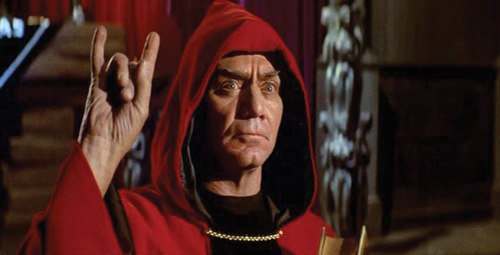
Outrageousness Openness: Letting the Divine Take the Lead Books Inc., 2275 Market, SF. (415) 864-6777, www.toshasilver.com. 7:30pm, free. Tosha Silver, spiritual columnist talks about her book on aligning the divine with everyday life. Skeptics welcome.

Subjectified: Nine Young Women Talk About Sex Opera Plaza Cinema, 601 Van Ness, SF. www.subjectified.com. 7:30pm, $6 pre-sale. Filmmaker Melissa Tapper Goldman sat down nine young women to talk about their experiences with sex. The movie presents a panoramic view: interviewees include an abstinent Christian, lesbians, young mothers, abuse survivors, and women dealing with STDs.

FRIDAY 16

Sassy City Chicks Fashion Bash Fort Mason Center, 99 Marina, SF. www.sassycitychicks.com. 5-10pm, free. It’s back-to-school shopping time, and the hardcore fashionistas will kindle kindly to this showcase of 40 local designers — from up-and-comers to established boutiques. If you tire of the consumerism, there will be a photography exhibit by Academy of Art students entitled “Fashion Photo Promenade.” Plus, ahem, free cocktails.

SATURDAY 17

“Push Play: Cloud Making” Joe Goode Performance Space, 499 Alabama No. 150, SF. (415) 978-2787, www.ybca.org. 3-7:45pm, free. The series of avant-garde performances, each guided by a master artist, comes to a close at YBCA with today’s event. Come for team productions directed by the likes of Jesse Hewitt and Laura Arrington.

Cardboard Tube Fighting League Hayes Valley Farm, 450 Laguna, SF. www.tubeduel.com, www.hayesvalleyfarm.com. 11am-5pm, free. Surely you have little else to do with your Saturday than pummel a complete stranger with a cardboard tube. At today’s tube fighting league tournament you need not even bring your own weaponry — tubes are provided, hells to the yeah.

Michael Moores Here Comes Trouble: The Story of My Life Books Inc, 601 Van Ness, SF. (415) 776-1111, www.booksinc.net. 2pm, free. It only stands to reason that the king of provocative progressivism would eventually write a book focusing on one of the more salient themes of his body of work: himself. Michael Moore has written a memoir, and you can be one of the first to hear about this more personal story at the book signing today.

Gem Faire Marin Center Exhibit Hall, 10 Avenue of the Flags, San Rafael. www.gemfaire.com. Also Sun/18. Noon-6pm, $7 weekend pass. Get stoned, man. 70 exhibitors from all over are bringing their treasure chests to this glittery, sparkly expo of pretty things.

Whats Out There Weekend Various locations, SF. www.tclf.org/landscapes/wot-weekend-sanfrancisco. Also Sun/18. 10am-6pm, free. It’s a weekend to appreciate what the city has to offer in terms of modernist architecture. What’s Out There is organizing trips out to 25 sites, from Oakland’s Kaiser Center roof garden to St. Francis Woods and more.

MONDAY 20

Patriot Acts: Narratives of Post 9/11 Injustices City Lights Bookstore, 261 Columbus, SF. (415) 362-8193, www.voiceofwitness.com. Let’s not forget in the wave of flag-saluting and righteous rage against terrorists that always accompanies the anniversary of 9/11 in the United States all the atrocities that have been committed in our country in the name of “freedom.” This collection of oral histories from Americans who have had their civil rights abused, been discriminated against in the workplace, or surveilled by the FBI in 9/11’s wake.


Submit items for the listings at listings@sfbg.com. For further information on how to submit items for the listings, see Picks.

Rogue pairings

1

culture@sfbg.com

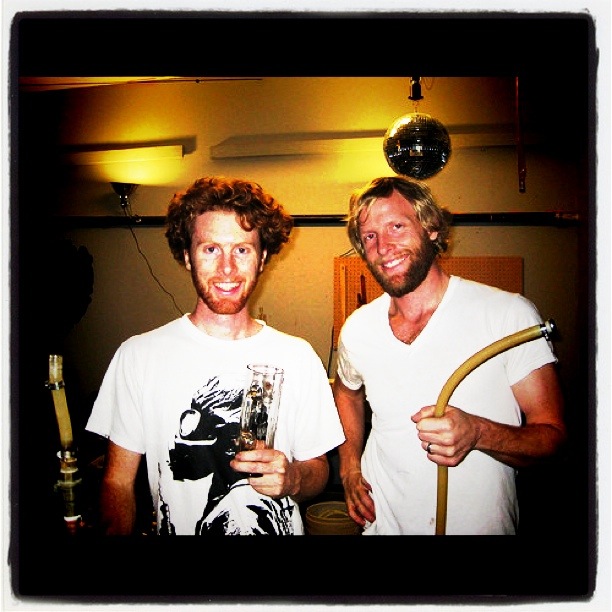
BEER AND WINE The other week, I hit up one of the free, bi-weekly Thursday night tasting parties put on by San Francisco nanobrewery Pacific Brewing Laboratories, located in a small garage on a side street deep in SoMa—and was completely smitten. The adventurous atmosphere and swell-looking crowd were part of that, of course. But the small-batch beers on offer (I quickly downed a gorgeously smooth black IPA), the rogue food vendors (I then dove into a box of Nosh This Bacon Crack chocolate), and the almost-steampunk assemblage of tangled brewing equipment, scuffed kegs, and illustrative blackboards really sealed the deal.

Since they seemed exquisitely attuned to the underground brew-plus-food equation, I asked the guys behind Pac Brew Labs, Patrick M. Horn and Bryan Hermannsson, to tell us a bit about themselves and give us a wee menu of street pairings. Here’s what Patrick came up with for us. (Marke B.)

“Pacific Brewing Laboratory started in a garage as a place for us to experiment with new beer flavors, styles, and brewing techniques. What started out as a place to share new creations with friends grew into a twice-monthly, totally free event with hundreds of our “new” friends and great local street food vendors.

“We brew small, 10-gallon batches which allows for constant beer experimentation. Some of our more exotic beer styles include Hibiscus Saison, Squid Ink Black IPA, Chamomile Ale, Lemongrass IPA, Szechwan Peppercorn Red ale, and wine-soaked oak-aged Brown Ale. We’re always on the lookout for new ingredients and inspirations that will lead us to palate-pleasing creations. For our tastings, we often invite a local food cart to attend, in order to pair our beers against some of the amazing varieties of flavors produced by DIY local food vendors. Below are a few of our favorites, which include beers we enjoy from other local breweries.”

Read about Pac Brew Lab’s upcoming free Thursday Night Beer Nights at www.pacbrewlab.com.


WISE SONS DELI PASTRAMI + PACIFIC BREWING LABORATORIES SQUID INK BLACK IPA

“Leo Beckerman and Evan Bloom of pop-up Wise Sons Deli (Saturdays, 9 a.m.-2 p.m. at Beast and Hare, 1001 Guerrero, SF. www.wisesonsdeli.com) are on a mission from God to bring to us mere mortals the best in Jewish deli. They’ve been serving up their in-house pickles, matzo ball soup, pastries and — most importantly — their weeklong-brined, spice-rubbed, hickory smoked pastrami with home made rye bread to San Francisco and at many of our beer socials since the year 5771. Our Squid Ink is made with darker grains than traditional IPAs and uses West Coast hops to give it a traditional West Coast IPA hop aroma and bitterness. The richness and spices of the pastrami pair perfectly with the citrus-y, hoppy and roasted flavors of the Black IPA. Finish with a house fermented pickle for the perfect sandwich-beer-pickle experience.”


MISSION CHINESE FOOD + TRUMER PILSNER

“Anthony Myint and Danny Bowien have created one of the most creative and community minded pop-up restaurant in the nation with Mission Chinese Food (Thu-Tue, 11:30 a.m.-3 p.m. and 5 p.m.-10:30 p.m., at Lung Shan, 2234 Mission, SF. (415) 863-2800, www.missionchinesefood.com). Their delicious twists on traditional Chinese and Asian cooking include kung pao pastrami, thrice-cooked bacon, tingling lamb noodle soup, salt cod fried rice and cold-poached chicken with chicken hearts. Mission Chinese Food also contributes $0.75 from each entrée to the San Francisco Food Bank. The Trumer (www.trumer-international.com) from Berkeley, with its high carbonation, crisp malt backbone and good hop bitterness, offers a good counterpoint to the exotic flavors and spices of Danny’s cuisine. As the heat and tingling build from chilies and Szechwan peppercorns, a pilsner can really satisfy. (And if you need to douse a flaming palate, the low alcohol content allows for a few brews with minor effect.)”


NOSH THIS CHOCOLATE + 21ST AMENDMENTS MONK’S BLOOD

Beer and chocolate go together like Bert and Ernie or peanut butter, bananas, and Elvis. Kai Kronfield of Nosh This (noshthis.com) makes some of the most creative chocolates in San Francisco. Butter toffee Bacon Crack, salted caramels made with balsamic vinegar, Meyer lemon, or salt & pepper… not to mention the Bacon Bourbon Rocky Road. These chocolates are the perfect balance of sweet, salty, and chocolate-y and pair well with darker, maltier beers. 21st Amendments Monk’s Blood (www.21st-ammendment.com), a dark Belgian ale, fits this bill well. Made with the traditional hops and barley, it also contains figs, vanilla, and cinnamon. It’s a complex beer, in a can, that complements the richness and intricate flavors of Kai’s creations. This combo is a perfect end to an evening, a mid-day snack, or breakfast — whatever, nobody’s judging.


PIZZA HACKER + MOONLIGHT DEATH AND TAXES

“Pizza and beer is typically a no-brainer pairing, but often most choose an IPA, pale ale, or lager to go with their cheesy slice. Moonlight’s Mooonlight’s Death and Taxes (www.moonlightbrewing.com) is a dark lager — but its roasty, crisp and malty flavors lends itself perfectly to the olive oil and salt-covered crust and smoky essence of the Pizza Hacker’s (www.thepizzahacker.com) pies. Jeff, the nominal Pizza Hacker and self-described “occasional Pazi (Pizza nazi)”, has built a custom-made portable wood fired brick oven called the FrankenWeber. He wheels it up outside bar or brewery, assembles, and bakes fresh pizzas on the sidewalk. His sauce is from organic heirloom tomatoes and he uses a method pioneered by Tartine for kneading the dough. Best tasted with a full bodied, flavorful pint of brew!


MAGIC CURRY KART + ALMANAC SUMMER 2010

Almanac’s Summer 2010 Belgian golden (www.almanacbeer.com) is made with blackberries and aged in red wine oak barrels for 11 months. Brian Kimball of Magic Curry Kart (www.magiccurrykart.com) wheels around two burners and two rice cookers on his bike, and whips up the most incredibly Thai-influenced curries in front of you with amazing precision. The ingredients are fresh and the spices are delicious. Almanac’s golden ale will add a nice fruity finish to the spicy and flavorful red or green curry. With an eight percent alcohol count and naturally carbonated in the bottle, Summer 2010 will refresh your palette after every sip without overpowering it, enabling new tastes in every luscious bite of curry. Cheers!

An American blindness

8

After the first jetliner crashed into the Twin Towers on that September 11 morning, a friend of mine and his 11-year old daughter climbed up to the roof of their Manhattan home to look around. Just then the second plane struck, the young girl fell backward, and went blind from shock.

It took more than a year of examinations and therapies before this girl came out of her blindness to look around.

That’s what happened to America itself ten years ago this Sunday on 9/11, though it might be claimed many of us were blinded by privilege and hubris long before. But 9/11 produced a spasm of blind rage, arising from a pre-existing blindness as to the way much of the world sees us. That in turn led to the invasions of Afghanistan, Iraq, Afghanistan again, Pakistan, Yemen, Somalia and, in all, a dozen “shadow wars” according to The New York Times.

Bob Woodward’s crucial book, Obama’s Wars, points out that there were already secret and lethal counterterrorism operations active in more than 60 countries as of 2009. From Pentagon think tanks came a new military doctrine of the “Long War,” a counter-insurgency vision arising from the failed Phoenix program of the Vietnam era, projecting U.S. open combat and secret wars over a span of 50 to 80 years, or 20 future presidential terms. The taxpayer costs of this Long War, also shadowy, would be in the many trillions of dollars — and paid for not from current budgets, but by generations born after the 2000 election of George W. Bush. The deficit spending on the Long War would invisibly force the budgetary crisis now squeezing our states, cities and most Americans.

Besides the future being mortgaged, civil liberties were thought to require a shrinking proper to a state of permanent and secretive war, so the Patriot Act was promulgated. All this happened after 9/11 through Democratic default and denial. Who knows what future might have followed if Al Gore, with a half-million popular vote margin over George Bush, had prevailed in the U.S. Supreme Court instead of losing by the vote of a single justice? In any event, only a single member of Congress, Barbara Lee of Berkeley-Oakland, voted against the war authorization, and only a single senator, Russ Feingold, voted against the Patriot Act.

Were we not blinded by what happened on 9/11? Are we still? Let’s look at the numbers we almost never see.


CASUALTIES OF WAR

As to American casualties, the figure now is beyond twice those who died in New York, Pennsylvania and Washington D.C. on 9/11. The casualties are rarely totaled, but are broken down into three categories by the Pentagon and Congressional Research Service. There is Operation Enduring Freedom, which includes Afghanistan and Pakistan but, in keeping with the Long War definition, also covers Kazakhstan, Kyrgyzstan, Pakistan, Tajikistan, Turkmenistan, and Uzbekistan. Second, there is Operation Iraqi Freedom and its successor Operation New Dawn, the name adopted after September 2010 for the 47,000 US advisers, trainers and counterterrorism units still in Iraq. The scope of these latter operations includes Bahrain, Jordan, Kuwait, Oman, Qatar, Saudi Arabia, Turkey and the United Arab Emirates. These territories include not only Muslim majorities but, according to former Centcom commander Tommy Franks, 68 percent of the world’s proven oil reserves and the passageway for 43 percent of petroleum exports, another American geo-interest which was heavily denied in official explanations.

A combined 6,197 Americans were killed in these wars as of August 16, 2011, in the name of avenging 9/11, a day when 2, 996 Americans died. The total number of American wounded has been 45,338, and rising at a rapid rate. The total number rushed by military Medivac out of these violent zones was 56, 432. That’s a total of 107,996 Americans. And the active-duty military suicide rate for the decade is at a record high of 2, 276, not counting veterans or those who have tried unsuccessfully to take their own lives. In fact, the suicide rate for last year was greater than the American death toll in either Iraq or Afghanistan.

The Pentagon has long played a numbers game with these body counts. In addition to being painfully difficult and extremely complicated to access, there was a time when the Pentagon refused to count as Iraq war casualties any soldier who died from their wounds outside of Iraq’s airspace. Similar controversies have surrounded examples such as soldiers killed in non-combat accidents.

The fog around Iraq or Afghanistan civilian casualties will be seen in the future as one of the great scandals of the era. Briefly, the United States and its allies in Baghdad and Kabul have relied on eyewitness, media or hospital numbers instead of the more common cluster-sampling interview techniques used in conflict zones like the first Gulf War, Kosovo or the Congo. The United Nations has a conflict of interest as a party to the military conflict, and acknowledged in a July 2009 U.N. human rights report footnote that “there is a significant possibility that UNAMA is underreporting civilian casualties.”

In August, even the mainstream media derided a claim by the White House counter-terrorism adviser that there hasn’t been a single “collateral,” or innocent, death during an entire year of CIA drone strikes in Pakistan, a period in which 600 people were killed, all of them alleged “militants.” As an a specific explanation for the blindness, the Los Angeles Times reported April 9 that “Special Forces account for a disproportionate share of civilian casualties caused by western troops, military officials and human rights groups say, though there are no precise figures because many of their missions are deemed secret.”


STICKER SHOCK OF WAR

Among the most bizarre symptoms of the blindness is the tendency of most deficit hawks to become big spenders on Iraq and Afghanistan, at least until lately. The direct costs of the war, which is to say those unfunded costs in each year’s budget, now come to $1.23 trillion, or $444.6 billion for Afghanistan and $791.4 billion for Iraq, according to the National Priorities Project.

But that’s another sleight-of-hand, when one considers the so-called indirect costs like long-term veteran care. Leading economists Joseph Stiglitz and Linda Bilmes recently testified to Congress that their previous estimate of $4 to $6 trillion in ultimate costs was conservative. Nancy Youssef of McClatchy Newspapers in D.C. — in my opinion, the best war reporter of the decade — wrote recently that “it’s almost impossible to pin down just what the United States spends on war.” The president himself expressed “sticker shock,” according to Woodward’s book, when presented cost projections during his internal review of 2009.

The Long War casts a shadow not only over our economy and future budgets but our innocent and unborn children’s future as well. This is no accident, but the result of deliberate lies, obfuscations and scandalous accounting techniques. We are victims of an information warfare strategy waged deliberately by the Pentagon. As Gen. Stanley McChrystal said much too candidly in a February 2010, “This is not a physical war of how many people you kill or how much ground you capture, how many bridges you blow up. This is all in the minds of the participants.” David Kilcullen, once the top counterinsurgency adviser to Gen. David Petraeus, defines “international information operations as part of counterinsurgency.” Quoted in Counterinsurgency in 2010, Kilcullen said this military officer’s goal is to achieve a “unity of perception management measures targeting the increasingly influential spectators’ gallery of the international community.”

This new war of perceptions, relying on naked media manipulation such as the treatment of media commentators as “message amplifiers” but also high-technology information warfare, only highlights the vast importance of the ongoing WikiLeaks whistle-blowing campaign against the global secrecy establishment. Consider just what we have learned about Iraq and Afghanistan because of WikiLeaks: Tens of thousands of civilian casualties in Iraq, never before disclosed; instructions to U.S. troops to not investigate torture when conducted by U.S. allies; the existence of Task Force 373, carrying out night raids in Afghanistan; the CIA’s secret army of 3,000 mercenaries; private parties by DynCorp featuring trafficked boys as entertainment, and an Afghan vice president carrying $52 million in a suitcase.

The efforts of the White House to prosecute Julian Assange and persecute Pfc. Bradley Manning in military prison should be of deep concern to anyone believing in the public’s right to know.

The news that this is not a physical war but mainly one of perceptions will not be received well among American military families or Afghan children, which is why a responsible citizen must rebel first and foremost against The Official Story. That simple act of resistance necessarily leads to study as part of critical practice, which is as essential to the recovery of a democratic self and democratic society. Read, for example, this early martial line of Rudyard Kipling, the poet of the white man’s burden: “When you’re left wounded on Afghanistan’s plains/ And the women come out to cut up what remains/ Just roll to your rifle and blow out your brains/And go to your God like a soldier.” Years later, after Kipling’s beloved son was killed in World War I and his remains never recovered, the poet wrote: “If any question why we died / Tell them because our fathers lied.”


A HOPE FOR PEACE

An important part of the story of the peace movement, and the hope for peace itself, is the process by which hawks come to see their own mistakes. A brilliant history/autobiography in this regard is Dan Ellsberg’s Secrets, about his evolution from defense hawk to historic whistleblower during the Vietnam War. Ellsberg writes movingly about how he was influenced on his journey by meeting contact with young men on their way to prison for draft resistance.

The military occupation of our minds will continue until many more Americans become familiar with the strategies and doctrines in play during the Long War. Not enough Americans in the peace movement are literate about counterinsurgency, counterterrorism and the debates about the “clash of civilizations”, the West versus the Muslim world.

The more we know about the Long War doctrine, the more we understand the need for a long peace movement. The pillars of the peace movement, in my experience and reading, are the networks of local progressives in hundreds of communities across the United States. Most of them are voluntary, citizen volunteers, always and immersed in the crises of the moment, nowadays the economic recession and unemployment.

This peace bloc deserves more. It won’t happen overnight, but gradually we are wearing down the pillars of the war. It’s painfully slow, because the president is threatened by Pentagon officials, private military contractors and an entire Republican Party (except the Ron Paul contingent) who benefit from the politics and economics of the Long War.

But consider the progress, however slow. In February of this year, Rep. Barbara Lee passed a unanimous resolution at the Democratic National Committee calling for a rapid withdrawal from Afghanistan and transfer of funds to job creation. The White House approved of the resolution. Then 205 House members, including a majority of Democrats, voted for a resolution that almost passed, calling for the same rapid withdrawal. Even the AFL-CIO executive board, despite a long history of militarism, adopted a policy opposing Afghanistan. The president himself is quoted in Obama’s Wars as opposing his military advisors, demanding an exit strategy and musing that he “can’t lose the whole Democratic Party.” At every step of the way, it must be emphasized, public opinion in Congressional districts was a key factor in changing establishment behavior.

As for Al Qaeda, there is always the threat of another attack, like those attempted by militants aiming at Detroit during Christmas 2009 or Times Square in May 2010. In the event of another such terrorist assault originating from Pakistan, all bets are off: According to Woodward, the U.S. has a “retribution” plan to bomb 150 separate sites in that country alone there, and no apparent plan for The Day After. Assuming that nightmare doesn’t happen, today’s al Qaeda is not the al Qaeda of a decade ago. Osama bin Laden is dead, its organization is damaged, and its strategy of conspiratorial terrorism has been displaced significantly by the people-power democratic uprisings across the Arab world.

It is clear that shadow wars lie ahead, but not expanding ground wars involving greater numbers of American troops. The emerging argument will be over the question of whether special operations and drone attacks are effective, moral and consistent with the standards of a constitutional democracy. And it is clear that the economic crisis finally is enabling more politicians to question the trillion dollar war spending.

Meanwhile, the 2012 national elections present an historic opportunity to awaken from the blindness inflicted by 9/11.

After more than 50 years of activism, politics and writing, Tom Hayden is a leading voice for ending the wars in Afghanistan, Iraq, and Pakistan and reforming politics through a more participatory democracy.

Rep Clock

0

Schedules are for Wed/7–Tues/13 except where noted. Director and year are given when available. Double features are marked with a •. All times are p.m. unless otherwise specified.

CASTRO 429 Castro, SF; (415) 621-6120, www.castrotheatre.com. $7.50-10. Call for program info.

CERRITO 10070 San Pablo, El Cerrito; www.rialtocinemas.com. $8. “Cerrito Classics:” Dial M for Murder (Hitchcock, 1954), Thurs, 7. The Power of Two (Smolowitz, 2011), Sat, 2, 7:30. This event, $20; tickets at www.brownpapertickets.com.

CHRISTOPHER B. SMITH RAFAEL FILM CENTER 1118 Fourth St, San Rafael; (415) 454-1222, www.cafilm.org. $10.25. The Hedgehog (Achache, 2010), call for dates and times. The Names of Love (Leclerc, 2010), call for dates and times. Senna (Kapadia, 2011), call for dates and times. The Whistleblower (Kondracki, 2010), call for dates and times. Love Crime (Corneau, 2010), Sept 9-15, call for times.

CLAY 2261 Fillmore, SF; (415) 267-4893, www.landmarktheatres.com. $8.50-9.50. The Room (Wiseau, 2003), Sat, midnight.

“FILM NIGHT IN THE PARK” This week: Old Mill Park, 300 block of Throckmorton, Mill Valley; (415) 272-2756, www.filmnight.org. Donations accepted. Some Like it Hot (Wilder, 1959), Fri, 8. Washington Square Park, Union at Columbus, SF; same contact info. Dr. Strangelove or: How I Learned to Stop Worrying and Love the Bomb (Kubrick, 1964), Sat, 8.

GRAND LAKE 3200 Grand, Oakl; www.communitycurrency.org. $10. “9/11 Truth Film Festival,” Thurs, 1. Also Sun, 1, Herbst Theatre, 401 Van Ness, SF. Benefits the Northern California Norhter California 9/11 Truth Alliance.

JEWISH COMMUNITY CENTER OF SAN FRANCISCO Kanbar Hall, 3200 California, SF; www.jccsf.org/ $10. Love Hate Love: A Response to 9/11 (Hardy and Nachman, 2011), Thurs, 7.

MANDELA VILLAGE ARTS CENTER 1357 Fifth St, Oakl; www.brainwashm.com. $10. “17th Annual Brainwash Drive-In/Bike-In/Walk-In Movie Festival,” unique independent movies from around the world, Fri-Sat, 9pm.

MECHANICS’ INSTITUTE 57 Post, SF; (415) 393-0100, rsvp@milibrary.org. $10 (reservations required as seating is limited). “CinemaLit Film Series: Euro Passages:” Live Flesh (Almodóvar, 1997), Fri, 6.

PACIFIC FILM ARCHIVE 2575 Bancroft, Berk; (510) 642-5249, www.bampfa.berkeley.edu. $5.50-9.50. “Alternative Visions:” Martha Colburn’s Collage Animation,” Wed, 7:30. “Sounding Off: Portraits of Unusual Music:” Trimpin: The Sound of Invention (Esmonde, 2009), Thurs, 7; Ne change rien (Costa, 2009) Sat, 6:30. “The Outsiders: New Hollywood Cinema in the Seventies:” Cisco Pike (Norton, 1971), Fri, 7; Payday (Duke, 1972), Fri, 8:55. “UCLA Festival of Preservation:” Cry Danger (Parrish, 1951), Fri, 8:35.

ROXIE 3117 and 3125 16th St, SF; (415) 863-1087, www.roxie.com. $5-9.75. Love Exposure (Sono, 2008), Wed-Thurs, 7:30 (also Sat-Sun, 2:30). “SF Shorts: The San Francisco International Festival of Short Films,” Thurs-Sat, 7:30, 9:30 (also Sat, 5:30). This event, $10; more info at www.sfshorts.com. Littlerock (Ott, 2010), Fri-Sat, 7, 9 (also Sat, 1:30, 3:15, 5); Sept 11-15, 7, 8:45 (also Sun, 1:30, 3:15, 5).

SAN FRANCISCO ART INSTITUTE 800 Chestnut, SF; www.www.iranianfilmfestival.org. $8-10. “Iranian Film Festival,” Sat-Sun, 11am. YERBA BUENA CENTER FOR THE ARTS 701 Mission, SF; (415) 978-2787, www.ybca.org. Free. “Filming Performance: Work-In-Progress Screening and Discussion with Carrie Lozano and Charlotte Lagarde,” Thurs, 7:30. 

Stage Listings

0

THEATER

OPENING

A Midsummer Night’s Dream Phoenix Theatere, 414 Mason, Sixth flr, SF; (415) 509-8656. $10-20. Previews Wed/7, 8pm. Opens Fri/8, 8pm. Runs Thurs-Sat, 8pm (also Sat/10, 2pm; Sept 17, 3pm). Through Sept 17. Ninjaz of Drama and Divinity Productions Presents Rey Carolino’s contemporary staging of the Bard’s classic.

Not Getting Any Younger Marsh San Francisco, Studio Theater, 1062 Valencia, SF; (415) 826-5750, www.themarsh.org. $15-50. Previews Thurs/8-Fri/9, 8pm; Sat/10, 8:30pm; Sun/11, 3pm. Opens Thurs/15, 8pm. Runs Thurs-Fri, 8pm; Sat, 8:30pm; Sun, 3pm. Through Oct 23. Marga Gomez performs her comedy about “lies, vanity, and the good old days.”

Patience Worth Thick House, 1695 18th St, SF; (415) 456-8892, www.symmetrytheatre.com. $20-30. Opens Sat/10, 8pm. Runs Thurs-Sat, 8pm; Sun, 2pm. Through Oct 2. Symmetry Theatre Company performs Michelle Carter’s world premiere about a spirit who appears via Ouija board in 1913. Erika Chong Shuch directs.

“San Francisco Fringe Festival” Exit Theatre, 156 Eddy, SF; (415) 673-3847, www.sffringe.org. $7-10 (passes, $40-75). Sept 7-18. The 20th annual fest contains over 40 shows highlighting unique indie theater.

Show Ho New Conservatory Theatre Center, 25 Van Ness, SF; (415) 861-8972, www.nctcsf.org. $20-32. Previews Thurs/8, 8pm. Opens Fri/9, 8pm. Runs Thurs-Sat, 8pm; Oct 9, 2pm. Through Oct 9. Sara Moore performs her multi-character story about a clown in a low-rent circus.

“3 Guys in Drag Selling Their Stuff” Garage, 975 Howard, SF; www.brownpapertickets.com. $20. Opens Fri/9, 8pm. Runs Fri-Sat, 8pm. Through Sept 17. Edward Crosby Wells’ bawdy comedy is about a trio of friends who host an unusual yard sale.

Turandot War Memorial Opera House, 201 Van Ness, SF; (415) 864-3330, www.sfopera.com. $21-389. Opens Fri/9, 8pm. Runs Sept 14, 22, and Oct 4, 7:30pm; Sept 17 and Oct 1, 8pm; Sept 25, 2pm. The San Francisco Opera performs Puccini’s classic in conjunction with the Lyric Opera of Chicago.

Unveiled Brava Theater, 2781 24th St, SF; (415) 647-2822, www.brava.org. $10-25. Previews Wed/7-Thurs/8, 7pm. Opens Fri/9, 7pm. Runs Sat/10, 3pm; Sun/11-Mon/12 and Sept 15-17, 3pm (also Sun/11, 3pm). Brava Theater presents Rohina Malik’s solo show about five Muslim women in the post-9/11 world.

ONGOING

“AfroSolo Arts Festival” Various venues, SF; www.afrosolo.org. Free-$100. Through Oct 20. The AfroSolo Theatre Company presents its 18th annual festival celebrating African American artists, musicians, and performers.

All Atheists Are Muslim Stage Werx Theatre, 533 Sutter, SF; (415) 517-3581, www.brownpapertickets.com. $20. Thurs-Sat, 8pm. Through Oct 1. Zahra Noorbakhsh performs her solo comedy.

American Buffalo Actors Theatre of San Francisco, 855 Bush, SF; (415) 345-1287, www.actorstheatresf.org. $26-38. Wed-Sat, 8pm. Extended through Sept 17. Actors Theatre of San Francisco performs the David Mamet crime classic.

Cymbeline Parade Ground Lawn, Main Post, Presidio (between Graham and Keyes), SF; www.sfshakes.org. Free. Sat, 7:30pm; Sun, 2:30pm. Through Sept 25. The San Francisco Shakespeare Festival presents its annual “Free Shakespeare in the Park” performance.

Exit, Pursued By a Bear Boxcar Playhouse, 505 Natoma, SF; www.crowdedfire.org. $10-35. Wed-Sat, 8pm. Through Sept 17. Crowded Fire performs Lauren Gunderson’s new play, a feminist revenge comedy.

Geezer Marsh, 1062 Valencia, SF; (415) 282-3055. $25-100. Thurs, 8pm; Sat-Sun, 5pm. Through Sept 18. Geoff Hoyle returns to the Marsh with his acclaimed solo show.

King Henry the Sixth Boxcar Studios, 125a Hyde, SF; www.brownpapertickets.com. $12-15. Thurs-Sat, 8pm. Through Sept 17. Do It Live Productions debuts with a contemporary Shakespeare adaptation.

Tigers Be Still SF Playhouse, 522 Sutter, SF; www.sfplayhouse.org. $30-50. Wed/7, 7pm; Thurs/8-Sat/10, 8pm (also Sat/10, 3pm). SF Playhouse performs Kim Rosenstock’s quirky comedy.

True West NOHspace, 2840 Mariposa, SF; 1-800-838-3006, www.truewestsf.com. $10-28. Wed-Sat, 8pm. Through Sept 17. Expression Productions presents Sam Shepard’s tale of two brothers.

Waiting for Giovanni Decker Theater, New Conservatory Theatre Center, 25 Van Ness, SF; www.nctcsf.org. $25-36. Wed-Sat, 8pm; Sun, 2pm. Through Sept 18. This world-premiere play by Jewelle Gomez in collaboration with Harry Waters Jr. imagines a split-second of indecision in the mind of author James Baldwin.

BAY AREA

The Complete History of America (abridged) Dominican University of California, Forest Meadows Amphitheater, 1475 Grand, San Rafael; (415) 499-4488, www.marinshakespeare.org. $20-35. Performance times vary; check website for schedule. Through Sept. 25. Marin Shakespeare Company performs Adam Lon, Reed Martin, and Austin Tichenor’s three-person romp through American history.

A Delicate Balance Aurora Theatre, 2081 Addison, Berk; (510) 843-4822, www.auroratheatre.org. $10-48. Previews Wed/7, 8pm. Opens Thurs/8, 8pm. Runs Tues, 7pm; Wed-Sat, 8pm; Sun, 2 and 7pm. Through Oct 9. Aurora Theatre performs Edward Albee’s comedy of manners.

The Merry Wives of Windsor Old Mill Park, 375 Throckmorton, Mill Valley; www.curtaintheatre.org. Free. Sat-Sun and Sept 5, 2pm. Through Sept 18. Curtain Theatre performs Shakespeare’s Falstaff-centric comedy.

Not a Genuine Black Man Marsh Berkeley, TheaterStage, 2120 Allston, Berk; 1-800-838-3006, www.themarsh.org. $20-50. Sat, 5pm (also Sept 8 and 22, 7:30pm). Through Sept 24. This is it: the final extension of Brian Copeland’s solo show about growing up in (nearly) all-white San Leandro.

Of Dice and Men La Val’s Subterranean, 1834 Euclid, Berk; www.impacttheatre.com. $10-20. Thurs-Sat, 8pm. Through Oct 1. Impact Theatre performs Cameron McNary’s comedy about a group of adult Dungeons and Dragons players.

Rita Moreno: Life Without Makeup Berkeley Repertory Theatre, Roda Theatre, 2015 Addison, Berk; (510) 647-2949, www.berkeleyrep.org. $14.50-73. Opens Wed/7, 8pm. Runs Tues-Sun, showtimes vary. Through Oct 30. Rita Moreno stars in a show created specifically for her by Berkeley Rep’s Tony Taccone and David Galligan.

The Road to Hades John Hinkel Park, Southampton Ave, Berk; (510) 841-6500, www.shotgunplayers.org. $10 (suggested donation; no one turned away for lack of funds). Sat/10-Sun/11, 3pm. Shotgun Players presents a new comedy written by and starring veteran comedian and clown Jeff Raz.

Sense and Sensibility Mountain View Center for the Performing Arts, 500 Castro, Mtn View; (650) 463-1960, www.theatreworks.org. $19-69. Tues-Wed, 7:30pm; Thurs-Sat, 8pm (also Sat, 2pm); Sun, 2 and 7pm. Through Sept 18. TheatreWorks performs Roger Parsley and Andy Graham’s adaptation of the Jane Austen novel.

The Tempest Dominican University of California, Forest Meadows Amphitheater, 1475 Grand, San Rafael; (415) 499-4488, www.marinshakespeare.org. $20-35. Performance times vary; check website for schedule. Through Sept. 25. Marin Shakespeare Company presents Shakespeare’s romance with a steampunk twist.

Toke Ashby Stage, 1901 Ashby, Berk; www.brownpapertickets.com. $25. Thurs/8-Sat/10, 8pm; Sun/11, 5pm. Swirl Media presents Deedee Kirkwood’s pot-fueled comedy.

PERFORMANCE/DANCE

“Comedy Returns to El Rio” El Rio, 3158 Mission, SF; www.brownpapertickets.com. Mon, 8pm, $7-20. Stand-up performers include Dhaya Lakshminarayanan, Josh Healey, Nathan Habib, Conrad Roth, and Lisa Geduldig.

FACT/SF and Lenora Lee Dance CounterPULSE, 1310 Mission, SF; (415) 626-2060, www.counterpulse.org. Thurs-Sun, 8pm. $15-20. The companies present Pretonically Oriented v.3 and Reflections.

“Hand to Mouth Comedy” Dark Room, 2263 Mission, SF; handtomouthcomedy.tumblr.com. Thurs, 8pm. Pay what you can. This month, comedians Kurt Weitzmann, Cory Loykasek, and Bryan Yang take on conspiracy theories.

“Mortified SF” DNA Lounge, 375 11th St, SF; www.getmortified.com. Fri, 8pm, $17. The embarassing-tales smorgasbord rolls on in a back-to-school edition.

“Opera in the Park” Sharon Meadow, Golden Gate Park, SF; www.sfopera.com. Sun, 2pm. Free. SF Opera pays tribute to the victims of 9/11 with a free program of Mozart, Leonard Bernstein, and others.

“Porchlight Season 10 Kickoff: Shipwrecked! Stories from the Sea” Maritime Museum, foot of Polk (at Beach), SF; www.brownpapertickets.com. Thurs, 8pm, $15. The storytelling series beings its tenth year with a special seafaring edition.

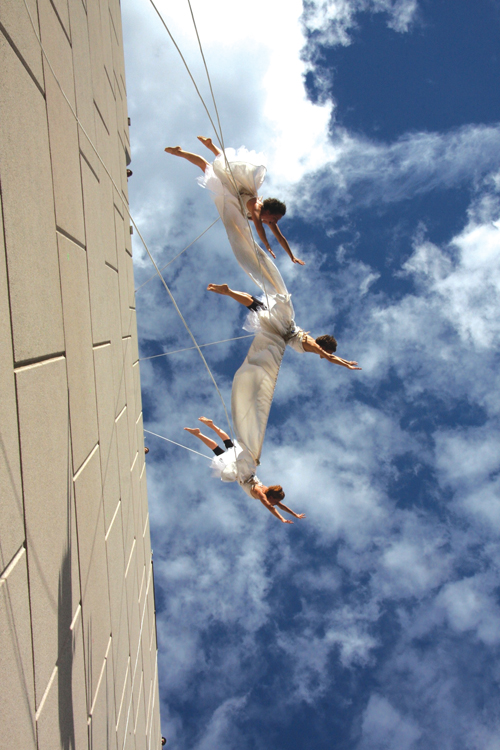
“Process as Adventure” ODC Commons, 351 Shotwell, SF; www.odcdance.org. Thurs, 8pm. Free. Dance company Project Bandaloop presents this multi-media event and discussion.

“Second Sandwiches” Purple Onion, 140 Columbus, SF; www.willfranken.com. Sat, 8pm. $20. Comedian Will Franken performs his new solo show.

“True Stories Lounge” Make-Out Room, 3225 22nd St, SF; www.makeoutroom.com. 7:30pm, $10. Narrative journalism and other nonfiction readings from Joyce Maynard, the Guardian’s Steven T. Jones, and others.

“WestWave Dance: A Monday a Month” ODC Theater, 351 Shotwell, SF; www.westwavedancefestival.org. Mon, 8pm, $18-25. Thus month’s program, “Duets,” features Ethan and Nikki White, Pearl Marill Dance Theater, Dana Lawton, Jean Isaacs, and more.


Stage listings are compiled by Guardian staff. Performance times may change; call venues to confirm. Reviewers are Robert Avila, Rita Felciano, and Nicole Gluckstern. Submit items for the listings at listings@sfbg.com. For further information on how to submit items for the listings, see Picks. For complete listings, see www.sfbg.com.

Rep Clock

0

Schedules are for Wed/31-Tues/6 except where noted. Director and year are given when available. Double features are marked with a •. All times are p.m. unless otherwise noted.

BALBOA 3620 Balboa, SF; www.balboamovies.com. $17.50-20. Nabucco, from Teatro Antico, Taormina, Wed, 7:30.

“BERNAL HEIGHTS OUTDOOR CINEMA” Old Clam House, 299 Bayshore, SF; (415) 641-0324, www.bhoutdoorcine.org. Suggested donation $15 (includes two drink tickets; benefits Bernal History Project). “Opening Night Party and Preview,” films and live music by Stoo Odom and the Odom Poles, Wed, 6:30. Tiffany and 29th St, SF; same contact. Free. Block party with films and live music by the Patsy Chords, Thurs, 6:30. Red Hill Books, 401 Cortland, SF; same contact. Free. “Film Crawl on Cortland Ave,” Sat, 6:30. Precita Park, Folsom at Precita, SF; same contact. Free. “Outdoor Cinema Under the Stars,” Sat, 6:30. El Rio, 3158 Mission, SF; same contact. Suggested donation $10. “Closing Night and Season Finale,” Sun, 7:30.

CASTRO 429 Castro, SF; (415) 621-6120, www.castrotheatre.com. $7.50-13. “Cary Grant: Definitive Star” •The Philadelphia Story (Cukor, 1940), Wed, 2:50, 7, and Holiday (Cukor, 1938), Wed, 5, 9:05; •Arsenic and Old Lace (Capra, 1944), Thurs, 3, 7, and The Awful Truth (McCarey, 1937), Thurs, 5:10, 9:15; •North By Northwest (Hitchcock, 1959), Fri, 2:20, 7, and Charade (Donen, 1963), Fri, 4:45, 9:25; •Bringing Up Baby (Hawks, 1938), Sat, 3, 7, and Monkey Business (Hawks, 1952), Sat, 4:55, 8:55; •Bringing Up Baby (Hawks, 1938), Sun, 7, and I Was a Male War Bride (Hawks, 1949), Sun, 8:55; •His Girl Friday (Hawks, 1940), Mon, 2:50, 7, and Only Angels Have Wings (Hawks, 1939), Mon, 4:35, 8:45; •Notorious (Hitchcock, 1946), Tues, 3, 7, and Suspicion (Hitchcock, 1941), Tues, 4:55, 8:55.

CHRISTOPHER B. SMITH RAFAEL FILM CENTER 1118 Fourth St, San Rafael; (415) 454-1222, www.cafilm.org. $10.25. The Hedgehog (Achache, 2010), call for dates and times. The Names of Love (Leclerc, 2010), call for dates and times. Senna (Kapadia, 2011), call for dates and times. The Whistleblower (Kondracki, 2010), call for dates and times. Third Star (Dalton, 2010), Thurs and Sun, 7.

“CONVERGENCE MMXI FILM SERIES” Artists’ Television Access, 992 Valencia, SF; www.convergencefest.com. $7. Naco es Chido (Arau, 2010), Wed, 7. SF Film Society-New People Cinema, 1746 Post, SF; same contact. $12. The Holy Mountain (Jodorowsky, 1973), Thurs, 8. Mission Cultural Center for Latino Arts, 2868 Mission, SF; same contact. $8-10. Everybody’s Dying Here (Gardoki, 2002), Fri, 7:30.

“FILM NIGHT IN THE PARK” This week: Creek Park, 451 Sir Francis Drake, San Anselmo; (415) 272-2756, www.filmnight.org. Donations accepted. Young Frankenstein (Brooks, 1974), Fri, 8; Harry Potter and the Deathly Hallows: Part One (Yates, 2010), Sat, 8; North By Northwest (Hitchcock, 1959), Sun, 8.

JACK LONDON SQUARE 66 Franklin, Oakl; www.jacklondonsquare.com. Free. “Waterfront Flicks:” Who Is Killing the Great Chefs of Europe? (Kotcheff, 1978), Thurs, sunset.

MANDELA VILLAGE ARTS CENTER 1357 Fifth St, Oakl; www.brainwashm.com. $10. “17th Annual Brainwash Drive-In/Bike-In/Walk-In Movie Festival,” unique independent movies from around the world, Sat/3, 8pm; Sept 9-10, 9pm.

PACIFIC FILM ARCHIVE 2575 Bancroft, Berk; (510) 642-5249, www.bampfa.berkeley.edu. $5.50-9.50. “The Timeless Cinema of Marcel Pagnol:” The Well-Digger’s Daughter (1940), Wed, 7. “UCLA Festival of Preservation:” The Crusades (DeMille, 1935), Thurs, 7. “The Outsiders: New Hollywood Cinema in the Seventies:” The Heartbreak Kid (May, 1972), Fri, 7; Wanda (Loden, 1970), Sat, 8:50. The Landlord (Ashby, 1970), Fri, 9:10; “Sounding Off: Portraits of Unusual Music:” The Reach of Resonance (Elkins, 2010), Sat, 6. ROXIE 3117 and 3125 16th St, SF; (415) 863-1087, www.roxie.com. $5-9.75. Shut Up Little Man! An Audio Misadventure (Bate, 2011), Wed-Thurs, 7, 9. Love Exposure (Sono, 2008), Sept 2-8, 7:30 (also Sat-Sun, 2:30)

Stage Listings

0

Stage listings are compiled by Guardian staff. Performance times may change; call venues to confirm. Reviewers are Robert Avila, Rita Felciano, and Nicole Gluckstern. Submit items for the listings at listings@sfbg.com. For further information on how to submit items for the listings, see Picks. For complete listings, see www.sfbg.com.

THEATER

OPENING

All Atheists Are Muslim Stage Werx Theatre, 533 Sutter, SF; (415) 517-3581, www.brownpapertickets.com. $20. Opens Thurs/1, 8pm. Runs Thurs-Sat, 8pm. Through Oct 1. Zahra Noorbakhsh performs her solo romantic comedy.

Cymbeline Parade Ground Lawn, Main Post, Presidio (between Graham and Keyes), SF; www.sfshakes.org. Free. Opens Sat/3, 7:30pm. Runs Sun/4-Mon/5, 2:30pm; Sept 10, 17, and 24, 7:30pm; Sept 11, 18, and 25, 2:30pm. Through Sept 25. The San Francisco Shakespeare Festival presents its annual “Free Shakespeare in the Park” performance.

King Henry the Sixth Boxcar Studios, 125a Hyde, SF; www.brownpapertickets.com. $12-15. Opens Fri/2, 8pm. Runs Thurs-Sat, 8pm. Through Sept 17. Do It Live Productions debuts with a contemporary Shakespeare adaptation.

BAY AREA

A Delicate Balance Aurora Theatre, 2081 Addison, Berk; (510) 843-4822, www.auroratheatre.org. $10-48. Previews Fri/2-Sat/3 and Sept 7, 8pm; Sun/4, 2pm; Tues/6, 7pm. Opens Sept 8, 8pm. Runs Tues, 7pm; Wed-Sat, 8pm; Sun, 2 and 7pm. Through Oct 9. Aurora Theatre performs Edward Albee’s comedy of manners.

Rita Moreno: Life Without Makeup Berkeley Repertory Theatre, Roda Theatre, 2015 Addison, Berk; (510) 647-2949, www.berkeleyrep.org. $14.50-73. Previews Fri/2-Sat/3 and Tues/6, 8pm; Sun/4, 7pm. Opens Sept 7, 8pm. Runs Tues-Sun, showtimes vary. Through Oct 30. Rita Moreno stars in a show created specifically for her by Berkeley Rep’s Tony Taccone and David Galligan.

ONGOING

“AfroSolo Arts Festival” Various venues, SF; www.afrosolo.org. Free-$100. Through Oct 20. The AfroSolo Theatre Company presents its 18th annual festival celebrating African American artists, musicians, and performers.

American Buffalo Actors Theatre of San Francisco, 855 Bush, SF; (415) 345-1287, www.actorstheatresf.org. $26-38. Wed-Sat, 8pm. Extended through Sept 17. Actors Theatre of San Francisco performs the David Mamet crime classic.

Exit, Pursued By a Bear Boxcar Playhouse, 505 Natoma, SF; www.crowdedfire.org. $10-35. Wed-Sat (no shows this week; shows resume Sept 7), 8pm. Through Sept 17. Crowded Fire performs Lauren Gunderson’s new play, a feminist revenge comedy.

Geezer Marsh, 1062 Valencia, SF; (415) 282-3055. $25-100. Thurs, 8pm; Sat-Sun, 5pm. Through Sept 18. Geoff Hoyle returns to the Marsh with his acclaimed solo show.

Tigers Be Still SF Playhouse, 522 Sutter, SF; www.sfplayhouse.org. $30-50. Tues-Wed, 7pm; Thurs-Sat, 8pm (also Sat, 3pm). Through Sept 10. SF Playhouse performs Kim Rosenstock’s quirky comedy.

True West NOHspace, 2840 Mariposa, SF; 1-800-838-3006, www.truewestsf.com. $10-28. Wed-Sat, 8pm. Through Sept 17. Expression Productions presents Sam Shepard’s tale of two brothers.

2012: The Musical! This week: Mill Valley Community Center (back lawn), 180 Camino Alto, Mill Valley; www.sfmt.org. Free. Wed/31, 7pm. Also Thurs/1, 7pm, Mitchell Park, South Field, 600 East Meadow, Palo Alto; Sat/3-Mon/5, 2pm, Dolores Park, 18th St at Dolores, SF. Continues through Sept 25 at various Bay Area venues. San Francisco Mime Troupe mounts their annual summer musical; this year’s show is about a political theater company torn between selling out and staying true to its anti-corporate roots.

Waiting for Giovanni Decker Theater, New Conservatory Theatre Center, 25 Van Ness, SF; www.nctcsf.org. $25-36. Wed-Sat, 8pm; Sun, 2pm. Through Sept 18. This world-premiere play by Jewelle Gomez in collaboration with Harry Waters Jr. imagines a split-second of indecision in the mind of author James Baldwin.

BAY AREA

Candida Bruns Memorial Amphitheater, 100 California Shakespeare Theatre Way, Orinda; www.calshakes.org. $35-66. Wed/31-Thurs/1, 7:30pm; Fri/2-Sat/3, 8pm (also Sat/3, 2pm); Sun/4, 4pm. Cal Shakes artistic director helms this taken on George Bernard Shaw’s classic about a housewife torn between her husband and a new suitor.

The Complete History of America (abridged) Dominican University of California, Forest Meadows Amphitheater, 1475 Grand, San Rafael; (415) 499-4488, www.marinshakespeare.org. $20-35. Performance times vary; check website for schedule. Through Sept. 25. Marin Shakespeare Company performs Adam Lon, Reed Martin, and Austin Tichenor’s three-person romp through American history.

The Merry Wives of Windsor Old Mill Park, 375 Throckmorton, Mill Valley; www.curtaintheatre.org. Free. Sat-Sun and Sept 5, 2pm. Through Sept 18. Curtain Theatre performs Shakespeare’s Falstaff-centric comedy.

Not a Genuine Black Man Marsh Berkeley, TheaterStage, 2120 Allston, Berk; 1-800-838-3006, www.themarsh.org. $20-50. Sat, 5pm (also Sept 8 and 22, 7:30pm). Through Sept 24. This is it: the final extension of Brian Copeland’s solo show about growing up in (nearly) all-white San Leandro.

Of Dice and Men La Val’s Subterranean, 1834 Euclid, Berk; www.impacttheatre.com. $10-20. Thurs-Sat, 8pm. Through Oct 1. Impact Theatre performs Cameron McNary’s comedy about a group of adult Dungeons and Dragons players.

The Road to Hades John Hinkel Park, Southampton Ave, Berk; (510) 841-6500, www.shotgunplayers.org. $10 (suggested donation; no one turned away for lack of funds). Sat-Sun, 3pm. Through Sept 11. Shotgun Players presents a new comedy written by and starring veteran comedian and clown Jeff Raz.

Sense and Sensibility Mountain View Center for the Performing Arts, 500 Castro, Mtn View; (650) 463-1960, www.theatreworks.org. $19-69. Tues-Wed, 7:30pm; Thurs-Sat, 8pm (also Sat, 2pm); Sun, 2 and 7pm. Through Sept 18. TheatreWorks performs Roger Parsley and Andy Graham’s adaptation of the Jane Austen novel.

Seven Guitars Marin Theatre Company, 397 Miller, Mill Valley; (415) 388-5208, www.marintheatre.org. $34-55. Wed/31, 7:30pm; Thurs/1-Sat/3, 8pm (Sat/3, 2pm); Sun/4, 2 and 7pm. Marin Theatre Company performs August Wilson’s 1940s-set entry into his series of plays about the African-American experience.

The Tempest Dominican University of California, Forest Meadows Amphitheater, 1475 Grand, San Rafael; (415) 499-4488, www.marinshakespeare.org. $20-35. Performance times vary; check website for schedule. Through Sept. 25. Marin Shakespeare Company presents Shakespeare’s romance with a steampunk twist.

Toke Ashby Stage, 1901 Ashby, Berk; www.brownpapertickets.com. $25. Thurs-Sat, 8pm; Sun, 5pm. Through Sept 11. Swirl Media presents Deedee Kirkwood’s pot-fueled comedy.

PERFORMANCE/DANCE

“The Kurt Weill Project” Café Royale, 800 Post, SF; (415) 641-6033. Wed, 8pm. Free. Cabaret opera.

“The Romane Event Comedy Show” Make-Out Room, 3225 22nd St, SF; www.romaneeventcomedyshow.com. Wed, 7:30pm. $10. Paco Romane hosts, and Nato Green headlines, this comedy variety show.

BAY AREA

“Finian’s Rainbow” Woodminster Amphitheater, Joaquin Miller Park, 3300 Joaquin Miller, Oakl; (510) 531-9597, www.woodminster.com. $26-42. Opens Fri/2, 8pm. Runs Thurs and Sun, 7pm; Fri-Sat, 8pm. Through Sept 11. Outdoor performance of the Irish-tinged Broadway classic.

Desolation angels

0

arts@sfbg.com

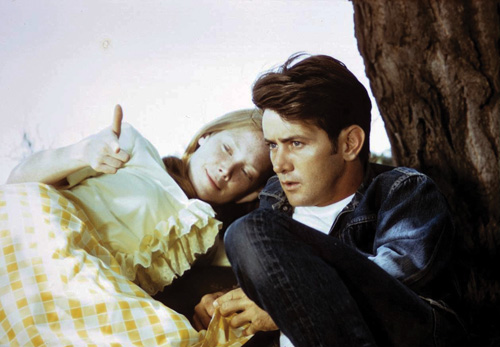
FILM Wanda (1970) takes a long time to settle into anything resembling a plot, but the wayward scenes at the start of the film have a remarkable exactness to them. In one, the title character (played by director Barbara Loden) walks into a dingy bar looking to end the day early. She’s fresh from divorce court, where she lost her kids, merely acceding to the judgments of her ex-husband and the court. As the bartender puts a bottle of beer and glass on her table, a greasy lump at the bar says he’ll take care of the drink. The unsolicited offer clouds Wanda’s face; she sips her drink resigned to what it means. A rude cut takes us to a spent motel room where Wanda sleeps naked alone in pale afternoon light. The guy from the bar tiptoes around the room to leave, but he makes a noise setting Wanda to hurriedly dress herself, pointlessly calling after him to wait. The plainness of the scene’s despair tells us it’s nothing new for her.

Characterization emerges in the fluidity of situation and behavior, melancholy in an unanchored camera and stark ellipses. Once its protagonist takes up with an amateur thief who radiates nervous energy, Wanda unspools as an inverted Gun Crazy (1950), its unsentimental portrait of a female drifter looking ahead to films like Jeanne Dielman (1975), Vagabond (1985), Safe (1995), and Kelly Reichardt’s River of Grass (1994) and Wendy and Lucy (2008). Wanda screens in a restoration print as part of a bountiful overview at the Pacific Film Archive called “The Outsiders: New Hollywood in the Seventies.”

Drawing inspiration from The Last Great American Picture Show, an excellent anthology edited by Alexander Horwath to accompany an earlier retrospective at the Austrian Film Museum, the PFA series shifts the historical narrative of New Hollywood from movie brats to unnamed margins. Celebrity-driven surveys of the same period (like Peter Biskind’s Easy Riders, Raging Bulls) miss the congruence of by-the-teeth filmmaking and borderline characters that helps to define the PFA series. Ample room is made for those filmmakers whose careers couldn’t hold a straight line (Loden’s career as a director began and ended with Wanda), and familiar landmarks like Mean Streets and Badlands (both 1973) are considered alongside lesser known but no less groundbreaking character studies like Dusty and Sweets McGee (1971), Ice (1970) and The Heartbreak Kid (1972).

The swift scene of Wanda getting picked up at the bar establishes a few leitmotifs for “The Outsiders.” You notice right away that the crummy motel rooms and bars are the real thing, and that an actor’s vanity is never spared a frank look at a character’s worn down body and face. The incidental nature of the camera placement, long duration of scenes, and dispersive spread of sound deepen the melancholy reality of these appearances. A verité-style handheld camera takes single measure of the scene, registering the immediacy of behavior but stopping short of slicing up the conflict into easy points of identification (Wanda cinematographer Nicholas T. Proferes cut his teeth with Robert Drew’s pioneering documentary crew in the early 1960s). Also borrowed from observational documentary is an interest in private, semi-coherent forms of speech; the stories are as much told through gesture and movement. You constantly feel on the precipice of emotions, watching as they form and stagnate in a languid real time that makes a character’s exhaustion palpable in the theater.

Most of these movies are indeed populated by outsiders, though the meaning of the word shifts from film to film. There are plenty of figures of hedonism (memorably, Rip Torn’s hard-driving country western singer in 1972’s Payday), but so too are there close portraits of the lived differences of gender, race, class and age — Wanda, but also Killer of Sheep (1977), Bush Mama (1975), and Over the Edge (1979). Unlike Easy Rider (1969), the film typically cited as launching a hundred New Hollywood productions, these movies don’t valorize the outsider towards an obvious political morality. A film like Killer of Sheep is delicate because it recognizes the social constraints of the central character’s life while at the same time respecting the fullness of his winnowed existence. The same long-take camera style which expresses pessimism is also left open to moments of ragged beauty that escape political allegory.

The exciting vision of radical heroism offered by Sweet Sweetback’s Baadasssss Song (1971) is the exception that makes it easier to imagine how Wanda‘s brittle poetry of despair might have disappointed feminists at the time. Wanda is left alone again at the end of the film, seemingly unable to live with or without a man. There’s a glimmer of hope when another woman invites her inside a raucous roadhouse where mixed company drink and smoke and laugh as a string duo stomp out a joyful sound. But through it all Wanda remains withdrawn, eating and drinking as if someone might at any moment snatch the food out of her hands. The film ends with a freeze frame of her blank face as the music slowly drains away on the soundtrack. The shot holds a mirror up to our desire for her story to mean something, our wish for the succor of tragedy or redemption. Loden’s film instead narrows in on the insoluble nature of the character’s existence, holding the wreckage of her life in view with both pitiless reserve and tender regard.

THE OUTSIDERS: NEW HOLLYWOOD CINEMA IN THE SEVENTIES

Sept. 2-Oct.27, $5.50–<\d>$9.50

Pacific Film Archive

2575 Bancroft, Berk.

(510) 642-5249

bampfa.berkeley.edu

The real Leland Yee

53

tredmond@sfbg.com

It’s early January 2011, and the Four Seas restaurant at Grant and Clay is packed. Everyone who is anyone in Chinatown is there — and for good reason. In a few days, the Board of Supervisors is expected to appoint the city’s first Asian mayor.

The rally is billed as a statement of support for Ed Lee, the mild-mannered bureaucrat and reluctant mayoral hopeful. But that’s not the entire — or even, perhaps, the central — agenda.

Rose Pak, who describes herself as a consultant to the Chinese Chamber of Commerce but who is more widely known as a Chinatown powerbroker, is the host of the event. She stands in front of the room, takes the microphone, and, in Cantonese, delivers a remarkable political speech.

According to people in the audience, she says, in essence, that the community has come out to celebrate and support Ed Lee — but that’s just the start. She also urges them not just to promote their candidate — but to do everything possible to prevent Leland Yee from becoming mayor.

She continues on for several minutes, lambasting Yee, the state Senator who lived in Chinatown as a child, accusing him of about every possible political sin — and turning the Lee rally into an anti-Yee crusade. And nobody in the crowd seems terribly surprised.

Across Chinatown, from the liberal nonprofits to the conservative Chamber of Commerce, there’s a palpable fear and distrust of the man who for years has been among San Francisco’s most prominent Asian politicians — and who, had Lee not changed his mind and decided to run for a full term this fall, was the odds-on favorite to become the city’s first elected Chinese mayor.

The reasons for that fear are complex and say a lot about the changing politics of Asian San Francisco, the power structure of a city where an old political machine is making a bold bid to recover its lucrative clout — and about the career of Yee himself.

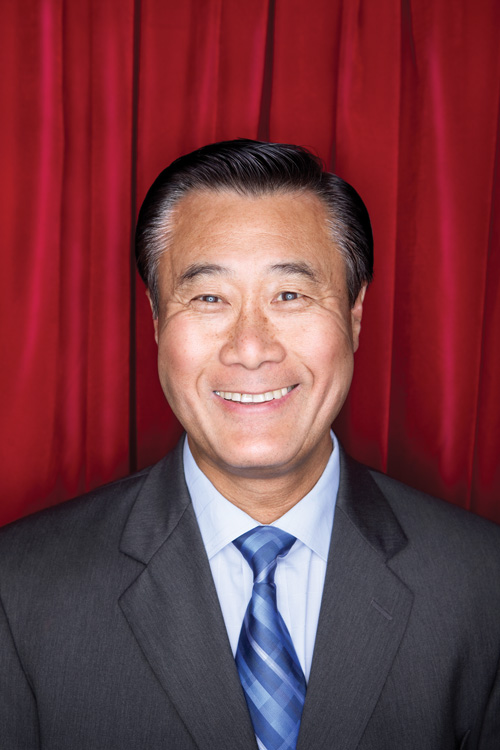
Senator Leland Yee is a political puzzle. He’s a Chinese immigrant who has built a political base almost entirely outside of the traditional Chinatown community. He’s a politician who once represented a deeply conservative district, opposed tenant protections, voted against transgender health benefits and sided with Pacific Gas and Electric Co. on key environmental issues — and now has the support of some of the most progressive organizations in the city. He’s taken large sums of campaign money from some of the worst polluters in California, but gets high marks from the Sierra Club.

His roots are as a fiscal conservative — yet he’s been the only Democrat in Sacramento to reject budget compromises on the grounds that they required too many spending cuts.

He’s grown, changed, and developed his positions over time. Or he’s become an expert at political pandering, telling every group exactly what it wants to hear. He’s the best chance progressives have of keeping the corrupt old political machine out of City Hall — or he’s a chameleon who will be a nightmare for progressive San Francisco.

Or maybe he’s a little bit of all of that.


Leland Yin Yee was born in Taishan, a city in China’s Guangdong province on the South China Sea. The year was 1948; Mao Zedong’s Communist Party of China had taken control of much of the countryside and was moving rapidly to take the major cities. The nationalist army of General Chiang Kai-Shek was falling apart, and Yee’s father, who owned a store, decided it was time for the family to leave.

The Yees made it to Hong Kong, and since Mee G. Yee had previously lived in the United States and served in the U.S. Army during World War II, he was ultimately able to move the family to San Francisco. In 1951, the three-year-old Leland Yee arrived in Chinatown.

For four years, Yee lived with his sister and mother in a one-room apartment with a shared bathroom while his father worked as a sailor in the merchant marine. It was, Yee recalled in a recent interview, a tight, closed, and largely self-sufficient community.

“The movie theater, the shoe store, the barber shop, food — everything you needed you could get in Chinatown,” Yee said. “You never had to leave.”

Of course, after a while, Yee and his mom started to venture out, down Stockton Street to Market, where they’d shop at the Emporium, the venerable department store. “It was like walking into a different country,” he said. “If you didn’t know English, they didn’t have time for you.”

Yee, like a lot of young Chinese immigrants of his era, put much of his time into his studies — in the San Francisco public schools and in a local Chinese school. “My mom spoke a village dialect, and we had to learn Cantonese,” he said. “Every little kid had to go to Chinese school. We hated it.”

When Yee was eight, his parents managed to buy a four-unit building on Dolores Street, and the family moved to the Mission, where he would spend not only the rest of his childhood but much of his early adult life. He graduated from Mission High School, enrolled in City College, studied psychology and after two years won admission to UC Berkeley.

Berkeley in 1968 was a very different world from Chinatown and even the relatively controlled environment he’d experienced at home in the Mission. “You didn’t protest in school. You’d have been sent home, and your mother would kill you,” he said.

At Berekely, all hell was breaking loose, with the antiwar protests, the People’s Park demonstrations, the campaign to create a Third World College (which led to the first Ethnic Studies Department), and a general attitude of mistrust for authority. “I developed a sense of activism,” Yee said. “I realized I could speak out.”

That spirit quickly vanished when Yee lost faith in some of his fellow activists. “People would work with us, then get into positions of power and use that against you,” he recalled. “A lot of my friends said ‘forget it.’ I left the scene.”

Yee once again devoted his energy to school, earning a masters at San Francisco State University and a Ph.D in child psychology from the University of Hawaii. Along the way, he met his wife, Maxine.

With his new degree, the Yees moved back to San Francisco — and back in with his parents at the Dolores property, where he, Maxine and a family that would grow to four kids would live for more than a decade.


Yee worked as a child psychologist for the San Francisco Department of Public Health, starting the city’s first high school mental-health clinic. He went on to become a child psychologist at the Oakland Unified School District, then joined a nonprofit mental health program in San Jose.

In 1986, Yee decided to get active in politics for the first time since college, and ran for the San Francisco School Board. He lost — and that would be the only election he would ever lose. In 1988, he won a seat, and established himself as an advocate for students of color, fighting school closures in minority neighborhoods. He also tried to get the district to modify its harsh disciplinary rules, arguing against mandatory expulsions.

On fiscal issues, though, Yee was a conservative. For his first term, despite the brutal cutbacks of the recession of the late 1980s and early 1990s, he insisted that the district make do with the money it had. His solution to the red ink: Cut waste. Only in 1992, when he was up for re-election, did he acknowledge that the district needed more cash; at that point, he supported a statewide initiative to tax the rich to bring money to the schools.

The sense of fiscal conservatism — of holding the line on taxes, but mandating open and fair contracting procedures and tight financial controls — was a hallmark of much of his political career. When the Guardian endorsed him for re-election to the board in 1992, we wrote that “there’s real value in his continuing vigilance against administrative fat and favoritism in contracts.”

Over the next four years, Yee worked with then-Superintendent Waldemar “Bill” Rojas, a deeply polarizing figure who pushed his own personal theory of “reconstitution” — firing all the staff at low-performing schools — and later was enmeshed in a scandal that led to prison time for a contractor he’d hired. Yee told me he was the only board member to vote against hiring Rojas, but people who were watching the board closely back then say he didn’t always stand up to the superintendent.

He also became what some say was a bit too close with Tim Tronson, a consultant hired by the district as a $1,000-a-day facilities consultant. Tronson wound up getting indicted on 22 counts of grand theft, embezzlement, and conspiracy in a scheme to steal $850,000 from the schools, and was sentenced to four years in state prison.

In 1998, when some school board members wanted to build housing for teachers on property that the district owned in the Sunset, Yee led the opposition — with Tronson’s help. At one meeting at Sunset Elementary School, Yee went so far as to say, according to people present, that “Tim Tronson is my man, and I rely on him for advice.”

Yee acknowledged that he worked closely with Tronson to defeat that housing project. “He was the facilities manager,” Yee explained, “and I said that I trusted his judgment.”


Yee has either a great sense of political timing or exceptional luck. He ran for the Board of Supervisors in 1996, facing one of the weakest fields in modern San Francisco history. He was the only Chinese candidate and one of just two Asians (the other, appointed incumbent Michael Yaki, barely squeaked to re-election). In an at at-large election with the top five winning seats, Yee came in third, with 103,000 votes.

He was never a progressive supervisor. In 2000, the Guardian ranked the good votes of what we referred to as Willie Brown’s Board, and Yee scored only 43 percent. He was against campaign finance reform. He supported the brutal gentrification and community displacement represented by the Bryant Square development. He voted to kill a public-power feasibility study and opposed the Municipal Utility District initiative. He opposed a moratorium on uncontrolled live-work development.

In 2002, Yee was one of only three supervisors to oppose Proposition D, a crucial public-power measure that would have broken up PG&E’s monopoly in the city. He stood with PG&E (and then-Sups. Tony Hall and Gavin Newsom) in opposition to the measure, then signed a pro-PG&E ballot argument packed with PG&E lies.

When I asked him about that stand, Yee at first didn’t recall opposing Prop. D, but then said he “stood with labor” on the issue. In fact, the progressive unions didn’t oppose Prop. D at all; the opposition was led by PG&E’s house union, IBEW Local 1245.

Yee was particularly bad on tenant issues. He not only voted to deny city funding for the Eviction Defense Collaborative, which helped low-income tenants fight evictions; he actually tried to get the city to put up money for a free legal fund to help landlords evict their tenants. He opposed a ballot measure limiting condo conversions. He opposed a measure to limit the ability of landlords to pass improvement costs on to their tenants.

In 2001, Yee voted to uphold a Willie Brown veto of legislation to limit tenancies in common, a backdoor way to get around the city’s condo conversion ordinance. Only Hall and Newsom, then the most conservative supervisors on the board, joined Yee. At one point, he started asking whether the city should consider repealing rent control.

He opposed an affordable housing bond in 2002, joining the big landlord groups in arguing that it would raise property taxes. Every tenant group in town supported the measure, Proposition B; every landlord group opposed it.

I asked Yee about his tenant record, and he told me that he now supports rent control. But he said that he was always on the side of homeowners and small landlords, and that property ownership was central to Chinese culture. “I was responding to the Chinese community and the West Side,” he said.

He wasn’t much of an environmentalist, either — at least not in today’s terms. He was one of the only city officials to support a “Critical Car” rally in 1999, aimed at promoting the rights of vehicle drivers (and by implication, criticizing Critical Mass and the bicycle movement).

His record on LGBT issues was mixed. While he supported a counseling program for queer youth when he was on the school board, he also supported JROTC, angering queer leaders who didn’t want a program in the public schools run by, and used as a recruiting tool for, the military, which at that point open discriminated against gay and lesbian people.


Yee was also one of only two supervisors who voted in 2001 against extending city health benefits to transgender employees.

That was a dramatic moment in local politics. Nine votes were needed to pass the measure, and while eight of the supervisors were in favor, Yee and Hall balked. At one point, Board President Tom Ammiano had to direct the Sheriff’s Office to go roust Sup. Gerardo Sandoval, who was ducking the issue in his office, to provide the crucial ninth vote.

Yee didn’t just vote against the bill. According to one reliable source who was there at the time, Yee spoke to a community meeting out on Ulloa Street in the Sunset and berated his colleagues, quipping that the city should have better things to do than “spend taxpayer money on sex-change operations.”

It was a bit shocking to trans people — Yee had, over the years, befriended some of the most marginalized members of what was already a marginalized community. “There was one person at the rail crying, saying ‘Leland, how could you do this to us,'” Ammiano recalled.

The LGBT community was furious with Yee. “I didn’t speak to him for at least a year,” Gabriel Haaland, one of the city’s most prominent transgender activists, told me.

Yee now says the vote was a mistake — but at the time, he told me, he was under immense pressure. When he voted for the queer youth program, he said, “the elders of the Chinese community ripped me apart. They called my mother’s friends back in the village [where he was born] and said her son was embarrassing the Chinese community.”

That must have been difficult — and he said that “if I had known the pain I had caused, I wouldn’t have voted that way.” But it was hard to miss that pain his vote caused.

On the other hand, people learn from their experiences, attitudes evolve, we all grow up and get smarter, and the way Yee describes it, that’s what happened to him.

In 2006, when he was running for state Senate, Yee met with a group of trans leaders and formally — many now say sincerely — apologized. It was an important gesture that made a lot of his critics feel better about him.

“He didn’t have to do that,” Haaland said. “People change, and he paid for his crime, and that’s genuine enough for me.”

As a former school board member, Yee kept an interest in the schools — but not always a healthy one. At one point, he actually proposed splitting SFUSD into two districts, one on the (poorer) east side of town and one on the (richer) west. “We strongly opposed that,” recalled Margaret Brodkin, who at the time ran Coleman Advocates for Children and Youth. “Eventually he dropped the idea.”

For all the problems, in his time on the Board of Supervisors, Yee developed a reputation for independence from the Brown Machine, which utterly dominated much of city politics in the late 1990s. His weak 43 percent rating on the Guardian scorecard was actually third-best among the supervisors, after Ammiano and the late Sue Bierman.

In 1998, he was one of the leaders in a battle to prevent the owners of Sutro Tower from defying the city’s zoning administrator and placing hundreds of new antennas on Sutro Tower. He, Bierman, and Ammiano were the only supervisors opposing Brown’s crackdown on homeless people in Union Square.

When he ran in the first district elections, in 2000, against two opponents who had Brown’s support and big downtown money, the Guardian endorsed him, noting that while he “can’t be counted on to support worthy legislation … He’s one of only two board members who regularly buck the mayor on the big issues.”

(He never liked district elections, and used to take any opportunity to denounce the system, at times forcing Ammiano to use his position as president to tell Yee to quit dissing the electoral process and get to the point of his speech.)


In 2002, the westside state Assembly district seat opened up, and both Yee and his former school board colleague Dan Kelly ran in the Democratic primary. Yee won, and went on to win the general election with only token opposition.

His legislative record in the Assembly wasn’t terribly distinguished. Yee never chaired a policy committee — although he did win a leadership post as speaker pro tem. And he cast some surprisingly bad votes.

In 2003, for example, then-Assemblymember Mark Leno introduced a bill that would have exempted single-room occupancy hotels from the Ellis Act, which allows landlords to evict tenants for no reason. Yee refused to vote for the bill. Leno was furious — he was one vote short of a majority and Yee’s position would have doomed the bill. At the last minute, a conservative Republican who had grown up in an SRO hotel voted in favor.

When he ran for re-election in 2004, we noted: “What’s Leland Yee doing up in Sacramento? We can’t figure it out — and neither, as far as we can tell, can his colleagues or constituents. He’s introduced almost no significant bills — compared, for example, to Assemblymember Mark Leno’s record, Yee’s is an embarrassment. The only high-profile thing he’s done in the past several years is introduce a bill to urge state and local governments to allow feng shui principles in building codes.”

In 2006, Yee decided to move up to the state Senate, and he won handily, beating a weak opponent (San Mateo County Supervisor and former San Francisco cop Mike Nevin) by almost 2-1. His productivity increased significantly in the upper chamber — and in some ways, he moved to the left. He’s begun to support taxes — particularly, an oil severance tax — and when I’ve questioned him, he somewhat grudgingly admits that Prop. 13 deserves review.

He’s done some awful stuff, like trying to sell off the Cow Palace land to private developers. But he has consistently been one of the best voices in the Legislature on open government, and that’s brought him some national attention.

Yee has been a harsh critic of spending practices and secrecy at the University of California, and when UC Stanislaus refused in 2010 to release the documents that would show how much the school was paying Sarah Palin to speak at a fundraiser, Leland flew into action. He not only blasted the university and introduced legislation to force university foundations to abide by sunshine laws; he worked with two Stanislaus students who had found the contract in a dumpster and made headlines all over the country.

He’s fought for student free speech rights and this year pushed a bill mandating that corporations that get tax breaks for job creation prove that they’ve actually created jobs — or pay the tax money back. He’s also won immense plaudits from youth advocates and criminal justice reformers for his bill that would end life-without-parole sentences for offenders under 18.

Along the way, he compiled a 100 percent voting record from the major labor unions, including the California Nurses Association and SEIU, and with the Sierra Club. All three organizations have endorsed him for mayor.

Yee told me that he thinks he’s become more progressive over the years. “My philosophy has shifted,” he said.

Yet when you talk to his colleagues in Sacramento, including Democrats, they aren’t always happy with him. Yee has a tendency to be a bit of a loner — he’s never chaired a policy committee and in some of the most bitter budget fights, he’s refused to go along with the Democratic majority. Yee insists that he’s taken principled stands, declining to vote for budget bills that include deep service cuts. But the reality in Sacramento is that budget bills have until this year required a two-thirds vote, meaning two or three Republicans have had to accept the deal — and losing a Democratic vote has its cost.

“You have to give up all sorts of things, make terrible compromises, to get even two Republicans,” one legislative insider told me. “When a Democrat goes south, you have to find another Republican, and give up even more.”

In other words: It’s easy to take a principled stand, and make a lot of liberal constituencies happy, when you aren’t really trying to make the state budget work.


I met Rose Pak on a July afternoon at the Chinatown Hilton. She brought along her own loose tea, in a paper package; the waitress, who clearly knew the drill, took it back to the kitchen to brew. Pak and I have not been on the greatest of terms; she’s called the Guardian all kinds of names, and I’ve had my share of critical things to say about her. But on this day, she was polite and even at times charming.

After we got the niceties out of the way (she told me I was unfair to her, and I told her I didn’t like the way she and Willie Brown played politics), we started talking about Yee. And Pak (unlike some people I interviewed for this story) was happy to speak on the record.

She told me Yee had “no moral character.” She told me she couldn’t trust him. She told me a lot of stories and made a lot of allegations that we both knew neither she nor I could ever prove.

Then we got to talking about the politics of Chinatown and Asians in San Francisco, and a lot of the animosity toward Yee became more clear.

For decades, Chinatown and the institutions and people who live and work there have been the political center of the Chinese community. Nonprofits like the Chinatown Community Development Center have trained several generations of community organizers and leaders. The Chinese Chamber of Commerce, the Six Companies, and other business groups have represented the interests of Chinese merchants. And while the various players don’t always get along, there’s a sense of shared political culture.

“In Chinatown,” Gordon Chin, CCDC’s director, likes to say, “it’s all about personal connections.”

There’s a lively infrastructure of community-service programs, some of which get city money. There’s also a sense that any mayor or supervisor who wants to work with the Chinese community needs to at least touch base with the Chinatown establishment.

Yee doesn’t do that. “He doesn’t give a shit about them,” David Looman, a political consultant who has worked with many Chinese candidates over the years, told me.

Yee’s Asian political base is outside of Chinatown; he told me he sees himself representing more of the Chinese population of the Sunset and Richmond and the growing Asian community in Visitacion Valley and Bayview.

Pak is connected closely to Brown, who Yee often clashed with. For Pak, Brown, and their allies, strong connections to City Hall mean lucrative lobbying deals and public attention to the needs of Chinatown businesses. Then there’s the nonprofit sector.

CCDC and other nonprofits do important, sometimes crucial work, building and maintaining affordable housing, taking care of seniors, fighting for workers rights, and protecting the community safety net. Yee, Pak said, “has never shown any interest in our local nonprofits. We all work together here, and he doesn’t seem to care what we do.” Yee told me he has no desire to see funding cut for any critical social services in any part of town. But he has also made no secret of the fact that he questions the current model of delivering city services through a large network of nonprofits, some of which get millions of taxpayer dollars. And the way Pak sees it, all of that — the nonprofits, the business benefits, the contracts — are all at risk. “If Leland Yee is elected mayor,” she told me, “we are all dead.”

I ran into an old San Francisco political figure the other day, a man who has been around since the 1970s, inside and outside of City Hall, who remains an astute observer of the players and the power relationships in the local scene. At the time we talked, he wasn’t supporting any of the mayoral candidates, but he had a thought for me. “This town,” he said, “is being taken over by a syndicate. Willie Brown is the CEO, and Rose Pak is the COO, and it’s all about money and influence.”

That’s not a pleasant thought — I’ve lived through the era of political machine dominance in this town, and it was awful. In the days when Brown ran San Francisco, politics was a tightly controlled operation; only a small number of people managed to get elected to office without the support of the machine. Developers made land-use policy; gentrification and displacement were rampant; corruption at City Hall turned a lot of San Franciscans off, not only to the political process but to the whole notion that government could be a positive force in society.

A few years ago, I thought those days were over — and to a certain extent, district elections will always make machine politics more difficult. But when I see signs of the syndicate popping up — and I see a candidate like Ed Lee, who’s close friends with Brown, leading the Mayor’s Race — it makes me nervous. And for all his obvious flaws, at least Leland Yee isn’t part of that particular operation. If there’s a better reason to vote for him, I don’t know what it is.

YEE HOME PURCHASE RAISES SUSPICIONS

Rose Pak has a question about Leland Yee. “How,” she asked me, “did the guy manage to buy a million-dollar house on a $30,000 City Hall salary?”

Pak isn’t the only one asking — numerous media reports over the years have examined how Yee raised a family of four and bought a house in the Sunset on very little visible income. And while I’m not usually that interested in the personal finances of political candidates, I decided that it was worth a look.

Here’s what I found: Public records show that in July 1999, Yee and his wife, Maxine, purchased a house on 24th Avenue for $875,000 (it’s now assessed at slightly more than $1 million). At the time, Yee was a San Francisco supervisor, earning a little more than $30,000 a year. (The salary of the supervisors was raised dramatically shortly after Yee left the board and went to the state Assembly.) His wife wasn’t working. And his economic interest statements for that period show no other outside earnings. So the disposable, after-tax income of the entire Yee family couldn’t have been much more than $25,000.

That, by any normal standard, shouldn’t have been enough to float a mortgage that, records show, totaled $516,000. In fact, the interest payments alone on that mortgage alone would total $3,600 a month — more than Yee’s gross income.

Documents in the Assessor’s Office show another paper trail, too. In 1989, Jung H. Lee, Yee’s mother, transferred the deed on a four-unit Dolores St. building where the family had been living to Maxine and Leland Yee — for no money. And a few months before the Yees bought the Sunset house, they took out a $320,000 home-equity loan on that property. That was the down payment on the Sunset property.

Still: At that point, the Yees would have been paying off two mortgages, with a total nut of about $5,000 a month — and supporting four kids, in San Francisco. In 2002, Yee’s economic interest statement’s show some modest income from teaching at Lincoln University — but nowhere near enough to pay that level of expenses.

What happened? Yee explains it this way: “For more than 10 years, we were living rent-free in my parents’ property,” he told me I an interview. “We were a close Chinese family, and my parents provided the food and helped pay for the children’s clothing. So we had almost no expenses and we lived very frugally.”

During that period, Yee was working for the San Francisco Department of Public Health, the Oakland Unified School District, and a San Jose nonprofit, earning, he said, between $50,000 and $90,000 a year. If he saved almost all of that money, he would have had more than a half-million dollars in the bank when he bought the Sunset house.

There’s nothing on any of his economic disclosure forms showing any ownership of stocks or other reportable financial interests during that period, so he wasn’t investing the money. In fact, he says, it was, and is, all in simple savings accounts. A bit unusual for that large a sum of money.

How did he get a mortgage? “Back then,” he said, “banks were willing to lend a lot more freely than they do today.”

Starting in 2003, Yee was in the state Assembly, making a higher salary — but still not much in excess of $100,000 a year. After taxes, he was probably taking home about $75,000 — and $60,000 was going to the two mortgages.

How did he do it? “We have been supplementing our income with our savings,” he said. “We don’t take vacations, we are very careful with our money.” And they clearly aren’t desperate for cash — Yee’s daughter occupies two of the four units in the Dolores St. building they own, but the other two units are vacant.

It’s possible. It’s plausible. But I don’t blame people for wondering how he managed to pull it off. (Tim Redmond, with research assistance by Oona Robertson) 


BIG CORPORATIONS HAVE BACKED YEE

Yee became a prodigious fundraiser in Sacramento — and a lot of the money came from big corporations that had business in the Legislature. And while he has perfect scores from the Sierra Club and the big labor unions, he’s taken tens of thousands of dollars from some of the biggest corporations, agribusiness interests, and polluters in the state. And at times, he’s voted their way.

Since 1993, for example, campaign finance records show Yee has taken more than $20,000 from Chevron, ExxonMobil, Valero, Conoco Phillips, and BP. He’s received another $22,450 from the chemical industry (and industry employees). Most of it came from Clorox, Dow Chemical, and Dupont.

And while the Sierra Club may not have considered it a priority, Sen. Mark Leno has worked hard to pass a bill limiting chemical fire retardants in furniture. In 2008, Yee voted against Leno’s AB 706.

That year he also refused to support a bill that would prohibit the use of the chemical diacetyl in workplaces. The industries that opposed AB 514 (including Bayer, Abbott Laboratories, Pfizer, and Johnson & Johnson) have given Yee a total of more than $60,000.

In 2003, Yee voted against a crucial tenant bill, one that would have prevented the owners of single room occupancy hotels from using the Ellis Act to evict tenants. He received a campaign check for $2,500 from the San Francisco Apartment Association the next day. Landlords in general have given Yee close to $40,000.

Then there’s agribusiness. Yee gets a lot of money from the farming industry, despite the fact that there obviously aren’t many farms in his district. Why, for example, would the California Poultry Association, the California Cattlemen’s Association, and the California Farm Bureau give him money? The Poultry Association’s Bill Mattos told us that Yee “has taken a keen interest in California’s poultry industry.”

Yee also took immense flak from the San Francisco Chronicle and other papers over a 2003 vote against a bill to limit emissions from farm vehicles. In an editorial, the paper wrote that he was “doing dirty work for the lobbyists.” In the end, under immense public pressure, he switched positions and voted for the bill. I asked Yee about all that money from all those bad operators, and he told me — as most politicians will — that campaign cash has never influenced any of his votes.

So why do all these groups give him money? “It’s about whether you will sit down and listen,” Yee said. “I will talk to all sides and at least consider the arguments as a thoughtful human being. Then I vote my conscience.” (Tim Redmond, with research by Oona Robertson) 

5 Things: August 26, 2011

0

>>WATER WORKS Everyone’s abuzz about Ali Farzat, the Syrian cartoonist whose hands were broken after creating wildly popular illustrated works critiquing the government. The assault on Farzat is a reminder that art has the power to change minds and lives — an idea that US artists with Estria Miyashiro’s Water Writes mural series were fully with when they teamed up with young people to create eight environmental justice-themed murals at water purification sites in eight days in Gaza. The beleaguered city was the project’s fifth stop — including already-completed Phillipines and Hawaii walls, the Water Writes project will go to 10 worldwide cities in total.

>>BABY BANKROLL Back in June, Tim Redmond looked at the reasons for why families stay in San Francisco. His isn’t the only clan that is sticking in the city: Broke Ass Stuart just launched a new column called Mommy No Bucks that’ll be looking at how all us broke asses (with children!!) make it work in the concrete jungle. 

Not til you’re 21, honey. 

>>CHEESE IT! With all the experimental mixologists in San Francisco and our very own grilled cheese food truck, Toasty Melts, you’d think we’d be the first to come up with this: the grilled cheese martini. The Internet has been aglow in gooey praise/disgust the past few days over this concoction, which can be ordered at Bennett’s Pure Food Bistro in Seattle and the Cellar at Beecher’s in New York – both owned by Kurt Beecher Dammeier. It consists of grilled cheese sandwich-infused vodka (“six piping hot sandwiches in 10 gallons of vodka”), fresh tomatoes, basil, and tomato juice. Sounds like vomit central.

>>WINING DOWN We went to check out the public premiere of Wine From Here, a documentary on California’s nascent natural wine culture. Natural wine, we say? Yeah, the definition’s under a fair amount of debate — never more evident than at the filmmaker Q&A after last night’s screening at the Victoria Theatre. The crowd quibbled over things like the use of oak barrels (shouldn’t the fragrant wood be considered an additive since it alters vino’s flavor profile?), labeling moratoriums, and relative price points of wine grown with and without the addition of foreign yeasts, dyes, and government-approved chemicals. Hopefully the differences of opinion were smoothed over at the screening’s after-party at natural wine-friendly Heart, where the profiled vignerons’ bottles were on the menu, including pours from Coturri Winery and Berkeley’s Edmund St. John.

>>BLAST-OFF TO THE WEEKEND When the aliens come for us, we hope they have noodle faces like the claymates in the new Hopie Spitshard and Del the Funky Homosapien video for Hopie’s single “Space Case,” shot outside Beauty Bar and around the Yay. And we hope they transmorgrify our faces with the same fly colorblock eyeshadow as Bay Area MC Hopie’s. And we hope that the ray of light doesn’t come for us today — we wanna catch Spitshard’s show at 111 Minna tonight, part of a fundraiser for Alameda’s Bohol Circle Filipino community center. 


Maximum Consumption: il gato eats SF

1

When I sat down with il gato for this week’s cover story, I also grilled the band about their favorite local eateries. And they had some pretty serious opinions on the matter. Below is a transcript of our food-loving conversation:

San Francisco Bay Guardian: So where do you like to eat in San Francisco?

Johnny Major: Little Chihuahua, have you ever been there? I’m an absolute addict. It’s the perfect food. Garlic shrimp burritos! And they have amazing carnitas burritos. I go there all the time. And Lower Haight has got some great spots like Memphis Minnies. It’s great Southern barbecue. Where do you go and get some real Southern barbecue here? Those are my two favorite restaurants.
Daimian Holiday Scott: I was raised vegetarian so initially coming out here and, which I’m still super into, I’ve never had the experience of eating lots of different types of meat, so getting like, veggie chili cheese fries or there’s [Golden Era] that has fake fried chicken sticks that have a bamboo dowel.

SFBG: Are you still vegetarian?
DHS: Still vegetarian. Yeah.
JM: From birth! Never had a piece of meat.
DHS: [Laughs] That’s John’s favorite line! It’s not true.
JM: I mean a real piece of meat. You ever had a steak?
DHS: No, I don’t know if I have really.
JM: There you go.

DHS: I lived in Berkeley a couple of years, and Berkeley is still one of the top food spots. And I love Little Star and that rosemary cornmeal crust. I [also] like pickled things so I pickle a lot – cured olives and sauerkraut.

Andrew Thomas: I grew up in Texas, so I’ve had plenty of steak [laughs]. I’ve dabbled in all types. I’ve been a pescetarian, I’ve been a vegan, I’ve tried it all and I’m pretty much back to eating meat. I live in Oakland so I’ve got lots of favorites in Oakland. But I lived in San Francisco for a year and one of my favorites is House on Nanking in Chinatown. And in general, moving up here –  and my girlfriend is part of it too, she’s a big cook and into farmers’ markets – I’ve learned infinitely more about cooking and vegetables in general. And I have to say, my token place was Kennedy’s [Irish Pub and Curry House]. It’s pretty much an Irish bar meets and Indian place.

DHS: Indian pizza is one of my favorite things about living in San Francisco. Zantes is better but there used to be Raja in Lower Haight. I actually went to a [different] place that said they had Indian pizza – [it was] a cheese slice with garlic, spinach, and then some like, jarred Indian sauce on it. I was like, “what are you doing? How dare you?!” [laughs].

I walked home last night after Johnny’s [solo] show, and I got homemade apple pie with fresh whipped cream off a vender on Valencia. That’s tied into the city being one of the top two or three food cities in the world, which is so true and we’re so spoiled.

Good girls inhale

16

caitlin@sfbg.com

HERBWISE This is the image that could very well legalize weed in the United States, if not on the books then in our national subconscious: a be-curlered, white-bathrobed housewife ducking behind the backyard clothesline for a quick toke before her adolescent son comes to ask her to wash his gear for the Little League championship tomorrow.

Dee Dee Kirkwood thinks so. The playwright behind Toke places the image at the center of an opening scene in her semi-autobiographical play about a woman and her weed.

“It’s all positives, there are no negatives about marijuana,” chirped Kirkwood over the phone the day after the friends and family preview performance of Toke. “I wanted to focus my writing on making a change, helping cannabis smokers, and helping people come out of the closet.”

Out of the closet? Kirkwood does put much truck in marijuana as a libido-enhancer, and noted Bay sexologist Carol Queen is slated to step into the pointy high heels of Toke‘s pot fairy character for the second two weeks of the play. Sexuality is in the air of Ashby Theatre as much as smoke, in fact — but Kirkwood’s talking about an entirely different kind of self-realization here.

The climactic scene of Toke takes place after protagonist Wee Dee (get it!) has surfed the seas of kitchen table abortions, Post Traumatic Stress Disorder-having Vietnam vet first loves, radical European commune life, and a confining marriage to the father of her two children — happenings that Kirkwood’s script manage to make touching and madcap in turns. The character is plucky, likable, fun, so it makes sense when her second hubby encourages her to take that indomitable Wee Dee spirit and channel it towards marijuana activism.

So she organizes an event. It’s not important what the event is, because it’s at the end of an already-wacky play and if you’re not stoned by that point, it’s not clear why you at a production called Toke to begin with.

What is important is that after Wee Dee has listened to the This is Your Life-style cassette tape of various blasts from the past wishing her well, she emerges onstage with a glittering, Beach Blanket Babylon-esque cannabis headdress. She announces “I’m coming out of the closet! I’m green!”

And boy does the audience cheer. Wee Dee is a hero.

Toke is Kirkwood’s raison d’être. She doesn’t consider herself a career activist, just wants to lead people to more morality-based look at marijuana’s outlaw status, even though the unjust incarceration issue doesn’t get much play in Toke. As a wife and mother, she wants others to share in the happiness that the dro has brought to her life.

And — if it ever makes it out of Berkeley’s green hills — one could see Toke performing similar feats for weed that Eat, Pray, Love enacted on Middle America’s acceptance of yoga and women traveling solo.

“If it ever makes it out of Berkeley” being the key phrase there, of course.

TOKE

Fri/26 – Sept. 11, Thu.-Sat, 8 p.m.; Sun., 5 p.m., $25

Ashby Theatre

1901 Ashby, Berk.

www.toketheplay.com


For the fall of it

0

arts@sfbg.com

FALL ARTS Puppets, fanciful forms of democracy, and disfigured villains are leitmotifs beyond the Beltway this season, as the following theater and performance highlights suggest.

Stuffed and Unstrung Bad puppets, puppets misbehaving, puppets you won’t see on Sesame Street, puppets you don’t want to meet on a darkened street. Eighty of them. And six improvising comedians too: Henson puppeteers gone wild. (Brian Henson, that is, son of puppeteering parents Jim and Jane). Co-presented by SF Sketchfest. (Through Sat/27, Curran Theatre; shnsf.com.)

Roughin’ It: Theater. Oysters. Campfire. Booze. Is one of these things not like the others? No, they are all just like the others. Now you can yell oyster in a crowded campfire and drink like an actor. It seems this unique opportunity (one night only, this weekend) arises because PianoFight is couch surfing right now, very near the actual surf in Tomales Bay. The show-show part of this show consists of new material by local playwrights writing plays for this very moment in time at the Tomales Bay Oyster Company in Point Reyes Station, just in case you were wondering about it. Round-trip shuttle ride from SF available for a few extra clams, and dollar oysters for a dollar. (Sat/27, Tomales Bay Oyster Company, Point Reyes Station; pianofight.com.)

A Delicate Balance Aurora Theatre turns 20 this season too. It has chosen to celebrate by kicking things off with a production of Edward Albee’s great and so great play, A Delicate Balance. And to include in the cast local luminaries Anne Darragh, Charles Dean, and Carrie Paff. This is all just an excellent idea. (Sept. 2-Oct. 9, Aurora Theatre; auroratheatre.org.)

San Francisco Fringe Festival, the 20th annual for god’s sake. Forty-four shows from all over, all over 12 days, all over the lovely Tenderloin. Good theater very cheap, and bad theater, also very cheap. The lottery-based, snob-resistant Fringe: this is what democracy looks like. (Sept. 7–18, Exit Theatre; www.sffringe.org.)

The People: San Francisco Corporations are people too, my friend. So was Hitler. Even I am people apparently. There’s a lesson there somewhere in this Yerba Buena Center for the Arts and Z Space co-production, as the New York–based performance team of Caden Manson and Jemma Nelson (makers of 2009’s wowing S.O.S. at YBCA) bring to the street outside Z Space the local installment of their globetrotting site-specific democracy-curious spectacle, featuring live performance and real-time gi-normous video projections. I’m told there will also be taco trucks. But really: no way you want to miss Big Art Group. (Sept. 16–17, Z Space; bigartgroup.com)

3 For All Maybe the SF Improv Festival has whetted your appetite. Or maybe you already know that this longstanding, outstanding long-form improv trio comprised of Rafe Chase, Stephen Kearin, and Tim Orr are always varied and strange and wonderful. (Sept. 16–17, Bayfront Theatre; www.improv.org.)

Frankenstein Independent Eye’s Conrad Bishop and Elizabeth Fuller present their take on Mary Shelley’s gothic (and profoundly modern) tale, using a trio of actors, a moody mix of sound and image, and their exquisitely crafted puppets. (Oct. 7–30, 6th Street Playhouse; 6thstreetplayhouse.com.)

Richard III Now is the winter of our discontent made glorious with this fall theater-season spectacular starring Kevin Spacey. M’lord. What hump? (Oct. 19–29, Curran Theatre; shnsf.com.)

Desdemona Responding to internationally acclaimed director Peter Sellars’s 2009 staging of Othello, author Toni Morrison and African singer-songwriter Rokia Traoré, together with Sellars himself, channel a conversation between Shakespeare’s unlucky heroine and her African nurse, Barbary, in this intimate and intriguing U.S. premiere. (Oct. 26–29, Zellerbach Playhouse; calperfs.berkeley.edu.)

Endgame and Watt Samuel Beckett is not the Gloomy Gus everybody likes to think. All right, sure, he kind of is. But he’s also very funny. And I’m told tidy. He’s also a genius, damn it, and when it comes to interpretations of Beckett nobody has the cred that these Irish cats do, in Gate Theatre of Dublin’s rare visit to Berkeley’s Zellerbach Playhouse. Starring Barry McGovern, who can’t go on but will go on, in the great play Endgame, as well as his own selections from the novel Watt. (Nov. 17–20, Zellerbach Playhouse; calperfs.berkeley.edu.)

Bestivals

0

caitlin@sfbg.com

FALL ARTS Now that even the quaintest neighborhood block parties publish music lineups in advance and big beat fests give as much shine to snack vendors as secondary stages, it’s becoming clear that the events on our fall fair and festival listings are all just part of one big movement. Leading to what, you might ask? Leading to you having a celebrate-good-times kind of autumn in the Bay Area. Seize the day, pack your sunscreen, bring cash: from film to activism to chocolate, here comes the sun.


NOW-SEPT. 25

Shakespeare in the Park Presidio’s Main Post Parade Ground Lawn, between Graham and Keyes, SF. (415) 558-0888, www.sfshakes.org. Times vary, free. Whilst thou be satisfied with the Bard’s hits in the open air, free for you and the clan? The line-up, from Cymbeline to Macbeth, suggests that it won’t be so hard.


AUG. 27

J Pop Summit Japantown Peace Plaza, SF. www.newpeopleworld.com. 11 a.m.-6 p.m., free. Enter the kaleidoscope of anime, manga, Lolita, androgynously cute boys in tuxedo jackets, keyboard theatrics, and Vocaloid (a computer program that creates complete songs, vocals and all) contests at this unique festival marathon of Japanese pop culture.

Rock The Bells Shoreline Amphitheatre, Mountain View. www.rockthebells.net. 10:55 a.m.-10:25 p.m., $55.50-281.00. Lauryn Hill, Nas, GZA, Common, Black Star — the country’s biggest hip-hop festival hits the Bay, bigger than ever.


SEPT. 3

International Cannabis and Hemp Expo Telegraph from 16th to 20th sts. and Frank Ogawa Plaza, Oakl. intche.eventbrite.com. Noon-8 p.m., $18-300. 120 different strains of Mary Jane should be enough to get you through eight hours of festival — if not, there will be three stages of music and educational speakers for pot pals to trip on.


SEPT. 3-4

Zine Fest SF County Fair Building, 1199 Ninth Ave., SF. www.sfzinefest.org. 11 a.m.- 6 p.m., free. If arbiter of Bay indie comic cute Lark Pien’s original kitty cat Zine Fest 2011 poster doesn’t hook you (how?), you’re sure to find something that tickles your cut-and-paste among the aisles at this assemblage of DIY publishers and comic heads.

Millbrae Art and Wine Festival Broadway between Victoria and Meadow Glen, Millbrae. (650) 697-7324, www.miramarevents.com. 10 a.m.- 5 p.m., free. Celebrate Labor Day at this multi-faceted celebration of artisan comestibles, classic cars, live tunes, and hundreds of crafters — it even has a kids talent show.


SEPT. 4

EcoFair Marin Marin County Fairgrounds, San Rafael. www.ecofairmarin.org. 10 a.m.-7 p.m., $5. The keynote speaker at this expo of all things green and cutting-edge is Temple Grandin, Ph.D., one of the world’s leading autism advocates.


SEPT. 7-18

Fringe Festival Various locations, times, prices. www.sffringe.org. This festival’s egalitarian method of stage assignments mean that there’s no better time of year in the city to check out first-time playwrights and original (yes, sometimes wonky) scripts.


SEPT. 8-11

Electronic Music Festival Brava Theater Center, 2789 24th St., SF. www.sfemf.org. The Bay’s new music artists pop off together for this long weekend of exploration of the sonic spectrum.


SEPT. 10

Brews on the Bay Pier 45, SF. www.sfbrewersguild.org. Noon-5 p.m., $45. The city’s biggest brewers: Magnolia, Beach Chalet, Anchor, and Speakeasy among others, pour out endless tastes at this Bay-side swigfest


SEPT.10-11

Ghirardelli Square Chocolate Festival Ghriradelli Square, North Point and Larkin sts., SF. (415) 775-5500, www.ghirardellisq.com. Noon-5 p.m., $20 for 15 samples. A benefit for chronically ill and housebound elderly folks, chocolatier demonstrations and ice cream sandwich-eating contests sprinkle over this day of chocolate tasting par excellence.


SEPT. 14-18

Berkeley Old Time Music Convention Times, locations, and prices vary. www.berkeleyoldtimemusic.org. Loosen up them joints — it’s time to get goofy and gangly to some banjos and flat-footin’ at this multi-day Americana celebration of film screenings, concerts, open jams, and more.

Power and Sailboat Expo Jack London Square, Broadway and First St., Oakl. (510) 536-6000, www.ncma.com. Wed.-Fri., noon — 6 p.m.; Sat.-Sun., 10 a.m.-6 p.m., $10. In the market for a rubber inflatable raft? Wanna scope haute yachts? Sail away to this family-friendly event on the Bay.


SEPT. 15 — DEC. 18

SF Jazz Fest Times, locations, and prices vary. (866) 920-5299, www.sfjazz.org. Esperanza Spalding, Booker T., Aaron Neville, and performances by SF’s most talented high school jazz players mark this season of innovative concerts and jazz appreciation events.


SEPT. 23-25

Eat Real Jack London Square, Broadway and First St., Oakl. (510) 250-7811, www.eatrealfest.com. Fri, 1-8 p.m.; Sat, 11 a.m.-8 p.m.; Sun, 11 a.m.-7 p.m., free. A celebration of all foods local and sustainable, you can enter your prize pickles in a contest at this burgeoning fest, learn how to be a backyard farmer, and of course, eat good food til you burst.


SEPT. 23 — OCT. 16

24 Days of Central Market Arts www.centralmarketarts.org. Most events are free. The heart of the city organizes this smorgasboard of art events — from world class dance to circus to quirky theater pieces. Take your brown bag (lunch? something else?) down to Civic Center for one of the free performances.


SEPT. 24

Lovevolution Oakland Coliseum, 7000 Coliseum Way, Oakl. www.sflovevolution.org. Noon- 8 p.m., $25. The days of prancing neon-ly down Market Street are over but hey, Oakland’s got better weather! This year’s massive outdoor rave stages its traditional parade around the circumference of the coliseum’s parking lot.


SEPT. 25

Folsom Street Fair Folsom between Seventh and 12th sts., SF. www.folsomstreetfair.org. 11 a.m.- 6 p.m., $10 suggested donation. Sure, it’s touristy, but this kink community mega-event has its heart in the right place (between its legs). The premier place to get whipped in public, hands down.


SEPT. 30 — OCT. 2

Hardly Strictly Bluegrass Speedway Meadows, Golden Gate Park, SF. www.strictlybluegrass.com. Sure this homegrown free twangfest gets more crowded by the year — but attendance numbers are directly tied to the ever-more-badass lineup of multi-genre legends. This year: Emmylou Harris, Bright Eyes, Broken Social Scene, Robert Plant — and yes, MC Hammer.

Oktoberfest By the Bay Pier 48, SF. 1-888-746-7522, www.oktoberfestbythebay.com. Fri, 5 p.m.-midnight; Sat, 11 a.m.-5 p.m. and 6 p.m.-midnight; Sun, 11 a.m.-6 p.m., $25-65. Oompah, it’s time for some bratwurst! Raise your stein to this boozy celebration of German culture.


OCT. 1

Wildlife Conservation Expo Mission Bay Conference Center, 1675 Owens, SF. www.wildnet.org. 10 a.m.- 6 p.m., $30-60. Save the Botswanan cheetahs and okapis! Learn from leading conservationists about innovative environmental projects around the world.


OCT. 1-2

World Vegetarian Day County Fair Building, 9th Ave. and Lincoln, SF. (415) 273-5481, www.worldvegfestival.com. 10 a.m.-6 p.m., $10 suggested donation, free before 10:30 a.m. The 40-year old SF Vegetarian Society sponsors this expo of veggie livin’ — expert speakers talk science and advocacy, and there’ll even be a round of vegan speed dating for those hoping to share their quinoa with a like-minded meatless mama.

Alternative Press Expo (APE) Concourse Exhibition Center, 635 Eighth St., SF. (619) 491-1029, www.comic-con.org/ape. Check website for times and prices. The indie version of Comic-Con offers a weekend designed to give budding comics a leg up: workshops, keynote talks by slammin’ scribblers, issue-based panel discussions, and tons of comics for sale.


OCT. 2

Castro Street Fair Castro and Market, SF. (415) 841-1824, www.castrostreetfair.org. 11 a.m.- 6 p.m., free. This is no standard block party — big name acts take the stage at our historic homo ‘hood’s neighborhood get down, and along the curbs, crafters and chefs park alike.


OCT. 7-15

Litquake Times, locations, and prices vary. www.litquake.org. Our very own literary festival has grown a lot — the Valencia Street LitCrawl tradition has even spread to Austin and New York — check out its schedule for a chance to see one of your favorite scribes live and reading.


OCT. 9

Italian Heritage Day Parade Begins at Jefferson and Stockton sts., SF. (415) 703-9888, www.sfcolumbusday.org. 12:30 p.m., free. Peroni floats and courts of teenaged “Isabellas” reign supreme at this long-running North Beach cultural day.

Decompression Indiana outside Cafe Cocomo, SF. www.burningman.com. Check website for times prices. The Burning Man after-after-after party will be slammin’ this year, what with all the playa peeps that couldn’t score a ticket in the sell-out.


OCT. 15

Potrero Hill Festival 20th St. between Missouri and Arkansas, SF. potrerohillfestival.eventbrite.com. 9 a.m.- 4:30 p.m., free. $12 for brunch. A New Orleans-style mimosa brunch with live music kicks off this neighborhood gathering, also featuring a petting zoo and traditional Chinese dancers.

Noe Valley Harvest Festival 24th St. between Sanchez and Castro, SF. www.noevalleyharvestfestival.com. 10 a.m.- 5 p.m., free. Your little pumpkins can get their faces painted at this neighborhood fest, while you cruise the farmer’s market and meet the neighbors.


OCT. 15-16

Treasure Island Music Festival Treasure Island, SF. www.treasureislandfestival.com. $69.50-219.50. Indie fever takes a hold of the island this weekend, with a varied lineup this year featuring Aloe Blacc, Death Cab for Cutie, Empire of the Sun, and Dizzee Rascal.


OCT. 22

CUESA Harvest Festival In front of the Ferry Building, Embarcadero and Market, SF. www.cuesa.org. 10 a.m.-1 p.m., free. Butter churning, cider pressing, weaving demonstrations, and a chance to pick the mind of Bi-Rite Market founder Sam Morgannam.


NOV. 12-13

Green Festival SF Concourse Exhibition Center, 635 Eighth St., SF. www.greenfestivals.org. Sat, 10 a.m.- 7 p.m.; Sun, 11 a.m.- 6 p.m. Check website for prices. What would the sustainability movement be without endless halls of hemp backpacks and urban farming lectures? Keep up with the (Van) Joneses at this marquee environmental event.

Bravo, il gato

2

FALL ARTS The clouds hang over San Francisco like a brumous, early evening warning sign. It’s late summer on the back patio of popular Mission street bar El Rio. Small pockets of people huddle near outdoor heaters, and vintage pop songs come pumping through the speakers. Three men dressed neatly in sweaters and hoodies sit at a long picnic table clutching cheap beers.

This is the story of il gato, a San Francisco band that describes itself as indie-baroque-folk. Its music is baroque in the sense that it’s melancholic yet upbeat, lyric-heavy yet leans towards the classical, and highly decorated with a wide array of instrumentation. The band’s 2010 long-player, All These Slippery Things (self-released), and similarly-named followup EP All Those Slippery Things (released last month) feature banjo, mandolin, piano, a string quartet, and trumpets, along with aggressive acoustic folk guitar, looping pedal, upright and electric bass, and complex drumming.

After years of dutiful practice in tiny apartment kitchens, labored songwriting, and intimate live shows, the group finally recorded (thanks to a grant from the Bay Bridged blog) in 2009 at legendary studio Tiny Telephone, owned by revered local musician John Vanderslice. “I…remember how eclectic and fresh their instrumentation and arrangements were,” says Vanderslice. “They were a blast to have in the studio.” But this all came a decade after the first seedling of the il gato concept. Fittingly, the band’s journey — a mildly operatic one, given the twists and bumps along the way — began in Italy.

THE PROLOGUE: Daimian Holiday Scott is studying architecture abroad in Vicenza, Italy. The year is 1999; he hasn’t picked up an instrument since middle school. All of those niggling emotions involved with overseas travel had led to an outburst of emotions, which, naturally, led to buying a guitar. The initial concept was performance art: he’d speak with a fake Italian accent but sing cover songs in English. That never actually happened. “It’s the story before the story,” says il gato drummer, Johnny Major, “the prelude.”

THE FIRST ACT: fast forward five years. Scott shuts the door to the bedroom and asks his girlfriend to listen to the songs he’s been working on from a safe distance in the living room. “It took a long time for me to break free of being super shy and inhibited,” Scott says.

Scott was in his native Gainsville, Fla. writing songs on acoustic guitar and harmonica, learning that to be a songwriter, one must evolve out of the bedroom. He moved to the Bay Area in 2001, first to Berkeley and later, the Mission District of San Francisco, playing as il gato with a rotating cast of talented musicians friends. Years later, when he longed for consistency, he put up an ad on Craigslist seeking musicians.

Major, a San Francisco native who had recently returned from a two-year stay in Chile, answered it. “I liked the name,” says Major, “And of course, I really liked the music. I thought he sounded like a combination of Isaac Brock from Modest Mouse and Doug Martsch from Built to Spill, two of my favorite bands.”

Major — who has played in a variety of other bands including Sang Matiz and his new solo project, Adios Amigo — listened to Scott’s first album Conversation Music, which didn’t have drums, and heard some interesting potential for percussion. During this time, in 2008, Scott, Major and multi-instrumentalist Matthew Souther (who left the band a few months ago) would play in Major’s street-level Lower Haight apartment. The band next gained bassist Andrew Thomas, a Dallas, Tex.-born musician who had recently moved to SF with his girlfriend after a stint in college and other touring bands in Los Angeles. Scott and Thomas had been introduced by their girlfriends one night at the Latin American Club. “He came over the next week to my apartment in North Beach, we just played guitar and upright bass in my kitchen,” says Thomas of Scott.

ACT TWO: the end of an era. Scott’s aria, his solo work in effect, officially comes to an end. He’s part of a band now, all equal parts. “It was no longer just my project,” he says, taking a sip of Pabst Blue Ribbon. Over the course of four short days in February of 2010, the band essentially recorded two albums (the full-length and E.P.), 17 songs in total. The guitar, bass, vocals, and drums were all recorded live at Tiny Telephone. The overdubs of horns and string sections were recorded in Thomas’ home, to save time and money. “I can’t believe it turned out as well as it did,” Major says.

And it did turn out well. The songs are striking and wholly unique. That said, there are hints at the groups’ influences like Neutral Milk Hotel, Beirut, Modest Mouse, even Violent Femmes. But there are other elements, even hip-hop tucked in some parts as Major points out, especially in the mouthful of talk-sung lyrics in brassy folk single, “On Feathers and Arrows.” Major and Scott then discuss Scott’s predilection toward reggae beats, a holdover from his childhood with hippie parents. “That’s the nature of trying to describe your music to someone, it’s always difficult,” Scott says.

He adds that he is also influenced by the non-musical: acerbic, witty writers such as Kurt Vonnegut, along with films like Paul Thomas Anderson’s Magnolia. The band was recently featured on the soundtrack for the documentary Crime After Crime, something Scott is hoping to do more in the future.

ACT THREE: that future. The band has a handful of shows lined up this fall, including Cafe du Nord this week and Andrew Bird’s “Rock for Kids” fundraiser Sept. 19 at the Make-Out Room, along with some brief tours planned. Then, in January 2012, il gato wants to go back to Tiny Telephone to record a followup. Sitting in the back patio, chatting about the projects to come, the group’s goals are clear. Right now, all three are primarily focused on the band itself. In 2009, Scott was laid off from his job as an architect and Major was laid off six months ago. “I’m hopefully looking to break in to something else,” Major says. “Ideally, I’ll have a career as a performing musician, it’s difficult but that’s the dream for all of us. That’s why we’re here right now.”

CURTAIN CALL: take a bow. Crush the cans. 

Check out il gato’s favorite local eats here. They’ve got some good ones!

IL GATO

With Sallie Ford & The Sound Outside

Thurs/25, 9 p.m., $12

Cafe du Nord

2170 Market, SF

www.cafedunord.com

Rep Clock

0

Schedules are for Wed/24–Tues/30 except where noted. Director and year are given when available. Double features are marked with a •. All times are p.m. unless otherwise specified.

ARTISTS’ TELEVISION ACCESS 992 Valencia, SF; www.atasite.org. $6-8. “Dimensions,” short film program curated by Cassandra Sechler, Fri, 8. “3rd I Queer Eye:” Flying With One Wing (Handagama, 2002), Sat, 7.

ALBANY 1115 Solano, Albany; www.unausaeastbay.org. $5-10. Sergio (Barker, 2009), Sat, 9:30am. Presented by the United Nations Association-USA East Bay Chapter in honor of World Humanitarian Day.

BALBOA 3620 Balboa, SF; www.balboamovies.com. $17.50-20. Swan Lake, from the Bolshoi Ballet, Moscow, Wed, 7:30. Nabucco, from Teatro Antico, Taormina, Sat-Sun, 10am.

CASTRO 429 Castro, SF; (415) 621-6120, www.castrotheatre.com. $7.50-13. •Double Indemnity (Wilder, 1944), Wed, 2:40, 7, and The Postman Always Rings Twice (Garnett, 1946), Wed, 4:40, 9:05. •Days of Heaven (Malick, 1978), Thurs, 3:10, 7, and Badlands (Malick, 1973), Thurs, 5, 8:55. “Midnites for Maniacs: An All-Night Tribute to Edgar Wright:” •Scott Pilgrim vs. The World (2010), Fri, 7, followed by Q&A with Edgar Wright, Hot Fuzz (2007), Fri, 9:45, and Shaun of the Dead (2004), Fri, 11:59. This event, $15. “The Peaches Christ Experience:” Showgirls (Verhoeven, 1995), Sat, 7. This event, $25-45.

“CENTER STREET SUMMER CINEMA” 2219 Center, Berk; (510) 548-5335, www.downtownberkeley.org. Free (bring your own chair, or $5 to rent a chair). The Big Lebowski (Coen, 1998), Sat, 7:30.

CHRISTOPHER B. SMITH RAFAEL FILM CENTER 1118 Fourth St, San Rafael; (415) 454-1222, www.cafilm.org. $10.25. The Names of Love (Leclerc, 2010), call for dates and times. Senna (Kapadia, 2011), call for dates and times. The Whistleblower (Kondracki, 2010), call for dates and times. Africa United (Gardner-Paterson, 2010), Thurs and Sun, 7. The Hedgehog (Achache, 2010) Aug 26-Sept 1, call for times.

“FILM NIGHT IN THE PARK” This week: Creek Park, 451 Sir Francis Drake, San Anselmo; (415) 272-2756, www.filmnight.org. Donations accepted. Harold and Maude (Ashby, 1971), Fri, 8; Mary Poppins (Stevenson, 1964), Sat, 8. Union Square, Geary and Powell, SF; same contact info. Roman Holiday (Wyler, 1953), Sat, 8.

PACIFIC FILM ARCHIVE 2575 Bancroft, Berk; (510) 642-5249, www.bampfa.berkeley.edu. $5.50-9.50. “Bay Area Animation:” “Twentieth-Century Animations,” Wed, 7; “Twenty-First Century Animations,” Sun, 7. “Hands Up: Essential Skolimowski:” Moonlighting (1982), Thurs, 7. It Conquered the World (Corman, 1956), Thurs, 8:30. Free outdoor screening in the BAM/PFA Sculpture Garden. The Makioka Sisters (Ichikawa, 1983), Fri, 7. “The Timeless Cinema of Marcel Pagnol:” Cigalon (Pagnol, 1935), Sat, 6; Angèle (1934), Sat, 7:50; The Baker’s Wife (1938), Sun, 4.

PARAMOUNT 2025 Broadway, Oakl; 1-800-745-3000, www.ticketmaster.com. $5. Dr. Strangelove, or: How I Learned to Stop Worrying and Love the Bomb (Kubrick, 1964), Fri, 8.

ROXIE 3117 and 3125 16th St, SF; (415) 863-1087, www.roxie.com. $5-9.75. The Arbor (Barnard, 2010), Wed-Thurs, 7, 9. Rita, Sue, and Bob Too! (Clarke, 1986), Wed, 9:20. Terri (Jacobs, 2011), Wed-Thurs, 7. Vigilante Vigilante (Good, 2011), Thurs, 9. Shut Up Little Man! An Audio Misadventure (Bate, 2011), Aug 26-Sept 1, 7, 9 (also Sat-Sun, 3, 5).

VICTORIA 2961 16th St, SF; www.threeminutepictureshow.com. $5-10. “Three-Minute Picture Show:” “Twinkling To-Do Film Screening,” family-friendly films made by 6-17 year-olds, Sat, 3:15 (ages 6-12) and 4 (ages 13-17); “Black-Tie Gala and Film Screening,” Sat, 7:15. YERBA BUENA CENTER FOR THE ARTS 701 Mission, SF; (415) 978-2787, www.ybca.org. Free. “Smut Capital of America: San Francisco’s Sex Cinema Revolution:” Resurrection of Eve (Fontana and Mitchell, 1973), Thurs, 7:30.

Stage Listings

0

THEATER

OPENING

Geezer Marsh, 1062 Valencia, SF; (415) 282-3055. $25-100. Opens Thurs/25, 8pm. Runs Thurs, 8pm; Sat-Sun, 5pm. Through Sept 18. Geoff Hoyle returns to the Marsh with his acclaimed solo show.

BAY AREA

The Merry Wives of Windsor Old Mill Park, 375 Throckmorton, Mill Valley; www.curtaintheatre.org. Free. Opens Sat/27, 2pm. Runs Sat-Sun and Sept 5, 2pm. Through Sept 18. Curtain Theatre performs Shakespeare’s Falstaff-centric comedy.

Of Dice and Men La Val’s Subterranean, 1834 Euclid, Berk; www.impacttheatre.com. $10-20. Previews Thurs/25-Fri/26, 8pm. Opens Sat/27, 8pm. Runs Thurs-Sat, 8pm. Through Oct 1. Impact Theatre performs Cameron McNary’s comedy about a group of adult Dungeons and Dragons players.

Sense and Sensibility Mountain View Center for the Performing Arts, 500 Castro, Mtn View; (650) 463-1960, www.theatreworks.org. $19-69. Previews Wed/24-Fri/26, 8pm. Opens Sat/27, 8pm. Runs Tues-Wed, 7:30pm; Thurs-Sat, 8pm (also Sat, 2pm); Sun, 2 and 7pm. Through Sept 18. TheatreWorks performs Roger Parsley and Andy Graham’s adaptation of the Jane Austen novel.

The Tempest Dominican University of California, Forest Meadows Amphitheater, 1475 Grand, San Rafael; (415) 499-4488, www.marinshakespeare.org. $20-35. Performance times vary; check website for schedule. Through Sept. 25. Marin Shakespeare Company presents Shakespeare’s romance with a steampunk twist.

ONGOING

“AfroSolo Arts Festival” Various venues, SF; www.afrosolo.org. Free-$100. Through Oct 20. The AfroSolo Theatre Company presents its 18th annual festival celebrating African American artists, musicians, and performers.

American Buffalo Actors Theatre of San Francisco, 855 Bush, SF; (415) 345-1287, www.actorstheatresf.org. $26-38. Wed-Sat, 8pm. Extended through Sept 17. Actors Theatre of San Francisco performs the David Mamet crime classic.

The Book of Liz Custom Made Theatre, 1620 Gough, SF; www.custommade.org. $25-32. Thurs/25-Sat/27, 8pm; Sun/28, 7pm. Custom Made Theatre performs David and Amy Sedaris’ comedy about an unconventional nun.

Exit, Pursued By a Bear Boxcar Playhouse, 505 Natoma, SF; www.crowdedfire.org. $10-35. Wed-Sat (Wed/24-Sat/27 and Sept 7-17), 8pm. Through Sept 17. Crowded Fire performs Lauren Gunderson’s new play, a feminist revenge comedy.

Gilligan’s Island: Live On Stage! 2011 Garage, 975 Howard, SF; www.brownpapertickets.com. $10-20. Sat/27-Sun/28, 8pm. Moore Theatre and SAFEhouse for the Performing Arts presents this updated, ribald take on TV’s classic castaways.

A Midsummer’s Night Dream This week: Dolores Park, 19th St at Dolores, SF; www.womanswill.org. Free (donations requested). Sat/27-Sun/28, 2pm. Woman’s Will performs the Shakespeare favorite.

The Nature Line Phoenix Theater, 414 Mason, SF; www.sleepwalkerstheatre.com. $17-20. Thurs/25-Sat/27, 8pm. With The Nature Line, Sleepwalkers Theatre concludes playwright J.C. Lee’s ambitious apocalypse trilogy, “This World and After.” Now well into the post-apocalyptic age, Aya (Charisse Loriaux) buries her miscarriages in the hardscrabble earth, tended by a blind one-breasted s/he named T (Amy Prosser) who plants a would-be garden and collects tattered love letters from a past when people could still physically — and emotionally — touch one another. All that’s been banished now, Aya’s friend Arty (Ariane Owens) tells us, along with the onetime plague of “sadness.” The few humans remaining huddle in the antiseptic arms of a corporate entity represented by a bossy nurse (Janna Kefalas) and her spacey assistant (Lissa Keigwin), who manage an artificial insemination clinic fueled by a stable of four comic-book–reared studs, or “dudes” in the argot of the future (a sensitive crooner smitten with Aya, played by Joshua Schell, and a boisterously adolescent fantastic three played by the roundly hilarious Roy Landaverde, Jeff Moran, and Jomar Tagatac). If Lee’s title suggests “line” as both lineage and division, the play recovers a timeless order by challenging the artificial lines between persons; people and “nature”; past, present, and future; or dream and reality. Director Mina Morita’s staging is fleet and at times poetic, while she gets generally solid performances from her cast (the more comical parts working best). Imaginative, just a little risqué, and reminiscent in its heightened vernacular, low humor, and romantic optimism of word-struck apocalypto-dramas like Liz Duffy Adams’ Dog Act, Nature is a well-constructed narrative with a theme and dialogue that can feel alternately eloquent and heavy-handed. (Avila)

Peaches en Regalia Stage Werx, 533 Sutter, SF; www.wilywestproductions.com. $12-24. Thurs/25-Sat/27, 8pm. The new comedy by Bay Area playwright Steve Lyons borrows its title from a Frank Zappa instrumental and stamps it on the menu of a local diner (tangibly evoked in Wes Cayabyab and Quinn J. Whitaker’s spiffy set design), where new employee and recent college graduate Peaches (an endearingly offbeat Sarah Moser) revels in her impulse decision to leave a job at an investment bank to work at a place with such an auspicious side dish. We meet Peaches, as well as best friend Joanne (Nicole Hammersla), nebbish customer Norman (Philip Goleman), and confident guy’s guy Syd (Cooper Carlson), through a set of discrete monologues, each illustrated with mute help from the other characters. Philosophies of life and hidden desires are all on display but the plot is a prix fixe menu of romance, marriage, and parenthood as deliberate encounters lead to unexpected matches. Sharp performances crisply directed by Sara Staley add zest to otherwise average comic fare, but the writing has several inspired flights of zaniness too. Questionable whether the second act’s course is warranted, however, since it’s plot to pull into parenthood a reluctant Norman — for whom the pace of events collapses nine months and more into a dizzying time warp — is a bit too I Love Lucy to concentrate on without itching to change the channel. (Avila)

Tigers Be Still SF Playhouse, 522 Sutter, SF; www.sfplayhouse.org. $30-50. Tues-Wed, 7pm; Thurs-Sat, 8pm (also Sat, 3pm). Through Sept 10. SF Playhouse performs Kim Rosenstock’s quirky comedy.

True West NOHspace, 2840 Mariposa, SF; 1-800-838-3006, www.truewestsf.com. $10-28. Wed-Sat, 8pm. Through Sept 17. Expression Productions presents Sam Shepard’s tale of two brothers.

Waiting for Giovanni Decker Theater, New Conservatory Theatre Center, 25 Van Ness, SF; www.nctcsf.org. $25-36. Previews Wed/24-Fri/26, 8pm. Opens Sat/27, 8pm. Runs Wed-Sat, 8pm; Sun, 2pm. Through Sept 18. This world-premiere play by Jewelle Gomez in collaboration with Harry Waters Jr. imagines a split-second of indecision in the mind of author James Baldwin.

BAY AREA

Candida Bruns Memorial Amphitheater, 100 California Shakespeare Theatre Way, Orinda; www.calshakes.org. $35-66. Tues-Thurs, 7:30pm; Fri-Sat, 8pm (also Sept 3, 2pm); Sun, 4pm. Through Sept 4. Cal Shakes artistic director helms this taken on George Bernard Shaw’s classic about a housewife torn between her husband and a new suitor.

The Complete History of America (abridged) Dominican University of California, Forest Meadows Amphitheater, 1475 Grand, San Rafael; (415) 499-4488, www.marinshakespeare.org. $20-35. Performance times vary; check website for schedule. Through Sept. 25. Marin Shakespeare Company performs Adam Lon, Reed Martin, and Austin Tichenor’s three-person romp through American history.

Madhouse Rhythm Cabaret at Marsh Berkeley, 2120 Allston, Berk; (415) 282-3055, www.themarsh.org. $15-35. Thurs/25, 7:30pm. Joshua Walters performs his hip-hop-infused autobiographical show about his experiences with bipolar disorder.

Not a Genuine Black Man Marsh Berkeley, TheaterStage, 2120 Allston, Berk; 1-800-838-3006, www.themarsh.org. $20-50. Sat, 5pm (also Sept 8 and 22, 7:30pm). Through Sept 24. This is it: the final extension of Brian Copeland’s solo show about growing up in (nearly) all-white San Leandro.

Reduction in Force Berkeley City Club, 2315 Durant, Berk; (510) 558-1381, www.centralworks.org. $14-25. Thurs/25-Sat/27, 8pm (also Sat/27, 5pm); Sun/28, 5pm. Central Works performs “an economic comedy about back-stabbing, ass-kissing, and survival of the sneakiest.”

The Road to Hades John Hinkel Park, Southampton Ave, Berk; (510) 841-6500, www.shotgunplayers.org. $10 (suggested donation; no one turned away for lack of funds). Sat-Sun, 3pm. Through Sept 11. Shotgun Players presents a new comedy written by and starring veteran comedian and clown Jeff Raz.

Seven Guitars Marin Theatre Company, 397 Miller, Mill Valley; (415) 388-5208, www.marintheatre.org. $34-55. Tues and Thurs-Sat, 8pm (also Thurs/25, 1pm; Sept 3, 2pm); Wed, 7:30pm; Sun, 2 and 7pm. Through Sept 4. Marin Theatre Company performs August Wilson’s 1940s-set entry into his series of plays about the African-American experience.

Strange Travel Suggestions Cabaret at Marsh Berkeley, 2120 Allston, Berk; (415) 282-3055, www.themarsh.org. $20-50. Fri/26, 8pm; Sat/27, 5pm. Jeff Greenwald returns with a new version of his hit show of improvised monologues about travel.

Toke Ashby Stage, 1901 Ashby, Berk; www.brownpapertickets.com. $25. Thurs-Sat, 8pm; Sun, 5pm. Through Sept 11. Swirl Media presents Deedee Kirkwood’s pot-fueled comedy.

2012: The Musical! This week: Veterans’ Memorial Park, Main at Third St, Napa; www.sfmt.org. Free. Wed/24, 7pm. Also Thurs/25, 7pm, Montclair Ball Field, 6300 Moraga, Montclair; Sat/27-Sun/28, 3pm, San Lorenzo Park, Dakota at Ocean, Santa Cruz. Continues through Sept 25 at various Bay Area venues. San Francisco Mime Troupe mounts their annual summer musical; this year’s show is about a political theater company torn between selling out and staying true to its anti-corporate roots.

PERFORMANCE/DANCE

“Crazy Ain’t Nothing But Love Misspelled” Stage Werx Theatre, 533 Sutter, SF; www.brownpapertickets.com. Sun, 7pm. $12. Presented by Solo Sundays, this evening includes performances by Maria Affinito, David Caggiano, and Vanessa Alabarces.

Gray Garage, 975 Howard, SF; www.brownpapertickets.com. Thurs, 8pm. $10. The Oakland-based solo performer presents excerpts from Burst and the work-in-progress Self-ish.

“Hubba Hubba Revue Summer Camp” DNA Lounge, 375 11th St, SF; www.hubbahubbarevue.com. Fri, 10:15pm. $15. The burlesque and variety revue returns with a summer camp there.

“Rustling Silk” CounterPULSE, 1310 Mission, SF; www.brownpapertickets.com. Fri-Sat, 8pm. $15-20. This Avy K Productions project is inspired by the world of ancient nomadic horsemen, with music, dance, video, and live painting. 


Stage listings are compiled by Guardian staff. Performance times may change; call venues to confirm. Reviewers are Robert Avila, Rita Felciano, and Nicole Gluckstern. Submit items for the listings at listings@sfbg.com. For further information on how to submit items for the listings, see Picks. For complete listings, see www.sfbg.com.

Film Listings

0

OPENING

Brighton Rock Writer Rowan Joffe (2010’s The American) moves into the director’s chair for this Graham Greene adaptation, previously filmed in 1947 with an early-career star turn by Richard Attenborough. Joffe’s version updates Greene’s 1938 story to 1964, allowing the brutal actions of small-time hood Pinkie Brown to unfold as Britain’s mods vs. rockers youth riots boil in the background. Don’t get too excited, though — despite a cool premise and even cooler setting, and the presence of veterans Helen Mirren and John Hurt in supporting roles, Brighton Rock rages without a rudder. Pinkie is played by Sam Riley (so good as Ian Curtis in 2007’s Control), who snarls like a sociopathic James Dean and is so transparently hateful it’s hard to root for anything other than his hastened demise. Brighton Rock‘s most memorable element is probably Andrea Riseborough, an on-the-verge young Brit who’s being touted as the next Carey Mulligan. She has the thankless yet showy role of Rose, a naïve waitress who becomes entangled in Pinkie’s web after being in the wrong place at the wrong time. A far-from-storybook ending awaits, and you’ll experience little enjoyment watching the characters claw their way there. (1:51) Embarcadero. (Eddy)

Don’t Be Afraid of the Dark If you’re expecting a traditional haunted house story, Don’t Be Afraid of the Dark might be a disappointment. The film, which was co-written by Guillermo del Toro, has a lot in common with his Pan’s Labyrinth (2006) — both movies are more dark fairy tale than horror. They follow a young girl who discovers a mystical world around her, much to the disbelief of the adults around her. It’s worth noting that Don’t Be Afraid of the Dark is lighter fare: despite all the peril involved, it’s actually pretty fun. Young Bailee Madison, who made such an impression in 2009’s Brothers, is a charming lead, precocious but believable. And Katie Holmes is surprisingly sympathetic in her role as the caring stepmother, a nice switch from the standard fairy tale trope. As with Fright Night, the ad campaign for Don’t Be Afraid of the Dark is misleading, so here’s hoping audience members looking for a gory slasher will appreciate a whimsical fable instead. (1:40) California. (Peitzman)

*The Hedgehog You needn’t possess the rough, everyday refinement of the characters of The Hedgehog to appreciate this debut feature by director-screenwriter Mona Achache — just an appreciation for a delicate touch and a tender heart. Eleven-year-old Paloma (the wonderful Garance Le Guillermic) is too smart for her own good, bored, neglected by her parents, and left to fend for herself with only her considerable imagination and a camcorder. She drifts around her fishbowl of privilege, a deluxe art nouveau-style apartment building in Paris, leveling her all-too-wise gaze on its denizens and plotting certain suicide on her 12th birthday — that is until a new resident appears in her viewfinder: a kindly Japanese gentleman Kakuro Ozu (Togo Igawa). He has as much of a connoisseur’s eye as Paloma — the proof is in his unlikely focus of attention, the building’s concierge Renée Michel (Josiane Balasko, resembling a burly Gertrude Stein), who hides her cultured and bookish inclinations behind a gruff, drab exterior. They recognize in each other a reverence for an almost monkish life of the mind, the austere elegance of wabi-sabi, and the transient beauty of rough-hewn imperfection, even in the sleek, well-heeled heart of the City of Light. To the credit of Achache, working with Muriel Barbery’s novel, these unlikely fragile friendships between outsiders take hold in a way that sidesteps preciousness and stays with you long after its pages have turned. (1:40) Clay, Shattuck, Smith Rafael. (Chun)

Motherland When Raffi Tang (Francoise Yip) learns of her estranged mother’s death, the prodigal-daughter returns to her hometown, San Francisco, only to discover that nothing is as first supposed. Forced to contend with the protracted legal battle between her late mother and re-married father (Kenneth Tsang) as well as an incompetent (and poorly acted) police detective (Jason Payne), Tang drifts, looking distracted, lost, and maybe vaguely concerned throughout the first two thirds of the film. Yip does little to enliven a flat script rife with stock phrases and worn cinematic conventions, and while her emotional distance seems genuine, it’s boring nonetheless. Motherland is, to its credit, an angry movie — director Doris Yeung drew on her own experience with the murder of her mother — but the rage fizzles when it finally does erupt, smothered by uninspired acting and a directionless screenplay. (1:33) Four Star. (Cooper Berkmoyer)

Our Idiot Brother Paul Rudd is the ne’er-do-well sibling to Emily Mortimer, Elizabeth Banks, and Zooey Deschanel. (1:36) Presidio.

*Shut Up Little Man! An Audio Misadventure Once upon a time (1987 to be exact), two young men moved to San Francisco from the Midwest. Eddie Lee “Sausage” and Mitchell “Mitch D” Deprey wound up living in a somewhat derelict apartment in the Lower Haight. The paint was peeling and the walls were thin, but the rent was cheap. What Eddie and Mitch didn’t count on was having Peter J. Haskett and Raymond Huffman as their neighbors. “You blind cocksucker. You wanna fuck with me? You try to touch me and I will kill you in a fucking minute.” “Shut up! Shut up! Shut up! Shut up little man!” The insults, tantrum throwing, and threats of violence coming from next door were constant. Eddie and Mitch started to lose sleep; after one failed attempt at complaining to Raymond’s face (he threatened death), they started tape-recording the endless geyser of vitriol — first, as possible future evidence, but also out of a growing voyeuristic fascination with these two seniors who had to be the world’s oddest and angriest odd couple. The rest is history. Mitch and Eddie started including snippets of Peter and Ray’s bickering on mix tapes for friends. Somehow, the editor of the now-defunct SF noise music zine Bananafish heard a snippet and approached Mitch and Eddie about distributing compilations of the recordings to a large network of found sound fans. Gradually “Peter and Raymond” became known and much-beloved characters. Their warped repartee inspired several theatrical adaptations, short animated films, pages of comic book panels by artists such as Dan Clowes, and even a one-off single from Devo side project the Wipeouters. Matthew Bate’s documentary Shut Up Little Man! An Audio Misadventure is much an attempt to comprehensively recount the above long, strange trip from start to finish; it is also the newest chapter in the now 20-year saga of Peter, Raymond, Mitch, and Eddie. (1:30) Roxie. (Sussman)

*!Women Art Revolution Bay Area artist and filmmaker Lynn Hershman Leeson’s vibrant look back at the first waves of feminist art in the ’60s and ’70s is an extremely necessary and impassioned recounting of a history that perpetually seems to be on the edge of erasure. Mixing old and new interviews with artists, critics, and scholars — many of which are from Hershman Leeson’s own personal archive — !W.A.R. lets those who stood at the frontlines of one the most significant movements in contemporary art tell their own stories. Seeing and hearing the testimonies of the likes of Yoko Ono, Cindy Sherman, B. Ruby Rich, Judy Chicago, Carolee Scheeman, Rachel Rosenthal, and Ingrid Sischy, one after another, is dazzling — like being in the presence of an Olympian summit — even as their overlapping tales of pushback, casual misogyny and outright ridicule from critics, the art establishment, and in some cases, their colleagues, paint a damning picture of just how endemic sexism was, and as the need for a film such as !WAR attests to, in many ways still is. (1:23) Lumiere, Shattuck. (Sussman)

ONGOING

*The Arbor An audaciously conceived and genuinely haunting chronicle of a family, The Arbor reinvents two of the most debased forms of nonfiction film: the venerating portrait of an artist who died young and the voyeuristic confession of abuse. The locus here is the short, bottle-strewn life of Andrea Dunbar, a brilliant playwright whose work distilled the manners and speech of the West Yorkshire housing projects. The Arbor effectively stages some of this work in a park near the same apartments, but the project’s focus is Dunbar’s shambling private life and its devastating effect on friends, lovers, and daughters. Our emotions are strained by their collective fury and grief, but never cheated. Curiously, Clio Barnard accomplishes this by being up front in her manipulations. After collecting interviews with the key players, she cast actors to lip sync the answers — that is, the voices are documentary while the images are staged, an uncanny effect that becomes even more so when Barnard stitches together responses to narrate a single event. The technique is eerie and literally disembodying. In the same way that one affected by trauma may experience a separation from his or her self, so the image of the actor speaking comes unglued from the “real” voice — and so too is there a crucial hesitation in our assigning authenticity to a single, undivided subject. There are shades of Greek tragedy in The Arbor‘s patient, distanced unfolding of its characters’ fates. The speakers are imagined as a chorus, and though the drama is offscreen, long since buried, the pain still lives. (1:34) Roxie. (Goldberg)

*Beginners There is nothing conventional about Beginners, a film that starts off with the funeral arrangements for one of its central characters. That man is Hal (Christopher Plummer), who came out to his son Oliver (Ewan McGregor) at the ripe age of 75. Through flashbacks, we see the relationship play out — Oliver’s inability to commit tempered by his father’s tremendous late-stage passion for life. Hal himself is a rare character: an elderly gay man, secure in his sexuality and, by his own admission, horny. He even has a much younger boyfriend, played by the handsome Goran Visnjic. While the father-son bond is the heart of Beginners, we also see the charming development of a relationship between Oliver and French actor Anna (Mélanie Laurent). It all comes together beautifully in a film that is bittersweet but ultimately satisfying. Beginners deserves praise not only for telling a story too often left untold, but for doing so with grace and a refreshing sense of whimsy. (1:44) Four Star, Lumiere. (Peitzman)

*Bellflower Picture Two Lane Blacktop (1971) drifters armed with “dude”-centric vocabulary and an obsession with The Road Warrior (1981) and its apocalypse-wow survivalist chic. There are so many pleasures in this janky, so-very-DIY, heavy-on-the-sunblasted-atmosphere indie that you’re almost willing to overlook the clichés, the dead zones, and the annoying characters. Seeming every-dudes Woodrow (director-writer-producer Evan Glodell) and Aiden (Tyler Dawson) are far too obsessed with tricking out their cars and building a flamethrower for their own good — the misfits must force themselves out of the metal shop of the mind to meet women. So when Woodrow goes up against Milly (Jessie Wiseman) in a cricket-eating contest at a bar, it’s love at first bite. Their meet-gross morphs into a road trip and eventually a relationship, while the flamethrower nags, unexplained, in the background, like an unfired gun — or an unconsummated, not-funny bromance. These manifestations of male fantasy — muscle cars, weapons, and tough chicks — are cast in a dreamy, saturated, and burnt-at-the-edges light, as Glodell and company weave together barely articulated reveries and bad-new-west imagery with a kind of fuck-all intelligence, culminating in a finale that will either haunt you with its scattershot machismo-romanticism or leave you scratching your noggin wondering what just happened. (1:46) Sundance Kabuki. (Chun)

Buck This documentary paints a portrait of horse trainer Buck Brannaman as a sort of modern-day sage, a sentimental cowboy who helps “horses with people problems.” Brannaman has transcended a background of hardship and abuse to become a happy family man who makes a difference for horses and their owners all over the country with his unconventional, humane colt-starting clinics. Though he doesn’t actually whisper to horses, he served as an advisor and inspiration for Robert Redford’s The Horse Whisperer (1998). Director Cindy Meehl focuses generously on her saintly subject’s bits of wisdom in and out of a horse-training setting — e.g. “Everything you do with a horse is a dance” — as well as heartfelt commentary from friends and colleagues. In the harrowing final act of the film, Brannaman deals with a particularly unruly horse and his troubled owner, highlighting the dire and disturbing consequences of improper horse rearing. (1:28) Opera Plaza. (Sam Stander)

Captain America: The First Avenger OK, Marvel. I could get behind 2008’s Iron Man (last year’s Iron Man 2, not so much), but after Thor and now Captain America, I’m starting to get cynical about this multi-year build-up to the full-on Avengers movie, due in May 2012. Can even a superhero-stuffed movie directed by Joss Whedon live up to all this hype? There’s plenty of time to ponder, and maybe worry a little, with Captain America’s backstory-explaining picture now in theaters. Chris Evans stars as the 90-pound weakling who morphs into a supersoldier, thanks to the World War II-era tinkerings of a scientist (Stanley Tucci) and an inventor (Dominic Cooper as Howard Stark, a.k.a. Iron Man’s dad). The original plan for the musclebound shield-bearer (fighting Nazis, natch) gets waylaid a bit when the newly famous Captain America becomes a PR prop for the U.S. government; it’s abandoned entirely when a worse-than-Hitler foe, in the guise of power-obsessed Red Skull (Hugo Weaving), threatens the world. Directed by Spielberg cohort Joe Johnston, Captain America is gee-whiz enjoyable enough, but it’s very nearly the same movie as Thor, which no amount of Tommy Lee Jones (as a sarcastic army colonel) wisecracks can conceal. And here’s an anti-spoiler: there’s no post-credits surprise in this one, so you can bolt as soon as they start to roll. (2:09) SF Center, Shattuck. (Eddy)

Conan the Barbarian Neither 3D (unnecessary) nor Jason Momoa (beefcake-y) are enough to make this Conan the Barbarian competition for the 1982 Schwarzenegger classic. This new take is a barely adequate adventure movie helped along by Rose McGowan’s leering turn as an evil witch with Freddy Krueger claws. Would that everyone involved (including frequent remake director Marcus Nispel) had McGowan’s razor-sharp grasp of tone; as a whole, the film is never quite sure if it’s a camp-tastic voyage (the prologue, containing Conan’s birth and much Ron Perlman nostril-flaring, suggests what might have been) or a semi-straightforward fantasy actioner. A totally forgettable female lead (Rachel Nichols), a he-was-scarier-in-Avatar villain (Stephen Lang), a blah mixture of two tired plots (revenge + “chosen one”) — there’s just not a lot here, aside from a few hilarious lines of dialogue and Momoa’s muscles. He was so great in Game of Thrones, though, I suspect this dud won’t keep his career from skyrocketing. (1:42) 1000 Van Ness. (Eddy)

Cowboys and Aliens Here ’tis in a nutshell: the movie’s called Cowboys and Aliens — and that’s exactly, entirely what you’ll get. Director Jon Favreau may never best 2008’s Iron Man (actor Jon Favreau will prob never top 1996’s Swingers, but that’s a debate for another time), but that doesn’t mean he won’t have a good time trying. Cowboys is a genre mash-up in the most literal sense; as the title suggests, it pits Wild West gunslingers (Harrison Ford as a crabby cattleman, Daniel Craig as an amnesiac outlaw) against gold-seeking space invaders who also delight in kidnapping and torturing humans. As stupidly entertaining as it is, this is a textbook example of a pretty OK movie that could have been so much better … if only. If only the alien characters had a little bit more District 9-style personality. If only the story had a shred of suspense — look ye not here for “spooky” and “mysterious;” this shit is 100 percent full-on explosions. If only Craig’s comically fine-tooled physique didn’t outshine his wooden acting. And so forth. (1:58) 1000 Van Ness, SF Center. (Eddy)

Crazy, Stupid, Love Keep the poster’s allusion to 1967’s The Graduate to one side: there aren’t many revelations about midlife crises in this cleverly penned yet strangely flat ensemble rom-com, awkwardly pitched at almost every demographic at the cineplex. There’s the middle-aged romance that’s withered at the vine: nice but boring family man Cal (Steve Carell) finds himself at a hopeless loss when wife and onetime teenage sweetheart Emily (Julianne Moore) tells him she wants a divorce and she’s slept with a coworker (Kevin Bacon). He ends up waxing pathetic at a slick nightclub where he catches the eye of the well-dressed, spray-tanned smoothie Jacob (Ryan Gosling), who appears to have taken his ladies man stance from the Clooney playbook. It’s manly makeover time: GQ meets Pretty Woman (1990)! Cut to Cal and Emily’s babysitter Jessica (Analeigh Tipton), who is crushing out on Cal, while the separated couple’s tween Robbie (Jonah Bobo) hankers for Jessica. Somehow Josh Groban worms his way into the mix as the dullard suitor of Hannah (Emma Stone) in a hanging chad of a storyline that must somehow be resolved in this mad, mad, mad, mad — actually, the problem with Crazy, Stupid, Love is that it isn’t really that crazy. It tries far too hard to please everybody in the theater to its detriment, reminding the viewer of a tidy, episodic TV series (albeit a quality effort) like Modern Family more than an actual film. Likewise I yearned for a way to fast-forward through the too-cute Jessica-Robbie scenes in order to get back to the sleazy-smart, punchy complexity of Gosling, playing adeptly off both Carrell and Stone. (1:58) Marina, 1000 Van Ness, Shattuck, Sundance Kabuki. (Chun)

The Devil’s Double Say hello to my little friend, again— and rest assured, it’s not a dream and you’re seeing double. New Zealand filmmaker Lee Tamahori gets back to his potboiler roots with this campy, claustrophobic look back at the House of Saddam Hussein, based on a true story and designed to win over fans of Scarface (1983) with its portrait of mad excess and deca-dancey ’80s-ish soundtrack. The craziest poseur of all is Hussein’s son Uday (Dominic Cooper), a petty dictator-in-the-making — and, according to this film, a full-fledged murderous pedophile — who chomps cigars and wraps his jaws around schoolgirls while Cooper happily chews scenery. Uday needs a double to sidestep all those troublesome assassination attempts, so he enlists look-alike childhood friend Latif (also Cooper) to get the surgery, pop in the overbite, bray like a madman, make appearances in his stead, and function as a kind of pet human. Never mind Ludivine Sagnier, glassy-eyed and absurd in the role of Uday’s favorite sex kitten Sarrab — Double is completely Cooper’s, who seizes the moment, investing the morally upstanding Latif with a serious sincerity with just his eyes and body language and infusing evil odd job Uday with a dangerous, comic-book unpredictability. To his credit, Cooper imbues such cult-ready, blow-the-doors-off lines as “I love cunt! I love cunt more than god!” with, erm, believability, even as the denouement rings somewhat false. (1:48) Empire. (Chun)

*Final Destination 5 The thing about my undying love for the Final Destination series is that it’s completely legitimate and 100 percent sincere. You know exactly what you’re getting with each new movie, and these films never try to tell you otherwise. Yes, everyone will die. Yes, the deaths will be creative and disgusting. Yes, the quality of acting will be sacrificed for some of the more expensive splatter effects. For those of us who understand what the series is all about, Final Destination 5 is a triumph. It’s gory, wickedly funny, and a notable improvement on previous sequels. Not to mention the fact that Tony “Candyman” Todd gets a beefed-up role. For once, the 3D is actually a big help, with some of the best in-your-face effects I’ve seen. As for non-fans, I can’t say Final Destination 5 has much to offer. You have to embrace the absurdity and the mission statement before you can fully appreciate death by laser eye surgery. (1:32) 1000 Van Ness. (Peitzman)

Fright Night Don’t let the spooky trailer fool you: the Fright Night remake is almost as silly as the original. In fact, it follows the 1985 film closely, as young Charley Brewster (Anton Yelchin) comes to realize that his neighbor Jerry (Colin Farrell) is a vampire. The biggest change is a smart one — this Fright Night transforms late-night TV host Peter Vincent into Criss Angel-type illusionist Peter Vincent (David Tennant). The casting is spot on all-around, and frankly, Farrell is a lot more believable than Chris Sarandon as the seductive bad boy. The only real problem with the new Fright Night — other than the unnecessary 3D — is that it never fully commits to camp the way the original did. There’s a bit too much back-and-forth between serious scares and goofy blood splatters. Luckily, it’s still an entertaining remake that doesn’t crap all over a classic. It’s also a great reminder that vampires don’t have to be moody — remember, they used to be fun. (2:00) 1000 Van Ness, Presidio. (Peitzman)

*The Future Dreams and drawings, cats and fantasies, ambition and aimlessness, and the mild-mannered yet mortifying games people play, all wind their way into Miranda July’s The Future. The future’s a scary place, as many of us fully realize, even if you hide from it well into your 30s, losing yourself in the everyday. But you can’t duck July’s collection of moments, objects, and small gestures transformed into something strangely slanted and enchanted, both weird and terrifying, when viewed through July’s looking glass. Care and commitment — to oneself and others — are two vivid threads running through The Future. Cute couple Sophie (July) and Jason (Hamish Linklater) — unsettling look-alikes with their curly crops — appear at first to be sailing contently, aimlessly toward an undemanding unknown: Jason works from home as a customer-service operator, and Sophie attempts to herd kiddies as a children’s dance instructor. But enormous, frightening demands beckon — namely the oncoming adoption of a special-needs feline named Paw-Paw (voiced by July as if it’s a traumatized, innocent child). Lickety-splitsville, they must be all they can be before Paw-Paw’s arrival. The weirdness of the familiar, and the kindness of strangers, become ways into fantasy and escape when the couple bumps up against the limits of their imagination. This ultra-low-key horror movie of the banal is obviously remote territory for July (2005’s Me and You and Everyone We Know). The Future is her best film to date and finds her tumbling into a kind of magical realism or plastic fantastic, embodied by a talking cat that becomes the conscience of the movie. (1:31) California, Sundance Kabuki. (Chun)

Glee: The 3D Concert Movie (1:30) 1000 Van Ness.

The Guard Irish police sergeant Gerry Boyle (Brendan Gleeson) is used to running his small town on his own terms — not in a completely Bad Lieutenant (1992) kind of way, though he’s not afraid to sample drugs and hang with hookers. More like, he’s been running the show for years, and would prefer that big-city cops stay the hell out of his village. Alas, a gang of drug smugglers is doing business in the area, so an officious group of investigators from Dublin (horrors!) and America (in the form of an FBI agent played by Don Cheadle) soon descend. His mother’s dying, his brand-new partner’s missing, and between all the interlopers on both sides of the law, Boyle’s having a hard time having a pint in peace. Good thing he’s not as simple-minded as all who surround him think he is. Writer-director John Michael McDonagh (brother of playwright Martin, who directed 2008’s In Bruges — also starring Gleeson) puts an affable Irish spin on what’s essentially a pretty typical indie comedy, with some pretty typical crime-drama elements layered atop. Boyle’s character is memorably clever, but the film that contains him never quite elevates to his level. (1:36) Embarcadero, Shattuck, Sundance Kabuki. (Eddy)

Gun Hill Road Though the visibility of gays and lesbians in cinema remains (largely) confined to independent film, Rashaad Ernesto Green, in his debut feature Gun Hill Road, uses the creative freedom afforded by that closeting to explore issues of race and confused sexuality amid the Latino population of the Bronx. Esai Morales is Enrique, a former drug dealer returning from prison to his wife Angela (Judy Reyes) and teenage son Michael (Harmony Santana). But everyone seems to have moved on with their lives. Angela is having an affair, and Michael has created a new persona, Vanessa. Green’s film focuses on the relationship between the damaged Enrique and Michael, whose cross-dressing and budding transsexuality puts the family members at odds. Nominated for the Grand Jury Prize at Sundance and an entry in this year’s Frameline Film Festival, Gun Hill Road is one in a recent spate of films that deals with coming out in an urban setting. Like Green’s film, Peter Bratt’s La Mission (2009) offered a picture of homophobia in the Latino community. But Gun Hill Road, despite its bulging dramatic heft, shirks the after-school-special formula of La Mission by imagining complex characters rather than hewing them from instantly recognizable, sympathetic archetypes. (1:28) Sundance Kabuki. (Ryan Lattanzio)

*Harry Potter and the Deathly Hallows Part 2 Chances are you aren’t going to jump into the Harry Potter series with Harry Potter and the Deathly Hallows Part 2. So while the movie is probably the best Harry Potter film yet, it’s more a fitting conclusion than a standalone film. For fans of the books, there are no real surprises — this is a close adaptation. And for those Harry Potter movie fans who haven’t read the books, shame on you, and kudos if you managed to not get spoiled. It’s hard for me to offer a serious critical analysis of Part 2, because it represents the end of a long and very emotional journey. (Everyone in that audience was crying. Everyone.) I will say that, as was the case in the book, there are a few overdone, schmaltzy moments that aren’t really necessary. But in the context of the series, they’re forgivable — this may not be the great cinematic event of our generation, but Harry Potter as a whole is sure to be one of our most enduring cultural icons. (2:10) 1000 Van Ness, Sundance Kabuki. (Peitzman)

The Help It’s tough to stitch ‘n’ bitch ‘n’ moan in the face of such heart-felt female bonding, even after you brush away the tears away and wonder why the so-called help’s stories needed to be cobbled with those of the creamy-skinned daughters of privilege that employed them. The Help purports to be the tale of the 1960s African American maids hired by a bourgie segment of Southern womanhood — resourceful hard-workers like Aibileen (Viola Davis) and Minny (Octavia Spencer) raise their employers’ daughters, filling them with pride and strength if they do their job well, while missing out on their own kids’ childhood. Then those daughters turn around and hurt their caretakers, often treating them little better than the slaves their families once owned. Hinging on a self-hatred that devalues the nurturing, housekeeping skills that were considered women’s birthright, this unending ugly, heartbreaking story of the everyday injustices spells separate-and-unequal bathrooms for the family and their help when it comes to certain sniping queen bees like Hilly (Bryce Dallas Howard). But the times they are a-changing, and the help get an assist from ugly duckling of a writer Skeeter (Emma Stone, playing against type, sort of, with fizzy hair), who risks social ostracism to get the housekeepers’ experiences down on paper, amid the Junior League gossip girls and the seismic shifts coming in the civil rights-era South. Based on the best-seller by Kathryn Stockett, The Help hitches the fortunes of two forces together — the African American women who are trying to survive and find respect, and the white women who have to define themselves as more than dependent breeders — under the banner of a feel-good weepie, though not without its guilty shadings, from the way the pale-faced ladies already have a jump, in so many ways, on their African American sisters to the Keane-eyed meekness of Davis’ Aibileen to The Help‘s most memorable performances, which are also tellingly throwback (Howard’s stinging hornet of a Southern belle and Jessica Chastain’s white-trash bimbo-with-a-heart-of-gold). (2:17) Balboa, California, Empire, 1000 Van Ness, Presidio, SF Center, Sundance Kabuki. (Chun)

Midnight in Paris Owen Wilson plays Gil, a self-confessed “Hollywood hack” visiting the City of Light with his conservative future in-laws and crassly materialistic fiancée Inez (Rachel McAdams). A romantic obviously at odds with their selfish pragmatism (somehow he hasn’t realized that yet), he’s in love with Paris and particularly its fabled artistic past. Walking back to his hotel alone one night, he’s beckoned into an antique vehicle and finds himself transported to the 1920s, at every turn meeting the Fitzgeralds, Gertrude Stein (Kathy Bates), Dali (Adrien Brody), etc. He also meets Adriana (Marion Cotillard), a woman alluring enough to be fought over by Hemingway (Corey Stoll) and Picasso (Marcial di Fonzo Bo) — though she fancies aspiring literary novelist Gil. Woody Allen’s latest is a pleasant trifle, no more, no less. Its toying with a form of magical escapism from the dreary present recalls The Purple Rose of Cairo (1985), albeit without that film’s greater structural ingeniousness and considerable heart. None of the actors are at their best, though Cotillard is indeed beguiling and Wilson dithers charmingly as usual. Still — it’s pleasant. (1:34) Albany, Four Star, Embarcadero, 1000 Van Ness, Piedmont, Sundance Kabuki. (Harvey)

*My Perestroika Robin Hessman’s very engaging documentary takes one very relatable look at how changes since glasnost have affected some average Russians. The subjects here are five thirtysomethings who, growing up in Moscow in the 70s and 80s, were the last generation to experience full-on Communist Party indoctrination. But just as they reached adulthood, the whole system dissolved, confusing long-held beliefs and variably impacting their futures. Andrei has ridden the capitalist choo-choo to considerable enrichment as the proprietor of luxury Western menswear shops. But single mother Olga, unlucky in love, just scrapes by, while married schoolteachers Lyuba and Boris are lucky to have inherited an apartment (cramped as it is) they could otherwise ill afford. Meanwhile Ruslan, once member of a famous punk band (which he abandoned on principal because it was getting “too commercial”), both disdains and resents the new order just as he did the old one. Home movies and old footage of pageantry celebrating Soviet socialist glory make a whole ‘nother era come to life in this intimate, unexpectedly charming portrait of its long-term aftermath. (1:27) Balboa. (Harvey)

*The Names of Love Arthur (Jacques Gamblin) is a 40-ish scientist being interviewed about the threat of a bird flu epidemic when his radio broadcast is interrupted by 20-something Baya (Sara Forestier), who denounces him on-air as a “fascist” for frightening the public. But then, Baya tends to use that label rather indiscriminately, applying it to anyone who might conceivably have views to the right of the dial — and Arthur is in fact a solid liberal, which means she can bed him for love. As opposed to the many, many other men she beds as a self-described “political whore,” seeking out conservative types in order to seduce them and hopefully induce an idealogical shift by whispering sweet nothings (“Not all Arabs are thieves,” etc.) as they orgasm. Raised by parents whose emotions are so tightly wound his mother won’t acknowledge her parents were Jews killed at Auschwitz, Arthur has a hard time adjusting to a relationship with a lover who is faithful emotionally but sees promiscuity as her propagandic gift to the world. Meanwhile Baya’s largely Algerian family treats garrulous political argument as the very air they breathe. This odd-couple story written by Baya Kasmi and director Michel Leclerc deals with serious issues in both humorous and respectful fashion, making for one of the more novel, delightful and depthed French romantic comedies in a long time. Added plus: lots of antic gratuitous nudity. (1:42) Opera Plaza, Smith Rafael. (Harvey)

*One Day Why do romantic comedies get such a bad rap? Blame it on the lame set-up, the contrived hurdles artificially buttressed by the obligatory chorus of BFFs, the superficial something-for-every-demographic-with-ADD multinarrative, and the implausible resolutions topped by something as simple as a kiss or as conventional as marriage, but often no deeper, more crafted, or heartfelt than an application of lip gloss. Yet the lite-as-froyo pleasures of the genre don’t daunt Danish director Lone Scherfig, best known for her deft touch with a woman’s story that cuts closer to the bone, with 2009’s An Education. Her new film, One Day, based on the best-selling novel by David Nicholls, flirts with the rom-com form — from the kitsch associations with Same Time, Next Year (1978) to the trailer that hangs its love story on a crush — but musters emotional heft through its accumulation of period details, a latticework of flashbacks, and collection of encounters between its charming protagonists: upper-crusty TV presenter Dexter (Jim Sturgess) and working-class aspiring writer Emma (Anne Hathaway). Their quickie university friendship slowly unfolds, as they meet every St. Swithin’s Day, July 15, over a span of years, into the most important relationship of their lives. Despite the blue-collar female lead and UK backdrop that it shares with An Education, One Day feels like a departure for Scherfig, who first found international attention for her award-winning Dogme 95-affiliated Italian for Beginners (2000). (1:48) Balboa, Marina, 1000 Van Ness, Piedmont, SF Center, Shattuck. (Chun)

*Point Blank Not for nothing did Hollywood remake French filmmaker Fred Cavaye’s last film, Anything for Her (2008) as The Next Three Days (2010) — Cavaye’s latest, tauter-than-taut thriller almost screams out for a similar rework, with its Bourne-like handheld camera work, high-impact immediacy, and noirish narrative economy. Point Blank — not to be confused with the 1967 Lee Marvin vehicle —kicks off with a literal slam: a mystery man (Roschdy Zem) crashing into a metal barrier, on the run from two menacing figures until he is cornered and then taken out of the action by fate. His mind mainly on the welfare of his very pregnant wife Nadia (Elena Anaya), nursing assistant Samuel (Gilles Lellouche) has the bad luck to stumble on a faux doctor attempting to make sure that the injured man never rises from his hospital bed. As police wrangle over whose case this exactly is — the murder of an industrialist seems to have expanded the powers of the stony-faced, monolithic Commandant Werner (Gerard Lanvin) — Samuel gets sucked into the mystery man’s lot, a conspiracy that allows them to trust no one, and seemingly impossibly odds against getting out of the mess alive. Cavaye never quite stops applying the pressure in this clever, unrelenting cat-and-mouse and mouse-and-his-spouse game, topping it with a nerve-jangling search through a messily chaotic police station. (1:24) Embarcadero, Shattuck. (Chun)

*Rise of the Planet of the Apes “You gotta love a movie where the animals beat up on the humans,” declared my Rise of the Planet of the Apes companion. Indeed, ape must not kill ape, and this Planet of the Apes prequel-cum-remake of Conquest of the Planet of the Apes (1972) takes the long view, back to the days when ape-human relations were still high-minded enough to forbid smart apes from killing those well-armed, not-so-bright humanoids. I was a fan of the original series, but honestly, I approached Rise with trepidation: I dreaded the inevitable scenes of human cruelty meted out to exploited primates — the current wave of chimp-driven films seems focused on holding a scary, shaming mirror up to the two-legged mammalian violence toward their closest living genetic relatives. It’s a contrast to the original series, which provided prisms with which to peer at race relations and generational conflict. But I needn’t have feared this PG-13 “reboot.” There’s little CGI-driven gore, apart from the visceral opening and the showdown, though the heartbreak remains. Scientist Will (James Franco, brow perpetually furrowed with worry) is working to find a medicine designed to supercharge the brain in the wake of Alzheimer’s — a disease that has struck down his father (John Lithgow). When the experimental chimp that responds to his serum becomes violently aggressive, the project is shut down, although the primate leaves behind a surprise: a baby chimp that Will and his father name Caesar and raise like a beloved child in their idyllic Bay Area Victorian. Growing in intelligence as he matures, Caesar finds himself torn by an existential dilemma: is he a pet or a mammal with rights that must be respected? Rise becomes Caesar’s story, rendered in heart-wrenching, exhilarating ways — to director Rupert Wyatt and his team’s credit you don’t miss the performance finesse of Roddy McDowell and Kim Hunter in groundbreaking prosthetic ape face in the original movies — while resolving at least one question about why humans gave up the globe to the primates. One can only imagine the next edition will take care of the lingering question about how even the cleverest of apes will feed themselves in Muir Woods. (1:50) Empire, 1000 Van Ness, Presidio, SF Center, Sundance Kabuki. (Chun)

Sarah’s Key (1:42) Albany, Bridge, Piedmont.

*Senna When Ayrton Senna died in 1994 at the age of 34, he had already secured his legacy as one of the greatest and most beloved Formula One racers of all time. The three-time world champion was a hero in his native Brazil and a respected and feared opponent on the track. This eponymous documentary by director Asif Kapadia is nearly as dynamic as the man himself, with more than enough revving engines and last minute passes to satisfy your lust for speed and a decent helping Ayrton’s famous personality as well. Senna was a champion, driven to win even as the sometimes-backhanded politics of the racing world stood in his way. A tragic figure, maybe, but a legend nonetheless. You don’t have to be an F1 fan to appreciate this film, but you may wind up one by the time the credits roll. (1:44) Embarcadero, Smith Rafael. (Berkmoyer)

Sholem Aleichem: Laughing in the Darkness This documentary cuts to the chase right at the beginning: yeah, Sholem Aleichem was the guy who wrote the Tevye stories that inspired Fiddler on the Roof. But filmmaker Joseph Dorman isn’t trying to make Fiddler: Behind the Musical. Instead, he takes an in-depth look at the life, writing career, and cultural significance of “one of the great modern Jewish writers — and our greatest Yiddish writer,” per the film’s press notes. Fans of Jewish lit will be particularly engaged by Sholem Aleichem’s tale; raised in a shtetl in what’s now the Ukraine, he moved around Europe and to the United States pursuing various careers, but always writing the popular stories that addressed not just Jewish life, but broader issues facing turn-of-the-last-century Jews, including the cross-generational conflicts that make up much of Fiddler‘s plot and humor. That said, this film does rely an awful lot on PBS-style slow pans over black-and-white photos and intellectual talking heads; one suspects the subject himself (so devoted was he to entertaining the regular folk who gobbled up his tales) would’ve preferred his life story to unfold in a livelier fashion. (1:33) Opera Plaza. (Eddy)

Spy Kids: All the Time in the World (1:29) 1000 Van Ness.

30 Minutes or Less In some ways, 30 Minutes or Less is reminiscent of 2008’s Pineapple Express: both are stoner action comedies about normal people shoved into high-stakes criminal activity. But while Pineapple Express was an exciting addition to the genre, 30 Minutes or Less is a flimsy 80-minute diversion that still feels like a waste of time. Jesse Eisenberg plays Nick, a pizza delivery boy who is forced to rob a bank after two would-be criminals strap a bomb to his chest. Strangely, Eisenberg was more charming as Mark Zuckerberg in The Social Network (2010) — and his buddy Chet (Aziz Ansari) doesn’t exactly up the likability factor. There’s actually the potential for an interesting story here: something darker seems appropriate, given that 30 Minutes or Less was inspired by a true story with a very unhappy ending. But the film completely fumbles, delivering an action comedy that’s neither tense nor funny. That means the pizza’s free, right? (1:29) 1000 Van Ness, SF Center, Shattuck. (Peitzman)

The Tree of Life Mainstream American films are so rarely adventuresome that overreactive gratitude frequently greets those rare, self-conscious, usually Oscar-baiting stabs at profundity. Terrence Malick has made those gestures so sparingly over four decades that his scarcity is widely taken for genius. Now there’s The Tree of Life, at once astonishingly ambitious — insofar as general addressing the origin/meaning of life goes — and a small domestic narrative artificially inflated to a maximally pretentious pressure-point. The thesis here is a conflict between “nature” (the way of striving, dissatisfied, angry humanity) and “grace” (the way of love, femininity, and God). After a while Tree settles into a fairly conventional narrative groove, dissecting — albeit in meandering fashion — the travails of a middle-class Texas household whose patriarch (a solid Brad Pitt) is sternly demanding of his three young sons. As a modern-day survivor of that household, Malick’s career-reviving ally Sean Penn has little to do but look angst-ridden while wandering about various alien landscapes. Set in Waco but also shot in Rome, at Versailles, and in Saturn’s orbit (trust me), The Tree of Life is so astonishingly self-important while so undernourished on some basic levels that it would be easy to dismiss as lofty bullshit. Its Cannes premiere audience booed and cheered — both factions right, to an extent. (2:18) Four Star, Lumiere, Shattuck. (Harvey)

*The Trip Eclectic British director Michael Winterbottom rebounds from sexually humiliating Jessica Alba in last year’s flop The Killer Inside Me to humiliating Steve Coogan in all number of ways (this time to positive effect) in this largely improvised comic romp through England’s Lake District. Well, romp might be the wrong descriptive — dubbed a “foodie Sideways” but more plaintive and less formulaic than that sun-dappled California affair, this TV-to-film adaptation displays a characteristic English glumness to surprisingly keen emotional effect. Playing himself, Coogan displays all the carefree joie de vivre of a colonoscopy patient with hemorrhoids as he sloshes through the gray northern landscape trying to get cell reception when not dining on haute cuisine or being wracked with self-doubt over his stalled movie career and love life. Throw in a happily married, happy-go-lucky frenemy (comic actor Rob Brydon) and Coogan (TV’s I’m Alan Partridge), can’t help but seem like a pathetic middle-aged prick in a puffy coat. Somehow, though, his confused narcissism is a perverse panacea. Come for the dueling Michael Caine impressions and snot martinis, stay for the scallops and Brydon’s “small man in a box” routine. (1:52) Opera Plaza. (Devereaux)

*Vigilante Vigilante Eschewing any pretense of objectivity and adopting a civic-journalism approach, Bay Area director Max Good and producer Nathan Wollman exhaustively explore the issues at stake in the current graffiti and street art scene by focusing on some unexpected, once-hidden antagonists: the so-called buffers, graffiti abatement advocates, and self-styled vigilantes who obsessively paint over graffiti in cities like Los Angeles (Joe Connolly) and New Orleans (Fred Radtke). Good wraps his interviews with well-known street artists like Shepard Fairey, cultural critics such as Stefano Bloch, and graf advocates a la SF author Steve Rotman around his central pursuit: he’s trying to uncover the identity of the Silver Buff, the mysterious figure who has splashed silver over artwork and tags in Berkeley for more than a decade. After capturing the Buff on camera in the wee hours of the morn, the documentarian get his story — it’s Jim Sharp, a stubborn preservationist intent on “beautifying” the blight, tearing down street posters, picking up trash, and covering over what he sees as vandalism, even if he has to damage the property he claims to be cleaning up. In a witty twist on if-you-can’t-beat-’em-join-’em, Good and Wollman ratchet their tale up a notch when they follow Sharp with colorful paint of their own, brilliantly driving home an appeal for freedom of expression and a reclamation of public space. (1:26) Roxie. (Chun)

The Whistleblower (1:58) Opera Plaza, Shattuck, Smith Rafael.


Film listings are edited by Cheryl Eddy. Reviewers are Kimberly Chun, Michelle Devereaux, Max Goldberg, Dennis Harvey, Louis Peitzman, Lynn Rapoport, Ben Richardson, and Matt Sussman. For rep house showtimes, see Rep Clock. 

Alerts

0

alerts@sfbg.com


THURSDAY 25

The Guardian Forum

This summer, the Bay Guardian — along with cosponsors that include SEIU 1021, the San Francisco Tenants Union, and the Harvey Milk LGBT Democratic Club — has held a series of public forums framing progressive issues for the mayor’s race and beyond. This fifth and final forum focuses on the Environment, Energy, and Climate Change and the panel is Guardian Executive Editor Tim Redmond, Antonio Diaz with People Organizing to Demand Environmental and Economic Rights, Alicia Garza with People Organized to Win Employment Right, former Supervisor Aaron Peskin, and Arc Ecology’s Saul Bloom.

5:30 p.m., free

Koret Auditorium, SF Main Library

100 Larkin, SF


FRIDAY 26

Torture and Yoo

The California Young Republican Federation hosts John Yoo as welcoming speaker for its first state convention. Yoo has had international complaints filed against him for his complicity in torture and other crimes against humanity at Abu Ghraib and Guantánamo Bay after writing legal memos justifying harsh interrogation techniques for the Bush White House. Yoo is a professor at UC Berkeley’s Boalt Hall School of Law. Anti-war protestors will gather at the doors to “welcome” convention attendees and protest Yoo.

6:30-8:00 p.m., free

Marine Memorial Club & Hotel

609 Sutter Street, SF

www.cyrf2011.com/


SATURDAY 27

Green Tea Party

The Tea Party Express national bus tour is kicking off in Napa, of all places. To counter the event, the Napa County Green Party is throwing a Green Tea Party with prominent progressive speakers, vegetarian cuisine, fun info booths, and iced green tea. The event will end with a march to the Napa Valley Expo Fairgrounds, where presidential candidates are expected to be speaking to Tea Party supporters. Participants are encouraged to wear green.

10:30 a.m., free

Veterans Memorial Park

Corner of Main and Third, Napa

napa@cagreens.org

(707) 257-7435


SUNDAY 28

Preserving the Harvest

The Ecology Center of San Francisco (ECOSF) is hosting a community workshop entitled “Preserving the Harvest: Canning and Drying,” along with a potluck and solar oven pizza making. Spend time with neighbors and friends while learning how to can fruits and tomatoes in the most energy efficient way. ECOSF’s mission is to promote cooperation, community, and respect for the environment, so bring a dish made from your garden to share.

11:00 a.m. – 5:00 p.m.

Near School of Arts athletic field

555 Portola, SF

www.eco-sf.org


Mail items for Alerts to the Guardian Building, 135 Mississippi St., SF, CA 94107; fax to (415) 437-3658; or e-mail alert@sfbg.com. Please include a contact telephone number. Items must be received at least one week prior to the publication date.

Imprisoned hikers’ families react to sentencing

12

The families of Shane Bauer and Josh Fattal issued a statement yesterday (Sun/21) after receiving confirmation that the two men, both 29, had been sentenced to eight years in prison after an Iranian court found them guilty of illegal entry into Iran and espionage on behalf of the United States.

“Of the 751 days of Shane and Josh’s imprisonment, yesterday and today have been the most difficult for our families,” the statement notes. “Shane and Josh are innocent and have never posed any threat to the Islamic Republic of Iran, its government or its people.

“We are encouraged that the Iranian Foreign Minister, Ali Akbar Salehi, has said he hopes the case will proceed in a manner that will result in Shane and Josh’s freedom. We appeal to the authorities in Iran to show compassion and allow them to return home to our families without delay.

“We also ask everyone around the world who trusts in the benevolence of the Iranian people and their leaders to join us in praying that Shane and Josh will now be released.”

Bauer and Fattal were arrested with Bauer’s fiancée, Sarah Shourd, on July 31, 2009 on the unmarked border between Iran and Iraqi Kurdistan where the three had been hiking during a vacation. Shourd, 32, was released on humanitarian grounds last September after spending 410 days in solitary confinement. Bauer and Fattal were sentenced after more than two years of detainment awaiting trial.

“We have repeatedly called for the release of Shane Bauer and Joshua Fattal,” U.S. State Department Spokesperson Victoria Nuland told the Guardian. “Shane and Josh have been imprisoned too long, and it is time to reunite them with their families.”

The United States maintains the two men have no connection to the United States government. Speaking earlier on the issue, President Barack Obama said, “I want to be perfectly clear: Sarah, Shane and Josh have never worked for the United States government. They are simply open-minded and adventurous young people who represent the best of America, and of the human spirit.”

Iraqi Kurdistan, the region where the three had been hiking, is a semi-autonomous region of northern Iraq that has been notably more stable then other areas of Iraq since the 2003 U.S. lead invasion. The U.S. State department had affirmed the relative safety of travel in the Kurdistan region of Iraq just weeks before their ill-fated trip.

Bauer, a freelance writer and photojournalist who has written for the Guardian and other Bay Area news outlets, and Fattal, an environmental advocate, are both graduates of UC Berkeley had both traveled extensively abroad pursuing their vocations and interests.

Shourd has indicated that she does not plan to return to Iran to stand trial, but has been a constant advocate for the release of her traveling companions. Supporters have organized several events in the Bay Area, including an art auction and film screening, to assist in the efforts calling for the hikers’ release from Iran.

Bauer and Fattal appeared in court only once on February 6 this year when they testified to their innocence verbally and in writing. Their Iranian lawyer, Masoud Shafiee, has said he will appeal the verdict. It remains unclear if the time they have served thus far will apply to the court sentence.

Speaking about the case, Secretary Of State Hillary Clinton said, “We continue to express our hope that the Iranian authorities will exercise the humanitarian option of releasing these two young men.”

The Iranian Ambassador to the United Nations has not yet returned the Guardian’s request for comment.

Rebecca Bowe contributed to this report.