SFBG Blogs

PG&E could be gone in five years

181

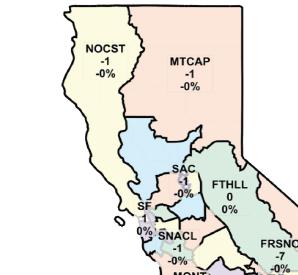
There’s a new map of solar-power cost projections that estimates that San Franciscans could replace PG&E power with local distributed solar as early as 2017. Sfist reported on the map today — and it adds to the clear evidence that San Francisco needs to devote resources to building its own clean-energy infrastructure. Because if the city starts planning to build solar arrays today, and starts designing a plan to help local residents and businesses put solar on their roofs, the day when the cost of that energy will be lower than the cost of PG&E’s fossil-fuel and nuclear power is rapidly approaching.


Keith Olberman to NY Mayor Bloomberg: Resign!

0


With a link to the video of Keith Olberaman’s scathing commentary on Current TV on  Bloomberg’s  raid on Occupy New York

I have been watching Keith Olberman for years, as a tv sports reporter,  the MSNBC star who opened up broadcast journalism to a bit of liberal advocacy,  and now to his excellent television show at Current TV (channel 107 in San Francisco) carrying on the Olberman tradition.   On Tuesday night (12/27/11), he rousted New York Mayor Michael  Bloomberg from his office with a scathing indictment of his use of pepper-spraying, truncheon-swinging  police against unarmed Occupy protesters in a cowardly early morning raid  in lower Manhattan.

It was one of his best commentaries, the sort of thing Edward R. Murrow would have enjoyed.   Since the media either dismissed or misreported  this important raid and the important next day legal jockeying between the mayor and the  protesters/ National Lawyers Guild  over a temporary restraining order, Olberman’s commentary was all the  more valuable.

Listen to  Olberman’s  complete commentary with this link. And tune in Olberman regularly to get the best continuing Occupy coverage and some of the best invective on television.

http://current.com/shows/countdown/videos/keiths-special-comment-why-occupy-wall-street-needs-michael-bloomberg

Period Piece: Green and Gilbert Streets sense

0

Guardian history writer Lucy Schiller is exploring the city street-by-street in the slow week inter-holiday weekends. Today, learn about a newspaper editor that died in a duel and a ghost from Philadelphia. Click here for yesterday’s installment on Brannan Street and Geary Boulevard.

Gilbert Street

Named for Edward Gilbert, newspaper editor, congressman

Like many a valiant man before him, Edward Gilbert died in a duel. The newspaperman exercised editorial control over The Alta California, which in 1848 was San Francisco’s only newspaper, and he made his positions on political matters clear as day. He served a single term in the U.S. Congress before returning to his post at the Alta and attacking General James Denver for mismanaging supplies meant for stranded, West-moving immigrants. Gilbert was 33 at the time of his death by Denver’s hand in a duel near Sacramento. His incongruously tiny street runs a block between Sixth and Seventh Streets in SoMa. 


Green Street

Named for Talbot Green, fraudulent businessman

Like any early pioneer to San Francisco, businessman Talbot Green left a lot behind back east. In his case, though, it was an entire identity along with a family and some pretty massive debt. No one in San Francisco knew of his checkered past and Green rose to prominence as a successful civic leader, which ultimately got him recognized by a ghost from his previous Pennsylvanian life. Green denied the serious charges – that he was operating under a fake name, that he had abandoned his family, that he embezzled large amounts of money. But he disappeared the day after accusations were made and his reputation never recovered, though he attempted to return to San Francisco years later. A major artery in North Beach, Green Street runs from the Presidio to the Embarcadero.


Live Shots: Main Attrakionz and G-Side at Independent

0

Despite all the local and national attention Oakland’s “Best Duo Ever” Main Attrakionz has been receiving lately, the Independent was less populated than I expected last Tuesday night. It was an appreciative bunch, however, with a handful of bloggers and collaborators joining fans to show the act love.

There’s something strange and wonderful happening in independent hip-hop these days – rappers, producers, managers, and friends from an array of backgrounds and styles have formed a diverse and tight-knit circle via the Internet, and a family vibe was apparent at Tuesday’s show.

Cloud rappers Main Attrakionz came out the gate with crazy energy. MondreMAN wore a flannel (with tag on), Super Mario t-shirt, and fuzzy white beanie. Squadda B was in head-to-toe sweats. Oddly enough, Main Attrakionz’ manager Walkmaster Flex took on the role of hype-man for the evening.

I exchanged knowing glances and smiles with James Laurence of Friendzone during the dreamy, sedated, Friendzone-produced “Chuch.” Even without the verse from Detroit, Mich.’s Danny Brown, “Cloud Skatin’” from Blackberry Ku$h was a personal highlight. The set also featured a cameo from one of my favorite up-and-comers and Green Ova family member, Shady Blaze, who showed up to throw down on “Hood Nigga.” Though the turnout was lacking, those in attendance looked thoroughly impressed (and pretty high).

I’d been listening to some of headliner G-Side’s melodic hip-hop in the weeks prior to the show, but I consider Tuesday’s set my first proper introduction to the Huntsville, Ala., duo. ST 2 Lettaz and Yung Clova have been rapping together for over a decade, and this pair has amazing chemistry and is flat-out great at rapping. The crowd filled out and got moving for G-Side’s highly animated set, which featured vocalist Joi Tiffany, lots of weed, and an encore. By the end of the night, I was a full-fledged fan of the sweat-drenched Southern duo.

All photos by Diego Gamez.

Gifted: The Poor Bastard’s SF Almanac

0

Hey, Slingshot Organizer gang. Yeah youse, the well-planned anarchists in the corner. Stephen Kovacic would like you folks to know you are no longer the only alt-dayplanner game in town. 

Kovacic — inspired, he says, by his experience working the front desk at the LGBT Community Center — has pulled off the impressive feat of assembling a one-stop guide to sustainable brokeness in this fair city of ours. Not only is The Poor Bastard’s SF Almanac a calendar, but it is also is packed with supervisoral district maps, last-BART-of-the-night times, guides to where to find fair trade coffee, free museum and zoo visits, eight (!) $1 oyster happy hours, and San Francisco pools. The result is delightfully scrappy, delightfully useful package of wisdom. In an email interview with the Guardian, Kovacic admitted to ordering far, far too many of the things from the print shop, so in addition to being able to cop the planners for $12 in local bookstores (we even spotted them at Scarlet Sage Herb Company), you can order them from his website at prices as low as five for $35.

The thing even comes with a mix CD of local artists, from the Dents to Rin Tin Tiger (listen to it for free here). So, maybe New Year’s Day gifts are the new, hot holiday present? Here’s what Kovacic had to say about his labor of love. 


SFBG: Tell us a little about yourself.

SK: My name is Stephen Kovacic, I’m a 28-year old male, I’ve lived in San Francisco for nine years. I went to SFSU and CCSF. I like chemistry, and turtles, and Rubix cubes, and the people in my life. I like making systems work better.


SFBG: What inspired you to put together this dayplanner?

SK: I was working for three years as the front desk info and referral person at the LGBT Community Center, compiling info for visitors or people off the street who needed referrals to services. I noticed immediately that there were a ton of services and fun things and things to know about the city, but no really good compendium of up-to-date information. Websites on the subject are woefully out of date.   

When budget issues dissolved that job I was gainfully unemployed for a while, living very cheap, going to free things, writing things that were useful into my Slingshot Organizer. I wrote in free zoo and museum days, and I drew guitar chords and such in the back pages. It seemed like a logical progression to make my own organizer and fill it with as many useful things as possible, like supervisor contact info, or last BART times, or when to register to vote, or your rights at work, or a list of anti-gay companies to boycott. Things that empower people to be who they want to get around to being. And to entice people to carry it around all the time, i put games and trivia and interesting days in SF history, free days, zodiacs, SF celebrity births, guitar chords, fun stuff. 


SFBG: What’s your favorite feature in its pages?

SK: The history probably. I spent a long time finding things that happened in this city 100 years ago, and there’s a ton of them. I put the most compressible, interesting stories in there. I encourage people to look them up because there’s a lot more to each story than i had room to put in. At the same time, the CD is the thing i’m least tired of seeing. It’s really good.


SFBG: Who were the artists that helped you out with it?

SK: The folks on the CD are all local San Franciscan bands. Mostly talented friends of mine that I’ve been collecting. People can listen to the whole CD for free at www.SFalmanac.org. Sometimes compilations are crappy, but this one turned out really good. Mostly because I took songs that were already my favorites and begged their SF writers to let me use them. Everybody was really supportive of the idea. There’s even some gems on there [that are] previously unreleased.

The [visual] art is about one-third mine, the rest is my friends’, people that supported the concept. If it’s going to happen next year I’ll need a whole bunch more contributing artists. The real star player is Justine Lucas, she did the cover and a whole bunch of other pages too. She’s been the most supportive and encouraging person there could be, it would never have happened without her support and advice and skill.

Localized Appreesh: Buffalo Tooth

0

Localized Appreesh is our weekly thank-you column to the musicians that make the Bay. Each week a band/music-maker with a show, album release, or general good news is highlighted and spotlit. To be considered, contact emilysavage@sfbg.com.

This week’s Localized Appreesh hones in on the mysterious garage punk of San Francisco’s Buffalo Tooth. The band has a set of thrashy-fun songs up now on Bandcamp, recorded by the illustrious Matthew Melton of Oakland’s Bare Wires, but that’s all to be had so far besides the live show (you can catch that this week at Hemlock Tavern). Buffalo Tooth is patiently awaiting an official release. Which, aren’t we all?

Year and location of origin: 2011, Black Hills of South Dakota, Buffalo Specimen: A-46B.
Band name origin: It’s a symbol of resistance and power in Native American culture.
Band motto: Mid-set high fives.
Description of sound in 10 words or less: Blue Cheer/Black Flag; basically bands with colors in their names.
Instrumentation: Guitar/Vox – Greg Downing, Bass/Vox – Eric Kang, Drums/Vox – Sean Grange
Most recent release: Upcoming 7″ S/T EP on Archer’s Guild Records, recorded by: Matthew Melton (Bare Wires) and mastered by: Patrick Haight.
Best part about life as a Bay Area band: Tons of awesome bands to play with, the Bay has so many killer bands right now.
Worst part about life as a Bay Area band: No moneys……
First record/cassette tape/or CD ever purchased:Oh boy, Slipknot when I was 11.
Most recent record/cassette tape/CD/or Mp3 purchased/borrowed from the Web: Danava Hemisphere of Shadows.
Favorite local eatery and dish: Morty’s in the TL, Chicken BLT.

Buffalo Tooth
With Down Dirty Shake, and E Minor and the Dirty Diamonds
Wed/28, 9 p.m., $6
Hemlock Tavern
1131 Polk, SF
(415) 923-0925
www.hemlocktavern.com

Period Piece: Brannan Street sense (and Geary Boulevard, too)

0

Guardian history writer Lucy Schiller is exploring the city street-by-street in the slow week inter-holiday weekends. Today, learn about Samuel Brannan’s shipment of Mormons to San Francisco and John Geary side jobs (which include governor of Philadelphia). Click here for yesterday’s installment on Baker Street.

Brannan Street 

Named for Samuel Brannan, Mormon, ex-Mormon, journalist, Gold Rush instigator

Samuel Brannan (1819-1889) brought 240 Mormons to San Francisco on a ship along with a printing press, effectively tripling the tiny town’s population. And though he himself steered clear of panning for gold, Brannan was the first man to capitalize on the Gold Rush. And capitalize he did, publishing news of California’s gleaming bounty in his newspaper The California Star, while simultaneously selling mining supplies out of a well-placed general store. Brannan quickly became a millionaire, and with his notoriety, his character displayed itself. After being expelled from the church for some pretty questionable tithe diversions, Brannan became an integral member of San Francisco’s notorious citizen police force, the Vigilance Committee. Brannan Street runs in a fittingly prominent path parallel to Market.

Geary Boulevard

Named for John Geary, postmaster, mayor, governor

Just like the street named in his honor, John Geary (1819-1873) was a bustling behemoth, standing around six and a half feet tall and holding the dubious honor of more than 10 war wounds. He also managed to hold an impressive array of titles throughout his violent life, working as San Francisco’s first postmaster, last alcade (premier authority during Mexican rule), first mayor, military general, governor of Kansas, and governor of Pennsylvania. Geary levied the first taxes on San Franciscans, established the first jail (a stinking, unsanitary mess on the ship Euphemia), and ensured that both Washington Square and Union Square remain public spaces.  


Elbo Room benefit to raise funds for fire victim

0

Longtime Gamescaper, Larkin Street social worker, local hip hop emcee, walking comic book encyclopedia, and all-around dear friend Robert Strawder was severely injured in an early morning apartment fire at 24th Street and Valencia on December 1. After nearly a month of intensive care treatment and frequent surgeries, Strawder remains in a medically-induced coma on a long road to recovery. Friends, family, and co-worders are holding a benefit for him today, Tue/26 at the Elbo Room to raise funds for his rehabilitation.

The event will boast a top-notch silent art auction (featuring the likes of Jeremy Fish, Nate VanDyke, and Alex Pardee) as well as a full evening of musical performances (Bigga, Edison, 41FUNK).

Any and all donations and contributions will be welcomed and appreciated. 


Tue/26 8 p.m., donations suggested 

Elbo Room 

647 Valencia, SF

(415) 552-7788

www.robstrawder.org


Guardian editorial: PG&E’s system fails again!

37

EDITORIAL There’s no question that officials from Santa Clara — thrilled to have finalized financing for a new 49ers stadium — were taking full political advantage of the Dec. 19 blackouts at Candlestick Park. There’s no question that the event Mayor Ed Lee called a “national embarrassment” helped guarantee that the team will leave San Francisco after one more season.

But this is about more than football — and the mayor and the supervisors ought to be using this latest PG&E screw-up to take a serious look at the company’s reliability and its impact on the city.

This is hardly the first embarrassing PG&E blackout in San Francisco. For the past few years, the private utility’s aging infrastructure has been failing, leaving businesses and residents in the dark. And while PG&E officials are trying to blame the city for the latest snafu, everyone admits that the problem started when a PG&E power line snapped.

Snapping power lines are a dangerous prospect — in this case, nobody was hurt and the arcing electricity didn’t start any fires. But that was largely a matter of luck — the jolt from the broken line lit up TV screens all over the country and if it had happened close to some flammable object (or, worse, some live person), the damage could have been serious.

As it was, millions of people watched San Francisco’s football stadium go dark — twice. The electricians at Candlestick patched things together and the game went on, but the message was clear: PG&E can’t be trusted to keep its equipment in safe, operating condition.

The city of San Bruno is still trying to recover from the natural gas explosion that killed eight people and leveled a neighborhood. And while local and state officials are giving increased scrutiny to PG&E’s underground gas pipes, the electricity system isn’t in much better shape.

Blackouts are more than an embarrassment — they cost the city and its businesses money. And, as the almost certain loss of the 49ers shows, unreliable infrastructure doesn’t help the local business climate. As Santa Clara Mayor Jamie Matthews told the Bay Citizen: “The reason they moved to Santa Clara is the reliability of our services. We have reliability in our electricity system that is unparalleled.”

One reason: Santa Clara has its own municipal power system with a much better service and reliability record than PG&E.  Rates are lower, blackouts are unheard of and the equipment is well maintained. Compare that to PG&E, where company executives diverted gas line maintenance money to pay themselves bonuses, and you see why San Francisco, which relies on the private monopoly, has a problem.

The supervisors ought to take this opportunity to hold hearings on the reliability of PG&E’s electric and gas system in the city — looking not just at the Candlestick problem but at the maintenance records, the age of crucial equipment, the company’s replacement plans, the expensive loss of the city’s Hetch Hetchy power being wheeled on PG&E lines, and the economic impact of a shoddy electrical system.  That should be part of Mayor Lee’s investigation, too.

At some point, San Francisco residents are going to have to pay to rebuild this system. They can pay through higher PG&E rates when the utility finally gets around to it — or they can begin the process of creating a municipal utility, which can do the job right, bring down rates, improve the business climate that the mayor so loves to discuss, and move  the city  into compliance with the federal Raker Act mandating public power for San Francisco.


Period Piece: Baker Street sense

1

Guardian history writer Lucy A. Schiller is examining SF’s history corner by corner this week — in this piece, the murder in Baker Street’s torrid past

It should come as no surprise that many of San Francisco’s streets are named for old white men. After all, many financially successful California pioneers were just that (occasionally minus the “old”). But the figures referenced by San Franciscan alleys, thoroughfares, boulevards, and avenues do hold some insight into the city’s past. The picture of 19th century San Francisco painted by its street names is a wildly weird one. Common themes: lawlessness, violence, sometimes ugly individualism, and the occasional progressive value.

Baker Street

Named for Edward Dickinson Baker, orator, senator, friend of Abe Lincoln

Edward D. Baker (1811-1861) holds a distinct honor in American history as the only sitting senator to have been killed in the Civil War. The British-born, Free Soil politician traveled in his youth throughout the Midwest (including a stint at a cotton mill in a failed utopian community) before moving to San Francisco and quickly making his mark as a lawyer and public speaker. A sort of Californian Abraham Lincoln (the President was a close friend and named his second son after Baker), the senator was renowned for his oratorical skills. Attorney general George Williams later called Baker “the most eloquent man I ever heard speak.” Baker was killed in Virginia at the Battle of Ball’s Bluff. The silvertongued politician’s eponymous street stretches from Buena Vista Park to the Marina. 


Chron picks up gay clergy story, without credit

1

The Chron just picked up the week-old story of how the Catholic archbishop kicked three gay clergy members out of an Advent celebration at Most Holy Redeemer Church in the Castro. John Wildermuth did a fine job getting the details, and while I don’t expect him to have the same approach to the story as I did, it would have been nice — and, I think, journalistically appropriate — to give credit to the publication that broke the story, the Bay Area Reporter.

This isn’t a huge deal, but it’s something of an issue in the media these days, and even the old, traditional New York Times, which never used to mention the names of competitors in news stories (unless they were the subject of the story) now makes it a point to note if a story that appears in the Times first appeared somewhere else.

It’s not hard, and it’s standard fare in the blogosphere. Just add a line that says “as the Bay Area Reporter noted Dec. 15….” A quick phrase, eight words, even if it’s buried in the story, and you’ve done your ethical duty.

I’m glad the story’s getting out, and the archdiocese is going to suffer further embarrassment for a stupid move, but Cynthia Laird, the news editor at the B.A.R., got the scoop on this, and now that it’s all over radio and TV, she’s been ignored.

I asked Wildermuth about it, and he had a thoughtful answer:

I don’t feel a need to credit news stories, i.e., pieces reporting on something that happened and that’s public in nature. Different, of course, with features and investigative pieces, which require credit for fairness sake. And if I had used anything from the BAR piece, I certainly would have credited them. For example, I did credit the California Catholic, since I used quotes from their original story, which predated both the local pieces.And actually, we heard about the incident on KQED, not from the BAR.
 
Anyway, as I’m sure you know, the question of attribution/credit and how/when/where it’s applied is a constantly moving target, particularly at the edges. As someone who has seen my stories grabbed and used without a mention over the years (and experienced the joy of hearing them read, word for word, on local radio stations in days gone by), I’ve got no problem about giving credit and have never had anyone from the Chron complain about giving credit. But my feeling is that news events are public and as long as the new reporting is original, credit isn’t necessary.

But this wasn’t a five-alarm fire or a sports event or a press conference; if Laird hadn’t picked up on the story and pushed it out there, nobody would have known about this. (KQED got it from her.) I realize those of us who are in the alternative press are a little sensitive, since this happens to us all the time, but still: Fair is fair.


Nite Trax: Folsom date moved, KiNK-y Bulgarian techno, pop ‘n lock Santa

0

Local and glocal nightlife notes, reviews, tunes, and more

>>First off, the I Love Cochina Tonga’s party at the LookOut last night was wonderfully fun. Ambrosia Salad delighted with her explosive Barbra Streisand-Miami Sound Machine medley, replete with broken glass and sleigh bells. And there were some serious salsa moves happening up in there later, especially with the dancing banana named Mike. It was, yes, peanut butter jelly time.

>>Second off, my intense footwear nightmare has finally become reality! The first one to wear these in the clubs wins forever.

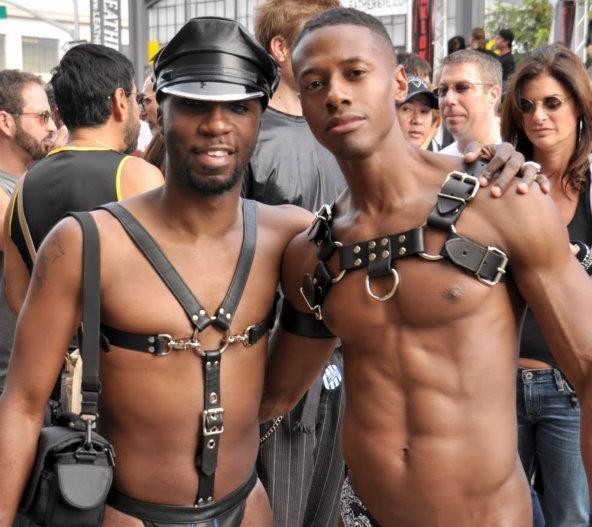
>>No outdoor oral for Oracle, alas. For the first time in two decades, the official date of the gargantuan, scandalous Folsom Street Fair has changed, moved up to September 23 from its traditional spot at the end of the month. The reason? Oracle World has sold out all the hotel rooms that weekend (bummer for those programmers looking for a two-fer). Here’s the official statement:

Conflict with Oracle Open World Forces Date Change

Normally, the Folsom Street Fair is held on the last weekend in September. However, in 2012, that weekend is the same as Oracle Open World. We have received word from our partners in the hotel industry that many of the city’s hotels are already completely sold out for that weekend.

We have now confirmed that in 2012 the Folsom Street Fair will take place on 9/23/12, so mark you calendars!

We apologize in advance for any inconvenience that this change may cause.

Folsom should never be about apologies! Unless that’s your thing, of course. And I found this weird thing while searching for “Oracle fetish”

(BTW: The guy on the right in the picture above, Johnathan, will be dancing tonight, Fri/23, at big gay wet-towel party Steam at the Powerhouse — featuring actually great music by one of my fave up-and-coming techno DJs, Doc Sleep. She’ll also be headlining next week’s Go Bang! NYE Party at Deco Lounge — catch her.)

>>Yesterday I posted a solstice mix by Honey Soundsystem’s Jason Kendig. Guess it’s time for more Honey love: here’s a mind-tickling deep and moody techno mix by the headliner of the collective’s upcoming huge NYE bash at Public Works, KiNK. The Bulgarian DJ and producer lets us know what sounds are going down in his Eastern neck of the dark woods. (Listen to the below on a really loud system, preferably.) This mix certainly makes me long for something kinkier than egg nog ….

KiNK’s Heavy Weekend [Sunset Honey NYE 2012 Promo Mix] by HONEY SOUNDSYSTEM

>>Finally, I leave you with this slightly disturbing, all the way funky video of Santa throwing down downtown. To all a good night:

The redistricting furor

55

I opposed the measure that created California’s new Redistricting Commission. As we noted in our endorsements at the time:

The commission is hardly a fair body — it has the same number of Republicans as Democrats in a state where there are far more Democrats than Republicans. And most states still draw lines the old-fashioned way, so Prop. 20 could give the GOP an advantage in a Democratic state. States like Texas and Florida, notorious for pro-Republican gerrymandering, aren’t planning to change how they do their districts.

But Prop. 20 passed anyway, and control of the critically important task of drawing lines for state Legislature and Congressional districts fell to an unbalanced group of people with no political experience. They commission held hearings up and down the state, took reams of testimony — and wound up with a map that will probably add six or seven Democratic seats to the Congressional delegation.

That’s not a big surprise: Democratic Party registration is stable in a very blue state, and Republican registration is declining. Any fair redistricting would likely lead to more Democratic seats. And it’s clear that the likes of Phil Burton were not involved: In Los Angeles, two powerful veteran members of the House, Brad Sherman and Howard Berman, wound up in the same district. No matter what happens, the Democratic Party will lose one of its heaviest hitters.

But ProPublica, the national (and generally very solid) investigative reporting group, took on the process and concluded that the Democratic Party managed to wire the deal:

As part of a national look at redistricting, ProPublica reconstructed the Democrats’ stealth success in California, drawing on internal memos, emails, interviews with participants and map analysis. What emerges is a portrait of skilled political professionals armed with modern mapping software and detailed voter information who managed to replicate the results of the smoked-filled rooms of old.

(Memo to the folks at PP: There haven’t been “smoked filled rooms” in this state in quite a while. By the time the 1990 census was done, most of the state (including most public facilities) had strict limits on indoor smoking, and in 2000, nobody smoked in any rooms controlled by any governmental agency. But we get the point.)

The story has set off a furor. Robert Cruikshank, one of my favorite political bloggers, did a fairly brutal takedown on the report:

Of course, the core assumption that California Republicans deserved any new seats is challenged by their collapse in the November 2010 elections. While Republicans across the country were having a banner night, California Republicans lost every single statewide election (including losing the governor’s race by 13 points despite outspending the Democrats nearly 10 to 1). They also failed to pick up a single seat in either the legislature or Congress, losing one Assembly seat. California voters made explicitly clear in November 2010 that they do not like Republicans. That doesn’t appear to have actually influenced the commission’s deliberations, but it does mean the claim that Republicans had any reasonable expectation of gains is ridiculous.

Then Jerry Roberts and Phil Trounstine, two poltical reporters with at least 50 years of experience between them, did their own examination at CalBuzz, and asked PP’s Jeff Larson to explain himself. The result is scathing:

  Plainly put, their piece is the worst kind of ersatz “investigative” reporting: lots of heavy breathing and over-reaching conclusions drawn from selectively using, twisting or ignoring facts, relying on innuendo and suggestion, and mischaracterizing crucial elements of the story to inferentially allege an impropriety where none exists. Wink, wink, nudge, nudge, say no more. Moreover, ProPublica never even called the commission for a comment on its much-ballyhooed “findings.”

In failing the smell test, this clunker promises plenty, but simply doesn’t deliver the goods.

Wow. Harsh.

But the Roberts/Trounstine takedown holds up pretty well. The point they make is that everyone — the GOP, the Dems, city and state officials, groups like the Mexican American Legal Defense and Education Fund and more — tried to influence the process. In Northern California, the Dems were apparently a little better at it (and managed to create at least one fake front group to promote the interests of Rep. Jerry McNerney); in the southland, the big Democratic operation of Howard Berman and his brother, Michael, which, as CalBuzz points out, have played a key role in past redistricing efforts (those “smoke-filled rooms”), got totally fucked and Howard may lose his seat after 28 years.

I will say that PP dug up some new info and exposed how the Dems managed to create “communities of interest,” some of them bogus, to try to influence the final lines. But I’ve been watching this stuff for a long time, and I can tell you: Reapportionment is political. Always has been, always will be. There are better lines and worse lines, there are scandalous cases of gerrymandering and political payback and there are (relatively) honest attempts to create districts that are fairly compact and also comply with federal law and don’t dilute minority representation. But there’s no such thing as “clean” reapportionment — and if the Dems and Republicans weren’t trying their best to influence the outcome, they’d be guilty of partisan misconduct.

The CalBuz conclu:

The plain fact is that while Democratic registration has been essentially flat in recent years, Republican registration has fallen into the toilet, and the GOP now represents less than one-third of state voters.

This means that Democrats represent an increasing proportion of the electorate; add to that the fact that decline-to-state independents, the fastest growing bloc of registered voters, also tend to vote Democratic, as we’ve shown previously.

This makes Johnson’s claim that Republicans are entitled to at least their current number of seats, which is the money quote of the Pierce-Larson opus, not only laughable but also intellectually dishonest. Sort of like the whole piece.


A bad incentive for pot busts

3

The Bay Citizen ran, without comment or perspective, a Bay City News item Dec. 23 noting that the Hayward Police Department and other local law-enforcement agencies picked up some $1.2 million when the feds disbursed the money that was seized from a marijuana dispensary that was busted in 2006.

This is a dirty side of the drug war that doesn’t get enough discussion or attention: When the cops bust dealers who have cash (or even fancy cars) on hand, the money doesn’t go to the general fund of a city or to the federal treasury (to fund, perhaps, alternatives to incarceration, drug treatment or education). It goes directly to the police agencies that made the arrests.

That’s a huge incentive — a direct cash incentive — for police to focus on arresting drug dealers (in this case, an operation that was selling marijuana, which everyone with any sense knows ought to be legal anyway).

In an era of diminshed resources, if you’re a police chief and you have a choice — send your officers to raid a pot club, or send them onto the streets to try to prevent violent crimes — there’s a financial incentive to go after the pot club. That skews law-enforcement priorities in a bad way.

I’m hardly the first one to make this point, but it’s worth thinking about when we see this kind of story celebrating the “true holiday gift” of drug money.


Dick Meister: A decent living for all?

11

Dick Meister, former labor editor of the SF Chronicle and KQED-TV Newsoom, has covered labor and politics for more than a half-century. Contact him through his website, www.dickmeister.com, which includes more than 350 of his columns.


Finally there’s some good news for the millions of Americans who must to live on pay at or close to the legal minimum wage. Eight states are raising their minimum wage on January First, in line with state laws requiring the minimum to keep pace with inflation.

The raises to come are modest by any measurement. But any increase must be welcomed as desperately needed and hopefully as a major start toward increasing the minimum wage everywhere to a level that will provide a decent living to all working Americans, many of them living in poverty or near-poverty.

The minimum wage is just as important now as it was in 1938, when the wage law was enacted as part of the Fair Labor Standards Act, with a promise of guaranteeing workers “a standard of living necessary for health, efficiency and general wellbeing.”

The federal rate was set at 25 cents an hour, with states and local governments free to set their own minimums, as long as they are above the federal rate.

Today’s rates are much higher, of course, although barely adequate. The federal rate is $7.25 an hour, only about $15,000 a year for full-time workers before taxes and other deductions. Eighteen states, more than 100 cities and counties and the District of Columbia have higher rates, but their rates also are clearly inadequate.

During his 2008 election campaign, President Obama proposed raising the minimum to  $9.50 an hour by 2011. But even though that would merely adjust the minimum wage for inflation, Congress and the White House have done little to make it happen.

Some of Obama’s Republican opponents in Congress actually have called for the minimum wage to be abolished, largely because their big money backers in the restaurant business, who employ about 60 percent of all minimum wage workers, are against it, as are many other business and corporate interests.

Congress’ failure to act has left it up to the states. The eight that are raising their rates on New Year’s Day include Arizona, Colorado, Florida, Montana, Ohio, Oregon, Vermont and Washington.  Their rates will increase by 28 to 37 cents an hour to between $7.64 and $9.04. The National Employment Law Project (NELP) calculates that will bring nearly 1.4 million full-time minimum wage workers an extra $582 to $770 per year.

Another 400,000 will get raises as pay rates are adjusted upward to reflect new minimum wage rates. It’s not just individual workers who will benefit from the raises. Like all low-wage workers, they must spend virtually every cent they earn, thus raising the overall demand for goods and services and the hiring of new employees to help provide them.

NELP estimates that the increased consumer spending generated by the raises will add $366 million to the gross domestic product and create the equivalent of more than 3,000 full-time jobs. Other estimates indicate that every dollar increase in wages for workers at the minimum creates more than $3,000 in new spending after a single year.

And we shouldn’t forget that those earning the minimum include many of our most valuable yet needy and exploited workers.  Most work in the service or retail fields, as domestics providing home health care for the elderly and other household services or caring for the children of working mothers, for example. Others work in agriculture.

Many can’t find full-time jobs even at the bare minimum.  More than one-third are the main or sole support of their families. Almost two-thirds are women, many of them single mothers. One-third are African-American, Latino or Asian. Many are recently arrived immigrants. Only a few belong to unions or have other protections aside from the law.

But wouldn’t a minimum wage increase cause businesses to cut back their hiring, as opponents of minimum wage raises claim? No. Studies show that even during times of high unemployment, raising the minimum does not lead to a loss of jobs. Actually, the number of jobs has grown after each of the 19 times the federal minimum has increased over the past 73 years.

Consider this, too: Taxpayers are providing billions of dollars in subsidies to employers of minimum wage workers, since much of the money paid out in public assistance goes to families whose working mothers do not earn enough to be self-supporting. Private charities provide additional millions in aid.

There’s no doubt employers are shifting a significant part of their labor costs to the general public, and no doubt that welfare costs could be reduced substantially if the minimum wage they had to pay was raised to a decent level.

Think of the benefits to society generally if the minimum wage workers who now must depend on government assistance could earn enough to make it on their own.

Think of the benefits to employers. As several studies have shown, raising workers’ pay raises workers’ morale and with it, their productivity, while decreasing absenteeism and replacement costs.

Think of the benefits to small retail businesses. Opponents of a minimum wage increase say they’d be hurt the most by a higher minimum wage, but it’s far more likely they’d be among the greatest beneficiaries. For minimum wage workers have no choice but to spend most of their meager earnings in neighborhood stores for food and other necessities.

Tiffany Williams of the Institute for Policy Studies says raising the minimum wage “would be a step toward restoring dignity for millions of workers, enabling many ordinary working Americans to become part of the economic recovery rather than its collateral damage.”

Hard to argue with that, or with Christine Owens, NELP’s executive director,  who says the minimum wage increases “represent bright spots on an otherwise bleak economic horizon. Workers’ buying power is the secret weapon in the fight to get our economy back on track. States are taking action to protect that critical buying power. Congress should follow their example to realize those benefits for the national economy.”

Let the minimum wage raises in eight states be just the beginning of raises in all states.  Let all Americans have the right to a decent living

Dick Meister, former labor editor of the SF Chronicle and KQED-TV Newsoom, has covered labor and politics for more than a half-century. Contact him through his website, www.dickmeister.com, which includes more than 350 of his columns.
Style Paige: Retrofit Republic’s vintage flair

0

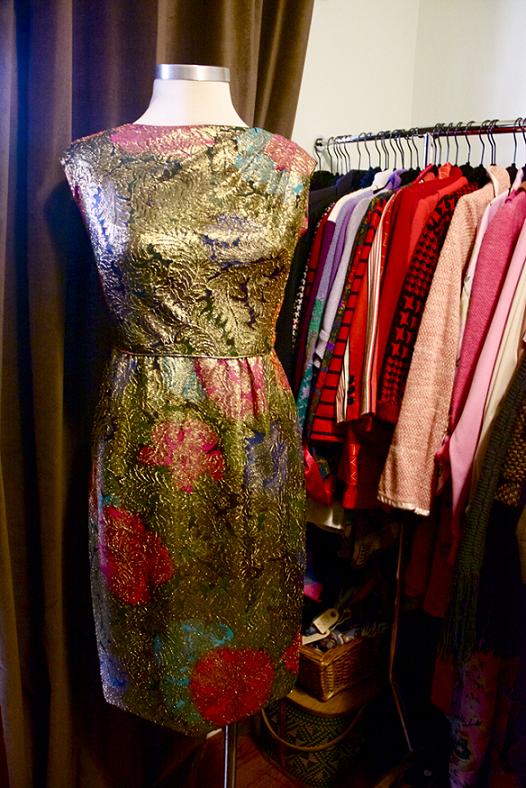
Wedged between two clothing stores in San Francisco, a narrow alley leads to the home of Jenny Ton and Julie Rhee, a.k.a. the alternative vintage boutique Retrofit Republic. Inside on a recent visit, I felt like a kid in a candy store – except there was no candy. Instead, bowls of earrings, necklaces, and pendants were neatly displayed on a table. Here, a stunning sequin clutch with colorful roses. There, four racks of vintage men’s and women’s clothing, with shoes on display wherever they could fit. Wearing the perfect gold holiday dress, a mannequin peeking around the corner told me to look around, stay awhile.

It didn’t feel as though I was standing in an apartment at all. With a floral curtain hiding the kitchen and bedrooms on the far side of their apartment, the place felt like a quaint little vintage shop. 

“I feel like I have a relationship with every piece in here,” said Ton, who along with Rhee owns the store. The two handpick every item that now decorates their living room. A sustainable vintage seller with a social impact,  Retrofit Republic offers styling to individuals, changemakers, and brands. Its slogan: Look good. Do good. Make an appointment and you can enter the home for a free private session of custom styling, or to buy signature vintage pieces.

Julie Rhee [left] and Jenny Ton [right]: Owners of Retrofit Republic, stylists extraordinaire. 

Old tennis rackets were stacked in front of luggage pieces, handbags hung on a coat rack with a grey hat resting on the top, and a vintage clock reading the wrong time sat in front of a framed photo of the duo’s company name. Each piece had incredible details, embroidery, and structure, like the off-white brocade coat with gold buttons and the men’s herringbone blazers with brown elbow patches. I wanted to slip away with one of the many fur coats, or perhaps the pair of Salvatore Ferragamo flats. 

To schedule a private shopping appointment, you must fill out a styling profile on Retrofit Republic’s website. The 26 questions include queries regarding your signature style and favorite accessories, as well as your shoe, pant, and dress sizes. Based on your profile, Ton and Rhee will pull together head-to-toe outfits that fit your style and personality.

Along with providing private shopping sessions to those who first fill out the 26-question style interview, Retrofit Republic styles photoshoots, bridal parties, and – perhaps its most popular service – does home wardrobe assessments. 

The hour-long assessment (particularly for those who are looking to revamp their wardrobe) includes getting rid of not-so-flattering garments. The duo teaches customers how to pick clothes that are more flattering but still compliment their lifestyle and personality. Ton says the service is perfect for people who are tired of their work wardrobe. “And it helps that we’re a good time,” Rhee added.

The shop’s mission is to prove that being fashionable and socially responsible can go hand-in-hand. Fusing passions for fashion, thrifting, and sustainability gave birth to Retrofit Republic. Ton and Rhee got started at an all-weekend yard sale they set up to clear out stuff before moving to another apartment. 

Their endeavor has been going strong for almost a year. Both Ton and Rhee came from non–profit backgrounds, so it is fitting that Retrofit Republic is a community- and consumer-conscious company.

So many shiny things, so little time: the sea of accesories at Retrofit Republic 

And although the duo has styled CEOs, political candidates, and music artists they stay mindful of their local community. Retrofit Republic works with every budget and markets to low-income people of color and the LGBT community by collaborating with various community organizations. The shop has also donated styling services to non-profits in the Bay Area like the Asian Pacific Environmental Network and the Lyon-Martin Clinic, and never requires a purchase to enter the store.

Ton and Rhee find vintage pieces anywhere and everywhere. They hit up local thrift stores, yard sales, garage sales, estate sales, and accept donations. They have traveled as far as Europe, South America, and Asia to find unique vintage goods. The two can tell you about each piece’s journey to the shop – on each hang tag, printed opposite the shop’s logo there is the line “Where I’m from?” Below that, a handwritten answer brings to life thrift stories. 

Browsing the amazing finds, I found myself wondering how the two were able to say goodbye to some of the items when it was time to sell. 

“I found these amazing, amazing vintage boots at a street market in Argentina and I’m kicking myself because I sold them,” Rhee said laughing. “They were so amazing.”

Only they said they don’t get attached. They’re constantly shopping, so there’s a strong probability that they’ll find those amazing boots over and over again.

Besides, “it’s the thrill of the hunt,” said Ton. 

Set up an appointment to check out Retrofit Republic at www.retrofitrepublic.com

Occupy Berkeley’s overnight clashes with police

In an afternoon raid, the Berkeley Police Department cleared what was left of the Occupy Berkeley protest encampment. Here’s our account of protesters’ attempts to defend the camp last night and early this morning.

After being served an eviction notice the morning of December 21, protesters gathered at the Occupy Berkely camp, established several blocks away from the downtown Berkley BART station. About 100 protesters remained on site throughout the night, clashing a few times with police. But when the park officially opened at 6 a.m., an encampment of about 20 tents remained in Martin Luther King Junior Civic Center Park.

The Occupy Berkeley camp had been in place since October 10. In early December, it boasted more than 60 tents and several hundred protesters, but many packed up and left when the eviction notice was served. The notice stated, “this park is closed at 10:00 p.m. Starting December 21, 2011, this law will be enforced.”

It also noted that protesters were in violation of California Penal Code section 647 (e), which prohibits “public lodging.”

After the Occupy SF State camp was cleared December 20, Occupy Berkeley became the Bay Area Occupy movement’s last remaining tent city.

Around 11 p.m. Thursday, dozens of protesters milled around the camp. About 40 joined hands in a Winter Solstice ritual beside a large Christmas tree in the plaza, decorated by occupiers earlier that evening. Others had moved their tents and belongings to a nearby plaza outside of a Bank of America on Shattuck Avenue.

Two arrests were made around midnight. Some occupiers state that one of those arrested had been causing tension and fights in the camp, which has become notorious after several reports of crime. Yet when the arrests were made around midnight, thirty people followed and stood outside the police station, which is directly across the street from the camp.

Here’s a video from the scene posted by YouTube user akenower:
http://www.youtube.com/watch?v=Cg-maHNl6gs&feature=youtu.be

“I can’t say I like the guy, but I’m in solidarity with my fellow occupiers,” said one longtime OccupySF camper who has been spending time at Occupy Berkeley since the OccupySF eviction December 7.

Said the young man, who preferred to remain anonymous, “I’d rather continue the process of working this out within the camp than see him go to the police.”

At 12:30 a.m., a Berkeley Public Works truck pulled up to the park’s southeast corner, and workers loaded one or two tents and other possessions into the truck bed. About 70 protesters ran over to respond, led by a dozen “citizen journalists” wielding cameras. When one man using a computer to film the police approached a police car, an officer abruptly opened his door and struck the computer, and the man fell to the ground.

The officer then exited the vehicle and brandished his baton. Protesters responded by chanting “go home!” and advancing towards the officer; he retreated several feet into the street before returning to his car and driving away.

About 30 minutes later, protesters began to gather outside the police station on Martin Luther King Junior Way. The BPW truck, packed with their confiscated tents and other items, had pulled up in front of the station.

The truck’s driver initially surged forward. But as more protesters massed, and someone called out “you’re part of the 99 percent too,” the driver slowed to a stop and parked. Protesters, who cried out, “come get your stuff back!” climbed on to the truck and began redistributing items.
Soon, a dozen officers exited the police station with batons and lined up, surrounding the truck. Protesters refused to leave the intersection, chanting “Whose streets? Our streets!”

Holding their batons with both hands, several officers struck protesters, ordering them to get back. About ten “street medics” — protesters tasked with tending to injured occupiers — responded with assistance.

After police left the scene, the mood turned calm. Protesters exchanged stories and ideas for tactics, and donated coffee and food from supporters who stopped by trickled in.

The temperature was in the low 30s as the longest night of the year inched by. Unsure whether police would return, dozens of protesters stayed awake through the night.

Snap Sounds: In the Christmas Groove

0

IN THE CHRISTMAS GROOVE
VARIOUS ARTISTS
(Strut)

Sick of the usual holiday favorites (though I’ll never tired of Saint Mariah), I was pleased as rare twist punch with In the Christmas Groove — a compilation of obscure stone cold soul, funk, and other vintage grooves from Christmas past, namely the 1960s and ’70s holiday spirits.

Kicking off with Jimmy Reed’s funkified “Christmas Presents Blues,” the album can instantly be split into two kinds of songs — those that would stand on their own, Christmastime or not, and those with an unavoidable level of merry X-mas kitsch. Most poignant of the bunch is Harlem Children’s Chorus’ soulful “Black Christmas” hoping for “that moment when/there’s peace on earth/good will to men/in the ghetto/Black Christmas.” The most James Brown-esque, get-on-your-feet and let’s dance, track come courtesy J.D. McDonald: “Boogaloo Santa Claus.” Hint: there are a few NYE tunes to help you ride out the holidays.

Get into it:
http://www.youtube.com/watch?v=jMwtLZDuFjs


Snap Sounds: Mwahaha

0

MWAHAHA
MWAHAHA
(Mwahaha Music)

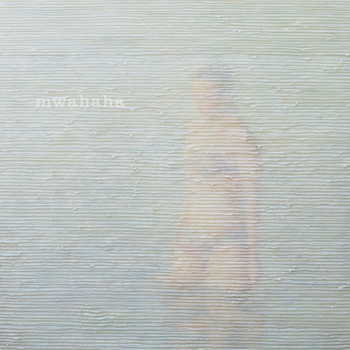
Poor choice in band name aside, Oakland psych-rock quartet Mwahaha’s debut has a lot to offer. On album opener “Swimmer,” Ross Peacock sings “I swim deeper through darkness and danger / from the surface and its beautiful light” in an alluring falsetto over warm synth tones. 

The colorful, swirling fractals of an acid trip appear, then the song dips into heavy reverb and clattering percussion as Mwahaha enters noise rock territory. And that’s only the first track. “Poinsettia” is a dark, lusty, drum machine-driven dance anthem. “Love” — featuring tUnE-YarDs’ Merrill Garbus — is all tribal rhythms, wailing guitar, and lush vocal harmonies. Garage rock shifts into the sound of actual rocks being tossed into a pond on “Rivers and Their Teeth,” and closing track “Bathynomus Gigantes” is an 11-minute exercise in weirdness.

Listen to “Love:”
http://www.youtube.com/watch?v=wc_LDS21bzw

Mwahaha live at the Uptown:
http://www.youtube.com/watch?v=aG4s8quOye4

Gifted: Double your pleasure with a matched-funds donation to the Berkeley East Bay Humane Society

0

Consider the cat signal illuminated — the pet protectors have stepped in to save the day. Pawesome, a formidably cute website dedicated to the wellbeing of our faithful animal companions, has announced a dollar-for-dollar campaign to help a shelter still reeling from fire damage. Still struggling to think of a gift for your cat-enthused father? You’ve found it, furry friend.

Since 1927, when it was called the “Animal Rescue Haven” and operated out of an old pool hall, the Berkeley East Bay Humane Society has worked to find shelter for more than 40,000 homeless animals. But a disastrous May 2010 fire in the building’s adoption center took a heavy toll.  More than a year and a half later, the shelter struggles to raise money to rebuild their haven for the feline and canine homeless.

Pawesome is able to contribute 500 dollars, meaning a total of $1,000 could be raised to provide the sweet beasts of the bay with an actual roof over their heads. Donations can be made online through the “Shelter Fire Relief Fund”, just remember to then forward your receipt to pawesomehelps@pawesome.net. 


Nite Trax: Housepitality warms, Jason Kendig’s solstice mix chases winter chills

0

Local and global nightlife notes, reviews, tunes, and more

I’m still buzzing over last night’s fantastic installment of the Housepitality weekly at Icon, which was a classic San Francisco get-down, a warm intersection of smiling hotties, sweet freaks, and warm tunes from main men DJ Bus Station John and Honey Soundsystem’s Ken Vulsion. A gay old time indeed in a perfectly pan-orientational venue.

(Many of us queens used Bus Station John’s hopping back room — which he’d decorated with fuschia and yellow Christmas lights — as a respite from the often too-crowded front room dance floor, and it was funny to see some of the straighter bro-types who wandered back there do a double take and slowly start to back out. But more often than not, they soon rejoined and dropped their inhibitions in our true nightlife style. I even helped hook one up with this amazing girl, because he was so tipsy and shy, and because I’m lady-magic.) It was a perfect solstice evening — definitely hit up future Housepitalities.

Speaking of Honey Soundsystem and the solstice, one of queer techno-ish collective Honey’s heartthrobs, Jason Kendig (also cofounder of the MR INTL label), has released his annual, eagerly awaited Winter Solstice mix. If you’re looking for the spot-on alternative to playing Barbra Streisand at your holiday affair, this chill, sophisticated techno set will do the trick nicely. Oh hell, play both!

Jason says:

“I made a mix last year on the solstice that also coincided with the lunar eclipse. I got a request to make another one and since the timing was right i thought i’d put together a collection of tunes that i’ve been digging lately. Something on the deeper side of things. Goes well with a hot toddy.” (And listen for some canny references to Jason’s beloved hometown, Detroit. They call her Ms. Ross!)

Dance to Honey Soundsystem every Sunday night — except this Christmas one — at Holy Cow and swing by the Honey-Sunset New Year’s Eve party at Public Works with hot ‘n heavy Bulgarian tech-house star KiNK and, as always, a thrilling, nubile crowd ready to dance I’m sure.

Jason Kendig winter mix 2011 by kendig

Tracklist:

beatbox (pbr streetgang remix) – crazy p
rainbow road – tornado wallace
if i feat. valentine (jay shepheard remix) – hamid
no one – daniel bortz
love in me (eats everything’s loving you re-work) – laura jones
what’s there – dauwd
ensnare – julio bashmore
call me (dixon edit) – mark e
intersection – tevo howard
something – honeydrop
life of plants & flowers – tom trago
wecanonlybewhoweare – crazy p

High whore holy day: A San Francisco tradition turns nine

4

It was Saturday, December 17. A jazz funeral was being held for victims of violence against sex workers at the Center for Sex and Culture. Post-event, its message was still resonating in its attendees. “The holiday was beautiful,” sex activist and post-porn star Annie Sprinkle told the Guardian about the ninth year of the International Day to End Violence Against Sex Workers that she helped to found. 

The tradition goes back to 2003, when hundreds of sex workers and their allies came together on the steps of San Francisco’s City Hall. Gary Ridgeway, Seattle’s “Green River Killer,” had just been convicted, having confessed to murdering 90 women over 20 years before he was caught. Prostitutes, he said, “were easy to pick up without being noticed…I thought I could kill as many of them as I wanted without getting caught.”

Bay Area performance artist and long-time sex worker Sprinkle was incensed. She teamed up with Robyn Few of the Sex Workers Outreach Project (SWOP) to create an event that would raise awareness about the abuse experienced by workers in the sex industry. 

The event has now spread to the far corners of the earth. Last Saturday, vigils, marches, and educational events to commemorate the day took place from Chicago to Cape Town. 

Kitty Stryker, a local sex worker and performer who worked as stage manager for San Francisco’s event, said that the mood in 2011 was more celebratory this year. There were spoken word, humor and musical performances that “were celebratory and fierce and fighting back, and performances that were more introspective and hurt, understanding that these things come in balance,” she said.

“It wasn’t all angry activism or all sad crying,” continued Stryker. “We wanted the event to be a celebration of people who are still here with us, and support so we can continue to do this work.”

Sex workers rights groups decry coerced or forced prostitution, insisiting that many prostitutes have chosen their profession and deserve the same rights as other workers. This message conflicts with that of many anti-sex trafficking groups, who often conflate prostitution and sex trafficking, and depict all prostitutes as victims.

Sprinkle told the Guardian that the day is especially important because it is planned by and for sex workers and their allies. “It’s become a high holy day of whores. The one day that we all remember the real victims, not these made up situations. A lot of them are not victims, but people like to think we are.”

Sprinkle remembered the story of a friend who was raped and robbed while working as an escort in New York City. The friend reported the crime to the police, and the culprit was apprehended — along with the victim, who was arrested for being a prostitute. Many sex workers rights activists campaign for the decriminalization of sex work, arguing that if sex workers could report crimes against them to the police, it could help curb high rates of rape, robbery, assault and murder of sex workers. 

Sprinkle pointed out that sex work is not the only risky business out there. “Working in a convenience store or as a taxi driver is also very dangerous. Your risk being killed working at a 7/11.” 

The modern sex workers’ rights movement demanded the decrimalization of sex work, working to end the stigma against sex workers in the 1970s. San Francisco was the movement’s teeming center. Prostitutes marched on City Hall singing, “Everybody Needs a Hooker Once in Awhile.” Even Willie Brown attended the fabulous annual Hookers’ Ball.

And this year’s news stories provided a poignant reminder of the day’s importance. During last summer a serial killer targeting prostitutes in Long Island murdered eight women. He was the third Long Island-based serial killer in twenty years to target sex workers.

Sex workers may still be considered criminals. But if the now-decades-old sex workers rights movement has anything to say about it, that view will evolve in years to come. Hopefully someday we will all be able to walk the streets a little more safely.

10 places to eat and drink on Christmas Day

1

Because you and yours might be itching for something other than ham, sweet potatoes, and intense family time, we here present a list of restaurants that will be open Christmas Day providing non-holiday-oriented dinners and desserts. Relish in the savory bite-sized flavors of dim sum, or skip the solid food entirely and head to a downtown lounge for a cocktail with friends or solo.


Chouchou

Now this French restaurant is just plain cute. Perfect for dinner, or if you just want to grab a glass of wine and a chocolate pear tart while everyone else is doing the presents thing. Start off with an organic salad of mixed greens, red chard, tomatoes, goat cheese, apples, and pistachios. Then, enjoy the spot’s infamous homemade French onion soup. Still hungry? Request the Camembert apple tart, caramelized with honey.

Open Sun/25 5:30 p.m.-9:30 p.m.

400 Dewey, SF

(415) 242-0960

www.chouchoubistro.com


Mangia Tutti Ristorante

For over a decade Mangia Tutti Ristorante has been a local favorite offering a comfortable, casual atmosphere for inexpensive homestyle Italian food. Located in the Financial District, Mangia Tutti Ristorante serves garlic pastas with Italian sausage and prawns, homemade ravioli, and spaghetti. Even the bread is too good for words. And of course there are a wide variety of red wines to choose from — how else are you suppose to enjoy Italian food?

Open Sun/25 5:00-9:30 p.m.

635 Clay, SF

(415) 788-2088

www.mangiatuttisf.com


PPQ Dungeness Island

Although its often very busy for dinner, the cuisine here is worth the wait. Garlic noodles, peppercorn crab, and crab-fried rice are just a few of this Vietnamese restaurant’s mouth-watering selections. Its prices are very reasonable, and after all that holiday shopping you did it will be nice to eat on a budget.

Open Sun/25 1:00 a.m.-10:00 p.m.

2332 Clement, SF

(415) 386-8266


Top of the Mark

Feeling fancy? Feeling romantic? Take your love to Top of the Mark for that breathtaking view and fawning service. Top of the Mark has been a San Francisco landmark since the late 1930s, when the 19th floor penthouse apartment of the Mark Hopkins Hotel was converted into a cocktail lounge. With over 100 cocktails to choose from you can get a little holiday buzz and wonder at the gorgeous views of downtown San Francisco.

Open Sun/25 10:00 a.m.-1:00 p.m.

Mark Hopkins San Francisco

1 Nob Hill, SF

(415) 616-6916

www.topofthemark.com


Boboquivari’s

Yes, there is a restaurant in the city where there is free valet service. After handing over your keys you can bite into a savory steak and a twice-baked baked potato. Boboquivari’s has been mentioned in over a dozen “top restaurants in San Francisco” lists, so you should definitely treat yourself to a wonderful Christmas Day dinner. Wash down your filet mignon with its Basil Hayden’s bourbon martini, the “bohattan,” because an unconventional Christmas meal calls for a cocktail. 

Open Sun/25 5:00 p.m.-10:00 p.m.

1450 Lombard, SF.

(415) 441-8880

www.boboquivaris.com


M’s Café

It’s Christmas Day and you’re in a pickle. You shouldn’t have taken those last shots of tequila the night before at the Christmas Eve party and now you’re in desperate need of a cure-my-hangover-quick breakfast before heading to Mom and Dad’s house. When it comes to breakfast and brunch, M’s Café has got you covered. Try its corned beef hash (to die for!), its French toast (amazing!), and its black and white pudding (yum!). Mom will never know of the debauchery that took place the night before.

Open Sun/25 7:00 a.m.-4:00 p.m.

1376 Ninth Ave., SF

(415) 665-1821


Chabaa Thai Cuisine

Celebrate Christmas Day with the rich flavors of the Far East. Its colorful curries and Thai spices make its feasts succulent and tender. You have the option of spicy or veggie dishes, red, yellow, and green curry, and of course panaeng. This Outer Sunset restaurant will even deliver to your home, so if you really can’t step away from that basketball or football game before halftime, no worries, just order online.

Open Sun/25 11:00 a.m.-1:00 a.m.

2123 Irving, SF

(415) 753-3347

420 Geary, SF

(415) 346-3121

www.chabaathaicuisine.com 


Great Eastern Restaurant

What’s better than dim sum on a Sunday? Dim sum on Christmas Day. Located in the heart of Chinatown, this Chinese restaurant’s food will make you want to return every Christmas just for their Peking spareribs, clams with black bean sauce, and variety of dumplings. Invite the gang to a filling and tasty meal (for cheap).

Open Sun/25 9:00 a.m.-nidnight

649 Jackson, SF

(415) 986-2500


Waterfront Restaurant

Pier 7 houses an elegant seafood restaurant perfect for groups on this holiday. With dishes like crab mashed potatoes and lobster risotto, everyone’s tastebuds will be pleased. If you have relatives visiting from out-of-town they will love the beautiful view of the Bay Bridge through the restaurant windows. For dessert, order the sticky pudding with caramel ice cream that has a perfect cake-to-ice cream ratio.

Open Sun/25 11:30 a.m.-10: 00 p.m.

Pier 7, SF

(415) 391-2696

www.waterfrontsf.com


Aslam’s Rasoi

Probably one of the best Pakistani and Indian restaurants in the city, Aslam’s is open every day, every holiday. This Mission spot has a staff that is friendly and engaging, so don’t be afraid to ask questions or for recommendations. Its most popular dishes are the goat cheese naan, lamb korma, and chicken tikka masala. With a broad palette of Pakistani flavors, the chef and owner — Aslam himself — blends cuisines for a healthy dining meal.

Open Sun/25 5-11 p.m.

1037 Valencia, SF

(415) 695-0599

www.aslamsrasoi.com

Snap Sounds: Thee Oh Sees

0

By Irwin Swirnoff

THEE OH SEES
CARRION CRAWLER/THE DREAM
(In The Red)

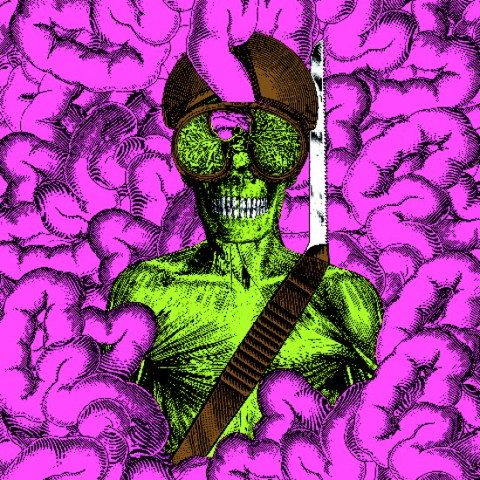
It’s very easy to take things for granted in San Francisco, and in many ways that’s been the demise of so many amazing things in this city; we forget to applaud, support, and revel in the magic when it’s here, only to lament it when it’s taken away. Thee Oh Sees are on fire, this is their second full length of the year. Their work ethic is as charged as the songs that fill this record. Something happens when you listen to Carrion Crawler/The Dream, you blast it loud and then you begin to move, and sweat, and get out of your head and into your body and feel so raw and alive. Don’t take them for granted; they are the best rock band on the planet right now. See videos after the jump.

Pretty amazing, the band’s whole set at New Parish:
http://www.youtube.com/watch?v=IB5JThQWXxM

Or if you prefer a quicker snippet of Thee Oh Sees live:
http://www.youtube.com/watch?v=ySbvZfpvPdc&feature=related

Or just want to hear a track off Carrion Crawler/The Dream, here’s “Heavy Doctor:”
http://www.youtube.com/watch?v=Be_I5Opx12s