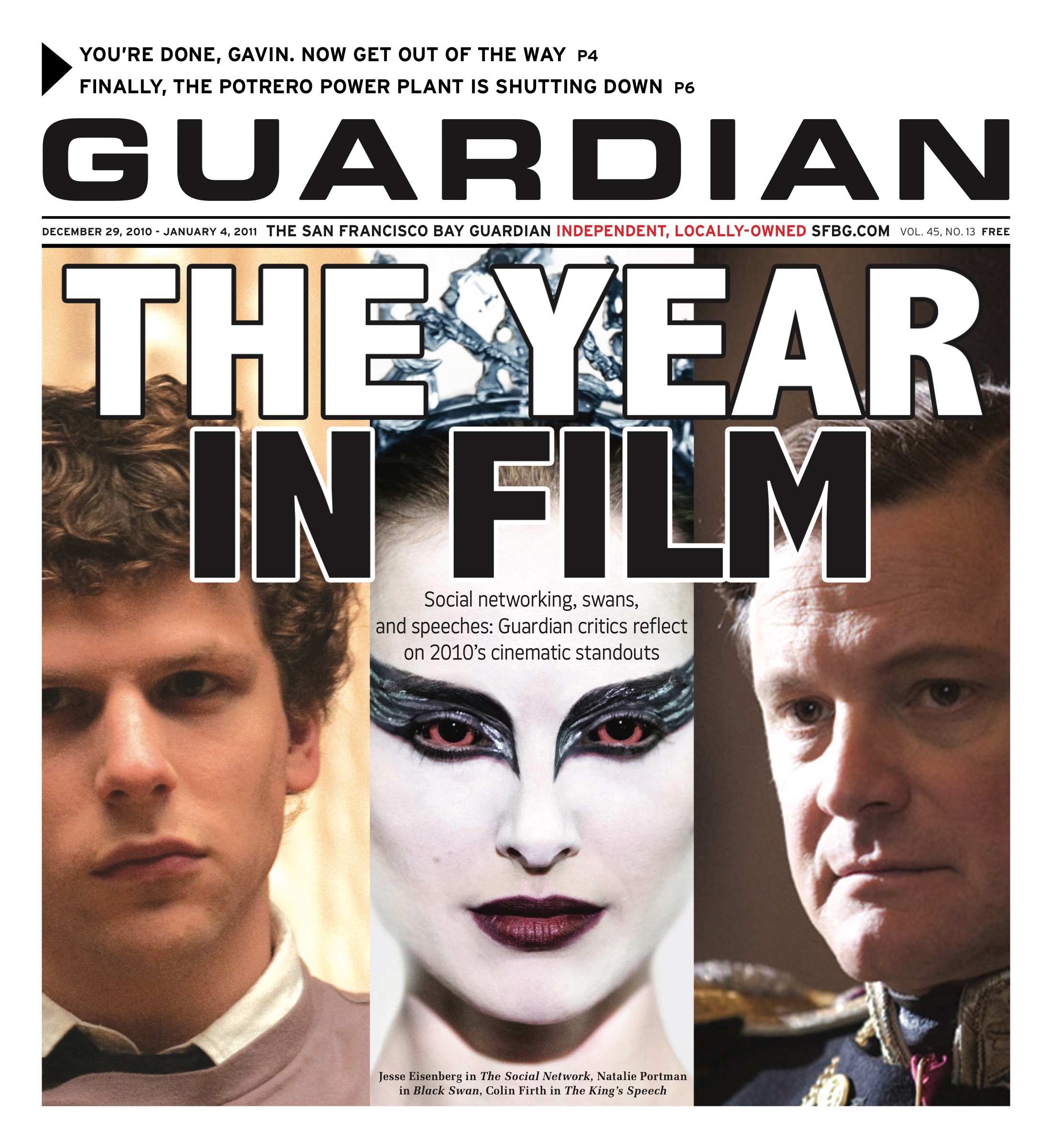
Print sections as they appeared in the early 2010s

To find articles by keyword or author, you may want to use our Search function.

Print Sections

How Brown can save California

4

EDITORIAL There are two things Gov. Jerry Brown has to do to get California back on track, and he needs to start right away. He has to restore at least a degree of public faith in state government — and he has to put a series of tax increases on the June ballot.

The first step ought to be right in the Brown playbook. The public is fed up with the secrecy, lies, machinations, and policy failures of the Schwarzenegger administration, and Brown can start off by telling people the truth. The budget situation is frightening; it can’t all be solved by cuts without destroying the state of California as we know it. But it also requires an understanding that the taxpayers don’t want to see their money wasted.

Brown has done the right thing by offering to cut his own staff by 25 percent and by denouncing the demands of the highest-paid University of California staffers who want even larger pensions. He might also take a look at some of the outmoded, expensive commissions in the state (do we really need a 21-member California Film Commission?) None of these are big money-savers, and none address the budget crisis in any meaningful way. But they’ll show that Brown’s cautious with a buck.

Then he needs to tell the voters that the state does, indeed, have a revenue problem, not just a spending problem. And he should start right away with a blue-ribbon panel of tax experts to look at what reforms ought to go on the June ballot.

It’s crazy to say that solving a $28 billion budget shortfall is easy, but a few basic changes could go a very long way to balancing the books. If the voters approve an oil severance tax (something every other oil-producing state in the nation has), an end to the commercial property loophole in Prop. 13, and the restoration of the vehicle license fee that Arnold Schwarzenegger abolished, the state would be about $10 billion richer. A modest increase in the income tax on the very richest Californians would add a few billion more. And suddenly the problem wouldn’t look so insurmountable.

Brown has an advantage: he’s taking over for a terribly unpopular governor. He will be able to work with a Legislature that now has the ability to pass a budget with a simple majority. And while his victory in November was hardly a landslide, it was substantial enough that he’s got a valid mandate for change.

He and the legislative leaders should adopt a budget that includes the expected revenue from a June tax package — and then offer an alternative budget that doesn’t. Give the voters a clear choice. Do they want to eliminate hundreds of public schools, raise elementary school class sizes to 40, shut down a couple of University of California campuses, shutter the state parks, and let 30,000 prisoners go free? Of do they want the oil companies and the richest Californians to pay a little bit more to keep the state functioning?

Brown can make history this spring. The passage of Prop. 13, during his last term as governor, set off a nationwide tax-cutting frenzy that’s damaged the entire country. By pushing back just a little bit, and demanding a little bit of tax fairness, he can demonstrate that California is still a leader in progressive public policy.

He’ll have to put his political capital, his credibility, and all the money he can raise behind the effort. If he doesn’t, his administration, and the state, will be a total failure.

Best restaurant openings of 2010, San Francisco

0

In a ridiculously rich year of new restaurant openings, the most prolific I’ve seen yet, it is harder than ever to name the top ones. There are many noteworthy places, from the “Mad Men”-esque vibe of Thermidor, to the stratospheric prices and fabulous snapping turtle veloute at Benu. Some of our best cafes (Ma’velous) and cocktail bars (Burritt Room) were added to the SF scene. Gourmet comfort food is a worn-out trend but places like Citizens Band and Grub infused it with new life.

As ever, my goal is to include cheaper and upscale openings, making it trickier to list every worthy candidate within the limits of 2010. The good news is, our already incredible dining scene only continues to explode, despite trying economic times. We have some of the most affordable, high-caliber food in the world, as Michelin Guide’s director noted. Here’s to more creativity, diversity and fine meals with good friends in 2011.

**The first 10 restaurants are in San Francisco proper — a part two highlighting the Bay Area can be found here. Restaurants are in alphabetical order.**

COMMONWEALTH. Photo by Virginia Miller

>>BAKER AND BANKER Baker and Banker technically is a 2009 opening (11/09), but I include it as an exemplary destination neighborhood restaurant. With dark brown walls and booths, the space exudes a modern, warm elegance. Husband-and-wife team, Jeff Banker and Lori Baker, get it right from start to finish with his dishes, like vadouvan curry cauliflower soup or brioche-stuffed quail in a bourbon-maple glaze, and her memorable desserts, like famed XXX triple dark chocolate layer cake (awarded a 2010 Guardian Best of the Bay) or warm pumpkin cobbler with candied pumpkin seed ice cream. Since the debut of their bakery next door, you can get Baker’s goods all day long.

>>BARBACCO Yes, Barbacco is usually obnoxiously noisy and crowded. But it improves upon its parent restaurant, Perbacco, with gourmet quality at a great value ($3-14 per dish). Reminiscent of enotecas I’ve dined in throughout Italy, heartwarming food and a thoughtful wine list make it an ideal urban trattoria. Order a glass of Lambrusco, fried brussels sprouts, and raisin/pine nut-accented pork meatballs in a tomato sugo, then marvel at the minimal bill.

>>COMMONWEALTH Anthony Myint and chef Jason Fox are re-inventing fine dining, along with a few key players in San Francisco (see Sons and Daughters below). Myint was one of the masterminds behind Mission St. Food and Mission Chinese Food, but at Commonwealth delves into molecular gastronomy. Taste your way through deliciously experimental creations for a fraction of the price at comparable restaurants – no dish is over $15. Dine on goat cooked in hay while sipping a liquid nitrogen aperitif, finish with porcini thyme churros with huckleberry jam. You may be packed in tight in the spare, modern space, but you’ll leave glowing from stimulating flavors and presentation.

COMSTOCK. Photo by Virginia Miller

>>COMSTOCK SALOON The Barbary Coast comes alive in this bar/restaurant gem that feels like a timeless classic. From Victorian wallpaper and wood-burning stove, to restored dark woods, the spirit and history of the space charm immediately. Filling up on rich beef shank/bone marrow pot pie or bites like whiskey-cured gravlax on rye toasts with dill sour cream is happy respite on chilly nights. Pair with a perfect Martinez cocktail or a barkeep’s whimsy (bartender’s creation based on your preferences). Comstock exemplifies the best of what a modern-day saloon (with old world sensibilities) can be.

>>CURRY VILLAGE When husband-and-wife owners Kamal Barbhuyan and Nimmi Bano left the Tenderloin’s Little Delhi, I mourned the loss of their divine butter chicken and made-from-scratch eats. Thankfully, this year brought them to the Inner Sunset with Curry Village. With the highest concentration of great Indian food in the ‘Loin, it feels right to spread the love across the city. Whether it’s daal (lentils) enriched with spiced beef, or the ultimate eggplant curry, baingan bharta, this couple prepares what could otherwise be standard Indian fare with love and lush flavor.

>>HEIRLOOM CAFE The menu (less than ten starters and entrees) is so simple I’m almost bored reading it. But upon first visit to the Victorian, country kitchen dining room (circa the Mission 2010), each dish was so well-executed as to diminish scepticism. Reminding me more than a little of Chez Panisse in ethos, ultra-fresh, pristine ingredients make a basic dish a revelation. Take a mountain of Heirloom tomatoes piled over toasted bread with pickled fennel, cucumbers and feta, or a flaky bacon onion tart loaded with caramelized onions. Heirloom’s added strength is owner Matt Straus’ thoughtfully chosen wine lists covering wines from Lebanon to Spain.

SONS & DAUGHTERS. Photo by Virginia Miller

>>PROSPECT Though I’m not won over by the semi-corporate look of Prospect’s large space, this hot newcomer shines in everything that passes through your lips: wine, cocktails and food. Chef Ravi Kapur’s exploratory dishes reveal impeccable technique with funky attitude. Garlic-roasted quail with roasted almonds, preserved lemon and Black Mission figs is exemplary, while Summer beets meld with vadouvan yogurt, candied pistachios and onion rings. Pair with a glass of wine recommended by wine director Amy Currens or bar manager Brooke Arthur’s elegantly layered cocktails and you have a meal that is the whole culinary package.

>>THE SYCAMORE
I feel like a kid again eating The Sycamore’s “famous” roast beef sandwich. A glorified Arby’s roast beef on grocery store-reminiscent sesame buns with BBQ sauce and mayo, the sandwich tributes the native Bostonian owners’ roots. But this humble Mission eatery, which doubles as a cozy beer and wine bar, doesn’t only shine there. Pork belly-stuffed donut holes in Maker’s Mark bourbon glaze are pretty near orgasmic. A slab of pan-fried Provolone cheese is enlivened by chimichurri sauce and roasted garlic bulb. I applaud all-day hours and $9 being the most expensive menu item.

>>SONS & DAUGHTERS
Like Commonwealth (above), Sons and Daughters is another opening where young, visionary chefs create molecular, fine dining-worthy fare at reasonable prices ($48 for four course prix fixe, a la carte from $9-24). Though service can be unfortunately erratic, the intimate black and white space evokes a romantic European bistro with youthful edge. Dishes are inventive and ambitious, like an acclaimed eucalyptus herb salad of delicate curds and whey over quinoa, or seared foie gras accompanied by a glass of tart yogurt and Concord grape granite.

>>UNA PIZZA NAPOLETANA Pre-opening hype could easily have made the debut of Una Pizza a letdown. Pizzaiolo Anthony Mangieri closed his beloved New York institution, moving cross-country to a mellow SoMa street. As in NY, Una Pizza is a one-man show with Mangieri solely crafting each pie, explaining the no take-out policy and long waits. Though this may make it hard to frequent Una Pizza, when you go, you are rewarded with doughy heaven. With only five vegetarian pies available, I dream of the Filetti: cherry tomatoes soaking in buffalo mozzarella, accented by garlic, extra-virgin olive oil, basil, sea salt. New York’s loss is certainly our gain.

–Subscribe to Virgina’s twice monthly newsletter, The Perfect Spot.

Boogie blows up

2

“It was an honor to be a part of history. The rest is history.” Spray paint artist Chor Boogie (www.chorboogie.com) is hanging out amid spurts of December rain in Clarion Alley, standing before his mural debut in the heralded Mission community art space. But he’s talking about a different piece, on a different chunk of creative community space, in a city halfway around the world: The Eyes of the Berlin Wall, which Boogie painted on an actual section of the Berlin Wall and was reported to have sold for 500,000 euros this fall.

The real story is a bit more complicated — and perhaps speaks to the uncertain position in which street art finds itself. After all, we’re at the close of a few years of pop culture re-ascendance, during which Banksy made a stencil art photographer of every major city tourist and that are ending with Brazilian muralist Blu’s commission of a massive mural facing a World War II memorial by Los Angeles’ Museum of Contemporary Art that was subsequently whitewashed when he painted a wall of coffins draped with dollar bills.

What is street art’s role today? A form once used by inner city youth to reintroduce their stifled voices into their surroundings is now heralded in the upper echelons of the art world and hipsterdom alike. Still, many so-called street artists are getting stuck in stale, reductive modes of being presented to the public — stale because many do public art as a form of getting known, fluidly moving back and forth between the corner and the gallery. What are we to call these artists?

I know one name for them: Chor Boogie. After a tough youth spent tagging in San Diego, Boogie, borne on the wings of a technique and style that pushes the capabilities of the aerosol can (he never paints without it) has achieved artistic notoriety. His low pressure, inverted style of spraying and rejection of stencils and other tools gives birth to kaleidoscopic psychoscapes — but why don’t we let Boogie describe Boogie?

“A surrealistic expressionism of a street romantic voodoo. Emotional landscapes of a melodic symphony through color therapy — that’s my style in a nutshell,” he tells me, pointing up at the twisted face-in-purgatory that he recently completed in Clarion, a piece that extends a full foot above the boundary delineated by the alley’s mural collective and onto the high priced condo above.

Boogie has painted at the Beijing Olympics, done portraits for Hugh Hefner and Jay-Z, has vast, stained glass-cosmos murals all over town, and gallery shows up and down the coast. His name gained widespread recognition when some kids tried to steal a few of his cans while he painted a Market Street mural in late 2009. He chased them into a dark alley and was stabbed twice. “I didn’t feel it at all because I was drawing,” he says, despite one wound landing an inch from his lower intestine.

His distinctive style may have been what drew the fateful attention of Patrice Lux at Berlin’s Stroke Urban Art Fair. For two days, the German art collector had scrutinized Boogie while painting at his festival booth. Boogie had no idea who the guy was. “He was studying my every move — finally, he walked up to me, asked me what my name was, and asked me if I’d like to paint the Berlin Wall. He took me up to his studio and he had a piece of the wall with Michael Jackson painted on it. I was like, ‘You want me to paint over that? Because I will!’ I think he thought it was kind of cool to have an American artist painting over this American pop star.”

Boogie was signing up to paint on a piece of graffiti history. When first erected, artists came from around the world to cover the western side of the wall in color, often working under the ominous gaze of East Berlin patrollers who kept the eastern surface sterile. “Artists risked their lives painting that wall. You went there at night and painted quickly,” says James Prigoff, an international street art photographer.

But by his visit in 1985, Prigoff was underwhelmed by what he saw. “It had become a funny zoo,” he remembers, tourists gawking at East Berliners and tagging the wall with shout-outs to relatives in Des Moines.

Although Keith Haring and Quick subsequently created memorable pieces on the wall, Prigoff thinks the site’s sociopolitical significance has shrunk. “Chor Boogie is a great artist, he deserves all the attention he gets. But [his painting on the wall] doesn’t do anything for me in the context of art. There are a lot of walls in the world, and that’s just one of them.”

Not everyone agrees. Lux tipped off Die Bunte Zeitung, one of Berlin’s major newspapers, that he would be looking for 500,000 euros for the piece of the wall Boogie had painted — dwarfing sales of individual wall pieces in the past. The day after the article ran, they had an offer. The piece still wasn’t finished. After that, Boogie had an audience of 100-plus people watching him complete his cash cow.

Back in San Francisco among the streets he’s helped to make more beautiful, Boogie’s not sure what’s going on with the deal — and perhaps almost as important, all that cash — vagaries of “contracts and commissions,” he says. Improbably, he’s washing his hands clean of the matter, for now.

“What’s the next one?” He smiles, possibilities dancing across his face. “The Great Wall of China!” He’s joking, but the future for Boogie — and street art in general — will invariably include larger canvasses. 


CHOR BOOGIE’S URBAN OSMOSIS NYE OPENING PARTY

Fri/31 7 p.m.–late, free

Space Gallery

1141 Polk, SF

www.spacegallerysf.com

Out with the old

6

On the chilly morning of Dec. 21, a crowd of prominent local and state figures huddled in an industrial parking lot overlooking the brick smokestack of the Potrero power plant, which has been in operation for more than 40 years. It was the winter solstice, the morning after a lunar eclipse, and an historic environmental moment for San Francisco.

A longstanding battle to shut down the aging, polluting power plant was finally coming to an end, and it would be effectively shuttered as the calendar flipped to the new year. Although the past decade had been marked by political infighting and a relentless push to persuade the California Independent System Operator (CAISO) to shut it down sooner, the tone that day was buoyant as people made the rounds, embracing one another and offering congratulations and thanks.

Among those who lined up before the media were Mayor Gavin Newsom, who will be sworn in as lieutenant governor in early 2011; Sup. Sophie Maxwell, whose 10 years on the Board of Supervisors is coming to a close; City Attorney Dennis Herrera, who’s thrown his hat into the mayoral race; and San Francisco Public Utilities Commission General Manager Ed Harrington, whose name has been floated as a contender for interim mayor.

Each of these local politicians played a role in the contentious battle to close the plant, and each candidly admitted that shouting matches on the subject had erupted over the years. Yet they all expressed thanks to one another and to community members in the Potrero Hill, Dogpatch, and Bayview/Hunters Point neighborhoods, where residents were most directly affected by the noxious air pollution generated by the plant.

“They say it takes a village to raise a child. Well, it takes a state and a city to close this power plant,” said Maxwell, whose District 10 includes the neighborhoods affected by the power plant. “I started working on these plants when I took office, and now the plants are leaving with me.” Maxwell was credited with displaying dogged persistence and playing an instrumental role in pushing for the shutdown the plant.

“There were a lot of phone calls, there were a lot of arguments, there were a lot of disputes. But the fact of the matter is that everybody was focused on the same goal — and that was getting this plant shut down,” said Herrera, who has also been a key player in the decade-long fight to shut down the plant.

Newsom sounded a similar note. “I want to compliment everybody for their steadfastness and their devotion to this process,” the mayor said. “We didn’t always necessarily agree.”

Joshua Arce, who worked with community members to shut down the plant as part of his work with the Brightline Defense Project, was clearly pleased by the announcement. “It’s a fantastic day. We’re at last going to see the billowing smokestack come down, and for good,” Arce said.

The shutdown finally came to pass because the CalISO, which regulates the state power grid, was willing to accept new energy system upgrades as sufficiently reliable. For years, despite the community’s insistence that the plant was having an unacceptable impact on public health and disproportionately affected low-income communities of color, CalISO refused to terminate a contract requiring the plant to stay in operation for grid-reliability purposes.

However, new pieces to the city’s energy puzzle were recently fitted into place. The Trans Bay Cable, a 53-mile submarine power line that can transmit 400 megawatts of electricity from a Pittsburg generating station to San Francisco, became fully operational Nov. 23, months behind schedule. Meanwhile, a Pacific Gas & Electric Co. re-cabling project deemed important to San Francisco’s electricity reliability was completed Dec. 5.

“This plant has been part of the reliable supply for San Francisco … for a long time. And more recently, it actually provided the security for San Francisco should anything happen outside of San Francisco,” Yakout Mansour, president and CEO of the CalISO said during the shutdown ceremony. “But the time is here to replace the plant with an alternative to make the city more secure and reliable with much less polluting options.”

The CalISO issued a letter to the plant owner, which recently merged with another company and changed its name from Mirant to GenOn, stating that the must-run agreement would be terminated effective Jan. 1. The date of the final termination is Feb. 28, pending approval from the Federal Energy Regulatory Commission (FERC).

Now the major question is what will become of the power plant site, a vast strip of industrial real estate wedged between Illinois Street and the waterfront. “Many ideas have been thrown out there. People have come to us and said everything from office and industrial and research and development, to wind turbines,” noted Sam Lauter, a local spokesperson for GenOn. Lauter noted that community meetings would be held soon to discuss the future site use.

The site was previously owned by PG&E, and the utility is responsible for cleaning up lingering toxic residue including lampblack, a byproduct of coal processing, left behind when PG&E sold the site. Because of the pollution, residential units cannot legally be constructed on the site, even after cleanup.

There is one unfortunate consequence to shuttering the plant. According to plant manager Mike Montany, five or six of the 28 employees of the plant will lose their jobs. The rest will either retire or go to work at a new facility, he said.

While San Francisco will be poised to ring in the new year with improved air quality thanks to the elimination of its last polluting energy facility, residents of the area where the city’s power will now be sourced from won’t be so lucky. They are faced with the construction of two new power plants. The undersea Trans Bay Cable will run from the PG&E’s substation in San Francisco — a humming network of cables and transformers located beside the power plant that will stay put after the shutdown — to a generating station in Pittsburg, located in the delta near the confluence of the Sacramento and San Joaquin rivers.

GenOn owns the Pittsburg power plant, and it recently held a groundbreaking ceremony for a new power plant in neighboring Antioch, called Marsh Landing. At the same time, the California Public Utilities Commission (CPUC) recently gave the green light for another new power plant in that area. The $1.5 billion PG&E facility would be located in Oakley, which borders Antioch. It won commission approval Dec. 16, despite an earlier decision rejecting the proposal.

The plans for new power plants were approved just after the conclusion of an important United Nations convention on Climate Change in Cancún, Mexico, and amid news reports highlighting scientists’ conclusion that polar bears have a shot at survival only if serious efforts are taken to reduce greenhouse gas emissions. While the cheerful ceremony to shut down the Potrero power plant was a satisfying conclusion to a long battle, there’s a long road yet ahead in the overarching struggle against climate change.

Music Listings

0

PHOTO BY KATHRIN MILLER

Music listings are compiled by Cheryl Eddy. Since club life is unpredictable, it’s a good idea to call ahead to confirm bookings and hours. Prices are listed when provided to us. Submit items for the listings at listings@sfbg.com. For further information on how to submit items for the listings, see Picks.

WEDNESDAY 29

ROCK/BLUES/HIP-HOP

Adam Hodani Rite Spot, 2099 Folsom, SF; www.ritespotcafe.net. 9pm, free.

Harvey Mandel Biscuits and Blues. 8 and 10pm, $18.

Persephone’s Bees, Marc and the Casuals, Virgil Shaw with Peacock Gap and the Wagoneers Hemlock Tavern. 8:30pm, sliding scale or bring canned food for the SF Food Bank.

Professor Gall, Thrillouette, Slow Poisoner Grant and Green. 9pm, free.

Tubes Yoshi’s San Francisco. 8pm, $26.

Victims Family, Schlong, Crosstops Elbo Room. 9:30pm, $10.

*X, Ray Manzarek Slim’s. 8pm, $31.

Yellow Dress, Alright Class, Wolf Larsen Bottom of the Hill. 9pm, $8.

JAZZ/NEW MUSIC

Gaucho, Michael Abraham Amnesia. 7pm.

Kim Nalley Rrazz Room. 8pm, $35.

Michael Parsons Revolution Café, 3248 22nd St, SF; (415) 642-0474. 8:45pm, free.

Sam Reider Coda. 7pm, $7.

Tom Shaw Trio Martuni’s, Four Valencia, SF; www.dragatmartunis.com. 7pm. With guest Jennifer Ekman.

DANCE CLUBS

Booty Call Q-Bar, 456 Castro, SF; www.bootycallwednesdays.com. 9pm. Juanita Moore hosts this dance party, featuring DJ Robot Hustle.

Cannonball Beauty Bar. 10pm, free. Rock, indie, and nu-disco with DJ White Mike.

Future Night Knockout. 9pm, $6. Chillwave, dubstep, electro bangers, and more with DJs Danny Glover, Mike Stasis, J. Kick, and the Pope.

Hands Down! Bar on Church. 9pm, free. With DJs Claksaarb, Mykill, and guests spinning indie, electro, house, and bangers.

Jam Fresh Wednesdays Vessel, 85 Campton, SF; (415) 433-8585. 9:30pm, free. With DJs Slick D, Chris Clouse, Rich Era, Don Lynch, and more spinning top40, mashups, hip hop, and remixes.

Mary-Go-Round Lookout, 3600 16th St, SF; (415) 431-0306. 10pm, $5. A weekly drag show with hosts Cookie Dough, Pollo Del Mar, and Suppositori Spelling.

Red Wine Social Triple Crown. 5:30-9:30pm, free. DJ TophOne and guests spin outernational funk and get drunk.

Respect Wednesdays End Up. 10pm, $5. Rotating DJs Daddy Rolo, Young Fyah, Irie Dole, I-Vier, Sake One, Serg, and more spinning reggae, dancehall, roots, lovers rock, and mash ups.

Synchronize Il Pirata, 2007 16th St, SF; (415) 626-2626. 10pm, free. Psychedelic dance music with DJs Helios, Gatto Matto, Psy Lotus, Intergalactoid, and guests.

THURSDAY 30

ROCK/BLUES/HIP-HOP

La Corde, Face the Rail, Cat Party Hemlock Tavern. 9pm, $6.

Dizzy Balloon, AB and the Sea Rickshaw Stop. 8pm, $14.

*Economen, Hormones, Myles Cooper Bottom of the Hill. 9pm, $8.

Rick Estrin and the Nightcats Biscuits and Blues. 8 and 10pm, $20.

Further Bill Graham Civic Auditorium, 99 Grove, SF; www.ticketmaster.com. 7:30pm, $45.

Home Alones Knockout. 9:30pm. Live music plus a screening of Home Alone (1990).

Kacey Johansing, Rad Cloud, Sparrowsgate Amnesia. 9pm, $7.

Little Hurricane, Midnight Sun, Scott Gagner Red Devil Lounge. 8pm, $6.

Opt Out, Death First, Homeowners, Neighborhood Brats, Cutter Sub-Mission, 2183 Mission, SF; www.sf-submission.com. 9pm, $6.

Slip, Nathan Moore Café Du Nord. 9pm, $30.

Troublemakers Union Velma’s Jazz and Blues Club, 2246 Jerrold, SF; (415) 824-4606. 7pm.

Zongo Junction, Turkuaz Slim’s. 9pm, $13.

JAZZ/NEW MUSIC

Stephen Lugerner Revolution Café, 3248 22nd St, SF; (415) 642-0474. 8:45pm, free.

Kim Nalley Rrazz Room. 8pm, $35.

Dianne Reeves Yoshi’s San Francisco. 8pm, $45.

DANCE CLUBS

Afrolicious Elbo Room. 9:30pm, $10. DJs Pleasuremaker and Señor Oz with guests See-I spin Afrobeat, tropicália, electro, samba, and funk.

Caribbean Connection Little Baobab, 3388 19th St, SF; (415) 643-3558. 10pm, $3. DJ Stevie B and guests spin reggae, soca, zouk, reggaetón, and more.

Drop the Pressure Underground SF. 6-10pm, free. Electro, house, and datafunk highlight this weekly happy hour.

Good Foot Som., 2925 16th St, SF; (415) 558-8521. 10pm, free. With DJs spinning R&B, Hip hop, classics, and soul.

Guilty Pleasures Gestalt, 3159 16th St, SF; (415) 560-0137. 9:30pm, free. DJ TophZilla, Rob Metal, DJ Stef, and Disco-D spin punk, metal, electro-funk, and 80s.

Erica Jayne Crib, 715 Harrison, SF; wwwthecribsf.com. 9pm.

Jivin’ Dirty Disco Butter, 354 11th St., SF; (415) 863-5964. 8pm, free. With DJs spinning disco, funk, and classics.

Koko Puffs Koko Cocktails, 1060 Geary, SF; (415) 885-4788. 10pm, free. Dubby roots reggae and Jamaican funk from rotating DJs.

Mestiza Bollywood Café, 3376 19th St, SF; (415) 970-0362. 10pm, free. Showcasing progressive Latin and global beats with DJ Juan Data.

Nightvision Harlot, 46 Minna, SF; (415) 777-1077. 9:30pm, $10. DJs Danny Daze, Franky Boissy, and more spinning house, electro, hip hop, funk, and more.

Peaches Skylark, 10pm, free. With an all female DJ line up featuring Deeandroid, Lady Fingaz, That Girl, and Umami spinning hip hop.

FRIDAY 31

ROCK/BLUES/HIP-HOP

Dresden Dolls, Pomplamoose Warfield. 9pm, $38-50.

Further Bill Graham Civic Auditorium, 99 Grove, SF; www.ticketmaster.com. 7:30pm, $65.

John Lee Hooker, Jr. Biscuits and Blues. 8 and 10pm, $60.

George Lacson Project, DJ Malcolm Marshall Union Room (upstairs from Biscuits and Blues). 9pm, $15.

Growlers, Gantez Warrior Hemlock Tavern. 9pm, $15.

Chris Isaak Fillmore. 9pm, $85.50.

Mo’Fessionals, Limbomaniacs, Adam Lesher Band Slim’s. 9pm, $45.

Nerf Herder, Hooks, Sassy!!! Bottom of the Hill. 10pm, $25.

Rebirth Brass Band, New Orleans Klezmer Allstars Independent. 9pm, $85.

Slackers, Boss 501 Great American Music Hall. 9pm, $35.

Sonny and the Sunsets, Fresh and Onlys Amnesia. 9pm, $20.

Surprise Me Mr. Davis, Big Light Café Du Nord. 9:30pm, $50.

JAZZ/NEW MUSIC

Kim Nalley Rrazz Room. 7 and 10:30pm, $60-135.

Rayband, 8 Legged Monster Coda. 6 and 9pm, $25.

Dianne Reeves Yoshi’s San Francisco. 8 and 10pm, $50-100.

*Lavay Smith and Her Red Hot Skillet Lickers, Casino Royale, Mr. Lucky and the Cocktail Party featuring Ralph Carney Bimbo’s 365 Club. 8pm, $60.

White Cloud, Andrew Benson, LAG Ensemble Lab, 2948 16th St, SF; www.thelab.org. 9pm, $15.

FOLK/WORLD/COUNTRY

“Hillbilly New Year’s Eve” Plough and Stars, 116 Clement, SF; (415) 751-1122. 9:30pm, $10. With the Earl Brothers.

Mucho Axe, Big Tings 50 Mason Social House, 50 Mason, SF; www.50masonsocialhouse.com. 9pm, $15.

“New Year’s Eve Carnaval” Peña Pachamama, 1630 Powell, SF; www.pachamamacenter.org. 7 and 8:30pm, $99-125. With Fogo Na Roupa, Fito Reinoso, and more.

DANCE CLUBS

Blow Up New Year’s Eve Kelly’s Mission Rock, 817 Terry Francois, SF; www.blowupsf.com. 10pm, $18. Electro party with DJs Jeffrey Paradise, Eli Glad, and more.

Cockblock NYE 2011 Rickshaw Stop. 9pm, $20. With Natalie Nuxx, DJ China G, and host the Gaysha.

Countdown San Francisco 2011 Impala, 501 Broadway, SF; www.impalasf.com. 8pm, $59. Two levels of music, including hip-hop, top 40, old school, and club hits.

11: SF’s Longest New Year’s Eve Celebration Factory, 525 Harrison, SF; (415) 339-8686. 8pm. Massive electronic music party with Mark Farina, Marques Wyatt, Dale Martin, Julius Papp, and more.

Icee Hot Elbo Room. 9pm, $15-25. Electro with Bok Bok, Ramadanman, Disco Shawn, Ghosts on Tape, and Rollie Fingers.

Lights, Champagne, Action! Bubble Lounge, 714 Montgomery, SF; www.bubblelounge.com. 10pm, $115. With the Corporate Scandals and lots of bubbly.

Mango New Year’s Eve Party El Rio. 7pm, $30-50. Hip-hop and salsa with DJs Marcella and Edaj.

Mega New Year’s Eve in the City Suite 181, 181 Eddy, SF; www.suite181.com. 8pm, $25. Multi-themed giant party with three different dance floors and DJs Escobar, Ski, Mauricio, and more.

New Year’s Eve 2011 Club Six. 8pm, $10. Hip-hop, reggae, dancehall, and more with Jah Warrior Shelter, Cooyah Ladeez, Mr. E., and others.

NYE @ Eve 2011 Eve Lounge, 575 Howard, SF; www.eveloungesf.com. 9pm, $40-50. Soulful house, Latin-Afro, soul, and more with Whooligan, DJ Mel, and DJ Inkfat.

1984 Mighty. 9pm, free. New Year’s Eve party with Dangerous Dan, Skip, and others spinning nonstop 80s music.

Palace on Wheels: Electric Vardo New Year’s Eve New Delhi Restaurant, 160 Ellis, SF; www.newdelhirestaurant.com. 9pm, $29-80. Dance, music, and cuisine following the Romani trail from Rajasthan to the world.

Sea of Dreams “GalaxSea” NYE Concourse Center, 635 Eighth SF; www.seaofdreamsnye.com. 9pm, $89-100. With Thievery Corporation, Balkan Beat Box, Modeselektor, Beats Antique, and more.

Streets of SF NYE 2011 Fort Mason Center, Marina at Laguna, SF; www.streetsofsfnye.com. 9pm, $200. Steve Aoki headlines, with Aaron Axelsen, Designer Deejays, and DJ Zaq.

Sunset + Honey New Year’s Eve Public Works, 161 Erie, SF; www.publicsf.com. 9:30pm, $20. With DJs Tim Sweeney and Kim Ann Foxman.

Teenage Dancecraze New Year’s Eve Party Knockout. 9pm. Twist, surf, and garage with DJs Russel Quann and dX the Funky Gran Paw.

Trannyshack New Year’s Eve DNA Lounge. 9pm, $20. With host Heklina.

21+ Indie and Hip-Hop Milk. 8pm, $20. With White Menace and Miles the DJ, plus a live performance by K. Flay.

Vivid NYE Wish, 1539 Folsom, SF; www.wishsf.com. 8pm. With DJs Seven and Sol, plus DJ Mancub.

SATURDAY 1

ROCK/BLUES/HIP-HOP

Avon Ladies, Dry Rot, Elders, Ecoli Hemlock Tavern. 9:30pm, $7.

John Nemeth Biscuits and Blues. 8 and 10pm, $20.

Pinback, JP Inc. Bottom of the Hill. 10pm, $20.

JAZZ/NEW MUSIC

Dianne Reeves Yoshi’s San Francisco. 8 and 10pm, $45.

FOLK/WORLD/COUNTRY

Africa Rising Coda. 10pm, $10.

DANCE CLUBS

Breakfast in Bed NYE 2011 After Party Supperclub. 5-11am, $15. With DJs David Harness, Galen, Alain Octavio, and more.

Debaser Knockout. 9pm. Nineties alternative with DJ Jamie Jams and Emdee.

Dirty Talk Deco Lounge, 510 Turk, SF; (415) 346-2425. 10pm, $3-5.

HYP Club Eight, 1151 Folsom, SF; www.eightsf.com. 10pm, free. Gay and lesbian hip hop party, featuring DJs spinning the newest in the top 40s hip hop and hyphy.

New Wave City DNA Lounge. 9pm, $7-12. Eighties dance party.

Reggae Gold Club Six. 9pm, $15. With DJs Daddy Rolo, Polo Mo’qz, Tesfa, Serg, and Fuze spinning dancehall and reggae.

Rock City Butter, 354 11th St., SF; (415) 863-5964. 6pm, $5 after 10pm. With DJs spinning party rock.

Saturday Night Soul Party Elbo Room. 10pm, $10. Soul with DJs Lucky, Phengren Oswald, and Paul Paul.

Spirit Fingers Sessions 330 Ritch. 9pm, free. With DJ Morse Code and live guest performances.

SUNDAY 2

ROCK/BLUES/HIP-HOP

Edgar Winter Band Yoshi’s San Francisco. 7pm, $38.

JAZZ/NEW MUSIC

Kally Price Old Blues and Jazz Band, Emperor Norton’s Jazz Band Amnesia. 9pm, $5.

DANCE CLUBS

Dub Mission Elbo Room. 9pm, $6. Dub, roots, and classic dancehall with DJs Sep, Maneesh the Twister, and guest Lady Ra.

Gloss Sundays Trigger, 2344 Market, SF; (415) 551-CLUB. 7pm. With DJ Hawthorne spinning house, funk, soul, retro, and disco.

Honey Soundsystem Paradise Lounge. 8pm-2am. “Dance floor for dancers – sound system for lovers.” Got that?

Kick It Bar on Church. 9pm. Hip-hop with DJ Zax.

Religion Bar on Church. 3pm. With DJ Nikita.

MONDAY 3

DANCE CLUBS

Black Gold Koko Cocktails, 1060 Geary, SF; (415) 885-4788. 10pm-2am, free. Senator Soul spins Detroit soul, Motown, New Orleans R&B, and more — all on 45!

Death Guild DNA Lounge. 9:30pm, $3-5. Gothic, industrial, and synthpop with Joe Radio, Decay, and Melting Girl.

Krazy Mondays Beauty Bar. 10pm, free. With DJs Ant-1, $ir-Tipp, Ruby Red I, Lo, and Gelo spinning hip hop.

M.O.M. Madrone Art Bar. 6pm, free. With DJ Gordo Cabeza and guests playing all Motown every Monday.

Manic Mondays Bar on Church. 9pm. Drink 80-cent cosmos with Djs Mark Andrus and Dangerous Dan.

Musik for Your Teeth Revolution Café, 3248 22nd St., SF; (415) 642-0474. 5pm, free. Soul cookin’ happy hour tunes with DJ Antonino Musco.

Network Mondays Azul Lounge, One Tillman Pl, SF; www.inhousetalent.com. 9pm, $5. Hip-hop, R&B, and spoken word open mic, plus featured performers.

Punk Rock Sideshow Hemlock Tavern. 10pm, free.

Skylarking Skylark. 10pm, free. With resident DJs I & I Vibration, Beatnok, and Mr. Lucky and weekly guest DJs.

TUESDAY 4

ROCK/BLUES/HIP-HOP

Bitter End, Psychology of Genocide, Wolves and Thieves, Maker Thee Parkside. 8pm, $8.

Boneless Children Foundation, Il Gato, My Second Surprise Hemlock Tavern. 9pm, $6.

Aaron Glass and friends, Sufis, Humboldt Squid Elbo Room. 9pm, $8.

Plan 9, Blasfemme Bottom of the Hill. 9pm, $8.

JAZZ/NEW MUSIC

Coda Jazz Jam Session Coda. 8pm, $5.

DANCE CLUBS

Eclectic Company Skylark, 9pm, free. DJs Tones and Jaybee spin old school hip hop, bass, dub, glitch, and electro.

Share the Love Trigger, 2344 Market, SF; (415) 551-CLUB. 5pm, free. With DJ Pam Hubbuck spinning house.

Womanizer Bar on Church. 9pm. With DJ Nuxx.

Stage Listings

0

Stage listings are compiled by Guardian staff. Performance times may change; call venues to confirm. Reviewers are Robert Avila, Rita Felciano, and Nicole Gluckstern. Submit items for the listings at listings@sfbg.com. For further information on how to submit items for the listings, see Picks. For complete listings, see www.sfbg.com.

THEATER

ONGOING

*Candid Dance Mission Theater, 3316 24th St; 273-4633, www.sweetcanproductions.com. $15-60. Call for dates and times. Through Jan 9. Sweet Can’s cosy pocket-circus at Dance Mission holds plenty of big-tent talent in its five-person cast (Jamie Coventry, Natasha Kaluza, Kerri Kresinski, Nobutaka Mochimaru, Matt White), backed by the ample multi-instrumental musicianship of Eric “EO” Oberthaler. This fleet 60-minute charmer (directed with strong ensemble choreography by Zaccho Dance Theatre’s Joanna Haigood) finds opportunities for creative expression and dazzling feats with whatever comes to hand (including using hands as feet). Performers dance around in trashcans, make hay with newspaper, or get seriously Fred Astaire with a broom (in White’s wowing solo). Goofy, family appropriate, but widely appealing and frequently eye-popping (Kaluza rocking 20 hula hoops, for inst, or Kresinski’s powerful aerial dance), Candid is can-do entertainment. (Avila)

Cavalia: A Magical Encounter Between Horse and Human White Big Top, 4th St at China Basin; 9866) 999-8111, www.cavalia.net. $69-144. Call for dates and times. Through Tues/4. A show with horses, aerial performers, actobats, and more.

Dirty Little Showtunes! A Parody Musical Revue New Conservatory Theatre Center, 25 Van Ness; 861-8972, www.nctcsf.org. $24-40. Wed-Sat, 8pm; Sun, 2pm. Through Jan 16. Tom Orr’s adults-only holiday show returns, with direction by F. Allen Sawyer and musical direction by Scrumbly Koldewyn.

*Forever Tango Marines’ Memorial Theatre, 609 Sutter; 771-6900; www.marinesmemorialtheatre.com. $45-100. Call for dates and times. Through Jan 12. Luis Bravo’s atmospheric showcase is a slick, showy mélange of music and dancing whose fluid precision and assemblage of talent make it hard to resist. Cheryl Burke heads up an amazing 13-member ensemble of very stylishly draped dancers (exquisite costuming by Argemira Affonso) who singularly, all together, and of course in dramatic couplings, blend supreme control and dramatic restraint with unabashed sexual allure and volcanic energy. The orchestra, meanwhile, under direction of Eduardo Miceli, creates the intoxicating ether that sets everything in motion. (Avila)

Joyful Noise: A Gospel Celebration of Christmas Southside Theater, Fort Mason Center; 345-7575, www.LHTSF.org. $25-50. Call for dates and times. Through Fri/31. Lorraine Hansberry Theatre presents a rechristened version of their Black Nativity production.

The Lion in Winter Actors Theatre, 855 Bush; 345-1287, www.ticketweb.com. $26-38. Wed-Sat, 8pm. Through Jan 15. Actors Theatre of SF presents James Goldman’s play of palace intrigue.

Mr. YooWho’s Holiday NOHspace, 2840 Mariposa; (800) 838-3006, www.brownpapertickets.com. $10-18. Fri-Sat, 8pm; Sun, 2pm. Through Sun/2. European clown Moshe Cohen returns to SF for a third run at NOHspace.

Party of 2 – The New Mating Musical Shelton Theater, 533 Sutter; (800) 838-3006, www.partyof2themusical.com. $27-29. Sun, 3pm. Open-ended. A musical about relationships by Shopping! The Musical author Morris Bobrow.

*Pearls Over Shanghai Thrillpeddlers’ Hypnodrome, 575 Tenth St; 1-800-838-3006, www.brownpapertickets.com. $30-69. Sat, 8pm. Through April 9. Thrillpeddlers’ acclaimed production of the Cockettes musical continues its successful run.

Santaland Diaries Eureka Theatre, 215 Jackson; (800) 838-3006, www.brownpapertickets.com. $20-30. Nightly, 8pm. Through Thurs/30. David Sinaiko returns as Crumpet in Combined Artform’s ninth annual production of the David Sedaris play.

Shrek The Musical Orpheum Theatre, 1192 Market; (888) SHN-1799, www.shnsf.com. $30-99. Tues, 8pm, Wed, 2 and 8pm; Thurs-Fri, 8pm; Sat, 2 and 8pm; Sun, 2pm (no performance Fri/31). Through Sun/2. Eric Petersen stars in the stage version of the animated blockbuster.

Siddhartha, the Bright Path The Marsh Studio Theater, 1074 Valencia; (800) 838-3006, www.themarsh.org. $15-35. Call for dates and times. Through Jan 9. Marsh Youth Theater presents a holiday celebration, directed by Lisa Quoresimo.

BAY AREA

Arabian Nights Berkeley Repertory Theatre, Thrust Stage, 2025 Addison, Berk; (510) 647-2549, www.berkeleyrep.org. $34-73. Call for dates and times. Through Thurs/30. Tony-winning Mary Zimmerman’s production makes a return to Berkeley Rep.

Becoming Julia Morgan Berkeley City Club, 2315 Durant, Berk; (510) 984-3864, www.brownpapertickets.com. $24-30. Fri-Sat, 8pm; Sun, 5pm. Through Jan 9. Janis Stevens stars in Belinda Taylor’s play about the trailblazing architect.

East 14th – True Tales of a Reluctant Player The Marsh Berkeley, 2120 Allston Way, Berk; (800) 838-3006, www.themarsh.org. $20-50. Call for times. Through Feb 13. Don Reed’s one-man show continues its extended run.

Lemony Snicket’s The Composer is Dead Berkeley Repertory Theatre, Roda Theatre, 2015 Addison, Berk; (510) 647-2949, www.berkeleyrep.org. Call for dates and times. Through Jan 15. Berkeley Rep premieres the new musical, written by Lemony Snicket, with music by Nathaniel Stookey.

Naughty and Nice: A Meg and Billy Christmas Aurora Theatre Company, 2081 Addison, Berk; (510) 843-4822, www.auroratheatre.org. $23-25. Call for dates and times. Through Thurs/30. Bay Area husband and wife cabaret duo Meg Mackay and Billy Philadelphia return with a holiday show.

Of the Earth – The Salt Plays: Part 2 Ashby Stage, 1901 Ashby; (510) 841-6500, www.shotgunplayers.org. $17-30. Thurs-Sat, 8pm; Sun, 5pm. Through Jan 30. Shotgun Players present the second half of writer and director Jon Tracy’s Odyssey-inspired tale, with music by Brendan West.

The World’s Funniest Bubble Show The Marsh Berkeley, 2120 Allston, Berk; (800) 838-3006, www.themarsh.org. $8-50. Wed-Thurs, 11am). Through Thurs/30. The Amazing Bubble Man’s show presents flying saucer bubbles and other wonders.

PERFORMANCE/DANCE

Cheapest and Greatest New Year’s Eve Stand-Up Show Phoenix Theatre, 414 Mason; (800) 838-3006, www.brownpapertickets.com. Thurs/30, 7pm; Fri/31, 7 and 9:30pm. Stand-up comedy by W. Kamau Bell, Janine Brito, and Dwayne Kennedy.

Clown Cabaret TJT The Jewish Theatre, 470 Florida; 522-0786, www.climatetheater.org. Mon/3, 7 and 9pm. $15. The Clown Conservatory and others gather to perform.

Forking II: A Merry Forking! Christmas Off-Market Theatres, 965 Mission; (800) 838-3006, www.pianofight.com. Call for dates and times (through Thurs/30). PianoFight presents a holiday-themed choose-your-own-adventure play.

Frisco Fred’s Magic and More New Year’s Eve Show Actors Theater, 855 Bush; 646-0776, www.comedyonthesquare.com. Fri/31, 7:30pm. $40. The comedian-juggler presents a New Year’s show.

Mr. Nifty’s News Year’s Eve Vaudeville Extravaganza USF Presentation Theater, 2350 Turk; (800) 838-3006, www.brownpapertickets.com. Fri/31, 9pm. $25. Trainwreck Riders, Dr. Science, and others ring in 2011.

New Year’s Eve Mayhem with Michael Meehan and His Merrymakers Actors Theater, 855 Bush; 646-0776, www.comedyonthesquare.com. Fri/31, 10pm. $40. The stand-up comedian leads the countdown to midnight.

Not Your Normal New Year’s Eve Herbst Theatre, 401 Van Ness; 392-4400, www.NYNYE.com. Fri/31, 8-10pm. Stand-up comedy from Brent Weinbach, Moshe Kasher, and others.

Romane Event Comedy Show Make Out Room, 3225 22nd St; 647-2888, www.pacoromane.com. Wed/29, 8pm. $7. The comedian hosts Joe Tobin and others.

BAY AREA

Big Fat Year End Kiss Off Comedy Show XVII Rhythmix Cultural Works, 2513 Blanding, Alameda; (510) 865-5060, www.rhythmix.org. Fri/31, 7 and 10pm. $25-35. Will Durst, Johnny Steele, and others perform.

Striking 12 TheatreWorks at Lucie Stern Theatre, 1305 Middlefield, Palo Alto; (650) 463-1960, www.theatreworks.org. Call for dates and times (through Fri/31). $56-75. Indie pop group GrooveLily ushers in the new year a rewired version of Hans Christian Andersen’s The Little Match Girl.

On the Cheap Listings

0

On the Cheap listings are compiled by Caitlin Donohue. Submit items for the listings at listings@sfbg.com. For further information on how to submit items for the listings, see Picks.

WEDNESDAY 29

Snowboard movie night The Riptide, 3639 Taraval, SF; (415) 681-8433, www.riptidesf.com. 9pm, free. It’s absolutely dumping on Tahoe, but you’re stuck “working” tomorrow at your “place of employment”? Square. But Riptide forgives you – in fact, the Sunset bar is hosting a night of free snowboarding movies, free snacks, and muchos drink specials. Sponsored by SFO Snowboards, you might score some free gear in their bi-monthly raffle.

THURSDAY 30

Wizard of Oz Paramount Theatre, 2025 Broadway, Oakl.; (510) 465-6400, www.paramounttheatre.com. 7Pm, $5. Honestly, five dollars just to tool around in the art deco splendor of the Paramount Theatre would be well worth your money – but once they throw in a screening of the uber-classic adventure in Weirdo Land (sorry Scarecrow, y’all are bizarre), you can hardly afford not to go. Don’t we all want to click together our ruby slippers and wish ourselves away to good, old-fashioned fun?

FRIDAY 31

Japanese New Year’s bell-ringing ceremony Asian Art Museum, 200 Larkin, SF; (415) 581-3500, www.asianart.org. 10am-2pm, free with $12 museum admission. Guarantee luck and lovin’ in 2011 with this day of art activities and traditional community ceremony. Numbered tickets, assigned on a first-come-first-served basis will be on offer if you’d like to ring the museum’s 2,100 pound, 16th century bell from the Tajima province in Japan.

Roller Disco New Year’s Eve CellSpace, 2050 Bryant, SF; (415) 648-7562, www.cellspace.org. 9:30, $10. Black Rock Roller Disco, the purveyors of a thousand scraped knees over the past 10 years at Burning Man, truck out their well-loved rink for your countdown to 2011. Tire of wheeling yourself around? Dance slightly more agilely in the back room’s new wave lounge.

Jon Sugar’s all ages rock and comedy New Year’s Eve Tikka Masala, 1668 Haight, SF; gawksf@yahoo.com. 8pm-1am, free. The founder of Gay Artists and Writers Kollective (GAWK) Jon Sugar hosts a night of actors, DJs, and alternative art of all stripes at this welcoming party for the young and old.

Vampire Tour SF Corner of California and Taylor, SF; (650) 279-1840, www.sfvampiretour.com. 8-10pm, $20. The cold ones were not an invention of Stephanie Meyer, believe it or not. In fact, vamps have been amongst us for the longest, particularly if you believe Kitty Nasarow, who loves to bring us mortals around on her immortal historical tours and claims to have been turned frigid by none other than Count D himself. Learn about the blood-suckers’ role in the creation of SF.

SATURDAY 1

Kwanzaa imani ceremony Marcus Bookstore, 1712 Fillmore, SF; (415) 292-6172. 3pm, free. The culmination to SF’s holiday celebration of unity, self-determination, responsibility, purpose, and creativity takes places at the country’s longest-operating African-American owned bookstore. The imani rite focuses on faith in one’s people, parents, teachers, and the righteousness of struggle – happy thoughts for a new year of challenges.

Victorian 12th Night Ball Masonic Lodge, 100 N Ellsworth, San Mateo; www.peers.org. 7pm, $15-20. New Year’s Eve is over, so you’ve already let it all hang out – time to cinch it back in with this Dickens-era period ball. A 7pm dance lesson will teach you all you need to know about Viennese and rotary waltzes – come in your bustled, beauteous Victorian garb to enjoy a light English buffet and dancing with the Period Events and Entertainments Re-Creation Society.

MONDAY 3

Pilates to the People The Long Haul Infoshop, 3124 Shattuck, Berk.; (510) 540-0751, www.eastbayfreeskool.wikia.com. 7-8:30pm, donations. Silly you – you thought pilates was just for MILFs who lunch and their yappy little bow-wows? The core strength-building workout can actually be a blessing for all those who are looking to build a firm center in their lives. You can check out the miracle of healthy muscles at this weekly East Bay Free Skool offering – and check out the anarcho lit at the Long Haul while you’re at it.

TUESDAY 4

“Feast of Words” literary potluck SOMArts Cultural Center, 934 Brannan, SF; (415) 863-1414, www.feastofwords.eventbrite.com. 7-9pm, $5-12. Just right to take the edge off of your holiday come down: a foodie-writer potluck to which you must bring edibles, readables, or both. The evening’s program includes a talk by writer Faith Adiele, snacks from Canvas Underground, and a quick write competition based around the theme of “blurred identity.”

Psychic Dream Astrology

0

Dec. 29-Jan. 1

Mercury Retrograde is over on the 30th.

ARIES

March 21-April 19

There may be some loss that you’re dealing with, or one that’s brewing. Create closure this week with what was and inject life into your hopes for what can be. Release attachments in exchange for a better year.

TAURUS

April 20-May 20

Forget making a mad dash to this years’ finish line with everything all tidily packaged up. Reflect on where you have happiness in your life and where you need it — and then bring that wisdom with you into 2011.

GEMINI

May 21-June 21

How about an end of the year cleanse? Clear out all the distractions and obstacles to the good vibes you’ve got around (and inside!) you. Make sure you don’t repeat the mistakes of ’10 in 2011, and start on it today.

CANCER

June 22-July 22

To create the kind of life you really want, you have to be willing to change some things up. Exit 2010 meditating on the concept of creativity. If you’re not approaching your life with it, stress will rein in your New Year.

LEO

July 23-Aug. 22

Put your dick back in your pants, Leo. Make sure your ego is yer buddy and not a little soldier wrecking havoc on your life. They say “pride comes before a fall,” and you should think on that this week. End 2010 with humility.

VIRGO

Aug. 23-Sept. 22

Reflect on where you made progress this year and where you sat in mental limbo, rehashing ideas and events. Promise to make 2011 your year for active reflection and mobilization. Self-inflicted pain be gone!

LIBRA

Sept. 23-Oct. 22

There is no excuse for stewing on things till you blow a fuse. Say what needs to be said so you can let the past can stay right where it belongs (behind you). Envision new beginnings for a New Year.

SCORPIO

Oct. 23-Nov. 21

Get yourself together, pal, lest you start ’11 with bad vibes. Fear is a hound that will sniff you out if you’re not careful. Instead of focusing your energy on worries, think decisively about what you choose.

SAGITTARIUS

Nov. 22-Dec. 21

The thing about opportunity is that crappy ones sometimes yield the best results and seemingly awesome ones can turn bad on you in a second! Know yourself well enough to see chances for growth in 2011.

CAPRICORN

Dec. 22-Jan. 19

If you’re too focused on your end game you’ll miss the point, Cap. The Universe wants you to take responsibility without guilt trips or blame games. Put that in your 2011 pipe and smoke it.

AQUARIUS

Jan. 20-Feb. 18

If you were to have a serious talk with yourself it should go like this: “Aquarius, you are awesome, but there’s some stuff in our relationship that isn’t working for me. Let’s promise to get along better in 2011.”

PISCES

Feb. 19-March 20

Make sure the fun and games you pursue in the New Year have a soul and a conscience, Pisces. Avoid anxiety and pain by doing the right thing by your own standards, even if it’s less exciting. 

Jessica Lanyadoo has been a Psychic Dreamer for 16 years. Check out her website at www.lovelanyadoo.com or contact her for an astrology or intuitive reading at (415) 336-8354 or dreamyastrology@gmail.com.


Rep Clock

0

Schedules are for Wed/29–Tues/4 except where noted. Director and year are given when available. Double and triple features are marked with a •. All times are p.m. unless otherwise specified.

CASTRO 429 Castro, SF; (415) 621-6120, www.castrotheatre.com. $7.50-12. Check website for program information.

CHRISTOPHER B. SMITH RAFAEL FILM CENTER 1118 Fourth St, San Rafael; (415) 454-1222, www.cafilm.org. $6.50-10.25. “San Francisco Grand Opera Cinema Series:” Tosca, Thurs, 7. “Short Films from the 2010 Sundance Film Festival,” Dec 31-Jan 6, call for times.

PACIFIC FILM ARCHIVE 2575 Bancroft, Berk; (510) 642-5249, www.bampfa.berkeley.edu. $5.50-9.50. Closed until Jan. 13.

RED VIC 1727 Haight, SF; (415) 668-3994. $6-10; www.redvicmoviehouse.com. Check website for program information.

ROXIE 3117 and 3125 16th St, SF; (415) 863-1087, www.roxie.com. $5-9.75. Hadewijch (Dumont, 2009), Wed-Thurs and Sat-Tues, call for times.<\!s>*

Alerts

0

steve@sfbg.com

FRIDAY, DEC. 31


Critical Mass

Pedal your way toward a strong finish of 2010 by taking part in Critical Mass, a monthly San Francisco tradition for more than 15 years. As always, this leaderless group bicycle ride follows no set route and obeys no traffic laws or authorities, except yielding to pedestrians and emergency vehicles. This month, a group of anarchists (marked with black flags or other variations on that theme) plans to end up in the Mission District liberating a public space for a DIY New Year’s Eve celebration, so look out for that if that’s your bag.

6 p.m., free

departs from Justin Herman Plaza

Market and Embarcadero, SF

www.sfcriticalmass.org

MONDAY, JAN. 3


The next mayor?

In order to finally facilitate a public discussion of who San Francisco’s next mayor should be and how the prospective nominees would run the city, the Harvey Milk LGBT Democratic Club is sponsoring a forum for mayoral hopefuls. Club members have been concerned about the lack of public process for replacing Mayor Gavin Newsom (see “Mayoral dynamics,” Dec. 22), so they’ve invited the top candidates — including former Mayor Art Agnos, Sheriff Michael Hennessey, SFPUC head Ed Harrington, and others — to share their vision for 2011 and beyond. The event is cosponsored by SEIU Local 1021 and moderated by Guardian Executive Editor Tim Redmond.

6 p.m., free

SF LGBT Center

1800 Market, SF

www.milkclub.org

TUESDAY, JAN. 4


Newsom’s last stand

Join the outgoing San Francisco Board of Supervisors for its final scheduled meeting — and the final opportunity for the current board to select Mayor Gavin Newsom’s successor before the newly elected board takes over Jan. 8. At press time, Newsom was still threatening to delay his Jan. 3 swearing-in as California’s new lieutenant governor to prevent the current board from replacing him, so come see how that drama plays out and weigh in with your thoughts.

2 p.m., free

Room 250, City Hall

1 Dr. Carlton B. Goodlett Dr., SF

www.sfbos.org

WED. JAN. 5


Chris Daly Roast

We don’t usually list events for the following week’s paper, but this is one that lovers and haters of outgoing Sup. Chris Daly — which pretty much describes most San Franciscans — will want to mark on their calendars. The classic roast features John Burton, Aaron Peskin, Carolyn Tyler, and Dan Noyes, with Mistresses of Ceremonies Melissa Griffin and Beth Spotswood.

8 p.m., $20 (benefits St. James Infirmary ), or $5 after 10 p.m.

The Independent

628 Divisadero, SF.

Mail items for Alerts to the Guardian Building, 135 Mississippi St., SF, CA 94107; fax to (415) 437-3658; or e-mail alert@sfbg.com. Please include a contact telephone number. Items must be received at least one week prior to the publication date.


Baby daddy drama

0

arts@sfbg.com

YEAR IN FILM Who’s your daddy? That tired line was more relevant ever in 2010, as big screens saw a firming trend in sperm-donor comedies. These films have attacked so-called family values from a much more commonplace front. After all, artificial insemination is an everyday occurrence. Thousands of multiple births happen in this country every year — according to the Centers for Disease Control and Prevention, there were almost 6,000 triplet births in 2007 — for mothers who are increasingly older and unmarried, and a good many of the multiples result from assisted reproductive therapies such as artificial insemination.

Many a hand has been wrung, historically, over the impact of childbearing among unmarried women: the CDC report’s author cites concerns about family structure and the economic security of children, stating that single moms have more limited financial resources than married breeders. But then what to make of such 2010 comedies as The Kids Are All Right, The Switch, and The Back-up Plan? — not to mention the small-screen tabloid shenanigans of Octomom and the arti-insem antics of the Gosselin family?

Coming on the heels of Baby Mama (2008), which saw two women surmounting class barriers to bond over surrogacy, and welfare-sploitation drama Precious (2009), which included possibly the most nightmarish single mom ever, 2010’s unmarried, artificially inseminated cinematic moms tellingly embody the idea of choice — though the repercussions of their decision to have a child by either an unnamed baby daddy or a known, accomplished stud donor, are still considered the stuff of laughs, both realistic and aspirational.

While The Back-Up Plan rings as the most by-the-book, tepid rom-com of the lot and The Switch feels like a curveball, focusing more on Jason Bateman’s drunken DNA switcheroo and his resulting sad-faced and neurotic offspring (implying a kind of ambivalence about artificial insemination), the best of the bunch is The Kids Are All Right. Grounded and realistic, the dramedy is confident enough to leave a few loose ends dangling, to give the power to the fruit of those supposedly unnatural unions. Just one teensy step beyond gay marriage, gay parenting in The Kids Are All Right is normative, even bourgeois, with one mom, Nic (Annette Bening), working as a doctor and the other, Jules (Julianne Moore), a stay-at-home searching for herself.

As open-minded as the narrator of the Who song that gives the film its title, kids Joni (Mia Wasikowska) and Laser (Josh Hutcherson) are piecing out their identities, in part by independently searching out their biological donor dad Paul (Mark Ruffalo), in part by making some very adult decisions about whether they want to have a relationship with him and whether they can trust him. Eons away from the classic messed-up single-mom offspring, Joni and Laser turn out to be more psychologically on-point and morally centered than their moms or bio pop Paul, a feckless Peter Pan charmer ready to jump into the family that life has presented him but irresponsible and thoughtless when it comes to embarking on an affair with Jules.

The painfully transparent, slowly-evolving hurt look on Nic’s face when she realizes the two are sexually involved turns our sympathies around to the side of the mom saddled with the bad cop-disciplinarian role, the uptight one seemingly at odds with the kickback California sunshine. A recent bitter, real-life custody battle between a U.K. lesbian couple and their sperm donor hasn’t sorted out quite so well. Family apparently has its limits — and its moments of forgiveness. The 1970s and ’80s TV and musical clans — à la the bunches Brady, Partridge, and Osmond — may have pushed a semi-subtextual message about togetherness in the face of social and generational upheaval, but these women and their kids are still working it out as they go.

Rate irate

0

arts@sfbg.com

YEAR IN FILM “Bloody bugger to you, you … beastly bastard. Shit. Shit shit shit shit shit shit shit shit. F-fornication. Fuck. Fuck fuck fuck fuck and fuck. Fuck, fuck, and bugger. Bugger, bugger, buggety buggety buggety fuck. Fuck ass. Balls! Balls! Fuckety shit. Shit, fuck and willy. Willy, shit and fuck, and … tits.”

The above is, in toto, the reason why The King’s Speech — a movie that might very well turn out Oscar’s idea of this year’s Best Picture next February — is rated R. This childish explosion of potty-mouth is coaxed from England’s future king (Colin Firth) by his speech therapist (Geoffrey Rush) to demonstrate that the former’s crippling stammer flies away whenever he’s unself-consciousness enough to cuss a bit. It’s a comic moment (one of few, and perhaps the film’s highlight in general) that, by reducing the words to sniggering playground naughtiness — this king is, after all, in a state of arrested development — robs them of any genuine scatology or shock value. They’re just words.

But those words (give or take a few fucks and shits — only the MPAA can or would bother to count every rapid-fire cuss) were still enough to get this otherwise very chaste, polite Masterpiece Theatre exercise classified with Saw 3D and The Human Centipede as viewable by minors only with parental accompaniment. Not that many teens are likely to be lining up for The King’s Speech — certainly far fewer than saw Saw 3D with or without adult chaperoning. But really, this is what they need protecting from?

This was a year in which the usual grousing undercurrent about arbitrary ratings-board standards started to seep overground. There were small hubbubs about two excellent documentaries, The Tillman Story and A Film Unfinished, getting R’s due to cursing on one hand and nudity (among Nazi concentration camp inmates) on the other. In both cases prudishness means these searing indictments of historical wrongs probably can’t be used for classroom educational purposes.

A larger controversy surrounded Blue Valentine, the acclaimed indie feature slapped with an NC-17 for a sex scene so subversive that no one who saw the film at Sundance could recall it; the MPAA rating mystified many. Turns out the scene in question is a happy flashback in this slow-agonizing-death-of-a marriage portrait, with Michelle Williams’ thrusty body language expressing clear enjoyment of Ryan Gosling’s mouthy activities downtown. Nonetheless, there’s nothing more explicit displayed than the outside of her thighs — as one colleague put it, “I’ve seen more of Britney Spears on the Internet.” The drama’s sobriety and its awards momentum finally won a rare MPAA reversal on appeal, reducing its rating to R.

But the case still underlines the injustice of our current system. As Kirby Dick’s This Film Is Not Yet Rated pointed out in 2006, as a tool of the Hollywood mainstream the MPAA routinely judges independent films more harshly than major studio releases. It also exercises double standards when it comes to gender nudity and gender-preference sexuality, and most crucially continues to heighten the American morality gap between depictions of sex and violence.

These complaints have prompted some vague hints of change afoot, albeit more toward hitting torture-porn horror harder than lightening up on the birds ‘n’ bees. In any case, it’s difficult to be very hopeful: for every progressive cultural step forward these days, there seem to be two Tea Party dance-steps back. It was announced earlier this month that Christian pastor and cable honcho Robert H. Schuller had contracted to broadcast G-rated versions of movies like the original Alien (1979) and Predator (1987). OK, so they’ll have bad language and explicit violence removed; but even these eviscerated edits will still offer entertainment predicated on the horrific (if now nongraphically suggested) murders of humans by icky monsters. Giving kids nightmares is more godly (and provides a more “positive message,” per the Rev. Schuller) than showing them (God forbid) a nipple.

Such hypocrisies run rampant in U.S. entertainment and society in general. Media outlets generally refuse to advertise NC-17 films, giving them and their modicum of sexual explicitness the commercial kiss of death while most kids freely access porn online. Screen violence grows ever more desensitizing; explosions of cars, buildings, entire cities, or planets are viewed as harmless while anything truly unpleasant enough to act as a deterrent sparks outrage. (By now the escapist Saw and Hostel movies get shrugged at, whereas the recent Killer Inside Me remake offended many because its protracted scenes of domestic violence were realistically painful to watch.)

Penises are now OK in small doses, albeit only in the clownish contexts of Forgetting Sarah Marshall (2008), Observe and Report (2009), etc. Ironically, any time sex is taken seriously, sans juvenile humor or lurid “erotic-thriller” type judgment, it becomes unfit for allegedly innocent eyes. Blue Valentine‘s good sex, and subsequent bad breakup sex, disturbs the MPAA because it is all too real-world relatable in both its pleasure and fallibility, something you won’t often find in porn, either.

The logic gap grows ever more ridiculous even as our culture wars’ battle lines harden. Imagine a Palin White House two years hence, presiding over a land in which sex education is nonexistent, abstinence clubs are the new Honor Society, and teenage pregnancy rates skyrocket. When in doubt as to the nation’s course, say grace, then settle down to dinner with the kids as you watch a “clean” tube edit of something like 1995’s Braveheart, its medieval spears through the chest trimmed but that humorous throwing of a prince’s homosexual BFF from the castle tower left intact. Then drift off to slumberland, family values affirmed.

Past imperfect

0

arts@sfbg.com

YEAR IN FILM We’re all media scavengers now, but archival sounds and images remain a tantalizing lure for both the documentary profile and its surrealistic double, the found footage film. The first repackages capsules of the past while the second hijacks them — different economies of exchange, to be sure, though perhaps less starkly contrasted to those accustomed to hyperlinking their way through the dustbin.

The use of obscure footage as leverage is exceedingly clear in Jean-Michel Basquiat: The Radiant Child, a film structured around director Tamra Davis’ intimate camcorder interview with the artist in 1985. The close-up portrait gives us Basquiat’s sly intelligence, spacey charisma, and tragic oversensitivity to judgment — all to the good, but Davis’ inability to reckon with the exchange value of her insider access is disappointing. Selling and chronicling are inextricably linked with the celebrity artist, but Basquiat’s early graffiti partner Al Diaz is the only interviewee who addresses the issue of the golden goose frankly.

The Rolling Stones have always excelled at selling themselves, so it’s no surprise to see Mick and Keith’s executive producer credits on Stones in Exile. Fortunately for us, director Stephen Kijack (2006’s Scott Walker: 30 Century Man) recognizes 1972’s Exile on Main Street as a masterpiece of vibe and accordingly focuses great attention on the zonked record’s mise-en-scène. But the strictly MOR slate of interviewees — alas, no Pussy Galore here — makes the scraps of Robert Frank’s long suppressed Cocksucker Blues (1972) feel all the more bowdlerized.

The bankable aura of the rarely seen supplants Frank’s prickly immediacy, and the dream of a rock ‘n’ roll cinema is the poorer for it. If it’s easier to accept the brief stream of Jonas Mekas’ New York City film-diaries borrowed in LennonNYC, that’s because the footage serves a narrow expositional purpose in establishing the bohemian milieu that John Lennon and Yoko Ono embraced — and also because Mekas is himself interviewed. The PBS-produced doc’s failings are the conventional ones, but its archival trove does illuminate Lennon and Ono’s creative collaborations, especially insofar as their art hinged upon probing self-consciousness and the redemptive potential of intimacy.

On the other side of the archival aisle, the mad detectives and film theorists who whisper hidden truths in our ears have become increasingly ambitious storytellers. Johan Grimonprez’s inventive Double Take slips into the realms of the unreal by characterizing the Cold War as a literally Hitchcockian play of ciphers, while Yael Hersonski’s A Film Unfinished submits an oft-cited, little-understood Nazi propaganda film to ontological deliberation. Adam Curtis introduces his most recent raid of the archive, It Felt Like a Kiss, with print titles that speak for all these projects: “When a nation is powerful it tells the world confident stories about the future/ The stories can be enchanting or frightening/ But they make sense of the world/ But when that power begins to ebb the stories fall apart/ And all that is left are fragments which haunt you like half-forgotten dreams.”

As with Curtis’ earlier multipart films, It Felt Like a Kiss registers history as a shifting series of simultaneities and unforeseen consequences. The only slightly tongue-in-cheek cast includes Doris Day, Rock Hudson, Saddam Hussein, Enos the cosmonaut chimp, and everyone above level seven in the CIA. Initially conceived as a multichannel promenade, the film is named for the singularly disturbing pop song Carole King penned for Phil Spector and his Crystals. It’s one of four ’60s sides Curtis builds out as deeply personal, but emblematic chronicles of anguish and dread (the others are “I’ll Be Your Mirror,” “River Deep, Mountain High” and “Wouldn’t It Be Nice?”). In each case, Curtis surveys the decade’s interlocking horror shows with something like poignancy — a new feature of his work.

Atop all the uncanny déjà vus and dream-life convergences, It Felt Like a Kiss also serves up one of the greatest WTF endings in recent memory. After revealing a bunker’s worth of government computers (repurposed from Cold War fighting to credit card debt), Curtis cuts to Pillow Talk (1959). Doris Day is a vision of contentment going to bed, but then something disturbs her — on the soundtrack, a soaring engine noise is followed by a hard cut to black silence. Amazed at how economically Curtis suggests the coming impact, we cue the sequence up again and let our jaws drop when we see Day’s room number: 2001.

To be sure, there’s no rule that found footage films must generate conspiratorial heat. Jay Rosenblatt’s The Darkness of Day materializes a reserved contemplation of suicide using industrial discards — the forgotten nature of these older films itself becoming a token of loss in an elegiac context. Oblique images float upon fragmented suicide stories narrated from many different vantages: near and far, first-person and third, male and female, young and old, anonymous and notable. We hear excerpts drawn from 10 years of a diary of depression, read of an ancient Egyptian’s dispute with his own soul, and learn about the first man to jump off the Golden Gate Bridge.

This last story surfaces with a montage of the bridge’s construction — a monument, but to what? — and might be read as a critique of The Bridge (2006), which unaccountably turned us into voyeurs of suicide. The Darkness of Day travels the path of Night and Fog (1955), regarding trauma indirectly, as traces and shadows. Industrial footage is not the most obvious resource to make darkness visible, but Rosenblatt’s use of mass-produced materials subtly underscore the film’s suggestion that while suicide is always discrete and thus unknowable, it is also a social phenomenon.

For a more concrete cultural history glazed with Debordian wit, Andrei Ujica’s The Autobiography of Nicolae Ceausescu is matchless. After opening with a thoroughly demystified, inquisitorial video of Ceausescu and his wife Elena in 1989 — previously seen in Ujica’s 1992 collaboration with Harun Farocki, Videograms of a Revolution — we double back to the spectacular public funeral for the Romanian leader’s predecessor, Gheorghiu-Dej, in 1965. From here, Ujica proceeds more or less chronologically (and without voice-over) through Ceausescu’s decades in power, collecting speeches, press conferences, soft debates, home movies, inspections of factories and construction sites, and trips abroad to Communist countries and Hollywood (a letdown after the stupefying parades in China and North Korea).

One of the director’s most cunning insights is that since the totalitarian state stages reality to furnish proof of its own dominion — the problem with measuring Triumph of the Will (1933) as documentary — the resulting footage might be considered as if dictated by the leader. But by letting these “autobiographical” materials run at length, Ujica also opens a space for the accidents and lacunae that surely would have been excised from the official record. The fact that it’s so easy to imagine the propaganda version of this footage is part of the point: we calculate where the cuts would have been to “correct” Ceausescu’s diminutive posture and speechmaking, and in that gap lies much of 20th century history. The closest Ujica comes to giving the game away is when he cuts from one of Ceausescu’s baroque rhetorical performance (filmed in black-and-white, as with everything else we’ve seen up to this point) to his cheating at volleyball in a color home movie. It’s a wonderfully rude swipe at rulers everywhere and likely the single most smashing edit of the year.

Goal difference

0

cheryl@sfbg.com

YEAR IN FILM Making a mistake on the playing field can haunt an athlete for the rest of his or her career. For Colombian soccer star Andrés Escobar, a particularly heartbreaking blunder — an own goal during the 1994 World Cup — proved fatal. Just two weeks after Colombia’s first-round defeat in the tournament they’d been favored to win, team captain Escobar was shot after leaving a nightclub in his hometown of Medellín. There were rumors the killer yelled “Goal!” as he unloaded.

Presented merely as a sports-history anecdote, Escobar’s demise is sad and senseless. But his murder wasn’t an isolated incident, just a particularly high-profile one; it was part of an unimaginable tide of violence that swept Colombia in the 1980s and ’90s. If you watched the 2010 World Cup on ESPN, you probably saw commercials for The Two Escobars, presented as part of the channel’s “30 for 30” documentary series. Participants included genre pioneer Albert Maysles, whose film was about Muhammed Ali; Ice Cube, who used his own South Central childhood to reflect on the Raiders’ 1982 move from Oakland to Los Angeles; and brothers Jeff and Michael Zimbalist, whose longer entry The Two Escobars sifted through years of Colombian history to trace the corresponding lives of Andrés “The Gentleman of Football” Escobar and drug kingpin Pablo Escobar.

At 32, Jeff, who lives in San Francisco, is the older brother by 17 months. In 2005, he codirected the award-winning Brazilian music doc Favela Rising. Michael, an actor and writer who ran a theater company in Mexico for several years, lives in New York City. Though they’re Americans, the Zimbalists feel a strong connection to Colombian culture. They were researching another film in the country (previous endeavors included a project with Colombian superstar Shakira) when ESPN asked them to pitch an idea for “30 for 30.” Though the shared last name of the unrelated Andrés and Pablo makes for a memorable title, the brothers didn’t use the coincidence as a starting point.

“We didn’t choose the title until really late, actually, because it felt like it was more of a portrait of a time period. It was about the hopes and dreams of the Colombian people as told through the vehicle of these two characters,” Jeff says. “The choice to use the two characters came about more organically than that, too. Initially we had the assignment to go find story ideas for the ESPN series that were about the impact of sports on society, and vice versa.”

After learning more about Andrés, they knew they’d found a captivating subject. They also realized that they would need to contextualize his story in order to tell it properly.

“We didn’t want to make a whodunnit about who pulled the trigger,” Jeff says. “It was a lot more interesting to ask the question of how an athlete gets killed for making a mistake. But in order to understand that, you need to understand what narco-soccer is. We quickly realized that hadn’t been covered before. And that meant that people were very reluctant to talk about it for a number of reasons: out of fear, shame, or they didn’t want to revisit a traumatic time period.”

The idea of “narco-soccer” led the filmmakers directly to their other subject. “You can’t really explain the whole context of narco without understanding Pablo Escobar. And it also felt unwieldy to not tie the societal story to a subject, or to a personal narrative,” Jeff explains. “So using Pablo as the tool through which we could explain society, and Andres as the tool through which we could understand sports, the next challenge was finding their overlaps. They only literally overlap a number of times in their lives. So how does the story justifies the use of these two characters? It has to be thematic — and there was tons of great, thematic overlap, and parallel and contrast, between the two Escobars.”

If you weren’t among the millions who watched The Two Escobars‘ repeat showings on ESPN (or caught it at the Sundance Kabuki as part of the San Francisco Film Society’s “SFFS Screen” programming), here’s a crash course in narco-soccer, as explained by the movie: during the ’80s and ’90s, Colombian drug lords invested in soccer teams as a way to launder their ill-gotten gains. As teams’ coffers grew, so did their ability to hire top-notch players. Sides flush with dirty cash racked up victories and corruption behind the scenes grew to outlandish proportions. Referees could easily be bought — or eliminated. A huge soccer fan who’d risen from poverty, then used his wealth to build fields in the slums, Pablo was one of these investors. Andrés, of course, was one of the league’s stars.

Using no narrator, The Two Escobars instead weaves its account with contemporary interviews (the exhaustive list of talking heads includes soccer legends, jailed gangsters, coaches, cops, and the sisters of both Escobars) and expertly edited archival footage that enables the viewer to witness just about everything discussed: the might of Colombia’s national team in the run-up to the 1994 World Cup; the sight of Pablo enjoying soccer on both his palatial estate and, incredibly, while incarcerated; the horrific violence that became an everyday occurrence during Pablo’s war on Colombia’s government.

Obtaining these hours of interviews and footage — only a fraction of which made it into the final cut — posed various challenges. “[Subjects] were reluctant to talk for many reasons: it’s taboo; it’s often felt to be dangerous still,” Jeff says. “So there is fear. And also, it is traumatic to go back and visit those emotions. A lot of people would rather bottle that up. I’m not one to judge because I didn’t live during the reign of Pablo Escobar and [anti-Escobar vigilante group] Los Pepes in Colombia. But I do believe that expressing that stuff and getting it out can be cathartic.”

Culling the archival footage used in The Two Escobars took months of plowing through broadcast vaults, the private archives of both Escobars, and films shot by military police and amateur videographers. “We knew it wasn’t gonna be as powerful a film, as accessible a film, if we just rooted it in present-day talking head interviews,” Jeff says. “We needed to transport the viewer back into that time period. A lot of our decision to tell both the narratives of Pablo and Andrés, and make it bigger than just the ESPN assignment, to make it a theatrical movie, was hanging on whether or not we were able to find enough compelling visuals to create real scenes. We had myself, my brother, and a team of people just going through tapes.”

Editing was a monumental task, proving both labor-intensive and emotionally trying. “It was very difficult to whittle down the story,” Michael says. “At one point, we had a film that was sort of focused on being the first exposé of this secret world of narco-soccer. We had hours of anecdotes that really blew our minds. We ended up reducing that whole part of the story to what you could call act one of the movie, and that was certainly difficult. You’re just sorry to see things go.”

Though The Two Escobars screened worldwide, not just on ESPN but at the Tribeca and Cannes film festivals, one place it hasn’t been seen is, ironically, Colombia. Due to the sensitive subject matter, and objections to the final product by Andrés Escobar’s family — who didn’t appreciate being associated with Pablo Escobar — “it’s been completely censored,” Jeff says, noting that he and his brother did not intend to mislead anyone during the filming.

“We always knew it was going to be extremely controversial,” Michael says. “I was nervous in terms of what the reactions from Colombians would be, because obviously it’s very delicate, very loaded subject matter. There’s so much visceral emotion for any Colombian who went through that period of time. Virtually everyone who lived there in the ’80s and ’90s was touched by that violence.”

Though the brothers are disappointed the film hasn’t been shown in Colombia, that doesn’t mean no Colombians have seen it.

“Everywhere we’ve shown the film and done a Q&A, there have been Colombians present,” Michael says. “That’s been a really rewarding experience.”

“For Colombians, it’s not an easy 100 minutes to sit through,” adds Jeff. “But by the end, [the Colombians we’ve met] do feel that it’s an accurate portrayal, that it’s balanced journalism, and that the message is an important one about Colombia moving forward. It presents a lot of hope through Andrés’ family. That was our goal, to create a portrayal of Andrés that was heroic. We made sure the voice of his family is the takeaway from the movie. I think it couldn’t be more clear once you see the film how opposite Pablo and Andrés are in terms of who they are and what they stand for. I hope that Colombians get a chance to see the film because they’ll realize that.” 

www.the2escobars.com

Babes in bondage

1

arts@sfbg.com

YEAR IN FILM ‘Tis the season to dismantle. For us film critic types, that means picking over the past year’s movie offerings with the ill-advised intensity of Natalie Portman working a hangnail in Black Swan. (That scene was so gross, yes?)

Speaking of sadomasochistic tendency (and La Portman), 2010 saw an intriguing mini-trend in psychological horror, most exemplified by a trio of films: Vincenzo Natali’s riotous sci-fi cheesefest Splice, Mark Romanek’s austerely devastating Never Let Me Go, and Darren Aronofsky’s aforementioned phenom Black Swan. Superficially, these movies couldn’t be more different. Splice is an homage to B exploitation and Cronenbergian body horror; Never Let Me Go is a pedigreed adaptation of a dead-serious study of emotional subtlety and Black Swan is a grandiose, visually exhilarating spectacle, not to mention one of the weirdest films ever to likely get an Oscar nod.

Dig a little deeper (perhaps with Winona Ryder’s Black Swan nail file?) and some surprisingly similar themes, motifs, and motivations become clear. This new breed of female-centered “body horror” challenges certain well-worn horror tropes, whether intentionally or not, along with the subject-object relationship of women in movies in general. And while female body horror is certainly nothing new (vaginas with teeth, anyone?) these movies do offer a refreshing new spin.

Genetic clones, genetic hybrids, and guano-crazy ballerinas, the female characters in these films exemplify the idea of the “other” superficially, but also collapse the traditional idea the “monstrous feminine.” Even if we aren’t meant to identify with them in totality, their terror is still our terror, not some janky Freudian nightmare of their otherness and our supposed repulsion to it. This kind of female subject-object horror revisionism has been seen before — Georges Franju’s 1960 French quasi-surrealist masterpiece Eyes Without a Face and the raucous little Canadian cult indie Ginger Snaps (2000) come to mind — but it hasn’t punctured mainstream Hollywood film in quite this way before.

All three movies work off the principle relationship of the matriarch and her offspring: Elsa (Sarah Polley) and Dren (Delphine Chaneac) in Splice; Nina (Natalie Portman) and her mother (Barbara Hershey, her plastic surgery–pummeled visage unintentionally representing the concept of “face horror”) in Black Swan; and Miss Emily (Charlotte Rampling) and later Madame (Nathalie Richard) and Kathy (Carey Mulligan) in Never Let Me Go.

Black Swan goes so far as to encourage a curiously gender-flipped Oedipal reading of Nina’s relationship with her (s)mother, who feverishly paints portraits of her daughter while Nina slaves away at ballet practice. Indeed, the movie’s true WTF moment comes when, at the behest of her tyrannical director Thomas (Vincent Cassel), Nina masturbates, almost violently so, until she realizes that her mother is watching her from the bedroom corner.

From her raw, toe-shoe ravaged feet to her undernourished frame to the intermittent appearances of blood oozing from imaginary sores, Nina experiences physical and psychological disturbances that lead to an eventual complete breakdown and physical metamorphosis in the classic body horror tradition. “I wanna be perfect,” she laments. That desire for perfection ultimately manifests itself in the masochistic self-infliction of physical pain to achieve transcendence. It’s a subject Aronofsky mined to great effect in his last film, 2008’s The Wrestler.

Psychological and physical metamorphoses are rampant in the movie, characterized by Nina’s overly precious pink butterfly wallpaper and Thomas’ uber-masculine Rorschach blotter–inspired living room. In a motif most reminiscent of David Cronenberg’s The Fly (1986), Nina begins to see nonhuman physical transformations in the form of scratches that elicit bristle-like feathers on her back, much in the same way The Fly‘s Seth Brundle grew coarse insect hairs as he slowly morphs into “Brundlefly.” Nina finally asserts her sexual independence by absorbing her “black swan” by way of sexually demonstrative doppelganger, Lily (Mila Kunis). In the process, she becomes something all-powerful and completely unknowable, achieving total perfection. She also ceases to be human.

Transcending the entrapment of biology plays a major role in Splice and Never Let Me Go as well. In Splice, Dren’s jacked-up DNA is a source of fear and revulsion to Elsa’s husband and coresearcher, Clive (Adrien Brody), and she is held captive while they study her in their pursuit of greater scientific truth. But her creator-mother can’t help but delight in her otherness, which mirrors her own in some perverse way. She even insists that Dren, who resembles something akin to a beautiful chicken-alien-minotaur, is “perfectly formed.” The moment Dren reveals her magnificent wings for the first time (wings she didn’t even know she possessed) recalls Nina’s crazed transformation in Black Swan. Both characters eventually embrace their outsider status, although it’s hard to say if it really works out for either of them. (Baby steps.)

Officially, Never Let Me Go isn’t really a horror film, but more of a Merchant Ivory–style sci-fi. In addition to being an exercise in stylistic restraint and melancholy, Romanek’s film is an affecting, straight-faced mediation on life and loss. But its core conceit can easily be read as a story of body horror as well. Kathy, the pretty, waifish clone-girl at the center of the narrative, grows up at a genteel English boarding school called Hailsham, a place she finds as warm and nurturing as the womb. But it’s also a place from which there is no escape. By virtue of her very birth, Kathy is bound by a grisly obligation, metaphorically and literally: eventually her body will be dismantled bit by bit, her organs redistributed, so that in her death (or “completion,” as its dubbed in a kind of gentle Newspeak) “real” people may live. But her body’s eventual betrayal is not Kathy’s ultimate source of horror. Her true other-ness isn’t represented by physicality, but by spirituality: like all her fellow clones, she must question the very idea that she is human, what it means to be human, and whether or not she even possesses that supposed essential blueprint, a soul. The audience shares Kathy’s existential horror at that most inner fear. Eventually, though, it’s virtually impossible to not acknowledge what makes Kathy, like Nina and even Dren, so potently human. Their humanity, of course, is in their very imperfection. Nobody’s perfect, except for maybe that little spitfire Natalie Portman. At this point, I think it’s safe to say she’s at least better than the rest of us.

Spank it

0

superego@sfbg.com

SUPER EGO Dear Baby New Year, can you cut up a lot more lines of that fantastic 2010 stuff? Local nightlife and dance music was off the hot hooker. And if the phalanx of shindigs piled up for New Year’s Eve is any indication, there’s a glitter-canon’s worth of glee to come. Below are my favorites, check ’em out. Thxy! Love, Marke B. (P.S. Er, one more thing … you’ve got a little VCR on your leftie. Kids these days!)


1984

The long-running (as in almost 20 years!) retro ’80s party is playing host to a free flashback at Mighty, in appreciation of, well, everything ’80s. DJs Dangerous Dan and Skip play all the faves and waves.

9 p.m.–2 a.m., free. Mighty, 119 Utah, SF. www.mighty119.com


BOOTIE NYE

The outrageous mashup club teams up with Mezzanine to present this bonkers night, with DJs Adrian and Mysterious D, live band Smash-Up Derby, French rapper Grandpamini, upstairs room by Brass Tax, pirate balloon drop, and much more.

9 p.m.–late, $20–$40. Mezzanine, 444 Jessie, SF. www.mezzaninesf.com


COUNTDOWN

Get down with a rockin’ reggaeton, hip-hop, and reggae new year fiesta at Club Six, with the awesome Los Rakas live (seriously, those guys are dope), Jah Warrior Shelter Hi-Fi, the Coo-Yah Ladeez, Mr. E, and more to fill all three dance floors.

8 p.m.–4 a.m., $10. Club Six, 66 Sixth St., SF. www.clubsix1.com


15TH ANNUAL COMEDY COUNTDOWN

Yuck up your new year with super-hip (and mostly cute!) comedians Charlyne Yi, the Sklar Brothers, Shane Mauss, Nick Thune, Christina Paszitsky, and a ton more. Hilarious balloon drop!

9:30 p.m., $60–$120. Palace of Fine Arts, 3301 Lyon, SF. www.ticketmaster.com


ICEE HOT NYE

Get down and wobbly as the city’s best showcase for grimy-funky new musical styles brings in the new year with London’s Bok Bok and Ramadanman, DJs Disco Shawn, Ghosts on Tape, and Rollie Fingers.

9 p.m., $15–$20. Elbo Room, 647 Valencia, SF. www.elbo.com


KIM NALLEY

The incredibly gifted and hot-to-trot jazz chanteuse will “Let the Good Times Roll” with two smokin’ shows on New Year’s Eve at the wondrous Rrazz Room at Hotel Nikko. Just watch Ms. Nalley go!

7:30 p.m. and 10 p.m., $35. Rrazz Room at Hotel Nikko, 222 Mason, SF. www.therrazzroom.com


LEXINGTON CLUB NYE

Spend the eve getting down with the coolest dykes on the planet (and the ladies who love them). DJs DURT and Pony Boy rock the tables, Aimee and Chandra host. Free glass of champers from 8 p.m.-9 p.m.!

8 p.m., free. Lexington Club, 3464 19th St., SF. www.lexingtonclub.com


LOOSE JOINTS NYE

The awesome funky Friday weekly party with DJs Tom Thump, Damon Bell, and Centipede is a top choice for those looking to get down.

9 p.m., $10. Make-Out Room, 3225 22nd St., SF. www.makeoutroom.com


MARGA GOMEZ NYE SPECTACULAR

The queer queen of comedy ramps up her annual yuk-a-thon — she’s really, really funny, folks and her shows are a total treat.

7 and 9 p.m., $30–$35, $10. Victoria Theater, 2961 16th St, SF. www.therhino.org

POWERHOUSE NYE

Showering go-go boys! Muscular bartenders serving it up stiff! Yep, you’re at the Powerhouse, spraying your man-champagne into 2011, with DJ DAMnation and a $100 wet towel contest. (free towel check!)

10 p.m., $10. Powerhouse, 1347 Folsom, SF. www.powerhouse-sf.com


ROLLER DISCO

Shrug off the pressure of having to skate off to a hundred other parties and roll to some new wave and disco jams sprinkled with a little Burning Man fairy dust. The Black Rock Roller Disco crew hosts.

8 p.m., $10. CellSpace, 2050 Bryant, SF. www.cellspace.org


SOME THING NEW

Some Thing, the weekly Friday night theatrical drag extravaganza (always full of hot altqueers), comes up with something special — drag goddess Juanita More takes the turntables with Sidekick and Stanley Frank to turn you out.

10 p.m., $10. The Stud, 399 Ninth St., SF. www.studsf.com


SUNSET AND HONEY

Two of the city’s smartest house and techno collectives, Honey Soundsystem and Sunset, join forces at the awesome new Public Works, with special guests Kim Ann Foxman of Hercules and Love Affair and Tim Sweeney of Beats in Space.

9 p.m.–5 a.m., $30. Public Works, 161 Erie, SF. www.publicsf.com


TRANNYSHACK NYE

Good lord — Heklina and her cray-cray drag queens are teaming up with circus-themed party Big Top to wrestle 2010 out the door. Look out, shoulder pads! Tons of performances, Ejector live, and DJ Omar.

9 p.m.–3 a.m., $20. DNA Lounge, 375 11th St., SF. www.dnalounge.com 


Peep our complete list of NYE picks at www.sfbg.com/NYE2011


Parada 22

0

paulr@sfbg.com

Out at the west end of Haight Street, what do we find? Not a pot of gold, sadly, though plenty of pot, whose haze hovers fragrantly above the pavement like hippie ground fog. Also: a McDonald’s, complete with parking lot. This has always faintly depressed me. Across the street, an emerging Whole Foods (with parking lot), while a block to the east, the old I-Beam has been obliterated in favor of condos.

In the midst of all this corporate commotion, it would be easy to overlook Parada 22, a tiny restaurant that opened last spring serving Puerto Rican food. The western run of Haight Street, while rich in places to eat, has never really been known for its restaurants, yet Parada 22 is worth seeking out. If I hesitate to describe it as a destination restaurant, it’s only because that label might raise expectations to curse (in the sense of “hex”) level.

We are talking, after all, about a restaurant with concrete floors, crayon drawings, and old newsprint on the walls (including the San Francisco Chronicle’s unforgettable reporting on the outbreak of the Spanish-American War), no host’s station, and a table set just inches from the front door, the better for the people seated at it to be buffeted by winter drafts as diners come and go.

But we look closer and find grace notes. Each table holds a flickering candle, along with an old coffee can supplied with utensils and napkins. Even better: one of the chefs, on a cold evening, brings everyone a little cup of pork and vegetable soup, made from a pork leg roasted earlier in the day (and with stock made from the roasted bones). You might call this an amuse-bouche — if it was more whimsical and less sustaining. I warmed my hands with the cup, since concrete floors can make a place seem cold even if it isn’t.

Puerto Rican cooking involves versions of and variations on foods that are characteristic of the Caribbean basin. It’s on the rustic side, with plenty of beans and rice, roasted plantains, and cassava root (an appealing alternative to the potato that has never found much traction in our own potato-involved cuisine). The root stars in a salad ($7) that, when warmed, provides a strong contrast to the chilled greens, carrot tabs, and tomato dice. (The advertised avocado was a no-show.)

There’s also plenty of meat, at least as Parada 22’s kitchen prepares the cuisine, with an emphasis on pork. Pork’s cultural meaning is complex; pigs are fecund scavengers that thrive across a wide range of habitats, which means they are efficient producers of protein and therefore a boon to human populations in less than bountiful circumstances. And pork, along with wine, is about as closely associated as a comestible could be with Latin Christianity. Eating it — or not eating it — can be a powerful assertion of cultural identity.

I love pork as a cook would love it, for its compatibility with so many different treatments and seasonings, its modest cost, and its relative ease of handling. Parada 22’s pernil asado ($12), which reached the table as a heap of oval slices, reminded me of how good pork can be even when lightly adorned (with garlic and oregano) and simply roasted: the meat juicy and giving a hint of ropiness for texture. As, perhaps, an echo of humankind’s ancient fear of going hungry, the plate was finished with failsafe heaps of Spanish rice (studded with bits of ham), white beans (simmered with potato, carrot, and winter squash), and a green salad. Even without the pork, there would have been a meal.

Just as meal-worthy was a pot of red beans ($3.50) simmered in a spicy red sauce with bits of ham and chunks of cassava root. If you had only a fiver in your pocket, you could go to the McDonald’s a few blocks away and end up with God knows what, or you could have Parada 22’s red beans — a stew, really — and be much more genuinely nourished.

The menu card also offers several sandwiches, including a Cuban version with pork (Puerto Rican and Cuban foods seem much more alike than not) and a beef edition ($9), with mats of meat whose toughness belied their thinness. Caramelized onion and melted white cheese lent a Philly-cheesesteak effect. The baguette was adequate, but the whole thing would have been better if the bread had been toasted.

For dessert there was, fittingly, rum cake ($3.25), a neat square of yellow sponginess under a cap of whipped cream. It looked quite demure and innocent but did have DUI alcohol breath. In that respect, it reminded me of tiramisù, except much less soggy and therefore more coherent. Bust averted.

PARADA 22

Tues.–Sun., 11:30 a.m.–10 p.m.

1805 Haight, SF

(415) 750-1111

www.parada22.com

Beer and wine

MC/V

Tolerable noise


Call it macaroni

0

le.chicken.farmer@gmail.com

CHEAP EATS Some people really thought I was going to move to Norway! I’m not. I’m sorry. I was just making fun of myself for trying to move to Germany last winter. This one, between the holidays and playing shortstop for my new football team, I am going to New York City, Boston, New Orleans, and France.

Boston = old band’s reunion show. New York = practicing for that. New Orleans = taking care of a baby and eating fried everything. France = refinding the chicken farmer in me and putting the finishing touches on a book I haven’t started yet. And all of the above is just my way of, you know, keeping it surreal.

So that’s no to Norway, yes to adventure. More fun in one-one, ready, go.

Don’t worry, I have a new jacket! Thanks to my secret agent lady Sal, I will be stylin’ in New York, rockin’ in Boston, hot in New Orleans, and tres farmerish in France. Yes, my new wear-everywhere coat manages to be girly yet still have pockets. And a hood! And it’s soft and Army green, which is one of my 12 favorite colors. So I might not take it off.

Believe me, the last thing I expected to be writing about today was Turkish food. But what was I going to do? Chunk and Chunk and Crawdad de la Cooter have a new favorite restaurant, and they invited me there for lunch after a grueling morning of playing sailboat in their living room.

On one wall and the ceiling (of the restaurant) there’s this huge mural of almost everything in the world, including the Czech Republic. And a turtle. And sharks. And a mermaid. And an octopus. Honestly, it’s pretty impressive. Therefore, the kids were impressed.

Kate Chunk, who is two, kept asking the waitressperson if they have pasta. (They don’t.) She looked at me very seriously, after our order was placed, and said, “I want macaroni.”

“I feel your pain, Sweetie,” I said, “but it’s not going to happen, not here.”

The waitressperson, who also felt her pain, almost immediately produced a basket of pita bread, and then our little carb-loader was happy. Me too! The pita was made in-house, and it was thick and soft and very much more breadlike than most pitas I have bitten.

We were dipping it into this thing called ezme, which is roasted red peppers with tomato, lemon, onion, and parsley, and blended with a zing-zang of other spices. Awesome.

Crawdad ordered kofte, and I got the lamb and beef doner. Both plates came with rice and salad for $8 or $9. Kofte is something like meatballs but, still, the Chunks de la Cooter seemed to prefer my doner.

Clara Chunk, who eats more like me (she goes to town on the meat) kept reaching across the table for more, and I was happy to provide because I personally preferred the meatballs.

While C.C. was in the bathroom with Crawdad. I tried to get K.C.’s impression of the food.

“I like macaroni,” she said.

“Yeah, but we didn’t eat that,” I said. “How did you like what we did eat?”

“I like pasta,” she said

“That’s right, Sweetie,” I said, and I let her off the hook. “I like pasta too.” The restaurant reviewing portion of the brain is not fully developed at 47, let alone two-and-a-half. There will be plenty of time for both of us to have more sophisticated thoughts than these, I’m sure.

Meanwhile, we both leaned back in our side-by-side chairs, except technically hers was a booster seat.

“See the ship?” I said.

“Where?” she said.

On Turkish television, at the seam between the wall mural and the ceiling one, two guys were pointing guns at each other. I thought for sure brains were going to fly, so I tried to keep K.C. focused on ships and sharks and things. Happy 11 everyone. 

TURKISH KITCHEN

Sun.–Thu. 11 a.m.–10 p.m.;

Fri.–Sat. 11 a.m.–11 p.m.

1986 Shattuck, Berk.

(510) 540-9997

MC/V

Beer and wine

alt.sex.column: Chimps R Us

1

Dear Readers:

When our kids were first identified, at four months or so, as a girl and a boy, we were thrilled. We also immediately launched into a series of jokes about always having a control for any sex- or gender-based experiment, which gradually tapered off as the kids developed and/or learned how to express their own essential personalities . Oh, and also, probably, because the jokes weren’t, as jokes go, all that funny.

I was not one bit surprised when the kids began to diverge along traditional gender lines, early on, with Boy being attracted to things that shoot, go ZAP! or explode while Girl put things in other things and carried them around, sorted cards or beads, or played dress-up. This despite few of these objects being purchased for or dangled in front of either child in particular. They just liked what they liked, and still do.

So it comes as no surprise to find me fascinated by this story (widely reported but this version is from Discover magazine’s Web site).

“In Kibale National Park, Uganda, female chimps have taken to carrying sticks around with them. There’s nothing obviously unusual about that — chimps are clever tool-users who use sticks as probes, projectiles and spears. Sonya Kahlenberg and Richard Wrangham … suggest that the stick-carrying chimps are playing at being mothers. It might seem like a farfetched idea, but the duo make their case strongly. These sticks tend to be twice as thick and long as those that they use as probing tools and the chimps often carry them when they aren’t doing very much. Some even hold the sticks while they sleep.

On top of that, females carry sticks more often than males (even though they’re not more likely to use sticks in general). It’s also the young females who carry sticks. Adults only did so if they didn’t have any children of their own. Without any form of teaching from the adults, it’s likely that the youngsters are picking up the behaviour from each other.

Kahlenberg, Wrangham and others have even noted several instances of chimps treating sticks in a motherly way. One (a male) went as far as making a separate nest for his stick. Another (a female) started patting her log while her mother did.”

This is cool, yes? Yet despite whatever such a story has to tell us about the inborn-ness of gender identification, parts that point to culture more than nature are what fascinate. Despite the headlines, it actually isn’t only female chimp-kids doing this. Even more interesting, this isn’t universal young-chimp behavior; it’s only been observed among this one troupe. So the chimp-kids are, apparently, not so much acting out rigid gender roles enforced by their genes as they are passing on culture. We love culture.

Not that I believe for a second that much of our gendered behavior isn’t pretty much hard-wired in. Sure it is. But if chimpanzees can leave room for children to have and express their own individual tastes and desires, so can we.

Love,

Andrea

Trash talk

0

sarah@sfbg.com

The fate of the city’s mountains of garbage — 1,400 tons a day — will be decided some time in the next few months. Maybe.

Two competing proposals for hauling away the trash have been up for consideration since last spring. But the San Francisco Board of Supervisors still doesn’t seem to know which alternative is better, and the board still hasn’t scheduled a hearing on the issue.

Waste Management Inc. has the current contract and trucks waste to the Altamont landfill. Recology now wants to ship the garbage by rail three times as far away, to the company’s Ostrom Road landfill in Yuba County (“A Tale of Two Landfills,” 06/15/10).

David Assmann, deputy director of San Francisco’s Department of the Environment told the Guardian that his department asked for a hearing in October on its proposal to award the contract to Recology when the city’s contract at Altamont landfill expires in 2015.

“But that hearing request got delayed,” Assmann said. “With a new board, new committees, and maybe new chairs of committees coming in January, I’m not sure when the hearing will take place,” he added. “But I’d be surprised if it’s before Jan. 15.”

Sup. David Campos told the Guardian he still has many questions about the contract. “I don’t know if it’s the correct way to go at this point,” he said. “I’m trying to figure it out.”

That sentiment seems to be shared by Sups. John Avalos and Eric Mar, who took a road trip earlier this year to see both landfills. And some local waste management experts have suggested that Recology’s plan would be greener if the city barged its trash to Oakland, then loaded it onto trains, instead of driving it across the Bay Bridge.

Assmann acknowledged that the barging question keeps coming up, but said would be cost prohibitive since trash would have to be loaded and unloaded both sides of the bay. “It would be horrendously expensive, so it’s not a likely option unless folks want their rates to go up dramatically.”

And now Yuba County officials are rethinking how much to charge the city to dump it waste in their rural county’s backyard. Yuba County Supervisor Roger Abe told the Guardian his board has asked the county administrator to look into the process for raising disposal fees at Ostrom Road.

“We’re supposed to receive a report on that, plus parameters on what you can change,” Abe said, noting that fees at Ostrom Road were set at $4.40 per ton in 1996. “So it’s a 14-year-old fee. Clearly, the cost of living is a lot higher now. And when the landfill was established, it was only serving Yuba County. But now it’s being touted as a regional landfill, an approach that is depleting our county’s ability to dispose of its own trash. So if people outside the county are using our landfill, they should be paying more.”

But Assmann doesn’t think the rate hikes would torpedo the city’s plan. “Whichever one of the two landfills is chosen can always opt to raise fees. But that would also impact the fees of local residents, so it’s a self-inhibiting factor,” he said.

“And who knows the implications of Prop. 26 on this,” he continued, referring to the statewide proposition voters approved in November that requires a two-thirds supermajority vote in the state Legislature and at the ballot box in local communities to pass fees, levies, charges, and tax revenue allocations that previously could be enacted with a simple majority vote.

“But even if the fees double in Yuba County, they’ll still be less expensive that at Altamont,” he said. “So our recommendation is to go forward with the Ostrom Road landfill proposal.”

Abe agreed that Prop. 26 could have an impact on the fee-raising process. “But I find it difficult to believe that Yuba County would have a problem raising fees on out of town garbage,” he said. “If I had a choice, I’d say no to Recology. But if it’s coming anyway, I know that $4.40 per ton is not going to be sufficient compensation — and this county is desperate for funds.”

DoE director Melanie Nutter has claimed the Recology contract is environmentally friendlier and could save ratepayers $125 million over the life of the contract. “This is a good deal for San Francisco and for the environment,” Nutter stated when DoE was pushing for a board hearing in October. “Ostrom Road is a state-of-the-art facility that employs industry best practices, and the price is dramatically lower than the competition. This will help us maintain reasonable refuse collection costs as we move toward zero waste.”

The landfill disposal contract is for 5 million tons or 10 years, whichever comes first. DoE predicts that this amount will decrease in the coming years because of prior success in waste prevention, recycling, and composting programs. San Francisco already recycles 77 percent of its waste stream, the highest diversion rate of any city nationwide.

But Abe notes that Waste Management proposes to use methane generated from trash disposed at its Altamont landfill to power its liquid natural gas trucks. “I can’t see how using trains would be greener,” he said.

Recology spokesperson Adam Alberti has told the Guardian that Recology’s waste disposal contract was environmentally superior, in part because San Francisco has mandatory composting legislation that reduces the amount of decomposing organics, a major source of greenhouse gas emissions, being sent to landfills. But Irene Creps, who has homes in San Francisco and Yuba County, pointed out that not all municipalities disposing trash at Ostrom Road have mandatory composting laws, which means the landfill will continue to generate methane. “A lot of places around here only have a black bin,” Creps said.

Meanwhile, Waste Management has threatened legal action if San Francisco awards the contract to Recology, alleging that Recology’s bid was procured under flawed and potentially unlawful application of administrative rules. In a Nov. 9, 2010 letter, WM’s Bay Area Vice President Barry Skolnick urged San Francisco’s Board of Supervisors to “reject the award to Recology and avoid entering into a high-priced 10-year contract that is not even necessary until 2015, at the earliest, and to apply the procurement process to all qualified bidders fairly and consistently, as the law requires.”

The local trash controversy continues as a grassroots movement to stop Recology from expanding at the Jungo Road Landfill in Humboldt County, Nev., won an interim round. At a Dec. 20 meeting, Humboldt County commissioners voted 4-1 to reject a proposed settlement agreement with Recology that would have allowed the landfill to continue.

RCV lessons for the SF mayor’s race

12

OPINION Elections using ranked choice voting (RCV) in both San Francisco and Oakland contain important lessons for the upcoming SF mayoral election. Rather than rely on traditional endorsements and funding advantages, winning candidates need to get out in the community, meet people, and build coalitions.

Jean Quan became the first Asian American woman elected mayor of a major city by coming from behind to beat the favorite, former state Senate president and powerbroker Don Perata. Perata outspent her five to one, but Quan countered by attending far more community meetings, forums, and house parties. She would knock on the door of a voter with an opponent’s yard sign and say, “I know I’m not your first choice, but please make me your second or third choice.”

She also reached out to her progressive opponents, especially Rebecca Kaplan, saying, “In case I don’t win, I think Rebecca should be your second choice.” As a result, Quan received three times more runoff rankings from the supporters of Kaplan, who finished third, than Perata did. That propelled Quan to victory.

Perata, meanwhile, used the traditional front-runner strategy of spending more money. His campaign never figured out that he needed to seek the second and third rankings from the supporters of other candidates by finding common ground.

A similar story also played out in SF’s supervisorial Districts 2 and 10. In those races, victors also won by coming from behind and picking up more second and third rankings from other candidates’ supporters.

In D10, some people seem to think that winner Malia Cohen wasn’t a strong candidate because she wasn’t one of the top-two finishers in first rankings. But this reflects a misunderstanding of this race’s dynamics. In the final results, Cohen finished third in first rankings (not fourth, as the early results showed), yet she was only five votes behind Tony Kelly for second place and only 53 votes behind Lynette Sweet in first place.

So Cohen was as much a front-runner as either Kelly or Sweet in an extremely close race with 22 candidates. She prevailed by picking up more second and third rankings from other candidates’ supporters, resulting in an African American candidate winning this traditionally black district.

Note that if D10 had used San Francisco’s old December runoff, the voter turnout would have plummeted from the high of a November gubernatorial race, and the winner would have won with a handful of votes. The RCV system worked to pick the candidate preferred by the most voters in a single November election.

In D2, fiscal conservative Mark Farrell beat the progressive’s choice, Janet Reilly. But this district is not a progressive one, and that’s supposed to be one of the benefits of district elections (which was a progressive reform), i.e. each district is able to elect its own representative who conforms to the majority of its district instead of what Big Money interests want. Unfortunately, that also means a progressive candidate probably won’t win a nonprogressive district. Farrell built an effort that attracted more second and third rankings from other candidates’ supporters, allowing him to come from a point behind to win a close race.

That’s the way you win with RCV. With no clear frontrunner, the candidate who can draw significant numbers of second and third rankings is most likely to win. In our overly adversarial, winner-take-all society, the incentives of RCV to find common ground and build coalitions with ranked ballots is a relief for most voters. Mayoral candidates should take note. 

Steven Hill is author of 10 Steps to Repair American Democracy (www.10Steps.net), Europe’s Promise (www.EuropesPromise.org) and other books, opeds, and articles. Visit his website at www.Steven-Hill.com.