Video

Film Listings

0

Film listings are edited by Cheryl Eddy. Reviewers are Kimberly Chun, Dennis Harvey, Lynn Rapoport, and Sara Maria Vizcarrondo. For rep house showtimes, see Rep Clock.

OPENING

Beware of Mr. Baker This mesmerizing bio-doc about volatile, wildly talented drummer Ginger Baker (Cream, Blind Faith) begins with the 70-something musician clocking director Jay Bulger in the face. After this opening, Bulger — who also wrote a deeply compelling article about Baker for Rolling Stone last year — wisely pulls himself out of the narrative, instead turning to a wealth of new interviews (with Baker, his trademark red locks faded to gray, and many of his musical and personal partners, including Eric Clapton and multiple ex-Mrs. Bakers), vintage performance footage, and artful animation to weave his tale. Baker’s colorfully-lived, improbably long life has been literally all over the map; he overcame a hardscrabble British childhood to find jazz and rock stardom, and along the way jammed with Fela Kuti in Nigeria (where he picked up his fierce love of polo), broke many hearts (his own kids’ among them) and lost multiple fortunes, spent a stint in the US, and eventually landed at his current farm in South Africa. Two constants: his musical genius, and his frustratingly jerky behavior — the consequence of a naturally prickly personality exacerbated by copious drug use and bitterness. A must-see for musicians and those who love them. (1:30) Roxie. (Eddy)

Hansel & Gretel: Witch Hunters Jeremy Renner and Gemma Arterton star in this fairy-tale action film directed by Tommy Wirkola (2009’s Dead Snow). (1:41) California.

In Another Country This latest bit of gamesmanship from South Korea’s Hong Sang-soo (2000’s Virgin Stripped Bare by Her Bachelors) has Isabelle Huppert playing three Frenchwomen named Anne visiting the same Korean beachside community under different circumstances in three separate but wryly overlapping stories. In the first, she’s a film director whose presence induces inapt overtures from both her married colleague-host and a strapping young lifeguard. In the more farcical second, she’s a horny spouse herself, married to an absent Korean man; in the third, a woman whose husband has run away with a Korean woman. The same actors as well as variations on the same characters and situations appear in each section, their rejiggered intersections poking fun at Koreans’ attitudes toward foreigners, among other topics. Airy and amusing, In Another Country is a playful divertissement that’s shiny as a bubble, and leaves about as much of a permanent impression. (1:39) (Harvey)

Movie 43 An A-list ensemble cast (Hugh Jackman, Halle Berry, Kate Winslet) and multiple directors (Peter Farrelly, James Gunn, Bob Odenkirk) combine their star power for this 12-chapter comedy film. (1:37)

Parker "Jason Statham" is pretty much a distinct genre at this point, yeah? (1:58) Shattuck.

Quartet See "Smith Happens." (1:38) Embarcadero.

ONGOING

Amour Arriving in local theaters atop a tidal wave of critical hosannas, Amour now seeks to tempt popular acclaim — though actually liking this perfectly crafted, intensely depressing film (from Austrian director Michael Haneke) may be nigh impossible for most audience members. Eightysomething former music teachers Georges and Anne (the flawless Jean-Louis Trintignant and Emmanuelle Riva) are living out their days in their spacious Paris apartment, going to classical concerts and enjoying the comfort of their relationship. Early in the film, someone tries to break into their flat — and the rest of Amour unfolds with a series of invasions, with Anne’s declining health the most distressing, though there are also unwanted visits from the couple’s only daughter (an appropriately self-involved Isabelle Huppert), an inept nurse who disrespects Anne and curses out Georges, and even a rogue pigeon that wanders in more than once. As Anne fades into a hollow, twisted, babbling version of her former self, Georges also becomes hollow and twisted, taking care of her while grimly awaiting the inevitable. Of course, the movie’s called Amour, so there’s some tenderness involved. But if you seek heartwarming hope and last-act uplift, look anywhere but here. (2:07) Smith Rafael. (Eddy)

Argo If you didn’t know the particulars of the 1979 Iranian Revolution, you won’t be an expert after Argo, but the film does a good job of capturing America’s fearful reaction to the events that followed it — particularly the hostage crisis at the US embassy in Tehran. Argo zeroes in on the fate of six embassy staffers who managed to escape the building and flee to the home of the sympathetic Canadian ambassador (Victor Garber). Back in Washington, short-tempered CIA agents (including a top-notch Bryan Cranston) cast about for ways to rescue them. Enter Tony Mendez (Ben Affleck, who also directs), exfil specialist and father to a youngster wrapped up in the era’s sci-fi craze. While watching 1973’s Battle for the Planet of the Apes, Tony comes up with what Cranston’s character calls "the best bad idea we have:" the CIA will fund a phony Canadian movie production (corny, intergalactic, and titled Argo) and pretend the six are part of the crew, visiting Iran for a few days on a location shoot. Tony will sneak in, deliver the necessary fake-ID documents, and escort them out. Neither his superiors, nor the six in hiding, have much faith in the idea. ("Is this the part where we say, ‘It’s so crazy it just might work?’" someone asks, beating the cliché to the punch.) Argo never lets you forget that lives are at stake; every painstakingly forged form, every bluff past a checkpoint official increases the anxiety (to the point of being laid on a bit thick by the end). But though Affleck builds the needed suspense with gusto, Argo comes alive in its Hollywood scenes. As the show-biz veterans who mull over Tony’s plan with a mix of Tinseltown cynicism and patiotic duty, John Goodman and Alan Arkin practically burst with in-joke brio. I could have watched an entire movie just about those two. (2:00) 1000 Van Ness, Sundance Kabuki. (Eddy)

Broken City Catherine Zeta-Jones’ measured performance and killer wardrobe run away with this uneven political thriller about a made-up Manhattan with real(-ish) problems. Russell Crowe is only slightly improving his record post-Les Mis, as he plays another harried and morally confused agent "for the people." Here, he’s Mayor Hostetler, a swaggering politico with fingers in New York’s real estate cookie jar and the sort of "get shit done" directive that results in bodies lying in NYC’s overfilled gutters. Good thing he has Mark Wahlberg in his back pocket, a cop who slipped a murder wrap and now scrapes the bottom for gigs as a private detective. Seven years ago Billy Taggart (Wahlberg) was seeking vigilante justice for the victim of a rape-murder in the city’s biggest ghetto. The victim became a household name but the killer was let off, leading to cries about the validity of NY’s justice system and to allusions to the Central Park Five. Broken City is less about a broken City and more about broken Men, and there are certain elements that seem too subtle for a story built on such bald-faced and predictable strategy. Between a script that’s struggling to demonstrate moral compromise and integrity, and direction (by Allen Hughes) that’s as sensitive to nuance as a border collie, it’s hard to find much beyond Zeta-Jones’ shoe stylings to admire. (1:49) 1000 Van Ness, SF Center. (Vizcarrondo)

Cirque du Soleil: Worlds Away (1:31) Metreon.

Django Unchained Quentin Tarantino’s spaghetti western homage features a cameo by the original Django (Franco Nero, star of the 1966 film), and solid performances by a meticulously assembled cast, including Jamie Foxx as the titular former slave who becomes a badass bounty hunter under the tutelage of Dr. Schultz (Christoph Waltz). Waltz, who won an Oscar for playing the evil yet befuddlingly delightful Nazi Hans Landa in Tarantino’s 2009 Inglourious Basterds, is just as memorable (and here, you can feel good about liking him) as a quick-witted, quick-drawing wayward German dentist. There are no Nazis in Django, of course, but Tarantino’s taboo du jour (slavery) more than supplies motivation for the filmmaker’s favorite theme (revenge). Once Django joins forces with Schultz, the natural-born partners hatch a scheme to rescue Django’s still-enslaved wife, Broomhilda (Kerry Washington), whose German-language skills are as unlikely as they are convenient. Along the way (and it’s a long way; the movie runs 165 minutes), they encounter a cruel plantation owner (Leonardo DiCaprio), whose main passion is the offensive, shocking "sport" of "Mandingo fighting," and his right-hand man, played by Tarantino muse Samuel L. Jackson in a transcendently scandalous performance. And amid all the violence and racist language and Foxx vengeance-making, there are many moments of screaming hilarity, as when a character with the Old South 101 name of Big Daddy (Don Johnson) argues with the posse he’s rounded up over the proper construction of vigilante hoods. It’s a classic Tarantino moment: pausing the action so characters can blather on about something trivial before an epic scene of violence. Mr. Pink would approve. (2:45) Metreon, 1000 Van Ness, Sundance Kabuki. (Eddy)

Gangster Squad It’s 1949, and somewhere in the Hollywood hills, a man has been tied hand and foot to a pair of automobiles with the engines running. Coyotes pace in the background like patrons queuing up for a table at Flour + Water, and when dinner is served, the presentation isn’t very pretty. We’re barely five minutes into Ruben Fleischer’s Gangster Squad, and fair warning has been given of the bloodletting to come. None of it’s quite as visceral as the opening scene, but Fleischer (2009’s Zombieland) packs his tale of urban warfare with plenty of stylized slaughter to go along with the glamour shots of mob-run nightclubs, leggy pin-curled dames, and Ryan Gosling lounging at the bar cracking wise. At the center of all the gunplay and firebombing is what’s framed as a battle for the soul of Los Angeles, waged between transplanted Chicago mobster Mickey Cohen (Sean Penn) — who wields terms like "progress" and "manifest destiny" as a rationale for a continental turf war — and a police sergeant named John O’Mara (Josh Brolin), tasked with bringing down Cohen’s empire. The assignment requires working under cover so deep that only the police chief (Nick Nolte) and the handpicked members of O’Mara’s "gangster squad" — ncluding Gosling, a half-jaded charmer who poaches Cohen’s arm candy (Emma Stone) — know of its existence. This leaves plenty of room for improvisation, and the film pauses now and again to wonder about what happens when you pit brutal amorality against brutal morality, but it’s a rhetorical question, and no one shows much interest in it. Dragged down by talking points that someone clearly wanted wedged in (as well as by O’Mara’s ponderous voice-overs), the film does better when it abandons gravitas and refocuses on spinning its mythic tale of wilder times in the Golden State. (1:53) Metreon, 1000 Van Ness. (Rapoport)

A Haunted House (1:25) Metreon, 1000 Van Ness.

The Hobbit: An Unexpected Journey Make no mistake: the Lord of the Rings trilogy represented an incredible filmmaking achievement, with well-deserved Oscars handed down after the third installment in 2003. If director Peter Jackson wanted to go one more round with J.R.R. Tolkien’s beloved characters for a Hobbit movie, who was gonna stop him? Not so fast. This return to Middle-earth (in 3D this time) represents not one but three films — which would be self-indulgent enough even if part one didn’t unspool at just under three hours, and even if Jackson hadn’t decided to shoot at 48 frames per second. (I can’t even begin to explain what that means from a technical standpoint, but suffice to say there’s a certain amount of cinematic lushness lost when everything is rendered in insanely crystal-clear hi-def.) Journey begins as Bilbo Baggins (a game, funny Martin Freeman) reluctantly joins Gandalf (a weary-seeming Ian McKellan) and a gang of dwarves on their quest to reclaim their stolen homeland and treasure, batting Orcs, goblins, Gollum (Andy Serkis), and other beasties along the way. Fan-pandering happens (with characters like Cate Blanchett’s icy Galadriel popping in to remind you how much you loved LOTR), and the story moves at a brisk enough pace, but Journey never transcends what came before — or in the chronology of the story, what comes after. I’m not quite ready to declare this Jackson’s Phantom Menace (1999), but it’s not an unfair comparison to make, either. (2:50) Metreon, 1000 Van Ness, Sundance Kabuki. (Eddy)

How to Survive a Plague David France’s documentary chronicles the unprecedented impact political activism had on the course of AIDS in the U.S. — drastically curtailing its death toll within a few years despite considerable institutional indifference and downright hostility. As the epidemic here first surfaced in, and decimated, the gay male community, much of Reagan America (particularly in religious quarters) figured the death sentence was deserved. The President himself infamously refrained from even saying the word "AIDS" publicly until his final year of office, after thousands had died. Both terrified and outraged, the gay community took it upon themselves to demand treatment, education, and research. Most of this urgent 1980s overview is concerned with the rise of ACT-UP, whose angry young men successfully lobbied and shamed corporate, academic, medical, and pharmaceutical bodies into action, with the result that by the mid-90s new drugs existed that made this dreaded diagnosis no longer a necessarily terminal one. France is a journalist who’s been covering AIDS practically since day one, and his first feature (made with the help of numerous first-rate collaborators) is authoritative and engrossing. Just don’t expect much (or really any) attention paid to the contributions made by S.F. or other activist hotspots — like many a gay documentary, this one hardly notices there’s a world (or gay community) outside Manhattan. (1:49) Roxie. (Harvey)

The Impossible Spanish director Juan Antonio Bayona (2007’s The Orphanage) directs The Impossible, a relatively modestly-budgeted take on the 2004 Indian Ocean tsunami, based on the real story of a Spanish family who experienced the disaster. Here, the family (Naomi Watts, Ewan McGregor, three young sons) is British, on a Christmas vacation from dad’s high-stress job in Japan. Beachy bliss is soon ruined by that terrible series of waves; they hit early in the film, and Bayona offers a devastatingly realistic depiction of what being caught in a tsunami must feel like: roaring, debris-filled water threatening death by drowning, impalement, or skull-crushing. And then, the anguish of surfacing, alive but injured, stranded, and miles from the nearest doctor, not knowing if your family members have perished. Without giving anything away (no more than the film’s suggestive title, anyway), once the survivors are established (and the film’s strongest performer, Watts, is relegated to hospital-bed scenes) The Impossible finds its way inevitably to melodrama, and triumph-of-the-human-spirit theatrics. As the family’s oldest son, 16-year-old Tom Holland is effective as a kid who reacts exactly right to crisis, morphing from sulky teen to thoughtful hero — but the film is too narrowly focused on its tourist characters, with native Thais mostly relegated to background action. It’s a disconnect that’s not quite offensive, but is still off-putting. (1:54) SF Center, Sundance Kabuki. (Eddy)

Jack Reacher (2:10) Metreon.

The Last Stand With gun control issues dominating the news, what better time to release a movie that lovingly glorifies the wonders of excessive firepower? Fortunately for star Arnold Schwarzenegger, making his return to leading-man status after that little fling with politics, The Last Stand is stupidly enjoyable enough to make any such PC-minded realizations relatively fleeing ones. When a Mexican drug lord (who also happens to be an expert race-car driver) escapes from federal custody and begins speeding home in a super-Corvette, the lead FBI agent (Forest Whitaker, slumming big-time) realizes his only hope is a teeny Arizona border town that happens to be overseen by Sheriff Schwarzenegger. (Other residents include a couple of hapless deputies; an Iraq war vet; and a gun nut played by a cartoonishly obnoxious Johnny Knoxville.) Can this ragtag crew hold off first the drug lord’s advance team (led by a swaggering Peter Stormare), and then the head baddie himself? Duh. The biggest surprise The Last Stand offers is that it’s actually pretty fun — no doubt thanks to the combo of Korean director Kim Jee-woon (2008’s eccentric The Good, The Bad, and the Weird; 2003’s spooky A Tale of Two Sisters) and the heft of Schwarzenegger’s still-potent charisma. (1:47) Metreon, 1000 Van Ness. (Eddy)

The Law in These Parts Ra’anan Alexandrowicz’s documentary is a rather extraordinary historical record: he interviews numerous retired Israeli judges and lawyers who shaped and enforced the country’s legal positions as occupiers of Palestinian land and "temporary guardians" of a Palestinian populace living under foreign occupation. The key word there is "temporary" — in using here a different (military rather than civil) justice from the one Israeli citizens experience, Israel has been able to exert the extraordinary powers of an invading force in wartime. But what is "temporary" about an occupation that’s now lasted nearly 45 years? How can the state justify (under Geneva Convention rules, for one thing) building permanent Jewish settlements that now house about half a million Israelis on land that is as yet not legally Israel’s? By constantly changing the terms and laws of occupation, they do just that. If many policies have been perhaps necessary to control terrorist attacks, one can argue that they and other policies have created the climate in which oppositional fervor and terroristic acts were bound to flourish. That, of course, is a political-ethical judgement far beyond the public purview of the judges and others here, whose dry legalese admits no personal culpability — and indeed sometimes seems almost absurdly divorced from real-world ethics and consequence, which of course serves an increasingly rigid governmental stance just fine. Without preaching, The Law in These Parts raises a number of discomfiting questions about bending law to suit an agenda that in any other context would seem frankly unlawful. (1:40) Roxie. (Harvey)

Let Fury Have the Hour Though its message — that creative expression is a powerful, meaningful way to fight oppression — is a valuable one, Antonino D’Ambrosio’s Let Fury Have the Hour covers turf well-trod for anyone who has ever seen a documentary about punk rock and social justice. (Especially when it contains usual suspects like Ian MacKaye, Shepard Fairey, and Billy Bragg waxing nostalgic about how nonconformist they were in the 1980s.) In truth, Fury is more collage than doc, pasting together talking-head interviews (also here: Chuck D, John Sayles, Van Jones, Tom Morello, Boots Riley, and Wayne Kramer, plus a few token women, chiefly Eve Ensler) with a mish-mash of sepia-toned stock footage that more or less thematically compliments what’s being discussed at the time. A more focused examination of D’Ambrosio’s thesis might have resulted in a more effective film — like, say, an in-depth look at how Sayles’ politically-themed films (here, he reads from the script for 1987’s Matewan in a frustratingly brief segment) are echoed in works by contemporary artists and citizen journalists, particularly now that the internet has opened up a global platform for protest films. Listen: I admire what the film is trying to do. I am OK with watching yet another doc that contains the phrase "Punk rock politicized me." But with too much lip service and precious little depth, Fury‘s fury ends up feeling a bit diluted. (1:40) Balboa. (Eddy)

Life of Pi Several filmmakers including Alfonso Cuarón, Jean-Pierre Jeunet, and M. Night Shyamalan had a crack at Yann Martel’s "unfilmable" novel over the last decade, without success. That turns out to have been a very good thing, since Ang Lee and scenarist David Magee have made probably the best movie possible from the material — arguably even an improvement on it. Framed as the adult protagonist’s (Irrfan Khan) lengthy reminiscence to an interested writer (Rafe Spall) it chronicles his youthful experience accompanying his family and animals from their just shuttered zoo on a cargo ship voyage from India to Canada. But a storm capsizes the vessel, stranding teenaged Pi (Suraj Sharma) on a lifeboat with a mini menagerie — albeit one swiftly reduced by the food chain in action to one Richard Parker, a whimsically named Bengal tiger. This uneasy forced cohabitation between Hindu vegetarian and instinctual carnivore is an object lesson in survival as well as a fable about the existence of God, among other things. Shot in 3D, the movie has plenty of enchanted, original imagery, though its outstanding technical accomplishment may lie more in the application of CGI (rather than stereoscopic photography) to something reasonably intelligent for a change. First-time actor Sharma is a natural, while his costar gives the most remarkable performance by a wild animal this side of Joaquin Phoenix in The Master. It’s not a perfect film, but it’s a charmed, lovely experience. (2:00) 1000 Van Ness, SF Center. (Harvey)

Lincoln Distinguished subject matter and an A+ production team (Steven Spielberg directing, Daniel Day-Lewis starring, Tony Kushner adapting Doris Kearns Goodwin, John Williams scoring every emotion juuust so) mean Lincoln delivers about what you’d expect: a compelling (if verbose), emotionally resonant (and somehow suspenseful) dramatization of President Lincoln’s push to get the 13th amendment passed before the start of his second term. America’s neck-deep in the Civil War, and Congress, though now without Southern representation, is profoundly divided on the issue of abolition. Spielberg recreates 1865 Washington as a vibrant, exciting place, albeit one filled with so many recognizable stars it’s almost distracting wondering who’ll pop up in the next scene: Jared Harris as Ulysses S. Grant! Joseph Gordon-Levitt as Robert Lincoln! Lena Dunham’s shirtless boyfriend on Girls (Adam Driver) as a soldier! Most notable among the huge cast are John Hawkes, Tim Blake Nelson, and a daffy James Spader as a trio of lobbyists; Sally Field as the troubled First Lady; and likely Oscar contenders Tommy Lee Jones (as winningly cranky Rep. Thaddeus Stevens) and Day-Lewis, who does a reliably great job of disappearing into his iconic role. (2:30) 1000 Van Ness, SF Center, Sundance Kabuki. (Eddy)

LUV Baltimore native Sheldon Candis drew from his own childhood for this coming-of-age tale, which takes place in a single day as 11-year-old "little man" Woody (Michael Rainey Jr.) tags along with his uncle, Vincent (Common), recently out of jail and rapidly heading back down the criminal path. With both parents out of the picture, Woody’s been raised by his grandmother (Lonette McKee), so he idolizes Vincent even though it’s soon clear the short-tempered man is no hero. Of course, things go horribly awry, bloody lessons are learned, tears are shed, etc. Despite the story’s autobiographical origins, the passable LUV suffers greatly by inviting comparisons to The Wire — the definitive docudrama examining drug crime in Baltimore. Most blatantly, sprinkled into an all-star cast (Dennis Haysbert, Danny Glover, Charles S. Dutton) are supporting characters played by Wire icons Michael K. "Omar" Williams (as a cop) and Anwan "Slim Charles" Glover (as a meaner Slim Charles, basically). Perhaps if you’ve never seen the show this wouldn’t be distracting — but if that’s the case, you should really be watching The Wire instead of LUV anyway. (1:34) Metreon. (Eddy)

Mama From bin Laden to wild babes in woods, Jessica Chastain can’t seem to grab a break. Equipped with just the bare outlines of a character, however, she’s one of the few pleasures in this missed-opportunity of a grim, ghostly fairy tale. Expanding his short of the same name, director Andres Muschietti kicks off his yarn on a sadly familiar note in these days of seemingly escalating gun violence: little sisters Victoria and Lily have disappeared from their home, shortly after their desperate father (Game of Thrones‘ Nikolaj Coster-Waldau) has gone on a shooting spree. They repair to an abandoned cabin scattered with mid-century modern furniture. Five years on, the girls’ scruffy artist uncle Lucas (also Coster-Waldau) is still searching for them, supported by his punk rock girlfriend Annabel (Chastain). The little girls lost are finally found by trackers — and they appear to be hopelessly feral, with the angelic-looking Victoria (Megan Charpentier), acting as the ringleader and the younger, bedraggled Lily (Maya Dawe) given to sleeping under beds and eating on all fours next to the dog bowl. The arty couple take them in and move into a "test house" provided by the sisters’ enthralled therapist (Daniel Kash), obviously psyched to study not one but two Kaspar Hausers. The traumatized kids are clearly haunted by their experience — in more ways than one — as inexplicable bumps go off, night and day, and Misfits t-shirt-clad Annabel discovers the real meaning of goth while getting in touch with her seemingly deeply buried maternal urges. Unfortunately, despite possessing the raw material for a truly scary outing that plunges to the core of our primal instincts (what’s scarier than an unsocialized kid that’s capable of anything?) and showing off Muschietti’s occasional instances of cinematic flair (as when multiple rooms are shown using split-screens), Mama ends up running away from the filmmaker and is finally simply spoiled by its mawkishly sentimental finale. It doesn’t help that the inadequate script sports logic holes that a mama could drive a truck though. (1:40) Metreon, 1000 Van Ness. (Chun)

Les Misérables There is a not-insignificant portion of the population who already knows all the words to all the songs of this musical-theater warhorse, around since the 1980s and honored here with a lavish production by Tom Hooper (2010’s The King’s Speech). As other reviews have pointed out, this version only tangentially concerns Victor Hugo’s French Revolution tale; its true raison d’être is swooning over the sight of its big-name cast crooning those famous tunes. Vocals were recorded live on-set, with microphones digitally removed in post-production — but despite this technical achievement, there’s a certain inorganic quality to the proceedings. Like The King’s Speech, the whole affair feels spliced together in the Oscar-creation lab. The hardworking Hugh Jackman deserves the nomination he’ll inevitably get; jury’s still out on Anne Hathaway’s blubbery, "I cut my hair for real, I am so brave!" performance. (2:37) 1000 Van Ness, SF Center, Sundance Kabuki. (Eddy)

My Worst Nightmare First seen locally in the San Francisco Film Society’s 2012 "French Cinema Now" series, My Worst Nightmare follows icy art curator Agathe (Isabelle Huppert) as her airless, tightly-controlled world begins to crumble — thanks in no small part to an exuberantly uncouth, down-on-his-luck Belgian contractor named Patrick (Benoît Poelvoorde). (His obnoxious, freewheeling presence in Agathe’s precision-mapped orbit gives rise to the film’s title.) Director and co-writer Anne Fontaine (2009’s Coco Before Chanel) injects plenty of offbeat, occasionally raunchy humor into what could’ve been a predictable personal-liberation tale — the sight of classy dame Huppert driving through a bikini car wash, for instance. (1:43) Smith Rafael. (Eddy)

Parental Guidance (1:36) Metreon.

Promised Land Gus Van Sant’s fracking fable — co-written by stars Matt Damon and John Krasinski, from a story by Dave Eggers — offers a didactic lesson in environmental politics, capped off by the earth-shattering revelation that billion-dollar corporations are sleazy and evil. You don’t say! Formulated like a Capra movie, Promised Land follows company man Steve Butler (Matt Damon) as he and sales partner Sue (Frances McDormand) travel to a small Pennsylvania town to convince its (they hope) gullible residents to allow drilling on their land. But things don’t go as smoothly as hoped, when the pair faces opposition from a science teacher with a brainiac past (Hal Holbrook), and an irritatingly upbeat green activist (Krasinski) breezes into town to further monkey-wrench their scheme. That Damon is such a likeable actor actually works against him here; his character arc from soulless salesman to emotional-creature-with-a-conscience couldn’t be more predictable or obvious. McDormand’s wonderfully biting supporting performance is the best (and only) reason to see this ponderous, faux-folksy tale, which targets an audience that likely already shares its point of view. (1:46) SF Center. (Eddy)

The Rabbi’s Cat A rabbi, a Muslim musician, two Russians (a Jew and a boozy Christian), and two talking animals hop into an antique Citroën for a road trip across Africa. No, it’s not the set-up for a joke; it’s the premise for this charming animated film, adapted from Joann Sfar’s graphic novel (the author co-directs with Antoine Delesvaux). In 1930s Algiers, a rabbi’s pet cat suddenly develops the ability to talk — and read and write, by the way — and wastes no time in sharing opinions, particularly when it comes to religion ("God is just a comforting invention!") When a crate full of Russian prayer books — and one handsome artist — arrives at the rabbi’s house, man and cat are drawn into the refugee’s search for an Ethiopian city populated by African Jews. Though it’s not suitable for younger kids (there’s kitty mating, and a few bursts of surprising violence) or diehard Tintin fans (thanks to a randomly cranky spoof of the character), The Rabbi’s Cat is a lushly illustrated, witty tale of cross-cultural clashes and connections. Rockin’ soundtrack, too. (1:29) Smith Rafael. (Eddy)

Silver Linings Playbook After guiding two actors to Best Supporting Oscars in 2010’s The Fighter, director David O. Russell returns (adapting his script from Matthew Quick’s novel) with another darkly comedic film about a complicated family that will probably earn some gold of its own. Though he’s obviously not ready to face the outside world, Pat (Bradley Cooper) checks out of the state institution he’s been court-ordered to spend eight months in after displaying some serious anger-management issues. He moves home with his football-obsessed father (Robert De Niro) and worrywart mother (Jacki Weaver of 2010’s Animal Kingdom), where he plunges into a plan to win back his estranged wife. Cooper plays Pat as a man vibrating with troubled energy — always in danger of flying into a rage, even as he pursues his forced-upbeat "silver linings" philosophy. But the movie belongs to Jennifer Lawrence, who proves the chops she showcased (pre-Hunger Games megafame) in 2010’s Winter’s Bone were no fluke. As the damaged-but-determined Tiffany, she’s the left-field element that jolts Pat out of his crazytown funk; she’s also the only reason Playbook‘s dance-competition subplot doesn’t feel eye-rollingly clichéd. The film’s not perfect, but Lawrence’s layered performance — emotional, demanding, bitchy, tough-yet-secretly-tender — damn near is. (2:01) 1000 Van Ness, SF Center, Sundance Kabuki, Vogue. (Eddy)

Skyfall Top marks to Adele, who delivers a magnificent title song to cap off Skyfall‘s thrilling pre-credits chase scene. Unfortunate, then, that the film that follows squanders its initial promise. After a bomb attack on MI6, the clock is running out for Bond (Daniel Craig) and M (Judi Dench), accused of Cold War irrelevancy in a 21st century full of malevolent, stateless computer hackers. The audience, too, will yearn for a return to simpler times; dialogue about "firewalls" and "obfuscated code" never fails to sound faintly ridiculous, despite the efforts Ben Whishaw as the youthful new head of Q branch. Javier Bardem is creative and creepy as keyboard-tapping villain Raoul Silva, but would have done better with a megalomaniac scheme to take over the world. Instead, a small-potatoes revenge plot limps to a dull conclusion in the middle of nowhere. Skyfall never decides whether it prefers action, bon mots, and in-jokes to ponderous mythologizing and ripped-from-the-headlines speechifying — the result is a unsatisfying, uneven mixture. (2:23) Metreon, Sundance Kabuki. (Ben Richardson)

Texas Chainsaw 3D (1:32) Metreon.

This is 40 A spin-off of sorts from 2007’s Knocked Up, Judd Apatow’s This is 40 continues the story of two characters nobody cared about from that earlier film: Debbie (Leslie Mann, Apatow’s wife) and Pete (Paul Rudd), plus their two kids (played by Mann and Apatow’s kids). Pete and Debbie have accumulated all the trappings of comfortable Los Angeles livin’: luxury cars, a huge house, a private personal trainer, the means to throw catered parties and take weekend trips to fancy hotels (and to whimsically decide to go gluten-free), and more Apple products than have ever before been shoehorned into a single film. But! This was crap they got used to having before Pete’s record label went into the shitter, and Debbie’s dress-shop employee (Charlene Yi, another Knocked Up returnee who is one of two people of color in the film; the other is an Indian doctor who exists so Pete can mock his accent) started stealing thousands from the register. How will this couple and their whiny offspring deal with their financial reality? By arguing! About bullshit! In every scene! For nearly two and a half hours! By the time Melissa McCarthy, as a fellow parent, shows up to command the film’s only satisfying scene — ripping Pete and Debbie a new one, which they sorely deserve — you’re torn between cheering for her and wishing she’d never appeared. Seeing McCarthy go at it is a reminder that most comedies don’t make you feel like stabbing yourself in the face. I’m honestly perplexed as to who this movie’s audience is supposed to be. Self-loathing yuppies? Masochists? Apatow’s immediate family, most of whom are already in the film? (2:14) Metreon, 1000 Van Ness. (Eddy)

Wreck-It Ralph Wreck-It Ralph cribs directly from the Toy Story series: when the lights go off in the arcade, video game characters gather to eat, drink, and endure existential crises. John C. Reilly is likable and idiosyncratic as Ralph, the hulking, ham-fisted villain of a game called Fix-It-Felix. Fed up with being the bad guy, Ralph sneaks into gritty combat sim Hero’s Duty under the nose of Sergeant Calhoun (Jane Lynch), a blond space marine who mixes Mass Effect‘s Commander Shepard with a PG-rated R. Lee Ermey. Things go quickly awry, and soon Ralph is marooned in cart-racing candyland Sugar Rush, helping Vanellope Von Schweetz (a manic Sarah Silverman), with Calhoun and opposite number Felix (Jack McBrayer) hot on his heels. Though often aggressively childish, the humor will amuse kids, parents, and occasionally gamers, and the Disney-approved message about acceptance is moving without being maudlin. The animation, limber enough to portray 30 years of changing video game graphics, deserves special praise. (1:34) Metreon. (Ben Richardson)

Zero Dark Thirty The extent to which torture was actually used in the hunt for Osama Bin Ladin may never be known, though popular opinion will surely be shaped by this film, as it’s produced with the same kind of "realness" that made Kathryn Bigelow’s previous film, the Oscar-winning The Hurt Locker (2008), so potent. Zero Dark Thirty incorporates torture early in its chronology — which begins in 2003, after a brief opening that captures the terror of September 11, 2001 using only 911 phone calls — but the practice is discarded after 2008, a sea-change year marked by the sight of Obama on TV insisting that "America does not torture." (The "any more" goes unspoken.) Most of Zero Dark Thirty is set in Pakistan and/or "CIA black sites" in undisclosed locations; it’s a suspenseful procedural that manages to make well-documented events (the July 2005 London bombings; the September 2008 Islamabad Marriott Hotel bombing) seem shocking and unexpected. Even the raid on Bin Ladin’s HQ is nail-bitingly intense. The film immerses the viewer in the clandestine world, tossing out abbreviations ("KSM" for al-Qaeda bigwig Khalid Sheikh Mohammed) and jargon ("tradecraft") without pausing for a breath. It is thrilling, emotional, engrossing — the smartest, most tightly-constructed action film of the year. At the center of it all: a character allegedly based on a real person whose actual identity is kept top-secret by necessity. She’s interpreted here in the form of a steely CIA operative named Maya, played to likely Oscar-winning perfection by Jessica Chastain. No matter the film’s divisive subject matter, there’s no denying that this is a powerful performance. "Washington says she’s a killer," a character remarks after meeting this seemingly delicate creature, and he’s proven right long before Bin Ladin goes down. Some critics have argued that character is underdeveloped, but anyone who says that isn’t watching closely enough. Maya may not be given a traditional backstory, but there’s plenty of interior life there, and it comes through in quick, vulnerable flashes — leading up to the payoff of the film’s devastating final shot. (2:39) 1000 Van Ness, SF Center, Sundance Kabuki. (Eddy)

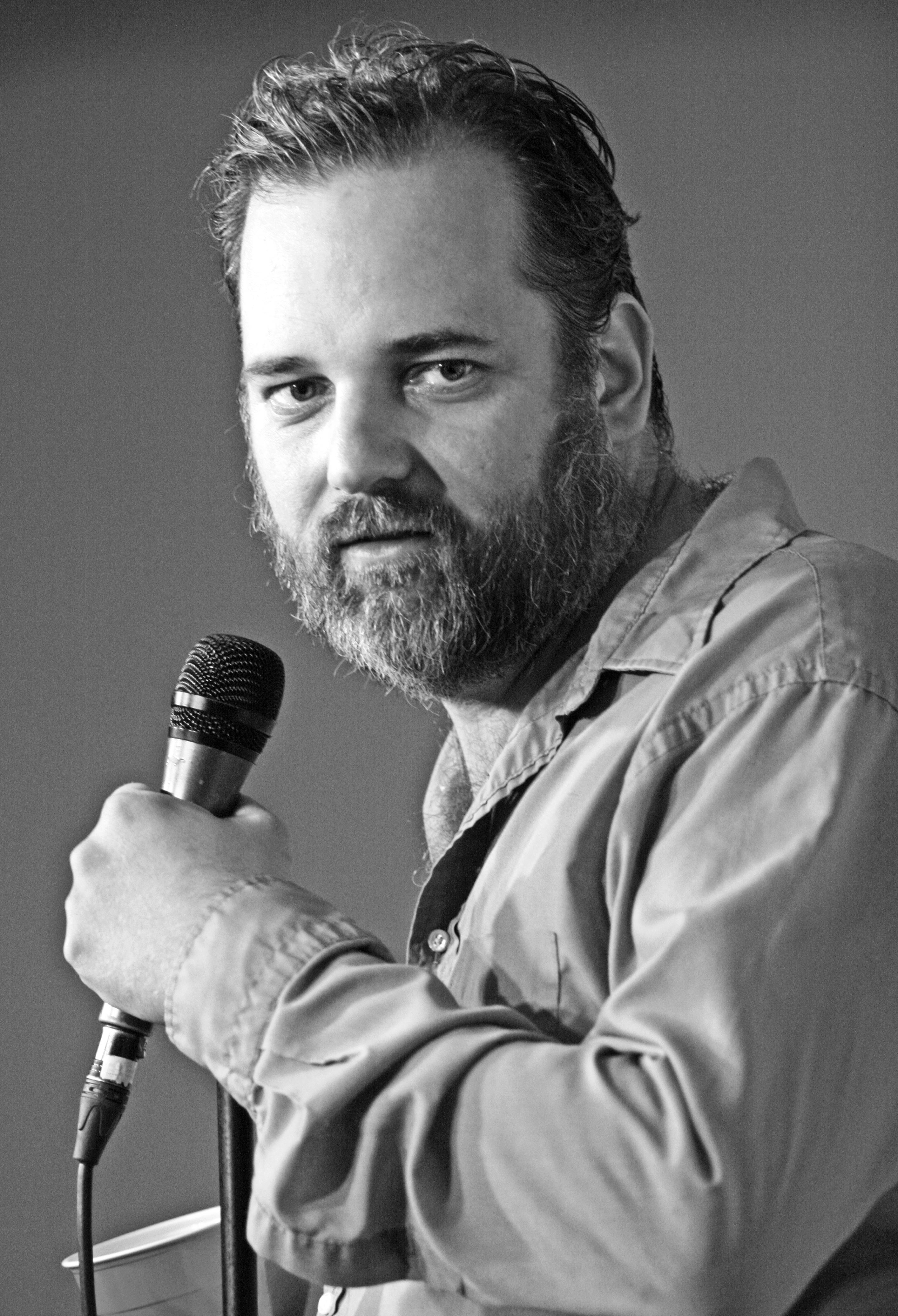
SF Sketchfest founders reminisce (and look ahead) on the eve of their 12th event

0

The first SF Sketchfest, in 2002, was a good excuse to find a stage and some quality time for its organizers’ own sketch comedy troupe, Totally False People, but it has since become an annual comedy conclave of the first order. SF Sketchfest founders David Owen, Cole Stratton, and Janet Varney talk about the growth and philosophy of their annual comedy extravaganza and the humble beginnings that gave it rise.

San Francisco Bay Guardian Is SF Sketchfest a full time job by now?

David Owen Yeah, I think it is. It definitely gets more intense a few months out, but we’re always working on it, we’re always percolating ideas, as well as trying to do events throughout the year. We had a presence at Outside Lands this past year. We’re always trying to do stuff. But this time of year especially, from fall on, is beyond full-time for us.

SFBG Has it had to change a lot structurally as it has grown, or are you still pretty much running it as you always have?

Janet Varney We earned some pretty simple lessons along the way, including Cole, Dave, and I not driving every single headliner to and from the airport, and sell tickets at the box office, and sell our concessions, which is what we were doing the first few years.

DO The growth has been gradual. Over 12 years it’s been a little bit like a snowball, each year we add a little bit more. There are more performers, more shows, there’s more logistics, more general stuff to deal with. Twelve years in, it’s grown to a place none of us ever imagined. We never imagined we’d even get to the second or third year and have one Kid in the Hall, let alone have all the Kids in the Hall and all these comedy legends, who are our heroes. You said humble beginnings, that’s absolutely right. It was a local festival, just for us to perform at, and 12 years later we’re still surprised that it’s so many shows, with so many people that we like.

SFBG Have you gained a new perspective on comedy that you didn’t have before?

DO When we started, we were just fresh out of college and we wanted to write our stuff and perform it. Cole is still performing, he can speak to that, but from my point of view, just seeing it as a producer now, I think our first couple of years we thought, “Oh, there might be an audience in the Bay Area for this kind of comedy.” And now it’s clear that there is. There’s a big appetite for it, because we keep adding shows and people keep coming.

We’ve learned that laughter is important, that people really want to get out of the house, and in the dead of winter, to come to a comedy club or a theater and experience something with a group of people where they’re all laughing. There’s nothing else like that. I have to say that I’ve really learned that getting out and laughing is important for people. It’s a fun thing that people like to do. Hopefully we’re providing something that’s unique and different from other festivals or other shows.

JV We’re so proud of San Francisco and the way San Francisco receives the comedy we bring to the table. Cole and I live in Los Angeles now, Dave is still in the city, but we all have this fierce love of San Francisco. It’s such a wonderful way for us to interact with the people in the city that we love. We feel like they back us up every year by being the most savvy, enthusiastic, great, smart audiences. That’s why performers come back here year after year as well, they love performing for San Francisco audiences. The festival couldn’t be what it is if we didn’t have those kind of people, as Dave said, showing up to laugh together.

Cole Stratton What made our festival a little different form the start was, you know, we started as performers, we came at it from that vantage point — it’s about the comedy; it’s about making it as artist and performer friendly as we can. I think why a lot of people embraced it early on was that it wasn’t about doing work that there’s a lot of pressure on. It was come have fun with each other, try some stuff — let’s have fun and really celebrate comedy.

The audiences in the Bay Area totally get that too. There’s been this tremendous energy at all our shows. Everyone feels a part of something that’s really fun, unique, and different. That’s been the spirit of the festival year after year.
 
SFBG Is the social or political significance of comedy something you guys think about?

JV Absolutely. I think the three of us respond to comedians who are brave in that way. Who are willing to hold a mirror up, to what happens to us in society and what happens to us as humans, but who are willing to get really personal. We love silly comedy, comedy that isn’t necessarily about anything; we love the absurd, we love lighthearted, sort of childlike comedy. But we also respond really strongly to people who are unafraid to say, hey, this is me, are you like this? This is ridiculous.

Obviously those comedians become beloved because they are humbling themselves and they’re also reminding everybody in the audience that it’s ok to be a human being.

DO It can be cathartic, to come away from a show where someone has talked about mortality or heartbreak or environmental problems in the world — and all the things that trouble us — it can be cathartic to come from a comedy show and you’ve laughed about it, you’ve thought about it, you’ve learned a little bit about it. But I want to add that in our programming there isn’t an agenda — like, ok, we need to have ten socially conscious comedians, and we need to have five absurd ones.

Our only agenda is: Does it make the three of us laugh? That’s how we decide what’s going to be in the festival. We don’t spend a whole lot of time thinking about what’s going to make the most number of people laugh? We just hope people like our taste. Our taste, as Janet said, it really runs the gamut from infantile, silly, ridiculous stuff, stupid stuff, all the way up to really smart, socially aware, critical comedy. We like all of that stuff. As long as it’s funny. That’s what matters.

SFBG Are people approaching you more than the other way around at this point?

JV It’s still both. We’re very lucky because we’ve had wonderful experiences with people we sort of chased down and invited in the beginning. We have a lot of returning guests year after year that we’re still excited to welcome back, and audiences are excited about. People like David Wain, who want to come here year after year and are always thinking ahead as to what kind of new, interesting show they can bring to the table so that they’re keeping it fresh but still returning to the festival multiple times.

We still have our wish list. We still have our people that we like to chase down, and cross our fingers and hope for the best. The comedy community, luckily it can be kind of close. We’re really lucky in that we have this amazing pool of references. But we still write letters with our fingers crossed, and hope for the best, as much as people reach out to us and ask to come back, or we have agents calling us whereas before we might not get our phone calls returned.

SFBG The podcast has really become a major new platform for comedy, as the lineup this year reflects. Are you searching out new outlets as well as new shows?

DO The three of us all spend a lot of time scouting and looking around and trying to keep our finger on the pulse, just seeing as much as we can, whether it’s in person or online. We try to stay clicked in to what’s going on out there. But we’re also looking for something that’s new. What can we do that is a totally new format? We love standup and sketch and improv and film stuff, but we also like doing things like game shows, or live talk shows.

This year we have a walking tour of the Asian Art Museum led by Canadians, or we have a show that mixes comedians and musicians, or Reggie Watts with a dance troupe. We try to see how we can do something at this festival that you’re really not going to see anywhere else. Not just something that’s on tour or that you’ve seen on TV. What can we debut at the festival, premiere as a brand new idea or a brand new concept or format? Those are things we think about and try to pursue.

SFBG Is the tour of the Asian Art Museum by Canadians an example of an original idea?

DO That one, no. That was a show that existed in New York. They did it at the Metropolitan. They’re going to be doing it in San Francisco for the first time, but that specific show was not our idea. We do come up with concepts that we think might be good for somebody, and we’ll pitch them, and if the artist is into it then it might come to fruition.

[For example,] we’re doing a show called Yacht Rock Heroes. Mustache Harbor is this amazing San Francisco band that does covers of ’70s and ’80s soft rock classics, Toto and Hall & Oates and those kinds of things. We thought it would be fun to have comedians come out and cover the song with the band as kind of a mash up. Mustache Harbor liked the idea, and we found comedians who were into it, so we kind of put it together from there.

SFBG How did you all first meet?

DO Cole and I were in the same floor in the dorms at SF State as freshmen. He was on one side and I was on the other. Everyone else on the floor was either a jock or a party animal…

JV [Laughing] That’s the first time I’ve heard someone say “party animal” in a serious way. I just love that that happened.

DO Yeah. There was a nerd on one side, and a nerd on the other. We were both into comedy and movies and music. And everyone else was into, like, swimming.

CS I lived in the dorms for like a year or whatever. I remember it was time to push on when — there was one communal restroom and I had to walk all the way down to it in the middle of the night, and there was a party going on, and I looked down. Someone had thrown a starfish into the hall. Like pulled it out of an aquarium and threw it into the hall. I was like, “Ok, someone just murdered a starfish on my floor. I think it’s time to go anywhere else.”

DO And then we became roommates, and we were working at the same video store and were roommates for, god, how many years? Three or four years. Five maybe. And then Janet — Janet, where did we first meet, at the Castro Theatre?

JV Yeah, I think we met at the Talking Heads show, Stop Making Sense. It was the anniversary screening. Actually, we love this story because Dave and I met and  — Cole, you were there too, yeah? I don’t know why I only remember Dave. Cole, we met before this interview, right? We all went to an anniversary screening of Stop Making Sense with David Byrne in attendance. He actually was sitting right in front of us. We love that everything came full circle, and that we ended up doing a screening of True Stories at the Castro Theatre with David Byrne.

DO Cole and I had a mutual friend — this didn’t happen right away but not long after we all met, this guy wanted to start a sketch comedy group. We were all theater and film majors, and we were putting on plays or making little films. And this guy wanted to start in comedy. We were all into it. There was about maybe six or seven of us who started meeting up, trying to write sketches. One by one people sort of fell away, and then there was four, the three of us and Gabriel Diani. And that’s how Totally False People started.

SFBG Where was your first gig? Where would you perform at the beginning?

JV We started doing shorts at a couple of the comedy clubs, and I think, was Rooster T. Feathers the first gig?
 
CS That was the very first show, Rooster T. Feathers in, Sunnyvale? Yeah. Our thinking was let’s make sure we’re at least 45 minutes outside the city limits if it doesn’t go well.
 
JV We went up on a stand-up, kind of a showcase night. We did a few different shows there. On one occasion someone called and left a voicemail after we performed saying that they didn’t enjoy our, quote, play-acting. We were trying to do sketch on this standup comedy stage and apparently people did not know what to do with us. We were going up there with like costumes and wigs…

DO That was our first review: “Did not enjoy the play-acting.”

CS And we thought, let’s start a festival!
 
SF Sketchfest: The San Francisco Comedy Festival
Jan 24-Feb 10, prices vary
Various venues, SF
www.sfsketchfest.com

The roots of crime

31

The Chron has figured out how to solve Oakland’s crime problem, in one sentence.

Here it is:

Critics said police don’t address the roots of crime, which can be solved with greater social services and educational opportunities.

That is a thing of beauty, right there.

Reminds me of an old college friend who went and got himself a Ph.D in criminology, and when he was passing through town, we had drinks, and I asked him: What does a doctor of criminology do? His response: We study the causes of crime.

So I requested that he enlighten me with his academic wisdom; what, I said, are the causes of crime? He paused for a moment to gather his thoughts, then said:

“Poverty.”

That’s a lot of book-learning there. And now “critics” say that crime can be addressed by social services and educational opportunities. Remarkable.

An overwhelming majority of the Oakland City Council approved the deal to hire a consulting firm that will bring on William Bratton to help the cops get a handle on the horrible violent crime problem in the city. It’s worth noting, for the record, that Bratton got his fame (and, given his price tag, his apparent fortune) with programs like Stop and Frisk, which is still going on in New York even thought a judge agrees it’s unconstitutional. Oakland isn’t implementing Stop and Frisk, at least not now. but this sort of aggressive policing is Bratton’s M.O., so I don’t think the debate over the proper role of cops in the community is over.

And if you think Stop and Frisk is a dandy way to fight crime, check out this stunning video of what it’s done in New York:

Roe v. Wade anniversary inspires flash mob, pro-choice rally, and pro-life march in SF

Remember when a dance revolution broke out in Justin Herman Plaza during Occupy San Francisco? This coming Saturday, the same choreographers behind that flash mob for economic justice plan to reignite the public square, this time with a flash mob organized in collaboration with the Silver Ribbon Campaign to commemorate the 40th Anniversary of Roe v. Wade.

“Roe v. Wade is an invitation to really celebrate women, women’s rights and women’s reproductive rights,” says Magalie Bonneau-Marcil, director of Oakland nonprofit Dancing without Borders, who will direct the Jan. 26 flash mob. She expects between 400 and 500 dancers to descend upon the plaza.

The performance is part of a larger event, Women Life & Liberty, organized to commemorate the landmark Supreme Court decision that made abortion legal in the United States. The Trust Women Silver Ribbon Campaign is organizing the free celebration in tandem with the National Organization for Women and a coalition of more than 20 local partners.

“Our sense was, it’s an opportunity to claim and reclaim, and revive our activism around the issues that this event is about,” Silver Ribbon Campaign Director Ellen Shaffer told the Guardian. The rally is part of a national effort that has also launched an “online march” for reproductive rights.

Birth control champion Sandra Fluke, who became the center of a firestorm after being lambasted by Rush Limbaugh for testifying before Congress on the need for access to birth control, will speak at the rally.  Other speakers will include filmmaker and Webby Awards Founder Tiffany Shlain, and San Francisco Supes Malia Cohen, David Campos, David Chiu and Eric Mar, who joined the board in adopting a December resolution commemorating the 40th anniversary of Roe v. Wade.

Meanwhile, an international campaign to end violence against women will also play a role in this weekend’s events. Upon returning to the Bay Area after a dance festival in Europe, Bonneau-Marcil says she saw Eve Ensler’s music video promoting VDay’s 1 Billion Rising Campaign, created to spark a global movement to end violence against women. “I was so moved,” she says.

Inspired, she began making preparations for the Jan. 26 performance and an upcoming Feb. 14 flash mob, to be staged in front of San Francisco City Hall in league with VDay’s global movement.

With recent outrage fueled by the rape and fatal attack in India, the public performances are timely. Bonneau-Marcil describes the public dance gatherings as a way for participants to “share a prayer to create a world free of violence and sexual oppression.” 

But there’s likely to be drama, as the Women Life & Liberty celebration is one of two dueling events. Walk for Life West, essentially the polar opposite of the Trust Women Silver Ribbon Campaign, is being spearheaded by San Francisco pro-lifers Dolores Meehan and Eva Muntean. Now in its ninth year, the annual event will bring hordes of anti-abortion activists to San Francisco, wielding dead fetus photos. They’ll travel from as far away as Nevada, Canada and “all over the Midwest,” according to Muntean. “We have 200 buses coming from all over the West Coast,” she said.

The anti-abortion rally will feature speakers such as Rev. Clenard Childress, who has built a career out of telling right wing Christians that the pro-choice movement is racist. (Seems Childress also spends his spare time penning inflammatory columns suggesting that acceptance of LGBT rights is “a sign of the end times.”)

The pro-life rally will converge at Civic Center Plaza and progress to – where else? – Justin Herman Plaza. There, according to the event page, revelers from the transformative flash mob may still be celebrating. Expect an awkward buzz kill.

This being San Francisco, plans are already being hatched to counter-protest the anti-abortion event. (Muntean emphasized that Walk for Life West should not be interpreted as counter-protest to the Women Life & Liberty event, by the way.)

Stop Patriarchy, made of up activists who are pro-choice, anti-Democratic party, and even anti-pornography since they deem it to be part of the war on women, plans to stage “boisterous and confrontational political protests throughout the week, taking on the Pro-Lifers who will be in San Francisco,” according to a press release. They’ll be there counter-protesting the Walk for Life with banners and signs declaring, “Abortion On Demand and Without Apology!”

Bonneau-Marcil, the flash mob director, says she’s trying to stay out of any back-and-forth that may come from warring factions. “We’re not pointing fingers,” she says. Instead, she’s on a mission to help dancers move in harmony to “access a place where, it’s not about opinions. It’s just about remembering who we are as human beings.”

The Women, Life & Liberty rally will be held at Justin Herman Plaza from 10 a.m. to noon. The Dancing Without Borders flash mob performance will take place at 11:30. Anyone can join the flash mob after attending two rehearsals: more info here. The Walk for Life West rally will converge at 12:30 at Civic Center Plaza and begin the procession to Justin Herman at 1:30. More info here, here and here.

Our Weekly Picks: January 23-29

0

WEDNESDAY 23

The Tambo Rays

If you’re looking for a San Francisco-based band to adore in the new year, keep your eye on the Tambo Rays. The punkish young chillwave foursome released Kaleidoscope, its debut EP, last summer and has speedily garnered an enthusiastic audience. The group — a collaboration between brother and sister Brian and Sara DaMert along with friends Greg Sellin and Bob Jakubs — makes catchy, introspective pop music characterized by B. DaMerts’ crooning vocals and a hazy wall of dissonance. The Tambo Rays played Café du Nord, Rickshaw Stop, and the Hemlock last year, but they still might be down to play your house party. (Mia Sullivan)

With Evil Eyes, Moonbell, Jesus Sons

9pm, $6

Brick and Mortar

1710 Mission, SF

(415) 371-1631

www.brickandmortarmusic.com


The Mallard and LENZ

Last year treated The Mallard well. Aside from winning recognition in the Guardian’s 2012 GOLDIES, the band’s dynamic garage-psych-rock also earned it a spot on MTV Hive’s list of “Five Indie-Rock Records to Look Forward to in 2013.” Evidently, this year promises more. LENZ, another Bay Area favorite, is also preparing for a fruitful 2013, with the release of its first full-length LP, Ways to End a Day, which it will celebrate at the New Parish. Containing punk influences, ’80s synth, and the self-identification “ice-pop,” the band promises intriguing music and a good time. And with both bands poised for greatness in 2013 (and $3 Trumer Pils), there’s no better time to see them then at this free show. (Laura Kerry)

With Casey and Brian, Dragontime

8pm, free New Parish

579 18th St., Oakl.

(510) 444-7474

www.thenewparish.com


THURSDAY 24

“How to Move A Mountain”

Consider this fact: many kids love to play with ants. The insect evokes some innate fascination that leads to prolonged observation (and frequently an unfortunate end by magnifying glass or the filling in of an ant hole). At Southern Exposure’s “How to Move a Mountain,” Dr. Deborah Gordon, a celebrated Stanford biologist, will elevate this fascination as she presents her studies on collaboration in the colonies of harvester ants, in this first installment of a three-part series. Thursday’s ends with a discussion led by conceptual artist Brad Borovitz and a responding art piece, the education-meets-art event will approach larger notions of societal organization and collectivism. It seems that those kids are on to something. (Kerry)

7-9pm, free Southern Exposure 3030 20th St., SF

(415) 863-2141

www.soex.org


“Dan Dion: The Musical Image” closing party

Fantastically prolific soul-snapper Dan Dion has been the house photographer for the Fillmore for 20 years and the Warfield for 15 — which gives him the kind of access to famous and intriguing subjects many would claw their own lenses out to get. For the past couple months he’s had a show of his eye-popping portraits of musical fascinators — from Johnny Cash, John Lee Hooker, Tony Bennett, James Brown, even Katy Perry — up at the hoppin’ Madrone on Divisadero. This closing party brings down on the curtain on the punchy exhibition, but there’s no rest for Dion, of course: along with his continued musician pics (check out www.dandion.com for an index of legends), he’s hard at work on a new project: 365 days of Comedian Portraits. (Marke B.)

6-9pm, free

Madrone Art Bar

500 Divisadero, SF

www.madroneartbar.com


FRIDAY 25

Noir City 11

Here’s a sweet early Valentine’s Day gift for your favorite dude or dame: a “passport” ticket good for admission to all of Noir City’s 27 films (many of which will sell out in advance), plus a chance to hang with opening-night special guest Peggy Cummins before a screening of her 1950 breakout Gun Crazy. Way cooler than a box of chocolates, and at $120, way cheaper than diamond jewelry. Billed as “the most popular film noir festival in the world,” Eddie Muller’s annual event flies the flag of 35mm projection proudly as it spotlights a host of classics and not-available-on-DVD rareties. Look for themed double-features like “Showbiz Noir” (can’t go wrong with 1950’s Sunset Boulevard on the big screen), “San Francisco Noir,” “African American Noir,” and — a Noir City first — “3D Noir.” (Cheryl Eddy)

Through Feb. 3, most shows $10–$15

Castro Theatre

429 Castro, SF

www.noircity.com


The Bay: Creators of Style

San Francisco fashion encompasses more than just glamor, style, and grit; it is an art of ideas and principles, creativity, and personality. Photographer Liz Caruana captures these many dimensions in her new book, The Bay: Creators of Style, a collection of black-and-white portraits of many of the Bay Area’s most distinguished designers. With an opening reception, an artist talk, and an exhibit of selected images from the book on view for three weeks, Carte Blanche has supplied an excellent opportunity to see prints that testify both to the skill of Liz Caruana and the originality and range of the Bay Area’s fashion community. (Kerry)

Through Feb. 13

Opening reception, 7-9:30pm, free

Artist talk Sat/26, 7:30pm

Carte Blanche

973 Valencia, SF

(415) 821-1055

www.gallerycarteblanche.com


SATURDAY 26

Joffrey Ballet

“Longtime no see” used to be a common greeting among friends. It has such an old-fashioned, convivial quality about it, yet sounds out of tune for our modern 24/7 being-connectedness. So why not say, “great to see you, what are you up to?” to the Joffrey Ballet, which used to regularly make the trip from New York, having made its reputation with showing ballet as a distinctly contemporary art. Now located in Chicago and under the artistic directorship of former SFB Principal Ashley Wheater, the Joffrey is bringing Kurt Jooss’ superb The Green Table, a seminal work of modern dance that thematically, unfortunately, is as up-to-date as it was in 1932. Edwaard Liang’s 2008 Age of Innocence and Christopher Weeldon’s After the Rain — two of today’s hottest choreographers complete this intriguing program. (Rita Felciano)

8pm, $30–$92

Also Sun/27, 3 p.m.

Zellerbach Hall

101 Zellerbach Hall, Berk.

(510) 642-9889

www.calperformances.org


“An Evening of Silent Films at Grace Cathedral”

Grace Cathedral is a non-traditional movie theater — obviously, you wouldn’t head to the Nob Hill landmark to see the latest superhero epic. But what it lacks in Dolby surround sound, it more than makes up for with its major league pipe organ, which provides the perfect accompaniment when the cathedral (which hosts concerts and events between services) screens silent films. Tonight, renowned musician Dorothy Papadakos provides the soundscape for two silent-era classics: Sergei Eisenstein’s 1925 propaganda film Battleship Potemkin (7pm), which elevated film editing with scenes like its tense “Odessa Staircase” sequence; and F.W. Murnau’s 1922 Nosferatu (9pm), the long-fingernailed granddaddy of all vampire films. (Eddy)

7 and 9pm, $10–$20 (both films, $17–$24)

Grace Cathedral

1100 California, SF

www.gracecathedral.org/concerts


Stellar Corpses

Santa Cruz rockers Stellar Corpses have been around for the part of a decade, mixing psychobilly, punk, rockabilly, surf guitar and much more into their sound. Having toured across the US and Europe as an independent act, the band released its third record last year, Dead Stars Drive-In (Santa Carla Records), which showcases an uncanny talent for meshing horror film imagery and addictive sing-along anthems into a monstrous creation that even Dr. Frankenstein would be proud of. With MTV recently featuring the group’s video for “Vampire Kiss,” things are looking up more than ever — these children of the night, what music they make! (Sean McCourt)

With The Rocketz, Memphis Murder Men, Limnus.

8:30pm, $13–$15

Slim’s, 333 11th St., SF

(415) 255-0333

www.slimspresents.com


Blond:ish

In a section of the music industry where club promoters and marketers all too frequently rely on glamor headshots layered over photoshopped neon clouds, London based, Montreal bred Anstascia D’elene and Vivie Ann Bakos have smartly chosen a name that immediately undercuts appearances. (Plus the tag-line: “not all dumbs are blonde.”) With that out of the way, this posh, Kompakt-approved duo has spent the last couple of years making a real name for itself, releasing credible 4×4 house sets and EPs with callbacks to ’60s psychedelia and ’80s new wave, while providing remixes for Todd Terje, Pete Tong, and Tomas Barfod. (Ryan Prendiville)

With DJ M3, Anthony Mansfield

9pm, $10-20

Monarch

101 Sixth St., SF

(415) 284-9774

www.monarchsf.com


SUNDAY 27

Stephen Tobolowsky

Stephen Tobolowsky will always be an honorary member of the “that guy” character actor club, (you’ve seen him in the margins of Groundhog Day, Memento, and HBO’s Deadwood) but lately, his podcast The Tobolowsky Files has become his signature project, revealing his depths as a storyteller. Whether he’s recounting a collaboration with David Byrne, his constant effort to balance Hollywood with family life, or the time he was held hostage at the supermarket, Tobolowsky’s tales of life, love, and showbiz engage the listener effortlessly. Presented by SF Sketchfest, Sunday’s event will feature new stories, as well as selections from his newly released book, The Dangerous Animals Club. (Taylor Kaplan)

8pm, $25

Yoshi’s

1330 Fillmore, SF

(415) 655-5600

www.yoshis.com


MONDAY 28

Steve Reich

Yes, Steve Reich is probably the most influential composer alive. And yes, his legendary mid-’70s output irreversibly mechanized the dynamics of Western music. Still, his greatest gift to the music world remains his ability to breathe life into minimalist structures, making room for dynamic, grooving rhythms, rich, warm tonal colors, and catchy, arpeggiated melodies that sound almost club-friendly in 2012. On Monday, the SF Contemporary Music Players will treat our fair city to a rare performance of Reich’s flagship composition, Music for 18 Musicians (1976), bookended by Clapping Music (1972) and Electric Counterpoint (1987). Essential, for devotees and newcomers, alike. (Kaplan)

8pm, $20

SF Conservatory of Music

50 Oak, SF

(415) 503-6275

www.sfcm.edu


TUESDAY 29

Vintage Trouble

When I started listening to The Bomb Shelter Sessions — Vintage Trouble’s 2012 release — I was pretty certain its authors could not be of this century. (And looking at photos of this old-timey quartet, might I add, only reinforced my initial contention.) Well, I was wrong. This blues rock group, comprised of vocalist Ty Taylor, guitarist Nalle Colt, drummer Richard Danielson, and bassist Rich Barrio Dill, formed in Los Angeles in 2010 and has achieved success and international renown not least for Taylor’s deep, rambling vocals that bring to mind mid-century legends like Otis Redding and Ray Charles. (Sullivan)

8:30 p.m., $15

Café du Nord

2170 Market, SF

(415) 861-5016

www.cafedunord.com

The Guardian listings deadline is two weeks prior to our Wednesday publication date. To submit an item for consideration, please include the title of the event, a brief description of the event, date and time, venue name, street address (listing cross streets only isn’t sufficient), city, telephone number readers can call for more information, telephone number for media, and admission costs. Send information to Listings, the Guardian, 225 Bush, 17th Flr., SF, CA 94105; or e-mail (paste press release into e-mail body — no attachments, please) to listings@sfbg.com. Digital photos may be submitted in jpeg format; the image must be at least 240 dpi and four inches by six inches in size. We regret we cannot accept listings over the phone.

Music Listings

0

Since club life is unpredictable, it’s a good idea to call ahead or check the venue’s website to confirm bookings and hours. Prices are listed when provided to us. Visit www.sfbg.com/venue-guide for venue information. Submit items for the listings at listings@sfbg.com. For further information on how to submit items for the listings, see Picks.

WEDNESDAY 23

ROCK/BLUES/HIP-HOP

Buckeye Knoll, These Old Wounds, Creak Bottom of the Hill. 9pm, $10.

Gojira, Devin Townsend Project, Atlas Moth Fillmore. 8pm, $20.

Guido vs Nathan Temby Johnny Foley’s Dueling Pianos. 9pm, free.

Headnodic, Skins and Needles, DJ Zeph Boom Boom Room. 8pm, $5.

Freddie Hughes Royal Cuckoo, 3203 Mission, SF; www.royalcuckoo.com. 7:30pm, free.

"Jason Becker Not Dead Yet 2" Slim’s. 8pm, $31. With Steve Morse, Uli Jon Roth, Richie Kotzen, and more.

Jhameel, Coast Jumper Cafe Du Nord. 8:30pm, $10.

Mumlers, Ohioan, Whiskerman Hemlock Tavern. 8:30pm, $7.

Panic is Perfect, Institution, Red Valley Trappers Elbo Room. 9pm, $6.

Terry Savastano Johnny Foley’s. 9pm, free.

Tambo Rays, Evil Eyes, Moonbell, Jesus Songs Brick and Mortar Music Hall. 9pm, $6.

Midge Ure Red Devil Lounge. 8pm, $25-$30.

JAZZ/NEW MUSIC

Shawn Colvin Yoshi’s SF. 8pm, $35.

Quinn DeVeaux Rite Spot. 9pm, free.

Dink Dink Dink, Gaucho, Eric Garland’s Jazz Session Amnesia. 7pm, free.

Ricardo Scales Top of the Mark, 999 California, SF; www.topofthemark.com. 6:30pm, $5.

FOLK/WORLD/COUNTRY

Timba Dance Party Bissap Baobab, 3372 19th St, SF; www.bissapbaobab.com. 10pm, $5. Timba and salsa cubana with DJ Walt Diggz.

DANCE CLUBS

Booty Call Q-Bar, 456 Castro, SF; www.bootycallwednesdays.com. 9pm. Juanita MORE! and Joshua J host this dance party.

Coo-Yah! Slate Bar, 2925 16th St, SF; www.slate-sf.com. 10pm, free. With Vinyl Ambassador, DJ Silverback, DJs Green B and Daneekah.

Full-Step! Tunnel Top. 10pm, free. Hip-hop, reggae, soul, and funk with DJs Kung Fu Chris and Bizzi Wonda.

Hardcore Humpday Happy Hour RKRL, 52 Sixth St, SF; (415) 658-5506. 6pm, $3.

Martini Lounge John Colins, 138 Minna, SF; www.johncolins.com. 7pm. With DJ Mark Divita.

THURSDAY 24

ROCK/BLUES/HIP-HOP.

Anthem Johnny Foley’s. 9pm, free.

"BB King Tribute" with Billy Big Daddy Cade Biscuits and Blues. 8 and 10pm, $20.

Brand New Trash, TV Mike and the Scarecrows, Ottomobile and the Moaners Amnesia. 9pm, $7.

Nate Currin, Brian Fuente, Jason Patrick Stevens Cafe Du Nord. 8pm, $10.

Dangermaker, Lessons, San Francesca DNA Lounge. 9pm, $8.

Earphunk Boom Boom Room. 8pm, $7.

Ever Ending Kicks, Natural Harbors Hemlock Tavern. 8:30pm, $6.

Hammond Organ Soul Blues Party with Chris Siebert Royal Cuckoo, 3203 Mission, SF; www.royalcuckoo.com. 7:30pm, free.

La Panique, Greater Sirens, La Montagne Bottom of the Hill. 9pm, $8.

"Music for Mutts" with Purple Ones Red Devil Lounge. 9:30pm, $25. Benefit for Muttville Senior Dog Rescue.

"Red Bull Thre3style" Independent. 8pm, $15. With Hot Pocket, DJ Sharp, J Espinosa, and more.

Ken Stringfellow, Maldvies, Will Sprott (Mumlers) Brick and Mortar Music Hall. 9pm, $12-$15.

Nathan Temby vs Guido Johnny Foley’s Dueling Pianos. 9pm, free.

"Voices of Latin Rock Benefit for Autism" Bimbo’s. 6pm. With Tierra, Generation Esmeralda, and more.

Walkmen, Father John Misty Fillmore. 8pm, $25.

JAZZ/NEW MUSIC

Shawn Colvin Yoshi’s SF. 8pm, $40.

Stompy Jones Top of the Mark, 999 California, SF; www.topofthemark.com. 7:30pm, $10.

FOLK/WORLD/COUNTRY

JimBo Trout and the Fishpeople Atlas Cafe, 3049 20 St, SF; www.atlascafe.net. 8pm.

Twang! Honky Tonk Fiddler’s Green, 1330 Columbus, SF; www.twanghonkytonk.com. 5pm. Live country music.

DANCE CLUBS

Afrolicious Elbo Room. 9:30pm, $8. DJs Pleasuremaker and Señor Oz spin Afrobeat, Tropicália, electro, samba, and funk.

All 80s Thursday Cat Club. 9pm, $6 (free before 9:30pm). The best of ’80s mainstream and underground.

Ritual Dubstep Temple. 10pm-3am, $5. Trap and bass. [every Thursday]

Tropicana Madrone Art Bar. 9pm, free. Salsa, cumbia, reggaeton, and more with DJs Don Bustamante, Apocolypto, Sr. Saen, Santero, and Mr. E.

FRIDAY 25

ROCK/BLUES/HIP-HOP

Ash Thursday Bazaar Cafe, 5927 California, SF; (415) 831-5620. 7pm, free.

"BB King Tribute" with Billy Big Daddy Cade Biscuits and Blues. 8 and 10pm, $20.

Body and Soul Johnny Foley’s. 9pm, free.

Brian Jordan Band, Afrofunk Experience Slim’s. 9pm, $13.

Daniel Castro Band, Chris Cobb Band Great American Musical Hall. 9pm, $15.

Fake Your Own Death, Happy Fangs, Vela Bottom of the Hill. 10pm, $10.

Hammond Organ Soul Blues Party with Chris Siebert Royal Cuckoo, 3203 Mission, SF; www.royalcuckoo.com. 7:30pm, free.

Inferno of Joy, Tunnel Hemlock Tavern. 9:30pm, $7.

KRS-One Yoshi’s SF. 10:30pm, $25.

Johnny Lawrie El Rio. 9pm, $5.

Midtown Social, Myron and E, Selecter DJ Kirk and DJ Ren Elbo Room. 10pm, $10.

Modern Kicks, Cumstain, Mud Mouth, Dead Waste, Banshee Boardwalk, Gladys Brick and Mortar Music Hall. 9pm, $5.

Mike Realm’s Ghetto Blaster, D-Sharp, Miles the DJ Independent. 9pm, $15.

Sensations, Jackpot, Prairiedog Chapel, 777 Valencia, SF. www.thechapelsf.com. 9pm, $12.

Solwave, Trophy Fire, Via Coma Rickshaw Stop. 9pm, $10-$12.

Greg Zema, Randy, Nathan Temby Johnny Foley’s Dueling Pianos. 9pm, free.

JAZZ/NEW MUSIC

Audium 1616 Bush, SF; www.audium.org. 8:30pm, $20. Theater of sound-sculptured space.

Black Market Jazz Orchestra Top of the Mark, 999 California, SF; www.topofthemark.com. 9Pm, $10.

Shawn Colvin Yoshi’s SF. 8pm, $45.

"Disappear Incompletely: The Music of Radiohead" Red Poppy Art House. 8pm, $10-$15. Electro-jazz arrangements.

Michael McIntosh Rite Spot. 9pm, free.

Rival Sons Cafe Du Nord. 9pm, $10.

FOLK/WORLD/COUNTRY

Baxtalo Drom Amnesia. 9pm, $7-$10. Live music, gypsy punk, belly dancing.

Oarsman, Grenade Hand, Progress Band 50 Masion Social House, SF; www.50masonsocialhouse.com. 7pm.

Trio Troubadour Bissap Baobab, 3372 19th St, SF; www.bissapbaobab.com. 7pm, free.

DANCE CLUBS

Cool Story Bro DNA Lounge. 9pm, $20. With Crizzly, Atom One, Sam F, Freefall.

Illumination: Envision Festival Fundraiser 1015 Folsom, SF. 10pm. With Gladkill, Surgarpill, Nominous, and more.

Joe Lookout, 3600 16th St.,SF; www.lookoutsf.com. 9pm. Eight rotating DJs, shirt-off drink specials.

Moguai, G-Stav Vessel, 85 Campton Place, SF; www.vesselsf.com. 10pm, $20-$30.

Old School JAMZ El Rio. 9pm. Fruit Stand DJs spinning old school funk, hip-hop, and R&B.

Paris to Dakar Little Baobab, 3388 19th St, SF; (415) 643-3558. 10pm, $5. Afro and world music with rotating DJs including Stepwise, Steve, Claude, Santero, and Elembe.

SATURDAY 26

ROCK/BLUES/HIP-HOP

Blues Ambassadors Biscuits and Blues. 8 and 10pm, $22.

Conspiracy of Beards Riptide Tavern. 9:30pm, free.

Exhausted Pipes Red Devil Lounge. 7pm, $13.

Foreverland, Minks Bimbo’s. 9pm, $22.

Hammond Organ Soul Blues Party with Lavay Smith, Chris Siebert Royal Cuckoo, 3203 Mission, SF; www.royalcuckoo.com. 7:30pm, free.

Katdelic feat. RonKat Spearman, Groove Session, DJ Fillmore Wax Boom Boom Room. 8pm, $12.

Locura, Shake Your Peace!, Makru Great American Musical Hall. 9pm, $17-$20.

Niki and the Dove, Vacationer, DJ Aaron Axelsen Independent. 9pm, $15.

"SF Rock Project’s Tribute to Black Sabbath, Frank Zappa, and Captain Beefheart" Thee Parkside. Noon, $5.

Stellar Corpses, Rocketz, Memphis Murder, Limnus Slim’s. 8:30pm, $13-$15.

Sunbeam Rd., Casey Chisolm Thee Parkside. 9pm, $7.

Nathan Temby, Chris A., Greg Zema Johnny Foley’s Dueling Pianos. 9pm, free.

Ticket to Ride Johnny Foley’s. 9pm, free.

Trainwreck Riders, Porkchop Express, Joseph Childress El Rio. 10pm, $8.

Tsar, Radishes, Custom Kicks Hemlock Tavern. 9:30pm, $7.

Vinyl and special guests Lebo, Bo, Jeconte and Friends Brick and Mortar Music Hall. 9pm, $15-$20. FunkRaiser for Mali.

Wovenhand, Vir, Yassou Benedict Bottom of the Hill. 9:30pm, $14.

Zodiac Death Valley, Hollow Mirrors, Peach Kings, Down and Outlaws Milk Bar. 9pm, $10.

JAZZ/NEW MUSIC

Audium 1616 Bush, SF; www.audium.org. 8:30pm, $20. Theater of sound-sculptured space.

Mr. Lucky and the Cocktail Party Rite Spot. 9pm, free.

Frederic Yonnet Yoshi’s SF. 8pm, $26; 10pm, $22.

FOLK/WORLD/COUNTRY

Americano Social Club Red Poppy Art House. 8pm, $15-$20.

"Aswang – a Tagalog Song Cycle" Bindlestiff Studio, 185 Sixth St, SF; www.kularts.org. 8pm, $15.

Sonya Cotton, Kelly McFarling, Mana Maddy, Rebecca Cross Community Music Center, 544 Capp, SF; www.kangarooconcerts.com. 7:30pm. Benefit for the Marine Mammal Center.

Gaucho, Kally Price and the Old Blues and Jazz Band, Craig Ventresco St Cyperian’s Church, 2097 Turk, SF; www.noevalleymusicseries.com. 8pm, $12.

International Guitar Night Brava Theater, 2781 24th St, SF; www.omniconcerts.com. 8pm, $38. With Martin Taylor, Solorazaf, and more.

Craig Ventresco and Meredith Axelrod Atlas Cafe, 3049 20 St, SF; www.atlascafe.net. 4-6pm.

DANCE CLUBS

Bearracuda Rickshaw Stop. 9pm, $6-$8.

Bootie SF: ’90s Mashup Night DNA Lounge. 9pm, $10-$15. With A Plus D, DJ Tyme, Dada.

Cazzette Ruby Skye. 9pm.

Dark Room 2.0 Anniversary Cafe Du Nord. 9:30pm, $7. Katabatik, Nezzy Id, Zania Morgan, DJ Identity Theft, and more.

120 Minutes Elbo Room. 10pm, $12. With Vatican Shadow, resident DJs S4NtA_MU3rTE and Nako.

Paris to Dakar Little Baobab, 3388 19th St, SF; (415) 643-3558. 10pm, $5. Afro and world music with rotating DJs.

Temptation Cat Club. 9:30pm. $5-$8. Indie, electro, new wave video dance party.

SUNDAY 27

ROCK/BLUES/HIP-HOP

Before the Brave, Glossary, Travis Hayes Thee Parkside. 8pm, $8.

Tyler Bryant and the Shakedown, Lea Grant Brick and Mortar Music Hall. 8pm, $12.

DJ Teddy Ted Hemlock Tavern. 8:30pm, $7.

Pentatonix Warfield. 8pm, $28.

Terry Savastano Johnny Foley’s. 9pm, free.

"SF Rock Project’s Tribute to Black Sabbath, Frank Zappa, and Captain Beefheart" Bottom of the Hill. 2pm, $5.

JAZZ/NEW MUSIC

Belinda Blair Bliss Bar, 4026 24th St, SF; .www.blissbarcom. 4:30pm, $10.

FOLK/WORLD/COUNTRY

"Aswang – a Tagalog Song Cycle" Bindlestiff Studio, 185 Sixth St, SF; www.kularts.org. 3pm, $15.

Brazil and Beyond with Rebecca Kleinmann Bissap Baobab, 3372 19th St, SF; www.bissapbaobab.com. 6:30pm, free.

"Mexico City and Beyond" Community Music Center, 544 Capp, SF; www.sfcmc.org. 4pm, $10-$15. Bernal Hill Players’ concert of Latin American Chamber Music.

Twang Sunday Thee Parkside. 4pm, free. With Laura Benitez Band.

Western Swing with Heel Draggers Amnesia. 8pm, $5-$10 (with dance lesson).

DANCE CLUBS

Beats for Brunch Thee Parkside. 11am, free. With Chef Josie and DJ Matt Haze.

Dub Mission Elbo Room. 9pm, $6. With DJ Sep, J. Boogie, and DJ Alarm.

Jock Lookout, 3600 16th St, SF; www.lookoutsf.com. 3pm, $2.

MONDAY 28

ROCK/BLUES/HIP-HOP

Damir Johnny Foley’s. 9pm, free.

Mike Olmos Jazz Pro Jam Biscuits and Blues. 7:30 and 11:30pm, $12.

JAZZ/NEW MUSIC

Mike Burns Rite Spot. 8:30pm, free.

FOLK/WORLD/COUNTRY

Open bluegrass jam Amnesia. 6pm.

DANCE CLUBS

Death Guild DNA Lounge. 9:30pm, $3-5. Gothic, industrial, and synthpop with Joe Radio, Decay, and Melting Girl.

Crazy Mondays Beauty Bar, 2299 Mission, SF; www.thebeautybar.com. 10pm, free. Hip-hop and other stuff.

M.O.M. Madrone Art Bar. 6pm, free. DJs Timoteo Gigante, Gordo Cabeza, and Chris Phlek playing all Motown every Monday.

Soul Cafe John Colins Lounge, 138 Minna, SF; www.johncolins.com. 9pm. R&B, Hip-Hop, Neosoul, reggae, dancehall, and more with DJ Jerry Ross.

Vibes’N’Stuff El Amigo Bar, 3355 Mission, SF; (415) 852-0092. 10pm, free. Conscious jazz and hip-hop with DJs Luce Lucy, Vinnie Esparza, and more.

TUESDAY 29

ROCK/BLUES/HIP-HOP

Tia Carroll and Hardwork Biscuits and Blues. 8 and 11:30pm, $15.

Cody ChesnuTT Independent. 8pm, $15.

ESMK, CYPH4, Ruff Draft, Demigod Bastards Elbo Room. 9pm, $6.

Good Gravy, Neckbeard Boys Brick and Mortar Music Hall. 9pm, $7-$10.

Willy Mason Chapel, 777 Valencia, SF. www.thechapelsf.com. 9pm, $12-$14.

One Hundred Percent, Mosshead, Couches Amnesia. 9pm, $7.

Poor Luckies, 1906, Unmanned Pilots, DJ Alberto Knockout. 9:30pm, $5.

Tristan Prettyman Great American Musical Hall. 8pm, $17-$19.

Stan Erhart Band Johnny Foley’s. 9pm, free.

Tropics Boom Boom Room. 8pm, $5.

Vintage Trouble Cafe Du Nord. 8:30pm, $12.

JAZZ/NEW MUSIC

Helen Jane Long and the London Players Yoshi’s SF. 8pm, $35.

FOLK/WORLD/COUNTRY

Brazilian Zouk Bissap Baobab, 3372 19th St, SF; www.bissapbaobab.com. 8:30pm, $5-$12.

Toshio Hirano Rite Spot. 8:30pm, free.

On the Cheap Listings

0

On the Cheap listings by Cortney Clift. Submit items for the listings at listings@sfbg.com. For further information on how to submit items for the listings, see Picks.

WEDNESDAY 23

“From Vision to Icon: Building the Golden Gate Bridge” Sports Basement, 1590 Bryant, SF. www.sfwalksandtalks.com. 7pm, free. Local writer, producer, and narrator Peter Moylan presents the story of the Golden Gate Bridge, exploring all the triumphs and challenges encountered throughout its creation The lecture will be told with over 120 historic photos in the live documentary style SF Walks and Talks is known for.

THURSDAY 24

“Pixilated Drift” Johansson Projects, 2300 Telegraph, Oakl. www.johanssonprojects.net. Through March 16. Noon-6pm, free. The show will feature Andrew Benson’s hypnotic pixel prints, David O’ Brien’s explosive and abstract video stills, and Tamara Albaitis’ sound sculptures, sure to be as entrancing and mysterious to look at as they are to listen to.

FRIDAY 25

“Full Wolf Moon” Cotton Mill Studios, 1091 Calcot, Oakl. www.f3oakland.com. 6-10pm, free. F3 at the Cotton Mill will be showing off resident and guest artists’ new work in the collective’s eighth event. The evening will be a bit of a cultural smorgasbord with various galleries and studios open throughout the building, live music, dance, and spoken word in the “Wolf Den,” a design bazaar, and food trucks. Free shuttle transportation will be provided to the Cotton Mill Studios from the Fruitvale BART station from 6-10:30pm.

Fundraiser for KPOO Radio Mercury Café, 201 Page, SF. 7-10pm, free. For over 40 years local nonprofit radio station has been discussing issues facing underserved communities such as GLBT folks, low-income families and young people as well as playing music largely absent in mainstream media. But KPOO has recently lost a significant source of funding due to budget cuts. Head over to Mercury Café for a night of food, drinks, and music to help keep the station on the air. 10 percent of all sales will go to KPOO.

“Deviant Type Press Benefit Show” Temescal Arts Center, 511 Eighth St., Oakl. 7pm, $10 donation suggested. Hosted by Jezebel Delilah X, this evening will consist of readings by Mia McKenzie, fat activist Virgie Tovar, Sister Spit-Valencia queer author Michelle Tea, and Manish Vaidya. After the readings Bay Area band Gaymous rocks.

SATURDAY 26

“All You Can Dance” Alonzo King LINES Dance Center, 26 Seventh St., fifth floor, SF. www.linesballet.org. 1-5pm, $5. Whether you’ve been itching to brush up on your ballet skills or wanting to test your talent in Zimbabwean dance, the $5 entry fee allows you try out any and all classes on today’s schedule. Offering everything from Bollywood dance to Pilates to Argentinean tango, you’re free to dance ’til you drop.

Roe Vs. Wade 40th anniversary celebration Justin Herman Plaza, SF. www.oursilverribbon.org. 10am-noon, free. Reproductive rights pioneer Pat Maginnis, president of the San Francisco Board of Supervisors David Chiu, and other speakers will be addressing women’s issues today in remembrance of the legendary court case that gave us our reproductive rights. It may not technically be a carnival, but there will be face-paining, airbrush tattoos, balloon artists, a bubble artist, and a performance by One Billion Rising, a radical gang of flash mobbers.

SUNDAY 27

“San Francisco Poet Laureate Alejandro Murguía’s Inaugural Address” San Francisco Main Library, Koret Auditorium, 100 Larkin, SF. www.sfpl.org. 1-3pm, free. Murguía will give his inaugural address as the city’s sixth poet laureate and speak about the connection Latino history and San Francisco history have to one another as well as how poetry has affected the local Latino community. A reception will follow his wise words, so you’ll have ample time to chew them over.

“Drunken Spelling Bee” Café Royal, 800 Post, SF. www.caferoyale-sf.com. 6pm, free. Hosted by Jimi Moran, this event is exactly what it sounds like. Maybe you dominated in your sixth grade spelling bee, but how are your skills after a few beers? No iPhone spell checks allowed.

“Oakland Youth Orchestra ‘Russian Romance’ Winter Concert” Holy Names University, 3500 Mountain, Oakl. www.oyo.org. 3pm, free. Get classy Sunday afternoon at what is sure to be something far better than an average high-school music recital. The 75 musicians who make up the Oakland Youth Orchestra range from ages 12 to 22 but possess musical skills far beyond their years. The concert will include festive pieces by Dimitri Shostakovich, Pyotr Ilyich Tchaikovsky, and Sergei Rachmaninov.

MONDAY 28

Berkeley Arts & Letters presents Adam Mansbach’s Rage is Back The Marsh Berkeley, 2120 Allston, Berk. www.berkeleyarts.org. 7:30pm, $5/students, $12/advance. The author of the No. 1 New York Times bestseller Go the F**k to Sleep is back to tell the story of a clever kid, the father who left him, and the greatest graffiti stunt New York City has ever seen in his new book titled Rage is Back. Today Mansbach will read and discuss his new release. The Marsh Cabaret Bar will be open before, during, and after the program.

TUESDAY 29

Recology art exhibit and panel discussion Reception at 503 Tunnel, SF. 5-7pm, free. Panel discussion at 401 Tunnel, SF. 7pm, free. Exhibition also on display Fri/25, 5-9pm; Sat/26, 1-3pm. www.recologysf.com. Recology’s artist in residence program will exhibit work created by Michael Damm, Julia Goodman, and Jeff Hantman over the past four months, made from scavenged materials found at the dump. After the exhibit, head a few doors down to catch the artists talking about their experience working to create art in trashland.

Nite Trax: That Icee Hot sensation

0

The stimulating and excellently-eared Icee Hot crew is blasting a two-part third anniversary party at Public Works: this Sat/19 sees dreamy R&B chopper Jacques Greene (yes, the guy with the glasses from the Azaelia Banks video, but also one of my favorite producers ever) and Dutch hyperdubber Martyn on deck. Part two on Sat/26 brings in alien techno soundscapist Space Dimension Controller and astral floor-pounder Basic Soul Unit. You will find me face down on the floor in sonic worship for both. (And you may be able to score a pass to both parties for a mere $15 here.)

I’ve been following the oft-roving party pretty much since its inception.

Usually I abhor parties that just throw a big name guest up and then give partygoers no other vibe-guidance: no decorations or look or neon Easter eggs of any kind. But the Icee Hot foursome — Shawn Reynaldo, Rollie Fingers, Ghosts on Tape, and Low Limit, all fantastic DJ/musicmakers in their own right — take an expressionist approach to gigs that transcends the bare-boned, and fends off any cynical charges of money-grubbing (the parties are hella cheap). Their excellent curatorial sense brings disparate, original sounds together to create something more stimulating than the sum of sonic parts.

I traded emails with the Icees on the eve of their blowout to talk about the party’s evolution and the SF scene right now.

SFBG Every time you guys throw a party, I trip over myself trying to describe the music with anything more substantial than “awesome” and then I overuse the word “bass.” How would you describe the music you look for when considering guest artists? 

GHOSTS ON TAPE We have a hard time describing it too. I think that’s part of the fun. But since you asked, I’d say we go for weirdo house, outsider artists, and underground pioneers. It’s hard to put a finger on what exactly we look for in a guest, they just have to do music that excites us. We also like to book people that are doing things that no one else is really doing, and it’s important for us to bring acts that have never played in SF before. That’s not always possible, but we try. We don’t really wanna bring artists based solely on internet hype, we have to genuinely like their music.  

ROLLIE FINGERS I think we just book people we like and people who influence people we like. The overarching theme is house and techno. It’s fine to just call it that. (Ed. Note: Mr. Fingers does not have to write exciting things about nightlife every week.)

SFBG What inspired you to start Icee Hot, and what are some of your favorite memories from the past three years?

SHAWN REYNALDO Icee Hot sort of grew out of Tormenta Tropical, another monthly party that I still throw here in San Francisco. That night is based around cumbia and other Latin/tropical styles, but back in 2009, I was mixing in a bunch of UK funky and other new house/bass/grime sounds. Some of those records were vaguely “tropical,” but I gradually realized that they didn’t properly fit the vibe of the party. Still, in November of that year, I booked L-Vis 1990 and Bok Bok at Tormenta Tropical for their first SF show, simply because I was so enthusiastic about the music they were making. This was right around the time that they were launching the Night Slugs label, and they hung out here in San Francisco for several days, during which time Rollie Fingers and I got really inspired, just by talking with them about music and realizing that there was something interesting happening with all these new hybrid sounds coming out of the UK. We also realized that this music melded really well with a lot of great classic house, garage and techno that wasn’t really being celebrated in the SF club scene at the time. Anyways, within a few weeks of that show, we enlisted Ghosts on Tape and Low Limit, booked our first party at 222 Hyde, and began planning ICEE HOT.

In terms of highlights, there are just too many to mention. Hosting Todd Edwards for his first-ever SF show was something special, and it was even better when we brought him back a year later and paired him with MK, one of his musical heroes. Beyond that, there was Robert Hood and Anthony “Shake” Shakir showing us what being a Detroit legend is all about. Ben UFO and Oneman going back-to-back, which was a real landmark for the party. Cedaa literally kicking off his 21st birthday with a midnight set. MikeQ turning the dancefloor out with drag queens doing bicycle kicks on stage. New Years 2011 with Bok Bok and Ramadanman. Girl Unit making his SF debut in the sweaty basement at 222 Hyde. John Talabot, both his DJ set and phenomenal live set a few months later. Our second anniversary last year with Mosca and Altered Natives. I could go on forever. It’s been fun.

ROLLIE FINGERS Hieroglyphic Being is an amazing DJ. He played a delayed vocal sample of “I Feel Love” for like 20 minutes when he played. If anyone else did that, it would be messy, but with him, it was bliss. I also have a very distinct memory of DJ Stingray getting out of the cab at Public Works wearing his ski mask. It was deep.

SFBG It seems like the number of parties has grown exponentially in the past few years. What are some of the challenges and rewards to throwing a party in the current SF nightlife landscape? Has it become more a matter of branding, rather than a distinct music or crowd profile? And do you feel that the party scene is being overdetermined by artist booking agencies?

SHAWN REYNALDO ICEE HOT is the product of a lot of hard work. Between talking to artists, negotiating with booking agents, locking down venues, purchasing flights, picking people up at the airport, fulfilling riders, and doing all the other behind-the-scenes tasks, it can be a little daunting, especially when we’re operating on a zero-profit basis. I don’t know if people always realize this, but ICEE HOT makes a point to keep our door prices as low as possible. Sure, we could charge $20, $25, $30 for a lot of our parties, but we don’t, because charging exorbitant door prices is lame. We’re not doing this to make money. We’re doing this to throw good events, and we don’t want anyone not to come because it’s too expensive.

http://www.youtube.com/watch?v=kwyxmrMSOUM

ROLLIE FINGERS We don’t mind branding our party at all. Every flyer for the past three years has said ICEE HOT really big on top. I think it’s nice for parties to have a distinct look and feel to them. ICEE HOT always feels like ICEE HOT, no matter what artist we are booking. I like that.

SHAWN REYNALDO And sure, dealing with nightlife landscape in San Francisco can be tricky. Even though the city attracts top-level talent, it’s still a relatively small place, so most promoters know one another. Sometimes you wind up competing with other parties to book the same talent, or dealing with booking agents who are trying to pit us against one another. Thankfully, we can usually avoid all of that mess. When booking agents are being unreasonable or don’t understand what we’re about, we usually just bow out of the proceedings. After three years, ICEE HOT has built up a good reputation, so the artists we’re trying to bring out have often already heard of the party and want to come play. Don’t get me wrong, it can all be frustrating sometimes, but we’re proud of what we’re doing and hopefully the parties and the label speak for themselves. Plus, it’s hard to really complain too much. Every month, we’re throwing parties exactly the way we want to throw them with guests we’re personally really excited about. Things are going well, and we want to just keep building on that.

SFBG Why’d you decide on a two-part blowout? It’s almost too-too good. Although I know you haven’t shot your wad yet — any hints on who might be coming in 2013 (or who your fantasy artists would be).

GHOSTS ON TAPE The kind folks at Public Works were nice enough to let us use their club two weeks in a row, and since our anniversary is something of a milestone, we wanted to book artists that are in line with our vision of what we like to do at ICEE HOT. I think Martyn, Jacques Greene, Space Dimension Controller and Basic Soul Unit are going to help us celebrate our three-year anniversary in fine form. As far as future bookings, I can’t give anything away, but we’re going to continue on the same path and keep on booking freakishly talented individuals. In the past, whenever we thought of a fantasy artist that we’d like to book, it always ended up coming true eventually, so I don’t want to say anything to ruin any future surprises.

Localized Appreesh: Adios Amigo

3

Localized Appreesh is our thank-you column to the musicians that make the Bay. To be considered, contact emilysavage@sfbg.com.

What began life as a side-project for Il Gato drummer Johnny Major has grown into a hyper melodic, can’t-miss, feel-good group to know. Or as I breathlessly wrote after catching an early show at the Hemlock: Adios Amigo is pure indie-pop bliss, in the vein of Broken Social Scene and the Shins. 

In this one, Major leads as singer-songwriter-guitarist, backed by guitarist Rahi Kumar, bassist Alex Coehn, drummer Stephen Wills, Claire Grinton on keys and fiddle, and percussionist Catalina Atria – along with warm multi-part harmonies put forth by all those involved.

The band released Dos last year, and starts 2013 off right with a headlining gig at Cafe Du Nord. Learn more about Adios Amigo below, but first check out the video for plucky “Chicken” and see how long you can hold out without cracking a grin.

http://www.youtube.com/watch?v=G4X7QxfE2jw
Video Credit: Caitlyn Adkins

Year and location of origin: 2011, San Francisco

Band name origin: Sitting in a cubicle in SOMA, dreaming of escaping to South America, I came up with the name.  It means ‘Goodbye Friend’.

Band motto: “¡Hasta la victoria siempre!” – “Until victory, always!”

Description of sound in 10 words or less: Grandiose, jangly, guitar-driven, harmonic psych-pop

Instrumentation: Two Guitars, one bass, one keyboard, one drum set.

Most recent release: Dos EP – June, 2012.

Best part about life as a Bay Area band: Living in one of the most beautiful cities in the world, being a part of one of the best music scenes in the world, playing awesome venues, great food, liberals.  

Worst part about life as a Bay Area band: The rent.  Too high.

First album ever purchased: Green Day’s Dookie, or the Forrest Gump soundtrack.

Most recent album purchased/downloaded:
 Tame Impala, Lonerism.

Favorite local eatery and dish: The Little Chihuahua — Garlic Shrimp Burrito. Everyday.

Adios Amigo
With City Tribe, Ghost Tiger
Thu/17, 9pm, $10
Cafe Du Nord
2170 Market, SF
www.cafedunord.com

Music Listings

0

Since club life is unpredictable, it’s a good idea to call ahead or check the venue’s website to confirm bookings and hours. Prices are listed when provided to us. Visit www.sfbg.com/venue-guide for venue information. Submit items for the listings at listings@sfbg.com. For further information on how to submit items for the listings, see Picks.

WEDNESDAY 16

ROCK/BLUES/HIP-HOP

Blues Organ Party with Big Bones and Chris Siebert Royal Cuckoo, 3202 Mission, SF; www.royalcuckoo.com. 7:30pm, free.

Gunshy Johnny Foley’s. 9pm, free.

Lee Huff vs Nathan Temby Johnny Foley’s Dueling Pianos. 9pm, free.

Michael Hurley, Cass McCombs, Jessica Pratt Great American Music Hall. 8pm, $15.

Jerry Joseph, Shelley Doty, Fred Torphy, Marc Friedman Brick and Mortar Music Hall. 8pm, free.

Keith Crossan Blues Showcase with Terry Hanck Biscuits and Blues. 11:30pm, $15.

Parquet Courts Hemlock Tavern. 8:30pm, $8.

Paulie Rhyme, Sweet Hayah, Aisha Fukushima, Bottom Hammer Elbo Room. 9pm, $7.

Todd Sickafoose’s Tiny Resistors, Erik Deutsch Band, Adam Levy Cafe Du Nord. 8pm, $10-$12.

JAZZ/NEW MUSIC

Dink Dink Dink, Gaucho, Eric Garland’s Jazz Session Amnesia. 7pm, free.

Latin Jazz All-Stars feat. Steve Turre, Chembo Corniel, Arturo O’Farrill, Nestor Torres Yoshi’s SF. 8pm, $25.

Reuben Rye Rite Spot. 9pm, free.

Ricardo Scales Top of the Mark, 999 California, SF; www.topofthemark.com. 6:30pm, $5.

FOLK/WORLD/COUNTRY

Timba Dance Party Bissap Baobab, 3372 19th St, SF; www.bissapbaobab.com. 10pm, $5. Timba and salsa cubana with DJ Walt Diggz.

DANCE CLUBS

Booty Call Q-Bar, 456 Castro, SF; www.bootycallwednesdays.com. 9pm. Juanita MORE! and Joshua J host this dance party.

Coo-Yah! Slate Bar, 2925 16th St, SF; www.slate-sf.com. 10pm, free. With Vinyl Ambassador, DJ Silverback, DJs Green B and Daneekah.

Hardcore Humpday Happy Hour RKRL, 52 Sixth St, SF; (415) 658-5506. 6pm, $3.

Martini Lounge John Colins, 138 Minna, SF; www.johncolins.com. 7pm. With DJ Mark Divita.

THURSDAY 17

ROCK/BLUES/HIP-HOP.

Adios Amigo, City Tribe, Ghost Tiger Cafe Du Nord. 9pm, $10.

Big Tree, Strange Vine, Bonnie and the Bang Bang, Owl Paws Bottom of the Hill. 8:30pm, $10. "Songs for Sandy: Hurricane Relief Show."

Broadway Calls, Silver Snakes, Civil War Rust Thee Parkside. 9pm, $10.

Eskmo Independent. 9pm, $20.

Hammond Organ Soulful Blues Party with Chris Siebert Royal Cuckoo, 3202 Mission, SF; www.royalcuckoo.com. 7:30pm, free.

John Lawton Trio Johnny Foley’s. 9pm, free.

Knocks, Gemini Club, popscene DJs Rickshaw Stop. 9:30pm, $13-$15.

Mark Matos and Os Beaches, Van Allen Belt, Sasha Bell, Crushed Out, DJ Neil Martinson Brick and Mortar Music Hall. 9pm, $6-$10.

Run Amok, Parae, Scarlet Stoic Sub-Mission. 8:15pm, $8.

Eric Sardinas Biscuits and Blues. 8 and 10pm, $20.

Nathan Temby vs Lee Huff Johnny Foley’s Dueling Pianos. 9pm, free.

Trampled By Turtles Fillmore. 8pm, $25.

JAZZ/NEW MUSIC

Latin Jazz All-Stars feat. Steve Turre, Chembo Corniel, Arturo O’Farrill, Nestor Torres Yoshi’s SF. 8pm, $25.

Midnight Flyte Rite Spot. 9pm, free.

SF Jazz Hotplate Series Amnesia. 9pm.

Stompy Jones Top of the Mark, 999 California, SF; www.topofthemark.com. 7:30pm, $10.

FOLK/WORLD/COUNTRY

Get Down Boys Atlas Cafe, 3049 20 St, SF; www.atlascafe.net. 8-10pm.

Twang! Honky Tonk Fiddler’s Green, 1330 Columbus, SF; www.twanghonkytonk.com. 5pm. Live country music.

DANCE CLUBS

Afrolicious Elbo Room. 9:30pm, $5-$7. With DJ-host Pleasuremaker and Senor Oz spin Afrobeat, Tropicália, electro, samba, and funk.

All 80s Thursday Cat Club. 9pm, $6 (free before 9:30pm). The best of ’80s mainstream and underground.

Base: Pan-Pot, Alex Sibley Vessel, 85 Campton Place, SF; www.vesselsf.com. 10pm, $10.

Ritual Dubstep Temple. 10pm-3am, $5. Trap and bass.

Tropicana Madrone Art Bar. 9pm, free. Salsa, cumbia, reggaeton, and more with DJs Don Bustamante, Apocolypto, Sr. Saen, Santero, and Mr. E.

FRIDAY 18

ROCK/BLUES/HIP-HOP

Asesino, Verbal Abuse, Embryonic Devourment, Psychosomatic DNA Lounge. 7pm, $16.

Back Pages Johnny Foley’s. 9pm, free.

"Bands4Bands Showcase" Slim’s. 8pm, $13. With Kaos, Potential Threat, Mystic Rage, Star Destroyer.

Black Cobra, Glitter Wizard, Lecherous Gaze Brick and Mortar Music Hall. 9pm, $10-$13.

Jake Bugg, Valerie June, popscene DJs Rickshaw Stop. 9pm, $15-$17.

Commissure, Let Fall the Sprarrow, Skyscraper Mori Hemlock Tavern. 9:30pm, $7.

Fidlar Amoeba Music, 1855 Haight, SF; www.amoeba.com. 6pm, free.

Fidlar, Pangea, Meat Market Bottom of the Hill. 9pm, $10.

Hammond Organ Soul Blues Party Royal Cuckoo, 3202 Mission, SF; www.royalcuckoo.com. 7:30pm, free.

Lee Huff, Jeff V., Rags Tuttle Johnny Foley’s Dueling Pianos. 9pm, free.

Native Elements, Jah Yzer Elbo Room. 10pm, $10.

Johnny Rawls Biscuits and Blues. 8 and 10pm, $20.

Ty Segall Fillmore. 9pm, $22.50.

Tell River, Anju’s Pale Blue Eyes, Hang Jones, Gayle Lynn and the Hired Hands Cafe Du Nord. 9pm, $8.

JAZZ/NEW MUSIC

Audium 1616 Bush, SF; www.audium.org. 8:30pm, $20. Theater of sound-sculptured space.

Black Market Jazz Orchestra Top of the Mark, 999 California, SF; www.topofthemark.com. 9Pm, $10.

George Duke Yoshi’s SF. 8pm, $32; 10pm, $24.

Lee Vilenski Rite Spot. 9pm, free.

FOLK/WORLD/COUNTRY

Alex Pinto Trio Red Poppy Art House. 8pm, $8.

Queer Cumbia Bissap Baobab, 3372 19th St, SF; www.bissapbaobab.com. 8pm, $3-$7. Musica tropical, cumbia, merengue.

DANCE CLUBS

DJ What’s His Fuck Riptide Tavern. 9pm, free.

Hella Tight Amnesia. 10pm, $5.

Sebastien Drums, Justin Milla Vessel, 85 Campton Place, SF; www.vesselsf.com. 10pm, $20-$30.

Joe Lookout, 3600 16th St.,SF; www.lookoutsf.com. 9pm. Eight rotating DJs.

Old School JAMZ El Rio. 9pm. Fruit Stand DJs spinning old school funk, hip-hop, and R&B.

Paris to Dakar Little Baobab, 3388 19th St, SF; (415) 643-3558. 10pm, $5. Afro and world music with rotating DJs including Stepwise, Steve, Claude, Santero, and Elembe.

"Save KUSF Benefit" Bender’s, 806 S. Van Ness, SF; www.bendersbar.com. 9pm, $5. With KUSF in Exile DJs Zoe, Stoo Odom, Brian Springer.

SATURDAY 19

ROCK/BLUES/HIP-HOP

Chris A., Jeff V., Lee Huff Johnny Foley’s Dueling Pianos. 9pm, free.

Bay Area Heat Johnny Foley’s. 9pm, free.

Buttercream Gang, Youth of the Beast, Apopka, Darkroom Thee Parkside. 9pm, $7.

Hammond Organ Soul Blues Party Royal Cuckoo, 3202 Mission, SF; www.royalcuckoo.com. 7:30pm, free.

Kowloon Walled City Hemlock Tavern. 9:30pm, $7.

Femi Kuti and the Positive Force Fillmore. 9pm, $35.

London Souls, Major Powers and the Lo-Fi Symphony, Wake Up Lucid Bottom of the Hill. 9:30pm, $12.

Maria Muldaur Biscuits and Blues. 8 and 10pm, $20.

Mustache Harbor Slim’s. 9pm, $20.

Paperplanes Riptide Tavern. 9:30pm, free.

Pinback, Judgement Day Bimbo’s. 9pm, $25.

Trails and Ways, Tremor Low, My Satellite Cafe Du Nord. 9pm, $10.

Turtle Rising Thee Parkside. 3pm, free.

Wayne Wonder, Joshua, Selecta Dans-One, DJ Rob Roots Brick and Mortar Music Hall. 9pm, $20-$25.

Yo La Tengo Amoeba Music, 1855 Haight, SF; www.amoeba.com. 3pm, free.

JAZZ/NEW MUSIC

Audium 1616 Bush, SF; www.audium.org. 8:30pm, $20. Theater of sound-sculptured space.

George Duke Yoshi’s SF. 8 and 10pm, $32.

Project Pimento Rite Spot. 9pm, free.

FOLK/WORLD/COUNTRY

Steph Macpherson Brainwash Cafe. 8pm.

Razteria a.k.a Renee Asteria Neck of the Woods. 9pm, $10-$15.

Craig Ventresco and Meredith Axelrod Atlas Cafe, 3049 20 St, SF; www.atlascafe.net. 4-6pm.

DANCE CLUBS

Bootie SF: SF vs LA vs NYC DNA Lounge. 9pm, $10-$15. With Mykill, Faroff, Billy Jam, and more.

Fringe Madrone Art Bar. 9pm, $5. Indie music video dance party with DJ Blondie K and subOctave.

Oakland Faders dance party Rickshaw Stop. 9pm, $5.

OK Hole Amnesia. 9pm.

Paris to Dakar Little Baobab, 3388 19th St, SF; (415) 643-3558. 10pm, $5. Afro and world music with rotating DJs.

Radio Franco Bissap, 3372 19th St, SF; (415) 826 9287. 6 pm. Rock, Chanson Francaise, Blues. Senegalese food and live music.

Scotty Boy Vessel, 85 Campton Place, SF; www.vesselsf.com. 10pm, $20-$30.

Saturday Night Soul Party Elbo Room. 10pm, $5-$10. With DJs Lucky, Paul Paul, Phengren Oswald.

Smiths Party Slate Bar, 2925 16th St, SF; www.slate-sf.com. 10pm, $5. Sounds of the Smiths, Morrissey, the Cure, and New Order.

Wild Nights Kok BarSF, 1225 Folsom, SF; www.kokbarsf.com. 9pm, $3. With DJ Frank Wild.

SUNDAY 20

ROCK/BLUES/HIP-HOP

Beso Negro, Sage, Steakhouse Cafe Du Nord. 8:30pm, $10.

Down, Warbeast Regency Ballroom. 8pm, $25.

Easway, King Pin, Ellie Cope Slim’s. 8pm, $15.

Giggle Party, Bella Novela, Spider Heart Bottom of the Hill. 9pm, $8.

Hammond Organ Blues Party with Lavay Smith and Chris Siebert Royal Cuckoo, 3202 Mission, SF; www.royalcuckoo.com. 7:30pm, free.

John Lawton Trio Johnny Foley’s. 9pm, free.

Harvey Mandel and the Snake Crew Biscuits and Blues. 7 and 9pm, $20.

Mike Giant and DJ Dougernaut Hemlock Tavern. 10pm, free.

JAZZ/NEW MUSIC

Collaboration feat. Dee Lucas, Joel Del Rosario, Sure Will Yoshi’s SF. 8pm, $32; 10pm, $24.

Linda Kosut, Benn Bacot Bliss Bar, 4026 24 St. SF; www.blissbarsf.com. 7pm, $22.

FOLK/WORLD/COUNTRY

Brazil and Beyond with Sandy Cressman Trio Bissap Baobab, 3372 19th St, SF; www.bissapbaobab.com. 6:30pm, free.

Paula Frazer, Rusty Miller, New Family Band Rite Spot. 9pm, free.

Hillbilly Swing with B Stars Amnesia. 9pm, $7.

Twang Sunday Thee Parkside. 4pm, free. With Nobody From Nashville.

DANCE CLUBS

Beats for Brunch Thee Parkside. 11am, free. With Chef Josie and DJ Motion Potion.

Dub Mission Elbo Room. 9pm, $8-$11. With Nickodemus, Spy from Cairo, DJ Sep.

Jock Lookout, 3600 16th St, SF; www.lookoutsf.com. 3pm, $2.

MONDAY 21

ROCK/BLUES/HIP-HOP

Damir Johnny Foley’s. 9pm, free.

White Cloud, Tears Club, Spectre, Grill Cloth Elbo Room. 9pm, $5.

Quicksand, Title Fight Regency Ballroom. 8pm, $28.

JAZZ/NEW MUSIC

Craig and Meredith Rite Spot. 8:30pm, free.

Mike Olmos Jazz Biscuits and Blues. 7:30pm, $12.

DANCE CLUBS

Crazy Mondays Beauty Bar, 2299 Mission, SF; www.thebeautybar.com. 10pm, free. Hip-hop and other stuff.

Death Guild DNA Lounge. 9:30pm, $3-$5. With Decay, Joe Radion, Melting Girl.

M.O.M. Madrone Art Bar. 6pm, free. DJs Timoteo Gigante, Gordo Cabeza, and Chris Phlek playing all Motown every Monday.

Soul Cafe John Colins Lounge, 138 Minna, SF; www.johncolins.com. 9pm. R&B, Hip-Hop, Neosoul, reggae, dancehall, and more with DJ Jerry Ross.

Vibes’N’Stuff El Amigo Bar, 3355 Mission, SF; (415) 852-0092. 10pm, free. Conscious jazz and hip-hop with DJs Luce Lucy, Vinnie Esparza, and more.

TUESDAY 22

ROCK/BLUES/HIP-HOP

Dubious Ranger, Sunrunners, Grahame Lesh, Midnight Snackers Elbo Room. 9pm, $8.

Fat Tuesday Band Biscuits and Blues. 8 and 10pm, $15.

God Module, Mordacious, Flesh Industry DNA Lounge. 9pm, $12.

Hot Fog, Buffalo Tooth, Wild Eyes, DJ D’Sasster Riptide Tavern. 9:30pm, $6.

Li Xi, Former Friends of Young Americans, Ash Reiter Amnesia. 9pm, $7.

Stan Erhart Band Johnny Foley’s. 9pm, free.

JAZZ/NEW MUSIC

Muriel Anderson with Tierra Negra Yoshi’s SF. 8pm, $20.

FOLK/WORLD/COUNTRY

Brazilian Zouk Bissap Baobab, 3372 19th St, SF; www.bissapbaobab.com. 8:30pm, $5.

DANCE CLUBS

KPT F8, 1192 Folsom, SF; www.feightsf.com. 9pm, $5.

Stylus John Colins Lounge, 138 Minna, SF; www.johncolins.com. 9pm. Hip-hop, dancehall, and Bay slaps with DJ Left Lane.

Takin’ Back Tuesdays Double Dutch, 3192 16th St,SF; www.thedoubledutch.com. 10pm. Hip-hop from the 1990s.

Film Listings

0

Film listings are edited by Cheryl Eddy. Reviewers are Kimberly Chun, Dennis Harvey, Lynn Rapoport, and Sara Maria Vizcarrondo. For rep house showtimes, see Rep Clock.

OPENING

Broken City It’s a tough guy-off when an ex-cop (Mark Wahlberg) dares to take on New York’s corrupt mayor (Russell Crowe). (1:49)

Hellbound? See "Damnation Investigation." (1:25) Yerba Buena Center for the Arts.

The Last Stand In Arnold Schwarzenegger’s first leading role since that whole Governator business, he plays a small-town sheriff doing battle with an escaped drug kingpin. (1:47) Shattuck.

The Law in These Parts Ra’anan Alexandrowicz’s documentary is a rather extraordinary historical record: he interviews numerous retired Israeli judges and lawyers who shaped and enforced the country’s legal positions as occupiers of Palestinian land and "temporary guardians" of a Palestinian populace living under foreign occupation. The key word there is "temporary" — in using here a different (military rather than civil) justice from the one Israeli citizens experience, Israel has been able to exert the extraordinary powers of an invading force in wartime. But what is "temporary" about an occupation that’s now lasted nearly 45 years? How can the state justify (under Geneva Convention rules, for one thing) building permanent Jewish settlements that now house about half a million Israelis on land that is as yet not legally Israel’s? By constantly changing the terms and laws of occupation, they do just that. If many policies have been perhaps necessary to control terrorist attacks, one can argue that they and other policies have created the climate in which oppositional fervor and terroristic acts were bound to flourish. That, of course, is a political-ethical judgement far beyond the public purview of the judges and others here, whose dry legalese admits no personal culpability — and indeed sometimes seems almost absurdly divorced from real-world ethics and consequence, which of course serves an increasingly rigid governmental stance just fine. Without preaching, The Law in These Parts raises a number of discomfiting questions about bending law to suit an agenda that in any other context would seem frankly unlawful. (1:40) Roxie. (Harvey)

Let Fury Have the Hour Though its message — that creative expression is a powerful, meaningful way to fight oppression — is a valuable one, Antonino D’Ambrosio’s Let Fury Have the Hour covers turf well-trod for anyone who has ever seen a documentary about punk rock and social justice. (Especially when it contains usual suspects like Ian MacKaye, Shepard Fairey, and Billy Bragg waxing nostalgic about how nonconformist they were in the 1980s.) In truth, Fury is more collage than doc, pasting together talking-head interviews (also here: Chuck D, John Sayles, Van Jones, Tom Morello, Boots Riley, and Wayne Kramer, plus a few token women, chiefly Eve Ensler) with a mish-mash of sepia-toned stock footage that more or less thematically compliments what’s being discussed at the time. A more focused examination of D’Ambrosio’s thesis might have resulted in a more effective film — like, say, an in-depth look at how Sayles’ politically-themed films (here, he reads from the script for 1987’s Matewan in a frustratingly brief segment) are echoed in works by contemporary artists and citizen journalists, particularly now that the internet has opened up a global platform for protest films. Listen: I admire what the film is trying to do. I am OK with watching yet another doc that contains the phrase "Punk rock politicized me." But with too much lip service and precious little depth, Fury‘s fury ends up feeling a bit diluted. (1:40) Balboa. (Eddy)

LUV Baltimore native Sheldon Candis drew from his own childhood for this coming-of-age tale, which takes place in a single day as 11-year-old "little man" Woody (Michael Rainey Jr.) tags along with his uncle, Vincent (Common), recently out of jail and rapidly heading back down the criminal path. With both parents out of the picture, Woody’s been raised by his grandmother (Lonette McKee), so he idolizes Vincent even though it’s soon clear the short-tempered man is no hero. Of course, things go horribly awry, bloody lessons are learned, tears are shed, etc. Despite the story’s autobiographical origins, the passable LUV suffers greatly by inviting comparisons to The Wire — the definitive docudrama examining drug crime in Baltimore. Most blatantly, sprinkled into an all-star cast (Dennis Haysbert, Danny Glover, Charles S. Dutton) are supporting characters played by Wire icons Michael K. "Omar" Williams (as a cop) and Anwan "Slim Charles" Glover (as a meaner Slim Charles, basically). Perhaps if you’ve never seen the show this wouldn’t be distracting — but if that’s the case, you should really be watching The Wire instead of LUV anyway. (1:34) (Eddy)
Mama Two long-lost children bring something supernatural home with them in this horror flick starring Jessica Chastain and Nikolaj "Jaime Lannister" Coster-Waldau. (1:40) California.

The Rabbi’s Cat A rabbi, a Muslim musician, two Russians (a Jew and a boozy Christian), and two talking animals hop into an antique Citroën for a road trip across Africa. No, it’s not the set-up for a joke; it’s the premise for this charming animated film, adapted from Joann Sfar’s graphic novel (the author co-directs with Antoine Delesvaux). In 1930s Algiers, a rabbi’s pet cat suddenly develops the ability to talk — and read and write, by the way — and wastes no time in sharing opinions, particularly when it comes to religion ("God is just a comforting invention!") When a crate full of Russian prayer books — and one handsome artist — arrives at the rabbi’s house, man and cat are drawn into the refugee’s search for an Ethiopian city populated by African Jews. Though it’s not suitable for younger kids (there’s kitty mating, and a few bursts of surprising violence) or diehard Tintin fans (thanks to a randomly cranky spoof of the character), The Rabbi’s Cat is a lushly illustrated, witty tale of cross-cultural clashes and connections. Rockin’ soundtrack, too. (1:29) Smith Rafael. (Eddy)

ONGOING

Amour Arriving in local theaters atop a tidal wave of critical hosannas, Amour now seeks to tempt popular acclaim — though actually liking this perfectly crafted, intensely depressing film (from Austrian director Michael Haneke) may be nigh impossible for most audience members. Eightysomething former music teachers Georges and Anne (the flawless Jean-Louis Trintignant and Emmanuelle Riva) are living out their days in their spacious Paris apartment, going to classical concerts and enjoying the comfort of their relationship. Early in the film, someone tries to break into their flat — and the rest of Amour unfolds with a series of invasions, with Anne’s declining health the most distressing, though there are also unwanted visits from the couple’s only daughter (an appropriately self-involved Isabelle Huppert), an inept nurse who disrespects Anne and curses out Georges, and even a rogue pigeon that wanders in more than once. As Anne fades into a hollow, twisted, babbling version of her former self, Georges also becomes hollow and twisted, taking care of her while grimly awaiting the inevitable. Of course, the movie’s called Amour, so there’s some tenderness involved. But if you seek heartwarming hope and last-act uplift, look anywhere but here. (2:07) Albany, Clay, Smith Rafael. (Eddy)

Anna Karenina Joe Wright broke out of British TV with the 9,000th filmed Pride and Prejudice (2005), unnecessary but quite good. Too bad it immediately went to his head. His increasing showiness as director enlivened the silly teenage-superspy avenger fantasy Hanna (2011), but it started to get in the way of Atonement (2007), a fine book didn’t need camera gymnastics to make a great movie. Now it’s completely sunk a certified literary masterpiece still waiting for a worthy film adaptation. Keira Knightley plays the titular 19th century St. Petersburg aristocrat whose staid, happy-enough existence as a doting mother and dutiful wife (to deglammed Jude Law’s honorable but neglectful Karenin) is upended when she enters a mutually passionate affair with dashing military officer Count Vronsky (Aaron Taylor-Johnson, miscast). Scandal and tragedy ensue. There’s nothing wrong with the screenplay, by Tom Stoppard no less. What’s wrong is Wright’s bright idea of staging the whole shebang as if it were indeed staged — a theatrical production in which nearly everything (even a crucial horse race) takes place on a proscenium stage, in the auditorium, or "backstage" among riggings. Whenever we move into a "real" location, the director makes sure that transition draws attention to its own cleverness as possible. What, you might ask, is the point? That the public social mores and society Anna lives in are a sort of "acting"? Like wow. Add to that another brittle, mannered performance by Wright’s muse Knightley, and there’s no hope of involvement here, let alone empathy — in love with its empty (but very prettily designed) layers of artifice, this movie ends up suffocating all emotion in gilded horseshit. The reversed-fortune romance between Levin (Domhall Gleeson) and Kitty (Alicia Vikander) does work quite well — though since Tolstoy called his novel Anna Karenina, it’s a pretty bad sign when the subsidiary storyline ends up vastly more engaging than hers. (2:10) Embarcadero, Opera Plaza, Shattuck. (Harvey)

Argo If you didn’t know the particulars of the 1979 Iranian Revolution, you won’t be an expert after Argo, but the film does a good job of capturing America’s fearful reaction to the events that followed it — particularly the hostage crisis at the US embassy in Tehran. Argo zeroes in on the fate of six embassy staffers who managed to escape the building and flee to the home of the sympathetic Canadian ambassador (Victor Garber). Back in Washington, short-tempered CIA agents (including a top-notch Bryan Cranston) cast about for ways to rescue them. Enter Tony Mendez (Ben Affleck, who also directs), exfil specialist and father to a youngster wrapped up in the era’s sci-fi craze. While watching 1973’s Battle for the Planet of the Apes, Tony comes up with what Cranston’s character calls "the best bad idea we have:" the CIA will fund a phony Canadian movie production (corny, intergalactic, and titled Argo) and pretend the six are part of the crew, visiting Iran for a few days on a location shoot. Tony will sneak in, deliver the necessary fake-ID documents, and escort them out. Neither his superiors, nor the six in hiding, have much faith in the idea. ("Is this the part where we say, ‘It’s so crazy it just might work?’" someone asks, beating the cliché to the punch.) Argo never lets you forget that lives are at stake; every painstakingly forged form, every bluff past a checkpoint official increases the anxiety (to the point of being laid on a bit thick by the end). But though Affleck builds the needed suspense with gusto, Argo comes alive in its Hollywood scenes. As the show-biz veterans who mull over Tony’s plan with a mix of Tinseltown cynicism and patiotic duty, John Goodman and Alan Arkin practically burst with in-joke brio. I could have watched an entire movie just about those two. (2:00) Embarcadero, Castro, 1000 Van Ness, Piedmont, Sundance Kabuki. (Eddy)

Cirque du Soleil: Worlds Away (1:31) Metreon, Shattuck.

Cloud Atlas Cramming the six busy storylines of David Mitchell’s wildly ambitious novel into just three hours — the average reader might have thought at least 12 would be required — this impressive adaptation directed (in separate parts) by Tom Twyker (1998’s Run Lola Run) and Matrix siblings Lana and Andy Wachowski has a whole lot of narrative to get through, stretching around the globe and over centuries. In the mid 19th century, Jim Sturgess’ sickly American notory endures a long sea voyage as reluctant protector of a runaway-slave stowaway from the Chatham Islands (David Gyasi). In 1931 Belgium, a talented but criminally minded British musician (Ben Whishaw) wheedles his way into the household of a famous but long-inactive composer (Jim Broadbent). A chance encounter sets 1970s San Francisco journalist Luisa (Halle Berry) on the path of a massive cover-up conspiracy, swiftly putting her life in danger. Circa now, a reprobate London publisher’s (Broadbent) huge windfall turns into bad luck that gets even worse when he seeks help from his brother (Hugh Grant). In the not-so-distant future, a disposable "fabricant" server to the "consumer" classes (Doona Bae) finds herself plucked from her cog-like life for a rebellious higher purpose. Finally, in an indeterminately distant future after "the Fall," an island tribesman (Tom Hanks) forms a highly ambivalent relationship toward a visitor (Berry) from a more advanced but dying civilization. Mitchell’s book was divided into huge novella-sized blocks, with each thread split in two; the film wastes very little time establishing its individual stories before beginning to rapidly intercut between them. That may result in a sense of information (and eventually action) overload, particularly for non-readers, even as it clarifies the connective tissues running throughout. Compression robs some episodes of the cumulative impact they had on the page; the starry multicasting (which in addition to the above mentioned finds many uses for Hugo Weaving, Keith David, James D’Arcy, and Susan Sarandon) can be a distraction; and there’s too much uplift forced on the six tales’ summation. Simply put, not everything here works; like the very different Watchmen, this is a rather brilliant "impossible adaptation" screenplay (by the directors) than nonetheless can’t help but be a bit too much. But so much does work — in alternating currents of satire, melodrama, pulp thriller, dystopian sci-fi, adventure, and so on — that Cloud Atlas must be forgiven for being imperfect. If it were perfect, it couldn’t possibly sprawl as imaginatively and challengingly as it does, and as mainstream movies very seldom do. (2:52) Castro. (Harvey)

Django Unchained Quentin Tarantino’s spaghetti western homage features a cameo by the original Django (Franco Nero, star of the 1966 film), and solid performances by a meticulously assembled cast, including Jamie Foxx as the titular former slave who becomes a badass bounty hunter under the tutelage of Dr. Schultz (Christoph Waltz). Waltz, who won an Oscar for playing the evil yet befuddlingly delightful Nazi Hans Landa in Tarantino’s 2009 Inglourious Basterds, is just as memorable (and here, you can feel good about liking him) as a quick-witted, quick-drawing wayward German dentist. There are no Nazis in Django, of course, but Tarantino’s taboo du jour (slavery) more than supplies motivation for the filmmaker’s favorite theme (revenge). Once Django joins forces with Schultz, the natural-born partners hatch a scheme to rescue Django’s still-enslaved wife, Broomhilda (Kerry Washington), whose German-language skills are as unlikely as they are convenient. Along the way (and it’s a long way; the movie runs 165 minutes), they encounter a cruel plantation owner (Leonardo DiCaprio), whose main passion is the offensive, shocking "sport" of "Mandingo fighting," and his right-hand man, played by Tarantino muse Samuel L. Jackson in a transcendently scandalous performance. And amid all the violence and racist language and Foxx vengeance-making, there are many moments of screaming hilarity, as when a character with the Old South 101 name of Big Daddy (Don Johnson) argues with the posse he’s rounded up over the proper construction of vigilante hoods. It’s a classic Tarantino moment: pausing the action so characters can blather on about something trivial before an epic scene of violence. Mr. Pink would approve. (2:45) Four Star, Metreon, 1000 Van Ness, Presidio, Sundance Kabuki. (Eddy)

Gangster Squad It’s 1949, and somewhere in the Hollywood hills, a man has been tied hand and foot to a pair of automobiles with the engines running. Coyotes pace in the background like patrons queuing up for a table at Flour + Water, and when dinner is served, the presentation isn’t very pretty. We’re barely five minutes into Ruben Fleischer’s Gangster Squad, and fair warning has been given of the bloodletting to come. None of it’s quite as visceral as the opening scene, but Fleischer (2009’s Zombieland) packs his tale of urban warfare with plenty of stylized slaughter to go along with the glamour shots of mob-run nightclubs, leggy pin-curled dames, and Ryan Gosling lounging at the bar cracking wise. At the center of all the gunplay and firebombing is what’s framed as a battle for the soul of Los Angeles, waged between transplanted Chicago mobster Mickey Cohen (Sean Penn) — who wields terms like "progress" and "manifest destiny" as a rationale for a continental turf war — and a police sergeant named John O’Mara (Josh Brolin), tasked with bringing down Cohen’s empire. The assignment requires working under cover so deep that only the police chief (Nick Nolte) and the handpicked members of O’Mara’s "gangster squad" — ncluding Gosling, a half-jaded charmer who poaches Cohen’s arm candy (Emma Stone) — know of its existence. This leaves plenty of room for improvisation, and the film pauses now and again to wonder about what happens when you pit brutal amorality against brutal morality, but it’s a rhetorical question, and no one shows much interest in it. Dragged down by talking points that someone clearly wanted wedged in (as well as by O’Mara’s ponderous voice-overs), the film does better when it abandons gravitas and refocuses on spinning its mythic tale of wilder times in the Golden State. (1:53) Metreon, 1000 Van Ness. (Rapoport)

The Guilt Trip (1:35) Metreon.

A Haunted House (1:25) Metreon, 1000 Van Ness.

Hitchcock On the heels of last year’s My Week With Marilyn comes another biopic about an instantly recognizable celebrity viewed through the lens of a specific film shoot. Here, we have Anthony Hopkins (padded and prosthetic’d) playing the Master of Suspense, mulling over which project to pursue after the success of 1959’s North by Northwest. Even if you’re not a Hitch buff, it’s clear from the first scene that Psycho, based on Robert Bloch’s true crime-inspired pulpy thriller, is looming. We open on "Ed Gein’s Farmhouse, 1944;" Gein (Michael Wincott) is seen in his yard, his various heinous crimes — murder, grave-robbing, body-part hoarding, human-skin-mask crafting, etc. — as yet undiscovered. Hitchcock, portrayed by the guy who also played the Gein-inspired Hannibal Lecter, steps into the frame with that familiar droll greeting: "Guhhd eevvveeeening." And we’re off, following the veteran director as he muses "What if somebody really good made a horror picture?" Though his wife and collaborator, Alma (Helen Mirren), cautions him against doing something simply because everyone tells him not to, he plows ahead; the filmmaking scenes are peppered with behind-the-scenes moments detailed in Stephen Rebello’s Alfred Hitchcock and the Making of Psycho, the source material for John J. McLaughlin’s script. But as the film’s tagline — "Behind every Psycho is a great woman" — suggests, the relationship between Alma and Hitch is, stubbornly, Hitchcock‘s main focus. While Mirren is effective (and I’m all for seeing a lady who works hard behind the scenes get recognition), the Hitch-at-home subplot exists only to shoehorn more conflict into a tale that’s got plenty already. Elsewhere, however, Hitchcock director Sacha Gervasi — making his narrative debut after hit 2008 doc Anvil: The Story of Anvil — shows stylistic flair, working Hitchcock references into the mise-en-scène. (1:32) Embarcadero, New Parkway. (Eddy)

The Hobbit: An Unexpected Journey Make no mistake: the Lord of the Rings trilogy represented an incredible filmmaking achievement, with well-deserved Oscars handed down after the third installment in 2003. If director Peter Jackson wanted to go one more round with J.R.R. Tolkien’s beloved characters for a Hobbit movie, who was gonna stop him? Not so fast. This return to Middle-earth (in 3D this time) represents not one but three films — which would be self-indulgent enough even if part one didn’t unspool at just under three hours, and even if Jackson hadn’t decided to shoot at 48 frames per second. (I can’t even begin to explain what that means from a technical standpoint, but suffice to say there’s a certain amount of cinematic lushness lost when everything is rendered in insanely crystal-clear hi-def.) Journey begins as Bilbo Baggins (a game, funny Martin Freeman) reluctantly joins Gandalf (a weary-seeming Ian McKellan) and a gang of dwarves on their quest to reclaim their stolen homeland and treasure, batting Orcs, goblins, Gollum (Andy Serkis), and other beasties along the way. Fan-pandering happens (with characters like Cate Blanchett’s icy Galadriel popping in to remind you how much you loved LOTR), and the story moves at a brisk enough pace, but Journey never transcends what came before — or in the chronology of the story, what comes after. I’m not quite ready to declare this Jackson’s Phantom Menace (1999), but it’s not an unfair comparison to make, either. (2:50) California, Metreon, 1000 Van Ness, Sundance Kabuki. (Eddy)

Hyde Park on Hudson Weeks after the release of Lincoln, Hyde Park on Hudson arrives with a lighthearted (-ish) take on Franklin D. Roosevelt’s 1939 meeting with King George VI (of stuttering fame) and Queen Elizabeth at FDR’s rural New York estate. Casting Bill Murray as FDR is Hyde Park‘s main attraction, though Olivia Williams makes for a surprisingly effective Eleanor. But the thrust of the film concerns FDR’s relationship with his cousin, Daisy — played by Laura Linney, who’s relegated to a series of dowdy outfits, pouting reaction shots, and far too many voice-overs. The affair has zero heat, and the film is disappointingly shallow — how many times can one be urged to giggle at someone saying "Hot dogs!" in an English accent? — not to mention a waste of a perfectly fine Bill Murray performance. As that sideburned Democrat bellows in Lincoln, "Howwww dare you!" (1:35) Albany, Embarcadero. (Eddy)

The Impossible Spanish director Juan Antonio Bayona (2007’s The Orphanage) directs The Impossible, a relatively modestly-budgeted take on the 2004 Indian Ocean tsunami, based on the real story of a Spanish family who experienced the disaster. Here, the family (Naomi Watts, Ewan McGregor, three young sons) is British, on a Christmas vacation from dad’s high-stress job in Japan. Beachy bliss is soon ruined by that terrible series of waves; they hit early in the film, and Bayona offers a devastatingly realistic depiction of what being caught in a tsunami must feel like: roaring, debris-filled water threatening death by drowning, impalement, or skull-crushing. And then, the anguish of surfacing, alive but injured, stranded, and miles from the nearest doctor, not knowing if your family members have perished. Without giving anything away (no more than the film’s suggestive title, anyway), once the survivors are established (and the film’s strongest performer, Watts, is relegated to hospital-bed scenes) The Impossible finds its way inevitably to melodrama, and triumph-of-the-human-spirit theatrics. As the family’s oldest son, 16-year-old Tom Holland is effective as a kid who reacts exactly right to crisis, morphing from sulky teen to thoughtful hero — but the film is too narrowly focused on its tourist characters, with native Thais mostly relegated to background action. It’s a disconnect that’s not quite offensive, but is still off-putting. (1:54) California, Piedmont, SF Center, Sundance Kabuki. (Eddy)

Jack Reacher (2:10) Metreon, 1000 Van Ness.

Life of Pi Several filmmakers including Alfonso Cuarón, Jean-Pierre Jeunet, and M. Night Shyamalan had a crack at Yann Martel’s "unfilmable" novel over the last decade, without success. That turns out to have been a very good thing, since Ang Lee and scenarist David Magee have made probably the best movie possible from the material — arguably even an improvement on it. Framed as the adult protagonist’s (Irrfan Khan) lengthy reminiscence to an interested writer (Rafe Spall) it chronicles his youthful experience accompanying his family and animals from their just shuttered zoo on a cargo ship voyage from India to Canada. But a storm capsizes the vessel, stranding teenaged Pi (Suraj Sharma) on a lifeboat with a mini menagerie — albeit one swiftly reduced by the food chain in action to one Richard Parker, a whimsically named Bengal tiger. This uneasy forced cohabitation between Hindu vegetarian and instinctual carnivore is an object lesson in survival as well as a fable about the existence of God, among other things. Shot in 3D, the movie has plenty of enchanted, original imagery, though its outstanding technical accomplishment may lie more in the application of CGI (rather than stereoscopic photography) to something reasonably intelligent for a change. First-time actor Sharma is a natural, while his costar gives the most remarkable performance by a wild animal this side of Joaquin Phoenix in The Master. It’s not a perfect film, but it’s a charmed, lovely experience. (2:00) New Parkway, 1000 Van Ness, Presidio, SF Center. (Harvey)

Lincoln Distinguished subject matter and an A+ production team (Steven Spielberg directing, Daniel Day-Lewis starring, Tony Kushner adapting Doris Kearns Goodwin, John Williams scoring every emotion juuust so) mean Lincoln delivers about what you’d expect: a compelling (if verbose), emotionally resonant (and somehow suspenseful) dramatization of President Lincoln’s push to get the 13th amendment passed before the start of his second term. America’s neck-deep in the Civil War, and Congress, though now without Southern representation, is profoundly divided on the issue of abolition. Spielberg recreates 1865 Washington as a vibrant, exciting place, albeit one filled with so many recognizable stars it’s almost distracting wondering who’ll pop up in the next scene: Jared Harris as Ulysses S. Grant! Joseph Gordon-Levitt as Robert Lincoln! Lena Dunham’s shirtless boyfriend on Girls (Adam Driver) as a soldier! Most notable among the huge cast are John Hawkes, Tim Blake Nelson, and a daffy James Spader as a trio of lobbyists; Sally Field as the troubled First Lady; and likely Oscar contenders Tommy Lee Jones (as winningly cranky Rep. Thaddeus Stevens) and Day-Lewis, who does a reliably great job of disappearing into his iconic role. (2:30) 1000 Van Ness, Presidio, SF Center, Shattuck, Sundance Kabuki. (Eddy)

Les Misérables There is a not-insignificant portion of the population who already knows all the words to all the songs of this musical-theater warhorse, around since the 1980s and honored here with a lavish production by Tom Hooper (2010’s The King’s Speech). As other reviews have pointed out, this version only tangentially concerns Victor Hugo’s French Revolution tale; its true raison d’être is swooning over the sight of its big-name cast crooning those famous tunes. Vocals were recorded live on-set, with microphones digitally removed in post-production — but despite this technical achievement, there’s a certain inorganic quality to the proceedings. Like The King’s Speech, the whole affair feels spliced together in the Oscar-creation lab. The hardworking Hugh Jackman deserves the nomination he’ll inevitably get; jury’s still out on Anne Hathaway’s blubbery, "I cut my hair for real, I am so brave!" performance. (2:37) Marina, 1000 Van Ness, SF Center, Shattuck, Sundance Kabuki. (Eddy)

Monsters, Inc. 3D (1:35) Metreon.

My Worst Nightmare First seen locally in the San Francisco Film Society’s 2012 "French Cinema Now" series, My Worst Nightmare follows icy art curator Agathe (Isabelle Huppert) as her airless, tightly-controlled world begins to crumble — thanks in no small part to an exuberantly uncouth, down-on-his-luck Belgian contractor named Patrick (Benoît Poelvoorde). (His obnoxious, freewheeling presence in Agathe’s precision-mapped orbit gives rise to the film’s title.) Director and co-writer Anne Fontaine (2009’s Coco Before Chanel) injects plenty of offbeat, occasionally raunchy humor into what could’ve been a predictable personal-liberation tale — the sight of classy dame Huppert driving through a bikini car wash, for instance. (1:43) Smith Rafael. (Eddy)

Not Fade Away How to explain why the Beatles have been tossed so many cinematic bon mots and not the Stones? The group’s relatively short lifespan — and even the tragic, unexpectedly dramatic passing of John Lennon — seem to have all played into the band’s nostalgia-marinated legend, while the Stones’ profitable tour rotation and shocking physical resilience have lessened their romantic charge. So it reads as a counterintuitive, and a bit random, that Sopranos creator David Chase would open his first feature film with a black and white re-creation of the Mick Jagger and Keith Richards meet-up, before switching to the ’60s coming-of-age of New Jersey teen geek Douglas (John Magaro), trapped in an oppressively whiny nuclear family headed up by his Pep Boy grouch of a dad (James Gandolfini) — at least until rock ‘n’ roll saves his soul and he starts beating the skins. Graduating to better-than-average singer after his band’s frontman Eugene (Boardwalk Empire‘s Jack Huston) inhales a joint, Douglas not only finds his voice, but also wins over dream girl Grace (Bella Heathcote). Sure, Not Fade Away is about sex, drugs, and rock ‘n’ roll — and much attention is dutifully squandered on basement shows, band practice, and politics, and posturing with wacky new haircuts and funny cigarettes, thanks to Chase’s own background in garage bands and executive producer, music supervisor, and true believer Steve Van Zandt’s considerable passion. Yet despite the amount screen time devoted to rock’s rites, those familiar gestures never rise above the clichéd, and Not Fade Away only finds its authentic emotional footing when Gandolfini’s imposing yet trapped patriarch and the rest of Douglas’s beaten-down yet still kicking family enters the picture — they’re the force that refuses to fade away, even after they disappear in the rear view. (1:52) Shattuck. (Chun)

Only the Young First seen locally at the 2012 San Francisco International Film Festival, this documentary from Elizabeth Mims and Jason Tippet is styled like a narrative and often shot like a fine art photograph (or at least a particularly bitchin’ Instagram), with an unexpectedly groovy soundtrack. It follows a pair of high schoolers with ever-changing hairstyles in dried-up Santa Clarita, Calif. — a burg of abandoned mini-golf courses and squatter’s houses, and a place where the owner of the local skate shop seems equally obsessed with tacos and Jesus. It’s never clear where Garrison and Kevin fall on the religious spectrum — though "the church" has a looming importance, influencing relationships if not wardrobe choices — but one gets the feeling all they really care about is skateboarding, with their own friendship a close second. Less certain are Garrison’s feelings about punky, tough-yet-sweet gal pal Skye — especially when they begin spending time with new flames. Only the Young‘s seemingly random choice of subjects works to its advantage, capturing the kids’ unaffected, surprisingly honest point of view on subjects as varied as cars, dating, college, the economy, and Gandalf Halloween costumes. (1:10) Roxie. (Eddy)

Parental Guidance (1:36) Metreon.

The Perks of Being a Wallflower Move over, Diary of a Wimpy Kid series — there’s a new shrinking-violet social outcast in town. These days, life might not suck quite so hard for 90-pound weaklings in every age category, what with so many films and TV shows exposing, and sometimes even celebrating, the many miseries of childhood and adolescence for all to see. In this case, Perks author Stephen Chbosky takes on the directorial duties — both a good and bad thing, much like the teen years. Smart, shy Charlie is starting high school with a host of issues: he’s painfully awkward and very alone in the brutal throng, his only friend just committed suicide, and his only simpatico family member was killed in a car accident. Charlie’s English teacher Mr. Andersen (Paul Rudd) appears to be his only connection, until the freshman strikes up a conversation with feline, charismatic, shop-class jester Patrick (Ezra Miller) and his magnetic, music- and fun-loving stepsister Sam (Emma Watson). Who needs the popular kids? The witty duo head up their gang of coolly uncool outcasts their own, the Wallflowers (not to be confused with the deeply uncool Jakob Dylan combo), and with them, Charlie appears to have found his tribe. Only a few small secrets put a damper on matters: Patrick happens to be gay and involved with football player Brad (Johnny Simmons), who’s saddled with a violently conservative father, and Charlie is in love with the already-hooked-up Sam and is frightened that his fragile equilibrium will be destroyed when his new besties graduate and slip out of his life. Displaying empathy and a devotion to emotional truth, Chbosky takes good care of his characters, preserving the complexity and ungainly quirks of their not-so-cartoonish suburbia, though his limitations as a director come to the fore in the murkiness and choppily handled climax that reveals how damaged Charlie truly is. (1:43) Opera Plaza.. (Chun)

Promised Land Gus Van Sant’s fracking fable — co-written by stars Matt Damon and John Krasinski, from a story by Dave Eggers — offers a didactic lesson in environmental politics, capped off by the earth-shattering revelation that billion-dollar corporations are sleazy and evil. You don’t say! Formulated like a Capra movie, Promised Land follows company man Steve Butler (Matt Damon) as he and sales partner Sue (Frances McDormand) travel to a small Pennsylvania town to convince its (they hope) gullible residents to allow drilling on their land. But things don’t go as smoothly as hoped, when the pair faces opposition from a science teacher with a brainiac past (Hal Holbrook), and an irritatingly upbeat green activist (Krasinski) breezes into town to further monkey-wrench their scheme. That Damon is such a likeable actor actually works against him here; his character arc from soulless salesman to emotional-creature-with-a-conscience couldn’t be more predictable or obvious. McDormand’s wonderfully biting supporting performance is the best (and only) reason to see this ponderous, faux-folksy tale, which targets an audience that likely already shares its point of view. (1:46) 1000 Van Ness, SF Center. (Eddy)

Rise of the Guardians There’s nothing so camp as "Heat Miser" from The Year Without a Santa Claus (1974) in Rise of the Guardians,, but there’s plenty here to charm all ages. The mystery at its center: we open on Jack Frost (voiced by Chris Pine) being born, pulled from the depths of a frozen pond by the Man on the Moon and destined to spread ice and cold everywhere he goes, invisible to all living creatures. It’s an individualistic yet lonely lot for Jack, who’s styled as an impish snowboarder in a hoodie and armed with an icy scepter, until the Guardians — spirits like North/Santa Claus (Alec Baldwin), the Tooth Fairy (Isla Fisher), and the Easter Bunny (Hugh Jackman) — call on him to join them. Pitch the Boogeyman (Jude Law) is threatening to snuff out all children’s hopes and dreams with fears and nightmares, and it’s up to the Guardians must keep belief in magic alive. But what’s in it for Jack, except the most important thing: namely who is he and what is his origin story? Director Peter Ramsey keeps those fragile dreams aloft with scenes awash with motion and animation that evokes the chubby figures and cozy warm tones of ’70s European storybooks. And though Pine verges on blandness with his vocal performance, Baldwin, Jackman, and Fisher winningly deliver the jokes. (1:38) Metreon. (Chun)

Rust and Bone Unlike her Dark Knight Rises co-star Anne Hathaway, Rust and Bone star Marion Cotillard never seems like she’s trying too hard to be sexy, or edgy, or whatever (plus, she already has an Oscar, so the pressure’s off). Here, she’s a whale trainer at a SeaWorld-type park who loses her legs in an accident, which complicates (but ultimately strengthens) her relationship with Ali (Belgian actor Matthias Schoenaerts, so tremendous in 2011’s Bullhead), a single dad trying to make a name for himself as a boxer. Jacques Audiard’s follow-up to 2009’s A Prophet gets a bit overwrought by its last act, but there’s an emotional authenticity in the performances that makes even a ridiculous twist (like, the kind that’ll make you exclaim "Are you fucking kidding me?") feel almost well-earned. (2:00) Embarcadero, Shattuck. (Eddy)

Searching for Sugar Man The tale of the lost, and increasingly found, artist known as Rodriguez seems to have it all: the mystery and drama of myth, beginning with the singer-songwriter’s stunning 1970 debut, Cold Fact, a neglected folk rock-psychedelic masterwork. (The record never sold in the states, but somehow became a beloved, canonical LP in South Africa.) The story goes on to parse the cold, hard facts of vanished hopes and unpaid royalties, all too familiar in pop tragedies. In Searching for Sugar Man, Swedish documentarian Malik Bendjelloul lays out the ballad of Rodriguez as a rock’n’roll detective story, with two South African music lovers in hot pursuit of the elusive musician — long-rumored to have died onstage by either self-immolation or gunshot, and whose music spoke to a generation of white activists struggling to overturn apartheid. By the time Rodriguez himself enters the narrative, the film has taken on a fairy-tale trajectory; the end result speaks volumes about the power and longevity of great songwriting. (1:25) Opera Plaza. (Chun)

The Sessions Polio has long since paralyzed the body of Berkeley poet Mark O’Brien (John Hawkes) from the neck down. Of course his mind is free to roam — but it often roams south of the personal equator, where he hasn’t had the same opportunities as able-bodied people. Thus he enlists the services of Cheryl (Helen Hunt), a professional sex surrogate, to lose his virginity at last. Based on the real-life figures’ experiences, this drama by Australian polio survivor Ben Lewin was a big hit at Sundance this year (then titled The Surrogate), and it’s not hard to see why: this is one of those rare inspirational feel-good stories that doesn’t pander and earns its tears with honest emotional toil. Hawkes is always arresting, but Hunt hasn’t been this good in a long time, and William H. Macy is pure pleasure as a sympathetic priest put in numerous awkward positions with the Lord by Mark’s very down-to-earth questions and confessions. (1:35) New Parkway, Opera Plaza. (Harvey)

Silver Linings Playbook After guiding two actors to Best Supporting Oscars in 2010’s The Fighter, director David O. Russell returns (adapting his script from Matthew Quick’s novel) with another darkly comedic film about a complicated family that will probably earn some gold of its own. Though he’s obviously not ready to face the outside world, Pat (Bradley Cooper) checks out of the state institution he’s been court-ordered to spend eight months in after displaying some serious anger-management issues. He moves home with his football-obsessed father (Robert De Niro) and worrywart mother (Jacki Weaver of 2010’s Animal Kingdom), where he plunges into a plan to win back his estranged wife. Cooper plays Pat as a man vibrating with troubled energy — always in danger of flying into a rage, even as he pursues his forced-upbeat "silver linings" philosophy. But the movie belongs to Jennifer Lawrence, who proves the chops she showcased (pre-Hunger Games megafame) in 2010’s Winter’s Bone were no fluke. As the damaged-but-determined Tiffany, she’s the left-field element that jolts Pat out of his crazytown funk; she’s also the only reason Playbook‘s dance-competition subplot doesn’t feel eye-rollingly clichéd. The film’s not perfect, but Lawrence’s layered performance — emotional, demanding, bitchy, tough-yet-secretly-tender — damn near is. (2:01) Four Star, Piedmont, Presidio, SF Center, Shattuck. (Eddy)

Skyfall Top marks to Adele, who delivers a magnificent title song to cap off Skyfall‘s thrilling pre-credits chase scene. Unfortunate, then, that the film that follows squanders its initial promise. After a bomb attack on MI6, the clock is running out for Bond (Daniel Craig) and M (Judi Dench), accused of Cold War irrelevancy in a 21st century full of malevolent, stateless computer hackers. The audience, too, will yearn for a return to simpler times; dialogue about "firewalls" and "obfuscated code" never fails to sound faintly ridiculous, despite the efforts Ben Whishaw as the youthful new head of Q branch. Javier Bardem is creative and creepy as keyboard-tapping villain Raoul Silva, but would have done better with a megalomaniac scheme to take over the world. Instead, a small-potatoes revenge plot limps to a dull conclusion in the middle of nowhere. Skyfall never decides whether it prefers action, bon mots, and in-jokes to ponderous mythologizing and ripped-from-the-headlines speechifying — the result is a unsatisfying, uneven mixture. (2:23) Metreon, Shattuck, Sundance Kabuki. (Ben Richardson)

Texas Chainsaw 3D (1:32) Metreon, 1000 Van Ness.

This is 40 A spin-off of sorts from 2007’s Knocked Up, Judd Apatow’s This is 40 continues the story of two characters nobody cared about from that earlier film: Debbie (Leslie Mann, Apatow’s wife) and Pete (Paul Rudd), plus their two kids (played by Mann and Apatow’s kids). Pete and Debbie have accumulated all the trappings of comfortable Los Angeles livin’: luxury cars, a huge house, a private personal trainer, the means to throw catered parties and take weekend trips to fancy hotels (and to whimsically decide to go gluten-free), and more Apple products than have ever before been shoehorned into a single film. But! This was crap they got used to having before Pete’s record label went into the shitter, and Debbie’s dress-shop employee (Charlene Yi, another Knocked Up returnee who is one of two people of color in the film; the other is an Indian doctor who exists so Pete can mock his accent) started stealing thousands from the register. How will this couple and their whiny offspring deal with their financial reality? By arguing! About bullshit! In every scene! For nearly two and a half hours! By the time Melissa McCarthy, as a fellow parent, shows up to command the film’s only satisfying scene — ripping Pete and Debbie a new one, which they sorely deserve — you’re torn between cheering for her and wishing she’d never appeared. Seeing McCarthy go at it is a reminder that most comedies don’t make you feel like stabbing yourself in the face. I’m honestly perplexed as to who this movie’s audience is supposed to be. Self-loathing yuppies? Masochists? Apatow’s immediate family, most of whom are already in the film? (2:14) Metreon, 1000 Van Ness, Shattuck, Vogue. (Eddy)

Wreck-It Ralph Wreck-It Ralph cribs directly from the Toy Story series: when the lights go off in the arcade, video game characters gather to eat, drink, and endure existential crises. John C. Reilly is likable and idiosyncratic as Ralph, the hulking, ham-fisted villain of a game called Fix-It-Felix. Fed up with being the bad guy, Ralph sneaks into gritty combat sim Hero’s Duty under the nose of Sergeant Calhoun (Jane Lynch), a blond space marine who mixes Mass Effect‘s Commander Shepard with a PG-rated R. Lee Ermey. Things go quickly awry, and soon Ralph is marooned in cart-racing candyland Sugar Rush, helping Vanellope Von Schweetz (a manic Sarah Silverman), with Calhoun and opposite number Felix (Jack McBrayer) hot on his heels. Though often aggressively childish, the humor will amuse kids, parents, and occasionally gamers, and the Disney-approved message about acceptance is moving without being maudlin. The animation, limber enough to portray 30 years of changing video game graphics, deserves special praise. (1:34) Metreon, Shattuck. (Ben Richardson)

Zero Dark Thirty The extent to which torture was actually used in the hunt for Osama Bin Ladin may never be known, though popular opinion will surely be shaped by this film, as it’s produced with the same kind of "realness" that made Kathryn Bigelow’s previous film, the Oscar-winning The Hurt Locker (2008), so potent. Zero Dark Thirty incorporates torture early in its chronology — which begins in 2003, after a brief opening that captures the terror of September 11, 2001 using only 911 phone calls — but the practice is discarded after 2008, a sea-change year marked by the sight of Obama on TV insisting that "America does not torture." (The "any more" goes unspoken.) Most of Zero Dark Thirty is set in Pakistan and/or "CIA black sites" in undisclosed locations; it’s a suspenseful procedural that manages to make well-documented events (the July 2005 London bombings; the September 2008 Islamabad Marriott Hotel bombing) seem shocking and unexpected. Even the raid on Bin Ladin’s HQ is nail-bitingly intense. The film immerses the viewer in the clandestine world, tossing out abbreviations ("KSM" for al-Qaeda bigwig Khalid Sheikh Mohammed) and jargon ("tradecraft") without pausing for a breath. It is thrilling, emotional, engrossing — the smartest, most tightly-constructed action film of the year. At the center of it all: a character allegedly based on a real person whose actual identity is kept top-secret by necessity. She’s interpreted here in the form of a steely CIA operative named Maya, played to likely Oscar-winning perfection by Jessica Chastain. No matter the film’s divisive subject matter, there’s no denying that this is a powerful performance. "Washington says she’s a killer," a character remarks after meeting this seemingly delicate creature, and he’s proven right long before Bin Ladin goes down. Some critics have argued that character is underdeveloped, but anyone who says that isn’t watching closely enough. Maya may not be given a traditional backstory, but there’s plenty of interior life there, and it comes through in quick, vulnerable flashes — leading up to the payoff of the film’s devastating final shot. (2:39) Balboa, Marina, 1000 Van Ness, SF Center, Sundance Kabuki. (Eddy)
Welcome to San Francisco’s ‘Internet of Things’

In this week’s issue of the Guardian, we spotlight a pair of pilot projects that introduce a new technology to San Francisco.

Using converted streetlights that can do a lot more than just illuminate city blocks, the San Francisco Public Utilities Commission (SFPUC) ultimately hopes to link a variety of city operations and infrastructure into a centralized, digitally integrated network. Proponents have pronounced the initiative to be an exciting venture into an “Internet of Things” paradigm, in which services are organized around real-time data sharing.

With the pilot projects that are described in greater depth in this week’s issue, the SFPUC is testing clusters of energy-efficient LED streetlights that are linked via a wireless network. These “smart” streetlights will initially be used to remotely read city-owned electric meters, and to transmit data from previously installed Municipal Transportation Agency-owned traffic cameras.

The pilots will test how well the “smart” streetlights can manage tasks such as electric vehicle charging monitoring, MTA traffic signal data transmission, “adaptive lighting” that can respond to conditions, and other functions.

But according to a request for proposals (RFP) issued last June by the SFPUC to seek applications for one of these pilots, the list of uses could grow. “Future needs for the secure wireless transmission of data throughout the city,” the RFP states, may include “gunshot monitoring,” “street surveillance,” or “public information broadcasts.”

Marketing pitches from the companies that develop these systems and ancillary services provide an idea of the broader visions that are being presented to city governments. Here’s a promotional video by IntelliStreets, a firm that applied to test out its product with the SFPUC pilot program, showcasing internal cameras and speakers that a city could opt to add in as part of the package. The SFPUC rejected IntelliStreets’ application.

Phillips, a lighting company that is working with Paradox Engineering on a pilot that’s currently up and running in San Francisco, has some bright ideas for municipal use of “intelligent outdoor lighting systems.” And even Oracle has a plan for cash-strapped city governments that could use its tailored data-management platform in combination with “intelligent” infrastructure, according to the marketing brochure.

The use of “intelligent” digital systems for urban infrastructure still remains largely in the realm of big ideas. And so far, the city’s process of introducing this whole concept to the public has barely gotten underway. The SFPUC has initiated some outreach efforts  – via newsletters issued by local police captains  – in neighborhoods where dimmable “adaptive lighting” would be tested in the forthcoming pilot program.

Depending on whether the SFPUC decides to pursue a broader implementation of the integrated streetlights based on the results of the pilots, the potential exists for these digitally connected systems to be used for monitoring everything from street parking, to traffic flows, to activity on the street. This means a great deal of information could be gathered from public space in real time – and that raises a host of questions.

“Technology can be used for good and for ill,” points out American Civil Liberties Union (ACLU) Staff Attorney Linda Lye. It’s important to ask questions from the outset, she added, to avoid a scenario where “you have a government deploying new technology for one purpose, and using it for other purposes.”

Nite Trax: Roasting SF club legend Timmy Spence

0

If you think you’re cool (or merely interesting) — please drop everything and watch this clubkid-packed 1981 video masterpiece by scene terror Timmy Spence. He’s being shamelessly and publicly roasted on the occasion of his 60th(!) birthday this Saturday, courtesy of some might big drag queens. After the jump, Trannyshack’s Heklina dishes the dirt and gives the deets.

Well, there’s a few things I thought would never happen!

First of all, I never thought we would be celebrating Timmy Spence’s 60th Birthday…if there was ever someone with nine (or more lives), it’s The Tammers. We’ve been through a lot together; thrown in jail together in Mexico, a cross country road trip where I got so mad at him we didn’t speak all the way through Texas, a near death experience while hiking in Nevada, cruising the Christopher St. Piers in drag in NYC together back when that was fun, the list goes on and on. And she’s still kicking. Even after countless trips to the hospital, she’s still here, shocking and offending everyone and really serving as an inspiration to countless young queens. Like an Auntie Mame from hell, every fiber in her body screams, live….LIVE!

Won’t you join me in honoring this queen of queens this Saturday?

Timmy Spence’s 60th Birthday Bash!


Saturday January 12- Join us as we pay tribute to this legendary drag fossil! Who would have thought she would live this long?

With your hosts Peaches Christ & Heklina, and appearances by Arturo Galster, Ethel Merman, Matthew Martin, Miss X, Laurie Bushman, Darlin’, Pippi Lovestocking, D’Arcy Drollinger, Deena Davenport, Sexitude, and more! With DJ’s Chicken and Dank. 

Rebel, 1760 Market St. @ Octavia. 8pm. No cover, RSVP here

The Performant: Music men

0

Mark Growden’s solo show and variations on a theme with Hand to Mouth 

There’s something so charmingly unassuming about the Red Poppy Art House — a by-now venerable institution on the Mission District’s quirk-centric music scene — it makes you want to invite it home for a Hangtown Fry and mimosas. From the mismatched chairs to the frayed curtains, the whitewashed walls to the cramped toilet, the Red Poppy’s overall ambiance is that of a sort of ramshackle country parlor, right down to the upright piano.

Though you’d never mistake him for a church lady, Bay Area bard Mark Growden does exude a touch of the rustic — a down-home demeanor rooted in his rural Northern California upbringing. From the moment he opened his set on Friday night at the Red Poppy with a haunting, desert lament played ingeniously on his signature set of bicycle handlebars, it was as if he were unfolding a map of the hidden pockets of America and inviting us on an introspective journey through them.

Assisted ably by trumpeter Chris Grady, who employed a number of mutes throughout the show, probably to keep him from blowing the heads off the front row seated literally at his feet, Growden worked his way through a repertoire of old songs and new which hearkened to the barroom backrooms of the South, the windswept plains of the American West, and the lonesome riverbanks of the Truckee, and the Mississippi.

Though much of Growden’s music is tinged with a fragile darkness, the mood of the evening was light, jovial, the banter flying thick and fast between stage and oddience, and slyly humorous counterpoint provided by Grady. By the time it came around to the group sing-a-long, we were all good friends, a chummy crew, no doubt assisted in part by the closeness of our quarters, the conviviality of claustrophilia.

Music was also the theme at monthly comedy event Hand to Mouth at the Dark Room Theatre. Since 2011, Hand to Mouth has been hosting eclectic lineups of funny-persons who are encouraged to perform sets that relate to a pre-announced topic, and much of the fun comes from discovering how each comic will interpret the theme.

Sure, there were a few comics who merely riffed on the topic by dissing bands they didn’t like or making fun of raves, easy targets all, but co-host James Fluty broke the trend by coming out onstage with a guitar and playing a lewd ballad about Mormons (take that Trey Parker and Matt Stone) and Jesse Elias shattered what was left of it by giving a totally hilarious power-point presentation he called “A Lecture of Music History.” Ostensibly a comparison of the evolution of classical to contemporary music, Elias spent time comparing music from “Der Gloeckner von Notre Dame” and “Wicked,” introducing us to the “orchestra hit” sample, and comparing the “two distinct sounds referred to as ‘electric piano’” which involved a straight-faced comparison of various video games soundtracks versus Disney credits music.

Keeping it weird, DJ Real (a.k.a. Nick Stargu) contributed a retiree version of a NIN tune (“I Want to Play Some Canasta”), the Unwatchables sold their souls to the devil in order to be able to play the blues for Bruce Willis, and Drennon Davis ended the show on a literal high note by turning himself into a radio with the help of a loop station and station-appropriate DJ patter that ranged from the growling bro-down of hard rock station “Radio K-O-C-K” to the passive-aggressive mellow of “Free Jazz Radio” (“just want to clarify something about our name, we are not ‘free’. We are listener-supported.”)

It would appear allowing comedians to stretch their creativity to encompass yet redefine a specific theme is as good for them as it was for us—and makes it easy to look forward to their February installment at Lost Weekend Video, when the theme will be “Jobs”. Hell, I’ve got a few jokes about that myself….

Our Weekly Picks: January 9-15

0

WEDNESDAY 9

RADAR Reading Series

Like a literary-focused Parisian salon, but with vibrant SF genderfucking and homemade desserts, this monthly showcase of emerging, underground writers and artists is routinely the most enticing potpourri of need-to-know talent. The RADAR Reading Series is part of local treasure/Sister Spit(ter) Michelle Tea’s nonprofit, RADAR Productions. This time, there’s visual artist D-L Alvarez, Gaga Feminism author Jack Halberstam (who writes often of gender queerness, pop culture, and bad TV), transnational interdisciplinary artist and cultural organizer Favianna Rodriguez, and author Grace Krilanovich — whose 2010 debut novel, The Orange Eats Creep,was named one of Amazon’s top science fiction/fantasy books that year. With Tea hosting the follow-up Q&A, you know there will be cookies on hand. (Emily Savage)

6pm, free

San Francisco Public Library, Main Branch

Latino Reading Room

100 Larkin, SF

www.radarproductions.org


THURSDAY 10

“Unknown but Knowable States”

Dorothea Tanning’s surreal paintings provide a window into the female subconscious with as much style and punch as her male contemporaries. There will be a few of these crisp, symbolic painting in the upcoming exhibit, Known but Unknowable States, but it will also show a different side of her work — one that could easily fit in with ethereal figure painting seen in contemporary art. The most striking works are what she called “prism” paintings, which twist the female form into abstract visions with soft brushwork and unique color combinations. To go along with these will be some of her soft sculptures of strange creatures made of fabric, fur, and a sewing machine. (Molly Champlin)

Through March 2

Opening reception, 5pm, free

Gallery Wendi Norris

161 Jessie, SF

(415) 346-7812

www.gallerywendinorris.com


The Art and Legacy of Crime Photographer Weegee

It should come as no surprise that Eddie Muller took a shining to the work of 1930s and ’40s press photographer Arthur Fellig, a.k.a. Weegee. Muller’s the founder of the SF Noir Film Festival, whose hardboiled flicks go perfectly with Weegee’s steely-gazed shots of crime scenes. The photographer is widely credited with bringing aesthetic concern to crime scene photography. Today, Muller explains why the man’s work still matters now, in the era of Instagram and meme mania, with this talk, punctuated by video interludes. (Caitlin Donohue)

6:30-8pm, $5

Contemporary Jewish Museum

736 Mission, SF

(415) 655-7800

www.thecjm.org


FRIDAY 11

“Risk is This…”

If you want to see what Cutting Ball Theatre’s next season might look like, you’d do well to check out this season’s new experimental plays festival, “Risk is This….” Past festivals have foreshadowed full productions of some of Cutting Ball’s most memorable pieces including Marcus Gardley’s “…and Jesus Moonwalks the Mississippi” and Eugenie Chan’s “Tontlawald”, and this year’s lineup looks to be just as full of future potential, with new plays written by Sean San José, Dipika Guha, and Basil Kreimendahl, plus exciting new translations of Alfred Jarry’s “Ubu Roi” and the Capek brothers’ “Insect Play.” Presented over five weekends of staged readings, the five plays range topically from transgenderism to crack-cocaine to the corrupting influence of power — which certainly sounds like the very definition of risk to us. (Nicole Gluckstern)

Fridays and Saturdays through Feb. 9

8pm, free–$20 donation

EXIT on Taylor

177 Taylor, SF

(415) 525-1205

www.cuttingball.com


“Alfred Hitchcock: The Shape of Suspense”

Alfred Hitchcock is just coming off his best year in decades, with a biopic starring Anthony Hopkins and the news that his 1958 psychological drama Vertigo leapfrogged past the almighty Citizen Kane (1941) in at least one “best films of all time…ever…full stop” poll of influential film critics. Not bad for a guy who died in 1980. The Pacific Film Archive shines a well-timed spotlight on the prolific Master of Suspense with an extensive retrospective of works well-known (1954’s Rear Window, 1959’s North by Northwest, 1960’s Psycho, and — of course — Vertigo) and more obscure (1931’s Rich and Strange, 1937’s Young and Innocent, 1947’s The Paradine Case) — not to mention often-overshadowed underdogs like the series kick-off film, made by Hitch in his pre-Hollywood days: 1935’s The 39 Steps. (Cheryl Eddy)

Through April 24, 7pm, $5.50–$9.50

Pacific Film Archive

2575 Bancroft, Berk.

bampfa.berkeley.edu


Mister Lies

Nick Zanca played in several punk bands in high school until he was introduced to electronic music and production in college. This happened about a year ago. Since then he’s caused quite the stir, catching a record deal and tour as Mister Lies. The deep, almost spiritual electronica, or “experimental avant-garde pop” as he prefers, draws inspiration from diverse artists — spanning Steve Reich to Missy Elliot. His generally downtempo vibe might be better scheduled at four in the morning. But hey, there’s no right time to unwind your mind a bit, particularly when it’s Mister Lies’ gospel-infused sound paired with the smooth dream pop of San Francisco local, Giraffage. (Champlin)

With Some Ember

9:30pm, $12

Bottom of the Hill

1233 17th St., SF

(415) 621-4455

www.bottomofthehill.com


SATURDAY 12

“Rituals of Water”

The most recent work of local artist, Rodney Ewing, manages to distil a lot of history and ideas into a coherent show about water. This theme is embedded even in the creation of the art: the large scale paintings are made of ink, salt, and mostly, water. Through figures and words that seem to be dissolving on paper, he looks at four moments in the history of African American people, the transatlantic slave trade, baptism, civil rights, and Hurricane Katrina. Though his works are heavily political, they don’t seek to make a statement. Instead they perform a sort of ritual in which the viewer and artist strengthen African history by reclaiming memories and stories once lost through diaspora. (Champlin)

Through March 1

Opening reception, 6pm, free

IcTus Gallery

1769 15th St., SF

(510) 912-0792

www.ictusgallery.com


Mary Armentrout

Old Will wasn’t exactly thinking about installation pieces when he proclaimed, “all the world’s a stage.” Still there is something about the connection between “living” and “performing” that today many dance artists explore by stretching that fragile tie between the two. One way is by abandoning the proscenium theater for more flexible environments. Few, however, go as far as the ever adventuresome Mary Armentrout who is traveling her “reveries and elegies,” essentially a solo piece for herself, from two Oakland locations first to CounterPULSE this weekend, then (Feb. 23-24) to Bakers’ Beach. Each time she shows these “reveries,” she will do the same, of course, not at all. Ideally one would see the whole cycle but since Armentrout has assembled the piece from fragments, fragments is what we’ll get. And that’s OK. (Rita Felciano)

Also Sun/13, 4:15pm, $20

CounterPULSE

1310 Mission, SF

(510) 845-8604

www.eventbrite.com


Kicker

Newish Bay Area band Kicker features members of Neurosis, Filth, and Dystopia, and sounds like late ’70s anarcho-punk à la Subhumans. Which makes perfect sense, really, as lead vocalist Pete the Roadie grew up in England, went to the same school as Subhumans and Organized Chaos, and has been a part of the worldwide punk scene since that formative year of ’77. Really need another reason to go to this $5 Bender’s show? OK: Bad Cop/Bad Cop — the LA rock’n’roll band with members of Cocksparrer tribute act Cunt Sparrer — opens the whole thing up. (Savage)

With Pang!

10pm, $5

Bender’s

800 S. Van Ness, SF

(415) 824-1800

www.bendersbar.com


MONDAY 14

The Great American Pop-Up

The Great American Pop-Up is back. Because who wants to make dinner on a Monday night? At the first installment, patrons scarfed chocolate raspberry cookies, sustainable sushi, and salty spiced sausages. At this second round — again inside the iconic Tenderloin site, recently named one California’s most beautiful music venues — a few of those patron-pleasing vendors will return: sustainable sushi via Rice Cracker Sushi, Asian fusion dishes via Harro-Arigato and Ronin, along with Dora’s Donuts and Donna’s Tamales. The house Chef James Whitmore will be whipping up dishes, and there will be some crafty vendors including a Yes & Yes Designs booth, should you be in the market for one-of-a-kind jewelry made from recycled books as a delicious side dish to your sushi. DJs Children of the Funk will provide the background beats to your fine (club) dining experience. (Savage)

Great American Music Hall

859 O’Farrell, SF (415) 885-0750

www.slimspresents.com


TUESDAY 15

Shabazz Palaces

The retro-future of space hip-hop is here, in disparate senses among headliner Shabazz Palaces and opener Ensemble Mik Nawooj. Led by Palaceer Lazaro — formerly of jazz-rap group Digable Planets — and multi-instrumentalist Tendai “Baba” Maraire, Seattle’s Shabazz Palaces are part of a cosmic collective of forward-thinking artists, including Sub Pop labelmates, THEESatisfaction. Their latest release, 2011’s Black Up, was a vortex of jazz, soul, and rap with African percussion keeping the beat. And then there’s Ensemble Mik Nawooj, the East Bay crew behind that alternate universe chamber hip-hop opera, Great Integration, a similarly genre-busting production that follows five malevolent lords who control the physical world, and the assassin who slays them. Prepare to elevate your mind. Countdown to launch. (Savage)

With Ensemble Mik Nawooj, Duckwrth, DJ Orfeu

9pm, $15

New Parish

579 18th St., Oakl.

(415) 371-1631

www.thenewparish.com


The Guardian listings deadline is two weeks prior to our Wednesday publication date. To submit an item for consideration, please include the title of the event, a brief description of the event, date and time, venue name, street address (listing cross streets only isn’t sufficient), city, telephone number readers can call for more information, telephone number for media, and admission costs. Send information to Listings, the Guardian, 225 Bush, 17th Flr., SF, CA 94105; or e-mail (paste press release into e-mail body — no attachments, please) to listings@sfbg.com. Digital photos may be submitted in jpeg format; the image must be at least 240 dpi and four inches by six inches in size. We regret we cannot accept listings over the phone.

Film Listings

0

Film listings are edited by Cheryl Eddy. Reviewers are Kimberly Chun, Dennis Harvey, Lynn Rapoport, and Sara Maria Vizcarrondo. For rep house showtimes, see Rep Clock.

OPENING

Amour Arriving in local theaters atop a tidal wave of critical hosannas, Amour now seeks to tempt popular acclaim — though actually liking this perfectly crafted, intensely depressing film (from Austrian director Michael Haneke) may be nigh impossible for most audience members. Eightysomething former music teachers Georges and Anne (the flawless Jean-Louis Trintignant and Emmanuelle Riva) are living out their days in their spacious Paris apartment, going to classical concerts and enjoying the comfort of their relationship. Early in the film, someone tries to break into their flat — and the rest of Amour unfolds with a series of invasions, with Anne’s declining health the most distressing, though there are also unwanted visits from the couple’s only daughter (an appropriately self-involved Isabelle Huppert), an inept nurse who disrespects Anne and curses out Georges, and even a rogue pigeon that wanders in more than once. As Anne fades into a hollow, twisted, babbling version of her former self, Georges also becomes hollow and twisted, taking care of her while grimly awaiting the inevitable. Of course, the movie’s called Amour, so there’s some tenderness involved. But if you seek heartwarming hope and last-act uplift, look anywhere but here. (2:07) Clay. (Eddy)

California Solo Whatever happened to &ldots;? In a sense, Robert Carlyle — lost too long to US movie audiences while marooned on SGU Stargate Universe — might have found the ideal role in this soulful indie turn as a Scottish rock star on the decline. Lachlan (Carlyle) was once the guitarist in a Britpop-band-on-the-verge called the Cranks —now he’s grounding himself by working at a farm outside LA and doing his humble part in the music world with a podcast on spectacular rock ‘n’ roll deaths. But Lachlan’s attempts to hold steady are dashed when he’s slapped with a DUI and his immigration status is threatened. With few bucks saved and a life that has gone strictly solo for far too long, the free spirit is forced to reckon with his past — an old manager (Michael Des Barres), the ex-wife (Kathleen Wilhoite) and daughter (Savannah Lathem) he never sees — in an attempt to avoid getting deported. Echoes of both Dennis Wilson’s and Noel Gallagher’s rock histories reverberate through California Solo, as do 1983’s Tender Mercies, 2009’s Crazy Heart, and other music films about charismatic old reprobates coming to terms with their misdeeds. The intense, sexy Carlyle, however, makes it clear through the specifics of his performance that this story, and these sins, is his extremely flawed, charmingly self-absorbed character’s own. Will he or won’t he fabulously flame out rather than fade away, asks writer-director Marshall Lewy (2007s Blue State)? The more heroic path, according to California Solo, might be waking up to face yet another day. For a longer review of this film, see "The Damage Done." (1:34) Opera Plaza. (Chun)

Gangster Squad Ryan Gosling leads a fedora-wearing cast in this cops ‘n’ mobsters tale set in 1949 Los Angeles. (1:53)

A Haunted House Marlon Wayans stars in this spoof of the Paranormal Activity series and other "found footage" films. Mocking the trend means it’s on its way out, right? (1:25)

Only the Young First seen locally at the 2012 San Francisco International Film Festival, this documentary from Elizabeth Mims and Jason Tippet is styled like a narrative and often shot like a fine art photograph (or at least a particularly bitchin’ Instagram), with an unexpectedly groovy soundtrack. It follows a pair of high schoolers with ever-changing hairstyles in dried-up Santa Clarita, Calif. — a burg of abandoned mini-golf courses and squatter’s houses, and a place where the owner of the local skate shop seems equally obsessed with tacos and Jesus. It’s never clear where Garrison and Kevin fall on the religious spectrum — though "the church" has a looming importance, influencing relationships if not wardrobe choices — but one gets the feeling all they really care about is skateboarding, with their own friendship a close second. Less certain are Garrison’s feelings about punky, tough-yet-sweet gal pal Skye — especially when they begin spending time with new flames. Only the Young‘s seemingly random choice of subjects works to its advantage, capturing the kids’ unaffected, surprisingly honest point of view on subjects as varied as cars, dating, college, the economy, and Gandalf Halloween costumes. (1:10) Roxie. (Eddy)

ONGOING

Anna Karenina Joe Wright broke out of British TV with the 9,000th filmed Pride and Prejudice (2005), unnecessary but quite good. Too bad it immediately went to his head. His increasing showiness as director enlivened the silly teenage-superspy avenger fantasy Hanna (2011), but it started to get in the way of Atonement (2007), a fine book didn’t need camera gymnastics to make a great movie. Now it’s completely sunk a certified literary masterpiece still waiting for a worthy film adaptation. Keira Knightley plays the titular 19th century St. Petersburg aristocrat whose staid, happy-enough existence as a doting mother and dutiful wife (to deglammed Jude Law’s honorable but neglectful Karenin) is upended when she enters a mutually passionate affair with dashing military officer Count Vronsky (Aaron Taylor-Johnson, miscast). Scandal and tragedy ensue. There’s nothing wrong with the screenplay, by Tom Stoppard no less. What’s wrong is Wright’s bright idea of staging the whole shebang as if it were indeed staged — a theatrical production in which nearly everything (even a crucial horse race) takes place on a proscenium stage, in the auditorium, or "backstage" among riggings. Whenever we move into a "real" location, the director makes sure that transition draws attention to its own cleverness as possible. What, you might ask, is the point? That the public social mores and society Anna lives in are a sort of "acting"? Like wow. Add to that another brittle, mannered performance by Wright’s muse Knightley, and there’s no hope of involvement here, let alone empathy — in love with its empty (but very prettily designed) layers of artifice, this movie ends up suffocating all emotion in gilded horseshit. The reversed-fortune romance between Levin (Domhall Gleeson) and Kitty (Alicia Vikander) does work quite well — though since Tolstoy called his novel Anna Karenina, it’s a pretty bad sign when the subsidiary storyline ends up vastly more engaging than hers. (2:10) Albany, Embarcadero. (Harvey)

Argo If you didn’t know the particulars of the 1979 Iranian Revolution, you won’t be an expert after Argo, but the film does a good job of capturing America’s fearful reaction to the events that followed it — particularly the hostage crisis at the US embassy in Tehran. Argo zeroes in on the fate of six embassy staffers who managed to escape the building and flee to the home of the sympathetic Canadian ambassador (Victor Garber). Back in Washington, short-tempered CIA agents (including a top-notch Bryan Cranston) cast about for ways to rescue them. Enter Tony Mendez (Ben Affleck, who also directs), exfil specialist and father to a youngster wrapped up in the era’s sci-fi craze. While watching 1973’s Battle for the Planet of the Apes, Tony comes up with what Cranston’s character calls "the best bad idea we have:" the CIA will fund a phony Canadian movie production (corny, intergalactic, and titled Argo) and pretend the six are part of the crew, visiting Iran for a few days on a location shoot. Tony will sneak in, deliver the necessary fake-ID documents, and escort them out. Neither his superiors, nor the six in hiding, have much faith in the idea. ("Is this the part where we say, ‘It’s so crazy it just might work?’" someone asks, beating the cliché to the punch.) Argo never lets you forget that lives are at stake; every painstakingly forged form, every bluff past a checkpoint official increases the anxiety (to the point of being laid on a bit thick by the end). But though Affleck builds the needed suspense with gusto, Argo comes alive in its Hollywood scenes. As the show-biz veterans who mull over Tony’s plan with a mix of Tinseltown cynicism and patiotic duty, John Goodman and Alan Arkin practically burst with in-joke brio. I could have watched an entire movie just about those two. (2:00) Embarcadero, Castro, Piedmont, Sundance Kabuki. (Eddy)

The Central Park Five Acclaimed documentarian Ken Burns takes on the 1989 rape case that shocked and divided a New York City already overwhelmed by racially-charged violence. The initial crime was horrible enough — a female jogger was brutally assaulted in Central Park — but what happened after was also awful: cops and prosecutors, none of whom agreed to appear in the film, swooped in on a group of African American and Latino teenagers who had been making mischief in the vicinity (NYC’s hysterical media dubbed the acts "wilding," a term that became forever associated with the event). Just 14 to 16 years old, the boys were questioned for hours and intimidated into giving false, damning confessions. Already guilty in the court of public opinion, the accused were convicted in trials — only to see their convictions vacated years after they’d served their time, when the real assailant was finally identified. Using archival news footage (in one clip, Gov. Mario Cuomo calls the crime "the ultimate shriek of alarm that says none of us are safe") and contemporary, emotional interviews with the Five, Burns crafts a fascinating study of a crime that ran away with itself, in an environment that encouraged it, leaving lives beyond just the jogger’s devastated in the process. (1:59) Roxie. (Eddy)

Cirque du Soleil: Worlds Away (1:31) Metreon, 1000 Van Ness, Shattuck.

Cloud Atlas Cramming the six busy storylines of David Mitchell’s wildly ambitious novel into just three hours — the average reader might have thought at least 12 would be required — this impressive adaptation directed (in separate parts) by Tom Twyker (1998’s Run Lola Run) and Matrix siblings Lana and Andy Wachowski has a whole lot of narrative to get through, stretching around the globe and over centuries. In the mid 19th century, Jim Sturgess’ sickly American notory endures a long sea voyage as reluctant protector of a runaway-slave stowaway from the Chatham Islands (David Gyasi). In 1931 Belgium, a talented but criminally minded British musician (Ben Whishaw) wheedles his way into the household of a famous but long-inactive composer (Jim Broadbent). A chance encounter sets 1970s San Francisco journalist Luisa (Halle Berry) on the path of a massive cover-up conspiracy, swiftly putting her life in danger. Circa now, a reprobate London publisher’s (Broadbent) huge windfall turns into bad luck that gets even worse when he seeks help from his brother (Hugh Grant). In the not-so-distant future, a disposable "fabricant" server to the "consumer" classes (Doona Bae) finds herself plucked from her cog-like life for a rebellious higher purpose. Finally, in an indeterminately distant future after "the Fall," an island tribesman (Tom Hanks) forms a highly ambivalent relationship toward a visitor (Berry) from a more advanced but dying civilization. Mitchell’s book was divided into huge novella-sized blocks, with each thread split in two; the film wastes very little time establishing its individual stories before beginning to rapidly intercut between them. That may result in a sense of information (and eventually action) overload, particularly for non-readers, even as it clarifies the connective tissues running throughout. Compression robs some episodes of the cumulative impact they had on the page; the starry multicasting (which in addition to the above mentioned finds many uses for Hugo Weaving, Keith David, James D’Arcy, and Susan Sarandon) can be a distraction; and there’s too much uplift forced on the six tales’ summation. Simply put, not everything here works; like the very different Watchmen, this is a rather brilliant "impossible adaptation" screenplay (by the directors) than nonetheless can’t help but be a bit too much. But so much does work — in alternating currents of satire, melodrama, pulp thriller, dystopian sci-fi, adventure, and so on — that Cloud Atlas must be forgiven for being imperfect. If it were perfect, it couldn’t possibly sprawl as imaginatively and challengingly as it does, and as mainstream movies very seldom do. (2:52) Castro. (Harvey)

Django Unchained Quentin Tarantino’s spaghetti western homage features a cameo by the original Django (Franco Nero, star of the 1966 film), and solid performances by a meticulously assembled cast, including Jamie Foxx as the titular former slave who becomes a badass bounty hunter under the tutelage of Dr. Schultz (Christoph Waltz). Waltz, who won an Oscar for playing the evil yet befuddlingly delightful Nazi Hans Landa in Tarantino’s 2009 Inglourious Basterds, is just as memorable (and here, you can feel good about liking him) as a quick-witted, quick-drawing wayward German dentist. There are no Nazis in Django, of course, but Tarantino’s taboo du jour (slavery) more than supplies motivation for the filmmaker’s favorite theme (revenge). Once Django joins forces with Schultz, the natural-born partners hatch a scheme to rescue Django’s still-enslaved wife, Broomhilda (Kerry Washington), whose German-language skills are as unlikely as they are convenient. Along the way (and it’s a long way; the movie runs 165 minutes), they encounter a cruel plantation owner (Leonardo DiCaprio), whose main passion is the offensive, shocking "sport" of "Mandingo fighting," and his right-hand man, played by Tarantino muse Samuel L. Jackson in a transcendently scandalous performance. And amid all the violence and racist language and Foxx vengeance-making, there are many moments of screaming hilarity, as when a character with the Old South 101 name of Big Daddy (Don Johnson) argues with the posse he’s rounded up over the proper construction of vigilante hoods. It’s a classic Tarantino moment: pausing the action so characters can blather on about something trivial before an epic scene of violence. Mr. Pink would approve. (2:45) Four Star, Metreon, 1000 Van Ness, Presidio, Sundance Kabuki. (Eddy)

The Guilt Trip (1:35) Metreon, 1000 Van Ness, Shattuck.

Hitchcock On the heels of last year’s My Week With Marilyn comes another biopic about an instantly recognizable celebrity viewed through the lens of a specific film shoot. Here, we have Anthony Hopkins (padded and prosthetic’d) playing the Master of Suspense, mulling over which project to pursue after the success of 1959’s North by Northwest. Even if you’re not a Hitch buff, it’s clear from the first scene that Psycho, based on Robert Bloch’s true crime-inspired pulpy thriller, is looming. We open on "Ed Gein’s Farmhouse, 1944;" Gein (Michael Wincott) is seen in his yard, his various heinous crimes — murder, grave-robbing, body-part hoarding, human-skin-mask crafting, etc. — as yet undiscovered. Hitchcock, portrayed by the guy who also played the Gein-inspired Hannibal Lecter, steps into the frame with that familiar droll greeting: "Guhhd eevvveeeening." And we’re off, following the veteran director as he muses "What if somebody really good made a horror picture?" Though his wife and collaborator, Alma (Helen Mirren), cautions him against doing something simply because everyone tells him not to, he plows ahead; the filmmaking scenes are peppered with behind-the-scenes moments detailed in Stephen Rebello’s Alfred Hitchcock and the Making of Psycho, the source material for John J. McLaughlin’s script. But as the film’s tagline — "Behind every Psycho is a great woman" — suggests, the relationship between Alma and Hitch is, stubbornly, Hitchcock‘s main focus. While Mirren is effective (and I’m all for seeing a lady who works hard behind the scenes get recognition), the Hitch-at-home subplot exists only to shoehorn more conflict into a tale that’s got plenty already. Elsewhere, however, Hitchcock director Sacha Gervasi — making his narrative debut after hit 2008 doc Anvil: The Story of Anvil — shows stylistic flair, working Hitchcock references into the mise-en-scène. (1:32) Embarcadero, Four Star. (Eddy)

The Hobbit: An Unexpected Journey Make no mistake: the Lord of the Rings trilogy represented an incredible filmmaking achievement, with well-deserved Oscars handed down after the third installment in 2003. If director Peter Jackson wanted to go one more round with J.R.R. Tolkien’s beloved characters for a Hobbit movie, who was gonna stop him? Not so fast. This return to Middle-earth (in 3D this time) represents not one but three films — which would be self-indulgent enough even if part one didn’t unspool at just under three hours, and even if Jackson hadn’t decided to shoot at 48 frames per second. (I can’t even begin to explain what that means from a technical standpoint, but suffice to say there’s a certain amount of cinematic lushness lost when everything is rendered in insanely crystal-clear hi-def.) Journey begins as Bilbo Baggins (a game, funny Martin Freeman) reluctantly joins Gandalf (a weary-seeming Ian McKellan) and a gang of dwarves on their quest to reclaim their stolen homeland and treasure, batting Orcs, goblins, Gollum (Andy Serkis), and other beasties along the way. Fan-pandering happens (with characters like Cate Blanchett’s icy Galadriel popping in to remind you how much you loved LOTR), and the story moves at a brisk enough pace, but Journey never transcends what came before — or in the chronology of the story, what comes after. I’m not quite ready to declare this Jackson’s Phantom Menace (1999), but it’s not an unfair comparison to make, either. (2:50) California, Metreon, 1000 Van Ness, Sundance Kabuki. (Eddy)

Holy Motors Holy moly. Offbeat auteur Leos Carax (1999’s Pola X) and frequent star Denis Lavant (1991’s Lovers on the Bridge) collaborate on one of the most bizarrely wonderful films of the year, or any year. Oscar (Lavant) spends every day riding around Paris in a white limo driven by Céline (Edith Scob, whose eerie role in 1960’s Eyes Without a Face is freely referenced here). After making use of the car’s full complement of wigs, theatrical make-up, and costumes, he emerges for "appointments" with unseen "clients," who apparently observe each vignette as it happens. And don’t even try to predict what’s coming next, or decipher what it all means, beyond an investigation of identity so original you won’t believe your eyes. This wickedly humorous trip through motion-capture suits, graveyard photo shoots, teen angst, back-alley gangsters, old age, and more (yep, that’s the theme from 1954’s Godzilla you hear; oh, and yep, that’s pop star Kylie Minogue) is equal parts disturbing and delightful. Movies don’t get more original or memorable than this. (1:56) Roxie. (Eddy)

Hyde Park on Hudson Weeks after the release of Lincoln, Hyde Park on Hudson arrives with a lighthearted (-ish) take on Franklin D. Roosevelt’s 1939 meeting with King George VI (of stuttering fame) and Queen Elizabeth at FDR’s rural New York estate. Casting Bill Murray as FDR is Hyde Park‘s main attraction, though Olivia Williams makes for a surprisingly effective Eleanor. But the thrust of the film concerns FDR’s relationship with his cousin, Daisy — played by Laura Linney, who’s relegated to a series of dowdy outfits, pouting reaction shots, and far too many voice-overs. The affair has zero heat, and the film is disappointingly shallow — how many times can one be urged to giggle at someone saying "Hot dogs!" in an English accent? — not to mention a waste of a perfectly fine Bill Murray performance. As that sideburned Democrat bellows in Lincoln, "Howwww dare you!" (1:35) Albany, Embarcadero. (Eddy)

The Impossible Spanish director Juan Antonio Bayona (2007’s The Orphanage) directs The Impossible, a relatively modestly-budgeted take on the 2004 Indian Ocean tsunami, based on the real story of a Spanish family who experienced the disaster. Here, the family (Naomi Watts, Ewan McGregor, three young sons) is British, on a Christmas vacation from dad’s high-stress job in Japan. Beachy bliss is soon ruined by that terrible series of waves; they hit early in the film, and Bayona offers a devastatingly realistic depiction of what being caught in a tsunami must feel like: roaring, debris-filled water threatening death by drowning, impalement, or skull-crushing. And then, the anguish of surfacing, alive but injured, stranded, and miles from the nearest doctor, not knowing if your family members have perished. Without giving anything away (no more than the film’s suggestive title, anyway), once the survivors are established (and the film’s strongest performer, Watts, is relegated to hospital-bed scenes) The Impossible finds its way inevitably to melodrama, and triumph-of-the-human-spirit theatrics. As the family’s oldest son, 16-year-old Tom Holland is effective as a kid who reacts exactly right to crisis, morphing from sulky teen to thoughtful hero — but the film is too narrowly focused on its tourist characters, with native Thais mostly relegated to background action. It’s a disconnect that’s not quite offensive, but is still off-putting. (1:54) California, Piedmont, SF Center, Sundance Kabuki. (Eddy)

Jack Reacher (2:10) Metreon, 1000 Van Ness.

Killing Them Softly Lowest-level criminal fuckwits Frankie (Scoot McNairy) and Russell (Ben Mendelsohn) are hired to rob a mob gambling den, a task which miraculously they fail to blow. Nevertheless, the repercussions are swift and harsh, as a middleman suit (Richard Jenkins) to the unseen bosses brings in one hitman (Brad Pitt), who brings in another (James Gandolfini) to figure out who the thieves are and administer extreme justice. Based on a 1970s novel by George V. Higgins, this latest collaboration by Pitt and director-scenarist Andrew Dominik would appear superficially to be a surer commercial bet after the box-office failure of their last, 2007’s The Assassination of Jesse James By the Coward Robert Ford — one of the great films of the last decade. But if you’re looking for action thrills or even Guy Ritchie-style swaggering mantalk (though there is some of that), you’ll be disappointed to find Killing more in the abstracted crime drama arena of Drive (2011) or The American (2010), landing somewhere between the riveting former and the arid latter. This meticulously crafted tale is never less than compelling in imaginative direction and expert performance, but it still carries a certain unshakable air of so-what. Some may be turned off by just how vividly unpleasant Mendelsohn’s junkie and Gandolfini’s alchie are. Others will shrug at the wisdom of re-setting this story in the fall of 2008, with financial-infrastructure collapse and the hollow promise of President-elect Obama’s "Change" providing ironical background noise. It’s all a little too little, too soon. (1:37) New Parkway. (Harvey)

Life of Pi Several filmmakers including Alfonso Cuarón, Jean-Pierre Jeunet, and M. Night Shyamalan had a crack at Yann Martel’s "unfilmable" novel over the last decade, without success. That turns out to have been a very good thing, since Ang Lee and scenarist David Magee have made probably the best movie possible from the material — arguably even an improvement on it. Framed as the adult protagonist’s (Irrfan Khan) lengthy reminiscence to an interested writer (Rafe Spall) it chronicles his youthful experience accompanying his family and animals from their just shuttered zoo on a cargo ship voyage from India to Canada. But a storm capsizes the vessel, stranding teenaged Pi (Suraj Sharma) on a lifeboat with a mini menagerie — albeit one swiftly reduced by the food chain in action to one Richard Parker, a whimsically named Bengal tiger. This uneasy forced cohabitation between Hindu vegetarian and instinctual carnivore is an object lesson in survival as well as a fable about the existence of God, among other things. Shot in 3D, the movie has plenty of enchanted, original imagery, though its outstanding technical accomplishment may lie more in the application of CGI (rather than stereoscopic photography) to something reasonably intelligent for a change. First-time actor Sharma is a natural, while his costar gives the most remarkable performance by a wild animal this side of Joaquin Phoenix in The Master. It’s not a perfect film, but it’s a charmed, lovely experience. (2:00) 1000 Van Ness, SF Center. (Harvey)

Lincoln Distinguished subject matter and an A+ production team (Steven Spielberg directing, Daniel Day-Lewis starring, Tony Kushner adapting Doris Kearns Goodwin, John Williams scoring every emotion juuust so) mean Lincoln delivers about what you’d expect: a compelling (if verbose), emotionally resonant (and somehow suspenseful) dramatization of President Lincoln’s push to get the 13th amendment passed before the start of his second term. America’s neck-deep in the Civil War, and Congress, though now without Southern representation, is profoundly divided on the issue of abolition. Spielberg recreates 1865 Washington as a vibrant, exciting place, albeit one filled with so many recognizable stars it’s almost distracting wondering who’ll pop up in the next scene: Jared Harris as Ulysses S. Grant! Joseph Gordon-Levitt as Robert Lincoln! Lena Dunham’s shirtless boyfriend on Girls (Adam Driver) as a soldier! Most notable among the huge cast are John Hawkes, Tim Blake Nelson, and a daffy James Spader as a trio of lobbyists; Sally Field as the troubled First Lady; and likely Oscar contenders Tommy Lee Jones (as winningly cranky Rep. Thaddeus Stevens) and Day-Lewis, who does a reliably great job of disappearing into his iconic role. (2:30) 1000 Van Ness, Presidio, SF Center, Shattuck, Sundance Kabuki. (Eddy)

Les Misérables There is a not-insignificant portion of the population who already knows all the words to all the songs of this musical-theater warhorse, around since the 1980s and honored here with a lavish production by Tom Hooper (2010’s The King’s Speech). As other reviews have pointed out, this version only tangentially concerns Victor Hugo’s French Revolution tale; its true raison d’être is swooning over the sight of its big-name cast crooning those famous tunes. Vocals were recorded live on-set, with microphones digitally removed in post-production — but despite this technical achievement, there’s a certain inorganic quality to the proceedings. Like The King’s Speech, the whole affair feels spliced together in the Oscar-creation lab. The hardworking Hugh Jackman deserves the nomination he’ll inevitably get; jury’s still out on Anne Hathaway’s blubbery, "I cut my hair for real, I am so brave!" performance. (2:37) Balboa, Marina, 1000 Van Ness, SF Center, Shattuck, Sundance Kabuki. (Eddy)

Monsters, Inc. 3D (1:35) Metreon.

My Worst Nightmare First seen locally in the San Francisco Film Society’s 2012 "French Cinema Now" series, My Worst Nightmare follows icy art curator Agathe (Isabelle Huppert) as her airless, tightly-controlled world begins to crumble — thanks in no small part to an exuberantly uncouth, down-on-his-luck Belgian contractor named Patrick (Benoît Poelvoorde). (His obnoxious, freewheeling presence in Agathe’s precision-mapped orbit gives rise to the film’s title.) Director and co-writer Anne Fontaine (2009’s Coco Before Chanel) injects plenty of offbeat, occasionally raunchy humor into what could’ve been a predictable personal-liberation tale — the sight of classy dame Huppert driving through a bikini car wash, for instance. (1:43) Smith Rafael. (Eddy)

Not Fade Away How to explain why the Beatles have been tossed so many cinematic bon mots and not the Stones? The group’s relatively short lifespan — and even the tragic, unexpectedly dramatic passing of John Lennon — seem to have all played into the band’s nostalgia-marinated legend, while the Stones’ profitable tour rotation and shocking physical resilience have lessened their romantic charge. So it reads as a counterintuitive, and a bit random, that Sopranos creator David Chase would open his first feature film with a black and white re-creation of the Mick Jagger and Keith Richards meet-up, before switching to the ’60s coming-of-age of New Jersey teen geek Douglas (John Magaro), trapped in an oppressively whiny nuclear family headed up by his Pep Boy grouch of a dad (James Gandolfini) — at least until rock ‘n’ roll saves his soul and he starts beating the skins. Graduating to better-than-average singer after his band’s frontman Eugene (Boardwalk Empire‘s Jack Huston) inhales a joint, Douglas not only finds his voice, but also wins over dream girl Grace (Bella Heathcote). Sure, Not Fade Away is about sex, drugs, and rock ‘n’ roll — and much attention is dutifully squandered on basement shows, band practice, and politics, and posturing with wacky new haircuts and funny cigarettes, thanks to Chase’s own background in garage bands and executive producer, music supervisor, and true believer Steve Van Zandt’s considerable passion. Yet despite the amount screen time devoted to rock’s rites, those familiar gestures never rise above the clichéd, and Not Fade Away only finds its authentic emotional footing when Gandolfini’s imposing yet trapped patriarch and the rest of Douglas’s beaten-down yet still kicking family enters the picture — they’re the force that refuses to fade away, even after they disappear in the rear view. (1:52) Metreon, 1000 Van Ness, Shattuck. (Chun)

Parental Guidance (1:36) Metreon, 1000 Van Ness.

The Perks of Being a Wallflower Move over, Diary of a Wimpy Kid series — there’s a new shrinking-violet social outcast in town. These days, life might not suck quite so hard for 90-pound weaklings in every age category, what with so many films and TV shows exposing, and sometimes even celebrating, the many miseries of childhood and adolescence for all to see. In this case, Perks author Stephen Chbosky takes on the directorial duties — both a good and bad thing, much like the teen years. Smart, shy Charlie is starting high school with a host of issues: he’s painfully awkward and very alone in the brutal throng, his only friend just committed suicide, and his only simpatico family member was killed in a car accident. Charlie’s English teacher Mr. Andersen (Paul Rudd) appears to be his only connection, until the freshman strikes up a conversation with feline, charismatic, shop-class jester Patrick (Ezra Miller) and his magnetic, music- and fun-loving stepsister Sam (Emma Watson). Who needs the popular kids? The witty duo head up their gang of coolly uncool outcasts their own, the Wallflowers (not to be confused with the deeply uncool Jakob Dylan combo), and with them, Charlie appears to have found his tribe. Only a few small secrets put a damper on matters: Patrick happens to be gay and involved with football player Brad (Johnny Simmons), who’s saddled with a violently conservative father, and Charlie is in love with the already-hooked-up Sam and is frightened that his fragile equilibrium will be destroyed when his new besties graduate and slip out of his life. Displaying empathy and a devotion to emotional truth, Chbosky takes good care of his characters, preserving the complexity and ungainly quirks of their not-so-cartoonish suburbia, though his limitations as a director come to the fore in the murkiness and choppily handled climax that reveals how damaged Charlie truly is. (1:43) New Parkway, Opera Plaza.. (Chun)

Promised Land Gus Van Sant’s fracking fable — co-written by stars Matt Damon and John Krasinski, from a story by Dave Eggers — offers a didactic lesson in environmental politics, capped off by the earth-shattering revelation that billion-dollar corporations are sleazy and evil. You don’t say! Formulated like a Capra movie, Promised Land follows company man Steve Butler (Matt Damon) as he and sales partner Sue (Frances McDormand) travel to a small Pennsylvania town to convince its (they hope) gullible residents to allow drilling on their land. But things don’t go as smoothly as hoped, when the pair faces opposition from a science teacher with a brainiac past (Hal Holbrook), and an irritatingly upbeat green activist (Krasinski) breezes into town to further monkey-wrench their scheme. That Damon is such a likeable actor actually works against him here; his character arc from soulless salesman to emotional-creature-with-a-conscience couldn’t be more predictable or obvious. McDormand’s wonderfully biting supporting performance is the best (and only) reason to see this ponderous, faux-folksy tale, which targets an audience that likely already shares its point of view. (1:46) 1000 Van Ness, Presidio, SF Center. (Eddy)

Rise of the Guardians There’s nothing so camp as "Heat Miser" from The Year Without a Santa Claus (1974) in Rise of the Guardians,, but there’s plenty here to charm all ages. The mystery at its center: we open on Jack Frost (voiced by Chris Pine) being born, pulled from the depths of a frozen pond by the Man on the Moon and destined to spread ice and cold everywhere he goes, invisible to all living creatures. It’s an individualistic yet lonely lot for Jack, who’s styled as an impish snowboarder in a hoodie and armed with an icy scepter, until the Guardians — spirits like North/Santa Claus (Alec Baldwin), the Tooth Fairy (Isla Fisher), and the Easter Bunny (Hugh Jackman) — call on him to join them. Pitch the Boogeyman (Jude Law) is threatening to snuff out all children’s hopes and dreams with fears and nightmares, and it’s up to the Guardians must keep belief in magic alive. But what’s in it for Jack, except the most important thing: namely who is he and what is his origin story? Director Peter Ramsey keeps those fragile dreams aloft with scenes awash with motion and animation that evokes the chubby figures and cozy warm tones of ’70s European storybooks. And though Pine verges on blandness with his vocal performance, Baldwin, Jackman, and Fisher winningly deliver the jokes. (1:38) Metreon. (Chun)

Rust and Bone Unlike her Dark Knight Rises co-star Anne Hathaway, Rust and Bone star Marion Cotillard never seems like she’s trying too hard to be sexy, or edgy, or whatever (plus, she already has an Oscar, so the pressure’s off). Here, she’s a whale trainer at a SeaWorld-type park who loses her legs in an accident, which complicates (but ultimately strengthens) her relationship with Ali (Belgian actor Matthias Schoenaerts, so tremendous in 2011’s Bullhead), a single dad trying to make a name for himself as a boxer. Jacques Audiard’s follow-up to 2009’s A Prophet gets a bit overwrought by its last act, but there’s an emotional authenticity in the performances that makes even a ridiculous twist (like, the kind that’ll make you exclaim "Are you fucking kidding me?") feel almost well-earned. (2:00) Embarcadero, Shattuck. (Eddy)

The Sessions Polio has long since paralyzed the body of Berkeley poet Mark O’Brien (John Hawkes) from the neck down. Of course his mind is free to roam — but it often roams south of the personal equator, where he hasn’t had the same opportunities as able-bodied people. Thus he enlists the services of Cheryl (Helen Hunt), a professional sex surrogate, to lose his virginity at last. Based on the real-life figures’ experiences, this drama by Australian polio survivor Ben Lewin was a big hit at Sundance this year (then titled The Surrogate), and it’s not hard to see why: this is one of those rare inspirational feel-good stories that doesn’t pander and earns its tears with honest emotional toil. Hawkes is always arresting, but Hunt hasn’t been this good in a long time, and William H. Macy is pure pleasure as a sympathetic priest put in numerous awkward positions with the Lord by Mark’s very down-to-earth questions and confessions. (1:35) Opera Plaza. (Harvey)

Silver Linings Playbook After guiding two actors to Best Supporting Oscars in 2010’s The Fighter, director David O. Russell returns (adapting his script from Matthew Quick’s novel) with another darkly comedic film about a complicated family that will probably earn some gold of its own. Though he’s obviously not ready to face the outside world, Pat (Bradley Cooper) checks out of the state institution he’s been court-ordered to spend eight months in after displaying some serious anger-management issues. He moves home with his football-obsessed father (Robert De Niro) and worrywart mother (Jacki Weaver of 2010’s Animal Kingdom), where he plunges into a plan to win back his estranged wife. Cooper plays Pat as a man vibrating with troubled energy — always in danger of flying into a rage, even as he pursues his forced-upbeat "silver linings" philosophy. But the movie belongs to Jennifer Lawrence, who proves the chops she showcased (pre-Hunger Games megafame) in 2010’s Winter’s Bone were no fluke. As the damaged-but-determined Tiffany, she’s the left-field element that jolts Pat out of his crazytown funk; she’s also the only reason Playbook‘s dance-competition subplot doesn’t feel eye-rollingly clichéd. The film’s not perfect, but Lawrence’s layered performance — emotional, demanding, bitchy, tough-yet-secretly-tender — damn near is. (2:01) Piedmont, Presidio, SF Center, Shattuck. (Eddy)

Skyfall Top marks to Adele, who delivers a magnificent title song to cap off Skyfall‘s thrilling pre-credits chase scene. Unfortunate, then, that the film that follows squanders its initial promise. After a bomb attack on MI6, the clock is running out for Bond (Daniel Craig) and M (Judi Dench), accused of Cold War irrelevancy in a 21st century full of malevolent, stateless computer hackers. The audience, too, will yearn for a return to simpler times; dialogue about "firewalls" and "obfuscated code" never fails to sound faintly ridiculous, despite the efforts Ben Whishaw as the youthful new head of Q branch. Javier Bardem is creative and creepy as keyboard-tapping villain Raoul Silva, but would have done better with a megalomaniac scheme to take over the world. Instead, a small-potatoes revenge plot limps to a dull conclusion in the middle of nowhere. Skyfall never decides whether it prefers action, bon mots, and in-jokes to ponderous mythologizing and ripped-from-the-headlines speechifying — the result is a unsatisfying, uneven mixture. (2:23) Metreon, 1000 Van Ness, Shattuck, Sundance Kabuki. (Ben Richardson)

Texas Chainsaw 3D (1:32) Metreon, 1000 Van Ness.

Tchopitoulas Three adolescent brothers enjoy a dusk-to-dawn night in the Big Easy — New Orleans, baby — in this impressionistic documentary that blurs the line between staged and sampled lyricism. Bill and Turner Ross’ film sets the trio loose in the French Quarter and beyond, where they sample the company of various drunks, buskers, oyster shuckers, painted ladies, and so forth. No laws are conspicuously broken, though a few get bent — it’s safe to say these kids probably won’t be visiting several environs again until they’re of legal drinking age. The long night is an inebriate dream of color and sound, strange but seldom menacing. Like the "city symphony" movies of the 1920s and 30s, this is less nonfiction cinema in a strict vérité vein than a poetically contrived ode to life — a life that’s sturdier than it looks, since Tchoupitoulas finds NO back to the business of partying like Katrina never happened. If you’re looking for a harder-edged portrait of the burg’s status quo, there are plenty of other documentaries to choose from; the Ross’ provide a woozy mash note rather than a sober pulse-taking. You’ll definitely want to go bar-hopping afterward. (1:20) Roxie. (Harvey)

This is 40 A spin-off of sorts from 2007’s Knocked Up, Judd Apatow’s This is 40 continues the story of two characters nobody cared about from that earlier film: Debbie (Leslie Mann, Apatow’s wife) and Pete (Paul Rudd), plus their two kids (played by Mann and Apatow’s kids). Pete and Debbie have accumulated all the trappings of comfortable Los Angeles livin’: luxury cars, a huge house, a private personal trainer, the means to throw catered parties and take weekend trips to fancy hotels (and to whimsically decide to go gluten-free), and more Apple products than have ever before been shoehorned into a single film. But! This was crap they got used to having before Pete’s record label went into the shitter, and Debbie’s dress-shop employee (Charlene Yi, another Knocked Up returnee who is one of two people of color in the film; the other is an Indian doctor who exists so Pete can mock his accent) started stealing thousands from the register. How will this couple and their whiny offspring deal with their financial reality? By arguing! About bullshit! In every scene! For nearly two and a half hours! By the time Melissa McCarthy, as a fellow parent, shows up to command the film’s only satisfying scene — ripping Pete and Debbie a new one, which they sorely deserve — you’re torn between cheering for her and wishing she’d never appeared. Seeing McCarthy go at it is a reminder that most comedies don’t make you feel like stabbing yourself in the face. I’m honestly perplexed as to who this movie’s audience is supposed to be. Self-loathing yuppies? Masochists? Apatow’s immediate family, most of whom are already in the film? (2:14) Metreon, 1000 Van Ness, Shattuck, Vogue. (Eddy)

Tristana The morality tale rarely gets as twisted as it does in Luis Buñuel’s 1970 late-in-the-day beauty Tristana. Working with Benito Perez Galdos’s novel, the filmmaker gleefully picked up a thread entwining erotic politics and S&M — explored to exquisite effect in 1967’s Belle de Jour and again offset by the immaculate bone structure of anti-heroine Catherine Deneuve — while bringing a corrosive intimacy to his black-humored disembowelment of a self-serving aristocracy, hypocritical church, and Franco-era fascism. Today it feels like one of Buñuel’s most personal and Spanish films, with the director-cowriter basing the impressionable Tristana on his sister Conchita. The starting point is an archetypal innocent "strange flower" clad in black, Tristana (Deneuve). She has been placed in the care of the aristocratic Don Lope (Buñuel regular Fernando Rey), a dissolute "senorito" (akin to Buñuel’s own father) who lives off his inheritance and espouses a kind of anti-clerical, antiauthoritarian, albeit elitist, libertine lifestyle. The patriarch can hardly deny himself anything, let alone his gorgeous ward, who is confined to the house like a prisoner and learns at Don Lope’s feet to despise the man who admits he’s her father or her husband, depending on when it suits him. Enter a dashing young artist Horacio (Franco Nero, the original Django) to spirit the increasingly embittered Tristana away from the battered, mazelike streets of Toledo, Spain. But that feat is far from easy when the "fallen" woman’s daydreams of teaching piano pale in comparison to a recurring nightmare of Don Lope’s head at the end of a rather phallic church bell clapper. What follows — photographed with disciplined, earthy beauty by cinematographer Jose Aguayo and now restored to its dusky, lustrous good looks—is a de-evolution of sorts, as both an innocent and corruptor are defiled, though Tristana‘s psychosexual reverberations, which would have given both Freud and the Marquis de Sade palpitations, echo out beyond the closing montage, its tolling bell, and the repeated heavy thud of a prosthetic slamming into the floor. (1:38) Opera Plaza. (Chun)

Wreck-It Ralph Wreck-It Ralph cribs directly from the Toy Story series: when the lights go off in the arcade, video game characters gather to eat, drink, and endure existential crises. John C. Reilly is likable and idiosyncratic as Ralph, the hulking, ham-fisted villain of a game called Fix-It-Felix. Fed up with being the bad guy, Ralph sneaks into gritty combat sim Hero’s Duty under the nose of Sergeant Calhoun (Jane Lynch), a blond space marine who mixes Mass Effect‘s Commander Shepard with a PG-rated R. Lee Ermey. Things go quickly awry, and soon Ralph is marooned in cart-racing candyland Sugar Rush, helping Vanellope Von Schweetz (a manic Sarah Silverman), with Calhoun and opposite number Felix (Jack McBrayer) hot on his heels. Though often aggressively childish, the humor will amuse kids, parents, and occasionally gamers, and the Disney-approved message about acceptance is moving without being maudlin. The animation, limber enough to portray 30 years of changing video game graphics, deserves special praise. (1:34) Metreon. (Ben Richardson)

Zero Dark Thirty The extent to which torture was actually used in the hunt for Osama Bin Ladin may never be known, though popular opinion will surely be shaped by this film, as it’s produced with the same kind of "realness" that made Kathryn Bigelow’s previous film, the Oscar-winning The Hurt Locker (2008), so potent. Zero Dark Thirty incorporates torture early in its chronology — which begins in 2003, after a brief opening that captures the terror of September 11, 2001 using only 911 phone calls — but the practice is discarded after 2008, a sea-change year marked by the sight of Obama on TV insisting that "America does not torture." (The "any more" goes unspoken.) Most of Zero Dark Thirty is set in Pakistan and/or "CIA black sites" in undisclosed locations; it’s a suspenseful procedural that manages to make well-documented events (the July 2005 London bombings; the September 2008 Islamabad Marriott Hotel bombing) seem shocking and unexpected. Even the raid on Bin Ladin’s HQ is nail-bitingly intense. The film immerses the viewer in the clandestine world, tossing out abbreviations ("KSM" for al-Qaeda bigwig Khalid Sheikh Mohammed) and jargon ("tradecraft") without pausing for a breath. It is thrilling, emotional, engrossing — the smartest, most tightly-constructed action film of the year. At the center of it all: a character allegedly based on a real person whose actual identity is kept top-secret by necessity. She’s interpreted here in the form of a steely CIA operative named Maya, played to likely Oscar-winning perfection by Jessica Chastain. No matter the film’s divisive subject matter, there’s no denying that this is a powerful performance. "Washington says she’s a killer," a character remarks after meeting this seemingly delicate creature, and he’s proven right long before Bin Ladin goes down. Some critics have argued that character is underdeveloped, but anyone who says that isn’t watching closely enough. Maya may not be given a traditional backstory, but there’s plenty of interior life there, and it comes through in quick, vulnerable flashes — leading up to the payoff of the film’s devastating final shot. (2:39) Balboa, Marina, SF Center, Sundance Kabuki. (Eddy)

Heads Up: 6 must-see concerts this week

0

It’s likely your first full week back to work after the holidays – and just how does that feel? Painful? Like a dull, numbing pain creeping up your neck? Fix it with fun, like the kind you’ll have seeing former Das Racist, Kool A.D. at Elbo Room, doom folk friends Chelsea Wolfe and King Dude at the Great American Music Hall, or producer Jerome LOL at Rickshaw Stop, punk act Kicker at Bender’s, or club night Push the Feeling’s one-year anniversary show at Underground SF.

Cheer up, Bay Area. There’s plenty to hear in 2013.

Here are your must-see Bay Area concerts this week/end:

Kool A.D.
Fresh off that announcement that his group, Das Racist, broke up (though it technically fizzled months earlier), Kool A.D., a.k.a Victor Vazquez, seems to be reinvesting himself in Bay life. The rapper-producer grew up here, and in 2012, he reconnected with his roots: releasing a mixtape (51) recorded in Oakland, littered with Bay notables and local references. Here’s to new projects on 2013.
With Safe, Trill Team 6, Trackademicks
Wed/9,  9pm, $10
Elbo Room
647 Valencia, SF
www.elbo.com
https://www.youtube.com/watch?v=ycPbYqLDq4w

Jerome LOL
Remember when Rihanna played SNL and transformed the stage into an IRL URL with a green screen of floating GIFs and animated graphics while singing “Diamonds?” And around the same time Azealia Banks (recently involved in more controversy) released a ’90s-copping video for “Atlantis” as a seapunk mermaid priestess riding a Lisa Frank-like digital dolphin? Those aesthetics were largely reminiscent of LA’s Jerome LOL and his kind of early web archeologist-producers. Jerome has since come out as saying those takes on his flashy style were complimentary, though perhaps not the right formats, as they are void of substance and context. If you want to see the cursor starting point, you’ll make it to his show tonight. Plus, he does a chirpy club remix of “Diamonds.”
With RL Grime, popscene DJs
Thu/10, 9:30pm, $13-$15
Rickshaw Stop
155 Fell, SF
www.rickshawstop.com
https://www.youtube.com/watch?v=oCxkuoRPQJA

Chelsea Wolfe
Ah, the tormented love song. Chelsea Wolfe does it well. Vocally, she transfixes, sometimes sounding like she’s calmly wringing every ounce of blood from a relationship totem, at other points whispering cries of help from a enveloping darkness, the vibrations of the plucked-hard guitar strings reverberating in the distance. This rush of gloom and pain, in a genre she’s past described as “doom folk,” came forth in a fierce package in 2011’s electric Apokalypsis, and steadily zigzags beautifully through 2012’s meandering Unknown Rooms: A Collection of Acoustic Songs.
With King Dude
Fri/11, 9pm, $15
Great American Music Hall
859 O’Farrell, SF
www.slimspresents.com
https://www.youtube.com/watch?v=mgWb1d001FI

Push the Feeling with Yacht (DJ set)
Push the Feeling, Kevin “epicsauce” Meenan’s affordable dance night at Underground SF – which I profiled in last year’s “Post-Everything” cover story – is turning one-year-old this weekend. Over the past 12 months the Lower Haight party has seen live performances and DJ sets from the likes of Les Sins (Toro Y Moi), High Places, Shock, Blackbird Blackbird, Heathered Pearls, Silver Hands, Yalls, and Chautauqua. This time, there’s a Yacht DJ set, and a live Jeffrey Jerusalem along with resident DJs YR SKULL and epicsauce.
Fri/11, 9pm, $5-$8
Underground SF
424 Haight, SF
facebook.com/pushthefeeling
https://www.youtube.com/watch?v=vHNtMWKqMeg

Mister Lies
“Nick Zanca played in several punk bands in high school until he was introduced to electronic music and production in college. This happened about a year ago. Since then he’s caused quite the stir, catching a record deal and tour as Mister Lies. The deep, almost spiritual electronica, or “experimental avant-garde pop” as he prefers, draws inspiration from diverse artists — spanning Steve Reich to Missy Elliot.“ — Molly Champlin
With Some Ember
Fri/11, 9:30pm, $12
Bottom of the Hill
1233 17th St., SF
(415) 621-4455
www.bottomofthehill.com
http://www.youtube.com/watch?v=xc1u9X4HFAE

Kicker
Newish Bay Area band Kicker features members of Neurosis, Filth, and Dystopia, and sounds like late ’70s anarcho-punk à la Subhumans. Which makes perfect sense, really, as lead vocalist Pete the Roadie grew up in England, went to the same school as Subhumans and Organized Chaos, and has been a part of the worldwide punk scene since that formative year of ’77. Really need another reason to go to this $5 Bender’s show? OK: Bad Cop/Bad Cop — the LA rock’n’roll band with members of Cocksparrer tribute act Cunt Sparrer — opens the whole thing up.
With Pang!
Sat/12, 10pm, $5
Bender’s
800 S. Van Ness, SF
(415) 824-1800
www.bendersbar.com
http://www.youtube.com/watch?v=2MPFQE5h-lE

Still the fairest

1

arts@sfbg.com

FILM One of the few upbeat by-products of the increasing infantilization of popular movies is that the same impulse to dumb down live action for permanently adolescent tastes also raises the bar for animation, which no longer has to target grade schoolers as its primary audience. Even not-so-special 2012 had more sophisticated and interesting animated features than you’d find in any given year a couple decades or more ago. Wreck-It Ralph won’t win the Best Picture Oscar. But it will almost certainly be better than whatever movie does.

The notion that adults actually want to see full-length cartoons, however, seemed preposterous to myriad soon-to-be-crow-eating people 75 years ago. That was when Walt Disney unleashed Snow White and the Seven Dwarfs on the public — to an enormous success no one had predicted. In fact, all bets were placed on “Disney’s folly” sinking the studio that had foolishly invested all its resources (and a lot of borrowed money) in a venture whose cost overruns and dim prospects had been the talk of Hollywood. (No doubt a few studio heads were happily anticipating hiring Walt’s newly at-liberty talent at cut rates for their own animation divisions.)

http://www.youtube.com/watch?v=5kWr9e4JN5I

Of course, the naysayers were proven wrong — opening up the floodgates to more cartoon features, then Disney live-action films, nature documentaries, TV series, theme parks … a whole empire of “brand” that for better and worse has shaped American culture (and its perception abroad) ever since. The double-disc 2009 DVD release of Snow White features, among its extras, one latter-day observer calling the film “one of the great American success stories of all time.” (The official Disney history offered up in such self promotional products is relentlessly hyperbolic. The same package also offers an “all-new music video” rendition of “Someday My Prince Will Come” by one Tiffany Thornton that is so horrifyingly kitsch you can be sure it will be erased from the official Disney history forthwith.) Snow White would set a record for being the highest-grossing film of all time — but not for long, since a little thing called Gone with the Wind came out in 1939 and stole that title for another quarter-century.

I doubt Mr. Disney could have imagined the world in which his Snow White — which plays the Castro in a newly restored digital print this week, by the way — would be celebrating that septuagenarian anniversary. One in which prevailing tastes decreed two big-budget live-action spins on that same Bavarian fairy tale would be among 2012’s major releases for grown-ups; a mass murder of his target demographic would dominate year-end news; and the unions he famously opposed would be popularly vilified.

That ripple effect is more than this movie should have to bear — let alone that it was apparently Hitler’s favorite. Because Snow White is still a charmer, gorgeous in the depth and detail of its backgrounds, seamless in traversing the bridge between score and song, and timelessly adorable (to use the heroine’s favorite adjective).

It seems less dated than just about any other movie from 1937, even if Snow White herself remains an insipid blank with the voice of Betty Boop doing operetta. (Subsequent Disney cartoon heroines would be feistier, though heroes would remain problematic — Walt’s animators found Snow’s Prince Charming so difficult to depict they wound up simply cutting his screen time to the bone.) The most one can say for her is that she seems to have majored in Home Ec, though the evil queen hooked on being “fairest of them all” kick-started a fine legacy of excellent Disney villains. (Notably absent were such grisly original fairy-tale details as the step mum’s death from dancing in red-hot iron shoes at Snow’s wedding.)

You can blame Snow White for cementing Disney’s transition from the rambunctious to the harmless. But 75 years later that formula still works — in this instance, at least. The art itself remains near-timeless, even if the subsequent Pinocchio (1940) and Bambi (1942) are arguably much better films. Few movies had anywhere near the same impact, on the medium’s development or life in general.

It had a more direct impact on the Radio City Music Hall, whose seats had to be replaced after a record-breaking run because children kept wetting themselves during the scarier sequences. Adorable! 

SNOW WHITE AND THE SEVEN DWARFS

Wed/2-Sun/6, 1:30, 3:45, 6, and 8:15pm

Castro Theatre

429 Castro, SF

www.castrotheatre.com


Film Listings

0

Film listings are edited by Cheryl Eddy. Reviewers are Kimberly Chun, Dennis Harvey, Lynn Rapoport, and Sara Maria Vizcarrondo. For rep house showtimes, see Rep Clock. Due to the New Year holiday, theater information was incomplete at presstime.

OPENING

Texas Chainsaw Massacre 3D The seventh film in the series, bolstered (maybe) by cameos by Marilyn Burns (from the 1974 original) and Bill Mosely (from its immortal 1986 sequel). (1:32)

Tchopitoulas Three adolescent brothers enjoy a dusk-to-dawn night in the Big Easy — New Orleans, baby — in this impressionistic documentary that blurs the line between staged and sampled lyricism. Bill and Turner Ross’ film sets the trio loose in the French Quarter and beyond, where they sample the company of various drunks, buskers, oyster shuckers, painted ladies, and so forth. No laws are conspicuously broken, though a few get bent — it’s safe to say these kids probably won’t be visiting several environs again until they’re of legal drinking age. The long night is an inebriate dream of color and sound, strange but seldom menacing. Like the "city symphony" movies of the 1920s and 30s, this is less nonfiction cinema in a strict vérité vein than a poetically contrived ode to life — a life that’s sturdier than it looks, since Tchoupitoulas finds NO back to the business of partying like Katrina never happened. If you’re looking for a harder-edged portrait of the burg’s status quo, there are plenty of other documentaries to choose from; the Ross’ provide a woozy mash note rather than a sober pulse-taking. You’ll definitely want to go bar-hopping afterward. (1:20) (Harvey)

Tristana Luis Buñuel’s 1970 drama starring Catherine Deneuve and Franco Nero (the original Django!) gets a restored re-release. (1:38)

Zero Dark Thirty See "Bigger Than Bigelow." (2:39)

ONGOING

Anna Karenina Joe Wright broke out of British TV with the 9,000th filmed Pride and Prejudice (2005), unnecessary but quite good. Too bad it immediately went to his head. His increasing showiness as director enlivened the silly teenage-superspy avenger fantasy Hanna (2011), but it started to get in the way of Atonement (2007), a fine book didn’t need camera gymnastics to make a great movie. Now it’s completely sunk a certified literary masterpiece still waiting for a worthy film adaptation. Keira Knightley plays the titular 19th century St. Petersburg aristocrat whose staid, happy-enough existence as a doting mother and dutiful wife (to deglammed Jude Law’s honorable but neglectful Karenin) is upended when she enters a mutually passionate affair with dashing military officer Count Vronsky (Aaron Taylor-Johnson, miscast). Scandal and tragedy ensue. There’s nothing wrong with the screenplay, by Tom Stoppard no less. What’s wrong is Wright’s bright idea of staging the whole shebang as if it were indeed staged — a theatrical production in which nearly everything (even a crucial horse race) takes place on a proscenium stage, in the auditorium, or "backstage" among riggings. Whenever we move into a "real" location, the director makes sure that transition draws attention to its own cleverness as possible. What, you might ask, is the point? That the public social mores and society Anna lives in are a sort of "acting"? Like wow. Add to that another brittle, mannered performance by Wright’s muse Knightley, and there’s no hope of involvement here, let alone empathy — in love with its empty (but very prettily designed) layers of artifice, this movie ends up suffocating all emotion in gilded horseshit. The reversed-fortune romance between Levin (Domhall Gleeson) and Kitty (Alicia Vikander) does work quite well — though since Tolstoy called his novel Anna Karenina, it’s a pretty bad sign when the subsidiary storyline ends up vastly more engaging than hers. (2:10) (Harvey)

Any Day Now In 1970s West Hollywood, flamboyant drag queen Rudy (Alan Cumming) and closeted, newly divorced lawyer Paul (Garret Dillahunt) meet and become an unlikely but loving couple. Their opposites-attract bond strengthens when they become de facto parents to Marco (Isaac Leyva), a teen with Down syndrome left adrift when his party-girl mother (Jamie Anne Allman) is arrested. Domestic bliss — school for Marco with a caring special-education teacher (Kelli Williams); a fledgling singing career for Rudy (so: lots of crooning, for Cumming superfans) — is threatened by rampant homophobia, so Rudy and Paul must conceal their true relationship from Paul’s overbearing boss and the other parents at Marco’s school. When the secret gets out, the fact that Marco is being well cared-for matters not to the law; he’s immediately shunted into a foster home while Paul and Rudy battle the court for custody. Actor-turned-director and co-writer Travis Fine (2010’s The Space Between) guides a veteran cast through this based-on-true-events tale, with sensitive performances and realistic characterizations balancing out the story’s broader strokes. (1:43) (Eddy)

Argo If you didn’t know the particulars of the 1979 Iranian Revolution, you won’t be an expert after Argo, but the film does a good job of capturing America’s fearful reaction to the events that followed it — particularly the hostage crisis at the US embassy in Tehran. Argo zeroes in on the fate of six embassy staffers who managed to escape the building and flee to the home of the sympathetic Canadian ambassador (Victor Garber). Back in Washington, short-tempered CIA agents (including a top-notch Bryan Cranston) cast about for ways to rescue them. Enter Tony Mendez (Ben Affleck, who also directs), exfil specialist and father to a youngster wrapped up in the era’s sci-fi craze. While watching 1973’s Battle for the Planet of the Apes, Tony comes up with what Cranston’s character calls "the best bad idea we have:" the CIA will fund a phony Canadian movie production (corny, intergalactic, and titled Argo) and pretend the six are part of the crew, visiting Iran for a few days on a location shoot. Tony will sneak in, deliver the necessary fake-ID documents, and escort them out. Neither his superiors, nor the six in hiding, have much faith in the idea. ("Is this the part where we say, ‘It’s so crazy it just might work?’" someone asks, beating the cliché to the punch.) Argo never lets you forget that lives are at stake; every painstakingly forged form, every bluff past a checkpoint official increases the anxiety (to the point of being laid on a bit thick by the end). But though Affleck builds the needed suspense with gusto, Argo comes alive in its Hollywood scenes. As the show-biz veterans who mull over Tony’s plan with a mix of Tinseltown cynicism and patiotic duty, John Goodman and Alan Arkin practically burst with in-joke brio. I could have watched an entire movie just about those two. (2:00) (Eddy)

The Central Park Five Acclaimed documentarian Ken Burns takes on the 1989 rape case that shocked and divided a New York City already overwhelmed by racially-charged violence. The initial crime was horrible enough — a female jogger was brutally assaulted in Central Park — but what happened after was also awful: cops and prosecutors, none of whom agreed to appear in the film, swooped in on a group of African American and Latino teenagers who had been making mischief in the vicinity (NYC’s hysterical media dubbed the acts "wilding," a term that became forever associated with the event). Just 14 to 16 years old, the boys were questioned for hours and intimidated into giving false, damning confessions. Already guilty in the court of public opinion, the accused were convicted in trials — only to see their convictions vacated years after they’d served their time, when the real assailant was finally identified. Using archival news footage (in one clip, Gov. Mario Cuomo calls the crime "the ultimate shriek of alarm that says none of us are safe") and contemporary, emotional interviews with the Five, Burns crafts a fascinating study of a crime that ran away with itself, in an environment that encouraged it, leaving lives beyond just the jogger’s devastated in the process. (1:59) (Eddy)

Chasing Ice Even wild-eyed neocons might reconsider their declarations that global warming is a hoax after seeing the work of photographer James Balog, whose images of shrinking glaciers offer startling proof that our planet is indeed being ravaged by climate change (and it’s getting exponentially worse). Jeff Orlowski’s doc follows Balog and his Extreme Ice Survey team as they brave cruel elements in Iceland, Greenland, and Alaska, using time-lapse cameras to record glacier activity, some of it quite dramatic, over months and years. Balog is an affable subject, doggedly pursuing his work even after multiple knee surgeries make him a less-than-agile hiker, but it’s the photographs — as hauntingly beautiful as they are alarming — that make Chasing Ice so powerful. Could’ve done without Scarlett Johansson crooning over the end credits, though. (1:15) (Eddy)

Cirque du Soleil: Worlds Away (1:31)

Citadel Irish import Citadel begins with terror: a young pregnant woman, on the verge of moving out of her soon-to-be-condemned high-rise, is attacked — while her husband, Tommy (Aneurin Barnard), looks on helplessly — by a pack of hoodie-wearing youths who inject her with a mysterious substance. Though the baby lives, the woman dies, and Tommy becomes a haunted, paranoid husk of a man. Not that you can really blame him; the housing project he lives in is nearly deserted, and those hoodie-wearing gangs seem to be increasing (and are increasingly interested in his infant daughter). After an ominous build-up, the darkly disturbing Citadel can’t quite keep the momentum going, though James Cosmo (Game of Thrones fans will recognize him even out of his Night’s Watch blacks) offers an amusingly over-the-top performance as a foul-mouthed priest. (1:24) (Eddy)

Cloud Atlas Cramming the six busy storylines of David Mitchell’s wildly ambitious novel into just three hours — the average reader might have thought at least 12 would be required — this impressive adaptation directed (in separate parts) by Tom Twyker (1998’s Run Lola Run) and Matrix siblings Lana and Andy Wachowski has a whole lot of narrative to get through, stretching around the globe and over centuries. In the mid 19th century, Jim Sturgess’ sickly American notory endures a long sea voyage as reluctant protector of a runaway-slave stowaway from the Chatham Islands (David Gyasi). In 1931 Belgium, a talented but criminally minded British musician (Ben Whishaw) wheedles his way into the household of a famous but long-inactive composer (Jim Broadbent). A chance encounter sets 1970s San Francisco journalist Luisa (Halle Berry) on the path of a massive cover-up conspiracy, swiftly putting her life in danger. Circa now, a reprobate London publisher’s (Broadbent) huge windfall turns into bad luck that gets even worse when he seeks help from his brother (Hugh Grant). In the not-so-distant future, a disposable "fabricant" server to the "consumer" classes (Doona Bae) finds herself plucked from her cog-like life for a rebellious higher purpose. Finally, in an indeterminately distant future after "the Fall," an island tribesman (Tom Hanks) forms a highly ambivalent relationship toward a visitor (Berry) from a more advanced but dying civilization. Mitchell’s book was divided into huge novella-sized blocks, with each thread split in two; the film wastes very little time establishing its individual stories before beginning to rapidly intercut between them. That may result in a sense of information (and eventually action) overload, particularly for non-readers, even as it clarifies the connective tissues running throughout. Compression robs some episodes of the cumulative impact they had on the page; the starry multicasting (which in addition to the above mentioned finds many uses for Hugo Weaving, Keith David, James D’Arcy, and Susan Sarandon) can be a distraction; and there’s too much uplift forced on the six tales’ summation. Simply put, not everything here works; like the very different Watchmen, this is a rather brilliant "impossible adaptation" screenplay (by the directors) than nonetheless can’t help but be a bit too much. But so much does work — in alternating currents of satire, melodrama, pulp thriller, dystopian sci-fi, adventure, and so on — that Cloud Atlas must be forgiven for being imperfect. If it were perfect, it couldn’t possibly sprawl as imaginatively and challengingly as it does, and as mainstream movies very seldom do. (2:52) (Harvey)

The Collection As soon as you behold the neon sign "Hotel Argento" shining over the grim warehouse-cum-evil dead trap, you know exactly what you’re in for — a wink, and even a little bit of a horror superfan’s giggle. In other words, to tweak that killer Roach Motel tagline: kids check in, but they don’t check out. No need to see 2009’s The Collector — the previous movie by director-cowriter Marcus Dunstan and writer Patrick Melton (winners of the third season of Project Greenlight, now with the screenplays for multiple Saw films beneath their collective belt) — the giallo fanboy and gorehound hallmarks are there for all to enjoy: tarantulas (straight from 1981’s The Beyond), a factory kitted out as an elaborate murder machine, and end credits that capture characters’ last moments. Plus, plenty of fast-paced shocks and seemingly endless splatter, with a heavy sprinkle of wince-inducing compound fractures. The Collection ups the first film’s ante, as gamine Elena (Emma Fitzpatrick) is lured to go dancing with her pals. Their underground party turns out to be way beyond the fringe, as the killer mows down the dance floor, literally, and gives the phrase "teen crush" a bloody new spin. Stumbling on The Collector‘s antihero thief Arkin (Josh Stewart) locked in a box, Elena releases him but can’t prevent her own capture, so killer-bodyguard Lucello (Oz‘s Lee Tergesen) snatches Arkin from the hospital and forces him to lead his team of toughs through a not-so-funhouse teeming with booby traps as well as victims-turned-insidious-weapons. All of which almost convinces you of nutty-nutball genius of the masked, dilated-pupiled Collector (here stuntman Randall Archer), who takes trendy taxidermy to icky extremes — even when his mechanism is threatened by a way smart last girl and a lock picker who’s adept at cracking building codes. Despite Dunstan’s obvious devotion to horror-movie landmarks, The Collection doesn’t turn out to be particularly original: rather, it attempts to stand on the shoulders — and arms and dismembered body parts — of others, in hopes of finding its place on a nonexistent drive-in bill. (1:23) (Chun)

Deadfall Thriller Deadfall, set amid a howling blizzard, has an all-star cast: Eric Bana and Olivia Wilde play a creepy-close brother-sister team who crash their getaway car after a successful casino heist; Sons of Anarchy‘s Charlie Hunnam plays a vengeful boxer just out of the slammer (with nervous parents played by Kris Kristofferson and Sissy Spacek); and Treat Williams and Kate Mara are an antagonistic father-daughter team of cops chasing after most of the above. Bana’s glowering performance is the high point of this noir-Western, though if the snowy landscape were a character, it’d be the most important part of the ensemble. (1:35) (Eddy)

Django Unchained Quentin Tarantino’s spaghetti western homage features a cameo by the original Django (Franco Nero, star of the 1966 film), and solid performances by a meticulously assembled cast, including Jamie Foxx as the titular former slave who becomes a badass bounty hunter under the tutelage of Dr. Schultz (Christoph Waltz). Waltz, who won an Oscar for playing the evil yet befuddlingly delightful Nazi Hans Landa in Tarantino’s 2009 Inglourious Basterds, is just as memorable (and here, you can feel good about liking him) as a quick-witted, quick-drawing wayward German dentist. There are no Nazis in Django, of course, but Tarantino’s taboo du jour (slavery) more than supplies motivation for the filmmaker’s favorite theme (revenge). Once Django joins forces with Schultz, the natural-born partners hatch a scheme to rescue Django’s still-enslaved wife, Broomhilda (Kerry Washington), whose German-language skills are as unlikely as they are convenient. Along the way (and it’s a long way; the movie runs 165 minutes), they encounter a cruel plantation owner (Leonardo DiCaprio), whose main passion is the offensive, shocking "sport" of "Mandingo fighting," and his right-hand man, played by Tarantino muse Samuel L. Jackson in a transcendently scandalous performance. And amid all the violence and racist language and Foxx vengeance-making, there are many moments of screaming hilarity, as when a character with the Old South 101 name of Big Daddy (Don Johnson) argues with the posse he’s rounded up over the proper construction of vigilante hoods. It’s a classic Tarantino moment: pausing the action so characters can blather on about something trivial before an epic scene of violence. Mr. Pink would approve. (2:45) (Eddy)

Flight To twist the words of one troubled balladeer, he believes he can fly, he believes he can touch the sky. Unfortunately for Denzel Washington’s Whip Whitaker, another less savory connotation applies: his semi-sketchy airline captain is sailing on the overconfidence that comes with billowing clouds of blow. Beware the quickie TV spot — and Washington’s heroic stance in the poster — that plays this as a quasi-action flick: Flight is really about a man’s efforts to escape responsibility and his flight from facing his own addiction. It also sees Washington once again doing what he does so well: wrestling with the demons of a charismatic yet deeply flawed protagonist. We come upon Whip as he’s rousing himself from yet another bender, balancing himself out with a couple lines with a gorgeous, enabling flight attendant by his side. It’s a checks-and-balances routine we’re led to believe is business as usual, as he slides confidently into the cockpit, gives the passengers a good scare by charging through turbulence, and proceeds to doze off. The plane, however, goes into fail mode and forces the pilot to improvise brilliantly and kick into hero mode, though he can’t fly from his cover, which is slowly blown despite the ministrations of kindred addict Nicole (Kelly Reilly) and dealer Harling (John Goodman at his most ebullient) and the defensive moves of his pilots union cohort (Bruce Greenwood) and the airline’s lawyer (Don Cheadle). How can Whip fly out of the particular jam called his life? Working with what he’s given, Washington summons reserves of humanity, though he’s ultimately failed by John Gatins’ sanctimonious, recovery-by-the-numbers script and the tendency of seasoned director Robert Zemeckis to blithely skip over the personal history and background details that would have more completely filled out our picture of Whip. We’re left grasping for the highs, waiting for the instances that Harling sails into view and Whip tumbles off the wagon. (2:18) (Chun)

The Guilt Trip (1:35)

Hitchcock On the heels of last year’s My Week With Marilyn comes another biopic about an instantly recognizable celebrity viewed through the lens of a specific film shoot. Here, we have Anthony Hopkins (padded and prosthetic’d) playing the Master of Suspense, mulling over which project to pursue after the success of 1959’s North by Northwest. Even if you’re not a Hitch buff, it’s clear from the first scene that Psycho, based on Robert Bloch’s true crime-inspired pulpy thriller, is looming. We open on "Ed Gein’s Farmhouse, 1944;" Gein (Michael Wincott) is seen in his yard, his various heinous crimes — murder, grave-robbing, body-part hoarding, human-skin-mask crafting, etc. — as yet undiscovered. Hitchcock, portrayed by the guy who also played the Gein-inspired Hannibal Lecter, steps into the frame with that familiar droll greeting: "Guhhd eevvveeeening." And we’re off, following the veteran director as he muses "What if somebody really good made a horror picture?" Though his wife and collaborator, Alma (Helen Mirren), cautions him against doing something simply because everyone tells him not to, he plows ahead; the filmmaking scenes are peppered with behind-the-scenes moments detailed in Stephen Rebello’s Alfred Hitchcock and the Making of Psycho, the source material for John J. McLaughlin’s script. But as the film’s tagline — "Behind every Psycho is a great woman" — suggests, the relationship between Alma and Hitch is, stubbornly, Hitchcock‘s main focus. While Mirren is effective (and I’m all for seeing a lady who works hard behind the scenes get recognition), the Hitch-at-home subplot exists only to shoehorn more conflict into a tale that’s got plenty already. Elsewhere, however, Hitchcock director Sacha Gervasi — making his narrative debut after hit 2008 doc Anvil: The Story of Anvil — shows stylistic flair, working Hitchcock references into the mise-en-scène. (1:32) (Eddy)

The Hobbit: An Unexpected Journey Make no mistake: the Lord of the Rings trilogy represented an incredible filmmaking achievement, with well-deserved Oscars handed down after the third installment in 2003. If director Peter Jackson wanted to go one more round with J.R.R. Tolkien’s beloved characters for a Hobbit movie, who was gonna stop him? Not so fast. This return to Middle-earth (in 3D this time) represents not one but three films — which would be self-indulgent enough even if part one didn’t unspool at just under three hours, and even if Jackson hadn’t decided to shoot at 48 frames per second. (I can’t even begin to explain what that means from a technical standpoint, but suffice to say there’s a certain amount of cinematic lushness lost when everything is rendered in insanely crystal-clear hi-def.) Journey begins as Bilbo Baggins (a game, funny Martin Freeman) reluctantly joins Gandalf (a weary-seeming Ian McKellan) and a gang of dwarves on their quest to reclaim their stolen homeland and treasure, batting Orcs, goblins, Gollum (Andy Serkis), and other beasties along the way. Fan-pandering happens (with characters like Cate Blanchett’s icy Galadriel popping in to remind you how much you loved LOTR), and the story moves at a brisk enough pace, but Journey never transcends what came before — or in the chronology of the story, what comes after. I’m not quite ready to declare this Jackson’s Phantom Menace (1999), but it’s not an unfair comparison to make, either. (2:50) (Eddy)

Hyde Park on Hudson Weeks after the release of Lincoln, Hyde Park on Hudson arrives with a lighthearted (-ish) take on Franklin D. Roosevelt’s 1939 meeting with King George VI (of stuttering fame) and Queen Elizabeth at FDR’s rural New York estate. Casting Bill Murray as FDR is Hyde Park‘s main attraction, though Olivia Williams makes for a surprisingly effective Eleanor. But the thrust of the film concerns FDR’s relationship with his cousin, Daisy — played by Laura Linney, who’s relegated to a series of dowdy outfits, pouting reaction shots, and far too many voice-overs. The affair has zero heat, and the film is disappointingly shallow — how many times can one be urged to giggle at someone saying "Hot dogs!" in an English accent? — not to mention a waste of a perfectly fine Bill Murray performance. As that sideburned Democrat bellows in Lincoln, "Howwww dare you!" (1:35) (Eddy)

The Impossible Spanish director Juan Antonio Bayona (2007’s The Orphanage) directs The Impossible, a relatively modestly-budgeted take on the 2004 Indian Ocean tsunami, based on the real story of a Spanish family who experienced the disaster. Here, the family (Naomi Watts, Ewan McGregor, three young sons) is British, on a Christmas vacation from dad’s high-stress job in Japan. Beachy bliss is soon ruined by that terrible series of waves; they hit early in the film, and Bayona offers a devastatingly realistic depiction of what being caught in a tsunami must feel like: roaring, debris-filled water threatening death by drowning, impalement, or skull-crushing. And then, the anguish of surfacing, alive but injured, stranded, and miles from the nearest doctor, not knowing if your family members have perished. Without giving anything away (no more than the film’s suggestive title, anyway), once the survivors are established (and the film’s strongest performer, Watts, is relegated to hospital-bed scenes) The Impossible finds its way inevitably to melodrama, and triumph-of-the-human-spirit theatrics. As the family’s oldest son, 16-year-old Tom Holland is effective as a kid who reacts exactly right to crisis, morphing from sulky teen to thoughtful hero — but the film is too narrowly focused on its tourist characters, with native Thais mostly relegated to background action. It’s a disconnect that’s not quite offensive, but is still off-putting. (1:54) (Eddy)

Jack Reacher See "No Headbutting?" (2:10)

Killing Them Softly Lowest-level criminal fuckwits Frankie (Scoot McNairy) and Russell (Ben Mendelsohn) are hired to rob a mob gambling den, a task which miraculously they fail to blow. Nevertheless, the repercussions are swift and harsh, as a middleman suit (Richard Jenkins) to the unseen bosses brings in one hitman (Brad Pitt), who brings in another (James Gandolfini) to figure out who the thieves are and administer extreme justice. Based on a 1970s novel by George V. Higgins, this latest collaboration by Pitt and director-scenarist Andrew Dominik would appear superficially to be a surer commercial bet after the box-office failure of their last, 2007’s The Assassination of Jesse James By the Coward Robert Ford — one of the great films of the last decade. But if you’re looking for action thrills or even Guy Ritchie-style swaggering mantalk (though there is some of that), you’ll be disappointed to find Killing more in the abstracted crime drama arena of Drive (2011) or The American (2010), landing somewhere between the riveting former and the arid latter. This meticulously crafted tale is never less than compelling in imaginative direction and expert performance, but it still carries a certain unshakable air of so-what. Some may be turned off by just how vividly unpleasant Mendelsohn’s junkie and Gandolfini’s alchie are. Others will shrug at the wisdom of re-setting this story in the fall of 2008, with financial-infrastructure collapse and the hollow promise of President-elect Obama’s "Change" providing ironical background noise. It’s all a little too little, too soon. (1:37) (Harvey)

A Late Quartet Philip Seymour Hoffman is fed up playing second fiddle — literally. He stars in this grown-up soap opera about the internal dramas of a world-class string quartet. While the group is preparing for its 25th season, the eldest member (Christopher Walken) is diagnosed with early stage Parkinson’s. As he’s the base note in the quartet, his retirement challenges the group’s future, not just his own. Hoffman’s second violinist sees the transition as an opportunity to challenge the first violin (Mark Ivanir) for an occasional Alpha role. When his wife, the quartet’s viola player (Catherine Keener), disagrees, it’s a slight ("You think I’m not good enough?") and a betrayal because prior to their marriage, viola and first violin would "duet" if you get my meaning. This becomes a grody aside when Hoffman and Keener’s violin prodigy daughter (Imogen Poots) falls for her mother’s old beau and Hoffman challenges their marriage with a flamenco dancer. These quiet people finds ways to use some loud instruments (a flamenco dancer, really?) and the music as well as the views of Manhattan create a deeply settled feeling of comfort in the cold —insulation can be a dangerous thing. When we see (real world) cellist Nina Lee play, and her full body interacts with a drama as big as vaudeville, we see what tension was left out of the playing and forced into the incestuous "family" conflicts. In A Late Quartet, pleasures are great and atmosphere, heavy. You couldn’t find a better advertisement for this symphonic season; I wanted to buy tickets immediately. And also vowed to stay away from musicians. (1:45) (Vizcarrondo)

Life of Pi Several filmmakers including Alfonso Cuarón, Jean-Pierre Jeunet, and M. Night Shyamalan had a crack at Yann Martel’s "unfilmable" novel over the last decade, without success. That turns out to have been a very good thing, since Ang Lee and scenarist David Magee have made probably the best movie possible from the material — arguably even an improvement on it. Framed as the adult protagonist’s (Irrfan Khan) lengthy reminiscence to an interested writer (Rafe Spall) it chronicles his youthful experience accompanying his family and animals from their just shuttered zoo on a cargo ship voyage from India to Canada. But a storm capsizes the vessel, stranding teenaged Pi (Suraj Sharma) on a lifeboat with a mini menagerie — albeit one swiftly reduced by the food chain in action to one Richard Parker, a whimsically named Bengal tiger. This uneasy forced cohabitation between Hindu vegetarian and instinctual carnivore is an object lesson in survival as well as a fable about the existence of God, among other things. Shot in 3D, the movie has plenty of enchanted, original imagery, though its outstanding technical accomplishment may lie more in the application of CGI (rather than stereoscopic photography) to something reasonably intelligent for a change. First-time actor Sharma is a natural, while his costar gives the most remarkable performance by a wild animal this side of Joaquin Phoenix in The Master. It’s not a perfect film, but it’s a charmed, lovely experience. (2:00) (Harvey)

Lincoln Distinguished subject matter and an A+ production team (Steven Spielberg directing, Daniel Day-Lewis starring, Tony Kushner adapting Doris Kearns Goodwin, John Williams scoring every emotion juuust so) mean Lincoln delivers about what you’d expect: a compelling (if verbose), emotionally resonant (and somehow suspenseful) dramatization of President Lincoln’s push to get the 13th amendment passed before the start of his second term. America’s neck-deep in the Civil War, and Congress, though now without Southern representation, is profoundly divided on the issue of abolition. Spielberg recreates 1865 Washington as a vibrant, exciting place, albeit one filled with so many recognizable stars it’s almost distracting wondering who’ll pop up in the next scene: Jared Harris as Ulysses S. Grant! Joseph Gordon-Levitt as Robert Lincoln! Lena Dunham’s shirtless boyfriend on Girls (Adam Driver) as a soldier! Most notable among the huge cast are John Hawkes, Tim Blake Nelson, and a daffy James Spader as a trio of lobbyists; Sally Field as the troubled First Lady; and likely Oscar contenders Tommy Lee Jones (as winningly cranky Rep. Thaddeus Stevens) and Day-Lewis, who does a reliably great job of disappearing into his iconic role. (2:30) (Eddy)

The Master Paul Thomas Anderson’s much-hyped likely Best Picture contender lives up: it’s easily the best film of 2012 so far. Philip Seymour Hoffman stars as Lancaster Dodd, the L. Ron Hubbard-ish head of a Scientology-esque movement. "The Cause" attracts Freddie Quell (Joaquin Phoenix, in a welcome return from the faux-deep end), less for its pseudo-religious psychobabble and bizarre personal-growth exercises, and more because it supplies the aimless, alcoholic veteran — a drifter in every sense of the word — with a sense of community he yearns for, yet resists submitting to. As with There Will Be Blood (2007), Anderson focuses on the tension between the two main characters: an older, established figure and his upstart challenger. But there’s less cut-and-dried antagonism here; while their relationship is complex, and it does lead to dark, troubled places, there are also moments of levity and weird hilarity — which might have something to do with Freddie’s paint-thinner moonshine. (2:17) (Eddy)

The Matchmaker In 2006, amid ongoing conflict with Lebanon, an Israeli novelist learns he’s received an unexpected inheritance from a man he knew in 1968, the summer before he turned 16. Most of Avi Nesher’s The Matchmaker takes place during those golden months in Haifa, when young Arik (Tuval Shafir) — lover of Dashiell Hammett, son of Holocaust survivors — takes a job working for a charismatic but vaguely shady matchmaker (comedian Adir Miller, who won the Israeli equivalent of a Best Actor Oscar), following potential clients to assure their quest for love is on the level. His exciting new gig whisks the budding writer out of middle-class monotony and introduces him to a wealth of colorful "Low Rent district" types; he also nurses a raging crush on his best friend’s free-spirited American cousin. Mostly a gently nostalgic tale, The Matchmaker also offers an unusual take on the Holocaust, viewing it from two decades later and using its looming memory to shape the characters who experienced it firsthand — as well as members of the younger generation, like Arik, who pages through The House of Dolls to learn more, even as he refers to the concentration camp where his father was held as simply "there." (1:52) (Eddy)

Les Misérables There is a not-insignificant portion of the population who already knows all the words to all the songs of this musical-theater warhorse, around since the 1980s and honored here with a lavish production by Tom Hooper (2010’s The King’s Speech). As other reviews have pointed out, this version only tangentially concerns Victor Hugo’s French Revolution tale; its true raison d’être is swooning over the sight of its big-name cast crooning those famous tunes. Vocals were recorded live on-set, with microphones digitally removed in post-production — but despite this technical achievement, there’s a certain inorganic quality to the proceedings. Like The King’s Speech, the whole affair feels spliced together in the Oscar-creation lab. The hardworking Hugh Jackman deserves the nomination he’ll inevitably get; jury’s still out on Anne Hathaway’s blubbery, "I cut my hair for real, I am so brave!" performance. (2:37) (Eddy)

Monsters, Inc. 3D (1:35)

My Worst Nightmare First seen locally in the San Francisco Film Society’s 2012 "French Cinema Now" series, My Worst Nightmare follows icy art curator Agathe (Isabelle Huppert) as her airless, tightly-controlled world begins to crumble — thanks in no small part to an exuberantly uncouth, down-on-his-luck Belgian contractor named Patrick (Benoît Poelvoorde). (His obnoxious, freewheeling presence in Agathe’s precision-mapped orbit gives rise to the film’s title.) Director and co-writer Anne Fontaine (2009’s Coco Before Chanel) injects plenty of offbeat, occasionally raunchy humor into what could’ve been a predictable personal-liberation tale — the sight of classy dame Huppert driving through a bikini car wash, for instance. (1:43) Smith Rafael. (Eddy)

Not Fade Away How to explain why the Beatles have been tossed so many cinematic bon mots and not the Stones? The group’s relatively short lifespan — and even the tragic, unexpectedly dramatic passing of John Lennon — seem to have all played into the band’s nostalgia-marinated legend, while the Stones’ profitable tour rotation and shocking physical resilience have lessened their romantic charge. So it reads as a counterintuitive, and a bit random, that Sopranos creator David Chase would open his first feature film with a black and white re-creation of the Mick Jagger and Keith Richards meet-up, before switching to the ’60s coming-of-age of New Jersey teen geek Douglas (John Magaro), trapped in an oppressively whiny nuclear family headed up by his Pep Boy grouch of a dad (James Gandolfini) — at least until rock ‘n’ roll saves his soul and he starts beating the skins. Graduating to better-than-average singer after his band’s frontman Eugene (Boardwalk Empire‘s Jack Huston) inhales a joint, Douglas not only finds his voice, but also wins over dream girl Grace (Bella Heathcote). Sure, Not Fade Away is about sex, drugs, and rock ‘n’ roll — and much attention is dutifully squandered on basement shows, band practice, and politics, and posturing with wacky new haircuts and funny cigarettes, thanks to Chase’s own background in garage bands and executive producer, music supervisor, and true believer Steve Van Zandt’s considerable passion. Yet despite the amount screen time devoted to rock’s rites, those familiar gestures never rise above the clichéd, and Not Fade Away only finds its authentic emotional footing when Gandolfini’s imposing yet trapped patriarch and the rest of Douglas’s beaten-down yet still kicking family enters the picture — they’re the force that refuses to fade away, even after they disappear in the rear view. (1:52) (Chun)

Parental Guidance (1:36)

The Perks of Being a Wallflower Move over, Diary of a Wimpy Kid series — there’s a new shrinking-violet social outcast in town. These days, life might not suck quite so hard for 90-pound weaklings in every age category, what with so many films and TV shows exposing, and sometimes even celebrating, the many miseries of childhood and adolescence for all to see. In this case, Perks author Stephen Chbosky takes on the directorial duties — both a good and bad thing, much like the teen years. Smart, shy Charlie is starting high school with a host of issues: he’s painfully awkward and very alone in the brutal throng, his only friend just committed suicide, and his only simpatico family member was killed in a car accident. Charlie’s English teacher Mr. Andersen (Paul Rudd) appears to be his only connection, until the freshman strikes up a conversation with feline, charismatic, shop-class jester Patrick (Ezra Miller) and his magnetic, music- and fun-loving stepsister Sam (Emma Watson). Who needs the popular kids? The witty duo head up their gang of coolly uncool outcasts their own, the Wallflowers (not to be confused with the deeply uncool Jakob Dylan combo), and with them, Charlie appears to have found his tribe. Only a few small secrets put a damper on matters: Patrick happens to be gay and involved with football player Brad (Johnny Simmons), who’s saddled with a violently conservative father, and Charlie is in love with the already-hooked-up Sam and is frightened that his fragile equilibrium will be destroyed when his new besties graduate and slip out of his life. Displaying empathy and a devotion to emotional truth, Chbosky takes good care of his characters, preserving the complexity and ungainly quirks of their not-so-cartoonish suburbia, though his limitations as a director come to the fore in the murkiness and choppily handled climax that reveals how damaged Charlie truly is. (1:43) (Chun)

Playing For Keeps Not a keeper: the marketing imagery that makes Gerard Butler look like an insufferable creep with bad hair. Dennis Quaid, seen in a small pic toward the base of the Playing For Keeps poster, gets that thankless role instead in this family-oriented rom-com, which is better than some while still being capable of eliciting very audible yawns from an audience supposedly primed for cutesy hijinks. Butler is George Dryer, a onetime pro soccer star now on the decline yet desperately seeking his next opening — a career as a sportscaster. To get there he has to run a networking gauntlet called coaching children’s soccer, which he gets roped into by ex Stacie (Jessica Biel) and spawn Lewis (Noah Lomax). The ankle biters are the least of his problems: more challenging are hot ‘n’ horny soccer moms like TV sports vet Denise (Catherine Zeta-Jones), cry-face Barn (Judy Greer), and desperate trophy housewife Patti (Uma Thurman), who’s saddled with all-American a-hole Carl (Dennis Quaid). The charisma-oozing George has to practically fight them off, while somehow shooting for that family-first goal. With its sex farce tendencies, rom-com DNA, and vaguely sour attitude toward hard-up moms, hot or not, I’m not sure who Playing For Keeps is really making a play for — perhaps married ladies looking for date-night possibilities and some shirtless Butler action? Projecting believability even under the most plausibility-taxing circumstances, Butler manages, as always, to be the best thing in the movie, though it seems like less of an achievement when his projects tend toward mediocrity. (1:46) (Chun)

Promised Land Gus Van Sant’s fracking fable — co-written by stars Matt Damon and John Krasinski, from a story by Dave Eggers — offers a didactic lesson in environmental politics, capped off by the earth-shattering revelation that billion-dollar corporations are sleazy and evil. You don’t say! Formulated like a Capra movie, Promised Land follows company man Steve Butler (Matt Damon) as he and sales partner Sue (Frances McDormand) travel to a small Pennsylvania town to convince its (they hope) gullible residents to allow drilling on their land. But things don’t go as smoothly as hoped, when the pair faces opposition from a science teacher with a brainiac past (Hal Holbrook), and an irritatingly upbeat green activist (Krasinski) breezes into town to further monkey-wrench their scheme. That Damon is such a likeable actor actually works against him here; his character arc from soulless salesman to emotional-creature-with-a-conscience couldn’t be more predictable or obvious. McDormand’s wonderfully biting supporting performance is the best (and only) reason to see this ponderous, faux-folksy tale, which targets an audience that likely already shares its point of view. (1:46) (Eddy)

Rise of the Guardians There’s nothing so camp as "Heat Miser" from The Year Without a Santa Claus (1974) in Rise of the Guardians,, but there’s plenty here to charm all ages. The mystery at its center: we open on Jack Frost (voiced by Chris Pine) being born, pulled from the depths of a frozen pond by the Man on the Moon and destined to spread ice and cold everywhere he goes, invisible to all living creatures. It’s an individualistic yet lonely lot for Jack, who’s styled as an impish snowboarder in a hoodie and armed with an icy scepter, until the Guardians — spirits like North/Santa Claus (Alec Baldwin), the Tooth Fairy (Isla Fisher), and the Easter Bunny (Hugh Jackman) — call on him to join them. Pitch the Boogeyman (Jude Law) is threatening to snuff out all children’s hopes and dreams with fears and nightmares, and it’s up to the Guardians must keep belief in magic alive. But what’s in it for Jack, except the most important thing: namely who is he and what is his origin story? Director Peter Ramsey keeps those fragile dreams aloft with scenes awash with motion and animation that evokes the chubby figures and cozy warm tones of ’70s European storybooks. And though Pine verges on blandness with his vocal performance, Baldwin, Jackman, and Fisher winningly deliver the jokes. (1:38) (Chun)

A Royal Affair At age 15 in 1766, British princess Caroline (Alicia Vikander) travels abroad to a new life — as queen to the new ruler of Denmark, her cousin. Attractive and accomplished, she is judged a great success by everyone but her husband. King Christian (Mikkel Boe Følsgaard) is just a teenager himself, albeit one whose mental illness makes him behave alternately like a debauched libertine, a rude two year-old, a sulky-rebellious adolescent, and a plain old abusive spouse. Once her principal official duty is fulfilled — bearing a male heir — the two do their best to avoid each other. But on a tour of Europe Christian meets German doctor Johann Friedrich Struenesse (Mads Mikkelsen), a true man of the Enlightenment who not only has advanced notions about calming the monarch’s "eccentricities," but proves a tolerant and agreeable royal companion. Lured back to Denmark as the King’s personal physician, he soon infects the cultured Queen with the fervor of his progressive ideas, while the two find themselves mutually attracted on less intellectual levels as well. When they start manipulating their unstable but malleable ruler to push much-needed public reforms through in the still basically feudal nation, they begin acquiring powerful enemies. This very handsome-looking history lesson highlights a chapter relatively little-known here, and finds in it an interesting juncture in the eternal battle between masters and servants, the piously self-interested and the secular humanists. At the same time, Nikolaj Arcel’s impressively mounted and acted film is also somewhat pedestrian and overlong. It’s a quality costume drama, but not a great one. (2:17) (Harvey)

Rust and Bone Unlike her Dark Knight Rises co-star Anne Hathaway, Rust and Bone star Marion Cotillard never seems like she’s trying too hard to be sexy, or edgy, or whatever (plus, she already has an Oscar, so the pressure’s off). Here, she’s a whale trainer at a SeaWorld-type park who loses her legs in an accident, which complicates (but ultimately strengthens) her relationship with Ali (Belgian actor Matthias Schoenaerts, so tremendous in 2011’s Bullhead), a single dad trying to make a name for himself as a boxer. Jacques Audiard’s follow-up to 2009’s A Prophet gets a bit overwrought by its last act, but there’s an emotional authenticity in the performances that makes even a ridiculous twist (like, the kind that’ll make you exclaim "Are you fucking kidding me?") feel almost well-earned. (2:00) (Eddy)

The Sessions Polio has long since paralyzed the body of Berkeley poet Mark O’Brien (John Hawkes) from the neck down. Of course his mind is free to roam — but it often roams south of the personal equator, where he hasn’t had the same opportunities as able-bodied people. Thus he enlists the services of Cheryl (Helen Hunt), a professional sex surrogate, to lose his virginity at last. Based on the real-life figures’ experiences, this drama by Australian polio survivor Ben Lewin was a big hit at Sundance this year (then titled The Surrogate), and it’s not hard to see why: this is one of those rare inspirational feel-good stories that doesn’t pander and earns its tears with honest emotional toil. Hawkes is always arresting, but Hunt hasn’t been this good in a long time, and William H. Macy is pure pleasure as a sympathetic priest put in numerous awkward positions with the Lord by Mark’s very down-to-earth questions and confessions. (1:35) (Harvey)

Silver Linings Playbook After guiding two actors to Best Supporting Oscars in 2010’s The Fighter, director David O. Russell returns (adapting his script from Matthew Quick’s novel) with another darkly comedic film about a complicated family that will probably earn some gold of its own. Though he’s obviously not ready to face the outside world, Pat (Bradley Cooper) checks out of the state institution he’s been court-ordered to spend eight months in after displaying some serious anger-management issues. He moves home with his football-obsessed father (Robert De Niro) and worrywart mother (Jacki Weaver of 2010’s Animal Kingdom), where he plunges into a plan to win back his estranged wife. Cooper plays Pat as a man vibrating with troubled energy — always in danger of flying into a rage, even as he pursues his forced-upbeat "silver linings" philosophy. But the movie belongs to Jennifer Lawrence, who proves the chops she showcased (pre-Hunger Games megafame) in 2010’s Winter’s Bone were no fluke. As the damaged-but-determined Tiffany, she’s the left-field element that jolts Pat out of his crazytown funk; she’s also the only reason Playbook‘s dance-competition subplot doesn’t feel eye-rollingly clichéd. The film’s not perfect, but Lawrence’s layered performance — emotional, demanding, bitchy, tough-yet-secretly-tender — damn near is. (2:01) (Eddy)

Skyfall Top marks to Adele, who delivers a magnificent title song to cap off Skyfall‘s thrilling pre-credits chase scene. Unfortunate, then, that the film that follows squanders its initial promise. After a bomb attack on MI6, the clock is running out for Bond (Daniel Craig) and M (Judi Dench), accused of Cold War irrelevancy in a 21st century full of malevolent, stateless computer hackers. The audience, too, will yearn for a return to simpler times; dialogue about "firewalls" and "obfuscated code" never fails to sound faintly ridiculous, despite the efforts Ben Whishaw as the youthful new head of Q branch. Javier Bardem is creative and creepy as keyboard-tapping villain Raoul Silva, but would have done better with a megalomaniac scheme to take over the world. Instead, a small-potatoes revenge plot limps to a dull conclusion in the middle of nowhere. Skyfall never decides whether it prefers action, bon mots, and in-jokes to ponderous mythologizing and ripped-from-the-headlines speechifying — the result is a unsatisfying, uneven mixture. (2:23) (Ben Richardson)

This is 40 A spin-off of sorts from 2007’s Knocked Up, Judd Apatow’s This is 40 continues the story of two characters nobody cared about from that earlier film: Debbie (Leslie Mann, Apatow’s wife) and Pete (Paul Rudd), plus their two kids (played by Mann and Apatow’s kids). Pete and Debbie have accumulated all the trappings of comfortable Los Angeles livin’: luxury cars, a huge house, a private personal trainer, the means to throw catered parties and take weekend trips to fancy hotels (and to whimsically decide to go gluten-free), and more Apple products than have ever before been shoehorned into a single film. But! This was crap they got used to having before Pete’s record label went into the shitter, and Debbie’s dress-shop employee (Charlene Yi, another Knocked Up returnee who is one of two people of color in the film; the other is an Indian doctor who exists so Pete can mock his accent) started stealing thousands from the register. How will this couple and their whiny offspring deal with their financial reality? By arguing! About bullshit! In every scene! For nearly two and a half hours! By the time Melissa McCarthy, as a fellow parent, shows up to command the film’s only satisfying scene — ripping Pete and Debbie a new one, which they sorely deserve — you’re torn between cheering for her and wishing she’d never appeared. Seeing McCarthy go at it is a reminder that most comedies don’t make you feel like stabbing yourself in the face. I’m honestly perplexed as to who this movie’s audience is supposed to be. Self-loathing yuppies? Masochists? Apatow’s immediate family, most of whom are already in the film? (2:14) (Eddy)

The Twilight Saga: Breaking Dawn – Part 2 The final installment of the Twilight franchise picks up shortly after the medical-emergency vampirization of last year’s Breaking Dawn – Part 1, giving newly undead Bella Swan (Kristen Stewart) just enough time to freshen up after nearly being torn asunder during labor by her hybrid spawn, Renesmee. In a just world, Bella and soul mate Edward Cullen (Robert Pattinson) would get more of a honeymoon period, given how badly Part 1‘s actual honeymoon turned out. Alas, there’s just enough time for some soft-focus vampire-on-vampire action (a letdown after all the talk of rowdy undead sex), some catamount hunting, some werewolf posturing, a reunion with Jacob (Taylor Lautner), and a few seconds of Cullen family bonding, and then those creepy Volturi are back, convinced that the Cullens have committed a vampire capital crime and ready to exact penance. Director Bill Condon (1998’s Gods and Monsters, 2004’s Kinsey) knows what the Twi-hards want and methodically doles it out, but the overall effect is less sweeping action and shivery romance and more "I have bugs crawling on me — and yet I’m bored." Some of that isn’t his fault — he bears no responsibility for naming Renesmee, for instance, to say nothing of a January-May subplot that we’re asked to wrap our brains around. But the film maintains such a loose emotional grip, shifting clumsily and robotically from comic interludes to unintentionally comic interludes to soaring-music love scenes to attempted pathos to a snowy battlefield where the only moment of any dramatic value occurs. Weighed down by the responsibility of bringing The Twilight Saga to a close, it limps weakly to its anticlimax, leaving one almost — but not quite — wishing for one more installment, a chance for a more stirring farewell. (1:55) (Rapoport)

We Are Legion: The Story of the Hacktivists (1:33) Roxie.

Wreck-It Ralph Wreck-It Ralph cribs directly from the Toy Story series: when the lights go off in the arcade, video game characters gather to eat, drink, and endure existential crises. John C. Reilly is likable and idiosyncratic as Ralph, the hulking, ham-fisted villain of a game called Fix-It-Felix. Fed up with being the bad guy, Ralph sneaks into gritty combat sim Hero’s Duty under the nose of Sergeant Calhoun (Jane Lynch), a blond space marine who mixes Mass Effect‘s Commander Shepard with a PG-rated R. Lee Ermey. Things go quickly awry, and soon Ralph is marooned in cart-racing candyland Sugar Rush, helping Vanellope Von Schweetz (a manic Sarah Silverman), with Calhoun and opposite number Felix (Jack McBrayer) hot on his heels. Though often aggressively childish, the humor will amuse kids, parents, and occasionally gamers, and the Disney-approved message about acceptance is moving without being maudlin. The animation, limber enough to portray 30 years of changing video game graphics, deserves special praise. (1:34) (Ben Richardson)

Lamebows 2013

0

marke@sfbg.com

POODLES ON PARADE Marriage, the military, nudity bans, Bravo TV: queople, why must we torture ourselves! It’s true that we are everywhere, lurking even in the aeries of stupid-headedness. But queen, please, put down that can of mentally challenged and back slowly away in your new cha-cha heels. Here I am once again to call my people out for their foibles of faggotry with the annual Lamebow Awards. Even in a banner year for LGBT wins, we still clutched a Gucci full of dumb.

The cliches write themselves: My Dearest Scott Wiener, I write this not as someone who disagrees profoundly with your “moderate” politics or your collection of Banana Republic v-neck sweaters. I write this because, this year, a supervisor named Wiener, representing the Castro, got so obsessed with a few naked guys that he rammed through a nudity ban (oh, and a bunch of other awful stuff, too) that made national news. I have to talk to my relatives back East about all this. My great-aunt-in-law almost choked to death on her turkey from laughter. Please stop.

Not helping: Mountain-out-of-molehill blogger Michael Petrelis in turn became obsessed with Wiener’s penis, attempting to snap a pic of the Supes’ member at a City Hall urinal. Not making this up. Nor this: it took too long for Petrelis’ camera from the ’90s to warm up, so he only managed a shot of Wiener brushing his teeth, post-pee. Petrelis is being sued by Wiener.

Seriously not helping though: In August, 28-year-old Floyd Corkins II, a former LGBT center volunteer, attempted to storm the Washington, DC headquarters of the Family Research Council (recently and correctly categorized as a hate group by the Southern Poverty Law Center), shooting a security guard.

You just helped, actually: We never knew we should be boycotting Sodastream products because they are manufactured in illegal Israeli settlements on Palestinian land. But thanks to a widely viewed YouTube video — in which it appears a peaceful Code Pink protest inside Sodastream-carrying Cliff’s Variety in the Castro is violently broken up by hysterically screaming Cliff’s employees — we know! Troll is successful.

The fact is, you’re late: “The fact is, I’m gay,” Anderson Cooper wrote to blogger Andrew Sullivan by way of coming out. Anderson Cooper is the Clay Aiken of our generation.

The fact is you’re veeery late: As her 50th birthday approached, Kristy McNichol came out. “She hopes that coming out can help kids who need support,” said her publicist. There are no kids who know who Kristy McNichol is.

And you’re just trapped in a closet full of spray-on hair forever now: Many, many of John Travolta‘s male masseurs “opened up” about his happy endings. His response? A horrifying Christmas album reunion with Olivia Newton John full of the most awkward sexual metaphors ever. Greased lightning!

Freedom to fly, to fail: Director Lena Wachowski came out beautifully, vocally, and powerfully as a transgender person with deep thoughts about the nature of sexual identity. Too bad Cloud Atlas had me rolling my eyes to the high heavens.

Hide your buns, hide your wings: Reviving his meme career somewhat, Antoine Dodson said she was gonna eat Chik-fil-A anyway. Well-played.

I’m sorry: Castigating Log Cabin Republicans is easier than finding Anderson Cooper on Grindr, but watching them bend over backwards to justify supporting the Tea Party party when even our president had “evolved” on gay marriage was a real hoot. Especially because they had to say “fiscal” so many times.

All of us: While we were all arguing over gay shit (as usual), a young musical genius named Frank Ocean quietly erased the goalposts and went public with his generation’s sublime, amorphous “meh” about sexual labels. Let’s catch up.