San Francisco

RENE CAZENAVE, 1941-2010

5

Rene M. Cazenave died at home June 27 in the company of his wife, Sylvie, and sister, Denise. He is also survived by his son, Lucien, and two-week-old granddaughter, Drew. He was 69.

A native San Franciscan, Rene was instrumental in the creation of the community empowerment movement in the city from its modern inception in the 1970s. He was at the center of community politics for nearly 40 years. He was a key member of Citizens for Representative Government, the community-based coalition that devised and successfully campaigned for district election of supervisors in 1977, a move that led to the election of the first directly elected African American, Chinese American, and gay supervisors. He helped organize and found the Council of Community Housing Organizations, a coalition of faith- and community-based nonprofits that produce permanently affordable housing. Over the past 30 years, members of the group have developed or acquired and rehabilitated some 25,000 affordable homes and apartments in one of the most expensive housing markets in the U.S. He helped create and then save KPOO community radio. He loved his family, jazz, old San Franciscans (indeed, he became one himself), dogs and cats, and reading and debating history.

His dad, also Rene and also a native, spent his working life in newspapers, retiring as a Hearst Examiner editor. Rene learned from his dad — and mom, who was also a native — every parish, every street, every neighborhood, and every bar in San Francisco. He was invaluable to a movement centered on community organizing, but made up of folks who hailed from everywhere but San Francisco. He shared his knowledge of the city — and his love for the people of the city as well.

Rene’s special genius was in raising funds for the creation of a community controlled infrastructure, empowering residents of low-income neighborhoods in San Francisco. He was the master in the use of the federal Community Development Block Grants program (CDBG), and was an important part of a community effort to restructure the Redevelopment Agency, leading to the use of the agency’s tax-increment financing mechanism. At a conservative estimate, these two public sources — CDBG and tax increment financing — have poured more than $1 billion into low-income San Francisco communities since 1975. Thousands of lower- and fixed-income San Franciscans who didn’t even know Rene’s name found a home, got critical job training, played in a gym, ate a hot meal at a senior center, got treatment for an illness at a community clinic, and had an opportunity to vote for a supervisor who represented their interests as a result of his skillful and tireless advocacy.

Rene was a fully integrated political being. To an astounding degree, his moods were set by the politics of his city. He held a deep and unshakable belief in socialism and humanism. He was heartsick at the decline of working class San Francisco. But his depression and disappointment over political events never caused him to give up or give in. He loved the fight, he loved the action, and he worked harder than most to the very end.

We all know that we stand on the shoulders of giants. But every now and then we are lucky enough to actually stand shoulder-to-shoulder with them. Those of us who knew Rene Cazenave were that lucky. Services are pending.

Calvin Welch worked with Rene Cazenave for 39 years doing community organizing, advocacy, and politics together. He, along with hundreds of others, misses the hell out of him already.

Levi Strauss imprints on Valencia

15

It would appear they got in under the radar. After all, the Mission Mission blog post on the Levi’s pop-up store on Valencia didn’t hit until today, stirring up an American Apparel-sized storm of anti-capitalist harrumphs and hurrahs. There was even a press embargo on mentioning details about the space until yesterday.

But here it was, and here I was getting a tour of the store with various superlatively attractive employees, who were quick to remind me that the space is “not just a multi-national corporation opening up a store in a community.”

This according to Josh Katz, whose official title at Levi’s is Head of Collaborations, Partnerships, and Creative Concepts. I prefer to refer to him more succinctly as “hot man with shockingly blue eyes in striped cardigan and tie made of interesting material who had the controversial idea of opening up a corporate entity in the thick of indie-rama Valencia land.”

But where the devil were the clothes? Katz chuckles, adorably. “It’s a good question – we make clothes, don’t we?” Yes. But apparently that’s not all that sets Levi’s heart aflame. “Whether it’s providing products or not, it’s important to create physical manifestations of the brand,” says Katz. 

The company is pushing its association with American hard work – its 1900s Valencia Street denim factory, after all, was one of the first sites of workclothes manufacturing. Riffing on this image of industrial creativity, its stocked the 17th and Valencia storefront with all manners of vintage letterpresses and printers. Although there’s a rack of work clothes up for sale, the space is not meant so much as a point of purchase as much as a branded community art “hub.” Every Sunday, budding local artists can screenprint on free cardstock, churn out a zine on the cheerfully supplied Xerox machine, even cobble together a rack of words that a friendly staffer (some of them straight from their day gigs at the Center for the Book) will stick through the ancient letterpress on hand. As part of  a tie-in with its Go Forth ad campaign, the company’s planning another photography based pop up space in New York, due to open Sept 18.

You’d be hard pressed (ha!) to find a more attractive print shop staff

“This allows us to sustain an engagement with the community. We’ve maintained strong relationships with every aspect of San Francisco,” Katz tells me. Knee jerk reaction: scoff scoff scoff. But it gets “tricky,” as Mission Mission’s Ariel Dovas puts it, when you consider that the “printshop” is providing the Mission use of some pretty serious art equipment and space free of charge, and that those are both hot commodities in this neck of the woods. Plus, Katz and the company have scheduled workshops and other partnerships with a shockingly legitimate lineup of Bay area creative types, from Aaron Rose (who as far as I can tell is not really a Bay Area creative type, but I suppose that’s getting hung up on semantics) and Alice Waters to Craig Newmark, the most famous list maker in the world, and a slew of nonprofits who you wouldn’t think would throw in their lot with an evil company set to commodify and pablumize the Mission.

Right? I called Courtney Fink, who is the executive director of Southern Exposure, and whose community art-funding organization is one of the three to benefit from the proceeds generated at 580 Valencia (the other two are Plaza Adelante and the Women’s Building). I asked her if she was surprised that Levi’s sought out such locally rooted groups as partners for this venture. “I guess I’m not surprised,” she told me. “I feel like it’s a strategy that a lot of big companies are taking, forming these creative partnerships to support what they’re doing.” Fink said that Levi’s was backing Southern Exposure’s new postcard guide to the 45 art venues in the neighborhood, which they had been unsure where to find funding for. “As long as we can maintain our integrity, we’ll do what we can,” she said, pragmatically. Fink also noted that Levi’s had refurbished a building that otherwise might have sat empty, though she could see how there’d be numerous different opinions on their presence in the neighborhood. 

Of course, not everyone’s stoked. I got an email from one Elle Ko, who is launching a guerrilla assault on this corporate infiltration. Quoth she: “that evening i decided to graffiti the storefront. i wrote ‘SCAM’, ‘BUY USED’, and other similar wording on the storefront. the graffiti was promptly removed the next morning.  the following evening i wrote ‘UNEMPLOYED? KEEP SHOPPING’ on the pavement in front of the entrance of the building, also ‘LOCAL FARTISTS’ [author’s note: double ha!], ‘PLAGUE’ and a large red X across the door. i then dumped a pile of old clothes and rags in front of the entrance.” She says her actions led to the installation of a round-the-clock security guard at the site.

“Levi’s has been on Valencia for over 100 years,” Katz told me as we moseyed about his new to-do, bustling with a whole team of fresh-faced creative-type staffers. The company maintained a presence at Valencia and Brosnan (now the site of the SF Friends School) up until 2002. But to its assertion that they’ve maintained relationships with the area, I offer a hearty, resounding, whatever. Levi Strauss moved those jobs to countries with cheaper labor forces awhile ago. They haven’t had a single factory in the US, in fact, since 2003. But their corporate offices are still in the city…

Let’s go printin’ now, everyone is learnin’ how

I’m hollering at you though, Elle — all that talk about “American workmanship” and “community values” is a little problematic coming from a company that moved all their production not only out of the neighborhood and metro area, but our entire country, seven years ago. But hell, who am I to harsh on a good time? Not to mention a powerful benefactor for organizations that kick ass in our neighborhoods. So if you’re down, go and try out the toys, check out the admittedly cool workshops they’ve got coming. You might as well get some enjoyment out of it. It’s like digging the aesthetics of a cool-looking national ad campaign. Oh wait, that’s what it is.


Levi’s Workshop

public events and Sunday studio hours through Aug 28, free

580 Valencia, SF

www.workshops.levi.com


Sorting out the Adachi initiative

37

Lots of press on the Adachi pension-reform measure, a proposal that would amount to cutting the pay of city workers during a recession. It turns out even Gavin Newsom doesn’t like the plan:


The mayor also attacked Adachi’s pension plan, arguing that the public defender never discussed it with the employee unions, city officials or others affected by the measure and that it could have “unintended consequences” for the city.


And while I think it’s a bit of a stretch to say that the Adachi measure “could reshape national politics,” Randy Shaw makes a good point:


Adachi’s measure would join with Sean Elsbernd MUNI charter amendment to create a one-two punch against public employees on San Francisco’s November ballot. The national media will have a field day with the prospect of “liberal” San Francisco, and Nancy Pelosi’s home turf, voting to cut public employee compensation.

While this is not the message Adachi wants to send, it will likely be the one that is heard. It emerges at a time when the entire Republican Party and corporate Democrats are in a full-fledged media campaign to redirect public anger over the fiscal crisis toward excessively compensated public employees, and away from banks, oil companies, hedge fund managers, and an under taxed and poorly regulated private sector.


Shaw also says that the campaign will “bitterly divide progressives,” and I’m not sure it has to turn out that way. There’s always the danger that liberal voters who work in the private sector, and are struggling to keep their jobs and health insurance, will be seduced by the notion that public-sector employees are too well paid already. And the donwtown folks, who will soon be fully on board with the Adachi measure, will seek to divide the nonprofit sector and labor by arguing that nonprofit workers don’t get the same benefits as city employees — and city funding for nonprofits is threatened by the budget deficit. Both those things are true, but it’s also true that there’s a growing movement to challenge that approach. This battle will be a test for the city’s progressive movement, but I think the overwhleming majority of progressive leaders, activists and nonprofits will stick together and oppose Adachi.


The more important political impact will be felt in the tightly contested district-election contests, where city-employee pensions could join the sit-lie measure as wedge issues that the moderates will use against progressives. When Adachi came down to see us, I asked him if he was worried about that; he didn’t really seem to think it was important.


But there’s a reason we talk about a “progressive movement” (and don’t start on the “machine” stuff again, we had that debate over here). We all ought to be concerned about how one campaign affects the larger goal of building a better and more sustainable city. And while I hate to say it, I have to agree with Gavin Newsom: This thing could have “unintended consequences.”


Lisa Cholodenko on “The Kids Are All Right”

0

Writer-director Lisa Cholodenko earned attention with critically acclaimed features like High Art (1998) and Laurel Canyon (2002). Her latest movie, The Kids Are All Right, is a “personal film” about a lesbian couple raising teenagers. I spoke to Cholodenko about queer politics, explicit content, and keeping things lighthearted.

San Francisco Bay Guardian: Recently, there was a lot of controversy surrounding a Newsweek article, in which the author wrote about the difficulty of queer actors playing straight roles. I was wondering about your take on that, and on the opposite — straight actors playing queer roles. Is that something you even considered when casting?
 
Lisa Cholodenko: I’ll be honest, I was just told about this article and I didn’t read it. You know, I think it’s kind of weird thing to even discuss in a way, to me. Chiefly because I think actors’ personal lives — I just think people should have a private life, not that they should be in the closet, but that there should be a separation between professional life and personal life. And if a director feels like so-and-so, whether they’re gay or straight, would be good for a role, give them the role. What does it matter? As it turns out, I think gay people have more of an affect, whether they’re lesbians or gay men, that’s harder to camouflage in straight roles. Why that is, I mean, you could talk about that. I think it’s easier to go the other way. That’s just what it is. I say that without a value judgment. It is what it is.

SFBG: The Kids Are All Right has a same-sex relationship, of course, but it also has a fair amount of graphic sex and even a snippet of hardcore gay porn. Do you think it will shock a mainstream audience? Are they ready for it, and does that matter?

LC: I think it’s shocking in a sense that it’s portrayed in such a real way, that it’s not super arch, or it’s not like The L Word. This stuff has been on TV and in films. In a way, I’m not inventing the wheel at all. But I think the package that it’s coming in is going to be disarming to people. I think we tried and I think we were somewhat successful in making it so that you don’t realize exactly what you’re watching, the subversiveness of what you’re seeing. You can settle into watching it without that kind of discomfort of being super aware of, “This is something I’m not. I’m other and this is not my thing.” I think we figured out a way for people to enter it, and that was really important for us.

SFBG: I ask because I do feel like this shouldn’t be a big deal, that people should be able to handle it. And yet, the night before I saw your movie, I saw Sex and the City 2, in which there was a gay wedding. And as soon as the two men kissed, the camera cut away. There’s a lot of intimacy between Nic and Jules in the movie, so I was wondering particularly about that. Are people outside of San Francisco going to be apprehensive?

LC: Yeah. You know, I think we didn’t really know. I think we tried to write it and I tried to direct it in a way that the humor would be disarming enough, and the images themselves, if you really deconstruct it, would be tame enough. So it was more the suggestion of it. That would be the kind of twist. The people in the know would get it more than the people that were not in the know, maybe. I think we hoped that it would have a mainstream appeal to it, and that we could get beyond the people who would be apprehensive. There were questions about the gay porn and about how much sexuality we were showing, but we felt like, this is the fun of the film. It’s not going to be Spider-man 12 or something. It’s not going to be a multiplex film. But we hope it’s not going to be super rarefied art house film. So in terms of the Sex and the City thing, I think that they’re looking to go as wide as humanly possible, to every grandmother to every neck of whatever, so you can only take it so far.

SFBG: I want to touch on the humor that you mentioned, because I think it’s one of the movie’s real strong points. It’s so funny. What was your approach when you were co-writing to keeping the drama of the story but still making it fun?

LC: It was like a process, it was a real evolution. We had sort of a plot, a conceit for how the plot comes together, which was this thing about the kind of doofus friend wanting to watch the DVDs, and finding the porn, and blah, blah, blah, blah. So that all was funny, and then the kind of awkward conversation about trying to tiptoe around trying to figure out if their kid was gay, and that they would even care that the kid is gay, and how ironic that two gay moms are going to care that there kid is gay. And all that stuff. So it made us laugh, but there was a lot of other stuff in there that we took a lot more seriously and played a lot more seriously. I think as we went deeper into the drafts and moved along in the evolution of getting the film done, I really, really, really pushed for us to take whatever was potentially funny in there and just kick it up a notch. Stuart [Blumberg, who co-wrote the film] is a really funny guy — we have a similar sensibility. The same kind of stuff makes us laugh. So we knew if we were sitting there writing it and laughing, it was good. We had kind of gotten there.

SFBG: I think a lot of the humor comes from the fact that the film is so real and grounded. You have Laser, a 15-year-old boy, who talks like a 15-year-old boy, and that’s something we don’t always see in movies. And so it’s not stereotypical or preachy—it feels more organic than that.

LC: Yeah, we were really passionate about making it not politically correct and not sanctimonious and not super earnest and just hoping that there would be heart in it, simply because these were sympathetic and three-dimensional characters in a difficult situation.

SFBG: I wanted to ask about the character of Nic [played by Annette Bening], who could have been played very typically butch, because she has a masculine name and short hair and these traditionally “male” qualities. In terms of the writing and the directing, how did you make sure there was more complexity there?

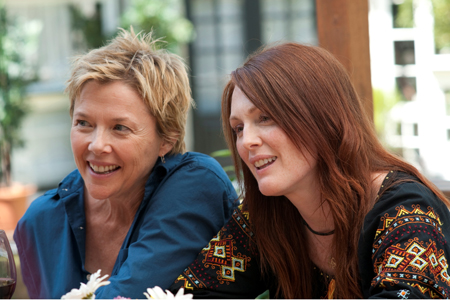
LC: You know, I think that wasn’t super overdetermined. It’s really just kind of my worldview. I don’t live in a world where people are super stratified. I don’t feel like my partner and I are super — I kind of see the butch and femme in every lesbian I know. I know that there are lesbians who really kind of identify with that, and that’s there thing in the world, and that’s good. But it’s a personal film, so it’s written from my worldview. So there’s that, and then there’s also, you get Annette Bening and you get Julianne Moore, and they come with their own essence and personality. Julianne Moore has some butch in her and Annette Bening has some femme in her. They are who they are.

SFBG: There’s a great conversation early on in the film about the spectrum of sexuality and how it’s not so easily defined, which ties into Jules sleeping with a man. Were you concerned about an audience’s reaction to a lesbian having sex with a straight guy?

LC: I mean, it was a concern for me, but I felt like, you know what, oh well. I might be nailing the coffin. It might just be a bad choice. But in essence, the whole plot of the film revolves around that, so it was either, ditch the film or run with it and try to make it feel earned and interesting and viable and what not. In the early drafts I would show people — and when I started getting feedback in the early drafts, and “This is good,” I stopped being so uptight about that and just let myself kind of take it to the next place.

SFBG: It wasn’t an issue for me, but I think for a lot of people, they expect more rigid definitions. We don’t see a lot of queer characters on screen, and so when we do, many want them to be perfect: the queer voice, the lesbian, the gay man. And when they step outside those boundaries, suddenly it becomes an issue, politically.

LC: The calculated thing was that, I thought, a) I identify with this. This is something that I feel like, that makes sense to me. That makes sense to people I know. That makes sense to whatever. So it didn’t feel like some weird kind of conceit that I came up with that was like, that never happens. All lesbians are rigidly this and don’t go over that boundary. Because we know that’s not true. So there was that, and then I thought, I like this set-up and I like this plot, and also I feel like, it’s kind of an interesting intermingling of straight and gay. I felt like, if I really want this to be a mainstream film, that’s good. This is really inclusive of gay and straight, and I like that. I like that personally and I like that for this film. I was much more interested in reaching out to the male population than I was concerned about alienating a sector of the lesbian population.

SFBG: I wanted to talk about the title, The Kids Are All Right, and that focus on the children. How did the title come about? How do you feel about the role the kids play, and why is that central to the film?

LC: The film is about, you know, these women and their experience making a family. The family. The man who comes in and wants to be part of the family. Really when you’re talking about the family, it’s about the life of the kids. So it’s sort of an ironic title, in the sense that the kids are kind of doing better than the moms, in a way. And it’s also a kind of a wink to the notion that gay people can’t raise healthy, psychologically healthy children. Like, the kids are fine. Don’t worry about them. They’re just right.

SFBG: You talked a bit about what Annette Bening and Julianne Moore brought to the film, but I was wondering if you could elaborate on casting.

LC: Julianne was someone I had probably 10 years ago, just at some function somewhere. We had spoken about wanting to work together at some point. She was a fan of the first film that I made, High Art, and I was always a fan of hers, particularly in Boogie Nights (1997). So when Stuart and I wrote this, we asked ourselves several times, could Julianne play this part or that part? We were sort of on the fence. We thought she could play either part. So I sent it to her and I said, “Which part would you like to play?” And she picked Jules. Which, we weren’t surprised. We knew she’d want to play that part, but I thought I’d offer her the other one if she wanted it. And that was great.

Then finding her counterpart, the Nic character, was more difficult. It was kind of vexing. I just didn’t know what actor in that age group who had great acting chops, who was funny and dramatic and sexy, could be a good match for her. But when I stumbled on the idea of Annette Bening, I kind of got rabid about it. OK, this is it, this is the only person who can do it. So come hell or high water, she’s gonna do it.

SFBG: And then in terms of the younger actors — you don’t always see teenagers who actually look like teenagers.

LC: Well, they’re pretty close to the ages they’re supposed to play. Mia [Wasikowska] was like 19 at the time, and Josh [Hutcherson] was maybe 16, going on 17. So they were pretty close. Mia was someone that I had seen on an HBO series called In Treatment and thought she was interesting. I liked that she was Australian, not a typical American young actor, from LA or New York and wouldn’t have that baggage or affect that you might find in a lot of young actors from here. And he — I didn’t know his work, but I knew that he had done a lot of work. I was told he was an up-and-coming actor, so I was open to meeting him as well as other people, but when he came in and did the scene, it was just one of those things where you go like, “Oh, yeah.” I thought maybe Laser would be more of a Paul Dano-type kid, a little bit more twee, but when I saw him, I thought, oh, that’s good. He should be more boyish and more kind of robust, and just like a dude. I like that.

SFBG: There’s a lot of subtlety in The Kids Are All Right. I liked Nic’s drinking, which was fairly underplayed but came up several times. What was the thought process behind that? Does she have a drinking problem, or is that just the manifestation of the turmoil going on in her family?

LC: I think we felt like, oh, you know what? She’s kind of borderline. She’s a little bit of a lush. She’s kind of leaning on the wine too much, and this has become a thing and the other partner is now noticing. She’s drinking too much and she’s a stress case and she’s not dealing with it very well. She doesn’t have a good off valve. I think we tried to design it in a way that it felt like, this is something that’s coming to a head in their relationship. One partner’s seeing a behavior that’s making her concerned and the other one doesn’t want to deal with it yet, and she’s boozing it up.

SFBG: It’s also interesting because it’s easy to label Nic the control freak. But here’s Nic, who can’t control her drinking, and Jules, the free spirit, trying to get her to keep it in line.

LC: Right, right, right. Well, I felt like everybody has their ironies and contradictions and stuff. It’s endemic, I think, in all long-term relationships.

SFBG: There was another relationship that interested me, which was the relationship between Paul [Mark Ruffalo] and Tanya [Yaya DaCosta]. I was wondering if it was significant that it was an interracial relationship. In the sense that, 40 years ago, audiences might have been shocked by an interracial relationship, but now it plays naturally — and hopefully, the same will be true of same-sex relationships. Was that intentional, or am I reading into things too much?

LC: You know, I think it wasn’t totally consciously mediated, but at a certain point when I was thinking about casting, I had Erykah Badu in my mind for that role. I felt like, who’s the kind of person who Paul would be with? It seems like he’s the kind of guy who would be running after the most exotic person. That character to me was sort of gorgeous and exotic and whatever. And then, to go from that to Jules, who is totally exotic in her own way, because she’s who she is and she’s older and she’s beautiful and she’s a lesbian. It was this kind of motif of like, what’s exotic? The Tanya character, the black character, is clearly in love with him and would be devoted to him in a heartbeat. And the white character, who’s a lesbian and completely inaccessible, is not available at all.

I guess the second part to that question is, at a certain point when we were putting this together was, it’s not only that, in terms of the psychology of the character, but I think this is good to mix it up. You know, he’s screwing this black woman, and OK, compare that to the lesbians watching gay male porn. This is what people do in life. It’s not just white people and straight people. It’s mixed up.

The Kids Are All Right opens Fri/9 in San Francisco.

Splattergories

0

FILM FESTIVAL Now in its seventh year, San Francisco’s Another Hole in the Head Film Festival aims to draw fans of fantastical and shocking cinema into the Roxie and Viz theaters for its slate of 32 films. Spanning horror, science fiction, and fantasy, Hole Head features films from Singapore to Serbia, including 10 flicks from Japan.

Despite this cultural eclecticism, there is one theme that seems to crop up throughout the program: homage. A surprising number of these films are primarily interested in referencing or commenting on formative genre pictures that came before.

Of course, such an approach to genre filmmaking need not be retrograde. When it works, as in the hilarious kaiju pastiche Death Kappa, there’s no question about why someone would want to both mock and commemorate the storied run of man-in-suit monster movies. Kappa brings out the humor in an already existing template, mixing shades of H.P. Lovecraft and E.T. (1982) with Japanese folklore but ultimately ending up in the same place: city-smashing mayhem.

Among the Japanese selections is an assortment of gore films, weird fantasy-action movies entirely predicated on opportunities for spouting blood. These often feel like they’re in dialogue with themselves, lampooning older forms but also riffing on their own ridiculousness. RoboGeisha plays like a live-action cartoon, where laws of logic and good taste don’t apply and the best way to deal with a terrorist is two tempura shrimp to the eyes. Not gory but similarly frenetic is shock auteur Takashi Miike’s latest, an unexpectedly light adaptation of a children’s anime series called Yatterman, which is literally a live-action cartoon as well as a 1970s throwback.

Sometimes, though, the tribute-obsession can seem like wallowing. Reykjavik Whale Watching Massacre, blessed with an absurd title and the exotic appeal of being an Icelandic horror film, is basically a by-the-numbers slasher that retreads The Texas Chain Saw Massacre (1974) and others to the point that its shocks are predictable.

Many other subgenres are represented, from torture porn to luchador action, but one of the festival’s highlights dwells outside any such bracket. Japanese comedian Hitoshi Matsumoto’s metaphysical fantasy Symbol documents the travails of a man inexplicably trapped in a mysteriously interactive white room. It sometimes feels like a feature-length comedy sketch, governed by certain rules or patterns that drive its simple but ultimately cosmic plot. Constrained though it may be, it makes no concessions to genre and feels inspiringly new as a result.

Regardless of a few staid entries, such a forum for genre cinema is absolutely crucial, particularly on such an international scale. Even if we need another zombie reinterpretation like we need a hole in the head, Another Hole in the Head will hopefully be with us well into the future.

ANOTHER HOLE IN THE HEAD FILM FESTIVAL

July 8–29, $11

Roxie, 3117 16th St, SF

Viz Cinema, New People, 1746 Post, SF

www.sfindie.com


Our Weekly Picks: July 7-13, 2010

0

WEDNESDAY 7

EVENT

The Butterfly Mosque reading

Journalist and author G. Willow Wilson is familiar to comics fans for her Vertigo-published modern fantasy series Air and graphic novel Cairo, both with artist M.K. Perker, as well as her work on various superhero properties. A woman in mainstream comics is unusual enough, but Wilson is also a Muslim. Her new prose memoir, The Butterfly Mosque: A Young American Woman’s Journey to Love and Islam, treats the experiences that led her from her home in Denver through Boston University to time spent teaching in Cairo. Much of her comics work deals with the collision of the West with the Middle East, often in fictionalized political contexts, and this reading and Q & A should include plenty of her uniquely positioned insights on this cultural dynamic. (Sam Stander)

7:30 p.m., free

Booksmith

1644 Haight, SF

(415) 863-8688

www.booksmith.com


DANCE

The Foundry

When words fail, a turn of a cheek or small shift in stance can signify a world of meaning. Choreographer, dancer, and director of the Foundry Alex Ketley is hyperconscious of the subtle secrets our bodies both hide and reveal. This consciousness allows him to deconstruct and reconstruct movement in such a way as to capture the emotional unknown that lies beyond words. Enlisting a cast of captivating dancers and former Ballet Frankfurt media artist Les Stuck, Ketley’s newest project, Please Love Me, explores how we relate to others and investigates the contradictory nature of love and relationships. (Katie Gaydos)

8 p.m., $20

Z Space at Theater Artaud

450 Florida, SF

www.conservatoryofdance.org


THURSDAY 8

FILM

Mulholland Dr.

Lucid dreams, fever dreams, wet dreams — what’s the difference in Mulholland Dr., David Lynch’s 2001 apocalyptic vision of Hollywood? Above all else, the film is a love story doomed from the very start as Rita (Laura Herring) stumbles out of a car wreck and into the arms of Betty (Naomi Watts, in a performance somewhere between Pollyanna and Patty Hearst). What follows is a Pandora’s box — and Rita’s got the key to a blue one of those you definitely shouldn’t open — of Bergmanesque female trouble, and some surrealist hell to boot: the jitterbug, Roy Orbison, and bite-size geriatrics, to name a few. In every dread-drenched scene, Lynch has our undivided attention even when we have no idea what the hell is going on. (Ryan Lattanzio)

2 and 7 p.m., $7.50–$10

Castro Theatre

429 Castro, SF

(415) 621-6120

www.castrotheatre.com


COMEDY

David Alan Grier

Although he got his start in acting by tackling serious roles and earning a master’s at the Yale School of Drama, David Alan Grier got his first taste of mainstream exposure and success as a cast member on the classic 1990s TV show In Living Color, where he brought to life hilarious characters such as Antoine from “Men on Film” and the crazy blues singer Calhoun Tubbs. In the years since, Grier has lent his considerable talents to several other projects, more recently Comedy Central’s show Chocolate News and his 2009 book Barack Like Me: The Chocolate Covered Truth. Here’s your chance to check out Grier live, uncensored, raw, and on stage. (Sean McCourt)

Through Sun/11

8 p.m. (also Fri/9-Sat/10, 10:15 p.m.)

$22.50–$23.50

Cobb’s Comedy Club

915 Columbus, SF

(415) 928-4320

www.cobbscomedyclub.com


EVENT

Cybernet Expo

It would seem like a no-brainer, filling a webmaster job at an adult Internet company. Geeks love porn, right? True as that may be, they still need a conference to link them up to the pervy, techie job of their dreams. Never fear, Cybernet Expo is here! The trade show has been linking sticky palms since 1997, and offers seminars, panel discussions, networking opportunities — and a convention-closing get down among the chains and whips of the SF Armory. “Oh yeah, it’s gonna be a fun party,” says Terry Mundell, business development manager of Kink.com, who will be organizing Saturday night’s after hours good times. Even better than a night on his website? (Caitlin Donohue)

Through Sat/10, $199

Golden Gateway Hotel (most events)

1500 Van Ness, SF

www.cybernetexpo.com


FRIDAY 9

DANCE

“Symbiosis: A Celebration of Dance and Music”

Kara Davis seems to be able to do it all. A trained ballet dancer, she has danced for the last 14 years with who’s who of modern dance in San Francisco. No matter the style and the challenge, she eats it up. Now she is also developing a strong, independent voice as a choreographer for her project agora company. This program, presented as part of Dance Mission Theater’s “Down and Dirty Series,” is half dance and half music. It reprises Davis’ two substantial ensemble pieces, A Softened Law and one Tuesday afternoon, first seen at ODC in December, and the gorgeous 2006 duet, Exit Wound, choreographed for herself and Nol Simonse. Exit‘s music was written by Sarah Jo Zaharako, whose Gojogo quartet, in the evening’s second half, will play more of Zaharako’s compositions. The lineup culminates in a premiere, Symbiosis, which features — no surprise here — Davis as a solo dancer. (Rita Felciano)

Through Sun/11

8 p.m., $20

Dance Mission Theater

3316 24th St., SF

www.dancemission.com


EVENT

Pantheon

The Temple is Burning Man’s sacred space. And this year, the Temple of Flux is really something special, among other reasons for its massive collaboration of various Bay Area tribes to build the biggest and most unusual and ambitious temple in the event’s long history (something I know from embedding myself with the project for an upcoming Guardian cover story). But to pull this off, the Temple crew has embarked on an equally aggressive and unprecedented fundraising campaign, the centerpiece of which is Pantheon, featuring Elite Force, Soul of Man, 21 of SF’s best DJs, transformative décor, and a slew of sexy gods and goddesses roaming the temple grounds. So don a toga or other Greek or Roman attire and join this bacchanalian celebration. (Steven T. Jones)

9 p.m.–5 a.m., $20–$25

103 Harriett, SF

www.pantheonsf.eventbrite.com

www.temple2010.org


SATURDAY 10

VISUAL ART

“Alien/ation”

A showcase of illustrators whose work has appeared in Hyphen magazine, “Alien/ation: An Illustration Show” will open at SPACE Gallery in SF with DJ sets by B-Haul and Gordon Gartrell and live painting from participating artists, in what is billed as “an art riot extravaganza.” Currently on its 20th issue, Hyphen is a San Francisco-based publication focusing on Asian American culture, and the crossover of its featured art into a gallery setting is a welcome development. Magazine illustration is generally frequented by talented cartoonists and fine artists, and the artists featured here are excellent and stylistically diverse enough to keep things interesting. Particularly exciting is the inclusion of oddball cartoonist Rob Sato, lush illustrator Kim Herbst, and distinctive portraitist Jon Stich. (Stander)

7 p.m. (artists’ reception, 5:30 p.m.), $5

SPACE Gallery

1141 Polk, SF

(415) 377-3325

www.spacegallerysf.com


SUNDAY 11

MUSIC

“Simcha! The Jewish Music Festival’s 25th Anniversary Party”

Rabbi Nachman, a 14th century Chassidic scholar, counted in his teachings the importance of displaying simcha (Hebrew for joy), like, all day every day so that you could effectively carry out God’s commandments. The translation for all you pagan sinners remains salient: you gotta be loose to enjoy the flow. Take simcha as your mantra when you head to the Jewish Music Festival’s 25th anniversary party, where tunes from Glenn Hartman and the Klezmer Playboys, the Red Hot Chacklas, Eprhyme, and oh so much more will trip happily through the Yerba Buena Gardens. Duck next door to the Yerba Buena Center for the Arts Sculpture Court (Third Street at Mission) to check out Jewlia Eisenberg and Charming Hostess’ “The Bowls Project: Secrets of the Apocalyptic Intimate,” an odd blending of sustainable architecture, the domestic sacred, and haunting evocations of secrets held and shared. (Donohue)

Noon–5 p.m., free

Yerba Buena Gardens

Mission at Fourth St., SF

(510) 848-0237, ext. 119

www.jewishmusicfestival.org


MUSIC

Gipsy Kings

It might seem ridiculous to argue that the Gipsy Kings are underrated, but bear with me. Sure, they’ve sold millions and millions of albums worldwide, and sure, they contributed a key cut to the iconic Big Lebowski (1998) soundtrack (their music is also featured in Toy Story 3). Despite this, or perhaps because of it, they still don’t seem to get much respect. The Gipsy Kings aren’t anyone’s favorite band. People rarely argue about the extent of their cultural influence or whether they’re “important.” This is a shame, really, because their covers reveal an unexpectedly sly, parodic impulse, while their standard flamenco tracks are actually relatively innovative in their merging of traditional Spanish dance with more modern pop influences. (Zach Ritter)

8 p.m., $85

Fillmore

1805 Geary, SF

(415) 346-3000

www.thefillmore.com


MUSIC

Weed Diamond

Though Weed Diamond hails from Denver, its conspicuous name alone suggests a sentiment we San Franciscans can relate to. Despite an insistently lo-fi, reverb-soaked gamut — like putting a beautiful indie rock seashell to the ears — these guys aren’t afraid of an infectious chorus. They also aren’t afraid of paying due respect to their influences, especially in the trippy shoegaze and heavy-on-the-feedback noise pop elements. Now on tour with Dash Jacket and Tan Dollar, Weed Diamond evolved from the solo project of Tim Perry to a full five-piece band and has since played SXSW and up and down the West. It’s like a psychoactive bonbon: delicious yet intoxicating. (Lattanzio)

With Tan Dollar and Dash Jacket

4 p.m., free

Milk Bar

1840 Haight, SF

www.milksf.com


MONDAY 12


PERFORMANCE

“What’s Cookin’ With Josh Kornbluth”

Monday special at the Contemporary Jewish Museum café: Josh Kornbluth on wry. Popular monologist Kornbluth, fresh from his latest solo flight, Andy Warhol: Good For the Jews?, is once again hanging out on the border of fine art and cultural critique, only this time there’s matzo ball soup and a Cobb salad option. It’s also more interactive. From noon to 2 p.m. (each Monday over the next five weeks) Kornbluth will be offering conversation to museum patrons bold or clueless enough to enter his well-appointed lair. It’s as simple as that. But then, if you know Kornbluth, nothing is ever that simple. (Robert Avila)

Through Aug. 9

Mondays, noon-2 p.m., free (museum admission not included)

Contemporary Jewish Museum

736 Mission, SF

(415) 655-7800

www.thecjm.org 

The Guardian listings deadline is two weeks prior to our Wednesday publication date. To submit an item for consideration, please include the title of the event, a brief description of the event, date and time, venue name, street address (listing cross streets only isn’t sufficient), city, telephone number readers can call for more information, telephone number for media, and admission costs. Send information to Listings, the Guardian Building, 135 Mississippi St., SF, CA 94107; fax to (415) 487-2506; or e-mail (paste press release into e-mail body — no text attachments, please) to listings@sfbg.com. We cannot guarantee the return of photos, but enclosing an SASE helps. Digital photos may be submitted in jpeg format; the image must be at least 240 dpi and four inches by six inches in size. We regret we cannot accept listings over the phone.

We are family

0

arts@sfbg.com

>>Read Louis Peitzman’s complete interview with director Lisa Chodolenko here

FILM In many ways, The Kids Are All Right is a straightforward family dramedy: it’s about parents trying to do what’s best for their children and struggling to keep their relationship together. But it’s also a film in which Jules (Julianne Moore) goes down on Nic (Annette Bening) while they’re watching gay porn.

“I think we tried and I think we were somewhat successful in making it so that you don’t realize exactly what you’re watching, the subversiveness of what you’re seeing,” says writer-director Lisa Cholodenko (1998’s High Art). “I think we figured out a way for people to enter it, and that was really important for us.”

That blend between mainstream and queer is part of what makes The Kids Are All Right such an important — not to mention enjoyable — film. Despite presenting issues that might be contentious to large portions of the country, the movie maintains an approachability that’s often lacking in queer cinema.

“I thought it was a very classic story,” Bening says, “other than that the women are gay.”

Cholodenko and Bening were both on hand in San Francisco to promote and speak about the film. Of course, being in the gay mecca of the Bay Area skews things significantly — most locals wouldn’t bat an eye at The Kids Are All Right, which has Nic and Jules’ children inviting their biological father (“the sperm donor”) into their lives. But for those outside the liberal bubble, the idea of a nontraditional family might be more problematic. Combine that with the film’s semiexplicit sexual content and a darkly comic, matter-of-fact script, and you’ve got a tougher sell.

“There were questions about the gay porn and about how much sexuality we were showing, but we felt like this is the fun of the film,” Cholodenko reflects. “It’s not going to be a multiplex film. But we hope it’s not going to be super-rarefied art house film.”

The fun Cholodenko mentions is the real strength of The Kids Are All Right, a movie that refuses to take itself too seriously. At its best, the film is laugh-out-loud funny, handling the heaviest of issues with grace and humor.

“To me, [the humor] is so important — and it’s harder,” Bening says. “That’s why more movies don’t have it. It’s because it’s harder. It’s much easier to write in an earnest way.”

That’s not to say that the film is insincere. Much of the humor is derived from the fact that it’s grounded in reality. The characters respond to their situation as real people do — and that’s far funnier than the broad, over-the-top reactions that often plague more mainstream comedies.

“We were really passionate about making it not politically correct and not sanctimonious,” Cholodenko explains. “As we went deeper into the drafts and moved along in the evolution of getting the film done, I really, really, really pushed for us to take whatever was potentially funny in there and just kick it up a notch.”

Besides — as Bening puts it — “I think if you’re trying to make an earnest movie about a lesbian couple with teenagers, whoa, what a nightmare that would be.” It’s not a message movie, but The Kids Are All Right may still change minds. And even if it doesn’t, the film is a success that works chiefly because it isn’t heavy-handed.

“It doesn’t ever have to go out and carry the banner, which is what great movies and great stories can do,” Bening notes. “You take an individual group of people, a specific little pod of people, and you try to tell their own personal stories as specifically as possible. Hopefully you get at something true and universal by doing that.”

THE KIDS ARE ALL RIGHT opens Fri/9 in San Francisco.

Transit troubles

0

rebeccab@sfbg.com

Peggy da Silva is an avid cyclist, public transit advocate, and member of the San Francisco Transit Riders Union — a new organization made up of several hundred San Franciscans who want to see improvements to Muni.

Yet even she admits that when it comes to getting to work, it takes just 15 minutes by car or an hour if she opts to go by bus. “I am committed to transit and cycling” for environmental reasons, she said, but “it gets really frustrating” to wait for the bus or light rail cars to arrive.

Da Silva could be considered lucky in that she can opt to drive if she feels it’s necessary, while many lower-income San Franciscans cannot afford a car and have no choice but to rely on Muni to get to work, buy groceries, or make doctor appointments. It’s even worse late at night when the buses run less frequently and the streets are dark and empty.

Speaking at a June 29 transit rally, the Rev. Norman Fong of the Chinatown Community Development Center joked that Chinatown is one of the city’s greenest neighborhoods — but “not by choice.” Most Chinatown residents just can’t afford to own a car, underscoring the point that Muni service cuts affect lower-income communities more significantly than those with more transportation options.

The perception that Muni is broken isn’t unique to transit advocates. Around City Hall, a number of proposals have been put forth to fix the ailing system, which has been mired in delays and overcrowding as fares have gone up and service was slashed. But determining what the root problems are, how they should be addressed, and what the best path forward may be has proved arduous.

Rather than a simple calculation or a study in efficiency, the debate surrounding Muni is spinning into an emotionally charged affair. For those aiming to protect low-income riders from service cuts or fare increases, it’s a discussion about social justice, calling into question why the city is asking more of bus riders than motorists in a city with a “transit-first” mandate in its charter.

The strong opposition to the cuts by supervisors and the public has led to a rollback. On June 30, the San Francisco Municipal Transportation Agency (SFMTA) announced that on Sept. 4, it would be able to restore half of the 10 percent systemwide service reduction that went into effect in May.

“Due to stronger than expected revenue streams, operational efficiencies, and new grant opportunities, staff is recommending the restoration of service on some routes and lines this fall,” according to an SFMTA press release. Buses that run all night would come more often, and the partial service restoration would help ease over-crowding.

While this was welcome news for anyone who takes transit, the expected improvement still leaves untouched many key issues plaguing the city’s public transit system. Two separate initiatives most likely destined for the November ballot seek to deal with systemic problems — but both have met with resistance.

On July 1, Sup. Sean Elsbernd announced that he had submitted some 75,000 signatures for a proposed charter amendment for the November ballot to change the way transit operator salaries are determined. Since they only needed 46,000 signatures, “presumably, we’ll qualify,” Elsbernd told us.

“It presses the reset button on all the [memorandums of understanding] and then puts the riders at the table,” he explained. “It also eliminates the side letters that allow the six leaders of the union to get full-time salaries and benefits without needing to drive.”

Elsbernd’s proposal would require operator wages and benefits to be set through collective bargaining, instead of the current guarantee that their wages be at least as high as the average wage rate for transit operators in the two highest paying comparable transit systems.

Yet his proposal is opposed by the city’s transit operators union, TWU Local 250-A, whose members feel they’ve been unfairly blamed for the MTA’s fiscal problems. Speaking at the June 29 rally, Ron Heintzman, the new international president of the Amalgamated Transit Union, summed up the attitude of drivers who feel they are being asked to give up hard-fought gains in the face of an economic downturn.

“I’ve been told that here in San Francisco, the mayor for some reason clearly has his head up his ass,” Heintzman said. “It’s time to tell him to stop trying to balance the damn budget on the backs of the workers.”

Speakers at the rally voiced support for federal legislation that would bolster municipal transit budgets nationwide with a $2 billion emergency infusion. A second federal bill would allow local governments greater flexibility with federal transit funding that currently can only be spent on capital projects, not day-to-day operations.

“We’re asking them not to make us buy a bus when we can’t hire a bus operator to drive it,” explained Harry Lombardo, international president of the Transit Workers Union. “There’s no point in spending hundreds of thousands on a bus and letting it sit in mothballs. And believe me, it’s happening all over the country.”

Sup. David Campos, a cosponsor of a competing ballot measure that aims for more comprehensive Muni reform, joined the rally and criticized the notion that drivers should be blamed a dysfunctional, underfunded transit system.

“Those of you who live in San Francisco know that right now there is a climate at City Hall that is pointing the finger at drivers, blaming drivers and blaming the workers for the problems that this system has,” Campos said at the rally. “Muni is broken. But Muni is not broken because of labor. And we have to say no to that push to somehow create a division between riders and drivers…. We can’t ignore the fact that we have a system that is getting money that is not being used well.”

Campos has joined with Sups. Ross Mirkarimi, Eric Mar, and Board President David Chiu to propose a reform package that would remove the pay guarantee for Muni driver, but also create split appointments to the MTA Board of Directors, allocate a share of property tax revenue to the city’s Transportation Fund, and establish an Office of the MTA Inspector General to help reduce waste and ramp up efficiency. The proposal would be subject to voter approval in November.

The proposal to give the supervisors some appointments to an MTA board that is now solely accountable to the Mayor’s Office became an issue at the eleventh hour of budget negotiations between the supervisors and Newsom on June 30. The mayor strongly opposed that and two similar charter amendments that would establish split appointments for the Recreation and Park Commission and the San Francisco Rent Board, as well as a ballot measure that would require the police department to engage in foot beat patrols.

Many saw his stance as a quid pro quo that inappropriately tied mayoral support for the budget — which included funding restorations to community programs that progressive board members wanted to preserve — to these unrelated ballot proposals.

Dave Snyder, who directs the SF Transit Riders Union, viewed the move as an affront on Muni riders. “This particular mayor has managed to screw up Muni service through his complete control over the agency,” Snyder said. “And whatever it takes, Muni riders want to see that fixed.”

While he said he thought a split appointment for the MTA Board was important, “the most important thing is more money. That’s the key issue,” he added, noting the reform package would create more funding for Muni.

Members of the Budget and Finance Committee resisted the mayor’s demand and forwarded a budget to the full board that included their high-priority restorations. The proposed ballot measures will be considered by the board this month.

“If you ask me, I would say we should have commission reform across the board,” Mirkarimi told the Guardian. “The idea of having [equally balanced appointments] is a smart way for us to share the responsibility and the consequences.”

MTA’s fiscal problems aren’t unique to San Francisco. On July 1, Caltrain announced a menu of undesirable options to deal with big financial troubles facing the commuter railroad. Elimination of weekend service and certain weekday train stops, or a 25-cent increase to base fares or zone fares, will be the subject of public hearings this summer.

Noting that all the different sources that fund Caltrain have been slashed, spokesperson Christine Dunn told us, “It’s frustrating to not be able to provide the service you want to provide.”

Truce talks

5

news@sfbg.com

All parties are hopeful for peace in the Guardian-labeled War on Fun after oppressive raids on SoMa clubs have stopped and the feuding sides — mainly the San Francisco Police Department and nightclub owners — are sitting down to truce talks brokered in part by the fledgling California Music and Culture Association (CMAC).

“I’m here to work with you,” Kitt Crenshaw, commander of SFPD’s new Entertainment Task Force, told the crowd at a Nightlife Safety Summit on June 30. “I’m not the enemy. I’m not the ‘War on Fun,’ as they call it. I’m not the Antichrist.” The summit was sponsored by the Mayor’s Office, Entertainment Commission, SFPD, Small Business Commission, and CMAC.

Club owners and the SFPD are attempting to find balance between stifling the entertainment industry with heavy-handed enforcement and doing something about the deadly gun violence plaguing neighborhoods around some San Francisco nightclubs. Owners and party promoters don’t want entertainment permitting power to go back to the SFPD, as Mayor Gavin Newsom has suggested. But recent shootings and the Entertainment Commission’s inability to immediately close problem clubs have city officials demanding change.

Board of Supervisors President David Chiu introduced legislation in early June that would give the Entertainment Commission the authority to revoke the entertainment permits of noncompliant clubs that are consistently scenes of violence. Chiu’s legislation would further extend temporary suspension powers the board granted to the commission in 2009.

“There is strong consensus that the Entertainment Commission needs to do its job. And if this is what it takes to give it more tools, then so be it,” Chiu told the Guardian after the June 25 CMAC Insider Luncheon, where he participated in a forum with entertainment industry representatives. Chiu said he was feeling pressure from his constituents in North Beach to “come down like a hammer on the industry” following several shootings around the neighborhood’s nightclubs this year.

Terrance Alan, a longtime industry advocate and entertainment commissioner, told the Guardian he recently requested that the City Attorney’s Office help define when nightclub owners should be blamed for violence occurring near their business. “If we’re going to hold venues and security teams responsible, we have to tell them and make sure it’s legal,” he said. “The line of reasoning that blames the nearest business will force San Francisco to shut down. The first thing we have to do is stop blaming each other.”

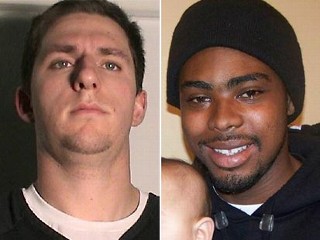
Chiu, speaking to a crowd at the Nightlife Safety Summit, recounted a handful of incidents that pushed him to craft the new legislation. Since the last legislation was passed to strengthen the Entertainment Commission’s power to regulate nightclubs, eight people were shot outside the Regency night club Nov. 15, 2009; 44 rounds were fired outside club Suede, resulting in one death and four injuries Feb. 7; a shooting occurred on Broadway outside a strip club in mid-February; and a police officer was shot outside the Mission District’s El Rincon club on June 19. “And so on, and so on,” Chiu said.

Following the shooting at Club Suede, which had long been a site of violence prior to the gang-related carnage in February, officials were stunned to learn the commission did not have the power to revoke entertainment permits. The most it could do was suspend Suede’s permit to play music for 30 days.

“To hold the commission responsible for something it was never envisioned to do and never given the power to do is where the narrative has gone wrong recently,” Alan said of widespread criticism that the commission just didn’t simply “shut down” Club Suede.

Suede remains voluntarily closed as it bargains with the City Attorney’s Office, which filed a complaint against the club after the shootings. Alex Tse, the lead attorney for the city in the case, told the Guardian there was nothing he could legally do to prevent Suede from reopening before Aug. 10, when the court is scheduled to rule on a preliminary injunction (court mandated closing) the City Attorney’s Office filed. But he doesn’t expect them to reopen because Suede and the city are currently working toward settling the case.

If the incidents Chiu described represent a black eye for San Francisco’s entertainment industry, the California Department of Alcoholic Beverage Control and SFPD aren’t necessarily squeaky clean either. “I sat down with [ABC director] Steve Hardy and told him that where the state was focusing efforts in San Francisco was completely misguided,” Chiu said at the CMAC luncheon. “And I’ve spoken to [California Senator] Mark Leno to try to move them in the right direction.”

The break in the crackdowns of 2009, mostly attributed to severe tactics employed by SFPD Officer Larry Bertrand and ABC agent Michelle Ott, followed a widespread backlash to the sometimes brutal treatment legitimate business owners were receiving in the name of public safety. Back-to-back over stories in the Guardian (see “The new War on Fun,” March 23, 2010) and the SF Weekly, calls to the ABC from city officials, the formation of CMAC, and a Racketeer Influenced and Corrupt Organizations (RICO) suit filed against San Francisco and the rogue officers spurred officials to rein in Ott and Bertrand.

Hardy told the Guardian that Ott is no longer assigned to alcohol enforcement in San Francisco. Bertrand has traded in his plain-clothes for a uniform and hasn’t been seen busting into clubs, beating up the help, or confiscating DJ equipment for several months.

Mark Webb, plaintiff’s attorney in the RICO case, which was moved to the federal court by the City Attorney’s Office, said Bertrand is scheduled to give a deposition for the case July 26. Webb told the Guardian he plans to ask Bertrand questions relating to “a pattern of ongoing and repeated abuses” claimed in the complaint, which includes Newsom and ABC as defendants.

“We’re at a crossroads,” Chiu told the crowd at the Nightlife Safety Summit, adding that if the new power for the Entertainment Commission does not reduce club violence, stronger measures would be taken, whether it’s Newsom’s suggestion to scrap the commission entirely and give permitting power back to the police department or Chiu’s idea to create another “less politicized” body to issue entertainment permits made up of representatives from city department that are affected when nightlife entertainment goes wrong.

“There has been significant dissatisfaction with the Entertainment Commission due to many actual and apparent conflicts of interests,” Chiu said. “Frankly, this is why we may need to move to a different model of who actually makes decisions on permits, because often the people who want to make those decisions are the ones who stand to get the most benefit out of them.”

But club owners and party promoters argue that the police issuing entertainment permits, as they did prior to the Entertainment Commission’s creation in 2002, has a chilling effect on an important part of San Francisco’s economy.

Alan said a civil grand jury found the police department had a conflict of interest in being both the granter and enforcer of nightclub permits, a finding that spurred the creation of the Entertainment Commission.

“I’ve been in the industry long enough to remember when it was in the Police Department’s hands,” said Guy Carson, owner of Café Du Nord and director of CMAC. “Since the advent of the Entertainment Commission, more permits have been issued, which has vitalized the industry.”

Club owners and party promoters don’t want to be blamed for street violence over which they have no control, and they have some political support for that stance. “Clubs don’t create youth gun violence, society creates youth gun violence,” Sup. Bevan Dufty proclaimed to the crowd at the Nightlife Safety Summit, drawing thunderous applause from the room.

“There is a street scene and a club scene, and they do intersect. But a lot of the violence occurs in the street scene,” Carson said. “A lot of shootings that happen relate to people never inside the clubs. That’s a conversation CMAC looks forward to having — to have a little more accurate discussion.”

While he asserts that some nightclubs attract violence to the city from out of town, Crenshaw said he was pleased and surprised at the level of collaboration emerging between entertainment representatives and SFPD. “I got so much positive feedback from it [the Nightlife Safety Summit]. It was a bit overwhelming,” he told us. “I think the industry itself is tired of being labeled as a pariah. They want to change their image.”

Brit Hahn, owner of City Nights and SFClubs, agreed that working with district captains was in the best interest of any club looking to remain profitable. “When something bad happens at a nightclub anywhere in San Francisco, he said at the Nightlife Safety Summit, “it’s bad for all of our businesses.”

Ungodly deeds

0

news@sfbg.com

The Catholic Church claims to value charity and justice, but recent local conflicts over cutting off child care for low-income families and refusing to pay millions of dollars in taxes to cash-strapped San Francisco city government — as well as the ongoing priest pedophilia cover-up cases — cast doubt over the church’s commitment to those in need.

The San Francisco Catholic Archdiocese has said it will close the Children’s Village Development Center in August, displacing 110 children enrolled in the program and leaving 100 families — a third of them low-income — scrambling for hard-to-find childcare providers.

The Archdiocese also sold other surrounding properties because it could not afford to retrofit its buildings for earthquakes, selling them to developers Chris Harney and Tom Murphy. Both the church and the developers rejected efforts by Children’s Village parents, who formed the nonprofit Supporting Early Experience and Development (SEED), to temporarily lease the building.

Dan Dillon, a representative for Harney and Murphy, told the Guardian that they decided to reject SEED’s leasing offer because they had already made a deal with a tenant who was willing to offer more money. Dillon wouldn’t identify the tenant, but he said the new tenant would use the building without major modifications, which might have triggered a need for city permits and a public hearing.

Catholic Charities CYO, an agency of the Archdiocese that oversees programs such as the Children’s Village program, closed the center because it wasn’t making money. The city gave about $1.5 million in grants and loans to support childcare for poor families at Children’s Village, with most of the money coming from the Low Income Investment Fund.

According to Catholic Charities’ official statement on the dispute, it tried to maintain the program by cutting slots for low income families in an effort to subsidize the program. There was still not enough money to fund the program. Catholic Charities representative Gabrielle Slanina told us that the tough economy and internal budget cuts hurt their ability to continue providing childcare at the site.

“The program hasn’t been financially sustainable over the years,” Slanina told us. “Sustainability just wasn’t turning around. But we tried to keep it going for as long as we could.”

Catholic Charities still plans to later build a new $1 million children development center three blocks away on the corner of 10th and Mission streets. But SEED members are left in the lurch for now, causing them to question the validity of Catholic Charities’ mission to “support, stabilize, and strengthen families.”

Dee Dee Workman, a consultant helping SEED, was disappointed with the Archdiocese’s bottom-line approach to helping local families. “They have not attempted to secure slots with these families,” Workman told us. “They don’t care about these kids. It’s just about the money, and it’s immoral.”

SEED member Sabrina Qutb, who has a three-year-old son enrolled in Children’s Village, said she sees the new center as a waste of money. “I do not believe the city should continue to fund Catholic Charities child care programs,” Qutb told us. “Who’s to say they won’t drop 10th and Mission in a few years and waste even more of the city’s money?”

Many child care programs have waiting lists up to two years in a city where there are more than twice as many children under 13 with working parents as there are licensed child care slots, according to a study prepared for the city by the California Child Care Resources and Referral Network. Child care slots for infants are among the fewest, making up only 6 percent of the 17,894 child care center slots in the city. Preschool children ages two to five years old occupy 63 percent of the child care slots.

SEED member Kathryn Shantz put her two-year-old daughter on a waiting list for another child care facility immediately after the announcement of Children’s Village closure. “I’m 104 on the waiting list for the Yerba Buena Child Development Center,” Shantz said. “I’ve been on the wait-list for a year, and they basically told me that there’s no way I’m getting in.”

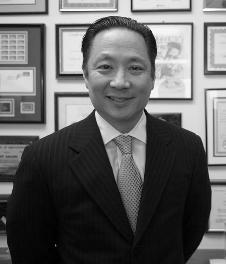
Meanwhile, while the city supported the church’s child care program, the church is still stiffing the city on its tax bill. On April 16, the Archdiocese filed a suit in the San Francisco Superior Court against Assessor-Recorder Phil Ting. The suit challenges a Transfer Tax Review Board ruling last November which held that the Archdiocese owed the city $14.4 million after transferring 232 parcels of property among three Archdiocese corporations in 2008 without paying the required transfer taxes attached to those vacant lots, parking lots, apartments, commercial buildings, parishes, and schools. This is the second-largest transfer tax bill in San Francisco history.

Repeated calls to the Archdiocese of San Francisco were not returned. In a press release, the Archdiocese said that it “maintains that to impose transfer taxes, penalties, and interest on a religious organization in connection with an internal restructuring involving no exchange or receipt of money from which to pay any tax is inequitable and threatens to confiscate substantial church assets that are devoted to religious purposes.”

The next court date for this case is scheduled for Sept. 17. This recent lawsuit and the sale of Archdiocese properties come at a time when the church is facing the possibility of paying out big settlements in cases involving sexual abuse by priests.

Survivor Network of Those Abused by Priests (SNAP) Northern California Regional Office representative Joey Piscitelli said that if victims weren’t so afraid to report their abuse, the Archdiocese would owe its victims even more money. “Ninety-eight percent of victims never report the abuse, and the average person reports the abuse 25 years after the incident,” Piscitelli said. “The church brags that the clergy didn’t do it because they were never convicted, yet they’re paying billions of dollars in lawsuits.”

With the Catholic Church now facing scrutiny on so many fronts, it seems that a day of reckoning could be in its future. On June 29, the Supreme Court decided not to hear an appeal by the Vatican for immunity in a highly publicized pedophilia suit, clearing the way for the 2002 lawsuit to advance.

The plaintiff, under the name of John V. Doe, alleged that he was abused in 1965 by Father Andrew Ronan in Portland, Ore. Ronan died in 1992. The Vatican tried to kill the lawsuit by stating that it was protected under the Foreign Sovereign Immunities Act of 1976, a federal law that prevents foreign states from lawsuits.

The appeals court determined that there was an exception to the law, stating that Ronan was an employee of the Vatican and he was working under Oregon law. No one has ever won a lawsuit against the Vatican for sexual abuse allegations made by the clergy. This Supreme Court decision opens the door for future lawsuits against the Holy See.

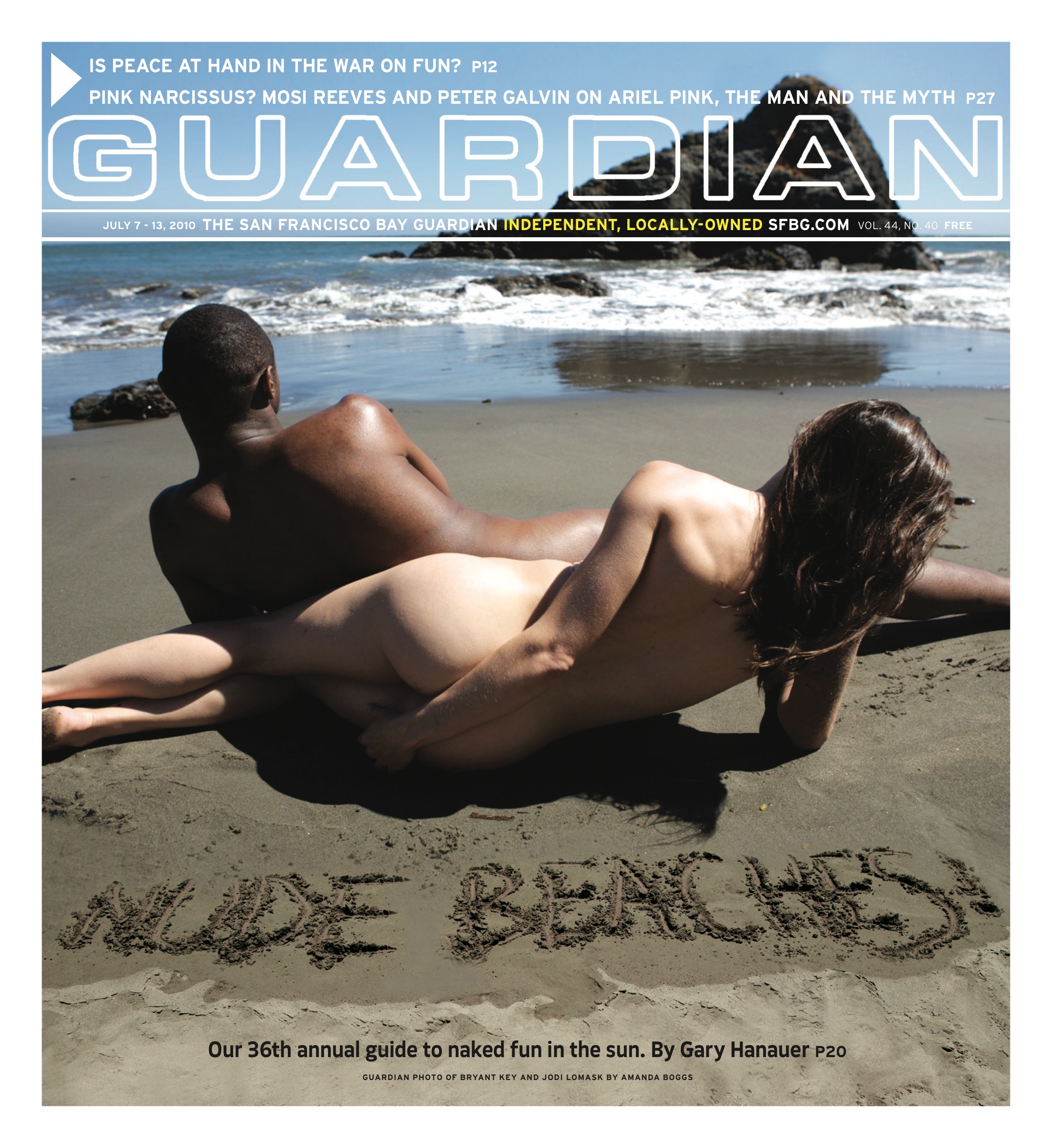
Naked fun in the sun!

9

Entertainer Wavy Gravy and Pentagon Papers leaker Daniel Ellsberg like Red Rock Beach; Marin Superior Court Commissioner Roy Chernus favors Bass Lake, and Marin County Sup. Steve Kinsey says he’s been naked at Red Rock, Bolinas, Hagmier Pond, and Mount Vision Pond.

“I’ve probably hit every nude beach in Marin,” says Kinsey, who has described his visits as “exhilarating and normal.” “My last dip was at Bass Lake last fall. It has beautiful, fresh water, and the swimming environment is wonderful. I look forward to the next opportunity.”

But on their next trips to the nude section of beautiful Muir Beach, visitors may notice something new: a warning sign is being erected by the county this summer to urge users to be “respectful” of each other and to notify authorities if there’s trouble.

The sign is the result of a compromise worked out by nudists, law enforcers, county officials, and local homeowners, some of whom wanted nudity stopped. Under the agreement, cops are making a few more visits than before. But through July 1, 2010, only four complaints about nudity and one citation for improper sexual conduct have occurred since January 1, 2009, and none since August 13, 2009, according to marin county sheriff’s office crime analyst Susan Medina. “We keep responding to complaints, but I can’t recall any recent citations,” says Lt. Cheryl Fisher, commander of the Marin County Sheriff’s Office’s West Marin Station. Fisher says the subjects are usually suited up by the time deputies arrive. “A deputy showed up on a very hot Sunday,” says regular visitor Michael Velkoff of Scotts Valley. “As soon as he left, everybody was naked again.”

“Of course, guys in spiked penis rings not parading themselves around also have helped,” says Sup. Kinsey, who, for now, has spiked his previous threat to fight back by starting an effort to make Muir and other beaches clothing-optional under a 1975 law giving Marin County the power to exempt areas from its anti-nudity provisions. “Sometimes the best thing we can do in government is to stay out of the way.”

Homeowners remain wary. One, who wants to remain anonymous, tells the Guardian: “We are optimistic” about being able to “coexist” with the naturists, “but we also remain very clear about what is legal and what will and won’t be tolerated.” And a former advocate of the ban told me that instead of not going to Muir Beach “a person wanting to use the beach nude might do it in a manner that doesn’t draw a lot of attention.”

As if the Marin mashup wasn’t enough, nervous naturists also got ready to do battle with state authorities, who they feared would eventually ban nudity at Devil’s Slide in San Mateo County and at Bonny Doon Beach near Santa Cruz, both of which are state beaches.

The jitters came in the wake of an October 2009 California high court ruling allowing a crackdown on nude sunbathing on state beaches, even in areas traditionally used for such activity. “All it takes now is an individual ranger with the desire to issue a citation,” warns R. Allen Baylis, a Huntington Beach attorney representing the Naturist Action Committee, the country’s biggest nudist lobbying group. “It could have a chilling effect [on nudity] on any state beach.”

“Our thin line of security has been overturned,” says Rich Pasco, head of the Bay Area Naturists, based in San Jose. “So let’s hope that in today’s economy, the thin level of state park staff has better things to do with their time than dealing with naturists.”

At press time, the NAC, along with BAN and 14 other nudist groups, were preparing, for the first time, to officially petition California to “designate clothing-optional areas” on one or more state beaches. Other efforts have, says Baylis, been “less formal.” “Do they really expect us to pack up and leave?” Baylis asks. “We’re going to fight back. This is our freedom they’re messing with!”

What’s the good news? Just like at Muir Beach, it doesn’t look like naturists have anything to worry about for now in Northern California. “In the short term, things at Bonny Doon are destined to continue the way they are,” says Kirk Lingenfelter, sector superintendent for Bonny Doon. He wants a better trail, stairs, and parking, but says the cash-starved state doesn’t have the budget to make even a preliminary plan or increase ranger visits. He said his staff have not issued any citations or warnings at the nude cove, which he calls one of the spots that “really give you the feeling of rugged, untouched majesty. It’s a very important feeling. Going to places like Bonny Doon helps you get recharged.”

And the Devil’s Slide police source, who wants to remain anonymous, told us: “Rangers aren’t going to be pursuing enforcement against nudity per se. Nothing’s changed.” Rangers will continue responding to complaints, he explained, but it usually means they arrive too late to do anything about them because cell phones don’t work on the beach. “We hear about it after the fact,” says another Devil’s Slide enforcer, Supervising State Park Ranger Michael Grant.

Want to contribute to the glad tidings? There’s still time for plenty of fun in the sun. You can donate your body to the record books, at least temporarily, by showing up Saturday, July 10 at the Sequoians Clothes Free Club (www.sequoians.com) in Castro Valley, when its annual attempt at setting a world skinny-dipping record, with 138 other nude locations, will be held. And if you’ve ever been dying to do a little light cleaning in the nude (no window-washing needed), here’s your chance: Your butt can be bare if you stop by Bonny Doon Sept. 18 to help fans pick up cigarette butts and other litter on the beach.

Speaking of good things, would you like to help improve our report? Please send brainstorms, your new beach “finds,” improved directions (especially road milepost numbers), and trip reports to garhan@aol.com or by snail mail to Gary Hanauer, c/o San Francisco Guardian, 135 Mississippi St., San Francisco CA 94107. Please include your phone number so we can verify that you’re not just another mirage in the nude beach sand.

>>BELOW ARE CAPSULE GUIDES TO POPULAR NUDE BEACHES. CLICK HERE FOR OUR COMPLETE GUIDE, INCLUDING MANY MORE

NORTH BAKER BEACH, SAN FRANCISCO

Things are really cooking at San Francisco’s long, narrow North Baker, which is in good shape this year, with plenty of sand and an influx of young people and more women than five years ago, even though the beach is still heavily male. “If you want to see naked chicks and guys, it’s the place to go,” says aficionado Paul Jung. Although beach regulars like himself welcome all the new nude volleyball players, “some of them seem to make up rules as they go along,” he laughs. Fun activities: Look for dolphins that occasionally surface in the water off shore. And in low tide only, walk around the big rocks at the north end of the beach to check out Baker’s “secret” tide pools.

Directions: Take the 29 Sunset bus or go north on 25th Avenue to Lincoln Boulevard. Turn right and take the second left onto Bowley Street. Follow Bowley to Gibson Road, turn right, and follow Gibson to the east parking lot. Head right on the beach to the nude area, which starts at the brown and yellow “Hazardous surf, undertow, swim at your own risk” sign. Some motorcycles in the lot have been vandalized, possibly by car owners angered by bikers parking in car spaces; to avoid trouble, motorcyclists should park in the motorcycle area near the cyclone fence.


LAND’S END BEACH, SAN FRANCISCO

Land’s End is just the beginning: it’s not just the ground that seems to “disappear” into the sunset at this little slice of paradise off Geary Boulevard. So do your clothes, if you want to be magically transported to another dimension, away from the cares of everyday constraints. Shorts, swimsuit, even work clothes during a quick lunch break — they all can be removed at this delightful cove, which features a mix of sand and rocks plus some of San Francisco’s best views. Better still, only a handful of people are usually present. Bring a windbreak for protection in case the weather changes.

Directions: Follow Geary Boulevard to the end, then park in the dirt lot up the road from the Cliff House. Take the trail at the far end of the lot. About 100 yards past a bench and some trash cans, the path narrows and bends, then rises and falls, eventually becoming the width of a road. Don’t take the road to the right, which leads to a golf course. Just past another bench, as the trail turns right, go left toward a group of dead trees where you will see a stairway and a “Dogs must be leashed” sign. Descend and head left to another stairway, which leads to a 100-foot walk to the cove. Or, instead, take the service road below the El Camino del Mar parking lot 1/4 mile until you reach a bench, then follow the trail there.

GOLDEN GATE BRIDGE BEACH, SAN FRANCISCO

Don’t come to Golden Gate Bridge Beach, also called Nasty Boy Beach, if you want privacy: dozens to hundreds of visitors show up on the hottest days at the site that some have likened to a “gay meat market.” Along with the guys, a smattering of women, straight couples, children and fishermen are spread out on the three adjoining rocky coves that make up the beach, whose stunning views of the Bridge will make you feel like you’re the star of your own postcard. “It’s really nice to walk in the water,” says a woman. “In low tide, you can sometimes go out 150 feet.”

Directions: Directions: from the toll booth area of Highway 101/1, take Lincoln Boulevard west about a half mile to Langdon Court. Turn right (west) on Langdon and look for space in the parking lots, across Lincoln from Fort Winfield Scott. Park and then take the new, improved beach trail, starting just west of the end of Langdon, down its more than 200 steps to Golden Gate Bridge Beach, also known as Marshall’s Beach.


FORT FUNSTON BEACH, SAN FRANCISCO

If you try to be naked here on weekends, you’ll be barking up the wrong tree. The main creatures who go nude at Fort Funston, south of Ocean Beach, are dogs, but that hasn’t stopped a small band of stark naked sunbathers from hiding away in some sand dunes when rangers aren’t in the area. Authorities usually issue several citations a year here. But if you don’t make a fuss and visit on a weekday, you probably won’t be busted. If anyone complains, put on your beach gear right away. Two more fun activities at “Fort Fun”: watching hang-gliders take off from the cliffs and checking out a seemingly endless passing parade of people and their pets.

Directions: From San Francisco, head west to Ocean Beach, then go south on the Great Highway. After Sloat Boulevard, the road goes uphill. From there, curve right onto Skyline Boulevard, go past one stoplight, and look for signs for Funston on the right. Turn into the public lot and find a space near the west side. At the southwest end, take the sandy steps to the beach, turn right, and walk to the dunes. Find a spot as far as possible from the parking lot. Do not go nude here on the weekends. And if you don’t like dogs, go elsewhere.


LAS TRAMPAS REGIONAL WILDERNESS, CASTRO VALLEY

Nudity’s banned in the East Bay Regional Park District, but if you tell that to the nude hikers who will be once again walking across park land July 23 and Aug. 22 — at night — they may moon you en masse. On America’s only naked “Full Moon Hikes,” participants leave the grounds of the Sequoians Naturist Club in Castro Valley fully clothed at dusk and walk through meadows and up hills until the moon rises, before heading back down the slopes with their clothes folded neatly into their backpacks. Says Dave Smith, of San Leandro: “It’s truly wonderful. Except for deer, we’re usually the only ones on the path.” Agrees James, of Fremont: “It’s one of the best experiences I’ve ever had. You’re walking in this silvery light. The moonlight is flooding everything. You feel like you’re in the middle of a beautiful dream.”

Directions: Contact the Sequoians Naturist Club (www.sequoians.com) or the Bay Area Naturists (www.bayareanaturists.org) for details on how to join a walk. Participants usually meet at and return to the Sequoians Club. To get there, take Highway 580 east to the Crow Canyon Road exit. Or follow 580 west to the first Castro Valley off-ramp. Take Crow Canyon Road toward San Ramon 0.75 mile to Cull Canyon Road. Then follow Cull Canyon Road around 6.5 miles to the end of the paved road. Take the dirt road on the right until the “Y” in the road and keep left. Shortly after, you’ll see the Sequoians sign. Proceed ahead for about another 0.75 mile to the Sequoians front gate.


DEVIL’S SLIDE, MONTARA

Will they be having a devil of a time in paradise? For the first time, rangers say they’ll begin enforcing state anti-nudity regulations if offended beachgoers complain about the nudists who visit Gray Whale Cove, which is commonly called Devil’s Slide. The good news: It’s a nonissue because cell phones (used to summon rangers) don’t work on the beach, so by the time cops arrive, the offenders have long since suited up or left. And the beach’s top enforcer told us he won’t be telling rangers to bust nudists they see. Most visitors love the long sandy shore, where nudies, about 20 percent of visitors, hang out on the north end.

Directions: Driving from San Francisco, take Highway 1 south through Pacifica. Three miles south of the Denny’s restaurant in Linda Mar, turn left (inland or east) on an unmarked road, which takes you to the beach’s parking lot and to a 146-step staircase leads to the sand. “The steps are in good shape,” Ron says. Coming from the south on Highway 1, look for a road on the right (east), 1.2 miles north of the Chart House restaurant in Montara.


SAN GREGORIO NUDE BEACH, SAN GREGORIO

America’s oldest nude beach, near Half Moon Bay, offers two miles of soft sand and tide pools to explore, as well as a lagoon, lava tube, and, if you look closely enough on the cliffs, the remains of an old railroad line. Pets are allowed on weekdays. Up to 200 visitors may be present, but they’re usually so spread out, you may not even notice them. Gay men tend to hang out on the north side and in “sex condos” made of driftwood by visitors — a major annoyance to those who are easily offended. On the south end of the beach, there are sometimes dozens of straight couples and families, naked and clothed. For weather information, call (415) 765-7697.

Directions: Head south on Highway 1 past Half Moon Bay. Between mileposts 18 and 19, look on the right side of the road for telephone call box number SM 001 0195, at the intersection of Highway 1 and Stage Road and near an iron gate with trees on either side. From there, expect a drive of 1.1 miles to the entrance. At the Junction 84 highway sign, the beach’s driveway is just 0.1 mile away. Turn into a gravel driveway, passing through the iron gate mentioned above, which says 119429 on the gatepost. Drive past a grassy field to the parking lot, where you’ll be asked to pay an entrance fee. Take the long path from the lot to the sand; everything north of the trail’s end is clothing-optional.


BONNY DOON NUDE BEACH, BONNY DOON

Bonny Doon isn’t doomed. To the contrary, because the state has no plans to develop it or send rangers out to make anti-nudity patrols, it looks like it will remain Santa Cruz County’s prettiest nude beach, which should please the nudists who were on the edge of their towels wondering what would happen. Says Kirk Lingenfelter, sector superintendent for Bonny Doon and nearby state beaches: “Going to places like Bonny Doon helps you get recharged.” Naturists usually use the cove on the north end of the beach, which attracts more women and couples than most clothing-optional enclaves.

Directions: Head south on Highway 1 to the Bonny Doon parking lot at milepost 27.6 on the west side of the road, 2.4 miles north of Red, White, and Blue Beach, and some 11 miles north of Santa Cruz. From Santa Cruz, head north on Highway 1 until you see Bonny Doon Road, which veers sharply to the right just south of Davenport. The beach is right off the intersection. Park in the paved lot to the west of Highway 1; don’t park on Bonny Doon Road or the shoulder of Highway 1. If the lot is full, drive north on Highway 1, park at the next beach lot and walk back to the first lot. To get to the beach, climb the berm next to the railroad tracks adjacent to the Bonny Doon lot, cross the tracks, descend, and take the trail to the sand. Walk north past most of the beach to the cove on the north end.


2222, SANTA CRUZ

Size matters at 2222, which is the smallest nude beach in the U.S. — and probably smaller than your backyard. Not many people can fit into it and not many have heard about it, so not many are there, which is just fine with its mostly young crowd of local college students. Located across from 2222 West Cliff Drive, it’s a great place to sunbathe, read, relax, or even watch Neal the Juggler practice tossing balls, pins, and beanbags on the sand. But don’t attempt the very steep climb up and down the cliff unless you’re in good shape.

Directions: The beach is a few blocks west of Natural Bridges State Beach and about 2.5 miles north of the Santa Cruz Boardwalk. From either north or south of Santa Cruz, take Highway 1 to Swift Street. Drive 0.8 miles to the sea, then turn right on West Cliff Drive. 2222 is five blocks away. Past Auburn Avenue, look for 2222 West Cliff on the inland side of the street. Park in the nine-car lot next to the cliff. If it’s full, continue straight and park along Chico Avenue. Bay Area Naturists leader Rich Pasco suggests visitors use care and then follow the path on the side of the beach closest to downtown Santa Cruz and the Municipal Wharf.


PRIVATES BEACH, SANTA CRUZ

Privates Beach, at 4524 Opal Cliff Drive, north of the Capitola Pier, is so private that it has a locked gate, security guards, and, unless you’re too cheap to pay and want to try another option, a $100 per year fee (cash only). The two coves are exceptionally clean and you’re likely to see families, kids, and dogs on the shore.

Directions: 1) Some visitors walk north from Capitola Pier in low tide (not a good idea since at least four people have needed to be rescued after being trapped by rising water). 2) Others reach it in low tide via the stairs at the end of 41st Avenue, which lead to a surf spot called the Hook at the south end of a rocky shoreline known as Pleasure Point. 3) Surfers paddle on boards for a few minutes to Privates from Capitola or the Hook. 4) Most visitors buy a key to the beach gate at Freeline Design Surfboards (821 41st Ave., Santa Cruz, 831-476-2950) 1.5 blocks west of the beach. Others go with someone with a key or wait outside the gate until someone with a key goes in. “Most people will gladly hold the gate open for someone behind them whose hands are full,” says Bay Area Naturists leader Rich Pasco. The nude area is to the left of the bottom of the stairs.


MUIR NUDE BEACH, MUIR BEACH

The mellowness of marvelous Muir Beach was marred last year when some homeowners verbally clashed with nudists over use of the sand. After a few meetings, it was decided that while bare buns on the beach wouldn’t be banned, a warning sign stressing “respect” for everyone and listing a phone number for complaints will be erected, most likely in July, near the border of the nude and clothed sections of the shore. The nude spot is pretty and curved and usually has excellent swimming conditions and access. Instead of a trail, you just walk along the water from the public beach and go around and over some easy-to-cross rocks.

Directions: From San Francisco, take Highway 1 north to Muir Beach, to milepost 5.7. Turn left on Pacific Way and park in the Muir lot (to avoid tickets, don’t park on Pacific). Or park on the long street off Highway 1 across from Pacific and about 100 yards north. From the Muir lot, follow a path and boardwalk to the sand, and then walk north to a pile of rocks between the cliffs and the sea. You’ll need good hiking or walking shoes to cross; in very low tide, try to cross closer to the water. The nude area starts north of it.


RED ROCK BEACH, STINSON BEACH

Bay Area fan favorite Red Rock is still rocking with an improved trail, more sand than last summer, Ultimate Frisbee games that last as long as three hours, a shower where you can cool down on a hot day, and up to 75 people a day. “More rock climbers than ever are coming to the beach,” says the Rock’s “ambassador,” Fred Jaggi. “You can get more privacy there.” Three nude women who were perched on a terrace overlooking the cove in June were recently anointed as the Cheerleaders by members of the fun, highly social crowd below.

Directions: The easiest way to find the beach is to go north on Highway 1 from Mill Valley, following the signs to Stinson Beach. At the long line of mailboxes next to the Muir Beach cutoff point, start checking your odometer. Look for a dirt lot full of cars to the left (west) of the highway exactly 5.6 miles north of Muir and a smaller one on the right (east) side of the road. The lots are at milepost 11.3, one mile south of Stinson Beach. Limited parking is also available 150 yards to the south on the west side of Highway 1. Take the path to the beach that starts near the Dumpster next to the main parking lot. The trail’s doable but moderately long, steep, and slippery, so don’t wear flip-flops.


BASS LAKE, BOLINAS

If you’re sleepless in San Anselmo, a cure might be to bare your bottom at Bass in Bolinas. “If you want to visit an enchanted lake, Bass is it,” says Ryan, of the East Bay. “Tree branches reach over the water, forming a magical canopy, and huge bunches of calla lilies bloom on the shore.” Even walking to Bass, 45-60 minutes from the lot over 2.8 relatively easy miles, can be an adventure like none other. You may see people with backpacks but no pants on the trail. Rangers once stopped and cited a clad man who had an unleashed dog but let the nudists continue. Says Dave Smith, of San Leandro, who unusually walks naked: “I came around a corner and there was a mountain lion sitting like Egypt’s Great Sphinx of Giza 50 yards down the path.” Bring a heavy towel or tarp for sitting on a somewhat prickly meadow near the water.

Directions: From Stinson Beach, go north on Highway 1. Just north of Bolinas Lagoon, turn left on the often-unmarked exit to Bolinas. Follow the road as it curves along the lagoon and eventually ends at Olema-Bolinas Road; continue along Olema-Bolinas Road to the stop sign at Mesa Road. Turn right on Mesa and drive four miles until it becomes a dirt road and ends at a parking lot. On hot days the lot fills quickly. A sign at the trailhead next to the lot will guide you down scenic Palomarin Trail to the lake.


RCA BEACH, BOLINAS

Couples love RCA Beach near Bolinas, and so do singles who long for a ruggedly isolated shoreline that doesn’t take long to reach. This summer, there’s even more to enjoy: the beach is reported to be about four to six feet wider than last year. But it has more gravel this season. “A downside is that it’s very exposed to the wind,” says regular visitor Michael Velkoff. “There’s so much driftwood on the sand that many people build windbreaks or even whole forts. The last time I went, somebody built a 30-foot-tall dragon.” The breathtakingly beautiful beach seems even bigger than its one mile length because, Velkoff says, “you might only see eight people spread out on the sand. Everybody’s like 100 feet apart. It’s great.”

Directions: From Stinson Beach, take Highway 1 (Shoreline Highway) north toward Calle Del Mar for 4.5 miles. Turn left onto Olema Bolinas Road and follow it 1.8 miles to Mesa Road in Bolinas. Turn right and stay on Mesa until you see cars parked past some old transmission towers. Park and walk a 0.25 to the end of the pavement. Go left through the gap in the fence. The trail leads to a gravel road. Follow it until you see a path on your right, leading through a gate. Take it along the cliff top until it veers down to the beach. Or continue along Mesa until you come to a grove of eucalyptus trees. Enter through the gate here, then hike a 0.5 mile through a cow pasture on a path that will also bring you through thick brush. The second route is slippery and eroding, but less steep.


LIMANTOUR BEACH, OLEMA

You can tour long, lovely Limantour in Point Reyes National Seashore while wearing only your smile and some suntan lotion. Few visitors realize the narrow spit of sand is clothing-optional. But unless there are complaints or if you beach your bare body too close to a parking lot or the main entrance, you shouldn’t be hassled. The site is so big — about 2.5 miles long — you can wander for hours, checking out ducks and other waterfowl, shorebirds such as endangered snowy plovers, gray whales in the spring, and playful harbor seals (offshore and on the north side). Dogs are allowed on six-foot leashes on the south end. Directions: Follow Highway 101 north to the Sir Francis Drake Boulevard exit, then follow Sir Francis through San Anselmo and Lagunitas to Olema. At the intersection with Highway 1, turn right onto the highway. Just north of Olema, go left on Bear Valley Road. A mile after the turnoff for the Bear Valley Visitor Center, turn left (at the Limantour Beach sign) on Limantour Road and follow it 11 miles to the parking lot at the end. Walk north a 0.5 mile until you see some dunes about 50 yards east of the shore. Nudists usually prefer the valleys between the dunes for sunbathing. “One Sunday we had 200 yards to ourselves,” says a nudist. But lately, the dunes have been more crowded.

Oakland and SF brace for reaction to Mehserle verdict

8

Oakland and San Francisco police and city officials are nervously awaiting the verdict in the murder trial of Johannes Mehserle, the former BART police officer who shot and killed Oscar Grant on a train platform last year, although the latest word is that verdict won’t come today (July 6), and probably not tomorrow, because of the absences of two jurors.

After demonstrations against Mehserle in Oakland last year turned into destructive riots, officials fear another outbreak of violence, particularly given the racial undertones to the crime, but they are urging calm and saying they will facilitate peaceful demonstrations in reaction to however the Los Angeles jury rules.

“We anticipate that regardless of the verdict reached by the jury, demonstrations will occur in downtown Oakland, and possibly throughout the city. The City of Oakland is committed to facilitating peaceful expression and demonstrations. The City of Oakland is also prepared to deal with the situation if it turns violent. Our goal is to protect public safety and property by minimizing the vandalism and violence,” reads a memo the Mayor’s Office distributed to Oakland city employees.

Of particular concern to Oakland officials is the area around Oakland City Hall, which they want evacuated before the demonstrations begin. As the memo said, “We learned from the January 2009 BART demonstrations that 14th & Broadway and the City Hall Complex are target areas and there is some indication that history may repeat itself. City management is concerned about the safety of our employees and it may be necessary to release some city staff earlier than normal. Similar planning efforts are being considered by the State and Federal buildings as well as private employers in the surrounding area.”

In fact, witnesses say that many Oakland business owners in the area have already started to board up their storefronts in anticipation of civil unrest. Police in both Oakland and San Francisco have been placed on alert and SFPD Officer Samson Chan said all officers, even plainclothed investigators, will be in uniform from now until the verdict.

SFPD Chief George Gascon held a press conference with African-American church leaders this afternoon urging calm and announcing that community centers throughout the city will be opened to give people peaceful opportunities to express their frustrations. “They all urged people to react to the verdict in a peaceful way,” Chan said.

In a public statement accompanying the internal memo, Mayor Ron Dellums expressed sympathy with the frustrations that people may feel if Mehserle is seen as getting a lenient verdict – “We understand that the community is grieving, and we are in this together. We will get through this together.” – but he ended the message by saying, “We are asking for the community to come together, look out for one another, and stay safe. We will not tolerate destruction or violence. We live here, and we love Oakland.”

Newsom and the board’s challenge

0

Newsom needs to decide whether he’s serious when he says he wants to work with the supervisors on a budget

EDITORIAL The San Francisco supervisors took a huge step with the city budget this year: they essentially told the mayor that his approach was unacceptable, and that they were going to do it themselves.

The result — the document that the board’s Budget Committee approved and sent back to Mayor Gavin Newsom — isn’t perfect. But the members of that panel saved $40 million worth of programs from the mayor’s budget ax and got rid of two particularly bad plans: privatizing health care at the county jails and allowing more condominium conversions.

The board members are also looking seriously at putting as much as $100 million in new taxes — progressive taxes — on the November ballot. Current plans include a modest increase in the hotel tax, an increase in the real-estate transfer tax on high-end properties, and a tax on commercial rents of more than $200,000 a year, which would be paired with a reduction in the payroll tax for small businesses.

Now Newsom, who is busy running for lieutenant governor, needs to decide whether he’s serious when he says he wants to work with the supervisors on a budget everyone can accept.

On one level, the mayor doesn’t have a lot of choice — if he vetoes the proposal the board sent him, there’s a good chance the supervisors will override the veto. What he’s more likely to do is simply refuse to spend the additional money the board wants to allocate — allowing his cuts to take effect, allowing critical services to die and community-based nonprofits to close, while that money just sits in a reserve fund (or gets allocated to the mayor’s other priorities).

That would be a terrible statement for someone who claims he can be a positive force in Sacramento and who clearly wants to run for governor some day. The board has presented a budget that’s still fairly moderate — the tax hikes aren’t included in the spending plan, and most of what Newsom asked for is. It’s the kind of plan that a Democrat who wants to run California some day ought to be embracing. Unfortunately, Newsom insists on running on the Republican platform of cuts only, no new taxes. (Although he’s stuck a lot of hidden taxes, called fees, on small businesses.)

The mayor also has tried to use the budget process to kill some several ballot measures he doesn’t like. He wants the supervisors to get rid of proposals that would give the board shared appointments to the Rent Board and the Recreation and Park Commission along with a plan mandating community policing. In essence, he’s asked the supervisors to abandon other good-government reform policies in exchange for saving critical public services. That’s apparently not illegal (although offering to trade votes is). At the very least, however, it’s unseemly, and the board needs to make clear that it won’t accept this sort of hostage-taking.

It the mayor wants to have any kind of a productive year — and show that he can actually work with legislators — he needs to sign the budget the board sends to him and agree to spend the money the way it’s earmarked. Otherwise he’ll be acting like the governor of California — and that politician’s approval rating is about the lowest on record.

Quick Lit: July 7-July 13

0

Literary readings, book tours, and talks this week

“RADAR Reading Series”, “Why there are words,” naked ladies, the poetics of resistance,  Alison Arngrim, “Monthly Rumpus”, and more.

Wednesday, July 7 

A Poetics of Resistance
Author Jeff Conant will read and discuss his new book, A Poetics of Resistance: The Revolutionary Public Relations of the Zapatista Insurgency, an engaging study for organizers to understand how to develop their messages of bottom-up revolution.
7 p.m., free
Modern Times Bookstore
888 Valencia, SF
www.mtbs.com

Breast Strokes
Authors Cathy Edgett  and Jane Flint present their inspiring story about two friends who help each other through the diagnosis of breast cancer.
7 p.m., free
Books Inc. Berkeley
1760 4th St., Berk.
(510) 525-7777


Intergenerational Writers Lab

A unique literary workshop for emerging writers featuring readings and performances by Lorna Dee Cervantes, Ben Fong-Torres, Leticia Hernandez, Genny Lim, and the 2010 IWL participants: C. Adán Cabrera, Emilie Coulson, Lyndsey Ellis, Marisa Gedney, Bill Gong, Meldy Hernandez, Nancy Larson, Page McBee, Ruby Rain and Natalia Vigil.
7 p.m., $5-$20 sliding scale
Intersection for the Arts
446 Valencia, SF
www.theintersection.org

“RADAR Reading Series”
Attend this showcase of underground and emerging artists and writers featuring Ryka Aoki de la Cruz, Diane di Prima, Mica Sigourney, and Tony Tulathimutte. Hosted by Michelle Tea.
6 p.m., free
San Francisco Pubic Library
Main Branch
100 Larkin, SF
www.radarproductions.org

Thursday, July 8

California Rocks
Join Katherine Baylor for a reading and discussion of her new book, California Rocks: A Guide to Geologic Sites in the Golden State.
6 p.m., free
University Press Books
2430 Bancroft, Berk.
(510) 548-0585

Flood Earth
Species extinction expert Peter Ward describes what the world will look like in 2050 and beyond.
Books Inc. Marina
2251 Chestnut, SF
(415) 931-3633

Sometimes Too Hot the Eye of Heaven Shines
Attend this reading and release party for Ryka Aoki’s new book, with readings by Ali Liebegott, Jusin Chin, and Ryka Aoki.
7 p.m., free
Modern Times Bookstore
888 Valencia, SF
www.mtbs.com

To Have Not
Author Frances Lefkowitz shares and reflects on her own life of poverty.
7 p.m., free
Books Inc. Berkeley
1760 4th St., Berk.
(510) 525-7777

Unlikely Allies
Author Joel Richard Paul weaves together a fascinating account of three people who, each for his own reasons, connived, betrayed, and spied to help win the revolution for the Americas.
6 p.m., $12
Mechanics’ Institute
57 Post, SF
(415) 393-0100

“Why There Are Words”
This installment of the “Why There Are Words” literary series asks authors to weigh in on what the word “accident” means to them. Featuring Elissa Bassist, editor and essayist from The Rumpus, Glen David Gold, author of the bestselling novel Carter Beats the Devil, Joshua Mohr, author of the novel Some Things that Meant the World to Me, Anne Raeff, author of Two Serious Ladies and Clara Mondschein’s Melancholia, Jason Roberts, author of A Sense of the World: How a Blind Man Became History’s Greatest Traveler, and Tatjana Soli, author of The Lotus Eaters.
7 p.m., $5
Studio 333
333 Caledonia, Sausalito
(415) 331-8272

Friday, July 9

“Poets and Writers on the Depression Era”
Part of LaborFest 2010, hear poets and writers speak on the struggle of working people to survive in this desperate world.
7 p.m., free
Kaleidoscope Gallery
3104 24th St., SF
www.laborfest.net

Saturday, July 10

The Butterfly Mosque
Hear the first American Muslim woman to become a professional comic book writer, G. Willow Wilson, discuss her new book, The Butterfly Mosque: A Young Woman’s Journey to Love and Islam.
6 p.m., $7
ICCNC
1433 Madison, Oakl.
(510) 219-2431

Confessions of a Prairie Bitch
Star of the hit TV show Little House on the Prairie, author Alison Arngrim presents her comic memoir of growing up as one of television’s most memorable characters.
3 p.m., free
Borders
400 Post, SF
(415) 399-1633

Sunday, July 11

Last Dog on the Hill
At this benefit for Hopalong rescue, author Steve Duno presents his new book.
6 p.m., free
Books Inc. Berkeley
1760 4th St., Berk.
(510) 525-7777

“Naked Girls Reading”
Get tips, advice and how-to’s from a naked girl at this latest installment of the “Naked Girls Reading” series featuring Carol Queen, Dottie Lux, Lady Monster, Isis Starr, Kimberlee Cline and Hollie Stevens providing their favorite words of advice.
7 p.m., $15-$20
Center for Sex and Culture
1519 Mission, SF
www.nakedgirlsreading.net

Monday, July 12

Awaken Your Strongest Self
Author Neil Fiore talks about his four-step program for breaking self-destructive habits, increasing productivity, and performing at your best.
7 p.m., free
Books Inc. Berkeley
1760 4th St., Berk.
(510) 525-7777

“Monthly Rumpus”
Enjoy this reading with authors Justine Sharrock, Matt Stewart, Eli Horowitz, Mac Barnett, Lauren Wheeler, and Matthew L. Mosely featuring a performance by Richard Porter, music by Ember Shrag, and comedy by Janine Brito. There will also be food, raffles, and more.
7 p.m., $10
Make-Out Room
3225 22nd St., SF
www.therumpus.net

Presumed Dead
Crime reporter for the San Francisco Chronicle and author Henry Lee discussed his new book titled, Presumed Dead: A True Life Murder Mystery.
7:30 p.m., free
The Booksmith
1644 Haight, SF
(415) 863-8688

Tuesday, July 13

An Intimate Ecology
Author Julia Whitty talks about her new book filled with gripping adventure, cutting-edge science, and an intimate understanding of our deep blue home.
7 p.m., free
Books Inc. Berkeley
1760 4th St., Berk.
(510) 525-7777

Golden Gate
Librarian, professor and author Kevin Starr discusses his new book titled, Golden Gate: The Life and Times of America’s Greatest Bridge.
7 p.m., free
BookShop West Portal
80 West Portal, SF
(415) 564-8080

Rep Clock

0

Schedules are for Wed/7–Tues/13 except where noted. Director and year are given when available. Double and triple features are marked with a •. All times are p.m. unless otherwise specified.

BRIDGE 3010 Geary, SF; (415) 668-6384. $10. “Rocksploitation with Citizen Midnight:” Ladies and Gentlemen: The Fabulous Stains (Adler, 1981), Sat, midnight.

CASTRO 429 Castro, SF; (415) 621-6120, www.castrotheatre.com. $7.50-10. •Myra Breckenridge (Sarne, 1970), Wed, 3, 7, and The Wild Party (Merchant, 1975), Wed, 4:45, 8:50. •Mulholland Dr. (Lynch, 2001), Thurs, 7, and The Loved One (Richardson, 1965), Thurs, 9:45. •The Bad and the Beautiful (Minnelli, 1952), Fri, 2:35, 7, and The Big Knife (Aldrich, 1955), Fri, 4:50, 9:20. “Alan Cumming: I Bought a Blue Car Today,” Sat, 8. Tickets ($37.50-85) at www.ticketweb.com. “Midnites for Maniacs: Embracing Aliens:” •E.T.:The Extra-terrestrial (Spielberg, 1982), Sun, 2, and Mac and Me (Raffill, 1988), Sun, 4:15. Five Easy Pieces (Rafelson, 1970), Sun, 7, 9.

CERRITO 10070 San Pablo, El Cerrito; www.rialtocinemas.com. $7. “Cerrito Classics:” Jaws (Spielberg, 1975), Thurs, 7:15.

CHRISTOPHER B. SMITH RAFAEL FILM CENTER 1118 Fourth St, San Rafael; (415) 454-1222, www.cafilm.org. $6.50-10.25. Babies (Balmès, 2010), call for dates and times. The Girl With the Dragon Tattoo (Oplev, 2009), call for dates and times. Micmacs (Jeunet, 2010), call for dates and times. OSS 117: Lost in Rio (Hazanavicius, 2009), call for dates and times. The Sun Behind the Clouds (Sonam and Sarin, 2010), call for dates and times. Touching Home (Miller and Miller, 2009), call for dates and times. The Girl Who Played With Fire (Alfredson, 2009), July 9-15, call for times. “San Francisco Opera: Grand Opera Cinema Series:” “Madama Butterfly,” Thurs, 7.

“FILM NIGHT IN THE PARK” This week: Creek Park, 451 Sir Francis Drake, San Anselmo; (415) 272-2756, www.filmnight.org. Donations accepted. Let It Be (Lindsay-Hogg, 1970), Fri, 8. Union Square, Geary and Powell, SF; same contact and ticket info. Dirty Dancing (Ardolino, 1987), Sat, 8.

MECHANICS’ INSTITUTE 57 Post, SF; (415) 393-0100 (reservations required). $10. “CinemaLit: Musicals With a Message:” Pennies From Heaven (Ross, 1981), Fri, 6.

PACIFIC FILM ARCHIVE 2575 Bancroft, Berk; (510) 642-5249, www.bampfa.berkeley.edu. $5.50-9.50. “Akira Kurosawa Centennial:” •Sanshiro Sugata (1943) and Sanshiro Sugata II (1945), Wed, 7; Stray Dog (1949), Sat, 8:30. “Modernist Master: The Cinema of Francesco Rosi:” Three Brothers (1981), Thurs, 7; The Challenge (1958), Fri, 7; The Swindlers (1959), Fri, 8:55; The Mattel Affair (1972), Sun, 7. “A Theater Near You:” Close-Up (Kiarostami, 1990), Sat, 6:30; Sun, 5.

RED VIC 1727 Haight, SF; (415) 668-3994. $6-10. “Big Wednesday: Best of Powerlines Productions,” Wed, 2, 7:15, 9:15. Greenberg (Baumbach, 2010), Thurs-Sat, 7, 9:20 (also Sat, 2, 4:30). Sweetgrass (Castaing-Taylor and Barbash, 2010), Sun-Mon, 7:15, 9:25 (also Sun, 2, 4). “The San Francisco Museum and Historical Society Presents: The Haight: Before, During, and After the Sixties,” Tues, 7.

ROXIE 3117 and 3125 16th St, SF; (415) 863-1087, www.roxie.com. $5-11.50. Trash Humpers (Korine, 2009), Wed-Thurs, call for times. “SF Indie Presents: Another Hole in the Head Film Festival,” July 8-22. See www.sfindie.com for schedule.

“TEMESCAL STREET CINEMA” 49th St at Telegraph, Oakl; www.temescalstreetcinema.com. Free. “Will Power: A Night of Short Films,” Thurs, 8. With free popcorn and live music.

VOGUE 3290 Sacramento, SF; www.lolsf.org. $10. “LOL-SF: A Celebration of Comedy On-Screen,” comedy films with celebrity presenters, July 8-15.

YERBA BUENA CENTER FOR THE ARTS 701 Mission, SF; (415) 978-2787, www.ybca.org. $6-8. “Something From Nothing: Films on Design and Architecture:” “Refrigerator Fetish: Vintage Industrial Design Films,” Sun, 2.

Stage listings

0

Stage listings are compiled by Guardian staff. Performance times may change; call venues to confirm. Reviewers are Robert Avila, Rita Felciano, and Nicole Gluckstern. Submit items for the listings at listings@sfbg.com.

THEATER

OPENING

Cindy Goldfield & Scrumbly Koldewyn in Cowardly Things New Conservatory Theatre Center, 25 Van Ness; 861-8972, www.nctsf.org. $20-28. Previews Thurs/8, 8pm. Opens Fri/9, 8pm. Runs Thurs-Sat, 8pm. Through July 31. Cindy Goldfield and Scrumbly Koldewyn in a tribute to Noel Coward.

Comedy Ballet The Garage, 975 Howard; (800) 838-3006, www.brownpapertickets.com. $15-25. Opens Fri/9, 8pm. Runs Thurs-Sat, 8pm, Sun, 3pm. Through July 18. Dark Porch Theatre presents an outlandish and unusual dance and theater hybrid.

Dead Certain Royce Gallery, 2901 Mariposa; (866) 811-4111. $12-28. Previews Thurs/8-Fri/9, 8pm. Opens Sat/10, 8pm. Runs Thurs-Sat, 8pm. Through August 14. Expression Productions presents a psychological thriller by Marcus Lloyd.

Foresight Fort Mason Southside Theater, Building D; www.fortmason.org. $22-27. Opens Fri/9, 8pm. RunsFri-Sat, 8pm; Sun, 2 and 8pm. Through July 18. Easily Distracted Theatre presents a new play by Bay Area filmmaker Ruben Grijalva.

Gilligan’s Island: Live on Stage! The Garage, 975 Howard; (800) 838-3006, www.brownpapertickets.com. $15-20. Opens Sun/11 8pm. Runs Sun, 8pm. Through August 29. Moore Theatre and SAFEhouse for the Performing Arts brings the TV show to the stage, lovey.

The 91 Owl African American Arts Cultural Complex, 762 Fulton; 574-8908, www.brownpapertickets.com. $10-25. Previews Thurs/8, 8pm. Opens Fri/9 8pm. Runs nightly 8pm. Through July 22. A production of Bernard Norris’s play about the life of a San Francisco bus stop.

Piaf: Love Conquers All Eureka Theatre, 215 Jackson; (800) 838-3006, www.brownpapertickets.com. $25-36. Previews Wed/7-Thurs/8, 8pm. Opens Fri/9 8pm. Runs Tues-Fri, 8pm; Sat, 2 and 8pm. Through August 7. Tone Poet Productions brings a portrait of Edith Piaf to the stage.

"San Francisco Olympians Festival" Exist Stage Left, 156 Eddy; www.sfolympians.com $10.

BAY AREA

Mrs. Warren’s Profession Bruns Ampitheatre, 100 California Theatre Shakespeare Way, Orinda; (510) 548-9666, www.calshakes.org. $34-70. California Shakespeare Theater presents George Bernard Shaw’s classic morality play.


ongoing

Abigail: The Salem Witch Trials Temple SF, 540 Howard; www.templesf.com. $10. Thurs/8, 29, Aug 5, 12, 19, 26, 9pm. Through Aug 26. Buzz Productions, with Skycastle Music and Lunar Eclipse Records, presents an original rock opera based on the Salem witch trials.

Beijing, California Thick House Theater, 1695 18th St; www.asianamericantheater.org. $15-25. Thurs-Sat, 8pm; Sun, 5pm. Through July 17. Asian American Theater Company presents a new play by Paul Heller set in the year 2050, when China invades America.

*Blackbird: Honoring a Century of Pansy Divas Mama Calizo’s Voice Factory, 1519 Mission; 786-9325, www.evezen.org. Thurs-Sat, 8pm. Through Sat/10. The intimate Blackbird Funeral Parlour Speakeasy is somber-toned and deceptively hushed, complete with period furnishings, a see-through dressing room, softly flickering altar, and obligatory piano. Only a few moments into Seth Eisen’s exceptional one-man cabaret, however, and the place is alive and kicking: doleful aspects of the décor making ample room for a sly, vigorous, soulful performer and a completely unexpected journey through some vibrant underground queer history (backed by fellow Circo Zero alum Sean Feit’s sharp musical direction and breezy accompaniment, and Alanna Simone’s gently humorous and haunting video pieces). Your guide is 100-year-old Jean Marlin, author of the notorious 1930s Pansy Craze, 75 years dead and looking fabulous in tails, bold green cravat, dapper purple hankie and a topping of regal black plumage (costumer Jack Davis demonstrates a genius throughout for turning a shoestring budget into a G-string–supported extravaganza). A multifaceted performer with quick tongue, nimble steps, and hearty voice (giving life to an assortment of extraordinary songs), Eisen uses drag, dance, puppetry, and performance art techniques to give flight to worthy exotic blackbirds known and forgotten—drag queen Zen priest Tommy Issan Dorsey; sexually ambiguous Danny Kaye; Brazil’s inimitable Ney Matogrosso; the definitely outré Klaus Nomi; and disco treasure Sylvester, whose live rendition of the Beatles’ "Blackbird" at SF’s War Memorial Opera House is one of several standout moments in this rollicking and poignant act of resurrection, insurrection, and homage. (Avila)

"Durang Me!" Next Stage, 1620 Gough; 1-800-838-3006, www.custommade.org. $10-28. Thurs-Sat, 8pm. Through Sat/10. Christopher Durang’s The Actor’s Nightmare could just as easily be called The Accountant’s Nightmare, as befuddled Everyman and presumed non-actor George Spelvin (Eric O’ Kelly) attempts to navigate his way out of a confused rendition of Noel Coward’s "Private Lives" dressed as Prince Hamlet and menaced by a trashcan-bearing Beckett-arian (AJ Davenport). This traditional companion piece to Durang’s Catholic School send-up Sister Mary Ignatius Explains It All for You references a Catholic boyhood several times, but it is the anxiety of the present moment that prevails, as the stage clears, and Spelvin is chased into a corner by an unforgiving spotlight to deliver his frantic last-ditch attempt at a soliloquy: his ABC’s. The titular Sister Mary Ignatius (AJ Davenport), by turns arctic and expansive, attempts to explain all, while periodically trotting out her star pupil Thomas (Cole Cloud) to recite catechism and spell eck-u-men-ickle for cookies. Davenport plays the pedantic side of Sister Mary with humorous vigor, but when a group of her former students drop by "to embarrass her" she doesn’t quite pull off embodying the ogress of their now-adult nightmares. Of her former students, it is probably Aloysius Benheim (Eric O’Kelly) who comes across as the most damaged by her tyranny, and not coincidentally, suffers the piece’s greatest humiliation. (Nicole Gluckstern)

How the Other Half Loves Phoenix Theatre, 414 Mason; (800) 838-3006, www.offbroadwaywest.org. $35, Thurs-Sat, 8pm. Through July 31. In Alan Ayckbourn’s 1971 comedy, a night of infidelity propels two colliding couples into menacing a third, a pair of innocents unwittingly drawn into the whole affair as alibis. The collisions are made all the more kinetic by the fact that Ayckbourn cheekily drops the two principal couples into overlapping living rooms, where they continually brush by each other in ironic obliviousness. At the outset of this droll two-act, Fiona Foster (a smart, cucumber-cool Sylvia Kratins) has just slept with Bob Phillips (a brilliantly sourpussed James Darbyshire), junior colleague of her husband Frank (Jeff Garrett, exuding the animated splendor of the full-on English twit), on the night of the couple’s wedding anniversary (pure coincidence for the forgetful, loveless Fiona). In loose coordination with lover Bob, Fiona explains her late night absence with reference to a pair of vague acquaintances, the Featherstones (Jocelyn Stringer and Adam D. Simpson). Bob does the same with Teresa (a spunky Corinne Proctor), his homebound wife and a new, deeply disgruntled young mother. Naturally, back-to-back dinner parties with said alibis ensue, much to the horror and chagrin of the adulterers. Off Broadway West Theatre Company’s production, smoothly helmed by Richard Harder, makes the most of the complex staging as both time and space collapse over intersecting dining tables. If the play is slow to catch fire, it reaches a nice sustained peak that proves worth the going. Shaky accents from Garrett and especially Simpson can distract at times, but Harder’s cast is generally solid and engaging, with particularly enjoyable work from Darbyshire and Proctor as the volatile younger Phillips with their crass bickering, canned erotic energy, and barely countenanced off-stage baby. (Avila)

The New Century New Conservatory Theatre Center, 25 Van Ness, SF; 861-8972, www.nctcsf.org. $22-40. Wed-Sat, 8pm; Sun/11, 2pm. Through Sun/11. New Conservatory Theatre Center performs Paul Rudnick’s bill of short comedies.

Peter Pan Threesixty Theater, Ferry Park (on Embarcadero across from the Ferry Bldg); www.peterpantheshow.com. $30-125. Tues and Thurs, 7pm; Fri-Sat, 7:30pm (also Sat, 2pm); Wed, 2pm; Sun, 1 and 5pm. Through August 29. JM Barrie’s tale is performed in a specially-built 360-degree CGI theater.

Posibilidad, or Death of the Worker Dolores Park and other sites; 285-1717, www.sfmt.org. Free. Sat-Sun, 2pm; also Sept 6, 2pm; Sept 17, 8pm. The San Francisco Mime Troupe opens its 51st season with a modern song and tango about politics in the workplace.

Reading My Dad’s Porn and French Kissing the Dog The Marsh Studio Theater, 1074 Valencia; (800) 838-3006, www.themarsh.org. Thurs-Sat, 8pm. Through July 17. The title of San Francisco writer-performer Cherry Zonkowski’s confessional solo show gives only a little away—a passing detail from the Nordic diversions of a spirited army brat and daughter of an alcoholic father—but the rest of the narrative leaves even less to the imagination. An account of Zonkowski’s initiation into the sex party and BDSM scene, Reading My Dad’s Porn bounces gleefully between comically graphic depictions of sweaty, writhing Bay Area meet-and-greets and a childhood and young adulthood buried in family dysfunction, a loveless marriage, and the grueling teaching load of a recent English PhD. Ultimately, it’s the story of a woman finding her own identity and community, and if the outlines sound familiar they also feel that way. The straightforward plot—peppered with humorous details and asides (as well as the odd song, accompanied by accordionist Salane Schultz, alternating nights with Aaron Seeman)—lacks both urgency and characters of much complexity. The story’s patina of outré sex, meanwhile, is far from revelatory and too superficial and jokey to offer much dramatic heft. Nevertheless, the show, developed with director David Ford, draws a limited appeal from the force of Zonkowski’s extroverted personality, whose orientation sexual and otherwise skews toward fun—although her more aggressive attempts to corral the audience into participating (mainly vocally) in the show’s narrative high jinx may put some off even more than the fisting by the snack table. (Avila)

What Mama Said About Down There Our Little Theater, 287 Ellis; 820-3250, www.theatrebayarea.org. $15-25. Thurs-Sun, 8pm. Through August 28. Writer-performer-activist Sia Amma presents this largely political, a bit clinical, inherently sexual, and utterly unforgettable performance piece.

Young Frankenstein Golden Gate Theatre, 1 Taylor; 551-2000, www.shnsf.com. $30-99. Thurs-Sat, 8pm; Sun, 2pm, also Tues/13, July 20, 8pm; Wed/7, July 24, 21, 2 and 8pm. Through July 25.

For all its outlandish showmanship, Mel Brooks’s other movie-turned-musical is not quite as grand a beast as The Producers . Still, the adventures of Victor Frankenstein’s reputation-conscious grandson, Frederick Frankenstein—played with exceeding charm and surgeon-like skill by major cut-up Roger Bart, originator of the role on Broadway—remains a monster of a show, in more ways than one. The rapid-fire repartee, for starters, is scarily deft, the comic timing among a first-rate cast all but flawless (even when milking a line shamelessly), the fancy footwork (choreographed by director Susan Stroman) pretty fancy, and the mise en scène holds some attractive surprises as well. At the same time, and despite the fecund humor revolving around questions of size and virility, the show’s actual two-and-a-half-hour length proves a bit wearying, especially as many of the best jokes (though by no means all) are the much-loved and universally much-repeated gags from the film. Moreover, Brooks’s songs, while very able, rarely rise to memorable and sometimes feel perfunctory or a bit busy. One of the glorious exceptions is the blind hermit scene (played brilliantly by Brad Oscar), which combines the hilariously plaintive song "Please Send Me Someone" with a lovingly faithful rendition of the original spoof for a sequence that literally smokes. (Avila)


BAY AREA

*East 14th: True Tales of a Reluctant Player Marsh Berkeley, 2120 Allston, Berk; www.themarsh.org. $20-50. July 24, 31, 8pm; July 18, 25, Aug 1, 7pm; Fri/9, 16, 9pm. Through August 1. Don Reed’s solo play, making its Oakland debut after an acclaimed New York run, is truly a welcome homecoming twice over. (Avila)

Left of Oz Ashby Stage, 1901 Ashby, Berk; (800) 838-3006, www.brownpapertickets.com. $25-50. Fri-Sat, 8pm, Sun, 7pm. Through July 18. Stephanie’s Playhouse presents a lez-queer musical comedy following the out west adventures of Dorothy.

Les Liasons Dangereuses Redwood Ampitheatre, 30 Sir Francis Drake, Ross; (415) 251-1027, www.porchlight.net. $15-30. Thurs-Sat, 7:30pm; also Wed/7, 7:30pm. Through Sat/10. Porchlight Theatre Company presents a production of Christopher Hampton’s adaptation of the 1782 novel.

Loveland The Marsh Berkeley, 2120 Allston, Berk; (800) 838-3006, www.themarsh.org. $25-50. Fri/9, 7pm; Sun/11, 2pm. Through July 11. Ann Randolph’s comic solo show about an irreverent woman’s trip back to her childhood home in Ohio.

Shaker Chair Pear Avenue Theatre, 1220 Pear Avenue, Mtn View; (800) 838-3006, www.brownpapertickets.com. $15-30. Thurs-Sat, 8pm; Sun, 2pm (also Sat/10, 2pm). Through July 11. Pear Avenue Theatre presents Adam Bock’s play about a middle-aged widow who applies Shaker philosophy to her lifestyle.

Speech & Debate Aurora Theatre, 2081 Addison, Berk; www.auroratheatre.org. $34-55. Wed-Sat, 8pm; Sun, 2pm, 7pm; Tues, 7pm. Through July 18. Aurora Theatre closes its 18th season with Stephen Karam’s comedy about three teen misfits connected to a small town sex scandal.


PERFORMANCE/DANCE

BATS Improv Theatre Bayfront Theater, Fort Mason Center, B350 Fort Mason; 474-6776, www.improv.org. Fri-Sat, 8pm. Through July 31. Bay Area Theatresports presents an evening of theater and comedy.
The Bowls Project: Secrets of the Apocalyptic Intimate Yerba Buena Center for the Arts, Sculpture Court, 701 Mission; 978-2787, www.ybca.org. Tues/6, 6-8pm, free. Through August 22. Charming Hostess presents a series of performances in conjunction with an interactive sound sculpture.
Liz Grant Variety Pack Comedy Show Purple Onion, 140 Columbus; 200-8781, www.brownpapertickets.com. Fri, 4:30pm. Through Sept 3. $10. A changing lineup of stand up comedy.
"San Francisco Olympians Festival" Exit Stage Left, 156 Eddy; www.sfolympians.com Fri/9-Sat/10, 8pm, $10. A series of one=act perfomances by No Nude Men Productions.

On the cheap listings

0

On the Cheap listings are compiled by Paula Connelly. Submit items for the listings at listings@sfbg.com.

WEDNESDAY 7

“Misspelled” Robert Berman/E6 Gallery, 1632 Market, SF; (415) 558-9975. 7pm, free. Attend the opening reception for Victor Reyes’ public art installation turned gallery exhibition that explores Reyes’ unique approach to graffiti, by dissecting individual letters and exposing the anatomy and architecture found in the symbols we use to communicate. Inspired by San Francisco’s streets, these alphabets recontextualize abandoned city surfaces to raise questions about how we interpret these spaces and the content within them.

FRIDAY 9

Japanese Superheroes Viz Cinema, New People, 1746 Post, SF; (415) 525-8600. 7pm, $10. Join hosts Patrick Macias, August Ragone, and Tomohiro Machiyama for a new talk in the TokyoScope Talk Series about the fascinating history and origins of Japanese superheroes featuring rare film clips and images from numerous tokusatsu, sentai, and henshin hero productions including Ultra Seven, Kikaida, Space Sheriff Gavan, and more.

BAY AREA

Juggling and Unicycling Festival Berkeley High School, Jacket Gym, 1980 Allston, Berk.; www.berkeleyjuggling.org/festival. Fri. 3pm-Midnight, Sat. 9am-Midnight, Sun. 9am-5pm; free. Vaudeville style variety show Sat. 7:30pm, $15. Meet and watch some of the best jugglers and unicyclists on the West Coast and learn some tricks of the trade for all skill levels at juggling, unicycle, and circus arts workshops.

SATURDAY 10

Art Riot Space Gallery, 1141 Polk, SF; www.hyphenmagazine.com. 7pm; $5, or $15 including a one year subscription to Hyphen Magazine. Featuring an exhibit by illustrators and painters from across the country, live painting, music by DJs B-Haul and Gordon Gartrell, and vegan cupcakes by Black Orchid Bakery. Featured artists include Danny Neece, Eve Skyler, Jon Stich, Jorge Mascarenhas, and more.

“Borders” Root Division, 3175 17th St., SF; (415) 863-7668?. 7pm, free. This exhibit about lines and how we cross them will feature work by artists from 9 different states, representing 9 different ethnicities, that explores how we define and interact with the borders that surround us. Mediums to include interactive sculpture, video, photography, installation, performance, and new media.

Hayes Valley Community Picnic Patricia’s Green Park, Hayes at Octavia, SF; RSVP at (415) 240-2433. 1pm, free. Join members of your community for a picnic brought to you by the Dean Clark Store, where revelers will share food, soft drinks, play games, and exchange gifts.

Strike Reenactment Hyde Street Pier, Jefferson at Hyde, SF; www.laborfest.net. Noon and 3pm, free. See a live reenactment of the 1901 San Francisco Waterfront strike, when sailors, teamsters, and longshoremen went on strike for better pay and working conditions. Hear speeches and join the march to implore ships’ crews to join the ranks. Part of the 2010 LaborFest.

Summer Freedom School St. Francis Lutheran Church, 152 Church, SF; (415) 703-0465. Saturdays through Aug. 14; 10am, free. This six week seminar on the Civil Rights Movement (aka the Southern Freedom Movement) serves as a case study for how social movements happen and a tool for getting ready for the next one. Mornings will feature guest speakers, short films and discussions, followed by a pot luck lunch, and an afternoon portion of discussions and activities. For more information visit www.educationanddemocracy.org.

A Voice for Justice in Honduras Mission Cultural Center for Latino Arts Theater, 2868 Mission, SF; 415-643-5001. 7pm, donations encouraged. Hear Karla Lara sing from the classic “Nueva Trova” repertoire with added themes of love, motherhood, and human rights. Lara and other musicians formed Artists in Resistance, a group that performs to maintain an open public opposition to the de facto governments of Roberto Micheletti and Porfirio Lobo, which repress media and democracy. Proceeds benefit Artists in Resistencia in Honduras.

BAY AREA

Treasure Island Triathlon 533 California, Treasure Island, San Francisco Bay; www.tricalifornia.com. 5k-10k Run Race, Sat. 7am-Noon; Olympic Distance Triathlon, Sat. 7:30am-5pm; Sprint Distance Triathlon, Sun. 7am-Noon; Sports Expo, Sat. 7am-3pm, Sun. 7am-Noon. All events free for spectators. Enjoy views from the scenic looped course as you watch athletes compete, including 50 contestants from past seasons of the TV series The Biggest Losers. A Sports Expo will be going on all weekend featuring the latest triathlon gear, athlete services and food vendors.

SUNDAY 11

Big Umbrella Open Studios Big Umbrella Studios, 906.5 Divisadero, SF; (415) 359-9211. 3:30pm; free, suggested donation for use of supplies. Join Big Umbrella artists in art making, art being, or art gazing at this participatory workshop for adults and children. Bring supplies, found objects, and works in progress. Art making supplies will also be available. Collaboration encouraged.

Jewish Music Festival Party Yerba Buena Gardens, Mission at 3rd. St., SF; (510) 848-0237 ext. 119. Noon, free. Celebrate the 25th Anniversary of the Jewish Music Festival at this picnic and party featuring performances, instrumental jams, a parade, and an instrument petting zoo for all ages. Instruments encouraged. Artists to include Eprhyme, Glenn Hartman and the Klezmer Playboys, Peter Jacques, Elana Jagoda, and more.

World Cup Finals Civic Center Plaza, Polk between McAllister and Grove, SF; (415) 831-2782. 11:30 a.m., free. Join fellow San Francisco soccer fans for a big screen broadcast of the World Cup finals featuring soccer-related activities for youth, food vendors, and valet bike parking. No glass bottles or alcohol permitted.

MONDAY 12

“What’s Cookin’ with Josh Kornbluth” Contemporary Jewish Museum Café, 736 Mission, SF; (415) 655-7800. Noon, free. Liven up your Mondays with an interactive improvised lunch performance by monologist Josh Kornbluth, who will entertain and engage you with lively lunchtime banter all summer long. Every Monday through August 30.


Music listings

0

Music listings are compiled by Paula Connelly and Cheryl Eddy. Since club life is unpredictable, it’s a good idea to call ahead to confirm bookings and hours. Prices are listed when provided to us. Submit items at listings@sfbg.com.

WEDNESDAY 7

ROCK/BLUES/HIP-HOP

AB and the Sea, What Laura Says, DJ Ted Café du Nord. 9:30pm, $5.

Beehive Spirit, Satellite Crush, Happy Talk Elbo Room. 9pm, $6.

Fol Chen, Jhameel Bottom of the Hill. 9pm. $12.

Kajillion, Amanda’s X, Real Rickshaw Stop. 8pm, $10.

Maine, This Century Slim’s. 7pm, $18.

MofoParty Band Biscuits and Blues. 8 and 10pm, $16.

Project Pitchfork, Ayria, Break Up DNA Lounge. 8pm, $20.

*Shannon and the Clams, Outdoorsmen, Tropical Sleep Knockout. 9:30pm, $5.

DANCE CLUBS

Booty Call Q-Bar, 456 Castro, SF; www.bootycallwednesdays.com. 9pm. Juanita Moore hosts this dance party, featuring DJ Robot Hustle.

Hands Down! Bar on Church. 9pm, free. With DJs Claksaarb, Mykill, and guests spinning indie, electro, house, and bangers.

Jam Fresh Wednesdays Vessel, 85 Campton, SF; (415) 433-8585. 9:30pm, free. With DJs Slick D, Chris Clouse, Rich Era, Don Lynch, and more spinning top40, mashups, hip hop, and remixes.]

Mary-Go-Round Lookout, 3600 16th St, SF; (415) 431-0306. 10pm, $5. A weekly drag show with hosts Cookie Dough, Pollo Del Mar, and Suppositori Spelling.

RedWine Social Dalva. 9pm-2am, free. DJ TophOne and guests spin outernational funk and get drunk.

Respect Wednesdays End Up. 10pm, $5. Rotating DJs Daddy Rolo, Young Fyah, Irie Dole, I-Vier, Sake One, Serg, and more spinning reggae, dancehall, roots, lovers rock, and mash ups.

Synchronize Il Pirata, 2007 16th St, SF; (415) 626-2626. 10pm, free. Psychedelic dance music with DJs Helios, Gatto Matto, Psy Lotus, Intergalactoid, and guests.

THURSDAY 8

ROCK/BLUES/HIP-HOP

B Stars, Beautiful Train Wrecks, Maurice Tani Band Hotel Utah. 9pm, $8.

Beth Custer Ensemble, Dina Maccabee Band, Allison Lovejoy’s Cabaret Nouveau Café du Nord. 8pm, $12.

Big Billy Daddy Cade Biscuits and Blues. 8 and 10pm, $16. BB King tribute.

“The Bowls Project: Secrets of the Apocalyptic Intimate” Yerba Buena Center for the Arts Sculpture Court, 701 Mission, SF; (415) 987-2787, www.ybca.org. 6pm, free with gallery admission ($5-7). Charming Hostess with special musical guests.

Deerhoof, Donkeys, Southeast Engine Bottom of the Hill. 9pm, $15.

Downer Party Hemlock Tavern. 9pm, $5. With DJs Mother Barry, Mattfiesta, Scissorwolf, and DJ Swords.

Mob Figaz featuring the Jacka and Husalah, Strong Arm Steady Slim’s. 9pm, $21.

Unter Noll, Cyanotic, Cynical Mass DNA Lounge. 9pm, $11.

Wisecracker, Jokes for Feelings, Spawn Atomic Kimo’s. 9pm.

FOLK/WORLD/COUNTRY

Gold Diggers Café Royale, 800 Post, SF; (415) 641-6033. 8pm, free.

Kentucky Twisters Atlas Café. 8pm, free.

DANCE CLUBS

Afrolicious Elbo Room. 9:30pm, $5-7. DJs Pleasuremaker and Señor Oz spin Afro-tropical, samba, and funk.

BASE Vessel. 9:30pm, $10. With DJs Chris Liebing and Alland Byallo spinning tech house.

CakeMIX SF Wish, 1539 Folsom, SF; www.wishsf.com. 10pm, free. DJ Carey Kopp spinning funk, soul, and hip hop.

Caribbean Connection Little Baobab, 3388 19th St, SF; (415) 643-3558. 10pm, $3. DJ Stevie B and guests spin reggae, soca, zouk, reggaetón, and more.

Drop the Pressure Underground SF. 6-10pm, free. Electro, house, and datafunk highlight this weekly happy hour.

Good Foot Som., 2925 16th St, SF; (415) 558-8521. 10pm, free. With DJs spinning R&B, Hip hop, classics, and soul.

Gymnasium Matador, 10 Sixth St, SF; (415) 863-4629. 9pm, free. With DJ Violent Vickie and guests spinning electro, hip hop, and disco.

Jivin’ Dirty Disco Butter, 354 11th St., SF; (415) 863-5964. 8pm, free. With DJs spinning disco, funk, and classics.

Kissing Booth Make-Out Room. 9pm, free. DJs Jory, Commodore 69, and more spinning indie dance, disco, 80’s, and electro.

Koko Puffs Koko Cocktails, 1060 Geary, SF; (415) 885-4788. 10pm, free. Dubby roots reggae and Jamaican funk from rotating DJs.

Mestiza Bollywood Café, 3376 19th St, SF; (415) 970-0362. 10pm, free. Showcasing progressive Latin and global beats with DJ Juan Data.

Motion Sickness Vertigo, 1160 Polk, SF; (415) 674-1278. 10pm, free. Genre-bending dance party with DJs Sneaky P, Public Frenemy, and D_Ro Cyclist.

Nacht Musik Knockout. 10:30pm, $5. Dark, minimal, and electronic with DJs Omar, Josh, and Justin.

Peaches Skylark, 10pm, free. With an all female DJ line up featuring Deeandroid, Lady Fingaz, That Girl, and Umami spinning hip hop.

Popscene 330 Rich. 10pm, $10. Rotating DJs spinning indie, Britpop, electro, new wave, and post-punk.

Solid Thursdays Club Six. 9pm, free. With DJs Daddy Rolo and Tesfa spinning roots, reggae, dancehall, soca, and mashups.

FRIDAY 9

ROCK/BLUES/HIP-HOP

Angels of Vice, Stereo Freakout, Farallon, Ratchet Great American Music Hall. 7:30pm, $15.

Seth Augustus Revolution Café, 3248 22nd St., SF; (415) 642-0474. 8:45pm, free.

Guy Davis and the High Flying Rockets Biscuits and Blues. 8 and 10pm, $22.

*Dwarves, Tater Famine, Thee Merry Widows Thee Parkside. 9pm, $10. Acoustic performances.

Erasure-Esque, Sing Blue Silver Café du Nord. 9:30pm, $12.

Ettrick, Sean, Peji/Kunin, Pink Canoes Hemlock Tavern. 9:30pm, $7.

Flexx Bronco, Neon Nights, Bite, Karma Bomb Kimo’s. 9pm, $7.

El Guincho, Still Flyin’, Ghosts on Tape Rickshaw Stop. 8:30pm, $15.

Hi-Rhythm Hustlers Verdi Club, 2424 Mariposa, SF; www.thehirhythmhustlers.com. 9:30pm, $15.

Jrod Indigo with Kat 010 Coda. 10pm, $10.

*Magic Bullets, Dreamdate, Wax Idols Knockout. 9pm, $7.

Music for Animals, Foreign Resort, Hundred Days Bottom of the Hill. 9:30pm, $12.

Skinlab, Attitude Adjustment, A Thousand Kingdoms, Un-ID Slim’s. 8pm, $15.

Water and Bodies, Beta State, Knife Prty, Citabria Hotel Utah. 9pm, $8.

DANCE CLUBS

Bang the Box 222 Hyde. 9pm. With DJ Joakim spinning electronic.

Exhale, Fridays Project One Gallery, 251 Rhode Island, SF; (415) 465-2129. 5pm, $5. Happy hour with art, fine food, and music with Vin Sol, King Most, DJ Centipede, and Shane King.

Fat Stack Fridays Koko Cocktails, 1060 Geary, SF; (415) 885-4788. 10pm, free. With rotating DJs Romanowski, B-Love, Tomas, Toph One, and Vinnie Esparza.

Fo’ Sho! Fridays Madrone Art Bar. 10pm, $5. DJs Kung Fu Chris and Makossa spin rare grooves, soul, funk, and hip-hop classics.

Fubar Fridays Butter, 354 11th St., SF; (415) 863-5964. 6pm, $5. With DJs spinning retro mashup remixes.

Club Dragon Club Eight, 1151 Folsom, SF; www.eightsf.com. 9pm, $8. A gay Asian paradise. Featuring two dance floors playing dance and hip hop, smoking patio, and 2 for 1 drinks before 10pm.

Good Life Fridays Apartment 24, 440 Broadway, SF; (415) 989-3434. 10pm, $10. With DJ Brian spinning hip hop, mashups, and top 40.

Heartical Roots Bollywood Café. 9pm, $5. Recession friendly reggae.

Hot Chocolate Milk. 9pm, $5. With DJs Big Fat Frog, Chardmo, DuseRock, and more spinning old and new school funk.

Know Your History Som. 9pm, $15. With DJs 45 King, Shortkut, Marky, and A-Ron spinning hip hop.

Lucky Road DNA Lounge. 9pm, $10. Gypsy punk dance party with Sister Kate, Rose Harden, MWE Band, and more.

Makeout Sessions Club Six. 9pm, $10. With DJs Juan Basshead, La Cuchina Som Sistema, Blackheart, Ultraviolet, and Rob Cannon spinning dubstep.

Pantheon 103 Harriet, 103 Harriet, SF; (415) 431-1200. 9pm, $25. A night of Gods and Goddesses featuring DJs Elite Force, Soul of Man, Slyde, Myagi, and more spinning divine wonders to raise money for the Burning Man Temple 2010.

Rockabilly Fridays Jay N Bee Club, 2736 20th St, SF; (415) 824-4190. 9pm, free. With DJs Rockin’ Raul, Oakie Oran, Sergio Iglesias, and Tanoa “Samoa Boy” spinning 50s and 60s Doo Wop, Rockabilly, Bop, Jive, and more.

Some Thing The Stud. 10pm, $7. VivvyAnne Forevermore, Glamamore, and DJ Down-E give you fierce drag shows and afterhours dancing.

Strictly Video 111 Minna. 9pm, $10. With VDJs Shortkut, Swift Rock, GoldenChyld, and Satva spinning rap, 80s, R&B, and Dancehall.

Treat Em Right Elbo Room. 10pm, $5. Hip-hop and funk with DJ Vinnie Esparza and guests.

Tsunami Supperclub. With the Coda tag team and DJs fLOORCRAFt, Johnnie Schiffer, FurSure, and more spinning electronic and progressive dance.

SATURDAY 10

ROCK/BLUES/HIP-HOP

Ariel Pink’s Haunted Graffiti, Magic Kids, Pearl Harbor Bimbo’s 365 Club. 9pm, $15.

Au Revoir Simone, Social Studies, Alexa Wilding Great American Music Hall. 9pm, $16.

Black Nite Crash, Sky Parade, These Hills of Gold, Silent Pictures Hemlock Tavern. 9:30pm, $8.

Carbon Leaf Café du Nord. 9:30pm, $16.

Dm Stith, Inlets, Silje Nas Hemlock Tavern. 5pm, $7.

Goldenhearts, Soft White Sixties, Happy Idiot Thee Parkside. 9pm, $8.

James Harman Band Biscuits and Blues. 8 and 10pm, $20.

Paul McCartney AT&T Park, 24 Willie Mayes Pk, SF; www.ticketmaster.com. 7:30pm, $49.50-250.

Jordin Sparks, Ashlyne Huff, Days of Difference Regency Ballroom. 8pm, $28.

Triple Cobra, Butlers, Hewhocannotbenamed, DJ Omar Bottom of the Hill. 9:30pm, $12.

21st Century, Adam Farone, Picture Me Broken, Endings for Anastasia, Guns Fall Silent Slim’s. 7:30pm, $15.

Victim Nation Thee Parkside. 3pm, free.

JAZZ/NEW MUSIC

Audium 9 1616 Bush, SF; (415) 771-1616. 8:30pm, $15.

Eric Kurtzrock Trio Ana Mandara, Ghirardelli Square, 891 Beach, SF; (415) 771-6800. 8pm, free.

“Meridian Music: Composers in Performance” Meridian Gallery, 535 Powell, SF; (415) 398-7229, www.meridiangallery.org. 7:30pm, $5-10. With Frank Gratkowski’s Artikulationen (articulations).

“Re-Sonic in the Illuminated Forest” Lab, 2948 16th St, SF; (415) 320-6685. 8pm, $10-15. Performances and talks by Alyce Santoro, Joshua Churchill, and Thomas Carnacki.

FOLK/WORLD/COUNTRY

Julio Bravo y Orquesta Salsabor The Ramp, 855 Terry Francois, SF; (415) 621-2378. 5pm, free.

Sandy Cressman and Homenagem Brasileira Coda. 7pm, $10.

Kara Lara Mission Cultural Center for Latino Arts Theater, 2868 Mission, SF; (415) 821-1155. 7pm; free, donations encouraged. A benefit for Artists in Resistencia.

“Portraits” City Art Gallery, 828 Valencia, SF; (415) 970-9900. 7pm, free. A release party for Off the Air Production’s new album featuring 32 songwriters.

Elio Reve y Su Charangon Yoshi’s San Francisco. 8 and 10pm, $30.

SF Hootenanny Night Café International, 508 Haight, SF; (415) 552-7390. 7pm, free. With the Courtney Janes, Bhi Bhiman, Rick DiDia, and Aireene Espiritu.

Naima Shalhoub Revolution Café, 3248 22nd St., SF; (415) 642-0474. 8:45pm, free.

“Song-Along: A Songwriters Showcase” Bazaar Café, 5927 Californa, SF; (415) 831-5620. 7pm, free. With Pi Jacobs, Thea Hopkins, and Karyna Cruz.

Allen Thompson Plough and Stars. 8pm, $5.

DANCE CLUBS

BADNB Club Six. 9pm, $10. With DJs 2 Cents, Truth, Alphonic, Canadub, and Audio Angel spinning drum and bass.

Bar on Church 9pm. Rotating DJs Foxxee, Joseph Lee, Zhaldee, Mark Andrus, and Nuxx.

Bootie DNA Lounge. 9pm, $6-12. Mash-ups.

Cockblock Rickshaw Stop. 10pm, $7. Queer dance party for homos and friends with DJ Nuxx and Zax.

Dead After Dark Knockout. 6pm, free. With DJ Touchy Feely.

Electricity Knockout. 10pm, $4. A decade of 80s with DJs Omar, Deadbeat, and Yule Be Sorry.

Frolic Stud. 9pm, $3-7. DJs Dragn’Fly, NeonBunny, and Ikkuma spin at this celebration of anthropomorphic costume and dance. Animal outfits encouraged.

HYP Club Eight, 1151 Folsom, SF; www.eightsf.com. 10pm, free. Gay and lesbian hip hop party, featuring DJs spinning the newest in the top 40s hip hop and hyphy.

Rock City Butter, 354 11th St., SF; (415) 863-5964. 6pm, $5 after 10pm. With DJs spinning party rock.

Same Sex Salsa and Swing Magnet, 4122 18th St, SF; (415) 305-8242. 7pm, free.

Scotty Boy Vessel. 9:30pm, $20. Spinning mash ups.

Spirit Fingers Sessions 330 Ritch. 9pm, free. With DJ Morse Code and live guest performances.

Spotlight Siberia, 314 11th St, SF; (415) 552-2100. 10pm. With DJs Slowpoke, Double Impact, and Moe1.

Tormenta Tropical Elbo Room. 10pn, $5-10. Electro-cumbia DJs.

SUNDAY 11

ROCK/BLUES/HIP-HOP

“Battle of the Bands” DNA Lounge. 5:30pm, $12. With My Addiction, Lucabrazzi, Kavarzee, and more.

Birds and Batteries, Grand Hallway, That Moanin’ Dove Biscuits and Blues. 8pm, $12.

Colossal Yes, Lazarus, Donovan Quinn and Zachary Cale Hemlock Tavern. 9pm, $6.

Ferocious Few, Fake Your Own Death, Murder of Lilies, Death Valley High Bottom of the Hill. 8pm, $10.

Austin Lucas, Cory Branan Thee Parkside. 8pm, $8.

Nickle Slots Thee Parkside. 4pm, free.

Sea Dramas, Guy Sebastian Hotel Utah. 8pm, $8.

Streetlight Manifesto, Supervillains, Wonder Years, Dan Potthast Slim’s. 7:30pm, $16.

FOLK/WORLD/COUNTY

Gente do Samba The Ramp, 855 Terry Francois, SF; (415) 621-2378. 5pm, free.

Gipsy Kings Fillmore. 8pm, $85.

Jewish Music Festival Party Yerba Buena Gardens, 750 Howard, SF; (415) 820-3550. Noon, free.

Devon McClive Amnesia. 6:30pm, free.

Elio Reve y Su Charangon Yoshi’s San Francisco. 5 and 7pm, $5-30.

DANCE CLUBS

DiscoFunk Mashups Cat Club. 10pm, free. House and 70’s music.

Dub Mission Elbo Room. 9pm, $6. Dub, dubstep, roots, and dancehall with DJ Sep, J Boogie, and Vinnie Esparza.

Gloss Sundays Trigger, 2344 Market, SF; (415) 551-CLUB. 7pm. With DJ Hawthorne spinning house, funk, soul, retro, and disco.

Honey Soundsystem Paradise Lounge. 8pm-2am. “Dance floor for dancers – sound system for lovers.” Got that?

Jock! Lookout, 3600 16th St, SF; (415) 431-0306. 3pm, $2. This high-energy party raises money for LGBT sports teams.

Kick It Bar on Church. 9pm. Hip-hop with DJ Zax.

Lowbrow Sunday Delirium. 1pm, free. DJ Roost Uno and guests spinning club hip hop, indie, and top 40s.

Religion Bar on Church. 3pm. With DJ Nikita.

Stag AsiaSF. 6pm, $5. Gay bachelor parties are the target demo of this weekly erotic tea dance.

MONDAY 12

ROCK/BLUES/HIP-HOP

Farmer Dave Scher, Seventeen Evergreen Rickshaw Stop. 8pm, $10.

*Li’l Kim Rrazz Room, Hotel Nikko, 222 Mason, SF; (415) 394-1189, www.therrazzroom.com. 8pm, $47.50-75.

Miggs, Silver Griffin Café du Nord. 8pm, $12.

Moka Only and Factor, Ceschi, Open Mike Eagle, Kirby Dominant, Toast Elbo Room. 9pm, $8.

Tool Bill Graham Civic Auditorium, 99 Grove, SF; www.ticketmaster.com. 8pm, $59.50.

DANCE CLUBS

Black Gold Koko Cocktails, 1060 Geary, SF; (415) 885-4788. 10pm-2am, free. Senator Soul spins Detroit soul, Motown, New Orleans R&B, and more — all on 45!

Death Guild DNA Lounge. 9:30pm, $3-5. Gothic, industrial, and synthpop with Decay, Joe Radio, and Melting Girl.

Krazy Mondays Beauty Bar. 10pm, free. With DJs Ant-1, $ir-Tipp, Ruby Red I, Lo, and Gelo spinning hip hop.

M.O.M. Madrone Art Bar. 6pm, free. With DJ Gordo Cabeza and guests playing all Motown every Monday.

Manic Mondays Bar on Church. 9pm. Drink 80-cent cosmos with Djs Mark Andrus and Dangerous Dan.

Musik for Your Teeth Revolution Café, 3248 22nd St., SF; (415) 642-0474. 5pm, free. Soul cookin’ happy hour tunes with DJ Antonino Musco.

Network Mondays Azul Lounge, One Tillman Pl, SF; www.inhousetalent.com. 9pm, $5. Hip-hop, R&B, and spoken word open mic, plus featured performers.

Skylarking Skylark. 10pm, free. With resident DJs I & I Vibration, Beatnok, and Mr. Lucky and weekly guest DJs.

TUESDAY 13

ROCK/BLUES/HIP-HOP

Andrew Belle, Ernie Halter, Tony Lucca Hotel Utah. 8pm, $12.

Fat Tuesday Band Biscuits and Blues. 8 and 10pm, $15.

Halsted, Dave Smallen Café du Nord. 9:30pm, $10.

Hanalei, James Leste, Rob Carter and Ruben Diaz Bottom of the Hill. 9pm, $8.

Mynabirds, Honeycomb Rickshaw Stop. 6pm, $10.

Maren Parusel, Fight or Flight Thee Parkside. 8pm, $8.

Prize Hog, Black Skies, Flood Hemlock Tavern. 9pm, $6.

DANCE CLUBS

Alcoholocaust Presents Argus Lounge. 9pm, free. With DJ Big Dwayne and DJ What’s His Fuck.

Eclectic Company Skylark, 9pm, free. DJs Tones and Jaybee spin old school hip hop, bass, dub, glitch, and electro.

Fromagique Elbo Room. 9pm, $10. Live music and tawdry burlesque with Bombshell Betty.

Rock Out Karaoke! Amnesia. 7:30pm. With Glenny Kravitz.

Share the Love Trigger, 2344 Market, SF; (415) 551-CLUB. 5pm, free. With DJ Pam Hubbuck spinning house.

Womanizer Bar on Church. 9pm. With DJ Nuxx.

Alerts

0

alert@sfbg.com

WEDNESDAY, JULY 7

Think Outside the Bomb


Learn about Think Outside the Bomb, a volunteer, youth-organized, grassroots network working for nuclear abolition. Also learn about its 2010 Disarmament Summer campaign at this presentation on nuclear weapons, the energy industry, and the human and environmental costs of nuclear weapons. Entertainment, special guests, and more.

7 p.m., free

The Long Haul

3124 Shattuck, Berk.

www.totbtour.wordpress.com

THURSDAY, JULY 8

"Sustainable Home Landscape"


Attend this panel discussion on how to harvest rainwater and reuse greywater in the urban landscape moderated by Cleo Woelfle-Erskine, one of the founders of Greywater Action. Learning how to conserve water at home is becoming increasingly important for Californians as we face drought and collapsing ecosystems.

6 p.m., free

San Francisco Public Library

Latino Hispanic Community Meeting Room

100 Larkin, SF

(415) 557-4484

SUNDAY, JULY 11

Pastors for Peace


Support the 21st Friendshipment Caravan to Cuba as it passes through San Francisco on its way to deliver humanitarian aid to Cuba and challenge the U.S. blockade. The caravan is visiting 130 U.S. and Canadian cities to educate people about the blockade while collecting construction, medical, and education supplies before traveling to Cuba without asking for a U.S. government license. Featuring a presentations and video.

2 p.m., free

Temple United Methodist Church

65 Beverly, SF

www.cuba726.org

More Drought Solutions


Learn how to save water in your house and yard with greywater systems, rainwater catchments, earthworks, and landscaping choices at this presentation and workshop with instructor Babak Tondre. The greywater system at EcoHouse was the first permitted residential greywater system in California. Return home with ideas and plans of your own.

10 a.m., $15

Ecology Center, Suite H

2530 San Pablo, Berk.

(510) 548-2220

MONDAY, JULY 12

The good tariffs

Attend this one-day conference titled "Feed-in Tariffs: A Time for Real Action on Renewable Energy in California" to discuss feed-in tariffs as way to stimulate investment in renewable energy, increase energy security, and promote economic development in California.

9 a.m.– 5 p.m., $30

City Club

11th Floor

155 Sansome, SF

www.pacificenvironment.org/FITconference

TUESDAY, JULY 13

Adoption options


Attend this informational workshop to find out about the possibilities of providing a permanent home to one of the 80,000 foster children in California. Adopt A Special Kid (AASK) is located in Oakland and provides social work services necessary for adoption as well as a monthly stipend until children reach the age of 18. All families welcome, including LGBT families, singles, partnered people, older people, disabled people, homeowners, and renters.

7 p.m., free

AASK Office, Suite 103

8201 Edgewater, Oakl.

(510) 553-1748 ext. 12

Mail items for Alerts to the Guardian Building, 135 Mississippi St., SF, CA 94107; fax to (415) 437-3658; or e-mail alert@sfbg.com. Please include a contact telephone number. Items must be received at least one week prior to the publication date.

Newsom and the board’s challenge

1

EDITORIAL The San Francisco supervisors took a huge step with the city budget this year: they essentially told the mayor that his approach was unacceptable, and that they were going to do it themselves.

The result — the document that the board’s Budget Committee approved and sent back to Mayor Gavin Newsom — isn’t perfect. But the members of that panel saved $40 million worth of programs from the mayor’s budget ax and got rid of two particularly bad plans: privatizing health care at the county jails and allowing more condominium conversions.

The board members are also looking seriously at putting as much as $100 million in new taxes — progressive taxes — on the November ballot. Current plans include a modest increase in the hotel tax, an increase in the real-estate transfer tax on high-end properties, and a tax on commercial rents of more than $200,000 a year, which would be paired with a reduction in the payroll tax for small businesses.

Now Newsom, who is busy running for lieutenant governor, needs to decide whether he’s serious when he says he wants to work with the supervisors on a budget everyone can accept.

On one level, the mayor doesn’t have a lot of choice — if he vetoes the proposal the board sent him, there’s a good chance the supervisors will override the veto. What he’s more likely to do is simply refuse to spend the additional money the board wants to allocate — allowing his cuts to take effect, allowing critical services to die and community-based nonprofits to close, while that money just sits in a reserve fund (or gets allocated to the mayor’s other priorities).

That would be a terrible statement for someone who claims he can be a positive force in Sacramento and who clearly wants to run for governor some day. The board has presented a budget that’s still fairly moderate — the tax hikes aren’t included in the spending plan, and most of what Newsom asked for is. It’s the kind of plan that a Democrat who wants to run California some day ought to be embracing. Unfortunately, Newsom insists on running on the Republican platform of cuts only, no new taxes. (Although he’s stuck a lot of hidden taxes, called fees, on small businesses.)

The mayor also has tried to use the budget process to kill some several ballot measures he doesn’t like. He wants the supervisors to get rid of proposals that would give the board shared appointments to the Rent Board and the Recreation and Park Commission along with a plan mandating community policing. In essence, he’s asked the supervisors to abandon other good-government reform policies in exchange for saving critical public services. That’s apparently not illegal (although offering to trade votes is). At the very least, however, it’s unseemly, and the board needs to make clear that it won’t accept this sort of hostage-taking.

It the mayor wants to have any kind of a productive year — and show that he can actually work with legislators — he needs to sign the budget the board sends to him and agree to spend the money the way it’s earmarked. Otherwise he’ll be acting like the governor of California — and that politician’s approval rating is about the lowest on record.

A new New Deal for San Francisco

15

OPINION On Thursday and Friday, July 8 and 9, San Franciscans concerned about the future of their city will have a unique opportunity to devise practical, locally actionable proposals to shape and direct future policy affecting the local economy and the provision of critical human services.

On July 8, starting at 3:30 p.m. at SF Lighthouse Church (1337 Sutter at Van Ness), a New Deal for the City economic development summit will be held to address set of issues ranging from municipal reform to community-based economic development proposals. A copy of the draft positions can be found at www.sfcommunitycongress.wordpress.com.

The next day, the San Francisco Human Services Network, a 110-member organization of human and health service nonprofits, will host its New Realities summit starting at 9 a.m. at the McClaren Center at the University of San Francisco. More details about topics at the summit can be found at www.sfhsn.org/index.

The results of these two summits, along with proposals on Muni reform and affordable housing, will form the basis for a citywide meeting of “The New, New Deal for San Francisco” Congress, scheduled for Aug. 14 and 15 at USF.

The summits and congress offer a chance to discuss, adopt, and plan the implementation of a comprehensive response to the assault on the provision of critical public services and the clear failure of the local economy to respond to the current and future needs of San Franciscans. Over the past decade, San Francisco has lost, and never replaced, more than 70,000 permanent jobs as first the dot-com bust and now the implosion of the financial sector have shredded the city’s “new” economy. In a total reversal of its historic role, San Francisco is no longer the employment center of the Bay Area, but simply the high-end bedroom of a commuting workforce based outside the city.

This historic shift has meant that the primary form of development in San Francisco has gone from commercial, employment-based enterprises to high-end residential development — development that, because of Proposition 13 limits on local property taxes, simply fails to pay for the city services needed to support the existing and new residential population.

San Franciscans built a system of local governance that was unique in the state, and not often matched in the nation, in providing a level of municipal services based on the premise that we share a special place and a common future. These services were provided by a robust mixture of traditional public sector departments and innovative, community-based nonprofits. That system was itself based on an economy that mainly employed San Francisco residents in a diverse mix of economic activities with opportunities open to a wide array of people.

That economic base has been reduced to a mere shell of its former diversity, with few opportunities for even fewer people. Our current mayor has no desire to address this historic shift; instead, he is content to endlessly campaign for other offices, issue press releases on mythical achievements, and pit one portion of San Francisco against another in hopes that all forget the decline of the city under his leadership.

Progressive forces cannot again allow needed changes to be held hostage to the election of a particular candidate. We must put on the table a comprehensive, integrated set of locally actionable policies that make sense in the realities we face in the second decade of the 21st century — no matter who wins. After all, it’s our city.

Karl Bietel is a worker advocate; Fernando Marti is a community planner; and Calvin Welch is a balanced growth and affordable housing advocate.


Local ballot measure campaigns reach the finish line

5

The deadline for submitting enough valid signatures to quality local initiatives for the November ballot is today (July 6) at 5 p.m., which made for a busy holiday weekend for two San Francisco ballot measures that will be close calls: labor’s effort to increase the city’s hotel tax by 2 percent and the pension reform measure pushed by Public Defender Jeff Adachi.

“It’s going to be really close,” Adachi told the Guardian on Friday, referring to a measure to increase how much city employees contribute to their pensions and health care costs, which the labor movement is bitterly opposing.

But labor leaders say they have enough signatures for their Hotel Fairness Initiative after an all-hands-on-deck weekend of gathering and counting signatures, and they plan to hold a rally on the steps of City Hall at 1:45 pm on their way to turn the signatures in to the basement Elections Department. That initiative needed at least 7,168 valid signatures and officials say they turned in about 17,000.

Adachi says he’s also cleared the 44,799 signature threshold for qualifying a charter amendment and plans to turn them in at 4 p.m. He has yet to formally support the hotel tax increase (which could bring in about $30 million per year) or any of the other proposed revenue measures being considered by the Board of Supervisors, which still has a few more weeks to place measures on the ballot.

“It doesn’t deal with the train wreck that we’re in,” Adachi said of the proposed revenue measures, noting that they don’t come close to reaching the $167 million per year that he says his employee benefits reform measure would bring into the city, which labor leaders say will come directly out of the pockets of city employees and hurt the local economy.

But Adachi counters by telling us, “My message is there’s not going to be a city to run in a few years if we don’t do something.”

Meanwhile, Sup. Sean Elsbernd last week turned in about 76,000 signatures to remove Muni workers’ pay guarantees from the city charter, which would appear to easily qualify. The Board of Supervisors is working on a competing ballot measure that would also remove that guarantee, but include a more comprehensive reform that includes governance and oversight changes and new revenue.

COH sends in “hostage negotiators” during budget talks (VIDEO)

Members of the Board of Supervisors, their legislative aides, and other City Hall regulars were all looking a bit sleep-deprived as they darted from office to office at City Hall July 1 after ongoing budget negotiations kept everyone up late the night before. Just as an agreement on the city budget seemed within reach on June 30, Mayor Gavin Newsom and his chief of staff, Steve Kawa, had expressed strong opposition to several initiatives that progressive members of the Board of Supervisors sought to place on the November ballot.

The mayor’s last-minute move was described by some as a quid pro quo that withheld support for an amended budget — which included about $40 million in restorations to community programs that are high priorities for members of the board — unless four different proposals were struck from the ballot. Three were proposed charter amendments dealing with commission appointments that would distribute power more evenly between the board and the mayor, and the fourth was a proposal put forth by Sup. Ross Mirkarimi that would have required the San Francisco Police Department to adopt a community-policing model and engage in neighborhood foot patrols, initially cast as an enlightened alternative to Newsom’s proposed law banning sitting or lying down on the sidewalk. 

“In so many words, he had expressed clear dissent, and that was made relative to our budget proceedings,” Mirkarimi said, noting that the mayor didn’t phrase it in a way that would have run afoul of a law prohibiting that kind of bargaining over legislation. Newsom Press Secretary Tony Winnicker dodged repeated Guardian questions about whether Newsom was demanding conditions unrelated to the budget, coming closest to a direct answer when he said, “Before discussions of vetoing would even come up there would have to be something at the full Board to consider or veto, and there’s not, so NO.”

Technically legal or not, Newsom’s move was enough to prompt members of the Coalition on Homelessness, an advocacy group, to decry it as “a hostage situation.” As if negotiators ping-ponging back and forth across City Hall weren’t jarred enough already, the Coalition on Homelessness and Budget Justice Coalition members opted to underscore their point by blasting heavy metal music outside the mayor’s office windows in order to push the standoff to a close, and release the needed funds to safety.”

“The package of add-backs and cuts would have preserved the essential services San Francisco families rely on to survive the recession,” the Coalition wrote in a press statement that was released as budget negotiations wore on. “In order to leverage political gain on unrelated issues, the Mayor chose to hold hostage the package of restorations to vital senior health services, youth violence prevention programs, mental health treatment and cuts to waste.”

The heavy metal stunt only lasted about two minutes before deputy sherriffs put the kibosh on it, but “hostage negotiators” Patrick Flanagan (shown in the video wearing sunglasses), James Chionsini, Que Newbill, Lorraine Deguzman, Bob Offer-Westort, and Jennifer Friedenbach managed to make their way into the reception area of the mayor’s office. Mike Farrah, director of the Mayor’s Office of Neighborhood Services, was sent out for a bargaining session with the pizza-bearing crew. We caught the whole tense situation on film, and here’s how it went:

The “hostage negotiations” session took place around 4 p.m. Around the same time, various members of the board were going in to meet with the mayor on what several described as “parallel conversations” regarding the charter amendments, and the roster of programs that supervisors wanted to see restored after Newsom proposed slashing them in his June 1 budget proposal.

As the Budget & Finance Committee prepared to meet around 6:30 p.m., the worst fears of the Budget Justice Coalition did not seem to be realized. City Controller Ben Rosenfield arrived to the board chambers with freshly printed copies of an add-back list that included most of the programs that were high priorities for progressive supervisors and community advocates. However, Newsom had not given that list his stamp of approval, so a final budget agreement between both parties remained elusive. Winnicker cast those add-backs as contrary to Newsom’s wishes: “Don’t for a second even try to suggest that it’s improper to raise concerns about the fiscal impact of a new $40 million setaside in the context of a discussion of the budget.”

As for the discussion about the charter amenments, Mirkarimi characterized it as “ongoing.” Avalos called the preliminary amended budget “a work in progress,” but members of the Budget & Finance Committee still voiced a round of thank-yous to one another and all of the community groups who were there to assist with the process.

The Budget & Finance Committee forwarded the budget, including the restoration package, to the full board. Using a variety of sources, supervisors were able to restore $32,941,541 in funding for programs ranging from homeless services, to mental health care programs, to programs that aid and assist impoverished single-room-occupancy hotel residents, and others. An additional $7.4 million meant to cover a variety of youth and senior programs will depend on a supplemental appropriation that won the committee’s preliminary approval. Sup. Sean Elsbernd dissented on both counts, but still made a point of thanking the other committee members for their work.


SFBG radio: Public power and public schools

1

Today, Johnny and Tim talk about why private power companies don’t want to see more solar and wind generation, and why San Francisco’s public-school admission lottery isn’t really as bad as its critics say.

sfbgradio7/2/2010 by jangel