San Francisco

Subpoena PG&E’s maps

1

EDITORIAL If you’re worried about the safety of the natural gas mains running below San Francisco — and you should be — you might take a look at a city on the Peninsula, one about 22 miles south of the site of the gas explosion in San Bruno. Since 1927, the city of Palo Alto has been running its own gas and electric utility — and instead of worrying about pipelines blowing up, the city recently won an award for safety.

Palo Alto workers inspected every inch of every gas pipe in 2009, and the steel pipes are replaced every 37 years — well ahead of the rated lifetime of the material. Oh, and by the way: gas and electricity are way cheaper in Palo Alto.

Pacific Gas and Electric Co., the private utility that operates most of the pipelines underneath northern California, has a different approach. In the past, the company has been nailed for diverting ratepayer money from public safety and maintenance into executive salaries and profits. And the backlog of deferred pipeline maintenance (despite the fact that the company has been given rate hikes to pay for replacing old pipes) suggests that the pattern may be continuing.

That’s yet another in the long line of reasons why San Francisco needs to replace the incompetent, bloated private company with a public utility system.

It’s also the reason the city needs to be moving on every front to find out exactly where all of PG&E’s hazardous infrastructure is.

PG&E, as we report in this issue, doesn’t want anyone to know where the dangerous, aging gas mains run. Even the San Francisco Fire Department doesn’t have the map. So if a fire breaks out a few feet away from a gas line that could explode at any minute, the first responders have no way to know. That’s just crazy.

We’ve managed to piece together, from existing public records, a pretty good approximation of the secret PG&E map (see here), and it shows that some of the gas mains run right below densely populated urban neighborhoods. The company acknowledges that more than 200 miles of pipes in the city are due for replacement — but won’t release the maintenance schedule or any information about when the various pipes are in line for upgrades.

That’s an issue of basic public safety — and city officials shouldn’t tolerate it for another moment.

PG&E says it’s concerned about threats to the pipelines — but the real threat is to the public. If the residents of San Bruno who had been smelling gas — and San Bruno police and firefighters — knew that there was a 50-year-old pipeline carrying gas at 200 pounds per square inch underneath the residential area, they might have ordered an evacuation. That would have saved lives.

The California Public Utilities Commission can probably order PG&E to release its maps of all of its gas mains in the state, but the CPUC has never been terrribly good at regulating the utility and can’t be counted on here. So the San Francisco mayor, Board of Supervisors, and city attorney need to act.

The board should, of course, pass Sup. Ross Mirkarimi’s resolution calling on PG&E to cooperate with city officials on timely disclosure of the information. But the supervisors should be prepared to go further. They have the legal right to issue subpoenas, and if PG&E doesn’t at least give the relevant maps to the Fire Department, the board should demand that PG&E’s chief executive, Peter Darbee, show up at a public hearing and produce it. City Attorney Dennis Herrera also has the power, under limited circumstances, to issue subpoenas — and this certainly seems to qualify.

Meanwhile, the board should begin to hold hearings on the larger issue — could San Francisco run its own electric utility and a natural gas system too? Or should we just trust our safety to a company that can’t seem to find a gas leak that blew up an entire neighborhood?

Trash war hits Chamber of Commerce lunch

3

The San Francisco Chamber of Commerce is hosting a lunch with Recology today in an apparent effort to push a garbage transportation/disposal contract that the Board of Supervisors hasn’t yet approved.

The Guardian wrote about this ongoing landfill disposal contract dispute between Recology and Waste Management earlier this year, and to date, the Board has not voted on the matter.

But judging from the tone of the following press release, the Chamber, whose incoming chair elect is Recology Vice President John Legnitto, has already made its decision:

“Please join us for a lunch with Recology to learn about the San Francisco’s garbage by Green Rail to Ostrom Road project,” the Chamber states, noting that until the city’s goal of zero waste is reached, “some material will still need to be sent to landfill.”
“A panel of city officials from San Francisco and Oakland chose Recology Ostrom Road Landfill to receive garbage from San Francisco after the city’s current landfill agreement ends in 2015,” the Chamber continues, without bothering to note that this plan involves hauling the city’s waste all the way to Yuba County, which is three times further away than San Francisco’s current waste disposal contract with Waste Management at the Altamont Landfill, near Livermore.

“Officials say the plan to ship San Francisco’s garbage by Green Rail to Ostrom Road is the most cost-effective and environmental option for transporting waste,” the Chamber continues.  “Rail haul is at least three times more efficient than trucking, takes trucks off the road, and cuts fuel consumption and air emissions.” And it encourages folks to learn more about the plan to ship the city’s garbage to Ostrom Road, by visiting Recology’s Ostrom Road site:

Not to be outdone, Waste Management, Inc.has put together a video clip that features on-the-street interviews in downtown San Francisco with local residents–including an amazing “Statue Man” in Justin Herman Plaza– about its competing plan to convert San Francisco’s garbage into liquid natural gas that would then fuels its garbage trucks.

Meanwhile, the Sierra Club has asked the Board of Supervisors to schedule a public hearing. In a September 17 email, sent to Board President David Chiu and the rest of the Board, Rebecca Evans, chair of the Sierra Club’s San Francisco Group, requested that the Board hold a public information hearing on the current status of the City’s contract for landfill operations, starting in 2015.  

“Some months ago, the Department of the Environment ‘selected’ Recology’s proposal to transport San Francisco’s waste to Yuba County,” Evans notes. “A contract was to be released in June 2010.  We understand the confidential nature of contract negotiations but it is September and no further information has been made public.”

“To be clear, the San Francisco Bay Chapter has no policy position on the plan to move landfill operations from the current Waste Management Alameda County Altamont site to Recology’s Ostrom Road destination,” Evans clarifies. “However our chapter and the Club’s Mother Lode Chapter have strong interests in the proposal and how it might be carried out. We ask you to hold a hearing in the near future so that the public can have a fuller understanding of this important issue.”


Texas hotels more progressive than San Francisco’s?

5

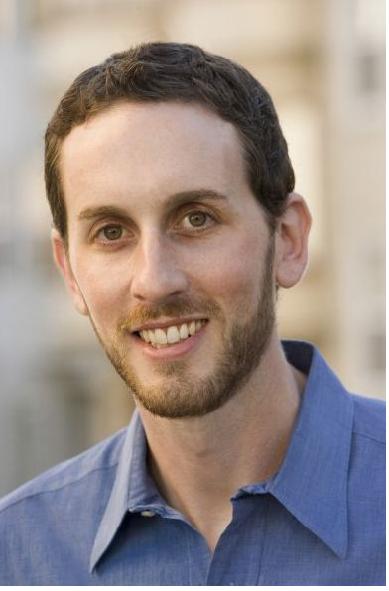
Prop. J would increase San Francisco’s hotel tax of 14 percent – which is lower than such big cities as Seattle, Chicago, and New York — by 2 percent. Opponents of the measure, such as District 8 supervisorial candidate Scott Wiener, say they are concerned that San Francisco would have the highest such tax in the country and that tourism could suffer as a result.

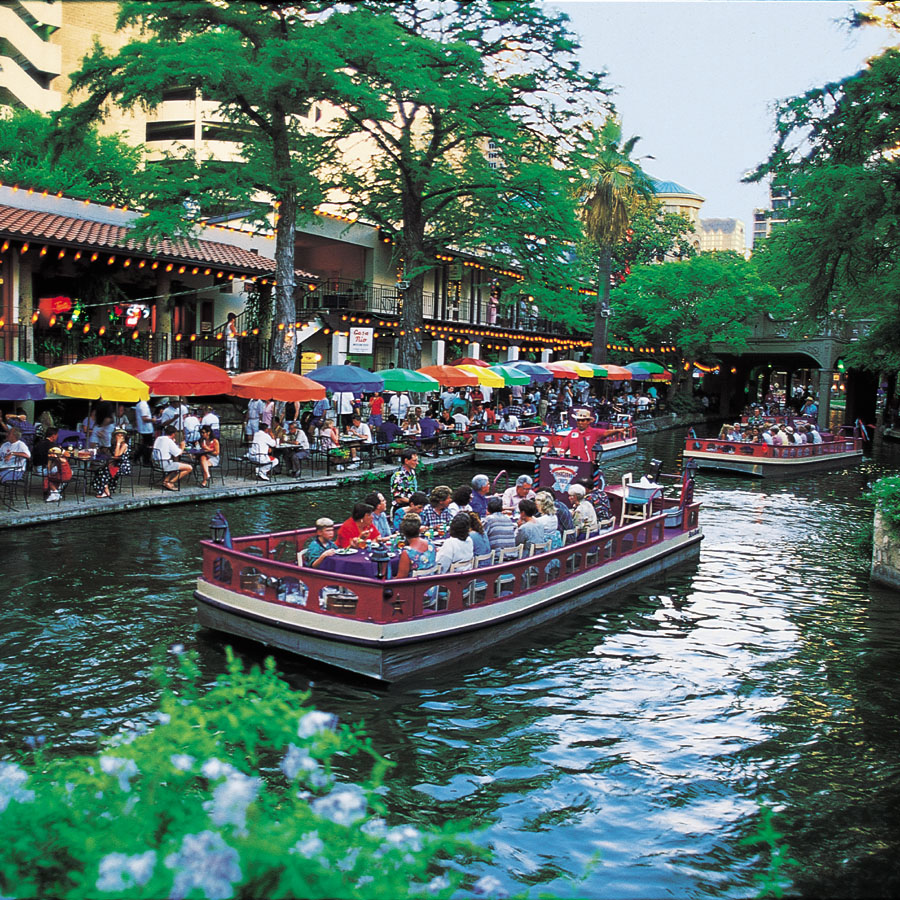
Yet in the city that actually has the highest hotel tax, San Antonio, Texas – where the 16.75 percent rate would still be higher than San Francisco’s even if Prop. J passes – representatives of the hotels have been among the bigger supporters of the tax, unlike in San Francisco where hotels are leading the campaign to defeat Prop. J with help of Mayor Gavin Newsom.

Dee Dee Poteete, the director of communications at the San Antonio Convention and Visitors Bureau, told the Guardian there are more than 25 million people that visit that city each year, a number that held steady even after the tax was put in place in 1999. The tax rate was reauthorized two years ago, with the hotels in support.

“Our city provides a very full and rich vacation or meeting experience that is an extremely good investment for [visitors],” Poteete said when asked about how tourism in San Antonio is affected by the tax, revenue from which is currently used to help support and promote tourism. And like San Antonio, San Francisco is a rich destination with a large tourism industry. Supporters of the tax believe the tax will also help keep San Francisco attractive to tourists.

“Money will go back into the general fund, but tourists use the same city services such as Muni and the parks so the money is also going back to them,” Gabriel Haaland with SEIU Local 1021, which helped gathered signatures to qualify the measure for the ballot, told us. “City services have been so dramatically cut that it would undermine the tourism industry if the city degraded and that’s what would deter tourists more than the $3 a night [that the measure would add to the average hotel bill].”

San Francisco Controller Ben Rosenfield has estimated that the revenue generated by the tax would be $38 million annually.

Appetite: The great vodka debate

0

Vodka — it’s a spirit that in sophisticated drink communities like San Francisco can sometimes elicit more scorn than love, even if most of the country drinks it well above other spirits. I’m not alone in saying it tends to be the last spirit I’d order at a bar. The SF chapter of the USBG (US Bartenders’ Guild) recently re-created their Great Vodka Debate for USBG members and industry folk, which was a popular seminar at 2010 Tales of the Cocktail in New Orleans.

An all-star bartender, brand ambassador, and drink writer panel discussed vodka’s merits (rich history, a “blank slate” from which to create cocktails) and negatives (aggressive marketing, “blank slate”/lack of flavor, sometimes unchallenging ingredient to make cocktails with). The debate never got nasty but it was, by all accounts, lively. Brand ambassadors for more conscious brands, like H. Joseph Ehrmann with Square One Organic Vodka or Borys Saciuk with 42 Below, talked convincingly of quality vodka beyond heavily-marketed, celebrity-sponsored brands that overpower the market. (Case in point, a recent Sobieski Vodka event at the Fairmont Hotel where none other than Bruce Willis came out for about two seconds to give his stamp of approval – granted, it is better than most mainstream brands). Then I visit bars like the icy, cold Vodbox of Nic’s in Beverly Hills, tasting through a range of vodkas from around the globe, and it’s clear vodka has its place.

While I may never be a vodka fanatic, I appreciate those are who are doing vodka “right”… and readily admit there are times when a vodka martini satisfies (I like mine dry, thank you). Besides craft vodka kings (who also happen to be local), like Hangar One and Charbay, here are three more that stand out from the fray:

STILLWATER SPIRITS – In a side-by-side tasting, this is the most complex, full-bodied of the three, an under-the-radar, single malt vodka made locally in Petaluma. Consequentially, Stillwater is also the pricier and hardest to find of the three. It’s a stand-alone vodka you can sip neat, made from 100% barley malt and copper-distilled. K&L has it for special order at $49.99.

FAIR – Ethically produced, fair-trade-certified ingredients, the first fair trade vodka… what other reasons do you need? Oh, it tastes good, too. This vodka is made from Bolivian quinoa and French distillers, notes of white pepper and berries give way to a creamy finish. Retails around $35. Available at Cask.

42 BELOW – The most accessible, easiest to find of the three is New Zealand’s 42 Below, claiming the pristine qualities of Kiwi water in its pure taste. Made from winter wheat, it does go down smooth and easy with hints of anise and a lightly sweet finish… it is also the right price. Retails around $19.95. Available everywhere from The Jug Shop to Bev Mo.

Spoof “Civil Sidewalks” site takes a swipe at Prop L

5

Voters seeking information about The Civil Sidewalks Coalition, the group backing Proposition L to establish a new San Francisco law against sitting and lying down on city sidewalks, might’ve gotten a shock if they visited CivilSidewalks.org instead of CivilSidewalks.com. The imposter web page was designed to look just like the official Civil Sidewalks campaign website, but includes a scathing description of the coalition as “NIMBYs, commuters, wealthy moguls, business associations and politicians” who “think it is our duty to rid San Francisco of poor people, the homeless and fun.”

Here’s the description from the real Civil Sidewalks page:
Welcome to Civil Sidewalks.  We are a grassroots group of families, residents and small merchants who believe that sidewalks should be a safe place for our children, elderly and disabled.
Unfortunately the people who encamp on city sidewalks are becoming increasing intolerant of people who are merely trying to walk by. This had led to threats, violence, and physical retaliation.

Here’s how the spoof site interpreted it:
Welcome to Civil Sidewalks. We are an astroturf group led by suburbanites, political consultants and wealthy business interests who believe that sidewalks should be a safe place for enjoyment of the few.
Fortunately some well-off people who walk on city sidewalks have had enough and are becoming increasing intolerant of poor people who are merely trying to take a break. We have taken to threats, fear-mongering, and distorting facts to promote our cause.

The guerrilla campaign tactic brings to mind pranks pulled by The Yes Men, who’ve ruined many a corporate executive’s day by issuing fake press releases and occasionally impersonating company representatives at highly publicized events. If there’s a moral to this story, it’s this: Buy up domain names that are similar to your organization’s web address, especially if it’s election season and you’re up against a cadre of crafty progressives with web-design skills.

The Other kind of SF comedy makes a comeback

0

“The stage used to be right here.” Bob Ayres, founding partner of the classic Haight-Ashbury stand up comedy club, The Other Café, is sitting in his old yuckster stomping grounds, now a neighborhood crepery. He’s gesturing to the corner of the restaurant, roughly where we’re sitting, and where his small stage used to host everyone from Robin Williams to Jerry Seinfeld. Now in its place it’s just me and Bob and a guy eating a sandwich two tables down. Could a desire for resurrection be driving Ayres’ Other Café reunion show this weekend (Sat/25)?

Ayres, fresh back from living in Nevada City (“I missed my peeps”) is now rocking an impressive Jew ‘fro and a distinctive pendant under a partially unbuttoned shirt.  Over a bottle of mineral water and a cup of coffee we chat about just what San Francisco misses about the scene at The Other, which he opened with partner Steve Zamek in 1977. It was initially a place for bluegrass shows as well as the comedy it eventually chose to specialize in. 

Located in a neighborhood known for its progressive values – “the Haight was ground zero for that,” Ayres tells me — the club gained a reputation for comedians that avoided berating their audience and using swear words or “take my wife” jokes as a cheap crutch for laughs. Eschewing liquor sales and smoking inside the club doors (perhaps the first venue in California to do so), the team cultivated an environment that was less a meat market, bar-like ambience, and more a place where people came to hear consistently good jokes. 

A generation of comedians with sitcoms built around their act would come up from L.A. to play the cafe, agents sent up their big name clients to practice their material for the Tonight Show in front of an audience that could appreciate clean jokes. When the club first opened, the glut of comedy now available on cable was merely a glimmer in the distance, long before the 1990 merger of the Ha! Channel and Comedy Central that brought stand up into living rooms from San Francisco to San Antonio. Clubs like these were where comedy lovers came to see everyone who was new and hot. “It became the hottest thing around for three to four years,” says Ayres.

A young Jay Leno holds the mic to his chin at the Other, circa 1980

With an official crowd capacity of 49, the Other would regularly squeeze in 180 comedy fans for local favorites like Dana Carvey, who pioneered his “Church Lady” character right where I’m sipping my cup of soy milk and medium roast. “Our doorman was always on the lookout for the fire marshall,” Ayres tells me. So you could squeeze everyone out the back door real quick if he came? “We didn’t have a back door. That was another problem,” he laughs.

A community of sorts formed around the Other, whose staff was dedicated to promoting unique, non-repetitive shows that they themselves would watch. Some employees were more passionate about punchlines than others – Paula Poundstone washed dishes in the Other Café’s kitchen before she made the leap to the stage, knowing the neighborhood well enough to even time comments about the perennially empty 10 p.m. #37 Corbett Muni bus, which would thunder past the club each evening when the headliner was onstage. 

One such night, Poundstone stopped her set, strode out the door and boarded the bus, leaving club staff to cover the mid-set interruption. Slightly uncomfortable for those left behind, yes, but indicative of a place where comedians felt comfortable experimenting with their act. “That was a time when it was more funny to tell the story later,” Ayres tells me. That said, he relished those moments when the stars would go off script into moments of improv. “That’s usually when they were the best.”

I ask him what makes good comedy, and he answers with a story about his “hero,” Steve Martin. Before shows, Ayres says, Martin would stuff baloney into his shoes “so if he didn’t get laughs he could always think of the baloney.” The point being that if you can make yourself laugh, you stand a good chance of making your audience laugh as well. “I think that plays out in every part of life,” Ayres counsels me.

So what does he miss most about the days of fire code violations and impromptu sets? “Knowing there’s a great comedian in your club that night, and inviting all your friends and family. After you see a good comedy show you are happy.” Ayres remembers standing at the front door on Cole and Carl after such a night’s performance, watching smiling faces leave the club. “Then you’re high. You’re, like, doing something good for the people.”

But when I ask Ayres what young comedians he recommends for a night on the town like the ones he’s reminiscing about, he demurs to name a single one, telling me that he’s not well enough acquainted with the scene today. Look for that coyness to change: Ayres is setting up young comedian showcases in Boston, Chicago, and New York over the next year. He says he’ll be checking out possible acts for upcoming shows he’ll be putting together in the Bay Area. 

“It’s clear to me that we have a following: an older crowd who wants a more focused, comfortable setting,” he tells me with an air of a man who knows that he knows what he knows. Look to his reunion show this weekend, then, not just for a look at once was, but possibly what will be for San Francisco comedy.

The Other Café reunion show

Sat/25 7:30 p.m., $70

Palace of Fine Arts

3601 Lyon, SF

(415) 563-6504

www.theothercafe.com


Endorsement interviews: Scott Wiener

70

Scott Weiner has a long record in District 8. He helped build the LGBT Center, was the president of the Eureka Valley Improvement Association, co-founded Castro Community On Patrol, was co-chair of the Alice B. Toklas LGBT Club and chaired the San Francisco Democratic Party between 2006 and 2008.


He’s very much the political moderate; he told us he doesn’t want to see the city go into the retail electricity business with a full public-power system. He supports the sit-lie law (and opposes the ballot measure calling for community policing and foot patrols). He says he takes a “case by case” approach to taxes, and support the vehicle license fee, but doesn’t support the hotel tax increase. He’s got the support of the Small Property Owners, perhaps the most anti-tenant group in the city. He doesn’t think the city should go any further to stop Ellis Act evictions.


In fact, overall, Wiener thinks the city ought to address its financial problems with cuts and service reductions. “We have to live within our means …. Until the state gets its house in order, we can’t tax our way out of it,” he said.
You can listen to our interview here:


Wiener by endorsements2010

Adachi crosses the line

87

Former Mayor Willie Brown and Public Defender Jeff Adachi – author of Prop. B, which would require city employees to pay more for their pension and health care costs – yesterday crossed a union picket line at Le Méridien, which is being boycotted by hotel workers with Unite-Here Local 2, to attend a fundraiser for the measure.

http://www.youtube.com/watch?v=J6K8FkTt7pM

San Francisco Labor Council President Tim Paulson called it “such an outrageous thing in San Francisco.” Even Sup. Sean Elsbernd, perhaps the most conservative member of the Board of Supervisor, was shocked today when told of Adachi’s crossing the line, saying he would have never done so. Local 2 spokesperson Riddhi Mehta told us, “It shows their true colors. By no means are they for working families.”

Adachi has been public enemy number one of local labor leaders since he authored the measure with little input from unions or other public officials, and Paulson said this action was emblematic of Adachi’s hostility to unions, adding that it was even more surprising to see Brown, a longtime ally of unions, supporting the measure and crossing the line.

“It was not unexpected for Jeff Adachi, with the way he’s been acting lately, not caring about labor, but it was a little surprising for Willie Brown considering his career and record,” Paulson said.

Adachi told the Guardian that he was unaware at the time that it was a Local 2 picket line. “The honest truth is that when I got there, I thought it was a protest against Prop. B,” Adachi said. Yet he also that even if he had know, “I still would have went to the event.”

“I completely support the workers’ right to strike, but at the same time, I am on a mission to save the city $120 million a year,” Adachi told us. “The resources that the opponents are pouring into this are completely unreal.”

La Merdien has been on the Local 2 boycott list for several months, and both Paulson and Mehta said the picket was independent of Prop. B, although some SEIU members did show up with signs criticizing the measure. As for scheduling future fundraisers at other boycotted hotels, Adachi told us, “I’ll be more mindful of that.”

Ships and whales don’t mix

3

Earlier this year, the Guardian reported on ongoing efforts to address threats to whales posed by huge shipping vessels in and around the San Francisco Bay. In addition to fatally striking the marine mammals – many of which are already on the decline under strain from myriad environmental pressures – cargo ships may inhibit whales’ ability to locate food, mates, or their young by masking the sounds they rely upon for those behaviors.

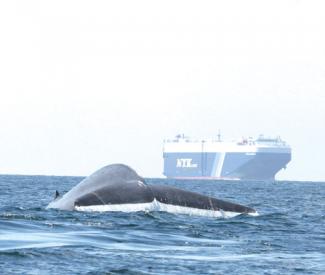
So it was especially sad to read the news on Sept. 16 that a whale carcass was found on the bow of a container ship coming into the Port of Oakland, especially if biologists determine that it was indeed an endangered blue whale. According to a researcher from Scripps Institution of Oceanography who we interviewed for the story, there are so few blue whales left that if even two die from ship strikes every few years, the entire species could be imperiled.

We received this statement from Jackie Dragon, marine sanctuaries program director for Pacific Environment:

“Another dead whale on the bow of a ship is a reminder that ships and whales don’t mix. Yet with the ever increasing number of ships calling on the busy Port of Oakland, and the fact that all ships must drive through the vital whale-rich marine sanctuary waters just beyond the Golden Gate – we need to step up our efforts to find ways to keep whales and ships apart.”

The news that didn’t make the news in SF

0

Every year, the Guardian features the Top 10 Project Censored stories presented by the Sonoma State University project that spends all year analyzing which stories the mainstream media missed. But which stories did not find their way into the mainstream press here in the San Francisco Bay Area?

News outlets other than the Guardian typically ignore Project Censored (unless you count SF Weekly’s snark), so you might say that even Censored tends to be censored. Other than that, we note that issues not hand-delivered via press release or PR campaign might receive less attention than those obvious stories. Using a rather unscientific process of surfing alternative news sites online to find out which stories didn’t get a lot of play in the mainstream, we’ve come up with an assortment of Local Censored stories – though this is by no means a comprehensive list. What other news didn’t make the news?

Local Censored stories:

* What we didn’t hear about when PG&E was pushing Prop 16

Speaking at an informational hearing in Sacramento in February 2010 about Pacific Gas & Electric Co.’s ballot initiative, Proposition 16, former California Energy Commissioner John Geesman noted that the state’s most powerful utility company was using customer money to finance a bid to change the state constitution for its own purposes. Prop 16, which earned a thumbs-down from voters in the June election, would have created a two-thirds majority vote requirement before municipalities could set up electricity services separate from PG&E. While there was no shortage of reporting about the astounding sums of cash that PG&E sank into Prop. 16, hardly anyone aside from Geesman picked up on the more salient point of what PG&E was not spending its money on.

“California’s investor-owned utilities face a Himalayan task in modernizing our electricity system and building the infrastructure necessary to serve a growing economy,” Geesman wrote on his blog, titled PG&E Ballot Initiative Fact Sheet. “They ought to focus on that, rather than manipulating the electorate to kneecap their few competitors.” It is now abundantly clear that PG&E’s aging gas pipelines in San Bruno were badly in need of replacement – and the utility’s neglect opened the door the catastrophic explosion that occurred Sept. 9, resulting in tragic loss of life and destroying homes. “The current leadership at PG&E has lost its way. Nobody is minding the ship,” senator Mark Leno told the Guardian shortly after the blast. “Enough with the self-initiated, self-serving political campaigns. … How about focusing on the current mission — to provide gas and electricity safely, without death and destruction?”

PG&E Ballot Initiative Fact Sheet: http://pgandeballotinitiativefactsheet.blogspot.com/
Huffington Post: http://www.huffingtonpost.com/christine-pelosi/deadly-priorities-why-did_b_713800.html

* What you might not have read about Johannes Mehserle’s murder trial
 
If you looked to Colorlines.com, Blockreportradio.com, the San Francisco Bay View, or Indybay.org for coverage of Johannes Meherle’s murder trial for the fatal shooting of Oscar Grant, then you got a different picture from the one offered by mainstream Bay Area news outlets. There may well be plenty of details about the trial that didn’t make the cut for mainstream news, but one particular point caught our eye as something that should’ve warranted more prominent coverage, or at very least sparked deeper questions from mainstream press. According to the witness testimony of Jackie Bryson, who was with Grant on the train platform the night of the shooting, Grant’s friends immediately urged BART police to call an ambulance after Grant had been shot, but police didn’t do it right away.

Here’s the report from Block Report Radio: “Jack Bryson said he yelled at Oscar after he was shot to stay awake and to the police to call the ambulance. The unidentified officer who was on Bryson declared, ‘We’ll call the ambulance when you shut the fuck up!’ Bryson went on to say that he was never searched on the Fruitvale platform or at the Lake Merritt BART police station, which seems ridiculous if you consider the earlier testimony of former BART police officers Dominici and Pirone, who were involved in the murder and who testified last week that they had felt threatened by Oscar Grant and his friends.” So, if it’s true that Grant’s friends were told to “shut the fuck up” when they were urging BART cops to call an ambulance, and that the supposedly threatening parties weren’t ever searched, why didn’t these points receive as much attention in the media as, say, the claim that years earlier, Grant may have resisted arrest? After witnessing the death of his friend, Bryson said in his testimony, he was detained for hours while wearing handcuffs pulled so tight that his wrists hurt, only to be told afterward that since he had not been read his Miranda rights, he was not under arrest. To be fair, the detail about calling the ambulance did make it into the Chronicle, near the bottom of a blog post, under the subhead, “Friend’s claim.”

Block Report Radio: http://www.blockreportradio.com/news-mainmenu-26/894-jack-bryson-hits-the-stand.html
Colorlines: http://colorlines.com/archives/2010/06/defense_opens_with_gripping_testimony.html

* Homelessness on the rise in San Francisco

The controversy surrounding Prop L, a proposed ordinance to ban sitting and lying down on the sidewalk, has been widely reported on — but there’s a more pressing issue related to homelessness that hasn’t gotten nearly as much ink. An article in New America Media, “Shelters predict homeless count to skyrocket,” highlighted a perceived surge in San Francisco’s homeless population, evidenced by overwhelmed service providers who can hardly keep up with demand. “We’re serving 200,000 more meals per year than two years ago, but we haven’t had the capacity to add staff,” the chief executive officer of the Glide Foundation noted in the article. The drop-in center, she added, no longer had enough seats to accommodate those in need. According to a fact sheet issued by the Coalition on Homelessness in July of 2009, 45 percent of respondents to a COH survey were experiencing homelessness for the first time. The overwhelming majority of respondents, 78 percent, became homeless while living in San Francisco.

New America Media: http://newamericamedia.org/2010/04/shelters-predict-homeless-count-to-skyrocket.php
Coalition on Homelessness: http://www.cohsf.org/en/

* The long wait for Section 8

It isn’t easy for a tenant with a Section 8 voucher to find housing in the San Francisco Bay Area. In San Francisco, there’s a barrier to getting the voucher in the first place, since the waitlist is currently closed. Those who have vouchers are often passed over by landlords, and the string of denials can drive people to unstable housing situations such as extended hotel stays. An article in POOR Magazine features the story of Linda William, a woman who left a San Francisco public housing project with a Section 8 voucher in hand only to embark on a wild goose chase, ultimately winding up in a low-end motel outside Vallejo. “Well whaddya know,” William told the POOR magazine reporter, “I found closed wait lists on almost all the low-income housing units in all of those places and all the rest of the landlords wouldn’t even return my calls when I told them I had section 8.” An article by Dean Preston of Tenants Together that appeared in BeyondChron, meanwhile, spotlights the issue of landlord discrimination against Section 8 tenants.  “In the Section 8 voucher program, participating tenants pay 30 percent of their rent and the Housing Authority pays the balance to the landlord,” Preston writes. “It takes years for eligible tenants to be able to participate in the program. Once tenants get off the wait list, the landlord must sign a payment contract with the housing authority in order to receive the portion of the rent paid by the government. By refusing to sign onto the program, some landlords seek to force rent controlled tenants into situations where they cannot pay their rent.”
POOR Magazine: http://www.poormagazine.org/node/3277
BeyondChron: http://www.beyondchron.org/news/index.php?itemid=8012

* San Francisco’s trashy secret

Despite being thought of as a beacon of sustainability, San Francisco’s not-so-green waste stream is something that didn’t make the front page of many papers – except, of course, this one. Sarah Phelan’s “Tale of Two Landfills,” a Guardian cover story this past June, examined San Francisco’s decidedly unenlightened policy of transporting waste far outside of the city despite a goal of reducing waste to zero in the next 10 years. Here’s an excerpt: “It’s a reminder of a fact most San Franciscans don’t think much about: The city exports mountains of garbage into somebody else’s backyard. While residents have gone a long way to reduce the waste stream as city officials pursue an ambitious strategy of zero waste by 2020, we’re still trucking 1,800 tons of garbage out of San Francisco every day. And now we’re preparing to triple the distance that trash travels. ‘The mayor of San Francisco is encouraging us to be a green city by growing veggies, raising wonderful urban gardens, composting green waste and food and restaurant scraps,’ Irene Creps, a San Franciscan who owns a ranch in Wheatland, told us. ‘So why is he trying to dump San Francisco’s trash in a beautiful rural area?’”

SFBG: http://www.sfbg.com/2010/06/15/tale-two-landfills

* The real unemployment rate

The Bureau of Labor Statistics makes a distinction between so-called “discouraged workers” who have stopped looking for jobs, and the jobless who are actively seeking employment, so the official unemployment rate (9.7 percent in San Francisco, according to the most recent data) may be much lower than the actual unemployment rate.

We haven’t seen any brilliant local reporting on this issue, but the problem is summed up nicely in this YouTube video produced by a personal finance software firm.

http://www.youtube.com/watch?v=Ulu3SCAmeBA&feature=player_embedded

Quick Lit: Sept 15-Sept 21

0

Literary readings, book tours, and talks this week

Jonathan Safran Foer, Rebecca Solnit, How to Grow a School Garden, digital art collecting, and more.

Thursday, Sept 16

Stephen Breyer
Supreme Court Justice Stephen Breyer will discuss his new book, Making Our Democracy Work.
8 p.m., $20
Herbst Theater
401 Van Ness, SF
www.cityboxoffice.com

East Eats West: Writing in Two Hemispheres
Hear author Andrew Lam in conversation with Richard Rodriguez about his new collection of essays about the unexpected consequences of the Vietnamese diaspora.
6 p.m., $12
Mechanics’ Institute
57 Post, SF
(415) 393-0100

How to Grow a School Garden
Author Arden Bucklin-Sporer will discuss How to Grow a School Garden: A Complete Guide for Parents and Teachers, which offers parents, teachers, and school administrators tips and advice on how to build school gardens and how to develop the programs that support them. 
7 p.m., free
BookShop West Portal
80 West Portal, SF
(415) 564-8080

Rebecca Solnit
Hear one of San Francisco’s most provocative writers discuss her past book, which include Wanderlust, A Paradise Built in Hell, and A Field Guide to Getting Lost, and her upcoming book, Infinite City: A San Francisco Atlas.
7 p.m., $10-$20
JCCSF
3200 California, SF
(415) 292-1233

Saturday, Sept 18

Diane K. Martin, Lisa Gluskin, and Melissa Stein
Attend this poetry reading with recently published poets Diane K. Martin, author of Conjugated Visits, Lisa Gluskin, author of Tulips, Water, Ash, and Melissa Stein, author of Rough Honey.
7:30 p.m., free
Pegasus Books Downtown
2349 Shattuck, Berk.
(510) 649-1320

Sunday, Sept 19 

“Collecting the Impossible”
Prominent collectors, critics, and artists will discuss the historical dynamics or collecting digital art and building an art market for challenging work. Panel participants will include Richard Rinehart, Digital Media Director & Adjunct Curator of the Berkeley Art Museum and Pacific Film Archive, collectors Dennis Scholl and Jeff Dauber, Katie Clark from the Catharine Clark Gallery in San Francisco, Chief U.S. Correspondent for The Art Newspaper Jason Kaufman, and artist Lynn Hershman Leeson.
2 p.m., $12
Yerba Buena Center for the Arts
701 Mission, SF
(415) 978-2787

Tuesday, Sept 21

Jonathan Safran Foer
Join Foer, author of Everything is Illuminated and Eating Animals, as he talks about our dining habits, insatiable appetites, and the cultural meaning of food. He will explore the ethical, environmental, and health risks behind commercial fishing and factory farming.
7 p.m., $18
Shultz Cultural Hall
Oshman Family JCC
3921 Fabian, Palo Alto
www.tickets.commonwealthclub.org

Words for Empty and Words for Full
Poet Bob Hicok will read from his new collection.
7 p.m., free
BookShop West Portal
80 West Portal, SF
(415) 564-8080

Chron endorsement dishonestly attacks marijuana measure

5

Once again proving itself to be an corporate-run embarrassment to a city that has been at the forefront of progressive reform – including the movement to legalize medical marijuana – the San Francisco Chronicle this morning recommended that voters reject Prop. 19, which would allow cities and counties to legalize marijuana use by adults. And it did so with tortured logic and a cowardly, disingenuous claim to support legalizing marijuana.

As a journalist who has covered the medical marijuana industry in the Bay Area, I didn’t recognize the chaos that Chron editorial writers say resulted from the landmark 1996 measure Prop. 215, the medical marijuana measure written right here in San Francisco, home to a well-regulated, professional network of cannabis dispensaries, thanks to the city proactively setting guidelines. The cities cited in the Chron all did nothing to set standards for medical marijuana dispensaries, whereas in cities like San Francisco that did, an increasingly important sector of the local economy flourished with few problems.

Prop. 19 would similarly allow cities and counties to create systems for regulating marijuana for recreational use – or to not allow it if they so chooses. Yet the Chron takes issue with this localized approach, writing, “The measure establishes no state controls over distribution and product standards; it does nothing to help cure the state’s budget deficit.”

Both statements simply aren’t true. The measure explicitly gives the state authority to tax and regulate marijuana, Assembly member Tom Ammiano already has proposed legislation to do so if the Prop. 19 passes, and the California Legislative Analyst’s Office has estimated it could bring in more than $1.5 billion annually into state coffers.

Although the Chron claims “that the ‘war on drugs’ – especially as it applies to marijuana – has been an abject failure,” it bemoans a provision in the measure that prevent employers from firing employees simply for having marijuana in their systems, as it would be if someone smoked a joint three weeks ago, despite having no impact on job performance. “Pre-employment testing would be banned,” the Chron writes, as if that were a bad thing. The editorial also complains that people would be allowed to grow small plots of marijuana in their backyards. Again, and the problem with that is what exactly?

Bottom line: Chron editorial writers fall into the same old tired reefer madness stereotypes that have driven the drug war’s “abject failure,” but they just aren’t honest enough to admit the contradiction with their stated claim that “if this were simple a referendum on the status quo, and the ability of a 21-or-older Californian to possess an ounce or less for personal use, it might be an easy ‘yes’ vote.”

Because the reality is that’s what this measure does, simply lift the prohibition on pot, while also including language supporting local control and basic civil rights. There are some valid arguments against Prop. 19 – such as it lets jurisdictions tax or regulate pot too much – but those honest disagreements weren’t raised by the newspaper.

Instead, the paper made it sound like measure would fill the roads with stoned drivers and every neighborhood with the stench of marijuana, which is laughably alarmist. San Francisco’s experience with medical marijuana should serve as an indicator. This city has been the most accepting and legitimizing of marijuana for decades. It’s part of our culture. But drug surveys from our school district and others show that the rate of marijuana use among young people here is lower than the state average, and we have been at the forefront of world-renowned technological innovation and academic research, so clearly the normalization of marijuana hasn’t corrupted our youth or turned us all into menacing zombies.

The Chronicle’s presentation of the issue, and its recommendation on this measure, are anachronistic throwbacks to another era and should be tossed into the dustbin of history where they belong.

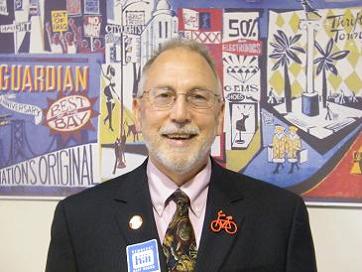
Endorsement interviews: Bert Hill

2

Bert Hill is running to represent western San Francisco on BART’s Board of Director, taking on incumbent James Fang, the city’s only Republican elected official. But even though Hill has the support of Democratic Party and a wide variety of progressive organizations, voters won’t see their party affiliation in this nonpartisan race. Instead, the race could be a referendum on an agency that Hill says isn’t responsive enough to the needs and experiences of riders.

“It’s important to figure out what are human needs on the trains,” Hill told us, citing the need to better accommodate passengers with bicycles and lots of luggage, the lack on working bathrooms and elevators in most stations, extending service beyond midnight on weekends, and the need for better station labels so passenger easily know when to get off.

Hill said BART is in need of major reforms in its financial planning (calling for the agency to build reserves during good times to avoid service cuts during recessions), its police force (saying the board should consider disbanding the BART Police and contracting out to local law enforcement agencies), and its transparency and accountability (telling a funny story about his own experience just trying to get permission to take a campaign photo by a BART train).

Listen to Hill full endorsement interview below. Fang has not responded to Guardian requests for an endorsement interview.

hill by endorsements2010

The Performant: What, me Fringe?

0

Unfortunately for me, I’ll be unable to attend a whole plethora of sure-to-be-intriguing shows this weekend such as Right Brain Performancelab’s “The Elephant in the Room,” The 11th Hour Ensemble’s “Alice,” and The Offcenter’s “Waiting for Godot.” But fortunately for me, it’s because I will be holed-up in the booth of the newest addition to the Exit Theatreplex — The Studio — where I’ve been running lights for a whole plethora of shows ranging from confessional monologues to sketch comedy to a whacked-out whodunit set in Super-Duper Mega-Marine Coaster World. Is that a bowl of free pretzels in my hand? It must be Fringe Festival season again in San Francisco.

SF Fringe is uncurated and uncensored, it’s fair to say that not every show is road-tested and audience-approved. Caveat Emptor, ticket-holders. But fans of local theatre companies past and present such as Art Street Theatre, Black Box Theatre, Lunatique Fantastique, Thrillpeddlers, Killing My Lobster, Thunderbird Theatre, Cutting Ball, Crowded Fire, Mugwumpin’, Banana Bag and Bodice, Foolsfury, Ripe Theatre, Performers Under Stress, Pi  Clowns, SF Buffoons, Dark Porch Theatre, Boxcar Theatre (and many more!) should know that all of the above have been featured at the San Francisco Fringe — and in fact, more than half of these companies debuted at the Fringe. By providing an anything-goes, low-cost production crucible for local, national, and even a few international performers, the San Francisco Fringe Festival makes it possible for previously unknown companies with a clear artistic vision to get a boost up to the next stage (pardon the pun) of their development. Armed with buzz, some of these companies go on to solid artistic success. Some disappear without a whimper. Regardless, everyone gets a fair shake.

True, a 10-year veteran of the SF Fringe, I’d had no idea there were such things as honest-to-god Fringe Festival rock stars until I went to Edinburgh and to Montreal and saw them for myself—performers who tour the Fringe circuit every year, and actually make a living at it, or at least build a solid international reputation. The San Francisco Fringe is a lot more self-contained, but in terms of getting in on the ground floor of the next big thing in Bay Area theatre, the festival will always be your best bet to be able to say “I saw them when.”

One thing our Fringe has been somewhat remiss with in the past has been providing interim entertainment for patrons and performers with down time. The EXIT (Fringe homebase) is addressing that very issue with a rotating roster of three separate showcases in the theatre’s café. An evening of Fringe singer-songwriters (Thu/16 @ 8:30 p.m.), the “Fringe Potpourri” of jugglers, magicians, and their ilk, on Saturday and Sunday afternoons from 3 p.m.-5 p.m., and most exciting of all, a late-night improv talk show “Last Call” hosted by Cora Values (Sean Owens), which features Fringe performers such as Fred Blanco (aka Cesar Chavez) and Megan Liley (“Grafitti Highway”) this past weekend. (See Cora again this weekend: (Fri17, Sat/18 @ 10:30 p.m.) Secrets are revealed, banter exchanged, and juicy fringe gossip is plundered for its levity factor. Cora is both sweet and savvy—like apple pie with an attendant wedge of Wisconsin-sharp, and her show already feels like a festival tradition. Just like the free pretzels, but saltier, and fresher.

Appetite: 3 twists on the Caprese salad

0

The purity and simplicity of a caprese salad, or insalata caprese as it is known in Campania, Italy, where it originated, is hard to outdo. Silky buffalo mozzarella, red tomatoes and fresh basil are drizzled with olive oil and salt. When I eat a quality caprese, I am immediately transported to Italia, eating lunch alongside glimmering water, maybe the canals of Venice or the expanse of Lake Como, the juice of the tomatoes dripping down my chin and a glass of Sangiovese in hand. That this experience could be improved upon is doubtful, but what of variations in a caprese’s perfection? A few local San Francisco restaurants have taken its key elements of tomatoes and mozzarella and created something unexpected… 

ROCKETFISH’S FARMERS TOMATO SALAD — Rocketfish, Potrero Hill’s newest sushi lounge, also deals in Japanese small plates. In this izakaya spirit, the kitchen serves what seems to be a simple farmers tomato salad ($7). Caprese elements create the base: heirloom tomatoes and buffalo mozzarella. But it takes on a whole new dimension sprinkled with honey balsamic and ume salt, then given a bit of crisp with caramelized fennel crumbled over the top. It works so well, it almost outshines the sushi. 

JARDINIERE’S HEIRLOOM TOMATO SALAD — Pop into Jardiniere‘s bar or sit down for a meal and start with its heirloom tomato salad ($16). You’ve seen all this before: plump, gorgeous heirloom tomatoes over arugula with croutons for crunch. But wait: interspersed in the arugula are Padron peppers and Castelvetrano olives. Sweet tomatoes, salty olives, and piquant peppers hint of a marriage between Italy and Spain, one officiated by California. The combo feels so natural, you’ll wonder why you don’t see it more often. 

BAR CRUDO’S LOBSTER SALAD — A recent visit to the ever brilliant crudo haven of Bar Crudo yielded salad loaded with chunks of lobster and creamy burrata (the pinnacle of mozzarella… with cream) topped with mache leaves. While some nights they make it with gold and chiogga beets ($17), my last visit entailed a load of plump tomatoes with the lobster and burrata ($18), again elevating the basics of a caprese to luxury salad level. 

Party Radar: Men, Kele, Kaos

1

Ah, yes — the fleeting maybe yes/ maybe no of San Francisco summer has (possibly) arrived. And even if the weather doesn’t quite cooperate, at least we all feel our spirits lift and our clothing constrict. Fortunately, there are many, many parties to rip it all off at! Not literally, but why not? Besides some of the parties listed in this week’s Super Ego clubs column, here’s a few more at which you can run wild and free and hot.

MEN

The topical and too-catchy indie electro group Men, which includes super-sexy JD Samson of Le Tigre fame, is taking over the SFMOMA this evening as part of the Thursday Now Playing series. (“Radical dance music” in a big museum? Me like.)

Cool queers and friends of all stripes will get into a screening of a new project by the Ridykeulous project at 7pm and then a live performance in the Haas Atrium by Men at 9pm.

Thu/16, 6pm-9:45pm, free with admission to museum. SFMOMA, 151 Third St., SF. www.sfmoma.org


KELE

The Bloc Party leader — and out queer dream — is bringing his solo show to Mezzanine in support of new album The Boxer, and it seems he’s focussing on getting the crowd dancing. That’s alright with me! Does It Offend You, Yeah?, who put on a great show a couple years ago at Slim’s (even though everyone was at Coachella) open up with some baggy Madchester-referencing gonzo electro. 

Sat/18, 9pm, $20. Mezzanine, 444 Jessie, SF. www.mezzaninesf.com


DJ KAOS

Toothy grin for this one. Honey Soundsystem‘s great weekly Honey Sundays party has been homeless since Paradise Lounge shut its doors. Until the Honey boys find a new space, they’ve been a-roving — and it’s a great indication of how open our scene is that they’re arty-fab queer crowd is being welcomed by intelligent techno-head hosts. This week, Honey pairs with Bionic, the weekly Sunday at 222 Hyde that’s seen its fair share of roving itself, to bring in Berlin ‘s DJ Kaos, whose been pumping out quality, eclectic techno and house releases since 1991, yeesh. I can’t wait to see how this whole experiment coalesces.

Sun/19, 10pm, $5. 222 Hyde, SF. www.222hyde.com 

SFFS INTERNATIONAL CHILDREN’S FILM FESTIVAL

0
The San Francisco Film Society Fall Season kicks off with the NY/SF International Children’s Film Festival, September 24-26 at Landmark’s Embarcadero Center Cinema. Don’t let the festival title fool you; this three-day celebration of short, feature length, animated and documentary films from around the world appropriate for kids and teens ages 3-18 will be enjoyed by film fans from all generations.
 
Filmmakers in attendance throughout the weekend include Folimage founder and Mia & the Migoo director Jacques-Rémy Girerd, The Secret of Kells director Tomm Moore, who will lead an interactive workshop, and Jamie J. Johnson of the highly entertaining, American Idol-esque music documentary Sounds Like Teen Spirit. From cyberpunk/sci-fi anime feature Summer Wars to the stunningly shot, fable-like Tahaan, this fun-filled showcase of award-winning films, West Coast premieres and stunning animation has something for everyone.
 
For tickets and program information, visit sffs.org or call 925-866-9559.
September 24-26th @ Landmark’s Embarcadero Center Cinema, 2261 Fillmore St, San Francisco

WIN 2 CINEVOUCHERS to the NY/SF International Children’s Film Festival by sending an email with your full name and address to promos@sfbg.com subject: NY/SF International Children’s Film Festival by Monday, September 20th.

Music to cross the globe for

0

If you hoisted up a park bench, cut the back off of it, removed the legs, placed it on top of cushion on a saw stand, and commenced to thrum on it with headless croquet mallets with a dear friend, you’d have created a bootleg version of the txalaparta, a traditional instrument from the Basque region of Spain. Two of the area’s most renowned musicians took this contraption on a trip to play with indigenous nomadic musicians the world over, creating Nomadak TX, a music documentary where notes are exchanged in culture-to-culture melodies.

Igor Otxoa is a member of the group, Oreka TX, that embarked on the project that took them to India, Mongolia, Lapland, and the Sahara. Days away from the group’s launch of their North American tour –and in the midst of a visa kerfuffle that threatened to derail the whole thing — Otxoa (who is staying in Spain while band members Mikel Ugarte and Harkaitz Martinez de San Vicente man the txalaparta in the States) answered our questions via email from San Sebastian. His group will be in town next week (Thurs/23) at the Basque Cultural Center for a live performance of the music in Nomadak TX.

Oh you say you like guttural rhythm? Do we have the trailer for you… 

San Francisco Bay Guardian: Why do you play the txalaparta? 

Igor Otxoa: I saw it played in my neighborhood fiesta and I loved it. “Percussion and related to Basque culture, that’s for me!” I told myself. After that I saw it again at school played by the Artze brothers, some of the ones that brought back the instrument. After that, I started looking for somewhere I could learn it.


SFBG: The txalaparta almost disappeared at one point in the 20th century. Is there a well-documented tradition of how to play it, or have you developed your approach independently?

IO: The way to play it that we received was the one that the last of the old txalaparta players left to us. In the ’60s there were only two txalaparta player couples, the Zuaznabar brothers and the Goikoetxea brothers, and they left us the way of playing that they learned from their grandfathers. But after that there was a process in which the Beltran brothers and the Artze brothers started to develop the instrument in a more musical way. We are from the next generation — we learned from the Beltrans, and we developed the instrument in our own way.


SFBG: Why is it important that it be a two person instrument? 

IO: It was related to the work on the farms, and as in many percussion instrument that come from a tradition of work, it became an instrument. For us the txalaparta it is not the physical instrument itself — it is the way of playing it, sharing the rhythm between two people. That is why we don’t understand the txalaparta without two players. It’s its peculiarity, what makes it unique in the world, this way of sharing the rhythm between two players.


SFBG: Tell us about the motivation behind the film Nomadak TX. Why nomadic peoples?

IO: We choose the countries and peoples we wanted to meet for different reasons. One was the level of nomadity that they had. Another reason was the music of those cultures. We were very interested in the Khoomi singing in Mongolia. And the Bereber women´s singing. And the Indian rhythms. Another reason was the materials that condition the way of living in those parts of the world. The ice and snow that takes up many months in Saapmi, the sand and stones of in the Sahara dessert, the wood in India, and the air in Mongolia. We wanted to play txalaparta with those materials. And we got to!


SFBG: How did you locate the musicians that would be in the movie?

IO: Sometimes we made the arrangements before traveling. The musicians, we contacted them by different ways — the Internet helped a lot. Other times we didn’t contact any of them and it was just who we found on the trip. We think that like in music, on the trips the improvisation was the most interesting as we never knew what we would find. We had unforgettable musical surprises on all the trips. For us it had the same value: the music of a professional musician in a studio or old men singing in a yurt in the Mongolian steppe. 


SFBG: In Nomadak TX you make txalapartas out of everything from ice to stone — why the multi-media?

IO: That was one of the most marvelous moments of the project. We never expected to do a txalaparta with ice. Our idea was that we were going to play with the txalaparta of wood and the Terje Isungset “Iceman” in Saapmi would play with ice. But we tried it, and it was so nice to work with the ice. If you cut too much we would throw water on it and in few seconds it was frozen and the note was changed!


SFBG: Now that you’re doing the North America tour, inquiring minds want to know — when’s the Oreka TX hip hop remix coming out?

IO: Good question! I hope that during the USA Tour we will be able to contact good hip-hop musicians that can work on it. It is not our music style, so if we want to have a quality result, better if someone from USA makes it!


Oreka TX’s Nomadak TX live concert

Thurs/23 8 p.m., free

SF Basque Cultural Center

599 Railroad, SF

www.sfbcc.us


Hot sexy events Sept 15-21

1

Enough of the silicon and studio lighting! Sex in San Francisco just isn’t that scripted – or is it? Good Vibrations put its yearly call out to amateur filmmakers to turn in their own seven minutes and under blue films. Straight, gay, perverted, vanilla, the rainbow of oohs and aahs will show you what’s really going on in your neighbor’s bedrooms (the hots ones, obviously). But wait, that’s next week. This week, you can attend the IXFF kick off party at El Rio, where clips of queer hipster porn will be showing and burlesque babies will shimmy and shake for your viewing pleasure. Look at it this way, if you’re going to be squirming in anticipation, you might as well have a cheap Pabst Blue Ribbon in hand.


Bawdy Storytelling: Cheapskate Sex & Cut-rate Coitus

He made you pay 25 cents for the bathroom vending machine condom? Jesus! Sometimes the sex is so cheap, you roll off the mattress and feel the urge to decry your date’s tightwad tentacles to the world at large. Oh girl. Lucky you, because monthly series Bawdy Storytelling is featuring nothing but the least-fine and dine at this week’s installation. Contact host Dixie De La Tour and wax on your tale of woe, she’ll grab you your moment in the spotlight.

Weds/15 8 p.m., $10

The Blue Macaw

2565 Mission, SF

(415) 920-0577

www.bawdystorytelling.com


Rough Sex

Wanna wrassle? Carol Queen and Robert Morgan Lawrence guide you through the times when you wanna reach out and choke someone (lovingly, and with consent). This females-only workshop will cover rape fantasies, ravishing, and unstylized BDSM play.

Fri/17 8-10 p.m., $10

The Women’s Building

3543 18th St., SF

(415) 431-1180

www.theexiles.org


Master’s Den: Casino

Female submissives and male dominants are invited to pony up to the table at this blackjack and Texas Hold ‘Em event, where subs can work on their service-providing skills and doms have the chance to up their “Den Dollar” holdings. The night is part of a trio of events leading up to sex power couple Stefanos and Chey’s “Auction” night. 

Fri/17 7:15 p.m.- 1 a.m., $25-35

SF Citadel

1277 Mission, SF

(415) 626-1746

www.sfcitadel.org


Hubba Hubba Revue Four Year Anniversary

Four years of one of SF’s hottest troupe of betassled performers, monkey men, and wisecracks galore? My, they’re aging well. Celebrate Hubba Hubba’s commitment to sexy, strippy excellence by attending the show they’re purporting to be their biggest ever, starring all the sparkling sequins we’ve grown so fond of: Honey Lawless, Bunny Pistol, Alotta Boutte, and so, so much more. 

Fri/17 9 p.m.- 2 a.m., $12-15

DNA Lounge

375 11th St., SF

(415) 626-1409

www.hubbahubbarevue.com


Hot Rods and Lube Jobs

Rev your engines, ladies and gentlemen. This fundraiser for the Center of Sex and Culture capitalizes on all the fantasies generated by those well greased photos in auto magazines – you know, the ones with boobies up on the hood and whatnot. Pole dancing performances by Kitty Me-OW, and an appearance by Jiz Lee are featured. Exhibitionists encouraged to drop the top and cruise through.

Sat/18 8 p.m.- 1 a.m., $40-50

Marty’s Motors

10929 San Pablo, El Cerrito

(415) 246-5477

www.sexandculture.org


Indie Erotic Film Festival Kick Off Party

Because you can’t just bam, start off with the main event! No, some one needs to ease you into it, give you some hipster queer porn as a tease, perhaps a couple of burlesque dancers stripping down to their pasties. Next week will be the actual IXFF, patience child. 

Sat/18 9 p.m., $7

El Rio

3158 Mission, SF

(415) 282-3325

www.gv-ixff.org


Our Weekly Picks: September 15-21, 2010

0

WEDNESDAY 15


MUSIC

Head Cat

Boasting a bona fide all-star lineup of musicians, rockabilly super group the Head Cat features Lemmy Kilmister of Motorhead on bass and vocals, Slim Jim Phantom of the Stray Cats on drums, and Danny B. Harvey of the Rockats on guitar and piano. Breathing new life and a new attitude into classic tunes by Buddy Holly, Eddie Cochran, Carl Perkins, Johnny Cash, and others, the trio hits the road for a few special gigs whenever they can find the rare time in their mutually busy touring schedules. Fans can expect a new slew of hell-bent covers from their yet untitled forthcoming second album, along with a couple of original songs born from the same vein of the seminal sound that forged the template for all rock ‘n’ roll to come. (Sean McCourt)

With Red Meat and Bad Men

9 p.m., $20

Uptown

1928 Telegraph, Oakl.

www.uptownnightclub.com


THURSDAY 16


MUSIC

Wild Nothing

Don’t call it “chillwave:” Wild Nothing’s Jack Tatum makes woozy beach music that owes more to ’80s Cocteau Twins dream-pop than the recent lo-fi progeny who bear that wince-inducing label. The dream-pop badge is one Tatum wears proudly, initially gaining online chatter from a faithful rendition of Kate Bush’s “Cloudbusting” before releasing debut album Gemini, which features a lot of those deep drum machine sounds you used to hear out of Collins and Gabriel before they moved on to Disney theme songs and cover albums, respectively. Joining Tatum at this Popscene event is Swedish Balearic pop star Eric Berglund, of Tough Alliance fame, performing as DJ CEO. Don’t forget the beach ball! (Peter Galvin)

With DJ CEO and JJ

9 p.m., $10–$13

Popscene

330 Ritch, SF

www.popscene-sf.com

EVENT

“w00tstock”

Though the Revenge of the Nerds movies were made back in the 1980s, the collective social paradigm had yet to really shift in favor of our pocket protector-wearing brethren. But now, with the near ubiquity of computers, entertainment technology, and mainstream success of events like Comic-Con, the time has come to push those horn-rimmed glasses back up our noses and bask in the geek glory that is upon us. Join Adam Savage from Mythbusters, Wil Wheaton from Star Trek: The Next Generation, music-comedy team Paul and Storm, and others for a night of music, comedy, readings, films, demonstrations, and more that embrace geek pride. (McCourt)

Through Fri/17

7:30 p.m., $30

Great American Music Hall

859 O’Farrell, SF

(415) 885-0750

www.gamh.com


FRIDAY 17


FILM

The Room

Oh, hi. You know, we have a policy about not running sold-out events in Picks, and I suspect tickets for the Red Vic’s screenings of 2003’s The Room — hot commodities under any circumstances — are in scarce supply, especially since writer-director-producer-star Tommy Wiseau plans to attend each showing in person. But how could I naaaht include what just might be the cinematic event of the year? If you’ve seen The Room, you know whereof I speak. If you haven’t seen it, you are tearing me a part [sic]. Gather your spoons, your football, your red roses, your red dress, your pizza, your tuxedo, your drug debts, your green screen, your phone-tapping device, and your most romantic slow jamz — maybe that’ll be enough Room mojo to secure a front-row seat. (Cheryl Eddy)

Through Sat/18

8 p.m. and midnight, $15

Red Vic

1727 Haight, SF

(415) 668-3994

www.redvicmoviehouse.com


SATURDAY 18


MUSIC

Kele

Kele Okereke has a deeply soulful voice that forms the heart of his steady band, Bloc Party, consistently matching dramatic post-punk guitars and ruthless drums with gusto. But it appears Kele’s interests are more far-reaching than anyone ever thought: he brings those soulful vocals to a collection of chintzy U.K. house in his first ever solo album. The Boxer is a hodgepodge of ideas and styles that survives solely on the exuberance Okereke brings to each performance. He’s so happy to be making these songs, you can literally hear him smiling as he sings. (Galvin)

With Does It Offend You, Yeah?, Innerpartysystem, Aaron Axelsen, and Miles

9 p.m., $20

Mezzanine

444 Jessie, SF

(415) 625-8880

www.mezzaninesf.com

DANCE

Mary Armentrout Dance Theater

Mary Armentrout is a choreographer of keen perception and sharp intelligence. As an artist, her pieces are witty and wonderfully theatrical — yet they also explore important ideas. Unfortunately, she is not very prolific, so this premiere should be a real treat. The site-specific the woman invisible to herself explores issues around identity even as it questions the very nature of performance — as a state of being and as a theatrical practice. Armentrout structured woman as a solo for herself — and for Natalie Green, Nol Simonse, and Frances Rotario. It will be performed for small audiences at sunset in and around her studio, the Milkbar in East Oakland. (Rita Felciano)

Through Oct. 3

Sat.–Sun., 6:30 p.m. (times vary), $20

Milkbar at the Sunshine Biscuit Factory

851 81st St., Oakl.

(510) 845-8604

www.maryarmentroutdancetheater.com

EVENT

Creature Feature Night at AT&T Park

Beloved local TV horror host and writer John Stanley resurrects the classic Creature Features show for a spooktacular evening at the ballpark tonight — after cheering on the Giants as they take on the Milwaukee Brewers, fans can head out onto the field for some eerie entertainment, prizes, and limited edition T shirts. Then, under cover of darkness (and likely shrouded in a perfect scene-setting fog), the high tech scoreboard will transform into a giant movie screen, showing the 1954 Universal monster melee Creature From The Black Lagoon. Be sure to bring a blanket — and watch out for any beasts clamoring out of McCovey Cove! (McCourt)

6:05 p.m., $25

AT&T Park

24 Willie Mays Plaza, SF

www.sfgiants.com/specialevents

www.bayareafilmevents.com

EVENT

“A Tribute to Fess Parker”

For multiple generations of kids, Fess Parker was a true American hero. Though he was just an actor, he came to embody the stature and values of the roles he played, particularly those of Daniel Boone, and of course, the one he is most remembered for, Davy Crockett. Parker passed away earlier this year, but his legacy will live on in the hearts of his fans, who can celebrate his life and work this weekend with a series of Davy Crockett screenings and a special tribute event featuring members of his family. (McCourt)

Sat/18–Sun/19, 3 p.m. (also Sat/18, 10:15 a.m.), $5–$12

Walt Disney Family Museum Theater

104 Montgomery, Presidio, SF

(415) 345-6800

www.waltdisney.org

EVENT

UFO X Fest

Because you’ve only got 472 days left until 2012. Because that lenticular cloud you peeped over Mount Shasta on Labor Day weekend left you a little tingly. Because The X-Files hasn’t been on TV for eight years. Whatever the reason, mysterious forces are pulling you to UFO X Fest. G’wan, heed them — the two-day lineup of speakers, films, and collegiate paranoia is just the ticket for truthiness. Speakers include a chappie who has assembled a database of 142,000 recorded UFO sightings and a cryptohunter whose specialty lies in scrutinizing unexplained cattle mutilations. Through Sun/19. (Caitlin Donohue) 

9:30 a.m., $89.99 (weekend pass, $149.99)

Historic Bal Theater

14808 East 14th St., San Leandro

(510) 614-1224

www.ufoxfest.com


SUNDAY 19


MUSIC

Melvins

No strangers to the SF stage, Seattle’s iconoclastic sludge merchants the Melvins are back, with a new album, The Bride Screamed Murder, in tow. The band has long specialized in mind-bending songwriting and arrangement, and The Bride doesn’t disappoint, working in everything from free jazz to boot camp-style call-and-response — “Captain Beefheart playing heavy metal” according to guitarist/vocalist King Buzzo (and his legendary coiffure). The dual-drummered quartet (Big Business skinsperson Coady Willis joined in 2006) will be presaged by the delectably grungesque L.A.-by-way-of-SF trio Totimoshi, touring on 2008’s thumping Milagrosa but touting a new record very soon. (Ben Richardson)

With Totimoshi

9 p.m., $21

Slim’s

333 11th St, SF

(415) 255-0333

www.slims-sf.com

FILM


“Radical Light: Landscape as Expression”

San Francisco plays itself in dozens of Hollywood movies, but the avant-garde works featured in the inaugural “Radical Light” program explore the imaginary city, the one perpetually coming into shape through the fog and over the hills. Of the city’s topography, filmmaker-teacher Sidney Peterson noted with some delight, “The straight line simply resisted use.” Tonight’s bill draws on the works of artists similarly disinclined: Bruce Baillie’s lovely Ella Fitzgerald-scored camera movement (1966’s All My Life); Chris Marker’s science-fiction views of Emeryville trash sculptures (1981’s Junkopia); Dion Vigne’s electrifying survey of North Beach’s surfaces (1958’s North Beach); and in-person appearances from two established masters, Lawrence Jordan (1957-78’s Visions of a City) and Ernie Gehr (1991’s Side/Walk/Shuttle). (Max Goldberg)

6:30 p.m., $9.50

Pacific Film Archive

2575 Bancroft, Berk.

(510) 642-1412

www.bampfa.berkeley.edu


TUESDAY 21


MUSIC

Cloud Cult

The inspiration for much of Craig Minowa’s music with Cloud Cult is, and seemingly will always be, the sudden death of his two-year-old son in 2002. An event like that is likely to shape any man’s future. Although the Cloud Cult moniker existed previous to that devastating moment, it’s absolutely appropriate for a band that thrives on songs about the next life, fear, and pain. Let me backpedal a bit though, because while those are scary subjects, this is not scary music. We’re talking jubilant indie music here, and, judging the tunes apart from their lyrical content, Minowa crafts some wildly fun, experimental beats that prove that the things that shape you don’t have to define you. (Galvin)

With Mimicking Birds

8 p.m., $15

Independent

628 Divisadero, SF

(415) 771-1421

www.theindependentsf.com

FILM

“Robert Altman vs. Friendship!”

Of the three consecutive Robert Altman double-headers at the Roxie this week, I’ll put my money on this one every time. California Split (1974) remains one of the great troves of talk in American movies and a prime example of the director’s open sound design. In a just world, lovers of 1998’s The Big Lebowski would line up for Elliot Gould and George Segal as compulsive gamblers and friends, blurting out pearls on betting, the Seven Dwarves, stealing time, and California (“Everybody’s named Barbara”). As for 3 Women (1977), I still think I must have dreamed Shelley Duvall and Sissy Spacek being in the same movie. (Goldberg)

7 and 9 p.m., $6–10

Roxie Theater

3117 16th St., SF

(415) 863-1087

www.roxie.com 

The Guardian listings deadline is two weeks prior to our Wednesday publication date. To submit an item for consideration, please include the title of the event, a brief description of the event, date and time, venue name, street address (listing cross streets only isn’t sufficient), city, telephone number readers can call for more information, telephone number for media, and admission costs. Send information to Listings, the Guardian Building, 135 Mississippi St., SF, CA 94107; fax to (415) 487-2506; or e-mail (paste press release into e-mail body — no text attachments, please) to listings@sfbg.com. We cannot guarantee the return of photos, but enclosing an SASE helps. Digital photos may be submitted in jpeg format; the image must be at least 240 dpi and four inches by six inches in size. We regret we cannot accept listings over the phone.


Eating Jonathan Safran Foer’s words

12

Well, hell, I thought, shutting Jonathan Safran Foer’s book Eating Animals after reading its last page. There goes that. I have been a vegetarian (careful omnivore, pescatarian) off and on for fifteen years now. But having read the author of Everything is Illuminated and Extremely Loud and Incredibly Close‘s latest offering, Safran Foer’s exploration of the horrific world and consequences of our current addiction to factory farming, I realized I could no straddle the fence. There would be, I realized, no more salmon on my plate, or “cage-free” eggs, or cheddar cheese. Why? Well besides the whole institutionalized torture thing in most slaughterhouses-dairy farms-egg factories today, here’s a fact to chew on: omnivores generate seven times more carbon emissions than vegan. And I can live without eggs and bacon. Call me Natalie Portman if you must. I chatted with Safran Foer over the phone about his lyrical horror story in anticipation of his SF appearances next week, including a benefit for 826 Valencia (Weds/22). He’s no activist, but I like him.


San Francisco Bay Guardian: This book made me reconsider the way I eat in a major way. But I felt like a lot of the arguments could be extended past meat to dairy products and eggs as well. Are you a vegan?

Jonathan Safran Foer: No, not exactly. I’m pretty close. I try to eat as little as possible and also only from sources that I know. I’m not by definition a vegan. I don’t think there’s any one line, I think that this is an important thing to acknowledge. There are certain things that come down to instincts that we have, how we were raised. There are people in this country that don’t have access to anything but fast food, not even a supermarket. The line for me will been shifting for the next couple years. I won’t eat meat, that’s a line that I’ve drawn.


SFBG: What do you think was the hardest part about quitting meat?

JSF: It’s a habit, it tastes good and you’re used to doing it. Habits are hard to change, especially since they’re so fundamental to your lifestyle. Anything you do twice a day is hard to change, especially when they’re so tied to your culture. 


SFBG: So what’s the good word for people that are considering going cold turkey [or rather, cold no-turkey]?

JSF: Be forgiving of yourself. If you slip up, it doesn’t have to signify the end of your experiment. I recommend to people that they phase it in. If I had done that from the beginning I would have had a much easier time with it. 


SFBG: The book has, understandably stirred up some healthy debate. Do you read your critics? Has anyone offered criticism that’s caused you to revisit your findings?

JSF: Not exactly. I was surprised by the responses, mostly that they were very generous. When I was writing the book, I couldn’t envision the person that would defend factory farming. Whenever I do a reading I always say that if you have a defense that I haven’t heard of, please, share it. I guess I’ve been surprised by the strange consensus on the subject. Obviously there are a lot of people that think eating meat is a fine thing to do. But I’ve never met the person that, once exposed to factory farming, thinks that factory farming is a good thing to do.


SFBG: The scenes you describe in the factory farms you visit, as well as their environmental impact that you describe, are horrifying. How is it that the facts about this topic aren’t more well-known?

JSF: For one thing, there are incentives for it not to be. We would just as soon not think about it. It makes our lives easier not to think about. Also the meat lobby is incredibly strong, incredibly powerful, and good at keeping information from consumers. Finally, we don’t have much exposure to what farming is really like. Most of the exposure that we have is stories that are told to us from the industry, labeling on packages. They encourage us to think of farms as places wheres there’s animals on the grass. For a lot of people, the problem is that there’s a distance between what we hold in our mind and the reality. And it’s hard to close that distance. 


SFBG: You say the impetus for writing Eating Animals was to figure out whether or not you should serve your newborn son meat. The book focuses mainly on animal welfare though, with a smattering of environmental concern. Were there other books you could have written on this subject focusing on labor issues or nutritional concerns, say?

JSF: I don’t think of the book as being about animal welfare, actually. It’s not comprehensive but it is as comprehensive as I could be in a book thats only 300 pages. 


SFBG: How many farms did you visit throughout the course of your research?

JSF: A lot. It depends on what you mean by visits. Some you could drive up and see by the side of the road, some I had to go to in the middle of the night. I don’t know – a dozen?


SFBG: You talk a lot in this book about the importance of meat in “table fellowship.” You focus, in particular on eating turkey at Thanksgiving. How should one approach the subject of vegetarianism with family that eats meat in those types of situations?

JSF: I think one of the most important things is to feel out the answer that the person wants. Some people are genuinely curious, some are just asking out of politeness. It can be a kind of vanity that makes you feel good to say it, but it’s not helping anything. I have found actually that conversations about this don’t really work. I don’t really try to persuade people in person, I mostly go about my business and do my thing. I think we’ve made a mistake, the people who care about this thinking that argument will win. I think conversation will. We have to be more humble. 


SFBG: Do you consider yourself an animal rights activist?

JSF: No. I don’t even think about animal rights. I think about animal welfare. It’s a piece of a puzzle.


SFBG: What’s the next project? Will your next book be back to fiction?

JSF: Yeah it is.


SFBG: Was it a strange process researching a non-fiction book?

JSF: It was very strange and at times difficult. I don’t know if I would do it again


SFBG: Why not?

JSF: I found it frustrating. The thing I value most about fiction is freedom, being able to pursue my imagination. Basically having nowhere to go is what I like about writing fiction, there is no referring to anything. But in this book, I’m referring to the world. I found it at times very difficult.


Jonathan Safran Foer’s upcoming SF appearances:


Q&A and Book Signing

Tues/21 1 p.m., free

Rosa Parks Room, Student Center

San Francisco State University

1600 Holloway, SF

(415) 338-1111

www.sfsu.edu


In conversation with Vendela Vida

City Arts & Lectures Fall Literary Series

Weds/22 8 p.m., $20

Herbst Theater

401 Van Ness, SF

www.cityarts.net


Tender is the ‘Loin

0

arts@sfbg.com

STAGE The sexes — more or less all of them — were at the heart of much of my first 48 hours at the San Francisco Fringe Festival, Exit Theatre’s 19th annual uncurated gamut-gamble. There, too, were the power trips, the pity fests, the nonsense, the reverence, and the dark-carnival mayhem that trails in all of its wake. Men solo, women on women, persons of uncertain gender in ensemble dances, L.A. cabbies driving down mammary lane, men in lab coats burning women at the stake — all of them were sources of grim or delirious laughter, vividly etched characters, a legit existential truth or two, and the occasional horrible theatrical misstep. Just what we go to the Tenderloin for.

In VITCH Slapped, Starr Ahrens, Nancy Kissam, and Diana Yanez of Los Angeles–based troupe The Gay Mafia lob a volley of comic sketches on the subject of, for want of a better term, women’s issues. It’s about harmony (of voices, of visions, of menstrual cycles) and breakdown (of patriarchy, sexual orientation, nervous and social conditions). Hence songs to the goddess-moon-mother from three loving sisters in paganism — or two loving "life partners" and one disgruntled ex–life partner. Hence a jack-booted lesbian speaking impeccable German with an audible whip-crack to each (surprisingly) meaningful morsel. Hence a vlog by two determined liberators of the female bod on a nude road trip across America, always one step ahead of propriety and in stride with the best of bad taste. This and more, in a show that makes up for only fitfully inspired material with focused performances and contagious exuberance.

In the same venue — namely, the Exit’s brand new, nicely appointed Studio Theater — man gets his retort in L.A.-based writer-performer James Schneider’s Man on Sex. But this solo outing is not up to the task. The promise in its title of frank truth-telling from a male perspective leads instead to a disappointing meander down a rather passive-aggressive lane, taken by a man frustrated that his wife has stopped having sex with him. Shallowly assuming the air of an innocent victim of some unnatural disaster, Schneider presents a monologue that lacks honesty as well as cohesiveness. It’s punched up (if not quite elevated) by a pseudo-Elizabethan rap called the "PeniFesto" and about half-dozen original songs that the actor sings to his own keyboard accompaniment. These range from the maudlin ("If Only I Liked Strippers") to the boorishly jaunty ("Tranny in a Tree"). The music conveys some dexterity and imagination, but the schmaltzy pop style, like the show’s overarching theme, often feels strained and misplaced.

Meanwhile, just down the hall in the Exit’s cozy Stage Left, The Burnings smacks its female subjects and the audience around. Writer-director Lili Weckler’s macabre poetry spins a sinuous narrative about three exploited laborers (Rebecca Kanengiser, Carla Pauli, and Lauren Spencer, all wild-eyed and draped in sack cloth mended with duct tape). Their stories are coaxed from them on pain of death, then capitalized on by an opportunist doctor (Pete Frontiera), aided by his willful henchman, The Interpreter. There’s energy and attitude right out of the box, but the play takes a while to heat up and never quite scorches, despite committed performances and lively staging. Beginning like something staged in a neighbor’s haunted house, The Burnings gains depth in its mixing of medieval misogyny with the more subtly sadistic, flagrantly commercial gestures of the therapeutic age. The music along the way — each actor plucks or strikes or squeezes sound from some little something — is sparely composed but well done. This is especially true of the resonant vocal harmonies.

Accomplished actor Dominic Hoffman’s solo show Last Fare will likely rank among the best within the 12-day festival. Beginning at the funeral of a Hollywood man who was mysteriously murdered, the story follows a noir-like path through interviews with several people acquainted to one degree or another with the victim. Hoffman imbues the half-dozen or so characters in his beautifully written play with palpable life — life slightly larger-than, in fact, in keeping with one cab driver’s observation that in Hollywood everyone thinks he or she is a movie star. Suffused with alternately wry and raucous humor, affecting but understated emotion, and flashes of genuine insight and wisdom, Last Fare lures us to the fateful site of apartment 609, only to meet us with surfaces so crystalline in their appearance, and solid in their depth, that they become as much mirror as doorway.

One show not seen in time for review but worth flagging for consideration is San Francisco–based writer-actor David Jacobson’s Theme Park. A hysterically funny and sharp excerpt at the San Francisco Theater Festival had phrases like "powerhouse," "Best of Fringe," and "creatively disturbed" written all over it. Also promising is The Burroughs and Kookie Show: Late Night in the Interzone. The title alone appeals, but knowing this RIPE Theater coproduction is the brainchild of writer-performer Christopher Kuckenbaker (whose recent performance credits include Beowulf: A Thousand Years of Baggage) seals the deal.

SAN FRANCISCO FRINGE FESTIVAL

Through Sept 19, $10–$12.99 ($45 for 5 shows; $75 for 10)

Various locations, SF

(800) 838-3006

Peruvian twist

0

arts@sfbg.com

FILM At first glance Undertow doesn’t really seem a bona fide "great"
movie — time will tell. But it manages so many qualities seldom found together, or pulled off at all, that respect is due. It’s sensuous and erotic without becoming puerile fantasy; renders remote, beach-y locations alluring without pandering postcard exoticism or turning the people who live there peasant-quaint. More impressive still, it seamlessly folds magic realism — that very literary quality — into an already well-in-progress narrative
without losing any of the emotional groundedness already established.

Plus: it takes bisexuality for granted, sans salaciousness or melodrama, even if two gender-differentiated loves here provide primary conflict. But the issue isn’t "Choose your side, fence-sitter." It’s "How to handle being in love with two people at once?" Which is always difficult — particularly when one is a guy and the other your wife.

Even today in San Francisco’s gay community you can find plenty of folks whose imagination can’t quite encompass bisexuality as more than a PC camouflage term for those who resist taking one side or another. They’re self-justifying sluts, or outwardly homophilic but inwardly homophobic types who cling to socially comfortable straight relationships while stringing along gay or lesbian ones they’re actually passionate about. Such are the stereotypes.

A reverse scenario is offered up in The Kids Are All Right, which I love — yet Julianne Moore’s very physical affair with Mark Ruffalo ultimately proves only that her "real" relationship is with Annette Bening. He’s a diversion; she’s not really bisexual, just menopausal-restless.

Like most stereotypes, all of the above are occasionally echoed in real life. But movies seldom illustrate the not-uncommon mindset that might fall in love or lust with a person regardless of gender. Societal judgment being what it is, such sexual egalitarianism is seldom an easy path.

Here, Miguel (Cristian Mercado) and Mariela (Tatiana Astengo) are their humble coastal village’s starriest young married couple, leaders at church and in general the kind of people everyone else just knows will do right. He’s a fisherman (the major industry there), she’s pregnant for the first time. They’re both thrilled about that.

Yet Miguel has a very big secret: a passionate affair with upper-class inlander Santiago (Manolo Cardona), who rented a beach cottage to paint nature but now lingers on out of fervent love. Having his cake and eating it too, Miguel is in anxiety-tinged heaven. He truly loves Santiago. But he also loves his wife, their unborn child, their village status. Imagining a life for them together, Santiago is tormented by Miguel’s absolute unwillingness to compromise his status quo.

At a certain point something occurs offscreen, and the dynamic between the two men changes. Not drastically, though — even as Undertow turns into a ghost story of sorts, its characters’ passions remain stubbornly problematic, just as they were before.

Javier Fuentes-Leon is an exceptionally assured debuting feature writer-director. Undertow might easily have let commercial tides drift it toward routine soft-core fantasy, like so many features traveling the annual gay-fest circuit to eventual DVD-Netflix-download profitability. But its attractive, scruffy male leads aren’t buffed that way, and Mariela isn’t a nag or third wheel but an equally sympathetic, fully dimensionalized player in a painfully awkward triangle.

Undertow won the Sundance World Dramatic Audience Award last January. That was one testimony it can’t be pigeonholed as a gay movie, any more than The Kids Are All Right is a mere chick flick. It challenges strictly gay and straight-identified audiences alike, finessing that so smoothly few who pony up will ultimately realize they’ve been finessed. It’s lovely, lyrical, near-universally romantic, and ends on a quiet grace note that is bittersweet perfection.

UNDERTOW opens Fri/17 in Bay Area theaters.