Local

Striking Out

21

news@sfbg.com

Today marks 1,575 days since concession workers at AT&T Park have had a raise, during which time the San Francisco Giants have been fabulously successful, both on and off the playing field.

The 750 workers represented by UNITE-HERE Local 2 are currently involved in frustrating and fruitless negotiations with their employer, Centerplate, a South Carolina-based food service company contracted by the Giants to sell beer, garlic fries, and other overpriced consumables at games.

The Giants and its front office seem fairly unconcerned about the plight of workers who proudly don the team’s logo and pad its revenues. Not a single concession worker that we interviewed for this article said that they work for Centerplate — each of them said that they work for the Giants.

Since the last contract expired in March 2010, the Giants have won two World Series championships, raised the average ticket price by 20 percent, and have seen the value of the team shoot up by $223 million. The only thing that hasn’t improved are the wages of the concession workers.

Cashiers currently make $16.40 per hour, in-seat runners make $13.40, and some entry-level workers make just $10.45, which is actually less the city’s minimum wage. That’s only legal because those workers were under contract for $10.45 per hour when the wage increased to $10.55 at the beginning of this year. And Centerplate won’t even let Giants workers have a tip jar to augment their substandard wages.

Local 2 reports that revenue from concessions is divided up in a 55-45 split between the team and Centerplate (the Giants PR office disputes this number, but it won’t divulge the actual split). So when a fan spends $17 for a hot dog and 16oz beer, Centerplate and its workers get $7.65 and the Giants get $9.35, all of it pure profit. And the Giants executives even set the concession prices, not Centerplate.

But the team says the plight of these workers isn’t its problem. “We continue to urge both parties to get back to the bargaining table and to have productive discussions so the matter can be resolved as quickly as possible. This dispute is between Centerplate and Local 2, not the Giants,” is the team’s public position on the issue.

The Giants communications office responded with this stance to every question the Guardian asked about the issues involved: What have you done to “urge” Centerplate to settle the contract? Couldn’t the Giants force a settlement if it really wanted to? Why haven’t concessions workers shared in the team’s success and rising revenues? How can you claim to support the community if you can’t even ensure the people who work in your stadium are paid minimum wage?

The Giants had nothing to say about a petition signed by 600 of the workers urging the team and Centerplate to agree to a deal, instituting a company-wide no-comment policy on the standoff with concession workers.

“It would be nice if they would come in and talk—not be a mediator, but to know what we’re asking for and say why they’re not providing it or why they feel they shouldn’t provide certain information,” Billie Feliciano, who has worked as a Giants cashier for more than 30 years, told us. “They could talk to the president of the union on that if they wanted to. You know, we’re not asking you to tell us how you spend your money. We just want to know how much control you have of this situation.”

Feliciano and her fellow workers just want the Giants to be team players.


WHO’S IN CONTROL?

Contrary to what the Giants may say, there is one pressing issue—job security for the workers—that is nearly impossible for the workers and Centerplate to resolve. Every worker interviewed for this story has explicitly said that job security is their most important goal.

Even Centerplate says only the Giants can offer job security to concession workers. If Centerplate goes out of business or loses its contract, the concession workers will likely lose their jobs, which is why they’re advocating for a succesorship clause that would guarantee their employment in that scenario.

When The Guardian inquired with the Giants office about the issue, its spokesperson once again responded, “This is an issue between the workers and Centerplate, not the Giants.”

But with the Giants controlling who runs its concession and how much they charge the fans, is Centerplate just an easy scapegoat for squeezing more profits from workers? Because on the subject of health benefits and wages, the two camps are separated by a wide chasm.

In order to qualify for healthcare, the workers need to work at least 10 games in a month (they’re eligible for health insurance only from June 1 through December 1) to have coverage a month later, which means that the health and well-being of the 750 workers hinges on Major League Baseball’s scheduler.

Workers almost got denied coverage for August because June only had nine games, but they ended up qualifying because they worked a private event at AT&T Park for the biotechnology firm Genentech.

Yet Centerplate wants to raise the number of qualifying games to 12, while Local 2 wants to keep it at 10 and grant healthcare coverage to workers who work every game in months with less than 10 games.

On wages, Centerplate has offered 25-cent increase in hourly pay, no retro raises for the years worked under the expired contract, and a $500 bonus. Though Local 2 has not put out an exact number on their wage demands, its spokesperson says Centerplate’s wage offers are beyond unacceptable; they’re insulting.

Centerplate’s main message in this quarrel is its insistence that the concessions workers are among the highest paid in the nation and that they accrue more benefits than most part-time workers. But the workers say that claim is misleading given the high cost of living in the Bay Area.

“If we were living in Dallas, Texas, I’d say yeah, we’re probably overpaid. But we’re not,” Anthony Wendelburger, who has been a cook for three years, told us.

The Bay Area is among the most expensive metropolitan areas in the nation. Last month, the business consultant Kiplinger published a list of the top 10 most expensive cities in the U.S. San Francisco was third behind Honolulu and New York, with nearby San Jose in fourth and Oakland eighth.

The average concessions worker makes around $11,000 in a year while some make upwards of $13,000 during the regular season. Based on differences in the cost of living, we calculate (using www.bankrate.com) that $11,000 translates to $7,760 if they served food and drinks for the Seattle Mariners, $7,880 for the Chicago Cubs or White Sox, and $6,530 for the Atlanta Braves.


THE OLD BALLGAME

At the Giants-Padres game on June 18, a Tuesday, several hundred protesters gathered at a rally to show support for the Giants concession workers. Most were affiliated with Local 2, but a few off-duty concession workers came to join the demonstration.

They implored the fans—most whom seemed to be just learning about the dispute—to abstain from purchasing any concession stand products. The rally started an hour before game time engulfed fans waiting in line with chants of “No justice, no garlic fries!” and “Ain’t no protest like an union protest because an union protest don’t stop!”

Inside the stadium, 44 protesters (all of whom had purchased tickets) staged a sit-in in front the garlic fries stand situated behind sections 122 and 123. Their numbers withered as the game progressed and by the fourth inning, the area in front of the stand was cleared and business resumed, with 10 protesters arrested for refusing to disperse.

That protest followed a more significant action on May 25, when all of the 750 workers staged an one day strike, authorized by a 500-16 vote by workers. For that game, Centerplate employed volunteer workers who only got paid in tips. Yes, the scabs got the tips that the regular workers are being denied.

Food and drink service during that game was significantly slower than normal, as even the Giants acknowledged. There were reports of fans standing up to 40 minutes in line for a beer, which is usually more than two innings, an amount of playing time that few true baseball fan would ever give up for a beer run.

Critics—including several passerby fans who were loudly expressing their disdain for the demonstrators at the Giants-Padres game—say the workers should be content with what they have, perhaps assuming the workers were getting more from that $10 beer than they really are.

When Pearlie Jones started working concessions at Giants games 22 years ago, hot dogs were $3. Today they sell for twice that amount at the stand that Jones now manages.

We met Jones at the Local 2 building in the Tenderloin. She lives in Daly City, survives on unemployment during the off-season, and has no other source for health insurance. With nervous laughter, Jones told us she “prays to God during [the off season] that I don’t get sick.”

Wendelburger, who has to commute almost two hours each way to the ball park, works as a bartender during the off-season, although he can only get three days a week. When asked about health insurance during the off-season, this husband and father of two says, “Unless I’m going to die, I’m not going to see a doctor.”

But Jones says that as important as improved wages and healthcare benefits are to her and other employees, they really fear losing their jobs: “Our job security is the main issue that we’re pushing for right now.”

One issue that seems telling of the way Centerplate and the Giants are treating concession workers is on the issue of tips. The workers are currently not allowed a tip jar or a tip line on credit card receipts, a standard feature of food service, particularly here in the Bay Area, where even butchers and bakers have tip jars.

Ramirez says she’s utterly baffled by Centerplate’s stubbornness on the issue. “A tip line is something that doesn’t cost management anything and requires a small change in the computer system and is something the customers are actually demanding. We have a great experience with our fans and customers and they want to share their gratitude and they can’t,” she told us.

Another seemingly minor yet deadlocked issue is the request for benches for in-seat food runners. These workers currently have nowhere to sit for breaks or in between food runs, yet Centerplate has refused to budge on that issue.

When asked about these minor demands, a Centerplate spokesperson said that they have not seen any list of demands from Local 2, a statement disputed by workers and Local 2.

Centerplate has cast workers as greedy, even filing a lawsuit against Local 2 claiming that the union and the workers are trying to exploit the Giants’ World Series championships, an action that the union and its workers heard about from reporters, adding to the aura of mistrust hanging over these negotiations.


LONG STANDOFF

Both sides have accused the other of not operating in good faith, something they both hope will change when negotiations resume on July 29.

Centerplate says it wants to give the workers a contract, but blames the deadlocked negotiations on Local 2 head Mike Casey, who also serves as the elected president of the San Francisco Labor Council.

“Unfortunately, Local 2 and its leader Mike Casey have not responded to our economic proposal. Our employees, and Local 2 members, remain without a contract, raise, bonus, and health security all because of Casey’s failures,” Centerplate spokesperson Gina Antonini told us.

But the concession workers seem to strongly support Casey, who was on vacation and unavailable for comment. “I have tremendous faith in our Local 2 union leadership. Mike Casey is brilliant,” Patricia Ramirez, a line cook of 14 years, told us. “I think Casey and [Local 2 organizer] Alphonso Pines are leading us in the right way and I think we’re going to win because of their guidance.”

Centerplate seemed unaware of Casey’s local reputation and community support. “The entire labor community is supporting Local 2 and our message is clear: If you have to go to the games, don’t buy the food” San Francisco Labor Council Executive Director Tim Paulson told us.

Local 2’s tough, deliberate, long-term strategy is one that has paid big dividends numerous times in its history, even if it has resulted in long standoffs with management, as was been the case with hotel workers in San Francisco.

“We have seen plenty of times that they have deadlocked for a period of time, they hold out, they tend to fight as long as it takes, and they tend to win” said Ken Jacobs, chair of the UC Berkeley Labor Center.

For their part, concession workers involved in the negotiations blame Centerplate lawyer and lead negotiator George Aude and his abrasive style for the impasse and the tense relations. Several workers we talked to cited Aude’s disrespectful demeanor, with one worker calling him a “giant hothead”.

In one of the negotiations, Aude made several irate comments, which Local 2 took as a threat. They say Aude demanded of the Local 2, “If you don’t stop all these actions you’ve been doing, we’ll offer you less money.”

We reached Aude to comment on the contract talks, he said simply “unsatisfied,” and when we asked for further details, Aude hung up and refused to answer our calls.


SUPPORTING THE TEAM

Mayor Ed Lee says he’s urging the two sides to settle the standoff and that he has offered to help, although he’s leaving it to the mediators involved. So for those keeping score, City Hall has offered help but the Giants organization has not.

Yet Lee’s half-hearted offer to help Giants workers belies his zealous efforts to promote the Giants and its brand. In February, Lee and the Giants launched a citywide anti-litter program called “The Giant Sweep,” named in honor of the Giants’ sweep of the Detroit Tigers in the 2012 World Series.

“Last year the Giants showed us that winning the World Series took a team effort that went far beyond individual heroics. It required the effort of every player, coach, manager, and support staff — not to mention the fans — to build a championship team. The same approach is needed to attack San Francisco’s litter problem. The Giant Sweep will help San Francisco remain a place where people want to live, work and visit,” the Mayor’s Office said in announcing the program.

Mayor Lee and Gavin Newsom awarded the Giants a “Key to the City” for their World Series wins. Pitcher Matt Cain was awarded a “Key” last year for his perfect game against the Houston Astros. Even disgraced slugger Barry Bonds was given a “Key” after passing Hank Aaron on the all time home run list in August 2007.

“You know, we usually give keys to individual dignitaries who have accomplished great things, whether it was the president of Ireland, or Tony Bennett, or even a Matt Cain on his wonderful perfect game in San Francisco,” Lee said during last year’s celebration. “We normally celebrate those individual accomplishments, but today, we’re gonna break with that tradition and present this key to the entire team and coaching staff, everybody involved in the Giants, the investors, their front office. Congratulations to a team that doesn’t know how to quit, never gives up, and defied the odds at every opportunity.”

Then the city spent nearly a reported quarter-million-dollars to throw its team a massive victory parade and San Franciscans went wild in celebrating the Giants, once again, as the concession workers waited to feel like part of the team.

Could Lee or other City Hall figures help solve the standoff? Other mayors have successfully intervened in situations like this before. In 2004, then-Mayor Newsom sided with the 4,300 picketing hotel workers after the hotels refused his request to end a lockout.

Less than a year before that, Newsom ran for mayor as a “business friendly centrist” who raised millions of dollars from the hotel industry and other downtown business interests. But when he saw that hotel management wasn’t being reasonable, he used the power of his office to help broker an agreement.

It would seem Lee could do the same thing if he wanted, particularly given that the Giants are currently asking the city for land and support to help grow its business.

STADIUM SPRAWL

The Giants organization is currently working on a $1.6 billion, 27-acre development project at Pier 48, located on the opposite side of Mission Creek from AT&T Park. The gargantuan project will include 1,000 housing units, 125,000 square feet of retail, 1.7 million square feet of office space, 2,690 garage parking spaces, and more than eight acres of public space. The project is on public land and will be subject to numerous approval processes, by both the city and the Port of San Francisco. Pier 48 and Seawall Lot 337 are some of the last valuable, easily developable sections of waterfront in San Francisco, so one might say the team is asking a lot from the community. And of course, Mayor Lee offered unqualified, enthusiastic support for the project, telling the Chronicle, “Among my highest priorities is to make sure our homegrown companies can stay, grow, and hire right here in San Francisco, driving job growth, improving our neighborhoods, and in this case our world-class waterfront.” But Lee, Centerplate, and the Giants seem to think that just creating jobs is enough, regardless of pay, benefits, and job security. “The success of a Major League Baseball club is measured by more than game-winning rallies and pennant drives. Beyond the box scores, a ballclub has a unique opportunity to create partnerships to improve the quality of life in its community,” the Giants proclaim on its community page. But for Giants workers, such sentiments have done little to improve their quality of life.

Privatizing the Botanical Gardens

48

news@sfbg.com

The Board of Supervisors last week voted to continue the collection of “non-resident fees” at the Botanical Gardens in Golden Gate Park for a minimum 10-year period. Then it approved a companion measure to allow construction of a new, privately run nursery that will be the home of corporate parties and members-only activities, giving a private group unusual control over a public space.

The proposed plan will replace the existing nursery with a new Center For Sustainable Growth, funded as a “gift-in place” from the San Francisco Botanical Garden Society, a nonprofit that has supported the gardens since 1955, when it was known as Strybing Arboretum.

“This vote means we are basically privatizing 55 acres of Golden Gate Park and handing it over to a nonprofit with no public accountability,” Harry Pariser, a longtime resident of the Inner Sunset, activist, and author told the Bay Guardian. “Essentially we’re allowing the government to make us show an ID to come onto public land. It’s also going to be a space where there’s going to be a lot more commercial activity. I think inevitably there is going to be fees for everyone.”

The new agreement consists of demolishing an existing 4,600 square foot greenhouse, which will be replaced by a new 9,800 square foot nursery. A real estate evaluation report on the nursery project performed by Clifford Advisory, a limited liability corporation, compares the project to allegedly positive public-private development efforts such as the Hunter’s Point Shipyard project.

The lease agreement between the Botanical Garden Society and the City of San Francisco allows the society to use the premises for “special events,” designate members-only hours for the facility, and waive the non-resident fee for those events. According to the lease, the city shall avoid interfering with the Society’s “quiet use and enjoyment of the premises,” namely by allowing them to throw private parties.

“The Botanical Gardens is an incredible asset to the city, it’s a great place for families and kids, and now they’re no longer treating it as a public asset,” Sup. John Avalos, who recently voted against the non-resident fees and the lease agreement, told the Guardian. “They’re making it more exclusive.”


LAND GRAB

The SFBGS has a history of campaigning for private exclusivity on public land as well as generating new revenue sources. In 2010, Avalos pushed a plan to replace the revenue brought in by non-resident fees with $250,000 pulled from the city’s real estate transfer tax.

SFBGS, backed by London Breed before she was elected the supervisor of District 5, which includes the Botanical Gardens, opposed Avalos’ effort and helped shoot down the proposed plans, continuing the fee collections.

A large part of the board’s approval is derived from the lobbying efforts of Sam Lauter, a lobbyist hired by SFBGS who has continually pushed for permanent fees and the new conservatory. Lauter also helped support and fund Breed’s supervisorial campaign last year.

While the lease and management agreement purports that the SFBGS’s management shall be subject to the city’s definition of the gardens as a public space, it offers an exception in cases of SFBGS-sponsored special events, circumventing its status as a public space. The lease also allows the Society to use other buildings on the premises, such as the County Fair Building, for special events, free of charge.

Although the SFBGS is essentially taking over operation of the gardens, the city will continue to pay for utilities and offer a “rent credit” that requires the Society to pay just $100 in rent annually. Additionally, SFBGS will be reimbursed for non-resident fee collection expenses.

“We understand the logic of providing benefits for people who donate to the facility,” Breed legislative aide Conor Johnston told us. “It’s very important to remember all San Francisco residents have free access and [organized groups of] youth from outside the city have free access. This structure allows the arboretum to stay open.”

While San Francisco residents still have free access, the agreements with the SFBGS strongly limit this access by instituting members-only hours, forcing residents to show identification at security gates, and renting out buildings for exclusive corporate parties.

Another part of the Botanical Garden’s master plan consists of providing food services in a new visitors center. Consequently, the “public” gardens will enforce a rule barring visitors from bringing in outside food. The plan also details the SFBGS’s plan to bring in new revenue streams through corporate events.

“This is about weeding people out, controlling people and deciding who has access to this place,” said Pariser. “They put up a wall that must cost thousands of dollars and they destroyed this meadow that even London Breed was appalled by. They control this place like it’s a domain and you’re not allowed to say anything.”


QUIET TRANSFER

The lack of public outreach and input on the SFBGS’s buyout has left residents like Pariser feeling robbed of public land that their taxes pay to support. Nancy McNally, founder of the San Francisco AIDS Grove, voiced similar concerns regarding the misplaced priorities of both SFBGS and the Recreation and Parks Department, which in recent years has been under growing criticism for monetizing public spaces (see “Parks Inc.,” 7/12/11).

“For me, I can’t even be in the same room as Recreation and Park Director Phil Ginsburg. I think he has done so much harm to the parks,” McNally told us. “He’s created a ton of positions in the marketing and PR department. What do they need four people for to run public marketing for a public space?”

Frederick Law Olmsted, the co-designer of Central Park, is said to have influenced the style of Golden Gate Park. Olmsted’s theory was to bring wilderness into the city. For McNally, this non-manicured, rustic aspect of Golden Gate Park is what makes it so appealing.

“They’re taking away the basic foundation of the park, which is wildness,” said McNally. “The new building is so big, obtrusive, and unnecessary. It’s only about income for the Botanical Society’s select group.”

McNally views the RPD and SFBGS as predatory entities who target residents attempting to use the land by charging egregious fees for weddings, memorials, and other events.

McNally recalled a friend who wanted to have a memorial for another gardening enthusiast in the Arboretum. For 10 people, the RPD wanted $1,000 and to hire a security guard for a group of elderly gardening enthusiasts.

SFRPD did not return the Guardian’s phone calls regarding the management under the SFBGS, which also did not return our call.

Jane Glasby, an ex-librarian for the SFBGS, whose job was terminated in 2010 due to widespread cuts to the garden’s education program, expressed her inside views on the changing tides of park’s atmosphere in a letter written to “friends and garden lovers” as her tenure came to an end.

“Over the last few years, the library budget has been slashed, the children’s program cut back, and the adult education program all but eliminated,” Glasby wrote at the time. ‘With money available to pay a firm to lobby for an entrance fee $10,000 every month for at least the last seven months, it looks very odd to close the library [that was at the Arboretum] with the excuse of saving just $10,000 a year. Charging admissions would put the garden in danger of becoming an exclusive but shallow and flashy entertainment (I am thinking of the Tea Garden and the Academy [of Science]), rather than the living museum that we all love and respect.”

While Glasby’s comments refer to cutbacks dating back to 2010, her experience denotes what is seemingly becoming the protocol of SFBGS. Three years later, the Society has succeeded in charging non-residents indefinitely and turning what was once a public place of solitude for residents and non-residents alike into an increasingly privatized hub for members willing to pay extra for exclusivity of an allegedly public space.

McNally, who is now retired, has taken it upon herself to document the decreasing local attendance of the arboretum, which was once a frequent lunch spot for residents and nearby UCSF students. “On a sunny day at noon it used to be to be carpeted with people having lunch. It’s not anymore,” said McNally. “I have four years of documentation of that empty lawn at high noon, showing it completely empty, with just geese shitting everywhere.”


Corrections: The permit fee for the gardening club was corrected. We also added the parenthetical to Johnston’s quote to clarify visitor fees.


Why democracy matters

21

EDITORIAL There’s a troubling anti-democratic trend taking place in this country, one that’s been recently reflected everywhere from the US Supreme Court’s decision to strike down key provisions of the landmark Voting Rights Act to City College of San Francisco losing its accreditation and being placed under state control.

Maybe you’ve only been passively following the City College story, either because it doesn’t seem to directly affect you or simply because of mid-summer distractions, but here’s why you should care: power has been unilaterally stripped from the Board of Trustees, the people we elect to carry out our will, spend our money (including the parcel tax for CCSF that local voters overwhelmingly approved just last year), and strike the right balance between training students for jobs and universities and offering more community-based programming.

That can be a difficult balance to strike in San Francisco, with its multitude of interests and needs, and we can legitimately criticize how decisions are made or not made by this often dysfunctional board (as we’ve repeatedly done in these pages over the years). Democracy isn’t always the cleanest or most effective way to govern, but we as a country long ago decided that it’s an important experiment worth trying, and that it beats more autocratic alternatives.

But Mayor Ed Lee has been all too eager to give up on that experiment when it comes to City College, as he’s made clear in repeated public statements since the decision. Asked about the issue during the July 9 Board of Supervisors meeting, including the loss of local control over vital public assets and meeting halls, Lee once again praised the move “to save City College through a state intervention.”

Maybe that’s not a surprising position coming from a career bureaucrat who was appointed mayor with the support of powerful economic interests, but it should trouble those of us who haven’t yet given up on democracy, which is the stuff that happens between elections even more than casting ballots every couple years.

It’s about process and protests, coalitions and consensus-building, trial and error. As strange as it may seem to some, the Egyptian military’s recent removal of President Mohamed Morsi, whose unilateral dismantling of democratic mechanisms prompted widespread protests, was essentially a democratic act (albeit an imperfect choice between untenable options). That’s because that unilateral action was driven by popular will and accompanied by strong assurances to rapidly restore democratic institutions and leadership — something that has not yet happened in relation to City College.

Detroit has long been one of the most troubled big cities in the US, thanks to this country’s evaporating industrial sector and other factors. But when Michigan Gov. Rick Snyder implemented a state takeover of the city in March, fully half of the state’s African-American population was denied democratic representation. And since then, Snyder and other Republican leaders have magically found the funds that could and should have been offered in the first place to bail this city out. Instead, they’ve begun packaging up Detroit for the capitalist speculators.

If we aren’t vigilant, financially troubled California cities such as Vallejo and Stockton could be next on the urban auction block, and that list could grow from there given the ability of coordinated capitalists to withdraw investments and cripple any jurisdiction that opposes their interests (as writer Naomi Klein compellingly showed in her 2007 book The Shock Doctrine: The Rise of Disaster Capitalism).

Are we being a little alarmist about the state takeover of one, small democratic institution? Maybe, but there is good reason to draw bright, clear lines in defense of our experiment in democracy. The conservative-dominated US Supreme Court has already signaled its willingness to grease this slippery slope, led by Chief Justice John Roberts, who clearly is playing the long game and will likely be quarterbacking this effort for decades to come.

As the New York Times and other legal analysts noted after the court’s latest session ended, Roberts has been carefully laying the groundwork for an undermining of democracy, even when issuing rulings that ostensibly side with the liberals, as he did in helping strike down Prop. 8.

While we in San Francisco cheered the resulting legalization of same-sex marriage, what the ruling actually did was limit the power of the people to defend decisions made through the initiative process. And earlier that week, Roberts also wrote the ruling that the racial discrimination guarded against in the Voting Rights Act no longer existed, despite aggressive current efforts by Republicans to disenfranchise African American, Hispanic, and poor voters through disingenuous voter fraud laws, scrubbing voter rolls, and other mechanisms.

It was Thomas Jefferson, the greatest advocate for democracy among our founding fathers, who said, “The price of liberty is eternal vigilance.” In other words, we lose our liberty a chunk at a time if we don’t resist those who would trade democracy for efficiency (or in the parlance of Mayor Lee, “getting things done.”).

So the loss of local control over City College is something that should not stand, and we should all put be putting pressure on Lee and other locally elected representatives to demand a clear plan for when and how this important institution will be returned to local democratic control. If the Egyptian military can do it, clearly state education officials can as well.

Due Process for All ordinance may offer better protection for domestic violence victims

In San Francisco Sup. John Avalos’ District 11, half of all residents were born outside the U.S. In Sup. Jane Kim’s District 6, more than a third of residents are foreign-born, and almost half speak a language other than English.

Given the sizable immigrant population in San Francisco, it may not come as a surprise that Secure Communities (S-Comm), a federal immigration program administered by the U.S. Immigration and Customs Enforcement (ICE), is highly unpopular. What might not be so obvious is how dramatically S-Comm can impact the lives of foreign-born women who are survivors of domestic violence.

The reason for this is simple. “If you are a victim or a survivor of domestic violence and you call the police, you do not want to end up deported,” Beverly Upton of the San Francisco Domestic Violence Consortium explained at a rally this afternoon, where advocates from organizations such as Mujeres Unidas Activas, Causa Justa, the Filipino Community Center and others stood and held banners demonstrating opposition to S-Comm. “We want it to be safer to call the police, not less safe.”

A member of Mujeres Unidas y Activas who introduced herself as Lourdes and spoke through a translator delivered a personal account of feeling fearful of police as well as an abusive partner. “Many times, abusers tell us not to call the police, because the police will not believe us. They say the police will probably deport us.”

The domestic violence and immigrant community advocates were there to champion Avalos’ Due Process for All Ordinance, which is being introduced at today’s Board meeting and is co-sponsored by seven other supervisors, essentially guaranteeing its passage. Avalos himself didn’t speak, and Sups. David Campos and Board President David Chiu, who were co-sponsors of the legislation, sent female staff members to make statements on their behalf as part of the all-female roster of speakers.

The legislation prohibits law enforcement officials from detaining individuals solely in response to immigration detainer requests issued by immigration authorities under S-Comm. As things stand, “the request has been honored in many cases,” Avalos explained in comments to the Guardian, even though California Attorney General Kamala Harris has affirmed that local law enforcement agencies are not obligated to comply with ICE detainers because they are mere “requests” and not legally binding. Since 2010, according to data provided be Avalos’ office, 784 San Franciscans have been deported after being turned over to federal authorities due to ICE detainers.

Sup. Jane Kim called S-Comm “a giant step backward when it comes to equality and fairness,” and added that S-Comm “makes our neighborhoods less safe.” 

Legal Counsel Freya Horne read a statement on behalf of San Francisco Sheriff Ross Mirkarimi, stating that the sheriff has reduced the number of ICE detainers leading to deportations, and was supportive of Avalos’ legislation. She added that Mirkarimi had made it a policy to honor immigration detainer requests only in cases of criminal convictions of serious or violent felonies.

Avalos said he was compelled to move the legislation forward because “I’ve talked to so many people whose families have been separated, and have been devastated,” due to deportations under S-Comm. “We want to make sure we’re maintaining a level of due process,” he added, since the detainer requests are routinely issued without warrants or a requirement to show probable cause.

Alerts: July 24 – 31

0

WEDNESDAY 24

Milk Club Dinner & Gayla Roccapulco Supper Club, 3140 Mission, SF. http://milkdinner2013.eventbrite.com. 7-10pm, $40 and up. Join the Harvey Milk LGBT Democratic Club in celebrating 37 years of queer progressive leadership. Featuring U.S. Army Lieutenant Dan Choi, staunch advocate for the successful repeal of the U.S. military’s “Don’t Ask, Don’t Tell” policy affecting LGBT service members, as keynote speaker. Milk Club honorees include whistleblower Bradley Manning, queer activist group ACT UP, the San Francisco Gay Men’s Chorus and others.

THURSDAY 25

Forum: The worst international trade deal you’ve never heard of First Unitarian Universalist Society of San Francisco, 1187 Franklin, SF. 7-9pm, free. You may or may not have heard of the Trans-Pacific Partnership, a multinational “free-trade” agreement that’s being hashed out largely behind closed doors. Why should you are? Here’s a hint: It’s being orchestrated by the likes of Chevron, Halliburton, Walmart, and major financial firms among others. Join experts in globalization and learn about international resistance to this shady trade deal.

SATURDAY 27

Party with Meiklejohn Civil Liberties Institute 1715 Francisco St., Berk. (510) 848-0599. 1:30-4pm, donation requested. This benefit gathering for a unique think tank on human rights will include a special treat: Oakland attorney Walter Riley will deliver a talk on “getting the Oakland Police Department to obey the law.” And just in case you require more discussion on our eroding civil liberties to make your hair stand up, there will also be discussion about how drones violate the California Constitution.

TUESDAY 30

Teach-in: immigration and labor ILWU Local 34 union hall, 801 2nd St., SF. (415) 362-8852, http://www.lclaa.org. 7-9pm, free. Join the International Longshore and Workers Union for this Laborfest event, offering a concise history of labor and immigration in California. The history of the Bracero Program is key to understanding the current Congressional debate about immigration reform. Featuring members of the Association of Braceros of Northern California. Al Rojas, a labor organizer and with Labor Council For Latin America Advancement, LCLAA, of Sacramento, will discuss the continuing struggle of California Braceros for justice and the connection of the struggle for immigrant rights.


Chiu becomes City Hall’s go-to guy for solving tough problems

60

At the start of this year, when I wrote a Guardian cover story profile of Sup. Scott Wiener (which SF Weekly and San Francisco Magazine followed shortly thereafter with their own long Wiener profiles), he seemed like the one to watch on the Board of Supervisors, even though I noted at the time that Board President David Chiu was actually the more prolific legislator.

Now, it’s starting to seem like maybe we all focused on the wrong guy, because it is Chiu and his bustling office of top aides that have done most of the heavy legislative lifting this year, finding compromise solutions to some of the most vexing issues facing the city (ironically, even cleaning up some of Wiener’s messes).

The latest example is Wiener’s CEQA reform legislation, which the board is poised to unanimously approve at today’s meeting, a kumbaya moment that belies the opposition and acrimony that accompanied its introduction. Rather than a battle between developers and the coalition of progressives, environmentalists, neighborhood activists, and historic preservationists, Chiu and board aide Judson True transformed the legislation into something that benefited both sides.

[UPDATE: For reactions to this post and another perspective on Chiu, read this.]

That effort comes on the heels of Chiu’s office solving another big, ugly, seemingly intractable fight: the condominium lottery bypass legislation sponsored by Wiener and Sup. Mark Farrell. To solve that one in the face of real estate industry intransigence, Chiu showed a willingness to play hardball and practice a bit of gamesmanship, winning over swing vote Sup. Norman Yee to get six votes using some hostile amendments to the legislation.

In the end, Chiu won enough support to override a possible veto by the waffling Mayor Ed Lee, who has always echoed Chiu’s rhetoric on seeking compromise and consensus and “getting things done,” but who lacks the political skills and willingness to really engage with all sides. For example, it was Chiu — along with Sups. Farrell and David Campos — who spent months forging a true compromise on the hospital projects proposed by California Pacific Medical Center, replacing the truly awful CPMC proposal that Lee readily accepted.

“It’s been a very long year,” Chiu told the Guardian. “It’s been important for me to not just to seek common ground, but legislative solutions that reflect our shared San Francisco values.”

Next, Chiu will wade into another thorny legislative thicket by introducing legislation that will regulate the operations of Airbnb, the online shared housing share corporation whose basic business model often violates local landlord-tenant laws, zoning codes, and lease conditions, in addition to openly defying rulings that it should be paying the city’s transient occupancy tax.      

“This challenge has been particularly difficult,” Chiu told us, referring the many hard-to-solve issues raised by companies such as Airbnb, who Chiu and board aide Amy Chan have been working with for several months. In fact, after originally predicting the legislation would be introduced before the board takes its August recess, Chiu now tells us it may need a bit more time to hammer out the details.

We’ll be watching to see how he sorts through the many tough issues raised by Airbnb’s approach, here and in other big cities with complicated landlord-tenant relations, which I will be exploring in-depth in an upcoming Guardian cover story. But if there’s anyone at City Hall capable of solving this one, it’s probably Chiu.

The Performant: Roll Out the Barrel

2

At Nerd Nite, beer + nerds = fun

One of beer’s most intriguing qualities is that it’s an incredibly easy elixir to get nerdy about. In fact, it’s almost like a double gateway — attracting regular folk to the wide wonderful world of microbiology and science-minded folk to the bar scene. What’s more, beer as a social catalyst has been bringing people together for possibly over 10,000 years and is the third most popular beverage in the world after water and tea, providing plenty of opportunity for historical insight and cultural exchange.  All of which made hosting a beer-tasting event at San Francisco’s 38th edition of Nerd Nite kind of a no-brainer … except with brains.

Nerd Nite San Francisco has been running strong at the Rickshaw Stop since its local inception in 2010 (Nerd Nite as a phenomenon having been founded in Boston in 2003 by Chris Balakrishnan), regularly packing the place to the literal rafters with fans who flock to witness talks on such phenomena as “The World’s Weirdest Fungus,” the science behind circus sideshow acts, the inevitability of the zombie apocalypse, and the intricacies of video game design. But this month, beer. Ok, and video game design. But mostly beer.

After an informative lecture on the history of beer delivered by Jim Withee of GigaYeast (a company producing and packaging a variety of beer yeast strains for professional and home-brewers) came the beer-tasting portion of the evening. An ingrained beer-brewing rivalry between the Bay Area Science Festival and the Philadelphia Science Festival led to three experimental batches being brewed by local craft brewer (and scientist), Bryan Hermannsson of Pacific Brewing Laboratory, the winner voted on by the crowd to become the beer entered into the official 2013 competition. So not just tasting for the sake of tasting, but a group experiment to determine the beer with the best flavor and presentation. Yay for science!

What made the experiment even more intriguing from a beer science standpoint was the fact that all three batches were brewed with the same base recipe of two-row malt and simcoe hops, and under the same temperature conditions, what made the flavor of each different was strictly the yeast strain used in each (courtesy of GigaYeast, natch).  The first was a pale ale, so reminiscent of the Bay Area they even called it the “Norcal”. This one was my personal favorite, the way it embodied both the beer style and the region that brews some of the best of that style in the country, possibly the world. People were less enthusiastic about the Kölsch-style beer, which one member of the oddience likened to “cat pee” and one of the panel judges, Ken Wever, to “Band-Aids”. I just found the flavor and body flat, uninteresting. But the third brew, a Belgian-style with pear, was definitely more inspired. The nose was the best — fruity, rich, and herbal — plus a creamy mouthfeel and a lingering note of bramble and spice. It was a little sweeter than I usually like, but the crowd response to it was generally positive.

The taster cups were generous and the crowd response to free boozing was as enthusiastic as you might expect. But calling the winner was less easy, although the Bay Area Science Festival’s Kishore Hari attempted to do just that (in favor of the Belgian-style) amid loud protesting coming from the back of the room where votes were still rolling in. So clearly some bugs still remain in the scientific process of vote tallying, but you’ll be glad to know that as far as the science of beer-brewing goes, things appear to be better than ever.

Street Fight: Plan Bay Area falls short of a worthy goal

20

Last week’s adoption of Plan Bay Area by the Metropolitan Transportation Commission was a watershed moment in regional planning. The plan links regional planning to state policies mandating reductions in greenhouse gas emissions, and aims to limit future sprawl by accommodating 2.1 million people, 1 million jobs, and 660,000 housing units largely within the existing built-up areas of the nine-county region.

Newly designated priority development areas (PDAs) will enable modest-density, walkable development in city and suburb alike, while preserving both existing single-family neighborhoods and open space. In a time of urgent need to address global warming, the Bay Area has once again proved a leader by enabling compact housing around transit, and its supporting studies expect the per capita greenhouse gas emissions from driving to decline by 15 percent in 2040.

This will not save the world and it’s not without some challenging byproducts — such as preventing displacement of low-income residents from San Francisco and other urban centers — but it is a start. And in a nation hell-bent on denying the urgency of global warming, it is refreshing and inspiring that someone, somewhere, is trying to do something.   

Yet the transportation component – the lynchpin and impetus of Plan Bay Area, according to many local leaders –is mediocre, uninspiring, and inadequate.  Despite land use policies enabling compact development, 80 percent of all travel in the Bay Area will still be in cars in 2040, not much different from today, and far short of the real change that is needed in this time of urgency. With 2 million more people, this is a recipe for gridlock, inequity, and ecological disaster – not sound public policy. 

 It should be no surprise that a big part of the problem is funding. The MTC, charged with assessing future regional transit potential, identifies just $289 billion between now and 2040 for roads, bridges, and transit — far short of what’s needed.  At $10.3 billion a year that may seem like a lot, but upwards of 87 percent of this is already committed to maintenance of existing roads and transit– not transit capacity expansion.  New homes and jobs might be focused around BART and Caltrain stations, but because there’s no real capacity expansion, the current iteration of Plan Bay Area can’t even reach its own modest goal of 74 percent of trips by car in 2040. 

With 2 million more people, cumulative emissions from driving will actually increase by 18 percent because so few new residents will be able to squeeze onto our already crowded transit systems.  Today BART is breaking ridership records but it is crowded. Extensions to far flung suburbs might be worthwhile but they don’t expand capacity in the system’s core. What we need is a second BART line and/or Amtrak service between San Francisco and Oakland, but this is absent from the plan. Meanwhile, most mainline Muni buses and railcars are currently jam-packed, yet San Francisco is somehow expected to absorb 92,000 housing units in Plan Bay Area.

Supervisors David Campos and Scott Weiner, representing San Francisco in the Plan Bay Area process, are to be commended for drawing attention to the transit problem and for asking MTC staff to show how to meet future funding gaps. By broaching the subject, they show that San Francisco might be poised to lead on this critical issue. But Campos and Weiner, working within the “fiscally constrained envelope” as framed by MTC planners, were only seeking to cover deficits for existing service – not visionary expanded service.  In the end, there was no real vision for adequate transit capacity expansion.

This foretells a troubling transit future – and one that will likely be more and more private. While many San Franciscans decry the proliferation of Google buses and other private corporate shuttles hogging Muni stops, these buses do lay bare the transit conundrum in the Bay Area. Without well-funded, visionary capacity expansion of public transit, those with the means (and high wage jobs) will shift to private buses while everyone else is left to duke it out on crowded highways, buses, and trains.

This conundrum demands that progressives in the Bay Area ramp up their transit politics to lead locally and nationally. The debate about transit finance needs to be redirected – away from regressive local sales tax measures (which often include more roads) back towards more progressive measures, such as transit assessment districts – which could require developers who profit from Plan Bay Area’s growth incentives to adequately finance transit expansion.

The debate needs to move away from demonizing public transit employees to a discussion of the role and responsibility of corporate health care, banks, and the real estate industry in causing economic instability (which has harmed public transit finance more in the last decade than a bus driver expecting a living wage and healthcare). The debate needs to move away from creating new roadway capacity, such as exclusive toll lanes, and focus on how to convert existing highway lanes into transit-only lanes with fast, frequent, reliable regional bus service open to all.

Plan Bay Area is a living document, a work in progress. Within the next four-five years it will need to be revised and can be improved.  The current version of the plan, weak on transit funding, has been dominated by a loud, irrational mob of Tea Party cranks bent on sabotaging anything that hints of progressive ideas. They were successful in diluting Plan Bay Area. While a smattering of progressive transit activists showed up and attempted to shape the plan, next time the plan needs a broader progressive movement — including housing, social justice, and environmental activists — to demand a truly visionary transportation plan.


Jason Henderson is a geography professor at San Francisco State University and the author of Street Fight: The Politics of Mobility in San Francisco. We’ll be sharing his perspective regularly in the Bay Guardian.

Heads Up: 6 must-see concerts this week

1

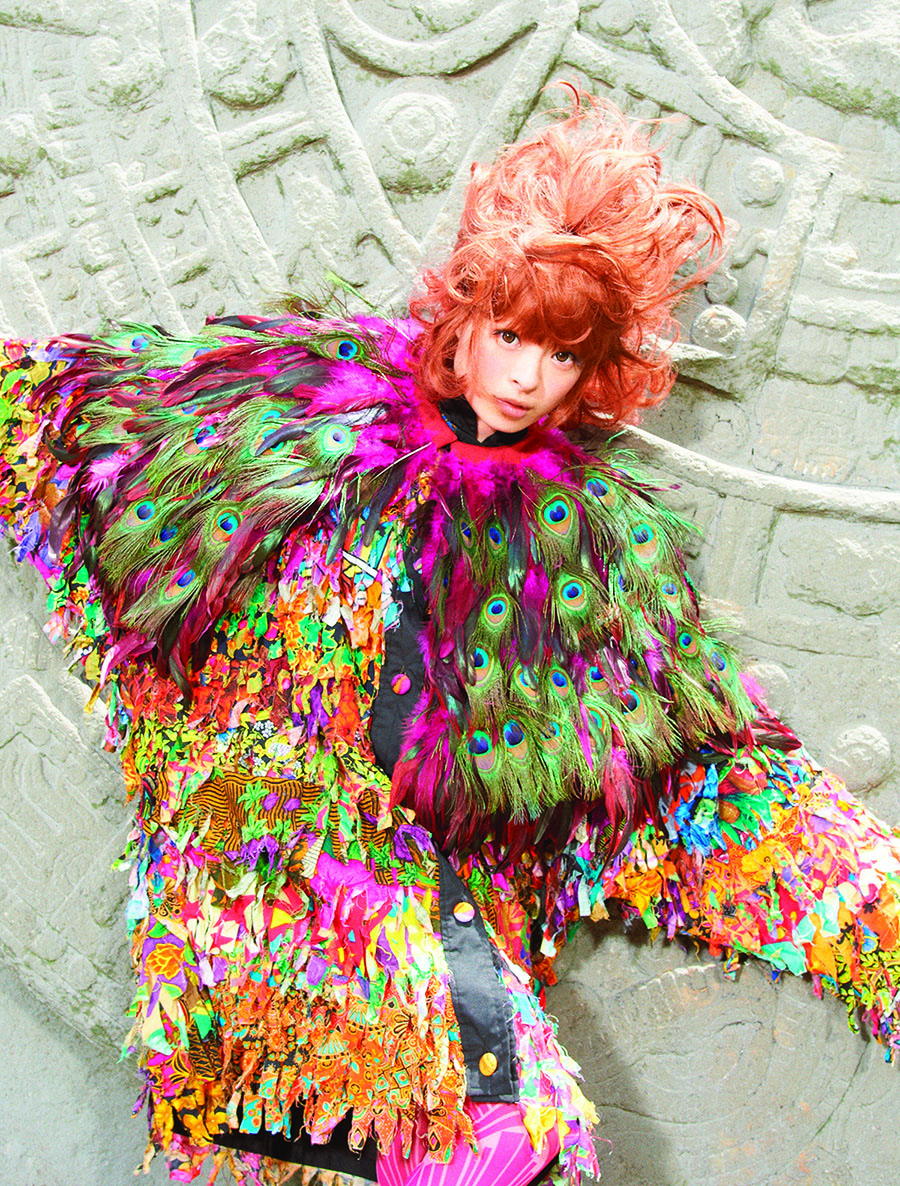
Hiatus Kaiyote, Yassou Benedict, Elvis Christ with Pookie and the Poodlez, Jello Biafra and the Guantanamo School of Medicine — this week’s must-sees are a mouthful. A salty, appetizing taste of old school punk, the young and shoegazy, Australian future soul-makers, and more. There’s also locals Wild Moth, and the reliably bubbly J-POP Summit, which includes a performance by Kyary Pamyu Pamyu.

Not listed below, but there’s also a mid-‘90s nostalgia wave hitting our shores this week, with Courtney Love’s sold-out Independent show and Weezer at the America’s Cup Pavilion (both Thu/25) — tickets to the latter are $47.50.

Here are your must-see Bay Area concerts this week/end:

Wild Moth
“To understand SF’s Wild Moth, it’s much easier to describe what it’s not. The band’s fuzzy, electric guitar styling is wild, but not sloppy. Wild Moth’s EP Mourning Glow isn’t long, it’s also not lacking in kick. Distorted guitar and rough vocals have never been so appealing. The group’s big bang is its general lackluster attitude juxtaposed with its tight percussion and surged guitar licks. It’s all about the raw emotional energy that often accompanies its tunes. Wild Moth very much leaves it up to the listener — are you there to hear about the black void of blind compliance, or to feel it?” — Hillary Smith
With Speedy Ortiz
Thu/25, 9pm, $10
Bottom of the Hill
1233 17th St., SF
www.bottomofthehill.com
http://www.youtube.com/watch?v=egkSza2EXeM

Jello Biafra and the Guantanamo School of Medicine
Jello Biafra could be your theatrical political science professor. The still-charismatic frontperson has long spewed knowledge deep from the underbelly of political theater, from his influential early 1980s Bay Area punk band Dead Kennedys, and projects like the band Lard, through his nine dense spoken word albums, and up to his newest musical endeavor, louder than ever in his 50s, Jello Biafra and the Guantanamo School of Medicine. That band, which also includes Victims Family guitarist Ralph Spight, plays the Uptown this weekend with D.I., the Divvys, and Gir-illa Biscuits — an excellent local Gorilla Biscuits tribute act.
Fri/26, 9pm, $15
Uptown
1928 Telegraph, Oakl.
www.uptownnightclub.com
http://www.youtube.com/watch?v=6f66EqCyPOE

Yassou Benedict

The shoegazing dreampop group of 20-somethings Yassou Benedict recently released its debut EP, In Fits in Dreams, a moody, complex, emotionally fraught record that leaves the listener itching for a full-length, and touches on themes of “anxiety, and wanting to be weightless, the desire to run through wide open spaces.” The album release party was actually a few weeks back, but you can catch the band this week at Milk Bar.
With Beautiful Machines, Hotel Eden, NVO
Fri/26, 8:30pm, $10
Milk Bar
1840 Haight, SF
www.milksf.com
http://www.youtube.com/watch?v=MrEejzbeYbI

J-POP Summit Festival
“The theme of the fifth annual J-POP Summit Festival is “Making Kawaii Universal” — which seems a certainty. What warm-blooded, sweet-tooth-having human could resist this two-day explosion of film, art, fashion, pop culture, and pop stars, chiefly feather-bedecked glamour girl Kyary Pamyu Pamyu, “Japan’s Official Ambassador of Kawaii”? (For those not in the know, “Kawaii” = “cute,” and its influence goes way beyond whatever Gwen Stefani co-opted and repackaged for the American masses a few years back.) She’ll be performing live (along with other acts, including a human beat box); other J-POP attractions include a film festival (with a hefty anime component), a Harajuku fashion show, live art events, sake tasting, a dance contest, and a whole lot more.” — Cheryl Eddy
Sat/27-Sun/28, 11am-6pm, prices vary
Japantown (near Geary and Webster), SF
www.j-pop.com
http://www.youtube.com/watch?v=yzC4hFK5P3g

Elvis Christ, Pookie and the Poodlez
“Looking at the bands’ names on this lineup is enough to make your head spin. From quirky to downright dumb, it won’t matter much because the performance will prove they all take playing live seriously. Elvis Christ may sound familiar if not for his new cassette on Burger Records, then for recording troves of trash rockers including Nobunny and Pookie and the Poodlez (also on the bill). Be sure to catch Yogurt Brain, an earnest act with a solid songwriter (though he does have an affinity for covering Springsteen and Gram Parsons songs). Expect some country-punk style shredding (fingerpicks and all) on guitar and if you’re lucky he may even do the kick splits on stage!” — Andre Torrez
With Yogurt Brain
Sat/27, 8pm, $5
Eli’s Mile High Club
3629 Martin Luther King Jr., Oakl.
(510) 350-7818.
www.elismilehigh.com
http://www.youtube.com/watch?v=6SdZUC5QaPI

Hiatus Kaiyote

“Hiatus Kaiyote might identify as a “future soul” ensemble, and Nai Palm’s impassioned, show-stopping vocals surely establish a strong R&B foundation, but in the end, Tawk Tomahawk sounds less like a soul LP than an unfiltered rush of creative energy, heaping countless ideas and influences into an ecstatic vision of musical possibility.” — Taylor Kaplan
With the Seshen, Bells Atlas
Sun/28, 9pm, $22
Independent
628 Divisadero, SF
(415) 771-1421
www.theindependentsf.com
http://www.youtube.com/watch?v=ghw26g3h6L0

Silent films, racing snails, haunted houses, and more in weekend movies!

2

Those long, well-dressed lines wrapping around the Castro Theatre signal the advent of the annual San Francisco Silent Film Festival, now in its 18th year and popular as ever. Though the fest opened last night, programming continues through the weekend; check out my take on some of the films (including one of tonight’s selections, 1928 rom-com The Patsy) here.

Elsewhere, in first-run and rep theaters, it’s a robust week for openings. There’s something for nearly every age and appetite (plus a few recommendations on what to avoid) in the short reviews below.

Big Star: Nothing Can Hurt Me The ultimate pop-rock cult band’s history is chronicled in Drew DeNicola and Olivia Mori’s documentary. Alex Chilton sold four million copies of 1967 Box Tops single “The Letter,” recorded when he was 15 years old. After years of relentless touring, he quit that unit and returned home just as fellow Memphis native and teenage musical prodigy Chris Bell was looking to accentuate his own as-yet-unnamed band. Big Star’s 1973 debut LP #1 Record, like subsequent years’ follow-ups Radio City and Third/Sister Lovers, got great reviews — but won no commercial success whatsoever, in part due to distribution woes, record-company politics, and so forth. The troubled Bell struggled to get a toehold on a solo career, while barely-more-together Chilton changed his style drastically once invigorated by the punk invasion. At the least the latter lived long enough to see Big Star get salvaged by an ever-growing worshipful cult that includes many musicians heard from here, including Robyn Hitchcock, Matthew Sweet, and Tav Falco, plus members of the Posies, Flaming Lips, Teenage Fanclub, Yo La Tengo, R.E.M., Mitch Easter, the dB’s, and Meat Puppets. Unfortunately the spoken input from Chilton and Bell is mostly limited to audio (didn’t anyone actually film interviews back then?) Still, this semi-tragic story of musical brilliance, commercial failure, and belated “legendary” beknighting is compelling — not to mention a must for anyone interested in the annals of power pop. Now, would somebody please make documentaries about Emitt Rhodes, Game Theory, and SF’s own Oranger? (1:53) Roxie. (Dennis Harvey)

http://www.youtube.com/watch?v=Vjk2So3KvSQ

The Conjuring Irony can be so overrated. Paying tribute to those dead-serious ‘70s-era accounts of demonic possession — like 1973’s The Exorcist, which seemed all the scarier because it were based on supposedly real-life events — the sober Conjuring runs the risk of coming off as just more Catholic propaganda, as so many exorcism-is-the-cure creepers can be. But from the sound of the long-coming development of this project — producer Tony DeRosa-Grund had apparently been wanting to make the movie for more than a dozen years — 2004’s Saw and 2010’s Insidious director James Wan was merely applying the same careful dedication to this story’s unfolding as those that came before him, down to setting it in those groovy VW van-borne ‘70s that saw more families torn apart by politics and cultural change than those ever-symbolic demonic forces. This time, the narrative framework is built around the paranormal investigators, clairvoyant Lorraine Warren (Vera Farmiga) and demonologist Ed Warren (Patrick Wilson), rather than the victims: the sprawling Perron family, which includes five daughters all ripe for possession or haunting, it seems. The tale of two families opens with the Warrens hard at work on looking into creepy dolls and violent possessions, as Carolyn (Lili Taylor) and Roger Perron (Ron Livingston) move into a freezing old Victorian farmhouse. A very eerie basement is revealed, and hide-and-seek games become increasingly creepy, as Carolyn finds unexplained bruises on her body, one girl is tugged by the foot in the night, and another takes on a new invisible pal. The slow, scary build is the achievement here, with Wan admirably handling the flow of the scares, which go from no-budg effects and implied presences that rely on the viewer’s imagination, to turns of the screws that will have audiences jumping in their seats. Even better are the performances by The Conjuring’s dueling mothers, in the trenches of a genre that so often flirts with misogyny: each battling the specter of maternal filicide, Farmiga and Taylor infuse their parts with an empathetic warmth and wrenching intensity, turning this bewitched horror throwback into a kind of women’s story. (1:52) (Chun)

http://www.youtube.com/watch?v=expPMt-TX_k

Crystal Fairy Mysteriously given a tepid reception at Sundance this year, Chilean writer-director Sebastián Silva’s new film is — like his 2009 breakout The Maid — a wickedly funny portrait of repellent behavior that turns unexpectedly transcendent and emotionally generous in its last laps. Michael Cera plays a Yank youth living in Santiago for unspecified reasons, tolerated by flatmate Champa (José Miguel Silva) and his brothers even less explicably — as he’s selfish, neurotic, judgmental, hyper, hyper-annoying, and borderline-desperately in endless pursuit of mind-altering substances. At a party he meets a spacey New Age chick who calls herself Crystal Fairy (Gaby Hoffman). The next morning he’s horrified to discover he’d invited her on a road trip whose goal is to do drugs at an isolated ocean beach, but despite their own discomfort, Champa and company insist he honor his obligation. What ensues is near-plotless, yet always lively and eventually rather wonderful. If you have an allergy to Cera, beware — he plays a shallow (if possibly redeemable) American brat all too well here. But it would be a shame to miss a movie as spontaneous and surprising as this primarily English-language one, which underlines Silva’s stature as a talent likely well worth following for the long haul. (1:40) (Dennis Harvey)

http://www.youtube.com/watch?v=NqNgrsxcwiY

Girl Most Likely Even an above-average cast (Kristen Wiig, Annette Bening, Matt Dillon) can’t elevate this indie entry from Shari Springer Bergman and Robert Pulcini (2003’s American Splendor) above so many life-crisis comedies that have come before. Blame the script by Michelle Morgan (who also cameos), which never veers from the familiar, except when it dips into cliché. After she’s dumped by her suit-wearing boyfriend, failed playwright Imogene (Wiig) realizes her life is superficial and meaningless. Oopsies! A faux suicide attempt forces her to leave the cold sparkle of NYC for the neon glimmer of the Jersey shore, where her batty mother (Bening, in “tacky broad” mode) lives with her says-he’s-a-CIA-agent boyfriend (Dillon) and Imogene’s older brother (Christopher Fitzgerald), an Asperger’s-y sort obsessed with hermit crabs. Also in the mix — because in a movie like this, the adorably depressed lead can only heal with the help of a new romance — is Glee‘s Darren Criss; by the time you realize his character is a Backstreet Boys impersonator who also happens to be a fluent-in-French Yale grad with the patience and kindness to help a bitchy stranger work through her personal drama, you’re either gonna be OK with Girl Most Likely‘s embrace of the contrived, or you’ll have given up on it already. The takeaway is a fervent hope that the talented Wiig will write more of her own scripts in the future. (1:43) (Cheryl Eddy)

http://www.youtube.com/watch?v=JtdYdT17Vuk

The Look of Love Though his name means little in the US, in the UK Paul Raymond was as famous as Hugh Hefner. Realizing early on that sex does indeed sell, he (played by Steve Coogan) began sticking half-naked girls in 1950s club revues, then once the Sexual Revolution arrived, helped pull down a prudish country’s censorship barriers with a variety of cheesy, nudie stage comedies, “members-only” clubs, and girly mags. En route he abandoned a first wife (Anna Friel) for a bombshell actress-model (Tamsin Egerton), all the while continuing to play the field mightily. Nothing — lawsuits, police raids, public denunciations of his smutmongering — seemed to give him pause, save the eventually tragic flailing about of a daughter (Imogen Poots) who was perhaps the only person he ever loved in more than a physical sense. This fourth collaboration between director Michael Winterbottom and actor Coogan is one of those biopics about a driven cipher; if we never quite learn what made Raymond tick, that may be because he was simply an unreflective man satisfied with a rich (he was for a time Britain’s wealthiest citizen), shallow, hedonistic life. But all that surface excess is very entertainingly brought to life in a movie that’s largely an ode to the tackiest decor, fashions, and music of a heady three-decade period. (1:41) Smith Rafael. (Dennis Harvey)

Only God Forgives Julian (Ryan Gosling) and Billy (Tom Burke) are American brothers who run a Bangkok boxing club as a front for their real business of drug dealing. When the latter kills a young prostitute for kicks, then is killed himself, this instigates a chain reaction bloodbath of retribution slayings. Their primary orchestrators: police chief Chang (Vithaya Pansingarm), who always has a samurai-type sword beneath his shirt, pressed against his spine, and incongruously sings the most saccharine songs to his cop subordinates at karaoke; and Crystal (Kristin Scott Thomas, doing a sort of Kabuki Cruella de Vil), who flies in to avenge her son’s death. (When told he’d raped and slaughtered a 16-year-old girl, she shrugs “I’m sure he had his reasons.”) Notoriously loathed at Cannes, this second collaboration between director-scenarist Nicolas Winding Refn and star-producer Gosling certainly isn’t for those who found their 2011 Drive insufferably pretentious and mannered. But that movie was downright gritty realism compared to this insanely stylized action abstraction, which blares its influences from Walter Hill and Michael Mann to Suzuki and Argento. The last-named particularly resonates in Suspira-level useage of garishly extreme lighting effects, much crazy wallpaper, and a great score by Cliff Martinez that duly references Goblin (among others). The performances push iconic-toughguy (and toughmutha) minimalism toward a breaking point; the ultraviolence renders a term like “gratuitous” superfluous. But there’s a macabre wit to all this shameless cineaste self-indulgence, and even haters won’t be able to deny that virtually every shot is knockout gorgeous. Haters gonna hate in the short term, but God is guaranteed a future of fervent cult adoration. (1:30) (Dennis Harvey)

http://www.youtube.com/watch?v=COpJwAeuWHo

An Oversimplification of Her Beauty Terence Nance’s original, imaginative feature is a freeform cinematic essay slash unrequited-love letter. He and Namik Minter play fictionalized versions of themselves — two young, African American aspiring filmmakers in Manhattan, their relationship hovering uneasily between “just friends” and something more. To woo her toward the latter, he makes an hour-long film called How Would You Feel?, and the movie incorporates that as well as following what happens after he’s shown it to Minter. En route, there’s a great deal of animation (in many different styles), endless ruminative narration, and … not much plot. The ephemeral structure and general naval-gazing can get tiresome, but Beauty‘s risk-taking plusses outweigh its uneven qualities. (1:24) Roxie. (Dennis Harvey)

Red 2 Sequel to the 2010 action hit starring Bruce Willis about a squad of “retired, extremely dangerous” secret agents. (1:56)

http://www.youtube.com/watch?v=X07xNrVd7DU

R.I.P.D. Expect to see many reviews of R.I.P.D. calling the film “D.O.A.” — with good reason. This flatly unfunny buddy-cop movie hijacks elements from Ghost (1990), Ghostbusters (1984), and the Men in Black series, but even 2012’s lackluster third entry in the MIB franchise had more zest and originality than this sad piece of work. Ryan Reynolds plays Boston police officer Nick, recruited into the afterlife’s “Rest In Peace Department” after he’s gunned down by his crooked partner (Kevin Bacon). His new partner is Wild West casualty Roy, embodied by a scenery-chomping Jeff Bridges in an apparent parody of both his own turn in 2010’s True Grit and Sam Elliott’s in 1998’s The Big Lebowski. Tasked with preventing ghosts who appear to be human (known as “deados”) from assembling an ancient artifact that’ll empower a deado takeover, Nick and Roy zoom around town cloaked by new physical identities that only living humans can see. In a joke that gets old fast, Roy’s earthly form resembles a Victoria’s Secret supermodel, while Nick is stuck with “Chinese grandpa.” That the latter’s avatar is portrayed by James Hong — deliciously villainous as Lo Pan in 1986’s Big Trouble in Little China, a vastly superior supernatural action comedy — is one bright spot in what’s otherwise the cinematic equivalent of a shoulder shrug. (1:36) (Cheryl Eddy)

http://www.youtube.com/watch?v=Mv_Rl0CBPNs

Still Mine Canadian production Still Mine is based on the true story of Craig Morrison (James Cromwell), an elderly man whose decision to build a new house on his own land — using materials he’d harvested himself, and techniques taught to him by his shipwright father — doesn’t go over well with local bureaucrats, who point out he’s violating nearly every building code on the books. But Craig has a higher purpose than just challenging the system; he’s crafting the home for the comfort of his physically and mentally ailing wife of 61 years (Geneviève Bujold). It’s pretty clear from the opening courtroom scene how Still Mine will end; though it’s well-crafted — and boasts moving turns by Cromwell and Bujold — it ultimately can’t overcome its sentimental, TV-movie vibe. A heartfelt tale, nonetheless. (1:43) (Cheryl Eddy)

http://www.youtube.com/watch?v=ADuKkRTiCfI

Turbo It’s unclear whether the irony of coupling racing — long the purview of white southern NASCAR lovers — with an animated leap into “urban” South Central LA is lost on the makers of Turbo, but even if it is, they’re probably too busy dreaming of getting caught in the drift of Fast and Furious box office success to care much. After all, director David Soren, who came up with the original idea, digs into the main challenge — how does one make a snail’s life, before and after a certain magical makeover, at all visually compelling? — with a gusto that presumes that he’s fully aware of the delicious conundrums he’s set up for himself. Here, Theo (voiced by Ryan Reynolds) is your ordinary garden snail with big, big dreams — he wants to be a race car driver like ace Guy Gagne (Bill Hader). Those reveries threaten to distract him dangerously from his work at the plant, otherwise known as the tomato plant, in the garden where he and brother Chet (Paul Giamatti) live and toil. One day, however, Theo makes his way out of the garden and falls into the guts of a souped-up vehicle in the midst of a street race, gobbles a dose of nitrous oxide, and becomes a miraculous mini version of a high-powered race car. It takes a meeting with another dreamer, taco truck driver Tito (Michael Pena), for Theo, a.k.a. Turbo, to meet up with a crew of streetwise racing snails who overcome their physical limitations to get where they want to go (Samuel L. Jackson, Snoop Dogg, Maya Rudolph, Michael Bell). One viral video, several Snoop tracks, and one “Eye of the Tiger” remix later, the Indianapolis 500 is, amazingly, in Turbo’s headlights — though will Chet ever overcome his doubts and fears to get behind his bro? The hip-hop soundtrack, scrappy strip-mall setting, and voice cast go a long way to revving up and selling this Cinderella tall/small tale about the bottommost feeder in the food chain who dared to go big, and fast; chances are Turbo will cross over in more ways than one. (1:36) (Kimberly Chun)

http://www.youtube.com/watch?v=o2i6gJjzX2Y

V/H/S/2 This surprisingly terrific sequel to last year’s just-OK indie horror omnibus rachets up the tension and energy in each of its four segments, again connected by a thread involving creepy “home videos” found in a seemingly abandoned house. Adam Wingard and Simon Barrett’s Phase 1 Clinical Trials is a straightforwardly scary tale in which the former stars as a wealthy slacker who finds himself victim to predatory ghosts after surgery changes his physiological makeup. Reunited Blair Witch Project (1999) alumni Eduardo Sanchez and Gregg Hale’s A Ride in the Park reinvigorates zombie clichés with gleefully funny bad taste. The most ambitious narrative, Timo Tjahjanto and Gareth Huw’s Safe Haven, wades into a Jonestown type cult and takes it a few steps beyond mere mass suicide. Finally, Hobo With a Shotgun (2011) auteur Jason Eisener’s Slumber Party Alien Abduction delivers on that title and then some, as hearty-partying teens and their spying little brothers face something a whole lot more malevolent than each others’ payback pranks. The found-footage conceit never gets old in this diverse and imaginative feature. Plus, kudos to any horror sequel that actually improves upon the original. V/H/S/3? Bring it on. (1:36) Clay. (Dennis Harvey)

Music Listings: July 17-23, 2013

0

WEDNESDAY 17

ROCK

Bottom of the Hill: 1233 17th St., San Francisco. Joyce Manor, Merry Christmas, Tony Molina, 9 p.m., $10-$12.

DNA Lounge: 375 11th St., San Francisco. Six Feet Under, Decrepit Birth, Dealey Plaza, Cannabis Corpse, Saint Vernon, 7:30 p.m., $15-$20.

El Rio: 3158 Mission, San Francisco. Will Crum, Husband, Impuritan, 8 p.m., $5.

Elbo Room: 647 Valencia, San Francisco. Owl Paws, Cold Eskimo, Dogcatcher, The Crux, 9 p.m., $8.

Hemlock Tavern: 1131 Polk, San Francisco. Kirby Krackle, H2Awesome!, DJ Real, 8:30 p.m., $8.

The Knockout: 3223 Mission, San Francisco. Kids in Heat, The Dead Shakes, The Pentagraham Crackers, DJ Ryan Smith, 9:30 p.m., $6.

Milk Bar: 1840 Haight, San Francisco. Down Dirty Shake, Buffalo Tooth, Grill Cloth, The Spiral Electric, DJ Dahmer, 8 p.m., $2.

Monarch: 101 6th St., San Francisco. Strawberry Girls, These Colors, Oranges, Tommy Boys, 8 p.m.

DANCE

The Cafe: 2369 Market, San Francisco. “Sticky Wednesdays,” w/ DJ Mark Andrus, 8 p.m., free.

Cat Club: 1190 Folsom, San Francisco. “Bondage A Go Go,” w/ DJs Damon, Tomas Diablo, & guests, 9:30 p.m., $5-$10.

The Cellar: 685 Sutter, San Francisco. “Eye Candy Wednesdays,” 9 p.m., free.

Club X: 715 Harrison, San Francisco. “Electro Pop Rocks,” 18+ dance party with Mightyfools, more, 9 p.m., $10-$20.

DNA Lounge: 375 11th St., San Francisco. Die Sektor, Frontal Boundary, Techniker Sektion, DJs Decay & Unit 77, 8 p.m., $8-$12.

F8: 1192 Folsom St., San Francisco. “Housepitality,” w/ Terry Mullan, Ben Vallery, Buckner, Derek Opperman, 9 p.m., $5-$10.

Harlot: 46 Minna, San Francisco. “Qoöl,” 5 p.m.

Infusion Lounge: 124 Ellis, San Francisco. “Indulgence,” 10 p.m.

Lookout: 3600 16th St., San Francisco. “What?,” 7 p.m.

MatrixFillmore: 3138 Fillmore, San Francisco. “Innov8,” 8 p.m.

Q Bar: 456 Castro, San Francisco. “Booty Call,” w/ Juanita More, Joshua J, guests, 9 p.m., $3.

Showdown: 10 Sixth St., San Francisco. “Nokturnal,” w/ DJs Coyle & Gonya, Third Wednesday of every month, 9 p.m., free.

HIP-HOP

Double Dutch: 3192 16th St., San Francisco. “Cash IV Gold,” w/ DJs Kool Karlo, Roost Uno, and Sean G, 10 p.m., free.

Skylark Bar: 3089 16th St., San Francisco. “Mixtape Wednesday,” w/ resident DJs Strategy, Junot, Herb Digs, & guests, 9 p.m., $5.

ACOUSTIC

Cafe Divine: 1600 Stockton, San Francisco. Craig Ventresco & Meredith Axelrod, 7 p.m., free.

Fiddler’s Green: 1333 Columbus, San Francisco. Terry Savastano, Every other Wednesday, 9:30 p.m., free/donation.

JAZZ

Amnesia: 853 Valencia, San Francisco. Gaucho, Eric Garland’s Jazz Session, The Amnesiacs, 7 p.m., free.

Burritt Room: 417 Stockton St., San Francisco. Terry Disley’s Rocking Jazz Trio, 6 p.m., free.

Club Deluxe: 1511 Haight, San Francisco. The Techtonics, Every other Wednesday, 8:30 p.m., free.

Jazz Bistro At Les Joulins: 44 Ellis, San Francisco. Charles Unger Experience, 7:30 p.m., free.

Le Colonial: 20 Cosmo, San Francisco. The Cosmo Alleycats featuring Ms. Emily Wade Adams, 7 p.m., free.

Oz Lounge: 260 Kearny, San Francisco. Hard Bop Collective, 6 p.m., free.

Rasselas Ethiopian Cuisine & Jazz Club: 1534 Fillmore, San Francisco. M.B. Hanif & The Sound Voyagers, 8 p.m.

Revolution Cafe: 3248 22nd St., San Francisco. Michael Parsons Trio, Every other Wednesday, 8:30 p.m., free/donation.

Savanna Jazz Club: 2937 Mission, San Francisco. “Cat’s Corner,” 9 p.m., $10.

Top of the Mark: One Nob Hill, 999 California, San Francisco. Ricardo Scales, Wednesdays, 6:30-11:30 p.m., $5.

Zingari: 501 Post, San Francisco. Brenda Reed, 7:30 p.m., free.

INTERNATIONAL

Bissap Baobab: 3372 19th St., San Francisco. Timba Dance Party, w/ DJ WaltDigz, 10 p.m., $5.

Cafe Cocomo: 650 Indiana, San Francisco. “Bachatalicious,” w/ DJs Good Sho & Rodney, 7 p.m., $5-$10.

Cigar Bar & Grill: 850 Montgomery, San Francisco. Brazilian Night, 8 p.m.

Pachamama Restaurant: 1630 Powell, San Francisco. “Cafe LatinoAmericano,” 8 p.m., $5.

Union Square Park: 333 Post, San Francisco. Ilan Bar-Lavi, 12:30 p.m., free.

Yoshi’s San Francisco: 1330 Fillmore, San Francisco. Debo Band, Young Ethio Jazz Band, 8 p.m., $17-$22.

BLUES

Biscuits and Blues: 401 Mason, San Francisco. MoFo Party Band, 8 & 10 p.m., $15.

The Royal Cuckoo: 3202 Mission, San Francisco. Big Bones & Chris Siebert, 7:30 p.m., free.

The Saloon: 1232 Grant, San Francisco. Leah Tysse, 9:30 p.m.

SOUL

Boom Boom Room: 1601 Fillmore, San Francisco. “Soul Train Revival,” w/ “Ziek” McCarter, Third Wednesday of every month, 9:30 p.m., $5.

The Cellar: 685 Sutter, San Francisco. “Color Me Badd,” w/ DJ Matt Haze, Wednesdays, 5-9 p.m.

THURSDAY 18

ROCK

Bottom of the Hill: 1233 17th St., San Francisco. Apogee Sound Club, Death Cheetah, Sex Snobs, 9 p.m., $9.

Brick & Mortar Music Hall: 1710 Mission, San Francisco. Cool Ghouls, Wyatt Blair, Meat Market, Corners, Froth, DJ Al Lover, 9 p.m., $8.

S.F. Eagle: 398 12th St., San Francisco. Thursday Nite Live: Hollow Mirrors, Winter Teeth, Illusion of Self, 9 p.m., $7.

The Independent: 628 Divisadero, San Francisco. Futurebirds, Diarrhea Planet, The Ecstatics, 8 p.m., $12-$14.

Light Rail Studios: 672 Toland, San Francisco. Hungry Skinny, Andre Thierry & Zydeco Magic, The Surgeon Generals, The Campbell Apartment, 8 p.m., $5.

Monarch: 101 6th St., San Francisco. Tall Fires, Tall Sheep, Cash for Gold, Coo Coo Birds, 8 p.m., $8.

DANCE

Abbey Tavern: 4100 Geary, San Francisco. DJ Schrobi-Girl, 10 p.m., free.

Aunt Charlie’s Lounge: 133 Turk, San Francisco. “Tubesteak Connection,” w/ DJ Bus Station John, 9 p.m., $5-$7.

The Cafe: 2369 Market, San Francisco. “¡Pan Dulce!,” 9 p.m., $5.

Cat Club: 1190 Folsom, San Francisco. “All ‘80s Thursdays,” w/ DJs Damon, Steve Washington, Dangerous Dan, and guests, 9 p.m., $6 (free before 9:30 p.m.).

The Cellar: 685 Sutter, San Francisco. “XO,” w/ DJs Astro & Rose, 10 p.m., $5.

Club X: 715 Harrison, San Francisco. “The Crib,” 9:30 p.m., $10, 18+.

Elbo Room: 647 Valencia, San Francisco. “Afrolicious,” w/ DJs Pleasuremaker, Señor Oz, and live guests, 9:30 p.m., $5-$7.

The EndUp: 401 Sixth St., San Francisco. EDMSF Thursdays, 10 p.m., $10 (free before midnight).

F8: 1192 Folsom St., San Francisco. “Beat Church,” w/ resident DJs Neptune & Kitty-D, Third Thursday of every month, 10 p.m., $10.

Harlot: 46 Minna, San Francisco. 2000 and One, Pedro Arbulu, MFYRS, 9 p.m., free with RSVP.

Infusion Lounge: 124 Ellis, San Francisco. “I Love Thursdays,” 10 p.m., $10.

Laszlo: 2532 Mission, San Francisco. “Werk It,” w/ DJ Kool Karlo, Third Thursday of every month, 9 p.m., free.

Madrone Art Bar: 500 Divisadero, San Francisco. “Night Fever,” 9 p.m., $5 after $10 p.m.

MatrixFillmore: 3138 Fillmore, San Francisco. “Fusion,” w/ DJ Big Bad Bruce, 9 p.m., $5.

Mighty: 119 Utah, San Francisco. “Ritual,” w/ Irie Cartel & guests, 10 p.m., $5-$10.

Q Bar: 456 Castro, San Francisco. “Throwback Thursday,” w/ DJ Jay-R, 9 p.m., free.

Raven: 1151 Folsom St., San Francisco. “1999,” w/ VJ Mark Andrus, 8 p.m., free.

Rickshaw Stop: 155 Fell, San Francisco. “Popscene,” w/ Le Youth, Touch Sensitive, DJs Aaron & Omar, 9:30 p.m., $12-$15.

Ruby Skye: 420 Mason, San Francisco. “Awakening,” w/ DJ Bl3nd, 9 p.m., $15-$20 advance.

The Tunnel Top: 601 Bush, San Francisco. “Tunneltop,” DJs Avalon and Derek ease you into the weekend with a cool and relaxed selection of tunes spun on vinyl, 10 p.m., free.

Underground SF: 424 Haight, San Francisco. “Bubble,” 10 p.m., free.

Vessel: 85 Campton, San Francisco. “Base,” w/ Navid Izadi, 10 p.m., $5-$10.

HIP-HOP

Eastside West: 3154 Fillmore, San Francisco. “Throwback Thursdays,” w/ DJ Madison, 9 p.m., free.

Park 77 Sports Bar: 77 Cambon, San Francisco. “Slap N Tite,” w/ resident Cali King Crab DJs Sabotage Beats & Jason Awesome, free.

The Parlor: 2801 Leavenworth, San Francisco. “Locals Night Out,” w/ DJ Illy D, 9 p.m., free.

Project One: 251 Rhode Island, San Francisco. Paint the Night: Action Jackson, Young Audiences of Northern California fundraiser featuring free paints and brushes to help you unleash your inner Jackson Pollock, plus music by DJs Mr. E, Max Kane, The Whooligan, and Ry Toast., 6-10 p.m., $25.

Showdown: 10 Sixth St., San Francisco. “Tougher Than Ice,” w/ DJs Vin Sol, Ruby Red I, and Jeremy Castillo, Third Thursday of every month, 10 p.m.

Skylark Bar: 3089 16th St., San Francisco. “Peaches,” w/lady DJs DeeAndroid, Lady Fingaz, That Girl, Umami, Inkfat, and Andre, 10 p.m., free.

ACOUSTIC

Amnesia: 853 Valencia, San Francisco. Zoe Muth & The Lost High Rollers, Miwa Gemini, Margaret Glasby, 9 p.m., $10.

Atlas Cafe: 3049 20th St., San Francisco. Pat Campbell & His Buds, 8 p.m., free.

Plough & Stars: 116 Clement, San Francisco. Tipsy House, Third Thursday of every month, 9 p.m., free.

JAZZ

Blush! Wine Bar: 476 Castro, San Francisco. Doug Martin’s Avatar Ensemble, 7:30 p.m., free.

Bottle Cap: 1707 Powell, San Francisco. The North Beach Sound with Ned Boynton, Jordan Samuels, and Tom Vickers, 7 p.m., free.

Cafe Claude: 7 Claude, San Francisco. Shelley MacKay, 7:30 p.m., free.

Cafe Du Nord: 2170 Market, San Francisco. MegaFlame Big Band & Cabaret, The John Brothers Piano Company, Miss Kay & Eva D’Luscious, 8:30 p.m., $12-$15.

Cafe Royale: 800 Post, San Francisco. West Side Jazz Club, 9 p.m.

Club Deluxe: 1511 Haight, San Francisco. Michael Parsons, 8:30 p.m., free.

The Emerald Tablet: 80 Fresno St., San Francisco. Mark Levine & The Latin Tinge, 7:30 p.m., $10.

Le Colonial: 20 Cosmo, San Francisco. Steve Lucky & The Rhumba Bums, 7:30 p.m.

The Royal Cuckoo: 3202 Mission, San Francisco. Chris Siebert, 7:30 p.m., free.

Savanna Jazz Club: 2937 Mission, San Francisco. Savanna Jazz Jam with Eddy Ramirez, 7:30 p.m., $5.

Top of the Mark: One Nob Hill, 999 California, San Francisco. Stompy Jones, 7:30 p.m., $10.

Yoshi’s San Francisco: 1330 Fillmore, San Francisco. NaJe, in Yoshi’s lounge, Third Thursday of every month, 6:30 p.m., free.

Zingari: 501 Post, San Francisco. Barbara Ochoa, 7:30 p.m., free.

INTERNATIONAL

Bissap Baobab: 3372 19th St., San Francisco. “Pa’Lante!,” w/ Juan G, El Kool Kyle, Mr. Lucky, 10 p.m., $5.

Pachamama Restaurant: 1630 Powell, San Francisco. “Jueves Flamencos,” 8 p.m., free.

Rasselas Ethiopian Cuisine & Jazz Club: 1534 Fillmore, San Francisco. Latin Breeze, 8 p.m.

Verdi Club: 2424 Mariposa, San Francisco. The Verdi Club Milonga, w/ Christy Coté, DJ Emilio Flores, guests, 9 p.m., $10-$15.

Yerba Buena Gardens: Fourth St. & Mission, San Francisco. Ilan Bar-Lavi, 12:30 p.m., free.

Yoshi’s San Francisco: 1330 Fillmore, San Francisco. The Raghu Dixit Project, 8 p.m., $25-$35.

REGGAE

Pissed Off Pete’s: 4528 Mission St., San Francisco. Reggae Thursdays, w/ resident DJ Jah Yzer, 9 p.m., free.

BLUES

Biscuits and Blues: 401 Mason, San Francisco. Alvon Johnson, 8 & 10 p.m., $15.

Jazz Bistro At Les Joulins: 44 Ellis, San Francisco. Bohemian Knuckleboogie, 7:30 p.m., free.

The Saloon: 1232 Grant, San Francisco. Chris Ford, 4 p.m.; Wendy DeWitt, 9:30 p.m.

EXPERIMENTAL

Hemlock Tavern: 1131 Polk, San Francisco. Grex, Alto!, Efft, Street Priest, 8:30 p.m., $7.

The Luggage Store: 1007 Market, San Francisco. Heroic Trio, Dunkelpeck, 8 p.m., $6-$10.

FRIDAY 19

ROCK

Bottom of the Hill: 1233 17th St., San Francisco. Mister Loveless, Transfer, Dante Elephante, 9:30 p.m., $10.

Cafe Du Nord: 2170 Market, San Francisco. Bonnie & The Bang Bang, French Cassettes, Down & Outlaws, 9:30 p.m., $10-$12.

Neck of the Woods: 406 Clement St., San Francisco. California Wives, My Gold Mask, on the upstairs stage, 9 p.m., $10; Unruly Things, Fast Piece of Furniture, Spider Garage, on the downstairs stage, 9 p.m., $5-$7.

Slim’s: 333 11th St., San Francisco. Orchid, The Saint James Society, Hell Fire, 9 p.m., $15.

Sub-Mission Art Space (Balazo 18 Gallery): 2183 Mission, San Francisco. Them Creatures, Lucabrazzi, The Yes Go’s, Andrea & The Bad Sugar Daddies, 8 p.m.

Thee Parkside: 1600 17th St., San Francisco. Captured! By Robots, Elephant Rifle, Pins of Light, 9 p.m., $10.

DANCE

Cafe Flore: 2298 Market, San Francisco. “Kinky Beats,” w/ DJ Sergio, 10 p.m., free.

The Cafe: 2369 Market, San Francisco. “Boy Bar,” w/ DJ Matt Consola, 9 p.m., $5.

Cat Club: 1190 Folsom, San Francisco. “The Witching Hour vs. Strangelove,” w/ DJ Sage, Daniel Skellington, Joe Radio, and Tomas Diablo, 9:30 p.m., $7 ($3 before 10 p.m.).

The Cellar: 685 Sutter, San Francisco. “F.T.S.: For the Story,” 10 p.m.

The EndUp: 401 Sixth St., San Francisco. “Fever,” 10 p.m., free before midnight.

F8: 1192 Folsom St., San Francisco. “Vintage,” w/ DJ Toph One & guests, 5 p.m., free; “Freeform vs. Dubalicious,” w/ resident DJs Floorcraft, Jonboy, and guests, Third Friday of every month, 9 p.m., $5 (free before 10 p.m.).

The Grand Nightclub: 520 4th St., San Francisco. “We Rock Fridays,” 9:30 p.m.

The Independent: 628 Divisadero, San Francisco. Big Black Delta, Breakdown Valentine, 9 p.m., $12.

Infusion Lounge: 124 Ellis, San Francisco. “Escape Fridays,” 10 p.m., $20.

The Lab: 2948 16th St., San Francisco. “Goth Prom,” Decades magazine issue #2 release party with Some Ember, Galaxy Radio DJs Smac & Holly B, readings, art, food, more, 9 p.m., $5-$8.

Lookout: 3600 16th St., San Francisco. “HYSL,” 9 p.m., $3.

Madrone Art Bar: 500 Divisadero, San Francisco. “That ‘80s Show,” w/ DJs Dave Paul & Jeff Harris, Third Friday of every month, 9 p.m., $5.

MatrixFillmore: 3138 Fillmore, San Francisco. “F-Style Fridays,” w/ DJ Jared-F, 9 p.m.

Mighty: 119 Utah, San Francisco. “Lights Down Low,” w/ Cajmere, Harvard Bass, Matrixxman, 9 p.m., $15-$20.

Monarch: 101 6th St., San Francisco. Safety Scissors, Kit n’ C.L.A.W.S., Jason Kendig, 10 p.m., $10 advance.

Q Bar: 456 Castro, San Francisco. “Pump: Worq It Out Fridays,” w/ resident DJ Christopher B, 9 p.m., $3.

Ruby Skye: 420 Mason, San Francisco. Torro Torro, 9 p.m., $20 advance.

Slate Bar: 2925 16th St., San Francisco. “Darling Nikki,” w/ resident DJs Dr. Sleep, Justin Credible, and Durt, Third Friday of every month, 8 p.m., $5.

Temple: 540 Howard, San Francisco. “Trap City: 1-Year Anniversary,” w/ heRobust, UltraViolet, Napsty, WolfBitch, Thizz Markie, Lé Swndle, Teleport, Smasheltooth, Nebakaneza, Johnny5, Mr. Kitt, more, 10 p.m., $20.

Wish: 1539 Folsom, San Francisco. “Bridge the Gap,” w/ resident DJ Don Kainoa, Fridays, 6-10 p.m., free; “Depth,” w/ resident DJs Sharon Buck & Greg Yuen, Third Friday of every month, 10 p.m., free.

HIP-HOP

Elbo Room: 647 Valencia, San Francisco. “The Social,” w/ Mars Today, Sayknowledge, Cait La Dee, Ryan Nicole, Do D.A.T., Dynamic, The Whooligan, Mikos Da Gawd, 10 p.m.

EZ5: 682 Commercial, San Francisco. “Decompression,” Fridays, 5-9 p.m.

John Colins: 138 Minna, San Francisco. “Juicy,” w/ DJ Ry Toast, Third Friday of every month, 10 p.m., $5 (free before 11 p.m.).

Showdown: 10 Sixth St., San Francisco. “Fresh to Def Fridays: A Tribute to Yo! MTV Raps,” w/ resident DJs Boom Bostic, Inkfat, and Hay Hay, Third Friday of every month, 10 p.m.

Yoshi’s San Francisco: 1330 Fillmore, San Francisco. “Yoshi’s First Annual White & Pink Affair,” w/ DJs Mind Motion & D-Sharp (in Yoshi’s lounge), 10:30 p.m., $15-$25.

ACOUSTIC

Amnesia: 853 Valencia, San Francisco. Indianna Hale, Small Souls, 7 p.m., $5-$7.

Bazaar Cafe: 5927 California, San Francisco. Sweet Hayah, Jean Marc, Tommy P, 7 p.m.

Brick & Mortar Music Hall: 1710 Mission, San Francisco. Kelly McFarling, Cave Clove, Laura Benitez & The Heartache, DJs Mish Mosh & KillyKill, 9 p.m., $9-$12.

The Chapel: 777 Valencia St., San Francisco. Jolie Holland, Mark Olson, 9 p.m., $20.

Mercury Cafe: 201 Octavia, San Francisco. Toshio Hirano, Third Friday of every month, 7:30 p.m., free, all ages.

The Sports Basement: 610 Old Mason, San Francisco. “Breakfast with Enzo,” w/ Enzo Garcia, 10 a.m., $5.

JAZZ

Beach Chalet Brewery & Restaurant: 1000 Great Highway, San Francisco. Johnny Smith, 8 p.m., free.

Bird & Beckett: 653 Chenery, San Francisco. The Third Quartet, Third Friday of every month, 5:30 p.m., free.

Biscuits and Blues: 401 Mason, San Francisco. Lavay Smith & Her Red Hot Skillet Lickers, 8 & 10 p.m., $20.

Cafe Claude: 7 Claude, San Francisco. Steve Lucky & The Rhumba Bums, 7:30 p.m., free.

Cafe Royale: 800 Post, San Francisco. Cyril Guiraud Trio, 9 p.m.

Jazz Bistro At Les Joulins: 44 Ellis, San Francisco. Charles Unger Experience, 7:30 p.m., free.

Revolution Cafe: 3248 22nd St., San Francisco. Emily Anne’s Delights, Third Friday of every month, 8:45 p.m., free/donation.

Savanna Jazz Club: 2937 Mission, San Francisco. Ann Marie Santos, $10.

Top of the Mark: One Nob Hill, 999 California, San Francisco. Black Market Jazz Orchestra, 9 p.m., $10.

Zingari: 501 Post, San Francisco. Joyce Grant, 8 p.m., free.

INTERNATIONAL

1015 Folsom: 1015 Folsom St., San Francisco. “A Celebration of Fela Kuti,” w/ Tony Allen, Najite & Olokun Prophecy, Lagos Roots, Afrolicious, Rich Medina, Damon Bell, King Most, DJ Leydis, Izzy*Wise, 9 p.m., $15-$20.

Bissap Baobab: 3372 19th St., San Francisco. Qumbia Qrew, Third Friday of every month, 8 p.m.

Cafe Cocomo: 650 Indiana, San Francisco. Taste Fridays, featuring local cuisine tastings, salsa bands, dance lessons, and more, 7:30 p.m., $15 (free entry to patio).

Cigar Bar & Grill: 850 Montgomery, San Francisco. Montuno Swing, 8 p.m.

Little Baobab: 3388 19th St., San Francisco. “Paris-Dakar African Mix Coupe Decale,” 10 p.m.

Pachamama Restaurant: 1630 Powell, San Francisco. Cuban Night with Fito Reinoso, 7:30 & 9:15 p.m., $15-$18.

Verdi Club: 2424 Mariposa, San Francisco. “Café Flamenco,” w/ Yaelisa & Caminos Flamencos, Third Friday of every month, 8 & 9:30 p.m., $18-$22 ($10 for kids under 12).

Yerba Buena Gardens: Fourth St. & Mission, San Francisco. Crosspulse Percussion Ensemble, 11 a.m. & 12:15 p.m., free.

REGGAE

Gestalt Haus: 3159 16th St., San Francisco. “Music Like Dirt,” 7:30 p.m., free.

BLUES

Boom Boom Room: 1601 Fillmore, San Francisco. Bill Phillippe, 6 p.m., free.

The Saloon: 1232 Grant, San Francisco. Highwater Blues, 4 p.m.; Steve Freund, 9:30 p.m.

FUNK

Amnesia: 853 Valencia, San Francisco. “Hella Tight,” w/ resident DJs Vinnie Esparza, Jonny Deeper, & Asti Spumanti, Third Friday of every month, 10 p.m., $5.

Boom Boom Room: 1601 Fillmore, San Francisco. Turkuaz, July 19-20, 9:30 p.m., $15 advance.

Make-Out Room: 3225 22nd St., San Francisco. “Loose Joints,” w/ DJs Centipede, Damon Bell, & Tom Thump, 10 p.m., $5.

SOUL

Edinburgh Castle: 950 Geary, San Francisco. “Soul Crush,” w/ DJ Serious Leisure, 10 p.m., free.

The Knockout: 3223 Mission, San Francisco. “Oldies Night,” W/ DJs Primo, Daniel, Lost Cat, and friends, Third Friday of every month, 10 p.m., $5.

Milk Bar: 1840 Haight, San Francisco. The Peach Kings, The St. Valentinez, Baby & The Luvies, 9 p.m., $10.

Public Works: 161 Erie, San Francisco. M.O.M. DJs Gordo Cabeza, Timoteo Gigante, and Malachi, in the OddJob loft, 10 p.m., $5.

Yoshi’s San Francisco: 1330 Fillmore, San Francisco. The Stylistics, July 19-20, 8 & 10 p.m., $35-$42.

SATURDAY 20

ROCK

Bender’s: 806 S. Van Ness, San Francisco. The Butlers, 10 p.m., $5.

Bottom of the Hill: 1233 17th St., San Francisco. Papa, Wardell, Luke Sweeney & Wet Dreams Dry Magic, 9:30 p.m., $12.

Cafe Du Nord: 2170 Market, San Francisco. SMiLE! Progressive Rock Festival, w/ Dominique Leone, Matti Bye & This Forgotten Land, Corima, Once & Future Band, Inner Ear Brigade, DJ Neil Martinson, 8 p.m., $10-$12.

El Rio: 3158 Mission, San Francisco. The Meat Sluts, Bad Cop/Bad Cop, Jabber, 10 p.m., $7.

Hemlock Tavern: 1131 Polk, San Francisco. Wild Hunt, Ionophore, Ephemeros, Thoabath, 9:30 p.m., $7.

The Independent: 628 Divisadero, San Francisco. The BoDeans, The Luke Mulholland Band, 9 p.m., $25.

The Knockout: 3223 Mission, San Francisco. Qui, Feral Ohms, Pigs, 5 p.m., $7.

Neck of the Woods: 406 Clement St., San Francisco. Water District, The Insufferables, 9 p.m., $8-$10.

Thee Parkside: 1600 17th St., San Francisco. Luicidal, Oppressed Logic, Nihilist Cunt, 9 p.m., $10.

DANCE

Amnesia: 853 Valencia, San Francisco. “O.K. Hole,” w/ Painted Caves, Little Debbie, Inhalt, C.L.A.W.S., Tom Sellect, Keith Slogan, 9 p.m., $5.

Brick & Mortar Music Hall: 1710 Mission, San Francisco. Conte, Seatraffic, 9 p.m., $10-$13.

Cafe Flore: 2298 Market, San Francisco. “Bistrotheque,” w/ DJ Ken Vulsion, 8 p.m., free.

Cat Club: 1190 Folsom, San Francisco. “New Wave City: Soundtrack Night,” w/ DJs Skip, Shindog, Low-Life, and Prince Charming, 9 p.m., $7-$12.

DNA Lounge: 375 11th St., San Francisco. “Bootie S.F.,” w/ Meikee Magnetic, Mixtress ShiZaam, WolfBitch, Speakerbomb, Reyka, Tommy Arcade, DJ Tripp, David X, Purple Crush, more, 9 p.m., $10-$15.

The EndUp: 401 Sixth St., San Francisco. “The Show,” w/ The Junkies, Ben Seagren, Dean Samaras, Alessandro, Marija Dunn, 10 p.m., $10-$20 (free before 11 p.m.).

Infusion Lounge: 124 Ellis, San Francisco. “Social Addiction,” Third Saturday of every month, 10 p.m., $20.

The Lab: 2948 16th St., San Francisco. “R U That Some Body?,” w/ MicahTron, Sevrinn, Jocquese Whitfield, DJs Jaqi Sparrow & Essex, 9 p.m., $7.

Lookout: 3600 16th St., San Francisco. “Bounce!,” 9 p.m., $3.

Madrone Art Bar: 500 Divisadero, San Francisco. “Fringe: 4-Year Anniversary Bash,” w/ DJs Blondie K & subOctave, 9 p.m., $5 (free before 10 p.m.).

Mighty: 119 Utah, San Francisco. The Twelves, Wool, Nolan Gray, 9 p.m., $18 advance.

Milk Bar: 1840 Haight, San Francisco. “The Queen Is Dead: A Tribute to the Music of Morrissey and the Smiths,” w/ DJ Mario Muse & guests, Third Saturday of every month, 9 p.m.

Powerhouse: 1347 Folsom, San Francisco. “Beatpig,” Third Saturday of every month, 9 p.m.

Public Works: 161 Erie, San Francisco. 2 Live Crews, Benefit for Project HOPE Art and Peter Hudson featuring DJs from Brass Tax and Space Cowboys., 9 p.m., $10-$20 sliding scale.

Rickshaw Stop: 155 Fell, San Francisco. “Gameboi S.F.,” w/ VJ LaRock, 9:30 p.m., $12-$15.

Ruby Skye: 420 Mason, San Francisco. “World Town,” w/ Cold Blank, Tyler Sherritt, Trevor Simpson, 9 p.m., $20 advance.

Slate Bar: 2925 16th St., San Francisco. “Smiths Night S.F.: Madonna vs. Blondie,” w/ The Certain People Crew, 10 p.m., $5.

The Stud: 399 Ninth St., San Francisco. “Squrrrl: Underrr the Sea,” w/ DJs Papa Tony, Trevor Sigler, and Joe Pickett, 9 p.m., $5.

Sub-Mission Art Space (Balazo 18 Gallery): 2183 Mission, San Francisco. “Batcave S.F.,” w/ The Tunnel, New Happiness, plus DJs Agitator, Burning Skies, Lori Lust, and Decoffinated, 9:30 p.m., $6.

Underground SF: 424 Haight, San Francisco. “Deep Crates,” w/ DJ Jenö, Bones, Matt Holland, JD, 9 p.m., $5 (free before 10 p.m.).

Vessel: 85 Campton, San Francisco. Tall Sasha, Jason Kwan, Ks Thant, 10 p.m., $10-$30.

HIP-HOP

111 Minna Gallery: 111 Minna St., San Francisco. “Shine,” Third Saturday of every month, 10 p.m.

John Colins: 138 Minna, San Francisco. “The Bump,” w/ The Whooligan, Third Saturday of every month, 10 p.m., free.

The Knockout: 3223 Mission, San Francisco. “The Booty Bassment,” w/ DJs Dimitri Dickinson & Ryan Poulsen, Third Saturday of every month, 10 p.m., $5.

Showdown: 10 Sixth St., San Francisco. “Purple,” w/ resident DJs ChaunceyCC & Party Pablo, Third Saturday of every month, 10 p.m.

ACOUSTIC

Amnesia: 853 Valencia, San Francisco. Eric Friedmann & The Lucky Rubes, Porkchop Express, 7 p.m.

Atlas Cafe: 3049 20th St., San Francisco. Craig Ventresco & Meredith Axelrod, Saturdays, 4-6 p.m., free.

The Chapel: 777 Valencia St., San Francisco. Lia Rose, We Became Owls, Annie & The Beekeepers, 9 p.m., $12-$15.

The Lucky Horseshoe: 453 Cortland, San Francisco. Slow Motion Cowboys, 9 p.m.

Plough & Stars: 116 Clement, San Francisco. The Shelby Foot Three, 9 p.m.

JAZZ

Cafe Claude: 7 Claude, San Francisco. Vijay Anderson Quartet, 7:30 p.m., free.

Club Deluxe: 1511 Haight, San Francisco. Saturday Afternoon Jazz, w/ Danny Brown, Danny Grewen, Eugene Warren, & Beth Goodfellow, 4:30 p.m., free.

Jane Warner Plaza: Market, San Francisco. Kitten on the Keys, 3 p.m., free.

Jazz Bistro At Les Joulins: 44 Ellis, San Francisco. Bill “Doc” Webster & Jazz Nostalgia, 7:30 p.m., free.

Rasselas Ethiopian Cuisine & Jazz Club: 1534 Fillmore, San Francisco. The Robert Stewart Experience, 9 p.m., $7.

The Rite Spot Cafe: 2099 Folsom, San Francisco. Project: Pimento, 9 p.m., free.

The Royal Cuckoo: 3202 Mission, San Francisco. Jules Broussard, Danny Armstrong, and Chris Siebert, 7:30 p.m., free.

Savanna Jazz Club: 2937 Mission, San Francisco. Jazz Combustion Uprising, 7:30 p.m., $10.

Zingari: 501 Post, San Francisco. Lisa Lindsley, 8 p.m., free.

INTERNATIONAL

1015 Folsom: 1015 Folsom St., San Francisco. “Pura,” 9 p.m., $20.

Artists’ Television Access: 992 Valencia, San Francisco. An Evening with Sublime Frequencies and Filmmaker Hisham Mayet, Seattle record label Sublime Frequencies presents two documentaries about North African music and culture: Palace of the Winds and Folk Music of the Sahara: Among the Tuareg of Libya., 8 p.m., $9.

Cigar Bar & Grill: 850 Montgomery, San Francisco. Orquesta Borinquen, 8 p.m.

Little Baobab: 3388 19th St., San Francisco. “Paris-Dakar African Mix Coupe Decale,” 10 p.m.

Make-Out Room: 3225 22nd St., San Francisco. “El SuperRitmo,” Latin dance party with DJs Roger Mas & El Kool Kyle, 10 p.m., $5.

OMG: 43 6th St., San Francisco. “Bollywood Blast,” Third Saturday of every month, 9 p.m., $5 (free before 10:30 p.m.).

Pachamama Restaurant: 1630 Powell, San Francisco. Peña Eddy Navia & Pachamama Band, 8 p.m., free.

Revolution Cafe: 3248 22nd St., San Francisco. Go Van Gogh, Third Saturday of every month, 9 p.m., free/donation.

REGGAE

Slim’s: 333 11th St., San Francisco. Radical Something, The Holdup, 8 p.m., $15.

BLUES

Biscuits and Blues: 401 Mason, San Francisco. Andy T & Nick Nixon Band, 7:30 & 10 p.m., $20.

The Saloon: 1232 Grant, San Francisco. Tony Perez & Second Hand Smoke, Third Saturday of every month, 4 p.m.; Ron Thompson, 9:30 p.m.

EXPERIMENTAL

Center for New Music: 55 Taylor St., San Francisco. 11th Annual Festival of Contemporary Music, 7:30 p.m., $10-$20.

FUNK

Boom Boom Room: 1601 Fillmore, San Francisco. Turkuaz, July 19-20, 9:30 p.m., $15 advance.

SOUL

Elbo Room: 647 Valencia, San Francisco. “Saturday Night Soul Party,” w/ DJs Lucky, Phengren Oswald, and Paul Paul, Third Saturday of every month, 10 p.m., $10 ($5 in formal attire).

Mezzanine: 444 Jessie, San Francisco. “Soul Slam S.F. VIII: Prince & Michael Jackson,” w/ DJs Spinna, Proof, Hakobo, and King Most, 9 p.m., $20-$25.

Yoshi’s San Francisco: 1330 Fillmore, San Francisco. The Stylistics, July 19-20, 8 & 10 p.m., $35-$42. “The R&B House Party,” w/ Carl Thomas, plus DJs Pos Red, Supreme, and C.J. Flash (in Yoshi’s lounge), 10:30 p.m., $25.

SUNDAY 21

ROCK

Cafe Du Nord: 2170 Market, San Francisco. Tijuana Panthers, GRMLN, The She’s, 9 p.m., $10.

El Rio: 3158 Mission, San Francisco. Turkey Swamp, Fresh Juice Party, Brentando, 8 p.m., $5.

Make-Out Room: 3225 22nd St., San Francisco. Scraper, 7:30 p.m., $8.

DANCE

The Cellar: 685 Sutter, San Francisco. “Replay Sundays,” 9 p.m., free.

The Edge: 4149 18th St., San Francisco. “’80s at 8,” w/ DJ MC2, 8 p.m.

Elbo Room: 647 Valencia, San Francisco. “Dub Mission,” w/ DJ Sep & Vinnie Esparza, 9 p.m., $6 (free before 9:30 p.m.).

The EndUp: 401 Sixth St., San Francisco. “T.Dance,” 6 a.m.-6 p.m.; “Soul Affair,” w/ Atnarko, Cuervo, Mario Dubbz, Roger Moorehouse, 8 p.m.

F8: 1192 Folsom St., San Francisco. “Stamina Sundays: 2-Year Anniversary,” w/ Gridlok, Lukeino, Jamal, 10 p.m., free.

Holy Cow: 1535 Folsom, San Francisco. “Honey Sundays,” w/ Honey Soundsystem & guests, 9 p.m., $5.

The Knockout: 3223 Mission, San Francisco. “Sweater Funk,” 10 p.m., free.

Lookout: 3600 16th St., San Francisco. “Jock,” Sundays, 3-8 p.m., $2.

Otis: 25 Maiden, San Francisco. “What’s the Werd?,” w/ resident DJs Nick Williams, Kevin Knapp, Maxwell Dub, and guests, 9 p.m., $5 (free before 11 p.m.).

The Parlor: 2801 Leavenworth, San Francisco. DJ Marc deVasconcelos, 10 p.m., free.

Q Bar: 456 Castro, San Francisco. “Gigante,” 8 p.m., free.

Showdown: 10 Sixth St., San Francisco. “The Dark Wave Rises,” w/ DJ Xtine Noir & DJ From Full House, Third Sunday of every month, 10 p.m.

Slate Bar: 2925 16th St., San Francisco. “She Said…: A Queer Affair,” Third Sunday of every month, 4 p.m., $3-$5.

Temple: 540 Howard, San Francisco. “Sunset Arcade,” 18+ dance party with bar games and video arcade, 7 p.m., $5.

HIP-HOP

Yoshi’s San Francisco: 1330 Fillmore, San Francisco. The Coup, 8 p.m., $22-$26.

ACOUSTIC

Bottom of the Hill: 1233 17th St., San Francisco. Roadkill Ghost Choir, Shady Maples, Anju’s Pale Blue Eyes, 9 p.m., $10.

Club Deluxe: 1511 Haight, San Francisco. Musical Mayhem with the Dimestore Dandy, 5:30 p.m., free.

The Lucky Horseshoe: 453 Cortland, San Francisco. Sunday Bluegrass Jam, 4 p.m., free.

Milk Bar: 1840 Haight, San Francisco. The Kentucky Twisters, The Righteous Uprights, 4 p.m., free.

Neck of the Woods: 406 Clement St., San Francisco. “iPlay,” open mic with featured weekly artists, 6:30 p.m., free.

Plough & Stars: 116 Clement, San Francisco. Seisiún with Darcy Noonan, Richard Mandel, and Jack Gilder, 9 p.m.

St. Luke’s Episcopal Church: 1755 Clay, San Francisco. “Sunday Night Mic,” w/ Roem Baur, 5 p.m., free.

JAZZ

Club Deluxe: 1511 Haight, San Francisco. Jay Johnson, 9 p.m., free.

Jazz Bistro At Les Joulins: 44 Ellis, San Francisco. Bill “Doc” Webster & Jazz Nostalgia, 7:30 p.m., free.

Madrone Art Bar: 500 Divisadero, San Francisco. “Sunday Sessions,” 10 p.m., free.

Revolution Cafe: 3248 22nd St., San Francisco. Jazz Revolution, 4 p.m., free/donation.

The Riptide: 3639 Taraval, San Francisco. The Cottontails, Third Sunday of every month, 7 p.m., free.

The Royal Cuckoo: 3202 Mission, San Francisco. Lavay Smith & Chris Siebert, 7:30 p.m., free.

Savanna Jazz Club: 2937 Mission, San Francisco. Vocal Jam with Kelly Park, 7 p.m., $5.

SFJAZZ Center: 205 Franklin St., San Francisco. Laurie Antonioli & The American Dreams Band: The Music of Joni Mitchell, 7:30 & 9 p.m., $20.

Zingari: 501 Post, San Francisco. Kitt Weagant, 7:30 p.m., free.

INTERNATIONAL

Atmosphere: 447 Broadway, San Francisco. “Hot Bachata Nights,” w/ DJ El Guapo, 5:30 p.m., $10 ($15-$20 with dance lessons).

Bissap Baobab: 3372 19th St., San Francisco. “Brazil & Beyond,” 6:30 p.m., free.

Oasis Bar & Grill: 401 California Ave., San Francisco. “El Vacilón,” 4 p.m., $10.

Thirsty Bear Brewing Company: 661 Howard, San Francisco. “The Flamenco Room,” 7:15 & 8:30 p.m.

BLUES

Biscuits and Blues: 401 Mason, San Francisco. Jules Leyhe, 7 & 9 p.m., $15.

Lou’s Fish Shack: 300 Jefferson St., San Francisco. A.C. Myles, 4 p.m.

Revolution Cafe: 3248 22nd St., San Francisco. HowellDevine, 8:30 p.m., free/donation.

The Saloon: 1232 Grant, San Francisco. Blues Power, 4 p.m.; Silvia C, 9:30 p.m.

Sheba Piano Lounge: 1419 Fillmore, San Francisco. Bohemian Knuckleboogie, 9 p.m., free.

EXPERIMENTAL

Center for New Music: 55 Taylor St., San Francisco. Crissy Broadcast: Participatory Site-Specific Music Making, Panel discussion and event preview moderated by KDFC’s Jeffrey Freymann-Weyr., 5 p.m., free.

The Lab: 2948 16th St., San Francisco. MSHR, Rubber O Cement, Waxy Tomb, 8 p.m., $8.

San Francisco Community Music Center: 544 Capp, San Francisco. 12th Annual Outsound New Music Summit: Communications Workshop for Independent Musicians, 3-5 p.m., free; 12th Annual Outsound New Music Summit: Touch the Gear Expo, 7-10 p.m., free.

FUNK

Pier 23 Cafe: Pier 23, San Francisco. Hot Pocket, Third Sunday of every month, 4 p.m., $5.

SOUL

Boom Boom Room: 1601 Fillmore, San Francisco. “Deep Fried Soul,” w/ DJs Boombostic & Soul Sauce, 9:30 p.m., $5.

Delirium Cocktails: 3139 16th St., San Francisco. “Heart & Soul,” w/ DJ Lovely Lesage, 10 p.m., free.

MONDAY 22

ROCK

Amoeba Music: 1855 Haight, San Francisco. Bastille, 5 p.m., free.

Cafe Du Nord: 2170 Market, San Francisco. Colleen Green, Sisu, Burnt Palms, 8 p.m., $9-$12.

El Rio: 3158 Mission, San Francisco. Au Dunes, Rustangs, Sandy’s, 7 p.m., $5.

The Knockout: 3223 Mission, San Francisco. Vampire Circus, Das Fluff, Facts on File, The Tempers, DJ Neil Martinson, 9 p.m., $8.

DANCE

DNA Lounge: 375 11th St., San Francisco. “Death Guild,” 18+ dance party with DJs Decay, Joe Radio, Melting Girl, & guests, 9:30 p.m., $3-$5.

Q Bar: 456 Castro, San Francisco. “Wanted,” w/ DJs Key&Kite and Richie Panic, 9 p.m., free.

Underground SF: 424 Haight, San Francisco. “Vienetta Discotheque,” w/ DJs Stanley Frank and Robert Jeffrey, 10 p.m., free.

ACOUSTIC

Amnesia: 853 Valencia, San Francisco. The Pick Bluegrass Jam, Fourth Monday of every month, 6 p.m., free; The Earl Brothers, Fourth Monday of every month, 9 p.m., free.

The Chieftain: 198 Fifth St., San Francisco. The Wrenboys, 7 p.m., free.

Fiddler’s Green: 1333 Columbus, San Francisco. Terry Savastano, 9:30 p.m., free/donation.

Hotel Utah: 500 Fourth St., San Francisco. Open mic with Brendan Getzell, 8 p.m., free.

The Independent: 628 Divisadero, San Francisco. Shooter Jennings, Scott H. Biram, Shovelman, 8 p.m., $22-$25.

Osteria: 3277 Sacramento, San Francisco. “Acoustic Bistro,” w/ Jason Berk, Michael Shoup, Josh Hoke, Katie Garibaldi, 7 p.m., free.

JAZZ

Le Colonial: 20 Cosmo, San Francisco. Le Jazz Hot, 7 p.m., free.

Rasselas Ethiopian Cuisine & Jazz Club: 1534 Fillmore, San Francisco. Open Mic Jazz Jam with Tod Dickow, 8 p.m.

The Union Room at Biscuits and Blues: 401 Mason, San Francisco. “The Session: A Monday Night Jazz Series,” pro jazz jam with Mike Olmos, 7:30 p.m., $12.

Zingari: 501 Post, San Francisco. Nora Maki, 7:30 p.m., free.

INTERNATIONAL

Elbo Room: 647 Valencia, San Francisco. Bachaco, DJ El Kool Kyle, 9 p.m., $5.

REGGAE

Skylark Bar: 3089 16th St., San Francisco. “Skylarking,” w/ I&I Vibration, 10 p.m., free.

BLUES

Jazz Bistro At Les Joulins: 44 Ellis, San Francisco. Bohemian Knuckleboogie, 7:30 p.m., free.

The Saloon: 1232 Grant, San Francisco. The Bachelors, 9:30 p.m.

EXPERIMENTAL

San Francisco Community Music Center: 544 Capp, San Francisco. 12th Annual Outsound New Music Summit Composers Symposium: Compositional Trace Medium & Traditional Strata, 7-9 p.m., free.

SOUL

Madrone Art Bar: 500 Divisadero, San Francisco. “M.O.M. (Motown on Mondays),” w/ DJ Gordo Cabeza & Timoteo Gigante, 8 p.m., free.

TUESDAY 23

ROCK

Bottom of the Hill: 1233 17th St., San Francisco. Sweetwater Black, Lee Gallagher & The Hallelujah, Slow Season, 9 p.m., $8.

Brick & Mortar Music Hall: 1710 Mission, San Francisco. Hydrophonic, Soule Faction, Overland, 9 p.m., $5-$8.

Cafe Du Nord: 2170 Market, San Francisco. Midnight Cinema, Sentinel, 8 p.m., $10-$12.

El Rio: 3158 Mission, San Francisco. Mortar & Pestle, The Tempers, Diesel Dudes, 8 p.m., $6.

DANCE

Aunt Charlie’s Lounge: 133 Turk, San Francisco. “High Fantasy,” w/ DJ Viv, Myles Cooper, & guests, 10 p.m., $2.

MatrixFillmore: 3138 Fillmore, San Francisco. “TRL,” w/ DJ Big Bad Bruce, 10 p.m.

Monarch: 101 6th St., San Francisco. “Soundpieces,” 10 p.m., free-$10.

Q Bar: 456 Castro, San Francisco. “Switch,” w/ DJs Jenna Riot & Andre, 9 p.m., $3.

Underground SF: 424 Haight, San Francisco. “Shelter,” 10 p.m., free.

Wish: 1539 Folsom, San Francisco. “Tight,” w/ resident DJs Michael May & Lito, 8 p.m., free.

HIP-HOP

Double Dutch: 3192 16th St., San Francisco. “Takin’ It Back Tuesdays,” w/ DJs Mr. Murdock and Roman Nunez, Fourth Tuesday of every month, 10 p.m., free.

Elbo Room: 647 Valencia, San Francisco. The Life and Times Tour, w/ Self Jupiter, Spank Pops, L*Roneous, Dregs One, AgentStrike9, DJ Pause, host Michael Marshall, 9 p.m., $10.

Skylark Bar: 3089 16th St., San Francisco. “True Skool Tuesdays,” w/ DJ Ren the Vinyl Archaeologist, 10 p.m., free.

ACOUSTIC

Bazaar Cafe: 5927 California, San Francisco. Songwriter-in-Residence: Alan Monasch, 7 p.m. continues through July 30.

Cafe Royale: 800 Post, San Francisco. Toshio Hirano, 9 p.m.

Plough & Stars: 116 Clement, San Francisco. Sean O’Donnell & John Caulfield, 9 p.m.

JAZZ

Beach Chalet Brewery & Restaurant: 1000 Great Highway, San Francisco. Gerry Grosz Jazz Jam, 7 p.m.

Burritt Room: 417 Stockton St., San Francisco. Terry Disley’s Rocking Jazz Trio, 6 p.m., free.

Cafe Divine: 1600 Stockton, San Francisco. Chris Amberger, 7 p.m.

Club Deluxe: 1511 Haight, San Francisco. Eugene Warren Trio, 8:30 p.m., free.

Jazz Bistro At Les Joulins: 44 Ellis, San Francisco. M.B. Hanif & The Sound Voyagers, 7:30 p.m., free.

Oz Lounge: 260 Kearny, San Francisco. Emily Hayes & Mark Holzinger, 6 p.m., free.

Revolution Cafe: 3248 22nd St., San Francisco. West Side Jazz Club, 5 p.m., free.

Verdi Club: 2424 Mariposa, San Francisco. “Tuesday Night Jump,” w/ Stompy Jones, 9 p.m., $10-$12.

Yoshi’s San Francisco: 1330 Fillmore, San Francisco. Cherry Poppin’ Daddies, 8 p.m., $22.

Zingari: 501 Post, San Francisco. Amanda King, 7:30 p.m., free.

INTERNATIONAL

Bissap Baobab: 3372 19th St., San Francisco. “Underground Nomads,” w/ rotating resident DJs Cheb i Sabbah, Amar, Sep, and Dulce Vita, 10 p.m., $5.

The Cosmo Bar & Lounge: 440 Broadway, San Francisco. “Conga Tuesdays,” 8 p.m., $7-$10.

El Rio: 3158 Mission, San Francisco. “Balkan Brass & Eastern Grüve,” w/ DJ Baron Von East-Infection, Fourth Tuesday of every month, 9 p.m., free.

REGGAE

Milk Bar: 1840 Haight, San Francisco. “Bless Up,” w/ Jah Warrior Shelter Hi-Fi, 10 p.m.

BLUES

Biscuits and Blues: 401 Mason, San Francisco. Rich DelGrosso, 8 & 10 p.m., $15.

Rasselas Ethiopian Cuisine & Jazz Club: 1534 Fillmore, San Francisco. Bohemian Knuckleboogie, 8 p.m., free.

The Saloon: 1232 Grant, San Francisco. Powell Street Blues Band, 9:30 p.m.

EXPERIMENTAL

Center for New Music: 55 Taylor St., San Francisco. sfSoundSalonSeries, w/ Boris Baltschun & Serge Baghdassarians, sfSoundGroup, 7:49 p.m., $7-$10.

Hemlock Tavern: 1131 Polk, San Francisco. NegativWobblyLand, Mitchell Brown, Ecstatic Music Band, 8:30 p.m., $7.

FUNK

Madrone Art Bar: 500 Divisadero, San Francisco. “Boogaloo Tuesday,” w/ Oscar Myers & Steppin’, 9:30 p.m., $2.

SOUL

Make-Out Room: 3225 22nd St., San Francisco. “Lost & Found,” w/ DJs Primo, Lucky, and guests, 9:30 p.m., free. 2


Brutal murder, wrenching trial: HBO’s must-see doc “The Cheshire Murders”

10

It was, people said, Connecticut’s version of the In Cold Blood murders. In July 2007, Jennifer Hawke-Petit and her two daughters, 11-year-old Michaela and 17-year-old Hayley, were murdered by a pair of strangers — Steven Hayes and Joshua Komisarjevsky, who’d picked the family at random — while patriarch William Petit lay bound and beaten in the basement of their suburban home. He survived; the women perished either at the hands of their attackers or in the fire the men set to cover their tracks.

Clearly, the bare facts of the case — which took place in Cheshire, Conn., a bedroom community near New York City — are horrific enough, without considering any of its other elements. But The Cheshire Murders, created for HBO’s Summer Documentary Series by married filmmaking team Kate Davis and David Heilbroner (2010’s Stonewall Uprising), reveals that the deaths may have been preventable if only police had intervened; a frantic bank teller dialed 911 after observing a frightened Jennifer Petit withdrawing a large sum of money for the waiting Hayes. Or, perhaps the family would have been spared if Komisarjevsky and Hayes, men with long rap sheets, had been more closely monitored by their parole officers and drug counselors — or had received better mental-health care during their respective troubled childhoods.

But all the “what if” scenarios in the world can’t restore three lives — or fill the void felt by those they left behind. Using revealing interviews that explore the many facets of the case, deft editing, and a sensitive yet questioning tone, The Cheshire Murders is a both thought-provoking and disturbing viewing experience. I spoke with Davis and Heilbroner ahead of the film’s Mon/22 HBO debut.

SF Bay Guardian A story like The Cheshire Murders, with its many lurid details, could come across as exploitation, but your film manages to avoid that.

David Heilbroner It would have been very easy to go down the “murder-tainment” path. Obviously, we didn’t go there.

SFBG The earliest interviews in the film seem to occur right after the crimes. How did you first hear about the murders, and how did you go about getting access to your subjects?

DH We heard about the murders, I think, like everybody else — in the papers the next day. We’ve been working with Sheila Nevins, who is the President of HBO Documentary Films, for over a decade, and she called us up. I used to be a prosecutor and I’ve written true crime, and she said, “You guys should go to Cheshire and take a look at what’s going on. There might be a movie — I don’t know, but go look.”

So Kate and I went, and what really got us hooked was that nothing about this case screwed together all that logically right from the beginning. It just was a mystery. It didn’t make sense. It was the wrong town: Cheshire, this stuff just doesn’t happen there. It was the wrong family: usually when you have a crime like this, it turns out one of them was dealing drugs after all. Like Breaking Bad or something, the guy’s actually cooking meth in the basement. But everyone in this family was wonderful. They were all just good, upright citizens. The didn’t bring this upon themselves at all.

And the perpetrators weren’t lifelong arsonists, or sexual predators, or people with vicious assaults in their records. They were petty burglars. And then, Mrs. Petit turns out to have been at the bank and alerted the police in a timely fashion, when the perpetrators were separated and the family was still alive. And yet, 35 minutes later, everybody’s dead.

So, it just was full of weird mysteries that got us immediately hooked on what happened, and why.

SFBG It seemed like you had pretty generous access to everyone (except the police, who refused to comment at all). Several family members on both sides give very open interviews. How forthcoming were they really, and how did you get access to them?

KD It was not easy. The town had virtually shut its doors because it was inundated by a tidal wave of media trucks and reporters. It’s a place where people like to keep to themselves, and privacy is considered a really important commodity. So they were shell-shocked and didn’t want to talk, by and large.

But we stuck around, because we had the latitude to do that with HBO’s support. And beyond that, it really took months for people to understand that this would be a story that really would take place over time, and that we would allow people to speak for themselves, and we weren’t trying to squeeze them into our version of the story. We also assured the people in the film that us filming them, before the trial particularly, wouldn’t affect the trial, because nobody would see the material until after both trials were done. But did it take a long time? Yes.

DH It took months. People were shell-shocked by the horror of the crime, and wary of being taken advantage of. They didn’t want their sound bites taken out of context, and they wanted to trust us. So we spent a long time talking to people about what exactly we were trying to do. They’re hard questions to answer when you’d love someone to open up and be part of your film, but you have to earn their trust.

Now that the film is done, we were able to show it to a few of the central characters in the film — I was actually shaking, I was so nervous showing it to them, because I really wanted them to like it and think we hadn’t abused their kindness — and I’m delighted to say that they all really liked the film, and really believe in it. That’s more gratifying than I can say.

SFBG Did you try to interview either of the killers?

DH We did try. Steven Hayes, shortly after his trial, fell apart mentally. He started writing crazy letters to these sort of death row groupies who are out there, and his letters were intercepted. He’d started taking credit for 17 rape-murder-abductions, none of which were true. He was just losing it, and saying all this crazy stuff, and his lawyer said, “You know, I just can’t have you interview him in this state. He’s a mess.” He was falling apart anyway; he was depressed, he was on meds during the trial, he was deeply suicidal.

As for Joshua Komisarjevsky, the prison authorities have not been kind to any reporting. They literally wouldn’t allow us to film any exteriors of the prison in which he was incarcerated, unless we were off the perimeter of the property. Eventually we hit a brick wall with them. And even if Steven had said yes, we probably wouldn’t have gotten in, ultimately. Not unlike what happened with the Cheshire police, we offered any number of compromises and suggestions, and the prison authorities flatly rebuffed all filming requests.

As for the Cheshire police, if you’ve seen the film, you know there is a terrible scandal about the way they treated the family [of Jennifer Hawke-Petit]. I went and had two meetings with the Chief of Police in Cheshire, and I said, “Our film’s going to come out, and it’s going to say X, Y, and Z, and it’s not very flattering to you. I bet you have good answers to this. Please be in our film. We will honor what you have to say and let you give your point of view, and rebut these allegations if you want to.” And they said no. They didn’t want to say anything.

I’m sorry to say, both the Cheshire police and the correctional authorities have lot of unanswered questions. [After his arrest,] Steven Hayes was able to squirrel away days and days of medication, even though he was on suicide watch, so how did that happen? So many mysteries in this case. It just kept getting weirder as the trial wore on.

SFBG The film’s revelation about the timeline of the crime — that the police could have, maybe, intervened while Jennifer Hawke-Petit was at the bank — was something that the mainstream media hadn’t really covered.

DH What was also missed was that they came up with a cover story. Right after the crime, both the state and the local police had this story about how, the minute they arrived at the crime scene, the house was already on fire and the perpetrators were running out of the building. And that was directly contradicted by their own records. It shows that they had a full complement of officers, about 16 of them, surrounding the house for about half an hour.

That was really troubling — this is a crime that took place in small-town America, with a local police force that everyone knows, and you’d think if anyone was going to stand up for me, and protect me, and tell me the truth about what happened, it would be those guys.

SFBG I appreciated how you included the Hartford Courant reporter in the film. It seemed like he encountered some of the same frustrations that you guys did.

DH Yeah. Colin Poitras. He was a model reporter, I thought, because he was very cool-headed, extremely dogged, just wanted the facts. He had to bring a lawsuit to even pry loose heavily redacted [case] documents. He was very gracious to let us into this real-time process of reporting on an ongoing event.

SFBG The film ends up making a pretty strong statement against the death penalty, although for reasons not normally mentioned in death-penalty debates: it was known from the beginning that the trial would be long and costly, and would make the crime’s most traumatic details public knowledge. Plus, the men were willing to plead guilty in exchange for life sentences, but emotions were so high that the quest for death sentences kind of took over. Did you start out making The Cheshire Murders with that theme in mind, or did it emerge while you were filming?

KD David, you have a legal background, so you may have been aware of the two-part stage of death penalty trials. But it was new to me. I went into the film really being quite open-minded. I was historically anti-death penalty, but with this case, I thought — particularly as a filmmaker — that I would learn more, and make a better film, and think more deeply about things if I could set aside my political beliefs and just watch the story unfold.

So if anything, I went into this thinking that this might steer me toward understanding why somebody would want the death penalty, and that I might end up more pro-death penalty than I was. But in watching the re-victimization of the family members on both sides, and what they had to go through — with these protracted displays of the worst evidence you can imagine — even the jurors suffered from PTSD and many of them had to undergo therapy after the trial.

This was all avoidable, had these guys been locked up for life. In the end, in the end, that’s what will happen, because the chances of them actually being put to death is slim to none.

DH There are any number of documentaries that have looked at the death penalty, and I’ve seen a lot of them. Most of them are about cases where guilt is ultimately in question. Maybe they didn’t do it, this was a miscarriage of justice and god forbid we execute somebody who didn’t do it. That’s the worst indictment of the death penalty.

This is the first case that’s the poster child for the death penalty, if you’re going to have a death penalty. These guys definitely did it. They admitted they did it. And what they did is just awful. There’s no conceivable good spin you can put on tying girls to their beds, dousing them with gasoline, and setting them on fire. It’s as bad as it gets.

Then, since guilt isn’t the question, and since the horribleness of the crime isn’t the question, it becomes, “What is the death penalty going to achieve, emotionally, in terms of society, in terms of finances?” It was a chance to document that and it had never been done before. I think it gives you a chance to really look the death penalty squarely in the eye and decide whether you believe in it, not when someone’s innocent, but when someone’s guilty.

KD And guilty of, arguably, one of the worst domestic crimes in US history.

SFBG Somebody in the movie mentions that it’s like a modern-day In Cold Blood.

DH It’s a comparison that gets made often, and with good reason. There’s an uncanny similarity between the crimes. A family of four in a nice rural home. Two perpetrators who barely know each other break in, in the hopes of stealing money, and by morning nearly everybody’s dead. And they’re eventually sentenced to death. The similarities were resonant in my mind as we were making the film.

SFBG Did you try to get a more formal interview with William Petit, or is what’s in the movie all he was willing to share one-on-one?

DH That was what he was willing to share, and that was more than he was willing to share with anybody but Oprah. He did do one sit-down interview with Oprah, although he refused to discuss the crime. To this day, he refuses to discuss the crime publicly. He doesn’t do interviews. We were close with his family and he agreed to talk with us on camera on a couple of occasions, and he was inundated with requests. I think he spent as much time fending off the media as he did being at the trial. He couldn’t walk down the street without this school of fish of cameras and mics following him, just hoping he might say something.

So to get the few intimate moments we got with him — it was hard to find him when he wasn’t surrounded. We were grateful. And I think it gives you a glimpse into his loneliness and his struggle with pain, anger, and frustration, which is completely understandable, given that he is a man who literally lost everything in his life overnight.

SFBG What are the advantages of working with a company like HBO, and making a film for cable rather than theatrical release?

KD First of all, it really reaches millions of people. The audience is built-in. And for such a national story, I think it was important for us to know that it would be seen if we were going to invest that kind of time. Theatrical documentaries are a wonderful way to see films, but the numbers of people who see them are much smaller.

Also, HBO is one of the few places in the world that has the appetite and the financial backing to support long-term stories like this. The fact that the film went on for years, and the trial took a long time, didn’t stop them from wanting to continue to make the film.

DH Having a place like HBO, which will give you a national audience and potentially an international platform, is really amazing. If your goal as a filmmaker is to get your take on a subject into the public zeitgeist, it’s a great way to go. And they’re wonderful to work with, I have to say. At least with Kate and me, they do not have a heavy editorial hand; they’re just helpful and I have always been really grateful to work with them.

THE CHESHIRE MURDERS airs Mon/22 on HBO.

NUDE BEACHES 2013

4

culture@sfbg.com

Below you’ll find our annual update on the state of nude beaches in Northern California, along with detailed guides and directions to some of our favorites. For details on dozens more, please see our complete Nude Beach Guide at www.sfbg.com/nudebeaches, which we are in the process of updating.

While researching clothing-optional beaches in Jamaica in November, my girlfriend and I noticed that native Jamaicans don’t think anything of stripping down to their underwear to take a dip in a waterfall on a hot day — our driver did just that near one of the nation’s biggest cities, Ocho Rios — while visiting tourists can go topless or nude with hardly a complaint on Negril’s seven-mile long shoreline of shimmering white sand, at the west end of the country.

It made me wonder, what if the same tolerance existed here, where each beach has its own traditions and its own set of rules? Sometimes, it takes as little as a person moving some sand or staying after sunset to annoy our cops. In Jamaica and many other parts of the world, that would never happen.

For example, law enforcement actions recently hit two Bay Area nude beaches — Marin’s Red Rock and Steep Ravine — while most access to a third site, fan favorite Muir, near Stinson Beach, has been closed by authorities until November.

The good news: visits by rangers to both skinny dipping coves mentioned above have died back, while anti-nudity patrols at Monterey’s Garrapata Beach, which erupted in 2011, have been discontinued. And the Guardian is publishing three “secret” alternate ways that die-hard visitors can use to reach the nude section of gorgeous Muir Beach.

Red Rock was rocked by a ranger who reportedly used a crowbar to remove part of a sunbathing “terrace” that beach regulars had built by moving sand to create more “towel space.” He also cited two male beachgoers for violating Title 14, Section 4307, of the California Code Of Regulations, which bans removal of “earth” or “sand” from state parks.

The men are appealing their penalties, while their friends at the beach are asking for donations to pay for their legal fees. “We’re going to take up a collection,” says Stinson Beach attorney-teacher Fred Jaggi.

The ranger’s boss, Bill Lutton, a state parks superintendent for the Marin area who visited the beach after the busts, told us that “altering” and “changing the features” of the beach is a serious offense. “We consider ourselves the guardians of seven generations of users of California’s park system,” he says, “so we must protect the parks’ cultural and natural resources.”

Meanwhile, instead of being charged with destroying park property, several people at nearby Steep Ravine Beach, which is open from 7am until dusk, were cited last fall for soaking in its dangerous-to-reach nude hot springs after sunset by the same ranger who raided Red Rock. “A guy was handcuffed after mouthing off to the ranger, so he really deserved it,” says former springs frequent visitor Michael Velkoff, of Lucas Valley. “He almost took a girl away too.”

Citing “safety and lack of lighting” concerns, Lutton says the after-dark curfew at rock-strewn Steep Ravine, where numerous users have slipped and sustained cuts, bruises, and other injuries, “will be strictly enforced.”

And at Muir Beach, which is used by nudists as a gateway to a nude beach that begins on its north end, visiting hours have been officially eliminated until November 15, while crews improve its parking, toilets, and watershed.

“Don’t even think about visiting the beach,” urges Golden Gate National Recreation Area public affairs specialist Alexandra Picavet, who points out that users won’t have access to the beach, ocean, parking, restrooms, or garbage cans. “Find a new experience — the Bay Area has plenty — to try this summer and then you’ll really appreciate Muir Beach when it reopens.”

Because the main portion of Muir is blocked by fencing and being patrolled by rangers, anyone trying to reach Little Beach, as the nude area next to Muir is also known, will have to hike anywhere from 30 minutes to several hours to reach the shore and then continue walking to the naked area. Picavet says that if you stop for any length of time in front of the non-nude part of Muir, even to stand and admire the view or take a dip in the water, you’ll be cited.

While cops are tightening the use of beaches in Marin, they’re relaxing their hold in Monterey County. In fact, nudists at Garrapata Beach, close to Carmel, have something to celebrate: “nudie” patrols by rangers have ended, in part because the state ran out of money to fund them and because not a single complaint has been received in 2013.

“We’ve been complaint free,” says Sean James, who became acting state parks superintendent for the area in April and appears to be fairly tolerant of naturists. “I don’t see how just being nude would be threatening.”

Please be careful at our beaches. Two women in their 30s died June 30 after they were swept into the ocean by a wave near another popular nude beach, Bonny Doon. They were with two men when the wave swept the foursome into the water. The two men were rescued by a Coast guard helicopter after being stranded on some rocks and surrounded by a rising tide.

Of course, you don’t have to go to the sea to be nude. Our listings include naked lakes, rivers, waterfalls, reservoirs, and at least one meadow. Or how about hiking while wearing only your birthday suit? Au naturel “Full Moon Hikes” have been happening for several years. But the world’s first-ever “Supermoon Nude Hike” (named after a new or full moon which occurs with the moon within 90 percent of its closest approach to Earth) took place right here in the Bay Area the night before the brightest moon of 2013.

“I’ll never forget the hike,” said Raj, one of the walkers, after making the trek in the East Bay Hills, near Castro Valley, June 22. “I will think of it every time I see a full moon.”

Agrees Dave Smith, of San Leandro, who led it: “It was spectacular — one of the greatest hikes ever. Keep in mind we did it in moonlight, while even having to scramble on all fours down some rocks. I felt like Gollum in The Lord Of The Rings and The Hobbit.”

Want to join in the fun? More “Full Moon Hikes” will take place July 20 and August 18 (see our online listings below for Las Trampas in Contra Costa County).

Another idea to meet and socialize with fellow naturists: drop by Santa Cruz’s Bonny Doon Beach on September 21 or Lake Tahoe’s Secret Harbor Creek Beach on June 7, 2014, when visitors will be getting together to keep them clean by finding and removing trash.

Finally, you can help beachgoers and the naturist community by sending me your new beach discoveries, trip reports, and improved directions (especially road milepost numbers), along with your phone number to garhan@aol.com or Gary Hanauer, c/o San Francisco Bay Guardian, 71 Stevenson, 2nd Floor, San Francisco, CA 94105.

Our ratings: “A” signifies a beach that is large or well-established and where the crowd is mostly nude; “B” indicates places where fewer than half the visitors are nude; “C” means small or emerging nude areas; and “D” depicts spots that are in use, but not recommended.

SAN FRANCISCO

NORTH BAKER BEACH, SAN FRANCISCO

RATING: A

North Baker’s neo-hippie revival is continuing for a third straight season, with more art work springing up on the USA’s largest urban nude beach. Guitar- and drum-playing was added to the scene last year. This summer, a second so-called “art tree” made of driftwood and festooned with seaweed has appeared. “I call it the Sea Hag,” says Santosh, an organizer of alternative activities at the beach who also produces San Francisco’s annual How Weird Street Faire. “Anybody can add things to it. They bring mementos, flowers, anything you can think of. I tend it, but it attracts a life of its own. Several tourists per day usually drop by. One child looked up at the things dangling from it and asked, ‘Is it some kind of voodoo?'” Baker’s own “beach language” is also evolving. Last year, “duney,” which describes the site’s tent-like, shade-providing structures without walls, and “Baker Day” (when the sun’s out and it’s not too windy) came into usage. “Now, we’ve added ‘rock block’ and ‘cosmic volleyball,'” adds Santosh, who describes the former as any stretch of three Baker Days in a row, while cosmic volleyball allows visitors “to keep playing, even if the ball bounces off one of our driftwood poles.”

Directions: Take the 29 Sunset bus or go north on 25th Avenue to Lincoln Boulevard. Turn right and take the second left onto Bowley Street. Follow Bowley to Gibson Road, turn right, and follow Gibson to the east parking lot. At the beach, head right to the nude area, which starts at the brown and yellow “Hazardous surf, undertow, swim at your own risk” sign. Some motorcycles in the lot have been vandalized, possibly by car owners angered by bikers parking in car spaces; to avoid trouble, motorcyclists should park in the motorcycle area near the cyclone fence. Parking at Lincoln’s 100 or more nearby parking spaces was limited to two hours recently. But through June, there had been no reports of cops actually writing tickets for parking too long.

LAND’S END BEACH, SAN FRANCISCO

RATING: A

One of the better locales in the Bay Area to enjoy a little naked sunning without many people present, a visit to the little cove off Geary Boulevard known as Land’s End may make your worries melt away, at least during a quiet afternoon. Cops only occasionally visit it. But don’t be shocked if you see more clothed visitors than nudists — many locals and tourists who wander down to the sand don’t realize it’s a clothing-optional beach. Tip: on hot days, arrive before noon or there may be no unoccupied sand left on the little, semi-rocky shoreline. If possible, try to use one of the rock-lined windbreaks left by previous sunbathers. Pack a warm covering in case the weather changes.

Directions: Follow Geary Boulevard to the end, then park in the dirt lot up the road from the Cliff House. Take the trail at the far end of the lot. About 100 yards past a bench and some trash cans, the path narrows and bends, then rises and falls, eventually becoming the width of a road. Don’t take the road to the right, which leads to a golf course. Just past another bench, as the trail turns right, go left toward a group of dead trees where you will see a stairway and a “Dogs must be leashed” sign. Descend and head left to another stairway, which leads to a 100-foot walk to the cove. Or, instead, take the service road below the El Camino del Mar parking lot 1/4 mile until you reach a bench, then follow the trail there. It’s eroded in a few places. At the end, you’ll have to scramble over some rocks. Turn left (west) and walk until you find a good place to put down your towel.

GOLDEN GATE BRIDGE BEACH, SAN FRANCISCO

RATING: A

Mostly a gay male cruising scene, “Nasty Boy Beach” is also visited by some straight men and women. Though fairly rocky and packed with people on hot days, everyone seems to enjoy the trio of coves you can find by walking along the shore. Oh, and did I mention the view? If you want to feel immersed in a picture postcard of the famous bridge, then this is the place to plop down. On warm days, some users even swim in the usually chilly, undertow-plagued water. “You can sometimes go out over 100 feet during low tide,” says a woman.

Directions: from the toll booth area of Highway 101/1, take Lincoln Boulevard west about a half mile to Langdon Court. Turn right (west) on Langdon and look for space in the parking lots, across Lincoln from Fort Winfield Scott. Park and then take the beach trail, starting just west of the end of Langdon, down its more than 200 steps to Golden Gate Bridge Beach, also known as Marshall’s Beach. Despite recent improvements, the trail to the beach can still be slippery, especially in the spring and winter.

FORT FUNSTON BEACH, SAN FRANCISCO

RATING: C

Known as Fort Fun by its fans, this Golden Gate National Recreation Area sun spot, located south of Ocean Beach, attracts hang gliders, dogs and their walkers, and even from time to time a few naturists, the latter of which sometimes tuck themselves between the dunes on the shore. But not all is fun on its magnetic sands and the cliffs above them. A few months ago, a tussle between two dogs ended when a canine was stabbed by the owner of one of the pets. Besides pugnacious pooch protectors, watch out too for sharp winds, especially in March and October. And to stave off hassles from rangers, disrobers should stay away on weekends or when families or rangers are near. If anyone seems upset or gripes about you being au naturel, be sure to suit up fast since the authorities will bust naturists if they see them or they receive complaints. The good news: usually, only a few citations a year are issued at Fort Funston, so if you are discreet and stay in the dunes, you may be rewarded with a suntan without lines.

Directions: From San Francisco, go west to Ocean Beach, then south on the Great Highway. After Sloat Boulevard, the road heads uphill. From there, curve right onto Skyline Boulevard, go past one stoplight, and look for signs for Funston on the right. Turn into the public lot and find a space near the west side. At the southwest end, take the sandy steps to the beach, turn right, and walk to the dunes. Find a spot as far as possible from the parking lot.

CONTRA COSTA COUNTY

LAS TRAMPAS REGIONAL WILDERNESS, CASTRO VALLEY

RATING: C

Imagine tromping in the East Bay Hills naked at night, guided only by your flashlight and a representative of the Bay Area Naturists group, plus a few fellow travelers. And yes, mooning during America’s only Full Moon Hikes is permitted. “Those who haven’t experienced these incredibly beautiful, if slightly challenging hikes to the ridge at sunset really ought to put this on their calendar this year,” says organizer Dave Smith, of San Leandro, who’ll be leading trips starting at a Castro Valley nudist club on Saturday, July 20, leaving at 7pm (there will be a potluck earlier), and Sunday, August 18, departing around 6:30pm.

“It’s one of the greatest hikes in the Bay Area, rivaling any I know of,” tells Smith. “It’s right up there with the Palomarin Trail (from the Bolinas area, passing Bass Lake and Pelican Lake, to Alamere Falls, on the coast), the Cascades, and others. The walk is not hard, but it is challenging. We take it slow so everyone can make it. So far, no one has ever been hurt.”

“We usually leave an hour and a half before sunset and hike up to the top to catch the sunset and moonrise and then come back down in the moonlight,” he adds.

“Whether you are clothed or not, participating in the Full Moon Hike is a big treat,” says past hiker Jurek Zarzycki, who suggests walkers bring good hiking shoes, a flashlight (“Most of the time you won’t need it, because of the moonlight”), and bug spray. “And don’t forget to have some baby carrots with you to give to the horses that sometimes come out at night, so close that you may even feel their breath. Don’t worry, though, they’re very friendly.”

Organized by the Sequoians Naturist Club and the Bay Area Naturists, based in San Jose, walkers leave the property of The Sequoians fully clothed at dusk and walk through meadows and up hills until the moon rises, before heading back down the slopes completely nude, with their clothes folded neatly into their backpacks.

Directions: Contact the Sequoians (www.sequoians.com) or the Bay Area Naturists (www.bayareanaturists.org) for details on how to join a walk. Meet at the Sequoians. To get there, take Highway 580 east to the Crow Canyon Road exit. Or follow 580 west to the first Castro Valley off-ramp. Take Crow Canyon Road toward San Ramon .75 mile to Cull Canyon Road. Then follow Cull Canyon Road around 6.5 miles to the end of the paved road. Take the dirt road on the right until the “Y” in the road and keep left. Shortly after, you’ll see The Sequoians sign. Proceed ahead for about another .75 mile to The Sequoians front gate.

SAN MATEO COUNTY

DEVIL’S SLIDE, MONTARA

RATING: A

Despite the opening of the Tom Lantos Tunnels on March 25, 2013, nearby Gray Whale Cove, also known as Devil’s Slide, continues to function — and may, state officials think, soon attract even more visitors than in previous years. The reason: crowds soon will be coming not only to the beach, but also to a mile-long stretch of the old Highway 1 that was circumvented by the tunnels and is being turned into a walking and biking trail; it’s expected to open soon. To handle the larger attendance, workers will build new parking lots on either side of the highway, giving Devil’s Slide a parking area on the ocean side for the first time. The current parking lot on the east side of Highway 1 is still open. “We will also be improving the stairway (leading down to the beach),” says San Mateo coast state parks sector superintendent Paul Keel. Best of all, traditional use of the beach for clothing-optional sunbathing has been continuing, with few problems. “We’re not having an increase in (complaint) calls there,” says Keel.

Directions: Driving from San Francisco, take Highway 1 south through Pacifica. Three miles south of the Denny’s restaurant in Linda Mar, at 500 Linda Mar Blvd., Pacifica, and just past and south of the Tom Lantos Tunnels, turn left (inland or east) on an unmarked road, which takes you to the beach’s parking lot on the east side of the highway and to a 146-step staircase that leads to the sand. Another lot will “eventually” be opened on the ocean side (please see above). Coming from the south on Highway 1, look for a road on the right (east), 1.2 miles north of the old Chart House restaurant in Montara. Most naturists use the north end of the beach, which is separated by rocks from the rest of the shore. Wait until low tide to make the crossing to the nude area.

SAN GREGORIO NUDE BEACH, SAN GREGORIO

RATING: A

Now in its 47th year of operation, America’s oldest nude beach even has its own website and live webcam at www.freewebs.com/sangregoriobeach. The privately-run site is located next to San Gregorio State Beach. The beach often draws a large gay crowd, along with some nude and suited straight couples, singles, and families. On your first visit, though, you may be a little shocked by the provocative behavior that is sometimes happening in the driftwood structures on the slope leading down to the beach. Their walls aren’t completely closed. Some users even want passersby to observe them having sex inside the so-called “sex condos,” including Kerry, from San Francisco, who told us about her October 2012 visit with her partner, Lisa: “It was an exciting time. We’ve been to the beach six times. We have had men wander by and try not to stare. Other times, we have had men that more or less sneak up and peek through the wood at us while we are having sex. One time, we had three men who stood 15 feet away and watched intently as we went at it. We have not met anybody that we consider creepy. In fact, there have never been any words exchanged at all.”

Directions: From San Francisco, drive south on Highway 1, past Half Moon Bay, and, between mileposts 18 and 19, look on the right side of the road for telephone call box number SM 001 0195, at the intersection of Highway 1 and Stage Road, and near an iron gate with trees on either side. From there, expect a drive of 1.1 miles to the entrance. At the Junction 84 highway sign, the beach’s driveway is just .1 mile away. Turn into a gravel driveway, passing through the iron gate mentioned above, which says 119429 on the gatepost. Drive past a grassy field to the parking lot, where you’ll be asked to pay an entrance fee. Take the long path from the lot to the sand; everything north of the trail’s end is clothing-optional (families and swimsuit using visitors tend to stay on the south end of the beach). The beach is also accessible from the San Gregorio State Beach parking area to the south; from there, hike about a half-mile north. Take the dirt road past the big white gate with the Toll Road sign to the parking lot.

SANTA CRUZ COUNTY

GARDEN OF EDEN, FELTON

RATING: C

Are you looking for a gorgeous place to have a picnic? If you’re in the Bay Area, you won’t have to travel far to find the Golden State’s version of the Garden of Eden, a creekside skinny-dipping spot located in Henry Cowell Redwoods State Park, between Santa Cruz and Felton. Used even more by suited swimmers and sunbathers, many hikers are surprised when they come across naturists at the stream. Eden gets mixed reviews by visitors: some parts of the trail may be slippery, so watch your step and keep your eyes out for poison oak. To find Eden and two other clothing-optional swim holes on San Lorenzo River, check for vehicles pulled over on Highway 9, alongside the state park, which forbids nudity but only occasionally patrols the creek with rangers.

Directions: From Santa Cruz, drive north on Highway 9 and look for turnouts on the right side of the road, where cars are pulled over. The first, a wide turnout with a tree in the middle, is just north of Santa Cruz. Rincon Fire Trail starts about where the tree is, according to reader Robert Carlsen, of Sacramento. The many forks in the trail all lead to the river, down toward Big Rock Hole and Frisbee Beach; Carlsen says the best area off this turnout can be reached by bearing left until the end of the trail. Farther up the highway, 1.3 miles south of the park entrance, is the second and bigger pullout, called the Ox Trail Turnout, leading to Garden of Eden. Park in the turnout and follow the dirt fire road downhill and across some railroad tracks. Head south, following the tracks, for around .5 miles. Look for a “Pack Your Trash” sign with park rules and hours and then proceed down the Eden Trail.

Ox Trail, which can be slippery, and Eden Trail both wind down steeply to the creek. “The path continues to the left, where there are several spots for wading and sunbathing,” Carlsen says. The main beach is only 75 feet long and 30 feet wide, but fairly sandy. Carlsen’s favorite hole is accessible from a trail that starts at the third turnout, a small one on the right side of the road, about 4.5 miles from Highway 1 and just before Felton. A gate marks the start of the path. The trail bends left. When you come to the road again, go right. At the railroad tracks, go right. From here, look for the river down the hill on your left; many paths lead to it. Says Mike: “Within 10 yards, you can be in the water.”

BONNY DOON NUDE BEACH, BONNY DOON

RATING: A

Were anti-nudity signs really recently posted at Bonny Doon Beach, whose north end has been used for clothing optional sunbathing for decades? Yes, but officials took the warnings, which were placed at two trailheads leading to the sand, down just two months later. “We’re not planning to change anything,” says Chet Bardo, superintendent of state beaches in the Santa Cruz district. “The truth is that we get complaints on all sides of this issue. It’s not uncommon to get calls from people. This is California, after all, so what to local people might seem not that unusual sometimes turns out to shock people who are visiting from Iowa, who find it (nudity) a bit disconcerting.”

“The way I see it, unless there’s a problem (happening at the beach), it’s not a problem to us,” he adds. In fact, the only problem at Bonny Doon this year is that it has less sand than usual. A 15-foot long rock on the sand, along with a sloping cliff with rocks that jut out, separate the two sides of the cove — one clothed for clothed visitors and the other for nudes — known as Bonny Doon.

“In the short term, things at Bonny Doon are destined to continue the way they are,” says Kirk Lingenfelter, sector superintendent for Bonny Doon and nearby state beaches. “Ultimately it would be nice to see some level of improvement, maybe trail work or stair work,” adds Lingenfelter. “But before we’d even do that, there would need to be a General Plan or an Interim Use Plan, which we don’t have. And we also don’t have any funding for it.”

As for nudity, Lingenfelter says his rangers, who periodically patrol the beach, haven’t issued a single warning or citation for nudity since the state approved the acquisition of the beach in 2006. “We’ll respond to complaints we receive,” he explains, “but I can’t recall (receiving) a single complaint.”

Directions: From San Francisco, go south on Highway 1 to the Bonny Doon parking lot at milepost 27.6 on the west side of the road, 2.4 miles north of Red, White, and Blue Beach, and some 11 miles north of Santa Cruz. From Santa Cruz, head north on Highway 1 until you see Bonny Doon Road, which veers off sharply to the right just south of Davenport. The beach is just off the intersection. Park in the paved lot to the west of Highway 1; don’t park on Bonny Doon Road or the shoulder of Highway 1. If the lot is full, drive north on Highway 1, park at the next beach lot, and walk back to the first lot. Or take Santa Cruz Metro Transit District bus route 40 to the lot; it leaves the Metro Center three times a day on Saturdays and takes about 20 minutes. To get to the beach, climb the berm next to the railroad tracks adjacent to the Bonny Doon lot, cross the tracks, descend, and take a recently improved, sign-marked trail to the sand. Walk north past most of the beach to the nude cove on the north end. Alternately, Dusty suggests parking as far north as possible, taking the northern entrance, and, with good shoes, following a “rocky and steep” walk down to the sand.

2222 BEACH, SANTA CRUZ

RATING: A

Aptly named 2222, a mini-nude beach that takes its title from the house across the street, is still beautiful, still hidden from most passersby, and still attracts a small crowd of regular visitors who are in good enough shape to handle its sketchy, foreboding-looking path.

One of America’s smallest nude beaches, 2222 is so tiny it could probably fit in your yard. And that’s what makes it such a special place. You won’t see many people on the sand, which takes scrambling to reach and isn’t recommended for children or anyone who isn’t a good hiker. However, those who are able to make it down a sharp-angled cliff and past several concrete blocks on the way down may like the quiet and solitude that the beach offers. The most dependable trail begins on the southeast corner of the hillside overlooking the site. Even though there’s a walking path just above it, the beach can’t be seen from there. College students like to hangout here and, if they’re lucky, get a glimpse of a local juggler who sometimes practices his routines on the sand. Tip: for great accommodations, check out the West Cliff Inn, 174 West Cliff Drive, Santa Cruz, a bed and breakfast inn located a few blocks to the south; it’s somewhat pricey, but truly enjoyable.

Directions: The beach is a few blocks west of Natural Bridges State Beach and about 2.5 miles north of the Santa Cruz Boardwalk. From either north or south of Santa Cruz, take Highway 1 to Swift Street. Drive .8 miles to the sea, then turn right on West Cliff Drive. 2222 is five blocks away. Past Auburn Avenue, look for 2222 West Cliff on the inland side of the street. Park in the pullout with eight parking spaces next to the cliff, on the west side of the road. If it’s full, continue straight and park along Chico Avenue. An overlook with two benches facing an interesting obelisk-style sculpture — where my girlfriend and I sat last year — is located between the parking area and the edge of the cliff. Bay Area Naturists leader Rich Pasco suggests visitors use care and then follow the path on the side of the beach closest to downtown Santa Cruz and the Municipal Wharf.

PRIVATES BEACH, SANTA CRUZ

RATING: A

Want to visit a beach with great sand and surf, plus a mix of suited and naked users? This year, the charge remains $100 — or $50 if you live nearby — for all the visits you want to make to Privates, which is one of the county’s best beaches, until May 31. If you go daily for a year, that’s about 27 cents a day. But there are also several ways people have used to circumvent the fee, which we explain below. Visitors include nudists, surfers, families, and local residents. “Everyone gets along,” says Brittney Barrios, manager/buyer of Freeline Design Surf Shop, which sells up to 600 beach passes to Privates a year. “It’s always very peaceful.”

“There’s a great swell happening here,” says a surfer we interviewed this summer. Security guards plus a locked gate keep most troublemakers out. With almost no litter or loud noise, and less wind than most local beaches, the site almost always provides a pleasant atmosphere for users. Do you want to bring your dog? It’s OK too.

To catch a game of Nude Frisbee or to start one, when you reach the bottom of the beach stairs, walk to the left until you see some people who aren’t wearing part or all of their swimsuits.

Directions: 1) Some visitors walk north from Capitola Pier in low tide (not a good idea since at least four people have needed to be rescued). 2) Others reach it in low tide via the stairs at the end of 41st Avenue, which lead to a surf spot called the Hook at the south end of a rocky shore known as Pleasure Point. 3) Surfers paddle on boards for a few minutes to Privates from Capitola or the Hook. 4) Most visitors buy a key to the beach gate for $100 a year at Freeline (821 41st Ave., Santa Cruz, 831-476-2950) 1.5 blocks west of the beach. Others go with someone with a key or wait outside the gate until a person with a key goes in, provided a security guard is not present (they often are there). “Most people will gladly hold the gate open for someone behind them whose hands are full,” says Bay Area Naturists leader Rich Pasco. The nude area starts to the left of the bottom of the stairs.

MARIN COUNTY

BASS LAKE, BOLINAS

RATING: B

“The lake was great,” says regular user Dave Smith, of San Leandro, about his visit to Bass Lake, near Bolinas, this year. “It was during spring break, so there were a lot of people on the trail that day. But we weren’t the only ones who were naked in the water. Several people were skinny dipping besides us.” Others, who don’t necessarily go nude, love Bass too, which, by the way, does not have any bass. San Rafael resident Marie described her November visit as “awe-inspiring” on a message board. She said the walk to get there “was worth every minute … the water while cool was exhilarating. I can’t wait to go back.” And Cindi, of San Anselmo, found the setting to be “rejuvenating, awesome, stunning, orgasmic … I would do it again and again.” Bass doesn’t attract as many nudists as it did 10 years ago. “When I first went, everybody was nude,” says Smith. “Today, though, you have to feel pretty comfortable with your own nudity to swim that way at the lake.”

Directions: Allow about an hour for the drive from San Francisco’s Golden Gate Bridge. From Stinson Beach, go north on Highway 1. Just north of Bolinas Lagoon, turn left on the often-unmarked exit to Bolinas. Follow the road as it curves along the lagoon and eventually ends at Olema-Bolinas Road. Continue along Olema-Bolinas Road to the stop sign at Mesa Road. Turn right on Mesa and drive four miles until it becomes a gravel road and ends at the Palomarin parking lot. On hot days the lot fills quickly, so come early. Says Smith: “We once saw hundreds of cars.” A sign at the trailhead next to the lot will guide you down scenic Palomarin Trail to the lake. For directions to incredibly beautiful Alamere Falls, 1.5 miles past Bass Lake, which empties onto a beach at the sea, please see “Elsewhere In Marin” in our online listings.

RED ROCK BEACH, STINSTON BEACH

RATING: A

The beach is in good shape this year. Warmer than usual weather in spring brought more people — 80 on one day — onto the sand earlier than usual, but, due to higher gas prices and a rough economy, crowd sizes remain down from a decade ago. “We’ve had fewer gawkers too,” says veteran visitor Fred Jaggi. “The beach is the mellowest it’s ever been.” If gawking remains down, then it would bring welcome relief. A 2012 visitor estimated the site had “25 percent nasty creeper grossness.” In another improvement, the trail is getting rave reviews. Foliage along the path has been pruned back since last year. “It’s clean of poison oak,” says Jaggi. “It’s a really easy walk now,” adds another visitor, Michael Velkoff. “You can’t beat it. I wear my sandals down there (instead of hiking shoes) while carrying a chair and backpack. If I can walk back up the trail at the end of the day, anyone can do it.” Rock climbing continues to be popular. Ultimate Frisbee, Double Disc Court (you throw two Frisbees at once), Befuddle (players toss the first disc softer and the second one harder), Nude Hearts, and Naked Scrabble are some of the other favorite pursuits on the sand. Tips: visit when the tide is low or early in the day; come before noon for the best parking. For the most sand space, drop by on a Monday, known as “Club Day” to the repeat visitors who like to gather then. And, if possible, bring a folding beach chair.

Directions: Go north on Highway 1 from Mill Valley, following the signs to Stinson Beach. At the long line of mailboxes next to the Muir Beach cutoff point, start checking your odometer. Look for a dirt lot full of cars to the left (west) of the highway 5.6 miles north of Muir and a smaller one on east side of the road. The lots are at milepost 11.3, one mile south of Stinson Beach. Limited parking is also available 150 yards to the south on the west side of Highway 1. Or from Mill Valley, take the West Marin/Bolinas Stage toward Stinson Beach and Bolinas. Get off at the intersection of Panoramic Highway and Highway 1. Then walk south .6 mile to the Red Rock lots. Follow the long, steep path to the beach that starts near the Dumpster next to the main parking lot.

MUIR NUDE BEACH, MUIR BEACH

RATING: A

Although the public part of Muir Beach has been closed since July 8, the small, quarter-moon shaped, clothing-optional beach just to the north of it is still technically open. This summer, the site was attracting 30-40 people a day, although it may get 100 on hot days. It’s one of the only Bay Area nude beaches that receives nearly as many female visitors as males. A variety of people share the cove, which has a more serene and less social atmosphere than nearby Red Rock. Finding it is usually easy: you park at the main Muir lot, walk north on the sand, cross over some rocks, and you’re there. Now, though, during improvement work lasting until November, visitors can’t park near Muir or enter it by foot. To reach the naked beach, you’ll need to hike up to several hours and not be able to use restrooms or garbage cans, which are ringed with fences. Once there, you must continue to the nude beach without stopping on the main beach, even to admire the view or swim in the water, or you will be cited.

Directions until 11/10: 1) Take the Coastal Trail to Muir Beach from the Tennessee Valley trailhead, then walk north until you come to a line of rocks marking the start of the nude area. Walk over the rocks. The roundtrip loop is just under 8 miles. See our web listings for details. 2) A hike of up to 30 minutes on the Coastal Trail begins at the Green Gulch Farm Zen Center, at 1601 Shoreline Highway, off Highway 1 just south of Muir Beach. But the Center’s parking lot is tiny, costs single-occupant drivers $5 to use on Sundays (when participation in the Center’s program is requested) and isn’t open to the public on weekdays or Saturdays, so staff are strongly discouraging its use for Muir access during the beach’s closure. Our online report has more info. 3) If you live on Cove Lane, near Pacific Way, you can still access the beach from Cove. Nonresidents can’t park on Cove Lane, Pacific Way, or other nearby streets during the closure period. Starting 11/10: From San Francisco, take Highway 1 north to Muir Beach, to milepost 5.7. Turn left on Pacific Way and park in the Muir lot (to avoid tickets, don’t park on Pacific). Or park on the street off Highway 1 across from Pacific and about 100 yards north. From the Muir lot, follow a path and boardwalk to the sand. Then walk north to a pile of rocks between the cliffs and the sea. You’ll need good hiking or walking shoes to cross; in very low tide, try to cross closer to the water. The nude area starts north of it.

RCA BEACH, BOLINAS

RATING: A

In a 1998 movie, visiting Jamaica was How Stella Got Her Groove Back. But if you’d like to revitalize your life, all you may need to do is spend an afternoon at awe-inspiring RCA Beach. Even though the site is isolated, don’t try to have sex on the sand; rangers ticketed at least one person for engaging in public sex here last fall. A single stopover at this relaxing oasis of tranquility will probably inspire you to keep coming back. “It hasn’t changed in decades,” says regular visitor Michael Velkoff. One problem: the cove is exposed to the wind. The good news is that there are lots of nooks that are sheltered from the wind. Some nooks, though, provide good shelter from the periodic breezes. Plus there’s so much driftwood on the sand that many people build windbreaks or even whole forts. Suited and unsuited men and women and families visit the shoreline. The beach seems far bigger than its one mile length because everyone is usually spread out on the sand. Adds Velkoff: “We’ll see six people on a Sunday. Everybody’s 30 yards apart. It’s amazing.”

Directions: From Stinson Beach, take Highway 1 (Shoreline Highway) north toward Calle Del Mar for 4.5 miles. Turn left onto Olema Bolinas Road and follow it 1.8 miles to Mesa Road in Bolinas. Turn right and stay on Mesa until you see cars parked past some old transmission towers. Park and walk .25 miles to the end of the pavement. Go left through the gap in the fence. The trail leads to a gravel road. Follow it until you see a path on your right, leading through a gate. Take it along the cliff top until it veers down to the beach. Or continue along Mesa until you come to a grove of eucalyptus trees. Enter through the gate here, then hike .5 miles through a cow pasture on a path that will also bring you through thick brush. The second route is slippery and eroding, but less steep. “It’s shorter, but toward the end there’s a rope for you to hold onto going down the cliff,” tells Velkoff.


LIMANTOUR BEACH, OLEMA

RATING: B

Would you like to walk a mile wearing nothing but your smile? At lovely Limantour, in Point Reyes National Seashore, you can do just that. Bring a pair of binoculars for watching birds, seals, and other wildlife. “I’ve been going there this year since the spring,” says Lucas Valley’s Michael Velkoff. “There are always whales and dolphins off shore, but recently we’ve been seeing porpoises too. It’s so beautiful at Limantour. I just head away from any people and put my towel down in the dunes or against a wall. A friend went a few days ago. Even though it was windy, she was very comfortable in the dunes. The best thing is that nobody bothers you. Of course, I carry a pair of shorts, just in case I need to put them on. I love it at Limantour. Plus it has tons of nice sand.” The long shoreline is one of America’s most beautiful beaches, yet few visitors realize the narrow spit of sand, between Drakes Bay and an estuary, is clothing-optional. The site is so big — about 2.5 miles in length — you can wander for hours, checking out ducks and other waterfowl, shorebirds such as snowy plovers (if you are lucky enough to see these endangered birds on the north end of the beach), gray whales (including mothers and their calves during spring), and playful harbor seals (offshore and at the north edge of the sand). Dogs are allowed on six-foot leashes on the south end of the beach.

Directions: From San Francisco, take Highway 101 north to the Sir Francis Drake Boulevard exit, then follow Sir Francis through San Anselmo and Lagunitas to Olema. At the intersection with Highway 1, turn right onto 1. Just north of Olema, go left on Bear Valley Road. A mile after the turnoff for the Bear Valley Visitor Center, turn left (at the Limantour Beach sign) on Limantour Road and follow it 11 miles to the parking lot at the end. Walk north a half-mile until you see some dunes about 50 yards east of the shore. Nudists usually prefer the valleys between the dunes for sunbathing. “One Sunday we had 200 yards to ourselves,” Velkoff says. But lately, the dunes have been more crowded.


Rise and snack

0

emilysavage@sfbg.com

TOFU AND WHISKEY Listening to infectious Terry Malts track “I Do” on a blissed-out drive across the bridge to Oakland last weekend, I was struck by how the song has grown so ingrained in my psyche.

With its driving hook and repetitive “I do/I do/I do/oh-oh” chorus about young punks in love, it’s like an underground college radio hit earworm, or the song you methodically skip to with a carful of friends on a sweaty sojourn to the beach, triumphantly pushing play on the old tape deck. It has that timeless, enduring quality. It feels like its always been in my collection.

And yet, the upbeat punk song is less than two years old, created by the San Francisco trio for its debut 2012 LP Killing Time (Slumberland). It’s got this nostalgic pull inherent in the band, and might be the best example of such among its back catalog. Returning to Killing Time left me wondering what was next for the group. Lo and behold, Terry Malts just announced the sophomore follow-up: Nobody Realizes This Is Nowhere, which will be released Sept. 10 also via Slumberland Records. The announcement came with a first single, driving, noisier, “I Was Not There.” Sensing a theme here?

Terry Malts were featured in my inaugural “On the Rise” cover story, in 2012 (it’s now a yearly tradition in the first couple months of the year), and it made me wonder how the others were doing.

As luck would have it, there was also news last week that chilly synch duo Silver Swans (Jonathan Waters and Ann Yu) returned with new track “Sea of Love,” off upcoming album Touch.

Likely the group I’ve most followed since the story, rockers Dirty Ghosts have grown tighter and louder in the past year or so, and have played both the Treasure Island Music Festival and a raucous, shred-worthy Noise Pop slot opening for the Thermals.

And then there’s multi-instrumentalist Jhameel, who has since moved to LA, but has kept up with a steady stream of beat-friendly R&B and pop releases, music vids, and drunk YouTube clips for fans, most recently collaborating with Giraffage and DWNTWN on the track “Move Me,” which showed up on the Kitsuné America 2 compilation.


DEEP SEA NIGHTLIFE

For those who’ve yet to experience “symphonic ambisonic soundscapes” deep down in the coral reefs: Soundwave SonicLAB, MEDIATE, and the Bold Italic present this sound-heavy Cal Academy Nightlife event with electronic composer-musician Christopher Willits (owner of experimental label Overlap.org) on the soundscapes, and local garage pop act the Mantles playing live among the fishies. And for the more scientific angle, there’ll be a talk by oceanographer and National Geographic Explorer-in-Residence (best title ever) Dr. Sylvia A. Earle.

Thu/18, 6-10pm, $12. California Academy of Sciences, 55 Music Concourse Drive, Golden Gate Park, SF. calacademy.org/events.

MIWA GEMINI

Vintage children’s tales always seem to take on a slightly creepy quality, and the same can be said for experimental folk songstress, Miwa Gemini. The Brooklyn singer-songwriter makes moody narrative lullabies that sound like campfire tales, told in a crisp singsongy voice over pah-pum drums and guitar lines that bend from Western twang to plucky surf. With Zoe Muth, Margaret Glasby.

Thu/18, 9pm, $10. Amnesia, 853 Valencia, SF. www.amnesiathebar.com.

BURGER SPREAD

That blissful drive last weekend? It was the route to Burger Boogaloo, the punk rock summer camp in Oakland’s Mosswood Park. Put together by Burger Records and Total Trash Booking, the fest boasted noisy punks, retro-inspired doo-wop groups, and sloppy surf-rock bands mostly from the Bay Area, LA, and Portland, Ore.,plus Jonathan Richman. There was great warm weather, a fenced off beer plot, vintage clothes and records for sale, and the sugary vegan donut burger made by Hella Vegan Eats.

Hysterical blindness

0

arts@sfbg.com

FILM Mads Mikkelsen has the kind of face that is at once strikingly handsome and unconventional enough to get him typecast in villain roles. (A good Hollywood parallel would be Jack Palance in his prime — they’ve got the same vaguely Slavic features, with sharp cheekbones and narrow eyes.)

He’s certainly known best, if not exclusively, as a villain in countries where Danish cinema has a non-existent or minor presence. (Which is to say, most of the world.) Like so many great foreign-accented actors, he got his big international break playing a bad guy in a James Bond or other blockbuster action series — in his case an actual Bond, as groin-torturing gambler Le Chiffre in 2006 franchise reviver Casino Royale. He was mean again in the big-budget 2011 flop Three Musketeers remake, and is currently creeping TV viewers out as a young Dr. Lecter on Hannibal.

Those roles are pretty much all American viewers know about Mikkelsen. But if you’ve been following Danish movies since 1996, when he debuted in the first of Nicolas Winding Refn’s Pusher trilogy — and you should have been, even years before that — you’d know he’s an endlessly charismatic actor who’s played many sympathetic roles. Several have been for leading Danish writer directors Anders Thomas Jensen (2005’s Adam’s Apples), Ole Bornedal (2002’s I Am Dina), Susanne Bier (2002’s Open Hearts, 2006’s After the Wedding) and Lone Scherfig (2002’s Wilbur Wants to Kill Himself). Why he hasn’t made a movie for Lars von Trier, I dunno — though he’s probably a happier person for it.

He’s a very fine actor, the kind whose international profile is eventually assured — even though Hollywood, which invariably magnetizes such actors with its engorged salaries and publicity, has so far found nothing else for him to do than play diabolically intelligent monsters. The Danish movies reveal other sides: the gradual crumbling of his charity-worker’s character’s well guarded emotional defenses in After the Wedding, for instance, or the near farcical yet eventually beatific blind faith of his minister in Adam’s Apples, who holds fast during a blackly comedic avalanche of misfortunes echoing the Book of Job.

His ability to evoke both sympathy and a suspicion of otherness are particularly well deployed in The Hunt, which won him the Best Actor prize at Cannes last year. Strangely, it’s Mikkelsen’s first film with another major Danish writer-director, Thomas Vinterberg — perhaps because the latter spent most of the interim time since 1998’s Dogme triumph The Celebration making weak English-language features.

In the very Danish Hunt, Mikkelsen plays Lucas, a benign lifelong small-town resident recently divorced from his son’s mother (with whom he has ongoing custody disputes), and who currently works at the local kindergarten. One day one of his charges — the youngest child of his best friend, in fact — says something to the principal that suggests Lucas has exposed himself to her. We’ve already seen how the little girl, who has obvious if unexplained psychological issues (symptomized by her superstitious skittishness about stepping on any sidewalk or tiling line), might’ve been led to parrot elders’ statements through sheer infantile confusion and willingness to say what adults apparently want.

Once her misguided “confession” is made, however, Lucas’ boss immediately assumes the worst. She announces her assumptions at a parent-teachers meeting (from which Lucas has already been excluded) even before police can begin their investigation. By the time they have, the viral paranoia and suggestive “questioning” of other potential child victims by all parties has created a full-on, massive pederasty scandal with no basis in truth whatsoever. Lucas is shunned (even beaten) by people he’s known all his life.

The Hunt is a valuable depiction of child-abuse panic, in which there’s a collective jumping to drastic conclusions about one subject where everyone is judged guilty before being proven innocent. (If you doubt that judgment, look on any gay-related Yahoo news comment-board, in which some posters will invariably state the “fact” that all gay people are pedophiles and/or were “turned” gay by being molested as children.) Many parents fervently believe “children don’t lie” — yet they do all the time. Sometimes inadvertently because they don’t understand the complexities of a situation, sometimes blatantly because they’re simply trying to tell adults what they want to hear.

The Hunt‘s emotional engine is Lucas’ horror at the speed and extremity with which he’s ostracized by his own community — and its willingness to believe the worst about him on anecdotal evidence. Mikkelsen’s imperfect yet upstanding father and teacher here is a fine parabolic illustration of such predator-hyperconscious adults’ victims. Engrossing, nuanced, and twisty right up to the fade-out, The Hunt questions one of our era’s defining public hysterias. In our own society, many people believe in entrusting guns to young children whom they wouldn’t dream of thinking mature enough to drive, drink, or absorb basic sex ed. Nonetheless — and this is not to remotely dismiss the existence and prosecution of genuine child sexual abuse cases — they assume children always know what they’re talking about when they’re nose-led into accusing elders of vaguely grapevine-heard behaviors they probably don’t yet understand the actual meaning or consequences of. *


THE HUNT opens July 26 in Bay Area theaters.

Glamour revival

0

cheryl@sfbg.com

FILM The 18th San Francisco Silent Film Festival opens with Augusto Genino’s 1930 Prix de Beauté, literally translated as “beauty prize” but more often referred to in English as Miss Europe. Memo to all wannabe pageant queens: you might as well shuffle off the stage when Louise Brooks — flawless features, perfect hair, sparkling smile, star quality oozing from every pore — shows up to compete.

Though she knows her jealous boyfriend will disapprove, vivacious typist Lucienne (Brooks) impulsively enters herself into the Miss France contest; after she wins, she advances to Miss Europe, where she’s also victorious. (Apparently Miss Universe hadn’t been invented yet, because obviously she’d take that title, too.) When her sourpuss love orders her home, she mourns her lost-and-found glamorous life while confined to their small apartment, where she’s kept company by a caged bird and a cuckoo clock. Amid all this dreary symbolism, a movie contract (offered by a worldly, dandy prince who’d pursued her at the beauty pageant) seems just the ticket to a better life — but as any Brooks fan can tell you, happy endings were not exactly her specialty.

Scripted by frequent Brooks collaborator G.W. Pabst (with René Clair, director of 1924’s Entr’acte), Prix de Beauté was the Hollywood rebel’s last major starring role; though it was shot as a very early sound film, Brooks’ part was dubbed, and it’ll be shown at the Silent Film Festival in traditional silent form. Look forward to a gorgeous print, thanks to a full restoration done last year by Italian film archive Cineteca di Bologna, and accompaniment by seasoned silent film pianist Stephen Horne.

More movie-star charisma comes courtesy of the oft-misunderstood Marion Davies, who gets a chance to display her considerable comedic talents in King Vidor’s 1928 The Patsy. Modern audiences remember Davies for her long association with William Randolph Hearst; some assume she was more or less exactly like the shrill Susan Alexander character in 1941 roman à clef Citizen Kane. And while Hearst did manipulate her career, he was said to prefer her in costume dramas, like 1922’s When Knighthood Was in Flower, in which she played Mary Tudor — hardly similar to The Patsy‘s goofy heroine, sort of a proto-Greta Gerwig type.

The Silent Film Festival’s description of the film attributes The Patsy‘s existence to star director Vidor’s “Hollywood clout.” But its enduring popularity (it closed the 2008 fest) is surely due to Davies’ performance, which famously includes her dead-on impressions of fellow silent stars Mae Murray, Lillian Gish, and Pola Negri. Living in the shadow of her elegant older sister, Grace (Jane Winton), awkward Pat (Davies) is forever stumbling and messy-haired. (“I wish I were beautiful and seductive, like a stocking advertisement,” she says, in one of the play-turned-film’s many hilarious intertitles.)

Pat pines for Grace’s nerdy beau, Tony — but even when Grace starts sneaking around with a local bad boy, Tony doesn’t notice Pat, despite her attempts to get his attention via some silly self-improvement efforts. Blustering on the sidelines is stage and screen legend Marie Dressler, a 1930 Best Actress Oscar winner for Min and Bill, who plays the sisters’ comedically overbearing mother. The Library of Congress supplies The Patsy on 35mm, with live accompaniment by the five-piece Mont Alto Motion Picture Orchestra.

Also a tale of two siblings, Henri de la Falaise’s Legong: Dance of the Virgins (1935) — a two-strip Technicolor fable shot on location in Bali — is rapturously described by the Silent Film Festival program as “the delineation of Balinese culture … an absorbing and mesmerizing quasi-documentary.” That may be so, but one suspects neither its cultural content, nor its love-triangle story (comely temple dancer falls for the new gamelan musician in town, and he’s OK with that — until he decides he prefers her younger sis), were what lured audiences in 1935. Rather, the sight of “Balinese beauties bathing in all their native glory,” as one poster trumpeted at the time (that’s code for “topless women”), was likely the main draw.

Decades later, however, Legong‘s more exploitative elements feel pretty tame, and the film remains most interesting for its fairly respectful depictions of what was considered an outrageously “exotic” way of life at the time. The Silent Film Festival screens the UCLA Film and Television Archive’s restored 35mm print; a sure highlight will be Legong‘s live score, a collaboration between Bay Area-based ensembles Gamelan Sekar Jaya and Club Foot Orchestra.

Additional highlights include the premiere screening of the meticulously-restored The Last Edition (1925) — a newspaper yarn about a San Francisco Chronicle press worker, complete with thrilling Market Street scenes; Tokyo Chorus (1931), an early entry from the highly influential Yasujiro Ozu; “Winsor McCay: His Life and Art,” biographer John Canemaker’s tribute to the Gertie the Dinosaur (1914) animator; Douglas Fairbanks as the titular outcast in Alan Dwan’s newly-restored 1916 The Half-Breed; and closing-night crowd-pleaser Safety Last (1923), which contains one of silent film’s most famous scenes: comedian Harold Lloyd scaling a multi-story building and dangling from a clock face. *

SAN FRANCISCO SILENT FILM FESTIVAL

Thu/18-Sun/21, most shows $15

Castro Theatre

429 Castro, SF

www.silentfilm.org


Beginning on broke

1

news@sfbg.com

Despite signs of economic recovery, many young people still face hard times due to high unemployment, low wages, and a lack of job opportunities. San Francisco Mayor Ed Lee recently sought to tackle this issue locally with the rollout of Summer Jobs + 2013, a public-private partnership with an ambitious goal of providing 6,000 jobs and paid internships for San Francisco’s young adults. It was the most ambitious goal ever pursued in a city jobs initiative, with particular emphasis on low-income youth.

“I’m calling on all San Francisco companies to take on this challenge to support the youth of San Francisco,” Mayor Lee said at a press conference in April, when he joined House Democratic Leader Nancy Pelosi in unveiling the program, the local manifestation of an Obama Administration jobs initiative. “Creating meaningful employment opportunities for our young people today will set them up for success now and in the future.”

But Summer Jobs + is falling far short of its goal, resulting in the creation of only 3,200 summer jobs. The Mayor’s Office is still holding out for a possible influx of hires next month that could bring it closer to the goal before summer’s end, Gloria Chan with the San Francisco Office of Economic and Workforce Development told us.

Last summer, the Mayor’s Office launched a similar initiative aimed at providing 5,000 youth jobs and internships, and ultimately exceeded the goal by 200 positions. Roughly 32 percent of those jobs were in the private sector, predominantly tech. At the end of the day, only about 14 percent of the program’s participants locked down private-sector jobs, with employers ranging from Starbucks to Bank of America to Twilio.

Despite some success in helping young San Franciscans find work, the efforts so far amount to a kind of Band-Aid solution to a problem that goes much deeper and cannot be solved by simply teaching young people to draft polished resumes. Youth unemployment, particularly among low-income and marginalized groups, has worsened over time and is linked to a broader trend of economic inequality.

The Urban Institute, a nonpartisan think tank, recently turned an eye toward economic pressures facing young people with the release of a study titled, “Lost Generations? Wealth Building among Young Americans.” (see “Wealth vs. work,” May 1).

The institute found that among young people, “Average wealth in 2010 was 7 percent below that of those in their 20s and 30s in 1983. Even before the Great Recession, young Americans were on a strikingly different trajectory. Now, stagnant wages, diminishing job opportunities, and lost home values may be merging to paint a vastly different future for Gen X and Gen Y. Despite their relative youth, they may not be able to make up the lost ground.”

In the aftermath of the Great Recession triggered by the economic crash of 2009, millennials ages 16 to 24 have faced dramatically lower employment and income rates in comparison with their elders, according to Bureau of Labor Statistics data.

In California, where unemployment stands at 10.5 percent, the millennial unemployment rate is 20.2 percent. Additionally, the median income of employed young adults in California fell from about $35,000 to $32,000 from 2005 to 2011, while other age groups recovered on average. In San Francisco, the unemployment rate for young people aged 16 to 24 was just shy of 14 percent in 2011, double that of individuals spanning ages 18 to 34.

“We know that there’s been a lot of reporting out there that the recession was particularly hard for young adults, but it’s also important to note that they are in a much bigger hole than everyone else,” Rory O’Sullivan, a policy director for Young Invincibles, told the Guardian.

Young Invincibles is a national organization that works to expand opportunities for young adults in education and employment, and to bring attention to the oft-ignored economic plight of young adults seeking a foothold in the job market.

Young Invincibles found the Great Recession hit young adults harder than any previous recession in recent history. A quarter of job loss experienced by millennials occurred after the recession ended, while the unemployment rate for 18 to 34 year olds has consistently been double that of those 35 and up.

“Young people usually take a big hit in a recession,” said O’Sullivan. “Since they’re often the first fired, last hired in a seniority system. You’re going to let go of recent hires and not the more experienced folks.”

It’s a problem that can potentially have broader effects in the long run. “There are huge consequences for the economy down the road if we have a whole generation out of work,” explained O’Sullivan. “Lack of internships and first jobs can really hurt a young person’s wages. If a young person graduates in a recession, their wages will take a hit for decades afterwards — and that could have huge consequences. We’re still a long way behind.”

There’s no easy fix for the myriad economic pressures surrounding young adults, but O’Sullivan points to public-private partnerships as a way to get young people back in the market, even though that doesn’t seem to be working in San Francisco. O’Sullivan said Young Invincibles would like to see more public service jobs created for young people. “There’s a huge demand,” O’Sullivan said. “Rebuilding after national disasters, building houses, tutoring. We have to do a better job of connecting young people to this workforce.”

Power struggles

12

rebecca@sfbg.com, steve@sfbg.com

Opposition from the San Francisco Labor Council scuttled the San Francisco Public Utility Commission’s plans to approve CleanPowerSF on July 9. But activists supporting the renewable energy program actually welcomed that new roadblock, saying it could trigger a more robust rollout of renewable energy projects that they’ve been seeking all along.

“It gives us leverage,” Eric Brooks, an organizer with Our City who has pushed the SFPUC to adopt a more aggressive CleanPowerSF, told us. “They’re insisting on local union jobs and California union jobs, and we’re glad they said that.”

Brooks said labor’s insistence on union job guarantees places the SFPUC under renewed pressure to implement a more aggressive buildout of local energy projects, from building retrofits to wind power generation facilities.

The SFPUC has already come under attack for the program because Shell Energy was the sole bidder to do the initial energy purchases. International Brotherhood of Electrical Workers Local 1245, which represents PG&E workers, has used the Shell contract as ammunition in a campaign against CleanPowerSF.

Shell’s involvement also helped IBEW persuade the Labor Council to oppose the project, despite its longstanding support for community choice aggregation, the model for pooling customers into renewable power programs on which CleanPowerSF is based.

“The Labor Council is for community choice aggregation, we just don’t like how the players have shaped up,” Tim Paulson, the council’s executive director, told us. “It really makes us hold our nose that Shell Oil is going to have a role … one of the worst labor law violators in the world.”

While the council’s May 13 resolution criticizes Shell, it also expresses support for renewable energy generation in the city to “help San Francisco meet its climate action goals.”

Brooks and other progressive activists share labor’s disdain for Shell. They’re trying to limit its involvement to merely purchasing the first 20 megawatts of power so CleanPowerSF can get underway with enough customers.

The SFPUC should then take over on power purchases, Brooks says, and start issuing revenue bonds against the CleanPowerSF customer base to build green power projects. New research by consultant Local Power shows CleanPowerSF could create 1,500 local jobs per year for 10 years.

Brooks also doesn’t like Shell’s involvement, but he said it was an acceptable means to the end, which was being able to roll out a CCA program that was competitive enough on price with PG&E that at least 80 percent of its targeted customer base would not choose to opt out, the level he believes they need to fund the buildout, which would bring prices down even more.

When we left a message for Local 1245 spokesperson Hunter Stern to ask whether the union would support CleanPowerSF if it guaranteed more union jobs, he referred questions to Paulson, who wouldn’t go beyond his initial statements.

“If it wasn’t for PG&E’s pressure, Local 1245 probably wouldn’t be doing this,” Brooks said of the union’s aggressive campaign against CleanPowerSF.

Representatives from the San Francisco Public Utilities Commission told the Guardian that the agency intends to pursue a buildout of green power infrastructure, although CleanPowerSF director Kim Malcolm says only a few million dollars a year will initially be invested in renewable and efficiency projects.

“That line item is one of the reasons why the advocates are pretty much unanimously supporting this program,” SFPUC spokesperson Charles Sheehan noted. “We listened to them. They wanted a lower rate, they wanted dedicated money for local buildout.”

But to overcome labor’s opposition, those activists want the SFPUC to go further. Malcolm sounded a note of skepticism on Local Power’s job estimate, saying it was based on the assumption that the agency would issue bonds totaling a billion dollars.

“We have no confidence that we could issue a billion dollars worth of bonds in the first few years of the program,” Malcolm said, instead saying the highest the agency expected to go was closer to $200 million.

Brooks wants the Local Agency Formation Commission to hold a public hearing vetting the buildout studies by Local Power, showing the SFPUC and the general public that they are viable. Brooks said that hearing will likely take place in the next two weeks, before SFPUC votes on CleanPowerSF in late July or early August.

Asked about opposition to the program from the San Francisco Labor Council, Malcolm said the SFPUC was in talks to address their concerns. “We have this week been talking to representatives of the Labor Council about those conditions, and how they might actually be implemented in ways that might be practical and promote a sustainable program,” she said.

Brooks said he’s feeling more hopeful than ever about CleanPowerSF, particularly now that the SFPUC has gotten the price down to about 11.5 cents per kilowatt hour, about the same as what PG&E would offer for its proposed green energy program and just $6 more per month than its current brown power service.

“We’ll now hit that sweet spot on prices, and that’s when we can say, ‘Now let’s go for the buildout,” Brooks said. “We know we’re not going to win this if we don’t have labor behind us.”


Our Weekly Picks: July 17 – 23, 2013

0

WEDNESDAY 7/17


Nerd Nite SF

Did you ever watch Bill Nye (the Science Guy) as a child and think “man, I want to get that guy drunk and watch him drop knowledge live from a stage”? Me neither, but reread that sentence and tell me with a straight face that’s not something for which you would pay $8. Friends, that’s the gist of Nerd Nite, an institution in Boston, New York, Austin, Washington DC, Munich, and as of 2010, San Francisco. The Bay Area, especially as of late, is known for two things: rampant drunkenness and scientific innovations. The synthesis of these two in one monthly event represents where SF is at right now as a community. Past Nerd Nite SF events have included themes like “Paper Airplanes, Zombies and Space Hacking!” where the 2012 Guinness Record holder for paper plane flight distance came to teach plane-making and discuss the previous record holder’s attempts at sabotage. This month’s theme is “Yeast, Science Beer Tasting, and Games User Research!” which promises to teach about fermentation’s 5,000 year influence on the world and why it’s not your fault that you’ve killed all the bad guys on Level 7 and there’s no clear direction where to head next. (Ilan Moskowitz)

7:30pm, $8

Rickshaw Stop

155 Fell Street, SF

(415) 861-2011

www.rickshawstop.com

THURSDAY 7/18


Bandaloop: Harboring

There is a lot more to Bandaloop than daredevilry on mountain cliffs and skyscrapers. Over the years, Amelia Rudolph has developed a vocabulary in which climbing and rappelling become tools for poetic purposes, creating a genre appropriately called “vertical dance.” Watching the company in that delicate moment when it transitions from the floor to where ever it is rising up to, often offers thrills almost equal to hanging 30 feet above where mortals tread. Harboring is both an exploration and a tribute to the physicality of Fort Mason’s Pavilion as well as its history and the memory it keeps generating. Master Designer Jack Carpenter will provide the art direction; the trio of Gideon Freudmann, Mark Orton and Jesse Olsen Bay the music. (Rita Felciano) Thu/18-Sun/21, 8:30pm (also Sat/20, 2pm), $20–$35

Fort Mason Center Pavilion

Two Marina, SF

(415) 421-5667

fortmason.org/boxoffice

FRIDAY 7/19


Bay Area Playwrights Festival

From over 400 submissions, six were chosen — so you know the getting’s gonna be good at the 2013 Bay Area Playwrights Festival. In its 36th year, the Playwrights Foundation presentation contains works by authors from both the Bay Area and New York. Frequent theatergoers may recognize the names of the locals: Erin Bregman, who contributes metaphysical drama Before & After; Prince Gomolvilas, whose The Brothers Paranormal is about a pair of Thai American siblings who launch a ghostbusting business; and longtime SF Mime Trouper Joan Holden, whose FSM takes on UC Berkeley’s student protests. Other programs include Laura Schellhardt’s The Comparables; Kimber Lee’s brownsville song (b-side for tray); and Jiehae Park’s Hannah and the Dread Gazebo. (Cheryl Eddy)

July 19-21 and 26-28, $15

Thick House Theater

1695 18th St, SF

www.playwrightsfoundation.org

FRIDAY 7/19


“Sights and Sounds of Mexico”

There’s likely nary a genre as energetic as Son Jarocha, a regional jazz and pop fusion that originated in Veracruz, Mexico. This Friday Nights at the de Young event includes a performance by Son Jarocha music-makers Ilan Bar-Lavi and Sonex. Together, Bar-Lavi — an accomplished Mexican-Israeli guitarist — and Mexican band Sonex blend jazz, pop, and funk with Middle Eastern influences and flamenco, a rather broad reach of cultural sounds. The event also includes a lecture on poet Rose Mandel, and painter’s studio activities in celebration of painter Richard Diebenkorn’s “passion for light, color, and shapes.” That means there’ll be a colorful pop-up show of local painters of Mexican descent, and tips on the Maugard method, named after Adolfo Best-Maugard’s idea to teach children to draw and paint focused on simple forms in nature. (Emily Savage)

5-8:45pm, free

deYoung

50 Hagiwara Tea Garden, SF

Deyoung.famsf.org

FRIDAY 7/19


Blind Willies

Alexei Wajchman is one worldly fellow, and this translates in his live performances. His vocals are tame and collected at times, but his lyrics can range all over the map. As a whole, the group’s sound is more than straightforward rock’n’roll. The introduction of horns on some tracks gives a surprisingly fitting kick, and there’s also some stand-up bass, cello, and mandolin filling out the guitar-heavy sound. You might have trouble pinpointing the exact style you’re listening to, but Wajchman makes it extremely easy not to care. Live, the show should be an enjoyable experience if you value the unpredictability of the open road. (Hillary Smith)

With Supermule and James Nash and The Nomads

9pm, $13

Great American Music Hall

859 O’Farrell, SF

(415) 885-0750

www.slimspresents.com

FRIDAY 7/19


“A Celebration of Fela Kuti” featuring Tony Allen

If Afrobeat is a sound born out of the African Diaspora — Afropop highlife combined with funky jazz rhythms and James Brown soul — it’s fitting that the legend of its Godfather, Fela Kuti, is still spreading. More than 15 years since his death, Kuti’s figure and influence looms larger than ever with the recent success of the Fela! musical. Here, the legacy lives on with a live performance from Tony Allen with Najite and the Olukon Prophecy, a massive 16-piece ensemble featuring Kuti-collaborator Allen. The source of Afrobeat’s beat, and “perhaps the greatest drummer who ever lived” according to Brian Eno, Allen has recently worked with Damon Albarn, Charlotte Gainsbourg, and Sébastien Tellier. (Ryan Prendiville)

With Rich Medina, Lagos Roots Society, Afrolicious, Damon Bell, King Most, Izzy Wize

10pm-3am, $10–$20

1015 Folsom, SF

www.1015.com

SATURDAY 7/20


Lia Rose

Lia Rose is one of those performers who you won’t fully appreciate until you see live. And when you do, you’ll most likely become transfixed upon the tiny singer with hauntingly rich vocals. Rose’s pure vocals lingering alongside acoustic guitar and steel pedal make for a dreamy setting. One that is very easy to get lost in. By far the most compelling aspect of her sound is how she translates the moods of her songs in every note — her tunes are often laden with themes of true love, loyalty, and nostalgia. Note her troop of band members on the steel pedal guitar, percussion, and acoustic guitar, whose craft carries the songs to new heights. Rose is a beautiful, delicate balance of acoustics and angelic vocals. And she is beyond engaging on stage. (Smith)

With We Became Owls, Annie Lynch, and Michaela Anne

9pm, $15

Chapel

777 Valencia, SF

(415) 551-5157

www.thechapelsf.com

SUNDAY 7/21


David Byrne and St. Vincent

This is a match made in weird pop heaven (how great would it be if that actually existed?). When David Byrne, the experimental rock king with a four-decade reign, slipped into the audience at one of Annie Clark’s early shows as St. Vincent, he fell under her spell. In their subsequent meetings, the boundary-testing artists came up with the idea to write together for a brass band. Why not? What emerged in Love This Giant (2012) is a seamless collaboration that is sometimes dark, sometimes humorousness, and of course, always delightfully bizarre. Though weird pop heaven is only a fantasy, it will feel very real Sunday night at the Fox. (Laura Kerry)

8pm, $45–$55

Fox Theatre

1807 Telegraph, Oakl.

(510) 302-2250

www.thefoxoakland.com

SUNDAY 7/21


Shady Maples

Self-described as Latin folk rock, the Bay Area group Shady Maples straddles the lines between rock, folk, and all the ground in between, in the cleanest possible way. The vocals are haunting, the slide guitar creates an almost human voice, and the songs themselves become a smooth concoction of harmonies, mandolin, electric guitars, and percussion. The balance of acoustic, lap steel, and electric guitars in the hands of Shady Maples band members makes for a great live show. Often transitioning from a soft, melodic Latin number to an explosive rock tune, frontperson Owen Roberts takes the audience for a scenic ride on stage. (Smith)

With Roadkill Ghost Choir, Anjus Pale Blue Eyes

9pm, $10

Bottom of the Hill

1233 17th St., SF

(415) 626-4455

www.bottomofthehill.com

MONDAY 7/22


Colleen Green

Stoney LA rocker Colleen Green has the basics down: “sparse electric guitar, a tinny drum machine, and Green’s gorgeous voice,” as her official bio reads. The DIY rocker also has a clear reverence for lo-fi sounds and early punk music, and has recorded some great covers of Descendents songs, but slowed down to a California chill ride. Check paradoxically pleasant “Heavy Shit” off March’s Sock It To Me (Hardly Art), for a good starter course in the study of all things Green. Then go back and listen to 2011’s Cujo — it’s even got a crudely markered cartoon on the cover of Green, in the vein of the Descendents’ Milo (as does Green’s cassette Milo Goes to Compton) — to hear how her sound has evolved. (Savage)

With SISU, Burnt Palms

8pm, $12

Café Du Nord

2170 Market, SF

www.cafedunord.com

TUESDAY 7/23


Black Flag

Legendary punk band Black Flag blazed the path for underground American music in the 1970s and ’80s with its rigorous work ethic, groundbreaking recordings, and relentless touring that built a network and foundation for independent artists that still exists today. Recently resurrected by Greg Ginn, the founder-guitarist-primary songwriter and sole continuous member, the new lineup also features Ron Reyes, who sang on the Jealous Again EP, and isn’t to be confused with that other group of former members out on the road these days calling themselves “Flag.” You’ve seen the iconic “bars” logo everywhere out there — now see and hear what it stands for live and in person. (Sean McCourt)

7pm, $25–$28

Oakland Metro

630 3rd St., Oakland

(510) 763-1146

www.oaklandmetro.org


Rep Clock: July 17 – 23, 2013

0

Schedules are for Wed/17-Tue/23 except where noted. Director and year are given when available. Double and triple features marked with a •. All times pm unless otherwise specified.

ARTISTS’ TELEVISION ACCESS 992 Valencia, SF; www.atasite.org. $6-9. “Periwinkle Cinema: Reality Check,” short films, Wed, 8. The Space Invaders: In Search of Lost Time (Von Ward, 2012), Fri, 8. “An Evening with Sublime Frequencies and filmmaker Hisham Mayet,” Sat, 8.

CASTRO 429 Castro, SF; (415) 621-6120, www.castrotheatre.com. $8.50-11. •Mystery Train (Jarmusch, 1989), Wed, 7, and Night on Earth (Jarmusch, 1991), Wed, 9:05. San Francisco Silent Film Festival: Prix de Beauté (Genina, 1930), Thu, 7; “Amazing Tales from the Archives,” Fri, 11am (free screening); The First Born (Mander, 1928), Fri, 2; Tokyo Chorus (Ozu, 1931), Fri, 4:30; The Patsy (Vidor, 1928), Fri, 7; The Golden Clown (Sandberg, 1926), Fri, 9:30; “Winsor McCay: His Life and Art,” presentation by John Canemaker, Sat, 10am; The Half-Breed (Dwan, 1916), Sat, noon; Legong: Dance of the Virgins (de la Falaise, 1935), Sat, 2:15; Gribiche (Feyder, 1926), Sat, 4; The House on Trubnaya Square (Barnet, 1928), Sat, 6:30; The Joyless Street (Pabst, 1925), Sat, 8:30; “The Kings of (Silent) Comedy,” Sun, 10am; The Outlaw and His Wife (Sjöström, 1918), Sun, 1; The Last Edition (Johnson, 1925), Sun, 3:30; The Weavers (Zelnik, 1927), Sun, 6; Safety Last! (Taylor and Newmeyer, 1923), Sun, 8:30. Tickets (most shows $15) and more info, including accompanists for each program, at www.silentfilm.org. The Great Gatsby (Luhrmann, 2013), Mon-Tue, 6, 9 (also Tue, noon, 3).

CHILDREN’S CREATIVITY MUSEUM 221 Fourth St, SF; www.artsanddialogue.org. Free (space is limited, so RSVP to info@ybcbd.org). “Arts and Dialogue presents the Yerba Buena Mini-Film Festival,” Thu, 6.

CHRISTOPHER B. SMITH RAFAEL FILM CENTER 1118 Fourth St, San Rafael; (415) 454-1222, www.cafilm.org. $6.75-$10.25. Augustine (Winocour, 2012), call for dates and times. Frances Ha (Baumbach, 2012), call for dates and times. One Track Heart: The Story of Krishna Das (Frindel, 2012), call for dates and times. Rebels With a Cause (Kelly, 2012), call for dates and times. Storm Surfers 3D (McMillan and Nelius, 2012), call for dates and times. 20 Feet From Stardom (Neville, 2013), call for dates and times. The Hunt (Vinterberg, 2012), July 19-25, call for times. The Oyster Princess (Lubitsch, 1919) with “Cops” (Cline and Keaton, 1922), Mon, 7:15. With live musical accompaniment; this event, $12.

CLAY 2261 Fillmore, SF; www.landmarktheatres.com. $10. “Midnight Movies:” V/H/S 2 (Various directors, 2013), Fri-Sat, midnight.

“FILM NIGHT IN THE PARK” This week: Creek Park, 400 Sir Francis Drake, San Anselmo; www.filmnight.org. Free (donations appreciated). The School of Rock (Linklater, 2003), Fri, 8; Brave (Andrews and Chapman, 2012), Sat, 8.

518 VALENCIA SF; www.laborfest.net. Donations accepted . International Working Class Film and Video Festival: •Strike (Eisenstein, 1925), and Even the Heavens Weep: The Mine Wars of West Virginia (McGuire, 1985), Thu, 7.

HUMANIST HALL 390 27th St, Oakl; www.humanisthall.org. $5. RiP!: A Remix Manifesto (Gaylor, 2008), Wed, 7:30.

NIMBY’S 8410 Amelia, Oakl; www.brainwashm.com. $10. Brainwash Drive-In/Bike-In/Walk-In Festival, Fri-Sat through July 27, 9 (music at 8). All shows broadcast in FM stereo.

PACIFIC FILM ARCHIVE 2575 Bancroft, Berk; (510) 642-5249, bampfa.berkeley.edu. $5.50-9.50. “Dark Nights: Simenon and Cinema:” The Man on the Eiffel Tower (Meredith, 1949), Wed, 7; La Marie du port (Carné, 1950), Fri, 7; The Brothers Rico (Karlson, 1957), Sat, 8:30. “A Call to Action: The Films of Raoul Walsh:” Objective Burma (1945), Thu, 7. “From the Archive: Treasures of Eastern European and Soviet Cinema:” And Give My Love to the Swallows (Jires, 1971), Fri, 8:45; The Maple and Juliana (Uher, 1972), Sat, 6:30. “Castles in the Sky: Masterful Anime from Studio Ghibli:” Spirited Away (Miyazaki, 2001), Sun, 4:30.

REDSTONE BUILDING 2940 16th St, SF; www.laborfest.net. Donations accepted. International Working Class Film and Video Festival: •Living As Brothers (Fraser, 2012), with “Newspeak” (Fero, 2011) and Mothers of Fukushima (Torii, 2013), Fri, 7.

ROXIE 3117 and 3125 16th St, SF; (415) 863-1087, www.roxie.com. $6.50-11. How to Make Money Selling Drugs (Cooke, 2013), Wed-Thu, 7, 9. An Oversimplification of Her Beauty (Nance, 2012), Fri-Sun, 9:15; July 22-25, 7. Big Star: Nothing Can Hurt Me (DiNicola and Mori, 2012), Fri-Sun, 6:45; July 22-25, 9. “Pictoclik Film Festival,” local film festival competition, Fri-Sat, 9. This event, $30-50.

YERBA BUENA CENTER FOR THE ARTS 701 Mission, SF; www.ybca.org. $8-10. Band of Sisters (Fishman, 2012), Thu-Sun, 6, 8 (also Fri, 4; Sat-Sun, 2, 4). *


Theater Listings: July 17 – 23, 2013

0


Stage listings are compiled by Guardian staff. Performance times may change; call venues to confirm. Reviewers are Robert Avila, Rita Felciano, and Nicole Gluckstern. Submit items for the listings at listings@sfbg.com.

THEATER

OPENING

Sweet Bird of Youth Tides Theatre, 533 Sutter, Second Flr, SF; www.tidestheatre.org. $20-40. Previews Thu/18, 8pm. Opens Fri/19, 8pm. Runs Wed-Sat, 8pm. Through Aug 24. Tides Theatre performs Tennessee Williams’ Gulf Coast-set drama about an improbable couple.

BAY AREA

A Comedy of Errors Forest Meadows Amphitheater, 890 Bella, Dominican University of California, San Rafael; www.marinshakespeare.org. $20-37.50. Previews Fri/19 and Sun/21, 8pm. Opens July 27, 8pm. Presented in repertory Fri-Sun through Sept 29; visit website for performance schedule. Marin Shakespeare Company presents a cowboy-themed spin on the Bard’s classic.

ONGOING

Betrayal Phoenix Theatre, 414 Mason, Sixth Flr, SF; www.offbroadwaywest.org. $40. Thu/18-Sat/20, 8pm. Off Broadway West Theatre Company performs Harold Pinter’s out-of-sequence drama about an unfaithful married couple.

Can You Dig It? Back Down East 14th — the 60s and Beyond Marsh San Francisco, 1062 Valencia, SF; www.themarsh.org. $15-50. Sat, 8:30pm; Sun, 7pm. Through Aug 25. Solo performer Don Reed returns with a prequel to his autobiographical coming-of-age hits, East 14th and The Kipling Hotel.

Chance: A Musical Play About Love, Risk, and Getting it Right Alcove Theater, 415 Mason, Fifth Flr, SF; www.thealcovetheater.com. $40-60. Thu-Sat, 8pm (also Sat, 3pm); Sun, 5pm. Through July 28. New Musical Theater of San Francisco presents Richard Isen’s world premiere work inspired by the writings of Oscar Wilde.

Endgame Royce Gallery, 2901 Mariposa, SF; www.itetheater.org. $18-24. Thu/18-Sat/20, 8pm. International Theater Ensemble performs Samuel Beckett’s Theatre of the Absurd classic.

Foodies! The Musical Shelton Theater, 533 Sutter, SF; www.foodiesthemusical.com. $30-34. Fri-Sat, 8pm. Open-ended. AWAT Productions presents Morris Bobrow’s musical comedy revue all about food.

God of Carnage Shelton Theater, 533 Sutter, SF; www.sheltontheater.com. $26-38. Thu-Sat, 8pm. Through Sept 7. Shelton Theater performs Yasmina Reza’s award-winning play about class and parenting.

Hedwig and the Angry Inch Boxcar Theatre, 505 Natoma, SF; www.boxcartheatre.org. $27-43. Thu-Sat, 8pm. Open-ended. John Cameron Mitchell’s cult musical comes to life with director Nick A. Olivero’s ever-rotating cast.

How to Make Your Bitterness Work for You Stage Werx Theatre, 446 Valencia, SF; www.stagewerx.org. $15-25. Mon-Tue, 8pm. Through Aug 27. Kent Underwood is a motivational speaker and self-help expert with some obvious baggage of his own in this solo play from former comedy writer and stand-up comedian Fred Raker (It Could Have Been a Wonderful Life). The premise, similar to that of Kurt Bodden’s Steve Seabrook: Better Than You (ongoing at the Marsh), has the audience overlapping with participants in an Underwood seminar. Underwood, however, two years on the seminar circuit and still unable to get his book published, deviates from the script to answer texts related to a possible career breakthrough. Meanwhile, with the aid of some bullet points and illustrative slides, he explains the premise of said manuscript, “How to Make Your Bitterness Work For You,” as the sad truth of his own underdog status emerges between the laugh lines. But where Bodden is careful to make his Seabrook a somewhat believable character despite the absurdity of it all (or rather, while firmly embracing the absurdity of the self-help industry itself), Raker and director Kimberly Richards put much more space between the playwright/performer and his character, which turns out to be a less effective strategy. Verisimilitude might not have mattered much if the comic material were stronger. Unfortunately, despite the occasional zinger, much of the humor is weak or corny and the narrative (interrupted at regular intervals by an artificial tone representing the arrival of a fresh text message) too contrived to sell us on the larger story. (Avila)

Keith Moon: The Real Me Eureka Theatre, 215 Jackson, SF; www.brownpapertickets.com. $40. Thu-Sat, 8pm; Sun, 7pm. Through July 28. Mick Berry performs the world premiere of his solo play about the Who drummer.

A Pinoy Midsummer Bindlestiff Studio, 185 Sixth St, SF; www.bindlestiffstudio.org. $10-25. Thu/18-Sat/20, 8pm. It’s the perfect time of year for Shakespeare’s A Midsummer Night’s Dream, but unless you caught Bindlestiff Studio’s irreverent adaptation A Pinoy Midsummer last September, you’ve probably never seen a version quite like it. Conceptualized and directed by Lorna Velasco, A Pinoy Midsummer combines elements of Philippine culture—traditional music, dress, and language—with a rowdy modernist approach to the tale of tradition-bound lovers and the bawdy fairies who would make sport of them and each other. A live score directed by Ogie Gonzales, choreographed interludes by Gemma Calderon, and otherworldly shadow puppetry designed by Melissa Diaz Infante and Marcius Noceda help to flesh out the bare bones production and enhance the action, in particular the intrigues of the mischievous fairy folk. Of the Athenians, it’s star-crossed Hermia (Aureen Almario) and Helena (Julie Kuwabara) who stand out most particularly, and their cat fight over the  fickle love of the fairy-enchanted Lysander (Tonilyn A. Sideco) is wickedly funny. But the true highlight of the scrappy production is the band of the rudest mechanicals to ever grace a stage, from the scene-stealing Bottom (Joe Cascasan) to the angry butch Flute (Roczane Enriquez), the fact that they deliver their lines almost entirely in Tagalog not detracting one bit from their brilliant buffoonery, whether you speak the language or not. (Gluckstern)

Sex and the City: LIVE! Rebel, 1760 Market, SF; trannyshack.com/sexandthecity. $25. Wed, 7 and 9pm. Open-ended. It seems a no-brainer. Not just the HBO series itself — that’s definitely missing some gray matter — but putting it onstage as a drag show. Mais naturellement! Why was Sex and the City not conceived of as a drag show in the first place? Making the sordid not exactly palatable but somehow, I don’t know, friendlier (and the canned a little cannier), Velvet Rage Productions mounts two verbatim episodes from the widely adored cable show, with Trannyshack’s Heklina in a smashing portrayal of SJP’s Carrie; D’Arcy Drollinger stealing much of the show as ever-randy Samantha (already more or less a gay man trapped in a woman’s body); Lady Bear as an endearingly out-to-lunch Miranda; and ever assured, quick-witted Trixxie Carr as pent-up Charlotte. There’s also a solid and enjoyable supporting cast courtesy of Cookie Dough, Jordan Wheeler, and Leigh Crow (as Mr. Big). That’s some heavyweight talent trodding the straining boards of bar Rebel’s tiny stage. The show’s still two-dimensional, even in 3D, but noticeably bigger than your 50″ plasma flat panel. Update: new episodes began May 15. (Avila)

So You Can Hear Me Marsh San Francisco, 1062 Valencia, SF; www.themarsh.org. $15-50. Thu/18-Fri/19, 8pm; Sat/20, 5pm. A 23-year-old with no experience, just high spirits and big ideals, gets a job in the South Bronx teaching special ed classes and quickly finds herself in over her head. Safiya Martinez, herself a bright young woman from the projects, delivers this inspired accounting of her time not long ago in perhaps the most neglected sector of the public school system — a 60-minute solo play that makes up for its relatively slim plot with a set of deft, powerful, lovingly crafted characterizations. These complex portraits, alternately hysterical and startling, offer their own moving ruminations on a violent but also vibrant stratum of American society, deeply fractured by pervasive poverty and injustice and yet full of restive young personalities too easily dismissed, ignored, or crudely caricatured elsewhere. An effervescent, big-hearted, and very talented performer, Martinez’s own bounding personality and contagious passion for her former students (as complicated as that relationship was), makes this deeply felt tribute all the more memorable. (Avila)

Steve Seabrook: Better Than You Marsh San Francisco, 1062 Valencia, SF; www.themarsh.org. $15-50. Sat, 8:30pm. Extended through August 24. Self-awareness, self-actualization, self-aggrandizement — for these things we turn to the professionals: the self-empowerment coaches, the self-help authors and motivational speakers. What’s the good of having a “self” unless someone shows you how to use it? Writer-performer Kurt Bodden’s Steve Seabrook wants to sell you on a better you, but his “Better Than You” weekend seminar (and tie-in book series, assorted CDs, and other paraphernalia) belies a certain divided loyalty in its own self-flattering title. The bitter fruit of the personal growth industry may sound overly ripe for the picking, but Bodden’s deftly executed “seminar” and its behind-the-scenes reveals, directed by Mark Kenward, explore the terrain with panache, cool wit, and shrewd characterization. As both writer and performer, Bodden keeps his Steve Seabrook just this side of overly sensational or maudlin, a believable figure, finally, whose all-too-ordinary life ends up something of a modest model of its own. (Avila)

Tinsel Tarts in a Hot Coma: The Next Cockettes Musical Hypnodrome, 575 10th St, SF; www.thrillpeddlers.com. $30-35. Thu-Sat, 8pm. Extended through July 27. Thrillpeddlers and director Russell Blackwood continue their Theatre of the Ridiculous series with this 1971 musical from San Francisco’s famed glitter-bearded acid queens, the Cockettes, revamped with a slew of new musical material by original member Scrumbly Koldewyn, and a freshly re-minted book co-written by Koldewyn and “Sweet Pam” Tent — both of whom join the large rotating cast of Thrillpeddler favorites alongside a third original Cockette, Rumi Missabu (playing diner waitress Brenda Breakfast like a deliciously unhinged scramble of Lucille Ball and Bette Davis). This is Thrillpeddlers’ third Cockettes revival, a winning streak that started with Pearls Over Shanghai. While not quite as frisky or imaginative as the production of Pearls, it easily charms with its fine songs, nifty routines, exquisite costumes, steady flashes of wit, less consistent flashes of flesh, and de rigueur irreverence. The plot may not be very easy to follow, but then, except perhaps for the bubbly accounting of the notorious New York flop of the same show 42 years ago by Tent (as poisoned-pen gossip columnist Vedda Viper), it hardly matters. (Avila)

The World’s Funniest Bubble Show Marsh San Francisco, 1062 Valencia, SF; www.themarsh.org. $8-50. Sun/21, 11am. Louis “The Amazing Bubble Man” Pearl returns after a month-long hiatus with his popular, kid-friendly bubble show.

Wunderworld Creativity Theater, 221 Fourth St, SF; www.wunderworld.net. $10-15. Sat-Sun, 2pm (also Sat, 11am; Sun, 5pm). Through Aug 11. In an irresistible boost to the the Children’s Creativity Museum’s new Creativity Theater (formerly Zeum), beloved Bay Area comedian, playwright, and performer Sara Moore (Show Ho) teams up with gifted co-writer and performer Michael Phillis (The Bride of Death) and director Andrew Nance for a largely wordless, but gabble-packed, family-friendly comedy that asks what Alice might find down the rabbit hole were she to tumble down it again as an octogenarian? The 60-minute play showcases the elastic features and sharp comedic instincts of both Moore (as a hilarious and heartfelt Alice, whom no one recognizes these days unless she stretches her face smooth again) and Phillis (who kicks things off with a mimed pre-curtain speech deserving of its own encore, before coming back as the now droopy-eared White Rabbit). Equally endearing are performances by Dawn Meredith Smith (as Caterpillar, Red Queen, and a rest home nurse), choreographer Rory Davis (as the Cheshire Cat), and the inimitable Joan Mankin as Alice’s bored nursing-home roommate and the Mad Hatter. (Avila)

BAY AREA

The Loudest Man on Earth Lucie Stern Theatre, 1305 Middlefield, Palo Alto; www.theatreworks.org. $19-73. Tue-Wed, 7:30pm; Thu-Sat, 8pm (also Sat, 2pm); Sun, 2 and 7pm. Through Aug 4. TheatreWorks presents the world premiere of Catherine Rush’s unconventional romantic comedy starring acclaimed actor Adrian Blue, who is deaf.

Oil and Water This week: Arena Theater, 214 Main, Point Arena; www.sfmt.org. $10-15. Wed, 8pm. Also Thu, 7pm, free, Todd Grove Park, Live Oak at Clubhouse, Ukiah; Sat, 8pm, $20, Mateel Community Center, 59 Rusk, Redway. It’s a rough year for mimes, or at any rate for the San Francisco Mime Troupe who, after presenting 53 seasons of free theater in the parks of San Francisco (and elsewhere), faced a financial crisis in April that threatened to shut down this season before it even started. The resultant show, funded by an influx of last-minute donations, is one cut considerably closer to the bone than in previous years. With a cast of just four actors and two musicians, plus a stage considerably less ornate then usual, even the play has shrunk in scale, from one two-hour musical to two loosely-connected one-acts riffing on general environmentalist themes. In Deal With the Devil, a surprisingly sympathetic (not to mention downright hawt) Devil (Velina Brown) shows up to help an uncertain president (Rotimi Agbabiaka) regain his conscience and win back his soul, while in Crude Intentions adorable, progressive, same-sex couple Gracie (Velina Brown) and Tomasa (Lisa Hori-Garcia) wind up catering a “benefit” shindig for the Keystone XL Pipeline giving them the opportunity to perpetrate a little guerilla direct action on a bombastic David Koch (Hugo E Carbajal) with a “mole de petróleo” and a smartphone. Throughout, the performers remain upbeat if somewhat over-extended as they sing, dance, and slapstick their way to the sobering conclusion that the time to turn things around in the battles over global environmental protection is now — or never. (Gluckstern)

Sea of Reeds Ashby Stage, 1901 Ashby, Berk; www.shotgunplayers.org. $20-35. Wed-Thu, 7pm; Fri-Sat, 8pm; Sun, 5pm. Through Aug 18. The stage comes unusually populated in this latest from well-known Bay Area monologist and red-diaper baby Josh Kornbluth: a four-piece musical ensemble (El Beh, Jonathan Kepke, Olive Mitra, and Eli Wirtschafter) sits stage right, a standing table with some reed-making equipment appears stage left. Front and center is Kornbluth and his oboe, before him a music stand and behind him three “reeds”—freestanding concave walls of a bamboo-hue (designed by Nina Ball). But there’s more: Kornbluth’s physical trainer (Amy Resnick, replaced by Beth Wilmurt beginning August 7), bounding up from her seat in the first row to lend Kornbluth support or, more productively, prod him in the right direction as he takes the long road home to setting up a promised recital of Bach’s Cantata No. 82. That set up hinges on his recent bar mitzvah, at 52, in Israel, and its unexpected connections between his life-long oboe playing, his Communist upbringing in New York, his mixed marriage, his conversations with a local rabbi, and the Book of Exodus (specifically, Moses’s trail-blazing for the Israelites across the Red Sea, a.k.a., the Sea of Reeds). Although the introduction of supporting characters, musicians, and a musical score (by Marco D’Ambrosio) breaks new ground for the longtime soloist, Sea of Reeds is classic — indeed classical (thanks to a final few tenuous bars from the promised Bach cantata) — Kornbluth. Directed by longtime creative partner David Dower, the show features the boyish comedic persona, the intricate storytelling, and the biographical referents that have given him a loyal following over the years. Diehard fans aside, the show’s cheesy, somewhat self-regarding conceit of staging “spontaneous” interactions between Kornbluth and his trainer may not work with everyone. Perhaps more challenging, though, is the persistence of a less than fully examined disjunction between the political values of his parents and his own political and ethical evolution — a disjunction highlighted here in the narrative’s fraught Middle Eastern setting and its vague navigation between the violence of religious zealotry and a plea for tolerance. (Avila)

The Spanish Tragedy Forest Meadows Amphitheater, 890 Bella, Dominican University of California, San Rafael; www.marinshakespeare.org. $20-37.50. Presented in repertory Fri-Sun through Aug 11; visit website for performance schedule. Marin Shakespeare Company performs Thomas Kyd’s Elizabethan revenge tragedy.

This Is How It Goes Aurora Theatre, 2081 Addison, Berk; www.auroratheatre.org. $32-60. Tue and Sun, 7pm (also Sun, 2pm); Wed-Sat, 8pm. Extended through July 28. An awkward love triangle between former high school classmates gets the caustic Neil LaBute treatment in Aurora Theatre Company’s production of This is How it Goes. Not content to merely skewer the familiar battles between the sexes, LaBute further prods his captive audience with the big stick of race relations, and the often unacknowledged prejudices that lurk in the hearts of men. And women. There are no innocents in this play, though each character certainly has moments where they play upon audience sympathies, only to betray them a few inflammatory lines later. As the marriage between the successful yet self-conscious African American alpha male Cody (Aldo Billingslea) and his neurotically placating Caucasian wife Belinda (Carrie Paff) erodes, the mostly affable (and former fat kid) “Man” (Gabriel Marin) insinuates himself in the middle of their troubled relationship, obviously still carrying the torch for Belinda he did 15 years ago — as well as the same wary animosity an unpopular kid carries for the star of the track team, in this case, Cody. All three actors do a very good job of shape-shifting between their middle-class Jekyll and Hyde selves, assisted in part by Marin’s amiable asides, which don’t so much lull the audience as tease them with the idea that things are about to get better, when they can only get worse. (Gluckstern)

The Wiz Julia Morgan Theater, 2640 College, Berk; www.berkeleyplayhouse.org. $17-60. Wed-Thu and Sat, 7pm (also Sat, 2pm); Sun, noon and 5pm. Through Aug 25. Berkeley Playhouse travels to Oz with the Tony-winning musical.

PERFORMANCE/DANCE

BATS Improv Bayfront Theater, B350 Fort Mason, SF; www.improv.org. $20. BATS Improv performs spontaneous shows based on current events (Fri, 8pm, through July 26) and “Improvised Shakespeare” (Sat, 8pm, through July 27).

“Bay Area Playwrights Festival” Thick House Theater, 1695 18th St, SF; www.playwrightsfoundation.org. Fri/19-Sun/21 and July 26-28. $15. Three Bay Area playwrights and three New Yorkers contribute brand-new works to this 36th annual fest. The six plays were chosen from 425 submissions.

“Bitch and Tell: A Real Funny Variety Show” Garage, 715 Bryant, SF; www.ftloose.org. Fri/19-Sat/20, 8pm. $10-20. Tracy Shapiro performs both nights, with guests David Gborie, Mary-Alice McNab, and others.

“Bubbles on Fire Burlesque presents: Mad Women!” Mojo Theatre, 2940 16th St, #217, SF; www.bubblesonfire.com. Fri/19, 8:15pm. $10-20. With MC Patina DeCopper, Alexa Von Kickinface, Candi Fornia, Dolly Dior, and others.

Caroline Lugo and Carolé Acuña’s Ballet Flamenco Peña Pachamama, 1630 Powell, SF; www.carolinalugo.com. Sun/21, July 27, Aug 4, 17, and 25, 6:15pm. $15-19. Flamenco performance by the mother-daughter dance company, featuring live musicians.

“The Dirt on Dorian Gray” CounterPULSE, 1310 Mission, SF; www.counterpulse.org. Fri/19-Sun/21, 8pm. $15-20. Samantha Giron Dance Project presents an examination of “Peter Pan syndrome” via contemporary dance and other elements.

“Dohee Lee: ARA Gut (Ritual of Ocean)” Yerba Buena Center for the Arts, 701 Mission, SF; www.ybca.org. Sat/20, 4-6pm. Free. The artist presents a site-specific performance installation reflecting on the relationship between humans and nature.

“Factory Parts” NOH Space, 2840 Mariposa, SF; www.foolsfury.org. Wed/17-Sun/21 and July 25-28, 8pm. $15. FoolsFURY presents new works-in-progress by 10 cutting-edge theater ensembles, including San Francisco’s Affinity Group and Oakland’s Ragged Wing.

50 Shades! The Musical Marines’ Memorial Theatre, 609 Sutter, SF; www.50shadesmusical.com. July 23-25, 8pm; July 26-27, 6:30 and 9:30pm; July 28, 3pm. $20-65. Musical parody of Fifty Shades of Grey.

“Four Plays” Lam Research Theater, Yerba Buena Center for the Arts, 700 Howard, SF; www.postballet.org. Thu/18-Fri/19, 8pm. $30-50. Post:Ballet presents its fourth annual home season, featuring a world premiere collaboration between choreographer Robert Dekkers, architect Robert Gilson, and other artists.

“Harboring” Fort Mason Center Festival Pavilion, Marina at Buchanan, SF; www.bandaloop.org. Thu/18, 8:30pm; Fri/19-Sun/21, 8:30pm (also Sat/20, 2pm). $25-100. Vertical dance company Bandaloop performs a site-specific, multi-dimensional work inspired by Fort Mason’s maritime past and present.

“Merola Opera’s Schwaber Summer Concert” Everett Auditorium, 450 Church, SF; www.merola.org. Thu/18, 7:30pm. $25-40. Also Sat/20, 2-4pm, free, Yerba Buena Gardens, Mission between 3rd and 4th Sts, SF; www.ybgfestival.com. The company performs scenes from Don Giovanni and other operas.

“Mission Position Live” Cinecave, 1034 Valencia, SF; www.missionpositionlive.com. Thu, 8pm. Ongoing. $10. Stand-up comedy with rotating performers.

“Randy Roberts: Live!” Alcove Theater, 414 Mason, Ste 502, SF; www.thealcovetheater.com. Tue/23, 9pm. $30. The famed female impersonator takes on Cher, Better Midler, and other stars.

Red Hots Burlesque El Rio, 3158 Mission, SF; www.redhotsburlesque.com. Wed, 7:30-9pm. Ongoing. $5-10. Come for the burlesque show, stay for OMG! Karaoke starting at 8pm (no cover for karaoke).

“San Francisco Magic Parlor” Chancellor Hotel Union Square, 433 Powell, SF; www.sfmagicparlor.com. Thu-Sat, 8pm. Ongoing. $40. Magic vignettes with conjurer and storyteller Walt Anthony.

“Union Square Live” Union Square, between Post, Geary, Powell, and Stockton, SF; www.unionsquarelive.org. Through Oct 9. Free. Music, dance, circus arts, film, and more; dates and times vary, so check website for the latest. *


Events: July 17 – 23, 2013

0


On the Cheap listings are compiled by Guardian staff. Submit items for the listings at listings@sfbg.com. For further information on how to submit items for the listings, see Selector.

WEDNESDAY 17

Kim Deitch Booksmith, 1644 Haight, SF; www.booksmith.com. 7:30pm, free. The graphic novelist presents The Amazing, Enlightening and Absolutely True Adventures of Katherine Whaley, accompanied by a screening of the 1915 silent film The Hypocrites, plus a slide show highlighting Deitch’s underground cartoon work.

Stephanie Lehmann Books Inc, Laurel Village, 3515 California, SF; www.booksinc.net. 7pm, free. Also Thu/18, 6pm, free, Towne Center Books, 555 Main, Pleasanton; www.townecenterbooks.com. The author reads from Astor Place Vintage, a novel set in turn-of-the-20th-century New York City.

THURSDAY 18

“Shipwreck: Competitive Erotic Fanfiction for Literary Perverts” Booksmith, 1644 Haight, SF; www.booksmith.com. 7pm, $10. Six writers “destroy one great book, one great character at a time,” with the end results read aloud in dramatic fashion (and the audience choosing a winning author). Target this go-round is J.R.R. Tolkien’s The Hobbit.

FRIDAY 19

“Friday Nights at the de Young: Sights and Sounds of Mexico” de Young Museum, 50 Hagiwara Tea Garden, Golden Gate Park, SF; deyoung.famsf.org. 5pm, free (access to permanent collections and special exhibits requires admission fee). Jazz and pop fusion with Ilan Bar-Lavi and Sonex, plus a lecture on photographer Rose Mandel. Plus, the de Young’s 144-foot observation tower stays open until 8pm.

“Friday Nights @ OMCA” Oakland Museum of Art, 1000 Oak, Oakl; www.museumca.org. 5-9pm, half-price admission for adults ($6); 18 and under free. This month’s theme is “Indie Rock,” so you can wager a guess as to what type of music will be filling this family-friendly night market. Also: art workshops for kids, food trucks, foodie talks, and more.

SATURDAY 20

“Exploratorium Market Days: Local Motion” Public plaza outside the Exploratorium, Pier 15, SF; www.exploratorium.edu. 11am-3pm, free. The science museum kicks off a monthly series of free outdoor events with “a celebration of the myriad ways people, machines, and animals get around.” On tap: a bionic suit, a personal submarine, a dragon boat, a pedal-powered Ferris wheel, and a chicken foot dissection.

“Pedalfest” Jack London Square, Broadway at Embarcadero, Oakl; www.jacklondonsquare.com. 11am-7pm, free. More than 20,000 bike fans are expected to cycle through this event, which features daredevil and stunt performances, a BMX competition, a children’s bicycle parade, a bike rodeo, live music, “pedal-powered food,” and more.

“San Francisco Waterfront Labor History Walk” Meet at 75 Folsom, SF; www.laborfest.net. 10am, free. Labor historians lead this walking tour that focuses on SF’s maritime industry from 1835-1934, with additional discussion of the 1901 transportation strike.

SUNDAY 21

“Off the Grid SF: Picnic at the Presidio” Main Post Lawn, Presidio, SF; offthegridsf.com/picnic. 11am-4pm, free. Food trucks converge to sell tasty treats (added bonus: gorgeous bay views) from local hotspots like Humphrey Slocomb, Hog and Rocks, Namu Gaji, and more. Pro-tips: bring blankets for seating, and get there early to line up for your favorites — the best stuff tends to sell out well before 4pm.

TUESDAY 23

Nyna Pais Caputi Koret Auditorium, San Francisco Main Library, 100 Larkin, SF; www.sfpl.org. 6:30-7:30pm, free. The director of Petals in the Dust: The Endangered Indian Girls screens a trailer for her film and discusses current efforts by activists to end violence against women in India.

C.W. Gortner BookShop West Portal, 80 West Portal, SF; (415) 564-8080. 7pm, free. The author reads from his second book in the “Elizabeth I Spymaster Chronicles,” The Tudor Conspiracy.

“Slave Labor, Free Labor, and Working People Today” 518 Valencia, SF; www.laborfest.net. 7pm, free. CUNY lecturer Carol Lang charts the links with the fight against slave labor (2013 marks the 150th anniversary of the Emancipation Proclamation) with the fight for workers’ rights around the world today.

“Strange Invaders: Ants, Termites, and Bedbugs” SoMa StrEat Food Park, 428 11th St, SF; www.askascientistsf.com. 7pm, free. Ask a Scientist and Wonderfest co-present this discussion of creepy-yet-common household invaders. Eeek! *