Live

Snap Sounds: James Blake

0

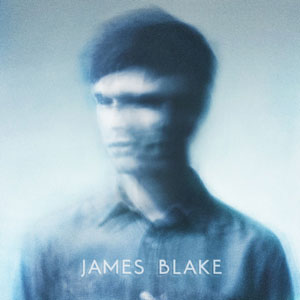
JAMES BLAKE
James Blake
(Atlas)

This is probably the most-anticipated album of 2011, thanks to the promise of Blake’s lavishly praised EPs, which have conjured the ghost of Aaliyah (“CMYK” draws brilliantly from “Are You That Somebody?”) while deploying a innovative sense of dubstep’s space and silence. (See the starts and stops and teasing not-there quality of “I Only Know (What I Know Now)” for an example.) Here, Blake adopts a more traditional pop vocal songwriting approach akin to his cover of Feist’s “Limit to Your Love,” which is included. The result teeters between Kid A-era Radiohead angst and something a lot more interesting and unique — a singular interplay between the possibilities of composition and production.
Whereas most recording artists are at best producers or composers, Blake fuses the two, wielding textural shifts like chord changes. The studio version of “Wilhelm Scream” isn’t as revelatory as the one from his recent BBC session, but other tracks on James Blake share that songs’ effective foregrounding of a simple, endlessly reworked, three-or-four-line lyrical mantra. The offhand conversational honesty of “I Never Learnt to Share” — entire lyric: “My brother and my sister don’t speak to me / And I don’t blame them” — goes from confessional solitude to Stevie Wonder-like funky freedom, remaining compellingly unhinged from start to finish. Where he goes from here will be interesting to see — and hear.

James Blake, “The Wilhelm Scream” (Live BBC Session):

http://www.youtube.com/watch?v=yCeKI4ck0sg

James Blake, James Blake album sampler:

Sound and environment: Moving beyond tropical bass with Chief Boima

0

A couple weeks ago I shot a long-winded email to former Bay Area DJ and producer Chief Boima. I had just finished speaking to Dun Dun of the Los Rakas crew for what eventually became this article, and he mentioned an upcoming EP with former Bay Area DJ and producer Boima. Now, if you don’t know about Boima, you need to get acquainted with the Banana Clipz digital funk on Ghetto Bassquake (for free download, too). It’s a joint instrumental album between Boima and Oro 11 of Bersa Discos that merges electronic architectonics with rhythms, melodies, and sound bits from the African diaspora.
Enough of that, though — Boima withstood my long-windedness, and after a couple exchanges, he did all the explaining.

SFBG Dun said that you do with instrumentals what Los Rakas does with lyrics. Do you see similarities in your respective styles? Your backgrounds and influences?
Chief Boima Well, when I first came across Los Rakas I had just come back from Panama, and I was on this high from hearing all the big carnaval tunes and the mix of sounds that reflected my musical and cultural background, but in a Spanish-speaking world. I grew up on the stuff that a lot of Panamanians grew up on, zouk, dancehall, soca, etc. So I was at the SF Carnaval and I heard Panamanian reggae but with this Bay Area flavor to it. (Check my initial reaction here, and I had been posting stuff like this.) I identified with what they were doing immediately.
Also, my father is from Sierra Leone, and I grew up with West African cultural influences, so I try to incorporate that musically into my electronic and hip-hop beats. I feel like Los Rakas do the same thing with Panama, and what Dun said is a great compliment.

SFBG Dun also mentioned a future EP coming up. What’s your process working with Los Rakas? What are some of your thoughts on this upcoming EP?
CB Well I linked up with Rico and Dun after not seeing them for maybe a year. I had given Rico some instrumentals and I never had gotten the chance to record on them. At that point I had a little studio set up in my spot in Oakland, so I invited them down to work on stuff. I think it was a real natural collaboration because we knocked out a lot of different stuff in like 6 months. They would come over and just freestyle or write. A lot of songs came out through different processes. Like one song they gave me an acapella and I constructed a beat around it. Other songs, I played them the beat and they’d just start writing to it, and we’d record. This would all happen after work and on weekends, so it was cool because the sessions were real compact but productive. I’m real excited about the EP. I think the material is strong and unique, so I can’t wait to see the reception.

SFBG “Tropical” or “tropical bass” seems to be the new term which has emerged to cover the range of new electronic music informed by both American and Afro-Latin styles of music, and their many convergences and hybrids. Do you see yourself as part of this tropical movement? Would you trace its form or define it differently?
CB I get the name tropical bass, but I see it akin to a label like world music that’s just kind of vague. I think the styles that are included under the genre are diverse musically, but they share similarities in the production process that is informed by increased access to technology and information across the world. It’s also really related to urban environments, like hip-hop and house were in their beginning stages. So I see all this music as a kind of continuum of hip-hop and electronic music from Detroit and Chicago. I see myself as part of that production process, more than a musical genre.
The genres I enjoy and work with are informed by their local environments and have names like hip-hop, dancehall, coupe decale, house, soca, and kuduro. They come out of specific regions, and their environments inform the music. A lot of the most popular rhythms are related to Africa and its diaspora, people who are generally scattered around the tropics. So that’s why people use tropical, but I wouldn’t necessarily describe myself or anyone else that way. It doesn’t really work anymore when you get [sounds like] Balani in Mali, or UK Funky, which are not tropical [in setting], but are still informed by the same aesthetics and production processes.

SFBG Do you try to digitize or transfer Afro-Latin/Caribbean folk sounds, genres, or ideas into electronic form?
CB Yes, but I don’t explicitly set that as a goal. I add in all my influences, which are informed by growing up in the Midwest and spending time on the West Coast as much as “folk” music. I was into hip-hop and electronic music growing up, and my older relatives would get down to music that was recorded by live instruments. I love those older tunes, they make me nostalgic, and make me feel connected to my culture, so I wanted to bring the feelings that I have when I hear them to a contemporary club space.

SFBG Our sense of place is now more amorphous than it was maybe thirty years ago. The Internet has in many ways uprooted us, and with regards to music, given us access to all sorts of folk genres, sonic forms of indigenous culture, traditional sounds and instruments, beforehand only accessible perhaps by being there or coming into contact with someone who was indeed there. To what extent do you think the open source availability of the Internet influences the way you channel folk forms of music and older sonic traditions in your production? In what way does place or region (whether the Bay, Cuba, NY, or online places, even the temperate range of tropical) inform your music?
CB I think the Internet has facilitated interactions and dialogue, but you can’t overlook things like increased immigration and traveling. A New York Times article recently said that New York is as diverse as it’s ever been. It claims that NY has more people born in other countries living there than ever before. The whole United States is changing. Europe is changing. The feedback loop to global centers of production in the “South” is super influential. International travel is becoming cheaper, so it’s easier to see the whole world. I think we’re going to reach an energy crisis in the near future where all that will be curbed a little, and the Internet will keep those interactions going, but we’re really living at the apex of an empire, just like the Romans, and the Ottomans, and the Greeks were super diverse civilizations informed by cultures from all over the world. So the Internet is just our current means of achieving those interactions. It takes the place of the role that sailors and desert caravans and conquerors had before. It’s just faster, and totalizing across the globe.
I travel a lot, and I have a diverse cultural background with multiple influences. That puts me in a certain position of influence because of my experience, but someone who has never traveled can have the same influences because I post about it on the Internet. But that doesn’t mean that it’s a new thing. Cotton and sugar comes from India. Potatoes come from Peru. Coffee comes from Ethiopia. These are things that are fundamental to our cultural identity today, but we don’t necessarily think about them as coming from other places. I feel like these things seep into everyday life, and they become a part of wherever they end up whether NY, London, Rio, Kampala, etc. But when they get to those places I think they change. In other words, environment’s influence is fundamental and if you listen hard you can tell the difference.

Black history, local hire, living color

31

City Hall kicked off its annual Black History month celebrations with a talk by Los Angeles philanthropist and former Xerox Corp. VP Bernard Kinsey about the importance of debunking myths about the absence of blacks in American history. And Mayor Ed Lee, who had just met with five dozen unemployed black construction workers from the Bayview, revealed how, when he was growing up in the projects in Seattle, his neighbors were black, and an African American named Darnell was one of the most loyal patrons of the restaurant that Lee’s father was trying to make succeed.


“And when my dad suddenly died of a heart attack, Darnell was the first person to offer my brother a job at his gas station,” Lee said. “So, this is not just about recognizing African American history, but recognizing what they did for us, and  making sure that no there are jobs and we protect the family structure. I know what it is to be helped by the African American culture.”


Lee’s recollections of Darnell came less than an hour after he met with Aboriginal Blackmen United, a group that represents unemployed construction workers in the Bayview, to discuss how its members can get hired at UCSF’s $1.5 billion hospital complex at Mission Bay and other local building sites.


At that meeting, ABU President James Richards thanked Lee for getting UC to clarify the details of its voluntary local hire plan at the Mission Bay hospitals.
But he warned that the fight is just starting. “We’ve got the unions to deal with,” Richards told Lee, referring to the reality that the unions also want their members to get work at the UCSF site.


Lee said he’d do his best to help.
“The African American community in San Francisco has not got its fair share,” he said. “I can’t say that everyone in the room is going to get a job, but I’ll open up doors and do my best.”


And then Lee confirmed that local hire is one of his top five priorities.
“My top priorities are the budget, pension reform, the America’s Cup, finding a good police chief and local hire,” he said. “I said that directly to every union leader yesterday. Some unions will be there, others will resist.”


ABU’s Richards said the need to have a G.E.D. to get into the city’s ob training programs is a barrier to employment for many in the Bayview.
“We have a lot of people, who are not able to get into CityBuild because they don’t take folks anymore who don’t have their G.E.D,” he said.


And he warned that the city’s black community is in crisis.
“I know there is a budget crisis, but this is a life crisis,” Richards said. “Young people are dying and it’s not even newsworthy any more.”


Lee suggested ABU work with the City to avoid the need to hold protests at construction sites in future,
“Let’s plan together, so you don’t have to go to all the sites,” Lee said. “I am for people getting their GED. But if someone has evidence that they are making an attempt to get their GED, we need to reward that with jobs. So that the GED is not a barrier, it’s a hope.”


And then Lee was off to attend his next round of meetings, which included the city’s Black History month event, where speakers noted that during Bernard Kinsey’s career with Xerox, he helped increase the hiring of blacks, Latinos and women,


Kinsey told the audience that he and Shirley Kinsey, his wife of 44 years, share a passion for African-American history and art. And that their world-famous Kinsey Collection, which contains art, books and manuscripts documenting African American triumphs and struggles from 1632 to the present, is currently on display at the National Museum of American History in Washington D.C, and a number of pieces are at the San Francisco African American Historical and Cultural Society. He noted that the posters of African Americans in the Civil War were reproductions of some of the art in those exhibits. 


Sup. Malia Cohen noted that about 200,000 African Americans participated in that war. Sup. Ross Mirkarimi, who represents the city’s Western Addition, where redevelopment triggered massive displacement of the black community in the 1960s, noted that eight members of the current Board of Supervisors, who selected Lee as the city’s first Chinese American mayor, are people of color.


“This is true representation,” Mirkarimi said, noting that the fact that the city’s African American population continues to drop (reportedly down from 6 percent to 3.9 percent, according to the 2010 Census) to “is a reminder that even the most forward-thinking cities have a lot of work to do.”


And Kinsey urged African Americans to start describing their ancestors as “enslaved.”


‘It will change how you look at your ancestors,” he said, “You don’t have a clue about what they sacrificed to get you to where you are today. We don’t tell you the ‘ain’t-it-awful’ story about slavery. We tell you the story of how we overcame.”


“You need three things for a successful life,” Kinsey added “Something to do. Someone to love. And something to look forward to.”


Kinsey said he and his wife have espoused two life principles, ‘To whom much is given much is required” and live “A life of no regrets.” And then he told a story about an eagle who was raised by a chicken.


The eagle ended up ashamed of his feathers, because the chickens never told him he was an eagle because they were afraid he’d end up ruling the barnyard.“He even grew up ashamed of his daughters,” Kinsey said.


Eventually, the eagle met another eagle, who told him the truth. “You ain’t no chicken,” the other eagle said.


“And this is the message,” Kinsey said. “Don’t think chicken thoughts, or dream chicken dreams. Think like an eagle.”


He warned the audience to be careful of buying into myths that would have them believe that African Americans played no role in building the U.S.
“There are stories that made America and stories that America made up,” Kinsey said. “And too often, the myth becomes the choice.”


And then he concluded by expounding on “the myth of absence.”
‘”African Americans are not seen, not because of their absence, but because of the presence of a myth that prepares and requires their absence,” Kinsey said. “And the manipulation of the myth changes the color of the past. It’s no accident that the dominate images from the past are white. And many of us have swallowed the pill.”


Hot sexy events: February 2-8

0

Why do most alien encounter stories involve sexual liaison? Leaving aside the non-believers’ theory that the yarns are the result of pervy souls in need of some quality time with a loved one, one must come to the conclusion that for the aliens, sex is part of some higher purpose. (Just kidding — how much higher can you get?) The folks at Bent, the Bay’s party for kinky youth, have this figgered, of course. This month, when many events are turning pink and heart-shaped, the costumed kinkfest pays homage to the greys, the greens, the purples, and the scaled. It’s an alien get-down, and we’re all invited! Just be sure and brush up on your E.T. anatomy before you go. You don’t wanna be “that girl” that gets freaked out by an extra orifice or three.


Bent: Close Encounters

Take me to your penis! The young persons’ kink party goes extraterrestrial with a full program of alien delights: a staged abduction, a bellydance by an enslaved human, a static wand striptease (go with it), and all manners of UFOs to beam down to the dungeon once you’re ready to play rough. 

Fri/4 9 p.m. – 2 a.m., $20

SF Citadel

1277 Mission, SF

(415) 626-2746

www.sfcitadel.org


Nude Aid

There are few things sexier than the sight and feel of paintbrush on bare skin. Though body painting has been the victim of co-option by Pink Floyd (and by extension, every coed’s dorm room wall, ever. Honestly, who’s gonna be the first to make a coffee table book of the most cliched college posters?), true artistry exists in the form of colorized folds and follicles. Test that theory out for yourself at this benefit for the Center for Sex and Culture, at which naked and fetish-clad models will be rendered masterpieces – all in the name of art, mind you.  

Fri/4 3-8 p.m., $20

Center for Sex and Culture

1519 Mission, SF

(415) 552-7399

www.sexandculture.org


Essence

The first edition of Mission Control’s new pansexual, erotic-spiritual play party promises to reinvigorate your chi – the night will be populated by shamans, Aphrodite, shrines, services, and attempts to recalibrate sexually. Yessir – sex is rite tonight, so if you’re down for the spiritual-sensual woo-woo then my friend, you have found your Saturday jump-off. 

Sat/5 9 p.m. – late, $30-35 members only

Mission Control 

www.missioncontrolsf.org


Burlesque ‘n’ Brass

So you love burlesque, but simply cannot leave yourself open to the prospect of another Ke$ha or Metallica-soundtracked stripdown? Hie thee hence to Cafe Van Kleef, where the lovely ladies are accompanied by a live jazz band that would never, ever launch into “Oops I Did It Again.” Nothing but class for the wondrous women performers of Hot Pink Feathers – and your side of gin martini.

Sat/5 9:30 p.m., $10

Cafe Van Kleef

1621 Telegraph, SF

(510) 763-7711

www.cafevankleef.com


Introduction to Red Tantra

Progress from tantric yoga to light touch and energy work, along with discussions of amrita (the female ejaculation), the multi-orgasmic state, and delayed ejaculation for men. This couples-only workshop is non-explicit, so it’s perfect for the twosome that wants to expand their practice, but not their audience. 

Tues/8 6-8 p.m., $45-50 per couple

Good Vibrations

1620 Polk, SF

(415) 345-0500

www.goodvibes.com


Gay Mystery 101

Nancy Drew was never this sexy. Mystery novels have progressed since your grade school days, as authors Paul Faraday and Haley Walsh can surely attest. The two will be reading excerpts from their novels (Straight Shooter and Foxe Tail, respectively) that star hot gay protagonists getting to the bottom of sinister happenings in Southern California. Bathhouses, vodka martinis, and Antonio Banderas lookalikes promise to figure mightily. 

Tues/8 7:30 p.m., free

A Different Light Bookstore

489 Castro, SF

(415) 431-0891

www.adlbooks.com


California is an even richer state

15

Jerry Brown pointed out in his State of the State address that California is a rich state; I’m not sure Jerry saw the latest from Vanity Fair, but I think his estimates of increased personal income might be a bit low. VF loves to dig into the lives (and fortunes) of Hollywood types, and the latest list of the highest-paid people in the film industry is interesting.


James Cameron made $257 million last year. Guess what? He lives in Malibu. That’s Malibu, California. Guess what? If we raised his taxes a little he’d still live in Malibu. In fact, he wouldn’t even notice.


Johnny Depp made $100 million, but he lives in France these days. But Steven Spielberg, who made $80 million without even working, lives in Los Angeles. So does Christopher Nolan $71.5 million) and Leo DeCaprio ($62 million). Kristen Stewart ($28.5 million lives in L.A. too, though I hear she wants to move to Australia; income taxes there are higher than the U.S., though, so she won’t be fleeing the taxman.


Got that? Four people, $477.5 million, last year alone. Yes, my friends, we can afford public education. 

Live Shots: Stag Dining “Speakeasy” Clandestine Dinner, 01/29/2011

0

These days, it’s hip to be in the know of well-kept secrets. OK, maybe that’s confusing, but what I’m trying to say is there’s an ever-growing list of underground events going on in San Francisco, but if you don’t know about them, well, than you better start getting on it. Now. I’ll give you a hint. Secret restaurants are popping up everywhere and it’s the kind of eating experience you don’t want to miss out on.

Case in point: this past weekend, Stag Dining Group hosted a clandestine dinner at a mysterious locale, which included a myriad interesting dishes, from Japanese lobster custard to skewered duck hearts in mole sauce.

The chefs, Ted Fleury and Jordan Grosser, were bustling in the kitchen to get six courses out to almost eighty people at the same time, while Cocktail Lab was busy concocting a new libation for every course, filled with everything from chili peppers to flaming cinnamon sticks. And boy, my drinking habits are not up to snuff these days … I could not keep up!

The food was tasty and carefully crafted, and I especially loved dessert, a thick creamy chocolate mousse, topped with a see-through thin olive-oily piece of cinnamon toast. My only crit note was the lack of carbs in the meal. I definitely felt the need for one dish that might be considered “hearty.”

Stag Dining is comprised of a bunch of affable dude-bros who have been friends for years and decided to collaborate to create a supper club. Beyond the delectable delights, I also loved that they did a spiel about their values, right down to their handmade recycled menus and to the fact that eating sustainably is really becoming a must. Sometimes people overlook the “spiel” — but I’m one of those people who is constantly giving them and feel that it’s so important to educate whenever possible. (My broken record spiels include: “Check your bathroom products … they might contain parabens!” “Non-organic strawberries taste like crap … and can kill you!” “Did you know that health care in other countries is way better than in America? Write a letter!” It’s something people still do!)

So folks, now you’re a little in the know for something well worth being in the know about, start exploring some of these hidden edible treasures, which are sure to tantalize and tickle your taste buds.

Saving Lyon-Martin

0

rebeccab@sfbg.com

When word got out that the Lyon-Martin Health Services clinic faced imminent closure, Luette Chavez’s cell phone started ringing off the hook. Her friends were going into panic mode.

“It’s shocking to think that something that’s so important to so many people could just be lost so easily,” Chavez told us. The clinic serves nearly 2,500 patients, regardless of their ability to pay for health care. It offers specialized services for queer women and transgender people, providing everything from primary care to mental health services to hormone treatment. A Hurricane Katrina survivor, medical school student, and part-time sex worker, Chavez volunteers at the clinic and relies on it for health care. Her dream is to someday start a free clinic in New Orleans that is cast in the mold of Lyon-Martin. But for now, all of her energy is consumed with the widespread effort to raise enough money to keep the clinic afloat. To survive, Lyon-Martin must pay off a $250,000 debt immediately.


CASH FLOW PROBLEM

As one volunteer among many, Chavez has adopted the mindset that failure is not an option. “I have absolutely every confidence that we will be able to save it ourselves because we’re running ourselves into the ground doing it,” she said.

Lyon-Martin’s board of directors initially voted to shut down the clinic at the close of business Jan. 27, citing insurmountable financial problems. That decision was rescinded, however, following an emergency meeting held at the LGBT Center shortly after news of its pending closure went viral. By Jan. 28, an emergency fund drive had netted close to $100,000 in pledges and cash donations. A fundraiser held Jan. 30 at El Rio drew nearly 700 supporters and roped in another $28,000.

Despite the outpouring of support, the long-term future of the 30-year-old clinic remains uncertain. Lyon-Martin can restructure and avoid shutdown if it manages to clear the $250,000 urgently owed, but it must find $500,000 to continue operating in the same capacity as it has. It has stopped accepting new patients, but will likely be able to serve current patients until at least the end of February.

“Without Lyon-Martin, a community that is historically marginalized won’t have anywhere to turn,” stated an open letter to supporters from Board Chair Lauren Winter, who was unavailable for comment.

A combination of state funding cuts, increased demand, and poor financial management created a perfect storm for Lyon-Martin. A key source of the trouble was that the clinic had not been keeping up with its billing, and after a certain amount of time, it could no longer claim reimbursements from Medi-Cal. Yet external factors such as state and local budget cuts contributed to the problem, too, and Lyon-Martin is not alone in that respect.

All across San Francisco, community clinics that serve low-income and uninsured people are struggling to do more with less. Jim Illig, president of the San Francisco Health Commission, told us that he knows of several other clinics in dire financial straits.

“There are a lot of clinics on the edge because they have dedicated their mission to serving the uninsured,” he said. “Any nonprofit clinic that you see — they’re struggling.” The Haight Ashbury Free Clinics, another nonprofit healthcare organization serving the uninsured, recently announced a merger with Walden House, a substance-abuse treatment center. The merger allowed the venerable health-care nonprofit to continue offering services after its budget was slashed by 50 percent due to reduced support from the city’s General Fund. Even as the cuts took effect, demand for the free clinic’s services rose 10 percent from 2009 to 2010.

“Every time I look into the waiting room, it’s full,” said Jeff Schindler, chief development officer.

If Lyon-Martin closes, its patients will have to be transferred to other clinics, but there’s high demand everywhere. Such an outcome might evoke a sense of dèjá vu for some. Last fall, when an LGBT-focused clinic called New Leaf shut down due to crippling financial problems, many of its clients were transferred to Lyon-Martin.


COMMUNITY SURPRISED, UPSET

The front office manager at Lyon-Martin, who wished to be identified only as Braz, said she’d had no warning that closure was imminent. “Just closing down like that seemed impossible. We couldn’t ethically do that,” she said. “Our patients are freaking out right now.”

Once people became aware that the clinic was on the brink of closure, some aired the criticism that the board should have been more forthright about financial troubles. The Bay Area Reporter, a San Francisco publication covering LGBT issues, published an editorial calling for the resignation of the six-member board, and several sources told the Guardian they expected the board members to step down.

Meanwhile, health officials and elected representatives have stepped into the mix, but no promises of governmental financial assistance had been secured by the time the Guardian went to press.

Department of Public Health Director Barbara Garcia was unavailable for comment, but released a prepared statement: “The Department of Public Health has been in close discussions with Lyon-Martin and the pressing need to make immediate changes to the way they conduct their financial affairs. We value the important health care services they deliver and will continue to work with them to find the best long-term outcome for the clinic and the patients.”

Sup. Scott Wiener told the Guardian that he’d been in discussions about Lyon-Martin with Garcia and Sup. David Campos. Sups. Ross Mirkarimi and Jane Kim also attended the emergency meeting, and California Sen. Mark Leno was said to be attempting to secure some state funding for the clinic. As the push to save the clinic continues, a parallel effort is moving forward to craft a contingency plan for how Lyon-Martin’s nearly 2,500 patients can access care in the event that it doesn’t survive.


COMPETENT CARE

Lyon-Martin patients and others familiar with its services stressed that the women’s clinic is a critical resource for lesbians and the transgender population, because medical staff are trained in that specialized area of care.

“The service there is incredible,” noted Cheryl Simas, who has been a patient there for three years. “They explain everything to you, you’re listened to, and you’re treated with care and respect.” Simas said it was a dramatic difference from an experience she’d had in the mid-1990s, when her healthcare provider was barely comfortable pronouncing the word “lesbian.”

Lyon-Martin medical staffers receive training on transgender patient care, and it even offers training in that realm for medical professionals from cities throughout the United States. “They are internationally renowned as a model for what it means to offer transgender care,” noted labor organizer Gabriel Haaland, who said he was once denied health care due to his transgender identity. “The healthcare system is a fairly traumatic experience for most transgender people,” he added.

If Lyon-Martin closed, “it’d be pretty tragic,” noted Carlina Hansen, executive director of the Women’s Community Clinic, which works closely with Lyon-Martin. When it comes to health care, “We live in an unusual city, in that there is a lot of need among low-income people, due in part to a high cost of living. “Every clinic in San Francisco provides an integral part of that network,” and each clinic fills a specific need, Hansen noted. “The diversity of the clinics matches the diversity of our community.”

Division of labor

0

sarah@sfbg.com


In the wake of a three-day protest by unemployed workers outside UCSF’s Mission Bay hospital construction site — and under pressure from city leaders — UC officials have announced voluntary local hiring targets at the $1.5 billion complex.


Targets start at hiring 20 percent of the project’s workers in San Francisco during 2011 and increase that by 5 percent each year until the hospital complex is completed, UCSF news director Amy Pyle told us. But she denies that UC was pressured into its decision. UC is a state agency that is exempt from local rules when it builds facilities for UCSF and other campuses.


“Our voluntary goals are not a result of their protest,” Pyle insisted. “We have been aware of the local hire concerns since before they were protesting.”


The protests have focused on the need to hire workers for southeast San Francisco, where unemployment rates are the highest in the city, particularly among the city’s African American population.


“Of course we are looking to be good neighbors and hire people from an area we know has been hard hit,” Pyle said, clarifying that under the University of California’s hiring program, “local residents mean people who live in San Francisco generally.”


Mission Bay Hospitals Projects executive director Cindy Lima said uproar at the site stemmed in part from perceptions that lots of work is available now, but she said that isn’t true.


“Job opportunities should ramp up in May, but right now, they are installing structural piles,” Lima said. “So if there is an opportunity for a carpenter or a laborer to get decks built, we call the union.” UC’s voluntary local hire announcement came after Mayor Ed Lee urged UC officials to formalize a community hiring plan for Mission Bay, and Aboriginal Blackmen United (ABU) president James Richards agreed to call off his group’s protest outside UC’s Mission Bay hospital complex, at least for now.


ABU member Fred Green, an unemployed construction worker who has lived in the Bayview for 50 years and has five children, said the protesters tried to remain peaceful. “But an empty belly makes you do strange things,” Green said. “If there’s enough work for everybody, why should we be stuck at home while someone comes into my community and takes food out of my kids’ mouths?”


Troy Moor, who has lived in the Bayview for 47 years and has two kids, speculated that if ABU blocked both gates to the project, it would cost UC thousands of dollars a day in lost productivity. “Here at the front gates, we are visible. But we figure that if by next week, nothing is happening, we’ll start making them lose money,” he said.


Michelle Carrington is a 58-year-old flagger and operating engineer from the Bayview who has been unemployed for 10 years. She said Dwayne Jones, who worked in the Mayor’s Office and helped her graduate from Young Community Developers, was “working to try and get us jobs.”


Jones, who is now with Platinum Advisors as a consultant to DPR Construction, UC’s prime contractor at its Mission Bay site, put in an appearance on day three of ABU’s protest. But he said his work with DPR had nothing to do with the ABU protest.


“UC is very committed to maximizing local hire where we can,” Lima told the Guardian. “It’s unfortunate there is a protest because it gives the sense we haven’t been working with the community when in fact we have been working with the Mayor’s Office, CityBuild, and every stakeholder interested in this project, including ABU.”


Richards said ABU mounted its protest to challenge UC’s claims that it has hired more local residents at the site. They were also angry over a flyer that encouraged residents interested in working at the site to sign up with the San Francisco Workforce Collaborative, in partnership with Rev. Arelious Walker’s BayView Hope Community Development Corporation, feeling as if the UC was trying to divide their community. Walker did not return our calls for comment.


“We were with Walker when he was fighting the Nation of Islam’s attempt to stop development at the shipyard, so it hurts so bad to see this,” Richards said. “Never again will we stand by and let people come into the southeast community and take our jobs. We’re going to fight until the end. If the community doesn’t work, no one works.”


But even as UC announced its voluntary Mission Bay goals, community advocates pressed UCSF to set higher targets, citing the city’s failure to attain 50 percent local hire goals under San Francisco’s decade-long policy of seeking to hit that goal.


Joshua Arce of the Brightline Defense Project said he is glad Lee expressed support for Sup. John Avalos’ local hire legislation, “but we are waiting to see if he implements the law as written or a watered-down version.”


Then-Mayor Gavin Newsom allowed Avalos’ legislation to become law without signing it, bowing to the veto-proof 8-3 majority that approved it. But in a 12/23/10 letter explaining his position, Newsom recommended modifications to accommodate the concerns of the building trades, whose members come from across the Bay Area.


“I know the passage of this policy has created high expectations among some residents of San Francisco,” Newsom wrote. “The city owes it to them to implement this policy in a way that will result in a successful program that is fiscally responsible and reflects the best thinking of the many stakeholders invested in San Francisco.”


But with Newsom moving to Sacramento, California Assembly member Tom Ammiano and Sens. Mark Leno and Leland Yee are urging legislators to support San Francisco’s newly approved local hire law as approved.


In a Jan. 25 letter that Leno and Yee signed, Ammiano encouraged Bay Area officials to work with the city to explore mutually beneficial “reciprocity agreements” in which local cities would support one another’s programs “aimed at providing disadvantaged job seekers opportunities in the construction sector.”


“In neighborhoods like the Bayview, the Mission, and the Western Addition, the promise of jobs — particularly living wage construction jobs — has been an unfulfilled promise for generations,” Ammiano wrote.


But in a Jan. 28 press release, UC officials clarified that “as one of 10 campuses of a statewide constitutional corporation and public trust,” UCSF is not subject to Avalos’ mandatory requirement and is prohibited from adopting mandatory requirements based upon residency.


Instead, UC promised to do more community outreach and try to carve out financial incentives to encourage contractors to hit UC’s targets at Mission Bay.


Lima said the hospital complex is a historic opportunity to put as many San Franciscans to work as possible. “We have set an ambitious hiring target but we recognize that the economic activity generated by the project can significantly benefit our neighbors and local residents,” she said


After his Jan. 27 meeting with UC, Richards told ABU members that “when DPR needs someone for a job, they’re gonna call Dwayne Jones, and then Dwayne will let us know. There are hundreds of jobs, but I don’t know if they are in every trade. So, I feel good. But not so good that I can say that 10 carpenters will be hired tomorrow. There’s not enough need for that right now. But the work that’s there, when they call, you’re going to know it.”


Lima said UC’s meeting with Richards was “positive”.


“We clarified some misunderstandings and made some progress,” Lima said, noting that work at the site will become increasingly available starting in May. “Our goal is still to create jobs for San Francisco residents and make this project happen. We are continuing to try and match people who need to go to work with available job opportunities. The bottom line is that there are a lot of people in this city who are out of work and a lot of groups with different intentions in mind and we get tangled in that process.”


Lima vowed to work closely with DPR Construction and major subcontractors to ensure qualified local residents — including those from neighborhoods closest to the site — can access the construction jobs. And she promised that results will be reported regularly and the size of the workforce will increase steadily, peaking with 1,000 workers in 2012.


“We are mindful that while these goals challenge us, they are also within reach,” Lima said, noting that UCSF has been engaged in creating job opportunities in the construction trades for San Franciscans since 1993. “Our success will depend on the participation and commitment of the broader community and the trade unions.”


UC’s move comes less than two weeks after Lee announced at the annual San Francisco Labor Council Martin Luther King Jr. Day breakfast that one of his top priorities is implementing Avalos’ mandatory local hire policy.


Lee’s comments suggest a different approach from Newsom’s, but it’s still not clear whether Lee intends to follow the “critical steps” that Newsom felt the city should take “to ensure the responsible and successful implementation of Avalos’ legislation.”


Arce said he was happy to see Lee address the issue at the MLK Day event. “Lee said that if we are using local dollars to create local jobs, those jobs should go to local workers,” Arce recalled, noting that the following week Lee started to coordinate with the Office of Economic and Workforce Development and CityBuild to engage community stakeholders and lay out a road map to implement Avalos’ legislation.


“They set a deadline of March 25 as the target date by which the language of Avalos’ mandatory legislation must be included in all public bids and contracts,” Arce said. “And it’s our understanding that Mayor Lee called UC Chancellor Susan Desmond-Hellmann directly on the morning of Jan. 27 [before ABU’s Richards met with UC officials] to ask that UCSF formalize a community hiring plan for Mission Bay as soon as possible.”


Avalos said he was “very encouraged” by Lee’s remarks. “To say that at the Martin Luther King Labor Breakfast was a big deal,” Avalos said, noting that the building trades were also in the room. “I feel Ed Lee wants to implement the legislation how it is written. He needs help doing that. He needs to create a process to make it happen, and I believe the folks who helped draft the legislation will be ready to do that. That’s not to say that this couldn’t go wrong, but I feel pretty confident that he will implement as strong a local hire model as possible.”

Early indicators

13

Land use politics and the way development decisions are made at City Hall fed San Francisco’s ascendant progressive movement over the last decade. So in the wake of a still-unfolding political realignment, an early key vote is making some preservationists and developer foes nervous.

At the center of that concern is Sup. Jane Kim, who broke with her progressive colleagues Jan. 25 to be the swing vote in the board’s 6-5 approval of attorney Richard Johns to the historian’s seat on the Historic Preservation Commission. Progressives and preservationists opposed the nomination on the grounds that Johns isn’t a historian and that he has close ties to former Mayor Willie Brown, a friend of developers whose longtime chief of staff was Johns’ wife, Eleanor.

And they’re suspicious of Brown’s support – both overt and stealthy – for Kim’s supervisorial campaign (see “Willie Brown and the accusations of machine politics in D6,” 10/16/10, Guardian Politics blog).

Kim didn’t explain her vote at the full board meeting, and her comments at the Rules Committee (which she chairs) and to the Guardian that Johns “was qualified” and she could “see no reason not to support his nomination” irked many of her progressive supporters who consider development the big issue.

Feeding concerns about the potential blunting of historic preservation and other tools used to scrutinize development projects was the Jan. 25 announcement by Sup. Scott Wiener that he is calling for hearings into whether the commission is improperly hindering development and other policy priorities.

“The Historic Preservation Commission — and I supported the creation of the Historic Preservation Commission — has become an increasingly powerful commission reaching into a lot of different areas of policy in the city,” Wiener said during the discussion of Johns’ nomination, citing housing, parks, and libraries as areas the commission has affected. “It’s important to have a diversity of backgrounds and viewpoints on this commission, and if we’re going to have a committee made up exclusively of advocates for historic preservation, only advocates, that is a problem.”

Former board President Aaron Peskin, who led the effort to create the commission through the voter-approved Proposition J in 2008, disputes the allegation that the commission has become too powerful, as well as the claim that Johns is qualified to serve in the historian’s seat, one of six seats on the commission that now requires professional qualifications.

“The facts do not support Sup. Wiener’s allegations,” Peskin told us, noting that the Board of Supervisors and the mayor retain the authority to decide what is and isn’t historically significant. Yet Wiener said that even commission- and staff-level actions affect other city goals. “The conducting of a survey does have legal impact,” Wiener told us.

But Peskin said San Francisco has very few protected buildings compared with other major U.S. cities, something voters sought to change through Prop. J, and Peskin said he was disappointed that Kim didn’t support the law’s dictates. “This is the second time in 2011 when the slim alleged progressive majority has not stayed together,” he said, referring also to the election of David Chiu as board president.

Peskin and others who fight land-use battles say they don’t yet want to jump to the conclusion that developers might have an easier time with this board. “It’s my profound hope is that this is a learning experience,” Peskin said of Kim’s vote.

Veteran land use attorney Sue Hestor noted that neither Kim nor Wiener has a record on land use issues by which to judge them and she didn’t want to make a big deal of their Jan. 25 actions. Yet she said that development is a huge issue in the Tenderloin, SoMa, and Rincon Hill areas that Kim represents, so there are major tests of her progressive values coming soon.

“In District 6, it’s the defining issue because it’s the most explosive district in terms of growth,” Hestor said. “Land use is about who gets to live in the city.”


WHOSE CITY?

While most of the discussion about the Johns nomination focused on his qualifications as a historian — indeed, that was the basis of most of the opposition to his nomination, by both activists and progressive supervisors — there was some telling subtext focused on Hestor’s point that land use is the most fundamental progressive issue.

At the Jan. 20 Rules Committee meeting, Kim even asked Johns about his “vision for affordable housing as it related to preservation.” But the answer she received wasn’t terribly reassuring to those who see the lack of affordable housing for low-income city residents as a serious problem that the city is failing to address (see “Dollars or sense?” 9/29/10).

“San Francisco is made up of lots of different groups of people with lots of different backgrounds,” Johns said at the hearing, noting that it is important to “preserve the culture and the past that have brought us to where we are. But part of that past is the ability to grow.”

In an interview with the Guardian, Johns expanded on the point, sounding a more pro-growth point-of-view than many of his colleagues on the commission are likely to share. “Development and preservation can go hand-in-hand,” Johns said. “Maybe it’s the development that allows what might be a slowly deteriorating building to be fixed up properly.”

As an example, he cited his 20 years of work on preserving the Old Mint Building — his main claim to expertise as a historian — which was ultimately accomplished as part of the development project that included office and commercial development and the Mint Plaza public space.

“People of all income levels have a right to live in San Francisco,” Johns said, adding, “The real need some people would say is the need for middle class housing.” When we noted that it’s often the low-income residents who are ousted when old buildings get modernized, he said, “You have to think about the desirability of people to live in crummy housing.”

Chiu and Kim both downplayed the importance of the Johns vote. “People are trying to read too much into this,” Chiu said, explaining that he opposed the nomination because he simply felt Johns didn’t meet the criteria as a historian. “What was relevant is what city law says.”

Kim told us that it wasn’t until the full board meeting that she learned how her progressive colleagues felt about the matter, and that she didn’t want to change how she voted in committee. “It was not important enough for me to change my vote based on my verbal commitments,” Kim said later.

Yet on the evening of the vote, Kim told the Guardian that she felt “pressure” to support Johns, although she wouldn’t say from whom. “I was put in a bad position on this issue,” she said. Many progressives have speculated that pressure came from Brown, which Kim denies. “We didn’t talk about this, not once,” she said.

But in his Jan. 30 column in the San Francisco Chronicle, Brown crowed about the victory by “my friend Richard Johns” and called Chiu’s opposition to him “a mistake that could haunt him for some time,” saying Chiu has set up Sups. Malia Cohen and Kim “to be the swing votes on every issue where moderates and progressives split.”

Rebecca Bowe contributed to this report.

Po’ girl

0

le.chicken.farmer@gmail.com

CHEAP EATS It was minus two in Boston when I got on the airplane. I was all bundled up in borrowed and stolen clothing, trying to tap what was left of the warmth from our show there. Between 200 and 300 bodies, and, no, I didn’t get laid, but on the other hand I never felt more loved. There may have been one or two dry eyes in the house, but there were not a lot of dry pairs of underpants. Myself, I was completely creamed by the whole thing. I’m still a little shaken.

At the airport, on the weather on the news on TV, they showed a live shot of San Francisco, just before dawn, and said that it was 60 there, that San Franciscans would wake up to a clear, beautiful day.

But that wasn’t where I was going. I was going to New Orleans. New Orleans is where I am, and I intend to have a lot to say about the food scene here. Crawdad de la Cooter, who grew up in this neck of the swamp, thinks I’m not going to want to come home. I think it’s going to take more than red beans and rice and gumbo to change my life at this point.

Now Kayday, she gave us all a scare. After nine months of not finding a job in San Francisco, she found a job in L.A., and on the day before the big move, she got a call from her new employer saying that she’d been, in effect, laid off. Talk about cutting it close! She called me right afterward.

“I have good news,” she said. Then she told me the bad news.

“How are you feeling about this?” I asked.

She was shocked, she said, and also euphoric.

I said, “I’m sorry.” I said, “Congratulations!”

This was, unequivocally, bacon for my own musical future. When I come home now, my new band will be all in one piece and place, which is important for things like bands and chandeliers.

Last night while I was sleeping, a curtain rod did not fall on my head. However, almost the whole rest of my household here was of the opinion that one had. New Orleans is like that. It’s a haunted city. Things go bump in the night, and clang and crack and “Ow! Goddamn it!”

So far I am charmed. My first meal was a fried oyster po’ boy, and the first thing I saw when I left the house this morning was three giraffes — real, live, leafy-toothed giraffes that were not in any way a figment of my imagination, because it turns out there’s a zoo just across the park.

Tell you why I’m here: one of the families whose cute little nine-month-old childern I care for just moved from Berkeley to New Orleans, just for the semester. This childern, both his moms are perfessers, one at State, and one — uh oh — at Tulane. I’m here to help, but also to eat myself silly and have scary adventures to write home to you and/or Earl Butter about.

Since the fried oyster po’ boy I imbibed last night was, as the saying goes, nothing to write home to you and/or Earl Butter about, I will instead regale you with misinformation about a meal I ate with Kayday before I even left San Fran.

On a cold, cold and windy, windy night, the likes of which you haven’t seen and are not likely to see in some time, according to The Weather Channel, Kayday and I ventured our way over to Bernal Heights around dinner time. We were going to squeeze in one last practice at Bambam’s house before Kayday moved to the city of Angels and I to the city of Saints.

It all seemed like Not A Bad Idea at the time. To get something to eat first. So we wound up at Blue Elephant on Cortland Avenue. And we ordered imperial rolls, duck curry, and something else that I have forgotten. But the imperial rolls were not forgettable. They were great. And the duck curry, which is of course a red coconut milk curry with tomato, pineapple, and roasted duck, was fantastic.

Kayday told me she was going to make a blog about living in L.A. called “My Year of Living Los Angelesly,” and I thought that that was a fairly brilliant idea.

I still think so, but now someone else is going to have to do it.

BLUE ELEPHANT

Daily, Lunch: 10:30 a.m.–3 p.m.;

Dinner: 5 p.m.–10 p.m.

803 Cortland, SF

(415) 642-9900

AE/D/MC/V

Beer and wine

Landmark to loudness

0

MUSIC Happy Sanchez’s office is above the cafe, by the entrance. There are only a couple of windows. One opens onto the parking lot, where a car alarm blares during our interview. The other is dark; below it are the building’s two hourly rehearsal rooms. Aside from the vibration of a double bass revving, we’re cut off from the activity going on at Secret Studios. As the owner, Happy makes up for this isolation with a wall of closed-circuit TVs showing the hallways and common areas tying the Studio’s 130 monthly rehearsal spaces together.

“Mostly it’s just about dealing with the headaches of running a business,” Sanchez says. The headaches, when your clients are all musicians, can be numerous. Bands arrive at 2 a.m., fresh from a gig, and decide to toss utility carts down the stairs. People try to smoke inside, piss in the parking lot, live in their units. Watch out for speed freaks. Make sure women aren’t being harassed. “Sometimes I feel like I’m the principal of the school,” Sanchez says.

Sometimes it’s just plain traumatic. “The one thing that upset me the most, this fucking guy was pissed at his girlfriend, took her cat, put it in the [rehearsal] room, and left it for weeks. Fucking poor cat was skin and bones by the time the girlfriend came and asked me to look for it. Most I’ve ever been upset at anyone. He was banned.”

“But most of the time people are pretty cool,” Sanchez is quick to add. “The people who are on the lease are level-headed. It’s always the friend or the guy that’s just hanging out that makes problems.” There is reason for me to doubt this statement, having just heard Sanchez tell another story about being held up at gunpoint by a rapper who wants his demo tape. But I’m still inclined to believe him, given the sheer number of clients he’s come in contact with in the 25 years since he took a job as a studio manager at Secret Studios, back when it was a small two-room operation.

At the time, Secret, like most of the studios in town, was about hourly rehearsal and recording space. The two units of Secret Studios were originally at Third St., before a mid-1980s move to 215 Napoleon St. in a building with lots of neighbors. “Mostly we did a lot of punk rock recordings, back in ’87,” Sanchez remembers. “This guy David [Pollack], who I later bought the studio from, at the time I was just working for him and he set me up with all these gigs.” They’d rent the place out for parties, for extra money. “Metallica rented it, back in the days when I guess they were big in Europe but they weren’t really that big, yet. Before the Black Album [1991’s Metallica] came out, when they blew up.”

Those involved in Secret during the Napoleon Street era attempted to confine major sessions to nighttime, but it eventually became clear — as the neighbors bitched — that a different location was needed. After the owner sold the business to Sanchez (“Basically, he gave it to me at minimal cost”), he was able to expand and then move into 50 units at the current location on 2200 Cesar Chavez St. The large warehouse with a single floor of small rooms was previously the sound stage for the talk radio TV drama Midnight Caller.

Sanchez credits some of his success to timing. “I got in at the right time. It’s just more expensive to build nowadays. People have tried to build big studios like this and it’s just not affordable anymore. They see it as easy money, but it’s not easy to pull off.”

One person who tried — and succeeded — was Greg Koch, who developed the nearly 180-unit Downtown Rehearsal in 1992. Earlier, Sanchez had passed on its Third Street location. “It was shady at night when most of my clients would be around,” he says. “That building was cheap, though. They couldn’t give it away.”

Downtown was a major competitor until the summer of 2000, when Koch attempted to evict all of his tenants without notice in an attempt to flip the property for a huge profit. In the process, he instigated a musical community revolt, resulting in a large cash settlement and the formation of a then-hopeful, now apparently stagnant nonprofit, SoundSafe. At the time of the turmoil, Secret Studios was still expanding to its current size of 130 units. “I basically opened my units and saw a huge influx of bands,” Sanchez says.

Sanchez has had many models for what Secret Studios should — and shouldn’t — be. He recalls that Francisco Studios, a Turk Street basement space, had a bathroom out of Trainspotting. He’s quick to admit that since he’s taken over the business, there have been mistakes and failures. A plan to start the International DJ Academy in the front offices of the building, with a partner who managed Invisibl Skratch Piklz, fizzled. “They never could quite get it off the ground,” he says. “It was a good concept, but I think they needed someone to run it as a business.” Along with a rap studio that was going at the time, the academy devolved into something that included a barber shop and a night club before Sanchez had to shut it down.

Which, technically, makes two rap studios Sanchez had to end. Back in the late 1980s, at Secret’s old location, there was a lot of money to be made from hip-hop. “These rappers were coming in and you could pretty much just charge them anything,” Sanchez says. “I think there was always the drug dealer in the background financing it. I swear, we had like three clients over time that got murdered. The first time it was kind of a shock. They found the guy in a trunk in Oakland. The second guy got murdered on the night of the earthquake in 1989. The scene just got too crazy. Gangster rap came out, and the whole vibe changed. It got really hardcore.” After a hold-up occurred at the studio and an expensive keyboard was stolen, Sanchez stepped away from the rap game in 1991.

Many artists have come through Secret Studios, but it’s not something Sanchez brags about. In part this stems from his respect for overall security, a high priority when theft is a concern. But it also has to do with his respect for confidentiality. The music business exposed him to a lot of drugs in the ’80s, and he himself struggled with addiction. From 1989 until 1992, he hosted a Narcotics Anonymous gathering — the Straight Edge Rockers meeting — in the studio on Sunday nights. “There were a couple people there that you would definitely know their names,” he says. “I’m actually thinking about getting it going again. It’s not as easy to pull off, but I always thought that meeting was so cool. There are a lot of people in the music industry that need that.”

Sanchez is desensitized to stardom. He’ll say that no one really big has ever been at Secret Studios, then rattle off a long list of names: the Dead Kennedys, Michael Franti, the Go-Gos, EPMD, Romeo Void, Chris Isaak, Mike Pistel, Toots Hibbert. Some of these connections are long relationships, some are incidental. MC Hammer rehearsed at Secret before he was big (but had the parachute pants). Gene Simmons came down in a limo.

Sanchez is happy with his success so far and grateful for the freedom to be a musician with a stable business. With another 10 years on the lease (which he hopes to extend to when his two-and-a-half-year-old son reaches adulthood), he’s satisfied with assuming a more administrative role at Secret. He does the books, handles the day-to-day issues, and makes his own music, composing for movies and television as the Latin Soul Syndicate.

For a lot less drama, Sanchez is a little less in the know about his clients and their role in the scene of the moment. A while ago, for example, he needed to contact a band about a bill. But the band was on tour, and he was referred to its business manager. He went online to look it up. He had no idea who the band was until he Googled “The Dodos” and a video popped up showing the band playing on The Late Show with David Letterman.

www.secretstudios.com

arts@sfbg.com

Ollie beats

0

caitlin@sfbg.com

MUSIC Tommy Guerrero likes to skate down Potrero Hill. He’s been doing it since he was a young pup street boarder — one of the first to go pro, in fact — cruising down those steep residential declines that, looking south from SoMa, resemble like nothing so much as that scene from Inception where the dream city folds on top of itself. Guerrero skates smoothly from one legendary SF career to another, a shape-shift neatly illustrated by the release party for his eighth solo album Lifeboats and Follies at Cafe Du Nord Saturday, Feb. 5.

Despite the requests for autographs that he still gets; the occasional cravings his beat-up body experiences for skating (“It’s so raw and the energy is so fucking gnarly. Once you’ve had a taste of it, there’s no turning back.”); and a job that most ex-skate rats would kill for — he’s the art director for Krooked, a subset of Potrero Hill skate company Deluxe — he’s really more into music these days. “I would love to have all that time to work in the studio. I want to retire [from skate design] in a year,” he says, half-jokingly — but still longingly.

Maybe it’s a grass-is-always-greener thing, but until now he’s done a good job of balancing his various passions. Even in the 1980s and ’90s when Guerrero was grinding out his signature moves on the driveways and suicide hills of the city, back when he was popularizing Public Enemy in Japan by skating to the group’s tracks during competitions, music was always playing a supporting role. He and brother Tony played in punk bands, including Free Beer (a name that made for alluring concert flyers).

Nowadays Guerrero makes layered instrumental music that’s appropriately enough a mix of many different elements: chill jazz with electronic crescendos, a little Latin percussion, maybe a horn solo easefully inserted. Guerrero has a DJ-like impulse to play with genres. “I just hear so much shit in my head, this is what comes out.” Apparently his albums cause havoc in the Amoeba cataloging system. “I’ve seen it in electronic, rock, alternative, even experimental or some shit,” he laughs, sitting cross-legged in a patio booth at Thee Parkside, black leather Vans (his own signature design) on his feet.

He’s in the middle of doing some promotional work for Lifeboats and Follies, but like the rest of his projects, you get the feeling that Guerrero would be doing the same thing even if he never got paid a dime. After failing to resolve differences with his old label, Quannum, Guerrero bought the entire stock of his last album, From the Soul to the Soul, back from the company. He’s mulling over what to do with it — maybe give CDs away at Saturday’s show?

Guerrero never gained the Thrasher notoriety he got from skating in his musical career. But he casually mentions that he is, as the saying goes, big in Japan. He performs there a lot and gets off on being able to take risks with in his live performances that wouldn’t go over well with American audiences looking to hear the same old thing. “They can love J-pop and, at the same time, they can love John Zorn,” he says of his Japanese fans. It makes sense that Guerrero would gravitate toward an audience looking for a more diverse experience, one that trusts that whatever he’s popping off with — on the skateboard or mixing board — is gonna turn heads. 

TOMMY GUERRERO: LIFEBOATS AND FOLLIES RELEASE PARTY

Sat/5 9:30 p.m., $12

Cafe Du Nord

2170 Market, SF

(415) 861-5016

www.cafedunord.com>

Our Weekly Picks: February 2-8

0

WEDNESDAY 2

MUSIC

Billy and Dolly

Have you noticed? Like clockwork, the buds on the ornamental plum trees are starting to power pop their thin pink petals, making sidewalks more poetic all across the city. Ephemeral yet impressive, the changing season awakens melodies of Billy and Dolly, the local singing and songwriting duo formerly of the Monolith. The guy-girl combo is backed by the Tell-Tale Hearts, a sonic unity of 20 Minute Loop’s rockin’ guitar-bass team and the Monolith’s drummer. The harmonies are deliciously poppy and achingly bittersweet, reminiscent of Elliott Smith, were he not so chronically bummed and had a lovely lady voice as a complement. Beware: between the trees and the tunes, it’s all so pretty, it just might hurt your heart. (Kat Renz)

With Tristen and the Corner Laughers

8 p.m., $10

Rickshaw Stop

155 Fell, SF

(415) 861-2011

www.rickshawstop.com


MUSIC

Hymn For Her

You think living in a studio apartment with two roommates is cozy? Well, think again. ‘Cause you’ve got nothing on Lucy Tight and Wayne Waxing, of Americana duo Hymn For Her that live, record, and tour in their 16-foot, 1961 Bambi Airstream trailer — along with a baby and dog. And they somehow manage to fit a three-stringed, broom-handle cigar box, banjo, dobro, bass drum, hi-hat, and harp in there, too. In true Hymn For Her fashion, its newest release, the cleverly spelled Lucy and Wayne and the Amairican Stream, was recorded at various campgrounds and friends’ driveways while on tour. Better catch them before they pack up Bambi and hit the road. (Jen Verzosa)

With Tippy Canoe

Wed/2, 7 p.m., free

Mama Buzz Café

2138 Telegraph, Oakl.

(510) 465-4073

www.mamabuzzcafe.com

With That Ghost

Thurs/3, 9 p.m., call for price

Amnesia

853 Valencia, SF

(415) 970-0012

www.amnesiathebar.com

Sun/6, 9 p.m., $6

Hemlock Tavern

1131 Polk, SF

www.hemlocktavern.com


THURSDAY 3

DANCE

Jess Curtis/Gravity

Jess Curtis/Gravity is a company that lives up to, and defies, the connotations in that noun attached to the name of its artistic director. Choreographer-performer Curtis and his eclectic collaborators display an alternately cool and passionate, always irreverent intelligence, wholly immersed in the unfathomable ocean of the human body. They’re the Jacques Cousteaus of this deep: its champions and endlessly curious, enthralled students. For audiences, that means a good time, a weird time, a heavy-breathing and emotionally up-heaving time, and a time to question things we thought we knew. The company’s latest voyage, Dances for Non/Fictional Bodies, is a sprawling work whose central event — a subjectivity-shifting convergence of “nontraditional” dancer-bodies — sets sail this weekend. (Robert Avila)

Thurs/3–Sat/6, 8 p.m., $25

Yerba Buena Center for the Arts

701 Mission, SF

(415) 978-2787

www.ybca.org


MUSIC

Ozzy Osbourne

Though he’s backed by a new lead guitarist (Greek virtuoso Gus G.) and brandishing a new album, Ozzy Osbourne isn’t likely to conquer much new territory on his 2011 Scream tour. Nor does anyone want him to. The Prince of Fucking Darkness is still revered by a healthy portion of the headbanging public, a polity that will undoubtedly spend the show demanding a hearty helping of songs from his ant-snorting, dove-decapitating, “Crazy Train”-riding salad days. Whatever your opinion on the world’s most incomprehensible celebrity, his charisma can still get an arena rocking. Whether that’s because of — or in spite of — his infallible propensity for mooning the audience, no one can say. But as the Blizzard of Ozz would no doubt put it: “who fucking cares?” (Ben Richardson)

With Slash featuring Myles Kennedy

7:30 p.m., $44–$92

H.P. Pavilion

525 West Santa Clara, San Jose

(408) 287-7070

www.hppsj.com


FRIDAY 4

EVENT

“San Francisco Bike Party February 2011 Ride: Love Your Bike”

It’s prettiest much the buzziest thing on SF bikes since American-made handlebar beer can — uh, cup — holders: the SF Bike Party, spawned from the San Jose Bike Party and a member of the same family as the East Bay Bike Party. Sources say the mass bike ride, which makes complete stops for traffic lights and the occasional drink-and-mingle sidewalk party, marks a logical evolution for the city bike activism. Despite what the comments on SF Gate say, cycles in the city are no longer the purview of a handful of iron-calved fixie followers — there’s room for a little softness among the two-wheeled, which explains this month’s V-Day-ready ride theme: “love your bike.” A map of the route will be available on the group’s website closer to push-off. (Caitlin Donohue)

7:30 p.m., free

www.sfbikeparty.wordpress.com


MUSIC

Madlib

Titles are de rigueur in hip-hop. O.D.B. once attended a debutante ball that ended before his introduction finished. (His date was devastated.) Otis Jackson Jr., best known as Madlib and other variations (Madvillain with fellow schizo MF Doom, Jaylib with late sobriquet champion J Dilla) has racked up numerous names over the last two decades. For Madlib, the aliases are appropriate given the diverse projects he tackles as DJ, producer, MC, and uber stoner (expect at least a contact high.) His latest release, Madlib Medicine Show, is a gargantuan monthly series of 12 albums that attempt to fill in the blanks on your understanding of hip-hop. (Ryan Prendiville)

With Robot Koch, Change the Beat, and more

10 p.m., $15

103 Harriet, SF

(415) 431-1200

www.1015.com


DANCE

“Rotunda Dance Series: Leung’s White Crane Chinese Lion Dancing”

Just a day after Chinese new year begins, the blaring drums, clashing cymbals, soaring lions, and dancing dragons of Leung’s White Crane Chinese Lion Dancing appear in San Francisco City Hall, bringing the colorful ancient tradition to the free lunchtime Rotunda Dance Series, copresented by Dancers’ Group and World Arts West. The three Leung brothers — Kuen, Kwan and Allen — moved to SF in the 1970s, carrying the Lion Dancing teachings of their master Kwong Boon Fu from Hong Kong. Performing internationally and teaching in Chinatown for more than 35 years, they are treasured for their larger-than-life performances in the city’s Chinese New Year Parade. (Julie Potter)

Noon, free

San Francisco City Hall

One Dr. Carlton B. Goodlett Place, SF

(415) 720-8830

www.dancersgroup.org


SATURDAY 5

EVENT

“Free University of San Francisco Teach-in”

An idea this crazy just might work! Sick of the gouge-y tuition hikes in our public and private education systems, a band of merry SF radicals have decided to launch an ambitious campaign to free learnin’. After a surprisingly light number of planning meetings, this is the first of the Free University’s offerings: a weekend of classes to inspire and hopefully serve as a community-builder for those who think our current university system is broken. On the lectern: beat poet Diane di Prima on 19th century visionary poetry, revolutionary poet Bobby Coleman on SF labor history, classes on criminal procedure, paganism, Kerouac, and more. (Donohue)

Sat/5, 9:30 a.m.–4 p.m.;

Sun/6, 9 a.m.–4 p.m., free

Viracocha

998 Valencia, SF

www.fusf.wordpress.com


SUNDAY 6

FILM

Every Man for Himself

Forever the enfant terrible of cinema, Jean-Luc Godard is skipping the lifetime achievement lineup at this year’s Oscars. This has stirred up a predictably dumb controversy in the American press over bullshit claims that Godard is anti-Semitic. Never mind the philistines — we’re still awaiting a local screening of the maestro’s 2010 Film Socialism. In the meantime, a 35mm restoration of 1980’s Every Man for Himself at the Red Vic does nicely. Godard called this lyrical examination of art and commerce intertwined his second first film, and its formal ingenuities and philosophical knots remain refreshing. Support the Red Vic by ponying up for extra popcorn! (Max Goldberg)

Sun/6–Mon/7, 7:15 and 9:15 p.m.

Also Sun/6, 2 and 4 p.m., $6–$9

Red Vic Movie House

1727 Haight, SF

(415) 668-3994

www.redvicmoviehouse.com


MONDAY 7

EVENT

Replikaaa Silent Happening: A Multimedia Performance Art Event”

Sometimes you just don’t have much to say. Or perhaps your ears are ringing from all those noisy bars. To exercise the other senses visit this chic silent cocktail party where guests practice the art of nonverbal communication, watching and connecting without words. The unusual and participatory social experience presented by Al’Myra Communications includes a preview screening of Tayeb Al-Hafez’s silent film Replikaaa, a mysterious and futuristic work about five DNA and organ traffickers, to be followed by local artist performances. Reserve a free ticket online and then shut your mouth. Whether you wink, gesticulate, or show some funky dance moves is up to you. Chatty Cathys discouraged. (Potter)

7 p.m., free

Z Space

450 Florida, SF

(415) 891-9544

www.replikaaathemovie.com


TUESDAY 8

MUSIC

Sebadoh

In the vein of Guided By Voices and Pavement, Sebadoh has been dubbed “the quintessential indie rock band of the 1990s” — and like that decade’s flannel-shirt trend, they’re back. After getting the heave-ho in 1988 as bassist of alt-rock band Dinosaur Jr. (he rejoined in 2005), multi-instrumentalist Lou Barlow focused on the DIY project he had started with Eric Gaffney. Sebadoh soon became infamous for its bipolar swings from lo-fi, touchy-feely folk to experimental noise rock. With the addition of bassist Jason Loewenstein, the three-piece became a hit among the hip. Eventually Gaffney jumped ship (he rejoined in 2007) and was replaced by drummer Bob Fay. This lineup recorded the band’s most accessible albums, 1994’s Bakesale and 1996’s Harmacy, both of which are being re-released by Sub Pop Records this year and are the reason for the current tour. (Verzosa)

With Quasi

7 p.m., $20

Great American Music Hall

859 O’Farrell, SF

www.gamh.com


FILM

The Ipcress File

Move over, Christopher Walken: there’s a new star du jour for celebrity imitation freaks. You can’t help but try your hand at Michael Caine’s Cockney accent after watching the hilarious clip from the BBC show The Trip of comedians Steve Coogan and Rob Brydon engaging in a rousing round of dueling Caine-jos. (Search “This is how Michael Caine speaks” on YouTube. You’re welcome.) Polish your early-period Caine impersonation by checking out a rare screening of 1965 secret-agent thriller The Ipcress File, which showcases the legendary actor in his first starring role. The film plays as part of four nights of highlights from the “Mostly British Film Festival,” with other entries hailing from New Zealand and Australia. (Cheryl Eddy)

7 p.m., $10.25

Christopher B. Smith Rafael Film Center

1118 Fourth St., San Rafael

(415) 454-1222

www.cafilm.org


The Guardian listings deadline is two weeks prior to our Wednesday publication date. To submit an item for consideration, please include the title of the event, a brief description of the event, date and time, venue name, street address (listing cross streets only isn’t sufficient), city, telephone number readers can call for more information, telephone number for media, and admission costs. Send information to Listings, the Guardian Building, 135 Mississippi St., SF, CA 94107; fax to (415) 487-2506; or e-mail (paste press release into e-mail body — no text attachments, please) to listings@sfbg.com. Digital photos may be submitted in jpeg format; the image must be at least 240 dpi and four inches by six inches in size. We regret we cannot accept listings over the phone.

Stage Listings

0

THEATER

ONGOING

Audition – A Play Exit Theater, 156 Eddy; (800) 838-3006, www.brownpapertickets.com. Call for price. Thurs and Sat, 8pm; Sun, 3pm. Through Feb 13. GenerationTheatre presents a comedy of the absurd by Roland David Valayre.

Bone to Pick and Diadem Exit on Taylor, 277 Taylor; (800) 838-3006, www.cuttingball.com. $15-50. Thurs-Sat, 8pm; Sun, 5pm. Through Feb 13. Cutting Ball Theatre presents a pair of plays by Eugenie Chan.

Clue Boxcar Playhouse, 505 Natoma; 776-1747, www.boxcartheatre.org. $15-35. Wed-Fri, 8pm; Sat, 7 and 10pm. Through Feb 19. A play based on a film based on a board game is just the kind of tangled genealogy much goodtime theater is made of these days. So there’s nothing too new about Boxcar’s stage adaptation of the manic 1985 comedy derived from a once popular Parker Bros. diversion. In fact, it’s at least the second stage adaptation of same to be offered in San Francisco. (Impossible Productions remounted its version at the Dark Room just last year.) Nevertheless, led by adapter-director Nick A. Olivero, Boxcar’s production pursues its vision like a mad yen, with a loving fidelity and self-referential glee that are not so much inspired as just plain zealous (although Olivero’s scenic design does reach new heights: a TV-toned board-game set that the audience peers down on from six-feet-high balconies ringing the stage). Performances are dutiful and solid for the most part, with especially nice work from Brian Martin (as the butler) and J. Conrad Frank (as Mrs. Peacock). Although there’s something vaguely and not unpleasantly hypnotic about it all, groups of cult-film line-gleaners may be the best audience for this one. (Avila)

*The Companion Piece Z Space at Theatre Artaud, 450 Florida; (800) 838-3006, www.zspace.org. $20-$40. Thurs 7pm; Fri-Sat, 8pm; Sun, 5pm. Through Feb 13. Z Space presents the world premiere of a new play by Mark Jackson, with Beth Wilmurt and Christopher Kuckenbaker.

Next to Normal Curran Theatre, 445 Geary; (888) SHN-1799, www.shnsf.com. $30-99. Call for dates and times. Through Feb 20. Diana Goodman (Alice Ripley) is a woman too restlessly witty and big-souled to sit easy in the suburban home she shares with her husband (Asa Somers), 16-year-old daughter (Emma Hunton), and 18-year-old son (Curt Hansen). What’s worse, the 18-year-old died as a baby about 17 years ago, and has not been taking the news lying down. A mother’s grief winds through this sometimes clever, mostly sappy, and ultimately tedious Broadway rock musical about a bipolar woman and the impact of her illness on her family. Director Michael Greif’s (Rent) kinetic staging takes place across a three-level industrial-box set that houses musicians in its outer corners as well as the stereotypical family dwelling in its center. The set’s outer façade (moving panels featuring giant eyes and mouth) meanwhile suggests the whole thing as a model of the mind we’re witnessing come apart. The 2008 musical by Brian Yorkey (book and lyrics) and Tom Kitt (music) won a Pulitzer for its supposedly bold depiction of mental illness. But despite reasonable scoffing at the paternalistic, pharmacologically fueled regime of mainstream treatment (embodied by Jeremy Kushnier’s various doctors), neither Tony-winner Ripley’s jagged performance nor Yorkey’s book transcends a stultifying and finally grating set of narrative clichés, which the driving, mostly generic-sounding score only makes more obvious. A Woman Under the Influence this isn’t. (Avila)

Out of Sight The Marsh, 1062 Valencia; (800) 838-3006, www.themarsh.org. $15-35. Thurs and Sat, 8pm; Sun, 3pm. Through Feb 13. The Marsh presents a new solo show by Sara Felder.

Party of 2 – The New Mating Musical Shelton Theater, 533 Sutter; (800) 838-3006, www.partyof2themusical.com. $27-29. Sun, 3pm. Open-ended. A musical about relationships by Shopping! The Musical author Morris Bobrow.

*Pearls Over Shanghai Thrillpeddlers’ Hypnodrome, 575 Tenth St; 1-800-838-3006, www.brownpapertickets.com. $30-69. Sat, 8pm. Through April 9. Thrillpeddlers’ acclaimed production of the Cockettes musical continues its successful run.

Spalding Gray: Stories Left to Tell Gough Street Playhouse, 1620 Gough; (510) 207-5774, www.custommade.org. $10-25. Thurs-Sat, 8pm. Through Feb 19. Custom Made Theatre presents stories by the late writer and performer.

Treefall New Conservatory Theatre Center, 25 Van Ness; 861-8972, www.nctsf.org. $24-40. Call for dates and times. Through Feb 27. New Conservatory Theatre Center presents a tale of erotic attraction by Henry Murray.

BAY AREA

The Agony and the Ecstasy of Steve Jobs Berkeley Rep, Thrust Stage, 2025 Addison, Berk; (510) 647-2949, www.berkeleyrep.org. $14.50-73. Call for dates and times. Through Feb 27. Storyteller Mike Daisey spins a yarn about the Apple head.

Collapse Aurora Theatre, 2081 Addison, Berk; (510) 843-4822, www.auroratheatre.org. $34-55. Wed-Sat, 8pm; Sun, 2 and 7pm; Tues, 7pm (also Feb 19, 2pm). Through March 6. Aurora Theatre presents a comedy by Allison Moore.

East 14th – True Tales of a Reluctant Player The Marsh Berkeley, 2120 Allston Way, Berk; (800) 838-3006, www.themarsh.org. $20-50. Call for times. Through Feb 13. Don Reed’s one-man show continues its extended run.

Grapes of Wrath Marion E. Green Black Box Theater, 531 19th, Oakl; www.theatrefirst.com. $10-30. Thurs-Sat, 8pm; Sun, 2pm. TheatreFIRST presents Frank Galati’s stage adaptation of the John Steinbeck novel.

Heartbreak House Live Oak Theatre, 1301 Shattuck, Berk; (510) 649-0999, www.berkeleyrep.org. $12-15. Fri-Sat, 8pm (also Feb 13, 2pm; Feb, 17, 8pm). Through Feb 19. Actors Ensemble of Berkeley presents the George Bernard Shaw comedy set just before World War I.

The Last Cargo Cult Berkeley Repertory Theatre, Thrust Stage, 2025 Addison, Berk; (510) 647-2949, www.berkeleyrep.org. $14.50-73. Call for dates and times. Through Feb 20. As fans of J. Maarten Troost have learned, life on an island “paradise” is far less idyllic than the imagination yearns to believe. So it’s hardly surprising that Mike Daisey’s monologue The Last Cargo Cult begins with a white-knuckle ride in a prop plane piloted by a man with a milky eye. Daisey’s destination, the Pacific island of Tanna, is the location of one of the world’s last so-called “cargo cults”, and their big celebration “John Frum Day” is approaching. Daisey’s intention to hang out at the festivities smacks a little of entitled voyeurism, but the parallel he manages to draw between the complexities of a religion dedicated to a mythical cargo of “awesome shit”, and our own dedication to the acquisition of same, is a striking one. From our almost blind faith in the value of basically valueless currency, to our even blinder faith that indenturing ourselves by debt will enrich us, the foundations of our own “cargo cult” are revealed smartly by Daisey to be just as precarious as if built at the base of a volcano as in Tanna. Still, I found the most revealing thing about the evening to be the moment when the couple next to me took off with a $100 bill they’d acquired free-of-charge at the door, to which I can’t help but ask them: “Did you get your money’s worth?” (Gluckstern)

Not a Genuine Black Man The Marsh Berkeley, TheaterStage, 2120 Allston, Berk; 826-5750, www.themarsh.org. $20-50. Fri, 8pm. Through Feb 18. Brian Copeland brings back his long-running solo show.

Strange Travel Suggestions The Marsh Berkeley, Cabaret, 2120 Allston Way, Berk; (800) 838-3006, www.themarsh.org. $15-35. Thurs-Fri, 8pm; Sat, 5pm. Through Feb 19. Jeff Greenwald stars in a one-man show about the vagaries of wanderlust.

The 39 Steps TheatreWorks at the Mountain View Center for the Performing Arts, 500 Castro, Mtn View; (650) 463-1960, www.theatreworks.org. $24-79. Tues-Wed, 7:30pm; Thurs-Fri, 8pm; Sat, 2 and 8pm; Sun, 2 and 7pm. Through Feb 13. TheatreWorks presents Patrick Barlow’s comic adaptation of the book and movie of the same name.

World’s Funniest Bubble Show The Marsh Berkeley, 2120 Allston Way, Berk; (800) 838-3006, www.themarsh.org. $8-11. Sun, 11am. Through April 3. The Amazing Bubble Man extends the bubble-making celebration.

PERFORMANCE/DANCE

BAY AREA

Marga’s Funny Mondays The Cabaret at The Marsh Berkeley, 2120 Allston; (800) 838-3006, www.themarsh.org. Mon/7, 8pm. $10. Marga Gomez hosts a Monday night comedy series.


Stage listings are compiled by Guardian staff. Performance times may change; call venues to confirm. Reviewers are Robert Avila, Rita Felciano, and Nicole Gluckstern. Submit items for the listings at listings@sfbg.com. For further information on how to submit items for the listings, see Picks. For complete listings, see www.sfbg.com.

Music Listings

0

WEDNESDAY 2

ROCK/BLUES/HIP-HOP

Corruptors, Heroine, Vanishing Breed Knockout. 9:30pm, $6.

Generalissimo, Blind Shake, Guitar vs. Gravity Hotel Utah. 9pm, $7.

Bobby Long Café Du Nord. 9:30pm, $15.

*Motorhead, Clutch, Valient Thorr Warfield. 8pm, $38.

Professor Burns and the Lilac Field, Eric Maskol, Maya Dorn Milk. 8:30pm, $5.

Das Racist, Hottub, DJ Vin Soi Independent. 8pm, $15.

Sweet Chariot, Victory and Associates, Calls Elbo Room. 9pm, $6.

Tristen, Billy and Dolly, Corner Laughers Rickshaw Stop. 8pm, $10.

Tunnel, Foolproof Four, Word Bottom of the Hill. 9pm, $8.

Wood Brothers Yoshi’s San Francisco. 8pm, $17.

JAZZ/NEW MUSIC

Dink Dink Dink, Gaucho, Michael Abraham Amnesia. 7pm, free.

Ben Marcato and the Mondo Combo Top of the Mark. 7:30pm, $10.

Michael Parsons Revolution Café, 3248 22nd St, SF; (415) 642-0474. 8:30pm, free.

Paula West and George Mesterhazy Quartet Rrazz Room. 8pm, $35.

DANCE CLUBS

Booty Call Q-Bar, 456 Castro, SF; www.bootycallwednesdays.com. 9pm. Juanita Moore hosts this dance party, featuring DJ Robot Hustle.

Cannonball Beauty Bar. 10pm, free. Rock, indie, and nu-disco with DJ White Mike.

Hands Down! Bar on Church. 9pm, free. With DJs Claksaarb, Mykill, and guests spinning indie, electro, house, and bangers.

Jam Fresh Wednesdays Vessel, 85 Campton, SF; (415) 433-8585. 9:30pm, free. With DJs Slick D, Chris Clouse, Rich Era, Don Lynch, and more spinning top40, mashups, hip hop, and remixes. Mary-Go-Round Lookout, 3600 16th St, SF; (415) 431-0306. 10pm, $5. A weekly drag show with hosts Cookie Dough, Pollo Del Mar, and Suppositori Spelling.

Respect Wednesdays End Up. 10pm, $5. Rotating DJs Daddy Rolo, Young Fyah, Irie Dole, I-Vier, Sake One, Serg, and more spinning reggae, dancehall, roots, lovers rock, and mash ups.

Synchronize Il Pirata, 2007 16th St, SF; (415) 626-2626. 10pm, free. Psychedelic dance music with DJs Helios, Gatto Matto, Psy Lotus, Intergalactoid, and guests.

THURSDAY 3

ROCK/BLUES/HIP-HOP

Ólafur Arnalds Great American Music Hall. 8pm, $17.

Shawn Colvin Yoshi’s San Francisco. 8pm, $34.

Leather Feather, Heart Touch, Dr. Madd Vibe, Sistas in the Pit, Punk Funk Mob Cellspace, 2050 Bryant, SF; www.sfindie.com. 9pm, $10. Part of SF Winter Music Festival.

Limousines, Aaron Axelsen, Miles the DJ Rickshaw Stop. 10pm, $12. Presented by Popscene.

Little Creatures, Casy and Brian El Rio. 10pm, free.

Mangled Bohemians, Lickets, Shores Hemlock Tavern. 9pm, $6.

Mercury Falls Kaleidoscope, 3109 24th St, SF; www.kaleidoscopefreespeechzone.com. 9pm, $8.

Midnight Snackers, Badugi, Late Night Drive Kimo’s. 9pm, $6.

Mofo Party Band Biscuits and Blues. 8 and 10pm, $16.

Nels Cline Singers with Yuka C. Honda, Paul Riola Independent. 8pm, $16.

Social Distortion, Aggrolites, Chuck Ragan Warfield. 9pm, $35.

Tennis, Lord Huron, Air Waves Bottom of the Hill. 9pm, $12.

That Ghost, Hymn for Her Amnesia. 9pm.

Toasters, Inciters Red Devil Lounge. 8pm, $12.

JAZZ/NEW MUSIC

Dastardly Revolution Café, 3248 22nd St, SF; (415) 642-0474. 8:30pm, free.

Stompy Jones Top of the Mark. 7:30pm, $10.

Paula West and George Mesterhazy Quartet Rrazz Room. 8pm, $40.

FOLK/WORLD/COUNTRY

Country Casanovas Atlas Café. 8pm, free.

DANCE CLUBS

Afrolicious Elbo Room. 9:30pm, $10. DJs Pleasuremaker and Señor Oz spin Afrobeat, tropicália, electro, samba, and funk.

Caribbean Connection Little Baobab, 3388 19th St, SF; (415) 643-3558. 10pm, $3. DJ Stevie B and guests spin reggae, soca, zouk, reggaetón, and more.

Club Jammies Edinburgh Castle. 10pm, free. DJs EBERrad and White Mice spinning reggae, punk, dub, and post punk.

Drop the Pressure Underground SF. 6-10pm, free. Electro, house, and datafunk highlight this weekly happy hour.

Electric Feel Lookout, 2600 16th St, SF; www.fringesf.com. 9pm, $2. Indie music video dance party with subOctave, Blondie K, and guest DJ Lifeline.

Good Foot Som., 2925 16th St, SF; (415) 558-8521. 10pm, free. With resident DJs Haylow, A-Ron, Prince Aries, Boogie Brown, Ammbush, plus food carts and community creativity.

Guilty Pleasures Gestalt, 3159 16th St, SF; (415) 560-0137. 9:30pm, free. DJ TophZilla, Rob Metal, DJ Stef, and Disco-D spin punk, metal, electro-funk, and 80s.

Holy Thursday Underground SF. 10pm, $5. Bay Area electronic hip hop producers showcase their cutting edge styles monthly.

JFK of MSTRKRFT, Nisus, Shane King Mighty. 9pm, $15.

Jivin’ Dirty Disco Butter, 354 11th St., SF; (415) 863-5964. 8pm, free. With DJs spinning disco, funk, and classics.

Koko Puffs Koko Cocktails, 1060 Geary, SF; (415) 885-4788. 10pm, free. Dubby roots reggae and Jamaican funk from rotating DJs.

Lacquer Beauty Bar. 10pm-2am, free. DJs Mario Muse and Miss Margo bring the electro.

Mestiza Bollywood Café, 3376 19th St, SF; (415) 970-0362. 10pm, free. Showcasing progressive Latin and global beats with DJ Juan Data.

Peaches Skylark, 10pm, free. With an all female DJ line up featuring Deeandroid, Lady Fingaz, That Girl, and Umami spinning hip hop.

FRIDAY 4

ROCK/BLUES/HIP-HOP

Seth Augustus Revolution Café, 3248 22nd St, SF; (415) 642-0474. 9pm, free.

Les Aus, Huan Hemlock Tavern. 9:30pm, $8.

“Battle of the Bands: Finals” DNA Lounge. 5:30pm, $12. With Handshake, Thy Winter Shadow, Boondock Squad, and more.

Blisses B, Acadia Collective, Ben Keeler Hotel Utah. 9pm, $8.

Ethan Bortnick and His Musical Time Machine Regency Ballroom. 8pm, $29-50-39.50.

Cat Power Fillmore. 9pm, $35.

Church Great American Music Hall. 8pm, $35.

Shawn Colvin Yoshi’s San Francisco. 8pm, $34.

Definite Articles, She Beards, Gems, Bryan McPherson Bottom of the Hill. 9:30pm, $10.

Exrays, Tim Cohen’s Magick Trick, Fiveng, DJ Cyclist Café Du Nord. 9pm, $12.

“14th Annual One Night Stand” Slim’s. 8pm, $13. Local bands perform cover songs.

Frail, Rykarda Parasol, Slpwlkrs Rickshaw Stop. 8pm, $10-15.

Hi-Rhythm Hustlers, Slim Jenkins Verdi Club, 2424 Mariposa, SF; www.oldtimey.net. 9pm, $10.

Claudette King Biscuits and Blues. 8 and 10pm, $20.

Los Shimmy Shakers, Foolproof Four, Taxes, Yoma Band, Shit Outta Luck, Thief, Nervous Energy Cellspace, 2050 Bryant, SF; www.sfindie.com. 8pm, $10. Part of SF Winter Music Festival.

Social Distortion, Lucero, Chuck Ragan Warfield. 9pm, $35.

FOLK/WORLD/COUNTRY

Forro Brazuca, DJ Alfie1Bateria Elbo Room. 10pm, $10.

Valerie Orth and friends Red Poppy Art House. 8pm, $10-15.

JAZZ/NEW MUSIC

Black Market Jazz Orchestra Top of the Mark. 9pm, $10.

Paula West and George Mesterhazy Quartet Rrazz Room. 8pm, $45.

DANCE CLUBS

Braza! Som.10pm, $10. With DJs Vanka, Elan, and Caasi.

Deeper 222 Hyde, 222 Hyde, SF; (415) 345-8222. 9pm, $10. With rotating DJs spinning dubstep and techno.

Dirty Rotten Dance Party Madrone Art Bar. 9pm, $5. With DJs Morale, Kap10 Harris, and Shane King spinning electro, bootybass, crunk, swampy breaks, hyphy, rap, and party classics.

Exhale, Fridays Project One Gallery, 251 Rhode Island, SF; (415) 465-2129. 5pm, $5. Happy hour with art, fine food, and music with Vin Sol, King Most, DJ Centipede, and Shane King.

Fubar Fridays Butter, 354 11th St., SF; (415) 863-5964. 6pm, $5. With DJs spinning retro mashup remixes.

Good Life Fridays Apartment 24, 440 Broadway, SF; (415) 989-3434. 10pm, $10. With DJ Brian spinning hip hop, mashups, and top 40.

Hot Chocolate Milk. 9pm, $5. With DJs Big Fat Frog, Chardmo, DuseRock, and more spinning old and new school funk.

Rockabilly Fridays Jay N Bee Club, 2736 20th St, SF; (415) 824-4190. 9pm, free. With DJs Rockin’ Raul, Oakie Oran, Sergio Iglesias, and Tanoa “Samoa Boy” spinning 50s and 60s Doo Wop, Rockabilly, Bop, Jive, and more.

Some Thing Stud. 10pm, $7. VivvyAnne Forevermore, Glamamore, and DJ Down-E give you fierce drag shows and afterhours dancing.

Strangelove Cat Club. 10pm, $6. Six-year anniversary featuring goth and industrial with DJs Tomas Diablo, Joe Radio, Xander, and Orko.

Vintage Orson, 508 Fourth St, SF; (415) 777-1508. 5:30-11pm, free. DJ TophOne and guest spin jazzy beats for cocktalians.

SATURDAY 5

ROCK/BLUES/HIP-HOP

Communist Kayte, Icekats and the Mengz Thee Parkside. 3pm, free.

Devil’s Brigade, Roger Miret and the Disasters Thee Parkside. 9pm, $12.

*400 Blows, Skinwalker, Longmont Potion Castle El Rio. 10pm, $8.

Tommy Guerrero Café Du Nord. 9:30pm, $12.

Hurry Up Shotgun, X-Ray Press, Third Victim of Abigail Rutledge Hemlock Tavern. 9:30pm, $6.

Lakeside Yoshi’s San Francisco. 8 and 10pm, $25-35.

Led Zeppelin 2 Slim’s. 9pm, $16.

Rod Piazza and the MIghty Flyers Biscuits and Blues. 8 and 10pm, $22.

Pollux, Pine and Battery, Lite Brite, Gentlemen Bottom of the Hill. 9pm, $12.

Grace Potter and the Nocturnals Fillmore. 9pm, $20.

Roy G. Biv and the Mnemonic Devices, Semi Feral, Aaron Lee and the Love Vigilantes, Sorry Mom and Dad Kimo’s 9pm, $8.

JAZZ/NEW MUSIC

Paula West and George Mesterhazy Quartet Rrazz Room. 8pm, $45.

FOLK/WORLD/COUNTRY

Brothers Comatose, Green String Farm Band Amnesia. 9pm, $7.

Rodney Crowell Great American Music Hall. 9pm, $26.

I.R.B. Revolution Café, 3248 22nd St, SF; (415) 642-0474. 9pm, free.

“Khaliji Night” Arab Cultural and Community Center, Two Plaza St., SF; www.arabculturalcenter.org. 7pm, $15. With singer-oud player Naser Musa and percussionist Faisal Zedan.

Mighty Mississippi Café Royale, 800 Post, SF; (415) 641-6033. 8pm, free.

Craig Ventresco and Meredith Axelrod Atlas Café. 4pm, free.

DANCE CLUBS

Bar on Church 9pm. Rotating DJs Foxxee, Joseph Lee, Zhaldee, Mark Andrus, and Nuxx.

Everlasting Bass 330 Ritch. 10pm, $5-10. Bay Area Sistah Sound presents this party, with DJs Zita and Pam the Funkstress spinning hip-hop, soul, funk, reggae, dancehall, and club classics. Foundation Som., 2925 16th St., SF; (415) 558-8521. 10pm.

Gemini Disco Underground SF. 10pm, $5. Disco with DJ Derrick Love and Nicky B. spinning deep disco.

HYP Club Eight, 1151 Folsom, SF; www.eightsf.com. 10pm, free. Gay and lesbian hip-hop party, featuring DJs spinning the newest in the top 40s hip hop and hyphy.

Kontrol Endup. 10pm, $20. With resident DJs Alland Byallo, Craig Kuna, Sammy D, and Nikola Baytala spinning minimal techno and avant house.

Leisure Paradise Lounge. 10pm, $7. DJs Omar, Aaron, and Jet Set James spinning classic britpop, mod, 60s soul, and 90s indie.

New Wave City: New Romantic Night DNA Lounge. 9pm, $7-12. DJs Skip and Shindog spin dreamy 80s.

Rock City Butter, 354 11th St., SF; (415) 863-5964. 6pm, $5 after 10pm. With DJs spinning party rock.

Saturday Night Soul Party Elbo Room. 10pm, $5-10. Sixties soul with DJs Lucky, Phengren Oswald, and Paul Paul.

Sensualite 111 Minna. 8pm, $20. Sexy party with burlesque, cookies, and the authors of Cockfidence: The Extraordinary Lover’s Guide to Being the Man You Want to Be and Driving Women Wild.

Souf Club Six. 9pm, $7. With DJs Jeanine Da Feen, Motive, and Bozak spinning southern crunk, bounce, hip hop, and reggaeton.

Soundscape Vortex Room, 1082 Howard, SF; www.myspace.com/thevortexroom. With DJs C3PLOS, Brighton Russ, and Nick Waterhouse spinning Soul jazz, boogaloo, hammond grooves, and more.

Spirit Fingers Sessions 330 Ritch. 9pm, free. With DJ Morse Code and live guest performances.

Three Kinds of Stupid Dance Party Rickshaw Stop. 9pm, $12. With Sugar and Gold, Yip Deceiver, and DJs BAS, Chris Baty, and Brother Grimm.

Twelves, White Mike, Nisus Mezzanine. 9pm, $16.

SUNDAY 6

ROCK/BLUES/HIP-HOP

Fracas, Kicker!, Bite, FUKM, Sad Boy Sinister Cellspace, 2050 Bryant, SF; www.sfindie.com. 6pm, $10. Part of SF Winter Music Festival.

Hymn for Her Hemlock Tavern. 9pm, $6.

Plain White Ts, Parachute, Miggs Fillmore. 8pm, $22.50.

JAZZ/NEW MUSIC

Jennifer Bryce and Josh Workman Bliss Bar, 4026 24th St, SF; www.blissbarsf.com. 4:30pm, $10.

Joe Warner Trio Revolution Café, 3248 22nd St, SF; (415) 642-0474. 8pm, free.

Paula West and George Mesterhazy Quartet Rrazz Room. 7pm, $40.

FOLK/WORLD/COUNTRY

John Meeks Thee Parkside. 4pm, free.

DANCE CLUBS

Afterglow Nickies, 466 Haight, SF; (415) 255-0300. An evening of mellow electronics with resident DJs Matt Wilder, Mike Perry, Greg Bird, and guests.

Call In Sick Skylark. 9pm, free. DJs Animal and I Will spin danceable hip-hop.

DiscoFunk Mashups Cat Club. 10pm, free. House and 70’s music.

Dub Mission Elbo Room. 9pm, $6. Dub, roots, and classic dancehall with DJs Sep, Vinnie Esparza, and J Boogie.

Gloss Sundays Trigger, 2344 Market, SF; (415) 551-CLUB. 7pm. With DJ Hawthorne spinning house, funk, soul, retro, and disco.

Honey Soundsystem Paradise Lounge. 8pm-2am. “Dance floor for dancers – sound system for lovers.” Got that?

Kick It Bar on Church. 9pm. Hip-hop with DJ Zax.

Religion Bar on Church. 3pm. With DJ Nikita.

Swing Out Sundays Rock-It Room. 7pm, free (dance lessons $15). DJ BeBop Burnie spins 20s through 50s swing, jive, and more.

MONDAY 7

ROCK/BLUES/HIP-HOP

Asada Messiah, Dimesland, Catacomb Creeps Elbo Room. 9pm, $6.

Atomic Tom, Maniac Café Du Nord. 9:30pm, $12.

Guitar Shorty Biscuits and Blues. 8 and 10pm, $20.

JAZZ/NEW MUSIC

Lavay Smith Swinget with Jules Broussard Enrico’s, 504 Broadway, SF; (415) 982-6223. 7pm, free.

Randy Weston Yoshi’s San Francisco. 8pm, $30.

DANCE CLUBS

Death Guild DNA Lounge. 9:30pm, $3-5. Gothic, industrial, and synthpop with Joe Radio, Decay, and Melting Girl.

Krazy Mondays Beauty Bar. 10pm, free. With DJs Ant-1, $ir-Tipp, Ruby Red I, Lo, and Gelo spinning hip hop.

M.O.M. Madrone Art Bar. 6pm, free. With DJ Gordo Cabeza and guests playing all Motown every Monday.

Manic Mondays Bar on Church. 9pm. Drink 80-cent cosmos with Djs Mark Andrus and Dangerous Dan.

Network Mondays Azul Lounge, One Tillman Pl, SF; www.inhousetalent.com. 9pm, $5. Hip-hop, R&B, and spoken word open mic, plus featured performers.

Sausage Party Rosamunde Sausage Grill, 2832 Mission, SF; (415) 970-9015. 6:30-9:30pm, free. DJ Dandy Dixon spins vintage rock, R&B, global beats, funk, and disco at this happy hour sausage-shack gig.

Skylarking Skylark. 10pm, free. With resident DJs I & I Vibration, Beatnok, and Mr. Lucky and weekly guest DJs.

TUESDAY 8

ROCK/BLUES/HIP-HOP

Assateague, Wooly Moon Amnesia. 9pm.

Tina Dico Swedish American Hall (upstairs from Café Du Nord). 8pm, $16.

Lazarus, Michael Beach, Colossal Yes Hemlock Tavern. 9pm, $6.

Dominique Leone, Sit Kitty Sit, Tzigane Society Bottom of the Hill. 9pm, $8.

Tony Lucca, Lauren Shera Café Du Nord. 9:30pm, $12.

Sebadoh, Quasi Great American Music Hall. 8pm, $20.

Guitar Shorty Biscuits and Blues. 8 and 10pm, $20. Lolita Sweet Yoshi’s San Francisco. 8pm, $20. JAZZ/NEW MUSIC Nick Culp Revolution Café, 3248 22nd St, SF; (415) 642-0474. 8:30pm, free. Ricardo Scales Top of the Mark. 6:30pm, $5. DANCE CLUBS Bombshell Betty and Her Burlesqueteers Elbo Room. 9pm, $10. Burlesque and live music with Fromagique. Eclectic Company Skylark, 9pm, free. DJs Tones and Jaybee spin old school hip hop, bass, dub, glitch, and electro. Extra Classic DJ Night Little Baobab, 3388 19th St, SF; www.bissapbaobab.com. 10pm. Dub, roots, rockers, and reggae from the 60s, 70s, and 80s. Share the Love Trigger, 2344 Market, SF; (415) 551-CLUB. 5pm, free. With DJ Pam Hubbuck spinning house. Womanizer Bar on Church. 9pm. With DJ Nuxx.


Music listings are compiled by Cheryl Eddy. Since club life is unpredictable, it’s a good idea to call ahead to confirm bookings and hours. Prices are listed when provided to us. Submit items for the listings at listings@sfbg.com. For further information on how to submit items for the listings, see Picks.


Medi-Cal and cell phones: The ugly truth

3

There’s a chilling comment from political consultant Dan Schnur in the Los Angeles Times. In a fascinating story by Tony York, Schnur talks about the difference between image and reality in California’s budget wars:


“Cut $1 billion out of Medi-Cal and most voters won’t notice. Take away some cellphones and make legislators sit on a picnic bench, and they pay attention,” he said.


Yep: Jerry Brown is saving the state a few million dollars by cutting cell phones for state workers and replacing a fancy conference table in his office with a cheap one. And that’s gotten a lot of press — as Jerry, the old master, knew that it would. We still live in a state, and a nation, where symbolism matters more than substance.


Republicans still get away with saying that the governor needs to cut state employee pay and benefits — although you could fire (that is, cut all pay and benefits) for every one of the state’s 240,000 employees and you wouldn’t be close to balancing the budget. (What nobody says is that the majority of state spending in California goes for local programs — what legislator wants to call on the governor to cut funding for his or her district? Not even the Republicans do that.) Little cuts like Brown’s mean nothing, and are easily wiped up by the daily, unpredictable ebb and flow of tax receipts.


And yet, Brown has to send a message that he’s being frugal, so he gets rid of his conference table (did he sell it? For how much?) And it works.


And, of course, nobody ever talks about how much the state wastes in corporate tax breaks; it’s much easier to take away some Caltrans worker’s phone.


I wish Brown could really tell the truth in his State of the State speech — that the stuff people get agitated about is chump change, that a huge cut to Medi-Cal means people dying (but not today, and you can’t prove the link, and poor people die all the time and the press never notices), that cuts to education mean more poverty (and crime, and public expense) in the future, that we’ve already cut (or pupt off with gimmicks) about $30 billion in spending, and that the state has a serious revenue problem.


But he knows he can’t do that. People won’t vote for his tax plan unless he looks like he’s somehow punishing state workers and flagellating himself. Good thing the Jesuits trained him.


Activists and former prisoner call for Obama to close Guantánamo

0

The second anniversary of President Obama’s promise to close the Guantánamo Bay detention center was recognized this week at an event about torture and human rights abuse that continue to take place there.

“There doesn’t seem to be an end in sight…as far as we can tell the [Obama] administration has no intention to close it at this point.,” Rini Chakraborty, Western Regional Director of Amnesty International USA, said at a panel discussion about Guantánamo Bay human rights abuses Wednesday at UC Berkeley.

That conclusion contradicts the assertion by White House spokesperson Adam Abrams that closing Guantánamo is still a “national security imperative.” While the White House says President Obama remains unwavering in his commitment to eventually close the center, more than a hundred detainees remain locked up for years without so much as charges brought against them, according to Chakraborty.

Among those featured at the Amnesty International event was former detainee Omar Deghayes who spoke via video conference from the United Kingdom, where he is a citizen. He spent six years at Guantánamo and was released in what even United States officials eventually considered a case of mistaken identity. He was living in Pakistan in 2002 when one night he was abducted from his home by Pakistani security personnel and later taken into American custody.

“They didn’t know anything about us, ” he said, recalling his first interrogations by Americans at the U.S detention center in Bagram, Afghanistan. “They never accused us of anything…then every year they alleged something and then realized it is completely false…then the next year they would make something up that was more believable.”

What led to Deghayes’ release was a deal with the United Kingdom, where his family conducted a wide campaign to pressure British politicians into action. President Obama has made two recent statements about Guantánamo, stressing the importance of and difficulties inherent in closing Guantánamo Bay, but neither statement gave any indication of when the closure would happen.

“[We need to close it] to make sure that we’re also living up to our values and our ideals and our principles. And that’s what closing Guantánamo is about — not because I think that the people who are running Guantánamo are doing a bad job, but rather because it’s become a symbol,” Obama said in a Dec. 22 news conference.

He failed to specify what Guantánamo might symbolize. It is fair to assume President Obama was referring to widespread allegations of torture and human rights abuse that take place in Guantánamo and U.S. facilities all over the world.

Deghayes shared horrid details of his treatment at the hand of U.S. prison guards. He lost vision in one eye in a beating and had his nose, finger and ribs broken in other instances of abuse. “There were physical beatings, interrogations, chains…we were not allowed to speak to anyone for days and months,” he said.

He also said other cases were worse than his. “Some died under torture, some were sexually abused, they were raped.”

Chakraborty said that Guantánamo’s closing would not spell an end to torture and abuses because there is an unknown number of overseas and secret U.S. interrogation and detention facilities. But she called closing Guantánamo “one very important first step,” adding that it would “show we have the kind good political will to ensure justice for detainees.”

Currently, Deghayes works with lawyers and activists to fight for accountability. “We want help from lawyers in the United States to bring cases [to trial] and help accountability…not just damages to rebuild shattered lives of [former prisoners],” he said.

Next month, the Berkeley City Council will vote on a resolution to welcome Guantánamo detainees who have been released and cleared as not posing a threat. Many such detainees have no country to be released to because of political circumstances. So far, the United States has refused to let these former detainees live in the United States and so a vote in favor of the resolution would have only symbolic value.

Don’t nobody give a damn: day 3

1

Unemployed construction workers protested outside UC Mission Bay’s Hospital building for the third day straight—but by early afternoon seemed to have got some clarification from UC officials over upcoming job opportunties at the site.


At issue is the tension between UCSF’s stated desire to be a good neighbor and put local residents to work, and the reality that while unemployment remains high throughout the construction industry, the communities immediately neighboring UC’s Mission Bay campus have been hard hit.


.“I want them to set up a system where we have a referral mechanism that includes CityBuild, and for UC to discontinue using DPR’s subcontractor Cambridge and other consultants,” James Richards, President of Aboriginal Blackmen United (ABU), said shortly before he met with UC officials. “Because if you don’t have a community-based organization helping UC make good on its commitment to be a good neighbor, then you are going to see stuff like UC’s voluntary local hire system. The idea that you can have a voluntary system without someone like ABU, which organizes folks from the community, is why this system is going to fail. And it’s why we only see token folks on the site. Because if you don’t work with the community, you won’t get the community to work. Really it’s an easy proposition: you have unemployed union workers at the gate. So put them to work.”

Just then Dwayne Jones, who worked in the Mayor’s Office when Gavin Newsom occupied Room 200, stopped by to chat with Richards and the ABU crew. 
Jones, who is now with Platinum Advisors, told the Guardian that he works as consultant for DPR Construction, UC’s prime contractor at Mission Bay. Fortune recently ranked DPR number 22 in its list of Top 100 companies to work for in the U. S.


Jones noted that his work with DPR had nothing to do with ABU’s local hire protest. “I’m only involved because I have worked with all these folks in the past and know all the players,” Jones said. “So, I’m helping these folks. At the end of the day, DPR’s concerns and mine are the same: I want to facilitate a process that maximizes opportunities for local folks.”

“These are all great people,” Jones continued. “I’ve worked for them for 15 years.”

Asked what the city can do to get the state-owned UC to hire more folks from economically disadvantaged communities on a project that isn’t financed by city funds, Jones said, “I agree that there is little leverage that the city has, given the constraints of the contract, so people need to be creative.”

Jones said he was not aware that Dr.Arelious Walker and the San Francisco Workforce Collaborative has issued a flier stating that they were gathering lists of names to be submitted to UC for jobs, amove that angered ABU members since they have been protesting for jobs at the site for over a year


“I was not aware of this group but there are a multitude of organizations trying to do good work,” Jones said. “And frankly this [multitude] was one of the things that led to the end of the lead agency methodology, because it caused so much division in the community. I hope we build a really strong coalition in the community that leverages its strengths.”

Jones gave UCSF credit for trying to move the local hire process forward
“I’m glad that they accepted the initial recommendation to do whatever they can to mirror the city’s local hire legislation,” he said. “Because although it’s voluntary, if it’s part of your culture and you embrace it, it’ll get done. And these are the people who have been out here for a year.”

Last December, the Board approved local hire legislation for city-funded projects. Mayor Gavin Newsom did not sign the legislation, which met stiff opposition from the building trades, and it’s fallen to Mayor Ed Lee to mplement this new law, which does not apply to state agencies,but had led to a parallel dialogue with UC.


“Much like any policy, implementation is the biggest challenge,” Jones observed. And until we do some inventory of which organizations, contractors, individuals and groups can do each piece of the work, it’s going to be a struggle. What I’m praying for is that local hire legislation allows us to get a bigger table. What I’m interested in doing is creating a pipeline of qualified workers, so that whenever something like this happens, I don’t have to hear the excuse that folks aren’t ready to work.”

Then Richards took off for a meeting with UC Vice Chancellor Barbara French that lasted two hours during which time rumors started circulated that Mayor Ed Lee had called French to try and help move the conversation along, as ABU members continued their protest and shared stories with reporters of how they came to be standing on a picket line in Mission Bay.

One worker, who preferred to remain anonymous, said he was frustrated by UCSF’s plea for workers to remain patient because jobs are coming soon. “We’ve been out here for one and a half years, so since before they did their demolition, and they have been playing games with us,” he said. “ Folks with ABU were promised jobs. But then they didn’t get anything. That’s what UC does. They try to pacify you and tell you stories, then the money gets taken out of the community, and another year goes by. So, if anybody says, why aren’t you more patient, the answer is that the whole area has been built with only a handful of people from our community. Especially now, when no one has jobs, and everybody wants to work here. We are not going into other communities and trying to steal their jobs. We just want to work here. But we could be protesting every day, until this whole stuff has been built. It’s a city within a city. Just look around you. We was patient. And all this stuff has been built and we got no jobs.”

Michelle Carrington, 58, a flagger and an operating engineer from the Bayview, said Dwayne Jones helped her graduate from Young Community Developers. “He got me in tears, he dropped me in the mud at 5 in the morning and made me do push ups, but I fought and kept on and graduated at the top of my class out of three women and 15 men,” she said. “But now we got people going behind the gate, folks who used to work for Dwayne Jones, like Dr. Arelious Walker, who are trying to say that they are the ones who have got the sign-up list for jobs here. But you ain’t been here marching, or down at City Hall fighting for local hire. And I saw Rodney Hampton Jr. on the number 54 bus, and I let him have it. I said, what’s this I heard about you and Walker? And he said he went to UCSF and tried to get a bid but was told ABU had it. So the only way to get in was for him and Marcellus Prentice to go to God’s house.  But Walker’s not out here. Meanwhile, we see folks coming from Hayward, Sacramento and Vallejo and working on this yard. Why is it such a hard decision to try and put us to work? It’s easy. Just take 5 or 10 of us, put us to work, and we will go away. Work smarter, not harder.

Laborer Sharon Brewer, who was born and raised in the Bayview and has been out of work for two years. She helped her granddaughter, Akira Armstrong, hold a protest sign and talked about losing her apartment because she lost her job.
“I had to move back in with my daughter because nobody lets you live for free,” she said. “I used to work for UCSF as a patient coordinator for physical therapy but I got laid off. Now I have to dummy down my resume to try and get a job making $8 an hour selling coffee and donuts .”

Jesse Holford said he had reached the fourth level of his apprenticeship as a Carpenter.
‘There are eight levels between an apprentice and a journeyman,” he said.

Jason Young and Alonzo McClanahan said they were unemployed laborers from  Bayview Hunters Point resident. Robert English, a carpenter journeyman from the Bayview, had been out of work 6 months. Tina Howards, a carpenter’s apprentice from the Bayview with four kids,  had been out of work for a year. And Keith Williams, a carpenter from the Bayview, had been out of work for nine months.


Fred Green, who has lived in the Bayview for 50 years and has five kids, said protesters were trying to remain as peaceful as possible.


“But an empty belly makes you do strange things,” Green said. “If there’s enough work for everybody, why should we be stuck at home while someone comes into my community and takes food out of my kids’ mouths. I got five kids and they all go hungry.”

Bayview resident Carlos Rodriguez has three kids and has been out of work for two years.
“They called me to work before Christmas but never hired me, “ he said.


Bayview resident Truenetta Webb has two kids and has been out of work for four months.
‘Some guys called me and took my information, but there’s been no work,” she said.

Troy Moor, who has lived in the Bayview for 47 years and has two kids, worked in January on Lennar’s shipyard development for 17 days.


“Two weeks ago, UC said they were going to hire four folks on ABU’s list, but they didn’t,” he said. “We don’t want it to get ugly out here. All we want to do is feed our families.”

Moor said he believes Mayor Ed Lee will ensure local hire is implemented on city-funded projects. “Ed don’t want no problem, we know him personally, we used to work for him when he was at DPW (the city’s Department of Public Works),” he said. “He’s a decent guy, as long as you keep the pressure on him.”

Moor speculated that if ABU blocked both gates to the UC Mission Bay hospital project, it would cost UC thousands of dollars.“Here at the front gates, we are visible, but we figure that if by next week, nothing is happening, we’ll start making them lose money,” he said.

Ed Albert, a retired painter and a Bayview resident for 57 years, said he was protesting for folks in his community.
“I grew up in the Bayview, I’m a servant of the Bayview,” he said. “I went from paperboy to contractor. I was a painter for Redevelopment and the San Francisco Housing Authority. But I don’t want a job. Who’d hire a 67-year-old guy with one eye? But I want to see my people get a job.”

James Amerson, a laborer with Local 261, said he worked on the Transbay Terminal in July, then got transferred to Pier 17.
“But when that was over, they didn’t bring me back to the Transbay, so I’ve been out of work since the end of December,” Amerson said. “They sent me to the Transbay as a flagger, and I rode by the other day, and saw they had an apprentice operator doing flagging.”


“When we are not working, we always come back to James [Richards]’s church at Double Rock,” he continued. “We meet at 9 a.m., Monday through Thursday. James is sick with diabetes. But he ain’t asking for anything. He’s here for the people, coming out here, buying food every day. We feed everybody. Yesterday he was feeding the police officers.”

Finally, Richards emerged from his meeting with UC officials. After he crossed 16th Street slowly, Richards was encouraged take a swig of orange juice from the back of ABU’s flatbed truck before giving folks an update.


“When DPR needs someone for a job, they’re gonna call Dwayne Jones, and then Dwayne will let us know,” Richards finally said. “There’s enough work for everybody. There’s hundreds of jobs, but I don’t know if they are in every trade. So, I feel good. But not so good that I can say that ten carpenters will be hired tomorrow. There’s not enough need for that, right now. But the work that’s there, when they call, you’re going to know it. Laborers, there are going to be no others going first. You guys are going first. So, I suppose next week, more laborers should be going, then more carpenters.”

Asked if ABU was going to continue its protest, Richards ‘said he thought folks needed to regroup.


“I think we got enough to not have to come out here tomorrow again. So, we’ll come back to church on Monday and let everyone know what happened. Then we’ll make a decision about what we are going to do. If the majority says, fuck this man, make ‘em hire 10 or 20 more folks, then that’s what we’ll do. But for now, we gotta regroup.”

Reached by phone, as ABU members prepared to pack up for the day, Cindy Lima, executive director of UC Mission Bay Hospitals Project, said she felt UC’s meeting with Richards was positive


“We clarified some misunderstandings and made some progress,” Lima said. “Our goal is still to create jobs for San Francisco residents and make this project happen. So, we are continuing to try and match people who need to go to work with available job opportunities. The bottom line is that there are a lot of people in this city who are out of work and a lot of groups with different intentions in mind and we get tangled in that process. So, maybe we need to have more dialogue about when jobs will become available. And we have made a commitment to talk more.”


The Performant: Stalking the voice of young America

0

Listening in at SF Sketchfest and Live Evil

Is it just me, or do you also catch yourself wondering on occasion, “I wonder what the sound of young America is today?” Where is it lurking, and how will I recognize it when I find it? Well one pretty obvious solution is to just Google “the sound of young America” — the first hit will be Bay Area native Jesse Thorn’s podcast/radio show webpage on Maximum Fun. Delightful, irreverent, not unintelligible, and better yet, not unintelligent, “The Sound of Young America” is both talk show and time capsule. I mean, podcasts? How 2007!

But with comedy, it still works. A good joke is timeless, and a good comedian, whose primary tool is language, can generally carry off being funny, with or without additional visuals. And at the special SF Sketchfest edition of TSOYA, recorded at the Eureka Theatre  to a small but spirited afternoon crowd, funny people were in plentiful supply. LA stand-up comic Baron Vaughn, SF’s finest absurdist sketch troupe Kasper Hauser, creator of animated series “The Life and Times of Tim” Steve Dildarian. But as for the sound of “young” America, it was actually the comfortingly middle-aged “Bobcat” Goldthwait, no longer the mercurial situationist he was in his twenties, who stole the show with his affable demeanor and his relatively grounded philosophy of artistic fulfillment over monetary reward or “the usual trappings”.

Walking into Noh Space Saturday night was a little like walking into a high school Drama Club party, or Heavy Metal Karaoke in the Lower East Side, with everyone dressed up in their very best rock concert t-shirts, mullet wigs, and fingerless gloves: and that was just the oddience!

Onstage was Laurent Martini in a nerdy cardigan and his “younger self—‘Little Evil’” (Max Hartman), eagerly reenacting every past embarrassment of Laurent’s coming-of-age as an upper middle class fat kid from the Marina, with a desperate yearning to get laid, write rock songs, and be Nikki Sixx. These scenes were interspersed with “Don’t make me look too psychotic” vignettes from Martini’s now-defunct married life with desperate housewife Missy (Sara Faith Alterman) who spent a good portion of the show either bitching about Laurent’s uncool passion for hair metal, or getting frisky with “extra-curricular” construction workers, surfer dudes, and drug dealers.

Humiliation is central to the plot of “Live Evil”: it debuted appropriately enough as a share-and-tell at the Mortified story-telling series before it was written down in play form, and five years later still feels, in many ways, like a perpetually adolescent work. But actually, that’s the over-arching secret to its success. Because back when the sound of young America was “Pour Some Sugar on Me” every day was awkward embarrassment, and every desire over-wrought. And we’ve all been there—maybe not penning lyrics like “I’m gonna fuck my way across this great big land” — but certainly harboring impossible dreams of our own. And watching even a small slice of an impossible dream come true for a fellow romanticist, whether still the voice of “young” America or not-so-much, totally rocks.

Snap Sounds: Bill Orcutt

0

BILL ORCUTT
A New Way to Pay Old Debts
(Editions Mego)

Recorded at 24th and York in SF in the early summer months of 2009, these 14 songs are characteristically live enough to give the impression of hanging out in the same room as Orcutt, or an adjacent one, rather than hearing him filtered through a studio. The approach suits the furious storms of broken-neck blues — literally: Orcutt plays a repaired acoustic Kay guitar with two strings removed — that are unleashed from start to finish. Along with the Berkeley Guitar compilations and recent solo albums by Ava Mendoza and Sean Smith, A New Way to Pay Old Debts is a sure way to prove the Bay Area is a guitar nexus. Check out a track from the album after the jump.

Bill Orcutt, “My Reckless Parts” (from A New Way to Pay Old Debts):

http://www.youtube.com/watch?v=C0cHfjiyCtE

Don’t nobody still give a damn?

33

For the second day in a row, Aboriginal Blackmen United (ABU), a community organization that represents unemployed construction workers from Bayview Hunters Point, embarassed University of California officials by blocking the front gate of UC’s $1.7 billion Mission Bay hospital project.


ABU members claim UCSF is refusing to hire workers from local neighborhoods and they say they are prepared to go to jail if their demands aren’t met.

“At 6: 30 this morning, we were full of energy,” ABU President James Richards said on the first day of the protest. And ABU members recalled that they saw ” nothing but skunks”  when they arrived outside the construction site at 6 a.m.


“They’d locked up everything and guarded back fence, so we stopped everyone from coming in this front entrance, including management and cars,” Richards said, as he stood outside UC’s 16th Street and Fourth Street construction site, while ABU members chanted, “If we don’t work, nobody works.”


Richards said the police told employees to go around to the site’s back entrance, as they made calls, trying to figure out what was going on.

“We’ve been out here every day for almost a year and nothing has changed except the paperwork,” Richards continued. “We have qualified union workers standing outside the job site that are ready, willing, and able to work and if the community doesn’t work, no one works.”

But UC officials say they want the Mission Bay Hospitals project to be a model for the nation of how to put people to work, even though, as a state agency, they cannot mandate local hire requirements or give preference to any particular domicile.

“UC is very committed to maximizing local hire where we can,” Cindy Lima, executive director of the Mission Bay Hospitals project, said. “It’s unfortunate that there is a protest because it gives the sense that we haven’t been working with the community, when in fact we have been working with the Mayor’s Office, CityBuild and every stakeholder interested in this project, including ABU.”

Richards said ABU decided to mount their protest this week for two main reasons: to challenge UC’s claims that it has been hiring more local residents at the site, and to register anger over the distribution of a  flier that encouraged local residents interested in working at the UC site and other construction projects in town to sign up with a group called the San Francisco Workforce Collaborative.


The flier, which fueled suspicions that UC is trying to divide the city’s disadvantaged communities, named Dr. Arelious Walker as President of BayView Hope Community Development Corporation.


“We at the San Francisco Workforce Collaborative partnered with BayView Hope CDC are currently doing sign-ups in ALL trades to afford you the opportunity to work on these projects,” the flier stated.


Richards was particularly outraged that Walker was calling his group “the San Francisco Workforce Collaborative,” since this was the name UC used to describe its community outreach efforts last year.


“We guys were with Walker when he was fighting the Nation of Islam’s attempt to stop development at the shipyard, so it hurts so bad to see this,” he said, pointing to a copy of Walker’s flier, which listed Jan. 25 and Jan. 27 as sign-up dates at Walker’s Gilman Avenue building.

“All I know is that ABU is here for the long run and we’re prepared to go to jail,” Richards said. “Never again will we stand by and let people come into the southeast community and take our jobs. We’re going to fight until the end.”


“When Dwayne Jones was with the City, DPR [which is UC’s construction contractor] was trying to notify him about requirements for job hire, and Jones was supposed to notify ABU for job placements, but now we find out that they have brought in another consultant,” Richards said, noting that Jones has left the city and now works for Platinum Advisors. “And now all of a sudden, UC hires this company and is giving this list to DPR?” Richards continued, noting that UC has hired a consultant called Marinus Lamprecht to handle job submissions at its hospital site, but no one from ABU had been hired, despite the fact that Richards submitted five names to UC, months ago.


“We’ve been demonstrating at this site and marching down the street, and UC was telling us at that time, we’re gonna put some of your folks to work,” Richards said. ” All I know is that ABU is working diligently to try and get our people hired. We want to be the first organization, not the only organization to have people work here. After demonstrating and protesting for over a year, we feel that the people who brought UC to the table and supported the city’s new local hire legislation have the right to work first. But it always seems that the powers-that-be go outside our community to cause division amongst the community.”

“We’ve been here since 6 a.m. today and this is the community,” Richards continued. “No so-called community leaders have joined forces with us, including pastors and political leaders. And that’s why we say, don’t nobody give a damn about us, but us.”

Reached by phone, UCSF’s news director Amy Pyle clarified that in recent weeks UC has committed to voluntary hiring goals at the site. The goals start at 20 percent, and increase 5 percent each year until the completion of the project in 2014, Pyle said.

This means UCSF’s voluntary local hiring plan was put together shortly after the Board of Supervisors approved Sup. John Avalos’ mandatory local hire legislation for city-funded projects. Former Mayor Gavin Newsom refused to sign Avalos’ legislation, leaving Mayor Ed Lee to figure out how to implement Avalos’ legislation, which mandates 20 percent local hire this year, increasing 5 percent each year until mandatory 50 percent goals are reached. And UCSF officials stress that, as a state agency, UC can’t have quotas and isn’t subject to the city’s local hire mandates, since its hospital project is not city-funded. But they note that the university has set voluntary local hiring goals, held monthly meetings with stakeholders, and is currently working on carving out financial incentives to encourage contractors to achieve these voluntary goals.

“Our voluntary goals are not a result of their protest,” UCSF news director Pyle said. “We have been aware of the local hire concerns since before they were protesting. So, I don’t think people should expect there to be a quid pro quo.”

And Lima observed that UC has tried to maximize local hire on construction sites, since 1993. “It’s ranged from 7 to 24 percent, so the average has been about 12 percent,” she said, stressing that a lot has changed in recent years, regarding UCSF, local hire, and the overall economy.

“For a start, this project is six times larger than anything we’ve done,” Lima said. “There’s been a shift in capacity of community groups. The city has centralized its actions, concerning local hire efforts. And now it’s advancing its local hire goals, and then there’s the economy.”

Lima said that it’s because of this changed landscape that UCSF is ramping up its efforts to hire local residents.

“While we cannot mandate that our contractors hire locally, we are holding monthly meetings that are open to all community stakeholders,” she said. “We are doing extensive outreach to offer any stakeholders to submit names. We are keeping a list so as jobs become available. We are able to provide those names to unions for job call opportunities. And we have tried to carve out part of our payment to contractors to put it into an incentive program if they hit those goals.”

Lima said the final details of the incentive plan haven’t been worked out.
“But they are substantial,” she said.

She insisted that ABU did not succeed in completely shutting down UC Mission Bay Hospitals’ construction site in the last two days, and she claimed that if the goals of UCSF’s voluntary local hire program are reached, UC will double its historical local hire average, eventually.

Lima pointed to UC Mission Bay’s website where minutes of a Jan. 13 meeting between UCSF and representatives for the local workforce are posted.

Those minutes show that UCSF has agreed to work with its Mission Bay construction contractor DPR “to ensure that qualified San Francisco residents have access to jobs, Lima said, and that names can be submitted to consultant Marinus Lamprecht, using submission forms available here.

UCSF also intends to prepare trade-by-trade name call opportunities and has promised to report on actual local hiring progress at monthly community workforce meetings to be held the second Thursday of each month, she said.


UCSF’s news director Amy Pyle clarified that under UC’s voluntary local hire program,  “local residents mean people who live in San Francisco generally.”


“Of course we are looking to be good neighbors and hire people from an area we know has been hard hit,” Pyle said.

Meanwhile, Lima said UC has not entered into any contract with BayView Hope CDC and requested a copy of Walker’s flier to see if his group “overstepped.”
“For many years, UC did have a memorandum of understanding with the community and was working with a group called the San Francisco Workforce Collaborative,” Lima clarified. “The name has lasted, but the organization has changed. It was very successful historically, and there’s been an effort in the community to resurrect that group and make it stronger, but the landscape has changed, so we decided to open the doors to everybody.”

According to Lima, any interested party can now submit names to UC’s sign-up list.

“I carry that list around with me,” Lima said, promising folks will be hired in the order their names are received, if they match available opportunities.

“The contractors talk to the subcontractors who give them their best monthly estimates,” Lima said, noting that the subcontractors arrive with a core crew and then call the unions to fill their remaining needs.


Lima said part of the current uproar over local hire at UC Mission Bay’s hospital site stems from the misperception that there are lots of jobs available now.


“Job opportunities should ramp up in May, but right now, they are installing 1,052 structural piles,” she said. “So if there is an opportunity for a carpenter or a laborer to get decks built, we call the union.”

Lima added that folks are welcome to review data that UC’s compliance officer gathers.
‘It’s in our and the community’s best interest to put people to work,” she said.

But so far UCSF’s stance has continued to angered ABU members. They note that the university’s local hiring rates hovered at less than 10 percent until a series of ABU-led community protests in late 2010 forced UCSF and its contractor DPR  to request voluntary reporting of worker residency. 

And while UCSF claims that local employment is on the rise at the site, ABU questions the reliability of the university’s self-reported performance at the site. As a result, ABU imembers continued to protest at the site Jan. 26, even as efforts appeared to be underway to address their concerns.

“Dr. Walker called us, he was apologetic,” ABU’s Ashley Rhodes told the Guardian Jan. 26, referring to BayView Hope CDC’s flier. “And the Mayor’s Office just called, saying they wanted to talk with James [Richards, ABU’s leader]. So, that’s where he is right now. But tomorrow we may go to jail.”

Rhodes noted that on Jan. 26, DPR hired one carpenter from ABU’s list.  “And a female receptionist is being interviewed, but we still have three out of five names we submitted last year to bring in,” he said.

Outside UC’s Mission Bay construction site , Michelle Carrington, a 58-year-old Hunters Point resident, continued her protest for a second day straight.

“I’ve been out of work for ten years,” Carrington said, noting that she has over a decade of construction experience as a flagger and an operating engineer.
“I graduated from YCD in 1999,” she said, referring to Young Community Developers. “Dwayne Jones trained me. He just left the Mayor’s Office and now he is working to help us get jobs.”

Daly City Burmese, please

0

We found it only a couple blocks away from the Daly City BART stop on the corner of John Daly Blvd and Mission St: Little Yangon. The Burmese restaurant was almost completely empty when we came in even though it was almost 9 p.m. on a Tuesday. A restaurant with one waitress, my plus one, and I. Here there was no next-door table conversation about non-profits, no street artist bros before me on the waiting list, no hipster babies crying, and no scary lesbians except for me and my dining companion — just deeply satisfying, affordable food.

The life of a Mission kid: it might start as something to brag home about, but living the dream isn’t always as all-fun-all-the-time as it sounds. When I first moved to the neighborhood, I delighted in the variety of cheap, amazing food. Cancun was what brought me here and Sunflower was why I stayed. But two years down the road, the places that once made me joyous have become sources of anxiety and malaise. I find myself making desperate choices, like going to We Be Sushi three nights in a row. And anywhere I go I fear that I will see my ex-girlfriend’s ex-girlfriend’s new boyfriend, a previous employer, someone I spilled beer on the night before, or some combination of the three.

Time for a vacation. And just as the bridge-and-tunnelers feel that they must migrate to my neighborhood on the weekends, making it louder, dumber, and harder to live in, so too must I migrate to new restaurant territory. I ventured south and only a few BART stops away I found unexplored territory in Daly City.

Little Yangon’s dining room was lined with Southeast Asian tapestries, an electronic Buddha shrine with flashing neon lights rotating around its head, the soothing sound of Thai pop music swelling around us as we sipped Coronas and leisurely flipped through the menu. I already felt about a million times better. 

We ordered a feast: fried shrimp salad, prawn curry, biriyani, and the rainbow salad – noodles in a tamarind and yellow pea dressing. Most of the items on the menu are between $6.50 and $11. The rainbow salad arrived first and when I tasted it I knew I’d have to come back. The flavors in Burmese food are totally unique: a combination of citrus meets peanut meets warm spices – a variety that’s indicative of the fact that Burmese cuisine has roots in three different cultures.

Burma is bordered by Tibet, Thailand, Bangladesh, and India – anyone familiar with eating these countries’ different cuisines will be able to note the way that they all come together in Burmese dishes. Our curry and biryani were infused with traditional Indian spices like garam masala, along with a hint of tangy sweetness. 

My fellow gourmand and I agreed that the fried shrimp salad was by far the winning plate. It was the kind of thing you would never be able to replicate, or figure out how to make at home – a magical assortment of fried and whole shrimp, crispy noodles, onions, herbs, and a sweet-spicy dressing drawn from the kitchens of Vietnam, Thailand, and India in one fell swoop.


A rainbow salad, a waitress, and thee: recipe for a mellow evening at Little Yangon. Photo by Alex Fine

Our waitress and a few quiet cooks started closing up shop as my friend and I finished our meal. Does this sound snobby? I care about service. Not in a demanding way, I’m just saying that bad vibes can ruin a meal. But in this arena too, Little Yangon was perfect. The service was mellow, respectful, but attentive nonetheless. For someone used to being either totally ignored by restaurant waitstaff or obliged to engage in way too much overly-friendly chit-chat (and eye contact, shudder), Little Yangon was once again a welcome break.

As we left we thanked one of the cooks, who also turned out to be a sweet Burmese guy named Soe Naing, the owner of Little Yangon who does all the cooking and menu-planning with his wife and sister. Naing started out in the restaurant business immediately after moving to the States, washing dishes in a sushi restaurant. Soon enough, he was learning the art of sushi-making from his boss and moved on to start his own Daly City sushi business called Sunrise Sushi. Little Yangon is Naing’s newest restaurant, and he opened it to cook the food that he grew up eating in Burma. His spontaneous friendliness, kindness, and generosity shined through as he shared his hopes for the future of the business. “We’re getting busier!” he informed us excitedly, before walking us out and thanking us for coming in to eat. Try getting that kind of experience at Sunflower.

Walking back home from 16th and Mission, weaving between people with no pants on and pigeons covered in sludge, I was protected by my full-bellied shield, knowing that I had finally escaped the Mission, even just for one good meal.


Little Yangon

Mon 10 a.m.- 5 p.m.; Tues-Sun10 a.m. – 9 p.m. 

6318 Mission, Daly City

(650) 994-0111

Beer and Wine

MC/V

Moderately noisy

Wheelchair accessible