International

Drowned out

0

rebeccab@sfbg.com

GREEN ISSUE The tiny, rigid-hull inflatable boats that researchers at Scripps Institution of Oceanography use for whale tagging are a mere fraction of the size of the blue whales they are deployed to search for. But Scripps PhD candidate Megan McKenna says there’s no reason to worry about the mammoth creatures — which can weigh as many tons as 27 elephants put together — bumping up against the boat when she reaches overboard with a pole to tag them.

“They’re just pretty mellow, I guess,” McKenna says. “There’s no flailing or anything. Some barely even notice that we’re there.” For two summers, she’s ventured out in pursuit of the endangered whales, popping short-term monitoring tags on them to learn how they behave when massive cargo shipping vessels motor past.

It’s an important question for a couple of reasons. Government funding was provided for the Scripps study after two blue whales were struck and killed by commercial shipping vessels in 2007, tragedies magnified by the fact that the marine mammals are still struggling for survival. If even two die in such collisions every few years, the entire species could be imperiled, McKenna says.

At the same time, a less-understood phenomenon has marine scientists worried that the deep-blue giants’ survival is being undermined by a subtler problem, that Jackie Dragon of San Francisco-based Pacific Environment likens to “death by a thousand cuts.” Noise generated by whirring ship propellers registers at the same frequency as the low tones whales use to communicate and forage for food, and researchers are concerned that the constant interruption is affecting their ability to engage in basic survival behavior.

Put together with an array of concerns including chemical pollution, marine debris, over-fishing, and ocean acidification, noise pollution is just coming onto the sonar of local marine sanctuary councils and federal environmental agencies, and proposed solutions are only in the fledgling stages.

Pacific Environment is one of several environmental organizations advocating for shipping vessels to travel at slower speeds, a quieter practice that also reduces the chances of hitting a whale. Despite growing evidence that noise pollution and ship strikes pose big problems for the planet’s largest mammals, it’s likely to be an uphill battle in an growing global industry where time is money, and on-time delivery is paramount.

Endangered whales favor the Gulf of the Farallones and Cordell Bank sanctuaries, not far from San Francisco, so Pacific Environment has chartered a catamaran to take ecologically-minded whale watchers out to what Dragon dubs the “Yosemites of the sea.” Using hydrophones, they capture the deep, rumbling whale calls. They also pick up noise generated by commercial ships, whose designated lanes cut directly through the protected areas.

Under just the right ocean conditions, the low, eerie mating call of a male blue whale off the coast of California can be heard by a female off the coast of Hawaii. “That just has to do with the physics of sound in the ocean,” McKenna explains. “They’re vocal animals. You can think of sound in the ocean as our vision. Sound travels so much better in water than light does, so it’s really an acoustic environment that they’re living in.”

McKenna is working with whale researchers John Calambokidis of the Cascadia Research Collective and John Hildebrand of Scripps Institution. While they’ve observed that some whales linger at the surface longer than usual after a ship has passed, leaving them vulnerable to a strike, there are no conclusive results as of yet.

To explain the noise impacts, Dragon uses an analogy of trying to communicate in a crowded bar where it’s difficult to hear. “In the ocean, sound is king,” she says. “This chronic, noisy, foggy environment … has a masking effect. It might mean whales will not be able to navigate correctly, or may not be able to communicate with mates or offspring.”

The Gulf of the Farallones National Marine Sanctuary supports a rare concentration of blue whales, partly because the water is rich in nutrients, biodiversity, and tiny, shrimp-like creatures called krill. Blue whales and endangered humpbacks forage there from April through November, the colossal blues consuming an astounding 4 tons of krill each day.

At an April 8 joint meeting between the Gulf of the Farallones and Cordell Bank marine sanctuary advisory councils, the groups discussed creating a working group — bringing together stakeholders from the U.S. Coast Guard, shipping industries, and others — to establish a set of recommendations for how to regulate noise pollution in the sanctuaries.

“The purpose is to better understand the issue from the standpoint of the sanctuary,” explains Lance Morgan, who chairs the Cordell Bank council. “Ideally, we’d produce a report that says, here’s what we think the issues are.”

Yet Morgan acknowledges that it won’t be easy to get the federal government to impose new sanctuary regulations since there are still so many outstanding questions. “We’re learning a lot about the acoustic environment,” he says. One concern is whether whales are actually able to perceive the sound of the giant shipping vessels, he notes, since the environment has become so noisy. If they can’t hear the ships, they’re at a much higher risk of collision. “We certainly know we can drown out whale calls in certain situations,” he says, “but what does that mean in the long term?”

There are around 14,000 blue whales left across the entire watery globe, according to the most optimistic estimates, just a sliver of the estimated 300,000 that lived before they were nearly harpooned to extinction during a ruthless whaling era. Scientists are encouraged that their numbers have climbed since the mid-1960s when they were listed as endangered.

Yet even with this mild success story as a backdrop, there is growing concern about potential long-term effects of underwater industrial noise. Navy sonar, military air guns, and blasts from seismic surveys all contribute to the problem at varying frequencies. The collective din of ocean noise has doubled every decade since the 1950s, and the shipping business is only expected to grow.

Maersk, the world’s largest shipping company, runs weekly container ships from Hong Kong to ports in Oakland and Long Beach, a journey lasting more than two weeks. Getting the goods there on time is “the most important thing to our customers,” says Lee Kindberg, the company’s environment director.

The container ships arrive crammed full of everything from electronics — which require special climate-controlled containers — to clothing, bath products, household items, and pharmaceuticals. Perishable items are transported in refrigerators, consuming a third more energy and powered by auxiliary engines. Up to 8,000 containers can be packed onto a single ship, and the average vessel size has expanded around 20 percent in the past five years. More than 90 percent of the world’s traded goods are transported by water, with shipments on container vessels increasingly rapidly.

If ever there was an icon for globalization, and all that the buy-local and sustainability movements rail against, it would be a diesel-powered container ship transporting heavily packaged stuff halfway across the globe.

“Clearly it’s not a good thing if we hit a whale,” Kindberg says. Undersea noise pollution “is certainly an issue that we’ve been made aware of. But there doesn’t seem to be any real clarity as to what the impacts are,” she notes. Maersk would support certain speed reductions to protect the whales, Kindberg says, but “if you slow down in one place, you need to speed up someplace else, and that can take more fuel.”

Regulations in certain waters off the eastern seaboard already require ships to move at slower speeds to minimize harm, and Kindberg says Maersk has voluntarily opted to operate at slower speeds to reduce greenhouse gas emissions (it saves on fuel costs too). But when going along at 10 knots (around 11 m.p.h.), the speed environmental organizations say is safest for marine mammals, it’s harder to maneuver the ship, Kindberg says. Sailing around the marine sanctuaries is not an option in California, she adds, since ships have to pass through them to get to the ports.

Other efforts to solve the shipping-noise problem focus on ship design. “We’re building larger and larger ships, and they’re getting noisier and noisier,” says marine ecologist Leila Hatch of the National Oceanic and Atmospheric Administration (NOAA), who studies the effects of underwater sound on marine mammals.

The International Maritime Organization accepted a plan in 2008 to form a working group and to pin down guidelines for making commercial ships quieter, according to Hatch. Although the guidelines aren’t enforceable and are unlikely to be implemented any time soon, she sees it as an opportunity for a win-win scenario. If new ships featured a design with more efficient propulsion, they could be quieter, cheaper to operate, and more energy-efficient — which would also improve the air-quality problems associated with giant commercial ships.

The California Air Resources Board, meanwhile, initiated an effort last year for a program to get commercial vessels to slow down near the coastline, a bid to reduce emissions of smog-causing chemicals and the greenhouse gas carbon dioxide. Not much is happening on that front to date, but such a program could have the positive side effect of quieting underwater noise.

Hatch has been trying to quantify the decline in hearing ranges for marine mammals as the seas grow increasingly crowded with larger, noisier ships. “Much of the space they used to have is taken up by shipping noise. What is that likely to mean in terms of their ability to communicate effectively and find food?” she asks.

To find answers, she’s engaged in a research project at the Stellwagen Bank National Marine Sanctuary off the coast of Massachusetts that blends GPS ship-tracking data with profiles from sound-monitoring devices planted on the sea floor. Results suggest that whales’ communication ranges have diminished by 80 percent in some places.

There are few easy answers, however, since scientists are still trying to piece it all together. One certainty is that “we’re changing the environment they’re trying to live in,” notes McKenna, who says she now finds herself wondering if she’ll end up purchasing something that’s packed onto a massive containership when she spies one out on the horizon. “To what degree is it impacting them?”

She can’t say exactly, and that’s part of the problem, because the global shipping industry wants to see some concrete facts before the battleship can be turned. In the meantime, Kindberg says the captains helming Maersk line are just trying to avoid hitting the whales.
An inconvenient war

4

By Christopher D. Cook

news@sfbg.com

For two weeks, in the marble-walled modernist grandeur of the Ninth Circuit U.S. District court in San Francisco, I watched nearly a dozen well-dressed lawyers for the Service Employees International Union — long my favorite union and one I’ve written about and marched with over the years — sue the bejeezus out of two-dozen former SEIU comrades-in-arms, some of labor’s most committed soldiers.

Judge William Alsup’s courtroom was packed and tense every day for two weeks, patrolled watchfully by U.S. marshals as former coworkers shot glares across the aisle and rushed by each other in the hallway outside. “This is like a bad family reunion,” one told me. Indeed, there’s a painful, often quite personal fight inside the family of labor — a fight one can only hope will lead to strong, deep democratic unionism down the road.

In the latest chapter of a saga that’s simmered to a boil over four years, SEIU sued 24 former staffers of its powerful 150,000-member Bay Area local, United Healthcare Workers West (UHW), alleging they used the union’s money and resources to create a rival organization. Since SEIU took over the old local in a bitter trusteeship fight in January 2009, the National Union of Healthcare Workers (NUHW), led by former UHW president Sal Rosselli, has been organizing workers in droves, challenging SEIU’s hold on health care workers in California.

In the end, following grueling testimonies and cross-examinations, it came to this: on April 9, the jury hit NUHW and 16 of its leaders with a $1.5 million penalty (which might be reduced to $737,850 depending on Alsup’s interpretation of the jury’s intent). It’s a lot of money, but far less than SEIU’s original claim seeking $25 million, and the appeals are likely to drag on into next year.

After dozens of interviews and whispered conversations in the hallways outside Alsup’s courtroom, I was left wondering: how could this be happening? At a time of historic lows in union membership (7.2 percent in the private sector last year) and a recession that may never end for workers, how could SEIU, once the darling of the progressive labor movement, be embroiled in a brutal war with one of its flagship former locals? How could these two unions be tearing each other apart, exchanging ugly accusations that threaten to further tarnish labor’s tenuous reputation? All at a time when California unemployment sits stubbornly at 12.5 percent and more than 90 percent of workers remain unorganized. Hospital executives who are accustomed to tangling with a unified labor front must be thanking their lucky stars.

But this isn’t some union corruption story or simply a scuffle for personal power. Beyond the name-calling lie crucial questions about how unions function, about whose voices are heard both in union offices and on the shop floor. How much voice will workers have in union decisions, not just about break rooms and arguments with the boss, but in the shape and direction of the labor movement?

Ultimately this fight won’t be decided by any jury or judge: despite the verdict, NUHW and its volunteer organizers are pressing on with SEIU for the right to represent California’s health care workers, 400,000 of whom currently pay dues to SEIU. Over the past year, more than 80,000 of those dues-payers have signed petitions to join NUHW, which has won seven of nine elections of health care workers called so far. With more big elections coming soon, most notably among 47,000 Kaiser Permanente workers this June, the stakes are only getting higher.

In a nutshell, the two sides argue thus: SEIU contends that Rosselli and company flouted the will of President Andy Stern, and ultimately its members, by refusing to abide by Stern’s decisions on a union consolidation. That led to a trusteeship of Rosselli’s local, with its leaders allegedly using SEIU resources to form their own union. Rosselli and NUHW insist they were boxed into an untenable corner by Stern’s centralization of power in Washington, D.C., at the expense of locals and workers and that they tried many times to resolve disputes internally, and only broke away to form a new union after they were forced out by Stern.

To convince a jury of its claims, SEIU amassed a formidable legal team drawing from four firms at a cost of roughly $5 million, according to SEIU spokesman Steve Trossman. (An expert witness hired by SEIU testified the union paid him roughly $300,000 just to prepare testimony for the case; defendants say the trial cost SEIU closer to $10 million.) Whatever the number, it’s an awful lot of time and money that could be spent organizing new workers and winning strong contracts instead.

Asked if he thinks the trial is worth the expense, Trossman said, “I think members of the union, when this is over, are going to get the truth of what happened — that they directly used union resources … to hold onto personal power.”

Dan Siegel, NUHW’s chief attorney, casts it differently: “This case is about punishing the defendants and sending a message” to other union dissidents across the country.


A LONG-TERM BATTLE

The rift that ended up in federal court has its roots in a 2006 move by Stern to consolidate California’s long-term health care workers, such as home care and nursing home employees, into a single statewide local — a move that would peel away 65,000 long-term care workers from Rosselli’s union.

The most likely beneficiary of the consolidation was the Los Angeles-based Long-Term Care Workers Union, local 6434, headed by Tyrone Freeman, who had been fending off corruption charges (allegedly stealing more than $1 million in union funds for personal gain) since 2002, according to the Los Angeles Times.

“Nowhere else but in California did SEIU attempt splitting long-term care and acute care workers into different unions,” said John Marshall, an SEIU strategic researcher who resigned in protest of UHW’s trusteeship, but who remains active in the labor movement. “But it’s worse than that — here SEIU proposed forcing long-term care workers into a local that was widely known to be corrupt, that had contracts with substandard wages and benefits. And on top of it all Stern and SEIU refused to allow those workers to vote on whether or not the transfer should occur.”

When Freeman’s alleged corruption became front-page news in the Times in 2008, and even after SEIU put the L.A. local in trusteeship later that year, Stern continued to push the consolidation. Rosselli resisted, arguing the shift would weaken workers’ voice and standards; wages for workers in Local 6434 were often far lower than those for their counterparts up north, and the mounting corruption charges didn’t bode well for union bargaining power or democracy.

SEIU’s Trossman insists union leaders were not aware of the Freeman allegations until they appeared in the L.A. Times, though one of those stories quotes an unnamed inside source saying Trossman knew of the charges as early as 2002. But Trossman said the issue was not Freeman. “The proposal was to create a new long-term care local in California, and by the time that decision was made in January 2009, Tyrone Freeman was already long out of the picture,” he told us, insisting the long-term care decision was made after hearings and an “advisory member vote.”

Yet 15 months after the takeover of UHW, the consolidation of long-term care workers remains on hold.

Friction between Stern and Rosselli — over the merger, leadership, and labor movement strategy — heated up throughout 2007 and 2008; Rosselli was unanimously booted off of Stern’s “kitchen cabinet” of labor leaders, and removed from his post as president of SEIU’s California State Council.

Then on Jan. 22, 2009, an SEIU-commissioned report by former Labor Secretary Ray Marshall recommended trusteeship — if Rosselli’s union didn’t abide by the transfer of its long-term care workers. A few days later Rosselli and the UHW executive board sent Stern a letter saying they would abide by the merger — if the UHW rank and file could vote on it first. No deal: on Jan. 27, UHW was put into trusteeship: its buildings were locked up, security guards patrolled the perimeters, and many of the deposed union staff camped out on the floors of their old offices.

On the afternoon of the 27th, Rosselli, who had been reelected UHW president earlier that month, spoke to cheering supporters: “[It’s] your right to determine what union you want to be in!”

NUHW members insist it’s never been about Rosselli or the other defendants. “We are not just a bunch of lemmings — we do what we believe,” said Tonya Britton, a Fremont convalescent home worker. “They couldn’t make it this far if there weren’t all of us members … When I heard about the trusteeship, I wanted a union that was for members, not top-down. We were making gains. Now it seems we’re doing nothing but fighting.”


Christopher D. Cook is a former Bay Guardian city editor. He has written on labor for Mother Jones, Harper’s, The Economist and others. This story was funded in part by spot.us.

In the company of bees

0

Sarah@sfbg.com

GREEN ISSUE On a rainy afternoon in April, I’m standing on an abandoned military base on Alameda Island counting bees on a wild rosemary bush. In the three minutes I’ve been standing here, I’ve spotted five large, furry bumblebees, flitting from flower to flower, performing the function that keeps the whole ecosystem buzzing.

But the honeybees I often see here are absent. I’m not surprised. As I learned from Bernd Heinrich’s Bumblebee Economics (Harvard University Press, 1979) bumblebees are tundra-adapted insects that are better able to forage at low temperatures than sun-loving Italian honeybees.

I’ve been obsessed with bees for years. My sister says it began when I got stung on the bum as a toddler. My daughter says it started the day we rescued a swarm of half-drowned honeybees that had gotten stranded in high winds on a beach in Santa Cruz. All I know is that my bee obsession really bloomed when we lived on a lavender farm on the north coast of California and I found bumblebees asleep on the lavender, at night.

A beekeeper on the farm explained that, unlike honeybees, bumblebees don’t form permanent colonies. Instead, they nest in empty mouse holes and form small social groups that die out each fall. The bees sleeping on the flowers were probably male, he added; they tend to be lazier, while the females do most of the work.

He told me that only the young pregnant bumblebee queens hibernate in the fall, emerging alone the next spring to start new colonies. There are more than 4,000 species of native bees in North America. Some are the size of ants; others are territorial and drive other bees off the flowers they guard. Most are solitary, nonaggressive loners, and some aren’t that busy at all.

Curious, I bought a book about beekeeping from a clerk who told me his father once kept bees in Oakland. “Urban honey is the best,” he said, explaining that urban gardens often contain unusual and diverse collections of plants. “City bees have far more exotic choices of nectar.”

Fast-forward to the present and it seems that the general public also has taken a much more active interest in bees, particularly since 2006 when colony collapse disorder decimated honeybee populations, triggering warnings of a coming agricultural crisis and potential devastation to the ecosystem.

Scientists estimate that bees pollinate nearly three-fourths of the world’s flowering plants. These plants provide food and shelter for many species of animals. A 2008 survey by the U.S. Department of Agriculture shows that 36 percent of the 2.4 million hives in the U.S. have been lost to colony collapse disorder, which translates into billions of honeybees.

Some species of bumblebees also are vanishing. Robbin Thorp, professor emeritus of entomology at UC Davis, blames their disappearance on commercially reared bumblebees that are imported to pollinate hothouse tomatoes and then escape into the wild, where they leave pathogens on flowers (see “Buzz Kill,” 01/27/10).

But amid such big news, I’m still keeping a diary of notes on bees and focusing on my own backyard on Alameda Island, wondering how I can attract more bees. Xerces Society for Invertebrate Conservation heeded Thorp’s thesis and petitioned to stop the cross-country movement of bumblebees, but the Portland, Ore.,-based group has also produced handy pocket guides to help people like me identify bumblebees in the field.

So far I haven’t spotted the missing Western bumblebee, Bombus occidentalis. But I did see a bumblebee queen spiraling through a Potrero Hill garden on a mild day in early January. Reached by phone, Heinrich, professor emeritus of the biology department of the University of Vermont, told me that the queen would retreat into her underground hole when the weather got cold and wet again, which it soon did.

When he was writing Bumblebee Economics, which explores biological energy costs and payoffs using bumblebees as the model, Heinrich studied Bombus terricola, the yellow-banded bumble bee that was plentiful around Maine bogs in the 1970s.

“I could see dozens all at once. But since then, for years I didn’t see any at all, and since then I’ve only seen a few,” Heinrich said “Nobody figured out what happened.”

Gordon Frankie, professor and research entomologist at UC Berkeley, told me he’s happy to see the increased interest in urban bees. “People have begun to recognize that bees have a major role to play in agriculture,” Frankie said, as he and Rollin Coville, who has a doctorate in entomology from UC Berkeley and a passion for photographing insects, showed me around the experimental urban bee garden they created in 2003 at the edge of a field in downtown Berkeley.

“Bees love blues, purples, pinks, and yellows,” Frankie said, explaining that bees can see ultraviolet hues but not red flowers as we observe bees busily foraging on a blue lilac bush.

He also said bees love hanging out in open meadows where the sun shines and where they can see the flowers. “In the forest is no damn good if you’re a bee,” he said.

In July 2009, Frankie, Coville, and Thorp published an article in California Agriculture that outlined the results of bee surveys in gardens in Berkeley, La Canada Flintridge, Sacramento, San Luis Obispo, Santa Barbara, Santa Cruz, and Ukiah.

“Evidence is mounting that pollinators of crop and wild land plants are declining worldwide,” they wrote. “Results indicate that many types of residential gardens provide floral and nesting resources for the reproduction and survival of bees, especially a diversity of native bees. Habitat gardening for bees — using targeted ornamental plants — can predictably increase bee diversity and abundance and provide clear pollinator benefits.”

Frankie and Coville also helped produce a 2010 native bee calendar that features Coville’s photographs of bumble, squash, mason, carpenter, leafcutter, mining, wool carder, cuckoo, and ultragreen sweat bees, plus tips on how to attract these pin-ups by planting a variety of bee-friendly plants, avoiding pesticides, and refraining from over-mulching.

Researchers have observed almost 50 species of native bees at UC Berkeley’s bee garden, out of 85 species recorded citywide. UC Berkeley’s urban bee gardens’ Web site, (www.nature.Berkeley.edu/urbanbeegardens) notes that bees have preferences for gardens as well as flowers.

“Gardens with 10 or more species of attractive plants attracted the largest number of bees,” the Web site states, cautioning people against hanging around plants too long. “If an observer spends too long in one place hovering over the same patch of flowers, the bees will gradually begin to move on to other flowers where they won’t be bothered. To facilitate counts, it is sometimes a good idea to create little paths through the garden so that all patches are accessible to the observer.”

Here in California, high real estate prices have led to the increased paving over of bee habitat. And bees have come under additional stress in the wake of a 2006 E. coli outbreak that sickened more than 200 individuals and resulted in at least three deaths on the Central Coast. Growers have since been pressured to eliminate hedgerows, wetlands, habitat, and wildlife around farms.

But as a February 2010 Nature Conservancy report on food safety and ecological health notes, “certain on-farm food safety requirements may do little to protect human health and might in fact damage the natural resources on which agriculture and all life depend.”

These concerns have a direct, if hidden, impact on Bay Area residents, whose food supply comes almost exclusively from outside urban limits. Take San Francisco, where crop production consists of $1 million worth of orchids, flower cuttings, and sprouts on two acres of land, according to a 2008 Department of Public Health report.

Missing from that equation is the honey that local bees produced. As San Francisco beekeeper Robert MacKimmie recently noted, mites hit his hives hard in 2009. “And the summer and fall were pretty brutal since we were in the third year of drought,” MacKimmie said.

He hopes El Nino-related rains will be good for this year’s bees: more water means more flowers for bees, which rely on nectar and pollen to sustain themselves and their developing brood.

MacKimmie doesn’t have a garden and uses other people’s yards to keep his bees. “The honey serves as rent,” he said, noting that he only places two hives in each yard to disperse the bees in more equitably and sustainably. He points to the work of Gretchen LeBuhn, a San Francisco State University professor who started the Great Sunflower Project in 2008, as a fairly easy way to gather information about bee populations.

Reached by e-mail, LeBuhn said her project has more than 80,000 people signed up to plant sunflowers this year. “Participants create habitat by planting sunflowers and then contribute data to our project by taking 15 minutes to count the number of bees visiting their sunflower,” she wrote.

“The Great Sunflower Project empowers people from preschoolers to scientists to do something about this global crisis by identifying at risk pollinator communities,” LeBuhn said. “By volunteering to collect data as a group, these citizen scientists provided huge leverage on a minimal investment in science and created the first detailed international survey of pollinator health and its implications for food production.

“Getting this kind of critical scientific data at thousands of locations using traditional scientific methods would cost so much money that it is untenable,” she added.

LeBuhn encourages people to submit their bee count data at www.greatsunflower.org, which recommends growing bee balm, cosmos, rosemary, tickseed, purple coneflowers, and sunflowers. Unfortunately her data shows that “at least 20 percent of the gardens are getting very poor pollinator service.”

The public is encouraged to visit the UC Berkeley bee garden in May when public tours begin. But you might want to brush up on your Latin, the language experts speak when they hang out with the bees.

Coville saw a mason bee land on a lavender-flowered sage and said, “I think I just saw an Osmia on a Salvia mellifera!”

Frankie smiled at me and said, “It’s bee talk.”

The dawn of Earth Day

2

tredmond@sfbg.com

GREEN ISSUE The heavens welcomed Earth Day to America. All over the country, April 22, 1970 dawned clear and sunny; mild weather made it even easier to bring people into the streets. The Capitol Mall was packed, and so many members of Congress were making speeches and appearing at events that both houses adjourned for the day.

Mayors, governors, aldermen, village trustees, elementary school kids, Boy Scout troops, labor unions, college radicals, and even business groups participated. In fact, the only organization in the nation that actively opposed Earth Day was the Daughters of the American Revolution, which warned ominously that "subversive elements plan to make American children live in an environment that is good for them."

By nightfall, more than 20 million people had participated in the First National Environmental Teach-In, as the event was formally known. It established the environmental movement in the United States and helped spur the passage of numerous laws and the creation of hundreds of activist groups.

It was, by almost all accounts, a phenomenal success, an event that dwarfed the largest single-day civil rights and antiwar demonstrations of the era — and the person who ran it, 25-year-old Denis Hayes, wasn’t happy.

His concern with the nascent movement back then says a lot about where environmentalism is 40 years later.

Gaylord Nelson, a mild-mannered U.S. senator from Wisconsin, came up with the idea of Earth Day on a flight from Santa Barbara to Oakland. Nelson was the kind of guy who doesn’t get elected to the Senate these days — a polite, friendly small-town guy who was anything but a firebrand.

A balding, 52-year-old World War II veteran who survived Okinawa, Nelson was a Democrat and generally a liberal vote, but he got along fine with the die-hard conservatives. He kept a fairly low profile, and did a lot of his work behind the scenes.

But long before it was popular, Nelson was an ardent environmentalist — and he was always looking for ways to bring the future of the planet into the popular consciousness.

In August 1969, Nelson was on a West Coast speaking tour — and one of his mandatory stops was the small coastal city that seven months earlier had become ground zero for the environmental movement. Indeed, a lot of historians say that Earth Day 1970 was the coming out party for modern environmentalism — but the spark that made it possible, the event that turned observers into activists, took place Jan. 28, 1969 in Santa Barbara.

About 3:30 on a Tuesday afternoon, a photographer from the Santa Barbara News Press got the word that something had gone wrong on one of the Union Oil drilling platforms in the channel just offshore. The platforms were fairly new — the federal government had sold drilling rights in the area in February 1968 for $603 million, and Union was in the process of drilling its fourth offshore well. The company had convinced the U.S. Geological Survey to relax the safety rules for underwater rigs, saying there was no threat of a spill.

But shortly after the drill bit struck oil 3,478 feet beneath the surface, the rig hit a snag — and when the workers got the equipment free, oil began exploding out. Within two weeks, more than 3 million gallons of California crude was on the surface of the Pacific Ocean, and a lot of it had washed ashore, fouling the pristine beaches of Santa Barbara and fueling an angry popular backlash nationwide.

Nelson received an overwhelming reception at his Santa Barbara talk — and horrified as he was by the spill, he was glad that an environmental concern was suddenly big news. But, as he told me in an interview years ago, he still wasn’t sure what the next steps ought to be — until, bored on an hour-long flight to his next speech in Berkeley, he picked up a copy of Ramparts magazine.

The radical left publication, once described as having "a bomb in every issue," wasn’t Nelson’s typical reading material. But this particular issue was devoted to a new trend on college campuses — day-long "teach-ins" on the Vietnam War.

Huh, Nelson thought. A teach-in. That’s an intriguing idea.

Hayes was a student in the prestigious joint program in law and public policy at Harvard. He’d been something of a campus activist, protesting against the war, but hadn’t paid much attention to environmental issues. He needed a public-interest job of some sort for a class project, though, so when he read a newspaper article about the senator who was planning a national environmental teach-in, he called and offered to organize the effort in Boston. Nelson invited him to Washington, was impressed by his Harvard education and enthusiasm, and hired him to run the whole show.

The senator was very clear from the start: the National Environmental Teach-In would not be a radical Vietnam-style protest. The event would be nonpartisan, polite, and entirely legal. Hayes and his staffers chafed a bit at the rules (and the two Senate staffers Nelson placed in the Earth Day office to keep an eye on things), and they ultimately set up a separate nonprofit called the Environmental Action Foundation to take more aggressive stands on issues.

Meanwhile, Hayes did the job he was hired to do — and did it well. Everywhere he turned, from small towns to big corporations, people wanted to plug in, to be a part of the first Earth Day. Many wanted to do nice, noncontroversial projects: In Knoxville, Tenn., students decided to scour rivers and streams for trash to see if they could each clean up the five pounds of garbage the average American threw away each day. In dozens of communities, people organized tree-plantings. In New York, Mayor John Lindsay led a parade down Fifth Avenue.

A few of the actions were more dramatic. A few protesters smashed a car to bits, and in Boston, 200 people carried coffins into Logan International Airport in a symbolic "die-in" against airport expansion. In Omaha, Neb., so many college students walked around in gas masks that the stores ran out. But it was, Hayes realized, an awful lot of talk and not a lot of action. The participants were also overwhelmingly white and middle-class.

Hayes wasn’t the only one feeling that way. In New York, author Kurt Vonnegut, speaking from a platform decorated with a giant paper sunflower, added a note of cynicism.

"Here we are again, the peaceful demonstrators," he said, "mostly young and mostly white. Good luck to us, for I don’t know what sporting event the president [Richard Nixon] may be watching at the moment. He should help us make a fit place for human beings to live. Will he do it? No. So the war will go on. Meanwhile, we go up and down Fifth Avenue, picking up trash."

Hayes finally broke with the politics of his mentor early on Earth Day morning when it was too late to fire him. The next day, the National Environmental Teach-In office would close and the organization would shut down. From that moment on, he could say what he liked and not worry who he offended.

"I suspect," he told a crowd gathered at the Capitol Mall, "that the politicians and businessmen who are jumping on the environmental bandwagon don’t have the slightest idea what they are getting into. They are talking about filters on smokestacks while we are challenging corporate irresponsibility. They are bursting with pride about plans for totally inadequate municipal sewage plants. We are challenging the ethics of a society that, with only 6 percent of the world’s population, accounts for more than half the world’s annual consumption of raw materials.

"We are building a movement," he continued, "a movement with a broad base, a movement that transcends traditional political boundaries. It is a movement that values people more than technology and political ideologies, people more than profit.

"It will be a difficult fight. Earth Day is the beginning."

I first met Hayes in 1990, near the office in Palo Alto where he was planning the 20th anniversary of Earth Day. He’d continued his environmental work inside and outside government, at one point running the National Energy Laboratory under President Jimmy Carter. Earth Day 20 was shaping up as a gigantic event, one that would ultimately involve 200 million people around the globe. Earth Day was becoming the largest secular holiday on the planet.

Hayes was excited about the event, which he was running this time without the moderating influence of a U.S. senator. And he was aiming for a much more activist message — in fact, at that point, he was pretty clear that the U.S. environmental movement was running out of time.

"Twenty years ago, Earth Day was a protest movement," he told a crowd of more than 300,000 in Washington, D.C. "We no longer have time to protest. The most important problems facing our generation will be won or lost in the next 10 years. We cannot protest our losses. We have to win."

And now another 20 years have passed — and by many accounts, we are not winning. Climate change continues, and even accelerates; an attempt at a global accord just failed; and Congress can’t even pass a mild, watered-down bill to limit carbon emissions.

And Hayes, now president of the Bullitt Foundation, a sustainability organization in Seattle, thinks the movement has a serious problem. "Earth Day has succeeded in being the ultimate big tent," he told me by phone recently. "To some rather great extent, is had some measure of success."

But he noted that "in American politics these days, it’s not the breadth of support, it’s the intensity that matters. Environmentalists tend to be broadly progressive people who care about war and the economy and health care. They aren’t single-issue voters. And somehow, the political intensity is missing."

Hayes isn’t advocating that environmentalists forget about everything else and ignore all the other issues — or that the movement lose its broad-based appeal — but he said it’s time to bring political leaders and policies under much, much sharper scrutiny and to "stop accepting a voting record of 80 percent."

It’s hard today to be bipartisan, and compromise is unacceptable, Hayes told me. "I was probably right [in 1990]," he said. "If what you’re aspiring to do is stop the greenhouse gases before they do significant damage to the environment, it’s too late." At this point, he said, it’s all about keeping the damage from turning into a widespread ecological disaster.

"I would like to see Earth Day 50 be a celebration," he said. "I would like to see by then a real price on carbon, nuclear power not proliferating, and a profound, stable investment in cost-effective, distributed renewable energy." But for that to happen, "we need to have a very intense core of environmental voters who realize that these threats to life on the planet are more important than a lot of other things."

Tim Redmond is the author, with Marc Mowrey, of Not In Our Back Yard: The People and Events that Shaped America’s Modern Environmental Movement (William Morrow, 1993) which can still be found in the remainder bins of a few used book stores.

Quick Lit: April 14-April 20

0

Literary readings, book tours, and talks this week — including Alice Walker, Men and Dogs, Marin Poetry Festival, “Adapting to Climate Change,” and more

Wednesday, April 14

Louann Brizendine

Hear Neuropsychiatrist, author, and media commentator Dr. Louann Brizendine discuss her theories on the relationship dynamics that result from the neurobiology of the male and female brains, as outlined by her bestselling books, The Male Brain, and The Female Brain.

8 p.m., $20

Herbst Theater

401 Van Ness, SF

www.cityboxoffice.com


“Let Our Words Be Heard”

Attend this queer writing workshop and open mic that will take on the empowering, interactive process of discovering the use of words for healing, sharing histories, and celebrating community. Part of CUAV’s Safetyfest.

6 p.m., free

Modern Times Bookstore

888 Valencia, SF

www.mtbs.com


The Long Man

Best known for his work on DC Comics’ Detective Comics series in the 1970’s that produced many memorable Batman stories, Steve Englehart discusses his writing career and his new novel, The Long Man, a follow up to his first novel, The Point Man.

7 p.m., $5 suggested donation

Cartoon Art Museum

655 Mission, SF

(415) CAR-TOON


Men and Dogs

Hear San Francisco resident and author Katie Crouch discuss her new book about a girl who’s father went missing on a fishing trip in Charleston and how the mystery of his disappearance tests the whole family’s concept of loyalty and faith years later.

7:30 p.m., free

The Booksmith

1644 Haight, SF

(415) 863-8688


The Montefeltro Conspiracy

Join a humanities forum to discuss Marcello Simonetta’s The Montefeltro Conspiracy, a Renaissance mystery uncovering a nefarious plot, a murder, and a coded letter. In conjuction with the upcoming Humanities West 25th anniversary program, The Florence of the Medici: Commerce, Power, and Art in Renaissance Italy, starting April 30.

5:30 p.m., free

Commonwealth Club

595 Market, 2nd floor, SF

www.humanitieswest.org  


Thursday, April 15

If You Can Read This: The philosophy of bumper stickers

At this reading of his new book, Jack Bowen explores the philosophical ideals reflected in the most popular bumper stickers and claims that every bumper sticker holds at least a kernel of truth.

7:30 p.m., free

The Booksmith

1644 Haight, SF

(415) 863-8688


Noe Valley Celebrates the Book

Celebrate the 25th anniversary of Phoenix Books, an independent bookstore in Noe Valley, at this reading by local authors Allison Hoover Bartlett, Tony DuShane, Clare Willis, Lisa Gluskin Stonestreet and with music by Ted Savarese.

6 p.m., free

Phoenix Books

3957 24th St., SF

(415) 821-3477


Friday, April 16

Offbeat Bride

Hear Ariel Meadow Stallings discuss her new book, Offbeat Bride: Creative Alternatives for Independent Brides, where she offers inspiration, encouragement, and advice for brides on a budget.

7:30 p.m., free

The Booksmith

1644 Haight, SF

(415) 863-8688


Saturday, April 17

Adapting to Climate Change”

Attend this daylong “BioForum” about the challenges of climate change and prospective actions California could take to make a difference. Experts from UC Davis, NOAA, PG&E, and the California Academy of Sciences will be on hand to talk about impacts on local agriculture, fisheries, and energy policies. You might want to ask the PG&E representative why their company is trying to kill progressive, local Community Choice Aggregation efforts for the sake of preserving profits. 

9 a.m.; $25, lunch and coffee included

Pacific Energy Center

851 Howard, SF

1-800-794-7576


Melissa Broder

Hear Broder read from her first collection of poems, When You Say One Thing But Mean Your Mother.

6 p.m., free

Elbo Room

647 Valencia, SF

(415) 552-7788


Poetry at Pegasus

Celebrate National Poetry Month at this reading with poets Stephen Ratcliffe, Erica Lewis, and Benjamin Perez.

7:30 p.m., free

Pegasus Books Downtown

2349 Shattuck, Berk.

(510) 649-1320


“The Revolution Starts at Home”

Attend this workshop on practicing community accountability in real life with Leah Lakshmi Piepzna-Samarasinha discussing partner abuse within queer, politicized communities. Part of CUAV’s Safetyfest.

2 p.m., free

Modern Times Bookstore

888 Valencia, SF

www.mtbs.com


2048: Humanity’s Agreement to Live Together

Hear about author Kirk Boyd’s plant to draft an enforceable international agreement that could allow the people of the world to create a social order based on human rights.

7:30 p.m., free

The Booksmith

1644 Haight, SF

(415) 863-8688


Sunday, April 18

Marin Poetry Festival

Enjoy a free afternoon of poetry and music featuring Avotcja and Pedro Rosales, Dancing Bear, C.J. Sage, Adam David Miller, Michelle Baynes, and more.

2 p.m., free

Old Mill Park Amphitheater

300 Throckmorton, Mill Valley

Later in the evening, attend readings featuring San Francisco Poet Laureate Diane di Prima, winner of the 2006 National Book Award in poetry Nathaniel Mackey, and award winning poet Branda Hillman.

7 p.m., $20

Dominican University Campus

Angelico Hall

50 Acacia, San Rafael

marinpoetryfestival.com


“Writing and Publishing the Novel”

Attend this adult writers’ seminar lead by author Jason Roberts with panelists Vendela Vida, Daniel Alarcón, Rabih Alameddine, Andrew Foster Altschul, and Danielle Svetcov discussing the writing process, and issues relating to publishing, agents, and publishing houses.

6:30 p.m., $75

826 Valencia, SF

www.826valencia.org


Monday, April 19

Get Lit!

Bring your own literary contributions or those of your favorite authors to share at this candle lit, wine bar literary salon.

7 p.m., free

1550 Hyde Café and Wine Bar

1550 Hyde, SF

(415) 775-1550


Poetry at Pegasus

Celebrate National Poetry Month at this reading with poets Cheryl Dumesnil, Judy Halebsky, and Tiffany Higgins.

7:30 p.m., free

Pegasus Books Downtown

2349 Shattuck, Berk.

(510) 649-1320


Tuesday, April 20

Diane di Prima

Hear San Francisco Poet Laureate Diane di Prima discuss her career as an activist in the 1960’s, a writer of the Beat movement, author of 43 books of poetry and prose, and many more accomplishments in conversation with Alan Kaufman.

6 p.m., $12

Mechanics Institute

57 Post, SF

(415) 393-0100


For you Mom, Finally

In her latest book, food magazine editor, restaurant critic, and memoirist Ruth Reichl examines her mother’s life, giving voice to the painful truth that many women of our mothers’ generation had to sacrifice their dreams.

11 a.m., $10-18

Jewish Community Center of San Francisco

Kanbar Hall

3200 California, SF

(415) 292-1233


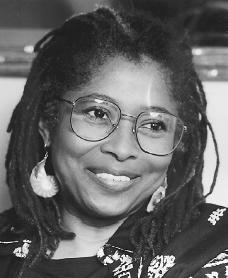
Alice Walker

Essayist, poet, fiction writer, and ardent social activist Alice Walker will discuss her upcoming book, Overcoming Speechlessness: A Poet Encounters “the horror” in Rwanda, Eastern Congo, and Palestine/Israel, about her travels to each of those three regions, charting the aftermath of violent conflict and political upheaval. In conversation with Michael Krasny.

8 p.m., $20

Herbst Theater

401 Van Ness, SF

www.cityboxoffice.com


Music listings

0

Music listings are compiled by Paula Connelly and Cheryl Eddy. Since club life is unpredictable, it’s a good idea to call ahead to confirm bookings and hours. Prices are listed when provided to us. Submit items at listings@sfbg.com.

WEDNESDAY 14

ROCK/BLUES/HIP-HOP

*Beach House, Bachelorette Bimbo’s 365 Club. 8pm, $18.

Beatbeat Whisper, Todayokay, Vandella Café du Nord. 9:30pm, $10.

Little Dragon, VV Brown, Hottub Independent. 9pm, $20.

Pleasure Kills, Tranzmitors, Facts on File Hemlock Tavern. 9pm, $7.

Ash Reiter, Y La Bamba, Belly of the Whale Bottom of the Hill. 9pm, $8.

La Roux Fillmore. 8pm, $22.50.

Kevin Russell Biscuits and Blues. 8pm, $15.

Sia, Body Language Regency Ballroom. 8pm, $33.

Frank Turner, Franz Nicolay, Jonathan Devoto Rickshaw Stop. 8pm, $12.

Whitest Boy Alive Slim’s. 9pm, $18.

Yogoman Burning Band, Uncle Charlie, Buds Hotel Utah. 8pm, $8.

Yung Mars Project, Wooster Madrone Art Bar. 9pm, $5.

DANCE CLUBS

Booty Call Q-Bar, 456 Castro, SF; www.bootycallwednesdays.com. 9pm. Juanita Moore hosts this dance party, featuring DJ Robot Hustle.

Hands Down! Bar on Church. 9pm, free. With DJs Claksaarb, Mykill, and guests spinning indie, electro, house, and bangers.

Infatuation Vessel, 85 Campton, SF; (415) 433-8585. 10pm, $10. With DJs Erol Alkan, Sleazemore, Shane King, and White Girl Lust.

Jam Wednesday Infusion Lounge. 10pm, free. DJ Slick Dee.

Machine Sloane, 1525 Mission, SF; (415) 621-7007. 10pm, free. Warm beats for happy feet with DJs Sergio, Conor, and André Lucero.

Mary-Go-Round Lookout, 3600 16th St, SF; (415) 431-0306. 10pm, $5. A weekly drag show with hosts Cookie Dough, Pollo Del Mar, and Suppositori Spelling.

Nacht Musik Knockout. 10:30pm, $5. Dark and minimal with DJs Omar, Josh, and Justin.

Open Mic Night 330 Ritch. 9pm, $7.

RedWine Social Dalva. 9pm-2am, free. DJ TophOne and guests spin outernational funk and get drunk.

THURSDAY 15

ROCK/BLUES/HIP-HOP

Apache Thunderbolt, Outlier, Zodiac Death Valley, Damage the Dream, Greg Dale and Sotto Voice Paradise Lounge. 9pm, $7. Proceeds go to Haight-Ashbury Street Fair.

Cast of Clowns Boom Boom Room. 9:30pm, $10.

Bart Davenport, Kacey Johansing, JL Stiles Café du Nord. 9pm, $12.

*Dead Weather, Ettes Fillmore. 8pm, $35.

Foolproof Four, Caldecott, Riot Professor Grant and Green. 9pm, free.

*King Khan and the Shrines, Fresh and Onlys Bimbo’s 365 Club. 8pm, $17.

Laurie Morvan Band Biscuits and Blues. 8pm, $15.

Passion Pit, Mayer Hawthorne and the County Bear Hands Warfield. 8pm, $29.50.

Petunia and the Vipers, B-Stars, Hotsy Totsy Hillbilly Jazzbos Hotel Utah. 9pm, $8.

Pretty Lights, Eliot Lipp Mezzanine. 9pm, $20.

Psychedelic Horseshit, Dadfag, Murkins Hemlock Tavern. 9pm, $7.

Corinne Bailey Rae, Daniel Merriweather, Overtone Regency Ballroom. 8pm, $27.50-30.

Rubbersidedown Rickshaw Stop. 8pm, $10.

RX Bandits, Builders and the Butchers, Zechs Marquise Slim’s. 8pm, $16.

Soft Pack, Male Bonding, Nodzzz Bottom of the Hill. 9pm, $12.

Steve Taylor-Ramirez, Essence, Ziva, Dogman Joe, Valerie Orth 111 Minna. 9pm, $10-20. Benefit for the American Diabetes Association. Also with RYP, Kindness and Lies, Alice Tong, and more.

Yann Tiersen Great American Music Hall. 9pm, $20.

JAZZ/NEW MUSIC

Nick Rossi Revolution Café, 3248 22nd St, SF; (415) 642-0474. 8:30pm, free.

Christian Scott Borders, 233 Winston, SF; (415) 731-0665. 7pm, free.

Snake Plissken Quintet with Pocket Presidents Coda. 9pm, $7.

Terrence Blanchard Quintet Yoshi’s San Francisco. 8 and 10pm, $12-18.

DANCE CLUBS

Afrolicious Elbo Room. 9:30pm, $5-7. DJs Pleasuremaker and Señor Oz spin Afrobeat, Tropicália, electro, samba, and funk.

Caribbean Connection Little Baobab, 3388 19th St, SF; (415) 643-3558. 10pm, $3. DJ Stevie B and guests spin reggae, soca, zouk, reggaetón, and more.

Club Jammies Edinburgh Castle. 10pm, free. DJs EBERrad and White Mice spinning reggae, punk, dub, and post punk.

Drop the Pressure Underground SF. 6-10pm, free. Electro, house, and datafunk highlight this weekly happy hour.

Electric Feel Lookout, 3600 16th St, SF; (415) 431-0306. 9pm, $2. With DJs subOctave and Blondie K spinning indie music videos.

Good Foot Yoruba Dance Sessions Bacano! Som., 2925 16th St, SF; (415) 558-8521. 9pm, free. A James Brown tribute with resident DJs Haylow, A-Ron, and Prince Aries spinning R&B, Hip hop, funk, and soul.

Heat Icon Ultra Lounge. 10pm, free. Hip-hop, R&B, reggae, and soul.

Kick It Bar on Church. 9pm. Hip-hop with DJ Jorge Terez.

Koko Puffs Koko Cocktails, 1060 Geary, SF; (415) 885-4788. 10pm, free. Dubby roots reggae and Jamaican funk from rotating DJs.

Meat DNA Lounge. 9:30pm, $2-5. Industrial with BaconMonkey, Netik, Mr. Smith, and Holy Filament.

Mestiza Bollywood Café, 3376 19th St, SF; (415) 970-0362. 10pm, free. Showcasing progressive Latin and global beats with DJ Juan Data.

Nightvision Harlot, 46 Minna, SF; (415) 777-1077. 9:30pm, $10. DJs Danny Daze, Franky Boissy, and more spinning house, electro, hip hop, funk, and more.

Peaches Skylark, 10pm, free. With an all female DJ line up featuring Deeandroid, Lady Fingaz, That Girl, and Umami spinning hip hop.

Popscene 330 Rich. 10pm, $10. Rotating DJs spinning indie, Britpop, electro, new wave, and post-punk.

Represent Icon Lounge. 10pm, $5. With Resident DJ Ren the Vinyl Archaeologist and guest. Rock Candy Stud. 9pm-2am, $5. Luscious Lucy Lipps hosts this electro-punk-pop party with music by ReXick.

FRIDAY 16

ROCK/BLUES/HIP-HOP

Bad Lieutenant, Run Run Run Regency Ballroom. 9pm, $27.

Jeff Beck Nob Hill Masonic Center, 1111 California, SF; www.livenation.com. 8pm, $42.50-78.

City Center, Baths, Ben Bracken Hemlock Tavern. 9:30pm, $7.

Crime in Stereo, Robbers Thee Parkside. 9pm, $8.

*Dead Weather, Ettes Fillmore. 8pm, $35.

ii, Gomorran Social Aid and Pleasure Club, Karina Denike Bottom of the Hill. 10pm, $14.

Jonsi Palace of Fine Arts, 3301 Lyon, SF; www.livenation.com. 8pm, $36.50.

Love is All, Princeton, Butterfly Bones Rickshaw Stop. 8:30pm, $14.

*Red Meat, Dave Gleason, Golden Cadillacs Café du Nord. 9pm, $12.

Lavay Smith and Her Red Hot Skillet Lickers Biscuits and Blues. 8 and 10pm, $20.

Tea Leaf Green Great American Music Hall. 8:30pm, $25.

*Wolves in the Throne Room, Earth, Lori Goldston Slim’s. 9pm, $16.

*Z-Man, Kirby Dominant, Trunk Drank, Spank Pops, DJ E Da Boss, B-Cause, A-R0N Elbo Room. 10pm, $5-10.

JAZZ/NEW MUSIC

“Activating the Medium” Lab, 2948 16th St, SF; www.thelab.org. 8:30pm, $8-15. With G*Park, Joshua Churchill, Adam Sonderberg, and a panel-lecture hosted by Cheryl Leonard.

Audium 9 1616 Bush, SF; (415) 771-1616. 8:30pm, $15.

Bruno Pelletier Bacquart Socha Café, 3235 Mission, SF; (415) 643-6848. 8:30pm, free.

Black Market Jazz Orchestra Top of the Mark. 9pm, $10.

Emily Anne’s Delights Revolution Café, 3248 22nd St, SF; (415) 642-0474. 8:45pm, free.

Eric Kurtzrock Trio Ana Mandara, Ghirardelli Square, 891 Beach, SF; (415) 771-6800. 8pm, free.

Monterey Jazz All-Stars Yoshi’s San Francisco. 8 and 10pm, $26-32.

*Pharaoh Sanders Grace Cathedral, 1100 California, SF; www.sfjazz.org. 8pm, $25-50.

Terry Disley Experience Trio Vin Club, 515 Broadway, SF; (415) 277-7228. 7:30pm, free.

FOLK/WORLD/COUNTRY

Chicago Afrobeat Project Coda. 9pm, $15.

Earl Brothers, Devine’s Jug Band Plough and Stars. 9pm, $6-$10 sliding scale.

Rob Reich, Craig Ventresco Amnesia. 7pm, free.

Sila, DJ Jeremiah, Chicago Afrobeat Project Coda. 10pm, $10.

DANCE CLUBS

Activate! Lookout, 3600 16th St, SF; (415) 431-0306. 9pm, $3. Face your demigods and demons at this Red Bull-fueled party.

Bar on Church 9pm. Rotating DJs Zax, Zhaldee, and Nuxx.

Blow Up Rickshaw Stop. 10pm, $10. With rotating DJs.

Deep Fried Butter, 354 11th St, SF; (415) 863-5964. DJs jaybee, David Justin, and Dean Manning spinning indie, dance rock, electronica, funk, hip hop, and more.

Dirty Rotten Dance Party Madrone Art Bar. 9pm, $5. With DJs Morale, Kap10 Harris, and Shane King spinning electro, bootybass, crunk, swampy breaks, hyphy, rap, and party classics.

Exhale, Fridays Project One Gallery, 251 Rhode Island, SF; (415) 465-2129. 5pm, $5. Happy hour with art, fine food, and music with Vin Sol, King Most, DJ Centipede, and Shane King.

Fat Stack Fridays Koko Cocktails, 1060 Geary, SF; (415) 885-4788. 10pm, free. With rotating DJs Romanowski, B-Love, Tomas, Toph One, and Vinnie Esparza.

Gay Asian Paradise Club Eight, 1151 Folsom, SF; www.eightsf.com. 9pm, $8. Featuring two dance floors playing dance and hip hop, smoking patio, and 2 for 1 drinks before 10pm.

Good Life Fridays Apartment 24, 440 Broadway, SF; (415) 989-3434. 10pm, $10. With DJ Brian spinning hip hop, mashups, and top 40.

Hot Chocolate Milk. 9pm, $5. With DJs Big Fat Frog, Chardmo, DuseRock, and more spinning old and new school funk.

Hubba Hubba Revue DNA Lounge. 9pm, $10-15. Disco-themed burlesque.

Look Out Weekend Bambuddha Lounge. 4pm, free. Drink specials, food menu and resident DJs White Girl Lust, Swayzee, Philie Ocean, and more.

Loose Stud. 10pm-3am, $5. DJs Domino and Six spin electro and indie, with vintage porn visual projections to get you in the mood.

M4M Fridays Underground SF. 10pm-2am. Joshua J and Frankie Sharp host this man-tastic party.

Major Lazer Mezzanine. 9pm, $30. With Rusko, Mike Snow, and more.

Oldies Night Knockout. 9pm, $2-4. Doo-wop and one-hit wonders with DJs Primo, Daniel, and Lost Cat.

Radioactivity 222 Hyde, SF; (415) 440-0222. 6pm. Followed by Warm Leatherette at Space Gallery, 1141 Polk, SF; (415) 377-3325. 9pm. A back to back traveling Cold Wave night with DJs spinning danceable post-punk and psychedelic.

Rockabilly Fridays Jay N Bee Club, 2736 20th St, SF; (415) 824-4190. 9pm, free. With DJs Rockin’ Raul, Oakie Oran, Sergio Iglesias, and Tanoa “Samoa Boy” spinning 50s and 60s Doo Wop, Rockabilly, Bop, Jive, and more.

SATURDAY 17

ROCK/BLUES/HIP-HOP

Frankie Alpine, Group Rhoda Amnesia. 9pm, $5. Presented by O.K. Hole.

Bananas, Pins of Light, Lenguas Larvae, Underground Railroad to Candyland Knockout. 5pm, $6.

Collie Budz, Phife Dawg Independent. 9pm, $28.

Dust, Mariana Trench Thee Parkside. 3pm, free.

*Charlotte Gainsbourg, Jogger, AM Palace of Fine Arts, 3301 Lyon, SF; www.ticketmaster.com. 8pm, $37.50.

*Heavy Hindenberg, Inferno of Joy, Smokestacks El Rio. 9pm, $7.

Holly Golightly and the Brokeoffs, Ferocious Few, Hudson Bell Café du Nord. 9:30pm, $15.

Debora Iyall, Persephone’s Bees Slim’s. 9pm, $15.

Jonsi Amoeba, 1855 Haight, SF; www.amoeba.com. 2:30pm.

Judgement Day, Battle Hooch, 7 Orange ABC Bottom of the Hill. 9pm, $12.

Paranoids, Midnight Strangers, Pets Hemlock Tavern. 9:30pm, $6.

Public Image Ltd. Regency Ballroom. 9pm, $53.

Tea Leaf Green, Nicki Bluhm and the Gramblers Great American Music Hall. 8:30pm, $25.

Earl Thomas and the Blues Ambassadors Biscuits and Blues. 8 and 10pm, $22.

Wires in the Walls, Real Numbers, Procrastinators Hotel Utah. 9pm, $8.

Yeasayer, Sleigh Bells Fillmore. 9pm, $20.

JAZZ/NEW MUSIC

“Activating the Medium” Lab, 2948 16th St, SF; www.thelab.org. 8:30pm, $8-15. With Cheryl Leonard, Pedestrial Deposit, Jesse Burson, and Rale.

Audium 9 1616 Bush, SF; (415) 771-1616. 8:30pm, $15.

Eric Kurtzrock Trio Ana Mandara, Ghirardelli Square, 891 Beach, SF; (415) 771-6800. 8pm, free.

“Jazz Mafia Presents Remix: Live with Supertaster” Coda. 10pm, $10.

Megan Keely Socha Café, 3235 Mission, SF; (415) 643-6848. 8:30pm, free.

Ricardo Scales Top of the Mark. 9pm, $15.

Caetano Veloso Nob Hill Masonic Center, 1111 California, SF; www.sfjazz.org. 8pm, $30-90.

FOLK/WORLD/COUNTRY

Clerestory St. Gregory of Nyssa Church, 500 DeHaro, SF; clerestory.org. 8pm, $20.

Ya Elah Women’s Ensemble Seventh Avenue Performances, 7th Ave., SF; (415) 664-2543 ext. 3.

Zoyres Revolution Café, 3248 22nd St, SF; (415) 642-0474. 8:45pm, free.

DANCE CLUBS

Bar on Church 9pm. Rotating DJs Foxxee, Joseph Lee, Zhaldee, Mark Andrus, and Niuxx.

Bootie DNA Lounge. 9pm, $6-12. Mash-ups with special guest Moldover.

Booty Bassment Knockout. 10pm, $5. Hip-hop with DJs Ryan Poulsen and Dimitri Dickenson.

Cock Fight Underground SF. 9pm, $6. Locker room antics galore with electro-spinning DJ Earworm and hostess Felicia Fellatio.

Fire Corner Koko Cocktails, 1060 Geary, SF; (415) 885-4788. 9:30pm, free. Rare and outrageous ska, rocksteady, and reggae vinyl with Revival Sound System and guests.

Fringe Madrone Art Bar. 9pm, $5. With DJs Blondie K and subOctave spinning indie music videos.

Full House Gravity, 3505 Scott, SF; (415) 776-1928. 9pm, $10. With DJs Roost Uno and Pony P spinning dirty hip hop.

HYP Club Eight, 1151 Folsom, SF; www.eightsf.com. 10pm, free. Gay and lesbian hip hop party, featuring DJs spinning the newest in the top 40s hip hop and hyphy.

Non Stop Bhangra Rickshaw Stop. 9pm, $20. World beats.

Prince vs. Michael Madrone Art Bar. 8pm, $5. With DJs Dave Paul and Jeff Harris battling it out on the turntables with album cuts, remixes, rare tracks, and classics.

Saturday Night Live Fat City, 314 11th St; selfmade2c@yahoo.com. 10:30pm.

Saturday Night Soul Party Elbo Room. 10pm, $10. With DJs Lucky, Phengren Oswald, and Paul Paul spinning 60s soul on 45s.

Social Club Lookout, 3600 16th St, SF; (415) 431-0306. 9pm. Shake your money maker with DJs Lee Decker and Luke Fry.

Spirit Fingers Sessions 330 Ritch. 9pm, free. With DJ Morse Code and live guest performances.

SUNDAY 18

ROCK/BLUES/HIP-HOP

Bermuda Triangle Service, Canja Rave, Bouvier Girls Kimo’s. 9pm, $6.

Foxy Shazam, Young Veins, Bad Rabbits Bottom of the Hill. 9pm, $10.

Hungry Merch Band, Kally Price Amnesia. 9pm, $10.

*Overkill, Vader, God Dethroned, Warbringer, Evile, Woe of Tyrants Regency Ballroom. 6:30pm, $30.

Society of Rockets, Little Bridges, Panduh Hemlock Tavern. 9pm, $6.

Transatlantic Palace of Fine Arts, 3301 Lyon, SF; www.ticketmaster.com.8pm, $49.50-74.50.

Uriah Duffy Band, Jamie Wong and the Emergency Pants, Gentry Bronson Hotel Utah. 8pm, $8.

Yoshitake Expe, Barn Owl, Why Because Café du Nord. 8pm, $10.

JAZZ/NEW MUSIC

Celia Malheiros Bliss Bar, 4026 24th St, SF; (415) 826-6200. 4:30pm, $10.

Punch Brothers featuring Chris Thile Herbst Theatre, 401 Van Ness, SF; www.sfjazz.org. 7pm, $25-55.

“Resonant World: An Afternoon of Music by John Cage” Meridian Gallery, 535 Powell, SF; www.meridiangallery.org. 3pm, $10.

Anton Schwartz and Grant Levin Noe Valley Jazz at the Ministry, 1021 Sanchez, SF; www.noevalleyministry.org/jazzvespers. 5pm, free.

FOLK/WORLD/COUNTRY

Arborea Rite Spot, 2099 Folsom, SF; (415) 552-6066. 9pm, free. With Jeffery Luck Lucas and Lily Taylor.

Birdlips Amnesia. 7pm, free.

Blue Diamond Fill Ups, Ghost Writer Thee Parkside. 3pm, free.

*Ceu, Boca Do Rio, DJ Felina Independent. 8pm, $22.

Hungry March, Kally Price Band Amnesia. 9pm, $7-10.

International Sitar and Tabla Festival Red Poppy Art House. 6pm, 7pm; $10 per show, $40 full day pass.

“Te Gusto Musical … Chelle and Friends” Coda. 8pm, $10.

*Tribute to Buffy St. Marie Make Out Room. 7:30pm, $8. With Emily Jane White, Mariee Sioux, Michele Hannigan, Heidi Alexander, Conspiracy of Venus, and more.

DANCE CLUBS

All Fall Down Knockout. 9pm, free. With DJs Melanie Anne Berlin and Jessica Beard.

Call In Sick Skylark. 9pm, free. DJs Animal and I Will spin danceable hip-hop.

DiscoFunk Mashups Cat Club. 10pm, free. House and 70’s music.

Dub Mission Elbo Room. 9pm, $6. Dub, roots, and classic dancehall with Vinnie Esparza and Maneesh the Twister.

Gloss Sundays Trigger, 2344 Market, SF; (415) 551-CLUB. 7pm. With DJ Hawthorne spinning house, funk, soul, retro, and disco.

Honey Soundsystem Paradise Lounge. 8pm-2am. “Dance floor for dancers – sound system for lovers.” Got that?

Jock! Lookout, 3600 16th St, SF; (415) 431-0306. 3pm, $2. This high-energy party raises money for LGBT sports teams.

Kick It Bar on Church. 9pm. Hip-hop with DJ Zax.

Lowbrow Sunday Delirium. 1pm, free. DJ Roost Uno and guests spinning club hip hop, indie, and top 40s.

Religion Bar on Church. 3pm. With DJ Nikita.

Stag AsiaSF. 6pm, $5. Gay bachelor parties are the target demo of this weekly erotic tea dance.

MONDAY 19

ROCK/BLUES/HIP-HOP

As Tall As Lions, Bad Veins, Civil Twilight Slim’s. 8pm, $15.

Band of Skulls, 22-20s, Saint Motel Rickshaw Stop. 8pm, $14.

Bitch, Your Cannons Café du Nord. 8pm, $14.

Echo and the Bunnymen Fillmore. 8pm, $27.50.

“Felonious Presents: Live City Revue” Coda. 9pm, $7.

John Brown’s Body, Toubab Krewe Independent. 8pm, $22.

Mr. Gnome, Moonbell Elbo Room. 9pm, $7.

DANCE CLUBS

Bacano! Som., 2925 16th St, SF; (415) 558-8521. 9pm, free. With resident DJs El Kool Kyle and Santero spinning Latin music.

Black Gold Koko Cocktails, 1060 Geary, SF; (415) 885-4788. 10pm-2am, free. Senator Soul spins Detroit soul, Motown, New Orleans R&B, and more — all on 45!

Ceremony Knockout. 10pm, $10. DJs Deadbeat and Yule Be Sorry, plus live performances by Chameleons Vox, Veil Veil Vanish, and the Magic Bullets.

Death Guild DNA Lounge. 9:30pm, $3-5. Gothic, industrial, and synthpop with guest DJ Ronan Harris.

M.O.M. Madrone Art Bar. 6pm, free. With DJ Gordo Cabeza and guests playing all Motown every Monday.

Manic Mondays Bar on Church. 9pm. Drink 80-cent cosmos with Djs Mark Andrus and Dangerous Dan.

Monster Show Underground SF. 10pm, $5. Cookie Dough and DJ MC2 make Mondays worth dancing about, with a killer drag show at 11pm.

Network Mondays Azul Lounge, One Tillman Pl, SF; www.inhousetalent.com. 9pm, $5. Hip-hop, R&B, and spoken word open mic, plus featured performers.

Skylarking Skylark. 10pm, free. With resident DJs I & I Vibration, Beatnok, and Mr. Lucky and weekly guest Djs.

Spliff Sessions Tunnel Top. 10pm, free. DJs MAKossa, Kung Fu Chris, and C. Moore spin funk, soul, reggae, hip-hop, and psychedelia on vinyl.

TUESDAY 20

ROCK/BLUES/HIP-HOP

*Almighty Defenders Great American Music Hall. 8pm, $16.

Awesome Color, Hair Police, Glitter Wizard Hemlock Tavern. 9pm, $8.

Cypress Hill Warfield. 8pm, $45.

HIM, We Are the Fallen, Dommin, Drive A Regency Ballroom. 7pm, $33.

Killola, Sick of Sarah, Jonesin’ Thee Parkside. 8pm, $8.

*Lidtoker, Hazzard’s Cure, Nine Worlds, Burns Red Kimo’s. 8pm, $7.

Megafaun, Trampled By Turtles, Breathe Owl Breathe Independent. 8pm, $14.

Moonalice Slim’s. 7:20pm, $4.20. Gary Numan Fillmore. 8pm, $27.50.

Rademacher, Sporting Life, Last of the Steam Powered Trains Knockout. 9pm, $5.

Chantelle Tibbs, Tyler Stafford, Nathan Hughes Bottom of the Hill. 9pm, $8.

DANCE CLUBS

Alcoholocaust Presents Argus Lounge. 9pm, free. With DJ What’s His Fuck and Johnny Repo. Eclectic Company Skylark, 9pm, free. DJs Tones and Jaybee spin old school hip hop, bass, dub, glitch, and electro. La Escuelita Pisco Lounge, 1817 Market, SF; (415) 874-9951. 7pm, free. DJ Juan Data spinning gay-friendly, Latino sing-alongs but no salsa or reggaeton. Share the Love Trigger, 2344 Market, SF; (415) 551-CLUB. 5pm, free. With DJ Pam Hubbuck spinning house. Womanizer Bar on Church. 9pm. With DJ Nuxx. *

Alerts

0

alert@sfbg.com›

WEDNESDAY, APRIL 14

Organize against General Atomics


Attend this organizing meeting to learn how you can join the upcoming protest against General Atomics, scheduled for May 18–19 in San Diego, and take a stand against this manufacturer of defense drones that have caused the deaths of many innocent civilians in Afghanistan and Pakistan.

7 p.m., free

Global Exchange Office

2017 Mission, Suite 200, SF

codepinkalert.org

Rally Against Carbon Trading


Protest carbon trading and carbon offsets as false solutions to climate change outside the Navigating the American Carbon World conference attended by bankers, oil industry representatives, financial speculators, and big environmental groups.

Noon, free

San Francisco Marriott Marquis

55 Fourth St., SF

west.actforclimatejustice.org

THURSDAY, APRIL 15

Bike to School Day


Whatever kind of student you are, biking is an easy, healthy way to get to school. Encourage kids to take part in this city wide Bike to School Day with group ride locations throughout San Francisco.

All day, free

Throughout the city

Visit, sfbiketoschoolday.org for more information.

SATURDAY, APRIL 17

Berkeley Shore Cleanup

In preparation for Earth Day, help clean up the planet by taking part in one of the many cleanup activities being organized by Berkeley Earth Day and Shorebird Park Nature Center.

Various times and locations, free

(510) 654-6346

www.bayareaearthday.org

Building Bridges


Take part in this conference to build strategies and plans for successful protest, community organizing, civil disobedience, and direct action on LGBTQ, questioning, intersex, asexual, and related social justice issues. Help build solidarity, connections, and momentum.

10 a.m., free

Mission Cultural Center

2868 Mission, SF

(415) 821-1155

www.lgbtbridges.org

Counter Recruitment Training


Whether you’re a teacher, student, activist, parent, veteran, or family member, learn about the resources and materials on the realities of military service, aggressive military recruitment, and alternative options for youth.

9 a.m.; free, donations accepted

War Memorial Veteran’s Building

401 Van Ness, SF

(415) 565-0201, ext. 24

TUESDAY, APRIL 20

Building Materials You Wish You Never Used

Hear a presentation about commonly used building materials that are more hazardous than others and the risk that they pose to the environment and to personal health and safety. Dr. Arlene Blum and Tom Lent discuss the perils of these materials, like PVC vinyl and chemical flame retardants, and offer alternatives.

7 p.m., $10 donation

AIA San Francisco

130 Sutter, sixth floor, SF

(510) 845-1000

International Cannabis Smokers Day


Herb enthusiasts are invited to join fellow ganja smokers in defiant solidarity against the impracticality of enforcing current marijuana laws and to publicly show your support of the upcoming November 2010 statewide ballot initiative to legalize, control, and tax recreational use of marijuana.

4:20 p.m. sharp, free

Hippie Hill

Golden Gate Park, SF

cannabisculture.com

Mail items for Alerts to the Guardian Building, 135 Mississippi St., SF, CA 94107; fax to (415) 255-8762; or e-mail alert@sfbg.com. Please include a contact telephone number. Items must be received at least one week prior to the publication date.

Did Lennar hire an armed security guard from Andrews International?

11

I didn’t attend the April 12 hearing of the Board’s city operations and neighborhood services committee about Lennar’s decision to send an armed ex-SFPD officer to a Feb. 18 community meeting at the Nation of Islam’s mosque on Third Street.

But video footage shows that it was a packed house, during which plenty of folks stated loud and clear that they thought it was a really bad and potentially dangerous idea to send an armed ex-officer into a community meeting in the Bayview.


“What next? Concealed weapons at City Hall?” a member of the public asked.

At meeting’s end, Sups. John Avalos, Carmen Chu, Sean Elsbernd voted to refer a resolution urging Lennar Corporation to issue a formal, written apology to members of the Stop Lennar Action Movement (SLAM.) to the full Board without recommendation, after Elsbernd voiced concern that the ex-officer may have been threatened and had racial epithets hurled his way.

“If the gentleman was threatened, if racial language was used, in that case it should not be one- sided,” Elsbernd said. “There should be apologies on the other side as well.”

Meanwhile, it’s worth shining light on another question: Who was the ex-officer actually working for?

During the meeting, much was made of the fact that the ex-officer, who told police his name was Bob Tarantino though apparently that is not his real name, gave as his work contact an address in Miami, Florida, where PR agency Sitrick and Company, has an office.

(Lennar once sent a Sitrick employee to talk to me and my editors at the Guardian, after we published the first in a series of reports that showed that the company failed to adequately enforce promised asbestos dust mitigation plans at its Shipyard site.)

But Sitrick managing director Glenn Bunting, who oversees the company’s San Francisco, Silicon Valley and Miami offices, told the Guardian that the ex-officer in question has never worked for or been an employee of Sitrick.

“We know who is on our pay roll and we don’t provide security services,” Bunting said.

He confirmed that Sitrick recently opened an office in Miami and sublets space from another firm in the same building. “We have a very small presence in Miami,” Bunting said.

So, who could Tarantino work for who  also has the same address in Miami, Florida, where Lennar Corporation is headquartered?

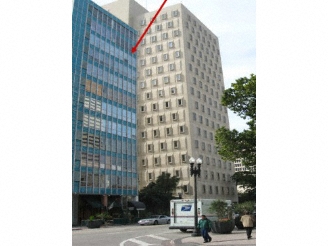
The building in question looks pretty big, lies across the street from the court house and is home to Andrews International, which is headquartered in Los Angeles, and bills itself as “a full service provider of security and risk mitigation services” and the “largest private, American-owned full-service security provider in the United States.”

In October 2009, Andrews International acquired Verasys LLC, a Miami-based consulting firm focused on global risk mitigation, investigations and security services.

“The acquisition added new offices in Miami, Tampa, Dallas, Atlanta and Bogotá, expanding service capabilities in all 50 states and Latin America” an Andrews International press release states.“ This followed the June 2009 acquisition of the U.S. and Mexico guarding operations of Garda World Security Corporation (TSX: GW), encompassing 14 offices across the U.S. and abroad. Most recently in January 2010, Andrews International acquired A&S Security, a California-based full service security company, expanding operations in its Western U.S. Region.”

So, it’s possible Bob Tarantino, or whatever his name is, works for these folks?
Lennar Urban’s Kofi Bonner has not replied to this question, as of this blog posting. But in a March 15 letter to Board President David Chiu and D. 10 supervisor Sophie Maxwell, Bonner said he was “working with our vendors to prevent such an episode from happening again.”


Bonner’s letter wasn’t entirely apologetic.

“Lennar has become increasingly concerned that some community meetings have devolved into hostility accompanied by intimidation of our supporters,” Bonner stated. “For that reason, I decided against sending any employees or consultants to the meeting in question.”

“I am truly disturbed by the ensuing physical and verbal abuse directed at the security firm employee,” Bonner continued. “Not surprisingly, he is independently considering his legal options.”

Stop mistreating working women!

0

Dick Meister, formerly labor editor of the SF Chronicle and KQED-TV Newsroom, has covered labor and politics for a half century. Contact him through his website www.dickmeister.com

Although the global recession has had a serious impact on working men and women alike, two new reports make clear that women in the United States and throughout the world have suffered most because of long-standing discrimination.

The findings come from two highly regarded sources – the United Nations’ International Labor Office (ILO), and the New Center for American Progress (CAP), a think tank headed by John Podesta, former chief of staff for President Clinton.

Above all, the reports show the critical need to combat the worldwide mistreatment of working women, especially in these times of economic distress. The initial blow of the recession was felt in work dominated by men, such as finance, manufacturing and construction. But the main impact has shifted to other areas of work, including service work, where women generally are dominant.

Nevertheless, as the CAP report notes, “Most of the jobs that have been lost have been lost by men, leaving millions of women and mothers to support their families.”

That’s a rough task for many women. For though they’re usually doing essentially the same work as men, or the equivalent of it, women earn substantially less than the men – internationally, 30 to 40 percent less, despite a narrowing of the gap in recent years. The gap is narrower within the United States, but even so, U.S. women average only 77 cents for every dollar earned by men.

The pay gaps exist in part because, as the ILO’s Sara Elder says,  “We still find many more women than men taking up low pay and precarious work, either because this is the only type of job made available or because they need to find something that allows them to balance work and family responsibilities. Men do not face these same constraints.”

And it may get worse for women, even after the recession ends, since “we know from previous crises that female job-losers find it more difficult to return to work as economic recovery settles in.”

What’s needed everywhere, of course, is equal treatment for working women – paying them the same as men doing comparable work and otherwise treating them the same.

In the United States that would mean cracking down on the widespread violations of the 47-year-old Equal Pay Act that has never delivered its promise to guarantee women equal treatment on the job.

Better yet would be the passage – and strict enforcement  – of the long stalled Paycheck Fairness Act. It would close loopholes in the Equal Pay Act that have made it relatively easy for employers to discriminate against women in pay and other matters.

It’s estimated that if U.S. women were granted equal pay , they could each earn as much as $2  million more over the whole of their working lives. It’s estimated as well that equal pay would reduce the number of families living in poverty by as much as half.

Probably the most essential reform aside from paycheck fairness would be, as the CAP report recommends, worldwide updating of basic labor standards “to recognize that most workers have family responsibilities and need predictable and flexible work schedules, family and medical leaves and paid sick days.” That would assure that women “who stay employed to support their families” won’t end up unemployed because of  “family-work.

At least in the United States, those and other reforms would likely win broad public support. A recent poll cited in the CAP report showed that “a large majority of Americans support new, more family-friendly workplace policies.” Eighty-five percent “said businesses that fail to adapt to needs of modern families risk losing good workers.”

And businesses that fail to adapt will be furthering the mistreatment of working women that’s gone virtually unchecked for far too many years. No matter what the recession – or its end – brings, we will not have a truly healthy economy until working women are guaranteed their full rights.

Dick Meister, formerly labor editor of the SF Chronicle and KQED-TV Newsroom, has covered labor and politics for a half century. Contact him through his website www.dickmeister.com

Verdict leaves SEIU-NUHW fight unresolved

44

By Christopher D. Cook

In a mixed ruling this morning (April 9), a nine-member U.S. District Court jury awarded $1.5 million to the Service Employees International Union in its ongoing campaign to stymie a rival union created by former SEIU staffers, in a mixed ruling that’s unlikely to resolve the unions’ protracted battle over members and leadership in the labor movement. 

Coming after a tense and bruising two-week trial and several days of jury deliberations, the verdict includes a $724,000 penalty against the insurgent National Union of Healthcare Workers, led by Sal Rosselli, former long-time president of SEIU’s United Healthcare Workers West (UHW). Rosselli and 15 of his NUHW colleagues were also hit with smaller penalties ranging from $30,000 to $74,000.

The SEIU lawsuit originally sought $25 million in damages for an array of allegations that its former staffers, who launched NUHW a day after the local was put in trusteeship, had stolen union funds and used SEIU resources and staff time to build their rival organization.

In the process of litigating the case, SEIU deployed four law firms at an expense of $5 million, according to SEIU-UHW communications director Steve Trossman (NUHW’s attorneys estimate the figure at closer to $10 million)—so if the award is upheld, SEIU stands to lose at least $3.5 million on the case. 

“It’s absolutely worth it,” said Michelle Ringuette, SEIU’s strategic affairs director.  “There’s no price tag on justice.”  She called the verdict “an enormous slam-dunk victory for SEIU members, who wanted to hold [NUHW] accountable…they are exhilarated today.”

But in an interview a few hours after the verdict, Rosselli said he and NUHW are undaunted by the ruling.  “Their goal was to destroy NUHW, and they failed,” he said.  “They wanted us to walk away from NUHW, that’s what this is all about…This will go on for more than a year before they can try to see a dime” of NUHW money, Rosselli added, noting NUHW’s attorneys will ask Judge William Alsup to set aside the verdict, and if he doesn’t they’ll press on to the U.S. Court of Appeals.

According to Rosselli, SEIU “said I was in jail, they said that I stole $3 million, and it hasn’t resonated…This has the potential to backfire on them—what we got dinged for is fighting the trusteeship, fighting for democracy, and fighting for a voice.”

Meanwhile, on the ground, where the two unions are locked in a tough fight for members, a different verdict is playing out.  In nine hospital elections over the past year, NUHW has won seven, mostly by resounding margins. The new union has won elections for more than 3,000 workers so far, while more than 100,000 have signed petitions requesting NUHW representation. The biggest organizing prize is Kaiser, where 50,000 workers will decide which union they want in an election this June.  “Once we win the Kaiser election, it’s going to be all over for SEIU healthcare,” Roselli said.

Rosselli said there are 100 union elections pending, and SEIU has moved to block all but 30 elections at nursing homes where staff turnover has been nearly 100 percent in the past year.  “The only reason they’re blocking is because they think they’re going to lose,” he said.

As the ruling came down, prominent California leaders such as United Farm Workers co-founder Dolores Huerta and former California State Senate pro tem John Burton issued statements supporting NUHW. “Tens of thousands of healthcare workers are organizing with NUHW for a real voice at work and a democratic voice in their union, and that will continue in spite of this verdict,” Huerta said. “These reformers stood up for workers’ right to vote when SEIU tried to take it away, and that’s the only thing they’re guilty of.”

Way out Middle East

0

arts@sfbg.com

FILM One frontier in which Israel remains politically left-forward is that of gay rights. Civil marriage, military service, foreign-partner naturalization, and job discrimination issues are all much more progressively legislated than in the U.S. — let alone the rest of the Middle East, where flogging, prison, or even execution punish homosexual "crimes." Nonetheless, as in much of the world today, fundamentalist religious currents endanger progress already made and still being worked toward.

Three out of five films in the "Out in Israel" series at the Roxie deal with strife between gay and Orthodox religious communities. Copresented by San Francisco’s Jewish Film Festival, they’re all part of a larger lineup of April events assembled by the Israeli Consulate in honor of Israel’s Gay Pride Month.

The oldest feature here is from 1992, though it feels like 1972 — Amos Guttman’s 16mm-shot Amazing Grace has the technical simplicity and variably professional acting of early gay-themed movies from just about any nation, whatever their era. And like most such, it’s a downer in which everyone is depressed, isolated, and broke. Young Jonathan (Gal Hoyberger) is fed up, especially with his quarrelsome family and slutty ex-boyfriend, when he meets handsome new neighbor Thomas (Sharon Alexander). Unfortunately the New York City-returned older musician is more interested in using drugs than love to drown his HIV-positive self-pity.

Israel’s gay cinema pioneer, Guttman died of AIDS the following year at age 38 without achieving anything like the popular success that greeted Eytan Fox a decade later. Fox’s 2002 international breakthrough Yossi and Jagger, originally made for local TV, stars Ohad Knoller and Yehuda Levi as IDF officers stationed in a mountain bunker on the Lebanon border. They’re carrying on a giddy affair almost no one knows about till tragedy intervenes. But Avner Bernheimer’s astute screenplay is still only half done: the rest of Fox’s finest effort to date finds closeted grief exacerbated by psychological theft and stinging injustice.

Moving from secular to religious conflict, the remaining "Out in Israel" features focus on clashes with those who view homosexuality’s mere existence as an affront to God. Nitzan Giladi’s documentary Jerusalem Is Proud to Present (2007) opens with Jewish, Muslim, and Christian clerics — united at last — condemning the city’s planned hosting of the 2006 International World Pride Parade as "nothing less than the attempted spiritual rape of this holy city." Violent rioting by Orthodox sects, death threats to gay leaders, and more attempts to shut down the event before it happens, succeeding somewhat yet also prompting righteous obstinacy from the LGBT community. One can laugh queasily at the grandmotherly type who claims HIV infection will jump 300 percent because those gays "just grab people" for their "orgies." But you’ll want to sucker-punch the loudmouthed Brooklyn rabbi who flies in just to spew his smirking homophobia.

Two recent features illustrate the impasse between homosexuality and ultra-Orthodox values in intimate dramatic terms. Haim Tabakman’s debut feature, 2009’s Eyes Wide Open (the only series program with a ticket charge; all others are free), watches trouble brew when a kosher butcher (Zohar Shtrauss) grows dangerously fond of the alluring new assistant Ezri (Ran Danker), whose reputation as a "curse to righteous men" precedes him. While borderline mannered in its minimalist dialogue and direction, the film packs a potent
punch.

Contrastingly not at all interested in restraint is Avi Nesher’s The Secrets (2007), about two girls (Ania Bukstein, Michal Shtamler) discovering Sapphic love at a women’s seminary. They also embark on a secret program of ritual cleansings for a prison-released French murderess (Fanny Ardant, atypically hammy) dying of both cancer and heart disease. It’s too bad the series’ sole lesbian feature is so melodramatically over the top. Then again, it’s probably pretty tasteful by the standards of a director previously associated with schlock like 2000’s Raw Nerve (Mario Van Peebles meets Nicollette Sheridan!) and 2001’s Tales from the Crypt Presents: Voodoo.

OUT IN ISRAEL

April 8–29, free–$8

Roxie

3117 16th St, SF

Original synth

33

marke@sfbg.com

MUSIC “In a time when people are becoming more and more isolated every day by the Internet, alone at their computers and staring at the tiny, sad glowing screens in their cellular hands, it only makes sense to me that we are all feeling a slight sense of loneliness and (hopefully) the desire for connection with others … Whereas 1980s groups responded to implicit cold, colorless alienation of the repressive regimes of Reagan-Thatcher-era politics and culture, today’s groups I think express a similar frustration responding to what I call ‘the culture of isolation.'”

That’s Pieter Schoolwerth, founder of Wierd Records, a New York City label dedicated to releasing records by contemporary acts that eerily mimic the sounds of obscure electronic new wave, in a recent interview with Austrian music journal Skug. Oddly in the context of connection, he’s talking about some of the most deliberately cold, enigmatic, bleak yet beguiling music ever produced — “lost” underground European and American music that came out roughly between 1979 and 1986 (if it came out at all), was inspired by goth, industrial, and synthpop giants like Throbbing Gristle, Joy Division, Bauhaus, the Cure, and Depeche Mode, and is only being rediscovered now.

It’s igniting fierce interest, with musicological fanatics digging up spooky swaths of unknown angular gems and a slew of current bands channeling the sound. Originally made in decaying urban centers with then-newly-affordable analog synthesizers and drum machines by dozens of often untraceable musical mavericks — Ausgang Verboten, Esplendor Geometrico, Das Kabinette, Eleven Pond, Nine Circles, Zwischenfall, Gerry and the Holograms — these unearthed and unearthly tunes from decades ago are beginning to seep into the Bay Area scene via a handful of excellent compilations, club nights, and musical visionaries. Can something be retro if hardly anyone heard it the first time? That’s just one of the intriguing questions that springs to mind. Meanwhile, humans are dancing. Here’s a mix of some of the originals:

ANGULAR COLDWAVE LAUNCH MIX by Angular Recording Co

COLD CONNECTION, CHAIN REACTION

This bracingly unfamiliar music (or rather, slightly familiar — you think you’re hearing some bizarre 1981 B-side by Soft Cell or Visage but it turns out to be a crazy one-off from Columbus, Ohio from that same year) was usually grouped at the time into three fuzzy genres that overlapped at many points, sharing among them a DIY spirit, a dystopian view of the future, an urge to map the melodramatic onto the automatic, erotic astringency, and pretension without pretentiousness. Yes, much of it veers into “Sprockets” territory, but that’s actually part of the appeal.

Dark wave was an umbrella term for goth rock, early industrial, and darker synthpop. It grafted lamentation and cavernous basslines over post-punk’s angular angst and icebox oddity, and was popularized by groups like Fad Gadget, Front 242, and Chris and Cosey and at clubs like London’s seminal Batcave. Cold wave was the French version of dark wave that skewed toward more Pong-like synth figures, fizzling chords, studied malaise, and gnomic haiku. (“Business man/Yet you kill the boss/Computer programs/Shadows in the night,” Lyonnaise duo Deux disaffectedly intone on 1983’s unshakeable “Game and Performance.”) Synth wave, or minimal synth, was a kind of prickly disco: chromatic, sparsely produced, brooding and moody, yet often quite catchy and dance floor-oriented.

All three genres are now generally lumped together as “wave” (or sometimes “retrograde”), which can include a vast array of other period sounds, from John Zorn-like no-wave jazz explosions to Dead Can Dance spooky-tribal incantations. Basically, if it feels like you’re listening to a late-night college radio program somewhere in the Midwest in 1984, one possibly called “Flash Frequencies” or “Shadow Talk,” you’ve caught the uncanny wave gist. If you imagine yourself a fishnet-gloved extra in the movie Liquid Sky who pronounces “paradise” as “pah-rahd-eyes,” then you definitely have.

Dark wavers Brynna and Domini at Club Shutter. Photo by Sadie Mellerio

But just because the sound aimed for frigidity doesn’t mean it didn’t build community. Wave acts may have been what some would call “unbranded,” but they operated within close-knit networks: cassettes were passed hand-to-hand, recording studios were shared in warehouse-based artists’ communes, fans around the world braved dangerous parts of town to attend wave-centric club nights. The music itself attempted to humanize the arctic pitch of analog synths by infusing it with longing, restlessness, ennui, and gloom.

Vice Angular “This is Cold Wave” Mix

Today, that naive sincerity, refreshing lack of self-conscious irony, and marketplace virginity translate into authenticity, appealing to retro aficionados who vomit a tad at goth’s Hot Topicality, the macho posturing that torpedoed industrial, or the Polly Estherization of new wave. (Like techno, soul, and disco before it, new wave retro is finally purging itself of excess baggage and mainstream complications by going minimal and original.) Dusted-off waveforms and hyperactive web forums attract a network of virtual seekers and posters who salivate at each discovery. Schoolwerth may be right about wave’s cry against a culture of Internet isolation — and the turn toward analog is a specific rejection of the digital — but like an anxious clan gathered around a silicon-chip fire, its current fans watch anxiously online for freshly exhumed and re-chilled visions to appear. Then they go play them at clubs. Here is something old that seems truly new.

FOREVER EXHUMED, FOREVER ORANGE EYES

Wierd Records’ contemporary roster of disquieted simulators, including the almost paranormally attuned Xeno and Oaklander and Led er Est, has been gaining global club-play traction — something many of the original artists, who drifted off into other, often fascinatingly mundane lives, could only have hoped for. (One example: Lidia the Rose, one half of Dutch act Nine Circles, abandoned musicmaking in the early ’80s to raise “a half dozen” children in a commune-like setting. It was only after one of her sons Googled her name that she realized there were fans of her extremely limited, cassette-only output. She has since started making music again.) And wave affectations have garnered larger attention from the breakthrough of experimental synthpop band Cold Cave, which draws on the sound’s pallid idiosyncrasies. “Hear sounds about yesterday’s pain today,” the band’s MySpace deadpans.

Notable contemporary Bay Area wave acts include the excellently jerky Muscle Drum, founded by long-term wave-proponent Rob Spector of the group Bronze, fog-shrouded darkwave duo Sleeping Desiress, cinematic dirgers After Dark, and exquisitely anguished quintet Veil Veil Vanish. The East Bay’s Katabatik Sound System has been producing lurching experimental-industrial music and events for a while, and V. Vale’s Re/Search crew has been exhuming rare tunes forever. A particular favorite around the Bay Guardian office lately is the Soft Moon, a melancholic, pitch-perfectly crepuscular project of punk veteran and graphic designer Luis Vasquez.

The Soft Moon

“Honestly, being associated with the wave phenomenon was a little surprising to me at first,” Vasquez told me, balking, like many retro-contemporizers I talked to, at being associated with any kind of scene. “But I think I understand why. My instrumental formula is similar because of the use of drum machines, synthesizers, rhythmic bass lines, and somber melodies. It could also just be the overall feeling my music has. I’m still not quite sure.”

http://www.youtube.com/watch?v=Ufcfo9K1yfI

On the classic side of things, two just-released, high profile compilations — The Minimal Wave Tapes (Minimal Wave/Stones Throw) and Wierd-curated Cold Waves and Minimal Electronics Volume 1 (Angular) — along with recent German comp Genotypes (Genetic Records) have made underground synth rarities more accessible to potential wavers.

“I was exposed to new wave at a young age via my older brother’s small collection of cassettes,” NYC’s Veronica Vasicka of the Minimal Wave label wrote in an e-mail. “Later I’d sneak out of my parents’ apartment at night to go dancing in the East Village. I really associate those teenage days of first discovering record shops and old VHS tapes of bands like Throbbing Gristle with the inspiration that led me to launch the Minimal Wave label.”

Vasicka coined the term minimal wave to encompass her fascination with both cold wave and minimal synth sounds. Her long-running Sunday night East Village Radio show has served as a beacon for American synth fans, and the incredible response to her extensive Web site (www.minimal-wave.org) has established her as the point-person for the movement. She has her own theory about why the sound seems right:

“On one hand, I am surprised that minimal wave has been so easily welcomed in this day and age. But on the other, and when looking at things from an economic standpoint, there’s a distinct parallel between what was happening during the late 1970s and early ’80s and now. The weak economy that led to the recession peak in 1983 is similar to what has been happening during the past several years. And it seems that cultural and artistic output tend to be affected by economic and social struggle. So perhaps this context has provided the openness necessary to embrace minimal, DIY synthesizer music.”

PASSING FIRES, STRANGE DESIRES

I’ve just entered Sub Mission Gallery for underground queer punk party Sissy Fit. The energy is edgy. Clouds of smoke drift in from outside. Patrons in black sway on the dance floor and eye each other from the benches lining the bare walls. DJ Pickle Surprise, whose style ranges from hardcore blasts to camp classics, puts on a throbbing track by early ’80s Marseille synthers Martin Dupont and I’m instantly transported back to my shadowy youth, spent skulking around the checkerboard dance floors of downtown Detroit clubs Bookie’s, Todd’s, and Liedernacht. I whip an imaginary cigarette holder to my pursed lips, checking to make sure my phantom pillbox hat is properly tilted. He follows that up with a selection of wave tracks old and new, including Storüng, Oppenheimer Analysis, and 2VM, that transforms the joint into an electro-sepulchral time portal. The added twist to this nostalgia trip is mystery — the music ventures beyond the “‘remember the 80s party” canon and into some uncanny partial-recall state.

DJ Pickle Surprise

“I find I’m playing this sound more and more,” Pickle Surprise, a.k.a. Joe Krebs, told me. He got into wave after attending one of the parties Wierd has been throwing in Brooklyn since 2003. “It can call up visions of lasers and line-dancing robots, but after getting to know it more, there’s something less cold or android about it, more of a human touch. It’s analog. There’s something supernatural as well. Like Videodrome, where you’re up in the middle of the night and get pulled into something on television. Something haunting that recalibrates you.”

“Did the passions of the artists shape the way the technology was used, or did the technology shape the people using it? NERD!” DJ Nary Guman, a.k.a. Joe Polastri, teased over e-mail. Along with DJ Inquilab, a.k.a. Nihar Bhatt, he puts on the monthly wave-friendly Warm Leatherette. They started their own party early last year because they found their tastes didn’t quite fit in anywhere. “Once I started digging I found out just how vast the field was,” Bhatt added. “It’s exciting to have something that can be danceable, experimental, popular, and punk at the same time.”

Other San Francisco parties that have embraced the sound include the monthly Shutter (www.myspace.com/clubshutter) at Elbo Room, which packs in the kohled and the beautiful with hits from Sisters of Mercy and Fields of the Nephilim among rarer tracks. Local band Jonas Reinhardt’s Synth City, every last Thursday of the month at the Attic (www.jonasreinhardt.com) mixes a wave feel into atmospheric krautrock and new age rambles. And the Radioactivity happy hour at 222 Hyde (www.222hyde.com) celebrates “low-budget synths and Cold War dance parties.”

LE DECADENCE ELECTRONIQUE

The party most faithful to the retrograde spirit, however, is the energetically opaque Nachtmusik, put on by DJs Josh Cheon, Justin, and Omar. Chilly green lasers strobe live performers, wave-o-philes gather in corners to trade track knowledge, and open-minded dancers try out new-old moves to alien beats. (Surprisingly, this insular music sounds really good loud in a crowd.)

Josh Cheon of Dark Entries Records. Photo by Jon Rivera

If anyone’s the heart of the Bay wave scene, it’s Cheon. One of our most important amateur musicologists, he was integral to the disco revival of the ’00s, tracking down and conducting in-depth interviews with gay bathhouse-era survivors and then moving on to international wave. For him, the music summons youthful memories of dancing at NYC’s the Bank to Clan of Xymox, Q Lazzarus, Cetu Javu, Wolfshiem, Beborn Beton, and VNV Nation. “From the first notes of Ministry’s With Sympathy and Depeche Mode’s Speak and Spell, I’ve been a sucker for synths,” he told me, laughing.


Death Domain by darkentriesrecords

In 2009, Cheon started Dark Entries Records (www.darkentriesrecords.com) to release some of his finds, including Second Decay, Zwischenfall, Those Attractive Magnets, and upstate New York’s Eleven Pond, whose “Watching Trees” has become a wave anthem of sorts. (He found Eleven Pond through a comment one of the members posted on SF synth collector Goutroy’s A Viable Commercial blog, goutroy.blogspot.com.)

Staying true to the “DIY vinyl retrograde” spirit, Dark Entries releases come in hand-numbered batches of 500, and for the most part the digital rights are kept by the artists themselves. There are no CDs.

He shrugs off the possibility that there’s little left to discover. “It’s like gold mine after gold mine,” Cheon told me. “There’s just so much out there — even the artists themselves are surprised to be reminded of this time in their lives that they’d mostly forgotten. It’s actually really touching when they find out there’s an intense interest in what they did in their youth. They’re just amazed.”

Later this year he’ll be releasing a Bay Area Retrograde (BART) compilation, highlighting our own historical wave purveyors. “What many people forget is San Francisco’s rich synthpop and new wave history, with bands like Voice Farm, Tuxedomoon, the Units, and the Club Foot scene for starters. [Factrix, Minimal Man, and Los Microwaves are some others.] But that’s just scratching the surface. I mean, who knows what great tracks are waiting to be heard? And what amazing stories behind them.”

NACHTMUSIK

Wed/14 and second Wednesdays, 10 p.m., $3

The Knockout

3223 Mission, SF

www.theknockoutsf.com

WARM LEATHERETTE

Fri/16 and third Fridays, 9 p.m., free

Space Gallery

1141 Polk, SF

www.myspace.com/warmleatherettesf

THE SOFT MOON

Tue/20, 8 p.m., pay what you can

21 Grand

416 25th St., Oakl.

www.myspace.com/thesoftmoon


Rep Clock

0

Schedules are for Wed/7–Tues/13 except where noted. Director and year are given when available. Double features are marked with a •. All times are p.m. unless otherwise specified.

ARTISTS’ TELEVISION ACCESS 992 Valencia, SF; www.atasite.org. $6. "Films by Lukas Lukasik," short films, Fri, 8pm. "Other Cinema:" With the Wind in Our Hair (Sachs, 2010), Sat, 8:30. Co-presented with San Francisco Cinematheque as part of its "States of Belonging" series. "Brunch," live electronics and 4D phantasmagoria by Craig Baldwin and others, Sun, 11-6.

CAFÉ OF THE DEAD 3208 Grand, Oakl; (510) 931-7945. Free. "Independent Filmmakers Screening Nite," Wed, 6:30.

CASTRO 429 Castro, SF; (415) 621-6120, www.castrotheatre.com. $7.50-10. "Legendary Composers: Lalo Schifrin:" •The President’s Analyst (Flicker, 1967), Wed, 2:15, 7, and Kelly’s Heroes (Hutton, 1970), Wed, 4:15, 9:05; •Enter the Dragon (Clouse, 1973), Thurs, 7, and Hell in the Pacific (Boorman, 1968), Thurs, 9. "Midnites for Maniacs: In-One-End-And-Out-The-Other Triple Feature:" •The Gate (Takács, 1987), Fri, 7:30; Hackers (Softley, 1995), Fri, 9:30; and Prince of Darkness (Carpenter, 1987), Fri, 11:45. $10 for one or all three films. Sunrise (Murnau, 1927), Sun, 1:30, 4, 7:30. Theater closed Mon-Tues.

CERRITO 10070 San Pablo, El Cerrito; www.rialtocinemas.com. $7. "Cerrito Classics:" Diva (Beineix, 1982), Thurs, 7:15.

CHRISTOPHER B. SMITH RAFAEL FILM CENTER 1118 Fourth St, San Rafael; (415) 454-1222, www.cafilm.org. $6.50-10. Breath Made Visible (Gerber, 2009), call for dates and times. The Girl With the Dragon Tattoo (Oplev, 2009), call for dates and times. The Most Dangerous Man in America: Daniel Ellsberg and the Pentagon Papers (Ehrlich and Goldsmith, 2009), call for dates and times. A Prophet (Audiard, 2009), call for dates and times. Vincere (Bellocchio, 2009), call for dates and times. The Greatest (Feste, 2009), April 9-15, call for times.

HUMANIST HALL 390 27th St, Oakl; www.humanisthall.org. $5. If Only I Were an Indian (Paskievich, 1996), Wed, 7:30.

LUMIERE 1572 California, SF; (415) 267-4893. $8-10.50. 2012: Time for Change (Amorim, 2010), Fri-Sun, 7.

MECHANICS’ INSTITUTE 57 Post, SF; (415) 393-0100, rsvp@milibrary.org. $10. "CinemaLit Film Series: Day and Noir:" Born to Kill (Wise, 1947), Fri, 6.

PACIFIC FILM ARCHIVE 2575 Bancroft, Berk; (510) 642-5249, www.bampfa.berkeley.edu. $5.50-9.50. "Film 50: The History of Cinema:" Annie Hall (Allen, 1977), Wed, 3. "What’s a Matta U?": Somersault (Shortland, 2004), Wed, 7. "Joseph Losey: Pictures of Provocation:" King and Country (1966), Thurs, 7:30; Boom! (1968), Fri, 9; Mr. Klein (1976), Sat, 8:20. "Celebrating Chekhov:" An Unfinished Piece for Player Piano (Mikhalkov, 1977), Fri, 7; The Lady with the Dog (Heifitz, 1960), Sat, 6:30. "What’s It All Mean: Films by William T. Wiley and Friends:" "Films by Wiley and Robert Nelson," Sun, 3. "Life, Death, and Technicolor: A Tribute to Jack Cardiff:" Pandora and the Flying Dutchman (1951), Sun, 5:15. "Dotted Lines: Women Filmmakers Connect the Past and the Present:" "Stages of Belonging: Films by Lynne Sachs (1994-2009)," Tues, 7:30. Co-presented by the San Francisco Cinematheque.

PIEDMONT 4186 Piedmont, Oakl; (510) 464-5980. $5-8. "Cult Classics Attack 5:" City of Lost Children (Jeunet and Caro, 1995), Fri-Sat, midnight.

PLAYLAND-NOT-AT-THE-BEACH 10979 San Pablo, El Cerrito; (510) 592-3002, www.playland-not-at-the-beach.org. Free with museum admission ($10-15). Playland Remembered! (Wyrsch, 2010), Sat-Sun, every half hour starting at 10:30.

PRESENTATION THEATER USF School of Education Building, 2350 Turk, SF; (415) 422-6525. Free. Speaking in Tongues (Jarmel and Schneider, 2009), Thurs, 7.

RED VIC 1727 Haight, SF; (415) 668-3994. $6-10. My Son, My Son, What Have Ye Done (Herzog, 2009), Wed, 2, 7:15, 9:20. Crazy Heart (Cooper, 2009), Thurs-Sat, 7:15, 9:35 (also Sat, 2, 4:20). The Most Dangerous Man in America: Daniel Ellsberg and the Pentagon Papers (Ehrlich and Goldsmith, 2009), Sun-Tues, 7:15, 9:20 (also Sun, 2, 4).

ROXIE 3117 and 3125 16th St, SF; (415) 863-1087, www.roxie.com. $5-9.75. Breath Made Visible (Gerber, 2009), Wed-Thurs, 6:45, 8:30. "San Francisco International Women’s Film Festival," Wed, 7, 9:15. "Out in Israel Film Series," Thurs, 7, 9:15. Call for Fri-Tues shows and times.

SAN FRANCISCO CINEMATHEQUE Oddball Film + Video, 3225 22nd St, SF; www.sfcinema.org. $10. "States of Belonging Program II," Sun, 8. With filmmaker Lynne Sachs in person.

SAN FRANCISCO INTERNATIONAL WOMEN’S FILM FESTIVAL Various Bay Area locations; www.sfwff.com. Ticket prices vary. The Women’s Film Institute presents their sixth annual festival of women filmmakers and films. Wed-Sun.

VIZ CINEMA New People, 1746 Post, SF; www.newpeopleworld.com/films. $8-10. Sakuran (Ninagawa, 2007), Wed-Thurs, call for times. Eatrip (Nomura, 2009), April 10-15, call for times.

YERBA BUENA CENTER FOR THE ARTS 701 Mission, SF; (415) 978-2787, www.ybca.org. $6-8. "The Word and the Image: Films by Marguerite Duras:" Destroy, She Said (1969), Thurs, 7:30. "Independent Inuit Film: The Fast Runner Trilogy:" Before Tomorrow (Cousineau and Ivalu, 2008), Fri, 7:30; Atanarjuat, the Fast Runner (Kunuk, 2001), Sun, 2.

Events listings

0

Events listings are compiled by Paula Connelly. Submit items for the listings at listings@sfbg.com.

WEDNESDAY 7

California Nights California Historical Society Museum, 678 Mission, SF; (415) 357-1848. 6pm, free. Connect, learn, and discuss the future of the Golden State at this open house in conjunction with the current exhibition, Think California, a collection of artwork, artifacts, and ephemera that represent different parts of California’s history.

Castro Farmers’ Market Noe between Market and Beaver, SF; for a list of farmers’ markets in the area, visit pcfma.com. 4-8pm, free. Attend the seasonal opening of the Castro Farmers’ Market and enjoy fresh fruits and vegetables, live music, a blessing by the Sisters of Perpetual Indulgence, and more.

Women’s International Film Festival Various Bay Area locations, visit http://www.sfwff.com/ for more information. Wed. – Sun., ticket prices vary. Choose from a diverse selection of films made by female filmmakers from around the world, featuring work by local and international women in all areas of film, in short and feature productions.

THURSDAY 8

1369 Lights Blue Six Acoustic Room, 3043 24th St., SF; www.moholyground.org. 7pm, $5. Be among the first to get a copy of the new Moholy Ground Magazine, the New Photography Journal. Meet Moholy Ground staff and featured artists and enjoy cocktails and music from DJ BoomBostic spinning soul, motown, and funk. The Moholy Ground Project publishes nonprofit art journals and books and provides low cost promotions and marketing to art organizations and individuals involved in the art community.

BAY AREA

Freedom Dreams @ 17th, 510, 17th St., Oak.; (415) 777-5500. 7pm, $5-$20 sliding scale. Attend the launch party for Community United Against Violence’s (CUAV) Safetyfest, a festival celebration safe ways for queer and trans people in the Bay Area to strut their stuff. Proceeds to benefit CUAV’s programs supporting LGBTQQ survivors of hate and domestic violence.

Three Ring Bingo RhythMix Cultural Works, 2513 Blanding, Alameda; (510) 865-5060. 7:30pm; $20, including one drink. Play ten knockout rounds of Bingo while enjoying performance art spectacles complete with live entertainment, tumbling numbers, cash prizes, the Yay Girls, Lucky Lucy, and emcee Mr. Entertainment.

FRIDAY 9

BAY AREA

"What I Learned at Straight Camp" UC Berkeley Campus, room 2050 VLSB, Dwinelle Hall, off Bancroft and Telegraph, Berk.; atheists.meetup.com. 7pm, free. Hear about Ted Cox’s undercover stint in gay-to-straight therapy programs at this presentation including music, videos, and a live demonstration. Cox is a godless writer from Sacramento.

SATURDAY 10

Cesar E. Chavez Parade and Festival Parade starts at 19th St. and Guerrero; 24th Street Fair, 24th St. between Treat and Bryant, SF; (415) 621-2665. Noon parade, 1pm street fair; free. People of all races and creeds are encouraged to participate in honoring the life and work of civil rights and labor leader Cesar E. Chavez at this parade and festival featuring live music, ethnic dance, entertainment, food vendors, and more.

BAY AREA

Yuri’s Night Bay Area NASA Ames Research Center, Hangar 211, Moffett Field, Mountain View; ybna.org. Noon – Midnight, $49.50. Join other space enthusiasts to interact with exhibits from a wide range of groups including Google Earth, Zero Gravity Arts Consortium, Loco Bloco, the Astronomical Society of the Pacific, and more and catch the huge line up of musical acts to be performing on two stages including N.E.R.D., the Black Keys, Les Claypool, Common, and more.

SUNDAY 11

Reinventing Porcelain San Francisco Airport Commission Aviation Library and Louis A. Turpen Aviation Museum, Departures Level, International Terminal, San Francisco International Airport, SF; (650) 821-6700. 1:30pm, free. Attend this lecture with Malcolm D. Gutter, professor at Foothill College and UC Berkeley Extension, about the development of Meissen, Europe’s oldest porcelain, during the Golden Age. This lecture is in conjunction with the exhibit, "Evolution of a Royal Vision: The Birth of Meissen Porcelain," through Sept. 13.

Phillip Schultz Space Gallery, 1141 Polk, SF; (415) 377-3325. 3pm, free. Hear Pulitzer Prize winning poet Philip Schultz read and discuss selections from his recent book of poetry, The God of Loneliness, at this celebration of the third anniversary of Writers Studio Workshops in San Francisco.

Wildflower Ramble Mt. Livermore, Angel Island Park; (415) 435-3522. From Tiburon take 10am ferry, meet at Gift Shop at 10:30am. From San Francisco take 10:35am Blue and Gold Fleet ferry from Pier 41, meet at Visitor’s Center at 11am; $5. Learn about the wildflowers that grow on Mt. Livermore on this docent led, 4 1/2 mile hike. Wear comfortable, layered clothing. Bring lunch and liquids.

MONDAY 12

No Rich, No Poor! Modern Times Bookstore, 888 Valencia, SF; (415) 282-9246. 7pm, free. Join Charles Andrews in this discussion based on his new book about whether capitalism can be repaired or if it needs to be replaced and what a potential new "program of common prosperity" could look like.

Post-Punk Extravaganza Needles and Pens, 3253 16th St., SF; (415) 255-1534. 7pm, free. Join Microcosm Publishing for their West Coast author tour featuring zine author Joe Biel showing his latest documentary, If It Ain’t Cheap It Ain’t Punk, followed by a Q&A about DIY Publishing, Mia Partlow and Michael Hoerger presenting the secret history of food and espionage in conjunction with their new book, Edible Secrets, and more.

Building better buses

3

By Adam Lesser

news@sfbg.com

GREEN CITY To hear Jaimie Levin talk is to understand that his cause is larger than just promoting alternative fuels for public transportation. “We either pay the tax ourselves or we pay the tax of sending money to the Middle East,” he said as we walked through the noisy AC Transit bus yard in East Oakland. “There’s a human cost of lives lost in a foreign war.”

AC Transit uses 6.5 million gallons of diesel per year. As the agency’s director of alternative fuels policy, it’s Levin’s job to lower that number. He has experimented with biodiesel and gas-electric hybrid buses. But the passion that consumes him these days is hydrogen. He has spent the last 10 years testing and deploying three hydrogen fuel cell buses for AC Transit, and he’s ready for more.

The first of 12 new hydrogen fuel cell buses begin arriving from Belgium at the end of April, doubling the number of fuel cell buses operating in the United States. They will run on multiple lines, including the 57, 18, and the NL transbay route, which runs between San Francisco and Oakland.

Levin promotes a mix of energy sources, but he argues that hydrogen is the best way to go, even if there’s a big near-term problem: the price of a hydrogen fuel cell bus. The new buses cost $2.5 million each compared to a standard diesel bus, which runs $400,000. Levin describes the buses as research vehicles and works with the National Renewable Energy Laboratory to monitor their performance.

“It’s not cheap. We understand that. These are still hand-made. We’re talking about making less than 20 vehicles,” he says. Levin is hopeful that if orders for hydrogen fuel cell buses could reach even 200, the cost of the fuel cells would come down by 45 percent. Levin has secured 16 different grants from federal, state, and regional agencies, ranging from the Federal Transportation Administration to the California Air Resources Board, to cover the $57 million program. The use of outside funds has been critical at a time when AC Transit is cutting service to deal with its budget shortfall.

The cost of the hydrogen fuel itself has caused some to ask if it’s a viable alternative to gasoline. A kilogram of hydrogen, which is equivalent to a gallon of gas in terms of energy content, typically costs $7-$8. But hydrogen fuel cells are twice as energy efficient as internal combustion engines.

AC Transit currently gets its hydrogen fuel from its own production facility that it built with Chevron, which is regularly criticized by environmental and human rights groups for everything from pollution to obscene profits to support for despotic regimes. “Chevron Hydrogen” billboards plaster the bus yard, and the logos are yellow and baby blue, a noticeable difference compared to the traditional blue and red Chevron insignia. There’s an ecofriendly, sunny quality to the branding.

But come September, Chevron will exit its collaboration with AC Transit, which will begin purchasing its hydrogen from a Linde plant in Southern California. Part of the reason is that the Chevron-designed system does not have the capacity to produce hydrogen for 12 buses. Industry watchers note that oil companies have scaled back initial forays into hydrogen, perhaps not wanting to facilitate the transition from fossil fuels.

“The big issue is the infrastructure side. What’s cooling it off right now is how far the oil companies have backed off,” said Tim Lipman, codirector of the UC Berkeley Transportation Sustainability Research Center. “If you’re an oil company, you’ve got to figure you’re going to lose money for a while — and you’re making tons of money in your existing business. It’s not broken right now. They don’t see an advantage of being the first to market. We’re not running out of oil.”

Maybe not yet, but between the global warming impacts of oil and the increased cost of extracting oil after the most readily available supplies peak, there is a pressing need to develop alternatives to fossil fuels.

“The oil companies were getting all sorts of pressure to get off oil and carbon so they go out looking for an alternative that looks good and takes the longest to implement. Hydrogen is perfect,” said David Redstone, editor of Hydrogen and Fuel Cell Investor, who has covered hydrogen for more than 10 years.

After studying hydrogen for so many years, Redstone has become skeptical about its real potential. “I was a believer when I started,” he told us. “I learned a lot. I knew a lot less when I started. I knew a lot less about the engineering and cost issues involved.”

For example, fuel cells require platinum, which acts as a catalyst to help burn hydrogen fuel. There is ongoing research to reduce the amount of platinum needed in a fuel cell, and exploratory work with less expensive catalysts like nickel. But for now and in the foreseeable future, hydrogen is still a very expensive technology. “They’ve been demonstrating these fuel cell buses for 20 years. It’s like the mentality at the companies involved is that it’s perfectly normal to be a demonstration technology forever,” added Redstone.

He believes that the realistic solutions to the overuse of fossil fuels lie in a mix of behavioral changes and economic incentives, not technological silver bullets. Stop suburban sprawl, get people to live closer to work, and start taxing carbon. Or in Redstone’s simpler terms, you’ve got to put an end to “assholes commuting 75 miles to work in a Hummer.”

The International Panel on Climate Change estimates that surface temperatures will rise 2 degrees to 11.5 degrees Farenheit in the 21st century. Greenhouse gas emissions are a major contributor to global warming.

The promise of hydrogen fuel is that its only emission is water. The major criticism of the move toward battery electric plug-in vehicles has been that the power to charge batteries comes from a power grid that is frequently a heavy greenhouse gas emitter. Half of the electricity generation in the U.S. comes from coal, the dirtiest of the fossil fuels.

But the hitch with hydrogen fuel is how to make it. You can’t drill for hydrogen, you have to create it in a process that requires energy. The predominant source for hydrogen fuel is natural gas, which emits less carbon than gasoline but is still a fossil fuel.

The holy grail of alternative energy is an efficient method for making hydrogen fuel from water instead of natural gas. The problem has been the significant amount of energy required to electrolyze water, to split apart H2O to make hydrogen fuel.

Levin believes he has the beginning of an answer. Before the end of 2010, AC Transit will complete its installation of a solar-powered proton electrolyzer in Emeryville. Solar panels will be built atop the roof of the hydrogen fueling station and the solar energy trapped will power the electrolyzer, in turn producing hydrogen fuel from water, hopefully about 60 kilograms per day, enough to power two buses. Levin received $6.4 million from the American Recovery and Reinvestment Act for the project. The remaining 10 hydrogen fuel cell buses will rely on hydrogen fuel made from natural gas.

As important as the production of hydrogen fuel are the pump stations to deliver it. Gov. Arnold Schwarzenegger’s promised “hydrogen highway” hasn’t happened. The initial plans called for 50 to 100 stations by the end of 2010, and a station every 50 miles, but there are now just 21 stations clustered in urban areas. And with oil companies withdrawing their support and government agencies hurting for resources, the hydrogen highway remains as far off as ever.

“I see the power of corporations growing and the power of politicians actually waning,” Lipman said. “Who is really going to benefit the most? It’s society and consumers, but they’re not going to lobby for it.”

When it comes to lobbying, few can outgun the power of the Western States Petroleum Association. WSPA is consistently among the top few lobbyists in California, spending $10.5 million to influence the Legislature in 2007-08. Even with the push for alternative energy options, it’s oil that really governs the debate. Relatively inexpensive and easily storable, oil is still king even as gasoline prices hover at $80 a barrel.

“We will never run out of oil, but the question is, can we afford it?” said WSPA spokesperson Tupper Hull. Rising oil prices have helped proponents of alternative energy because the cost spread between gasoline and other energy options has narrowed. But they worry that momentum will be lost if the recession lingers and oil drops in price.

Proponents of the “peak oil” theory say we are approaching a point at which global oil production will start declining, necessitating a rapid and potentially painful transition to new fuels. But identifying the peak is difficult, complicated by events such as the 2007 discovery of more than 5 billion barrels of oil off the coast of Brazil. The oil field was found under 7,060 feet of water, 10,000 feet of sand, and another 6,600 feet of salt. What the oil industry is ultimately worried about is whether we will hit a point where extracting oil gets so expensive that the cost of oil starts to cripple the global economy. Drilling four miles under the sea isn’t cheap.

In an e-mail exchange about Chevron’s AC transit hydrogen fueling station, Chevron spokesperson Brent Tippen wrote, “Hydrogen has potential as a transportation fuel in the long term, but significant technical and economic obstacles prevent it from being a widespread commercial fuel option right now.”

Levin is cautiously optimistic that it could be the gas companies like Linde and Praxair, and not the oil companies, that carry the hydrogen torch forward.

After a brief ride in a hydrogen fuel cell bus, Levin noted how quiet they are. At one point, he bought Tibetan bells and had them welded to the bus so it would be audible as it moved, but there wasn’t enough vibration to make them ring.

Therein lies Levin’s dream: a quiet, nonemitting vehicle for public transportation. And maybe even someday an entire society running on a clean, renewable, domestic fuel source. But for now he’ll start with what he’s got: a $2.5 million bus that emits water from the tailpipe and doesn’t make any noise.

Alerts

0

alert@sfbg.com

WEDNESDAY, MARCH 31

Ecology Emerges


Join panelists Sam Schuchat (California Coastal Conservancy), Kristen Schwind (Bay Localize), and Harold Gilliam (SF Chronicle, SF Examiner) to discuss Bay Area-based experiments that shaped national and international ecological movements. The forum is part of the Ecology Emerges lecture series, a discussion series focusing on the history of Bay Area ecological activism.

6 p.m., free

San Francisco Main Library

Koret Auditorium

100 Larkin, SF

www.shapingsf.org

THURSDAY, APRIL 1

CounterPULSE Artists in Residence


See new works from CounterPULSE’s Winter 2010 artists in residence. Kendra Kimbrough Barnes examines the effects of incarceration on families in a dance piece and Jose Navarrete and Violeta Luna address the ill effects of water privatization in a production that includes dance, performance art, music, installation, and video.

8 p.m., $15–$20

CounterPULSE

1310 Mission, SF

(415) 626-2060

FRIDAY, APRIL 2

Women in Black vigil


Join this weekly vigil to protest Israel’s occupation of Palestine and continued U.S. funding of the Israeli Army. Make a statement that Jerusalem should be a shared capitol for all people of Israel and Palestine by calling or faxing the Consul General at the Israeli Consulate at (415) 844-7501 or fax (415) 844-7555.

Noon, free

Bancroft at Telegraph, Berk.

(510) 548-6310

SATURDAY, APRIL 3

Pacific Center community meeting


Attend an informational meeting about the future of the Pacific Center, the third-oldest LGBTQ Community Center in the U.S. as its supporters consider options for relocating in July when their landlord plans to sell the building they’ve occupied since 1973. Protesters of the center will be present to demand that the Pacific Center offer more services to homeless people in the queer community.

11 a.m., free

Pacific Center

2712 Telegraph, Berk.

(510) 548-8283

Plant your activism


Attend this roundtable discussion about the use of plants and chemicals from around the world, prohibited or not, and how they have influenced cultures past and present.

1:30 p.m., free

Long Haul

3124 Shattuck, Berk.

(510) 540-0751

SUNDAY, APRIL 4

Homes Not Jails rally


Make a statement that people’s rights should come before property rights at this rally and march to a building takeover site in support of seizing vacant houses for people living on the streets.

Noon rally, march to follow; free

Rally at 24th St. at Mission, SF

www.homesnotjailssf.org

TUESDAY, APRIL 6

Save Emeryville Child Development Center


Attend this Emeryville city council meeting where members will vote on the proposed plan to outsource ECDC’s services and fire all of ECDC’s teachers. ECDC has been providing children four months old to pre-K with a state-subsidized neighborhood program for 31 years.

6 p.m., free

Emeryville City Hall

1333 Park, Emeryville

Contact members at (510) 596-4376 2

Mail items for Alerts to the Guardian Building, 135 Mississippi St., SF, CA 94107; fax to (415) 255-8762; or e-mail alert@sfbg.com. Please include a contact telephone number. Items must be received at least one week prior to the publication date.

Harry Bridges: Working class hero

0

He died 20 years ago this month, but I can still see him, a tall, wiry, gray-haired, hawk-nosed man. I can hear him.

I see him pacing restlessly back and forth behind the podium at union meetings, nervously twirling a gavel, puffing incessantly on a cigarette. I hear him calling on members, white, black, Asian, Latino, in the broad accent of his native Australia, actually encouraging debate and dissent.

He died in San Francisco at the age of 88 — Harry Bridges, co-founder and for 40 years president of one of the most influential organizations in this or any other country, the International Longshore and Warehouse Union.

Bridges often was irritating to the ILWU’s friends and foes alike. He was irascible and obstinate. But he was unquestionably one of the past century’s greatest leaders.

Bridges was not in it for money. His salary as union president was far less than he would have made had he remained a working longshoreman. Bridges was in it because of his unswerving belief in “the rank-and-file,” as he once told me, a naive and inquisitive young Chronicle reporter — “the working stiff, that’s who! Can you understand that?”

I understood, eventually. And though I and others sometimes harshly questioned Bridges’ specific notions of what was needed by working people, none could legitimately question his incredible commitment, skill and integrity.

“The basic thing about this lousy capitalist system,” Bridges declared, “is that the workers create the wealth, but those who own it, the rich, keep getting richer and the poor get poorer.”

Harry Bridges’ lifelong task, then, was to shift wealth from those who owned it to those who created it – a task he began in 1934, when he led his fellow longshoremen in a strike aimed at winning true collective bargaining rights from West Coast shipowners.

As Bridges’ biographer Charles Larrowe recalled, “The shipowners said ‘no,’ said it with tear gas vigilantes and billy clubs wielded by cops who thought they were in the front lines against a communist takeover. Up and down the coast, the waterfront was turned into a battlefield.”

Police bullets killed 10 men during the three-month-long strike that also prompted a four-day general strike in San Francisco. But the longshoremen ultimately got what they had demanded, most importantly, an end to the notorious system of job allocation known as the “shape-up. “

Previously, jobs were parceled out by hiring bosses in exchange for kickbacks from the longshoremen who lined up on the docks every morning clamoring for work. But after the strike, job assignments were made by an elected union dispatcher at a union-controlled hiring hall, using a rotation system that spread the work evenly among longshoremen. The victory was downright revolutionary, and had a profound impact on workers and employers nationwide.

Within two years, Bridges joined with Lou Goldblatt, the brilliant young leader of the warehousemen who worked closely with longshoremen on the docks. They brought the two groups together into a single powerful union. the ILWU, under the banner of the newly established Congress of Industrial Organizations — the CIO.

The union ultimately extended its jurisdiction to virtually all waterfront workers on the Pacific coasts of the United States and Canada and to workers in a wide variety of occupations in Hawaii.

Bridges and Goldblatt used their potent base to help lead drives by other CIO unions that spread unionization from the waterfront to many other industries throughout the West at a time when employers treated workers as chattel, giving them little choice but to accept near-starvation wages and whatever else the employers demanded.

For the ILWU, Bridges and Goldblatt drafted a union constitution that still is unique in the control it grants members. Many union constitutions give members very little beyond the right of paying dues in exchange for the services provided them by the union’s securely entrenched bureaucrats. But the ILWU constitution guarantees that nothing of importance can be done without direct vote of the rank-and-file.

No one can take ILWU office except through a vote of the entire membership; no agreement with employers can be approved except by a vote of all members; the union cannot take a position on anything without membership approval.

The ILWU helped set important precedents that enhanced the civil liberties of everyone through its strong opposition to those who tried to deny constitutional rights to Bridges and others by labeling them Communists. The union’s efforts included an eight-year-battle against attempts to deport Bridges to Australia that ended with a Supreme Court ruling that enabled him to become a U.S. citizen in 1945.

The ILWU under Bridges was an outspoken foe of U.S. involvement in Vietnam, even at a time when most other unions enthusiastically supported involvement. And members backed their opposition to oppressive regimes abroad by refusing to handle cargo bound for or coming from their countries.

Thanks in large part to Bridges, the ILWU also was one of the first unions to be thoroughly integrated racially, and otherwise has always been probably the country’s most socially conscious union. And its members, now including women, have long been among the most highly compensated workers in any field, while at the same time benefitting from labor-saving equipment that makes their work easier. The new equipment and methods on the docks have brought employers higher profits, which union negotiators have made certain they share with dock workers.
The ILWU used its employer-provided pension funds to finance construction of low-rent apartments in San Francisco’s St. Francis Square, an extremely rare example of what the union calls “cooperative, affordable, integrated working-class housing.”

Harry Bridges led the way to that and much more which benefited the working stiffs to whom he devoted his life — and many, many others. As a newspaper that once reviled him as a dangerous radical said on his death, “He sought the best of all possible worlds. This one is much better due to his efforts.” Boy, is it.

Dick Meister, formerly labor editor of the SF Chronicle and KQED-TV Newsroom, has covered labor and politics for a half-century. Contact him through his website, www.dickmeister.com, which includes more than 250 of his recent columns.

See you at the bar

0

By Allan McNaughton

This week, San Francisco and the world said goodbye to a good friend, a true gentleman, and a diehard rock and roll fan. Bruce Roehrs, columnist and reviewer for Maximumrocknroll magazine and a staple on the local punk rock scene, passed away peacefully at his home. The exact time and circumstances of his death have yet to be determined.

Roehrs was born in Philadelphia and spent his childhood in Fort Myers, Fla. His mother, Elizabeth, raised him and his younger brother, Ted, in a single-parent household. He was proud to cite her as the main influence on his life, and the many strengths of Roehrs’ character (his manners, work ethic, optimism, and loyalty) are a testament to her parenting. In the mid-1960s, he attended the University of Miami, where his interest in basic three-chord rock progressed into a passion for all forms of jazz, blues, and rock ‘n’ roll. After college, he spent time in Gainesville, Fla., and then Tucson, where he drove a Yellow Cab. Wherever he lived, he had to be close to a major city, where he could be sure to catch live music.

Roehrs moved to San Francisco in the early 1980s and soon became a fixture on the punk rock scene. His obvious passion for rock ‘n’ roll led to him being drafted by Maximumrocknroll founder Tim Yohannan to write for the magazine. His enthusiasm for the music he championed jumped off the page from his first reviews until the day he died.

In Roehrs’ most recent column for the magazine, the April issue, he froths at the mouth over the recent reunion of New York hardcore pioneers Agnostic Front while still devoting dozens of column inches to obscure punk, skinhead, and hardcore bands from Australia, Germany, and Boise, Idaho. His columns earned him thousands of fans all over the world. The massive outpouring of tributes that have appeared online since his passing give some idea of this love and respect. The stories his friends are sharing continue to give more insight on his unique personality, from the time Grand Funk Railroad gave him a bunch of acid to sell and he came back with $8 (he’d been giving it away to pretty girls), to his weekly grocery deliveries to a 90-year-old woman in his union. He always had a firm handshake for the fellas and a charming word for the ladies.

Roehrs’ many friends in San Francisco knew him as a fixture right in front of the stage whenever a great band was playing. He was a true music fan, from the latest just-out-of-the-garage projects of his drinking buddies to international stars like Motorhead, Cock Sparrer, and the U.K. Subs. He traveled extensively to pursue his passion, from flying to Texas or London to see his favorite bands, to driving through the South following his beloved AntiSeen.

While most of us find that our music tastes get mellower with age, Bruce joked that his tastes got harder, faster, and louder as he got older. He had less time for “wimpy shit” like the Undertones, although I know he always retained a soft spot for the Fall. He grabbed life by the neck the same way he would get you in an affectionate headlock if he saw you in the pit. He was also a longtime member of the Rumblers Car Club, was known to enjoy surfing and skiing, and could hold a reasoned conversation on pretty much any topic connected to history or current events. Still, nothing could top listening to loud, fast music over a couple of beers.

Roehrs will be sadly missed by his brothers Ted, Christopher, and Robert, his union brothers from San Francisco Carpenters Union Local 42, his brothers from the Rumblers CC, the staff and shitworkers of Maximumrocknroll, and his massive family of friends and fans on the international music scene. I’ll end this the way he would end his column: See you at the bar, you fucks!

For updates and memorial information, see www.maximumrocknroll.com

John Ross: The damaged spine of America

2


I am on a low-rent book tour with my new cult classic El Monstruo – Dread & Redemption In Mexico City.  For the next three months, I will stumble across this land from sea to stinking sea probing the underbelly of Obama’s America.  The findings will be posted on these pages.


LAS CRUCES N.M. — The snow was already dusting the Organ Mountains fringing this high desert town, promising a hard winter further up the spine of Obama’s America. I ride the Mexican bus (officially doing business as the El Paso-L.A, Limousine Express) when I ply the back roads of the southwest. Greyhound, with its stern rules and regulations and surly drivers who threaten their cargos with summary expulsion for minor infractions, doesn’t much inspire me these days.  


With notable exceptions, Greyhound passengers are a harried and haunted bunch, riding the Big Dog from trouble to trouble, often with all their possessions stuffed into plastic garbage bags. In the cruelest of gestures, the Greyhound management has recently banned garbage bags as an instrument of luggage.  Zombie passengers on the Big Dog stare out at the distant horizon submerged in their worries or stab music into their ears to sever all human communication. No one talks to their fellow travelers anymore.

By way of contrast, the Mexican bus bubbles with chatter.  “Platicame!” (“Talk to me!”) my seatmates insist. The chitchat often gravitates towards work — where they have recently toiled, the job towards which they are headed. Wistful nostalgia for their families and pueblos down in Mexico are common ground. Rancheros belch from the speakers and the taste of tamales flavors the ride. It feels like going home.

Bus rides are an opportunity to reinvent oneself. I am usually the only gabacho on these long hauls through the rugged mountains and barren deserts of the southwest, but I speak colloquial, unaccented Mexican and who I really am excites curiosities. These days, my kuffiyah wrapped around my scrawny neck, I pass myself as an Arab from Mexico City hawking books from tank town to tank town, a plausible story — back home, Arabs are often stereotyped as itinerant peddlers.

North of Las Cruces, the Mexican bus is pulled into a Migra shed and the conversation modulates real quick. A blonde woman agent jumps on board and demands to see everyone’s documents. She studies the passports and green cards under the glare of her flashlight and then shines it into the eyes of the passengers to see who will blink first. One young man — he looks like a university student – is pulled off the bus and is never seen again. When the Mexican bus slides out of the shed, the chatter resumes — but with one less voice in the mix.

Clayton, a young Wobbly who used to run a bookshop down by the rail yards in Albuquerque that was mostly frequented by hobos looking for a little warmth in a cold winter world, is now teaching at a troubled middle school. Patrol cars are often parked out front and half the kids – 99.99% of who are “Hispanics” (read Mexicans) – have juvenile police records. Clayton asks me in to talk to the students, who have never seen a real author in the flesh.  

We hunker down in the library and I step into my Grandpa persona and tell tales of the Mexican revolution while Clayton projects portraits of the Great Zapata and Pancho Villa on the audio-visual screen. I recount how the two men met in a rural schoolhouse in Xochimilco, now a borough of Mexico City, in December 1914. For an hour the two sat in frozen silence until Zapata, unable to contain his bitterness, declares that Carranza, their rival, is “un hijo de puta!” The kids fall off their little library chairs in gales of Mexican mirth. Clayton frets for his job but the librarian apparently doesn’t understand Spanish.  

I show the kids my books. Helen, a boisterous tweener, grabs “Iraqigirl” from Clayton’s hand and announces she is taking it home. The next day, she returns it with a review: “this is the best book I have ever read.” Two boys sit at the round reading table with copies of “El Monstruo — Dread & Redemption In Mexico City” and “Murdered by Capitalism — 150 Years of Life & Death on the American Left” spread before them. They pour over the subversive pages all through the lunch hour. When we prompt them that we have to leave, they hide the books under their hoodies.

 “I don’t have it — check me out!” Salvador (not his real name) challenges. The librarian rushes over and promises the boys that she has just ordered the books on line for them. They will be here Monday morning.  “But this is only Thursday,” protests Manuel (not his real name.)  

Garfield middle school is the best stop so far on this monstrous book tour.

Attendance at public events in Albuquerque is sparse. A vegan spread at the Catholic Worker House drums up a dozen hungry souls, a presentation of “Iraqigirl” at the Peace & Justice Center eight, including an Iraqi woman who leaves early. I show “Corazon del Tiempo” (“Heart of Time”), the new Zapatista movie (it was previewed at Sundance) in a small room at the university – Weather veterano Mark Rudd and the remarkable investigator Nelson Valdez and a handful of starry-eyed students (“Corazon” is a love story) show up.  


I sorely miss my old pal Tilda Sosaya who fought doggedly for prisoners’ rights in the nearly wholly privatized New Mexico prison system for decades after her son was imprisoned for ten years for some dumb teenage caper. Last March, I wrote Tilda that I had been diagnosed with liver cancer and she wrote back that she had it too. The cancer took her quickly and now she is gone and her son is back in prison. We fight for justice but life in this lane is not very just.

I catch the day train up to Santa Fe to visit with the writer Chellis Glendinning. Chellis has lived for the past 18 years on a tiny plot in Chimayo, the land of miraculous dirt and a key distribution point for black tar heroin from Sinaloa and Nayarit — see her “Chiva – How One New Mexican Town Took On The Global Heroin Trade.” Now she is pulling up stakes and throwing in with Evo Morales. Her jeep flies a Bolivian flag and she is rushing to be in Cochabamba for the tenth anniversary of the landmark struggle against the privatization of that city’s water supply by the Bechtel Corporation. Adios companera — la lucha sigue y sigue y sigue!

I am back on the Mexican bus heading towards Denver. The riders get off at whistlestops like Las Vegas and Durango and Colorado Springs where they will do the dirty work of this country — walloping pots, washing cars, cleaning motel rooms, milking cows, shoveling their manure, keeping Obama’s America spic and span for the next paying customer at minimum wages if indeed they are not cheated out of them by unscrupulous contractors.  

When the guy across the aisle gets curious, I revive my new identity as an Arab peddler. “Donde esta tu mujer?” he asks (“Where is your wife?”) and I lie that she is in Iraq taking care of her people. “The Yanquis invaded her country and bombed her neighborhood…”  “Pobre gente,” he sympathizes.  Santiago (is that his real name?) is from Hidalgo de Parral, Chihuahua and says he is on his way to work the Colorado ski resorts where so many Mexicans slave for Senor Charlie these days. He knows all about exile.  

I am invited to deliver a pair of lectures at Denver University, Condoleezza Rice’s alma mater (her father was provost.)  Doug Vaughn, also a DU grad who went left at an early age, notices that I will be speaking at the same time as Cindy Courville, Condi’s roommate who followed her to the National Security Council and then became U.S. emissary to the African Union.

My talks are programmed for the Josef Korbel Center for International Studies. Josef Korbel was Madeline Albright’s father, to give you some assessment of my chances of winning converts here. Indeed, the students are polite and well-groomed, models of future CIA assets — in tracking down the announcement of Courville’s talk on a Korbel Center bulletin board, Doug encounters a CIA recruitment leaflet. The grad students have been forewarned they will be visited by a representative of the lunatic fringe and busy themselves with their e-mail under the pretext of taking notes.  

Academic acrimony flourishes in the Denver- Boulder axis.  Everywhere else in this land where my father croaked, the trials and tribulations of Ward Churchill and his ill-timed assault on the “little Eichmans” deconstructed in the Twin Towers conflagration went out with the fish wrap the next morning — but here in mile-high city, mention of Ward and Colorado AIM can still start a prairie fire. Although such Churchill accusers as the governor and the Colorado U president have long since resigned due, in fact, to other scandals after successfully silencing Ward, his detractors’ thirst for blood remains unsatiated.

Infused with the venom of the dearly departed Bellencourts (who Churchill once dissed as “Nebraska wigmakers”), Ernesto B. Vigil, author of an action-packed bio of Corky Gonzalez, the Denver-based Xicano founder of the Nation of Aztlan, is still brandishing the long knives. Ward Churchill is a fake Indian, Ernesto obsesses, a white guy whose claim to indigenousness is backed up by white people because white people only listen to white people.  White people think they know everything, he scoffs in a heated e-mail in which he disparages my whiteness a dozen times in as many lines.

Actually, I don’t give a rat’s ass if Ward Churchill is one/sixteenth Cherokee or not (the tribal government recently expelled all its black members) — Churchill remains the most lucid writer on American genocide in this benighted country.

Boulder is said to be the most over-regulated city in North America although white liberal enclaves like Madison Wisconsin and Arcata California could give Boulder a run for its money.  I accompany Joe Richey, a local alternative radio sleuth, to the Boulder dog pound to bail out his black lab “Yanqui” (as in “Yanqui! Go home!) “Yanqui” has been adjudged guilty of illicit dog-like behavior i.e. nuzzling a neighborhood garbage can.  

After Joe pays off the authorities and the mutt is released to his custody and properly admonished, we drive past a local dog park.  In a paroxysm of charitable intent, the Boulder City Council permits the homeless to encamp at night amidst the dog turds but they must be gone by daybreak when the pooches of the city’s housed residents take possession or risk a $100 fine. How the homeless, forced to bed down in dog shit nightly, can afford this astronomical sum is unclear. Such is what passes for compassion on the underbelly of Obama’s Amerikkka.


On my final day in Denver, Hank Lamport, a local schoolteacher who favorably reviewed “El Monstruo” for the Post, today the only daily in this formerly two-newspaper town, drives me out to the Rocky Mountain Arsenal National Wildlife Rehabilitation Area. Until a few years ago, the Rocky Mountain Arsenal manufactured and stored deadly nerve gas, chiefly Serin — an occasional lost canister still spooks the wildlife.  The displays at the Visitors’ Center feature photos of workers filling “Honest John” missiles with the stuff. Napalm was also cooked up here. I study the glazed eyes of taxidermied foxes and coyotes and bald eagles and hastily bid adieu.

On the way out of town, we stop to worship the victuals in an Aurora, Colorado taco shop. Hank laments that when he first became a devotee of “Tacos y Salsas,” the clientele, uniformly Mexicanos, would greet him with a “buen provecho” (“good appetite” — a universal courtesy in the Spanish-speaking world) but now the customers have become so gringo-ized that the salutation is a lost art. Nonetheless, when we polish off our orders and head for the door, two working stiffs at the next table wish us each “buen provecho.”
  
It warms the cockles of my contused heart to know that such cultural resistance still percolates out here on the damaged spine of Obamalandia.

Next stop: the frozen, melancholy flatlands of the Great Midwest.  

John Ross and “El Monstruo – Dread & Redemption in Mexico City” (“gritty and pulsating” – NY Post) will be visiting Traverse City and Grand Rapids Michigan in the final week of March. You can catch them at the Headland Café in Chicago’s Rogers Park March 31st, Toronto’s Hoggtown April 1st-4th, and St. Louis Mo. April 7th.  


Film listings

0

Film listings are edited by Cheryl Eddy. Reviewers are Kimberly Chun, Michelle Devereaux, Max Goldberg, Dennis Harvey, Johnny Ray Huston, Erik Morse, Louis Peitzman, Lynn Rapoport, Ben Richardson, and Matt Sussman. The film intern is Peter Galvin. For rep house showtimes, see Rep Clock. For first-run showtimes, see Movie Guide.

OPENING

Chloe See "Moore and Less." (1:36) Elmwood, SF Center, Sundance Kabuki.

Greenberg Roger Greenberg (Ben Stiller) is 40, and you might think he’s going through a midlife crisis — if he hadn’t been in pretty much this same crisis for 15 years or more. Still very edgy and fragile after a nervous breakdown-sparked institutional stay, he’s holing up at the comfortable Hollywood home of a big-deal brother while the latter and family are on vacation in Vietnam. (The implication being that Roger is most welcome here when no one else actually has to endure his prickly, high maintenance company.) While in residence he reconnects with old friends including the ex-girlfriend (Jennifer Jason Leigh) he dumped yet never quite got over — though clearly she did — and the ex-bandmate (Rhys Ifans) he burned by wrecking their one shot at a major-label deal. He also gets involved, kinda-sorta, with big bro’s personal assistant Florence (mumblecore regular Greta Gerwig), whose passivity and low self-esteem make her the rare person who might consider a relationship with someone this impossible. Like all Noah Baumbach films, especially the slightly overrated Squid and the Whale (2005) and vastly underrated Margot at the Wedding (2007), his latest pivots around a pathologically self-absorbed and insensitive protagonist who exasperates anyone unlucky or blind enough to fall into his or her orbit. Working from a story co-conceived by spouse Leigh, Baumbach’s script sports his usual sharp dialogue, penetrating individual scenes, and narrative surprises. But it also gets stuck in dislikable Roger’s rut, finding conflict easily but stubbornly resisting even the smallest useful change. For all its amusing and uncomfortable moments, Greenberg emerges a dual character slice with no real point. Neither Roger or Beth reward long scrutiny (least of all as a hapless potential couple), while the few screen minutes Ifans and Leigh get make you wish their roles had hijacked the focus instead. (1:40) Piedmont, Shattuck. (Harvey)

Hot Tub Time Machine At last, Crispin Glover returns to his time-travel movie roots! (1:55) California.

How to Train Your Dragon Yet another 3D cartoon for the kiddies. At least this one is about Vikings. (1:38)

*The Sun It may have taken five years for Alexander Sokurov’s The Sun (2005) to reach local theaters, but then the Russian master’s contemplation of Emperor Hirohito’s last days as Godhead is decidedly out of time. Painterly and slow like all Sokurov’s work, the film specifically follows his estranged reconstructions of Hitler’s retreat with Eva Braun (1999’s Moloch) and Lenin’s demise (2000’s Taurus). In August 1945, Hirohito broke with tradition by making a direct appeal to the Japanese people to end military operations; soon thereafter he renounced his divine rights. The Sun‘s elliptical narration intuits the emperor’s paled existence, and Issey Ogata’s lead performance, centering on a fish-out-of-water puckering of the lips, amply conveys the shuttered hours of a man who, in experience if not in fact, is not quite human. The muted use of available light and a disquieting sound design (faraway air-raid sirens yield to the barest brush of a finger) eschew historiography’s harsh glare, instead returning primal scenes of power to a dreamlike state of unknowing. Sokurov’s most hallucinatory effects are reserved for ashen views of firebombed Tokyo which float free from perspective or clear boundary; a brief fantasy in which fish-like warplanes spew apocalyptic destruction suggests the emperor’s childlike imagination and set the stage for his historical date with General MacArthur, realized by Sokurov less as a diplomatic breakthrough than a leaden twilight. (1:50) Shattuck. (Goldberg)

Waking Sleeping Beauty Hollywood history is full of epic rivalries, juicy scandals, multi-million-dollar mistakes, and triumphant comebacks. Sometimes, all of the above and more can be contained within a single studio, or even a single studio division, or even a single studio division during a finite number of years, as illustrated by this insidery peek at Disney’s animation division. The doc gives a bit of background, but focuses its attentions on 1984-1994, a ten-year span that saw the floundering department struggle through post-Walt, identity-crisis blues before blossoming into a rejuvenated powerhouse. Waking Sleeping Beauty director Don Hahn was a producer on the Oscar-nominated Beauty and the Beast (1991), so he’s uniquely positioned to tell the story as it unfolded, using home movies and countless interviews. High points include a glimpse of late composer Howard Ashman introducing his demo for the iconic Little Mermaid (1989) tune "Under the Sea" (it was Ashman’s idea to give the crab character a Jamaican accent), and plenty of dish on the legendary Jeffrey Katzenberg-Michael Eisner feud. (1:26) Embarcadero. (Eddy)

ONGOING

Ajami You may recognize the title of Yaron Shoni and Scandar Copti’s debut collaboration as one of five films nominated for a 2010 Academy Award in the Foreign Category. Though it didn’t bring home the grand prize, Ajami remains a complex and affecting story about desperation and its consequences in a religiously-mixed town in Israel. As we follow the lives of four of Ajami’s residents the narrative shifts perspective almost maddeningly, switching characters seemingly at the height of each story’s action. But once all of the stories fully intersect, the final product has the distinction of feeling both meticulously calculated and completely natural. I was most impressed to learn that Shani and Copti prepared their actors with improvised role-playing rather than scripts. By withholding what was going to happen in a scene before shooting, we are treated to looks of surprise and emotion on actor’s faces that never feel unnatural. Attaining such a level of realism may be Ajami‘s crowning achievement; it can’t have been easy to make a foreign world feel so familiar. (2:00) Shattuck. (Galvin)

Alice in Wonderland Tim Burton’s take on the classic children’s tale met my mediocre expectations exactly, given its months of pre-release hype (in the film world, fashion magazines, and even Sephora, for the love of brightly-colored eyeshadows). Most folks over a certain age will already know the story, and much of the dialogue, before the lights go down and the 3-D glasses go on; it’s up to Burton and his all-star cast (including numerous big-name actors providing voices for animated characters) to make the tale seem newly enthralling. The visuals are nearly as striking as the CG, with Helena Bonham Carter’s big-headed Red Queen a particularly marvelous human-computer creation. But Wonderland suffers from the style-over-substance dilemma that’s plagued Burton before; all that spooky-pretty whimsy can’t disguise the film’s fairly tepid script. Teenage Alice (Mia Wasikowska) displaying girl-power tendencies is a nice, if not surprising, touch, but Johnny Depp’s grating take on the Mad Hatter will please only those who were able to stomach his interpretation of Willy Wonka. (1:48) Castro, Empire, 1000 Van Ness, SF Center, Sundance Kabuki. (Eddy)

*The Art of the Steal How do you put a price on something that’s literally priceless? The Art of the Steal takes an absorbing look at the Barnes Collection, a privately-amassed array of Post-Impressionist paintings (including 181 Renoirs) worth billions — and the many people and corporate interests who schemed to control it. Founder Albert C. Barnes was an singular character who took pride in his outsider status; he housed his art in a specially-constructed gallery far from downtown Philadelphia’s museum scene, and he emphasized education and art appreciation first and foremost. But he had no heirs, and after his death in 1951, opportunists began circling his massive collection; the slippery political and legal dealings that have unfolded since then are nearly as jaw-dropping as Barnes’ prize paintings. Philly documentarian Don Argott has a doozy of a subject here, and his skillful, even suspenseful film does it justice. (1:41) Smith Rafael. (Eddy)

The Blind Side When the New York Times Magazine published Michael Lewis’ article "The Ballad of Big Mike" — which he expanded into the 2006 book The Blind Side: Evolution of a Game — nobody could have predicated the cultural windfall it would spawn. Lewis told the incredible story of Michael Oher — a 6’4, 350-pound 16-year-old, who grew up functionally parentless, splitting time between friends’ couches and the streets of one of Memphis’ poorest neighborhoods. As a sophomore with a 0.4 GPA, Oher serendipitously hitched a ride with a friend’s father to a ritzy private school across town and embarked on an unbelievable journey that led him into a upper-class, white family; the Dean’s List at Ole Miss; and, finally, the NFL. The film itself effectively focuses on Oher’s indomitable spirit and big heart, and the fearless devotion of Leigh Anne Tuohy, the matriarch of the family who adopted him (masterfully played by Sandra Bullock). While the movie will delight and touch moviegoers, its greatest success is that it will likely spur its viewers on to read Lewis’ brilliant book. (2:06) Oaks. (Daniel Alvarez)

Brooklyn’s Finest "Really? I mean, really?" asked the moviegoer beside me as the final freeze-frame of Brooklyn’s Finest slapped our eyeballs. Yes, that’s the sound of letdown, despite the fact that Brooklyn’s Finest initially resembled a promisingly gritty juggling act in the mode of The Wire and Cop Land (1997), Taxi Driver (1976) and Training Day (2001). Bitter irony flows from the title — and from the lives, loves, bad habits, pressure-cooker stress, and unavoidable moral dilemmas of three would-be everyday cops, all occupying several different rungs on a food chain where right and wrong have an unpleasant way of switching sides. Eddie (Richard Gere) is the veteran officer just biding his time till he gets his pension, all while comforting himself with the meager sensuous attentions of hooker Chantel (Shannon Kane). Sal (Ethan Hawke) is the bad detective, stealing from the dealers to fund a dream home for his growing family with Angela (Lili Taylor). Tango (Don Cheadle) is the undercover detective who has cultivated friendships with dealers like Caz (Wesley Snipes) and sacrificed his marriage for a long-promised promotion from his lieutenant (Will Patton) and his superior (Ellen Barkin, in likely the most misogynist portrayal of a lady with a badge to date). You spend most of Brooklyn’s Finest waiting for these cops to collide in the most unfortunate, messiest way possible, but instead the denouement leaves will leave one wondering about unresolved threads and feeling vaguely unsatisfied. In any case, director Antoine Fuqua and company seem to pride themselves on their tough-minded if at times cartoonish take on law enforcement, with Hawke in particular turning in a memorably OTT and anguished performance. (2:13) 1000 Van Ness. (Chun)

The Bounty Hunter There’s a real feeling of impotence in reviewing a movie whose ad was pasted on the side of the bus you took to the screening. This thing is determined to be seen, and that’s a true shame. Those who heed the call of the ubiquitous marketing campaign will have to sit through a dull parade of contrivances concerning a bounty hunter (Gerard Butler) whose latest catch is his court-skipping ex-wife (Jennifer Aniston). She’s a hotshot city journalist who’s forced to continue her investigation of a police cover-up while handcuffed to a car door and bickering with her old flame. The trajectory of the plot is obvious enough, but there’s so little chemistry between the two actors that the inevitable reconciliation practically constitutes a twist ending. Aniston saw fit not to whine her way through this role, which is something, but nothing nearly as complimentary can be said about Butler. He emotes in lurches, with the presence of a guy who’s not sure acting is the right direction for his life but still really wants to give it a go. If "This. Is. Sparta!" weren’t burned into my brain I would swear the man had never been in front of a camera before. (1:50) 1000 Van Ness, SF Center, Sundance Kabuki. (Jason Shamai)

The Crazies Disease and anti-government paranoia dovetail in this competent yet overwhelmingly non-essential remake of one of George A. Romero’s second-tier spook shows. In a small Iowa hamlet overseen by a benevolent sheriff (Timothy Olyphant) and his pregnant wife (Radha Mitchell), who’s also the town doctor, a few odd incidents snowball into all-out chaos when a mysterious, unmarked plane crashes into the local water supply. Before long, the few residents who aren’t acting like homicidal maniacs are rounded up by an uber-aggressive military invasion. Though our heroes convey frantic panic as they try to figure out what the hell is going on, The Crazies never achieves full terror mode. It’s certainly watchable, and even enjoyable at times. But memorable? Not in the slightest. (1:41) 1000 Van Ness. (Eddy)

Crazy Heart "Oh, I love Jeff Bridges!" is the usual response when his name comes up every few years for Best Actor consideration, usually via some underdog movie no one saw, and the realization occurs that he’s never won an Oscar. The oversight is painful because it could be argued that no leading American actor has been more versatile, consistently good, and true to that elusive concept "artistic integrity" than Bridges over the last 40 years. It’s rumored Crazy Heart was slotted for cable or DVD premiere, then thrust into late-year theater release in hopes of attracting Best Actor momentum within a crowded field. Lucky for us, this performance shouldn’t be overlooked. Bridges plays "Bad" Blake, a veteran country star reduced to playing bars with local pickup bands. His slide from grace hasn’t been helped by lingering tastes for smoke and drink, let alone five defunct marriages. He meets Jean (Maggie Gyllenhaal), freelance journalist, fan, and single mother. They spark; though burnt by prior relationships, she’s reluctant to take seriously a famous drunk twice her age. Can Bad handle even this much responsibility? Meanwhile, he gets his "comeback" break in the semi-humiliating form of opening for Tommy Sweet (Colin Farrell) — a contemporary country superstar who was once Bad’s backup boy. Tommy offers a belated shot at commercial redemption; Jean offers redemption of the strictly personal kind. There’s nothing too surprising about the ways in which Crazy Heart both follows and finesses formula. You’ve seen this preordained road from wreckage to redemption before. But actor turned first-time director Scott Cooper’s screenplay honors the flies in the windshield inherited from Thomas Cobb’s novel — as does Bridges, needless to say. (1:51) Piedmont, 1000 Van Ness, Shattuck, Sundance Kabuki. (Harvey)

Diary of a Wimpy Kid Spoiler alert: nothing happens in Diary of a Wimpy Kid. That was OK when it was just a book—author Jeff Kinney’s illustrated novel works due in large part to his whimsical drawings and tongue-in-cheek humor. It’s a kids’ book, but it’s fun for adults, too. The same can’t be said for the film adaptation: Diary of a Wimpy Kid sticks close to its source material without the creativity necessary to make it work on the big screen. As in the book, Greg Heffley (Zachary Gordon) navigates the treacherous terrain of middle school, struggling to cope with an awkward best friend, a brutal older brother, and parents who just don’t understand. All the actors turn in solid performances — Gordon is a particularly good find. But there’s so little here to work with. The best that can be said about Diary of a Wimpy Kid is that it’s cute and mostly harmless: a pleasant diversion for young’uns, and a tolerable bore for the parents they drag along. (2:00) 1000 Van Ness. (Peitzman)

*An Education The pursuit of knowledge — both carnal and cultural — are at the tender core of this end-of-innocence valentine by Danish filmmaker Lone Scherfig (who first made her well-tempered voice heard with her 2000 Dogme entry, Italian for Beginners), based on journalist Lynn Barber’s memoir. Screenwriter Nick Hornby breaks further with his Peter Pan protagonists with this adaptation: no man-boy mopers or misfits here. Rather, 16-year-old schoolgirl Jenny (Carey Mulligan) is a good girl and ace student. It’s 1961, and England is only starting to stir from its somber, all-too-sober post-war slumber. The carefully cloistered Jenny is on track for Oxford, though swinging London and its high-style freedoms beckon just around the corner. Ushering in those freedoms — a new, more class-free world disorder — is the charming David (Peter Sarsgaard), stopping to give Jenny and her cello a ride in the rain and soon proffering concerts and late-night suppers in the city. He’s a sweet-faced, feline outsider: cultured, Jewish, and given to playing fast and loose in the margins of society. David can see Jenny for the gem she is and appreciate her innocence with the knowing pleasure of a decadent playing all the angles. The stakes are believably high, thanks to An Education‘s careful attention to time and place and its gently glamored performances. Scherfig revels in the smart, easy-on-eye curb appeal of David and his friends while giving a nod to the college-educated empowerment Jenny risks by skipping class to jet to Paris. And Mulligan lends it all credence by letting all those seduced, abandoned, conflicted, rebellious feelings flicker unbridled across her face. (1:35) Oaks, Smith Rafael. (Chun)

*The Ghost Writer Roman Polanski’s never-ending legal woes have inspired endless debates on the interwebs and elsewhere; they also can’t help but add subtext to the 76-year-old’s new film, which is chock full o’ anti-American vibes anyway. It’s also a pretty nifty political thriller about a disgraced former British Prime Minister (Pierce Brosnan) who’s hanging out in his Martha’s Vineyard mansion with his whip-smart, bitter wife (Olivia Williams) and Joan Holloway-as-ice-queen assistant (Kim Cattrall), plus an eager young biographer (Ewan McGregor) recently hired to ghost-write his memoirs. But as the writer quickly discovers, the politician’s past contains the kinds of secrets that cause strange cars with tinted windows to appear in one’s rearview mirror when driving along deserted country roads. Polanski’s long been an expert when it comes to escalating tension onscreen; he’s also so good at adding offbeat moments that only seem tossed-off (as when the PM’s groundskeeper attempts to rake leaves amid relentless sea breezes) and making the utmost of his top-notch actors (Tom Wilkinson and Eli Wallach have small, memorable roles). Though I found The Ghost Writer‘s ZOMG! third-act revelation to be a bit corny, I still didn’t think it detracted from the finely crafted film that led up to it. (1:49) California, Piedmont, Sundance Kabuki. (Eddy)

*The Girl With the Dragon Tattoo By the time the first of Stieg Larsson’s so-called "Millennium" books had been published anywhere, the series already had an unhappy ending: he died (in 2004). The following year, The Girl With the Dragon Tattoo became a Swedish, then eventually international sensation, its sequels following suit. The books are addicting, to say the least; despite their essential crime-mystery-thriller nature, they don’t require putting your ear for writing of some literary value on sleep mode. Now the first of three adaptive features shot back-to-back has reached U.S. screens. (Sorry to say, yes, a Hollywood remake is already in the works — but let’s hope that’s years away.) Even at two-and-a-half hours, this Girl With the Dragon Tattoo by necessity must do some major truncating to pack in the essentials of a very long, very plotty novel. Still, all but the nitpickingest fans will be fairly satisfied, while virgins will have the benefit of not knowing what’s going to happen and getting scared accordingly. Soon facing jail after losing a libel suit brought against him by a shady corporate tycoon, leftie journalist Mikael Blomkvist (Michael Nyqvist) gets a curious private offer to probe the disappearance 40 years earlier of a teenage girl. This entangles him with an eccentric wealthy family and their many closet skeletons (including Nazi sympathies) — as well as dragon-tattooed Lisbeth Salander (Noomi Rapace), androgynous loner, 24-year-old court ward, investigative researcher, and skillful hacker. Director Niels Arden Oplev and his scenarists do a workmanlike job — one more organizational than interpretive, a faithful transcription without much style or personality all its own. Nonetheless, Larsson’s narrative engine kicks in early and hauls you right along to the depot. (2:32) Albany. (Harvey)

Green Zone Titled for the heavily-guarded headquarters of international occupation in Baghdad, Green Zone reunites director Paul "Shaky-Cam" Greengrass with star Matt Damon, the two having previously collaborated on the last two Bourne films. Instead of a super-soldier, this time around Damon just plays a supremely insubordinate one as he attempts to uncover the reason why his military unit can’t find any of Saddam’s WMDs. With the aid of the CIA, a Wall Street Journal reporter and a friendly Iraqi, Damon goes rogue in order to suss out the source of the misinformation. The Iraq War action is decent if scarce, but an overindulgence in (you guessed it) shaky-cam and political jargon cannot hide the fact that Green Zone‘s plot is simplistic and probably light on actual facts. Damon makes a fine cowboy-cum-hero, but the effectiveness of the mix of patriotism and Pentagon paranoia will vary based on your penchant for such things. Still, Green Zone moves fast enough that it remains worth a matinee for conspiracy thriller aficionados. (1:55) Empire, 1000 Van Ness, Sundance Kabuki. (Galvin)

The Hurt Locker When the leader of a close-knit U.S. Army Explosive Ordnance Disposal squad is killed in action, his subordinates have barely recovered from the shock when they’re introduced to his replacement. In contrast to his predecessor, Sgt. James (Jeremy Renner) is no standard-procedure-following team player, but a cocky adrenaline junkie who puts himself and others at risk making gonzo gut-instinct decisions in the face of live bombs and insurgent gunfire. This is particularly galling to next-in-command Sanborn (Anthony Mackie). An apolitical war-in-Iraq movie that’s won considerable praise for accuracy so far from vets (scenarist Mark Boal was "embedded" with an EOD unit there for several 2004 weeks), Kathryn Bigelow’s film is arguably you-are-there purist to a fault. While we eventually get to know in the principals, The Hurt Locker is so dominated by its seven lengthy squad-mission setpieces that there’s almost no time or attention left for building character development or a narrative arc. The result is often viscerally intense, yet less impactful than it would have been if we were more emotionally invested. Assured as her technique remains, don’t expect familiar stylistic dazzle from action cult figure Bigelow (1987’s Near Dark, 1989’s Blue Steel, 1991’s Point Break) — this vidcam-era war movie very much hews to the favored current genre approach of pseudo-documentary grainy handheld shaky-cam imagery. (2:11) Shattuck. (Harvey)

*The Last Station Most of the buzz around The Last Station has focused on Helen Mirren, who takes the lead as the Countess Sofya, wife of Leo Tolstoy (Christopher Plummer). Mirren is indeed impressive — when is she not? — but there’s more to the film than Sofya’s Oscar-worthy outbursts. The Last Station follows Valentin Bulgakov (James McAvoy), hired as Tolstoy’s personal secretary at the end of the writer’s life. Valentin struggles to reconcile his faith in the anarchist Christian Tolstoyan movement with his sympathy for Sofya and his budding feelings for fellow Tolstoyan Masha (Kerry Condon). For the first hour, The Last Station is charming and very funny. Once Tolstoy and Sofya’s relationship reaches its most volatile, however, the tone shifts toward the serious — a trend that continues as Tolstoy falls ill. After all the lighthearted levity, it’s a bit jarring, but the solid script and accomplished cast pull The Last Station together. Paul Giamatti is especially good as Vladimir Chertkov, who battles against Sofya for control of Tolstoy’s will. You’ll never feel guiltier for putting off War and Peace. (1:52) Albany. (Peitzman)

*The Most Dangerous Man in America: Daniel Ellsberg and the Pentagon Papers For many, Daniel Ellsberg is a hero — a savior of American First Amendment rights and one of the most outspoken opponents of the Vietnam war. But as this documentary (recently nominated for an Academy Award) shows, it’s never an an easy decision to take on the U.S. government. Ellsberg himself narrates the film and details his sleepless nights leading up to the leak of the Pentagon Papers — the top secret government study on the Vietnam war — to the public. Though there are few new developments in understanding the particulars of the war or the impact the release of the Papers had on ending the conflict, the film allows audiences to experience the famous case from Ellsberg’s point of view, adding a fresh and poignantly human element to the events; it’s a political documentary that plays more like a character drama. Whether you were there when it happened or new to the story, there is something to be appreciated from this tale of a man who fell out of love with his country and decided to do something about it. (1:34) Shattuck, Smith Rafael. (Galvin)

*Mother You can guarantee that a movie titled Mother is not gonna be a love fest, ever. And through the lens of The Host (2006) director-writer Bong Joon-ho, motherly love becomes downright monstrous — though altogether human. Much credit goes to the wonderful lead actress Kim Hye-ja as the titular materfamilias, who’s frantically self-sacrificing, insanely tenacious, quaintly charming, wolfishly fearsome, and wildly guilt-ridden, by turns. On the surface, she’s a sweetly innocuous herbalist and closet acupuncturist — happily, and a wee bit too tightly, tethered to her beloved son Yoon Do-joon (Won Bin). He’s a slow-witted, forgetful, and easily confused mop-top who flies into deadly rages when taunted or called a "’tard." When Do-joon is quickly arrested and charged with the murder of schoolgirl Moon Ah-jung (Mun-hee Na), Mom snaps into action with a panic-stricken, primal ferocity and goes in search of the killer to free her boy. But there’s more to Do-joon, his studly pal Jin-tae (Ku Jin), and Moon Ah-jung than meets the eye, and Mother discovers just how much she’s defined, and twisted, herself in relation to her son. Bong gives this potentially flat and cliched noirish material genuine lyricism, embedding his anti-heroine in a rural South Korean landscape like a penitent wandering in an existential desert, gently echoing filmmakers such as Ingmar Bergman and Abbas Kiarostami and beautifully transcending genre. (2:09) Shattuck. (Chun)

Our Family Wedding America Ferrera and Lance Gross play a couple of lovebirds who must jump through some serious family hoops before they get married in the mostly serviceable Our Family Wedding. What begins as a dual Guess Who’s Coming to Dinner, with the differences in each family’s traditions forcing complications and compromises, soon loses sight of its matrimonial plot as the focus steers towards a childish rivalry between the fathers. While it’s being marketed as a goofy comedy, the final product seeks a relatively sentimental tone, which makes the few slapstick moments — like a goat trying to rape Academy Award-winning actor Forest Whitaker — seem pretty inappropriate. Still, for some audiences the well-tread plot will act as comfort food: they fight, they make up, and it all ends in a big wedding where we watch the characters dance for damn near ten minutes. (1:41) 1000 Van Ness. (Galvin)

*A Prophet Filmmaker Jacques Audiard has described his new film, A Prophet, as "the anti-Scarface." Yet much like Scarface (1983), A Prophet bottles the heady euphoria that chases the empowerment of the powerless and the rise of the long-shot loner on the margins. In its almost-Dickensian attention to detail, devotion to its own narrative complexity, and passion for cinematic poetry, A Prophet rises above the ordinary and, through the prism of genre, finds its own power. The supremely opportunistic, pragmatically Machiavellian intellectual and spiritual education of a felon is the chief concern of here. Played by Tahar Rahim with guileless, open-faced charisma, Malik is half-Arab and half-Corsican — and distrusted or despised by both camps in the pen. When he lands in jail for his six-year sentence, he’s 19, illiterate, friendless, and vulnerable. His deal with the devil — and means of survival — arrives with Reyeb (Hichem Yacoubi), temporarily locked up before his testifies against the mob. Corsican boss Cesar Luciani (Niels Arestrup) wants him dead, and Malik is tagged to penetrate Reyeb’s cell with a blade hidden in mouth. After Malik’s gory rebirth, it turns out that the teenager’s a seer in more ways than one. From his low-dog position, he can eyeball the connections linking the drugs entering the prison to those circulating outside, as well as the machinations intertwining the Arab and Corsican syndicates. It’s no shock that when Cesar finds his power eroding and arranges prison leaves for his multilingual crossover star that Malik serves not only his Corsican master, but also his own interests, and begins to build a drug empire rivaling his teacher’s. Throughout his pupil’s progress, Audiard demonstrates a way with Henri Cartier-Bresson’s decisive moment, and when Malik finally breaks with his Falstaffian patriarch, it makes your heart skip a beat in a move akin to the title of the director’s last film. This Eurozone/Obama-age prophet is all about the profit — but he’s imbued with grace, even while gaming for ill-gotten gain. (2:29) Shattuck, Smith Rafael. (Chun)

Remember Me Ominously set in New York City during the summer of 2001, Remember Me, starring Robert Pattinson (of the Twilight series) and Emilie de Ravin (of TV’s Lost), pretty much answers the question of whether it’s still too soon to make the events of September 11 the subject of a date movie. Or rather, not the subject so much as the specter waiting just off-camera for its walk-on while brooding 21-year-old Tyler Hawkins (Pattinson) quotes Gandhi, gets into brawls, gets drunk, writes letters to his dead brother, and otherwise channels despondency and rage into various salubrious outlets. One of these is romancing (under circumstances severely testing the viewer’s credulity) de Ravin’s Ally Craig, grappling somewhat more constructively with her own familial tragedy. Ally is the sort of self-possessed, strong-willed young woman whose instincts, shortly after she’s been backhanded by her drunk father (Chris Cooper), tell her to placate and have sex with her drunk boyfriend when he comes home enraged after battling his own father (Pierce Brosnan). She is there to teach Tyler, through quirky habits like eating dessert first, what director Allen Coulter (2006’s Hollywoodland) wishes to teach us: that time is short and one must fill one’s life with meaningful actions — like throwing a fire extinguisher through a window to convince a classroom of tweens to stop bullying one’s little sister. The film is seeded with allusions to an impending catastrophe that feels less integrated than exploited. And it’s uncomfortable seeing the fall of the towers used to make the ground shake under a sweet, fairly depthless depiction of love and grief. (2:08) Empire, 1000 Van Ness, Sundance Kabuki. (Rapoport)

Repo Men If you are considering going to see Repo Men you’ll need to go ahead and turn off your brain first — the guy who wrote it sure did. The script is jam-packed with contrivances and tonal inconsistencies, which is a shame because the plot had potential. In a near future when mechanical replacement organs are a reality, Jude Law plays Remy, an ex-soldier hired by the Union to find recipients that cannot afford their bills and repossess their artificial organs to return to the manufacturer. After a freak accident, Remy needs a replacement organ himself and when he can’t pay, the Union sends his childhood friend and ex-partner Jake (Forest Whitaker) to retrieve it. Repo Men is at its best when it embraces its cartoonishness, when the film is so stupid that it transcends the hodge-podge story and glows with goofy grotesque action. If you can, stick around ’til the climax that includes an Old Boy (2003) homage (rip-off) and one of the more laugh-out-loud ridiculous endings I’ve seen in a long time. But high-art, this ain’t. (1:53) 1000 Van Ness, Shattuck, Sundance Kabuki. (Galvin)

The Runaways In Floria Sigismondi’s tale of the rise and fall of a 1970s all-girl band, LA producer Kim Fowley (Michael Shannon) proclaims that the Runaways are going to save rock and roll. It’s hard to gauge the sincerity of this pronouncement, but you can certainly hear, in songs like "Cherry Bomb" and "Queens of Noise," how the band must have brightened a landscape overrun by kings of prog rock. Unfortunately, a handful of teenagers micromanaged by a sleazy, abusive nutcase proved not quite up to the task, though the band did launch the careers of metal guitarist Lita Ford (Scout Taylor-Compton) and, more famously, Joan Jett (Kristen Stewart). Sigismondi’s film entertainingly sketches the Runaways’ beginnings in glam rock fandom and gradual attainment of their own rabid fan base. We get Currie lip-synching Bowie to catcalls at the high school assembly, Jett composing "Cherry Bomb" with Fowley, glamtastic hair-and-wardrobe eye candy, pills-and-Stooges-fueled intra-band fooling around, and five teenage girls sent off sans chaperone on an international tour with substantial quantities of hard drugs in their carry-on luggage. What follows is less pretty: a capsule version of the band’s disintegration after the departure of bottoming-out 16-year-old lead singer Cherie Currie (Dakota Fanning). In a film darkened by Currie’s trajectory, Jett’s subsequent success is a feel-good coda, but it’s awkwardly attached and emblematizes one of The Runaways‘ main problems. When the band begins to fall apart, the film doesn’t know which way to turn and ends up telling no one’s story well. (1:42) 1000 Van Ness, SF Center. (Rapoport)

She’s Out of My League From the co-writers of the abysmal Sex Drive (2008), She’s Out of My League could be another 90-minute assemblage of gross-out humor, dick jokes, and unabashed homophobia. As it turns out, the latest offering from Sean Anders and John Morris is legitimately funny — far better than the trailer (and that half-assed title) would have you believe. The adorkable Jay Baruchel stars as Kirk, a hapless loser who finds himself dating bonafide hottie Molly (Alice Eve). Once you get past the film’s silly conceit — Kirk’s only "movie ugly," and personality goes a long way — you’re left with a surprisingly charming comedy. The characters are amusing and the wit is sharp. Not to mention the fact that She’s Out of My League offers a downright heartfelt message. There’s a sincerity here that feels genuine instead of just tacked-on: yeah, yeah, it’s about what’s inside that counts, but there’s more to it than that. Ignore the dreadful "jizz in my pants" scene, and the movie’s almost an old-fashioned romcom. (1:44) 1000 Van Ness, SF Center. (Peitzman)

Shutter Island Director Martin Scorsese and muse du jour Leonardo DiCaprio draw from oft-filmed novelist Dennis Lehane (2003’s Mystic River, 2007’s Gone Baby Gone) for this B-movie thriller that, sadly, offers few thrills. DiCaprio’s a 1950s U.S. marshal summoned to a misty island that houses a hospital for the criminally insane, overseen by a doctor (Ben Kingsley) who believes in humane, if experimental, therapy techniques. From the get-go we suspect something’s not right with the G-man’s own mind; as he investigates the case of a missing patient, he experiences frequent flashbacks to his World War II service (during which he helped liberate a concentration camp), and has recurring visions of his spooky dead wife (Michelle Williams). Whether or not you fall for Shutter Island‘s twisty game depends on the gullibility of your own mind. Despite high-quality performances and an effective, if overwrought, tone of certain doom, Shutter Island stumbles into a third act that exposes its inherently flawed and frustrating storytelling structure. If only David Lynch had directed Shutter Island — it could’ve been a classic of mindfuckery run amok. Instead, Scorsese’s psychological drama is sapped of any mystery whatsoever by its stubbornly literal conclusion. (2:18) California, 1000 Van Ness, Sundance Kabuki. (Eddy)