Energy

Game Theory: San Francisco ShEvil Dead vs. Oakland Outlaws, 4/3/10

6

Caitlin Donohue isn’t a sports writer. But she sure likes to win. Check out the last installment of “Game Theory” here. Oh, and give us a shout if you’ve got a big game coming up in the Bay.


I expected a lot from my first roller derby. Clotheslining, fishnets, snarling. Beer. I had high hopes. And I found all that — and believe me, I found it good, you don’t get $3 Pyramid Ales at just any sporting event. But I also stumbled unwittingly into a world of highly unorthodox female empowerment, a world where ladies have serious thigh muscles and sweat blithely through their heavy makeup. It’s a place that reclaims sports for the XX chromosones of today. And I liked it.


Clearly, the closer a sporting arena’s vibe is to that of the Thunderdome, the better your spectator experience. At Fort Mason Center’s Herbst Pavilion, where the ShEvil Dead was set to take on the Oakland Outlaws (both teams in the Bay Area Derby Girls’ League), there was little room for the genteel derby onlooker — if such a thing does indeed exist. 


The chaos and din of the standing room only bleachers and the rows upon rows of fans sitting on the concrete floor went far to blur the lines between the audience and the women tearing circles around the pink tape demarcated oval track in the middle of the Pavilion. The energy was super hyped, channeled completely towards the female gladiators on the floor. Handmade signs were held up lauding individual players, and cheap tamales and booze vendors (Maker’s Mark is a sponsor) confirmed that derby lacks much of the pretense, and ego that mar other sporting events. The arena had completely sold out and the crowd of 1,600 set a new record for league attendance.


A ShEvil Dead skater beats the drum for the derby bout against the Oakland Outlaws to start


The bout began with some enthusiastic theatrics from both sides– glory laps taken by each ShEvil Dead team member as her name was announced by a commentator that was barely audible over the reverberating boos and cheers from the crowd. Derby games only come every once in awhile — the next match for the Outlaws isn’t until May — so every one counts. Particularly this one. 


“Last year, we lost a coach and a lot of players,” says Dead captain/coach Windigo Jones, whose online player bio explains she grew up in Northern Ontario, “chasing ever larger prey through the northern boreal forests.” This bout was an opportunity for the squad (which had been down to “eight or nine players, when a normal team has something like 22,” according to Jones) to show the world how far they’d come. 


It’s all a touching story for Jane Hammer, captain/coach of the Outlaws — but not touching enough that she wanted the other team to win. “We were a little nervous for this one,” Hammer tells me.


The ShEvil Dead do indeed make the game interesting. Watching the game from the safety of the sidelines, I didn’t see as much, oh I don’t know, animosity as I had expected in the player-on-player collisions, but there’s no doubt that these women are playing to win. Each play, or “jam” is a long, grinding affair where the elected “jammer” must slip through the pack of players from both teams, lapping everyone to get points before she is inevitably shoved careening from the marked track.


Oh yeah, we’re jammin’. I wanna jam it with you


There’s a lot of hip throwing, and grunting — sights and sounds that fit into what I expected of a derby bout. But there was also an unexpected element. These ladies were elite athletes. Skating quick circles around a track barely larger than a basketball court is no joke — and they were doing it while being buffeted and beaten by a bevy of butch beauties (sorry, I got catch up). They had the healthy stink of women un self consciously immersed in sport, despite their boy shorts and red lipstick.


The climax comes in a pivotal play towards the end of the second period. Hammer, jamming for the Outlaws, goes to the penalty box, and the Dead’s jammer, Knock Knock, gets knock-knocked off her feet, hard. So hard, in fact, that the starred spandex helmet panty that marks her as the jammer flies off her head. 


The jammer hat is what officially defines the jammer in the derby rule book. Whoever has that stretchy diaper on their head is the motor behind their team’s game. And without a designated jammer, your team is totally ass backwards . But just a week ago the Dead had practiced plays involving passing that jammer panty, and veteran Mexican Jumping Mean recalled the lesson instantly during the bout. She  swooped in for the star, replacing it on her own helmet, and racked up some vital points for the Dead before the Outlaws had time to react.


 “Only a real veteran would have thought to do that,” says her captain/coach Windigo Jones. “I was so proud of her.” The Outlaws ended up winning the bout, but only barely. “It came down to the last jam,” says Hammer.


Later on, I chatted with both coach/captains about the match, and what derby has meant to them. “This is a kind of empowerment you just can’t find anywhere else,” says three year veteran Hammer. She started skating while growing up in Las Vegas, where “you hung out at the rink, because that was the thing to do.” She quickly got into the scene upon her arrival in the Bay Area. 


Nowadays, she’s a legend. “Oh, everyone knows who Miss Jane is!” says aspiring roller derb-ette exclaims as she guides me to the locker rooms at half time. 


Half time in a close game brings a chance for the Outlaws to rehydrate, refocus, and reamp for battle


The league’s set up seems to encourage a culture of respect and camaraderie between players of all levels. It takes a shape similar to that of Manchester United; teams like the Outlaws and ShEvil Dead compete against each other in the regular season, but often have league wide practices together and combine their best players to represent them on the Bay Area Derby All Stars. That’s the travel team which rolls hard for the Bay against Women’s Flat Track Derby Association squads from all over the nation. The All Stars, of which Jones and Hammer are both members, are currently ranked 20th in the country, down from a standing in the top ten not too long ago. “We have a lot of work to do,” admits Hammer.


“The crowd we had Saturday was totally unexpected for me. It’s amazing how much this league has grown over the past few years,” says Jones, who entered the league around the same time as Hammer. It was a time when, Jones says “the league would take on pretty much anyone who was willing to learn the skills — they were pretty desperate for players.” 


That’s not the case anymore. Hammer hesitantly attributes the soaring popularity of derby in part to movies like last year’s Whip It, whose sexy depiction of the sport might have contributed to the sell out crowd at Saturday’s bout (the attendance of 1,600 was a league record). Still, the movie seemed to “Hollywood” the derby scene a little. “Underage skaters? That’s not really what we’re about,” Hammer tells me. This fledgling sport has a lot to deal with when it comes to how it will be represented in mainstream consciousness.


But there’s no doubt that more and more ladies will be getting their kicks in heavy eyeliner and elbow pads. BAD has announced that it’s putting its new West Oakland practice space to use this summer with a rec league, designed not only for retired league veterans but also “girls who might not have the most advanced skate skills. We’re going to have an introductory course to teach people the basic rules,” says Hammer. 


Like all the derby stars I talked to, the coach of the Outlaws was invested in the contributions that rookies make to her league’s future. The rec league seems like a great opportunity to evangelicize the uplift (and rock hard leg muscles) that come from a life in the derby. Just get your game face on, ladies. Hammer’s insistent that the rec league be no “walk in yoga class.” “We’re going to evaluate people’s skills like the system we use for who makes the [competitive] league. We have to add everybody onto our [practice space’s] insurance, so we’ve got to have some discretion when it comes to who plays. It’s a safety thing.”


Bay Area Derby Girls’ next league game:


Oakland Outlaws vs. TBA


May 1 doors @ 6:30 p.m., game @ 8:30 p.m., $10-12


Herbst Pavilion


Fort Mason Center, SF


www.bayareaderbygirls.com


Why is the Potrero Power Plant still going strong?

The Potrero Power Plant, a longtime source of pollution and health concerns for residents of San Francisco’s southeastern neighborhoods, is slated for partial closure once the Trans Bay Cable begins transmitting electricity into the city.

The Trans Bay Cable is an undersea cord that will transmit 400 megawatts of power underneath the San Francisco Bay from power plants in the Pittsburg / Antioch area. Last we heard, from a January article in the San Francisco Examiner, the project was running a full month ahead of schedule.

From the Examiner update:

“The cable was scheduled to become operational in March. However, the $505 million project is moving ahead of schedule, according to PJ Johnston, a spokesman for the joint venture that’s financing and installing the cable. The planned date to switch on the cable is now Feb. 1, according to Johnston.”

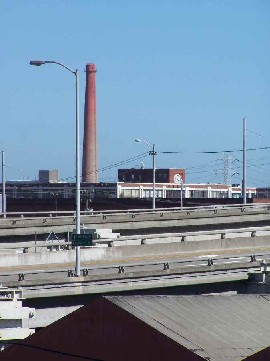
Well, Feb. 1 came and went. March came and went. Now, it’s April – and the Potrero Power Plant is still going strong, its telltale plume issuing from the tall brick smokestack.

We called PJ Johnston, the spokesperson, for another update. “We’re still testing,” he explained. “We’re going to be testing at least into the next month or longer. We’re working with the [California Independent System Operator] to determine a commercial operation date.”

The construction of the Trans Bay Cable and the converter stations were completed last year; and the system was energized in December; Johnston noted.

“We won’t speculate on a latest start date,” he responded after being asked when, at the very latest, it would go into service.

That elusive date is key, because that’s when the city can kiss the primary unit of its only remaining power plant goodbye. Unit 3, which accounts for the lion’s share of harmful emissions, will no longer be required to operate by the California Independent System Operator (Cal-ISO) once the alternative source is in place, clearing a major obstacle that stood in the way of the plant’s closure for years. Three smaller diesel-fired units at the plant will remain in service until a Pacific Gas & Electric Co. cabling project is finished later this year, but they’ll run far less frequently than the workhorse Unit 3, according to Cal-ISO spokesperson Gregg Fishman.

“We had heard March too,” Fishman commented. He confirmed that “the large unit at Potrero will no longer be needed,” once the cable comes online, and referred us to Johnston for more information. In an accord reached with City Attorney Dennis Herrera last year, Mirant — the company that owns the Potrero plant — agreed that it would shutter the plant once the Cal-ISO gives the nod.

When the cable comes online and Unit 3 finally does become history, the air quality in San Francisco’s Bayview Hunter’s Point neighborhood is sure to improve. Yet as the Guardian has noted in the past, there are environmental justice questions surrounding a project that essentially shifts the pollution impact of the city’s energy needs from one low-income community to a similar neighborhood, farther away. 

alt.sex.column: Maresy dotes

0

Dear Andrea:

It’s spring! Even though I live in California, it’s exciting when spring comes. I mean literally exciting, as in, it makes me horny. All winter I was like “Eh, dating” and now I’m all like “OMG boys! Lemme at ’em.” This happens every year, whether I have a boyfriend or not.

I know everyone talks about spring fever and it’s hardly just me being weird, but is there something that actually happens to our brains in the spring? Are there spring hormones?

I’m a girl, by the way.

Love,

Spring Fever

Dear Feev:

Indeed there are, at least among the smaller, furrier mammals, and we separate ourselves from our smaller, furrier cousins at our peril.

It doesn’t take a modern laboratory to note that mammals and most other creatures, not to mention the entire plant kingdom respond to the lengthening days and the return of the sun by, depending on physiology, sprouting, producing warm juicy sap, nest-building, and/or taking off their clothes. That’s what spring is for.

We may not like to think of ourselves as programmed to quite the degree of, say, the famous Siberian hamsters who were found to have libidos entirely regulated by the cutely-named neuropeptide kisspeptin, production of which shuts off in the winter. But we kind of are. Obviously we also respond to things like warm sun on our shoulders, longer afternoons in which to build up sleek sexy muscle and vital endurance, and the relative nakedosity of our fellow humans as they shed bulky coats and long wooly trousers in favor of warm, visible, touchable, responsive skin.

If you think about it, springtime isn’t actually mating season for most creatures. Spring is for gamboling little lambsies, conceived in the fall and born once the worst of winter’s privations have passed. What peaks in the spring, it seems, is energy. What we do with all that energy is pretty much up to us.

“We may have more energy in springtime, but it won’t necessarily play itself out in the bedroom,” Michael Smolensky wrote in a WebMD article. “The peak [of sexual activity] is in the fall.”

Here’s what I think: yes, our hormones and neurowhatses respond to the seasons. Increased energy and optimism plus being outside more, where other people are also feeling happier and healthier, makes everyone feel hornier. If you live anywhere with a proper summer, you’ll want to get your oats sown now, though, because researchers have found that we start to feel sluggish again as soon as it gets much over room temperature out there. Maybe we are all meant to live in San Diego, or in shopping malls. But I don’t think so.

Now I have Julie Andrews singing “The Lusty Month of May” stuck in my head (“That lovely month when everyone goes blissfully astray”.) If there is anything less sexy than Julie Andrews singing Lerner and Loewe, I can’t think of it right now. But I’m quite certain that if you venture out in a cute outfit and kicky new sandals and gambol about like a little lambsy-divey, you will find some takers.

Love,

Andrea

Got a question? E-mail Andrea at andrea@altsexcolumn.com

Introducing Fossil Fools Day

0

“The fossil fools ain’t no joke – but that doesn’t mean we can’t fight them with one,” say activists at www.fossilfoolsdayofaction.org as they announce plans to pull pranks April 1.

Citing destabilization of the global climate, and the inconvenient truth that communities from Alaska to Alberta to Appalachia are being destroyed by dirty energy extraction and combustion, super hurricanes, droughts, Rising Tide North America charges that in December 2009, politicians in Copenhagen, “sold us out to the fossil fools, corporate lobbyists and big banks.”

“Now we’re left with ‘green capitalism,’ carbon market shenanigans and continued assaults on our communities and ecosystems,” Rising Tide states. ” If we’re going to stop climate change, the only real solution is to keep fossil fuels in the ground.”

They are promising to convert the usual April Fool’s Day jokery into Fossil Fool’s Day, by “pulling some pranks that pack a punch.”

In the Bay Area, some of these self-described clowns plan to pay a visit to Chevron “to send a message that fooling around with fossil fuels is fooling around with our future.”

Rising Tide North America spokesperson Sarah Hampton told the Guardian that interested parties are invited to meet at 6:45 am, April 1 at Ashby BART station in Berkeley “to make noise and theater and educate the local public about our demands to Chevron and the atrocities that Chevron is responsible for globally.”

“We are not announcing where we will be going,” Hampton clarified. “But if folks want to get involved, they are welcome to meet at Ashby BART station, dressed like clowns and bringing musical instruments, as long as they are not planning to be violent.”

Zion I is home and grown

1

Marriage, jobs, cars— ten years can be a stretch for a lot of things in our world, but the hip-hop created by Zion I is still fresh after a decade, the signs of wear and tear only showing on the albums themselves. Producer AmpLive and emcee Zumbi make up the Bay Area duo—playing Thurs/1 at the Rickshaw Stop and Fri/2 at the Independent— who have just returned from a 35-city tour around the country. Zumbi says they’re officially “ready to vibe with the hometown crowd.”

“The tour was great, but I need to get my life and routine back together,” Zumbi said over the phone while prepping for his regular show on Oakland’s Youth Radio. Sharing the bill with Cali-raggae stars Rebelution and Soja, the laid-back hippy crowd proved to be quite different than the fans Zion I usually sees when they share the stage with other hip-hop artists. 


“A lot less ego and a lot more energy,” he said, noting that the tour consistently had an average of one to three thousand people in the audience. “Usually on a tour, it fluctuates. Some nights are big and others just have 50 people. The consistency brought out a lot of energy. Every night was so exciting— never a drag.”


His favorite stop on the tour was definitely New Orleans. The massive amounts of reconstruction throughout the city reminded him a lot of where he calls home— West Oakland. 


“The old Victorian houses, next to the new condos and all the construction. New Orleans was like my neighborhood three times over. It was nuts.”


Zion I


Back on his home turf, Zion I is the same cat you met back in the late ‘90s: prominently loaded with thick, luscious beats from AmpLive’s unpredictable bag of tricks and smooth, conscious lyrics from the mouth of Zumbi. Funk, soul, D&B, and space vibes remain as they have throughout Zion I’s career, but their sixth and most recent release, The Takeover (Gold Dust Media, 2009), really hits home by honing in on these qualities. Sharp hooks, anchored melodies and beats that bump make this album congruent with Kanye-style hits. 


“We switched up our process and did lots of revisions on this album. We’d change up one song like two, three or four times. I’d write three or four raps for each beat,” he said, which is quite a contrast to the previously process: Amp would make the beat, Zumbi would write the rhyme and they’d record. 


Such a drastic change in work ethic doesn’t just come out of nowhere. 


“Well, we’ve been in this for ten years…” he starts out. “And Amp just got married and had baby. And we both just bought houses.” The truth comes out: they’ve grown up. And so has their music. “We’re ready to take on more responsibilities. This is where we are. We are grown men with something to say.”


Zumbi considers each song like a journal entry, a story in each song that reflects where these two men have been, what they’ve seen and the thoughts the journey has inspired. 


And he wraps it up in one perfect statement: “One of the most beautiful things in life is to watch an artist evolve.”


Zion I


Thurs/April 1

Rickshaw Stop 

155 Fell St, SF

9pm, $18/20

www.rickshawstop.com


Fri/April 2

Independent

628 Divisadero Street, SF

9pm, $18/20

www.theindependentsf.com


Building better buses

3

By Adam Lesser

news@sfbg.com

GREEN CITY To hear Jaimie Levin talk is to understand that his cause is larger than just promoting alternative fuels for public transportation. “We either pay the tax ourselves or we pay the tax of sending money to the Middle East,” he said as we walked through the noisy AC Transit bus yard in East Oakland. “There’s a human cost of lives lost in a foreign war.”

AC Transit uses 6.5 million gallons of diesel per year. As the agency’s director of alternative fuels policy, it’s Levin’s job to lower that number. He has experimented with biodiesel and gas-electric hybrid buses. But the passion that consumes him these days is hydrogen. He has spent the last 10 years testing and deploying three hydrogen fuel cell buses for AC Transit, and he’s ready for more.

The first of 12 new hydrogen fuel cell buses begin arriving from Belgium at the end of April, doubling the number of fuel cell buses operating in the United States. They will run on multiple lines, including the 57, 18, and the NL transbay route, which runs between San Francisco and Oakland.

Levin promotes a mix of energy sources, but he argues that hydrogen is the best way to go, even if there’s a big near-term problem: the price of a hydrogen fuel cell bus. The new buses cost $2.5 million each compared to a standard diesel bus, which runs $400,000. Levin describes the buses as research vehicles and works with the National Renewable Energy Laboratory to monitor their performance.

“It’s not cheap. We understand that. These are still hand-made. We’re talking about making less than 20 vehicles,” he says. Levin is hopeful that if orders for hydrogen fuel cell buses could reach even 200, the cost of the fuel cells would come down by 45 percent. Levin has secured 16 different grants from federal, state, and regional agencies, ranging from the Federal Transportation Administration to the California Air Resources Board, to cover the $57 million program. The use of outside funds has been critical at a time when AC Transit is cutting service to deal with its budget shortfall.

The cost of the hydrogen fuel itself has caused some to ask if it’s a viable alternative to gasoline. A kilogram of hydrogen, which is equivalent to a gallon of gas in terms of energy content, typically costs $7-$8. But hydrogen fuel cells are twice as energy efficient as internal combustion engines.

AC Transit currently gets its hydrogen fuel from its own production facility that it built with Chevron, which is regularly criticized by environmental and human rights groups for everything from pollution to obscene profits to support for despotic regimes. “Chevron Hydrogen” billboards plaster the bus yard, and the logos are yellow and baby blue, a noticeable difference compared to the traditional blue and red Chevron insignia. There’s an ecofriendly, sunny quality to the branding.

But come September, Chevron will exit its collaboration with AC Transit, which will begin purchasing its hydrogen from a Linde plant in Southern California. Part of the reason is that the Chevron-designed system does not have the capacity to produce hydrogen for 12 buses. Industry watchers note that oil companies have scaled back initial forays into hydrogen, perhaps not wanting to facilitate the transition from fossil fuels.

“The big issue is the infrastructure side. What’s cooling it off right now is how far the oil companies have backed off,” said Tim Lipman, codirector of the UC Berkeley Transportation Sustainability Research Center. “If you’re an oil company, you’ve got to figure you’re going to lose money for a while — and you’re making tons of money in your existing business. It’s not broken right now. They don’t see an advantage of being the first to market. We’re not running out of oil.”

Maybe not yet, but between the global warming impacts of oil and the increased cost of extracting oil after the most readily available supplies peak, there is a pressing need to develop alternatives to fossil fuels.

“The oil companies were getting all sorts of pressure to get off oil and carbon so they go out looking for an alternative that looks good and takes the longest to implement. Hydrogen is perfect,” said David Redstone, editor of Hydrogen and Fuel Cell Investor, who has covered hydrogen for more than 10 years.

After studying hydrogen for so many years, Redstone has become skeptical about its real potential. “I was a believer when I started,” he told us. “I learned a lot. I knew a lot less when I started. I knew a lot less about the engineering and cost issues involved.”

For example, fuel cells require platinum, which acts as a catalyst to help burn hydrogen fuel. There is ongoing research to reduce the amount of platinum needed in a fuel cell, and exploratory work with less expensive catalysts like nickel. But for now and in the foreseeable future, hydrogen is still a very expensive technology. “They’ve been demonstrating these fuel cell buses for 20 years. It’s like the mentality at the companies involved is that it’s perfectly normal to be a demonstration technology forever,” added Redstone.

He believes that the realistic solutions to the overuse of fossil fuels lie in a mix of behavioral changes and economic incentives, not technological silver bullets. Stop suburban sprawl, get people to live closer to work, and start taxing carbon. Or in Redstone’s simpler terms, you’ve got to put an end to “assholes commuting 75 miles to work in a Hummer.”

The International Panel on Climate Change estimates that surface temperatures will rise 2 degrees to 11.5 degrees Farenheit in the 21st century. Greenhouse gas emissions are a major contributor to global warming.

The promise of hydrogen fuel is that its only emission is water. The major criticism of the move toward battery electric plug-in vehicles has been that the power to charge batteries comes from a power grid that is frequently a heavy greenhouse gas emitter. Half of the electricity generation in the U.S. comes from coal, the dirtiest of the fossil fuels.

But the hitch with hydrogen fuel is how to make it. You can’t drill for hydrogen, you have to create it in a process that requires energy. The predominant source for hydrogen fuel is natural gas, which emits less carbon than gasoline but is still a fossil fuel.

The holy grail of alternative energy is an efficient method for making hydrogen fuel from water instead of natural gas. The problem has been the significant amount of energy required to electrolyze water, to split apart H2O to make hydrogen fuel.

Levin believes he has the beginning of an answer. Before the end of 2010, AC Transit will complete its installation of a solar-powered proton electrolyzer in Emeryville. Solar panels will be built atop the roof of the hydrogen fueling station and the solar energy trapped will power the electrolyzer, in turn producing hydrogen fuel from water, hopefully about 60 kilograms per day, enough to power two buses. Levin received $6.4 million from the American Recovery and Reinvestment Act for the project. The remaining 10 hydrogen fuel cell buses will rely on hydrogen fuel made from natural gas.

As important as the production of hydrogen fuel are the pump stations to deliver it. Gov. Arnold Schwarzenegger’s promised “hydrogen highway” hasn’t happened. The initial plans called for 50 to 100 stations by the end of 2010, and a station every 50 miles, but there are now just 21 stations clustered in urban areas. And with oil companies withdrawing their support and government agencies hurting for resources, the hydrogen highway remains as far off as ever.

“I see the power of corporations growing and the power of politicians actually waning,” Lipman said. “Who is really going to benefit the most? It’s society and consumers, but they’re not going to lobby for it.”

When it comes to lobbying, few can outgun the power of the Western States Petroleum Association. WSPA is consistently among the top few lobbyists in California, spending $10.5 million to influence the Legislature in 2007-08. Even with the push for alternative energy options, it’s oil that really governs the debate. Relatively inexpensive and easily storable, oil is still king even as gasoline prices hover at $80 a barrel.

“We will never run out of oil, but the question is, can we afford it?” said WSPA spokesperson Tupper Hull. Rising oil prices have helped proponents of alternative energy because the cost spread between gasoline and other energy options has narrowed. But they worry that momentum will be lost if the recession lingers and oil drops in price.

Proponents of the “peak oil” theory say we are approaching a point at which global oil production will start declining, necessitating a rapid and potentially painful transition to new fuels. But identifying the peak is difficult, complicated by events such as the 2007 discovery of more than 5 billion barrels of oil off the coast of Brazil. The oil field was found under 7,060 feet of water, 10,000 feet of sand, and another 6,600 feet of salt. What the oil industry is ultimately worried about is whether we will hit a point where extracting oil gets so expensive that the cost of oil starts to cripple the global economy. Drilling four miles under the sea isn’t cheap.

In an e-mail exchange about Chevron’s AC transit hydrogen fueling station, Chevron spokesperson Brent Tippen wrote, “Hydrogen has potential as a transportation fuel in the long term, but significant technical and economic obstacles prevent it from being a widespread commercial fuel option right now.”

Levin is cautiously optimistic that it could be the gas companies like Linde and Praxair, and not the oil companies, that carry the hydrogen torch forward.

After a brief ride in a hydrogen fuel cell bus, Levin noted how quiet they are. At one point, he bought Tibetan bells and had them welded to the bus so it would be audible as it moved, but there wasn’t enough vibration to make them ring.

Therein lies Levin’s dream: a quiet, nonemitting vehicle for public transportation. And maybe even someday an entire society running on a clean, renewable, domestic fuel source. But for now he’ll start with what he’s got: a $2.5 million bus that emits water from the tailpipe and doesn’t make any noise.

Is BARFing good for your pet?

1

tredmond@sfbg.com

It’s called the BARF diet — and it’s the hottest thing in San Francisco pet stores these days. No, it’s not food that makes your pet throw up; BARF stands for biologically appropriate raw food. And its advocates are passionate about its advantages over old-fashioned commercial pet food.

“Dogs and cats in the wild would eat raw meat,” said Susan Yannes, who co-owns Pawtrero pet store and bathhouse on Mississippi Street. “They didn’t have doggie barbecues.”

The idea is to mimic as closely as possible what your pets would have eaten way back when — in the natural state, before they became so close to humans that they started eating the same sort of processed food (some would say processed crap) many of us eat.

And the trend is growing — fast. Matt Koss, who owns Primal Pet Foods, a supplier of frozen raw animal feed, reports 20 percent annual growth. He cites a massive pet food recall in 2007 as a spur to his business, adding that “there’s more and more consumer awareness about pet food.” Primal Pet supplies food to 2,000 pet stores nationwide, 15 in San Francisco.

But the BARF diet also has its critics — and not just in the multibillion dollar pet food industry.


A BETTER DOG IN JUST WEEKS

Yannes got into the raw food business when one of her dogs developed skin problems. “We were feeding him standard dry dog food, and the vet said it was fine,” she said. “His coat had all these bumps, so they gave him allergy medicine.”

Instead, she tried shifting the dog to an all-natural diet — “and a week later, he was fine.”

That’s a common story among some pet owners, who say that raw meat, combined with raw bones and some specially prepared grain and vegetable matter, makes dogs and cats healthier and happier. “Business is growing,” Yannes said. “People who try this don’t go back.”

The argument is similar to what you hear from people who have given up processed human food in favor of fresh fruits and vegetables and organic, free-range meat. It’s more natural; all that processing (and even heat) destroys essential nutrients.

A summary published on Pawblog that Yannes passed on to me sums it up: “When switching your pet to a raw food diet, there are many differences you will notice in a few weeks, including improved breath and white teeth, better digestion resulting in much smaller and firmer stools, less itching, scratching, and allergies, increased energy, healthy skin, and a shiner coat.”

The reason? “Dogs and cats stomachs are designed to digest raw meat and soft bones, utilizing the very strong concentrations of hydrochloric acid as well as the short length of their gastrointestinal tract. Any bacteria are taken care of with this acid.”

But some vets — including those that support and practice non-Western medicine — are more cautious.

“A raw diet is fine,” said Dr. Randy Bowman, a vet at Pets Unlimited. “Dogs were meant to eat raw food in the wild. But we’ve come far beyond that. Their gastrointestinal system has evolved, and they don’t need it.”

Adds Dr. Jeffrey Bryan, a veterinary oncologist who teaches at the University of Washington: “I think highly processed foods are problematic, but I wish we had more scientific evidence on the value of the raw diet.”


NOT FOR ALL

I think it’s safe to say that the raw food diet isn’t for everyone. For one thing, it’s more expensive — but if it winds up keeping our dog out of the vet’s office, it will more than pay for itself over time. More important, it requires a fair amount of work — and a lot of attention.

Raw meat has to be handled carefully. All the preparation surfaces have to be washed, and the pets’ dishes need to be washed with soap and water after every meal. That’s because raw meat — even organic, free-range stuff — contains bacteria that can carry diseases to pets and humans.

And according to Bowman, even the best grade of meat can carry diseases: “Even human-grade meat that’s processed and shipped distances carries bacteria, and it’s not meant for raw consumption.” Bowman suggests that pet owners at least sear the meat first, since the bacteria tend to be on the surface.

Dr. Rebecca Remillard, a veterinarian and pet nutritionist, is one of the harshest critics of the raw diet. “This is not a safe practice,” she writes on her Web site. “Dogs fed raw meat or eggs may develop mild to severe gastrointestinal disease from consuming products contaminated” with disease-causing bacteria.

Koss says that’s just misinformation. “Bacteria and pathogens are a concern in the entire food industry,” he said. “But if the food is handled properly, there is no danger at all to pets.”

Susan Lauten, who has a master’s degree in animal nutrition and a doctorate in biomedical science, runs a veterinary consulting business in Knoxville, Tenn. She agrees that, for the most part, healthy dogs and cats can safely eat raw food. But she’s less enthusiastic about comparisons to the diet these creatures ate in the wild.

“In the wild, dogs didn’t live very long,” she told me. “And one reason was that they got sick from eating contaminated meat.”

Lauten has a different concern about the raw diet. Animals that eat raw meat can release salmonella and other dangerous pathogens in their stool. “You don’t want that around if you have kids or immune-compromised people,” she said. “You can clean up after your dog, but you might not get everything.”

And she raised another issue: economics. “Do you tell people that they can’t have a cat unless they can afford the most expensive kind of food?”

Dr. Hannah Good, who practices holistic veterinary medicine in Santa Cruz, argues that “there’s a lot that can be accomplished by going in a different direction than kibble.” She noted that “a lot of diets are 100 percent garbage.”

But she also said that high-grade kibble diets are balanced to include all the nutrients an animal needs.

And what do the vets feed their pets? Good said her dog “eats whatever I eat”; she prepares a version of her own meals for her canine companion. Lauten’s dog has inflammatory bowel disease “and does very well on a commercial veterinary diet.”

Bryan, who thinks what a dog eats is an important factor in its health, doesn’t do the BARF thing either: “I give my dog Science Diet.”

Finding the right dog walker

8

news@sfbg.com

If you wake up every morning and begin your day with a leisurely stroll to the park to spend time frolicking with your beloved pup and other pup friends, you’re blessed. But if your schedule isn’t so flexible — and you’ve got a little cash to spare — there’s an easy way to keep your BFF (best furry friend) exercised, socialized, trained, and happy.

Hundreds of dog walkers in this city are looking for your business. There are companies and independent walkers, playgroups and privates. Some pet sit, some don’t. Some even bathe your pooch if it happens to get too dirty while out on the town.

But there are also some operators who cram too many dogs into small vehicles, pay little attention to them while they run amok on public land, and don’t show much concern for your pet’s overall health. So it’s important to take some time finding someone who has a good reputation, a good rapport with your dog, and has a training philosophy you either share or would like to learn.

Start with your doggie’s temperament. If she thrives with other dogs, go playgroup. If not, one-on-one time is best. Endless energy and in need of a vigorous workout? Maybe a daily jogging session is required. Dogs who don’t get along with other dogs won’t be accepted by most dog walkers — although some specialize in behavior problems.

Next, pick a setting. It’s not always the case that off-leash park romps are the best option. If your pooch has anxiety in new places, say due to poor eyesight, maybe a neighborhood haunt is best. If she is limited by arthritis, a stroll close to home might be ideal.

Then go observe the dog walkers in action. Find someone whose energy fits your dog’s and start asking questions. Ask for references. Ask happy dog owners or your veterinarian’s office for recommendations.

Transparency, friendliness, and willingness to spend time answering your questions are good signs; nevertheless, the proof is in the meeting. Make sure you have an interview with all potential dog walkers. Most dogs get driven together to parks, so make sure the vehicle is safe, large, and cool enough.

Good dog walkers train their charges during their time with them. Great ones become extended family members. And remember: you’re trusting this person with the keys to your home. There’s no state or city licensing required, so make sure your dog walker is bonded and insured. Top-end dog walkers are often members of the Association of Pet Dog Trainers and have taken classes in animal behavior.

I recently spent an hour romping around in the Presidio with 10 ecstatic dogs and walker Andrew Frye. Frye is the newest partner of Who Let the Dogs Out (WLTDO). Lauren Goldboss, who started the company seven years ago after deciding she’d rather be outside with dogs than inside with bankers, calls Frye "the best dog walker in the city."

Frye takes out two playgroups a day, and Goldboss says people beg to be in his group. After 30 minutes of picking up the pups and getting to the park — favorites are Crissy Field, the Presidio, Bernal Heights, and McClaren Park — he runs around with the dogs playing ball and teaching them tricks. He taught Birdie the cattle dog to weave in and out of his legs as he walks.

Frye loves his job and is great at training the pups to behave while showing them a fabulous time. He has no formal education in dog training, but reads extensively about classical conditioning and spends his free time talking to other people and dog walkers about tips for making the animals learn and behave.

Goldboss says the most important thing she looks for when hiring dog walkers is the way they interact with the dogs. They need to be willing, able, and happy to run around with the dogs everyday — rain or shine.

For an hour of park time five days a week WLTDO charges a monthly rate of $385 — a relative bargain. Some independent walkers I spoke with charge $15– $30 per trip, depending on the details, so you can spend as much as $600 a month for a daily walk. Typically, there are discounts for households with multiple dogs.

One benefit of hiring an established company is consistency. If your dog walker gets sick or takes a vacation, other staff can fill in, leaving your schedule is undisturbed.

But if your own schedule is flexible or is subject to sudden changes, make sure your dog walker is open to that and won’t charge you for days when you don’t need the services. Individual dog walkers are often willing to be accommodating.

Finally, different companies offer different services: SF Puppy Prep, for example, (sfpuppyprep.com) specializes in adolescent dogs.

On a beautiful, sunny Tuesday, it definitely didn’t suck going out to the park to bounce around with the dogs. As Ernie the bulldog rolled around on the beach, covering his wrinkly face with a thin brown mask of sand, I knew he had found the perfect dog walker in Frye. Earlier that morning, I saw the same honest grin on Jack the standard poodle as he wrestled with his neighborhood friends in the run. That’s one of the best standards of all — your dog walker is having fun, and so is your BFF.

Just “Duck”-y

1

CULT FILM STAR Although the mainstream Hollywood press and audiences at large may not have flocked to theaters in support of the initial release of Howard the Duck in 1986, a core group of devoted fans and successive generations of viewers have elevated the film to cult classic status, resulting in a long-awaited special edition DVD release last year.

Ed Gale, the actor who stepped inside the Howard costume and helped bring the character to life, will be appearing at this weekend’s WonderCon, the largest comic book and pop culture convention in Northern California, to meet fans and sign autographs (look for him at booth M19 in the Autograph Area, room 105).

In what was his first Hollywood role (it was actually the first movie he even auditioned for), Gale used highly energetic body language to convey the emotions of the diminutive yet daring duck. That high level of energy expenditure took a physical toll on the actor — and the restrictions presented by the full-body costume made even simple things, such as eating, very difficult.

“When it became apparent I was losing too much weight too fast — I lost 11 pounds in 30 days — they had to give me straws with protein shakes, or they’d drop M&M’s down my beak,” Gale remembered, speaking over the phone from Los Angeles.

Filmed largely in the Bay Area (the characters visit the California Academy of Sciences, take taxis in the Sunset District, and fly over the rooftops of downtown Petaluma), Howard the Duck had the backing of George Lucas as executive producer — which is one reason Gale suspects the movie was treated so harshly by critics when it appeared to be a financial failure.

“We as a society love to build people up and then tear them down, apparently they felt it was time to tear George Lucas down. But the power of the people has proved them wrong.”

Gale, who has also appeared in films like Child’s Play (1988) and Spaceballs (1987), along with more recent roles in television including My Name is Earl and Bones, says Howard is still the most popular character he has played. He’s looking forward to returning to San Francisco.

“The adage that my manager told me was, ‘If you’re going to be good, be the best. If you’re going to be bad, be the worst, and you’ll never be forgotten.’ And with Howard the Duck and all the great fans, that has never been more true,” he said. “I definitely want to meet a whole new bunch of friends in the city where it all began.” (Sean McCourt)

WONDERCON 2010

Fri/2, noon–-7 p.m.; Sat/3, 10 a.m.–7 p.m.;

Sun/4, 11 a.m.–-5 p.m., $5-$40

Moscone Center South

747 Howard, SF

www.comic-con.org/wc/

www.edgale.com

Music listings

0

Music listings are compiled by Paula Connelly and Cheryl Eddy. Since club life is unpredictable, it’s a good idea to call ahead to confirm bookings and hours. Prices are listed when provided to us. Submit items at listings@sfbg.com.

WEDNESDAY 31

ROCK/BLUES/HIP-HOP

"Blue Bear School of Music Band Showcase" Café du Nord. 7:30pm, $12-20.

Hugh Cornwell Red Devil Lounge. 8pm, $10-20. Benefit for victims of the Haitian earthquake.

Epiphanette Grant and Green. 9pm, free.

"Fundraiser for Precita Eyes 14th Annual Urban Youth Arts Festival" El Rio. 8pm, $5-20. With Genie, A-1, Orukusaki, Cio Castaneda, and more.

Laura Gibson and Ethan Rose, Emily Jane White, Garrett Pierce Rickshaw Stop. 8pm, $10.

Ari Herstand, Brett Hunter Trio Hotel Utah. 8pm, $8.

Kidz in the Hall, 88 Keys, Izza Kizza, Donnis Independent. 8pm, $15.

Koalacaust, Ghost Town Refugees, Travis Hayes Bottom of the Hill. 9pm, $7.

Never Shout Never, Cab, Hey Monday, Every Avenue, Summer Set Regency Ballroom. 6pm, $18.

Perfect Age of Rock n’ Roll Blues Band with guests Elvin Bishop, Tim Reynolds, and Ray Manzarek Great American Music Hall. 8pm, $30.

Radio Moscow, Assemble Head in Sunburst Sound, Naam, Zodiac Death Valley Elbo Room. 9pm, $10.

Kevin Russell Biscuits and Blues. 8pm, $15.

Rachel Wonder, Tiny Little Blackouts, Skyflakes, Golda and the Guns Rock-It Room. 8:30pm, $5.

FOLK/WORLD/COUNTRY

Kasey Anderson Plough and Stars. 9pm.

Gaucho, Michael Abraham Jazz Session Amnesia. 8pm, free.

Kami Nixon and Bill Spooner Café Royale, 800 Post, SF; (415) 441-4099. 7pm, free. Featuring Sharon Maher.

DANCE CLUBS

Booty Call Q-Bar, 456 Castro, SF; www.bootycallwednesdays.com. 9pm. Juanita Moore hosts this dance party, featuring DJ Robot Hustle.

Greatest Hits Knockout. 9pm, $4. With DJs Sergio Iglesias and Omar.

Hands Down! Bar on Church. 9pm, free. With DJs Claksaarb, Mykill, and guests spinning indie, electro, house, and bangers.

Jam Wednesday Infusion Lounge. 10pm, free. DJ Slick Dee.

Machine Sloane, 1525 Mission, SF; (415) 621-7007. 10pm, free. Warm beats for happy feet with DJs Sergio, Conor, and André Lucero.

Mary-Go-Round Lookout, 3600 16th St, SF; (415) 431-0306. 10pm, $5. A weekly drag show with hosts Cookie Dough, Pollo Del Mar, and Suppositori Spelling.

RedWine Social Dalva. 9pm-2am, free. DJ TophOne and guests spin outernational funk and get drunk.

Respect Wednesdays End Up. 10pm, $5. Rotating DJs Daddy Rolo, Young Fyah, Irie Dole, I-Vier, Sake One, Serg, and more spinning reggae, dancehall, roots, lovers rock, and mash ups.

Synchronize Il Pirata, 2007 16th St, SF; (415) 626-2626. 10pm, free. Psychedelic dance music with DJs Helios, Gatto Matto, Psy Lotus, Intergalactoid, and guests.

Yoruba Dance Sessions Bacano! Som., 2925 16th St, SF; (415) 558-8521. 9pm, free. With resident DJ Carlos Mena and guests spinning afro-deep-global-soulful-broken-techhouse.

THURSDAY 1

ROCK/BLUES/HIP-HOP

Jonny Craig, Tides of Man, Eye Alaska, Honor Bright, Mod Sun Bottom of the Hill. 7:30pm, $12.

Cult of Youth, Veil Veil Vanish, Ssleeping Desiress Knockout. 9:30pm, $5.

Destruments feat. Monophonic Horns Coda. 9:30pm.

Lesbian, White Mice, CCR Headleaner, Nuclear Death Wish Hemlock Tavern. 9pm, $6.

Allison Lovejoy and Graves Brothers Deluxe, Brother’s Horse, Fuzzbucket, Ed, Atomic Lucy Paradise Lounge. 9pm, $7. Benefit for the Haight-Ashbury Street Fair.

Tim Reynolds and TR3, Alma Desnuda, Marcus Eaton Red Devil Lounge. 8pm, $15-30. Benefit for victims of the Haitian earthquake.

Surfer Blood Amoeba, 1855 Haight, SF; (415) 831-1200. 6pm, free.

Steve Taylor Revolution Café, 3248 22nd St, SF; (415) 642-0474. 8:30pm, free.

Terror, Ignite, Hour of the Wolf, Crucified, Boundaries Thee Parkside. 8:30pm, $15.

Terror Pigeon Dance Revolt, Shakes, Blank Tapes, Pony Village Amnesia. 9pm.

Pat Wilder Biscuits and Blues. 8pm, $15.

*Zion I Rickshaw Stop. 8:30pm, $20.

JAZZ/NEW MUSIC

Habib Koite and Bamada Yoshi’s San Francisco. 8pm, $24.

Patrick Wolff Socha Café, 3235 Mission, SF; (415) 643-6848. 8:30pm, free.

FOLK/WORLD/COUNTRY

Heather Combs, Austin Willacy, Stewart Lewis, Chi McClean Hotel Utah. 8pm, $8.

DANCE CLUBS

Afrolicious Elbo Room. 9:30pm, $5-7. DJs Pleasuremaker and Señor Oz spin Afrobeat, Tropicália, electro, samba, and funk.

Assemblage 23, Angel Theory, Savi0r DNA Lounge. 8:30pm, $16.

Afrolicious Elbo Room. 9pm, $6. DJs Pleasuremaker and Señor Oz spin Afrobeat, Tropicália, electro, samba, and funk.

Caribbean Connection Little Baobab, 3388 19th St, SF; (415) 643-3558. 10pm, $3. DJ Stevie B and guests spin reggae, soca, zouk, reggaetón, and more.

Club Jammies Edinburgh Castle. 10pm, free. DJs EBERrad and White Mice spinning reggae, punk, dub, and post punk.

Drop the Pressure Underground SF. 6-10pm, free. Electro, house, and datafunk highlight this weekly happy hour.

Electric Feel Lookout, 3600 16th St, SF; (415) 431-0306. 9pm, $2. With DJs subOctave and Blondie K spinning indie music videos.

Funky Rewind Skylark. 9pm, free. DJ Kung Fu Chris, MAKossa, and rotating guest DJs spin heavy funk breaks, early hip-hop, boogie, and classic Jamaican riddims.

Good Foot Yoruba Dance Sessions Bacano! Som., 2925 16th St, SF; (415) 558-8521. 9pm, free. A James Brown tribute with resident DJs Haylow, A-Ron, and Prince Aries spinning R&B, Hip hop, funk, and soul.

Heat Icon Ultra Lounge. 10pm, free. Hip-hop, R&B, reggae, and soul.

Holy Thursday Underground SF. 10pm, $5. Bay Area electronic hip hop producers showcase their cutting edge styles monthly.

Kick It Bar on Church. 9pm. Hip-hop with DJ Jorge Terez.

Koko Puffs Koko Cocktails, 1060 Geary, SF; (415) 885-4788. 10pm, free. Dubby roots reggae and Jamaican funk from rotating DJs.

Lacquer Beauty Bar. 10pm-2am, free. DJs Mario Muse and Miss Margo bring the electro. Mestiza Bollywood Café, 3376 19th St, SF; (415) 970-0362. 10pm, free. Showcasing progressive Latin and global beats with DJ Juan Data.

1320.SF Temple. 9pm, $10. With DJs David Murphy, David Phipps, Nalepa Dub Orchestra, Flying Skulls, Virtual Boy, and more spinning electronic music.

Peaches Skylark, 10pm, free. With an all female DJ line up featuring Deeandroid, Lady Fingaz, That Girl, and Umami spinning hip hop.

Popscene 330 Rich. 10pm, $10. Rotating DJs spinning indie, Britpop, electro, new wave, and post-punk.

Represent Icon Lounge. 10pm, $5. With Resident DJ Ren the Vinyl Archaeologist and guest. Rock Candy Stud. 9pm-2am, $5. Luscious Lucy Lipps hosts this electro-punk-pop party with music by ReXick.

Studio SF Triple Crown. 9pm, $5. Keeping the Disco vibe alive with authentic 70’s, 80’s, and current disco with DJs White Girl Lust, Ken Vulsion, and Sergio.

FRIDAY 2

ROCK/BLUES/HIP-HOP

Astronautalis, Oona, Le Vice Rickshaw Stop. 8:30pm, $10.

Larry Graham and Graham Central Station, Slave, DJ Harry D Regency Ballroom. 9pm, $46.

Honor Society, Just Kait, Ashlyne Huff Great American Music Hall. 8pm, $18.

Maria Muldaur Biscuits and Blues. 8 and 10pm, $22.

Okmoniks, Touch-Me-Nots, Wrong Words Hemlock Tavern. 9:30pm, $6.

Passenger and Pilot, Cola Wars, All My Pretty Ones El Rio. 9pm, $6.

Kally Price Revolution Café, 3248 22nd St, SF; (415) 642-0474. 8:45pm, free.

Scraping for Change, Solid State Logic, Cloverleaf Drive, Fever Charm Slim’s. 8pm, $14.

Texas Thieves, Sharp Objects, Ruleta Rusa, Bad Tickers Thee Parkside. 9:30pm, $7.

*Zion I Independent. 9pm, $20.

JAZZ/NEW MUSIC

Audium 9 1616 Bush, SF; (415) 771-1616. 8:30pm, $15.

Black Market Jazz Orchestra Top of the Mark. 9pm, $10.

Habib Koite and Bamada Yoshi’s San Francisco. 8 and 10pm, $22-26.

Eric Kurtzrock Trio Ana Mandara, Ghirardelli Square, 891 Beach, SF; (415) 771-6800. 8pm, free.

Miya Masaoka, David Wessel, Nils Bultmann Meridian Gallery, 535 Powell, SF; www.meridiangallery.org. 8pm, $10.

Shotgun Wedding Symphony Coda. 10pm, $10.

FOLK/WORLD/COUNTRY

Dead Dreams Connecticut Yankee, 100 Connecticut, SF; (415) 552-4440. 10pm, $10.

Jesse Jay Harris, 77 El Deora, East Bay Greaser, Merle Jagger Café du Nord. 9pm, $10.

Left Coast Special Socha Café, 3235 Mission, SF; (415) 643-6848. 8:30pm, free.

Manicato, Palenke Soul Tribe, Funky C and Joya Elbo Room. 10pm, $15.

Rob Reich and Craig Ventresco Amnesia. 7pm, free.

Yonder Mountain String Band Fillmore. 9pm, $25.

DANCE CLUBS

Activate! Lookout, 3600 16th St, SF; (415) 431-0306. 9pm, $3. Face your demigods and demons at this Red Bull-fueled party.

"Ball of Justice" DNA Lounge. 7:30pm, $20. With live performances by Los Straightjackets and the Phenomenots, plus Fishnet Follies Burlesque Revue, DJ Melting Girl, and more.

Bar on Church 9pm. Rotating DJs Zax, Zhaldee, and Nuxx.

Brass Tax Amnesia. 9:30pm, $5. DJs Ding Dong, Ernie Trevino, and Lil’ Bear Hat spin house, breaks, electro, and hip-hop.

Braza! Som., 2925 16th St., SF; (415) 558-8521. 10pm, $10.

DatA Paradise Lounge. 10pm, $12. With DJs Jeffery Paradise and Ava Berlin spinning disco, funk, dance, and more.

Deeper 222 Hyde, 222 Hyde, SF; (415) 345-8222. 9pm, $10. With rotating DJs spinning dubstep and techno.

Dirty Rotten Dance Party Madrone Art Bar. 9pm, $5. With DJs Morale, Kap10 Harris, and Shane King spinning electro, bootybass, crunk, swampy breaks, hyphy, rap, and party classics.

Exhale, Fridays Project One Gallery, 251 Rhode Island, SF; (415) 465-2129. 5pm, $5. Happy hour with art, fine food, and music with Vin Sol, King Most, DJ Centipede, and Shane King.

Fat Stack Fridays Koko Cocktails, 1060 Geary, SF; (415) 885-4788. 10pm, free. With rotating DJs Romanowski, B-Love, Tomas, Toph One, and Vinnie Esparza.

Gay Asian Paradise Club Eight, 1151 Folsom, SF; www.eightsf.com. 9pm, $8. Featuring two dance floors playing dance and hip hop, smoking patio, and 2 for 1 drinks before 10pm.

*Golden Era Mighty. 10pm, $10. With DJs Apollo, Sake One, D-Sharp, Ren the Vinyl Archaeologist, Jah Yzer, Proof, Whooligan, and Vickity Slick spinning a tribute to the Golden Era of hip hop.

Life Fridays Apartment 24, 440 Broadway, SF; (415) 989-3434. 10pm, $10. With DJ Brian spinning hip hop, mashups, and top 40.

Hot Chocolate Milk. 9pm, $5. With DJs Big Fat Frog, Chardmo, DuseRock, and more spinning old and new school funk.

Look Out Weekend Bambuddha Lounge. 4pm, free. Drink specials, food menu and resident DJs White Girl Lust, Swayzee, Philie Ocean, and more.

M4M Fridays Underground SF. 10pm-2am. Joshua J and Frankie Sharp host this man-tastic party.

Oldies Night Knockout. 9pm, $2-4. Doo-wop, one-hit wonders, and soul with DJs Primo, Daniel, and Lost Cat.

Rockabilly Fridays Jay N Bee Club, 2736 20th St, SF; (415) 824-4190. 9pm, free. With DJs Rockin’ Raul, Oakie Oran, Sergio Iglesias, and Tanoa "Samoa Boy" spinning 50s and 60s Doo Wop, Rockabilly, Bop, Jive, and more.

Strangelove: Vinyl Night Cat Club. 10pm, $6.

SATURDAY 3

ROCK/BLUES/HIP-HOP

Mark David Ashworth, Beehavers, Mira Cook Kaleidoscope, 3109 24th St, SF; www.kaleidoscopefreespeechzone.com. 9pm, free.

"Benefit for City of Hope Cancer Center of LA" Slim’s. 8:30pm, $20. With Mo’Fessionals, Fungo Mungo, Bang Data, and Butterscotch.

Contribution Great American Music Hall. 9pm, $20.

Damn Near Dead Abbey Tavern, 4100 Geary, SF; (415) 221-7767. 9pm, free.

Deadfall, Dean Dirg, Face the Rail El Rio. 10pm, $7.

English Beat, Impalers Bimbo’s 365 Club. 9pm, $22.

Five for Fighting, Matt Wertz Regency Ballroom. 9pm, $32.

Ghost Pepper, Fred Torphy, Sean Leahy Trio Connecticut Yankee, 100 Connecticut, SF; www.theyankee.com. 9pm, $10.

John Lee Hooker Jr. Biscuits and Blues. 8 and 10pm, $22.

Impediments, Danny James and Pear, Colossal Yes Amnesia. 7pm, free.

Inca Silver, Kalrissian Make-Out Room. 7:45pm, $7.

Love Dimension, Honey, Spyrals, Greg Ashley Hemlock Tavern. 9:30pm, $7.

Jonah Matranga, Hours of Op Epicenter Café, 764 Harrison, SF; (415) 543-5436. 7pm, $10.

Murkin, J. Ward, Head Slide Thee Parkside. 3pm, free.

Scissors for Lefty, Hundred Days, Saint Motel Bottom of the Hill. 10pm, $12.

Spandex Tiger Grant and Green. 9:30pm, free.

Tyrone Wells, Tony Lucca, Roy Jay Café du Nord. 9:30pm, $16.

JAZZ/NEW MUSIC

Audium 9 1616 Bush, SF; (415) 771-1616. 8:30pm, $15.

Broun Fellinis Coda. 10pm, $10.

Eric Kurtzrock Trio Ana Mandara, Ghirardelli Square, 891 Beach, SF; (415) 771-6800. 8pm, free.

"Filipino American Jazz Appreciation Month Celebration" San Francisco Main Library, Koret Auditorium, 100 Larkin, SF; (415) 557-4430. 1-5pm, free.

Habib Koite and Bamada Yoshi’s San Francisco. 8 and 10pm, $26.

Ricardo Scales Top of the Mark. 9pm, $15.

Isaac Schwartz Socha Café, 3235 Mission, SF; (415) 643-6848. 8:30pm, free.

FOLK/WORLD/COUNTRY

Gonzalo Bergara Revolution Café, 3248 22nd St, SF; (415) 642-0474. 8:45pm, free.

Jarrett Fenlon, Tenderloins Hotel Utah. 9pm, $10.

Craig Ventresco and Meredith Axelrod Atlas Café. 4pm, free.

Yonder Mountain String Band Fillmore. 9pm, $25.

DANCE CLUBS

Bar on Church 9pm. Rotating DJs Foxxee, Joseph Lee, Zhaldee, Mark Andrus, and Niuxx.

*Bardot A Go Go’s Serge Gainsbourg Dance Party Knockout. 9pm, $10. With DJs Brother Grimm, Pink Frankenstein, and Cali Kid.

Crystal Method Ruby Skye. 9pm, $25.

Debaser Knockout. 9pm, $5. DJs Jamie Jams and Emdee spin 90s alternative.

Everlasting Bass 330 Ritch. 10pm, $5-10. Bay Area Sistah Sound presents this party, with DJs Zita and Pam the Funkstress spinning hip-hop, soul, funk, reggae, dancehall, and club classics.

Fire Corner Koko Cocktails, 1060 Geary, SF; (415) 885-4788. 9:30pm, free. Rare and outrageous ska, rocksteady, and reggae vinyl with Revival Sound System and guests.

Foundation Som., 2925 16th St., SF; (415) 558-8521. 10pm.

Gemini Disco Underground SF. 10pm, $5. Disco with DJ Derrick Love and Nicky B. spinning deep disco.

Get Loose Beauty Bar. 10pm, free. With DJ White Mike spinning dance jams.

HYP Club Eight, 1151 Folsom, SF; www.eightsf.com. 10pm, free. Gay and lesbian hip hop party, featuring DJs spinning the newest in the top 40s hip hop and hyphy.

Kontrol Endup. 10pm, $20. With resident DJs Alland Byallo, Craig Kuna, Sammy D, and Nikola Baytala spinning minimal techno and avant house.

Leisure Paradise Lounge. 10pm, $7. DJs Omar, Aaron, and Jet Set James spinning classic britpop, mod, 60s soul, and 90s indie.

New Wave City DNA Lounge. 9pm, $7-12. Eighties dance party.

Rebel Girl Rickshaw Stop. 10pm, $5. "Electroindierockhiphop" and 80s dance party for dykes, bois, femmes, and queers with DJ China G and guests.

Saturday Night Soul Party Elbo Room. 10pm, $10. Sixties soul on 45s with DJs Lucky, Phengren Oswald, and Paul Paul.

So Special Club Six. 9pm, $5. DJ Dans One and guests spinning dancehall, reggae, classics, and remixes.

Social Club Lookout, 3600 16th St, SF; (415) 431-0306. 9pm. Shake your money maker with DJs Lee Decker and Luke Fry.

Soundscape Vortex Room, 1082 Howard, SF; www.myspace.com/thevortexroom. With DJs C3PLOS, Brighton Russ, and Nick Waterhouse spinning Soul jazz, boogaloo, hammond grooves, and more.

Spirit Fingers Sessions 330 Ritch. 9pm, free. With DJ Morse Code and live guest performances.

Tiefschwarz Mighty. 10pm, $15. Spinning techno and house.

White Party Trigger, 23 Market, SF; (415) 551-2582. 9pm, $10. With DJ Claksaarb. White attire required.

SUNDAY 4

ROCK/BLUES/HIP-HOP
Flatliners, Broadway Calls, Cobra Skulls, Longway Thee Parkside. 8pm, $10.
*Grayceon, Lesbian, Hazzard’s Cure Knockout. 6pm, $5.
Music for Animals, Mata Leon, Links, Doll and the Kicks Rickshaw Stop. 7pm, $12.
Triclops!, Brent Weinbach and Alex Koll, Tubers, SF School of Rock, Peijman and Ben Kunin Bottom of the Hill. 5pm, $10.
U-Melt Connecticut Yankee, 100 Connecticut, SF; www.theyankee.com. 8pm.
JAZZ/NEW MUSIC
Brass Menazeri vs. Emperor Norton’s Jazz Band Amnesia. 9pm, $7-10.
"Hot Air Music Festival" San Francisco Conservatory of Music, 50 Oak, SF; www.hotairmusic.org. 2-10pm, free. Contemporary music marathon run by SFCM students.
Habib Koite and Bamada Yoshi’s San Francisco. 5 and 7pm, $5-26.
FOLK/WORLD/COUNTRY
Tomorrow Men, Hurtinanny Thee Parkside. 4pm, free.
DANCE CLUBS
Afterglow Nickies, 466 Haight, SF; (415) 255-0300. An evening of mellow electronics with resident DJs Matt Wilder, Mike Perry, Greg Bird, and guests.
Call In Sick Skylark. 9pm, free. DJs Animal and I Will spin danceable hip-hop.
Dance-A-Thon Shoebox Studios, 864 Folsom, SF; (415) 861-5976. 10am-6pm, $10. Featuring dance classes all day to celebrate the opening of the new studio.
Death Guild DNA Lounge. 9:30pm, $3-5. Goth, industrial, and synthpop with DJs Joe Radio, Decay, and Melting Girl.
DiscoFunk Mashups Cat Club. 10pm, free. House and 70’s music.
Dub Mission Elbo Room. 9pm, $6. Dub, roots, and classic dancehall with DJ Sep, Vinnie Esparza, and guest DJ Sun.
Gloss Sundays Trigger, 2344 Market, SF; (415) 551-CLUB. 7pm. With DJ Hawthorne spinning house, funk, soul, retro, and disco.
Honey Soundsystem Paradise Lounge. 8pm-2am. "Dance floor for dancers – sound system for lovers." Got that?
Jock! Lookout, 3600 16th St, SF; (415) 431-0306. 3pm, $2. This high-energy party raises money for LGBT sports teams.
Kick It Bar on Church. 9pm. Hip-hop with DJ Zax.
Lowbrow Sunday Delirium. 1pm, free. DJ Roost Uno and guests spinning club hip hop, indie, and top 40s.
Religion Bar on Church. 3pm. With DJ Nikita.
Shuckin’ and Jivin’ Knockout. 10pm, free. Jivers and stompers with DJs Dr. Scott and Oran.
Stag AsiaSF. 6pm, $5. Gay bachelor parties are the target demo of this weekly erotic tea dance.
MONDAY 5
ROCK/BLUES/HIP-HOP
Angels and Airwaves, Say Anything Warfield. 9pm, $29.
Rocco Deluca Café du Nord. 9pm, $15.
"Felonious Presents: Live City Revue" Coda. 9pm, $7.
Dave Lionelli, Ben Fuller, Jon Ji Rock-It Room. 10pm.
Macabea, Ruinitas Elbo Room. 9pm, $5.
Owl City, Lights, Paper Route Fillmore. 6:30pm, $20.
Puddle of Mudd, Burn Halo, Veer Union Slim’s. 8pm, $25.
DANCE CLUBS
Bacano! Som., 2925 16th St, SF; (415) 558-8521. 9pm, free. With resident DJs El Kool Kyle and Santero spinning Latin music.
Black Gold Koko Cocktails, 1060 Geary, SF; (415) 885-4788. 10pm-2am, free. Senator Soul spins Detroit soul, Motown, New Orleans R&B, and more — all on 45!
M.O.M. Madrone Art Bar. 6pm, free. With DJ Gordo Cabeza and guests playing all Motown every Monday.
Manic Mondays Bar on Church. 9pm. Drink 80-cent cosmos with DJs Mark Andrus and Dangerous Dan.
Monster Show Underground SF. 10pm, $5. Cookie Dough and DJ MC2 make Mondays worth dancing about, with a killer drag show at 11pm.
Network Mondays Azul Lounge, One Tillman Pl, SF; www.inhousetalent.com. 9pm, $5. Hip-hop, R&B, and spoken word open mic, plus featured performers.
Skylarking Skylark. 10pm, free. With resident DJs I & I Vibration, Beatnok, and Mr. Lucky and weekly guest Djs.
TUESDAY 6
ROCK/BLUES/HIP-HOP
Church Great American Music Hall. 8pm, $30.
Adam Green, Dead Trees Café du Nord. 8pm, $15.
Jeepster, Build Us Airplanes, X-Ray Press, Aimless Never miss Elbo Room. 9pm, $6.
Owl City, Lights, Paper Route Fillmore. 6:30pm, $20.
DANCE CLUBS
Alcoholocaust Presents Argus Lounge. 9pm, free. With DJs What’s His Fuck, Taypoleon, and Mackiveli.
Eclectic Company Skylark, 9pm, free. DJs Tones and Jaybee spin old school hip hop, bass, dub, glitch, and electro.
La Escuelita Pisco Lounge, 1817 Market, SF; (415) 874-9951. 7pm, free. DJ Juan Data spinning gay-friendly, Latino sing-alongs but no salsa or reggaeton.
Mixology Aunt Charlie’s Lounge, 133 Turk, SF; (415) 441-2922. 10pm, $2. DJ Frantik mixes with the science and art of music all night.
Rock Out Karaoke! Amnesia. 7:30pm. With Glenny Kravitz.
Share the Love Trigger, 2344 Market, SF; (415) 551-CLUB. 5pm, free. With DJ Pam Hubbuck spinning house.
Womanizer Bar on Church. 9pm. With DJ Nuxx.


Editorial: CCA: Get it done by the deadline

1

If the mayor and his handpicked PUC director, Ed Harrington, and his handpicked commissioners dawdle and delay, they’ll be giving a corrupt private utility exactly what it wants

EDITORIAL San Francisco has been talking about creating a community-choice aggregation system to sell cleaner electricity for five years now. There have been hearings, studies, debates, discussions, and negotiations. And now it’s coming down to the wire: to avoid the prospect of a Pacific Gas and Electric Company initiative on the June ballot that cuts the city’s effort off at the knees, San Francisco officials need to get CCA up and running before June 8.

But the mayor and the Public Utilities Commission don’t seem to have any sense of urgency. And the slow pace of negotiations with the contractor that would handle the electricity purchases is playing right into PG&E’s hands. If the mayor and his handpicked PUC director, Ed Harrington, and his handpicked commissioners dawdle and delay, they’ll be giving the corrupt private utility exactly what it wants.

It’s particularly frustrating since Marin County – which, unlike San Francisco, has no federal mandate for public power – is far ahead of this city, has a CCA program ready to go, and most likely won’t be affected by the PG&E initiative. What on earth is wrong with San Francisco?
CCA would allow the city to create the equivalent of an electricity buyer’s co-op, so that San Francisco could purchase electricity in bulk from providers that offer a more renewable mix. PG&E gets only a tiny portion of its power from renewables. With the advantage of wholesale purchases and no corporate profit, the city ought to be able to offer lower rates.

The contractor that won the bid to put the co-op together, Power Choice LLC, is run by people with substantial experience in the electricity business. The city’s been in talks with Power Choice about a contract since Feb. 9 – but progress is slow.

Harrington told us that he expects to have “a contract as soon as we can get a contract” but there’s no deadline. That’s crazy – there’s a very real deadline looming, a time bomb planted by PG&E, and the city needs to take it seriously. PG&E has used vast sums of corporate money to place a measure on the June ballot that would make it almost impossible to create new public-power entities; Proposition 16 would mandate a two-thirds local vote for any public agency that wants to sell retail electricity. And the company is spending $35 million on a campaign to get it passed.

That election is barely two months away – and if Prop. 16 passes before San Francisco has a signed contract and a CCA program under way, five years of work, led by Sup. Ross Mirkarimi and the Local Agency Formation Commission, could be for nothing. The best chance the city has to fight global warming, promote renewable energy, take control of its own energy future, and offer more stable, cheaper rates to customers could be gone, forever.

What’s the hang-up? Nobody’s talking, since the negotiations are still ongoing, but from what we hear, Harrington, Newsom, and the PUC members are worried about “risk” – that is, the risk that the San Francisco CCA might have to raise rates above what PG&E is currently charging to make the numbers pencil out. (Part of the risk: PG&E will have 60 days to try to convince customers to "opt out" of the CCA and stay with the private utility. If a critical mass of residents and businesses doesn’t stick with the CCA program, the economics could be dicey.)

But the risk discussions are missing a critical point: PG&E’s rates are going to go up, dramatically, over the next few years. The company already has an application for a stiff rate hike this year, and it’s inconceivable that the utility’s prices will do anything but continue to climb. So meeting the current rates is a moot point. And as Harrington acknowledged, renewable power rates are "much, much more stable than natural gas, oil, those kinds of things."

Besides, the real risk is that San Francisco will continue to violate the Raker Act and allow PG&E’s illegal monopoly to continue unabated. The PUC needs to get moving, now. Harrington should set a deadline, well in advance of the June election, and direct his staff to make every possible effort to get the program going by then. Newsom should publicly announce his support for the project and demand that the PUC finish its work in time to beat PG&E’s anti-public-power measure (unless he wants to run for lieutenant governor as the mayor who went back on his own positions and allowed PG&E to control the city).

Because right now, the only thing that has to happen for PG&E to win is nothing. *

CCA: Get it done by the deadline

1

EDITORIAL San Francisco has been talking about creating a community-choice aggregation system to sell cleaner electricity for five years now. There have been hearings, studies, debates, discussions, and negotiations. And now it’s coming down to the wire: to avoid the prospect of a Pacific Gas and Electric Company initiative on the June ballot that cuts the city’s effort off at the knees, San Francisco officials need to get CCA up and running before June 8.

But the mayor and the Public Utilities Commission don’t seem to have any sense of urgency. And the slow pace of negotiations with the contractor that would handle the electricity purchases is playing right into PG&E’s hands. If the mayor and his handpicked PUC director, Ed Harrington, and his handpicked commissioners dawdle and delay, they’ll be giving the corrupt private utility exactly what it wants.

It’s particularly frustrating since Marin County — which, unlike San Francisco, has no federal mandate for public power — is far ahead of this city, has a CCA program ready to go, and most likely won’t be affected by the PG&E initiative. What on earth is wrong with San Francisco?
CCA would allow the city to create the equivalent of an electricity buyer’s co-op, so that San Francisco could purchase electricity in bulk from providers that offer a more renewable mix. PG&E gets only a tiny portion of its power from renewables. With the advantage of wholesale purchases and no corporate profit, the city ought to be able to offer lower rates.

The contractor that won the bid to put the co-op together, Power Choice LLC, is run by people with substantial experience in the electricity business. The city’s been in talks with Power Choice about a contract since Feb. 9 — but progress is slow.

Harrington told us that he expects to have "a contract as soon as we can get a contract," but there’s no deadline. That’s crazy — there’s a very real deadline looming, a time bomb planted by PG&E, and the city needs to take it seriously. PG&E has used vast sums of corporate money to place a measure on the June ballot that would make it almost impossible to create new public-power entities; Proposition 16 would mandate a two-thirds local vote for any public agency that wants to sell retail electricity. And the company is spending $35 million on a campaign to get it passed.

That election is barely two months away — and if Prop. 16 passes before San Francisco has a signed contract and a CCA program under way, five years of work, led by Sup. Ross Mirkarimi and the Local Agency Formation Commission, could be for nothing. The best chance the city has to fight global warming, promote renewable energy, take control of its own energy future, and offer more stable, cheaper rates to customers could be gone, forever.

What’s the hang-up? Nobody’s talking, since the negotiations are still ongoing, but from what we hear, Harrington, Newsom, and the PUC members are worried about "risk" — that is, the risk that the San Francisco CCA might have to raise rates above what PG&E is currently charging to make the numbers pencil out. (Part of the risk: PG&E will have 60 days to try to convince customers to "opt out" of the CCA and stay with the private utility. If a critical mass of residents and businesses doesn’t stick with the CCA program, the economics could be dicey.)

But the risk discussions are missing a critical point: PG&E’s rates are going to go up, dramatically, over the next few years. The company already has an application for a stiff rate hike this year, and it’s inconceivable that the utility’s prices will do anything but continue to climb. So meeting the current rates is a moot point. And as Harrington acknowledged, renewable power rates are "much, much more stable than natural gas, oil, those kinds of things."

Besides, the real risk is that San Francisco will continue to violate the Raker Act and allow PG&E’s illegal monopoly to continue unabated. The PUC needs to get moving, now. Harrington should set a deadline, well in advance of the June election, and direct his staff to make every possible effort to get the program going by then. Newsom should publicly announce his support for the project and demand that the PUC finish its work in time to beat PG&E’s anti-public-power measure (unless he wants to run for lieutenant governor as the mayor who went back on his own positions and allowed PG&E to control the city).

Because right now, the only thing that has to happen for PG&E to win is nothing. *

Deadline looms for San Francisco’s green power program

Negotiations between city government and Power Choice LLC, a contractor selected to implement San Francisco’s Community Choice Aggregation (CCA) program, began Feb. 9. Almost seven weeks later, there’s still no end in sight — but if a deal isn’t secured soon, San Francisco could risk losing an opportunity to implement a cutting-edge green power program that would significantly reduce the city’s reliance on fossil fuels and give customers an alternative electricity provider.

About a half-decade of studies, debate, public meetings, and input from all sides have brought San Francisco’s CCA to the threshold of finally becoming a reality. The program would offer an energy mix comprised of 51 percent renewable power by 2017 for those who opted in.  

Assuming the program can operate successfully without an adverse impact to customers’ wallets, San Francisco could become a shining example of how to transition to a more sustainable energy model. It could represent giant step — rather than an inch-by-inch crawl — toward carbon-free power generation serving the needs of a major U.S. city.

As the negations drag on and a serious deadline looms closer and closer, some observers are growing anxious. No one can tell for sure what’s happening behind closed doors, but one thing is certain: PG&E is spending millions to try and torpedo CCA through a sophisticated public relations campaign, and it would have a much easier time derailing the project if it met with delays. PG&E would lose some of its customer base if the CCA program were a success.

PG&E has, intentionally or not, imposed a critical deadline on San Francisco’s CCA program implementation by introducing Proposition 16 — a ballot initiative that could slam shut this window of opportunity. Prop 16 would require a two-thirds majority vote before any CCA statewide could get off the ground, making it almost impossible to move forward.

If San Francisco’s CCA program hasn’t gotten underway by June, when Californians will vote on Prop 16, years of effort could be rendered futile if the initiative passes.

As SFPUC General Manager Ed Harrington told the Guardian, “We will get a contract as soon as we can possibly get a contract — but I can’t tell you the date.”

Several things would have to happen before the June deadline in order to guarantee that the city’s CCA would not be affected by the outcome of Prop 16. The program contract would have to be approved by the SFPUC, signed off on by the Board of Supervisors, and a 60-day opt-out period would need to be initiated before the start of service.

With so much to do in such little time, some observers are worried that the whole thing could fall apart. “Something seems to be awry,” noted John Rizzo of the Sierra Club, noting, “The PUC has historically fought and delayed CCA.”

The program is the product the joint efforts of two city bodies, the SFPUC and the Local Agency Formation Commission (LAFCo), which is chaired by Sup. Ross Mirkarimi. Historically, LAFCo and the SFPUC have not worked well together, with Mirkarimi trying to prod the power-and-water agency forward, and publicly bemoaning its recalcitrance.

Mayor Gavin Newsom — who has forged partnerships with PG&E in the past, received several campaign contributions from high-ranking PG&E employees, and traveled to Mexico on the utility’s dime — appoints commissioners to the SFPUC. The mayor’s apparent alliance with PG&E combined with his sway over the SFPUC has led program advocates to voice suspicion over the years that its progress was being hampered by something more than ordinary bureaucracy.

Harrington, who heads up the SFPUC, said everyone sitting at the negotiating table is well aware of the Prop 16 deadline.

“The hope is to do it, obviously, as fast as possible,” he said. “I think that we are doing well in terms of rate discussion [and] renewable discussion, they’re very much with us in terms of getting renewables as fast as possible, and meeting the goals that the Board [of Supervisors] and everybody else has set for years now.”

“But the real discussion at this point is risk,” he said. “And trying to figure out how that risk is done in a way that protects our customers and the city is a big deal.” A key program goal since the beginning has been to meet or beat PG&E rates, which will climb by some 30 percent in the next few years if its current rate-hike proposals are approved by state regulatory bodies.

“The other part is just how do you implement this?” Harrington continued. “You’re going to have to contract with people who will in turn contract with generators. What if one of them went under, what if there are price hikes? How do we step in for them?”

At the same time, Harrington acknowledged that in the long-term, this program has the capacity to shift the city’s electric and economic outlook by offering more stability, and minimizing risk.

“In general, the kinds of renewable power that we’re talking about are much, much more stable than natural gas, oil, those kinds of things,” he said. “And so while at the very first day of this we’re not going to own anything … as you start to have ownership interest in power supplies that are sustainable, renewable power, that price fluctuation should be a whole lot less, and our customers should be exposed to a whole lot less price fluctuation and risk than people who still have big things that are in natural gas and those areas.”

Harrington said he believed the CCA program would be attractive to San Franciscans because of its environmental edge. “I think people here want to take care of the world, they want to do things that are right. They probably don’t want to spend a lot of money to do it — and I don’t think they have to,” he said. “That’s the part that makes me crazy: If we can provide greener power for equal to or less than PG&E … why wouldn’t we try to do that for the city?”

Think About Life and dance real hard

0

A quality, happy-wild dance band like Think About Life—playing Fri/26 at Bottom of the Hill— is a gem to be treasured, or as the band themselves might say, “a pearl in my heart” or “the golden seashell in my dreams.” No matter how you quantify your sacred jewels, you had better put them deep in your fifth-pocket or that shit’s gonna fly out when the beat starts– arms and legs automatically doing half-cartwheels on the dance floor. 

Hailing from Montreal, Think About Life is a four-some of adorable nerds who don’t just come out of their shells onstage, they bust out, sending bits of energy and bedazzled hearts into the crowd for a set that will melt any and all dance-related inhibitions. Their latest album, Family [Alien8 Records, 2009] is jammed with front-man Martin Cesar’s bright vocals, hard bass beats and catchy melodies that race, skip rope, and double-dutch. 


I particularly enjoy the track “Sweet Sixteen” and its super geeky video. Pay close attention to bassist/vocalist Caila Thompson-Hannant’s sexy dance moves— looks quite similar to the show my aunt recently put on at a family wedding. Hotttie! 

<\p>


Think About Life

w/The Heavenly States and Kill Moi

Fri/26, 8:30pm, $10

Bottom of the Hill

1233 17th Street, SF

www.bottomofthehill.com


When do we get to vote on PG&E’s latest rate hike?

The Chronicle’s David Baker reported today that Pacific Gas & Electric Co. has proposed a new fee structure that would raise the average residential customer bill by $10.73 more each month, bringing it to a total of $88.13.

This new rate-hike proposal comes as the utility prepares to spend $35 million on Proposition 16, a ballot initiative that would essentially lock in its monopoly against competition by requiring a two-thirds vote before local governments could set up alternative power providers. John Geesman, former executive director of the California Energy Commission, called PG&E’s current rates “excessive” when he blasted Prop 16 before a joint hearing of the California Legislature. Geesman commented that the California Public Utilities Commission (CPUC) doesn’t set rates “at a level calculated to provide a $35 million slush fund for sole-sponsored political adventurism.”

“PG&E says it will spend up to $35 million, and insists all of that money will come from its shareholders,” he noted. “You and I know that every nickel that passes through PG&E’s books comes from its captive customers — its regulated utility is the only business PG&E has!  It ought to be illegal to take ratepayer money and use it politically against ratepayer interests.  If PG&E’s making an excessive return, it ought to give the money back.”

PG&E has sent out mailers claiming that San Francisco’s own community choice aggregation effort would drive up the cost of monthly utility bills. Yet the track record for existing municipal utilities shows that historically, PG&E rates have been higher.

Dan Berman, an energy expert who has worked as an analyst for the CPUC, highlighted this point when speaking before the CPUC March 17. In 2008, PG&E charged an average of 13.6 cents per kilowatt-hour, while the Sacramento Municipal Utility District (SMUD) charged 10.7 cents, he noted. “That means PG&E charged 27.3 percent more than SMUD, the largest publicly owned utility in Northern California,” Berman said.

On March 20, the San Jose Mercury News published an editorial shooting down Prop 16. Here’s an excerpt:

“If [PG&E CEO Peter Darbee] is looking for a cheaper way to hold onto his customers, here’s a suggestion: Instead of spending tens of millions of ratepayer dollars on political campaigns, PG&E could use that money to lower rates and find more sources of renewable energy — the main reasons cities consider breaking away in the first place.

“But don’t hold your breath. And don’t miss the opportunity to send PG&E an unequivocal message by ignoring the barrage of misleading advertising and voting no on Proposition 16. The constitution of the state of California should not be for sale.”

A lost San Francisco saga

0

arts@sfbg.com

Part one of “A lost San Francisco saga” ran in the March 17, 2010 issue of the Guardian. It can be found at www.sfbg.com/2010/03/16/lost-san-francisco-saga.

MUSIC In 1971, Herman Eberitzsch Jr. III decided it was time to record and somehow save his organic experiences of playing at clubs and avant-garde cafes in the city. He assembled a quartet from his “grapevine of connections” — including good friend Joe West, a Rasputin-looking guitarist, whom Eberitzsch originally met at the Post Office — and booked sessions at Roy Chen’s recording studio in Chinatown. With no previous studio background, Eberitzsch rehearsed the musicians, taught them the arrangements, and guided their inspiration in a quest for abysmal funk and thunderous jazz. These sessions produced an enchanting trip into “Rapture of the Deep,” a left-field meditation on rebellious passion, “Funk Punk,” and the ethereal moral fable “Dark Angels.” The unrestrained songs pull you head over heels into their internal worlds; their oceanic tides carry you great distances. Still, Atlantic Records saw no commercial success in the tapes, finding them much too experimental, and shelved the project.

Undaunted, Eberitzsch invested in a new quintet, Motion, “to bring some bread to the table.” He met Coke Escovedo along the way and joined his frenetic Latin outfit Azteca in 1973. During the first rehearsal, Eberitzsch called out “I got a tune!” as soon as a silence held the conversation. He taught them heavy joints that “came from outer space” — including “Life is a Tortured Love Affair,” “Make It Sweet,” and “Rebirth.” These songs would help land the contract for Coke’s seminal solo debut. They demonstrated Eberitzsch’s gift for concise, soulful lyricism, a quality he would cultivate over the course of his songwriting ventures.

Feeling reassured of his own talents and industry potential after such a success, Eberitzsch moved on to spearhead a new project with his close friend and lead singer, Johnny Lovett. He herded the grapevine once again, including songstress Linda Tillery, and brought Motion to Wally Heider studios in 1974. Always one to incorporate past experiences, Eberitzsch fused the propulsive pathos of Latin funk into his broad-flowing musical direction. The verdant, multilayered arrangements and groove-laden percussion were augmented by surging horn riffs and a lush string section.

These songs by Motion were tighter in form, shaped in part by Eberitizsch’s focus on concise lyrical narratives: testaments of joy and calls for solidarity in the face of injustice. It was the wake of the civil rights era, although America’s failed political experiment of dreaming national unity did not so much destroy idealism as redirect its boundless strength to a more grassroots level. “Our music was simply a product of people coming together in a community and expressing ourselves,” says Eberitzsch. “It was a groundswell of inspiration.” But Columbia also “didn’t hear it at the time,” and another set of tapes found their way to Eberitzsch’s basement.

These setbacks still didn’t disillusion Eberitzsch. He recorded at Different Fur Studios in 1976 and established the loose framework for an adventurous modern soul sound he would continue to develop and transform for the next five years. He worked extensively on Lee Oskar’s solo effort and collaborated once again with Greg Errico. He would record more challenging work in the late 1970s and early ’80s, fragmenting and experimenting with untapped techniques of musicality. (In 1984, he made “Morons,” a confessional tale about rude, party-crashers who eat all the furniture — something of a coarse minimal-wave racket destined to go viral on tomorrow’s blogosphere.)


A WISE INNOCENCE

“The music was very innocent,” Eberitzsch says. “We worked from a standpoint not so much of knowledge but of an ignorance of where we were going. We really were crawling to stand, to walk, to run. It was pure.” But by forsaking formula and conventional pop structures, Eberitzsch was able to craft a unique outsider sound hinged on his restless yet determinate spirit to create new dimensions of possibility in his music.

Eberitzsch brought that explorer’s ethos to the studio, where he played around with recording techniques. With a child’s amusement, he used an old- fashioned Fender Echoplex in “Rapture,” and applied a screwdriver to his Hammond keyboard to create wobbling noises. He then manipulated the tape loop, searching loosely for “weird sounds” that would produce warped textures. Those strange, idiosyncratic effects helped to shape the psychedelic, expanding quality of the music without smothering it in abstraction.

“It’s still earthy because it was manipulated not by machines, but by the hands of the monkey man,” Eberitzsch says with a laugh when discussing such techniques. He claims inspiration for his hands-on approach to technical play came in part from the infamous introductory scene of 2001: A Space Odyssey, where the protohuman chimpanzee throws a bone into the air and it turns, in a twist of editing magic, into a spaceship.

Eberitzsch’s creative hunger also guided his poignant lyrical ability. He wrote ebullient songs that rejoice in the sweeter tastes of life, with invigorating messages about overcoming life’s struggles. In “Life is a Tortured Love Affair,” singer Johnny Lovett laces his words with an incisive despair, yet still gathers the vigor to belt out, “You’ve got to keep improving.” The mood is matched in “Dark Angels,” where fluttering keys charge an uplifting groove contrasted by a mournful guitar riff.

Soulful compositions such as “Life is a Tortured Love Affair” and “Dark Angels” possess different shades of tension, suspending aggressive and nurturing forces in a dynamic balance of sound and energy. While reaching to empower and gathering the courage to hope, the songs returned to sober realizations about “the nonresolvable conflicts of civilization.” Yet even today, Eberitzsch exudes a wise innocence, remaining simply and impossibly idealistic. “I wrote songs that have great messages about how it could be better,” he says.

Ecstatic that the world finally wants to hear his earthy psychedelia, Eberitzsch searches for some reason behind the new twist in his fate. “There’s a need for music that was from an era with a lot of vibrancy, wonderful messages, incredible originality, and spiritual feeling,” he says. Eberitzsch is right. His music not only embodies that iconic era of the Bay Area, but also, like a prism, distorts and enriches it from a new angle. It reminds us that much of this particular history has yet to be heard — let alone written. “That’s why the tapes ended up in the garage,” he reflects. “I thought somebody, some day, is going to end up in the garage and blow the sand off this cryptic message.”

Part one of “A lost San Francisco saga” ran in the March 17, 2010 issue of the Guardian. It can be found online at www.sfbg.com/2010/03/16/lost-san-francisco-saga.

Family Groove Records is releasing the HE3 Project: Chapter One on March 30. For more information, go to www.familygrooverecords.com.


Street view

37

By Skyler Swezy

news@sfbg.com

The Haight-Ashbury is out-of-control, according to some recent news reports and testimony by cops and other backers of the proposed sit-lie ordinance. They report street toughs brazenly smoking crack, blocking sidewalks, spitting on babies, and intimidating citizens with pit bulls.

As this story goes, dangerous thugs have replaced harmless beggars. They’ve gone from annoying to menacing, a change police say they’re helpless to address without legislation banning sitting or lying on sidewalks, which Mayor Gavin Newsom and Police Chief George Gascón introduced March 1.

Proponents and opponents have attended City Hall meetings and voiced their arguments in the media. The police, homeless rights advocates, Haight Street business owners, residents, Newsom, and columnists have spoken their piece. But what do the street kids, who haven’t been heard from in this debate, have to say for themselves?

So on March 19, I spent the day walking the Haight to get the perspective from the street, asking kids what they think is going on?

It’s 3 p.m. and I’m standing on the southwest corner of Central and Haight streets next to a Bob Marley mural painted on the side of a liquor store. A cop car cruises by. With no thugs or panhandlers in sight, I head toward Golden Gate Park along the south side of the street.

On the corner of Masonic and Haight, there are some well-kept teens perched against the wall of X-Generation. Clutching shopping bags, they are not panhandlers, but they sit on the ground because Haight Street doesn’t have benches, except for one on Stanyan facing the park.

These kids clearly aren’t the targets of this ordinance, so I move on to the notorious Haight-Asbury intersection, which is also devoid of vagabonds. An old woman and young boy, both well-dressed, squat in front of Haight Asbury Vintage, watching shoppers pass by.

Almost at the end of the block, outside a closed storefront, a scruffy young man is perched on a back pack holding a battered piece of cardboard that reads “SMILES/HAVE A NICE DAY!? OR NIGHT.”

“You have a beautiful smile,” he croons to passersby. Most stare straight ahead, some smile without making eye contact; a woman in her 30s asks to take his picture. Jay is 18, has a scarce beard and crust in the corners of his sleepy pale blue eyes. He is from Ohio and says he has been bumming on Haight and sleeping in the park for about three months. He hitchhiked to San Francisco because his sister is “a back-stabbing crack head, so I left.”

He doesn’t think panhandling has become more aggressive recently, but that business owners “just want to be asses.” He’s not much of a talker and more interested in smiles, so I leave Jay to his work.

On the next block I meet Kevin Geoppo, 31, cupping a handful of coinage, sitting on the window ledge of a storefront under renovation. Kevin says he’s a heroin addict who grew up in Orlando, Fla., and made his way to San Francisco years ago. He’s obtained an SRO and primary care doctor, but can’t get a job.

He sees both sides of the sit/lie law debate. “Those who sit and lie do cause a lot trouble, stir up energy that isn’t needed to [hurt] tourism, and [threaten] violence, so I can understand why this is being talked about,” he says.

At the same time, he is wary of how the police would use the law and at whom it would be directed. He doesn’t think things are getting worse, but he says the panhandling and menacing attitudes of some kids ebb and flow as different groups pass through the city.

“A lot of these yuppie, rich, bureaucrat people are trying to clean up everything because if you take a left or a right anywhere off Haight Street, it’s rich people living in those houses,” he says. I let him get back to business and proceed down the street.

I decide to drop into Aub Zam Zam cocktail lounge for a veteran bartender’s opinion. Owner Bob Harpe is behind the horseshoe bar, slicing limes and chatting with long-time Haight resident Paul Zmudzinski.

Harpe doesn’t have problems with aggressive or congregating street kids. “If you ask them to move and treat them with a general level of respect, they go on their way.”

He believes the rising number of homeowners in the neighborhood and businesses catering to a more affluent clientele are behind the recent uproar. “The rents on Haight Street have escalated dramatically, so boutique owners have to pump up their prices. Then you get more affluent shoppers who are turned off by the skuzzy-looking street kids coming through,” Harpe says. “The whole thing is kind of disgusting.”

Back outside, I head to the next block and come across Kasper who is “flying a sign” that reads “SEX!!! NOW THAT I HAVE YOUR ATTENTION, SPARE ANY $$$?”

He is a 33-year-old traveler who just landed back on Haight, having spent the last three weeks in Berkeley. He’s headed north to a 420 Rainbow gathering and then to Idaho for work. With combat boots, Army pants, and a neck tattoo, he’s a tough-looking guy with a soft-spoken voice.

“They don’t understand all the money they’ll lose. We panhandle money in the street and then spend it in the stores here,” Kasper says. “Those liquor stores rely on street people.”

He says many tourists come to the Haight to see people playing guitars, banging drums, and selling their hemp trinkets. And when it comes to instances of violence or aggressiveness, those are limited to a few of the community and could happen anywhere, regardless of a sit-lie law.

“These things are heavy,” he says nodding to his backpack. “To have to stand, hold your straps, and fly a sign to get something to eat is just ridiculous.”

McDonalds is the last establishment before Golden Gate Park, which serves as a three-mile squatter haven stretching to the Pacific Ocean. Beneath the golden arches, three guys are singing an improvised McDonalds song, but two busted guitar strings kills their burger ballad hustle.

The three agree to an interview and form a semicircle on the sidewalk. Stoney, 19, the guitar player, is wearing sunglasses, a backwards cap, and is heavily scarred on his arms and neck. “Are you against weed?” he asks, before hitting a pipe carved from a deer antler.

Angelo, 23, is a self-dubbed vagabond originally from Virginia. He just got out of jail for selling weed to a cop in the Tenderloin. Nick, 18, wears a mighty Afro and says almost nothing.

Two bike cops zip up and tell us to move it. “You’re blocking the sidewalk,” one cop says. Everyone stands up. “It’s not illegal yet, dude!” Stoney yells back toward the cops as we cross Stanyan to enter the park.

Stoney and Angelo agree with each other that lawmakers are focusing on the bad actions of a few to push all street kids off Haight. “We have the right to use the sidewalk just like anyone else,” Angelo says. “It’s crazy, man. We’re all just fuckin’ a bunch of cells put together, floating around a ball of fire in space.”

The sit-lie ordinance could be considered by the Board of Supervisors next month. For details on a March 27 citywide protest of the measure, visit www.standagainstsitlie.org.

Music listings

0

Music listings are compiled by Paula Connelly and Cheryl Eddy. Since club life is unpredictable, it’s a good idea to call ahead to confirm bookings and hours. Prices are listed when provided to us. Submit items at listings@sfbg.com.

WEDNESDAY 24

ROCK/BLUES/HIP-HOP

Acid Mothers Temple, OGOD Bottom of the Hill. 9:30pm, $12.

Asteroids Galaxy Tour Independent. 8pm, $15.

Bridez Knockout. 10pm, $5.

Keith Crossan Biscuits and Blues. 8pm, $15.

High Places, Mi Ami, Protect Me Rickshaw Stop. 8pm, $12.

Nadas, Blue Bonfire Hotel Utah. 9pm, $8.

No Captains, Black Sails Western Shores, Why I Hate, Singularity Thee Parkside. 8pm, $5.

*Pentagram, Ludicra, Slough Feg, Orchid DNA Lounge. 8:30pm, $22.

Power Solo, Chris Jones, Chief Nowhere, Federale, DJ Neil Martinson Hemlock Tavern. 9pm, $7.

*Rainbow Arabia, Sutekh, K. Flay, Shlohmo, Oy Café du Nord. 8pm, $12.

FOLK/WORLD/COUNTRY

Somerville and Keehan Plough and Stars. 9pm.

Gaucho, Michael Abraham Jazz Session Amnesia. 8pm, free.

DANCE CLUBS

Booty Call Q-Bar, 456 Castro, SF; www.bootycallwednesdays.com. 9pm. Juanita Moore hosts this dance party, featuring DJ Robot Hustle.

Hands Down! Bar on Church. 9pm, free. With DJs Claksaarb, Mykill, and guests spinning indie, electro, house, and bangers.

Jam Wednesday Infusion Lounge. 10pm, free. DJ Slick Dee.

Machine Sloane, 1525 Mission, SF; (415) 621-7007. 10pm, free. Warm beats for happy feet with DJs Sergio, Conor, and André Lucero.

Mary-Go-Round Lookout, 3600 16th St, SF; (415) 431-0306. 10pm, $5. A weekly drag show with hosts Cookie Dough, Pollo Del Mar, and Suppositori Spelling.

RedWine Social Dalva. 9pm-2am, free. DJ TophOne and guests spin outernational funk and get drunk.

Respect Wednesdays End Up. 10pm, $5. Rotating DJs Daddy Rolo, Young Fyah, Irie Dole, I-Vier, Sake One, Serg, and more spinning reggae, dancehall, roots, lovers rock, and mash ups.

Shutter Elbo Room. 10pm, $5. Goth with DJs Nako, Omar, and Justin.

Synchronize Il Pirata, 2007 16th St, SF; (415) 626-2626. 10pm, free. Psychedelic dance music with DJs Helios, Gatto Matto, Psy Lotus, Intergalactoid, and guests.

Yoruba Dance Sessions Bacano! Som., 2925 16th St, SF; (415) 558-8521. 9pm, free. With resident DJ Carlos Mena and guests spinning afro-deep-global-soulful-broken-techhouse.

THURSDAY 25

ROCK/BLUES/HIP-HOP

Al Qaeda, Nondor Devai and Ben Wolcott, Bank of Christ Hemlock Tavern. 9pm, $6.

Cymbals Eat Guitars, Bear In Heaven, Freelance Whales Bottom of the Hill. 9pm, $10.

Deeper, Socialized, Scar Pink Hotel Utah. 9pm, $8.

Enne Enne, Rad Cloud, Sexx Act Café du Nord. 9pm, $10.

Flakes, Hot Lunch, Silver Skies Thee Parkside. 9pm, $6.

Garotas Suecas, Lumerians, Greg Ashley Rickshaw Stop. 8pm, $10.

Phil Gates Biscuits and Blues. 8pm, $15.

Swann Danger, Monozid, Bootblacks, DJ Nako Knockout. 9:30pm, $6.

"Thursday Night Live" Cellspace, 2050 Bryant, SF; thursdaynightnow@gmail.com. 9pm, free. With Holly Saucy, EyeZon, Serendipity Project, and Isis Genesis.

JAZZ/NEW MUSIC

"Full Moon Concert Series: Storm Moon" Luggage Store Gallery, 1007 Market, SF; www.luggagestoregallery.org. 8pm, $6-10. With Joshua Churchill and Paul Clipson, and Peter Kolovos.

Hauschka and Dustin O’Halloran with MagiK*MagiK String Quintet Swedish American Hall (upstairs from Café du Nord). 7:30pm, $16.

"Music at Large: The Rites of Spring" Velma’s, 2246 Jerrold, SF; (415) 824-4606. 7pm. With Lewis Jordan and more.

Najee Yoshi’s San Francisco. 8 and 10pm, $20-26.

FOLK/WORLD/COUNTRY

Bautista Cigar Bar and Grill, 850 Montgomery, SF; www.cigarbarandgrill.com. 9pm, $7.

Bluegrass and Old Time Jam Atlas Café. 8pm, free.

Christopher Dallman Dolores Park Café. 7:30pm, free.

Eric Maskol Café Royale, 800 Post, SF; (415) 641-6033. 8pm, free.

Montana Slim, Greensky Bluegrass, Nat Keefe Independent. 8pm, $15.

Tipsy House Plough and Stars. 9pm.

DANCE CLUBS

Afrolicious Elbo Room. 9:30pm, $5-7. DJs Pleasuremaker and Señor Oz spin Afrobeat, Tropicália, electro, samba, and funk.

Apoptygma Berzerk, Anix, Dismantled DNA Lounge. 9pm, $16.

Caribbean Connection Little Baobab, 3388 19th St, SF; (415) 643-3558. 10pm, $3. DJ Stevie B and guests spin reggae, soca, zouk, reggaetón, and more.

Dirty Dishes LookOut, 3600 16th St., SF; (415) 431-0306. 9pm, $2. With DJs B-Haul and Gordon Gartrell spinning electric-hop, bassy-house, indielectronica, and more.

Drop the Pressure Underground SF. 6-10pm, free. Electro, house, and datafunk highlight this weekly happy hour.

Funky Rewind Skylark. 9pm, free. DJ Kung Fu Chris, MAKossa, and rotating guest DJs spin heavy funk breaks, early hip-hop, boogie, and classic Jamaican riddims.

Good Foot Yoruba Dance Sessions Bacano! Som., 2925 16th St, SF; (415) 558-8521. 9pm, free. A James Brown tribute with resident DJs Haylow, A-Ron, and Prince Aries spinning R&B, Hip hop, funk, and soul.

Gymnasium Matador, 10 Sixth St, SF; (415) 863-4629. 9pm, free. With DJ Violent Vickie and guests spinning electro, hip hop, and disco.

Heat Icon Ultra Lounge. 10pm, free. Hip-hop, R&B, reggae, and soul.

Kick It Bar on Church. 9pm. Hip-hop with DJ Jorge Terez.

Koko Puffs Koko Cocktails, 1060 Geary, SF; (415) 885-4788. 10pm, free. Dubby roots reggae and Jamaican funk from rotating DJs.

Mestiza Bollywood Café, 3376 19th St, SF; (415) 970-0362. 10pm, free. Showcasing progressive Latin and global beats with DJ Juan Data.

Peaches Skylark, 10pm, free. With an all female DJ line up featuring Deeandroid, Lady Fingaz, That Girl, and Umami spinning hip hop.

Popscene 330 Rich. 10pm, $10. Rotating DJs spinning indie, Britpop, electro, new wave, and post-punk.

Represent Icon Lounge. 10pm, $5. With Resident DJ Ren the Vinyl Archaeologist and guest.

Swedish Invasion Club Six. 9pm, $10. With live performances by Looptroop Rockers, Timbuktu and Chords, Adam Tensta, and more and DJ Platurn spinning hip hop.

FRIDAY 26

ROCK/BLUES/HIP-HOP

Chatmonchy Amoeba Music, 1855 Haight, SF; (415) 831-1200. 6pm, free.

Chatmonchy, Red Bacteria Vacuum, Omodaka, Okamotos, JinnyOops! Independent. 8pm, $15.

Coathangers, Spencey Dude and the Doodles, Aerosols Hemlock Tavern. 9:30pm, $7.

Fall of Troy, Envy on the Coast, Twin Atlantic Slim’s. 7:30pm, $16.

Field Music, Old-Fashioned Way, Sands Café du Nord. 9:30pm, $12.

*Hammerfall, Powerglove, Ruffians Regency Ballroom. 9pm, $28-60.

Jeremy Goodfeather Band, Sioux City Kid, Stow Aways, Jeff St. John Hotel Utah. 9pm, $10.

Kite Operations, XYZR_KX, Gold Medalists, Jack Tung Retox Lounge. 10pm, $5.

Life in 24 Frames, Loaded for Bear, Myonics El Rio. 9pm, $5.

Low Anthem, Timbre Timber, Barr Brothers Great American Music Hall. 9pm, $15.

Money Mark, Tommy Guerrero, and Marc and the Casuals Gallery 16, 501 3rd St., SF; (415) 626-7495. 7pm, $20. Part of Soulfood No. 2.

Steve Lucky and the Rhumba Bums Biscuits and Blues. 8 and 10pm, $20.

*Midnight Bombers, Get Dead, My Life in Black and White, Rockfight Thee Parkside. 9:30pm, $7.

Think About Life, Heavenly States, Kill Moi Bottom of the Hill. 10pm, $10.

JAZZ/NEW MUSIC

Audium 9 1616 Bush, SF; (415) 771-1616. 8:30pm, $15.

Black Market Jazz Orchestra Top of the Mark. 9pm, $10.

Eric Kurtzrock Trio Ana Mandara, Ghirardelli Square, 891 Beach, SF; (415) 771-6800. 8pm, free.

Najee Yoshi’s San Francisco. 8 and 10pm, $22-32.

Trombone Trio Rite Spot, 2099 Folsom, SF; www.ritespotcafe.net. 9pm, free.

FOLK/WORLD/COUNTRY

Blind Willies Revolution Café, 3248 22nd St., SF; (415) 642-0474. 8:30pm, free.

Culture Canute Grant and Green Saloon. 9:30pm. With the Rockstone Players and the Realization Crew.

Jeffery Halford and the Healers, Tom Heyman Plough and Stars. 9pm.

Jeremy Goodfeather Hotel Utah. 9pm, $8.

Toshio Hirano Mercury Café, 201 Octavia, SF; (415) 252-7855. 7:30pm, free.

Kathryn Jenson Revolution Café, 3248 22nd St, SF; (415) 642-0474. 8:45pm, free.

Lagos Roots Connecticut Yankee, 100 Connecticut, SF; (415) 552-4440. 10pm, $10. With members of Fela Kuti and the Afrika 70, and more.

Paper Raincoat Noe Valley Ministry, 1021 Sanchez, SF; (415) 454-5238. 8:15pm, $17. With Vienna Teng.

Rob Reich and Craig Ventresco Amnesia. 7pm, free.

Rumbache Cigar Bar and Grill, 850 Montgomery, SF; www.cigarbarandgrill.com. 9pm, $7.

"Sila Presents Sahara" Coda. 9pm, $10.

DANCE CLUBS

Activate! Lookout, 3600 16th St, SF; (415) 431-0306. 9pm, $3. Face your demigods and demons at this Red Bull-fueled party.

Bar on Church 9pm. Rotating DJs Zax, Zhaldee, and Nuxx.

Blow Up Rickshaw Stop. 10pm, $10. With rotating DJs.

Exhale, Fridays Project One Gallery, 251 Rhode Island, SF; (415) 465-2129. 5pm, $5. Happy hour with art, fine food, and music with Vin Sol, King Most, DJ Centipede, and Shane King.

Fat Stack Fridays Koko Cocktails, 1060 Geary, SF; (415) 885-4788. 10pm, free. With rotating DJs Romanowski, B-Love, Tomas, Toph One, and Vinnie Esparza.

4OneFunktion Elbo Room. 10pm, $5-10. Hip-hop and turntablism with Apollo and Shortkut.

Gay Asian Paradise Club Eight, 1151 Folsom, SF; www.eightsf.com. 9pm, $8. Featuring two dance floors playing dance and hip hop, smoking patio, and 2 for 1 drinks before 10pm.

Good Life Fridays Apartment 24, 440 Broadway, SF; (415) 989-3434. 10pm, $10. With DJ Brian spinning hip hop, mashups, and top 40.

Gymnasium Stud. 10pm, $5. With DJs Violent Vickie and guests spinning electro, disco, rap, and 90s dance and featuring performers, gymnastics, jump rope, drink specials, and more.

Hot Chocolate Milk. 9pm, $5. With DJs Big Fat Frog, Chardmo, DuseRock, and more spinning old and new school funk.

House of Voodoo Medici Lounge, 299 9th St., SF; (415) 501-9162. With DJs voodoo, Purgatory, and Stiletto spinning goth, industrial, deathrock, and eighties.

Look Out Weekend Bambuddha Lounge. 4pm, free. Drink specials, food menu and resident DJs White Girl Lust, Swayzee, Philie Ocean, and more.

M4M Fridays Underground SF. 10pm-2am. Joshua J and Frankie Sharp host this man-tastic party.

Psychedelic Radio Club Six. 9pm, $7. With DJs Kial, Tom No Thing, Megalodon, and Zapruderpedro spinning dubstep, reggae, and electro.

Rockabilly Fridays Jay N Bee Club, 2736 20th St, SF; (415) 824-4190. 9pm, free. With DJs Rockin’ Raul, Oakie Oran, Sergio Iglesias, and Tanoa "Samoa Boy" spinning 50s and 60s Doo Wop, Rockabilly, Bop, Jive, and more.

Suite Jesus 111 Minna. 9pm, $20. Beats, dancehall, reggae and local art.

Teenage Dance Craze Party Knockout. 10pm, $3. With DJs Sergio Iglesias, Russell Quann, and dX the Funky Gran Paw.

Trannyshack DNA Lounge. 10pm, $12. Bowie tribute night with David J, Ejector, and more.

Underground Expression Club Six. 9pm, $10. Live performances by Bicasso, Z-Man, Dregs One, and Sound Earth and DJ BeatsMe spinning hip hop.

SATURDAY 27

ROCK/BLUES/HIP-HOP

"Area Codes: The Bay Area’s Regional Hip-Hop Monthly" Etiquette Lounge, 1108 Market, SF; (415) 863-3929. 10pm, $10. With guest DJs Platurn and Doc Fu.

Big Sam’s Funky Nation Independent. 9pm, $15.

Burmese, Mayyors, Arms and Leg Knockout. 9pm, $7.

Copeland, I Can Make a Mess Like Nobody’s Business, Person L, Deas Vail Slim’s. 8pm, $17.

"Dear Companion Tour" Swedish American Hall. 8pm, $15. With Ben Sollee and Daniel Martin Moore.

Dead Meadow, Imaad Wasif, Upside Down Great American Music Hall. 9pm, $15.

Quinn Deveaux Revolution Café, 3248 22nd St, SF; (415) 642-0474. 8:45pm, free.

*Fleshies, Classics of Love, Tubers El Rio. 10pm, $8.

Heavy Liquid and friends Thee Parkside. 3pm, free.

Chrisette Michele, Laura Izibor Regency Ballroom. 9pm, $35.

Moccretro, Feie, Thee Landlords Epicenter Café, 764 Harrison, SF; (415) 543-5436. 7pm, free.

Sacred Profanities, Fiver Brown and the Good Sinners, Jeff Cotton’s Gin Joint Hotel Utah. 9pm, $7.

Neil Schon Fillmore. 9pm, $35.

Sex With No Hands, Minks, Antioquia Café du Nord. 9:30pm, $10.

"Slumberland Records 20th Anniversary Party" Rickshaw Stop. 5pm, $20. With Boyracer, Go Sailor, Henry’s Dress, the How, Brilliant Colors, and more.

Earl Thomas and the Blues Ambassadors Biscuits and Blues. 8 and 10pm, $22.

Tobacco, Hood Internet, New Slave Bottom of the Hill. 10pm, $12.

Tumbledown, Famous, Andrew Anderson, Jesse Morris and the Man Cougars Thee Parkside. 9pm, $8.

*Weedeater, Black Tusk, Gates of Slumber, Struck By Lightning Elbo Room. 9pm, $13.

Wizzard Sleeve, Andy Human, Steeples Hemlock Tavern. 9:30pm, $6.

JAZZ/NEW MUSIC

Audium 9 1616 Bush, SF; (415) 771-1616. 8:30pm, $15.

Eric Kurtzrock Trio Ana Mandara, Ghirardelli Square, 891 Beach, SF; (415) 771-6800. 8pm, free.

"Jazz Mafia Presents Remix: Live" Coda. 10pm, $10.

Josh Jones Cigar Bar and Grill, 850 Montgomery, SF; www.cigarbarandgrill.com. 9pm, $7.

Marlina Teich Quintet Savanna Jazz. 8pm.

Najee Yoshi’s San Francisco. 8 and 10pm, $32.

Ricardo Scales Top of the Mark. 9pm, $15.

FOLK/WORLD/COUNTRY

Big Bad Wolf, Bell Tower Amnesia. 6pm, $5. Part of the Songbird Festival.

Debbie Friedman Congregation Emanu-El, 2 Lake, SF; (510) 451-8874. 8pm, $36.

Toshio Hirano Rite Spot, 2099 Folsom, SF; www.ritespotcafe.net. 9pm, free.

Lagos Roots Connecticut Yankee, 100 Connecticut, SF; (415) 552-4440. 10pm, $10. With members of Fela Kuti, the Afrika 70, and more.

Ralph Towner with Paolo Fresu Yerba Buena Center for the Arts, 701 Mission, SF; www.sfjazz.org. 8pm, $30-50.

Whiskey Richards Plough and Stars. 9pm.

Y La Bamba, Sean Flinn and the Royal We Amnesia. 9pm, $7.

DANCE CLUBS

Bar on Church 9pm. Rotating DJs Foxxee, Joseph Lee, Zhaldee, Mark Andrus, and Niuxx.

Barracuda 111 Minna. 9pm, $5-10. Eclectic 80s music with Djs Damon, Phillie Ocean, and Javier, plus free 80s hair and make-up by professional stylists.

Bootie DNA Lounge. 9pm, $6-12. Mash-ups with Kleptones, Adrian and Mysterious D, Dada, and more.

Flying Lotus, Kode 9 Mezzanine. 9pm, $16.50.

Go Bang! Deco SF, 510 Larkin, SF; (415) 346-2025. 9pm, $5. Dress up as your favorite superhero or villain and enjoy some disco beats with DJs Steve Fabus, Nicky B., Sergio and more.

HYP Club Eight, 1151 Folsom, SF; www.eightsf.com. 10pm, free. Gay and lesbian hip hop party, featuring DJs spinning the newest in the top 40s hip hop and hyphy.

OG Productions In the Darkroom, Club Six. 9pm, $5. With DJs Capp St. Girls, Evergreen Dub, Angel Island, and more spinning house.

Reggae Gold Club Six. 9pm, $15. With DJs Daddy Rolo, Polo Mo’qz, Tesfa, Serg, and Fuze spinning dancehall and reggae.

Social Club Lookout, 3600 16th St, SF; (415) 431-0306. 9pm. Shake your money maker with DJs Lee Decker and Luke Fry.

Spirit Fingers Sessions 330 Ritch. 9pm, free. With DJ Morse Code and live guest performances.

SUNDAY 28

ROCK/BLUES/HIP-HOP

Caspian, Arms and Sleepers, Silian Rail Hotel Utah. 8:30pm, $8.

Paper Chase, Generalissimo, Kiss Kiss Hemlock Tavern. 9pm, $8.

*Bone Cootes, San Similar Rite Spot, 2099 Folsom, SF; www.ritespotcafe.net. 9pm, free.

Titus Andronicus, Let’s Wrestle Slim’s. 8pm, $15.

Washed Out, Small Black, Pictureplane, Young Prisms Knockout. 7pm, $10.

JAZZ/NEW MUSIC

Cyril Guirand Café Royale, 800 Post, SF; (415) 441-4099. 6pm, free.

Hapa Yoshi’s San Francisco. 5 and 7pm, $5-30.

NY Hard Bop Trio Bliss Bar, 4026 24th St, SF; (415) 826-6200. 4:30pm, $10.

"Switchboard Music Festival 2010" Dance Mission Theater, 3316 24th St, SF; www.switchboardmusic.com. 2-10pm, $10-40. Genre-defying, eight-hour marathon concert.

Tord Gustavsen Quintet Yerba Buena Center for the Arts, 701 Mission, SF; www.sfjazz.org. 8pm, $25-40.

FOLK/WORLD/COUNTRY

Bodice Rippers, Gilded Rooks Amnesia. 9pm, $7.

Krishna Das, Deva Premal and Miten, Manose Warfield. 7:30pm, $40.

Modal Kombat Amnesia. 7pm, free.

Ol’ Cheeky Bastards, Howlin’ Houndog Plough and Stars. 4pm.

"Salsa Sundays" El Rio. 4pm, $5. With Andy y Callao.

"Te Gusto Musical" Coda. 8pm, $10. With John Calloway.

Ten Foot Tall and 80 Proof Thee Parkside. 4pm, free.

DANCE CLUBS

DiscoFunk Mashups Cat Club. 10pm, free. House and 70’s music.

Dub Mission Elbo Room. 9pm, $6. Dub, roots, and classic dancehall with DJ Sep, Ludachris, and guest Mexican Dubwiser.

45Club the Funky Side of Soul Knockout. 10pm, free. With Dx the Funky Gran Paw, Dirty Dishes, and English Steve.

Gloss Sundays Trigger, 2344 Market, SF; (415) 551-CLUB. 7pm. With DJ Hawthorne spinning house, funk, soul, retro, and disco.

Honey Soundsystem Paradise Lounge. 8pm-2am. "Dance floor for dancers – sound system for lovers." Got that?

Jock! Lookout, 3600 16th St, SF; (415) 431-0306. 3pm, $2. This high-energy party raises money for LGBT sports teams.

Kick It Bar on Church. 9pm. Hip-hop with DJ Zax.

Lowbrow Sunday Delirium. 1pm, free. DJ Roost Uno and guests spinning club hip hop, indie, and top 40s.

Religion Bar on Church. 3pm. With DJ Nikita.

Stag AsiaSF. 6pm, $5. Gay bachelor parties are the target demo of this weekly erotic tea dance.

MONDAY 29

ROCK/BLUES/HIP-HOP

Agent Orange, Gutwrench, Fukm Kimo’s. 9pm, $10.

"Blue Bear School of Music Band Showcase" Café du Nord. 7:30pm, $12-20.

"Felonious Presents Live City Revue" Coda. 9pm, $7.

Greg Ginn and the Texas Corrugators, Guella, Barney Cauldron Red Devil Lounge. 8pm, $10.

Nellie McKay, Howard Fishman Great American Music Hall. 8pm, $21.

Photo Atlas, Rouge, Rival Parties Elbo Room. 9pm, $6.

Red Light Mind Café Royale, 800 Post, SF; (415) 441-4099. 8pm, free.

Tempo No Tempo, World’s Greatest Ghosts Knockout. 9pm, $5.

DANCE CLUBS

Bacano! Som., 2925 16th St, SF; (415) 558-8521. 9pm, free. With resident DJs El Kool Kyle and Santero spinning Latin music.

Black Gold Koko Cocktails, 1060 Geary, SF; (415) 885-4788. 10pm-2am, free. Senator Soul spins Detroit soul, Motown, New Orleans R&B, and more — all on 45!

Death Guild DNA Lounge. 9:30pm, $3-5. Gothic, industrial, and synthpop with DJs Decay, Joe Radio, and Melting Girl.

M.O.M. Madrone Art Bar. 6pm, free. With DJ Gordo Cabeza and guests playing all Motown every Monday.

Manic Mondays Bar on Church. 9pm. Drink 80-cent cosmos with Djs Mark Andrus and Dangerous Dan.

Monster Show Underground SF. 10pm, $5. Cookie Dough and DJ MC2 make Mondays worth dancing about, with a killer drag show at 11pm.

Network Mondays Azul Lounge, One Tillman Pl, SF; www.inhousetalent.com. 9pm, $5. Hip-hop, R&B, and spoken word open mic, plus featured performers.

Skylarking Skylark. 10pm, free. With resident DJs I & I Vibration, Beatnok, and Mr. Lucky and weekly guest Djs.

Spliff Sessions Tunnel Top. 10pm, free. DJs MAKossa, Kung Fu Chris, and C. Moore spin funk, soul, reggae, hip-hop, and psychedelia on vinyl.

TUESDAY 30

ROCK/BLUES/HIP-HOP

"Blue Bear School of Music Band Showcase" Café du Nord. 7:30pm, $12-20.

Michael Burks Biscuits and Blues. 8pm, $20.

Congress with Valerie Troutt and Mic Blake Elbo Room. 9pm, $8.

Art Elliot, Comeuppance El Rio. 8pm, free.

*Hank III and Assjack, Kyle Turley Regency Ballroom. 8pm, $30.

Moonbell, Sea Bright, Heavy Hills Hemlock Tavern. 9pm, $6.

Morning Benders, Miniature Tigers, Mumlers Independent. 8pm, $15.

Otep, Bury Your Dead, Through the Eyes of the Dead, Destrophy, Arise DNA Lounge. 7pm, $22.

Pierced Arrows, Lullaby Arkestra, Only Sons Bottom of the Hill. 9pm, $12.

Story of the Year, Maylene and the Sons of Disaster, After Midnight Project, Terrible Things Slim’s. 7:30pm, $17.

Jonathan Tyler and the Northern Lights Boom Boom Room. 9:45pm, $5.

FOLK/WORLD/COUNTRY

AJ Roach, Evie Ladin, Sweetwater Revolver Amnesia. 9pm, $5.

Dawn Oberg Rite Spot Café, 2099 Folsom, SF; (415) 552-6066. 8pm, free.

DANCE CLUBS

Alcoholocaust Presents Argus Lounge. 9pm, free. "Stump the Wizard" with DJs What’s His Fuck and the Wizard.

Eclectic Company Skylark, 9pm, free. DJs Tones and Jaybee spin old school hip hop, bass, dub, glitch, and electro.

La Escuelita Pisco Lounge, 1817 Market, SF; (415) 874-9951. 7pm, free. DJ Juan Data spinning gay-friendly, Latino sing-alongs but no salsa or reggaeton.

Rock Out Karaoke! Amnesia. 7:30pm. With Glenny Kravitz.

Share the Love Trigger, 2344 Market, SF; (415) 551-CLUB. 5pm, free. With DJ Pam Hubbuck spinning house.

Womanizer Bar on Church. 9pm. With DJ Nuxx.

Mutaytor records album in iconic SF house

2

Recently in San Francisco, a unique and iconic band recorded an album in a unique and iconic house, and the two entities seemed to resonate beautifully.

Mutaytor might be the ultimate Burning Man tribe, an eclectic group of Los Angeles-based performers who came together in the event’s Black Rock City more than a decade ago, forming into a band that’s like a traveling circus that evangelizes the burner ethos and culture everywhere they go, just by being who they are: sexy, scruffy, wild, warm, colorful denizens of the counterculture. 

Mutaytor is perhaps the most popular and emblematic musical act to emerge from Burning Man, a group whose spirited performances on and off the playa reflected and helped to shape and define the culture that birthed them. And if that’s not enough cultural cred, many of the two dozen members work for Burning Man in various capacities, from building Black Rock City with the Department of Public Works to forming the backbone of event’s regional network in Los Angeles. 

My path has crossed Mutaytor’s many times, from watching them play at my first Burning Man in 2001 to joining them on the burner-dominated Xingolati cruise ship in 2005 to being invited on the weekend of March 13, 2010 to watch them record their fourth album, “Unconditional Love” in the sprawling Westerfeld House, a Victorian mansion on San Francisco’s Alamo Square that is the legendary former home to such countercultural figures as Satanist Anton LaVey and members of the Manson family to noted ‘60s promoter Chet Helms’ Family Dog Productions and the band Big Brother and the Holding Company.

Today, the house is owned by Jim Siegel, a longtime Haight Street head shop owner and housing preservationist who did a masterful job at restoring this place, showing a striking attention to detail. Siegel owns the Distractions store on Haight Street, one of the few walk-in outlets for buying Burning Man tickets, and became a friend of the Mutaytor family in 2004.

“It all started with a guy crush that I had on someone in the band,” Siegel said, noting how that evolved into a real friendship with the whole band, which he’s hosted many times in his sprawling, 28-room house with the colorful history. Although the dancers and other women who perform with Mutaytor weren’t at this recording – Siegel said they usually prance around the house topless and lend a debaucherous energy to Siegel’s house – he still loves the energy that the band brings when they invade his house: “It reminds me of my hippie days living in communes.”Jim Siegel (left), Buck Down (center), and bassist John Avila (right) take a break.

Jim Siegel (from left), Buck Down, and bassist John Avila (formerly of Oingo Boingo) take a break.

Buck A.E. Down – a key band member, singing and playing guitar, as well as producing and arranging their songs – said the album and accompanying documentary film is Mutaytor trying to build on a career that began as basically a pickup group of musicians and performers on the playa.

“We’re a total product of that environment,” Buck said of Mutaytor’s musicians, dancers, acrobats, fire spinners, aerialists, hoopers, thespians, producers, culture mavens, and facilitators of the arts. While there were nine musicians that played on the latest album they recorded in San Francisco, their full crew is more than triple that number.

“We’ve been underground for 10 years and have a voluminous body of work,” Buck said, talking about the decision to take their three albums worth of songs and other material they’ve developed in live shows and put it all into a new album before adding wryly, “You can’t really call it a greatest hits if you’ve never really had a hit, can you?”

But the band itself has been a huge hit everywhere it’s gone, particularly cities where Burning Man is popular. Buck said that around 2002, rock bands were starting to die out in the Los Angeles area, but the rave scene was still going strong, with DJs packing people into big venues, both underground and clubs. So the members of Mutaytor started to plug into that scene, which was already drawing energy from Burning Man, the event they know so well.

“We knew that the first band that could penetrate the rave scene was going to make it,” Buck said, noting that the tactic worked, with the ravers drawn to their mix of electronica-infused music and performance art. “So, between that and Burning Man, we developed just a ravenous following.”

With this built-in fan base of burners and ravers, Mutaytors was able to start getting gigs in the clubs of Hollywood, San Francisco, and other cities that had significant numbers of people who attended Burning Man.

“We became a very recognizable and tangible part of that culture,” Buck said, noting that burners sought out Mutaytor to plug into the vibe of Black Rock City, if only for a night in their cities. “What we were able to do is provide that vibe.”

Christine “Crunchy” Nash, Mutaytor’s tour manager and self-described “den mother,” said that Burning Man founder Larry Harvey has been very encouraging and supportive of Mutaytor, urging them to essentially be musical ambassadors of the event and its culture. “That’s one thing Larry said to us is I want to do this year round and that’s what we’re doing in LA,” Crunchy said. “Most of the people in the band have been going to Burning Man for more than 10 years.”

Buck added, “We’re like the Jews, the wandering Jews,” which totally cracked up the group, but I understood what he meant, particularly as he went on to explain how the burner tribes are scattered through the world, but they retain that essential cultural connection.

Particularly down in Los Angeles, where the Mutaytor crew regularly works and plays with other Burning Man camps, from the Cirque Berserk performers and carnies to longtime members of my own camp, Garage Mahal, Crunchy said their extended tribe really is a year-round, active community of burners.

“It really is like we are there in LA and we just pick up and move to the playa,” she said.

Crunchy said they have family-like connections in San Francisco – to such businessman-burners as Jim Siegel and JD Petras, who both have sprawling homes where the band can stay – and in cities around the country that have big, established Burning Man tribes, from New York City to Portland, Oregon.

“It’s the movers and shakers of the San Francisco community and others that have allowed us to survive as we’ve tried to make it,” Crunchy said. “It’s made traveling so much easier because we have places to stay at many places we play.”

Buck said that was essential to their survival: “You take that kind of culture away from Burning Man and we would have broke up a long time ago, or we wouldn’t have even formed.” Just as Mutaytor is rooted on the playa, its members also wanted to root this album in a special place and immediately thought of the Westerfeld House.

“There are just places where stuff happens, just certain environments that are special places,” Buck said, citing of the house’s notable past residents, from rock stars to Satanists. “What’s interesting here is the particular blend of eclectic thinking.”

Buck said Mutaytor is made up of musical professionals – from session players to sound guys at venues like the Roxie and for concert tours — and they have three recording studios at their disposal among them, but they chose to do the recording here because it felt magical and personal to them.

“We had an epiphany on the road and decided we just had to record it here,” Buck said, adding how well the decision has worked out acoustically. “Rather than just recording the band, we want to record the house. That’s how we’ve been miking it up.”

Each room on the group floor was filled with musical instruments and recording equipment, and Buck said excitedly that they have been resonating with this 120-year-old building: “We’re getting some of the best tones.”

Mutaytor is trying to carry over into a new era just as Siegel is closing a chapter on an old one. He was one of the original head shop owners on Haight Street, but he says that he’s unhappy with the combination of commercialism and NIMBYism that have overtaken his neighborhood so much so that he’s choosing to close up shop.

“The Haight is dead now, it’s over,” said Siegel, who plans to close Distractions at the end of August, right before Burning Man, and reopen a new business in the thriving, culturally rich Mission District. “I’ve run that store since 1976, so it’ll be a big change in my life.”

Thrifting for the the perfect song with tUnE-yArDs

0

The deep piles of used goods can be a bit daunting at some of the best thrift stores, but when you find that shimmering prize, the fuzzy feeling is relative to winning a race or seeing your worst enemy trip into a puddle. For the sole member of tUnE-yArDs, musician Merrill Garbus— playing Sat/20 at Bottom of the Hill— her ultimate find was a white purse with row after row of luscious beads.

“I was in high school, living in Connecticut and we’d take trips into New York City to shop at thrift stores,” she recalls, talking to me over the phone while walking in her Oakland neighborhood. “I used to collect purses, even though I never used them.”
Recently she bought up a desk and an entire wardrobe of tour clothes, all without spending more than 20 bucks. Garbus says she uses thrift stores as a way to try on different personalities and I’m guessing she finds a little inspiration in there, too.

Plainly stated, Garbus’ music is lo-fi, indie-folk, but beneath the glorious yodeling and ukulele strumming are lyrical melodies, strong heart beats and interesting percussion made from banging and clanking on found objects. Her latest album, BiRd-BrAiNs (Marriage, 2009) was recorded through a hand-held voice recorder and mixed on her laptop— total DIY style.

http://www.youtube.com/watch?v=AwDEQWaSiEU

Dig through her multitude of songs and you’ll find outside sounds, children talking about fruit and all sorts of one-of-a-kind clips that wear just like your favorite Goodwill-adopted sweatshirt. She’s a one-woman version of Yeasayer and you can hear Garbus’ love of African music, more specifically notes borrowed from her visit to Swahili.

As I talked to her, Garbus was getting ready for the launch of the tour— the car needed an oil change and she needed to get rid of a nasty cold.

“I’m struggling with being human right now— sick, tired and overworked,” she said with a cough. “But I think I’ll be fine and remarkably, my singing voice comes from a different place.”

Still thinking about thrifting and the old white purse, I wondered if Garbus had ever thought about who was the bag’s previous owner. I like to imagine who bought the item new and I always hope to channel some sort of energy through the garment– to see if I can stake out any secrets from its past life. I asked Garbus if she puts subliminal messages into her music for a similar effect.

“I don’t think so,” she laughs. “But maybe a really cheesy message of love? These songs take time and sort of fold and unfold, exposing miniature worlds inside each of them. They’re a labor of love and I guess that’s the message. Yes, love…. Sorry to cheese out.”

tUne-yArDs w/Xiu Xiu
Sat/20, 8:30pm, $12
Bottom of the Hill
1233 17th Street, SF
www.bottomofthehill.com

Peace-out

0

kimberly@sfbg.com

SONIC REDUCER Who would have thunk that Sonic Reducer would rattle on for so long — unreduced, unredacted, Sonic even while covering Mr. Winkle or Mundane Journeys. It’s been more than seven years since Cheetah Chrome gave me the casual A-OK to borrow the name of his song, and now the end is nigh: this is the final SR in the Guardian, but what a deliciously lengthy, rich, overwhelming run it has had.

Scanning the first Jan. 7, 2003, column — chock-full of New Year’s Eve tidbits concerning one of Dengue Fever’s first shows in SF, Bud E. Luv’s turn as the Ozzy and Sharon Osbourne’s NYE attraction (playing big band versions of “Iron Man,” natch, amid strippers and absurdly outsized sex toys), and an evening out to the Coachwhips/Pink and Brown-reunion house party in a South Van Ness basement, trapped by a moat of mud, buffeted by revelers, and besieged by circuit-breaking blackouts. Lo, there was also scandalous news of rumored onstage fellatio at a Tigerbeat6 showcase and an update on Kimo’s efforts to halt the sonic seepage at its ear-bleed noise shows.

The early ’00s in SF were a giddy, madly experimental, and hyperfertile period for local music — a delirious convergence of imaginations cocked and loaded by the dot-com gold rush, exploded with the blizzard of pink slips and the onset of plentiful time and energy, and the excitement of so many ripe minds coming together — oof — at once, if from widely divergent corners of the cultural landscape: how else to explain the peaceful coexistence of Joanna Newsom and Caroliner, Deerhoof and Comets on Fire, Soft Pink Truth and Hunx and His Punx, Vetiver and Turf Talk, the Morning Benders and the Lovemakers, the Oh Sees and every other band John Dwyer has been involved in, in this fair citay?

Perhaps one day I’ll boil down these 350-plus columns — snipes, jests, always-in-good-fun jabs, and all — and come up with a rough sketch of this equally rough and rewarding zero-hour decade’s blurry contours. In the meantime, glancing hazily back over past columns, I unearthed a few highlights — from lowlifes or bright lights:

Mark Pauline of Survival Research Laboratories on not performing in Europe, 2003: “We were good enough to cause national alerts and bad international events, so we never got asked back. Again, good work.”

eXtreme Elvis on SF, 2003: “Too much of culture that surrounds San Francisco has to do with that idea of no spectators. No spectators means everyone’s a DJ, everyone plays didgeridoo, everyone has a band, everyone is a spoken-word artist. There’s a kind of culture of narcissism — guilty as charged, right?”

Inca Ore’s Eva Saelens on touring, 2006: “When you break through, it’s like being in another world. Sometimes I’ll try to push an explosion or try to lose my mind, and if you do that on a nightly basis, it’s unreliable and it’s also abusive. You’re pushing your emotions in an athletic way, almost.”

Nick Cave on Grinderman, 2007: “An overriding theme of mine is, I guess, a man and a woman against the world. But for this record, the woman seems to be down in the street, engaged in life, and the man is kind of left on his own, with, um, y’know, a tube of complimentary shampoo and a sock.”

The Cure’s Robert Smith on dumb pop, 2007: “I’m saying that most good pop singles are stupid — otherwise they’re not good pop singles. I’m from an age when disposable wasn’t necessarily a bad thing.”

Joe Boyd on music book signings, 2007: “I can tell you what the queue looks like. There’s a lot of beards. There’s a lot of bald pates. There’s a lot of gray hair, and every once in a while there’s a 20-something woman in the queue, and then you kind of make sure your hair is combed straight. Then she comes up to the head of the queue and says, ‘Will you please sign it “To Peter”? It’s for my father for his 60th birthday.'”

Lady Gaga on pop perfection, 2008: ” If it isn’t flawless, I gotta work myself up to where it is — otherwise I’m just another pop chick with blonde hair.”

Will Oldham on music, 2008: “You can find in music just about any ideal emotional landscape you crave, whether it’s angst or rebellion or celebration or union or dissolution. It’s all there, and none of it’s going to call you back or text you at four o’clock in the morning or blame you for anything you did or didn’t do or slap you with a paternity suit.”

Six Organs of Admittance’s Ben Chasny on “Ewok Song,” 2009: “I know it by heart, and it’s the precursor to all these kids with wizard hats. It all comes down to the Ewoks singing around the fire. Akron/Family ain’t got nothing on the Ewoks, man.”

Laurent Brancowitz of Phoenix on his old Daft Punk bandmates, 2009: “They decided to go to a lot of rave parties, and I didn’t, because I didn’t like the nightclub life. I’m a bit of a snob about it — I find it very vulgar.”

Jarvis Cocker on his song “Caucasian Blues,” 2009: “I was interested in how blues music has gone from the music of protest, of the oppressed, to the blandest, safest music for white people to listen to in bars.”

Oh, but that was then — and I loathe nostalgia, if that isn’t already clear from the past seven years of cranky natterings and screams at the sky against boring, snorey Sha Na Na-style regurgitations. And this is now. Look for more from me in these and other pages, but never look back in regret.

A lost San Francisco saga

1

arts@sfbg.com

MUSIC “There are great artists and musicians who will never be discovered,” says Herman Eberitzsch Jr. III “That’s the way it is,” he reasons. “There’s only so much room at the top.”

That’s why you’ve most likely never heard of Eberitzsch (pronounced “eh-bur-itch”) despite his remarkable music talent. He has a name straight out of a gothic fairy tale — far from the iconic, slick-sounding syllables associated with San Francisco’s psychedelic soul renaissance during the late 1960s and ’70s. Yet his recordings hold up to the best of them. “We had a strong conviction that we were the next big thing,” Eberitzsch says. “But we weren’t.”

Each generation harbors a certain aesthetic mood that mutates and evolves under the prescient vision of a limited number of innovators. Their fresh styles, resonant at first, then become formulated and stagnant, disseminated in the norm. We then await the next genius, or at least a movement of collective creativity, to shake things up. But what attunes us to one artistic strand, pregnant with a world of open-ended meaning and feeling, rather than another with just as much potential richness? How do we come to discern between the vanguard and the wayward? And what if we miss something in the process?

Eberitzsch’s unlikely story might just read like a rediscovery of what we overlooked. He recorded hours of bluesy soul fueled by free-form jazz throughout the ’70s that never saw commercial release. He arranged, wrote, sang, and funkified the keys on dozens of songs with mainstays of Santana’s circuit (Coke Escovedo, Linda Tillery), Lee Oskar of War, and Sly Stone’s drummer, Greg Errico, among many others. Most of the musicians who recorded on Eberitzsch’s own arrangements were, by and large, no-namers, yet it’s their music which now stands out.

Eberitzsch’s songs leap and wander. They gracefully move the spirit while grounding the body in rich, earthy grooves. They are a naive and inspiringly audacious attempt at channeling the sort of raw expression that challenges, mesmerizes, fights, and loves. In the midst of so much experimental and groundbreaking sound, Eberitzsch’s music either missed the ears of the right A&R rep or was just not the right kind of different.


A CHANCE REDISCOVERY

Now Eberitzsch is sitting across from me in a café near his former Potrero district home, excited to tell his story. He greets me as Allen Ginsberg (my look-alike visage intact, masked in dark beard and glasses), and I feign appreciation for the well-meaning reference, knowing that although Ginsberg had quite a poetic sharpness, he wasn’t the best-looking fellow. But Eberitzsch’s generous charm and earnest happiness with the course his life has taken, despite the disappointments, quickly win me over. Waves of amiable energy overtake the slightly weathered rasp in his voice. A youthful, idealistic Eberitzsch naturally emerges in the course of minutes. In a way, he’s been waiting for this interview for 40 years.

“Atlantic told me, ‘We don’t hear it at this time,'<0x2009>” Eberitzsch says, highlighting the elusive way a record company executive might elongate time, stretching the curt word like a worn rubber band. “But when you invest your life and your heart and soul into a project of your own creation, your own little children of songs, you don’t throw them away. You don’t send them down the River Styx,” he says, laughing. “So I put ’em in the basement.”

That’s where record collector Daniel Borine mistakenly found the two-inch apex tapes, 35 years later, while doing photo research for a reissue project on lost Bay Area modern soul. What those tapes hid — a dusty time capsule of relentless insight and vigor — amazed Borine. In a move away from the prideful hoarding that typically characterizes collectors, Borine wanted to share the tapes with a larger audience and finally do justice to Eberitzsch’s music. He pursued the new and quickly growing business of recorded music archaeology and preservation, an endeavor that mirrors what so many archivists have done already for literature, film, and visual art. Borine had the tapes mastered and organized the tracks into coherent volumes. He plans to put out four full-length records of Eberitzsch’s brilliant efforts, titled the HE3 Project, over the coming years on his own upstart Family Groove Records.

The first chapter of the compilation is set for release on March 30. It focuses on Eberitzsch’s trailblazing efforts from three distinct recording sessions between 1971 and 1974. These recordings capture Eberitzsch’s far-reaching artistry — a grounded and soulful angle on space-jazz psychedelia, informed as much by Weather Report as by Robert Johnson. This is the story of the man behind the HE3 Project.


ORIGINS OF A WOULD-BE TRAILBLAZER

Herman Eberitzsch Jr. III was born in San Francisco’s colorful Portola neighborhood in 1947. He grew up in a German household, where he learned to play the classical composers — Mozart, Bach, Beethoven, and Brahms — at a young age. But somewhere along the way Eberitzsch caught the funk and couldn’t let go. “In my room I listened to James Brown,” he recalls. “When I grooved and played the boogie, I had a powerful left foot that shook the ground. My left foot took down the house, so I eventually had to move out.”

Eberitzsch conjured doo-wop on the corner with the young funky drummer Greg Errico, who lived down the street. He was enraptured by the blues in Oakland, danced to jazzy R&B grooves in San Francisco, and witnessed the emergence of a new psychedelic sound at the Fillmore and in the streets. Immersed in the Bay Area’s magnetic music community, he naturally gravitated to the keys again. “I figured out how to play funky style clavinet and piano,” Eberitzsch says. “They called me Funky Knuckles for short.”

At 21, the freshly-dubbed Funky Knuckles joined a band with Boots Hughston called Sword and the Stone, and was booked by Bill Graham to perform at the Fillmore. The outfit transitioned into a quartet, Shane, with Santana’s David Brown on bass. They hustled around the city making $10 an hour and all the beer they could drink. The city bubbled over with an unparalleled creative force. The time was electric.

That same year — 1968 — Eberitzsch attended UC Berkeley to study psychiatry. But he quit after one semester to pursue music as a career, preferring the organic therapeutic powers of rhythm and melody to the structured treatment of question and answer. “Music is a much more pure form of psychiatry. It has two potentials: it either incites you to create, or it soothes the savage beast,” he says. “I became a knowledgeable person of people through music.” And cyclically, Eberitzsch’s improvisational music erupted from kinetic relationships with people.

Read part two of “A lost San Francisco saga” here.