Drugs

The Mitchell sister

3

sarah@sfbg.com

Porn heiress Meta Jane Mitchell Johnson is running a little late when I arrive at the Mitchell Brothers O’Farrell Theater, the adult entertainment establishment her father Jim Mitchell and uncle Artie Mitchell founded on the edge of the Tenderloin, just blocks from City Hall, July 4, 1969.

Johnson, 32, recently became co-owner of the theater and invited me over to discuss her vision for this notoriously hardcore strip club and the challenges she faces in an industry dominated by the Déjà Vu corporate strip club chain, in a town whose political leaders are still trying to figure out how best to regulate the clubs to ensure that their predominantly female workforce is properly compensated and protected from harassment in safe, sanitary conditions.

A young guy on the front register ushers me into a side room. The walls are decorated with photographs that recall the people and players who have made this club such a storied San Francisco institution and a landmark in the history of the sex industry.

There’s an image of a topless Marilyn Chambers, the star of Behind the Green Door, the porn film the Mitchell brothers shot and screened at the theater in 1972 and was a major hit after it became known that Chambers was also the wholesome face on Ivory Snow soap flakes box.

There is a photo of Artie with a young raven perched over his shoulder. It was taken in 1990 during a trip to Aspen, Colo., to support gonzo journalist Hunter S. Thompson, who worked at the club in the 1980s and was facing serious charges, including sexual assault and possession of drugs and explosives, that eventually got dropped.

Another shows both the Mitchell brothers, photographed when they were still young and rakish and battling the vice squad, even as they entertained the local political elite.

Today the brothers are dead, Artie from bullet wounds inflicted when Jim shot him with a rifle in February 1991; Jim from a heart attack in July 2007. And now Jim’s oldest son, James Mitchell, 28, is in jail awaiting trial for allegedly beating his ex-girlfriend Danielle Keller to death with a baseball bat in July 2009 and abducting their baby daughter, Samantha.

Unlike his father, who continued to run the Mitchell porn empire after serving less than three years for voluntary manslaughter, James is facing life behind bars.

“He is charged with six serious felonies and is facing life imprisonment with no possibility of parole,” Marin County Deputy Chief District Attorney Barry Borden said recently. Johnson told me that her brother no longer owns stock in Cinema 7, the corporation the Mitchell brothers founded to oversee their burgeoning sex business.

This latest family tragedy occurred in the wake of a $3.74 million class action suit that was settled in 2008. Brought by three MBOT dancers, the suit led to valid claims by 370 dancers who complained about Cinema 7’s “piece-rate” wage system. Under that system, the club compensated dancers solely for the number of private dances performed, waived meal and rest periods, and failed to reimburse dancers for costumes, props, and makeup.

Since then the club ended the piece-rate system, but introduced chips customers must buy to procure lap dances and encounters in small, curtained private rooms. On a recent night, the girls at the O’Farrell Theater remained smiling and bright-eyed as they succeeded in getting some customers to purchase chips for lap dances and private encounters. But the rest of the crowd remained largely silent and mostly tight-fisted as customers watched the club’s exotic dancers perform on its disco-balled stage.

All of which left me wondering if Johnson can succeed in overcoming her family history and reputation to make a difference for her workers and community while facing a nationwide recession in an industry dominated by an out-of-state chain.


THE UNLIKELY SAVIOR

Johnson greets me dressed in Ugg boots and jeans, apologizes for being tardy, and leads the way upstairs to the theater’s office so we can talk.

I first met Johnson in 2007 (“Behind the Mitchell’s Door,” 07/22/09) when she arrived at the theater in knee-high boots, clutching a massive lime handbag and a tiny dog named Baby. During that first encounter, three months after her father died, Johnson confided that when she took over the office, it was full of dildos dancers had given the Mitchell brothers. Placing her dog on the pool table that dominated the office, she said she planned to massage all this male energy toward femininity.

Today it looks as if she has started to deliver on that promise. The pool table is gone. The sofa where Hunter S. Thompson used to sit remains in the room. But now a clothesline runs between the office walls, draped with a stripper’s glove, stilettos, and a G-string emblazoned with the word “Gonzo,” presumably in honor of Thompson.

“It was a little thing we made to give away,” Johnson laughs.

She introduces her youngest brother and club co-owner, Justin. “Me and Justin are close. We are the owners and we are making some changes,” Johnson explains. “We are making the prices more reasonable so customers don’t have to spend an arm and a leg just to get a lap dance. And we’re going to hold events like poetry slams. We are trying to make the club fun again. We definitely see a hit due to the economy, but we’ve also been hit by the decision from the class action lawsuit.”

Johnson insists she and her brother aren’t “your typical strip club owners.”

Were in a symbiotic relationship with our dancers, she says. That sets us apart from other clubs. The dancers are our employees. We pay them minimum wage and workers comp. We cover their Healthy San Francisco costs. We incur a lot of expenses legally employing our dancers. But instead of crying about our handicap,’ she said, referring to treating dancers as employees, my goal is to show we can manage the club without a pimp mentality, without a How much can you shake them down for? approach.

“A lot of our employees have been here a long time and have had to deal with all the painful violent stuff too,” she continued. “And folks are still here, even though their hours got cut and they are not making as much money.

In 2007, Johnson told me that she resented the family business when she was growing up. “The boys could go inside, and I couldn’t,” she recalled. It wasn’t until 2004, when she was working as a mortgage consultant in a cubical farm in San Ramon that Johnson began to take pride in the business “as something that had taken care of us through the years.”

Johnson, who became the club’s scheduling manager in 2005, recalls the shock of losing her dad in 2007. “It was like being dumped in icy water,” she says. “At first we didn’t know how to handle it. But we learned. Five years ago, I was much more liable to listen to advice. But I need to be able to fall asleep feeling good. That involves treating people a certain way. I don’t think any other strip club in the country is being run the way this one is.”

Johnson got married and went on maternity leave in 2008. ” When my son was six months old, I came back for the club’s 40th anniversary party and I realized, they need me both of us [she and her brother]— as owners, steering the proverbial ship. No one else wants to be held accountable. We never discussed selling. Our father built this place. It’s completely shaped our lives. Good or bad, it’s ours.”


TOUGH INDUSTRY

As a nude strip club, Mitchell Brothers’ O’Farrell Theatre stands in direct competition with Crazy Horse on Market Street and the Déjà Vu-owned clubs including the Market Street Theaters, Gold Clubs and other spots in SoMa, and most of the clubs in North Beach. The exception is Lusty Lady, the only unionized, worker-owned peepshow in the country.

If you walk into the Gold Club in San Francisco, well, there are 50 other Gold Clubs in the country, so, its generic, Johnson says. But theyve got their business model. Were not trying to copy Déjà Vu or Crazy Horse. Were the Mitchell Brothers. Its been part of us and our whole history.

Dancers agree that the Lusty Lady isn’t in competition with Déjà Vu.

“They’re Walmart, and we’re the mom and pop store on the corner,” Lorelei*, a dancer at Lusty Lady, said. “At the Lusty, we pride ourselves on being alternative and having tattoos and piercings.”

Some dancers, who we’ve indicated with an asterisk after their altered names, voiced fear of being identified as critics of Déjà Vu’s business model.

“If Deja Vu found out I was shit-talking them I would probably get fired and be blacklisted from all their clubs,” Sugar* said. “If I were to get blacklisted, I’d be totally screwed because there are no other clubs in San Francisco,” where she doesn’t feel pressure to do more than dance, “which is not my thing.”

“Or the Lusty Lady, which doesn’t pay enough to cover my bills,” she continued. “But Deja Vu is notorious for being a terrible company to work for, mainly because of their outrageously high stage fees.”

Other dancers say they had to pay stage fees at the Déjà Vu-owned Hungry I, and sometimes went home empty-handed after eight-hour shifts when uninvited touching was common.

“The number one thing that would improve our work experience is if someone actually forced Deja Vu to stop charging us stage fees,” Amber* said. “Almost no one outside the industry knows that dancers pay money to go to work. A lot of customers think the clubs pay us, like, thousands of dollars. In San Francisco we pay between $100–$200 per shift, sometimes more.”

By law, dancers have the right to choose employee status, versus being considered independent contractors. “But that’s a joke,” Amber added. “If we choose employee status, we’re required to do a minimum of 10 lap dances per shift. The club keeps all that money, and we would get paid $12–$15 an hour.”

But Edi Thomas, counsel for Déjà Vus Centerfolds club, flatly denies that the dancers who perform at Centerfolds (the only nightclub in San Francisco authorized to operate as a Deja Vu Showgirls club) pay stage fees.

Rather, entertainers who perform at Centerfolds (and/or at Hungry I, the Condor, and Market Street) are paid a substantial percentage of the patron revenues generated from individual dance sales, Thomas stated.

The entertainers are issued Forms 1099 at year-end, reflecting the amounts they were paid by the nightclub, she said, which means the dancers are independent contractors, not employees. These nightclubs operate within the law and make every effort to assure that entertainers are well compensated and perform in safe and lawful environments.

There are, as in any industry, former and disgruntled workers carrying a desire to harm a nightclub or the industry for their own personal reasons, Thomas added. “But those workers do not represent the voice of the majority.


CENTER OF THE STORM

When the Mitchell Brothers founded their empire, it was against a backdrop of organized crime trying to exercise a monopoly on the porn industry. According to a 1977 U.S. Department of Justice report, members of La Cosa Nostra tried to request exclusive distribution of Mitchell Brothers’ porn films.

The Mitchells resisted for years, but DOJ claims they eventually entered into a contract with LCN’s Michael Zaffarano to distribute “Autobiography of a Flea.” the Mitchells also fought City Hall.

During the 1980s, Mayor Dianne Feinstein’s vice squad tried to close the Mitchell Brothers’ operations. But under Mayor Willie Brown, the former attorney for late Déjà Vu strip club owner Sam Conti, SFPD enforcement reportedly eased.

Then in 1997, Déjà Vu started to take control of the city’s sex clubs, introducing stage fees and private rooms. In 2002, three former MBOT dancers filed their suit against Cinema 7. The next year, three other dancers brought suits against Market Street Cinema and Century Theater. And in 2005, Deja Vu settled a class action labor suit with its dancers. Attorney Greg Walston, representing the dancers, said at the time that minimum pay rate would protect dancers from being forced into prostitution to make money.

Deja Vu threatened a counter-suit based on the allegations of prostitution at their clubs, but Walston told reporters: “The record speaks for itself.” Walston used police reports with prostitution allegations to bolster his case and said he was doing the job the District Attorney’s Office should have done.

In July 2008, when MBOT reached its $3.74 million class action settlement, Cinema 7 president Jeffrey Armstrong said that the corporation was “not able to pay the entire amount up front.” Instead, Mitchell matriarch Georgia Mitchell and her business partner John P. Morgan, then cotrustees of the Jim Mitchell 1990 Family Trust, which holds two-thirds of Cinema 7’s shares, pledged stock certificates as security interest.

But the debate about how to treat sex work in San Francisco continues. In November 2008, District Attorney Kamala Harris and Mayor Gavin Newsom opposed Proposition K, a local measure that tried to decriminalize prostitution by forbidding local authorities from investigating, arresting or prosecuting sex workers. They argued that the measure would increase prostitution on the streets, give pimps cover, and hamper efforts to stop sex trafficking. The measure failed.

At the time, Prop. K advocate Carol Leigh and cofounder of the Bay Area Sex Workers Advocacy Network said, “We feel that repressive policies don’t help trafficking victims, and that human rights-based approaches, including decriminalization, are actually more effective.”

Today, erotic dancers must identify which of a tangle of regulatory entities is the appropriate venue to lodge complaints. District Attorney spokesperson Erica Derryck said Harris is dedicated to prosecuting violent crimes committed against all San Franciscans, regardless of whether they happen in a club or an alley.

“If there are two drug dealers and one attacks the other, we’d prosecute. But that’s not to say there won’t also be consequences for underlying criminal behavior too,” she said. “But anyone who has been victimized should be confident of going to the police and reporting any incident.”

Derryck said public health and safety complaints can be lodged at entities that provide permits and licenses, including the Planning Department and Entertainment Commission.

“There might not be any criminal activity involved, but this route hits clubs in the pocket and is worth considering if dancers want to represent their grievances,” she said.

Meanwhile dancers say there is still pressure to do more than just dance in some clubs. “For some dancers, the clubs feel fine,” Lorelei says. “It’s a safe space where no ads are needed. They see it as a fair exchange. But if you just want to dance — when one girl is doing this, and another that, how are you supposed to make money?”

Other dancers wish managers wouldn’t abuse their power. “Sometimes they back you up,” Amber said. “Other nights, someone insults you and they won’t help.” And many wish management would try to make the clubs fun again.

“It used to be a party, but now it’s about the cheapest dirtiest fuck you can get,” Lorelei said. “Taking stage fees created a dark environment that carries over to the customers. It’s like we’re goats in a petting zoo begging, saying give me money, give me coke.”


FAMILY BUSINESS

Attorney Jim Quadra, who represented the dancers in the MBOT class action suit, said that for all the talk about treating dancers right, the Mitchells’ interest was money.

“At the time, a group of people thought the agenda was to get dancers to do more than dancing because that’s what brings in the revenue,” Quadra said. “But Meta comes off much better than the rest of her family.”

During the trial, Jim was asked if there were meetings where Cinema 7 personnel defined what they meant by a “lap dance” in the piece rate system.

“You need a lap for a lap dance,” Mitchell replied. “You are getting down to like, you know, lap dance, erotic theater, America. And your question is like just a waste of the public’s slender resources, like drop[ping] a basketball in the ghetto and asking, ‘Did you define what that is for them?'<0x2009>”

Johnson, who voluntarily took the witness stand, was asked if there was any reason dancers would be afraid of her father. “He can be a little gruff and he can be cranky, a grouchy old man,” she replied.

Today Johnson is moving ahead with a vision she began to outline in 2007, then put on hold until December 2009, when a law suit about the family trust fund was settled.

“We settled everything out of court in December with my grandmother, which was a nice Christmas present,” she says, confirming that she and her siblings succeeded in removing their 83-year grandmother, Georgia Mae Mitchell, as trustee of the Jim Mitchell family fund. They replaced her with their mother, Jim Mitchell’s ex-wife, Mary Jane Whitty-Grimm, who also has custody of James’s baby daughter, Samantha.

“Danielle’s mother has some personal problems … that made the court reluctant to give her custody of the baby. so they gave Samantha to Mary, who is a nice woman, who is married with a family,” former San Francisco D.A. Terence Hallinan told me, after James Mitchell replaced him with another private criminal defense attorney, Douglas Horngrad, in March.

In court filings related to the family trust fund, Mitchell matriarch Georgia Mae claimed her grandchildren’s lawsuit was intended to deny her jailed grandson James his share of the trust to defend against his serious felony charges.

“Justin asked me to take money out of the trust account of his brother James, and send it to his mother instead of paying his criminal defense attorney, Terence Hallinan,” the Mitchell matriarch claimed.

I asked Hallinan if the trust fund was the reason James Mitchell changed attorneys. “Yes and no,” Hallinan said. “It definitely had to do with money and who was going to run the club. The poor grandma, she is such a nice person. She was trying to play fair and be nice to all the kids. It’s not a really healthy family. ‘Rafe’ [James] is where he is. In my opinion, he is still not clear what happened or why.”

Johnson, for her part, says her brother James has mental health issues. “I don’t accept what he did,” she said. “I’m not making any excuses for it. He’s either insane or he’s a monster. But the family has an obligation to make sure he has legal defense. He was always a beneficiary of the trust. But he fired his lawyer, which is the worst thing he could have done.”

A restraining order Keller secured five days before she was murdered claims Mitchell abused her for years, had mood swings, used cocaine, and was addicted to methamphetamines.

“Danny should have left,” Johnson said.

It’s been painful to read the comments people leave,” she continued, referring to online reaction to her brother’s arrest that suggest the Mitchells are bad seed and should be wiped out. It’s not because James is a Mitchell, or because there’s some bad gene.”

Rather, she said he had serious unaddressed problems, “a time bomb that was going to explode and then it did in just about the most horrific way imaginable.”

“When I was 13, my father shot my uncle Artie. And when I was 31, James killed Danny,” she adds. “So I hope I don’t live to be 103.”


WOMEN’S WORK

In 1985, the O’Farrell Theater’s marquee famously read, “For show times call … ” followed by Mayor Feinstein’s phone number. But that was another era.

“I don’t know Dianne Feinstein,” Johnson says, as she shows me a cartoon R. Crumb drew in 1985 of then-Mayor Feinstein as Little Bo Peep, with a bunch of men, including political and law enforcement leaders, peeking out from under her skirts. “I know my father was never very fond of her. And I’m sure her reasons for wanting to shut the club down were based on the idea that women are being exploited and that we need to save them.”

Johnson says some of their dancers are single moms; some are young girls who can’t get enough work at retail jobs to pay their bills; and others are college students and graduates.

“There are as many stories as there are dancers. But the stereotype is that dancers are being exploited and have to be protected because they can’t protect themselves and no one really wants to dance. But when I came through the club door, I realized that many women want to do this and get upset if people try to save them. Some people feel that working in a strip club is bad, wrong, dirty. No. But it can be if you are pushed into it and don’t want to do it.”

Dancers the Guardian spoke to confirmed that they dislike being framed as victims. When we are painted as victims, we look stupid, Lorelei said. All we want is to make sure that folks are following the labor code and providing the same basic, decent working conditions youd get if you were working at a coffee shop.

But dancers know that some people are titillated by the idea of women being taken advantage of. “They don’t want that fantasy to go away, that she’s really a good girl and doesn’t want to do it,” Lorelei said. “If it turns out we are not traumatized, horrified, or disenfranchised, it ruins the whole fantasy.”

She fears that political leaders know bad things are happening but don’t want to talk about them for fear it implies they are permitting them. “The attitude is these women aren’t real, they are sex workers, so if they get raped or go missing, who cares?” Lorelei claimed. “We can’t admit they are the babysitter, the girl who sits next to you at the office.”

When Johnson began working at MBOT, she was shocked that the dancers were naked. “But no one is forcing anyone to be here,” she says. “Sure, some women dance out of necessity. But there are women who are really into it … What’s bad is the exploitation.”

It’s hard to tell from the outside whether the MBOT dancers are feeling better about their working conditions these days or whether having a woman in charge makes a big difference.

On a recent Saturday night, we were charged $40 to enter the club. The ticket gave us access to the theater’s main stage, where a succession of ethnically diverse and athletically built girls pranced, pole danced, and eventually took it all off — in tasteful fashion — as the customers threw tips on stage.

A friendly girl asked if we’d like some company but backed off gracefully when we declined to do more than chat. No one else tried to hustle us for the next hour, and we didn’t get the sense that these women were desperate to make more money. The private rooms remained empty during our visit. But there are VIP rooms that we didn’t have access to, and it’s possible more hardcore stuff was going on elsewhere in the club.

As we left, a tour bus pulled up outside, full of tourists who pressed their noses against the bus windows to eyeball the famed Mitchell Brothers establishment, drawn just to gawk at this titillating and complicated San Francisco institution.

Johnson and Mitchell believe their club gives women a path to financial independence and that having a female in charge makes a difference. They don’t need a man,” Johnson says. “In most strip clubs, the pay is all under the table, and the girls keep cash in shoe box under the bed.”

“Dodging the IRS,” Mitchell adds.

But they recognize that some dancers may be coming from abusive situations. Johnson said she realized one dancer was in trouble when she asked to be booked for every shift. “I looked at the situation and saw 16-hour days in stilettos and an exhausting schedule. It took a woman’s insight to work out what was going on.”

“It goes back to a woman’s touch, ” Mitchell says.

Johnson blames this nation’s puritanical roots for the abiding disapproval toward the sex industry and those who work in it.

“But it’s come a long way,” Mitchell interjects.” When this place first started, it got raided non-stop. Now it’s much more acceptable than 20 years ago. In the next 20 years, I’m optimistic that prostitution will be decriminalized, at least in our city, if not in our state.”

So is prostitution happening as much as some dancers say it is? “You can’t penalize people for surviving,” Johnson says. “What dancers do outside clubs is their business. We don’t have control over them. All we can do is worry about them. We don’t condone illegal activity inside the club. We don’t encourage or support it. That’s our official take.”

Johnson acknowledges the O’Farrell Theater may have the reputation for being perhaps the most hardcore club in the city. “But everything that happens here, happens elsewhere,” she says. “It’s the same exact deal except they don’t care at all, and we’re a family-run business.”

Mitchell observes that the O’Farrell Theater is huge part of the city’s tourism industry. “When conventions come through, we’re one of the prime tourist spots, along with Fisherman’s Wharf and the Golden Gate Bridge,” he said.

“San Francisco is known for its freewheeling sexuality, like the Folsom Street Fair,” Johnson adds. “People say San Francisco is Oakland’s slutty sister. And people come here because this club is an institution, a landmark in San Francisco.”

So can Johnson make a difference against this convoluted backdrop?

“It’s a benefit to have a female in management,” Johnson claims. “When we come up with an idea, I think: How will the dancers feel? We’re on the same team. I treat them like teammates. We’re not in a battle over who gets the most money. I can see through things. Women manipulate men, and dancers are in the business of manipulating men. It’s a sale. It’s a hustle. They have that mindset. But I say, no, you don’t need to make up situations. You just tell us what’s up. But that’s not the normal attitude. In most clubs, it’s ‘Shut up, do what we say, and pay your fees.'”

Johnson says she was recently at the AT&T store, and the girl asked where she worked. “I said, at a strip club. People find that incredibly interesting. This girl was 23 and she was not comfortable with the idea of dancing, but at the same time she was fascinated by it. And it’s not going away, women dancing and stripping, You can hate it; you can love it — it doesn’t matter.”

After so many years on the San Francisco scene, MBOT is striving to be a legitimate part of its neighborhood and the city’s business community. And to Johnson, some of that involves unfinished business.

Lou Silva was the artist who did the original mural of whales on the clubs wall. Thats what I remember as a child. My dad and uncle were connected to that community and the underground comic movement in the late 1970s. They made money, they wanted to spread the love around, so they did a giant art project on the side wall. And a couple of years before my uncle died, they started to redo it. But the project stopped when my uncle was shot. We are going to bring the whales back. Were working on it with an Academy of Art class. It will be far more peaceful and calm than a crazy jungle scene on the wall. We want to redo whales to demonstrate that we are interested in more than just sex and exploitation. We want to be connected to our community again.

Noting that the new mural is part of the beautification of Polk Street, Johnson concludes: The mural on the wall is unfinished because of Arties death. Now its time to finish it, not to have unfinished art on the wall because of some horrible, violent incident. Its an investment to show we are not the Mitchells everyone thinks we are.

Film listings

0

Film listings are edited by Cheryl Eddy. Reviewers are Kimberly Chun, Michelle Devereaux, Max Goldberg, Dennis Harvey, Johnny Ray Huston, Erik Morse, Louis Peitzman, Lynn Rapoport, Ben Richardson, and Matt Sussman. The film intern is Peter Galvin. For rep house showtimes, see Rep Clock. For first-run showtimes, see Movie Guide.

OPENING

The City of Your Final Destination In James Ivory’s latest literary adaptation, Omar (Omar Metwally), an Iranian American graduate student of Latin American literature, precipitously descends on a rural estate in Paraguay, hoping to petition the relatives of deceased writer Jules Gund for authorization to write his biography. Numbering among the somewhat complicated ménage are Gund’s widow, Caroline (Laura Linney), his mistress, Arden (Charlotte Gainsbourg), their child, Portia (Ambar Mallman), the author’s brother, Adam (Anthony Hopkins), and Adam’s lover, Pete (Hiroyuki Sanada), a household that the film depicts as caught in a sedative isolation obstructing any progress or flourishing or change. But where Gund’s violent suicide has failed to produce a cataclysmic shift, the somewhat hapless Omar manages to interrupt their idle routines and mobilize them, stirring up sentiment and ambition. The notion of redirected fate is telegraphed by the title, but what the film does best is show the calm before the storm (really more of a heavy downpour) — and showcase the fineness of Hopkins’s and Linney’s dramatic abilities. In the final act, we see the characters being moved about rather than moved, and the sound of screeching brakes applied as the film reaches its conclusion undoes much of the subtlety invested in their performances. (1:58) Embarcadero, Shattuck. (Rapoport)

*Dirty Hands The 1990s-ish iconoclastic, workaholic breed of Asian hipster is obsessively worked by David Choe in Dirty Hands. Exhaustively documenting the Los Angeles-born artist for eight years as he matures before our eyes, director Harry Kim charts the growth spurts: from mischievous tot to shoplifter and graf artist to porn illustrator to street-art superstar to spiritual penitent after a stint in a Tokyo jail. The filmmaker doesn’t seem to know quite when to stop, but then neither does his subject: an obviously intelligent, playful talent who specializes in compulsively analyzing himself and pushing himself to the limits of the law, his work, and his own (r)evolution as a human being. So driven in his pursuit of edge-skating experiences that he comes off as less hipster than haunted, Choe and his Bukowskian tendencies, Vice aesthetics, and "deep" thoughts rivet long after the bodily fluids and sensory overload murals congeal. (1:33) Roxie. (Chun)

Kites This Bollywood action-romance is "presented by" Brett Ratner (apparently, he helped re-edit this English version). (1:30)

MacGruber Will Forte’s bemulleted, MacGyver-biting Saturday Night Live character gets his own movie. (1:39)

Paper Man Though certainly offbeat enough to fall into the quirky indie category, Paper Man reminds us that weird is not always good. There’s very little original about the main conceit: plagued by writer’s block, Richard Dunn (Jeff Daniels) rents a house in Montauk where he befriends outcast Abby (Emma Stone), a teenage girl with a tragic past. The film’s unique addition is Richard’s imaginary friend Captain Excellent, played by Ryan Reynolds in full-on superhero attire. But Captain Excellent is so absurdly campy that he’s almost too much to take — which wouldn’t be such a problem if Paper Man weren’t asking us to take it seriously. The wacky superhero scenes are mostly out-of-place, and all the heavy drama moments fall flat. But even without the muddled tone, Paper Man is riddled with clichés. We’ve seen enough of the zany manchild learning valuable life lessons, and the troubled teen forming an unlikely bond. At this point, there’s nothing super about it. (1:50) Lumiere. (Peitzman)

Shrek Forever After 3D Mike Myers has sure gotten a lot of longevity out of his Scottish accent. (1:33) Four Star, Presidio.

ONGOING

Alice in Wonderland Tim Burton’s take on the classic children’s tale met my mediocre expectations exactly, given its months of pre-release hype (in the film world, fashion magazines, and even Sephora, for the love of brightly-colored eyeshadows). Most folks over a certain age will already know the story, and much of the dialogue, before the lights go down and the 3-D glasses go on; it’s up to Burton and his all-star cast (including numerous big-name actors providing voices for animated characters) to make the tale seem newly enthralling. The visuals are nearly as striking as the CG, with Helena Bonham Carter’s big-headed Red Queen a particularly marvelous human-computer creation. But Wonderland suffers from the style-over-substance dilemma that’s plagued Burton before; all that spooky-pretty whimsy can’t disguise the film’s fairly tepid script. Teenage Alice (Mia Wasikowska) displaying girl-power tendencies is a nice, if not surprising, touch, but Johnny Depp’s grating take on the Mad Hatter will please only those who were able to stomach his interpretation of Willy Wonka. (1:48) SF Center. (Eddy)

*Babies Thomas Balmes’ camera records the first year in the lives of four infants in vastly different circumstances. They’re respectively born to hip young couple in Tokyo’s high-tech clutter; familiar moderately alterna-types (the father is director Frazer Bradshaw of last year’s excellent indie drama Everything Strange and New) in S.F.’s Mission District; a yurt-dwelling family isolated in the vast Mongolian tundra; and a Namibian village so maternally focused that adult menfolk seem to have been banished. Yes, on one level this is the cutest li’l documentary you ever saw. But if you were planning to avoid thinking that is all (or most) of what Babies would be like, you will miss out bigtime. Void of explanatory titles, voice-over narration, or subtitle translations, this is a purely observatory piece that reveals just how fascinating the business of being a baby is. There’s very little predictable pooping, wailing, or coddling. Instead, Balmes’ wonderful eye captures absorbing moments of sussing things out, decision-making, and skill learning. While the First World tykes firstborns both — are hauled off to (way) pre-school classes, the much less day planned Third Worlders have more complex, unmediated dealings with community. Those range from fending off devilish older siblings to Mongol Bayarjargal’s startlingly casual consorting with large furry livestock. (Imagine the horror of parents you know were their baby found surrounded by massive cows — a situation that here causes no concern whatsoever for adults, children, or bovines.) So accustomed to the camera that it doesn’t influence their behavior, the subjects here are viewed with an intimacy that continually surprises. Babies is getting a wider-than-usual release for a documentary, one cannily timed to coincide with Mother’s Day. But don’t be fooled: this movie is actually very cool. (1:19) Albany, Empire, 1000 Van Ness, Piedmont, Smith Rafael, Sundance Kabuki. (Harvey)

The Back-Up Plan (1:40) SF Center.

*Casino Jack and the United States of Money Casino Jack is big-budget documentary filmmaking, glossy and prone to expensive music cues, but I suppose you get a license to be flashy when you’ve proven to be as good at it as Alex Gibney. The director of Enron: The Smartest Guys in the Room (2005) and Academy Award winner Taxi to the Dark Side (2007), Gibney sets his sights on Washington lobbyist Jack Abramoff with an abundantly in-depth exploration of government greed and fraud. Investigating Abramoff’s indiscretions, from his introduction as chairman of the College Republicans, to his illegal selling of House votes for sweatshops in the Mariana Islands and over-billing of numerous Indian casinos, Gibney solidly serves Abramoff his just desserts. The director is equally interested in questioning the kind of government America has fostered that turns a blind eye to this sort of behavior. (2:02) Opera Plaza, Shattuck. (Galvin)

*City Island The Rizzo family of City Island, N.Y. — a tiny atoll associated historically with fishing and jurisdictionally with the Bronx — have reached a state where their primary interactions consist of sniping, yelling, and storming out of rooms. These storm clouds operate as cover for the secrets they’re all busy keeping from one another. Correctional officer Vince (Andy Garcia) pretends he’s got frequent poker nights so he can skulk off to his true shameful indulgence: a Manhattan acting class. Perpetually fuming spouse Joyce (Julianna Margulies) assumes he’s having an affair. Daughter Vivian (Dominik García-Lorido) has dropped out of school to work at a strip joint, while the world class-sarcasms of teenager Vinnie (Ezra Miller) deflect attention from his own hidden life as an aspiring chubby chaser. All this (plus everyone’s sneaky cigarette habit) is nothing, however, compared to Vince’s really big secret: he conceived and abandoned a "love child" before marrying, and said guilty issue has just turned up as a 24-year-old car thief on his cell block. Writer-director Raymond De Felitta made a couple other features in the last 15 years, none widely seen; if this latest is typical, we need more of him, more often. Perfectly cast, City Island is farcical without being cartoonish, howl-inducing without lowering your brain-cell count. It’s arguably a better, less self-conscious slice of dysfunctional family absurdism than Little Miss Sunshine (2006) — complete with an Alan Arkin more inspired in his one big scene here than in all of that film’s Oscar-winning performance. (1:40) Lumiere, Shattuck. (Harvey)

Clash of the Titans The minds behind Clash of the Titans decided their movie should be 3D at the last possible moment before release. Consequently, the 3D is pretty janky. I don’t know what the rest of the film’s excuse is. Clash of the Titans retreads the 1981 cult classic with reasonable faithfulness, though Ray Harryhausen’s stop-motion effects have been (of course) replaced with CG renderings of all the expected monsters, magic, gods, etc. Liam Neeson and Ralph Fiennes — as other reviews have pointed out: Schindler’s List (1993) reunion! — glow and glower as Zeus and Hades, while Sam Worthington (2009’s Avatar) once again fills the role of bland hero, this time as a snooze-worthy Perseus. You might have fun in the moment with Clash of the Titans, but it’s hardly memorable, and certainly nowhere near epic. (1:58) SF Center. (Eddy)

Date Night By today’s comedy standards, Date Night is positively old-fashioned: a case of mistaken identity causes a struggling married couple (Steve Carell and Tina Fey) to be tangled in a ransom plot for a stolen flash drive that belongs to a local mob boss. Unfussy plots are par for the course for films belonging to the all-but-lost "madcap all-nighter" genre, and in this case the simplicity of the set-up becomes Date Night‘s greatest asset, allowing Carell and Fey free reign to joke and ad lib lines. Like it or loathe it, the pair’s trademark senses of humor are the movie, and they arrange some pretty gleefully entertaining bits on the fly. Toss in a bunch of cameos from the likes of Ray Liotta and Mark Wahlberg and you’ve got yourself a bona fide movie-film, but it’s difficult not to see what Date Night might have been with just a smidge more effort. (1:27) 1000 Van Ness, SF Center. (Galvin)

*Exit Through the Gift Shop Exit Through the Gift Shop is not a film about the elusive graffiti-cum-conceptual artist and merry prankster known as Banksy, even though he takes up a good chunk of this sly and by-no-means impartial documentary and is listed as its director. Rather, as he informs us — voice electronically altered, face hidden in shadow — in the film’s opening minutes, the film’s real subject is one Thierry Guetta, a French expat living in LA whose hangdog eyes, squat stature, and propensity for mutton chops and polyester could pass him off as Ron Jeremy’s long lost twin. Unlike Jeremy, Guetta is not blessed with any prodigious natural talent to propel him to stardom, save for a compulsion to videotape every waking minute of his life (roughly 80 percent of the footage in Exit is Guetta’s) and a knack for being in the right place at the right time. When Guetta is introduced by his tagger cousin to a pre-Obamatized Shepard Fairey in 2007, he realizes his true calling: to make a documentary about the street art scene that was then only starting to get mainstream attention. Enter Banksy, who, at first, is Guetta’s ultimate quarry. Eventually, the two become chummy, with Guetta acting as lookout and documenter for the artist just as the art market starts clambering for its piece of, "the Scarlet Pimpernel of street art," as one headline dubs him. When, at about three quarters of the way in, Guetta, following Banksy’s casual suggestion, drops his camcorder and tries his hand at making street art, Exit becomes a very different beast. Guetta’s flashy debut as Mr. Brainwash is as obscenely successful as his "art" is terribly unimaginative — much to the chagrin of his former documentary subjects. But Guetta is no Eve Harrington and Banksy, who has the last laugh here, gives him plenty of rope with which to truss himself. Is Mr. Brainwash really the ridiculous and inevitable terminus of street art’s runaway mainstream success (which, it must be said, Banksy has handsomely profited from)? That question begs another: with friends like Banksy, who needs enemies? (1:27) Embarcadero, Shattuck, Smith Rafael, Sundance Kabuki. (Sussman)

Furry Vengeance (1:32) SF Center.

*The Ghost Writer Roman Polanski’s never-ending legal woes have inspired endless debates on the interwebs and elsewhere; they also can’t help but add subtext to the 76-year-old’s new film, which is chock full o’ anti-American vibes anyway. It’s also a pretty nifty political thriller about a disgraced former British Prime Minister (Pierce Brosnan) who’s hanging out in his Martha’s Vineyard mansion with his whip-smart, bitter wife (Olivia Williams) and Joan Holloway-as-ice-queen assistant (Kim Cattrall), plus an eager young biographer (Ewan McGregor) recently hired to ghost-write his memoirs. But as the writer quickly discovers, the politician’s past contains the kinds of secrets that cause strange cars with tinted windows to appear in one’s rearview mirror when driving along deserted country roads. Polanski’s long been an expert when it comes to escalating tension onscreen; he’s also so good at adding offbeat moments that only seem tossed-off (as when the PM’s groundskeeper attempts to rake leaves amid relentless sea breezes) and making the utmost of his top-notch actors (Tom Wilkinson and Eli Wallach have small, memorable roles). Though I found The Ghost Writer‘s ZOMG! third-act revelation to be a bit corny, I still didn’t think it detracted from the finely crafted film that led up to it. (1:49) Opera Plaza, Presidio. (Eddy)

*The Girl With the Dragon Tattoo By the time the first of Stieg Larsson’s so-called "Millennium" books had been published anywhere, the series already had an unhappy ending: he died (in 2004). The following year, The Girl With the Dragon Tattoo became a Swedish, then eventually international sensation, its sequels following suit. The books are addicting, to say the least; despite their essential crime-mystery-thriller nature, they don’t require putting your ear for writing of some literary value on sleep mode. Now the first of three adaptive features shot back-to-back has reached U.S. screens. (Sorry to say, yes, a Hollywood remake is already in the works — but let’s hope that’s years away.) Even at two-and-a-half hours, this Girl With the Dragon Tattoo by necessity must do some major truncating to pack in the essentials of a very long, very plotty novel. Still, all but the nitpickingest fans will be fairly satisfied, while virgins will have the benefit of not knowing what’s going to happen and getting scared accordingly. Soon facing jail after losing a libel suit brought against him by a shady corporate tycoon, leftie journalist Mikael Blomkvist (Michael Nyqvist) gets a curious private offer to probe the disappearance 40 years earlier of a teenage girl. This entangles him with an eccentric wealthy family and their many closet skeletons (including Nazi sympathies) — as well as dragon-tattooed Lisbeth Salander (Noomi Rapace), androgynous loner, 24-year-old court ward, investigative researcher, and skillful hacker. Director Niels Arden Oplev and his scenarists do a workmanlike job — one more organizational than interpretive, a faithful transcription without much style or personality all its own. Nonetheless, Larsson’s narrative engine kicks in early and hauls you right along to the depot. (2:32) Bridge, Piedmont, Shattuck. (Harvey)

The Greatest Lofty title aside, there’s nothing particularly extraordinary about The Greatest. In many ways, it’s your standard grief porn, in that it focuses on a group of characters mourning a dead teenager for an hour and a half. On the other hand, the cast is tremendous — Susan Sarandon and Pierce Brosnan are solid as the parents of the broken Brewer family, but the young actors give the most memorable performances. Fresh off her Oscar nomination for An Education (2009), Carey Mulligan continues to mingle precociousness and naiveté. The Greatest also showcases the very talented Johnny Simmons, whose past films — Hotel for Dogs (2009) and Jennifer’s Body (2009) — haven’t exactly earned him exposure. For its genre, then, The Greatest is actually quite good. It has plenty of charm mixed with moments of genuine emotion, often marked by much welcome restraint. But even with a slight twist on the convention (Mulligan’s Rose is pregnant with the dead kid’s baby), it’s still just a well-made tearjerker. (1:36) Smith Rafael. (Peitzman)

Harry Brown Shades of Dirty Harry (1971) for the tea cozy and tweed set: elegantly rendered and very nicely played, Harry Brown might be the dark, late-in-the-day elder brother to 1971’s Get Carter, in the hands of eponymous lead Michael Caine. He’s a pensioner mourning the passing of his beloved wife, his mysterious life as a Marine stationed in Northern Ireland firmly behind him. Then his chess-playing pal Leonard (David Bradley) is terrorized and killed by the unsavory gang of heroin dealing hoodlums who lurk near their projects in a tunnel walkway like gun-toting, foul-mouthed, sociopathic trolls. Harry Brown is, er, forced to forsake a vow of peace and go commando on the culprits’ asses, triggering some moments of ultraviolence that are unsettling in their whole-hearted embrace of vigilante justice. Like predecessors similarly fixated on vengeance in their respective urban hells, a la Hardcore (1979) and Taxi Driver (1976) (Harry Brown echoes key moments in the latter, in particular — see, for instance, its keenly tense, eerily humorous gun shopping scene), Harry Brown is essentially an arch-conservative film, if good looking and even likable with Caine meting out the punishment. The overall denouement just might make some seniors feel very, very good about the coiled potential for hurt embedded in their aging frames. (1:42) Embarcadero, Shattuck, Sundance Kabuki. (Chun)

How to Train Your Dragon (1:38) 1000 Van Ness.

The Human Centipede (First Sequence) Director Tom Six had a vision, a glorious dream of surgically connecting three human beings via their gastro-intestinal systems, or as Kevin Smith would say — "ass to mouth." When two girlfriends on a road trip across Europe get a flat tire, they stumble upon the home of a mad doctor (Dieter Laser) with a similar dream, who drugs them and ties them up in his basement laboratory. The Human Centipede is an entry into the torture porn arena, but it feels especially icky because you just know that the girls have zero chance of escaping the "100 percent medically accurate!" surgery. Once hooked up, there’s nowhere for the film to go and two out of three actors can’t talk because they are sewn to someone else’s anus. Still, as one-note as The Human Centipede is, I think we’d do well to encourage more films to be as batshit insane as this one. (1:30) Bridge. (Galvin)

*Iron Man 2 Tony Stark (Robert Downey Jr.) returns, just as rich and self-involved as before, though his ego his inflated to unimaginable heights due to his superheroic fame. Pretty much, he’s put the whole "with great power comes great responsibility" thing on the back burner, exasperating everyone from Girl Friday Pepper Potts (Gwyneth Paltrow); to BFF military man Rhodey (Don Cheadle, replacing the first installment’s Terrence Howard); to certain mysterious Marvels played by Samuel L. Jackson and Scarlett Johansson; to a doofus-y rival defense contractor (Sam Rockwell); to a sanctimonius Senator (Garry Shandling). Frankly, the fact that a vengeful Russian scientist (Mickey Rourke) is plotting Tony’s imminent death is a secondary threat here — for much of the film, Tony’s biggest enemy is himself. Fortunately, this is conveyed with enjoyable action (props to director Jon Favreau, who also has a small role), a witty script (actor Justin Theroux — who knew? He also co-wrote 2008’s Tropic Thunder, by the way), and gusto-going performances by everyone, from Downey on down. Stay for the whole credits or miss out on the geek-gasm. (2:05) California, Castro, Empire, Four Star, Marina, 1000 Van Ness, Presidio, Sundance Kabuki. (Eddy)

Just Wright (1:51) 1000 Van Ness.

*Kick-Ass Based on a comic book series by Mark Millar, whose work was also the model for 2008’s Wanted, Kick Ass is a similarly over-the-top action flick that plays up its absurdity to even greater comedic effect. High school nerd Dave (Aaron Johnson) decides to become the world’s first real superhero. Donning a green wetsuit he bought on the internet and mustering some unlikely courage, he takes to the streets to avenge wrongdoing. Unsurprisingly, Dave is immediately beaten almost to death because he’s just a kid who has no idea what he’s doing, but Kick-Ass‘ greatest achievement is knowing exactly how to subvert audience expectations. Scenes that marry the film’s innocent story with enormously exaggerated violence enhance the otherwise Superbad-lite high-school comedy unfolding around them, and a parallel plot-line involving Nicolas Cage instructing his 12-year-old daughter to commit grievous murders will probably end up being the most gratifying aspect of the film. Though too much set-up and spinning gears mars the middle act, it’s hard to fault the film for competently setting up one of the most crowd-pleasing endings in recent memory. (1:58) 1000 Van Ness, SF Center. (Galvin)

Letters to Juliet If you can stomach the inevitable Barbara Cartland/Harlequin-romance-style clichés — and believe that Amanda Seyfried as a New Yorker fact-checker — then Letters to Juliet might be the ideal Tuscan-sunlit valentine for you. Seyfried’s Sophie is on a pre-honeymoon trip to Verona with her preoccupied chef-restaurateur intended, Victor (Gael Garcia Bernal), who’s more interested in sampling cheese and purchasing vino than taking in the romantic attractions of Verona with his fiancée. Luckily she finds the perfect diversion for a wannabe scribe: a small clutch of diehard romantics enlisted by the city of Verona to answer the letters to Juliet posted by lovelorn ladies. They’re Juliet’s secretaries — never mind that Juliet never managed to maintain a successful or long-term relationship herself. When Sophie finds a lost, unanswered letter from the ’50s, she sets off sequence of unlikely events, as the letter’s English writer, Claire (Vanessa Redgrave), returns to Verona with her grandson Charlie (Christopher Egan), in search of her missed-connection, Lorenzo. Alas, Lorenzo’s long gone, and the fact-checker decides to help the warm-hearted, hopeful Claire find her lost lover. Unfortunately Sophie’s chemistry with both her matches isn’t as powerful as Redgrave’s with real-life husband Franco Nero — after all he was Lancelot to her Guenevere in 1967’s Camelot and the father of her son. Still, Redgrave’s power as an actress — and her relationship with Nero — adds a resonance that takes this otherwise by-the-numbers romance to another level. (1:46) Marina, 1000 Van Ness, Piedmont, SF Center, Sundance Kabuki. (Chun)

The Little Traitor Lynn Roth’s film is set in 1947 Palestine, shortly before Israel became a state. Young Proffi Liebowitz (Ido Port) wasn’t yet born when his parents fled the Holocaust in Poland, but he’s politically tuned-in enough to form a mini-resistance group with his neighborhood pals, who plot against the occupying British forces (sample act of rebellion: "British Go Home" graffiti). Caught one night scampering home after the citywide curfew, Proffi meets Sergeant Dunlop (Alfred Molina), whose kindness makes the boy realize his black-and-white view of the enemy might have some room for color after all. Of course, Proffi’s friendship with the Brit, who teaches him to play snooker and pronounce complicated English words like "flatulence," is not received well by his community (see: film’s title). Despite its political undertones, this is a pretty standard coming-of-age tale (including the de rigueur "peeping on the sexy neighbor" subplot). Too bad the director decided to film so much of it in English — kid actor Port is far less cloying when he’s speaking his native Hebrew. (1:29) Opera Plaza. (Eddy)

*Mid-August Lunch Gianni Di Gregorio’s loose, engaging comedy is about an aging bachelor still living with his ancient mum in their Rome flat. When his landlord offers to forgive some debts in return for briefly taking in his own elderly ma, Gianni (played by the director himself) soon finds himself in cat-herding charge of no less than five old ladies who delight in one another’s company while running him ragged. Gomorrah (2008) screenwriter Di Gregorio used nonprofessionals to play those parts in this semi improvised miniature, which is as light and flavorful as a first course of prosciutto and mozzarella. It’s a solid addition to the canon of palate-pleasing culinary flicks such as Big Night (1996) and Babette’s Feast (1987), as opposed to the repulsive ones like Super Size Me (2004) or Monty Python’s The Meaning of Life (1983). (1:15) Opera Plaza, Shattuck. (Harvey)

La Mission A veteran S.F. vato turned responsible — if still muy macho — widower, father, and Muni driver, fortysomething Che (Benjamin Bratt) isn’t the type for mushy displays of sentiment. But it’s clear his pride and joy is son Jess (Jeremy Ray Valdez), a straight-A high school grad bound for UCLA. That filial bond, however, sustains some serious damage when Che discovers Jes has a secret life — with a boyfriend, in the Castro, just a few blocks away from their Mission walkup but might as well be light-years away as far as old-school dad is concerned. This Bratt family project (Benjamin’s brother Peter writes-directs, his wife Talisa Soto Bratt has a supporting role) has a bit of a predictable TV-movie feel, but its warm heart is very much in the right place. (1:57) Opera Plaza, Shattuck, SF Center. (Harvey)

Mother and Child Adoption advocates who railed against Orphan (2009) should turn their sights on Mother and Child, a ridiculous melodrama with a thoroughly vile message. I’d wager writer-director Rodrigo García didn’t set out to make an anti-adoption film: this is a movie about the relationship between mothers and daughters. But the undertones are impossible to miss. Annette Bening plays Karen, a miserable woman consumed by regret for putting her daughter up for adoption 37 years ago. That biological daughter is Elizabeth (Naomi Watts), who — despite having been adopted at birth — speaks dismissively of her "adoptive" parents as though they were never really hers. She’s cold and manipulative, sleeping with her boss and married neighbor because she can. Mother and Child offers no real explanation for why these women are so unpleasant, so we’re forced to conclude it’s the four decades-old adoption. Despite a stellar cast, which also includes Kerry Washington, Samuel L. Jackson, and S. Epatha Merkerson, the film’s misguided politics are too distracting to ignore. (2:06) Shattuck, Sundance Kabuki. (Peitzman)

A Nightmare on Elm Street I’ll say this about the remake of A Nightmare on Elm Street: it could have been worse. Yes, it’s pointless and unimaginative and producer Michael Bay should still be ashamed, but I didn’t hate every minute of it. Don’t get me wrong, the movie is not good. It’s not terrible, if only because it has a few decent scares — all of which are, of course, shamelessly lifted from the original. Mostly, however, A Nightmare on Elm Street is a waste of time, updating Freddy Krueger with an icky twist (which I won’t spoil here) and culling together more jump scares than should ever be shoved into one film. The cast is passable, with relative newbie Rooney Mara taking on Nancy — she’s fine but forgettable. Jackie Earle Haley does a solid job with Freddy, but he was doomed from the start, just by virtue of not being Robert Englund. This Freddy is more brutal, to be sure, but he’s also far less fun. One pun in the entire movie? He might as well be Jason Voorhees. (1:42) 1000 Van Ness. (Peitzman)

*October Country In taking on the subject of family in the documentary October Country, co-directors Michael Palmieri and Donal Mosher face some imposing specters, and I’m not just talking about the varied stories of the Mosher family. If there’s any micro-genre within documentary that has become embattled over the past decade, it’s the family portrait, thanks to controversial or contentious works such as Andrew Jarecki’s Capturing the Friedmans and Jonathan Caouette’s Tarnation (both from 2003), son-of-Grey Gardens freakouts which incited claims of exploitation and sensationalism on their paths to a larger public profile. Palmieri’s and Mosher’s movie is a quieter work, yet it isn’t folksy in a complacent Sundance manner, either. The list of the maladies plaguing the Mosher clan — physical abuse, drug abuse, war trauma, custody battles, and abortion, to name a handful — would provoke an ambulance-chasing impulse in some filmmakers, blood ties be damned. But Palmieri (who edited and did cinematography) and Mosher (a former San Francisco resident whose photo essays on his family were shown at Artists’ Television Access) realize these are common American problems, and their treatment of them is at once deeper and more ephemeral. They use the passage of a year from one Halloween to the next to reveal the changes wrought — or evident — on a person’s face, and when they can, a person’s life. (1:20) Roxie. (Huston)

*OSS 117: Lost in Rio The Cold War heated up a public appetite for spy adventures well before James Bond became a pop phenomenon. In fact, Ian Fleming hadn’t yet created 007 in 1949, when Jean Bruce commenced writing novels about Hubert Bonisseur de La Bath, a.k.a. Agent OSS 117. This French superspy was ready-made to join the ranks of umpteen 007 wannabes, appearing in somewhere between six and 11 films (it’s unclear whether all involved de La Bath, or were just Bruce-based) through 1970, played by at least four actors. The series remained well-known enough to get a new life in 2006 when director Michel Hazanavicius and top French comedy star Jean Dujardin sought to spoof 1960s espionage flicks a la Austin Powers: International Man of Mystery (1997). That was a big hit, so now we’ve got a sequel. OSS 117: Lost in Rio isn’t as fresh or funny as the preceding Cairo, Nest of Spies. But it’s still a whole lot fresher and funnier than Austin Powers Nos. two (1999) and three (2002). Dujardin’s de La Bath is the very model of jet-set masculinity, twisting the night away at a ski chalet with umpteen soon-to-be-machine gunned "Oriental" lovelies in the opening sequence. Of course such pleasure pursuits take place strictly between car chases, shootouts, and karate fights. Agreeably silly, Lost in Rio doesn’t go for Hollywood-style slapstick and grossout yuks. Instead, its biggest laughs are usually droll throwaways, as when 117 explains a shocking sudden costume change with the unlikely declaration "I sew," or during an LSD-dosed hippie orgy proves quite willing to go with the flow — even when that involves another guy’s groovy finger breaching security up the pride of French intelligence’s derriere. (1:37) Lumiere, Shattuck, Smith Rafael. (Harvey)

*Please Give Manhattan couple Kate (Catherine Keener) and Alex (Oliver Platt) are the proprietors of an up-market vintage furniture store — they troll the apartments of the recently deceased, redistributing the contents at an astonishing markup — and they’ve purchased the entire apartment of their elderly next-door neighbor (Ann Guilbert). As they wait for her to expire so they can knock down a wall, they try not to loom in anticipation in front of her granddaughters, the softly melancholic Rebecca (Rebecca Hall) and the brittle pragmatist Mary (Amanda Peet). Filmmaker Nicole Holofcener has entered this territory before, examining the interpersonal pressures that a sizable income gap can exert in 2006’s Friends with Money. Here she turns to the pangs and blunderings of the liberal existence burdened with the discomforts of being comfortable and the desire to do some good in the world. The film capably explores the unexamined impulses of liberal guilt, though the conclusion it reaches is unsatisfying. Like Holofcener’s other work, Please Give is constructed from the episodic material of mundane, intimate encounters between characters whose complexity forces us to take them seriously, whether or not we like them. Here, though, it offers these private connections as the best one can hope for, a sort of domestic grace accrued by doing right, authentically, instinctively, by the people in your immediate orbit, leaving the larger world to muddle along on its axis as best it can. (1:30) Clay, SF Center, Shattuck. (Rapoport)

Princess Kaiulani Well-meaning and controversial (the independent’s first title, Barbarian Princess, and the tragic events it depicts has distressed some native Hawaiians) in its own inoffensive way, Princess Kaiulani is unfortunately overshadowed by star Q’orianka Kilcher’s first film, 2005’s The New World, in which she portrayed Pocahontas. The Hawaii-raised Kilcher appears to be getting typecast as a tragic, romanticized native royal. Still, if you can get past director Marc Forby’s weak attempts to match New World director Terrence Malick’s searingly poetic montages and the clunky History Channel-by-the-numbers screenplay, you might give a little credit to the makers for bringing to the screen the tale of Hawaii’s last intelligent, beautiful, and accomplished princess — a young woman determined to fight an overthrow of the Hawaiian monarchy and battle its annexation against the white land owners and descendents of missionaries who tried to block the voting rights of native Hawaiians. Kilcher possesses some of the noble charisma claimed by the real Kaiulani, but the obligatory romance superimposed on the narrative and the neglect of some of genuinely promising threads, such as Kaiulani’s friendship with Robert Louis Stevenson, make Princess Kaiulani feel as faux as those who pretended to Hawaii’s rule. (2:10) Embarcadero. (Chun)

Robin Hood Like it or not, we live in the age of the origin story. Ridley Scott’s Robin Hood introduces us to the outlaw while he’s still in France, wending his way back to Albion in the service of King Richard III. The Lionheart soon takes an arrow in the neck in order to demonstrate the film’s historical bona fides, and yeoman archer Robin Longstride (Russell Crowe) — surrounded by a nascent band of merry men — accidentally embroils himself in a conspiracy to wrest control of England. The complications of this intrigue hie Robin to Nottingham, where he is thrown together with Maid Marion (Cate Blanchett), a plucky rural aristocrat who likes getting her hands dirty almost as much as she likes a bit of smoldering Crowe seduction. A lot of hollow medieval verisimilitude ensues, along with a good bit of slow-mo swordplay, but the cumulative effect is tepid and rote. (2:20) Empire, 1000 Van Ness, Presidio, Sundance Kabuki. (Richardson)

The Secret in Their Eyes (2:07) Albany, Embarcadero.

Touching Home Hometown boys (Logan and Noah Miller) make good in this based-on-a-true-story tale of identical twins who must divide their time at home between training for major league baseball and looking after their alcoholic father. The brothers, who also wrote and directed the film, aim for David Gordon Green by way of Marin, but fall short of mastering that director’s knack for natural dialogue. Ed Harris is, unsurprisingly, compelling as the alcoholic father, but the actors in the film who are not named Ed Harris tend to contribute to the script’s distracting histrionics. Touching Home has some amazing NorCal cinematography, and I could see how family audiences might enjoy its "feel bad, then feel good" style of melodrama. But while it’s awkward to say that someone’s real-life experiences come off as trite, there are moments here that feel as clichéd as a Lifetime movie. (1:48) Smith Rafael. (Galvin)

Vincere Given the talent involved, Vincere should be a better film that it is. Director Marco Bellocchio has a lengthy track record of successes, and star Giovanna Mezzogiorno is one of the biggest names in contemporary Italian cinema. The based-on-a-true-story plot is certainly worthy of being filmed: Mezzogiorno plays Ida Dalser, secret wife of Mussolini and mother of the dictator’s first-born son. When Ida begins to make trouble for Il Duce by publicly proclaiming their marriage, she is locked away in a mental hospital. But while Vincere‘s subject is compelling, the film as a whole falls flat. Moments of greatness are few and far between, and the rest of the movie gets by on mediocrity. It’s likely the fault lies with the script, which is too scattered and unfocused to maintain an audience’s focus. Why after almost two hours of watching Ida’s struggle are we suddenly left with her son’s descent into madness? How depressing that a film about a woman forgotten by history is, itself, mostly forgettable. (2:02) Smith Rafael. (Peitzman)

Loving LaHood

0

By Jobert Poblete


news@sbg.com

GREEN CITY U.S. Department of Transportation Secretary Ray LaHood wowed urban cycling advocates at the National Bike Summit in Washington, D.C., in March when he climbed atop a table to praise them for their work promoting livable, bike-friendly communities. LaHood followed up that connection with a blog post in which he announced a "sea change" in federal policy, declaring: "This is the end of favoring motorized transportation at the expense of nonmotorized."

The groundbreaking post was accompanied by a DOT policy statement urging local governments and transportation agencies to treat walking and bicycling as equal to other modes of transportation. The statement concluded that "increased commitment to and investment in bicycle facilities and walking networks can help meet goals for cleaner, healthier air; less congested roadways; and more livable, safe, cost-efficient communities."

Since then, LaHood has come under fire for his pro-bike statements. The National Association of Manufacturers’ blog said that the policy would result in "economic catastrophe." At a House hearing, a representative implied that the secretary was on drugs.

But bike advocates, who were initially wary of having this key post occupied by one of the few Republicans in the Obama administration, have rallied to LaHood’s defense. In San Francisco, bike and livability advocates are optimistic that LaHood’s statements will be backed up with meaningful action.

"LaHood is not just talking the talk," San Francisco Bicycle Coalition program director Andy Thornley told the Guardian. "He seems to be actively moving federal transportation policy toward a broader, more sustainable program."

As DOT secretary, LaHood has enormous influence on how federal money is spent and on the Obama administration’s transportation policies. Thornley is hopeful the new policy direction will free more money for bikeways and other alternatives to the automobile. The federal government doles out billions of dollars for transportation, and beyond some direct funding of bike and transit projects, removing conditions that have forced recipients of federal transportation dollars to spend it on roads and highways could have a big impact on bike and pedestrian-friendly regions like the Bay Area.

"We’re already doing a good job regionally of prioritizing how we spend our money," Thornley said. "But on the federal end, the money comes out already conditioned and has to be spent on highways."

Tom Radulovich, executive director of Livable City, echoed Thornley’s enthusiasm for the DOT’s new policy direction. "If livable, walkable communities become a priority of the federal government, that could be really revolutionary," he said.

But Radulovich acknowledged that much of this depends on the outcome of a new surface transportation bill being drafted in Congress. The bill would allocate hundreds of billions in federal transportation dollars, and bike and transit advocates are already mobilizing to make sure it’s written in a way that promotes livability and sustainability. Transportation for America, a national coalition that includes a number of Bay Area groups, is lobbying Congress and the Obama administration to create a "21st century transportation system" that supports walking, biking, and sustainable development.

To succeed, advocates will have to overcome a number of other challenges. Thornley pointed out that outside of urban centers like the Bay Area and Seattle, bikes aren’t taken seriously as a form of transportation. He also warned that the industries that benefit from automobiles will be pushing back and telling the public that more bikes and transit will cost their industries jobs.

But Thornley is hopeful that other industries are getting the message that sustainable development is good for business. He said people are returning to cities and developers are taking note. "Developers are casting positive votes by investing in the city, building up residential options, and recognizing that the market wants these choices."

If new bike-friendly and pro-livability policies are to gain traction, Thornley said, "it will be about showing folks that spending money on transit, biking, and walking is just as productive for jobs and building communities. In the long run, it’s a much better investment."

Watch out sexy Oysters! The Raveonettes are gonna eat you…

0

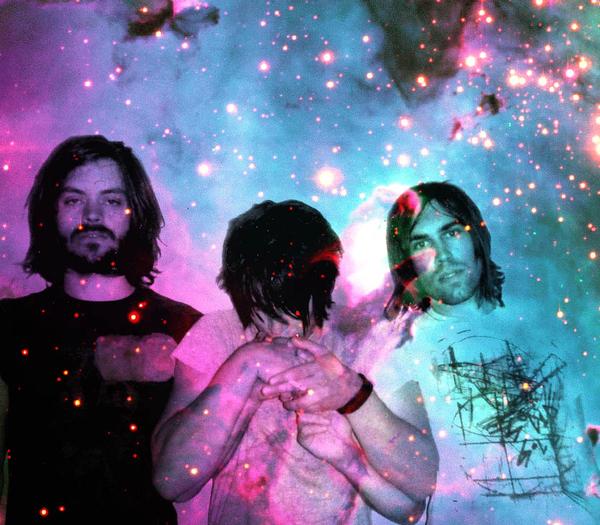
When I saw that the Danish rock-duo, The Raveonettes, are playing this weekend’s SF Oyster Fest— Sat/15 at Fort Mason– I was quite curious how the two band members felt about the animal/food at the heart of the party. Strangely enough, I found a blog post that lifted the mystery and erected another.

Sune Rose Wagner and Sharin Foo are an interesting pair of slightly awkward and wonderful creatures who pluck out stellar ’50s summer-style pop hooks, add in tainted surf guitar and sweetly sing lyrics that aren’t afraid to address the shitty things in life: rape, drugs addiction, betrayal and other Debbie Downers. I can imagine their sound blasting under the San Francisco sun to an outdoor crowd, but thought it was funny to imagine them strumming at an event created for the consumption of bivalve molluscs, or easier known as oysters or shelled ocean friends. I wondered if their publicist/tour manager had to ask them if they liked eating these slimy things before agreeing to take the stage?

raveonettes dining

Due to the fact that a quick internet browse came up with a blog post from Wagner and Foo themselves, I’m guessing there were no hesitations. The post explains an evening dining experience in New York, chomping on none other than oysters. The photos were obviously taken via camera phone and apparently their waitress “was the best part about the meal.” But here’s what the post had to say about shells:

Foo: “We love oysters. It’s always so interesting to try different oysters at different restaurants.”

Wagner: “They were really great! Well served, fresh, with a nice little sauce that went with them.” 

Foo: “Well also, the fact they’re an aphrodisiac, we’ll have to deal with that later on too…”

raveonettes oysters

Have to “deal with that later?” Aphrodisiacs? What??? Foo didn’t believe him either and writes something about not “feeling anything yet” while chugging her glass of wine. But with another quick interweb click, I discover that oysters are in fact a sexy food. Here’s how LiveScience.com described this weird fact:

“Many foods (bananas, asparagus, carrots, avocados) are considered aphrodisiacs because they resemble the penis or testicles. Oysters resemble a vagina. The Romans placed the oyster high on their list of prized aphrodisiacs. Casanova, the legend goes, would eat 50 raw oysters for breakfast. Yet interestingly, oysters (and pine nuts, another ancient aphrodisiac) are high in zinc, which is necessary for sperm production. Raw oysters are also high in D-aspartic acid and N-methyl-D-aspartate, which increased testosterone levels in one study on male rats, which could in theory increase libido, according to Karen Boyle of Johns Hopkins Hospital. “The data is questionable and mixed, but oysters do make a nice appetizer,” she said.”

Oysters resemble the female genitalia? Well, ok yes. Eat up San Francisco…

oyster vag


The Raveonettes w/Cake, Jackie Greene, Thao & The Get Down Stay Down

Sat/15, 11am, $30

The Great Meadow at Fort Mason

(Intersection of Bay and Laguna Streets)

www.oreillysoysterfestival.com/


The Daily Blurgh: Is Gaga union?

0

Curiosities, quirks, oddites, and items from around the Bay and beyond

Large, hairy gay men fashionably invaded Berkeley Art Museum on Mother’s Day in honor of large, hairy Belgian fashion designer. Did you go? We’d love to hear your on-the-scene reports. (Alas, we were dining with Mum).
*****

Welcome to Yuba County, SF’s rural dumping ground.

******

Flashmobs: the new unions?

******

Pop artists’ estate’s grasp on copyright loosened by artist’s “popular” source material: “Roy Lichetenstein’s estate has seen the light. After threatening copyright litigation against an indie band whose CD cover remixed the same comic book panel that the pop artist made famous, the estate has withdrawn the threat and no longer claims to own the rights to everything that rips off the same stuff that Lichtenstein copied.”

******
 
SFMOMA has announced the shortlist of architects in consideration for its $250 million expansion. The final four are: Foster + Partners, Diller Scofidio + Renfro, David Adjaye Associates, and Snøhetta.

******

Forget prostituting yourself for American Apparel. Can you make sexyface while wearing a messenger bag? Then Timbuk2 wants you!

******

Sam McPheeters: I saw John Carpenter speak in 2002. He was 54 then, but he looked ten years older, and he talked for a while about his sagging energy levels. You’re the same age now, right?
Glenn Danzig: Give or take.
 
SM: Well, you look my age and it’s kind of weirding me out. Do you ever have problems with your energy levels?
GD: No.

SM: What’s your secret?
GD: I don’t know. I don’t eat shit food. I don’t do drugs. I don’t know what else to tell you.

SM: I’m 40. I don’t do any of those things. I eat salad for lunch. And I wake up almost every day feeling like a wet bag of sand.
GD: Salad is terrible if you put creamy crap on it.

SM: It’s low-fat creamy crap!
GD: There’s no such thing.

******

Speaking of a comic Danzig:

******

Today in “no, The Onion didn’t make this shit up” campaign ads:

http://www.youtube.com/watch?v=umTITWQuXwY

Time travel

0

arts@sfbg.com

LIT Sometimes when I’m bored walking around Union Square, I wonder how many of the well-heeled white guys heading toward the Financial District are really criminal types who should be followed. Say, maybe some higher-up at Wells Fargo or Citigroup who helped rip off thousands through subprime loans before getting a nice slice of that sweet Wall Street bailout money.

When I’m feeling that way, I’m under the influence of a seminal 20th century writer who spent his most productive years in San Francisco. Here’s a passage that sends me there:

She walked on down Post Street to Kearny, stopping, stopping every now and then to look — or to pretend to look — in store windows; while I ambled along sometimes beside her, sometimes, almost by her side, and sometimes in front.

She was trying to check the people around her, trying to determine whether she was being followed or not. But here, in the busy part of town, that gave me no cause for worry. On a less crowded street it might have been different, though not necessarily so.

There are four rules for shadowing: Keep behind your subject as much as possible; never try to hide from him; act in a natural manner no matter what happens; and never meet his eye. Obey them, and, except in unusual circumstances, shadowing is the easiest thing that a sleuth has to do.

The narrator so hep to the ways of the tail is Dashiell Hammett’s “Continental Op,” an operative for the fictional Continental Detective Agency, whose adventures in print include some of Hammett’s finest San Francisco tales.

Don Herron’s walking tour of landmarks associated with Hammett’s time in San Francisco is well worth making for anyone curious about the history of the author of The Maltese Falcon and The Thin Man, who helped create hardboiled crime fiction and was one its greatest practitioners. At three to four hours of often hilly trekking, it’s a bit of a commitment, but at $10, it’s an affordable way to engage in the next best thing to time travel.

Herron, author of books about pulp actioneer Robert Howard and noir craftsman Charles Willeford, has been informally conducting the tour for three decades. It started in 1977 as part of a “free college” known as Communiversity. The Dashiell Hammett Tour: Thirtieth Anniversary Guidebook (2009), which updates earlier versions, is a nifty package that belongs on the shelf of any self-respecting San Francisco denizen with a passion for our city’s often twisted past. It’s a lively combination of biographical material about Hammett, assorted related trivia that never seems trivial, and Herron’s memories from 30 years of accompanying a broad spectrum of writers, fans, and eccentrics through the former stomping grounds of Hammett and his fictional creations.

The tour starts near the former site of the San Francisco Library Main Branch, now the Asian Art Museum. In an era of economic collapse papered over with massive subsidies to the same financial entities that brought us to collapse in the first place, lessons from earlier belt-tightening eras are useful. Hence it’s only appropriate to tip our fedoras to the memory of an autodidact left-winger who never finished high school but, by devoting years to reading in public libraries, got a better education than most who did. Though Hammett was making good money from writing crime fiction by the late 1920s, when he lived at 620 Eddy St. in the early 1920s, he couldn’t afford books and the library was a lifeline. The 1923 photo on page 66 of the guidebook, of what Heron calls “Hammett’s Reading Room” in the old main library branch at 200 Larkin St., is a beaut.

When Hammett and his family lived at 620 Eddy, their landlady was a bootlegger. Hammett’s wife later recalled cops rousting people in front of their window to the street. As Herron notes, today’s prohibition on hard drugs is about as effective at deterring users as the earlier one on alcohol, and equally effective at creating endless business opportunities for motivated entrepreneurs. If you’re not legally blind and are paying any attention at all, it’s likely you may see one or two such enterprising businesspeople on the streets of the Hammett tour. It’s also a safe bet they might bear a resemblance to the Continental Op’s self-description: “My face doesn’t scare children, but it’s a more or less truthful witness to a life that hasn’t been overburdened with refinement and gentility.”

The 1920s in San Francisco were wild, wide-open years full of fast living and dodgy characters. The late venerable columnist Herb Caen wrote of the period: “The Hall of Justice was dirty and reeked of evil. The City Hall, the D.A., and the cops ran the town as though they owned it, and they did … You could play roulette in the Marina, shoot craps on O’Farrell, play poker on Mason, and get rolled at 4 a.m. in a bar on Eddy.”

Hammett toiled on his used Underwood typewriter late into the night, creating characters and stories based on what he’d seen in that milieu. During World War I, he contracted both Spanish influenza and tuberculosis. When his TB got so bad that it was hazardous to the health of his wife and baby to maintain a family abode, he moved out and lived in a succession of apartments, including one up the hill from Eddy Street at 891 Post St., at the corner of Hyde. In a corner apartment on the fourth floor of that building, Hammett pounded out his first three novels. If you’re lucky, on Herron’s tour you’ll be buzzed in and get to see where Hammett typed, ate, drank, and smoked furiously — and sometimes pulled down the Murphy bed to sleep. The apartment of The Maltese Falcon‘s tough detective Sam Spade was based on the snug little dwelling.

The current occupant is Bill Arney, an architect and Hammett fan. When he showed the tour I was on around the small one-bedroom unit, I noticed a great compilation of “crime jazz,” soundtrack music from black and white crime movies and TV shows, on top of a pile of CDs. Appropriate, since Arney serves as announcer for the Noir City film festival local mover and shaker Eddie Muller puts on at the Castro Theatre every January.

Hammett left a permanent mark on San Francisco. Specifically, on the block-long street that used to be called Monroe, which runs south off Pine in the block between Powell and Stockton. From what is now called Dashiell Hammett Street, walk east on Bush and on the right, at Burritt Street, just before the Stockton tunnel overpass, ponder the plaque that reads: ON APPROXIMATELY THIS SPOT/MILES ARCHER,/PARTNER OF SAM SPADE,/WAS DONE IN BY/BRIGID O’SHAUGHNESSY.

We are lucky to be in a city that commemorates one of its most accomplished past local residents with a plaque honoring a killing that was a product of that writer’s imagination. *

MORE ON SFBG.COM: Johnny Ray Huston’s illustrated look at the Vertigo tour


Music listings

0

Music listings are compiled by Paula Connelly and Cheryl Eddy. Since club life is unpredictable, it’s a good idea to call ahead to confirm bookings and hours. Prices are listed when provided to us. Submit items at listings@sfbg.com.

WEDNESDAY 12

ROCK/BLUES/HIP-HOP

Barrel Riders, Fusebox, Tentacle Hemlock Tavern. 9pm, $5.

Beehive Spirit, Common Loon, Alright Elbo Room. 9pm, $6.

Tia Carroll and Hard Work Bimbo’s 365 Club. 8 and 10pm, $15.

Jakob Dylan and Three Legs featuring Neko Case and Helly Hogan, Felice Brothers, Honeyhoney Regency Ballroom. 8pm, $28.

Fuck Buttons Great American Music Hall. 9pm, $16.

Lime Colony, Passenger and Pilot, Blood and Sunshine Bottom of the Hill. 9pm, $8.

Man/Miracle, Yellow Dress, Quite Polite Rickshaw Stop. 8pm, $10.

*MDC, Restarts, La Plebe, Dopecharge Thee Parkside. 8:30pm, $10.

Tender Few, Spidermeow, Rabbles Hotel Utah. 8:30pm, $6.

FOLK/WORLD/COUNTRY

Sang Matiz Red Devil Lounge. 8:30pm, $8.

Somerville and Keehan Plough and Stars. 9pm.

DANCE CLUBS

Booty Call Q-Bar, 456 Castro, SF; www.bootycallwednesdays.com. 9pm. Juanita Moore hosts this dance party, featuring DJ Robot Hustle.

Hands Down! Bar on Church. 9pm, free. With DJs Claksaarb, Mykill, and guests spinning indie, electro, house, and bangers.

Machine Sloane, 1525 Mission, SF; (415) 621-7007. 10pm, free. Warm beats for happy feet with DJs Sergio, Conor, and André Lucero.

Mary-Go-Round Lookout, 3600 16th St, SF; (415) 431-0306. 10pm, $5. A weekly drag show with hosts Cookie Dough, Pollo Del Mar, and Suppositori Spelling.

Open Mic Night 330 Ritch. 9pm, $7.

RedWine Social Dalva. 9pm-2am, free. DJ TophOne and guests spin outernational funk and get drunk.

Respect Wednesdays End Up. 10pm, $5. Rotating DJs Daddy Rolo, Young Fyah, Irie Dole, I-Vier, Sake One, Serg, and more spinning reggae, dancehall, roots, lovers rock, and mash ups.

Synchronize Il Pirata, 2007 16th St, SF; (415) 626-2626. 10pm, free. Psychedelic dance music with DJs Helios, Gatto Matto, Psy Lotus, Intergalactoid, and guests.

Yoruba Dance Sessions Bacano! Som., 2925 16th St, SF; (415) 558-8521. 9pm, free. With resident DJ Carlos Mena and guests spinning afro-deep-global-soulful-broken-techhouse.

THURSDAY 13

ROCK/BLUES/HIP-HOP

Acorn Project, Sourgrass Boom Boom Room. 9:30pm, $7.

Altars Knockout. 9:30pm, $4. With guest DJs Primo, Kat, Bertie, and Melanie Ann Berlin.

Roger Clyne and PH Naffah, Jason Boots Great American Music Hall. 8pm, $16.

Meklit Hadero, Quinn Deveaux and the Blue Beat Review Bimbo’s 365 Club. 8pm, $18.

Hydrophonic, Gas Mask Colony, Murkins Bottom of the Hill. 9pm, $8.

Jugtown Pirates, Tell-Tale Heartbreakers, Project Pimento, Franco Nero, Swamees Paradise Lounge. 9pm, $7. Proceeds benefit the Haight-Ashbury Street Fair.

Bill Ortiz Biscuits and Blues. 8 and 10pm, $15.

Roy G. Biv, Billy Schafer, Chi McClean, Alex Karweit Hotel Utah. 8:30pm, $10.

Whitechapel, Son of Aurelius, I Declare War, Fallujah Thee Parkside. 9:30pm, $15.

Zoo, Entropy Density, Didimao Hemlock Tavern. 9pm, $6.

FOLK/WORLD/COUNTRY

Big Possum Atlas Café. 8pm, free.

John Calloway, Loco Bloco with Claudinho Smile Roccapulco Supper Club, 3140 Mission, SF; www.locobloco.org. 8pm, $15.

Shannon Céilí Band Plough and Stars. 9pm.

DANCE CLUBS

Afrolicious Elbo Room. 9:30pm, $8-10. DJs Pleasuremaker and Señor Oz spin Afro-tropical, samba, and funk.

CakeMIX SF Wish, 1539 Folsom, SF; www.wishsf.com. 10pm, free. DJ Carey Kopp spinning funk, soul, and hip hop.

Caribbean Connection Little Baobab, 3388 19th St, SF; (415) 643-3558. 10pm, $3. DJ Stevie B and guests spin reggae, soca, zouk, reggaetón, and more.

Drop the Pressure Underground SF. 6-10pm, free. Electro, house, and datafunk highlight this weekly happy hour.

Good Foot Yoruba Dance Sessions Bacano! Som., 2925 16th St, SF; (415) 558-8521. 9pm, free. A James Brown tribute with resident DJs Haylow, A-Ron, and Prince Aries spinning R&B, Hip hop, funk, and soul.

Gymnasium Matador, 10 Sixth St, SF; (415) 863-4629. 9pm, free. With DJ Violent Vickie and guests spinning electro, hip hop, and disco.

Kissing Booth Make-Out Room. 9pm, free. DJs Jory, Commodore 69, and more spinning indie dance, disco, 80’s, and electro.

Koko Puffs Koko Cocktails, 1060 Geary, SF; (415) 885-4788. 10pm, free. Dubby roots reggae and Jamaican funk from rotating DJs.

Mestiza Bollywood Café, 3376 19th St, SF; (415) 970-0362. 10pm, free. Showcasing progressive Latin and global beats with DJ Juan Data.

Motion Sickness Vertigo, 1160 Polk, SF; (415) 674-1278. 10pm, free. Genre-bending dance party with DJs Sneaky P, Public Frenemy, and D_Ro Cyclist.

Peaches Skylark, 10pm, free. With an all female DJ line up featuring Deeandroid, Lady Fingaz, That Girl, and Umami spinning hip hop.

Popscene 330 Rich. 10pm, $10. Rotating DJs spinning indie, Britpop, electro, new wave, and post-punk.

Solid Thursdays Club Six. 9pm, free. With DJs Daddy Rolo and Tesfa spinning roots, reggae, dancehall, soca, and mashups.

FRIDAY 14

ROCK/BLUES/HIP-HOP

Annuals, Most Serene Republic, What Laura Says Bottom of the Hill. 10pm, $12.

Apache, Wrong Words, Midnight Snaxx, Off Campus Knockout. 9pm, $7.

Café R&B Biscuits and Blues. 8 and 10pm, $22.

Disastroid, Famous, Gentlemen Hemlock Tavern. 9:30pm, $7.

Front Street featuring Stu Allen, Jugtown Pirates Independent. 9pm, $15.

Fun., Audrye Sessions, Heartsounds Slim’s. 8:30pm, $16.

Johan Johannsson Great American Music Hall. 9pm, $21.

Michael McIntosh Rite Spot, 2099 Folsom, SF; www.myspace.com/ritespot. 9pm, free.

Freedy Johnston Café du Nord. 7:30pm, $15.

Starfucker, Butterfly Bones, Silver Swans, Fake Drugs Rickshaw Stop. 8pm, $12.

*Trombone Shorty and Orleans Avenue with Zigaboo Modeliste and Ivan Neville Bimbo’s 365 Club. 8pm, $75-150. Proceeds benefit Blue Bear’s youth music education programs.

Michael Zapruder, Grand Lake Dark Room, 2263 Mission, SF; http://snobtheater.tumblr.com. 10pm, $10. With comedians Bill Coladonato, Kelly McCarron, Kevin Munroe, and Brandon Lynch.

JAZZ/NEW MUSIC

Audium 9 1616 Bush, SF; (415) 771-1616. 8:30pm, $15.

Black Market Jazz Orchestra Top of the Mark. 9pm, $10.

Bruno P.B. Socha Café, 3235 Mission, SF; (415) 643-6848. 8:30pm, free.

Eric Kurtzrock Trio Ana Mandara, Ghirardelli Square, 891 Beach, SF; (415) 771-6800. 8pm, free.

Revolution All-Stars Revolution Café, 3248 22nd St, SF; (415) 642-0474. 8:45pm, free.

Scott Amendola Band Red Poppy Art House. 8 and 9pm, $12-20.

Stanley Clarke Band with Hiromi Yoshi’s San Francisco. 8 and 10pm, $26-32.

Terry Disley Experience Trio Vin Club, 515 Broadway, SF; (415) 277-7228. 7:30pm, free.

FOLK/WORLD/COUNTRY

Brother Lekas Plough and Stars. 9pm.

Lucha Vavoom Fillmore. 9pm, $32.50.

"That Night in Rio: A Samba Party" Café du Nord. 9pm, $15. With Grupo Samba Rio and DJ Fausto Sousa.

Wunmi Coda. 10pm, $15.

DANCE CLUBS

Activate! Lookout, 3600 16th St, SF; (415) 431-0306. 9pm, $3. Face your demigods and demons at this Red Bull-fueled party.

Beat Market Mighty. 7pm, $10. With DJs Gravity, Jonathan W, Spirit Catcher, eug, and Al Veilla.

Blow Up Rickshaw Stop. 10pm, $10. With rotating DJs.

Exhale, Fridays Project One Gallery, 251 Rhode Island, SF; (415) 465-2129. 5pm, $5. Happy hour with art, fine food, and music with Vin Sol, King Most, DJ Centipede, and Shane King.

Fat Stack Fridays Koko Cocktails, 1060 Geary, SF; (415) 885-4788. 10pm, free. With rotating DJs Romanowski, B-Love, Tomas, Toph One, and Vinnie Esparza.

Fo’ Sho! Fridays Madrone Art Bar. 10pm, $5. DJs Kung Fu Chris, Makossa, and Quickie Mart spin rare grooves, soul, funk, and hip-hop classics.

Fort Knox Five, Breakestra Mezzanine. 9pm, $15.

Gay Asian Paradise Club Eight, 1151 Folsom, SF; www.eightsf.com. 9pm, $8. Featuring two dance floors playing dance and hip hop, smoking patio, and 2 for 1 drinks before 10pm.

Good Life Fridays Apartment 24, 440 Broadway, SF; (415) 989-3434. 10pm, $10. With DJ Brian spinning hip hop, mashups, and top 40.

Gymnasium Stud. 10pm, $5. With DJs Violent Vickie and guests spinning electro, disco, rap, and 90s dance and featuring performers, gymnastics, jump rope, drink specials, and more.

Hot Chocolate Milk. 9pm, $5. With DJs Big Fat Frog, Chardmo, DuseRock, and more spinning old and new school funk.

Lawnchair Generals DNA Lounge. 9pm, $10. House, downtempo, and dub.

Look Out Weekend Bambuddha Lounge. 4pm, free. Drink specials, food menu and resident DJs White Girl Lust, Swayzee, Philie Ocean, and more.

M4M Fridays Underground SF. 10pm-2am. Joshua J and Frankie Sharp host this man-tastic party.

Rockabilly Fridays Jay N Bee Club, 2736 20th St, SF; (415) 824-4190. 9pm, free. With DJs Rockin’ Raul, Oakie Oran, Sergio Iglesias, and Tanoa "Samoa Boy" spinning 50s and 60s Doo Wop, Rockabilly, Bop, Jive, and more.

Strictly Video 111 Minna. 9pm, $10. With VDJs Shortkut, Swift Rock, GoldenChyld, and Satva spinning rap, 80s, R&B, and Dancehall.

Treat Em Right Elbo Room. 10pm, $5. Hip-hop, fun, Latin, and more with DJs Vinnie Esparza, B. Cause, and guest DJs Mr. E and Relly Rels.

SATURDAY 15

ROCK/BLUES/HIP-HOP

*Converge, Coalesce, Lewd Acts, Black Breath Slim’s. 8pm, $18.

Gil Mantera’s Party Dream, Triple Cobra, Go-Going-Gone Girls Bottom of the Hill. 9pm, $12.

Kali$$ian Coda. 10pm, $10.

Billy McLaughlin Marriott, Fisherman’s Wharf, 1250 Columbus, SF; www.billymacmusic.com. 7:30pm, $20.

1995 Forever, Aerosols, Ryan Pettigrew and the Ladyboys Hemlock Tavern. 9:30pm, $7. Also with comedians Brent Weinbach and Louis Katz.

Octomutt Rite Spot, 2099 Folsom, SF; www.myspace.com/ritespot. 9pm, free.

Pins of Light, Moses, Boar Hunter El Rio. 10pm, $7.

Portal, Morbosidad, Sanguis Imperem, Dispirit Thee Parkside. 9:30pm, $12.

Reaction Thee Parkside. 3pm, free.

Ruse, Honor By August, Johnny Hi-Fi Hotel Utah. 9pm, $8.

Lavay Smith and Her Red Hot Skillet Lickers Biscuits and Blues. 8 and 10pm, $20.

Vienna Teng and Alex Wong Yoshi’s San Francisco. 8 and 10pm, $28.

JAZZ/NEW MUSIC

Audium 9 1616 Bush, SF; (415) 771-1616. 8:30pm, $15.

Eric Kurtzrock Trio Ana Mandara, Ghirardelli Square, 891 Beach, SF; (415) 771-6800. 8pm, free.

Kathy Sanborn Borders Westfield Center, 845 Market, SF; (415) 243-4108. 2-4pm.

Sexmob with DJ Olive Yerba Buena Center for the Arts, 701 Mission, SF; www.sfjazz.org. 8pm, $25.

Tin Cup Serenade Revolution Café, 3248 22nd St, SF; (415) 642-0474. 8:45pm, free.

FOLK/WORLD/COUNTRY

Courtney Andrews and friends Socha Café, 3235 Mission, SF; (415) 643-6848. 8:30pm, free.

Bernal Hill Players Red Poppy Art House. 8pm, $10-$15.

Gas Men Plough and Stars. 9pm.

Sierra Leone’s Refugee All Stars, Black Nature, DJ Jeremiah Independent. 9pm, $20.

DANCE CLUBS

Bar on Church 9pm. Rotating DJs Foxxee, Joseph Lee, Zhaldee, Mark Andrus, and Niuxx.

Bassnectar, Jef and Odd Nosdam Mezzanine. 9pm, $30.

Bootie DNA Lounge. 9pm, $6-12. Mash-ups plus the Hubba Hubba Revue.

Booty Bassment Knockout. 10pm, $5. Hip-hop with DJs Ryan Poulsen and Dimitri Dickenson.

Club 1994 Paradise Lounge. 10pm, $10. With DJs Jeffrey Paradise and Richie Panic spinning like it’s 1994.

Cock Fight Underground SF. 9pm, $7. Locker room antics galore with electro-spinning DJs Earworm and Matt Hite.

Dead After Dark Knockout. 6-9pm, free. With DJ Touchy Feely.

Fire Corner Koko Cocktails, 1060 Geary, SF; (415) 885-4788. 9:30pm, free. Rare and outrageous ska, rocksteady, and reggae vinyl with Revival Sound System and guests.

Fringe Madrone Art Bar. 9pm, $5. With DJs Blondie K and subOctave spinning indie music videos.

Full House Gravity, 3505 Scott, SF; (415) 776-1928. 9pm, $10. With DJs Roost Uno and Pony P spinning dirty hip hop.

HYP Club Eight, 1151 Folsom, SF; www.eightsf.com. 10pm, free. Gay and lesbian hip hop party, featuring DJs spinning the newest in the top 40s hip hop and hyphy.

Non Stop Bhangra Rickshaw Stop. 9pm, $20. With Dholrythms and DJ Jimmy Love.

Prince vs. Michael Madrone Art Bar. 8pm, $5. With DJs Dave Paul and Jeff Harris battling it out on the turntables with album cuts, remixes, rare tracks, and classics.

Puma’s World House Music Tour Vessel, 85 Campton, SF; (415) 433-8585. 9:30pm, $10. With DJs Sultan and Jasonn.

Saturday Night Soul Party Elbo Room. 10pm, $10. Sixties soul with DJs Lucky, Phengren Oswald, and Paul Paul.

Social Club Lookout, 3600 16th St, SF; (415) 431-0306. 9pm. Shake your money maker with DJs Lee Decker and Luke Fry.

Spirit Fingers Sessions 330 Ritch. 9pm, free. With DJ Morse Code and live guest performances.

Xeno and Oaklander, Epee Du Bois, Soft Moon Milk. 10pm. With DJs Omar, Justin, and Josh.

SUNDAY 16

ROCK/BLUES/HIP-HOP

Bullet for My Valentine, Chiodos, Airborne, Arcanium Regency Ballroom. 6:30pm, $27.

Clipd Beaks, Vampire Hands, Shattered by the Sun Hemlock Tavern. 9pm, $6.

Crash Kings Independent. 8pm, $12.

Faun Fables, Charming Hostess, Siamese Sirens Café du Nord. 8pm, $12.

Ben Folds and a Piano, Kate Miller-Heidke Warfield. 8pm, $38.

*Hypocrisy, Scar Symmetry, Hate, Blackguard, Swashbuckle DNA Lounge. 6pm, $18.

Set Your Goals, Comeback Kid, Title Fight, Story So Far Slim’s. 7pm, $16.

*Shattered Faith, Harrington Saints, Stagger and Fall, Psychology of Genocide Thee Parkside. 8pm, $8.

Sippy Cups Yoshi’s San Francisco. 2pm, $5-16.

Vienna Teng and Alex Wong Yoshi’s San Francisco. 5 and 7pm, $5-28.

JAZZ/NEW MUSIC

Sheila Jordan with Steve Kuhn Yerba Buena Center for the Arts, 701 Mission, SF; www.sfjazz.org. 7pm, $25-40.

SF Jazz High School All-Stars Yerba Buena Center for the Arts, 701 Mission, SF; www.sfjazz.org. 2pm, $5-15.

Wayne Wallace Latin Jazz Quintet Coda. 8pm, $10.

FOLK/WORLD/COUNTRY

El Deora, Rich McCully Thee Parkside. 4pm, free.

Marla Fibish, Erin Shrader, Richard Mandel and friends Plough and Stars. 9pm.

DANCE CLUBS

Bay to Breakers Breather Madrone Art Bar. 2pm, free. With DJs Kap10 Harris and Shane King spinning electro, bootybass, crunk, hyphy, rap, and more.

Call In Sick Skylark. 9pm, free. DJs Animal and I Will spin danceable hip-hop.

DiscoFunk Mashups Cat Club. 10pm, free. House and 70’s music.

Dub Mission Elbo Room. 9pm, $6. Dub, roots, and classic dancehall with J Boogie and Vinnie Esparza.

Gloss Sundays Trigger, 2344 Market, SF; (415) 551-CLUB. 7pm. With DJ Hawthorne spinning house, funk, soul, retro, and disco.

Honey Soundsystem Paradise Lounge. 8pm-2am. "Dance floor for dancers – sound system for lovers." Got that?

Jock! Lookout, 3600 16th St, SF; (415) 431-0306. 3pm, $2. This high-energy party raises money for LGBT sports teams.

Kick It Bar on Church. 9pm. Hip-hop with DJ Zax.

Lowbrow Sunday Delirium. 1pm, free. DJ Roost Uno and guests spinning club hip hop, indie, and top 40s.

Religion Bar on Church. 3pm. With DJ Nikita.

Stag AsiaSF. 6pm, $5. Gay bachelor parties are the target demo of this weekly erotic tea dance.

MONDAY 17

ROCK/BLUES/HIP-HOP

Michael Burns Rite Spot, 2099 Folsom, SF; www.myspace.com/ritespot. 9pm, free.

Meta, Stirling Says, Burnt Thumbs Bottom of the Hill. 9pm, $8.

*Nashville Pussy, Dave Rude Band, Butlers Independent. 8pm, $15.

Unnatural Helpers, E-Zee Tiger Hemlock Tavern. 7pm, $5.

DANCE CLUBS

Bacano! Som., 2925 16th St, SF; (415) 558-8521. 9pm, free. With resident DJs El Kool Kyle and Santero spinning Latin music.

Black Gold Koko Cocktails, 1060 Geary, SF; (415) 885-4788. 10pm-2am, free. Senator Soul spins Detroit soul, Motown, New Orleans R&B, and more — all on 45!

Death Guild DNA Lounge. 9:30pm, $3-5. Gothic, industrial, and synthpop with Decay, Joe Radio, and Melting Girl.

Krazy Mondays Beauty Bar. 10pm, free. With DJs Ant-1, $ir-Tipp, Ruby Red I, Lo, and Gelo spinning hip hop.

M.O.M. Madrone Art Bar. 6pm, free. With DJ Gordo Cabeza and guests playing all Motown every Monday.

Manic Mondays Bar on Church. 9pm. Drink 80-cent cosmos with Djs Mark Andrus and Dangerous Dan.

Monster Show Underground SF. 10pm, $5. Cookie Dough and DJ MC2 make Mondays worth dancing about, with a killer drag show at 11pm.

Network Mondays Azul Lounge, One Tillman Pl, SF; www.inhousetalent.com. 9pm, $5. Hip-hop, R&B, and spoken word open mic, plus featured performers.

Skylarking Skylark. 10pm, free. With resident DJs I & I Vibration, Beatnok, and Mr. Lucky and weekly guest DJs.

Spliff Sessions Tunnel Top. 10pm, free. DJs MAKossa, Kung Fu Chris, and C. Moore spin funk, soul, reggae, hip-hop, and psychedelia on vinyl.

TUESDAY 18

ROCK/BLUES/HIP-HOP

Flood, Razorhoof, Asada Messiah Bottom of the Hill. 9pm, $8.

Groundation, Orgone, DJ Jeremiah Independent. 9pm, $27.

Inca Ore, Norman Conquest, Cartoon Justice, Strippers Amnesia. 9pm, $5.

Jackstraw, TV Mike and the Scarecrows, Forest Fire Café du Nord. 8:30pm, $14.

Shout Out Louds, Freelance Whales, Franks Great American Music Hall. 8pm, $17.

Terry Malts, Dirty Cupcakes, Sydney Ducks Hemlock Tavern. 9pm, $6.

*Toots and the Maytals, Rey Fresco Regency Ballroom. 8pm, $32.
FOLK/WORLD/COUNTRY
Brazilian Wax, DJs Carioca and Fausto Sousa Elbo Room. 9pm, $7.
Seisiún Plough and Stars. 9pm.
DANCE CLUBS
Alcoholocaust Presents Argus Lounge. 9pm, free. With DJ What’s His Fuck and DJ Chrome Dome.
Ceremony Presents "ICB" Knockout. 9pm, $5. Tribute to Ian Curtis and Factory Records with DJs Deadbeat, Yule Be Sorry, and Melanie Ann Berlin, with a live performance by Jealousy.
Eclectic Company Skylark, 9pm, free. DJs Tones and Jaybee spin old school hip hop, bass, dub, glitch, and electro.
La Escuelita Pisco Lounge, 1817 Market, SF; (415) 874-9951. 7pm, free. DJ Juan Data spinning gay-friendly, Latino sing-alongs but no salsa or reggaeton.
Rock Out Karaoke! Amnesia. 7:30pm. With Glenny Kravitz.
Share the Love Trigger, 2344 Market, SF; (415) 551-CLUB. 5pm, free. With DJ Pam Hubbuck spinning house.
Womanizer Bar on Church. 9pm. With DJ Nuxx.

The voice of fun

0

steve@sfbg.com

In the midst of a crackdown on San Francisco nightlife, club operators, promoters, entertainers, and supporters of a vibrant urban scene have formed a new lobbying group that seeks to offer a united voice in favor of fun.

The California Music And Culture Association (CMAC), a nonprofit advocacy and education group, launches its first chapter in San Francisco this week.

Discussions about the need to organize have been going on for years among the owners of local nightclubs such as Bottom of the Hill, Mighty, DNA Lounge, and Café Du Nord. They were initially triggered by arbitrary enforcement actions by the California Alcoholic Beverage Control (ABC) and persistent noise complaints by a handful of NIMBY neighbors (see “Death of fun,” 5/24/06 and “Death of fun, the sequel,” 4/24/07).

But in recent months, conflicts between the culture-creators and enforcement agencies have come to head, driven by an aggressive crackdown on parties and clubs led by ABC agent Michelle Ott and San Francisco cop Larry Bertrand (see “The new war on fun,” March 23) and efforts by Mayor Gavin Newsom and other officials to blame youth violence on the entertainment industry.

“This is certainly as bad as it’s ever been,” said Guy Carson, owner of Café Du Nord and a CMAC board member who has run San Francisco nightclubs for 26 years. “We needed an organization that can speak for us.”

So dozens of nightlife advocates have pooled their resources to create CMAC. The organization is supported by membership dues and aims to follow a model similar to the San Francisco Bicycle Coalition, which has more than 11,000 members and has been effective at advocating for their interests.

What’s at stake, Carson said, is San Francisco’s reputation as a vibrant, world-class city that nurtures its artists and welcomes those who come into town for parties and events.

“Do we want to look like Walnut Creek?” Carson asked rhetorically. “I came here because I like a vibrant arts scene, and that requires an infrastructure. It doesn’t happen in a void.”

He said City Hall and the enforcement agencies have lost sight of the important role nightlife plays in creating the city’s culture, and how aggressive enforcement efforts can push club owners — many who are “struggling to survive,” Carson said — over the edge.

“There is a void in the political and public perception of nightlife,” said Frieda Edgette, an employee of the politically connected firm Barbary Coast Consulting, which helped launch CMAC. Edgette added that the group’s goal is “to empower and provide a voice for a constituency that hasn’t had a voice.”

Beyond advocating for the interests of members at city and state levels, CMAC will serve as an information clearinghouse on best practices for maintaining good neighborhood relations and research into the importance of the industry to the economy.

“I’m not sure club owners do all they can to foster good relationship with their neighbors,” said Tim Benetti, owner of Bottom of the Hill, a former deputy city attorney, and current CMAC board member. “So we can play a big role in educating our members.”

Yet he said that a far bigger problem has been the polarization between the nightlife community and entities that try to demonize and scapegoat it for problems ranging from noise to drugs to violence. “There is an antagonism that has developed between nightclubs and enforcement agencies, and we want to end that antagonism,” Benetti said. “Right now, there’s no dialogue.”

Or as Edgette said, “We want to bring all the parties to the table to have a holistic discussion about nightlife.”

So far, efforts to open up that dialogue have gone nowhere. Attorney Mark Webb, who represents some of the victims of harassment and brutality by Bertrand and Ott, publicly called on Newsom to mediate the dispute in March. But he was rebuffed, so last month he filed a racketeering case against the city, arguing that police shakedowns of legal activities amount to a criminal enterprise.

“I was quite disappointed at the reaction to this case,” Webb said. “It’s fallen on deaf ears in terms of trying to get Newsom or others in power to deal with it. Now it’s just in the pile of lawsuits.”

Last week the City Attorney’s Office had the case bumped up to federal court, and Webb said he has subpoenaed police records and sought depositions from Bertrand and his supervisors. Another lawsuit, brought by promoter Arash Ghanadan after he was arrested and, he charges, brutalized by Bertrand in retaliation for filing an earlier complaint, is also being contested by the city.

“We are in a battle for Bertrand’s personnel file,” said Ghanadan’s attorney, Steve Sommers, who is also seeking to depose Police Chief George Gascón about the matter.

State Sen. Mark Leno has helped to mediate the disputes and has been in touch with ABC chief Steve Hardy. “I think we’re going to see some improvement,” Leno said. “I don’t know how aware he was of the activities at the local level.”

Those activities include citing nightclubs for not serving enough food, repeatedly harassing customers at certain disfavored clubs, pursuing noise complaints on behalf of particularly sensitive neighbors, and announcing a crackdown on bars serving infused liquors.

Leno welcomed the creation of CMAC and said that it will be an important voice for a vital and under-appreciated industry, both in San Francisco and in Sacramento, where Leno unsuccessfully pushed legislation to extend the operating hours of nightclubs a few years ago.

“I applaud this effort,” Leno said of CMAC. “There is great wisdom to advocating for this on a statewide basis.” 

CMAC LAUNCH PARTY

With DJs J Boogie, Motion Potion, and more

Thu/May 6

7–11 p.m., $10

Mezzanine

444 Jessie, SF

Friday electronic triple dip: Lemonade, Active Child and Solid Gold

0

TGIF, right? Tonight’s (Fri/30) dance-dance lineup at the Rickshaw is hotter than Topanga in a crop top. Ambient synth, sharp electronics, disguised sadness, choral talents and acid-friendly bangers promise to make the evening wet and wild– but only if that’s your drug of choice.Tonight’s PopScene event features three bands with stellar mentalities; uber chill, you can dance if you wanna and spun out bliss is key. Sometimes the grooves make my toes tap or inspire a head nod and sometimes I wanna sway and shake all over the place. Mostly I just feel a sense of amazingness in my veins whenever I hear one of the evening’s bands. Even without actually taking drugs, the music is sure to put your bones at ease and produce a similarly awesome sensation for your senses.

Lemonade

From SF to Brooklyn, the guys of Lemonade have an aggressive coast to coast approach to dance music, connecting polar opposite sounds with beautifully organic bridges. The electronics flirt and grind with bubbling sensations, plenty of chimes, cranks, whistles and drips for a dreamy yacht party on the ocean.

Active Child

The layers of L.A.-based songwriter Pat Grossi’s keyboards diffuse any sense of body and allow your little head to float far, far away from cluttered, hoarded emotions. It’s a bit creepy and haunting, but oh so necessary, and a few tracks later you find yourself in an echoing cave, critters and characters cooing you with hums and moans.

Solid Gold

Minneapolis gods with an impeccable way at making the most depressing lyrics danceable and downright sexy. Video installations back in MPLS always included visions of pouring pills, a rainstorm of delusion and confusion. The laid-back, summer cool melodies make for good accompaniment to any high.


Lemonade, Active Child and Solid Gold

Fri/20, 9pm, $12

The Rickshaw Stop

155 Fell, SF

www.RickshawStop.com

Pump you up!

0

kimberly@sfbg.com

MUSIC Follow the heavily pitch-shifted, layered vocals woozily intoning “I love drugs” on “Mind Eraser” from Growing’s new Pumps (Vice). You’ll end up deep in the thicket of the group’s hallucinatory haze, levitating on a cockeyed cloud of bird calls, darting beats, and cries of “It’s my brain!” Welcome to the Brooklyn band’s bristly, growling hoedown, one emulating the sound of the hive mind in a crowded nightclub and pulsing with swooping, strobe-light electronics — though those familiar, whooping party horns refuse to cooperate with any potential dance trance, rarely continuing longer than a few bars.

It’s the sound of a band evolving into some creature poised between an art group that inspires its audience to sit on the floor, cross-legged and spaced-out, and a shadowy outfit toiling behind gear as the crowd grinds and undulates in the foreground. Neither fish nor fowl, neither entirely noise nor dance-pop, those dichotomies, false or no, seem to have dissolved with the entry a year and a half ago of new member Sadie Laska of IUD and Extreme Violence. Laska joined Growing’s seemingly tight two-man collaboration — Joe DeNardo and Kevin Doria have been making music together since 1999 — after playing with the duo during a Growing-IUD tour. And Pumps is the first album the threesome has made together, working amid piles of effect boxes, synths, drum machines, Optigans, and guitars at Brooklyn’s Ocropolis studio.

“It was kind of scary at first for me,” Laska says, from the trio’s car, while in Seattle. “I didn’t know what was going to happen — they didn’t seem to have any strict way of doing anything. Instead they were kind of in this place where they wanted a new perspective, new ideas, so they were like, ‘Do whatever you want.'<0x2009>”

Laska went ahead and added the new vocal elements and samples, amplifying the subtle humor of tracks like the jittery, antically polyrhythmic “Highlight,” which almost suggests a spastic, giggly cousin of the Residents. The wit extends to the title and artwork of the disc, with its 1980s-esque pink lipstick gloss and its pinup girl ready to grotesquely eyeball the viewer.

“The title is supposed to be kind of funny,” Laska explains, “and I think the whole record is really light-hearted, which I don’t think people get at first.” The name directly refers to an instance when Doria’s girlfriend was packing a lot of shoes in a box labeled “Pumps.” “He was like, ‘I hate pumps,'<0x2009>” recalls Laska. “We joked about this being a feminine record, with a girl in the band and this music. After all, we have these beats — we’d say, ‘It’s pumpin’!'<0x2009>”

That’s what happens when you introduce a drum machine into the mix, although that doesn’t mean Growing intends to infiltrate clubland. “I think of it as almost a dance record, but not quite,” observes Laska. “It’s still off-kilter, and maybe you can’t dance to it. [Doria and DeNardo] came from a guitar-driven band, and we all come from these punk roots, so none of us grew up going to dance clubs and listening to dance music — that’s not what we were trying to make.”

Growing is, well, growing — not only in number, but in playful, new elastic directions as the group flips Laska’s vocals and fuses them with the beat. “We’re maybe more light-hearted,” Laska says. “Not that they were super-serious before. But I think now we really want people to have a good time and move around a little bit to it. In some ways we still play a sustained, long set. But now we do have these samples, and it’s kind of like … party music.” She chuckles at the absurdity of it. “Like the end-of-the-night kind of party.” 

GROWING

With Eric Copeland and Birds and Batteries

Wed/28, 8 p.m., $10–>$12

New Parish

579 18th St., Oakl.

(510) 444-7474

www.thenewparish.com


Burning the Man

14

steve@sfbg.com

Paul Addis is like the Man he burned: a symbol onto which people project their views of Burning Man, the San Francisco-born event that has become the most enduring countercultural phenomenon of this era. This summer, with the building of Black Rock City in the Nevada desert, marks the 25th annual event.

When Addis illegally torched Burning Man’s eponymous central icon during the Monday night lunar eclipse in 2007, he was either injecting much-needed chaos back into the calcified event; indulging in a dangerous, destructive, and delusional ego trip; or he was simply crazy, depending on the perspective of current and former burners who are still quite animated in their opinions about Addis and his act in online forums.

But Addis is also just a man, one who paid a heavy price to make his statement. After pleading guilty to a destruction of property charge in Nevada court, which became a felony after Burning Man leaders testified to more than $30,000 in damages from having to rebuild the icon, Addis served nearly two years in prison.

Addis was released late last year and recently returned to San Francisco, where this performance artist will debut his new solo show, “Dystopian Veneer,” at The Dark Room on April 30 (a second show is set for May 7). While Addis insists he didn’t seek the notoriety that came from getting caught, it’s clear he relishes this outlaw role, which follows naturally from his last stage incarnation as gun-loving journalist Hunter S. Thompson.

In a nearly three-hour interview with the Guardian, Addis described that fateful night and its implications, as well as why he turned on an event he once loved.


BURNING MAN GROWS UP

Addis first attended Burning Man in 1996, the last year in which anarchy and danger truly reigned, when a tragic death and serious injuries caused Burning Man organizers to impose a civic structure and rules, such as bans on firearms and high-speed driving, on future events.

Addis said he immediately became “a true believer,” seeing Burning Man as both a revolutionary experiment in free expression and political empowerment, and as a “wild, risk-taking thing for pure visceral power.” He came from what he called the “San Francisco arts underground” and had a libertarian’s love for guns, drugs, and explosives, but a progressive’s opposition to war and consumer culture.

“When you go to Burning Man, everyone has that feeling at a certain point in time. It is the most incredible thing you’ve been at. You do see the possibilities laid out in front of you,” Addis told me.

Addis poured himself into the event, but became frustrated with the rules and restrictions after three years and stopped going to Burning Man, although he remained in its orbit and closely followed it.

“There are some people who go to Burning Man who have extraordinary ideas and they are extraordinary people. They embody the type of concern and substantial action that I found so wonderfully possible in those early years. And to those people, thank you for what you do. But they are a minority,” Addis said.

Addis shared the anarchist mindset of John Law, who led Burning Man to the Black Rock Desert then left the event in frustration with its growing scale and popularity and never returned after 1996.

“Paul Addis’ early burning of the corporate logo of the Burning Man event last year was the single most pure act of ‘radical self expression’ to occur at this massive hipster tail-gate party in over a decade,” Law wrote on a Laughing Squid blog post after Addis’ sentencing hearing in 2008, one of 185 spirited comments on both sides of the debate.

Among this growing group of Burning Man haters and malcontents, which included self-imposed exiles like Law and provocateur attendees like Chicken John (see “State of the Art,” 12/20/04), there was always talk about burning the Man early as the ultimate strike against how ordered the event had become.

“Everyone knew it needed to be done for lots of reasons,” Addis said of his arson attack. So he returned to Burning Man in 2007 with the sole purpose of torching the Man in order to “bring back that level of unpredictable excitement, that verve, that ‘what’s going to happen next?’ feeling, because it had gotten orchestrated and scripted.”


TORCHING THE ICON

Addis can be very grandiose and self-important, prone to presenting himself in heroic terms or as the innocent victim of other people’s conspiracies, such as the police in Seattle and San Francisco who arrested him for possession of weapons and fireworks in separate instances within weeks of his arrest at Burning Man. But when it came to burning the Man, Addis was purposeful.

“Obviously a gesture like burning down Burning Man is very dangerous and very provocative. From my perspective, the No. 1 concern was safety. No one could get hurt unless it was me,” Addis said. Critics of the arson attack often note how dangerous it was, pointing out that there were a dozen or so people under the Man when it caught fire. But Addis said that he was on site for at least 30 minutes beforehand, encouraging people to move back with mixed results, shirtless and wearing the red, black, and white face paint that would later make for such an iconic mug shot.

As a full lunar eclipse overhead darkened the playa and set the stage for his act, Addis waited for his cue: someone, whom Addis won’t identify, was going to cut the lights that illuminated the Burning Man and give him at least 15 minutes to do his deed in darkness.

“I didn’t do this alone,” Addis said. “The lights were cut by someone else… The lights were cut to camouflage my ascent.”

Unfortunately for Addis, the operation didn’t go as smoothly as he hoped. He miscalcuated the tension in a guide-wire he planned to climb and the difficulty in using the zip-ties that attached a tent flap to it as steps, slowly pulling himself up the wire “hand over hand.”

Once he reached the platform at the bottom of one leg, “I reached for this bottle of homemade napalm that I made for an igniter and it’s gone,” dropped during his ascent. And his backup plan of using burlap and lighter fluid took a long time when he couldn’t get his Bic lighter to work under the 15 mph wind.

Then the lights came back on. “And now I know I’m exposed. Because the whole thing was not to get famous for doing this. It was to get away and have it be a mystery. That was the goal,” Addis said.

But then Addis got the fire going and it quickly spread up the Man’s leg, and Addis used nylon safety cables to slide down the guide-wire like a zip-line. “I landed perfectly right in front of two Black Rock Rangers who watched me come down,” Addis said. “And I turned to them and said, ‘Your man is on fire.'<0x2009>”

Addis said he was “furious” to see about nine people still under the burning structure, blaming the rangers and yelling at the people to clear the area before declaring, “This is radical free speech at Burning Man” and taking off running. Addis said he stopped at the Steam Punk Treehouse art exhibit, hoping to get lost in the crowd, but headlights converged on his location. He ran again, with a ranger close behind, and was finally caught, arrested, and taken to Pershing County Jail.


AFTERMATH

The arson attack made international news, and there were enough Addis’ supporters out there to convey the message that this was a political statement against the leadership of event founder Larry Harvey and Black Rock City LLC.

But those who run the event didn’t buy into Addis’ narrative. Instead, they ordered new materials to have the Man rebuilt and burned on schedule. And when it came time to testify at his sentencing hearing a year later, they sent LLC board member Will Roger and a tally for replacement costs that greatly exceeded the $5,000 level that bumped the charges up to a felony.

“They didn’t have to do this,” Addis said. “Instead, they decided to deliberately take action they knew would send me to prison.”

Burning Man spokesperson Marian Goodell wouldn’t discuss the charge. “It doesn’t do us or him any good to open that wound again.”

But an internal memo written by Executive Project Manager Ray Allen shortly after the hearing argued that they were required to respond honestly to requests for information from prosecutors and to do otherwise would have required perjury on behalf of an adversary.

“Part of putting on the Burning Man event means maintaining good relations with Pershing County so that we can continue to have the Burning Man event on BLM land within that county. Good relations means cooperating with criminal prosecutions,” Allen wrote to Burning Man employees.

Many of those employees remain profoundly offended by Addis and his act, mostly for the extra work it caused and the principle of such a selfish gesture. “The basic ethos out there is build your own stuff, burn your own stuff,” said Andy Moore, a.k.a. Bruiser, an employee since 2001 who helps build the city. “How would you have felt if he went to your house and burned it down because he didn’t like you?”

Yet as viscerally angry as Moore can still get when speaking of Addis, he also agreed that two years is a long prison term for this. “It seems a bit over the top. After all, it was a structure made of wood that was meant to burn.”

But Addis said that he has let go of the bitterness he felt toward Burning Man and is looking forward to being back on stage, something that he said was his main focus in prison. “It’s a brand new life, and I’ve got all this potential,” Addis said. “And I want to make the most out of it.”

The Daily Blurgh: Is that an Archie in your pants, Banksy?

0

Curiosities, quirks, oddites, and items from around the Bay and beyond

Gay! Archie gets a gay (as opposed to “Archie is a gay,” a fantasy you can live out through this NSFW-ish Choose-Your-Own Adventure wiki). Lesbian lawyers defend “not gay enough” softball players. Texas doesn’t want to let gays divorce. And Jet Blue goes pink.

******

He’s not here: Banksy tags SF.

*****

“People are terrified of drugs. Drugs are linked to inner cities and crime – not mystical states. But with diligent and serious science, we can learn about all the wonderful ways that these compounds can help a stressed and troubled species.” Dropping therapeutic acid in San Jose.

******

Have you parked your keester in one of the city’s “parklets” yet? It’s lovely outside right now. Go! Editor’s recommendation: Totally hot biker parklet action at Mojo.

*****

If that constant hacking cough wasn’t enough of a warning about air pollution, you can always rely on your phone to tell you.

*****

“It refers to the sex act conducted in front of the Eucharist involving myself, as the role of Adam, and a female follower, who plays the role of Eve by her own free will. The Lord does not wish for anybody else to engage in this ritual. I was inspired to perform this ritual because I believed that there was no other way to prove Mr. Little Pebble’s innocence and the wrongful convictions of sexual assault made against him. Just a few days ago, God sent me a message saying that the woman who sued Mr. Little Pebble will confess that it was all a lie.” And there’s a whole lot more WTF where that came from.

*******

SFFD disaster drill mannequins: now more “P.C.” thanks to pants.

*****

Heads up: Remembering Playland, the full length documentary that tells the history of San Francisco’s famous 10-acre seaside amusement park, Playland at the Beach, starts a week-long run at the Balboa Theater tomorrow night.

FEAST: Free crystal glass!

0

culture@sfbg.com

Should ceaseless hangovers and clumsy, inebriated behavior ever sour you on the drinking scene, you could do worse than while away an evening in one of SF’s many pan-Asian dessert cafes. Cheap prices, pleasant late-night crowds, cultural cachet … the sole caveat being that, for the neophyte dabbler in casual Asian cuisine, menus can approach this side of incomprehensible. This thought came to me midway through ordering at Tapioca Express (1522 Fillmore, (415) 346-6600. www.tapiocaexpress.com). A whim had struck me for bubble tea, but in my naiveté, I had come unprepared for what lay ahead. A universe of flavors, forms, and toppings were at my fingertips — it’s not unusual for a café to feature more than 80 bubble tea options; variations on form, flavoring, and toppings (“free crystal glass,” which to me sounds like a great deal on street drugs). Even ignoring the savories, I was at a loss. But I squashed the disorientation and walked away with an avocado snow, a tapioca-beaded milkshake whose creamy taste will dispel any hesitation you have toward desserts made from nacho ingredients. Sitting with my prize and savoring the peaceful, nonalcoholic hum around me, I knew: I was hooked. I needed more dessert cafe. And thus it began, the adventures of a white girl in the land of taro, grass jelly, and tadpoles.

As if the culinary adventures at Creations Dessert House (5217 Geary, (415) 668-8812, www.creationsdessert.com) weren’t enough food for thought, the ambience, as in other specimens of its genre, strikes an odd balance between coffeehouse and sit-down restaurant. Rather than highlighting its bubble teas, the ginormous menu focuses on hearty snacks, from fast food-like “value boxes” to potato polenta-esque radish cakes topped with fish sauce, and elaborately plated desserts (bowls of cubed fruits and ice cream nestled neatly alongside each other, rather than the helter-skelter mix-up found on most Western plates). The waitress will bring you complimentary hot tea while you ponder your options.

An after-school crowd and a more fast food vibe prevails at Quickly (2116 Irving and various SF locations, (415) 665-3090, www.quicklyusa.com), a global megachain that provides a gateway to bubble tea from New Zealand to Singapore. I learned about Quickly’s ubiquity from the café’s helpfully excessive signage, which also alerted me to its “new healthy fashion food” with “fiber green milk tea, black rice, and colis milk.” Eschewing the fried mini octopi and hot grass jelly, a plant-based pudding treat, I opted for a saccharine sweet rose bubble tea. And, in a bit of providence, I tried the Hong Kong egg puff, which turned out to be a crispy, waffle-bubble wrap marriage. It’s folded into a paper envelope, which fit nicely into my heart. New favorite thing!

Imagine, then, my elation at discovering that this mysterious egg puff was not a solely corporate creation — that, in fact, a sojourn into the Outer Sunset (SF’s epicenter of Asian dessert pleasures) will reveal Eggettes (3136 Noriega, (415) 681-8818, www.eggettessf.com), whose specialty is the puff. Eggettes has the distinction of three flavors; original, chocolate, and honeydew, whose golden-brown crust cedes to a chewy green dough within. Eggettes features the usual phalanx of bubble teas, and for the packs of adolescents usually present, not just free wireless but free computers! Imagine! Should you go, try the rice rolls, flat noodles rolled into delicious chewy nuggets, accompanied by peanut and hoisin sauce.

The challenge of dessert cafes may be what relentlessly pulls us to them — the variety of their wares. After all, the menu at 37 Degrees Dessert Café (1155 Taraval, (415) 566-3887) is a solid 10 pages long, filled with evocative photos to guide your deliberations. Dare you try the Deep Sea, whose striated layers of sweet liquid and “coral jellies” resemble nothing more than the dentist office’s saltwater aquarium tank poured into a tall ice cream sundae glass? Will you opt for the crystal rolls at 100% Sweet Café (2512 Clement, (415) 221-1628), small rice paper sachets of sugary goo, fresh strawberries, and mangos that constitute the most difficult and slippery food item to eat ever?

All told, the dessert cafes made a distinct impression on me. Situated at a small table, plied with free hot tea, megalith menu in hand detailing lobster balls, black pearl barley, and cold tofu flakes curdled in a wooden bucket — it’s easy to lose a few hours contemplating the fact that one will never, ever know all there is to be eaten under the sun.

But a girl can try. Osmanthus jelly with a side of explosive eggs, please?

alt.sex.column: No sex, please — we’re 40

0

Dear Andrea:

I’m 46 and seeking a hetro/bi woman my age who is authentically interested in a sexual relationship. I’ve heard many middle-aged women openly proclaim that they “don’t care about sex.” Since then, I’ve heard similar from many sources, including several female friends and countless craigslist meet-ups where it was volunteered without any prompting. I find this terribly depressing.

I thought a woman’s interest in sex increased as they got older. (Thanks, Anne Bancroft!). Now I’m honestly not sure what my options are. I haven’t had sex in two years.

Love,

46-Year-Old Man

Dear Old Man,

I’m surprised by the near-unanimity among your female age cohort. I wonder if you’re experiencing some sort of selection bias or selective hearing. It’s not an unusual story, but to hear it from every single woman you ask makes me wonder if you’re asking the right questions.

It’s true that what research there is often also based on the wrong questions — there’s a great deal of interest in libido-enhancing drugs for women, and a lot of statistics purporting to show an “epidemic” of female sexual desire disorders, but it’s very hard to figure out what’s really going on. Until recently, a 48-year-old woman was very likely to experience loss of libido due to being dead, or so worn-out and overworked that the best she could hope for was to be left alone.

Since a modern Western middle-class middle-aged woman now looks and feels like a 17th century 17-year-old and still has another 40-some years ahead of her, you better believe expectations have changed. They have changed so much that the slight diminishment of libido a woman might expect in her 40s is now considered a medical emergency.

In truth, many women do feel their libidos rushing back as soon as the last child earns her driver’s license. It isn’t only the temptingly empty house that does it — the role of mom, while deeply gratifying, does not produce a sense of oneself as irresistible object or roaring engine of desire. And while we should never forget that the glorious Bancroft was a wizened crone of 35 when she rolled down that famous stocking, many women in their 40s and 50s are still plenty interested in sex. Under the right circumstances.

Study after study indicates that most women require intimacy and emotional involvement even to get to the turn-on stage. Still others may have their sexuality tied up with a younger, thinner, or firmer self-image. There’s nothing like good sex to restore a sense of joy in and respect for one’s body. But again, it may take a lot of trust and a lot of affection to get there.

An interesting, attractive man of a certain age can totally get laid. But not, I suspect, if he even hints, upfront, at a need to know how many times he can expect it weekly once the deal is sealed. That’s no way to hook a lady who doesn’t even know you yet. I fear you are giving up too easily, and only hearing what you don’t want to hear.

Love,

Andrea

Got a question? E-mail Andrea at andrea@mail.altsexcolumn.com

The Daily Blurgh: That cat should have won the prize

0

Curiosities, quirks, oddites, and items from around the Bay and beyond

“We offer a kind of grittiness you can’t find much anymore,” said Randy Shaw, a longtime San Francisco housing advocate and a driving force behind the idea of Tenderloin tourism. “And what is grittier than the Tenderloin?”

Now that San Francisco is going to court the tourist dollars of baby boomers descending upon the TL in search of reawakening the pleasure centers of their youth – the music! the drugs! the picturesque squalor! – perhaps City Hall should also consider starting up tourism franchises in other “gritty” parts of the city? 

(But gawking humorously at the poor, addicted, and metally challenged makes for such a sensational blog post! –Ed.)

Also: Drubbing! This headline is the second Google hit that comes up for the search: “slumming San Francisco.” Take that, spendy New York Times (which seems to have a long history of reporting on slumming in other cities).


There are too many golden nuggets to choose from in Roger Ebert’s account of working on the Russ Meyer-directed Sex Pistols film that never was, but this exchange is one of them:
 
Meyer opened up by informing Johnny Rotten that with his stovepipe arms he wouldn’t have survived one day in the army.

“What do I want with the fucking army?” Rotten said.

 “You listen to me, you little shit. We won the Battle of Britain for you!”

I reflected that America had not been involved in the Battle of Britain, and that John Lydon (his real name) was Irish, and therefore from a non-participant nation. I kept these details to myself.


The anxiety of influence: The debate going on in the comments on this Fecal Face interview with local artist Maxwell Loren Holyoke-Hirsch is heated. Holyoke-Hirsch doesn’t seem to lack faith in his abilities (he is quoted as referring to himself as, “the hardest working illustrator and artist based in San Francisco, California”), although irony is sometimes lost in transcription. Hubris aside, there is still the question of whether or not his art, as some comments posit, swagger-jacks Chris Johansson and Barry McGee. But kids, it’s OK. Put down those rocks! Didn’t you know street art has already jumped the balaclava’d shark?

(Kidding!)


We love our cat
for her self
regard is assiduous
and bland

 
Congrats to personal fave Rae Armantrout for winning this year’s Pulitzer Prize in poetry. Cat people, this may be finally be your salve for the incredibly raw wounds from our canine-centric Pets issue.

Way out Middle East

0

arts@sfbg.com

FILM One frontier in which Israel remains politically left-forward is that of gay rights. Civil marriage, military service, foreign-partner naturalization, and job discrimination issues are all much more progressively legislated than in the U.S. — let alone the rest of the Middle East, where flogging, prison, or even execution punish homosexual "crimes." Nonetheless, as in much of the world today, fundamentalist religious currents endanger progress already made and still being worked toward.

Three out of five films in the "Out in Israel" series at the Roxie deal with strife between gay and Orthodox religious communities. Copresented by San Francisco’s Jewish Film Festival, they’re all part of a larger lineup of April events assembled by the Israeli Consulate in honor of Israel’s Gay Pride Month.

The oldest feature here is from 1992, though it feels like 1972 — Amos Guttman’s 16mm-shot Amazing Grace has the technical simplicity and variably professional acting of early gay-themed movies from just about any nation, whatever their era. And like most such, it’s a downer in which everyone is depressed, isolated, and broke. Young Jonathan (Gal Hoyberger) is fed up, especially with his quarrelsome family and slutty ex-boyfriend, when he meets handsome new neighbor Thomas (Sharon Alexander). Unfortunately the New York City-returned older musician is more interested in using drugs than love to drown his HIV-positive self-pity.

Israel’s gay cinema pioneer, Guttman died of AIDS the following year at age 38 without achieving anything like the popular success that greeted Eytan Fox a decade later. Fox’s 2002 international breakthrough Yossi and Jagger, originally made for local TV, stars Ohad Knoller and Yehuda Levi as IDF officers stationed in a mountain bunker on the Lebanon border. They’re carrying on a giddy affair almost no one knows about till tragedy intervenes. But Avner Bernheimer’s astute screenplay is still only half done: the rest of Fox’s finest effort to date finds closeted grief exacerbated by psychological theft and stinging injustice.

Moving from secular to religious conflict, the remaining "Out in Israel" features focus on clashes with those who view homosexuality’s mere existence as an affront to God. Nitzan Giladi’s documentary Jerusalem Is Proud to Present (2007) opens with Jewish, Muslim, and Christian clerics — united at last — condemning the city’s planned hosting of the 2006 International World Pride Parade as "nothing less than the attempted spiritual rape of this holy city." Violent rioting by Orthodox sects, death threats to gay leaders, and more attempts to shut down the event before it happens, succeeding somewhat yet also prompting righteous obstinacy from the LGBT community. One can laugh queasily at the grandmotherly type who claims HIV infection will jump 300 percent because those gays "just grab people" for their "orgies." But you’ll want to sucker-punch the loudmouthed Brooklyn rabbi who flies in just to spew his smirking homophobia.

Two recent features illustrate the impasse between homosexuality and ultra-Orthodox values in intimate dramatic terms. Haim Tabakman’s debut feature, 2009’s Eyes Wide Open (the only series program with a ticket charge; all others are free), watches trouble brew when a kosher butcher (Zohar Shtrauss) grows dangerously fond of the alluring new assistant Ezri (Ran Danker), whose reputation as a "curse to righteous men" precedes him. While borderline mannered in its minimalist dialogue and direction, the film packs a potent
punch.

Contrastingly not at all interested in restraint is Avi Nesher’s The Secrets (2007), about two girls (Ania Bukstein, Michal Shtamler) discovering Sapphic love at a women’s seminary. They also embark on a secret program of ritual cleansings for a prison-released French murderess (Fanny Ardant, atypically hammy) dying of both cancer and heart disease. It’s too bad the series’ sole lesbian feature is so melodramatically over the top. Then again, it’s probably pretty tasteful by the standards of a director previously associated with schlock like 2000’s Raw Nerve (Mario Van Peebles meets Nicollette Sheridan!) and 2001’s Tales from the Crypt Presents: Voodoo.

OUT IN ISRAEL

April 8–29, free–$8

Roxie

3117 16th St, SF

Film listings

0

Film listings are edited by Cheryl Eddy. Reviewers are Kimberly Chun, Michelle Devereaux, Max Goldberg, Dennis Harvey, Johnny Ray Huston, Erik Morse, Louis Peitzman, Lynn Rapoport, Ben Richardson, and Matt Sussman. The film intern is Peter Galvin. For rep house showtimes, see Rep Clock. For first-run showtimes, see Movie Guide.

OPENING

After.Life Christina Ricci plays a girl who may or may not have died in a car accident; Liam Neeson plays a creepy funeral director who may or may not know the truth. (runtime not available)

Date Night Don’t you kinda wish Steve Carell and Tina Fey were married IRL? (1:27) Presidio.

The Greatest Pierce Brosnan and Susan Sarandon play a couple dealing with the death of their oldest son — and the sudden appearance of a girl (Carey Mulligan) claiming to be pregnant with their grandson. (1:36) Embarcadero, Shattuck, Smith Rafael.

2012: Time for Change Author and outspoken advocate of using psychedelics to commune with spirits, Daniel Pinchbeck hosts this flimsy documentary about his search for a means to end contemporary culture’s addiction to consumerism and apathy. It has little to do with the prophetic year of the title. Instead, Pinchbeck’s thesis is that the year should represent a turning point in a society that is shirking its responsibility for its abuse of the earth and its people. I think we can all agree that contemporary culture is a tad self-indulgent, but Pinchbeck devalues his argument by spending an enormous amount of film time hyping psychedelic experiences and yoga as the answer to these issues. Lacking on-screen charisma himself, Pinchbeck turns to celebrity star power to punch things up. Notable are a sit-down with Sting who recounts an ayahuasca experience, David Lynch explaining transcendental meditation, and a talk with Ellen Page on the value of "shoveling goat shit." The film is so rambling and unfocused that by its end I wasn’t sold on any of its points. I knew 2012 just wouldn’t be the same without John Cusack. (1:25) Lumiere. (Galvin)

The Warlords No doubt following the lead of John Woo’s Red Cliff (2008), this three-year-old Chinese epic is not quite as epic, but definitely worth a watch. It’s set during the Taiping Rebellion of the 1860s; Jet Li is joined by Andy Lau and Takeshi Kaneshiro as he leads a force of Qing rebels. The intricacies of Chinese history are initially daunting, but thankfully the film’s true themes of brotherhood and betrayal are pretty universal. Though director Peter Chan is not known for his action films, The Warlords‘ battlefield sequences are plenty fun. Unfortunately, the non-combat stuff — i.e., anytime Chan appears interested in playing up the emotional drama between his three leads — are the least developed aspects of the film. It’s possible that certain sequences were more fleshed out in the film’s original cut (the "international" version is shortened by 15 minutes) but by skimping on important character moments, The Warlords feels incredibly lopsided. (1:50) Lumiere, Shattuck. (Galvin)

When You’re Strange Johnny Depp narrates Tom DiCillo’s Doors documentary. (1:30)

ONGOING

Ajami You may recognize the title of Yaron Shoni and Scandar Copti’s debut collaboration as one of five films nominated for a 2010 Academy Award in the Foreign Category. Though it didn’t bring home the grand prize, Ajami remains a complex and affecting story about desperation and its consequences in a religiously-mixed town in Israel. As we follow the lives of four of Ajami’s residents the narrative shifts perspective almost maddeningly, switching characters seemingly at the height of each story’s action. But once all of the stories fully intersect, the final product has the distinction of feeling both meticulously calculated and completely natural. I was most impressed to learn that Shani and Copti prepared their actors with improvised role-playing rather than scripts. By withholding what was going to happen in a scene before shooting, we are treated to looks of surprise and emotion on actor’s faces that never feel unnatural. Attaining such a level of realism may be Ajami‘s crowning achievement; it can’t have been easy to make a foreign world feel so familiar. (2:00) Elmwood. (Galvin)

Alice in Wonderland Tim Burton’s take on the classic children’s tale met my mediocre expectations exactly, given its months of pre-release hype (in the film world, fashion magazines, and even Sephora, for the love of brightly-colored eyeshadows). Most folks over a certain age will already know the story, and much of the dialogue, before the lights go down and the 3-D glasses go on; it’s up to Burton and his all-star cast (including numerous big-name actors providing voices for animated characters) to make the tale seem newly enthralling. The visuals are nearly as striking as the CG, with Helena Bonham Carter’s big-headed Red Queen a particularly marvelous human-computer creation. But Wonderland suffers from the style-over-substance dilemma that’s plagued Burton before; all that spooky-pretty whimsy can’t disguise the film’s fairly tepid script. Teenage Alice (Mia Wasikowska) displaying girl-power tendencies is a nice, if not surprising, touch, but Johnny Depp’s grating take on the Mad Hatter will please only those who were able to stomach his interpretation of Willy Wonka. (1:48) Cerrito, 1000 Van Ness, SF Center, Sundance Kabuki. (Eddy)

*Breath Made Visible Ruedi Gerber’s documentary throws a sympathetic and fascinating light on the work of dance pioneer Anna Halprin. Weaving on-camera interviews with former collaborators, family members, and Halprin herself into excerpts from current and past work suggests decades and decades thoughtfully lived by an artist who had the guts to be herself. Again and again the camera returns to the now legendary The Deck, which husband and landscape architect Lawrence Halprin built so she could do her work while their children were growing. One of this film’s loveliest aspects is to see the deck changing just as Halprin does. Wisconsin-raised and East Coast-oriented, her moving to the California of the 1940s had isolated her from mainstream dance influences. But it also had opened vistas — to nature and through nature into herself — that she might not have able to achieve otherwise. The film may be conventionally structured but what emerges is a portrait of an anything but conventional woman, artist and thinker. (1:20) Elmwood, Roxie, Smith Rafael. (Rita Felciano)

The Bounty Hunter There’s a real feeling of impotence in reviewing a movie whose ad was pasted on the side of the bus you took to the screening. This thing is determined to be seen, and that’s a true shame. Those who heed the call of the ubiquitous marketing campaign will have to sit through a dull parade of contrivances concerning a bounty hunter (Gerard Butler) whose latest catch is his court-skipping ex-wife (Jennifer Aniston). She’s a hotshot city journalist who’s forced to continue her investigation of a police cover-up while handcuffed to a car door and bickering with her old flame. The trajectory of the plot is obvious enough, but there’s so little chemistry between the two actors that the inevitable reconciliation practically constitutes a twist ending. Aniston saw fit not to whine her way through this role, which is something, but nothing nearly as complimentary can be said about Butler. He emotes in lurches, with the presence of a guy who’s not sure acting is the right direction for his life but still really wants to give it a go. If "This. Is. Sparta!" weren’t burned into my brain I would swear the man had never been in front of a camera before. (1:50) 1000 Van Ness, SF Center. (Jason Shamai)

Chloe The theme of undependable narrative surfaces in Atom Egoyan’s newest film, Chloe (a remake of French director Anne Fontaine’s 2003 Nathalie), but here the artifice — of the premise itself — is so hard to move past as to feel at times like a barrier, rather than a passageway into the interior of a handful of lives. We do see interiors, in the beautiful, chilly household of Catherine (Julianne Moore), a Toronto doctor who suspects that her professor husband, David (Liam Neeson), may be cheating on her. And one of the more haunting images in the film is the painful sight of Catherine drifting through their home at night, barred from the rooms where her husband and teenage son (Max Thieriot) carry on their private, unknowable lives.

Why this unbearable situation would lead her to contact Chloe (Amanda Seyfried), a beautiful young call girl she just met, and hire her to engineer an interaction with David to test his fidelity, is not quite clear. Nonetheless, one masochistic transaction leads to another, and in a series of lavish and exquisite settings, we, along with Catherine, are treated to the erotic details of Chloe’s encounters with David, which begin to charge the connection between the two women as well. Moore’s work is as fine as ever, but Egoyan has settled for something here: trying to beguile and seduce us. And in the end, this is more disturbing, and surprising, than the rather sharp turn Chloe makes into the landscape of the erotic thriller, where it takes the shape of an unbelievable story we’ve been told many times before. (1:36) Elmwood, Four Star, Presidio, SF Center, Sundance Kabuki. (Rapoport)

*City Island The Rizzo family of City Island, N.Y. — a tiny atoll associated historically with fishing and jurisdictionally with the Bronx — have reached a state where their primary interactions consist of sniping, yelling, and storming out of rooms. These storm clouds operate as cover for the secrets they’re all busy keeping from one another. Correctional officer Vince (Andy Garcia) pretends he’s got frequent poker nights so he can skulk off to his true shameful indulgence: a Manhattan acting class. Perpetually fuming spouse Joyce (Julianna Margulies) assumes he’s having an affair. Daughter Vivian (Dominik García-Lorido) has dropped out of school to work at a strip joint, while the world class-sarcasms of teenager Vinnie (Ezra Miller) deflect attention from his own hidden life as an aspiring chubby chaser. All this (plus everyone’s sneaky cigarette habit) is nothing, however, compared to Vince’s really big secret: he conceived and abandoned a "love child" before marrying, and said guilty issue has just turned up as a 24-year-old car thief on his cell block. Writer-director Raymond De Felitta made a couple other features in the last 15 years, none widely seen; if this latest is typical, we need more of him, more often. Perfectly cast, City Island is farcical without being cartoonish, howl-inducing without lowering your brain-cell count. It’s arguably a better, less self-conscious slice of dysfunctional family absurdism than Little Miss Sunshine (2006) — complete with an Alan Arkin more inspired in his one big scene here than in all of that film’s Oscar-winning performance. (1:40) Embarcadero, Shattuck. (Harvey)

Clash of the Titans The minds behind Clash of the Titans decided their movie should be 3D at the last possible moment before release. Consequently, the 3D is pretty janky. I don’t know what the rest of the film’s excuse is. Clash of the Titans retreads the 1981 cult classic with reasonable faithfulness, though Ray Harryhausen’s stop-motion effects have been (of course) replaced with CG renderings of all the expected monsters, magic, gods, etc. Liam Neeson and Ralph Fiennes — as other reviews have pointed out: Schindler’s List (1993) reunion! — glow and glower as Zeus and Hades, while Sam Worthington (2009’s Avatar) once again fills the role of bland hero, this time as a snooze-worthy Perseus. You might have fun in the moment with Clash of the Titans, but it’s hardly memorable, and certainly nowhere near epic. (1:58) Empire, 1000 Van Ness, Presidio, SF Center, Sundance Kabuki. (Eddy)

Crazy Heart "Oh, I love Jeff Bridges!" is the usual response when his name comes up every few years for Best Actor consideration, usually via some underdog movie no one saw, and the realization occurs that he’s never won an Oscar. The oversight is painful because it could be argued that no leading American actor has been more versatile, consistently good, and true to that elusive concept "artistic integrity" than Bridges over the last 40 years. It’s rumored Crazy Heart was slotted for cable or DVD premiere, then thrust into late-year theater release in hopes of attracting Best Actor momentum within a crowded field. Lucky for us, this performance shouldn’t be overlooked. Bridges plays "Bad" Blake, a veteran country star reduced to playing bars with local pickup bands. His slide from grace hasn’t been helped by lingering tastes for smoke and drink, let alone five defunct marriages. He meets Jean (Maggie Gyllenhaal), freelance journalist, fan, and single mother. They spark; though burnt by prior relationships, she’s reluctant to take seriously a famous drunk twice her age. Can Bad handle even this much responsibility? Meanwhile, he gets his "comeback" break in the semi-humiliating form of opening for Tommy Sweet (Colin Farrell) — a contemporary country superstar who was once Bad’s backup boy. Tommy offers a belated shot at commercial redemption; Jean offers redemption of the strictly personal kind. There’s nothing too surprising about the ways in which Crazy Heart both follows and finesses formula. You’ve seen this preordained road from wreckage to redemption before. But actor turned first-time director Scott Cooper’s screenplay honors the flies in the windshield inherited from Thomas Cobb’s novel — as does Bridges, needless to say. (1:51) Opera Plaza, Red Vic, Shattuck, Sundance Kabuki. (Harvey)

Diary of a Wimpy Kid Spoiler alert: nothing happens in Diary of a Wimpy Kid. That was OK when it was just a book—author Jeff Kinney’s illustrated novel works due in large part to his whimsical drawings and tongue-in-cheek humor. It’s a kids’ book, but it’s fun for adults, too. The same can’t be said for the film adaptation: Diary of a Wimpy Kid sticks close to its source material without the creativity necessary to make it work on the big screen. As in the book, Greg Heffley (Zachary Gordon) navigates the treacherous terrain of middle school, struggling to cope with an awkward best friend, a brutal older brother, and parents who just don’t understand. All the actors turn in solid performances — Gordon is a particularly good find. But there’s so little here to work with. The best that can be said about Diary of a Wimpy Kid is that it’s cute and mostly harmless: a pleasant diversion for young’uns, and a tolerable bore for the parents they drag along. (2:00) 1000 Van Ness. (Peitzman)

*The Ghost Writer Roman Polanski’s never-ending legal woes have inspired endless debates on the interwebs and elsewhere; they also can’t help but add subtext to the 76-year-old’s new film, which is chock full o’ anti-American vibes anyway. It’s also a pretty nifty political thriller about a disgraced former British Prime Minister (Pierce Brosnan) who’s hanging out in his Martha’s Vineyard mansion with his whip-smart, bitter wife (Olivia Williams) and Joan Holloway-as-ice-queen assistant (Kim Cattrall), plus an eager young biographer (Ewan McGregor) recently hired to ghost-write his memoirs. But as the writer quickly discovers, the politician’s past contains the kinds of secrets that cause strange cars with tinted windows to appear in one’s rearview mirror when driving along deserted country roads. Polanski’s long been an expert when it comes to escalating tension onscreen; he’s also so good at adding offbeat moments that only seem tossed-off (as when the PM’s groundskeeper attempts to rake leaves amid relentless sea breezes) and making the utmost of his top-notch actors (Tom Wilkinson and Eli Wallach have small, memorable roles). Though I found The Ghost Writer‘s ZOMG! third-act revelation to be a bit corny, I still didn’t think it detracted from the finely crafted film that led up to it. (1:49) California, Cerrito, Embarcadero, Piedmont, Presidio, Sundance Kabuki. (Eddy)

The Girl on the Train André Téchiné’s beautifully photographed, ripped-from-the-headlines film explores the events that led a young Parisian girl to lie about being the victim of an anti-semitic attack. Téchiné’s dramatization fails as an account of the incident, but the film manages to evoke a powerfully mysterious tone due largely to two stellar performances, by Émilie Dequenne as the 20-something Jeanne and Catherine Deneuve as her persistent mother. Much of the running time follows Jeanne’s experiences before the fabrication, as she falls for (and moves in with) a young wrestler named Franck, before a tragic event causes Jeanne to invent the famous lie. An arty exploration into the psychology of victimization that happens to be anchored by a real-life event, The Girl on the Train may disappoint those looking for easy answers but is undeniable as a showcase for some outstanding acting. (1:42) Elmwood, Four Star. (Galvin)

*The Girl With the Dragon Tattoo By the time the first of Stieg Larsson’s so-called "Millennium" books had been published anywhere, the series already had an unhappy ending: he died (in 2004). The following year, The Girl With the Dragon Tattoo became a Swedish, then eventually international sensation, its sequels following suit. The books are addicting, to say the least; despite their essential crime-mystery-thriller nature, they don’t require putting your ear for writing of some literary value on sleep mode. Now the first of three adaptive features shot back-to-back has reached U.S. screens. (Sorry to say, yes, a Hollywood remake is already in the works — but let’s hope that’s years away.) Even at two-and-a-half hours, this Girl With the Dragon Tattoo by necessity must do some major truncating to pack in the essentials of a very long, very plotty novel. Still, all but the nitpickingest fans will be fairly satisfied, while virgins will have the benefit of not knowing what’s going to happen and getting scared accordingly. Soon facing jail after losing a libel suit brought against him by a shady corporate tycoon, leftie journalist Mikael Blomkvist (Michael Nyqvist) gets a curious private offer to probe the disappearance 40 years earlier of a teenage girl. This entangles him with an eccentric wealthy family and their many closet skeletons (including Nazi sympathies) — as well as dragon-tattooed Lisbeth Salander (Noomi Rapace), androgynous loner, 24-year-old court ward, investigative researcher, and skillful hacker. Director Niels Arden Oplev and his scenarists do a workmanlike job — one more organizational than interpretive, a faithful transcription without much style or personality all its own. Nonetheless, Larsson’s narrative engine kicks in early and hauls you right along to the depot. (2:32) Albany, Embarcadero, Piedmont, Smith Rafael. (Harvey)

Green Zone Titled for the heavily-guarded headquarters of international occupation in Baghdad, Green Zone reunites director Paul "Shaky-Cam" Greengrass with star Matt Damon, the two having previously collaborated on the last two Bourne films. Instead of a super-soldier, this time around Damon just plays a supremely insubordinate one as he attempts to uncover the reason why his military unit can’t find any of Saddam’s WMDs. With the aid of the CIA, a Wall Street Journal reporter and a friendly Iraqi, Damon goes rogue in order to suss out the source of the misinformation. The Iraq War action is decent if scarce, but an overindulgence in (you guessed it) shaky-cam and political jargon cannot hide the fact that Green Zone‘s plot is simplistic and probably light on actual facts. Damon makes a fine cowboy-cum-hero, but the effectiveness of the mix of patriotism and Pentagon paranoia will vary based on your penchant for such things. Still, Green Zone moves fast enough that it remains worth a matinee for conspiracy thriller aficionados. (1:55) 1000 Van Ness. (Galvin)

Greenberg Roger Greenberg (Ben Stiller) is 40, and you might think he’s going through a midlife crisis — if he hadn’t been in pretty much this same crisis for 15 years or more. Still very edgy and fragile after a nervous breakdown-sparked institutional stay, he’s holing up at the comfortable Hollywood home of a big-deal brother while the latter and family are on vacation in Vietnam. (The implication being that Roger is most welcome here when no one else actually has to endure his prickly, high maintenance company.) While in residence he reconnects with old friends including the ex-girlfriend (Jennifer Jason Leigh) he dumped yet never quite got over — though clearly she did — and the ex-bandmate (Rhys Ifans) he burned by wrecking their one shot at a major-label deal. He also gets involved, kinda-sorta, with big bro’s personal assistant Florence (mumblecore regular Greta Gerwig), whose passivity and low self-esteem make her the rare person who might consider a relationship with someone this impossible. Like all Noah Baumbach films, especially the slightly overrated Squid and the Whale (2005) and vastly underrated Margot at the Wedding (2007), his latest pivots around a pathologically self-absorbed and insensitive protagonist who exasperates anyone unlucky or blind enough to fall into his or her orbit. Working from a story co-conceived by spouse Leigh, Baumbach’s script sports his usual sharp dialogue, penetrating individual scenes, and narrative surprises. But it also gets stuck in dislikable Roger’s rut, finding conflict easily but stubbornly resisting even the smallest useful change. For all its amusing and uncomfortable moments, Greenberg emerges a dual character slice with no real point. Neither Roger or Beth reward long scrutiny (least of all as a hapless potential couple), while the few screen minutes Ifans and Leigh get make you wish their roles had hijacked the focus instead. (1:40) Empire, Piedmont, Shattuck, SF Center, Sundance Kabuki. (Harvey)

*Hot Tub Time Machine How can you hate a movie called Hot Tub Time Machine? Even those who pooh-pooh poop jokes have to admire a movie so unapologetically upfront about its ludicrous storyline. A group of friends who’ve drifted apart (Rob Corddry plays the maybe-suicidal asshole; Craig Robinson, the emasculated never-did-nothing; John Cusack, the recently-dumped workaholic) reunite for a ski weekend at the resort that hosted the most debaucherous party of their youth. Along for the ride, which soon includes a trip back to 1986 courtesy of you-know-which device, is Cusack’s character’s internet-obsessed nephew (Clark Duke), whose terror over leaving the plugged-in 21st century is soon superceded by his realization that any disruption of the past will likely erase his very existence. Hot Tub Time Machine‘s 80s nostalgia (Chevy Chase cameo!) enfolds an homage to the Back to the Future films (Crispin Glover cameo!), as well as Cusack’s early career (see: immortal 1985 ski-slope classic Better Off Dead), but it’s very much a movie of our times. See it now while the Twitter and Tiger jokes are still timely, and before the next R-rated comedy comes along to up the ante on dick jokes. (1:55) California, Marina, 1000 Van Ness. (Eddy)

How to Train Your Dragon (1:38) Empire, Marina, 1000 Van Ness.

The Hurt Locker When the leader of a close-knit U.S. Army Explosive Ordnance Disposal squad is killed in action, his subordinates have barely recovered from the shock when they’re introduced to his replacement. In contrast to his predecessor, Sgt. James (Jeremy Renner) is no standard-procedure-following team player, but a cocky adrenaline junkie who puts himself and others at risk making gonzo gut-instinct decisions in the face of live bombs and insurgent gunfire. This is particularly galling to next-in-command Sanborn (Anthony Mackie). An apolitical war-in-Iraq movie that’s won considerable praise for accuracy so far from vets (scenarist Mark Boal was "embedded" with an EOD unit there for several 2004 weeks), Kathryn Bigelow’s film is arguably you-are-there purist to a fault. While we eventually get to know in the principals, The Hurt Locker is so dominated by its seven lengthy squad-mission setpieces that there’s almost no time or attention left for building character development or a narrative arc. The result is often viscerally intense, yet less impactful than it would have been if we were more emotionally invested. Assured as her technique remains, don’t expect familiar stylistic dazzle from action cult figure Bigelow (1987’s Near Dark, 1989’s Blue Steel, 1991’s Point Break) — this vidcam-era war movie very much hews to the favored current genre approach of pseudo-documentary grainy handheld shaky-cam imagery. (2:11) Opera Plaza. (Harvey)

The Last Song Had a hunch that Miley Cyrus’ poor posture at the Oscars couldn’t be chalked up to a too-tight strapless — or worry about a red-carpet wardrobe malfunction? Who knew Cyrus was nursing a method hangover from The Last Song, in which she plays Ronnie Miller, a rebellious piano prodigy acting out against her parents and in particular her music teacher father Steve (Greg Kinnear). Cyrus’ physical contribution to the role is to slouch, sneer, and pout like a pug dog with scoliosis, making her the weakest link, performance-wise, in this latest weeper by America’s favorite sentimentalist, novelist Nicholas Sparks (Dear John, 2004’s The Notebook). Everything here depends on Ronnie’s transformation from sullen teen stuck in a small Southern coastal town for the summer with pops and an adorable younger brother Jonah (Bobby Coleman) — she’s determined to undermine her own talents (though the George Winston-like compositions don’t make you fearful for the loss to music at large) — to a happy and responsible young adult primed to do the right thing (too-good-to-be-true suitor Will, played by Liam Hemsworth, helps her learn to trust). All of which isn’t to say that Cyrus isn’t pretty to look at or without charm (although Coleman steals scenes from her left and right) nor is it her fault that director Julie Anne Robinson succumbs to a Touched by an Angel moment as CGI-generated sun beams pour through a stained-glass window, a mawkish moment that actually elicited giggles from the otherwise smitten crowd of true believers all around me. (1:47) Sundance Kabuki. (Chun)

*The Last Station Most of the buzz around The Last Station has focused on Helen Mirren, who takes the lead as the Countess Sofya, wife of Leo Tolstoy (Christopher Plummer). Mirren is indeed impressive — when is she not? — but there’s more to the film than Sofya’s Oscar-worthy outbursts. The Last Station follows Valentin Bulgakov (James McAvoy), hired as Tolstoy’s personal secretary at the end of the writer’s life. Valentin struggles to reconcile his faith in the anarchist Christian Tolstoyan movement with his sympathy for Sofya and his budding feelings for fellow Tolstoyan Masha (Kerry Condon). For the first hour, The Last Station is charming and very funny. Once Tolstoy and Sofya’s relationship reaches its most volatile, however, the tone shifts toward the serious — a trend that continues as Tolstoy falls ill. After all the lighthearted levity, it’s a bit jarring, but the solid script and accomplished cast pull The Last Station together. Paul Giamatti is especially good as Vladimir Chertkov, who battles against Sofya for control of Tolstoy’s will. You’ll never feel guiltier for putting off War and Peace. (1:52) Shattuck. (Peitzman)

*The Most Dangerous Man in America: Daniel Ellsberg and the Pentagon Papers For many, Daniel Ellsberg is a hero — a savior of American First Amendment rights and one of the most outspoken opponents of the Vietnam war. But as this documentary (recently nominated for an Academy Award) shows, it’s never an an easy decision to take on the U.S. government. Ellsberg himself narrates the film and details his sleepless nights leading up to the leak of the Pentagon Papers — the top secret government study on the Vietnam war — to the public. Though there are few new developments in understanding the particulars of the war or the impact the release of the Papers had on ending the conflict, the film allows audiences to experience the famous case from Ellsberg’s point of view, adding a fresh and poignantly human element to the events; it’s a political documentary that plays more like a character drama. Whether you were there when it happened or new to the story, there is something to be appreciated from this tale of a man who fell out of love with his country and decided to do something about it. (1:34) Red Vic, Shattuck, Smith Rafael. (Galvin)

*Mother You can guarantee that a movie titled Mother is not gonna be a love fest, ever. And through the lens of The Host (2006) director-writer Bong Joon-ho, motherly love becomes downright monstrous — though altogether human. Much credit goes to the wonderful lead actress Kim Hye-ja as the titular materfamilias, who’s frantically self-sacrificing, insanely tenacious, quaintly charming, wolfishly fearsome, and wildly guilt-ridden, by turns. On the surface, she’s a sweetly innocuous herbalist and closet acupuncturist — happily, and a wee bit too tightly, tethered to her beloved son Yoon Do-joon (Won Bin). He’s a slow-witted, forgetful, and easily confused mop-top who flies into deadly rages when taunted or called a "’tard." When Do-joon is quickly arrested and charged with the murder of schoolgirl Moon Ah-jung (Mun-hee Na), Mom snaps into action with a panic-stricken, primal ferocity and goes in search of the killer to free her boy. But there’s more to Do-joon, his studly pal Jin-tae (Ku Jin), and Moon Ah-jung than meets the eye, and Mother discovers just how much she’s defined, and twisted, herself in relation to her son. Bong gives this potentially flat and cliched noirish material genuine lyricism, embedding his anti-heroine in a rural South Korean landscape like a penitent wandering in an existential desert, gently echoing filmmakers such as Ingmar Bergman and Abbas Kiarostami and beautifully transcending genre. (2:09) Bridge, Shattuck. (Chun)

Our Family Wedding America Ferrera and Lance Gross play a couple of lovebirds who must jump through some serious family hoops before they get married in the mostly serviceable Our Family Wedding. What begins as a dual Guess Who’s Coming to Dinner, with the differences in each family’s traditions forcing complications and compromises, soon loses sight of its matrimonial plot as the focus steers towards a childish rivalry between the fathers. While it’s being marketed as a goofy comedy, the final product seeks a relatively sentimental tone, which makes the few slapstick moments — like a goat trying to rape Academy Award-winning actor Forest Whitaker — seem pretty inappropriate. Still, for some audiences the well-tread plot will act as comfort food: they fight, they make up, and it all ends in a big wedding where we watch the characters dance for damn near ten minutes. (1:41) Four Star. (Galvin)

*A Prophet Filmmaker Jacques Audiard has described his new film, A Prophet, as "the anti-Scarface." Yet much like Scarface (1983), A Prophet bottles the heady euphoria that chases the empowerment of the powerless and the rise of the long-shot loner on the margins. In its almost-Dickensian attention to detail, devotion to its own narrative complexity, and passion for cinematic poetry, A Prophet rises above the ordinary and, through the prism of genre, finds its own power. The supremely opportunistic, pragmatically Machiavellian intellectual and spiritual education of a felon is the chief concern of here. Played by Tahar Rahim with guileless, open-faced charisma, Malik is half-Arab and half-Corsican — and distrusted or despised by both camps in the pen. When he lands in jail for his six-year sentence, he’s 19, illiterate, friendless, and vulnerable. His deal with the devil — and means of survival — arrives with Reyeb (Hichem Yacoubi), temporarily locked up before his testifies against the mob. Corsican boss Cesar Luciani (Niels Arestrup) wants him dead, and Malik is tagged to penetrate Reyeb’s cell with a blade hidden in mouth. After Malik’s gory rebirth, it turns out that the teenager’s a seer in more ways than one. From his low-dog position, he can eyeball the connections linking the drugs entering the prison to those circulating outside, as well as the machinations intertwining the Arab and Corsican syndicates. It’s no shock that when Cesar finds his power eroding and arranges prison leaves for his multilingual crossover star that Malik serves not only his Corsican master, but also his own interests, and begins to build a drug empire rivaling his teacher’s. Throughout his pupil’s progress, Audiard demonstrates a way with Henri Cartier-Bresson’s decisive moment, and when Malik finally breaks with his Falstaffian patriarch, it makes your heart skip a beat in a move akin to the title of the director’s last film. This Eurozone/Obama-age prophet is all about the profit — but he’s imbued with grace, even while gaming for ill-gotten gain. (2:29) Lumiere, Shattuck, Smith Rafael. (Chun)

The Runaways In Floria Sigismondi’s tale of the rise and fall of a 1970s all-girl band, LA producer Kim Fowley (Michael Shannon) proclaims that the Runaways are going to save rock and roll. It’s hard to gauge the sincerity of this pronouncement, but you can certainly hear, in songs like "Cherry Bomb" and "Queens of Noise," how the band must have brightened a landscape overrun by kings of prog rock. Unfortunately, a handful of teenagers micromanaged by a sleazy, abusive nutcase proved not quite up to the task, though the band did launch the careers of metal guitarist Lita Ford (Scout Taylor-Compton) and, more famously, Joan Jett (Kristen Stewart). Sigismondi’s film entertainingly sketches the Runaways’ beginnings in glam rock fandom and gradual attainment of their own rabid fan base. We get Currie lip-synching Bowie to catcalls at the high school assembly, Jett composing "Cherry Bomb" with Fowley, glamtastic hair-and-wardrobe eye candy, pills-and-Stooges-fueled intra-band fooling around, and five teenage girls sent off sans chaperone on an international tour with substantial quantities of hard drugs in their carry-on luggage. What follows is less pretty: a capsule version of the band’s disintegration after the departure of bottoming-out 16-year-old lead singer Cherie Currie (Dakota Fanning). In a film darkened by Currie’s trajectory, Jett’s subsequent success is a feel-good coda, but it’s awkwardly attached and emblematizes one of The Runaways‘ main problems. When the band begins to fall apart, the film doesn’t know which way to turn and ends up telling no one’s story well. (1:42) 1000 Van Ness, SF Center. (Rapoport)

Sakuran Oh the pretty colors! Elaborate headpieces, brightly colored floors and walls, and the silky smoke of the opium pipe steal every scene of this Japanese film about a rebellious girl sold into courtesanship. Anna Tsuchiya brings that same punk-rock attitude that made her such a treat to watch in Kamikaze Girls (2004) to the role of Kiyoha, a young courtesan whose defiant attitude diverts the spotlight from the head orian and sets her whole Edo-era pleasure-house abuzz. Based on a manga series, the story itself feels a little light and cliché if you’ve seen any films set in this period, but Tsuchiya has created a distinct character in Kiyoha who happily feels out of place in 1700s Japan. As captivating as she is, there’s no denying that the costume and set-design are the true stars of Sakuran. (1:41) Viz Cinema (www.newpeopleworld.com). (Galvin)

Secret of Kells The preceding year was such great one for feature animation that the 2010 Oscar category could have been credibly filled twice over. Four nominees were predictable major U.S. studio productions — but the fifth was neither another such, nor one of several terrific if slightly off-the-beaten-path titles like Ponyo, A Town Called Panic, or Sita Sings the Blues. Instead, it was this hitherto barely-seen European co-production vaguely inspired by Irish history and mythology. Orphaned Brendan, raised by stern uncle Cellach (voice of Brendan Gleeson) in a medieval monastery, is intrigued by the vast forest outside its walls (where he’s forbidden to roam) and by a visiting master illuminator’s work on a "magical" book. Though overall this first feature by co-directors Tomm Moore and Nora Twomey might look best on the small screen — its line-drawing character designs are as simple as those in a 60s "Fractured Fairy Tale" — it’s been justifiably praised for some bold color and minimalist design elements. However, Kells is so preoccupied with those abstract backgrounds (which will likely confuse children by bearing little resemblance to the intended locations) that there’s no attention paid toward basic story clarity and involvement. Villains supernatural ("The Dark One") and mortal (Viking invaders) are virtually interchangeable; after 75 minutes you might realize you still have no idea just what the book is, or why it’s so important. Though clearly targeted as an audience, kids are likely to grow bored fast, and so might you. (1:15) Embarcadero, Shattuck. (Harvey)

She’s Out of My League From the co-writers of the abysmal Sex Drive (2008), She’s Out of My League could be another 90-minute assemblage of gross-out humor, dick jokes, and unabashed homophobia. As it turns out, the latest offering from Sean Anders and John Morris is legitimately funny — far better than the trailer (and that half-assed title) would have you believe. The adorkable Jay Baruchel stars as Kirk, a hapless loser who finds himself dating bonafide hottie Molly (Alice Eve). Once you get past the film’s silly conceit — Kirk’s only "movie ugly," and personality goes a long way — you’re left with a surprisingly charming comedy. The characters are amusing and the wit is sharp. Not to mention the fact that She’s Out of My League offers a downright heartfelt message. There’s a sincerity here that feels genuine instead of just tacked-on: yeah, yeah, it’s about what’s inside that counts, but there’s more to it than that. Ignore the dreadful "jizz in my pants" scene, and the movie’s almost an old-fashioned romcom. (1:44) 1000 Van Ness. (Peitzman)

Shutter Island Director Martin Scorsese and muse du jour Leonardo DiCaprio draw from oft-filmed novelist Dennis Lehane (2003’s Mystic River, 2007’s Gone Baby Gone) for this B-movie thriller that, sadly, offers few thrills. DiCaprio’s a 1950s U.S. marshal summoned to a misty island that houses a hospital for the criminally insane, overseen by a doctor (Ben Kingsley) who believes in humane, if experimental, therapy techniques. From the get-go we suspect something’s not right with the G-man’s own mind; as he investigates the case of a missing patient, he experiences frequent flashbacks to his World War II service (during which he helped liberate a concentration camp), and has recurring visions of his spooky dead wife (Michelle Williams). Whether or not you fall for Shutter Island‘s twisty game depends on the gullibility of your own mind. Despite high-quality performances and an effective, if overwrought, tone of certain doom, Shutter Island stumbles into a third act that exposes its inherently flawed and frustrating storytelling structure. If only David Lynch had directed Shutter Island — it could’ve been a classic of mindfuckery run amok. Instead, Scorsese’s psychological drama is sapped of any mystery whatsoever by its stubbornly literal conclusion. (2:18) California, 1000 Van Ness, Sundance Kabuki. (Eddy)

A Single Man In this adaptation of Christopher Isherwood’s 1964 novel, Colin Firth plays George, a middle-aged gay expat Brit and college professor in 1962 Los Angeles. Months after the accidental death of Jim (Matthew Goode), his lover for 16 years, George still feels worse than bereft; simply waking each morning is agony. So on this particular day he has decided to end it all, first going through a series of meticulous preparations and discreet leave-takings that include teaching one last class and having supper with the onetime paramour (Julianne Moore) turned best friend who’s still stuck on him. The main problem with fashion designer turned film director Tom Ford’s first feature is that he directs it like a fashion designer, fussing over surface style and irrelevant detail in a story whose tight focus on one hard, real-world thing — grief — cries for simplicity. Not pretentious overpackaging, which encompasses the way his camera slavers over the excessively pretty likes of Nicholas Hoult as a student and Jon Kortajarena as a hustler, as if they were models selling product rather than characters, or even actors. (In fact Kortajarena is a male supermodel; the shocker is that Hoult is not, though Hugh Grant’s erstwhile About a Boy co-star is so preening here you’d never guess.) Eventually Ford stops showing off so much, and A Single Man is effective to the precise degree it lets good work by Goode, Moore and especially the reliably excellent Firth unfold without too much of his terribly artistic interference. (1:39) Opera Plaza. (Harvey)

*The Sun It may have taken five years for Alexander Sokurov’s The Sun (2005) to reach local theaters, but then the Russian master’s contemplation of Emperor Hirohito’s last days as Godhead is decidedly out of time. Painterly and slow like all Sokurov’s work, the film specifically follows his estranged reconstructions of Hitler’s retreat with Eva Braun (1999’s Moloch) and Lenin’s demise (2000’s Taurus). In August 1945, Hirohito broke with tradition by making a direct appeal to the Japanese people to end military operations; soon thereafter he renounced his divine rights. The Sun‘s elliptical narration intuits the emperor’s paled existence, and Issey Ogata’s lead performance, centering on a fish-out-of-water puckering of the lips, amply conveys the shuttered hours of a man who, in experience if not in fact, is not quite human. The muted use of available light and a disquieting sound design (faraway air-raid sirens yield to the barest brush of a finger) eschew historiography’s harsh glare, instead returning primal scenes of power to a dreamlike state of unknowing. Sokurov’s most hallucinatory effects are reserved for ashen views of firebombed Tokyo which float free from perspective or clear boundary; a brief fantasy in which fish-like warplanes spew apocalyptic destruction suggests the emperor’s childlike imagination and set the stage for his historical date with General MacArthur, realized by Sokurov less as a diplomatic breakthrough than a leaden twilight. (1:50) Lumiere, Shattuck. (Goldberg)

Vincere Given the talent involved, Vincere should be a better film that it is. Director Marco Bellocchio has a lengthy track record of successes, and star Giovanna Mezzogiorno is one of the biggest names in contemporary Italian cinema. The based-on-a-true-story plot is certainly worthy of being filmed: Mezzogiorno plays Ida Dalser, secret wife of Mussolini and mother of the dictator’s first-born son. When Ida begins to make trouble for Il Duce by publicly proclaiming their marriage, she is locked away in a mental hospital. But while Vincere‘s subject is compelling, the film as a whole falls flat. Moments of greatness are few and far between, and the rest of the movie gets by on mediocrity. It’s likely the fault lies with the script, which is too scattered and unfocused to maintain an audience’s focus. Why after almost two hours of watching Ida’s struggle are we suddenly left with her son’s descent into madness? How depressing that a film about a woman forgotten by history is, itself, mostly forgettable. (2:02) Albany, Clay, Smith Rafael. (Peitzman)

Waking Sleeping Beauty Hollywood history is full of epic rivalries, juicy scandals, multi-million-dollar mistakes, and triumphant comebacks. Sometimes, all of the above and more can be contained within a single studio, or even a single studio division, or even a single studio division during a finite number of years, as illustrated by this insidery peek at Disney’s animation division. The doc gives a bit of background, but focuses its attentions on 1984-1994, a ten-year span that saw the floundering department struggle through post-Walt, identity-crisis blues before blossoming into a rejuvenated powerhouse. Waking Sleeping Beauty director Don Hahn was a producer on the Oscar-nominated Beauty and the Beast (1991), so he’s uniquely positioned to tell the story as it unfolded, using home movies and countless interviews. High points include a glimpse of late composer Howard Ashman introducing his demo for the iconic Little Mermaid (1989) tune "Under the Sea" (it was Ashman’s idea to give the crab character a Jamaican accent), and plenty of dish on the legendary Jeffrey Katzenberg-Michael Eisner feud. (1:26) Opera Plaza. (Eddy)

*The White Ribbon In Michael Haneke’s The White Ribbon, his first German-language film in ten years, violence descends on a small northern German village mired in an atmosphere of feudalism and protestant repression. When, over the course of a year, a spate of unaccountable tragedies strikes almost every prominent figure as well as a powerless family of tenant farmers, the village becomes a crucible for aspersion and unease. Meanwhile, a gang of preternaturally calm village children, led by the eerily intense daughter of the authoritarian pastor, keep appearing coincidentally near the sites of the mysterious crimes, lending this Teutonic morality play an unsettling Children of the Corn undertone. Only the schoolteacher, perhaps by virtue of his outsider status, seems capable of discerning the truth, but his low rank on the social pecking order prevent his suspicions from being made public. A protracted examination on the nature of evil — and the troubling moral absolutism from which it stems. (2:24) Four Star. (Nicole Gluckstern)

Why Did I Get Married Too? (2:01) 1000 Van Ness, Shattuck.

REP PICKS

*"Out in Israel Film Series" See "Way Out Middle East." Roxie.