Crime

Film Listings

0

OPENING

The Adjustment Bureau In this drama adapted from a Philip K. Dick story, a congressman (Matt Damon) and a dancer (Emily Blunt) fall in love, much to the annoyance of the mysterious suits (portrayed by Mad Men‘s John Slattery, among others) tasked with controlling the politician’s destiny. (1:39) Marina, Piedmont, Shattuck.

Beastly Beauty (Vanessa Hudgens) meets beast (Alex Pettyfer) in this teen-oriented drama. Neil Patrick Harris is also involved, hopefully playing a singing tea kettle. (1:35)

Carmen in 3D Bizet’s popular opera hits the big screen, thanks to RealD and London’s Royal Opera House. (2:55)

I Am File in the dusty back drawer of An Inconvenient Truth (2006) wannabes. The cringe-inducing, pretentious title is a giveaway — though the good intentions are in full effect — in this documentary by and about director Tom Shadyac’s search for answers to life’s big questions. After a catastrophic bike accident, the filmmaker finds his lavish lifestyle as a successful Hollywood director of such opuses as Bruce Almighty (2003) somewhat wanting. Thinkers and spiritual leaders such as Desmond Tutu, Howard Zinn, UC Berkeley psychology professor Dacher Keltner, and scientist David Suzuki provide some thought-provoking answers, although Shadyac’s thinking behind seeking out this specific collection of academics, writers, and activists remains somewhat unclear. I Am‘s shambling structure and perpetual return to its true subject — Shadyac, who resembles a wide-eyed Weird Al Yankovic — doesn’t help matters, leaving a viewer with mixed feelings, less about whether one man can work out his quest for meaning on film, than whether Shadyac complements his subjects and their ideas by framing them in such a random, if well-meaning, manner. And sorry, this film doesn’t make up for Ace Ventura: Pet Detective (1994). (1:16) Lumiere, Shattuck, Smith Rafael. (Chun)

*Last Lions It’s hard being a single mom. Particularly when you are a lioness in the Botswana wetlands, your territory invaded and mate killed by an invading pride forced out of their own by encroaching humanity. Add buffalo herds (tasty yes, but with sharp horns they’re not afraid to use) and crocodiles (no upside there), and our heroine is hard-pressed to keep herself alive, let alone her three small cubs. Derek Joubert’s spectacular nature documentary, narrated by Jeremy Irons (in plummiest Lion King vocal form) manages a mind-boggling intimacy observing all these predators. Shot over several years, while seeming to depict just a few weeks or months’ events, it no doubt fudges facts a bit to achieve a stronger narrative, but you’ll be too gripped to care. Warning: those kitties sure are cute, but this sometimes harsh depiction of life (and death) in the wild is not suitable for younger children. (1:28) Embarcadero. (Harvey)

*Machotaildrop Every once in a while you see the Best Film Ever Made. Meaning, the movie that is indisputably the best film ever made at least for the length of time you’re watching it. Illustrative examples include Dr. Seuss musical The 5,000 Fingers of Dr. T (1953), Superstar (Todd Haynes’ 1987 Barbie biopic about Karen Carpenter), Nina Paley’s 2008 animation Sita Sings the Blues, several Buster Keaton vehicles, and Paul Robeson sightings — anything that delights unceasingly. Now there is Machotaildrop, which the Roxie had the excellent sense to book for an extended run after its local debut at SF IndieFest, a year and a half after its premiere at Toronto mystifyingly failed to set the entire world on fire. Corey Adams and Alex Craig’s debut takes place in a gently alternative universe where pro skateboarders play pro skateboarders who aspire to belonging in the media kingdom and island fiefdom of ex-tightrope-walking corporate titan the Baron (James Faulkner). Such is the lucky fate of gormless small-town lad Walter (Anthony Amedori), though naturally there proves to be something sinister going on here to kinda drive the kinda-plot along. When that disruption of skating paradise takes central focus after about an hour, what was hitherto something of pure joy — a genial, laid-back surrealist joke without identifiable cinematic precedent — becomes just a wee more conventional. But Machotaildrop still offers fun on a level so high it’s seldom legal. (1:31) Roxie. (Harvey)

Nora’s Will There’s certainly something to be said for the uniqueness of Nora’s Will: I can’t think of any other Mexican-Jewish movies that cover suicide, Passover, and cooking with equal attention. But while it sounds like the film is overloaded, Nora’s Will is actually too subtle for its own good. It meanders along, telling the story of the depressed Nora, her conflicted ex-husband, and the family she left behind. When the movie focuses on the clash between Judaism and Mexican culture, the results are dynamic, but more often that not, it simply crawls along. It’s not that Nora’s Will is boring: it’s just easily forgettable, which is surprising given its subject matter. Meanwhile, it walks that fine line between comedy and drama, never bringing the laughs or the emotional catharsis it wants to offer. The only real reaction it inspires is hunger, particularly if the idea of a Mexican-Jewish feast sounds appealing. Turns out “gefilte fish” is the same in every language. (1:32) Albany, Bridge, Smith Rafael. (Peitzman)

*Of Gods and Men It’s the mid-1990s, and we’re in Tibhirine, a small Algerian village based around a Trappist monastery. There, eight French-born monks pray and work alongside their Muslim neighbors, tending to the sick and tilling the land. An emboldened Islamist rebel movement threatens this delicate peace, and the monks must decide whether to risk the danger of becoming pawns in the Algerian Civil War. On paper, Of Gods and Men sounds like the sort of high-minded exploitation picture the Academy swoons over: based on a true story, with high marks for timeliness and authenticity. What a pleasant surprise then that Xavier Beauvois’s Cannes Grand Prix winner turns out to be such a tightly focused moral drama. Significantly, the film is more concerned with the power vacuum left by colonialism than a “clash of civilizations.” When Brother Christian (Lambert Wilson) turns away an Islamist commander by appealing to their overlapping scriptures, it’s at the cost of the Algerian army’s suspicion. Etienne Comar’s perceptive script does not rush to assign meaning to the monks’ decision to stay in Tibhirine, but rather works to imagine the foundation and struggle for their eventual consensus. Beauvois occasionally lapses into telegraphing the monks’ grave dilemma — there are far too many shots of Christian looking up to the heavens — but at other points he’s brilliant in staging the living complexity of Tibrihine’s collective structure of responsibility. The actors do a fine job too: it’s primarily thanks to them that by the end of the film each of the monks seems a sharply defined conscience. (2:00) Embarcadero. (Goldberg)

Rango Pirates of the Caribbean series director-star duo Gore Verbinski and Johnny Depp re-team for this animated comedy about a chameleon’s Wild West adventures. (1:47) Presidio.

Take Me Home Tonight Just because lame teen comedies existed in the ’80s doesn’t mean that they need to be updated for the ’10s. Nary an Eddie Money song disgraces the soundtrack of this unselfconscious puerile, pining sex farce — the type one assumes moviemakers have grown out of with the advent of smarty-pants a la Apatow and Farrell. Take Me Home Tonight would rather find its feeble kicks in major hair, big bags of coke, polo shirts with upturned collars, and “greed is good” affluenza. Matt (Topher Grace) is an MIT grad who’s refused to embrace the engineer within and is instead biding his time as a clerk at the local Suncoast video store when he stumbles on his old high school crush Tori (Teresa Palmer), a budding banker. In an effort to impress, he tells her he works for Goldman Sachs and trails after her to the rip-roaring last-hooray-before adulthood bash. Pal Barry (Dan Fogler) gets to play the Belushi-like buffoon when he swipes a Mercedes from the dealership he just got fired from, and ends up with a face full of powder in the arms of a kinky ex-supermodel (Angie Everhart). Despite cameos by comedians like Demetri Martin and a trailer and poster that make it all seem a bit cooler than it really is, Take Me Home Tonight doesn’t really touch the coattails of Jonathan Demme or even Cameron Crowe — in the hands of director Michael Dowse, it feels nowhere near as heartfelt, rock ‘n’ roll, or at the very least, cinematically competent. (1:37) California. (Chun)

*Uncle Boonmee Who Can Recall His Past Lives See “Something Wild.” (1:53) Sundance Kabuki.

When We Leave See “Choose or Lose.” (1:59) Opera Plaza, Shattuck.

ONGOING

*Another Year Mike Leigh’s latest represents a particularly affecting entry among his many improv-based, lives-of-everyday-Brits films. More loosely structured than 2008’s Happy-Go-Lucky, which featured a clear lead character with a well-defined storyline, the aptly-titled Another Year follows a year in the life of a group of friends and acquaintances, anchored by married couple Tom (Jim Broadbent) and Gerri (Ruth Sheen). Tom and Gerri are happily settled into middle-class middle age, with a grown son (Oliver Maltman) who adores them. So far, doesn’t really sound like there’ll be much Leigh-style heightened emotion spewing off the screen, traumatizing all in attendance, right? Well, you haven’t met the rest of the ensemble: there’s a sad-sack small-town widower, a sad-sack overweight drunk, a near-suicidal wife and mother (embodied in one perfect, bitter scene by Imelda Staunton), and Gerri’s work colleague Mary, played with a breathtaking lack of vanity by Lesley Manville. At first Mary seems to be a particularly shrill take on the clichéd unlucky-in-love fiftysomething woman — think an unglamorous Sex in the City gal, except with a few more years and far less disposable income. But Manville adds layers of depth to the pitiful, fragile, blundering Mary; she seems real, which makes her hard to watch at times. That said, anyone would be hard-pressed to look away from Manville’s wrenching performance. (2:09) Shattuck. (Eddy)

Barney’s Version The charm of this shambling take on Mordecai Richler’s 1997 novel lies almost completely in the hang-dog peepers of star Paul Giamatti. Where would Barney’s Version be without him and his warts-and-all portrayal of lovable, fallible striver Barney Panofsky — son of a cop (Dustin Hoffman), cheesy TV man, romantic prone to falling in love on his wedding day, curmudgeon given to tying on a few at a bar appropriately named Grumpy’s, and friend and benefactor to the hard-partying and pseudo-talented Boogie (Scott Speedman). So much depends on the many nuances of feeling flickering across Giamatti’s pale, moon-like visage. Otherwise Barney’s Version sprawls, carries on, and stumbles over the many cute characters we don’t give a damn about — from Minnie Driver’s borderline-offensive JAP of a Panofsky second wife to Bruce Greenwood’s romantic rival for Barney’s third wife Miriam (Rosamund Pike). A mini-who’s who of Canadian directors surface in cameos — including Denys Arcand, David Cronenberg, and Atom Egoyan — as a testament to the respect Richler commands. Too bad director Richard J. Lewis didn’t get a few tips on dramatic rigor from Cronenberg or intelligent editing from Egoyan — as hard as it tries, Barney’s Version never rises from a mawkish middle ground. (2:12) Opera Plaza. (Chun)

Big Mommas: Like Father, Like Son (1:47) 1000 Van Ness.

Biutiful Uxbal (Javier Bardem) has problems. To name but a few: he is raising two young children alone in a poor, crime-beset Barcelona hood. He is making occasional attempts to rope back in their bipolar, substance-abusive mother (Maricel Álvarez), a mission without much hope. He is trying to stay afloat by various not-quite legal means while hopefully doing the right thing by the illegals — African street drug dealers and Chinese sweatshop workers — he acts as middleman to, standing between them and much less sympathetically-inclined bossmen. He’s got a ne’er-do-well brother (Eduard Fernandez) to cope with. Needless to say, with all this going on (and more), he isn’t getting much rest. But when he wearily checks in with a doc, the proverbial last straw is stacked on his camelback: surprise, you have terminal cancer. With umpteen odds already stacked against him in everyday life, Uxbal must now put all affairs in order before he is no longer part of the equation. This is Alejandro González Iñárritu’s first feature since an acrimonious creative split with scenarist Guillermo Arriaga. Their films together (2006’s Babel, 2003’s 21 Grams, 2000’s Amores Perros) have been criticized for arbitrarily slamming together separate baleful storylines in an attempt at universal profundity. But they worked better than Biutiful, which takes the opposite tact of trying to fit several stand-alone stories’ worth of hardship into one continuous narrative — worse, onto the bowed shoulders of one character. Bardem is excellent as usual, but for all their assured craftsmanship and intense moments, these two and a half hours collapse from the weight of so much contrived suffering. Rather than making a universal statement about humanity in crisis, Iñárritu has made a high-end soap opera teetering on the verge of empathy porn. (2:18) California, SF Center, Sundance Kabuki. (Harvey)

*Black Swan “Lose yourself,” ballet company head Thomas (Vincent Cassel) whispers to his leading lady, Nina (Natalie Portman), moments before she takes the stage. But Nina is already consumed with trying to find herself, and rarely has a journey of self-discovery been so unsettling. Set in New York City’s catty, competitive ballet world, Black Swan samples from earlier dance films (notably 1948’s The Red Shoes, but also 1977’s Suspiria, with a smidgen of 1995’s Showgirls), though director Darren Aronofsky is nothing if not his own visionary. Black Swan resembles his 2008 The Wrestler somewhat thematically, with its focus on the anguish of an athlete under ten tons of pressure, but it’s a stylistic 180. Gone is the gritty, stripped-down aesthetic used to depict a sad-sack strongman. Like Dario Argento’s 1977 horror fantasy, the gory, elegantly choreographed Black Swan is set in a hyper-constructed world, with stabbingly obvious color palettes (literally, white = good; black = evil) and dozens of mirrors emphasizing (over and over again) the film’s doppelgänger obsession. As Nina, Portman gives her most dynamic performance to date. In addition to the thespian fireworks required while playing a goin’-batshit character, she also nails the role’s considerable athletic demands. (1:50) Shattuck, Sundance Kabuki. (Eddy)

*Blue Valentine Sometimes a performance stands out and grabs attention for embodying a particular personality type or emotional state that’s instantly familiar yet infrequently explored in much depth at the movies. What’s most striking about Derek Cianfrance’s Blue Valentine is the primary focus it lends Michelle Williams’ role as the more disgruntled half of a marriage that’s on its last legs whether the other half knows that or not. Ryan Gosling has the showier part — his Dean is mercurial, childish, more prone to both anger and delight, a babbler who tries to control situations by motor-mouthing or goofing through them. But Williams’ Cindy has reached the point where all his sound and fury can no longer pass as anything but static that must be tuned out as much as possible so that things get done. Things like parenting, going to work, getting the bills paid, and so forth. It’s taken a few years for Cindy to realize that she’s losing ground in her lifelong battle for self-improvement with every exasperating minute she continues to tolerate him. Williams’ bile-swallowing silences and the involuntary recoil that greets Dean’s attempts to touch Cindy are the film’s central emotional color: that state in which the loyalty, obligation, fear, pity, or whatever has kept you tied to a failing relationship is being whittled away by growing revulsion. Gosling’s excellent stab at an underwritten part is at a disadvantage compared to Williams, who just about burns a hole through the screen. (1:53) Four Star, SF Center, Shattuck, Sundance Kabuki. (Harvey)

*Cedar Rapids What if The 40 Year Old Virgin (2005) got so Parks and Rec‘d at The Office party that he ended up with a killer Hangover (2009)? Just maybe the morning-after baby would be Cedar Rapids. Director Miguel Arteta (2009’s Youth in Revolt) wrings sweet-natured chuckles from his banal, intensely beige wall-to-wall convention center biosphere, spurring such ponderings as, should John C. Reilly snatch comedy’s real-guy MVP tiara away from Seth Rogen? Consider Tim Lippe (Ed Helms of The Hangover), the polar opposite of George Clooney’s ultracompetent, complacent ax-wielder in Up in the Air (2009). He’s the naive manchild-cum-corporate wannabe who never quite graduated from Timmyville into adulthood. But it’s up to Lippe to hold onto his firm’s coveted two-star rating at an annual convention in Cedar Rapids. Life conspires against him, however, and despite his heartfelt belief in insurance as a heroic profession, Lippe immediately gets sucked into the oh-so-distracting drama, stirred up by the dangerously subversive “Deanzie” Ziegler (John C. Reilly), whom our naif is warned against as a no-good poacher. Temptations lie around every PowerPoint and potato skin; as Deanzie warns Lippe’s Candide, “I’ve got tiger scratches all over my back. If you want to survive in this business, you gotta daaance with the tiger.” How do you do that? Cue lewd, boozy undulations — a potbelly lightly bouncing in the air-conditioned breeze. “You’ve got to show him a little teat.” Fortunately Arteta shows us plenty of that, equipped with a script by Wisconsin native Phil Johnston, written for Helms — and the latter does not disappoint. (1:26) California, Empire, Piedmont, Sundance Kabuki. (Chun)

Drive Angry 3D It says something about the sad state of Nicolas Cage’s cinematic choices when the killer-B, grindhouse-ready Drive Angry 3D is the finest proud-piece-o-trash he’s carried since The Bad Lieutenant: Port of Call New Orleans (2009), which doesn’t say much — the guy works a lot. Here, in his quest to become the paycheck-happy late-Brando of comic book, sci-fi, and fantasy flicks, Cage gets to work that anguished hound-dog mien, while meting out the punishment against grotty Satanists, in this cross between Constantine (2005), bible comics, and Shoot ‘Em Up (2007). Out for blood and sprung from the deepest, darkest hole a bad boy can find himself in, vengeful grandpa Milton (Cage) — a sop for Paradise Lost readers — is determined to rescue his infant granddaughter. She’s in the hands of Jonah King (Billy Burke), a devil-worshipping cult leader with a detestable soul patch who killed Milton’s daughter and carries her femur around as a souvenir. Along for the ride is the hot-pants-clad hottie Piper (Amber Heard), who’s as handy with her fists as she is randy with the busboys (she drives home from work, singing along to Peaches’ “Fuck the Pain Away” — ‘nuf said), and trailing Milton is the mysterious Accountant (William Fichtner). Gore, boobs, fast cars, undead gunfighters, and cheese galore — it’s a fanboy’s fantasy land, as handed down via the tenets of our fathers Tarantino and Rodriguez — and though the 3D seems somewhat extraneous, it does come in, ahem, handy during the opening salvo. (1:44) 1000 Van Ness. (Chun)

The Eagle The mysterious fate of Rome’s Ninth Legion is all the rage lately — well, so sayeth the wee handful of people who caught Neil Marshall’s Centurion last year. For all who missed that flawed if worthy release, The Eagle arrives with a bigger budget and a bigger-name cast to puzzle out exactly what happened when thousands of Roman soldiers marched into what’s now Scotland, circa 120 AD, and never returned. The Eagle‘s Kevin Macdonald (2006’s The Last King of Scotland) bases his film on Rosemary Sutcliff’s popular children’s book, The Eagle of the Ninth, but the theory advanced here resembles Centurion‘s: the army was wiped out by hostile (and occasionally body-painted) natives. Much of The Eagle takes place decades after the disappearance, with the son of a Roman commander (Channing Tatum) scuttling past Hadrian’s Wall to seek truth, clear his family name, and reclaim a highly symbolic bronze eagle. Providing muscle and street smarts (or whatever the equivalent — backwoods smarts?) is slave Jamie Bell. The Eagle is handsomely shot, with some semi-thrilling PG-13 battle scenes, and any spin on Unsolved Mysteries: The Ninth Legion can’t really suck outright. But while Tatum has clearly clocked in the gym time to embody a Roman soldier, he doesn’t possess nearly enough depth (or any interesting qualities whatsoever) to play a character who supposedly has a lot of big emotions to work through. Bell does what he can with his sidekick role, short of performing CPR on his pulse-free costar, but it ain’t enough. Was Vin Diesel unavailable, or what? (1:54) 1000 Van Ness. (Eddy)

Even the Rain It feels wrong to criticize an “issues movie” — particularly when the issues addressed are long overdue for discussion. Even the Rain takes on the privatization of water in Bolivia, but it does so in such an obvious, artless way that the ultimate message is muddled. The film follows a crew shooting an on-location movie about Christopher Columbus. The film-within-a-film is a less-than-flattering portrait of the explorer: if you’ve guessed that the exploitation of the native people will play a role in both narratives, you’d be right. The problem here is that Even the Rain rests on our collective outrage, doing little to explain the situation or even develop the characters. Case in point: Sebastian (Gael García Bernal), who shifts allegiances at will throughout the film. There’s an interesting link to be made between the time of Columbus and current injustice, but it’s not properly drawn here, and in the end, the few poignant moments get lost in the shuffle. (1:44) Lumiere, Shattuck, Smith Rafael. (Peitzman)

The Fighter Once enough of a contenda to have fought Sugar Ray Leonard — and won, though there are lingering questions about that verdict’s justice — Dicky (Christian Bale) is now a washed-up, crack-addicted mess whose hopes for a comeback seem just another expression of empty braggadocio. Ergo it has fallen to the younger brother he’s supposedly “training,” Micky (Mark Wahlberg), to endure the “managerial” expertise of their smothering-bullying ma (Melissa Leo) and float their large girl gang family of trigger-tempered sisters. That’s made even worse by the fact that they’ve gotten him nothing but chump fights in which he’s matched someone above his weight and skill class in order to boost the other boxer’s ranking. When Micky meets Charlene (Amy Adams), an ambitious type despite her current job as a bartender, this hardboiled new girlfriend insists the only way he can really get ahead is by ditching bad influences — meaning mom and Dicky, who take this shutout as a declaration of war. The fact-based script and David O. Russell’s direction do a good job lending grit and humor to what’s essentially a 1930s Warner Brothers melodrama — the kind that might have had Pat O’Brien as the “good” brother and James Cagney as the ne’er-do-well one who redeems himself by fadeout. Even if things do get increasingly formulaic (less 1980’s Raging Bull and more 1976’s Rocky), the memorable performances by Bale (going skeletal once again), Wahlberg (a limited actor ideally cast) and Leo (excellent as usual in an atypically brassy role) make this more than worthwhile. As for Adams, she’s just fine — but by now it’s hard to forget the too many cutesy parts she’s been typecast in since 2005’s Junebug. (1:54) Four Star, 1000 Van Ness, SF Center, Sundance Kabuki. (Harvey)

Gnomeo and Juliet If you willingly see a movie titled Gnomeo and Juliet, you probably have a keen sense of what you’re in for. And as long as that’s the case, it’s hard not to get sucked into the film’s 3D gnome-infested world. Believe it or not, this is actually a serviceable adaptation of Shakespeare’s classic — minus the whole double-suicide downer ending. But at least the movie is conscious of its source material, throwing in several references to other Shakespeare plays and even having the Bard himself (or, OK, a bronze statue) comment on the proceedings. It helps that the cast is populated by actors who could hold their own in a more traditional Shakespearean context: James McAvoy, Emily Blunt, Maggie Smith, and Michael Caine. But Gnomeo and Juliet isn’t perfect — not because of its outlandish concept, but due to a serious overabundance of Elton John. The film’s songwriter and producer couldn’t resist inserting himself into every other scene. Aside from the final “Crocodile Rock” dance number, it’s actually pretty distracting. (1:24) 1000 Van Ness, Presidio, SF Center. (Peitzman)

*The Green Hornet I still don’t understand why this movie had to be in 3D, or what Cameron Diaz’s character has to do with anything, but I liked The Green Hornet in spite of myself. Only in Hollywood could artsy director Michel Gondry hook up with self-satisfied comedian Seth Rogen, who stars in and co-wrote this surprisingly amusing (if knowingly lightweight) superhero entry. After the death of his father (a megarich newspaper owner — how retro!), Rogen’s party boy Britt Reid decides, either out of boredom or misdirected rebellion, to become an anti-crime vigilante only pretending to be a criminal. (And that’s about as complicated as this movie gets.) Helping him, which is to say creating all of the cool cars and gadgets and single-handedly winning all of the fist fights, is Kato (Taiwanese actor Jay Chou, taking over the role Bruce Lee made famous). As himself, Reid is so obnoxious he pisses off newspaper editor Axford (Edward James Olmos); as the Hornet, he’s so obnoxious he pisses off actual crime boss Chudnofsky, played by movie highlight Christoph Waltz — more or less doing a Eurotrash twist on his Oscar-winning Inglourious Basterds (2009) Nazi. (1:29) SF Center. (Eddy)

Hall Pass There are some constants when it comes to a Farrelly Brothers movie: lewd humor, full-frontal male nudity, and at least one shot of explosive diarrhea. Hall Pass does not disappoint on the gross-out front, but it’s a letdown in almost every other way. Rick (Owen Wilson) and Fred (Jason Sudeikis) are married men obsessed with the idea of reliving their glory days. Lucky for them, wives Maggie (Jenna Fischer) and Grace (Christina Applegate) decide to give them a week-long “hall pass” from marriage. Of course, once Rick and Fred are able to go out and snag any women they want, they realize most women aren’t interested in being snagged by dopey fortysomethings. On paper, Hall Pass has the potential to be a sharp, anti-bro comedy. Instead, it wallows in recycled toilet humor that’s no longer edgy enough to make us squirm. At least there are still moments of misogyny to provide that familiar feeling of discomfort. (1:38) 1000 Van Ness, Presidio. (Peitzman)

How I Ended This Summer (2:04) Sundance Kabuki.

I Am Number Four Do you like Twilight? Do you think aliens are just as sexy — if not sexier! — than vampires? I Am Number Four isn’t a rip-off of Stephenie Meyer’s supernatural saga, but the YA novel turned film is similar enough to draw in that coveted tween audience. John (Alex Pettyfer) is a teenage alien with extraordinary powers who falls in love with a human girl Sarah (Dianna Agron). But they’re from two different worlds! To be fair, star-crossed romance isn’t the issue here: the real problem is I Am Number Four‘s “first in a series” status. Rather than working to establish itself as a film in its own right, the movie sets the stage for what’s to come next, a bold presumption for something this mediocre. It lazily drops some exposition, then launches into big, loud battles without pausing to catch its breath. I Am Number Four only really works if it gets a sequel, and we all know how well that turned out for The Golden Compass (2007). (1:44) 1000 Van Ness, Shattuck. (Peitzman)

*The Illusionist Now you see Jacques Tati and now you don’t. With The Illusionist, aficionados yearning for another gem from Tati will get a sweet, satisfying taste of the maestro’s sensibility, inextricably blended with the distinctively hand-drawn animation of Sylvain Chomet (2004’s The Triplets of Belleville). Tati wrote the script between 1956 and 1959 — a loving sendoff from a father to a daughter heading toward selfhood — and after reading it in 2003 Chomet decided to adapt it, bringing the essentially silent film to life with 2D animation that’s as old school as Tati’s ambivalent longing for bygone days. The title character should be familiar to fans of Monsieur Hulot: the illusionist is a bemused artifact of another age, soon to be phased out with the rise of rock ‘n’ rollers. He drags his ornery rabbit and worn bag of tricks from one ragged hall to another, each more far-flung than the last, until he meets a little cleaning girl on a remote Scottish island. Enthralled by his tricks and grateful for his kindness, she follows him to Edinburgh and keeps house while the magician works the local theater and takes on odd jobs in an attempt to keep her in pretty clothes, until she discovers life beyond their small circle of fading vaudevillians. Chomet hews closely to bittersweet tone of Tati’s films — and though some controversy has dogged the production (Tati’s illegitimate, estranged daughter Helga Marie-Jeanne Schiel claimed to be the true inspiration for The Illusionist, rather than daughter and cinematic collaborator Sophie Tatischeff) and Chomet neglects to fully detail a few plot turns, the dialogue-free script does add an intriguing ambiguity to the illusionist and his charge’s relationship — are they playing at being father and daughter or husband and wife? — and an otherwise straightforward, albeit poignant tale. (1:20) Clay, Shattuck, Smith Rafael. (Chun)

Inside Job Inside Job is director Charles Ferguson’s second investigative documentary after his 2007 analysis of the Iraq War, No End in Sight, but it feels more like the follow-up to Alex Gibney’s Enron: The Smartest Guys in the Room (2005). Keeping with the law of sequels, more shit blows up the second time around. As with No End in Sight, Ferguson adeptly packages a broad overview of complex events in two hours, respecting the audience’s intelligence while making sure to explain securities exchanges, derivatives, and leveraging laws in clear English (doubly important when so many Wall Street executives hide behind the intricacy of markets). The revolving door between banks, government, and academia is the key to Inside Job‘s account of financial deregulation. At times borrowing heist-film conventions (it is called Inside Job, after all), Ferguson keeps the primary players in view throughout his history so that the eventual meltdown seems anything but an accident. The filmmaker’s relentless focus on the insiders isn’t foolproof; tarring Ben Bernanke, Henry Paulson, and Timothy Geithner as “made” guys, for example, isn’t a substitute for evaluating their varied performances over the last two years. Inside Job makes it seem that the entire crisis was caused by the financial sector’s bad behavior, and this too is reductive. Furthermore, Ferguson does not come to terms with the politicized nature of the economic fallout. In Inside Job, there are only two kinds of people: those who get it and those who refuse to. The political reality is considerably more contentious. (2:00) Lumiere. (Goldberg)

Just Go With It Only within the hermetically sealed landscape of the Hollywood romantic comedy can a man’s sociopathic impulse (to lie about being unhappily married to every gullible young woman he sleeps with over the course of two action-filled decades) be smoothed over into a laughable character defect that the right woman will see through or look past and then cure him of. But here we are in Hollywood, or rather, in Beverly Hills, where, as depicted by Just Go With It, the moral continuum seems to range from plastic surgeons who perform good boob jobs to plastic surgeons who perform bad ones. Adam Sandler is one of the good-fake-boob kinds but also the liar liar, and Jennifer Aniston is the long-suffering office assistant and single mom who joins forces with him in the cause of smoothing out a wrinkle in his ersatz romantic life. This involves the construction of an improvisatory tissue of lies so vast that it envelops an entire fake blended family (including not one but two creepily precocious children) and necessitates a trip to Hawaii and nearly two hours of penile-implant, mammary-gland, and alimentary-canal humor to be untangled sufficiently for a happy ending. Sandler and Aniston have a decent comic rapport going, at least until the sappy, sick-making moment of truth, and this reviewer may have snickered at one or two moments, or even periodically throughout the film, but is deeply ashamed of it now. (1:56) 1000 Van Ness. (Rapoport)

Justin Bieber: Never Say Never 3D (1:45) 1000 Van Ness.

The King’s Speech Films like The King’s Speech have filled a certain notion of “prestige” cinema since the 1910s: historical themes, fully-clothed romance, high dramatics, star turns, a little political intrigue, sumptuous dress, and a vicarious taste of how the fabulously rich, famous, and powerful once lived. At its best, this so-called Masterpiece Theatre moviemaking can transcend formula — at its less-than-best, however, these movies sell complacency, in both style and content. In The King’s Speech, Colin Firth plays King George VI, forced onto the throne his favored older brother Edward abandoned. This was especially traumatic because George’s severe stammer made public address tortuous. Enter matey Australian émigré Lionel Logue (Geoffrey Rush, mercifully controlled), a speech therapist whose unconventional methods include insisting his royal client treat him as an equal. This ultimately frees not only the king’s tongue, but his heart — you see, he’s never had anyone before to confide in that daddy (Michael Gambon as George V) didn’t love him enough. Aww. David Seidler’s conventionally inspirational script and BBC miniseries veteran Tom Hooper’s direction deliver the expected goods — dignity on wry, wee orgasms of aesthetic tastefulness, much stiff-upper-lippage — at a stately promenade pace. Firth, so good in the uneven A Single Man last year, is perfect in this rock-steadier vehicle. Yet he never surprises us; role, actor, and movie are on a leash tight enough to limit airflow. (1:58) Albany, Embarcadero, Marina, 1000 Van Ness, Piedmont, Sundance Kabuki. (Harvey)

No Strings Attached The worst thing about No Strings Attached is its advertising campaign. An eyeroll-worthy tagline — “Can sex friends stay best friends?” distracts from the fact that this is a sharp and satisfying romantic comedy. Perhaps it’s not the most likely follow-up to Black Swan (2010), but Natalie Portman is predictably charming, and Ashton Kutcher proves he’s leading man material after all. They’re aided by an exceptional supporting cast, including indie darlings Greta Gerwig and Olivia Thirlby, and underrated comic actors Lake Bell and Mindy Kaling. No Strings Attached is a welcome return to form from director Ivan Reitman, who gave us classics like Ghostbusters (1984) before tainting his image with Six Days Seven Nights (1998) and My Super Ex-Girlfriend (2006). There are likely going to be many who will dismiss Reitman’s latest out of hand — and with those misleading trailers and posters, it’s hard to blame them. But I advise you to give No Strings Attached a chance: at the very least, it’ll counter the image of Portman tearing at a stubborn hangnail. (1:50) 1000 Van Ness. (Peitzman)

127 Hours After the large-scale, Oscar-draped triumph of 2008’s Slumdog Millionaire, 127 Hours might seem starkly minimalist — if director Danny Boyle weren’t allergic to such terms. Based on Aron Ralston’s memoir Between a Rock and a Hard Place, it’s a tale defined by tight quarters, minimal “action,” and maximum peril: man gets pinned by rock in the middle of nowhere, must somehow free himself or die. More precisely, in 2003 experienced trekker Ralston biked and hiked into Utah’s Blue John Canyon, falling into a crevasse when a boulder gave way under his feet. He landed unharmed … save a right arm pinioned by a rock too securely wedged, solid, and heavy to budge. He’d told no one where he’d gone for the weekend; dehydration death was far more likely than being found. For those few who haven’t heard how he escaped this predicament, suffice it to say the solution was uniquely unpleasant enough to make the national news (and launch a motivational-speaking career). Opinions vary about the book. It’s well written, an undeniably amazing story, but some folks just don’t like him. Still, subject and interpreter match up better than one might expect, mostly because there are lengthy periods when the film simply has to let James Franco, as Ralston, command our full attention. This actor, who has reached the verge of major stardom as a chameleon rather than a personality, has no trouble making Ralston’s plight sympathetic, alarming, poignant, and funny by turns. His protagonist is good-natured, self-deprecating, not tangibly deep but incredibly resourceful. Probably just like the real-life Ralston, only a tad more appealing, less legend-in-his-own-mind — a typical movie cheat to be grateful for here. (1:30) Opera Plaza. (Harvey)

*True Grit Jeff Bridges fans, resist the urge to see your Dude in computer-trippy 3D and make True Grit your holiday movie of choice. Directors Ethan and Joel Coen revisit (with characteristic oddball touches) the 1968 Charles Portis novel that already spawned a now-classic 1969 film, which earned John Wayne an Oscar for his turn as gruff U.S. Marshall Rooster Cogburn. (The all-star cast also included Dennis Hopper, Glen Campbell, Robert Duvall, and Strother Martin.) Into Wayne’s ten-gallon shoes steps an exceptionally crusty Bridges, whose banter with rival bounty hunter La Boeuf (a spot-on Matt Damon) and relationship with young Mattie Ross (poised newcomer Hailee Steinfeld) — who hires him to find the man who killed her father — likely won’t win the recently Oscar’d actor another statuette, but that doesn’t mean True Grit isn’t thoroughly entertaining. Josh Brolin and a barely-recognizable Barry Pepper round out a cast that’s fully committed to honoring two timeless American genres: Western and Coen. (1:50) Empire, SF Center, Shattuck, Sundance Kabuki. (Eddy)

“2011 Academy Award-Nominated Short Films, Live-Action and Animated” (Live-action, 1:50; animated, 1:25) Opera Plaza, Shattuck.

Unknown Everything is blue skies as Dr. Martin Harris (Liam Neeson) flies to Germany for a biotech conference, accompanied by lovely wife Elizabeth (January Jones in full Betty Draper mode). Landing in Berlin things quickly become grey, as he’s separated from his wife and ends up in a coma. Waking in a hospital room, Harris experiences memory loss, but like Harrison Ford he’s getting frantic with an urgent need to find his wife. Luckily she’s at the hotel. Unluckily, so is another man, who she and everyone else claims is the real Dr. Harris. What follows is a by-the-numbers thriller, with car chases and fist fights, that manages to entertain as long as the existential question is unanswered. Once it’s revealed to be a knock-off of a successful franchise, the details of Unknown‘s dated Cold War plot don’t quite make sense. On the heels of 2008’s Taken, Neeson again proves capable in action-star mode. Bruno Ganz amuses briefly as an ex-Stasi detective, but the vacant parsing by bad actress Jones, appropriate for her role on Mad Men, only frustrates here. (1:49) 1000 Van Ness, Presidio, SF Center. (Ryan Prendiville)

*We Were Here Reagan isn’t mentioned in David Weissman’s important and moving new documentary about San Francisco’s early response to the AIDS epidemic, We Were Here — although his communications director Pat Buchanan and Moral Majority leader Jerry Falwell get split-second references. We Were Here isn’t a political polemic about the lack of governmental support that greeted the onset of the disease. Nor is it a kind of cinematic And the Band Played On that exhaustively lays out all the historical and medical minutiae of HIV’s dawn. (See PBS Frontline’s engrossing 2006 The Age of AIDS for that.) And you’ll find virtually nothing about the infected world outside the United States. A satisfying 90-minute documentary couldn’t possibly cover all the aspects of AIDS, of course, even the local ones. Instead, Weissman’s film, codirected with Bill Weber, concentrates mostly on AIDS in the 1980s and tells a more personal and, in its way, more controversial story. What happened in San Francisco when gay people started mysteriously wasting away? And how did the epidemic change the people who lived through it? The tales are well told and expertly woven together, as in Weissman’s earlier doc The Cockettes. But where We Were Here really hits home is in its foregrounding of many unspoken or buried truths about AIDS. The film will affect viewers on a deep level, perhaps allowing many to weep openly about what happened for the first time. But it’s a testimony as well to the absolute craziness of life, and the strange places it can take you — if you survive it. (1:30) Castro. (Marke B.)

*The Woman Chaser First widely noted as Elaine’s emotionally deaf boyfriend on Seinfield, in recent years Patrick Warburton has starred in successful network sitcoms Rules of Engagement and Less than Perfect. They followed The Tick, a shortlived Fox superhero parody series everyone loved but the viewing public. He’s voiced various characters on Family Guy (a man’s gotta work), as well as endearing villain Kronk in The Emperor’s New Groove (2000). That latter reunited him with Eartha Kitt, also a co-star in his screen debut: 1987’s campsterpiece Mandingo (1975) rip-off Dragonard, which he played a race traitor Scottish hunk on an 18th century Caribbean slaving isle also populated by such punishing extroverts as boozy Oliver Reed, chesty Claudia Uddy, and creaky Pink Panther boss Herbert Lom. These days, Warburton is promoting a past project he’d rather remember: 1999’s The Woman Chaser, billed as his leading-role debut. It was definitely the first feature for Robinson Devor (2005’s Police Beat, 2007’s Zoo), one of the most stubbornly idiosyncratic and independent American directors to emerge in recent years. Derived from nihilist pulp master’s Charles Willeford 1960 novel, this perfect B&W retro-noir miniature sets Warburton’s antihero to swaggering across vintage L.A. cityscapes. Sloughing off an incestuously available mother and other bullet-bra’d she cats, his eye on one bizarre personal ambition, he’s a vintage man’s man bobbing obliviously in a sea of delicious, droll irony. (1:30) Roxie. (Harvey)


Film listings are edited by Cheryl Eddy. Reviewers are Kimberly Chun, Michelle Devereaux, Peter Galvin, Max Goldberg, Dennis Harvey, Johnny Ray Huston, Louis Peitzman, Lynn Rapoport, Ben Richardson, and Matt Sussman. For rep house showtimes, see Rep Clock. For first-run showtimes, see Movie Guide.
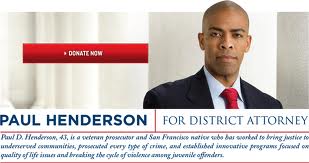
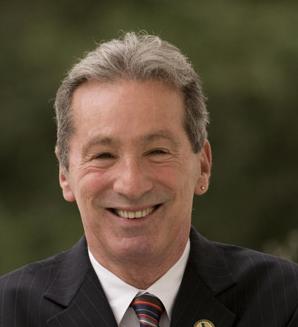
 

Paul Henderson denies D.A. deal with Willie Brown

6

Paul Henderson doesn’t mince words when it comes to debunking the notion that Willie Brown helped him get his new job as Mayor Ed Lee’s public policy czar. Or that his decision to drop out of the D.A.’s race was in exchange for his new job.

“There was no deal with Willie Brown. I called and said, so do I get a check in the mail, a basket of fruit?” Henderson said, recalling his furious reaction to Brown’s claim, made in the Chronicle in January, that Brown and then mayor Gavin Newsom conspired to make sure Henderson was “taken care of,” in the wake of Newsom’s shocking announcement that he had appointed San Francisco Police Chief George Gascón as D.A.

“If there was a set up for me somewhere, I still have not got it. I didn’t get shit,” Henderson, who joined the D.A.’s office in 1995 and was said to be former D.A. Kamala Harris’ preferred pick to fill the D.A. post, after she won the state Attorney General’s race, last fall.

Instead, Henderson, who filed papers to run in the D.A.’s race in November, saw his plans blown out of the water when Newsom, in his last act as mayor, appointed Gascón as Henderson’s new boss. And when Gascón filed papers in the D.A.’s race the very next day, Henderson found himself in the unenviable situation of holding an at-will position in the D.A.’s office, while running against his boss in the 2011 D.A. election.

“ If there was any deal, it was for me not to lose my job,” Henderson added.  “And it’s the best decision for me. I really do care about public service.”

During his 16 years in the D.A.’s office, Henderson established juvenile drug and community justice courts, set up domestic violence and hate crime programs, and focused on rehabilitative, reformative, treatment-oriented alternatives to imprisonment.

He said his decision to join the Mayor’s Office is based on a long relationship with Lee. “I want to have a voice in the criminal justice system, and I’ve known Ed Lee independent of all this political business,” Henderson said, recalling that he worked with Lee to develop language programs in the D.A.’s office, so employees could take lessons and better interact with community members, victims and witnesses in court.

“I’m a third generation San Francisco resident, and the first generation not to grow up in the projects, though we lived opposite them,” Henderson continued, recalling how his mother is a Public Defender, his grandmother was a community advocate, and he went to preschool in Sunnydale. Those experiences gave him a strong sense of being connected to and serving his community from an early age, Henderson said.

And he soon found himself holding the highest position, as a gay and black, in the D.A.’s office in the 1990s.‘I was the first African American the D.A.’s office had hired in five years,” Henderson said, recalling how the department looked in 1995. “And look at it now,” he added, noting that since he took over hiring at the D.A.’s office, more gays, lesbians, Asians, Latinos and other minorities have been employed.

“I’m very aware of who I am and what I represent in this office,” Henderson said. “For me, it’s about creating an open door and having a voice at the table. Ed Lee has asked if I would be the liaison between national, state and local agencies collectively in his office. And this expands my voice and creates opportunities for all in San Francisco in ways that are exciting to me.”

Henderson said his new post will have a very different focus from the role former US Attorney Kevin Ryan played, during his brief tenure in the Mayor’s Office, under Gavin Newsom.“This will be about policy development, advice and implementation, and it will be more reflective of marginalized communities,” Henderson said. “So, I don’t want these communities being misled into thinking, ‘oh, he got a hand out.’ This was not a hook-up. I earned my place here.”

“The truth is that you have access to me because I am in this position,” Henderson continued. “And I hope it’s transformative for the city and the community. Because I did not get shit. There is no Paul Henderson pay-off. I’d be happy to tell you if I’d sold out. But no. I knew Ed independently. He knows my heart, trusts my judgment and reputation. This has nothing to do with Willie, Gavin and Kamala. Unless it did, and they are all tricking me. In which case, they should at least tell me, so I can credit them. But the truth is, I’ve worked so hard, and if I’ve become ‘the Man,’ then I’m at the table for the community. I’m not the person who took a pay out, got a hook up, a cushy deal, so I will go away, to silence my voice.”

Henderson notes that he has not given up his political aspirations, despite all that went down recently. “If it’s not my time right now, I still have political credibility and a profile in the city that isn’t going away “ he said, noting that he raised $65,000 in 28 days, just before Christmas, with no staff, immediately after a statewide election. “That speaks to how much support I have. Obviously I was disappointed that I wasn’t appointed D.A. But I’m not dead, and I’m trying to move in a direction that expands my voice.”

Henderson says his new role won’t change him and he’ll remain accessible to gay, black, Chinese, Samoan, immigrant, low-income, Latino and other marginalized communities.“I have a lens that most city leaders don’t have,” he said, noting that he was homeless and slept in his car when he was going to law school. “Ad now I can affect policy. Many folks feel the criminal justice system happens to you, and over 80 percent of victims are people of color and poor people. But who speaks for and represents them?”

Ammiano takes on prison costs

9

Assemblymember Tom Ammiano (D-SF) is taking on a crucial, but challenging task: trying to cut down on the costs of the prison system by eliminating some expensive waste in two sensitive areas: Drugs and sex offenders.


His drug bill is pretty much a no-brainer, and has the support of a bunch of district attorneys, including Mendocino County D.A. David Eyster, support it. The bill, AB 1017, would allow local prosecutors to charge (non-medical) marijuana growers with either a felony or a misdemenaor, depending on the circumstances. Right now, any amount of illegal cultivation is automatically a felony. Eyster:


It makes no sense that unlawful possession of less than one ounce of marijuana is an infraction, that possession of more than an ounce of marijuana is a misdemeanor, that possession of methamphetamines may be charged as a misdemeanor, but that growing any amount of marijuana must be charged as a straight felony punishable by prison.


The difference could be millions of dollars saved by county prosecutors and the prison system.


The sex-offender bill is pretty simple, too — although the GOP will no doubt get all hissy about it. AB 625 would allow for a tiered approach to the registration of sex offenders. It’s based on a state report that point out how little sense it makes to keep nonviolent offenders who are highly unlikely to commit another sex crime under the same level of expensive, tight monitoring — for life — as high-risk offenders.


The truth, according to Rebecca Blanton, a senior policy analyst at the California Research Bureau, is that only 5% of all sex offenders released from prison are arrested for another sex crime. That means 95% never again get charged with any of the six categories of crimes that require lifetime registration and monitoring.


Now, that doesn’t mean that none of those people commit sex crimes and don’t get caught. Nor does it mean they are all model citizens — The state tracked 2,028 sex criminals released in 2005 and found that 113 comitteed another sex crime, and 110 committed another crime. The most common reason for them to be back in jail was parole violations (that’s true of almost every class of California offender, since almost anything can be a parole violation, including missing an appointment with your parole officer).


But only 6.3% of the sex offenders tracked in that three-year study were charged with a crime against another person.


Ammiano’s not trying to make life easy for sex criminals (that’s what the GOPers will no doubt say). But there’s ample quantitiative evidence to show that some offenders are far more likely to be a threat to society — and many others aren’t — yet the state spend the same amount of resources on every category. A tiered system (which exists in all but three other states) would allow California authorities to track more closely the dangerous folks and pay less attention to the ones who are highly unlikely to offend again. 


Ammiano:


With the skyrocketing costs of corrections in California, we need to base our management and enforcement of sex offenders on the research and data available rather than emotion.  This means focusing our efforts and resources on the most dangerous offenders to ensure that the registry achieves its primary goal – to keep our children and communities safe. 


Tom Tobin, co-chair of the Sex Offender Management Board:


California needs to modify its current policy and start devoting our limited resources to those individuals who pose the greatest risk of re-offending.  Common sense and solid research both agree that not all sex offenders pose the same degree of risk of re-offending.  Many pose very little risk.  Unless one accepts the myth that “all sex offenders are alike,” there can be no defensible justification for treating them all the same and requiring lifetime registration for each and every convicted sex offender.  This puts an increasing burden on law enforcement and does not make our communities any safer.


So lets see if the nutty law-and-order crowd in Sacto is willing to listen to facts and reason this time around.

The truth about pensions

23

David Cay Johnston, the Pulitzer-Prize-winning former New York Times reporter, has a brilliant piece on his blog about public-employee pensions. His basic point: the mainstream media, including his own former paper, have utterly missed the point about how pensions work:


[Wisconsin] Gov. Scott Walker says he wants state workers covered by collective bargaining agreements to “contribute more” to their pension and health insurance plans.

Accepting Gov. Walker’ s assertions as fact, and failing to check, created the impression that somehow the workers are getting something extra, a gift from taxpayers. They are not.

Out of every dollar that funds Wisconsin’ s pension and health insurance plans for state workers, 100 cents comes from the state workers.

How can that be? Because the “contributions” consist of money that employees chose to take as deferred wages – as pensions when they retire – rather than take immediately in cash. The same is true with the health care plan. If this were not so a serious crime would be taking place, the gift of public funds rather than payment for services.


Public employees (like the few employees in the private sector who still get pensions) bargain collectively for compensation packages. Some of that compensation comes in the form of deferred pay, which the employer puts aside into a pension fund. In San Francisco, some city employees several years ago, through negotiations, agreed to forego a pay raise and instead accept more deferred compensation; that is, the money they would have received in wages now goes into their pension fund.


When you say that those employees “contribute nothing” to their pensions, you’re not telling the truth:


The fact is that all of the money going into these plans belongs to the workers because it is part of the compensation of the state workers. The fact is that the state workers negotiate their total compensation, which they then divvy up between cash wages, paid vacations, health insurance and, yes, pensions. Since the Wisconsin government workers collectively bargained for their compensation, all of the compensation they have bargained for is part of their pay and thus only the workers contribute to the pension plan. This is an indisputable fact.  


More:


Thus, state workers are not being asked to simply “contribute more” to Wisconsin’ s retirement system (or as the argument goes, “pay their fair share” of retirement costs as do employees in Wisconsin’ s private sector who still have pensions and health insurance). They are being asked to accept a cut in their salaries so that the state of Wisconsin can use the money to fill the hole left by tax cuts and reduced audits of corporations in Wisconsin.


At the time that San Francisco officials agreed to use deferred compensation as a way to avoid pay raises, it was a politically easy decision: The stock market was booming, and the pension fund was making so much money from its investments that the city could in effect keep that money (the pay raises that would have gone to the employees) and use it to avoid tax increases or cuts somewhere else. Unless they were fools, the city officials who signed off on this deal knew, or should have known, that at some point the stock market would come back to Earth, and the city would have to pay the deferred compensation out of the General Fund.


Now: You can argue that those contracts were overly generous and should be renegotiated. You can argue that the city can’t afford to pay its workers as well as it once did and that they should take further pay cuts (beyond the half-billion or so they’ve already given back). I don’t entirely agree, but at least that’s an honest argument.


But to say that city workers aren’t contributing to their pension fund, or need to contribute more, is dishonest. For the newspapers to report that as fact is bad journalism.


Mirkarimi runs for sheriff

2

tredmond@sfbg.com

Sup. Ross Mirkarimi filed preliminary papers to run for sheriff Feb. 22, altering the shape of the mayor’s race and giving progressives another shot at electing a candidate to citywide office.

His move also guarantees that law enforcement will be part of the discussion on the left this fall and it opens the door for a progressive sheriff to succeed retiring Mike Hennessey and continue the sorts of policies that have made him a national example of alternative ways to approach crime and punishment.

Mikarimi, a graduate of the San Francisco Police Academy and a former District Attorney’s Office investigator, has law enforcement experience and has made violent crime a key issue as a district supervisor. But he’s not part of the city’s public safety establishment.

“One of the greatest successes of Mike Hennessey was that he was an independent sheriff,” Mirkarimi told us. “That allowed him to take a progressive approach to his job.”

Mirkarimi had been talking about the job of sheriff for some time now, but he had been waiting to hear whether Hennessey would seek another term after 31 years on the job. When the sheriff announced last week that he was planning to retire, Mirkarimi moved quickly, contacting potential supporters and setting up a campaign plan.

The supervisor becomes the immediate front-runner in a race where there’s no other high-profile candidate. But that doesn’t mean he’s going to walk into the job — the last thing downtown wants is a progressive of Mirkarimi’s stature holding a high-profile citywide office that could be a springboard to a future run for mayor.

“This is going to be a top-of-the-ticket race,” Mirkarimi said. “We don’t want it to be a setback by losing the Hennessey legacy.”

Mirkarimi pushed hard for community policing as a supervisor, demanding more foot patrols in areas like the Western Addition, where the homicide rate was high. As sheriff, he told us, he would work to expand on Hennessey’s efforts at curbing recidivism.

“Eventually, almost everyone who’s incarcerated comes back to the community,” he said. “Our recidivism rate for the county jails is above 60 percent, and we have to work on reentry programs to lower that. It’s really about keeping communities safe.”

If a strong progressive gets into the mayor’s race — and somebody whom the left can support runs for district attorney — there’s the prospect of a slate of candidates who can work together, share resources, and mount a concerted campaign.

It’s likely Mirkarimi will get the support of at least five or six supervisors and other high-profile political figures. Hennessey hasn’t said anything about his successor, but if he supports Mirkarimi — which is entirely possible — the supervisor will be in strong position for November.

But the likelihood of at least one downtown-backed candidate, and possibly several law-enforcement types, in the race will make it challenging. With ranked-choice voting, Mirkarimi will not only have to win most of the first-place votes, but reach out beyond the progressive community to get enough seconds and thirds to hold on to victory.

But if he can pull it off, he’ll have done something no other solid progressive has done in years: win an open race for a citywide office.

Herrera’s crackpipe crackdown

45

I lived at Hayes and Fillmore in the 1980s, at the height of the crack epidemic, and a spectacularly unsuccessful dealer hung out on my corner. He was so bad at selling the stuff (or else was smoking so much of it) that he was constantly broke and used to knock on my door late at night ask to borrow a buck to buy a can of beer.


At one point he owed me about $10, and offered to pay me back with “some hubba.” He proceded to open his fist and show me a couple of grimy rocks rolling around in his filthy, sweaty palm.


It looked so appealing. I politely declined.


That was my one and only chance to smoke crack, and I passed it up. So when I heard that city attorney Dennis Herrera was going to sue a bunch of local stores for selling crack pipes, I must admit I was curious: What’s the definition of a “crack pipe?” How can you tell what a piece of smoking apparatus is going to be used for?


I asked Jack Song, a spokesperson for Herrera, and he told me it was pretty clear. “They’re glass, and they have certain characteristics,” he said.


Again: I’ve never actually smoked crack, so I have no personal experience with crack pipes. But I used to have a really nice glass pot pipe, which unfortunately was seized by the police in upstate New York many years ago. I went on Google images, the source for all truth, and checked out “crack pipes,” and some of them looked a little like the one I used to use for what we now consider a legal medical treatment.


According to the press reports, an undercover cop went into these stores and asked to buy a crack pipe. The store owners allegedly offered up a specific device, which would not have been terrible smart; when we used to buy bongs in Connecticut, where selling any sort of drug paraphernalia was illegal, the salespeople would talk loudly about how to load “the tobacco.”


In this case, Herrera’s even going a bit beyond crack pipes:


At all times relevant to this Complaint, up to and including the present, in addition to
the permitted tobacco products, Defendants have also displayed and sold smoking paraphernalia, including a large array of pipes and devices commonly referred to as “bongs.”


But Song told me marijuana devices wouldn’t be targeted.


At any rate, the legal case is now going to rest, I guess, on what defines a “crack pipe.” (Apparently there are “meth pipes,” too, which are a little different from crack pipes. I feel so old and uninformed.)


And while I understand the neighbors griping about the stores attracting a nasty element (my old pal on Hayes and Fillmore was harmless enough, but your typical crackhead isn’t great company), I wonder about the ultimate impact of this particular, uh, crackdown.


Herrera’s lawsuit notes:


By providing their customers with a way to ingest illegal and dangerous narcotics, Defendants are creating and contributing to conditions which are injurious to the health, safety and welfare of their customers, neighbors, and the community at large. Defendants’ conduct causes or contributes to offensive and annoying conditions, including, but not limited to: illegal and dangerous trafficking of controlled substances, illegal and dangerous use and abuse of controlled substances, public intoxication, and the crime and nuisance related thereto.


I get that the city attorney considers these stores a community nusiance, and he may well be right. But I don’t think this is going to do much about crack and meth use.


I mean, can’t you smoke crack out of a pot pipe? Can’t you pretty much smoke it out of anything? When I was in high school people stuck their pencils into apples and made holes to smoke pot out of; in college, I learned that, in a pinch, Tampax wrappers made perfectly adequate rolling papers.


Druggies (of the sort who use crack pipes, anyway) may be violent and otherwise fucked up, but they’re notoriously creative. They may stop hanging around these particular stores in these particular neighborhoods, but they’ll find someplace else.


It seems likely that the only ones who are going to suffer for this are the store owners; the crackheads will be just fine. In a manner of speaking.


Playing chicken

27

news@sfbg.com

The Heart of the City farmers market in U.N. Plaza may not exude the bourgeois foodie reputation of the Ferry Plaza farmers market. It doesn’t sell micro-roasted coffee or artisan cheeses, and its fountain may sometimes double as a public shower, but it does offer one product that no other San Francisco farmers market does: fresh, live poultry.

Raymond Young has sold live chickens here for two decades, showing up at dawn to set up shop and peddle his poultry to an eager throng of customers, mostly Chinese, who happily take home upwards of 600 birds per day.

But a group of animal rights activists is saying that the poultry stand is inhumane, violates health codes, and that Young’s employees have infringed on their civil rights as protestors. Since April 2010, members of LGBT Compassion have been showing up in the wee hours of the morning next to Young’s stand with banners, brochures, and signs promulgating the alleged cruelty of his business and seeking to block the sale of live birds. In January, protesters upped the ante when they slapped Young and the HOC market with a lawsuit alleging continuous abuse and negligence by those who supervise the market.

“For me, it was as simple as seeing the animal cruelty,” said Andrew Zollman, 43, the founder and organizer of LGBT Compassion. “The cages are dilapidated and cramped, there are feces everywhere, and the chickens are shoved in plastic bags, two at a time, while they scream in fear or pain. It was like walking down the street and seeing a dog beaten — and it’s really frustrating to see it happen here in San Francisco.”

Zollman and fellow protester Alex Felsinger, 25, filed the lawsuit with San Francisco attorney Matt Gonzalez after months of attempts to get city officials to intervene.

The allegations have Young and market management squawking, saying that the activists are opposing a practice that is both legal and routine. They claim the protesters are overly sensitive to the treatment of the chickens simply because they can see it, and decry their tactics as an attack on a small business and cultural traditions since almost all of his customers are Asian.

“These people just don’t seem to like other people’s culture of selling live chicken,” Young said. “”I think that what I do is right. I abide by all the health codes and animal care codes. I try to do everything I can to satisfy everyone. These protesters think they can override the law because they don’t like what they see.”


THE PATH TO COURT

Zollman and Felsinger have been encouraging the city to investigate Young’s stall, regularly sending videos and photos taken at Young’s stall to the Department of Public Health and Animal Care and Control. But their quest to protect the chickens has been complicated by the lack of city oversight and an inability to enforce animal cruelty laws due to provisions exempting poultry.

The clash between the vociferous vegans and the poultry purveyors reached its pinnacle in late December 2010, when Felsinger claimed he was punched in the side of the head, wrapped up in a tarp, and had the memory card from his camera stolen by one of Young’s employees. As painful as the altercation was, Felsinger’s scuffle has helped him garner support.

Felsinger doesn’t have footage of the December attack, but he and Zollman have documented several instances of alleged verbal and physical abuse by Young’s employees, including anti gay statements from Young’s daughter, which was the subject of a complaint to the Human Rights Commission.

“There is a long list of things being done to us over the past year,” Felsinger said. “I never expected them to take such a violent act against me. It’s not how I wanted to go about it. But it might have the end result we’re looking for.”

Christine Adams, manager of the HOC market since it first opened in 1981, has consistently defended Young and called the lawsuit “completely outrageous.”

“This is a market, and if they (Young’s crew) were illegal, they would have been booted,” she said. “I have done nothing wrong; Raymond has done nothing wrong. I’m not worried at all about the lawsuit.”

Adams said that while she had not been personally affected by the protesting in the past, she did not approve of Zollman and Felsinger’s actions and attributed a decline in live poultry sales to their presence.

“Their sales have gone down considerably,” Adams said. “They used to sell more than 1,000 birds a day and now it’s more like 600 or 700. I think it’s definitely because of the protesters. People don’t like to be followed through a market and have a camera shoved in their face just because they bought a live chicken.”


GATHERING EVIDENCE

Almost every market day, Zollman and Felsinger would show up to protest and take video and still photography of Young’s stall. They have posted numerous videos and photos to their group’s website (lgbtcompassion.org) — the same ones they say they send to DPH and ACC — documenting the conditions at Young’s stall.

The DPH makes routine inspections twice per year to the market. In November, Zollman, Young, and Adams held a meeting with principal environmental health inspector Lisa O’Malley to address issues of sanitation, handling, and guidelines for bringing live animals near food. The department says the vendor is operating within guidelines.

“There were some problems in the past, but they’ve been fixed,” O’Malley told us, naming a few instances of inadequate removal of chicken feces from the area and improper hand-washing as past problems. She said the challenge was maintaining the guidelines, the most difficult of which is making sure people do not walk through the market after purchasing their birds. Health codes prohibit animals from being within 20 feet of food. The primary concern is contamination from fecal matter, which could cause illnesses such as Salmonella poisoning.

O’Malley walks by the market regularly because of its proximity to her office and says all operations seem compliant. At the same time, official enforcement and inspection is limited to the Public Health Department’s semi-annual visits. This means the only people watching over the operations of the stall and customers are the security guards, who don’t start working until two and half hours after the market opens, long after prime time for buying live chickens.


CULTURE CLASH

Young stands by his actions and said he is not guilty of any wrongdoing. The activists criticize him for practices such as cutting off the tips of the chickens’ beaks, but Young said he only does this to prevent fighting injuries sustained when they are caged for transport and sale, a common practice for any chicken farmer.

In their pamphlets and the lawsuit, the activists claim that the poultry is a “collection of ‘spent’ live chickens (those who are no longer productive egg layers) from large Central Valley farms,” according to the suit. But Young contests that characterization and the activists can’t produce credible evidence of the birds’ age or origins.

“They don’t know how old my birds are. They don’t know how I care for them,” Young said, refusing to tell us how old the chickens are. “They just assume. What’s the difference between Safeway chicken and my chicken? They were all alive at one time, but you see mine.”

Young has three farms listed on his permit — in Modesto, Sacramento, and Manteca — that he runs with the help of his children and a few employees. Adams has visited his Modesto facility and reported that the chickens are free-range, seem to be in good health, and are treated no differently than they would be at any other farm. She also supported the accusation that the protests undermine cultural norms.

“How can it not be cultural? All their customers are Asian!” she said. “And why is it only the chicken man they harass? There is a guy who sells quail and pheasants and they aren’t bothering him.”

Zollman, Felsinger, and Gonzalez call that cultural criticism a diversionary tactic. “I don’t even want to dignify culture and race as an issue in this,” Zollman said. “I understand that people want to buy live chickens. Animal cruelty issues aside, this isn’t a live animal market like they have in most of Asia.”

Young and Adams stressed that Zollman could not possibly know about operations on the farm, and that his suggestion that the operation is extremely profitable is absurd. “Do you know how hard it is to work on a farm?” asked Young, a single father of three. “You don’t make any money except to put food on the table or send your kids to school. And now I have to pay for a lawyer.”


ARE CHICKENS ANIMALS?

Although the activists oppose factory farms and live animals for sale for human consumption in general, they have focused their attention on the HOC market because it is permitted by the city.

Gonzalez said the lawsuit aims to address three different issues. The first is violating his client’s free speech rights by Young and HOC market. The second seeks to compel the city to better identify and enforce alleged health code violations. The third and trickiest aspect deals with animal cruelty laws, which the activists hope will force more humane treatment of the birds.

Penal Code 597 outlines animal cruelty provisions, defining the word “animal” as “frogs, turtles, and birds sold for human consumption, with the exception of poultry.” That law was adopted in the early 1900s. Elsewhere the code defines animals as “every dumb creature.” But in 2000, the Fourth District California Court of Appeals analyzed the section and deemed that the definition should include birds.

But Gonzalez and ACC say city officials have allowed the poultry exemption to stick. “[The law] refers to live animals and makes a specific exemption for poultry,” Rebecca Katz, director of the Department of Animal Care and Control, told us. “I would venture to guess that poultry lobby was very strong at that time.”

The ACC, prompted by the protests, inspected Young’s facilities and cited him for 700 different violations, according to the lawsuit. Katz mentioned a few instances in which they observed chickens suffering to the point where they had to be euthanized. But most of the citations were for inadequate water supply or holding birds improperly.

“A lot of people eat animals for food, and that’s what it is,” Katz said. “I’m not a vegetarian, but the way they are being kept is not the way we would recommend they be cared for. Do we think there is some cruelty? Probably. But there is nothing we can do at this time until the law changes.”

Like his predecessors, newly appointed District Attorney George Gascón seems to believe that chickens are not protected by state law, regardless of perceived cruel treatment.

“To date, our position has been that there is a clear exception under the law for live poultry being sold for human consumption,” said Gascón spokesperson Erica Derryck. “As much as it appears that the treatment of these animals is inhumane, there is nothing we can do to prosecute these allegations under the current laws in California.”

Gonzalez disagrees, and his office referenced similar cases in the state in which poultry was protected from cruelty. “Frankly, it’s kind of embarrassing that they are taking the position they are taking,” Gonzalez told us. “They are trying to avoid a topic that would compel them to do what they need to do. Many in the Asian community and Mexican community see this as an attack on their cultural traditions, and that’s not the issue. We see it as a straight matter of misinterpretation.”


DAILY OPERATIONS

On a recent visit to the market, the stall appeared clean and the chickens were out of view. The stall features prominent signage in English and in Chinese languages of the ban on bringing live animals into the market, with additional signs throughout the plaza, but customers routinely step directly into the market after buying their chickens.

“This is not easy,” security guard Diana Ybarra said while trying to point a man carrying a bag with two chickens in the right direction. “Nobody wants to listen — most of them don’t speak English. Everyone wants to take a shortcut right back through the market.”

Ybarra and her coworker, Washington (who chose to be identified only by his last name), said that their entire day is consumed trying to get customers to abide by this rule. Prior to the November meeting, no signage was posted and customers just “walked all over the place as if it didn’t matter at all,” Ybarra said.

“Chinese New Year was bad,” Washington added.

The guards see enforcing the rule as an unnecessary waste of time that takes their focus off tasks such as preventing theft. Both said shoving birds in sacks was “messed up,” but they were also quick to criticize the protestors.

“Why are they bothering this man? This is a family business and people have to make money,” Washington said. “Those protestors came in and fucked everything up, if you ask me.”

Young said he resents getting caught up in this controversy. “We are so loyal to this city and to this market,” he said. “We have put up with drug dealers and crime just so we can serve the people. Maybe these protesters think differently.”

For now the activists are more focused on the lawsuit than remaining vigilant in their protests, hoping it will accomplish their goal.

“I wasn’t always so adamant about getting rid of them, it was having people notice something that is animal cruelty,” Felsinger said. “It had been good in some ways to have people exposed to this cruelty in San Francisco because it gave us a platform to speak on animal rights. These are egregious offenses and it’s hard to ignore when it is right in your back yard.”

The shakes

0

THEATER When your free-form sister (Amy Resnick) arrives from Los Angeles with a yoga mat, but without a job, a place to go, a return ticket, or a care in the world—except for an unopened package some guy named Bulldog asked her to hand off when she got to Minneapolis — it’s unsettling. What’s even shakier, though, is such a visit combined with a marriage teetering on the brink, a job or two in the balance, and a worldwide economic depression. It’s then that foundations critically loosen, supports buckle, things suddenly fall apart. But is it all just Rumsfeldian “stuff” happening, or some human-made flaw in the system?

That’s a question lurking teasingly, even frustratingly at the heart of Allison Moore’s Collapse, an inconsistent but often bright new comedy now enjoying a sure and high-spirited production under director Jessica Heidt at Berkeley’s Aurora Theatre. And by heart we mean the play’s operative real-life metaphor: the deadly Aug. 1, 2007 collapse of a Minneapolis bridge. The piece of Interstate 35W that plunged into the Mississippi River that day was in heavy and regular use, a standard steel-truss arch bridge whose soundness no one would have thought to question. A broken stretch of it appears here as the impressive principal feature in Melpomene Katakalos’ scenic design, filling the length and height of the back of the stage and looming over the action throughout.

Officials pronounced the likely cause of the accident a design flaw, coupled by extra weight. That’s a description that could fit the whole socioeconomic system girding the play’s action and themes. Set in 2009 against the literal backdrop of the bridge and the figurative one of the current economic crisis, nothing is as secure as it once seemed in the staunchly middle-class home of attorney Hannah (Carrie Paff) and her husband David (Gabriel Marin). David, we learn, has not been going to work much and has become a queasy, quasi-alcoholic—more of a poser than anything else, since he secretly drops most of his beer on the house plant, but anything to justify his ungovernable fear since miraculously surviving the bridge collapse in 2007.

As flaky sis Susan (played with a hilariously reckless, chirpy energy by Resnick) arrives from LaLa Land with her disturbingly large suitcase, Hannah has been concentrating the couple’s energies on having a child. A professional and beautiful woman used to getting her way and now (in Paff’s nicely nuanced performance) increasingly at a loss as things slip out of her grasp, Hannah pushes the baby idea to erase another recent, related tragedy, even as her position at the firm looks precarious.

She also pushes David (played by Marin with a comically anxious, hangdog moodiness) toward AA. Somehow she ends up going instead, on his behalf, as David decides to deliver the shady mystery package himself. When in the hallway Hannah meets a charismatic black man named Ted (a charmingly imposing Aldo Billingslea) — nickname, Bulldog — an affair looks in the offing, and a crime caper, to boot.

Heidt’s strong cast transforms the unmoored quality among these four characters into some good laughs. But Moore’s writing is up and down. The dialogue is crisp at times, labored at others. Moreover, the characters can come too laden with undeveloped contradictions. Most unsettling is the sudden shift in the final scene, which forgoes comedy for a forced sincerity that brushes any larger political point under the condo rug. When an emotional David asks his wife, “How do we keep collapsing?,” her response tolls an unsatisfying reaffirmation of marital harmony: “Maybe we can’t. Maybe we can just figure out how to fall together.”

While set amid an ongoing social crisis, Collapse edges away from that terrain as if from a dizzying height and retreats into personalizing discourse about romantic love and middle-class domesticity. That’s the kind of turn that leads from the potentially subversive back toward the status quo. 

COLLAPSE

Through March 6; $34–$55

Aurora Theatre

2081 Addison, Berk.

(510) 843-4822

www.auroratheatre.org


Leno forces GOP hand

5

For whatever tactical reason (or other inexplicable Jerry Brown rationale), the governor has refused to tell Californians what he would cut if he can’t get his tax extensions approved. And the Republicans refuse to say what they would cut instead of letting the taxes continue.


So Sen. Mark Leno did it for them. Leno asked the Legislative Analyst to explain what $13 billion in budget cuts — the “no-new-taxes” budget the GOP wants — might look like.


It’s really, really scary.


For starters, take $4.5 billion away from K-12 education. That means the end to class-size limits for K-3. It’s a huge deal: The Gray Davis measure that limited those classes to 20 students probably did more than anything in decades to save public education in California. You want 40 kids in a kindergarten class with one teacher? You think any of them will be learning to read? Oh, and the state could save $700 million by delaying kindergarten for kids; guess who that impacts? Those kids are going to spend more time in pre-school which either (a) is subsidized by the taxpayers or (b) comes out of the hides of working parents.


Oh, and we’d eliminate food stamps for noncitizens. So people won’t be able to feed their kids. You think crime might become more of a problem? But wait: No room in the prisons.


Then we put college out of the financial reach of middle-class kids and expect to build a 21st century economy. And that’s just the beginning.


Leno deserves thanks for putting this list out; it ought to be in the ballot handbook along with the proposal to continue (not RAISE, just continue) some taxes. And we should all be asking every Republican in Sacramento: Is this what you want? If not, give us an alternative. 


Brown goes nonpartisan while Obama stays the course

6

Gov. Jerry Brown gave a brilliant State of the State speech this evening, validating those who hoped that he would have the wisdom, courage, and candor to properly frame this difficult political moment. And it was great because he abandoned tired calls for bipartisanship and opted to go straight to the people, even citing Egypt and Tunisia as cautionary examples of the peril and potential of real democracy.
Contrast that with President Barack Obama, whose White House today indicated it would plow forward with a health care reform package – crafted entirely by politicians and corporate lobbyists – that nobody really likes even after another federal judge ruled its central tenet unconstitutional and House Republicans have threatened jihad over.

Liberals never did buy into this reform after Obama abandoned single payer and even the public option compromise, and its seems conservatives and teabaggers have been whipped up into a froth over its real and imagined provisions. So Obama has some pretty thin backing to fight through the fairly reasonable ruling that the federal government can’t make it a crime not to want to be health insurance company customers.

Both Brown and Obama correctly gauge that “something is profoundly wrong,” as Brown put it. “They see that their leaders are divided when they should be decisive and acting with clear purpose.”

Obama’s solution is bipartisanship, even though Republicans seem incapable of dealing with him or the public in good faith these days. So he makes attempts at bland compromises that please nobody – from escalating war in Afghanistan with a fake exit strategy to extending jobless benefits and billionaire tax cuts – feeding the public perception that both major parties are hopelessly corrupt and ineffective.
Brown is taking a different tact: nonpartisanship. He’s crafted a bold effort at compromise that neither political party likes, but one that will probably prove reasonable to most people if sold properly (unless we are indeed incapable of self-governance at this point, a possibility the I allow and which would require solutions like breaking California up into multiple states or accepting anarchy). And hopefully creative progressive legislators will even give multiple options to the people, including increasing taxes on the richest individuals and corporations to lessen the cuts even more, as long as we’re placing our faith in the people. Hell, I don’t even mind putting a conservative package of deep cuts to government on the ballot as well, just so we can show them how unpopular the right-wing stance really is in California.
Brown doesn’t preclude the future possibilities of bipartisanship, but he also correctly says that the political gridlock is just too strong in Sacramento right now. After punting the budget to the people, maybe they can start doing old-fashioned governance again.

“But let’s not forget that Job Number 1 – make no mistake about it – is fixing our state budget and getting our spending in line with our revenue. Once we do that, the rest will be easy—at least easier because we will have learned to work together and earned back the respect and trust of the people we serve,” he closed. “I look forward to working with all of you.”

Medi-Cal and cell phones: The ugly truth

3

There’s a chilling comment from political consultant Dan Schnur in the Los Angeles Times. In a fascinating story by Tony York, Schnur talks about the difference between image and reality in California’s budget wars:


“Cut $1 billion out of Medi-Cal and most voters won’t notice. Take away some cellphones and make legislators sit on a picnic bench, and they pay attention,” he said.


Yep: Jerry Brown is saving the state a few million dollars by cutting cell phones for state workers and replacing a fancy conference table in his office with a cheap one. And that’s gotten a lot of press — as Jerry, the old master, knew that it would. We still live in a state, and a nation, where symbolism matters more than substance.


Republicans still get away with saying that the governor needs to cut state employee pay and benefits — although you could fire (that is, cut all pay and benefits) for every one of the state’s 240,000 employees and you wouldn’t be close to balancing the budget. (What nobody says is that the majority of state spending in California goes for local programs — what legislator wants to call on the governor to cut funding for his or her district? Not even the Republicans do that.) Little cuts like Brown’s mean nothing, and are easily wiped up by the daily, unpredictable ebb and flow of tax receipts.


And yet, Brown has to send a message that he’s being frugal, so he gets rid of his conference table (did he sell it? For how much?) And it works.


And, of course, nobody ever talks about how much the state wastes in corporate tax breaks; it’s much easier to take away some Caltrans worker’s phone.


I wish Brown could really tell the truth in his State of the State speech — that the stuff people get agitated about is chump change, that a huge cut to Medi-Cal means people dying (but not today, and you can’t prove the link, and poor people die all the time and the press never notices), that cuts to education mean more poverty (and crime, and public expense) in the future, that we’ve already cut (or pupt off with gimmicks) about $30 billion in spending, and that the state has a serious revenue problem.


But he knows he can’t do that. People won’t vote for his tax plan unless he looks like he’s somehow punishing state workers and flagellating himself. Good thing the Jesuits trained him.


Music Listings

0

Music listings are compiled by Cheryl Eddy. Since club life is unpredictable, it’s a good idea to call ahead to confirm bookings and hours. Prices are listed when provided to us. Submit items for the listings at listings@sfbg.com. For further information on how to submit items for the listings, see Picks.

WEDNESDAY 19

ROCK/BLUES/HIP-HOP

Atlantic/Pacific, Ash Reiter, Sonny Pete, DJs Bagel Ted and Julie T Milk Bar. 8pm, $5.

Tia Carroll and Hard Work Biscuits and Blues. 8 and 10pm, $15.

Dead Westerns, Mosshead, Street Pyramids Hemlock Tavern. 9pm, $6.

Zoe Keating, Inu feat. Zoe Keating, Tycho Independent. 8pm, $17.

Bryan McPherson, Mick Leonardi, Graham Patzner Hotel Utah. 8pm, $7.

Third Victim of Abigail Rutledge, SuperfinosVTO, Young Lovers Kimo’s. 9pm.

White Manna, Greg Ashley, Outlaw, Rachel Fannan Elbo Room. 9pm, $7.

Young Prisms, Melted Toys Bottom of the Hill. 9pm, $10.

JAZZ/NEW MUSIC

Cat’s Corner with Christine and Nathan Savanna Jazz. 9pm, $10.

Congress, Conspiracy of Venus, Mindi Hadan Café Du Nord. 8:30pm, $10.

Dink Dink Dink, Gaucho, Michael Abraham Amnesia. 7pm, free.

Ben Marcato and the Mondo Combo Top of the Mark. 7:30pm, $10.

Michael Parsons Revolution Café, 3248 22nd St, SF; (415) 642-0474. 8:30pm, free.

Roy Hargrove Quintet Yoshi’s San Francisco. 8 and 10pm, $16-22.

Paula West and the George Mesterhazy Quartet Rrazz Room. 8pm, $35.

FOLK/WORLD/COUNTRY

Triskela Koret Auditorium, San Francisco Public Library, 100 Larkin, SF; (510) 548-3326. 6pm, free.

DANCE CLUBS

Booty Call Q-Bar, 456 Castro, SF; www.bootycallwednesdays.com. 9pm. Juanita Moore hosts this dance party, featuring DJ Robot Hustle.

Cannonball Beauty Bar. 10pm, free. Rock, indie, and nu-disco with DJ White Mike.

Hands Down! Bar on Church. 9pm, free. With DJs Claksaarb, Mykill, and guests spinning indie, electro, house, and bangers.

Jam Fresh Wednesdays Vessel, 85 Campton, SF; (415) 433-8585. 9:30pm, free. With DJs Slick D, Chris Clouse, Rich Era, Don Lynch, and more spinning top40, mashups, hip hop, and remixes.

Mary-Go-Round Lookout, 3600 16th St, SF; (415) 431-0306. 10pm, $5. A weekly drag show with hosts Cookie Dough, Pollo Del Mar, and Suppositori Spelling.

Respect Wednesdays End Up. 10pm, $5. Rotating DJs Daddy Rolo, Young Fyah, Irie Dole, I-Vier, Sake One, Serg, and more spinning reggae, dancehall, roots, lovers rock, and mash ups.

Synchronize Il Pirata, 2007 16th St, SF; (415) 626-2626. 10pm, free. Psychedelic dance music with DJs Helios, Gatto Matto, Psy Lotus, Intergalactoid, and guests.

THURSDAY 20

ROCK/BLUES/HIP-HOP

Jonathan Coulton, Paul and Storm Great American Music Hall. 7:30pm, $25.

Inferno of Joy, White Barons, Bite, Last Internationale Thee Parkside. 9pm, $6-7.

Mac Miller Slim’s. 9pm, $16.

Nectarine Pie, These Hills of Gold, Memory’s Mystic Band Hemlock Tavern. 9pm, $7.

Peter Wolf Crier, Retribution Gospel Choir, Cannons and Clouds Bottom of the Hill. 9pm, $10.

Johnny Vernazza and the Knockouts Biscuits and Blues. 8 and 10pm, $15.

Wailers, Tomorrows Bad Seeds, Duane Stephenson Independent. 9pm, $25.

Worker Bee, Sleeptalks, Nick Reinhart, Sunbeam Rd. Café Du Nord. 8pm, $10.

JAZZ/NEW MUSIC

Ara Anderson and Michael McIntosh Revolution Café, 3248 22nd St, SF; (415) 642-0474. 8:30pm, free.

Roy Hargrove Quintet Yoshi’s San Francisco. 8 and 10pm, $16-22.

Savanna Jazz Trio and jam session Savanna Jazz. 7:30pm, $5.

Stompy Jones Top of the Mark. 7:30pm, $10.

Paula West and the George Mesterhazy Quartet Rrazz Room. 8pm, $40.

FOLK/WORLD/COUNTRY

Adam Traum Atlas Café. 8pm, free.

DANCE CLUBS

Afrolicious Elbo Room. 9:30pm, $10. DJs Pleasuremaker and Señor Oz spin Afrobeat, tropicália, electro, samba, and funk.

Caribbean Connection Little Baobab, 3388 19th St, SF; (415) 643-3558. 10pm, $3. DJ Stevie B and guests spin reggae, soca, zouk, reggaetón, and more.

Club Jammies Edinburgh Castle. 10pm, free. DJs EBERrad and White Mice spinning reggae, punk, dub, and post punk.

Drop the Pressure Underground SF. 6-10pm, free. Electro, house, and datafunk highlight this weekly happy hour.

Good Foot Som., 2925 16th St, SF; (415) 558-8521. 10pm, free. With resident DJs Haylow, A-Ron, Prince Aries, Boogie Brown, Ammbush, plus food carts and community creativity.

Guilty Pleasures Gestalt, 3159 16th St, SF; (415) 560-0137. 9:30pm, free. DJ TophZilla, Rob Metal, DJ Stef, and Disco-D spin punk, metal, electro-funk, and 80s.

Jivin’ Dirty Disco Butter, 354 11th St., SF; (415) 863-5964. 8pm, free. With DJs spinning disco, funk, and classics.

Koko Puffs Koko Cocktails, 1060 Geary, SF; (415) 885-4788. 10pm, free. Dubby roots reggae and Jamaican funk from rotating DJs.

Mestiza Bollywood Café, 3376 19th St, SF; (415) 970-0362. 10pm, free. Showcasing progressive Latin and global beats with DJ Juan Data.

Nightvision Harlot, 46 Minna, SF; (415) 777-1077. 9:30pm, $10. DJs Danny Daze, Franky Boissy, and more spinning house, electro, hip hop, funk, and more.

Peaches Skylark, 10pm, free. With an all female DJ line up featuring Deeandroid, Lady Fingaz, That Girl, and Umami spinning hip hop.

Popscene Rickshaw Stop. 9pm, $10. With Royal Bangs and Foster the People.

Two Thousand a LOVE-in Kimo’s. 9pm. With SF Block Party, Seapora, and Gypsy Love.

FRIDAY 21

ROCK/BLUES/HIP-HOP

Bayonics, Skins and Needles Elbo Room. 10pm, $10-13.

Jay Brannan, Dave Smallen, Jhameel Bottom of the Hill. 9:30pm, $14.

Shane Dwight Biscuits and Blues. 8 and 10pm, $20.

Guster Fillmore. 8pm, $27.50.

Man/Miracle, Butterfly Bones, Elephant and Castle Hemlock Tavern. 9:30pm, $7.

Mission Players Coda. 10pm, $10.

Papa Grows Funk, Allofasudden Slim’s. 9pm, $25.

Passenger and Poilot, Black Swan, Hypnotist Collectors Red Devil Lounge. 8pm, $8.

Pimps of Joytime, Staxx Brothers Independent. 9pm, $25.

Planet Booty, Super Adventure Club, Greenhorse, MC Ladyfinger Café Du Nord. 9pm, $12.

Ra Ra Riot, Givers Great American Music Hall. 9pm, $18.

Sassy!!!, Witchburn, Diemond El Rio. 9pm, $5.

Harley White Jr. Studio Gracia, 19 Heron, SF; www.beyondblues.com. 8pm, $15.

JAZZ/NEW MUSIC

Benn Bacot Savanna Jazz. 7:30pm, $5.

Black Market Jazz Orchestra Top of the Mark. 9pm, $10.

Emily Anne’s Delight Revolution Café, 3248 22nd St, SF; (415) 642-0474. 9pm, free.

Roy Hargrove Quintet Yoshi’s San Francisco. 8 and 10pm, $20-26.

Scott Amendola Quartet Red Poppy Art House. 8pm, $12-20.

Paula West and the George Mesterhazy Quartet Rrazz Room. 8pm, $45.

DANCE CLUBS

Dirty Rotten Dance Party Madrone Art Bar. 9pm, $5. With DJs Morale, Kap10 Harris, and Shane King spinning electro, bootybass, crunk, swampy breaks, hyphy, rap, and party classics.

DJ Meat Hookz Thee Parkside. 8pm, free. Funk, soul, and hip-hop.

DJ Momentum Medjool, 2522 Mission, SF; www.medjoolsf.com. 10:30pm, $10.

DJ What’s His Fuck Riptide Tavern. 9pm, free. Old school punk rock and other gems.

Exhale, Fridays Project One Gallery, 251 Rhode Island, SF; (415) 465-2129. 5pm, $5. Happy hour with art, fine food, and music with Vin Sol, King Most, DJ Centipede, and Shane King.

Fat Stack Fridays Koko Cocktails, 1060 Geary, SF; (415) 885-4788. 10pm, free. With rotating DJs B-Cause, Vinnie Esparza, Mr. Robinson, Toph One, and Slopoke.

Fubar Fridays Butter, 354 11th St., SF; (415) 863-5964. 6pm, $5. With DJs spinning retro mashup remixes.

Good Life Fridays Apartment 24, 440 Broadway, SF; (415) 989-3434. 10pm, $10. With DJ Brian spinning hip hop, mashups, and top 40.

Hot Chocolate Milk. 9pm, $5. With DJs Big Fat Frog, Chardmo, DuseRock, and more spinning old and new school funk.

House of Voodoo Blue Macaw, 2565 Mission, SF; www.houseofvoodoo.com. 9pm, free ($5 after 10pm).

Oldies Night Knockout. 9pm, $2-4. DJs Primo, Daniel, and Lost Cat spin doo-wop, one-hit wonders, soul, and more.

Radioactivity 222 Hyde, 222 Hyde, SF; www.222hyde.com. 6-9:30pm. Kraut-minimal wave-cosmic-Italo standards with Cole Palme, Tristes Tropiques, and Robots.In.Heat.

Rockabilly Fridays Jay N Bee Club, 2736 20th St, SF; (415) 824-4190. 9pm, free. With DJs Rockin’ Raul, Oakie Oran, Sergio Iglesias, and Tanoa “Samoa Boy” spinning 50s and 60s Doo Wop, Rockabilly, Bop, Jive, and more.

Singapore 60s Happy Hour Knockout. 5:30pm, free. DJ Sid Presley spins rare pop, garage, and freakbeat from SE Asia, circa 1964-72.

Some Thing Stud. 10pm, $7. VivvyAnne Forevermore, Glamamore, and DJ Down-E give you fierce drag shows and afterhours dancing.

Trannyshack: Star Search DNA Lounge. 9:30pm, $15. Heklina and Peaches Christ host this drag-tastic talent show.

Vintage Orson, 508 Fourth St, SF; (415) 777-1508. 5:30-11pm, free. DJ TophOne and guest spin jazzy beats for cocktalians.

SATURDAY 22

ROCK/BLUES/HIP-HOP

Justin Ancheta, Con Brio, Titan Ups Amnesia. 9pm.

Asylum Street Spankers Great American Music Hall. 8pm, $30.

David Berkeley. Bhi Bhiman Swedish American Hall (upstairs from Café Du Nord). 8pm, $22.

Family Crest, Moanin’ Dove, Welcome Matt Café Du Nord. 9pm, $12.

Fu Manchu, Dusted Angel Bottom of the Hill. 10pm, $12.

Hate Crime, Grandma’s Boyfriend, Symbolick Jews, Dinner With the Kids Li-Po Lounge. 9pm, $5.

Josh Klipp, Joe Stephens, Alex Davis, Storm Florez, Eli Conley El Rio. 6pm, free.

Lecherous Gaze, Ripper Bender’s, 800 S. Van Ness, SF; www.bendersbar.com. 10pm, $5.

Meris, High Horse, Super Proxy Thee Parkside. 3pm, free.

Old 97s Fillmore. 9pm, $26.50.

Pigs, Outdoorsmen, Dead Meat, Dadfag Hemlock Tavern. 9:30pm, $7.

Pimps of Joytime, J Boogie’s Dubtronic Science Independent. 9pm, $25.

Rubber Souldiers, Moonlight Rodeo Slim’s. 9pm, $15.

Sioux City Kid and the Revolutionary Ramblers, That Ghost, Hanalei, Thee Landlords Thee Parkside. 9pm, $7.

Sugaray and CK All Stars Biscuits and Blues. 8 and 10pm, $20.

Wonderbread 5, Foreverland Bimbo’s 365 Club. 9pm, $20.

JAZZ/NEW MUSIC

Gina Harris and Torbie Phillips Savanna Jazz. 7:30pm, $8.

Roy Hargrove Quintet Yoshi’s San Francisco. 8 and 10pm, $26.

Jesse Scheinin Revolution Café, 3248 22nd St, SF; (415) 642-0474. 9pm, free.

Thingamajigs Performance Group Meridian Gallery, 535 Powell, SF; (510) 444-1322. 8pm, $10.

Paula West and the George Mesterhazy Quartet Rrazz Room. 8pm, $45.

FOLK/WORLD/COUNTRY

Kafana Balkan, Brass Menazeri, DJ Zeljko Rickshaw Stop. 9pm, $10.

Genghis Blues Review Kaleidoscope Free Speech Zone, 3109 24th St, SF; www.kaleidoscopefreespeechzone.com. 8:30pm, $10. With Kongar-ol Ondar and more.

Pickpocket Ensemble Red Poppy Art House. 8pm, $12-15.

“Suonare e Passeggiare: Extravagant Music from 17th Century Italy and Spain” Most Holy Redeemer Church, 100 Diamond, SF; www.musicsources.org. 2pm, $20.

Craig Ventresco and Meredith Axelrod Atlas Café. 4pm, free.

DANCE CLUBS

Bar on Church 9pm. Rotating DJs Foxxee, Joseph Lee, Zhaldee, Mark Andrus, and Nuxx.

Barracuda 111 Minna. 9pm, $10. Eclectic 80s music with DJs Damon and Phillie Ocean plus 80s cult video projections, a laser light show, prom balloons, and 80s inspired fashion.

Bootie: Boston in SF with DJ BC DNA Lounge. 9pm, $6-12. Mash-ups from the East Coast.

Debaser Knockout. 9pm, $5. DJ Jamie Jams, Emdee, and Stab Master Arson spin 90s hip-hop.

DJ Duserock Medjool, 2522 Mission, SF; www.medjoolsf.com. 10:30pm, $10.

4 Years: One Funktion Elbo Room. 10pm, $5-10. 4OneFunktion hip-hop party four-year anniversary with sets by B. Cause and Mista B, F.A.M.E., Light Up the Darkness, and more.

Go Bang! Deco Lounge, 510 Turk, SF; www.decosf.com. 9pm, free ($5 after 10pm). Atomic dancefloor disco action with Eddy Bauer, DJ FreshStep, and DJ Flight.

HYP Club Eight, 1151 Folsom, SF; www.eightsf.com. 10pm, free. Gay and lesbian hip-hop party, featuring DJs spinning the newest in the top 40s hip hop and hyphy.

Jersey Score Underground SF. 9pm, free ($5 after 10pm). Jersey Shore-themed gay dance party with DJs Robert Jeffrey and Juan Garcia.

Reggae Gold Club Six. 9pm, $15. With DJs Daddy Rolo, Polo Mo’qz, Tesfa, Serg, and Fuze spinning dancehall and reggae.

Rock City Butter, 354 11th St., SF; (415) 863-5964. 6pm, $5 after 10pm. With DJs spinning party rock.

Spirit Fingers Sessions 330 Ritch. 9pm, free. With DJ Morse Code and live guest performances.

SUNDAY 23

ROCK/BLUES/HIP-HOP

Angels on Acid, Cystem Cex, NPMN DNA Lounge. 8pm, $10.

Beep!, Dinosaur Feathers, Careerers Hemlock Tavern. 9pm, $6.

Black Swans, Will Sprott, Pancho-San Knockout. 9pm, $5.

Bryan Greenberg Café Du Nord. 8pm, $14.

Madball, Cruel Hand, Crucified, Boundaries Thee Parkside. 7:30pm, $15.

Jake Mann and the Upper Hand, Grand Lake, Il Gato Bottom of the Hill. 8:30pm, $8.

Sour Mash Hug Band, Crux Amnesia. 9pm, $7-10.

Symbolick Jews, Grandma’s Boyfriend, Stowaways, Subfobias Kimo’s. 8pm, $7.

La Veda, Epiphany Castro, Eric De Arantahna El Rio. 6pm, $8.

JAZZ/NEW MUSIC

Los Boleros Savanna Jazz. 7:30pm, $5.

Christy and the Lowdowns Revolution Café, 3248 22nd St, SF; (415) 642-0474. 9pm, free.

Lua Hadar, Jason Martineau, Dan Feiszli Bliss Bar, 4026 24th St, SF; www.blissbarsf.com. 4:30pm, $10.

Paula West and the George Mesterhazy Quartet Rrazz Room. 7pm, $40.

FOLK/WORLD/COUNTRY

Blue Diamond Fillups Thee Parkside. 4pm, free.

Kat Parra Latin/World Ensemble Red Poppy Art House. 7pm, $12-20.

DANCE CLUBS

DiscoFunk Mashups Cat Club. 10pm, free. House and 70’s music.

Dub Mission Elbo Room. 9pm, $6. Dub, roots, and classic dancehall with DJs Sep, J Boogie, and guest Kentyah.

Gloss Sundays Trigger, 2344 Market, SF; (415) 551-CLUB. 7pm. With DJ Hawthorne spinning house, funk, soul, retro, and disco.

Honey Soundsystem Paradise Lounge. 8pm-2am. “Dance floor for dancers – sound system for lovers.” Got that?

Kick It Bar on Church. 9pm. Hip-hop with DJ Zax.

Religion Bar on Church. 3pm. With DJ Nikita.

Swing Out Sundays Rock-It Room. 7pm, free (dance lessons $15). DJ BeBop Burnie spins 20s through 50s swing, jive, and more.

MONDAY 24

ROCK/BLUES/HIP-HOP

Midnite, Jah Yzer Independent. 9pm, $28.

War Yoshi’s San Francisco. 8pm, $40.

JAZZ/NEW MUSIC

Lavay Smith Swinget with Jules Broussard Enrico’s, 504 Broadway, SF; (415) 982-6223. 7pm, free.

DANCE CLUBS

Black Gold Koko Cocktails, 1060 Geary, SF; (415) 885-4788. 10pm-2am, free. Senator Soul spins Detroit soul, Motown, New Orleans R&B, and more — all on 45!

Death Guild DNA Lounge. 9:30pm, $3-5. Gothic, industrial, and synthpop with Joe Radio, Decay, and Melting Girl.

Krazy Mondays Beauty Bar. 10pm, free. With DJs Ant-1, $ir-Tipp, Ruby Red I, Lo, and Gelo spinning hip hop.

M.O.M. Madrone Art Bar. 6pm, free. With DJ Gordo Cabeza and guests playing all Motown every Monday.

Manic Mondays Bar on Church. 9pm. Drink 80-cent cosmos with Djs Mark Andrus and Dangerous Dan.

Network Mondays Azul Lounge, One Tillman Pl, SF; www.inhousetalent.com. 9pm, $5. Hip-hop, R&B, and spoken word open mic, plus featured performers.

Skylarking Skylark. 10pm, free. With resident DJs I & I Vibration, Beatnok, and Mr. Lucky and weekly guest DJs.

Smile! Knockout. 9pm, $7. DJ Neil Martinson spins psych, soul, glam, bubblegum, and more.

TUESDAY 25

ROCK/BLUES/HIP-HOP

Paul Banks and the Carousels Elbo Room. 9pm.

Barn Owl, Phil Manley Life Coach, Diego Andres Gonzalez Hemlock Tavern. 9pm, $6.

Sonya Cotton, Honeycomb, Ever Isles Rickshaw Stop. 8pm, $10.

Eli Wise Band, Evon, Steel Hotcakes El Rio. 7pm, free.

Ghost of a Saber Tooth Tiger, Laura Gibson Café Du Nord. 8pm, $17. Amos Lee, Vusi Mahlasela Fillmore. 8pm, $25. Midnite, Jah Yzer Independent. 9pm, $28. Sandwitches, Art Museums, Soft Bombs, Rachel Fannan Slim’s. 8pm, $5. War Yoshi’s San Francisco. 8pm, $40. Wovenhand, Git Some, Common Eider King Eider Bottom of the Hill. 9pm, $13. FOLK/WORLD/COUNTRY Graham Connah Revolution Café, 3248 22nd St, SF; (415) 642-0474. 8:30pm, free. JAZZ/NEW MUSIC Ricardo Scales Top of the Mark. 6:30pm, $5. DANCE CLUBS Eclectic Company Skylark, 9pm, free. DJs Tones and Jaybee spin old school hip hop, bass, dub, glitch, and electro. Extra Classic DJ Night Little Baobab, 3388 19th St, SF; www.bissapbaobab.com. 10pm. Dub, roots, rockers, and reggae from the 60s, 70s, and 80s. Share the Love Trigger, 2344 Market, SF; (415) 551-CLUB. 5pm, free. With DJ Pam Hubbuck spinning house. Stump the Wizard Argus Lounge. 9pm, free. Interactive DJ game with What’s His Fuck and the Wizard.

George Gascon, longtime Republican

51

One thing I didn’t know when I wrote about former police chief George Gascón’s shocking Jan. 9 appointment as San Francisco’s next district attorney is that he has Republican roots. But then I came across a January 10 Los Angeles Times article that revealed that in 2008, Gascón described himself to the L.A. Times “as a longtime Republican.”

Gascón is now registered as “decline-to-state” but his Republican leanings could become an issue in the D.A.’s race this November, depending on what happens between now and then, in terms of decisions Gascón makes, especially around cases the San Francisco Police Department refer to his new office.

Paul Henderson, who was D.A. Kamala Harris’ chief of staff before she won the Attorney General’s race, was rumored to be Harris’ preferred choice as her replacement. But he now finds himself in the awkward position of reporting to the man he will be running against this fall.

“I respect Gascón as a law enforcement officer and I appreciate that he called me personally to inform me of the mayor’s decision,” Henderson told me. “D.A. Gascón and I will be discussing next steps and I stand ready to help him address the pressing issues facing the office.”

Henderson said the atmosphere over at the D.A.’s office is “a little crazy these days.”

“Everyone is trying to figure out what is going to happen,” Henderson said.  “All of this happened out of the blue, out of left field.”

Or right field, if you consider Gascón’s former voter registration.

“I think a lot of people were expecting something and someone different,” Henderson observed. “That’s the reality and the truth. I know I have a lot of support, but I need a little time to weigh and evaluate things.”

Political consultant Jim Stearns told the Guardian that he believes Gascón and Newsom when they say Newsom’s offer of the post to Gascón was a spur-of-the-moment decision

“I know for a fact that [Board President] David Chiu was offered the D.A. position and that Chiu and Newsom were genuinely confused about whether Chiu was going to take it or not,” Stearns said. “Chiu had discussed it at length a long time ago and rejected the notion. But then, when the offer was actually made, he said ‘I don’t know’ for a few days. Then, when he turned it down, the Mayor’s Office was in a quandary. So, I think Newsom was trying to pull a rabbit out of the hat, but this is one of those appointments that you might not make, if you really thought about it.”

As Stearns notes, Gascón had only been SFPD Chief for 18 months, and before that he was chief in Mesa, Arizona, which as Stearns puts it, “is not what you’d call a big city.”

And while Gascón, who was former high-ranking official in the Los Angeles Police Department, has since scored high marks for reducing violent crime, there were a lot of issues between SFPD and the D.A.’s office during his tenure, leaving him at risk of being accused of conflict of interest in his new role.

Perhaps the biggest of these conflicts is the question of police misconduct, which became a political hot potato during the Attorney General’s race, when attention was brought to a law that’s been on the books since 1963, when the Supreme Court ruled in Brady vs. Maryland that the government has a duty to disclose material evidence to the defense which could tend to change the outcome of the trial.

In 1972, “Brady” was expanded to require District Attorneys to turn over any information that could impeach the credibility or veracity of a police officer’s testimony, or if an officer has a past record of falsifying reports or other conduct that could impact their truthfulness. But it turned out that San Francisco had never formalized a “Brady” policy. It’s true that Gascón as SFPD Chief requested that searches be done as far back as 1980 for any sustained discipline actions that could be interpreted as possible “Brady” issues, but his move to D.A. raises the issue afresh.

“What better way to keep a lid on it,” Stearns opined.

So far, the D.A.’s office has not released a statement on how Gascón intends to handle potential conflicts of interests, but I’ll update this post, if it does.

Stearns speculates that part of the decision to appoint Gascón was a result of the foot-dragging that went on as a result of Chiu’s indecision, allowing lots of competing camps to canvass for their preferred picks.

“The Gettys were pushing Bock,” Stearns said, referring to Alameda County Deputy District Attorney Sharmin Bock, an expert in human trafficking. “Others were pushing for [Assistant D.A.] Andy Clark, Paul Henderson, and [Deputy City Attorney] Sean Connelly [who represented the city in police excessive force cases].”

Other names floated were Chief Assistant District Attorney David Pfeifer, David Onek, senior fellow at the Berkeley Center for Criminal Justice; and San Francisco attorney John Keker.

“Newsom may have concluded that if he pushed for any of these folks, he’d be taking sides, and that if he went for Gascón, he wouldn’t be pissing anyone off,” Stearns said.

But now it seems the whole law enforcement world in San Francisco is in an uproar, as folks start to try and figure out how the appointment impacts the D.A.’s race in November.

‘The politics of a D.A.’s office is unique,” Stearns observed. “You can be thrown a curve ball at any moment. You never know what crime is going to be committed, and all of a sudden you have to make a decision that can impact the race.”

Stearns notes that Gascón has some positives going for him.
“He has fairly well-known name recognition, he had good grades, mostly, from the mainstream press for the work he has done as police chief, and it sounds like he is a pretty good manager and administrator.”

On the downside, there’s his statement that he’s “not philosophically opposed to the death penalty,” and the latest shocker that he’s been a longtime Republican.

And then there are the vagaries of running for elected office under San Francisco’s instant run-off voting (IRV) system.
“He could end up like Don Perata,” Stearns said, referring to Perata’s recent loss to Jean Quan in the race for Oakland mayor. “He could have the most money, the most endorsements and even the most votes, but no second and third place votes, and therefore he loses. But that depends on who else is going to run against him.”

Calls to David Onek, who filed in the D.A.’s race last summer and has already raised over $130,000 and collected a ton of endorsements, went unreturned, but if he gets back, I’ll be sure to post his comments here.

And as Henderson previously stated, he doesn’t plan to make any decisions until he has a substantive conversation with Gascón.

“Paul is pretty anti-death penalty, but like Gascón he came out in favor of sit-lie,” Stearns said, noting that Gascón may not feel he has to actively campaign to win in November.

“It’s a shock to the system what you have to go through to campaign in this city, especially if you believe in authority and hierarchy, and all of a sudden you have to go to every Democratic Club in town and listen to everyone’s questions and comments. But he sounds pretty serious about running, and I certainly believe that every election is competitive, so it remains to be seen what kind of candidate Gascón is and the deals he makes”.

Joining the journey

0

news@sfbg.com

Malcolm X once said “Tomorrow is for those who prepare for it today.” And today, Malcolm Shabazz, the eldest grandson of Malcolm X, says he is trying to carry on the storied legacy of the radical advocate for African American civil rights and leading voice for the Nation of Islam.

Shabazz, 26, was recently in San Francisco discussing that legacy, as well as his own spiritual and personal journeys, which included making the pilgrimage to Mecca for the hajj in November, a requirement for Muslims that his grandfather also undertook in 1964, the year before he was assassinated.

It was the latest chapter in a long and complicated story. At the age of 12, Shabazz started a fire in his Yonkers home that left his grandmother (Malcolm X’s wife, Betty) with burns over 80 percent of her body, which led to her death a few days later. Shabazz has spent more of his adolescence and adulthood in prisons and other institutions than in the real world.

After serving four years in juvenile correctional facilities for arson and manslaughter charges for the fire, Shabazz pleaded guilty to attempted robbery in 2002. He served three and a half years in prison for that crime and then went back to prison months after his release for punching a hole in a store window.

Although he is often portrayed in media accounts as disturbed, Shabazz seemed calm and reflective during a two-hour interview with the Guardian. A soft-spoken man with few but well-chosen words, Shabazz is not unafraid to speak his mind about the state of the country and his grandfather’s legacy.

“If you want to know anything, then go back to the source,” he told us, which is what we did, reviewing his long, twisted journey to Mecca.

As the oldest male heir to Malcolm X, Shabazz was born into a fascinating family. Media accounts have documented him as a troubled young man, shuttled back and forth among family members. Like his grandfather, he spent time on the streets and in jail. Like his grandfather, it was behind bars that he finally regained his faith and found himself fully immersed in Islam. Shabazz explains that while he was born into Islam, he finally began to fee its presence in his life during his most recent incarceration period. While quarantined in Attica Correctional Facility in New York, Shabazz explained that he “didn’t have any hygiene supplies, I didn’t have any reading materials.”

But it was during his time in Attica that he met another prisoner — half Mexican, half Iranian — who identified himself as a Shia Muslim. “He asked me ‘Are you in a lie? Or are you a real Muslim?’ ” Shabazz recalled. He answered that he was a real Muslim. “He gave me reading materials to read in my cell.”

According to Shabazz, this was the man who discussed and poured over religious texts with him during their time together, and the one who inspired him to convert from the Sunni sect to Shia.

“I was raised a Sunni, everyone in my family was Sunni,” he said. There is much antagonism between the two sects, so his conversion caused a backlash akin to when his grandfather left the Nation of Islam in 1964 and declared himself a Sunni, which let to his assassination the following year.

When word spread of Shabazz’s conversion, various Sunni leaders and community members expressed their discomfort with what he had done. He explained that many people wrote to him asking him, “How could you become a Shia?”

After his release, Shabazz decided to move to Syria to study at an Islamic institute and then spent the following eight months teaching English to children. “I came home from prison [and] I wanted to get away for a little while,” he explained.

After arriving back from Syria in April, Shabazz went to Miami and worked on his memoirs, which he said are due to come out this May. The book discusses Shabazz’s life and tribulations, noting that “there are misconceptions that I would like to clear up.”

Once he returned to the United States, Shabazz decided to follow his grandfather’s footsteps and make the pilgrimage to Mecca, where, he said “the air felt different.” But he also explained how the people he saw on the pilgrimage seemed less willing to impose their rules on Americans.

“It seems like they have more fear [of] Americans than they do for Allah,” he said. “If they know you’re American, I don’t know what it is, but they leave you alone.”

Shabazz said he had the experience of a lifetime and proved his intense vigor for the Islamic faith. He circled the Kaa’ba, and despite swollen feet and a bad case of the flu, carried on his pilgrimage like a true believer. “I never saw this many people at one place at one time. It was much more of a struggle than I had anticipated,” he said. “But everything was earned.”

Decades before, his grandfather Malcolm X made his mark on American culture, taking a radical approach to demanding equal rights. When asked if his grandfather would admire President Barack Obama if he were alive today, Shabazz replied, “Definitely not. To me, Obama is no different than [George W.] Bush.”

He said that democracy in this country is a sham, an illusion effectively perpetuated by the ruling elite. “The U.S. is a land of smoke and mirrors, and they’re the best at doing what they do,” he said. “My grandfather? Hah. He wouldn’t have supported any of those dudes.”

Although Shabazz doesn’t particularly admire Obama so far, he does hope that the election of the first African-American president will “boost the esteem of the young black youth.” And he said that the messages of Malcolm X are more important today than ever.

“My grandfather once stated that there are only two types of power that are respected within the United States of America — economic power and political power — and he went on to explain how social power derives from these two. Unfortunately, the majority of the people [today] are economically illiterate and politically naive. They believe most of what they see on television and read in the papers. I say believe half of what you see, and none of what you hear.”

For his own personal politics, Shabazz said change begins with education and unity. “[Education] could be done through music, spoken word poetry, art, preaching from the pulpit, or putting in physical work right in the trenches,” Shabazz said.

In terms of unity, he cited the European Union, explaining that it is an organization “where nations that don’t necessarily like each other [but] have at least enough common sense to come together for a cause, to achieve a common goal, or to stand up against a common enemy. When it’s time to put niggers in check, they know how to come together.”

Almost 10 years after the 9/11 attacks, Shabazz sees growing potential for Islam to exert an influence in the U.S. “After 9/11, a lot of people did not know too much [about Islam]. But they started to investigate and learn more.”

Although many people’s first reaction was to turn away from the religion of jihad, Shabazz feels that many people also felt the need to educate themselves on the matter — and found that there is much more to Islam than the mainstream media portrays. And for a young man who has already led a turbulent life, Shabazz is seeking something basic from his newfound faith: “I want a peace of mind.”

Editor’s Notes

0

tredmond@sfbg.com

Social inequality is morally wrong, politically dumb, and economically unsustainable. It also makes you fat.

Seriously.

There’s a book by two British epidemiologists that argues the physical and mental health case for economic equality — and it’s full of great stuff. It’s a year old, but I read a nice analysis of it in Nicholas Kristof’s column in the Jan. 2 New York Times. Kristof notes that Richard Wilkinson and Kate Pickett, both British epidemiologists, cited vast and growing evidence that societies with greater equality are in general more healthy. And by that they mean not only that those societies have less crime and violence; the people who live with greater equality actually have less heart disease, mental illness, and obesity.

The book is called The Spirit Level: Why Greater Equality Makes Societies Stronger. A lot of it’s kind of touchy-feeley, but in the end, they come to a scientific conclusion: “The relationships between inequality and poor health and social problems are too strong to be attributable to chance.”

The two scientists also take on one of the great taboos of modern economics. They argue that growth isn’t necessarily good, that the standard goal of every official government policy in every major nation in the world — capitalist, socialist, or communist — over at least the past half-century, has been based on a flawed assumption.

There aren’t even that many progressives in this country who want to challenge the idea that the economy needs to grow to solve problems like unemployment and poverty. Sim Van Der Ryn, the visionary planner and architect, once told me that it makes no sense to have “a perpetually adolescent economy.” But in most polite company, that’s heresy.

But our new governor, who once employed Van Der Ryn as the director of the Office of Appropriate Technology, has a few heretical cells in his Jesuit-trained brain. And while I don’t expect him to turn the state’s growth frenzy on its head, he ought to be willing to think about this:

The solution to California’s problems may lie more with redistributing the pie than with making it larger.

I’m not arguing that we should abandon growth, particularly at a time of high unemployment. But keep in mind: corporate profits are already up, both here and nationwide — but the big companies are hoarding their cash and not hiring. Banks are making money again — but they’re not lending it out. We’re in a different sort of recovery here, one that may, for the moment, be structurally jobless. During the deep recession, businesses figured out how to survive with fewer employees, and they’re not about to start expanding the payroll.

And of course, the public sector has done nothing but shrink, and there’s little talk of anything but more shrinking.

So maybe the only way we’re going to get out of this is to inject more money into the economy, not by borrowing but by sending some of the idle wealth at the top back down to the level where it might become production. It might make us all a lot healthier. Because it turns out that you don’t have to eat the rich; just tax them.