California

Rep Clock

0

Schedules are for Wed/7–Tues/13 except where noted. Director and year are given when available. Double features are marked with a •. All times are p.m. unless otherwise specified.

ARTISTS’ TELEVISION ACCESS 992 Valencia, SF; www.atasite.org. $6. "Films by Lukas Lukasik," short films, Fri, 8pm. "Other Cinema:" With the Wind in Our Hair (Sachs, 2010), Sat, 8:30. Co-presented with San Francisco Cinematheque as part of its "States of Belonging" series. "Brunch," live electronics and 4D phantasmagoria by Craig Baldwin and others, Sun, 11-6.

CAFÉ OF THE DEAD 3208 Grand, Oakl; (510) 931-7945. Free. "Independent Filmmakers Screening Nite," Wed, 6:30.

CASTRO 429 Castro, SF; (415) 621-6120, www.castrotheatre.com. $7.50-10. "Legendary Composers: Lalo Schifrin:" •The President’s Analyst (Flicker, 1967), Wed, 2:15, 7, and Kelly’s Heroes (Hutton, 1970), Wed, 4:15, 9:05; •Enter the Dragon (Clouse, 1973), Thurs, 7, and Hell in the Pacific (Boorman, 1968), Thurs, 9. "Midnites for Maniacs: In-One-End-And-Out-The-Other Triple Feature:" •The Gate (Takács, 1987), Fri, 7:30; Hackers (Softley, 1995), Fri, 9:30; and Prince of Darkness (Carpenter, 1987), Fri, 11:45. $10 for one or all three films. Sunrise (Murnau, 1927), Sun, 1:30, 4, 7:30. Theater closed Mon-Tues.

CERRITO 10070 San Pablo, El Cerrito; www.rialtocinemas.com. $7. "Cerrito Classics:" Diva (Beineix, 1982), Thurs, 7:15.

CHRISTOPHER B. SMITH RAFAEL FILM CENTER 1118 Fourth St, San Rafael; (415) 454-1222, www.cafilm.org. $6.50-10. Breath Made Visible (Gerber, 2009), call for dates and times. The Girl With the Dragon Tattoo (Oplev, 2009), call for dates and times. The Most Dangerous Man in America: Daniel Ellsberg and the Pentagon Papers (Ehrlich and Goldsmith, 2009), call for dates and times. A Prophet (Audiard, 2009), call for dates and times. Vincere (Bellocchio, 2009), call for dates and times. The Greatest (Feste, 2009), April 9-15, call for times.

HUMANIST HALL 390 27th St, Oakl; www.humanisthall.org. $5. If Only I Were an Indian (Paskievich, 1996), Wed, 7:30.

LUMIERE 1572 California, SF; (415) 267-4893. $8-10.50. 2012: Time for Change (Amorim, 2010), Fri-Sun, 7.

MECHANICS’ INSTITUTE 57 Post, SF; (415) 393-0100, rsvp@milibrary.org. $10. "CinemaLit Film Series: Day and Noir:" Born to Kill (Wise, 1947), Fri, 6.

PACIFIC FILM ARCHIVE 2575 Bancroft, Berk; (510) 642-5249, www.bampfa.berkeley.edu. $5.50-9.50. "Film 50: The History of Cinema:" Annie Hall (Allen, 1977), Wed, 3. "What’s a Matta U?": Somersault (Shortland, 2004), Wed, 7. "Joseph Losey: Pictures of Provocation:" King and Country (1966), Thurs, 7:30; Boom! (1968), Fri, 9; Mr. Klein (1976), Sat, 8:20. "Celebrating Chekhov:" An Unfinished Piece for Player Piano (Mikhalkov, 1977), Fri, 7; The Lady with the Dog (Heifitz, 1960), Sat, 6:30. "What’s It All Mean: Films by William T. Wiley and Friends:" "Films by Wiley and Robert Nelson," Sun, 3. "Life, Death, and Technicolor: A Tribute to Jack Cardiff:" Pandora and the Flying Dutchman (1951), Sun, 5:15. "Dotted Lines: Women Filmmakers Connect the Past and the Present:" "Stages of Belonging: Films by Lynne Sachs (1994-2009)," Tues, 7:30. Co-presented by the San Francisco Cinematheque.

PIEDMONT 4186 Piedmont, Oakl; (510) 464-5980. $5-8. "Cult Classics Attack 5:" City of Lost Children (Jeunet and Caro, 1995), Fri-Sat, midnight.

PLAYLAND-NOT-AT-THE-BEACH 10979 San Pablo, El Cerrito; (510) 592-3002, www.playland-not-at-the-beach.org. Free with museum admission ($10-15). Playland Remembered! (Wyrsch, 2010), Sat-Sun, every half hour starting at 10:30.

PRESENTATION THEATER USF School of Education Building, 2350 Turk, SF; (415) 422-6525. Free. Speaking in Tongues (Jarmel and Schneider, 2009), Thurs, 7.

RED VIC 1727 Haight, SF; (415) 668-3994. $6-10. My Son, My Son, What Have Ye Done (Herzog, 2009), Wed, 2, 7:15, 9:20. Crazy Heart (Cooper, 2009), Thurs-Sat, 7:15, 9:35 (also Sat, 2, 4:20). The Most Dangerous Man in America: Daniel Ellsberg and the Pentagon Papers (Ehrlich and Goldsmith, 2009), Sun-Tues, 7:15, 9:20 (also Sun, 2, 4).

ROXIE 3117 and 3125 16th St, SF; (415) 863-1087, www.roxie.com. $5-9.75. Breath Made Visible (Gerber, 2009), Wed-Thurs, 6:45, 8:30. "San Francisco International Women’s Film Festival," Wed, 7, 9:15. "Out in Israel Film Series," Thurs, 7, 9:15. Call for Fri-Tues shows and times.

SAN FRANCISCO CINEMATHEQUE Oddball Film + Video, 3225 22nd St, SF; www.sfcinema.org. $10. "States of Belonging Program II," Sun, 8. With filmmaker Lynne Sachs in person.

SAN FRANCISCO INTERNATIONAL WOMEN’S FILM FESTIVAL Various Bay Area locations; www.sfwff.com. Ticket prices vary. The Women’s Film Institute presents their sixth annual festival of women filmmakers and films. Wed-Sun.

VIZ CINEMA New People, 1746 Post, SF; www.newpeopleworld.com/films. $8-10. Sakuran (Ninagawa, 2007), Wed-Thurs, call for times. Eatrip (Nomura, 2009), April 10-15, call for times.

YERBA BUENA CENTER FOR THE ARTS 701 Mission, SF; (415) 978-2787, www.ybca.org. $6-8. "The Word and the Image: Films by Marguerite Duras:" Destroy, She Said (1969), Thurs, 7:30. "Independent Inuit Film: The Fast Runner Trilogy:" Before Tomorrow (Cousineau and Ivalu, 2008), Fri, 7:30; Atanarjuat, the Fast Runner (Kunuk, 2001), Sun, 2.

Music listings

0

Music listings are compiled by Paula Connelly and Cheryl Eddy. Since club life is unpredictable, it’s a good idea to call ahead to confirm bookings and hours. Prices are listed when provided to us. Submit items at listings@sfbg.com.

WEDNESDAY 7

ROCK/BLUES/HIP-HOP

Boy in the Bubble, Actors, Catholic Radio, DJ Dudehouse El Rio. 9pm, $6.

*Faith and the Muse, Jill Tracy, Tell Tale Heartbreakers, Sunshine Blind DNA Lounge. 9pm, $15.

Gram Rabbit, Spindrift, Foxtail Somersault Red Devil Lounge. 8pm, $8.

Adam Green, Dead Trees Café du Nord. 9:30pm, $15.

*Patty Griffin, Buddy Miller Fillmore. 8pm, $35.

Moira Scar, Attic Ted, Slow Poisoner Hemlock Tavern. 9pm, $5.

Moldover, Nonagon, Celeste Lear Hotel Utah. 8pm.

Curtis Salgado Biscuits and Blues. 8pm, $18.

Sherwood, Seabird, Black Gold, Reece Rickshaw Stop. 7pm, $15.

DANCE CLUBS

Afreaka! Attic, 3336 24th St, SF; souljazz45@gmail.com. 10pm, free. Psychedelic beats from Brazil, Turkey, India, Africa, and across the globe with MAKossa.

Booty Call Q-Bar, 456 Castro, SF; www.bootycallwednesdays.com. 9pm. Juanita Moore hosts this dance party, featuring DJ Robot Hustle.

Hands Down! Bar on Church. 9pm, free. With DJs Claksaarb, Mykill, and guests spinning indie, electro, house, and bangers.

Jam Wednesday Infusion Lounge. 10pm, free. DJ Slick Dee.

Machine Sloane, 1525 Mission, SF; (415) 621-7007. 10pm, free. Warm beats for happy feet with DJs Sergio, Conor, and André Lucero.

Mary-Go-Round Lookout, 3600 16th St, SF; (415) 431-0306. 10pm, $5. A weekly drag show with hosts Cookie Dough, Pollo Del Mar, and Suppositori Spelling.

RedWine Social Dalva. 9pm-2am, free. DJ TophOne and guests spin outernational funk and get drunk.

Respect Wednesdays End Up. 10pm, $5. Rotating DJs Daddy Rolo, Young Fyah, Irie Dole, I-Vier, Sake One, Serg, and more spinning reggae, dancehall, roots, lovers rock, and mash ups.

Synchronize Il Pirata, 2007 16th St, SF; (415) 626-2626. 10pm, free. Psychedelic dance music with DJs Helios, Gatto Matto, Psy Lotus, Intergalactoid, and guests.

Yoruba Dance Sessions Bacano! Som., 2925 16th St, SF; (415) 558-8521. 9pm, free. With resident DJ Carlos Mena and guests spinning afro-deep-global-soulful-broken-techhouse.

THURSDAY 8

ROCK/BLUES/HIP-HOP

Growlers, Sandwitches Rickshaw Stop. 8pm, $10.

Miles Kurosky, Pancho-san, Lia Rose Bottom of the Hill. 8:30pm, $12.

Late Young, Jaws Knockout. 9:30pm, $7.

Light This City, Comadre, Funeral Pyre, Early Graves Thee Parkside. 9:30pm, $12.

Montana 1948, DownDownDown, Beta State, Brooks Was Here Café du Nord. 8:30pm, $10.

Murder By Death, Ha Ha Tonka, Linfinity Slim’s. 9pm, $16.

*Ty Segall, Numerators, Bridez Hemlock Tavern. 9pm, $6.

"Stevie Ray Vaughn Tribute with Alan Iglesias" Biscuits and Blues. 8pm, $16.

White Buffalo, Joey Ryan Hotel Utah. 9pm, $12.

JAZZ/NEW MUSIC

Graham Connah Socha Café, 3235 Mission, SF; (415) 643-6848. 8:30pm, free.

FOLK/WORLD/COUNTRY

Valerie Orth Band Revolution Café, 3248 22nd St, SF; (415) 642-0474. 8:30pm, free.

DANCE CLUBS

Afrolicious Elbo Room. 9:30pm, $5-7. DJs Pleasuremaker and Señor Oz spin Afrobeat, Tropicália, electro, samba, and funk.

CakeMIX SF Wish, 1539 Folsom, SF; www.wishsf.com. 10pm, free. DJ Carey Kopp spinning funk, soul, and hip hop.

Caribbean Connection Little Baobab, 3388 19th St, SF; (415) 643-3558. 10pm, $3. DJ Stevie B and guests spin reggae, soca, zouk, reggaetón, and more.

Drop the Pressure Underground SF. 6-10pm, free. Electro, house, and datafunk highlight this weekly happy hour.

Funky Rewind Skylark. 9pm, free. DJ Kung Fu Chris, MAKossa, and rotating guest DJs spin heavy funk breaks, early hip-hop, boogie, and classic Jamaican riddims.

Good Foot Yoruba Dance Sessions Bacano! Som., 2925 16th St, SF; (415) 558-8521. 9pm, free. A James Brown tribute with resident DJs Haylow, A-Ron, and Prince Aries spinning R&B, Hip hop, funk, and soul.

Heat Icon Ultra Lounge. 10pm, free. Hip-hop, R&B, reggae, and soul.

Kick It Bar on Church. 9pm. Hip-hop with DJ Jorge Terez.

Kissing Booth Make-Out Room. 9pm, free. DJs Jory, Commodore 69, and more spinning indie dance, disco, 80’s, and electro.

Koko Puffs Koko Cocktails, 1060 Geary, SF; (415) 885-4788. 10pm, free. Dubby roots reggae and Jamaican funk from rotating DJs.

Mestiza Bollywood Café, 3376 19th St, SF; (415) 970-0362. 10pm, free. Showcasing progressive Latin and global beats with DJ Juan Data.

Motion Sickness Vertigo, 1160 Polk, SF; (415) 674-1278. 10pm, free. Genre-bending dance party with DJs Sneaky P, Public Frenemy, and D_Ro Cyclist.

Peaches Skylark, 10pm, free. With an all female DJ line up featuring Deeandroid, Lady Fingaz, That Girl, and Umami spinning hip hop.

Popscene 330 Rich. 10pm, $10. Rotating DJs spinning indie, Britpop, electro, new wave, and post-punk.

Represent Icon Lounge. 10pm, $5. With Resident DJ Ren the Vinyl Archaeologist and guest.

FRIDAY 9

ROCK/BLUES/HIP-HOP

Citizen Cope Fillmore. 8pm, $25.

*Fear Factory, Amon Amarth, Eluveitie, Dirge Within Regency Ballroom. 7pm, $27.

Roy Gaines Biscuits and Blues. 8 and 10pm, $22.

John n Jesse, Ziggy King and the Jokers Epicenter Café, 764 Harrison, SF; (415) 543-5436. 7pm.

Karl Denson’s Tiny Universe, DJ Logic Independent. 9pm, $25.

Love of Diagrams, Weekend, Fever Dream Hemlock Tavern. 9:30pm, $7.

Miko Marks, Andre Thierry Slim’s. 9pm, $16.

Noodles, All Ages, Golda and the Gunz, El Nino Red Devil Lounge. 8pm, $12.

Retribution Gospel Choir, Carta, Sarah June Hotel Utah. 9pm, $10.

7 Walkers featuring Bill Kreutzmann and Papi Mali with George Porter Jr. Great American Music Hall. 9pm, $25.

Rube Waddell, Sweet Bones, Cheetahs on the Moon, Unpopable Bottom of the Hill. 9:30pm, $9.

JAZZ/NEW MUSIC

Audium 9 1616 Bush, SF; (415) 771-1616. 8:30pm, $15.

Black Market Jazz Orchestra Top of the Mark. 9pm, $10.

Eric Kurtzrock Trio Ana Mandara, Ghirardelli Square, 891 Beach, SF; (415) 771-6800. 8pm, free.

Sounds of Blackness Yoshi’s San Francisco. 8 and 10pm, $24-34.

Thorny Brocky Red Poppy Art House. 8pm, $10-15.

FOLK/WORLD/COUNTRY

Jackie Rago and the Venezuelan Music Project El Rio. 4pm, $10-25 sliding scale. With DJ La Rumorosa.

Jonathan Shue Socha Café, 3235 Mission, SF; (415) 643-6848. 8:30pm, free.

"That Night in Rio" Café du Nord. 9pm, $15. Samba party with Grupo Samba Rio and Dj Fausto Sousa.

Matt Turk Revolution Café, 3248 22nd St, SF; (415) 642-0474. 8:45pm, free.

DANCE CLUBS

Activate! Lookout, 3600 16th St, SF; (415) 431-0306. 9pm, $3. Face your demigods and demons at this Red Bull-fueled party.

Bar on Church 9pm. Rotating DJs Zax, Zhaldee, and Nuxx.

Blow Up Rickshaw Stop. 10pm, $10. With rotating DJs.

Evil Breaks DNA Lounge. 9:30pm, $20. Breaks with Fine Cut Bodies, Left/Right, Aaron Jae, and more.

Exhale, Fridays Project One Gallery, 251 Rhode Island, SF; (415) 465-2129. 5pm, $5. Happy hour with art, fine food, and music with Vin Sol, King Most, DJ Centipede, and Shane King.

Fat Stack Fridays Koko Cocktails, 1060 Geary, SF; (415) 885-4788. 10pm, free. With rotating DJs Romanowski, B-Love, Tomas, Toph One, and Vinnie Esparza.

Fo’ Sho! Fridays Madrone Art Bar. 10pm, $5. DJs Kung Fu Chris, Makossa, and Quickie Mart spin rare grooves, soul, funk, and hip-hop classics.

Gay Asian Paradise Club Eight, 1151 Folsom, SF; www.eightsf.com. 9pm, $8. Featuring two dance floors playing dance and hip hop, smoking patio, and 2 for 1 drinks before 10pm.

Good Life Fridays Apartment 24, 440 Broadway, SF; (415) 989-3434. 10pm, $10. With DJ Brian spinning hip hop, mashups, and top 40.

Gui Boratto Mighty. 10pm, $15. With Nikola Baytala and more spinning techno.

Gymnasium Stud. 10pm, $5. With DJs Violent Vickie and guests spinning electro, disco, rap, and 90s dance and featuring performers, gymnastics, jump rope, drink specials, and more.

Hot Chocolate Milk. 9pm, $5. With DJs Big Fat Frog, Chardmo, DuseRock, and more spinning old and new school funk.

Look Out Weekend Bambuddha Lounge. 4pm, free. Drink specials, food menu and resident DJs White Girl Lust, Swayzee, Philie Ocean, and more.

M4M Fridays Underground SF. 10pm-2am. Joshua J and Frankie Sharp host this man-tastic party.

Menage a Birthday Party Rickshaw Stop. 9pm, $10. Benefit for Northern California Youth Leadership Seminar with DJs spinning music celebrating famous threesomes (like TLC!)

Rockabilly Fridays Jay N Bee Club, 2736 20th St, SF; (415) 824-4190. 9pm, free. With DJs Rockin’ Raul, Oakie Oran, Sergio Iglesias, and Tanoa "Samoa Boy" spinning 50s and 60s Doo Wop, Rockabilly, Bop, Jive, and more.

Sensitive Thug Club Six. 9pm, $7. With DJs Whooligan and J. Boogie spinning hip hop, soul, funk, dancehall, and breaks.

Strictly Video 111 Minna. 9pm, $10. With VDJs Shortkut, Swift Rock, GoldenChyld, and Satva spinning rap, 80s, R&B, and Dancehall.

Treat Em Right Elbo Room. 10pm, $5. Hip-hop, funk, and more with DJs Vinnie Esparza, B. Cause, and guest Joe Quixx.

SATURDAY 10

ROCK/BLUES/HIP-HOP

*Exene Cervenka Rasputin Music, 67 Powell, SF; www.rasputinmusic.com. 4pm.

Citizen Cope Fillmore. 8pm, $25.

"Fifth Annual Funk Out with R.O.C.K." Café du Nord. 9pm, $15-25. With Stymie and the Pimp Jones Luv Orchestra.

*Grannies, Fast Takers, Blank Stares El Rio. 10pm, $7.

Karl Denson’s Tiny Universe, DJ Logic Independent. 9pm, $25.

*Kowloon Walled City, Hollow Mirrors, Across Tundras, Lost Machine Thee Parkside. 9pm, $7.

*McCabe and Mrs. Miller, Orange Peels, Ralph Carney’s Serious Jass Project Hemlock Tavern. 9:30pm, $7.

Society Dog, Hot Farm, Empireslum Thee Parkside. 3pm, free.

Tender Mercies, Naked Barbies, Yard Sale Hotel Utah. 9pm, $8.

Tornado Rider, Stomacher, 3rd Rail, I the Mighty Great American Music Hall. 8pm, $14.

Phillip Walker Biscuits and Blues. 8pm, $20.

We Are Wolves, Parlovr, Off Campus Bottom of the Hill. 9pm, $10.

JAZZ/NEW MUSIC

Audium 9 1616 Bush, SF; (415) 771-1616. 8:30pm, $15.

Bobby McFerrin’s VOCAbuLarieS Nob Hill Masonic Center, 1111 California, SF; www.sfjazz.org. 8pm, $25-85.

Eric Kurtzrock Trio Ana Mandara, Ghirardelli Square, 891 Beach, SF; (415) 771-6800. 8pm, free.

Ricardo Scales Top of the Mark. 9pm, $15.

Sounds of Blackness Yoshi’s San Francisco. 8 and 10pm, $34.

FOLK/WORLD/COUNTRY

Bryan Byrnes Socha Café, 3235 Mission, SF; (415) 643-6848. 8:30pm, free.

Derek Lassiter Red Poppy Art House. 8pm, $15.

DANCE CLUBS

Audio Alchemy Yoshi’s San Francisco. 10:30pm, $15-25. With Mix Master Mike, DJ Shortkut, and Jazz Mafia All-Stars.

Bar on Church 9pm. Rotating DJs Foxxee, Joseph Lee, Zhaldee, Mark Andrus, and Niuxx.

Blowoff Slim’s. 10pm, $15. With DJs Bob Mould and Rich Morel.

Bootie DNA Lounge. 9pm, $6-12. DJ Earworm headlines this mash-up party.

Cockblock Rickshaw Stop. 10pm, $7. DJ Nuxx and guests spin at this queer-friendly dance party.

Dead After Dark Knockout. 6pm, free. With DJ Touchy Feely.

Electricity Knockout. 10pm, $4. A decade of 80s with DJs Omar, Deadbeat, and Yule Be Sorry.

Frolic Stud. 9pm, $3-7. DJs Dragn’Fly, NeonBunny, and Ikkuma spin at this celebration of anthropomorphic costume and dance. Animal outfits encouraged.

HYP Club Eight, 1151 Folsom, SF; www.eightsf.com. 10pm, free. Gay and lesbian hip hop party, featuring DJs spinning the newest in the top 40s hip hop and hyphy.

Mini Non-Stop Bhangra Rickshaw Stop. Noon-3pm, $5-10. Family-friendly Bollywood dance party.

No Way Back 222 Hyde, 222 Hyde, SF; (415) 345-8222. 10pm, $10. With DJs Trevor Jackson, Solar, and Conor.

Same Sex Salsa and Swing Magnet, 4122 18th St, SF; (415) 305-8242. 7pm, free.

Social Club Lookout, 3600 16th St, SF; (415) 431-0306. 9pm. Shake your money maker with DJs Lee Decker and Luke Fry.

Spirit Fingers Sessions 330 Ritch. 9pm, free. With DJ Morse Code and live guest performances.

Spotlight Siberia, 314 11th St, SF; (415) 552-2100. 10pm. With DJs Slowpoke, Double Impact, and Moe1.

Tormenta Tropical Elbo Room. 10pm, $5-10. Electro cumbia with Ghosts on Tape, Disco Shawn, Oro11, and more.

SUNDAY 11

ROCK/BLUES/HIP-HOP

"Battle of the Bands" DNA Lounge. 5:30pm, $12. With Amalgrama, Ten Days New, Wheels Have Eyes, and more.

Edie Sedgwick, Pozor, Leslie Q Hemlock Tavern. 9pm, $6.

Ordstro, Tigon, Former Thieves, Benoit, Caulfield, Deadman, Versions Submission Art Space, 2183 Mission, SF; (415) 503-1425. 7pm, $6.

P.K. 14, Carsick Cars, AV Okubo Bottom of the Hill. 9pm, $10.

Michael Rose, R2D2, Reggae City Slim’s. 9pm, $30.

Serena Ryder, Ryan Star Café du Nord. 8pm, $12.

*Slough Feg, Bible of the Devil, Orchid Thee Parkside. 8pm, $10.

JAZZ/NEW MUSIC

Lua Hadar, Jason Martineau Bliss Bar, 4026 24th St, SF; (415) 826-6200. 4:30pm, $10.

Noertker’s Moxie Musicians Union Hall, 116 Ninth St, SF; www.noertker.com. 7:30pm, $10.

Sounds of Blackness Yoshi’s San Francisco. 2 and 7pm, $5-34.

Tomasz Stanko Quintet Florence Gould Theatre, Legion of Honor, 100 Legion of Honor Dr, SF; www.sfjazz.org. 2pm, $25-40.

FOLK/WORLD/COUNTRY

Country Casanovas Thee Parkside. 3pm, free.

DANCE CLUBS

DiscoFunk Mashups Cat Club. 10pm, free. House and 70’s music.

Dub Mission Elbo Room. 9pm, $6. Dub, roots, and classic dancehall with J Boogie and Vinnie Esparza.

Gloss Sundays Trigger, 2344 Market, SF; (415) 551-CLUB. 7pm. With DJ Hawthorne spinning house, funk, soul, retro, and disco.

Honey Soundsystem Paradise Lounge. 8pm-2am. "Dance floor for dancers – sound system for lovers." Got that?

Jock! Lookout, 3600 16th St, SF; (415) 431-0306. 3pm, $2. This high-energy party raises money for LGBT sports teams.

Kick It Bar on Church. 9pm. Hip-hop with DJ Zax.

Lonely Teardrops Rock n’ Roll Night Knockout. 9pm, $4. With DJs dX the Funky Granpaw and Sergio Iglesias.

Lowbrow Sunday Delirium. 1pm, free. DJ Roost Uno and guests spinning club hip hop, indie, and top 40s.

Movement Temple. 9pm, $15. A benefit for CommuniTree and after party for the Green Festival featuring a live performance by Abstract Rude with DJ Drez, and DJs Ana Sia, David Satori, Aima the Dreamer, Sake One, and Abai.

Religion Bar on Church. 3pm. With DJ Nikita.

Stag AsiaSF. 6pm, $5. Gay bachelor parties are the target demo of this weekly erotic tea dance.

MONDAY 12

ROCK/BLUES/HIP-HOP

Buxter Hoot’n, Mark Matos and Os Beaches, Nick Jaina Elbo Room. 8:30pm, $5.

MGMT Fillmore. 7pm, $30.

Ruby Suns, Toro y Moi, Dreamdate Bottom of the Hill. 9pm, $10.

DANCE CLUBS

Bacano! Som., 2925 16th St, SF; (415) 558-8521. 9pm, free. With resident DJs El Kool Kyle and Santero spinning Latin music.

Black Gold Koko Cocktails, 1060 Geary, SF; (415) 885-4788. 10pm-2am, free. Senator Soul spins Detroit soul, Motown, New Orleans R&B, and more — all on 45!

Death Guild DNA Lounge. 9:30pm, $3-5. Gothic, industrial, and synthpop with Decay, Joe Radio, and Melting Girl.

M.O.M. Madrone Art Bar. 6pm, free. With DJ Gordo Cabeza and guests playing all Motown every Monday.

Manic Mondays Bar on Church. 9pm. Drink 80-cent cosmos with Djs Mark Andrus and Dangerous Dan.

Monster Show Underground SF. 10pm, $5. Cookie Dough and DJ MC2 make Mondays worth dancing about, with a killer drag show at 11pm.

Network Mondays Azul Lounge, One Tillman Pl, SF; www.inhousetalent.com. 9pm, $5. Hip-hop, R&B, and spoken word open mic, plus featured performers.
Skylarking Skylark. 10pm, free. With resident DJs I & I Vibration, Beatnok, and Mr. Lucky and weekly guest Djs.
Spliff Sessions Tunnel Top. 10pm, free. DJs MAKossa, Kung Fu Chris, and C. Moore spin funk, soul, reggae, hip-hop, and psychedelia on vinyl.
TUESDAY 13
ROCK/BLUES/HIP-HOP
Taina Asili y la Banda Rebelde, Lila Rose, Genie Café du Nord. 9:30pm, $10.
Blue Scholars, Bambu Slim’s. 9pm, $13.
Fat Tuesday Band Biscuits and Blues. 8pm, $15.
Jen Grady, Kevin Florence, Ploughman Club Waziema, 543 Divisadero, SF; (415) 346-6641. 8pm, free.
Jel, Serengeti, Odd Nosdam Bottom of the Hill. 9pm, $20. Benefit for Haitian relief by Sustainable Organic Integrated Livelihoods (SOIL).
Little Dragon, VV Brown, Hottub Independent. 9pm, $20.
MGMT Fillmore. 7pm, $30.
Neighbors, Lazer Zeppelin, Ghost to Falco Hemlock Tavern. 9pm, $6.
Robot Bombshelter, Marrow, Girls N Boomboxes Elbo Room. 9pm.
DANCE CLUBS
Alcoholocaust Presents Argus Lounge. 9pm, free. With DJ What’s His Fuck and DJ Crystal Meth.
Eclectic Company Skylark, 9pm, free. DJs Tones and Jaybee spin old school hip hop, bass, dub, glitch, and electro.
La Escuelita Pisco Lounge, 1817 Market, SF; (415) 874-9951. 7pm, free. DJ Juan Data spinning gay-friendly, Latino sing-alongs but no salsa or reggaeton.
Rock Out Karaoke! Amnesia. 7:30pm. With Glenny Kravitz.
Share the Love Trigger, 2344 Market, SF; (415) 551-CLUB. 5pm, free. With DJ Pam Hubbuck spinning house.
Womanizer Bar on Church. 9pm. With DJ Nuxx.


Events listings

0

Events listings are compiled by Paula Connelly. Submit items for the listings at listings@sfbg.com.

WEDNESDAY 7

California Nights California Historical Society Museum, 678 Mission, SF; (415) 357-1848. 6pm, free. Connect, learn, and discuss the future of the Golden State at this open house in conjunction with the current exhibition, Think California, a collection of artwork, artifacts, and ephemera that represent different parts of California’s history.

Castro Farmers’ Market Noe between Market and Beaver, SF; for a list of farmers’ markets in the area, visit pcfma.com. 4-8pm, free. Attend the seasonal opening of the Castro Farmers’ Market and enjoy fresh fruits and vegetables, live music, a blessing by the Sisters of Perpetual Indulgence, and more.

Women’s International Film Festival Various Bay Area locations, visit http://www.sfwff.com/ for more information. Wed. – Sun., ticket prices vary. Choose from a diverse selection of films made by female filmmakers from around the world, featuring work by local and international women in all areas of film, in short and feature productions.

THURSDAY 8

1369 Lights Blue Six Acoustic Room, 3043 24th St., SF; www.moholyground.org. 7pm, $5. Be among the first to get a copy of the new Moholy Ground Magazine, the New Photography Journal. Meet Moholy Ground staff and featured artists and enjoy cocktails and music from DJ BoomBostic spinning soul, motown, and funk. The Moholy Ground Project publishes nonprofit art journals and books and provides low cost promotions and marketing to art organizations and individuals involved in the art community.

BAY AREA

Freedom Dreams @ 17th, 510, 17th St., Oak.; (415) 777-5500. 7pm, $5-$20 sliding scale. Attend the launch party for Community United Against Violence’s (CUAV) Safetyfest, a festival celebration safe ways for queer and trans people in the Bay Area to strut their stuff. Proceeds to benefit CUAV’s programs supporting LGBTQQ survivors of hate and domestic violence.

Three Ring Bingo RhythMix Cultural Works, 2513 Blanding, Alameda; (510) 865-5060. 7:30pm; $20, including one drink. Play ten knockout rounds of Bingo while enjoying performance art spectacles complete with live entertainment, tumbling numbers, cash prizes, the Yay Girls, Lucky Lucy, and emcee Mr. Entertainment.

FRIDAY 9

BAY AREA

"What I Learned at Straight Camp" UC Berkeley Campus, room 2050 VLSB, Dwinelle Hall, off Bancroft and Telegraph, Berk.; atheists.meetup.com. 7pm, free. Hear about Ted Cox’s undercover stint in gay-to-straight therapy programs at this presentation including music, videos, and a live demonstration. Cox is a godless writer from Sacramento.

SATURDAY 10

Cesar E. Chavez Parade and Festival Parade starts at 19th St. and Guerrero; 24th Street Fair, 24th St. between Treat and Bryant, SF; (415) 621-2665. Noon parade, 1pm street fair; free. People of all races and creeds are encouraged to participate in honoring the life and work of civil rights and labor leader Cesar E. Chavez at this parade and festival featuring live music, ethnic dance, entertainment, food vendors, and more.

BAY AREA

Yuri’s Night Bay Area NASA Ames Research Center, Hangar 211, Moffett Field, Mountain View; ybna.org. Noon – Midnight, $49.50. Join other space enthusiasts to interact with exhibits from a wide range of groups including Google Earth, Zero Gravity Arts Consortium, Loco Bloco, the Astronomical Society of the Pacific, and more and catch the huge line up of musical acts to be performing on two stages including N.E.R.D., the Black Keys, Les Claypool, Common, and more.

SUNDAY 11

Reinventing Porcelain San Francisco Airport Commission Aviation Library and Louis A. Turpen Aviation Museum, Departures Level, International Terminal, San Francisco International Airport, SF; (650) 821-6700. 1:30pm, free. Attend this lecture with Malcolm D. Gutter, professor at Foothill College and UC Berkeley Extension, about the development of Meissen, Europe’s oldest porcelain, during the Golden Age. This lecture is in conjunction with the exhibit, "Evolution of a Royal Vision: The Birth of Meissen Porcelain," through Sept. 13.

Phillip Schultz Space Gallery, 1141 Polk, SF; (415) 377-3325. 3pm, free. Hear Pulitzer Prize winning poet Philip Schultz read and discuss selections from his recent book of poetry, The God of Loneliness, at this celebration of the third anniversary of Writers Studio Workshops in San Francisco.

Wildflower Ramble Mt. Livermore, Angel Island Park; (415) 435-3522. From Tiburon take 10am ferry, meet at Gift Shop at 10:30am. From San Francisco take 10:35am Blue and Gold Fleet ferry from Pier 41, meet at Visitor’s Center at 11am; $5. Learn about the wildflowers that grow on Mt. Livermore on this docent led, 4 1/2 mile hike. Wear comfortable, layered clothing. Bring lunch and liquids.

MONDAY 12

No Rich, No Poor! Modern Times Bookstore, 888 Valencia, SF; (415) 282-9246. 7pm, free. Join Charles Andrews in this discussion based on his new book about whether capitalism can be repaired or if it needs to be replaced and what a potential new "program of common prosperity" could look like.

Post-Punk Extravaganza Needles and Pens, 3253 16th St., SF; (415) 255-1534. 7pm, free. Join Microcosm Publishing for their West Coast author tour featuring zine author Joe Biel showing his latest documentary, If It Ain’t Cheap It Ain’t Punk, followed by a Q&A about DIY Publishing, Mia Partlow and Michael Hoerger presenting the secret history of food and espionage in conjunction with their new book, Edible Secrets, and more.

Revenue for all

2

OPINION Cut, cut, cut, cut, cut: this is the sound of your government — parks, schools, playgrounds, hospitals, clinics, public transportation, programs for youth and seniors, arts, social services, the whole fabric that makes San Francisco what it is — fading away as state and local politicians refuse to raise revenue to revitalize our economy.

Mayor Gavin Newsom and big business groups have promoted a defeatist politics of low expectations, cutting spending, laying off city workers by the thousands, and offering tax breaks to businesses and developers rather than tapping San Francisco’s deep pockets of wealth to generate economic opportunities citywide.

It’s time for a new path: a fiscal politics of optimism, opportunity, and addition rather than subtraction. It’s time for an unapologetic progressive taxation movement for this November’s ballot and beyond, to make the city’s great wealth — individual and corporate, often badly undertaxed — work for all San Franciscans.

As California crumbles, local revenue movements could fuel a statewide campaign of towns, cities, and counties to overturn Proposition 13. San Francisco can take the lead with progressive taxation to create jobs, promote small neighborhood businesses, expand affordable housing and public transit, save public health, and more.

A citywide campaign for progressive taxes is building, including leaders from community-based nonprofits, grassroots organizing and neighborhood groups, labor unions, and some corners of City Hall. There are many promising ideas; with the right political will and organizing, the city could, for instance, tax large-scale real estate and levy profits from large firms. Progressive taxes could, at minimum, bring in close to $100 million and help save critical city services.

To win this campaign, a strong coalition must educate and mobilize the public about the vital importance — and citywide benefit — of raising revenue through targeted taxes on large firms and wealthy individuals. The city’s political leaders will need prodding, pressure, and support to get this done.

Progressive taxation will benefit all of San Francisco, not just some — working-class people of color and immigrants who endure the cuts’ harshest effects, everyone from youths to seniors, and vitally needed city employees like social workers, nurses, librarians, park workers, and firefighters.

The politics of austerity poses false choices between public safety and public health — as if health isn’t a safety issue. San Franciscans of all stripes must reject the pitting of services and "constituencies" against each other, reject the wedge politics that pit labor against nonprofits (both of which work to uplift working-class and poor residents), and unify around progressive revenue.

Nobody likes taxes, least of all the middle class, working class, and poor (the vast majority of us) who shoulder the bulk of the burden. But wealthy individuals and corporations can and must pay their fair share. According to a 2007 World Wealth Report produced by Merrill Lynch, 123,621 households in the Bay Area — many of them in San Francisco — "had $1 million or more in financial assets in 2007, up 10.8 percent from the year before," the San Francisco Chronicle reported.

At a Feb. 14, 2007 Town Hall on Poverty in Bayview-Hunters Point, Newsom asserted, "we haven’t addressed the wealth divide; we haven’t addressed the health divide; we haven’t addressed the economic divide … why in a city like San Francisco has income inequality grown like it has?"

Yet Newsom and others continue to avoid progressive taxation — despite polls suggesting such measures can win. Tell Mayor Newsom, and your district supervisor, to make San Francisco’s wealth work for everyone. Now. *

Christopher Cook, an award-winning journalist and former Bay Guardian city editor, is communications director for the Revenue for All campaign of Budget Justice, a coalition of members from dozens of community organizations, labor unions and their allies working to raise revenue and protect the most vulnerable San Franciscans from budget cuts.

Alerts

0

alert@sfbg.com

WEDNESDAY, APRIL 7

The Human Cost of Food


Join the Green Café Network, Mission Pie, and local farmers for a discussion about the different models of farm labor structure and how individual consumers, cafes, and restaurants can integrate this knowledge into their sourcing decisions and methods. It’s an idea whose time has come: fooders and foodies working together to balance social and economic justice goals with economic demands.

6:30 p.m., $5–$10 suggested donation

Kitchen at Mission Pie

2901 Mission, SF

(415) 282-1500

greencafenetwork.org

FRIDAY, APRIL 9

Berkeley Critical Mass


Join this "spring renewal ride" to celebrate Berkeley Critical Mass’ 17th year of protests on wheels. Bring noise-makers, bike decorations, food to share, and bike lights.

6 p.m., free

Berkeley BART

Center at Shattuck, Berk.

www.berkeleycriticalmass.org

SATURDAY, APRIL 10

Forum for Choice 2010


Hear candidates for governor, attorney general, and insurance commissioner take part in an in-depth discussion on a woman’s right to choose and the government’s role in making reproductive health decisions that affect all of us. Confirmed participants are Jerry Brown, Hector De La Torre, Rocky Delgadillo, Kamala Harris, Dave Jones, Chris Kelly, Ted Lieu, Pedro Nava, and Alberto Torrico.

8:30 a.m.; $50, $15 for students

Nob Hill Masonic Center

1111 California, SF

forumforchoice.com

Hilltop Park Beautification Day


Join AmeriCorps members of Habitat for Humanity as they maintain and beautify Hilltop Park, an under-utilized public outdoor space in the Bayview neighborhood that has fallen into disrepair due to budget cuts at SF’s Recreation and Park Department.

9 a.m., free

Across from 52 Whitney Young Circle construction site, SF

www.habitatgsf.org

San Francisco Green Festival


Volunteer or attend the Spring 2010 San Francisco Green Festival, a sustainability event featuring talks by authors, educators, and leaders; exhibits from ecofriendly businesses; workshops, films, activities, vegetarian food, and more.

Sat. 10 a.m.–7 p.m., Sunday 11 a.m.– 6 p.m.

$15 weekend, $10 one-day; $5 seniors, bike, and public transit riders;

free for volunteers, students, and youth.

SF Concourse Exhibition Center

635 Eighth St., SF

www.greenfestivals.org

SUNDAY, APRIL 11

Cuba and U.S.


Attend this afternoon of presentations and discussions about Cuba, the U.S. blockade, how to visit, how to get involved advocating for Cuba, and how you can get involved with freeing the Cuban Five.

3 p.m., $5

La Pena Cultural Center

3105 Shattuck, Berk.

(510) 849-2568 or email cucaravan@igc.org

Mail items for Alerts to the Guardian Building, 135 Mississippi St., SF, CA 94107; fax to (415) 255-8762; or e-mail alert@sfbg.com. Please include a contact telephone number. Items must be received at least one week prior to the publication date.

In Roma with Fishtank Ensemble

0

In the United States, the term “gypsy” has come to signify a certain bohemian nomadry. A silver bangled, many skirted, sultry way of banging a tambourine. But more deeply,“gypsy” refers to a rich cultural Euro-Asian heritage, more correctly termed Roma — a culture that has brought to the world the frenetic riffs and musical arabesques of Roma tunesters Fishtank Ensemble, who will play at the DeYoung Museum Fri/9.


But first, let it be said: the members of Fishtank Ensemble are not themselves Roma. “The history of the group is that we’ve all had experience with Roma people and the music. It seemed like a natural transition to want to play, and though we know so little about the music, we’re always wanting to learn more,” says Ursula Knudson, Fishtank’s lead vocalist.


Fishtank bonded over roads from vastly different climes (members of the group hail from places as disparate as Serbia and Los Angeles) that culminated on a common plane; a love for Roma music. One had spent time volunteering in Roma villages, one learning the “styles and tricks” of their musical genre in Roma caves overlooking the Alhambra in Grenada, Spain.


Violinist Fabrice Martinez, now married to Knudson, traveled Europe in a covered wagon he made himself. “He wanted to travel, but he didn’t want to drive a car… or walk… or hitch hike,” explains Knudson. The two, who met one starstruck evening while Felice strummed his violin in Venice, eventually built a wagon of their own in Europe, and shipped it to California — where it is currently spending time housing a friend in Venice until the day Knudson and Martinez can afford a space to accommodate it.


There’s a reason that Fishtank must be clear about their connection to the upbeat tunes they play.


An autobiographical note: when I was but a young pup, cruising the Spanish calles for a smattering of “cultural experience,” I got robbed. A lot. This was no doubt due to my group’s penchant for public inebriation, and frankly, we probably deserved each pick-pocketing for our sheer opaqueness. Nevertheless, many Spaniards would blame it on the “gitanos,” their slur for “gypsy.” “Those good for nothings,” “Always be careful if you see the gypsies around, hold onto your valuables.” Roma ethnic groups have been historically derided and socio-economically isolated in many of their European home countries. In the States, advocacy groups like Voice of Roma work tirelessly to stop the spread of such prejudicial views of the Roma people.


Knudson gets it. “There’s a delicate balance between making this accessible to American audiences and respecting this rich musical heritage,” she tells me. She says cultural fidelity (in addition to a foot stomping good time) is one of Fishtank’s goals in their performances. “We want to make it as non diluted as possible.”


But Roma ditties, forged in the paradoxically inspiring heat of social marginalization, are too good not to share with the world. “There are somber songs [but] lots of [Roma songs] are about partying and dancing and joy — its real, look on the bright side music,” says Knudson. The group loves to bring their danceable folk beats to San Francisco, where Knudson says they have their best shows.


All the better for us. Fishtank’s klezmer-like whirlwinds of sound are twisting, twirling get downs that do us the distinct favor of reminding us that the ruling classes will never, ever, have the best parties.


Fri/9 6:30 p.m., free


DeYoung Museum


50 Hagiwara Tea Garden Drive, SF


415) 750-3600


www.fishtankensemble.org


www.famsf.org


Roundup of depressing environmental news

At the Guardian, we’re busy putting together our annual Green Issue to commemorate Earth Day. It’s great that recycling and general concern for the planet have been on the rise over the past 40 years, but I can’t help but notice a few Prozac-worthy reports on the environmental front recently.

First there was the bomb President Barack Obama dropped on environmentalists last week with plans to open up vast areas off the coast of the eastern seaboard and Alaska for offshore oil drilling.

Then there was the news that a host of Texas oil companies, in league with the Tea Party (Teabaggers?) and a group named for the guy who dreamed up Prop 13, are bankrolling an effort to suspend California’s landmark global warming legislation, AB 32, with a ballot initiative. (A few brave souls have launched a Boycott Valero campaign against Valero Oil Co., a major source of funding for the initiative to suspend AB 32.)

And finally, another tragic reminder that extracting and burning coal is a perilous way to keep the lights on: An explosion at a West Virginia coal mine owned by Massey Energy has killed six mine workers and trapped 21. This is why some communities in the coal-mining regions of Southern Appalachia think of themselves as residents of a national “sacrifice zone” for U.S. energy demand.

Let’s all hope the upcoming Green Festival in San Francisco this weekend is more inspiring than these headlines.

Will Whitman’s spending backfire?

11

The political graveyards of California are littered with the bones of candidates who tried to get elected to statewide office on the basis of their own great wealth. Steve Westly, Al Checchi, Jane Harmon, Michael Huffington, Darrell Issa … lots of people though they could buy the job of governor or senator. Most of them failed — in part because they couldn’t craft a message that appealed to the voters.


But I think they also failed because on some level, California voters don’t like being bought. The idea that someone is so rich that he or she can spend around $50 million to get elected governor is kind of appaling, particularly in an era when people aren’t so happy with the very rich.


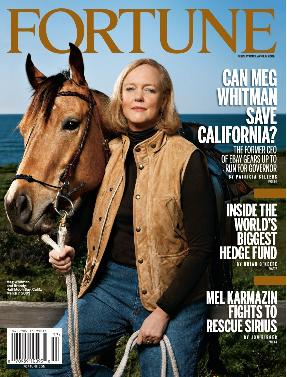
Calbuzz had a little fun looking at all the things Meg Whitman could buy with the $40 million she’s already spent (Madonna’s apartment, Conan O’Brien’s silence, a Cape Cod wastewater plant), but really: You have to wonder what she could have done for society if she’d used that cash for something other than her vanity campaign.


I have no polling data on why mega-millionaires don’t win; the current polls show Meg’s ahead of Jerry Brown . But I’m not sure her cash and her obscene spending won’t become a negative at some point.

Why does the Catholic Church still exist?

6

Johnny Angel Wendell, who wrote a piece for us this week about talk radio, does a show Sunday night on LA’s KTLK radio called Southern California Live, and this week — on Easter Sunday — he had a great rant about the Catholic Church. You can listen to it here — it starts about 22 minutes into the show. (Full disclosure — I’m often a guest on the show, and was on last night, and you can listen to me talk about Meg Whitman and Gavin Newsom at the end of the session, but Johnny’s bit on the church was better).


His question: Why does the Catholic Church still exist?


If any other major institution was caught doing what the Catholic hierarchy did — allowing, or even encouraging, the abuse of children by its frontline workers — nobody would go there any more. Imagine if Disneyland had this sort of scandal; no parent would ever take a kid there again. No school, or club, or program that involves or caters in any way to kids would survive a scandal like this.


I know, I know: It’s about religion and faith that’s supposed to transcend the foibles of the humans who run the show. But Jesus — how can even devout Catholics allow this to continue? The pope and all the corrupt, sleazy bishops and cardinals ought to be thrown out like the devils cast from heaven in the Bible — and until that happens, maybe all those devout Catholics should stop putting money in the collection plate.

ACORN did not commit voter registration violations

16

One of the craziest aspects of the whole ACORN saga has been how rightwing lies about the organization have been repeated so often that they have come to replace the truth in most people’s minds.

For instance, according to the Office of California Attorney General Jerry Brown, there are no reports of votes that were cast fraudulently, thanks to anything ACORN did.

As Brown’s press secretary Christine Gasparac clarified today, “ACORN itself did not commit, counsel, or aid and abet registration violations. Some of the canvassers employed by ACORN and paid on per registration basis handed in phony registrations in order to make money and all were all caught and rejected by the Registrar.”

Now, I’m not saying everything ACORN has done has been without fault, or that the left isn’t guilty of distorting facts, too.
I’m just saying that it’s too bad that political discourse in this country has descended to the point that the truth is now irrelevant.

Judge sets hearing on contempt order for SF Weekly’s bank

7

Superior Court Presiding Judge James McBride April 1 granted a motion by the San Francisco Bay Guardian to set a hearing for the Bank of Montreal, the lead bank for the SF Weekly and its parent chain, to show cause why it should not be held in contempt of court for interfering with a judge’s order in the Guardian’s attempt to collect on its $2l million plus judgment in a 2008 predatory pricing trial.


McBride set the hearing for April 30 and said that he would not hear the case but would assign another judge to hear it.


He said at the beginning of his remarks that the Guardian in its briefs had established a prima facie case for a hearing.
After hearing oral arguments from Guardian attorneys Richard Hill and Jay Adkisson, and Bank of Montreal attorney
Dan Falk, McBride ruled in favor of the Guardian’s motion.


The motion addresses the latest twist in the efforts by the Weekly’s parent company, Village Voice Media, to duck payment of the judgment. For more than two years, since a jury ruled in the Guardian’s favor, VVM and the Weekly have been hiding behind a complex corporate structure and a cozy relationship with a banking syndicate and have refused to pay the debt.


The Guardian has seized two of the Weekly’s vehicles and the rent that subtenants pay the Weekly, and on March 9th, Court Commissioner Everette A. Hewlett Jr. ordered the Weekly to turn over half of its ad revenue to the Guardian.


The Guardian contacted the Weekly’s advertisers and advised them of the order. But, according to the Guardian brief, “after BMO received notice of the 9 March 2010 order, it began contacting all of the advertisers subject to the Assignment Order and instructed them to disregard that order and make payments directly to BMO.”


The Bank of Montreal, which heads a banking syndicate that has helped finance VVM’s expansion over the years, argues that VVM owes $77 million on a loan, and on March 12th, the syndicate declared the loan in default. That, the bank argues, means that BMO gets all of VVM’s money and that the Guardian is second in line.


However, the chain was valued just two years ago at $191 million, and under California law, BMO is required to marshal the assets of VVM – that is, to do an inventory of what the company owns and what it’s worth – so that other debtors can be paid.


“I have three times requested in writing to BMO that they marshal the assets of SF Weekly LP and New Times Media LLC, however BMO has never responded,” Adkisson stated in his court filing.


Hewlett has already said in open court that “it is possible that [BOM is] in contempt of court.”


The Guardian will be back in court April 14th asking that a receiver be appointed to take control of SF Weekly’s finances.


The banks in the syndicate that are holding the VVM debt (as of March, 2009) are Bank of Montreal, U.S. Bank, Wells Fargo, WestLB AG, Rabobank, BNP Paribas, and Brown Brothers Harrimann. You can read Adkisson’s filing here (PDF)

Did Fox dump Yee to spare Palin?

29

Fox News seems to be having a hard time playing the victim card in the controversy over Sarah Palin’s upcoming speech at a cash-strapped California State University campus, for which she’s being paid an undisclosed — but likely huge — amount of money. And the network has been jerking around the chief critic of the deal, Sen. Leland Yee (D-SF), as it looks for a way to martyr poor Palin, a new Fox News commentator.

As we wrote, the issue that Yee raised and generated media attention for was why CSU-Stanislaus and its foundation were able to cut a secret deal with Palin. Yee was scheduled to appear on Fox’s America Live with Megyn Kelly on Wednesday about the controversy, but Yee chief of staff Adam Keigwin told us Fox News cancelled the appearance less than an hour before taping.

“They probably saw that this was indefensible and they didn’t want negative publicity for Palin,” Keigwin speculated.

But then Fox News representatives called again, and this time they wanted Yee to appear on tonight’s (April 2) The O’Reilly Factor with Bill O’Reilly, and Keigwin said Yee reluctantly agreed to do so: “I was a little hesitant to do it, knowing it’s a no-win situation, but we decided to do it,” Keirwin said of the show that O’Reilly dominates in bullying fashion.

But then, a couple hours later, Fox called back. “The producer called to ask, ‘Now you’re saying she shouldn’t speak, right?’” No, Keigwin explained, the issue was one of disclosing how much she was being paid and whether public funds were involved, and nobody was trying to censor her.

“So he said, ‘We’re looking for someone who doesn’t think she should speak at all,’” Keigwin said. Eventually, the producers decided to nix Yee again and instead tap some CSU students who were allied with Yee. They’ve already taped their interviews, so we’ll see what happens once they’re edited over several hours and turned into tonight’s broadcast.

Meanwhile, Yee is still waiting for a response from CSU officials about the Palin gig, and Keigwin said CalAware and the California First Amendment Coalition have also formally requested public records associated with the appearance, the disclosure deadline for which is next week.

Yee is the chair of the recently created Senate Select Committee on California’s Public Records and Open Meeting Laws, and Keigwin said, “This could be the subject of our first hearing.”

O’Keefe and Giles may still face charges over ACORN tapes

5

It’s true that California Attorney General Jerry Brown gave Republican activists James O’Keefe III and Hannah Giles immunity from prosecution in exchange for their full, unedited videotapes of ACORN employees.

But that doesn’t mean the couple is necessarily off the legal hook entirely.

As Brown’s own report notes, because of the immunity deal, his office did not determine if the couple violated California’s Invasion of Privacy Act when they recorded ACORN employees.

But, as Brown’s report observes,  “if the circumstances meet the requirements of the Act, the ACORN employees may be able to bring a private suit against O’Keefe and Giles for recording a confidential conversation without consent.”

That’s an important point to remember, given that rightwing groups are bragging that O’Keefe recently saw felony charges, filed in connection with his recent invasion  of the Louisiana office of Sen. Mary Landrieu (D-LA), reduced to a misdemeanor.

Could O’Keefe’s apparent ability to walk away relatively unscathed from acts that would land other folks in jail have something to do with his life of privilege as outlined at Gawker, using O’Keefe’s Facebook photos? Or is it more to do his close ideological ties with the increasingly aggressive Republican attack machine?

Why is the Potrero Power Plant still going strong?

The Potrero Power Plant, a longtime source of pollution and health concerns for residents of San Francisco’s southeastern neighborhoods, is slated for partial closure once the Trans Bay Cable begins transmitting electricity into the city.

The Trans Bay Cable is an undersea cord that will transmit 400 megawatts of power underneath the San Francisco Bay from power plants in the Pittsburg / Antioch area. Last we heard, from a January article in the San Francisco Examiner, the project was running a full month ahead of schedule.

From the Examiner update:

“The cable was scheduled to become operational in March. However, the $505 million project is moving ahead of schedule, according to PJ Johnston, a spokesman for the joint venture that’s financing and installing the cable. The planned date to switch on the cable is now Feb. 1, according to Johnston.”

Well, Feb. 1 came and went. March came and went. Now, it’s April – and the Potrero Power Plant is still going strong, its telltale plume issuing from the tall brick smokestack.

We called PJ Johnston, the spokesperson, for another update. “We’re still testing,” he explained. “We’re going to be testing at least into the next month or longer. We’re working with the [California Independent System Operator] to determine a commercial operation date.”

The construction of the Trans Bay Cable and the converter stations were completed last year; and the system was energized in December; Johnston noted.

“We won’t speculate on a latest start date,” he responded after being asked when, at the very latest, it would go into service.

That elusive date is key, because that’s when the city can kiss the primary unit of its only remaining power plant goodbye. Unit 3, which accounts for the lion’s share of harmful emissions, will no longer be required to operate by the California Independent System Operator (Cal-ISO) once the alternative source is in place, clearing a major obstacle that stood in the way of the plant’s closure for years. Three smaller diesel-fired units at the plant will remain in service until a Pacific Gas & Electric Co. cabling project is finished later this year, but they’ll run far less frequently than the workhorse Unit 3, according to Cal-ISO spokesperson Gregg Fishman.

“We had heard March too,” Fishman commented. He confirmed that “the large unit at Potrero will no longer be needed,” once the cable comes online, and referred us to Johnston for more information. In an accord reached with City Attorney Dennis Herrera last year, Mirant — the company that owns the Potrero plant — agreed that it would shutter the plant once the Cal-ISO gives the nod.

When the cable comes online and Unit 3 finally does become history, the air quality in San Francisco’s Bayview Hunter’s Point neighborhood is sure to improve. Yet as the Guardian has noted in the past, there are environmental justice questions surrounding a project that essentially shifts the pollution impact of the city’s energy needs from one low-income community to a similar neighborhood, farther away. 

The Daily Blurgh: San Fran pranksters

0

Curiosities, quirks, oddites, and items from around the Bay

As Laughing Squid wisely reminds us, today is Internet Annoyance Day. So, rather than annoy you with fake news items that SURPRISE! Link to NSFWLOLfunnytimes, here’s a compedium of some of my favorite moments in which our city has played the fool at the hands of some trickster, egghead-with-a-funny bone, practical joker, anonymous collective, or plain ‘ol sick fuck.


“The Stockton Street Tunnelway, running South below this ‘Tunnel Top,’ is recognized as the first of 200 ‘Oriental labor tunnels’ dug within the state of California. Dating to the year 1894, the Oriental labor force indentured by the Moorlock-Datsun Company worked tirelessly in deep water and suffered many deaths in the pursuit of easy, underground passage for the residents of San Francisco.

This Plaque was erected in July 2002 in memoriam for the 3 men who lost their lives digging here, having succumbed to a sudden and terrible subterranean whirlpool.”


“Enter the world of the samurai, where more than seven centuries of martial rule are reduced to a single Disney-like trope of gentleman-warrior myth. Military prowess  meets cultural connoisseurship in an ideal of masculine perfection–selling militarism as beauty in a time of war.”


www.youtube.com/watch?v=MFHxn_9aVq8


“It’s Official…I am Running for Governor of California”


“Back in 1998 several San Francisco Bay Area radio stations had April Fool s-themed programming, including commercial station KITS (aka Live 105), which changed to KGAY for a day, airing gay-themed music. That same year college station KUSF read an announcement over the air stating that the university was selling off the station and commercial rock station KFOG devoted their 10 at 10 3 segment to big band music. Another year KFOG spent part of their program day playing the best 15 seconds of songs as their new format.”

(Yeah, yeah. “KGAY” is about as funny as Rudy Giuliani in drag, but props to KFOG’s 15 second rule)


For a true education pick up a copy of Re-Search #11: Pranks, as well as the follow-up volume, for interviews and invaluable tips from past and current local funny folks as Jello Biafra, Monte Cazazza, Mal Sharpe, and Bruce Conner, among many others.

Newsom wants more authority for party-crashing cops

12

At a time of rising concern about police crackdowns on San Francisco nightlife – including the use of unprovoked brutality, selective harassment, and punitive property seizures – it would seem a strange time to call for abolishing the Entertainment Commission and returning its authority to the San Francisco Police Department. But Mayor Gavin Newsom has now called for doing just that.

Newsom last week refused calls to get involved with mediating a nasty dispute between the SFPD and nightlife workers and advocates, who have filed claims and lawsuits against the city alleging improper police behavior, including a racketeering lawsuit and another lawsuit alleging police retribution against promoter Arash Ghanadan for complaining about mistreatment, for which Police Chief George Gascon is scheduled for a video deposition on April 8 (other depositions involving Gascon and the undercover partners Officer Larry Bertrand and ABC agent Michelle Ott will follow in coming weeks).

The police crackdown, the subject of recent cover stories in both the Guardian and the SF Weekly, has been underway for more than a year and nightlife advocates say it is reminiscent of the arbitrary police enforcement against disfavored clubs and parties in the late 1990s that led to the creation of the Entertainment Commission in the first place.

Making Newsom’s new stance even more puzzling, the commission has been responsive to the overhyped criticism of the commission by nightlife critics, some politicians, and the San Francisco Chronicle and Examimer. The commission voted last night to suspend Suede for shooting out front, a decision that Board of Supervisors President David Chiu (whose North Beach constituents have put pressure on him to rein in problem clubs) cast as a litmus test for the commission, and one it apparently passed. In addition, Commissioner Terrance Alan, who had been criticized for his conflicts of interest, last week announced that he will be stepping down from the commission when his term expires in June. 

“Isn’t anyone paying attention? It’s really got me baffled,” Alan said of the continuing calls to kill the commission. “I don’t know what this is about.”

He isn’t the only one. Commissioner Jim Meko, who had been critical of the commission’s industry-heavy makeup and reluctance to take aggressive action against problem clubs, told the Chronicle that turning permitting and enforcement over to the cops would be much worse.

Sen. Mark Leno, who as a supervisor created the commission back in 2002, agrees. He told us that he opposes the change proposed by Newsom.

“I strongly believe the original reasons for the creation of the commission, an inherent conflict in having the same body that enforces licensing to also issue those licenses, remains,” Leno told us.

Leno also noted that it was only in November that the Board of Supervisors voted to give the commission more authority to suspend the licenses of problem clubs, which they used with Suede, delivering the maximum penalty possible: a 30-day suspension.  

“If they just gave them additional authority, let’s give it a little time to work out before we talk about disbanding them,” Leno said. He also noted that it’s strange to see the mayor and supervisors criticizing the industry-heavy makeup of the commission considering that they’re the one who make those appointments: “That’s in the hands of the board and the mayor.”

Neither Chiu nor Newsom have returned our calls seeking comment, but several Guardian sources with long involvement in the conflict between the SFPD and the nightlife community say the cops – particularly hardasses like Commander James Dudley, who has often made comments critical of nightlife and its promoters — have long sought to have more power over nightclub, private parties, and the citizens who attend them.

But until there is a fair airing of and resolution to the trend of overzealous and belligerent enforcement actions by the SFPD, any move to give that agency more authority to kill the fun in San Francisco is likely to be met with heavy opposition.


UPDATE: David Chiu just got back to me, saying Newsom hadn’t consulted him before taking his stand and telling us, “I don’t agree that we need to abolish the commission.”

But as the supervisor from a sometimes-rowdy district that includes a couple of clubs where violence has occurred, Chiu does want to make some changes in how nightlife is governed in San Francisco, seeing a conflict between the Entertainment Commission’s role promoting nightlife and regulating it: “The Entertainment Commission has conflicting missions.”

Chiu said he would like to see nightclub permitting turned over to a body like the Interdepartmental Staff Committee on Traffic and Transportation (ISCOTT), which handles street closure permits and has representatives from several city agencies. It would exist alongside the Entertainment Commission, whose work Chiu said has become “overly politicized” in recent months.

At the same time, Chiu said, “I generally agree with” the Guardian’s coverage of the War of Fun, and said that he’s helped facilitate meetings with SFPD to deal with issues like the inappropriate police seizures of DJ’s laptops: “From my perspective, I want to make sure people’s civil rights aren’t being violated.”

But Chiu said the problem seems to lie more with the California Department of Alcoholic Beverage Control than the SFPD: “It appears the ABC has been inappropriately cracking down on the mainstream venues that are trying to do the right thing.”

Chiu said there isn’t a pressing need to act quickly on the Entertainment Commission issue and said that he would work with Leno on the solution, something Leno confirmed, telling us, “I have had some conversations with David Chiu and I’m going to get more involved.”

The Daily Blurgh: Bee warned, Purple Sylvester

0

Curiosities, quirks, oddites, and items from around the Bay

I’m all for local businesses and delicious honey and getting to use the word “apiarist” in a sentence, but if any kind of this shit goes down you’ll know which type of urban farmer to give the stink eye. You say 15 beehives hidden in “‘borrowed spaces’ around SF,” NY Times — I say bio-terrorist cells. Hell, if you can train bees to detect bombs, who’s to say they also couldn’t be trained to detonate them?

Meanwhile in Science: “While dominant hyenas have a steady, confident-sounding giggle, subordinate ones produce a more variable call, allowing the animals to keep track of their social hierarchy, according to a new University of California, Berkeley, study.” Who’s laughing now, bitch?


Remember in Basquiat when David Bowie’s Andy Warhol crows, “you always get the good stuff,” to dealer Bruno Bischofberger (Dennis Hopper, in an equally meta bit of casting) over their power lunch? Well, that’s how I felt when I read the news on Fecal Face that uber-cool-for-Mission-School gallery Jack Hanley is closing shop in SF to focus on its New York space. If you want to pour out some beer on the corner of 15th and Valencia, the SF institution’s final show opens this Saturday. It’s a family affair, including work by old and new Hanley favorites such as Tauba Auerbach, Chris Johanson, Alicia Mccarthy, Shaun O’Dell, and Leslie Shows.

In more encouraging gallery-related news: last Friday, the GLBT Historical Society’s Dom Romesburg sent out an email announcing that the org just signed a lease for, “a new Gay, Lesbian, Bisexual, and Transgender Historical Society History Museum in the Castro.” Romesburg continues, “The new exhibit space is on 18th near Castro, in the old laundromat right across from Magnet.” This is indeed exciting news, as the rotating exhibits at the Society’s intimate downtown space, along with Passionate Struggle, last year’s long-running panorama of SF LGBT history in the old Wolf Camera shop on Castro Street, have largely been great, but have also felt like so many amuse-bouches for what must be some pretty fabulous main-course holdings (Sylvester’s Purple People Eater sequined stage costume, one of Passionate Struggle’s highlights, notwithstanding).

alt.sex.column: Maresy dotes

0

Dear Andrea:

It’s spring! Even though I live in California, it’s exciting when spring comes. I mean literally exciting, as in, it makes me horny. All winter I was like “Eh, dating” and now I’m all like “OMG boys! Lemme at ’em.” This happens every year, whether I have a boyfriend or not.

I know everyone talks about spring fever and it’s hardly just me being weird, but is there something that actually happens to our brains in the spring? Are there spring hormones?

I’m a girl, by the way.

Love,

Spring Fever

Dear Feev:

Indeed there are, at least among the smaller, furrier mammals, and we separate ourselves from our smaller, furrier cousins at our peril.

It doesn’t take a modern laboratory to note that mammals and most other creatures, not to mention the entire plant kingdom respond to the lengthening days and the return of the sun by, depending on physiology, sprouting, producing warm juicy sap, nest-building, and/or taking off their clothes. That’s what spring is for.

We may not like to think of ourselves as programmed to quite the degree of, say, the famous Siberian hamsters who were found to have libidos entirely regulated by the cutely-named neuropeptide kisspeptin, production of which shuts off in the winter. But we kind of are. Obviously we also respond to things like warm sun on our shoulders, longer afternoons in which to build up sleek sexy muscle and vital endurance, and the relative nakedosity of our fellow humans as they shed bulky coats and long wooly trousers in favor of warm, visible, touchable, responsive skin.

If you think about it, springtime isn’t actually mating season for most creatures. Spring is for gamboling little lambsies, conceived in the fall and born once the worst of winter’s privations have passed. What peaks in the spring, it seems, is energy. What we do with all that energy is pretty much up to us.

“We may have more energy in springtime, but it won’t necessarily play itself out in the bedroom,” Michael Smolensky wrote in a WebMD article. “The peak [of sexual activity] is in the fall.”

Here’s what I think: yes, our hormones and neurowhatses respond to the seasons. Increased energy and optimism plus being outside more, where other people are also feeling happier and healthier, makes everyone feel hornier. If you live anywhere with a proper summer, you’ll want to get your oats sown now, though, because researchers have found that we start to feel sluggish again as soon as it gets much over room temperature out there. Maybe we are all meant to live in San Diego, or in shopping malls. But I don’t think so.

Now I have Julie Andrews singing “The Lusty Month of May” stuck in my head (“That lovely month when everyone goes blissfully astray”.) If there is anything less sexy than Julie Andrews singing Lerner and Loewe, I can’t think of it right now. But I’m quite certain that if you venture out in a cute outfit and kicky new sandals and gambol about like a little lambsy-divey, you will find some takers.

Love,

Andrea

Got a question? E-mail Andrea at andrea@altsexcolumn.com

Si Se Puede: The legacy of Cesar Chavez

0

(Scroll down for a personal note from Dick Meister)

March 31st is a special day in eleven states, including California, and in dozens of cities and counties nationwide– and should be. It’s Cesar Chavez Day, honoring the late founder of the United Farm Workers union on the 83rd anniversary of his birth.

Certainly there are few people in any field more deserving of such an honor, certainly no one I’ve met in more than 50 years of labor reporting.

I first met Cesar Chavez when I was reporting on labor for the SF Chronicle.  It was a hot summer night in 1965 in the little San Joaquin Valley town of Delano, California. Chavez, shining black hair trailing across his smooth brown forehead, wearing a red plaid shirt that had become almost a uniform, sat behind a makeshift desk topped with bright red Formica, deadly serious but quick to smile.

 “Si se puede,” he said repeatedly to me, a highly skeptical reporter, as we talked deep into the early morning hours there in the cluttered shack that served as headquarters for him and the others who were trying to create an effective farm workers union.  “Si se puede — it can be done!”

But I would not be swayed.  Too many others, over too many years, had tried and had failed to win for farm workers the union rights they had to have if they were to escape the severe economic and social deprivation inflicted on them by their grower employers.

Although they did the indispensable work of harvesting the food that sustains us all, farm workers typically were paid at or below the poverty level, had few fringe benefits and very little legal protection from employer mistreatment. Most lacked even such on-the-job amenities as toilets and fresh drinking water, and were regularly exposed to pesticide poisoning and other hazards. Their living conditions were generally as abominable.

The futile attempts to arm the workers with the essential weapon of unionization began with  the Industrial Workers of the World,  who stormed across western fields early in the last century. Next came Communists, socialists, AFL and CIO organizers. All their efforts had collapsed under the relentless pressure of growers and their powerful political and corporate allies.

I was certain Chavez’ effort would be no different.  I was wrong.  I had not accounted for the tactical brilliance, creativity, courage and just plain stubbornness of Cesar Chavez, a sad-eyed, disarmingly soft-spoken man who talked of militancy in calm, measured tones, a gentle and incredibly patient man who hid great strategic talent behind shy smiles and an attitude of utter candor.

Chavez grasped the essential fact that farm workers had to organize themselves.  Outside organizers, however well-intentioned, could not do it. Chavez, a farm worker himself, carefully put together a grass-roots organization that enabled the workers to form their own union, which then sought out — and won — widespread support from influential outsiders.

The key weapon of this United Farm Workers union was the boycott. The UFW’s boycotts against grape and lettuce growers and wineries in the late 1960s won the first farm union contracts in history.  That in turn led to enactment in 1975 of the California law — also a first — that requires growers to bargain collectively with workers who vote for unionization. That has brought  substantial improvements in the pay, benefits, working conditions and general status of the state’s farmworkers.

The struggle was extremely difficult for the impoverished workers, and Chavez risked his health — if not his life — to provide them extreme examples of the sacrifices necessary for victory.  Most notably, he engaged in lengthy, highly publicized fasts that helped rally the public to the farm workers’ cause and that may very well have contributed to his untimely death in 1993 at age 66.

Fasts, boycotts.  It’s no coincidence that those were among the principal tools of Mohandas Gandhi, for Chavez drew much of his inspiration from the Indian leader.  Like Gandhi and another of his models, Martin Luther King Jr., Chavez believed fervently in the tactics of non-violence. Like them, he showed the world how profoundly effective they can be in seeking justice from even the most powerful of opponents.

As Chavez explained,  “We have our bodies and spirits and the justice of our cause as our weapons.”

What the UFW accomplished, and how the union accomplished it, will never be forgotten — not by the millions of social activists who have been inspired and energized by the farm workers’ struggle, nor by the workers themselves.

The struggle continues, for despite the UFW’s successes, most farm workers are still mired in poverty. But because of the union, they have a genuine hope of bettering their condition.

The UFW won important legal rights for them.  But more than union contracts, and more than laws, farm workers now have what Cesar Chavez insisted was needed above all else.  That, as he told me so many years ago, “is to have the workers truly believe and understand and know that they are free, that they are free men and women, that they can stand up and say how they feel.”

Freedom.  No leader has ever left a greater legacy.

Dick Meister, former labor editor of the SF Chronicle and KQED-TV Newsroom, is co-author of “A Long Time Coming: The Struggle to Unionize America’s Farm Workers (Macmillan). Contact him through his website, www.dickmeister.com.

Sidebar: Let’s truly honor Cesar Chavez

It’s way past time that Congress declared the birthdate of Cesar Chavez a national holiday. President Obama agrees. So do the millions of people who are expected to sign petitions being circulated by the United Farm Workers, the union founded by Chavez. And so do Democratic Rep. Joe Barca of California and 43 co-sponsors who have introduced a bill designating March 31st as Cesar Chavez Day nationwide.

President Obama says Chavez should be honored  “for what he’s taught us about making America a stronger, more just, and more prosperous nation” and for providing inspirational strength “as farm workers and laborers across America continue to struggle for fair treatment and fair wages.”

Like Martin Luther Jr., who’s rightly honored with a national holiday, Chavez inspired and energized millions of people worldwide to seek – and to win – basic human rights that had long been denied them, and inspired millions of others to join the struggle.  He, too, showed that the poor and oppressed can prevail against even the most powerful opponents – if they can organize themselves and adopt non-violence as their principal tactic.

A national holiday would be a well-deserved tribute, not only to Chavez, but also to Latinos generally, to organized labor and to all those who do the hard, dirty and dangerous work that puts food on our tables.

–Dick Meister

Ross on the road: The great white north

1

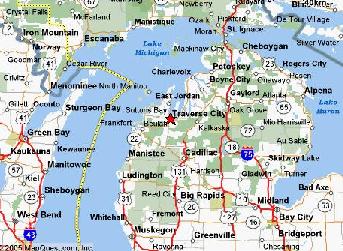
Editors note: Guardian correspondent John Ross is traveling across the nation pomoting his new book, El Monstruo — Dread & Redemption in Mexico City, and is sending us dispatches from the road. This week: Twin Cities, Madison and Northern Michigan.


 1. BLUE IGLOO


As I deplaned the Southwest Shuttle from Denver wrapped in my blue igloo, a puffed up garment that doubles my skeletal girth, a sudden spasm of panic punched me in the gut. Had I slept through my stop and disembarked in Fargo, North Dakota instead?
Minneapolis might just as well have been Fargo. The dead winter landscape lay frozen under week-old snowdrifts and the Twin Cities shivered in negative wind chill numbers beneath a leaden sky from which a cold hard rain would pelt down for a week. Fargo or Minneapolis? It didn’t much matter where I had landed – just don’t toss me into the wood chipper.


On my first evening in this desolate region, I was invited to dialogue with the Minnesota Immigrant Freedom Network at a community center in St. Paul. About 15 transplanted Mexicans, many of them related by marriage or friendship, pulled together in a circle in the gymnasium while the kids romped in the other room. Each called out his or hers’ “patria chica,” their home state or region or town. I talked about Mexico down on the ground today in the cheerless winter of 2010, the 100th anniversary of a distant revolution. How four out of every ten heads of households are out of work. 10,000 farmers and their families forced to abandon their milpas as millions of tons of NAFTA corn inundate the country. 19,000 dead in Felipe Calderon’s disastrous attempt to beat down the drug cartels. Who will be next?


Those in the circle leaned forward on their folding chairs, bending into my words as if I was a messenger bringing bad news from home. One woman began to weep and another rose to comfort her.


Later, I pulled out my book, El Monstruo – Dread & Redemption in Mexico City to show them what I had written. Families who would probably not eat meat for a week if they bought one snapped up three Monsters and asked me to sign them for their children — Alejandra, Yesica, Jeni, Alfonso, Jonaton — so that they could learn about the country they had been forced to abandon, in their new language.


As the session wound down, Mariano (not his real name) invited the families to a Jewish Seder the next week at a progressive Minneapolis schul. Then they would get on the buses and head for Washington D.C., a 150 hour round trip, to march for immigration reform on March 21st, the first day of spring. In the nooks and crannies of Obama’s America, Mexicans were beginning to come out of four years of social hibernation to rally for immigration reform, not a hot button issue in this economically strewn landscape.


I hung up with my old camarada Tomas Johnson, one of the apostles of fair trade Zapatista coffee — similar dispensaries like Just Coffee in Madison and Higher Grounds in Michigan are sprinkled over the frigid Midwest. Café has played a diminished role in the slender Zapatista economy ever since Muk’Vitz, a Tzotzil Indian cooperative, imploded when coffee prices soared — coyotes, bottom-feeder speculators, started showing up on the members’ doorsteps offering a few pesos more than the fair trade price.


Coffee is not an ideal resource upon which to build Zapatista autonomy — the price is set far away on commodity exchanges in London and New York and the product itself is destined for the jaded palettes of the connoisseur class in the cities of the north. Moreover, the coffee crop soaks up corn land and adds nothing to indigenous nutrition.


I marked my journey into my 73rd year at a house fiesta hosted by Tomas’s steady squeeze, an audiologist who gifted me with a hearing aid so that I might be able to decipher that questions hurled at me from the small audiences I address. This time last year, I was being wheeled into a green, antiseptic operating room for a round of chemotherapy that would k.o. the tumor that had taken over my liver. This birthday is the real gift.


I entertained privileged white students at several universities during my stay in the Twin Cities, got hopelessly lost in a frigid wasteland trying to find a Lutheran college, told tall tales to a handful of Raza at the U. of Minn, and attended a showing of the Benny More bio-pic at a jam-packed local theater. Benny’s scintillating calor radiating from the screen in waves of tropical heat juxtaposed oddly against the backdrop of the frozen north. Minneapolis-St Paul, with their new populations of color – Somalis, Ethiopians, Eritreans, Hmung, and Latinos – spice up this staid old state with exotic flavors. The music has changed: Reggaeton and Rancheros have replaced Spider John Koerner. I drink in the Albert Ayler-like contortions of a longhaired white boy at a jam session downstairs at the Clown Lounge.


Politics too are not as usual in this once-upon-a-time farmer-labor socialist paradise: Keith Ellison is the nation’s first Muslim congress person and a middle-of-the-road Democrat comedian stands small in the shoes of Paul Wellstone. In the other corner, the pit viper Michelle Bachman spits her venom into the black lagoons of Obamalandia.


II. TURKEY MOLE


I’m back on the Big Dog — there are plenty of Mexicans here but no Mexican bus. On the jump over to Madison, I chat with a well-seasoned black man during a smoke break. He wants to know where I’m headed. I’m on a low-rent book tour, I explain, I move from city to city to sell my books. “I’m on a book tour myself,” he laughs, “I get off where I want to and see if I like it or not. Hung up in Oswego for eight days but wasn’t anything there for me…”


There is a down-at-the-heels traveling class — the evicted and foreclosed, laid off and uprooted — rolling around the underbelly of this damaged country with no fixed destination in mind, looking for a place to light, some place that feels like home.


Norm Stockwell, who keeps WORT-FM, the Voice of Madison’s Voiceless, choogling, picks me up at the Greyhound depot, a furniture-less warehouse that resembles an immigrant detention center on the outskirts of town, and drives me over to the once-a-month Socialist pot-luck, but only scraps and few stained paper plates are left. A few hours earlier, the Madison P.D. visited the premises at the behest of the Wisconsin Socialist Party to remove a truculent member who had been abruptly expelled from its ranks, an astonishingly unpolitical resolution to a political dispute.


Madison is a city that doesn’t leave much up to chance. Cops are ever at the ready to surveil radical meetings. One cannot post a hand-scrawled street sign protesting injustice without first obtaining a permit from the city. No household is allowed to house more than three chickens (no roosters), a law that necessitates chicken inspectors and has given birth to the Chicken Liberation Front.


The State Capitol, a knock-off the Nation’s, is forever on the eyeline in Madison to remind one of the power of the State, I expect. The city is laid out on a grid so that all avenues spoke off from its monstrous dome – you have to move out of town to escape the radiation.


On Saturday, March 20th, a fistful of eternal protestors gathered at the foot of this granite beast to mark the start of the eighth year of the illegal invasion and occupation of Iraq and the decimation of millions of its people. As I trudged up State Street towards the Capitol, I flashed back to our feverish days as Human Shields in Baghdad in March 2003 and thought about Sasha for whom the war never goes home, climbing the hills of Amman, delivering collateral repair from dawn to dusk to the million Iraqi refugees that forgotten war has exiled to the Jordanian capitol.


Our presidents invade so many foreign countries that they can’t even remember the name of the last one they destroyed. Iraq has been erased from the North American mind screen in favor of Afghanistan, the Good War on Obama’s agenda. Last month, Sasha and Mary’s Collateral Repair Project took in just $50 in donations and CRP is in danger of folding. Send them some Yanqui shekels at (www.collateralrepairproject.org.)


The annual commemoration of the Iraqi genocide draws smaller and smaller knots of humanity each year — 80 or so souls in Madison, 500 in San Francisco, not 10,000 in Washington. But the next day, as Baracko’s Dems braved the racist jibes and hard fruit of the Teabaggers to enter the hallowed halls of Congress and narrowly vote up a phony health care reform bill that excludes immigrants from coverage and leaves the insurance congloms on top, 200,000 assembled outside to back up a proposed immigration reform that smells just as cheesy as Obamacare.


The rally proved to be the largest confluence of immigrant workers since that miraculous May 1st four years ago when millions came out of the shadows to shout “aqui estamos y no nos vamos.” After that milestone moment, the immigrant rights movement was driven into the underground by Bush’s ICE raids, Lou Dobbs, the Minutemen, real-time Mexico bashing with knives and bottles, Sheriff Joe’s Arizona storm troopers, good ol’ American-as-apple-pie racism, and the squeamish response of the official Latino leadership.


Now the indocumentados are taking their first baby steps back into the maelstrom of U.S. politics. Hundreds of grassroots groups like the Minnesota Immigration Freedom Network rented buses and drove off to Washington on the first day of spring and May 1st, the day on which immigrant workers first took to the streets of America 124 years ago in the battle for the eight hour day, now looms large on the calendar of resistance.


Lester Dore is a graphic artist who operates under the influence of the king of the calaveras Jose Guadalupe Posada, the brothers Flores Magon, and the breathtaking explosion of popular art that detonated on the walls of Oaxaca during the 2006 uprising in that southern city. Lester whips up a pair of prints to celebrate the publication of “El Monstruo” and the life after death of Praxides G. Guerrero, the first anarchist to fall in the 100 year-old-this-year Mexican revolution. He serves up a big pot of Mole de Guajalote (Turkey) and invites us over. Three compas from Toluca in Mexico State share the sumptuous repast and the conversation quickly slides into Mexican. I learn the origin of the Chilango-ismo “teparocha” (falling down drunk) but eschew the vino (the liver lives on.)


III. SANCTUARY IN THE HEARTLAND


Driving the long route around Lake Superior into northern Michigan, the first tentative fingers of spring have brought a thawing to the land. The cherries that draw thousands of migrant workers to the Lower Peninsula are threatening to burst into bud. Gladys Munoz (her real name) directs Migrant Health Services for seven northern Michigan counties. She is based in Traverse City, a comfortable upper crust enclave — the billion buck mansions out on the peninsula are in the El Chapo Guzman category of ostentation (Michael Moore is rumored to be in residence in the environs ensconced in a lavish log cabin roughly the size of downtown Flint.)


Gladys knows where the bodies are buried. We ply the backroads to the labor camps hidden away down in the dank gullies. Guatemalans and Mexicans stream into this region each spring to do the stoop labor no gringo will do and pick the Maraschinos that top off the parfaits of the few upwardly mobile Americans left in the wake of the ravaged economy (Michigan unemployment clocks in around 15%.) Gladys tells me about three babies born without brains — she suspects pesticides. She speaks about a man from Chiapas who hung himself when he found out that he had contacted AIDS — a priest was called upon to perform an exorcism at the house where he expired. And a young Triqui Indian mother from Oaxaca picking cucumbers for a Vlasic pickle contractor who was stranded in a country that doesn’t recognize her language after her husband went fishing for supper without a license and Fish & Game turned him over to the Migra.


We visit with Liliana (not her real name) from the drug war-riddled hot lands of Guerrero state. The patron is a kindly old farmer who has installed cable TV for the workers and we watch Barack Obama extol the wonders of his tarnished health care bill. Liliana’s husband is picking oranges in Florida but will soon return to work the cherry. She says he doesn’t much believe that an immigration reform measure will make it out of congress – “just some more blahblahblah…” But Liliana will march this May 1st if she can get a ride — undocumented workers are not permitted drivers’ licenses in the state of Michigan.


Traverse City is good to me. I perform at a local organic coffee roaster for a roomful of social change agents. The next morning, Jody T. who gave up her life to drive this garrulous old gaffer around the bioregion, steers the Viva into a trepidatious triangle. Cadillac was once the home base for Timothy McVeigh and the Michigan Militia, a recent flashback on the Ten O’clock News after a Christian posse purportedly targeted cops for blood sacrifice in preparation for the appearance of the Anti-Christ. To the west, small towns with Dutch-inflected names like Holland and Zeeland and Vreland dot the lakeside.


White clapboard outposts of the Dutch Reform Church, the architect of South African apartheid, their steeples spiring piously into the spring breeze, hug the highway. The Dutch Reform Church is the spiritual home of the Prinz family whose most celebrated spawn, Eric, is the go to guy at Blackwater. Further south we slide into Grand Rapids where the similarly affiliated DeVos dynasty’s Amway holds sway. The Prinzes and the DeVoses (a good reason not to root for the Orlando Magic) finance such repositories of right-wing fanaticism as Focus On The Family and Operation Rescue. The largesse of Dick DeVos rivaled the Mormon Church in putting California’s homophobic Proposition 8 over the top.


Grand Rapids, once the furniture capitol of the known universe and now the home of the Gerald Ford Museum of Presidential Imbeciles, is a good boxing town (Buster Mathis and Roger Mayweather have gyms here) and a swelling Latino population has changed the complexion of the city. Despite the downturn, Grand Rapids is trying to upgrade its downtown but the further one gets from the core of the city, the seedier things look.


Koinonia House is a sanctuary near the old demolished heart of Grand Rapids — in fact, it is the only structure left standing on its block. Established by disaffected seminarians like Jeff Smith in the early 1980s when the U.S. waged war on Central America, K House became a station on the underground railroad built by the Sanctuary Movement. The first refugees were Guatemalan Indians fleeing the scorched earth genocide of Efrain Rios Montt. In recent years, K House has taken in Mexicans fleeing that “desgraciada pobreza” back home, like Carlos and Alynn (their real names) who have brought their remarkable art with them to El Norte.


Jeff kicks back and reminisces about the fates of former tenants. The big-bellied wood stove belches out waves of warmth on a chill late March morning. The big arms of the fluffy old lounger envelop a weary traveler and hold him close. K House remains a sanctuary deep in the heart of a wounded land.


Stay tuned. Chicago, St Louis, Jackson Mississippi – there is still a whole lot of traveling to do as the Monstruo tour moves eastwards.               


FIN


John Ross and “El Monstruo – Dread & Redemption in Mexico City” will visit St. Louis April 4th-7th, and Millsaps College Jackson Mississippi April 9th for a symposium on Mexico City – he will tour Baltimore, Washington, New York, and Boston April 19th through May 1st. For details write johnross@igc.org.

Trash talk

3

Sarah@sfbg.com

The battle to win San Francisco’s lucrative garbage disposal contract turned nasty as city officials tentatively recommended it go to Recology (formerly Norcal Waste Systems), causing its main competitor, Oakland-based Waste Management, to claim the selection process was flawed and bad for the environment.

Recology is proposing to dispose of San Francisco’s nonrecyclable trash at its Ostrom Road landfill in Yuba County, which is double the distance of the city’s current dump. The contract, worth hundreds of millions of dollars, would run until 2025.

For the past three decades, the city has trucked its trash 62 miles to the Altamont landfill near Livermore, under an agreement that relied on the services of the Sanitary Fill Company (now Recology’s SF Recycling and Disposal) and Oakland Scavenger Company (now Waste Management of Alameda County).

That agreement allowed up to 15 million tons of San Francisco’s municipal solid waste to be handled at Altamont or 65 years of disposal, whichever came first. As of Dec. 31, 2007, approximately 11.9 million tons of the capacity had been used, leaving a balance of 3.1 million tons, which the city estimates will be used up by 2015.

Currently Recology collects San Francisco’s curbside trash, hauls it to Pier 96, which is owned by the Port of San Francisco, then sends nonrecyclables to the Altamont landfill operated by Waste Management.

After SF’s Department of the Environment issued a request for qualifications in 2007, Waste Management, Recology, and Republic Services were selected as finalists. The city then sent the three companies a request for proposals, asking for formal bids as well as details of how they would minimize and mitigate impacts to the environment, climate, and host communities, among other criteria.

Republic was dropped after a representative failed to show at a mandatory meeting, and Recology was selected during a July 2009 review by a committee composed of DOE deputy director David Assmann, city administrator Ed Lee and Oakland’s environmental manager Susan Kattchee.

The score sheet suggests that the decision came down to price, which was 25 percent of the total points and made the difference between Recology’s 85 points and Waste Management’s 80 in the average scores of the three reviewers. But the scores revealed wide disparities between Kattchee’s and Lee’s scores, suggesting some subjectivity in the process.

For instance, Kattchee and Lee awarded Recology 15 and 23 points, respectively, for its “approach and adherence to overarching considerations.” Kattchee awarded 13 points to Recology’s “ability to accommodate City’s waste stream,” while Lee gave it 24 points. And Kattchee awarded Waste Management 13 points and Lee gave it 20 for its proposed rates.

When the selections and scores were unveiled in November, Waste Management filed a protest letter; Yuba County citizens coalition YUGAG (Yuba Group against Garbage) threatened to sue; and Matt Tuchow, president of the city’s Commission on Environment, scheduled a hearing to clarify how the city’s proposals was structured, how it scored competing proposals, and why it tentatively awarded Recology the contract.

Emotions ran high during the March 23 hearing, which did little to clarify why Recology was selected. Assmann said that much of the material that supports the city’s selection can’t be made public until the bids are unsealed, which won’t happen until the city completes negotiations with Recology and the proposal heads to the Board of Supervisors for approval.

YUGAG attorney Brigit Barnes said Recology’s proposal could negatively affect air quality in Alameda, Contra Costa, Solano, Yolo, Sacramento, and Yuba counties, and does not attain maximum possible reductions of greenhouse gas emissions. Barnes pointed to a study commissioned by Waste Management showing the company’s biomethane-fueled trucks emit 68 percent fewer greenhouse gases than Recology’s proposed combination of trucks and trains.

Barnes further warned that Recology’s proposal might violate what she called “environmental justice strictures,” noting that “Yuba County has one of the lowest per capita incomes and one of the highest dependent populations in the state.”

She also claimed that awarding the contract to Recology would create a monopoly over the city’s waste stream and could expose the city to litigation. “Every aspect of garbage collection and waste treatment will be handled by Norcal’s companies,” Barnes stated, referring to antitrust laws against such monopolies.

Deputy City Attorney Tom Owen subsequently confirmed that the two main companies that handle San Francisco’s waste are Recology subsidiaries. “But it’s an open system,” Owen told the Guardian. “Recology would be the licensed collectors and would have the contract for disposal of the city’s trash.”

Irene Creps, a retired schoolteacher who lives in San Francisco and Yuba County, suggested at the hearing that the city should better compare the environmental characteristics of Ostrom Road and the Altamont landfill before awarding the contract. She said the Ostrom Road landfill poses groundwater concerns since it lies in a high water table next to a slough and upstream from a cemetery.

“It’s good agricultural land, especially along the creeks, red dirt that is wonderful for growing rice because it holds water,” Creps said of Recology’s site. “I’d hate to see that much garbage dumped on the eastern edge of Sacramento Valley.”

Livermore City Council member Jeff Williams said the Altamont landfill has the space to continue to dispose of San Francisco’s waste and he warned that Livermore will lose millions of dollars in mitigation fees it uses to preserve open space.

“Waste Management has done a spectacular job of managing the landfill and they have a best-in-their-class methane control system,” Williams said, noting that the company runs its power plants on electricity and its trucks on liquid methane derived from the dump.

Williams pointed out that the Altamont landfill is in a dry hilly range that lies out of sight, behind the windmills on the 1,000-foot high Altamont Pass. “It’s many miles from our grapevines, in an area used for cattle grazing because it’s not particularly fertile land,” Williams said. “We are filling valleys, not building mountains.”

Waste Management attorney John Lynn Smith told the commission that the city’s RFP process was flawed because it didn’t request a detailed analysis of transportation to the landfill sites or fully take into account greenhouse gas emissions, posing the question: “So, did you really get the best contract?”

David Gavrich, who runs San Francisco Bay Railroad and Waste Solutions Group, testified that he helped negotiate the city’s contract 35 years ago, saving taxpayers hundreds of millions of dollars, and that the city needs to be smarter about this contract.

Gavrich and port director Monique Moyer wrote to the Department of the Environment in June 2009, stating their belief that shipping trash by rail directly from the port “can not only minimize environmental impacts, but can also provide an anchor of rail business from the port, and a key economic engine for the local Bayview-Hunters Point community, and the city as a whole.” But Gavrich said DOE never replied, even though green rail from San Francisco creates local jobs and further reduces emissions.

“Let the hearings begin so people get more than one minute to speak on a billion-dollar contract,” Gavrich said, citing the time limit imposed on speakers at the commission hearing.

Wheatland resident Dr. Richard A. Paskowitz blamed former Mayor Willie Brown’s close connection to Recology mogul Michael Sangiacomo for the company’s success in pushing through a state-approved 1988 extension of its Ostrom Road Landfill while assuring Yuba County residents that the site would only be used as a local landfill.

“The issue is that Yuba County is becoming the repository of garbage from Northern California,” Paskowitz said, claiming that the site already accepts trash from Nevada.

Members of the commission told Assmann that they wanted an update on the transportation issue, but they appeared to believe the process was fair. “One guy got the better score,” Commissioner Paul Pelosi Jr. said. “The fact that they may or may not have permits or the best location, that’s for the Board of Supervisors to take up.”

Recology spokesperson Adam Alberti told the Guardian that its bid was predominantly about handling the waste stream. “Everybody’s bid included transportation, so you include the cost of getting the trash there. But primarily we were looking at the cost of handing the city’s waste,” Alberti said. “Recology’s Ostrom Road facility has more than enough capacity to hold not only San Francisco’s, but also the surrounding region’s, waste.”

Alberti said Recology is still pursuing a permit for a rail spur to get the waste from Union Pacific’s line, which ends some 100 yards from Ostrom Road site. Still, he said the company is confident it will be awarded, calling this step “a pro forma application with Yuba County.” Alberti also noted that it’s normal for host communities to object to landfills but that Yuba County stands to gain $1.6 million from the deal in annual mitigation fees.

Assmann told the Guardian the selection process took into account issues raised at the hearing. “The important thing in a landfill is to make sure there is no seepage, no matter how much rainfall there is, “Assmann said. “And there are still two hurdles Recology needs to clear: a successful negotiation, and the approval of the board.”

Building better buses

3

By Adam Lesser

news@sfbg.com

GREEN CITY To hear Jaimie Levin talk is to understand that his cause is larger than just promoting alternative fuels for public transportation. “We either pay the tax ourselves or we pay the tax of sending money to the Middle East,” he said as we walked through the noisy AC Transit bus yard in East Oakland. “There’s a human cost of lives lost in a foreign war.”

AC Transit uses 6.5 million gallons of diesel per year. As the agency’s director of alternative fuels policy, it’s Levin’s job to lower that number. He has experimented with biodiesel and gas-electric hybrid buses. But the passion that consumes him these days is hydrogen. He has spent the last 10 years testing and deploying three hydrogen fuel cell buses for AC Transit, and he’s ready for more.

The first of 12 new hydrogen fuel cell buses begin arriving from Belgium at the end of April, doubling the number of fuel cell buses operating in the United States. They will run on multiple lines, including the 57, 18, and the NL transbay route, which runs between San Francisco and Oakland.

Levin promotes a mix of energy sources, but he argues that hydrogen is the best way to go, even if there’s a big near-term problem: the price of a hydrogen fuel cell bus. The new buses cost $2.5 million each compared to a standard diesel bus, which runs $400,000. Levin describes the buses as research vehicles and works with the National Renewable Energy Laboratory to monitor their performance.

“It’s not cheap. We understand that. These are still hand-made. We’re talking about making less than 20 vehicles,” he says. Levin is hopeful that if orders for hydrogen fuel cell buses could reach even 200, the cost of the fuel cells would come down by 45 percent. Levin has secured 16 different grants from federal, state, and regional agencies, ranging from the Federal Transportation Administration to the California Air Resources Board, to cover the $57 million program. The use of outside funds has been critical at a time when AC Transit is cutting service to deal with its budget shortfall.

The cost of the hydrogen fuel itself has caused some to ask if it’s a viable alternative to gasoline. A kilogram of hydrogen, which is equivalent to a gallon of gas in terms of energy content, typically costs $7-$8. But hydrogen fuel cells are twice as energy efficient as internal combustion engines.

AC Transit currently gets its hydrogen fuel from its own production facility that it built with Chevron, which is regularly criticized by environmental and human rights groups for everything from pollution to obscene profits to support for despotic regimes. “Chevron Hydrogen” billboards plaster the bus yard, and the logos are yellow and baby blue, a noticeable difference compared to the traditional blue and red Chevron insignia. There’s an ecofriendly, sunny quality to the branding.

But come September, Chevron will exit its collaboration with AC Transit, which will begin purchasing its hydrogen from a Linde plant in Southern California. Part of the reason is that the Chevron-designed system does not have the capacity to produce hydrogen for 12 buses. Industry watchers note that oil companies have scaled back initial forays into hydrogen, perhaps not wanting to facilitate the transition from fossil fuels.

“The big issue is the infrastructure side. What’s cooling it off right now is how far the oil companies have backed off,” said Tim Lipman, codirector of the UC Berkeley Transportation Sustainability Research Center. “If you’re an oil company, you’ve got to figure you’re going to lose money for a while — and you’re making tons of money in your existing business. It’s not broken right now. They don’t see an advantage of being the first to market. We’re not running out of oil.”

Maybe not yet, but between the global warming impacts of oil and the increased cost of extracting oil after the most readily available supplies peak, there is a pressing need to develop alternatives to fossil fuels.

“The oil companies were getting all sorts of pressure to get off oil and carbon so they go out looking for an alternative that looks good and takes the longest to implement. Hydrogen is perfect,” said David Redstone, editor of Hydrogen and Fuel Cell Investor, who has covered hydrogen for more than 10 years.

After studying hydrogen for so many years, Redstone has become skeptical about its real potential. “I was a believer when I started,” he told us. “I learned a lot. I knew a lot less when I started. I knew a lot less about the engineering and cost issues involved.”

For example, fuel cells require platinum, which acts as a catalyst to help burn hydrogen fuel. There is ongoing research to reduce the amount of platinum needed in a fuel cell, and exploratory work with less expensive catalysts like nickel. But for now and in the foreseeable future, hydrogen is still a very expensive technology. “They’ve been demonstrating these fuel cell buses for 20 years. It’s like the mentality at the companies involved is that it’s perfectly normal to be a demonstration technology forever,” added Redstone.

He believes that the realistic solutions to the overuse of fossil fuels lie in a mix of behavioral changes and economic incentives, not technological silver bullets. Stop suburban sprawl, get people to live closer to work, and start taxing carbon. Or in Redstone’s simpler terms, you’ve got to put an end to “assholes commuting 75 miles to work in a Hummer.”

The International Panel on Climate Change estimates that surface temperatures will rise 2 degrees to 11.5 degrees Farenheit in the 21st century. Greenhouse gas emissions are a major contributor to global warming.

The promise of hydrogen fuel is that its only emission is water. The major criticism of the move toward battery electric plug-in vehicles has been that the power to charge batteries comes from a power grid that is frequently a heavy greenhouse gas emitter. Half of the electricity generation in the U.S. comes from coal, the dirtiest of the fossil fuels.

But the hitch with hydrogen fuel is how to make it. You can’t drill for hydrogen, you have to create it in a process that requires energy. The predominant source for hydrogen fuel is natural gas, which emits less carbon than gasoline but is still a fossil fuel.

The holy grail of alternative energy is an efficient method for making hydrogen fuel from water instead of natural gas. The problem has been the significant amount of energy required to electrolyze water, to split apart H2O to make hydrogen fuel.

Levin believes he has the beginning of an answer. Before the end of 2010, AC Transit will complete its installation of a solar-powered proton electrolyzer in Emeryville. Solar panels will be built atop the roof of the hydrogen fueling station and the solar energy trapped will power the electrolyzer, in turn producing hydrogen fuel from water, hopefully about 60 kilograms per day, enough to power two buses. Levin received $6.4 million from the American Recovery and Reinvestment Act for the project. The remaining 10 hydrogen fuel cell buses will rely on hydrogen fuel made from natural gas.

As important as the production of hydrogen fuel are the pump stations to deliver it. Gov. Arnold Schwarzenegger’s promised “hydrogen highway” hasn’t happened. The initial plans called for 50 to 100 stations by the end of 2010, and a station every 50 miles, but there are now just 21 stations clustered in urban areas. And with oil companies withdrawing their support and government agencies hurting for resources, the hydrogen highway remains as far off as ever.

“I see the power of corporations growing and the power of politicians actually waning,” Lipman said. “Who is really going to benefit the most? It’s society and consumers, but they’re not going to lobby for it.”

When it comes to lobbying, few can outgun the power of the Western States Petroleum Association. WSPA is consistently among the top few lobbyists in California, spending $10.5 million to influence the Legislature in 2007-08. Even with the push for alternative energy options, it’s oil that really governs the debate. Relatively inexpensive and easily storable, oil is still king even as gasoline prices hover at $80 a barrel.

“We will never run out of oil, but the question is, can we afford it?” said WSPA spokesperson Tupper Hull. Rising oil prices have helped proponents of alternative energy because the cost spread between gasoline and other energy options has narrowed. But they worry that momentum will be lost if the recession lingers and oil drops in price.

Proponents of the “peak oil” theory say we are approaching a point at which global oil production will start declining, necessitating a rapid and potentially painful transition to new fuels. But identifying the peak is difficult, complicated by events such as the 2007 discovery of more than 5 billion barrels of oil off the coast of Brazil. The oil field was found under 7,060 feet of water, 10,000 feet of sand, and another 6,600 feet of salt. What the oil industry is ultimately worried about is whether we will hit a point where extracting oil gets so expensive that the cost of oil starts to cripple the global economy. Drilling four miles under the sea isn’t cheap.

In an e-mail exchange about Chevron’s AC transit hydrogen fueling station, Chevron spokesperson Brent Tippen wrote, “Hydrogen has potential as a transportation fuel in the long term, but significant technical and economic obstacles prevent it from being a widespread commercial fuel option right now.”

Levin is cautiously optimistic that it could be the gas companies like Linde and Praxair, and not the oil companies, that carry the hydrogen torch forward.

After a brief ride in a hydrogen fuel cell bus, Levin noted how quiet they are. At one point, he bought Tibetan bells and had them welded to the bus so it would be audible as it moved, but there wasn’t enough vibration to make them ring.

Therein lies Levin’s dream: a quiet, nonemitting vehicle for public transportation. And maybe even someday an entire society running on a clean, renewable, domestic fuel source. But for now he’ll start with what he’s got: a $2.5 million bus that emits water from the tailpipe and doesn’t make any noise.

Bark if you like needles

4

tredmond@sfbg.com

The dog named Hank Stamper got paralyzed on a sunny Saturday afternoon. One moment he was hanging out in the backyard, lying in the little patch of grass and giving the cats next door the evil eye, and the next thing I knew he was making a yelping sound like nothing my dog had ever uttered in his four years of healthy life.

When I got there, Hank was dragging himself around by his front paws, his back legs and hindquarters completely limp and useless.

So I picked up the 90-pound beast and wrestled him into the car and carried him to the pet hospital, where a young vet poked and prodded and confirmed that Hank’s entire hindquarters were numb and paralyzed. The doc didn’t know why, or what might have happened; there was no obvious injury. He said it might get better on its own, or it might not.

The specialist vet we saw the next day didn’t know what was wrong, either; it seemed to be some sort of stroke. An x-ray showed what might have been something screwy in his spine. “There’s a surgical procedure they do at UC Davis,” the specialist vet said. “It costs $10,000, and has about a 50 percent chance of success. I could call them if you want.”

Uh, no. I loved my dog, but that was way beyond our means, and my health insurance didn’t cover family members of the canine persuasion. So, sadly, with much weeping, we took poor Hank home. We figured we’d give it a day or two and, if he didn’t improve, his next trip to the vet would be his last.

While I was lamenting all this at work the following morning, one of my colleagues made a wild suggestion: take him to Irving Street Veterinary Clinic, she told me; there’s a vet there who does acupuncture.

Well, hell. I’d never heard of doggie acupuncture, but Hank wasn’t getting better, plus he was miserable, and we were at the end of the line. So I called and made an appointment. Dr. Jeffrey Bryan met me at the clinic, took a look at the poor mutt, and went to get his gear.

“To be totally honest, I can’t explain scientifically exactly why this works,” he said as he started sticking needles in Hank’s back and legs. “But in a remarkable number of cases, it does.”

We sat on the floor, the dog and I, while Bryan hooked a very low electric current up to some of the needles, then he told me to wait. Thirty minutes later, the doc turned the juice off, took the needles out — and goddamn if that dog didn’t stand up and start to walk.

Seriously — the animal that couldn’t even hold himself up to poo (it was gross, don’t ask) ambled stiffly out of the clinic and got into the car. Four acupuncture sessions later, Hank was running again, and within a few months, we did a 5K race — and the human member of the team wasn’t the one setting the pace.

That was back in 1996, when veterinary acupuncturists were fairly rare, even in San Francisco. I think Bryan was one of only two licensed vets who did it. Today it’s a growth industry.

In fact, an increasing number of vets — people with a doctor of veterinary medicine degree, folks who spent four years in graduate school studying Western science and medical techniques — are treating some of their patients with acupuncture, chiropractic, herbs, and other holistic approaches.

“It’s expanded quite a bit in the past five years,” said Dr. Randy Bowman, who practices at Pets Unlimited, a nonprofit animal hospital and adoption center in San Francisco. “We as vets have become more informed and more in touch with what our clients want.”

Bowman practices what he calls complementary and integrative medicine — a combination of traditional Western techniques and holistic treatments like acupuncture and herbs. “I think a lot of us get fed up with chronic conditions, pets that have problems Western medicine doesn’t have a cure for,” he said. “I wanted to offer my clients something more than the same antibiotic over and over.”

Acupuncture’s been around much longer than what we now call Western medicine. A recent article in accupuncture.com noted that primitive acupuncture therapies may have been practiced in India as long as 7,000 years ago, and it’s been part of Chinese culture for centuries.

“One of the earliest records of veterinary acupuncture was some 3,000 years ago, for the treatment of elephants,” explained the article, which was written by Susan Thorpe Vargas and John Cargill.

But the technique didn’t find widespread acceptance in America until much more recently. California first legalized acupuncture in the 1970s. And while some licensed acupuncturists have quietly been treating animals for years, it’s only recently that significant numbers of university-trained veterinarians have started to adopt the practice.

Although most humans have to choose between a doctor with an M.D. and an acupuncturist, in the animal world, the spheres of traditional and holistic medicine have grown closer.

Dr. Hannah Good, who practices in Santa Cruz, is an early disciple. She’s been offering animal acupuncture and chiropractic for more than 20 years. “I look at every case individually,” she told me. “Sometimes it’s herbal treatment, sometimes it’s surgery.”

There are many reasons for the shift toward holistic medicine in the animal world — and one, frankly, is cost. Invasive procedures, antibiotics, steroids — all the things traditional vets tend to do for sick animals — come at a stiff price. Hank’s $10,000 surgical estimate is unusual, but spending hundreds of dollars — many hundreds of dollars — on an animal’s illness is all too common.

The acupuncture that saved Hank’s life cost $40 a session, and the bottle of Chinese medicine Bryan prescribed as a supplement cost $8 at the herbalist down the street.

That’s not always the case — extended acupuncture treatment can be pricey. “But it’s still less expensive, particularly with chronic diseases,” Bowman noted.

I tracked down Bryan recently; these days, he’s a professor at the University of Washington School of Veterinary Medicine and an expert in veterinary oncology. He remembered Hank well — and although he has spent years in advanced training learning to treat animal cancer, he still uses acupuncture at times.

“One of my students had a dog with chronic pain and we gave him a very powerful steroid, but it had no affect,” he said. “But acupuncture made a lot of difference.”

He finds that his clients — even those whose animals have advanced diseases — are interested in alternatives. “A lot of people who have had acupuncture themselves find that this kind of treatment is more in line with their core values,” he noted. “It’s certainly growing in the public consciousness.”

Bryan would like to see the veterinary establishment — which is still dominated by Western scientific models — move more quickly to adopt nontraditional techniques. “Most of what we’re seeing is demand-driven,” he said. “People are asking for it. Veterinary medicine as a whole has done a poor job of being a leader in the field.”