Appetite

Appetite: David Wondrich on Punch

0

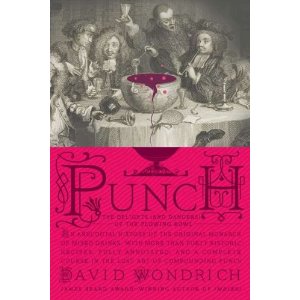
When cocktail historian and Esquire columnist David Wondrich speaks about drink, you listen — or read, as the case may be. His latest book Punch, debuts Nov. 2, the first of its kind on the glories and history of the punch bowl. I had the privilege of speaking with Dave over the phone from his New York home. The question at hand: why punch? Or to quote from the book, what makes punch “necessary”?

Wondrich stands by his punch bowl. He tells me it’s “the greatest social beverage of all time,” that “now more than ever we need beverages that promote friendship.” He calls punch “more gentle than cocktails”, its preparation “easy and utterly pleasurable.” The punch bowl is communal, ideal for a group or festive gathering, less laborious than individual cocktails, and a hell of a lot more fun. As Dave states in the book’s preface: “most of punch’s stories are of warm fellowship, and conviviality, and high-spirited gatherings afloat on oceans of witty talk” — not to mention a few “battles and brawls.”

We’re not talking about “frat juice” here. We’re talking honest-to-God punch: boozy yet delicious, layered with citrus, raw sugar, and varying spirits. The book starts with a comprehensive history — who drank punch and where. Wondrich says the book started as a big chunk cut out of his first book Imbibe.

The convivial punch houses of antiquity that feature in Punch sound so appealing that I ask Dave if he envisions their return. “I certainly hope so,” he replies. Besides Rickhouse here in SF, some of his favorite bars for punch around the globe include Hix in London, Brooklyn’s Clover Club (which lies a dangerously close distance from his present location), and Manhattan’s Death & Co. He’s also a fan of Savoy Cocktail Night at SF’s own Alembic (hear, hear!)

Like most classic concoctions, the name of punch’s first mixologist has been lost to the sands of time — though there are countless early references to the drink. One of Wondrich’s strongest sources is Google Books, where he digs up old newspapers, pamphlets, and rare books before he cross references them in the libraries of New York and London. Another research source?  “I am trained as an academic so I have a lot of 1600s books,” he says. “I start with a lot of blank space and start to fill that in using every kind of source possible… I’ll track down the original source, and don’t settle for first mention.”

I asked if he’d ever write the book he wishes existed, a dream mentioned on page six of Punch, which is a detailed source on distilling, the drink’s origins, its history, and importance. He says it’s a project “too big for any one person to bite off, unless they have all the time in the world and know multiple languages.” Wondrich says he “could tackle parts of it.” He estimates that it would take at least three co-writers: someone fluent in Dutch, German, Chinese, and Indian.

What we’re more likely to see Wondrich write about next is how the American style of drinking — particularly our contributions in cocktails and spirits — went global. He’s already done “tons of research” for past presentations on the subject. Spots of particular interest for him include our country’s legendary World’s Fair cocktail showcases and the way the techniques they highlighted spread across the rest of the globe. 

Wondrich expects the section called Book II of his recently released Punch will be limited to “total mixology geeks.” But I found Book II a useful, necessary account of the ingredients, tools, and proper measurements needed for the drink, particularly his recommendations for spirits in the “Ingredients” chapter.

A good half of Punch is recipes, ranging from Milk Punch to American Fancy Punch. When asked which ones he makes the most, Wondrich named the bracing Chatham Artillery punch on page 248 (a Savannah original, a poorly-crafted version of which I’ve imbibed whilst walking down the city’s streets). Back in the day, a local paper described this punch thusly: “as a vanquisher of men its equal has never been found.” Dave says the recipe in this book (there’s yet another included in Imbibe!) “claims to be the original, and very well might be,” though when it comes to  traditional recipes “they get passed down like a game of telephone,” each iteration evolving from the last.

One of his biggest crowd-pleasers — which he says people consume in “shocking amounts” — is his own recipe of Royal Hibernian punch (p. 269):

Prepare an oleo-saccharum with the peel of three lemons and six ounces of white sugar. Add six ounces strained lemon juice and stir until the sugar has dissolved. Add to this 12 ounces Sandeman Rainwater Madeira, stir and pour the Madeira shrub into a clean 750-milliliter bottle. Add enough water to the bottle to fill it, seal and refrigerate. Fill another clean 750-milliliter bottle with filtered water and refrigerate that too.

To serve, pour the bottle of the shrub, the bottle of water, and one 750-milliliter bottle of Jameson 12 or Redbreast Irish whiskey into a gallon Punch bowl, add a 1 1/2 quart block of ice and grate nutmeg over the top.

Yield: 9 1/2 cups.


Subscribe to Virgina’s twice monthly newsletter, The Perfect Spot


Appetite: Director Jean-Luc Naret dishes on SF Michelin Guide 2011

0

Hubbub‘s the word in the food world this week surrounding the release of the 2011 Michelin Guide San Francisco, the restaurant ranking organization’s fifth Bay Area edition. The venerable food institution is entering into its 111th year, having gained a strong following in New York and San Francisco and anticipating an upcoming launch in Chicago (next time, LA).

Hot topics around the champagne cooler? Chez Panisse losing its star and The Restaurant at Meadowood achieving the rare feat of gaining three stars (making it and French Laundry the only Bay Area ‘straunts to make the grade). Read on for Michelin Jean Luc Naret’s reflections and a list of the Bay’s Michelin-honored restaurants for 2011.

I chatted with Naret — a charming Frenchman based in Paris who generally spends three weeks out of every month traveling around the globe — over espresso at the Slanted Door yesterday. On an idyllic October day, the nostalgic glow on the Bay was befitting — Naret is departing Michelin in January after seven years with the company, though he’ll stay tied to its future in a consulting role.

Naret describes San Francisco as “one of the finest culinary regions in the world… I love this place. It’s a region where I spend a lot of time”. He hints that he’s considering getting a place in Marin, maybe Tiburon, laughingly adding, “So, if anyone is listening?” 

What does the arbiter of taste see as our unique contribution in the food realm? Naret names categories where the Bay Area excels: technique (“You don’t burn anything anymore” he jokes, I think) and produce. He claims the general culinary mindset changed here in large part due to the “willingness of chefs” to grow or source every kind of produce locally, not to mention the development of talent that was necessary “to make it perfect”. 

“Fifteen years ago in France we never heard the word ‘organic'”, Naret says. “That came from here. [The Bay Area] has a big influence — similar to Japan — where seasonality is also very important”. 

Successfully launching Michelin in America was one of Naret’s key accomplishment during his years as director, so what does he see as the US’ greatest culinary strength? In one word: “Diversity”. He mentions the myriad of cuisines available. “You can get anything in New York,” he says, adding that the breadth of food culture in our great cities enriches the dining world.  

Looking back on the last seven years, Naret shared that his biggest surprise came when he joined Michelin from the outside, one of only six directors to do so since 1900. He pushed boundaries in the company by asking questions like: “Why not go to the States? To Asia?” 

He’s delighted to see that seven years later — he planned on acting in the post for no longer than five — he’s managed to leave a legacy that feels complete. “Everything we said we’d do, we’ve done. We’ve reached new territories.” He says the future of Michelin includes the ranking system’s continued expansion to other cities — along with growth in technology output like the global spread of Michelin iPhone apps already common in Europe. 

All signs show that the world is ready. Heads of state and people from Michelin-less countries — Singapore among them — have contacted Naret him to ask when their cities will be getting their own guides. In Tokyo (which now stands as the city with the most three star restaurants in the world) the area’s first Michelin guide sold 150,000 copies in a shocking 24 hours. It would appear that the massive influence Michelin has long held in Europe has a firm grasp on epicures around the world. 

Naret keeps mum about the mysterious business venture he’ll launch promptly after leaving Michelin after a mere two weeks vacation. On this October day, he’s in reflection mode: “I’m very happy to leave a beautiful legacy”. 

The 2011 SF Michelin Guide officially releases today. Michelin Guide New York 2011 debuted Oct. 6 and the very first Chicago guide will be released November 17. Subscribe to Virgina’s twice monthly newsletter, The Perfect Spot.

*****

Bay Area restaurants awarded coveted Michelin stars in its 2011 edition

(N = new to this year’s guide)


THREE STARS: Exceptional cuisine, worth a special journey

The French Laundry

The Restaurant at Meadowood (N)


TWO STARS: Excellent cuisine, worth a detour

Coi

Cyrus

Manresa


ONE STAR: A very good restaurant in its category

Acquerello

Alexander’s Steakhouse (N)

Ame

Applewood (N)

Auberge de Soleil

Aziza

Baumé (N)

Bouchon

Boulevard

Campton Place (N)

Chez TJ

Commis

The Dining Room at the Ritz Carlton

Dio Deka (N)

étoile

Farmhouse Inn & Restaurant

Fleur de Lys

Frances (N)

Gary Danko

La Folie

La Toque

Luce

Madera (N)

Madrona Manor

Masa’s

Mirepoix (N)

Murray Circle

One Market

Plumed Horse

Quince

Redd

Saison (N)

Santé

Solbar

Spruce (N)

Terra

Ubuntu

The Village Pub

Wakuriya (N)


Appetite: Del Maguey and the glories of mezcal

1

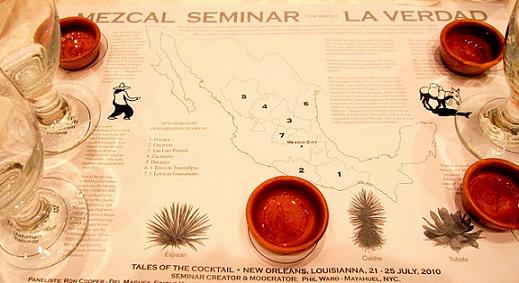
There’s mezcal and there’s Del Maguey. You may have heard me talk about Del Maguey mezcals and the line’s founder, Ron Cooper, in the past. A session with the gentle yet passionate Ron (like his mezcal seminar at 2010 Tales of the Cocktail) is an experience you’re not likely to soon forget. Even the way he describes fermentation stays with you: “wild creatures eating sugar, farting carbon dioxide, pissing alcohol!”

I’m leaving for Mexico next week, so sipping Del Maguey was getting me in the south of the border mood — even though I’m going to Tequila vs. Oaxaca, where most mezcal is produced. For the unfamiliar, mezcal is a spirit made from the heart (piña) of the maguey, an agave plant native to Mexico. Piñas are roasted underground, giving mezcal its distinctive smoky properties. Mezcal is the peaty scotch of tequila, which by definition is a mezcal made specifically from blue agave in Tequila, Mexico.

One thing I learned in Ron’s seminar is that traditionally, mezcal was rarely oak-aged for any length of time — more aged mezcals are being produced purely to gain in competing markets. Similar to tequila, mezcal styles include joven (literally “young,” and in this case referring to a silver liquor); blanco (white), which must be bottled within 2 months; reposado (rested), which ages 2-12 months in oak; anejo (mellow), aged a minimum of 1 year in oak; and the rare Pechuga (chicken breast), which can be triple-distilled with everything from fruits, nuts, white rice, to, yes, chicken.

Mezcal is usually drunk neat and you’ll find many in the Del Maguey line available by the shot at Nopalito. Places like Oakland’s Tamarindo Antojeria, with their new tequila bar, Miel, serve cocktails like the Mezcalito – ($12) with Del Maguey’s Creme de Mezcal, fresh orange and volcanic salt rim.

I’ve had the privilege of tasting most Del Maguey mezcals, each one a revelation. Here’s a few recommendations (available locally at Cask and K&L Wine Merchants):

Chichicapa, ($69.99) –  After multiple tastings, this may be my favorite for all-around balance. It marries the best elements of smooth smokiness with citrus. Despite a surprisingly light nose, there’s spice, chocolate, even mint on the finish. It reminds me of a fine coffee mole: succulent, spiced, earthy.

Crema de Mezcal ($39.99) – One of the more affordable in the line, this single village mezcal is made from unfermented agave syrup collected during roasting and exhibits a smoky, earthy sweetness with creamy texture. Works as a great introduction to mezcal for the uninitiated.

Mezcal Vida ($38.99) – Newer in the line, the Vida is another fine intro to mezcal: a pure, straightforward expression. Produced according to 400-year tradition with nothing but the agave heart and water, it’s bright with notes of fruit and sweet grass.

Tobala ($119.99) – Tobalá is a sophisticated level of mezcal, taking around eight Tobala piñas (hearts) to equal one piña from the most common maguey plants. Though fruity on the nose, the taste is elemental… smoke intermingles with tropical fruits and dusty cinnamon, with a long, smooth finish.

Minero ($69.99) – From the tiny village of Santa Catarina Minas, this mezcal is double-distilled, giving it greater smoothness with a floral essence tasting of warm honey and fig.

Santo Domingo Albarradas ($69.99) – Citrus and roasted pear combine with wood for a clean, dry mouth feel.

San Luis del Rio ($79.99) – Spice, fruit and ubiquitous smoke hit you on the nose, but there’s mineral citrus and volcanic earth inherent in this recent release produced two hours south of Oaxaca.

Pechuga ($200.00) – Pechuga starts with a double-distilled Minero base, to which 25 pounds of wild mountain apples, plums, red plantain bananas, pineapples, almonds and a few pounds of uncooked white rice are added to each 75 liters of mezcal for distillation round three. Though there is no taste of chicken, a whole chicken breast (minus the skin) has its excess oil removed while cleaned in water, then is hung over the still for a day while spirituous vapors condense into a clear liquid that drips from the bird into the mezcal. With intense citrus on the nose, this fruity spirit evokes earth but is a bright counterpart to the smoky, rocky soil of other mezcals. All that fruit imparts a robust fall glow by way of a gentle spring.

Subscribe to Virgina’s twice-monthly newsletter on SF’s hottest tastes and tipples, The Perfect Spot


Appetite: Three beef sandwiches that get it right

0

In today’s Appetite installation, Virginia Miller ranged near and far (in a fabulous pair of vintage pumps, as is her wont) in search of the meatiest hunk of sandwich available for hungry city souls. Sink your teeth into one while watching your — cross your fingers — new league champion baseball team. Go Gigantes! 

1. Deli Board’s Boca 

You’ll do a double take when arriving at the address given for SoMa’s Deli Board. The window is lined with butcher paper, giving the place an under-construction look. Per building owner’s rules, you can’t even step inside the entrance of the building but must wait on the sidewalk to get your sandwich, soup, or salad. But once you do, Deli Board’s friendly staff ensures that you get a sandwich hot off the grill, freshly made within the last few minutes. Their Boca sandwich ($9) is a triple beef threat with brisket, corned beef, pastrami, delicately sliced in a sweet French roll with Muenster cheese, pickles and brown mustard. Though I could have used more of their “board sauce”, the beef is perfection, melting warm in my mouth: feathery light, yet dense and meaty with a radiant, multi-color meat ranging from pink to brown.

1080 Howard Street, SF

(415) 552-7687

www.deliboardsf.com

Deli Board’s three-beef bomb, the Boca Source. Photo by Virginia Miller

2. Refuge’s roast brisket of beef

The famed pastrami sandwich at San Carlos Belgian beer bar and sandwich-burger joint, The Refuge, deserves the accolades. But equally worthy is their roast brisket of beef ($12). The beef is layered on warm bread in tangy sweet Carolina-style sauce with a lather of horseradish cream to give the already addictive beef even more lusciousness.

963 Laurel Street, San Carlos 

(650) 598-981

www.refugesc.com


3. Sycamore’s roast beef sandwich

Sycamore is a cozy little cafe on Mission Street, the kind of neighborhood joint where quality beers, wines, happy hour prices and sliders (I like the BLT slider) keep you coming back. But the real highlight is Sycamore’s famous roast beef sandwich ($8) on grocery store-reminiscent sesame buns with BBQ sauce and mayo, a sandwich that pays tribute to the roots of native Bostonian owners. The beef is pink, thinly sliced, soft but hearty, and dissolves in your mouth. Eating it makes me feel like a kid again.

2140 Mission, SF

(415) 252-7704

www.thesycamoresf.com


Whiskeyfest 2010 highlights, part two

0

Earlier on sfbg.com, Virginia Miller turned WhiskyFest into Whisky Week, meeting with seven different distillers who’d come to attend the Fest from such far-flung booze berths as Kentucky and Scotland. Here’s part one of her scotch-heavy Whisky Week highlights. Read on for part two: conversations with bourbon and rye distillers.

10/8 COFFEE WITH JIMMY RUSSELL OF WILD TURKEY – The morning before WhiskyFest I learned about a company that’s been a Kentucky mainstay since 1855, and met with its master-distiller since 1954. Jimmy Russell comes from a family of distillers: grandad, dad — who worked for him at Wild Turkey in the early years — and now Russell is distilling with his son, Eddie. Jimmy could not be more charming. An older Southern gentleman, he’s soft-spoken, with an adorable sense of humor that I discovered as we chatted over coffee.

Russell makes Wild Turkey bourbons and ryes “the old-fashioned way” and says he doesn’t even tell his son all of his distilling secrets. They use barrels charred four times and made of white oak mainly from Missouri, Kentucky and the Ozarks of Arkansas. Their basic bourbons are a blend of six, eight and ten year-aged, with a lower proof than some bourbons, generally 108-110 proof. He explains lower proof is actually more costly as there is more water added to dilute higher proof bourbons. 

The distiller’s yarns about his town of Lawrenceburg, KY are fascinating, particularly because it’s in a mostly dry county where no drinks are allowed in restaurants and bars do not exist. “We’re not dry, we’re moist”, he says, as there are a few limited options to purchase drink in the area. It was only a couple years ago they secured a souvenir liquor license, one of many complicated hoops to jump through to in order to allow tastings in their actual distillery. Russell says he adheres to the Southern Baptist tradition that one only drinks hard liquor for medicinal purposes. He qualifies in a gentle, Southern drawl, “I keep a cough pretty much most of the time”.

10/7 SIPPIN’ WHEATED BOURBON WITH PARKER BEAM – Amidst the annoying happy hour din at Bloodhound last Thursday night, distilling legend Parker Beam was hanging out with the Heaven Hill crew and a few of their whiskeys. They pulled out a bottle of brand new Parker’s Heritage Wheated Bourbon, an earthy, wood-laced wheat beauty whose mix blends in corn and malted barley.

Parker raised a glass as we attempted to chat above the din. Hearing took some effort as the delightful Parker speaks in a slow, Southern drawl that lulls one into a real enjoyment of the moment. His passion for distilling shines in his calm demeanor. He’s distilled for decades, both with father, Earl and son, Craig. And yes, he’s related to “that” Beam. His grandfather and namesake, Park Beam’s, brother was the storied Jim Beam (aka James Beauregard Beam). Parker is part of a royal distilling heritage. I asked if his son had any children who might next enter the fray. “My son has five daughters, so no,” he surmised. “But who knows? Maybe we’ll have the first female bourbon distiller someday.” It wouldn’t be the first noteworthy accomplishment in the Beam family’s rich history.

10/10 BACON BRUNCH WITH KEITH KERKHOFF OF TEMPLETON RYE – Setting: Reza Esmaili’s Long Bar. Food: delectable spread from chef Erik Hopfinger. Heaping bacon piles of Eden Farms Berkshire Pork — And don’t forget the rye. Templeton Rye from Templeton, Iowa, to be exact. The brunch was in celebration of this delightful rye — previously restricted for sale to Illinois and Iowa — finally becoming available in San Francisco.

Templeton is so small batch that you won’t find it in any Bay Area shops outside of SF, where our usual suspects, like Cask, Jug Shop, and K&L all stock the brand. Assistant master-distiller Keith Kerkhoff (I wrote about a Whiskies of the World seminar with their president, Scott Bush earlier this year) and brand manager Michael Killmer hosted us for a relaxed, festive brunch where the coffees were spiked with the rye and topped with Fernet whipped cream. Welcome to SF, Templeton.

Waxing poetic with Maker’s Mark at The Alembic

10/10 DIPPING WAX WITH KEVIN SMITH OF MAKER’S MARK — At The Alembic, Kevin Smith, the master distiller of Maker’s Mark, spent a couple hours with a small group, tasting through various ages of the bourbon from white dog to pours that were years older than the finished Maker’s product, so that we could get an idea of when a spirit is ready. From a somewhat neutral base cut down to 90 proof, the bourbon gained most of its flavor from barrel aging, and we sampled a woody 12-year version that came off astringent and tannic, though not unpleasant. Smith used the two to highlight their choice of the smoother, rounder balance of the fully matured final product which is aged roughly years.

We finished with Maker’s 46, their first new product in 50 years. I’ve had it a few times and it makes sense Kevin said the inspiration was rye whiskey with advanced spicing, toasty oak and that “cinnamon bite.” It’s certainly my preferred Makers. Thanks to The Alembic for serving us a gorgeous, bright Maker’s 46 cocktail: sweet vermouth, absinthe, maraschino and a mint garnish. But the session wasn’t over until we had hand-dipped glasses in Maker’s signature red wax, a tradition established from the chemist wife of Bill Samuels, Sr. (Maker’s original owner). She loved brandy and wanted the bottle shape and wax to imbue Maker’s with a brandy elegance.

Interestingly, California just surpassed Kentucky as Maker’s number one-selling US market. Raise a glass, shall we, to the pioneers and tastemakers who brought love of spirits to share during this past whirlwind week of whisky.

Subscribe to Virgina’s twice monthly newsletter, The Perfect Spot

Appetite: WhiskyFest 2010 highlights, part one

0

“[Whisky] feels appropriately intellectual: a drink you can wrestle with, linger over, and appreciate with all its nooks and crannies.” – Victoria Moore, How to Drink

WhiskyFest turns into Whisky Week with many of the world’s great master distillers and brand ambassadors in town from the reaches of Scotland and Kentucky for a tasting event of nearly 300 whiskies. I had the privilege of meeting with seven different distillers – some met with me over coffee or lunch, others at intimate gatherings. Impressed by the wide range of approaches, styles and personalities, I could easily write an article about each one and their respective distilleries. I will share highlights, this time with Scotch master, Richard Paterson, from a Charbay whiskey dinner, and tastes from the event. Part two will be conversations with bourbon and rye distillers.

10/8 LUNCH WITH RICHARD PATERSONRichard Paterson, known as “the nose” for his impeccable nose and taste, has been Whyte & Mackay’s master blender for decades. He’s one of the world’s leading scotch experts, author of the book Goodness Nose (which I savored as “homework” all through Whisky Week). To be part of one his seminars (such as at WhiskyFest Friday night), is to be bombarded with dates, history, uproarious expertise, irreverence, drama, laughter. When one lucky member of the class samples Dalmore Sirius (which has sold at up to $60,000 a bottle!), Paterson sets off a mini-rocket filled with confetti. Fireworks. Revelation. Kind of like tasting it myself…

I had the privilege of an intimate three hour lunch over food and the Dalmore line with Paterson at Wayfare Tavern. We covered the range from 12 year to King Alexander III scotches (which I first had at Whiskies of the World). The chocolate, marzipan, tropical fruit of King Alexander III remains a Dalmore highlight for me. It’s the only single malt in the world finished in six different woods (Port, Bordeaux Cabernet Sauvignon, Marsala, Madeira, Matusalem sherry, small batch Knob Creek bourbon barrels). Dalmore’s Gran Reserva stood out more the second and third time I sampled it with spiced marmalade, crushed almonds, and sherry notes from the 60% Oloroso sherry casks it’s aged in.

Get Richard started on wood and he says, “The wood is, as far as I’m concerned, the be all, end all.” With a devotion to fine sherry casks (like Gonzales Byass), a key source of Dalmore’s elegant taste profile, they also use a generous amount of American white oak, bourbon casks from Heaven Hill and Jim Beam, which enriches the profile further.

A favorite, which I would happily sip on its own, isn’t bottled: the unaged distillate or, whisky base. It’s amazing how much you can tell of a spirit’s quality by its foundation. I was pleasantly assaulted with an array of tastes from spice and earth to lemongrass in the clear, strong distillate. I finished every drop.

Certainly a pinnacle is reached with the Sirius. The rare opportunity to sample highly aged spirits just a handful times (like two 1800s cognacs in New Orleans or Highland Park’s 40 and 42 year scotches) has opened doors of flavor I could not dream up – this scotch transported me to regions beyond. There are only 12 bottles of Sirius in existence, a ’51 vintage with a blend of Dalmore scotches from 1868, 1878, 1926, 1939. History courses through each drop, while Paterson’s expert blending skills are illuminated here. Rich chocolate earth gives way to licorice and a bonfire smokiness. I count myself lucky.

To drink with Paterson is to learn how to properly nose a glass, how to hold whisky in your mouth for maximum taste (from many seconds, up to 2-3 minutes). One learns how the dreaded phylloxera aphid (which wreaks havoc on vines) inadvertently aided whisky’s growth by making dominant cognac in short supply, creating demand for other drink (read chapter seven in Paterson’s book). But he doesn’t just talk aphids, he brings visuals: big, plastic bugs to illustrate whisky’s unexpected “friend”.

Quirky and colorful, whisky comes to life through Paterson’s interpretation. Intelligent and challenging though the whisky world can be, Paterson retains the intellect but makes it approachable, fun. A Paterson course in whisky education should be mandatory for all would-be and already-avid drinkers.

TASTES – As usual, VIP hour is the time for the rare, the old, the latest, though it was more packed than ever with a mad rush waiting at the door at opening time.  This meant less opportunity to chat with distillers and hear about what you were tasting. A lot can happen in a year and the number of whiskies I’ve had since the last WhiskyFest meant this year was a lot of re-tasting and confirming favorites. Of the whiskies I had not tried, there weren’t a slew of stand-outs.

One that jumped out was a special unlisted, under-the-table pour of George T. Stagg bourbon. Toasty, charred oak warms, rounded out by a raisin-vanilla sweetness. Out of many over-hyped whiskies in the 20-40 year range during VIP hour, Bowmore’s 25 year stood out with a robust profile of salty brine and baked pear sweetness. Glenfarclas 40 year made a statement with tobacco, elegant tannins, orange. But it was many of my usual favorites that remained at the top, including Highland Park’s 30 year, Pappy Van Winkle’s 20 and 23 year bourbons, Parker’s Heritage 27 year bourbon, and Charbay’s incomparable Release II 1999 Pilsner whiskey. It was good to see Wes and Lincoln Henderson (of Woodford Reserve fame) with their new, port barrel-finished Angel’s Envy bourbon – I sampled an early version from Wes way back in December. Also on the non-whisky tip, I was happy as ever to sip a couple Germain-Robin beauties, including their complex Varietal Grappa, and oaky Coast Road Reserve brandy.

10/6 CHARBAY SPIRITED DINNERWith a magnificent sunset from atop the Marriott’s View Lounge as our backdrop, Marko and Jenni Karakasevic of Charbay hold an intimate spirited dinner annually. With plenty of time to hang out with the Karakasevics and meet fervent food and drink lovers at the two tables, the highlight was, of course, drinking Charbay’s incomparable spirits. Starting off with refreshing Green Tea Aperitif paired with Kumamoto oysters on the half shell, we then moved to one of the stand-out white whiskeys in existence: Doubled & Twisted Light Whiskey.

We moved on to what qualifies as one of the best things I ever tasted in my life (now, and every time I taste it): Release II of Charbay Whiskey. This was the best food match of the night, paired with slow-smoked Berkshire Farms Pork Belly and a mini-tamale in Lagunitas chili mole. Surprise whiskey barrel tastings followed: the Release II, but aged 12 years instead of the 6 years of the current release. At a higher proof, it’s superb, complex, rich.

A Meyer Lemon Vodka  ice intermezzo was a refreshing palate cleanser over basil ice, imbuing tart lemon with almost absinthe-like notes. Dessert was paired with their Black Walnut liqueur. As with most Charbay spirits, it’s a stunning standard-setter in its genre.

-Subscribe to Virgina’s twice monthly newsletter, The Perfect Spot

Lost city

2

arts@sfbg.com

WRITERS ISSUE With its vast divide between the rich and poor, its lusty appetite for sex, and its backroom real estate deals, it would seem that even the boutique and completely gentrified San Francisco of today offers to writers of crime fiction a rich vein of noir opportunity. Yet the lone novelist today determinedly probing the dark side of San Francisco’s endless battle to clean up the streets is Peter Plate. His latest novel, Elegy Written on a Crowded Street (Seven Stories Press, 176 pages, $13.95), is Plate’s ninth in a hardboiled writing career that spans the era of out of control gentrification in San Francisco. With little fanfare or support, against the real life backdrop of police sweeps of the homeless and the start of the dot com boom, Plate has produced a shelf of books that represent a lonely, yet noble and deeply radical literary effort to write noir crime fiction in which not the cops but the criminals are the protagonists.

Plate’s novels are full of delicious hooks. They reliably begin with some of the best premises in noir fiction today. Fogtown (Seven Stories Press, 2004) opens as a crowd of Market Street homeless and down and outers witness the crash of an armored Brinks truck at dawn that temporarily fills the desolate street with crisp, new hundred dollar bills. In Police and Thieves (Seven Stories Press, 1999), Doojie, a small-time Capp Street weed dealer, accidently witnesses the murder of a homeless man by a police officer and spends the rest of the book on the run from the murderous cop who seeks to silence him.

Like Doojie, Plate’s characters are always in the wrong place at the wrong time, unwilling spectators as the city changes around them. The free money in Fogtown offers the Market Street dwellers a tantalizing glimpse of the kind of new carefree life being lived all around them by the rich who have newly arrived to the city. Yet, like the upscale new eateries and clubs popping up everywhere, the money is off limits to them, and those who take the money instantly become, like Doojie, hunted by police. Plate’s strength is in conveying the hopelessness and despair of lone characters pitted in Doestoyevskian battle with societal forces far greater than they are. As they are slowly ground down by this struggle, we feel their terror, incomprehension and paranoia. As the drug dealer and SRO hotel manager, Jeeter, says in Fogtown, “Rights? You don’t have any rights. You have choices. That’s all you have. And you made the wrong one.”

In this context, noir fiction for Plate is protest fiction. A longtime street activist, Plate writes with the gut instincts of a protester, taking his novels right to the barricades where different visions of San Francisco violently clash. One Foot Off The Gutter (Incommunicado, 1995), is a mordant postcard from a Mission District just about to enter its gentrification era in which a homeless cop, a Latino gang member, and a yuppie doctor all covet the same Victorian houses at 21st Street and Folsom. Soon The Rest Will Fall (Seven Stories, 2006) is set in the Trinity Plaza Apartments on Market Street at the height of housing activists’ struggle to save the low income housing from demolition. Plate has so reliably found the pulse of change in the city that at times his work has blurred tragically with reality. Police and Thieves ends with a fire at the Crown Hotel on Valencia Street. Just months after the book’s publication, the real life Crown Hotel burned to the ground.

Since Plate finished his Mission Quartet at the close of the dot-com era, he has turned his attention to San Francisco’s Main Street, Market Street. Recently, in its inaugural issue, the incipient local newspaper San Francisco Public Press reported that one lone real estate speculator owns 62% of the vacant real estate between 5th and 6th on Market Street and that he is willfully leaving those properties vacant until he can make the money he thinks he deserves off of the property. Those uselessly abandoned and boarded up buildings at the very heart of the city are the recurring backdrop for much of Elegy Written On a Crowded Street, perhaps Plate’s darkest and most emotional work to date.

Elegy is not so much a traditional crime fiction thriller, but a lyrical roman noir in which police and thieves battle not each other but the stifling conditions of the city. Plate’s latest evokes Don Carpenter’s 1966 classic Hard Rain Falling (reissued this year by New York Review of Books), an unrelenting work that also took place largely on Market Street. Carpenter’s novel brings to life the old dive 24-hour pool halls and dirty hotel rooms of a 1950s San Francisco where the promise of the Gold Rush American West has faded. The novels’ restless young pool hustlers and small time thieves can only shuttle aimlessly back and forth in the new remote control city, like the 8 Ball, waiting to fall. Elegy’s characters are their descendents, still on Market Street and still waiting.

Down this mean street walks May Jones a tough, hard-drinking bail bondswoman, who is nearing forty with no prospects. Like everyone around her, Jones dreams of escape from the city. Even Jones’ clients are leaving for Portland. “It’s got trees. Good people. Cheap housing,” an erstwhile, young crusty-punk bank robber earnestly tells Jones as she prepares to skip bail. But Jones is condemned to remain, while all around her are the undead ghosts of those already disappeared and the soon to be departed. The cleaned up San Francisco is haunted. The living are exhausted. Jones says to herself, “I have pipelines to the lands of the dead.’

Jones echoes the food stamp caseworker, Charlene Hassler from Plate’s welfare reform novel, Snitch Factory (Incommunicado, 1996). Like Hassler, Jones is being worn down between the insatiable needs of her clients and the treacherous intrigues that surround her job. Jones’ client is Mary Anderson, a pregnant twenty-year-old African-American who has killed her boyfriend, the SFPD’s star snitch on Fillmore Street. By keeping her client out of jail, Jones finds herself on the cops’ shitlist and in fear for her life. As in other Plate novels, a police hunt for Jones ensues. As in other recent Plate novels, after the initial hook, the plot soon becomes murky and this hunt becomes elliptical and hard to follow, perhaps even a bit ridiculous. A plot sideline in which Jones has a brief fling with a dyke she meets at the End Up goes nowhere. The ghosts of Lenin and punk rock legend, Will Shatter make surprise cameos that stretch the reader’s credulity. Yet, Plate’s spot on descriptions of Market Street today and the universe of dread his characters inhabit there remains compelling throughout and one never doubts that the unraveling narrative is what life feels like for his characters. Plate writes with a tightly wound urgency throughout and Elegy makes a persuasive case that what is happening at 5th and Market today is happening to the city as a whole.

Fantastical plot aside, it is the weight of the dead that is the true subject of Elegy. The book opens with a dreamy scene, shrouded in fog, in which Jones watches the dead body of one of her former clients as it bobs up and down in the surf, unable to either reach the shore or go under for good. Some policemen have waded into the water to grapple with the dead man and bring him in, but the body proves too difficult to apprehend and the cops are pulled down with the it into the crashing waves. Throughout Elegy, Plate’s characters similarly bob along, paralyzed and unable to take decisive action, only pulling each other down, and as the novel ends, May Jones is more or less back where she started. Sadly, like many of Plate’s recent books, the novel fails to fully satisfy because there is no resolution to the plot. Plate’s characters do not seem changed by their ordeal; they only become more numb. Yet perhaps that is the point. Plate seems to be saying that as long as the city fails to grapple with its own dead, nothing can change, and the city is condemned to go around and around in a sort-of netherworld, reliving its past traumas in new conflicts. “It’s a moment in hell that should be taking place beneath the ground,” Plate writes of a brutal police assault on a drunken derelict in Elegy, and it sums up the whole book. The dead won’t stay buried.

While an elegy is a funeral song, a lamentation for the dead, it also suggests a last word. With Elegy has Plate said all he has to say about San Francisco? One hopes not. Perhaps no writer working today has left such a record of what it feels like to live in the American city in the era of gentrification. Yet, in life as in Plate’s fiction, knowing the truth can take its toll, as Doojie finds out when he is hunted by the police for the truth he alone knows. By the end of Elegy, May Jones has spent so much time wallowing in the murky depths where her clients dwell, that her identification with them is complete and her fate has become inseparable from theirs.

The exhausted tone of Elegy suggests that like Jones, Plate, the lifelong activist and engaged writer, has perhaps stared into the abyss too long. Nonetheless, his nine novels are a significant achievement, the life’s work of a doggedly engaged writer. In each book, I have found scenes that remain unforgettable in my own mind and that have permanently altered my own perceptions of San Francisco and its streets. While Plate’s novels are each flawed in their own way, I love them with the Algren-like compassion he clearly has for his memorable characters, like the homeless cop who lives in his squad car in Gutter, and the ex-con who robs a pot club while dressed like Santa Claus in Soon the Rest Will Fall. Taken as a whole, Plate’s novels offer a compelling and defiant portrait of the psychic toll the disappearance of loved people, places, and opportunity from the city has taken on those left behind.


Appetite: 3 recent food books pique our palates

0

These three books (one factual journey, one memoir, one cookbook) have two things in common: they’re all new this year and centered around food.

TWAIN’S FEAST by Andrew Beahrs — Andrew Beahrs, an East Bay local, displays his affection for the great Mark Twain in this thoroughly researched book. Twain’s Feast explores the history of foods Twain waxed eloquent about that are either gone entirely or slowly making their way back into the American landscape.  Experiencing food and coffee in his European travels “as tasteless as paper”, Twain found American cooking of his time “generous”, “genuine”, “real”. Of course, the prairie hens he grew up with, fresh possum and raccoon, New Orleans’ sheep-head and croakers, and the “heaven on the half shell” of San Francisco’s own oysters and mussels, are largely extinct or rare nowadays.

The book is, yes, a poignant ode to the pre-mass-produced, homogenized, dangerously grown American “food” we now know. It’s also a hopeful challenge to the reader, worded gently in the epilogue: “… choices about what we eat help to determine which American landscapes survive and thrive.”

There are many worthy stories here, both for the Twain aficionado and food historian. What I came away with, besides a reminder to support the craftswomen and men making food and growing animals with care (which we’re heavily blessed with in the Bay Area), was Twain’s insataible passion for robust flavor, a hunger to drink life to the dregs. I relate to the way he eats… and heartily writes about it.

As Beahrs says, “… Twain’s love for a dish was inseparable from his love of life.” Amen.

HUNGRY TOWN by Tom Fitzmorris — Make no bones about it, I have a mad love affair with New Orleans, a city you hear me go on about often enough. Naturally, I ate up (no pun intended) Tom Fitzmorris‘ new Hungry Town, a leading Nola restaurant reviewer both in print and on the radio for decades.

He knows the city’s food scene intimately: its history, key players, essential recipes (included in the book), and the post-Katrina struggle that has brought the culinary magic of the ultimate Southern city back to even greater heights (and more restaurants) than before the storm. His post-Katrina assessments are honest insights into just how torn apart families and businesses were, including his own. But he unabashedly claims: “Food Saves New Orleans”.

I value his commitment to Creole and Cajun as the “default” styles of cooking in New Orleans, essential to the city’s future. He states: “The genius of New Orleans cooking is not that we cook better than anyone else. It’s that nobody in the world cooks our local specialties – except when they consciously imitate us (usually badly, I’ve found). The day that our food fails to be flagrantly distinctive… is the day we become Anywhere, USA. That’s also the day I’m leaving town.”

THE SUNSET COOKBOOK — Cooks take note: 10/19 is the release date of the massive, 1000+ recipe tome that is the latest edition of the Sunset Cookbook. It’s a fine one. Not only are the clean, bright photos dangerous to peruse on an empty stomach, but the book manages to be both approachable and widely comprehensive, with sections on every aspect of a meal you can think of from bread to cocktails to preserves and pickles.

Sunset magazine‘s food editor, Margo True, is also the book’s editor and she maintains a cohesive standard of ‘farmers-market-fresh’ ingredients with regional Western foods. Yes, Sunset magazine is based in the Bay Area, so California ethos displays prominently with international influences married to a rich range of produce. But the styles of cooking cover the world, showcasing food of the West as what it truly is: global.

Many recipes tempt me here, including this snack and shake:

Avocado Fries
SERVES 6 | TIME 30 minutes

Canola oil for frying
1⁄4 cup flour
1⁄4 tsp. kosher salt, plus more to taste
2 eggs, beaten to blend
11⁄4 cups panko (Japanese-style bread crumbs)
2 firm-ripe medium Hass avocados, pitted, peeled, sliced into 1⁄2-in. wedges

1. Preheat oven to 200°. In a medium saucepan, heat 11⁄2 in. oil until it registers 375° on a deep-fry thermometer.

2. Meanwhile, mix flour with salt in a shallow plate. Put eggs and panko in separate shallow plates. Dip avocado wedges in flour, shaking off excess. Dip in egg, then panko to coat. Set on two plates in a single layer.

3. Fry a quarter of the avocado wedges at a time until deep golden, 30 to 60 seconds. Transfer wedges to a plate lined with paper towels. Keep warm in oven while cooking remainder. Sprinkle with salt to taste.

California Date Shake
One of the great foods of the Sunshine State, the date shake is exactly what you want to be slurping while visiting baking-hot date country near Palm Springs. Our favorite shake is the one at Shields Date Gardens, in Indio. Shields uses its own date “crystals”—dehydrated Deglet Noor and Blonde dates (the latter is one of its signature varieties). You can order these online or substitute fresh, as we’ve done here. This shake is sensational with a shot of rum stirred in.

Makes 1 shake (11⁄3 cups) | TIME 10 minutes

4 pitted Medjool dates (about 3 oz.), coarsely chopped
1⁄4 cup very cold milk
11⁄4 cups high-quality vanilla ice cream

In a blender, blend dates and milk until smooth and super-frothy. Add ice cream and pulse a few times, until just blended.

Subscribe to Virgina’s twice monthly newsletter, The Perfect Spot

Appetite: Dinner and cocktails with a view

0

Wednesday  through Saturday nights there’s a ready-made date if you want romance without having to think too hard. At $80 a person, it’s a package deal between Luce Restaurant (which I’ve written about more than once) in the Intercontinental Hotel and Top of the Mark. Choose the order – three course dinner or cocktails first – with a cab ride included to the second location.

I’ve always loved the old world class (not to mention in-the-thick-of-it San Francisco views) of Top of the Mark and live jazz with dancing, but cover charges and mediocre cocktails priced in the mid-teens make it unrealistic too often. With this package, the cost of a drink, cover charge and the cab ride alone would make up half of the $80 and that’s not counting three courses and sparkling wine at Luce.

On one of our mild September nights, I took in an offer to try the package  with The Renaissance Man – we opted for dinner first. It started with a glass of champagne (we added in a Rustic Grappa Flight – $14, see Imbiber for more on grappa at Luce/Bar 888) and an amuse bouche of Chicken Confit with diced Granny Smith apples and vanilla cream. The chicken was tender with a crispy confit layer. Contrasted by sweet, creamy accents, I almost wished it was my main course.

Chef Dominique Crenn, who’s cooking earned Luce a Michelin star and is getting ready to launch her Atelier Crenn restaurant this winter, could have crafted a throwaway prix fixe menu, yet it does not feel so except for a basic salad with nothing but vinaigrette as a first course option. Instead, I chose Chilled Corn Soup with mussels and a speck chip on top. Redolent of Summer with fresh corn sweetness, it is refreshing and generously portioned.

Though there was a Vegetarian Risotto, The Renaissance Man and I stuck with fish and meat. I had “Poisson du Jour” (catch of the day): Seared Branzino with Black Mission figs, corn, trumpet mushrooms and Bloomdale spinach. He had Niman Ranch Flat Iron Steak cooked medium-rare, with romano beans, baby carrots, potatoes, drizzled with beef consumme. Again, good-sized portions, from three juicy cuts of steak to the crispy, buttery Branzino.

While there were two dessert options in the prix fixe (Chocolate Custard with cocoa crumbs & Pear Williams or Earl Grey Tea Panna Cotta with lemon zest and shortbread), we opted for two desserts on the regular menu. The first, called “Peaches”, resembled a wild, mossy garden with pistachio sponge cake growing over pistachio sorbet, crispy sesame and white peach mousse. Subtle and Spring-like, it looks like a fairyland dessert, even if flavors aren’t overwhelming. More exciting flavor-wise is “Chocolate”, which, despite the straightforward name has a lot going on: chocolate ganache, dehydrated chocolate and cacao nib sorbet are covered in a crumbled, Oreo-reminiscent chocolate ‘soil’, with dots of passion fruit puree, basil oil and micro mint contrasting with dark, earthy goodness. One of the more creative desserts I’ve had in awhile.

We then took our ride up the hill to Top of the Mark, mentioned we had the dinner with a view package (to be exempt from the usual cover charge), then enjoyed the cheesy fun of cocktails like a Grasshopper and other sweeter-than-I-normally-prefer choices (one cocktail each is included), while we spent the rest of the night swing dancing to the live band surrounded by a sea of San Francisco lights.

–Subscribe to Virgina’s twice monthly newsletter, The Perfect Spot

Appetite: The green fairy transforms

0

Absinthe is on the move from its initial novelty phase once finally legalized in the US in 2007 into an era where appreciators of fine drink are gaining greater education and refinement on the subject. No, it is not a hallucinogen (more on that in a minute), and no, it’s not the artificially sweetened and colored liqueurs flooding the market (but labeled as absinthe). When made as it has been historically, it’s a natural, herbal spirit with a rich culture surrounding it. 

We owe increasing knowledge to artisan producers of absinthe near and far. Some are local guys, like Lance Winters of St. George Spirits, the first producer in the US when the ban was lifted, or more recently, Davorin Kuchan of Old World Spirits, producing green (verte) and bleue (white) absinthes. Then there’s absinthe historians and experts like Peter Schaf and John Troia of Tempus Fugit Spirits who import some of the best absinthes from France and Switzerland, such as Duplais’ brilliant verte and blanche (white) versions. Schaf also created Vieux Pontarlier, a classic-style absinthe made in Pontarlier, France, from local wormwood, long considered the finest grown in the world (where most wormwood was sourced over 100 years ago). Schaf, Winters and Ted Breaux of Lucid, formed a recent panel during SF Cocktail Week, a two hour session (and tasting) on the green fairy (read about it here).

Another source for absinthe education is books, the latest being A Taste for Absinthe, by R. Winston Guthrie with James F. Thompson. Though predominantly a cocktail recipe source, this elegant new book, with photography by Liza Gershman, offers an encompassing summary of the history and culture surrounding absinthe, from its poster art, to the spoons, glasses, fountains and accouterments used to serve it. It’s an artful drink requiring leisure and attention, not a hallucinogen, a myth still falsely promoted around the world (thujone is the fragrant chemical found in wormwood and other plants, such as sage, believed to be a neurotoxoin in extremely high doses – governments have strict regulations on the levels of thujone allowed in the making of absinthe so it is not remotely dangerous yet qualifies as actual absinthe). Kudos for film anecdotes throughout the book on movies where absinthe is imbibed, classic films I grew up watching that are rare to run across now like Lust for Life and Madame X. 

On the recipe side, the book is broken down into five sections: classics, fruit and citrus, whiskey and gin, liqueurs and bitters, and modern classics. The recipes are compiled from some of our country’s best bartenders, including many SF locals. While straightforward classics like Death in the Afternoon (absinthe and champagne) and a bright Brunelle (lemon, absinthe, citrus) are all here, there are also modern takes such as Neyah White’s Green Goddess: absinthe, Square One cucumber vodka, simple syrup, lime fresh basil and thyme. There’s even dessert-like recipes… try an Absinthe & Old Lace: gin, absinthe, creme de menthe, cream, egg white and chocolate mole bitters. 

A Taste for Absinthe is clearly well-researched, with many of the sources above tapped to bring together a comprehensive book worthy of a place on the shelves of absinthe aficionados as well as novices. This Monday at Book Passage (6pm) is a book release event with the author, photographer, and an all-star line-up of bartenders at neighboring Slanted Door serving four cocktails from the book: 

The event is free… well, purchased drinks and the book are on your own dime, but that’s a small price to pay for a little education.
 

Monday, 10/4 – 6pm

 Book Passage

1 Ferry Building # 42


www.atasteforabsinthe.com


Appetite: Highlights of SF Cocktail Week, part 2

0

That fizzy, magical week during which cocktails take over our fair city has just washed over us. Here are more highlights — check out part 1 here.

9/26 – Cocktail Cookout on the Island  

 Though it’s a toss-up between the Cocktail Carnival and the St. George/Hangar One cookout for best event of the week, sheer fun and beauty was unrivaled on the stunning Sunday boat cruise to and from Alameda (entire boat for Cocktail Week attendees only). None other than Scott Beattie served cocktails for the scenic boat ride. It was a hot, over 80 degree day so Beattie’s creations topped with Thai coconut foam and apple chip or dotted with edible flowers cooled us off in the most gourmet of ways. Massive navy ships in Alameda’s port made for a dramatic unloading point.

At the ever festive St. George/Hangar One distillery, there was BBQ (pulled pork from Fatted Calf), East Bay bartenders shaking up ice-cold cocktails, umbrellas and wading pools in the massive lot with views of the city across the Bay. Claire of Claire’s Squares served seductively lush dark chocolate squares which she hand-filled with St. George brandy in a caramel sauce and topped with sea salt. Damn. Tours of the distillery, a DJ spinning reggae and hip hop and bright sun made for a cookout to trump all cookouts.

But nothing could top that ferry ride home… pristine horizons, a rosy orange sunset illuminating our fair San Francisco with a gentle glow, warm air and rounds of Firelit Coffee liqueur. Amidst much laughter with friends, I leaned over the side of the boat letting the spray of the waves caress my face as city lights begin to ignite before me. I knew, once again, the grateful wonder and privilege of living in a place so magically stunning. 

9/25 – The Return of Absinthe at Comstock 

 Absinthe distillers Peter Schaf of Vieux Pontarlier, Lance Winters of St. George, and Ted Breaux of Lucid, formed the panel for two hours of all things absinthe. Their expertise and knowledge is dizzying. It was a crucial intro for those who dabble in the green fairy, clarifying the difference between real absinthe distilled from herbs and the unnaturally colored and flavored “absinthes” that flood the market.  Absinthe’s history, art and paraphernalia, as well as “terroir” and sourcing of herbs, were all discussed… with occasionally rowdy laughter from comments such as the one about syphilis (don’t ask).Comstock Saloon was the perfect setting, serving us three impeccably-prepared (and in gorgeous classic glassware) absinthe cocktails, including a Sazerac and Brunelle, as well as savory snacks from their kitchen.

9/26 – I-talian I-ranian Spaghetti Feed

Negronis, Sangiovese, antipasti, spaghetti and meatballs (traditional Italian from Long Bar chef Erik Hopfinger, as well as Hoss Zaré of Zaré at Fly Trap‘s – famed Iranian meatballs), ending with tiramisu and grappa. This was Sunday night (plus red-checkered tablecloths) at Reza Esmaili’s Long Bar for the I-talian I-ranian American Spaghetti Feed. Some took the tip, wearing velour tracksuits or elastic-waisted trousers: trashy and tacky, ready to fill up after a long day in the sun at St. George. It was all delicious – a special kudos to Hoss’ decadent surprise meatball stuffing of foie gras, duck, fig and date.


Appetite: Highlights of SF Cocktail Week, part 1

0

The magical settings, moments and drinks were many in the 4th Annual SF Cocktail Week, which set the bar high for all future Cocktail Weeks… consider attending next year, as it’s far from being just for drink aficionados. It’s for those who love a memorable party done in true San Francisco style.

I have watched Cocktail Week grow from intimate nights out at bars in prior years to this year’s galas and ferry rides. Camaraderie was strong and I couldn’t help but think that though there were even grander galas at major cocktail weeks like Tales of the Cocktail or Manhattan Cocktail Classic, the quality of the settings and drinks I had every night at SF Cocktail Week were far superior to most everything I tasted at either of those two events. SF, once again, does drink proud. (Check out part 2 here.)

9/21 – Inauguration of Boothby Center

SF now has a cocktail center to call its own: the “Cocktail Bill” Boothby Center for the Beverage Arts, which debuted opening night of Cocktail Week, named after SF bartending legend Cocktail Bill Boothby. A multi-use space in the Mission, it will be community center, beverage lab, and event space, preserving the art and history of the cocktail. The Barbary Coast Conservancy of the American Cocktail(BCCAC), headed up by H. Joseph Ehrmann (Elixir), Jeff Hollinger (Comstock Saloon), Duggan McDonnell (Cantina), calls it home base. Opening night was a raucous toast to the still raw space with, what else? Classic cocktails, including the week’s official drink, a Papa Ghirardelli.

9/23 – Ragtag Rabble Gaming Soiree  

The back room of one of my favorite bars, Burritt Room, was transformed into a turn-of-the-century, Barbary Coast-era saloon/parlor with craps, blackjack, roulette and poker (sans real money), and a beautiful menu of classic cocktails prepared with skillful care, from The Last Word to a Boulevardier with scotch. A jazz quartet (with talented female vocalist) set the mood, transporting me to another time, as did the decked-out crowd who filled but did not overcrowd the room with bowler hats, suspenders, boas, saloon or retro attire. It was a swank affair that carried on late into the night with an after-party at Comstock Saloon.

9/25 – Cocktail Carnival Gala

The event of the week, Cocktail Carnival Gala in the stunning, historic Old Mint, was a brilliant night. I only wish even more people filled  (not overcrowded) the spacious mansion we were given free reign in. This was a one-of-a-kind night I’d plan towards next year. The Barbary Coast-Era carnival theme included roving minstrels, talented musicians, contortionists, man-on-stilts, jugglers and acrobats, roving among us through each high-ceilinged room as we sipped punches from antique punch bowls.

Leave it to Martin Cate from Smuggler’s Cove to wow us with a 40-gallon rum punch bowl with flaming volcano shooting out of a sea of spiced punch. Daniel Hyatt and the Alembic crew scooped some mighty tasty ‘swill’ out of a swampy bucket. One cachaca-based punch sported an ethereal liquid nitrogen top. Bartenders from Elixir, Cantina and 15 Romolo ensured there was not one bad drink in the house.

Chef Chris L’Hommedieu of Restaurant Michael Mina and William Werner of Tell Tale Preserve Co. sent out small but impeccable bites like lobster corn dogs, chips topped with caviar and creme fraiche, and lush dark chocolate caramel cake squares.

The courtyard of the Old Mint was a surreal setting transporting me directly to an ancient Spanish or Italian square. Chipped building facades contrasted against a deep, midnight blue sky. As minstrels serenaded us on this warm, sultry night while the full moon cast a glow over the courtyard, I felt alive with the night… one of those perfect moments that lives illuminated in memory.

The evening ended (at 2am) with a bang: Brass Mafia played and we began to dance. Circling in and among us, their blaring brass brought to life songs from musicians as random as Michael Jackson, Salt-n-Pepa, Men at Work, even Montell Jordan’s “This Is How We Do It”, all in New Orleans’ brass band style (they threw in a few classic Nola Dixieland tunes, too). It was a joyous, raucous dance.

Thanks to the Bon Vivants for co-hosting a tremendous event none who attended will soon forget (which I hope you will all attend next year).

Appetite: Forks up for two big events

0

10/3 CUESA 8th Annual Sunday Supper Fundraiser — CUESA (The Center for Urban Education about Sustainable Agriculture), which runs the Ferry Plaza Farmers Market, is throwing its 8th Annual Sunday Supper on October 3. It’s a CUESA fundraiser, whole animal feast, chef gala and drink event all rolled into one. Not to mention a night where local farmers and purveyors mingle to enjoy a meal made from local ingredients and sustainably raised meats.

The chef lineup is pretty killer: there’s Chris Cosentino of Incanto, Craig Stoll of Delfina, Annie Somerville of Greens, Thomas McNaughton of Flour+Water, Mourad Lahlou of Aziza, and so on. Over 60 chefs represent with tableside carvings at each communal table, offering a range of meats from steer to lamb. It’s sure to be one raucous feast.
 
For those who can’t swing the $200 whole-package night, there’s the $75 reception, which will still fund CUESA’s worthy endeavors in local sustainable food education. The reception includes over 30 different hors d’oeuvres and five artisan cocktails made with local spirits, like the great Charbay and St. George Sprits. There’s also regional wines like Benziger and Hahn. In other words, a little something for everyone.
 
10/3, 5:30pm reception ($75), 7pm dinner ($200, includes reception)
One Ferry Building
Get a load of the chef line-up and buy tickets here: cuesasundaysupper.eventbrite.com

9/25 PRIMAL NAPA – “Celebrating Fire Cooking, Meat and the Art of Butchering” — Yes, butchery is an art and PRIMAL Napa throws its second annual shindig to highlight and celebrate that art. Many of the country’s best butchers and chefs will be butchering and grilling using hardwood fire cooking methods, local foods from responsible farms, and whole animal utilization. Held at Chase Cellars, wines and spirits will flow among breakdown demos of every kind of animal from lamb to cow. Locals like Ryan Farr of 4505 Meats and Peter McNee from Poggio will be there, but so will the likes of Joshua Applestone from Fleisher’s in New York, John Sundstrom from Seattle’s Lark, and Dave Varley from Bourbon Steak DC (he was 2010’s Grand Cochon winner).
 
Some of your ticket costs benefit the City of Napa Fire Explorers program, while Friday night there’s a special Chef & Butcher Dinner at Farmstead, one of my favorite restaurant additions to Napa County this year. There’s only a handful of seats at $150 each so hurry and reserve by emailing brady@tastenetwork.org.

It’s all-you-can-eat (and drink) and it all sounds mouth-watering, though if it were me, I’d make a run straight for Magnolia‘s Beer & Sausage Bar. They’ll be featuring a special Magnolia Meaty Brew beer and The Alembic‘s Daniel Hyatt is mixing spirits. Don’t forget all afternoon wine tastings (everything from CADE Winery to Rubicon Estate), and the Bacon Hall of Fame (2-5pm) featuring killer hams like Tennessee’s Benton’s and local Hobb’s Applewood Smoked.

9/25, 2-7pm
$75 (VIP – $125)
Chase Cellars’ Hayne Vineyard, 2252 Sulphur Springs Avenue, St. Helena
404-849-3569
www.artofthebutcher.com
twitter.com/ProteinU

–Subscribe to Virgina’s twice monthly newsletter, The Perfect Spot: www.theperfectspotsf.com

Hot sluts!

59

culture@sfbg.com

SEX ISSUE Forget those uptight pricks: sluts are awesome. There’s no shame in harboring a voracious appetite for sexiness in all its myriad expressions. Combined with a well-developed ethical stance and safe practices, it’s one of the joys of being human. In honor of the enormous, charitable Folsom Street leather and fetish fair (Sun/26, 11 a.m.–6 p.m., donations requested. www.folsomstreetfair.org), we wanted to honor some of our favorite local sluts with the pervy attention they want and deserve. 

>>CLICK HERE FOR PICS OF OUR FAVORITE HOT SLUTS!

SLUTTIEST CELLULOID

You’ve always wanted to watch your neighbors bang, right? Well moan enthusiastically in honor of the Good Vibrations Indie Erotic Film Festival, which every year puts the call out for the cream of the amateur blue filmmaker crop, then assembles the spunkiest for your viewing pleasure at the Castro Theatre. You too can be in the audience, which will ooh and aah its approval to choose the sexiest, steamiest home-screw, the lucky winner receiving a $1,500 money shot. So how does SF get it on? This year’s 12 finalists include preggo smut (Jeannie Roshar’s “Bun in the Oven”), good old-fashioned wordplay like Benjamin Williams’ “The Filth Element,” and sci-fi sexin’ (“Orgasm Raygun” by Martin Gooch). The fest precedes a range of specialty nights around town coordinated by Good Vibes, including Lebso Retro: A Dyke Porn Retrospective (Wed/22 at the Women’s Building). It’s gonna be a hot ticket, so grab a seat, relax your rear, and revel in the sight of sexy San Francisco.

Thurs/23 pre party: 7 p.m., $10; screening: 8 p.m., $10. Castro Theatre, 429 Castro, SF. (415) 621-6120, www.gv-ixff.org


SLUTTIEST QUEEN

“I’m so honored to be named Sluttiest Queen,” inimitable alternative drag goddess Suppositori Spelling tells us. “It’s nice to see that my work hasn’t gone unnoticed. I have so many performances that require nudity that when I drop my skirt lately it’s often met with a wave of yawns from my audience. I think they’re more shocked by the presence of panties nowadays.” (Her audience, found at her raucous weekly drag show Cocktailgate — Sundays, 9 p.m., $5. Truck, 1900 Folsom St., SF. www.trucksf.com — sheds a few panties themselves when she’s on stage.) “I could tell you stories so dirty hot that this paper would burn like a Koran in Florida” she continues, “but I’m so shy and reserved. I will say this, though: as far as the queer sex scene in San Francisco goes, we seem to be in the flush of a renaissance. I keep stumbling upon things that even make me blush — like the gentleman who preferred a visible handjob on public transportation during rush hour as foreplay. But I encourage whatever floats your boat or creams your Twinkie. I just want to clarify, however, that “ouch” is not a safe word!”

Suppositori emcees the Seventh Street stage at Folsom Street Fair from 11 a.m.–2 p.m., followed by a special performance at 2:30 p.m., and then a “hanky code” themed Cocktailgate at its regular time.


SLUTTIEST BOYS

Dan and JD, a.k.a. Two Knotty Boys, are no strangers to the twists and loops of BDSM performance. Native San Franciscans both, they not only create mesmerizing stage shows in which they bind nubile flesh to their will, but also produce end results so visionary that you’d be excused for leaving off the “fetish” and dubbing it merely “fashion.” A ever-so-tightly cinched halter top of gleaming white cord, a barely there cobweb bikini that requires an expert hand to remove, overlays of skirts and dresses that hobble the wearer seductively and at the same time, show off the contours of the female body. It’s neat, it’s adjustable, it’s sexily professional work. It’s easy to see why the duo has filmed more than 100 video tutorials and taught countless workshops in the Bay and beyond for their eager fans: the Boys have tied up hundreds of women but, unlike some humiliation artists, they have never tied down their subjects’ beauty and comfort.

www.twoknottyboys.com


SLUTTIEST PARTIERS

Was it written on the rock hard abs of some San Franciscan sex god that all coital gatherings in this city have to be stark and stoic? Thankfully, the colorful gang over at Kinky Salon never got that memo. Creators Polly and Scott have created a swinger’s playland party in the pink and purple rooms of Mission Control whose focus is flair: playful costume themes have focused on everything from kitty cats (the upcoming Pussyfest) to undersea adventure and fairy tale characters. You’ve never lived, it would seem, until your Snow White costume has been peeled off on the couch in the Harem Room by Tinkerbell and Captain Hook. More recently, the team has created a new magazine to celebrate the vast array of sexualities that their partygoers lay claim to: San Fran Sexy. The rag includes erotic history lessons from sexologist Dr. Carol Queen, memoir pieces from Bawdy Storytelling’s Dixie De La Tour, photos from recent Kinky Salon soirees, and news of sensual events to come.

www.kinkysalon.com


SLUTTIEST ROCKERS

“If the Meat Sluts were a Pink Lady, we’d be Rizzo! We ain’t no prudes like Sandy!” says BB Rumproast of rockin’ band the Meat Sluts (www.myspace.com/themeatsluts). In a world of vegan dogs, her XXX-chromosomed trash rock-punk explosion is an all-beef foot long. The four women are cookin’ on stage — literally. In addition to the occasional back up steak dancing alongside their guitar licks and growls, the Meat Sluts have shared space at shows with a live hot dog-maker and a meat grinder flinging sausage and baloney onto hungry fans. It’s messy, carnivorous fun — the perfect expression of the group’s embrace of hedonistic appetite that could care less about what’s considered “ladylike” at the table of the musical establishment. “We are loose and crazy and not ashamed of it! We love man meat! We love weenies! Beef baloney, Slim Jims, T-bones, bring it ON!” says Rumproast. To quote the Sluts’ rager rally cry “Johnny Con Carne,” that’s what we call makin’ bacon.

The Meat Sluts play Dodgyfest 3, Oct 2, 7 p.m., $10. Thee Parkside, 1600 17th St., SF. www.theeparkside.com


SLUTTIEST BLOGGER

Fleur De Lis SF has a bone to pick with the way hot and horny females are portrayed. “Women are just as sexual as men and they should own it,” the blogger tells us. Need proof? Check out the blog she started this summer — just make sure your hands are free and you’ve got a little privacy while you do so. Her posts are missives from a professional woman’s enthusiastic exploration of sensual subcultures in “one of the sexiest cities in the world.” Though her identity is clad in secrecy, Fleur De Lis SF’s escapades with Craig’s List Casual Encounters, BDSM clubs, and randy run-ins at the grocery store will leave you slicker than a Slip ‘N Slide in 90 percent humidity. Erotic inspiration notwithstanding, what we love about this new It slut is her candor and assertiveness. “Mainly, I want to educate people to embrace sex and sexuality,” she says. “I want people to accept who they are, and who are we are sexually is a huge part of who we are as people.”

fleurdelissf.wordpress.com


SLUTTIEST MAN ACTION

For the past few years, hunky leatherman cruisers have been blessed with the return of a SoMa bar crawl, which, while hardly rivaling the infamous Miracle Mile of the 1970s and ’80s, at least offers hide-lusting bar-hoppers an array of options. Truck, Hole in the Wall, Powerhouse, the Eagle, Lone Star — all make for a daisy chain of fellow cock-seekers. But the piece de resistance is surely Chaps II, which gives itself wholly over to man-action bliss. The original Chaps, owned by Chuck Slaton and Ron Morrison, was notorious for its Crisco-minded shenanigans, and Chaps II, opened in 2008 by David Morgan, continues the proudly perverse tradition, with parties devoted to rope play, piss play, fisting, and sports gear aficionados, as well as regular nights simply dedicated to the Holy Grail of slutty manhood: cheap ass. (For those unfamiliar — cheap ass tastes like chicken parmesan.) Kudos to you, Chaps II, for keeping the BDSM spirit alive — and serving a healthy round of Jäger shots to boot.

1225 Folsom, SF. (415) 255-2427, www.chapsbarsanfrancisco.com


SLUTTIEST ROBOTS

Drilldo, Intruder MK II, the Satisfyher, Scorpion, the Little Guy, Annihilator, the Octapussy — these are some of the friendly, dripping sex robots you’ll meet at FuckingMachines.com, part of the Kink.com kingdom. The machines put a bevy of heaving beauties through the motions with their dildo-studded fingers and pulsating hacksaw thrusts. Designed by lucky site users, who submit their moving-parts fantasies, and the fiendishly clever sex-elves at the Fucking Machines workshop (with many of the machines fabricated on site at Kink’s HQ in the Mission Armory), these fascinating thingamabobs range from devilishly dirty to actually kind of cute. There’s even one modeled on Johnny 5 from Short Circuit, albeit renamed Fuckzilla and outfitted with a huge silicone phallus. The whole shebang is overseen by the enthusiastic Tomcat, who drives the point home that, yes, a chainsaw outfitted with 20 fake tongues “challenges the whole idea that women need someone to buy them dinner to get pleasure.” Fucking machines themselves have been around since the 1960s, he notes, “but when we started in 2001, we wanted to capitalize on the tech wave, while approaching the machine construction like sculpture.” Good thing the Fucking Machine bubble didn’t burst.


SLUTTIEST SLÜT

Burlesque heroine Baroness Eva Von Slüt knows what she’s got, and she’s happy to show it to you. The inked, buxom platinum blonde dove into burlesque in 2002, but she’s never been afraid of flaunting her dangerous curves onstage. “Whatever the thing is that women have that they hate their bodies, I just don’t have it. I don’t compare myself to other people because I know I look good.” Von Slüt produces her own burlesque shows, plays party-jumping jams with partner DJ Mod Days, and heads up the vocals for no less than two sexy bands — Thee Merry Widows, an all-girl psychobilly explosion of fishnets, red lipstick, and leather dresses, at whose shows Von Slüt will bust out in pasties and sequined panties, and the White Barons, a stripped down, hard-edged punk outfit in which Von Slüt lets her rebel growl loose. So what gets this freight train whistling? Purrs the lady, “Self-confidence and kindness. Also, I am a bit of a cougar, so gentlemen 10 years younger. I’m not opposed to men my age or older, but gosh they’re just so sweet when they’re young!”

Catch Von Slüt’s DJ session on Wednesday, Oct. 13 at Butter, 354 11th St., SF. www.myspace.com/missevavonslut


SLUTTIEST FREE-FOR-ALL

There are a lot of gay musclemen at the Folsom Street Fair, and there are a lot of steamy, shirtless gay man-parties surrounding the event (causing quite a few Monday morning tragedies). But what about everyone else? “I was talking to my friends at Kink,” says Folsom organizer Demetri Moshoyannis, “and they said that once the fair ended, all the leathermen had a place to go, but everyone at the Kink booth just had to go home. So this year we teamed up with them to change that.” The result? A glorious-sounding omnisexual dance party called Deviants that’s open to everyone. The acknowledgment that gay muscle men aren’t the only ones who can get down and dirty into the wee hours is refreshing. But so is the musical lineup — the Juan Maclean, Zach Moore from Space Cowboys, Australia’s Stereogamous — which offers something beyond the carnival circuit-music at many of the other parties. Musclemen are welcome, too, of course, as long as they’re willing to shake their chains on the dance floor.

Sun/26, 6 p.m.–2 a.m., $30 advance. 525 Harrison, SF. www.folsomstreetfair.org/deviants


SLUTTIEST PIE

It’s not too many harems that offer you 40 different ways to satisfy your cravings. But hot, lip-smacking loving can be yours — in three different locations or for delivery, no less! — whenever that urge to do something naughty hits, whether you like it on your lunch hour or for a post-bar dirty stopover. Oh, Pizza Orgasmica, you sure do know what gets us going. The local chain has umpteen big, salacious pies with nookie-themed names for your perusing. And although the Ménage à Trois, with it’s cuddle puddle of five salty cheeses, will leave you panting, and the Latin Lover’s barbeque sauce, chicken, zucchini, onions, and cilantro make for a meaty, spicy affair, the sluttiest pie award has got to go to the Farmer’s Daughter. She looks like a demure little milkmaid (after all, you can find her on the vegetarian menu) — but once her drizzles of creamy bianca cheese hit your tongue, and her fresh corn and broccoli fill your mouth … it’s a tumble in the hay you won’t soon forget. Old MacDonald would be scandalized.

Various locations, www.pizzaorgasmica.com


SLUTTIEST CLOWN

When it comes gender-bending sexual escapades, we landlubbing bipeds tend to give short shrift to our finned, feathered, and multi-legged Earthmates. That’s why we’re giving a hearty bottoms up to the California Academy of Science’s Amphiprion ocellaris. The showy orange and white striped fish, whose common name is clownfish, is best known as the aquatic brat in Finding Nemo. But we don’t care about Nemo’s celebrity — or his billions. We salute him for his ability to shift from male to female when needed, giving her access to the entire spectrum of fishy sexuality. One of the planet’s rare sequential hermaphrodites, all clownfish are born male (protandrous hermaphrodites) but become female when the female in a breeding pair dies. You may never look at a clownfish the same way again — and you should certainly go and look at them at the Cal Academy aquarium (www.calacademy.org), where the San Franciscan clownfish ride tiny fixies, design websites, and sip Blue Bottle. Kidding! But maybe we should rethink always calling them “Nemo.” How about Nema for a change? Or Nemo-ma. Or, oh goddess of LGBT fish love, Nemaphrodite.


SLUTTIEST BUFFET

It’s lunchtime Friday and you need a juicy thigh in your mouth: Gold Club is there. And no, we’re not talking about the lovely ladies popping, dropping, and locking it all over the SoMa strip club’s pleasure poles. Carnal urges take on new meaning when it comes to the joint’s $5 all you can eat Friday buffet, an omnivorous affair stuffed with roast beef, lasagna, fresh veggies, hummus, brownies, and their signature breasts (or as one Yelper so memorably dubbed them, “fried chicken tit-tays!”) The spread attracts a diverse crowd of office workers and lap-dance connoisseurs of all genders, endowed with an appetite for crispy skin and jiggling glutei maximi alike. So pair your plate with a $4 happy hour cocktail — available until 7 p.m. — and don’t forget to share your savings with the working women up front.

Gold Club’s all you can eat buffet Fridays 11 a.m.– 2 p.m., $5. 650 Howard, SF. (415) 536-0300, www.goldclubsf.com

Slutty profiles written by Marke B., Caitlin Donohue, Johnny Ray Huston, and Diane Sussman.

Our Weekly Picks: September 22-28, 2010

0

WEDNESDAY 22

MUSIC

Mary Wilson

As one of the founding members of the Supremes, Mary Wilson sang on countless classic rock, R&B, soul, and doo-wop hits, including “Baby Love,” “Come See About Me,” “Stop! In The Name Of Love,” “Back In My Arms Again,” and many, many more. While that legendary group’s rise to fame has been celebrated in fictionalized form with the hit film and stage production Dreamgirls, Wilson has continued to perform and record, wowing fans with her outstanding voice that still powerfully belts out her hits, along with her interpretations of jazz standards. Fans can expect a bit of both when she comes to the city for a series of special, intimate shows. (Sean McCourt)

Wed/22-Sat/25, 8 p.m.; Sun/26, 7 p.m., $40–$55

Rrazz Room

Hotel Nikko

222 Mason, SF

1-866-468-3399

www.therrazzroom.com


EVENT

Jonathan Safran Foer

Every once in a while, a nonfiction book arrives that makes my head hurt, my tear ducts blow, and my appetite long for more discerning times ahead. Last time it was The Omnivore’s Dilemma. This time it’s Eating Animals, the author of loss literature Everything is Illuminated and Extremely Loud and Incredibly Close Jonathan Safran Foer’s voyage into the depraved bowels of our country’s factory farms. Since I lack the power of Safran Foer’s elegant prose, lemme summarize his findings: they are a stain upon our earth. Let him tell you himself at this benefit for the ever-fantastic 826 Valencia. (Caitlin Donohue)

8 p.m., $20

Herbst Theater

401 Van Ness, SF

(415) 392-4400

www.cityarts.net


DANCE

Alyce Finwall Dance Theater and PunkkiCo Dance

From the outside, a red door is all that distinguishes performing arts venue the Garage from other warehouse-like SoMa buildings. Once inside, the intimate space seems too small to function as a theater. Yet the diverse range of upcoming and established choreographers that RAW (the venue’s resident artist workshop) hosts always manages to bring explosive dance to the small, box-like space. This week RAW hosts PunkkiCo Dance and Alyce Finwall Dance Theater. Using the Garage’s interior space for inspiration, choreographer Raisa Punkki and her company present End Trance, a piece exploring large movement within claustrophobic spaces. Similarly, Alyce Finwall Dance Theater (directed by choreographer-dancer Finwall) explores explosive and raw movement in a piece that investigates femininity, beauty, and identity, to name a few. (Katie Gaydos)

Through Thurs/23

8 p.m., $15

Garage

975 Howard, SF

(415) 518-1517

www.975howard.com


THURSDAY 23

MUSIC

Big Boi

When is Outkast dropping its next album? When it damn well feels like it, that’s when. In the meantime, get up with the more elegant side of the ATL hip-hop duo — the checkered space-ghetto luxe of André 3000’s “Hey Ya!” partied hard, but when you found your dance partner and were ready to really get down, where’d you turn? “The Way You Move,” that’s where. Big Boi’s double time flows fill in languorous beats on new solo album Sir Lucious Leftfoot: The Son of Dusty Chico, which Jive demurred on because it was too much “a piece of art.” Their loss, and when Def Jam picked it up again, our gain. (Donohue)

8 p.m., $35

Regency Ballroom

1300 Van Ness, SF

www.theregencyballroom.com


EVENT

Oktoberfest by the Bay

Can’t make it all the way to Munich this year to mark the 200th anniversary of Oktoberfest? Then throw on your lederhosen and dirndls and bring your appetite for beer, bratwurst, and Bavarian-themed good times and head down to our own San Francisco waterfront for the 11th annual Oktoberfest by the Bay. A smorgasbord of food awaits to soak up the specialty suds being offered up by Spaten, as will a host of bands playing traditional music for all the partygangers raising their steins and dancing the schuhplattln. Prost! (McCourt)

Thurs/23–Fri/24, 5 p.m.–midnight; Sat/25, 11 a.m.–midnight;

Sun/26, 11 a.m.–6 p.m., $25–$30

Pier 48 (across from AT&T Park), SF

1-888-746-7522

www.oktoberfestbythebay.com


FRIDAY 24

PERFORMANCE

3 For All

Some veteran performers think they know it all already, feeling sufficient unto themselves. But despite the dizzying level of expertise evinced by 3 For All’s Rafe Chase, Stephen Kearin, and Tim Orr, these guys still take suggestions. In fact, they don’t do what they do without a little help from the audience, by way of nouns, adjectives, and odd phrases shouted out in eager expectation that these three improv masters will take their idea and transform it into a breathless and hysterical wonder of theatrical spontaneity. Really, if you haven’t seen 3 For All do its thing, you haven’t seen all that improv has to offer. These are the troupe’s last San Francisco performances of 2010. (Robert Avila)

Through Sat/25

8 p.m., $22–$25

Bayfront Theater

Fort Mason Center, Bldg. B

Marina at Laguna, SF

www.improv.org


FILM

“Radical Light: Return to Canyon, Program II”

Filmmaker Bruce Baillie first conceived of Canyon Cinema as a communal gathering in the redwood groves between Oakland and Moraga. The screenings showcased fresh, avant-garde work and self-produced newsreels, along with classic serials and government films. “We’d sit under the trees in the summer with all the dogs and people and watch,” Baillie once reminisced to interviewer Scott MacDonald. Canyon came down the mountain soon enough, but this special 50th anniversary event revives its original al fresco spirit. The show features many fine Canyon films new and old, as well as a newsreel produced by the kids of the Canyon School with help from USF’s film students. Baillie will be there too, still tossing the seeds of creative growth. (Max Goldberg)

6 p.m., free

Canyon School

187 Pinehurst, Canyon

www.sfcinematheque.org


EVENT

“24 Days of Central Market Arts: Kick-off Event”

In an area known for its uninviting sights and smells, visitors to the central Market Street area can instead treat themselves to the sights and sounds of art during 24 Days of Central Market Arts. The three-week festival kicks off today with LEVYdance, Robert Moses’ Kin, and Kunst-Stoff, followed by Cali & Co & The Welcome Matt, and vocalist Joshua Klipp with Sarah Bush Dance Project. Saturday continues with performers including La Alternativa and Hope Mohr Dance. The event culminates Sunday with more performances, belly dance classes, an improv dance jam, and indie rockers Handshake. (Emmaly Wiederholt)

Through Oct. 17

Kick-off: Fri/24, 1–2 p.m. and 5–7 p.m.;

Sat/25-Sun/26, 1–-5 p.m., free

Mint Plaza

Fifth St. between Market and Mission, SF

www.centralmarketarts.org


DANCE

Lenora Lee

In Lenora Lee’s Passages, politics and art work in tandem to tell the story of one person. Yet the piece also speaks for the courage and determination of thousands of others who left — and still leave — everything behind to make a better life for themselves, their children, and in Lee’s case, a grandchild. Lee’s grandmother was married in China and spent 10 years waiting to reunite with her husband on Gold Mountain, as California was called. She became an anchor in the little girl’s life, one in which dance lessons and visits with Grandma fused. The interdisciplinary Passages — with media design by Olivia Ting and a score by Francis Wong — commemorates the centennial of the Angel Island Immigration Station. (Rita Felciano)

Fri/24–Sat/25, 8 p.m.; Sun/26, 2:30 p.m., $20

Dance Mission Theater

3316 24th St., SF

1-800-838-3006

www.asianimprov.org


SUNDAY 26

MUSIC

Git Some

Gotta love hard rockers — and even harder livers — like those in Denver’s Git Some. Mixing hardcore maximalism with post-punkin’ Jesus Lizard freewheelery, the foursome — founded by ex-Planes Mistaken for Stars members Chuck French and Neil Keener — tear through bulldozers à la “There Is So Much Blood” and thrashers such as “Entrails for the Altar” on the new Loose Control with the barely harnessed ferocity of zombies served a groaning sideboard of fresh body parts. Translation: meaty satisfaction — the added wrinkle being the occasional butt-wiggling, cheese-gobblin’ guitar-god flourish found on, say, “Broken Bodies Glisten.” Taste the glove — and Git Some love? (Kimberly Chun)

With Pins of Light and Hazzard’s Cure

8 p.m., $6

Knockout

3223 Mission, SF

(415) 550-6994

www.theknockoutsf.com


TUESDAY 28

MUSIC

Odd Nosdam

Get your cerebral and head-bopping fix at this show featuring two all-star experimental electronic artists. The Bay Area’s Odd Nosdam makes sound collages with ideas and samples pulled from the worlds of hip-hop, ambient music, drone, and indie-rock, often set among creative drum patterns you can still tap your foot to. Austria-based musician Christian Fennesz (see music feature) combines spacey, manipulated electric guitar with dissonant textures and glitchy beats. Either of these guys playing on their own would make for a fantastic show. Together, for $10 per set, you’d be a fool to miss it. (Landon Moblad)

With Fennesz

8 p.m., $20

Swedish American Hall (above Café Du Nord)

2170 Market, SF

(415) 861-5016

www.cafedunord.com


EVENT

Guillermo del Toro

In addition to directing superbly haunting, dark, atmospheric films like Hellboy (2004) and Pan’s Labyrinth (2006), Guillermo del Toro also pens novels (with cowriter Chuck Hogan), the second of which, The Fall, hits stores this week. Though the topic of vampires may seem worn out to some, with the teenybopper Twilight series driving some genre fans to swear they’ll stake themselves at the mention of one more fang-based outing, del Toro brings the bite back into the fold with this second part of a planned trilogy of tales. Join the talented artist for a special evening of discussion about his work on the written page and silver screen. (McCourt)

7:30 p.m., $12–$75

Sundance Kabuki Theater

1881 Post, SF

1-800-838-3006

www.booksmith.com 


The Guardian listings deadline is two weeks prior to our Wednesday publication date. To submit an item for consideration, please include the title of the event, a brief description of the event, date and time, venue name, street address (listing cross streets only isn’t sufficient), city, telephone number readers can call for more information, telephone number for media, and admission costs. Send information to Listings, the Guardian Building, 135 Mississippi St., SF, CA 94107; fax to (415) 487-2506; or e-mail (paste press release into e-mail body — no text attachments, please) to listings@sfbg.com. We cannot guarantee the return of photos, but enclosing an SASE helps. Digital photos may be submitted in jpeg format; the image must be at least 240 dpi and four inches by six inches in size. We regret we cannot accept listings over the phone.

Appetite: The great vodka debate

0

Vodka — it’s a spirit that in sophisticated drink communities like San Francisco can sometimes elicit more scorn than love, even if most of the country drinks it well above other spirits. I’m not alone in saying it tends to be the last spirit I’d order at a bar. The SF chapter of the USBG (US Bartenders’ Guild) recently re-created their Great Vodka Debate for USBG members and industry folk, which was a popular seminar at 2010 Tales of the Cocktail in New Orleans.

An all-star bartender, brand ambassador, and drink writer panel discussed vodka’s merits (rich history, a “blank slate” from which to create cocktails) and negatives (aggressive marketing, “blank slate”/lack of flavor, sometimes unchallenging ingredient to make cocktails with). The debate never got nasty but it was, by all accounts, lively. Brand ambassadors for more conscious brands, like H. Joseph Ehrmann with Square One Organic Vodka or Borys Saciuk with 42 Below, talked convincingly of quality vodka beyond heavily-marketed, celebrity-sponsored brands that overpower the market. (Case in point, a recent Sobieski Vodka event at the Fairmont Hotel where none other than Bruce Willis came out for about two seconds to give his stamp of approval – granted, it is better than most mainstream brands). Then I visit bars like the icy, cold Vodbox of Nic’s in Beverly Hills, tasting through a range of vodkas from around the globe, and it’s clear vodka has its place.

While I may never be a vodka fanatic, I appreciate those are who are doing vodka “right”… and readily admit there are times when a vodka martini satisfies (I like mine dry, thank you). Besides craft vodka kings (who also happen to be local), like Hangar One and Charbay, here are three more that stand out from the fray:

STILLWATER SPIRITS – In a side-by-side tasting, this is the most complex, full-bodied of the three, an under-the-radar, single malt vodka made locally in Petaluma. Consequentially, Stillwater is also the pricier and hardest to find of the three. It’s a stand-alone vodka you can sip neat, made from 100% barley malt and copper-distilled. K&L has it for special order at $49.99.

FAIR – Ethically produced, fair-trade-certified ingredients, the first fair trade vodka… what other reasons do you need? Oh, it tastes good, too. This vodka is made from Bolivian quinoa and French distillers, notes of white pepper and berries give way to a creamy finish. Retails around $35. Available at Cask.

42 BELOW – The most accessible, easiest to find of the three is New Zealand’s 42 Below, claiming the pristine qualities of Kiwi water in its pure taste. Made from winter wheat, it does go down smooth and easy with hints of anise and a lightly sweet finish… it is also the right price. Retails around $19.95. Available everywhere from The Jug Shop to Bev Mo.

Appetite: 3 twists on the Caprese salad

0

The purity and simplicity of a caprese salad, or insalata caprese as it is known in Campania, Italy, where it originated, is hard to outdo. Silky buffalo mozzarella, red tomatoes and fresh basil are drizzled with olive oil and salt. When I eat a quality caprese, I am immediately transported to Italia, eating lunch alongside glimmering water, maybe the canals of Venice or the expanse of Lake Como, the juice of the tomatoes dripping down my chin and a glass of Sangiovese in hand. That this experience could be improved upon is doubtful, but what of variations in a caprese’s perfection? A few local San Francisco restaurants have taken its key elements of tomatoes and mozzarella and created something unexpected… 

ROCKETFISH’S FARMERS TOMATO SALAD — Rocketfish, Potrero Hill’s newest sushi lounge, also deals in Japanese small plates. In this izakaya spirit, the kitchen serves what seems to be a simple farmers tomato salad ($7). Caprese elements create the base: heirloom tomatoes and buffalo mozzarella. But it takes on a whole new dimension sprinkled with honey balsamic and ume salt, then given a bit of crisp with caramelized fennel crumbled over the top. It works so well, it almost outshines the sushi. 

JARDINIERE’S HEIRLOOM TOMATO SALAD — Pop into Jardiniere‘s bar or sit down for a meal and start with its heirloom tomato salad ($16). You’ve seen all this before: plump, gorgeous heirloom tomatoes over arugula with croutons for crunch. But wait: interspersed in the arugula are Padron peppers and Castelvetrano olives. Sweet tomatoes, salty olives, and piquant peppers hint of a marriage between Italy and Spain, one officiated by California. The combo feels so natural, you’ll wonder why you don’t see it more often. 

BAR CRUDO’S LOBSTER SALAD — A recent visit to the ever brilliant crudo haven of Bar Crudo yielded salad loaded with chunks of lobster and creamy burrata (the pinnacle of mozzarella… with cream) topped with mache leaves. While some nights they make it with gold and chiogga beets ($17), my last visit entailed a load of plump tomatoes with the lobster and burrata ($18), again elevating the basics of a caprese to luxury salad level. 

Appetite: SF Cocktail Week is coming September 21-27

0

Last year’s San Francisco Cocktail Week was a full-but-chill week of parties and cocktails at some of our best bars. This year, the fourth annual SF Cocktail Week steps it up with a whole slew of events I’m excited (and proud) to see us throwing in the name of the cocktail, especially as our city has been one of the two leading the cocktail renaissance long before the rest of the country caught on.

This year we celebrate in a big way with the unveiling of a new Center for the Beverage Arts, the Boothby Center (named after Cocktail Boothby) on Cocktail Week’s opening night. Cocktail Carnival Gala is the big shindig held at the magnificent Old Mint and co-presented by The Bon Vivants. There are daytime seminars, late night after-parties and a cook-out (including ferry ride) at Hangar One/St. George Distillery. Some events are free, while tickets range anywhere from $10-$95.

Decide which ways you will imbibe, knowing your tickets support our city’s rich drinking and cultural heritage via the event’s presenters, Barbary Coast Conservancy of the American Cocktail (BCCAC), founded by H. Joseph Ehrmann (Elixir), Jeff Hollinger (Comstock Saloon), and Duggan McDonnell (Cantina).

Check the schedule for events you most want to hit. I’ll see you at the Ragtag Rabble Gaming Soirée on Thursday, or maybe the Cocktail Carnival Gala Saturday night? Oh, “whimsical” attire is recommended, so do what San Franciscans do well and dress to “impress.”

This year’s official event cocktail is “Papa Ghirardelli”, a moniker honoring Ghirardelli’s founder, Domingo Ghirardelli. Italian-born, but living in Peru where he first became successful with his confections prior to moving to San Francisco, the drink gives a nod to his dual roots with Campari (Italy) and Pisco (Peru), using Encanto Pisco. You can try the recipe at home before raising a glass next week:

Papa Ghirardelli
1.5 oz Encanto Pisco
.5 oz Campari
.5 oz Martini & Rossi Rosato Vermouth
.25 oz Benedictine
.5 oz Lemon Juice
Seltzer Water, to fill
Orange Slice, for garnish
 
Combine Encanto Pisco, Campari, Rosato, Benedictine and lemon juice in an ice-filled shaker and shake for 10 to 15 seconds, or until chilled. Strain over fresh ice into a Collins glass, and top with seltzer. Garnish with a slice of orange.

Purchase tickets for Cocktail Week here.

Subscribe to Virgina’s twice-monthly newsletter, The Perfect Spot

Appetite: Drinking in the Wente Vineyards Concert Series

0

There may be other Bay Area concert winery venues (Mountain Winery, for example), but none like family-run Wente Vineyards in Livermore. Run by the same family for five generations and set on a 3000-acre expanse of golden rolling hills and vineyards, Wente is managed by delightfully down-to-earth members of the family who keep the business alive, yes, with wine-making, but also with a scenic golf course, a restaurant, and the aforementioned concert venue.

It’s magic sitting out under the warm Livermore night sky, cradled by palms, vineyards and foliage, in a venue big enough to feel like an event, small enough to offer visibility. On August 19, I trekked out for a Chris Isaak show. I was a fan in high school, pleased to say he’s utterly charming in person, maintaining old-fashioned showmanship and witty banter in a sparkly, classic country/Elvis-style wardrobe. The setting could not have enhanced the enchantment of his music more. The range (and randomness) of Wente shows is wide — with appearances from my longtime hero, Harry Connick, Jr., or the likes of Liza Minnelli, Earth, Wind & Fire, The Fray, even ZZ Top (!)

The rest of this year’s line-up includes Willie Nelson with Ryan Bingham on Monday, September 13, the one-and-only Harry Connick (sadly, his show is sold out) on September 21st, and a just-added Don Henley show on September 20th. Tickets are pricey, running just shy of $90 to nearly $150 for seats, or anywhere from $150 to just below $300 with dinner, whether it be outdoor picnics or a multi-course meal, wine included, in their restaurant. Of course, you can eat at the restaurant on non-concert days without concert prices.

But the combo of the two certainly makes for a memorable special occasion or date, and what surprises most is the quality of the food in a full, three-course dinner. My dinner was paired nicely with bottles of 2006 Murrieta’s Well, a melon, vanilla-tinged white Meritage ($11 glass; $40 bottle), and a 2006 Annika Syrah, rich with plum and wild blackberry ($24 glass; $96 bottle).

Executive chef Eric Berg uses produce and herbs from their own organic garden (there’s even a master gardener, Diane Dovholuk, on staff) and unusual offerings, like bison tenderloin tartare with yellow beets, green onion, creme fraiche, sorrel puree and beet greens. It was a treat to eat bison raw, tender and fresh with garden accents. Simple and pure shines in the case of Frog Hollow Peaches with red onion, toasted hazelnuts, mizuna greens and pancetta vinaigrette. A perfect Summer dish.

Liberty Farms duck breast “scaloppini” with leg confit, horseradish gnocchi, charred lemon zest and smoked eggplant puree was appropriately prepared medium-rare with the confit leg adding succulence. Wagyu flatiron steak & Maine lobster is a pleasing “surf and turf” combo, prepared with stewed heirloom chiles, fingerling potato fondant, in a lobster-veal sauce.

Though I especially liked the sound of frozen horchata with hibiscus soup, local strawberries and mint, it was more like a bright palate cleanser than spiced with horchata flavor, while a local nectarine tartlette with sweet corn ice cream and salted caramel lingered longer and pleasurably.

Needless to say, it’s a hefty splurge, but the whole package, both dinner and concert, is a uniquely California experience: vineyards, palm trees, garden-fresh cuisine, even an Old West feeling of remoteness out among dry, rolling hills, create a bewitching evening.

Appetite: Plum sneak preview dinner amps up anticipation

0

Daniel Patterson is one of our city’s true visionary chefs, willing to push the envelope, gifted with technique, but, yes, able to make it taste damn good. I’m a big fan of Coi, delight in Il Cane Rosso and try not to resent Oakland for getting both Bracina and Plum, his upcoming ventures. 

Thankfully, Plum sneak preview dinners were held here in SF at Il Cane Rosso, every Monday during August. A simple, four-course menu was presented at $45 per person, representing what might be on offer once Plum rolls out. It’s a smart idea: try things out, get diner’s feedback, hone the menu… all before the restaurant opens. 

Of course, I am eagerly anticipating the bar menu from none other than Scott Beattie with bar manager Michael Lazar, co-author of Left Coast Libations. This is going to be a good one, folks. 

Patterson, Il Cane Rosso chef Lauren Kiino, and pastry chef Bill Corbett are behind the food. From the preview dinner perspective, I first noticed the menu’s straightforwardness: lamb stew, roasted beets, and the like. But the food belies a brazen spirit you won’t catch reading the menu, one married to understatement. Ask questions and you’ll find there’s much more to your dish than meets the eye. 

What is labeled “potato chips” are russet potato strips and skins prepared like chicharrones: crispy, dusted with cayenne and fennel pollen. These would make incredible bar snacks. Roasted beets display radiant hues of gold and red, accented with onions, sorrel and the crunch of pistachio. A pure, seemingly simple mushroom dashi/broth with yuba, tofu and greens, is contrasted by pickled radish. This dish is an excellent example of what I’ve seen from Patterson before: balanced flavors, impeccable technique but approachable, not playing any games. 

Lamb stew with sunchokes and wheatberries deserves applause. When I found out what was in the dish, it seemed a shame not to list it on the menu, but it’s smart on the Plum crew’s part to encourage the average diner to order something they are comfortable with (lamb, for example), while gently expanding their horizons. The stew is tender chunks of lamb neck, shoulder and head, while the accompanying grilled toast is covered in “brainnaise”, Patterson’s term for brain mayonnaise. Never fear, it tastes delicious with radicchio. You’d never know that mayo was creamy with lamb brain. 

Dessert is fresh huckleberries accented with airy goat cheese foam on a ‘liquid’ graham cracker, followed by a grapefruit and wild fennel pate de fruit: a bright, tart finish. 

The marriage is right: the food is straightforward and comforting, accessible to your general Bay Area diner, but simultaneously bold, unapologetic and lovingly prepared. This bodes well for Plum. 

Subscribe to Virgina’s twice monthly newsletter, The Perfect Spot

Appetite: Studying drink

0

Left Coast Libations by Ted Munat with Michael Lazar — Left Coast Libations, released today (catch the launch party on 9/18 at Heaven’s Dog), is, as far as I’m concerned, a must for the library of any West Coast cocktailian, not to mention drink aficionados everywhere. Ted Munat clearly displays a fan’s love of drink and the bartenders behind them in his cheeky, delightful bartender bios, Jenn Farrington’s pristine photos give the book a sleek, pure look, and Michael Lazar painstakingly made every recipe to ensure workability for those of us trying these recipes at home. Naturally, San Francisco makes a strong showing with LA, Portland, Seattle and Vancouver bartenders sharing many of their greats, all highlighting the innovation happening in cocktails on the West Coast. You’ll find recipes for local favorites like Daniel Hyatt’s Southern Exposure or Joel Baker’s Pear Sonata. I’ve been making many of these at home and the book is rich with possibility. In the midst of intriguingly unique recipes calling for homemade syrups or tinctures, I am also grateful for simple beauties like Murray Stenson‘s Stephan’s Sour with Beefeater gin, lemon juice, simple syrup and Bitter Truth celery bitters. 

Vintage Spirits and Forgotten Cocktails by Ted Haigh — After meeting him and attending his Hollywood Cocktails seminar at Tales of the Cocktail, I can say Ted Haigh is one crazy guy… and one of the best resources in the world for history behind drinks (just read his regular column in Imbibe magazine). With a well deserved win as Best New Cocktail/Bartending Book at Tales, Vintage Spirits and Forgotten Cocktails feels like the kind of tome that would be a definitive resource in any era. Focused on the classics, it’s rich with historical notes, vintage artwork, and approachable, standard-setting recipes every bartender (or at-home novice) should know. Kudos for the spiral bound presentation, making it easy to use while mixing drinks. 

Last Call: The Rise and Fall of Prohibition by Daniel Okrent — Last Call is an almost textbook-detailed approach to the history, people and circumstances surrounding Prohibition and how it changed the face of America in issues as far-ranging as personal freedom to organized crime. Daniel Okrent is best known as the first public editor of the New York Times, but is also a Pulitzer nominee. His painstaking research reveals fascinating stories (Carry A. Nation, the temperance “saloon smasher” with a hatchet, for one), and debatable but thought-provoking conclusions. Just delve into the introduction with eye-opening stats on just how much America drank pre-Prohibition, and you’ll be hooked. 


Appetite: Wine Country’s new hot spots

0

SPOONBAR, Healdsburg – I could write a piece on the cocktails alone at brand new Spoonbar in the h2hotel off of Healdsburg’s town square. You’ve already heard me mention Scott Beattie over the years, who is truly one of our country’s great bartenders. His cocktail menu at Spoonbar is a revelation.

Yes, you’ll get waylaid by the initial cocktail list, but don’t let that stop you from asking for the additional one. It’s a glory of new creations, featuring edible flowers and the herbal, produce-driven beauties Beattie has perfected since his Cyrus days. But there’s the added bonus of classics done with a Beattie sensibility. I get giddy at the site of three versions each of Old-Fashioneds, Negronis, Manhattans, and Sazeracs, the holy foursome of cocktails. I sampled five, each exquisite. It feels right seeing Beattie behind the bar again.

I chose the Tempus Fugit Negroni ($8.50). How could I not? Made with Ransom‘s impeccable Old Tom Gin, Dolin Rouge Vermouth, orange zest and Tempus Fugit’s brilliant Gran Classico Bitter, it’s a musky, full revelation. As I mentioned in my last Appetite, I’m beginning to see a whole new possibility when it comes to Negronis, thanks to Gran Classico and bartenders willing to experiment with it.

On the classics front, Beattie’s Dark ‘n Stormy trumps all others. There’s a lovely Appleton Reserve version for $7.50 (or pitcher for five at $37.50). I’ll put my money on the version with Ron Zacapa Solera 23 (a rum I’ve long been a fan of already) for $9/$45. With fresh lime juice and Angostura bitters, Beattie adds drops of essential oil of ginger for a more pure, round taste. Locally grown sunflower leaves are a vivid garnish.

Going the creative Beattie route is equally thrilling. John Chapman ($10.5) is a taste of fall. When you take St. George Whiskey and Pear Eau de Vie, then mix it with lemon, apple, ginger and a Thai coconut foam, you get magic. Ditto, on the other side of the spectrum, for the Summery taste of  Siddartha ($9.5). I normally wouldn’t choose a vodka drink, but this one utilizes Hangar One Buddha’s Hand Citron with Beefeater Gin, St. Germain Elderflower, lemon, Thai coconut milk and lemon verbena. It’s silky, seductively bright and garden fresh.

But the joys at Spoonbar are many as the food and wine list are likewise robust, the space open and airy (playful with hints of mid-century modern), the price point a nice mid-range. In early opening weeks, this has automatically become my # 1 Healdsburg spot for drink or food (since I can only afford Cyrus for a special occasion), and one of my tops in all of Wine Country.

Where to start? There’s wines on tap, a trend I am happy to see growing from an environmental and casual accessibility standpoint. Let wine director Ross Hallett, choose and you’ll likely get a nice range of local and international wines. With dinner, he paired a dry 2000 Villa Claudia Gattinara and a full  ‘05 Savuto Odoardi that yielded spice notes when paired with the Spoonbar Burger. For dessert, he poured thoughtful choices like Rare Wine Co.’s New York Malmsey Special Reserve Madeira, rich with earthy, coffee notes, and Ratafia de Bourgogne, a sweet but balanced liqueur.

The food? With Moroccan and Mediterranean influences, Chef Rudy Mihal’s menu shines as fine bar food with cocktails or as multi-course dinner. Appetizers offer all kinds of goodness, like addictive little Fried Smelt Fish ($8) dipped in a caper aioli. Or how about skewers of plump, grilled Calamari ($12) in a preserved lemon vinaigrette? You’ll find me equally hyped over imported Burrata ($13), creamy heaven in a pool of fine olive oil with meltingly soft brioche and a finely diced beet tartare.

On the entree front, the lamb/beef mix is right in the Spoonbar Burger ($15), albeit small, on a house-sesame bun with a mini-bucket of fries. Kudos for a restrained but permeating burger topping of sweet tomato confit, cucumber chutney and spiced yogurt.

Though I am easily bored with chicken, their signature Moorish-style Brick Chicken ($24) is rife with flavor from herbs and spices, tender over grilled lemon couscous. Definitely a highlight.

Restaurant Manager, Darren Abel, runs a relaxed, festive restaurant that truly is the whole package. I’ll be plotting my next chance to get to Spoonbar when up that way – at the very least for cocktails and apps. If only this place was in the city…

MORIMOTO NAPA, Napa – Despite the celebrity chef status of the one and only Masaharu Morimoto (yes, I love the original Iron Chef), and the high price tag, the brand new Morimoto Napa restaurant is an experience and a welcome addition to Wine Country.

The space is huge, with a sea of greys enlivened by bright, yellow chairs. There’s patio waterfront seating and an ultra-cool touch of grape vines dramatically running the wall over the bar and in the lobby, as if to say, “Morimoto is now in Wine Country.”

As for the food, it adds up fast, but thankfully there’s beyond-the-norm presentations lending excitement to the expensive meal. Like me, you may have eaten a thousand tartares, but you haven’t had one quite like this: Toro Tartare ($25) comes on a little wood tray you scrape with a mini paddle, then dip in nori paste, wasabi, sour cream, chives, or a house dashi soy, smoky with a hint of bonito. Finish with a bright palate cleanser of Japanese plum.

Green Fig Tempura ($16) is a playful change of pace on the tempura front, but the real clincher is a creamy peanut butter foie gras sauce underneath, dotted with pomegranate reduction. Again, as a big beef tartare fan, I’ve had many a version. This one stands out. Beef Tartare ($18) Morimoto-style comes with asparagus flan hiding an egg in the center. As you slice through it, it oozes over the beef, asparagus slivers, lotus chips and teriyaki sauce. Morimoto Bone Marrow ($16) is an intriguing version: one giant bone loaded with gloppy, warm marrow, perked up with caramelized onions, teriyaki and spices on top.

Entrees continued in this creative vein, though Whole Roasted Lobster “Espice” ($35) had its flaws. It’s a generous portion but the lobster meat is lost in too much garam masala spice, coriander, peppercorn, and cayenne, even though that was what sold me on the dish initially. It was over-spiced but the saving grace was a divine, whipped lemon creme fraiche, contrasting the blackened spice aspect with airy tart.

Duck Duck Goose ($36) was my preferred entree – essentially duck in four parts, from a bowl of duck confit fried rice with frozen foie gras shavings topped with duck egg, to duck soup, duck confit leg, and slices of duck meat with gooseberries. Tofu Cheesecake ($12) in coffee maple syrup with maple ice cream is a signature dish for Morimoto, but though I liked the light texture of the tofu cheesecake, it was overwhelmed by thick maple syrup. A Raspberry Wasabi Sorbet was a better finish for me, hitting strong on both key ingredients.

Morimoto sat at the table next to us with friends, surveying the expansion of his growing restaurant empire. The GM stopped by our table to see how things were going and mentioned that Morimoto loved it so much here he was staying for a couple months. Even when the novelty of his first West Coast venture wears off (he’s opening in LA next – http://eater.com/archives/2010/07/23/morimoto-hits-la.php), my initial visit, merely a week after opening, suggests that this restaurant will long remain one of downtown Napa’s destinations.

Leap into fall

0

Looking over the fall dance schedule, two ingredients jump out: celebration and experimentation. Given the depressed economy and vacuous political conversations, this optimism comes as a welcome surprise. But then dancers are a resilient lot; they are used to rock bottom or nonexistent budgets and functioning below the radar screen of the pundits who try to tell us which way the culture is tilting. They simply go about doing what they sense needs to be done and put their own stamp on the social ecology. Here is a glimpse at what you can expect until Nutcracker time. 

Flyaway Productions Jo Kreiter’s troupe of strong female warriors — one of our more innovative equipment-based ensembles — is taking to the air to celebrate the Women’s Building’s centennial. They have an open rehearsal Aug. 26 at 5:30 p.m. Sept. 10–18, Women’s Building; www.flyawayproductions.com.

Central Market Arts This is a truly exciting initiative by four Mid-Market Street arts organizations: Alonzo King’s LINES Dance Center, The Garage, Kunst-Stoff Arts and Project Bandaloop. Billed as “24 Days of Art, Music, Dance & Theater,” it presents art in the places where it is made. One idea is to show that the “theater district” exists on the streets. It kicks off with free performances by a who’s who of talents at the Mint Plaza by Fifth and Martet. Kunst-Stoff, LEVYdance, and Robert Moses Kin are the among those doing the honors. Sept. 24–Oct. 17, Market St. corridor; www.jonsimsctr.org.

San Francisco Hip-Hop Dancefest Taking its cue from the jam-packed auditions for the San Francisco Ethnic Festival, the San Francisco Hip-Hop Dance Fest is opening its local company auditions to the public. There are so many applicants, it had to create two separate Sept. 12 sessions at Cowell Theater: one from 11 a.m–2: 30 p.m. and another from 3:30 p.m. –7 p.m. (Out-of-town groups undergo separate evaluations.) This all-day event offers a fabulous opportunity to sample Bay Area hip-hop dance and should whet the appetite for the big event in November. Nov. 19–21, Palace of Fine Arts; www.sfhiphopdancefest.com.

West Wave Dance West Wave is back for its 19th season, this time structured as a monthly series falling on usually dance-free Sunday and Monday nights. Each program features five choreographers. Including a night devoted to dance on film, this is a must for anyone wanting a perspective on Bay Area dance. Sept.20–Dec. 13, Cowell Theater; www.westwavedancefestival.org.

Mark Morris Dance Company The much-welcome perennial returns with three West Coast premieres: this year’s Socrates, about dying; 2007’s Looky, about gallery-hopping; and 1990’s Behemoth, which has been described as “cold, abstract, and silent.” Doesn’t sound much like MM, does it? Sept. 30–Oct. 2, Zellerbach Hall, Berk; www.calperformances.org.

“Traditions Engaged: Dance, Drama, Rhythm” To celebrate its 30th anniversary, Chitresh Das Dance Company follows its 2006 “Kathak at the Crossroads” — which brought together an amazing assembly of dancers, teachers, scholars, and aficionados — with a performance that expands to other classical Indian dance forms: bharata natyam, kathakali, kuchipudi. and odissi. Oct. 1–3, Yerba Buena Center for the Arts; www.kathak.org.

Smuin Ballet Try McIntyre has made himself a reputation for skillful, congenial, and exuberantly danceable choreography. So his Smuin Ballet world premiere — set to indie rock by the Shins — is a good match for the company’s fine crop of dancers. It joins Michael Smuin’s Blue Grass/Slide (which involves pole dancing), and Brahms/Haydn Variation, one of Smuin’s more refined essays on a gorgeous piece of music. Oct. 1–19, Palace of Fine Arts; www.smuinballet.org.

ODC Theater (Oct. 1–3, ODC Theater, SF) is opening its new facilities with a firework of performances. First in line is the world premiere of Brenda Way’s “Architecture of Light”, then comes “JumpstART” (Oct. 16), a daylong celebration of dance, music, and theater, to be followed throughout the fall by a series of commissions, the first one for Kunst-Stoff and LEVYdance (Oct.21–28).

Na Lei Hulu I Ka Wekiu Happy 25th birthday to Patrick Makuakane’s company. If you have seen these remarkable hula dancers, you know that every concert by them is a celebration of contemporary and old-style Hawaiian culture. You can expect a cross-section of their repertoire as well as a special one-hour family matinee on closing day. Oct. 16–24, Palace of Fine Arts; www.naleihulu.org.

Scheherazade Today the Orientalism and racism of Mikhael Fokine’s 1910 extravaganza Scheherazade make the work just about unperformable. Not so, says Alonzo King of LINES Ballet Company, who accepted a commission from the Monaco Dance Forum to rethink the tale. Zakir Hussein does the honors for the Rimsky-Korsakov score. This is the U.S. premiere. Oct. 14–24, Yerba Buena Center for the Arts; www.ybca.org.

“Harvest: The Fall 2010 Choreographers Showcase” Dance Mission Theater’s fall showcase rides in on an unlikely premise. Unjuried and programmed on a first-come, first-serve basis, it includes beginners and experienced artists. The results should be surprising, and are frequently satisfying. Oct. 22–23, Dance Mission Theater; www.dancemission.com.

Sankai Juku For sheer elegance of presentation of a very demanding dance style, the 35-year-old Sankai Juku has few equals. It is bringing 2002’s mesmerizing Hibiki: Resonance from Far Away to San Francisco. If you want to see a newer work, head for Stanford, where it presents Tobari (As If In an Inexhaustible Flux), from 2008. Nov. 9, Memorial Auditorium, Stanford; www.livelyarts.stanford.edu. Nov. 11–13, Yerba Buena Center for the Arts; www.ybca.org.

Appetite: The scene at SF CHEFS

0

SF CHEFS, the week-long celebration of all things food and drink in SF ushered in its second year last week and it was as full, fun, and delectable as the first. From industry seminars like the intriguing Tales from the Still, which kicked off the week last Tuesday, to the Grand Tasting tent in Union Square, there was never a dull moment… nor a hungry one.