

Longtime acid crunk pusher an-ten-nae has a hit on his hands with super-trippy “Raindrops on Roses,” featuring the appropriately named Alice D. on vocals. Here’s the rabbit-hole sparkle-pony rave-to-grave video.
Longtime acid crunk pusher an-ten-nae has a hit on his hands with super-trippy “Raindrops on Roses,” featuring the appropriately named Alice D. on vocals. Here’s the rabbit-hole sparkle-pony rave-to-grave video.
Schedules are for Wed/27-Tue/5 except where noted. Director and year are given when available. Double features marked with a •. All times pm unless otherwise specified.
ALBANY COMMUNITY CENTER 1249 Marin, Albany; www.albanyfilmfest.org. $1-5. "Albany FilmFest," short and super-short films, Sat, noon-7.
ARTISTS’ TELEVISION ACCESS 992 Valencia, SF; www.atasite.org. $10. "Noise Pop Presents:" Punk in Africa (Jones and Maas, 2012), Thu, 7; Taken By Storm: The Art of Storm Thorgerson and Hipgnosis (Bogawa, 2011), Thu, 9 and Sun, 4; What Did You Expect? The Archers of Loaf Live at Cat’s Cradle (Bechard, 2012), Fri, 7; Bad Brains: A Band in DC (Logan and Stein, 2012), Fri, 9; Let Fury Have the Hour (D’Ambrosio, 2012), Sun, 2.
BALBOA 3630 Balboa, SF; www.cinemasf.com. $10. "Balboa Theatre’s 87th Birthday Bash:" Peter Pan (Brenon, 1924), Sun, 4, 7. Evening show features a live vaudeville performance; both shows include birthday treats.
BAY MODEL 2100 Bridgeway, Sausalito; www.tiburonfilmfestival.com. Free. •Watershed: Exploring a New Water Epic for the New West (Decena, 2012), and Over Troubled Waters (Fisher, 2012), Tue, 6. With filmmakers in person.
BERKELEY CITY COLLEGE AUDITORIUM 2050 Center, Berk; www.mecaforpeace.org. $10. Tears of Gaza (Løkkeberg, 2010), Thu, 7.
CASTRO 429 Castro, SF; (415) 621-6120, www.castrotheatre.com. $8.50-11. •8 1/2 (Fellini, 1963), Wed, 2:30, 7, and Modern Romance (Brooks, 1981), Wed, 5:05, 9:30. •The Central Park Five (Burns, Burns, and McMahon, 2012), Thu, 2:30, 7, and The Investigation of a Citizen Above Suspicion (Petri, 1970), Thu, 4:45, 9:15. •Ghostbusters (Reitman, 1984), Fri, 7, and The Entity (Furie, 1982), Fri, 9. "Scary Cow Short Film Festival," Sat, 3. More info and tickets at www.scarycow.com. •The Great Escape (Sturges, 1963), Sun, 1, 7, and The Magnificent Seven (Sturges, 1960), Sun, 4:30. "Nitey Awards 2013," Mon, 7pm. More info and tickets at www.niteyawards.com. Chasing Ice (Orlowski, 2012), Tue-Wed, call for times.
CHRISTOPHER B. SMITH RAFAEL FILM CENTER 1118 Fourth St, San Rafael; (415) 454-1222, www.cafilm.org. $6.75-$10.25. Amour (Haneke, 2012), call for dates and times. Happy People: A Year in the Taiga (Herzog and Vasyukov, 2012), call for dates and times. Quartet (Hoffman, 2012), call for dates and times. "Oscar Nominated Shorts: Animation, Documentary, and Live Action," call for dates and times. "World Ballet on the Big Screen:" "An Evening with Crystal Pite from the Netherlands Dance Theater," Sun and Tue, 6:30. This event, $15. "International Buddhist Film Festival Showcase 2013," Fri-Sun. More info and schedule at www.buddhistfilmfoundation.org.
"CINEQUEST" Various venues, San Jose; www.cinequest.org. $5-50. The 23rd annual film fest honors a slew of stars in addition to screening global films and highlighting new film technology. Through March 10.
CLAY 2261 Fillmore, SF; www.landmarktheatres.com. $9-10. "Midnight Movies:" Black Devil Doll (Lewis, 2007), Sat, midnight. With host Miss Misery.
COUNTERPULSE 1310 Mission, SF; www.counterpulse.org. $5. Community Action Center (Steiner and Burns, 2010), Thu. 8. Followed by a discussion with co-director A.L. Steiner hosted by Laura Arrington, Margit Galanter, and Keith Hennessy.
NEW PARKWAY 474 24th St, Oakl; www.thenewparkway.com. $6-10. "Parkway Classics:" Blue Velvet (Lynch, 1986), Thu, 9pm; "Thrillville:" "TV in Acidland," with Johnny Legend, Sun, 6. "Documentary Series:" Alone Up There (Shaul, 2012), Tue, 7.
PACIFIC FILM ARCHIVE 2575 Bancroft, Berk; (510) 642-5249, bampfa.berkeley.edu. $5.50-9.50. "Chronicles of Inferno: Japan’s Art Theater Guild:" A Man Vanishes (Imamura, 1967), Wed, 7. "Alfred Hitchcock: The Shape of Suspense:" Spellbound (1945), Fri, 7; Notorious (1946), Fri, 9:10; Under Capricorn (1949), Sun, 5. "And God Created Jean-Louis Trintignant:" …And God Created Woman (Vadim, 1956), Sat, 6:30. "Werner Schroeter: Magnificent Obsessions:" The Bomber Pilot (1970), Sat, 8:30; Malina (1991), Sun, 7:15. "Documentary Voices:" "Poetic Vision: Films of Vlatko Gilic," Tue, 7.
ROXIE 3117 and 3125 16th St, SF; (415) 863-1087, www.roxie.com. $6.50-11. "Noise Pop Presents:" Turning: A Music Documentary Featuring Antony and the Johnsons (Atlas, 2012), Wed, 7; A Little Light: A Celebration of the Music and Legacy of Bob Mould (Mitchell, 2012), Wed, 9. "Frameline Encore Screening Series:" Maggots and Men (Cronenwett, 2009), Thu, 7. Rust and Bone (Audiard, 2012), Wed-Thu, 7 (also Thu, 9:20). Sound City (Grohl, 2013), Wed, 9:20; Thu, 9:30. "Hollywood Before the Code: Deeper, Darker, Nastier!": •Five Star Final (LeRoy, 1931), Fri, 8, and Blood Money (Brown, 1933); •Dr. Jekyll and Mr. Hyde (Mamoulian, 1931), Sat, 3, 8; Murders in the Rue Morgue (Florey, 1932), Sat, 1:30, 6:30; and Black Moon (Neill, 1934), Sat, 5, 9:50; •Shanghai Express (von Sternberg, 1932), Sun, 3:30, 7:30, and Waterloo Bridge (Whale, 1931), Sun, 1:45, 5:30, and 9:30; •Torch Singer (Hall and Somnes, 1933), Mon, 8, and Safe in Hell (Wellman, 1931), Mon, 6:20, 9; •Man’s Castle (Borzage, 1933), Tue, 8, and Virtue (Buzell, 1932), Tue, 6:30, 9:40. The Jeffrey Dahmer Files (Thompson, 2012), March 1-7, 7.
RUSSIAN CENTER AUDITORIUM 2460 Sutter, SF; www.crimeaftercrime.com. Free. Crime After Crime (Potash, 2011), Sun, 6:30.
VORTEX ROOM 1082 Howard, SF; Facebook: The Vortex Room. $10. "For Your Vortex Only:" •Love Slaves of the Amazons (Siodmak, 1957), Thu, 9, and Quest for Love (Thomas, 1971), Thu, 11.
YERBA BUENA CENTER FOR THE ARTS 701 Mission, SF; www.ybca.org. $8-10. "Fragments of Japanese Underground Cinema 1960-1974:" Crazy Love (Okabe, 1968), Thu, 7:30.
WEDNESDAY 27
At the Garage, you get to see a lot of choreography in progress, which is a pleasure in itself because you can imagine what the final product might be like. Not this time. Lisa Fagan and Alison Williams — friends and colleagues, who first met during that hotbed of incubation, ODC’s Pilot Programs — are offering finished work. The evening, about an hour of choreography, comes with a bonus. Fagan calls her trio, Full Grown Baby Lemon, “a dance work of fiction,” and it has a definitely odd set of characters. Williams’ Edit promises to be rollicking duet between pop and geology. That’s where the bonus comes in. Her music will be live and includes an after-performance dance party where you can dive into dubstep. (Rita Felciano)
8pm, $10–$20
Garage
715 Bryant, SF
Noise Pop borrows its name from a mid-1980s genre that merges contradictions. Noise is edgy and gritty; pop is sunny and easily digestible. The Fresh and Onlys, a San Francisco band that has taken off since its ’08 formation, represents a ’13 incarnation of these oppositions. In “20 Days and 20 Nights,” the opener of last fall’s Long Slow Dance, “I cry” repeats over and over against bright harmonies and an upbeat piano hook, leaving the listener to bop along to the singer’s misery. It is an intriguing sensation caused by the balanced mix of grit and sunshine that continues throughout the vibrant album. The band invites you to bop along to its Noise Pop contradictions at Bottom of the Hill. (Laura Kerry)
With R. Stevie Moore, Plateaus, Burnt Ones
8pm, $14
Bottom of the Hill
1233 17th St., SF
(415) 621-4455
Through the progression of its three studio albums, Rohnert Park’s Ceremony has evolved from unbridled, no-nonsense bursts of hardcore punk to a more slow-burning and equally devastating aggression. While it’s certainly not unusual for punk bands to shine on stage rather than on recordings, Ceremony’s live show takes the cake. Vocalist Ross Farrar is reminiscent of Ian Curtis as he lurches, jerks, and occasionally collapses across the stage, moaning, howling, and screeching as guitarist Anthony Anzaldo and bassist Andy Nelson leap and high-kick around him. The result is a cacophonous and tightly-coiled energy that is deliciously cathartic and at times transcendent in the pissed-off way only a punk band from the suburbs can produce. (Haley Zaremba)
With Terry Malts, Comadre, Perfect Ruin, Synthetic ID
8pm, $12
Rickshaw Stop
155 Fell, SF
(415) 861-2011
THURSDAY 28
Noise Pop isn’t the only contemporary music and art festival rolling into town this week. Other Minds, an annual event that invites composers and artists to share their avant-garde work, launches its 18th year on Thursday with performances of music from far-away places such as Denmark and India. Each of the three nights includes a panel discussion and a performance to fully engage the world of music outside the mainstream. Don’t come to Other Minds expecting the same finger-snapping tunes as the other festival in town; do come to hear some innovative music and to learn something along the way. (Kerry)
Through Sat/2, 7pm, $30-$115 (festival pass)
Jewish Community Center
3200 California, SF
(415) 292-1200
How much do you know about origins of global underground punk scenes? Beyond the live shows, Noise Pop always shows a handful of creative takes on the usual music doc; Punk in Africa is no exception. It explores a too-infrequently examined continent’s aggressive punk roots, from “the underground rock music of early 1970s Johannesburg, the first multi-racial punk bands formed in the wake of the Soweto Uprising and the militant anti-apartheid hardcore and post-punk bands of the ’80s to the rise of celebratory African-inspired ska bands, which sprang up from Cape Town to Maputo in the democratic era of the ’90s.” It also spotlights current acts battling political bombs with explosive lyrics and pounding drumbeats in Zimbabwe and South Africa. (Emily Savage)
7pm, $10
Artists’ Television Access
992 Valencia, SF
(415) 824-3890
FRIDAY 1
Following last November’s potent For the Love of Emptiness (danced by Jorge De Hoyos), San Francisco-based choreographer Sara Shelton Mann presents the second solo in her fascinating “Eye of Leo Series.” Peter reteams the long esteemed, ever-searching Mann with video-light designer David Slaza, joined by composer Robbie Beahrs and performer Jesse Hewit. In these highly dynamic collaborations, Mann is wont to hover on the fringes, interacting variously with the performance space. “I open the ground and track it as a guide and follow the progress of the terrain chosen by the individual,” explains Mann. “Some chose the difficult path, some chose the surreal dream of extinction, some the practice of perfection. . . . I have chosen and I do not choose. People find me. I have become a hermit in a cage and those who find me have to find the key to the door.” (Robert Avila)
Through Sat/2, 8pm, $15
Joe Goode Annex
499 Alabama, SF
If a work of art had a spirit soundtrack, what would it be? Considering the use of industrial materials such as plastic bags, electrical sensors, and colored lights, one would expect Shih Chieh Huang’s installations to play to the the robotic pop of Daft Punk. Past pieces, though, including one at the National Museum of Natural History, achieve an organic quality that recalls the sound of being submerged in water. Continuing to explore the creation of technological landscapes while engaging in the theme of psychedelia, the artist’s Yerba Buena Center for the Arts installation conjures the image of a Jimi Hendrix solo played backwards over a heart monitor. Huang’s art certainly dances to the beat of its own drummer. (Kerry)
Through June 30 Noon, $10
Yerba Buena Center for the Arts
(415) 978-2700
SATURDAY 2
Ustad Farida Mahwash and Homayoun Sakhi — both legends in their own right — will return to Cal Performances tonight (for the first time in two years) for a pleasant and educational evening of live traditional and contemporary Afghan music. Mahwash, a popular vocalist in her home country known as “the voice of Afghanistan,” will sing over rubâb virtuoso Sakhi and his ensemble in Wheeler Auditorium. The Sakhi Ensemble is a quartet employing instruments such as the harmonium, tula, doyra, tabla, and Sakhi’s rubâb — a lute-like instrument played with a bow that’s one of Afghanistan’s national instruments; it’s likely the sound you imagine when you think of mesmerizing Middle Eastern music. (Savage)
8pm, $36
Wheeler Auditorium, UC Berkeley Campus
Bancroft Way at Telegraph, Berk.
(510) 642-9988
San Francisco’s Sonny Smith has already done more in the past few years than most of us will accomplish in our lifetime. The singer-songwriter-illustrator-playwright has more side projects than Jack White and a seemingly bottomless reserve of creative energy. In 2010, Smith released 200 songs at once that he had recorded for his 100 Records exhibition, and instead of swearing off music for a period like an exhausted person might, he soon began writing the next Sunsets album, worked on 100 Records: Vol. 3 (released this January) and began planning another exhibition, basing songs off protest signs. This project, tentatively titled “Protest Factory,” is still gestating, but last year saw the release of the Sunsets’ third full-length album, which carried on Smith’s tradition of engaging narrative lyrics, though with a surprisingly fantastic country twist. (Zaremba)
With Magic Trick, Cool Ghouls, Dune Rats
Bottom of the Hill
9pm, $12
1233 17th St., SF
(415) 626-4455
SUNDAY 3
San Francisco is all about celebrating the newest, hottest place — that pizza restaurant where you wait a full hour for a gourmet pie; that bar where each drink is hand-crafted using 11 exotic ingredients. So why not tip your top hat to an 87-year-old veteran: the Balboa Theatre, keeping the avenues cinematically rockin’ since Feb. 7, 1926? The party gets started at 4pm today with a 35mm screening of the 1924 silent version of Peter Pan, featuring live accompaniment by Frederick Hodges; come to the evening show for a repeat screening, plus a live vaudeville show, birthday prizes, and treats. Roaring Twenties attire encouraged! (Cheryl Eddy)
4 and 7pm, $10
Balboa Theatre
3630 Balboa, SF
While he may not be a household name, Tom Mallon had a huge influence and impact on the San Francisco music scene, beginning the mid-1970s. As a musician, Mallon has performed with American Music Club and Toiling Midgets among others, and as a producer and engineer, he provided acts with low-cost studio time and guidance that helped document the work of countless artists. A host of musicians he has worked with over the years are performing tonight at “TomFest,” a special tribute and benefit concert for Mallon and his family (along with the SF Brain Tumor Support Group at UCSF), including Chuck Prophet, Toiling Midgets, Fright Wig, Penelope Houston, Ugly Stick, Peter Case, members of American Music Club, and many more. (Sean McCourt)
7:30pm, $25
Great American Music Hall
859 O’Farrell, SF
(415) 885-0750
Film listings are edited by Cheryl Eddy. Reviewers are Kimberly Chun, Dennis Harvey, Lynn Rapoport, and Sara Maria Vizcarrondo. For rep house showtimes, see Rep Clock.
OPENING
Jack the Giant Slayer Bryan Singer directs this live-action, CG-enhanced spin on the classic fairy tale. (1:55) Presidio.
The Jeffrey Dahmer Files See "American Horror Story." (1:16) Roxie.
The Last Exorcism Part II Ashley Bell reprises her role as the possession-prone Nell. (1:28)
Lore Set in Germany amid the violent, chaotic aftermath of World War II, Lore levels some brutally frank lessons on its young protagonist. Pretty, smart 14-year-old Lore (Saskia Rosendahl) is tasked with caring for her twin brothers, sister, and infant brother when her SS officer father (Hans-Jochen Wagner) and true-believer mother (Ursina Lardi) depart. Her seemingly hopeless mission is to get what’s left of her family across a topsy-turvy countryside to her grandmother’s house, a journey that’s less a fairy tale than a kind of inverted nightmare — yet another dystopic vision — as seen by children who must beg, barter, and scrounge to survive when they aren’t singing songs in praise of the Third Reich. Enter magnetic mystery man Thomas (Kai Malina), who offers Lore life lessons about the assumed enemy. Tarrying briefly to savor the sensual pleasure of a river bath or the beauty of a spring landscape, albeit one riddled with bodies, director and co-writer Cate Shortland rarely averts her eyes from the sexual and psychological dangers of her charges’ circumstances, making us not only care for her players but also imparting the dark magic of a world destroyed then born anew. (1:48) Embarcadero, Shattuck. (Chun)
No Long before the Arab Spring, a people’s revolution went down in Chile when a 1988 referendum toppled the country’s dictator, Augusto Pinochet, thanks in part to an ad exec who dared to sell the dream to his countrymen and women — using the relentlessly upbeat, cheesy language of a Pepsi Generation. In No‘s dramatization of this true story, ad man Rene Saavedra (Gael Garcia Bernal) is approached by the opposition to Pinochet’s regime to help them on their campaign to encourage Chile’s people to vote "no" to eight more years under the brutal strongman. Rene’s well-aware of the horrors of the dictatorship; not only are the disappeared common knowledge, his activist ex (Antonia Zegers) has been beaten and jailed with seeming regularity. Going up against his boss (Alfredo Castro), who’s overseeing the Pinochet campaign, Rene takes the brilliant tact in the opposition’s TV programs of selling hope — sound familiar? — promising "Chile, happiness is coming!" amid corny mimes, dancers, and the like. Director-producer Pablo Larrain turns out to be just as genius, shooting with a grainy U-matic ’80s video camera to match his footage with 1988 archival imagery, including the original TV spots, in this invigorating spiritual kin of both 2012’s Argo and 1997’s Wag the Dog. (1:50) Embarcadero. (Chun)
Phantom Ed Harris and David Duchovny star in this Cold War tale set aboard a Russian nuclear submarine. (1:37)
A Place at the Table Obesity gets all the concern-trolling headlines, but America’s hunger crisis is also very real — and the two are closely related to each other, as Kristi Jacobson and Lori Silverbush’s sobering, informative documentary investigates. A Place at the Table assembles a mix of talking-head experts, celebrities (actor and longtime hunger activist Jeff Bridges; celebrity chef Tom Colicchio, who’s married to Silverbush), and (most compellingly) average folks dealing with "food insecurity:" a Philadelphia single mom who joins the Witnesses to Hunger advocacy project; a pastor in small-town Colorado who oversees his struggling community’s crucial food bank; the Mississippi elementary-school teacher who uses her own struggles with diabetes to educate her students about nutrition. The film digs into the problem’s root causes (one being a government that prefers to subsidize mega-farming corporations that produce ingredients used in processed food), and conveys its message with authentic urgency. (1:24) Embarcadero, Shattuck. (Eddy)
The Sweeney Based on the 1970s British TV series, Nick Love’s action drama is bolstered enormously by Ray Winstone’s snarling-bulldog lead performance. He plays skull-cracking cop Regan, head of an elite unit that has relied upon freely violent, rule-bending methods to bust many an in-progress armed robbery. As his worried boss (Homeland‘s Damian Lewis) warns, internal affairs has taken an interest in Regan’s activites, and the situation isn’t helped by the fact that Regan is having an affair with a comely co-worker (Hayley Atwell) who is married to IA’s prick-in-chief (Steven Mackintosh). When a Serbian assassin enters the picture and monkey-wrenches Regan’s career, love life, and tenuously calibrated moral compass, all hell predictably breaks loose. Shot in moody, London-appropriate gray and blue monochrome, and featuring bravura set pieces (a shootout in Trafalgar Square) and a supporting cast that includes rapper Ben Drew (a.k.a. Plan B) and Downtown Abbey‘s Allen Leech, The Sweeney doesn’t surprise much with its beat-by-beat plot. But it’s enjoyable — maybe not enough to travel to Antioch (its only local theatrical opening) to see it, but worth a look on its simultaneous VOD release. (1:52) AMC Deer Valley. (Eddy)
21 and Over Even an important med-school interview can’t get in the way of some wild birthday shenanigans, because YOLO, amirite? (1:33)
ONGOING
Amour Arriving in local theaters atop a tidal wave of critical hosannas, Amour now seeks to tempt popular acclaim — though actually liking this perfectly crafted, intensely depressing film (from Austrian director Michael Haneke) may be nigh impossible for most audience members. Eightysomething former music teachers Georges and Anne (the flawless Jean-Louis Trintignant and Emmanuelle Riva) are living out their days in their spacious Paris apartment, going to classical concerts and enjoying the comfort of their relationship. Early in the film, someone tries to break into their flat — and the rest of Amour unfolds with a series of invasions, with Anne’s declining health the most distressing, though there are also unwanted visits from the couple’s only daughter (an appropriately self-involved Isabelle Huppert), an inept nurse who disrespects Anne and curses out Georges, and even a rogue pigeon that wanders in more than once. As Anne fades into a hollow, twisted, babbling version of her former self, Georges also becomes hollow and twisted, taking care of her while grimly awaiting the inevitable. Of course, the movie’s called Amour, so there’s some tenderness involved. But if you seek heartwarming hope and last-act uplift, look anywhere but here. (2:07) Albany, Clay, Smith Rafael. (Eddy)
Argo If you didn’t know the particulars of the 1979 Iranian Revolution, you won’t be an expert after Argo, but the film does a good job of capturing America’s fearful reaction to the events that followed it — particularly the hostage crisis at the US embassy in Tehran. Argo zeroes in on the fate of six embassy staffers who managed to escape the building and flee to the home of the sympathetic Canadian ambassador (Victor Garber). Back in Washington, short-tempered CIA agents (including a top-notch Bryan Cranston) cast about for ways to rescue them. Enter Tony Mendez (Ben Affleck, who also directs), exfil specialist and father to a youngster wrapped up in the era’s sci-fi craze. While watching 1973’s Battle for the Planet of the Apes, Tony comes up with what Cranston’s character calls "the best bad idea we have:" the CIA will fund a phony Canadian movie production (corny, intergalactic, and titled Argo) and pretend the six are part of the crew, visiting Iran for a few days on a location shoot. Tony will sneak in, deliver the necessary fake-ID documents, and escort them out. Neither his superiors, nor the six in hiding, have much faith in the idea. ("Is this the part where we say, ‘It’s so crazy it just might work?’" someone asks, beating the cliché to the punch.) Argo never lets you forget that lives are at stake; every painstakingly forged form, every bluff past a checkpoint official increases the anxiety (to the point of being laid on a bit thick by the end). But though Affleck builds the needed suspense with gusto, Argo comes alive in its Hollywood scenes. As the show-biz veterans who mull over Tony’s plan with a mix of Tinseltown cynicism and patiotic duty, John Goodman and Alan Arkin practically burst with in-joke brio. I could have watched an entire movie just about those two. (2:00) Marina, Opera Plaza, Sundance Kabuki. (Eddy)
Beasts of the Southern Wild A year after winning the Grand Jury Prize at Sundance (and a Cannes Camera d’Or), Beasts of the Southern Wild proves capable of enduring a second or third viewing with its originality and strangeness fully intact. Magical realism is a primarily literary device that isn’t attempted very often in U.S. cinema, and succeeds very rarely. But this intersection between Faulkner and fairy tale, a fable about — improbably — Hurricane Katrina, is mysterious and unruly and enchanting. Benh Zeitlin’s film is wildly cinematic from the outset, as voiceover narration from six-year-old Hushpuppy (Quvenzhané Wallis) offers simple commentary on her rather fantastical life. She abides in the Bathtub, an imaginary chunk of bayou country south of New Orleans whose residents live closer to nature, amid the detritus of civilization. Seemingly everything is some alchemical combination of scrap heap, flesh, and soil. But not all is well: when "the storm" floods the land, the holdouts are forced at federal gunpoint to evacuate. With its elements of magic, mythological exodus, and evolutionary biology, Beasts goes way out on a conceptual limb; you could argue it achieves many (if not more) of the same goals Terrence Malick’s 2011 The Tree of Life did at a fraction of that film’s cost and length. (1:31) Opera Plaza. (Harvey)
Beautiful Creatures In the tiny South Carolina town of Gatlin, a teenage boy named Ethan Wate (Alden Ehrenreich) finds himself dreaming about a girl he’s never met (Alice Englert), until she shows up at school one day with an oddly behaving tattoo on her wrist and the power to disrupt local weather patterns when she loses her temper. Thus begins Richard LaGravenese’s adaptation of the first installment in Kami Garcia and Margaret Stohl’s four-book YA series the Caster Chronicles. The girl of Ethan’s dreams, Lena Duchannes, is the youngest member of a reclusive local family long suspected by the town’s inhabitants of performing witchcraft and otherwise being in league with Satan. They’re at least half right, though Lena and her relatives (among them Jeremy Irons, Emma Thompson, and Emmy Rossum) prefer the term caster to witch, a slur inflicted on them by mortals. As for the diabolical part, casters are, it seems, slaves to essentialism: their coming-of-age rite at age 16 entails learning whether their true nature will turn them toward the forces of darkness or light. Lena’s special birthday, as it happens, is coming up, a circumstance complicating the romance that sparks between her and Ethan. Though the altitude is lower, and the sweeping pans of coniferous forests have been replaced by claustrophobic shots of swampland and live oaks draped with Spanish moss, comparisons to the Twilight franchise are inevitable. But while we’re not unfamiliar with the arc of a human teenage protagonist who is drawn into the orbit of an alluring supernatural and finds life forever changed, Beautiful Creatures‘ young lovers are more relatable, less annoying and creepy, and smaller targets for an SNL spoof. (2:04) 1000 Van Ness, SF Center. (Rapoport)
Bless Me, Ultima A mysticism that melds the Latin American shamanism with old-world Catholicism suffuses this bildungsroman of a memory movie, warmly rendered by director Carl Franklin, perhaps best known for his noirish tendencies in Devil in a Blue Dress (1995) and One False Move (1992). Here, working with Rudolfo Anaya’s landmark Chicano novel and material steeped in curandera, or shamanistic, folkways, he continues to exhibit that close attention to detail and the emotional truth of his characters that he brought to his more sensational genre work. This is a smaller, yet no less powerful, story: Antonio (Luke Ganalon) is the youngest son of a vaquero father (Benito Martinez) and a mother (Dolores Heredia) who hails from a farming family — yet perhaps his most important connection is with the woman who midwifed him, Ultima (Miriam Colon), who is taken in by his family out of respect for her deep folk magic and knowledge as a healer. Under Ultima’s close tutelage — while faithfully attending church and working his uncles’ fields —Antonio learns about life and the earth’s bounty, dangers, and cycles, particularly when one of his uncles falls prey to wicked brujas who practice blood sacrifice and Ultima is called in to help him. All of which makes for emotionally resonant storytelling that imparts the impact of Anaya’s tale and his reverence for spiritual practice — of all sorts — and our planet’s power and magic. (1:46) SF Center, Sundance Kabuki. (Chun)
Chronicle of My Mother (1:59) Four Star.
Dark Skies The Barretts are a suburban family stuck together with firm-enough glue of love and habit, even if they’re suffering from some unfortunately typical current problems: architect dad (Josh Hamilton) has been out of work for some time, mom’s (Keri Russell) own job isn’t going gangbusters, they’re mortgaged to the hilt, and the fiscal prognosis is not good. These issues are stressing their marriage, and that vibe is stressing their sons, a 13-year-old (Dakota Goya) and a 6-year-old (Kadan Rockett). So initially it seems somebody might be acting out when they begin experiencing nocturnal disturbances that could be chalked up to an intruder if there were any sign of forced entry. But soon the disturbances grow inexplicable by any normal standard, and it begins to seem they might be having unwelcome "visitors" of the evil-E.T. kind. Writer-director Scott Stewart’s prior features were breathless, ludicrous, FX-cluttered fantasy action films (2010’s Legion, 2011’s Priest); this goes in the opposite direction by carefully building atmosphere, character, and credibility while withholding spectacle for as long as possible. That’s an admirable approach, and Dark Skies duly holds attention — but one wishes the basic ideas were a little more original, and the payoff a little more substantial. (1:35) Metreon, 1000 Van Ness. (Harvey)
Django Unchained Quentin Tarantino’s spaghetti western homage features a cameo by the original Django (Franco Nero, star of the 1966 film), and solid performances by a meticulously assembled cast, including Jamie Foxx as the titular former slave who becomes a badass bounty hunter under the tutelage of Dr. Schultz (Christoph Waltz). Waltz, who won an Oscar for playing the evil yet befuddlingly delightful Nazi Hans Landa in Tarantino’s 2009 Inglourious Basterds, is just as memorable (and here, you can feel good about liking him) as a quick-witted, quick-drawing wayward German dentist. There are no Nazis in Django, of course, but Tarantino’s taboo du jour (slavery) more than supplies motivation for the filmmaker’s favorite theme (revenge). Once Django joins forces with Schultz, the natural-born partners hatch a scheme to rescue Django’s still-enslaved wife, Broomhilda (Kerry Washington), whose German-language skills are as unlikely as they are convenient. Along the way (and it’s a long way; the movie runs 165 minutes), they encounter a cruel plantation owner (Leonardo DiCaprio), whose main passion is the offensive, shocking "sport" of "Mandingo fighting," and his right-hand man, played by Tarantino muse Samuel L. Jackson in a transcendently scandalous performance. And amid all the violence and racist language and Foxx vengeance-making, there are many moments of screaming hilarity, as when a character with the Old South 101 name of Big Daddy (Don Johnson) argues with the posse he’s rounded up over the proper construction of vigilante hoods. It’s a classic Tarantino moment: pausing the action so characters can blather on about something trivial before an epic scene of violence. Mr. Pink would approve. (2:45) Metreon, 1000 Van Ness, Sundance Kabuki. (Eddy)
Escape from Planet Earth (1:35) Metreon, 1000 Van Ness, Shattuck.
56 Up The world may be going to shit, but some things can be relied upon, like Michael Apted’s beloved series that’s traced the lives of 14 disparate Brits every seven years since original BBC documentary 7 Up in 1964. More happily still, this latest installment finds nearly all the participants shuffling toward the end of middle-age in more settled and contented form than ever before. There are exceptions: Jackie is surrounded by health and financial woes; special-needs librarian Lynn has been hit hard by the economic downturn; everybody’s favorite undiagnosed mental case, the formerly homeless Neil, is never going to fully comfortable in his own skin or in too close proximity to others. But for the most part, life is good. Back after 28 years is Peter, who’d quit being filmed when his anti-Thatcher comments provoked "malicious" responses, even if he’s returned mostly to promote his successful folk trio the Good Intentions. Particularly admirable and evidently fulfilling is the path that’s been taken by Symon, the only person of color here. Raised in government care, he and his wife have by now fostered 65 children — with near-infinite love and generosity, from all appearances. If you’re new to the Up series, you’ll be best off doing a Netflix retrospective as preparation for this chapter, starting with 28 Up. (2:24) California, Opera Plaza. (Harvey)
The Gatekeepers Coming hard on the heels of The Law in These Parts, which gave a dispassionate forum to the lawmakers who’ve shaped — some might say in pretzel form — the military legal system that’s been applied by Israelis to Palestinians for decades, Dror Moreh’s documentary provides another key insiders’ viewpoint on that endless occupation. His interviewees are six former heads of the Shin Bet, Israel’s secret service. Their top-secret decisions shaped the nation’s attempts to control terrorist sects and attacks, as seen in a nearly half-century parade of news clips showing violence and negotiation on both sides. Unlike the subjects of Law, who spoke a cool, often evasive legalese to avoid any awkward ethical issues, these men are at times frankly — and surprisingly — doubtful about the wisdom of some individual decisions, let alone about the seemingly ever-receding prospect of a diplomatic peace. They even advocate for a two-state solution, an idea the government they served no longer seems seriously interested in advancing. The Gatekeepers is an important document that offers recent history examined head-on by the hitherto generally close-mouthed people who were in a prime position to direct its course. (1:37) Embarcadero, Shattuck. (Harvey)
A Good Day to Die Hard A Good Day to Die Hard did me wrong. How did I miss the signs? Badass daddy rescues son. Perps cover up ’80s era misdeeds. They’re in Russia&ldots;Die Hard has become Taken. All it needs is someone to kidnap Bonnie Bedelia or deflower Jai Courtney and the transformation will be complete. What’s more, A Good Day is so obviously made for export it’s almost not trying to court the American audience for which the franchise is a staple. In a desperate reach for brand loyalty director John Moore (2001’s Behind Enemy Lines) has loaded the film with slight allusions to McClane’s past adventures. The McClanes shoot the ceiling and litter the floor with glass. John escapes a helicopter by leaping into a skyscraper window from the outside. John’s ringtone plays "Ode to Joy." The glib rejoinders are all there but they’re smeared by crap direction and odd pacing that gives ample time to military vehicles tumbling down the highway but absolutely no time for Bruce’s declarations of "I’m on VACATION!" Which may be just as well — it’s no "Yipee kay yay, motherfucker." When Willis says that in A Good Day, all the love’s gone out of it. I guess every romance has to end. (1:37) Metreon, 1000 Van Ness, Sundance Kabuki. (Vizcarrondo)
Happy People: A Year in the Taiga The ever-intrepid Werner Herzog, with co-director Dmitry Vasyukov, pursues his fascination with extreme landscapes by chronicling a year deep within the Siberian Taiga. True to form, he doesn’t spend much time in the 300-inhabitant town nestled amid "endless wilderness," accessible only by helicopter or boat (and only during the warmer seasons); instead, he seeks the most isolated environment possible, venturing into the frozen forest with fur trappers who augment their passed-down-over-generations job skills with the occasional modern assist (chainsaws and snowmobiles are key). Gorgeous cinematography and a curious, respectful tone elevate Happy People from mere ethnographic-film status, though that’s essentially what it is, as it records the men carving canoes, bear-proofing their cabins, interacting with their dogs, and generally being incredibly self-reliant amid some of the most rugged conditions imaginable. And since it’s Herzog, you know there’ll be a few gently bizarre moments, as when a politician’s summer campaign cruise brings a musical revue to town, or the director himself refers to "vodka — vicious as jet fuel" in his trademark droll voice over. (1:34) California, Opera Plaza, Smith Rafael. (Eddy)
The Hobbit: An Unexpected Journey Make no mistake: the Lord of the Rings trilogy represented an incredible filmmaking achievement, with well-deserved Oscars handed down after the third installment in 2003. If director Peter Jackson wanted to go one more round with J.R.R. Tolkien’s beloved characters for a Hobbit movie, who was gonna stop him? Not so fast. This return to Middle-earth (in 3D this time) represents not one but three films — which would be self-indulgent enough even if part one didn’t unspool at just under three hours, and even if Jackson hadn’t decided to shoot at 48 frames per second. (I can’t even begin to explain what that means from a technical standpoint, but suffice to say there’s a certain amount of cinematic lushness lost when everything is rendered in insanely crystal-clear hi-def.) Journey begins as Bilbo Baggins (a game, funny Martin Freeman) reluctantly joins Gandalf (a weary-seeming Ian McKellan) and a gang of dwarves on their quest to reclaim their stolen homeland and treasure, batting Orcs, goblins, Gollum (Andy Serkis), and other beasties along the way. Fan-pandering happens (with characters like Cate Blanchett’s icy Galadriel popping in to remind you how much you loved LOTR), and the story moves at a brisk enough pace, but Journey never transcends what came before — or in the chronology of the story, what comes after. I’m not quite ready to declare this Jackson’s Phantom Menace (1999), but it’s not an unfair comparison to make, either. (2:50) Metreon, Shattuck. (Eddy)
Identity Thief America is made up of asshole winners and nice guy losers — or at least that’s the thesis of Identity Thief, a comedy about a crying-clown credit card bandit (Melissa McCarthy) and the sweet sucker (Jason Bateman) she lures into her web of chaos. Bateman plays Sandy, a typical middle-class dude with a wife, two kids, and a third on the way. He’s always struggling to break even and just when it seems like his ship’s come in, Diana (McCarthy) jacks his identity — a crime that requires just five minutes in a dark room with Sandy’s social security number. Suddenly, his good name is contaminated with her prior arrests, drug-dealer entanglements, and mounting debt; it’s like the capitalist version of VD. But as the "kind of person who has no friends," Diana is as tragic as she is comic, providing McCarthy an acting opportunity no one saw coming when she was dispensing romantic advice on The Gilmore Girls. Director Seth Gordon (2011’s Horrible Bosses) treats this comedy like an action movie — as breakneck as slapstick gets — and he relies so heavily on discomfort humor that the film doesn’t just prompt laughs, it pokes you in the ribs until you laugh, man, LAUGH! While Identity Thief has a few complex moments about how defeating "sticking it to the man" can be (mostly because only middle men get hurt), it’s mostly as subtle as a pratfall and just as (un-)rewarding. (1:25) 1000 Van Ness, SF Center, Sundance Kabuki. (Vizcarrondo)
The Impossible Spanish director Juan Antonio Bayona (2007’s The Orphanage) directs The Impossible, a relatively modestly-budgeted take on the 2004 Indian Ocean tsunami, based on the real story of a Spanish family who experienced the disaster. Here, the family (Naomi Watts, Ewan McGregor, three young sons) is British, on a Christmas vacation from dad’s high-stress job in Japan. Beachy bliss is soon ruined by that terrible series of waves; they hit early in the film, and Bayona offers a devastatingly realistic depiction of what being caught in a tsunami must feel like: roaring, debris-filled water threatening death by drowning, impalement, or skull-crushing. And then, the anguish of surfacing, alive but injured, stranded, and miles from the nearest doctor, not knowing if your family members have perished. Without giving anything away (no more than the film’s suggestive title, anyway), once the survivors are established (and the film’s strongest performer, Watts, is relegated to hospital-bed scenes) The Impossible finds its way inevitably to melodrama, and triumph-of-the-human-spirit theatrics. As the family’s oldest son, 16-year-old Tom Holland is effective as a kid who reacts exactly right to crisis, morphing from sulky teen to thoughtful hero — but the film is too narrowly focused on its tourist characters, with native Thais mostly relegated to background action. It’s a disconnect that’s not quite offensive, but is still off-putting. (1:54) Metreon. (Eddy)
Life of Pi Several filmmakers including Alfonso Cuarón, Jean-Pierre Jeunet, and M. Night Shyamalan had a crack at Yann Martel’s "unfilmable" novel over the last decade, without success. That turns out to have been a very good thing, since Ang Lee and scenarist David Magee have made probably the best movie possible from the material — arguably even an improvement on it. Framed as the adult protagonist’s (Irrfan Khan) lengthy reminiscence to an interested writer (Rafe Spall) it chronicles his youthful experience accompanying his family and animals from their just shuttered zoo on a cargo ship voyage from India to Canada. But a storm capsizes the vessel, stranding teenaged Pi (Suraj Sharma) on a lifeboat with a mini menagerie — albeit one swiftly reduced by the food chain in action to one Richard Parker, a whimsically named Bengal tiger. This uneasy forced cohabitation between Hindu vegetarian and instinctual carnivore is an object lesson in survival as well as a fable about the existence of God, among other things. Shot in 3D, the movie has plenty of enchanted, original imagery, though its outstanding technical accomplishment may lie more in the application of CGI (rather than stereoscopic photography) to something reasonably intelligent for a change. First-time actor Sharma is a natural, while his costar gives the most remarkable performance by a wild animal this side of Joaquin Phoenix in The Master. It’s not a perfect film, but it’s a charmed, lovely experience. (2:00) 1000 Van Ness. (Harvey)
Lincoln Distinguished subject matter and an A+ production team (Steven Spielberg directing, Daniel Day-Lewis starring, Tony Kushner adapting Doris Kearns Goodwin, John Williams scoring every emotion juuust so) mean Lincoln delivers about what you’d expect: a compelling (if verbose), emotionally resonant (and somehow suspenseful) dramatization of President Lincoln’s push to get the 13th amendment passed before the start of his second term. America’s neck-deep in the Civil War, and Congress, though now without Southern representation, is profoundly divided on the issue of abolition. Spielberg recreates 1865 Washington as a vibrant, exciting place, albeit one filled with so many recognizable stars it’s almost distracting wondering who’ll pop up in the next scene: Jared Harris as Ulysses S. Grant! Joseph Gordon-Levitt as Robert Lincoln! Lena Dunham’s shirtless boyfriend on Girls (Adam Driver) as a soldier! Most notable among the huge cast are John Hawkes, Tim Blake Nelson, and a daffy James Spader as a trio of lobbyists; Sally Field as the troubled First Lady; and likely Oscar contenders Tommy Lee Jones (as winningly cranky Rep. Thaddeus Stevens) and Day-Lewis, who does a reliably great job of disappearing into his iconic role. (2:30) Metreon, Shattuck. (Eddy)
"Oscar Nominated Short Films 2013: Animated" If you caught Wreck-It Ralph, nominated in the Best Animated Feature category, you’ve already seen John Kahrs’ Paperman, about a junior Mad Men type who bumbles through his pursuit of a lovely fellow office drone he spots on his commute. (Clearly, its charm won over Oscar voters, since it picked up the gold man Feb. 24.) Or, if you saw Ice Age: Continental Drift, you’ve seen Maggie Simpson in The Longest Daycare, starring Homer and Marge’s wee one as she grapples with the social order at the Ayn Rand School for Tots. Among the stand-alones, Minkyu Lee’s Adam and Dog features a quick appearance by Eve, too, but the star is really the scrappy canine who gallops through prehistory playing the world’s first game of fetch with his hairy master. Two minutes is all PES (nom de screen of Adam Pesapane) needs to make Fresh Guacamole — which depicts grenades, dice, and other random objects as most unusual ingredients. The only non-US entry, UK director Timothy Reckart’s Head Over Heels, is about an elderly married couple whose relationship has deteriorated to the point where they (literally) no longer see eye to eye on anything. The program is rounded out by three more non-Oscar-nominated animated shorts: Britain’s The Gruffalo’s Child, featuring the voices of Helena Bonham Carter and Robbie Coltrane; French art-thief caper Dripped; and New Zealand’s sci-fi tale Abiogenesis. (1:28) Opera Plaza, Shattuck, Smith Rafael. (Eddy)
"Oscar Nominated Short Films 2013: Documentary" (3:29) Smith Rafael.
"Oscar Nominated Short Films 2013: Live Action" (1:54) Opera Plaza, Shattuck, Smith Rafael.
Quartet Every year there’s at least one: the adorable-old-cootfest, usually British, that proves harmless and reassuring and lightly tear/laughter producing enough to convince a certain demographic that it’s safe to go to the movies again. The last months have seen two, both starring Maggie Smith (who’s also queen of that audience’s home viewing via Downton Abbey). Last year’s The Best Exotic Marigold Hotel, in which Smith played a bitchy old spinster appalled to find herself in India, has already filled the slot. It was formulaic, cute, and sentimental, yes, but it also practiced more restraint than one expected. Now here’s Quartet, which is basically the same flower arrangement with quite a bit more dust on it. Smith plays a bitchy old spinster appalled to find herself forced into spending her twilight years at a home for the elderly. It’s not just any such home, however, but Beecham House, whose residents are retired professional musicians. Gingerly peeking out from her room after a few days’ retreat from public gaze, Smith’s Jean Horton — a famed English soprano — spies a roomful of codgers rolling their hips to Afropop in a dance class. "This is not a retirement home — this is a madhouse!" she pronounces. Oh, the shitty lines that lazy writers have long depended on Smith to make sparkle. Quartet is full of such bunk, adapted with loving fidelity, no doubt, from his own 1999 play by Ronald Harwood, who as a scenarist has done some good adaptations of other people’s work (2002’s The Pianist). But as a generator of original material for about a half-century, he’s mostly proven that it is possible to prosper that long while being in entirely the wrong half-century. Making his directorial debut: 75-year-old Dustin Hoffman, which ought to have yielded a more interesting final product. But with its workmanlike gloss and head-on take on the script’s very predictable beats, Quartet could as well have been directed by any BBC veteran of no particular distinction. (1:38) Albany, Embarcadero, Piedmont, Presidio, Smith Rafael. (Harvey)
Safe Haven Over a decade and a half, as one Nicholas Sparks novel after another has hit the shelves and inexorably been adapted for the big screen, we’ve come to expect a certain kind of end product: a romantic drama that manages, in its treacly messaging and relentless arc toward emotional resonance, to give us second thoughts about the redemptive power of love. The latest, Safe Haven, directed by Lasse Hallström (2011’s Salmon Fishing in the Yemen, 1993’s What’s Eating Gilbert Grape), follows the formula fairly dutifully. Julianne Hough (2012’s Rock of Ages) plays Katie, a Boston woman on the run from the kind of terrifying event that causes a person to dye their hair platinum blond and board a Greyhound in the middle of the night, a trauma whose details are doled out to us in a series of flashbacks. Winding up in a small coastal town in North Carolina, she meets handsome widower and father of two Alex (Josh Duhamel), who runs the local general store and takes a shine to the unfriendly new girl. Viewers of last year’s Sparks adaptation The Lucky One will find some familiar elements (the healing balm of a good man’s love, cloying usage of the paranormal), as will viewers of 1991’s Sleeping with the Enemy, another film that presents the fantasy of a fresh start in Smalltown, U.S.A. (1:55) 1000 Van Ness, SF Center. (Rapoport)
Side Effects Though on the surface Channing Tatum appears to be his current muse, Steven Soderbergh seems to have gotten his smart, topical groove back, the one that spurred him to kick off his feature filmmaking career with the on-point Sex, Lies, and Videotape (1989) and went missing with the fun, featherweight Ocean’s franchise. (Alas, he’s been making claims that Side Effects will be his last feature film.) Here, trendy designer antidepressants are the draw — mixed with the heady intoxicants of a murder mystery with a nice hard twist that would have intrigued either Hitchcock or Chabrol. As Side Effects opens, the waifish Emily Taylor (Rooney Mara), whose inside-trading hubby (Tatum) has just been released from prison, looks like a big-eyed little basket of nerves ready to combust — internally, it seems, when she drives her car into a wall. Therapist Jonathan Banks (Jude Law), who begins to treat her after her hospital stay, seems to care about her, but nevertheless reflexively prescribes the latest anti-anxiety med of the day, on the advice of her former doctor (Catherine Zeta-Jones). Where does his responsibility for Emily’s subsequent actions begin and end? Soderbergh and his very able cast fill out the issues admirably, with the urgency that was missing from the more clinical Contagion (2011) and the, ahem, meaty intelligence that was lacking in all but the more ingenious strip scenes of last year’s Magic Mike. (1:30) California, Metreon, 1000 Van Ness, Presidio, Sundance Kabuki. (Chun)
Silver Linings Playbook After guiding two actors to Best Supporting Oscars in 2010’s The Fighter, director David O. Russell returns (adapting his script from Matthew Quick’s novel) with another darkly comedic film about a complicated family that will probably earn some gold of its own. Though he’s obviously not ready to face the outside world, Pat (Bradley Cooper) checks out of the state institution he’s been court-ordered to spend eight months in after displaying some serious anger-management issues. He moves home with his football-obsessed father (Robert De Niro) and worrywart mother (Jacki Weaver of 2010’s Animal Kingdom), where he plunges into a plan to win back his estranged wife. Cooper plays Pat as a man vibrating with troubled energy — always in danger of flying into a rage, even as he pursues his forced-upbeat "silver linings" philosophy. But the movie belongs to Jennifer Lawrence, who proves the chops she showcased (pre-Hunger Games megafame) in 2010’s Winter’s Bone were no fluke. As the damaged-but-determined Tiffany, she’s the left-field element that jolts Pat out of his crazytown funk; she’s also the only reason Playbook‘s dance-competition subplot doesn’t feel eye-rollingly clichéd. The film’s not perfect, but Lawrence’s layered performance — emotional, demanding, bitchy, tough-yet-secretly-tender — damn near is. (2:01) Four Star, Marina, 1000 Van Ness, Piedmont, SF Center, Shattuck, Sundance Kabuki. (Eddy)
Snitch (1:35) Metreon, 1000 Van Ness.
Warm Bodies A decade and a half of torrid, tormented vampire-human entanglements has left us accustomed to rooting for romances involving the undead and the still-alive. Some might argue, however, that no amount of pop-cultural prepping could be sufficient to get us behind a human-zombie love story for the ages. Is guzzling human blood really measurably less gross than making a meal of someone’s brains and other body parts? Somehow, yes. Recognizing this perceptual hurdle, writer-director Jonathan Levine (2011’s 50/50, 2008’s The Wackness) secures our sympathies at the outset of Warm Bodies by situating us inside the surprisingly active brain of the film’s zombie protagonist. Zombies, it turns out, have internal monologues. R (Nicholas Hoult) can only remember the first letter of his former name, but as he shambles and shuffles and slumps his way through the terminals of a postapocalyptic airport overrun by his fellow corpses (as they’re called by the film’s human population), he fills us in as best he can on the global catastrophe that’s occurred and his own ensuing existential crisis. By the time he meets not-so-cute with Julie (Teresa Palmer), a young woman whose father (John Malkovich) is commander-in-chief of the human survivors living in a walled-off city center, we’ve learned that he collects vinyl, that he has a zombie best friend, and that he doesn’t want to be like this. We may still be flinching at the thought of his and Julie’s first kiss, but we’re also kind of rooting for him. The plot gapes in places, where a tenuous logic gets trampled and gives way, but Levine’s script, adapted from a novel by Isaac Marion, is full of funny riffs on the zombie condition, which Hoult invests with a comic sweetness as his character staggers toward the land of the living. (1:37) 1000 Van Ness, SF Center, Shattuck. (Rapoport)
Zero Dark Thirty The extent to which torture was actually used in the hunt for Osama Bin Ladin may never be known, though popular opinion will surely be shaped by this film, as it’s produced with the same kind of "realness" that made Kathryn Bigelow’s previous film, the Oscar-winning The Hurt Locker (2008), so potent. Zero Dark Thirty incorporates torture early in its chronology — which begins in 2003, after a brief opening that captures the terror of September 11, 2001 using only 911 phone calls — but the practice is discarded after 2008, a sea-change year marked by the sight of Obama on TV insisting that "America does not torture." (The "any more" goes unspoken.) Most of Zero Dark Thirty is set in Pakistan and/or "CIA black sites" in undisclosed locations; it’s a suspenseful procedural that manages to make well-documented events (the July 2005 London bombings; the September 2008 Islamabad Marriott Hotel bombing) seem shocking and unexpected. Even the raid on Bin Ladin’s HQ is nail-bitingly intense. The film immerses the viewer in the clandestine world, tossing out abbreviations ("KSM" for al-Qaeda bigwig Khalid Sheikh Mohammed) and jargon ("tradecraft") without pausing for a breath. It is thrilling, emotional, engrossing — the smartest, most tightly-constructed action film of the year. At the center of it all: a character allegedly based on a real person whose actual identity is kept top-secret by necessity. She’s interpreted here in the form of a steely CIA operative named Maya, played to likely Oscar-winning perfection by Jessica Chastain. No matter the film’s divisive subject matter, there’s no denying that this is a powerful performance. "Washington says she’s a killer," a character remarks after meeting this seemingly delicate creature, and he’s proven right long before Bin Ladin goes down. Some critics have argued that character is underdeveloped, but anyone who says that isn’t watching closely enough. Maya may not be given a traditional backstory, but there’s plenty of interior life there, and it comes through in quick, vulnerable flashes — leading up to the payoff of the film’s devastating final shot. (2:39) Four Star, 1000 Van Ness, Presidio, SF Center, Sundance Kabuki. (Eddy)
OPINION As pressure from the fossil-fuel industry, conservative Canadian and US politicians, and some construction unions mounts on President Obama to greenlight the controversial Keystone XL Pipeline project, a growing coalition has a different message.
On February 17, tens of thousands rallied against the pipeline in cities across the US, including San Francisco — a testament to the climate movement, ranchers and farmers, First Nations leaders, most Canadian unions, some US unions (including my nurses’ organization), transport and domestic workers, and young people who are rightfully alarmed over the global impact of Keystone XL.
For nurses, who already see patients sickened by the adverse effects of pollution and infectious diseases linked to air pollutants and the spread of water and food borne pathogens associated with environmental contaminants, Keystone XL presents a clear and present danger.
First, extracting tar sands is more complex than conventional oil drilling, requiring vast amounts of water and chemicals. The discharge accumulates in highly toxic waste ponds and risks entering water sources that may end up in drinking water, as is already occurring.
Second, the corrosive liquefied bitumen form of crude the pipeline would carry is especially susceptible to leaks that can spill into farmland, water aquifers and rivers on route, threatening an array of adverse health outcomes.
Public health costs from fossil-fuel production in the US through contaminants in our air, rivers, lakes, oceans, and food supply are already pegged at more than $120 billion every year by the National Academy of Sciences. The Environmental Protection Agency warns that exposure to particulate matter emitted from fossil fuel plants is a cause of heart attacks, long term respiratory illness including asthma, cancer, developmental delays and reproductive problems. Global-warming inducted higher air temperatures can also increase bacteria-related food poisoning, such as salmonella, and animal-borne diseases like the West Nile virus.
That’s just the tip of the melting iceberg given the planet altering consequences of rising sea levels, intensified weather events including droughts, floods and super storms already in evidence, and mass dislocation of coastal populations and starvation that may well follow our failing to stem climate change.
Far more jobs would be created by converting to a green economy. As economist Robert Pollin put it in his book Back to Full Employment, every $1 million spent on renewable clean energy sources creates 16.8 jobs, compared to just 5.2 jobs created by the same spending on fossil-fuel production.
And, as one person acerbically commented on a recent New York Times article, there are no jobs on a dead planet.
Further, stumping for the pipeline puts labor in league with the many of the most anti-union, far right corporate interests in the U.S., such as the oil billionaire Koch Brothers and energy corporations, abetted by the politicians who carry their agenda.
The future for labor should not be scrambling for elusive crumbs thrown down by corporate partners, but advocating for the larger public interest, as unions practiced in the 1930s and 1940s, the period of labor’s greatest growth and the resulting emergence of a more egalitarian society.
Deborah Burger is a registered nurse and co-president of National Nurses United, the nation’s largest organization of nurses.

Mystery, divination, revelation will all mark 2013 if you believe in age-old Chinese astrology. We’ve entered the year of the female (yin) water snake — time to get over from the brash dragon year of 2012, thank Gaia. The actual start of the Chinese New Year was on Feb. 10, but the bulk of San Francisco’s festivities take place this weekend — including the red-and-gold parade juggarnaut that’ll swamp downtown starting at 5:15pm at Second Street and Market, Sat/23. Don red for good luck, and slither on down to the parade route (or Verdi Club, depending on your celebration perogative.)
[Many thanks to Johnny Funcheap for his ever-useful round-up of affordably-priced local events, which proved indispensable in assembling this list]
Lion Dance Party
We’re not sure if promotors of this party saved the “Harlem Shake” meme with their promotional video, but the night does look damn tasty. Pop-up Vietnamese cafe Rice Paper Scissors hosts this culmination of its Vietnamese-Chinese New Year event series, pop rules the dancefloor, and professional lion dancers from Chung Ngai Dance Troupe make the thing seasonal.
Fri/22, 8pm-1am, $10-15. Verdi Club, 2424 Mariposa, SF. Facebook event
Chinatown Community Street Fair
Learn about lantern and kite-making, take in a puppet show or folkdance set or two, and shop at this explosion of vendors and artists that takes over Chinatown the weekend of the big New Year parade.
Sat/23, 10am-4:30pm, free. 733 Kearny, SF. www.sanfranciscochinatown.com
Chinese Historical Society celebrates the New Year
Those looking for indoor learnin’ on parade day should head to the Chinese Historical Society, which is in the thick of celebrating its 50th anniversary. Today, artist Frank Wong will offer a tour of his exhibition at the museum, there’s a special display of children’s Chinese New Year Hats, kids crafts, a 3pm concert for the lil’ ones, and at 1pm, a lion dance performed by the Society’s troupe itself.
Sat/23, 11am-4pm, free. Chinese Historical Society, 965 Clay, SF. www.chsa.org
Chinese Culture Center Spring Fair
Browse the Center’s new “Moment for Ink” exhibit, highlighting ink works by artists from all kinds of backgrounds, and sit in on one of these creatives, artist Justin Hoover, while he orchestrates a workshop about his paperbound creations.
Sat/23, 1-4pm, free. Chinese Culture Center, 750 Kearny, SF. www.c-c-c.org
Storytelling at the Westfield
Folktale-tellers from the Asian Art Museum will entertain families with Chinese legends, while newcomer to the mall David’s Teas dishes out complimentary cuppas.
Sat/23 and Saturdays through April 27, 11:30am-noon and 1-1:30pm, free. Westfield Centre, level two near Bloomingdale’s, 845 Market, SF. www.westfield.com
“Transformations and Renewals” Chinese history aboard the Balclutha
A poetry reading aboard a historic ship may be the best chance you have this weekend to learn about Chinese history here in the Bay Area. Chinese Whispers, a group that chronicles oral history sponsors this line-up of presentations on California Chinese culture through the ages, tours through the ship’s recreated living quarters for Chinese cannery workers, and games that teach about little-known eras along the timeline of the Bay Area.
Sat/23, 2:30-4:30pm, $5. Balclutha, Hyde Street Pier, SF. www.chinese-whispers.org

For the first time in many years, Californians seem to like their governor. Jerry Brown’s approval rating is now above 50 percent; actually, it’s closer to 60 percent. And the Legislature is more popular, too. (Although ratings of the state Leg, like ratings of Congress, are pretty bogus — I may think the Legislature as a whole is doing a crappy job, because there are too many conservatives, but I think my own Assemblymember, Tom Ammiano, and my own state Senator, Mark Leno, are excellent. Republicans feel the opposite way. Nobody likes the body as a whole, because the body as a whole will never be liberal enough for me or conservative enough for Orange County.)
So here’s the question:
In politics, one of the things you do is build capital. You build it with your reputation, by doing things well (or at least things that make some group of constituents happy). You can’t keep it in the bank forever, or it gets stale and eventually starts to fade away; at some point, you have to use it.
The typical younger politician builds capital for future races — you get high marks as a city council member or county supervisor and you cash in some of that to get elected to the state Leg, then maybe to statewide office or Congress. But our guv isn’t typical in any way, and he’s not young; he might have one more term in office, which at this point he would win easily if he seeks it. But that’s almost certainly the end of the line. For better or for worse, I just don’t see a President Jerry Brown in our future.
So what’s he going to do with his political capital? What are the Democrats in the state Leg, who finally have the confidence of the voters, going to do?
If Jer thinks he’s going to build a couple of giant tunnels under the Delta to move more water south, he’s even battier that we think; that’s never going to happen. The entire environmental world is against it, it’s way too expensive, it will wind up getting delayed by lawsuits until long after Brown is out of office, and there’s no guarantee a future governor will keep Jerry’s Big Dig alive.
He’s got high-speed rail, a much better use of money that has widespread support, but that’s also a long-term project.
So what about reforming Prop. 13? He knows it’s a policy disaster. It’s not going to be repealed, but with the governor’s support, a split-role measure or some other credible reforms could transform local government and do more for the public schools than any pointed-headed “education reform” plan will ever do.
Or single-payer health care. Everyone knows that California’s getting screwed by the insurance industry. We have to write new rules for implementing Obamacare anyway. Twice, the state Leg has passed single-payer bills that were vetoed by the governor (not this governor).
It’s actually possible to lead the way to some changes that people will remember for decades. Jerry: You won’t get this chance again.
Mercury goes retrograde Feb. 23 through Mar. 17. Work with it, people.
ARIES
March 21-April 19
Keep your thinking focused on building this week, Aries. Whether you are at the brainstorming phase, you’ve only got a floor plan, or you are deep in construction, you have a lot more to execute on the material plane to get where you want to be. Vision, patience and perseverance will get you there.
TAURUS
April 20-May 20
It is not cruel to be upfront with others. It often feels bad when someone corrects us or is super direct, but that doesn’t mean it is bad. This week, practice honesty in a compassion sandwich! Present what’s true for you with kindness and concern; don’t water down it to make it more digestible for others.
GEMINI
May 21-June 21
Sometimes you need to risk your safety in the short term in order to create lasting security in the long run, Gemini. There are ways that you have been doing things that are familiar and therefore feel reliable, but they really bring you to the same brick wall time and again. Create steady foundations this week.
CANCER
June 22-July 22
The people closest to us tend to expect us to remain the same or to change in tandem with them. This week you are being challenged to be true to yourself, even if that means disappointing the expectations of others. Be yourself, and allow space and time for your life to adjust to your new and improved ways.
LEO
July 23-Aug. 22
Connecting with what most nurtures you will help turn things in the right direction this week. You are changing and nothing will fortify you more than friendship, warmth and loving connection. Support yourself by leaning on others and you will see paths open up to you that will bring you where you need to be.
VIRGO
Aug. 23-Sept. 22
You need to let go of something, Virgo, and if you do you will find that the room it creates is exactly what’s needed to let even better stuff to come in to. Stay open hearted this week as you experiment with different ways of relating to what you desire and the things standing your way.
LIBRA
Sept. 23-Oct. 22
Everybody is scared and often unconsciously trying to protect themselves from whatever demons they most fear. If things go wrong do not assume the worst, Libra. Take on the perspective that other folks are trying just as hard as you are to carve out some safety and happiness, and see how that changes your perspective.
SCORPIO
Oct. 23-Nov. 21
The worst tricks can be played on your heart by your own mind. Don’t buy any over-rationalized reasons for why you can’t have love and happiness in your life. Follow the will of your heart, even if you have an impressive list of reasons why that’s not safe. If love weren’t so valuable you wouldn’t be so scared, Scorpio.
SAGITTARIUS
Nov. 22-Dec. 21
No matter how restless you are, don’t go stirring things up this week. Accepting people or situations as they are is hard, especially when you have super-sonic vision when it comes to perceiving potential. Acknowledge where things stand before you try to shove your vision down others’ throats just to have it backfire on you, pal.
CAPRICORN
Dec. 22-Jan. 19
Don’t add anything new to your plate this week, because it’s hard enough managing what you’ve already got, Cap. Let things develop before you make your next moves. You are not locked in to your commitments; you can always change your mind. Be patient and tolerate your worries about what comes next.
AQUARIUS
Jan. 20-Feb. 18
When you have bad dreams or restless nights it’s generally your subconscious trying to work something out that you are unwilling or unable to look at with your waking mind. Try recording your dreams this week to help see what they are reflecting back to you. Repression will get you nowhere, Aquarius.
PISCES
Feb. 19-March 20
Be the agent of change, the plumber to your leaks, the landscaper of your own garden. This week you should strive to be pro-active in creating the circumstances you want instead of just wishing things were different. You have the raw materials; all you need now is enough self-confidence to use them.
Jessica Lanyadoo has been a Psychic Dreamer for 18 years. Check out her website at
Schedules are for Wed/20-Tue/26 except where noted. Director and year are given when available. Double features marked with a •. All times pm unless otherwise specified.
ARTISTS’ TELEVISION ACCESS 992 Valencia, SF; www.atasite.org. $5-10. “Stop and Go 3D: Stop Motion Animation Festival,” works by 27 artists curated by Bay Area animator Sarah Klein, Fri, 8. “Small Poetry: Recent Highlights of the Chicago 8 Film Festival,” Sun, 7:30.
CASTRO 429 Castro, SF; (415) 621-6120, www.castrotheatre.com. $8.50-11. “Banana Republic presents:” Diana Vreeland: The Eye Has to Travel (Vreeland, 2011), with director Lisa Vreeland in person, Wed, 8. This event, $12; advance tickets at www.ticketweb.com. •Casino Royale (Campbell, 2006), Thu, 2:15, 7, and Quantum of Solace (Forster, 2008), Thu, 4:55, 9:40. Skyfall (Mendes, 2012), Fri, 2, 5, 8. The Lion King (Allers and Minkoff, 1994), Sat, 1:30, 3:45, 6, 8:15. Cirque du Soliel: Worlds Away (Adamson, 2012), Sun-Mon, 2:30, 4:45, 7, 9. Argo (Affleck, 2012), Tue, 2, 4:30, 7, 9:30.
CHRISTOPHER B. SMITH RAFAEL FILM CENTER 1118 Fourth St, San Rafael; (415) 454-1222, www.cafilm.org. $6.75-$10.25. Amour (Haneke, 2012), call for dates and times. 56 Up (Apted, 2012), call for dates and times. Quartet (Hoffman, 2012), call for dates and times. “Oscar Nominated Shorts: Animation, Documentary, and Live Action,” call for dates and times. “Science on Screen: Water, Water, Everywhere…?”: Valley of Saints (Syeed, 2012), with presentation by water expert Peter Gleick, Thu, 7. This event, $12. Happy People: A Year in the Taiga (Herzog and Vasyukov, 2012), Feb 22-28, call for times. Still Moving: Pilobolus at Forty (Ruoff, 2012), with Pilobolus’ Jun Kuribayashi in person, Sat, 4:30.
“CINEQUEST” Various venues, San Jose; www.cinequest.org. $5-50. The 23rd annual film fest honors a slew of stars (Harrison Ford, Chuck Palahniuk) in addition to screening global films and highlighting new film technology. Feb 26-March 10.
CLAY 2261 Fillmore, SF; www.landmarktheatres.com. $9-10. “Midnight Movies:” The Rocky Horror Picture Show (Sharman, 1975), Sat, midnight. With live performance by the Bawdy Caste.
FAIRFAX WOMEN’s CLUB 46 Park, Fairfax; (415) 454-9898. $5-10 suggested donation. Symphony of the Soil (Koons Garcia, 2012), Fri, 7.
GLBT HISTORICAL SOCIETY MUSEUM 4127 18th St, SF; www.glbthistory.org. $5. Submerged Queer Spaces (Dubowsky, 2012), Fri, 7.
MECHANICS’ INSTITUTE 57 Post, SF; (415) 393-0100, milibrary.org/events. $10 (reservations required as seating is limited). “CinemaLit Film Series: In the Name of Love:” A Man and a Woman (Lelouch, 1966), Fri, 6.
NEW PARKWAY 474 24th St, Oakl; www.thenewparkway.com. $6-10. “Parkway Classics:” Valley Girl (Coolidge, 1983), Thu, 9pm.
NEW PEOPLE 1746 Post, SF; www.brownpapertickets.com. $15-40. What’s the T? (Asuncion, 2013), Thu, 5:30 and 9.
PACIFIC FILM ARCHIVE 2575 Bancroft, Berk; (510) 642-5249, bampfa.berkeley.edu. $5.50-9.50. “On Location in Silent Cinema:” Love and Duty (Bu, 1931), Wed, 7; The Bargain (Barker, 1914), Thu, 7; The Ghost That Does Not Return (Room, 1930), Fri, 7. “Alfred Hitchcock: The Shape of Suspense:” Shadow of a Doubt (1943), Fri, 9. “Werner Schroeter: Magnificent Obsessions:” The Kingdom of Naples (1978), Sat, 6. “Chronicles of Inferno: Japan’s Art Theater Guild:” Human Bullet (Okamoto, 1968), Sat, 8:30; Shura (Matsumoto, 1971), Sun, 2. “Documentary Voices:” 48 (de Sousa Dias, 2009), Tue, 7.
ROXIE 3117 and 3125 16th St, SF; (415) 863-1087, www.roxie.com. $6.50-11. SF IndieFest, Wed-Thu. For advance tickets (most shows $12) and full schedule, visit www.sfindie.com. “Sexual Politics: The Occasionally Autobiographical and Always Personal Films of Joe Swanberg:” •Silver Bullets (2011) and Art History (2011), Fri, 7; •Caitlin Plays Herself (2011) and Marriage Material (2011), Fri, 10; LOL (2006), Sat, 3:30; Alexander the Last (2009), Sat, 5; •Uncle Kent (2011) and All the Light in the Sky (2012), Sat, 7; Autoerotic (2011) and The Zone (2011), Sat, 9:30; Hannah Takes the Stairs (2007), Sun, 7; Nights and Weekends (Swanberg and Gerwig, 2008), Sun, 8:30.
VORTEX ROOM 1082 Howard, SF; Facebook: The Vortex Room. $10. “For Your Vortex Only:” •The Love-Ins (Dreifuss, 1967), Thu, 9, and The Love War (McCowan, 1970), Thu, 11.
YERBA BUENA CENTER FOR THE ARTS 701 Mission, SF; www.ybca.org. $8-10. “Fragments of Japanese Underground Cinema 1960-1974:” “Expanded Cinema and Intermedia: Films by Terayama, Matsumoto, and Miyai,” Thu, 7:30. *
Film listings are edited by Cheryl Eddy. Reviewers are Kimberly Chun, Dennis Harvey, Lynn Rapoport, and Sara Maria Vizcarrondo. For rep house showtimes, see Rep Clock. Due to the Presidents’ Day holiday, theater information was incomplete at presstime.
OPENING
Bless Me, Ultima A mysticism that melds the Latin American shamanism with old-world Catholicism suffuses this bildungsroman of a memory movie, warmly rendered by director Carl Franklin, perhaps best known for his noirish tendencies in Devil in a Blue Dress (1995) and One False Move (1992). Here, working with Rudolfo Anaya’s landmark Chicano novel and material steeped in curandera, or shamanistic, folkways, he continues to exhibit that close attention to detail and the emotional truth of his characters that he brought to his more sensational genre work. This is a smaller, yet no less powerful, story: Antonio (Luke Ganalon) is the youngest son of a vaquero father (Benito Martinez) and a mother (Dolores Heredia) who hails from a farming family — yet perhaps his most important connection is with the woman who midwifed him, Ultima (Miriam Colon), who is taken in by his family out of respect for her deep folk magic and knowledge as a healer. Under Ultima’s close tutelage — while faithfully attending church and working his uncles’ fields —Antonio learns about life and the earth’s bounty, dangers, and cycles, particularly when one of his uncles falls prey to wicked brujas who practice blood sacrifice and Ultima is called in to help him. All of which makes for emotionally resonant storytelling that imparts the impact of Anaya’s tale and his reverence for spiritual practice — of all sorts — and our planet’s power and magic. (1:46) SF Center, Sundance Kabuki. (Chun)
Chronicle of My Mother Japanese import about the post-war relationship between a successful but arrogant writer, who bases his novels on his own life experiences, and his aging mother. (1:59) Four Star.
Dark Skies Keri Russell and Josh Hamilton star in this aliens-in-suburbia thriller. (runtime not available)
The Gatekeepers Coming hard on the heels of The Law in These Parts, which gave a dispassionate forum to the lawmakers who’ve shaped — some might say in pretzel form — the military legal system that’s been applied by Israelis to Palestinians for decades, Dror Moreh’s documentary provides another key insiders’ viewpoint on that endless occupation. His interviewees are six former heads of the Shin Bet, Israel’s secret service. Their top-secret decisions shaped the nation’s attempts to control terrorist sects and attacks, as seen in a nearly half-century parade of news clips showing violence and negotiation on both sides. Unlike the subjects of Law, who spoke a cool, often evasive legalese to avoid any awkward ethical issues, these men are at times frankly — and surprisingly — doubtful about the wisdom of some individual decisions, let alone about the seemingly ever-receding prospect of a diplomatic peace. They even advocate for a two-state solution, an idea the government they served no longer seems seriously interested in advancing. The Gatekeepers is an important document that offers recent history examined head-on by the hitherto generally close-mouthed people who were in a prime position to direct its course. (1:37) (Harvey)
Happy People: A Year in the Taiga The ever-intrepid Werner Herzog, with co-director Dmitry Vasyukov, pursues his fascination with extreme landscapes by chronicling a year deep within the Siberian Taiga. True to form, he doesn’t spend much time in the 300-inhabitant town nestled amid “endless wilderness,” accessible only by helicopter or boat (and only during the warmer seasons); instead, he seeks the most isolated environment possible, venturing into the frozen forest with fur trappers who augment their passed-down-over-generations job skills with the occasional modern assist (chainsaws and snowmobiles are key). Gorgeous cinematography and a curious, respectful tone elevate Happy People from mere ethnographic-film status, though that’s essentially what it is, as it records the men carving canoes, bear-proofing their cabins, interacting with their dogs, and generally being incredibly self-reliant amid some of the most rugged conditions imaginable. And since it’s Herzog, you know there’ll be a few gently bizarre moments, as when a politician’s summer campaign cruise brings a musical revue to town, or the director himself refers to “vodka — vicious as jet fuel” in his trademark droll voice over. (1:34) Smith Rafael. (Eddy)
Snitch The Rock goes undercover for the DEA to help clear his son’s name. What could possibly go wrong? (runtime not available)
ONGOING
Amour Arriving in local theaters atop a tidal wave of critical hosannas, Amour now seeks to tempt popular acclaim — though actually liking this perfectly crafted, intensely depressing film (from Austrian director Michael Haneke) may be nigh impossible for most audience members. Eightysomething former music teachers Georges and Anne (the flawless Jean-Louis Trintignant and Emmanuelle Riva) are living out their days in their spacious Paris apartment, going to classical concerts and enjoying the comfort of their relationship. Early in the film, someone tries to break into their flat — and the rest of Amour unfolds with a series of invasions, with Anne’s declining health the most distressing, though there are also unwanted visits from the couple’s only daughter (an appropriately self-involved Isabelle Huppert), an inept nurse who disrespects Anne and curses out Georges, and even a rogue pigeon that wanders in more than once. As Anne fades into a hollow, twisted, babbling version of her former self, Georges also becomes hollow and twisted, taking care of her while grimly awaiting the inevitable. Of course, the movie’s called Amour, so there’s some tenderness involved. But if you seek heartwarming hope and last-act uplift, look anywhere but here. (2:07) Smith Rafael. (Eddy)
Argo If you didn’t know the particulars of the 1979 Iranian Revolution, you won’t be an expert after Argo, but the film does a good job of capturing America’s fearful reaction to the events that followed it — particularly the hostage crisis at the US embassy in Tehran. Argo zeroes in on the fate of six embassy staffers who managed to escape the building and flee to the home of the sympathetic Canadian ambassador (Victor Garber). Back in Washington, short-tempered CIA agents (including a top-notch Bryan Cranston) cast about for ways to rescue them. Enter Tony Mendez (Ben Affleck, who also directs), exfil specialist and father to a youngster wrapped up in the era’s sci-fi craze. While watching 1973’s Battle for the Planet of the Apes, Tony comes up with what Cranston’s character calls “the best bad idea we have:” the CIA will fund a phony Canadian movie production (corny, intergalactic, and titled Argo) and pretend the six are part of the crew, visiting Iran for a few days on a location shoot. Tony will sneak in, deliver the necessary fake-ID documents, and escort them out. Neither his superiors, nor the six in hiding, have much faith in the idea. (“Is this the part where we say, ‘It’s so crazy it just might work?'” someone asks, beating the cliché to the punch.) Argo never lets you forget that lives are at stake; every painstakingly forged form, every bluff past a checkpoint official increases the anxiety (to the point of being laid on a bit thick by the end). But though Affleck builds the needed suspense with gusto, Argo comes alive in its Hollywood scenes. As the show-biz veterans who mull over Tony’s plan with a mix of Tinseltown cynicism and patiotic duty, John Goodman and Alan Arkin practically burst with in-joke brio. I could have watched an entire movie just about those two. (2:00) Castro. (Eddy)
Beasts of the Southern Wild A year after winning the Grand Jury Prize at Sundance (and a Cannes Camera d’Or), Beasts of the Southern Wild proves capable of enduring a second or third viewing with its originality and strangeness fully intact. Magical realism is a primarily literary device that isn’t attempted very often in U.S. cinema, and succeeds very rarely. But this intersection between Faulkner and fairy tale, a fable about — improbably — Hurricane Katrina, is mysterious and unruly and enchanting. Benh Zeitlin’s film is wildly cinematic from the outset, as voiceover narration from six-year-old Hushpuppy (Quvenzhané Wallis) offers simple commentary on her rather fantastical life. She abides in the Bathtub, an imaginary chunk of bayou country south of New Orleans whose residents live closer to nature, amid the detritus of civilization. Seemingly everything is some alchemical combination of scrap heap, flesh, and soil. But not all is well: when “the storm” floods the land, the holdouts are forced at federal gunpoint to evacuate. With its elements of magic, mythological exodus, and evolutionary biology, Beasts goes way out on a conceptual limb; you could argue it achieves many (if not more) of the same goals Terrence Malick’s 2011 The Tree of Life did at a fraction of that film’s cost and length. (1:31) (Harvey)
Beautiful Creatures In the tiny South Carolina town of Gatlin, a teenage boy named Ethan Wate (Alden Ehrenreich) finds himself dreaming about a girl he’s never met (Alice Englert), until she shows up at school one day with an oddly behaving tattoo on her wrist and the power to disrupt local weather patterns when she loses her temper. Thus begins Richard LaGravenese’s adaptation of the first installment in Kami Garcia and Margaret Stohl’s four-book YA series the Caster Chronicles. The girl of Ethan’s dreams, Lena Duchannes, is the youngest member of a reclusive local family long suspected by the town’s inhabitants of performing witchcraft and otherwise being in league with Satan. They’re at least half right, though Lena and her relatives (among them Jeremy Irons, Emma Thompson, and Emmy Rossum) prefer the term caster to witch, a slur inflicted on them by mortals. As for the diabolical part, casters are, it seems, slaves to essentialism: their coming-of-age rite at age 16 entails learning whether their true nature will turn them toward the forces of darkness or light. Lena’s special birthday, as it happens, is coming up, a circumstance complicating the romance that sparks between her and Ethan. Though the altitude is lower, and the sweeping pans of coniferous forests have been replaced by claustrophobic shots of swampland and live oaks draped with Spanish moss, comparisons to the Twilight franchise are inevitable. But while we’re not unfamiliar with the arc of a human teenage protagonist who is drawn into the orbit of an alluring supernatural and finds life forever changed, Beautiful Creatures‘ young lovers are more relatable, less annoying and creepy, and smaller targets for an SNL spoof. (2:04) (Rapoport)
Bullet to the Head Not to be mistaken for the John Woo passion play, this head wound of a revenge flick instead pits a hired assassin (Sylvester Stallone) against an outsider cop (Sung Kang), the corroded action star who emerged from the thicket of ’70s Italian American iconic actors against a smooth-faced Asian American indie actor associated with the Fast and Furious franchise. Sly’s James Bonomo and his partner have been set up by a set of tepid bad guys (Oz fave Adewale Akinnuoye-Agbaje, here sleep-raging his way through Bullet; a very unpumped Christian Slater; and Jason Momoa, who glowers like he’s still playing a warlord on Game of Thrones). So Bonomo and Kang’s Taylor Kwon — the former’s got the brawn, the latter’s got the smartphone with access to criminal databases — must reluctantly team up to mete out some kind of justice. Yawn. The uninspired oh-so-gritty camera effects don’t help matters when it comes to staving off the sleepies induced by this tired enterprise — director Walter Hill certainly seems to have succumbed to the big snooze. The only real fun to be gleaned here is in watching your random, uh, ax fight and studying the Stallone’s weirdly crumbling yet inert rubble of face, which almost seems to scream to us about — yo, not Adrian, but the ravages of age, surgery, and excess. (1:32) (Chun)
Django Unchained Quentin Tarantino’s spaghetti western homage features a cameo by the original Django (Franco Nero, star of the 1966 film), and solid performances by a meticulously assembled cast, including Jamie Foxx as the titular former slave who becomes a badass bounty hunter under the tutelage of Dr. Schultz (Christoph Waltz). Waltz, who won an Oscar for playing the evil yet befuddlingly delightful Nazi Hans Landa in Tarantino’s 2009 Inglourious Basterds, is just as memorable (and here, you can feel good about liking him) as a quick-witted, quick-drawing wayward German dentist. There are no Nazis in Django, of course, but Tarantino’s taboo du jour (slavery) more than supplies motivation for the filmmaker’s favorite theme (revenge). Once Django joins forces with Schultz, the natural-born partners hatch a scheme to rescue Django’s still-enslaved wife, Broomhilda (Kerry Washington), whose German-language skills are as unlikely as they are convenient. Along the way (and it’s a long way; the movie runs 165 minutes), they encounter a cruel plantation owner (Leonardo DiCaprio), whose main passion is the offensive, shocking “sport” of “Mandingo fighting,” and his right-hand man, played by Tarantino muse Samuel L. Jackson in a transcendently scandalous performance. And amid all the violence and racist language and Foxx vengeance-making, there are many moments of screaming hilarity, as when a character with the Old South 101 name of Big Daddy (Don Johnson) argues with the posse he’s rounded up over the proper construction of vigilante hoods. It’s a classic Tarantino moment: pausing the action so characters can blather on about something trivial before an epic scene of violence. Mr. Pink would approve. (2:45) (Eddy)
Escape from Planet Earth (1:35)
56 Up The world may be going to shit, but some things can be relied upon, like Michael Apted’s beloved series that’s traced the lives of 14 disparate Brits every seven years since original BBC documentary 7 Up in 1964. More happily still, this latest installment finds nearly all the participants shuffling toward the end of middle-age in more settled and contented form than ever before. There are exceptions: Jackie is surrounded by health and financial woes; special-needs librarian Lynn has been hit hard by the economic downturn; everybody’s favorite undiagnosed mental case, the formerly homeless Neil, is never going to fully comfortable in his own skin or in too close proximity to others. But for the most part, life is good. Back after 28 years is Peter, who’d quit being filmed when his anti-Thatcher comments provoked “malicious” responses, even if he’s returned mostly to promote his successful folk trio the Good Intentions. Particularly admirable and evidently fulfilling is the path that’s been taken by Symon, the only person of color here. Raised in government care, he and his wife have by now fostered 65 children — with near-infinite love and generosity, from all appearances. If you’re new to the Up series, you’ll be best off doing a Netflix retrospective as preparation for this chapter, starting with 28 Up. (2:24) Smith Rafael. (Harvey)
Gangster Squad It’s 1949, and somewhere in the Hollywood hills, a man has been tied hand and foot to a pair of automobiles with the engines running. Coyotes pace in the background like patrons queuing up for a table at Flour + Water, and when dinner is served, the presentation isn’t very pretty. We’re barely five minutes into Ruben Fleischer’s Gangster Squad, and fair warning has been given of the bloodletting to come. None of it’s quite as visceral as the opening scene, but Fleischer (2009’s Zombieland) packs his tale of urban warfare with plenty of stylized slaughter to go along with the glamour shots of mob-run nightclubs, leggy pin-curled dames, and Ryan Gosling lounging at the bar cracking wise. At the center of all the gunplay and firebombing is what’s framed as a battle for the soul of Los Angeles, waged between transplanted Chicago mobster Mickey Cohen (Sean Penn) — who wields terms like “progress” and “manifest destiny” as a rationale for a continental turf war — and a police sergeant named John O’Mara (Josh Brolin), tasked with bringing down Cohen’s empire. The assignment requires working under cover so deep that only the police chief (Nick Nolte) and the handpicked members of O’Mara’s “gangster squad” — ncluding Gosling, a half-jaded charmer who poaches Cohen’s arm candy (Emma Stone) — know of its existence. This leaves plenty of room for improvisation, and the film pauses now and again to wonder about what happens when you pit brutal amorality against brutal morality, but it’s a rhetorical question, and no one shows much interest in it. Dragged down by talking points that someone clearly wanted wedged in (as well as by O’Mara’s ponderous voice-overs), the film does better when it abandons gravitas and refocuses on spinning its mythic tale of wilder times in the Golden State. (1:53) (Rapoport)
A Good Day to Die Hard A Good Day to Die Hard did me wrong. How did I miss the signs? Badass daddy rescues son. Perps cover up ’80s era misdeeds. They’re in Russia&ldots;Die Hard has become Taken. All it needs is someone to kidnap Bonnie Bedelia or deflower Jai Courtney and the transformation will be complete. What’s more, A Good Day is so obviously made for export it’s almost not trying to court the American audience for which the franchise is a staple. In a desperate reach for brand loyalty director John Moore (2001’s Behind Enemy Lines) has loaded the film with slight allusions to McClane’s past adventures. The McClanes shoot the ceiling and litter the floor with glass. John escapes a helicopter by leaping into a skyscraper window from the outside. John’s ringtone plays “Ode to Joy.” The glib rejoinders are all there but they’re smeared by crap direction and odd pacing that gives ample time to military vehicles tumbling down the highway but absolutely no time for Bruce’s declarations of “I’m on VACATION!” Which may be just as well — it’s no “Yipee kay yay, motherfucker.” When Willis says that in A Good Day, all the love’s gone out of it. I guess every romance has to end. (1:37) (Vizcarrondo)
Hansel & Gretel: Witch Hunters So here’s something you may not have been wondering: what exactly happened to Hansel and Gretel after they killed the gingerbread-house witch and made their way to freedom? Did they really live happily ever after? Did they land in the foster care system? Did they enter adulthood bearing the deep psychic wounds a person might well suffer after shoving a living creature into an oven and listening to her agonized howls as she burned alive? Or did they realize they’d discovered their life’s vocation without even having to complete the Myers-Briggs test? Shutting his eyes and pointing at random, director and screenplay cowriter Tommy Wirkola (2009’s Dead Snow) chooses the latter scenario, keeping his eyes closed to stab out some weak dialogue and half a plot for a script that leans heavily on the power of 3D technology to send eviscerated-witch guts and other biological shrapnel flying toward the eyeballs of audience members. Hansel (why, Jeremy Renner?) and Gretel (Gemma Arterton) have grown up to share the intense sibling bond and wandering ways you might expect from a brother and sister abandoned at a tender age to starve and be rent limb from limb by wild animals. They’ve also taken full advantage of a niche witch-slaying market in and around the gloomy forest where they made their first kill. When they’re hired to track down a particularly loathsome practitioner of the dark arts (Famke Janssen) who’s been snatching up local children, multidimensional mayhem ensues. Arterton’s Gretel is pretty much a badass and the brains of the operation, while Renner’s Hansel is more of a strong, silent, and occasionally shit-faced type. Neither makes for a particularly memorable protagonist, but that flat look on their faces could just be disappointment or boredom with the material. (1:41) (Rapoport)
The Hobbit: An Unexpected Journey Make no mistake: the Lord of the Rings trilogy represented an incredible filmmaking achievement, with well-deserved Oscars handed down after the third installment in 2003. If director Peter Jackson wanted to go one more round with J.R.R. Tolkien’s beloved characters for a Hobbit movie, who was gonna stop him? Not so fast. This return to Middle-earth (in 3D this time) represents not one but three films — which would be self-indulgent enough even if part one didn’t unspool at just under three hours, and even if Jackson hadn’t decided to shoot at 48 frames per second. (I can’t even begin to explain what that means from a technical standpoint, but suffice to say there’s a certain amount of cinematic lushness lost when everything is rendered in insanely crystal-clear hi-def.) Journey begins as Bilbo Baggins (a game, funny Martin Freeman) reluctantly joins Gandalf (a weary-seeming Ian McKellan) and a gang of dwarves on their quest to reclaim their stolen homeland and treasure, batting Orcs, goblins, Gollum (Andy Serkis), and other beasties along the way. Fan-pandering happens (with characters like Cate Blanchett’s icy Galadriel popping in to remind you how much you loved LOTR), and the story moves at a brisk enough pace, but Journey never transcends what came before — or in the chronology of the story, what comes after. I’m not quite ready to declare this Jackson’s Phantom Menace (1999), but it’s not an unfair comparison to make, either. (2:50) (Eddy)
Identity Thief America is made up of asshole winners and nice guy losers — or at least that’s the thesis of Identity Thief, a comedy about a crying-clown credit card bandit (Melissa McCarthy) and the sweet sucker (Jason Bateman) she lures into her web of chaos. Bateman plays Sandy, a typical middle-class dude with a wife, two kids, and a third on the way. He’s always struggling to break even and just when it seems like his ship’s come in, Diana (McCarthy) jacks his identity — a crime that requires just five minutes in a dark room with Sandy’s social security number. Suddenly, his good name is contaminated with her prior arrests, drug-dealer entanglements, and mounting debt; it’s like the capitalist version of VD. But as the “kind of person who has no friends,” Diana is as tragic as she is comic, providing McCarthy an acting opportunity no one saw coming when she was dispensing romantic advice on The Gilmore Girls. Director Seth Gordon (2011’s Horrible Bosses) treats this comedy like an action movie — as breakneck as slapstick gets — and he relies so heavily on discomfort humor that the film doesn’t just prompt laughs, it pokes you in the ribs until you laugh, man, LAUGH! While Identity Thief has a few complex moments about how defeating “sticking it to the man” can be (mostly because only middle men get hurt), it’s mostly as subtle as a pratfall and just as (un-)rewarding. (1:25) (Vizcarrondo)
The Impossible Spanish director Juan Antonio Bayona (2007’s The Orphanage) directs The Impossible, a relatively modestly-budgeted take on the 2004 Indian Ocean tsunami, based on the real story of a Spanish family who experienced the disaster. Here, the family (Naomi Watts, Ewan McGregor, three young sons) is British, on a Christmas vacation from dad’s high-stress job in Japan. Beachy bliss is soon ruined by that terrible series of waves; they hit early in the film, and Bayona offers a devastatingly realistic depiction of what being caught in a tsunami must feel like: roaring, debris-filled water threatening death by drowning, impalement, or skull-crushing. And then, the anguish of surfacing, alive but injured, stranded, and miles from the nearest doctor, not knowing if your family members have perished. Without giving anything away (no more than the film’s suggestive title, anyway), once the survivors are established (and the film’s strongest performer, Watts, is relegated to hospital-bed scenes) The Impossible finds its way inevitably to melodrama, and triumph-of-the-human-spirit theatrics. As the family’s oldest son, 16-year-old Tom Holland is effective as a kid who reacts exactly right to crisis, morphing from sulky teen to thoughtful hero — but the film is too narrowly focused on its tourist characters, with native Thais mostly relegated to background action. It’s a disconnect that’s not quite offensive, but is still off-putting. (1:54) (Eddy)
Life of Pi Several filmmakers including Alfonso Cuarón, Jean-Pierre Jeunet, and M. Night Shyamalan had a crack at Yann Martel’s “unfilmable” novel over the last decade, without success. That turns out to have been a very good thing, since Ang Lee and scenarist David Magee have made probably the best movie possible from the material — arguably even an improvement on it. Framed as the adult protagonist’s (Irrfan Khan) lengthy reminiscence to an interested writer (Rafe Spall) it chronicles his youthful experience accompanying his family and animals from their just shuttered zoo on a cargo ship voyage from India to Canada. But a storm capsizes the vessel, stranding teenaged Pi (Suraj Sharma) on a lifeboat with a mini menagerie — albeit one swiftly reduced by the food chain in action to one Richard Parker, a whimsically named Bengal tiger. This uneasy forced cohabitation between Hindu vegetarian and instinctual carnivore is an object lesson in survival as well as a fable about the existence of God, among other things. Shot in 3D, the movie has plenty of enchanted, original imagery, though its outstanding technical accomplishment may lie more in the application of CGI (rather than stereoscopic photography) to something reasonably intelligent for a change. First-time actor Sharma is a natural, while his costar gives the most remarkable performance by a wild animal this side of Joaquin Phoenix in The Master. It’s not a perfect film, but it’s a charmed, lovely experience. (2:00) (Harvey)
Lincoln Distinguished subject matter and an A+ production team (Steven Spielberg directing, Daniel Day-Lewis starring, Tony Kushner adapting Doris Kearns Goodwin, John Williams scoring every emotion juuust so) mean Lincoln delivers about what you’d expect: a compelling (if verbose), emotionally resonant (and somehow suspenseful) dramatization of President Lincoln’s push to get the 13th amendment passed before the start of his second term. America’s neck-deep in the Civil War, and Congress, though now without Southern representation, is profoundly divided on the issue of abolition. Spielberg recreates 1865 Washington as a vibrant, exciting place, albeit one filled with so many recognizable stars it’s almost distracting wondering who’ll pop up in the next scene: Jared Harris as Ulysses S. Grant! Joseph Gordon-Levitt as Robert Lincoln! Lena Dunham’s shirtless boyfriend on Girls (Adam Driver) as a soldier! Most notable among the huge cast are John Hawkes, Tim Blake Nelson, and a daffy James Spader as a trio of lobbyists; Sally Field as the troubled First Lady; and likely Oscar contenders Tommy Lee Jones (as winningly cranky Rep. Thaddeus Stevens) and Day-Lewis, who does a reliably great job of disappearing into his iconic role. (2:30) (Eddy)
Les Misérables There is a not-insignificant portion of the population who already knows all the words to all the songs of this musical-theater warhorse, around since the 1980s and honored here with a lavish production by Tom Hooper (2010’s The King’s Speech). As other reviews have pointed out, this version only tangentially concerns Victor Hugo’s tale; its true raison d’être is swooning over the sight of its big-name cast crooning those famous tunes. Vocals were recorded live on-set, with microphones digitally removed in post-production — but despite this technical achievement, there’s a certain inorganic quality to the proceedings. Like The King’s Speech, the whole affair feels spliced together in the Oscar-creation lab. The hardworking Hugh Jackman deserves the nomination he’ll inevitably get; jury’s still out on Anne Hathaway’s blubbery, “I cut my hair for real, I am so brave!” performance. (2:37) (Eddy)
“Oscar Nominated Short Films 2013: Animated” If you caught Wreck-It Ralph, nominated in the Best Animated Feature category, you’ve already seen John Kahrs’ Paperman, about a junior Mad Men type who bumbles through his pursuit of a lovely fellow office drone he spots on his commute. Or, if you saw Ice Age: Continental Drift, you’ve seen Maggie Simpson in The Longest Daycare, starring Homer and Marge’s wee one as she grapples with the social order at the Ayn Rand School for Tots. Among the stand-alones, Minkyu Lee’s Adam and Dog features a quick appearance by Eve, too, but the star is really the scrappy canine who gallops through prehistory playing the world’s first game of fetch with his hairy master. Two minutes is all PES (nom de screen of Adam Pesapane) needs to make Fresh Guacamole — which depicts grenades, dice, and other random objects as most unusual ingredients. The only non-US entry, UK director Timothy Reckart’s Head Over Heels, is about an elderly married couple whose relationship has deteriorated to the point where they (literally) no longer see eye to eye on anything. The program is rounded out by three more non-Oscar-nominated animated shorts: Britain’s The Gruffalo’s Child, featuring the voices of Helena Bonham Carter and Robbie Coltrane; French art-thief caper Dripped; and New Zealand’s sci-fi tale Abiogenesis. (1:28) (Eddy)
“Oscar Nominated Short Films 2013: Documentary” (3:29)
“Oscar Nominated Short Films 2013: Live Action” (1:54)
Quartet Every year there’s at least one: the adorable-old-cootfest, usually British, that proves harmless and reassuring and lightly tear/laughter producing enough to convince a certain demographic that it’s safe to go to the movies again. The last months have seen two, both starring Maggie Smith (who’s also queen of that audience’s home viewing via Downton Abbey). Last year’s The Best Exotic Marigold Hotel, in which Smith played a bitchy old spinster appalled to find herself in India, has already filled the slot. It was formulaic, cute, and sentimental, yes, but it also practiced more restraint than one expected. Now here’s Quartet, which is basically the same flower arrangement with quite a bit more dust on it. Smith plays a bitchy old spinster appalled to find herself forced into spending her twilight years at a home for the elderly. It’s not just any such home, however, but Beecham House, whose residents are retired professional musicians. Gingerly peeking out from her room after a few days’ retreat from public gaze, Smith’s Jean Horton — a famed English soprano — spies a roomful of codgers rolling their hips to Afropop in a dance class. “This is not a retirement home — this is a madhouse!” she pronounces. Oh, the shitty lines that lazy writers have long depended on Smith to make sparkle. Quartet is full of such bunk, adapted with loving fidelity, no doubt, from his own 1999 play by Ronald Harwood, who as a scenarist has done some good adaptations of other people’s work (2002’s The Pianist). But as a generator of original material for about a half-century, he’s mostly proven that it is possible to prosper that long while being in entirely the wrong half-century. Making his directorial debut: 75-year-old Dustin Hoffman, which ought to have yielded a more interesting final product. But with its workmanlike gloss and head-on take on the script’s very predictable beats, Quartet could as well have been directed by any BBC veteran of no particular distinction. (1:38) Smith Rafael. (Harvey)
Rust and Bone Unlike her Dark Knight Rises co-star Anne Hathaway, Rust and Bone star Marion Cotillard never seems like she’s trying too hard to be sexy, or edgy, or whatever (plus, she already has an Oscar, so the pressure’s off). Here, she’s a whale trainer at a SeaWorld-type park who loses her legs in an accident, which complicates (but ultimately strengthens) her relationship with Ali (Belgian actor Matthias Schoenaerts, so tremendous in 2011’s Bullhead), a single dad trying to make a name for himself as a boxer. Jacques Audiard’s follow-up to 2009’s A Prophet gets a bit overwrought by its last act, but there’s an emotional authenticity in the performances that makes even a ridiculous twist (like, the kind that’ll make you exclaim “Are you fucking kidding me?”) feel almost well-earned. (2:00) (Eddy)
Safe Haven Over a decade and a half, as one Nicholas Sparks novel after another has hit the shelves and inexorably been adapted for the big screen, we’ve come to expect a certain kind of end product: a romantic drama that manages, in its treacly messaging and relentless arc toward emotional resonance, to give us second thoughts about the redemptive power of love. The latest, Safe Haven, directed by Lasse Hallström (2011’s Salmon Fishing in the Yemen, 1993’s What’s Eating Gilbert Grape), follows the formula fairly dutifully. Julianne Hough (2012’s Rock of Ages) plays Katie, a Boston woman on the run from the kind of terrifying event that causes a person to dye their hair platinum blond and board a Greyhound in the middle of the night, a trauma whose details are doled out to us in a series of flashbacks. Winding up in a small coastal town in North Carolina, she meets handsome widower and father of two Alex (Josh Duhamel), who runs the local general store and takes a shine to the unfriendly new girl. Viewers of last year’s Sparks adaptation The Lucky One will find some familiar elements (the healing balm of a good man’s love, cloying usage of the paranormal), as will viewers of 1991’s Sleeping with the Enemy, another film that presents the fantasy of a fresh start in Smalltown, U.S.A. (1:55) (Rapoport)
The Sessions Polio has long since paralyzed the body of Berkeley poet Mark O’Brien (John Hawkes) from the neck down. Of course his mind is free to roam — but it often roams south of the personal equator, where he hasn’t had the same opportunities as able-bodied people. Thus he enlists the services of Cheryl (Helen Hunt), a professional sex surrogate, to lose his virginity at last. Based on the real-life figures’ experiences, this drama by Australian polio survivor Ben Lewin was a big hit at Sundance this year (then titled The Surrogate), and it’s not hard to see why: this is one of those rare inspirational feel-good stories that doesn’t pander and earns its tears with honest emotional toil. Hawkes is always arresting, but Hunt hasn’t been this good in a long time, and William H. Macy is pure pleasure as a sympathetic priest put in numerous awkward positions with the Lord by Mark’s very down-to-earth questions and confessions. (1:35) (Harvey)
Side Effects Though on the surface Channing Tatum appears to be his current muse, Steven Soderbergh seems to have gotten his smart, topical groove back, the one that spurred him to kick off his feature filmmaking career with the on-point Sex, Lies, and Videotape (1989) and went missing with the fun, featherweight Ocean’s franchise. (Alas, he’s been making claims that Side Effects will be his last feature film.) Here, trendy designer antidepressants are the draw — mixed with the heady intoxicants of a murder mystery with a nice hard twist that would have intrigued either Hitchcock or Chabrol. As Side Effects opens, the waifish Emily Taylor (Rooney Mara), whose inside-trading hubby (Tatum) has just been released from prison, looks like a big-eyed little basket of nerves ready to combust — internally, it seems, when she drives her car into a wall. Therapist Jonathan Banks (Jude Law), who begins to treat her after her hospital stay, seems to care about her, but nevertheless reflexively prescribes the latest anti-anxiety med of the day, on the advice of her former doctor (Catherine Zeta-Jones). Where does his responsibility for Emily’s subsequent actions begin and end? Soderbergh and his very able cast fill out the issues admirably, with the urgency that was missing from the more clinical Contagion (2011) and the, ahem, meaty intelligence that was lacking in all but the more ingenious strip scenes of last year’s Magic Mike. (1:30) (Chun)
Silver Linings Playbook After guiding two actors to Best Supporting Oscars in 2010’s The Fighter, director David O. Russell returns (adapting his script from Matthew Quick’s novel) with another darkly comedic film about a complicated family that will probably earn some gold of its own. Though he’s obviously not ready to face the outside world, Pat (Bradley Cooper) checks out of the state institution he’s been court-ordered to spend eight months in after displaying some serious anger-management issues. He moves home with his football-obsessed father (Robert De Niro) and worrywart mother (Jacki Weaver of 2010’s Animal Kingdom), where he plunges into a plan to win back his estranged wife. Cooper plays Pat as a man vibrating with troubled energy — always in danger of flying into a rage, even as he pursues his forced-upbeat “silver linings” philosophy. But the movie belongs to Jennifer Lawrence, who proves the chops she showcased (pre-Hunger Games megafame) in 2010’s Winter’s Bone were no fluke. As the damaged-but-determined Tiffany, she’s the left-field element that jolts Pat out of his crazytown funk; she’s also the only reason Playbook‘s dance-competition subplot doesn’t feel eye-rollingly clichéd. The film’s not perfect, but Lawrence’s layered performance — emotional, demanding, bitchy, tough-yet-secretly-tender — damn near is. (2:01) (Eddy)
Skyfall Top marks to Adele, who delivers a magnificent title song to cap off Skyfall‘s thrilling pre-credits chase scene. Unfortunate, then, that the film that follows squanders its initial promise. After a bomb attack on MI6, the clock is running out for Bond (Daniel Craig) and M (Judi Dench), accused of Cold War irrelevancy in a 21st century full of malevolent, stateless computer hackers. The audience, too, will yearn for a return to simpler times; dialogue about “firewalls” and “obfuscated code” never fails to sound faintly ridiculous, despite the efforts Ben Whishaw as the youthful new head of Q branch. Javier Bardem is creative and creepy as keyboard-tapping villain Raoul Silva, but would have done better with a megalomaniac scheme to take over the world. Instead, a small-potatoes revenge plot limps to a dull conclusion in the middle of nowhere. Skyfall never decides whether it prefers action, bon mots, and in-jokes to ponderous mythologizing and ripped-from-the-headlines speechifying — the result is a unsatisfying, uneven mixture. (2:23) (Ben Richardson)
Stand Up Guys Call it oldster pop, call it geriatricore, just don’t call it late for its meds. With the oncoming boomer elder explosion, we can Depends — har-dee-har-har — on the fact that action-crime thrillers-slash-comedies like 2010’s Red, 2012’s Robot and Frank, and now Stand Up Guys are just the vanguard of an imminent barrage of grumpy old pros locking and loading, grousing about their angina, and delivering wisdom with a dose of hard-won levity. As handled by onetime teen-comedy character actor Fisher Stevens, Stand Up Guys is a warm, worthy addition to that soon-to-be-well-populated pantheon. It grows on you as you spend time with it — much like the two aging reprobates at its core, Val (Al Pacino) and Doc (Christopher Walken). Val, the proverbial stand-up guy who took the fall for the rest of his gang, has just completed a 25-year-plus stint in the pen. There to meet him is his only pal, and former partner in crime, Doc, who has been leading a humble life but has one last hit to commit for their old boss Claphands (Mark Margolis), who’s inexplicably named after a Tom Waits song. Sex, drugs, and some Viagra commercial-esque bluesy guitars are in order, but first Val and Doc must find their drive, in the form of their old driver buddy Hirsch (Alan Arkin), who they break out of a rest home, and, perhaps, their moral compass, which arrives with the discovery of a victim (Vanessa Ferlito) of baddies much less couth than themselves. The pleasure comes with following these stand-up guys as they make that leap from craven self-preservation to heroism, which might seem implausible to some. But to the cast’s, and Stevens’s, credit, they make it work — and even give the sentiment-washed finale a swashbuckling buddy-movie romanticism, the kind that a young Tarantino might dislike and an older Tarantino would be loathe to begrudge his lovable louses. (1:34) (Chun)
Warm Bodies A decade and a half of torrid, tormented vampire-human entanglements has left us accustomed to rooting for romances involving the undead and the still-alive. Some might argue, however, that no amount of pop-cultural prepping could be sufficient to get us behind a human-zombie love story for the ages. Is guzzling human blood really measurably less gross than making a meal of someone’s brains and other body parts? Somehow, yes. Recognizing this perceptual hurdle, writer-director Jonathan Levine (2011’s 50/50, 2008’s The Wackness) secures our sympathies at the outset of Warm Bodies by situating us inside the surprisingly active brain of the film’s zombie protagonist. Zombies, it turns out, have internal monologues. R (Nicholas Hoult) can only remember the first letter of his former name, but as he shambles and shuffles and slumps his way through the terminals of a postapocalyptic airport overrun by his fellow corpses (as they’re called by the film’s human population), he fills us in as best he can on the global catastrophe that’s occurred and his own ensuing existential crisis. By the time he meets not-so-cute with Julie (Teresa Palmer), a young woman whose father (John Malkovich) is commander-in-chief of the human survivors living in a walled-off city center, we’ve learned that he collects vinyl, that he has a zombie best friend, and that he doesn’t want to be like this. We may still be flinching at the thought of his and Julie’s first kiss, but we’re also kind of rooting for him. The plot gapes in places, where a tenuous logic gets trampled and gives way, but Levine’s script, adapted from a novel by Isaac Marion, is full of funny riffs on the zombie condition, which Hoult invests with a comic sweetness as his character staggers toward the land of the living. (1:37) (Rapoport)
West of Memphis At this point, it’s hard to imagine a present-day murder trial more painstakingly documented than that of the so-called West Memphis Three. West of Memphis can be considered a crash course for those who somehow missed the Bruce Sinofsky and Joe Berlinger-directed Paradise Lost trilogy; it’s an evenly-paced montage of talking heads, archival trial footage, and interviews with investigators and legal experts, with additional focus on the relationship between former death row inmate Damien Echols and his wife Lorri Davis. (The other two accused men do appear in the film, but Echols is the focal point.) The doc traces the entire case, from the initial news reports of the disappearance of eight-year-olds Christopher Byers, Michael Moore, and Steve Branch, to the supporter-funded, post-conviction investigation and appeals process still unfolding today. Over the years, Echols’ defense team had gradually amassed testimony from a slew of high-powered experts, which not only pointed away from the West Memphis Three, but also suggested new suspects. Despite this seemingly compelling material, Echols’ appeal hit a wall in 2008, when then-Circuit Court judge David Burnett, who had presided over the original trials, denied a new hearing, citing “inconclusive” evidence. At that point, Peter Jackson and Fran Walsh, who had privately bankrolled much of the investigation leading to the DNA appeal, decided produce a doc; Amy Berg (2006’s Deliver Us from Evil) was tapped to direct. Whether or not this film advances the legal process any further remains to be seen, but it does offer a telling portrait of a deeply-flawed criminal justice system at work. (2:26) (Nicole Gluckstern)
Yossi A decade after Yossi (Ohad Knoller) lost his secret lover Jagger in a night raid during their Israeli Army service, the former is no longer a strapping, macho figure but a prematurely middle-aged sad sack. He works to the point of exhaustion as a Tel Aviv cardiologist, and his home life is pathetically lonely — an attempt to step out of the closet with an internet hookup turns out so humiliatingly that it seems he might as well shut the door on love for keeps. But forced to take a vacation, he finds some measure of hope in a chance encounter with four young soldiers who remind him of himself and still-mourned Jagger back when — except times have changed, and the gay identity he still hides even from closest colleagues doesn’t phase them in the least. Eytan Fox’s 2002 breakthrough Yossi & Jagger (originally made for Israeli TV) was sexy, then tragic, then stinging — consistently surprising and nuanced, with a memorably bitter resolution of social injustice. A sequel was theoretically a good idea, but the choices Fox has made for it (and for Yossi) are at once depressing and pat. It’s one thing that our hero has turned into such a piteous loser — these things happen, though the original edition didn’t seem like he’d give up so easily — quite another that his salvation comes in an all-too-convenient, movie wish-fulfillment form. As a stand-alone, melancholic character-study drama, Fox’s latest has its points. As a follow-up to what’s still his best film, however, it’s a bit more deflating and deflated than necessary. (1:24) (Harvey)
Zero Dark Thirty The extent to which torture was actually used in the hunt for Osama Bin Ladin may never be known, though popular opinion will surely be shaped by this film, as it’s produced with the same kind of “realness” that made Kathryn Bigelow’s previous film, the Oscar-winning The Hurt Locker (2008), so potent. Zero Dark Thirty incorporates torture early in its chronology — which begins in 2003, after a brief opening that captures the terror of September 11, 2001 using only 911 phone calls — but the practice is discarded after 2008, a sea-change year marked by the sight of Obama on TV insisting that “America does not torture.” (The “any more” goes unspoken.) Most of Zero Dark Thirty is set in Pakistan and/or “CIA black sites” in undisclosed locations; it’s a suspenseful procedural that manages to make well-documented events (the July 2005 London bombings; the September 2008 Islamabad Marriott Hotel bombing) seem shocking and unexpected. Even the raid on Bin Ladin’s HQ is nail-bitingly intense. The film immerses the viewer in the clandestine world, tossing out abbreviations (“KSM” for al-Qaeda bigwig Khalid Sheikh Mohammed) and jargon (“tradecraft”) without pausing for a breath. It is thrilling, emotional, engrossing — the smartest, most tightly-constructed action film of the year. At the center of it all: a character allegedly based on a real person whose actual identity is kept top-secret by necessity. She’s interpreted here in the form of a steely CIA operative named Maya, played to likely Oscar-winning perfection by Jessica Chastain. No matter the film’s divisive subject matter, there’s no denying that this is a powerful performance. “Washington says she’s a killer,” a character remarks after meeting this seemingly delicate creature, and he’s proven right long before Bin Ladin goes down. Some critics have argued that character is underdeveloped, but anyone who says that isn’t watching closely enough. Maya may not be given a traditional backstory, but there’s plenty of interior life there, and it comes through in quick, vulnerable flashes — leading up to the payoff of the film’s devastating final shot. (2:39) (Eddy)

A la Lord of the Rings, San Francisco (Facebook, at least) has become an epic battleground, the clash of two radical cultures, a reinvigoration of an age-old rancor. The 18th annual Bay Area Anarchist Book Fair is set to be held at the Kink.com Armory (a.k.a., the Armory Community Center) March 16-17. The questions being addressed: is BDSM porn radical? Is a corporate dungeon’s event space the right place for the anarchists?
It would seem that some anarchists don’t want to hawk their anti-capitalist zines and lovingly-silkscreened patches, or talk activist history in a place owned by a company who pays women to be submersed in water and gang-banged for the sexual pleasure of others. Feminist pioneer Roxanne Dunbar-Ortiz has canceled her scheduled anti-colonist talk, calling the choice of venue unecessarily controversial.

Poster design by Hugh D’Andrade
“I feel good about the venue,” said Book Fair planning committee member Jen Angel, who called me to explain how the decision to hold the Fair at the Armory was reached. To retain the previous venue at Golden Gate Park’s Hall of Flowers, Angel told me that her group would have had to hire park rangers and pay a rental fee beyond its means. Venues the size and price of the Armory Community Center, she said, are rare in San Francisco.
She cited the Armory Community Center’s affordability and accessibility (the venue is two blocks from the 16th Street BART station) in the committee’s eventual decision to move, which was announced in a blog post on the Book Fair website in August of last year and included in all subsequent literature released by the Fair.
The Book Fair would not be the first to utilize the massive “Drill Court” hanger — last August SF Beautiful, hardly a radical organization, held its awards ceremony there and the space had been rented out once before, Kink.com staff told me, years ago.
Dunbar-Ortiz – well-known for her organizing work beginning in the 1960s, when she split from groups like Weather Underground and Students for a Democratic Society to form separatist feminist group Cell 16, eventually going on to teach in the Cal Hayward Native Studies program, help found the school’s Ethnic Studies and Women’s Studies degrees, and become a Native activist – said she only became aware of the venue change last week, when she sent a public letter to the organizers explaining that she would no longer be appearing at the Fair.
“I would not in my wildest imagination have thought that anything remotely related to my political circles would take place in that corporate dungeon, just as I wouldn’t imagine that it would take place, say at Bank of America headquarters at the right price,” Dunbar-Ortiz wrote in her February 6 public letter, addressed to the Book Fair organizers [full text below].
She said her planned talk, which was to have commemorated the anniversary of Wounded Knee, was a particularly inappropriate choice for the venue. “I am equally embarrassed as a feminist at a time when violence against women and rape culture are epidemic,” she continued, ending with a call to change the Book Fair venue.
Angel says when Dunbar-Ortiz pulled out, her letter was sent to every Fair vendor and speaker so that all were appraised of the situation. None of them have canceled their appearance, she says, though the Fair’s event wall is marked with attendees who’ve announced they will not be entering the Armory to attend.
There is nothing overtly sexual about Kink’s event space, which has a separate entrance from the porn company’s front doors. Angel confirms that porn and erotica has been sold at previous Book Fairs, although the organization doesn’t monitor what vendors have at their tables.
After Dunbar-Ortiz published her letter, the Book Fair’s event page blew up with debate, both civilized and not. There was nearly 800 comments on it at the time this post was published. Angel said debate over the venue — outside the bounds of Facebook — has been minimal.
For many in the San Francisco kink community, the anti-BDSM stance of Dunbar-Ortiz and other anarchists who’ve announced they won’t be attending shows a lack of education about BDSM and sex work.
Others take issue with Kink.com as a company, but say the debate over “torture porn” on the page is missing the point.
“We’ve spent days arguing with each other about whether or not porn and prostitution should be decriminalized,” wrote local alt-porn performer Kitty Stryker. “The heat has been effectively removed from Kink.com entirely. All too often that suits capitalism and the patriarchy just fine.” Stryker has long been vocal against the company’s hiring and other labor practices. (See local porn performer Maggie Mayhem’s reflection on the company for a good first-person account of these failings.)
Angel says that the Book Fair – which has responded to concerns about the venue in a statement on its website – will be sponsoring a discussion on March 16 (the Saturday night of the weekend the fair is held) at an as-yet undetermined location, not at the Armory. For those interested in learning more about sex-related activism, there will be a panel on the history of sex worker organizing, and workshops on preventing assault within the anarchist community and on queering the anarchist model, all at the Book Fair itself.
We here at the Guardian are fans – legitimate and significant critiques of the company’s practices notwithstanding – of the work Kink has done to bring alternative sexuality into the spotlight.
More importantly, we’ve heard the “BDSM creates violence” arguments and we’re just not buying it. Consensually, safely, sexily-created BDSM subverts societally-accepted power differentials. And we’re stoked that a porn company has a community space, that’s the kind of thing we like.
So we’re bummed to see this business – yes, it’s a for-profit business, at odds with some aspects of anarchist thought. But as some have pointed out, do you know the shady dealings our public institutions are getting into these days, should the Book Fair be moved to a university? – pilloried by activists in what may be their first introduction to BDSM, and the role that Kink.com plays in the SF sex-positive community.
If anything, the mess-of-an-Internet has highlighted the need for more education surrounding BDSM feminism. Surely there are some rad dominatrixes, slaves, daddies, ponies, sluts, pervs who’d be happy to provide just that — in fact, Kink representatives told us they are in talks with the anarchists to provide seminars on power dynamics. Bookfair organizers could have anticipated this necessity.
This could have been a big, sexy learning opportunity. It still can be.
Bay Area Anarchist Book Fair
March 16-17, 10am-6pm, free
Armory Community Center
1800 Mission, SF
bayareaanarchistbookfair.wordpress.com
The text of Dunbar-Ortiz’s letter follows:
UPDATE: The original letter, a reader has informed us, contained a link to this article by Gail Dines in Counterpunch calling out James Franco’s “feel-good torture porn.” What follows is the version that Dunbar sent us yesterday at our request.
Dear sister and fellow workers,
I received a message this morning informing me that the 2013 Bay Area Anarchist Book Fair will be held at the Armory, corporate headquarters of Kink.com.
I did not know about the arrangement between the Bay Area Anarchist Book Fair and Kink.com until now. I’m sure that is my fault as I see it is posted on the Book Fair website as well as the Facebook page, now that I look there to find it. However, I would not in my wildest imagination have thought that anything remotely related to my political circles would take place in that corporate dungeon, just as I wouldn’t imagine that it would take place, say at Bank of America headquarters at the right price.
Clearly, Kink.com had a problem from the beginning with its “image” in the family friendly San Francisco Mission District neighborhood and has been working hard during the six years since it paid $14.5 million to buy the Armory, without success–it is shunned like the plague. But what a boon to get the stamp of approval from the anarchist community, in the wake of their courageous leadership role in the Occupy movement! What a dishonor to our Wobbly ancestors (in my case my own grandfather).
The sleazy owner of Kink.com must be exposed for trying to pretend to be a respectable public venue while continuing promoting torture.
I am particularly embarrassed and ashamed to have the 40th anniversary of Wounded Knee and Leonard Peltier–the subject matter of my talk–to be associated with Kink.com. I often consider my actions by thinking of what Leonard Peltier would do, and in this case I have no choice. I have apologies to make to people to whom I am responsible for this error on my part in not having been aware of the venue.
I am equally embarrassed as a feminist at a time when violence against women and rape culture are epidemic.
Please immediately remove my name and the topic from the program and the website. If my name or the topic is already printed on posters they must be destroyed. I urge other speakers, panelists, vendors, and anarchists in general to object to the Book Fair being held at the Armory and consider not walking in the door, ever, while Kink.com owns it.
I call on the organizers of the event who are responsible for contracting with the pornographic industrial complex to take responsibility for this horrific choice, making very clear, with apologies, on the website and the Facebook page and to every vendor and speaker what they are getting in to, as well as to the public you are expecting to attend.
Roxanne Dunbar Ortiz
Music listings are compiled by Emily Savage. Since club life is unpredictable, it’s a good idea to call ahead or check the venue’s website to confirm bookings and hours. Prices are listed when provided to us. Visit www.sfbg.com/venue-guide for venue information. Submit items for the listings at listings@sfbg.com. For further information on how to submit items for the listings, see Picks.
WEDNESDAY 13
ROCK/BLUES/HIP-HOP
Beak> Independent. 8pm, $20.
Beso Negro, Howell Devine Elbo Room. 9pm, $8.
Damir Johnny Foley’s. 9pm, free.
Giggle Party, Turtle Rising, Guitar Wizards of the Future Brick and Mortar Music Hall. 9pm, free.
Hammond Organ Soul Blues Party with Big Bones Royal Cuckoo, 3202 Mission, SF; www.royalcuckoo.com. 7:30-10:30pm, free.
Hotel Eden W Hotel, 181 Third St., SF; Facebook: Living Room Live with Hotel Eden. 5-7pm, free.
Keith Crossan Blues Showcase with Pat Wilder Biscuits and Blues. 8pm, $15.
Jason Marion vs Michael C. Johnny Foley’s Dueling Pianos. 9pm, free.
Shawn Mullins, Max Gomez Slim’s. 8pm, $22.
Ruby Suns, Painted Palms, Seatraffic Bottom of the Hill. 9pm, $12.
Dylan Ryan/Sand Hemlock Tavern. 8:30pm, $8.
Unknown Mortal Orchestra, Foxygen, Wampire Great American Music Hall. 8pm, $17.
JAZZ/NEW MUSIC
Dink Dink Dink, Gaucho, Eric Garland’s Jazz Session Amnesia. 7pm, free.
Terry Disley’s Mini-Experience Burritt Room, 417 Stockton, SF; www.mystichotel.com. 6-9pm, free.
"Gama 2" by Pauchi Sasaki Meridian Gallery, 535 Powell, SF; www.meridiangallery.org. 7:30pm, $8-$10.
Panique Rite Spot. 9pm, free.
Pyramids (members of) San Francisco State University, Knuth Hall, 1600 Holloway, SF; culturalodyssey.org/winterseason. 1pm, free.
Ricardo Scales Top of the Mark, 999 California, SF; www.topofthemark.com. 6:30pm, $5.
Craig Ventresco and Meredith Axelrod Cafe Divine, 1600 Stockton, SF; www.cafedivinesf.com. 7-9pm, free.
FOLK/WORLD/COUNTRY
Hank Araki, Kathryn Claire Plough and Stars. 9pm, free.
Timba Dance Party Bissap Baobab, 3372 19th St, SF; www.bissapbaobab.com. 10pm, $5. Timba and salsa cubana with DJ Walt Diggz.
DANCE CLUBS
Booty Call Q-Bar, 456 Castro, SF; www.bootycallwednesdays.com. 9pm. Juanita MORE! and Joshua J host this dance party.
Cash IV Gold Double Dutch, 3192 16th St, SF; www.thedoubledutch.com. 9pm, free.
Coo-Yah! Slate Bar, 2925 16th St, SF; www.slate-sf.com. 10pm, free. With Vinyl Ambassador, DJ Silverback, DJs Green B and Daneekah.
Hardcore Humpday Happy Hour RKRL, 52 Sixth St, SF; (415) 658-5506. 6pm, $3.
Martini Lounge John Colins, 138 Minna, SF; www.johncolins.com. 7pm. With DJ Mark Divita.
THURSDAY 14
ROCK/BLUES/HIP-HOP.
Kris Allen, Jillette Johnson Cafe Du Nord. 8pm, $17.
"Be Mine…Valentine’s Day Massacre" Amnesia. 8pm, $10. Shmaltz Brewing Company and Dusty Stax present Pruno Truman and the Duke of URL.
Michael C. vs Guido Johnny Foley’s Dueling Pianos. 9pm, free.
Delta Rae, ZZ Ward, Martin Harley Great American Music Hall. 8pm, $16.
Feed Me, Teeth, Mord Fustang Regency Ballroom. 9pm, $38.
Carmen Getit and Steve Lucky Valentine’s Day Serenade Royal Cuckoo, 3202 Mission, SF; www.royalcuckoo.com. 7:30-10:30pm, free.
Jason Movrich and Friends Bliss Bar, 4026 24th St, SF; www.blissbarsf.com. 8pm, free.
New Mastersounds, DJ Matt Haze Boom Boom Room. 8pm, $15.
Red Baraat Slim’s. 9pm, $16-$18.
Terry Savastano Johnny Foley’s. 9pm, free.
Sheiks, Parmesans, Greg Downing Thee Parkside. 9pm, $7.
Starred, Sister Ruby Band, Carletta Sue Kay Swedish American Hall. 7:30pm, $14.
Swedish House Mafia Bill Graham Civic Auditorium, 99 Grove, SF; www.apeconcerts.com.7pm, $65.
JAZZ/NEW MUSIC
Stompy Jones Top of the Mark, 999 California, SF; www.topofthemark.com. 7:30pm, $10.
MegaFlame Big Band and Cabaret, John Brothers Piano Company Bottom of the Hill. 9pm, $12.
Joel Robinow Rite Spot. 9pm, free.
Lavay Smith and Her Red Hot Skillet Lickers Biscuits and Blues. 8 and 10pm, $20.
FOLK/WORLD/COUNTRY
Kentucky Twisters Atlas Cafe, 3049 20th St, SF; www.atlascafe.net. 8pm, free.
Shannon Ceili Band Plough and Stars. 9pm, free.
Twang! Honky Tonk Fiddler’s Green, 1330 Columbus, SF; www.twanghonkytonk.com. 5pm. Live country music.
"Vintage Valentine Concert with Berel Alexander Ensemble" Mechanic’s Institute, 57 Post, SF; www.milibrary.org. 7:30pm, $20.
Windy Hill, Lucky Horseshoe Band, Knuckle Knockers Lucky Horseshoe, 453 Cortland, SF; (415) 282-3456. SF Bluegrass and Old-Time Festival.
DANCE CLUBS
Afrolicious Elbo Room. 9:30pm, $5. DJs Pleasuremaker and Señor Oz spin Afrobeat, Tropicália, electro, samba, and funk.
All 80s Thursday Cat Club. 9pm, $6 (free before 9:30pm). The best of ’80s mainstream and underground.
Darling Nikki Slate Bar, 2925 16th St, SF; www.slate-sf.com. 9pm, free. Queer dance party.
DJ Antonino Bistro SF Grill, 2819 California, SF; www.bistrosfgrill.com. 6-10pm, free.
First Base Rebel, 1760 Market, SF; Facebook: Rebel. 10pm, $3. Old school breaks, disco house, and electro breaks with DJ Loryn, Becky Knox, and guests.
Lions, Tigers, and Queers Underground SF. 10pm-2am, $3. Indie, Electro, and House dance party with resident DJ Becky Knox and special guests.
Ritual Temple. 10pm-3am, $5. Two rooms of dubstep, glitch, and trap music.
Tropicana Madrone Art Bar. 9pm, free. Salsa, cumbia, reggaeton, and more with DJs Don Bustamante, Apocolypto, Sr. Saen, Santero, and Mr. E.
FRIDAY 15
ROCK/BLUES/HIP-HOP
"Bardot A Go-Go’s Post-Valentines Day Party" Rickshaw Stop. 9pm, $10. With Nous Non Plus, Rue 66, DJs, and more.
Body and Soul Johnny Foley’s. 9pm, free.
Dead Meadow, Stranger Family Band, Matt Tow Chapel, 777 Valencia, SF; www.thechapelsf.com. 9pm, $15.
Dirty Dozen Brass Band, Toubab Krewe Independent. 9pm, $22.
Feed Me, Teeth, Mord Fustang Regency Ballroom. 9pm, $38.
Grady Champion Biscuits and Blues. 8 and 10pm, $20.
Graveyard, Shrine Slim’s. 9pm, $19-$20.
French Cassettes, Black Cobra Vipers, Sheepeaters Bottom of the Hill. 8:30pm, $10.
Hammond Organ Soul Blues Party with Jules Broussard Royal Cuckoo, 3202 Mission, SF; www.royalcuckoo.com. 7:30-10:30pm, free.
Hotel Eden Cafe Royale, 800 Post, SF; www.caferoyale-sf.com. 9pm, free.
Means Jeans, Apache, Long Knife Hemlock Tavern. 9:30pm, $8.
Moon Trent Brainwash Cafe, 112 Folsom, SF; www.brainwash.com. 8pm, free.
New Mastersounds, DJ Matt Haze Boom Boom Room. 8pm, $25.
Tainted Love, For the Masses Bimbo’s. 9pm, $23.
Nathan Temby, Jason Marion, Michael C. Johnny Foley’s Dueling Pianos. 9pm, free.
Terror, Bane, Backtrack, Code Orange Kids Thee Parkside. 9pm, $16.
This Charming Band, Purple Ones Cafe Du Nord. 9pm, $12.
Tijuana No! Elbo Room. 10pm, $16.
Tomahawk, Retox Great American Music Hall. 9pm, $25.
Vaccines Fillmore. 9pm, $21.50.
JAZZ/NEW MUSIC
Audium 1616 Bush, SF; www.audium.org. 8:30pm, $20. Theater of sound-sculptured space.
Black Market Jazz Orchestra Top of the Mark, 999 California, SF; www.topofthemark.com. 9pm, $10.
Painted Caves, Austin Cesear, Its Own Infinite Flower Lab, 2948 16th St, SF; (415) 864-8855. 9pm, $6-$10.
Pyramids (members of) Jazz Heritage Center, 1320 Fillmore, SF; culturalodyssey.org/winterseason. 8pm, free.
Lee Vilenski Rite Spot. 9pm, free.
FOLK/WORLD/COUNTRY
Earl Brothers, Creak, Juncos Plough and the Stars. 9pm, $10-$15. SF Bluegrass and Old-Time Festival.
Stairwell Sisters, Cascada de Flores St. Cyprian’s Episcopal Church, 2097 Turk, SF; (415) 454-5238. 9pm, $18. SF Bluegrass and Old-Time Festival.
Queer Cumbia Bissap Baobab, 3372 19th St, SF; www.bissapbaobab.com. 8pm, $3-$7.
Chuchito Valedes and Eddy Navia’s Pena Pachamama Band Pena Pachamama, 1630 Powell, SF; www.pachamamacenter.org. 7:30 and 9pm.
DANCE CLUBS
DJ Vadim Brick and Mortar Music Hall. 9pm, $10.
Joe Lookout, 3600 16th St.,SF; www.lookoutsf.com. 9pm. Eight rotating DJs, shirt-off drink specials.
Old School JAMZ El Rio. 9pm. Fruit Stand DJs spinning old school funk, hip-hop, and R&B.
Paris to Dakar Little Baobab, 3388 19th St, SF; (415) 643-3558. 10pm, $5. Afro and world music with rotating DJs.
Plastik Funk Vessel, 85 Campton Place, SF; www.vesselsf.com. 10pm, $20-$30.
SATURDAY 16
ROCK/BLUES/HIP-HOP
Bay Area Heat Johnny Foley’s. 9pm, free.
Blood Party, Mr. Manager Thee Parkside. 3pm, free.
Michael C., Greg Zema, Nathan Temby Johnny Foley’s Dueling Pianos. 9pm, free.
Camper Van Beethoven, Black Marshmallows Rickshaw Stop. 7:30pm, $20.
Grady Champion Biscuits and Blues. 8 and 10pm, $20.
Dirty Dozen Brass Band Independent. 9pm, $22.
Dollyrots, Daikon, Andalusia Rose Thee Parkside. 9pm, $8.
eels Fillmore. 9pm, $30.
Ian Fays, Johnny Render, Brett Shady Hemlock. 9:30pm, $7.
Graveyard, Shrine Slim’s. 9pm, $19-$20.
Hammond Organ Soul Blues Party Royal Cuckoo, 3202 Mission, SF; www.royalcuckoo.com. 7:30-10:30pm, free.
Mango Cherga Riptide Tavern. 9pm, free.
New Mastersounds, DJ Matt Haze Boom Boom Room. 8pm, $25.
Tainted Love, Spinout Bimbo’s. 9pm, $23.
Tomahawk, Retox Great American Music Hall. 9pm, $25.
Undergang, Mortuous, Scolex, Necrot Elbo Room. 5:30-8:30pm.
Warlocks, LSD and the Search for God, Cellar Doors Brick and Mortar Music Hall. 9pm, $6-$10.
Wedding Present, Nightmare Air Bottom of the Hill. 9:30pm, $17.
JAZZ/NEW MUSIC
Audium 1616 Bush, SF; www.audium.org. 8:30pm, $20. Theater of sound-sculptured space.
Kathy Moehring with Kelly Park Trio Rhythmix Cultural Works, 2513 Blanding, SF; www.rhythmix.org. 8pm, $25.
Pyramids (members of) Jazz Heritage Center, 1320 Fillmore, SF; culturalodyssey.org/winterseason. 8pm, free.
Wreck and Reference, Tigon, So Stressed, A White Hunter Lab, 2948 16th St, SF; (415) 864-8855. 8pm, $5.
FOLK/WORLD/COUNTRY
Eric Bibb and Habib Koite Herbst Theatre, 401 Van Ness, SF; www.cityboxoffice.com. 8pm, $25-$75.
Brothers Comatose, Arann Harris and the Farm Band Chapel, 777 Valencia, SF; www.thechapelsf.com. 9m, $15. SF Bluegrass and Old-Time Festival.
Fucking Buckaroos, Big Jugs, Supermule, Poor Man’s Poison Cafe Du Nord. 8:30pm, $15.
Savanna Blu Plough and Stars. 9pm, free.
Triple Chicken Foot, Knuckle Knockers, Jordan Ruyle Cafe Du Nord. 8pm, $15. SF Bluesgrass and Old-Time Festival.
Chuchito Valedes and Eddy Navia’s Pena Pachamama Band Pena Pachamama, 1630 Powell, SF; www.pachamamacenter.org. 7:30 and 9pm.
Craig Ventresco and Meredith Axelrod Atlas Cafe, 3049 20th St, SF; www.atlascafe.net. 4-6pm, free.
Water Tower, Misisipi Mike’s Southern Comforts, Fret Not St. Cyprian’s Episcopal Church, 2097 Turk, SF; (415) 454-5238. 8pm, $16. SF Bluegrass and Old-Time Festival.
DANCE CLUBS
Bootie SF: Hubba Hubba Review DNA Lounge. 9pm, $15.
Fringe Madrone Art Bar. 9pm, $5. Indie music video dance party with DJ Blondie K and subOctave.
Kinky Disko Underground SF, 424 Haight; www.kinkydisko.com. 10pm, $7. Vintage boogie.
OK Hole Amnesia. 9pm.
Paris to Dakar Little Baobab, 3388 19th St, SF; (415) 643-3558. 10pm, $5. Afro and world music with rotating DJs.
Radio Franco Bissap, 3372 19th St, SF; (415) 826 9287. 6 pm. Rock, Chanson Francaise, Blues. Senegalese food and live music.
Saturday Night Soul Party Elbo Room. 10pm, $5-$10. With DJs Lucky, Paul Paul, and Phengren Oswald.
Wild Nights Kok BarSF, 1225 Folsom, SF; www.kokbarsf.com. 9pm, $3. With DJ Frank Wild.
SUNDAY 17
ROCK/BLUES/HIP-HOP
Counter Culture John Colins, 138 Minna, SF; www.johncolins.com. 8pm, $8.
Future Twin, Apogee Sound Club, Mulch Hemlock Tavern. 9pm, $7.
Hammond Organ Soul Blues Party with Lavay Smith Royal Cuckoo, 3202 Mission, SF; www.royalcuckoo.com. 7:30-10:30pm, free.
Mark Kozelek (of Sun Kil Moon, Red House Painters) Great American Music Hall. 8pm, $25-$30.
Nil Larger Unplugged Brick and Mortar Music Hall. 8pm, $10-$13.
Mouse on Mars, Kid606 Independent. 9pm, $20.
Swedish House Mafia Bill Graham Civic Auditorium, 99 Grove, SF; www.apeconcerts.com.7pm, $65.
UUVVWWZ Thee Parkside. 8pm, $8.
Wedding Present, Me of a Kind Bottom of the Hill. 9:30pm, $17.
"Wicked Winterfest" DNA Lounge. Noon-11pm, $15. Local bands and DJs.
JAZZ/NEW MUSIC
Lawrence Beamen: From Renaissance to the Struggle of Paul Robeson Yoshi’s SF. 7pm, $20.
Chiara String Quartet St. Mary’s, 2325 Union, SF; www.smvsf.org. 7pm, free.
FOLK/WORLD/COUNTRY
Brazil and Beyond Bissap Baobab, 3372 19th St, SF; www.bissapbaobab.com. 6:30pm, free.
Crooked Jades, Paige Anderson and the Fearless Kin Cafe Du Nord. 8:30pm, $15. SF Bluesgrass and Old-Time Festival.
Hillbilly Swing with the B Stars Amnesia. 9pm, $7.
John Sherry, Kyle Thayler Plough and Stars. 9pm, free.
Snow Angel Rite Spot. 8pm, free.
Triple Chicken Foot Bird and Beckett Books, 653 Chenery, SF; (415) 586-3733. 4:30pm, donation only. SF Bluegrass and Old-Time Festival.
Twang Sunday Thee Parkside. 4pm, free. With Coffin Hunters, Blue Diamond Fillups.
DANCE CLUBS
Dub Mission Elbo Room. 9pm, $11. With MC Zulu, Kush Arora, DJ Sep.
Jock Lookout, 3600 16th St, SF; www.lookoutsf.com. 3pm, $2.
MONDAY 18
ROCK/BLUES/HIP-HOP
Buke and Gase, Aleuchatistas, Yassou Benedict Cafe Du Nord. 9pm, $10.
Mike Cooley Chapel, 777 Valencia, SF; www.thechapelsf.com. 9pm, $20.
Billy Cramer and Share the Land, Spiral Electric, Buzzmutt Elbo Room. 9pm, $6.
JAZZ/NEW MUSIC
Robin Bacinor, Uni and her Ukelele Rite Spot. 8:30pm, free.
Dan Cantrell Cafe Divine, 1600 Stockton, SF; www.cafedivinesf.com. 7-9pm, free.
DANCE CLUBS
Crazy Mondays Beauty Bar, 2299 Mission, SF; www.thebeautybar.com. 10pm, free. Hip-hop and other stuff.
Death Guild DNA Lounge. 9:30pm, $3-$5. Gothic, industrial, and synthpop with Joe Radio, Decay, and Melting Girl.
M.O.M. Madrone Art Bar. 6pm, free. DJs Timoteo Gigante, Gordo Cabeza, and Chris Phlek playing all Motown every Monday.
Soul Cafe John Colins Lounge, 138 Minna, SF; www.johncolins.com. 9pm. R&B, Hip-Hop, Neosoul, reggae, dancehall, and more with DJ Jerry Ross.
Vibes’N’Stuff El Amigo Bar, 3355 Mission, SF; (415) 852-0092. 10pm, free. Conscious jazz and hip-hop with DJs Luce Lucy, Vinnie Esparza, and more.
TUESDAY 19
ROCK/BLUES/HIP-HOP
David Brogan (ALO), Garrin Benfield, Kate Gaffney, Tom Freun Brick and Mortar Music Hall. 7:30pm, free.
Fox and Woman, Terrible Buttons, Split Screens Hemlock Tavern. 8:30pm, $7.
Israel Vibration, Pure Roots Independent. 9pm, $25.
Marilyn Mason, Butcher Babies Regency Ballroom. 8pm, $49.50.
Sean Smith, Wild Eyes, Twin Trilogy, Sketches of Pain Amnesia. 9:15pm, $7.
Stan Erhart Band Johnny Foley’s. 9pm, free.
Unknown Relatives, Tender Few, Campbell Apartment Bottom of the Hill. 9pm, $8.
JAZZ/NEW MUSIC
Chris Amberger and Aaron Garner Cafe Divine, 1600 Stockton, SF; www.cafedivinesf.com. 7-9pm, free.
Bombshell Betty and her Burlesqueteers Elbo Room. 9pm, $10.
Ralph Carney’s Serious Jass Project and the Cottontails Chapel, 777 Valencia, SF; www.thechapelsf.com. 7pm, free.
Terry Disley’s Mini-Experience Burritt Room, 417 Stockton, SF; www.mystichotel.com. 6-9pm, free.
FOLK/WORLD/COUNTRY
Brazilian Zouk Bissap Baobab, 3372 19th St, SF; www.bissapbaobab.com. 8:30pm, $5-$12.
Drizoletto Rite Spot. 8:30pm, free.
Film listings are edited by Cheryl Eddy. Reviewers are Kimberly Chun, Dennis Harvey, Lynn Rapoport, and Sara Maria Vizcarrondo. For rep house showtimes, see Rep Clock.
OPENING
Beautiful Creatures In the tiny South Carolina town of Gatlin, a teenage boy named Ethan Wate (Alden Ehrenreich) finds himself dreaming about a girl he’s never met (Alice Englert), until she shows up at school one day with an oddly behaving tattoo on her wrist and the power to disrupt local weather patterns when she loses her temper. Thus begins Richard LaGravenese’s adaptation of the first installment in Kami Garcia and Margaret Stohl’s four-book YA series the Caster Chronicles. The girl of Ethan’s dreams, Lena Duchannes, is the youngest member of a reclusive local family long suspected by the town’s inhabitants of performing witchcraft and otherwise being in league with Satan. They’re at least half right, though Lena and her relatives (among them Jeremy Irons, Emma Thompson, and Emmy Rossum) prefer the term caster to witch, a slur inflicted on them by mortals. As for the diabolical part, casters are, it seems, slaves to essentialism: their coming-of-age rite at age 16 entails learning whether their true nature will turn them toward the forces of darkness or light. Lena’s special birthday, as it happens, is coming up, a circumstance complicating the romance that sparks between her and Ethan. Though the altitude is lower, and the sweeping pans of coniferous forests have been replaced by claustrophobic shots of swampland and live oaks draped with Spanish moss, comparisons to the Twilight franchise are inevitable. But while we’re not unfamiliar with the arc of a human teenage protagonist who is drawn into the orbit of an alluring supernatural and finds life forever changed, Beautiful Creatures‘ young lovers are more relatable, less annoying and creepy, and smaller targets for an SNL spoof. (2:04) Shattuck. (Rapoport)
Escape from Planet Earth Kid-friendly animated tale about adventurous blue aliens, starring the voices of Brendan Fraser, Jessica Alba, and William Shatner. (1:35) Shattuck.
56 Up The world may be going to shit, but some things can be relied upon, like Michael Apted’s beloved series that’s traced the lives of 14 disparate Brits every seven years since original BBC documentary 7 Up in 1964. More happily still, this latest installment finds nearly all the participants shuffling toward the end of middle-age in more settled and contented form than ever before. There are exceptions: Jackie is surrounded by health and financial woes; special-needs librarian Lynn has been hit hard by the economic downturn; everybody’s favorite undiagnosed mental case, the formerly homeless Neil, is never going to fully comfortable in his own skin or in too close proximity to others. But for the most part, life is good. Back after 28 years is Peter, who’d quit being filmed when his anti-Thatcher comments provoked “malicious” responses, even if he’s returned mostly to promote his successful folk trio the Good Intentions. Particularly admirable and evidently fulfilling is the path that’s been taken by Symon, the only person of color here. Raised in government care, he and his wife have by now fostered 65 children — with near-infinite love and generosity, from all appearances. If you’re new to the Up series, you’ll be best off doing a Netflix retrospective as preparation for this chapter, starting with 28 Up. (2:24) California, Embarcadero, Smith Rafael. (Harvey)
A Glimpse Inside the Mind of Charles Swan III Roman Coppola’s comedy stars Charlie Sheen as a 1970s ladies man trying to get his life together. (1:25)
A Good Day to Die Hard Jai Courtney (TV’s Spartacus) joins the long-running action series as the CIA agent son of Jack McClane (Bruce Willis). (1:37) Presidio.
Safe Haven Over a decade and a half, as one Nicholas Sparks novel after another has hit the shelves and inexorably been adapted for the big screen, we’ve come to expect a certain kind of end product: a romantic drama that manages, in its treacly messaging and relentless arc toward emotional resonance, to give us second thoughts about the redemptive power of love. The latest, Safe Haven, directed by Lasse Hallström (2011’s Salmon Fishing in the Yemen, 1993’s What’s Eating Gilbert Grape), follows the formula fairly dutifully. Julianne Hough (2012’s Rock of Ages) plays Katie, a Boston woman on the run from the kind of terrifying event that causes a person to dye their hair platinum blond and board a Greyhound in the middle of the night, a trauma whose details are doled out to us in a series of flashbacks. Winding up in a small coastal town in North Carolina, she meets handsome widower and father of two Alex (Josh Duhamel), who runs the local general store and takes a shine to the unfriendly new girl. Viewers of last year’s Sparks adaptation The Lucky One will find some familiar elements (the healing balm of a good man’s love, cloying usage of the paranormal), as will viewers of 1991’s Sleeping with the Enemy, another film that presents the fantasy of a fresh start in Smalltown, U.S.A. (1:55) Presidio. (Rapoport)
“Silent Winter” The San Francisco Silent Film Festival programs a day of vintage delights, including films starring Mary Pickford and Buster Keaton, with live musical accompaniment. See story at www.sfbg.com. Castro.
Yossi A decade after Yossi (Ohad Knoller) lost his secret lover Jagger in a night raid during their Israeli Army service, the former is no longer a strapping, macho figure but a prematurely middle-aged sad sack. He works to the point of exhaustion as a Tel Aviv cardiologist, and his home life is pathetically lonely — an attempt to step out of the closet with an internet hookup turns out so humiliatingly that it seems he might as well shut the door on love for keeps. But forced to take a vacation, he finds some measure of hope in a chance encounter with four young soldiers who remind him of himself and still-mourned Jagger back when — except times have changed, and the gay identity he still hides even from closest colleagues doesn’t phase them in the least. Eytan Fox’s 2002 breakthrough Yossi & Jagger (originally made for Israeli TV) was sexy, then tragic, then stinging — consistently surprising and nuanced, with a memorably bitter resolution of social injustice. A sequel was theoretically a good idea, but the choices Fox has made for it (and for Yossi) are at once depressing and pat. It’s one thing that our hero has turned into such a piteous loser — these things happen, though the original edition didn’t seem like he’d give up so easily — quite another that his salvation comes in an all-too-convenient, movie wish-fulfillment form. As a stand-alone, melancholic character-study drama, Fox’s latest has its points. As a follow-up to what’s still his best film, however, it’s a bit more deflating and deflated than necessary. (1:24) California, Embarcadero. (Harvey)
ONGOING
Amour Arriving in local theaters atop a tidal wave of critical hosannas, Amour now seeks to tempt popular acclaim — though actually liking this perfectly crafted, intensely depressing film (from Austrian director Michael Haneke) may be nigh impossible for most audience members. Eightysomething former music teachers Georges and Anne (the flawless Jean-Louis Trintignant and Emmanuelle Riva) are living out their days in their spacious Paris apartment, going to classical concerts and enjoying the comfort of their relationship. Early in the film, someone tries to break into their flat — and the rest of Amour unfolds with a series of invasions, with Anne’s declining health the most distressing, though there are also unwanted visits from the couple’s only daughter (an appropriately self-involved Isabelle Huppert), an inept nurse who disrespects Anne and curses out Georges, and even a rogue pigeon that wanders in more than once. As Anne fades into a hollow, twisted, babbling version of her former self, Georges also becomes hollow and twisted, taking care of her while grimly awaiting the inevitable. Of course, the movie’s called Amour, so there’s some tenderness involved. But if you seek heartwarming hope and last-act uplift, look anywhere but here. (2:07) Clay, Smith Rafael. (Eddy)
Argo If you didn’t know the particulars of the 1979 Iranian Revolution, you won’t be an expert after Argo, but the film does a good job of capturing America’s fearful reaction to the events that followed it — particularly the hostage crisis at the US embassy in Tehran. Argo zeroes in on the fate of six embassy staffers who managed to escape the building and flee to the home of the sympathetic Canadian ambassador (Victor Garber). Back in Washington, short-tempered CIA agents (including a top-notch Bryan Cranston) cast about for ways to rescue them. Enter Tony Mendez (Ben Affleck, who also directs), exfil specialist and father to a youngster wrapped up in the era’s sci-fi craze. While watching 1973’s Battle for the Planet of the Apes, Tony comes up with what Cranston’s character calls “the best bad idea we have:” the CIA will fund a phony Canadian movie production (corny, intergalactic, and titled Argo) and pretend the six are part of the crew, visiting Iran for a few days on a location shoot. Tony will sneak in, deliver the necessary fake-ID documents, and escort them out. Neither his superiors, nor the six in hiding, have much faith in the idea. (“Is this the part where we say, ‘It’s so crazy it just might work?'” someone asks, beating the cliché to the punch.) Argo never lets you forget that lives are at stake; every painstakingly forged form, every bluff past a checkpoint official increases the anxiety (to the point of being laid on a bit thick by the end). But though Affleck builds the needed suspense with gusto, Argo comes alive in its Hollywood scenes. As the show-biz veterans who mull over Tony’s plan with a mix of Tinseltown cynicism and patiotic duty, John Goodman and Alan Arkin practically burst with in-joke brio. I could have watched an entire movie just about those two. (2:00) Balboa, Embarcadero, Sundance Kabuki. (Eddy)
Beasts of the Southern Wild A year after winning the Grand Jury Prize at Sundance (and a Cannes Camera d’Or), Beasts of the Southern Wild proves capable of enduring a second or third viewing with its originality and strangeness fully intact. Magical realism is a primarily literary device that isn’t attempted very often in U.S. cinema, and succeeds very rarely. But this intersection between Faulkner and fairy tale, a fable about — improbably — Hurricane Katrina, is mysterious and unruly and enchanting. Benh Zeitlin’s film is wildly cinematic from the outset, as voiceover narration from six-year-old Hushpuppy (Quvenzhané Wallis) offers simple commentary on her rather fantastical life. She abides in the Bathtub, an imaginary chunk of bayou country south of New Orleans whose residents live closer to nature, amid the detritus of civilization. Seemingly everything is some alchemical combination of scrap heap, flesh, and soil. But not all is well: when “the storm” floods the land, the holdouts are forced at federal gunpoint to evacuate. With its elements of magic, mythological exodus, and evolutionary biology, Beasts goes way out on a conceptual limb; you could argue it achieves many (if not more) of the same goals Terrence Malick’s 2011 The Tree of Life did at a fraction of that film’s cost and length. (1:31) Opera Plaza. (Harvey)
Bullet to the Head Not to be mistaken for the John Woo passion play, this head wound of a revenge flick instead pits a hired assassin (Sylvester Stallone) against an outsider cop (Sung Kang), the corroded action star who emerged from the thicket of ’70s Italian American iconic actors against a smooth-faced Asian American indie actor associated with the Fast and Furious franchise. Sly’s James Bonomo and his partner have been set up by a set of tepid bad guys (Oz fave Adewale Akinnuoye-Agbaje, here sleep-raging his way through Bullet; a very unpumped Christian Slater; and Jason Momoa, who glowers like he’s still playing a warlord on Game of Thrones). So Bonomo and Kang’s Taylor Kwon — the former’s got the brawn, the latter’s got the smartphone with access to criminal databases — must reluctantly team up to mete out some kind of justice. Yawn. The uninspired oh-so-gritty camera effects don’t help matters when it comes to staving off the sleepies induced by this tired enterprise — director Walter Hill certainly seems to have succumbed to the big snooze. The only real fun to be gleaned here is in watching your random, uh, ax fight and studying the Stallone’s weirdly crumbling yet inert rubble of face, which almost seems to scream to us about — yo, not Adrian, but the ravages of age, surgery, and excess. (1:32) Metreon, 1000 Van Ness. (Chun)
Django Unchained Quentin Tarantino’s spaghetti western homage features a cameo by the original Django (Franco Nero, star of the 1966 film), and solid performances by a meticulously assembled cast, including Jamie Foxx as the titular former slave who becomes a badass bounty hunter under the tutelage of Dr. Schultz (Christoph Waltz). Waltz, who won an Oscar for playing the evil yet befuddlingly delightful Nazi Hans Landa in Tarantino’s 2009 Inglourious Basterds, is just as memorable (and here, you can feel good about liking him) as a quick-witted, quick-drawing wayward German dentist. There are no Nazis in Django, of course, but Tarantino’s taboo du jour (slavery) more than supplies motivation for the filmmaker’s favorite theme (revenge). Once Django joins forces with Schultz, the natural-born partners hatch a scheme to rescue Django’s still-enslaved wife, Broomhilda (Kerry Washington), whose German-language skills are as unlikely as they are convenient. Along the way (and it’s a long way; the movie runs 165 minutes), they encounter a cruel plantation owner (Leonardo DiCaprio), whose main passion is the offensive, shocking “sport” of “Mandingo fighting,” and his right-hand man, played by Tarantino muse Samuel L. Jackson in a transcendently scandalous performance. And amid all the violence and racist language and Foxx vengeance-making, there are many moments of screaming hilarity, as when a character with the Old South 101 name of Big Daddy (Don Johnson) argues with the posse he’s rounded up over the proper construction of vigilante hoods. It’s a classic Tarantino moment: pausing the action so characters can blather on about something trivial before an epic scene of violence. Mr. Pink would approve. (2:45) Metreon, 1000 Van Ness, Sundance Kabuki. (Eddy)
Gangster Squad It’s 1949, and somewhere in the Hollywood hills, a man has been tied hand and foot to a pair of automobiles with the engines running. Coyotes pace in the background like patrons queuing up for a table at Flour + Water, and when dinner is served, the presentation isn’t very pretty. We’re barely five minutes into Ruben Fleischer’s Gangster Squad, and fair warning has been given of the bloodletting to come. None of it’s quite as visceral as the opening scene, but Fleischer (2009’s Zombieland) packs his tale of urban warfare with plenty of stylized slaughter to go along with the glamour shots of mob-run nightclubs, leggy pin-curled dames, and Ryan Gosling lounging at the bar cracking wise. At the center of all the gunplay and firebombing is what’s framed as a battle for the soul of Los Angeles, waged between transplanted Chicago mobster Mickey Cohen (Sean Penn) — who wields terms like “progress” and “manifest destiny” as a rationale for a continental turf war — and a police sergeant named John O’Mara (Josh Brolin), tasked with bringing down Cohen’s empire. The assignment requires working under cover so deep that only the police chief (Nick Nolte) and the handpicked members of O’Mara’s “gangster squad” — ncluding Gosling, a half-jaded charmer who poaches Cohen’s arm candy (Emma Stone) — know of its existence. This leaves plenty of room for improvisation, and the film pauses now and again to wonder about what happens when you pit brutal amorality against brutal morality, but it’s a rhetorical question, and no one shows much interest in it. Dragged down by talking points that someone clearly wanted wedged in (as well as by O’Mara’s ponderous voice-overs), the film does better when it abandons gravitas and refocuses on spinning its mythic tale of wilder times in the Golden State. (1:53) Metreon, 1000 Van Ness. (Rapoport)
Hansel & Gretel: Witch Hunters So here’s something you may not have been wondering: what exactly happened to Hansel and Gretel after they killed the gingerbread-house witch and made their way to freedom? Did they really live happily ever after? Did they land in the foster care system? Did they enter adulthood bearing the deep psychic wounds a person might well suffer after shoving a living creature into an oven and listening to her agonized howls as she burned alive? Or did they realize they’d discovered their life’s vocation without even having to complete the Myers-Briggs test? Shutting his eyes and pointing at random, director and screenplay cowriter Tommy Wirkola (2009’s Dead Snow) chooses the latter scenario, keeping his eyes closed to stab out some weak dialogue and half a plot for a script that leans heavily on the power of 3D technology to send eviscerated-witch guts and other biological shrapnel flying toward the eyeballs of audience members. Hansel (why, Jeremy Renner?) and Gretel (Gemma Arterton) have grown up to share the intense sibling bond and wandering ways you might expect from a brother and sister abandoned at a tender age to starve and be rent limb from limb by wild animals. They’ve also taken full advantage of a niche witch-slaying market in and around the gloomy forest where they made their first kill. When they’re hired to track down a particularly loathsome practitioner of the dark arts (Famke Janssen) who’s been snatching up local children, multidimensional mayhem ensues. Arterton’s Gretel is pretty much a badass and the brains of the operation, while Renner’s Hansel is more of a strong, silent, and occasionally shit-faced type. Neither makes for a particularly memorable protagonist, but that flat look on their faces could just be disappointment or boredom with the material. (1:41) Metreon, 1000 Van Ness. (Rapoport)
The Hobbit: An Unexpected Journey Make no mistake: the Lord of the Rings trilogy represented an incredible filmmaking achievement, with well-deserved Oscars handed down after the third installment in 2003. If director Peter Jackson wanted to go one more round with J.R.R. Tolkien’s beloved characters for a Hobbit movie, who was gonna stop him? Not so fast. This return to Middle-earth (in 3D this time) represents not one but three films — which would be self-indulgent enough even if part one didn’t unspool at just under three hours, and even if Jackson hadn’t decided to shoot at 48 frames per second. (I can’t even begin to explain what that means from a technical standpoint, but suffice to say there’s a certain amount of cinematic lushness lost when everything is rendered in insanely crystal-clear hi-def.) Journey begins as Bilbo Baggins (a game, funny Martin Freeman) reluctantly joins Gandalf (a weary-seeming Ian McKellan) and a gang of dwarves on their quest to reclaim their stolen homeland and treasure, batting Orcs, goblins, Gollum (Andy Serkis), and other beasties along the way. Fan-pandering happens (with characters like Cate Blanchett’s icy Galadriel popping in to remind you how much you loved LOTR), and the story moves at a brisk enough pace, but Journey never transcends what came before — or in the chronology of the story, what comes after. I’m not quite ready to declare this Jackson’s Phantom Menace (1999), but it’s not an unfair comparison to make, either. (2:50) Metreon. (Eddy)
Identity Thief America is made up of asshole winners and nice guy losers — or at least that’s the thesis of Identity Thief, a comedy about a crying-clown credit card bandit (Melissa McCarthy) and the sweet sucker (Jason Bateman) she lures into her web of chaos. Bateman plays Sandy, a typical middle-class dude with a wife, two kids, and a third on the way. He’s always struggling to break even and just when it seems like his ship’s come in, Diana (McCarthy) jacks his identity — a crime that requires just five minutes in a dark room with Sandy’s social security number. Suddenly, his good name is contaminated with her prior arrests, drug-dealer entanglements, and mounting debt; it’s like the capitalist version of VD. But as the “kind of person who has no friends,” Diana is as tragic as she is comic, providing McCarthy an acting opportunity no one saw coming when she was dispensing romantic advice on The Gilmore Girls. Director Seth Gordon (2011’s Horrible Bosses) treats this comedy like an action movie — as breakneck as slapstick gets — and he relies so heavily on discomfort humor that the film doesn’t just prompt laughs, it pokes you in the ribs until you laugh, man, LAUGH! While Identity Thief has a few complex moments about how defeating “sticking it to the man” can be (mostly because only middle men get hurt), it’s mostly as subtle as a pratfall and just as (un-)rewarding. (1:25) Four Star, Marina, 1000 Van Ness, SF Center, Sundance Kabuki. (Vizcarrondo)
The Impossible Spanish director Juan Antonio Bayona (2007’s The Orphanage) directs The Impossible, a relatively modestly-budgeted take on the 2004 Indian Ocean tsunami, based on the real story of a Spanish family who experienced the disaster. Here, the family (Naomi Watts, Ewan McGregor, three young sons) is British, on a Christmas vacation from dad’s high-stress job in Japan. Beachy bliss is soon ruined by that terrible series of waves; they hit early in the film, and Bayona offers a devastatingly realistic depiction of what being caught in a tsunami must feel like: roaring, debris-filled water threatening death by drowning, impalement, or skull-crushing. And then, the anguish of surfacing, alive but injured, stranded, and miles from the nearest doctor, not knowing if your family members have perished. Without giving anything away (no more than the film’s suggestive title, anyway), once the survivors are established (and the film’s strongest performer, Watts, is relegated to hospital-bed scenes) The Impossible finds its way inevitably to melodrama, and triumph-of-the-human-spirit theatrics. As the family’s oldest son, 16-year-old Tom Holland is effective as a kid who reacts exactly right to crisis, morphing from sulky teen to thoughtful hero — but the film is too narrowly focused on its tourist characters, with native Thais mostly relegated to background action. It’s a disconnect that’s not quite offensive, but is still off-putting. (1:54) Balboa, Metreon. (Eddy)
Jack Reacher (2:10) Metreon.
Life of Pi Several filmmakers including Alfonso Cuarón, Jean-Pierre Jeunet, and M. Night Shyamalan had a crack at Yann Martel’s “unfilmable” novel over the last decade, without success. That turns out to have been a very good thing, since Ang Lee and scenarist David Magee have made probably the best movie possible from the material — arguably even an improvement on it. Framed as the adult protagonist’s (Irrfan Khan) lengthy reminiscence to an interested writer (Rafe Spall) it chronicles his youthful experience accompanying his family and animals from their just shuttered zoo on a cargo ship voyage from India to Canada. But a storm capsizes the vessel, stranding teenaged Pi (Suraj Sharma) on a lifeboat with a mini menagerie — albeit one swiftly reduced by the food chain in action to one Richard Parker, a whimsically named Bengal tiger. This uneasy forced cohabitation between Hindu vegetarian and instinctual carnivore is an object lesson in survival as well as a fable about the existence of God, among other things. Shot in 3D, the movie has plenty of enchanted, original imagery, though its outstanding technical accomplishment may lie more in the application of CGI (rather than stereoscopic photography) to something reasonably intelligent for a change. First-time actor Sharma is a natural, while his costar gives the most remarkable performance by a wild animal this side of Joaquin Phoenix in The Master. It’s not a perfect film, but it’s a charmed, lovely experience. (2:00) 1000 Van Ness, SF Center. (Harvey)
Lincoln Distinguished subject matter and an A+ production team (Steven Spielberg directing, Daniel Day-Lewis starring, Tony Kushner adapting Doris Kearns Goodwin, John Williams scoring every emotion juuust so) mean Lincoln delivers about what you’d expect: a compelling (if verbose), emotionally resonant (and somehow suspenseful) dramatization of President Lincoln’s push to get the 13th amendment passed before the start of his second term. America’s neck-deep in the Civil War, and Congress, though now without Southern representation, is profoundly divided on the issue of abolition. Spielberg recreates 1865 Washington as a vibrant, exciting place, albeit one filled with so many recognizable stars it’s almost distracting wondering who’ll pop up in the next scene: Jared Harris as Ulysses S. Grant! Joseph Gordon-Levitt as Robert Lincoln! Lena Dunham’s shirtless boyfriend on Girls (Adam Driver) as a soldier! Most notable among the huge cast are John Hawkes, Tim Blake Nelson, and a daffy James Spader as a trio of lobbyists; Sally Field as the troubled First Lady; and likely Oscar contenders Tommy Lee Jones (as winningly cranky Rep. Thaddeus Stevens) and Day-Lewis, who does a reliably great job of disappearing into his iconic role. (2:30) Balboa, Metreon, 1000 Van Ness. (Eddy)
Mama From bin Laden to wild babes in woods, Jessica Chastain can’t seem to grab a break. Equipped with just the bare outlines of a character, however, she’s one of the few pleasures in this missed-opportunity of a grim, ghostly fairy tale. Expanding his short of the same name, director Andres Muschietti kicks off his yarn on a sadly familiar note in these days of seemingly escalating gun violence: little sisters Victoria and Lily have disappeared from their home, shortly after their desperate father (Game of Thrones‘ Nikolaj Coster-Waldau) has gone on a shooting spree. They repair to an abandoned cabin scattered with mid-century modern furniture. Five years on, the girls’ scruffy artist uncle Lucas (also Coster-Waldau) is still searching for them, supported by his punk rock girlfriend Annabel (Chastain). The little girls lost are finally found by trackers — and they appear to be hopelessly feral, with the angelic-looking Victoria (Megan Charpentier), acting as the ringleader and the younger, bedraggled Lily (Maya Dawe) given to sleeping under beds and eating on all fours next to the dog bowl. The arty couple take them in and move into a “test house” provided by the sisters’ enthralled therapist (Daniel Kash), obviously psyched to study not one but two Kaspar Hausers. The traumatized kids are clearly haunted by their experience — in more ways than one — as inexplicable bumps go off, night and day, and Misfits t-shirt-clad Annabel discovers the real meaning of goth while getting in touch with her seemingly deeply buried maternal urges. Unfortunately, despite possessing the raw material for a truly scary outing that plunges to the core of our primal instincts (what’s scarier than an unsocialized kid that’s capable of anything?) and showing off Muschietti’s occasional instances of cinematic flair (as when multiple rooms are shown using split-screens), Mama ends up running away from the filmmaker and is finally simply spoiled by its mawkishly sentimental finale. It doesn’t help that the inadequate script sports logic holes that a mama could drive a truck though. (1:40) Metreon. (Chun)
Les Misérables There is a not-insignificant portion of the population who already knows all the words to all the songs of this musical-theater warhorse, around since the 1980s and honored here with a lavish production by Tom Hooper (2010’s The King’s Speech). As other reviews have pointed out, this version only tangentially concerns Victor Hugo’s French Revolution tale; its true raison d’être is swooning over the sight of its big-name cast crooning those famous tunes. Vocals were recorded live on-set, with microphones digitally removed in post-production — but despite this technical achievement, there’s a certain inorganic quality to the proceedings. Like The King’s Speech, the whole affair feels spliced together in the Oscar-creation lab. The hardworking Hugh Jackman deserves the nomination he’ll inevitably get; jury’s still out on Anne Hathaway’s blubbery, “I cut my hair for real, I am so brave!” performance. (2:37) SF Center. (Eddy)
Movie 43 (1:37) Metreon.
“Oscar Nominated Short Films 2013: Animated” If you caught Wreck-It Ralph, nominated in the Best Animated Feature category, you’ve already seen John Kahrs’ Paperman, about a junior Mad Men type who bumbles through his pursuit of a lovely fellow office drone he spots on his commute. Or, if you saw Ice Age: Continental Drift, you’ve seen Maggie Simpson in The Longest Daycare, starring Homer and Marge’s wee one as she grapples with the social order at the Ayn Rand School for Tots. Among the stand-alones, Minkyu Lee’s Adam and Dog features a quick appearance by Eve, too, but the star is really the scrappy canine who gallops through prehistory playing the world’s first game of fetch with his hairy master. Two minutes is all PES (nom de screen of Adam Pesapane) needs to make Fresh Guacamole — which depicts grenades, dice, and other random objects as most unusual ingredients. The only non-US entry, UK director Timothy Reckart’s Head Over Heels, is about an elderly married couple whose relationship has deteriorated to the point where they (literally) no longer see eye to eye on anything. The program is rounded out by three more non-Oscar-nominated animated shorts: Britain’s The Gruffalo’s Child, featuring the voices of Helena Bonham Carter and Robbie Coltrane; French art-thief caper Dripped; and New Zealand’s sci-fi tale Abiogenesis. (1:28) Embarcadero. (Eddy)
“Oscar Nominated Short Films 2013: Documentary” (3:29) Opera Plaza.
“Oscar Nominated Short Films 2013: Live Action” (1:54) Embarcadero.
Parker (1:58) Metreon.
Quartet Every year there’s at least one: the adorable-old-cootfest, usually British, that proves harmless and reassuring and lightly tear/laughter producing enough to convince a certain demographic that it’s safe to go to the movies again. The last months have seen two, both starring Maggie Smith (who’s also queen of that audience’s home viewing via Downton Abbey). Last year’s The Best Exotic Marigold Hotel, in which Smith played a bitchy old spinster appalled to find herself in India, has already filled the slot. It was formulaic, cute, and sentimental, yes, but it also practiced more restraint than one expected. Now here’s Quartet, which is basically the same flower arrangement with quite a bit more dust on it. Smith plays a bitchy old spinster appalled to find herself forced into spending her twilight years at a home for the elderly. It’s not just any such home, however, but Beecham House, whose residents are retired professional musicians. Gingerly peeking out from her room after a few days’ retreat from public gaze, Smith’s Jean Horton — a famed English soprano — spies a roomful of codgers rolling their hips to Afropop in a dance class. “This is not a retirement home — this is a madhouse!” she pronounces. Oh, the shitty lines that lazy writers have long depended on Smith to make sparkle. Quartet is full of such bunk, adapted with loving fidelity, no doubt, from his own 1999 play by Ronald Harwood, who as a scenarist has done some good adaptations of other people’s work (2002’s The Pianist). But as a generator of original material for about a half-century, he’s mostly proven that it is possible to prosper that long while being in entirely the wrong half-century. Making his directorial debut: 75-year-old Dustin Hoffman, which ought to have yielded a more interesting final product. But with its workmanlike gloss and head-on take on the script’s very predictable beats, Quartet could as well have been directed by any BBC veteran of no particular distinction. (1:38) Embarcadero, Smith Rafael. (Harvey)
Rust and Bone Unlike her Dark Knight Rises co-star Anne Hathaway, Rust and Bone star Marion Cotillard never seems like she’s trying too hard to be sexy, or edgy, or whatever (plus, she already has an Oscar, so the pressure’s off). Here, she’s a whale trainer at a SeaWorld-type park who loses her legs in an accident, which complicates (but ultimately strengthens) her relationship with Ali (Belgian actor Matthias Schoenaerts, so tremendous in 2011’s Bullhead), a single dad trying to make a name for himself as a boxer. Jacques Audiard’s follow-up to 2009’s A Prophet gets a bit overwrought by its last act, but there’s an emotional authenticity in the performances that makes even a ridiculous twist (like, the kind that’ll make you exclaim “Are you fucking kidding me?”) feel almost well-earned. (2:00) Opera Plaza. (Eddy)
The Sessions Polio has long since paralyzed the body of Berkeley poet Mark O’Brien (John Hawkes) from the neck down. Of course his mind is free to roam — but it often roams south of the personal equator, where he hasn’t had the same opportunities as able-bodied people. Thus he enlists the services of Cheryl (Helen Hunt), a professional sex surrogate, to lose his virginity at last. Based on the real-life figures’ experiences, this drama by Australian polio survivor Ben Lewin was a big hit at Sundance this year (then titled The Surrogate), and it’s not hard to see why: this is one of those rare inspirational feel-good stories that doesn’t pander and earns its tears with honest emotional toil. Hawkes is always arresting, but Hunt hasn’t been this good in a long time, and William H. Macy is pure pleasure as a sympathetic priest put in numerous awkward positions with the Lord by Mark’s very down-to-earth questions and confessions. (1:35) Opera Plaza. (Harvey)
Side Effects Though on the surface Channing Tatum appears to be his current muse, Steven Soderbergh seems to have gotten his smart, topical groove back, the one that spurred him to kick off his feature filmmaking career with the on-point Sex, Lies, and Videotape (1989) and went missing with the fun, featherweight Ocean’s franchise. (Alas, he’s been making claims that Side Effects will be his last feature film.) Here, trendy designer antidepressants are the draw — mixed with the heady intoxicants of a murder mystery with a nice hard twist that would have intrigued either Hitchcock or Chabrol. As Side Effects opens, the waifish Emily Taylor (Rooney Mara), whose inside-trading hubby (Tatum) has just been released from prison, looks like a big-eyed little basket of nerves ready to combust — internally, it seems, when she drives her car into a wall. Therapist Jonathan Banks (Jude Law), who begins to treat her after her hospital stay, seems to care about her, but nevertheless reflexively prescribes the latest anti-anxiety med of the day, on the advice of her former doctor (Catherine Zeta-Jones). Where does his responsibility for Emily’s subsequent actions begin and end? Soderbergh and his very able cast fill out the issues admirably, with the urgency that was missing from the more clinical Contagion (2011) and the, ahem, meaty intelligence that was lacking in all but the more ingenious strip scenes of last year’s Magic Mike. (1:30) Metreon, 1000 Van Ness, Presidio, Sundance Kabuki. (Chun)
Silver Linings Playbook After guiding two actors to Best Supporting Oscars in 2010’s The Fighter, director David O. Russell returns (adapting his script from Matthew Quick’s novel) with another darkly comedic film about a complicated family that will probably earn some gold of its own. Though he’s obviously not ready to face the outside world, Pat (Bradley Cooper) checks out of the state institution he’s been court-ordered to spend eight months in after displaying some serious anger-management issues. He moves home with his football-obsessed father (Robert De Niro) and worrywart mother (Jacki Weaver of 2010’s Animal Kingdom), where he plunges into a plan to win back his estranged wife. Cooper plays Pat as a man vibrating with troubled energy — always in danger of flying into a rage, even as he pursues his forced-upbeat “silver linings” philosophy. But the movie belongs to Jennifer Lawrence, who proves the chops she showcased (pre-Hunger Games megafame) in 2010’s Winter’s Bone were no fluke. As the damaged-but-determined Tiffany, she’s the left-field element that jolts Pat out of his crazytown funk; she’s also the only reason Playbook‘s dance-competition subplot doesn’t feel eye-rollingly clichéd. The film’s not perfect, but Lawrence’s layered performance — emotional, demanding, bitchy, tough-yet-secretly-tender — damn near is. (2:01) Four Star, 1000 Van Ness, Presidio, SF Center, Sundance Kabuki, Vogue. (Eddy)
Skyfall Top marks to Adele, who delivers a magnificent title song to cap off Skyfall‘s thrilling pre-credits chase scene. Unfortunate, then, that the film that follows squanders its initial promise. After a bomb attack on MI6, the clock is running out for Bond (Daniel Craig) and M (Judi Dench), accused of Cold War irrelevancy in a 21st century full of malevolent, stateless computer hackers. The audience, too, will yearn for a return to simpler times; dialogue about “firewalls” and “obfuscated code” never fails to sound faintly ridiculous, despite the efforts Ben Whishaw as the youthful new head of Q branch. Javier Bardem is creative and creepy as keyboard-tapping villain Raoul Silva, but would have done better with a megalomaniac scheme to take over the world. Instead, a small-potatoes revenge plot limps to a dull conclusion in the middle of nowhere. Skyfall never decides whether it prefers action, bon mots, and in-jokes to ponderous mythologizing and ripped-from-the-headlines speechifying — the result is a unsatisfying, uneven mixture. (2:23) Metreon. (Ben Richardson)
Stand Up Guys Call it oldster pop, call it geriatricore, just don’t call it late for its meds. With the oncoming boomer elder explosion, we can Depends — har-dee-har-har — on the fact that action-crime thrillers-slash-comedies like 2010’s Red, 2012’s Robot and Frank, and now Stand Up Guys are just the vanguard of an imminent barrage of grumpy old pros locking and loading, grousing about their angina, and delivering wisdom with a dose of hard-won levity. As handled by onetime teen-comedy character actor Fisher Stevens, Stand Up Guys is a warm, worthy addition to that soon-to-be-well-populated pantheon. It grows on you as you spend time with it — much like the two aging reprobates at its core, Val (Al Pacino) and Doc (Christopher Walken). Val, the proverbial stand-up guy who took the fall for the rest of his gang, has just completed a 25-year-plus stint in the pen. There to meet him is his only pal, and former partner in crime, Doc, who has been leading a humble life but has one last hit to commit for their old boss Claphands (Mark Margolis), who’s inexplicably named after a Tom Waits song. Sex, drugs, and some Viagra commercial-esque bluesy guitars are in order, but first Val and Doc must find their drive, in the form of their old driver buddy Hirsch (Alan Arkin), who they break out of a rest home, and, perhaps, their moral compass, which arrives with the discovery of a victim (Vanessa Ferlito) of baddies much less couth than themselves. The pleasure comes with following these stand-up guys as they make that leap from craven self-preservation to heroism, which might seem implausible to some. But to the cast’s, and Stevens’s, credit, they make it work — and even give the sentiment-washed finale a swashbuckling buddy-movie romanticism, the kind that a young Tarantino might dislike and an older Tarantino would be loathe to begrudge his lovable louses. (1:34) 1000 Van Ness, SF Center, Sundance Kabuki. (Chun)
Top Gun 3D (1:50) 1000 Van Ness.
Warm Bodies A decade and a half of torrid, tormented vampire-human entanglements has left us accustomed to rooting for romances involving the undead and the still-alive. Some might argue, however, that no amount of pop-cultural prepping could be sufficient to get us behind a human-zombie love story for the ages. Is guzzling human blood really measurably less gross than making a meal of someone’s brains and other body parts? Somehow, yes. Recognizing this perceptual hurdle, writer-director Jonathan Levine (2011’s 50/50, 2008’s The Wackness) secures our sympathies at the outset of Warm Bodies by situating us inside the surprisingly active brain of the film’s zombie protagonist. Zombies, it turns out, have internal monologues. R (Nicholas Hoult) can only remember the first letter of his former name, but as he shambles and shuffles and slumps his way through the terminals of a postapocalyptic airport overrun by his fellow corpses (as they’re called by the film’s human population), he fills us in as best he can on the global catastrophe that’s occurred and his own ensuing existential crisis. By the time he meets not-so-cute with Julie (Teresa Palmer), a young woman whose father (John Malkovich) is commander-in-chief of the human survivors living in a walled-off city center, we’ve learned that he collects vinyl, that he has a zombie best friend, and that he doesn’t want to be like this. We may still be flinching at the thought of his and Julie’s first kiss, but we’re also kind of rooting for him. The plot gapes in places, where a tenuous logic gets trampled and gives way, but Levine’s script, adapted from a novel by Isaac Marion, is full of funny riffs on the zombie condition, which Hoult invests with a comic sweetness as his character staggers toward the land of the living. (1:37) 1000 Van Ness, SF Center, Sundance Kabuki. (Rapoport)
West of Memphis At this point, it’s hard to imagine a present-day murder trial more painstakingly documented than that of the so-called West Memphis Three. West of Memphis can be considered a crash course for those who somehow missed the Bruce Sinofsky and Joe Berlinger-directed Paradise Lost trilogy; it’s an evenly-paced montage of talking heads, archival trial footage, and interviews with investigators and legal experts, with additional focus on the relationship between former death row inmate Damien Echols and his wife Lorri Davis. (The other two accused men do appear in the film, but Echols is the focal point.) The doc traces the entire case, from the initial news reports of the disappearance of eight-year-olds Christopher Byers, Michael Moore, and Steve Branch, to the supporter-funded, post-conviction investigation and appeals process still unfolding today. Over the years, Echols’ defense team had gradually amassed testimony from a slew of high-powered experts, which not only pointed away from the West Memphis Three, but also suggested new suspects. Despite this seemingly compelling material, Echols’ appeal hit a wall in 2008, when then-Circuit Court judge David Burnett, who had presided over the original trials, denied a new hearing, citing “inconclusive” evidence. At that point, Peter Jackson and Fran Walsh, who had privately bankrolled much of the investigation leading to the DNA appeal, decided produce a doc; Amy Berg (2006’s Deliver Us from Evil) was tapped to direct. Whether or not this film advances the legal process any further remains to be seen, but it does offer a telling portrait of a deeply-flawed criminal justice system at work. (2:26) Shattuck. (Nicole Gluckstern)
Zero Dark Thirty The extent to which torture was actually used in the hunt for Osama Bin Ladin may never be known, though popular opinion will surely be shaped by this film, as it’s produced with the same kind of “realness” that made Kathryn Bigelow’s previous film, the Oscar-winning The Hurt Locker (2008), so potent. Zero Dark Thirty incorporates torture early in its chronology — which begins in 2003, after a brief opening that captures the terror of September 11, 2001 using only 911 phone calls — but the practice is discarded after 2008, a sea-change year marked by the sight of Obama on TV insisting that “America does not torture.” (The “any more” goes unspoken.) Most of Zero Dark Thirty is set in Pakistan and/or “CIA black sites” in undisclosed locations; it’s a suspenseful procedural that manages to make well-documented events (the July 2005 London bombings; the September 2008 Islamabad Marriott Hotel bombing) seem shocking and unexpected. Even the raid on Bin Ladin’s HQ is nail-bitingly intense. The film immerses the viewer in the clandestine world, tossing out abbreviations (“KSM” for al-Qaeda bigwig Khalid Sheikh Mohammed) and jargon (“tradecraft”) without pausing for a breath. It is thrilling, emotional, engrossing — the smartest, most tightly-constructed action film of the year. At the center of it all: a character allegedly based on a real person whose actual identity is kept top-secret by necessity. She’s interpreted here in the form of a steely CIA operative named Maya, played to likely Oscar-winning perfection by Jessica Chastain. No matter the film’s divisive subject matter, there’s no denying that this is a powerful performance. “Washington says she’s a killer,” a character remarks after meeting this seemingly delicate creature, and he’s proven right long before Bin Ladin goes down. Some critics have argued that character is underdeveloped, but anyone who says that isn’t watching closely enough. Maya may not be given a traditional backstory, but there’s plenty of interior life there, and it comes through in quick, vulnerable flashes — leading up to the payoff of the film’s devastating final shot. (2:39) Marina, 1000 Van Ness, SF Center, Sundance Kabuki. (Eddy)
OPINION Pretend that you and your best friends are entrusted — temporarily — with responsibility to run a big city. The energy of its people, the diversity of its residential neighborhoods, and its natural beauty have made this a successful city. The centerpiece of its natural beauty is its front yard, a body of sparking water called “The Bay.” You are entrusted with keeping the Bay accessible and visible to the people — all of whom own it.
One day developers come along and say that they want to build an entertainment complex on public property, right on this Bay. It will be a big, 14-story structure. It will bring in some 2 million patrons for more than 200 entertainment events each year. And, the developers go on, it will be in the middle of a residential community, mess up traffic and block physical and visual access to the Bay. Furthermore they tell you, we will need you to violate all the controls you have painfully placed on building heights and uses on the waterfront. And, by the way, they will need a subsidy of $120 million in public money.
Lastly they tell you, they will play 41 professional basketball games in the building. This will double or triple the value of their franchise — but unfortunately requires that they significantly increase the ticket price for their fans.
As a good manager you might ask what the landlord, the Port — which holds the land as a public trust — will get in return for its $120 million subsidy and for the use of public property. You are astonished to learn that, for the next many decades, the Port receives not a penny. Knowing the environmental damages, the impact on transportation in your city and being concerned about maintaining livable neighborhoods, you might then say: “Hold on — this is a bad deal. Is there not a better, less costly, less destructive, less divisive location in our city?”
You might say that — but SF’s city management has not. There has been no effort whatsoever to find a more appropriate location, one less destructive to San Francisco’s environmental values, that would require less than a $120 million subsidy.
And time has virtually run out to ask the basic question of whether the proposed site on Pier 30/32 is an appropriate site for this entertainment complex. The city is rushing headlong into making this deal. The Board of Supervisors does have final authority, but when it gets there, so much time and effort will have been spent that the likelihood of it being stopped is virtually zero.
You, the pretend manager, would surely call a time out. You would put together city officials and representatives of the city’s neighborhoods with the developer and require that they, together, come up with a site that all could gladly support. That might be what you’d do -– but it is not what is happening in the real world of City Hall.
It’s time for people like you, and others like you, to demand that the real city officials call a temporary halt to their juggernaut and provide a process that would first answer the basic question of whether Pier 30/32 is an appropriate site for this entertainment complex or whether alternative sites would not better serve the city and its Bay.
Rudy Nothenberg has held senior positions in the administrations of six San Francisco mayors.

San Francisco is known for its discerning foodies and exotic culinary offerings, but not every neighborhood has access to nutritious, let alone gourmet, fare. Yet several programs have sprouted up recently to boost businesses that want to improve environmental practices or benefit their surrounding communities.
Carrotmob, an international organization that runs campaigns in San Francisco, encourages local consumers to make purchases at targeted businesses in order to help the establishments meet sustainability goals. “We refer to it as ‘sustainability,’ but that encompasses a broad range of issues,” explains Nisha Gulati, an organizer with the group. “A Carrotmob can range from anything from helping to reduce climate change, to carrying fair trade products.”
There is one day left for socially conscious diners to support Carrotmob’s campaign to benefit the Old Skool Café, a Bayview restaurant that employs at-risk youth. The 1940’s-style supper club, which held its grand opening last fall, is a nonprofit “designed to provide solid alternatives to a life of crime and poverty by providing jobs and a community of support,” according to the website. For every $25 dinner voucher purchased online via the “mob,” 15 percent will be dedicated to a college scholarship fund for its crew of young servers and cooks.
This past weekend, Carrotmob held a kickoff for its second San Francisco campaign to help Valencia artisan cheese vendor Mission Cheese apply for and maintain bike parking, and to install water-saving devices.
Gulati says Carrotmobbers have spent more than $1 million at 250 campaigns around the world since 2008, helping businesses achieve socially just or climate-friendly improvements. While the endeavor deserves points for creativity, we can’t help but bristle at Carrotmob’s tagline: “In a boycott, everyone loses. In a Carrotmob, everyone wins.” (Hello? Ever heard of the Anti-Apartheid Movement? The Coalition of Immokalee Workers’ boycott against Taco Bell? Those boycotts produced some winners, we think.)
Meanwhile, there’s a push underway to bring healthier food to the city’s Southeast sector. While Fresh & Easy Markets in the Bayview and other locations may or may not shut their doors (stay tuned), the Southeast Food Access Coalition (SEFA) has started partnering with Third Street corner stores to improve residents’ access to healthy food options. The coalition is a collaborative of residents, community based organizations and city agencies focused on public health and food access.
The phrase “food desert” is typically used to describe low-income areas where stretches of pavement are dotted with liquor stores peddling unhealthy products. While corner stores in upscale neighborhoods may have vats of fresh chilled salads for sale under curved glass cases, stores in food desert areas typically carry little more than high-sodium chips, sugary soft drinks and alcohol. A SEFA survey found that 60 percent of Bayview residents do their grocery shopping outside the area, and 33 percent reported that there were produce items they wanted but couldn’t buy in the area.
Lee’s Market and Ford’s Grocery are two corner stores participating in the program, which aims to transform businesses’ food product offerings to promote overall health in a neighborhood disproportionately impacted by diabetes and other kinds of disease. In exchange for stocking fresh foods, the stores receive access to retail technical assistance, promotion efforts by SEFA and other government incentives. Similar efforts are underway in the Tenderloin.
In late January, District 10 Sup. Malia Cohen joined representatives from SEFA and other community organizations for a store “reopening” to raise awareness about the healthier product offerings. “Within one week of stocking fresh produce, Lee’s Market sold out of its inventory,” Cohen’s aide Andrea Bruss told the Guardian via email, “demonstrating that there is a demand from these communities for fresh foods.”
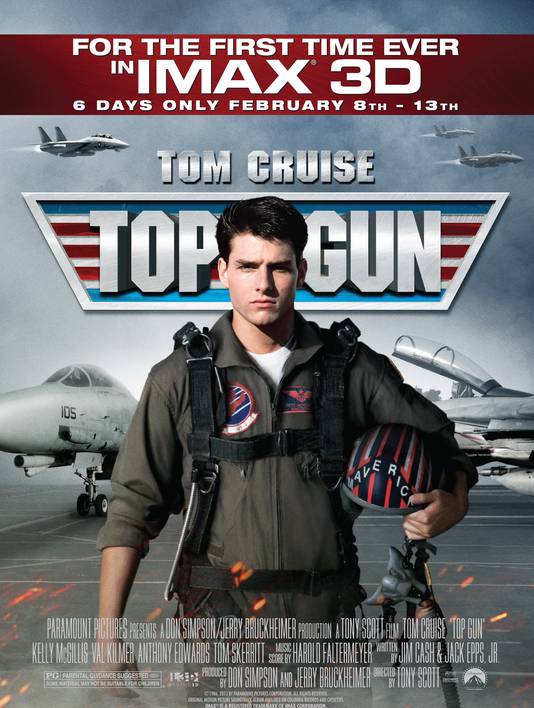
First things first: the San Francisco Independent Film Festival kicked off last night and runs through Feb. 21 at various venues (mostly the Roxie). Check out my interviews with local shorts directors here, and some top picks throughout the festival here.
Also this week: cult director Don Coscarelli’s John Dies at the End (my chat with Mr. Bubba Ho-Tep here), Amy Berg’s West Memphis Three doc, West of Memphis (check out Nicole Gluckstern’s review here), and the Vortex Room’s love-ly new series (Dennis Harvey’s take here).
What’s more, 1986 action classic Top Gun gets the 3D IMAX re-release treatment (because any list of things that are better when they’re bigger, louder, and more in-yo-face include Soviet MiGs, Tom Cruise’s teeth, and Kenny Loggins jams). Reviews of comedies Identity Thief and Shanghai Calling, plus Steven Soderbergh’s maybe-swan song Side Effects, below the jump.
Identity Thief America is made up of asshole winners and nice guy losers — or at least that’s the thesis of Identity Thief, a comedy about a crying-clown credit card bandit (Melissa McCarthy) and the sweet sucker (Jason Bateman) she lures into her web of chaos. Bateman plays Sandy, a typical middle-class dude with a wife, two kids, and a third on the way. He’s always struggling to break even and just when it seems like his ship’s come in, Diana (McCarthy) jacks his identity — a crime that requires just five minutes in a dark room with Sandy’s social security number. Suddenly, his good name is contaminated with her prior arrests, drug-dealer entanglements, and mounting debt; it’s like the capitalist version of VD. But as the “kind of person who has no friends,” Diana is as tragic as she is comic, providing McCarthy an acting opportunity no one saw coming when she was dispensing romantic advice on Gilmore Girls. Director Seth Gordon (2011’s Horrible Bosses) treats this comedy like an action movie — as breakneck as slapstick gets — and he relies so heavily on discomfort humor that the film doesn’t just prompt laughs, it pokes you in the ribs until you laugh, man, LAUGH! While Identity Thief has a few complex moments about how defeating “sticking it to the man” can be (mostly because only middle men get hurt), it’s mostly as subtle as a pratfall and just as (un-)rewarding. (1:25) (Sara Maria Vizcarrondo)
Shanghai Calling Hotshot lawyer Sam Chao (Daniel Henney) is his NYC firm’s top choice to be their man in Shanghai — much to his chagrin, since he puts the American in Chinese American. But off to the bustling, rapidly-expanding city he goes, knowing exactly only one word of Chinese (“fart”), and a classic fish-out-of-water comedy follows. His first day on the job, he bungles a billion-dollar deal, and spends the rest of the movie trying to set things right for his prickly client (Alan Ruck) — with the help of his ambitious assistant (Zhu Zhu), a perky relocation expert (Eliza Coupe), a fried-chicken mogul who runs an American-style bar (Bill Paxton), and a reporter who goes by the improbable moniker of “Awesome Wang” (Geng Le). Along the way, of course, he does some personal soul-searching, realizing there’s more to life than fancy-restaurant reservations and a high-stakes career. Writer-director Daniel Hsia’s Shanghai Calling doesn’t break any new ground, but it’s an undeniably entertaining tale of culture clash, backed up by an appealing cast to boot. (1:40) (Cheryl Eddy)
http://www.youtube.com/watch?v=QGe2ZE0prGg
Side Effects Though on the surface Channing Tatum appears to be his current muse, Steven Soderbergh seems to have gotten his smart, topical groove back, the one that spurred him to kick off his feature filmmaking career with the on-point Sex, Lies, and Videotape (1989) and went missing with the fun, featherweight Ocean’s franchise. (Alas, he’s been making claims that Side Effects will be his last feature film.) Here, trendy designer antidepressants are the draw — mixed with the heady intoxicants of a murder mystery with a nice hard twist that would have intrigued either Hitchcock or Chabrol. As Side Effects opens, the waifish Emily Taylor (Rooney Mara), whose inside-trading hubby (Tatum) has just been released from prison, looks like a big-eyed little basket of nerves ready to combust — internally, it seems, when she drives her car into a wall. Therapist Jonathan Banks (Jude Law), who begins to treat her after her hospital stay, seems to care about her, but nevertheless reflexively prescribes the latest anti-anxiety med of the day, on the advice of her former doctor (Catherine Zeta-Jones). Where does his responsibility for Emily’s subsequent actions begin and end? Soderbergh and his very able cast fill out the issues admirably, with the urgency that was missing from the more clinical Contagion (2011) and the, ahem, meaty intelligence that was lacking in all but the more ingenious strip scenes of last year’s Magic Mike. (1:30) (Kimberly Chun)
Here I am, listening to m b v for the umpteenth time since Saturday night, and I still can’t believe it exists. Up until last week, I had grown used to “the Loveless follow-up” as a punchline in hipster water-cooler conversation, a tall tale in the canon of guitar-rock mythology. But now, after two decades of broken promises, My Bloody Valentine’s fabled third LP is here. And I can dance to it. And it shows up on iTunes like everything else. This can’t be happening.
After he nearly bankrupted his label, striving to recreate the reverberacious sounds swirling around in his head, MBV’s guitarist and production mastermind Kevin Shields exited the studio with 1991’s seminal Loveless, an album that re-imagined the textural possibilities of guitars and vocals within the pop framework. The effect was equally seductive and menacing: a record swarming with haze and fuzz, yet with an undercurrent of Pet Sounds pop purity cutting straight down the middle. This ethereal, borderline-electronic approach to guitar-rock, and its use of androgynous, vaguely intelligible vocals as a background instrument, has spawned a thousand imitators, but no worthy successor, resulting in one of the modern era’s few truly legendary recordings.
That said, it’s hard to overstate the cultural baggage attached to m b v from the get-go. Seriously, if you’re Shields, how do you move on from what everyone from Brian Eno to Phish has embraced as the the greatest musical achievement of the ‘90s? The band’s third full-length presents several answers to that question, with a mixed bag of laid-back meanderings, abrasive left-field experiments, and a handful of vintage MBV anthems to feed that long-neglected Loveless fix.
Although it continues to open up and reveal itself with each listen, here are some observations from my first weekend with this incredibly unlikely album.
“she found now”
My Bloody Valentine’s first statement of the new millennium is a quiet, low-key one, without drums, that leaves Shields’ fuzzy, undulating guitars to support his and Bilinda Butcher’s entangled, hushed vocals. First time around, I was underwhelmed. Comebacks should start with a bang, right? After a few listens, though, it all made sense; this is the sound of Shields and Co. waking up after a two-decade hibernation, collecting their bearings, and taking a moment to reflect before getting on with the show. A poignant gesture, after 22 years of silence.
“only tomorrow”
And we’re rolling. I can’t remember the last time the band sounded this funky. Shields’ guitar has an earthly, familiar crunch to it, paring down from the otherworldly pink-noise that defined Loveless, and Colm Ó Cíosóig’s shuffly drums sound fuller, boomier, and more dynamic than ever before. Yet, it’s unmistakably MBV, from the complex, angular chord changes, to the sound of Butcher’s vocals succumbing to Shields’ towers of distortion.
http://www.youtube.com/watch?v=UUc5y1NljXI
“who sees you”
This is the jewel of the album, the track that delivers on all the expectations I had convinced myself were unreasonable. All of Loveless’ trademark qualities are right upfront, from the emphasis on heady, impressionistic texture, to the inextricable pop DNA at its core. The chord changes are as seductive as ever, and Shields’ guitars haven’t skipped a beat since ‘91. Most amazingly, though: we’re finally hearing a Loveless-caliber MBV song, approached with a muscular, dynamic, 21st century production sensibility. This is too good to be true.
“is this and yes”
Loveless’ brief, Final Fantasy-esque intro, “Touched” suggested an alternate direction for the band, which “is this and yes” explores in depth for the first time. Guitars are absent, and drums are minimal; the wispy synth tones coalesce with Butcher’s soft vocals to resemble the relaxed, samba-ish lilt of a Stereolab ballad. Simple and repetitive, but always engaging and never tedious, it offers a new perspective on MBV’s crafty songwriting abilities, and a nice moment of calm between thick slabs of pop/noise.
“if i am”
Relatively open and uncluttered by MBV standards, yet permeated by the band’s signature vertigo, “if i am” is a nice reminder that Shields’ aesthetic isn’t all smoke and mirrors, distortion, layering, and plain old big noises. If the two previous pop songs felt a bit formulaic and deconstructable, this track emphasizes the mystery and vagueness of MBV’s squirmy, seasick sound. Also, Shields on a wah-pedal is a nice surprise.
http://www.youtube.com/watch?v=VpoOjoiYcWY
“new you”
The most melodic, bubbly, and downright fun song MBV has ever committed to tape, “new you” is like a window into an alternate universe, where MBV revved back up in ’96 and took the charts by storm. Recalling the work of Garbage, Chapterhouse, and other bands who carried the shoegaze-baton in more populist directions in the post-Loveless wake, it’s essentially a vintage MBV song, with all the noise peeled away. From the upfront vocals, to that irresistible synth melody, to the generous low-end that practically dares you not to dance like a fool… it’s a real treat.
“in another way”
While the first two-thirds of m b v, and all of Loveless, are largely held together by a strong harmonic undertow, “in another way” finds the band ripping that foundation out from under our feet, and playing with colder, spikier textures. The harsh, punky guitar squalls, and discordant vocals, resemble Isn’t Anything at its crudest, while the skipping, hopping drums and weirdly anthemic synths feel like an extension of their foray into dance territory on “Soon.” It’s a compelling experiment, and it’s neat to hear MBV hinting at new directions for their second act, but the lack of harmonic warmth keeps me from embracing it entirely.
“nothing is”
Ever repeat a word over and over, until it becomes a meaningless mishmash of sound? “nothing is” achieves the same sort of minor transcendence through repetition, looping a one-second stab of guitars and drums up and down a sine wave for over three minutes. It’s an easy space to get lost in, and fairly un-tedious, despite the odds. Similarly to “in another way”, though, I’m not finding a visceral connection to this one. I like it; it’s captivating; but love? Not quite.
“wonder 2”
Given the number of rock-band reunions defined by a disappointing sense of by-the-numbers conservatism, m b v’s final third sounds especially brave. “wonder 2” is the album’s boldest experiment: an uninhibited, atonal blur of a semi-pop song, laid atop a reverb-soaked drum and bass beat, and set inside that metaphorical “jet engine” that MBV fans are always talking about. Like most of their songs, it combines dissonance with pop structure. Yet, unlike the “great” ones (“Only Shallow,”“When You Sleep,” “Honey Power,” etc.), the pop warmth is missing. This one might take awhile to sink in though, as new layers of metallic noise continue to reveal themselves upon each listen.
—
In the long-run, m b v’s reputation will likely depend on where Shields and Co. choose to go from here. If they call it quits again, experiments like “nothing is” could ultimately be seen as vaguely disappointing, in their failure to completely justify a 22-year wait. Yet, if the band continues to create and explore, m b v’s third act in particular might wind up as another signpost on their weird, wonderful journey as an ensemble, leading to bigger rewards down the stretch.
If this is indeed the band’s closing statement, we’re incredibly fortunate to have a new handful of vintage MBV songs, like “who sees you” and “new you,” to live and love by for decades to come. At this point, m b v sounds too scattered and impulsive to compete head-to-head with Loveless’ obsessive commitment to pink noise, but were we really expecting that? The fact that in 2013, a new My Bloody Valentine album manages to reach those glorious heights, even on occasion, leaves us with so much to be thankful for.
Film listings are edited by Cheryl Eddy. Reviewers are Kimberly Chun, Dennis Harvey, Lynn Rapoport, and Sara Maria Vizcarrondo. For rep house showtimes, see Rep Clock.
INDIEFEST
The 15th San Francisco Independent Film Festival runs Feb 7-21 at the Brava Theater, 2781 24th St, SF; the Roxie, 3117 16th St, SF; and the Vortex Room, 1082 Howard, SF. For complete schedule and tickets (most shows $12), visit www.sfindie.com. For commentary, see "Muppets, Manholes, and Mayhem" and "Short Takes."
OPENING
Identity Thief When Melissa McCarthy steals Jason Bateman’s identity, this movie happens. (1:25) Four Star, Marina.
John Dies at the End See "Weird Tales." (1:40) California, Embarcadero.
Shanghai Calling Hotshot lawyer Sam Chao (Daniel Henney) is his NYC firm’s top choice to be their man in Shanghai — much to his chagrin, since he puts the American in Chinese American. But off to the bustling, rapidly-expanding city he goes, knowing exactly only one word of Chinese ("fart"), and a classic fish-out-of-water comedy follows. His first day on the job, he bungles a billion-dollar deal, and spends the rest of the movie trying to set things right for his prickly client (Alan Ruck) — with the help of his ambitious assistant (Zhu Zhu), a perky relocation expert (Eliza Coupe), a fried-chicken mogul who runs an American-style bar (Bill Paxton), and a reporter who goes by the improbable moniker of "Awesome Wang" (Geng Le). Along the way, of course, he does some personal soul-searching, realizing there’s more to life than fancy-restaurant reservations and a high-stakes career. Writer-director Daniel Hsia’s Shanghai Calling doesn’t break any new ground, but it’s an undeniably entertaining tale of culture clash, backed up by an appealing cast to boot. (1:40) Presidio. (Eddy)
Side Effects Though on the surface Channing Tatum appears to be his current muse, Steven Soderbergh seems to have gotten his smart, topical groove back, the one that spurred him to kick off his feature filmmaking career with the on-point Sex, Lies, and Videotape (1989) and went missing with the fun, featherweight Ocean’s franchise. (Alas, he’s been making claims that Side Effects will be his last feature film.) Here, trendy designer antidepressants are the draw — mixed with the heady intoxicants of a murder mystery with a nice hard twist that would have intrigued either Hitchcock or Chabrol. As Side Effects opens, the waifish Emily Taylor (Rooney Mara), whose inside-trading hubby (Tatum) has just been released from prison, looks like a big-eyed little basket of nerves ready to combust — internally, it seems, when she drives her car into a wall. Therapist Jonathan Banks (Jude Law), who begins to treat her after her hospital stay, seems to care about her, but nevertheless reflexively prescribes the latest anti-anxiety med of the day, on the advice of her former doctor (Catherine Zeta-Jones). Where does his responsibility for Emily’s subsequent actions begin and end? Soderbergh and his very able cast fill out the issues admirably, with the urgency that was missing from the more clinical Contagion (2011) and the, ahem, meaty intelligence that was lacking in all but the more ingenious strip scenes of Magic Mike. (1:30) California, Presidio. (Chun)
Top Gun 3D MAVERICK! (1:50)
West of Memphis See "West Memphis Blues." (2:26) Embarcadero.
ONGOING
Amour Arriving in local theaters atop a tidal wave of critical hosannas, Amour now seeks to tempt popular acclaim — though actually liking this perfectly crafted, intensely depressing film (from Austrian director Michael Haneke) may be nigh impossible for most audience members. Eightysomething former music teachers Georges and Anne (the flawless Jean-Louis Trintignant and Emmanuelle Riva) are living out their days in their spacious Paris apartment, going to classical concerts and enjoying the comfort of their relationship. Early in the film, someone tries to break into their flat — and the rest of Amour unfolds with a series of invasions, with Anne’s declining health the most distressing, though there are also unwanted visits from the couple’s only daughter (an appropriately self-involved Isabelle Huppert), an inept nurse who disrespects Anne and curses out Georges, and even a rogue pigeon that wanders in more than once. As Anne fades into a hollow, twisted, babbling version of her former self, Georges also becomes hollow and twisted, taking care of her while grimly awaiting the inevitable. Of course, the movie’s called Amour, so there’s some tenderness involved. But if you seek heartwarming hope and last-act uplift, look anywhere but here. (2:07) Albany, Embarcadero, Clay, Smith Rafael. (Eddy)
Argo If you didn’t know the particulars of the 1979 Iranian Revolution, you won’t be an expert after Argo, but the film does a good job of capturing America’s fearful reaction to the events that followed it — particularly the hostage crisis at the US embassy in Tehran. Argo zeroes in on the fate of six embassy staffers who managed to escape the building and flee to the home of the sympathetic Canadian ambassador (Victor Garber). Back in Washington, short-tempered CIA agents (including a top-notch Bryan Cranston) cast about for ways to rescue them. Enter Tony Mendez (Ben Affleck, who also directs), exfil specialist and father to a youngster wrapped up in the era’s sci-fi craze. While watching 1973’s Battle for the Planet of the Apes, Tony comes up with what Cranston’s character calls "the best bad idea we have:" the CIA will fund a phony Canadian movie production (corny, intergalactic, and titled Argo) and pretend the six are part of the crew, visiting Iran for a few days on a location shoot. Tony will sneak in, deliver the necessary fake-ID documents, and escort them out. Neither his superiors, nor the six in hiding, have much faith in the idea. ("Is this the part where we say, ‘It’s so crazy it just might work?’" someone asks, beating the cliché to the punch.) Argo never lets you forget that lives are at stake; every painstakingly forged form, every bluff past a checkpoint official increases the anxiety (to the point of being laid on a bit thick by the end). But though Affleck builds the needed suspense with gusto, Argo comes alive in its Hollywood scenes. As the show-biz veterans who mull over Tony’s plan with a mix of Tinseltown cynicism and patiotic duty, John Goodman and Alan Arkin practically burst with in-joke brio. I could have watched an entire movie just about those two. (2:00) Balboa, Piedmont, Presidio, Sundance Kabuki. (Eddy)
Beasts of the Southern Wild A year after winning the Grand Jury Prize at Sundance (and a Cannes Camera d’Or), Beasts of the Southern Wild proves capable of enduring a second or third viewing with its originality and strangeness fully intact. Magical realism is a primarily literary device that isn’t attempted very often in U.S. cinema, and succeeds very rarely. But this intersection between Faulkner and fairy tale, a fable about — improbably — Hurricane Katrina, is mysterious and unruly and enchanting. Benh Zeitlin’s film is wildly cinematic from the outset, as voiceover narration from six-year-old Hushpuppy (Quvenzhané Wallis) offers simple commentary on her rather fantastical life. She abides in the Bathtub, an imaginary chunk of bayou country south of New Orleans whose residents live closer to nature, amid the detritus of civilization. Seemingly everything is some alchemical combination of scrap heap, flesh, and soil. But not all is well: when "the storm" floods the land, the holdouts are forced at federal gunpoint to evacuate. With its elements of magic, mythological exodus, and evolutionary biology, Beasts goes way out on a conceptual limb; you could argue it achieves many (if not more) of the same goals Terrence Malick’s 2011 The Tree of Life did at a fraction of that film’s cost and length. (1:31) New Parkway, Opera Plaza. (Harvey)
Beware of Mr. Baker This mesmerizing bio-doc about volatile, wildly talented drummer Ginger Baker (Cream, Blind Faith) begins with the 70-something musician clocking director Jay Bulger in the face. After this opening, Bulger — who also wrote a deeply compelling article about Baker for Rolling Stone last year — wisely pulls himself out of the narrative, instead turning to a wealth of new interviews (with Baker, his trademark red locks faded to gray, and many of his musical and personal partners, including Eric Clapton and multiple ex-Mrs. Bakers), vintage performance footage, and artful animation to weave his tale. Baker’s colorfully-lived, improbably long life has been literally all over the map; he overcame a hardscrabble British childhood to find jazz and rock stardom, and along the way jammed with Fela Kuti in Nigeria (where he picked up his fierce love of polo), broke many hearts (his own kids’ among them) and lost multiple fortunes, spent a stint in the US, and eventually landed at his current farm in South Africa. Two constants: his musical genius, and his frustratingly jerky behavior — the consequence of a naturally prickly personality exacerbated by copious drug use and bitterness. A must-see for musicians and those who love them. (1:30) Roxie. (Eddy)
Bullet to the Head Not to be mistaken for the John Woo passion play, this head wound of a revenge flick instead pits a hired assassin (Sylvester Stallone) against an outsider cop (Sung Kang), the corroded action star who emerged from the thicket of ’70s Italian American iconic actors against a smooth-faced Asian American indie actor associated with the Fast and Furious franchise. Sly’s James Bonomo and his partner have been set up by a set of tepid bad guys (Oz fave Adewale Akinnuoye-Agbaje, here sleep-raging his way through Bullet; a very unpumped Christian Slater; and Jason Momoa, who glowers like he’s still playing a warlord on Game of Thrones). So Bonomo and Kang’s Taylor Kwon — the former’s got the brawn, the latter’s got the smartphone with access to criminal databases — must reluctantly team up to mete out some kind of justice. Yawn. The uninspired oh-so-gritty camera effects don’t help matters when it comes to staving off the sleepies induced by this tired enterprise — director Walter Hill certainly seems to have succumbed to the big snooze. The only real fun to be gleaned here is in watching your random, uh, ax fight and studying the Stallone’s weirdly crumbling yet inert rubble of face, which almost seems to scream to us about — yo, not Adrian, but the ravages of age, surgery, and excess. (1:32) Metreon, 1000 Van Ness. (Chun)
Django Unchained Quentin Tarantino’s spaghetti western homage features a cameo by the original Django (Franco Nero, star of the 1966 film), and solid performances by a meticulously assembled cast, including Jamie Foxx as the titular former slave who becomes a badass bounty hunter under the tutelage of Dr. Schultz (Christoph Waltz). Waltz, who won an Oscar for playing the evil yet befuddlingly delightful Nazi Hans Landa in Tarantino’s 2009 Inglourious Basterds, is just as memorable (and here, you can feel good about liking him) as a quick-witted, quick-drawing wayward German dentist. There are no Nazis in Django, of course, but Tarantino’s taboo du jour (slavery) more than supplies motivation for the filmmaker’s favorite theme (revenge). Once Django joins forces with Schultz, the natural-born partners hatch a scheme to rescue Django’s still-enslaved wife, Broomhilda (Kerry Washington), whose German-language skills are as unlikely as they are convenient. Along the way (and it’s a long way; the movie runs 165 minutes), they encounter a cruel plantation owner (Leonardo DiCaprio), whose main passion is the offensive, shocking "sport" of "Mandingo fighting," and his right-hand man, played by Tarantino muse Samuel L. Jackson in a transcendently scandalous performance. And amid all the violence and racist language and Foxx vengeance-making, there are many moments of screaming hilarity, as when a character with the Old South 101 name of Big Daddy (Don Johnson) argues with the posse he’s rounded up over the proper construction of vigilante hoods. It’s a classic Tarantino moment: pausing the action so characters can blather on about something trivial before an epic scene of violence. Mr. Pink would approve. (2:45) Balboa, Metreon, 1000 Van Ness, Sundance Kabuki. (Eddy)
Gangster Squad It’s 1949, and somewhere in the Hollywood hills, a man has been tied hand and foot to a pair of automobiles with the engines running. Coyotes pace in the background like patrons queuing up for a table at Flour + Water, and when dinner is served, the presentation isn’t very pretty. We’re barely five minutes into Ruben Fleischer’s Gangster Squad, and fair warning has been given of the bloodletting to come. None of it’s quite as visceral as the opening scene, but Fleischer (2009’s Zombieland) packs his tale of urban warfare with plenty of stylized slaughter to go along with the glamour shots of mob-run nightclubs, leggy pin-curled dames, and Ryan Gosling lounging at the bar cracking wise. At the center of all the gunplay and firebombing is what’s framed as a battle for the soul of Los Angeles, waged between transplanted Chicago mobster Mickey Cohen (Sean Penn) — who wields terms like "progress" and "manifest destiny" as a rationale for a continental turf war — and a police sergeant named John O’Mara (Josh Brolin), tasked with bringing down Cohen’s empire. The assignment requires working under cover so deep that only the police chief (Nick Nolte) and the handpicked members of O’Mara’s "gangster squad" — ncluding Gosling, a half-jaded charmer who poaches Cohen’s arm candy (Emma Stone) — know of its existence. This leaves plenty of room for improvisation, and the film pauses now and again to wonder about what happens when you pit brutal amorality against brutal morality, but it’s a rhetorical question, and no one shows much interest in it. Dragged down by talking points that someone clearly wanted wedged in (as well as by O’Mara’s ponderous voice-overs), the film does better when it abandons gravitas and refocuses on spinning its mythic tale of wilder times in the Golden State. (1:53) Metreon, 1000 Van Ness. (Rapoport)
Hansel & Gretel: Witch Hunters So here’s something you may not have been wondering: what exactly happened to Hansel and Gretel after they killed the gingerbread-house witch and made their way to freedom? Did they really live happily ever after? Did they land in the foster care system? Did they enter adulthood bearing the deep psychic wounds a person might well suffer after shoving a living creature into an oven and listening to her agonized howls as she burned alive? Or did they realize they’d discovered their life’s vocation without even having to complete the Myers-Briggs test? Shutting his eyes and pointing at random, director and screenplay cowriter Tommy Wirkola (2009’s Dead Snow) chooses the latter scenario, keeping his eyes closed to stab out some weak dialogue and half a plot for a script that leans heavily on the power of 3D technology to send eviscerated-witch guts and other biological shrapnel flying toward the eyeballs of audience members. Hansel (why, Jeremy Renner?) and Gretel (Gemma Arterton) have grown up to share the intense sibling bond and wandering ways you might expect from a brother and sister abandoned at a tender age to starve and be rent limb from limb by wild animals. They’ve also taken full advantage of a niche witch-slaying market in and around the gloomy forest where they made their first kill. When they’re hired to track down a particularly loathsome practitioner of the dark arts (Famke Janssen) who’s been snatching up local children, multidimensional mayhem ensues. Arterton’s Gretel is pretty much a badass and the brains of the operation, while Renner’s Hansel is more of a strong, silent, and occasionally shit-faced type. Neither makes for a particularly memorable protagonist, but that flat look on their faces could just be disappointment or boredom with the material. (1:41) Metreon, 1000 Van Ness, Shattuck. (Rapoport)
A Haunted House (1:25) Metreon.
The Hobbit: An Unexpected Journey Make no mistake: the Lord of the Rings trilogy represented an incredible filmmaking achievement, with well-deserved Oscars handed down after the third installment in 2003. If director Peter Jackson wanted to go one more round with J.R.R. Tolkien’s beloved characters for a Hobbit movie, who was gonna stop him? Not so fast. This return to Middle-earth (in 3D this time) represents not one but three films — which would be self-indulgent enough even if part one didn’t unspool at just under three hours, and even if Jackson hadn’t decided to shoot at 48 frames per second. (I can’t even begin to explain what that means from a technical standpoint, but suffice to say there’s a certain amount of cinematic lushness lost when everything is rendered in insanely crystal-clear hi-def.) Journey begins as Bilbo Baggins (a game, funny Martin Freeman) reluctantly joins Gandalf (a weary-seeming Ian McKellan) and a gang of dwarves on their quest to reclaim their stolen homeland and treasure, batting Orcs, goblins, Gollum (Andy Serkis), and other beasties along the way. Fan-pandering happens (with characters like Cate Blanchett’s icy Galadriel popping in to remind you how much you loved LOTR), and the story moves at a brisk enough pace, but Journey never transcends what came before — or in the chronology of the story, what comes after. I’m not quite ready to declare this Jackson’s Phantom Menace (1999), but it’s not an unfair comparison to make, either. (2:50) Metreon, Shattuck. (Eddy)
The Impossible Spanish director Juan Antonio Bayona (2007’s The Orphanage) directs The Impossible, a relatively modestly-budgeted take on the 2004 Indian Ocean tsunami, based on the real story of a Spanish family who experienced the disaster. Here, the family (Naomi Watts, Ewan McGregor, three young sons) is British, on a Christmas vacation from dad’s high-stress job in Japan. Beachy bliss is soon ruined by that terrible series of waves; they hit early in the film, and Bayona offers a devastatingly realistic depiction of what being caught in a tsunami must feel like: roaring, debris-filled water threatening death by drowning, impalement, or skull-crushing. And then, the anguish of surfacing, alive but injured, stranded, and miles from the nearest doctor, not knowing if your family members have perished. Without giving anything away (no more than the film’s suggestive title, anyway), once the survivors are established (and the film’s strongest performer, Watts, is relegated to hospital-bed scenes) The Impossible finds its way inevitably to melodrama, and triumph-of-the-human-spirit theatrics. As the family’s oldest son, 16-year-old Tom Holland is effective as a kid who reacts exactly right to crisis, morphing from sulky teen to thoughtful hero — but the film is too narrowly focused on its tourist characters, with native Thais mostly relegated to background action. It’s a disconnect that’s not quite offensive, but is still off-putting. (1:54) Metreon, Presidio, Shattuck. (Eddy)
Jack Reacher (2:10) Metreon.
The Last Stand With gun control issues dominating the news, what better time to release a movie that lovingly glorifies the wonders of excessive firepower? Fortunately for star Arnold Schwarzenegger, making his return to leading-man status after that little fling with politics, The Last Stand is stupidly enjoyable enough to make any such PC-minded realizations relatively fleeing ones. When a Mexican drug lord (who also happens to be an expert race-car driver) escapes from federal custody and begins speeding home in a super-Corvette, the lead FBI agent (Forest Whitaker, slumming big-time) realizes his only hope is a teeny Arizona border town that happens to be overseen by Sheriff Schwarzenegger. (Other residents include a couple of hapless deputies; an Iraq war vet; and a gun nut played by a cartoonishly obnoxious Johnny Knoxville.) Can this ragtag crew hold off first the drug lord’s advance team (led by a swaggering Peter Stormare), and then the head baddie himself? Duh. The biggest surprise The Last Stand offers is that it’s actually pretty fun — no doubt thanks to the combo of Korean director Kim Jee-woon (2008’s eccentric The Good, The Bad, and the Weird; 2003’s spooky A Tale of Two Sisters) and the heft of Schwarzenegger’s still-potent charisma. (1:47) Metreon. (Eddy)
Life of Pi Several filmmakers including Alfonso Cuarón, Jean-Pierre Jeunet, and M. Night Shyamalan had a crack at Yann Martel’s "unfilmable" novel over the last decade, without success. That turns out to have been a very good thing, since Ang Lee and scenarist David Magee have made probably the best movie possible from the material — arguably even an improvement on it. Framed as the adult protagonist’s (Irrfan Khan) lengthy reminiscence to an interested writer (Rafe Spall) it chronicles his youthful experience accompanying his family and animals from their just shuttered zoo on a cargo ship voyage from India to Canada. But a storm capsizes the vessel, stranding teenaged Pi (Suraj Sharma) on a lifeboat with a mini menagerie — albeit one swiftly reduced by the food chain in action to one Richard Parker, a whimsically named Bengal tiger. This uneasy forced cohabitation between Hindu vegetarian and instinctual carnivore is an object lesson in survival as well as a fable about the existence of God, among other things. Shot in 3D, the movie has plenty of enchanted, original imagery, though its outstanding technical accomplishment may lie more in the application of CGI (rather than stereoscopic photography) to something reasonably intelligent for a change. First-time actor Sharma is a natural, while his costar gives the most remarkable performance by a wild animal this side of Joaquin Phoenix in The Master. It’s not a perfect film, but it’s a charmed, lovely experience. (2:00) 1000 Van Ness, New Parkway, SF Center. (Harvey)
Lincoln Distinguished subject matter and an A+ production team (Steven Spielberg directing, Daniel Day-Lewis starring, Tony Kushner adapting Doris Kearns Goodwin, John Williams scoring every emotion juuust so) mean Lincoln delivers about what you’d expect: a compelling (if verbose), emotionally resonant (and somehow suspenseful) dramatization of President Lincoln’s push to get the 13th amendment passed before the start of his second term. America’s neck-deep in the Civil War, and Congress, though now without Southern representation, is profoundly divided on the issue of abolition. Spielberg recreates 1865 Washington as a vibrant, exciting place, albeit one filled with so many recognizable stars it’s almost distracting wondering who’ll pop up in the next scene: Jared Harris as Ulysses S. Grant! Joseph Gordon-Levitt as Robert Lincoln! Lena Dunham’s shirtless boyfriend on Girls (Adam Driver) as a soldier! Most notable among the huge cast are John Hawkes, Tim Blake Nelson, and a daffy James Spader as a trio of lobbyists; Sally Field as the troubled First Lady; and likely Oscar contenders Tommy Lee Jones (as winningly cranky Rep. Thaddeus Stevens) and Day-Lewis, who does a reliably great job of disappearing into his iconic role. (2:30) 1000 Van Ness, SF Center, Shattuck, Sundance Kabuki. (Eddy)
LUV Baltimore native Sheldon Candis drew from his own childhood for this coming-of-age tale, which takes place in a single day as 11-year-old "little man" Woody (Michael Rainey Jr.) tags along with his uncle, Vincent (Common), recently out of jail and rapidly heading back down the criminal path. With both parents out of the picture, Woody’s been raised by his grandmother (Lonette McKee), so he idolizes Vincent even though it’s soon clear the short-tempered man is no hero. Of course, things go horribly awry, bloody lessons are learned, tears are shed, etc. Despite the story’s autobiographical origins, the passable LUV suffers greatly by inviting comparisons to The Wire — the definitive docudrama examining drug crime in Baltimore. Most blatantly, sprinkled into an all-star cast (Dennis Haysbert, Danny Glover, Charles S. Dutton) are supporting characters played by Wire icons Michael K. "Omar" Williams (as a cop) and Anwan "Slim Charles" Glover (as a meaner Slim Charles, basically). Perhaps if you’ve never seen the show this wouldn’t be distracting — but if that’s the case, you should really be watching The Wire instead of LUV anyway. (1:34) New Parkway. (Eddy)
Mama From bin Laden to wild babes in woods, Jessica Chastain can’t seem to grab a break. Equipped with just the bare outlines of a character, however, she’s one of the few pleasures in this missed-opportunity of a grim, ghostly fairy tale. Expanding his short of the same name, director Andres Muschietti kicks off his yarn on a sadly familiar note in these days of seemingly escalating gun violence: little sisters Victoria and Lily have disappeared from their home, shortly after their desperate father (Game of Thrones‘ Nikolaj Coster-Waldau) has gone on a shooting spree. They repair to an abandoned cabin scattered with mid-century modern furniture. Five years on, the girls’ scruffy artist uncle Lucas (also Coster-Waldau) is still searching for them, supported by his punk rock girlfriend Annabel (Chastain). The little girls lost are finally found by trackers — and they appear to be hopelessly feral, with the angelic-looking Victoria (Megan Charpentier), acting as the ringleader and the younger, bedraggled Lily (Maya Dawe) given to sleeping under beds and eating on all fours next to the dog bowl. The arty couple take them in and move into a "test house" provided by the sisters’ enthralled therapist (Daniel Kash), obviously psyched to study not one but two Kaspar Hausers. The traumatized kids are clearly haunted by their experience — in more ways than one — as inexplicable bumps go off, night and day, and Misfits t-shirt-clad Annabel discovers the real meaning of goth while getting in touch with her seemingly deeply buried maternal urges. Unfortunately, despite possessing the raw material for a truly scary outing that plunges to the core of our primal instincts (what’s scarier than an unsocialized kid that’s capable of anything?) and showing off Muschietti’s occasional instances of cinematic flair (as when multiple rooms are shown using split-screens), Mama ends up running away from the filmmaker and is finally simply spoiled by its mawkishly sentimental finale. It doesn’t help that the inadequate script sports logic holes that a mama could drive a truck though. (1:40) California, Metreon, 1000 Van Ness. (Chun)
Les Misérables There is a not-insignificant portion of the population who already knows all the words to all the songs of this musical-theater warhorse, around since the 1980s and honored here with a lavish production by Tom Hooper (2010’s The King’s Speech). As other reviews have pointed out, this version only tangentially concerns Victor Hugo’s French Revolution tale; its true raison d’être is swooning over the sight of its big-name cast crooning those famous tunes. Vocals were recorded live on-set, with microphones digitally removed in post-production — but despite this technical achievement, there’s a certain inorganic quality to the proceedings. Like The King’s Speech, the whole affair feels spliced together in the Oscar-creation lab. The hardworking Hugh Jackman deserves the nomination he’ll inevitably get; jury’s still out on Anne Hathaway’s blubbery, "I cut my hair for real, I am so brave!" performance. (2:37) 1000 Van Ness, SF Center, Shattuck, Sundance Kabuki. (Eddy)
Movie 43 (1:37) Metreon, 1000 Van Ness.
Searching for Sugar Man The tale of the lost, and increasingly found, artist known as Rodriguez seems to have it all: the mystery and drama of myth, beginning with the singer-songwriter’s stunning 1970 debut, Cold Fact, a neglected folk rock-psychedelic masterwork. (The record never sold in the states, but somehow became a beloved, canonical LP in South Africa.) The story goes on to parse the cold, hard facts of vanished hopes and unpaid royalties, all too familiar in pop tragedies. In Searching for Sugar Man, Swedish documentarian Malik Bendjelloul lays out the ballad of Rodriguez as a rock’n’roll detective story, with two South African music lovers in hot pursuit of the elusive musician — long-rumored to have died onstage by either self-immolation or gunshot, and whose music spoke to a generation of white activists struggling to overturn apartheid. By the time Rodriguez himself enters the narrative, the film has taken on a fairy-tale trajectory; the end result speaks volumes about the power and longevity of great songwriting. (1:25) New Parkway. (Chun)
"Oscar Nominated Short Films 2013: Animated" If you caught Wreck-It Ralph, nominated in the Best Animated Feature category, you’ve already seen John Kahrs’ Paperman, about a junior Mad Men type who bumbles through his pursuit of a lovely fellow office drone he spots on his commute. Or, if you saw Ice Age: Continental Drift, you’ve seen Maggie Simpson in The Longest Daycare, starring Homer and Marge’s wee one as she grapples with the social order at the Ayn Rand School for Tots. Among the stand-alones, Minkyu Lee’s Adam and Dog features a quick appearance by Eve, too, but the star is really the scrappy canine who gallops through prehistory playing the world’s first game of fetch with his hairy master. Two minutes is all PES (nom de screen of Adam Pesapane) needs to make Fresh Guacamole — which depicts grenades, dice, and other random objects as most unusual ingredients. The only non-US entry, UK director Timothy Reckart’s Head Over Heels, is about an elderly married couple whose relationship has deteriorated to the point where they (literally) no longer see eye to eye on anything. The program is rounded out by three more non-Oscar-nominated animated shorts: Britain’s The Gruffalo’s Child, featuring the voices of Helena Bonham Carter and Robbie Coltrane; French art-thief caper Dripped; and New Zealand’s sci-fi tale Abiogenesis. (1:28) Embarcadero, Shattuck. (Eddy)
"Oscar Nominated Short Films 2013: Documentary" (3:29) Opera Plaza.
"Oscar Nominated Short Films 2013: Live Action" (1:54) Embarcadero, Shattuck.
Parker (1:58) Metreon, 1000 Van Ness, Shattuck.
Quartet Every year there’s at least one: the adorable-old-cootfest, usually British, that proves harmless and reassuring and lightly tear/laughter producing enough to convince a certain demographic that it’s safe to go to the movies again. The last months have seen two, both starring Maggie Smith (who’s also queen of that audience’s home viewing via Downton Abbey). Last year’s The Best Exotic Marigold Hotel, in which Smith played a bitchy old spinster appalled to find herself in India, has already filled the slot. It was formulaic, cute, and sentimental, yes, but it also practiced more restraint than one expected. Now here’s Quartet, which is basically the same flower arrangement with quite a bit more dust on it. Smith plays a bitchy old spinster appalled to find herself forced into spending her twilight years at a home for the elderly. It’s not just any such home, however, but Beecham House, whose residents are retired professional musicians. Gingerly peeking out from her room after a few days’ retreat from public gaze, Smith’s Jean Horton — a famed English soprano — spies a roomful of codgers rolling their hips to Afropop in a dance class. "This is not a retirement home — this is a madhouse!" she pronounces. Oh, the shitty lines that lazy writers have long depended on Smith to make sparkle. Quartet is full of such bunk, adapted with loving fidelity, no doubt, from his own 1999 play by Ronald Harwood, who as a scenarist has done some good adaptations of other people’s work (2002’s The Pianist). But as a generator of original material for about a half-century, he’s mostly proven that it is possible to prosper that long while being in entirely the wrong half-century. Making his directorial debut: 75-year-old Dustin Hoffman, which ought to have yielded a more interesting final product. But with its workmanlike gloss and head-on take on the script’s very predictable beats, Quartet could as well have been directed by any BBC veteran of no particular distinction. (1:38) Albany, Embarcadero, Piedmont, Smith Rafael. (Harvey)
The Rabbi’s Cat A rabbi, a Muslim musician, two Russians (a Jew and a boozy Christian), and two talking animals hop into an antique Citroën for a road trip across Africa. No, it’s not the set-up for a joke; it’s the premise for this charming animated film, adapted from Joann Sfar’s graphic novel (the author co-directs with Antoine Delesvaux). In 1930s Algiers, a rabbi’s pet cat suddenly develops the ability to talk — and read and write, by the way — and wastes no time in sharing opinions, particularly when it comes to religion ("God is just a comforting invention!") When a crate full of Russian prayer books — and one handsome artist — arrives at the rabbi’s house, man and cat are drawn into the refugee’s search for an Ethiopian city populated by African Jews. Though it’s not suitable for younger kids (there’s kitty mating, and a few bursts of surprising violence) or diehard Tintin fans (thanks to a randomly cranky spoof of the character), The Rabbi’s Cat is a lushly illustrated, witty tale of cross-cultural clashes and connections. Rockin’ soundtrack, too. (1:29) Smith Rafael. (Eddy)
Rust and Bone Unlike her Dark Knight Rises co-star Anne Hathaway, Rust and Bone star Marion Cotillard never seems like she’s trying too hard to be sexy, or edgy, or whatever (plus, she already has an Oscar, so the pressure’s off). Here, she’s a whale trainer at a SeaWorld-type park who loses her legs in an accident, which complicates (but ultimately strengthens) her relationship with Ali (Belgian actor Matthias Schoenaerts, so tremendous in 2011’s Bullhead), a single dad trying to make a name for himself as a boxer. Jacques Audiard’s follow-up to 2009’s A Prophet gets a bit overwrought by its last act, but there’s an emotional authenticity in the performances that makes even a ridiculous twist (like, the kind that’ll make you exclaim "Are you fucking kidding me?") feel almost well-earned. (2:00) Opera Plaza, Shattuck. (Eddy)
The Sessions Polio has long since paralyzed the body of Berkeley poet Mark O’Brien (John Hawkes) from the neck down. Of course his mind is free to roam — but it often roams south of the personal equator, where he hasn’t had the same opportunities as able-bodied people. Thus he enlists the services of Cheryl (Helen Hunt), a professional sex surrogate, to lose his virginity at last. Based on the real-life figures’ experiences, this drama by Australian polio survivor Ben Lewin was a big hit at Sundance this year (then titled The Surrogate), and it’s not hard to see why: this is one of those rare inspirational feel-good stories that doesn’t pander and earns its tears with honest emotional toil. Hawkes is always arresting, but Hunt hasn’t been this good in a long time, and William H. Macy is pure pleasure as a sympathetic priest put in numerous awkward positions with the Lord by Mark’s very down-to-earth questions and confessions. (1:35) Opera Plaza. (Harvey)
Silver Linings Playbook After guiding two actors to Best Supporting Oscars in 2010’s The Fighter, director David O. Russell returns (adapting his script from Matthew Quick’s novel) with another darkly comedic film about a complicated family that will probably earn some gold of its own. Though he’s obviously not ready to face the outside world, Pat (Bradley Cooper) checks out of the state institution he’s been court-ordered to spend eight months in after displaying some serious anger-management issues. He moves home with his football-obsessed father (Robert De Niro) and worrywart mother (Jacki Weaver of 2010’s Animal Kingdom), where he plunges into a plan to win back his estranged wife. Cooper plays Pat as a man vibrating with troubled energy — always in danger of flying into a rage, even as he pursues his forced-upbeat "silver linings" philosophy. But the movie belongs to Jennifer Lawrence, who proves the chops she showcased (pre-Hunger Games megafame) in 2010’s Winter’s Bone were no fluke. As the damaged-but-determined Tiffany, she’s the left-field element that jolts Pat out of his crazytown funk; she’s also the only reason Playbook‘s dance-competition subplot doesn’t feel eye-rollingly clichéd. The film’s not perfect, but Lawrence’s layered performance — emotional, demanding, bitchy, tough-yet-secretly-tender — damn near is. (2:01) Four Star, 1000 Van Ness, Piedmont, Presidio, SF Center, Shattuck, Sundance Kabuki, Vogue. (Eddy)
Skyfall Top marks to Adele, who delivers a magnificent title song to cap off Skyfall‘s thrilling pre-credits chase scene. Unfortunate, then, that the film that follows squanders its initial promise. After a bomb attack on MI6, the clock is running out for Bond (Daniel Craig) and M (Judi Dench), accused of Cold War irrelevancy in a 21st century full of malevolent, stateless computer hackers. The audience, too, will yearn for a return to simpler times; dialogue about "firewalls" and "obfuscated code" never fails to sound faintly ridiculous, despite the efforts Ben Whishaw as the youthful new head of Q branch. Javier Bardem is creative and creepy as keyboard-tapping villain Raoul Silva, but would have done better with a megalomaniac scheme to take over the world. Instead, a small-potatoes revenge plot limps to a dull conclusion in the middle of nowhere. Skyfall never decides whether it prefers action, bon mots, and in-jokes to ponderous mythologizing and ripped-from-the-headlines speechifying — the result is a unsatisfying, uneven mixture. (2:23) Metreon. (Ben Richardson)
Sound City Dave Grohl adds "documentary director" to his ever-lengthening resume with this tribute to the SoCal recording studio, where the grimy, funky décor was offset by a row of platinum records lining its hallway, marking in-house triumphs by Fleetwood Mac, Tom Petty, Cheap Trick, Neil Young, and others (even, yep, Rick Springfield). Top acts and producers (many of whom appear in the doc to dish and reminisce) were lured in by a unique recording console, installed in the early 1970s, whose legend grew with every new hit it helped engineer. Despite its reputation as a hit factory — and the attraction of its laid-back vibe and staff — old-school Sound City began to struggle once the highly-polished sound of digital technology overtook the music industry. That is, until Grohl and Nirvana recorded Nevermind there, keeping the studio alive until the unstoppable march of Pro Tools hammered the final nails in. Or did it? Sound City‘s final third follows Grohl’s purchase of the studio’s iconic console ("A piece of rock ‘n’ roll history," he proclaims, though he installs it in a swanky refurbished space) and the recording of an album featuring luminaries from the studio’s past … plus Paul McCartney. The resulting doc is nostalgic, sure, but insider-y enough to entertain fans of classic rock, or at least anyone who’s ever sneered at a drum machine. (1:46) Roxie. (Eddy)
Stand Up Guys Call it oldster pop, call it geriatricore, just don’t call it late for its meds. With the oncoming boomer elder explosion, we can Depends — har-dee-har-har — on the fact that action-crime thrillers-slash-comedies like 2010’s Red, 2012’s Robot and Frank, and now Stand Up Guys are just the vanguard of an imminent barrage of grumpy old pros locking and loading, grousing about their angina, and delivering wisdom with a dose of hard-won levity. As handled by onetime teen-comedy character actor Fisher Stevens, Stand Up Guys is a warm, worthy addition to that soon-to-be-well-populated pantheon. It grows on you as you spend time with it — much like the two aging reprobates at its core, Val (Al Pacino) and Doc (Christopher Walken). Val, the proverbial stand-up guy who took the fall for the rest of his gang, has just completed a 25-year-plus stint in the pen. There to meet him is his only pal, and former partner in crime, Doc, who has been leading a humble life but has one last hit to commit for their old boss Claphands (Mark Margolis), who’s inexplicably named after a Tom Waits song. Sex, drugs, and some Viagra commercial-esque bluesy guitars are in order, but first Val and Doc must find their drive, in the form of their old driver buddy Hirsch (Alan Arkin), who they break out of a rest home, and, perhaps, their moral compass, which arrives with the discovery of a victim (Vanessa Ferlito) of baddies much less couth than themselves. The pleasure comes with following these stand-up guys as they make that leap from craven self-preservation to heroism, which might seem implausible to some. But to the cast’s, and Stevens’s, credit, they make it work — and even give the sentiment-washed finale a swashbuckling buddy-movie romanticism, the kind that a young Tarantino might dislike and an older Tarantino would be loathe to begrudge his lovable louses. (1:34) 1000 Van Ness, SF Center, Shattuck, Sundance Kabuki. (Chun)
Warm Bodies A decade and a half of torrid, tormented vampire-human entanglements has left us accustomed to rooting for romances involving the undead and the still-alive. Some might argue, however, that no amount of pop-cultural prepping could be sufficient to get us behind a human-zombie love story for the ages. Is guzzling human blood really measurably less gross than making a meal of someone’s brains and other body parts? Somehow, yes. Recognizing this perceptual hurdle, writer-director Jonathan Levine (2011’s 50/50, 2008’s The Wackness) secures our sympathies at the outset of Warm Bodies by situating us inside the surprisingly active brain of the film’s zombie protagonist. Zombies, it turns out, have internal monologues. R (Nicholas Hoult) can only remember the first letter of his former name, but as he shambles and shuffles and slumps his way through the terminals of a postapocalyptic airport overrun by his fellow corpses (as they’re called by the film’s human population), he fills us in as best he can on the global catastrophe that’s occurred and his own ensuing existential crisis. By the time he meets not-so-cute with Julie (Teresa Palmer), a young woman whose father (John Malkovich) is commander-in-chief of the human survivors living in a walled-off city center, we’ve learned that he collects vinyl, that he has a zombie best friend, and that he doesn’t want to be like this. We may still be flinching at the thought of his and Julie’s first kiss, but we’re also kind of rooting for him. The plot gapes in places, where a tenuous logic gets trampled and gives way, but Levine’s script, adapted from a novel by Isaac Marion, is full of funny riffs on the zombie condition, which Hoult invests with a comic sweetness as his character staggers toward the land of the living. (1:37) 1000 Van Ness, SF Center, Sundance Kabuki. (Rapoport)
Zero Dark Thirty The extent to which torture was actually used in the hunt for Osama Bin Ladin may never be known, though popular opinion will surely be shaped by this film, as it’s produced with the same kind of "realness" that made Kathryn Bigelow’s previous film, the Oscar-winning The Hurt Locker (2008), so potent. Zero Dark Thirty incorporates torture early in its chronology — which begins in 2003, after a brief opening that captures the terror of September 11, 2001 using only 911 phone calls — but the practice is discarded after 2008, a sea-change year marked by the sight of Obama on TV insisting that "America does not torture." (The "any more" goes unspoken.) Most of Zero Dark Thirty is set in Pakistan and/or "CIA black sites" in undisclosed locations; it’s a suspenseful procedural that manages to make well-documented events (the July 2005 London bombings; the September 2008 Islamabad Marriott Hotel bombing) seem shocking and unexpected. Even the raid on Bin Ladin’s HQ is nail-bitingly intense. The film immerses the viewer in the clandestine world, tossing out abbreviations ("KSM" for al-Qaeda bigwig Khalid Sheikh Mohammed) and jargon ("tradecraft") without pausing for a breath. It is thrilling, emotional, engrossing — the smartest, most tightly-constructed action film of the year. At the center of it all: a character allegedly based on a real person whose actual identity is kept top-secret by necessity. She’s interpreted here in the form of a steely CIA operative named Maya, played to likely Oscar-winning perfection by Jessica Chastain. No matter the film’s divisive subject matter, there’s no denying that this is a powerful performance. "Washington says she’s a killer," a character remarks after meeting this seemingly delicate creature, and he’s proven right long before Bin Ladin goes down. Some critics have argued that character is underdeveloped, but anyone who says that isn’t watching closely enough. Maya may not be given a traditional backstory, but there’s plenty of interior life there, and it comes through in quick, vulnerable flashes — leading up to the payoff of the film’s devastating final shot. (2:39) Marina, 1000 Van Ness, SF Center, Sundance Kabuki. (Eddy)
The Exploratorium is in the middle of an epic move to its new home at Pier 15 — its new location is set to open April 17th at 330,000 square feet, five times the size of its former digs at the Palace of Fine Arts. But while staff is busy nesting the Explainers, the museum’s science-savvy youth docents, have been hard at work. The volunteers have been hosting pop-up exhibits around the city. Needing a science fix, I stopped by their event last week at the Tenderloin National Forest.
There are two kinds of Explainers: the diverse group of high school Explainers, the museum’s youngest paid employees who engage visitors at exhibits, lead demonstrations, and help run various museum operations. Field trip Explainers perform the same tasks, but as experienced young educators, take more leadership roles.
Both were present on the afternoon of Jan. 31, when I enter the Tenderloin National Forest. I’m greeted to the slice of urban wilderness by the familiar Exploratorium logo printed on black flags, and by lots of friendly folks in orange vests — the Explainers themselves, who had transformed this pocket of urban wilderness into a wonderland of interactive science exhibits.
The first thing that catches my eye was a fruit and flower dissection demonstration, meant to teach about the various parts of a plant. Senior field trip explainer Kat Stiff asks the students, “does anyone know what a flower is made out of?” One boy in the back proudly shouts, “Cauliflower?”
Most of the students seem more interested in the giant magnifying glasses on the table than the lesson. As I watch Stiff’s demonstration, a girl with a magnifying glass comes up to me and starts to sift through my hair with her newfound tool. I ask her if she spots anything and to which she responds, “yes. Hair.”
Across from the plant dissection workshop is the outdoor cart – which has gone with the Explainers to most of their recent events. The cart bears a poster illustrating different clouds, and a plastic soda bottle that helps you create your own cumulus formations. Before I can get started on my own personal sky, high school Explainers Zakiya Percy and Terrance Gee quiz me on my cloud knowledge.
What is a cloud made of? I should definitely know this… I know that water is involved… After I fail to pick up on their hints for the other two ingredients, they reveal that a change in pressure and the inclusion of dust particles is also necessary.
Gee does a demonstration for me. With about a half-cup of water at the bottom of the plastic liter soda bottle, he lights a match, blows it out, and places it upside-down over the opening of the bottle. He does this, he says, to add dust particles to the water. Gee caps the bottle, and I help by pumping air into it until it’s about to pop. He takes the cap off, and dollhouse-sized clouds float out. I am then quizzed again on what type of cloud we just made. The answer: fog, because of our low elevation.
As I head towards the back of the forest, Phanna Phay, a high school Explainer supervisor, is sitting down doing card tricks. Smack dab in the middle of the space is a brick oven where Explainers are helping kids heat up pizza donated by Inner Sunset favorite Arizmendi Bakery. All the way in the back, kids paint wooden veggie cut-outs, which will to be used to decorate the nearby Hotel Senator’s rooftop garden.
These pop-up Explainer exhibits have appeared at the Ferry Building and Civic Center farmer’s markets, and even aboard a ferry bound for Jack London Square.
Senior field trip explainer Lia Frantti tells me about these previous events. “We were doing our fruit and flower dissection [at the farmer’s market], so that people who are shopping for those fruits and vegetables can stop and think about where they are coming from and how they are growing. We were on the ferry boat talking about navigation and finding north.”
When I ask Frantti about the benefits these pop-up exhibits have brought to the Exploratorium she explains, “it’s been really nice because people often put us in this hole of a children’s museum – which we’re not. Adults and children can definitely have an equally amazing experience at the Exploratorium. At some of the other spots we’ve been at, we have had more adults stopping by. So that has been a little bit different to have less youth and more adults spending time with us.”
Looking forward to the museum’s new digs? When it re-opens, the Exploratorium will have triple the exhibition space, and double the number of classrooms. Acclaimed San Francisco chef Loretta Keller of Bon Appétit will head a sidewalk café on the west side of the pier, and there will be a waterfront café on the east side. The event in the Tenderloin was the last full scale Explainer exhibit until the Exploratorium settles into its new space. But the group will be holding outdoor events featuring the plant dissection table, mainly along the Embarcadero.

You know I love this story. I love it so much I am going to be following it for weeks, and I hope for years. A homeless guy takes over a $2 million mansion in Florida, which was sitting empty while Bank of America dicked around and never sold or rented it, and now the bank is going to have a tough time getting rid of him.
Did I say I love this story?
Check it out:
It only gets more complicated. By invoking an obscure but never rescinded nor revised Florida law, Barbosa is using “adverse possession” to justify his claim in the house, as it allows a person to move in and claim title of a property “if they can stay there seven years.” Florida has suffered more than one similar case. The Sun Sentinel makes reference to a “handful” of adverse possession claims making their way through the Palm Beach County Property Appraiser’s Office, but Barbosa’s stands out because the house he’s possessing (adversely) is so valuable. And though Barbosa is certainly eccentric, posting a sign that he is the “living beneficiary to the Divine Estate being superior of commerce and usury” on the front of the home, he isn’t stupid. He even contacted the Appraiser’s Office to alert them that his tenancy had begun, presumably as he intends to stay for the required seven years.
We haven’t had any good high-profile public squats like this in San Francisco in years. Back in the day, my old friend Paul Kangas and his brother John were the kings of squats; Paul found an empty house in the Sunset in the late 1970s, with the paint peeling and the shutters hanging off the windows, moved into it, fixed it up, had the water and power turned on in his name and lived there for years. He didn’t operate in secret or the middle of the night; he got the lock re-keyed, moved all his stuff in, and acted like he owned the place. He fixed it up nicely, took care of the yard — and the neighbors loved him. An empty eyesore was now a clean, inhabited house.
Paul was no fool; he had researched the place and found out that the owner had died without leaving direct descendants or a clear will, and for a long time, nobody in the city or the legal system could figure out who actually did own it. Paul needed a place to live; this one was going to be empty for a long time. Why not use it?
John did the same thing with an abandoned house in the Mission, except that to open the door, he had to climb in a window. Somebody saw him, called the cops …. and he was arrested for burglary (for taking the front door knob, which he was going to replace.) He took the case to trial, and it was spectacular: His lawyer, Jonathan McCurdy, called a bunch of city officials and asked them who John had stolen the door knob from; “who,” he kept asking, “actually owns this property?” The title was unclear; nobody could answer the question.
Then John took the stand and said he wasn’t a burglar at all; he was a squatter, who was planning to take over, fix up, and live in an abandoned house.
The jury took about an hour to come back with a verdict of not guilty.
There are plenty of pieces of property around the Bay Area that are owned by banks and sitting vacant. Some of them are becoming eyesores. Somebody ought to be living there.
As we used to say, Don’t just stand there — squat!
Jan. 30-Feb. 5, 2013
ARIES
March 21-April 19
You may feel caught up in petty power struggles this week, even if it’s against your better judgment. Instead of tallying who owes what to whom, stay focused on your responsibilities. Be true to yourself, follow through on your word, and allow yourself be vulnerable with others when it feels right.
TAURUS
April 20-May 20
If you’re plagued with doubt things will feel wrong, no matter how right-on your choices are. Do what you have to in order to cultivate as much calm and peace within your self as you can this week, Taurus. Eat well and sleep enough. You needn’t be perfect, but you do need to stop berating yourself.
GEMINI
May 21-June 21
Devote your time and attention to the things that are giving you the greatest returns, Gemini. Don’t scatter your energy by looking to the past or obsessing on what’s not working for you. Invest in your successes in the efforts to multiply them and express gratitude whenever you feel it this week.
CANCER
June 22-July 22
Things cannot stay the same. Change is for the best, no matter how scary that prospect may be. Tie up loose ends, do your spring-cleaning early, and generally clear the decks, Moonchild. Something new is entering your life and the more open you are to it, the better.
LEO
July 23-Aug. 22
Acting gradually can feel vulnerable. Moving fast creates a distracting momentum while slowing your pace down forces you to experience all of your feelings as they come up. This week’s progress will happen little by little; take note of what’s uncomfortable and let it help you to better understand yourself.
VIRGO
Aug. 23-Sept. 22
The particulars in your life that are out of your control may tug at your brains and stress you out this week. Keep your attention focused on the big picture, Virgo, and let the minutia work themselves out in their own time. Don’t try to dam the flow of your life, even if you don’t understand where it’s taking you.
LIBRA
Sept. 23-Oct. 22
It’s hard to get what you want if you don’t know what that is, Libra. Concentrate on figuring out what is true for you for reals, so that you’ll be ready to receive it when it comes your way. The best recipe for self-determination this week is equal parts working with what you’ve got and innovating your path, pal.
SCORPIO
Oct. 23-Nov. 21
It’s a really important time for you, Scorpio. The way you do what you do will have consequences for a long time coming. Compulsive behaviors create blind spots on the roadway of life that easily lead to trouble, so watch out for yours. Take responsibility for how you choose to participate this week.
SAGITTARIUS
Nov. 22-Dec. 21
Nothing is forever, and it’s important to not be too invested in the things that aren’t working. Practice the fine art of "live and let live" or "nonattachment" or "this too shall pass," Sagittarius. Things are changing of their own accord. Don’t take the events of your life so personally that you forget to be interested in what they’re trying tell to you.
CAPRICORN
Dec. 22-Jan. 19
You may be tempted to run over the details of your life with a fine-toothed comb this week, but that will not help you at all. You’re likely to think the worst if you overanalyze things! Your life is shifting so much that you will do best by riding the waves of change instead of strategizing the best time to jump in the water.
AQUARIUS
Jan. 20-Feb. 18
Rejection, failure and disappointments are part of life. On some level, you must decide to take on the challenges that are being presenting to you instead of sinking under the weight of them. While you may not be able to be optimistic this week, you should strive to make opportunities out of your hardships, Aquarius.
PISCES
Feb. 19-March 20
If you push yourself too far ahead of what you can emotionally handle, things will backfire, no matter how inspired you are, Pisces. You’ve got to trust that there is time enough for everything that you are meant to do. Pace yourself steadily enough to stay in the game but slow enough that you play it to the best of your abilities.
Jessica Lanyadoo has been a Psychic Dreamer for 18 years. Check out her website at www.lovelanyadoo.com to contact her for an astrology or intuitive reading.
Film listings are edited by Cheryl Eddy. Reviewers are Kimberly Chun, Dennis Harvey, Lynn Rapoport, and Sara Maria Vizcarrondo. For rep house showtimes, see Rep Clock.
OPENING
Bullet to the Head Walter Hill directs this tale of a hired gun (Sylvester Stallone) and a cop (Sung Kang) who become unlikely partners in vengeance. (1:32)
"Oscar Nominated Short Films 2013: Animated" If you caught Wreck-It Ralph, nominated in the Best Animated Feature category, you’ve already seen John Kahrs’ Paperman, about a junior Mad Men type who bumbles through his pursuit of a lovely fellow office drone he spots on his commute. Or, if you saw Ice Age: Continental Drift, you’ve seen Maggie Simpson in The Longest Daycare, starring Homer and Marge’s wee one as she grapples with the social order at the Ayn Rand School for Tots. Among the stand-alones, Minkyu Lee’s Adam and Dog features a quick appearance by Eve, too, but the star is really the scrappy canine who gallops through prehistory playing the world’s first game of fetch with his hairy master. Two minutes is all PES (nom de screen of Adam Pesapane) needs to make Fresh Guacamole — which depicts grenades, dice, and other random objects as most unusual ingredients. The only non-US entry, UK director Timothy Reckart’s Head Over Heels, is about an elderly married couple whose relationship has deteriorated to the point where they (literally) no longer see eye to eye on anything. The program is rounded out by three more non-Oscar-nominated animated shorts: Britain’s The Gruffalo’s Child, featuring the voices of Helena Bonham Carter and Robbie Coltrane; French art-thief caper Dripped; and New Zealand’s sci-fi tale Abiogenesis. (1:28) Embarcadero. (Eddy)
"Oscar Nominated Short Films 2013: Documentary" Selections include San Francisco filmmaker Sari Gilman’s poignant study of a Florida retirement community, Kings Point; Cynthia Wade’s Mondays at Racine, about a beauty salon that provides free services for women who have lost their hair to cancer treatments; Sean Fine and Andrea Nix’s Inocente, a profile of a young, homeless, aspiring artist; Redemption, Jon Alpert and Matthew O’Neill’s take on New York dumpster divers; and Open Heart, Keif Davidson’s look at Rwandan children who travel to Sudan for high-risk surgery. (3:29) Embarcadero.
"Oscar Nominated Short Films 2013: Live Action" Selections include Bryan Buckley’s Asad, about a Somali boy who must choose between fishing and piracy; Sam French’s Buzkashi Boys, about two young friends coming of age in war-torn Kabul, Afghanistan; Shawn Christensen’s babysitting yarn Curfew; Tom Van Avermaet’s supernatural love story Death of a Shadow; and another (sort-of) love story, Canadian Yan England’s Henry. (1:54) Embarcadero.
Sound City Dave Grohl adds "documentary director" to his ever-lengthening resume with this tribute to the SoCal recording studio, where the grimy, funky décor was offset by a row of platinum records lining its hallway, marking in-house triumphs by Fleetwood Mac, Tom Petty, Cheap Trick, Neil Young, and others (even, yep, Rick Springfield). Top acts and producers (many of whom appear in the doc to dish and reminisce) were lured in by a unique recording console, installed in the early 1970s, whose legend grew with every new hit it helped engineer. Despite its reputation as a hit factory — and the attraction of its laid-back vibe and staff — old-school Sound City began to struggle once the highly-polished sound of digital technology overtook the music industry. That is, until Grohl and Nirvana recorded Nevermind there, keeping the studio alive until the unstoppable march of Pro Tools hammered the final nails in. Or did it? Sound City‘s final third follows Grohl’s purchase of the studio’s iconic console ("A piece of rock ‘n’ roll history," he proclaims, though he installs it in a swanky refurbished space) and the recording of an album featuring luminaries from the studio’s past … plus Paul McCartney. The resulting doc is nostalgic, sure, but insider-y enough to entertain fans of classic rock, or at least anyone who’s ever sneered at a drum machine. (1:46) Roxie. (Eddy)
Stand Up Guys Call it oldster pop, call it geriatricore, just don’t call it late for its meds. With the oncoming boomer elder explosion, we can Depends — har-dee-har-har — on the fact that action-crime thrillers-slash-comedies like 2010’s Red, 2012’s Robot and Frank, and now Stand Up Guys are just the vanguard of an imminent barrage of grumpy old pros locking and loading, grousing about their angina, and delivering wisdom with a dose of hard-won levity. As handled by onetime teen-comedy character actor Fisher Stevens, Stand Up Guys is a warm, worthy addition to that soon-to-be-well-populated pantheon. It grows on you as you spend time with it — much like the two aging reprobates at its core, Val (Al Pacino) and Doc (Christopher Walken). Val, the proverbial stand-up guy who took the fall for the rest of his gang, has just completed a 25-year-plus stint in the pen. There to meet him is his only pal, and former partner in crime, Doc, who has been leading a humble life but has one last hit to commit for their old boss Claphands (Mark Margolis), who’s inexplicably named after a Tom Waits song. Sex, drugs, and some Viagra commercial-esque bluesy guitars are in order, but first Val and Doc must find their drive, in the form of their old driver buddy Hirsch (Alan Arkin), who they break out of a rest home, and, perhaps, their moral compass, which arrives with the discovery of a victim (Vanessa Ferlito) of baddies much less couth than themselves. The pleasure comes with following these stand-up guys as they make that leap from craven self-preservation to heroism, which might seem implausible to some. But to the cast’s, and Stevens’s, credit, they make it work — and even give the sentiment-washed finale a swashbuckling buddy-movie romanticism, the kind that a young Tarantino might dislike and an older Tarantino would be loathe to begrudge his lovable louses. (1:34) (Chun)
Warm Bodies Zombies need love too! (1:37)
ONGOING
Amour Arriving in local theaters atop a tidal wave of critical hosannas, Amour now seeks to tempt popular acclaim — though actually liking this perfectly crafted, intensely depressing film (from Austrian director Michael Haneke) may be nigh impossible for most audience members. Eightysomething former music teachers Georges and Anne (the flawless Jean-Louis Trintignant and Emmanuelle Riva) are living out their days in their spacious Paris apartment, going to classical concerts and enjoying the comfort of their relationship. Early in the film, someone tries to break into their flat — and the rest of Amour unfolds with a series of invasions, with Anne’s declining health the most distressing, though there are also unwanted visits from the couple’s only daughter (an appropriately self-involved Isabelle Huppert), an inept nurse who disrespects Anne and curses out Georges, and even a rogue pigeon that wanders in more than once. As Anne fades into a hollow, twisted, babbling version of her former self, Georges also becomes hollow and twisted, taking care of her while grimly awaiting the inevitable. Of course, the movie’s called Amour, so there’s some tenderness involved. But if you seek heartwarming hope and last-act uplift, look anywhere but here. (2:07) Clay, Smith Rafael. (Eddy)
Argo If you didn’t know the particulars of the 1979 Iranian Revolution, you won’t be an expert after Argo, but the film does a good job of capturing America’s fearful reaction to the events that followed it — particularly the hostage crisis at the US embassy in Tehran. Argo zeroes in on the fate of six embassy staffers who managed to escape the building and flee to the home of the sympathetic Canadian ambassador (Victor Garber). Back in Washington, short-tempered CIA agents (including a top-notch Bryan Cranston) cast about for ways to rescue them. Enter Tony Mendez (Ben Affleck, who also directs), exfil specialist and father to a youngster wrapped up in the era’s sci-fi craze. While watching 1973’s Battle for the Planet of the Apes, Tony comes up with what Cranston’s character calls "the best bad idea we have:" the CIA will fund a phony Canadian movie production (corny, intergalactic, and titled Argo) and pretend the six are part of the crew, visiting Iran for a few days on a location shoot. Tony will sneak in, deliver the necessary fake-ID documents, and escort them out. Neither his superiors, nor the six in hiding, have much faith in the idea. ("Is this the part where we say, ‘It’s so crazy it just might work?’" someone asks, beating the cliché to the punch.) Argo never lets you forget that lives are at stake; every painstakingly forged form, every bluff past a checkpoint official increases the anxiety (to the point of being laid on a bit thick by the end). But though Affleck builds the needed suspense with gusto, Argo comes alive in its Hollywood scenes. As the show-biz veterans who mull over Tony’s plan with a mix of Tinseltown cynicism and patiotic duty, John Goodman and Alan Arkin practically burst with in-joke brio. I could have watched an entire movie just about those two. (2:00) Balboa, Embarcadero, 1000 Van Ness, Presidio, Sundance Kabuki. (Eddy)
Beasts of the Southern Wild A year after winning the Grand Jury Prize at Sundance (and a Cannes Camera d’Or), Beasts of the Southern Wild proves capable of enduring a second or third viewing with its originality and strangeness fully intact. Magical realism is a primarily literary device that isn’t attempted very often in U.S. cinema, and succeeds very rarely. But this intersection between Faulkner and fairy tale, a fable about — improbably — Hurricane Katrina, is mysterious and unruly and enchanting. Benh Zeitlin’s film is wildly cinematic from the outset, as voiceover narration from six-year-old Hushpuppy (Quvenzhané Wallis) offers simple commentary on her rather fantastical life. She abides in the Bathtub, an imaginary chunk of bayou country south of New Orleans whose residents live closer to nature, amid the detritus of civilization. Seemingly everything is some alchemical combination of scrap heap, flesh, and soil. But not all is well: when "the storm" floods the land, the holdouts are forced at federal gunpoint to evacuate. With its elements of magic, mythological exodus, and evolutionary biology, Beasts goes way out on a conceptual limb; you could argue it achieves many (if not more) of the same goals Terrence Malick’s 2011 The Tree of Life did at a fraction of that film’s cost and length. (1:31) Four Star. (Harvey)
Beware of Mr. Baker This mesmerizing bio-doc about volatile, wildly talented drummer Ginger Baker (Cream, Blind Faith) begins with the 70-something musician clocking director Jay Bulger in the face. After this opening, Bulger — who also wrote a deeply compelling article about Baker for Rolling Stone last year — wisely pulls himself out of the narrative, instead turning to a wealth of new interviews (with Baker, his trademark red locks faded to gray, and many of his musical and personal partners, including Eric Clapton and multiple ex-Mrs. Bakers), vintage performance footage, and artful animation to weave his tale. Baker’s colorfully-lived, improbably long life has been literally all over the map; he overcame a hardscrabble British childhood to find jazz and rock stardom, and along the way jammed with Fela Kuti in Nigeria (where he picked up his fierce love of polo), broke many hearts (his own kids’ among them) and lost multiple fortunes, spent a stint in the US, and eventually landed at his current farm in South Africa. Two constants: his musical genius, and his frustratingly jerky behavior — the consequence of a naturally prickly personality exacerbated by copious drug use and bitterness. A must-see for musicians and those who love them. (1:30) Roxie. (Eddy)
Broken City Catherine Zeta-Jones’ measured performance and killer wardrobe run away with this uneven political thriller about a made-up Manhattan with real(-ish) problems. Russell Crowe is only slightly improving his record post-Les Mis, as he plays another harried and morally confused agent "for the people." Here, he’s Mayor Hostetler, a swaggering politico with fingers in New York’s real estate cookie jar and the sort of "get shit done" directive that results in bodies lying in NYC’s overfilled gutters. Good thing he has Mark Wahlberg in his back pocket, a cop who slipped a murder wrap and now scrapes the bottom for gigs as a private detective. Seven years ago Billy Taggart (Wahlberg) was seeking vigilante justice for the victim of a rape-murder in the city’s biggest ghetto. The victim became a household name but the killer was let off, leading to cries about the validity of NY’s justice system and to allusions to the Central Park Five. Broken City is less about a broken City and more about broken Men, and there are certain elements that seem too subtle for a story built on such bald-faced and predictable strategy. Between a script that’s struggling to demonstrate moral compromise and integrity, and direction (by Allen Hughes) that’s as sensitive to nuance as a border collie, it’s hard to find much beyond Zeta-Jones’ shoe stylings to admire. (1:49) 1000 Van Ness, SF Center. (Vizcarrondo)
Django Unchained Quentin Tarantino’s spaghetti western homage features a cameo by the original Django (Franco Nero, star of the 1966 film), and solid performances by a meticulously assembled cast, including Jamie Foxx as the titular former slave who becomes a badass bounty hunter under the tutelage of Dr. Schultz (Christoph Waltz). Waltz, who won an Oscar for playing the evil yet befuddlingly delightful Nazi Hans Landa in Tarantino’s 2009 Inglourious Basterds, is just as memorable (and here, you can feel good about liking him) as a quick-witted, quick-drawing wayward German dentist. There are no Nazis in Django, of course, but Tarantino’s taboo du jour (slavery) more than supplies motivation for the filmmaker’s favorite theme (revenge). Once Django joins forces with Schultz, the natural-born partners hatch a scheme to rescue Django’s still-enslaved wife, Broomhilda (Kerry Washington), whose German-language skills are as unlikely as they are convenient. Along the way (and it’s a long way; the movie runs 165 minutes), they encounter a cruel plantation owner (Leonardo DiCaprio), whose main passion is the offensive, shocking "sport" of "Mandingo fighting," and his right-hand man, played by Tarantino muse Samuel L. Jackson in a transcendently scandalous performance. And amid all the violence and racist language and Foxx vengeance-making, there are many moments of screaming hilarity, as when a character with the Old South 101 name of Big Daddy (Don Johnson) argues with the posse he’s rounded up over the proper construction of vigilante hoods. It’s a classic Tarantino moment: pausing the action so characters can blather on about something trivial before an epic scene of violence. Mr. Pink would approve. (2:45) Metreon, 1000 Van Ness, Presidio, Sundance Kabuki. (Eddy)
Gangster Squad It’s 1949, and somewhere in the Hollywood hills, a man has been tied hand and foot to a pair of automobiles with the engines running. Coyotes pace in the background like patrons queuing up for a table at Flour + Water, and when dinner is served, the presentation isn’t very pretty. We’re barely five minutes into Ruben Fleischer’s Gangster Squad, and fair warning has been given of the bloodletting to come. None of it’s quite as visceral as the opening scene, but Fleischer (2009’s Zombieland) packs his tale of urban warfare with plenty of stylized slaughter to go along with the glamour shots of mob-run nightclubs, leggy pin-curled dames, and Ryan Gosling lounging at the bar cracking wise. At the center of all the gunplay and firebombing is what’s framed as a battle for the soul of Los Angeles, waged between transplanted Chicago mobster Mickey Cohen (Sean Penn) — who wields terms like "progress" and "manifest destiny" as a rationale for a continental turf war — and a police sergeant named John O’Mara (Josh Brolin), tasked with bringing down Cohen’s empire. The assignment requires working under cover so deep that only the police chief (Nick Nolte) and the handpicked members of O’Mara’s "gangster squad" — ncluding Gosling, a half-jaded charmer who poaches Cohen’s arm candy (Emma Stone) — know of its existence. This leaves plenty of room for improvisation, and the film pauses now and again to wonder about what happens when you pit brutal amorality against brutal morality, but it’s a rhetorical question, and no one shows much interest in it. Dragged down by talking points that someone clearly wanted wedged in (as well as by O’Mara’s ponderous voice-overs), the film does better when it abandons gravitas and refocuses on spinning its mythic tale of wilder times in the Golden State. (1:53) Metreon, 1000 Van Ness. (Rapoport)
Hansel & Gretel: Witch Hunters So here’s something you may not have been wondering: what exactly happened to Hansel and Gretel after they killed the gingerbread-house witch and made their way to freedom? Did they really live happily ever after? Did they land in the foster care system? Did they enter adulthood bearing the deep psychic wounds a person might well suffer after shoving a living creature into an oven and listening to her agonized howls as she burned alive? Or did they realize they’d discovered their life’s vocation without even having to complete the Myers-Briggs test? Shutting his eyes and pointing at random, director and screenplay cowriter Tommy Wirkola (2009’s Dead Snow) chooses the latter scenario, keeping his eyes closed to stab out some weak dialogue and half a plot for a script that leans heavily on the power of 3D technology to send eviscerated-witch guts and other biological shrapnel flying toward the eyeballs of audience members. Hansel (why, Jeremy Renner?) and Gretel (Gemma Arterton) have grown up to share the intense sibling bond and wandering ways you might expect from a brother and sister abandoned at a tender age to starve and be rent limb from limb by wild animals. They’ve also taken full advantage of a niche witch-slaying market in and around the gloomy forest where they made their first kill. When they’re hired to track down a particularly loathsome practitioner of the dark arts (Famke Janssen) who’s been snatching up local children, multidimensional mayhem ensues. Arterton’s Gretel is pretty much a badass and the brains of the operation, while Renner’s Hansel is more of a strong, silent, and occasionally shit-faced type. Neither makes for a particularly memorable protagonist, but that flat look on their faces could just be disappointment or boredom with the material. (1:41) California, Metreon, 1000 Van Ness. (Rapoport)
A Haunted House (1:25) Metreon.
The Hobbit: An Unexpected Journey Make no mistake: the Lord of the Rings trilogy represented an incredible filmmaking achievement, with well-deserved Oscars handed down after the third installment in 2003. If director Peter Jackson wanted to go one more round with J.R.R. Tolkien’s beloved characters for a Hobbit movie, who was gonna stop him? Not so fast. This return to Middle-earth (in 3D this time) represents not one but three films — which would be self-indulgent enough even if part one didn’t unspool at just under three hours, and even if Jackson hadn’t decided to shoot at 48 frames per second. (I can’t even begin to explain what that means from a technical standpoint, but suffice to say there’s a certain amount of cinematic lushness lost when everything is rendered in insanely crystal-clear hi-def.) Journey begins as Bilbo Baggins (a game, funny Martin Freeman) reluctantly joins Gandalf (a weary-seeming Ian McKellan) and a gang of dwarves on their quest to reclaim their stolen homeland and treasure, batting Orcs, goblins, Gollum (Andy Serkis), and other beasties along the way. Fan-pandering happens (with characters like Cate Blanchett’s icy Galadriel popping in to remind you how much you loved LOTR), and the story moves at a brisk enough pace, but Journey never transcends what came before — or in the chronology of the story, what comes after. I’m not quite ready to declare this Jackson’s Phantom Menace (1999), but it’s not an unfair comparison to make, either. (2:50) Metreon, 1000 Van Ness, Sundance Kabuki. (Eddy)
The Impossible Spanish director Juan Antonio Bayona (2007’s The Orphanage) directs The Impossible, a relatively modestly-budgeted take on the 2004 Indian Ocean tsunami, based on the real story of a Spanish family who experienced the disaster. Here, the family (Naomi Watts, Ewan McGregor, three young sons) is British, on a Christmas vacation from dad’s high-stress job in Japan. Beachy bliss is soon ruined by that terrible series of waves; they hit early in the film, and Bayona offers a devastatingly realistic depiction of what being caught in a tsunami must feel like: roaring, debris-filled water threatening death by drowning, impalement, or skull-crushing. And then, the anguish of surfacing, alive but injured, stranded, and miles from the nearest doctor, not knowing if your family members have perished. Without giving anything away (no more than the film’s suggestive title, anyway), once the survivors are established (and the film’s strongest performer, Watts, is relegated to hospital-bed scenes) The Impossible finds its way inevitably to melodrama, and triumph-of-the-human-spirit theatrics. As the family’s oldest son, 16-year-old Tom Holland is effective as a kid who reacts exactly right to crisis, morphing from sulky teen to thoughtful hero — but the film is too narrowly focused on its tourist characters, with native Thais mostly relegated to background action. It’s a disconnect that’s not quite offensive, but is still off-putting. (1:54) SF Center, Sundance Kabuki. (Eddy)
In Another Country This latest bit of gamesmanship from South Korea’s Hong Sang-soo (2000’s Virgin Stripped Bare by Her Bachelors) has Isabelle Huppert playing three Frenchwomen named Anne visiting the same Korean beachside community under different circumstances in three separate but wryly overlapping stories. In the first, she’s a film director whose presence induces inapt overtures from both her married colleague-host and a strapping young lifeguard. In the more farcical second, she’s a horny spouse herself, married to an absent Korean man; in the third, a woman whose husband has run away with a Korean woman. The same actors as well as variations on the same characters and situations appear in each section, their rejiggered intersections poking fun at Koreans’ attitudes toward foreigners, among other topics. Airy and amusing, In Another Country is a playful divertissement that’s shiny as a bubble, and leaves about as much of a permanent impression. (1:39) Opera Plaza. (Harvey)
Jack Reacher (2:10) Metreon.
The Last Stand With gun control issues dominating the news, what better time to release a movie that lovingly glorifies the wonders of excessive firepower? Fortunately for star Arnold Schwarzenegger, making his return to leading-man status after that little fling with politics, The Last Stand is stupidly enjoyable enough to make any such PC-minded realizations relatively fleeing ones. When a Mexican drug lord (who also happens to be an expert race-car driver) escapes from federal custody and begins speeding home in a super-Corvette, the lead FBI agent (Forest Whitaker, slumming big-time) realizes his only hope is a teeny Arizona border town that happens to be overseen by Sheriff Schwarzenegger. (Other residents include a couple of hapless deputies; an Iraq war vet; and a gun nut played by a cartoonishly obnoxious Johnny Knoxville.) Can this ragtag crew hold off first the drug lord’s advance team (led by a swaggering Peter Stormare), and then the head baddie himself? Duh. The biggest surprise The Last Stand offers is that it’s actually pretty fun — no doubt thanks to the combo of Korean director Kim Jee-woon (2008’s eccentric The Good, The Bad, and the Weird; 2003’s spooky A Tale of Two Sisters) and the heft of Schwarzenegger’s still-potent charisma. (1:47) Metreon, 1000 Van Ness. (Eddy)
Life of Pi Several filmmakers including Alfonso Cuarón, Jean-Pierre Jeunet, and M. Night Shyamalan had a crack at Yann Martel’s "unfilmable" novel over the last decade, without success. That turns out to have been a very good thing, since Ang Lee and scenarist David Magee have made probably the best movie possible from the material — arguably even an improvement on it. Framed as the adult protagonist’s (Irrfan Khan) lengthy reminiscence to an interested writer (Rafe Spall) it chronicles his youthful experience accompanying his family and animals from their just shuttered zoo on a cargo ship voyage from India to Canada. But a storm capsizes the vessel, stranding teenaged Pi (Suraj Sharma) on a lifeboat with a mini menagerie — albeit one swiftly reduced by the food chain in action to one Richard Parker, a whimsically named Bengal tiger. This uneasy forced cohabitation between Hindu vegetarian and instinctual carnivore is an object lesson in survival as well as a fable about the existence of God, among other things. Shot in 3D, the movie has plenty of enchanted, original imagery, though its outstanding technical accomplishment may lie more in the application of CGI (rather than stereoscopic photography) to something reasonably intelligent for a change. First-time actor Sharma is a natural, while his costar gives the most remarkable performance by a wild animal this side of Joaquin Phoenix in The Master. It’s not a perfect film, but it’s a charmed, lovely experience. (2:00) Four Star, 1000 Van Ness, SF Center. (Harvey)
Lincoln Distinguished subject matter and an A+ production team (Steven Spielberg directing, Daniel Day-Lewis starring, Tony Kushner adapting Doris Kearns Goodwin, John Williams scoring every emotion juuust so) mean Lincoln delivers about what you’d expect: a compelling (if verbose), emotionally resonant (and somehow suspenseful) dramatization of President Lincoln’s push to get the 13th amendment passed before the start of his second term. America’s neck-deep in the Civil War, and Congress, though now without Southern representation, is profoundly divided on the issue of abolition. Spielberg recreates 1865 Washington as a vibrant, exciting place, albeit one filled with so many recognizable stars it’s almost distracting wondering who’ll pop up in the next scene: Jared Harris as Ulysses S. Grant! Joseph Gordon-Levitt as Robert Lincoln! Lena Dunham’s shirtless boyfriend on Girls (Adam Driver) as a soldier! Most notable among the huge cast are John Hawkes, Tim Blake Nelson, and a daffy James Spader as a trio of lobbyists; Sally Field as the troubled First Lady; and likely Oscar contenders Tommy Lee Jones (as winningly cranky Rep. Thaddeus Stevens) and Day-Lewis, who does a reliably great job of disappearing into his iconic role. (2:30) 1000 Van Ness, Presidio, SF Center, Sundance Kabuki. (Eddy)
Mama From bin Laden to wild babes in woods, Jessica Chastain can’t seem to grab a break. Equipped with just the bare outlines of a character, however, she’s one of the few pleasures in this missed-opportunity of a grim, ghostly fairy tale. Expanding his short of the same name, director Andres Muschietti kicks off his yarn on a sadly familiar note in these days of seemingly escalating gun violence: little sisters Victoria and Lily have disappeared from their home, shortly after their desperate father (Game of Thrones‘ Nikolaj Coster-Waldau) has gone on a shooting spree. They repair to an abandoned cabin scattered with mid-century modern furniture. Five years on, the girls’ scruffy artist uncle Lucas (also Coster-Waldau) is still searching for them, supported by his punk rock girlfriend Annabel (Chastain). The little girls lost are finally found by trackers — and they appear to be hopelessly feral, with the angelic-looking Victoria (Megan Charpentier), acting as the ringleader and the younger, bedraggled Lily (Maya Dawe) given to sleeping under beds and eating on all fours next to the dog bowl. The arty couple take them in and move into a "test house" provided by the sisters’ enthralled therapist (Daniel Kash), obviously psyched to study not one but two Kaspar Hausers. The traumatized kids are clearly haunted by their experience — in more ways than one — as inexplicable bumps go off, night and day, and Misfits t-shirt-clad Annabel discovers the real meaning of goth while getting in touch with her seemingly deeply buried maternal urges. Unfortunately, despite possessing the raw material for a truly scary outing that plunges to the core of our primal instincts (what’s scarier than an unsocialized kid that’s capable of anything?) and showing off Muschietti’s occasional instances of cinematic flair (as when multiple rooms are shown using split-screens), Mama ends up running away from the filmmaker and is finally simply spoiled by its mawkishly sentimental finale. It doesn’t help that the inadequate script sports logic holes that a mama could drive a truck though. (1:40) Metreon, 1000 Van Ness. (Chun)
The Master Paul Thomas Anderson’s much-hyped likely Best Picture contender lives up: it’s easily the best film of 2012 so far. Philip Seymour Hoffman stars as Lancaster Dodd, the L. Ron Hubbard-ish head of a Scientology-esque movement. "The Cause" attracts Freddie Quell (Joaquin Phoenix, in a welcome return from the faux-deep end), less for its pseudo-religious psychobabble and bizarre personal-growth exercises, and more because it supplies the aimless, alcoholic veteran — a drifter in every sense of the word — with a sense of community he yearns for, yet resists submitting to. As with There Will Be Blood (2007), Anderson focuses on the tension between the two main characters: an older, established figure and his upstart challenger. But there’s less cut-and-dried antagonism here; while their relationship is complex, and it does lead to dark, troubled places, there are also moments of levity and weird hilarity — which might have something to do with Freddie’s paint-thinner moonshine. (2:17) Albany, Sundance Kabuki. (Eddy)
Les Misérables There is a not-insignificant portion of the population who already knows all the words to all the songs of this musical-theater warhorse, around since the 1980s and honored here with a lavish production by Tom Hooper (2010’s The King’s Speech). As other reviews have pointed out, this version only tangentially concerns Victor Hugo’s French Revolution tale; its true raison d’être is swooning over the sight of its big-name cast crooning those famous tunes. Vocals were recorded live on-set, with microphones digitally removed in post-production — but despite this technical achievement, there’s a certain inorganic quality to the proceedings. Like The King’s Speech, the whole affair feels spliced together in the Oscar-creation lab. The hardworking Hugh Jackman deserves the nomination he’ll inevitably get; jury’s still out on Anne Hathaway’s blubbery, "I cut my hair for real, I am so brave!" performance. (2:37) 1000 Van Ness, SF Center, Sundance Kabuki. (Eddy)
Movie 43 (1:37) Marina, Metreon, 1000 Van Ness.
Parker (1:58) Metreon, 1000 Van Ness, Shattuck.
The Perks of Being a Wallflower Move over, Diary of a Wimpy Kid series — there’s a new shrinking-violet social outcast in town. These days, life might not suck quite so hard for 90-pound weaklings in every age category, what with so many films and TV shows exposing, and sometimes even celebrating, the many miseries of childhood and adolescence for all to see. In this case, Perks author Stephen Chbosky takes on the directorial duties — both a good and bad thing, much like the teen years. Smart, shy Charlie is starting high school with a host of issues: he’s painfully awkward and very alone in the brutal throng, his only friend just committed suicide, and his only simpatico family member was killed in a car accident. Charlie’s English teacher Mr. Andersen (Paul Rudd) appears to be his only connection, until the freshman strikes up a conversation with feline, charismatic, shop-class jester Patrick (Ezra Miller) and his magnetic, music- and fun-loving stepsister Sam (Emma Watson). Who needs the popular kids? The witty duo head up their gang of coolly uncool outcasts their own, the Wallflowers (not to be confused with the deeply uncool Jakob Dylan combo), and with them, Charlie appears to have found his tribe. Only a few small secrets put a damper on matters: Patrick happens to be gay and involved with football player Brad (Johnny Simmons), who’s saddled with a violently conservative father, and Charlie is in love with the already-hooked-up Sam and is frightened that his fragile equilibrium will be destroyed when his new besties graduate and slip out of his life. Displaying empathy and a devotion to emotional truth, Chbosky takes good care of his characters, preserving the complexity and ungainly quirks of their not-so-cartoonish suburbia, though his limitations as a director come to the fore in the murkiness and choppily handled climax that reveals how damaged Charlie truly is. (1:43) Opera Plaza. (Chun)
Quartet Every year there’s at least one: the adorable-old-cootfest, usually British, that proves harmless and reassuring and lightly tear/laughter producing enough to convince a certain demographic that it’s safe to go to the movies again. The last months have seen two, both starring Maggie Smith (who’s also queen of that audience’s home viewing via Downton Abbey). Last year’s The Best Exotic Marigold Hotel, in which Smith played a bitchy old spinster appalled to find herself in India, has already filled the slot. It was formulaic, cute, and sentimental, yes, but it also practiced more restraint than one expected. Now here’s Quartet, which is basically the same flower arrangement with quite a bit more dust on it. Smith plays a bitchy old spinster appalled to find herself forced into spending her twilight years at a home for the elderly. It’s not just any such home, however, but Beecham House, whose residents are retired professional musicians. Gingerly peeking out from her room after a few days’ retreat from public gaze, Smith’s Jean Horton — a famed English soprano — spies a roomful of codgers rolling their hips to Afropop in a dance class. "This is not a retirement home — this is a madhouse!" she pronounces. Oh, the shitty lines that lazy writers have long depended on Smith to make sparkle. Quartet is full of such bunk, adapted with loving fidelity, no doubt, from his own 1999 play by Ronald Harwood, who as a scenarist has done some good adaptations of other people’s work (2002’s The Pianist). But as a generator of original material for about a half-century, he’s mostly proven that it is possible to prosper that long while being in entirely the wrong half-century. Making his directorial debut: 75-year-old Dustin Hoffman, which ought to have yielded a more interesting final product. But with its workmanlike gloss and head-on take on the script’s very predictable beats, Quartet could as well have been directed by any BBC veteran of no particular distinction. (1:38) Embarcadero, Smith Rafael. (Harvey)
The Rabbi’s Cat A rabbi, a Muslim musician, two Russians (a Jew and a boozy Christian), and two talking animals hop into an antique Citroën for a road trip across Africa. No, it’s not the set-up for a joke; it’s the premise for this charming animated film, adapted from Joann Sfar’s graphic novel (the author co-directs with Antoine Delesvaux). In 1930s Algiers, a rabbi’s pet cat suddenly develops the ability to talk — and read and write, by the way — and wastes no time in sharing opinions, particularly when it comes to religion ("God is just a comforting invention!") When a crate full of Russian prayer books — and one handsome artist — arrives at the rabbi’s house, man and cat are drawn into the refugee’s search for an Ethiopian city populated by African Jews. Though it’s not suitable for younger kids (there’s kitty mating, and a few bursts of surprising violence) or diehard Tintin fans (thanks to a randomly cranky spoof of the character), The Rabbi’s Cat is a lushly illustrated, witty tale of cross-cultural clashes and connections. Rockin’ soundtrack, too. (1:29) Smith Rafael. (Eddy)
Rust and Bone Unlike her Dark Knight Rises co-star Anne Hathaway, Rust and Bone star Marion Cotillard never seems like she’s trying too hard to be sexy, or edgy, or whatever (plus, she already has an Oscar, so the pressure’s off). Here, she’s a whale trainer at a SeaWorld-type park who loses her legs in an accident, which complicates (but ultimately strengthens) her relationship with Ali (Belgian actor Matthias Schoenaerts, so tremendous in 2011’s Bullhead), a single dad trying to make a name for himself as a boxer. Jacques Audiard’s follow-up to 2009’s A Prophet gets a bit overwrought by its last act, but there’s an emotional authenticity in the performances that makes even a ridiculous twist (like, the kind that’ll make you exclaim "Are you fucking kidding me?") feel almost well-earned. (2:00) Opera Plaza. (Eddy)
The Sessions Polio has long since paralyzed the body of Berkeley poet Mark O’Brien (John Hawkes) from the neck down. Of course his mind is free to roam — but it often roams south of the personal equator, where he hasn’t had the same opportunities as able-bodied people. Thus he enlists the services of Cheryl (Helen Hunt), a professional sex surrogate, to lose his virginity at last. Based on the real-life figures’ experiences, this drama by Australian polio survivor Ben Lewin was a big hit at Sundance this year (then titled The Surrogate), and it’s not hard to see why: this is one of those rare inspirational feel-good stories that doesn’t pander and earns its tears with honest emotional toil. Hawkes is always arresting, but Hunt hasn’t been this good in a long time, and William H. Macy is pure pleasure as a sympathetic priest put in numerous awkward positions with the Lord by Mark’s very down-to-earth questions and confessions. (1:35) Opera Plaza. (Harvey)
Silver Linings Playbook After guiding two actors to Best Supporting Oscars in 2010’s The Fighter, director David O. Russell returns (adapting his script from Matthew Quick’s novel) with another darkly comedic film about a complicated family that will probably earn some gold of its own. Though he’s obviously not ready to face the outside world, Pat (Bradley Cooper) checks out of the state institution he’s been court-ordered to spend eight months in after displaying some serious anger-management issues. He moves home with his football-obsessed father (Robert De Niro) and worrywart mother (Jacki Weaver of 2010’s Animal Kingdom), where he plunges into a plan to win back his estranged wife. Cooper plays Pat as a man vibrating with troubled energy — always in danger of flying into a rage, even as he pursues his forced-upbeat "silver linings" philosophy. But the movie belongs to Jennifer Lawrence, who proves the chops she showcased (pre-Hunger Games megafame) in 2010’s Winter’s Bone were no fluke. As the damaged-but-determined Tiffany, she’s the left-field element that jolts Pat out of his crazytown funk; she’s also the only reason Playbook‘s dance-competition subplot doesn’t feel eye-rollingly clichéd. The film’s not perfect, but Lawrence’s layered performance — emotional, demanding, bitchy, tough-yet-secretly-tender — damn near is. (2:01) Four Star, 1000 Van Ness, Presidio, SF Center, Sundance Kabuki, Vogue. (Eddy)
Skyfall Top marks to Adele, who delivers a magnificent title song to cap off Skyfall‘s thrilling pre-credits chase scene. Unfortunate, then, that the film that follows squanders its initial promise. After a bomb attack on MI6, the clock is running out for Bond (Daniel Craig) and M (Judi Dench), accused of Cold War irrelevancy in a 21st century full of malevolent, stateless computer hackers. The audience, too, will yearn for a return to simpler times; dialogue about "firewalls" and "obfuscated code" never fails to sound faintly ridiculous, despite the efforts Ben Whishaw as the youthful new head of Q branch. Javier Bardem is creative and creepy as keyboard-tapping villain Raoul Silva, but would have done better with a megalomaniac scheme to take over the world. Instead, a small-potatoes revenge plot limps to a dull conclusion in the middle of nowhere. Skyfall never decides whether it prefers action, bon mots, and in-jokes to ponderous mythologizing and ripped-from-the-headlines speechifying — the result is a unsatisfying, uneven mixture. (2:23) Metreon, Sundance Kabuki. (Ben Richardson)
Zero Dark Thirty The extent to which torture was actually used in the hunt for Osama Bin Ladin may never be known, though popular opinion will surely be shaped by this film, as it’s produced with the same kind of "realness" that made Kathryn Bigelow’s previous film, the Oscar-winning The Hurt Locker (2008), so potent. Zero Dark Thirty incorporates torture early in its chronology — which begins in 2003, after a brief opening that captures the terror of September 11, 2001 using only 911 phone calls — but the practice is discarded after 2008, a sea-change year marked by the sight of Obama on TV insisting that "America does not torture." (The "any more" goes unspoken.) Most of Zero Dark Thirty is set in Pakistan and/or "CIA black sites" in undisclosed locations; it’s a suspenseful procedural that manages to make well-documented events (the July 2005 London bombings; the September 2008 Islamabad Marriott Hotel bombing) seem shocking and unexpected. Even the raid on Bin Ladin’s HQ is nail-bitingly intense. The film immerses the viewer in the clandestine world, tossing out abbreviations ("KSM" for al-Qaeda bigwig Khalid Sheikh Mohammed) and jargon ("tradecraft") without pausing for a breath. It is thrilling, emotional, engrossing — the smartest, most tightly-constructed action film of the year. At the center of it all: a character allegedly based on a real person whose actual identity is kept top-secret by necessity. She’s interpreted here in the form of a steely CIA operative named Maya, played to likely Oscar-winning perfection by Jessica Chastain. No matter the film’s divisive subject matter, there’s no denying that this is a powerful performance. "Washington says she’s a killer," a character remarks after meeting this seemingly delicate creature, and he’s proven right long before Bin Ladin goes down. Some critics have argued that character is underdeveloped, but anyone who says that isn’t watching closely enough. Maya may not be given a traditional backstory, but there’s plenty of interior life there, and it comes through in quick, vulnerable flashes — leading up to the payoff of the film’s devastating final shot. (2:39) Balboa, Marina, 1000 Van Ness, SF Center, Sundance Kabuki. (Eddy