San Francisco

Rep clock

0

Schedules are for Wed/13–Tues/19 except where noted. Director and year are given when available. Double and triple features are marked with a •. All times are p.m. unless otherwise specified.

ARTISTS’ TELEVISION ACCESS 992 Valencia, SF; www.atasite.org. $6-15. “Pow! Pow! Pow! Art Festival 2010,” live performance, video installations, and more, Thurs, 8. “Immigrant Film Festival,” Fri, 7 and Sat-Sun, 3. “Other Cinema:” Space, Land and Time: Underground Adventures with Ant Farm (Federici and Harrison, 2010), Sat, 8:30. “Next! And Attention Deficit Gift: A 99 Hooker Screening,” Sun, 8. “Electroacoustic audio-visual improvisations” with Bill Hsu, Gino Robair, and John Shiurba, Tues, 8.

CASTRO 429 Castro, SF; (415) 621-6120, www.castrotheatre.com. $7.50-10. Where the Boys Are (Levin, 1961), Wed, 2:30, 4:45, 7, 9:15. Connie Francis in person to introduce 7pm show. “14th Annual Arab Film Festival:” Masquerades (Salem, 2008), Thurs, 7:30. This event, $20; for more info, visit www.arabfilmfestival.org. “Midnites for Maniacs: Don’t Get Bit … By Big Mouths:” •Fright Night (Holland, 1985), Fri, 7:15; An American Werewolf in London (Landis, 1981), Fri, 9:30; and The Evil Dead (Raimi, 1981), Fri, 11:45. “Connie Francis: The Legend Continues,” live concert with full orchestra, Sat, 8. Presented by the Rrazz Room; visit www.cityboxoffice.com for tickets ($49-99). “Montgomery Clift Double Feature:” •From Here to Eternity (Zinnemann, 1953), Sat, 2:30, 7, and Wild River (Kazan, 1960), Sat, 4:50, 9:15.

CERRITO 10070 San Pablo, El Cerrito; www.rialtocinemas.com. $7. “Cerrito Classics:” Rosemary’s Baby (Polanski, 1968), Thurs, 7:45.

CHRISTOPHER B. SMITH RAFAEL FILM CENTER 1118 Fourth St, San Rafael; (415) 454-1222, www.cafilm.org. $6.50-10.25. “Mill Valley Film Festival,” Wed-Sun. Program information at www.mvff.com. 36 (Marchal, 2005), Oct 18-21, 6:30, 9.

DELANCEY STREET SCREENING ROOM 600 Embarcadero, SF; www.modjeskawomantriumphantmovie.com. Free ($5-10 suggested donation). Modjeska: A Woman Triumphant (Myszynski), Sun, 3.

FORBIDDEN ISLAND TIKI LOUNGE 1304 Lincoln, Alameda; www.forbiddenislandalameda.com. Free. “Forbidden Thrills: Half N’ Half Halloween Horrors:” •Werewolf in a Girl’s Dormitory (Heusch, 1961), and The Manster (Breakston and Crane, 1959), Mon, 7:30.

GRAND LAKE 3200 Grand, Oakl; (510) 452-3556. $10. Enemies of the People (Lemkin and Sambath, 2009), Wed, 4:30, 7:15, 9:30.

HUMANIST HALL 390 27th St, Oakl; www.humanisthall.org. $5. Sharkwater: The Truth Will Surface (Stewart, 2006), Wed, 7:30.

LUMIERE 1572 California, SF; www.landmarkafterdark.com. Free. “Monthly Anime:” “Sengoku Basara,” Thurs, 7.

MECHANICS’ INSTITUTE 57 Post, SF; (415) 393-0100 (reservations required). $10. “CinemaLit: Apocalypse Noir:” Matinee (Dante, 1993), Fri, 6.

PACIFIC FILM ARCHIVE 2575 Bancroft, Berk; (510) 642-5249, www.bampfa.berkeley.edu. $5.50-9.50. “Radical Light: Alternative Film and Video in the San Francisco Bay Area:” “1961-71,” Wed, 7:30; “Stories Untold,” Sat, 6; “The Exotic Erotic,” Sat, 8:30; “Procession of the Image Processors,” Sun, 6:30. “Shakespeare on Screen:” Chimes at Midnight (Welles, 1966), Thurs, 7; Romeo + Juliet (Luhrmann, 1996), Sun, 4. “Days of Glory: Revisiting Italian Neorealism:” Bellissima (Visconti, 1953), Fri, 7; Miracle in Milan (De Sica, 1951), Fri, 9:10. “Home Movie Day:” “Film Check-In,” Sat, 11am; “Home Movie Day Screening,” Sat, 1. Metropolis (Lang, 1926), Tues, 7.

PIEDMONT 4186 Piedmont, Oakl; www.landmarktheatres.coom. $8. The Room (Wiseau, 2003), Sat, midnight.

RED VIC 1727 Haight, SF; (415) 668-3994. $6-10. Dr. Strangelove (Kubrick, 1964), Wed-Thurs, 7:15, 9:15 (also Wed, 2). Cropsey (Zeman and Brancaccio, 2009), Fri-Tues, 7:15, 9:15 (also Sat-Sun, 2, 4).  

ROXIE 3117 and 3125 16th St, SF; (415) 863-1087, www.roxie.com. $5-9.75. Exit Through the Gift Shop (Banksy, 2010), Wed-Thurs, 9:15. Grant Morrison: Talking With Gods (Meaney, 2010), Wed, 9:30 and Thurs, 7. Who Is Harry Nilsson (And Why Is Everybody Talkin’ About Him?) (Scheinfeld, 2010), Wed, 7, call for times. “SF DocFest,” Oct 14-28. Program information at www.sfindie.com.

SAN FRANCISCO MUSEUM OF MODERN ART 151 Third St, SF; www.sfmoma.org. $5. “Jordan Belson: Films Sacred and Profane,” Thurs, 7.

SAN FRANCISCO PUBLIC LIBRARY Koret Auditorium, 100 Larkin, SF; www.sfpl.org. Free. “Beyond Manny and Marcos: A Showcase of Far-Out Filipino American Films and Theater,” Sat, 3-5:30.

VIZ CINEMA New People, 1746 Post, SF; www.vizcinema.com. $10. “Ozu and His Muse: Setsuko Hara,” Early Summer (1954), Fri, 4:30 and Sat, 3:15; Late Autumn (1960), Sat, 12:15, Sun, 6, and Mon, 4:30; Late Spring (1949), Sun, 12:15 and Tues, 715; Tokyo Twilight (1947), Sun, 2:30 and Mon, 7:15.

YERBA BUENA CENTER FOR THE ARTS 701 Mission, SF; (415) 978-2787, www.ybca.org. $6-8. “Jim Henson and Friends: Inside the Sesame Street Vault,” Thurs, 7:30 and Sat, 2. “San Francisco Jewish Film Festival Presents: Tough Guys: Images of Jewish Gangsters in Film:” Little Caesar (LeRoy, 1931), Sun, 2.

On the cheap listings

0

On the Cheap listings are compiled by Paula Connelly. Submit items for the listings at listings@sfbg.com.

WEDNESDAY 13

“How to Cook Like a Scientist” Bazaar Café, 5927 California, SF; (415) 831-5620. 7pm, free. Meet Jeff Potter, author of Cooking for Geeks, who combines cooking with Mythbusters to create a food-as-science, cooking experience for those who like to know how things work.

THURSDAY 14

Sparring with Beatnik Ghosts Beat Museum, 540 Broadway, SF; (415) 399-9626. 7pm, free. This ongoing multimedia poetry series returns to the Beat Museum with host Daniel Yaryan and featuring readings by David Meltzer, San Francisco Poet & Beat Icon, Ellyn Maybe & Her Band, Steve Arntson, Jerry Ferraz, Martin Hickle, Richard Loranger, Whitman McGowan, Ginger Murray, Julie Rogers, Margery Snyder, and Chris Vannoy.

FRIDAY 15

Mark I. Chester Benefit Mark I. Chester Studio, 1229 Folsom, SF; (415) 621-6294. 7pm; free, donations encouraged. Celebrate Mark I. Chester’s 60th birthday while helping to raise funds for a new book. View Chester’s current exhibit, “Doing Time on Folsom St: a 30 year retrospective of fine art gay radical sex photography” and enjoy readings and performances by Carol Queen, Tom Orr, Seth Eisen and Jesse Hewitt and more. Sponsored by the Center for Sex and Culture.

“Writing Our Word, Speaking Our Minds, Telling Out Stories” San Francisco Main Library, Latino/Hispanic Community Meeting Room, 100 Larkin, SF; (415) 557-4400. 6pm, free. Featuring readings by and about lesbians with disabilities with Elana Dykewomon, Barbara Ruth, Teya Schaffer, Dominika Bednarska, and the Mothertongue Feminist Theater Collective.

SATURDAY 16

“The Classics” 1:AM Gallery, 1000 Howard, SF; (415) 861-5089. 5:30pm, free. Attend the closing reception for this exhibit, curated by Nate1, that brings together original vintage work from the artists that put San Francisco on the graffiti map and defined Bay Area graffiti style. Guest speaker Spie will give an informative tour of the exhibit on Bay Area graffiti.

Halloween Bazaar Modern Eden Gallery, 403 Francisco, SF; (415) 420-2898. 7pm, free. End your day of touring open studios in North Beach, as part of SF Open Studios’ weekend two, at this spooky-themed trunk show featuring wares by local artists JuJu by Sarah, Marya Zoya Taxidermy Courture, Blackbird Bazaar, Squid Rose designs, and more plus pumpkin carving and painting, music, drinks, and treats. Costumes encouraged.

Potrero Hill Festival 20th street between Missouri and Wisconsin, SF; www.potrerofestival.com. 11am-4pm, free. Soak up the best of Potrero Hill at this street fair with a view featuring local merchants and residents selling their wares, arts, and crafts, two stages with live music, food from Potrero Hill restaurateurs, information booths, and kids activities including a bouncy house, petting zoo, pony rides, and performances.

Taste of Fillmore Fillmore between Post and Jackson, SF; www.tasteoffillmore.com. 1pm-6pm; free admission, $20 for wrist band. Buy a wrist band and enjoy food and wine tastings at boutiques and restaurants, or just walk around and check out some live jazz, walk through home décor scenes installed on the sidewalks, watch cooking demonstrations, fashion shows, and more.

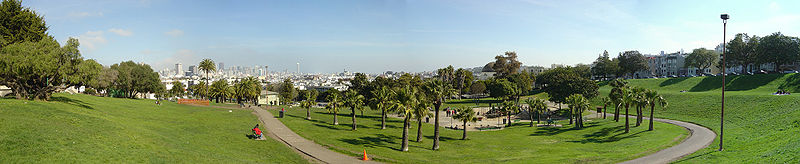
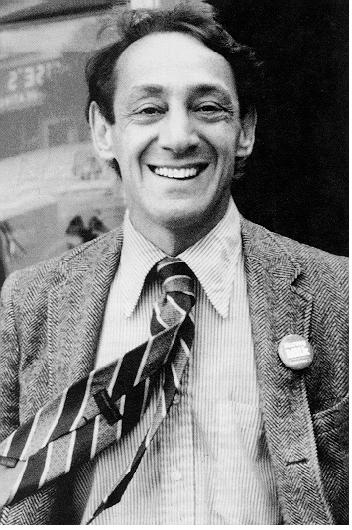
Trolley Dances Meet at the Harvey Milk Center for Recreational Arts at Duboce Park, Scott at Duboce, SF; www.epiphanydance.org. 11am-2:45pm, tours leave every 45 min.; free with MUNI fare. Get out of the theater and into the streets with traveling performances by Epiphany Productions SDT, Joe Goode Performance Group, Sara Shelton Mann, and more as they take you from Duboce Park to the SF Botanical Garden in Golden Gate Park for several unique performance locations.

“The Wild Kitchen” Omnivore Books on Food, 3885a Cesar Chavez, SF; (415) 282-4712. 3pm, free. Hear authors Connie Green and Sara P. Scott discuss their book, The Wild Kitchen: Seasonal Foraged Foods and Recipes, and the increasing popularity of wild delicacies. Green sells her gathered goods across the country to Napa Valley’s finest chefs, so before you buy that expensive meal, consider the free buffet that is California.

Writers with Drinks Make Out Room, 3225 22nd St., SF; (415) 647-2888. 7:30pm, $5-$10 sliding scale. This installment of the monthly spoken word variety show features Marcia Clark, Ken Scholes, Jamie Freveletti, Stephen O’Connor, Kirya Traber and Daniel Allen Cox. Proceeds to benefit the Center for Sex and Culture.

Yerba Buena Fair Yerba Buena Gardens, Mission between 3rd and 4th St., SF; (415) 644-0728. 11am-3pm, free. Celebrate the Yerba Buena neighborhood at the fair featuring live music, dancing, acrobats, neighborhood food vendors, street food vendors, art and history walks, prizes and giveaways, kids activities, and more.

SUNDAY 17

Capsule Hayes Valley Park, Octavia at Hayes, SF; www.capsulesf.com. 11am-6pm, free. Enjoy this fashion design open air market and community party where you can browse locally made clothing, upcycled jewelry and accessories, steampunk-inspired wear, graphic tees, kids clothes, and designer housewares while listening to live music by members of the Jazz Mafia, Brent Bishop and the Part Poopers, and more.

Fiesta on the Hill Cortland between Bocana and Folsom, SF; (415) 206-2140. 10am-6pm, free. Join your friends and neighbors for the 22nd annual Fiesta to benefit the Bernal Heights Neighborhood center, an organization that works to maintain the ethnic, cultural, and economic diversity of Bernal Heights. This alcohol free family event to feature a petting zoo, pony rides, a pumpkin patch, non-profit booths, live music, food vendors and more.


Stage listings

0

Stage listings are compiled by Guardian staff. Performance times may change; call venues to confirm. Reviewers are Robert Avila, Rita Felciano, and Nicole Gluckstern. Submit items for the listings at listings@sfbg.com. 

THEATER

OPENING

Habibi Intersection for the Arts, 446 Valencia; 626-2787, www.theintersection.org. $15-25. Previews Thurs/14-Sun/17, 8pm. Opens Mon/18, 8pm. Runs Thurs-Sun, 8pm. Through Nov 7. Intersection for the Arts and Campo Santo present the world premiere of a play by Sharif Abu-Hamdeh.

Nina and the Monsters Shotwell Studios, 3252A 19th; 509-8656, 509-8656. $10-15. Opens Fri/15, 8pm. Runs Fri-Sat, 8pm (also Sun/17 and Oct 24, 2pm). Ninjaz of Drama with Footloose present a modern-day fairy tale.

Proof Exit Stage Left Theatre, 156 Eddy; www.belljartheatre.com. $20. Opens Fri/15, 8pm. Runs Fri-Sat, 8pm. Through Oct 30. Bell Jar Theatre presents David Auburn’s award-winning play.

Susie Butler Sings the Sarah Vaughan Songbook Exit Theater Cafe, 156 Eddy; (510) 860-0997, www.brownpapertickets.com. $15-20. Opens Sat/16, 8:30pm. Runs Sat, 8:30pm. Through Nov 20. Local actress and singer Susie Butler takes on the Sassy songbook.


ONGOING

Absolutely San Francisco Phoenix Theatre, Stage 2, 414 Mason; 433-1235, www.absolutelysanfrancisco.com. $20-25. Fri-Sat, 8pm. Through Oct 23. A one-woman musical starring Karen Hirst, with book and music by Anne Doherty.

Anita Bryant Died For Your Sins New Conservatory Theatre Center, 25 Van Ness; 861-8972, www.nctcsf.org. $24-40. Wed-Sat, 8pm; Sun, 2pm. Through Oct 24. New Conservatory Theatre Center presents a show by Brian Christopher Williams.

*The Brothers Size Magic Theatre, Bldg D, Fort Mason Center; 441-8822, www.magictheatre.org. $20-60. Dates and times vary. Through Sun/17. Magic Theatre presents the West Coast premiere of Tarell Alvin McCraney’s play, directed by Octavio Solis.

Cat on a Hot Tin Roof Actors Theatre, 855 Bush; 345-1287, www.actorstheatresf.org. $26-38. Wed-Sat, 8pm. Through Oct 22. Actors Theatre presents Tennessee Williams’ sultry, sweltering tale of a Mississippi family, directed by Keith Phillips.

Christian Cagigal’s Obscura: A Magic Show EXIT Cafe, 156 Eddy; (800) 838-3006, www.brownpapertickets.com. $15-25. Thurs-Sat, 8pm. Through Dec 18. Magician Christian Cagigal presents a mix of magic, fairy tales, and dark fables.

Disoriented Off-Market Theater, 960 Mission; (800) 838-3006, www.brownpapertickets.com. $20. Sun, 7pm. Through Oct 17. A trio of solo performances by Asian-American women.

A Funny Thing Happened on the Way to the Forum Eureka Theatre, 215 Jackson; 255-8207, www.42ndstmoon.org. Wed, 7pm; Thurs-Fri, 8pm; Sat, 6pm; Sun, 3pm (also Sat/16, 1pm). Through Oct 24. 42nd Street Moon presents the Sondheim musical farce, starring Megan Cavanagh.

Futurestyle ’79 Off-Market Theater, Studio 250, 965 Mission; (800) 838-3006, www.brownpapertickets.com. $15-20. Wed, 8pm. Through Oct 27. A fully improvised episodic comedy played against the backdrop of SF in 1979.

Hamlet Alcatraz Island; 547-0189, www.weplayers.org. By donation. Sat-Sun, times vary. Through Nov 21. Outside of an actual castle, it would hard to say what could serve as a more appropriate stand-in for Kronborg castle of Helsingør—also known as Elsinore—than the isolated fortress of Alcatraz Island, where WE Players are presenting Hamlet in all its tragic majesty. As audience members tramp along stony paths and through prison corridors from one scene to the next, the brooding tension the site alone creates is palpable, and the very walls impart a sense of character, as opposed to window-dressing. Deftly leaping around rubble and rock, a hardy troupe of thespians and musicians execute the three-hour production with neat precision, guiding the audience to parts of the island and prison edifice that aren’t usually part of the standard Alcatraz tour package. Incorporating movement, mime, live music, and carefully-engineered use of space, the Players turn Alcatraz into Denmark, as their physical bodies meld into Alcatraz. Casting actress Andrus Nichols as the discontent prince of Denmark is an incongruity that works, her passions’ sharp as her swordplay, the close-knit family unit of Laertes, Ophelia, and Polonius are emphatically human (Benjamin Stowe, Misti Boettiger, Jack Halton), and Scott D. Phillips plays the appropriately militaristic and ego-driven Claudius with a cold steel edge. (Gluckstern)

IPH… Brava Theater, 2781 24th St, 647-2822, www.brava.org. $15-35. Thurs-Sat, 8pm. Through Sat/16. Brava Theatre and African-American Shakespeare Company present the US premiere of an adaptation of Iphigenia at Aulis.

*Jerry Springer the Opera Victoria Theatre, 2961 16th; www.jerrysf.com. $20-36. Wed-Sat, 8pm. Through Sat/16. Highbrow meets low in one big, boisterous mono-brow middle as one of the baser of daytime talk-show hosts meets his audience and maker—or anyway Jesus and Satan—in a TV show purgatory that really is purgatory. The form is operatic, the subject matter the stuff of soap, and the resulting tawdry spectacle all but irresistible in Ray of Light Theatre’s production of the 2003 British musical by Richard Thomas (music, book and lyrics) and Stewart Lee (book and lyrics). If the conceit feels a bit one-note, it’s a note taken very cleverly and ably for all its worth. A smart, smarmy and dyspeptic Patrick Michael Dukeman excels in the title role, as the chorus, meanwhile, comprised of Jerry’s rabid studio audience, puts the unbridled hooligan glee in glee club, lending Wagnerian weight to such key phrases as “step-dad” or “chick with a dick.” The grand and just slightly sleazy Victoria Theatre makes the perfect venue for this fine irreverence, filling it charmingly with rafter-shaking vulgarity and mayhem.

Kiss of Blood Hypnodrome Theatre, 575 10th; (800) 838-3006, www.brownpapertickets.com. $25-35. Thurs-Fri, 8pm. Through Nov 19. Thrillpeddlers’ seasonal slice of eyeball is comprised of three playlets variously splattered with platelets, all directed by Russell Blackwood and bridged by a rousing burst of bawdy song from the full cast. Rob Keefe’s Lips of the Damned (after La Veuve by Eugene Heros and Leon Abric) takes place in a rat-infested museum of atrocities just before the fumigating starts, as an adulterous couple—comprised of a kinky married lady (a vivacious Kara Emry) and a naïve hunk from the loading dock (Daniel Bakken)—get their kicks around the guillotine display, and their comeuppance from the jilted proprietor (Flynn DeMarco). Keefe’s delightfully off-the-wall if also somewhat off-kilter Empress of Colma posits three druggy queens in grandma’s basement, where they practice and primp for their chance at drag greatness, and where newly crowned Crystal (a gloriously beaming Blackwood) lords it over resentful and suspicious first-runner-up Patty Himst (Eric Tyson Wertz) and obliviously cheerful, non-sequiturial Sunny (Birdie-Bob Watt). When fag hag Marcie (Emry) arrives with a little sodium pentothal snatched from dental school, the truth will out every tiny closeted secret, and at least one big hairy one. Kiss of Blood, the 1929 Grand Guignol classic, wraps things up with botched brain surgery and a nicely mysterious tale of a haunted and agonized man (Wertz) desperate to have Paris’s preeminent surgeon (DeMarco) cut off the seemingly normal finger driving him into paroxysms of pain and panic. Well-acted in the preposterously melodramatic style of the gory genre, the play (among one or two other things) comes off in a most satisfying fashion. (Avila)

Last Days of Judas Iscariot Gough Street Playhouse, 1620 Gough; (510) 207-5774, www.CustomMade.org. $10-30. Thurs-Sat, 8pm; Sun, 7pm. Through Oct 30. Custom Made Theatre Company presents the 2005 play by New York’s Stephen Adly Guirgis (Our Lady of 121st Street, Jesus Hopped the A Train), which places purgatorial Judas (Kristoffer Alberto Barrera) on trial to determine his deserved fate for dropping a dime on Jesus and all that jazz. Flamboyant, sycophantic and horny prosecutor El-Fayoumy (Ben Ortega) and defense attorney Loretta (Amelia Avila) call between them a series of brow-raising witnesses—including Mother Teresa (Brandy Leggett), Sigmund Freud (Catz Forsman), and Satan (Richard Wenzel)—as Judas (seated on the upper tier of Sarah Phykitt’s suitably imposing split-level set) stares stoically in relative silence or appears in a series of childhood flashbacks. Characteristically funny and streetwise, as well as versed in the Catholic rigmarole as filtered through a NYC-boroughs sensibility, Guirgis’s play is also unusually tedious in its jokey, poky unfolding since—offering not much more than a cipher in the largely mute Iscariot—the proceedings lack a strong sense of dramatic stakes. It feels more like a revue than a play, or like an unnecessarily long-winded excuse for the final, well-turned concluding monologue by a heretofore marginal character (a speech delivered with admirable understatement by director Brian Katz). (Avila)

Love Song Exit Theatre, 156 Eddy; (800) 838-3006, www.brownpapertickets.com. $20. Thurs-Fri, 8pm; Sat, 3 and 8pm. Through Oct 23. An offbeat comedy by John Kolvenbach, directed by Loretta Janca.

Mary Stuart The Ashby Stage, 1901 Ashby, Berk; (510) 841-6500, www.shotgunplayers.org. $15-30. Thurs-Sat, 8pm; Sun, 5pm. (also Oct 20, Oct 27, Nov 3; 7pm). Through Nov 7. Shotgun Players presents Friedrich Schiller’s historical drama, directed by Mark Jackson.

*The Real Americans The Marsh MainStage, 1062 Valencia; (800) 838-3006; www.themarsh.org. $20-50. Wed-Fri, 8pm; Sun, 5pm. Through Nov 6. The fifth extension of Dan Hoyle’s acclaimed show, directed by Charlie Varon.

*Scapin American Conservatory Theatre, 415 Geary; 749-2228, www.act-sf.org. $10-90. Tues-Sun, times vary. Through Oct 23. Bill Irwin, the innovative former Pickle Family clown and neo-vaudevillian turned Broadway star, makes a San Francisco return at the helm—and in the title role—of American Conservatory Theater’s production of Moliere’s classic farce. It’s an excuse for some arch meta-theatrical high jinx as well as expert clowning, a love fest really, with many fine moments amid a general font of fun whose heady purity seems like it should fall under some FDA regulation or other—clearly, somebody has paid someone to look the other way, and for once the corruption is unreservedly welcome. Joining the fun is Irwin’s old comrade-in-arms and, here, sacks, Geoff Hoyle, as miserly and dyspeptic daddy Geronte. Other ACT regulars and veterans flesh out a winning cast, among them the ever versatile and inimitable Gregory Wallace as Octave, a flouncing Steven Anthony Jones as put-out patriarch Argante, René Augesen as boisterously unlikely “virgin” Zerbinette, and a wonderfully adept and scene-stealing Judd Williford in the role of Scapin sidekick Sylvestre. As for Irwin, his comedic sensibility shows itself scrupulously apt and timeless at once, and his sure, lithesome performance intoxicating and age-defying. As a director, moreover, he gives as generously to each of his fellow performers as he does to his adoring, lovingly tousled audience. (Avila)

The Shining: Live The Dark Room, 2263 Mission; 401-77891, www.darkroomsf.com. $7-10. Fri-Sat, 8pm. Through Oct 23. The Dark Room becomes the Overlook Hotel in this stage production of the horror classic.

Sunset Limited SF Playhouse, 533 Sutter; 677-9596, www.sfplayhouse.org. $40-50. Tues-Wed, 7pm; Thurs-Fri, 8pm; Sat, 3 and 8pm. Through Nov 6. This 2006 play by Cormac McCarthy exhibits some of the best and worst of the celebrated author, but significantly more of the latter. It sets an aging white academic and failed suicide (Charles Dean) in a room with his rescuer and would-be savior, a poor black social worker (Carl Lumbly), who has just snatched him from a railway platform ahead of a tête-à-tête with a train called the Sunset Limited. Both characters remain nameless, emphasizing the abstract pseudo-Socratic dimensions attendant on the dialogue-driven realism here (staged with a knowing wink in director Bill English’s scenic design, a partially walled wood-framed shack with see-through slits between the thin horizontal planking). The black man is a born-again Christian and ex-con convinced Jesus has just given him a major assignment. His dogmatic certainty is matched by the white man’s nihilism and despair. “I believe in the primacy of the intellect,” the miserable prof tells his host, who’s locked the door on his self-destructive guest in an effort to buy time to change his mind. Leaving aside the historically clichéd, problematic and baggage-heavy dynamic of a poor black American devoted to the welfare of a rich white one, neither man moves from his respective position one inch (at least until perhaps and partially at the very end), which constrains the dramatic development. Moreover, both sides argue feebly, mainly by gainsaying whatever it is the other one says, making this not a great intellectual debate either. SF Playhouse’s production sets two fine actors at this heavy-handed twofer, but little can be done to redeem so static and arid an exercise. (Avila)

Superior Donuts TheatreWorks at the Mountain View Center for the Performing Arts, 500 Castro; (650) 463-1960, www.theatreworks.org. $19-67. Tues-Wed, 7:30pm; Thurs-Fri, 8pm; Sat, 2 and 8pm; Sun, 2 and 7pm. Through Oct 31. TheatreWorks presents Tracy Letts’ tale of friendship and redemption in a Chicago donut dispensary.

Zombie Town Stage Werx Theatre, 533 Sutter; www.stagewerx.org. (800) 838-3006, www.brownpapertickets.com. $24. Thurs-Sat, 8pm (also Oct 31, 5pm). Through Oct 31. Catharsis Theatre Collective presents a documentary play about zombie attacks in Texas.


BAY AREA

Angels in America, Part One Pear Avenue Theatre, 1220 Pear, Mtn View; (650) 254-1148, www.thepear.org. $15-30. Thurs-Fri, 8pm; Sat, 2 and 8pm; Sun, 2pm. Through Sat/16. Pear Avenue Theatre kicks off its fall “Americana” program with the Tony Kushner play.

*Compulsion Berkeley Repertory Theatre, Thrust Stage, 2025 Addison; (510) 647-2949, www.berkeleyrep.org. $29-85. Dates and times vary. Through Oct 31. Director Oscar Eustis of New York’s Public Theater marks a Bay Area return with an imaginatively layered staging of Rinne Groff’s stimulating new play. Compulsion locates the momentous yet dauntingly complex cultural-political outcomes of the Holocaust in the career of a provocative Jewish American character, Sid Silver, driven by real horror, sometimes-specious paranoia, and unbounded ego in his battle for control over the staging of Anne Frank’s Diary. A commandingly intense and fascinatingly nuanced Mandy Patinkin plays the brash, litigious Silver, based on real-life writer Meyer Levin, a best-selling author who obsessively pursued rights to stage his own version of Anne Frank’s story. The forces competing for ownership of, and identification with, Anne Frank and her hugely influential diary extend far beyond her father Otto, Silver, or the diary’s publishers at Doubleday (represented here by a smooth Matte Osian in a variety of parts; and a vital Hannah Cabell, who doubles as Silver’s increasingly alarmed and alienated French wife). But the power of Groff’s play lies in grounding the deeply convoluted and compromised history of that text and, by extension, the memory and meanings of the Holocaust itself, in a small set of forceful characters—augmented by astute use of marionettes (designed by Matt Acheson) and the words of Anne Frank herself (partially projected in Jeff Sugg’s impressive video design). The productive dramatic tension doesn’t let up, even after the seeming grace of the last-line, which relieves Silver of worldly burdens but leaves us brooding on their shifting meanings and ends. (Avila)

*East 14th: True Tales of a Reluctant Player Marsh Berkeley, 2120 Allston, Berk; www.themarsh.org. $20-50. Dates and times vary. Through Nov 21. Don Reed’s solo play, making its Oakland debut after an acclaimed New York run, is truly a welcome homecoming twice over. (Avila)

*Loveland The Marsh Berkeley, 2120 Allston Way; (800) 838-3006, www.brownpapertickets.com. $20-50. Fri, 7pm; Sat, 5pm. Through Nov 13. Ann Randolph’s acclaimed one-woman comic show about grief returns for its sixth sold-out extension.

Music listings

0

Music listings are compiled by Paula Connelly and Cheryl Eddy. Since club life is unpredictable, it’s a good idea to call ahead to confirm bookings and hours. Prices are listed when provided to us. Submit items for the listings at listings@sfbg.com.

WEDNESDAY 13

ROCK/BLUES/HIP-HOP

*Dead Sea, Grayceon, DJ Crackwhore Elbo Room. 9pm, $7.

Femka Project, Sleeping Desires Knockout. 9:30pm, $6. With DJs Omar, Josh, and Justin.

Floater, Trophy Fire, Apopka Darkroom Bottom of the Hill. 9pm, $10.

Macy Gray Bimbo’s 365 Club. 8pm, $25.

*Immolation, Vader, Abigail Williams, Lecherous Nocturne, Pathology DNA Lounge. 6:30pm, $22.

Jason King Band Biscuits and Blues. 8 and 10pm, $15.

Jolly Good Fellows, Astral Force, Zej El Rio. 8pm, $5.

K-OS, Shad, Astronautilus Slim’s. 9pm, $16.

Jane Lui, Goh Nakamura, Melissa Polinar Café Du Nord. 9:30pm, $10.

Script Fillmore. 8pm, $25.

Shadow Shadow Shade, AM Magic, Upstairs Downstairs Red Devil Lounge. 8pm, $8.

Shuteye Union, Carcrashlander, Silian Rail Rickshaw Stop. 8pm, $10.

Skarhead, Alcatraz, Dro City Holocaust, Plead the Fifth, Adlib and Panic Thee Parkside. 8pm, $13-15.

Th Mrcy Hot Springs, Pure Country Gold, Mystery Lights Hemlock Tavern. 9pm, $6.

Hawksley Workman, Sallie Ford and the Sound Outside, Paul M. Davis Hotel Utah. 8pm, $10.

DANCE CLUBS

Booty Call Q-Bar, 456 Castro, SF; www.bootycallwednesdays.com. 9pm. Juanita Moore hosts this dance party, featuring DJ Robot Hustle.

Hands Down! Bar on Church. 9pm, free. With DJs Claksaarb, Mykill, and guests spinning indie, electro, house, and bangers.

Jam Fresh Wednesdays Vessel, 85 Campton, SF; (415) 433-8585. 9:30pm, free. With DJs Slick D, Chris Clouse, Rich Era, Don Lynch, and more spinning top40, mashups, hip hop, and remixes.

Mary-Go-Round Lookout, 3600 16th St, SF; (415) 431-0306. 10pm, $5. A weekly drag show with hosts Cookie Dough, Pollo Del Mar, and Suppositori Spelling.

Open Mic Night 330 Ritch. 9pm, $7.

RedWine Social Dalva. 9pm-2am, free. DJ TophOne and guests spin outernational funk and get drunk.

Respect Wednesdays End Up. 10pm, $5. Rotating DJs Daddy Rolo, Young Fyah, Irie Dole, I-Vier, Sake One, Serg, and more spinning reggae, dancehall, roots, lovers rock, and mash ups.

Switch Triple Crown. 9pm, free. With DJ Cheb i Sabbah.

Synchronize Il Pirata, 2007 16th St, SF; (415) 626-2626. 10pm, free. Psychedelic dance music with DJs Helios, Gatto Matto, Psy Lotus, Intergalactoid, and guests.

THURSDAY 14

ROCK/BLUES/HIP-HOP

Acorn, Leif Vollebekk, Angel Island Café Du Nord. 9pm, $12.

Atomic Love Bombs, Blisses B, Stove, Friends of the River Hotel Utah. 8pm, $8.

Dan Black, Butterfly Bones, DJ Morale Independent. 9pm, $15.

Chikita Violenta, Leopold and His Fiction, Echo Twin Bottom of the Hill. 9pm, $12.

Crayon Fields, Magic Bullets, Mystery Claws Rickshaw Stop. 8pm, $12.

*Fishbone, Everything Must Go, Loyd Family Players DNA Lounge. 8pm, $14. SF DocFest opening night party.

Larry Garner Biscuits and Blues. 8 and 10pm, $15.

Hoodoo Gurus, Wrong Words Great American Music Hall. 8pm, $26.

Jail Weddings, Lotus Moons, We Are Country Mice Hemlock Tavern. 9pm, $7.

Erica Sunshine Lee, Camaron Ochs, Kelly McFarling Slim’s. 8pm, $13.

Mental 99 El Rio. 7pm, free.

*Silver Griffin, Manzanita, Orchestra of Antlers Red Devil Lounge. 8pm, $6.

JAZZ/NEW MUSIC

Brian Andres and the Afro-Cuban Jazz Cartel Coda. 8:30pm, $10.

Kasey Knudsen, Liza Mezzacappa, Permanent Wave Ensamble Amnesia. 9pm, $5. Part of SFJazz Hotplate Series.

Manhattan Transfer Herbst Theatre, 401 Van Ness, SF; www.sfjazz.org. 7:30pm, $30-75.

FOLK/WORLD/COUNTRY

Savannah Blue Atlas Café. 8pm, free.

“Songwriters Unplugged Showcase III” Yoshi’s San Francisco. 8pm, $14. With Bonnie Hayes, Heather Combs, Anita Lofton, Valerie Orth, and Ziva.

Tu Gusto Musical Coda. 8:30pm, $10. With Brian Andres and the Afro-Cuban Jazz Cartel, Avotcja and Modupue, Alejandro Chavez and Friends, Patricio Angulo and the Sonado Project, and more.

DANCE CLUBS

Afrolicious Elbo Room. 9:30pm, $10. DJs Pleasuremaker and Señor Oz spin Afrobeat, tropicália, electro, samba, and funk.

CakeMIX SF Wish, 1539 Folsom, SF; www.wishsf.com. 10pm, free. DJ Carey Kopp spinning funk, soul, and hip hop.

Caribbean Connection Little Baobab, 3388 19th St, SF; (415) 643-3558. 10pm, $3. DJ Stevie B and guests spin reggae, soca, zouk, reggaetón, and more.

Drop the Pressure Underground SF. 6-10pm, free. Electro, house, and datafunk highlight this weekly happy hour.

Good Foot Som., 2925 16th St, SF; (415) 558-8521. 10pm, free. With DJs spinning R&B, Hip hop, classics, and soul.

Jivin’ Dirty Disco Butter, 354 11th St., SF; (415) 863-5964. 8pm, free. With DJs spinning disco, funk, and classics.

Kissing Booth Make-Out Room. 9pm, free. DJs Jory, Commodore 69, and more spinning indie dance, disco, 80’s, and electro.

Koko Puffs Koko Cocktails, 1060 Geary, SF; (415) 885-4788. 10pm, free. Dubby roots reggae and Jamaican funk from rotating DJs.

Libra Dance Party Deco Lounge, 510 Larkin, SF; (415) 346-2025. 8:30pm, free. With DJs L’Elephant, Tres Lingerie, Steve Fabus, Sergio, Ken Vulsion, André Lucero, and more spinning dance, housem funk, jazz, boogie, and more.

Mestiza Bollywood Café, 3376 19th St, SF; (415) 970-0362. 10pm, free. Showcasing progressive Latin and global beats with DJ Juan Data.

Motion Sickness Vertigo, 1160 Polk, SF; (415) 674-1278. 10pm, free. Genre-bending dance party with DJs Sneaky P, Public Frenemy, and D_Ro Cyclist.

Paul Oakenfold, Chuckie, Kenneth Thomas Fillmore. 8pm, $35. Spinning electronic.

Peaches Skylark, 10pm, free. With an all female DJ line up featuring Deeandroid, Lady Fingaz, That Girl, and Umami spinning hip hop.

Popscene 330 Rich. 10pm, $10. Rotating DJs spinning indie, Britpop, electro, new wave, and post-punk.

Queer Porn TV El Rio. 8pm, $5. A super sexy variety show with Venus in Furs, DJs PRDCT, and Primo, Boylesque by James Darling, a kinky kissing booth, a porno-preview peepshow, and more.

FRIDAY 15

ROCK/BLUES/HIP-HOP

Birds and Batteries, Geographer, Holy Rolling Empire Bottom of the Hill. 10pm, $12.

Blood Red Shoes, Sky Larkin, My First Earthquake Rickshaw Stop. 8:30pm, $12.

Matt Costa, Threes and Nines Slim’s. 9pm, $16.

“Delta Wire’s 40th Year Celebration” Biscuits and Blues. 8 and 10pm, $20.

Jason Derulo, Auburn Regency Ballroom. 8pm, $28.

*Die Antwoord Ameoba, 1855 Haight, SF; www.amoeba.com. 6pm, free.

Girls, Holy Shit, She’s Fillmore. 9pm, $22.50.

Hollyhocks, Billy and Dolly Make-Out Room. 7:30pm, $7.

Indian Jewelry, Clipd Beaks, Late Young Hemlock Tavern. 9:30pm, $10.

Rubblebucket, Kiss and Tell Boom Boom Room. 9:30pm, $10.

Scream, Dusted Angel, Dead Meat Thee Parkside. 9pm, $10-12.

7 Orange ABC, King Baldwin, Maiden Lane, Ladies on a Train Hotel Utah. 8:30pm, $8.

*Kelley Stoltz, Fresh and Onlys, Carletta Sue Kay Café Du Nord. 9:30pm, $12.

Soundearth, Bpos, Agentstriknine, Mantis One El Rio. 9pm, $10.

Tainted Love Bimbo’s 365 Club. 9pm, $23.

JAZZ/NEW MUSIC

Garaj Mahal Swedish American Hall (upstairs from Café Du Nord). 8pm, $35.

FOLK/WORLD/COUNTRY

Meredith Axelrod and Craig Ventresco Amnesia. 7pm, free.

Gaelic Storm Great American Music Hall. 9pm, $20.

Latin Kings All-Stars Yoshi’s San Francisco. 8 and 10pm, $25.

Native Elements Coda. 10pm, $10.

DANCE CLUBS

Club Dragon Club Eight, 1151 Folsom, SF; www.eightsf.com. 9pm, $8. A gay Asian paradise. Featuring two dance floors playing dance and hip hop, smoking patio, and 2 for 1 drinks before 10pm.

Dirty Rotten Dance Party Madrone Art Bar. 9pm, $5. With DJs Morale, Kap10 Harris, and Shane King spinning electro, bootybass, crunk, swampy breaks, hyphy, rap, and party classics.

Exhale, Fridays Project One Gallery, 251 Rhode Island, SF; (415) 465-2129. 5pm, $5. Happy hour with art, fine food, and music with Vin Sol, King Most, DJ Centipede, and Shane King.

Fat Stack Fridays Koko Cocktails, 1060 Geary, SF; (415) 885-4788. 10pm, free. With rotating DJs B-Cause, Vinnie Esparza, Mr. Robinson, Toph One, and Slopoke.

Fubar Fridays Butter, 354 11th St., SF; (415) 863-5964. 6pm, $5. With DJs spinning retro mashup remixes.

Good Life Fridays Apartment 24, 440 Broadway, SF; (415) 989-3434. 10pm, $10. With DJ Brian spinning hip hop, mashups, and top 40.

Hella Tight Amnesia. 10pm, $3.

Hot Chocolate Milk. 9pm, $5. With DJs Big Fat Frog, Chardmo, DuseRock, and more spinning old and new school funk.

Hubba Hubba Revue: Mad Science DNA Lounge. 9pm, $10-15. Burlesque gone mad with the Fuxedos.

Jah Yzer’s Nickel Bag of Funk Birthday Celebration Elbo Room. 10pm, $5. Hip-hop and reggae with DJs Ant-One, Sean G, and Jah Yzer.

Mercury Soul 111 Minna Gallery. 5pm, free. A happy hour filled with DJ sets and string quartets.

Oldies Night Knockout. 9pm, $2-4. Doo-wop and one-hit wonders with DJs Primo, Daniel, and Lost Cat.

Radioactivity 222 Hyde, SF; (415) 440-0222. 6pm. Synth sounds of the cold war era.

Rockabilly Fridays Jay N Bee Club, 2736 20th St, SF; (415) 824-4190. 9pm, free. With DJs Rockin’ Raul, Oakie Oran, Sergio Iglesias, and Tanoa “Samoa Boy” spinning 50s and 60s Doo Wop, Rockabilly, Bop, Jive, and more.

Some Thing The Stud. 10pm, $7. VivvyAnne Forevermore, Glamamore, and DJ Down-E give you fierce drag shows and afterhours dancing.

*Z-Trip Mighty. 9pm, $25.

SATURDAY 16

ROCK/BLUES/HIP-HOP

Big Lion, Mental 99, Clair, True Margrit, Battlin’ Bluebirds Bottom of the Hill. 9:30pm, $10.

Burmese, Kowloon Walled City, Nero Order Hemlock Tavern. 9:30pm, $7.

Meklit Hadero Swedish American Hall (upstairs from Café Du Nord). 8pm, $25.

Jackie Payne Band Biscuits and Blues. 8 and 10pm, $20.

McTuff Coda. 10pm, $10.

Morning Benders, Twin Sister, Cults Fillmore. 9pm, $20.

No Alternative, Everything Must Go, Hightower El Rio. 10pm, $7.

Rogue Wave, Mumlers Independent. 9pm, $15.

Rubblebucket, Katdelic Boom Boom Room. 9:30pm, $10.

Sic Alps, Howlin Rain, Wooden Shjips, Greg Ashley, Assemble Head in Sunburst Sound Thee Parkside. 1:30pm, $15. With Carlton Melton, White Manna, Young Prisms, and more.

Scott Alan Simmons, JJ Schultz Band, Glittersnatch Hotel Utah. 9pm, $10.

Street Dogs, Devil’s Brigade, Flatfoot 56, Continental Slim’s. 8pm, $16.

Tainted Love Bimbo’s 365 Club. 9pm, $23.

Wiz Khalifa, Yelawolf 8pm, $22.50.

JAZZ/NEW MUSIC

“Ladies of Jazz” Noe Valley Ministry, 1021 Sanchez, SF; www.noevalleymusicseries.com. 8:15pm, $25. With Cathi Walkup, Jennifer Lee, Leanne Weatherly, and Melissa Dinwiddie.

Stella Royale Café Royale, 800 Post, SF; (415) 641-6033. 8pm, free.

FOLK/WORLD/COUNTRY

Robert Gastalum, Esben and the Witch Amnesia. 7pm, free.

Craig Ventresco and Meredith Axelrod Atlas Café. 4pm, free.

DANCE CLUBS

Bar on Church 9pm. Rotating DJs Foxxee, Joseph Lee, Zhaldee, Mark Andrus, and Nuxx.

Bootie: Hubba Hubba Revue Pirate Show DNA Lounge. 9pm, $6-12. Mash-ups, burlesque, and more.

Booty Bassment Knockout. 10pm, $5. Hip-hop with DJs Ryan Poulsen and Dimitri Dickenson.

Cock Fight Underground SF. 9pm, $7. Gay locker room antics galore with electro-spinning DJ Earworm, MyKill, and Dcnstrct.

Fire Corner Koko Cocktails, 1060 Geary, SF; (415) 885-4788. 9:30pm, free. Rare and outrageous ska, rocksteady, and reggae vinyl with Revival Sound System and guests.

Fringe Madrone Art Bar. 9pm, $5. With DJs Blondie K and subOctave spinning indie music videos.

Full House Gravity, 3505 Scott, SF; (415) 776-1928. 9pm, $10. With DJs Roost Uno and Pony P spinning dirty hip hop.

HYP Club Eight, 1151 Folsom, SF; www.eightsf.com. 10pm, free. Gay and lesbian hip hop party, featuring DJs spinning the newest in the top 40s hip hop and hyphy.

Ok Hole Amnesia. 9pm, $5. With DJs Nay Nay, Muscledrum, and C.L.A.W.S. spinning dance music.

Prince vs. Michael Madrone Art Bar. 8pm, $5. With DJs Dave Paul and Jeff Harris battling it out on the turntables with album cuts, remixes, rare tracks, and classics.

Rock City Butter, 354 11th St., SF; (415) 863-5964. 6pm, $5 after 10pm. With DJs spinning party rock.

Saturday Night Soul Party Elbo Room. 10pm-2am, $10. DJs Lucky, Paul Paul, and Phengren Oswald spin butt-shakin’ ’60s soul on 45.

Spirit Fingers Sessions 330 Ritch. 9pm, free. With DJ Morse Code and live guest performances.

SUNDAY 17

ROCK/BLUES/HIP-HOP

Arrington De Dionysos Malaikat dan Singa, Edmund Welles, Lickets Hotel Utah. 9pm, $7.

*Batusis, Re-Volts Thee Parkside. 8pm, $12-15.

Craig Chaquico Yoshi’s San Francisco. 7 and 9pm, $25.

Lloyd Gregory Biscuits and Blues. 8 and 10pm, $15.

Hot Chip, Sleigh Bells Warfield. 9pm, $38.

Johnny Hi-Fi, Lion Riding Horses, Festizio Café Du Nord. 8pm, $10.

Living Colour, Against the Girl Independent. 8pm, $25.

Amy Obenski Rock-It Room. 7pm, free.

Say Anything, Motion City Soundtrack, Saves the Day, Valencia Regency Ballroom. 8pm, $27.

Toys That Kill, Fleshies, Rank/Xerox Hemlock Tavern. 8pm, $7.

JAZZ/NEW MUSIC

Laurie Antonioli, Matt Clar, and John Shifflett Bliss Bar, 4026 24th St, SF; (415) 826-6200. 4:30pm, $10.

Clarinet Thing Koret Auditorium, de Young Museum, Golden Gate Park, 50 Hagiwara Tea Garden Dr, SF; www.theintersection.org. 2pm, free.

FOLK/WORLD/COUNTRY

Candela El Rio. 4pm, $8.

Gayle Lynn and Her Hired Hands Thee Parkside. 4pm, free.

DANCE CLUBS

Call In Sick Skylark. 9pm, free. DJs Animal and I Will spin danceable hip-hop.

DiscoFunk Mashups Cat Club. 10pm, free. House and 70’s music.

Dub Mission Elbo Room. 9pm, $6. Dub, dubstep, roots, and dancehall with Vinnie Esparza and J Boogie.

Gloss Sundays Trigger, 2344 Market, SF; (415) 551-CLUB. 7pm. With DJ Hawthorne spinning house, funk, soul, retro, and disco.

Honey Soundsystem Paradise Lounge. 8pm-2am. “Dance floor for dancers – sound system for lovers.” Got that?

Jock! Lookout, 3600 16th St, SF; (415) 431-0306. 3pm, $2. This high-energy party raises money for LGBT sports teams.

Kick It Bar on Church. 9pm. Hip-hop with DJ Zax.

Lowbrow Sunday Delirium. 1pm, free. DJ Roost Uno and guests spinning club hip hop, indie, and top 40s.

Pachanga Coda. 7pm, $10. Salsa dance party with DJs Fab Fred and DJ Antonio, with Louie Romero y Mazacote.

Religion Bar on Church. 3pm. With DJ Nikita.

Stag AsiaSF. 6pm, $5. Gay bachelor parties are the target demo of this weekly erotic tea dance.

Swing Out Sundays Rock-It Room. 7pm, free (dance lessons $15). DJ BeBop Burnie spins 20s through 50s swing, jive, and more.

MONDAY 18

ROCK/BLUES/HIP-HOP

David Bazan, Wye Oak Independent. 8pm, $15.

Califone, Greg Ashley Bottom of the Hill. 9pm, $12.

Tia Carroll Biscuits and Blues. 8 and 10pm, $15.

Envy, La Dispute, Touche Amore, And So I Watch You From Afar Café Du Nord. 8pm, $14.

Flyleaf, Story of the Year Regency Ballroom. 7:30pm, $25.

Jugtown Pirates, Rob and Cindy, Chris Jeffries and the Plastic Fantastic Lovestains Elbo Room. 9pm, $5.

*Lydia and the Projects, Dina Maccabee Band, Matthew Edwards and the Unfortunates Knockout. 9pm, $7.

Elissa P., Dot Punto, Moonlight Orchestra El Rio. 7pm, $5.

DANCE CLUBS

Black Gold Koko Cocktails, 1060 Geary, SF; (415) 885-4788. 10pm-2am, free. Senator Soul spins Detroit soul, Motown, New Orleans R&B, and more — all on 45!

Death Guild DNA Lounge. 9:30pm, $3-5. Gothic, industrial, and synthpop with DJs Decay, Joe Radio, and Melting Girl.

Household Triple Crown. 9pm, free. With DJs Mr. White, Kimmy Le Funk, Gabriel Testadorra, and Daren Grant spinning house, disco, techno, hip hop, funk, and soul.

Krazy Mondays Beauty Bar. 10pm, free. With DJs Ant-1, $ir-Tipp, Ruby Red I, Lo, and Gelo spinning hip hop.

M.O.M. Madrone Art Bar. 6pm, free. With DJ Gordo Cabeza and guests playing all Motown every Monday.

Manic Mondays Bar on Church. 9pm. Drink 80-cent cosmos with Djs Mark Andrus and Dangerous Dan.

Musik for Your Teeth Revolution Café, 3248 22nd St., SF; (415) 642-0474. 5pm, free. Soul cookin’ happy hour tunes with DJ Antonino Musco.

Network Mondays Azul Lounge, One Tillman Pl, SF; www.inhousetalent.com. 9pm, $5. Hip-hop, R&B, and spoken word open mic, plus featured performers.

Punk Rock Sideshow Hemlock Tavern. 10pm, free. With DJ Tragic and Duchess of Hazard.

Skylarking Skylark. 10pm, free. With resident DJs I & I Vibration, Beatnok, and Mr. Lucky and weekly guest DJs.

TUESDAY 19

ROCK/BLUES/HIP-HOP

Cory Chisel, Sahara Smith Café Du Nord. 8pm, $12.

Dahga Bloom, Moccreto, Superstitions Five Points Arthouse, 72 Tehama, SF; www.fivepointsarthouse.com. 9pm.

Electric Shepherd, Outlets, Swaybone Bottom of the Hill. 9pm, $8.

Film School, LoveLikeFire, Fake Your Own Death Independent. 8pm, $15.

Half Handed Cloud, Roar, Carol Cleveland Sings Hemlock Tavern. 9pm, $6.

Minus the Bear, Tim Kasher, AM Regency Ballroom. 7:30pm, $24.

Nick Moss and the Flip Tops Biscuits and Blues. 8 and 10pm, $20.

Ash Reiter, Petracovich, Jamie Drake, Carly Escoto Hotel Utah. 9pm, $6.

Sentinel Beast, Hatchet, Vindicator, Possessor Thee Parkside. 8pm, $8.

Villagers, Dave Smallen, Attachments, Yourstru.ly Rickshaw Stop. 8pm, $12.

DANCE CLUBS

Alcoholocaust Presents Argus Lounge. 9pm, free. With DJ What’s His Fuck.

Brazilian Wax Elbo Room. 9pm, $7. With Forro Brazuca and DJs Carioca and P-Shot.

Eclectic Company Skylark, 9pm, free. DJs Tones and Jaybee spin old school hip hop, bass, dub, glitch, and electro.

Rock Out Karaoke! Amnesia. 7:30pm. With Glenny Kravitz.

Share the Love Trigger, 2344 Market, SF; (415) 551-CLUB. 5pm, free. With DJ Pam Hubbuck spinning house.

Womanizer Bar on Church. 9pm. With DJ Nuxx.

 

Waiting to inhale

0

news@sfbg.com

Much of the controversy around Proposition 19, which would legalize marijuana in California for even nonmedical uses, involves speculation about what comes next. Hash bars on Market Street? Packs of joints next to the cigarettes in Mission District bodegas? Bags of green buds available with the bongs for sale on Haight Street? They are questions that have yet to get serious consideration in the city where the medical marijuana movement was launched.

The measure would give local governments almost complete control over how to regulate recreational-use cannabis sales in much the same way that cities set their own standards for medical marijuana dispensaries, a realm in which San Francisco has shown real leadership and created a well-functioning, successful, and legitimate industry (see “Marijuana goes mainstream,” Jan. 27).

But San Franciscans have been slow to prepare for the post-Prop. 19 world, with some other Bay Area cities leaving it in the dust on these issues. Oakland City Council Member Rebecca Kaplan, who is now running for mayor, not only spearheaded that city’s ballot measures on taxing recreational pot sales and permitting large scale growing operations, she’s actively talking using the Amsterdam model to revitalize the city’s downtown business district.

“[Hash bars] absolutely potentially would be part of the mix,” Kaplan told us when we asked about the issue during her mayoral endorsement interview, seeing it as part of a multipronged economic development strategy.

When asked if Oakland should have places where people could go to blaze legally, something Oakland doesn’t allow in its medical marijuana dispensaries, Kaplan said, “Yes. Oh yeah, we’re definitely gonna have those. The only question is gonna be whether the consumption facilities are separate from [those for] sales,” or if they’re under the same roof.

Kaplan thinks this will be part of the winning strategy that takes cannabis use off street corners while acknowledging its appeal to visitors and “synergy with the restaurants. When I talk about wanting to replicate the Amsterdam model in Oakland … it doesn’t just mean that you have … a regulated cannabis facility. You also have restaurants, shops, pedestrian safety, nice lighting, patio dining, musicians, artists.”

She points out that although an Oakland-regulated cannabis industry may use current alcohol regulation as a template, the two substances would not be sold alongside each other. “Frankly, ABC [California Department of Alcoholic Beverage Control) will freak out.” That means, at least in Oakland, you won’t be able to purchase cannabis at bars, liquor, or grocery stores.

On this side of the bay, Sup. Ross Mirkarimi — who wrote the regulations on the city’s medical marijuana facilities — says it is “extremely premature” to contemplate Amsterdam-esque hash bars. “That would have to occur within a strong regulatory framework,” he said, one the Board of Supervisors has yet to envision. San Francisco attorney David Owen, who has helped advise some medical marijuana purveyors, said some dispensaries currently allow on-site medication, and San Francisco might legislate to extend the practice to bars.

Meanwhile other California cities such as Berkeley and Oakland are anticipating Prop. 19’s passage much more proactively. Berkeley’s Measure S would tax cannabis businesses, applying different rates to for profit med-use cannabis businesses, nonprofit med-use businesses, and rec-use businesses (which won’t exist unless Prop 19 passes). The measure would secure medical-use cannabis for low-income patients and tighten regulations on Berkeley’s current med-use dispensaries and cultivators regardless of how Prop. 19 fares. There’s also a Measure T on the ballot that would establish a new committee that, in the event that Prop. 19 passes, would advise city officials on how to implement it.

Berkeley City Council Member Kriss Worthington said planning for the post-Prop. 19 world is smart to “synchronize a forward movement on the state and local level” and to “hit the ground running,” a sentiment that Kaplan also voiced for Oakland and one shared by other cities.

Stockton’s Measure I would tax rec-use cannabis businesses at a higher rate than med-use businesses. Sacramento’s Measure C is similar, containing a provision for a rec-use tax range if Prop. 19 passes. Richmond’s Measure V would tax 5 percent of gross sales of cannabis, and could apply to rec-use businesses too. Oakland’s Measure V would add a 5 percent tax to other taxes already on med-use cannabis, and put a 10 percent sales tax on rec-use cannabis. Measure H, on Rancho Cordova’s ballot, would tax personal cultivation at a higher tax on any square footage beyond the 25 square feet that Prop 19 specifies. Long Beach’s Measure B would establish a business license tax on the city’s potential recreational cannabis businesses. Even Albany, which has no dispensaries, would tax for-profit and nonprofit dispensaries differently through its Measure Q.

But Mirkarimi said he would like to tax marijuana cultivation, and has even voiced support for med-use cannabis dispensaries working directly with SF General Hospital to provide to patients, “thereby segregating a special use” and keeping cannabis prices low or nonexistent based on patient needs.

So if Prop. 19 passes, where will San Franciscans be able to purchase rec-use cannabis? Current med-use dispensaries may be a logical choice. “We already have the infrastructure,” said SF dispensary Medithrive co-owner Daniel Bornstein.

Whereas alcohol purveyors are accustomed to providing one barrier to purchase (when they card the buyer), dispensaries such as Medithrive offer many. “We already card and only accept patronage from those with a valid doctor recommendation. We also require he/she become a member of the dispensary and limit to one visit per day.”

When he contemplates whether Medithrive might provide rec-use cannabis in the future, Bornstein says “If [the city adopts] a responsible statute that’s fair, we would welcome the opportunity to offer a broadened service to more people.”

That avenue troubles Mirkarimi. “I don’t know how that works,” he said. Rec-use cannabis purchase would require no doctor’s notes and could occur within a for-profit business model. How would dispensaries legally reconcile making money under their nonprofit status? “I don’t want to put that burden on them,” Mirkarimi said.

Prop. 19 offers other potential implementation conundrums. For example, the measure will only give local governments the option to legalize the limited cultivation/sale of cannabis. Legalization won’t be compulsory. Therefore, it is likely that a post-Prop. 19-approved California will become a patchwork of alternating “dry” and “wet” municipalities.

So let’s say you’re on a road trip and you pass through many cities that all treat cannabis differently. Bornstein and his Medithrive partner Misha Breyburg worry about such a “patchwork of legal complexity.” But Prop. 19 provides for the legal transport of cannabis through cities that prohibit its sale, and California Assemblymember Tom Ammiano has already proposed legislation to smooth out the rough spots in Prop. 19 and answer open questions.

So for now, everyone is just waiting to see what state voters do.


Alerts

0

alert@sfbg.com

WEDNESDAY, OCT. 13

Commune and resist

Dubbed the Community and Resistance Tour, this two-hour event seeks to connect the BP oil spill, expressions of racism in Jena, La., and organizing women in prison. Come hear Jordan Flaherty and other speakers discuss these and other struggles for justice and liberation. The event is sponsored by Left Turn Magazine and other radical and independent media projects.

7 p.m.–9 p.m., free

Station 40

3030-B 16th St., SF

www.communityandresistance.wordpress.com


THURSDAY, OCT. 14

Get radical for our schools

Sisters Organized for Public Education hosts a community meeting to develop strategies for opposing further cuts to the public school system. Come beforehand and get to know people at the buffet with vegetarian options.

7 p.m. lecture, free;

6:15 buffet, $7.50 donation New Valencia Hall

625 Larkin, Suite 202, SF

415-864-1278


Food sovereignty for Haiti

Discussion focused on how food justice and sovereignty are working on the ground in Haiti, here in the Bay Area, and elsewhere. The lively event is hosted by Weyland Southon of KPFA’s Hard Knock Radio and features keynote speaker Pierre Labossiere, a Haitian activist with HaitiAction Committee, and performances by Tacuma King and Bay Area youth Arts.

7 p.m., $10

Humanist Hall

390 27th St., Oakl.

510-548-2220, ext 233


FRIDAY, OCT. 15

Turn a New Leaf

Gay Shame San Francisco holds this community meeting to discuss the closing of the New Leaf LGBTQ Counseling Center and what it calls the medicalization of life, criminalization of illness, and growth of the prison-military-medical-nonprofit-industrial complex.

11:30 a.m., free

Market and Ninth streets, SF

www.gayshamesf.org


SATURDAY, OCT. 16

Our planet, ourselves

“Earth at Risk: Building a Resistance Movement To Save the Planet” is a daylong event designed to highlight the dire threat that reckless industrialization poses to the planet and build a resistance movement around possible solutions. Host Derrick Jensen interviews 10 people who each hold an impassioned critique of overindustrialized civilization and who offer solutions.

9 a.m.–5 p.m., free

Seven Hills Conference Center

San Francisco State University

1600 Holloway, SF

www.derrickjensen.org


Foraged Health

Take a class on medicinal plants available in California. The class is taught by Tellur Fenner of Blue Wind Botanical Medicine Clinic. Come learn what Mother Earth has to offer underfoot and overhead.

1 p.m. – 4 p.m., $20 members; $30 public

18 Reasons

593 Guerrero, SF

www.brownpapertickets.com/event/130794


Radical Mental Health

This grassroots media project was created by and for people struggling with that catch-all term, “mental disorders.” Filmmaker Ken Paul Rosenthal presents his poetic documentary Crooked Beauty, which documents Jack McNamara’s journey from psychiatric patient to mental health advocate. Benefits San Francisco’s Icarus Project.

6 p.m.–9 p.m., $5–$10 suggested donation

California Institute for Integral Studies

1453 Mission, SF

www.crookedbeauty.com 

Mail items for Alerts to the Guardian Building, 135 Mississippi St., SF, CA 94107; fax to (415) 255-8762; or e-mail alerts@sfbg.com. Please include a contact telephone number. Items must be received at least one week prior to the publication date.

OFA opens SF office, hosts debate watch party

12


President Obama’s political operation, Organizing For America, is opening its first San Francisco office today (Tues/12), just in time to hold a watch party for this evening’s final California gubernatorial debate between Jerry Brown and Meg Whitman. So stop by 1406 Valencia at 6:30 for the debate, or stop by at 4 pm to watch Obama greet the crowd via video hookup.

Emily Dulcan, OFA’s California communications director, said the office will be focused on get-out-the-vote efforts for the Nov. 2 election, including phone banking and precinct walking for races that include Brown for Governor, U.S. Sen. Barbara Boxer’s reelection effort, Congressional races, and even some local measures.

“A lot of our volunteers hover between local races and the big races,” said Dulcan, who said she was starting to feel good about the chances of Democrats doing well at the polls. “People are really starting to see what’s at stake in this election. We can go back to the failed policies of the Republicans and President George W. Bush, or we can move forward under President Obama.”

While history and many pundits predict the Democrats will lose seats in Congress this fall – mostly because of the stubbornly bad economy and the fact that the party in power usually loses ground in the midterm elections – recent computer modeling by the New York Times showed there’s an almost unprecedented amount of uncertainty in forecasting how this election will really go. And that it could largely depend on which party can get out the vote in a fairly lackluster election season.

Janet Reilly wants a centrist mayor. Ick.

8

Janet Reilly’s the overwhelming frontrunner in District 2, and has the support of just about everyone in the Democratic Party establishment, including U.S. Senator Dianne Feinstein and Mayor Gavin Newsom. But she seems to be nervous that someone might suggest she would support a progressive (like, Gasp! Aaron Peskin) for mayor if Newsom leaves the city for Sacramento and the Lt. Guv’s office.


So she sent out an email to her supporters today, announcing that she wouldn’t support any current member of the board — or any former member of the board who has served with any current member of the board. You following? Here’s the message:


I would strongly support a true interim Mayor who pledges not to seek
re-election to a 4-year term. The interim Mayor’s sole ambition should
be to successfully steward the city until the people choose the next
Mayor. I believe this person should be a senior statesperson or a
non-partisan city official with unquestioned expertise and integrity.
There may be others who have never been elected who would be suitable
for the position.

In recent years, I have disagreed with the divisive politics of the
Board. Therefore, if given the chance, I will not cast my vote for
interim Mayor for any currently sitting or former Supervisor who has
served with any member of the current Board. We need a caretaker Mayor
who will guide San Francisco until voters choose long-term leadership in
the November 2011 election. This should be a thoughtful decision.

The next mayoral election will give the city an important opportunity to
chart its future. I think we need to let this debate take place without
any one candidate enjoying the advantage of incumbency.

If I am elected and called upon to vote on this matter, I will vote “no”
on any current member of the Board of Supervisors for interim Mayor, and
I will also vote “no” on any past Supervisor who has served with any
member of the current Board.

I would look for a moderate, custodian Mayor who will govern from the
center for all San Franciscans.


Gawd — governing from the center. What a joke. There is no center in San Francisco politics today, not for the mayor who has to decide whether to raise taxes or cut services, whether to deal with police and fire or stick public health, the schools, human services and rec-park with all the cuts. There are tough decisions coming up, and they’ll require a mayor to take a stand.


And if all Janet Reilly really wants is someone who can duck like a champion, it won’t be in the interest of any San Franciscans.


(I’ve tried to call Reilly for comment on this, but she hasn’t gotten back to me. She’s probably watching the Giants game, which is what I should be doing instead of blogging on this fine Monday afternoon. But I’ve got it on the radio. Go Giants.

Appetite: 3 recent food books pique our palates

0

These three books (one factual journey, one memoir, one cookbook) have two things in common: they’re all new this year and centered around food.

TWAIN’S FEAST by Andrew Beahrs — Andrew Beahrs, an East Bay local, displays his affection for the great Mark Twain in this thoroughly researched book. Twain’s Feast explores the history of foods Twain waxed eloquent about that are either gone entirely or slowly making their way back into the American landscape.  Experiencing food and coffee in his European travels “as tasteless as paper”, Twain found American cooking of his time “generous”, “genuine”, “real”. Of course, the prairie hens he grew up with, fresh possum and raccoon, New Orleans’ sheep-head and croakers, and the “heaven on the half shell” of San Francisco’s own oysters and mussels, are largely extinct or rare nowadays.

The book is, yes, a poignant ode to the pre-mass-produced, homogenized, dangerously grown American “food” we now know. It’s also a hopeful challenge to the reader, worded gently in the epilogue: “… choices about what we eat help to determine which American landscapes survive and thrive.”

There are many worthy stories here, both for the Twain aficionado and food historian. What I came away with, besides a reminder to support the craftswomen and men making food and growing animals with care (which we’re heavily blessed with in the Bay Area), was Twain’s insataible passion for robust flavor, a hunger to drink life to the dregs. I relate to the way he eats… and heartily writes about it.

As Beahrs says, “… Twain’s love for a dish was inseparable from his love of life.” Amen.

HUNGRY TOWN by Tom Fitzmorris — Make no bones about it, I have a mad love affair with New Orleans, a city you hear me go on about often enough. Naturally, I ate up (no pun intended) Tom Fitzmorris‘ new Hungry Town, a leading Nola restaurant reviewer both in print and on the radio for decades.

He knows the city’s food scene intimately: its history, key players, essential recipes (included in the book), and the post-Katrina struggle that has brought the culinary magic of the ultimate Southern city back to even greater heights (and more restaurants) than before the storm. His post-Katrina assessments are honest insights into just how torn apart families and businesses were, including his own. But he unabashedly claims: “Food Saves New Orleans”.

I value his commitment to Creole and Cajun as the “default” styles of cooking in New Orleans, essential to the city’s future. He states: “The genius of New Orleans cooking is not that we cook better than anyone else. It’s that nobody in the world cooks our local specialties – except when they consciously imitate us (usually badly, I’ve found). The day that our food fails to be flagrantly distinctive… is the day we become Anywhere, USA. That’s also the day I’m leaving town.”

THE SUNSET COOKBOOK — Cooks take note: 10/19 is the release date of the massive, 1000+ recipe tome that is the latest edition of the Sunset Cookbook. It’s a fine one. Not only are the clean, bright photos dangerous to peruse on an empty stomach, but the book manages to be both approachable and widely comprehensive, with sections on every aspect of a meal you can think of from bread to cocktails to preserves and pickles.

Sunset magazine‘s food editor, Margo True, is also the book’s editor and she maintains a cohesive standard of ‘farmers-market-fresh’ ingredients with regional Western foods. Yes, Sunset magazine is based in the Bay Area, so California ethos displays prominently with international influences married to a rich range of produce. But the styles of cooking cover the world, showcasing food of the West as what it truly is: global.

Many recipes tempt me here, including this snack and shake:

Avocado Fries
SERVES 6 | TIME 30 minutes

Canola oil for frying
1⁄4 cup flour
1⁄4 tsp. kosher salt, plus more to taste
2 eggs, beaten to blend
11⁄4 cups panko (Japanese-style bread crumbs)
2 firm-ripe medium Hass avocados, pitted, peeled, sliced into 1⁄2-in. wedges

1. Preheat oven to 200°. In a medium saucepan, heat 11⁄2 in. oil until it registers 375° on a deep-fry thermometer.

2. Meanwhile, mix flour with salt in a shallow plate. Put eggs and panko in separate shallow plates. Dip avocado wedges in flour, shaking off excess. Dip in egg, then panko to coat. Set on two plates in a single layer.

3. Fry a quarter of the avocado wedges at a time until deep golden, 30 to 60 seconds. Transfer wedges to a plate lined with paper towels. Keep warm in oven while cooking remainder. Sprinkle with salt to taste.

California Date Shake
One of the great foods of the Sunshine State, the date shake is exactly what you want to be slurping while visiting baking-hot date country near Palm Springs. Our favorite shake is the one at Shields Date Gardens, in Indio. Shields uses its own date “crystals”—dehydrated Deglet Noor and Blonde dates (the latter is one of its signature varieties). You can order these online or substitute fresh, as we’ve done here. This shake is sensational with a shot of rum stirred in.

Makes 1 shake (11⁄3 cups) | TIME 10 minutes

4 pitted Medjool dates (about 3 oz.), coarsely chopped
1⁄4 cup very cold milk
11⁄4 cups high-quality vanilla ice cream

In a blender, blend dates and milk until smooth and super-frothy. Add ice cream and pulse a few times, until just blended.

Subscribe to Virgina’s twice monthly newsletter, The Perfect Spot

A trio of great Hispanic leaders

0

Dick Meister, former labor editor of the SF Chronicle and KQED-TV Newsroom, has covered labor and politics for a half-century. Contact him through his website, www.dickmeister.com, which includes more than 250 of his columns.

It’s Hispanic Heritage Month, an excellent time to remember three of the most important Hispanic labor leaders in U.S. history. All three were engaged in the much needed and very tough job of organizing and improving the generally poor conditions of the nation’s largely Latino farm labor force.

Cesar Chavez, of course, is one of the farm worker leaders we should particularly honor. Another is Dolores Huerta, who joined Chavez in founding the United Farm Workers union – and who, in fact, is still organizing and otherwise helping Latino workers, particularly women.

The third leader who’s especially deserving of honor is the lesser known but no less important t pioneer farm labor organizer, Ernesto Galarza. Despite his important work, Galarza has been largely forgotten – though certainly not by me.  He’s been dead now for a quarter-century, but I recall him well from my days as a reporter covering farm labor:

His shining, black hair and fierce, penetrating gaze. His angry, intense words and slashing speeches against those who resisted demands for reform. His scholarly writing and novels and poetry – and his teaching.

Galarza was one of the loudest and most unusual of the voices that have been raised for the farm worker. He had a Ph. D., wrote a half-dozen books and numerous pamphlets and articles , and taught at all levels, from elementary school to university.

Yet Galarza was also an active union organizer – a key leader in laying the groundwork for the farm labor movement led by Cesar Chavez.

Galarza came to California’s fields in 1948, as an officer of the American Federation of Labor’s now long gone National Farm Labor Union. He had grown up in California, and had worked on farms as a teenager.

But Galarza had left that behind to head off to college on a scholarship and, eventually, to Columbia University for a doctorate in Latin American affairs.

After that, Galarza worked for the Pan American Union in Washington – until, characteristically, he became enraged over what he felt was the organization’s overlooking the exploitation of Latin American workers by US business interests. He resigned to take the job with the National Farm Labor Union.

Galarza led several strikes, but he was completely thwarted by the federal Bracero program that allowed growers to import penniless, undemanding Mexican workers to replace US workers who dared to strike or otherwise seek better treatment. So Galarza shifted his efforts into trying to abolish the Bracero program.

For more than a dozen years he fought a frustrating and often lonely battle. He spoke out endlessly before legislative committees and elsewhere, He issued hundreds of reports documenting the abuses of U.S. and Mexican workers under the Bracero program,. But the program remained untouched, and by 1960, Galarza’s union was gone. Near exhaustion, he turned mainly to writing and teaching.

But finally, in 1964, the public pressure that Galarza had a key role in generating led Congress to kill the Bracero program. It’s no coincidence that year, 1964, was the same year in which Cesar Chavez began his organizing drive. For Galarza was correct: The existence of the Bracero program had made farm labor organizing impossible.

By the time of Galarza’s death at 78 in 1984, the Chavez-led United Farm Workers had become an effective, nationally supported union.

The farm labor system still relies heavily on desperately poor immigrant workers, But thanks to the farm workers union that Ernesto Galarza helped bring about, many workers have had the chance to seek – and many have won – the right to the decent lives that Ernesto Galarza spent so much of his life seeking for them.

I was fortunate enough to also get to know Cesar Chavez.  I first met him when I was covering labor for the San Francisco Chronicle. It was on a hot summer night 45 years ago in the little farm town of Delano in southern California.

“Si se puede . . . It can be done . . . Si se puede.” He said it repeatedly as we talked deep into the early morning hours.

Si se puede . . . But I would not be persuaded. Too many others, over too many years, had tried and had failed to win for farm workers the union rights they had to have if they were to escape their severe economic and social deprivation. The Industrial Workers of the World who stormed across western fields early in the 20th century, had first tried organizing farm workers – and failed. Failing, too, were Communist organizers, socialists, and AFL and CIO organizers.

I was certain Chavez’ effort would be no different from theirs. Boy, was I wrong.  I had not accounted for the tactical brilliance, creativity, courage and just plain stubbornness of Cesar Chavez.

He understood that farm workers had to organize themselves, not depend on outsiders to do it. Chavez led the workers in creating a union of their own, which then sought out – and won – widespread support  from influential outsiders through boycotts and other tactics of non-violence patterned after those of Mohandas Gandhi and Martin Luther King Jr.

Chavez proved beyond doubt that the poor and oppressed can prevail against even the most powerful of opponents – if they can effectively organize themselves and adopt non-violence as their principal tactics. As Chavez explained, “We have our bodies and spirits and the justice of our cause as our weapons.”

The results of the Chavez-led organizing drives were impressive – the first farm union contracts in U.S. history, and the California law, also a first, that requires growers to bargain collectively with workers who vote for unionization.

Chavez worked closely with Dolores Huerta in creating and leading the United Farm Workers union. Huerta was, for instance, one of the principal leaders of the worldwide grape boycott that forced growers to agree to those first farm labor contracts  – which Huerta negotiated despite her lack of experience in contract bargaining.

Huerta’s work with the UFW was just a part of her lifelong and extraordinarily successful and courageous fight for economic and social justice that she waged while also raising 11 children.

Huerta’s traveled the country, speaking out and joining demonstrations for a wide variety of causes and successfully lobbying legislators for important gains for Hispanic immigrants and others.

Huerta started out as an elementary school teacher in northern California in 1955, but soon tired of seeing the children of farm workers regularly come to school hungry. That, and her anger over the injustices suffered by the local farm workers, led Huerta to quit teaching and join the Community Services Organization – the CSO – an organization founded by community organizer Saul Alinsky, with Chavez eventually serving as its General Director.

The CSO helped local Chicanos wage voter registration drives and take other actions to win a strong political and economic voice. But when the CSO’s other directors refused to agree to a union organizing drive among local farm workers, Chavez and Huerta quit to organize on their own. Like so many others, the CSO directors said it couldn’t be done. Thankfully, they were wrong and Cesar Chavez and Dolores Huerta were right.

But being right is just the first step, essential as it is. Hundreds of thousands, if not millions of poorly treated farm workers badly need to be organized, badly need the decent treatment that unionization can bring them, as it did to many others that the extraordinary efforts of Cesar Chavez, Dolores Huerta, and Ernesto Galarza helped bring to many others.

Dick Meister, former labor editor of the SF Chronicle and KQED-TV Newsroom, has covered labor and politics for a half-century. Contact him through his website, www.dickmeister.com, which includes more than 250 of his columns.

Civil Sidewalks, Lewis Lapham, and the struggle for the soul of cities

114

Cities often get vilified as the cauldrons of all that’s wrong in the world – greed, vice, pollution, and all manner of social ills – but they are also the incubators of ideas that are humankind’s last best shot at solving the social and environmental problems that threaten our long-term stability and prosperity. So ruminating on the indispensable role of cities, as Lapham’s Quarterly does with its fall issue, is more than just an academic exercise or interesting read.

“The Census Bureau counts 232,581,397 Americans, 82.6 percent of the population, living in the nation’s cities, but if our moralists and intelligence services are to be believed, they do so at no small risk to the safety of their persons and the security of their souls,” editor Lewis Lapham, who ran the venerable Harper’s Magazine before stepping down to start LQ, writes in the opening essay of an issue entitled simply “The City.”

Lapham goes on to note the contradiction of how rural areas and suburbs get celebrated as somehow housing the more noble values of the common folk, raising the questions, “If the city is the sewer of vice and a slough of despond, why do so many people choose to live there? On what toxic landfill does the city stand as the embodiment of its ennobling cognate, civilization?”

In an interview with the Bay Guardian, Lapham puts the increasingly important role of cities even more succinctly: “The future is urban.” As the population grows and natural resources become more scarce – and as sea levels rise – the population of cities will swell and the imperative of solving our long neglected problems will grow. And where else but the cities will new ideas find their laboratories?

But in San Francisco and other big cities, many still struggle with what it means to be a city, with all the tolerance for messy urban realities that entails. Witness Prop. L on SF’s fall ballot, which actually seeks to outlaw the simple act of sitting on a sidewalk, or as its proponents call it (in an ironic testament to their desire for order above all things), the Civil Sidewalks Law.

Lapham told me this fear of the great unwashed masses (“The rich are afraid of the poor”), an emotion that has fueled the growth of the suburbs and the massive waste of resources that entailed, has hindered the ability and willingness of city leaders to advocate for common values and define the lead role that cities should be playing in this troubled country.

“We don’t have an idea of the city as a great, good place, and we have to start with that,” Lapham told us. “We have to decide what is a city, what work does it do, what is the value, and how do we promote that value.”

This issue of Lapham’s Quarterly is a good place to start that debate. As always, the journal includes the writings of great thinkers throughout time, from Thucydides writing about Athens in 430 BC to Frederick Kaufman writing about New York City in 2008. Celebrated urbanist Jane Jacobs does a great job of capturing the allure of cities – that special something that seems to escape the fearful promoters of Civil Sidewalks – in an essay she wrote about NYC in 1961.

“Reformers have long observed city people loitering on busy corners, hanging around in candy stores and bars and drinking soda pop on stoops, and having passed a judgment, the gist of which is, ‘This is deplorable! If these people had decent homes and a more private or bosky outdoor place, they wouldn’t be on the street!’ This judgment represents a profound misunderstanding of cities. It makes no more sense than to drop in at a testimonial banquet in a hotel and conclude that if these people had wives who could cook, they would give their parties at home,” she writes. “The point of both the testimonial banquet and the social life of city sidewalks is precisely that they are public. They bring people together who do not know each other in an intimate, private social fashion – and in most cases do not care to know each other in that fashion. Nobody can keep an open house in a great city. Nobody wants to. And yet if interesting, useful, and significant contacts among people are confined to acquaintances suitable for private life, the city becomes stultified.”

Indeed, that was the observation that journalist H.L Mencken wrote about many East Coast as he penned an essay in 1920 celebrating San Francisco as “an American city that somehow managed to hold itself above pollution by the national philistinism and craze for standardization, the appalling progress of 100 percent Americanism, the sordid and pathetic dream of unimaginative, timorous, and inferior men.”

Mencken says he can’t quite put a finger on what makes San Francisco so special, touching on our international influences and the fortitude developed by braving fog, steep hills, and messy urban realities, which he says have given us a unique appreciation for life. “The San Franciscans have learned how to bear it. They are stupendously alive while they are in motion, but they knock off betimes. The town is rich in loafing places: restaurants, theaters, parks. No one seems to work very hard. The desperate, consuming industry of the East is quite unknown. One could not imagine a sweatshop in the town. Puffs of Oriental air come with the fog. There is nothing European about the way life is lived; the color is all Asiatic.”

A decidedly different portrait of San Francisco comes in the journal’s only other entry on this city, written in 1849 by Gen. William Tecumseh Sherman, who helped establish an important military base in a city that had only recently changed its name from Yerba Buena and which was about the explode with the discovery of gold in the Sierras.

“All the town lay along Montgomery Street, from Sacramento to Jackson, and about the plaza. Gambling was the chief occupation of the people. While they were waiting for the cessation of the rainy season, and the beginning of spring, all sorts of house were being put up, but of the most flimsy kind, and all were stores, restaurants, or gambling saloons,” wrote the military man, who didn’t much care for the city.

Yet for those who appreciate the role of cities as generators of culture and incubators of ideas, there’s no question that our future is urban, although even Lapham has his doubts that the great solutions will come from the cities, preferring to see the Internet and its virtual communities as usurping from cities the role of intellectual hubs.

“The intellectual engine of the Bay Area is centered in the Silicon Valley world rather than on Montgomery Street in San Francisco,” he told us, noting how little the financial firms that dominate downtown San Francisco or Wall Street in his home city of New York have to do with addressing the real problems the world faces.

He’s right, of course, but that’s also why the struggles for the soul of cities are so important and consequential, and why the the Bay Guardian has spilled so much ink fighting downtown over our 44-year history. Because to give in to the bankers and Civil Sidewalks crowd is to give up on the city.

It’s not a new struggle, as Friedrich Engels wrote about London in 1844: “Everywhere one finds on the one hand the most barbarous indifference and selfish egotism and on the other the most distressing scenes of misery and poverty. Signs of social conflict are to be found everywhere. Everyone turns his house into a fortress to defend himself – under the protection of the law – form the depredations of his neighbors. Class warfare is so open and shameless that is has to be seen to be believed. The observer of such as appalling state of affairs must shudder at the consequences of such feverish activity and can only marvel that so crazy a social and economic structure should survive at all.”

Four years later, Engels wrote “The Communist Manifesto” with Karl Marx, diagnosing the problems of capitalism and laying out solutions that came awfully close to taking root around the world before they were defeated by Western military and economic powers. Yet the problems persist to this day, manifested most visibly in cities around the world.

Lapham does admit that cities will be the laboratories and incubators of the ideas that are developed. Given the political dysfunction on the state and federal levels, he also agrees with the contention of Guardian Executive Editor Tim Redmond that the age of he Nation-State as the preeminent political authority is passing, and that its likely replacement is the City-State.

“To make democracy work, it needs to be relatively small,” Lapham said, agreeing that localism is the model that is being widely discussed as the answer to many of our political, environmental, and economic problems. And that all comes back to the cities, provided we can seize the opportunity to define ourselves, or as Lapham said, “One of the things we’re missing is the idea of a glorious future of some kind.”

Open Studios spotlight: Calixto Robles

1

Because Open Studios is about more than just the free wine and occasional sushi board score. Really! The annual organized voyeurism of creative space in the city will showcase artists’ studios in different neighborhoods each weekend this month. In gleeful anticipation, we visited screen-printer and long time Mission visual artist Calixto Robles, who is helping to throw open the doors to his Life Art Studios (151 Potrero, SF) this weekend.


“Meeting new people, that’s the best thing.” Robles is sitting in his studio of six years, surrounded by shelf upon shelf of his lucid dream style paintings, screen printed posters, and a new project that will be on sale at this weekend’s Open Studios: T-shirts covered in iconic prints from the world’s religions, their overlapping designs forming a riotous invocation of peace.

Get inside Calixto’s mind… or at least his print shop

The T-shirts designs are echoes of similar schemas on canvasses that sit on the ground near Robles’ desk area. The Virgin of Guadalupe (herself a figure with one foot in Catholic lore and another in indigenous Mexican faith), Buddha, and Hindu gods, the word “peace” thrown in at intervals for good measure. The brightly colored collages are a favorite of Carlos Santana, who is a good friend of Robles. In fact, the canvasses by Robles’ feet represent different options for Santana to peruse for his family Christmas card this year. 

The beauty of Open Studios is the ability to sample divergent snippets of San Francisco artistic life. In addition to Life Art’s neighborhood in the corner of the Mission that abuts SoMa and Potrero Hill, this weekend’s event will feature open doors in Bernal Heights, Castro, Duboce, Eureka Valley, Glen Park, Mission, Noe Valley, and Portola. Art Span, the organization of artists that coordinates the event, does so to connect artists with budding art aficionados in the hopes of connection at the point of inspiration.

Robles, a longtime Mission resident from Oaxaca who was part of the art movement that erupted in opposition to the dot com evictions of the late ’90s, has participated in for “fix or six years” in Open Studios. He’s exhibited his art for visitors in both group studios and in his home on Guerrero Street, relishing the opportunity to let passers-by into his private creating space. 

Lotus hearts, community art at Open Studios 2010

He’s famous for his screen prints. Wife and fellow artist Alexandra Blum and he bought an ancient printing press from UC Berkeley years ago. It now sits in the center of his studio, an aluminum print  on top of it featuring a “Justicia” banner that a friend drew for Calixto to print. One wall of the lobby gallery of Life Art is still covered in handmade Mexican propaganda posters that Robles and friends displayed in a recent exhibition of political art. 

The beauty of Open Studios, Robles says, is not always the financial bottom line. Rather, it’s the chance to share art with those around us, people with whom you’d never otherwise find yourself discussing artistic vision. 

This weekend will be the first time that Life Art hosts a group show — exciting for that particular artist community, whose artist produce disparate works from Calixto’s peace prints to massive canvasses covered with a mixture of adhesive and table salt. The artists hope to benefit from the foot traffic of people strolling between SOMAarts Cultural Center and Art Explosion, the massive warren of studios that both sit a block from Life Art and will also be participating in this weekend’s Open Studios. 

Some people, Robles tells me, pass through quickly after scanning the works on the wall – but other art fans will go for the more interactive experience. Chill with the guy who makes Carlos Santana’s Christmas cards? It’s a good reason to hit the studio circuit. 


Open Studios: Bernal Heights, Castro, Duboce, Eureka Valley, Glen Park, Mission, Noe Valley, Portola

Sat/9 and Sun/10 11 a.m.-6 p.m., free

151 Potrero, SF

www.artspan.org


City bid to bring vendors into Dolores Parks causes an uproar

12

Officials with the SF Recreation and Parks Department are attempting to quell the mounting frustrations of some Mission District merchants and residents who feel that the city shouldn’t allow private companies to operate in a public park, as the department is seeking to do. Even those who don’t necessarily have a problem with inviting more commerce into Dolores Park say the process should have been more open and transparent.

“I like pushcarts,” said Rachel Herbert, owner of Dolores Park Café. “I think they add flavor to San Francisco.” But Herbert is also allowing opponents of the department’s request for proposals (RFP) to set up shop in her store and gather signatures for a petition to “stop the commercialization of Dolores Park.” Herbert, who lives in the neighborhood, said she is helping the effort because “It’s about the process and Rec and Park not really thinking things through and doing whatever they want.”

Mike McConnell, the man behind the petition, holds a similar viewpoint. “I don’t feel that it was adequate outreach before this.” They’re not alone. McConnell currently has petitions in three stores – including his own store, Fayes Video – each with around 100 signatures, along with 700 online petition signatures.

While the controversy is recent, the RFP for the permits was issued in September last year. The proposal stated: “Before entering into permit agreement for the operation of a pushcart in any neighborhood park, the Department will conduct a community outreach process to determine the appropriateness of such a use in the park.”

It’s unclear how much outreach there was beyond a request for applicants posted in the July 31 issue of the San Francisco Chronicle. However, according to Mission Local, department spokesman Elton Pon sent them an email stating that the department mailed out “an announcement of the opportunity to more than 1,000 potential applicants.”

Regina Dick-Endrizzi, director of the SF Office of Small Business, said much of the demand for the permits has come from small time vendors. “Part of this has been an organic growing up of the vendors themselves,” Dick-Endrizzi said. “The mobile food folks have been coming and working and urging us to open up more space.”

Dick-Endrizzi helped vet the applicants in the panel that included members of department and the Mayor’s Office of Economic Development. “I can attest as being part of the committee that they were very careful in making their decision,” she said.

However one recipient of the permits, Oakland-based Blue Bottle Coffee, has received criticisms that it isn’t local enough – city policies encourage contracting with San Francisco small businesses. Blue Bottle is also backed by venture capital firm Kohlberg Ventures.

Its founder recently issued a public letter explaining his position: “I had assumed that since there were published articles in The Chronicle, the Examiner, and the SF Weekly in November of 2009, and January 2010, that the community around Dolores Park was well informed. So it pained me to hear that many of our (hopefully) future neighbors were upset that more outreach had not been done.”

This isn’t the first time a vendor has been allowed to operate in city parks. Nor are they the first merchant with questionable local status. Last August RPD commission voted 6-1 to replace long-time Stow Lake vendor with an out of state suitor. The Chronicle reported “the corporation, which has owned and operated the 1940s-era boathouse for 67 years, couldn’t compete with New Mexico-based Ortega Family Enterprises, which pledged to complete $233,000 worth of improvements to the well-worn building and buy a brand-new fleet of boats.”

Dolores has become a haven for unlicensed vendors selling items such as beer, hot dogs, ice cream, and even pot-laced brownies and truffles. What will become of them? “You pay thousands and thousands for your trailer and for permits and this guy comes around with his little cart and is selling coffee for 50 cents less, what are you going to do? You’re going to call the fucking cops and say get this scumbag out of here,” said local impresario Chicken John.

Dolores Park has traditionally been regarded with a kind of laissez faire attitude by many San Francisco residents. On a warm day it’s not uncommon to see hundreds of chic to cheap layabouts basking on its hills, beer and bowl in hand, without worry in mind. And many-a-cop has seen them too, but rarely do they intervene – and all was well. Maybe that’s another reason why there has been such uproar over the proposed introduction of pushcarts into the park.

Since the uproar, both Blue Bottle Coffee and the other potential vendor nonprofit Cocina have been put in limbo. La Cocina’s executive director, Caleb Zigas, told Mission Local that “he had expected to roll into the park this week and is disappointed by the delay. In the past four months he’s poured $28,000 in grant money into La Cocina’s food trailer, which is now sitting in storage.”

But how long will the pushcarts (they’re actually trailers powered by generators) gather dust in a garage? “For most types of appeals there is a 15-day window after the permit was issued,” said Cynthia Goldstein, executive director of the SF Board of Appeals. However it isn’t a concrete rule. “On rare instances the board will extend the window when there is evidence that the city did something wrong.” In addition, according to Goldstein, there is usually a 15-20 day window between when an appeal is filled and when it is reviewed by the Board. In short, the dilemma may not be quashed by the meeting this evening that the department is holding on the controversy.

The extension would bode well for any NIMBYs since Cocina’s and Blue Bottle’s permits were granted on April 15, 2010 and Sept 2, 2010, respectively.

RecPark was expecting a 12 percent cut on the pushcart profits and hoped to net around $70,000 annually. The pushcarts are just one of the many revenue generating ideas that are currently floating around. RecPark – under its new department head, Phil Ginsburg, who was previously chief of staff to Mayor Gavin Newsom – recently created a partnerships and revenue generating division with the purpose of capitalizing on many of the cities assets.

At the Jan 21, 2010 Recreation and Parks Commission meeting, pushcarts were discussed as a way to ostensibly keep city employees from getting laid off. Other ideas that were tossed out included hosting a production of Peter Pan, renting out parking places for car shares, and an adopt-a-park program; an adopt-a-gardener program was even suggested. The city was broke and was searching for a way to close huge General Fund deficits.

The idea of pushcarts was discussed again at the Feb 18 meeting. Nick Kinsey from the property division of RecPark, told the commission, “We received 18 responses to the RFP and we actually brought six of them in for interviews. As part of the interviews we met with the respondents, we evaluated their qualifications, evaluated their operation plans – in terms of where they wanted to be in each of the parks, in each of the proposed parks, how that would interact with residents and other park users use of the park space and if there would be any conflict there.”

Kinsey continued, “We’re also accepting application on a rolling basis right now. So if anyone is watching and interested in submitting an application for pushcarts, we are accepting pushcarts. Some of our location are maxed out we wouldn’t accept anyone else. But we have plenty of other park spaces where we think this is an appropriate use.”

The meeting of the issue is today (Thurs/7) at 4 p.m. in City Hall Room 416


D8 debate: “Filling Harvey’s Shoes”

0

Editors note: I ran out of space for opinion pieces this week (endorsements just ran too long) so I’m posting this timely oped here.

By Jeff Sheehy

Harvey Milk Civil Rights Academy, a public elementary school in the heart of the Castro, is hosting a debate between the four candidates for District 8 Supervisor on Friday, October 8 at 7 pm.   The school, formerly Douglass Elementary, was named for Milk in 1996. 

The community that comprises the school has adopted an unique mission to honor Milk’s life: to empower student learning by teaching tolerance and non-violence, celebrating our diversity, achieving academic excellence, and fostering strong family-school-community connections.
 
The theme of the debate—“Filling Harvey’s Shoes”— centers on the values inspired by Harvey Milk’s life that have now been enshrined in the mission of the school named after him. Cynthia Laird, the editor of the Bay Area Reporter, and Christina Velasco, principal of Harvey Milk Civil Rights Academy, will moderate, asking questions themselves, taking questions from the audience and reading questions submitted by Harvey Milk students.

One of the candidates was quoted in this paper a couple of weeks ago saying about the race: “It’s a definitional fight about what the queer community is about in 2010.”  This debate offers the candidates the opportunity to directly address this “definitional” question.

In many ways, the LGBT community is at a crossroads. For those with good jobs and good incomes and the means to rent or own a house in District 8, much of the struggle for LGBT civil rights in San Francisco must feel more like history than a critically important issue for someone who seeks election in his former district.

However, I wonder if Harvey’s oft-referenced kid from Altoona hopping a bus to San Francisco in search of freedom would feel the same way. The kids arriving here are much more likely to be kids of color, transgender or undocumented. To what degree does District 8 or even San Francisco offer a place to live or real economic opportunity? Is Harvey’s legacy a gentrified Oz, great for those who can afford it, but little solace to those desperately seeking haven?

Plus, what is Harvey’s larger legacy?  Harvey Milk Civil Rights Academy defines one vision. Kids from under-resourced areas and under-represented communities are actively recruited to the school as part of its commitment to teaching tolerance and diversity. The LGBT experience is presented as one among the many struggles that communities of color, women, the undocumented and working people have fought in America to create a more just and tolerant society. Consciousness of shared struggle and the necessity of creating community amongst the disenfranchised and marginalized are crucial values inculcated at the school. The school’s pledge sums up this vision of Harvey’s legacy:  “I pledge allegiance to the world, to cherish every living thing, to care for earth and sea and air with peace and freedom everywhere.”

My husband and I thought deeply about community and values when we were deciding where to send our daughter to school. We felt that our daughter should begin to understand the world and how to act in it in the context of struggles for civil rights and social justice.  

I hope others in the LGBT community will take a moment and think about their values, hopefully attend the debate on Friday, and recognize that the election for this seat is about the future direction of the community.

Indeed, next May would have been Harvey’s 80th birthday and one wonders which candidate he would have endorsed and in what direction he would have advised the LGBT community to take had he lived.

Sheehy is the parent of a kindergartener at Harvey Milk Civil Rights Academy 

The debate will be held in the auditorium at Harvey Milk Civil Rights Academy at the corner of 19th and Collingwood, in the Castro.

Torture: The new national pastime

2

SAN FRANCISCO (Oct. 6th)  — The return of liver cancer has afforded me an unexpected opportunity to contemplate the National Pastime. 


As I emerged from a bout of chemotherapy in late September, the San Francisco Giants were locked in a neck-and-neck drawdown with the San Diego Padres for a post-season play-off spot and Baghdad-by-the-Bay was abuzz with pennant fever. 


The Padres, who had dominated the National League West since the early days of the 2010 season, had suddenly plummeted into an unprecedented funk, at one point losing ten straight games in a row.  Bare percentage points separated the two teams as they entered the final weekend of the pennant race with the local heroes only having to win one out of three games here at home. 


They, of course, lost the first two and die-hards cringed that déjà vu was about to drop all over again.  I have been a Giants fan since the day when the Polo Grounds, a misshapen stadium in upper Manhattan, was their chosen field of battle, and the scenario is an achingly familiar one for me. 


Suddenly, the wind had been sucked out of the Giants’ pennant hopes.  The orange “rally rags” that management distributes free of charge to the aficionados (it’s good for business) stopped twirling, altering wind currents over AT&T park.  Those idiotic panda hats issued during the pre-season to hype the disappointing exploits of third baseman Pablo Sandoval AKA “Kung Fu Panda,” lay dormant splayed upon the scalps of the fanaticos.  No one “Feared the Beards,” the fake whiskers that transform mild-mannered fans into facsimile Mad Bombers and remind the opposition that ace reliever Brian Wilson would soon be on the mound to rescue the locals.  No kind of mumbo jumbo seemed to snap the Giants out of their trance.


I saw the first hand-scrawled signs during the late innings of the Friday night series opener.  As usual, the Giants had been unable to put two hits together and were deep in the hole in yet another nail-biter with the Padres. Two young people of indeterminate sex squatted down by the first base boxes to display their homemade handiwork.  The wording, as best as I can remember, underscored that it was “torture” to be a Giants’ fan these days. 


“Did you see that?” I turned aghast to my fellow couch surfer, the notorious peoples’ lawyer Dennis Cunningham.  Dennis, who of late has been trying to prevent the feds from destroying fragments from the bomb that blew up Judi Bari and her Earth First! comrade Daryl Cheney in 1990, reasoning that that the threatened disappearance of the evidence would absolve the FBI of complicity in the matter, was similarly provoked.


Let me delineate the reasons for our dismay.  Torture, in my dictionary, means the egregious and prolonged physical abuse governments inflict upon those they suspect of harboring information detrimental to their interests.  When I speak of torture, I mean Abu Ghraib, Bagram, Guantanamo, CIO “black sites” — not an afternoon outing at Pac Bell Park. 


When I speak out against torture, I mean waterboarding, having your fingernails pulled out one by one and your scrotum sliced by a razor, electrical currents shoved up your anus, extreme sensory deprivation — not having to endure a close shave out at the old ballgame. 


When I speak out against torture, I think of the unending agony the Israelis inflict upon the Palestinian people, the castration of those who marched with Monsignor Romero, Victor Jara’s skull being shattered on the soccer stadium steps in Santiago — not Buster Posey and the “tools of ignorance.”


As the weekend progressed and the Giants continued to lose impossibly low-scoring games, the “Torture” syndrome gained increasing currency. Legions of Giants fans were now showing up to wave signs spotlighting the torture motif.  Now the offending word was spelled out in Giants’ colors and decorated with hearts and care bears.  Both the Chronicle and the Examiner (free — and worth every penny of it) were running the T-word in their leads. 


The kicker was a phone call from an old friend who has marched through this city for years decrying torture, injustice, and imperialist occupations.  “It’s torture to be a Giants fan,” she chirped merrily.  I just about did a Mike Tyson and bit her ear off to reciprocate. 


The mindless drumbeat mounted last weekend at AT&T Park trivializes torture, transforming horrendous crimes against humanity into a sports slogan to be inserted somewhere between the Stars Spangled Banner and God Bless America and further converting professional sports into a willing shill for U.S. domination of the Planet Earth.  First and foremost, baseball is a business and I expect torture will soon be deployed to sell everything from beer and sushi to seasons’ tickets.  The possibilities are depressingly endless.


“FANS JUMP ON THE TORTURE BANDWAGON,” the Morning Chron, about the poorest excuse for a daily newspaper in this benighted land, headlines this morning (Weds. Oct. 6th), guaranteeing that torture will be a part of the Giants’ sales pitch as they enter the second round of the play-offs.   Perhaps my illness has magnified the malaise but this past weekend’s low-jinks seem to underscore the premise with which I launched this screed: Torture is indeed the new national pastime.  


John Ross, author of “El Monstruo – Dread & Redemption in Mexico City,” will be covering the new national pastime while recuperating from chemotherapy.

The Performant: Dies Arses have it

0

Local Arts: Arse Elektronika weekend and arses up at Dodgyfest III

Couldn’t make it out to the “Oscars of computer art” at the Ars Electronica Center in Linz, Austria? Me neither, but thanks to Viennese techno-prankster collective monochrom, I could stay in San Francisco and experience a slightly more warped version at the 4th annual Arse Elektronika instead. An exploration of sex, tech, and space — inner and outer — Friday evening’s lineup of lectures and presentations turned the Center for Sex and Culture into a grown-up game of show-and-tell.

First up was “Spaceman” Sam Coniglio of the Space Tourism Society presenting on one of his favorite topics: “Sex in Space”. Unfortunately, as Coniglio notes, this is not NASA’s first priority as a research topic and the jury is out on whether or not anyone has ever successfully joined the 217-mile club or not. (If so, “they’re not telling.”) But such lack of information hasn’t stopped the hopeful from designing prototypes of gear that might assist in future feats of space sex. With the help of volunteers, Coniglio showed off his own favorite, a plushy “snuggle tunnel”—like a giant slinky covered in velveteen.

Jason Brown’s extremely entertaining talk, “The Endosymbiotic Cha-Cha” took the concept of sex in space from the outside in, beginning with the premise that humans may fantasize about boinking a reasonably attractive, bipedal extraterrestrial race, but in reality, scale might be the real barrier. Perhaps alien life forms already live among us (or in us!) at a microscopic level. Are multiplying viruses getting it on while we suffer the side effects of their fevered touch? Wrapping up the evening was Heather Kelley, aka moboid, presenting an iPhone app she designed called Body Heat which allows the user to manipulate the speeds of a vibrator using a touchscreen. She showed off its incidental percussive potential along with Jordan Gray, or starPause, who accompanied her with electronic blips and sampled bits.

Such sexoterica was good food for thought, but I was feeling the need to get down and dirty. Luckily, Dodgyfest III was there for me. Ostensibly a birthday celebration for prolific rock photographer Mr Dodgy (Neil Motteram), Dodgyfest featured cake, t-shirts, and hi-octane rocking. Girls with Guns! Meat Sluts! La Plebe! It’s pretty hard to think of a feistier lineup, but just for kicks, Neil threw in a few extra tunes as frontman for the (very) occasional Bloody Hells. Taking a tongue-in-cheek page out of the Ramones’ rock-and-roll high school primer, the pseudononymous Meat Sluts (SFBG-recognized “Sluttiest Rockers”)  bear monikers best suited for the bbq stand (Scarlet Spamchop anyone?) and their set list was equal parts carnivorous and lascivious — man-meat featuring large in the lyrics. Turning up the heat was the ever-smokin’ La Plebe, who rather wholesomely avoid overtly sexual themes in their lyrics, though they always throw in “Dirty Old Town” for the punters. But their overriding message of personal liberty is always an aphrodisiac to the spirit, and their skintight ska-inflected riffs would make Buzz Aldrin wanna mosh. Space-sex fetishists take heed, sometimes the most fun you can have is with your clothes on after all.

Slim’s Presents: Lo Cura, Manicato & DJ Funk – C

0

Direct from San Francisco’s fertile music scene, LoCura taps into the diverse sounds that have a rich history in the Bay Area, weaving them together in an uncanny way to reveal their common roots. Mixing Flamenco with Reggae and weaving Cumbia with Ska through contagious rhythms and multiple languages, their music transports you through a day in the life of the modern metropolis experience across the globe where the movement of people and ideas are constantly flowing. Reflecting lead vocalist Kata’s own experience of growing up in Spain, Italy, and the U.S., LoCura’s music rides the borders of identity and migration piecing together a mosaic of myriad cultures and experiences. In Spain the expression “Ida y Vuelta” is used to describe styles of music that made a “round-trip” from Spain to Latin America while mixing with music from the African slave and Indigenous populations. Using the idea of music traveling and acting as creative resistance, LoCura mixes it up with their own Califas Flamenkito, Reggae, and Cuban Son styles. Moved by the music that crosses borders and takes root in new lands, LoCura draws on the creative ‘rebelde’ spirit to cultivate the cures passed on from our ancestors.
$16. Doors 8, Show 9
Saturday, October 9th at 8PM @ Slim’s

Get a clue, Randy Shaw

29

I read BeyondChron every day, and Randy Shaw, who operates the site, and Paul Hogarth, his managing editor, often have interesting commentary. But I’m constantly annoyed by people who run what by any stretch is a journalistic operation, but don’t follow the basic rules of (even alternative, activist) journalism: When you’re going to say something nasty about somebody, you call that person for comment.


Randy never called me, or Steve Jones, or Bruce Brugmann, before he launched an attack on the Guardian as part of a political machine. If he had — or if he’d done any reporting work and called around town — he might have learned something.


Randy’s argument is that the “machine” — including the Bay Guardian — is trying to block Jane Kim’s election as D6 supervisor. Let’s examine that for a minute.


There are plenty of people in San Francisco who would love to have a political machine. But it’s just not happening. The very fact that Jane Kim has the support of so many progressives — including the Board president, David Chiu, and Supervisors Eric Mar and John Avalos (all part of what Shaw calls the “machine”) suggests that nobody has to clout — not even me — to tell a candidate whether she can run for office, to control (or cut off) campaign contributions, or to wire an election.


In the days when Willie Brown ran San Francisco, the machine really did keep people from running for office. It really did close off avenues to political advancement. And if the machine was against you, it was really hard to raise money. If Brown were still the boss, and he didn’t want Kim to run, she would have been frozen out of much of the support and money she has today. Instead, Brown was at her campaign kickoff — and nobody’s manged to intimidate her many supporters and campaign contributors.


And guess what? The Guardian — the axis of the machine evil trying to freeze out Kim — endorsed her as our second choice.


I stand by what I said months ago — there’s nobody in San Francisco today — and no cadre or group — with the clout to operate as a political machine.


Nobody can line up six automatic votes on the Board of Supervisors. Even the progressives on the Democratic County Central Committee can’t always seem to get it together (note that Aaron Peskin, the chair and supposed machine honco, supported Tony Kelly for supervisor, and the DCCC didn’t put Kelly on its slate).


Right now, power in this city is fairly diffuse. That’s both a good and a bad thing. Good because machines are exclusionary, bad because it means the progressives can’t always function on a level that gets the right candidates elected and the right legislation through. Good because the left in this city is aggressively, almost happily disorganized and politically diverse, full of characters, voices, interest groups, candidates and elected officials who don’t always agree with each other and take orders from nobody. Bad because when we’re disorganized, we tend to lose.


Jane Kim didn’t get the DCCC endorsement. Nobody talked to me about that; I’m not on the panel and none of the members called to ask my advice. I would have said what the Guardian said in our endorsement package: There are exactly two progressive candidates who are qualified to be the next D6 supervisor, and their names are Debra Walker and Jane Kim. I still don’t understand why Kim entered the race against an established candidate with whom she has no substantial policy disagreements; I think that, before Kim moved to the district and entered the race, Walker was the clear consensus candidate of progressives, and as a matter of strategy, since Kim and Walker are both on the same side on the key issues, it might have made more sense for the left to unite behind one candidate.


But that’s not the issue anymore; Kim had every right to run, and now any cogent, honest ranked-choice voting strategy includes both her and Walker.


That statement alone makes clear that the Guardian’s not exactly in synch with the DCCC or any of Shaw’s other “machine” operations. The DCCC decided that the top candidate in D10 should be DeWitt Lacy, and left Tony Kelly off the slate entirely. We endorsed Tony Kelly as our first choice. The labor activists on the DCCC (and in the “machine”) are dead set against Margaret Brodkin winning a seat on the Board of Education; we endorsed her.


I would have explained our positions to Randy Shaw if he’d called or emailed me; I’m really easy to reach. And slapping people around without talking to them is bad journalism and bad progressive politics. Randy and I have disagreements, but I don’t consider him the enemy; we’re both part of a larger progressive community, and while I love (and thrive on) disputes in that community, we ought to be civil about it.


(I always contact Randy before I write about him. I did that yesterday, and asked him a series of questions, including why he never called me for comment. His non-response: “I write 3-4 articles a week and have published three books. You are free to quote from anything I have written without asking me about it.”)


Herb Caen used to say (somewhat in jest) that if you “check an item, you lose it.” In other words, once you start talking to everyone involved in an issue, you sometimes find out that the story isn’t at all the way you heard it.


That’s what should have happened with Shaw’s completely inaccurate claim about Steve Jones.


BeyondChron says that Jones was trying to get Kim to challenge Carmen Chu in D4 because they’re both Asian-American, ” in effect saying that as an Asian-American Jane should run among ‘her people,’ implying that demographics prevailed over issues and political stands.”


I talked to Steve about it; he did, indeed, talk to Jane Kim when Kim was shopping around for a district to run in. What he told her — and would have told Randy Shaw — was that it would be great for Kim, a school board member with citywide name recognition, to knock off Carmen Chu and expand the progressive majority rather than going after a strong progressive candidate in a solidly progressive seat. Race had nothing to do with it.


In fact, just about everything we’ve written about Kim comes down to the same argument: Sometimes, you have to think about the larger progressive movement, not just about yourself.


I sometimes wish the all the people who say the Bay Guardian is part of a powerful Peskin Machine were right: I’d love to pass a city income tax, hit the wealthy up for about half a billion dollars a year, eliminate the budget deficit without cutting services, municipalize PG&E (and have municipal cable TV and broadband), ban cars on a lot of streets, create 25,000 units of affordable housing … I’ve got a great agenda. And the Guardian’s so powerful that none of it ever happens.


Randy Shaw and I were both around for the tail end of the Burton Machine, and I think he gives the brothers Phil and John Burton too much credit. They were great on national issues, progressive champions in Congress. But they weren’t progressive leaders on local issues.


The Burton Machine was nowhere on the fights against overdevelopment and downtown power. Phil Burton rarely used his clout to support progressive causes and candidates at home. The machine got Harvey Milk fired from a commission appointment when he announced he was going to run for state Assembly against Art Agnos. The machine came together to make sure that Nancy Pelosi, an unknown who had never held office, got elected to Congress instead of Harry Britt, the most progressive elected official in the city at the time. The machine never helped out on public power, the numerous anti-highrise initiatives, rent control, or much of anything else that challenged the real estate interests like Walter Shorenstein, who gave vast sums of money to the Democratic Party.


Yes, George Moscone, a Burton ally, supported district elections, but once he got elected he stopped challenging downtown power.


And, of course, when Willie Brown emerged as heir to the machine throne, he was a disaster for progressives. He also at one point controlled an unshakable majority on the Board of Supervisors; he could call up votes whenever he needed.


The progressives in San Francisco today share an ideology on local issues — tough local issues that involve powerful economic forces at home.


And honestly, Randy: It’s not all about Jane Kim.


Our Weekly Picks: October 6-12, 2010

0

WEDNESDAY 6

MUSIC

Caribou

Electronic music whiz Dan Snaith, a.k.a. Caribou, has a spirited stage show. In contrast to the solo job of the albums, Caribou gigs include a full live band and have been known to feature multiple drummers and percussionists (including Snaith himself), plus trippy, projected visuals. For a taste of his knack for polishing 1960s psych and ’70s krautrock weirdness with a modern dance club sheen, check out this year’s Polaris Music Prize runner-up, Swim, or 2003’s excellent Up In Flames. (Landon Moblad)

With Emeralds

9:30 p.m., $18

Regency Ballroom

1290 Sutter, SF

1-800-745-3000

www.theregencyballroom.com


THURSDAY 7

PERFORMANCE

Ralph Lemon

Early in his career Ralph Lemon made intimate, highly formal, nonnarrative dances. Then he engaged in huge, multiyear, multidisciplinary enterprises that took him from Abidjan to Beijing and Kyoto. Now he has come home — sort of. Lemon was raised in Minnesota, but in researching his family he encountered a now 102-year old Mississippian with whom he has worked for the last eight years on How Can you Stay in the House and Not Go Anywhere? The work consists of a performance, film, and visual arts installation — all on one ticket. Lemon’s work has always been well considered and choreographically cogent. No reason to think How Can You? will diverge from the norm. (Rita Felciano)

Through Sat/9

8 p.m., $25–$30

Novellus Theater

Yerba Buena Center for the Arts

701 Mission, SF

(415) 978-2787

www.ybca.org


MUSIC

Glass Candy

The music industry is a fickle mistress, and when bands take a long time to release material it becomes really easy to forget their past accomplishments. Take Glass Candy: it’s been a minute since the band made any significant waves, instead laying low the past few years and releasing 12-inch singles on trusty record label Italians Do It Better. The band’s style is a mash of disco and contemporary electronics that recall the best John Carpenter scores if they had blasé vocals by Nico. Candy’s singer Ida No remains the group’s greatest asset, and her delivery manages to be silly and sexy at the same time. This show proves that Italians Do It Better understands how to properly conduct a comeback, casting Candy, the label’s biggest successes, as headliners on an all-star bill that includes spin-off outfit Chromatics and, most surprisingly, label owner Mike Simonetti with a DJ set. (Peter Galvin)

With Chromatics, DJ Mike Simonetti, Soft Metals, and DJ Omar

9 p.m., $15

Rickshaw Stop

155 Fell, SF

(415) 861-2011

www.rickshawstop.com


MUSIC

Tera Melos

Roseville three-piece Tera Melos storms Bottom of the Hill for a night of loud, mathy, prog-inspired rock ‘n’ roll. With new album Patagonian Rats fresh off the presses, Tera Melos seems poised to make some noise in indie-rock circles all over the country. Guitarist Nick Reinhart possesses a bottomless bag of wildly frantic riffs and finger taps, while the rhythm section thrashes along with shifting time signatures and complex song structures. Tera Melos isn’t the first or only band to make this kind of music these days, but it’s certainly one of the best. (Moblad)

With Skinwalker and Glaciers

9 p.m., $10

Bottom of the Hill

1233 17th St., SF

(415) 621-4455

www.bottomofthehill.com


DANCE

Margaret Jenkins Dance Company

If you are at all interested in seeing out how mature artists — let’s say, with a track record of more than 35 years — keep turning out good work, there is probably no better way than to keep watching the Margaret Jenkins Dance Company. Jenkins’ MO — she suggests ideas; the dancers come up with responses; she edits the responses — has worked remarkably well, even for San Francisco Ballet dancers, who certainly are not trained along the lines of individual responsibility. This one-night stand offers a return of the wondrous first section of last year’s Other Suns I and a preview peek at Light Moves. Jenkins works for the first time with multimedia artist Naomie Kremer, who creates moving images based on her own paintings. (Felciano)

8 p.m., $18–$26

Jewish Community Center of San Francisco

3200 California, SF

(415) 292-1200

www.jccsf.org/arts


FRIDAY 8

MUSIC

Fool’s Gold

Drag rock is very big right now. Who needs authenticity when you can see a band like Edward Sharpe and the Magnetic Zeros being all folk, as if everyone just forgot about Ima Robot? (Oh wait, we did.) Well, same deal with Fool’s Gold and afropop. Of course, Vampire Weekend tries to do the same thing (it’s also known as Graceland-ing), but Fool’s Gold doesn’t have that annoying ka-ching of a cash register in every one of its songs. With a pair of ’60s throwbacks opening, it should make for a musical voyage through time and space. (Ryan Prendiville)

With Bitter Honeys and Soft White Sixties

8:30 p.m., $12

Rickshaw Stop

155 Fell St., SF

(415) 861-2011

www.rickshawstop.com


MUSIC

“Tankcrimes Brainsqueeze”

Tankcrimes is a resolutely underground Oakland record label, kicking out small-scale, mostly vinyl releases of criminally overlooked punk and metal bands. Focusing on breakneck tempos, DIY values, and that delicious intersection between punk’s manic energy and metal’s lumbering power, the label has nurtured a small stable of unimpeachable acts. “Tankcrimes Brainsqueeze” is a two-day festival celebrating these crossover crusaders, headlined by Richmond, Va., party animals Municipal Waste and Oakland’s own splattercore dungeon masters Ghoul. Hard-punning death metallers Cannabis Corpse will also appear. Look forward to 48 hours of demented double-time, disemboweled corpses, and decimated beer supplies. (Ben Richardson)

With Vitamin X, Toxic Holocaust, Direct Control, A.N.S., Voetsek, Ramming Speed, and more

Fri/8, 7:30 p.m.; Sat/9, 7 p.m., $15–$17 (two-day pass, $30)

Oakland Metro

630 Third St., Oakl.

(510) 763-1146

www.oaklandmetro.org


MUSIC

Davy Jones

As a member of the Monkees, Davy Jones was one of the original teen idols — he sang lead on some of their biggest hits, including “Daydream Believer” and “A Little Bit Me, A Little Bit You.” Unlike many of the other early pop heartthrobs, however, he has since gone on to a highly successful four-decade (and counting) career in show biz. His many other memorable performances and appearances over the years include a variety of acclaimed stage roles, television cameos (think The Brady Bunch) and solo albums. Expect a little bit of everything at these intimate shows. (Sean McCourt)

Fri/8, 8 p.m.; Sat/9-Sun/10, 7 p.m.

(also Sat/9, 9:30 p.m.), $45–$47.50

Rrazz Room

Hotel Nikko

222 Mason, SF

(415) 866-3399

www.therrazzroom.com


SATURDAY 9

EVENT

“Behind the Scenes on Treasure Island with Harrison Ellenshaw”

Now considered a swashbuckling classic, Disney’s Treasure Island (1950) was the first entirely live-action film that the studio produced. And one of the people who helped bring the tale of Long John Silver to life was the immensely talented Peter Ellenshaw, who created a series of matte paintings that provided the wondrous sense and grand scope of the various background scenes. His son Harrison, an equally accomplished artist in his own right (having worked on projects such as The Empire Strikes Back (1980)) will be on hand today to discuss his father’s work on the perennial pirate favorite, sharing some of his family’s history and the secrets that went into creating the magic for Walt Disney. (McCourt)

3 p.m., $9–$12;

Screenings, 1 and 4 p.m. daily through Oct. (except today), $5–$7

Walt Disney Family Museum Theater

104 Montgomery, Presidio, SF

(415) 345-6800

www.waltdisney.org


MONDAY 11

DANCE

WestWave Dance Festival

Monday nights are livening up this fall during WestWave Dance’s 19th annual contemporary choreography festival. Designed to allow new and established choreographers to develop and present work without the hassles of self-production, the festival presents 20 choreographers from the Bay Area and beyond in four showcases through December. Evening two of the series is an eclectic mix of choreographers hailing from various backgrounds and aesthetics: Viktor Kabaniaev, Tammy Cheney, Rachel Barnett, Annie Rosenthal Parr, and Kara Davis’ project-agora deliver to audiences a sampling of what our rich and unique contemporary dance scene has to offer. (Emmaly Wiederholt)

8 p.m., $22

Cowell Theater

Fort Mason Center

Marina at Laguna, SF

www.westwavedancefestival.org


MUSIC

Valient Thorr

Chapel Hill, N.C’.s Southern rocking punks Valient Thorr may sound good on record, but they have to be seen to be believed. Frontperson “Valient Himself” is a bearded lunatic, flying around the stage and spreading the rock gospel with the verbose alacrity of a storefront preacher. The band behind him provides no-holds-barred punk-rock rave-ups with a hefty dose of Southern rock filigree and a dash of unhinged weirdness. New platter The Stranger was produced by knob-god Jack Endino, who thickened the sound without diluting the band’s digressive tendencies. The Thorriors will be cranking it out from atop Bottom of the Hill’s lofty stage, raining down sweat while they do it. (Richardson)

With Red Fang and FlexXBronco

9 p.m., $12

Bottom of the Hill

1233 17th St., SF

(415) 626-4455

www.bottomofthehill.com


TUESDAY 12

MUSIC

PS I Love You

Sure, the White Stripes blew the doors open for guitar drum duos to rock and have mainstream success, but the Black Keys proved that it wasn’t all just a quasi-incestuous fluke. Now all the boys feel comfortable doing it together. We’re not going to try and claim that Ontario, Canada’s PS I Love You is the only stripped down, sticks and picks outfit in town tonight, but if the spiraling, echoing post-pop songs off their just released first album (the single “Facelove” in particular) are any indication, you’d be hard up to find one that gives it to you like this. (Prendiville)

With Gold Medalists and Downer Party

9 p.m., $7

Hemlock Tavern

1131 Polk St., SF

www.hemlocktavern.com 


The Guardian listings deadline is two weeks prior to our Wednesday publication date. To submit an item for consideration, please include the title of the event, a brief description of the event, date and time, venue name, street address (listing cross streets only isn’t sufficient), city, telephone number readers can call for more information, telephone number for media, and admission costs. Send information to Listings, the Guardian Building, 135 Mississippi St., SF, CA 94107; fax to (415) 487-2506; or e-mail (paste press release into e-mail body — no text attachments, please) to listings@sfbg.com. We cannot guarantee the return of photos, but enclosing an SASE helps. Digital photos may be submitted in jpeg format; the image must be at least 240 dpi and four inches by six inches in size. We regret we cannot accept listings over the phone.


Now is the time

0

arts@sfbg.com

STAGE The recent appointment of L. Peter Callender as artistic director of the African-American Shakespeare Company is exciting news, and not only for the San Francisco–based operation founded in 1994 by Sherri Young. With the Lorraine Hansberry Theatre recently rocked (though thankfully not tumbled) by the untimely deaths this year of its founding directors, Stanley E. Williams and Quentin Easter, the revitalization of a serious theater devoted to “coloring the classics” comes as especially welcome and timely. Moreover, the arrival of Callender — who, as a preeminent Bay Area actor for two decades, brings excellent experience and connections — promises a broadening of AASC’s programming as much as an overall increase in proficiency.

Case in point is AASC’s first outing under Callender’s leadership, IPH …, Irish playwright Colin Teevan’s 1999 adaptation of Euripides’ Iphigenia in Aulis. The U.S. premiere, directed by Dylan Russell, proves an uneven production, but it offers energy, invention, and, not least, Callender himself in a central role. Indeed, whatever its limitations, IPH … has no trouble expanding to fit the cavernous Brava Theater (coproducer for this season opener), which says something about the heft of the company now and going forward.

Callender plays King Agamemnon, leader of the Greek forces assembled at Aulis, en route to make war on Troy, whose Prince Paris has made off with Greek beauty Helen, wife of Agamemnon’s brother and Sparta’s king, Menelaus (Dorian Lockett). It’s a family affair, in other words, to which whole nations of people are unfortunately tied. But before the slaughter commences on the battlefield, Agamemnon must sacrifice one of his very own: beloved daughter Iphigenia (a warm and spirited Traci Tolmaire). A soothsayer has told him it is the condition under which the goddess Artemis will release his ships, now stranded in a dead calm.

In Russell’s expansive staging — which includes effective use of Matt McAdon’s gracefully sloping three-level set and Wesley Cabral’s large video backdrop — Callender’s Agamemnon stirs in nightmares at center stage, haunted and agitated like a giant unused to helplessness. Confronted by the bullying of his humiliated brother and facing the wrath of his proud, outraged, and grief-stricken wife, Queen Clytemnestra (an elegant and imposing C. Kelly Wright), Agamemnon musters all his regal strength. Only before his adorable and adoring daughter does he seem barely up to the task at hand. Callender excels as a leader of men brought to the very brink of emotional collapse by this cruel test of allegiance, responsibility, and resolve. (At times, however, disparities in acting ability can make it seem as if the actors onstage are in separate productions, as when Callender and Lockett’s kingly brothers square off.)

Of course, leaders of state rarely sacrifice their own in waging war — very much to the contrary. All too easy to have other, far less powerful people sacrifice theirs, hence the importance of ideas of “sacrifice” on behalf of a “nation,” whatever that is. (Interestingly, Jon Tracy’s In the Wound, currently making its premiere in a production by the Shotgun Players, is an adaptation of the same Greek myth that takes heated exception to this notion of national sacrifice). The drama as adapted by Teevan emphasizes familial conflict and presents us with the ultimately willing figure of Iphigenia, accepting her own death out of paternal love and a sense of civic obligation and a greater destiny. But the play’s very title suggests an underlying ambivalence, and Teevan frames the story from the world- and war-weary perspective of an old servant (Peter Kybart), who gives us the tale as a flashback, seen from the other side of 10 years of bloody and pointless conflict.

The playwright also balances all with a strain of mischievous humor, centered in a chorus of four catty, flirty women (Natalia Duong, Lisa Tarrer Lacy, Marilet Martinez, Sarita Ocon) who sing their narration to familiar melodies from the “classics” of American pop music — for instance, discoursing ravenously on the manly attributes of Achilles (Luke Taylor) to the tune of Peggy Lee’s “Fever.” The gambit has a generally crowd-pleasing effect, though as presented here it goes on a bit long, diluting the central emotional content of the play.

IPH …

Through Oct. 16; $15–$35

Brava Theater Center

2781 York, SF

(415) 647-2822

www.brava.org