San Francisco

How many suspects did SF cops frame?

1

EDITORIAL The job of a district attorney is bringing criminals to justice; everybody knows that. But it’s also the job of the city’s top law enforcement agent to make sure the innocent are protected — and that’s a part that many DAs ignore.

There’s considerable evidence that the San Francisco police have framed suspects, set up evidence, and illegally manipulated the legal system to put the wrong people behind bars. Repeatedly. That’s a crisis that requires active intervention from the District Attorney’s Office — and since Kamala Harris is on her way out the door, it has to be a top priority for her successor.

The latest example: Superior Court Judge Marla Miller ruled Dec. 14 that Caramad Conley was denied his constitutional rights and convicted of murder after San Francisco cops allowed a paid witness to lie on the stand.

Miller concluded that homicide inspector Earl Sanders, who later became police chief and is now retired on a nice pension, knew that witness Clifford Polk was lying and made no effort to correct it.

That’s not the first time Sanders has been tied to an improper conviction. John Tennyson and Antoine Goff were sentenced to 25 years to life in 1990 — and spent 13 years in prison for a crime they didn’t commit. They were convicted after Sanders, and his then-partner Napoleon Hendrix, failed to inform the defense about key evidence.

Tennison and Goff would still be behind bars — except that Tennison’s brother read a Guardian story about the case and put a copy on the windshield of every car in the parking lot where he worked. And some of the people who parked there were lawyers for the top-flight criminal defense firm of Keker & Van Nest LLP.

The lawyers helped Jeff Adachi, then a deputy public defender, convince a federal judge that Tennison and Goff were wrongly convicted, and the two left prison in 2003. The case has now cost the San Francisco taxpayers $7.5 million.

The evidence that may soon free Conley came to light during the Tennison/Goff case — and it looks an awful lot like there’s a pattern here. Sanders and Hendrix (who died of cancer in 2009) worked some 500 homicide cases — and it’s unlikely that these two are isolated instances.

Conley has a shot at leaving prison after 18 years only because lawyers working on another case stumbled on old files, some of them literally buried under debris in a police warehouse. We have to wonder: how many other innocent people are rotting away (at considerable cost to the state) because SF cops helped frame them? And how many killers are still wandering the streets because homicide inspectors and prosecutors took the easy way out and manufactured or suppressed evidence against the first obvious suspect — and sent away the wrong person?

When Harris leaves office next month, a new district attorney will take over responsibility for this mess. It’s not possible, given the limited resources of the department, to go back and review every single case that Sanders and Hendrix worked. But the Conley case involved a key witness who was paid by the cops — that is, an informant getting public money. It’s perfectly legal to pay informants — as long as defense lawyers know that a witness was on the tab at the time of trial. But that didn’t happen in Conley’s case — and there may be many others.

Harris’ successor will have to take on the problems of the crime lab mess and continue to review cases that may be tainted by bad forensic techniques. But he or she needs to assign someone to go back over all of the cases in which Sanders and Hendrix used paid informants and see if any of those convictions need to be reviewed.

In the meantime, Chief George Gascón ought to take the opportunity to review police policies for paying snitches who then take the stand in court. There’s abundant evidence that the current system has serious problems.

EDITORIAL: How many suspects did SF cops frame?

1

The job of a district attorney is bringing criminals to justice; everybody knows that. But it’s also the job of the city’s top law enforcement agent to make sure the innocent are protected — and that’s a part that many DAs ignore.

There’s considerable evidence that the San Francisco police have framed suspects, set up evidence, and illegally manipulated the legal system to put the wrong people behind bars. Repeatedly. That’s a crisis that requires active intervention from the District Attorney’s Office — and since Kamala Harris is on her way out the door, it has to be a top priority for her successor.

The latest example: Superior Court Judge Marla Miller ruled Dec. 14 that Caramad Conley was denied his constitutional rights and convicted of murder after San Francisco cops allowed a paid witness to lie on the stand.

Miller concluded that homicide inspector Earl Sanders, who later became police chief and is now retired on a nice pension, knew that witness Clifford Polk was lying and made no effort to correct it.

That’s not the first time Sanders has been tied to an improper conviction. John Tennyson and Antoine Goff were sentenced to 25 years to life in 1990 — and spent 13 years in prison for a crime they didn’t commit. They were convicted after Sanders, and his then-partner Napoleon Hendrix, failed to inform the defense about key evidence.

Tennison and Goff would still be behind bars — except that Tennison’s brother read a Guardian story about the case and put a copy on the windshield of every car in the parking lot where he worked. And some of the people who parked there were lawyers for the top-flight criminal defense firm of Keker & Van Nest LLP.

The lawyers helped Jeff Adachi, then a deputy public defender, convince a federal judge that Tennison and Goff were wrongly convicted, and the two left prison in 2003. The case has now cost the San Francisco taxpayers $7.5 million.

The evidence that may soon free Conley came to light during the Tennison/Goff case — and it looks an awful lot like there’s a pattern here. Sanders and Hendrix (who died of cancer in 2009) worked some 500 homicide cases — and it’s unlikely that these two are isolated instances.

Conley has a shot at leaving prison after 18 years only because lawyers working on another case stumbled on old files, some of them literally buried under debris in a police warehouse. We have to wonder: how many other innocent people are rotting away (at considerable cost to the state) because SF cops helped frame them? And how many killers are still wandering the streets because homicide inspectors and prosecutors took the easy way out and manufactured or suppressed evidence against the first obvious suspect — and sent away the wrong person?

When Harris leaves office next month, a new district attorney will take over responsibility for this mess. It’s not possible, given the limited resources of the department, to go back and review every single case that Sanders and Hendrix worked. But the Conley case involved a key witness who was paid by the cops — that is, an informant getting public money. It’s perfectly legal to pay informants — as long as defense lawyers know that a witness was on the tab at the time of trial. But that didn’t happen in Conley’s case — and there may be many others.

Harris’ successor will have to take on the problems of the crime lab mess and continue to review cases that may be tainted by bad forensic techniques. But he or she needs to assign someone to go back over all of the cases in which Sanders and Hendrix used paid informants and see if any of those convictions need to be reviewed.

In the meantime, Chief George Gascón ought to take the opportunity to review police policies for paying snitches who then take the stand in court. There’s abundant evidence that the current system has serious problems.

San Francisco activists denounce WikiLeaks crackdown

3

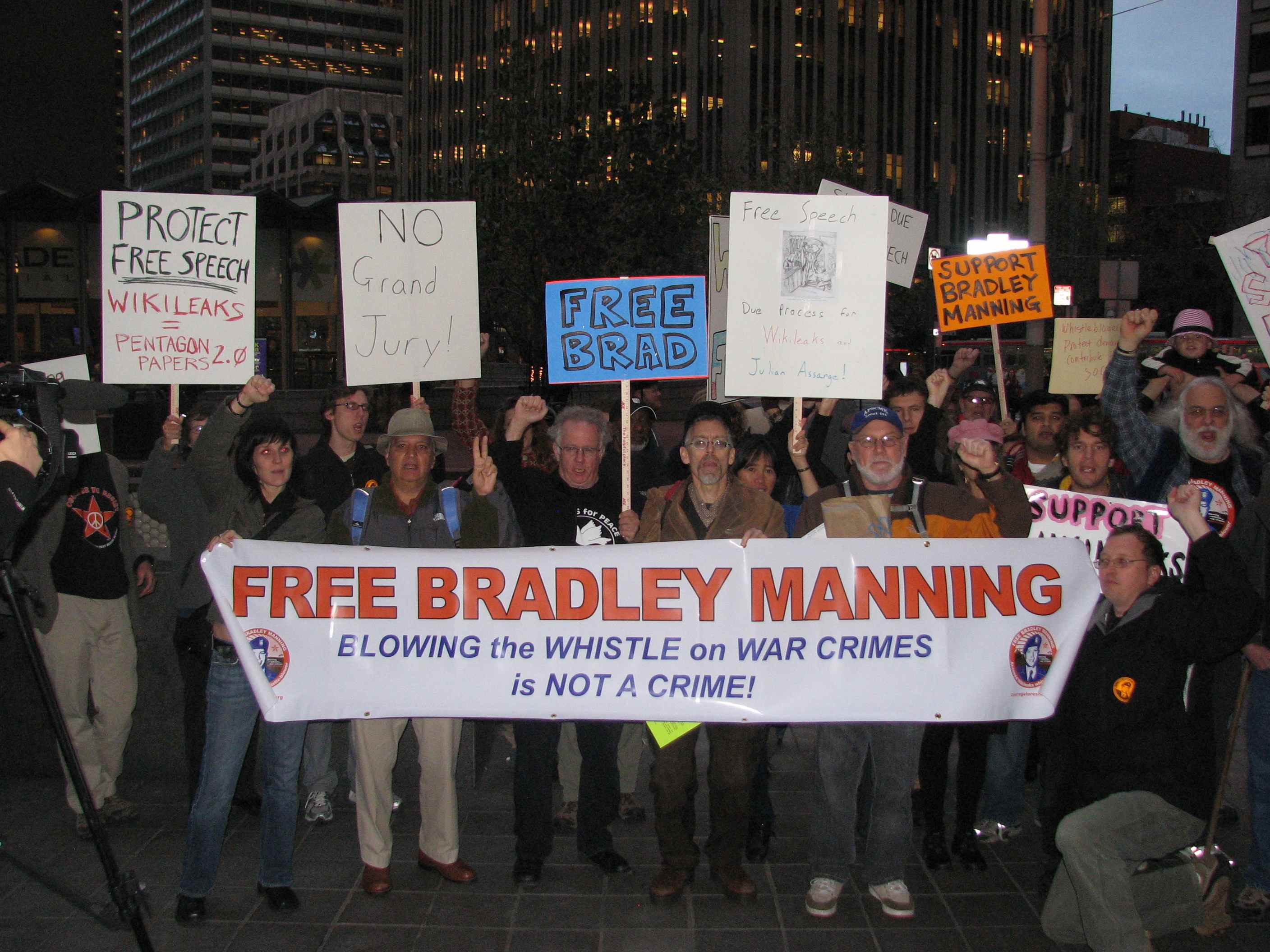
A small group of protesters gathered outside the British Consulate in San Francisco’s financial district Dec. 16 to speak out against the recent crackdown on WikiLeaks founder Julian Assange, who is out on bail after being imprisoned for nine days by British authorities.

Assange, whose organization recently created an international stir with the release of secret diplomatic cables, could be extradited to Sweden to be tried on sex crimes charges following a hearing in January.

According to a recent New York Times article, U.S. government officials are trying to build a case against Assange for conspiracy. In the wake of the leak, Sen. Joe Lieberman was calling for the New York Times to be investigated for espionage for publishing information provided by WikiLeaks, and last week, a Fox news pundit even said he thought Assange should be assasinated.

Among the small crowd that gathered before twilight were representatives from Veterans for Peace, Courage to Resist, and the Electronic Frontier Foundation.

Rainey Reitman, an activist with the Electronic Frontier Foundation — a legal firm and nonprofit that defended WikiLeaks against a 2008 lawsuit from Swiss bank Julius Baer — called the recent backlash a threat to Internet freedom and freedom of speech.

“Let me be clear. Here in the United States of America, WikiLeaks has a fundamental right to publish truthful political information. And equally important, Internet users have a fundamental right to read that information and voice their opinions about it. We live in a society that values freedom of expression and shuns censorship. Unfortunately, those values are only as strong as the will to support them — a will that seems to be dwindling now in an alarming way,” Reitman said.

Reitman said the case touched on broader issues. “This isn’t just about WikiLeaks. It never was. It’s about the future of the Internet and the future of free speech.”

Among several other speakers, Reitman was joined by Jeff Patterson of Courage to Resist, which has mounted a support campaign for U.S. Army Private Bradley Manning. Manning has been accused of acting as WikiLeaks’ source for 250,000 secret government documents and classified military footage, which has now been made available to the general public.

Patterson noted that the Bradley Manning Support Network had raised $100,000 for Manning’s legal defense. Although many activists have sent letters of support to Manning, who is being held in solitary confinement in a prison outside of Washington, D.C., “the military is rejecting letters pretty much arbitrarily,” Patterson claimed.

To read more about the WikiLeaks saga, check out the blog of the Electronic Frontier Foundation.

Holy high whoreiday

0

caitlin@sfbg.com

SEX It started with a serial killer. Porn star-feminist Annie Sprinkle was reading about mass murderer Gary Ridgeway slaughter of, on his count, 71 prostitutes in the 1980s and ’90s. She came across this in Ridgway’s explanation of his choice of victims: “I picked prostitutes because they were easy to pick up without being noticed. I knew they … might never be reported missing. I thought I could kill as many of them as I wanted without getting caught.”

It was a wake-up call for Sprinkle. “We don’t have equal protection,” says the busty self-termed “ecosexual,” who was a sex worker for 20 years and now serves as a role model to many in the radical sex community. Sprinkle reacted by organizing the first International Day to End Violence Against Sex Workers on Dec. 17, 2003. It’s an event that is now recognized in cities around the world.

In San Francisco, Sprinkle’s “whore holy high holiday” will be marked by a City Hall vigil for all the sex workers affected by discrimination and violence this year and performance art, followed by a march to the Center for Sex and Culture (sexandculture.org). All the events are free and open to anyone who wants to stand up for those that get paid to lay down.

This year, event organizers have a dangerously prude city policy in their sights: the toxic San Francisco Police Department practice of checking suspected prostitutes’ pockets for condoms to serve as proof of intent to have sex for money. It’s a policy that Mayor Gavin Newsom and the state’s first Latina attorney general, Kamala Harris, support. Sprinkle finds it completely at odds with the mission of promoting safe sex among anyone who could be walking down the street with a rubber in their pocket, as well as dangerous to sex workers. “It’s nasty, and really stupid, and so counterproductive — is that the message that we want to be sending?”

Which is not to say that Friday will be devoid of sweet, sexy joy entirely. After all, where would be the fun in gathering up SF’s sex-positive community if no one got naked? Later that evening, the Center for Sex and Culture will host a special edition of the national literary series Naked Girls Reading showcasing — yep — naked girls reading literature written by those who spread their legs to make their living.

“It’s a great opportunity for feminism and art,” says event organizer Lady Monster, who heard about Miss Erotic World 2005 Michelle L’amour’s original Naked Girl Chicago series and thought it a perfect fit for our pervy-intellectual burg. She held the first event in April and “it took off like wild blazes,” packing venues across town.

An ex phone sex operator who dabbled in private peep shows in her home state of Ohio without being told that the work was illegal, Lady Monster notes that the poor economy and demise of Craigslist escort ads in response to outside pressure has introduced even greater risks to sex workers, pressure that can lead them to accept unsafe working conditions. She feels that the nationwide observance of Dec. 17 “is a way to give people an opportunity to celebrate sex workers’ rights.”

On stage, her reading event will celebrate their contribution to arts and literature. Sexologist Dr. Carol Queen will be leafing through a book at the night’s nudie show; as well as burlesque star Dottie Lux; sex worker activist Robyn Few; Lady Monster herself (who’ll be reading from Some Girls, the memoir of Jillian Lauren, the American who lived and worked in a Brunei harem); and Sprinkle, among others. Lady Monster says the requirements needed to be onstage fall into three categories: readers must be accomplished writers, have public speaking experience, and — perhaps the most obvious — they’ve got be down to make the scene in the all together.

“Three hundred and sixty-four days a year we talk about how much we like our work, and one day a year we take time to realize that there are real victims out there,” Sprinkle says. It may be the oldest profession, but even in Gomorrah by the Bay, sex work is still a far cry from society’s respected elder.

INTERNATIONAL DAY TO END VIOLENCE AGAINST SEX WORKERS

Fri., Dec. 17

4 p.m., free

City Hall

Civic Center, SF

www.swopusa.org

NAKED GIRLS READING

9 p.m., $15–$20

Center for Sex and Culture

1519 Mission, SF

(415) 552-7399

www.nakedgirlsreading.com/sanfrancisco


Mirkarimi and mayoral hopefuls launch D5 Dem Club

4

Democratic Party clubs are one of the most basic political building blocks in this basically one-party town, so it’s odd that politically active District 5 (the Haight and Western Addition) didn’t have one. But that changed last night with the launch of the District 5 Democratic Club, with fuel provided by current D5 Sup. Ross Mirkarimi and mayoral contenders Leland Yee and Dennis Herrera and with several potential Mirkarimi successors on-board.

“We saw it was a huge opportunity this year to get people engaged and involved,” newly elected D5DC president Jen Longley, a progressive activist who calls herself a “campaign gypsy,” told a gathering of about three dozen people at Cafe Divis. And she thanked Mirkarimi, who switched from the Green to Democratic parties about a year ago, for supporting the club’s creation. “This party would not have happened if not for the help of Ross Mirkarimi.”

And it wouldn’t have met its $1,000 fundraising goal if Yee and Herrera didn’t kick in big as they court D5 voters as part of their mayoral campaigns. Mirkarimi gave the keynote speech, calling D5 the “hippest district in the city” and one of its most progressive, something he wants to see the club help project onto the rest of the city. “I’m delighted to be a part of it,” he said, urging attendees to contribute financially.

In addition to being active in next year’s mayor’s race, the club will also play a role in determining who will succeed Mirkarimi in 2012, and there were some likely contenders for that slot on hand, including City College of San Francisco Trustee John Rizzo, progressive activist Julian Davis, and club owner Michael O’Connor, with labor activist Gabriel Haaland also supporting the club’s creation.

Longley noted that D5 has lots of very active neighborhood association, but few political organizations, and she said that she feel honored to be leading one at such a pivotal political moment.

Hot sexy events December 15-21

0

Sigh. I guess I’m supposed to be Christmas shopping right now. But all I can focus is on is another week of sweet and wild sex events – what’s a girl to do? In the spirit of at least trying to pretend I give a damn, however, here are five fantastic places to buy sexy somethings for the naughties on your list. And the weekly sex events, of course. 

1. Quality SM – run by womens since 1988, this locally based online catalog specializes in British BDSM titles. www.qualitysm.com

2. Dark Garden – the hottest corsets money can buy for the love in your life that needs cinching. 321 Linden, SF. (415) 431-7684, www.darkgarden.com

 3.Good Vibrationsduh, if you read this column at all, duh. Various Bay Area locations. www.goodvibes.com

4. Stormy Leather – leather goods for all! 1158 Howard, SF. (415) 626-1672, www.stormyleather.com

5. Big Al’s Adult Super Store – sample Yelp review: “Forget about stoopid goodvibes and their politically-correct-boring-medical-supply-store bullshit!” Great for bachelorette parties! 556 Broadway, SF. (415) 391-8510

Good Vibrations Customer Appreciation Night

Surely this night was formulated with the diligent holiday shopper in mind, but really Good Vibes – free wine and chocolate? One-on-one attention from sexperts? This is one shopping event (actually five – Fri/17, Sat/18, Weds/22 and Thurs/23 will see the same perks) that will nurture the sex life of the gifter and giftee in one fell swoop. Pick up a present for you and yours, how bout?

Thurs/16 6-8 p.m., free

Good Vibrations 

Various Bay Area locations

www.goodvibes.com


International Day to End Violence Against Sex Workers

Started in SF, this is the day to honor all those that lay down for our bullshit – and bucks – and to speak out against the violence and discrimination heaped on them in return. Friday’s memorial at City Hall features a performance piece entitled “Sex Worker Scream,” a reading of all of 2010’s victims, and a candlelit march to the Center for Sex and Culture for tea and cookies, for real.

Fri/17 

Performance and vigil start at 4:17 p.m., march after to Center for Sex and Culture, free

In front of City Hall, SF

www.swopusa.org


Naked Girls Reading 

Started by burlesque champion Michelle L’Amour in Chicago, this nudie reading series has spread to cities across the country – and none of the chapters have more sexy indie cred than SF’s franchise. Started by Burly Q beauty-erotica writer Lady Monster, this month’s event will see the women reading literature penned by sex workers. Annie Sprinkle makes a guest appearance, you can augment your literary arsenal, and see some boobies — what could be better, right?

Fri/17 8 p.m., $10-20

Center for Sex and Culture

1519 Mission, SF

(415) 552-7399

www.nakedgirlsreading/sanfrancisco


Pink

Pansexual play party Pink has made a practice of having sexy pre-event lessons to ease you into a night of swinging and cavorting at Mission Control’s pillow strewn harem rooms. This month, come early for a crash course on flirting: Jasper from The New Eccentrics will be taking it deep and hard into the areas of the brain and the corresponding ways to get them all hot and bothered (in a metaphysical sense).

Fri/17 9 p.m. charm school, 10 p.m. party

Mission Control

2519 Mission, SF

www.missioncontrolsf.org


Carnal Carnival

An encore performance by Ms. San Francisco Leather contestant Ms. Cat, singletail whip-throwing contests, vibrator races, and kinky raffles await you at this decidedly un-cotton candy carnival (although there will be a dessert table on hand). Plus, as befitting the holiday season, The Exiles (SF’s womens-only BDSM educational group) will be holding a children’s toy drive at their get-down.

Fri/17 7:30 p.m., $10 non-members

Women’s Building

3543 18th St., SF

(415) 431-1180

www.exiles.org


BBW BDSM Munch

Will all the big, beautiful, kinky women please stand up? That’s right, now find some car keys and roll to Milpitas, because there’s a far-flung party that’s being held in your honor. Yessir, here in the embrace of mesquite-grilled Southwestern fare you can find a diverse spread of those who’d be honored to engage in some rough play with you – men, women, doms, subs, everything in between. Appetites encouraged, as is street wear (you’ll be in a public room, no need to stress the squares). 

Sat/18 11 a.m.-1 p.m., free (purchase of food or drink encouraged)

On The Border

260 Ranch, Milpitas

(408) 935-6070

www.fetlife.com/groups/26844


A funny thing happened on the way to the airport

4

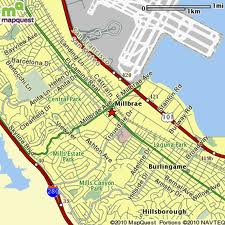
After Steve Kawa, Mayor Gavin Newsom’s chief of staff, started making noises about local hire’s impact on folks who work at San Francisco Airport, since technically it’s in Millbrae, I asked Sup. John Avalos, the legislation’s chief sponsor, to clarify this point.

“Project labor agreements trump this legislation,” Avalos said.

Avalos’ straightforward answer, coming on the heels of Kawa’s grumblings, Sparks claims about the program’s costs, and the striking absence of any analysis of the economic benefits of local hire (especially compared to the recent hooplah around the Americas Cup) made me wonder about the connection between the airport , Human Rights Commission director Theresa Sparks and the Mayor’s Office, since criticism of Avalos’ local hire legislation mainly seems to be coming from these three sources, these days.

The Mystery of the Missing Mayor

13

Again, the Board of Supervisors scheduled a vote to select a new mayor to succeed Gavin Newsom. Again, members of the public lined up for almost an hour to urge the board to do so and to suggest names and qualities they’d like to see in Room 200. And again, the board delayed the decision with no reason offered for why.

Well, actually, this time, Sup. Sophie Maxwell – the maker of the motion to continue the item this week and last – did at least say something. “We have three weeks and to have someone floating out there for that time is not in the board’s best interests,” Maxwell said, and that’s all she said.

It’s unclear what she meant, and none of the seven supervisors who supported the motion in a 8-3 vote – with Sups. Chris Daly, David Campos, and Ross Mirkarimi in dissent – had anything to say. But Daly certainly did, accusing his colleagues of “doing an incredible disservice to the people of the city and county of San Francisco.”

He restated his points from the two previous hearings on the issue, noting that supervisors should at least be willing to talk about what they’re looking for in a mayor and to provide some leadership going into a politically uncertain period after Newsom becomes lieutenant governor on Jan. 3.

“At some point, we need to be putting forward a vision for San Francisco,” Daly said, later asking, “Are we going to take our charge?”

“It’s almost as if the members of the board don’t want to be here,” he observed, urging them to at least inform the public what’s going on.

“If it’s that you want the next board to decide, say that,” Daly said. “Say something, the people deserve it.”

Is this an effort to stall the decision until the next board is seated on Jan. 8? Is the current board just waiting until Newsom is gone, afraid that he’ll delay his swearing in if they choose a progressive mayor now, and planning to spring into action on Jan. 4? Is there a secret deal in the offing? Or are supervisors just too distracted by the holiday season to make a big decision?

I don’t know, but I’m going to spend this week doing interviews to figure it out for a story in next weeks’ paper.

Larry Ellison, “city family” therapist

0

If billionaire yachtsman and Oracle CEO Larry Ellison rejects San Francisco’s bid for the America’s Cup, the whole ordeal might conclude with the kind of sappy ending that used to punctuate every episode of the sitcom Full House. The moral of the story would go something like this: It was never about the $1.2 billion in economic activity generated by the Cup, San Francisco, but something far more precious — coming together as a “city family.”

I didn’t count how many times the phrase “city family” was uttered at yesterday’s Dec. 14 Board of Supervisors meeting, but it was repeated in so many glowing remarks that I half-expected all 11 supervisors to join hands and start swaying and singing Kumbaya. Board President David Chiu made an analogy of all the crew members having to work together to win a sailing race, and then he took that yachting reference one step further, saying, “I want to thank everyone on the starboard and port side of the Board of Supervisors.”

Even Sup. Chris Daly, who opposed the first plan, threw his support behind the new deal, making for a rare unanimous vote of the Board of Supervisors.

Shortly after, during a ceremony called by Mayor Gavin Newsom to sign the America’s Cup bid, the mayor — who’s often at odds with Board progressives — praised Sup. Ross Mirkarimi and Board President David Chiu, saying, “This process was made better because of their leadership and stewardship.” Newsom also remarked on the unusual spirit of collaboration, saying, “I have rarely been part of something that brought more people of diverse backgrounds together.”

Even Chronicle columnist C.W. Nevius jumped on the big-happy-family bandwagon with a nod to Daly, who’s typically on the receiving end of his rants. In a column published Dec. 14, advising the city to stick to its guns and approve the better deal, Nevius included this astounding assertion: “I will have to say (gulp) I agree with Supervisor Chris Daly.”
 
Although Ellison hasn’t yet selected San Francisco for the Cup, he’s already accomplished a feat that probably no one else — neither shaman nor top-dollar family therapist — could manage. He infused San Francisco City Hall with a sense of harmony. He put forward a deal that was so outrageous, yet with an economic benefit so immense, that the supervisors, the port, the mayor, and the economic advisors were forced to put their differences aside, rise to the challenge, and craft a compromise that everyone (except maybe Ellison) could live with.
 
We knew he was good at winning boat races and lawsuits, but who ever imagined that Ellison’s hidden talent could ever bring such warm holiday cheer to City Hall?

Steven T. Jones contributed to reporting for this piece.

School kids and Muni

6

So SFUSD just decided to cut half of its school bus routes (including, I believe, one that my son sometimes takes to Aptos Middle School). I should be outraged — but I’m not. Jerry Brown has made it clear that even if he raises taxes, it’s going to be an ugly year for schools and everyone else, and I’d rather see cuts in transportation than in teachers and classes.


But if this is the approach, then the city and the school district need to do a better job coordinating around Muni.


Elementary school kids shouldn’t be on Muni; I’d save the school bus routes for them. But older kids can use the city system, and many do — and more would, if it were just a little easier.


My son often takes Muni after school — to the library, to his Tae Kwon Do class — and soon I’ll let him ride the bus home. But to buy him a youth pass, I have to take him personally to a Muni pass outlet, once every month, and it’s a pain. I understand why they won’t sell me a youth pass for my kid; I could cheat (well, nobody would really believe I was under 18, sigh; I don’t even get carded in bars). But why don’t they sell youth passes in the schools? 


It would be pretty simple: Muni issues a number of youth passes to each middle school and high school, the schools sell them out of the office and hand kids Muni maps with routes near the school marked off. I can use Nextbus to tell my son when to head out to the bus stop; there’s no reason the schools couldn’t do that, too. Post the schedules; sell the passes. Maybe even change a few Muni routes to make them more convenient for students.


It seems silly for a city as geographically small as San Francisco to have two parallel transportation systems. With a little creativity Muni could work for the schools, too. 

Local hire, Steve Kawa, and the Americas Cup

2

Unemployed workers and community advocates hoping to secure Mayor Gavin Newsom’s support for Sup. John Avalos’ groundbreaking local hire legislation rallied at City Hall December 14 to meet with Newsom’s chief of staff Steve Kawa. But Newsom and Kawa were said to be in intense negotiations over the Americas Cup bid. So, James Richards, founder of Aboriginal Blacks United, waited until Kawa could see him, along with Florence Kong of the Bayview-based Kwan Wo Ironworkers. Joshua Arce of the Brightline Defense Project, and a group of local residents.

“‘Living in the city is so expensive,” Kong observed. “It’s not fair that a lot of local work is being done by workers from outside the city.”

Kawa finally emerged and shepherded folks out of the Mayor’s Office and into a meeting room close to the supervisors’ office. He was uncomfortable with having media at the meeting. But Richards said the group was OK with a reporter. And then he asked Kawa if Newsom would sign Avalos’ local hire law later that day.

“This is a very complex piece of legislation, and if it does become law, that’s when the work begins,” Kawa said, noting that Newsom will have ten days to review it, after its Dec. 14 reading. “Some folks are still concerned about it, partly on the trades union side,” Kawa added.

But Richards pressed his point. “After the Board acts today, we want to talk to the mayor,” Richards said. “We don’t want to wait around another ten days. We want him to assure us.”

But Kawa refused to give assurances. “At the end of the day, 42,000 San Francisco don’t have a job,” Kawa said, claiming the best local jobs program was Jobs Now, under Newsom.  “But the federal government is refusing to extend that program, and now we can’t hire anybody at City Hall and we have to get this economy growing,” he said.

When Joshua Arce of Brightline expressed concern that folks had met privately with Newsom to exert pressure against Avalos’ legislation, Kawa replied that Newsom had concerns that some folks could lose their jobs around San Francisco airport, because, technically, it’s in San Mateo.

“And are we sure this legislation will be successful?” Kawa continued. “The worst thing a government can do is over promise and under deliver. Our question is, you tell me how it will not fail. Because, yes, we want to have local hire, but don’t mislead anybody by saying, we pass this legislation, she gets a job. Our issue is making sure that we are not misleading anyone. Those are the concerns that people have. Will it be successful, as written? Because we can’t mislead your members, James.”

“Tell the mayor, we are here,” Richards said.
And then Kawa was shaking his hand and heading back to the Mayor’s Office, presumably to talk about cups and America.

“It’s a good thing, we are here today,” Richards said to the workers who remained sitting in the meeting room long after Kawa was gone. Many of them were young, black and male–and in search of a job. “Give a round of applause for your own self,” Richards continued. “It’s a good thing to let them know you come down here to take care of your own business.Because don’t nobody…”

He paused and the ABU members in the room immediately picked up the “don’t nobody give a damn” refrain, their voices ringing as one.

“Some times when we push too hard, when we get what we want, he get on a roll and tell all the reasons why he not going to sign. ‘I want to do this, but…” Richard added.

And then Richards turned to the issue of local hire at UC Mission Bay.“They gotta know today that we are hot on their trail,” he said. “Let them go tell that. Let Steve go tell that. Then they know we are fighting that.”

An hour later, when the Board gave Avalos’ legislation a veto-proof majority, Richards, Kong and the rest of the group burst into applause.
“It’s been quite a road to get here,” Avalos said.

“This is the most substantive policy San Francisco has passed in a generation,” Julian Davis observed, as local hire supporters rejoiced by the Tree of Hope, outside the Board’s Chambers.

Inside the Chambers, the Board was voting unanimously to support the city’s Americas Cup bid.

“To win a sailing race, every member of the crew has to work together,” Board President David Chiu said.  And his words could equally have applied to Avalos and the community’s effort to navigate treacherous political seas, get local hire legislation passed and, hopefully, lift everyone’s boat, in the process.

Music Listings

0

Music listings are compiled by Cheryl Eddy. Since club life is unpredictable, it’s a good idea to call ahead to confirm bookings and hours. Prices are listed when provided to us. Submit items for the listings at listings@sfbg.com. For further information on how to submit items for the listings, see Picks.

WEDNESDAY 15

ROCK/BLUES/HIP-HOP

Will Billy Rite Spot Café, 2099 Folsom, SF; www.ritespotcafe.net. 9pm, free.

Black Crowes Fillmore. 8pm, $60.

Blammos, Young n’ Tender, Brown Dwarf El Rio. 8pm, $5.

*Buzzov-en, Brainoil, Neurotoxicity, No Statik, K. Lloyd DNA Lounge. 8pm, $16.

Del the Funky Homosapien Yoshi’s San Francisco. 8pm, $30.

Dregs One and Equipto, Z-Man, L*Roneous, Spank Pops, DJ Beats Me, DJ Chill Elbo Room. 9pm, $10.

John Grant, Jessica Pratt Swedish American Hall (upstairs from Café Du Nord). 8pm, $13-15.

Grouch, Brother Ali, Eligh, Los Rakas Independent. 8pm, $22.

Bob Margolin Biscuits and Blues. 8 and 10pm, $20.

Montra, Lens, Greg Ashley Knockout. 8:30pm, $7.

Kenseth Thibideau, Moholy-Nagy, Radius Hemlock Tavern. 9pm, $6.

DANCE CLUBS

“Babes in Toyland: A Christmas Cabaret” Bottom of the Hill. 9pm, $12. With DJ KidHack.

Booty Call Q-Bar, 456 Castro, SF; www.bootycallwednesdays.com. 9pm. Juanita Moore hosts this dance party, featuring DJ Robot Hustle.

Breezin Koko Cocktails, 1060 Geary, SF; (415) 885-4788. 9:30pm, free. With DJs Amy A and Brynnie Mac spinning yacht rock od smooth 70s.

Cannonball Beauty Bar. 10pm, free. Rock, indie, and nu-disco with DJ White Mike.

Hands Down! Bar on Church. 9pm, free. With DJs Claksaarb, Mykill, and guests spinning indie, electro, house, and bangers.

Jam Fresh Wednesdays Vessel, 85 Campton, SF; (415) 433-8585. 9:30pm, free. With DJs Slick D, Chris Clouse, Rich Era, Don Lynch, and more spinning top40, mashups, hip hop, and remixes. Mary-Go-Round Lookout, 3600 16th St, SF; (415) 431-0306. 10pm, $5. A weekly drag show with hosts Cookie Dough, Pollo Del Mar, and Suppositori Spelling.

Red Wine Social Triple Crown. 5:30-9:30pm, free. DJ TophOne and guests spin outernational funk and get drunk.

Respect Wednesdays End Up. 10pm, $5. Rotating DJs Daddy Rolo, Young Fyah, Irie Dole, I-Vier, Sake One, Serg, and more spinning reggae, dancehall, roots, lovers rock, and mash ups.

Synchronize Il Pirata, 2007 16th St, SF; (415) 626-2626. 10pm, free. Psychedelic dance music with DJs Helios, Gatto Matto, Psy Lotus, Intergalactoid, and guests.

THURSDAY 16

ROCK/BLUES/HIP-HOP

Bang Data, Manicato, Dogman Joe, La Gente, Surreal Mezzanine. 9pm, $15.

Sara Bareilles, Raining Jane Warfield. 8pm, $27.50-37.

Del the Funky Homosapien Yoshi’s San Francisco. 8pm, $30.

Frail, Music for Animals, Fans of Jimmy Century, Return to Mono, DJ Eli Slim’s. 8pm, $13.

Hank IV, Dead Meat, Civil War Rust Thee Parkside. 9pm, $8.

Lydia and the Projects, Andre Thierry and Zydeco Magic Knockout. 9:30pm, $7.

Rolando Morales Biscuits and Blues. 8 and 10pm, $15.

*Om, Lichens, Barn Owl, DJ Britt Govea Independent. 8pm, $16.

Picture Atlantic, Ghost and the City, Stomacher Bottom of the Hill. 9pm, $10.

Puce Moment, Bronze, Sam Flax Keener and Higher Color, Lair Eagle Tavern. 9pm, $5.

Adam Schlesinger and Mike Viola, Corner Laughers Café Du Nord. 9pm, $20.

Screamin’ Yeehaws, Flexx Bronco Hemlock Tavern. 9pm, free.

Sweet Honey in the Rock Palace of Fine Arts Theatre, 3301 Lyon, SF; www.palaceoffinearts.org. 8pm, $25-100.

JAZZ/NEW MUSIC

Dime Store Dandy Rite Spot Café, 2099 Folsom, SF; www.ritespotcafe.net. 9pm, free.

Gentleman Band Revolution Café, 3248 22nd St, SF; (415) 642-0474. 8:45pm, free.

Natalie Lyons Socha Café, 3235 Mission, SF; (415) 643-6848. 8pm, free.

FOLK/WORLD/COUNTRY

JimBo Trout and the Fishpeople Atlas Café. 8-10pm, free.

Shut Ins, Misisipi Rider Night Time Honkey Tonk Band Amnesia. 9pm, $5.

Tanaóra Coda. 9pm, $10.

DANCE CLUBS

Afrolicious Elbo Room. 9:30pm, $10. DJs Pleasuremaker and Señor Oz spin Afrobeat, tropicália, electro, samba, and funk.

Caribbean Connection Little Baobab, 3388 19th St, SF; (415) 643-3558. 10pm, $3. DJ Stevie B and guests spin reggae, soca, zouk, reggaetón, and more.

Club Jammies Edinburgh Castle. 10pm, free. DJs EBERrad and White Mice spinning reggae, punk, dub, and post punk.

Dirty Dishes Lookout, 3600 16th St., SF; (415) 431-0306. 9pm, $10. With food carts and DJs B-Haul, Gordon Gartrell, and Special K spinning indie electro, dirty house, and future bass.

Drop the Pressure Underground SF. 6-10pm, free. Electro, house, and datafunk highlight this weekly happy hour.

Good Foot Som., 2925 16th St, SF; (415) 558-8521. 10pm, free. With DJs spinning R&B, Hip hop, classics, and soul.

Guilty Pleasures Gestalt, 3159 16th St, SF; (415) 560-0137. 9:30pm, free. DJ TophZilla, Rob Metal, DJ Stef, and Disco-D spin punk, metal, electro-funk, and 80s.

Jivin’ Dirty Disco Butter, 354 11th St., SF; (415) 863-5964. 8pm, free. With DJs spinning disco, funk, and classics.

Koko Puffs Koko Cocktails, 1060 Geary, SF; (415) 885-4788. 10pm, free. Dubby roots reggae and Jamaican funk from rotating DJs.

Mestiza Bollywood Café, 3376 19th St, SF; (415) 970-0362. 10pm, free. Showcasing progressive Latin and global beats with DJ Juan Data.

Nightvision Harlot, 46 Minna, SF; (415) 777-1077. 9:30pm, $10. DJs Danny Daze, Franky Boissy, and more spinning house, electro, hip hop, funk, and more.

Peaches Skylark, 10pm, free. With an all female DJ line up featuring Deeandroid, Lady Fingaz, That Girl, and Umami spinning hip hop.

Popscene 330 Ritch. 10pm. With MNDR.

FRIDAY 17

ROCK/BLUES/HIP-HOP

Agent Ribbons, Social Studies, Amores Vigilantes Buritt Room at Crescent Hotel, 417 Stockton, SF; (415) 400-0500. 9pm, free.

Black Crowes Fillmore. 9pm, $60.

Curtis Bumpy Coda. 7pm, $10.

Devin the Dude, Ise Lyfe Mezzanine. 9pm, $25.

*Giant Squid, Bottom, Hazzard’s Cure Thee Parkside. 9pm, $8.

Killing Joke, Lumerians Regency Ballroom. 9pm, $28.

“Hut at the Hut X” Independent. 9pm, $25. Benefit for the Blue Bear School of Music and D.A. Taylor Charitable Foundation.

Mighty Mo Rodgers Biscuits and Blues. 8 and 10pm, $20.

Mother Hips, Blank Tapes, Neal Casal Great American Music Hall. 9pm, $20.

Peaches with Chilly Gonzales Herbst Theatre, 401 Van Ness, SF; www.ticketmaster.com. 8pm, $20. Performing Peaches Christ Superstar.

San Cha with DJ Moxy, Violent Vickie, Valient Steed Brainwash, 1122 Folsom, SF; www.brainwash.com. 8pm, free.

Silian Rail, Summer Darling, Honeycomb Hemlock Tavern. 9:30pm, $7.

Sweet Honey in the Rock Palace of Fine Arts Theatre, 3301 Lyon, SF; www.palaceoffinearts.org. 8pm, $25-100.

Those Darn Accordions Red Devil Lounge. 7:30pm, $10.

“Vandals Christmas Formal” Slim’s. 9pm, $16. With Assorted Jellybeans and Goodbye Gadget.

JAZZ/NEW MUSIC

Emily Anne’s Delights Revolution Café, 3248 22nd St, SF; (415) 642-0474. 8:45pm, free.

Equinox Trio Rite Spot Café, 2099 Folsom, SF; www.ritespotcafe.net. 9pm, free.

Amber Gougis Socha Café, 3235 Mission, SF; (415) 643-6848. 8pm, free.

Hiroshima Holiday Show Yoshi’s San Francisco. 8 and 10pm, $22-28.

FOLK/WORLD/COUNTRY

Brass Menazeri, DJ Zeljko, Kef Bottom of the Hill. 10pm, $12.

Savannah Blue, Bay Island Ramblers Plough and Stars. 9pm, $6-10.

DANCE CLUBS

Alcoholocaust Presents Riptide Tavern. 9pm, free. DJ What’s His Fuck spins old school punk rock and other gems.

Anon Salon Alchemistletoe Holiday Party 103 Harriet, SF; www.1015.com. 9pm, $15-20. World fusion.

Dirty Rotten Dance Party Madrone Art Bar. 9pm, $5. With DJs Morale, Kap10 Harris, and Shane King spinning electro, bootybass, crunk, swampy breaks, hyphy, rap, and party classics.

Eclectic Method, Justin Paul Rickshaw Stop. 9pm, $12.

Exhale, Fridays Project One Gallery, 251 Rhode Island, SF; (415) 465-2129. 5pm, $5. Happy hour with art, fine food, and music with Vin Sol, King Most, DJ Centipede, and Shane King.

Fat Stack Fridays Koko Cocktails, 1060 Geary, SF; (415) 885-4788. 10pm, free. With rotating DJs B-Cause, Vinnie Esparza, Mr. Robinson, Toph One, and Slopoke.

Fubar Fridays Butter, 354 11th St., SF; (415) 863-5964. 6pm, $5. With DJs spinning retro mashup remixes.

Good Life Fridays Apartment 24, 440 Broadway, SF; (415) 989-3434. 10pm, $10. With DJ Brian spinning hip hop, mashups, and top 40.

Gurp Fest 2010 Club 6. 9pm, $10. Hip-hop with TOPR and DJ Quest, Trunk Trunk featuring Z-Man, Rec League, and more.

Hot Chocolate Milk. 9pm, $5. With DJs Big Fat Frog, Chardmo, DuseRock, and more spinning old and new school funk.

“Hubba Hubba Revue: Christmas-Hanukkah Spectacular” DNA Lounge. 9pm, $10-15. Burlesque performers with Meshugga Beach Party.

Nickel Bag of Funk Elbo Room. 10pm, $5. Hip-hop with DJs Ant-One, Sean G, and Jah Yzer.

Oldies Night Knockout. 9pm, $2-4. Doo-wop, one-hit wonders, and soul with DJs Primo, Daniel, and Lost Cat.

Rockabilly Fridays Jay N Bee Club, 2736 20th St, SF; (415) 824-4190. 9pm, free. With DJs Rockin’ Raul, Oakie Oran, Sergio Iglesias, and Tanoa “Samoa Boy” spinning 50s and 60s Doo Wop, Rockabilly, Bop, Jive, and more.

Singapore 60s Happy Hour Knockout. 5:30pm, free. DJ Sid Presley spins rare pop, garage, and freakbeat from SE Asia, circa 1964-72.

Some Thing The Stud. 10pm, $7. VivvyAnne Forevermore, Glamamore, and DJ Down-E give you fierce drag shows and afterhours dancing.

Vintage Orson, 508 Fourth St, SF; (415) 777-1508. 5:30-11pm, free. DJ TophOne and guest spin jazzy beats for cocktalians.

SATURDAY 18

ROCK/BLUES/HIP-HOP

Elvin Bishop Biscuits and Blues. 8 and 10pm, $35.

Black Crowes Fillmore. 9pm, $60.

Civil Wars Café Du Nord. 7:30pm, $12-15.

Crux, Addie Liechty El Rio. 6pm, free.

Cyndi Lauper, Ferocious Few Independent. 9pm, $65.

“Monsters of Accordion 2010” Slim’s. 9pm, $16. With Jason Webley, Corn Mo, Renee de la Prade, Petrojvic Blasting Co., and Duckmandu.

Mother Hips, Or the Whale, Conspiracy of Venus Great American Music Hall. 9pm, $20.

Schande, Bam!Bam!, Kera and the Lesbians Hemlock Tavern. 9:30pm, $7.

Soul Revue Revolution Café, 3248 22nd St, SF; (415) 642-0474. 8:45pm, free.

TurbonegrA, Compton SF, Get Dead, Mission Saints Bottom of the Hill. 9pm, $10.

Unauthorized Rolling Stones, Rudy Colombini Band Café Du Nord. 9:30pm, $20.

White Buffalo, Foolproof Four Hotel Utah. 9pm, $12.

Wizards and Stars: A Book Release Party and Todd Rundgren Tribute” Make-Out Room. 7:30pm, $8. With Scott Miller and friends.

JAZZ/NEW MUSIC

George Cole Quintet Red Poppy Art House. 8pm, $12-15.

Giovenco Project Coda. 7 and 10pm, $5-12.

Hiroshima Holiday Show Yoshi’s San Francisco. 8 and 10pm, $28.

FOLK/WORLD/COUNTRY

Jeff Landau Socha Café, 3235 Mission, SF; (415) 643-6848. 8pm, free.

Octomutt and friends Rite Spot Café, 2099 Folsom, SF; www.ritespotcafe.net. 9pm, free.

DANCE CLUBS

Bootie DNA Lounge. 9pm, $6-12. Mash-ups with BishopeMagnetic, Adrian, and Mysterious D.

Booty Bassment Knockout. 10pm, $5. Hip-hop with DJs Ryan Poulsen and Dimitri Dickenson.

Cock Fight Underground SF. 9pm, $7. Gay locker room antics galore with electro-spinning DJ Earworm, MyKill, and Dcnstrct.

Fire Corner Koko Cocktails, 1060 Geary, SF; (415) 885-4788. 9:30pm, free. Rare and outrageous ska, rocksteady, and reggae vinyl with Revival Sound System and guests.

Fringe Madrone Art Bar. 9pm, $5. With DJs Blondie K and subOctave spinning indie music videos.

Full House Gravity, 3505 Scott, SF; (415) 776-1928. 9pm, $10. With DJs Roost Uno and Pony P spinning dirty hip hop.

HYP Club Eight, 1151 Folsom, SF; www.eightsf.com. 10pm, free. Gay and lesbian hip hop party, featuring DJs spinning the newest in the top 40s hip hop and hyphy.

Non Stop Bhangra Rickshaw Stop. 9pm, $15. Bhangra DJs and live dhol players.

Prince vs. Michael Madrone Art Bar. 8pm, $5. With DJs Dave Paul and Jeff Harris battling it out on the turntables with album cuts, remixes, rare tracks, and classics.

Rock City Butter, 354 11th St., SF; (415) 863-5964. 6pm, $5 after 10pm. With DJs spinning party rock.

Saturday Night Soul Party Elbo Room. 10pm, $10. Soul with DJs Lucky, Phengren Oswald, and Paul Paul.

Spirit Fingers Sessions 330 Ritch. 9pm, free. With DJ Morse Code and live guest performances.

SUNDAY 19

ROCK/BLUES/HIP-HOP

Black Crowes Fillmore. 8pm, $60.

Colossal Yes, Coconut Rite Spot Café, 2099 Folsom, SF; www.ritespotcafe.net. 8pm, free.

Lloyd Gregory Biscuits and Blues. 8 and 10pm, $15.

It’s Radiant Light Knockout. 9pm.

Pleasure Kills, Shangorillas, Paper Bags Hemlock Tavern. 9pm, $6.

JAZZ/NEW MUSIC

Hiroshima Holiday Show Yoshi’s San Francisco. 5 and 7pm, $5-28.

Kenny Washington, Larry Vuckovich, Jeff Chambers Bliss Bar, 4026 24th St, SF; (415) 826-6200. 4:30pm, $10.

FOLK/WORLD/COUNTRY

Flashes of Light Revolution Café, 3248 22nd St, SF; (415) 642-0474. 8:45pm, free.

Kitchen Fire, Silver Threads, Patsy-Chords Thee Parkside. 4pm, free.

DANCE CLUBS

Call In Sick Skylark. 9pm, free. DJs Animal and I Will spin danceable hip-hop.

DiscoFunk Mashups Cat Club. 10pm, free. House and 70’s music.

Dub Mission Elbo Room. 9pm, $7. Dub, dubstep, roots, and dancehall with Maga Bo, DJ Sep, and Maneesh the Twister.

Gloss Sundays Trigger, 2344 Market, SF; (415) 551-CLUB. 7pm. With DJ Hawthorne spinning house, funk, soul, retro, and disco.

Honey Soundsystem Paradise Lounge. 8pm-2am. “Dance floor for dancers – sound system for lovers.” Got that?

Kick It Bar on Church. 9pm. Hip-hop with DJ Zax.

Pachanga! Coda. 7pm, $10. Salsa with Conjunto Karabali.

Religion Bar on Church. 3pm. With DJ Nikita.

Swing Out Sundays Rock-It Room. 7pm, free (dance lessons $15). DJ BeBop Burnie spins 20s through 50s swing, jive, and more.

MONDAY 20

ROCK/BLUES/HIP-HOP

Michael Burns Rite Spot Café, 2099 Folsom, SF; www.ritespotcafe.net. 9pm, free.

Halsted, High Pilots, Poor Bailey Rickshaw Stop. 8pm, $10.

Billy Idol Fillmore. 8pm, $59.50.

“Smile! Christmas Extravaganza” Knockout. 9pm, $7. With Bart Davenport, Young Elders, Sean Smith, and more.

Thee Swank Bastards Elbo Room. 9pm, $7.

DANCE CLUBS

Black Gold Koko Cocktails, 1060 Geary, SF; (415) 885-4788. 10pm-2am, free. Senator Soul spins Detroit soul, Motown, New Orleans R&B, and more — all on 45.

Death Guild DNA Lounge. 9:30pm, $3-5. Gothic, industrial, and synthpop with Joe Radio, Decay, and Melting Girl.

Krazy Mondays Beauty Bar. 10pm, free. With DJs Ant-1, $ir-Tipp, Ruby Red I, Lo, and Gelo spinning hip hop.

M.O.M. Madrone Art Bar. 6pm, free. With DJ Gordo Cabeza and guests playing all Motown every Monday.

Manic Mondays Bar on Church. 9pm. Drink 80-cent cosmos with Djs Mark Andrus and Dangerous Dan.

Musik for Your Teeth Revolution Café, 3248 22nd St., SF; (415) 642-0474. 5pm, free. Soul cookin’ happy hour tunes with DJ Antonino Musco.

Network Mondays Azul Lounge, One Tillman Pl, SF; www.inhousetalent.com. 9pm, $5. Hip-hop, R&B, and spoken word open mic, plus featured performers.

Skylarking Skylark. 10pm, free. With resident DJs I & I Vibration, Beatnok, and Mr. Lucky and weekly guest DJs.

TUESDAY 21

ROCK/BLUES/HIP-HOP

Fat Tuesday Band Biscuits and Blues. 8 and 10pm, $15.

Billy Idol Fillmore. 8pm, $59.50.

Struts, Karina Denike, Bang Bottom of the Hill. 9pm, $10.

Tricky Independent. 9pm, $30.

Waterlaso, North Fork, Bleached Palms, Night Genes Hemlock Tavern. 8pm, $6.

DANCE CLUBS

Alcoholocaust Presents Argus Lounge. 9pm, free. With DJ D-Runk and DJ What’s His Fuck.

Brazilian Wax Elbo Room. 9pm, $7. With Forro Brazuca, Tropicali, and DJs Carioca and P-Shot.

Eclectic Company Skylark, 9pm, free. DJs Tones and Jaybee spin old school hip hop, bass, dub, glitch, and electro.

Extra Classic DJ Night Little Baobab, 3388 19th St, SF; www.bissipbaobab.com. 10pm. Dub, roots, rockers, and reggae from the 60s, 70s, and 80s.

Rock Out Karaoke! Amnesia. 7:30pm. With Glenny Kravitz.

Share the Love Trigger, 2344 Market, SF; (415) 551-CLUB. 5pm, free. With DJ Pam Hubbuck spinning house.


Rep Clock

0

Schedules are for Wed/15–Tues/21 except where noted. Director and year are given when available. Double and triple features are marked with a •. All times are p.m. unless otherwise specified.

ARTISTS’ TELEVISION ACCESS 992 Valencia, SF; www.atasite.org. $3-6. “Videocracy,” works from the film department at City College, Thurs, 7. La Vendedora de Rosas (Gaviria, 1998), Fri, 8. “Other Cinema: New Experimental Works,” Sat, 8:30. “Altered Statehood,” shorts program, Sun, 8.

CASTRO 429 Castro, SF; (415) 621-6120, www.castrotheatre.com. $7.50-12. “Noir City Xmas:” •Remember the Night (Leisen, 1940), Wed, 7:15, and Mr. Soft Touch (Douglas and Levin, 1949), Wed, 9:15. “San Francisco Gay Men’s Chorus 21st Annual Home for the Holidays Concert,” Thurs, 8 (this event, $20; tickets at www.sfgmc.org). Tron: Legacy (Kosinski, 2010), Dec 17-23, 1, 4, 7, 9:45 (also Fri/17, 12:01am).

CHRISTOPHER B. SMITH RAFAEL FILM CENTER 1118 Fourth St, San Rafael; (415) 454-1222, www.cafilm.org. $6.50-10.25. The Girl Who Kicked the Hornet’s Nest (Alfredson, 2009), call for dates and times. Inside Job (Ferguson, 2010), call for dates and times. Today’s Special (Kaplan, 2009), call for dates and times. “San Francisco Grand Opera Cinema Series:” La Bohème, Thurs, 7 and Sat, 10am. “Buddhist Film Festival Showcase 2010,” Wed-Thurs. These shows, $12. Remembering Playland (Wyrsch, 2010), Sun, 4:15. Director Tom Wyrsch in person. Ghost Bird (Crocker, 2010), Sun, 6:30.

HUMANIST HALL 390 27th St, Oakl; www.humanisthall.org. $5. The Mind is a Liar and a Whore (Alli, 2003), Wed, 7:30.

OAKS 1875 Solano, Berk; (510) 526-1836. $7. Power Trip: Theatrically Berkeley (Tomeoni), Sat, noon.

PACIFIC FILM ARCHIVE 2575 Bancroft, Berk; (510) 642-5249, www.bampfa.berkeley.edu. $5.50-9.50. Closed until Jan. 13.

PIEDMONT 4186 Piedmont, Oakl; www.landmarktheatres.coom. $8. The Room (Wiseau, 2003), Sat, midnight.

RED VIC 1727 Haight, SF; (415) 668-3994. $6-10. The Triplets of Belleville (Chomet, 2003), Dec 14-15, 7:15, 9:15 (also Dec 15, 2). Vincent: A Life in Color (Burns, 2010), Thurs, 7:15, 9:30. Howl (Epstein and Friedman, 2010), Fri-Sat, 7:15, 9:30 (also Sat, 2, 4). The Room (Wiseau, 2003), Sat, midnight. Seven Samurai (Kurosawa, 1954), Sun-Mon, 7:30 (also Sun, 2). The Nightmare Before Christmas (Selick, 1993), Dec 21-22, 7:15, 9:15 (also Wed, 2).

ROXIE 3117 and 3125 16th St, SF; (415) 863-1087, www.roxie.com. $5-9.75. No Tomorrow (Weisberg and Roth, 2010), Wed, 7, 9:15. Ghost Bird (Crocker, 2010), Thurs, 7, 9. Modus Operandi (Latina, 2010), Fri-Sat, 11.

SAN FRANCISCO MUSEUM OF MODERN ART 151 Third St, SF; www.sfcinema.org. $10. “Nathaniel Dorsky: Winter Light,” Thurs, 7. YERBA BUENA CENTER FOR THE ARTS 701 Mission, SF; (415) 978-2787, www.ybca.org. $6-8. “International Buddhist Film Festival Showcase 2010:” Lucia Rijker: Boxer, Buddhist (Schouten, 2005), Thurs, 7:30; Seeing Searching Being (Burns, 1992-99), Sun, 2. “Go to Hell for the Holidays:” •Night Train to Terror (Schlossberg-Cohen, 1985), Fri, 7, and A Night to Dismember (Wishman, 1983), Fri, 9; Life and Death of a Porno Gang (Djordjevic, 2009), Sat, 7:30.

Tiny Bones breaks out

41

Elise-Marie Franklin, a.k.a. Tiny Bones, breezes into Four Barrel Coffee in the Mission, turning several heads in her wake, and it’s like, “Wow, dayum, star power!” (She declines a cup of slow-drip because, “I have so much natural energy, I’d probably explode.” I can see that.)

The gorgeous young singer and musician looks destined to be the first pop star graduate of San Francisco’s storied hardcore electro scene, utilizing her various talents to combine underground and mainstream elements into a bewitching and surprisingly unique style. Together with her partner in music, local fameball Topher Lafata, a.k.a. Gold Chains, she’s finally started releasing tracks on their label New California Music (www.newcaliforniamusic.com) after a long gestation period.

“We’ve been working for three years on all of this and have dozens of songs ready to go, but we wanted everything to be just right — the music, the website, the label. It’s fantastic, because now we can do things our own way.”

Tiny Bones spent her childhood in Carmel and France, training from an early age in vocal techniques and multiple instruments. But she came of punk-rock age in the famous pit of Berkeley’s 924 Gilman and, later, the electro-styley, camera-ready world of club Blow Up. Add to all that a music appreciation that runs from the Ronettes to Eazy-E (with stops at Deniece Williams and Depeche Mode), and you’ve got a powerhouse of influences.

“I love so many different kinds of music that for me it’s less about the style than the fact that something’s authentic,” she told me. “I aim for that authenticity with my own music — I put all of myself into my songs and performance, I don’t believe in holding back.”

That perfect lack of restraint comes through in her stage persona, which mixes sexiness (“Sexuality is huge in my life, and I don’t shy away from it”) and smarts (Tiny Bones is a psychology grad student at UC Berkeley). Those two sides meld to humorous-hot effect in the video for her first single, a slow-building, tropical-tinged banger called “Heat.” It starts in a boardroom, with Tiny Bones setting feminist boundaries for her marketing campaign — no bikini-clad sexploitation, no oil, no fans in the hair — and then demolishing those boundaries in a tight gold tube top, owning her hotness and slaying the fanboys.

Tiny Bones has just released her second track, “Parley,” an epic hardcore electro breakup-party ballad that expertly hits an aching sweet spot between build and release around the two-minute mark and holds you there for the rest of the six-minute track. It’s pretty breathtaking in its ballsiness, and the video is a love letter to San Francisco, with guest spots from nightlife stars HOTTUB, the Tenderlions, Monistat, Merkeley???, Richie Panic, and more.

Tiny Bones is going to soon bring that San Fran ballsiness to the world, with a tour in the works, a full album, and a lot more partying (and studying). “This has always been my dream, to be a singer and make people happy and maybe inspire someone. Now I’m ready to go for it.”

Holy high whoreiday

0

caitlin@sfbg.com

SEX It started with a serial killer. Porn star-feminist Annie Sprinkle was reading about mass murderer Gary Ridgeway slaughter of, on his count, 71 prostitutes in the 1980s and ’90s. She came across this in Ridgway’s explanation of his choice of victims: “I picked prostitutes because they were easy to pick up without being noticed. I knew they … might never be reported missing. I thought I could kill as many of them as I wanted without getting caught.”

It was a wake-up call for Sprinkle. “We don’t have equal protection,” says the busty self-termed “ecosexual,” who was a sex worker for 20 years and now serves as a role model to many in the radical sex community. Sprinkle reacted by organizing the first International Day to End Violence Against Sex Workers on Dec. 17, 2003. It’s an event that is now recognized in cities around the world.

In San Francisco, Sprinkle’s “whore holy high holiday” will be marked by a City Hall vigil for all the sex workers affected by discrimination and violence this year and performance art, followed by a march to the Center for Sex and Culture (sexandculture.org). All the events are free and open to anyone who wants to stand up for those that get paid to lay down.

This year, event organizers have a dangerously prude city policy in their sights: the toxic San Francisco Police Department practice of checking suspected prostitutes’ pockets for condoms to serve as proof of intent to have sex for money. It’s a policy that Mayor Gavin Newsom and the state’s first Latina attorney general, Kamala Harris, support. Sprinkle finds it completely at odds with the mission of promoting safe sex among anyone who could be walking down the street with a rubber in their pocket, as well as dangerous to sex workers. “It’s nasty, and really stupid, and so counterproductive — is that the message that we want to be sending?”

Which is not to say that Friday will be devoid of sweet, sexy joy entirely. After all, where would be the fun in gathering up SF’s sex-positive community if no one got naked? Later that evening, the Center for Sex and Culture will host a special edition of the national literary series Naked Girls Reading showcasing — yep — naked girls reading literature written by those who spread their legs to make their living.

“It’s a great opportunity for feminism and art,” says event organizer Lady Monster, who heard about Miss Erotic World 2005 Michelle L’amour’s original Naked Girl Chicago series and thought it a perfect fit for our pervy-intellectual burg. She held the first event in April and “it took off like wild blazes,” packing venues across town.

An ex phone sex operator who dabbled in private peep shows in her home state of Ohio without being told that the work was illegal, Lady Monster notes that the poor economy and demise of Craigslist escort ads in response to outside pressure has introduced even greater risks to sex workers, pressure that can lead them to accept unsafe working conditions. She feels that the nationwide observance of Dec. 17 “is a way to give people an opportunity to celebrate sex workers’ rights.”

On stage, her reading event will celebrate their contribution to arts and literature. Sexologist Dr. Carol Queen will be leafing through a book at the night’s nudie show; as well as burlesque star Dottie Lux; sex worker activist Robyn Few; Lady Monster herself (who’ll be reading from Some Girls, the memoir of Jillian Lauren, the American who lived and worked in a Brunei harem); and Sprinkle, among others. Lady Monster says the requirements needed to be onstage fall into three categories: readers must be accomplished writers, have public speaking experience, and — perhaps the most obvious — they’ve got be down to make the scene in the all together.

“Three hundred and sixty-four days a year we talk about how much we like our work, and one day a year we take time to realize that there are real victims out there,” Sprinkle says. It may be the oldest profession, but even in Gomorrah by the Bay, sex work is still a far cry from society’s respected elder.

INTERNATIONAL DAY TO END VIOLENCE AGAINST SEX WORKERS

Fri., Dec. 17

4 p.m., free

City Hall

Civic Center, SF

www.swopusa.org

NAKED GIRLS READING

9 p.m., $15–$20

Center for Sex and Culture

1519 Mission, SF

(415) 552-7399

www.nakedgirlsreading.com/sanfrancisco

Hiring at home

1

sarah@sfbg.com

The lame duck Board of Supervisors made history Dec. 7 when it voted 8-3 to approve mandatory local hire legislation for city-funded construction projects. The measure ends a decade-long effort to reach 50 percent local hiring goals through good-faith efforts.

“That’s a sea change in our local hiring discussion,” said Sup. John Avalos, who launched the legislation in October as part of the LOCAL-SF (Local Opportunities for Communities and Labor) campaign, which seeks to strengthen local hiring, address high unemployment rates, and boost the local economy.

The veto-proof passage of Avalos’ measure comes in the wake of a city-commissioned study indicating that San Francisco has failed to meet good-faith local hiring goals for public works projects even as unemployment levels rise in the local construction industry and several local neighborhoods face concentrated poverty.

Although Cleveland also has a local-hire law, the Avalos measure will be the strongest in the nation. Avalos’ legislative aide Raquel Redondiez told the Guardian that Cleveland’s 2003 legislation requires 20 percent local hire.

“This legislation doesn’t just have a mandated 50 percent goal,” Avalos explained, noting that San Francisco will require that each trade achieve a mandated rate and that 50 percent of apprentices be residents.

“This will ensure that our tax dollars get recycled back into the local economy, and that San Franciscans who are ready to work are provided the opportunity to do so,” Avalos said.

Avalos’ groundbreaking legislation phases in mandatory requirements that a portion of San Francisco public works jobs go to city residents and includes additional targets for hiring disadvantaged workers.


WHO GETS $25 BILLION?

The legislation replaces the city’s First Source program, under which contractors were required only to make good faith efforts to hire 50 percent local residents on publicly-funded projects. But the measure begins slowly by mandating levels some contractors are already reaching. According to a study commissioned by the city’s Office of Employment and Workforce Development and released in October, 20 percent of work hours on publicly-funded construction projects are going to San Francisco residents.

Avalos’ legislation, which is supported by a broad coalition of labor and community groups including PODER, the Filipino Community Center, Southeast Jobs Coalition, Kwan Wo Ironworks Inc., Rubecon, and Chinese for Affirmative Action, comes at a critical moment for the recession-battered construction industry.

Under the city’s capital plan, more than $25 billion will be spent on public works and other construction projects in the next decade — and two-thirds of this money will be spent over the next five years.

The measure has environmental benefits too. Transportation still accounts for more greenhouse gas emissions generated in the Bay Area than any other source, and San Francisco residents are more likely to take transit, walk, or bike to work than residents of other Bay Area counties. “When local citizens are able to work locally, there are fewer cars on the road and less air pollution,” Avalos said.

Sup. Ross Mirkarimi said that Avalos’ legislation is “just a start.”

“People have talked a good game about local hiring,” observed Mirkarimi, whose district includes the high unemployment-affected Western Addition.

“We are going to have to go beyond construction and start thinking about delving into the private sector,” Mirkarimi continued, pointing to the need to build 100,000 housing units over the next 25 years if the city is to keep up with a projected population increase. “Who is going to build that housing?” he asked.

Sup. Eric Mar noted that “the Sierra Club endorsed the measure early on because of the environmental benefits of having people work close to where they live.”

Sup. David Campos, whose district includes the Mission, said the measure was one of the most significant pieces of legislation to emerge from the board in recent years. “In the past, a lot of obstacles got in the way, including some legal challenges,” said Campos, who credited Avalos for navigating a complicated legal structure. “At the end of the day, I think this is going to benefit everyone.”

Mike Theriault, secretary-treasurer for the San Francisco Building Trades Council, told the Guardian he remains opposed to the legislation because the union presers to allocate jobs based on seniority, not residency. But he said the amendments make the measure “less harmful and more survivable in the short-term.”


THE ECONOMIC GAP

Termed-out Sup. Sophie Maxwell, who represents the city’s economically distressed southeast sector, has often noted that the construction industry provides a path to the middle class for people without advanced degrees or facing barriers to employment. She thanked Avalos for pushing legislation that promises to provides opportunities for “growing the middle class instead of importing it.”

“This industry closes the economic gap,” she said.

Board President David Chiu and termed-out Sups. Chris Daly and Bevan Dufty also supported Avalos legislation. But Dufty, who is running in the 2011 mayoral race, cast the eighth vote, which gave the measure a veto-proof majority.

The board’s Dec. 7 vote came a few hours after Bayview-based Aboriginal Blacks United founder James Richards and a score of unemployed local residents rallied at City Hall in the hopes of securing Dufty’s vote.

ABU has recently been protesting at UCSF’s Mission Bay hospital buildings site on 16th and Third streets. Its members also triggered a shut down at the Sunset Reservoir last month after a court ruled that locals promised jobs installing solar panels at the plant be replaced by higher-skilled engineers,

“It’s been too long that we have been protesting and fighting this good faith effort,” Richards told the Guardian. “We need a mandatory policy.”

Dufty is also hoping the Avalos measure could spread to other cities and benefit workers nationwide. “At a certain point I looked at labor and said, ‘Yes, I’m going for this legislation. But not just for San Francisco — you want to take this concept to other cities,’ ” Dufty said, as he made good on his promise to Richards to vote to support Avalos’ law.

Dufty seemed hopeful that Mayor Gavin Newsom would get behind the legislation. “But I respect that there may be a little bit of coming together between now and the second reading.”

Newsom spokesman Tony Winniker told the Guardian that the mayor has 10 days to review Avalos’ legislation after its Dec. 14 second reading. “He supports stronger local hire requirements but does want to review the many amendments that were added before deciding,” Winnicker said.

But will Newsom, who is scheduled to be sworn in as California’s next lieutenant governor Jan. 3, issue a veto on or before Christmas Eve on legislation that has been amended to address the stated concerns of the building trades?

That would be ironic since the amended legislation appears to match recommendations that the Mayor’s Taskforce on African American Outmigration published in 2009. The California Department of Finance projected that San Francisco’s black population would continue to decline from 6.5 percent (according to 2005 census data) to 4.6 percent of the city’s total population by 2050 — in part because of a lack of good jobs.


WILL NEWSOM VETO?

Avalos originally proposed to start at 30 percent and reach 50 percent over three years. But after the building trades complained that these levels were unworkable, Avalos amended the legislation to require an initial mandatory participation level of 20 percent of all project work-hours within each trade performed by local residents, with no less than 10 percent of all project work-hours within each trade to be performed by disadvantaged workers.

He also amended his legislation to require that this mandatory level be increased annually over seven years in 5 percent increments up to 50 percent, with no less than 25 percent within each trade to be performed by disadvantaged workers in the legislation’s sixth year.

A Dec. 1 report from city economist Ted Egan estimated that the local hire legislation would create 350 jobs and cost the city $9 million annually. But Egan clarified for the Guardian that this cost equals only 1 percent of the city’s spending on public works in any given year.

Vincent Pan of Chinese Affirmative Action, which supports Avalos’ local hiring policy, suggested that the mayor “check the temperature.”

“It would be leadership on the part of the mayor not to veto legislation that’s about San Francisco,” Pan said.

And Mindy Kener, an organizing member of the Southeast Jobs Coalition breathed a deep sigh of relief when Dufty’s vote made the law veto-proof. “It’s gonna go across the country,” Kener said. “We just made history.”

Potrero power plant could be shut down in February

0

The Potrero power plant could be shut down entirely by the end of February, the Guardian has learned. According to a report prepared for the Dec. 15 meeting of the California Independent System Operator (Cal-ISO) Board of Governors, an energy regulatory body, the aging power plant will soon be released from a Reliability Must-Run (RMR) contract requiring its continued operation for grid-reliability purposes.

“The ISO will provide an RMR termination notice to Mirant at the end of this month or in early January,” the report states, “which would terminate the RMR agreement by February 28, 2011.”

In August of 2009, San Francisco City Attorney Dennis Herrera reached an accord with Mirant Potrero LLC, the company that owns and operates the Potrero Power Plant, to shut down the plant by Dec. 31, 2010. Although the company agreed to the terms of shuttering the plant by the end of this year, there was a catch — the Cal-ISO would first have to terminate Mirant Potrero’s RMR contract. Apparently, that won’t happen till early next year, but this latest Cal-ISO report marks the first time the agency has committed to a specific date.

The Potrero power plant won’t be a necessary power source for San Francisco now that a new energy transmission line has been installed. The Trans Bay Cable, a 53-mile submarine power line that can transmit 400 megawatts of electricity from a Pittsburg substation to San Francisco, became fully operational on Nov. 23.

“The Trans Bay Cable finished its testing successfully and was put into successful service,” spokesperson P.J. Johnston told the Guardian. Meanwhile, a PG&E re-cabling project deemed important to San Francisco’s electricity reliability was completed Dec. 5.

“Having both of these projects completed and proven operationally reliable were the two key conditions for enabling the ISO to release the entire Potrero power plant from its reliability must-run contract obligation,” the Cal-ISO report notes.

Removing the Potero power plant from service will benefit San Francisco’s air quality, particularly in the city’s southeastern neighborhoods.

Local hiring — and purchasing

1

EDITORIAL The local hire ordinance that the Board of Supervisors approved last week once again puts the city on the cutting edge of progressive policy. San Francisco’s law, sponsored by Sup. John Avalos, is the strongest in the country, and ultimately will mandate that 50 percent of all the people hired on public works projects live in the city.

The politics of the bill were tricky; the local building trades unions opposed it on the grounds that many of their members live out of town and that hiring decisions should be based on seniority, not on residence. But eight supervisors recognized that a local hire law not only benefits the large numbers of unemployed San Franciscans; it’s also good economic policy for the city.

Numerous studies have shown that money paid out to local residents gets spent in town, and circulates in town, and creates more economic activity. That translates into fewer social and economic costs for the city and increased tax revenue.

There are costs to the law. Someone has to monitor compliance, and that requires additional city spending. Training local workers for union jobs may raise the price of some projects. But in the end, the studies all show that keeping money in the community is worth the price.

Avalos deserves tremendous credit for negotiating with labor and other interested parties, accepting compromises that don’t damage the impact of the measure and lining up eight votes to pass it, so even if Mayor Gavin Newsom vetoes it, the board can override the veto.

Now the board ought to apply the same principle to a local purchase law.

One of the major complaints small businesses have in San Francisco is their inability to get city contracts. The qualifying process is complicated and expensive — and when big out of town corporations with plenty of resources to put together bids can also offer lower prices, locals get left out.

The city spends vast sums of money, hundreds of millions of dollars a year, buying goods and services. Every dollar that leaves town translates into far more than a dollar lost to the local economy.

In fact, a 2007 study by Civic Economics showed that 38 percent of the money spent on locally based retailers in Phoenix, Ariz., remained in town and recirculated in the local economy; only 11 percent of the money spent at chain stores stayed in town.

That’s a huge difference, and would translate into many millions of dollars for the San Francisco economy. (Over time, the impact of local hire and local purchasing laws would be much greater than the one-time burst of income expected from the America’s Cup race.)

There are complications with any local purchase law. Not everything the city needs can be bought locally. Nobody in San Francisco, for example, makes train cars or fire engines. But on everything from office supplies and cars to uniforms and consulting contracts, there are (or could be) local companies handling the city’s business.

As with the Avalos law, there would be costs. Some small local suppliers would be unable to match the price that big chains offer. But the overall economic benefits to the city would greatly exceed those price differentials.

San Francisco currently gives a modest preference in bidding to local firms. But if the supervisors applied the Avalos principle and mandated that, within five years, a certain percentage of everything the city buys would have to go to local firms, city officials would be forced to do what they ought to do anyway: look local first.

Every year during the holiday season, the mayor and business leaders urge residents to shop locally. When the new Board of Supervisors takes over in January, the members should start looking beyond rhetoric and start working on legislation that would keep the city’s money in the city.

Race against the clock

1

rebeccab@sfbg.com

City officials were poised to finalize an offer to host the 34th America’s Cup after amending a sweetheart deal that had city taxpayers heavily subsidizing Oracle billionaire Larry Ellison’s yacht race. But the question now is whether Ellison will accept the new proposal.

The original deal negotiated between representatives for Ellison and Mayor Gavin Newsom called for ceding 35 acres of city-owned waterfront property to Ellison’s America’s Cup Event Authority (ACEA) rent-free, but it was criticized as too expensive for a city facing massive budget deficits (see "The biggest fish," Nov. 30).

So at the Dec. 8 meeting of the Board of Supervisors’ Budget & Finance Committee, that deal was jettisoned in favor of a cheaper alternative that shifted the race venue to the city’s Northern Waterfront and promised long-term leases on commercially reasonable terms. The new agreement appeared on track for approval at the Dec. 14 Board of Supervisors meeting, after Guardian press time.

At the same time, new doubts arose at the last minute when race organizers stated publicly that they were more likely to reject the new option than the original plan because the financial terms were not as attractive. Although expectations have been high all along that San Francisco would be selected to host the next Cup, the team cast doubt on the outcome by publicly criticizing the new plan. According to a source familiar with negotiations, that move came as a jarring surprise to city officials. Nonetheless, supervisors approved the proposal at a Dec. 13 special meeting and sent it on to the full board.

Newsom’s Office of Economic and Workforce Development (OEWD) spent about four months in negotiations with Ellison’s BMW Oracle Racing Team and the ACEA to hash out a host city agreement. The Northern Waterfront scenario emerged in late November after Budget & Legislative Analyst Harvey Rose cautioned in a fiscal impact assessment that the original deal would have cost the city an estimated $128 million, including impacts to the general fund and losses from entering into rent-free leases.

The fundamental shift in the plan at this late stage, less than three weeks before the deadline for a final decision, reflected some deft maneuvering on the part of the board even in the face of intense pressure to approve a binding long-term agreement on an unusually short timeline. Sup. Ross Mirkarimi and Board President David Chiu, who expressed reservations about the original proposal but strongly favored the idea of bringing the race to San Francisco, were able to deflect a deal that would have harmed the city in favor of a wiser alternative by reshaping the proposal at the 11th hour.

"I was a little bit surprised by some of the recent press," Mirkarimi noted at the Dec. 13 meeting, referencing reports that the team was considering rejecting the bid. He asked everyone to keep in mind that "we’re working with public dollars and purse strings."

But the Mayor’s Office supported the modified deal. Press Secretary Tony Winnicker told the Guardian: "The Northern Waterfront bid is good for the city, great for the port, and will provide a spectacular experience for the America’s Cup. Hosting the America’s Cup will bring more than $1 billion in economic activity and thousands of jobs to San Francisco and showcase the city unlike almost any other event."

Speaking at the Dec. 8 committee meeting, Chiu also voiced his support for hosting the Cup. "Obviously this will have enormous benefits," Chiu said. "If this were to come to San Francisco, this will mean $1 billion and likely $1.2 billion in economic activity during the greatest recession since the Great Depression. We cannot ignore this opportunity."

The difference in the two scenarios amounts to tens of millions of dollars in savings. According to a fiscal feasibility analysis released Dec. 13 by the Budget Analyst, the net loss to the city under the Northern Waterfront alternative would be $11.9 million, compared to $57.8 million under the prior agreement (not including costs relating to the rent-free leases proposed earlier). However, that impact doesn’t account for a $32 million contribution that the America’s Cup Organizing Committee is expected to provide to the city to defray municipal costs.

Under the Northern Waterfront plan, Piers 30-32 and Seawall Lot 330 would be leased to race organizers for 66 and 75 years, respectively, on "commercially reasonable terms" with development rights included. The race organizers would receive a rent credit in exchange for investing an estimated $55 million for infrastructure improvements.

Rose’s office also found that the city would realize a net gain by transferring development rights for Piers 30-32 and Seawall Lot 330 with commercially reasonable rents, generating a net $12.3 million in new tax and lease revenues.

"This deal has significantly improved from the prior deal that went before you," Rose noted at the Dec. 13 Budget & Finance Committee meeting. The main reason for the reduction in costs was that under the original plan, ACEA would have been granted rent-free development rights to Pier 50, a 20-acre waterfront parcel needing costly renovations, for 66 years. Removing that costly improvement and shifting dredging costs from the city to race organizers made the prospect more feasible for San Francisco.

Piers 26 and 28 were added to the equation late in the game, too. Under the new plan, ACEA has the option to spend an additional $25 million renovating those piers in exchange for leasing them for 66 years with rent credits. Ted Egan, an economic analyst with the City Controller’s office, noted that the piers were expected to last for only 15 years if they weren’t renovated.

"Without the America’s Cup stepping forward, we lose them, and we lose any potential development that could take place at those piers," he noted. Port Director Monique Moyer also praised the plan at the Dec. 8 meeting, saying piers that would have continued to deteriorate could now be revitalized.

Chiu amended the agreement to secure greater assurance that the city would receive a $32 million contribution from the America’s Cup Organizing Committee (ACOC), the fund-raising arm of the race organizing team, to defray municipal costs. Prior to Chiu’s amendment, there was no guarantee that the city and county would receive that money, Rose pointed out.

Jennifer Matz, director of OEWD, noted that ACOC was "committed to using best efforts" to raise $32 million over the course of three years. Under the agreement, if the committee hasn’t successfully raised $12 million by one week after the environmental review has been completed, the city reserves the right to call off the deal.

The new plan seemed likely to pass muster even with Sup. Chris Daly, the most vocal opponent of the original plan. "One thing that’s clear is that it’s a whole lot better than the previous proposal," Daly said.

Ellison, who captured the 33rd America’s Cup off the coast of Spain and holds exclusive power to choose which city will host the next sailing match, has set Dec. 31 as the deadline for his final decision. But a source familiar with the negotiations told the Guardian an announcement was expected even sooner.

Ironically, there was little doubt that Ellison would select San Francisco until the very end of the process, when the city finally reached an agreement that seemed to satisfy the Mayor’s Office, the Board of Supervisors, and the economic analysts. At press time, it was still an open question whether Ellison will go for it.

"With this latest bit of vetting by us, I think the city has done the utmost it possibly could do in putting forth the best plan it possibly could craft in such a short period of time," Mirkarimi said at the close of the Dec. 13 meeting. "I think that San Francisco stands to be the best contender for hosting America’s Cup, and let that message ring well toward Mr. Ellison, and around the country, and abroad."

Alerts

0

steve@sfbg.com

WEDNESDAY, DEC. 15


Women’s Holiday Party

Come support and celebrate the holidays with San Francisco’s most politically active women. This annual party is thrown by the San Francisco Women’s Political Committee, and this year it’s being cohosted by NARAL Pro-Choice California, Good Ol Girls, Emerge California, and Planned Parenthood Shasta Pacific. The first 100 women to arrive receive a free glass of champagne, and the first 200 people get a free drink ticket.

6–9 p.m., free

Carnelian By The Bay

1 Ferry Plaza, SF

www.sfwpc.org

Jaynry@sfwpc.org


The Green Party party

The San Francisco Green Party is throwing a Green Holiday Hoopla. “Spread the word and come out to support a true progressive alternative to the scandalous, corporate-controlled duopoly that screws us over year after year,” reads the invitation, in true SF Green fashion. Cosmic Selector and other DJs will rock the party, Phantom Power and Ryan Hayes perform live, and speakers Mark Sanchez, John-Marc Chandonia, and Laura Well drop the truth.

7 p.m., free

Public Works

161 Erie, SF

www.sfgreenparty.org


D5 Democratic Club Kickoff

If you want to see who’s lining up to play a lead role in choosing Sup. Ross Mirkarimi’s successor in District 5 (Western Addition and the Haight) — or if you want to be in the group — stop by the District 5 Democratic Club’s Inaugural Fundraiser and Holiday Party. This is a qualifying membership for the newly reactivated D5DC, which only D5 residents may join. Mirkarimi hosts the event.

6:30–9 p.m., $30 (includes one-year membership) or $10 for hardship membership

Café Divis

359 Divisadero, SF

d5demclub@gmail.com


Bay Area Anarchist Salon

The Bay Area Anarchist Salon and Potluck is a monthly facilitated conversation by and for anarchists. This month, it poses the question: “In the spirit of the holiday season, what present-day gift-economy practices by anarchists and others point toward life after capitalism?” Bring a vegetarian item to share. The event is hosted by Station 40 Events Collective, which is trying to raise funds for new video projector.

7–10 p.m. $2–$5

Station 40

3030B 16th St, SF

SATURDAY, DEC. 18


Sidewalks are still for people

In the months leading up to the Nov. 2 election, Sidewalks Are For People held a series of events on sidewalks around San Francisco as part of its campaign against Prop. L, which makes it illegal to sit or stand on the sidewalks of San Francisco. Now that the measure passed, the group is taking to the sidewalks again for a similar event, this time in defiance of the new law. Stop by some of the events scattered around the city or create your own and register it at sidewalksareforpeople.org/december-18th-events/#register.

All day, free

Citywide

www.sidewalksareforpeople.org

EDITORIAL: Local hiring, and purchasing

1

Tomorrow’s Guardian editorial:

The local hire ordinance that the Board of Supervisors approved last week once again puts the city on the cutting edge of progressive policy. San Francisco’s law, sponsored by Sup. John Avalos, is the strongest in the country, and ultimately will mandate that 50 percent of all the people hired on public works projects live in the city.

The politics of the bill were tricky; the local building trades unions opposed it on the grounds that many of their members live out of town and that hiring decisions should be based on seniority, not on residence. But eight supervisors recognized that a local hire law not only benefits the large numbers of unemployed San Franciscans; it’s also good economic policy for the city.

Numerous studies have shown that money paid out to local residents gets spent in town, and circulates in town, and creates more economic activity. That translates into fewer social and economic costs for the city and increased tax revenue.

There are costs to the law. Someone has to monitor compliance, and that requires additional city spending. Training local workers for union jobs may raise the price of some projects. But in the end, the studies all show that keeping money in the community is worth the price.

Avalos deserves tremendous credit for negotiating with labor and other interested parties, accepting compromises that don’t damage the impact of the measure and lining up eight votes to pass it, so even if Mayor Gavin Newsom vetoes it, the board can override the veto.

Now the board ought to apply the same principle to a local purchase law.

One of the major complaints small businesses have in San Francisco is their inability to get city contracts. The qualifying process is complicated and expensive — and when big out of town corporations with plenty of resources to put together bids can also offer lower prices, locals get left out.

The city spends vast sums of money, hundreds of millions of dollars a year, buying goods and services. Every dollar that leaves town translates into far more than a dollar lost to the local economy.

In fact, a 2007 study by Civic Economics showed that 38 percent of the money spent on locally based retailers in Phoenix, Ariz., remained in town and recirculated in the local economy; only 11 percent of the money spent at chain stores stayed in town.

That’s a huge difference, and would translate into many millions of dollars for the San Francisco economy. (Over time, the impact of local hire and local purchasing laws would be much greater than the one-time burst of income expected from the America’s Cup race.)

There are complications with any local purchase law. Not everything the city needs can be bought locally. Nobody in San Francisco, for example, makes train cars or fire engines. But on everything from office supplies and cars to uniforms and consulting contracts, there are (or could be) local companies handling the city’s business.

As with the Avalos law, there would be costs. Some small local suppliers would be unable to match the price that big chains offer. But the overall economic benefits to the city would greatly exceed those price differentials.

San Francisco currently gives a modest preference in bidding to local firms. But if the supervisors applied the Avalos principle and mandated that, within five years, a certain percentage of everything the city buys would have to go to local firms, city officials would be forced to do what they ought to do anyway: look local first.

Every year during the holiday season, the mayor and business leaders urge residents to shop locally. When the new Board of Supervisors takes over in January, the members should start looking beyond rhetoric and start working on legislation that would keep the city’s money in the city.

Supes OK America’s Cup deal

1

At its meeting today, Dec. 14, the Board of Supervisors unanimously approved a host city agreement for bringing the 34th America’s Cup to San Francisco. However, it’s still unclear whether billionaire yachtsman Larry Ellison and the BMW Oracle Racing Team will select San Francisco as the host city for the next world-famous sailing match.

The agreement solidified a less costly plan and a dramatic improvement over a prior proposal, which the Guardian covered in-depth in a recent cover story. Under the new terms, the America’s Cup Event Authority (ACEA) would be granted long-term leases on commercially reasonable terms for Piers 30-32, Seawall Lot 330, and possibly Piers 26 and 28.

The ACEA would receive rent credits in exchange for investing $55 to $80 million in infrastructure improvements for San Francisco port properties, and San Francisco would benefit from an estimated $20 million boost in revenues from the event. The America’s Cup Organizing Committee would also raise $32 million to help defray municipal costs. The major difference from the prior plan is that Pier 50, a 20-acre waterfront parcel requiring costly renovations that would have been ceded rent-free to the ACEA with development rights for 66 years, was removed from the equation. The America’s Cup is expected to generate more than $1 billion in economic activity, plus create the equivalent of more than 8,000 jobs.

Board president David Chiu called the new plan, which shifts the race venue to the Northern Waterfront instead of the Central Waterfront, “much better, from a business perspective, for the city.”

Sup. Ross Mirkarimi, who supported early efforts to bring the Cup to San Francisco but expressed reservations about the original plan, commended city officials for working around the clock to hammer out a deal on an unusually short timeline.

While doubts arose over the weekend concerning whether or not the BMW Oracle Racing Team and billionaire yachtsman Larry Ellison would accept the latest plan, Port staff member Brad Benson told the Board that he’d met with Stephen Barclay, a representative of the race organizing team, for hours following a Dec. 13 special meeting of the Budget & Finance Committee held to consider the financial impacts of the latest draft.  “They would like to enter into an agreement by the end of this week,” Benson reported.

Sup. Chris Daly, who emerged as the most vocal opponent of the Cup in the early stages of the process, acknowledged that he had used “exciting language” to criticize the initial scheme. “The reason why I amplified the language is because I knew the city just could not afford that kind of financial outlay and cost,” he explained. Daly voted in favor of the revised deal because he said it would grant a “fair return for this city.”

Just before the vote, Daly likely caused representatives from the mayor’s office to groan when he announced that he wanted to propose one last amendment. “I need to borrow the Cup on Jan. 5,” he said. “I need a cup. To drink out of.” His joke elicited laughter. Daly will be the star of a roast scheduled for that date.

For more details on the improved America’s Cup agreement, see tomorrow’s issue of the Guardian.