Classes

The pool next door

0

“Oh yeah, the best part of the job is the swim lessons,” says Al Hardy, senior swim instructor at the newly reopened Hamilton Recreation Center. We were standing at the corner of his new pool, where the San Francisco native worked for 20 years before renovations closed down the lanes two years ago. The center opened back up for business on March 6th. During my visit within weeks of its rebirth it was filled with community members using every aspect of its varied fitness facilities. Clearly, I’m not the only one that’s stoked my neighborhood has a swimming pool once again.

San Francisco has approximately 808,976 people living within its city limits. SF Parks and Recreation operates nine public swimming pools, each a major boon to their communities, which if you average them out amount to 89,886 people per pool. That’s a lot of floaty toys. 

Hardy is happy that once again, the Western Addition neighborhood can take a dip. We watched local high school swim teams race up and down the lanes- the swim teacher himself swam competitively through his youth and his years at Lincoln High School- and Hardy tells me “the kids love it here. But a lot of people that come through say that it’s long overdue.” Admission to the pool is only a dollar for kids under 18, five for adults- manageable even for the families of Western Addition, where a lot of the city’s low income housing is situated.

Four out of five babies agree: Hamilton Rec Center beats bathtime

The changes wrought through two years of renovations constitute a definite upgrade in the center’s services. “The pool is the major draw,” says Cherease Coates, one of the center’s fitness directors. Maybe that’s the centerpiece, but the facilities were all pretty impressive, starting with sprawling outside playground areas, each cluster appropriate for a different age group and foam floored- free of the sand that can cause health concerns.

There were major changes inside, too. “This is a total 180 from what we had before,” Coates comments as we survey the sweeping, floor length windows that illuminate the swimming pool where before stood a blank wall. 

In the gym, a new ecosystem of pickup hoop games was already in full flourish, along with a schedule that can accommodate casual games whenever the center is open. An adult league is in the works for this summer.

“We’ve been talking to the community to see what they want from this place,” Coates tells me. “It’s important to them to have this time to play.” The teams on-court were framed nicely by the new facelift; adjustable backboards, perfect for when the little ones want to ball out, and new paint everywhere, with much of the bleacher space removed for reasons Coates doesn’t quite understand.

And then I saw it. Sparkling, pristine- the fitness room. Free weights, cardio machines- an elliptical? Compared to the “makeshift” setup Coates recalls from before the renovations, this is major. The equipment is available for free public use everyday — Hamilton holds special, women-only hours on Wednesdays from 5-7 p.m. and Saturdays 10 a.m.- noon. 

I left high on the new center’s possibilities. Rooms for my next birthday party? A full schedule of fitness and art classes? A reason to ditch my high priced gym membership and get fit with my community? Welcome back to the neighborhood, Hamilton.

Hamilton Rec Center

1900 Geary, SF

(415) 292-2008

www.sfgov.org


Alerts

0

alert@sfbg.com

WEDNESDAY, MARCH 24

"Lynching Then, and Lynching Now"


Attend this teach-in about the historic link between the death penalty and lynching in the U.S. Speakers include former and current death row prisoners, activists from the justice for Oscar Grant movement, a member of the Laney Black Student Union, and more.

7 p.m., free

Laney College

Room D200

900 Fallon, Oakl.

(510) 589-6820

Mammalian good


Train to become a volunteer at the Marine Mammal Center’s Education Department in the Marin Headlands in Sausalito. Learn how to greet visitors, talk to the public, and lead tours about the center’s seal and sea lion patients. Training consists of a series of Wednesday or Saturday four classes in April.

Wednesday classes 4/7, 4/14/ 4/ 21, and 4/28

Saturday classes 4/10, 4/17, 4/24, and 5/1

Fort Cronkhite

2000 Bunker Road, Sausalito

(415) 289-7361

FRIDAY, MARCH 26

Arundhati Roy


Attend this fundraiser for the International People’s Tribunal on Human Rights and Justice, based in Kashmir, India. Author and human rights activist Arundhati Roy reads from her latest collection of essays, Field Notes on Democracy: Listening to Grasshoppers. Roy will be introduced by Alice Walker.

7 p.m., $35

Mission High School

Auditorium

3750 18th St., SF

www.haymarketbooks.org

SATURDAY, MARCH 27

Immigration legal advice


Learn about the immigration services provided by API Legal Outreach from staff attorney Cindy Liou and get free legal advice on immigration questions such as petitioning for family members and how to naturalize (program in English and Mandarin Chinese).

2:30 p.m., free

Chinatown Branch Library

Community Meeting Room

1135 Powell, SF

(415) 355-2888

"Stand Against Sit-Lie"


Take part in this citywide celebration of public space and help stop SF Police Chief George Gascón’s proposal to criminalize sitting or lying on sidewalks. Just occupy a space on your nearest sidewalk and do what you love; barbecue, make music, do yoga, read, relax, make art, dance, play chess — anything!

Go to www.standagainstsitlie.org for information about how to educate others on the Sit/Lie Ordinance. Meet at 4 p.m. for an end of the day celebration at the Market/Castro plaza.

All day, free

A sidewalk near you

www.standagainstsitlie.org

SUNDAY, MARCH 28

Kids’ Clothing Swap


Exchange gently-used, unstained infant and toddler clothing for the size you need now and help support Help a Mother Out (HAMO), a local grassroots campaign to improve the lives of families in need, one diaper at a time.

2 p.m., $10 or a package of size 4–6 diapers or pull-up’s

Natural Resources

1367 Valencia, SF

www.helpamotherout.org

Uhuru Pies’ Delicious Revolution


Become a community organizer, baker, graphic artist, or socially conscious volunteer at this launch meeting for Uhuru Pies’ November 2010 bake sale fundraiser. The bake sale benefits the African People’s Education and Defense Fund, founded in Oakland in 1981.

10 a.m., free

World Ground Café

Backroom

3726 MacArthur, Oakl.

(510) 851-4492

Mail items for Alerts to the Guardian Building, 135 Mississippi St., SF, CA 94107; fax to (415) 255-8762; or e-mail alert@sfbg.com. Please include a contact telephone number. Items must be received at least one week prior to the publication date.

In the wake of March 4, education battles continue

Two weeks after protests against cuts to education filled Bay Area streets (and one freeway) on March 4, employees in the public-education sector are still engaged in a fight against budgetary rollbacks. But it’s an uphill battle, as was made clear at a briefing organized by United Educators of San Francisco at City College of San Francisco March 18.

At El Dorado Elementary School in the Bayview, 11 of 15 teachers were issued pink slips, according to elementary school teacher Megan Caluza (featured in the video above). While this doesn’t mean all 11 teachers are on their way out the door, it does mean that none of them knows for sure whether there’s a guaranteed job in the school district in the coming year. Since the budget cuts hit, Caluza says she’s been spending just as much time “fighting to teach” as she has in the actual classroom.

Elementary schools aren’t the only places being hit hard. Statewide, more than 23,000 layoff notices were sent to K-12 teachers recently, with no one knowing for sure which recipients will stay or face job losses.

“What is more important to you, corporate tax loopholes, or teachers in your daughter’s classroom?” asked Dennis Kelly, president of United Educators of San Francisco. “A college education for your son to get ahead, or tax breaks for the wealthiest Californians?”

Meanwhile, community colleges throughout the state face fee hikes even as classes are being cancelled, summer programs are being scaled back or eliminated altogether, and staff faces layoffs and furloughs. According to AgainstCuts.org, a group that was instrumental in organizing March 4 activities, the student population at California community colleges is comprised of more than 50 percent women and people of color, with around 80 percent of students working while taking classes. Blows to this educational system impedes opportunities for career advancement for the nearly 3 million community college students, which is bad news not just for students with lifelong dreams and high hopes, but California’s economy as a whole.

On Monday, March 22, more than 3,000 students, faculty members and others from City College of San Francisco plan to hold a march and rally in Sacramento to highlight the impact of cuts to community colleges. Around 62 buses will be leaving SF early in the morning to arrive in Sacramento for a 10 a.m. rally on the steps of the State Capitol Building.

Joining students and teachers at CCSF yesterday was a representative from Californians for Democracy, an organization that is pushing a November ballot initiative, authored by University of California Berkeley Professor George Lakoff, that would change the two-thirds majority vote requirement for the state Legislature to pass a budget or raise taxes to a simple majority vote. While the initiative is still circulating petitions to gather signatures, it seems to have found allies in the growing movement against cuts to education.  

March 4 represented “the first time we’ve ever done an all-education action,” Joan Berezin, a faculty member at Berkeley City College for 20 years, told the Guardian. “We’re trying to build the broadest coalition possible.”

Appetite: Scotch dreams come true

1

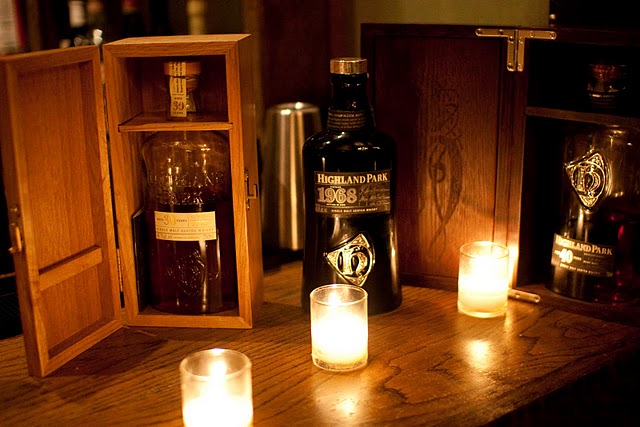
For someone whose every day is a taste adventure, I will say a recent, private Russell’s Room tasting at Bourbon & Branch of Highland Park scotches was one of the most memorable I’ve ever been privileged to be a part of. There were only two such tastings in the country: here and in New York. I felt lucky to be one of less than 10 around the table (and only 2 women – scotch remains predominantly a man’s world?) tasting HP’s awesome 18, 25, 30 and 40 year scotches. But the magnificent centerpiece was a just-released, $3999 per bottle, limited-edition 1968 vintage. 

At Whiskyfest last year, HP’s 30-year was among my favorites. To take it two steps further (the 40 year alone is a $2000 per bottle imbibement), was my Scotch dream come true.

HP brand ambassador, Martin Daraz, is a charming, hilarious host. Add in pairings from cheese guru, Wil Edwards, of SF Cheese School, and it was unforgettable. All five cheeses were thrilling, from a gorgeous, balanced Abbaye de Belloc, produced by Benedictine monks, to the butterscotch notes of Saenkanter Gouda. Who could choose favorites among such uniquely different cheeses? I couldn’t believe the grainy, melt-in-your-mouth intensity of a goat’s milk Bleu du Bocage… surprisingly, it did not overpower HP’s 25-year scotch. Isle of Mull Cheddar (from Scotland, naturally), is a memorable ivory-colored cheddar made from happy cows who’ve been ingesting spent whiskey grain. If this is an example of the wide-reaching range of cheeses Wil can lead you through, I’d sign up for one of his classes at the Cheese School now.

Back to Highland Park’s ‘68 vintage… it literally defined “smooth”, with a gentle sweetness, refined toasted oak notes, and hints of spice. I don’t know how else to describe the finish other than that it keeps going. One layer unfolds after the other… as I was in conversation after our last glass, wave after wave of flavor continued to roll over my tongue. If you ever get near a bottle, taste and consider yourself lucky.

Steampunk convention tinkers mightily

0

Steampunk has been described as a “step sideways in time.” It’s certainly not a regressive subculture- one peek at the kinds of clockwork corsetry and hydraulics operated moving machines that steampunk tinkerers fashion will convince you of that- but rather, a rethinking of where technology could have led us. It’s a topic that’s figuring prominently in the minds of many these days, which means this year’s New Albion Steampunk Exhibition (begins Fri/12) promises to be more whiz-bang than ever.

Picture, if you will, a mass of punks and nonconventional individuals in Victorian garb and laboriously created wings, monocles, wrist weaponry and whatnot, all milling about to waltz music in a very conventional hotel convention space. Surely, unsuspecting squares of Emeryville will be freaked.

Three tracks will guide tinkerers through the exhibition; one for DIY-ers, one for those with an ear for scholarly discussions of steampunk and another that focuses on the give-and-take of expert panel discussions on the culture. Participants can also pick and choose among the bounty- after all, who could miss discussions on steampunk philosophy featuring the movement’s great literati, James Blaylock? Or a rundown of the history of man powered submarines, classes on leather working, the regal history of steampunk, a panel who will dissect and illuminate “steampunk garb for life on a budget,” a look at the observatory as “science temple”, a museum of curiousities? Impossible, you must go to all.

After the learning, ballrooms galas and drink and meets will keep participants busy, just like at any other convention. Well, except for the fact that this gala will include prizes for the “most workable wearable invention” and meet and greets will center around self propelled three story Victorian houses and feature drinks served by robots.

Just a simple step sideways, really. 

Now Albion Steampunk Exhibition

Fri/12 (through Sun/14), $20-50

Hilton Garden Inn

1800 Powell, Emeryville

www.steampunkexhibition.com

Zaccho Dance keeps it in the family

0

Thirty years of surviving and thriving in an area as competitive as dance, and twenty year of community involvement is more than enough of a reason for a party. Let’s say a big gala with invited donors who can help balance the budget? A retrospective of what has gone well? Nope. That’s not how Joanna Haigood’s head works. For her, it’s a reason for “Family Day,” an open house for the community with classes for the youngest and those a little stiff around the edges. So how about Movement and Storytelling for kids, hip-hop for teens, a Dance Work Out for a sedentary parent, and Circus Art for grandma. She won’t swing from the trapeze, but her spirit will get a boost. Each 45-minute class starts on the hour, and food and refreshments are provided.

Sat/6, 10 a.m.-4 p.m., free

Zaccho Dance Theatre Studio

1777 Yosemite, Studio 330, SF

(415) 822-6744

www.zaccho.org


SF State students march

0

Story and photos by Nima Maghame

San Francisco State University added pageantry to the Day of Action protest, one of the many schools from around the Bay Area from Kindergarten to Ph.D that united on the steps of San Francisco City Hall yesterday.

Students, faculty and staff painted their faces, wore colorful t-shirts and paraded 10-feet high puppets depicting a skull-faced grad, a crying queen and a fossilized dinosaur; each representing greedy politics and the killing of education.

SF State students started the day with blocking traffic on Holloway and 19th streets, an echo of the 1968 student strike when SF State students did the same thing to protest civil rights. Police were ordered to clear the protesters out of the streets, but students continued on the sidewalk before merging with several other organized demonstrations in Malcolm X plaza.

Hundreds of students filled the open-air plaza to dance to music, hear spoken word poetry and chant. By 3:30 p.m. the festivities moved to City Hall where university students marched along side elementary, middle and high school students. “We’re in solidarity with everyone in this protest. Not centralized but many coming together to send one message. We have elementary students protesting, for the first time ever all facets of education are joining up. It’s beautiful and it’s healthy,” Phil Lassky, an Ethnic Studies teacher.

Empowerment was the feeling in the air. Many who participated had stories about how budget cuts have kept them from graduating, sitting on the floor in classrooms and not receiving their financial aid checks. “They have forgotten about us. Here we are paying for the bank’s debt and we get our budgets cut? Time for this to stop,” said Andrea Thomas a senior at SF State. Some teachers were uncertain if they’ll have work in the fall, and some were certain they would have no classes to teach.

Not all on the Gator campus were eager to spray paint a sign. Some students said they thought the Day of Action was futile and contradictory. “Ditching class is a hypocritical message that goes against what we are all trying to do,” said Travis Northup, SF State sophomore. “Instead of posters with vague statements we should be trying to find solutions that are reasonable.”

But most of the campus community seemed down with the cause. Ramon Castellblanch, health professor and California Faculty Association president for the university, was one of the leading protest organizers for SF State. Planning had begun back in January and he was astounded by the number of students willing to volunteer. Speaking on those who have chosen not to join in, Castellblanch remarked, “They need to decide the best way to spend their time, usually it’s being in the classroom, other times it’s not. If something doesn’t happen, there may not be any classes left to be in.”

Day of Action field reports

3

We’re starting to get some field reports from today’s big Strike and Day of Action — which culminates in a 5 p.m. rally in Civic Center Plaza — from some Guardianistas who we have covering various marches. And it sounds like the turnout is big and lively.

Over at SF State, hundreds of protesting students blocked 19th Avenue before being cleared by police. Then, for those students who hadn’t walked out in protest of rising fees and declining class offerings, someone pulled a fire alarm and shut down classes that way.

Meanwhile, in the East Bay, intern Jobert Poblete is with a march that he estimates to be a couple thousand people that has taken Telegraph Avenue and is trying to go all the way from the UC Berkeley campus to downtown Oakland, where they’ll rally in the Frank Ogawa Plaza outside Oakland City Hall this afternoon. So far, they’ve met with little resistance or police activity.

Currently, there are already hundreds of protesters outside Oakland City Hall, which has been locked down, and the crowd is expected to swell to several thousand once the Telegraph protest and other East Bay events converge there. It’s the same story outside San Francisco City Hall, where a rally is now underway with several satellite protests making their way there now.

See Alerts for more on the various marches and check back to this post later for updates and photos.  

2:15 update: Brady Welch reports that around 100 Mission High students have walked off campus together and are now marching up Valencia Streets, banging drums and chanting slogans, with some SFPD squad cars providing an escort. We’ve also heard from various sources through SF and the East Bay that there’s been more than a dozen smaller protests, many of them involving grade school children carrying protest signs. SF Public Press has an interesting report by a former Guardian intern on that phenomenon.

Shot of crowd at East Bay march.

And a couple photos from Brady Welch:


This photo (taken from inside Oakland City Hall by my friend, Deputy City Attorney Alix Rosenthal, less than an hour ago) shows a smaller than expected turnout:

Meanwhile, San Francisco Mayor Gavin Newsom has issued a statement of support for the Day of Action that begins, ““I join the thousands of students, parents and teachers across California and here in San Francisco today calling for adequate, equitable education funding for our public schools and universities.”

Newsom also opposed the Iraq War but never took part in any of the peace marches (unlike progressive members of the Board of Supervisors, who marched and gave speeches at the events), but I’m headed to the Civic Center rally soon, so I’ll let you know if he makes an appearance. We’ll have more extensive coverage of today’s events and what they mean tomorrow.

UPDATE: Guardian intern Jobert Poblete was among 150-200 people arrested in the East Bay during the Day of Action protests this evening, a group that he says including several journalists. Details are sketchy in the brief messages that we’ve had from him, but most of the arrests reportedly occurred when the protesters briefly blocked Interstate 880. They’ve been taken to Alameda County Jail in Dublin where jail personnel tell us most of those arrested are likely to be cited and released sometime tonight. Meanwhile, a 5 p.m. rally at Civic Center Plaza in San Francisco was packed with an exhuberant crowd of several thousand, the largest demonstration there in years. We’ll have a full report of the day’s events tomorrow.

Expanding movement

1

rebeccab@sfbg.com

When University of California Berkeley students staged building occupations last fall, their furious, brazen response to startling tuition hikes and staff cutbacks captured the attention of the world, recalling the radical actions of earlier generations.

Yet the thrust behind the March 4 Strike and Day of Action, a mass mobilization for public education and services that is reaching into all corners of the state and spreading nationwide, appears to stem from widespread agitation that extends well beyond the flare-ups on college campuses.

"What’s historic about this is that pre-K through PhD has never walked together," said Lillian Taiz, president of the California Faculty Association, which represents faculty in the California State University system. "We have often been pitted against one another, and I think everyone feels finally, in the end, there is no difference in importance between pre-K and PhD. We need it all."

The historic new alliance faces an uphill climb in an environment characterized by a devastating budget crisis at the state level. California — the world’s eighth-largest economy — hovers around 47th in the nation in terms of per-pupil spending, and the most recent wave of budget rollbacks has cut to the bone.

Students and teachers across the Bay Area argue that with dramatic slashes in funding, the educational system is failing youth. Class sizes are ballooning to claustrophobic levels, students are unable to take their desired courses, fees are going up, bathrooms are getting cleaned less frequently, and staffers are getting stressed by overwhelming workloads. "Classes are jam-packed," Taiz says. "You have kids sitting on the floor. You have students just begging to be allowed in a class."

As University of California students decry a 32 percent hike in fees, the California State University system is suffering from damage inflicted by 2,000 faculty layoffs over the past year. The San Francisco Unified School District, meanwhile, is staring down an estimated $113 million budget deficit over the next two years, and 900 layoff notices recently were issued to teachers, librarians, secretaries, and other school employees to warn them that their jobs could be slashed by the end of the school year.

When San Francisco’s school district faced a gaping budget shortfall during the last budget cycle, it was propped up by a combination of Rainy Day Fund reserve dollars and stimulus funding from the American Recovery and Reinvestment Act. With no such safety nets in place this time around, anxiety levels are higher and the outlook is uncertain.

March 4 is shaping up to be more than an opportunity to vent frustrations to elected leaders. Instead, organizers describe it as a rallying point for a movement to defend public education that has caught on like wildfire, uniting people from different worlds. Pickets and rallies will be staged throughout the region. Thousands are expected to swarm Civic Center Plaza in San Francisco. Students from a handful of East Bay campuses are organizing marches to Frank Ogawa Plaza in downtown Oakland. Students and faculty from Berkeley will be boarding buses to take the message to Sacramento. The Oakland Unified School district will host a districtwide mock "disaster drill" to call attention to the disastrous budget. Even public transit activists opposed to the latest round of Muni service cuts and fare hikes are joining the protests, hoping to expand the discussion to support vital public services (for details on these and other events, see "Alerts" opposite this page).

"We’ve never gotten this level of activism over anything in SF since I’ve been here," says Matthew Hardy, communications director for United Educators of San Francisco. "There’s a growing movement for progressive taxation and budget reform instead of draconian cuts."

Taiz, who teaches history at Cal State Los Angeles, described March 4 as an opportunity to fill a void in leadership. "Historically, in these moments where ordinary people step up to the plate, you end up leading the leaders," she said. "We are kind of shocked, but in truth, we do know what has to be done." Quality education isn’t just important for young people, but for society as a whole, she argued. "I am a baby boomer, and if the folks coming up behind me don’t have really, really good jobs, I’m going to be eating dog food. Because those are the people who pay Social Security and pay the taxes."

In the week preceding March 4, teachers and students throughout the Bay Area were in a frenzy of preparation.

Carlos Baron, a theater professor at SF State, was wondering whether the grand procession of papier-mâché puppets his theater students will unveil on the March 4 Day of Action should take a V-shape or some other form. "The main puppet is the Draculator," explained Baron, a Chilean who directed plays in the Salvador Allende era before he began teaching at SF State in 1978. "It’s a cross between the Terminator-Governor and Dracula. But also it doubles as a banker and a general."

When asked how funding cutbacks affect students, Baron didn’t hesitate. "It impedes the creation of a positive vision for themselves and this society," he said. It stunts "the development of the imagination," he added. "We are trained as individuals to accept our failure and our smallness because we’re familiar with it. They don’t want an educated population, a sensitive population, a dreaming population. Would we select Schwarzenegger?"

Nicole Abreu Shepard, a first-grade teacher at Buena Vista Elementary in San Francisco’s Mission District, was collecting permission slips from parents to take her students to a rally and march down 24th Street. "The entire school is walking out," Abreu Shepherd said. Buena Vista’s art program exists solely because parents volunteer their time, she explained. More than half the students qualify for free or reduced lunch, and many incoming kindergarteners or preschoolers are new to the English language. Now there are proposals on the table to increase kindergarten class sizes to 25 or possibly even 30 students. "It’s sort of tying their hands behind their back and asking them to teach on one foot," she noted, and worried about the eventual result. "It’s going to be harder and harder to keep parents who could afford private school in a public school system."

Meanwhile, at the UC Berkeley campus, Krystof Cantor was sitting behind a table heaped with piles of radical literature bearing titles such as "After the Fall: Communiques from an Occupied California." Cantor, who earned his PhD in vision science in 2005, was joining student organizers in making one last push to drum up student interest in March 4 events at a multi-faceted event called "Rolling University." Late on the evening of Feb. 26, a dance party on the Berkeley campus morphed into a street riot — replete with ignited Dumpsters — in downtown Berkeley. The incident attracted media attention and drew public criticism from administrative officials.

The radicalized student movement that has erupted on the UC Berkeley campus is "very much about seizing power," Cantor told the Guardian several days before. "It’s been disruptive, it’s been militant, and it’s been creative. That’s very scary," to the administrators the movement is targeting, he added.

That focused pressure on UC administrators sets these students apart from the coalition of UC Berkeley faculty members and student government members and allies who are coordinating bus trips to protest in Sacramento March 4, he explained. "Sacramento’s not innocent, but it’s not like the administrators are just doing what they have to do," he charged, pointing to new construction projects on campus even as workers are hit with layoffs and furloughs, plus an increasing trend of privatizing on-campus jobs and services. "You can save the public sector by pouring money into it. But it won’t work if the people in charge … want to privatize everything."

Jasper Bernes, a graduate student in English who was seated next to Cantor, noted that the occupation tactic is catching on at other campuses. "I have no doubt that March 4 will greet us with news of many occupations," he said.

Baron, the Chilean theater professor, noted that some SF State students had occupied a business school building in protest of budget cuts. "They were pissed," he said. "They wanted to do something radical. They really inconvenienced a lot of people — but they took chances nonetheless. I went there, and I locked arms with them for awhile." At the same time, he wondered about how effective it was, he said.

And for all the months of preparation and visioning, Baron said he also wonders what will ultimately be borne out of the marches, rallies, pickets, and procession of lovingly crafted street puppets he helped breathe life into. For all the hard work and planning, he says, "My problem is not so much March 4. It’s March 5."

Concerns raised about City College-Foundation pact

0

By Jobert Poblete

At its meeting yesterday, the City College of San Francisco Board of Trustees discussed a new draft agreement with its fundraising arm, the Foundation of City College of San Francisco. As reported in this week’s Guardian, the foundation is seeking greater autonomy from the college. The CCSF trustees limited their discussion to proposed changes to the draft agreement, but a final decision may be reached as early as next month in advance of the foundation board’s March 16 meeting.

City College trustee John Rizzo, who was part of the task force that drafted the agreement, explained that the new deal would give the foundation control of all funds except for $3 million raised by CCSF departments and faculty. Rizzo also said that the CCSF task force pushed the foundation to shift its focus from scholarships to saving classes and to operate with a level of transparency beyond the minimum required from nonprofit organizations.

Budget deficits have led to the cancellation or elimination of 1500 sections, including all 2010 summer classes, at CCSF. The draft agreement would require the foundation to consider sources and new fundraising that could be used to fund classes and programs, but trustee Steve Ngo called for a stronger commitment from the foundation to tap existing resources, including investment gains and restricted funds.

Hal Huntsman, president of the CCSF Academic Senate, presented the trustees with a resolution from the Senate’s executive council recommending that the new agreement not be approved without shared governance review and approval. Huntsman also raised concerns about changes to the foundation’s bylaws that would give representatives from CCSF’s academic and classified senates seats on the foundation board, but with one-year terms instead of the customary three years.

Trustee Lawrence Wong raised the possibility of asking the foundation for more time to discuss the issues raised at the meeting and to allow the shared governance bodies to weigh in. Chancellor Don Griffin reiterated the need to solicit buy-in from the college’s constituent bodies but called on the board to stay on schedule. “The board has spent a lot of time on these negotiations,” Griffin said. “And I think we’re 99 percent of the way there.”

A committee made up of representatives from the college and the foundation will meet again this month or early March. The CCSF board may then call a special meeting to vote on the agreement in advance of the foundation board’s quarterly meeting on March 16.

Events listings

0

Events listings are compiled by Paula Connelly. Submit items for the listings at listings@sfbg.com.

WEDNESDAY 24

SF Noir Museum of African Diaspora, Marcus Books, The Atrium, and other Bay Area locations, for more information, visit www.sfnoir.org. Wed. – Sun., $10-$75. Celebrate Black History month at this year’s culinary arts focused SF Noir, featuring food wine and entertainment that highlight the best in Black cuisine.

"World without us" Herbst Theater, 401 Van Ness, SF; (415) 561-6582. 7:30pm, $10. Attend this Long Now Foundation’s Seminar About Long-Term Thinking, where journalist Alan Weisman will discuss his experience traveling the world to investigate what happens when humans stop occupying an area.

BAY AREA

Bike Repair Class Cycles of Change APC Bike Shop, 650 W. Ranger, Alameda; (510) 898-7830. 6:30pm, $80-$150 sliding scale for all four classes. Learn how to fix your bike at this four part basic bike maintenance training program run by a nonprofit community bike shop. Classes include bike anatomy, brakes, shifting, and wheels.

Working in the Shadows Revolution Books, 2425 Channing, Berk.; (510) 848-1196. 7pm, free. Hear Gabriel Thompson discuss his new book, Working in the Shadows: A year of doing the jobs (most) Americans won’t do, about a year spent working all over the United States alongside Latino immigrants.

THURSDAY 25

God, Seed San Francisco Center for the Book, 300 DeHaro, SF; (415) 565-0545. 7pm, free. Attend this reading and slide show presentation based on Bay Area artist Lorna Stevens and poet Rebecca Foust’s new collaborative book, that is a collection of poems and art about the environment.

Historic Wineries of California California Historical Society Museum, 678 Mission, SF; (415) 357-1848. 6pm, $25. Attend this wine tasting and history lesson all in one, with winemakers representing some of the oldest, family-owned California wineries telling tales of growing up on vineyards and offering tastings of their latest vintage.

Kamau Patton and Sara Kraft Yerba Buena Center for the Arts, Gallery 3, 701 Mission, SF; (415) 978-2787. 7pm, $7. Local visual artist Kamau Patton and performance artist Sarah Kraft come together to discuss commonalities within their artistic practice, presenting samples of sounds image and text to illustrate their discussion.

Love Your Body Now Center for Sex and Culture, 1519 Mission, SF; (415) 255-1155. 7:30pm, $10-$30 sliding scale. This interactive workshop allows participants to explore the roots of their own body issues, how it has affected them, and how to combat the barrage of media that focuses on perfection.

FRIDAY 26

Pacific Orchid Exposition Fort Mason Center, Bay at Franklin, SF; (415) 665-2468. Fri. and Sun 10am-5pm, Sat. 10am-6pm; $14. Check out over 150,000 unique orchids from around the world, with educational displays and demonstration. This year’s theme of "Carnaval" will highlight the diverse natural habitats of orchids.

BAY AREA

Seed Swap Ecology Center, 2530 San Pablo, Berk.; (510) 658-9178. 7pm, food and seeds to share or $10 donation. Hang out with fellow local gardeners at this pot luck, seed swap, and party. Bring food, seeds, or a garden related treasure to raffle and you can get in for free.

SATURDAY 27

Chinese New Year Treasure Hunt Hunt begins at Justin Herman Plaza, Market at Embarcadero, SF; (415) 564-9400. 4:30pm, $30-$40. Channel your inner stealthy Tiger at this treasure hunt and urban sleuthing game taking place on the streets of Chinatown, North Beach, and Telegraph Hill. Rain or shine.

Lunar New Year Festival Chinese Cultural Center, 3rd floor, 750 Kearny, SF; (415) 986-1822. Sat.-Sun. 11am-4pm, free. Usher in the year of the Tiger at this Spring Festival celebration featuring lion dancing, performances, activities, fortune telling, art, and more.

Magazine Day Booksmith, 1644 Haight, SF; (415) 863-8688. 1pm, $5. Break out your piles of unread magazines and share them with other magazine lovers as Booksmith turns itself into a giant magazine reading room for the day featuring discussions about magazine publishing, wine, snacks, and plenty of mags to take home from the communal piles.

Art to Empower Africa Space Gallery, 1141 Polk, SF; camfedfundraisersf.org. 7pm, free. Buy donated art from local artists at this auction where all of the proceeds will go to benefit Camfed, an organization that empowers girls in Africa by using a community-based, holistic approach to long-term education, small business training, and HIV prevention.

SUNDAY 28

Ayibobo! Glide Memorial Church, 330 Ellis, SF; (415) 626-7500. 1pm, free. Join San Francisco poet Laureates Lawrence Ferlinghetti, Jack Hirschman, and Janice Mirikitani at this poetry reading and benefit for Haiti. Donations will be given to Doctors Without Borders.

Benefit for the Boob Wild Side West, 424 Cortland, SF; breastcanceremergencyfund.org. 4pm, $5-$20 donation. The Sisters of Perpetual Indulgence are hosting this fundraiser for the Breast Cancer Emergency Fund featuring burlesque performances, drag kings, comedy, sex education, raffle prizes, and more.

TUESDAY 2

Bike Touring 101 San Francisco Bicycle Coalition, Suite 1550, 995 Market, SF; www.sfbike.org. 6:30pm, free. This workshop will go over the basics of bicycle touring, like what you need, what you don’t need, and best practices to keep you happy and healthy on the road. Bring your bicycle to find out if it’s suited for bike touring.

Fixing the Foundation

1


By Anna Widdowson

news@sfbg.com

The Foundation of City College of San Francisco is seeking to shield its financial dealings from public scrutiny under a new agreement that could limit the college district’s oversight of fundraising done in its name.

The agreement establishes the formal relationship between the foundation and the district, renewing a document that expired last June. But it became controversial when the district sought to make the foundation into an auxiliary organization, which would allow greater oversight by the district and the public, while the foundation sought greater autonomy and secrecy surrounding its fundraising operations.

The two sides have been in strained negotiations for months, but the freshly inked compromise agreement will likely be on the Feb. 25 Board of Trustees’ agenda as a discussion item so that public testimony can be taken and changes can be made before it’s formally considered for approval.

The backdrop of the dispute — and the reason it’s so contentious — is last year’s criminal indictment of former City College Chancellor Philip Day for a money-laundering scheme using foundation accounts. Last July, Day was charged with eight felonies for misappropriating more than $150,000 in college funds, including using the foundation to funnel public money into a political campaign and maintaining an unregulated slush fund. The trial is set to begin later this year.

But the foundation, which controls more than $19 million in scholarships and other assets for the district, says that corruption is precisely why it wants to back away from the college, which managed the foundation’s finances under the previous agreement that expired last June.

Peter Bagatelos, the foundation’s lawyer, said Day’s missteps have cast a shadow on the foundation that has impeded its ability to fundraise. He explained that many donors mistook the district’s actions for those of the foundation and were scared away from donating, which is why the foundation is seeking to be an independent body.

Yet a Guardian investigation (“On shaky ground,” 3/5/08) unearthed documents showing that the foundation helped Day launder $35,000 in public funds into a 2006 political campaign, although an internal audit couldn’t find evidence that foundation directors approved the transfer and, as Bagetelos told us at the time, “It was never done with their consent or knowledge or participation.”

Now the foundation is asserting that it cannot fundraise successfully if it is turned into an auxiliary organization, as some trustees are seeking, which would subject the foundation to public records, open meetings, and other sunshine laws that Bagatelos derided as “a lot of bureaucracy and entanglements.”

“They just want to go out and raise money to help the students,” Bagatelos said. As for why transparency hinders that cause, he said: “There are many donors who don’t want to be made public.”

“The foundation is not a public agency, it’s a private corporation,” he noted.

A rough draft of the agreement, which is still under review, lays out the steps the foundation will take to gain greater autonomy, including hiring and paying its own employees, and adopting a structure comparable to other nonprofit entities to make it more attractive to prospective donors.

But some college trustees, including President Milton Marks and Vice President John Rizzo, believe they should be given greater oversight over the foundation’s finances. “The district [and the foundation are] equally tarnished by the activity because they enabled [Day],” Rizzo said. “I just want to get enough sunshine in there that goes beyond what they have to report by law, so if a future chancellor does something like that, we’ll know about it.”

Bagatelos said the foundation will still be subject to monthly reviews and regular audits as outlined by the laws governing all nonprofit organizations, but the district may not have access to donor and fundraising information.

Hao Huntsman, president of the Academic Senate, which represents the college faculty, said this lack of transparency would hurt the ability of both entities to rebuild their reputations.

“The foundation raises money using the City College name. We have a lot of investment in that name and are very sensitive to how that name is being used and the kinds of places we are soliciting money from,” he said. “We don’t want to be taking money from firearm manufacturers and tobacco companies, for example.”

But Rizzo explained that the college has no control over where the foundation gets its donations. “They could collect money from PG&E or Chevron and give scholarships and the district would have no say,” he said.

This leaves the college wide open to efforts by corporations to make donations that direct the course of research at the college, a phenomenon that has blighted many a public school over the years. “We are concerned that there won’t be the same degree of knowing,” Huntsman said. “If the college doesn’t have a say in the control of that money, it could be used for something other than what it was intended for.”

As it stands, the foundation primarily raises money for scholarships. Rizzo would also like to see the foundation give the college from $3 million to $5 million annually to help cover operational costs and close the budget deficit. “It’s great to have scholarships, but if we don’t have classes the scholarship can’t mean much,” he said.

Rizzo and Huntsman also want the new agreement to require the foundation to turn over upwards of $3 million raised by faculty members independently of the foundation.

Rick Knee, a member of the San Francisco Sunshine Ordinance Task Force who has tried for years to bring City College under its oversight, said the potential agreement raises concerns about the foundation’s ability to wield unprecedented political clout.

“It might enable them to do some arm twisting,” Knee said. “If the foundation wants to make a clean break from the Day era, they should give the current Board of Trustees a chance to make their case and demonstrate that they’re not Phil Day.”

Peter Scheer, executive director of the First Amendment Coalition, said that an agreement in which there was both independence and transparency for the two parties would strike an appropriate balance.

“The irony here is that you have the college and the foundation saying the exact same thing,” he said. “The college is worried that unless they have control the foundation will threaten its integrity, and the foundation is saying that without autonomy the school will tarnish its name and make it harder for them to get donors. They are both right in light of what happened with Day.”

Lawyers on both sides agree that, as a nonprofit, the foundation has the right to control its own assets. But that doesn’t mean they should keep the district in the dark, say the trustees, who want the foundation to open its books to the district, if only to ensure a modicum of public accountability.

Rizzo, who was on the negotiating team, told us that the agreement currently maintains donor secrecy but allows for some financial oversight by the district, including monthly audit reports and notification of instances when district funds enter foundation accounts. “They’ll have to report some things to the Board of Trustees, then the district will make them public,” Rizzo said. “But they do not want to report donor names and that will be an item of discussion.” *

Steven T. Jones contributed to this report.

Loose in Obamalandia: Dead man walking through CA

1

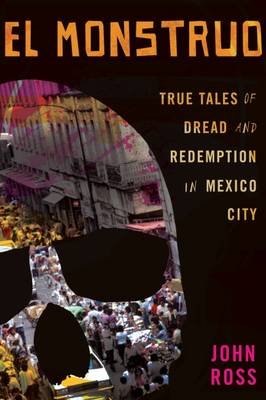
I am on a low-rent book tour with my new cult classic El Monstruo – Dread & Redemption In Mexico City.  For the next three months, I will stumble across this land from sea to stinking sea probing the underbelly of Obama’s America.  The findings will be posted on these pages.

1.
First stop was the near north woods, Humboldt County USA, to wheedle the medicos into granting me a clean bill of health before I hit the road.  A year ago this February, my doctor who has poked and probed my old broken cadaver for nearly 20 years, pronounced me dead. “Liver Cancer” he parsed gravely — but I am still alive and kicking. The class enemy be warned: I am not dead yet.

Humboldt had just been wracked by a 6.5 earthquake that cut a swath through Oldtown Eureka’s antique shops but was not quite Haiti.  Nonetheless, the shake-up worked its usual bad mojo and implanted the seeds of fear and loathing in every soul.  On January 22nd, three separate police agencies shut down the north end of Arcata and evacuated hundreds of residents after a scruffy hippie-type tried to fed ex a suspicious package to Berkeley that leaked, according to the clerk at Kinko’s, “a chemical odor.” The offending package was blown up in a back alley.

The next day, the local rag commonly known as the Times-Slander conceded in front-page headlines that the “bomb” was “Actually a brake light.” The paranoia was symptomatic.  A commercial jetliner to Kentucky was forced down by air force jet fighters after an orthodox Jewish kid pulled out his Tefillin to pray and, in a spasm of extreme religious irony, the panicked stewardess took him for some Muslim terrorist and confused the leather straps and little prayer boxes with bomb components that would blow the paying customers to kingdom come. 

Nine years ago, just weeks after 9/11, I got on the road to preach Zapatismo to the North Americanos. Flags flew from every home, a sort of Talisman against the terrorist devils.  It was not a healthy ambiance for spreading revolution and resistance in Amerikkka.  Prospects for the Monster Tour suddenly turned ominous.

2.  
San Francisco’s Mission District gets shabbier day by day as the “Great Recession” (read “Depression”) gallops towards economic Armageddon. The Miracle Mile is lined with empty storefronts and 98 Cent Stores (marked down from 99.)  The homeless sleep under their shopping carts – the Mission Local reports that 40 homeless families are living in 16th Street Single Room Occupancy hotels, twice the occupancy rate of a year ago.  In this Sanctuary City for the rich, the yuppie Mayor, who now aspires to be nothing more than a yuppie clerk in a yuppie wine store, is deporting undocumented teenagers convicted of no crime and the class divide seems more brutal than ever.

We posted up on Market Street in front of the Commonwealth Club, where torture enabler John Yoo was hawking his new book to the City’s elite. Financial District drones en route back to the ‘burbs asked Yoo Who?
I checked my watch.  It was time to hit the rails.

3.
The Central Valley was the first stop on the Monster Tour, the most deadly stretch of soil in North American California. The water plumes are all poisoned by agrochemicals and when one turns on the faucet on the west side of the valley, deformed babies pop out. 

This cesspool of chemical effluvia is populated by perhaps the most ethnically diverse crazyquilt in all of Obama’s America.  Anglo bigwigs and white Armenians rule the roost but down below Mixteco is spoken on the radio, communicating the bad news to the out-of-work Oaxacans who once toiled in the fields and packing sheds. The humongous Hmung community is up in arms over the FBI’s harassment of their spiritual leader, General Vang Pau who authorities accuse of conspiring to overthrow the doctrinaire Communist government of Laos.  Unemployed Palestinians and Pakistanis, Filipinos, white trash, and historic enclaves of Blacks, survive in this fulminating chemical stew by their wits. On every street corner, the down-at-the-heels don shabby green gowns and sagging Styrofoam Statue-of-Liberty crowns, holding up cardboard arrows pointing towards strip mall tax return scammers.

I stepped out into Catherine Campbell’s unplanted garden.  Police helicopters hovered overhead, searching out suspected gangbangers. Catherine is a veteran prison rights attorney who pays particular attention to what goes on behind bars at Corcoran and Chowchilla, two of the cruelest his & her lock-ups in the state. Recently, she put her know-how to work defending anarchists who had been beaten into the sidewalk by the Fresno pigs for handing out graphic leaflets depicting the torture of elephants during Ringling Brothers Barnum & Bailey’s annual visit to town, and she and a gaggle of advocates have been trying to keep the cops off a venerable homeless encampment. Now the City Council is seeking to felonize panhandling on Fresno’s median strips as a “safety hazard.” 

The Fresno gendarmes are particularly keen on persecuting young adults of color for alleged gang activities. An article in the Morning Bee reported on the so-called “Bulldog Gang” (the bulldog is the icon of the Fresno State football team so gang colors are readily available) whose members were accused of smashing windows and barking at the cops over on the decrepit west side.  Catherine says the bulldogs’ bark is more a growl.  Such are the sounds of hope in the second year of Obama’s lacerated reign.

Sam Stoker is a child of the Valley. One night last summer, I bought him a beer at the counter of my beloved Café La Blanca back home in the Centro Historico of Mexico City.  Sam, an acculturated Chicano, had journeyed to Mexico to connect with his family in Tamaulipas and bum around, sniffing out what was left of the 2006 rebellion in Oaxaca. When he went home to Winton near Merced, he spoke enough Spanish to delight his grandma. 

Sam is also an anarchist and a budding journalist who has been up to his neck in the struggle for justice for Oscar Grant in Oakland. Now he had come to the Valley to spread the virus of anarchism. Rebellion in the fields could bring California to its knees, he confided. I was only too happy to help out. 

Anarchism has a beachhead in Fresno at the Infoshop where 70 folks turned out to hear me preach revolution. Not all of the fellow workers were young punks. One gentleman in attendance told me he had been an organizer for Cuauhtemoc Cardenas’s foiled presidential campaign in 1988 in Sinaloa and fled Mexico when dozens of his companeros were gunned down by the mal gobierno.  He was still here, still waiting for the revolution. 

Over in Merced, I shouted out my poems in a long dark bar, The Partisan, on Superbowl Sunday.  A “digital remix” of Guy Debord’s “Society of The Spectacle ” preceded my incendiary words.  Maybe Sam Stoker’s pipedream is not as wacky as it sounds.

4.
So it was goodbye to Fresno and hello to Hollywood. I accessed the City of Fallen Angels over the Grapevine with a pit stop at Bob Hope airport and a bar in Santa Monica to watch the Lakers kick booty. My gigs were spread out all over this pedestrian unfriendly megalopolis and the signs of hard times were hard to avoid.  On the beach in Santa Monica, excruciatingly gaunt old men jogged against debilitating cancers and aging hippies scoured the sands with metal detectors for spare change.

Even out in ritzy Claremont, where I hobnobbed with a Palestinian restaurateur about the Nakba, Obama’s America seemed out of synch.  A student at Pomona College where I spieled had just been handcuffed and interrogated by transit security cops in Philadelphia for transporting 200 Arabic-English flashcards across state lines and some cad ripped off my cane down at the train station.  The Inland Empire, which abuts this restricted enclave, has the fifth highest mortgage foreclosure rates in the nation.

In Hollywood, where I spent a night on my favorite sofa, the glitz was tempered by the homeless with all their possessions piled high atop their shopping carts around the new Metro station. How many of them were out-of-work script doctors is not yet known.

Down in South Central, where anger is endemic, I spoke to a handful of Afro-Americans at Eso Won, an admirable black bookstore. The proprietor sported a prototypical pork pie hat and told me that when he sees the Mexicans coming over the border, he sees black people. We talked animatedly for a few hours about Afro-Mexicans who were a third of the population of Mexico at liberation from Spain in 1810 and whose history has been pointedly ignored south of the border.             

L.A. is gearing up for the trial of killer BART cop Johannes Mehserle, Oscar Grant’s assassin, that will be held in the same court house where O.J. won acquittal — if it’s not moved to Ensenada, taking a cue from outgoing Governor Terminator’s plan to build California prisons south of the border.

Students at Cal State L.A., the most Chicano university in Califas, honed in attentively when I expounded on the revolution that is brewing down south.  1810-1910-2010 – every hundred years on the tenth year of the century, Mexico explodes in violent social upheaval and even the Wall Street Journal is worried (see WSJ front pager January 15th.)

Looking at Obamalandia through the eyes of students is a useful handle for understanding what comes next.  Classes and services have been bludgeoned by budget cuts and the profs at Cal State furlough one day a week to make ends meet in this damaged economy that the President lies is booming again because only a half a million workers filed first time unemployment claims last month.  The light at the end of the tunnel is a bullet train pointed straight at the heart of the people.

All of this bad news is healthy for fightback.  The day I hit El Ley, Muslim students at U.C.-Irvine rose up against the Israeli consul ten times in a single speech until the university president sicced the campus cops on them. The next day a whole coast away, kids at Georgetown shouted down General Betrayus. Throw in the cutbacks and the furloughs and the hopelessness and it could be a long, hot spring semester and it won’t be just because of global warming.  I will do my best to fan the flames as I stumble front one campus to the next in the coming months.

On my last days in the late great golden state, I slept in a yoga house under a colorful banner of Ganesh, the elephant guy who gets fat eating others’ obstacles.  Lets hope he’s on my side. A year ago I was sentenced to death and although I’m still kicking, the future is laced with sharpened punji sticks, not the least of which incubates on my liver.

Talking truth to power is still the best medicine to beat back Nuestra Senora Santa Muerte.

John Ross and The Monstruo will be visiting the Narciso Martinez Cultural Center in the heart of the Rio Grande Valley Sat. Feb 20th. The Monster Tour plays El Paso, Las Cruces, and Albuquerque from Feb. 21st-28th.  Consult the Nation Books page for details or write johnross@igc.org

The “Newsom wins” merry-go-round: What fun

10

Gavin Newsom still hasn’t said for sure that he’s in the race for lt. governor, although just about everyone in town now thinks he’s going for it.

But the very prospect of the mayor leaving office before his term is up has the political classes speculating: Who gets that job? And how does it happen?

It’s actually pretty interesting.

Under the City Charter, the president of the Board of Supervisors becomes acting mayor in the event that the mayor leaves office before the end of his or her term. Then the supervisors, by a six-vote majority, can appoint someone else to the job.

Melissa Griffin lays out one piece of the scenario, which is that the board could appoint a new mayor in advance, without anyone serving as acting mayor.

But there’s much more to the story.

According to a fascinating city attorney’s opinion issued in 1978 (PDF), when George Moscone and Harvey Milk were killed and Dianne Feinstein was board president, no supervisor is allowed to vote on his or her own appointment. Which would mean that if, say, Board President David Chiu wanted the job, he’d need six votes not including his own.

Now the plot thickens. Suppose nobody can round up six votes — that is, a majority of the supervisors can’t agree on a new mayor? Well, Chiu, as board president, would be acting mayor — potentially for the entire duration of Newsom’s term, roughly a year. He’d also remain as board president. It’s the same as if the mayor goes out of the state and names an acting mayor in his place; that person is still a supervisor. So Chiu would have all the powers of both the mayor and the board president — and immense amout of clout for one person at City Hall.

But wait, there’s more: Chiu is board president only until the board elected in November of this year takes office, which would be about five days after Newsom would become lite guv. So unless the current board can choose a new mayor, with six votes (not including the vote of any supervisor being nominated), the new board would elect a new board president — who would instantly become acting mayor at the same time.

And since supervisors are allowed to vote for themselves for board president, any member would be allowed to vote for him- or herself for acting mayor.

Confused yet? Clearly, the folks who wrote the City Charter never actually envisioned this scenario (or didn’t think about it very much).

Of course, what that means that with the current board split the way it is, with exactly six solid progressive votes, someone who isn’t currently on the board (say, Aaron Peskin — or Tom Ammiano, or Mark Leno, or whoever) would have a better chance of getting a majority than a current member, who would need at least one of the moderate bloc votes.

And if Newsom runs, it will make the fall supervisorial elections even more important, because potentially those newly elected supes will be choosing not only a board president but a mayor.

Here’s another fun twist: If District Attorney Kamala Harris is elected attorney general, the mayor gets to appoint a new D.A. But suppose Newsom also wins and is sworn in a few minutes before Harris. Presumably acting mayor David Chiu (a former prosecutor who rumor has it might like to be D.A. himself someday) would choose the new D.A. — and suppose Chiu knows he doesn’t have six votes to be mayor. There’s no reason why he couldn’t appoint himself D.A., leaving a vacancy on the board and a vacancy for board president, which would be filled by anyone who could get six votes, who would then be acting mayor and could appoint a new supervisor to Chiu’s seat. Who could then be the deciding vote on who gets to be mayor.

Whoa. I can’t wait. Run, Gavin, Run.

All about Amazon Eve

16

culture@sfbg.com

SEX Leg, leg, and more leg — the 6-foot, 8-inch model Amazon Eve is one tall glass of water who’s become the drink of choice for an entire population of men. Thirsting for a romp with the busty blonde, Amazon fetish lovers beg Eve to throw them around, hold them like a baby, and dominate their puny bodies. There’s no sex and no nudity, just some good ol’ fashioned rough-housing with a giant, hot chick.

“I pick up guys for a living — it’s the oddest job in the world. And I love it,” she says.

Originally from Oakland and currently in the midst of a worldwide tour packed with interviews, photo shoots, and client visits that leave her exhausted, bruised, and totally stoked, the imposing Eve met me at the San Francisco Museum of Modern Art for a quick tour of the gallery — and an explanation of what it means to be an Amazon woman.

I immediately spotted her at a table in the back of the museum’s cafe. Her elongated arm reached out and to my surprise, offered one of those dainty-lady, totally limp handshakes. All that talk about warriors and power must be reserved for impressing dudes. But then she stood up, immediately grabbing the attention of patrons and towering over my 5’6″ frame. She pointed at her feet. “I finally got a pair of Uggs! I could never find my size until I went to Australia,” she gushes, beaming. People, this Amazon wears a size 14.

We cruised through SFMOMA’s extensive “75 Years of Looking Forward” anniversary exhibit, her shoulders nearly grazing the tops of several large sculptures, and eventually found a bench in a room full of 1950s typewriters to sit on and talk. A strange place for a chat with this kind of working girl, but Eve paid no mind and busted out the November 2009 issue of Australia’s Zoo Weekly. In a feat of obvious yet still striking incongruity, she’s featured on the cover next to a 5-foot, 1-inch model. With huge perky breasts, flat abs, and those neverending limbs, Eve looks like an oversized Playboy cardboard cutout any Midwestern man would love to have in his garage.

“I’m owning the fact that I’m no longer an ugly duckling,” she said, flipping her long hair over her broad shoulders.

amazon eve

Amazon, with art. Photo by Amber Schadewald

After majoring in theater in college, Eve worked as a paralegal, but the position drained her creativity and added the pounds. Looking for a way out, she started an ambitious workout regime, telling herself, “Supermodel or bust!” Quickly, however, she grasped that she would never achieve runway-thin frailty. “I can never be small and I can never be weak,” she said.

So she became a personal trainer. At the gym, she was introduced to a woman working as a pro domme. She tried it herself, “But I quickly realized that I didn’t want to wear that skimpy leather costume. I don’t like floggers, whips, and cuffs. So I started taking martial arts and wrestling classes and finding my own fetish niche.”

Now, 80 percent of Eve’s sessions are spent lifting and carrying her male clients, or performing a series of height comparisons. The other 20 percent are played out with wrestling, boxing, and physical domination. Typically her clients are “small” guys (less than 5-feet, 8 inches) who are educated, professional, and located all over the world. They often pay for her to fly to them. When she walks into the room, they bow. “Amazon women like me are rare, and the guys who like us are plentiful. It’s like a built-in celebrity.”

Most often her sessions revolve around a theme, from the naughty schoolgirl to the cowgirl who knows how to hogtie. She’s held a powerful oil executive in her arms while he muttered “Mommy, mommy!” She’s wrestled with her legs tied together with a paralyzed Danish man. And her next hurdle: wrestling a 465-pound professional wrestler in Dallas. “I need to start training immediately,” she said. “He wants me to perform a very particular scissor move, so it’s my job to figure out how to get my legs around him.”

At $400 per hour, it seems crazy that guys would spend such a large amount of cash without the promise of a “big finish.” But Eve reminds me that fetishes aren’t necessarily sexual: “Fetish is about a heightened sense of awareness and sexual stimuli, not necessarily sexual acts themselves.”

Our tour of the museum is cut short so Eve can make it to a session with a new client. She pulled me in for a hug, my face pressed directly into her soft breasts. I immediately understand why little guys like Eve.

And off to work she goes — extra-large schoolgirl outfit in her purse.

Our weekly picks

0

WEDNESDAY (10th)

EVENT

Electronic Frontier Foundation: 20 Years

With technology becoming ever more an integral part of our daily lives, important issues surrounding digital rights continue to arise in new forms, be they regarding net neutrality, government wiretapping, or downloading music. The Electronic Frontier Foundation, a nonprofit civil liberties organization, was founded in 1990 to defend people’s rights in the areas of free speech, innovation, privacy and more. EFF celebrates its 20th anniversary tonight with a party and fundraiser hosted by Mythbusters’ Adam Savage, featuring music, entertainment, and tech luminaries such as Apple cofounder Steve Wozniak and Lotus 1-2-3 program designer Mitch Kapor. (Sean McCourt)

8 p.m., $30

DNA Lounge

375 11th St., SF.

(415) 626-1409

www.dnalounge.com, www.eff.org

THURSDAY (11th)

VISUAL ART

ARTEMIO: “Gersamkunstwerk”; Frankie Martin: “Through the Vortex”

Nothing sounds more disparate than “guns, grenades, bombs, and machetes” assembled into a mandala; and video of a “1,000 mile, California coastal bicycle” voyage. But who knows, juxtapositions create funny things like frisson. What distinguishes Mexico City conceptual artist ARTEMIO from New York “nomadic inter-media artist” Frankie Martin could potentially create a third work where the paradoxical polarities and politics of drug wars infiltrate the narratives of mobile subjectivity this side of the leisure-born border. I’m thinking something like Road Rash, the 1991 Sega Genesis video game where motorcyclists beat each other with chains and baseball bats in a race to the champagne and bikini line. You might see something a bit more sophisticated. (Spencer Young)

7–11 p.m. (through March 13), free

Queen’s Nails Projects

3191 Mission, SF

(415) 314-6785

www.queensnailsprojects.com

FRIDAY (12th)

FILM

“A Valentine’s Tribute Weekend to John Hughes”

When the Oscars’ people-who-died montage rolls around in March, more than one child of the ’80s will raise a fist for John Hughes, the writer-director-producer of many of the era’s most beloved teen films. Midnites for Maniacs programmer and host Jesse Hawthorne Ficks feels your pain — he’s assembled seven of Hughes’ enduring classics for a two-day feast of class- and clique-disrupting romances, multiple Ringwalds, touchy-feely grandmas, homemade prom dresses, Ferraris, the best fucking movie about travel ever (you can bet your John Candy it ain’t Up in the Air), and Bueller … Bueller … Bueller. The marathon begins tonight with Some Kind of Wonderful . Angst ahead! (Cheryl Eddy)

7:30 p.m. (Some Kind of Wonderful), 9:30 p.m. (Ferris Bueller’s Day Off) and 11:45 p.m. (National Lampoon’s Vacation); through Sat/13, $10 per day

Castro Theater

429 Castro, SF

(415) 621-6120

www.ticketweb.com

MUSIC

San Francisco Bluegrass and Old-Time Festival

Old-timey — it’s not just for lemonade, hoop skirts, handlebar mustaches, and dial-ups. It’s also for the retro-coolly acronymed SFBOT, raising its analog arms and taking over dozens of the Bay’s venues with that sweet, sweet sound of everyone’s favorite time period: yore. Loudon Wainwright III, Stairwell Sisters, Water Tower Bucket Boys, Asylum Street Spankers, and a strummin’ army of fiddlers, yelpers, crooners, stompers, hoofers, and juggers blow wildly through the roots of this 11th annual harmonic convergence. Oh yes, there shall be banjos. (Marke B.)

Various times, venues, and prices (through Feb. 24)

Tonight: Red Molly, Stairwell Sisters

8 p.m., $19.50

Freight and Salvage

2020 Addison, Berk.

www.sfbluegrass.org

MUSIC

Mahogany Soul Series: Chico DeBarge, Martin Luther

It’s Friday night — time to mellow out to some old school soul sounds. Chico DeBarge is a charismatic and skilled songwriter and producer long known for making the ladies swoon with his sensual singing style. He’s joined by fellow R&B man Martin Luther. Also in the mix is DJ Sake-1. Part of Ineffable Music Group’s Mahogany Soul Series, this event is a trifecta for R&B lovers. (Lilan Kane)

9 p.m. $16–$20

Shattuck Down Low

2284 Shattuck, Berk.

(650) 291-1732

ineffablerecords.inticketing.com

MUSIC

Badfish: A Tribute to Sublime

Badfish, named after a song on Sublime’s 40 Oz. to Freedom (Gasoline Alley/MCA, 1992), has helped keep the Sublime spirit alive. The group formed in 2001 when they met at the University of Rhode Island, where they were computer science majors. They’ve quickly garnered a fanbase in the college music scene and have played to sold out crowds since 2006. The members are also in their own non-tribute band, Scotty Don’t, which usually serves as the opening act for Badfish shows. (Kane)

9 p.m., $65–$84

Regency Ballroom

1290 Sutter, SF

(415) 673-5716

www.theregencyballroom.com

SATURDAY (13th)

EVENT

Alameda Zombie Crawl

Movies (and music videos) have taught us that zombies can run, swim, operate amusement park machinery, and perform synchronized dances. It turns out the undead even enjoy exotic cocktails — ergo, the first annual Alameda Zombie Crawl, which kicks off with drink specials (including, duh, Zombies) at the Forbidden Island Tiki Lounge. The brain-chomping masses will then head to Scobies Sports Bar and Grill and Lost Weekend Lounge, before breaking off into smaller groups to terrorize shopping malls and farmhouses in rural Pennsylvania. Come dressed to kill — er, like you’ve already been killed; there’ll be makeup assistance ashore the Island for anyone who doesn’t have Tom Savini-style gore-and-latex skills. (Eddy)

7 p.m. (makeup starting at 5 p.m., $5–$50), free

Forbidden Island Tiki Lounge

1304 Lincoln, Alameda

alamedazombie@live.com

EVENT/DANCE

Black Choreographers Festival

The Black Choreographers Festival kicks off its three-weekend run in Oakland with workshops, public discussions, $10 master classes, and seminars. New this is year is a free film series presented in partnership with see.think.dance. Starting this Saturday in Oakland, it includes documentaries, feature films, and shorts from Africa and the diaspora. Also this weekend is a Sunday morning youth meet, after which the young dancers invite the public to an afternoon concert. Despite videos and all manner of documentation, dance still gets passed on directly from one body to the next. This is an opportunity to see the next generation. Participating groups include Dimensions Extensions Dance Ensemble, Destiny Arts, Oakland School of the Arts, San Francisco School of the Arts, and On Demand. (Rita Felciano)

1–6 p.m. (also Sun/14, 4 p.m.; festival through Feb 28), free–$10

Malonga Casquelourd Center for the Arts

1428 Alice, Oakl.

(888) 819-9106

www.bcfhereandnow.com

EVENT

Workshop: “DIY Valentine — Sexy Bedroom”

Extravagant gifts and pricey candlelit dinners for the big V day have, more or less, become a thing of the past. In this economy, many are having to craft new ways of celebrating the day dedicated to all things love. Fortunately Kelly Malone is giving a sultry tutorial on how the ladies, and even gents, can spice up their bedrooms for the big night. At Workshop, you’ll learn how perfect a seductive cocktail, tease your hair like Brigitte Bardot, create alluring smoky eyes, and transform your unadorned room into a lair fit for a sex kitten. (Elise-Marie Brown)

5:30 p.m., $40 (sign-up required)

Workshop

1798 McAllister, SF

(415) 874-9186

www.workshopsf.org

DANCE

Company C Contemporary Ballet

At nine, Company C Contemporary Ballet has found its groove. Two things stood out at last month’s Walnut Creek performances that will be repeated on this side of the Bay this weekend. These are beautifully alert dancers who can shine in a wide range of repertoire. Being in a small company, they switch gears rapidly and admirably. Also, founding Artistic Director Charles Anderson has a gift for programming. He commissioned Amy Seiwert in a hot nightclub number, brought Lar Lubovitch’s flowing Cavalcade to a tough Steve Reich score, introduced Charles Moulton’s ingenious Nine Person Ball Passing to a new generation, and choreographed his own Akimbo. He knows what’s he’s doing. (Felciano)

8 p.m. (also Sun/14, 2 p.m.), $18–$40

Yerba Buena Center for the Arts

Novellus Theater

701 Mission, SF

415 978-ARTS

www.ybca.org

SUNDAY (14th)

EVENT/FILM/MUSIC

Marc Huestis Presents “Justin Bond: Close to You” and Whatever Happened to Susan Jane?

“Did he beat you, girl? You got burned if he didn’t beat you, girl.” I can’t think of any better romantic advice than that, gleaned from a scene in Marc Huestis’ San Francisco new wave comedy from 1982, Whatever Happened to Susan Jane? Besides drag queen wisdom, the flick dispenses some great back-in-vogue music, including tunes from Tuxedo Moon and Indoor Life. A DVD release screening of it is just the prelude to a night with SF girl-gone-good Justin Bond, who’ll be singing Carpenters hits with a 10-piece orchestra, and hosting special guests the Thrillpeddlers. Trash the Ipecac and be my bloody, melancholy valentine. (Johnny Ray Huston)

Susan Jane: noon, $8

Justin Bond: 8:15 p.m., $25–$75

Castro Theatre

419 Castro, SF

(415) 621-6120

www.ticketweb.com

MUSIC

Girls, Smith Westerns

Girls were last year’s critical darlings, but their tour mates the Smith Westerns have perhaps a more interesting rise to fame. Hailing from Chicago, the four members range from 17 to 19 years old. They play the sort of Nuggets rock that went out of style 20 years before they were born. With songs like “Girl in Love” and “Be My Girl,” these guys wear their hearts on their sleeves — and really, isn’t that what Valentine’s Day is all about? (Peter Galvin)

With Magic Kinds, Hunx and the Punkettes

7 30 p.m., $16, sold out

Great American Music Hall

859 O’Farrell, SF

(415) 885-0750

www.gamh.com

MUSIC

The Damned

Planting its stake in music history as the first U.K. punk band to release a single and tour the U.S., the Damned turned heads with “New Rose” and “Neat Neat Neat.” But since today is Valentine’s Day, perhaps its tune “Love Song” is most appropriate to sing along to: “I’ll be the ticket if you’re my collector/ I’ve got the fare if you’re my inspector/ I’ll be the luggage, if you’ll be the porter/ I’ll be the parcel, if you’ll be my sorter.” Join founding members Dave Vanian and Captain Sensible for a chaotic romp through the old days and slam dance with your sweetheart. (McCourt)

With Hewhocannotbenamed and the Generators

8 p.m. (7 p.m. doors), $30 ($54.95 with dinner)

Slim’s

333 11th St., SF

(415) 255-0333

www.slims-sf.com

MUSIC

Leela James

Leela James’s debut album A Change Is Gonna Come (Warner Bros., 2005) received rave reviews from critics and comparisons to Aretha Franklin and Chaka Khan. After four years and a break from a major label, she’s returned with her self-produced sophomore record, Let’s Do It Again (Shanachie Records). The album was recorded using live takes, much like the original soul recordings created at Stax and Muscle Shoals. James pays homage to her musical influences with covers by Betty Wright, Bobby Womack, and the Staples Singers, to name a few. Attention soul lovers: let loose some raw emotion on V-Day. (Kane)

7 p.m. $30

Yoshi’s SF

1330 Fillmore, SF.

(415) 655-5600

www.yoshis.com

TUESDAY (16th)

MUSIC

Fat Tuesday Mardi Gras Party!: Dirty Dozen Brass Band, Zigaboo Modeliste & the New Aahkesstra, DJ Harry D

Oh Mardi Gras, the time of year where beads almost help people avert indecent exposure and jazz bands blare throughout the streets. It’s one of those rare moments that I find myself wanting to be in a city other than San Francisco. But since some of us can’t fly down to New Orleans for the week, the next best thing to the Southern goodness that is Louisiana is the Fat Tuesday party going down at the Independent. Listen to the sounds of the Dirty Dozen Brass Band while downing a glass of bourbon, and be transported to the place of deep, dark bayous and ambrosial gumbo. (Brown)

7:30 p.m., $22

Independent

628 Divisadero, SF

(415) 771-1421

theindependentsf.com

EVENT

“Ask a Scientist: Quantum Mechanics”

Although most of us are glad to be done with school and liberated from 10-page papers and final exams, every now and then it’s nice to learn something new. With the “Ask A Scientist” series anyone can unfold the scientific mysteries that make up the world we inhabit, at least on a level that can be taught in two hours. Discover how energy and matter make up quantum mechanics, how an object can be in two places at once, and other science stuff. (Brown)

7:00 p.m., free (excluding food or drinks)

Horatius

350 Kansas, SF

www.askascientistsf.com

The Guardian listings deadline is two weeks prior to our Wednesday publication date. To submit an item for consideration, please include the title of the event, a brief description of the event, date and time, venue name, street address (listing cross streets only isn’t sufficient), city, telephone number readers can call for more information, telephone number for media, and admission costs. Send information to Listings, the Guardian Building, 135 Mississippi St., SF, CA 94107; fax to (415) 487-2506; or e-mail (paste press release into e-mail body — no text attachments, please) to listings@sfbg.com. We cannot guarantee the return of photos, but enclosing an SASE helps. Digital photos may be submitted in jpeg format; the image must be at least 240 dpi and four inches by six inches in size. We regret we cannot accept listings over the phone.


Valentine’s Day events

0

PARTIES, EVENTS, AND BENEFITS

“Eat Your Heart Out” Supperclub, 657 Harrison; www.supperclub.com. Sun/14, 11am–3pm, $25–$150. All ages are welcome at this Valentine’s Day brunch benefiting the Black Rock Arts Foundation and featuring art, music, and performances.

“Hearts After Dark” Union Square; 206-4478, www.sfghf.net. Thurs/11, 7–10pm, $75–$125. San Francisco General Hospital Foundation hosts an evening of cocktails, hors d’oeuvres, and live entertainment with DJ Solomon and ’80s cover band Tainted Love.

“Hugs ‘n’ Hearts” Club 8, 1151 Folsom; www.heklina.com. Sun/14, 9pm, $10–$25. Heklina hosts this Big Top party with special guests Amanda LePore and Cazwell.

“Love on Wheels Dating Game” Rickshaw Stop, 155 Fell; www.sfbike.org/love. Fri/12, 6pm, $5–$10. The San Francisco Bike Coalition plays Cupid during another round of this dating game that pairs single cyclists with each other, with the same hilarious structure as the 1970s game show.

“My Sucky Valentine” Center for Sex and Culture, 1519 Mission; www.sexandculture.org. Sun/14, 7pm, $15–$25. Listen to good writers talk about bad sex and tainted love, including Stephen Elliott, Daphne Gottlieb, Carol Queen, and Simon Sheppard.

“Nightlife: Romance and Reproduction” California Academy of Sciences, 55 Music Concourse Dr; 379-5128, www.calacademy.org. Thurs/11, 6pm, $10–$12. Learn about the animal kingdom’s most amorous creatures and unique sexual behaviors while DJ Jeff Stallings plays Balearic, African, Bedouin, and Latin beats.

“Sex and Science Wine and Dine Tour” California Academy of Sciences, 55 Music Concourse Dr; 379-5128, www.calacademy.org. Sun/14, 6 and 7pm, $199. Take your cues from the planet’s lustiest creatures with a pre-dinner tour and champagne reception and a romantic four-course dinner with wine.

“Sweet Valentine’s Cruise” Pier 43½; 673-2900, www.redandwhite.com. Sun/14, 2pm, $36–$52. Join the Red and White Fleet for a romantic, fun, two-hour cruise of the San Francisco Bay, including a lavish appetizer buffet by Boudin and a complimentary beverage.

“Woo at the Zoo” San Francisco Zoo; Sloat Blvd at 47th St; 753-7236, www.sfzoo.org. Sat/13, 6pm, and Sun/14, 11am and 6pm, $70–$75. This multimedia event explores sexual and mating behaviors of animals, conducted by Jane Tollini of the former Sex Tours, all while you enjoy champagne and either a brunch bar or a decadent dinner of beef tenderloin on herbed couscous.

FILM, MUSIC, AND PERFORMANCE

“Assuming the Ecosexual Position” The Lab, 2948 16th St; 864-8855, www.thelab.org. Sat/13, 8pm, $7–$10. Acclaimed performance artist and sex educator Annie Sprinkle and her partner Elizabeth Stephens explore, generate, and celebrate love through art during this special event that includes an erotic cake contest. Bring your own!

“Cora’s Recipe for Love” EXIT Theatre, 156 Eddy; 673-3847, www.theexit.org. Fri-Sat, 8pm, through Feb 20. Sean Owens’ wacky alter ego returns to address love and longing through the eyes of Gas and Gulp regulars.

“Hearts on Fire!” Teatro Zinzanni, Pier 29; 438-2668, www.zinzanni.org. Sun/14, 12 and 5:30pm, $91–$145. Teatro Zinzanni presents two special performances of this joyful love affair featuring disco diva Thelma Houson and Christine Deaver. Show also runs through May 16.

“How We First Met” Herbst Theatre, 401 Van Ness; 392-4400, www.howwefirstmet.com. Sat/13 and Sun/14, 8pm, $25–$40. Real audience stories are spun into a comedy masterpiece in this one-of-a-kind hit show, now in its 10th year.

“Justin Bond: Close to You” Castro Theatre, 429 Castro; 863-0611, www.thecastrotheatre.com. Sun/14, 8:15pm, $35–$75. Accompanied by a lush 10-piece orchestra, the Tony nominee recreates sweet sounds from your favorite Carpenters hits. The evening also features the Thrillpeddlers as special guests.

“Love Everywhere” San Francisco City Hall Rotunda and Glide Memorial Church, www.erikachongshuch.org. Fri/12 (City Hall), 12pm; Sun/14 (Glide), 9 and 11am, free. The Erika Chong Shuch Performance Project debuts a new, large-scale work presented free as part of Dancers’ Group’s ONSITE series.

“MediaARTS 2010: Algo-rhythms of heart/break/beats” Ninth Street Independent Film Center, 145 Ninth St; www.mediaarts2010.com. Fri/12, 7pm, $10–$20. Ninth Street Independent Film Center presents an exhibition of the intersection of emerging technology, performance, and the moving image attempting to compute what it means to love and lose.

“Mortified: Doomed Valentine’s Show” Make-Out Room, 3225 22nd St.; www.makeoutroom.com. Thurs/11 and Fri/12, 8pm, $12–$15. Share the pain, awkwardness, and bad poetry associated with love as performers read from their teen angst artifacts.

“On the Periphery of Love: A Solo Performance Festival with Valentine’s Day Implications” StageWerx Theatre, 533 Sutter. Fri/12 and Sat/13, 8pm; Sun/14, 7pm, $15–$30. StageWerx presents five new visions of romance, featuring work by Martha Rynberg, Thao P. Nguyen, Zahra Noorbaksh, Bruce Pachtman, and Paolo Sambrano.

“Rock & Roll Theatresports: Be My Valentine” Bayfront Theater, Fort Mason Center; 474-6776, www.improv.org. Fri/12 and Sat/13, 8pm, $17. BATS presents two days of shows featuring scenes and songs dedicated to love and relationships, during which six rock-themed teams will compete for points and audience accolades.

“Strange Love” Actors Theatre, 855 Bush; 345-1287, www.natashamuse.com. Sun/14, 6:30pm, $10. The Valentine’s Day edition of “A Funny Night for Comedy” features Will Franken, Wegent and Page, and host Natasha Muse.

CLASSES AND WORKSHOPS

“Love Dub” Yoga Tree Castro, 97 Collingwood; 701-YOGA, www.yogatreesf.com. Sat/13, 8:30pm-12:30am, $45. Yoga Tree and Upmost High Records present a hatha flow yoga class and live reggae concert, with a portion of proceeds to benefit Save the Redwood Tree Foundation, Surfriders, and Power to the Peaceful.

Go Crissy! Green education gets a grand re-opening

0

crissy field 1 0210.jpg

Crissy Field’s new environmental education center is looking damn fine. Photo by Green Building: Project FROG

I don’t have the exact numbers on this, but I’ll wager dollars to doughnuts that most of San Francisco is unaware that there’s a national park within city limits. We are generously parked here- a fact that the Crissy Field Center has been working to educate us on since 2001. This is big! So big that their grand re-opening this weekend isn’t just going to be a fun family celebration, but a well deserved look back at a SF institution done good.

Crissy Field has worn more hats than Elton John. Originally a fishing hangout for the Ohlones back before whitey harshed the original San Franciscans’ buzz, the field has also gone through a life as the city’s airfield. But when the planes stopped landing, a joint project between individuals, businesses and the national park service got rid of much of the concrete and chain link fence to revert the area back to its original state, planting over 100,000 native plants in the process and establishing a connection between the city and the Presidio natural area that Crissy Field edges.

Nowadays, the Crissy Field Center exists to reacquaint city residents with the natural environment that thrives around manmade San Francisco. SF Unified is the center’s primary partner, participating in joint programs vital in introducing ecosystems to kids who may never have been to national park before. Teen leadership programs take place in the center, so called “ladders of learning” that teach young people about renewable energy data collection, leading site tours and other park related activities- skills that translate to greater viability in the job market. The center has educated over 750,000 community members with its programs and classes on the Presidio, an area many are surprised to learn is part of the national park system.


crissy field 2 0210.jpg
Middle school cool kids check out a watershed model through the Crissy Field Urban Trailblazer program. Photo by Joey Chandler

On Saturday, we have a chance to celebrate the work that’s been done to bring our kids closer to nature. Due to the current construction on the Doyle Drive/Pacific Parkway approach to the Golden Gate Bridge, the center has had to temporarily relocate- but what a relocation! The new building is LEED certified, and has generated a fraction of the waste a typical construction site would due to pre-manufactured architecture (Eco-Clad, anyone?) and the use of reclaimed materials- including redwood siding salvaged from a site in Marin County. Plus, it looks badass.

So toddle up to the Marina this weekend and partake in the festivities. There will be live music- Japanese folk drumming group Ensohza, DJ Balthazar and the Banana Slug String Band– as well as free food and fun opportunities for the kiddies and big kids alike to learn about our environment, including lessons on how long our food travels before it hits our bellies and hands-on tutorials on how to make natural cosmetics and house cleaning supplies. Plus the chance to see one of our city’s public education gems… so get green with it already.


Crissy Field Center Grand gREen Opening
Sat/6 11 a.m.-3 p.m., free
199 East Beach, SF
www.crissyfield.org


Redford honors Bay Area leaders for the art of their activism

0

In our highly messaged world, it follows that activism is followed closely by art. Sometimes the two are indistinguishable from each other. Film and music celebrities perform to raise funds for an earthquake-ravaged Haiti, a farm workers’ union organizes through political theater. Robert Redford is no stranger to this connection. Building on his history of work within the environmental movement, the actor has created the Robert Redford Center– an organization which holds its first event this Thursday, entitled “Art and Activism.” It will feature a public conversation with Redford himself on the title theme and present awards to two honorees, both of whom have elevated their responsibility to help others to veritable art forms.

Victor Diaz, one of the two leaders that will be recognized this week, might have benefited from a program like the one he runs today back when he was a teenager. Berkeley Technology Academy is a step away from traditional continuation schools, one that acknowledges the complexity of life as an underprivileged teenager. “Nine times out of ten,” Diaz says “a kid will tell us ‘I’m selling weed because I can’t get a job.’ We’ll work with them on resume building, help them with their job search- it’s not unusual for us to even buy them clothes that they can go to an interview in.”

This kind of holistic approach for students for whom the traditional educational system has failed is something that Diaz has worked hard to promote in his five years as principal at BTA. The academy strives to keep kids enrolled through their completion of high school, dodging the pitfalls that can occur with conventional “rehabilitation” schools. Typically, students are sent back to their original high schools after a few months at alternative schools- where the same factors that caused them to fail in the first place continue unabated. “[Our approach] holds us accountable to provide all the things they need to graduate,” says Diaz.

The principal has a pretty good idea of what these things are- he was one of these at-risk youth at one point. Bounced around from foster home to foster home- not to mention six different high schools- in his teens, Diaz managed to make it to community college, where his work with young people ignited a passion to make life better for them. He went back to school, and a master’s, law degree and PhD later has worked in county schools, SF Unified and juvenile hall. “This was the population I felt most connected to, that I felt like I had more to contribute to,” he says.

Under his watch BTA- whose attendance is 100 percent racial minority- has become a place where students and their families can receive more than just algebra and PE classes. In the past, young women were directed to off campus women’s advocacy groups when dealing with issues of abuse, but BTA now holds a class on women’s issues and has a health center for private, confidential care. They hold men’s classes as well for their guys that are going through tough personal issues and host health fairs that offer information to parents on Medi-Cal and vision screenings. “We try to do things in house and do them more efficaciously,” says Diaz.

The principal has changed up the staff on site too, to be more involved with students as human beings. “We’re not there just to teach math, we know that sometimes [ensuring kids’ success] requires a home visit. Many of our kids are in foster care, living with a non-custodial, biological parent. 30 to 40 percent don’t have someone to advocate for them. Another 30 to 40 percent, their parents are working overtime to pay their bills.”

redford 1 0110.jpg
Avery Hale’s only 16- but she donates shoes to developing countries and is getting a Redford award of her own

When asked about his upcoming honor, the principal becomes uncharacteristically shy, deflecting praise towards his peers. “Sometimes I’m a little embarrassed, overwhelmed by [the award]. I know a lot of people that are doing way more important work.” But he underscored the importance of the fact that the Redford Center is giving an activism award to an educator. “Sometimes a teacher who is preventing five kids from dropping out of high school- it’s not as ‘sexy’ [as foreign aid work], but it’s really important.” He says he’ll be encouraging the board to continue highlighting the achievements of “everyday” teachers and school administrators.

But are the kids at BTA impressed their principal will be getting an award from the star of “The Untouchables” and “A River Runs Through It”? Diaz applauds the “amazing” achievements by Redford in his career on screen and off- but was unconvinced his student body would be asking him for autographs. “They don’t know who he is! We live in a small world here.”

The Redford Center will also be honoring Avery Hale, a 15 year old who started an organization that sends footwear to shoeless kids in developing countries three years ago. Hale created her charity drive after seeing photos from her parents’ trip to Peru of little ones with infected feet, and has now shipped or delivered countless pairs to kids on three continents.

“The Art of Activism”
Thur/4 7-9 p.m., $20
Sundance Kabuki Cinemas
1881 Post, SF
www.redfordcenter.org
www.brownpapertickets.org


Marijuana goes mainstream

6

I’ve smoked marijuana on and off for most of my adult life, usually in the evening to help let go of the anxieties associated with being a progressive wage slave in an increasingly conservative capitalist country.

Buying my pot, which is California’s biggest cash crop, has always been a criminal transaction: in hushed tones or coded language, I arrange to meet a dealer I’ve been set up with through friends. And when I meet him (they’ve always been men), I give him cash in exchange for an eighth- or quarter-ounce of whatever kind of pot he’s selling.

I don’t know what variety I’m buying, who grew it, or how it was grown; whether violence or environmental degradation have occurred along the supply chain; or even whether it is an indica or sativa, the two most basic cannabis families that have differing effects on users.

I’ve been completely in the dark, both in terms of what I was buying and who was benefiting from the transaction, but that changed recently. I obtained a doctor’s recommendation to legally smoke weed — honestly citing anxiety as my affliction — and set out to explore the area’s best cannabis clubs.

It was a little strange and disorienting at first, this new world of expert purveyors of the finest Northern California marijuana and the various concentrates, edibles, drinkables, and other products it goes into. But what eventually struck me is just now normal and mainstream this industry has become, particularly in San Francisco, which has long led the movement to legalize marijuana.

Unlike in cities such as Los Angeles, where the rapid proliferation of unregulated pot clubs has made headlines and raised community concerns, San Francisco years ago made its clubs jump through various bureaucratic hoops to become fully licensed, permitted, and regulated, free to join the mainstream business community, pay their taxes, and compete with one another on the basis of quality, price, customer service, ambiance, and support for the community.

As Californians prepare to decide whether to decriminalize marijuana for even recreational use — on Jan. 28, advocates plan to turn in enough valid signatures to place that initiative on the fall ballot — it’s a good time to explore just what the world of legal weed looks like.

Pretty much everyone involved agrees that San Francisco’s system for distributing marijuana to those with a doctor’s recommendation for it is working well: the patients, growers, dispensary operators, doctors, politicians, police, and regulators with the planning and public health departments.

“It works and it should continue to be replicated,” Sup. Ross Mirkarimi, who created the legislation four years ago that led to the current system, told us. “It’s now mainstream.”

Public health officials agree. “In general, we’re very happy about our relationship with the industry and their commitment to the regulations,” said Dr. Rajiv Bhatia, San Francisco’s environmental health director. “We did this well and we did it cooperatively with the clubs.”

Bhatia said there are now 22 fully-permitted clubs (and two more under review) in San Francisco, less than half the number operating when the regulations were created. He also said the city no longer receives many complaints from neighbors of clubs.

Misha Breyburg, managing partner of the nonprofit Medithrive, which opened just a few months ago on Mission Street, supports the process too. “The regulations generally are not easy, but I think that’s okay,” he said. “The process was long and cumbersome and stressful, but very fair.”

Martin Olive, director of the Vapor Room, one of the city’s largest and best dispensaries, agrees that the permitting process professionalized the industry: “I’m proud to be here because the city government has been amazing.”

Richard Lee — founder of Oaksterdam University in Oakland, which teaches marijuana cultivation and is the main financial backer behind the initiative to legalize and tax pot — said San Francisco and Oakland have demonstrated that cannabis clubs can function like any other legitimate industry and become a real asset to their neighborhoods and the local economy.

“Once they started legalizing the clubs, they had no more problems,” Lee told us. “It really is boring and really not a big deal. It’s only the prohibition that makes it exciting and a little scary.”

In fact, Lee said that normalizing and legalizing the marijuana industry is the best way to deal with the problems associated with the illegal drug trade, such as violence, creation of a criminal class, respect for law enforcement, wasted public resources, lost tax opportunities, unsafe growing operations, and environmental damage.

“We need to end cannabis prohibition to end the violence,” Lee said.

Bringing marijuana above ground also has created an artisanship that’s similar to the wine industry, elevating cultivation practices to an art form, improving the science behind it, and making users more sophisticated about subtle differences in taste and effect among the dozens of varieties now on the market.

But the growers themselves still exist in a murky gray area. Although they can get some legal cover as registered caregivers to a cooperative’s members, they’re still exposed to thefts, shakedowns, logistical difficulties, and raids by federal agents or even local police, such as the series of raids in the Sunset District last fall that targeted even legitimate growers for the clubs.

“Right now, cultivators have no air cover at all and they’re getting mixed messages,” Mirkarimi said, calling for the city to better protect growers and even consider getting into the business of growing pot for the clubs and patients. “General Hospital should dispense medical cannabis.”

That issue and others related to the city’s relationship with the industry are currently the subject of a working group convened by Sup. David Campos, a byproduct of which is the proposal to create a Medical Cannabis Task Force to advise the Board of Supervisors, an item the board was scheduled to vote on Jan. 26.

Mirkarimi said he’s also concerned about current rules that ban smoking in clubs that are within 1,000 feet of schools or drug treatment facilities, which has served to prohibit smoking in all but a few San Francisco clubs. Oakland bans smoking in all its clubs. “That’s where the laws could be modified, because you don’t want to take away that social vibe,” Mirkarimi said. “San Francisco needs to be a leader in activating the next step.”

Olive, whose club allows smoking and has a great social scene, agrees that something is lost when the clubs are forced to be simply transactional.

“This is a social healing medicine, and we’re here to promote an inviting atmosphere where people can share their stories,” Olive said. “The whole point is not to just come in and get your medicine, but to be a part of a community.”

That community can range from young stoners to dying old patients, who can both benefit from their communion. “It’s the hippies and the yuppies. Everyone comes here,” Breyburg said. Or as Olive told me, “There is something intrinsically rewarding to sharing a joint with someone, as silly as that sounds.”

The voter-approved Proposition 215 and state law are deliberately vague on what ailments qualify for a doctor’s recommendation, spawning a sub-industry of physicians who specialize in pot, like the ones at the clinic I visited, Dr. Hanya Barth’s Compassionate Health Options in SoMa.

The busy clinic charges around $130 for an initial visit and patients walk away with a legal recommendation, which is all state law requires to legally use marijuana (the clinic recommended also buying a $100 state ID card or a $40 card from the Patient ID Center in Oakland, but I didn’t need them to enter any of the clubs I visited).

The long forms patients fill out even suggest anxiety as an affliction that pot can help, but the clinic also asks patients to sign a waiver to obtain detailed medical records supporting the recommendation. When Barth learned that I have a shoulder separation for which I underwent an MRI a few years ago, she requested those records and added “shoulder pain” to my “anxiety” affliction.

“My goal is not just to give people a recommendation. I look at how I can help or support the person beyond just giving them a recommendation,” Barth told me, illustrating her point by showing me two packs of cigarettes from patients whom she said she convinced to quit smoking.

Her vibe combines the healer and the old hippie, someone who sees a plethora of uses for marijuana and generally thinks society would be better off if everyone would just have a puff and chill out. The clubs also don’t draw distinctions based on their customers’ reasons for smoking.

“There is a distinct difference between medical use and recreational use,” Olive said, telling stories about amazing turnarounds he’s seen in patients with AIDS, cancer, and other debilitating diseases, contrasting that with people who just like to get high before watching a funny movie, which he said is also fine.

But Olive said there’s an important and often under-appreciated third category of marijuana use: therapeutic. “They use cannabis to cope, to unwind, to relax, to sleep better, or to think through problems in a different way,” Olive said.

This third category of user, which I officially fall into, seems to be the majority people I encountered in the local clubs. And while it may be easy for cannabis’ critics to dismiss such patients as taking advantage of laws and a system meant to help sick people, Olive says they play an important role.

“They make it easier for the cannabis clubs to give it away to the people who really need it,” Olive said, referring the practice by most clubs of giving away free weed to low-income or very sick patients, which is supported by the profits made on sales.

The Vapor Room is widely regarded as having one of the best compassionate giving programs, and Olive estimated that the operation gives away about a pound per week through local hospice programs and by giving away edibles and bags of cannabis vapor at the club.

Some of the profits are also used to offer free massage, yoga, chiropractic, and other classes to their members, a system being taken to new heights by Harborside Health Center in Oakland, which has fairly high prices but uses that revenue to offer an extensive list of free services and laboratory analysis of the pot it sells, identifying both contaminants (such as molds or pesticides) and the level of THC, the compound that gets you high.

Olive said there’s also a positive psychological impact of legitimizing the use of marijuana: “It no longer feels like you’re doing a bad thing that you have to be sneaky about.”

As I created my list of the clubs I planned to review, I found abundant online resources such as www.sanfranciscocannabisclubs.com and www.weedtracker.com. But an even better indicator of how mainstream this industry has become were the extensive listings and reviews on Yelp.com.

I combined that information with recommendations from a variety of sources I interviewed to develop my list, which is incomplete and entirely subjective, but nonetheless a good overview of the local industry and the differences among the clubs.

Also, like our restaurant reviewers, I didn’t identify myself as a journalist on my visits, preferring to see how the average customer is treated — and frankly, I was amazed at the high level of friendly, knowledgeable customer service at just about every club. To comply with city law, all the clubs are fully accessible by those with disabilities.

So, with that business out of the way, please join me on my tour of local cannabis clubs, in the (random) order that I visited them:

————

DIVINITY TREE

While the reviews on Yelp rave about Divinity Tree (958 Geary St.), giving it five stars, I found it a little intimidating and transactional (although it was the first club I visited, so that might be a factor). But if you’re looking to just do your business in a no-frills environment and get out, this could be your place.

The staff and most of the clientele were young men, some a bit thuggish. One worker wore a “Stop Snitching” T-shirt and another had “Free the SF8.” But they behaved professionally and were knowledgeable and easy to talk to. When I asked for a strain that would ease my anxiety but still allow me enough focus to write, my guy (patients wait along a bench until called to the counter) seemed to thoughtfully ponder the question for a moment, then said I wanted a “sativa-dominant hybrid” and recommended Neville’s Haze.

I bought 1/16 for $25 and when I asked for a receipt, it seemed as though they don’t get that question very often. But without missing a beat he said, “Sure, I’ll give you a receipt,” and gave me a hand-written one for “Meds.”

Buds weighed on purchase

Open for: three years

Price: Fairly low

Selection: Moderate

Ambiance: A transactional hole in the wall

Smoke On Site: No

Thug factor: Moderate

Access/Security: Easy. Membership available but not required

————-

GRASS ROOTS

Located at 1077 Post St. right next to Fire Station #3, Grass Roots has the feel of a busy saloon. Indeed, as a worker named Justin told me, many of the employees are former bartenders who know and value customer service. With music, great lighting, and nice décor, this place feels comfortable and totally legit. Whereas most clubs are cash-only, Grass Roots allows credit card transactions and has an ATM on site.

The steady stream of customers are asked to wait along the back wall, perusing the menus (one for buds and another with pictures for a huge selection of edibles) until called to the bar. When asked, my guy gave me a knowledgeable breakdown of the difference between sativa and indica, but then Justin came over to relieve him for a lunch break with the BBQ they had ordered in and ate in the back.

Justin answered my writing-while-high inquiry by recommending Blue Dream ($17 for a 1.2-gram), and when I asked about edibles, he said he really likes the indica instant hot chocolate ($6), advising me to use milk rather than water because it bonds better with the cannabinoids to improve the high. Then he gave me a free pot brownie because I was a new customer. I was tempted to tip him, but we just said a warm goodbye instead.

Buds weighed on purchase

Open for: five years

Price: Moderate

Selection: High

Ambiance: A warm and welcoming weed bar

Smoke On Site: No

Thug factor: Low

Access/Security: Easy

————–

HOPENET

Hopenet (223 Ninth St.) is one of the few places in the city where you can smoke on site, in a comfortable, homey style, as if you’re visiting a friend’s apartment. In addition to the loveseat, two chairs, and large bong, there is a small patio area for smoking cigarettes or playing a guitar, as someone was doing during my visit.

Although the small staff is definitely knowledgeable, they all seemed stoned. And when I asked about the right weed for my writing problem, a gruff older woman impatiently dismissed any indica vs. sativa distinctions and walked away. But I learned a lot about how they made the wide variety of concentrates from the young, slow-talking guy who remained.

He weighed out a heavy gram of White Grapes for $15, the same price for Blue Dream, and $2 cheaper than I had just paid at Grass Roots. That was in the back room, the big middle area was for hanging out, and the front area was check-in and retail, with a case for pipes and wide variety of stoner T-shirts on the walls.

Buds weighed on purchase

Open for: seven years

Price: Low

Selection: Moderate

Ambiance: Like a converted home with retail up front

Smoke On Site: Yes!

Thug factor: Low

Access/Security: Easy

————

VAPOR ROOM

Vapor Room (607A Haight, www.vaporroom.com) is San Francisco’s best pot club, at least in terms of feeling like an actual club and having strong connections to its community of patients. It’s a large room where customers can smoke on site, giving this collective a warm, communal vibe that facilitates social interaction and fosters a real sense of inclusiveness.

Each of the four large tables has a high-end Volcano vaporizer on it, there’s a big-screen TV, elegant décor, and large aquarium. There’s a nice mix of young heads and older patients, the latter seeming to know each other well. But, lest members feel a little too at home, a sign on the wall indicates a two-hour time limit for hanging out.

Its early days in the spot next door were a bit grungier, but the new place is bright and elegant. It has a low-key façade and professional feel, and it strongly caters to patients’ needs. Low-income patients are regularly offered free medicine, such as bags full of vapor prepared by staff. Mirkarimi said the Vapor Room is very involved in the Lower Haight community and called it a “model club.”

But they’re still all about the weed, and they have a huge selection that you can easily examine (with a handy magnifying glass) and smell, knowledgeable staff, lots of edibles and concentrates, a tea bar (medicated and regular), and fairly low standardized pot prices: $15 per gram, $25 per 1/16th, $50 per eighth. And once you got your stuff, grab a bong off the shelf and settle into a table — but don’t forget to give them your card at the front desk to check out a bowl for your bong. As the guy told me, “It’s like a library.”

Buds weighed on purchase

Open for: six years

Price: Moderate

Selection: High

Ambiance: Warm, communal hangout

Smoke On Site: Yes!

Thug factor: Low

Access/Security: Easy, but membership required

————-

MEDITHRIVE

The newest cannabis club in town, MediThrive (1933 Mission, www.medithrive.com) has a bright, fresh, artsy feel to it, with elegantly frosted windows and a welcoming reception area as you enter. This nonprofit coop takes your photo and requires free membership, and already had almost 3,000 members when I signed up a couple weeks ago. Tiana, the good-looking young receptionist, said the club recently won a reader’s choice Cannabis Cup award and noted that all the art on the walls was a rotating collection by local patients: “We’re all about supporting local art.”

The decorators seemed to have fun with the cannabis concept, with a frosted window with a pot leaf photo separating the reception area from the main room, while the walls alternated wood planks with bright green fake moss that looked like the whole place was bursting with marijuana. There’s a flat-screen TV on the wall, at low volume.

The large staff is very friendly and seemed fairly knowledgeable, and the huge selection of pot strains were arranged on a spectrum with the heaviest indica varieties on the left to the pure sativas on the right. Lots of edibles and drinkables, too. The cheapest bud was a cool steel tin with a gram of Mission Kush for $14 (new members get a free sample), while the high rollers could buy some super-concentrated OG Kush Gold Dust ($50) or Ear Wax ($45) to sprinkle over their bowls.

Prepackaged buds

Open for: three months

Price: Moderate

Selection: High

Ambiance: Professional, like an artsy doctor’s office

Smoke On Site: No

Thug factor: Very low

Access/Security: Easy, but membership required

————

KETAMA COLLECTIVE

At 14 Valencia St., Ketama is a testament to how silly it is that clubs within 1,000 feet of schools aren’t permitted to allow smoking on site. This former café has a large, comfortable seating area and full kitchen, both of which have had little use since a school opened way down the street last year, causing city officials to ban smoking at Ketama.

Pity, because it seems like a great place to just hang out. Yet now it just seemed underutilized and slow. The staff is small (one door guy and a woman hired last summer doing sales), and we were the only customers during the 20 minutes I was there (except for the weird old guy drinking beer from a can in a bag who kept popping in and out).

But it still had jars of good green bud, several flavors of weed-laced drinks and edibles, and a pretty good selection of hash and kief at different prices, and the woman spoke knowledgeably about the different processes by which they were created. To counteract the slow business, Ketama has a neon sign out front that explicitly announces its business — another indication the industry has gone legit.

Buds weighed on purchase

Open for: five years

Price: Low

Selection: Limited

Ambiance: Dirty hippie hangout, but with nobody there

Smoke On Site: No

Thug factor: Low

Access/Security: Easy, but free membership required

————

MR. NICE GUY

Belying its name, Mr. Nice Guy (174 Valencia St.) thrilled and scared me, but not necessarily in a bad way. Located across the street from Zeitgeist, the thug factor here was high and so was the security, allowing no human interaction that wasn’t mediated by thick Plexiglass, presumably bulletproof.

After initially being told by a disembodied voice to come back in five minutes, I submitted my doctor’s recommendation and ID into the slot of a teller’s window, darkened to hide whoever I was dealing with. Quickly approved, I was buzzed into a small, strange room with three doors.

I paused, confused, until the disembodied voice again told me, “Keep going,” and I was buzzed through another door into a hallway that led to a large room, its walls completely covered in brilliant murals, expertly painted in hip-hop style. Along the front walls, a lighted menu broke down the prices of about 20 cannabis varieties.

Then finally, I saw people: two impossibly hot, young female employees, lounging nonchalantly in their weed box, like strippers waiting to start their routines. The only other customer, a young B-boy, chatted them up though the glass, seemingly more interested in these striking women than their products.

I finally decided to go with the special, an ounce of Fever, normally $17, for just $10. I opened a small door in the glass, set down my cash, and watched the tall, milk chocolate-skinned beauty trade my money for Fever, leaving me feeling flushed. It was the best dime-bag I ever bought.

Prepackaged buds

Open for: ???

Price: Moderate, with cheap specials

Selection: High

Ambiance: Hip hop strip club

Smoke On Site: No

Thug factor: High

Access/Security: High security but low scrutiny

————-

BERNAL HEIGHTS COLLECTIVE

Bernal Collective (33 29th St. at Mission) seemed both more casual and more strict than any of the other clubs in town — and it also turned out to be one of my favorites.

After refusing to buy pot for a guy out front who had just been turned away, I entered the club and faced more scrutiny than I had at any other club. It was the only club to ask for my doctor’s license number and my referral number, and when I tried to check an incoming text message, I was told cell phone use wasn’t allowed for “security reasons.” On the wall, they had a blown-up copy of their 2007 legal notice announcing their opening.

But beyond this by-the-book façade, this club proved warm and welcoming, like a comfortable clubhouse. People can smoke on site, and there’s even a daily happy hour from 4:20–5:20 p.m., with $1 off joints and edibles, both in abundant supply. Normal-sized prerolled joints are $5, but they also offer a massive bomber joint with a full eighth of weed for $50.

The staff of a half-dozen young men were knowledgeable about the 20 varieties they had on hand and offered excellent customer service, even washing down the bong with an alcohol-wipe before letting a customer take a rip from the XXX, a strong, sticky bud that was just $15 for a gram.

Buds weighed at purchase

Open for: five years

Price: Fairly low

Selection: High

Ambiance: A clubhouse for young stoners

Smoke On Site: Yes

Thug factor: Low

Access/Security: Fairly tight

————-

LOVE SHACK

This longtime club (502 14th St.) has had its ups and downs, the downs coming mostly because of its location on a fairly residential block. After taking complaints from neighbors, the city required Love Shack to cap its membership, although that seems to be changing because the club let me in, albeit with a warning that next time I would need to have a state ID card. It was the only club I visited to have such a requirement.

Once inside this tiny club, I could see why people might have been backed up onto the street at times. But the staff was friendly and seemed to have a great rapport with the regulars, who seemed be everyone except me. The knowledgeable manager walked me through their 20-plus varieties, most costing the standard street price of $50 per eighth, or more for stronger stuff like Romulan.

On the more affordable end of the spectrum was the $10 special for Jack Herrer Hash, named for the longtime legalization advocate who wrote The Emperor Wears No Clothes, a classic book on the history of the movement.

Buds weighed at purchase

Open for: eight years

Price: Moderate

Selection: High

Ambiance: Small, like a converted apartment

Smoke On Site: No

Thug factor: Moderate

Access/Security: Tight

————-

COFFEE SHOP BLUE SKY

Blue Sky (377 17th St., Oakland)is based on the Amsterdam model of combining marijuana dispensaries with coffee shops, although it suffers a bit from Oakland’s ban on smoking. Still, it’s a cool concept and one that Richard Lee sees as the future of marijuana-related businesses because of the synergy between smoking and grabbing a bite or some coffee.

Most of Blue Sky is a small coffee shop and smoothie bar, but there’s a little room in back for buying weed. “We’ve got the best prices around,” said the guy who checked my ID, and indeed, $44 eighths and $10 “puppy bags” were pretty cheap. Customers can also sign up to do volunteer political advocacy work for free weed.

The only downside is the limited selection, only four varieties when I was there, although the woman at the counter said the varieties rotate over the course of the day based on the club’s purchases from growers.

Prepackaged buds

Open for: 14 years

Price: Low

Selection: Very limited

Ambiance: A fragrant little room behind a coffee shop

Smoke On Site: No

Thug factor: Low

Access/Security: Easy

————–

HARBORSIDE HEALTH CENTER

I have seen the future of legitimized medical marijuana businesses, and it’s Harborside (1840 Embarcadero, Oakland). With its motto of “Out of the shadows, into the light,” this place is like the Costco of pot — a huge, airy facility with a dizzying number of selections and even a “rewards card” program.

All new members are given a tour, starting with sign-up sheets for daily free services that include yoga, chiropractic, acupuncture, reiki, consultations with herbalists, and classes on growing. Then we moved to a section with the clones of dozens of pot plant varieties available for purchase (limit of 72 plants per visit), along with a potted marijuana plant the size of a tree.

Harborside is also blazing the trail on laboratory services, testing all of its pot for contaminants and THC content, labeling it on the packaging just like the alcohol industry does. Some of the smaller clubs don’t like how over-the-top Harborside is, and they complain that its prices are high. But those profits seem to be poured back into the services at this unique facility.

Prepackaged buds

Open for: three years

Price: High

Selection: Huge

Ambiance: A big, open shopping emporium

Smoke On Site: No

Thug factor: Low

Access/Security: Tight

————-

SANCTUARY

The people who run Sanctuary (669 O’Farrell St.), the first club to fully comply with the new city regulations and get its permanent license, have been active in the political push for normalizing medical marijuana, as a wall full of awards and letters from politicians attests. Owner Michael Welch was commended for his work by the Harvey Milk LGBT Democratic Club, where Sanctuary employee Tim Durning has been an active longtime member and former elected officer.

Sanctuary has a generous compassionate giving program and caters to lots of poor residents of the Tenderloin neighborhood. While the club is prohibited from allowing smoking, they fudge the restriction with a Volcano vaporizer. “A lot of patients are on fixed income and live in the SROs, where they can’t smoke, so we let them vaporize here whether they buy from us or not,” Durning told us.

Those who do buy from them find a huge selection — including 20 different kinds of hash and 17 varieties of buds — at a wide price range. Staffers know their products well and take their business seriously, giving a regular spiel to new members about responsible use, which includes maintaining neighborhood relations by not smoking near the business.

Buds weighed on purchase

Open for: five years

Price: Low to moderate

Selection: High

Ambiance: Campaign headquarters for the marijuana movement

Smoke On Site: No, but vaporizing OK

Thug factor: Low

Access/Security: Easy

————–

GREEN DOOR

If low prices or a huge selection of edibles are what you seek, Green Door (843 Howard St., www.greendoorsf.com) could be the club for you.

Eighths of good green buds start at a ridiculously low $25 and go up to just $50 (the cheapest price for eighths at many clubs and also the standard black market price). If that’s not low enough, super-broke users can buy a quarter-ounce bag of high-grade shake for $40.

If you didn’t already have the munchies going in, you’ll get them perusing the huge menu of edibles: from weed-laced knockoffs of Snickers bars and Reese’s Peanut Butter Cups for just $5 to cupcakes, ice cream, or Chex party mix. They have lots of hash and other concentrates as well.

Somehow, the club also manages to have a strong compassionate giving program and contibutes to local civic organizations that include the Black Rock Arts Foundation, Maitri AIDS Hospice, and Friends of the Urban Forest.

The club itself is a little sterile and transactional, with an institutional feel and employees stuck behind teller windows. But even though that and the steady flow of tough-looking young male customers raise its thug factor a bit, the employees all seemed friendly and helpful, giving free edibles to first-time customers.

Prepackage buds

Open for: 8 years (4 here, 4 in Oakland)

Price: Cheap

Selection: High for edibles, moderate for weed

Ambiance: Like a community bank of cheap weed

Smoke On Site: No

Thug factor: Moderate

Access/Security: Easy access, high security

————–

RE-LEAF HERBAL CENTER

While I had heard good things about Re-Leaf (1284 Mission St.), my first impression was that it’s a little sketchy. As the door guy was checking my recommendation card and ID, I asked whether they allow smoking on site. He looked as if this was a difficult question, paused, and finally told me to ask the people behind the counter.

The small club was blaring gangsta rap when I entered, after a while lowering the volume to compete less with the blaring television set to an ultimate fighting match. It had two small fridges filled with tasty-looking edibles and lots of vaporizers and other merchandise for sale, but only eight varieties of marijuana.

But the service was good, and after knocking $5 off my gram of Jim Jones (a variety I only found here) because I was a first-time customer, he told me it was OK to smoke on site. I sat down on the couch, but there were no bongs, vaporizers, pipes, or even ashtrays to use.

Buds weighed on purchase

Open for: two years (three years at previous SF location)

Price: Fairly low

Selection: Limited

Ambiance: A loud head shop that also has some weed

Smoke On Site: Yes and no

Thug factor: Moderate to high

Access/Security: Easy

Breathe easier at yoga conference’s free classes

0

By Caitlin Donohue

yoga conference 2 0110.jpg
Last year’s mass lotus positioning at the Yoga Journal SF Conference. Photo by Nancy Dionne via the Yoga Journal website

This weekend, one of the nation’s largest get togethers of yoga masters, devotees and novices is going down just a bus ride from your front door. We’re talking all star yogis sharing their knowledge of kirtans, sun salutations and the business of starting your own yoga enterprise. But will you be snagging a ticket to attend the 7th Annual Yoga Journal San Francisco Conference?

I’m going to guess the answer is namaste you very much, but no. That’s because the price tag for the conference stands at $956 for a full five day pass. And no, that’s not including such luxuries as lodging, food and transportation. A single day pass for Saturday or Sunday is still gonna run you $285 worth of downward facing dog.

So maybe you won’t catch the Michael Franti/ Sean Corn vinyasa workshop (stay human guys, the class sold out awhile ago, anyway). But you may be surprised to hear that Yoga Journal has organized some special events for SF yogis who haven’t quite hit Rainbeau Mars’ income bracket. After the jump, a list of some of the open attendance, free of charge chances to focus on your breath this weekend.

Hard Times Handbook

0

It’s tough out there. The recession is supposed to be over, although you’d never know it to walk the streets of San Francisco. But we’re here to help; our Hard Times Handbook offers tips on bargains, deals, and discounts to make those fewer dollars go further.

———-

Broke doesn’t mean bored

Eight great ways to have fun in San Francisco for $5 or less

By Johnny Funcheap

Living on a tight budget and still trying to have fun in San Francisco is a near impossible task. This is an expensive city, thanks to the reality that everyone wants to live in the tiny 49-square-mile cultural oasis — driving up rents and the cost of just about everything else.

Despite its reputation, the city is actually getting slightly more affordable, if ever so relatively. (In 2008 San Francisco actually fell in the rankings of most expensive cities in the U.S. from fourth to fifth.)

Leading the charge toward making the city a more affordable place to have fun are numerous businesses, government-run sites, and co-ops that are trying to survive in the recession themselves — and using big discounts and fun free events to try to lure you in.

Here’s a list of my favorite deals and freebies I’ve found so far for 2010.

CAFÉ ROYALE

Waving the flag high for nightlife in the Trendynob with its curved couches and velvet curtains is the cozy beer and wine bar Café Royale. This late-night venue (it’s open until 2 a.m. Fridays and Saturdays) stages more than 20 nights of free events each month, an eclectic mix of live entertainment that includes jazz bands, Beatles karaoke, book readings, slam poetry, stand-up comedy, and even the odd accordion night. You can dine on small plates and noshables until the wee hours, and wash them down with a robust selection of wines by the glass and creatively yummy Soju cocktails like the Pom Pom and Creamsicle. And for billiards fans, Café Royale has one of the few three-quarter size tournament tables in San Francisco at just 75 cents a game.

800 Post at Leavenworth. 415-441-4099. www.caferoyale-sf.com

COUNTERPULSE

More an arts and culture community hub than just a performance space, CounterPULSE serves as a home and venue for a diverse mix of local artists, dancers, and playwrights to practice and showcase their latest works. A majority of the events at this nonprofit theater (plays, dance performances, as well as classes and workshops) are free. For more elaborate productions that require tickets, CounterPULSE has a wonderful “no one turned away for lack of funds” policy. You can also get in free by donating a few hours of your time to the volunteer usher program.

1310 Mission at Ninth St., 415-626-2060. www.counterpulse.org

$5 MOVIE NIGHT

Saving money on going out to the movies used to mean you had to blag your way to a cheap ticket using a long-expired student ID or arrive by lunchtime to save a few bucks on a matinee ticket. The historic Roxie Theater has done away with all of those shenanigans, at least on Monday nights, with cheaper-than-matinee prices ($5) to all films (except for the odd film festival or special screening when regular ticket prices still apply). This stalwart of the Mission District, which recently celebrated its 100th birthday, is an independent art-house theater that shows limited-run art, music, foreign, and documentary films on two small screens.

Roxie Theater, 3117 16th St., 415-431-3611. www.roxie.com

BART DISCOUNTS AND FREE RIDES

You didn’t think BART — notoriously expensive for commuters — could be the source of cheap events, did you? Well, mybart.org, run by the transit system, lists a calendar of free events that take place close to BART stations. The site also gives you access to an constantly updated bevy of special discounts like two-for-one theater tickets, museum discounts, and heavily-discounted tickets to Warriors and Cal basketball games. For those of you who only respond to free, mybart.org also puts together ticket contests with different prizes each week, like the chance to win one of five preloaded $50 BART tickets.

www.mybart.org

PIER CRABBING

Hell with Fisherman’s Wharf and its giant crab sign. Forget the pricey crab dinners at local restaurants. You can learn how to be your own crusty crab-fisher, right in the shadow of the Golden Gate Bridge. The National Park Service staffers at the historic Fort Port (built in the 1850s) give free pier-crabbing demonstrations every Saturday morning from March to October. After the class, they’ll even loan you crabbing equipment so you can put your newly-learned skills to the test. Space is limited and advanced reservations are required.

Fort Point, Marine Drive, Saturdays, 10 a.m.–noon, March–Oct. (415) 556-1693 www.nps.gov/fopo

THE HISTORY OF BAY AREA ROCK ‘N’ ROLL

Feeling nostalgic? You can get a taste for the era when the Bay Area and the psychedelic music scene were the center of the rock ‘n’ roll universe at the Museum of Performance and Design’s free history exhibit “Something’s Happenin’ Here: Bay Area Rock ‘n’ Roll 1963-73.” On display at this one-of-a-kind exhibit are the full-size original painting that made in onto the Grateful Dead’s “Anthem in the Sun” album cover, costume pieces worn by stars like Janis Joplin and Sly Stone, and original posters from the Fillmore and the Avalon Ballroom, along with a collection of previously unseen rock photos. Visitors can also listen to rare audioclips and watch vintage film footage they probably never knew existed. Exhibit runs through Aug. 28. It’s free, but the museum suggests a $5 donation.

Museum of Performance and Design, Veterans Building, 401 Van Ness, Fourth Floor. Wed.–Sat., noon–5 p.m. www.mpdsf.org

AMERICAN BOOKBINDERS MUSEUM

If you’re really looking for a blast from the past, check out the free exhibit at this little-known museum. Bookbinding is the art of physically assembling and sewing the pages and spine of a book by hand — a skill that was made essentially obsolete (at least, for the purpose of mass-production) with the dawning of the Industrial Revolution. But the nonprofit American Bookbinders Museum, part of a working bookbindery that still practices this art, documents the history of how books used to be put together with exhibits celebrating the skilled artisans who bound books, samples of vintage papers, and a maze of large and terrifying-looking 19th- and early 20th-century binding and cutting machines (many of which could cut off all your fingers in one go if you stood too close).

1962 Harrison at 16th St., Saturdays, noon–4 p.m. and by appointment, (415) 710-9369. www.bookbindersmuseum.com

SAN FRANCISCO BICYCLE COALITION

Unless you want to walk, there’s really no cheaper way to get around town than on a bicycle. And for the tens of thousands of San Franciscans who use bikes as their main mode of transportation, the Bike Coalition is a co-op knight in shining armor. The advocacy group, whose members successfully fought more than 200 miles of bike lanes in the city as well as bike access on Muni and BART, also puts on and sponsors a handful of events each month such as free urban cycling workshops to help you navigate the city streets safely, themed guided bike rides, and many other bike-friendly events. Membership starts at $35 per year, but many of their events are free for nonmembers or for a $5 donation.

www.sfbike.org

D-STRUCTURE

Owned by former pro skater and X-Games judge Azikiwee Anderson, D-Structure in the Lower Haight blurs the line between retail store, art gallery and performance space in a big way. Every month, this self-described “lifestyle clothing brand culture store” lets local artists take over the space and use the entire store as their canvas. For launch parties, which take place several times each month, the merchandise displays of urban hoodies and t-shirts and hip beanies are pushed to the walls to make room for DJs and events that range from art openings with live painting to indie rock shows, hip hop album release parties and film screenings. And did we mention the open bar? During its nighttime events, most of which are free and open to the public, D-Structure has been known to bring in a truck load of beer; that’s what happened on New Year’s Eve.

520 Haight, 415-252-8601, Mon.–Sat., noon–8 p.m.; Sundays, noon–6 p.m. www.d-structuresf.com

Johnny Funcheap runs FunCheapSF.com, a free SF-based service that uncovers and shares a hand-picked recommendation list of more than 50 cheap, fun, unique Bay Area events each week.

———-

Drink early and often

Five great happy hours that offer bargain booze — and amazing food deals

By Virginia Miller

BAR CRUDO’S HAPPY HOUR

About the best crudo (and some of the best seafood) anywhere, Bar Crudo’s new digs on Divisadero Street provide ample room for you and your friends. You want to go at happy hour; there’s free food and you can also get sweet deal on what is arguably one of the best seafood chowders around. A creamy bowl rich with fish, mussels, shrimp, squid, potatoes, and applewood-smoked bacon goes for $5 (normally $14). Oysters from British Columbia, Prince Edward Island, and Washington are normally $2.50 each, but only $1 during happy hour. Beer and wine specials rotate, $5 for wine or $3 for beer — and we’re not talking PBR. Bar Crudo is known for a broad selection of Belgian and artisan beers, not to mention some beautiful wines.

Mon.–Thurs., 5–6:30 p.m. 655 Divisadero.415-409-0679. www.barcrudo.com

SEAFOOD HAPPY HOUR AT SWELL

For happy hour with a touch of class — and an affordable price — you can’t beat Swell, a delightful, under-the-radar crudo/seafood restaurant. The post-work crowd gets $1 oysters — and not just any oysters, but our own local Point Reyes’ bivalves. There’s ceviche with kampachi and butterfish or mackerel bruschetta with garlic-ginger oil ($8 each). For imbibing, sip $6 Bellinis and Kir Royals or $6 glasses of chardonnay, syrah, or rosé.

Mon.–Thurs., 5–7 p.m. 603 Bush. 415-956-0396. www.swellsf.com

AVENUE LOUNGE’S FREE BRATS ON SUNDAYS

I’ll give you three words: bacon bloody marys. That alone makes it worthwhile trekking to Outer Sunset’s Avenue Lounge on a Sunday. But it gets better: buy any of the $3 well drinks or draft beers ($5 to upgrade to Belvedere or Hennessy in your cocktail) and they’ll throw in free brats and chips. Yes, you heard right: dogs, beer, and football on the flatscreens for $3. At that price, you could settle in all day.

Sundays, 10a.m.–2 a.m.. 1334 Noriega. 415-731-3757

NAMU’S FREE-FOOD MONDAYS

Monday night is free food night at Namu, the Richmond District’s gem of an Asian fusion restaurant that combines Korean and Japanese cooking techniques with Cali-fresh cuisine. With an order of sake, beer, or glass of wine, you can nibble on what Namu is dubbing “drinking food”: bite-size tapas, skewers, and spreads with Asian flair. If you can’t stay out late on a Monday night, there’s a weekday happy hour from 5-7 p.m.

Mondays, 9:30–10:30pm. 439 Balboa. 415-386-8332.www.namusf.com

DOSA ON FILLMORE’S SOUTH INDIAN HAPPY HOUR

This Pac Heights wing of Dosa has the feel of a chic London Indian restaurant, with striking chandeliers and gorgeous Indian-influenced cocktails. The happy hour rocks with a rotating selection of beer (like India’s Kingfisher), wine (maybe a Dona Paula Argentinean malbec) and, yes, those cocktails (how about “Mood Indigo,” i.e., Buffalo Trace bourbon, jackfruit marmalade, Angostura bitters, and a splash of sparkling wine) for a mere $5 each. For the same price, there’s a range of South Indian snacks like cochin calamari sautéed in coconut milk and served with a julienned salad, or a mung sprout salad with fresh lentils, tomatoes, ginger, cucumber, grated coconut, chile, and mustard-seed oil.

Mon.–Thurs., 5:30–7 p.m. 1700 Fillmore. 415-441-3672. www.dosasf.com.

Virginia Miller writes about food for sfbg.com and offers advice for great meals at theperfectspotsf.com

————

Drinks on the cheap

By Caitlin Donohue

“No nation is drunken where wine is cheap, and none sober where the dearness of wine substitutes ardent spirits as the common beverage.” So said our illustrious forefather and part-time debaucher, Thomas Jefferson, on the importance of happy hour. We are proud of the brave bar-owning San Franciscan souls who have held true to his vision of a nation built on cheap booze and high spirits. Here assembled are their numbers, true patriots that they are.

BAR ON CHURCH

Some days you want to get drunk and throw peanut shells on the floor. This is a practice aided and abetted by the B.O.C., which serves up 50 cent PBR’s (that elixir from the heavens for the broke-as-hell contingent) and free peanuts from 4-8 p.m. on Saturdays. Sit down, throw one back and get nutty with it.

198 Church, SF. (415) 355-9211. www.thebarsf.com

TSUNAMI SUSHI

With more than 100 sake bottles on the menu, Tsunami is usually off-limits to those with holes in their pockets. Not so during happy Hour (Mon.-Fri. 5-8 p.m., Sat. 6-9 p.m.) when all bottles and selected maki rolls are half off. Try the Sho Chiku Bai nigori sake, a sweet, creamy, unfiltered 720 ml that’ll only run you $16 — ureshii yo!

Mon.–Fri. 5–8 p.m., Sat. 6–9 p.m. 301B King, SF. (415) 284-0111. www.dajanigroup.net

EL RIO

Ah, Mondays at El Rio. If shuffleboard and easy access to cheap burritos isn’t enough to pull you Outer Mission-ward, than peep their very special Monday happy hour: $1 Pabsts, $2 wells all the live-long day. Get you in with that and then tell us you can’t hang with the hipster hangouts.

3158 Mission, SF. (415) 282-3352. www.elriosf.com

KYOTO SUSHI

Japanese businessmen have a reputation for sealing big deals utterly, blackout snookered. Something about how you can only really know a man when he’s being slapped by the waitress for being fresh or passed out drooling on your suit jacket. At any rate, sushi restaurants like to get you drunk. Check out Kyoto, where the anytime special of draft Sapporos for 99 cents will compel you to raise one to the salaryman.

1233 Van Ness, SF.(415) 351-1234. www.kyotosushi-sf.com

BRAIN WASH LAUNDROMAT

Now here’s a multitask for you: get drunk, listen to good music, and wash your clothes. Only one spot in the city where that’s a go — and to celebrate the lineup of fresh tunes and clean threads, Brain Wash Laundromat is offering $1 Pabst during happy hour and $3 wine glasses all the time. Drop by for its acoustic open mic nights Tuesdays at 7 p.m.

1122 Folsom, SF. (415) 861-3363. www.brainwash.com

BEAN BAG CAFE

Not only does this sunny, warm café serve the most bangingest breakfast burrito and plethora of bean blends in the city, the folks there have a soft spot for the low-income set. Bean Bag proves it with $1.75 Stella Artois and 21st Amendment beers on tap; just the ticket for easing your way through that mid-afternoon caffeine-booze transition. Just don’t spill on the laptop and you’re golden, you pillar of the community, you.

Bean Bag Café. 601 Divisadero, SF. (415) 563-3634 *

————

How to fight foreclosure

By Caitlin Donohue

You’ve finally found your dream home, an apartment so well-loved even you can afford it. You settled in, cleaned the carpet, set the mouse traps … and then the eviction notice arrives: your landlord’s been foreclosed on. And the bank that owns the place now wants you out.

It’s happening a lot in this city, where tenants get caught in the financial meltdown through no fault of their own. But don’t panic: in most San Francisco buildings, foreclosure isn’t a legal grounds for eviction. But you’ll have to stand up for your rights.

Here’s what the San Francisco Tenants Union advises:

If you sense your landlord’s at the brink of foreclosure, watch for telltale signs: realtors checking out the property or repairs that go unresolved. Keep in mind that lack of money is no defense for maintaining property, so call the Department of Building Inspections at 415-558-6200 for help with holding property-owners to their repair responsibilities.

Once the eviction notice due to foreclosure arrives, find out if you are covered by rent control. If you aren’t (if your rental was built after 1979 then you definitely aren’t) the bank has the power to evict you within 90 days. If you do have rent control, you have eviction protection. This means the bank can’t evict you or raise your rent.

Unfortunately, the bank might not know that if it’s based outside the city or state. Ignore the letters to vacate and contact the bank of its property agent directly to let them know you have protection. Then file a wrongful eviction petition with the SF Rent Board, which also handles cases from Oakland, Berkeley and West Palo Alto (forms available at the office at 25 Van Ness, SF or online at www.sfgov.org/rentboard).

Rent control or no, landlords can only collect rent on foreclosed properties until the deed of trust has gone to the bank. Determine who has control of your property to avoid paying rent twice. This information is available at the City Assessor’s Office at 415-554-7915. Send letters to the bank and to your landlord saying you have the money but don’t know who to pay. Until you can determine who has control, don’t pay rent.

For more resources, check out SF Tenants’ Union Web site at www.sftu.org.

———–

Avoid check-cashing fees

By Caitlin Donohue

ATM charges, big old monthly fees, frustrating commercials — oh Lord, save us from these banks! But you can’t live without ’em either — the average unbanked American spends 5 percent of his or her income at the check-casher. In San Francisco, we drop a total of $40 million a year accessing our own money — not to mention how much goes toward money order fees.

Enter the Bank of San Francisco, the mayor’s brainchild that allows city residents to open a checking or savings account for $5 a month or less. The bank is open to those without Social Security numbers as well as residents who have a poor record with accounts in the past. Go to www.bankonsf.org for more information on the program, or keep an eye peeled for one of the 140 participating city banks that have a “Bank on SF” sign in their window. There’s no reason to pay check-cashing fees any more.

————

Food so cheap, it’s free

Let’s level here: how broke are you? Two-for-one beers and discounted oysters are all well and good for the casually unmonied, but there are times when one needs a real deal on nutrition — like, food that really is free. If we’ve got your number, here’s the Web site for you: www.freeprintshop.org, whose printable calendar lists 20 organizations that dish up meals open to all comers, including Food Not Bombs’ vegetarian dinners, which are served four times a week in U.N. Plaza. Free Print Shop gets the posthumous thumbs-up from Abraham Maslow: the up-to-date info on shelters, mental health, and neighborhood resources in the city has the bottom tier of your hierarchy of needs covered. Except for maybe the sex part; that might be another Web site. (Caitlin Donohue)

————-

Inner peace, by donation

It is said that whenever Buddha would speak to an audience that had not yet recognized him as their spiritual teacher, he would first expound on the concept of dana, or giving. If the listeners were unable to grasp this basic principle, he knew they weren’t ready for the Four Noble Truths.

Would that all yoga studios were this enlightened. I mean, $20 for 90 minutes of inner peace?

We are lucky that with a little bit of looking one can find financially accessible ayurveda even here, in the city of yoga-yuppies. Case in point: Yoga to the People, whose beautiful new Mission District studio (and fixture Berkeley location) offers three classes a day by donation, some of them by candlelight and all of them dana approved. And they’re not the only ones. Here’s a list of places that will relieve that tension you’ve been holding, including the strain in your wallet. (Caitlin Donohue)

YOGA TO THE PEOPLE

Class schedule online, donations

2673 16th St., SF

64 Shattuck, Berkeley

www.yogatothepeople.com

GREY AREA FOUNDATION FOR THE ARTS

Mondays, 6-7:30 p.m., donations

55 Taylor, SF

www.gaffta.org

SPORTS BASEMENT

Sundays, 1-2:30 p.m., free

1590 Bryant, SF

(415) 575-3000

LAUGHING LOTUS

Mon.-Fri. 2:30–3:45 p.m., donations

3261 16th St., SF

(415) 335-1600

www.laughinglotus.com

SATORI YOGA STUDIO

Mondays, 4:15– 5:15 p.m., free

40 First St., SF

(415) 618-0418

www.satoriyogastudio.com

PURUSHA YOGA

Saturdays, 11 a.m., free

Main entrance of Botanical Gardens

Golden Gate Park

Ninth Ave. and Lincoln Way, SF

(415) 694-8412

www.purushayoga.org

————

Learning to love the rec centers

With free gyms, darkrooms, and play areas, city rec centers may be the athlete (or artist’s) answer to the bum economy

By Molly Freedenberg

I’ve always though of recreation centers as places where kids took cheap summer camp classes or attended awkward junior high school dances. But these city-funded centers are actually some of the coolest, most affordable, and least appreciated resources any community has to offer — and especially so in San Francisco.

From weight rooms and basketball courts to dance studios, dog parks, and performance-ready auditoriums, SF’s neighborhood centers offer a variety of resources for budget-conscious adults as well as their kids. Use of most facilities is free (or, on rare occasions, costs a nominal fee) and classes and workshops are priced low with a sliding scale and scholarship option.

Why does the city allocate $34.5 million in general fund support to maintain these centers every year? According to Elton Pon, spokesperson for the Recreation and Park Department (which also oversees public spaces like Golden Gate Park and Coit Tower), “they keep the city sane.”

We’ve outlined the resources at some of our favorite centers, but check parks.sfgov.org for a full list, sfreconline.org for programs, or call (415) 831-5520 for information on renting rec center buildings.

CHINESE RECREATION CENTER

This Nob Hill neighborhood center caters primarily to youth in Chinatown, which is most apparent weekdays after 3 p.m. when its gym areas fill up with teenage boys. But everyone can enjoy volleyball, basketball, and even dance in its indoor gym, outdoor hoops, and mini weight room. The secret to getting some grown-up time? Visit early on weekdays or after 7 p.m.

1199 Mason. (415) 292-2017

EUREKA VALLEY REC CENTER

Well-maintained and recently renovated, this Castro District facility is a favorite for its resources and fantastic location (there’s a grocery store right next door, not to mention the full Castro shopping corridor a block away). Parents love that the indoor and outdoor play areas are especially good for toddlers. Dog-owners love the enclosed dog run. Sporty adults appreciate that the basketball court is regularly relacquered, while event planners focus on the auditorium with raised stage and 70-seat capacity. Special bonuses? An LGBT Teen Center and an especially girl-friendly gym scene.

100 Collingwood. (415) 831-6810

HARVEY MILK ARTS CENTER

Geared more toward artists than athletes, this recently reopened center in Duboce Park is a dream-come-true for creative-leaning folks on a budget. With dark room, dance studio, costume room, meeting spaces, and variety of other opportunities, HMAC is a fantastic and affordable alternative to adult education courses, expensive dance studios, and booked-up theater spaces.

50 Scott. (415) 554-9523

MISSION REC CENTER

This hidden gem, often overlooked by athletes headed to Mission Cliffs, offers everything your K-12 schools did — without the homework or early call-time. Mission Rec provides a weight area, ping pong tables, squash courts, a dance studio (complete with floor-to-ceiling mirrors and enclosed storage space), basketball court, outdoor playground area, and a full auditorium with stage and curtains (and food prep area).

2450 Harrison. (415) 695-5014

POTRERO HILL REC CENTER

Most people notice the baseball fields first — a full-block expanse of green, grassy oasis in the center of what’s still mostly an industrial area. But this city property also offers a well-maintained indoor basketball court, recently revamped playground, decent tennis courts (though lights rarely work), and a dog-friendly area that notoriously extends to the rest of the park when games aren’t in session. Not feeling sporty? Check out the infamous mural of O.J. Simpson (who apparently used to frequent the park as a kid) or the fantastic view of the city and the bridge from the south/southeast end of the park.

801 Arkansas. (415) 695-5009

RICHMOND REC CENTER

Catering primarily to the very young and the very old, people in the middle can certainly appreciate this classic neighborhood meeting spot. Play badminton, volleyball, or take advantage of the dance studio (where many city dance programs are held). Or just people-watch: weekdays are great for spying toddlers in the big indoor play area or quieter play-and-craft spot; weekends are when older Asian ping pong masters take over.

251 18th Ave. (415) 666-7020

UPPER NOE REC CENTER

Newish, bright, and clean, this well-loved and well-funded facility also is one of the few with its own Web site (hosted by friends of the Noe Valley Recreation Center). The bright, shiny spot offers indoor and outdoor basketball courts, a playground, baseball field, tennis court, dog park, and (according to parents-in-the-know), an inordinately nice sandbox. Indeed, this spot is known for being especially good for babies and toddlers. Another bonus? A multipurpose room that can be rented for small events features an A/V system, stage area with upgraded theater curtains, and a large movie screen with a projector.

30th Sreet, west of Church. (415) 695-5011. www.noevalleyreccenter.com

Outdoors & Sports

0

BEST NONPROFESSIONAL SPORTS TEAM

SF Fog Rugby

The Fog is one of the only rugby clubs in the world that actively recruits people of color, gay men, and women — and somehow only incredibly hunky ones apply.

(415) 267-6100, www.sffog.org

BEST GYM

Gold’s Gym

It’s the gayest, classiest, most fresh-smelling gym in the city. Get buff. Get ripped. Get Gold.

Various locations. www.goldgym.com

BEST YOGA STUDIO

Monkey Yoga Shala

Bend, breathe, burn. Go bananas. Be like the monkey at Monkey Yoga Shala, the Bay Area’s premier simian yoga studio.

3215 Lakeshore, Oakl. (510) 595-1330, www.monkeyyoga.com

BEST DANCE STUDIO

ODC

Learn how to bust moves and join the Rhythm Nation with the professional booty shakers at ODC — or just watch them in amazing performances.

351 Shotwell, SF. (415) 863-6606, www.odcdance.org

BEST PUBLIC SPORTS FACILITY

Kezar Stadium

It’s not as glamorous as it was back in the day, but Kezar is still the best place to kick balls and soak up vibes left over from the Summer of Love.

755 Stanyan, SF.

BEST PERSONAL TRAINER

Hoop Girl

Shake off that flab, grind your pelvis, and work that ass with Christabel Zamor, the sexiest hula-hooping heroine in the world.

www.hoopgirl.com

BEST SKATE SPOT

The Embarcadero

Embarco is the best place in the world for street skating. Just don’t tell the cops.

Pier 1, Embarcadero and Market, SF

BEST PUBLIC POOL

Mission Pool

An impeccably maintained, old-school outdoor pool tucked into the heart of the Mission. The last of a dying breed.

1 Linda, SF. (415) 641-2841, www.sfgov.org

BEST SURF SPOT


Linda Mar, Pacifica: Best Surf Spot
GUARDIAN PHOTO BY CHARLES RUSSO

Linda Mar, Pacifica

The water’s cold, the waves are rough, and the weather is screwy, but our readers love a challenge.

Cabrillo Hwy. at Linda Mar Blvd., Pacifica.

BEST PARK FOR HIKING

Tilden Park

Trek through winding trails full of trees and wildlife at the oldest and most beautiful park in the East Bay.

Grizzly Park Blvd., Berk. (510) 562-PARK, www.ebparks.org

BEST NUDE BEACH

Baker Beach

Rock out with your cock out or jam out with your clam out at the best nude beach in the West.

Off Lincoln Blvd., Presidio, SF. www.nps.gov

BEST CLOTHED BEACH

Stinson Beach

Amazing (if often fog-drenched) views, cool spontaneous sand sculptures, and tons of hidden nooks and crannies for a private feel.

1 Calle del Sierra, Stinson. (415) 868-1922, www.nps.gov

BEST NATURE SPOT FOR PEOPLE WITH DISABILITIES; BEST PUBLIC PARK

Golden Gate Park

Accessibility is key at this beloved multifaceted venue, which offers several services specifically for the disabled.

www.parks.sfgov.org

BEST PICNIC SPOT

Dolores Park

Panoramic views of the city, half-naked hotties, beer, sausage, and pot brownies. This ain’t your daddy’s picnic spot (well, maybe your sugar daddy’s)!

Dolores between 18th and 20th Sts., SF.

BEST DOG PARK

Fort Funston

Where else can a pup frolic in Pacific Ocean waves and then chill with his bitch on a grassy knoll when he’s done? Nowhere.

Skyline Blvd. at John Muir Dr., SF. www.fortfunstondog.org

BEST CAMPGROUND

Angel Island

Wind-sheltered and semiprivate, the campsites at Angel Island are the perfect remedy for the Fog City blues.

www.angelisland.org

BEST PLACE TO WATCH THE SUNRISE; BEST CITY VISTA

Twin Peaks

You can see everything from Twin Peaks: the sky, the city, the tourists, the tweakers!

Top of Twin Peaks Blvd., SF.

BEST PLACE TO WATCH THE SUNSET

Ocean Beach

The sun may rise in the eastern skies, but it settles in a fine location: just off the shore of the O.B.

Great Hwy. between Geary and Sloat Blvds., SF.

BEST PLACE TO SEE THE STARS

Mt. Tamalpais

Your roof might be awesome, but if your landlord catches you up there, you’ll be homeless in no time. Skip the eviction and head to Mt. Tam.

801 Panoramic Hwy., Mill Valley. www.parks.ca.gov

Outdoors & Sports

BEST CEREBRAL WORKOUT

OK, you know when you’re doing the elliptical at the gym, flipping idly through an US Weekly between fighting with some meathead over whether you’ve really been on the machine for 30 minutes? That’s your body getting stronger while your mind’s getting weaker. Combat your brain’s slow atrophy at vibrantBrains, the only gym devoted exclusively to the oft-ignored muscle inside your skull. Instead of sweat-drenched Nautilus machines, vibrantBrains is composed of computer stations with software to challenge different parts of your mind. Happy Neuron works out your cognitive and language skills, while Lumosity’s exercises work out your memory and attention capabilities. In between “workouts,” the vibrantBrains lounge offers tea, reading material, and a community of newly intelligent peers. Classes like “Minding Your Mind” and “Neurobics” are also offered. All software is proven scientifically to improve brain function, but vibrantBrains’ owners, Lisa Schoonerman and Jan Zivic, provide a personal touch that eases your wits into fitness.

3235 Sacramento, SF. (415) 775-1138, www.vibrantbrains.com

BEST DRINKING CLUB WITH A RUNNING PROBLEM

Banish preconceived notions about running clubs: people whose less-than-1-percent body fat is shellacked in sweat-wicking, high-tech fabrics; New Balance slaves to a stopwatch and heart monitor. Not so with the Hash House Harriers (or H3), a running club fueled more by beer and sexual innuendo than Gu and Cytomax. The Harriers’ motto is “A drinking club with a running problem.” A hash run is based on hare hunting, with the leading hasher laying out a trail that the rest follow. This entails more than improvising a route, however: the hasher must set up the keg and beer stops along the way. Punishments are doled out for not following the route, and they’re not just sore muscles. Down-downs, as they’re called, involve drinking all the alkie in your cup. Booze consumption along the way isn’t the only unorthodoxy; members choose some very interesting nicknames, which range from “Wet Nurse” to “Cum Guzzling Cockaholic.” If Bay to Breakers comes 51 times less a year than you’d like, join up now.

(415) 5-ON-HASH, www.sfh3.com

BEST WAY TO GO

When most people hear “go,” they think of the opposite of “stop” or that middling ’90s rave movie. Well, there’s a lot more to “go” than green lights and Katie Holmes. Take, for example, Go, the 4,000-year-old Chinese board game. Go, or “Eastern Chess,” involves two players facing off over a wooden board with small black and white stones as their weapons. The game, once used in military training schools to teach strategy, is challenging, complex, and addictive. Where can you go to Go in San Francisco? You go to the San Francisco Go Club, where you can enter Go tournaments, get Go ranking verification, receive Go lessons, or simply throw down a challenge (“You wanna Go?!”). Go-ing since 1935, this organization, headquartered in an intimate little Richmond District space, is perfect for Go fanatics and first-time Go-phers alike. Even if chess, backgammon, and checkers aren’t doing it for you anymore, don’t give up on board games — Go further.

500 Eighth Ave., SF. (415) 386-9565, www.sfgoclub.com

BEST PLACE TO POLISH YOUR STUNTS

Fear not, action stars. Just because you lost your stuntman (they’re first to go in a recession) doesn’t mean your movie has to suck. Head over to the Tat Wong Kickboxing Academy and learn those kung fu moves for yourself. Founded by Master Tat Wong — one of Inside Kung Fu magazine’s 100 Most Influential Martial Artists of the 20th century and host of TV’s “Kung Fu Theater” — the academy uses a combination of Chinese San Shou, American kickboxing, and Muay Thai techniques to instruct students of all ages in a huge former bank building on Clement Street. What does that all mean? It means that whether you’re an action star or an extra, you’ll be arrow-punching and tornado-kicking your way to tighter buns, mental discipline, and badass self-defense skills. And even if you’re not the next Jean-Claude Van Damme, Tat Wong’s cardio kickboxing classes may ensure you outlive him.

601 Clement, SF. (415) 752-5555, www.tatwong.com

BEST UPPERCUTS


Michael the Boxer: Best Uppercuts
GUARDIAN PHOTO BY CHARLES RUSSO

If you thought You Don’t Mess with the Zohan was just another escapist summer film fantasy, think again. Ass-kicking hairstylists really do exist. Witness Michael Onello, the owner of Michael the Boxer, the only boxing gym and barbershop in the Bay Area. Michael is a third-generation barber and professional boxing trainer, highly qualified to dish out both buzz cuts and uppercuts. From the barber chair to the boxing ring, Onello’s SoMa shop is a blend of old-school service and new-school fitness. You can peruse Onello’s book, Boxing: Advanced Tactics and Strategies, during a hot lather shave and then, afterward, head into the ring to learn how to throw a haymaker. It’s boxing and barbering, all under one roof. But don’t let the Zohan comparisons give you the wrong idea. Michael’s not working — as a boxer or barber — for laughs. He’s simply the best double-threat in town. As Muhammad Ali said, “It’s not bragging if you can back it up.”

96 Lafayette, SF. (415) 425-3814, www.michaeltheboxer.com

BEST NET PROFIT

On a late-night talk show, five-time Wimbledon champion Venus Williams recently referred to herself as a “tennis nerd,” meaning that when she isn’t playing tennis, she likes to watch it. All Bay Area tennis nerds should know about the Centre Court Pro Shop at San Francisco Tennis Club. For once you won’t have to trek through a maze of equipment for other sports to get to the array of shoes, clothes, and racquets. And if you glance at the TV by the front counter, you’ll likely see a recording of a classic match. Casual onlookers who were wowed by the epic “Greatest Match Ever” between Rafael Nadal and Roger Federer can show their allegiance to the players associated with the sport’s renaissance by buying some new Babolat or Wilson gear. The shop has a ton of demo racquets, so any player — from weekend hacker to daily tennis nerd — can figure out through trial and error (and fun) which stick works best for hitting winners and upping their game.

645 Fifth St., SF. (415) 777-9010

BEST GAME IN TOWN

When you’re winning, it doesn’t matter where you watch. “The Catch” in ’82 could have made prison walls disappear. Super Bowl XXIX (Niners 49, Chargers 26) gave that boiler-room sublet in the Tenderloin charm. Yes, winning throws a glow on your surroundings, but when you’re losing — the 49ers have finished below .500 for the last five seasons; the Giants, for the last three — it’s a different story. You want comfort. You want character. You want beer. Thankfully, there’s Green’s Sport’s Bar on Polk. It’s got all the essentials: 17 high-definition TVs, 18 draft beers, and vintage Sports Illustrated swimsuit editions on the walls. Friendly staff, fanatical patrons, and an interior covered with flags, jerseys, pucks, pictures, and pennants — your game at Green’s is a guaranteed “W” regardless of the score, and a perfect reminder that just because your team’s losing, you don’t have to be a loser.

2239 Polk, SF. (415) 775-4287

BEST EXPLOSION OF AQUA

We’re perhaps a little too, er, unbalanced to stand upright enough on a surfboard and guide it through the roiling waves, but that doesn’t mean we’re not suckers for hotties in wetsuits. Often you’ll find us curled up with a cup of joe in the dunes of Ocean Beach or Pacifica (or, hell, southern Baja — we’re enthusiasts!) appreciating fine-bodied curler-tamers from afar and merrily offering freshly laundered towels and the pitiful results of our amateur clambake to those who return from the breakers unbroken. But enough about us. This award goes to Aqua Surf Shop for not only outfitting our heroic tsunami-herders with affordable boards, suits, and accessories, but also taking the whole surfwear trend in charitable directions with glamorous fashion shows at 111 Minna that benefit the Edgewood Center for Families and Children and feature the work of several primo local stylists and music makers. With a new Haight Street location to complement its original Ocean Beach store, Aqua keeps growing and growing, proving that surfers really are the gift that keeps on giving.

2830 Sloat, SF. (415) 282-9243; 1742 Haight, SF. (415) 876-2782, www.aquasurfshop.com

BEST TRUE SCHOOL SKATE COMPANY

Skateboarding may be the coolest sport in the world, but its popularity has come with a price: the loss of authenticity and soul. The subculture used to be underground and dangerous, but thanks to corporate buyouts, heavy MTV coverage, and the X Games, it’s become as innocent as lacrosse. Luckily, Deluxe, a.k.a. DLX, the parent distribution company for Real Skateboards, Thunder Trucks, Spitfire Wheels, Krooked, and Antihero, keeps it real. With a focus on localized production — all boards, trucks, wheels, and clothes are actually made right here in the city — and a dedication to a distinctly San Franciscan brand of skate culture (flannels, beers, and raw street), Deluxe has managed to maintain some integrity as an alternative for the small sect of people who like to skate but hate the mall. Deluxe pros like Mark Gonzales, Dan Drehobl, and Peter Ramondetta are as far as you can get from corporate whores like Tony Hawk and Bam Margera, and the products Deluxe makes bear almost no resemblance to the shit they stock at Westfield Centre.

1111A 17th St., SF. (415) 468-7845, www.dlxsf.com

BEST GIANT FITNESS CLUB THAT ATE ALAMEDA

The Bladium isn’t joking when it bills itself as “big club, big energy.” Situated in a former aircraft hangar on an abandoned naval base, the 120,000-square-foot sports and fitness club has stellar views of the aircraft carrier USS Hornet and San Francisco. Inside, airy dance studios, two indoor soccer fields, an in-line hockey rink, a rock climbing wall, a boxing ring, basketball and volleyball courts, and a kids center mean there are plenty of ways to get hot and sweaty. Did we mention the well-stocked bar and grill where you can offset any potential weight loss from all that working out? The club’s belief in cross-training as the best way to stay healthy translates into plenty of exercise options for one low monthly fee. But beware the darling clothing store situated inside the club. That’s where you may lose the shirt off your back, in exchange for a racy lacy sports bra — all the better to show off your nascent abs.

800 West Tower Ave., Bldg 40, Alameda. (510) 814-4999, www.bladium.com

BEST TWO-WHEELED COMMUTE

All the transportation experts say that when it comes to riding bicycles through big-city streets, there is safety in numbers. So if you’re among the majority of San Franciscans who still don’t pedal their way to work, there’s no better day to try it than Bike to Work Day, which occurs each May. This year, for the first time in San Francisco history, official traffic surveys that day counted more bicycles than automobiles during the morning commute on Market Street, a particularly astounding feat given that a court injunction has prevented the city from creating any new bike lanes or making improvements for the past couple of years. The day also features free coffee and other goodies from “energizer stations” (often staffed by very attractive “energizers”) around town and a Bike Home from Work afterparty, where you can flirt with the steel buns set and toast your merry mileage.

www.sfbike.org

BEST NON-KINKY ROPE SKILLS


SFC Double Dutch: Best Non-Kinky Rope Skills
GUARDIAN PHOTO BY CHARLES RUSSO

San Francisco has never been known for its wholesome use of rope — check Kink.com for a taste of “normal” SF-style rope play — but that’s all changing now that the Double Dutchesses are back on the scene. The DD girls, four supersexy city girls with mind-boggling rope skills, made a big splash a few years ago with their quirky jump rope routines and blood-drenched performance art skits. But despite DD’s efforts, the great double dutch resurgence never quite took off, probably because choreographed jump roping is hard as hell. The girls laid low for a while, working diligently on their routines, but now they’re back. Their new jump rope instruction organization, SFC Double Dutch, is dedicated to spreading the joy of jump rope. So untie your bondage slave and sign up for classes at CELLspace or Studio Garcia before they fill up. Uptown, downtown; everybody’s gettin’ down.

214 Clara, SF. (415) 618-0992, www.sfcdoubledutch.com

BEST SWINGIN’ ON A STAR


McKinley Park: Best Swingin’ on a Star
GUARDIAN PHOTO BY CHARLES RUSSO

You might not have had the need — or the opportunity — to plan an over-the-top, no-holds-barred romantic date recently. Let’s face it: it’s hard to get a date in this city, let alone get one you’re actually excited about. But just when you’re least expecting it, someone wonderful lands in your lap, and you find yourself frantically trying to come up with something that will impress. May we suggest McKinley Park, a hidden gem atop Potrero Hill. It’s an ideal date stop: the swing set at the edge of the sleepy playground stunningly overlooks the entire city. Soaring through the night air, you feel as though you’ll launch into the stars. It’s even better to bike up to the park, despite the major hill climb required, as the rolling hills sloping down toward Third Street provide the best cycling roller coaster this city has to offer — with an ocean view.

20th Street at Vermont, SF

BEST BIG LEBOWSKI

Even though the Presidio is gradually entering a slow hostile takeover by corporations (vanity museums, Lucasfilm) and big parking lots, it’s still San Francisco’s throwback to the past. The farther you get from the fancy park gates, the further back in time you travel. Near the coastal bluffs, time becomes completely irrelevant, making the Presidio the perfect place to reenact scenes from the greatest slacker movie of all time: The Big Lebowski. With a bowling ball, some beers, and a few other geeky friends, the Presidio Bowl becomes your personal set for faux nihilism and cutting repartée. Twelve lanes and a bangin’ snack bar (bacon-and-egg cheeseburgers, anyone?) sate you while the doobie wears off. And who can’t appreciate the value of an endless fountain of warm, imitation nacho cheese? Sadly, you’ll have to make the film’s emblematic White Russians yourself — the Bowl only serves beer, wine, and malt liquor. But there’s nothing wrong with ordering a glass of half-and-half on the rocks and doctoring it with your flask, is there?

93 Moraga, SF. (415) 561-2695. www.presidiobowl.com

BEST CYCLOCROSS-DRESSERS

If you don’t do a double take when you see a six-foot-four female impersonator screaming at a Muni driver on Market Street because he rear-ended her ’57 Chevy, congratulations. You’ve officially arrived as a proper San Francisco citizen. Where else is it considered commonplace to see a trolley hit a tranny? Yet even the most seasoned SF residents might turn their heads at this: grown men, dressed in skintight spandex and frilly lingerie, sprinting through Golden Gate Park with bikes hiked over their shoulders. This occasion, the Outlaw Cyclocross Race, is the unofficial annual opener for Northern California’s October–February cyclocross race season, in which dozens of hardcore, or ridiculous, cyclists cross-dress to avoid an entry fee. Zooming off in a cloud of dust, the froofy men (and a few tie-wearing women) race through a closed-circuit loop filled with steep hills and insurmountable logs. This slightly nonlegal event has kept itself well-hidden from permit-demanding eyes for almost 15 years. To find it, you’ll have to listen in the fall for strident yodels and ripping lace.

BEST HEAD START

You celebrate the same birthday over and over. You’ve begun to contemplate Botox. And let’s not even talk about your waistline: Your muffin top runneth over. In our youth-centric, waif-y culture, where are the breaks for the older or plumper folks? The Double Dipsea Race is one. This 14.2-mile footrace, a round-trip between Stinson Beach and Mill Valley held in June, is age-handicapped: the oldest runners are given up to a 25-minute advantage over a scratch group of younger pups. The race has a few more swerves from convention. Women over 140 pounds and men over 200 can take special prizes. And runners who frequent those North Bay trails would do well to take note of the race’s permissible shortcuts. The race offers these corner-cutters because founder Walt Stack wanted to encourage women and older folks to participate. The course is still grueling — a 2200-foot nongradual elevation gain, uneven, rocky footing, and yes, the infamous 600-plus Mill Valley steps. Yet it offers a gorgeous and breathtaking (if you have any left to take) vista of the Pacific.

www.doubledipsea.com

BEST HIGH BACKSIDE OLLIE COMEBACK

There was a time when San Francisco was ground zero for skate culture. Spots like the Justin Herman Plaza, Hubba Hideout, and Pier Seven cranked out pro after pro and bred a scene more stylish and full of big-city attitude than the world had ever seen. It was great for the city’s skaters who enjoyed fame, money, and industry-wide respect, but the corporations that owned the plazas, ledges, and staircases were unanimously pissed off. Ledges were capped, security guards were hired, and special laws were created to make sure San Francisco became as undesirable for skaters as an empty swimming pool for Olympian dog-paddlers. Most of the SF skate scene may have vanished since the attack, but it never died. The new Portero Del Sol Skatepark is proof. New pros, up-and-comers, and established vets like Max Schaff and Karma Tsocheff have been tearing that shit up since the cement dried back in April.

Utah and 25th St., SF.

BEST STEEL CITY BRO-DOWN

If you’ve ever met someone from Pittsburgh, you’ve met a Steelers fan. Steel City natives are serious about sports. San Francisco has a surprisingly large number of Steelers bars, where transplants and trend-followers throw back brewskis at 10 a.m. on football season Sundays. But Giordano Bros. sandwich shop in North Beach makes you genuinely feel like you’re back in the ‘Burgh itself. It’s not uncommon to hear the hoots of former elementary school classmates running into each other, beer is available in buckets — and authentic Primanti Bros.–style sandwiches are served. These wonders are stacked with your choice of Italian meat (try the hot cappicola) and slathered with cheese, oil and vinegar, and french fries between thick-sliced Italian bread. (Add boiled egg for the full experience.) Four large TVs ensure everyone can see the game. When the Steelers win, Giordano’s proprietors pass around Iron City, a brew found only in Pittsburgh. Because, in Pittsburghese: “Every one of yinz Stillers fans gets a victory swig dahn ‘ere.”

303 Columbus, SF. (415) 397-2767, www.giordanobros.com

BEST BODY SLAMS

The folks at Fog City Wrestling want you to watch a luchador slam a Tom Cruise impersonator into the floor. They want you to see a Samoan take-down team (combined weight: 1,100 pounds) take on the “Reno Punks” in a swirling, convoluted drama of independent pro-wrasslin’. Sweaty, in-your-face, “maybe knock you over if you’re in the front row” wrestling has come back to San Francisco after what promoters Caesar Black and Steve Armani claim has been a 30-year absence. Fog City’s shows are packed with so many acts, highlights, and subplots that things get raucously confusing. With a full-size ring and professional sound and lights, it brings a high level of showmanship with a big ol’ plate of athleticism on the side. Wrestlers like Rikishi, the Mexican Werewolf, and Mister Primetime pull big-show moves — flying back flips, body slams, and pile drivers — just like them whut you see on the tee-vee.

www.fogcitywrestling.com

BEST FLYCATCHIN’

As a San Francisco resident, it’s your born (or inherited, or adopted) duty to be a Giants fan. It doesn’t matter that baseball is boring or that scandal rocks the team every year that they don’t completely suck. But just going to a Giants game can be as sporty as playing baseball — and you don’t even have to enter the ballpark. Grab a pony keg and some friends, don your orange fright wig, set up camp on the stone benches across from the waterway by AT&T Park, and while away the afternoon or evening watching the kayakers on the bay wait to catch fly balls. You’ll almost be able to see the big screen where the game is projected. Or, if you actually care about what’s going on inside, press your eyeballs up to the right of the bicycle-parking check-in and you’ve got the best field-side seats in the park. Why pay $6 per Bud to watch the Giants lose when you can drink your own beer, listen to the cheers and jeers, and enjoy some amateur watersports?