California

The GOP convention dilemma

9

Word in Sacramento is that five Republicans may be close to going along with the governor’s plan to put $12 billion in tax extensions (NOT tax increases, just extensions of existing taxes) before the voters. The problem: They don’t want to vote for taxes and then have to show up at the state convention March 18 — where there’s a move afoot (I kid you not) to pass a resolution (thanks, CalBuzz) that calls on the party to censure any “traitorous Republicans-in-Name-Only, ask for their resignation from their positions within the California Republican Party, pledge to endorse and support efforts to recall them from office, and direct the California Republican Party staff, agents and officers to refuse to provide them with funding or assistance in future elections.”


Why can’t the Democrats do shit like this? Censure and abandon any Democrat-in-Name-Only who supports continuing the wars in Iraq and Afghanistan and refuses to increase taxes on the rich? (Oh, wait — then we wouldn’t have very many Democrats left. Which, I guess, is the GOP problem.)


At any rate, the Legislature is going into session this afternoon to try to push this package through — and it could be one of those marathon sessions that lasts all night. Or maybe the Republicans will vote for the budget plan — but only if they can wait until Monday.


By the way: Isn’t it odd that two crazy talk-show hosts in L.A. can hold an entire state hostage? How come we don’t have a couple of crazy talk show hosts in San Francisco who can make very Democrat in Sacramento pay attention?

2 unusual destinations for cocktails in Los Angeles

0

Due to proximity, many of us find ourselves in LA often. Though the cocktail scene finally began to mature there a couple years ago, it’s difficult to find something different than what we’ve long seen in our own city. Here are two cocktail stops (one bar, one Mexican restaurant) offering something memorable for your next jaunt down to the City of Angels. Tlapazola is a humble, mid-range Mexican restaurant in West LA, with a second location in Venice. The food is stand-out on its own, prepared with care, a step above with Oaxacan moles and French cooking technique.

I was particularly impressed with the cocktails, which I didn’t even come here for. I heard they had a broad tequila selection (they do), but their cocktails are shockingly creative. There’s a tiny bar with no seating at the front of the restaurant, hardly a showcase for their drinks.

Ron-Chata ($9) is creamy with Whalers white rum, Kraken spiced rum, and Tres Leches triple-cream liqueur. A house cinnamon syrup adds spice, fruity notes come from prickly pear puree, and caramelized walnut delivers contrasting crunch.

Tlapazola ($10), the house drink, is made with Joya azul mezcal reposado, agave nectar, lime juice and old fashioned bitters. Cilantro adds an herbal tinge, while their own black mole adds heat, texture and meatiness. Further intrigue is added with a spritz of Pechuga mezcal mist, a favorite mezcal from Del Maguey.

I only regret not being able to try more Tlapazola cocktails.

Elsewhere in the metropolis — and not to be confused with downtown LA’s Library Bar (a pleasantly casual, book-lined hang-out, though not memorable on the drink front) — the Library Bar, hidden off the back of the Hollywood Roosevelt Hotel’s lobby, makes about the best cocktails I’ve ever had in LA (alongside the molecular creativity of The Bazaar).

A surprising respite off the jarring, touristy Hollywood Boulevard across from Grauman’s Chinese Theater, it’s a one-bartender show on any given night. This means you will wait for a drink, but it is worth it.

A farmers’ market spread of fruits, herbs and vegetables, selected daily, hints at the delights in store. There’s no menu. Tell bartender Matt Biancaniello your preferences or mood, trusting him to concoct a winner. And he will.

Though I love faux zebra bar stools and chairs, paired with sultry, brown leather couches in the mellow room, the one sour note is common in my experience at LA bars: the clientele.

Only one of a handful of people that night seemed to actually be any kind of cocktail appreciator. And he was driving home the point fairly loudly to the girls he was trying to flirt with. These women asked for a vodka tonic or some variation thereof… I couldn’t help but wish that these types would go to any of the hundreds of bars nearby that would happily serve them just such a flavorless drink, leaving this a quiet haven for cocktail aficionados and adventurous palates.

But it’s to Biancaniello’s credit that he cheerfully asked these women questions, pushing their boundaries using various herbs and white rum or gin instead of vodka. Stretching them a bit, but not too far, he did what a great bartender should do: educate and enlighten, without condescension.

For those with expanded taste, delights await. Tastes run savory with vegetables or spices, lush with foams or house-infused liqueurs, tart with an array of citrus. As Biancaniello will say, he’s clearly inspired by the likes of Scott Beattie. If not reaching that level of artistry, he pursues it.

On my visit, Biancaniello made cocktails with white raspberries and sage, or hops-infused gin. After asking for something savory and different, I was a little disappointed to get a drink with gin and strawberries, Last Tango in Modena (which Jonathan Gold calls one of the best cocktails in LA as of 3/3). It was expertly made, though not my favorite of the night. Hendricks gin gave it a cucumber crispness, married with strawberries, topped with St. Germain foam, brown with a sweet, 25yr balsamic vinegar. I have had the aged vinegar and strawberry combo before, from drinks to ice cream, though this was certainly a superior version.

He mixed rum with California’s Winter bounty: blood oranges, Meyer lemons and satsumas. St. Elizabeth’s Allspice Dram imparted a Wintery spice. A crisped orange slice exhibited a Beattie-like touch.

I especially took to Kentucky Bubble Bath, a bourbon cocktail (Bulleit, in this case), brightened with lemon. Gently floral with house lavender syrup (hence the bubble bath), Cynar artichoke liqueur adds a layer of gentle bitterness.

Cocktail lovers should make a beeline for this bar whenever they’re in LA. It’s not typical for that city, or anywhere, really. The skillful one-man-show, California farmers market bounty, and intimate setting (minus a bit of clientele douchebaggery) make it a drink destination.

But please, if you want a vodka tonic, just go to the perfectly nice-looking bar at the front of the hotel instead.

–Subscribe to Virgina’s newsletter, The Perfect Spot

Our Weekly Picks: March 16-22

0

WEDNESDAY 16

EVENT

“Nerd Nite SF No. 10: Visualization of Science, Undersea Internet, and the Art of Videogames”

Get your geek on! Nerd Nite, a relaxed celebration of the cerebral, features science-centric presentations that will increase your already genius-level IQ, you MENSA member, you. Take your first sip of alcohol and listen to lectures like The Coolest A/V Club in the Universe: Science Visualization at the California Academy of Sciences” by Jon Britton, senior systems engineer and production engineering manager of electronics engineering and science visualization (that’s a mouthful) at the academy; “20,000 Leagues Under the TCP: The Undersea Internet” by Chris Woodfield, senior network engineer for Yahoo!; and “Sorry, but Videogames Are Art” by acclaimed technology journalist Alex Handy. (Jen Verzosa)

8 p.m., $8

Rickshaw Stop

155 Fell, SF

(415) 861-2011

www.sf.nerdnite.com


MUSIC

“(Pre) St. Paddy’s Day Punk Bash XI”

Tradition dictates that the St. Paddy’s Day Punk Bash is held on, well, March 17. But this year, there was a Steve Ignorant-playing-Crass-songs show (don’t call it a reunion!) scheduled for March 17, so veteran local promoter Scott Alcoholocaust — noting the potential conflict of mohawked interests — scooted his Paddy party to the day prior. Alas, Crass ran into visa troubles and had to reschedule its gig for later this spring. So get your punk fix tonight; tomorrow, you can stay home and recover (suggested activity: watching all the Leprechaun movies) while the amateurs crowd the pubs. The bill includes SF’s own tongue-in-cheek rockers Crosstops and “all-zombie” Dead Boys tribute act UNdead Boys. Magically delicious! (Cheryl Eddy)

With Ruleta Rusa, Face the Rail, and Street Justice

8 p.m., $8

Elbo Room

647 Valencia, SF

(415) 552-7788

www.elbo.com


THURSDAY 17

EVENT

“How Wine Became Modern Featuring Pop-Up Magazine”

If you prefer wine to green beer on St. Patrick’s Day, head to SFMOMA for a wine-infused installment of their Now Playing series, featuring Pop-Up Magazine in a new, between-issues format, “Sidebar.” Unlike normal magazines with a shelf life, each issue of Pop-Up takes the form of a live performance presented to an audience in real time. This issue discusses wine culture, science, history, politics, and humor in conjunction with the museum’s current exhibition, “How Wine Became Modern.” The evening includes a screening of Brian De Palma’s Dionysus in 69 (1970) and a rooftop bacchanal-themed event by Meatpaper magazine. Bonus: admission is half-price after 6 p.m. Thursday nights. (Julie Potter)

6 p.m., $9

San Francisco Museum of Modern Art

151 Third St., SF

(415) 357-4000

www.sfmoma.org


FRIDAY 18

DANCE

Dance Anywhere

A few years ago dancer-choreographer Beth Fein asked herself: “What if the world paused to dance?” It certainly couldn’t hurt. In the Bronx, hip-hop helped reduce violence. More recently, all of Cairo danced on Tahrir Square. Fein elicited enough of a response that people around the globe will gather for one big communal dance. You can “dance anywhere” on your own or join kindred spirits. In San Francisco, find Alyce Finwall (Geary and Grant streets), the Foundry (Civic Center BART), Kara Davis and Agora Project (Lincoln Park), or Project Trust (Togonon Gallery). In Oakland see Carolyn Lei-Lanilau (Bosko Picture and Framing store), Destiny Arts Center (at home), and Eric Kupers’ Dandelion Dance Theater (Frank Ogawa Plaza). For additional Bay Area participants consult the website. (Rita Felciano)

Noon, free

Various Bay Area locations

(415) 706-7644

www.danceanywhere.org


DANCE

Nederlands Dans Theater

The elite dance creatures of Nederlands Dans Theater visit Berkeley to perform Whereabouts Unknown, the work of former artistic director Jiri Kylián, and Silent Screen, a collaboration by resident choreographers Paul Lightfoot and Sol León set to the music of Philip Glass. Known for its gorgeously trained artists, the company pairs the work of NDT’s longtime leader alongside choreography by the company’s next generation of dance makers, giving audiences an idea of this fine group’s trajectory. In addition, artistic director Jim Vincent (previously stateside directing Hubbard Street Dance Chicago) offers a free public lobby talk with Cal Performances’ Kathryn Roszak Sat/19 at 5 p.m. (Potter)

Fri/18–Sat/19, 8 p.m., $34–$72

Zellerbach Hall

Bancroft at Telegraph, Berk.

(510) 642-9988

www.calperfs.berkeley.edu


MUSIC

Devo

With nearly 15 years between releases leading up to 2010’s Something for Everybody, it’s probably an understatement to say that Devo has slowed down considerably since its heyday throughout the 1970s and ’00s. Regardless, the band is still synonymous with the idiosyncratic new wave and synth-punk it helped create those many years ago. Ringleader Mark Mothersbaugh has rekindled the group’s flare for sci-fi kitsch, surreal humor, and of course, the costumes, in recent appearances and the group seems rejuvenated with touring drummer Josh Freese (Vandals, A Perfect Circle) on board. With talks of a possible Devo Broadway musical in the works, it seems the group possibly has a few more tricks up its oddball sleeve. (Landon Moblad)

With the Octopus Project

9 p.m., $37.50–$99.50

Warfield

982 Market, SF

(415) 345-0900

www.thewarfieldtheatre.com


DANCE

RAWdance

RAWdance, also known as Ryan T. Smith and Wendy Rein, may be best known for their Concept Series, in which popcorn and new dance packs them in. (It is also a place where a local critic was once hit by a flying ice cream bar.) The work shown is usually “in progress.” An ODC Theater Residency has now enabled the two artists to finish one of their tentative excursions. The full-evening Hiding in the Space Between — live dance and LED projections — takes on the complications, discoveries, and shifting priorities that an exploding range of technology imposes on us. Human beings have always been social creatures, but what kind of animals are we turning into? (Felciano)

Fri/18–Sun/20, 8 p.m., $15–$18

ODC Theater

3153 17th St., SF

(415) 863-9834

www.odctheater.org


SATURDAY 19

MUSIC

Greg Ginn and the Royal We

Full disclosure: I have only the vaguest impression of what the erstwhile Black Flag guitarist’s latest project actually sounds like (short answer: weird and stony), and my preliminary Internet sleuthing suggests that nobody else seems to know too much, either. What’s certain, however, is that any band with Greg Ginn at the helm will make for an interesting experience — consider the countless stories in circulation about people who walked into a Taylor Texas Corrugators show hoping to hear “Police Story,” only to be held hostage by a nightmarish jam band for over an hour. Here’s hoping Ginn’s latest project lives up to the jarring strangeness of its immediate predecessors. (Tony Papanikolas)

With Big Scenic Nowhere and Glitter Wizard

9 p.m., $8

Thee Parkside

1600 17th St., SF

(415) 252-1330

www.theeparkside.com


PERFORMANCE

“Jay and Silent Bob Get Old”

Since their first appearance in Kevin Smith’s 1994 film Clerks, the characters of Jay and Silent Bob have gone on to achieve cult status — ever though Smith’s alter ego doesn’t speak much and his overly-verbose partner, portrayed by Jason Mewes, is a foul-mouthed, obnoxious punk. Smith and Mewes have revived the hilarious duo once again; brandishing the tagline “Every saga has a middle age,” they’ve started taping a live podcast, “Jay and Silent Bob Get Old,” riffing on just about everything funny thing you could imagine. When the show comes to the city tonight, just imagine you’re standing in front of that old Quick Stop in Jersey and let the raunchy tirades roll. (Sean McCourt)

9 p.m., $59.50

Warfield

982 Market, SF

(415) 345-0900

www.thewarfieldtheatre.com


SUNDAY 20

MUSIC

Carlton Melton

Welcome to Spaceship Earth. Please enjoy its dynamic equilibrium, finite resources, and infallible interdependency. Heavy shit? Maybe. But engineer and visionary Buckminster Fuller had reality dialed, helping popularize these concepts and designing the eco-before-“eco” geodesic dome. Time travel 40 years to today, where the five members of Carlton Melton have pioneered “dome rock” from the acoustic womb of their spherical abode on the Mendocino coast. No rehearsals, studios, or second takes; all dome-inspired improvisation, experimentation, and Floydian trippiness. Bucky would be proud. And beyond reverberations from dome sweet dome, how could you flake on a stony Sunday afternoon BBQ with Acid King? (Kat Renz)

With Acid King and Qumram Orphics

2 p.m., $8

Bottom of the Hill

1233 17th St., SF

(415) 621-4455

www.bottomofthehill.com


MONDAY 21

MUSIC

Destroyer

Dan Bejar is never quite what he seems. He’s a pivotal member of indie talent union the New Pornographers, but the nine albums he’s released as Destroyer stands to eclipse that collective effort. The name may invoke metal, but that’s the one popular genre that Bejar seems to borrow from the least. Kaputt in particular, the latest and best Destroyer album since 2001’s Streethawk: A Seduction, finds Bejar in territory that’s undeniably smooth. Smooth jazz smooth, but adding musical nuance and lyrical mystery in a way that hasn’t been so successful since the ’80s (or arguably, ever). If the eight-piece orchestra on this tour aims to destroy anything, it’s expectations. (Prendiville)

With the War on Drugs, Devon Williams, and DJ Britt Govea

8 p.m., $16

Great American Music Hall

859 O’Farrell, SF

(415) 885-0750

www.gamh.com

The Guardian listings deadline is two weeks prior to our Wednesday publication date. To submit an item for consideration, please include the title of the event, a brief description of the event, date and time, venue name, street address (listing cross streets only isn’t sufficient), city, telephone number readers can call for more information, telephone number for media, and admission costs. Send information to Listings, the Guardian Building, 135 Mississippi St., SF, CA 94107; fax to (415) 487-2506; or e-mail (paste press release into e-mail body — no text attachments, please) to listings@sfbg.com. Digital photos may be submitted in jpeg format; the image must be at least 240 dpi and four inches by six inches in size. We regret we cannot accept listings over the phone.

Film Listings

0

SAN FRANCISCO INTERNATIONAL ASIAN AMERICAN FILM FESTIVAL

The 29th SFIAAFF runs through Sun/20 at the Camera 12, 201 S. Second St., San Jose; Pacific Film Archive, 2776 Bancroft, Berk.; Sundance Kabuki, 1881 Post; and Viz Cinema, New People, 1746 Post, SF. For tickets (most shows $12) and additional program information, visit www.caamedia.org. All times pm.

WED/16

Kabuki “Futurestates” (shorts program) 4. One Voice 4:45. Made in India 6:45. Anna May Wong: In Her Own Words with “Slaying the Dragon Reloaded” 7:15. Dance Town 9:15. Affliction 9:30.

PFA M/F Remix 7. Sampaguita, National Flower 9.

Viz “Living Life Large” (shorts program) 4. Dog Sweat 6:45. Peace 9:15.

THURS/17

Kabuki Living in Seduced Circumstances 4:20. “Tainted Love” (shorts program) 5:15. “Silent Rituals and Hovering Proxies” (shorts program) 6:45. Surrogate Valentine 7. Bi, Don’t Be Afraid! 7:30.

PFA Dance Town 7. Nang Nak 9:20.

Viz “Life Interrupted” (shorts program) 5. “Futurestates” (shorts program) 7:30.

FRI/18

PFA Passion 7. The Taqwacores 8:45.

SAT/19

Camera Amin 12:15. Piano in a Factory 1. Saigon Electric 3:15. “Life, Interrupted” (shorts program) 3:30. Almost Perfect 6. Made in India 6. Emir 8:30. When Love Comes 9.

PFA Bend It Like Beckham 4. The Imperialists Are Still Alive! 6:10. Histeria 8.

SUN/20

Camera “3rd I South Asian International Shorts” noon. The Fourth Portrait 1. One Voice 2:15. Surrogate Valentine 3:30. Abraxas 4:45. Bi, Don’t Be Afraid! 6. It’s a Wonderful Afterlife 7:30. Break Up Club 8.


OPENING

Certified Copy See “Looking Glass Love.” (1:46) Clay, Shattuck, Smith Rafael.

*Heartbeats See “Xavier University.” (1:35) Lumiere.

*The Human Resources Manager What happens when a nameless, faceless “human resource” begin to resolve into a palpably real being with hopes, fears, loved ones, a hometown, a past? The harried Human Resources Manager of a big Jerusalem bakery finds out when one of his employer’s foreign workers is killed in a suicide bombing. After her body remains unclaimed in a city morgue, his employer is tagged with callous indifference, and it’s up to the beleaguered HR Manager (Mark Ivanir) — already suffering from something of an existential crisis — to undertake damage control. That task turns out to be absurdly above and beyond the ordinary when he retraces his late charge’s footsteps and tracks down her family in Romania, dogged by a meddling reporter (Guri Alfi). Back in the bleak old country, “neither east nor west,” as he’s constantly reminded, the HR Manager encounters a suitably salty, strange array of characters — the earthy Consul (Rozina Cambos) and the deceased’s divorced husband (Reymond Amsalem) and her feral son (Noah Silver) — though who can actually claim the lady’s remains? The troublesome chore turns into a journey about reconnecting with the people the HR Manager stopped seeing as full-fledged, complicated beings. Working from A.B. Yehoshua’s 2006 novel, A Woman in Jerusalem, director Eran Riklis deigns to give his characters names, apart from the dead, and instead focuses on crafting a carefully balanced, altogether enjoyable and accessible black comedy, rendering it all with a delicate touch that Anton Chekhov might have approved of. (1:43) Opera Plaza, Shattuck. (Chun)

*Jane Eyre Do we really need another adaptation of Jane Eyre? As long as they’re all as good as Cary Fukunaga’s stirring take on the gothic romance, keep ’em coming. Mia Wasikowska stars in the titular role, with the dreamy Michael Fassbender stepping into the high pants of Edward Rochester. The cast is rounded out by familiar faces like Judi Dench, Jamie Bell, and Sally Hawkins — all of whom breathe new life into the material. It helps that Fukunaga’s sensibilities are perfectly suited to the story: he stays true to the novel while maintaining an aesthetic certain to appeal to a modern audience. Even if you know Jane Eyre’s story — Mr. Rochester’s dark secret, the fate of their romance, etc. — there are still surprises to be had. Everyone tells the classics differently, and this adaptation is a thoroughly unique experience. And here’s hoping it pushes the engaging Wasikowska further in her ascent to stardom. (2:00) Embarcadero. (Peitzman)

*Limitless An open letter to the makers of Limitless: please fire your marketing team because they are making your movie look terrible. The story of a deadbeat writer (Bradley Cooper) who acquires an unregulated drug that allows him to take advantage of 100 percent of his previously under-utilized brain, Limitless is silly, improbable and features a number of distracting comic-book-esque stylistic tics. But consumed with the comic book in mind, Limitless is also unpredictable, thrilling, and darkly funny. The aforementioned style, which includes many instances of the infinite regression effect that you get when you point two mirrors at each other, and a heavy blur to distort depth-of-field, only solidifies the film’s cartoonish intentions. Cooper learns foreign languages in hours, impresses women with his keen attention to detail, and sets his sights on Wall Street, a move that gets him noticed by businessman Carl Van Loon (Robert DeNiro in a glorified cameo) as well as some rather nasty drug dealers and hired guns looking to cash in on the drug. Limitless is regrettably titled and masquerades in TV spots as a Wall Street series spin-off, but in truth it sports the speedy pacing and tongue-in-cheek humor required of a good popcorn flick. (1:37) (Galvin)

The Lincoln Lawyer Matthew McConaughey stars as an unconventional lawyer who takes on a controversial client (Ryan Phillippe). (1:59)

The Music Never Stopped Based on a Dr. Oliver Sacks case history, this neurological wild-ride focuses on the generation gap in extremis: after a ’60s teenage son rebels against his parents, staying incommunicado in the interim, he resurfaces over two decades later as a disoriented, possibly homeless patient they’re called to identify at a hospital. He’s had a benign brain tumor removed — yet it had grown so large before surgery that it damaged gray-matter areas including those handling recent memory. As a result, Gabriel (Lou Taylor Pucci) relates to Mr. (J.K. Simmons) and Mrs. Sawyer (a terrific but underutilized Cara Seymour) as if they were still his upstate NY domestic keepers. A radiant Julia Ormond plays the music therapist who convinces them Gabe might respond to music, which had helped serially glue and sever the father-son bond decades earlier. This is an inherently fascinating psychological study. But director Jim Kohlberg and his scenarists render it placidly inspirational, with too little character nuance, scant period atmosphere (somewhat due to budgetary limitations), and weak homage to the Grateful Dead (ditto) rendering an unusual narrative oddly formulaic. (1:45) Shattuck. (Harvey)

Paul Across the aisle from the alien-shoot-em-up Battle: Los Angeles is its amiable, nerdy opposite: Paul, with its sweet geeks Graeme (Simon Pegg) and Clive (Nick Frost), off on a post-Comic-Con pilgrimage to all the US sites of alien visitation. Naturally the buddies get a close encounter of their very own, with a very down-to-earth every-dude of a schwa named Paul (voiced by Seth Rogen), given to scratching his balls, spreading galactic wisdom, utilizing Christ-like healing powers, and cracking wise when the situation calls for it (as when fear of anal probes escalates). Despite a Pegg-and-Frost-penned script riddled with allusions to Hollywood’s biggest extraterrestrial flicks and much 12-year-old-level humor concerning testicles and farts, the humor onslaught usually attached to the two lead actors — considered Lewis and Martin for pop-smart Anglophiles — seems to have lost some of its steam, and teeth, with the absence of former director and co-writer Edgar Wright (who took last year’s Scott Pilgrim vs. the World to the next level instead). Call it a “soft R” for language and an alien sans pants. (1:44) California. (Chun)

*Phil Ochs: There But For Fortune When Phil Ochs was at his peak, he was one of the finest polemical folksingers to come out of the ’60s, and when he tumbled from those heights, the fall was terrible: he lost more than friends and fame — he appeared to completely lose himself, to substance abuse and mental illness. Director Kenneth Bowser does the singer-songwriter justice with this documentary, threading to-the-ramparts tunes like “Hazard, Kentucky,” questioning numbers a la “Love Me, I’m a Liberal,” and achingly beautiful songs such as “Jim Dean of Indiana” throughout political events of the day, scenes from a protest movement that were inextricably entangled with Ochs’ oeuvre. Along with the many clips of Ochs in performance are interviews with the artist’s many friends, cohorts, and fans including Van Dyke Parks (who is becoming a Thurston Moore-like go-to for a generation’s damaged voices), brother (and music archivist) Michael Ochs, Joan Baez, Tom Hayden, Peter Yarrow, Billy Bragg, daughter Meegan Ochs, and Ed Sanders. Expect an education in Ochs’ art, but also, perhaps more importantly (to the singer-songwriter), a glimpse into a time and place that both fed, fueled and bestowed meaning on his songs. Bowser succeeds in paints the portrait of a performer that was both idealistic and careerist, driven to fight injustice yet also propelled to explore new creative avenues (like recording with local musicians in Africa). Did Ochs fall — by way of drink, drugs, and mental illness — or was he pushed, as the artist claimed when he accused CIA thugs of destroying his vocal chords? The filmmaker steps back respectfully, allowing us to draw our own conclusion about this life lived fully. (1:38) Smith Rafael. (Chun)

You Won’t Miss Me Look at this fucking hipster: dour, aimless Shelly (Stella Schnabel, daughter of Julian) has her own New York City apartment (plus access to a country home, the ability to travel to Atlantic City on a whim, etc.) despite having no apparent source of income. Shelly drifts, going on auditions to further her as-yet unsuccessful acting career; leaving monotone voice mails for her mother; visiting her therapist; hooking up with assorted unwashed dudes; and hanging out with her insipid friends, one of whom helps our hapless 21st century protagonist set up her very first email account. That Shelly is depressed is a given; why anyone would choose to watch this drag of a film is a mystery. Director Ry Russo-Young aims to break up the angst by deploying an array of formats — from Super 8 to Flip — but no amount of artsy quirks (or cameos recognizable only to mumblecore enthusiasts) can make up for You Won’t Miss Me‘s uninvolving plot and unsympathetic characters. For a less painful (though by no means pain-free) experience, seek out last year’s similar Tiny Furniture instead. (1:21) Roxie. (Eddy)

ONGOING

The Adjustment Bureau As far as sci-fi romantic thrillers go, The Adjustment Bureau is pretty standard. But since that’s not an altogether common genre mash-up, I guess the film deserves some points for creativity. Based on a short story by Philip K. Dick, The Adjustment Bureau takes place in a world where all of our fates are predetermined. Political hotshot David Norris (Matt Damon) is destined for greatness — but not if he lets a romantic dalliance with dancer Elise (Emily Blunt) take precedence. And in order to make sure he stays on track, the titular Adjustment Bureau (including Anthony Mackie and Mad Men‘s John Slattery) are there to push him in the right direction. While the film’s concept is intriguing, the execution is sloppy. The Adjustment Bureau suffers from flaws in internal logic, allowing the story to skip over crucial plot points with heavy exposition and a deus ex machina you’ve got to see to believe. Couldn’t the screenwriter have planned ahead? (1:39) 1000 Van Ness, Piedmont, SF Center, Shattuck, Sundance Kabuki. (Peitzman)

*Battle: Los Angeles Michael Bay is likely writhing with envy over Battle: Los Angeles; his Transformers flicks take a more, erm, nuanced view of alien-on-human violence. But they’re not all such bad guys after all; these days, as District 9 (2009) demonstrated, alien invasions are more hazardous to the brothers and sisters from another planet than those trigger-happy humanoids ready to defend terra firma. So Battle arrives like an anomaly — a war-is-good action movie aimed at faceless space invaders who resemble the Alien (1979) mother more than the wide-eyed lost souls of District 9. Still reeling from his last tour of duty, Staff Sergeant Nantz (Aaron Eckhart) is ready to retire, until he’s pulled back in by a world invasion, staged by thirsty aliens. In approximating D-Day off the beach of Santa Monica, director Jonathan Liebesman manages to combine the visceral force of Saving Private Ryan (1998) with the what-the-fuck hand-held verite rush of Cloverfield (2008) while crafting tiny portraits of all his Marines, including Michelle Rodriguez, Ne-Yo, and True Blood‘s Jim Parrack. A few moments of requisite flag-waving are your only distractions from the almost nonstop white-knuckle tension fueling Battle: Los Angeles. (1:57) California, 1000 Van Ness. (Chun)

Beastly The problem with a title like Beastly is that it’s difficult to avoid the obvious line: the movie lives up to its name. But indeed, this modernized take on the Beauty and the Beast tale is wretched on all fronts — a laughable script, endless plot holes, and the kind of wooden acting that makes you long for the glory days of Twilight (2008). New “It Boy” Alex Pettyfer stars as Kyle, a vapid popular kid who is cursed to look like a slightly less attractive version of himself by a vengeful witch (Mary-Kate Olsen). Only the love of kind-hearted Lindy (Vanessa Hudgens) can cure him of his fate. There is so much wrong with Beastly, it’s hard to zone in on its individual faults: this is a film in which the opening scene has Kyle telling his ugly classmates to “embrace the suck”—and then getting elected to student government anyway. Embrace Beastly‘s suck if you can’t live without Pettyfer’s washboard abs, but you’re far better off rewatching the Disney or Cocteau versions. (1:35) 1000 Van Ness. (Peitzman)

Biutiful Uxbal (Javier Bardem) has problems. To name but a few: he is raising two young children alone in a poor, crime-beset Barcelona hood. He is making occasional attempts to rope back in their bipolar, substance-abusive mother (Maricel Álvarez), a mission without much hope. He is trying to stay afloat by various not-quite legal means while hopefully doing the right thing by the illegals — African street drug dealers and Chinese sweatshop workers — he acts as middleman to, standing between them and much less sympathetically-inclined bossmen. He’s got a ne’er-do-well brother (Eduard Fernandez) to cope with. Needless to say, with all this going on (and more), he isn’t getting much rest. But when he wearily checks in with a doc, the proverbial last straw is stacked on his camelback: surprise, you have terminal cancer. With umpteen odds already stacked against him in everyday life, Uxbal must now put all affairs in order before he is no longer part of the equation. This is Alejandro González Iñárritu’s first feature since an acrimonious creative split with scenarist Guillermo Arriaga. Their films together (2006’s Babel, 2003’s 21 Grams, 2000’s Amores Perros) have been criticized for arbitrarily slamming together separate baleful storylines in an attempt at universal profundity. But they worked better than Biutiful, which takes the opposite tact of trying to fit several stand-alone stories’ worth of hardship into one continuous narrative — worse, onto the bowed shoulders of one character. Bardem is excellent as usual, but for all their assured craftsmanship and intense moments, these two and a half hours collapse from the weight of so much contrived suffering. Rather than making a universal statement about humanity in crisis, Iñárritu has made a high-end soap opera teetering on the verge of empathy porn. (2:18) Shattuck. (Harvey)

*Black Swan “Lose yourself,” ballet company head Thomas (Vincent Cassel) whispers to his leading lady, Nina (Natalie Portman), moments before she takes the stage. But Nina is already consumed with trying to find herself, and rarely has a journey of self-discovery been so unsettling. Set in New York City’s catty, competitive ballet world, Black Swan samples from earlier dance films (notably 1948’s The Red Shoes, but also 1977’s Suspiria, with a smidgen of 1995’s Showgirls), though director Darren Aronofsky is nothing if not his own visionary. Black Swan resembles his 2008 The Wrestler somewhat thematically, with its focus on the anguish of an athlete under ten tons of pressure, but it’s a stylistic 180. Gone is the gritty, stripped-down aesthetic used to depict a sad-sack strongman. Like Dario Argento’s 1977 horror fantasy, the gory, elegantly choreographed Black Swan is set in a hyper-constructed world, with stabbingly obvious color palettes (literally, white = good; black = evil) and dozens of mirrors emphasizing (over and over again) the film’s doppelgänger obsession. As Nina, Portman gives her most dynamic performance to date. In addition to the thespian fireworks required while playing a goin’-batshit character, she also nails the role’s considerable athletic demands. (1:50) Shattuck, Sundance Kabuki. (Eddy)

*Cedar Rapids What if The 40 Year Old Virgin (2005) got so Parks and Rec‘d at The Office party that he ended up with a killer Hangover (2009)? Just maybe the morning-after baby would be Cedar Rapids. Director Miguel Arteta (2009’s Youth in Revolt) wrings sweet-natured chuckles from his banal, intensely beige wall-to-wall convention center biosphere, spurring such ponderings as, should John C. Reilly snatch comedy’s real-guy MVP tiara away from Seth Rogen? Consider Tim Lippe (Ed Helms of The Hangover), the polar opposite of George Clooney’s ultracompetent, complacent ax-wielder in Up in the Air (2009). He’s the naive manchild-cum-corporate wannabe who never quite graduated from Timmyville into adulthood. But it’s up to Lippe to hold onto his firm’s coveted two-star rating at an annual convention in Cedar Rapids. Life conspires against him, however, and despite his heartfelt belief in insurance as a heroic profession, Lippe immediately gets sucked into the oh-so-distracting drama, stirred up by the dangerously subversive “Deanzie” Ziegler (John C. Reilly), whom our naif is warned against as a no-good poacher. Temptations lie around every PowerPoint and potato skin; as Deanzie warns Lippe’s Candide, “I’ve got tiger scratches all over my back. If you want to survive in this business, you gotta daaance with the tiger.” How do you do that? Cue lewd, boozy undulations — a potbelly lightly bouncing in the air-conditioned breeze. “You’ve got to show him a little teat.” Fortunately Arteta shows us plenty of that, equipped with a script by Wisconsin native Phil Johnston, written for Helms — and the latter does not disappoint. (1:26) California, Empire, Piedmont, Sundance Kabuki. (Chun)

Even the Rain It feels wrong to criticize an “issues movie” — particularly when the issues addressed are long overdue for discussion. Even the Rain takes on the privatization of water in Bolivia, but it does so in such an obvious, artless way that the ultimate message is muddled. The film follows a crew shooting an on-location movie about Christopher Columbus. The film-within-a-film is a less-than-flattering portrait of the explorer: if you’ve guessed that the exploitation of the native people will play a role in both narratives, you’d be right. The problem here is that Even the Rain rests on our collective outrage, doing little to explain the situation or even develop the characters. Case in point: Sebastian (Gael García Bernal), who shifts allegiances at will throughout the film. There’s an interesting link to be made between the time of Columbus and current injustice, but it’s not properly drawn here, and in the end, the few poignant moments get lost in the shuffle. (1:44) Lumiere, Shattuck. (Peitzman)

The Fighter Once enough of a contenda to have fought Sugar Ray Leonard — and won, though there are lingering questions about that verdict’s justice — Dicky (Christian Bale) is now a washed-up, crack-addicted mess whose hopes for a comeback seem just another expression of empty braggadocio. Ergo it has fallen to the younger brother he’s supposedly “training,” Micky (Mark Wahlberg), to endure the “managerial” expertise of their smothering-bullying ma (Melissa Leo) and float their large girl gang family of trigger-tempered sisters. That’s made even worse by the fact that they’ve gotten him nothing but chump fights in which he’s matched someone above his weight and skill class in order to boost the other boxer’s ranking. When Micky meets Charlene (Amy Adams), an ambitious type despite her current job as a bartender, this hardboiled new girlfriend insists the only way he can really get ahead is by ditching bad influences — meaning mom and Dicky, who take this shutout as a declaration of war. The fact-based script and David O. Russell’s direction do a good job lending grit and humor to what’s essentially a 1930s Warner Brothers melodrama — the kind that might have had Pat O’Brien as the “good” brother and James Cagney as the ne’er-do-well one who redeems himself by fadeout. Even if things do get increasingly formulaic (less 1980’s Raging Bull and more 1976’s Rocky), the memorable performances by Bale (going skeletal once again), Wahlberg (a limited actor ideally cast) and Leo (excellent as usual in an atypically brassy role) make this more than worthwhile. As for Adams, she’s just fine — but by now it’s hard to forget the too many cutesy parts she’s been typecast in since 2005’s Junebug. (1:54) 1000 Van Ness, SF Center. (Harvey)

Gnomeo and Juliet If you willingly see a movie titled Gnomeo and Juliet, you probably have a keen sense of what you’re in for. And as long as that’s the case, it’s hard not to get sucked into the film’s 3D gnome-infested world. Believe it or not, this is actually a serviceable adaptation of Shakespeare’s classic — minus the whole double-suicide downer ending. But at least the movie is conscious of its source material, throwing in several references to other Shakespeare plays and even having the Bard himself (or, OK, a bronze statue) comment on the proceedings. It helps that the cast is populated by actors who could hold their own in a more traditional Shakespearean context: James McAvoy, Emily Blunt, Maggie Smith, and Michael Caine. But Gnomeo and Juliet isn’t perfect — not because of its outlandish concept, but due to a serious overabundance of Elton John. The film’s songwriter and producer couldn’t resist inserting himself into every other scene. Aside from the final “Crocodile Rock” dance number, it’s actually pretty distracting. (1:24) 1000 Van Ness. (Peitzman)

Hall Pass There are some constants when it comes to a Farrelly Brothers movie: lewd humor, full-frontal male nudity, and at least one shot of explosive diarrhea. Hall Pass does not disappoint on the gross-out front, but it’s a letdown in almost every other way. Rick (Owen Wilson) and Fred (Jason Sudeikis) are married men obsessed with the idea of reliving their glory days. Lucky for them, wives Maggie (Jenna Fischer) and Grace (Christina Applegate) decide to give them a week-long “hall pass” from marriage. Of course, once Rick and Fred are able to go out and snag any women they want, they realize most women aren’t interested in being snagged by dopey fortysomethings. On paper, Hall Pass has the potential to be a sharp, anti-bro comedy. Instead, it wallows in recycled toilet humor that’s no longer edgy enough to make us squirm. At least there are still moments of misogyny to provide that familiar feeling of discomfort. (1:38) 1000 Van Ness. (Peitzman)

Happythankyoumoreplease Director, writer, and star Josh Radnor gets the prize for most unwieldy, hard-to-remember title in a while — and a tiny gold star for revealing the most heart within one so-called hipster. In this indie feel-gooder, writer Sam (Radnor) is lost at sea, completely adrift at the close of his twenties and unable to sell his novel. The aimlessness is beginning to seem less than cute to the random ladies that pass in the night and chums like Annie (Malin Akerman), who happens to have Alopecia and whose merry outlook is battling with her lack of self-confidence, and Mary Catherine (Zoe Kazan), who is puzzling whether to follow her boyfriend Charlie (Pablo Schreiber) to LA or to retain her life as a an artist in NYC. It takes a lost little boy, Rasheen (Michael Algieri), to bring out the selfless nurturer in Sam’s self-conscious man-child, giving him the courage to approach the local hottie-slash-waitress-slash-cabaret-singer Mississippi (Kate Mara). Radnor — who resembles a likable, every-guy Ben Affleck, though he’s hindered with an expressiveness that ranges from bemused to bemused — himself points to the similarities between Woody Allen’s hymns to Manhattan intelligentsia-bohemia and his own aria to NYC singles on the brink of hooking up with adulthood. Waxing cute rather than critical, Happythankyoumoreplease lacks Allen’s early bite, but its guileless sweetness just might do the trick and satisfy some. (1:40) Lumiere. (Chun)

I Am File in the dusty back drawer of An Inconvenient Truth (2006) wannabes. The cringe-inducing, pretentious title is a giveaway — though the good intentions are in full effect — in this documentary by and about director Tom Shadyac’s search for answers to life’s big questions. After a catastrophic bike accident, the filmmaker finds his lavish lifestyle as a successful Hollywood director of such opuses as Bruce Almighty (2003) somewhat wanting. Thinkers and spiritual leaders such as Desmond Tutu, Howard Zinn, UC Berkeley psychology professor Dacher Keltner, and scientist David Suzuki provide some thought-provoking answers, although Shadyac’s thinking behind seeking out this specific collection of academics, writers, and activists remains somewhat unclear. I Am‘s shambling structure and perpetual return to its true subject — Shadyac, who resembles a wide-eyed Weird Al Yankovic — doesn’t help matters, leaving a viewer with mixed feelings, less about whether one man can work out his quest for meaning on film, than whether Shadyac complements his subjects and their ideas by framing them in such a random, if well-meaning, manner. And sorry, this film doesn’t make up for Ace Ventura: Pet Detective (1994). (1:16) Opera Plaza, Shattuck. (Chun)

I Am Number Four Do you like Twilight? Do you think aliens are just as sexy — if not sexier! — than vampires? I Am Number Four isn’t a rip-off of Stephenie Meyer’s supernatural saga, but the YA novel turned film is similar enough to draw in that coveted tween audience. John (Alex Pettyfer) is a teenage alien with extraordinary powers who falls in love with a human girl Sarah (Dianna Agron). But they’re from two different worlds! To be fair, star-crossed romance isn’t the issue here: the real problem is I Am Number Four‘s “first in a series” status. Rather than working to establish itself as a film in its own right, the movie sets the stage for what’s to come next, a bold presumption for something this mediocre. It lazily drops some exposition, then launches into big, loud battles without pausing to catch its breath. I Am Number Four only really works if it gets a sequel, and we all know how well that turned out for The Golden Compass (2007). (1:44) 1000 Van Ness. (Peitzman)

I Saw the Devil This latest by South Korean wunderkind Kim Ji-woon (2008’s The Good, The Bad, The Weird; 2003’s A Tale of Two Sisters) aims to push serial-killer thriller conventions to new extremes in intensity, violent set-piece bravado, and sheer length. Intelligence agent Joo-yeong (Lee Byung-hun) is inconsolably horrified when his fiancée — a police chief’s daughter — is abducted, tortured and murdered by giddily remorseless Kyung-chul (Choi Min-sik). The latter is a rural schoolbus driver who stalks his prey on and off the job, hauling them to a rigged-up shack where he enjoys their protracted final writhings. Once our hero tracks down this grotesque villain, he demonstrates a perverse, obsessive side by letting the “devil” loose again — each time after serious physical punishment — so that he can live in terror of his avenger. The trouble with that concept is that our upright, fanatical hero thus allows remorseless Kyung-chul to abuse new victims every time he’s let loose, which simply doesn’t make psychological sense. I Saw the Devil has some dazzling action set-pieces and outre content. But the dependency on slasher genre-style harm toward pretty young women sounds a sour, conventional note. And while it reserves a delicious irony or two for the end, this glorified horror flick simply goes on way too long. (2:21) Opera Plaza. (Harvey)

*The Illusionist Now you see Jacques Tati and now you don’t. With The Illusionist, aficionados yearning for another gem from Tati will get a sweet, satisfying taste of the maestro’s sensibility, inextricably blended with the distinctively hand-drawn animation of Sylvain Chomet (2004’s The Triplets of Belleville). Tati wrote the script between 1956 and 1959 — a loving sendoff from a father to a daughter heading toward selfhood — and after reading it in 2003 Chomet decided to adapt it, bringing the essentially silent film to life with 2D animation that’s as old school as Tati’s ambivalent longing for bygone days. The title character should be familiar to fans of Monsieur Hulot: the illusionist is a bemused artifact of another age, soon to be phased out with the rise of rock ‘n’ rollers. He drags his ornery rabbit and worn bag of tricks from one ragged hall to another, each more far-flung than the last, until he meets a little cleaning girl on a remote Scottish island. Enthralled by his tricks and grateful for his kindness, she follows him to Edinburgh and keeps house while the magician works the local theater and takes on odd jobs in an attempt to keep her in pretty clothes, until she discovers life beyond their small circle of fading vaudevillians. Chomet hews closely to bittersweet tone of Tati’s films — and though some controversy has dogged the production (Tati’s illegitimate, estranged daughter Helga Marie-Jeanne Schiel claimed to be the true inspiration for The Illusionist, rather than daughter and cinematic collaborator Sophie Tatischeff) and Chomet neglects to fully detail a few plot turns, the dialogue-free script does add an intriguing ambiguity to the illusionist and his charge’s relationship — are they playing at being father and daughter or husband and wife? — and an otherwise straightforward, albeit poignant tale. (1:20) Opera Plaza, Smith Rafael. (Chun)

Inside Job Inside Job is director Charles Ferguson’s second investigative documentary after his 2007 analysis of the Iraq War, No End in Sight, but it feels more like the follow-up to Alex Gibney’s Enron: The Smartest Guys in the Room (2005). Keeping with the law of sequels, more shit blows up the second time around. As with No End in Sight, Ferguson adeptly packages a broad overview of complex events in two hours, respecting the audience’s intelligence while making sure to explain securities exchanges, derivatives, and leveraging laws in clear English (doubly important when so many Wall Street executives hide behind the intricacy of markets). The revolving door between banks, government, and academia is the key to Inside Job‘s account of financial deregulation. At times borrowing heist-film conventions (it is called Inside Job, after all), Ferguson keeps the primary players in view throughout his history so that the eventual meltdown seems anything but an accident. The filmmaker’s relentless focus on the insiders isn’t foolproof; tarring Ben Bernanke, Henry Paulson, and Timothy Geithner as “made” guys, for example, isn’t a substitute for evaluating their varied performances over the last two years. Inside Job makes it seem that the entire crisis was caused by the financial sector’s bad behavior, and this too is reductive. Furthermore, Ferguson does not come to terms with the politicized nature of the economic fallout. In Inside Job, there are only two kinds of people: those who get it and those who refuse to. The political reality is considerably more contentious. (2:00) Bridge. (Goldberg)

The King’s Speech Films like The King’s Speech have filled a certain notion of “prestige” cinema since the 1910s: historical themes, fully-clothed romance, high dramatics, star turns, a little political intrigue, sumptuous dress, and a vicarious taste of how the fabulously rich, famous, and powerful once lived. At its best, this so-called Masterpiece Theatre moviemaking can transcend formula — at its less-than-best, however, these movies sell complacency, in both style and content. In The King’s Speech, Colin Firth plays King George VI, forced onto the throne his favored older brother Edward abandoned. This was especially traumatic because George’s severe stammer made public address tortuous. Enter matey Australian émigré Lionel Logue (Geoffrey Rush, mercifully controlled), a speech therapist whose unconventional methods include insisting his royal client treat him as an equal. This ultimately frees not only the king’s tongue, but his heart — you see, he’s never had anyone before to confide in that daddy (Michael Gambon as George V) didn’t love him enough. Aww. David Seidler’s conventionally inspirational script and BBC miniseries veteran Tom Hooper’s direction deliver the expected goods — dignity on wry, wee orgasms of aesthetic tastefulness, much stiff-upper-lippage — at a stately promenade pace. Firth, so good in the uneven A Single Man last year, is perfect in this rock-steadier vehicle. Yet he never surprises us; role, actor, and movie are on a leash tight enough to limit airflow. (1:58) Albany, Embarcadero, Empire, 1000 Van Ness, Piedmont, Sundance Kabuki. (Harvey)

*Last Lions It’s hard being a single mom. Particularly when you are a lioness in the Botswana wetlands, your territory invaded and mate killed by an invading pride forced out of their own by encroaching humanity. Add buffalo herds (tasty yes, but with sharp horns they’re not afraid to use) and crocodiles (no upside there), and our heroine is hard-pressed to keep herself alive, let alone her three small cubs. Derek Joubert’s spectacular nature documentary, narrated by Jeremy Irons (in plummiest Lion King vocal form) manages a mind-boggling intimacy observing all these predators. Shot over several years, while seeming to depict just a few weeks or months’ events, it no doubt fudges facts a bit to achieve a stronger narrative, but you’ll be too gripped to care. Warning: those kitties sure are cute, but this sometimes harsh depiction of life (and death) in the wild is not suitable for younger children. (1:28) Embarcadero, Shattuck. (Harvey)

Mars Needs Moms (1:28) 1000 Van Ness, SF Center.

Nora’s Will There’s certainly something to be said for the uniqueness of Nora’s Will: I can’t think of any other Mexican-Jewish movies that cover suicide, Passover, and cooking with equal attention. But while it sounds like the film is overloaded, Nora’s Will is actually too subtle for its own good. It meanders along, telling the story of the depressed Nora, her conflicted ex-husband, and the family she left behind. When the movie focuses on the clash between Judaism and Mexican culture, the results are dynamic, but more often that not, it simply crawls along. It’s not that Nora’s Will is boring: it’s just easily forgettable, which is surprising given its subject matter. Meanwhile, it walks that fine line between comedy and drama, never bringing the laughs or the emotional catharsis it wants to offer. The only real reaction it inspires is hunger, particularly if the idea of a Mexican-Jewish feast sounds appealing. Turns out “gefilte fish” is the same in every language. (1:32) Opera Plaza, Shattuck. (Peitzman)

*Of Gods and Men It’s the mid-1990s, and we’re in Tibhirine, a small Algerian village based around a Trappist monastery. There, eight French-born monks pray and work alongside their Muslim neighbors, tending to the sick and tilling the land. An emboldened Islamist rebel movement threatens this delicate peace, and the monks must decide whether to risk the danger of becoming pawns in the Algerian Civil War. On paper, Of Gods and Men sounds like the sort of high-minded exploitation picture the Academy swoons over: based on a true story, with high marks for timeliness and authenticity. What a pleasant surprise then that Xavier Beauvois’s Cannes Grand Prix winner turns out to be such a tightly focused moral drama. Significantly, the film is more concerned with the power vacuum left by colonialism than a “clash of civilizations.” When Brother Christian (Lambert Wilson) turns away an Islamist commander by appealing to their overlapping scriptures, it’s at the cost of the Algerian army’s suspicion. Etienne Comar’s perceptive script does not rush to assign meaning to the monks’ decision to stay in Tibhirine, but rather works to imagine the foundation and struggle for their eventual consensus. Beauvois occasionally lapses into telegraphing the monks’ grave dilemma — there are far too many shots of Christian looking up to the heavens — but at other points he’s brilliant in staging the living complexity of Tibrihine’s collective structure of responsibility. The actors do a fine job too: it’s primarily thanks to them that by the end of the film each of the monks seems a sharply defined conscience. (2:00) Albany, Embarcadero. (Goldberg)

Rango (1:47) Empire, 1000 Van Ness, Sundance Kabuki.

Red Riding Hood In order to appreciate a movie like Red Riding Hood, you have to be familiar with the teen supernatural romance genre. Catherine Hardwicke’s sexy reinterpretation of the fairy tale is not high art: the script is often laughable, the acting flat, and the werewolf CGI embarrassing. But there’s something undeniably enjoyable about Red Riding Hood, especially in the wake of the duller, more sexually repressed Twilight series. Amanda Seyfried stars as Valerie, a young woman living in a village of werewolf cannon fodder. She’s torn between love and duty — or, more accurately, Peter (Shiloh Fernandez) and Henry (Max Irons). Meanwhile, a vicious werewolf hunter (Gary Oldman) has arrived to overact his way into killing the beast. It’s a silly story with plenty of hamfisted references to the original fairy tale, but if you can embrace the camp factor and the striking visuals, Red Riding Hood is actually quite fun. Though, to be fair, it might help if you suffer through Beastly first. (1:38) 1000 Van Ness, Shattuck, SF Center. (Peitzman)

Take Me Home Tonight Just because lame teen comedies existed in the ’80s doesn’t mean that they need to be updated for the ’10s. Nary an Eddie Money song disgraces the soundtrack of this unselfconscious puerile, pining sex farce — the type one assumes moviemakers have grown out of with the advent of smarty-pants a la Apatow and Farrell. Take Me Home Tonight would rather find its feeble kicks in major hair, big bags of coke, polo shirts with upturned collars, and “greed is good” affluenza. Matt (Topher Grace) is an MIT grad who’s refused to embrace the engineer within and is instead biding his time as a clerk at the local Suncoast video store when he stumbles on his old high school crush Tori (Teresa Palmer), a budding banker. In an effort to impress, he tells her he works for Goldman Sachs and trails after her to the rip-roaring last-hooray-before adulthood bash. Pal Barry (Dan Fogler) gets to play the Belushi-like buffoon when he swipes a Mercedes from the dealership he just got fired from, and ends up with a face full of powder in the arms of a kinky ex-supermodel (Angie Everhart). Despite cameos by comedians like Demetri Martin and a trailer and poster that make it all seem a bit cooler than it really is, Take Me Home Tonight doesn’t really touch the coattails of Jonathan Demme or even Cameron Crowe — in the hands of director Michael Dowse, it feels nowhere near as heartfelt, rock ‘n’ roll, or at the very least, cinematically competent. (1:37) 1000 Van Ness. (Chun)

*True Grit Jeff Bridges fans, resist the urge to see your Dude in computer-trippy 3D and make True Grit your holiday movie of choice. Directors Ethan and Joel Coen revisit (with characteristic oddball touches) the 1968 Charles Portis novel that already spawned a now-classic 1969 film, which earned John Wayne an Oscar for his turn as gruff U.S. Marshall Rooster Cogburn. (The all-star cast also included Dennis Hopper, Glen Campbell, Robert Duvall, and Strother Martin.) Into Wayne’s ten-gallon shoes steps an exceptionally crusty Bridges, whose banter with rival bounty hunter La Boeuf (a spot-on Matt Damon) and relationship with young Mattie Ross (poised newcomer Hailee Steinfeld) — who hires him to find the man who killed her father — likely won’t win the recently Oscar’d actor another statuette, but that doesn’t mean True Grit isn’t thoroughly entertaining. Josh Brolin and a barely-recognizable Barry Pepper round out a cast that’s fully committed to honoring two timeless American genres: Western and Coen. (1:50) SF Center. (Eddy)

“2011 Academy Award-Nominated Short Films, Live-Action and Animated” (Live-action, 1:50; animated, 1:25) Red Vic.

Unknown Everything is blue skies as Dr. Martin Harris (Liam Neeson) flies to Germany for a biotech conference, accompanied by lovely wife Elizabeth (January Jones in full Betty Draper mode). Landing in Berlin things quickly become grey, as he’s separated from his wife and ends up in a coma. Waking in a hospital room, Harris experiences memory loss, but like Harrison Ford he’s getting frantic with an urgent need to find his wife. Luckily she’s at the hotel. Unluckily, so is another man, who she and everyone else claims is the real Dr. Harris. What follows is a by-the-numbers thriller, with car chases and fist fights, that manages to entertain as long as the existential question is unanswered. Once it’s revealed to be a knock-off of a successful franchise, the details of Unknown‘s dated Cold War plot don’t quite make sense. On the heels of 2008’s Taken, Neeson again proves capable in action-star mode. Bruno Ganz amuses briefly as an ex-Stasi detective, but the vacant parsing by bad actress Jones, appropriate for her role on Mad Men, only frustrates here. (1:49) 1000 Van Ness, SF Center. (Ryan Prendiville)

*William S. Burroughs: A Man Within William S. Burroughs, as director John Waters puts it in this long-overdue documentary, became famous before any of his peers, “for all the things you were supposed to hide: he was gay; he was a junkie; he shot his wife.” Of course, that isn’t the entire story. Examining the cultural forces and tragic biographical events that shaped The Naked Lunch author, director Yony Lesler attempts with varying degrees of success to separate the intensely private man from the countercultural raconteur in the gray flannel suit Burroughs would become later in his life. Combining interviews with a who’s who of famous associates, friends, and admirers, rare and never-before seen archival footage, and clips from Burroughs’ own experimental films and later home movies, Lesler makes a convincing case for Burroughs as a perennial outsider, even to himself. His Harvard education and wealthy pedigree set him apart from his crunchier Beat compatriots and he openly disdained the label of “gay revolutionary” even as his writing boldly envisioned same-sex desire as something truly queer. And although his dour mien and conservative dress would later become personal trademarks, he in fact privately mourned the death of his wife, Joan Vollmer, who he shot in Mexico playing a drunken round of William Tell (he was never tried), and his estranged son, Bill Burroughs Jr., who died attempting to approximate his father’s former junkie lifestyle. The film’s talking heads variously credit Burroughs with everything from punk rock to performance art, but the sad, all-too-human story behind the hagiography is what’s most compelling here. (1:38) Roxie. (Sussman)

REP PICK

*In the Dust of the Stars This goofy 1976 science-fiction opus would certainly have some cult cache in the West if it hadn’t been an East Germany-Romania coproduction whose exposure was pretty well limited to nations behind the Iron Curtain. A spaceship from planet Cynro captained by Akala (Jana Brejchova) arrives on Tem 4, having answered a call asking for help. It is disconcerting when the Temians try to make them crash during landing, then incongruously welcome them with open arms and cocktails — well, actually, flavored inhalers — while claiming no distress signal was sent. When our protagonists remain skeptical, they are further plied with a lavish party involving much interpretive dancing, snakes slithering among the smorgasbord (which no one seems to mind, or notice), screaming women bouncing on circus nets, and a game in which men and women alike catch little balls with their cleavage. The guests are brainwashed by these vaguely orgiastic goings-on, but one who’d stayed behind on the ship suspects something amiss, soon discovering Tem 4’s big secret: its ruling class are invaders who have enslaved the actual natives, who toil in the mines or serve as frequently slapped waiters. Its supreme leader, apparently named “Boss,” likes to get his hair painted different colors and wear a bathrobe at all times. Things bog down at times as we wait for the proletariat to achieve nonviolent revolutionary overthrow of their capitalist oppressors, but how can you dislike any movie in which people wear futuristic pastel disco track suits and red leather jumpsuits? Let alone one that alternately recalls everything from 1930s Flash Gordon and 1950s mega-kitsch like Queen of Outer Space (1958) to Barbarella (1968) and Space: 1999. This is part of Goethe Institut’s “From the Wild West to Outer Space: East German Genre Films” series, which concludes March 31 with the 1968 youth pop musical Hot Summer. (1:35) Thurs/17, 7 p.m., $7, Goethe-Institut, 530 Bush, SF; www.goethe.de. (Harvey)


Film listings are edited by Cheryl Eddy. Reviewers are Kimberly Chun, Michelle Devereaux, Peter Galvin, Max Goldberg, Dennis Harvey, Johnny Ray Huston, Louis Peitzman, Lynn Rapoport, Ben Richardson, and Matt Sussman. For rep house showtimes, see Rep Clock. For first-run showtimes, see Movie Guide.


Stage Listings

0

THEATER

OPENING

Geezer Marsh, 1062 Valencia; (800) 838-3006, www.themarsh.org. $20-50. Previews Thurs, 8pm; Sat, 5pm; Sun, 3pm (through March 27). Opens March 31. Thurs, 8pm; Sat, 5pm; Sun, 3pm. Through May 1. The Marsh presents a new solo show about aging and mortality by Geoff Hoyle.

M. Butterfly Gough Street Playhouse, 1620 Gough; (510) 207-5774, www.custommade.org. $20-28. Thurs-Sat, 8pm (also April 3 and 10, 7pm). Custom Made Theatre presents David Henry Hwang’s award-winning play.

BAY AREA

Free Range Thinking Marsh Berkeley, TheaterStage, 2120 Allston, Berk; 1-800-838-3006, www.themarsh.org. $15-50. Previews Fri, 8pm; Sat, 5pm (through Sat/12). Opens Fri/18, 8pm. Runs Fri, 8pm; Sat, 5pm. Through April 9. The Marsh Berkeley presents a new comedic solo show by Robert Dubac.

The Iliad Berkeley City Club, 1802 Fairview, Berk; (510) 698-4030. $12-24. Opens Fri/18, 8pm. Runs Thurs-Sat, 8pm; Sun, 2pm. Through April 3. Inferno Theatre Company presents an adaptation of Homer’s ancient tale.

ONGOING

As Always Eureka Theatre, 215 Jackson; www.AsAlwaysTickets.com. $25. Thurs-Sun, 8pm. Through March 27. Tracy Ward directs a new musical by Peter W. Tucker.

Caliente Pier 29, The Embarcadero; 438-2668, www.love.zinzanni.org. $117-145. Wed-Sat, 6pm; Sun, 5pm. Teatro Zinzanni presents a new production conceived in San Francisco.

*40 Pounds in 12 Weeks: A Love Story The Marsh, 1062 Valencia; 1-800-838-3006, www.themarsh.org. $15-35. Fri, 8pm; Sat, 8:30pm. Through March 26. “I hate assumptions,” says Pidge Meade. In fact, her new solo show, about her experience as a young woman of size on a brutal crash diet, goes a long way toward unsettling more than one. Developed and directed by Charlie Varon (Rush Limbaugh in Night School, Rabbi Sam), Meade’s multi-character monologue eschews easy sentiment for a sharply performed, consistently funny and genuine engagement with her younger, bigger self. Framed by a 20-year college reunion during which she suffers an unwanted conversation with an old roommate about her intervening dramatic weight loss, Meade recounts trying to lose 40 unwanted pounds to please her devoted but “harsh” father, an Olympic-level gymnastics coach shocked and appalled by her weight gain while at school. The father-daughter story comes interlarded with a few other encounters and characters measuring the variety of attitudes and approaches to weight among women in her Midwestern milieu. Meanwhile, Meade’s problematic relationship with her demanding if ultimately responsive father finds an unexpected echo in her former roommate’s pushy inquisitiveness (which, we learn, stems from her own desperate concern over a beloved but obese teen nephew). It’s in quietly mingling awkwardness, fear, and love that Meade’s piece can really surprise, and reaffirm that whatever else follows, it’s the usual assumptions that need shedding first. (Avila)

James Bond: Lady Killer Dark Room Theater, 2263 Mission; 732-9592, www.brownpapertickets.com. $20. Fri-Sat, 8pm. Through March 26. Dark Room Theater presents an all-new James Bond adventure.

Lady Grey (in ever lower light) EXIT on Taylor, 277 Taylor; (800) 838-3006, www.brownpapertickets.com. $15-50. Thurs-Sat, 8pm; Sun, 5pm. ThroughApril 10. Cutting Ball Theater presents the Bay Area premiere of three short plays by Will Eno.

*Loveland Marsh, 1062 Valencia; 1-800-838-3006, www.themarsh.org. $20-50. Fri, 8pm; Sat, 8:30pm. Through March 26. Ann Randolph’s one-woman show extends its run.

The Oldest Profession Brava Thater, 2781 24th St; 647-2822, www.brava.org. $10-25. Brava Theater presents a play by Paula Vogel, directed by Evren Odcikin.

Out of Sight Marsh, 1062 Valencia; 1-800-838-3006, www.themarsh.org. $15-50. Thurs and Sat, 8pm; Sun, 3pm. Through March 27. Sara Felder’s one-woman show extends its run.

Party of 2 — The New Mating Musical Shelton T8eater, 533 Sutter; 1-800-838-3006, www.partyof2themusical.com. $27-29. Fri, 9pm. Open-ended. A musical about relationships by Shopping! The Musical author Morris Bobrow.

*Pearls Over Shanghai Thrillpeddlers’ Hypnodrome, 575 Tenth St; 1-800-838-3006, www.brownpapertickets.com. $30-69. Sat, 8pm. Through April 9. Thrillpeddlers’ acclaimed production of the Cockettes musical continues its successful run.

Regrets Only New Conservatory Theatre Center, 25 Van Ness; 861-8972, www.nctcsf.org. $24-40. Wed-Sat, 8pm; Sun, 2pm. Through April 3. New Conservatory Theatre presents a play by Paul Rudnick, directed by Andrew Nance.

7 Sins…One More Time! EXIT Theatre, 156 Eddy; (800) 838-3006, www.brownpapertickets.com. $25-40. Fri-Sat, 8pm. Through April 10. James Judd’s long-running comedy hit has a return engagement.

Sex and Death: A Night with Harold Pinter Phoenix Theatre, Suite 601, 414 Mason; 1-800-838-3006, www.offbroadwaywest.org. $35. Thurs-Sat, 8pm. Through March 26. The thing with Harold Pinter is you never know for certain whether he means for something to be funny or not. Take his most celebrated one-act, The Dumb Waiter, a rather tense dialogue between two hit-men waiting for their mark to show which veers into disarmingly surrealist territory once they start receiving mysterious lunch orders via a creaky dumbwaiter, despite not having any food, or indeed any gas to cook food on. Is this Pinter’s attempt to lighten the mood in an otherwise joyless examination of two minor functionaries in the criminal underworld, or is it a way for him to interject more unease into their already intractable situation? In Off-Broadway West’s staging they opt mainly for the latter interpretation, neither Gus (Conor Hamill) nor Ben (Shane Fahy) play up much of the sly humor tucked into their lines, and when the “surprise” twist arrives, it feels like a foregone conclusion. More deftly nuanced, the second one-act on the bill, The Lover milks the sex lives of the petty bourgeoisie for all the hidden wit and complicated innuendo that could possibly be excavated. Morphing from chilly society marrieds to shameless afternoon fling and “common garden slut” Chad Stender and Nicole Helfer play out a tightly-wound sexual fantasy with a cool edge, a satisfying end to a low-key revival. (Gluckstern)

Shopping! The Musical Shelton Theater, 533 Sutter; (800) 838-3006, www.shoppingthemusical.com. $27-29. Sat, 8pm. Open-ended. A musical comedy revue about shopping by Morris Bobrow.

Tenth Annual Bay One-Acts Festival Boxcar Theatre, 505 Natoma; 891-7235, www.bayoneacts.org. $20-32. Wed-Fri, 8pm; Sat, 3 and 8pm; Sun, 3pm. Through March 26. Three Wise Monkeys Theatre Company presents the tenth incarnation of the curated festival.

BAY AREA

Death of a Salesman Pear Avenue Theatre, Mtn View; (650) 254-1148, www.thepear.org. $15-30. Thurs-Sat, 8pm; Sun, 2pm. Through Sun/20. Pear Avenue Theatre presents the Arthur Miller classic.

Narnia: The Lion, the Witch, and the Wardrobe Berkeley Playhouse, 2640 College; (510) 845-8542, www.berkeleyplayhouse.org. $15-33. Call for dates and times. Through April 3. Berkeley Playhouse presents a musical fantasy based on the C.S. Lewis story.

The North Pool TheatreWorks at Lucie Stern Theater, 1305 Middlefiled, Palo Alto; (650) 463-1960, www.theatreworks.org. $24-67. Tues-Wed, 7:30pm; Thurs-Fri, 8pm; Sat, 2 and 8pm; Sun, 2 and 7pm. Through April 3. TheatreWorks presents a psychological thriller by Rajiv Joseph.

Not a Genuine Black Man The Marsh Berkeley, TheaterStage, 2120 Allston Way, Berk; 826-5750, www.themarsh.org. $20-35. Thurs, 7:30pm. Brian Copeland’s one-man show returns to the stage.

Romeo and Juliet La Val’s Subterranean, 1834 Euclid, Berk; www.impacttheatre.com. $10-20. Thurs-Sat, 8pm. Through March 26. Bet you thought Romeo and Juliet was just a sappy love story at its beating heart. But as Impact Theatre’s artistic director Melissa Hillman, fight director Dave Meier, and production “blood technician” Tunuviel Luv manage to remind us, R&J is known as a tragedy for good reason—full of escalating violence and a bodycount almost as high as Hamlet’s. Before they snuff it though, Romeo (Michael Garret McDonald) and Juliet (Luisa Frasconi) fall in love in a meet-cute, after-school special way: Frasconi exhibiting the coltish excitability of a very young teenager, and doofy McDonald egged on by a pack of uncouth youth (Seth Thygesen as Benvolio, Marilet Martinez as Mercutio, Miyuki Bierlein as Balthasar) who pretty much steal the show with their crass deconstruction of Romeo’s woes. Unfortunately, the Russian mafia angle is less fully fleshed out than the teen romance portion of the show. Yes, the mobsters all sport some great tattoos, carry mean-looking pistols, and occasionally deliver their lines in Russian thanks to language consultant Helen Nesteruk, but setting the show in the ex-pat Russian community “in the Bay Area” dilutes the extreme feudalism that setting the show in Moscow would imply, and allows the production to rely a little too heavily on familiar California-isms—phrases, behaviors, and fashions— rather than committing fully to exploring the vastly different world of the Russkaya Mafiya. (Gluckstern)

*Ruined Berkeley Repertory Theatre, Roda Theatre, 2015 Addison, Berk; (510) 647-2949, www.berkeleyrep.org. $29-73. Call for dates and times. Through April 10. Berkeley Rep presents Lynn Nottage’s Pulitzer-winning play about the lives of women in Africa.

Singing at the Edge of the World The Cabaret at The Marsh Berkeley, 2120 Allston Way, Berk; (800) 838-3006, www.brownpapertickets.com. $15-35. Thurs-Fri, 8pm; Sat, 5pm. The Marsh presents a one-man show by Randy Rutherford.

World’s Funniest Bubble Show The Marsh Berkeley, 2120 Allston Way, Berk; 1-800-838-3006, www.themarsh.org. $8-11. Sun, 11am. Through April 3. The Amazing Bubble Man extends the bubble-making celebration.

PERFORMANCE/DANCE

Marga’s Funny Mondays Cabaret at Marsh Berkeley, 2120 Allston, Berk.; 1-800-838-3006, www.themarsh.org. Mon/21, 8pm. $10. Marga Gomez hosts a Monday night comedy series.

Stage listings are compiled by Guardian staff. Performance times may change; call venues to confirm. Reviewers are Robert Avila, Rita Felciano, and Nicole Gluckstern. Submit items for the listings at listings@sfbg.com. For further information on how to submit items for the listings, see Picks. 

SF health food stores selling out of potassium iodide **UPDATED**

***UPDATE***

OK, we’ve got some new information here, which is different from what the California Department of Public Health told us a little while ago: U.S. Surgeon General Regina Benjamin told media she supports the idea of buying potassium iodide as a “precaution.”

Here’s a quote from an NBC Bay Area news story: “Dr. Benjamin said although she wasn’t aware of people stocking up, she did not think that would be an overreaction. She said it was right to be prepared.”

Here’s the original story:

Evidently, folks in the Bay Area are worried that the ongoing nuclear problem in Japan could cause a health hazard in San Francisco, which lies about 5,000 miles across the Pacific Ocean from Japan’s damaged Fukushima Daiichi nuclear plant. We phoned several Whole Foods stores in San Francisco to find out if potassium iodide was flying off the shelves, and sure enough, it was the same story at every location.

“We’re all sold out,” one customer service representative said. “Too many people are asking me about this stuff,” said another. Three Whole Foods locations were out of the product, and a fourth didn’t carry it but was all out of kelp, which is also believed to protect the thyroid against radiation exposure.

Our rather unscientific poll seems to reflect the situation in other locations — several national news reports noted that drugstore sales of potassium iodide had increased dramatically.

Are people overreacting? Health officials seem to think so, particularly if they’re ingesting it. “Potassium iodide tablets are not recommended at this time,” said California Department of Public Health spokesperson Ken August. The United States Nuclear Regulatory Commission recently issued a statement indicating that at present, Japan’s nuclear emergency presents no risk to California. “Because there is no indication of any type of radiation exposure as a result of the nuclear power plant problem in Japan, people would be ill-advised to take potassium iodide,” August said.

According to the Centers for Disease Control, potassium iodide is a salt of stable (not radioactive) iodine, a chemical that the body uses to make thyroid hormones. If radioactive iodine is inhaled or ingested into the body following a nuclear emergency, the thyroid absorbs it, which can lead to serious health problems such as cancer in the long-term. Potassium iodide can block radioactive iodine from entering the thyroid, according to the CDC, but it cannot prevent radioactive material from entering the body.

August noted that taking potassium iodide could cause health problems for people with allergies to iodine or shellfish, or for people with thyroid problems. “They could have an undiagnosed health condition,” he added. The CDC also notes that taking it can cause side effects such as intestinal upset and rashes, and that it could pose risks to people with certain kinds of skin disorders. Ingesting very high dosages of the stuff can kill you, the CDC warns.

So there you have the risks. For people who are going to take it anyway, it’s probably a good idea to read up on it.

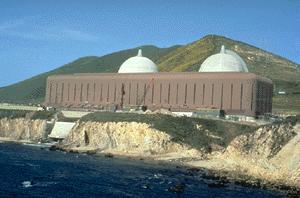
And if a worst-case scenario ever did come to pass? August said that evacuation was the first step that officials would take if there were a serious risk of radiation exposure, and he noted that opting to stay put and take potassium iodide in that scenario would increase health risks, since it only guards against injury to the thyroid gland. The state’s Department of Public Health website notes that California does keep a supply of potassium iodide tablets for emergencies — but only for the area around the San Onofre nuclear power plant in Southern California.

August said air monitoring is conducted in 10 locations throughout California to determine atmospheric levels of radiation, on a weekly basis. He said monitoring of food, water, and ambient radiation is also conducted, on a monthly basis.

Delhi 2 Dublin brings the St. Paddy’s bhangra

0

It’s St. Patrick’s Day and everyone is Irish. Truly — the West coast brand of ethnic identity is a far cry from that of New England and New York, where families ran straight from the Potato Famine to set up shop in certain neighborhoods, maintaining their Celtic colors even now. Nope, by the time the gene pool wagon-wheels its way to California, most people are some amalgamation of several cultures. Which is to say that the Vancouver-based Celtic electro-bhangra of Delhi 2 Dublin should be seen as less of a new bastardization of world musics as much as a let’s-all-get-down reflection of who we are today.

But I’m waxing more sociological (per usual) than the band does itself. We caught the group’s DJ, Tarun Nayar, on a layover in an airport he was having trouble identifying (“Baltimore?” he guessed). The only concrete location we were able to get out of him is that the band is playing Mezzanine on St. Patrick’s itself, Thurs/17, after its show at the Aubergine in Sebastopol on Tues/15. Other sureities? Go to either and you’re gonna have a high-energy, border-blurring dance party on your Guinness-wielding hands.

San Francisco Bay Guardian: So you guys are playing your St. Patrick’s Day show here. In honor of the holiday, can you run down the group’s Celtic connection for me?

Tarun Nayar: Well the group was born on St. Patrick’s Day five years ago, so the Celtic connection is really important to us. The ex-director of the Vancouver Folk Festival called me to do an Irish-themed event. I was an electronica DJ and I was like, I don’t think we’re going to be able to put together enough material for you. He suggested that we blend together Indian and Celtic music. At the last minute we got together with a Punjabi singer. It’s always been easy to blend the two together since then. 


SFBG: Is there any actual Irish heritage in the group?

TN: There is – I’m half Irish-Scottish, and our fiddle player Sara Fitzpatrick is – ha, obviously.


SFBG: Why does that mix work so well, do you think?

TN: It’s the world’s two greatest drinking cultures! No, but really I think that two types of music – and we also play with North Indian influences – can be really happy, but have a real melancholy, introverted streak too. Plus, there’s all these historical theories that the Celts and the gypsies of North India have common ancestors. But we don’t really philosophize about it, we just play what sounds good. 


SFBG: Is there a single genre that describes Delhi 2 Dublin?

TN: We say “world fusion.” But that sounds so lame to me – it has these connotations to it. I just like to say good music.


SFBG: You’ve also got some interesting solo side projects…

TN: Yeah, I have a solo CD that came out March first in the States and Canada. It sums up my experience traveling around the world – it doesn’t really have anything to do with electronic music or Punjabi music. I sometimes do the scores of movies too, I just did work on a really gritty film about sex workers north of Bombay. 


SFBG: I hear a lot about Vancouver’s incredible cosmopolitan nature, and diversity. How did the city influence your music?

TN: Vancouver has one of North America’s strongest South Asian music scenes. Without the light of that community and the strength of its culture Delhi 2 Dublin definitely couldn’t have made it. Our singer and dhol player are out of that tribe. Without the open-mindedness of the people of Vancouver also, I don’t think we’d be around. We’ve always felt that San Francisco is a bigger version of Vancouver. San Francisco was one of the first cities on the West coast to embrace us. 


Delhi 2 Dublin 

With Señor Oz, Pleasuremaker, and DJ Dragonfly

Thurs/17 9 p.m., $18

Mezzanine 

444 Jessie, SF

www.mezzaninesf.com

Nuclear meltdown: It could happen here

67

The death toll from the earthquake and tsunami in Japan is horrible, and it’s going to get worse. In fact, it could get a whole lot worse, if one of the nuclear power plants now on the edge of disaster actually melts down or cracks open. Either way, a huge amount of radioactive material could be dispersed in an densely populated area. It’s a nightmare that a lot of us have been worried about for years.


I got my start in politics in California organizing against the construction of Pacific Gas and Electric Co.’s Diablo Canyon nuke. It was a long, sometimes brilliant, sometimes frustrating struggle. We tried to warn people about rate hikes (which happened) and about the lack of a solution for the nuclear waste (still a problem) and the immense cost ($7 billion, about 200 times as much as projected) and the potential for accidents. But the argument that I always found most compelling, even with people who sorta, kinda supported nuclear power, was this:


Diablo Canyon is built on an active earthquake fault.


In fact, it’s built on a fault similar to the one that just shook Japan. The Hosgri is what’s called a “thrust fault,” meaning that the tectonic plates slide over each other. (The San Andreas, near San Francisco, is a slip fault, meaning the plates slide next to each other.) And the plant is perched on the edge of the Ocean.


PG&E has always insisted that the plant is built to withstand the greatest likely earthquake (about a 7.7 Richter). I don’t trust the company, but let’s say that’s true.


It’s also true that the Japanese plants (unlike, say, Chernobyl) were built to the highest standards. Japan was about as well prepared for this sort of disaster as a rich, industrized country could be. Japanese engineers are as good as any in the world, and the plants were well monitored and inspected. It’s just that the experts never predicted that a quake this large, and flooding this severe, could possibly happen.


Ths thing about major industrial accidents (and I learned this years ago researching the TMI near-meltdown for a book I was writing) is that they happen not because of one bad event but because of several unpredictable events happening at once. TMI was a series of errors. The plants in Japan are in trouble because the quake knocked out power (predictable) then the tsunami knocked out the backup generators (not as predictable) and the intense flooding also fried the emergency batteries. Three systems, all reliable, all redundant — and they all failed at once.


Oddly enough, the greatest danger to a nuke (other than a terrorist attack) is a loss of electric power. If there’s no power, you can’t pump cooling water into the core — and things get nasty really fast. The overheated core produces hydrogen gas, which can explode; that makes the mess even worse. If it gets bad enough, the 4,000-degree fuel rods melt right through the concrete and steel containment facility — and you have a catastrophic release of some of the world’s most toxic material.


Could a larger-than-predicted quake on the Hosgri Fault — combined with, perhaps, some human error of the sort PG&E is famous for, combined with bad weather and high seas — put Diablo in the same precarious situation as the Japanese plants? Of course it could. Is there any human way to put a nuclear plant on an active earthquake fault and make sure there’s zero potential for disaster? Of course not.


Now: You can argue that other forms of energy generation are also dangerous (coal miners die; natural gas facilities pollute the water etc., though I’ve never heard of a death from solar panels). But these things have to be discussed in terms of the disaster potential — and the potential of a massive radiation release on the California Coast, close enough to both San Francisco and Los Angeles to cause horrendous loss of life, makes almost any odds unacceptable.

Local efforts to help Japan

Several prominent international charities are accepting donations for Japan’s earthquake relief efforts, but many local organizations have stepped up to the plate too. Here’s a roundup of Bay Area organizations we’ve found that have set up relief funds or are hosting benefits to help Japan in the aftermath of the devastating earthquake and tsunami.

Ebisu, one of San Francisco’s oldest Japanese restaurants, will donate some of its profits toward earthquake relief.

The Japanese Cultural and Community Center of Northern California has set up an earthquake relief fund.

The Japantown Merchants Association is accepting donations for earthquake relief at all area Union Bank locations, under the reference Japan Earthquake Relief Fund.

There is a benefit planned for April 13 for Japanese relief efforts featuring DJ Kentaro at Public Works in San Francisco, with all proceeds going to Global Givings Japan Earthquake and Tsunami relief fund.

The Japan Exchange & Teaching Program Alumni Association of Northern California (JETPAA) has set up a relief fund.

San Francisco-based Give2Asia has set up a Japan Earthquake & Tsunami fund.

Did we miss something? Please let us know.

Is David Crane just another Kochhead?

24

This week the Chronicle majorly attacked State Sen. Leland Yee, claiming Yee tried “to distort the words” of billionaire investment banker and UC Regent David Crane on collective bargaining.

The Chron’s attack came on the heels of Yee’s attempt to block Crane’s UC Regents confirmation. And Yee’s attempt to block Crane came in response to an op-ed Crane wrote for the Chron titled “Should public employees have collective bargaining rights?”

In its counter-counter attack editorial this week, the Chronicle accused Yee of falsely claiming that Crane had “called for an end to collective bargaining rights for California teachers, nurses, firefighters, university employees and other public sector worker.”

“What the former adviser to Gov.Arnold Schwarzenegger did was present a history of collective bargaining in California and explain how a 1977 law had changed the balance of power by giving public employees power over their compensation and benefits,” the Chronicle stated. “Crane did assert that extending collective bargaining to employees who already have civil service protections ‘serves to reduce benefits for citizens and to raise costs for taxpayers. Anyone who would argue with that fact has not been paying attention to what is happening with state and local budgets lately.”

The Chronicle finished by praising Crane, who is currently a lecturer on Public Policy at Stanford University and is reportedly working with former Fed Chairman Paul Volcker to form a task force to examine current state budget practices. Crane, the Chron asserted, has “long been widely respected as a teller of inconvenient truths about the rising costs of public-employee pensions and benefits. He should not be silenced – or misquoted by opportunistic politicians. The Senate should vote to confirm him as regent.”

Now, when Schwarzenegger appointed Crane as a UC Regent in December 2010 as one of his last acts as Governor, the Sacramento Bee described Crane as Schwarzenegger’s “chief public employee pension critic.” But here in San Francisco, the Chron didn’t bother to flesh out Crane’s history of employment, campaign contributions, prior statements on collective bargaining, and financial investments.

Maybe it was because these public records reveal Crane to be less a dyed-in-the-wool Democrat and more of a Bushocrat, an ultra-rich investor who supported G.W. Bush through two elections, and repeatedly frames the collective bargaining rights of government employees as an obstacle standing in the way of pension reform and budget balancing.

Campaign finance records show that in March 1999, when Democrats were trying to hang onto the White House in the wake of Clinton’s sex scandals, Crane gave $1,000 to Bush. And in June 2003, just three months after Bush invaded Iraq on a false pretext, Crane saw fit to give Bush another $2,000.

The good news? Crane didn’t support Sarah Palin and John McCain in 2008. But he did donate $7,200 to Republican Tom Campbell’s unsuccessful 2010 bid for US Sen. Barbara Boxer’s seat. And here in San Francisco, Crane was one of several billionaires who wrote big fat checks last fall in support of Measure B, which sought to curb the pension and health benefits of city workers, most of whom will make a fraction in their lifetime of what Crane rakes in each year from his widely diversified financial portfolio.

Crane’s 2009 statement of economic interest shows he has over $1 million invested in Farallon Capital Partners, one of the world’s largest hedge funds, many of whose investors include top university endowments.

Crane also has over $1 million invested in Acacia Partners, over $1 million in Bislett Partners, over $1 million in Kensico Partners, over $1 million in Semper Vic Partners, over $1 million in Berkshire Hathaway, whose CEO is Warren Buffet, over $1 million in the HCP Absolute Return Fund, whose Board includes Warren Hellman, and up to $1 million in Hall Capital Management, whose Board includes Hellman and Gap heir John Fisher. Crane also owns several million dollars stake in real estate investments, and has sizeable stock in Wells Fargo, Chesapeake Energy, Microsoft, Google, Pangloss Oil, Whole Foods Market, M&T Bank Corp., IBM, American Express, WalMart and Exxon.

And he gets income from Acacia Partners and Babcock & Brown, where he was a former partner from 1979 to 2003. While at Babcock, Crane reportedly brokered a controversial jet-lease deal between Arnold Schwarzenegger and Singapore Airlines that allowed Schwarzenegger to defer taxes on millions of dollars. And in 2004, Crane went to work for then Republican Gov. Schwarzenegger as special advisor for Jobs and Economic Growth. The Terminator returned the favor by appointing Crane to the California Commission in Economic Development and the California High Speed Rail Authority. But Crane was rejected in Senate confirmation proceedings for a position on the board of California State Teachers Retirement System.

Now, clearly it’s not a crime to be a billionaire, even though the way some folks make their billions is criminal. But you have to wonder if UC really needs another ultra-rich Regent on its Board. You also have to wonder why the wealthy Crane sought reimbursements of $2,812 from UC in 2009, if he cares about saving the state money.

And Crane has made plenty of statements about collective bargaining rights and pension reform in recent months that seem to frame government employees as the bogey men, not just in California, but across the entire nation.

Take his April 2010 comments to the Los Angeles Times: “State legislators are afraid even to utter the words ‘pension reform’ for fear of alienating what has become — since passage of the Dills Act in 1978, which endowed state public employees with collective bargaining rights on top of their civil service protections — the single most politically influential constituency in our state: government employees,” Crane said.

Or what he said in August 2010 to the Fox Business Network: “Even if you took care of every one of these spiked above the iceberg level pensions in California, you would not take care of the pension problem in California, which is true of virtually every state in the country, at least those where, you know, government employees have collective bargaining rights,” Crane said

In December 2010, he told the L.A. Times that the year 1978, ”wasn’t notable just because of Proposition 13. That was also the year public employees gained a power Franklin D. Roosevelt had warned against: collective bargaining rights.”

“California hasn’t been the same since,” Crane continued. “Public workers have gained at the expense of private workers as government spending was redirected from infrastructure and education to higher salaries, pensions and other benefits.”

And in his Feb. 27 Chronicle op-ed, Crane claimed that, “The battle in Wisconsin is not over collective bargaining rights generally but rather the appropriateness of those rights in the public sector ”

“Collective bargaining is a good thing when it’s needed to equalize power, but when public employees already have that equality because of civil service protections, collective bargaining in the public sector serves to reduce benefits for citizens and to raise costs for taxpayers,” Crane continued. “Citizens and taxpayers should consider this as they watch events unfold in Madison.”

As of today, letters are circulating in Sacramento opposing Crane’s confirmation. And Sen. Ted W. Lieu (D-Torrance), Chair of the Labor and Industrial Relations Committee in Sacramento, has already signaled his opposition.

“I cannot support someone for the powerful post of UC Regent who continues to perpetuate the myth that collective bargaining caused our state economic crisis and has a fundamental misunderstanding of how our state budget operates,” Lieu said in a statement. He noted that in the Chron op-ed Crane claimed that because of collective bargaining, “general fund spending on higher education, parks and environmental protection was flat or lower.” 
“As a matter of historical fact, that is false,” Lieu countered. “ Our general fund spending generally declined because of a national economic recession.  The recession was not caused by collective bargaining or public sector unions, but by private sector, out of control Wall Street firms at the time.”

“The specific reason our general fund spending sharply declined was because the person Mr. Crane advised, former Gov. Arnold Schwarzenegger, reduced the Vehicle License Fee and replaced it with . . . nothing,” Lieu continued. “As a result, the state general fund lost over $5 to $6 billion in revenues per year for every year Mr. Schwarzenegger was in office.  The VLF reduction has resulted in a total loss of over $30 billion to the state, an amount in excess of the current California budgetary shortfall.  How conveniently Mr. Crane forgot to mention that critical fact when it doesn’t suit his ideological assault on public sector unions.”

“Now that Mr. Crane senses his confirmation may be in jeopardy, he attempts to marginalize his own Op-Ed by releasing a new statement saying he really didn’t mean to attack all public sector unions, just those who happen to have statutory civil service protections,” Lieu added. “For those in Ivory Towers that distinction may have some academic meaning, but for everyone else in the real world that is a distinction without a difference. Civil Service protections do not prevent employees from being terminated or laid off, they provide standards for government to follow when firing or disciplining employees. Such protections do not guarantee appropriate wages or benefits, nor address a plethora of other issues, such as workforce safety issues.”
 
“Mr. Crane’s Op-Ed also discusses political spending by public sector unions, “Lieu concluded. “In his world view, political spending by the California Teachers Association is inappropriate, but the massive political spending by the Koch Brothers would presumably be acceptable. I cannot, and will not, support someone for the post of UC Regent who blames public sector employees, such as teachers, for somehow being responsible for our economic crisis or the resulting decline in general fund spending.  We need UC Regents who are interested in solving problems, not those who twist historical facts to suit an ideological agenda.”

So, as I wait for Crane to return my call, I’ll leave you with something reporter Peter Byrne, who authored the award-winning investigative series ‘Investor’s Club” How the Regents of the University of California spin public funds into private profit,” said to me yesterday when I asked him about the wisdom of putting investment bankers on the UC Regents Board. “Putting investment bankers in front of a plate of $63 billion is like putting a pound of hamburger in front of a bunch of feral cats. They are going to eat it. It’s in their nature.”

So, would confirming Crane be like adding another feral cat to the mix? Is he just another Kochhead? Or is he just maligned and misunderstood, as the Chron vehemently implies?

The dead fish plan

0

By Patrick Porgans

news@sfbg.com

The recently formed Delta Stewardship Council, charged with protecting the San Francisco-San Joaquin Delta Estuary, released a draft report in February with more bad news about the possible fate of aquatic species.

A number of the fish, which have been the focus of national attention, are already listed as threatened or endangered under the provision of the Endangered Species Act.

This preliminary finding comes after more than $10 billion has been expended over the course of a decade by federal and state officials — who have insisted that their plans would not only restore estuary fisheries but would double the populations of endangered species such as salmon.

But CALFED — the joint federal/state effort — failed to restore fish populations, and now the state says some species may never recover. So it’s hard to have a lot of confidence in the new agency.

The draft report was released by DSC’s executive officer, Joe Grindstaff, former director of CALFED’s Bay-Delta program. At one point, in 2007, Grindstaff acknowledged: “Fundamentally, the system we designed didn’t work.”

That’s an understatement. Tens of millions of fish have been killed by government-operated projects pumping and exporting water from the delta. More than 50 million fish were considered “salvaged” — saved from the pumps — but millions of them also wound up dead. And there are tens of millions, perhaps hundreds of millions, more that are unaccounted for.

Ironically, this unfathomable loss occurred while officials were engaged in several failed fish-doubling plans that spanned decades, cost the public billions of dollars in borrowed money, and contributed the California’s deficit-ridden budget crisis.

And now there’s a new plan, crafted by the same people who bungled the last one. It’s projected to cost as much as $80 billion and take another 90 years to complete.

According to the draft plan, “the funding needed … is large. Capital expenditures required for the delta in the next 10 to 15 years could range from $12 billion to $24 billion, with a high estimate of $80 billion. The annual operating costs of the … council are unknown.”

We’ve been here before. Critics argued from the inception of CALFED that it was doomed to fail because, like the new council, it was composed of many of the same agencies that caused the estuary to become imperiled. And it has, in fact, failed. When I called to find out its status, Eric Alvarez, a spokesperson for the new delta council, responded that CALFED “no longer exists in the conventional sense. It does not have a staff or a location.”

The first draft report of the new council provides some key preliminary findings, all of which ignore the essence of the problem.

First, it states that “California’s total water supply is oversubscribed. California regularly uses more water annually than is provided by nature.” It’s true that California’s water resources are oversubscribed — but that’s the result of the government’s failure to prudently appropriate the water we have.

Next it says, “California’s water supply is increasingly volatile” — a fact that has been made worse by mismanagement.

“Even with substantial ecosystem restoration efforts, some native species may not survive,” it adds, noting that “there is no comprehensive state or regional emergency response plan for the delta.” It doesn’t mention that state officials have had 50 years to come up with such a plan, and have consistently failed.

“Even with substantial restoration efforts, some native species may not survive,” the plan states. “Expert opinion suggests that some stressors are beyond our control and the system may have already changed so much that some species are living on the edge…. In addition, habitat conditions for some species may get worse before they improve.”

That’s an astonishing admission coming, in effect, from the same government agencies that once promised they would double fish populations by the year 2002.

The fact is that anadromous fish and other pelagic species populations, which depend on the delta estuary, have reached alarming all-time lows.

How did the salmonid and other endangered species reach what may be the point of no return? It’s simple — the delta pumps that send water south to irrigate arid land, as approved by CALFED, are by their very nature fish- killers.

According to data from the California Department of Fish and Game (DFG), from 1984 through 2006 an estimated 22 million fish were killed at the State Water Project’s Delta pumping facilities alone. That works out to an annual average of nearly 1 million fish killed as a result of SWP’s water exports from the delta.

And that’s just one pump. The federal Central Valley Project, which also sucks up delta water, provides estimates of federally-listed Chinook salmon and steelhead loss, as well as estimates for salvage rates of delta smelt, Sacramento splittail, and longfin smelt.

Data obtained from government sources indicate that from the period of 1980 through 2002, 54 million fish were salvaged from the SWP Skinner Fish Facility and the federal project’s Tracy Fish Facility. That averages out to 2.4 million salvaged fish, or five per minute, 365 days per year.

What happens to the salvaged fish? Nobody knows for sure. The DFG recently disclosed that it has never conducted a quantitative analysis or study on the topic.

The numbers would not be good. The salvaged fish are placed in tanker trucks and transported from the pumping facilities and dumped back into designated locations in the delta, where eagerly awaiting predators have a daily feeding frenzy. According to a U.S. Fish and Wildlife 2008 report, “salvaged” Delta smelt, which in some years ranged as high as 5 million, are typically written off as dead.

Ironically, in all that time the responsible officials have yet to be held legally accountable for even one dead fish.

Editor’s Notes

1

Tredmond@sfbg.com

Back in the early 1990s, when the city was hurting for money even more than usual, Sue Hestor, the environmental lawyer who is always full of good ideas, called me up and suggested that the city start charging banks a fee for every storefront ATM. "They have turned the public sidewalks into their bank lobbies," she said. ATMs can lead to congestion and are magnets for crime; why shouldn’t the banks (which made a lot of money replacing human tellers with machines and costly private space with public property) help pay for some of those impacts? After all, banks escaped most local business taxes.

I ran that one up the old flagpole, and got nowhere. Back then, the city attorney was Louise Renne, who wasn’t known for aggressive approaches to revenue generation; she immediately told me it wasn’t legal. Back then, at least nine of the 11 supervisors were guaranteed to vote against anything that would offend big business.

A few years later, Tom Ammiano, who had become the only supervisor serious about brining in new money for San Francisco, suggested that the city put a tiny tax on transactions at the Pacific Stock Exchange. A similar tax in New York City had brought in millions. The exchange quickly marched up to Sacramento and got the state to outlaw the idea.

Down in Los Angeles, they’re trying to put a severance tax on oil production. Great idea. Too bad (not really) we have no oil wells here.

Lots of good ideas. It’s time for some more.

Things in San Francisco are really, really dire, and the district-elected supervisors are far more open to progressive approaches to the budget crisis. And if you’re willing to stipulate — as I am — that San Francisco has a revenue problem as much as a spending problem, and that the rich and big businesses are radically undertaxed, then its time for a comprehensive look at the ways this city might bring in some more money.

There are some nice concepts floating around. David Chiu, the Board of Supervisors president, is talking about reforming the city’s business tax. Sup. John Avalos tried to put a nickel-a-drink impact fee on alcohol wholesalers. Sup. David Campos thinks downtown should help pay for Muni service. I still like the notion of a city income tax.

But what we need is a long list of options — a complete guide to how a charter city and county in California in 2011 is legally allowed to raise money.

Dennis Herrera, the city attorney, is a smart guy; he’s figured out all kinds of ways to use his office to go after polluters, scam artists, and crooks. I suspect that with a bit of a nudge, he could help develop a few dozen legally sound ways to tax the wealthy individuals and institutions. That ought to be priority one for the Budget Committee.

I’m not sure what would work best, and nobody else is either. But we ought to have all the options.

The fight for KUSF

8

By Irwin Swirnoff

OPINION For almost 34 years, KUSF (90.3 FM), has provided unique and varied local programming that truly is the audio representation of the qualities that make San Francisco such a special place. A place where diversity is honored and given a voice. A place where art, culture, and music are given a platform to tell stories, evoke emotions, and unite a wide range of people.

With shows in more than a dozen languages and every imaginable musical genre, era, and region represented on its airwaves, KUSF stood as one of the most respected college and noncommercial radio stations in the country.

Beyond its wide scope of music programming, KUSF provided crucial cultural and public service programming that served so many communities and cultures in our city that are all too often marginalized. Chinese Star Radio was the only radio program in Cantonese for the large and vibrant Chinese community in San Francisco. Disability and Senior News Report provided in-depth reporting on pressing issues facing these often overlooked and neglected parts of our community.

On Jan. 18, at 10 a.m., all those voices, all those communities, and all those services were silenced and squashed. In a secret deal behind the back of the community, the University of San Francisco sold KUSF’s transmitter to the University of Southern California in a deal that also involves the large media conglomerate Entercom.

It went down like a hostile corporate takeover. The DJ on air wasn’t allowed to sign off. Armed security entered the station as every lock in the studio was being changed. As stewards of a scarce public resource, USF has an obligation to the community. It’s time for the university to take a step back from this deal and allow for a mutually beneficial solution that will keep community radio alive in San Francisco.

It’s become clear that USF had no idea what an irreplaceable public resource it was killing when it entered this sneaky deal that would afford USC with its sixth territorial radio station as it aims to create a monopoly on the left side of the dial and extend its fundraising capacities deep into the Bay Area.

It’s obvious that this is a bad deal for the city of San Francisco. The San Francisco Board of Supervisors, the San Francisco Democratic Party, and the USF Faculty Association have passed resolutions condemning the deal. Outspoken support has come from a wide range of city and state leaders, including state Sen. Leland Yee.

No one is arguing USF’s right to liquidate an asset. All we are asking is that the community be involved in this decision and be given the first opportunity to purchase the transmitter.

This is not a done deal. Our petition to deny the transfer has been filed at the Federal Communications Commission. Serious questions about the legality of this deal are being addressed, and the next several weeks and months will allow us time for negotiations to help save community radio in San Francisco.

This is not about a format change. It’s about a community being robbed of its voice. We are committed to this fight and need everyone in San Francisco to join us in saving this crucial community asset. Now is the time to speak truth to power.

Guardian contributor Irwin Swirnoff has been the musical director at KUSF. 

For safety’s sake

6

rebeccab@sfbg.com

A federal investigative hearing on the deadly Sept. 9, 2010 San Bruno explosion triggered by the rupture of a high-pressure Pacific Gas & Electric Co. pipeline was all about getting answers — but it has also sparked new questions.

For instance, why didn’t the San Bruno Fire Department have maps of the 30-inch gas line running beneath the neighborhood where the blast destroyed 37 homes and killed eight people? Why did PG&E’s records list that section of pipe as seamless when the federal investigation revealed that it actually consisted of shorter pieces of pipe, called pups, welded together? Why has PG&E been unable to produce records of close to 30 percent of its pipeline infrastructure, proving that the lines are in decent shape? And does the paperwork it has produced contain reliable information?

These shortcomings speak to a broader issue gaining attention as more fatal pipeline ruptures grab headlines. On a national scale, at least 59 percent of onshore gas transmission pipelines were installed before 1970, according to a report issued by the U.S. Department of Transportation’s Office of Pipeline Safety, making most of the infrastructure a minimum of four decades old.

Pipelines everywhere are getting older, and in some cases, weaker. Yet there tends to be a lack of awareness about the risks associated with the subsurface transport of hazardous materials, and as the San Bruno disaster demonstrated, there is often a lack of communication between utilities, local governments, and property owners about minimizing the risks.

These gaps are especially apparent in the process of approving new development projects. Tried-and-true systems are in place for indicating to contractors where they should and shouldn’t dig to avoid making direct contact with underground infrastructure, but that information seldom takes into account what condition a pipeline is in. The general assumption is that the pipeline operator (in this case, PG&E) is keeping up with maintenance, and that it’s safe to dig. Yet with the gaping questions surrounding PG&E’s infrastructure in the wake of the San Bruno blast, there’s a new level of uncertainty.

Pipeline safety isn’t just a problem for utilities and pipeline regulators to worry about, according to a report issued by Pipelines and Informed Planning Alliance (PIPA), an initiative led by the U.S. Department of Transportation’s Pipeline and Hazardous Materials Safety Administration (PHMSA), which brought together more than 100 experts in the field. It should also be on local governments’ radar when they’re making decisions about land use. Yet in San Francisco, this level of awareness seems to be absent.

According to PIPA, “Changes in land use and new developments near transmission pipelines can create risks to communities and to the pipelines.” The hefty report contains an exhaustive set of best practices for planning near pipelines, many specifically targeting local governments. Priority No. 1 for local planning departments should be to “obtain mapping data for all transmission pipelines within their areas of jurisdiction … and show these pipelines on maps used for development planning.” The report also suggests taking special precautions in areas spanning 660 feet on either side of a gas-transmission pipeline; creating systems of communication so information can be readily shared between local governments, utilities, and landowners; and identifying emergency contacts who can halt dangerous excavation activities in case something goes wrong.

The Guardian sent e-mail queries to the Planning Department and Department of Building Inspection (DBI) to find out if the city was adhering to any of the practices recommended by PIPA as the best ways to ensure safe planning near pipelines. Reached by phone, a spokesperson from Planning told the Guardian, “DBI is where you need to call.”

But DBI spokesperson Bill Strawn said, “Those questions you were asking really don’t fall into the Department of Building Inspection’s jurisdiction.”

Strawn added that the issue of underground infrastructure is not really taken into account when building permits are issued. “We don’t go to the [Public Utilities Commission] or [Department of Public Works] or PG&E” for that kind of information, Strawn said. “That would be the responsibility of the property owner, and the plans they submit to us don’t include that kind of utility information.”

PG&E is scrambling to meet a March 15 deadline imposed by the California Public Utilities Commission to turn over records proving its lines are intact. Until it can prove the integrity of its system either on paper or through costly, high-pressure water testing, the condition of some lines is unknown. PG&E did not return calls for comment.

In San Francisco, a densely populated urban hub on an earthquake-prone peninsula where major development projects are being permitted all the time, these issues are particularly pressing. Charley Marsteller, former chair of San Francisco Common Cause, certainly thinks so.

Last December, Marsteller penned a letter to a well-respected geotechnical engineer, raising a question about pipeline safety in light of California Pacific Medical Center’s plans to construct a massive hospital at its Cathedral Hill site on Franklin Street. According to a map of underground gas lines published by the Guardian (See “PG&E’s Secret Pipeline Map,” 9/21/10) using several sources of data, a PG&E gas main appears to run beneath Franklin.

Marsteller was worried about whether excavation for CPMC — or other projects requiring excavation, or even simple contractor digging — could cause vibrations that could affect that pipe.

“As CPMC digs its 100-foot hole, and due to the massive construction vibrations, is there not a risk that the PG&E gas pipeline is at risk of rupture?” he wanted to know.

The engineer, who preferred not to have his name published, responded in an informal letter that “it is indeed possible that soil movement generated by excavation and/or foundation construction could rupture a deteriorated gas main.” He added that while he wasn’t familiar with the details of CPMC’s or other excavation projects on Franklin Street, he did know that the area in question “consists of relatively weak soil” underlain at depth by a geologic feature called the Franciscan Formation, made of sandstone and fine-grained, sedimentary rock.

Yet no one seems to be giving this question any kind of professional attention or study. Eerily, Marsteller seems to be the only person in San Francisco who’s asking what happens if a major excavation project is permitted nearby a corroded pipeline — and he says he hasn’t received much of a response from the “rather blistering memos” he’s fired off to planning commissioners and members of the Board of Supervisors to ask about it. “I’m very concerned that we’re not suspending contractor digging proximate to a pipeline,” Marsteller said, until PG&E can offer proof that the lines nearby excavation projects are in good shape. Whether these issues will ever be considered as part of the local planning process, Marsteller predicted: “The answer is, no one ever thinks about this.”

Excavation damage accounts for nearly one-quarter of pipeline “incidents” nationwide, according to the federal Office of Pipeline Safety report. Yet safeguards are in place to prevent these things from happening.

When the Guardian initially phoned the Planning Department to ask about digging near pipelines, the phone call was returned by the Department of Public Works. Anytime a street excavation project is planned, DPW’s Gloria Chan explained, a notice of intent is issued 120 days beforehand to PG&E, AT&T, the Public Utilities Commission, and any other stakeholders that might have something running underground. Projects are then designed to integrate existing lines. “Sometimes the information we get may be 40 years old,” Chan said. Through a mandated process called USA Service Alert, people go out to physically mark where the underground infrastructure begins and ends on the project site before a contractor starts breaking ground.

That same process occurs with private development projects, explained Alan Kropp, a geotechnical engineer with the firm Alan Kropp & Associates. Kropp said it’s left up to a private contractor to work out the technical details for digging, which are governed by a set of regulations. “If you’re one foot away or three feet away, most pipes don’t care,” Kropp said, but he acknowledged that if a pipe is deteriorated, there could be instances where digging a normally safe distance away could still pose a problem.

“Almost all the time, the system works well,” Kropp said. As for the condition of the pipe, Kropp said, that information generally doesn’t guide project decisions. “It’s really up to the owner of the pipeline,” he said. “They would be the ones in control of that information.”

The line, the line

0

arts@sfbg.com

ART “Philip Guston: A Life Lived and Discussed” is an event for anybody who appreciates provocative talkers.

The subject of Michael Blackwood’s Philip Guston: A Life Lived is quotable throughout the 1981 bio-doc. Shot at various points during the last decade of Guston’s life, the film opens with a retrospective being hung at SFMOMA in 1980. The painter, who will pass away within the year, is seen walking through the show, chatting with the curator and, somewhat later, his wife Musa. He frequently touches the paintings, taking advantage of the fact that, as he puts it, “This is the one show where nobody will tell me not to touch the work.”

Next, there’s a news conference where Guston parries questions and charms his audience, who are busy scribbling notes. Blackwood’s movie then flashes back to the early 1970s, when Guston enters his last highly prolific period. He’s seen at home in Woodstock, N.Y., hanging out in his studio. Surrounded by recent paintings, he frequently moves them around, in order to display examples of what he’s discussing. At one point, he paints over a new work because it’s “too much of a painting.” He also breezily discusses his creative life, recalling his teenage years in Los Angeles with Jackson Pollock, his rising prominence as an Abstract Expressionist in New York City during the 1950s and ’60s, and his artistic concerns at the present moment.

Guston stresses his displeasure with the mistaken, seemingly necessary yet all-too-easy categorizing that plagues the art world. As he says, referencing the readily rehashed modernist values found in his early painting Mother and Child (1930): “You have to come from somewhere.”

An enthusiasm for painting that is in “the midst of happening” drives Guston’s work. He doesn’t seek to achieve an image in which there’s a recognized “this with that, and that and that.” Rather, he desires that a painting be a thing realized for the first time to (or by) the world. He wants it to be unfamiliar, to leave questions, and to settle nothing.

Frequently making declarations like “I really enjoyed myself painting this,” Guston also reflects on his darker moods. His outlook on existence? He doesn’t “think of it as pessimistic,” but nonetheless feels “doomed.”

As Guston gestures about, endlessly smoking cigarettes, it’s easy to see how autobiographical his later paintings are, with large heads, eyeballs, and cigarettes crowding the large canvases. He paints his world; and in doing so, seeks to offer something new to ours.

At slightly less than an hour, Blackwood’s film leaves you wanting more — and luckily, the University of California Press just published Philip Guston: Collected Writings, Lectures, and Conversations (344 pages, $29.95). The book is edited by Clark Coolidge, who makes a short appearance in the film discussing old brick buildings and how paintings are “dumb creatures.” After a screening of Blackwood’s portrait, Coolidge will be on hand for a public conversation, along with Bill Berkson, a fellow poet and friend of Guston.

Patrick James Dunagan is the author of There Are People Who Think That Painters Shouldn’t Talk: A GUSTONBOOK (Post-Apollo Press, 96 pages, $15).

PHILIP GUSTON: A LIFE LIVED AND DISCUSSED

With Bill Berkson and Clark Coolidge in conversation after the film

Mon./14, 7 p.m.; $10

Balboa Theatre

3630 Balboa, SF

(800) 838-3006

www.brownpapertickets.com

Erin go barhopping

0

caitlin@sfbg.com

IRISH Public service announcement: you do not need to get drunk on St. Patrick’s Day. This year there are a gamut of cultural activities that will teach you more about paddie heritage than finding the bottom of yet another Irish car bomb. But drink yourself green if you must — in this country, an argument could be made that the day has become a celebration of alcoholic pride more than anything. Just please, for the love of corned beef and cabbage — try to limit your use of novelty T-shirts.


ST. PATRICK’S DAY PARADE AND FESTIVAL

The big potato kicks off St. Paddy’s season this year and will honor upstanding Irish folks from around the city.

Sat/12. Parade: 11:30 a.m., free. Starts at Market and Second; Festival: 10 a.m.–5 p.m., free. Civic Center Plaza, SF. 1-800-310-6563, www.sresproductions.com


ST. PATRICK’S DAY FITNESS CRAWL

Stage a preemptive strike against all the Guinness you’ll be drinking at this affordable fitness boot camp.

Sat/12 9:30 a.m.–3 p.m., $10. Third Street Boxing Gym, 2576 Third St., SF. (415) 550-8269, www.thirdstreetgym.com


“IRISH CALIFORNIA: AN EVENING WITH THE CALIFORNIA HISTORICAL SOCIETY COLLECTION”

Snack on Irish bites and booze while perusing the Historical Society’s stockpile of Irish American ephemera — photos, pamphlets, and more from the Golden State’s green past.

Wed/16 5:30–7:30 p.m., $4 suggested donation, free to members. RSVP recommended. The California Historical Society, 678 Mission, SF. (415) 357-1848, www.californiahistoricalsociety.com


ST. PADDY’S PUNK BASH XI

The leprechaun rager returns for its 11th year in action, featuring the Undead Boys, Street Justice, Crosstops, Ruleta Rusa, and Face the Rail.

Weds/16 8 p.m., $8. Elbo Room, 647 Valencia, SF. (415) 552-7788, www.elbo.com


FARLEY’S 22ND BIRTHDAY

The Guardian staff’s fave cafe around the corner celebrates multiple decades of well-roasted independent business awesomeness with live bagpipers in the daytime and a concert in the evening.

Thurs/17 bagpipes 9 a.m.–1 p.m.; concert 8 p.m., free. Farley’s, 1315 18th St., SF. (415) 648-1545, www.farleyscoffee.com


O’REILLY’S ST. PATTY’S BLOCK PARTY

Between this and the Royal Exchange block party (see below) you’ll be well — if not over — served on “Kiss Me I’m Irish” tees, green face paint, and Bailey’swhiskeycarbombGuinness blackout glory. Pad your stomach before you get too deep in the drinkin’ with O’Reilly’s classic Irish brunch foods.

Thurs/17 Serving brunch 9 a.m.–1:30 p.m.; black party 3 p.m., free. O’Reilly’s, 622 Green, SF. (415) 989-6222, www.sforeillys.com


HABITOT MUSEUM’S SHAMROCK DAY

Make potato prints, drink green punch, and decorate your own pair of shamrock glasses with your little leprechaun at the family learning museum.

Thurs/17 9:30 a.m.–12:30 p.m., $9 museum admission. Habitot Children’s Museum, 2065 Kittredge, Berk. (510) 647-1111, www.habitot.org


PARKSIDE TAVERN IRISH LUNCH

Traditional fixin’s abound on this Sunset pub’s special Irish menu — corned beef and a little Irish stew to go with your Jameson?

Serving from 10 a.m.–10 p.m. Parkside Tavern, 1940 Taravel, SF. (415) 731-8900, www.parksidetavernsf.com


FINANCIAL DISTRICT ST. PADDY’S STREET PARTY

Wonderbread 5 provides rockin’ live tunes during happy hour, and pub Royal Exchange keeps the suds a flowin’ at this al fresco rager in FiDi.

Thurs/17 3 p.m.–2 a.m., free. Front between Sacramento and California, SF. www.royalexchange.com


ST. PATRICK’S NIGHTLIFE

DJ Nako puts the spin on St. Patrick’s, and the swanky science museum plies you with green-themed activities at the shamrock edition of its bangin’ night at the museum’s weekly event.

Thurs/17 8–10 p.m., $12. California Academy of Sciences, 55 Music Concourse, SF. 1-888-670-4433, www.calacademy.org


DELHI TO DUBLIN

Can you hold your finger cymbals and Guinness stein in the same hand? Try. This multicultural Celtic bhangra group always brings the jams — its St. Paddy’s Day gig in clubland is sure to be the most high energy dance party this side of Riverdance.

Thurs/17 9 p.m., $15. Mezzanine, 444 Jessie, SF. (415) 625-8880, www.mezzaninesf.com


CULANN’S HOUNDS

Didn’t get enough of the folk rock Hounds at the March 12 Civic Center Plaza festival? Check out the SF group’s headlining gig ensconced in the wooden glory of the Great American Music Hall. Renée de la Prada’s dulcet voice soars over the accordions and violins of her band.

Thurs/17 7:30 p.m., $20. Great American Music Hall, 859 O’Farrell, SF. (415) 885-0750, www.gamh.com


BISS ME I’M IRISH ST. PATRICK’S DAY PARTY

Celebrate the Irish infiltration into every corner of the globe with the hip-hop-cumbia-reggaetón punch of La Gente, which headlines this diverse lineup, otherwise composed of female singer-songwriters bringing it in the keys of punk, rock, and pop.

Thurs/17 9 p.m., $10. Cafe Du Nord, 2170 Market, SF. (415) 861-5016, www.cafedunord.com

Not for sale: An insider’s look at the battle to save KUSF

0

MUSIC/CULTURE Normally, Irwin Swirnoff’s demeanor is upbeat, and I’d consider him to be one of the friendliest people I know. But from the expression on his face, I thought someone had died. Even before walking into the room, I felt there was a weird vibe. “What’s wrong?” I asked.

“We just got sold and were taken off the air,” he replied.

Immediately and instinctively, without even really processing his words, I fired back, “Well, what are we gonna do about it?” Within minutes we worked ourselves into a frenzy, sending e-mails, texts, tweets, and phone calls to let everyone know that the nonprofit station where we volunteered, KUSF, had unfairly been ripped from us without any fair warning.

That morning, Jan. 18, was a blur of bad news. My parents were staying with me, and I had the day off. I needed a brief escape and turned to my volunteer work. It doesn’t really feel like work. I consider it more of a hobby, but calling it that would be selling it short. It’s like you can’t even have a hobby anymore without someone taking it away, selling it for $3.75 million and making it corporate. That’s exactly what the University of San Francisco did by attempting to sell out KUSF and the community in a veiled deal involving Entercom, America’s fifth-largest radio conglomerate; the University of Southern California; and Classical Public Radio Network (CPRN). We now know some of the details and overall shady manner in which these events transpired.

When I step back to think about our battle to save KUSF, one thing I find interesting is the current micro- and macro- momentum of power-to-the-people movements and how they can become contagious. It’s been said that tragedy brings communities together in astounding ways. Maybe the attempt to dismantle KUSF was the wake-up call some of us needed to pay attention to the behind-the-scenes politics of how, in radio, conglomerates are swallowing the little guys. This isn’t the first time this has happened — and it won’t be the last. But so many people were moved, inspired, and outraged enough to incite action, myself included. Maybe this is what we needed to get organized.

There was something really satisfying, in an old-school way, about a large group of people coming together to chant, clap, and scream “Shame!” in unison and really mean it. That’s how it went down Jan. 19 during the ill-conceived Q&A-style meeting staged by USF and its president, Father Stephen A. Privett. There was real energy in the air that night; it was sad, inspiring, and exciting all at once. It felt like I was going to a rumble, and I even dressed for the occasion, donning my leather biker jacket. When I got to the scene of the rally, I wasn’t disappointed by what I saw: sheer numbers, picket signs, “Save KUSF” hats and T-shirts, all materializing within hours. Most important, we had supporters willing to get vocal, with the passion to stand up and fight those who had wronged us.

At the end of February, the very community that USF and Privett sold out had raised more than $15,000, which is partly going to legal fees for what could be a precedent-setting denial of the station’s sale by the FCC. I think a lot of us were high on adrenaline in those first days after the station’s sale, especially because of the way it happened. Our cause has since garnered support from San Francisco’s Board of Supervisors. The majority of our supervisors seem to understand what the station meant to the community. You can’t just sell 33 years of independent radio, culture, and rock ‘n’ roll history. It never should have been for sale.

5 Things: March 8, 2011

0

>>1. PETA HOPS We had no idea that Anchor Steam is vegan. Now we can throw back a case and pet our potbellied pig, Sir Skrumpkins, guilt- and irony-free. (Apparently many beers use animal gelatins for filtration.)

>>2. FAREWELL SKRUMPKINS And here is how to safely dispose of your dearly beloved, earthly departed pet potbellied pig in Northern California.

>>3. ONE-TWO PUNCH Speaking of drinking, one of the oldest bars in  SF, Elixir in the Mission, is also one of the most forward-thinking. The joint’s hand-crafted, organic cocktails are out of this world. Under the stewardship of owner H., Elixir’s just redone its menu. Olde Sydney-Town punch, honey kumquat caipirinha, Meyer lemon cucumber collins — these are just three of the mouthwatering new concoctions. (When we start to use phrases like “mouthwatering concoctions,” you know we need a drink.) Bonus: patrons receive a complimentary pisco punch while waiting for their cocktail. And no, it’s not like a Hawaiian punch, we checked.

>>4. GUNS AND BUTTER Overheard at the new Whole Foods in the Haight, much ado about the new scientifically validated checkout line system (also experienced at the SoMa branch). First introduced in New York City, the system uses a single line, or two, that feed into a passel of registers, all controlled by a single, cute, traffic cop. Although there are already reports of doofuses stepping out of turn, the system reportedly shrinks wait time to less than two minutes. Not so much of a hit, though, are armed security guards, apparently ready to draw their weapons on yogurt-stealers. “That’s what we pay for at Whole Foods, right?” commented one dude in the bakery line. “The wholesome experience.” (Please support your local, possibly unarmed grocer.)

>>5.THIS IS PARADISE Take a risk. Wear it inside the club. Now is the time to see ‘Shades,’ a new video by SF’s David Enos and Mishell Stimson.

http://www.youtube.com/watch?v=NCUD8UEBaSQ

Our Weekly Picks: March 9-15

0

WEDNESDAY 9

FILM

San Francisco Ocean Film Festival

Featuring more than 50 fascinating films about the ocean and its importance in nature, along with the role it plays in our society, the San Francisco Ocean Film Festival features programs ranging from documentaries on marine life and environmental science to surfing videos and panel discussions on International Marine Protected Areas. Highlights for this year’s fete include a program dedicated to sharks (and the ongoing debate over the sale of shark fins) and a chance to meet the filmmakers who work among the denizens of the deep at a special opening night benefit fundraiser. (Sean McCourt)

Wed/9–Sun/13

Tonight, 6:30–9:30 p.m., $60 (most festival programs $5–$12)

Theatre 39 and Aquarium of the Bay

Pier 39, SF

(415) 561-6251

www.oceanfilmfest.org


MUSIC

Damien Jurado

Despite a start with Sub Pop in the late 1990s and a steady stream of beautiful, literate albums ever since, Damien Jurado has always flown a bit further under the radar than some of his contemporaries. The Seattle-based singer-songwriter recalls echoes of Nick Drake’s sparsely intimate folk and combines it with modern arrangements full of strings, pianos, and clanking percussion, all of which is perfectly displayed on his 2010 LP, Saint Bartlett. The higher registers and slight twang that creep up in Jurado’s voice help bring his character-driven songs to life with a hushed, fragile clarity that can make you want to hang on his every word. (Landon Moblad)

With Viva Voce and Campfire OK

9 p.m., $12

Bottom of the Hill

1233 17th St., SF

(415) 621-4455

www.bottomofthehill.com


MUSIC

Castanets

Spawned from the quirky, vintage-clad loins of the early-aughts freak-folk movement, Castanets is sort of like psychedelic country without too much acid trippy-ness. Portland, Ore., (by way of San Diego) bandleader Raymond Raposa works with a merry-go-round of accompanists; his latest release, Texas Rose, the Beasts, and the Thaw, is just shy of 39 minutes — though a review posted on label Asthmatic Kitty’s website insists it is “Pink Floyd gone epic.” The review also notes, in case you were worried, that Texas Rose is “not a hippie record.” Even squares can have a ball. (Jen Verzosa)

With Holy Sons and Dolorean

9 p.m., $8

Hemlock Tavern

1131 Polk, SF

www.hemlocktavern.com


PERFORMANCE

The Islanders

Ever want the words you read to leap off the page and come to life? Word for Word Performing Arts Company makes it happen, and in this book-loving city they are truly at home. Known for staging performances of top-notch literary fiction, Word for Word presents The Islanders, a story about the bonds of friendship as two women reunite for a trip to Ireland, by best-selling author Andrew Sean Greer and directed by Sheila Balter. If you’re feeling fancy, come for Friday’s performance, which includes a champagne reception with the artists and a post-show conversation between Andrew Sean Greer and Daniel Handler (the face of the mysterious Lemony Snicket). (Julie Potter)

Wed/9–Fri/11, 8 p.m.;

Sat/12, 3 and 7 p.m., $15–$40

Z Space

450 Florida, SF

(415) 626-0453

www.zspace.org


THURSDAY 10

FILM

Human Rights Watch International Film Festival

On its opening night, the 2011 Human Rights Watch International Film Festival premieres “Youth Producing Change,” a collection of short films by teenagers from across the globe who’ve candidly captured their day-to-day experiences. As they document their realities on film, they give a face to important human rights and social issues: child labor, LGBT acceptance, the struggles associated with seeking political asylum, environmental contamination, land and water rights, refugee life, and ethnic persecution. Several of the young artists will be on hand to discuss their experiences. (Verzosa)

March 10–31

Tonight, 7 p.m., $6–$8

Yerba Buena Center for the Arts

701 Mission, SF

www.ybca.org


MUSIC

Triumph of Lethargy Skinned Alive to Death and Cave Singers

Though the Murder City Devils haven’t released a new record in almost 10 years and only play the occasional reunion show now and then (and are sorely missed by fans!), most of the band members have gone on to form other outstanding groups,. Two of these come to town tonight on the heels of recent excellent releases. Singer Spencer Moody appears with Triumph of Lethargy Skinned Alive To Death, whose Some Of Us Are In This Together came out in January, while Derek Fudesco brings the Cave Singers, whose No Witch was released last month. (McCourt)

With Lia Ices

8 p.m., $15

Great American Music Hall

859 O’Farrell, SF

(415) 885-0750

www.gamh.com


PERFORMANCE

Atlacualto (The Ceasing of Water)

José Navarrete and Violeta Luna, SF artists originally from Mexico City, summon the figures of the Aztec god and goddess of water for their multimedia performance, Atlacualto (The Ceasing of Water), which sheds light on the serious ecological issues of water rights and shortages. Highlighting the roles of water as sacred and as a commodity, Navarrete and Luna shift between striking ritualistic tableaus and humorous yet compelling scenes including an overzealous street vendor. The work combines contemporary dance, performance art, new music, visual art installation and video, stirring thought about this life-sustaining substance in the modern world. Water anyone? (Potter)

Thurs/10–Sat/12, 8 p.m., $25

Yerba Buena Center for the Arts

701 Mission, SF

(415) 978-2787

www.ybca.org


FRIDAY 11

DANCE

13th Floor Dance Theater

If you like weird, Jenny McAllister is your woman. I mean, would you want to make a piece about the fun of being hit by lightening several times? Even the extreme weather nuts run for cover when Zeus starts throwing his thunderbolts. But then McAllister is not exactly your workaday choreographer: she has shared her skewed — and at times hilariously funny — perspective on weddings, Christmas, and everything that creeps, crawls, and walks. McAllister was half of Huckabay McAllister Dance for 15 years; last summer she started her own company, the 13th Floor Dance Theater. The current program, a collaboration with writer Kim Green and visual designer Michael Oesch, presents two works: Lighting Strikes Anonymous and Under the (Periodic) Table. (Rita Felciano)

Fri/11–Thurs/13, 8 p.m., $15–$18

ODC Theater

3153 17th St., SF

(415) 863-9834

www.odctheater.org


EVENT

Star Trek Convention

Bay Area Trekkers (Don’t call them “Trekkies!”) should set their coordinates for San Francisco this weekend as an official Star Trek convention takes over the Airport Hyatt. Joining them will be two of the most esteemed names in the Trek universe — Leonard Nimoy (Mr. Spock) and Nichelle Nichols (Lt. Uhura) — make appearances, chatting on stage about their careers and meeting with fans. Other notables set to participate include Rene Auberjonois (Odo), Bobby Clarke (the Gorn), and Grace Lee Whitney (Yoeman Janice Rand). Fans also will be able to peruse a galaxy of vendors and participate in seminars, workshops, and parties. Live long and prosper! (McCourt)

Fri/11–Sun/13, times and prices vary (general admission, $20–$40)

Hyatt Regency

San Francisco International Airport

1333 Bayshore, Burlingame

www.creationent.com


MUSIC

Pogo

Electronic music has an obvious relationship with technology, but South African Nick Bertke, a.k.a. Pogo, is indebted to one specific medium, YouTube. Pogo first gained attention with a video-based on Alice in Wonderland, which mined the 1951 Disney classic for new sounds, chords, and lyrics to create hypnotically familiar original music. The formula led to further sanctioned work from studios including Pixar. But if that all sounds a little too twee princess, Pogo’s selections surprise, taking musical inspiration from films as wide-ranging as The Terminator (1984) and The Apartment (1960). As previewed in “Gardyn,” a video recorded in his mum’s flower patch, Pogo hopes to extend the project to sample the world. (Ryan Prendiville)

With Lynx

9 p.m., $16

Slim’s

333 11th St., SF

(415) 255-0333

www.slims-sf.com


SATURDAY 12

MUSIC

Red Fang

Rock and roll! Hoochie coo! Truck on out and spread the news: Three bands, spawned from two cities of skinny-jeaned, tatted-up, new-boho meccas. One stage. My guess is Portland, Ore.’s, Danava, with its harmonized fuzz and searing synth, will flow seamlessly from the shreddy, Dixie-prone assault of Lecherous Gaze, an Oakland band boasting members of the now-defunct Annihilation Time and boldly claiming to embody “the future of rock and roll.” With tones of Black Flag, Thin Lizzy, and Queens of the Stone Age, can we up the rock ante any further? Yep: headliners Red Fang, also hailing from Portlandia, culminate a rawk-ous, piss-beer soaked night. Lordy mama, light my fuse. (Kat Renz)

With Danava and Lecherous Gaze

10 p.m., $12

Bottom of the Hill

1233 17th St., SF

(415) 621-4455

www.bottomofthehill.com


DANCE

“Dance Repertory 2011 Showcase”

As a professional dancer and educator, Donnette Heath became painfully aware of the gap between student dancer-choreographers and the professional world. So for the last 11 years, her dRep company has offered young artists performance opportunities through the yearly Vision Series Dance Festival. Participants are chosen on a first-come, first-served basis, and the festival has attracted participants from Northern California high schools, private studios, and colleges from as far as Modesto. What was initially a modest event has become an intriguing showcase for those interested in what the next generation is up to. Now Heath is taking the next step by putting four of these high-caliber student groups — chosen by adjudication — on the same stage with professionals such as Kunst-Stoff. (Felciano)

8 p.m., $15–$20

Cowell Theater

Fort Mason Center

Marina at Laguna, SF

(415) 345-7575

www.fortmason.org


MUSIC

Slough Feg

Cultivating a vaudevillian approach that knows no equal or analog in the world of metal, Slough Feg is a San Francisco treasure. Though the strength of its recent album Animal Spirits has seen the band’s profile rise toward a more deserved apex, you can still catch the quartet in the close confines of the Hemlock Tavern, where the inimitable Mike Scalzi — the Lord Weird Slough Feg Himself — will be within spitting distance. The promised presence of incendiary Washingtonian NWOBHM troupe Christian Mistress and Portland, Ore., doom merchants Witch Mountain just adds to the already burgeoning excitement. (Ben Richardson)

With Christian Mistress and Witch Mountain

9:30 p.m., $8

Hemlock Tavern

1131 Polk, SF

(415) 923-0923

www.hemlocktavern.com


The Guardian listings deadline is two weeks prior to our Wednesday publication date. To submit an item for consideration, please include the title of the event, a brief description of the event, date and time, venue name, street address (listing cross streets only isn’t sufficient), city, telephone number readers can call for more information, telephone number for media, and admission costs. Send information to Listings, the Guardian Building, 135 Mississippi St., SF, CA 94107; fax to (415) 487-2506; or e-mail (paste press release into e-mail body — no text attachments, please) to listings@sfbg.com. Digital photos may be submitted in jpeg format; the image must be at least 240 dpi and four inches by six inches in size. We regret we cannot accept listings over the phone.

On the Cheap Listings

0

WEDNESDAY 9

DIY bike building Bazaar Cafe, 5927 California, SF; www.howtonight.com. 7pm, free. If you’ve ever thought about custom building a bike and wonder what exactly is involved, come to this latest workshop in the “How To Night” series. Tonight, bicycle and skateboard designer Peter Verdone will show you how he builds custom frames from raw materials.

THURSDAY 10

“Beneath the Pacific Ocean” USF Fromm Hall, 330 Parker, SF; (415) 422-6828, www.pacificrim.usfca.edu. 5:45pm, free. Dr. Stephen R. Hammond of the US National Oceanic and Atmospheric Administration will take you on a visual journey 20,000 leagues beneath the Pacific Rim as he presents his adventures and amazing discoveries from just the first year of a five year study. Learn about the diversity of animal communities, magnetically driven hot springs, underwater volcanoes, and more. Reservations are strongly encouraged.

FRIDAY 11

“History of the Animation Industry in California” California Historical Society Museum, 678 Mission, SF; (415) 357-1848, www.californiahistoricalsociety.org. 6pm, free. Join the California Historical Society and Cartoon Art Museum curator Andrew Farago as he presents his latest book The Looney Toons Treasure – a celebration of classic cartoons that have entertained generations. See how he breathes new life into such iconic characters as Yosemite Sam and Bugs Bunny, with behind-the-scenes memorabilia straight from the Warner Brothers vault.

SATURDAY 12

St. Patrick’s Day festival and parade Festival: Civic Center Plaza, Polk and McAllister, SF. 10am-5pm, free; parade starts at Second and Market, SF, 11:30am, free. www.sresproductions.com. San Francisco’s yearly St. Patrick’s Day festivities are the largest of any city west of the Mississippi, so be sure to attend this year’s 160th annual celebration of Irish American culture. The parade begins at Second and Market at 11:30am and will merrily march toward Civic Center Plaza, where many colorful festivities for the whole family awaits – cultural displays, a petting zoo, pony rides, and much more.

Asian American film festival forum Japantown Peace Plaza, Post and Buchanan, SF; www.caamedia.org; 12-10pm, free. Help kick off the Asian American film festival at this all-day showcase of live music, dancing, food, and fun. On this year’s bill are Taiwanese pop sensation Hola Sisters, indie rockers Soft Knife, dance crew Illest Villains, as well as slam poets, fine art exhibitions, film screenings, and more.

Urban foraging Meet at 7th Ave. and Lawton, SF; (415) 731-5627, www.gardenfortheenvironment.com. 1-3pm, free. Bring your walking shoes – and your appetite – for this eat-your-way-through-San-Francisco tour with local non-profit Garden for the Environment. Learn how to identify the abundant wild foods growing all around us and the best time to harvest as you hoof it up Sutro Hill. The tour is approximately three miles, half of which is uphill, so expect to get a good workout as well. Don’t forget to call ahead to register.

SUNDAY 13

Slingshot turns 23 Long Haul Infoshop, 3124 Shattuck, SF; (415) 863-8688, www.slingshot.tao.ca. 7-9pm, free. Wish Slingshot Collective a very happy birthday at this party featuring live acoustic bands, tons of food, good people, and fun. Slingshot, in case you don’t know, is the quarterly, independent, radical newspaper that’s been published in the East Bay since 1988. You may have seen their cute handy organizers chock-full of radical info, including a menstrual calendar, info on police repression, and more – very handy indeed. They’ll have back issues available as well as a discussion about the future of the collective.

“Breathed…Unsaid” film festival SOMArts Cultural Center, 934 Brannan, SF; (415) 863-1414, www.somarts.org. Noon-8pm, free. Come check out this all-day mini film festival to accompany SOMArts most recent show “Breathed…Unsaid,” the multi-disciplinary exhibit featuring the work of 20 Bay Area artists exploring such themes as geography, origin, borders, and cultural diaspora. Today’s festival includes City of Borders, a film about an underground gay bar in Jerusalem that stands as a symbol of peace in a land divided by war; Crepe Covered Sidewalks, on one woman’s journey back home to New Orleans after Katrina; The Wall, a film about the complicated US immigration issue and the border patrol as well as shorts, previews, and more.

TUESDAY 15

Persian New Year festival The Persian Center, 2029 Durant, Berk.; (510) 548-5335, www.persiancenter.com. 6-10pm, free. Jump over a bonfire for Chahr-Shanbeh Souri to shake off the darkness of winter and welcome the lightness of spring, a Persian ritual passed down since ancient Zoroastrian times. Persian music, food and craft vendors, cultural organizations, and children’s activities add to the experience.


On the Cheap listings are compiled by Jackie Andrews. Submit items for the listings at listings@sfbg.com. For further information on how to submit items for the listings, see Picks.


Film Listings

0

SAN FRANCISCO INTERNATIONAL ASIAN AMERICAN FILM FESTIVAL

The 29th SFIAAFF runs March 10-20 at the Asian Art Museum, 200 Larkin, SF; Castro, 429 Castro, SF; Clay, 2261 Fillmore, SF; Pacific Film Archive, 2776 Bancroft, Berk.; Sundance Kabuki, 1881 Post; and Viz Cinema, New People, 1746 Post, SF. For tickets (most shows $12) and additional program information, visit www.caamedia.org. All times pm.

THURS/10

Castro West Is West 7.

FRI/11

Clay The Learning 6. When Love Comes 9. Histeria 11:30.

Kabuki Dooman River 4:30. One Kine Day 6:30. The House of Suh 9:15. “Life, Interrupted” 9:30.

PFA Abrazas 7. Break Up Club 9:20.

Viz Summer Pasture 6:30. “Chicken Proof” (shorts program) 9:30.

SAT/12

Clay It’s a Wonderful Afterlife 12:15. The Fourth Portrait 3. The Taqwacores 5:30. I Wish I Knew 8.

Kabuki Gold and Copper 12:15. Anna May Wong: In Her Own Words with “Slaying the Dragon Reloaded” 12:45. Stepping Forward 2. Saigon Electric 3:15. Open Season 5:30. Dog Sweat 6. Resident Aliens with “Fumiko Hayashida: The Woman Behind the Symbol” 7:30. “Living Life Large” (shorts program) 8:30. Nang Nak 9:30.

PFA Summer Pasture 4. Piano in a Factory 6:30. Living in Seduced Circumstances 9.

Viz M/F Remix 4. “Tainted Love” (shorts program) 8:45.

SUN/13

Castro The Man From Nowhere noon. Emir 3. Clash 6:30. Raavanan 9:30.

Clay Almost Perfect 1. Bend It Like Beckham 4. One Voice 6:45. Break Up Club 9.

Kabuki Peace noon. “3rd I South Asian International Shorts” (shorts program) 1:15. The House of Suh 2. Passion 4. “Play/House” (shorts program) 4:30. Made in India 6. Piano in a Factory 8:30. Sampaguita, National Flower 9:15.

PFA Anna May Wong: In Her Own Words with “Slaying the Dragon Reloaded” 2:30. Charlie Chan at the Olympics 6. Bi, Don’t Be Afraid! 8.

Viz “Silent Rituals and Hovering Proxies” (shorts program) 2:15. Tales of the Waria 5. Gold and Copper 7. Living in Seduced Circumstances 9:30.

MON/14

Kabuki “Chicken Proof” (shorts program) 4. Summer Pasture 4:30. Sampaguita, National Flower 6:30. Abraxas 6:45. Saigon Electric 8:30. Dooman River 9:30.

Viz One Kine Day 4. “Suite Suite Chinatown” (shorts program) 7. Affliction 9.

TUES/15

Kabuki “3rd I South Asian International Shorts” (shorts program) 4:15. Tales of the Waria 4:45. Almost Perfect 6:45. Open Season 7. M/F Remix 9. “Play/House” (shorts program) 9:30.

PFA I Wish I Knew 7.

Viz Resident Aliens with “Fumiko Hayashida: The Woman Behind the Symbol” 4:15. The Imperialists Are Still Alive! 6:30. Amin 9.

OPENING

Battle: Los Angeles Aliens invade L.A. and Will Smith isn’t involved? SoCal is doomed. (1:57) California.

Carbon Nation This polished, surprisingly optimistic doc from director Peter Byck (1996’s Garbage) takes on the world’s current over-reliance on carbon-based energy — with a focus on the greediest “Carbon Nation” around, the U.S. — and lays out several logical and seemingly do-able scenarios and solutions that just might help slow the rapidly changing climate. Though Carbon Nation reality-checks itself on more than one occasion (noting the reluctance of politicians and corporations to help mainstream the green movement), this doc is unerringly hopeful, and it entertains with an array of real-life characters: a good ol’ boy Texas wind farmer, a quirky Alaskan geothermal expert, a former rock n’ roller who turned to recycling refrigerators after a near-death experience, and charismatic Bay Area activist Van Jones. Carbon Nation‘s droll narration and snappy graphics at times suggest the film is aimed at lowest-common-denominator types who don’t even recycle their soda cans — but really, isn’t that the type of person who most deserves a clean-energy wake-up call? (1:22) Opera Plaza. (Eddy)

Happythankyoumoreplease Director, writer, and star Josh Radnor gets the prize for most unwieldy, hard-to-remember title in a while — and a tiny gold star for revealing the most heart within one so-called hipster. In this indie feel-gooder, writer Sam (Radnor) is lost at sea, completely adrift at the close of his twenties and unable to sell his novel. The aimlessness is beginning to seem less than cute to the random ladies that pass in the night and chums like Annie (Malin Akerman), who happens to have Alopecia and whose merry outlook is battling with her lack of self-confidence, and Mary Catherine (Zoe Kazan), who is puzzling whether to follow her boyfriend Charlie (Pablo Schreiber) to LA or to retain her life as a an artist in NYC. It takes a lost little boy, Rasheen (Michael Algieri), to bring out the selfless nurturer in Sam’s self-conscious man-child, giving him the courage to approach the local hottie-slash-waitress-slash-cabaret-singer Mississippi (Kate Mara). Radnor — who resembles a likable, every-guy Ben Affleck, though he’s hindered with an expressiveness that ranges from bemused to bemused — himself points to the similarities between Woody Allen’s hymns to Manhattan intelligentsia-bohemia and his own aria to NYC singles on the brink of hooking up with adulthood. Waxing cute rather than critical, Happythankyoumoreplease lacks Allen’s early bite, but its guileless sweetness just might do the trick and satisfy some. (1:40) Embarcadero. (Chun)

I Saw the Devil This latest by South Korean wunderkind Kim Ji-woon (2008’s The Good, The Bad, The Weird; 2003’s A Tale of Two Sisters) aims to push serial-killer thriller conventions to new extremes in intensity, violent set-piece bravado, and sheer length. Intelligence agent Joo-yeong (Lee Byung-hun) is inconsolably horrified when his fiancée — a police chief’s daughter — is abducted, tortured and murdered by giddily remorseless Kyung-chul (Choi Min-sik). The latter is a rural schoolbus driver who stalks his prey on and off the job, hauling them to a rigged-up shack where he enjoys their protracted final writhings. Once our hero tracks down this grotesque villain, he demonstrates a perverse, obsessive side by letting the “devil” loose again — each time after serious physical punishment — so that he can live in terror of his avenger. The trouble with that concept is that our upright, fanatical hero thus allows remorseless Kyung-chul to abuse new victims every time he’s let loose, which simply doesn’t make psychological sense. I Saw the Devil has some dazzling action set-pieces and outre content. But the dependency on slasher genre-style harm toward pretty young women sounds a sour, conventional note. And while it reserves a delicious irony or two for the end, this glorified horror flick simply goes on way too long. (2:21) Lumiere, Shattuck. (Harvey)

Mars Needs Moms A young boy must fight to save his kidnapped-by-aliens mother in this 3D animated Disney comedy. (1:28)

Red Riding Hood Amanda Seyfried stars in Catherine Hardwicke’s edgy (i.e., the Big Bad Wolf is now a werewolf) fairy-tale update. (1:38) Shattuck.

*William S. Burroughs: A Man Within William S. Burroughs, as director John Waters puts it in this long-overdue documentary, became famous before any of his peers, “for all the things you were supposed to hide: he was gay; he was a junkie; he shot his wife.” Of course, that isn’t the entire story. Examining the cultural forces and tragic biographical events that shaped The Naked Lunch author, director Yony Lesler attempts with varying degrees of success to separate the intensely private man from the countercultural raconteur in the gray flannel suit Burroughs would become later in his life. Combining interviews with a who’s who of famous associates, friends, and admirers, rare and never-before seen archival footage, and clips from Burroughs’ own experimental films and later home movies, Lesler makes a convincing case for Burroughs as a perennial outsider, even to himself. His Harvard education and wealthy pedigree set him apart from his crunchier Beat compatriots and he openly disdained the label of “gay revolutionary” even as his writing boldly envisioned same-sex desire as something truly queer. And although his dour mien and conservative dress would later become personal trademarks, he in fact privately mourned the death of his wife, Joan Vollmer, who he shot in Mexico playing a drunken round of William Tell (he was never tried), and his estranged son, Bill Burroughs Jr., who died attempting to approximate his father’s former junkie lifestyle. The film’s talking heads variously credit Burroughs with everything from punk rock to performance art, but the sad, all-too-human story behind the hagiography is what’s most compelling here. (1:38) Roxie. (Sussman)

ONGOING

The Adjustment Bureau As far as sci-fi romantic thrillers go, The Adjustment Bureau is pretty standard. But since that’s not an altogether common genre mash-up, I guess the film deserves some points for creativity. Based on a short story by Philip K. Dick, The Adjustment Bureau takes place in a world where all of our fates are predetermined. Political hotshot David Norris (Matt Damon) is destined for greatness — but not if he lets a romantic dalliance with dancer Elise (Emily Blunt) take precedence. And in order to make sure he stays on track, the titular Adjustment Bureau (including Anthony Mackie and Mad Men‘s John Slattery) are there to push him in the right direction. While the film’s concept is intriguing, the execution is sloppy. The Adjustment Bureau suffers from flaws in internal logic, allowing the story to skip over crucial plot points with heavy exposition and a deus ex machina you’ve got to see to believe. Couldn’t the screenwriter have planned ahead? (1:39) 1000 Van Ness, Piedmont, SF Center, Shattuck, Sundance Kabuki. (Peitzman)

*Another Year Mike Leigh’s latest represents a particularly affecting entry among his many improv-based, lives-of-everyday-Brits films. More loosely structured than 2008’s Happy-Go-Lucky, which featured a clear lead character with a well-defined storyline, the aptly-titled Another Year follows a year in the life of a group of friends and acquaintances, anchored by married couple Tom (Jim Broadbent) and Gerri (Ruth Sheen). Tom and Gerri are happily settled into middle-class middle age, with a grown son (Oliver Maltman) who adores them. So far, doesn’t really sound like there’ll be much Leigh-style heightened emotion spewing off the screen, traumatizing all in attendance, right? Well, you haven’t met the rest of the ensemble: there’s a sad-sack small-town widower, a sad-sack overweight drunk, a near-suicidal wife and mother (embodied in one perfect, bitter scene by Imelda Staunton), and Gerri’s work colleague Mary, played with a breathtaking lack of vanity by Lesley Manville. At first Mary seems to be a particularly shrill take on the clichéd unlucky-in-love fiftysomething woman — think an unglamorous Sex in the City gal, except with a few more years and far less disposable income. But Manville adds layers of depth to the pitiful, fragile, blundering Mary; she seems real, which makes her hard to watch at times. That said, anyone would be hard-pressed to look away from Manville’s wrenching performance. (2:09) Shattuck. (Eddy)

Barney’s Version The charm of this shambling take on Mordecai Richler’s 1997 novel lies almost completely in the hang-dog peepers of star Paul Giamatti. Where would Barney’s Version be without him and his warts-and-all portrayal of lovable, fallible striver Barney Panofsky — son of a cop (Dustin Hoffman), cheesy TV man, romantic prone to falling in love on his wedding day, curmudgeon given to tying on a few at a bar appropriately named Grumpy’s, and friend and benefactor to the hard-partying and pseudo-talented Boogie (Scott Speedman). So much depends on the many nuances of feeling flickering across Giamatti’s pale, moon-like visage. Otherwise Barney’s Version sprawls, carries on, and stumbles over the many cute characters we don’t give a damn about — from Minnie Driver’s borderline-offensive JAP of a Panofsky second wife to Bruce Greenwood’s romantic rival for Barney’s third wife Miriam (Rosamund Pike). A mini-who’s who of Canadian directors surface in cameos — including Denys Arcand, David Cronenberg, and Atom Egoyan — as a testament to the respect Richler commands. Too bad director Richard J. Lewis didn’t get a few tips on dramatic rigor from Cronenberg or intelligent editing from Egoyan — as hard as it tries, Barney’s Version never rises from a mawkish middle ground. (2:12) Opera Plaza. (Chun)

Beastly The problem with a title like Beastly is that it’s difficult to avoid the obvious line: the movie lives up to its name. But indeed, this modernized take on the Beauty and the Beast tale is wretched on all fronts — a laughable script, endless plot holes, and the kind of wooden acting that makes you long for the glory days of Twilight (2008). New “It Boy” Alex Pettyfer stars as Kyle, a vapid popular kid who is cursed to look like a slightly less attractive version of himself by a vengeful witch (Mary-Kate Olsen). Only the love of kind-hearted Lindy (Vanessa Hudgens) can cure him of his fate. There is so much wrong with Beastly, it’s hard to zone in on its individual faults: this is a film in which the opening scene has Kyle telling his ugly classmates to “embrace the suck”—and then getting elected to student government anyway. Embrace Beastly‘s suck if you can’t live without Pettyfer’s washboard abs, but you’re far better off rewatching the Disney or Cocteau versions. (1:35) 1000 Van Ness. (Peitzman)

Biutiful Uxbal (Javier Bardem) has problems. To name but a few: he is raising two young children alone in a poor, crime-beset Barcelona hood. He is making occasional attempts to rope back in their bipolar, substance-abusive mother (Maricel Álvarez), a mission without much hope. He is trying to stay afloat by various not-quite legal means while hopefully doing the right thing by the illegals — African street drug dealers and Chinese sweatshop workers — he acts as middleman to, standing between them and much less sympathetically-inclined bossmen. He’s got a ne’er-do-well brother (Eduard Fernandez) to cope with. Needless to say, with all this going on (and more), he isn’t getting much rest. But when he wearily checks in with a doc, the proverbial last straw is stacked on his camelback: surprise, you have terminal cancer. With umpteen odds already stacked against him in everyday life, Uxbal must now put all affairs in order before he is no longer part of the equation. This is Alejandro González Iñárritu’s first feature since an acrimonious creative split with scenarist Guillermo Arriaga. Their films together (2006’s Babel, 2003’s 21 Grams, 2000’s Amores Perros) have been criticized for arbitrarily slamming together separate baleful storylines in an attempt at universal profundity. But they worked better than Biutiful, which takes the opposite tact of trying to fit several stand-alone stories’ worth of hardship into one continuous narrative — worse, onto the bowed shoulders of one character. Bardem is excellent as usual, but for all their assured craftsmanship and intense moments, these two and a half hours collapse from the weight of so much contrived suffering. Rather than making a universal statement about humanity in crisis, Iñárritu has made a high-end soap opera teetering on the verge of empathy porn. (2:18) SF Center, Sundance Kabuki. (Harvey)

*Black Swan “Lose yourself,” ballet company head Thomas (Vincent Cassel) whispers to his leading lady, Nina (Natalie Portman), moments before she takes the stage. But Nina is already consumed with trying to find herself, and rarely has a journey of self-discovery been so unsettling. Set in New York City’s catty, competitive ballet world, Black Swan samples from earlier dance films (notably 1948’s The Red Shoes, but also 1977’s Suspiria, with a smidgen of 1995’s Showgirls), though director Darren Aronofsky is nothing if not his own visionary. Black Swan resembles his 2008 The Wrestler somewhat thematically, with its focus on the anguish of an athlete under ten tons of pressure, but it’s a stylistic 180. Gone is the gritty, stripped-down aesthetic used to depict a sad-sack strongman. Like Dario Argento’s 1977 horror fantasy, the gory, elegantly choreographed Black Swan is set in a hyper-constructed world, with stabbingly obvious color palettes (literally, white = good; black = evil) and dozens of mirrors emphasizing (over and over again) the film’s doppelgänger obsession. As Nina, Portman gives her most dynamic performance to date. In addition to the thespian fireworks required while playing a goin’-batshit character, she also nails the role’s considerable athletic demands. (1:50) Shattuck, Sundance Kabuki. (Eddy)

Carmen in 3D (2:55) SF Center.

*Cedar Rapids What if The 40 Year Old Virgin (2005) got so Parks and Rec‘d at The Office party that he ended up with a killer Hangover (2009)? Just maybe the morning-after baby would be Cedar Rapids. Director Miguel Arteta (2009’s Youth in Revolt) wrings sweet-natured chuckles from his banal, intensely beige wall-to-wall convention center biosphere, spurring such ponderings as, should John C. Reilly snatch comedy’s real-guy MVP tiara away from Seth Rogen? Consider Tim Lippe (Ed Helms of The Hangover), the polar opposite of George Clooney’s ultracompetent, complacent ax-wielder in Up in the Air (2009). He’s the naive manchild-cum-corporate wannabe who never quite graduated from Timmyville into adulthood. But it’s up to Lippe to hold onto his firm’s coveted two-star rating at an annual convention in Cedar Rapids. Life conspires against him, however, and despite his heartfelt belief in insurance as a heroic profession, Lippe immediately gets sucked into the oh-so-distracting drama, stirred up by the dangerously subversive “Deanzie” Ziegler (John C. Reilly), whom our naif is warned against as a no-good poacher. Temptations lie around every PowerPoint and potato skin; as Deanzie warns Lippe’s Candide, “I’ve got tiger scratches all over my back. If you want to survive in this business, you gotta daaance with the tiger.” How do you do that? Cue lewd, boozy undulations — a potbelly lightly bouncing in the air-conditioned breeze. “You’ve got to show him a little teat.” Fortunately Arteta shows us plenty of that, equipped with a script by Wisconsin native Phil Johnston, written for Helms — and the latter does not disappoint. (1:26) California, Empire, Piedmont, Sundance Kabuki. (Chun)

Drive Angry 3D It says something about the sad state of Nicolas Cage’s cinematic choices when the killer-B, grindhouse-ready Drive Angry 3D is the finest proud-piece-o-trash he’s carried since The Bad Lieutenant: Port of Call New Orleans (2009), which doesn’t say much — the guy works a lot. Here, in his quest to become the paycheck-happy late-Brando of comic book, sci-fi, and fantasy flicks, Cage gets to work that anguished hound-dog mien, while meting out the punishment against grotty Satanists, in this cross between Constantine (2005), bible comics, and Shoot ‘Em Up (2007). Out for blood and sprung from the deepest, darkest hole a bad boy can find himself in, vengeful grandpa Milton (Cage) — a sop for Paradise Lost readers — is determined to rescue his infant granddaughter. She’s in the hands of Jonah King (Billy Burke), a devil-worshipping cult leader with a detestable soul patch who killed Milton’s daughter and carries her femur around as a souvenir. Along for the ride is the hot-pants-clad hottie Piper (Amber Heard), who’s as handy with her fists as she is randy with the busboys (she drives home from work, singing along to Peaches’ “Fuck the Pain Away” — ‘nuf said), and trailing Milton is the mysterious Accountant (William Fichtner). Gore, boobs, fast cars, undead gunfighters, and cheese galore — it’s a fanboy’s fantasy land, as handed down via the tenets of our fathers Tarantino and Rodriguez — and though the 3D seems somewhat extraneous, it does come in, ahem, handy during the opening salvo. (1:44) 1000 Van Ness. (Chun)

Even the Rain It feels wrong to criticize an “issues movie” — particularly when the issues addressed are long overdue for discussion. Even the Rain takes on the privatization of water in Bolivia, but it does so in such an obvious, artless way that the ultimate message is muddled. The film follows a crew shooting an on-location movie about Christopher Columbus. The film-within-a-film is a less-than-flattering portrait of the explorer: if you’ve guessed that the exploitation of the native people will play a role in both narratives, you’d be right. The problem here is that Even the Rain rests on our collective outrage, doing little to explain the situation or even develop the characters. Case in point: Sebastian (Gael García Bernal), who shifts allegiances at will throughout the film. There’s an interesting link to be made between the time of Columbus and current injustice, but it’s not properly drawn here, and in the end, the few poignant moments get lost in the shuffle. (1:44) Lumiere, Shattuck, Smith Rafael. (Peitzman)

The Fighter Once enough of a contenda to have fought Sugar Ray Leonard — and won, though there are lingering questions about that verdict’s justice — Dicky (Christian Bale) is now a washed-up, crack-addicted mess whose hopes for a comeback seem just another expression of empty braggadocio. Ergo it has fallen to the younger brother he’s supposedly “training,” Micky (Mark Wahlberg), to endure the “managerial” expertise of their smothering-bullying ma (Melissa Leo) and float their large girl gang family of trigger-tempered sisters. That’s made even worse by the fact that they’ve gotten him nothing but chump fights in which he’s matched someone above his weight and skill class in order to boost the other boxer’s ranking. When Micky meets Charlene (Amy Adams), an ambitious type despite her current job as a bartender, this hardboiled new girlfriend insists the only way he can really get ahead is by ditching bad influences — meaning mom and Dicky, who take this shutout as a declaration of war. The fact-based script and David O. Russell’s direction do a good job lending grit and humor to what’s essentially a 1930s Warner Brothers melodrama — the kind that might have had Pat O’Brien as the “good” brother and James Cagney as the ne’er-do-well one who redeems himself by fadeout. Even if things do get increasingly formulaic (less 1980’s Raging Bull and more 1976’s Rocky), the memorable performances by Bale (going skeletal once again), Wahlberg (a limited actor ideally cast) and Leo (excellent as usual in an atypically brassy role) make this more than worthwhile. As for Adams, she’s just fine — but by now it’s hard to forget the too many cutesy parts she’s been typecast in since 2005’s Junebug. (1:54) 1000 Van Ness, SF Center, Sundance Kabuki. (Harvey)

Gnomeo and Juliet If you willingly see a movie titled Gnomeo and Juliet, you probably have a keen sense of what you’re in for. And as long as that’s the case, it’s hard not to get sucked into the film’s 3D gnome-infested world. Believe it or not, this is actually a serviceable adaptation of Shakespeare’s classic — minus the whole double-suicide downer ending. But at least the movie is conscious of its source material, throwing in several references to other Shakespeare plays and even having the Bard himself (or, OK, a bronze statue) comment on the proceedings. It helps that the cast is populated by actors who could hold their own in a more traditional Shakespearean context: James McAvoy, Emily Blunt, Maggie Smith, and Michael Caine. But Gnomeo and Juliet isn’t perfect — not because of its outlandish concept, but due to a serious overabundance of Elton John. The film’s songwriter and producer couldn’t resist inserting himself into every other scene. Aside from the final “Crocodile Rock” dance number, it’s actually pretty distracting. (1:24) 1000 Van Ness, SF Center. (Peitzman)

Hall Pass There are some constants when it comes to a Farrelly Brothers movie: lewd humor, full-frontal male nudity, and at least one shot of explosive diarrhea. Hall Pass does not disappoint on the gross-out front, but it’s a letdown in almost every other way. Rick (Owen Wilson) and Fred (Jason Sudeikis) are married men obsessed with the idea of reliving their glory days. Lucky for them, wives Maggie (Jenna Fischer) and Grace (Christina Applegate) decide to give them a week-long “hall pass” from marriage. Of course, once Rick and Fred are able to go out and snag any women they want, they realize most women aren’t interested in being snagged by dopey fortysomethings. On paper, Hall Pass has the potential to be a sharp, anti-bro comedy. Instead, it wallows in recycled toilet humor that’s no longer edgy enough to make us squirm. At least there are still moments of misogyny to provide that familiar feeling of discomfort. (1:38) 1000 Van Ness. (Peitzman)

I Am File in the dusty back drawer of An Inconvenient Truth (2006) wannabes. The cringe-inducing, pretentious title is a giveaway — though the good intentions are in full effect — in this documentary by and about director Tom Shadyac’s search for answers to life’s big questions. After a catastrophic bike accident, the filmmaker finds his lavish lifestyle as a successful Hollywood director of such opuses as Bruce Almighty (2003) somewhat wanting. Thinkers and spiritual leaders such as Desmond Tutu, Howard Zinn, UC Berkeley psychology professor Dacher Keltner, and scientist David Suzuki provide some thought-provoking answers, although Shadyac’s thinking behind seeking out this specific collection of academics, writers, and activists remains somewhat unclear. I Am‘s shambling structure and perpetual return to its true subject — Shadyac, who resembles a wide-eyed Weird Al Yankovic — doesn’t help matters, leaving a viewer with mixed feelings, less about whether one man can work out his quest for meaning on film, than whether Shadyac complements his subjects and their ideas by framing them in such a random, if well-meaning, manner. And sorry, this film doesn’t make up for Ace Ventura: Pet Detective (1994). (1:16) Lumiere, Shattuck, Smith Rafael. (Chun)

I Am Number Four Do you like Twilight? Do you think aliens are just as sexy — if not sexier! — than vampires? I Am Number Four isn’t a rip-off of Stephenie Meyer’s supernatural saga, but the YA novel turned film is similar enough to draw in that coveted tween audience. John (Alex Pettyfer) is a teenage alien with extraordinary powers who falls in love with a human girl Sarah (Dianna Agron). But they’re from two different worlds! To be fair, star-crossed romance isn’t the issue here: the real problem is I Am Number Four‘s “first in a series” status. Rather than working to establish itself as a film in its own right, the movie sets the stage for what’s to come next, a bold presumption for something this mediocre. It lazily drops some exposition, then launches into big, loud battles without pausing to catch its breath. I Am Number Four only really works if it gets a sequel, and we all know how well that turned out for The Golden Compass (2007). (1:44) 1000 Van Ness. (Peitzman)

*The Illusionist Now you see Jacques Tati and now you don’t. With The Illusionist, aficionados yearning for another gem from Tati will get a sweet, satisfying taste of the maestro’s sensibility, inextricably blended with the distinctively hand-drawn animation of Sylvain Chomet (2004’s The Triplets of Belleville). Tati wrote the script between 1956 and 1959 — a loving sendoff from a father to a daughter heading toward selfhood — and after reading it in 2003 Chomet decided to adapt it, bringing the essentially silent film to life with 2D animation that’s as old school as Tati’s ambivalent longing for bygone days. The title character should be familiar to fans of Monsieur Hulot: the illusionist is a bemused artifact of another age, soon to be phased out with the rise of rock ‘n’ rollers. He drags his ornery rabbit and worn bag of tricks from one ragged hall to another, each more far-flung than the last, until he meets a little cleaning girl on a remote Scottish island. Enthralled by his tricks and grateful for his kindness, she follows him to Edinburgh and keeps house while the magician works the local theater and takes on odd jobs in an attempt to keep her in pretty clothes, until she discovers life beyond their small circle of fading vaudevillians. Chomet hews closely to bittersweet tone of Tati’s films — and though some controversy has dogged the production (Tati’s illegitimate, estranged daughter Helga Marie-Jeanne Schiel claimed to be the true inspiration for The Illusionist, rather than daughter and cinematic collaborator Sophie Tatischeff) and Chomet neglects to fully detail a few plot turns, the dialogue-free script does add an intriguing ambiguity to the illusionist and his charge’s relationship — are they playing at being father and daughter or husband and wife? — and an otherwise straightforward, albeit poignant tale. (1:20) Embarcadero, Smith Rafael. (Chun)

Inside Job Inside Job is director Charles Ferguson’s second investigative documentary after his 2007 analysis of the Iraq War, No End in Sight, but it feels more like the follow-up to Alex Gibney’s Enron: The Smartest Guys in the Room (2005). Keeping with the law of sequels, more shit blows up the second time around. As with No End in Sight, Ferguson adeptly packages a broad overview of complex events in two hours, respecting the audience’s intelligence while making sure to explain securities exchanges, derivatives, and leveraging laws in clear English (doubly important when so many Wall Street executives hide behind the intricacy of markets). The revolving door between banks, government, and academia is the key to Inside Job‘s account of financial deregulation. At times borrowing heist-film conventions (it is called Inside Job, after all), Ferguson keeps the primary players in view throughout his history so that the eventual meltdown seems anything but an accident. The filmmaker’s relentless focus on the insiders isn’t foolproof; tarring Ben Bernanke, Henry Paulson, and Timothy Geithner as “made” guys, for example, isn’t a substitute for evaluating their varied performances over the last two years. Inside Job makes it seem that the entire crisis was caused by the financial sector’s bad behavior, and this too is reductive. Furthermore, Ferguson does not come to terms with the politicized nature of the economic fallout. In Inside Job, there are only two kinds of people: those who get it and those who refuse to. The political reality is considerably more contentious. (2:00) Bridge. (Goldberg)

The King’s Speech Films like The King’s Speech have filled a certain notion of “prestige” cinema since the 1910s: historical themes, fully-clothed romance, high dramatics, star turns, a little political intrigue, sumptuous dress, and a vicarious taste of how the fabulously rich, famous, and powerful once lived. At its best, this so-called Masterpiece Theatre moviemaking can transcend formula — at its less-than-best, however, these movies sell complacency, in both style and content. In The King’s Speech, Colin Firth plays King George VI, forced onto the throne his favored older brother Edward abandoned. This was especially traumatic because George’s severe stammer made public address tortuous. Enter matey Australian émigré Lionel Logue (Geoffrey Rush, mercifully controlled), a speech therapist whose unconventional methods include insisting his royal client treat him as an equal. This ultimately frees not only the king’s tongue, but his heart — you see, he’s never had anyone before to confide in that daddy (Michael Gambon as George V) didn’t love him enough. Aww. David Seidler’s conventionally inspirational script and BBC miniseries veteran Tom Hooper’s direction deliver the expected goods — dignity on wry, wee orgasms of aesthetic tastefulness, much stiff-upper-lippage — at a stately promenade pace. Firth, so good in the uneven A Single Man last year, is perfect in this rock-steadier vehicle. Yet he never surprises us; role, actor, and movie are on a leash tight enough to limit airflow. (1:58) Albany, Embarcadero, Empire, 1000 Van Ness, Piedmont, Sundance Kabuki. (Harvey)

*Last Lions It’s hard being a single mom. Particularly when you are a lioness in the Botswana wetlands, your territory invaded and mate killed by an invading pride forced out of their own by encroaching humanity. Add buffalo herds (tasty yes, but with sharp horns they’re not afraid to use) and crocodiles (no upside there), and our heroine is hard-pressed to keep herself alive, let alone her three small cubs. Derek Joubert’s spectacular nature documentary, narrated by Jeremy Irons (in plummiest Lion King vocal form) manages a mind-boggling intimacy observing all these predators. Shot over several years, while seeming to depict just a few weeks or months’ events, it no doubt fudges facts a bit to achieve a stronger narrative, but you’ll be too gripped to care. Warning: those kitties sure are cute, but this sometimes harsh depiction of life (and death) in the wild is not suitable for younger children. (1:28) Embarcadero, Shattuck. (Harvey)

*Machotaildrop Every once in a while you see the Best Film Ever Made. Meaning, the movie that is indisputably the best film ever made at least for the length of time you’re watching it. Illustrative examples include Dr. Seuss musical The 5,000 Fingers of Dr. T (1953), Superstar (Todd Haynes’ 1987 Barbie biopic about Karen Carpenter), Nina Paley’s 2008 animation Sita Sings the Blues, several Buster Keaton vehicles, and Paul Robeson sightings — anything that delights unceasingly. Now there is Machotaildrop, which the Roxie had the excellent sense to book for an extended run after its local debut at SF IndieFest, a year and a half after its premiere at Toronto mystifyingly failed to set the entire world on fire. Corey Adams and Alex Craig’s debut takes place in a gently alternative universe where pro skateboarders play pro skateboarders who aspire to belonging in the media kingdom and island fiefdom of ex-tightrope-walking corporate titan the Baron (James Faulkner). Such is the lucky fate of gormless small-town lad Walter (Anthony Amedori), though naturally there proves to be something sinister going on here to kinda drive the kinda-plot along. When that disruption of skating paradise takes central focus after about an hour, what was hitherto something of pure joy — a genial, laid-back surrealist joke without identifiable cinematic precedent — becomes just a wee more conventional. But Machotaildrop still offers fun on a level so high it’s seldom legal. (1:31) Roxie. (Harvey)

Nora’s Will There’s certainly something to be said for the uniqueness of Nora’s Will: I can’t think of any other Mexican-Jewish movies that cover suicide, Passover, and cooking with equal attention. But while it sounds like the film is overloaded, Nora’s Will is actually too subtle for its own good. It meanders along, telling the story of the depressed Nora, her conflicted ex-husband, and the family she left behind. When the movie focuses on the clash between Judaism and Mexican culture, the results are dynamic, but more often that not, it simply crawls along. It’s not that Nora’s Will is boring: it’s just easily forgettable, which is surprising given its subject matter. Meanwhile, it walks that fine line between comedy and drama, never bringing the laughs or the emotional catharsis it wants to offer. The only real reaction it inspires is hunger, particularly if the idea of a Mexican-Jewish feast sounds appealing. Turns out “gefilte fish” is the same in every language. (1:32) Opera Plaza, Shattuck, Smith Rafael. (Peitzman)

*Of Gods and Men It’s the mid-1990s, and we’re in Tibhirine, a small Algerian village based around a Trappist monastery. There, eight French-born monks pray and work alongside their Muslim neighbors, tending to the sick and tilling the land. An emboldened Islamist rebel movement threatens this delicate peace, and the monks must decide whether to risk the danger of becoming pawns in the Algerian Civil War. On paper, Of Gods and Men sounds like the sort of high-minded exploitation picture the Academy swoons over: based on a true story, with high marks for timeliness and authenticity. What a pleasant surprise then that Xavier Beauvois’s Cannes Grand Prix winner turns out to be such a tightly focused moral drama. Significantly, the film is more concerned with the power vacuum left by colonialism than a “clash of civilizations.” When Brother Christian (Lambert Wilson) turns away an Islamist commander by appealing to their overlapping scriptures, it’s at the cost of the Algerian army’s suspicion. Etienne Comar’s perceptive script does not rush to assign meaning to the monks’ decision to stay in Tibhirine, but rather works to imagine the foundation and struggle for their eventual consensus. Beauvois occasionally lapses into telegraphing the monks’ grave dilemma — there are far too many shots of Christian looking up to the heavens — but at other points he’s brilliant in staging the living complexity of Tibrihine’s collective structure of responsibility. The actors do a fine job too: it’s primarily thanks to them that by the end of the film each of the monks seems a sharply defined conscience. (2:00) Albany, Embarcadero. (Goldberg)

127 Hours After the large-scale, Oscar-draped triumph of 2008’s Slumdog Millionaire, 127 Hours might seem starkly minimalist — if director Danny Boyle weren’t allergic to such terms. Based on Aron Ralston’s memoir Between a Rock and a Hard Place, it’s a tale defined by tight quarters, minimal “action,” and maximum peril: man gets pinned by rock in the middle of nowhere, must somehow free himself or die. More precisely, in 2003 experienced trekker Ralston biked and hiked into Utah’s Blue John Canyon, falling into a crevasse when a boulder gave way under his feet. He landed unharmed … save a right arm pinioned by a rock too securely wedged, solid, and heavy to budge. He’d told no one where he’d gone for the weekend; dehydration death was far more likely than being found. For those few who haven’t heard how he escaped this predicament, suffice it to say the solution was uniquely unpleasant enough to make the national news (and launch a motivational-speaking career). Opinions vary about the book. It’s well written, an undeniably amazing story, but some folks just don’t like him. Still, subject and interpreter match up better than one might expect, mostly because there are lengthy periods when the film simply has to let James Franco, as Ralston, command our full attention. This actor, who has reached the verge of major stardom as a chameleon rather than a personality, has no trouble making Ralston’s plight sympathetic, alarming, poignant, and funny by turns. His protagonist is good-natured, self-deprecating, not tangibly deep but incredibly resourceful. Probably just like the real-life Ralston, only a tad more appealing, less legend-in-his-own-mind — a typical movie cheat to be grateful for here. (1:30) Opera Plaza. (Harvey)

Rango (1:47) Empire, 1000 Van Ness, Sundance Kabuki.

Take Me Home Tonight Just because lame teen comedies existed in the ’80s doesn’t mean that they need to be updated for the ’10s. Nary an Eddie Money song disgraces the soundtrack of this unselfconscious puerile, pining sex farce — the type one assumes moviemakers have grown out of with the advent of smarty-pants a la Apatow and Farrell. Take Me Home Tonight would rather find its feeble kicks in major hair, big bags of coke, polo shirts with upturned collars, and “greed is good” affluenza. Matt (Topher Grace) is an MIT grad who’s refused to embrace the engineer within and is instead biding his time as a clerk at the local Suncoast video store when he stumbles on his old high school crush Tori (Teresa Palmer), a budding banker. In an effort to impress, he tells her he works for Goldman Sachs and trails after her to the rip-roaring last-hooray-before adulthood bash. Pal Barry (Dan Fogler) gets to play the Belushi-like buffoon when he swipes a Mercedes from the dealership he just got fired from, and ends up with a face full of powder in the arms of a kinky ex-supermodel (Angie Everhart). Despite cameos by comedians like Demetri Martin and a trailer and poster that make it all seem a bit cooler than it really is, Take Me Home Tonight doesn’t really touch the coattails of Jonathan Demme or even Cameron Crowe — in the hands of director Michael Dowse, it feels nowhere near as heartfelt, rock ‘n’ roll, or at the very least, cinematically competent. (1:37) 1000 Van Ness, Shattuck. (Chun)

*True Grit Jeff Bridges fans, resist the urge to see your Dude in computer-trippy 3D and make True Grit your holiday movie of choice. Directors Ethan and Joel Coen revisit (with characteristic oddball touches) the 1968 Charles Portis novel that already spawned a now-classic 1969 film, which earned John Wayne an Oscar for his turn as gruff U.S. Marshall Rooster Cogburn. (The all-star cast also included Dennis Hopper, Glen Campbell, Robert Duvall, and Strother Martin.) Into Wayne’s ten-gallon shoes steps an exceptionally crusty Bridges, whose banter with rival bounty hunter La Boeuf (a spot-on Matt Damon) and relationship with young Mattie Ross (poised newcomer Hailee Steinfeld) — who hires him to find the man who killed her father — likely won’t win the recently Oscar’d actor another statuette, but that doesn’t mean True Grit isn’t thoroughly entertaining. Josh Brolin and a barely-recognizable Barry Pepper round out a cast that’s fully committed to honoring two timeless American genres: Western and Coen. (1:50) 1000 Van Ness, SF Center, Sundance Kabuki. (Eddy)

“2011 Academy Award-Nominated Short Films, Live-Action and Animated” (Live-action, 1:50; animated, 1:25) Opera Plaza.

*Uncle Boonmee Who Can Recall His Past Lives There are very few contemporary filmmakers who grasp narrative as an expressive instrument in itself, and even among them Apichatpong Weerasethakul (2000’s Mysterious Object at Noon, 2004’s Tropical Malady) seems special. For those yet convinced, it’s important to note that while Apichatpong is sometimes pegged as a critic’s darling, he’s also highly esteemed by other filmmakers. I think this is because he entrusts the immersive qualities of sound and image and the intuitive processes of narrative. Like animals, his films change form as they move. Their regenerative story structures and sensuous beauty betray a motivating curiosity about the nature of perception as filtered through memory, desire, landscape, spirituality and social ties. All of Apichatpong’s films have a science-fiction flavor — the imaginative leap made to invent parallel worlds which resemble our reality but don’t quite behave — but Uncle Boonmee is the first to dress the part. That the film won the Palme d’Or at the 2010 Cannes Film Festival was instantly claimed as a triumph for film culture (which it was), but Uncle Boonmee has something to say to those interested in Buddhism, installation art, Jung, astrophysics, experimental music, animism … I could go on. If that list makes it sound a very San Francisco-appropriate movie, that’s not wrong either. (1:53) Sundance Kabuki. (Goldberg)

Unknown Everything is blue skies as Dr. Martin Harris (Liam Neeson) flies to Germany for a biotech conference, accompanied by lovely wife Elizabeth (January Jones in full Betty Draper mode). Landing in Berlin things quickly become grey, as he’s separated from his wife and ends up in a coma. Waking in a hospital room, Harris experiences memory loss, but like Harrison Ford he’s getting frantic with an urgent need to find his wife. Luckily she’s at the hotel. Unluckily, so is another man, who she and everyone else claims is the real Dr. Harris. What follows is a by-the-numbers thriller, with car chases and fist fights, that manages to entertain as long as the existential question is unanswered. Once it’s revealed to be a knock-off of a successful franchise, the details of Unknown‘s dated Cold War plot don’t quite make sense. On the heels of 2008’s Taken, Neeson again proves capable in action-star mode. Bruno Ganz amuses briefly as an ex-Stasi detective, but the vacant parsing by bad actress Jones, appropriate for her role on Mad Men, only frustrates here. (1:49) 1000 Van Ness, SF Center. (Ryan Prendiville)

*We Were Here Reagan isn’t mentioned in David Weissman’s important and moving new documentary about San Francisco’s early response to the AIDS epidemic, We Were Here — although his communications director Pat Buchanan and Moral Majority leader Jerry Falwell get split-second references. We Were Here isn’t a political polemic about the lack of governmental support that greeted the onset of the disease. Nor is it a kind of cinematic And the Band Played On that exhaustively lays out all the historical and medical minutiae of HIV’s dawn. (See PBS Frontline’s engrossing 2006 The Age of AIDS for that.) And you’ll find virtually nothing about the infected world outside the United States. A satisfying 90-minute documentary couldn’t possibly cover all the aspects of AIDS, of course, even the local ones. Instead, Weissman’s film, codirected with Bill Weber, concentrates mostly on AIDS in the 1980s and tells a more personal and, in its way, more controversial story. What happened in San Francisco when gay people started mysteriously wasting away? And how did the epidemic change the people who lived through it? The tales are well told and expertly woven together, as in Weissman’s earlier doc The Cockettes. But where We Were Here really hits home is in its foregrounding of many unspoken or buried truths about AIDS. The film will affect viewers on a deep level, perhaps allowing many to weep openly about what happened for the first time. But it’s a testimony as well to the absolute craziness of life, and the strange places it can take you — if you survive it. (1:30) Castro. (Marke B.)

*The Woman Chaser First widely noted as Elaine’s emotionally deaf boyfriend on Seinfield, in recent years Patrick Warburton has starred in successful network sitcoms Rules of Engagement and Less than Perfect. They followed The Tick, a shortlived Fox superhero parody series everyone loved but the viewing public. He’s voiced various characters on Family Guy (a man’s gotta work), as well as endearing villain Kronk in The Emperor’s New Groove (2000). That latter reunited him with Eartha Kitt, also a co-star in his screen debut: 1987’s campsterpiece Mandingo (1975) rip-off Dragonard, which he played a race traitor Scottish hunk on an 18th century Caribbean slaving isle also populated by such punishing extroverts as boozy Oliver Reed, chesty Claudia Uddy, and creaky Pink Panther boss Herbert Lom. These days, Warburton is promoting a past project he’d rather remember: 1999’s The Woman Chaser, billed as his leading-role debut. It was definitely the first feature for Robinson Devor (2005’s Police Beat, 2007’s Zoo), one of the most stubbornly idiosyncratic and independent American directors to emerge in recent years. Derived from nihilist pulp master’s Charles Willeford 1960 novel, this perfect B&W retro-noir miniature sets Warburton’s antihero to swaggering across vintage L.A. cityscapes. Sloughing off an incestuously available mother and other bullet-bra’d she cats, his eye on one bizarre personal ambition, he’s a vintage man’s man bobbing obliviously in a sea of delicious, droll irony. (1:30) Roxie. (Harvey)


Film listings are edited by Cheryl Eddy. Reviewers are Kimberly Chun, Michelle Devereaux, Peter Galvin, Max Goldberg, Dennis Harvey, Johnny Ray Huston, Louis Peitzman, Lynn Rapoport, Ben Richardson, and Matt Sussman. For rep house showtimes, see Rep Clock. For first-run showtimes, see Movie Guide.

Stage Listings

0

THEATER

OPENING

Geezer Marsh, 1062 Valencia; (800) 838-3006, www.themarsh.org. $20-50. Previews Thurs, 8pm; Sat, 5pm; Sun, 3pm (through March 27). Opens March 31. Thurs, 8pm; Sat, 5pm; Sun, 3pm. Through May 1. The Marsh presents a new solo show about aging and mortality by Geoff Hoyle.

BAY AREA

Free Range Thinking Marsh Berkeley, TheaterStage, 2120 Allston, Berk; 1-800-838-3006, www.themarsh.org. $15-50. Previews Fri, 8pm; Sat, 5pm (through Sat/12). Opens March 18, 8pm. Runs Fri, 8pm; Sat, 5pm. Through April 9. The Marsh Berkeley presents a new comedic solo show by Robert Dubac.

ONGOING

*40 Pounds in 12 Weeks: A Love Story The Marsh, 1062 Valencia; 1-800-838-3006, www.themarsh.org. $15-35. Fri, 8pm; Sat, 8:30pm. Through March 26. “I hate assumptions,” says Pidge Meade. In fact, her new solo show, about her experience as a young woman of size on a brutal crash diet, goes a long way toward unsettling more than one. Developed and directed by Charlie Varon (Rush Limbaugh in Night School, Rabbi Sam), Meade’s multi-character monologue eschews easy sentiment for a sharply performed, consistently funny and genuine engagement with her younger, bigger self. Framed by a 20-year college reunion during which she suffers an unwanted conversation with an old roommate about her intervening dramatic weight loss, Meade recounts trying to lose 40 unwanted pounds to please her devoted but “harsh” father, an Olympic-level gymnastics coach shocked and appalled by her weight gain while at school. The father-daughter story comes interlarded with a few other encounters and characters measuring the variety of attitudes and approaches to weight among women in her Midwestern milieu. Meanwhile, Meade’s problematic relationship with her demanding if ultimately responsive father finds an unexpected echo in her former roommate’s pushy inquisitiveness (which, we learn, stems from her own desperate concern over a beloved but obese teen nephew). It’s in quietly mingling awkwardness, fear, and love that Meade’s piece can really surprise, and reaffirm that whatever else follows, it’s the usual assumptions that need shedding first. (Avila)

James Bond: Lady Killer Dark Room Theater, 2263 Mission; 732-9592, www.brownpapertickets.com. $20. Fri-Sat, 8pm. Through March 26. Dark Room Theater presents an all-new James Bond adventure.

*Loveland Marsh, 1062 Valencia; 1-800-838-3006, www.themarsh.org. $20-50. Fri, 8pm; Sat, 8:30pm. Through March 26. Ann Randolph’s one-woman show extends its run.

Out of Sight Marsh, 1062 Valencia; 1-800-838-3006, www.themarsh.org. $15-50. Thurs and Sat, 8pm; Sun, 3pm. Through March 27. Sara Felder’s one-woman show extends its run.

Party of 2 – The New Mating Musical Shelton Theater, 533 Sutter; 1-800-838-3006, www.partyof2themusical.com. $27-29. Sun, 3pm. Open-ended. A musical about relationships by Shopping! The Musical author Morris Bobrow.

*Pearls Over Shanghai Thrillpeddlers’ Hypnodrome, 575 Tenth St; 1-800-838-3006, www.brownpapertickets.com. $30-69. Sat, 8pm. Through April 9. Thrillpeddlers’ acclaimed production of the Cockettes musical continues its successful run.

Regrets Only New Conservatory Theatre Center, 25 Van Ness; 861-8972, www.nctcsf.org. $24-40. Wed-Sat, 8pm; Sun, 2pm. Through April 3. New Conservatory Threatre presents a play by Paul Rudnick, directed by Andrew Nance.

Sex and Death: A Night with Harold Pinter Phoenix Theatre, Suite 601, 414 Mason; 1-800-838-3006, www.offbroadwaywest.org. $35. Thurs-Sat, 8pm. Through March 26. The thing with Harold Pinter is you never know for certain whether he means for something to be funny or not. Take his most celebrated one-act, The Dumb Waiter, a rather tense dialogue between two hit-men waiting for their mark to show which veers into disarmingly surrealist territory once they start receiving mysterious lunch orders via a creaky dumbwaiter, despite not having any food, or indeed any gas to cook food on. Is this Pinter’s attempt to lighten the mood in an otherwise joyless examination of two minor functionaries in the criminal underworld, or is it a way for him to interject more unease into their already intractable situation? In Off-Broadway West’s staging they opt mainly for the latter interpretation, neither Gus (Conor Hamill) nor Ben (Shane Fahy) play up much of the sly humor tucked into their lines, and when the “surprise” twist arrives, it feels like a foregone conclusion. More deftly nuanced, the second one-act on the bill, The Lover milks the sex lives of the petty bourgeoisie for all the hidden wit and complicated innuendo that could possibly be excavated. Morphing from chilly society marrieds to shameless afternoon fling and “common garden slut” Chad Stender and Nicole Helfer play out a tightly-wound sexual fantasy with a cool edge, a satisfying end to a low-key revival. (Gluckstern)

Tenth Annual Bay One-Acts Festival Boxcar Theatre, 505 Natoma; 891-7235, www.bayoneacts.org. $20-32. Wed-Fri, 8pm; Sat, 3 and 8pm; Sun, 3pm. Through March 26. Three Wise Monkeys Theatre Company presents the tenth incarnation of the curated festival.

BAY AREA

Death of a Salesman Pear Avenue Theatre, Mtn View; (650) 254-1148, www.thepear.org. $15-30. Thurs-Sat, 8pm; Sun, 2pm. Through March 20. Pear Avenue Theatre presents the Arthur Miller classic.

I Dream of Chang and Eng Zellerbach Playhouse, UC Berkeley campus; Berk; (510) 642-8827. $10-15. Fri-Sat, 8pm; Sun, 2pm. Through Sun/13. The original “Siamese twins”—Thailand-born Chinese conjoined twins and living “freak” exhibition of the American 19th century, Chang and Eng Bunker (Josemari Saenz and Andy Chan)—are bountiful subjects for this fictional re-imagining of their lives by internationally esteemed Bay Area playwright Philip Kan Gotanda. Slipping in and out of a poetical dreamscape and back again into history, the brothers are much more than metaphor, as their intersected lives the basis for a larger canvas of human connection, discovery, and strife. Characters from the King of Siam to P.T. Barnum populate the large beautifully detailed stage at UC Berkeley, against a historical backdrop that includes such resonant episodes of fraternal friction and racialized violence as the Civil War. At the same time, Gotanda takes care to craft two specific and very different individuals (the actors sometimes float away from one another in their solitary imaginations, but are otherwise joined by a band linking two slim harnesses). Indeed, this sprawling, fitful but often beautiful three-act play—imaginatively staged by Peter Glazer for the Department of Theater, Dance, and Performance Studies—works best when the drama gets intimate and concrete, as in a fascinating encounter between the brothers and a worldly, beguiled and beguiling English woman who briefly becomes their lover. She literally puts them before a rare full-length mirror at one point, to their amazement, but the three people in this scene are acting as mirrors to one another in so many ways. (Avila)

A Man’s Home…an Ode to Kafka’s Castle Berkeley City Club, 2315 Durant; (510) 558-1381, www.centralworks.org. $14-25. Thurs-Sat, 8pm; Sun 5pm (also Sat/12, 5pm). Through Sun/13. Central Works pays homage to Franz.

Romeo and Juliet La Val’s Subterranean, 1834 Euclid, Berk; www.impacttheatre.com. $10-20. Thurs-Sat, 8pm. Through March 26. Bet you thought Romeo and Juliet was just a sappy love story at its beating heart. But as Impact Theatre’s artistic director Melissa Hillman, fight director Dave Meier, and production “blood technician” Tunuviel Luv manage to remind us, R&J is known as a tragedy for good reason—full of escalating violence and a bodycount almost as high as Hamlet’s. Before they snuff it though, Romeo (Michael Garret McDonald) and Juliet (Luisa Frasconi) fall in love in a meet-cute, after-school special way: Frasconi exhibiting the coltish excitability of a very young teenager, and doofy McDonald egged on by a pack of uncouth youth (Seth Thygesen as Benvolio, Marilet Martinez as Mercutio, Miyuki Bierlein as Balthasar) who pretty much steal the show with their crass deconstruction of Romeo’s woes. Unfortunately, the Russian mafia angle is less fully fleshed out than the teen romance portion of the show. Yes, the mobsters all sport some great tattoos, carry mean-looking pistols, and occasionally deliver their lines in Russian thanks to language consultant Helen Nesteruk, but setting the show in the ex-pat Russian community “in the Bay Area” dilutes the extreme feudalism that setting the show in Moscow would imply, and allows the production to rely a little too heavily on familiar California-isms—phrases, behaviors, and fashions— rather than committing fully to exploring the vastly different world of the Russkaya Mafiya. (Gluckstern)

Ruined Berkeley Repertory Theatre, Roda Theatre, 2015 Addison, Berk; (510) 647-2949, www.berkeleyrep.org. $29-73. Call for dates and times. Through April 10. Berkeley Rep presents Lynn Nottage’s Pulitzer-winning play about the lives of women in Africa.

World’s Funniest Bubble Show The Marsh Berkeley, 2120 Allston Way, Berk; 1-800-838-3006, www.themarsh.org. $8-11. Sun, 11am. Through April 3. The Amazing Bubble Man extends the bubble-making celebration.

PERFORMANCE/DANCE

BAY AREA

Marga’s Funny Mondays Cabaret at Marsh Berkeley, 2120 Allston; 1-800-838-3006, www.themarsh.org. Mon/28, 8pm. $10. Marga Gomez hosts a Monday night comedy series.


Stage listings are compiled by Guardian staff. Performance times may change; call venues to confirm. Reviewers are Robert Avila, Rita Felciano, and Nicole Gluckstern. Submit items for the listings at listings@sfbg.com. For further information on how to submit items for the listings, see Picks. For complete listings, see www.sfbg.com.