

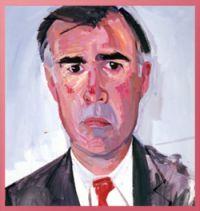
So Jerry Brown wants to go back to the days before Prop. 13. He wants to do what a lot of people say, in retrospect, he should have done in 1978: Leave local government with the responsibility for all those things that property taxes used to fund.
His idea is being framed as a little more gentle than that:
“We’re going to shift funding to the local level, we’re going to make sure there’s enough responsibility and discretion to use the money in the wisest possible ways,” Brown told reporters after the meeting, adding that he does not believe it will be an easy change. “There will be controversies.”
But the reality is simple: the state doesn’t have the money to fund all the things that cities and counties need to do. And Brown would be solving (some of) Sacramento’s problems by adding to the burdens of local government.
He’s crazy like a fox, though, Jerry is. Back in June, 1978, when the voters approved Prop. 13, local officials said the results would be disastrous — schools closing, fire stations shuttered, police departments devastated by layoffs, bus service collapsing … and at first, none of those things happened. That’s because under Gov. Brown, the state was running a huge budget surplus — and Brown shared it with the cities and counties.
Now more than 70 percent of every dollar of state spending goes directly to local government. When people complain about the state’s budget increasing over the past few decades, they need to understand — not only has population expanded and the federal government cut back on programs that the state now has to pay for, but the state has taken on programs that used to be funded by local property taxes.
And Brown wants the cities and counties to take some of that responsibility again. In the process, he might wind up doing what no politician in the state has managed in in 32 years. He might show Californians how bad Prop. 13 really is.
Because unless the state gives local government significant new power to raise taxes (and I’d love to see that happen), the cuts over the next two years will hit particularly hard on the things that people see around them every day: Local government services.
It is, indeed, shock doctrine. And the only way it can possibly work is if local government is given the authority to raise enough money to pay for the services people want, need and expect — and if people start to realized that there’s nobody in Sacramento or Washington to bail them out, and that if they want good schools, safe streets, nice parks, etc. they’re going to have to pay for it.
It’s going to be a fascinating spring.