History

28 films in six days: Jesse Hawthorne Ficks at the 2011 Toronto International Film Festival (part one!)

0

Check out parts two (here) and three (here).

1) Oslo, August 31st (Joachim Trier, Norway) This bleaker-than-bleak exploration of drug addiction hypnotically deconstructs the genre, exposing previous entries like 2000’s Requiem for a Dream as oddly glorified and even romanticized. As with his surprise hit Reprise (2008), the soundtrack for Trier’s film (Chromatics, White Birch) seals the colder-than-cold universe that lead character Øystein (played brilliantly by Anders Borchgrevink) inhabits. Not for folks who can’t handle needles dangling out of arms.

2) This Is Not a Film (Jafar Panahi, Iran) As immediate as a heart attack, this 75 minute documentary by prison-bound Iranian filmmaker Jafar Panahi (who is serving a six-year sentence with a 20-year ban on directing films or even talking to the media), truly is not a film. What is it actually? How about a terrifying cry for expression from one of the most daring and political filmmakers alive. While the world waits for his hopeful release, go watch The White Balloon (1995), The Mirror (1997), The Circle (2000), Crimson Gold (2003), and Offside (2006) as soon as possible.

3) Mausam (Pankaj Kapur, India) Withdrawn from the festival’s public screening schedule at the last minute due to censor complications by the Indian Film Board, this epic melodrama starts out joyous and clean-shaven and devolves into a ferris wheel of destruction. While the tone feels off-balance in the film’s second half, especially with its baffling sequences mimicking Top Gun (1986), Sonam Kapoor’s devastating performance, combined with some foot stompin’ singing and dancing, make this a quite enjoyable ride. Indian censors put a disclaimer before the film, explaining that the Indian Air Force did not approve the film’s presentations of flight sequences or fire explosions.

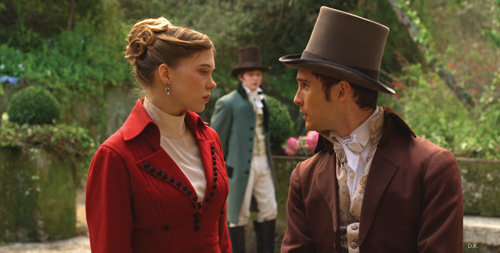
4) The Ides of March (George Clooney, USA) In the same vein as Michael Ritchie’s The Candidate (1975) and Tim Robbins’ Bob Roberts (1992), George Clooney explores the nooks and crannies of the contradictions and hypocrisies of the idealistic Democratic Party. Whereas those films were ripe with cinema verite stylings, Clooney oddly steers clear of any sort of artistic pretension and lets his actors (Ryan Gosling, a snaggletoothed Paul Giamatti) chew up the scenery.

5) Into the Abyss (Werner Herzog, Germany/Canada) This dark and memorable look at death row inmates as well as the families of the victims should spark some spectacular debates, in true Herzog fashion. Though he sometimes only had 15 minutes to interview a particular prisoner, Herzog’s footage is gripping; the finesse of Herzog’s longtime editor Joe Bini helps make the subjects seem human — not simply, solely, monsters, but rather people who have committed monstrous acts. I can’t stop thinking about this one.

6) Le Havre (Aki Kaurismäki, Finland) The almighty Finnish filmmaker is back with yet another old fashioned morality tale for the Nick Cave generation. His characters may be a whole lot older than those in Leningrad Cowboys Go America (1989), but Kaurismäki’s take on the world is just as delightfully offbeat as ever, when an eight-year-old African refugee washes ashore in a small town in Finland. As the kindly Marcel (André Wilms) and other townsfolk do their best to protect the boy from a policeman who feels like he’s just stepped out of 1940s film noir, time seems to be running out for Marcel’s longtime life partner. Be prepared for a handful of frogs getting caught in your throat as this mini masterpiece gently rests itself onto your list of underrated films in the coming year.

7) A Dangerous Method (David Cronenberg, Canada/Germany/UK/Switzerland) Don’t believe those disappointed critics! This tightly-knit theatrical adaptation accessibly explores the worlds of Freud and Jung with a precise coldness that should remind Cronenberg fans of Dead Ringers (1991) and Spider (2006). And while this film isn’t as gooey as his visceral entries Videodrome (1983) and A History of Violence (2005), the absence of spilled guts is exactly why this film might reach a much wider audience. (Folks who may keep their psyches much cleaner than you or I). Potential Oscar nods are in order for a jaw-dropping Keira Knightley and the ever-flawless Viggo Mortensen.

8) Keyhole (Guy Maddin, Canada) Given $100k to make anything he’d like (“I could’ve taken a Polaroid and pocketed the rest”) Canadian enfant terrible Guy Maddin has concocted yet another whirlwind of black and white tears, repressed fears, and a lifetime of forgotten years. With more oppressed family members hidden away in closets and attics than a V.C. Andrews book, the psychotic camerawork, ominous narration, and ever-present rapid-fire editing equals offbeat cinematic bliss.

9) Jeff Who Lives at Home (Jay Duplass and Mark Duplass, USA) The Duplass Brothers have officially gone Hollywood. Jason Segal is a perfect fit for the brothers’ slacker lead and Susan Sarandon plays his poignant mother perfectly. It’s Ed Helms who’s the odd one out in this surprisingly moral tale; he seems to overplay his middle-class character rather than disappearing into the role. Though the film is funny, it’s more of a drama than a comedy; for that reason (along with its big-name cast), Jeff might be the Duplasses’ first big hit. It just feels a bit half-in/half-out. Either way, you’ve got to root for the Duplass Brothers. Plus this film should make you appreciate how priceless last year’s underrated Cyrus (2010) truly was.

10) Dark Horse (Todd Solondz, USA) For better or worse, Todd Solondz has made a name for himself. And his latest is right on par with the rest of his films. In fact Dark Horse could be a remake of his debut Welcome to the Dollhouse (1995), but this time we’re following a 250-pound Jewish man child, Abe (Jordan Gelber) who still lives at home, collects action figures, and hates just about everyone on the planet. The film plays like a live-action adaptation of Chicago cartoonist Chris Ware’s Rusty Brown as Abe defiantly self-destructs as well as destroys everything he may or may not love. Will polarize audiences, per usual for Solondz, as audiences question if he’s being mean-spirited or just self-reflexive. (I can’t wait to watch it again.)

Coming soon: more of Jesse Hawthore Ficks’ takes on the 2011 Toronto International Film festival, including films from Lars von Trier, Michael Winterbottom, and … Bobcat Goldthwait? Ficks teaches film history at the Academy of Art University; he also curates the Midnites for Maniacs film series, celebrating celebrates dismissed, underrated, and overlooked films.

The Sex Issue 2011

0

Well howdy — it’s Folsom Street Fair time again, and that means our annual steamy, dreamy Sex Issue. Check out the contents before, and play wild!

>>PRESENTING THE HOTTEST ASS IN THE BAY

The winner of our Bay Buns 2011 contest

>>BECAUSE PRINCESS SAYS SO

The mastermind behind Kink.com’s “Wired Pussy” and “Public Disgrace” sites finds power in perversion

>>SAN FRANCISCO SMUT MAP

A peep at our fair city’s filthy-gorgeous history

>>“AND THAT’S WHEN I CAME”

A steamy tale of SF sex from Bawdy Storytelling

>>WARM LEATHERETTE

Our nightlife column rounds up some smokin’ hot parties for this weekend

>>HIDING THE CONDOMS

Safeway’s decision to move condoms into locked cabinets worries public health advocates


San Francisco Smut Map

3

culture@sfbg.com

SEX ISSUE 2011 In 1969, San Francisco became the first city in the country to permit the exhibition and sale of hardcore pornography. Although “permit” isn’t exactly right. The city’s vice squad (with the help of Supervisor Dianne Feinstein) fought it every step of the way. But by the time a rag-tag band of hippies with cameras began harnessing the Free Speech movement to challenge obscenity laws, San Francisco had already become, in the words of the New York Times, “a sort of Smut Capital of the United States.”

Earlier this year, director Ben Leon and I produced Smut Capital of America, a documentary short about San Francisco’s flesh-filled reign as the center of U.S. hardcore. (The skin flick industry didn’t move down to San Fernando Valley until the 1980s, when VHS took over and Los Angeles stopped arresting filmmakers.) The film industry itself may have been shaved and plucked, but San Francisco never lost its filthy patina, thank god.

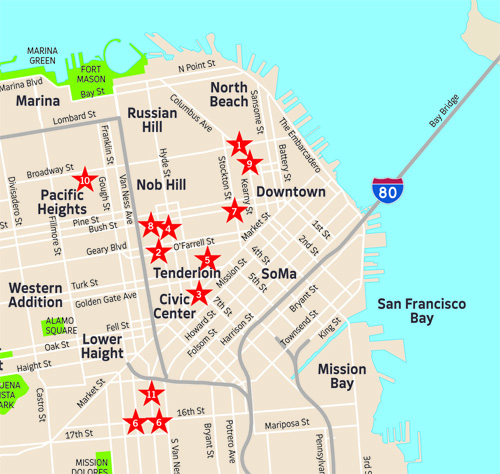
Here are a few of the filthy great places, classic and new, that any self-respecting San Francisco pervert and/or fan might want to map.

1. The Condor Club

560 Broadway

The first topless dance took place in 1964 at the Condor when Carol Doda took to the stage in designer Rudi Gernreich’s revolutionary “monokini.” The bathing suit never really caught on, but topless dancing became an export that would become synonymous with San Francisco.

2. The Mitchell Brothers O’Farrell Theatre

895 O’Farrell

The good ol’ boys from Antioch made a fortune with movies like Behind the Green Door, but when obscenity busts began taking their toll, they moved to live shows. The place still give a great lap dance, but the days when you could eat a girl out for a dollar are long gone.

3. The Strand

1127 Market

I once heard it referred to as a stop on the underground gay railroad — and for good reason. While this theater showed big Hollywood movies and noir retrospectives, the balcony was the cruisiest, bleachiest-smelling place in town.

4. The Magazine

920 Larkin

This still-operational vintage magazine shop has never shied away from porn. And since few museums find it palatable to save smut, it’s a living archive of the sexual revolution, balls, and all.

5. The Screening Room

220 Jones

In 1970, the Screening Room became the first theater in America to show hardcore pornography, with a law-skirting documentary about the free-loving Danes called Pornography in Denmark. Director Alex deRenzy set off a cinematic revolution, and earned a profile in Time magazine. Perhaps fittingly, it’s now the Power Exchange sex club.

6. The Roxie and the New Follies

3117 16th Street and 2961 16th Street

Long before it was an indie movie rep house, the Roxie showed soft-and hardcore 16mm loops shot by the Mitchell Brothers, then just out of college. The New Follies, just down the street on then smut-filled 16th Street (it’s now the Victoria), pioneered bottomless dancing, and later, live sex shows.

7. The Sutter Theatre

369 Sutter

Arlene Elster and Lowell Pickett plotted the International Erotic Film Festival at their theater off Union Square in 1970, when the area was still known as the downtown Tenderloin. The films themselves screened at the prestigious Presidio Theater in the Marina with a red carpet covered by KPIX. Even smut-opponent Dianne Feinstin showed up to rant against the duo’s “very depraved wares.”

8. Le Salon

1118 Polk Street.

“There out to be a plaque on the building,” says Bay Area Reporter porn critic John Karr, who went to this bookstore to cruise and flip through dirty magazines. Store owner Roland Boudreaux eventually opened a non-smut operation next door with a connecting doorway so that customers could leave and enter without attracting stares from high-society queens.

9. The Lusty Lady

1033 Kearny

The original Lusty Lady showed 16mm films, but by the early ’80s this North Beach smut center had live dancers as well. In 1997, the dancers organized an Exotic Dancers Union to make it the first unionized sex club business in the United States. In 2003, they bought the business, making it a worker-owned cooperative.

10. The Gordon Getty Mansion

2050 Jackson

During the ’80s and ’90s, this Pacific Heights mansion was the home of smut merchant and Falcon Studios honcho Chuck Holmes, whose name now graces the LGBT community center on Market Street. In the afternoons, he shot gay porn in the basement. In the evenings, he hosted spectacular galas to raise money for visiting politicians.

11. The Armory

1800 Mission Street

Does anyone not realize that this former munitions warehouse now houses an arsenal of dildo-equipped robots and that the National Guard training hall is used to film “Wired Pussy” episodes? Thanks, Kink.com for making sure San Francisco is still known as the Smut Capital of America.

On Guard!

1

news@sfbg.com


CENTRAL SUBTERFUGE

While supporters of the controversial Central Subway project — from Mayor Ed Lee and his allies in Chinatown to almost the entire Board of Supervisors — dismiss the growing chorus of critics as everything from ill-informed to racist, they refuse to address the biggest concerns about the project.

In a nutshell, the main concerns center on serious design flaws (such as the lack of direct connections to either Muni or BART), the city’s responsibility for any cost overruns on this complex $1.6 billion project, its estimated $15.2 million increase to Muni’s already strained annual operating budget (a figure used by the Federal Transportation Administration, well over the local estimate of $1.7 million), and the city’s unwillingness to implement its own plans for improving north-south transit service on congested Stockton Street rather than relying solely on such an expensive option for serving Chinatown that doesn’t start until 2019.

Judge Quentin Kopp, a longtime former legislator, called this summer’s grand jury report, “Central Subway: Too Much Money for Too Little Benefit,” the best he’s ever read and one that should be heeded. He recently wrote a letter to top state officials urging them to reconsider the $488 million in state funding pledged to the project. As we reported last week, mayoral candidate Dennis Herrera is also challenging a project that he supported before its most recent cost overruns and design changes.

But supporters of the project pushed back hard on Sept. 14, using taunts and emotional rhetoric that avoided addressing the core criticisms. “Beneath the unfounded criticism about costs is actually a disagreement over values. The grand jury report relied upon by critics makes a only brief and superficial criticism about costs,” Norman Fong and Mike Casey wrote in an op-ed in last week’s Guardian.

Actually, the 56-page grand jury report goes into great detail about why it believes cost overruns are likely, citing the myriad risks from tunneling and SFMTA’s administrative shortcomings and history of mismanagement, including on this project’s less-complicated first phase, the T-Third line, which was 22 percent over budget and a year and half late in completion. Even with the contingencies built into the Central Subway budget, the report notes that a similar overrun would increase the local share of this project from $124 million to more than $150 million.

Mayor Lee purportedly addressed criticism of the project during the Question Time session in the Sept. 14 Board of Supervisors meeting, prompted by a loaded question from Sup. Sean Elsbernd offering Lee the “opportunity to move beyond the clichés and one-liners of political campaigns.”

But Lee’s answer was classically political, touting the estimated 30,000 jobs it would create, praising those who have pushed this project since the 1980s, offering optimistic ridership estimates (that exceed current FTA figures by about 9,000 daily riders), and ignoring concerns about whether the city can cover the ever-increasing capital and operating costs.

“Now is the time to support the Central Subway,” Lee said, flashing his trademark mustachioed grin.

We called the normally responsive Elsbernd, who prides himself on his fiscal responsibility, twice, to ask about financial concerns surrounding the project and he didn’t call back. During their mayoral endorsement interviews with the Guardian last week, we also asked Sups. John Avalos and David Chiu to address how they think the city will be able to afford this project, and neither had good answers about the most substantive issues (listen for yourself to the audio recordings on our Politics blog).

Once Congress gives final approval to $966 million in federal funding for this project sometime in the next couple months, the city will be formally committed to the Central Subway and all its costs. It’s too bad that, even during election season, all its supporters have to offer to address valid concerns are “clichés and one-liners.”(Steven T. Jones)


BLACK AGENDA

Mayoral candidates faced tougher questions than usual at a Sept. 15 forum hosted by the Harvey Matthews Bayview Hunters Point Democratic Club. Whereas debates hosted in the Castro and Mission Bay, for instance, featured questions on how candidates planned to clean up city streets, what they thought about AT&T’s plan to place utility boxes on city sidewalks, or how they’d promote a more business-friendly environment, residents brought a thornier set of concerns to the Bayview Opera House.

One question pointed to an alarming statistic based on U.S. Census data and cited by racial justice advocates, showing that residents of the predominantly African American Bayview Hunters Point have a life expectancy that’s 14 years lower, on average, than that of residents of the more well-to-do Russian Hill.

Someone else asked about improving mental health services for lower-income community members struggling with post-traumatic stress syndrome (PTSD). High unemployment figured in as a key concern. And one member of the audience wanted to know how candidates planned to “improve the behavior of the police,” alluding to the mid-July officer-involved shooting that left 19-year-old Seattle resident Kenneth Harding dead, triggering community outrage.

Mayor Ed Lee attended the beginning of the forum but left early to attend an anniversary celebration for the Bayview Hunters Point Foundation; other participants included Terry Joan Baum, Jeff Adachi, Bevan Dufty, Dennis Herrera, David Chiu, Michela Alioto-Pier, and Joanna Rees.

Answers to Bayview residents’ sweeping concerns varied, yet many acknowledged that the southeastern neighborhood had been neglected and ill-served by city government for years.

“There is no economic justice here in Bayview Hunters Point,” Adachi said. “There never has been. That’s the reality.” He pointed to his record in the Pubic Defender’s Office on aggressively targeting police misconduct, and played up his pension reform measure, Prop. D, as a vehicle for freeing up public resources for critical services.

Dufty, who has repeatedly challenged mayoral contenders to incorporate a “black agenda” into their platforms, spoke of his vision for a mayor’s office with greater African American representation, and emphasized his commitment to improving contracting opportunities for minority-owned businesses.

Herrera, meanwhile, was singled out and asked to explain his support for gang injunctions, an issue that has drawn the ire of civil liberties groups. “I only support gang injunctions as a last resort,” he responded. “We shouldn’t have to use them. But … people should be able to walk around without being caught in a web of gang violence. I put additional restrictions on myself to go above and beyond what the law requires, to make sure that I am balancing safe streets with protecting civil liberties.”

Herrera asserted that gang violence had been reduced by 60 percent in areas where he’d imposed the controversial bans on contact between targeted individuals, and noted that the majority of those he’d sought injunctions against in Oakdale weren’t San Francisco residents.

Baum brought questions about a lack of services back to the overarching issue of the widening income and wealth gaps. “Right now, the money is being sucked upward as we speak,” she said. “We have to bring that money back down.”

She closed with her signature phrase: “Tax the rich. Duuuuh.” (Rebecca Bowe)


DUFTY REMEMBERS

The selection of Ed Lee as interim (or not-so-interim) mayor of San Francisco was one of those moments that left just about everyone dazed — how did a guy who wasn’t even in town, who had shown no interest in the job, who had never held elective office, suddenly wind up in Room 200?

Well, former Sup. Bevan Dufty, who was going to nominate Sheriff Mike Hennessey and switched to providing the crucial sixth vote for Lee at the last minute, told us the story during his mayoral endorsement interview last week.

Remember: Lee, as recently as a few days earlier, had told people he didn’t want to be mayor. “An hour before the meeting, Gavin (Newsom) called Michela (Alioto-Pier) and me into his office and said Ed Lee had changed his mind,” Dufty told us. He walked out of the Mayor’s Office uncommitted, he said, and even Newsom wasn’t sure where Dufty would go.

After two rounds of voting, with Dufty abstaining, there were five votes for Lee. So Dufty asked for a recess and went back to talk to Newsom — where he was told that the mayor thought the reason the progressives were supporting Hennessey was that the sheriff had agreed to get rid of about 20 mayoral staffers — including Chief of Staff Steve Kawa, “who had engineered Ed Lee running.”

So Kawa, with Newsom’s help, preserved his job and power base. “It’s all turnabout,” Dufty said. “I figure Mike Hennessey’s had a couple of beers and a couple of good times thinking about my vote. But that’s politics.” (Tim Redmond)


ALMOST FREE?

Friends and supporters of Shane Bauer and Josh Fattal were kept in a state of agonizing suspense over whether the two men, both 29, would be released from the Iranian prison where they’ve been held for more than two years following an ill-fated hiking trip in Iraqi Kurdistan.

On Sept. 13, Iranian President Mahmoud Ahmadinejad stated publicly that Bauer and Fattal could be freed “in a couple of days.” The announcement brought hope for family and friends who, just weeks earlier, had absorbed the news that the men were sentenced to eight years in prison after an Iranian court found them guilty of committing espionage, a charge that the hikers, the United States government, religious leaders, and human rights advocates have characterized as completely baseless.

Reports followed that the Iranian judiciary would commute the hikers’ sentences and release them in exchange for bail payments totaling $1 million. But by Sept. 16, when supporters gathered in San Francisco in hopes that of an imminent announcement, they were instead greeted with new delays.

The constantly shifting accounts hinted at internal strife within the Iranian government, and contributed to the sense that Bauer and Fattal were trapped as pawns in a power struggle. By Sept. 19, their Iranian lawyer remained in limbo, awaiting the signature of a judge who was scheduled to return from vacation Sept. 20.

“Shane and Josh’s freedom means more to us than anything and it’s a huge relief to read that they are going to be released,” the hikers’ families said in a statement Sept. 13. “We’re grateful to everyone who has supported us and looking forward to our reunion with Shane and Josh. We hope to say more when they are finally back in our arms.” (Rebecca Bowe)

Difficult loves

0

arts@sfbg.com

FILM The critic Quintín began his review of Mysteries of Lisbon in last winter’s Cinema Scope by noting that the film’s lavish production and strong reception marked a welcome turnaround for its director Raúl Ruiz, who in the years prior struggled with funding and illness. Though produced for Portuguese television, the film won awards and raves on the festival circuit. Suddenly, Ruiz seemed more assured his rightful status as a master. A year later Mysteries of Lisbon arrives for a rather miraculous theatrical run — but Ruiz is gone. He died in August 2011, having directed many more films than his 70 years.

Ruiz’s films have typically been the province of hardcore cinephiles, but this splendid epic holds wider appeal. It’s difficult to think of another movie that so satisfyingly captures the intricacies and volatilities of the 19th century novel — anyone enthralled by the teeming creations of Balzac and Dickens will find that Mysteries of Lisbon‘s four-and-a-half hours stream by. Ruiz was no stranger to the 19th century — his recent films included Klimt (2006) and the Proustian Time Regained (1999) — but the ornately plotted trio of novellas by Portuguese author Camilo Castelo Branco which supply these mysteries seem specially tailored to the director’s affinity for involved narrations.

The story sweeps across dozens of characters and several generations of doomed love, revenge plots, disguised identities, uncertain parentages, and religious vows. We even glimpse the Napoleonic Wars. It’s gripping stuff, in other words, and Ruiz meant it that way — the film refutes the idea that an analytical narration style upbraids narrative pleasure (a cornerstone of much structuralist film theory). One hesitates to launch into describing Mysteries of Lisbon‘s plot, not only because there’s such an awful lot of it, but also because it risks underselling the brilliant means by which information is divulged.

It begins with an adolescent searching out his origins. Pedro da Silva lives under the care of kindly and knowing Father Dinis. The boy becomes dimly aware of his mother, Angela de Lima, when he’s sick with fever (realized with a neat impressionistic distortion). In the film’s first flashback, to the near past, we learn of her cruel treatment at the hands of her husband, the Count of Santa Bárbara. She eventually flees to the church, whereupon her history of misfortune tumbles out in a deeper flashback narrated by Dinis: her passion for Pedro’s father and the iron disapproval of her father, the Marquis de Montezelos. After contracting the elder Pedro’s murder to his thug, Knife Eater, Marquis arranges for the man to snuff out his daughter’s bastard child at birth. A gypsy bargains for the baby’s life from Knife Eater, and that gypsy, we later learn, is one and the same as Father Dinis.

The priest’s shadowy transformations provide a recurring template for Mysteries of Lisbon, as does his eventual commitment to God. An intermission is shrewdly positioned so that the beginning of the second half begins with another origin story — Dinis’s own. The Samsaric wheel of lost love and filial abandonment turns again. A new set of characters emerge, including a mysterious capitalist posing as a Brazilian import who eventually marries the Count of Santa Barbara’s mistress, Eugénia, and takes a peculiar interest in Pedro’s well-being. His former lover, the bewitching Duchess of Cliton, lives for revenge and arouses the idealistic romance of Pedro, now a young man: it seems we’ve spun through the past long enough for him to age.

Delirious yet? That narrow introduction doesn’t begin to convey the vertiginous experience of Mysteries of Lisbon‘s discoveries and resonances. By moving steadily further from the young Pedro’s frame of reference, Ruiz suggests that every doomed love is its own even as they are invariably connected. The immersive nature of the flashbacks all but obliterates any semblance of Pedro’s narrative through line, and leaves us vulnerable to alluring déjà vu (key repetitions of specific objects, framings, and dialog within different spheres of the plot). If Ruiz is partly poking fun at literary convention by repeatedly framing eavesdroppers in the extreme foreground and backgrounds of the frame, for instance, he’s also giving us tangible figures of the thread that connects these disparate stories.

Ruiz’s narrations are commonly likened to labyrinths, but for Mysteries of Lisbon‘s vigorous expansion I reach for the cosmos: one luminous sphere rotates another which in turn rotates a larger system, the whole of it spreading outwards in all directions at once. There are many other ways one could model the narrative’s abundance — in interviews Ruiz cited the mathematical concept of overflow — but the point is not so many films inspire this kind of reflection. And if complexity is one measure of the film’s greatness, flexibility is surely another. Throughout, Ruiz demonstrates that a distant long take need not be emotionally remote; that a shot can reveal as it conceals; that dramatic irony can fluctuate, giving knowledge itself an almost textural quality.

In one of the few scenes set outside a gilded room or convent, the older Pedro searches out his mother’s grave. There he meets his grandfather, the formerly imposing Marquis, now a deluded blind beggar. It’s the umpteenth case of a character cropping up in a different mask, and this one seems the most obvious kind of poetic justice. As the Marquis exits, his beggar companion approaches Pedro. He redundantly recounts the Marquis’ fall, but then adds his own insight, that nobility’s great tragedies are simply the stuff of life for beggars. Ruiz remains light on his feet well past the four hour mark, always prepared with another shift in perspective. Mysteries of Lisbon is not the kind of masterpiece you expect of an old man, but then Ruiz clearly had little use for such a simplistic concept of time. 

MYSTERIES OF LISBON opens Sept. 30 in San Francisco.

Our Weekly Picks: September 21-27

0

WEDNESDAY 21

Veronica Falls CANCELLED

Apparently, this UK indie rock band found its relaxed retro pop sound right from the get-go. Singles “Found Love in a Graveyard” and “Beachy Head” combined jangly, propulsive rhythms with light, morbid lyrics for a result that could easily find an anachronistic home in the recent remake of Brighton Rock (and not just because every video for the band looks like it was ran through a Hipstamatic app.) Now with a self-titled debut album on Slumberland Records, Veronica Falls is scheduled to tour in support of the Drums and Dum Dum Girls next month. This will be their West Coast record release show. (Ryan Prendiville)

With The Mantles, Brilliant Colors

9 p.m., $13

Brick and Mortar Music Hall

1710 Mission, SF

(415) 800-8782

www.brickandmortarmusic.com


THURSDAY 22

Teengirl Fantasy at Icee Hot

They put something in the water over at Oberlin. Beach House, Blondes, Teengirl Fantasy. Now at work in the real world, which includes opening for Crystal Castles, Teengirl Fantasy has found a style that’s just as likely to draw from the pop charts as it is from their academic pedigree. A little Lil Jon on one track, a little Raymond Scott on the next. With cooled, slo-mo beats and hyped up MCs turned down, the result is an aural muscle relaxant, allowing you to focus on making bedroom eyes across the dance floor. Teengirl Fantasy comes our way to play monthly party Icee Hot. (Prendiville)

With Total Freedom, Magic Touch (Damon Palermo), Shawn Reynaldo, and Rollie Fingers

10 p.m., $5-10

Public Works

161 Erie, SF

(415) 932-0955

www.publicsf.com


FRIDAY 23

Smuin Ballet

The late Michael Smuin was not one of my favorite choreographers. But he left behind a substantial inheritance that had gained him respectable audiences. Smuin choreographed one his most serious pieces, “Stabat Mater” — Dvorak’s response to the death of his infant daughter — in the aftermath of 9/11. He also loved to play with pop eroticism; “The Eternal Idol” — you can see its inspiration at the Legion of Honor — and “Tango Palace” showcase that propensity. Amy Seiwert premieres what she calls her “most “Smuinesque” piece yet — to Patsy Cline. Not the least of the company’s attractions these days is the quality of its dancers. Parking around the Palace — because of the Doyle Drive reconstruction — is somewhat restricted, so plan for extra time. Muni 43 goes there as well. (Rita Felciano)

9/23-Oct.1

$25-62

Palace of Fine Arts, San Francisco

(415) 556-5000

www.smuinballet.org


FRIDAY 23

“Hong Kong Cinema”

Though this is the San Francisco Film Society’s first-ever Hong Kong Cinema mini-fest, there’s no shortage of HK film fanatics in this town, what with the SF International Asian American Film Festival, the programming at Frank Lee’s Four Star Theatre, and even the occasional HK flick that arrives via Hollywood. If you dug Benny Chan’s now-at-the-Four-Star Shaolin, you won’t want to miss his City Under Siege, about bank-robbing, superpowered circus performers. Also on tap: another superhero action comedy, Vincent Kok’s (Pixar-inspired?) Mr. and Mrs. Incredible; Clement Chan and Yan Yan Mak’s multigenerational drama Merry-Go-Round; All About Love, from Ann Hui (her latest, A Simple Life, has been tearing up the international fest circuit); Law Wing-cheong’s kidnap thriller Punished (starring Anthony Wong, always full of win); Alex Law’s coming-of-age drama Echoes of the Rainbow; and rom-com Don’t Go Breaking My Heart, a genre departure for action man Johnnie To. (Cheryl Eddy)

Through Sun/25, $13–$20

San Francisco Film Society New People Cinema

1746 Post, SF

www.sffs.org


FRIDAY 23

SF Cocktail Week: Barbary Coast Bazaar

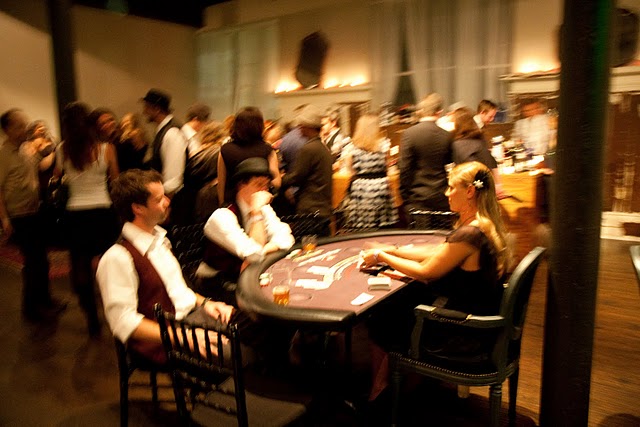
San Franciscans have long enjoyed a romance with alcohol — from the debauchery of the Barbary Coast era, to the modern renaissance of the artisan cocktail, the city knows how to knock ’em back. Celebrate this high-proof history with SF Cocktail Week, which features a variety of tastings, dinners, seminars, and parties, including “Barbary Coast Bazaar,” a huge fete inside the Old Mint. Expect a roaring 1920s themed party, with vintage circus acts such as stilt walkers, jugglers, contortionists, magicians, and carnival games, along with food, and of course, a wide variety of tasty cocktails. (Sean McCourt)

SF Cocktail Week events run through 9/25, pricing varies

Barbary Coast Bazaar, 9/23

8-11 p.m., $85–$95

The Old Mint

88 5th St., SF

www.sfcocktailweek.com


SATURDAY 24

Moving Planet Worldwide Rally Day

You can make yourself sick thinking about it: what are you going to tell your kids (or — hey sexy single! — the neighbor’s kids) when they ask you what you did to stop climate change back when we still had a chance and the Bayview-Sunset commute didn’t call for a rowboat? Are we creeping you out? Then let us recommend Moving Planet Day. A worldwide rally for sustainability, it’s sponsored by 350.org and will include Sept. 24 actions from Buenos Aires to Nairobi. In SF, a march of self-propelled peoples on foot, bike, and skate will trek from Justin Herman Plaza to the Civic Center, where an afternoon of speakers, music, and other events awaits. (Caitlin Donohue)

10-a.m.-6 p.m., free

March starts at Justin Herman Plaza, SF

Afternoon activities at Civic Center Plaza, SF

www.moving-planet.org


Hank 3

The grandson of country music royalty, Hank Williams III, or as he’s now known, Hank 3, continues to hone his own brand of diverse music, releasing not one, but four brand new albums this month: Ghost to a Ghost/Guttertown, a double record in a country vein, Attention Deficient Domination, with more of a “hellbilly” feeling, and Cattle Callin, which is more on the metal side of things. The modern torch bearer of outlaw country is promising that this tour will touch on all of them, which he released through his own label, Hank 3 Records, and that fans can expect a two-and-a-half to thee-hour set at each barn burning show. (McCourt)

8:30 p.m., $26

The Regency Ballroom

1290 Sutter, SF

www.theregencyballroom.com


SATURDAY 24

Celsius 7

The superchill but often splendidly goofy Bay rapper, a former member of the Psychokinetics crew, hails from one of the golden ages of local hip-hop — that late ’90s-early ’00s period when earnest showmanship and a healthy dose of good humor trumped aggro attention-seeking, niche genre overload, and crass product placement. Cel’s kept himself busy through Bay rap’s recent twists and turns, though, traveling the world and dropping some ace tracks, all the while staying true to his roots. This release party for his poppin’ second solo album, Life Well Spent (which features a nice roster of collaborators including Dirt Nasty, iLL MEDiA, and Baby Jaymes) will showcase his grin-inducing verbal dexterity, be loaded with special guest appearances, and serve as a convention of true school heads. (Marke B.)

9 p.m., $10 (includes copy of album)

Shattuck Downlow

2284 Shattuck, Berk.

(415) 455-4735

www.shattuckdownlow.com


SUNDAY 25

Chinatown Music Festival

The Yerba Buena Center for the Arts has an exhibit going on called “Daily Lives,” a group showing by local Asian American artists that takes prosaic trinkets and uses them to express the psychic winds that ruffle our insides. This weekend, “Daily Lives” is taking this exploration of the private, public. Put on your dark glasses and check out the sidewalk art exhibit in Chinatown — where your ambling will be soundtracked by a day of rad live music; traditional tunes from the SF Guzheng Society and pianist Jon Jang (who will be sharing his recently-penned homage to the Xinhai Revolution of 1911), plus more modern grooves by the grown-up local kids in Jest Jammin’ and the SF Latin Jazz Youth Ensemble. (Donohue)

1-7 p.m., free

Portsmouth Square Kearny between Clay and Washington, SF

www.apiculturalcenter.org


SUNDAY 25

Ladytron

Given the harder direction that Ladytron has gone in over the last few albums — even touring with Nine Inch Nails — I was not expecting what I heard on Gravity the Seducer: ABBA. Whether or not they were invoking the Swedish gods of pop on purpose, the opener “White Elephant” sets a tone for a lighter album. Not simply a step backwards to the sounds of Ladytron’s early albums, it’s its most synthetically dreamy, spaced out record yet. Of course, harder and softer are relative terms with the band, which has generally stuck to a distinctive sound, becoming electronic pop mainstays and developing a cult following in the process. (Prendiville)

With SONOIO, Polaris at Noon, and DJ Omar

8 p.m., $25

The Regency Ballroom

1300 Van Ness, SF

(800) 745-3000

www.theregencyballroom.com


MONDAY 26

Dr Ruth

We all fondly recall Dr. Ruth Westheimer as the funny, entertaining, and educational “sexpert” that hit the mainstream media in the 1980s and 90s, but did you know her amazing background before she was a household name? Born in 1928 in Germany, she lost her parents in the Holocaust, and actually fought (and was wounded) as a sniper during Israel’s war of independence. The icon will be touching on all these subjects, along with her new book, Heavenly Sex: Sexuality in the Jewish Tradition, at tonight’s special event. (McCourt)

7 p.m., $20–$35

Jewish Community Center of San Francisco

3200 California St., SF

(415) 292-1200

www.jccsf.org


TUESDAY 27

Tony Bennett Night

As San Francisco Giants fans know, whenever the team wins a game here at home, the crowd exits the ballpark to the sounds of the legendary crooner Tony Bennett’s signature song “I Left My Heart In San Francisco.” The 85-year-old icon performed the song live at last year’s World Series, and the team is honoring him with this special event where he will be celebrated in a pre-game ceremony. He also will perform a short set, and fans will receive a “Tony Bennett” bobblehead that has a sound chip that plays his beloved ode to our city by the bay. (McCourt)

Game starts at 7:15 p.m.; arrive early for pre-game events. Pricing varies; see website for current availability.

AT&T Park

24 Willie Mays Plaza, SF

(415) 972-2000

www.sfgiants.com/specialevents


TUESDAY 27

Nurses

If you listened to Nurses’ earliest album, you might not recognize the groovy melodic rock trio that stands before you today, presenting 2011’s Dracula (Dead Oceans). In the past five years, the harmonic freak-folk band — with a penchant for toy instruments and pianos — has gone through lineup changes, sound modifications, and location shifts. The two Nurses mainstays, singer-guitarist Aaron Chapman and singer-keyboardist John Bowers, have lived in the sweet sunshine of San Diego, close quarters during cold winters — the tour van in Chicago — and finally, settled in the dewy DIY spirit of Portland, Oreg., where they gained drummer James Mitchell, and further developed their technique. But that’s the test of a true musician, isn’t it? The ability to roll with the punches, to grow, to evolve. (Emily Savage)

With Dominant Legs

9 p.m., $12

Cafe Du Nord

2170 Market, SF

(415) 861-5016

www.cafedunord.com


The Guardian listings deadline is two weeks prior to our Wednesday publication date. To submit an item for consideration, please include the title of the event, a brief description of the event, date and time, venue name, street address (listing cross streets only isn’t sufficient), city, telephone number readers can call for more information, telephone number for media, and admission costs. Send information to Listings, the Guardian Building, 135 Mississippi St., SF, CA 94107; fax to (415) 487-2506; or e-mail (paste press release into e-mail body — no text attachments, please) to listings@sfbg.com. Digital photos may be submitted in jpeg format; the image must be at least 240 dpi and four inches by six inches in size. We regret we cannot accept listings over the phone.

Film Listings

0

OPENING

Abduction A teenager (Taylor Lautner) sets out to find his true identity (duh, dude, everyone knows you’re a werewolf) in John Singleton’s action thriller. (1:46)

*The Black Power Mixtape 1967-1975 Cinematic crate-diggers have plenty to celebrate, checking the results of The Black Power Mixtape 1967-1975. Swedish documentarian Göran Hugo Olsson had heard whispers for years that Swedish television archives possessed more archival footage of the Black Panthers than anyone in the states — while poring through film for a doc on Philly soul, he discovered the rumors were dead-on. With this lyrical film, coproduced by the Bay Area’s Danny Glover, Olsson has assembled an elegant snapshot of black activists and urban life in America, relying on the vivid, startlingly crisp images of figures such as Stokely Carmichael and Huey P. Newton at their peak, while staying true to the wide-open, refreshingly nonjudgmental lens of the Swedish camera crews. Questlove of the Roots and Om’Mas Keith provide the haunting score for the film, beautifully historicized with shots of Oakland in the 1960s and Harlem in the ’70s. It’s made indelible thanks to footage of proto-Panther school kids singing songs about grabbing their guns, and an unforgettable interview with a fiery Angela Davis talking about the uses of violence, from behind bars and from the place of personally knowing the girls who died in the infamous Birmingham, Ala., church bombing of 1963. (1:36) Embarcadero, Piedmont, Shattuck. (Chun)

City of Life and Death There have been a number of recent works about the “rape of Nanking,” but perhaps none tackles the brutal nature of Nanjing’s fall with as much beauty as City of Life and Death. Shot in striking black and white, the film depicts the invasion of China’s capital by Japanese forces from a number of points of view, including that of a Japanese soldier. It can be difficult at times to become emotionally attached to characters within such a restless narrative, but the structure goes a long way toward keeping the proceedings balanced. The stunningly elaborate sets and cinematography alone are worth the price of admission, and it’s amazing that such detail was achieved with a budge of less than $12 million. But it is the unflinching catalog of the some 300,000 murders and rapes that took place between 1937 and 1938 in Nanjing that will remain with you long after watching. (2:13) Opera Plaza. (Peter Galvin)

Dolphin Tale A wayward dolphin with an injured tail is rescued by marine biologists, befriends a little boy and his single mother (Ashley Judd), and somehow Kris Kristofferson and Morgan Freeman are involved. Admit it, you’re weeping already. (1:53) Presidio.

Farmageddon First-time director Kristin Canty embarked on this documentary after discovering the healing power of raw milk in helping her child’s allergies. And it shows. Farmaggedon really should have been titled A Raw Deal for Raw Milk, considering its primary focus on several small family-operated dairies and the souring treatment they have received from government bureaucrats, spurring Canty’s activist act of making this movie. Larry and Linda Failace of Three Shephard’s Cheese in Vermont (the latter wrote her own book, 2007’s Mad Sheep: The True Story Behind the USDA’s War on a Family Farm) seem to have suffered the most, driven out of business when the sheep they brought over legally, with all the required quarantines, were seized and destroyed by the government agents on the pretext that the animals might spread “mad cow” disease. The sight of Linda Failace breaking into tears reading her daughter’s words about how the sheep were like her brothers and sisters is heart-breaking. Undermining such powerful, outrageous material are Canty’s textbook missteps: the director has major problems organizing her seemingly scattershot, lopsided material into a coherent and, er, organic whole, and lets her many sources drone on without a strong narrative through-line. All of this makes Farmaggedon a bit of a struggle to watch, although the dirt Canty digs up is likely to justifiably raise the hackles of progressive foodies. (1:30) Roxie, Smith Rafael. (Chun)

*Killer Elite Jason Statham has a lot going on, in addition to devastatingly attractive male-pattern balding: along with fellow Brit Daniel Craig, he’s one of the most believable action heroes in the cineplex today. This continent-hopping, Bourne-ish exercise, kitted out with piercingly loud sound design, comes chock-full of promise in the form of Statham, Robert De Niro, and Clive Owen, wielding endless firearms and finding new deadly uses for bathroom tile — you don’t want to be caught solo in anger management class with these specialists in cinematic rageaholism. Mercenary assassin Danny (Statham) wants out of the game after a traumatic killing involving way too much eye contact with a small child. Killer coworker Hunter (De Niro) pulled him out of that tight spot, so when the aging gunman is held hostage, Danny must emerge from hiding in rural Australia and take on a seemingly impossible case: avenge the deaths of a dying sheik’s sons, who were gunned down by assorted highly trained British military hotshots, get them to confess, and make it all look like an accident. Oh, yes, and try to make sure his own loved ones aren’t killed in the process. Dancing backwards as fast as he can is those retired Brits’ guardian angel-of-sorts, Spike (Owen), another intense, dangerous fellow with too much time on his hands. Throw in my favorite Oz evil-doer Adewale Akinnuoye-Agbaje as Danny and Hunter’s boss, some welcome been-there twinkle from De Niro, as well as a host of riveting fight scenes (and that ’00s cliché: sudden death by bus/truck/semi), and you have diverting popcorn killer. (1:40) Presidio. (Chun)

Moneyball As fun as it is to watch Brad Pitt listen to the radio, work out, hang out with his cute kid, and drive down I-80 over and over again, it doesn’t quite translate into compelling cinema for the casual baseball fan. A wholesale buy-in to the cult of personality — be it A’s manager Billy Beane or the actor who plays him — is at the center of Moneyball‘s issues. Beane (Pitt) is facing the sad, inevitable fate of having to replace his star players, Jason Giambi and Johnny Damon, once they command the cash from the more-moneyed teams. He’s gotta think outside of the corporate box, and he finds a few key answers in Peter Brand (a.k.a. Paul DePodesta, played by Jonah Hill), who’s working with the sabermetric ideas of Bill James: scout the undervalued players that get on base to work against better-funded big-hitters. Similarly, against popular thought, Moneyball works best when director Bennett Miller (2005’s Capote) strays from the slightly flattening sunniness of its lead actor and plunges into the number crunching — attempting to visualize the abstract and tapping into the David Fincher network, as it were (in a related note, Aaron Sorkin co-wrote Moneyball‘s screenplay) — though the funny anti-chemistry between Pitt and Hill is at times capable of pulling Moneyball out of its slump. (2:13) Marina. (Chun)

*My Afternoons with Margueritte There’s just one moment in this tender French dramedy that touches on star Gerard Depardieu’s real life: his quasi-literate salt-of-the-earth character, Germain, rushes to save his depressed friend from possible suicide only to have his pretentious pal pee on the ground in front of him. Perhaps Depardieu’s recent urinary run-in, on the floor of an airline cabin, was an inspired reference to this moment. In any case, My Afternoons With Margueritte offers a hope of the most humanist sort, for all those bumblers and sad cases that are usually shuttled to the side in the desperate ’00s, as Depardieu demonstrates that he’s fully capable of carrying a film with sheer life force, rotund gut and straw-mop ‘do and all. In fact he’s almost daring you to hate on his aging, bumptious current incarnation: Germain is the 50-something who never quite grew up or left home. The vegetable farmer is treated poorly by his doddering tramp of a mother and is widely considered the village idiot, the butt of all the jokes down at the cafe, though contrary to most assumptions, he manages to score a beautiful, bus-driving girlfriend (Sophie Guillemin). However the true love of his life might be the empathetic, intelligent older woman, Margueritte (Gisele Casadesus), that he meets in the park while counting pigeons. There’s a wee bit of Maude to Germain’s Harold, though Jean Becker’s chaste love story is content to remain within the wholesome confines of small-town life — not a bad thing when it comes to looking for grace in a rough world. (1:22) Embarcadero, Shattuck. (Chun)

Restless See “Twee of Life.” (1:35) Lumiere, Shattuck.

*3 The press literature for 3, Tom Tykwer’s latest, throws around references to classic Hollywood screwball comedies, but this romantic drama is far too self-conscious, serious, and almost pretentious to ever completely ape the mercury lightness of that genre. Apart from one slightly jarring fantasy sequence or two, this polyamorous love story is all about contemporary Berlin bohemia, from hero Hanna’s (Sophie Rois) immersion in the worlds of science and art, to her increasingly plastic relationship with partner Simon (Sebastian Schipper). On the edge of their 20th anniversary, the smart, stylish 40-ish bohos are still in love, though a younger, perpetually amused-looking doctor Adam (Devid Striesow) threatens to turn their two-decade itch into something much more involved. Tykwer kicks off his high-minded romp with a pas de trois, sprinkling split-screen interludes into the program as he goes, but such devices fall away — sucking the viewer into its heady, seductive undertow — beneath the sheer eroticism of these sexual empiricists’ couplings, particularly in the humid, Cat People-like scenes set in a Badeschiff pool, which comes to resemble a carnally charged hothouse as envisioned by Olafur Eliasson. (1:59) Sundance Kabuki. (Chun)

ONGOING

Bucky Larson: Born to Be a Star (1:36) 1000 Van Ness.

Circumstance Thirteen (2003) goes to Tehran? The world of sex, drugs, and underground nightclubs in Iran provides the backdrop for writer-director Maryam Keshavarz’s lusty, dreamy take on the passionate teenagers behind the hijabs. Risking jail and worse are the sassy, privileged Atafeh (Nikohl Boosheri) and the beautiful, orphaned Shireen (Sarah Kazemy), who, much like young women anywhere, just want to be free — to swim, sing, dance, test boundaries, lose, and then find themselves. The difference here is that they’re under constant, unnerving surveillance, in a country where more than 70 percent of the population is less than 30 years old. Nevertheless, within their mansion walls and without, beneath graffitied walls and undulating at intoxicating house parties, the two girls begin to fall in love with each other, as Atafeh’s handsome, albeit creepy older brother Mehran (Palo Alto-bred Reza Sixo Safai) gazes on. The onetime musical talent’s back from rehab, has returned to the mosque with all the zeal of the prodigal, and has hooked up with the Morality Police that enforces the nation’s cultural laws. Filmed underground in Beirut, with layers that permit both pleasure and protest (wait for the hilarious moment when 2008’s Milk is dubbed in Farsi), Circumstance viscerally transmits the realities and fantasies of Iranian young women on the verge. (1:45) Embarcadero, Shattuck. (Chun)

*Cold Fish Did you love (or find yourself baffled by) Sion Sono’s Love Exposure during its Roxie run? Sono’s Cold Fish is similarly occupied with indoctrination, masochism, and extreme behavior. However, it’s also somewhat better able to sustain a tone of hysteria escalating toward dementia. An unhappy family (father Mitsuru Fukikoshi, daughter Hikari Kajiwara, stepmother Megumi Kagurazaka) is yanked into the orbit of a tropical-fish tycoon (Denden) who at first seems a boisterous benefactor providing shock therapy to their depressed lives out of simple altruism. But he and his bombshell wife (Asuka Kurosawa) soon reveal sides not just sinister but psychopathic, ensnaring all three in diabolical doings that encompass murder, rape, grisly corpse disposals, and more. Structured like Love Exposure as one long countdown to a transformative moment, Cold Fish pushes black comedy way beyond the bounds of taste with an oddly neutralizing good cheer. It’s a manic Grand Guignol set to the soothing kitsch strains of retro Hawaiian-flavored lounge music. (2:24) Roxie. (Harvey)

Colombiana (1:47) 1000 Van Ness.

*Connected: An Autoblogography About Love, Death, and Technology Local filmmaker Tiffany Shlain (founder of the Webby Awards) takes a look at 21st century connections, both technological and personal, in this documentary. And the film gets very personal at times; constructed mostly as a video collage (using animation, stock footage, etc.), its few original clips come from Shlain family movies, which become more poignant when it’s revealed that the filmmaker’s beloved father, an author and brain surgeon, is dying of brain cancer. Shlain’s film draws some of its themes from her father’s 1999 book The Alphabet Versus the Goddess, a study of literacy’s effect on male-female dynamics over history, and the film is dedicated to him. But though the Shlain family’s struggles with loss and life (the filmmaker was pregnant when her father died) form Connected‘s thru line, the film’s probing, lively exploration of links (on- and offline) is universally relatable, and ultimately quite thought-provoking. (1:20) Embarcadero, Shattuck. (Eddy)

*Contagion Tasked with such panic-inducing material, one has to appreciate director Steven Soderbergh’s cool head and hand with Contagion. Some might even dub this epic thriller (of sorts) cold, clinical, and completely lacking in bedside manner. Still, for those who’d rather be in the hands of a doctor who refuses to talk down to the patient, Contagion comes on like a refreshingly smart, somewhat melodrama-free clean room, a clear-eyed response to a messy, terrifying subject. A deadly virus is spreading swiftly — sans cure, vaccine, or sense — starting with a few unlikely suspects: globe-trotting corporate exec Beth (Gwyneth Paltrow), a waiter, a European tourist, and a Japanese businessman. The chase is on to track the disease’s genesis and find a way to combat it, from the halls of the San Francisco Chronicle and blog posts of citizen activist-journalist Alan (Jude Law), to the emergency hospital in the Midwest set up by intrepid Dr. Mears (Kate Winslet), to a tiny village in China with a World Health investigator (Marion Cotillard). Soderbergh’s brisk, businesslike storytelling approach nicely counterpoints the hysteria going off on the ground, as looting and anarchy breaks out around Beth’s immune widower Mitch (Matt Damon), and draws you in — though the tact of making this disease’s Typhoid Mary a sexually profligate woman is unsettling and borderline offensive, as is the predictable blame-it-on-the-Chinese origin coda. (1:42) California, Empire, Marina, 1000 Van Ness, Sundance Kabuki. (Chun)

Crazy, Stupid, Love Keep the poster’s allusion to 1967’s The Graduate to one side: there aren’t many revelations about midlife crises in this cleverly penned yet strangely flat ensemble rom-com, awkwardly pitched at almost every demographic at the cineplex. There’s the middle-aged romance that’s withered at the vine: nice but boring family man Cal (Steve Carell) finds himself at a hopeless loss when wife and onetime teenage sweetheart Emily (Julianne Moore) tells him she wants a divorce and she’s slept with a coworker (Kevin Bacon). He ends up waxing pathetic at a slick nightclub where he catches the eye of the well-dressed, spray-tanned smoothie Jacob (Ryan Gosling), who appears to have taken his ladies man stance from the Clooney playbook. It’s manly makeover time: GQ meets Pretty Woman (1990)! Cut to Cal and Emily’s babysitter Jessica (Analeigh Tipton), who is crushing out on Cal, while the separated couple’s tween Robbie (Jonah Bobo) hankers for Jessica. Somehow Josh Groban worms his way into the mix as the dullard suitor of Hannah (Emma Stone) in a hanging chad of a storyline that must somehow be resolved in this mad, mad, mad, mad — actually, the problem with Crazy, Stupid, Love is that it isn’t really that crazy. It tries far too hard to please everybody in the theater to its detriment, reminding the viewer of a tidy, episodic TV series (albeit a quality effort) like Modern Family more than an actual film. Likewise I yearned for a way to fast-forward through the too-cute Jessica-Robbie scenes in order to get back to the sleazy-smart, punchy complexity of Gosling, playing adeptly off both Carrell and Stone. (1:58) SF Center, Shattuck, Sundance Kabuki. (Chun)

The Debt On paper, The Debt has a lot going for it: captivating history-based plot, “it” actor Jessica Chastain, Helen Mirren vs. Nazis. And while the latest from John Madden (1998’s Shakespeare in Love) is fairly entertaining, the film is ultimately forgettable. Chastain plays Rachel, a member of an Israeli team tasked with capturing a Nazi war criminal and bringing him to justice. Mirren is the older Rachel, who is haunted by the long-withheld true story of the mission. Although The Debt traffics in spy secrets, it’s actually rather predictable: the big reveal is shrug-worthy, and the shocking conclusion is expected. So while the entire cast — which also includes Tom Wilkinson, Sam Worthington, and Ciaran Hinds — turn in admirable performances, the script is lacking what it needs to make The Debt an effective drama or thriller. Like 2008’s overrated The Reader, the film tries to hide its inadequacies under heavy themes and the dread with which we remember the Holocaust. (1:54) Four Star, 1000 Van Ness, Sundance Kabuki. (Peitzman)

Detective Dee and the Mystery of the Phantom Flame (2:02) Embarcadero, Shattuck, Sundance Kabuki.

*Drive Such a lovely way to Drive, drunk on the sensual depths of a lush, saturated jewel tone palette and a dreamlike, almost luxurious pacing that gives off the steamy hothouse pop romanticism of ’80s-era Michael Mann and David Lynch — with the bracing, impactful flecks of threat and ultraviolence that might accompany a car chase, a moody noir, or both, as filtered through a first-wave music video. Drive comes dressed in the klassic komforts — from the Steve McQueen-esque stances and perfectly cut jackets of Ryan Gosling as the Driver Who Shall Remain Nameless to the foreboding lingering in the shadows and the wittily static, statuesque strippers that decorate the background. Gosling’s Driver is in line with Mann’s other upstanding working men who hew to an old-school moral code and are excellent at what they do, regardless of what side of the law they’re working: he likes to keep it clear and simple — his services as a wheelman boil down to five minutes, in and out — but matters get messy when he falls for sweet-faced neighbor Irene (Carey Mulligan), who lives down the hall with her small son, and her ex-con husband (Oscar Isaac) is dragged back into the game. Populated by pungent side players like Albert Brooks, Bryan Cranston, Ron Perlman, and Christina Hendricks, and scattered with readily embeddable moments like a life-changing elevator kiss that goes bloodily wrong-right, Drive turns into a real coming-out affair for both Danish director Nicolas Winding Refn (2008’s Bronson), who rises above any crisis of influence or confluence of genre to pick up the po-mo baton that Lynch left behind, and 2011’s MVP Ryan Gosling, who gets to flex his leading-man muscles in a truly cinematic role, an anti-hero and under-the-hood psychopath looking for the real hero within. (1:40) Empire, 1000 Van Ness, Presidio, SF Center, Sundance Kabuki. (Chun)

*The Future Dreams and drawings, cats and fantasies, ambition and aimlessness, and the mild-mannered yet mortifying games people play, all wind their way into Miranda July’s The Future. The future’s a scary place, as many of us fully realize, even if you hide from it well into your 30s, losing yourself in the everyday. But you can’t duck July’s collection of moments, objects, and small gestures transformed into something strangely slanted and enchanted, both weird and terrifying, when viewed through July’s looking glass. Care and commitment — to oneself and others — are two vivid threads running through The Future. Cute couple Sophie (July) and Jason (Hamish Linklater) — unsettling look-alikes with their curly crops — appear at first to be sailing contently, aimlessly toward an undemanding unknown: Jason works from home as a customer-service operator, and Sophie attempts to herd kiddies as a children’s dance instructor. But enormous, frightening demands beckon — namely the oncoming adoption of a special-needs feline named Paw-Paw (voiced by July as if it’s a traumatized, innocent child). Lickety-splitsville, they must be all they can be before Paw-Paw’s arrival. The weirdness of the familiar, and the kindness of strangers, become ways into fantasy and escape when the couple bumps up against the limits of their imagination. This ultra-low-key horror movie of the banal is obviously remote territory for July (2005’s Me and You and Everyone We Know). The Future is her best film to date and finds her tumbling into a kind of magical realism or plastic fantastic, embodied by a talking cat that becomes the conscience of the movie. (1:31) Roxie. (Chun)

The Guard Irish police sergeant Gerry Boyle (Brendan Gleeson) is used to running his small town on his own terms — not in a completely Bad Lieutenant (1992) kind of way, though he’s not afraid to sample drugs and hang with hookers. More like, he’s been running the show for years, and would prefer that big-city cops stay the hell out of his village. Alas, a gang of drug smugglers is doing business in the area, so an officious group of investigators from Dublin (horrors!) and America (in the form of an FBI agent played by Don Cheadle) soon descend. His mother’s dying, his brand-new partner’s missing, and between all the interlopers on both sides of the law, Boyle’s having a hard time having a pint in peace. Good thing he’s not as simple-minded as all who surround him think he is. Writer-director John Michael McDonagh (brother of playwright Martin, who directed 2008’s In Bruges — also starring Gleeson) puts an affable Irish spin on what’s essentially a pretty typical indie comedy, with some pretty typical crime-drama elements layered atop. Boyle’s character is memorably clever, but the film that contains him never quite elevates to his level. (1:36) Lumiere, Shattuck, Sundance Kabuki. (Eddy)

*The Hedgehog You needn’t possess the rough, everyday refinement of the characters of The Hedgehog to appreciate this debut feature by director-screenwriter Mona Achache — just an appreciation for a delicate touch and a tender heart. Eleven-year-old Paloma (the wonderful Garance Le Guillermic) is too smart for her own good, bored, neglected by her parents, and left to fend for herself with only her considerable imagination and a camcorder. She drifts around her fishbowl of privilege, a deluxe art nouveau-style apartment building in Paris, leveling her all-too-wise gaze on its denizens and plotting certain suicide on her 12th birthday — that is until a new resident appears in her viewfinder: a kindly Japanese gentleman Kakuro Ozu (Togo Igawa). He has as much of a connoisseur’s eye as Paloma — the proof is in his unlikely focus of attention, the building’s concierge Renée Michel (Josiane Balasko, resembling a burly Gertrude Stein), who hides her cultured and bookish inclinations behind a gruff, drab exterior. They recognize in each other a reverence for an almost monkish life of the mind, the austere elegance of wabi-sabi, and the transient beauty of rough-hewn imperfection, even in the sleek, well-heeled heart of the City of Light. To the credit of Achache, working with Muriel Barbery’s novel, these unlikely fragile friendships between outsiders take hold in a way that sidesteps preciousness and stays with you long after its pages have turned. (1:40) Smith Rafael. (Chun)

The Help It’s tough to stitch ‘n’ bitch ‘n’ moan in the face of such heart-felt female bonding, even after you brush away the tears away and wonder why the so-called help’s stories needed to be cobbled with those of the creamy-skinned daughters of privilege that employed them. The Help purports to be the tale of the 1960s African American maids hired by a bourgie segment of Southern womanhood — resourceful hard-workers like Aibileen (Viola Davis) and Minny (Octavia Spencer) raise their employers’ daughters, filling them with pride and strength if they do their job well, while missing out on their own kids’ childhood. Then those daughters turn around and hurt their caretakers, often treating them little better than the slaves their families once owned. Hinging on a self-hatred that devalues the nurturing, housekeeping skills that were considered women’s birthright, this unending ugly, heartbreaking story of the everyday injustices spells separate-and-unequal bathrooms for the family and their help when it comes to certain sniping queen bees like Hilly (Bryce Dallas Howard). But the times they are a-changing, and the help get an assist from ugly duckling of a writer Skeeter (Emma Stone, playing against type, sort of, with fizzy hair), who risks social ostracism to get the housekeepers’ experiences down on paper, amid the Junior League gossip girls and the seismic shifts coming in the civil rights-era South. Based on the best-seller by Kathryn Stockett, The Help hitches the fortunes of two forces together — the African American women who are trying to survive and find respect, and the white women who have to define themselves as more than dependent breeders — under the banner of a feel-good weepie, though not without its guilty shadings, from the way the pale-faced ladies already have a jump, in so many ways, on their African American sisters to the Keane-eyed meekness of Davis’ Aibileen to The Help‘s most memorable performances, which are also tellingly throwback (Howard’s stinging hornet of a Southern belle and Jessica Chastain’s white-trash bimbo-with-a-heart-of-gold). (2:17) California, Empire, 1000 Van Ness, Presidio, SF Center, Sundance Kabuki. (Chun)

I Don’t Know How She Does It I don’t know how a likable comedian like Sarah Jessica Parker does it — meaning, such mediocre material as this mom-com. Parker may have parlayed her Sex and the City fame into a fashion, fragrance, and spin-off franchises, but she still hasn’t quite found her stride away from Carrie Bradshaw, though her Lucille Ball-esque physical comedy here — pulling down her skirt in mid-mommy-frazzle in front of her high-powered client — can be cute. Kate (Parker) just might be the busiest mom in the world: she’s juggling two kids, a hubby whose own career is on the rise (Greg Kinnear), and a major fund idea, which she has to sell to an attractive banking bigwig (Pierce Brosnan). Poor, poor privileged mom — in the trenches of the still-unadorable field of banking, with her obviously sizable salary, enviable Boston duplex, flaky-nice nanny, and bubbly single-mom friend (Christina Hendricks)! The biggest assist comes from her careerist aide, played by Olivia Munn, who grabs the biggest laughs with her deadpan delivery. (1:35) 1000 Van Ness. (Chun)

The Lion King 3D (1:29) 1000 Van Ness, SF Center, Shattuck, Sundance Kabuki.

*Love Crime Early this year came the announcement that Brian De Palma was hot to do an English remake of Alain Corneau’s Love Crime. The results, should they come to fruition, may well prove a landmark in the annals of lurid guilty-pleasure trash. But with the original Love Crime finally making it to local theaters, it’s an opportune moment to be appalled in advance about what sleazy things could potentially be done to this neat, dry, fully clothed model of a modern Hitchcockian thriller. No doubt in France Love Crime looks pretty mainstream. But here its soon-to be-despoiled virtues of narrative intricacy and restraint are upscale pleasures. Ludivine Sagnier plays assistant to high-powered corporate executive Christine (Kristin Scott Thomas). The boss enjoys molding protégée Isabelle to her own image, making them a double team of carefully planned guile unafraid to use sex appeal as a business strategy. But Isabelle is expected to know her place — even when that place robs her of credit for her own ideas — and when she stages a small rebellion, Christine’s revenge is cruelly out of scale, a high-heeled boot brought down to squash an ant. Halfway through an act of vengeance occurs that is shocking and satisfying, even if it leaves the remainder of Corneau and Nathalie Carter’s clever screenplay deprived of the very thing that had made it such a sardonic delight so far. Though it’s no masterpiece, Love Crime closes the book on his Corneau’s career Corneau (he died at age 67 last August) not with a bang but with a crisp, satisfying snap. (1:46) Albany, Clay, Smith Rafael. (Harvey)

Mary Lou A musical fable for fans of Glee, Hedwig and the Angry Inch (2001), The Adventures of Priscilla, Queen of the Desert (1994), and Bollywood, the latest from Eytan Fox (2002’s Yossi and Jagger) is a drag-flavored dramedy (Israel’s first?) Originally a hit miniseries in its home country, Mary Lou screens at the Castro in one big chunk jammed with singing, dancing, and a dreamy cast. Pouty Ido Rosenberg stars as Meir, a gay boy obsessed with finding the mother who left him when he was 10. After a disastrous graduation party, Meir flees his homophobic high school for the worldly environs of Tel Aviv, where he soon becomes a drag star named Mary Lou, after his mother’s favorite song. Love, loss, friendship, tragedy, joy, coming-of-age, and quite a few elaborate musical numbers soon transpire — the plot is not without clichés, to be sure, but it’s hard to hate on anything possessed of such sparkly energy. Not familiar with Svika Pick, the Israeli legend whose music provides much of the soundtrack? It matters not, especially if you’re a fan of deliriously corny pop tunes. (2:30) Castro. (Eddy)

Midnight in Paris Owen Wilson plays Gil, a self-confessed “Hollywood hack” visiting the City of Light with his conservative future in-laws and crassly materialistic fiancée Inez (Rachel McAdams). A romantic obviously at odds with their selfish pragmatism (somehow he hasn’t realized that yet), he’s in love with Paris and particularly its fabled artistic past. Walking back to his hotel alone one night, he’s beckoned into an antique vehicle and finds himself transported to the 1920s, at every turn meeting the Fitzgeralds, Gertrude Stein (Kathy Bates), Dali (Adrien Brody), etc. He also meets Adriana (Marion Cotillard), a woman alluring enough to be fought over by Hemingway (Corey Stoll) and Picasso (Marcial di Fonzo Bo) — though she fancies aspiring literary novelist Gil. Woody Allen’s latest is a pleasant trifle, no more, no less. Its toying with a form of magical escapism from the dreary present recalls The Purple Rose of Cairo (1985), albeit without that film’s greater structural ingeniousness and considerable heart. None of the actors are at their best, though Cotillard is indeed beguiling and Wilson dithers charmingly as usual. Still — it’s pleasant. (1:34) Albany, Embarcadero, Piedmont. (Harvey)

Mozart’s Sister Pity the talented sister of a world-shaking prodigy. Maria Anna “Nannerl” Mozart, who may have had just as much promise as a composer as her younger brother, according to Rene Féret’s Mozart’s Sister. A scant five years older, enlisted in the traveling family band led by father-teacher Leopold (Marc Barbe), yet forced to hide her music, being female and forbidden to play violin and compose, Nannerl (Marie Féret, the filmmaker’s daughter) tours the courts of Europe and is acclaimed as a keyboardist and vocalist but is expected to share little of her brother’s brilliant future. Following a chance carriage breakdown near a French monastery, Nannerl befriends one of its precious inhabitants, a daughter of Louis XV (Lisa Féret, another offspring), which leads her to Versailles, into a cross-dressing guise of a boy, and puts her into the sights of the Dauphin (Clovis Fouin, who could easily find a spot in the Cullen vampire clan). He’s seduced by her music and likewise charms Nannerl with his power and feline good looks — what’s a humble court minstrel to do? The conceit of casting one’s daughters in a narrative hinging on unjustly neglected female progeny — shades of Sofia Coppola in The Godfather: Part III (1990)! — almost capsizes this otherwise thoughtful re-imagination of Maria Anna’s thwarted life; despite the fact Féret has inserted his children in his films in the past, both girls offer little emotional depth to their roles. Nevertheless, as a feminist rediscovery pic akin to Camille Claudel (1988), Mozart’s Sister instructs on yet another tragically quashed woman artist and might inspire some righteous indignation. (2:00) Bridge, Shattuck, Smith Rafael. (Chun)

*One Day Why do romantic comedies get such a bad rap? Blame it on the lame set-up, the contrived hurdles artificially buttressed by the obligatory chorus of BFFs, the superficial something-for-every-demographic-with-ADD multinarrative, and the implausible resolutions topped by something as simple as a kiss or as conventional as marriage, but often no deeper, more crafted, or heartfelt than an application of lip gloss. Yet the lite-as-froyo pleasures of the genre don’t daunt Danish director Lone Scherfig, best known for her deft touch with a woman’s story that cuts closer to the bone, with 2009’s An Education. Her new film, One Day, based on the best-selling novel by David Nicholls, flirts with the rom-com form — from the kitsch associations with Same Time, Next Year (1978) to the trailer that hangs its love story on a crush — but musters emotional heft through its accumulation of period details, a latticework of flashbacks, and collection of encounters between its charming protagonists: upper-crusty TV presenter Dexter (Jim Sturgess) and working-class aspiring writer Emma (Anne Hathaway). Their quickie university friendship slowly unfolds, as they meet every St. Swithin’s Day, July 15, over a span of years, into the most important relationship of their lives. Despite the blue-collar female lead and UK backdrop that it shares with An Education, One Day feels like a departure for Scherfig, who first found international attention for her award-winning Dogme 95-affiliated Italian for Beginners (2000). (1:48) 1000 Van Ness, Piedmont. (Chun)

*Our Idiot Brother If you thought 1998’s The Big Lebowski had eked all the humor that it could from the Dude, well, screenwriter (and Vanity Fair contributor) Evgenia Peretz, her not-so-idiotic brother (director Jesse Peretz), and star Paul Rudd would differ. They correctly guessed that there are still laughs to be wrung from a shaggy stoner in floral jams, only this time with less fuuuck-s and more benevolent, idiot-savant good vibrations. Dazed and confused broheim 2.0 (Rudd) is glimpsed through the jaded, harried prism of his three dysfunctional, supposedly normal sisters: frumpadelic mom Liz (Emily Mortimer), queen-bitch Vanity Fair writer Miranda (Elizabeth Banks), and slatternly would-be comedian Natalie (Zooey Deschanel). A good-hearted naïf who’s easily entrapped by a uniformed police officer claiming to need some pity doobage, Ned has just emerged from the joint and is now couch-surfing among his sibs, exposing the hypocrisies of bourgie-hipster Brooklyn, as well as the infidelities and vanities of family, friends, and partners (Steve Coogan, Rashida Jones, Adam Scott, and Hugh Dancy) as he goes, in his own good-natured, aw-shucks way. As innocuous (and desexualized) as Andy Griffith beneath the hippie trappings, this dude-with-a-little-d knows where his real family is — with his dog, Willie Nelson, who loves him just as unconditionally. Beastie besties have never seemed so innocent as they are in this proudly feel-good comedy, and despite a cringe-y, saccharine soundtrack and lackadaisical pacing, Rudd’s charismatic sunny slacker and some pointed jabs at the follies of the cooler-than-thou save this indie-that-could. (1:36) 1000 Van Ness, Sundance Kabuki. (Chun)

*Point Blank Not for nothing did Hollywood remake French filmmaker Fred Cavaye’s last film, Anything for Her (2008) as The Next Three Days (2010) — Cavaye’s latest, tauter-than-taut thriller almost screams out for a similar rework, with its Bourne-like handheld camera work, high-impact immediacy, and noirish narrative economy. Point Blank — not to be confused with the 1967 Lee Marvin vehicle —kicks off with a literal slam: a mystery man (Roschdy Zem) crashing into a metal barrier, on the run from two menacing figures until he is cornered and then taken out of the action by fate. His mind mainly on the welfare of his very pregnant wife Nadia (Elena Anaya), nursing assistant Samuel (Gilles Lellouche) has the bad luck to stumble on a faux doctor attempting to make sure that the injured man never rises from his hospital bed. As police wrangle over whose case this exactly is — the murder of an industrialist seems to have expanded the powers of the stony-faced, monolithic Commandant Werner (Gerard Lanvin) — Samuel gets sucked into the mystery man’s lot, a conspiracy that allows them to trust no one, and seemingly impossibly odds against getting out of the mess alive. Cavaye never quite stops applying the pressure in this clever, unrelenting cat-and-mouse and mouse-and-his-spouse game, topping it with a nerve-jangling search through a messily chaotic police station. (1:24) Opera Plaza. (Chun)

*Rise of the Planet of the Apes “You gotta love a movie where the animals beat up on the humans,” declared my Rise of the Planet of the Apes companion. Indeed, ape must not kill ape, and this Planet of the Apes prequel-cum-remake of Conquest of the Planet of the Apes (1972) takes the long view, back to the days when ape-human relations were still high-minded enough to forbid smart apes from killing those well-armed, not-so-bright humanoids. I was a fan of the original series, but honestly, I approached Rise with trepidation: I dreaded the inevitable scenes of human cruelty meted out to exploited primates — the current wave of chimp-driven films seems focused on holding a scary, shaming mirror up to the two-legged mammalian violence toward their closest living genetic relatives. It’s a contrast to the original series, which provided prisms with which to peer at race relations and generational conflict. But I needn’t have feared this PG-13 “reboot.” There’s little CGI-driven gore, apart from the visceral opening and the showdown, though the heartbreak remains. Scientist Will (James Franco, brow perpetually furrowed with worry) is working to find a medicine designed to supercharge the brain in the wake of Alzheimer’s — a disease that has struck down his father (John Lithgow). When the experimental chimp that responds to his serum becomes violently aggressive, the project is shut down, although the primate leaves behind a surprise: a baby chimp that Will and his father name Caesar and raise like a beloved child in their idyllic Bay Area Victorian. Growing in intelligence as he matures, Caesar finds himself torn by an existential dilemma: is he a pet or a mammal with rights that must be respected? Rise becomes Caesar’s story, rendered in heart-wrenching, exhilarating ways — to director Rupert Wyatt and his team’s credit you don’t miss the performance finesse of Roddy McDowell and Kim Hunter in groundbreaking prosthetic ape face in the original movies — while resolving at least one question about why humans gave up the globe to the primates. One can only imagine the next edition will take care of the lingering question about how even the cleverest of apes will feed themselves in Muir Woods. (1:50) 1000 Van Ness, SF Center. (Chun)

Sarah’s Key (1:42) Four Star, Opera Plaza.

*Senna When Ayrton Senna died in 1994 at the age of 34, he had already secured his legacy as one of the greatest and most beloved Formula One racers of all time. The three-time world champion was a hero in his native Brazil and a respected and feared opponent on the track. This eponymous documentary by director Asif Kapadia is nearly as dynamic as the man himself, with more than enough revving engines and last minute passes to satisfy your lust for speed and a decent helping Ayrton’s famous personality as well. Senna was a champion, driven to win even as the sometimes-backhanded politics of the racing world stood in his way. A tragic figure, maybe, but a legend nonetheless. You don’t have to be an F1 fan to appreciate this film, but you may wind up one by the time the credits roll. (1:44) Opera Plaza, Smith Rafael. (Cooper Berkmoyer)

Straw Dogs Never could I have predicted there would be a day when the violent finale of Straw Dogs would be met with raucous cheers. The original 1971 film was produced within a morally ambiguous social climate and remains one of director Sam Peckinpah’s most controversial efforts; contemporary audiences trained to applaud a payoff of blood and gore are likely in the wrong headspace for a film like this. The remake, which sends a good-natured screenwriter (James Marsden) on a retreat in his wife’s (Kate Bosworth) sweaty Southern hometown where they find themselves at odds with a group of good ol’ boys, remains powerful and just as uncomfortable and mean as Peckinpah’s version, but it’s in service of a moral outcome that’s more in line with its commercial placement: ultimately it takes the road of “man becomes protector” over “man becomes monster.” If you have no interest in the original, you will find a fair bit of talent in this remake, but without the cynical attitude it can be hard to separate Straw Dogs from any other horror-movie-of-the-week. (1:50) 1000 Van Ness, SF Center, Shattuck. (Galvin)

The Tree of Life Mainstream American films are so rarely adventuresome that overreactive gratitude frequently greets those rare, self-conscious, usually Oscar-baiting stabs at profundity. Terrence Malick has made those gestures so sparingly over four decades that his scarcity is widely taken for genius. Now there’s The Tree of Life, at once astonishingly ambitious — insofar as general addressing the origin/meaning of life goes — and a small domestic narrative artificially inflated to a maximally pretentious pressure-point. The thesis here is a conflict between “nature” (the way of striving, dissatisfied, angry humanity) and “grace” (the way of love, femininity, and God). After a while Tree settles into a fairly conventional narrative groove, dissecting — albeit in meandering fashion — the travails of a middle-class Texas household whose patriarch (a solid Brad Pitt) is sternly demanding of his three young sons. As a modern-day survivor of that household, Malick’s career-reviving ally Sean Penn has little to do but look angst-ridden while wandering about various alien landscapes. Set in Waco but also shot in Rome, at Versailles, and in Saturn’s orbit (trust me), The Tree of Life is so astonishingly self-important while so undernourished on some basic levels that it would be easy to dismiss as lofty bullshit. Its Cannes premiere audience booed and cheered — both factions right, to an extent. (2:18) California, Lumiere. (Harvey)

*Warrior Those wondering why the mixed martial arts scene has captured the imagination of so many can finally understand what the fuss is all about, now that it comes filtered through a melodramatic narrative akin to The Fighter (2010). Warrior‘s mis-en-scene is immediately recognizable: a prodigal returns, in the form of Tom Conlon (Tom Hardy). Once a talented teenage wrestler, the now-battered man is the damaged youngest son of alcoholic ex-boxer Paddy Conlon (Nick Nolte). Tom wants his father to train him for a major mixed martial arts tournament with a multimillion-dollar purse, though the two obviously still have a deadly hold on each other — the repentant Paddy is on the wagon and the emotionally bruised Tom harbors secrets he won’t reveal — and battle with cutting comments rather than fists. Tom isn’t the only prodigal in the house: Paddy has lost the trust of Tom’s bro, Brendan (Joel Edgerton), a former fighter and present-day physics high school teacher who’s struggling to make ends meet with an underwater mortgage. Though Warrior is no Raging Bull (1980), it almost outdukes The Fighter in terms of its brutal bouts, conveying the swift, no-holds-barred action of MMA in the ring, while giving actors plenty of drama to wrap their jowls ’round — particularly in Nolte’s case. His tore-up turn as an all-excuses patriarch is as heartbreaking as a solid kick to the jaw. (2:19) California, 1000 Van Ness, SF Center. (Chun)


Film listings are edited by Cheryl Eddy. Reviewers are Kimberly Chun, Michelle Devereaux, Max Goldberg, Dennis Harvey, Louis Peitzman, Lynn Rapoport, Ben Richardson, and Matt Sussman. For rep house showtimes, see Rep Clock.


Stage Listings

0

THEATER

OPENING

Alice Down the Rwong Wrabbit Whole Emerald Tablet, 80 Fresno, SF; (415) 500-2323, www.brownpapertickets.com. $15. Opens Fri/23, 9pm. Runs Fri-Sat, 9pm. Through Oct 15. Karen Light and Edna Barrón perform their new comedy based on Alice in Wonderland.

Desdemona: A Play About a Handkerchief Boxcar Theatre Playhouse, 505 Natoma, SF; www.boxcartheatre.org. $15-35. Previews Sun/25, 3pm; Mon/26-Tues/27 and Sept 29, 8pm. Opens Sept 30, 8pm. Runs Wed-Sat, 8pm; Sun, 3pm. Through Nov 5. Boxcar Theatre performs Pauls Vogel’s dark comedy, inspired by the three female characters from Shakespeare’s Othello.

Killing My Lobster Conquers the Galaxy The Jewish Theatre, 470 Florida, SF; www.killingmylobster.com. $10-20. Opens Thurs/22, 8pm. Runs Thurs-Fri, 8pm; Sat-Sun, 7pm (also Sat, 10pm). Through Oct 9. The sketch comedy troupe returns with a sci-fi show.

Once in a Lifetime American Conservatory Theater, 415 Geary, SF; (415) 749-2228, www.act-sf.org. $10-85. Previews Thurs/22-Sat/24 and Tues/27, 8pm (also Sat/24, 2pm). Opens Sept 28, 8pm. Runs Tues-Sat, 8pm (Oct 7 performance at 7pm); Wed and Sat-Sun, 2pm (no matinees Sun/25 or Sept 28; additional performance Oct 2 at 7pm). Through Oct 16. ACT performs a revival of Moss Hart and George S. Kaufman’s 1939 Hollywood satire.

“Shocktoberfest 12: Fear Over Frisco” Hypnodrome Theatre, 575 10th St, SF; (415) 377-4202, www.thrillpeddlers.com. $25-35. Previews Fri/23-Sat/24, 8pm. Opens Sept 29, 8pm. Runs Thurs-Sat, 8pm. Through Nov 19. The Thrillpeddlers’ 12th annual Grand Guignol fest features three “noir-horror” plays by noted noir expert Eddie Muller.

BAY AREA

Phaedra Ashby Stage, 1901 Ashby, Berk; (510) 841-6500, www.shotgunplayers.org. $17-26. Previews Wed/21-Thurs/22, 7pm; Fri/23, 8pm. Opens Sat/24, 8pm. Runs Thurs, 7pm; Fri-Sat, 8pm; Sun, 5pm (starting Oct 5, also runs Wed, 7pm). Through Oct 23. Shotgun Players perform Adam Bock’s modern adaptation of the Racine classic.

The Taming of the Shrew Bruns Amphitheater, 100 California Shakespeare Wy, Orinda; (510) 809-3290, www.calshakes.org. $35-66. Previews Wed/21-Fri/23, 8pm. Opens Sat/24, 8pm. Runs Tues-Thurs, 7:30pm; Fri-Sat, 8pm (also Oct 1, 2pm); Sun, 4pm. Through Oct 16. California Shakespeare Theatre’s last show of the season is a high-fashion, pop-art take on Shakespeare’s battle of the sexes.

ONGOING

“AfroSolo Arts Festival” Various venues, SF; www.afrosolo.org. Free-$100. Through Oct 20. The AfroSolo Theatre Company presents its 18th annual festival celebrating African American artists, musicians, and performers.

All Atheists Are Muslim Stage Werx Theatre, 533 Sutter, SF; (415) 517-3581, www.brownpapertickets.com. $20. Thurs-Sat, 8pm. Through Oct 1. On the TV, CNN carries the dismal thumping of the Bush gang for more war. In the living room, a father and daughter are in a standoff over a proposed live-in boyfriend. It’s 2005, and a clash of generations, as Zahra tries to convince her immigrant Iranian American Muslim father that her white infidel boyfriend Duncan would make an ideal roommate. For her Muslim father, “the Duncan” has plenty of acceptable virtues — even his professed atheism is hardly an insurmountable obstacle to dad, who doesn’t seem to recognize the word but is sure it translates into a wishy-washy approach to the divine through an enthusiastic appreciation for gravity. But moving in together is a different story. How it plays out is the heart of comedian and solo performer Zahra Noorbakhsh’s uneven but charming and funny take on a familiar American family dynamic whose particular ethnic flavor includes a mild but timely geopolitical aroma. Playing herself as well as her loving mother, her bounding and big-hearted father (with his priceless Persian accent), and her good-natured but recalcitrant boyfriend, Noorbakhsh celebrates the immigrant experience while beating back the age’s pernicious appeal to stereotype and xenophobia with the far more realistic metaphor of a nice, crazy family dinner. (Avila)

American Buffalo Actors Theatre of San Francisco, 855 Bush, SF; (415) 345-1287, www.actorstheatresf.org. $26-38. Wed-Sat, 8pm (no show Thurs/22). Extended through Oct 8. Actors Theatre of San Francisco performs the David Mamet crime classic.

Cymbeline Parade Ground Lawn, Main Post, Presidio (between Graham and Keyes), SF; www.sfshakes.org. Free. Sat/24, 7:30pm; Sun/25, 2:30pm. The San Francisco Shakespeare Festival presents its annual “Free Shakespeare in the Park” performance.

Hunter’s Point St. Boniface Church Theater, 175 Golden Gate, SF; www.strangeangelstheater.org. $15-25 (no one turned away for lack of funds). Fri/23-Sat/24 and Sept 28-Oct 1, 7pm (also Fri/23, 2pm). Strange Angels Theater in collaboration with Jump! Theatre performs Elizabeth Gjelten’s musical drama about homelessness.

Joy With Wings: A Daughter’s Tale Alcove Theater, 415 Mason, Fifth Flr, SF; www.brownpapertickets.com. $32-50. Wed-Thurs, 8pm. Through Oct 6. Chaucer Theater performs Becky Parker’s drama about a mother’s love.

Night Over Erzinga South Side Theatre, Magic Theatre, Fort Mason Center, Marina at Laguna, SF; (415) 345-7575, www.goldenthread.org. $20-100. Thurs, 8:30pm; Fri-Sat, 8pm; Sun, 2pm. Through Oct 9. Golden Thread Productions’ season opener is the result of its first-ever Middle East America new play initiative (co-presented with Chicago’s Silk Road Theatre Project and New York’s Lark Play Development Center): playwright Adriana Sevahn Nichols’ story of three generations in an Armenian American family struggling with a history of violence, dispossession, and the tensions between individual and collective destiny in the modern world. The play begins at an overly dramatic pitch as a young woman (Sarita Ocón) summons the spirits of her grandparents. Director Hafiz Karmali’s staging is deliberately spare and sensible throughout, though this initial action feels alternately stiff and shuffling, and the recorded music can be overbearing, as the roots of a family saga are laid immediately before and after the 1915 genocide. But the second act settles into a surer and more engaging mode and tempo, as Ava (a sharp Juliet Tanner in a nicely shaded performance), rebellious American daughter of two Armenian exiles (Terry Lamb and Neva Marie Hutchinson), pursues a career as a popular dancer and singer and ends up estranged from her father for years (her mother, sole survivor of a massacred Armenian family, spends her latter years in a mental institution). Wooed by a charming Dominican crooner (an adept, appealing Brian Trybom), Ava starts a family of her own. While pregnant with daughter Estrella (the young, spirited Natalie Amanian), she re-establishes a shaky relationship with her repentant father. Old wounds and buried histories insure reconciliation won’t be easy, but the truth alone shows the way back to a sense of connection and communion for a family severed by injustice and unmoored in the drift of immigrant America. (Avila)

Not Getting Any Younger Marsh San Francisco, Studio Theater, 1062 Valencia, SF; (415) 826-5750, www.themarsh.org. $15-50. Thurs-Fri, 8pm; Sat, 8:30pm; Sun, 3pm. Through Oct 23. Marga Gomez is back at the Marsh, a couple of too-brief decades after inaugurating the theater’s new stage with her first solo show — an apt setting, in other words, for the writer-performer’s latest monologue, a reflection on the inevitable process of aging for a Latina lesbian comedian and artist who still hangs at Starbucks and can’t be trusted with the details of her own Wikipedia entry. If the thought of someone as perennially irreverent, insouciant, and appealingly immature as Gomez makes you depressed, the show is, strangely enough, the best antidote. Her narrative careens wildly from character-filled childhood memories (the earliest traumas on down) and stand-up-like shtick that turns over well-worn subject matter like babies with freshly piquant musings (idea for an “it get better” campaign for infants: you’ll be able to wipe yourself and chew your own food). There’s even something like wisdom, or anyway historical curiosity, in her skewed nostalgia for such childhood ephemera as Freedomland, a doomed Bronx-based Disneyland alternative Gomez is old enough to remember visiting. Needless to say, she looks and acts very good for her age, whatever it is exactly (there are, typically, no straight answers here).

The Odyssey Aboard Alma, Hyde Street Pier, San Francisco Maritime National Historic Park, SF; www.weplayers.org. $160. Oct 1, 28-29, Nov 4-6, 11-12, and 18, 12:30pm. This “full afternoon adventure” (12:30-5pm) includes a sailing performance of tales from Homer by We Players (aboard an 1891 scow schooner), plus a light meal.

*Patience Worth Thick House, 1695 18th St, SF; (415) 456-8892, www.symmetrytheatre.com. $20-30. Thurs-Sat, 8pm; Sun, 2pm. Through Oct 2. In the second decade of the 20th century, a young new St. Louis bride named Pearl Curran (Megan Trout), looking to rise above her humble Ozarks upbringing yet with hopeless aspirations to be a singer, suddenly began channeling the spirit of a 16th-century woman named Patience Worth. The rest was literary history, here uncovered and subtly examined by playwright Michelle Carter in Symmetry Theatre Company’s thoughtful, gradually stirring world premiere, its second production after last year’s strong debut (with Anthony Clarvoe’s Show and Tell). Introduced to Patience by Emily Hutchings (Elena Wright) and her Ouija board, Pearl soon displaces the chagrined Hutchings — who has literary aspirations of her own she pedals doggedly to the leading publisher of the day (Warren David Keith) — and inverts the patriarchal order as her much older husband (Keith) plays stenographer to the virtuosic verbosity of the spirit. When she adopts a child for Patience whome she names Patience Wee (Alona Bach), she drives the desperately lonely young girl into the arms of her equally isolated mother (Jessica Powell) toward an unexpected and terrible inspiration. Director Erika Chong Shuch sets her able cast (headed by Trout’s sure take on a complex figure) atop an area rug backed by a line of trees and strewn over the bare earth, like a floating island of bourgeois respectability amid a wild and mysterious sea of natural and supernatural impulses, in a complex tale of female liberation that intersects with questions of fame, status, self-invention, ventriloquism, and a dark bargain with destiny that has something quintessentially American about it. (Avila)

Show Ho New Conservatory Theatre Center, 25 Van Ness, SF; (415) 861-8972, www.nctcsf.org. $20-32. Thurs-Sat, 8pm; Oct 9, 2pm. Through Oct 9. Sara Moore performs her multi-character story about a clown in a low-rent circus.

Turandot War Memorial Opera House, 201 Van Ness, SF; (415) 864-3330, www.sfopera.com. $21-389. Thurs/22 and Oct 4, 7:30pm; Sun/25, 2pm; Oct 1, 8pm. The San Francisco Opera performs Puccini’s classic in conjunction with the Lyric Opera of Chicago.

BAY AREA

*A Delicate Balance Aurora Theatre, 2081 Addison, Berk; (510) 843-4822, www.auroratheatre.org. $10-48. Tues, 7pm; Wed-Sat, 8pm; Sun, 2 and 7pm. Extended through Oct 16. Aurora Theatre performs Edward Albee’s comedy of manners.

Madhouse Rhythm Cabaret at Marsh Berkeley, 2120 Allston, Berk; (415) 282-3055, www.themarsh.org. $15-35. Thurs, 7:30pm. Extended through Oct 6. Joshua Walters performs his hip-hop-infused autobiographical show about his experiences with bipolar disorder.

Of Dice and Men La Val’s Subterranean, 1834 Euclid, Berk; www.impacttheatre.com. $10-20. Thurs-Sat, 8pm. Through Oct 1. Impact Theatre performs Cameron McNary’s comedy about a group of adult Dungeons and Dragons players.

*Rita Moreno: Life Without Makeup Berkeley Repertory Theatre, Roda Theatre, 2015 Addison, Berk; (510) 647-2949, www.berkeleyrep.org. $14.50-73. Tues-Sun, showtimes vary. Through Oct 30. The life of stage and screen legend Rita Moreno is a subject that has no trouble filling two swift and varied acts, especially as related in anecdote, song, comedy, and dance by the serene multiple–award-winning performer and Berkeley resident herself. Indeed, that so much material gets covered so succinctly but rarely abruptly is a real achievement of this attractively adorned autobiographical solo show crafted with playwright and Berkeley Rep artistic director Tony Taccone. (Avila)


Stage listings are compiled by Guardian staff. Performance times may change; call venues to confirm. Reviewers are Robert Avila, Rita Felciano, and Nicole Gluckstern. Submit items for the listings at listings@sfbg.com. For further information on how to submit items for the listings, see Picks. For complete listings, see www.sfbg.com.

Film Listings

0

OPENING

Abduction A teenager (Taylor Lautner) sets out to find his true identity (duh, dude, everyone knows you’re a werewolf) in John Singleton’s action thriller. (1:46)

*The Black Power Mixtape 1967-1975 Cinematic crate-diggers have plenty to celebrate, checking the results of The Black Power Mixtape 1967-1975. Swedish documentarian Göran Hugo Olsson had heard whispers for years that Swedish television archives possessed more archival footage of the Black Panthers than anyone in the states — while poring through film for a doc on Philly soul, he discovered the rumors were dead-on. With this lyrical film, coproduced by the Bay Area’s Danny Glover, Olsson has assembled an elegant snapshot of black activists and urban life in America, relying on the vivid, startlingly crisp images of figures such as Stokely Carmichael and Huey P. Newton at their peak, while staying true to the wide-open, refreshingly nonjudgmental lens of the Swedish camera crews. Questlove of the Roots and Om’Mas Keith provide the haunting score for the film, beautifully historicized with shots of Oakland in the 1960s and Harlem in the ’70s. It’s made indelible thanks to footage of proto-Panther school kids singing songs about grabbing their guns, and an unforgettable interview with a fiery Angela Davis talking about the uses of violence, from behind bars and from the place of personally knowing the girls who died in the infamous Birmingham, Ala., church bombing of 1963. (1:36) Embarcadero, Piedmont, Shattuck. (Chun)

City of Life and Death There have been a number of recent works about the “rape of Nanking,” but perhaps none tackles the brutal nature of Nanjing’s fall with as much beauty as City of Life and Death. Shot in striking black and white, the film depicts the invasion of China’s capital by Japanese forces from a number of points of view, including that of a Japanese soldier. It can be difficult at times to become emotionally attached to characters within such a restless narrative, but the structure goes a long way toward keeping the proceedings balanced. The stunningly elaborate sets and cinematography alone are worth the price of admission, and it’s amazing that such detail was achieved with a budge of less than $12 million. But it is the unflinching catalog of the some 300,000 murders and rapes that took place between 1937 and 1938 in Nanjing that will remain with you long after watching. (2:13) Opera Plaza. (Peter Galvin)

Dolphin Tale A wayward dolphin with an injured tail is rescued by marine biologists, befriends a little boy and his single mother (Ashley Judd), and somehow Kris Kristofferson and Morgan Freeman are involved. Admit it, you’re weeping already. (1:53) Presidio.

Farmageddon First-time director Kristin Canty embarked on this documentary after discovering the healing power of raw milk in helping her child’s allergies. And it shows. Farmaggedon really should have been titled A Raw Deal for Raw Milk, considering its primary focus on several small family-operated dairies and the souring treatment they have received from government bureaucrats, spurring Canty’s activist act of making this movie. Larry and Linda Failace of Three Shephard’s Cheese in Vermont (the latter wrote her own book, 2007’s Mad Sheep: The True Story Behind the USDA’s War on a Family Farm) seem to have suffered the most, driven out of business when the sheep they brought over legally, with all the required quarantines, were seized and destroyed by the government agents on the pretext that the animals might spread “mad cow” disease. The sight of Linda Failace breaking into tears reading her daughter’s words about how the sheep were like her brothers and sisters is heart-breaking. Undermining such powerful, outrageous material are Canty’s textbook missteps: the director has major problems organizing her seemingly scattershot, lopsided material into a coherent and, er, organic whole, and lets her many sources drone on without a strong narrative through-line. All of this makes Farmaggedon a bit of a struggle to watch, although the dirt Canty digs up is likely to justifiably raise the hackles of progressive foodies. (1:30) Roxie, Smith Rafael. (Chun)

*Killer Elite Jason Statham has a lot going on, in addition to devastatingly attractive male-pattern balding: along with fellow Brit Daniel Craig, he’s one of the most believable action heroes in the cineplex today. This continent-hopping, Bourne-ish exercise, kitted out with piercingly loud sound design, comes chock-full of promise in the form of Statham, Robert De Niro, and Clive Owen, wielding endless firearms and finding new deadly uses for bathroom tile — you don’t want to be caught solo in anger management class with these specialists in cinematic rageaholism. Mercenary assassin Danny (Statham) wants out of the game after a traumatic killing involving way too much eye contact with a small child. Killer coworker Hunter (De Niro) pulled him out of that tight spot, so when the aging gunman is held hostage, Danny must emerge from hiding in rural Australia and take on a seemingly impossible case: avenge the deaths of a dying sheik’s sons, who were gunned down by assorted highly trained British military hotshots, get them to confess, and make it all look like an accident. Oh, yes, and try to make sure his own loved ones aren’t killed in the process. Dancing backwards as fast as he can is those retired Brits’ guardian angel-of-sorts, Spike (Owen), another intense, dangerous fellow with too much time on his hands. Throw in my favorite Oz evil-doer Adewale Akinnuoye-Agbaje as Danny and Hunter’s boss, some welcome been-there twinkle from De Niro, as well as a host of riveting fight scenes (and that ’00s cliché: sudden death by bus/truck/semi), and you have diverting popcorn killer. (1:40) Presidio. (Chun)

Moneyball As fun as it is to watch Brad Pitt listen to the radio, work out, hang out with his cute kid, and drive down I-80 over and over again, it doesn’t quite translate into compelling cinema for the casual baseball fan. A wholesale buy-in to the cult of personality — be it A’s manager Billy Beane or the actor who plays him — is at the center of Moneyball‘s issues. Beane (Pitt) is facing the sad, inevitable fate of having to replace his star players, Jason Giambi and Johnny Damon, once they command the cash from the more-moneyed teams. He’s gotta think outside of the corporate box, and he finds a few key answers in Peter Brand (a.k.a. Paul DePodesta, played by Jonah Hill), who’s working with the sabermetric ideas of Bill James: scout the undervalued players that get on base to work against better-funded big-hitters. Similarly, against popular thought, Moneyball works best when director Bennett Miller (2005’s Capote) strays from the slightly flattening sunniness of its lead actor and plunges into the number crunching — attempting to visualize the abstract and tapping into the David Fincher network, as it were (in a related note, Aaron Sorkin co-wrote Moneyball‘s screenplay) — though the funny anti-chemistry between Pitt and Hill is at times capable of pulling Moneyball out of its slump. (2:13) Marina. (Chun)

*My Afternoons with Margueritte There’s just one moment in this tender French dramedy that touches on star Gerard Depardieu’s real life: his quasi-literate salt-of-the-earth character, Germain, rushes to save his depressed friend from possible suicide only to have his pretentious pal pee on the ground in front of him. Perhaps Depardieu’s recent urinary run-in, on the floor of an airline cabin, was an inspired reference to this moment. In any case, My Afternoons With Margueritte offers a hope of the most humanist sort, for all those bumblers and sad cases that are usually shuttled to the side in the desperate ’00s, as Depardieu demonstrates that he’s fully capable of carrying a film with sheer life force, rotund gut and straw-mop ‘do and all. In fact he’s almost daring you to hate on his aging, bumptious current incarnation: Germain is the 50-something who never quite grew up or left home. The vegetable farmer is treated poorly by his doddering tramp of a mother and is widely considered the village idiot, the butt of all the jokes down at the cafe, though contrary to most assumptions, he manages to score a beautiful, bus-driving girlfriend (Sophie Guillemin). However the true love of his life might be the empathetic, intelligent older woman, Margueritte (Gisele Casadesus), that he meets in the park while counting pigeons. There’s a wee bit of Maude to Germain’s Harold, though Jean Becker’s chaste love story is content to remain within the wholesome confines of small-town life — not a bad thing when it comes to looking for grace in a rough world. (1:22) Embarcadero, Shattuck. (Chun)

Restless See “Twee of Life.” (1:35) Lumiere, Shattuck.

*3 The press literature for 3, Tom Tykwer’s latest, throws around references to classic Hollywood screwball comedies, but this romantic drama is far too self-conscious, serious, and almost pretentious to ever completely ape the mercury lightness of that genre. Apart from one slightly jarring fantasy sequence or two, this polyamorous love story is all about contemporary Berlin bohemia, from hero Hanna’s (Sophie Rois) immersion in the worlds of science and art, to her increasingly plastic relationship with partner Simon (Sebastian Schipper). On the edge of their 20th anniversary, the smart, stylish 40-ish bohos are still in love, though a younger, perpetually amused-looking doctor Adam (Devid Striesow) threatens to turn their two-decade itch into something much more involved. Tykwer kicks off his high-minded romp with a pas de trois, sprinkling split-screen interludes into the program as he goes, but such devices fall away — sucking the viewer into its heady, seductive undertow — beneath the sheer eroticism of these sexual empiricists’ couplings, particularly in the humid, Cat People-like scenes set in a Badeschiff pool, which comes to resemble a carnally charged hothouse as envisioned by Olafur Eliasson. (1:59) Sundance Kabuki. (Chun)

ONGOING

Bucky Larson: Born to Be a Star (1:36) 1000 Van Ness.

Circumstance (1:45) Embarcadero, Shattuck.

*Cold Fish (2:24) Roxie.

Colombiana (1:47) 1000 Van Ness.

*Connected: An Autoblogography About Love, Death, and Technology Local filmmaker Tiffany Shlain (founder of the Webby Awards) takes a look at 21st century connections, both technological and personal, in this documentary. And the film gets very personal at times; constructed mostly as a video collage (using animation, stock footage, etc.), its few original clips come from Shlain family movies, which become more poignant when it’s revealed that the filmmaker’s beloved father, an author and brain surgeon, is dying of brain cancer. Shlain’s film draws some of its themes from her father’s 1999 book The Alphabet Versus the Goddess, a study of literacy’s effect on male-female dynamics over history, and the film is dedicated to him. But though the Shlain family’s struggles with loss and life (the filmmaker was pregnant when her father died) form Connected‘s thru line, the film’s probing, lively exploration of links (on- and offline) is universally relatable, and ultimately quite thought-provoking. (1:20) Embarcadero, Shattuck. (Eddy)

*Contagion (1:42) California, Empire, Marina, 1000 Van Ness, Sundance Kabuki.

Crazy, Stupid, Love (1:58) SF Center, Shattuck, Sundance Kabuki.

The Debt (1:54) Four Star, 1000 Van Ness, Sundance Kabuki.

Detective Dee and the Mystery of the Phantom Flame (2:02) Embarcadero, Shattuck, Sundance Kabuki.

*Drive Such a lovely way to Drive, drunk on the sensual depths of a lush, saturated jewel tone palette and a dreamlike, almost luxurious pacing that gives off the steamy hothouse pop romanticism of ’80s-era Michael Mann and David Lynch — with the bracing, impactful flecks of threat and ultraviolence that might accompany a car chase, a moody noir, or both, as filtered through a first-wave music video. Drive comes dressed in the klassic komforts — from the Steve McQueen-esque stances and perfectly cut jackets of Ryan Gosling as the Driver Who Shall Remain Nameless to the foreboding lingering in the shadows and the wittily static, statuesque strippers that decorate the background. Gosling’s Driver is in line with Mann’s other upstanding working men who hew to an old-school moral code and are excellent at what they do, regardless of what side of the law they’re working: he likes to keep it clear and simple — his services as a wheelman boil down to five minutes, in and out — but matters get messy when he falls for sweet-faced neighbor Irene (Carey Mulligan), who lives down the hall with her small son, and her ex-con husband (Oscar Isaac) is dragged back into the game. Populated by pungent side players like Albert Brooks, Bryan Cranston, Ron Perlman, and Christina Hendricks, and scattered with readily embeddable moments like a life-changing elevator kiss that goes bloodily wrong-right, Drive turns into a real coming-out affair for both Danish director Nicolas Winding Refn (2008’s Bronson), who rises above any crisis of influence or confluence of genre to pick up the po-mo baton that Lynch left behind, and 2011’s MVP Ryan Gosling, who gets to flex his leading-man muscles in a truly cinematic role, an anti-hero and under-the-hood psychopath looking for the real hero within. (1:40) Empire, 1000 Van Ness, Presidio, SF Center, Sundance Kabuki. (Chun)

*The Future (1:31) Roxie.

The Guard (1:36) Lumiere, Shattuck, Sundance Kabuki.

*The Hedgehog (1:40) Smith Rafael.

The Help (2:17) California, Empire, 1000 Van Ness, Presidio, SF Center, Sundance Kabuki.

I Don’t Know How She Does It I don’t know how a likable comedian like Sarah Jessica Parker does it — meaning, such mediocre material as this mom-com. Parker may have parlayed her Sex and the City fame into a fashion, fragrance, and spin-off franchises, but she still hasn’t quite found her stride away from Carrie Bradshaw, though her Lucille Ball-esque physical comedy here — pulling down her skirt in mid-mommy-frazzle in front of her high-powered client — can be cute. Kate (Parker) just might be the busiest mom in the world: she’s juggling two kids, a hubby whose own career is on the rise (Greg Kinnear), and a major fund idea, which she has to sell to an attractive banking bigwig (Pierce Brosnan). Poor, poor privileged mom — in the trenches of the still-unadorable field of banking, with her obviously sizable salary, enviable Boston duplex, flaky-nice nanny, and bubbly single-mom friend (Christina Hendricks)! The biggest assist comes from her careerist aide, played by Olivia Munn, who grabs the biggest laughs with her deadpan delivery. (1:35) 1000 Van Ness. (Chun)

The Lion King 3D (1:29) 1000 Van Ness, SF Center, Shattuck, Sundance Kabuki.

*Love Crime (1:46) Albany, Clay, Smith Rafael.

Mary Lou A musical fable for fans of Glee, Hedwig and the Angry Inch (2001), The Adventures of Priscilla, Queen of the Desert (1994), and Bollywood, the latest from Eytan Fox (2002’s Yossi and Jagger) is a drag-flavored dramedy (Israel’s first?) Originally a hit miniseries in its home country, Mary Lou screens at the Castro in one big chunk jammed with singing, dancing, and a dreamy cast. Pouty Ido Rosenberg stars as Meir, a gay boy obsessed with finding the mother who left him when he was 10. After a disastrous graduation party, Meir flees his homophobic high school for the worldly environs of Tel Aviv, where he soon becomes a drag star named Mary Lou, after his mother’s favorite song. Love, loss, friendship, tragedy, joy, coming-of-age, and quite a few elaborate musical numbers soon transpire — the plot is not without clichés, to be sure, but it’s hard to hate on anything possessed of such sparkly energy. Not familiar with Svika Pick, the Israeli legend whose music provides much of the soundtrack? It matters not, especially if you’re a fan of deliriously corny pop tunes. (2:30) Castro. (Eddy)

Midnight in Paris (1:34) Albany, Embarcadero, Piedmont.

Mozart’s Sister (2:00) Bridge, Shattuck, Smith Rafael.

*One Day (1:48) 1000 Van Ness, Piedmont.

*Our Idiot Brother (1:36) 1000 Van Ness, Sundance Kabuki.

*Point Blank (1:24) Opera Plaza.

*Rise of the Planet of the Apes (1:50) 1000 Van Ness, SF Center.

Sarah’s Key (1:42) Four Star, Opera Plaza.

*Senna (1:44) Opera Plaza, Smith Rafael.

Straw Dogs Never could I have predicted there would be a day when the violent finale of Straw Dogs would be met with raucous cheers. The original 1971 film was produced within a morally ambiguous social climate and remains one of director Sam Peckinpah’s most controversial efforts; contemporary audiences trained to applaud a payoff of blood and gore are likely in the wrong headspace for a film like this. The remake, which sends a good-natured screenwriter (James Marsden) on a retreat in his wife’s (Kate Bosworth) sweaty Southern hometown where they find themselves at odds with a group of good ol’ boys, remains powerful and just as uncomfortable and mean as Peckinpah’s version, but it’s in service of a moral outcome that’s more in line with its commercial placement: ultimately it takes the road of “man becomes protector” over “man becomes monster.” If you have no interest in the original, you will find a fair bit of talent in this remake, but without the cynical attitude it can be hard to separate Straw Dogs from any other horror-movie-of-the-week. (1:50) 1000 Van Ness, SF Center, Shattuck. (Galvin)

The Tree of Life (2:18) California, Lumiere.

*Warrior (2:19) California, 1000 Van Ness, SF Center.


Film listings are edited by Cheryl Eddy. Reviewers are Kimberly Chun, Michelle Devereaux, Max Goldberg, Dennis Harvey, Louis Peitzman, Lynn Rapoport, Ben Richardson, and Matt Sussman. For rep house showtimes, see Rep Clock.
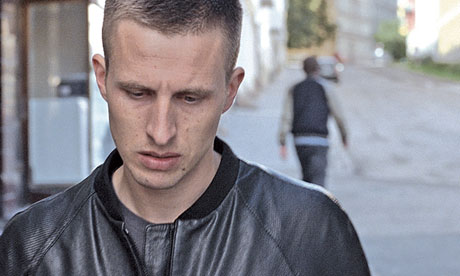
A case for Avalos, Yee and Dufty

121

OPINION Like all of us, SEIU 1021 can take three dates to the prom when it comes to voting for mayor, but narrowing it down in a field of so many candidates was still challenging. After a month-long process, we arrived at a dual endorsement of Supervisor John Avalos and State Senator Leland Yee for first and second choice, and Supervisor Bevan Dufty for our third choice.

It’s a diverse slate, and the choices are representative of the constituencies, perspectives and priorities in our membership.

Yee’s record on labor issues in Sacramento has been impeccable, and he has long been a staunch supporter of our union, so endorsing him was a no-brainer. The Guardian asked me personally, as I am also a transgender activist, how I could support Leland after his vote against transgender health benefits. Frankly, I was disappointed in how my response was framed.

Leland approached transgender activists a number of years ago and apologized for his vote. Instead of denying or rationalizing like other politicians might do, he had the courage to come to a community meeting of transgender activists, stand in front of us, admit he was wrong, and apologize. For people to continue to attack an individual for having a true change of heart is very discouraging. We would never make any advancement of our rights if we continued to shun those who have come to understand and support the transgender fight for equality. In fact, Yee’s support was critical to the collective effort to save Lyon-Martin, a clinic that is a key service provider for trans folks, after it almost closed earlier this year.

That’s why so many in the transgender community now support Yee so strongly and why he has become an even closer, tested ally through this experience.

SEIU 1021 has always had a very close relationship with John Avalos. Avalos has been a steadfast supporter of crucial social and health- care services, and has been a leader in creating needed progressive revenue measures. But most importantly, John understands how essential jobs are for lifting people out of poverty and stimulating the local economy for everyone in San Francisco.

Last year, he introduced a Local Hire ordinance that is becoming a real jobs generator in our city and a national model. Like many of our members when they first started working for the city, workers hired under the Local Hire ordinance may for the first time have a living-wage job with benefits.

And while some in labor have been critical of this legislation — in fact, it cost him the endorsement of the San Francisco Labor Council — that’s a short-sighted criticism.

As more people are employed in San Francisco with living wage jobs, they spend money in San Francisco, boosting tax revenues and in turn creating more jobs across the city. Moreover, this visionary legislation has other benefits — workers coming from low-income communities bring a new found pride in and community spirit to what could be otherwise economically depressed areas. That’s why SEIU 1021 supports Avalos, and why I am proud to endorse him as well.

Rounding out SEIU’s endorsements in this campaign is former Supervisor Bevan Dufty. Dufty has a history of supporting preserving city services. Some have argued that Dufty can’t handle downtown pressure, and yet, Dufty has consistently supported public power, took a stance against Sit-Lie despite intense pressure, and several years ago, at a critical juncture for Tom Ammiano’s signature health care legislation, Healthy San Francisco, he didn’t blink when we called on him to be our 8th vote. In fact, he committed to the bill, unequivocally, and called on other supervisors, like Fiona Ma, to say it was time. She immediately co-sponsored and eventually it was a unanimous 11-0 vote.

For labor and progressives, Ammiano’s Healthy San Francisco legislation was the single most important piece of legislation of the last decade. And while history has been rewritten, and Lt. Gov. Gavin Newsom now takes credit for the legislation, then-Mayor Newsom did not come on board until after Dufty declared his support, and as the 8th supporter, created a veto-proof majority.

Each of these candidates have shown their capacity to grow and transform as leaders making them the best choices for progressive labor, and we believe for the San Francisco. Whatever you do, you have three votes, make them count. 

Gabriel Haaland is a transgender labor activist and the SEIU 1021 San Francisco political coordinator.


On the eve of our 45th anniversary–a new progressive agenda

1

(The new progressive agenda is at the bottom of this blog.)

In our second issue of Nov. 1, 1966, the Guardian endorsed then Gov. Pat Brown over Ronald Reagan in what we called “the most important gubernatorial election in California history.” We wrote in a front page editorial that “the repudiation of Brown and the election of Reagan would mean that a generation of progressive legislation—in medicare, in education, in welfare, in conservation, in water resources, in bringing to account the dreadful problems of growth, population and sprawl—would be in grave jeopardy.”

We were much too prescient when we wrote that “Reagan rides the crest of the latest Califorrnia breakers of ‘conservation’–like Gatsby, it looks for fulfillment in another time–”boats against the current, borne back ceaselessly into the past.” Reagan’s stands, we noted, “typify the temper of this cause: he is on record at various times, in opposition to the progressive income tax, social security, medicare, the anti-poverty program, farm subsidies, TVA, the city rights act, the voting rights, public housing, federal aid to education and veterans housing for other than service-connected disabilities”

And we asked the obvious question: “How can a man or a movement govern the state of California, from 1966-70, with such a political philosophy?”

Well, Reagan won, he became governor and then president and it seems as if the Guardian has ever since been fighting Reaganonics in one form or another and its deadly legacy of deregulation, ever  lower taxes, laissez-faire economics, ever higher  fees for California colleges, the me-first-and-last  culture, the pernicious idea that government is the problem and  that corporate interests are the solution, on  and on. It’s still the case and we point to the concluding Guardian forum on issues for the mayor’s race.

It’s Wednesday night (9/21) at the LGBT Center. All but one of the major mayoral candidates will be there (Mayor Ed Lee has not confirmed). And the candidates will be asked whether they support key elements of the new progressive agenda developed by several progressive organizations in five forums over the past several months. An independent blue ribbon all-star panel of experts will judge whether the would-be mayors answered yes, no—or waffled. It should be lively, fun,  instructive, and very San Franciscan.  On guard! B3

See you there: Wednesday, Sept. 2l, from 6 to 7:30 p.m., at the LGBT Center, 1800 Market St., (at Octavia) in San Francisco. And here’s the new progressive agenda: http://www.sfbg.com/2011/09/13/new-progressive-agenda


Localized Appreesh: Rank/Xerox

0

Some weeks feel so long (thanks a lot Week After Labor Day), you just need another spirited kick in the proverbial ass. So I give you, a second Localized Appreesh this week: Rank/Xerox. The San Francisco punk trio – known for its connections with bands such as Grass Widow (friends/split cassette tape output), and for its other creative endeavors (DIY labels, Web-based videozine Mondo Vision, eye-catching graphic illustrations) – comes from a long tradition of reputable underground punk and arty post-punk, much of which was hatched in San Francisco (Flipper) and London (Wire).

Rank/Xerox is made up of Australian singer-guitarist David West, Jon Shade, who taught himself to play drums for the band, and singer-bassist-illustrator Kevin McCarthy, who, along with Shade, is a former member of the now-disbanded party punk act, Jump off a Building. This weekend, Rank/Xerox celebrates the release of its new self-titled long-player, which was recorded by King Riff and Ty Segall, with a show at Hemlock Tavern.

Year and location of origin: Early 2009 in San Francisco.
Band name origin: Swiped from an old corporate merger, thought it sounded catchy.
Band motto: Stark and dark, bland not grand.
Description of sound in 10 words or less: Antiquated punk junk.
Instrumentation: Jon plays drums, David plays guitar and voice, Kevin plays bass and voice.
Most recent release: Brand new self-titled LP on Make A Mess Records, the Hemlock show on Saturday will actually be a release party of sorts… and a song on the new Maximum Rocknroll all-Bay Area band compilation LP called Noise Ordinance.
Best part about life as a Bay Area band: Getting mistaken for Don Nelson.
Worst part about life as a Bay Area band: Getting mistaken for Danielle Steel.
First record/cassette tape/or CD ever purchased: Jon – Ozzy, The Oz Man Cometh;  Kevin – Cyndi Lauper, True Colors;  David – The Dandy Warhols are Sound (a guess because he didn’t answer).
Most recent record/cassette tape/CD/or Mp3 purchased/borrowed from the Web: Jon – a copy of the Rat Columns 7″ was waiting for me on my bed when I got home, thanks David;  Kevin – Crazy Band Fuck You tape;  David – the Ovens new 7″ on Catholic Guilt (another question unanswered, another guess).
Favorite local eatery and dish: Golden Gate Indian Cuisine and Pizza on Judah. Best restaurant in the city, eat everything but the Italian dishes.

Rank/Xerox
With Kitchen’s Floor, Fat History Month, Yi
Sept. 10, 9:30 pm, $7
Hemlock Tavern
1131 Polk, SF
www.hemlocktavern.com
Facebook event


Appetite: What not to miss during SF Cocktail Week 2011

0

For those of you who attended last year’s San Francisco Cocktail Week, you know it was jam-packed with some downright magical events, celebrating our city’s rich cocktail heritage, bar talent and innovation. Monday begins the fifth annual Cocktail Week, bigger than ever, with numerous national and local brands represented, an extensive schedule of seminars, parties, events, and the first ever Legends Awards honoring key contributors in the field.

I’d recommend Cocktail Week certainly for aficionados (cocktail/spirits geeks), but equally for the curious or those who just plain love classy, transporting events.

To name a few, the enchanting Cocktail Carnival Gala and St. George’s Cocktail Cookout last year were unforgettable for all of us lucky enough to attend. We basked in the glow of camaraderie and unparalleled settings like the historic Old Mint (where this year’s Barbary Coast Bazaar will be held) or along the Bay in Alameda. I’m anticipating more memorable events this year.

MAIN EVENTS  include the first ever Legends Awards Gala, showcasing some of our best talent in a multi-course dinner from chef Jen Biesty (of Top Chef fame), cocktails prepared by some of our best bartenders at stations throughout the room, awards announced, with live music and performance interspersed. The list of 5 award winners (including Lifetime Achievement and Renegade awards), along with the all-star bartender line-up, is here.

This is also the first year for an event like Best of the West, where top talent from cities of the West (LA, Victoria, San Diego, Portland, Seattle, Sacramento, Las Vegas) compete with local bartenders, showing off drink style in each of their cities.

SEMINARS are a new addition this year. The line-up is rich with around 15 seminars. Learn how to stock your own home bar, about the science of taste, or the history of cocktails in San Francisco. Seminars are all held at the Boothby Center for the Beverage Arts (1161 Mission St., Suite 120, San Francisco), the non-profit behind Cocktail Week.

DINING EVENTS are being thrown all week by restaurants and bars, with special cocktail guests and multi-course menus, at bar-star restaurants like Bar Agricole, Heaven’s Dog, and Jasper’s Corner Tap.

AFTERPARTIES include the big shindig at the newly revamped Starlight Room atop the Sir Francis Drake hotel following the Legends Awards Gala (afterparty included in Legends Award ticket price).

Tickets and schedule here www.sfcocktailweek.com. See you there!

— Subscribe to Virgina’s twice monthly newsletter, The Perfect Spot

Bay artists look down — on history!

0

Your kicky little shoes walk (or perhaps prance) over it every day. No, not fossilized dog poop — but myriad and fascinating street-level relics of San Francisco history. A huge amount of our provenance can be gleaned by a closer look at manhole covers, pavement stamps, and other utility markings of ages past and current. It’s actually pretty dang cool what’s down there.

Designer Christopher Reynolds of Reynolds-Sebastiani Design put together a kick-ass photo feature for us earlier this year of some of those markers. Now he’ll be leading a virtual tour tonight, Wed/14, of the city’s past as part of walk SF’s “Underfoot: Bay Area Artists Look Down,” an awesome-looking minifestival of street history for buffs and casual glancers alike. Did someone say “sewer ride”? Oh yes, someone did! Full schedule after the jump.

“Underfoot: Bay Area Artists Look Down”

Wednesday Sept 14 – Saturday Sept 17
Workspace Gallery, 2150 Folsom
Free; donations benefit Walk SF

Wednesday Sept 14: Opening night
Drinks, popcorn, and aesthetic appreciation of a whole new realm:

7:00 pm – Art Opening: Workspace Gallery presents 14 Bay Area artists responding to the land below our feet. What do we see and feel about this ground we walk over, tunnel under, drink and eat from, dig up, and bury our dead in?

8:00 pm – “Exploring the Lost Marks of San Francisco’s Unseen Tradesmen,” by Christopher Reynolds of Reynolds-Sebastiani Design. Enjoy a virtual photographic tour of street utility covers and what they reveal about San Francisco history.

Saturday Sept 17: Bike tour and art party
Follow the unseen waterways of the city, then celebrate:

3:00 pm – The Sewer Ride: Join us for an aboveground bike tour of San Francisco’s sewer-stormwater system, with a focus on the Mission District and Mission Creek. The tour will be approximately three hours with stops; it starts and ends at Workspace.

7:00 pm – Gallery Party! Come together on the show’s final night to raise a glass to artists, streets, and waterways as we close out this marvelous show. Special bonus: Live music from delightful Blues/Americana musician Deborah Crooks.

Bring your friends and support local art and advocacy! All events are free. Donations requested to support Walk San Francisco’s work to make city streets better for you and your feet.

Caves of forgotten dreams

0

arts@sfbg.com

HAIRY EYEBALL If you follow Canyon Drive from Hollywood Boulevard all the way up into the hilly territory of Los Angeles’ Griffith Park, you’ll reach a cul-de-sac. Beyond that, accessible by foot, is a small stone bridge which leads to a dirt trail that eventually lets you out in what’s known as Bronson Valley. This is where you’ll find the Bronson Caves.

Even if you’ve never visited the caves in person, you’ve probably at least seen them: they’ve been used in countless motion pictures and television shows. One of the mouths served as the exterior shot for the Bat Cave in the original ’60s Batman TV series. Natalie Wood’s long lost Little Debbie is discovered in one of the caves in 1956 flick The Searchers. The caves also make cameos in plenty of schlocky, B-grade sci-fi and fantasy cheese of both classic (Invasion of the Body Snatchers, 1956) and more recent (The Scorpion King, 2002) vintage.

Given their status as one of the film industry’s leading landscape doubles, it’s only fitting that the caves aren’t actually caves. There’s nothing natural about them: they’re all that remains of an early 1900s quarrying operation to supply stone with which to pave the streets of a rapidly-growing LA. On a clear day, from the other side of one of the tunnels, you can get a seemingly eye level view of the Hollywood sign.

This long history of artifice amid geologic permanence is both everywhere and nowhere in Brice Bischoff’s series of large-scale C-prints of the Bronson Caves currently hanging at Johansson Projects. The caves are the photographs’ crispest formal feature, although it’s the dazzling and seemingly supernatural rainbow-hued blurs within and near them that first catch your eye.

The colorful shapes — which vary in form from blasts of light to smoky wisps — evoke both the caves’ history as a site for staged close encounters of the third kind, as well as nineteenth century spirit photography. They’re also simply beautiful to look at. Their origin, however, is more mundane: wearing raggedy costumes made from colored paper, Bischoff gestures before his stationary camera using the space of the caves to suggest a course of movement. The time lapse captured by the camera’s long exposure renders his presence ghostly while setting into relief the surrounding rocky proscenium, although the artist never disappears entirely. (In one photograph, there is the suggestion of a human form wrapped in the Jamaican flag.)

Even though Bischoff’s presence before the camera is required to create each image, his photographs are the opposite of performance documentation. Rather, they are formally and thematically similar to Hiroshi Sugimoto’s ghostly black and white portraits of old movie palaces, for which the photographer left his exposure open for the duration of a projected feature so that the screen appears as a glowing white light that illuminates the ornate architectural decor around it. So to do Bischoff’s photographs collate an accretion of instances which, individually, are less important than the location in which they’ve occurred. They bring to the fore a history which, at 24 frames per second, has always been relegated to the background.

The Bronson Caves aren’t the only natural feature on display in this exhibit organized around California landscapes. Tabitha Soren’s carbon pigment prints that combine crashing Pacific waves into vertiginous tsunamis and Ellen Black’s videos of doctored beach-scapes and mating snakes pack plenty of visual punch but lack the elegant conceptual underpinnings of Bischoff’s series.

For a more strenuous walk in the wild, you have to trek down Broadway to Jack London Square where at Swarm Gallery Colin Christy’s living installation “Wild and Scenic” throws scare quotes around both terms. For this non-earthwork earthwork Christy transplanted native and invasive plants found around the American River from Coloma, California to a dirt mound in the gallery. The plants are watered on a regular basis, and they’re painted with a bio-luminescent pigment to differentiate between native and non-native plants, so that Christy can track their growth patterns by taking long exposure time lapse photographs at night.

Of course, there’s another contender in this battle royale: humans. The pile of wood, glinting with patches of gold spray paint, that forms a sort of bulkhead on one side of the mound, references the role the American River was forced to play during the Gold Rush, itself a massive piece of terraforming that has indelibly altered California’s landscape. While drawing attention to this history of environmental degradation, Christy’s piece — in all of its gratuitousness — cannot help but be somewhat complicit in perpetuating its legacy. There’s life on the line, here, even if it isn’t human.

BRICE BISCHOFF, TABITHA SOREN, AND ELLEN

BLACK

Through October 15

Johansson Projects

2300 Telegraph Ave., Oakl.

(510) 444-9140

www.johanssonprojects.com


INVASIVE HORIZON: NEW WORK BY JOSEPH

SMOLINSKI AND COLIN CHRISTY

Through Sept 23

Swarm Gallery

560 Second St., Oakl.

(510) 839-2787

www.swarmgallery.com

Fighting to be free

0

arts@sfbg.com

DANCE This past weekend, an unlikely double bill once again proved how fertile the Bay Area soil is for dancers’ imaginations. FACT/SF’s Pretonically Oriented v.3 was steeped in critical theory yet physically grounded. Drawing on local history, Lenora Lee Dance’s Reflections offered a window into self-assertion. While employing Asian American images — martial arts and lion dancing — the work resonated beyond its specific cultural context. Both works were developed during summer residencies at CounterPULSE.

“Pretonic,” a program note explained, refers to the unstressed (“pre”) syllable which precedes a stressed one (“tonic) in a word. Charles Slender used this linguistic precept to fold his rehearsal process into the actual piece. While his trio of exceptionally focused dancers — James Graham, Erin Kraemer, and Catherine Newman — performed variations of material they had accessed through free-writing, we also watched and listened to streamed videos, including Slender at his most slyly professorial, of the rehearsal material that had gone into the making of Pretonically. These layers of information sometimes looked as solid as what happened in real time, sometimes as evanescent as memory floating by.

The idea of conjoining process and product is intriguing. Pretonically could prove utterly absorbing. Watching the trio in one corner of the stage in front of videos taken in exactly the same spot (but depicting different movements) suggested a fascinating sense of simultaneity. Listening to Slender’s voice while his face on the wall clearly spoke different words created a disconnect between two modes of communication.

Toward the end, just as the work seemed to have run its course, the dancers returned and went into a retrograde mode, performing some of their material backwards. It looked as if someone had pushed the reverse button, and they had joined their own selves in a different reality.

At 40 minutes, however, Pretonically could not sustain itself. Once you understood the complex structure, the piece needed to communicate beyond what it became. Like so much conceptual art, the idea behind it often proved more intriguing than its physical realization.

Having said that, the dancers were mesmerizing by the sheer force of their presence. Moving glacially, they inexorably focused on something ungraspable. Perhaps Kraemer’s energy originated from the bottom of her spine, Graham lived off percussive lines, and, though ground-hogging, Newman fixated on the above. Slender is lucky to have dancers as excellent as these; they could run circles around most Butoh practitioners.

Lee’s fine Reflections also benefited from excellent dancers. Translating to the stage the difficulties of retaining or creating one’s identity in an unwelcoming environment is a theme that runs through much of contemporary dance and theater. Lee has previously examined the topic with her Chinese American background in mind; she based 2010’s Passages on her grandmother’s life. In Reflections she strikes a fiercer note as she examines the ferocious, even brutal strength required for self-assertion. A male narrator’s voice movingly personalized the struggle of escaping the bondage of being “the good son.”

Lee made a brilliant choice in enlisting two martial arts group, Kei Lun Martial Arts and Enshin Karate, South San Francisco Dojo. They were the warriors who fought each other in the “cold streets of Chinatown,” but also embodied the ongoing struggle within. Raymond Fong, who is as fine an actor as he is at practicing karate, became Reflections’ everyman. Lee’s mixing of her own choreography with pure martial arts worked well; seeing the real thing onstage (and not often-vacuous “martial arts inspired moves”) was thrilling. At the same these performers looked more nuanced than they might otherwise. Weakest was the choreography for the two women characters, Marina Fukushima as the unattainable dream and Lee herself as a compassionate woman warrior.

Making fine use of a lion dance, including bamboo lion heads that imprisoned, Lee strung together the work’s seven scenes rather straightforwardly. Weaving them more tightly together and including better transitions might strengthen Reflections‘ backbone in future performances.

Rep Clock

0

Schedules are for Wed/14-Tues/20 except where noted. Director and year are given when available. Double features are marked with a •. All times p.m. unless otherwise specified.

ARTISTS’ TELEVISION ACCESS 992 Valencia, SF; www.atasite.org. $8-10. “Mission Eye and Ear: A Live Cinema Series,” featuring new film and video and music collaborations by Cory Wright and Bill Basquin, Graham Connah and Kathleen Quillian, and more, Fri, 8.

BALBOA 3620 Balboa, SF; www.balboamovies.com. $20. “Opera and Ballet at the Balboa:” The Flames of Paris, performed by the Bolshoi Ballet, Wed, 7:30; La Traviata, performed at the Royal Opera House, Sat-Sun, 10am.

CASTRO 429 Castro, SF; (415) 621-6120, www.castrotheatre.com. $7.50-10. The Strange History of Don’t Ask, Don’t Tell (Bailey and Barbato, 2011), Wed, 7. Reservations required; call (415) 765-7793. •Taxi Driver (Scorsese, 1976), Thurs, 3:30, 7:15, and Blast of Silence (Baron, 1961), Thurs, 5:35, 9:20. “Midnites for Maniacs: Colonizing ‘R’ Us Triple Bill:” •Aliens (Cameron, 1986), Fri, 7; Starship Troopers (Verhoeven, 1997), Fri, 9:30; and Dark Star (Carpenter, 1974), Fri, 11:59. Triple feature, $12. Mary Lou (Fox, 2010), Sept 17-21, 5:15, 8:15 (also Sat/17-Sun/18 and Sept 21, 2).

CHRISTOPHER B. SMITH RAFAEL FILM CENTER 1118 Fourth St, San Rafael; (415) 454-1222, www.cafilm.org. $5.50-10.25. The Hedgehog (Achache, 2010), call for dates and times. Love Crime (Corneau, 2010), call for dates and times. Senna (Kapadia, 2011), call for dates and times. The Whistleblower (Kondracki, 2010), call for dates and times. A Boy Called Dad (Percival, 2010), Thurs and Sun, 7. Mozart’s Sister (Féret, 2010), Sept 16-22, call for times. “Donizetti’s Elixir of Love for Families — The Movie,” presented by San Francisco Opera Education and CFI Education, Sat, 11am. Free event. Miss Representation (Siebel Newsom, 2011), Tues, 7. Tickets, $15; proceeds benefit Huckleberry Youth Programs.

“GOOD VIBRATIONS INDEPENDENT EROTIC FILM FEST” Various venues, SF; www.gv-ixff.org. This year’s fest kicks off with Susie Bright’s clip show and presentation, “How to Read a Dirty Movie,” and includes erotic shorts, a porn panel, the ever-popular short film competition, and more, Sept 17-22.

JACK LONDON SQUARE 66 Franklin, Oakl; www.jacklondonsquare.com. Free. “Waterfront Flicks:” No Reservations (Hicks, 2007), Thurs, sunset.

LOOKOUT BAR 3600 16th St, SF; www.skinnyfatmovie.com. Free. Skinnyfat (Bydalek), Tues, 8. Official DVD release party with screenings, giveaways, drag entertainment, and more.

MECHANICS’ INSTITUTE 57 Post, SF; (415) 393-0100, rsvp@milibrary.org. $10 (reservations required as seating is limited). “CinemaLit Film Series: Euro Passages:” Congorama (Falardeau, 2006), Fri, 6.

OPERA PLAZA 601 Van Ness, SF; www.mayaindieseries.com. “Maya Indie Film Series,” festival of seven Latino-themed films, Sept 16-23.

PACIFIC FILM ARCHIVE 2575 Bancroft, Berk; (510) 642-5249, bampfa.berkeley.edu. $5.50-9.50. “The Outsiders: New Hollywood Cinema in the 70s:” Ice (Kramer, 1970), Wed, 7:30; Dusty and Sweets McGee (Mutrux, 1971), Thurs, 7; Mikey and Nicky (May, 1976), Fri, 8:45. “Sounding Off: Portraits of Unusual Music:” We Don’t Care About Music Anyway (Dupire and Kuentz, 2009), Fri, 7; Intangible Asset Number 82 (Franz, 2009), Sun, 6:30. “Anatolian Outlaw: Yilmaz Güney:” Hope (1975), Sat, 6:30; Bride of the Earth (1968), Sat, 8:45. “UCLA Festival of Preservation:” This is Your Life: Holocaust Survivors (Gruenberg and Gottlieb, 1953, 1955, 1961), Sun, 4.

LA PEÑA CULTURAL CENTER 3105 Shattuck, Berk; www.lapena.org. $5. “FistUp Hip-Hop Film Festival:” Furious Force of Rhymes (Litle), Thurs, 7:30.

PIEDMONT 4186 Piedmont, Oakl; (510) 464-5980, www.landmarktheatres.com. $8. The Room (Wiseau, 2003), Sat, midnight.

ROXIE 3117 and 3125 16th St, SF; (415) 863-1087, www.roxie.com. $5-9.75. Bellflower (Glodell, 2011), Wed-Thurs, 7. Little Rock (Ott, 2010), Wed-Thurs, 7, 8:45. Shut Up Little Man! An Audio Misadventure (Bate, 2011), Wed-Thurs, 9. “Good Vibrations Indie Erotic Film Festival:” “Sexy Euro Cinema!”, short films, Sun, 7:30. This event, $10; www.gv-ixff.org for more info. “First Annual City College Festival of the Moving Image,” Mon-Tues, 7:30. Cold Fish (Sono, 2011), Sept 16-22, call for times.

“SAN FRANCISCO LATINO FILM FESTIVAL” Various venues in SF, Marin, San Jose, and Berk; (415) 826-7057, www.sflatinofilmfestival.org. Most events $10-12. Documentary and narrative films from Mexico, Guatemala, Chile, Brzil, Cuba, Panama, Chile, Argentina, Venezuela, and the US, Sept 16-25.

YERBA BUENA CENTER FOR THE ARTS 701 Mission, SF; (415) 978-2787, www.ybca.org. $6-8. Scrappers (Ashby, Kolak, and Prokopas, 2010), Thurs, 7:30. Waste Land (Walker, 2010), Sun, 2.

Stage Listings

0

THEATER

OPENING

Hunter’s Point St. Boniface Church Theater, 175 Golden Gate, SF; www.strangeangelstheater.org. $15-25 (no one turned away for lack of funds). Opens Fri/16, 7pm. Runs Sat/17, Sept 23-24, and Sept 28-Oct 1, 7pm (also Sept 23, 2pm). Strange Angels Theater in collaboration with Jump! Theatre performs Elizabeth Gjelten’s musical drama about homelessness.

Night Over Erzinga South Side Theatre, Magic Theatre, Fort Mason Center, Marina at Laguna, SF; (415) 345-7575, www.goldenthread.org. $20-100. Previews Thurs/15, 8:30pm; Fri/16-Sat/17, 8pm. Opens Sun/18, 5pm. Runs Thurs, 8:30pm; Fri-Sat, 8pm; Sun, 2pm. Through Oct 9. Golden Thread Productions premieres Adriana Sevahn Nichols’ story about the immigrant experience in the United States, set just after the Armenian Genocide.

The Odyssey Aboard Alma, Hyde Street Pier, San Francisco Maritime National Historic Park, SF; www.weplayers.org. $160. Opens Sat/17, 12:30pm. Runs Sun/18, Oct 1, 28-29, Nov 4-6, 11-12, and 18, 12:30pm. This “full afternoon adventure” (12:30-5pm) includes a sailing performance of tales from Homer by We Players (aboard an 1891 scow schooner), plus a light meal.

ONGOING

“AfroSolo Arts Festival” Various venues, SF; www.afrosolo.org. Free-$100. Through Oct 20. The AfroSolo Theatre Company presents its 18th annual festival celebrating African American artists, musicians, and performers.

All Atheists Are Muslim Stage Werx Theatre, 533 Sutter, SF; (415) 517-3581, www.brownpapertickets.com. $20. Thurs-Sat, 8pm. Through Oct 1. On the TV, CNN carries the dismal thumping of the Bush gang for more war. In the living room, a father and daughter are in a standoff over a proposed live-in boyfriend. It’s 2005, and a clash of generations, as Zahra tries to convince her immigrant Iranian American Muslim father that her white infidel boyfriend Duncan would make an ideal roommate. For her Muslim father, “the Duncan” has plenty of acceptable virtues — even his professed atheism is hardly an insurmountable obstacle to dad, who doesn’t seem to recognize the word but is sure it translates into a wishy-washy approach to the divine through an enthusiastic appreciation for gravity. But moving in together is a different story. How it plays out is the heart of comedian and solo performer Zahra Noorbakhsh’s uneven but charming and funny take on a familiar American family dynamic whose particular ethnic flavor includes a mild but timely geopolitical aroma. Playing herself as well as her loving mother, her bounding and big-hearted father (with his priceless Persian accent), and her good-natured but recalcitrant boyfriend, Noorbakhsh celebrates the immigrant experience while beating back the age’s pernicious appeal to stereotype and xenophobia with the far more realistic metaphor of a nice, crazy family dinner. (Avila)

American Buffalo Actors Theatre of San Francisco, 855 Bush, SF; (415) 345-1287, www.actorstheatresf.org. $26-38. Wed-Sat, 8pm (no show Sept 22). Extended through Oct 8. Actors Theatre of San Francisco performs the David Mamet crime classic.

Cymbeline Parade Ground Lawn, Main Post, Presidio (between Graham and Keyes), SF; www.sfshakes.org. Free. Sat, 7:30pm; Sun, 2:30pm. Through Sept 25. The San Francisco Shakespeare Festival presents its annual “Free Shakespeare in the Park” performance.

Exit, Pursued By a Bear Boxcar Playhouse, 505 Natoma, SF; www.crowdedfire.org. $10-35. Wed/14-Sat/17, 8pm. Crowded Fire performs Lauren Gunderson’s new play, a feminist revenge comedy.

Geezer Marsh, 1062 Valencia, SF; (415) 282-3055. $25-100. Thurs/15, 8pm; Sat/17-Sun/18, 5pm. Geoff Hoyle returns to the Marsh with his acclaimed solo show.

Joy With Wings: A Daughter’s Tale Alcove Theater, 415 Mason, Fifth Flr, SF; www.brownpapertickets.com. $32-50. Wed-Thurs, 8pm. Through Oct 6. Chaucer Theater performs Becky Parker’s drama about a mother’s love.

King Henry the Sixth Boxcar Studios, 125a Hyde, SF; www.brownpapertickets.com. $12-15. Thurs/15-Sat/17, 8pm. Do It Live Productions debuts with a contemporary Shakespeare adaptation.

A Midsummer Night’s Dream Phoenix Theatere, 414 Mason, Sixth flr, SF; (415) 509-8656. $10-20. Thurs/15-Sat/17, 8pm (also Sat/17, 3pm). Ninjaz of Drama and Divinity Productions Presents Rey Carolino’s contemporary staging of the Bard’s classic.

Not Getting Any Younger Marsh San Francisco, Studio Theater, 1062 Valencia, SF; (415) 826-5750, www.themarsh.org. $15-50. Thurs-Fri, 8pm; Sat, 8:30pm; Sun, 3pm. Through Oct 23. Marga Gomez performs her comedy about “lies, vanity, and the good old days.”

*Patience Worth Thick House, 1695 18th St, SF; (415) 456-8892, www.symmetrytheatre.com. $20-30. Thurs-Sat, 8pm; Sun, 2pm. Through Oct 2. In the second decade of the 20th century, a young new St. Louis bride named Pearl Curran (Megan Trout), looking to rise above her humble Ozarks upbringing yet with hopeless aspirations to be a singer, suddenly began channeling the spirit of a 16th-century woman named Patience Worth. The rest was literary history, here uncovered and subtly examined by playwright Michelle Carter in Symmetry Theatre Company’s thoughtful, gradually stirring world premiere, its second production after last year’s strong debut (with Anthony Clarvoe’s Show and Tell). Introduced to Patience by Emily Hutchings (Elena Wright) and her Ouija board, Pearl soon displaces the chagrined Hutchings — who has literary aspirations of her own she pedals doggedly to the leading publisher of the day (Warren David Keith) — and inverts the patriarchal order as her much older husband (Keith) plays stenographer to the virtuosic verbosity of the spirit. When she adopts a child for Patience whome she names Patience Wee (Alona Bach), she drives the desperately lonely young girl into the arms of her equally isolated mother (Jessica Powell) toward an unexpected and terrible inspiration. Director Erika Chong Shuch sets her able cast (headed by Trout’s sure take on a complex figure) atop an area rug backed by a line of trees and strewn over the bare earth, like a floating island of bourgeois respectability amid a wild and mysterious sea of natural and supernatural impulses, in a complex tale of female liberation that intersects with questions of fame, status, self-invention, ventriloquism, and a dark bargain with destiny that has something quintessentially American about it. (Avila)

“San Francisco Fringe Festival” Exit Theatre, 156 Eddy, SF; (415) 673-3847, www.sffringe.org. $7-10 (passes, $40-75). Through Sun/18. The 20th annual fest contains over 40 shows highlighting unique indie theater.

Show Ho New Conservatory Theatre Center, 25 Van Ness, SF; (415) 861-8972, www.nctcsf.org. $20-32. Thurs-Sat, 8pm; Oct 9, 2pm. Through Oct 9. Sara Moore performs her multi-character story about a clown in a low-rent circus.

“3 Guys in Drag Selling Their Stuff” Garage, 975 Howard, SF; www.brownpapertickets.com. $20. Fri/16-Sat/17, 8pm. Edward Crosby Wells’ bawdy comedy is about a trio of friends who host an unusual yard sale.

True West NOHspace, 2840 Mariposa, SF; 1-800-838-3006, www.truewestsf.com. $10-28. Wed/14-Sat/17, 8pm. Expression Productions presents Sam Shepard’s tale of two brothers.

Turandot War Memorial Opera House, 201 Van Ness, SF; (415) 864-3330, www.sfopera.com. $21-389. Wed/14, Sept 22, and Oct 4, 7:30pm; Sat/17 and Oct 1, 8pm; Sept 25, 2pm. The San Francisco Opera performs Puccini’s classic in conjunction with the Lyric Opera of Chicago.

Unveiled Brava Theater, 2781 24th St, SF; (415) 647-2822, www.brava.org. $10-25. Thurs/15-Sat/17, 3pm. Brava Theater presents Rohina Malik’s solo show about five Muslim women in the post-9/11 world.

Waiting for Giovanni Decker Theater, New Conservatory Theatre Center, 25 Van Ness, SF; www.nctcsf.org. $25-36. Wed/14-Sat/17, 8pm; Sun/18, 2pm. This world-premiere play by Jewelle Gomez in collaboration with Harry Waters Jr. imagines a split-second of indecision in the mind of author James Baldwin.

BAY AREA

The Complete History of America (abridged) Dominican University of California, Forest Meadows Amphitheater, 1475 Grand, San Rafael; (415) 499-4488, www.marinshakespeare.org. $20-35. Performance times vary; check website for schedule. Through Sept. 25. Marin Shakespeare Company performs Adam Lon, Reed Martin, and Austin Tichenor’s three-person romp through American history.

*A Delicate Balance Aurora Theatre, 2081 Addison, Berk; (510) 843-4822, www.auroratheatre.org. $10-48. Tues, 7pm; Wed-Sat, 8pm; Sun, 2 and 7pm. Through Oct 9. Aurora Theatre performs Edward Albee’s comedy of manners.

Madhouse Rhythm Cabaret at Marsh Berkeley, 2120 Allston, Berk; (415) 282-3055, www.themarsh.org. $15-35. Thurs, 7:30pm. Extended through Oct 6. Joshua Walters performs his hip-hop-infused autobiographical show about his experiences with bipolar disorder.

The Merry Wives of Windsor Old Mill Park, 375 Throckmorton, Mill Valley; www.curtaintheatre.org. Free. Sat/17-Sun/18, 2pm. Curtain Theatre performs Shakespeare’s Falstaff-centric comedy.

Not a Genuine Black Man Marsh Berkeley, TheaterStage, 2120 Allston, Berk; 1-800-838-3006, www.themarsh.org. $20-50. Sat, 5pm (also Sept 22, 7:30pm). Through Sept 24. This is it: the final extension of Brian Copeland’s solo show about growing up in (nearly) all-white San Leandro.

Of Dice and Men La Val’s Subterranean, 1834 Euclid, Berk; www.impacttheatre.com. $10-20. Thurs-Sat, 8pm. Through Oct 1. Impact Theatre performs Cameron McNary’s comedy about a group of adult Dungeons and Dragons players.

*Rita Moreno: Life Without Makeup Berkeley Repertory Theatre, Roda Theatre, 2015 Addison, Berk; (510) 647-2949, www.berkeleyrep.org. $14.50-73. Tues-Sun, showtimes vary. Through Oct 30. The life of stage and screen legend Rita Moreno is a subject that has no trouble filling two swift and varied acts, especially as related in anecdote, song, comedy, and dance by the serene multiple–award-winning performer and Berkeley resident herself. Indeed, that so much material gets covered so succinctly but rarely abruptly is a real achievement of this attractively adorned autobiographical solo show crafted with playwright and Berkeley Rep artistic director Tony Taccone. Director David Galligan even finds room for a couple of smart musical routines, including an expertly comic salute to Moreno’s Googie Gomez in The Ritz (routines and more nicely supported by dancers Ray Garcia and Salvatore Vassallo, and a live band under musical director César Cancino). Part immigrant’s tale, part insider memoir of Hollywood and Broadway — not to mention her tenure on PBS’s The Electric Company, basis of an especially winning sequence here — Moreno’s career as a Puerto Rican woman reared by an indomitable mother in Spanish Harlem tenements as well as the image-making entertainment industry resonates with the great historical-political themes of class, gender, and skin color. But it all remains perfectly, manageably circumscribed by an intriguing personal story of vacillating private and professional fortunes and the humble but vital roots that have afforded Moreno the rare achievement and accrued wisdom of a passionate life. (Avila)

Sense and Sensibility Mountain View Center for the Performing Arts, 500 Castro, Mtn View; (650) 463-1960, www.theatreworks.org. $19-69. Tues-Wed, 7:30pm; Thurs-Sat, 8pm (also Sat, 2pm); Sun, 2 and 7pm. Extended through Sept 25. TheatreWorks performs Roger Parsley and Andy Graham’s adaptation of the Jane Austen novel.

The Tempest Dominican University of California, Forest Meadows Amphitheater, 1475 Grand, San Rafael; (415) 499-4488, www.marinshakespeare.org. $20-35. Performance times vary; check website for schedule. Through Sept 25. Marin Shakespeare Company presents Shakespeare’s romance with a steampunk twist.

2012: The Musical! This week: Courthouse Square, 2200 Broadway, SF; www.sfmt.org. Free. Wed/14, 7pm. Also Sat/17-Sun/18, 2pm, Frances Willard/Ho Chi Minh Park, Hillegrass at Derby, Berk; and Mon/19, 7:30pm, Sebastiani Theatre on the Plaza, 476 First St., Sonoma. Continues through Sept 25 at various Bay Area venues. San Francisco Mime Troupe mounts their annual summer musical; this year’s show is about a political theater company torn between selling out and staying true to its anti-corporate roots.

PERFORMANCE/DANCE

“Bare Bones Crow” Garage, 975 Howard, SF; www.brownpapertickets.com. Wed-Thurs, 8pm, $10-20. Evangel King presents the premiere of a new “shape-shifting performance.”

“Extinction Burst: A Dance of Lost Movement” California Academy of Sciences, 55 Music Concourse Dr, SF; (415) 379-8000, www.calacademy.org. Thurs/15 and Sept 22, 27, 7:30pm; Tues/20 and Sept 29, 11am. Choreographer Chris Black presents a dance installation that pays homage to extinct species.

“Feast of Words: A Literary Potluck” SOMArts Cultural Center, 934 Brannan, SF; feastofwords.somarts.org. Tues, 7pm. $12. “Schoolhouse Rocks” is the theme of this dinner party for writers and foodies, with youth literary and culinary guests from 826 Valencia and Old Skool Café.

“4 Mercy: Friendly Fires” Royce Gallery, 2901 Mariposa, SF; www.brownpapertickets.com. Thurs-Sat, 8pm. $20. Southern Railroad Theatre Company performs four new short plays by Susan Jackson.

“Janaki: Daughter of the Dirt” Mission Cultural Center, 2868 Mission, SF; www.brownpapertickets.con, Fri-Sat, 7pm; Sun, 3pm. $20-45. Siren Theatre Project presents Virali Gokaldas’ reinterpretation of the Ramayana.

“A Night of Rejection” Cartoon Art Museum, 655 Mission, SF; www.cartoonart.org. Tues, 7pm. $10-85. Cartoonists discuss works rejected by the New Yorker.

“The People: San Francisco” Z Space, 450 Florida, SF; www.ybca.org. Fri-Sat, 8pm. $10. Big Art Group performs an outdoor live theater and real-time video event inspired by interviews with San Francisco residents.

“PianoFight’s Monday Night ForePlays” Dark Room, 2263 Mission, SF; www.pianofight.com. Mon, 8pm, Through Oct 24. $20-30. Original comedic sketches written, directed, and performed by women.

Lea Salonga Venetian Room, Fairmount San Francisco, 950 Mason, SF; www.bayareacabaret.org. Sat, 5pm, $50. The Tony-winning performer performs as part of the Bay Area Cabaret concert series.

“San Francisco’s Comedy Day” Sharon Meadow, Golden Gate Park, SF; www.comedyday.com. Sun, noon-5pm. Free. The 31st annual incarnation of the free comedy festival features 40 performers, plus the chance of A-list celebrity cameos.

“Stand Up for the Tender Gender” Punch Line Comedy Club, 444 Battery, SF; petalsfundraiser.eventbee.com. Mon, 7pm. $25-50. Female comedians perform to raise money for Petals in the Dust: India’s Missing Girls, a documentary about female genocide in India.

“What a Swell Party! The Cole Porter Salon” Alcazar Theater, 650 Geary, SF; (415) 255-8207, www.42ndstmoon.org. Thurs, 7pm. $70. Musical theater company 42nd Street Moon kicks off its 2011-2012 season with a salute to Porter.

Stage listings are compiled by Guardian staff. Performance times may change; call venues to confirm. Reviewers are Robert Avila, Rita Felciano, and Nicole Gluckstern. Submit items for the listings at listings@sfbg.com. For further information on how to submit items for the listings, see Picks. For complete listings, see www.sfbg.com.

Film Listings

0

OPENING

*All She Can Muscle Milkers and protein powderheads might want to bottle the ferocity of Texas-small-town teen Luz Garcia (Corina Calderon): it’s all heat, marathon-level work ethic, and can-do pigheaded mettle — hold the heavy metals. Instead, Luz presses, or rather lifts, really heavy metal — her opportunity to rise above her Mexican American family’s working-class lot is to attend University of Texas at Austin on a scholarship pegged on winning the state power lifting championships. Unfortunately, there’s a gauntlet of obstacles facing the teenager: her family is struggling with the burden of debt, boyfriend Raynaldo (Jeremy Ray Valdez) is tempting her with performance-enhancement drugs, and Luz has a bit of an anger-management issue, so much so that her abuela (Julia Vera) is rubbing eggs on her and taking her to a bruja to exorcise her demons. In Luz’s favor, however, is filmmaker Amy Wendel, who has an empathetic, attentive eye for the petite blue-collar powerhouse who can dead lift 280 pounds yet must struggle to find her balance in the world. Screening as part of the Maya Indie Film Series. (1:36) Opera Plaza. (Chun)

Aurora Critics have been divided over Cristi Puiu’s Aurora since its 2010 Cannes debut. It’s not hard to see why: even filmgoers who loved Puiu’s 2005 The Death of Mr. Lazarescu, or are obsessed with Romania’s newly thriving film industry, or even enjoy films that are deliberately slow-moving and enigmatic (like 1975’s Jeanne Dielman) still may want to give Aurora a pass. For three hours, a man (played by Puiu) putters, drives around, spies, and has a series of increasingly frustrating and futile encounters (with neighbors, relatives, co-workers, and strangers). When a firearm appears around 45 minutes in, it seems that something might finally happen, but it’s no spoiler to reveal that the motivation behind what does happen is barely explained, and also that the events unfold in inscrutable long shots. It’s clear by the film’s extreme length that Puiu wants viewers to feel mind-numbed by his deconstructed genre film (its working title was the perhaps too-literal Scenes from a Crime). The artistic effort is admirable, but be warned: there’s a fine line between “challenging” and “boring.” (3:01) SFFS New People Cinema. (Eddy)

*Cold Fish Did you love (or find yourself baffled by) Sion Sono’s Love Exposure during its Roxie run? Sono’s Cold Fish is similarly occupied with indoctrination, masochism, and extreme behavior. However, it’s also somewhat better able to sustain a tone of hysteria escalating toward dementia. An unhappy family (father Mitsuru Fukikoshi, daughter Hikari Kajiwara, stepmother Megumi Kagurazaka) is yanked into the orbit of a tropical-fish tycoon (Denden) who at first seems a boisterous benefactor providing shock therapy to their depressed lives out of simple altruism. But he and his bombshell wife (Asuka Kurosawa) soon reveal sides not just sinister but psychopathic, ensnaring all three in diabolical doings that encompass murder, rape, grisly corpse disposals, and more. Structured like Love Exposure as one long countdown to a transformative moment, Cold Fish pushes black comedy way beyond the bounds of taste with an oddly neutralizing good cheer. It’s a manic Grand Guignol set to the soothing kitsch strains of retro Hawaiian-flavored lounge music. (2:24) Roxie. (Harvey)

*Connected: An Autoblogography About Love, Death, and Technology Local filmmaker Tiffany Shlain (founder of the Webby Awards) takes a look at 21st century connections, both technological and personal, in this documentary. And the film gets very personal at times; constructed mostly as a video collage (using animation, stock footage, etc.), its few original clips come from Shlain family movies, which become more poignant when it’s revealed that the filmmaker’s beloved father, an author and brain surgeon, is dying of brain cancer. Shlain’s film draws some of its themes from her father’s 1999 book The Alphabet Versus the Goddess, a study of literacy’s effect on male-female dynamics over history, and the film is dedicated to him. But though the Shlain family’s struggles with loss and life (the filmmaker was pregnant when her father died) form Connected‘s thru line, the film’s probing, lively exploration of links (on- and offline) is universally relatable, and ultimately quite thought-provoking. (1:20) Embarcadero, Shattuck. (Eddy)

Detective Dee and the Mystery of the Phantom Flame Tsui Hark directs this period epic starring Andy Lau and featuring fight choreography by Sammo Hung. (2:02) Embarcadero, Shattuck.

*Drive Such a lovely way to Drive, drunk on the sensual depths of a lush, saturated jewel tone palette and a dreamlike, almost luxurious pacing that gives off the steamy hothouse pop romanticism of ’80s-era Michael Mann and David Lynch — with the bracing, impactful flecks of threat and ultraviolence that might accompany a car chase, a moody noir, or both, as filtered through a first-wave music video. Drive comes dressed in the klassic komforts — from the Steve McQueen-esque stances and perfectly cut jackets of Ryan Gosling as the Driver Who Shall Remain Nameless to the foreboding lingering in the shadows and the wittily static, statuesque strippers that decorate the background. Gosling’s Driver is in line with Mann’s other upstanding working men who hew to an old-school moral code and are excellent at what they do, regardless of what side of the law they’re working: he likes to keep it clear and simple — his services as a wheelman boil down to five minutes, in and out — but matters get messy when he falls for sweet-faced neighbor Irene (Carey Mulligan), who lives down the hall with her small son, and her ex-con husband (Oscar Isaac) is dragged back into the game. Populated by pungent side players like Albert Brooks, Bryan Cranston, Ron Perlman, and Christina Hendricks, and scattered with readily embeddable moments like a life-changing elevator kiss that goes bloodily wrong-right, Drive turns into a real coming-out affair for both Danish director Nicolas Winding Refn (2008’s Bronson), who rises above any crisis of influence or confluence of genre to pick up the po-mo baton that Lynch left behind, and 2011’s MVP Ryan Gosling, who gets to flex his leading-man muscles in a truly cinematic role, an anti-hero and under-the-hood psychopath looking for the real hero within. (1:40) Presidio. (Chun)

Forged Strong performances mark the wintry, fateful indie Forged, which at times almost threatens to swallow up its players in its sooty, steel-town ambience. Two lives run in tandem: homeless teen Machito (David Castro) is scraping out a life alone, haunted by horrific memories, while father Chuco (Manny Perez) has just emerged from prison, released on good behavior and far from eager to return to his criminal past. Much stands between the father and son — Chuco murdered Machito’s mother in front of him, and has much to make up for. Dysfunctional grandmother Dianne (Margo Martindale) is little help. Will viewers care about these blighted figures, bundled up in the cold and attempting to thaw from the inside out? Director William Wedig dances with clichés, but the actors, particularly Perez, are critical in making us care about the outcome, positioned somewhere between Scranton, Penn., and oblivion. Screening as part of the Maya Indie Film Series.

(1:17) Opera Plaza. (Chun)

I Don’t Know How She Does It Sarah Jessica Parker stars in this comedy about a woman who struggles to balance her career, family, and (no doubt) fabulous wardrobe. (1:35) Presidio.

The Lion King 3D Hakuna matata — in your face! (1:29) Shattuck.

Mary Lou A musical fable for fans of Glee, Hedwig and the Angry Inch (2001), The Adventures of Priscilla, Queen of the Desert (1994), and Bollywood, the latest from Eytan Fox (2002’s Yossi and Jagger) is a drag-flavored dramedy (Israel’s first?) Originally a hit miniseries in its home country, Mary Lou screens at the Castro in one big chunk jammed with singing, dancing, and a dreamy cast. Pouty Ido Rosenberg stars as Meir, a gay boy obsessed with finding the mother who left him when he was 10. After a disastrous graduation party, Meir flees his homophobic high school for the worldly environs of Tel Aviv, where he soon becomes a drag star named Mary Lou, after his mother’s favorite song. Love, loss, friendship, tragedy, joy, coming-of-age, and quite a few elaborate musical numbers soon transpire — the plot is not without clichés, to be sure, but it’s hard to hate on anything possessed of such sparkly energy. Not familiar with Svika Pick, the Israeli legend whose music provides much of the soundtrack? It matters not, especially if you’re a fan of deliriously corny pop tunes. (2:30) Castro. (Eddy)

Mozart’s Sister Pity the talented sister of a world-shaking prodigy. Maria Anna “Nannerl” Mozart, who may have had just as much promise as a composer as her younger brother, according to Rene Féret’s Mozart’s Sister. A scant five years older, enlisted in the traveling family band led by father-teacher Leopold (Marc Barbe), yet forced to hide her music, being female and forbidden to play violin and compose, Nannerl (Marie Féret, the filmmaker’s daughter) tours the courts of Europe and is acclaimed as a keyboardist and vocalist but is expected to share little of her brother’s brilliant future. Following a chance carriage breakdown near a French monastery, Nannerl befriends one of its precious inhabitants, a daughter of Louis XV (Lisa Féret, another offspring), which leads her to Versailles, into a cross-dressing guise of a boy, and puts her into the sights of the Dauphin (Clovis Fouin, who could easily find a spot in the Cullen vampire clan). He’s seduced by her music and likewise charms Nannerl with his power and feline good looks — what’s a humble court minstrel to do? The conceit of casting one’s daughters in a narrative hinging on unjustly neglected female progeny — shades of Sofia Coppola in The Godfather: Part III (1990)! — almost capsizes this otherwise thoughtful re-imagination of Maria Anna’s thwarted life; despite the fact Féret has inserted his children in his films in the past, both girls offer little emotional depth to their roles. Nevertheless, as a feminist rediscovery pic akin to Camille Claudel (1988), Mozart’s Sister instructs on yet another tragically quashed woman artist and might inspire some righteous indignation. (2:00) Embarcadero, Shattuck, Smith Rafael. (Chun)

Straw Dogs Which is worse: a pointless remake of a classic movie, or a re-release of a classic movie with 3D slapped all over it? Discuss. (1:50) Shattuck.

ONGOING

Apollo 18 (1:26) Empire, 1000 Van Ness, SF Center.

*Bellflower Picture Two Lane Blacktop (1971) drifters armed with “dude”-centric vocabulary and an obsession with The Road Warrior (1981) and its apocalypse-wow survivalist chic. There are so many pleasures in this janky, so-very-DIY, heavy-on-the-sunblasted-atmosphere indie that you’re almost willing to overlook the clichés, the dead zones, and the annoying characters. Seeming every-dudes Woodrow (director-writer-producer Evan Glodell) and Aiden (Tyler Dawson) are far too obsessed with tricking out their cars and building a flamethrower for their own good — the misfits must force themselves out of the metal shop of the mind to meet women. So when Woodrow goes up against Milly (Jessie Wiseman) in a cricket-eating contest at a bar, it’s love at first bite. Their meet-gross morphs into a road trip and eventually a relationship, while the flamethrower nags, unexplained, in the background, like an unfired gun — or an unconsummated, not-funny bromance. These manifestations of male fantasy — muscle cars, weapons, and tough chicks — are cast in a dreamy, saturated, and burnt-at-the-edges light, as Glodell and company weave together barely articulated reveries and bad-new-west imagery with a kind of fuck-all intelligence, culminating in a finale that will either haunt you with its scattershot machismo-romanticism or leave you scratching your noggin wondering what just happened. (1:46) Roxie. (Chun)

Bucky Larson: Born to Be a Star (1:36) 1000 Van Ness.

Captain America: The First Avenger OK, Marvel. I could get behind 2008’s Iron Man (last year’s Iron Man 2, not so much), but after Thor and now Captain America, I’m starting to get cynical about this multi-year build-up to the full-on Avengers movie, due in May 2012. Can even a superhero-stuffed movie directed by Joss Whedon live up to all this hype? There’s plenty of time to ponder, and maybe worry a little, with Captain America’s backstory-explaining picture now in theaters. Chris Evans stars as the 90-pound weakling who morphs into a supersoldier, thanks to the World War II-era tinkerings of a scientist (Stanley Tucci) and an inventor (Dominic Cooper as Howard Stark, a.k.a. Iron Man’s dad). The original plan for the musclebound shield-bearer (fighting Nazis, natch) gets waylaid a bit when the newly famous Captain America becomes a PR prop for the U.S. government; it’s abandoned entirely when a worse-than-Hitler foe, in the guise of power-obsessed Red Skull (Hugo Weaving), threatens the world. Directed by Spielberg cohort Joe Johnston, Captain America is gee-whiz enjoyable enough, but it’s very nearly the same movie as Thor, which no amount of Tommy Lee Jones (as a sarcastic army colonel) wisecracks can conceal. And here’s an anti-spoiler: there’s no post-credits surprise in this one, so you can bolt as soon as they start to roll. (2:09) SF Center. (Eddy)

Chasing Madoff Bernie Madoff was a cold-blooded Ponzi schemer who ripped off billions from rich folks, average folks, little old ladies, children, charities, and so on, ruining lives while stoking the fire of the still-robust financial crisis. But he isn’t the only villain in Jeff Prosserman’s doc — there’s plenty of haterade left over to be (deservedly) dumped on the US Securities and Exchange Commission, which (willfully?) looked the other way for nearly a decade despite warnings about Madoff’s growing misdeeds. Chasing Madoff champions the few who dared speak up, chiefly fraud investigator Harry Markopolos, who badgered the SEC and the press for years and was eventually outed as the “Madoff whistleblower,” despite the fact that Madoff’s downfall came, more or less, when the man simply ran out of money. It was only after the fact that Markopolos gained fame by shaming the SEC with what must have been a deeply satisfying I-told-you-so testimony before Congress. Madoff’s crimes are so recent and notorious that anyone who watches this doc will already know what happens in the end; still, Chasing Madoff tries quite hard to build suspense. (As a result Markopolos comes off a bit paranoid — sure, Madoff may have had underworld connections, but do we really a re-enactment of Markopolos at the gun range, or groping ‘neath his minivan to check for car bombs?) Despite his ultimate triumph, Markopolos is reluctant to agree with anyone who calls him a hero, pointing out that because his findings were ignored, he wasn’t able to prevent Madoff from preying on more victims. The suicides associated with the Madoff collapse add an even sadder coda to the story. (1:31) Metreon. (Eddy)

Circumstance Thirteen (2003) goes to Tehran? The world of sex, drugs, and underground nightclubs in Iran provides the backdrop for writer-director Maryam Keshavarz’s lusty, dreamy take on the passionate teenagers behind the hijabs. Risking jail and worse are the sassy, privileged Atafeh (Nikohl Boosheri) and the beautiful, orphaned Shireen (Sarah Kazemy), who, much like young women anywhere, just want to be free — to swim, sing, dance, test boundaries, lose, and then find themselves. The difference here is that they’re under constant, unnerving surveillance, in a country where more than 70 percent of the population is less than 30 years old. Nevertheless, within their mansion walls and without, beneath graffitied walls and undulating at intoxicating house parties, the two girls begin to fall in love with each other, as Atafeh’s handsome, albeit creepy older brother Mehran (Palo Alto-bred Reza Sixo Safai) gazes on. The onetime musical talent’s back from rehab, has returned to the mosque with all the zeal of the prodigal, and has hooked up with the Morality Police that enforces the nation’s cultural laws. Filmed underground in Beirut, with layers that permit both pleasure and protest (wait for the hilarious moment when 2008’s Milk is dubbed in Farsi), Circumstance viscerally transmits the realities and fantasies of Iranian young women on the verge. (1:45) Embarcadero, Shattuck. (Chun)

Colombiana (1:47) 1000 Van Ness.

*Contagion Tasked with such panic-inducing material, one has to appreciate director Steven Soderbergh’s cool head and hand with Contagion. Some might even dub this epic thriller (of sorts) cold, clinical, and completely lacking in bedside manner. Still, for those who’d rather be in the hands of a doctor who refuses to talk down to the patient, Contagion comes on like a refreshingly smart, somewhat melodrama-free clean room, a clear-eyed response to a messy, terrifying subject. A deadly virus is spreading swiftly — sans cure, vaccine, or sense — starting with a few unlikely suspects: globe-trotting corporate exec Beth (Gwyneth Paltrow), a waiter, a European tourist, and a Japanese businessman. The chase is on to track the disease’s genesis and find a way to combat it, from the halls of the San Francisco Chronicle and blog posts of citizen activist-journalist Alan (Jude Law), to the emergency hospital in the Midwest set up by intrepid Dr. Mears (Kate Winslet), to a tiny village in China with a World Health investigator (Marion Cotillard). Soderbergh’s brisk, businesslike storytelling approach nicely counterpoints the hysteria going off on the ground, as looting and anarchy breaks out around Beth’s immune widower Mitch (Matt Damon), and draws you in — though the tact of making this disease’s Typhoid Mary a sexually profligate woman is unsettling and borderline offensive, as is the predictable blame-it-on-the-Chinese origin coda. (1:42) Balboa, California, Empire, Marina, 1000 Van Ness, Sundance Kabuki. (Chun)

Crazy, Stupid, Love Keep the poster’s allusion to 1967’s The Graduate to one side: there aren’t many revelations about midlife crises in this cleverly penned yet strangely flat ensemble rom-com, awkwardly pitched at almost every demographic at the cineplex. There’s the middle-aged romance that’s withered at the vine: nice but boring family man Cal (Steve Carell) finds himself at a hopeless loss when wife and onetime teenage sweetheart Emily (Julianne Moore) tells him she wants a divorce and she’s slept with a coworker (Kevin Bacon). He ends up waxing pathetic at a slick nightclub where he catches the eye of the well-dressed, spray-tanned smoothie Jacob (Ryan Gosling), who appears to have taken his ladies man stance from the Clooney playbook. It’s manly makeover time: GQ meets Pretty Woman (1990)! Cut to Cal and Emily’s babysitter Jessica (Analeigh Tipton), who is crushing out on Cal, while the separated couple’s tween Robbie (Jonah Bobo) hankers for Jessica. Somehow Josh Groban worms his way into the mix as the dullard suitor of Hannah (Emma Stone) in a hanging chad of a storyline that must somehow be resolved in this mad, mad, mad, mad — actually, the problem with Crazy, Stupid, Love is that it isn’t really that crazy. It tries far too hard to please everybody in the theater to its detriment, reminding the viewer of a tidy, episodic TV series (albeit a quality effort) like Modern Family more than an actual film. Likewise I yearned for a way to fast-forward through the too-cute Jessica-Robbie scenes in order to get back to the sleazy-smart, punchy complexity of Gosling, playing adeptly off both Carrell and Stone. (1:58) Presidio, SF Center, Shattuck, Sundance Kabuki. (Chun)

The Debt On paper, The Debt has a lot going for it: captivating history-based plot, “it” actor Jessica Chastain, Helen Mirren vs. Nazis. And while the latest from John Madden (1998’s Shakespeare in Love) is fairly entertaining, the film is ultimately forgettable. Chastain plays Rachel, a member of an Israeli team tasked with capturing a Nazi war criminal and bringing him to justice. Mirren is the older Rachel, who is haunted by the long-withheld true story of the mission. Although The Debt traffics in spy secrets, it’s actually rather predictable: the big reveal is shrug-worthy, and the shocking conclusion is expected. So while the entire cast — which also includes Tom Wilkinson, Sam Worthington, and Ciaran Hinds — turn in admirable performances, the script is lacking what it needs to make The Debt an effective drama or thriller. Like 2008’s overrated The Reader, the film tries to hide its inadequacies under heavy themes and the dread with which we remember the Holocaust. (1:54) Marina, 1000 Van Ness, Sundance Kabuki. (Peitzman)

Don’t Be Afraid of the Dark If you’re expecting a traditional haunted house story, Don’t Be Afraid of the Dark might be a disappointment. The film, which was co-written by Guillermo del Toro, has a lot in common with his Pan’s Labyrinth (2006) — both movies are more dark fairy tale than horror. They follow a young girl who discovers a mystical world around her, much to the disbelief of the adults around her. It’s worth noting that Don’t Be Afraid of the Dark is lighter fare: despite all the peril involved, it’s actually pretty fun. Young Bailee Madison, who made such an impression in 2009’s Brothers, is a charming lead, precocious but believable. And Katie Holmes is surprisingly sympathetic in her role as the caring stepmother, a nice switch from the standard fairy tale trope. As with Fright Night, the ad campaign for Don’t Be Afraid of the Dark is misleading, so here’s hoping audience members looking for a gory slasher will appreciate a whimsical fable instead. (1:40) 1000 Van Ness. (Peitzman)

The Guard Irish police sergeant Gerry Boyle (Brendan Gleeson) is used to running his small town on his own terms — not in a completely Bad Lieutenant (1992) kind of way, though he’s not afraid to sample drugs and hang with hookers. More like, he’s been running the show for years, and would prefer that big-city cops stay the hell out of his village. Alas, a gang of drug smugglers is doing business in the area, so an officious group of investigators from Dublin (horrors!) and America (in the form of an FBI agent played by Don Cheadle) soon descend. His mother’s dying, his brand-new partner’s missing, and between all the interlopers on both sides of the law, Boyle’s having a hard time having a pint in peace. Good thing he’s not as simple-minded as all who surround him think he is. Writer-director John Michael McDonagh (brother of playwright Martin, who directed 2008’s In Bruges — also starring Gleeson) puts an affable Irish spin on what’s essentially a pretty typical indie comedy, with some pretty typical crime-drama elements layered atop. Boyle’s character is memorably clever, but the film that contains him never quite elevates to his level. (1:36) Embarcadero, Shattuck, Sundance Kabuki. (Eddy)

*Harry Potter and the Deathly Hallows Part 2 Chances are you aren’t going to jump into the Harry Potter series with Harry Potter and the Deathly Hallows Part 2. So while the movie is probably the best Harry Potter film yet, it’s more a fitting conclusion than a standalone film. For fans of the books, there are no real surprises — this is a close adaptation. And for those Harry Potter movie fans who haven’t read the books, shame on you, and kudos if you managed to not get spoiled. It’s hard for me to offer a serious critical analysis of Part 2, because it represents the end of a long and very emotional journey. (Everyone in that audience was crying. Everyone.) I will say that, as was the case in the book, there are a few overdone, schmaltzy moments that aren’t really necessary. But in the context of the series, they’re forgivable — this may not be the great cinematic event of our generation, but Harry Potter as a whole is sure to be one of our most enduring cultural icons. (2:10) 1000 Van Ness. (Peitzman)

*The Hedgehog You needn’t possess the rough, everyday refinement of the characters of The Hedgehog to appreciate this debut feature by director-screenwriter Mona Achache — just an appreciation for a delicate touch and a tender heart. Eleven-year-old Paloma (the wonderful Garance Le Guillermic) is too smart for her own good, bored, neglected by her parents, and left to fend for herself with only her considerable imagination and a camcorder. She drifts around her fishbowl of privilege, a deluxe art nouveau-style apartment building in Paris, leveling her all-too-wise gaze on its denizens and plotting certain suicide on her 12th birthday — that is until a new resident appears in her viewfinder: a kindly Japanese gentleman Kakuro Ozu (Togo Igawa). He has as much of a connoisseur’s eye as Paloma — the proof is in his unlikely focus of attention, the building’s concierge Renée Michel (Josiane Balasko, resembling a burly Gertrude Stein), who hides her cultured and bookish inclinations behind a gruff, drab exterior. They recognize in each other a reverence for an almost monkish life of the mind, the austere elegance of wabi-sabi, and the transient beauty of rough-hewn imperfection, even in the sleek, well-heeled heart of the City of Light. To the credit of Achache, working with Muriel Barbery’s novel, these unlikely fragile friendships between outsiders take hold in a way that sidesteps preciousness and stays with you long after its pages have turned. (1:40) Opera Plaza, Smith Rafael. (Chun)

The Help It’s tough to stitch ‘n’ bitch ‘n’ moan in the face of such heart-felt female bonding, even after you brush away the tears away and wonder why the so-called help’s stories needed to be cobbled with those of the creamy-skinned daughters of privilege that employed them. The Help purports to be the tale of the 1960s African American maids hired by a bourgie segment of Southern womanhood — resourceful hard-workers like Aibileen (Viola Davis) and Minny (Octavia Spencer) raise their employers’ daughters, filling them with pride and strength if they do their job well, while missing out on their own kids’ childhood. Then those daughters turn around and hurt their caretakers, often treating them little better than the slaves their families once owned. Hinging on a self-hatred that devalues the nurturing, housekeeping skills that were considered women’s birthright, this unending ugly, heartbreaking story of the everyday injustices spells separate-and-unequal bathrooms for the family and their help when it comes to certain sniping queen bees like Hilly (Bryce Dallas Howard). But the times they are a-changing, and the help get an assist from ugly duckling of a writer Skeeter (Emma Stone, playing against type, sort of, with fizzy hair), who risks social ostracism to get the housekeepers’ experiences down on paper, amid the Junior League gossip girls and the seismic shifts coming in the civil rights-era South. Based on the best-seller by Kathryn Stockett, The Help hitches the fortunes of two forces together — the African American women who are trying to survive and find respect, and the white women who have to define themselves as more than dependent breeders — under the banner of a feel-good weepie, though not without its guilty shadings, from the way the pale-faced ladies already have a jump, in so many ways, on their African American sisters to the Keane-eyed meekness of Davis’ Aibileen to The Help‘s most memorable performances, which are also tellingly throwback (Howard’s stinging hornet of a Southern belle and Jessica Chastain’s white-trash bimbo-with-a-heart-of-gold). (2:17) California, Empire, 1000 Van Ness, Presidio, SF Center, Sundance Kabuki. (Chun)

*Higher Ground Higher Ground does not bite off more than it can chew. I guess that should go without saying, but it’s striking how comfortably Vera Farmiga (in her directorial debut) tackles this story of devotion and doubt. Based on the memoirs of Carolyn S. Briggs, who co-wrote the screenplay, this deeply personal film follows Corrine Walker (Vera Farmiga) from her adolescence through the trials of youth and middle age, her marriage to high school sweetheart Ethan (Joshua Leonard), and their lives as members of a small hippie Christian community. Although religion serves as a backdrop for Higher Ground, it doesn’t suffocate the human element of the story; it’s less a film about Christianity than it is about the challenges one woman faces as she tries to find room for herself amidst faith. Farmiga treats her subjects with empathy and humor and crafts a thoughtful, tender slice of sixties Midwest Americana. (1:49) Opera Plaza, Sundance Kabuki. (Cooper Berkmoyer)

*The Interrupters With concern from society and government as a whole at low ebb, communities at greater risk of violence from within than ever have had to come up with their own peace-making solutions. The Interrupters, the latest documentary by Steve James (1994’s Hoop Dreams), shows dedicated efforts to help one of the nation’s worst centers of such bloodshed: Chicago. “Violence is like the great infectious diseases of all history,” says epidemiologist Gary Slutkin, in that it can be stopped from spreading to epidemic proportions by numerous “initial interruption(s) of transmission” at its source. He translated that perspective into the founding of CeaseFire, an organization that doesn’t aim to summarily end the existence of gangs and drug trade. Instead, its plain but hardly simple mission is to stop the shootings, stabbings, etc. which are exacerbated by unemployment, broken families, and other sources of stress whose cumulative effect can rapidly escalate a casual dis to a mortal confrontation. Under CeaseFire’s auspices, Tio Hardiman created the Violence Interrupters program, which drafts people from the community — many former gangbangers themselves — as mediators wading into conflicts to defuse them before things get out of hand. It takes considerable will and nerves of steel; “interrupters” have been shot at, and during the course of this documentary’s year-long span one volunteer lands in the hospital for his trouble. But The Interrupters makes a powerful case against the inevitability of hopelessness turning into violence. (2:05) Shattuck. (Harvey)

Little Rock When the rental car driven by Atsuko (Atsuko Okatsuka) and Rintaro Sakamato (Rintaro Sawamoto) breaks down in nowheresville, California (actually, a small town called Little Rock), an air of disillusion hangs between the siblings, on vacation to “see America.” Holed up in a motel room, their disappointment is palpable, until a chance encounter with some locals sucks the pair into exurban American life. By the time their car is again roadworthy, Atsuko can’t bear to leave and decides to stay behind as her brother, the only one of the two who speaks a word of English, continues ahead without her. Communication is the driving force behind Little Rock and the language barrier somehow never gets stale; it certainly allows Okatsuka the opportunity for some superb acting. Despite some directorial flourishes (by Mike Ott), however, the story doesn’t really hold many surprises, and its inevitable conclusion is glimpsed long before it’s reached. (1:25) Roxie. (Berkmoyer)

*Love Crime Early this year came the announcement that Brian De Palma was hot to do an English remake of Alain Corneau’s Love Crime. The results, should they come to fruition, may well prove a landmark in the annals of lurid guilty-pleasure trash. But with the original Love Crime finally making it to local theaters, it’s an opportune moment to be appalled in advance about what sleazy things could potentially be done to this neat, dry, fully clothed model of a modern Hitchcockian thriller. No doubt in France Love Crime looks pretty mainstream. But here its soon-to be-despoiled virtues of narrative intricacy and restraint are upscale pleasures. Ludivine Sagnier plays assistant to high-powered corporate executive Christine (Kristin Scott Thomas). The boss enjoys molding protégée Isabelle to her own image, making them a double team of carefully planned guile unafraid to use sex appeal as a business strategy. But Isabelle is expected to know her place — even when that place robs her of credit for her own ideas — and when she stages a small rebellion, Christine’s revenge is cruelly out of scale, a high-heeled boot brought down to squash an ant. Halfway through an act of vengeance occurs that is shocking and satisfying, even if it leaves the remainder of Corneau and Nathalie Carter’s clever screenplay deprived of the very thing that had made it such a sardonic delight so far. Though it’s no masterpiece, Love Crime closes the book on his Corneau’s career Corneau (he died at age 67 last August) not with a bang but with a crisp, satisfying snap. (1:46) Albany, Clay, Piedmont, Smith Rafael. (Harvey)

Midnight in Paris Owen Wilson plays Gil, a self-confessed “Hollywood hack” visiting the City of Light with his conservative future in-laws and crassly materialistic fiancée Inez (Rachel McAdams). A romantic obviously at odds with their selfish pragmatism (somehow he hasn’t realized that yet), he’s in love with Paris and particularly its fabled artistic past. Walking back to his hotel alone one night, he’s beckoned into an antique vehicle and finds himself transported to the 1920s, at every turn meeting the Fitzgeralds, Gertrude Stein (Kathy Bates), Dali (Adrien Brody), etc. He also meets Adriana (Marion Cotillard), a woman alluring enough to be fought over by Hemingway (Corey Stoll) and Picasso (Marcial di Fonzo Bo) — though she fancies aspiring literary novelist Gil. Woody Allen’s latest is a pleasant trifle, no more, no less. Its toying with a form of magical escapism from the dreary present recalls The Purple Rose of Cairo (1985), albeit without that film’s greater structural ingeniousness and considerable heart. None of the actors are at their best, though Cotillard is indeed beguiling and Wilson dithers charmingly as usual. Still — it’s pleasant. (1:34) Albany, Embarcadero, Piedmont, Presidio. (Harvey)

*The Names of Love Arthur (Jacques Gamblin) is a 40-ish scientist being interviewed about the threat of a bird flu epidemic when his radio broadcast is interrupted by 20-something Baya (Sara Forestier), who denounces him on-air as a “fascist” for frightening the public. But then, Baya tends to use that label rather indiscriminately, applying it to anyone who might conceivably have views to the right of the dial — and Arthur is in fact a solid liberal, which means she can bed him for love. As opposed to the many, many other men she beds as a self-described “political whore,” seeking out conservative types in order to seduce them and hopefully induce an idealogical shift by whispering sweet nothings (“Not all Arabs are thieves,” etc.) as they orgasm. Raised by parents whose emotions are so tightly wound his mother won’t acknowledge her parents were Jews killed at Auschwitz, Arthur has a hard time adjusting to a relationship with a lover who is faithful emotionally but sees promiscuity as her propagandic gift to the world. Meanwhile Baya’s largely Algerian family treats garrulous political argument as the very air they breathe. This odd-couple story written by Baya Kasmi and director Michel Leclerc deals with serious issues in both humorous and respectful fashion, making for one of the more novel, delightful and depthed French romantic comedies in a long time. Added plus: lots of antic gratuitous nudity. (1:42) Opera Plaza. (Harvey)

*One Day Why do romantic comedies get such a bad rap? Blame it on the lame set-up, the contrived hurdles artificially buttressed by the obligatory chorus of BFFs, the superficial something-for-every-demographic-with-ADD multinarrative, and the implausible resolutions topped by something as simple as a kiss or as conventional as marriage, but often no deeper, more crafted, or heartfelt than an application of lip gloss. Yet the lite-as-froyo pleasures of the genre don’t daunt Danish director Lone Scherfig, best known for her deft touch with a woman’s story that cuts closer to the bone, with 2009’s An Education. Her new film, One Day, based on the best-selling novel by David Nicholls, flirts with the rom-com form — from the kitsch associations with Same Time, Next Year (1978) to the trailer that hangs its love story on a crush — but musters emotional heft through its accumulation of period details, a latticework of flashbacks, and collection of encounters between its charming protagonists: upper-crusty TV presenter Dexter (Jim Sturgess) and working-class aspiring writer Emma (Anne Hathaway). Their quickie university friendship slowly unfolds, as they meet every St. Swithin’s Day, July 15, over a span of years, into the most important relationship of their lives. Despite the blue-collar female lead and UK backdrop that it shares with An Education, One Day feels like a departure for Scherfig, who first found international attention for her award-winning Dogme 95-affiliated Italian for Beginners (2000). (1:48) 1000 Van Ness, Piedmont. (Chun)

*Our Idiot Brother If you thought 1998’s The Big Lebowski had eked all the humor that it could from the Dude, well, screenwriter (and Vanity Fair contributor) Evgenia Peretz, her not-so-idiotic brother (director Jesse Peretz), and star Paul Rudd would differ. They correctly guessed that there are still laughs to be wrung from a shaggy stoner in floral jams, only this time with less fuuuck-s and more benevolent, idiot-savant good vibrations. Dazed and confused broheim 2.0 (Rudd) is glimpsed through the jaded, harried prism of his three dysfunctional, supposedly normal sisters: frumpadelic mom Liz (Emily Mortimer), queen-bitch Vanity Fair writer Miranda (Elizabeth Banks), and slatternly would-be comedian Natalie (Zooey Deschanel). A good-hearted naïf who’s easily entrapped by a uniformed police officer claiming to need some pity doobage, Ned has just emerged from the joint and is now couch-surfing among his sibs, exposing the hypocrisies of bourgie-hipster Brooklyn, as well as the infidelities and vanities of family, friends, and partners (Steve Coogan, Rashida Jones, Adam Scott, and Hugh Dancy) as he goes, in his own good-natured, aw-shucks way. As innocuous (and desexualized) as Andy Griffith beneath the hippie trappings, this dude-with-a-little-d knows where his real family is — with his dog, Willie Nelson, who loves him just as unconditionally. Beastie besties have never seemed so innocent as they are in this proudly feel-good comedy, and despite a cringe-y, saccharine soundtrack and lackadaisical pacing, Rudd’s charismatic sunny slacker and some pointed jabs at the follies of the cooler-than-thou save this indie-that-could. (1:36) Four Star, 1000 Van Ness, SF Center, Sundance Kabuki. (Chun)

*Point Blank Not for nothing did Hollywood remake French filmmaker Fred Cavaye’s last film, Anything for Her (2008) as The Next Three Days (2010) — Cavaye’s latest, tauter-than-taut thriller almost screams out for a similar rework, with its Bourne-like handheld camera work, high-impact immediacy, and noirish narrative economy. Point Blank — not to be confused with the 1967 Lee Marvin vehicle —kicks off with a literal slam: a mystery man (Roschdy Zem) crashing into a metal barrier, on the run from two menacing figures until he is cornered and then taken out of the action by fate. His mind mainly on the welfare of his very pregnant wife Nadia (Elena Anaya), nursing assistant Samuel (Gilles Lellouche) has the bad luck to stumble on a faux doctor attempting to make sure that the injured man never rises from his hospital bed. As police wrangle over whose case this exactly is — the murder of an industrialist seems to have expanded the powers of the stony-faced, monolithic Commandant Werner (Gerard Lanvin) — Samuel gets sucked into the mystery man’s lot, a conspiracy that allows them to trust no one, and seemingly impossibly odds against getting out of the mess alive. Cavaye never quite stops applying the pressure in this clever, unrelenting cat-and-mouse and mouse-and-his-spouse game, topping it with a nerve-jangling search through a messily chaotic police station. (1:24) Lumiere. (Chun)

*Puzzle Careful as she does it: director Natalia Smirnoff displays a deft hand with a woman’s portrait in her debut feature, Puzzle. Argentinian middle-aged housewife and mother Maria (Maria Onetto) is so busy taking care of others and running her household, down to baking her own 50th birthday cake, that she’s lost touch with herself, her own pleasures, and her own sense of accomplishment. After reassembling a shattered plate, she discovers an aptitude for puzzle solving, leading her to sign up for a competition. Her partner is a wealthy, worldly man (Arturo Goetz) she meets after answering an ad at a puzzle store. It’s the minutiae, the little things, that matter in Puzzle — namely watching Maria pierce together her identity, along with her puzzles, via handheld shots bathed in a gentle golden light — adding up to pure satisfaction. (1:29) SFFS New People Cinema. (Chun)

*Rise of the Planet of the Apes “You gotta love a movie where the animals beat up on the humans,” declared my Rise of the Planet of the Apes companion. Indeed, ape must not kill ape, and this Planet of the Apes prequel-cum-remake of Conquest of the Planet of the Apes (1972) takes the long view, back to the days when ape-human relations were still high-minded enough to forbid smart apes from killing those well-armed, not-so-bright humanoids. I was a fan of the original series, but honestly, I approached Rise with trepidation: I dreaded the inevitable scenes of human cruelty meted out to exploited primates — the current wave of chimp-driven films seems focused on holding a scary, shaming mirror up to the two-legged mammalian violence toward their closest living genetic relatives. It’s a contrast to the original series, which provided prisms with which to peer at race relations and generational conflict. But I needn’t have feared this PG-13 “reboot.” There’s little CGI-driven gore, apart from the visceral opening and the showdown, though the heartbreak remains. Scientist Will (James Franco, brow perpetually furrowed with worry) is working to find a medicine designed to supercharge the brain in the wake of Alzheimer’s — a disease that has struck down his father (John Lithgow). When the experimental chimp that responds to his serum becomes violently aggressive, the project is shut down, although the primate leaves behind a surprise: a baby chimp that Will and his father name Caesar and raise like a beloved child in their idyllic Bay Area Victorian. Growing in intelligence as he matures, Caesar finds himself torn by an existential dilemma: is he a pet or a mammal with rights that must be respected? Rise becomes Caesar’s story, rendered in heart-wrenching, exhilarating ways — to director Rupert Wyatt and his team’s credit you don’t miss the performance finesse of Roddy McDowell and Kim Hunter in groundbreaking prosthetic ape face in the original movies — while resolving at least one question about why humans gave up the globe to the primates. One can only imagine the next edition will take care of the lingering question about how even the cleverest of apes will feed themselves in Muir Woods. (1:50) 1000 Van Ness, SF Center, Sundance Kabuki. (Chun)

Sarah’s Key (1:42) Four Star, Opera Plaza.

*Senna When Ayrton Senna died in 1994 at the age of 34, he had already secured his legacy as one of the greatest and most beloved Formula One racers of all time. The three-time world champion was a hero in his native Brazil and a respected and feared opponent on the track. This eponymous documentary by director Asif Kapadia is nearly as dynamic as the man himself, with more than enough revving engines and last minute passes to satisfy your lust for speed and a decent helping Ayrton’s famous personality as well. Senna was a champion, driven to win even as the sometimes-backhanded politics of the racing world stood in his way. A tragic figure, maybe, but a legend nonetheless. You don’t have to be an F1 fan to appreciate this film, but you may wind up one by the time the credits roll. (1:44) Balboa, Lumiere, Smith Rafael, Sundance Kabuki. (Berkmoyer)

*Shaolin There’s a lot to like about Shaolin, from Andy Lau, as a warlord turned passionate monk, to the return of Jackie Chan, as a stir-frying Shaolin, to its overall Buddhistic message (by way of heaps of chopsocky, blood-spitting violence), to its many action scenes, complete with mucho ax-throwing and horsing around with out-of-control carriages. We’re at the dawn of China’s republic, and the warlords are squabbling over the country’s spoils. General Hou Jie (Lau) appears to be the most ruthless of them all, following his second in command Cao Man (Nicholas Tse) into the Shaolin Temple to pursue an enemy with a golden secret and arrogantly leaving his mark on the sanctuary signage. But tragedy turns Hou around and sends him in the temple once more, where he finds real brotherhood with the good-hearted monks. Lau has reteamed here with director Benny Chan, and the results effectively recast the star, sometimes too easily pictured as a villain with his hawkish looks, as a hero once again, all while foregrounding Buddhism and giving it to the white devils at the end — an anti-imperialism message that has become rote in recent years, little wonder considering China’s growing might and the hardening of positions on the front lines of the global economy. (2:11) Four Star. (Chun)

Shark Night 3D (1:31) 1000 Van Ness.

Sholem Aleichem: Laughing in the Darkness This documentary cuts to the chase right at the beginning: yeah, Sholem Aleichem was the guy who wrote the Tevye stories that inspired Fiddler on the Roof. But filmmaker Joseph Dorman isn’t trying to make Fiddler: Behind the Musical. Instead, he takes an in-depth look at the life, writing career, and cultural significance of “one of the great modern Jewish writers — and our greatest Yiddish writer,” per the film’s press notes. Fans of Jewish lit will be particularly engaged by Sholem Aleichem’s tale; raised in a shtetl in what’s now the Ukraine, he moved around Europe and to the United States pursuing various careers, but always writing the popular stories that addressed not just Jewish life, but broader issues facing turn-of-the-last-century Jews, including the cross-generational conflicts that make up much of Fiddler‘s plot and humor. That said, this film does rely an awful lot on PBS-style slow pans over black-and-white photos and intellectual talking heads; one suspects the subject himself (so devoted was he to entertaining the regular folk who gobbled up his tales) would’ve preferred his life story to unfold in a livelier fashion. (1:33) Balboa. (Eddy)

*Shut Up Little Man! An Audio Misadventure Once upon a time (1987 to be exact), two young men moved to San Francisco from the Midwest. Eddie Lee “Sausage” and Mitchell “Mitch D” Deprey wound up living in a somewhat derelict apartment in the Lower Haight. The paint was peeling and the walls were thin, but the rent was cheap. What Eddie and Mitch didn’t count on was having Peter J. Haskett and Raymond Huffman as their neighbors. “You blind cocksucker. You wanna fuck with me? You try to touch me and I will kill you in a fucking minute.” “Shut up! Shut up! Shut up! Shut up little man!” The insults, tantrum throwing, and threats of violence coming from next door were constant. Eddie and Mitch started to lose sleep; after one failed attempt at complaining to Raymond’s face (he threatened death), they started tape-recording the endless geyser of vitriol — first, as possible future evidence, but also out of a growing voyeuristic fascination with these two seniors who had to be the world’s oddest and angriest odd couple. The rest is history. Mitch and Eddie started including snippets of Peter and Ray’s bickering on mix tapes for friends. Somehow, the editor of the now-defunct SF noise music zine Bananafish heard a snippet and approached Mitch and Eddie about distributing compilations of the recordings to a large network of found sound fans. Gradually “Peter and Raymond” became known and much-beloved characters. Their warped repartee inspired several theatrical adaptations, short animated films, pages of comic book panels by artists such as Dan Clowes, and even a one-off single from Devo side project the Wipeouters. Matthew Bate’s documentary Shut Up Little Man! An Audio Misadventure is much an attempt to comprehensively recount the above long, strange trip from start to finish; it is also the newest chapter in the now 20-year saga of Peter, Raymond, Mitch, and Eddie. (1:30) Roxie. (Sussman)

The Tree of Life Mainstream American films are so rarely adventuresome that overreactive gratitude frequently greets those rare, self-conscious, usually Oscar-baiting stabs at profundity. Terrence Malick has made those gestures so sparingly over four decades that his scarcity is widely taken for genius. Now there’s The Tree of Life, at once astonishingly ambitious — insofar as general addressing the origin/meaning of life goes — and a small domestic narrative artificially inflated to a maximally pretentious pressure-point. The thesis here is a conflict between “nature” (the way of striving, dissatisfied, angry humanity) and “grace” (the way of love, femininity, and God). After a while Tree settles into a fairly conventional narrative groove, dissecting — albeit in meandering fashion — the travails of a middle-class Texas household whose patriarch (a solid Brad Pitt) is sternly demanding of his three young sons. As a modern-day survivor of that household, Malick’s career-reviving ally Sean Penn has little to do but look angst-ridden while wandering about various alien landscapes. Set in Waco but also shot in Rome, at Versailles, and in Saturn’s orbit (trust me), The Tree of Life is so astonishingly self-important while so undernourished on some basic levels that it would be easy to dismiss as lofty bullshit. Its Cannes premiere audience booed and cheered — both factions right, to an extent. (2:18) Lumiere, Shattuck. (Harvey)

*Warrior Those wondering why the mixed martial arts scene has captured the imagination of so many can finally understand what the fuss is all about, now that it comes filtered through a melodramatic narrative akin to The Fighter (2010). Warrior‘s mis-en-scene is immediately recognizable: a prodigal returns, in the form of Tom Conlon (Tom Hardy). Once a talented teenage wrestler, the now-battered man is the damaged youngest son of alcoholic ex-boxer Paddy Conlon (Nick Nolte). Tom wants his father to train him for a major mixed martial arts tournament with a multimillion-dollar purse, though the two obviously still have a deadly hold on each other — the repentant Paddy is on the wagon and the emotionally bruised Tom harbors secrets he won’t reveal — and battle with cutting comments rather than fists. Tom isn’t the only prodigal in the house: Paddy has lost the trust of Tom’s bro, Brendan (Joel Edgerton), a former fighter and present-day physics high school teacher who’s struggling to make ends meet with an underwater mortgage. Though Warrior is no Raging Bull (1980), it almost outdukes The Fighter in terms of its brutal bouts, conveying the swift, no-holds-barred action of MMA in the ring, while giving actors plenty of drama to wrap their jowls ’round — particularly in Nolte’s case. His tore-up turn as an all-excuses patriarch is as heartbreaking as a solid kick to the jaw. (2:19) California, 1000 Van Ness, SF Center. (Chun)

The Whistleblower (1:58) Smith Rafael.

Film listings are edited by Cheryl Eddy. Reviewers are Kimberly Chun, Michelle Devereaux, Max Goldberg, Dennis Harvey, Louis Peitzman, Lynn Rapoport, Ben Richardson, and Matt Sussman. For rep house showtimes, see Rep Clock.

Banking on misfortune

11

news@sfbg.com

Unemployed San Franciscans are now receiving monthly benefit payments through a mandatory Bank of America debit card. While presented as a benefit to both recipients and the state, the initiative is the latest chapter in a long history of banks profiting off of the less fortunate.

In July, the California Employment Development Department (EDD) began distributing Bank of America debit cards to all California residents who receive unemployment benefits, “in what is one of the largest pre-paid card programs in the nation,” EDD spokesperson Dan Stephens tells the Guardian.

The cards, a result of a recent contract Bank of America won to implement the EDD’s new debit card system, replace the monthly unemployment check residents receive. The cards are also being used for disability insurance and paid family leave payments.

“We wanted a faster, safer, more convenient way for our customers to access their benefits,” Stephens says. But figuring out the new system takes time, usage fees can surface, and complaints have arisen.

“Now I have against my will been forced to become a B of A customer, which I don’t like,” says Cliff Liehe, a part time business teacher at City College who collects unemployment benefits during the summer. “I don’t want to do business with B of A. I hate them, and there’s a lot of staff members that feel the same way, throughout the state, not just City College.”

Liehe says that he dislikes B of A because it has a “corporate philosophy that I’ve disagreed with,” as well as, “terrible customer service and high fees.” Bank of America, the largest bank in the nation, angered the public by receiving a $20 billion federal bailout after buying Merrill Lynch in 2009, in the wake of the financial meltdown from which banks quickly recovered but the average American still hasn’t.

Money can be accessed on the debit card through purchases, unlimited ATM withdrawals, or transferred to a bank account. Liehe opted to have the money transferred to an account independent from B of A, but says he found the process challenging, and the information and instructions difficult to find.

Bank of America is not paying the EDD, but the new system will save the EDD approximately $4 million in initial savings due to decreased paper, printing, mailing, and check processing costs, Stephens tells the Guardian. He remains vague about the EDD’s plans for this money, but does make it clear that the agreement is a “no-cost contract” between parties.

However, Bank of America’s participation is far from charitable. “B of A is covering its costs through fees paid by banks and merchants who honor the cards. Interchange fees are received from businesses that use the ATM network,” Stephens says.

With 1.7 million Californians receiving unemployment benefits and using their cards at ATMs and retail establishments, Bank of America will be receiving a percentage off all this money spent, as well as gaining more than a million new customers, unless recipients have the know-how to have their money transferred to a different bank. This adds up to a substantial potential profit for America’s richest bank.

“We generally don’t comment on the profitability of individual programs or products, but we are pleased to be working with the EDD to provide more secure and convenient benefit payments to its constituents,” bank spokesperson Jefferson George told us.

What consumers don’t consider when using a credit or debit card to make purchases is that with each purchase, the merchant is paying a percentage back to the bank or other credit card processor. Here at the Guardian, for instance, we lose a significant percentage of our ad profits when advertisers pay with a credit card. With MasterCard and Visa, we lose 3.5 percent of the sales amount, and with American Express it’s 4.15 percent, on top of monthly processing fees.

“The issues with credit card charges in general is that it’s all about the small print,” says Hut Landon, Executive Director of Northern California Independent Booksellers Association. As with the Bank of America EDD card, unadvertised fees can occur through usage of debit and credit cards. On top of a base percentage, merchants must pay fees for rewards cards, mileage cards, and are sometimes charged for transactions, Landon explains. There is even a fee for manually entering credit card information instead of swiping it. The debit card fee is sometimes less, but merchants still could be suffering from the EDD’s new system.

“While this may be a good situation for Bank of America,” says Landon, “[for merchants] its definitely not a good deal.”

Joel Bleskacek, co-owner of Potrero Hill favorites Plow and Ruby Wine, tells the Guardian he pays between 1.5 percent and 3 percent for credit card transactions at his restaurant and wine store. That’s a significant amount of money lost with each transaction, money that goes directly to the banks or credit card processors. “For what we’re paying at the restaurant, I could hire a general manager to work if we only accepted cash,” Bleskacek says. But credit cards are more popular than cash at both his establishments. “A vast majority is credit card sales. People don’t seem to carry cash anymore. Same at the restaurant. An overwhelming majority of sales are through the credit card machine.” Credit card company’s earnings quickly add up. “Basically 2.5 to 3 percent of our entire economy is going to credit card companies…,” he says. “Somebody’s making some money.”

Finally, sunshine at UC, CSU

3

Finally, after three years, a bill that would open up the secret foundation records at University of California, Cal State University and community college campuses has been signed into law.

The bill, by Senator Leland Yee, ends a sorry chapter in the history of the state’s public higher-education system, culminating in the refusal of CSU Stanislaus to make public a lucrative speaking contact with Sarah Palin.

These little hands-off foundation fiefdoms can be hotbeds of problems — the City College Foundation was part of a scandal that has lead to criminal charges against the former chancellor, Philip Day. And at the heart of all of this is secrecy: These sorta, kinda, but not really official parts of the UC, CSU and community college systems have been operating without enough oversight for years — and they have insisted that they aren’t public institutions and thus are exempt from public records laws.

Yee has been trying to open up this sleaze pit since 2009, but the former governor, Arnold Schwarzenegger, vetoed two previous versions. 

The law doesn’t actually take effect until January. The schools all ought to start opening their records today.

Brown the columnist: How long can this go on?

9

Well, the Chronicle didn’t have any problem when one of its columnists, Willie Brown, showed up at California Public Utilities Commission hearing representing PG&E. That was a stretch. Now Brown has hosted a fundraiser for the mayor — getting directly involved in an electoral campaign while writing about politics in a column in the daily paper.

And when an Examiner reporter asked for details about his fundraiser, Brown used his Chron job as an excuse to duck:

“I don’t talk to reporters. I am a reporter,” said Brown, now a columnist for the San Francisco Chronicle. “I write my own column. All right? Nothing personal.”

The Chron has fired other people for far less relevant conflicts of interest. At the very, very least, Brown ought to be disclosing in his column what campaigns he’s working on (and which private clients he’s representing).
I don’t know if the Chron has any rules at all for Brown (could he run for office again, as a columnist?) But if there are any rules that have any connection to the standards that the Chron forces all of its other employees to uphold, then this is over the line. Way over the line.
I emailed and called Chron editor Ward Bushee to ask him about this latest conflict, and if he gets back to me I’ll let you know.
UPDATE: Bushee emailed me. Here’s the verbatim transcript:

We’ve gone down this road before. Our position remains the same.  Willie Brown is not a member of the Chronicle news staff. Our reporters continue to cover the former mayor as a newsmaker and he has been the subject of scrutiny in our editorials. Willie’s World is highly popular with our readers who are well aware of his background and long history of involvement in local and state politics.

Actually, I’m not sure how many readers are aware of all of his background. The Chron’s much happier with good ol’ avuncular Willie. I suppose I shouldn’t be surprised.

Lit love at Ourshelves, the Mission’s new lending library

1

Perched on a wooden bench built into the salvaged redwood walls of the back room of Viracocha, surrounded by the Ourshelves lending library she’s created in the nook, the soft-spoken Kristina Kearns reads “literary heroine.” For Pete’s sake, she’s making literature that you can’t find at the library available to the masses in the heart of the Mission. 

But also this: Kearns once worked in a small bookshop on the island of Santorini, Greece. She lived in the store, in fact, tending it while the owner was away during the off season. “That was when Greece started to fall apart,” she says. Political unrest made her stay untenable, so she flew back to the United States — with very little funds to nurture her bibliophilic nature.

Our heroine is a fan of hard-to-find European authors. She points me towards a slim volume by Hungarian author László Krasnahorkai entitled Animalinside and speaks reverently of Scottish poet W.S. Graham. “He’s not even in print here,” she tells me disbelievingly. 

To go from literally living amongst her favorite tomes to not being able to afford to read them at all must have been fairly heartbreaking. 

“It’s hard to find international books in the library,” says Kearns, who recently scratched a cornea and couldn’t see print for six days. During that time she “realized I don’t love reading. I need reading.” She invokes Vonnegut’s theory of reading as occidental meditation, saying “It makes me a happier person.”

Even sadder than Kearns’ empty wallet was the general sense of doom she discovered in the publishing world.

“It was difficult to come back to the States and hear from authors that publishing is dead. It’s not! The history of books is long. What if we just try? What if we don’t complain and just try? Jonathan let me try, and I think that’s awesome.”

She had this thought: “one of the things we can do is flex our idea of what a bookshop is. Why do people go to bookshops in the first place?” Many people, she thought, have to be led to a good book — and to be led, people have to trust their curator. 

“Jonathan” is Johnathan Siegel, owner of Viracocha. Siegel and Kearns met and wound up talking about her dream to create a space dedicated to books, one that wasn’t a library or commercial bookstore. Kearns says she didn’t think much of the conversation, but one month later Siegel called to offer her a room at the back of his antiques and art store that was at the time being used, Kearns says, “for haircuts and storage.” 

She had been working five part-time jobs to assemble the library necessary for the space, and had been contacting publishing houses and authors, asking anyone who would listen if they would donate books towards her nascent lending library. The San Francisco Public Library now donates five copies each time there is a new volume being read in the city’s “One City, One Book” book club. Michael Chabon offered up his home library. “We just kind of roamed through and took what we wanted,” says Kearns. 

But there was still the matter of the space itself. 

“I was naïve in the beginning — I thought I would magically start on June 1, like the shelves would magically appear,” Kearns says, remembering that it took three to four tries for her to properly install each shelf, made from wood and metal pipes. Others contributed elbow grease and artistic aptitudes and soon enough Kearns was hosting an opening party with a surprising crowd of 100 attendees. 

Ourshelves as a physical space is somewhat transcendent. Kearns carefully arranges the books on the shelves, and the antique volumes of Alice and Wonderland and other classics on the table. There is a painted tree made of books that grows out from the bench seating in the back corner, and a whiskey bottle placed just so on an antique desk. She now has shelves “curated” by local authors, among them, Stephen Elliott, Tamin Ansary, and one-time editor of The Believer Andrew Leland. It’s hush is perfect for running a hand across the spines of the new and used novels and poetry volumes — and once one is selected it, reading it in view of its brothers and sisters. 

Tucked away at the back of Viracocha, Kearns puts much truck in the experience of stumbling across Ourshelves. On the day I visited, a man had done just that and after speaking with Kearns for a comfortable spell, he donated money to the library without even checking out a book.

There are 62 members now, each paying $10 each month to check out as many books as they’d like. Their fees go towards rent, and towards the 20 to 40 titles a month that Kearns aims to bring in at members’ requests. 

“Learn about the world, dammit!” Siegel interrupts a discussion Kearns and I are having about superlative fiction writers. He is, she tells me, going to be the space’s non-fiction curator.

“You can in fiction!” she retorts. 

Certainly, Kearns has found a way to manifest her version of a better world through books with Ourshelves. The small room has become a place to honor the written world, a place where quiet conversations between strangers can start — and a place to discover that perhaps publishing is not so dead, after all. 

“For people who love books,” Kearns smiles. “Being surrounded by books is nice feeling.”